
Crane Flies – Poem by Kevin Scanlon
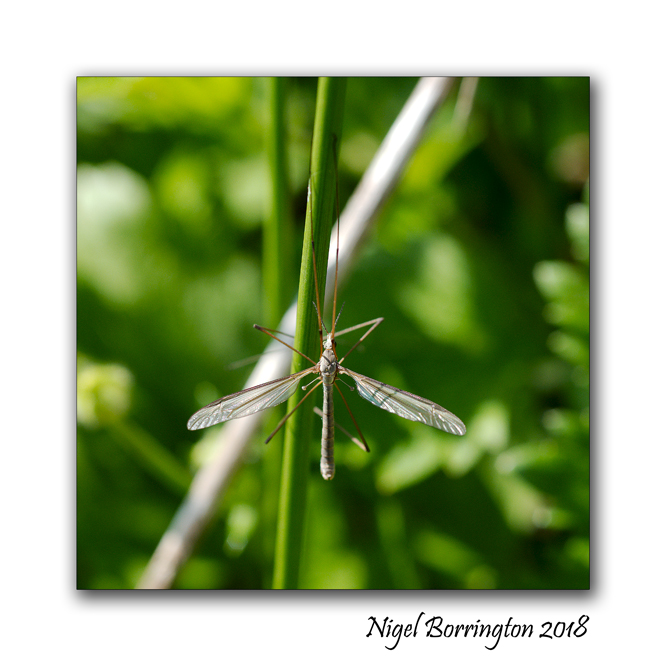
Crane Flies – Poem by Kevin Scanlon
Through the open door the clumsy crane flies come in
And perform their aimless aerial dance in the room
Before clinging to the wall as if waiting for something
To happen, they look a lot like giant mosquitoes
And sometimes buzz your ears but make no buzzing sound
More like a rustling that startles you for a second
Yesterday I got out of my car and one was right there
Almost as if to greet me, they look so sad and delicate
With deciduous legs that can drop off like a lizard’s tail
Just tiny non-sentient biological automatons, that only live
A couple of weeks, which is not much less than we do
Compared to the vast sweep of geological time, we could
Be intruders on an ancient alien’s estate and never know it.
Images from the Garden, Putting some colour into the World …
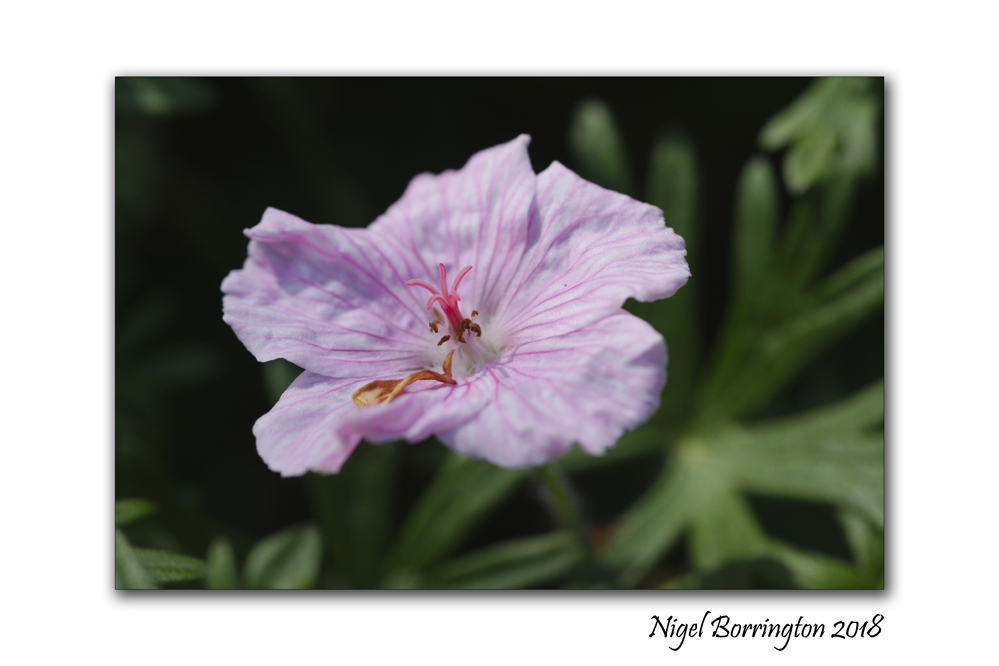
Images from the Garden
Putting some colour into the world
Nature Photography
Nigel Borrington
2018
Images from the Garden, The Rose Buds of May. Rosebuds, A poem by Raychiel Smith, Jul 2013 …..

Images from the Garden
The Rose Buds of May
Nature Photography
Nigel Borrington
Rosebuds.
Why does the deepest part of me resemble the seed that grows inside the bud of a rose? My maker knew me & he knew what no one else knows. but with time i grew cold. Eyes opened, mind closed. In the land of the wicked, eyes hoping mine closed. so i keep eyes open but, sometimes mine doze. My rose couldn’t bloom in this land we call Green. So before you I stand …hurt. With thorns in my hand. Searching for man in this wicked land & found none. judging by the outcome i’m now questioning my makers plan. Still wondering why the deepest part of me resembles a seed that grows inside the bud of a rose.
Raychiel Smith Jul 2013
Images from the Garden : Chives

Chives are one of the Herbs I love seeing in our Garden each year, I use some of them for cooking but also just love leaving some as a plant in their own right, they flower all summer around and are great plants for borders ……
Description
Chives are a bulb-forming herbaceous perennial plant, growing to 30–50 cm (12–20 in) tall. The bulbs are slender, conical, 2–3 cm (3⁄4–1 1⁄4 in) long and 1 cm (1⁄2 in) broad, and grow in dense clusters from the roots. The scapes (or stems) are hollow and tubular, up to 50 cm (20 in) long and 2–3 mm (1⁄16–1⁄8 in) across, with a soft texture, although, prior to the emergence of a flower, they may appear stiffer than usual. The grass-like, leaves, which are shorter than the scapes, are also hollow and tubular, or terete, (round in cross-section) which distinguishes it at a glance from garlic chives (Allium tuberosum). The flowers are pale purple, and star-shaped with six petals, 1–2 cm (1⁄2–3⁄4 in) wide, and produced in a dense inflorescence of 10-30 together; before opening, the inflorescence is surrounded by a papery bract. The seeds are produced in a small, three-valved capsule, maturing in summer. The herb flowers from April to May in the southern parts of its habitat zones and in June in the northern parts.
Chives are the only species of Allium native to both the New and the Old Worlds. Sometimes, the plants found in North America are classified as A. schoenoprasum var. sibiricum, although this is disputed. Differences between specimens are significant. One example was found in northern Maine growing solitary, instead of in clumps, also exhibiting dingy grey flowers.
Although chives are repulsive to insects in general, due to their sulfur compounds, their flowers attract bees, and they are at times kept to increase desired insect life.


Weekend visits : Emo Court House & Gardens, County Laois, Ireland
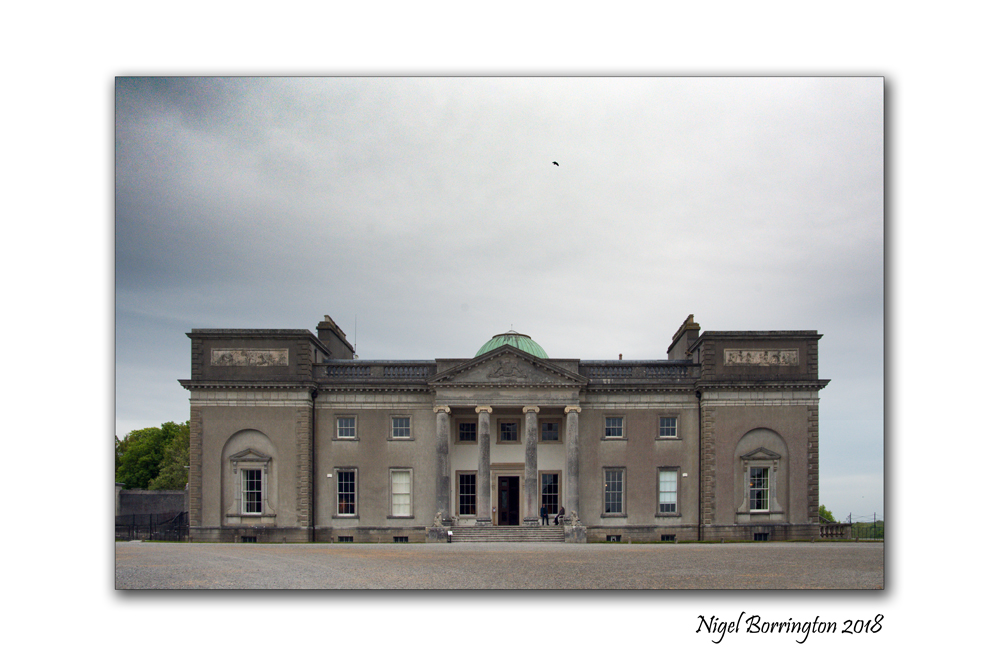
Emo Court House & Gardens
Emo Court is one of Ireland treasures and it is a location I have visited more than once over the years. Its a great place to visit on a weekend with its great walks through the wooded grounds along with a tour into the house and finally a visit to the cafe afterwards for a cake and a cup of tea ….
Emo Court House is a neo-classical mansion in County Laois that attracts visitors from all over the country and beyond. Designed by noted architect James Gandon, it features magnificent gardens and is located just 2.5 km from Emo village and 7 km from Portarlington Railway Station.
Designed in 1790 for the Earls of Portarlington, Emo Court House is a magnificent example of the neo-classical style. After some periods of lying empty, it was acquired by the Jesuits in the middle of the 20th century. Functional renovations were made to the estate before it was sold to Major Cholmeley Harrison, a former London stockbroker, in the 1960s.
Cholmeley Harrison’s vision was to restore Emo Court House to its former glory and today the results of his efforts are obvious. Leading London architect Sir Albert Richardson was commissioned to take on the restoration of the house which remained a private residence, though the public were encouraged to enjoy the gardens for a small entrance fee.
In 1994 Cholmeley Harrison presented Emo Court House to the people of Ireland, continuing to live there in private apartments until his death in 2008. Staff of the Office of Public Works (OPW) now care for the estate and preserve its stately elegance for modern visitors.

Visit Emo Court House to enjoy the beautiful gardens and parklands which were first laid out in the 18th century, containing formal lawns and a lake. Walks through the woodland are a popular way to explore the beautiful grounds.
The Cupcake Café at Emo Court House offers lunch and is open every day from 1 February to 31 October. From 1 November to 31 January it’s open on Saturdays and Sundays. Groups are welcomed at Emo Court House, but booking is required.
Emo Court A Gallery





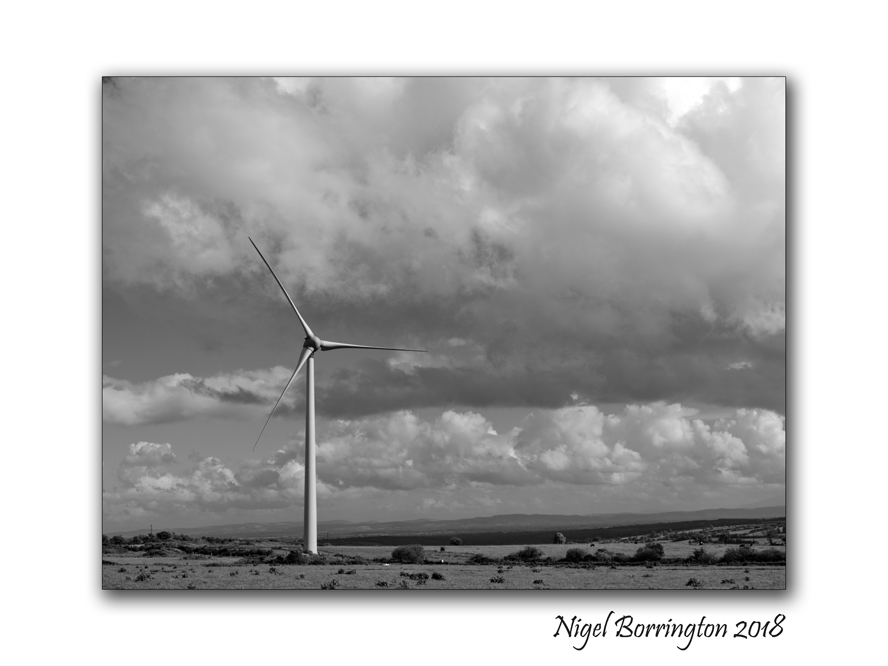
County Kilkenny by cycle, Taking the high road to the Slieveardagh hills ….

County Kilkenny by cycle
This weekend on Saturday morning, 12th May 2018 and I achieved one of my cycling aims for 2018, cycling all the way up to what well could be the highest road (at some 333 meters) in county Kilkenny, in the Slieveardagh hills at Blanchfields bog, with its wind farm of Ballybay.
There are some stunning views of county Kilkenny and Tipperary from here and on Saturday the weather was perfect, It was just a great feeling after some weeks of lower level cycling, to get ready.


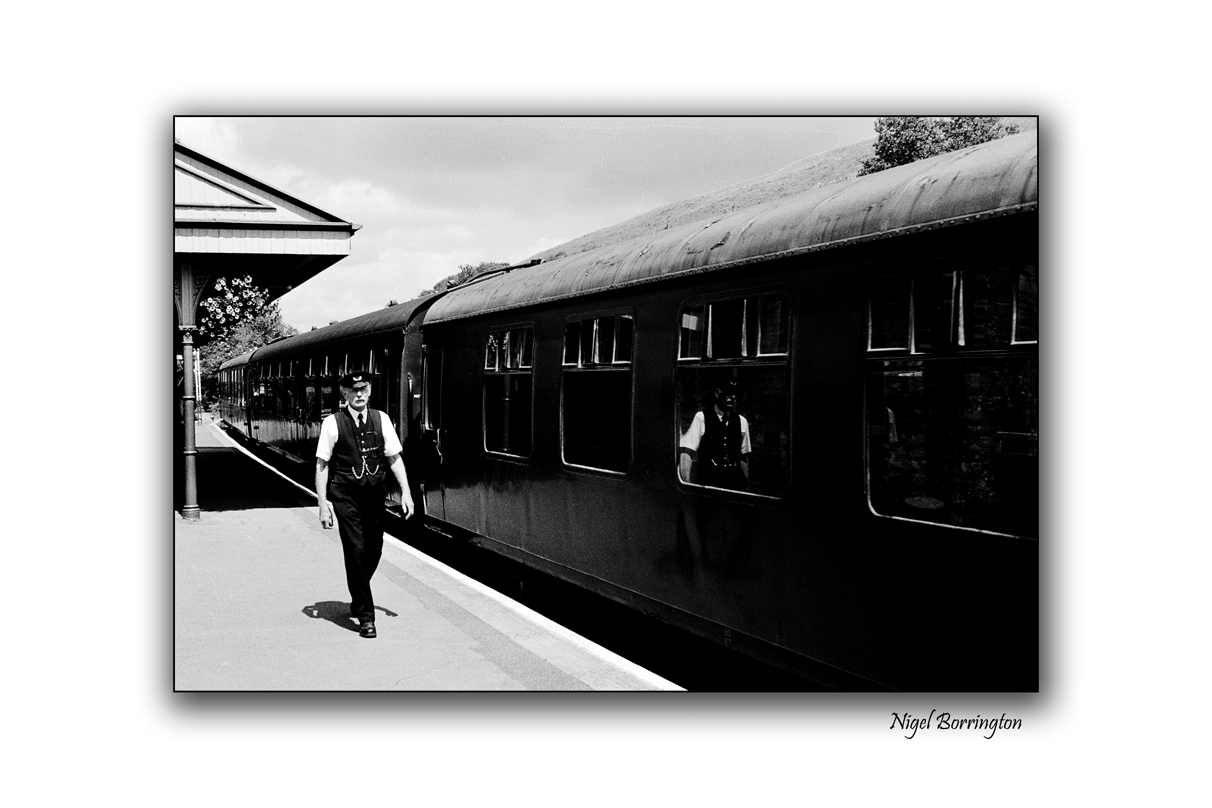
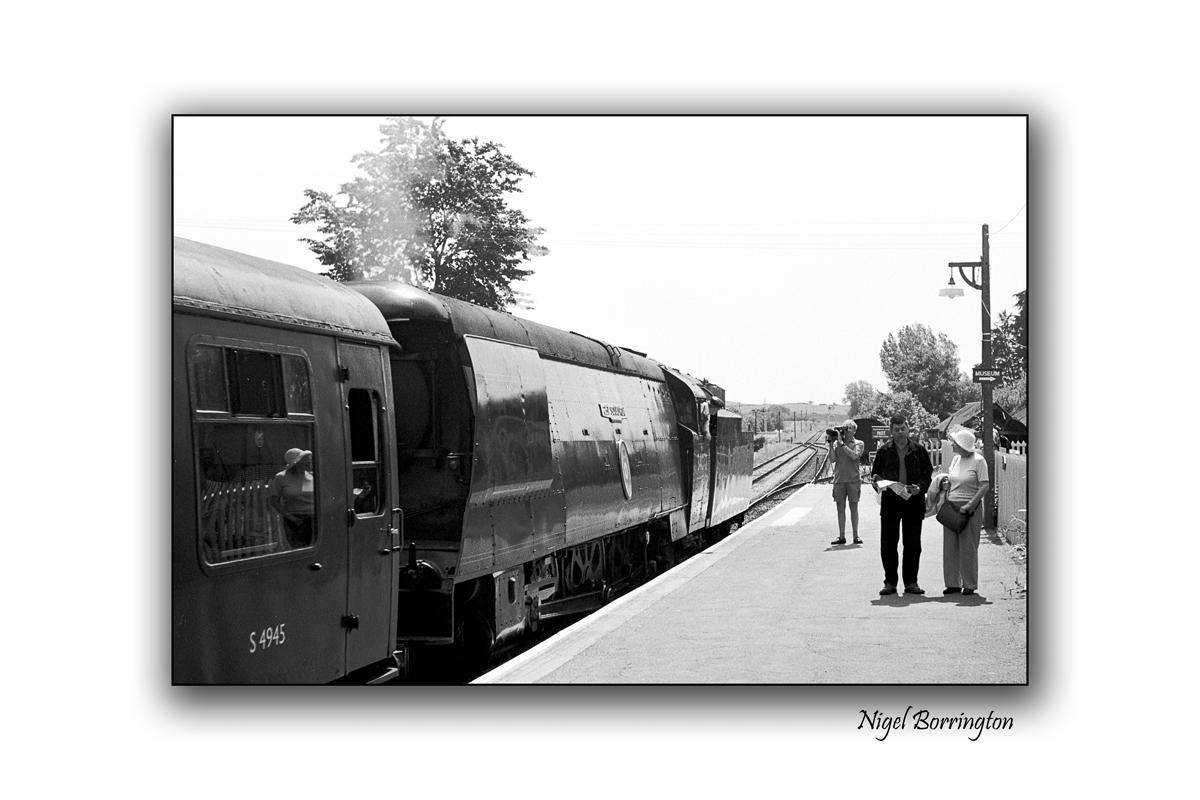
Film Friday, Swanage Steam Railway – Traveling back to the 1940’s

Swanage Steam railway
Nikon FM2n
Nigel Borrington 2018
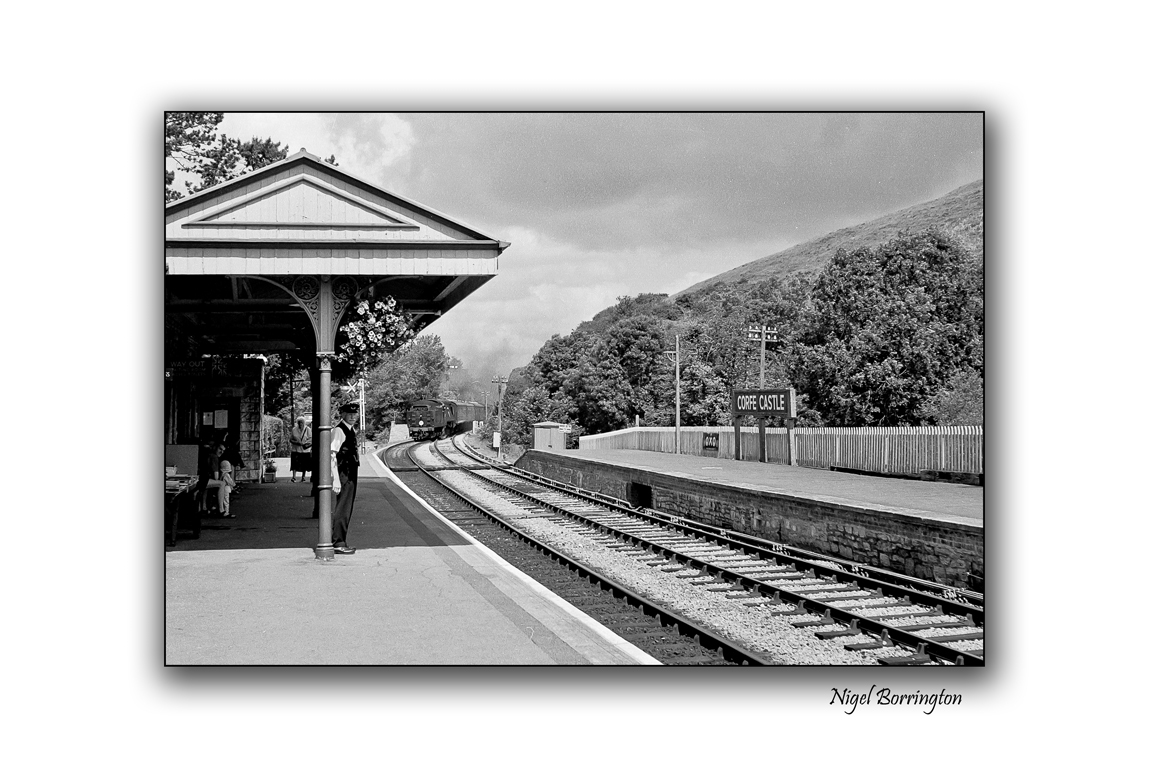
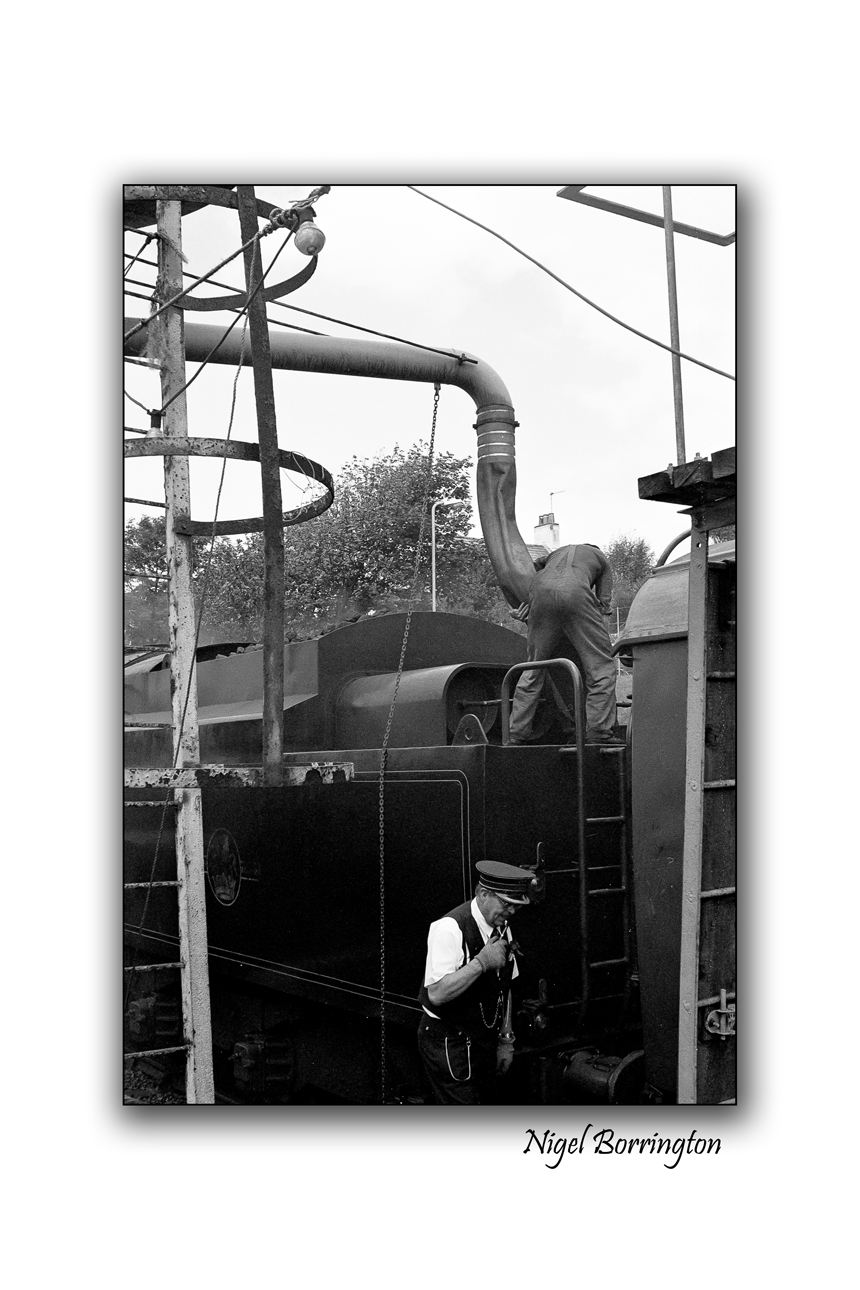
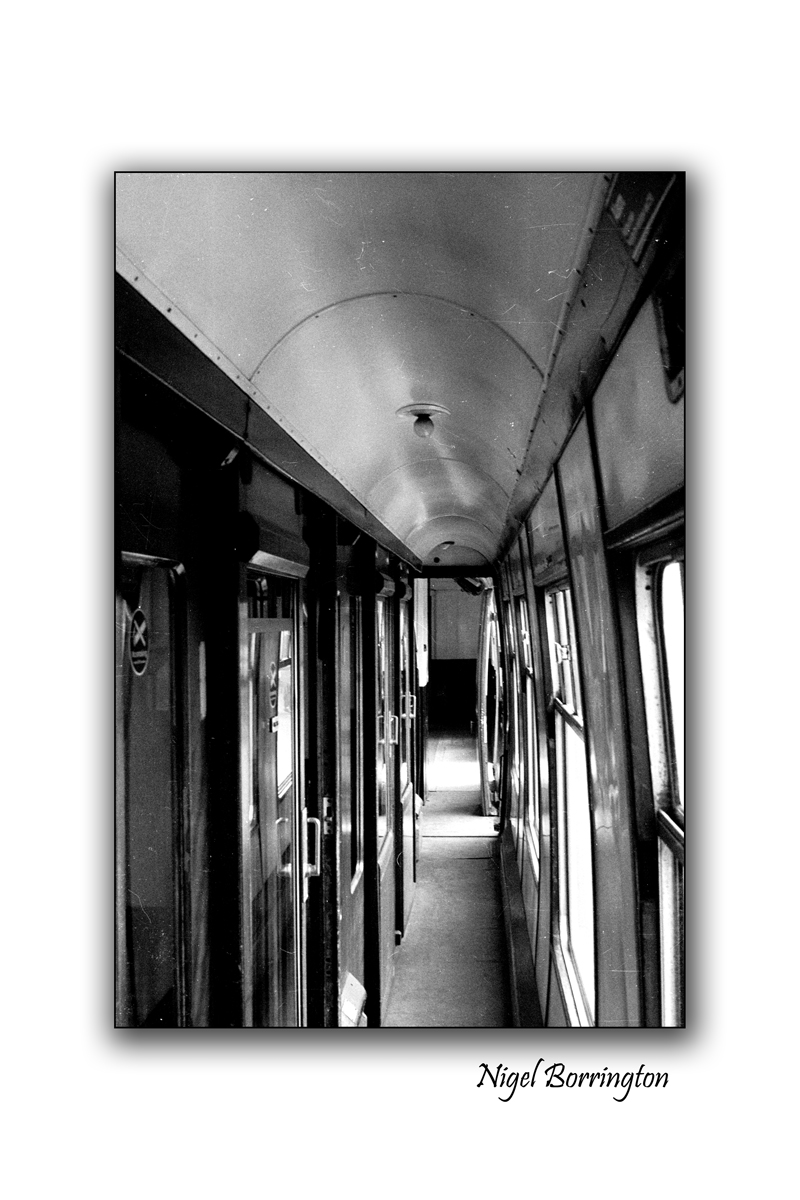
These images are all taken using a Nikon FM2n, loaded with Ilford XP2 Super black and white film. I used a black and white film on the day I visited the wonderful Swanage steam railway project as I felt it was perfect to capture the atmosphere of a 1940’s experience.
Sometimes when your out for the day with a camera, its the experience of finding subjects that’s the most enjoyable part of the day, on this day however it was the enjoyment of taking a trip into the past and enjoying the feeling that you had slipped back into the countryside of the 1940’s, taking these images was just a process of recording the moments.
Here is a small introduction to this great project.
Welcome to Swanage Railway
The Swanage Railway offers a more intensive heritage steam and diesel timetable train service than virtually any other preserved railway.
Steam and diesel galas, Family events plus regular Evening Dining and Sunday Lunch services complement themed events such as our highly popular Santa Special trains during the run up to Christmas.
Our award-winning standard gauge preserved steam railway is located in Dorset with easy access from neighbouring Hampshire and the South of England. Visitors can experience a unique journey through six miles of beautiful scenery passing the magnificent ruins of Corfe Castle, travelling down to the blue flag beach at Swanage.
You can even drive and fire your own steam train thanks to our one-hour footplate taster experiences
Swanage Steam railway a Film Gallery




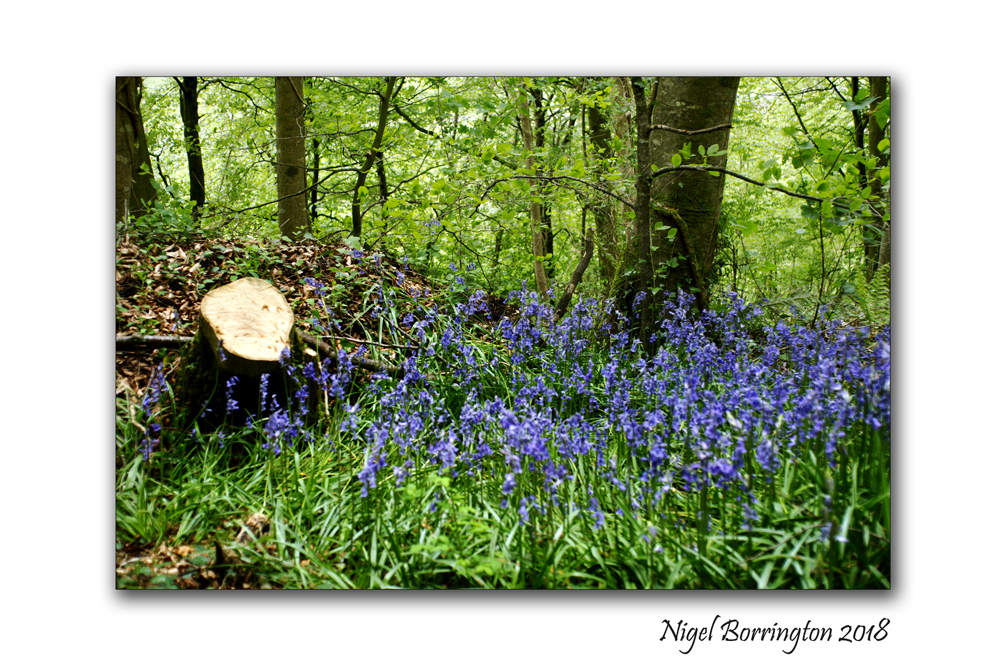
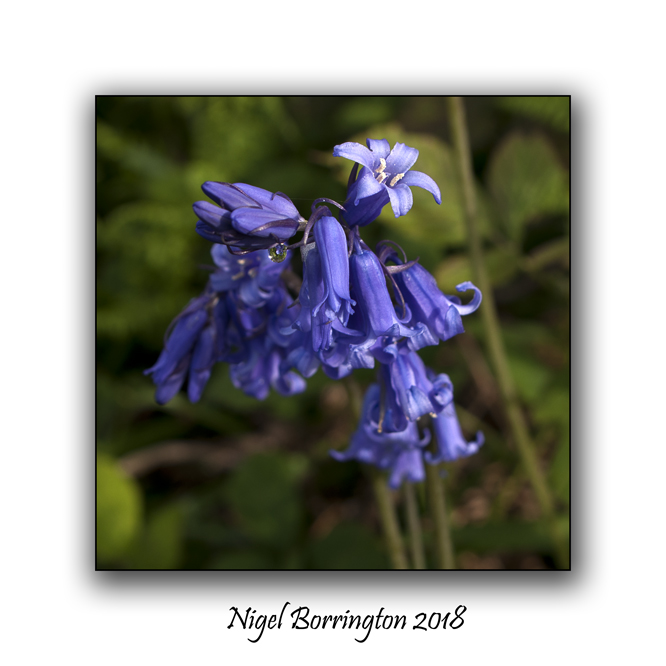
Mountain bluebells, Poem by Avetis Isahakian

Mountain bluebells, Poem by Avetis Isahakian
Armenian Legends and Poems [1916]
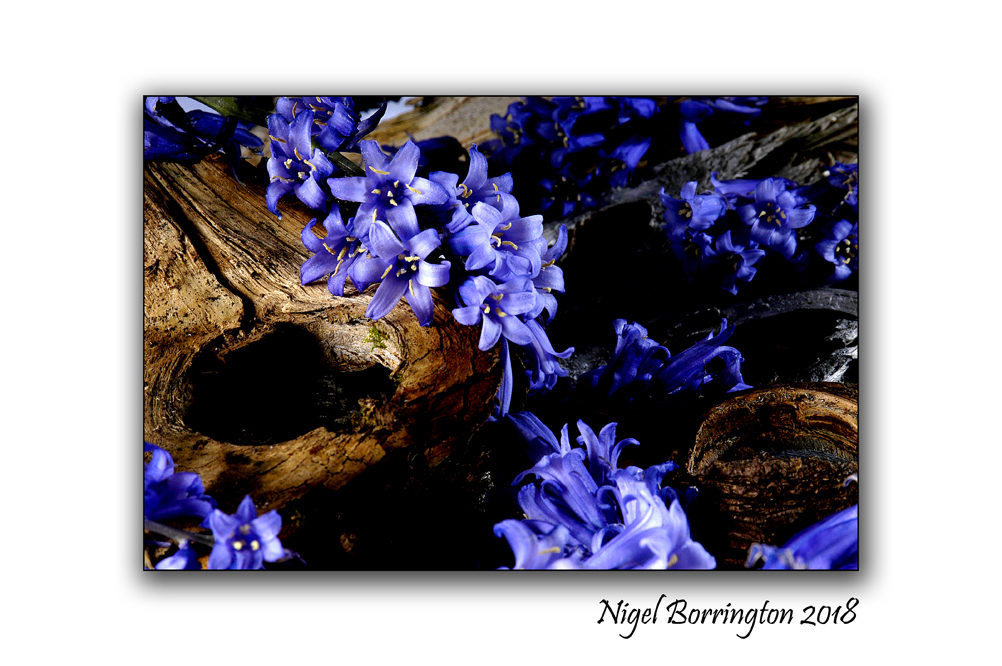
Mountain bluebells, weep with me,
And flowers in coloured crowds;
Weep, nightingale, on yonder tree,
Cool winds dropped from the clouds.
All dark around the earth and sky,
All lonely here I mourn.
My love is gone,–light of my eye;
I sob and weep forlorn.
Alas, no more he cares for me–
He left me unconsoled;
He pierced my heart, then cruelly
Left me in pain untold.
Ye mountain bluebells, weep with me,
And flowers in coloured crowds;
Weep, nightingale, on yonder tree,–
Cool winds dropped from the clouds.
Tuesday Morning on the River, Bagenalstown, River Barrow, county Carlow

Morning on the river
Bagenalstown
county Carlow
Nigel Borrington 2018
Bagenalstown, county Carlow
One of my most loved small towns located along the river Barrow as it flows through county Carlow is Bagenalstown, it is located of the side of the hills that surround the river barrow south of Carlow town. Otherwise known in its Gaelic version as Muine Bheag it is a pleasant stretch of the River Barrow and derives its name from Walter Bagenal, who, in founding the town, had visions of mirroring the city of Versailles, in northern France.
However, his efforts became frustrated due to the re-routing of the coach road away from the town. He left more than enough for visitors to enjoy with handsome stone public buildings including the impressive Courthouse, now a public library in Bagenalstown.

The arrival of the railway in 1846 rejuvenated the town, and its neo-classical railway station is one of the finest in Ireland. Attributed to William Deane Butler it is constructed of limestone and granite and is a seven bay, two-storey building in an Italianate villa style. Today Bagenalstown station still retains its charm in a largely unaltered state. This former mill town made full use of the river Barrow to transport grain, beet, coal, turf and Guinness by barge, evidence of which can be seen in its fine industrial architecture. Near the railway bridge on the R705 Borris road is an example of the Carlow fence which consists of a decorative fence made of granite pieces, laid horizontally over vertical posts and is found nowhere else in the world.
One of the finest views of Bagenalstown may be enjoyed on the approach road from Leighlinbridge and includes the spire of St. Andrew’s Catholic Church and the fine tower of St. Mary’s Church of Ireland Church. St. Andrew’s Catholic Church was built in 1820 on a site provided by the Newton family, successors to the Bagenals. The stained glass behind the altar is worthy of particular attention. Nowadays, riverside walks, picnic tables and a picturesque lock enhance this fine town which has been twinned with the French town of Pont Pean since 1999.

ATTRACTIONS: The ruins of the early 14th century Ballymoon Castle and 13th century Ballyloughan Castle are located near the town. Wells Church, situated closeby, is the preserved ruin of a church dating back to 1262. The church is surrounded by an enclosed and well-maintained graveyard which is still in use today.
ACTIVITIES: Outdoor swimming pool. The McGrath complex offers excellent sporting facilities including cricket, hurling, soccer and Gaelic football fields, tennis court and pitch and putt courses. The River Barrow in this area is renowned for coarse fishing with wheelchair friendly fishing stands located near the swimming pool. The Barrow Way long distance walking route passes through the town.






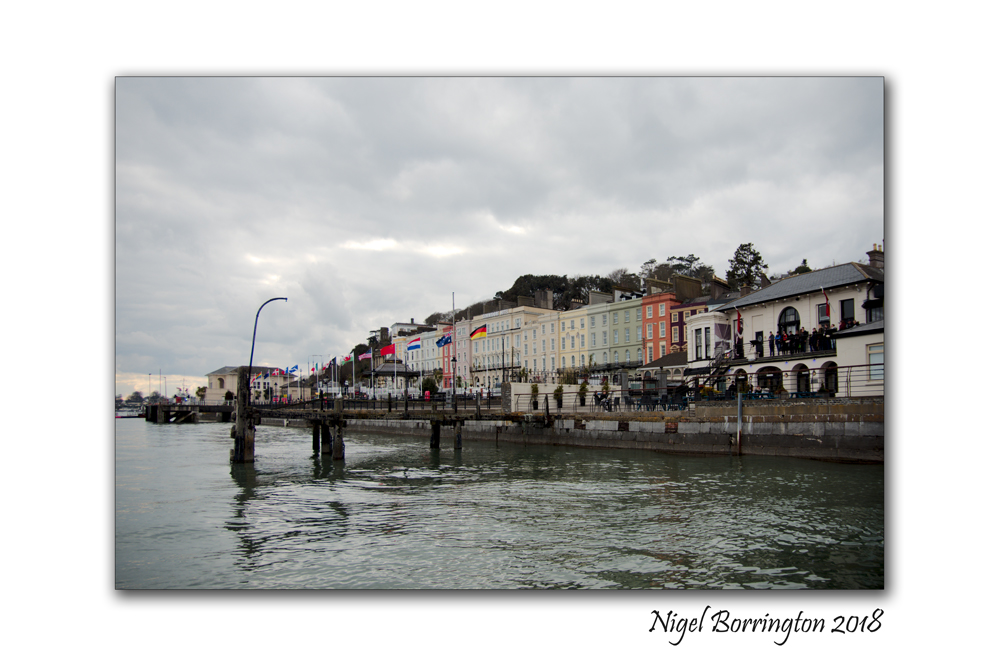

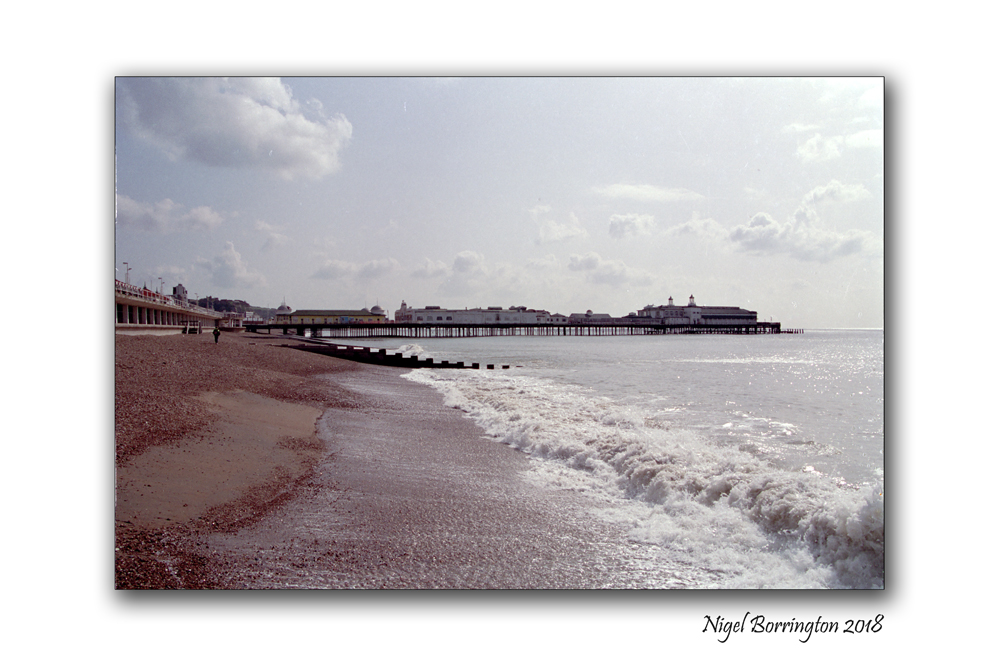
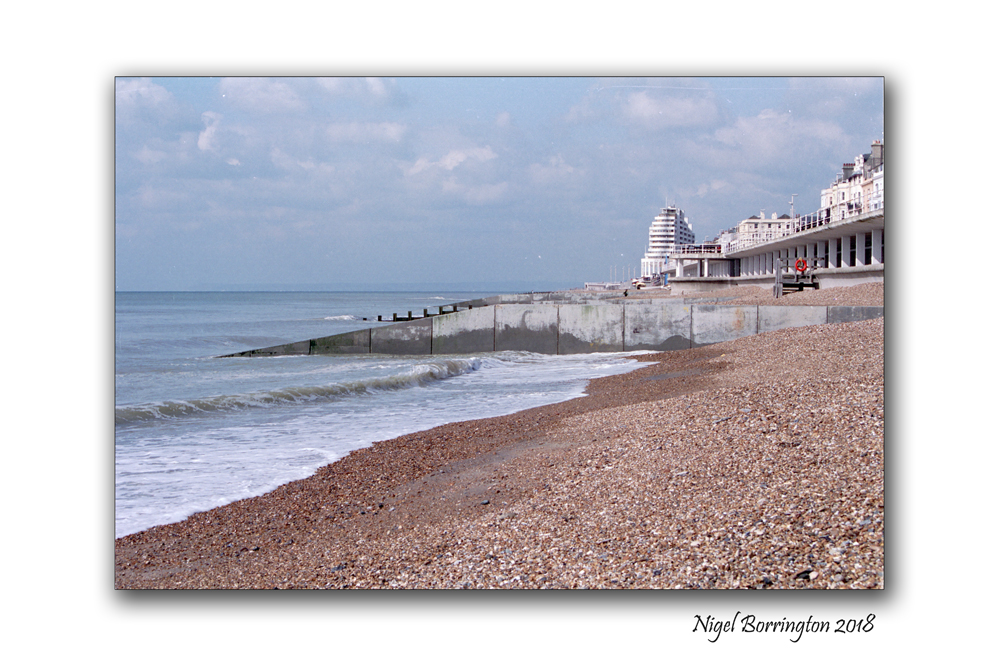
Man and the Sea – Cyril Scott, Baudelaire: The Flowers of Evil (London: Elkin Mathews, 1909)

Man and the Sea
Free man! the sea is to thee ever dear!
The sea is thy mirror, thou regardest thy soul
In its mighteous waves that unendingly roll,
And thy spirit is yet not a chasm less drear.
Thou delight’st to plunge deep in thine image down;
Thou tak’st it with eyes and with arms in embrace,
And at times thine own inward voice would’st efface
With the sound of its savage ungovernable moan.

You are both of you, sombre, secretive and deep:
Oh mortal, thy depths are foraye unexplored,
Oh sea — no one knoweth thy dazzling hoard,
You both are so jealous your secrets to keep!
And endless ages have wandered by,
Yet still without pity or mercy you fight,
So mighty in plunder and death your delight:
Oh wrestlers! so constant in enmity!
Springtime poetry , After the Winter By Claude McKay

After the Winter
By Claude McKay
Some day, when trees have shed their leaves
And against the morning’s white
The shivering birds beneath the eaves
Have sheltered for the night,
We’ll turn our faces southward, love,
Toward the summer isle
Where bamboos spire the shafted grove
And wide-mouthed orchids smile.
And we will seek the quiet hill
Where towers the cotton tree,
And leaps the laughing crystal rill,
And works the droning bee.
And we will build a cottage there
Beside an open glade,
With black-ribbed blue-bells blowing near,
And ferns that never fade.
Monday Poetry, Ruins – LJ Chaplin Mar 2015

Kilkenny Landscape
Ruins
Nigel Borrington
Ruins
Dust and rubble settle at my feet,
A chaotic collapse
Inside myself that I could never
Have imagined,
The foundations are shaken,
The cracks began to show,
And piece by piece
It all spectacularly fell apart,
Nothing to hold on to,
Nothing to steady myself with
As it all crashed and burned,
Leaving me surrounded by the ruins
Of a place that took years to build
And seconds to destroy.
LJ Chaplin Mar 2015
Film Friday, Irish landscape photography, Sally Gap, Wicklow Mountains, The drama of 35mm slide film

Irish Landscapes
Sally Gap
Wicklow Mountains
Nikon f90x
Kodak 200iso slide film
Nigel Borrington
From all the possible 35mm films you could use for landscape photography, I feel that slide transparency film offered the most drama and colour depth to each shot you took. Clearly you still needed to me there at the time you found the best lighting and weather conditions but to myself there was no better film available that captured dramatic colours and tones.
This image was taken on a very moody evening, sometime back as I was walking alone the road of the Sally Gap….
Sally Gap, Wicklow Mountains
On the road to Sally Gap, there are spectacular views of the surrounding blanket bog and the Wicklow Mountains. Sally Gap is one of two east-to-west passes across the Wicklow Mountains. Sally Gaps is a cross-road that leads you North to Dublin, West to Blessington, South to Glendalough or East to Roundwood.
the Sally Gap got its road after the Irish rebellion of 1798. It was built by British Army forces looking to flush rebels from the hills, and to this day is known as the Military Road.
Whatever about giving the army a better view of the rebels, the Military Road certainly provides an enviable view of some of Ireland’s most filmed scenery.
Highlights of this winding, twisting feat of engineering include the Glencree valley, the dark waters of Lough Tay, Kippure Mountain and Glenmacnass Waterfall.
Two more unusual stops are Glencree’s Visitor Centre, originally built to house soldiers guarding the pass (and now a centre for Peace and Reconciliation), and the Glencree War Cemetery, a resting place for German soldiers who died in Ireland.
The Alpine Path, by : L. M. Montgomery

Neuchâtel, Switzerland
Ilford SFX 200
Black and White Negative Film
Then whisper, blossom, in thy sleep
How I may upward climb
The Alpine path, so hard, so steep,
That leads to heights sublime


Film Photography: Ilford XP2 Super, samples and review .

Film Photography
Ilford xp2 super
ISO 400 35mm film
Nikon F90x
Nigel Borrington
In yesterdays post I talked a little about how film based photograph is now back a big way! with many of the film manufacturers having over the last few years seen a big jump in their sales figures. Many films that had disappeared from the photography market have now started to be produced again, Kodak are event about to re-introduce their world famous Ektachrome film, a high resolution positive film used at a commercial level of photography in the past.
It is now possible for the first time in many years to get online and purchase any type or speed of film, from Colour to Black and white, ISO 50 to ISO 3200
. This is a big opportunity for film loves to regain long lost skills, such as black and white film processing at home, setting up a dark room studio using chemical based film processing and printing. If this is not for you however, you can still opt for just purchasing the type of film you want to try out and once you have exposed your full roll, you can send it in the post to processors such as Lomography, who process any type of film for about the same price as it cost way back in the original film days.
One film I always love using was Ilfords XP2 Super, ISO 400, black and white film, Its a C41 processed film which is the same processing methods used with colour films. This film can be exposed at camera ISO setting between 50 to 800 as described in the instructions that come in the box, ISO 400 is the optimum setting but if the film is exposed at setting that overexpose the film, the film grain visible on the final prints will be much reduced. If you do play around with your ISO setting, you have to remember that with film you have to specify to your development lab that you did so and tell them what ISO Setting you exposed the roll of film at, also unlike digital for each of the 24 or 36 exposures on your roll of film you have to stay with the same ISO setting all the way through the roll.
ILFORD XP2 Super PDF
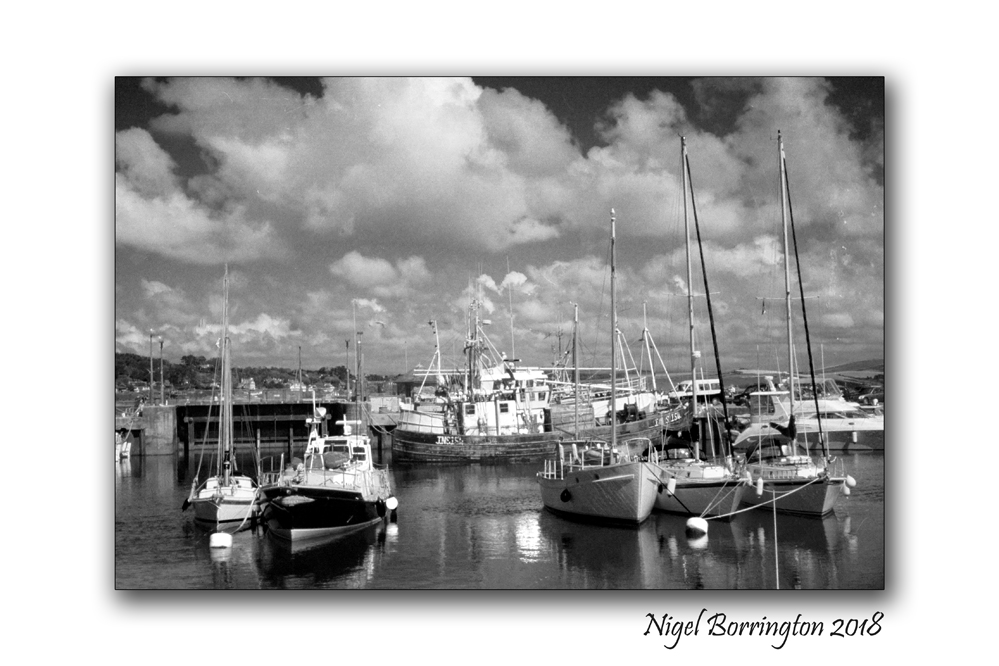
Like all rolls of film, XP2 Super has its own grain look and texture, you can see from the image below that the grain is very visible in the more well lighted areas on the frame. Its not unpleasant and adds lots of character to the image, this is an ISO 400 film after all and as such perfect for use indoors.

Ilford XP2 Super – Sample images, scanned using a Minolta Dimage Elite film scanner


Film Photography, Was it as good as we think ?

Thanks to Sharon Walters Knight a fellow WordPress blogger and Facebook friend , I have in the last three weeks started to take a look again at 35mm film photography.
Over the last three years or so Film is starting to make a big come back, mainly with the help of film suppliers and film fan supporters lomography, they sell and process films along with camera bodies and offer some great new ideas as to how to use film and get some creative results from it.
I have just finished shooting my first role of 35mm black and white film supplied from Lomography Europe, using my Nikon FM2 and when I get time this week I will post this roll of film off to them and wait for the negatives and online scans to appear!
For the moment I have been looking at some of my old negatives and scanning them, the results are good I feel for these old black and white frames, My impression of how film compares to current Digital cameras is one of surprise, I love the grainy and organic feel to black and white films!
I had not realized since I stopped looking at film as my main photography medium, just how much digital has moved forward year on year! I feel that even when scanning a film frame at 10 megapixels with a good scanner, even with ISO 100 film the detail is so much less that can be found in todays digital sensors. Film grain is loved by many, yet when you look closely a lot of the image details are lost in this grain. A simple fact however when using film is that while digital cameras have kept developing all the time, film scanner have not. Another fact often lost today is that film was not designed with scanners in mind but with wet/dark room printing on light sensitive photo-papers, often designed by the film suppliers to match the film being used. Thus it could still be true that the best results when printing from film can be achieved in the dark room and not using a scanner at all!
I still love the idea of using a film camera at times when you want to use a simple process and travel light, just packing a film camera, a few lenses and rolls of film, without the need to take battery chargers and laptops with you. Another fact is that Film cameras work better when your outside and need to keep changing lenses, you never have to worry about dust and dirt getting to your sensor!
Here are some film shots I have taken over the years, at some point this week I will post more on them, including some closer looks at just how much detail is in the full sized images and just how film grain looks at 100% print size.
Ilfords Black and white film Gallery


Friday Poetry – Old Bones, by -Gary Snyder
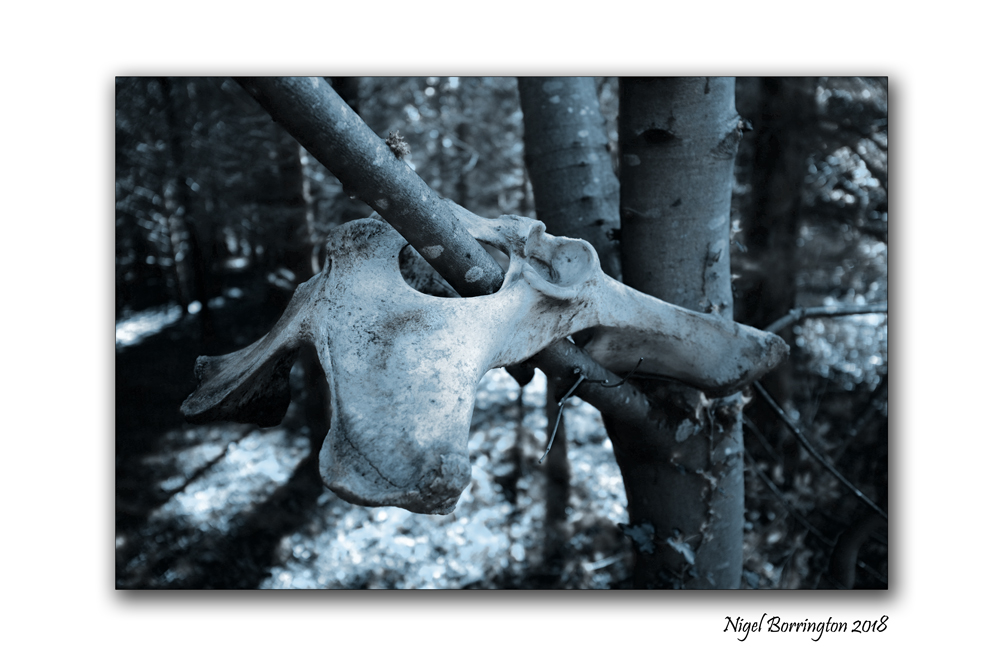
Old Bones
Out there walking round, looking out for food,
a rootstock, a birdcall, a seed that you can crack
plucking, digging, snaring, snagging,
barely getting by,
no food out there on dusty slopes of scree—
carry some—look for some,
go for a hungry dream.
Deer bone, Dall sheep,
bones hunger home.

Out there somewhere
a shrine for the old ones,
the dust of the old bones,
old songs and tales.
What we ate—who ate what—
how we all prevailed.
Gary Snyder
The Cycle Of Seasons – Poem by ann rta’s

Spring, days lengthening and warming slowly
green shoots daffodils and gambolling lambs.

Summer, sunny and hot lazing in deckchairs
rambling roses blooming strawberries and cream.
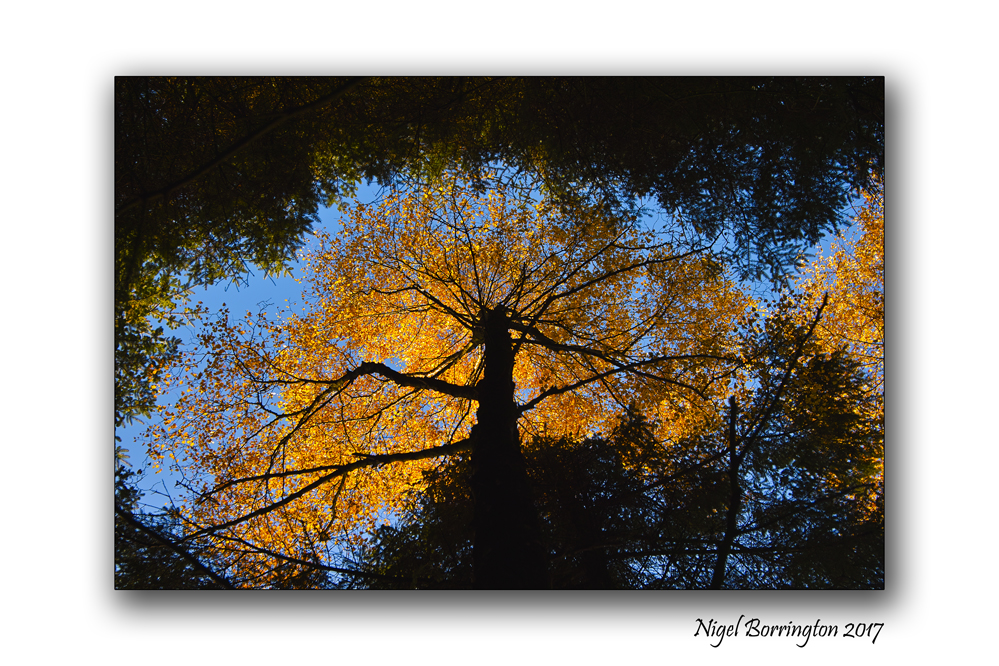
Autumn, wind blustering with nights drawing in
dying leaves changing to red/gold before falling
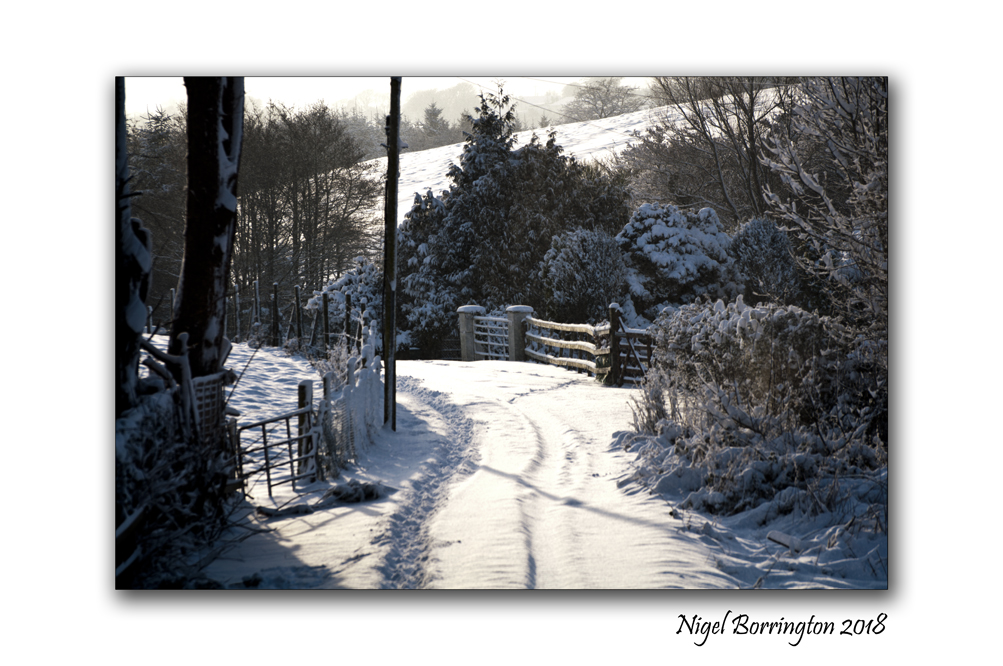
Winter, cold and bringing frosts, snow, ice,
dark brown trees stark and bare animals hibernate.
Seasons whirling in a revolving cycle,
marking the endless passage of time.
I was once;
the Spring child
the Summer teenager
the Autumn adult,
now, I am approaching
the Winter of old age.
Oh, that I could go back and return
like the Seasons
to the Spring again.
Irish Landscape Images, Tramore Beach, County Waterford 2018

Irish landscape images Tramore beach
county Waterford Nigel Borrington
Monday Poetry : The Mountain Horse

Mountain Horse
Slievenamon
County Tipperary
Nigel Borrington
The Mountain Horse
Its cold at dawn in the Great Divide
And the Dew lies thick on the mountainside,
The bite of the cold air nearly makes you choke
And breath from your nostrils like dragon smoke.
The saddles are on and the cinch is tight,
Bridles are buckled and a bit to bight,
The horsemen are ready to break the camp,
The mist still rising and the bush is all damp.
The mobs been found in a clearing up ahead,
They’re all wild horses and they’re mountain bred.
Bushes flying by lashing legs and sides,
There’s danger here now for anyone who rides.
An overhanging limb so bend down low
Around rocks and wombat holes we go
There’s a mighty log we’ll have to jump
Look out, look out avoid the stump.
The big bay stallion leads his harem through the creek
There’s no place here for faint hearted or the meek,
Their hooves are like thunder and stock whips are cracking
Horses are snorting and their courage is not lacking.
Down along the valley where he knows every stride
Down along the valley where the wings are stretching wide,
But it’s too late, he knows it now, there’s nowhere left to run,
He turns and rears up high, his fight has just begun.
Something about these mountains makes you want to stay
And a mountain horse’s spirit you cannot take away.
My mind wanders back to a day not long ago,
When the horsemen came and found my mob and I put on the show.
 Nigel Borrington
Images from the Garden , Clematis
Images from the Garden
Clematis
Nigel Borrington
2018
Each May and June the Clematis planted in our Garden flowers and produces some of the best colour during the early and mid summertime , I love just how full of flowers it becomes. My mid July most of the pink flowers have gone but the leaves still offer a full canopy above pergola and give some great shade on warm and sunny days.
Description
Clematis is a genus of about 300 species within the buttercup family, Ranunculaceae. Their garden hybrids have been popular among gardeners, beginning with Clematis × jackmanii, a garden standby since 1862; more hybrid cultivars are being produced constantly. They are mainly of Chinese and Japanese origin. Most species are known as clematis in English, while some are also known as traveller’s joy, a name invented for the sole British native, C. vitalba, by the herbalist John Gerard; virgin’s bower for C. viticella and for C. terniflora; old man’s beard, applied to several with prominent seedheads; leather flower for those with fleshy petals; or vase vine for the North American Clematis viorna
Etymology
The genus name is from Ancient Greek clématis, (“a climbing plant”). Over 250 species and cultivars are known, often named for their originators or particular characteristics.
Botany
The genus is composed of mostly vigorous, woody, climbing vines / lianas. The woody stems are quite fragile until several years old. Leaves are opposite and divided into leaflets and leafstalks that twist and curl around supporting structures to anchor the plant as it climbs. Some species are shrubby, while others, like C. recta, are herbaceous perennial plants. The cool temperate species are deciduous, but many of the warmer climate species are evergreen. They grow best in cool, moist, well-drained soil in full sun.
Clematis species are mainly found throughout the temperate regions of the Northern Hemisphere, rarely in the tropics. Clematis leaves are food for the caterpillars of some Lepidoptera species, including the willow beauty (Peribatodes rhomboidaria).
The timing and location of flowers varies; spring-blooming clematis flower on side shoots of the previous year’s stems, summer/fall blooming clematis bloom only on the ends of new stems, and twice-flowering clematis do both.
Taxonomy
The genus Clematis was first published by Carl Linnaeus in Species Plantarum in 1753, the first species listed being Clematis viticella. The genus name long pre-dates Linnaeus. It was used in Classical Greek for various climbing plants, and is based on κλήμα (klēma), meaning vine or tendril.
Gallery
Share this:
May 25, 2018 | Categories: a closer look, Comment, Gallery, Images from the Garden, Images of Summer, Nature and Wildlife, Plants and herbs | Tags: Clematis, creeping plants, Garden flower, Garden plants, Images from the Garden, Nigel Borrington, pergola, summer, summer colour, Summer flowers | Leave a comment