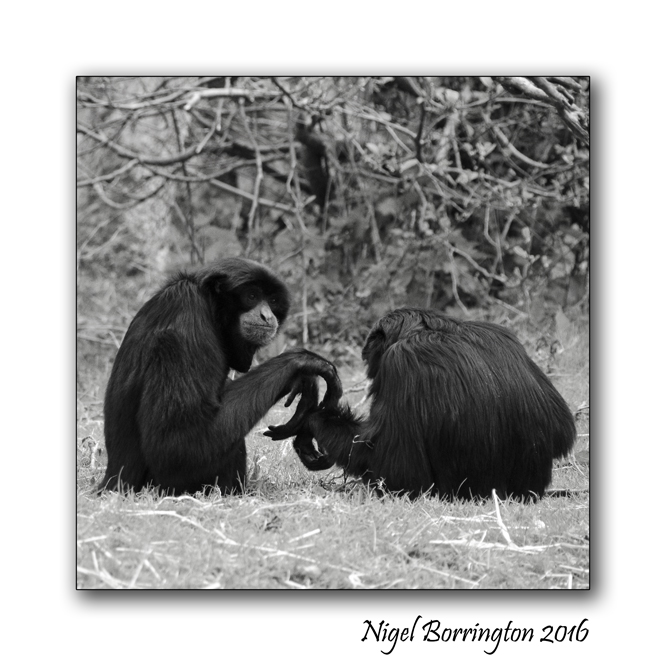
Portraits of Siamang Gibbon’s, Fota Island wildlife park , County Cork
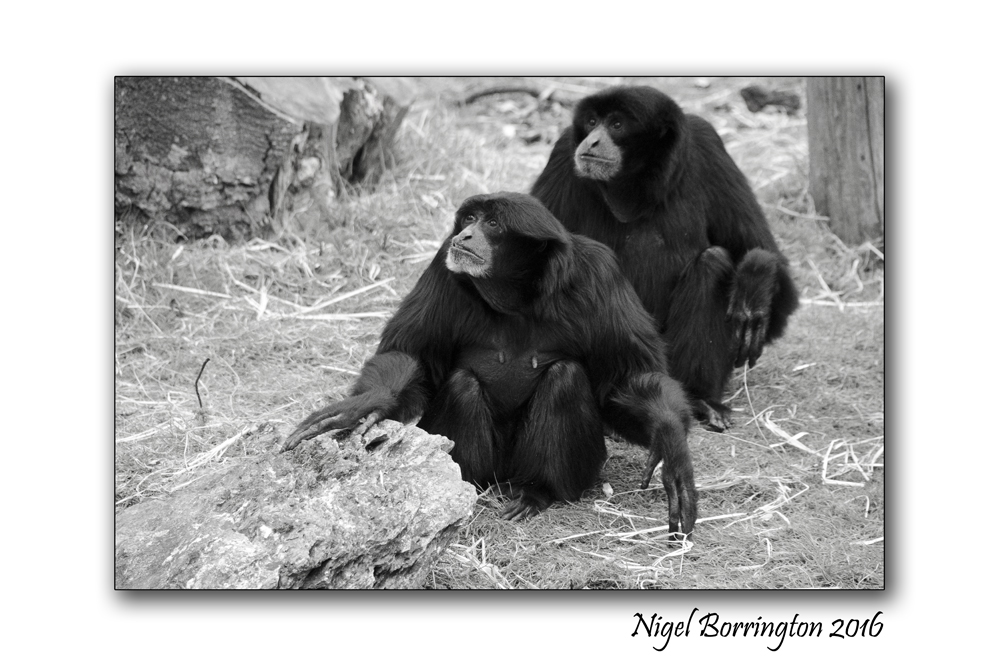
Siamang Gibbon
Fota Wildlife Park
County Cork
Nigel Borrington
During last weekend we visited Fota wildlife park in county cork and spent many great hours getting to know many of the animals they have in their care.
The Siamang Gibbon at the park are all member of the same family 🙂
Here are some details and fact about them , just to help you get to know them a little better 🙂
About the Siamang Gibbon
With a Latin name that means ‘Dweller in the trees’, the Siamang Gibbon is a tailless, black-furred ape that can grow to be twice the size of other Gibbons. Like other apes, the Siamang Gibbon has quite an upright posture and well-developed brain. However, it can weigh up to 14kg and has a special throat sac to amplify its call, which can be heard up to two miles away in the forest canopy.
Habitat
Native to the forests of Sumatra, Malaysia and Thailand, its home range overlaps with both the Lar and Agile Gibbons 0 though because of its largely leaf-eating habits, it does not compete for what the forest has to offer the other species.

Wild Notes
Siamangs are very agile and acrobatic creatures and their extra-long arms help them swing up to 15 feet in one move. Its arms stretch out to help with balance while walking and because it uses its hands so frequently while traveling, the Gibbon tends to carry items with its feet.
Conservation
Siamang Gibbons are considered to be Endangered as 70-80% of their primary habitat has been lost to palm oil production in recent decades. The illegal pet trade has also taken a toll on wild populations, but there are a growing number in existence in captivity across the world.
Did you know?
The Siamang Gibbon mates for life with both parents playing a role in rearing offspring. Breeding males and females also sing duets in order to maintain their bond and establish territory boundaries.
As a fellow ape, the Siamang is also the closest related animal to Mankind in the Park.
The Fota Connection
One of the noisiest crews in the Park, the Siamang Gibbons are hard to ignore and have been at Fota right from the beginning.
They feed on fruit, vegetables, nuts and willow branches and can often engage in long bouts of calling out if the Park is busy and they feel their territory might be under threat. Situated on Monkey Island, their location allows visitors get right up close.
The Sound of the Sea, By : Henry Wadsworth Longfellow

The sound of the sea
Nigel Borrington
The Sound of the Sea
By : Henry Wadsworth Longfellow
The sea awoke at midnight from its sleep,
And round the pebbly beaches far and wide
I heard the first wave of the rising tide
Rush onward with uninterrupted sweep;
A voice out of the silence of the deep,
A sound mysteriously multiplied
As of a cataract from the mountain’s side,
Or roar of winds upon a wooded steep.
So comes to us at times, from the unknown
And inaccessible solitudes of being,
The rushing of the sea-tides of the soul;
And inspirations, that we deem our own,
Are some divine foreshadowing and foreseeing
Of things beyond our reason or control.
European passage tombs ( Knockroe, county Kilkenny and Kilmartin, Argyll, Scotland )
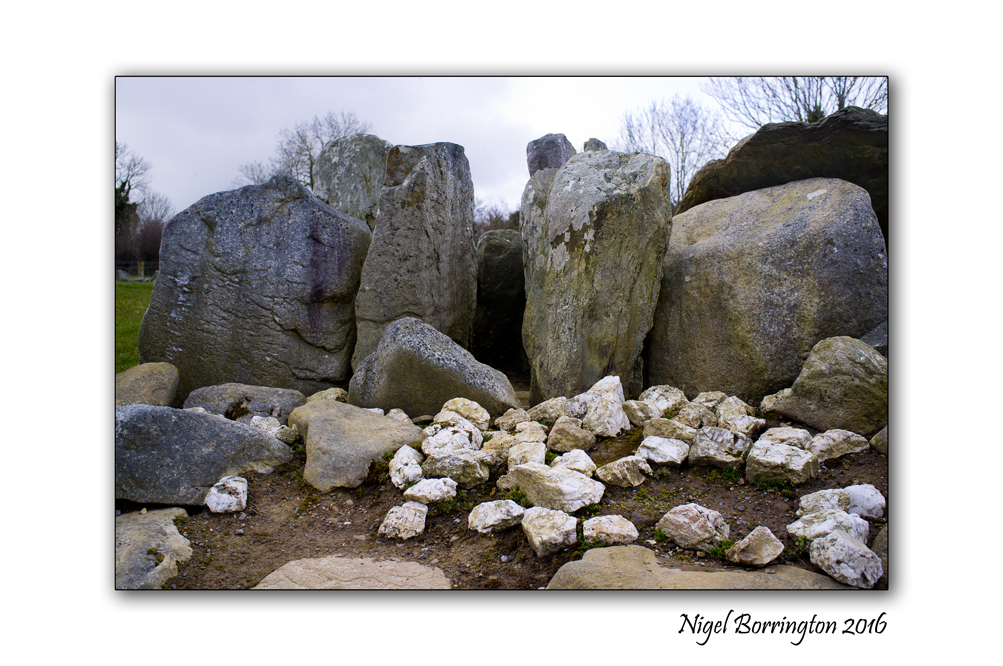
Knockroe, county Kilkenny
Knockroe http://www.megalithicireland.com/Knockroe%20Passage%20Tomb.html
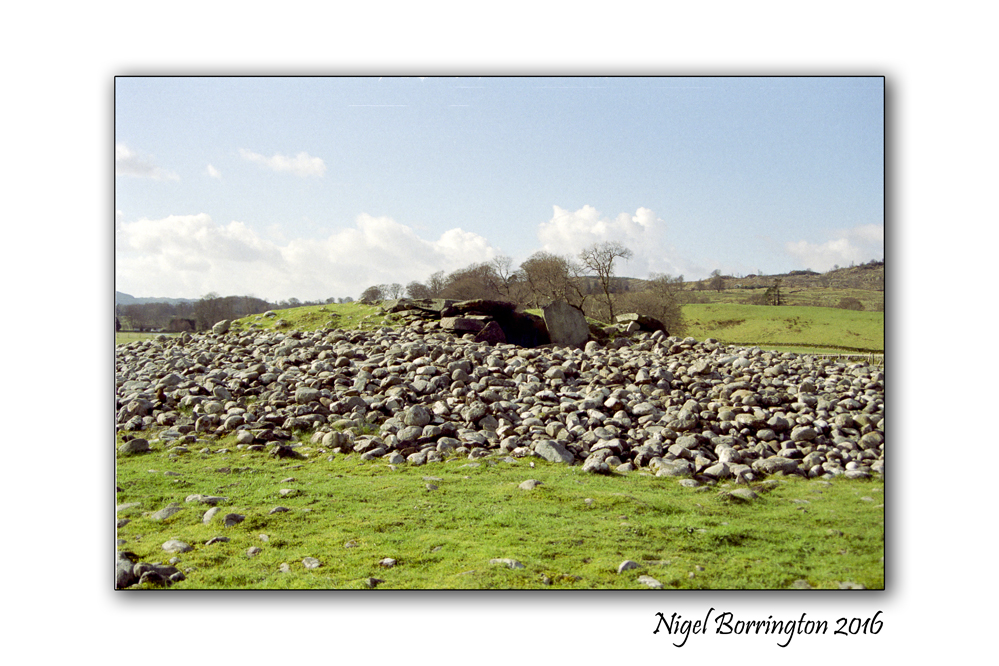
Kilmartin, Argyll, Scotland
Kilmartin http://en.wikipedia.org/wiki/Kilmartin_Glen
A link through time
These two mystical European locations stand two hundred and fifteen miles apart, Knockroe is in county Kilkenny republic of Ireland and the other, Kilmartin is in Argyll, Scotland, about 15 miles south of Oban.

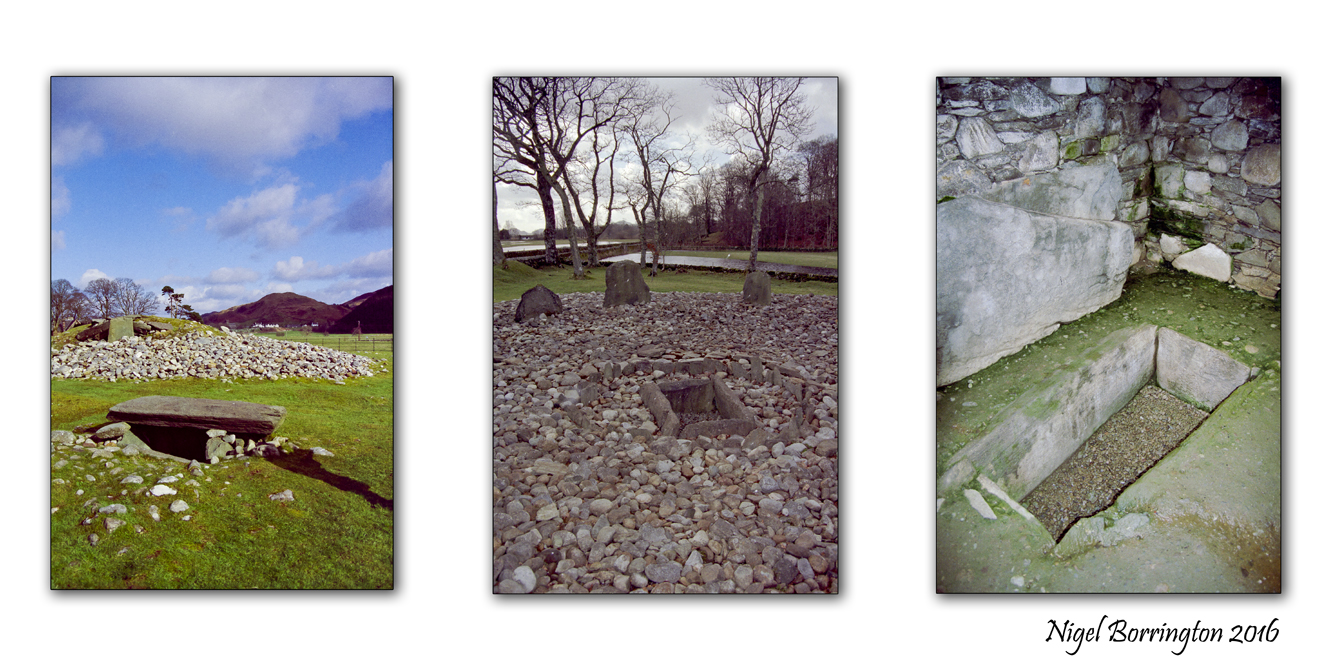
The reason I displaying these images in the same post is simply to highlight something that only occurred to me when one year I happened to visit them only weeks apart. The fact is you could view these two sites individually and study them by themselves all you like, however you would be missing something very important!
The people’s who created these sites shared the same time period and clearly the same beliefs and culture. They lived in Europe both in Ireland and Scotland located in the Geographical British Isles; however some 5500 years ago they knew nothing of recent nations and nationalism , of national borders or even the concept of a European nation.

Both monuments are passage tombs, placed for their dead to be remembered, they both also contain elements for marking the passing of the year and its seasons, by measuring the movement of the sun and the moon.
The structures in these places along with the cultural function they served is identical, to me this shows that these people traveled the seas and not only shared goods and beliefs they in fact where the same peoples. They did not just get on with each other through trade they were each other as brother and sister, mother and father, family and friends.
When they knew nothing of modern boundaries and divisions, what else could they be?
These same people who traveled from one place to another in order to expand their options and abilities did not in any shape or form see themselves as English or Scottish or Irish they were family to each other and nothing more or less!
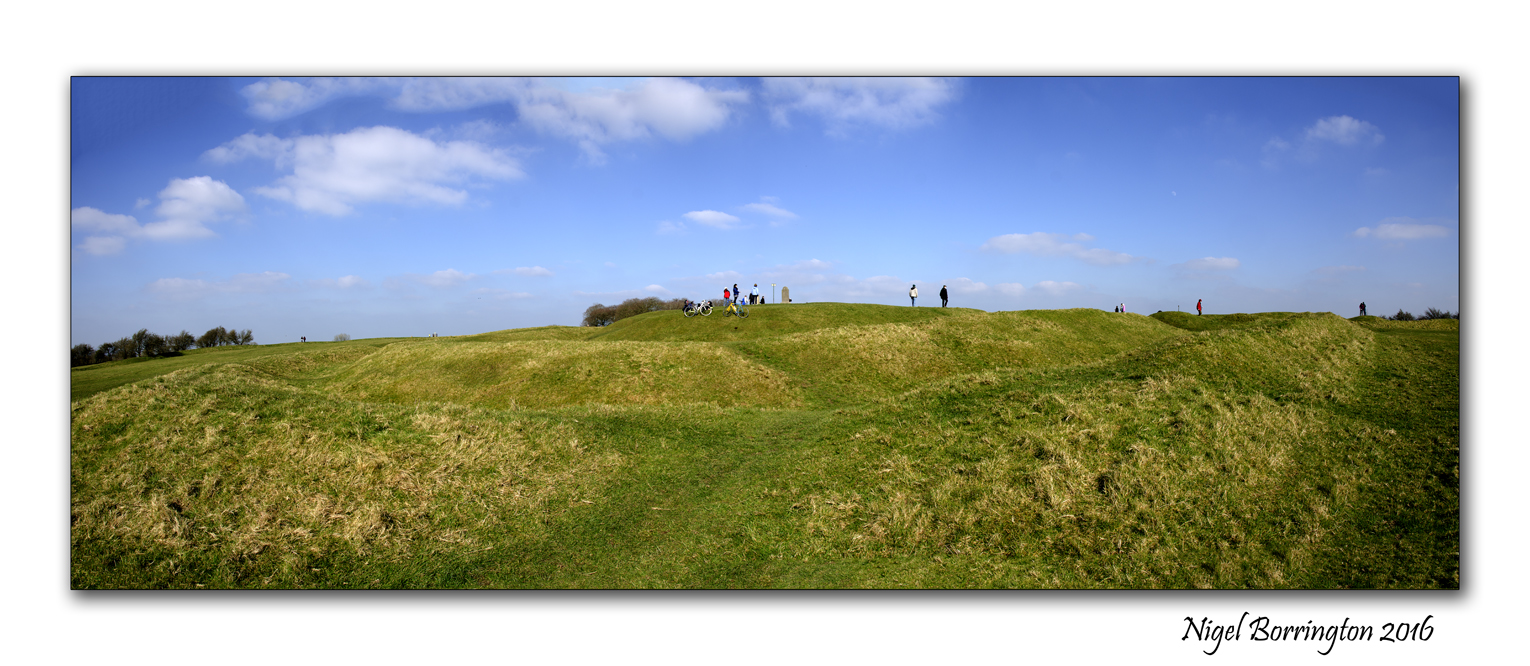
Easter (Ēostre, Ostara ) time on the – Hill of Tara

Easter in Ireland is clearly these days viewed as a religious time in the sense of modern Christianity, however Easter or Ēostre, as a festival has been celebrated for many thousands of years before our current state accepted beliefs….
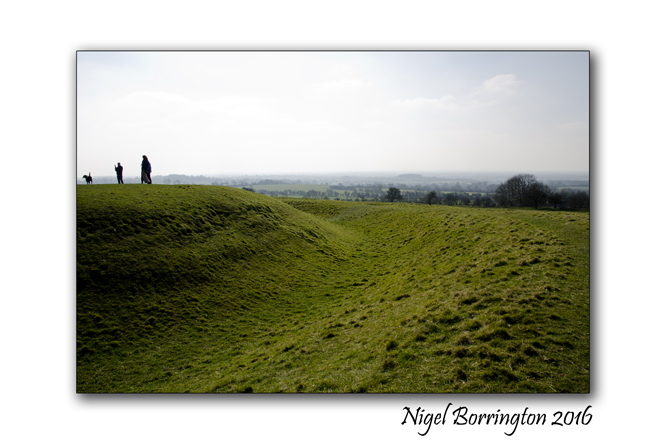
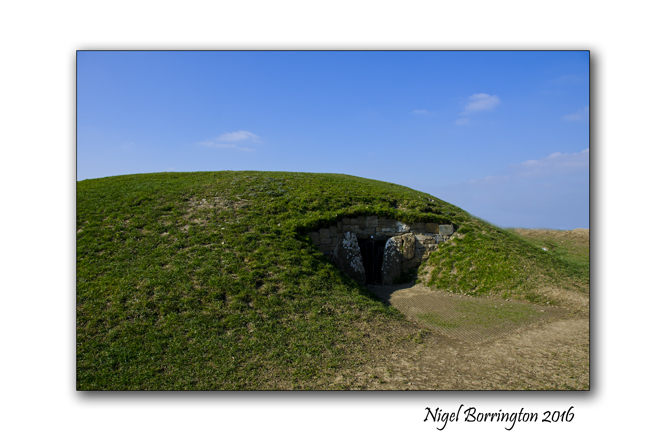
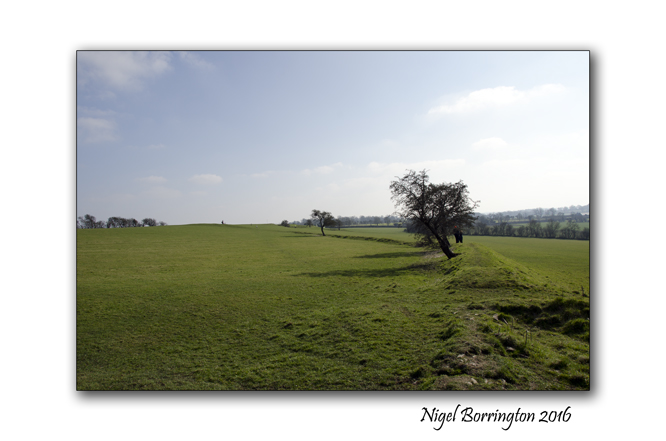
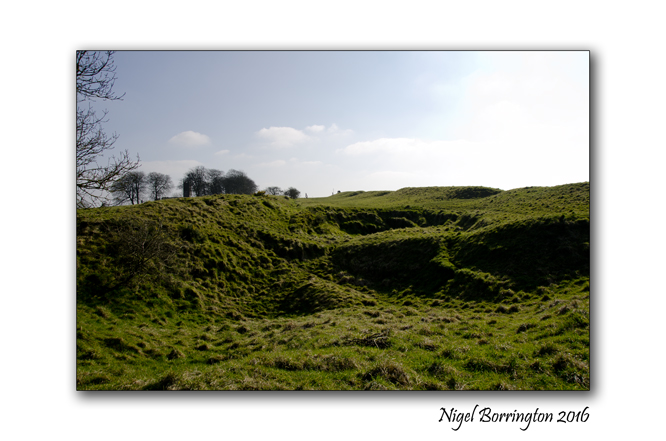
During last weekend we visited the hill of Tara one of Europe’s and Ireland’s oldest pagan monuments, It was a great time of the year to visit as the air was full of springtime with a feeling that summer was only just around the corner,warm days and long evenings. This is the exact feeling that surrounds the beliefs of the people who made this place so Sacred to their Pagan beliefs in the elements of nature and the seasons. I am never sure if these belief’s can fully be called a religion in modern terms, feeling that they were more a philosophy towards the world that they lived in and cared for very much!
here is a little about the long history of the hill of Tara:
Teamhair is the ancient name given the Hill of Tara. One of the most religious and revered sites in all of Ireland, it was from this hill that the Ard Rí, the High Kings of Ireland, ruled the land. The place was sometimes called Druim Caín (the beautiful ridge) or Druim na Descan (the ridge of the outlook). When walking the path that leads to the top of the hill today, one can easily appreciate why. The long gradual slope eventually flattens at the top for an amazing view of the broad plains in the Boyne and Blackwater valleys below. All that remains of the complex is a series of grass-covered mounds and earthworks that say little about the 5,000 years of habitation this hill has seen.
Most historians, including Biblical scholars, agree that Easter was originally a pagan festival. According to the New Unger’s Bible Dictionary says: “The word Easter is of Saxon origin, Eastra, the goddess of spring, in whose honour sacrifices were offered about Passover time each year. By the eighth century Anglo–Saxons had adopted the name to designate the celebration of Christ’s resurrection.” However, even among those who maintain that Easter has pagan roots, there is some disagreement over which pagan tradition the festival emerged from. Here we will explore some of those perspectives.
Resurrection as a symbol of rebirth
One theory that has been put forward is that the Easter story of crucifixion and resurrection is symbolic of rebirth and renewal and retells the cycle of the seasons, the death and return of the sun.
Hill of Tara Gallery



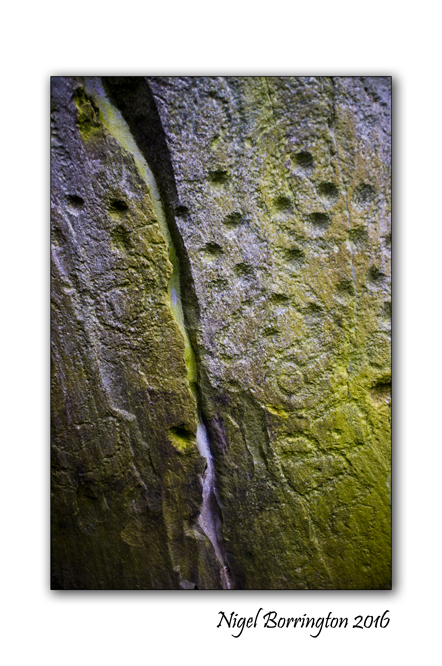
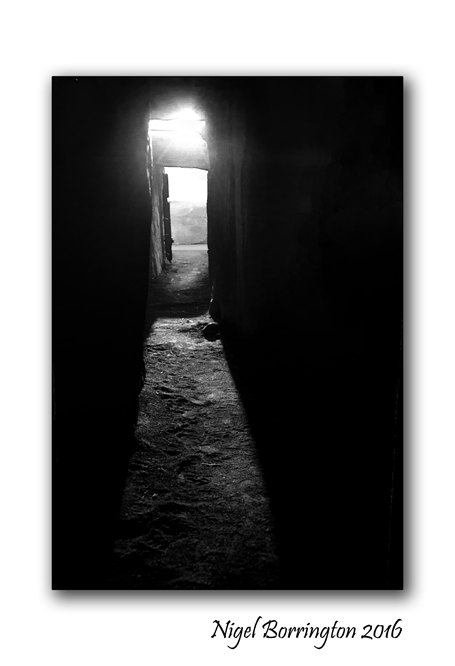
New-grange and the Triple spiral

Boyne Valley, County Meath, Ireland
Nigel Borrington
The Tri-Spiral
Is a design engraved on one of the stones inside the middle chamber of Newgrange is probably the most famous Irish Megalithic symbol.
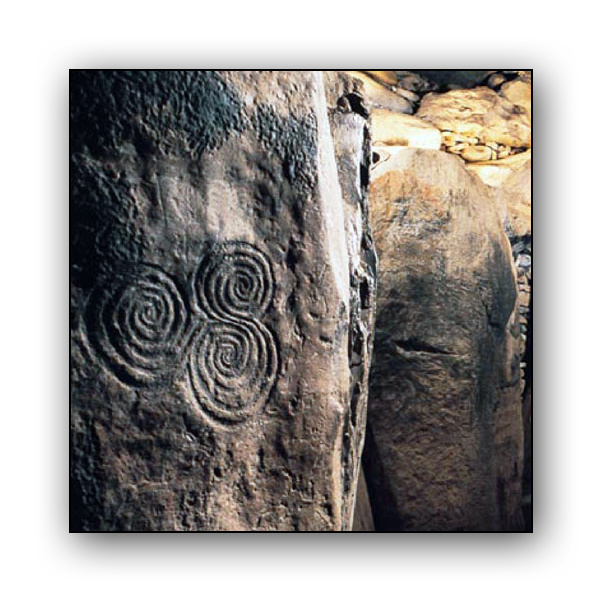
It is often referred to as a Celtic design, but it was carved at least 2500 years before the Celts reached Ireland. At 12 inches in diameter the tri-spiral design is relatively small in size, less than one-third the size of the tri-spiral design on the entrance stone.
Believed by many people to be an ancient symbol of pre-Celtic and Celtic beliefs, the triple spiral appears in various forms in pre-Celtic and Celtic art, with the earliest examples having been carved on pre-Celtic stone monuments, and later examples found in the Celtic Christian illuminated manuscripts of Insular art. The triple spiral was possibly the precursor to the later triskele design found in the manuscripts.
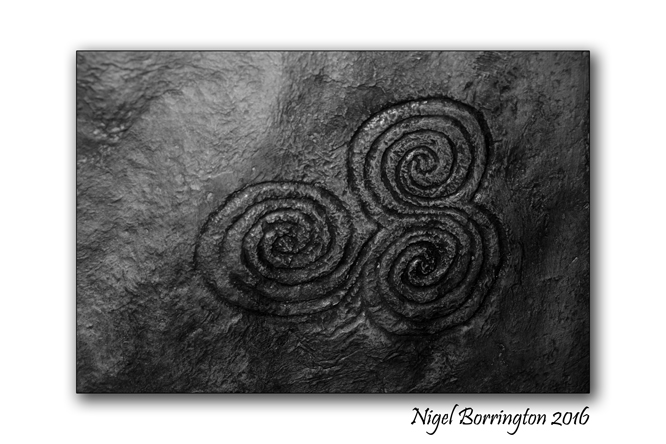
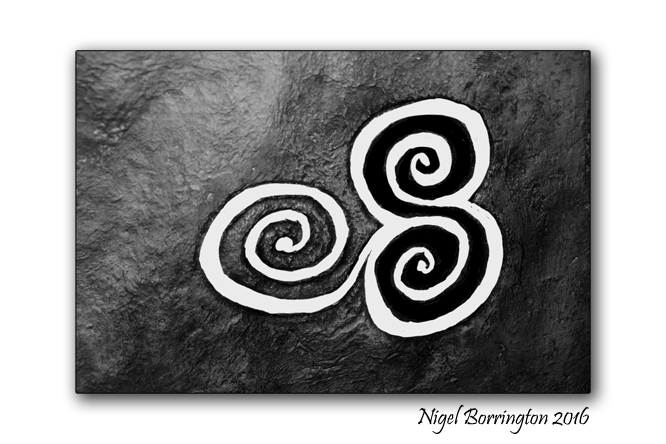
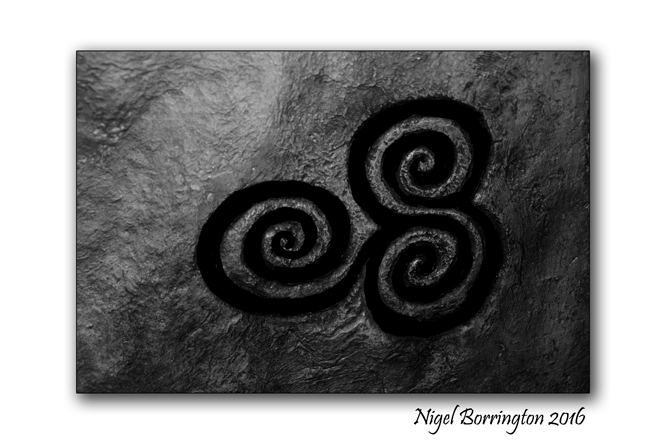
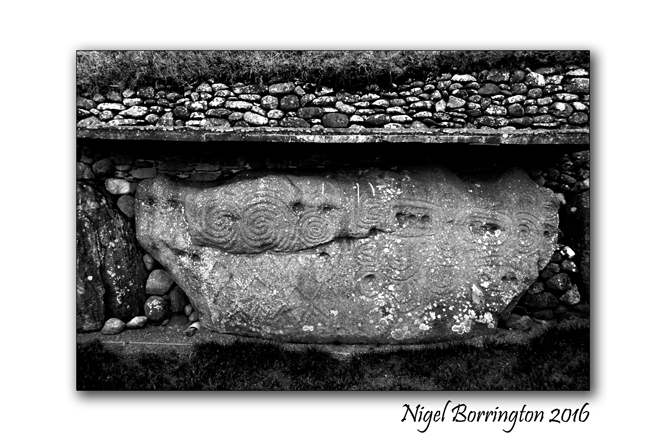
The megalithic tomb of Newgrange in Ireland features several examples of the triple spiral as petroglyphs. These particular examples do not feature three-fold symmetry of later renderings but feature two intertwined spirals with the third originating from the indentation between the other two. This particular feature is rendered with high fidelity in each instance at Newgrange and would suggest a non-tripartite interpretation. One possible interpretation could be the union of male and female (the two entwined spirals) to engender an offspring though how this relates to its setting in a tomb begs explanation.
Last night in order to highlight the uniqueness of the Newgrange spirals, I produced the following versions by tracing over a photograph I took of the original, thus producing different drawings using both the positive an negative spaces of the relief.
You can read into these your own interpretation of the original meaning ….

A weekend Celebrating the Spring Equinox 2016 at Newgrange, Boyne Valley, County Meath, Ireland.
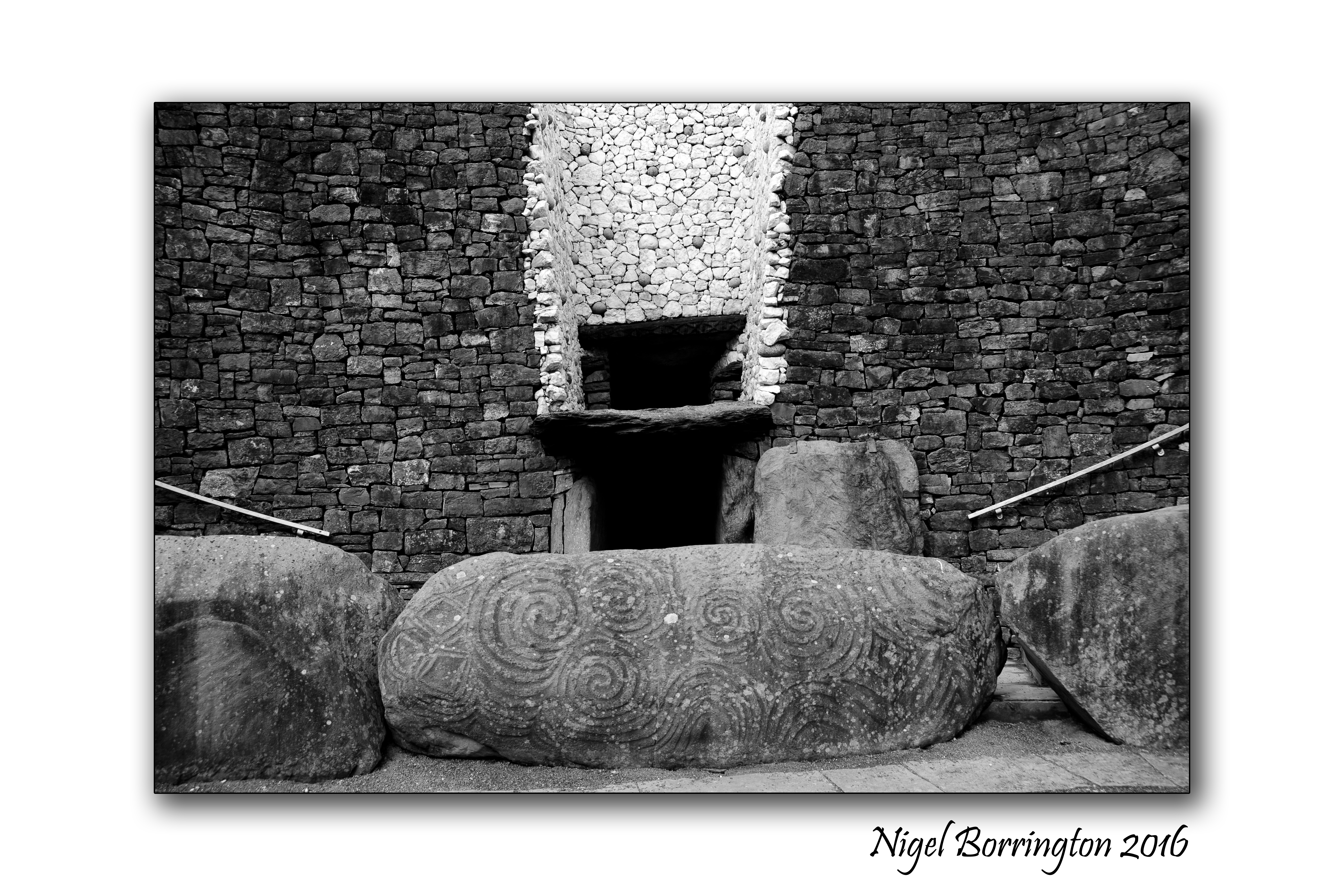
Happy Spring Equinox 2016 to everyone …..
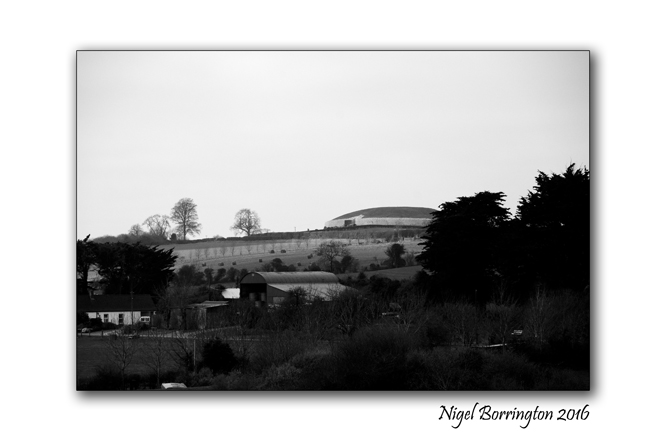
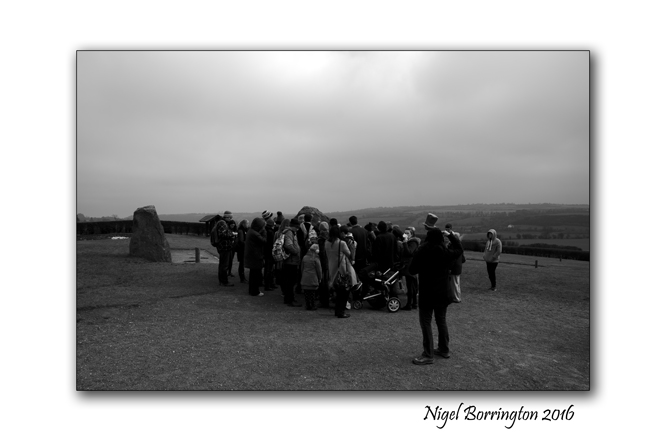
Yesterday Marked the start of spring time, so over the weekend I spent sometime visiting both Newgrange and the Hill of Tara. Both perfect locations to gain a little understanding as to how our European pagan ancestors both recorded and celebrated the movement of the sun and universe they lived in.
It was exactly, one quarter of a year that had passed since the shortest day of the year, the day when at Newgrange the rising sun can be seen to travel all the way into the passage tomb at the centre of the monument.
The Spring equinox 2016 celebrating
Yesterday marked the arrival of spring, the date of the vernal equinox, or spring equinox as it is known in the northern hemisphere. Spring equinox. During an equinox, the Earth’s North and South poles are not tilted toward or away from the sun. (Ref :Wikipedia)
This means the sun will rise exactly in the east and travel through the sky for 12 hours before setting in the exactly west.An equinox happens twice a year around March 20 and September 22 when the Earth’s equator passes through the centre of the sun.
For those in the southern hemisphere, this time is the autumnal equinox that is taking people into their winter.
Druids and Pagans like to gather at Stonehenge early in the morning to mark the Spring Equinox, to see the sunrise above the stones.
The Pagans consider this is the time of the ancient Saxon goddess, Eostre, who stands for new beginnings and fertility. This is why she is symbolized by eggs (new life) and rabbits/hares (fertility). Her name is also where we get the female hormone, oestrogen.
From Eostre also come the names “Easter” and “Esther” the Queen of the Jews, heroine of the annual celebration of Purim which was held on March 15. At Easter, Christians rejoice over the resurrection of Jesus after his death, mimicking the rebirth of nature in spring after the long death of winter.
It is also a time to cleanse your immune system with natural remedies. In Wiltshire and other parts of rural Britain it used to be tradition to drink dandelion and burdock cordials as the herbs help to cleanse the blood and are a good tonic for the body after a harsh winter.
Newgrange a Gallery


St Patrick’s day a Landscape Gallery 2016

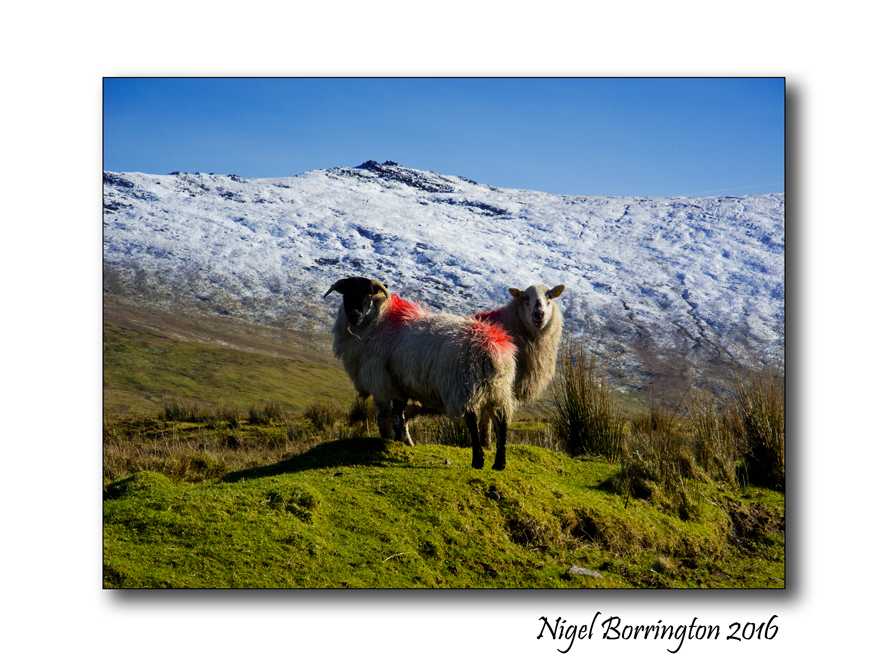
The Mountain of Slievenamon
County Tipperary
Ireland
Nigel Borrington
Happy St Patrick’s day everyone !!!!!
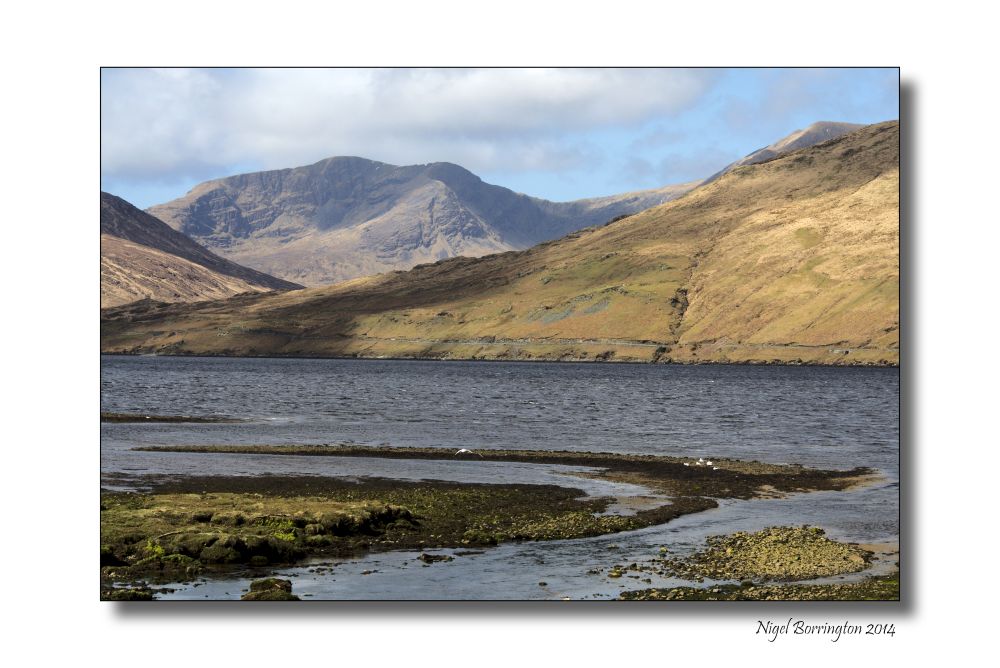
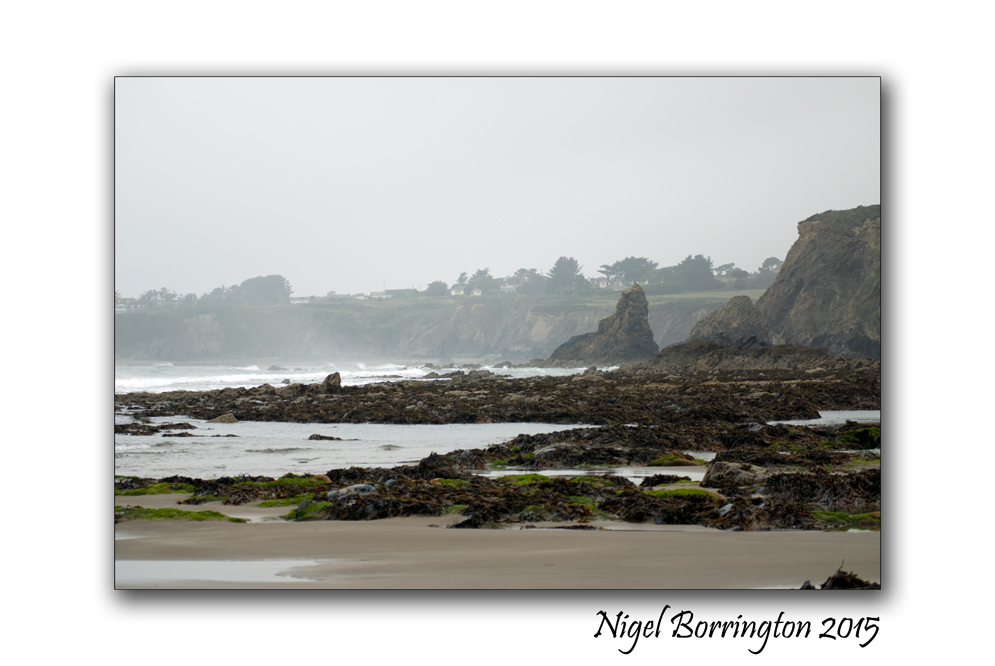
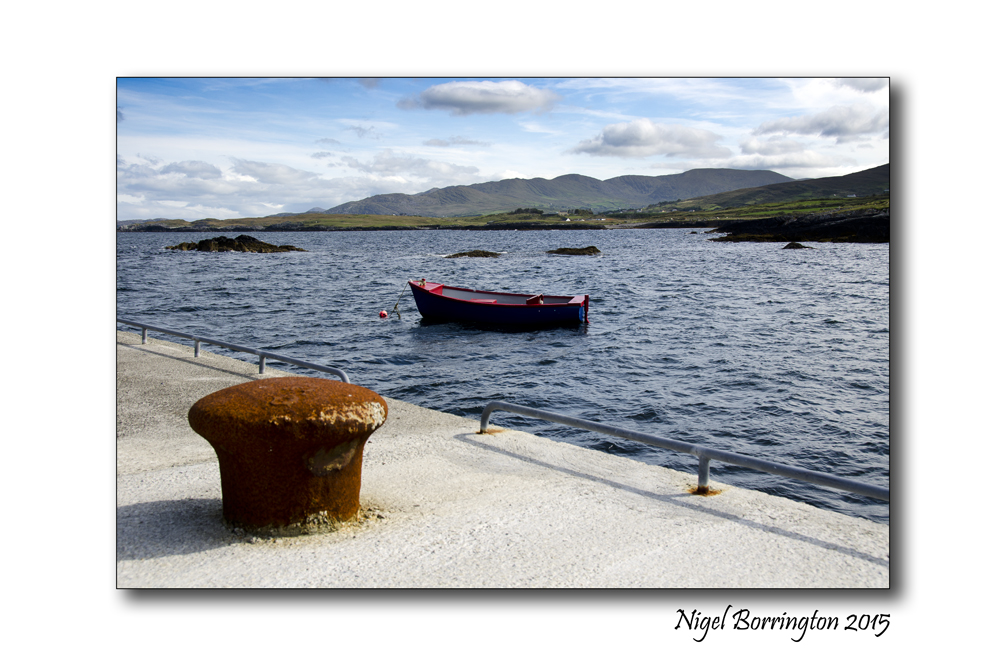
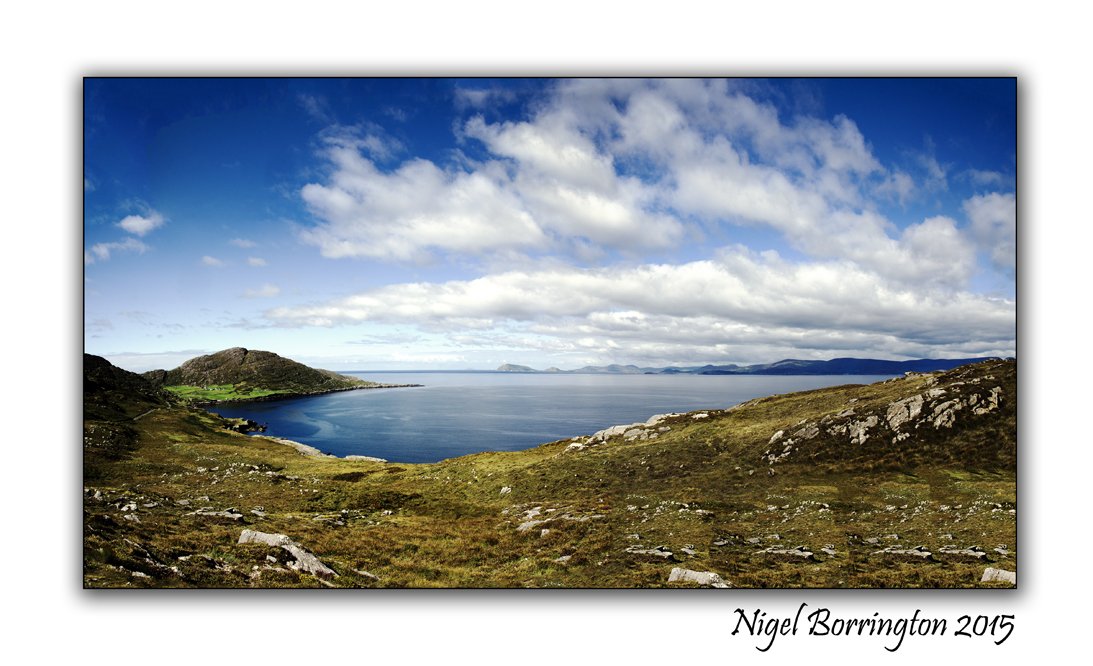
For the last few St Patrick’s day Holidays, I have posted some of my Landscape images from around Ireland , today I want to do the same as I feel that for me today is about celebrating the great landscape’s Ireland has to offer and getting outside to enjoy the real Ireland that surrounds the people who have made it their home.
Ireland: a St, Patrick’s Landscape Gallery










A sense of place, Wellington Tower Grange Crag, County Tipperary

The Wellington Tower Grange Crag, County Tipperary
The Wellington Tower stands on the Crag above Grange, county Tipperary, it was built in 1817 by Sir William Barker Bar to celebrate the Duke of Wellington’s victory over the French at the battle of Waterloo. Today it is nearly two hundred years old and for a long time it has only formed a feature in the loop wall around the forest above the small village of Grange.
However over the last months it has been restored and transformed into a viewing platform as you can see from the images here, it has been amazing to see the work that has been performed to give the tower a new life and a new purpose in life.
The walk to the top of the tower is via a metal spiral staircase with a viewing platform at the top , if you are a little heady with heights its best not to look down through the steps and to just keep going until you get to the top.
Once you are on the platform above and walk to the chest-high wall in front of you the view of county Tipperary below is just amazing. There is a display of all the sights below on a board the looks out and to the distance you can see modern Ireland in it greatness form with its small towns and up to date Wind farms.
Wellington Tower , Grange Crag, Tipperary GALLEY …


Monday Poetry, Ancient Stones By Donna Jones
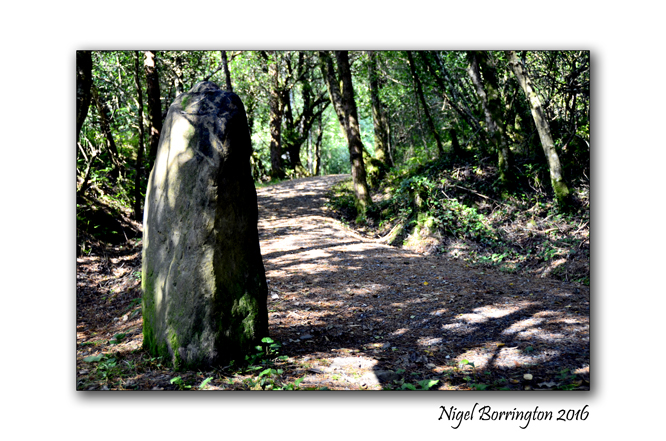
Ancient Ireland
Standing stones
Nigel Borrington
Ancient Stones
Charcoal black tip of arrowhead,
among these ancient, stones – stained red
Heartbeats share rhythms of ghostly drums..
Winds carry haunting, chanting hums
I feel your blood, flow here with mine,
outlasting, even decaying time
I’ve been told the stories, told to you,
I know we’re just spirits, passing through
When thunder, shakes awake the night,
I vision warriors by firelight
Their voices echo, around mountain’s soul,
while moon and stars watch us below
Respect the sky, and mother earth,
borrow the beauty, from time of birth
Then give in death peacefully
yourself, to rest eternally
Among these ancient, stones – stained red,
my mirror reflects traces, of those long………..
remembered…….
Donna Jones
Irish national tree week 2016
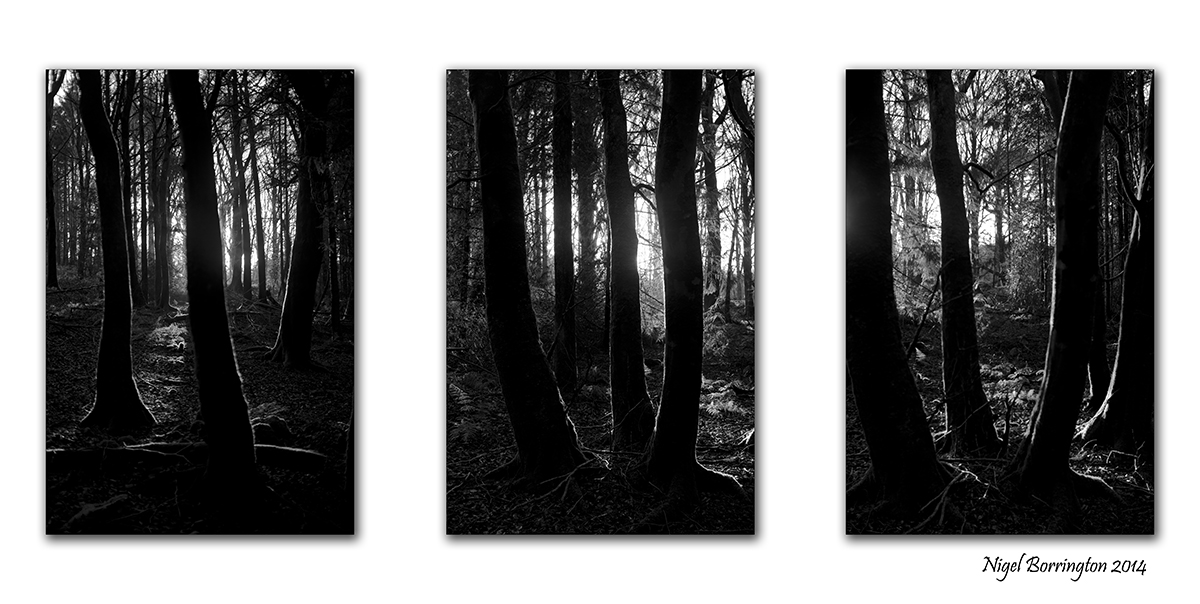

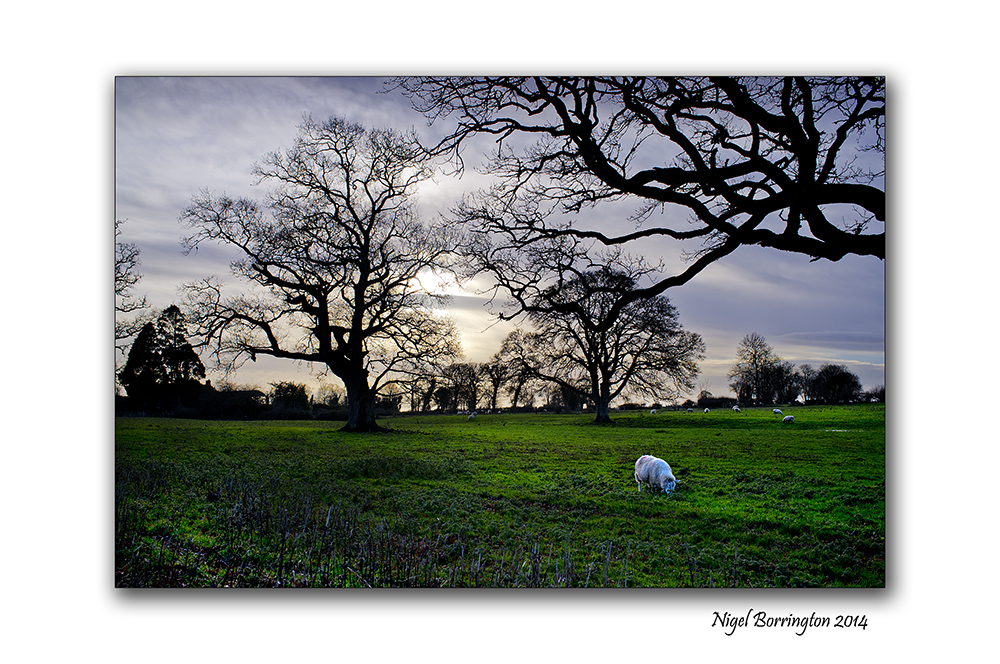
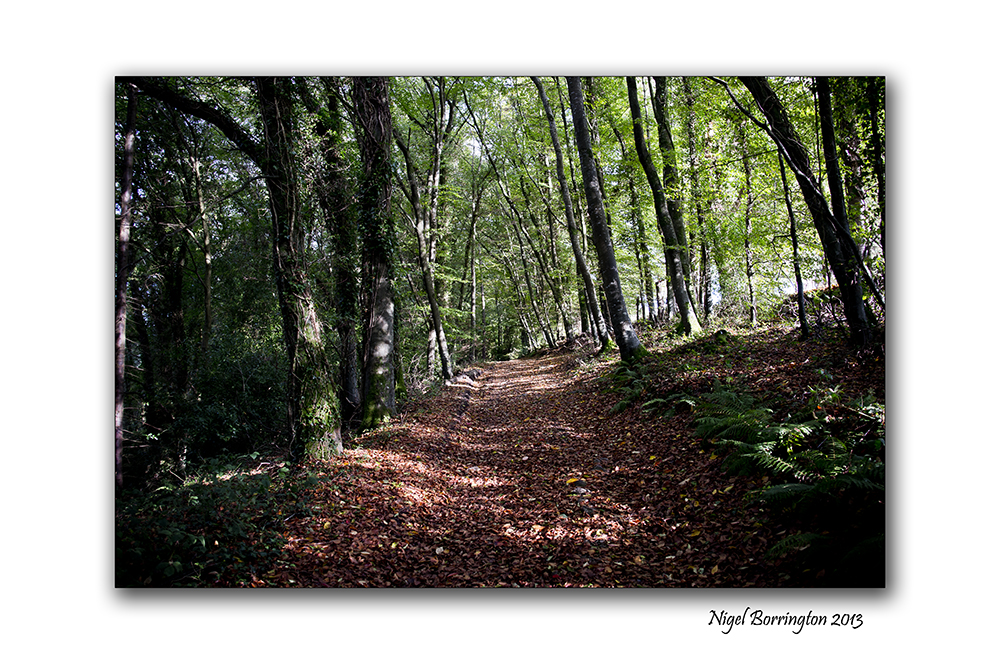
This week in Ireland is National tree week, so I thought I would share some of the images that I have taken during my time living here in county Kilkenny.
Irish Trees, a Gallery






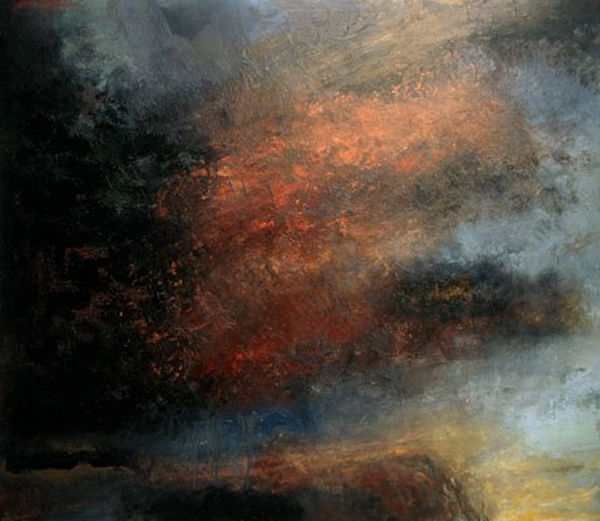
Tuesdays Artist – Bernadette Kiely

Bernadette Kiely. Gorse
I first came across the drawings and paintings of the county Kilkenny based artist Bernadette Kiely, while attending a two year art course at the Grennan mill craft school.
I liked Bernadette’s art work from the very first time I viewed it, I feel she captures completely the local landscape that surrounds us here in County Kilkenny. The county while not the most spectacular in Ireland varies a lot from low boggy lands and flooded river banks and mountain tops.
A little About, Bernadette Kiely
Bernadette Kiely was born in Carrick on Suir, County Tipperary and grew up beside the river Suir. She graduated from The College of Art and Design at Waterford Institute of Technology with a distinction in Graphic Design and worked in graphic design and architecture in New York and London before taking up painting full time in 1984. She attended the Slade School of Fine Art in London and has been working in her studio beside the river Nore in Thomastown, County Kilkenny since 1992. Her paintings and drawings are based on prolonged observation of specific landscape elements and are characterised by her attention to the close up worlds of bog cotton, gorse, mud, lichen and other natural phenomena including weather and atmospheric conditions on the river Nore and its environs. Bernadette Kiely is a member of Aosdana.
As with yesterday’s artist, I have linked to both web-site and to some on the painting I like the most …


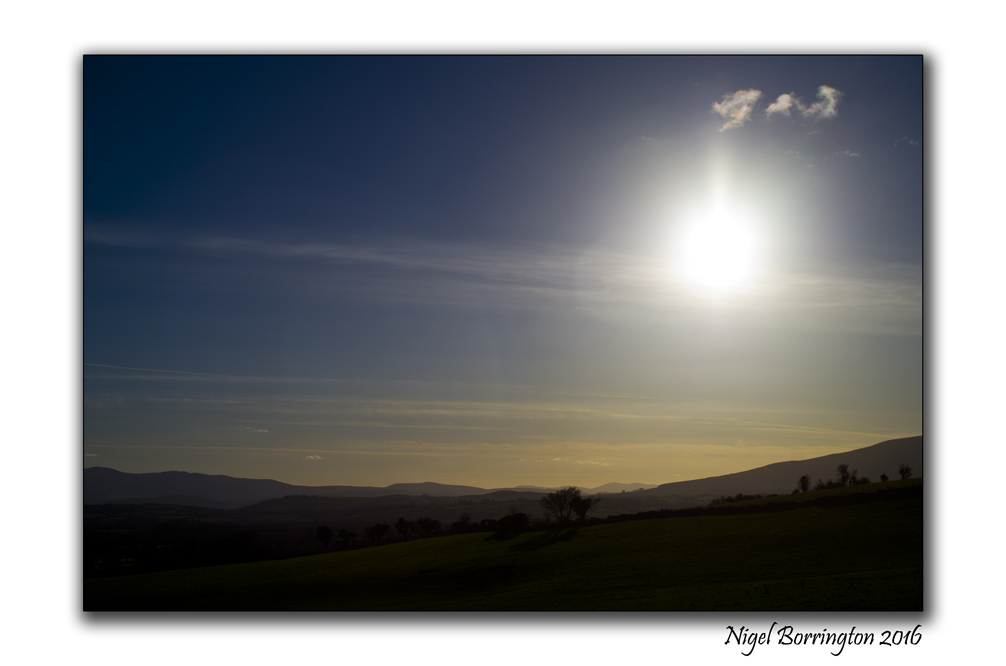
Irish landscapes – Kilkenny , an evening in early springtime
Irish Landscapes
Early Springtime
Kilkenny
Nigel Borrington
The last of today’s sunlight was just perfect ….
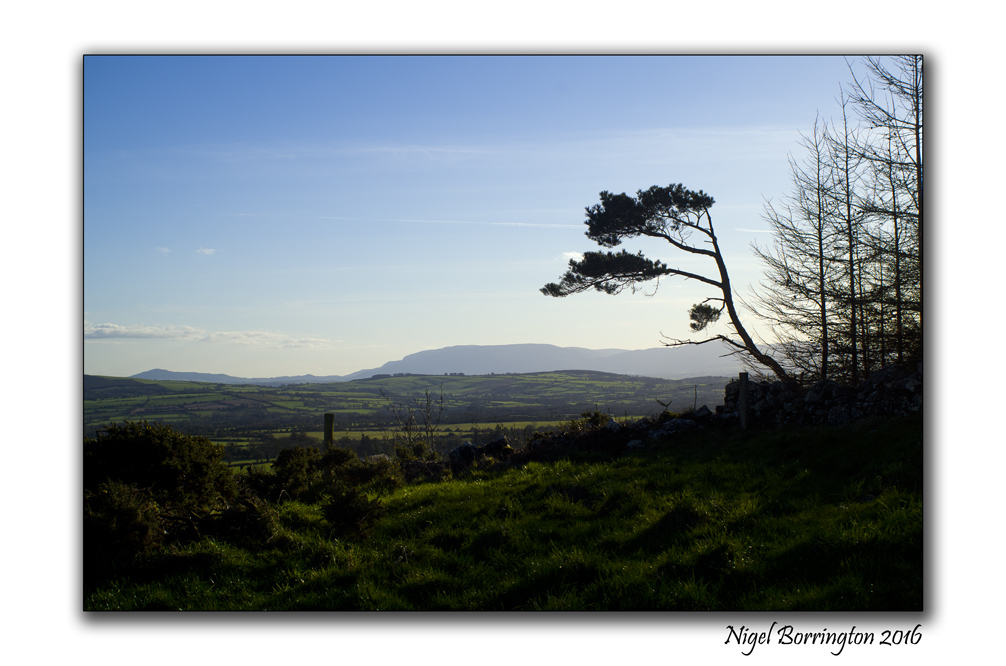
This evening I took a walk along some of our local lanes , up in the hills near the village of Windgap, Kilkenny. The sun hung low in the sky an hour before sunset and filled the fields with vivid greens and long shadows from the hedgerow trees, just such a wonderful sense of early springtime which is just around the corner now, you can feel it just waiting to burst through…..
This is the best time of year with so many great months ahead of us ……
When President Kennedy visited Ireland in 1963 – Kennedy Homestead, Co.Wexford

Kennedy Homestead
Co, Wexford
Nigel Borrington
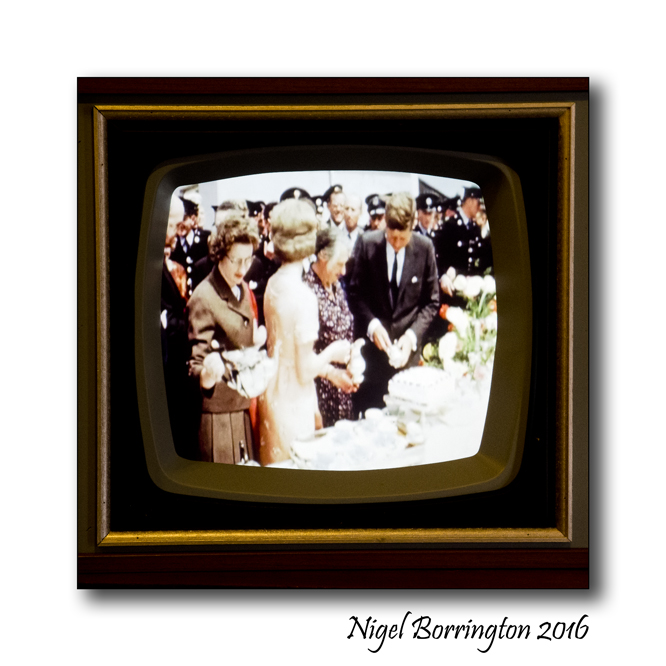
This very modest and humble farm yard and surrounding buildings, Located at ( Dunganstown, New Ross, Co. Wexford, Ireland ) is the birthplace of President John F. Kennedy’s great-grandfather Patrick Kennedy.
So it was that back in June 1963, the President of the USA decided that it was high time to take a visit to his grandfathers home. The Presidents visit to Ireland included these very key moments, in the visit to the family Homestead, drinking a cup of tea and enjoying some sandwiches with his Irish cousins.
In the years that followed his visit the family home has been turned into an equally modest but great exhibition centre, with a new building that contains many great photos and films relating to JFK and his family history.
It is hard to escape the ironic fact that while this was a very successful attempt to catch up with his own family and its history, by taking a few moments here – that he himself described as “The best moments of his life”, the visit took place only weeks before his own death in Dallas on the 22nd of November 1963.
His parting words to his Irish cousins, related to the fact that he understood very well that they may have found it very disruptive, the worlds media arriving in their small farm yard, so while he made a promised to revisit, he also promised that it would only be every ten years or so, clearly however this was to be his first and very last visit with them ……
Gallery




Glacier, A poem by Christos Andreas Kourtis Nov 30, 2013
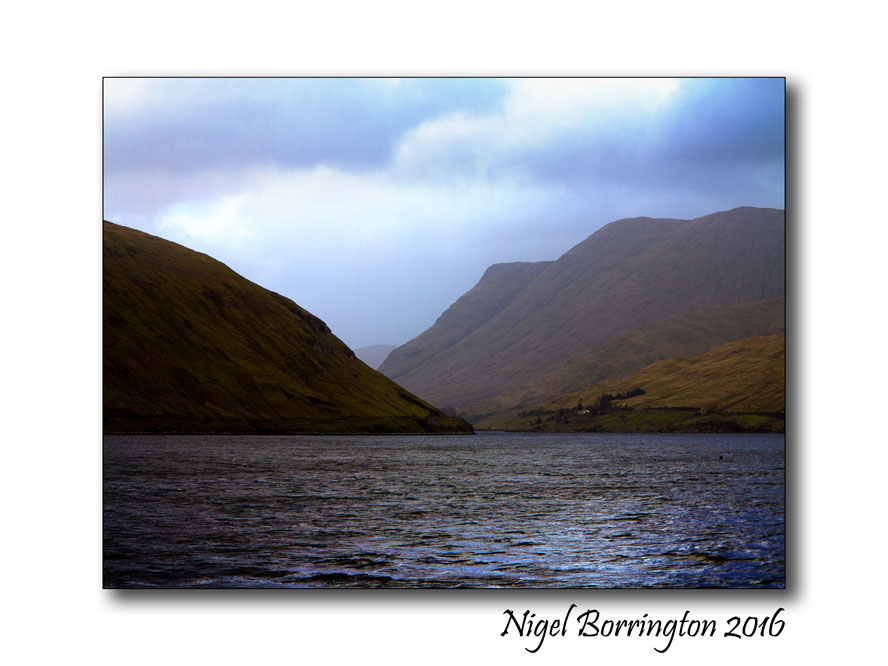
Killary Harbour/An Caoláire Rua
Irish Landscape
Nigel Borrington
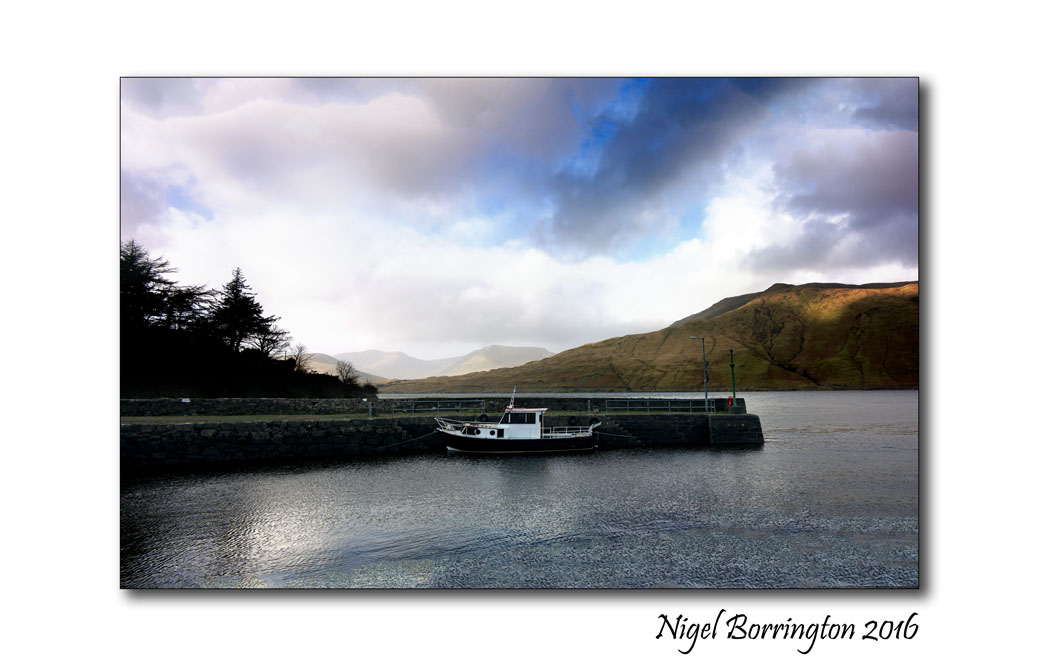
Killary Harbour/An Caoláire Rua is a fjord located in the west of Ireland in the heart of Connemara which forms a natural border between counties Galway and Mayo. It is 16 kilometres long and in the centre over 45 metres deep. It is one of three glacial fjards that exist in Ireland, the others being Lough Swilly and Carlingford Lough.[1]
On its northern shore lies the mountain of Mweelrea, Connacht’s highest mountain, rising to 814 metres. To the south rise the Maumturk Mountains and the Twelve Bens. The area contains some of Ireland’s most awe-inspiring and dramatic scenery.
I visit the Fjord back in January and captures these images, I felt that Christos Andreas Kourtis poem “Glacier” matched the amazing atmosphere here perfectly …..
Glacier
Christos Andreas Kourtis
Nov 30, 2013
Slowly it slides on sub zero waters
trying to find a pathway to the sea
sheet of pure blue and heaven white
lumbers discreetly for aquiline is quite
From the top of the world
frozen fingers reach down
claws frantic on solid ground
No religion no sage
no saviour just age
and the relentless pull of gravity
will take it from mountain to the sea
This sculptress of valleys and dales
and fjords that can be seen for miles
travels without sound
onward bound
By Christos Andreas Kourtis

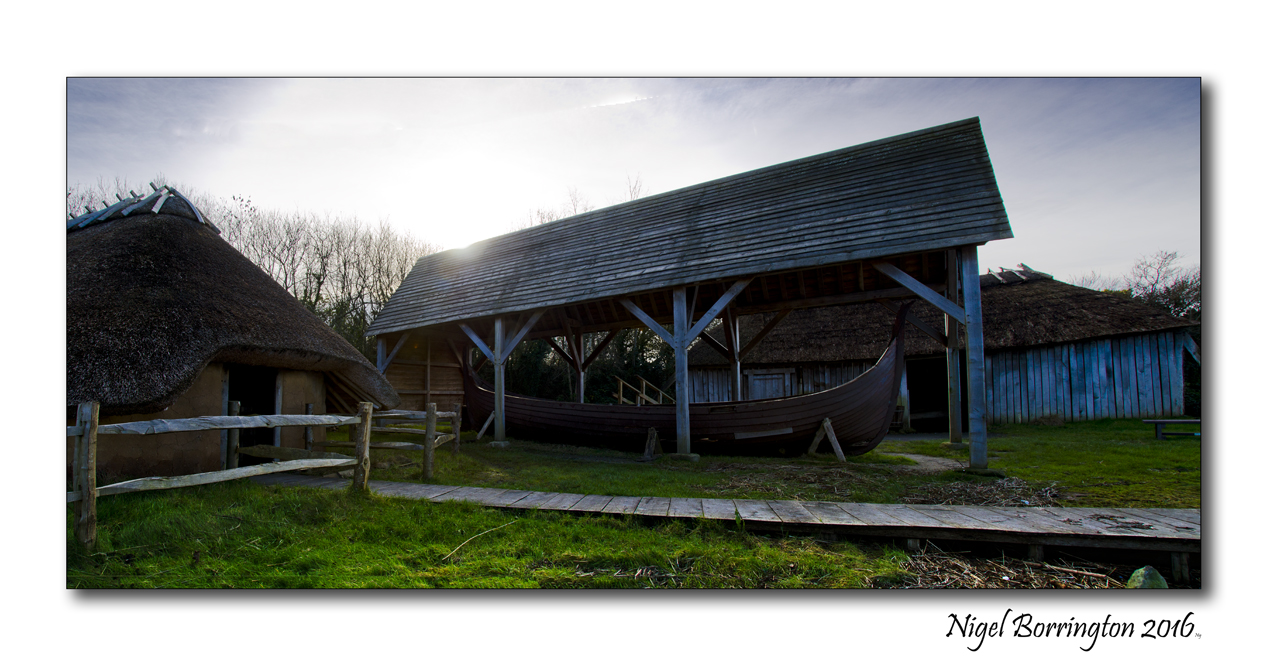
Viking Dawn – The Boarding Party, a Poem
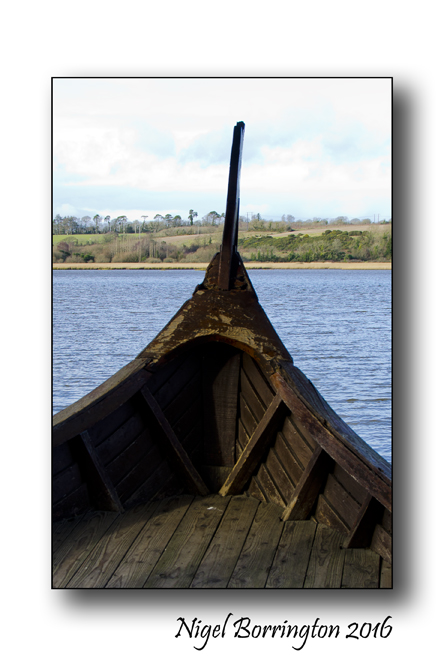
The Boarding Party
Their boat turned in towards us
ready to board our vessel
to take us to their island,
a fastness, craggy, bleak, timeless place.
To winter peat fires, gales, darkness,
weird northern tales of gods and trolls,
black nights seared by bright light curtains,
a violent Viking heritage.

A place where cold sea and ocean
overturn the crippled sea stacks,
our lives in the boarding party’s
hands and our skilful pilot.
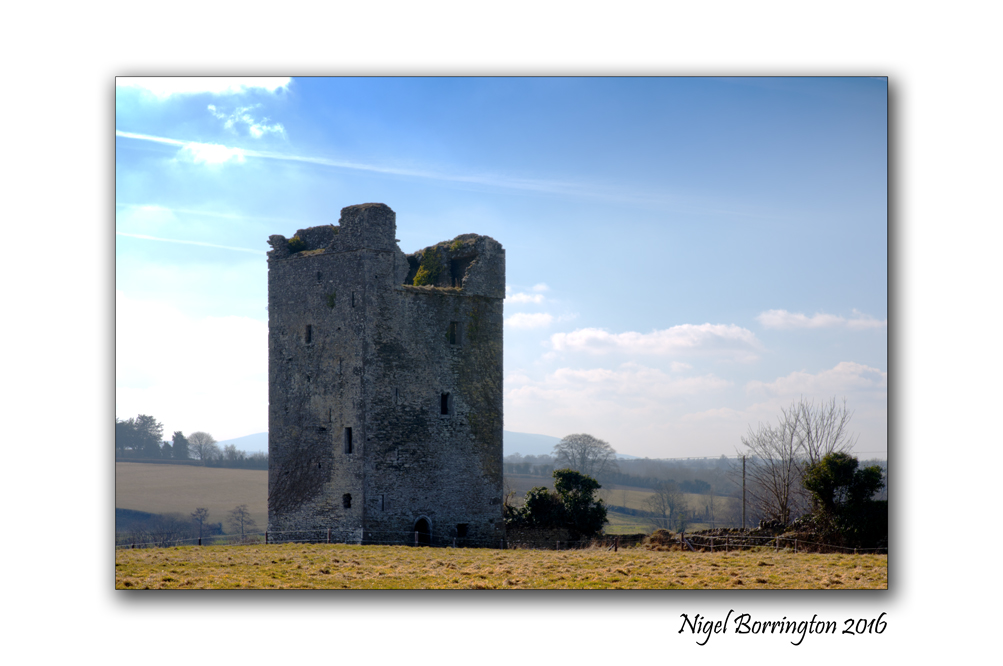
Tower Houses of Medieval Kilkenny
Tower House
Kells, County Kilkenny
Nigel Borrington
Tower Houses of Medieval Kilkenny, Ireland
The Landscape of County Kilkenny is full of history that covers many different era’s, including the Medieval period from around the 5th to the 15th century.
Just some of the reminders of this era are the great Tower Houses as detailed below.
A tower house is a fortified medieval residence of stone, usually four or more stories in height. Like most of the surviving monuments of our medieval past, the majority of Irish tower houses are in poor condition, with collapsed walls and ivy shrouded exteriors reflecting centuries of neglect. Yet these ruins, the remnants of a major medieval building industry, provide a valuable source of information on life in Ireland during the later Middle Ages. An increasing number are being restored through both private and state initiatives, while there has also been a marked upsurge in academic interest in recent years.
The buildings were regarded as castles by their occupants. This classification continues today and tower houses are regarded as a species within the castle genus. Their evident defensive strength should not, however, overshadow their residential nature, for tower houses were primarily the defended homes of a wealthy landowning class and were erected by both Anglo-Irish and Gaelic families during the period from circa 1400 to circa 1650.
Ref : Tower Houses
The Mountain Road – Poem by Enid Derham

Irish Landscapes
West cork Mountains
Nigel Borrington
The Mountain Road
Poem by Enid Derham
Coming down the mountain road
Light of heart and all alone,
I caught from every rill that flowed
A rapture of its own.
Heart and mind sang on together,
Rhymes began to meet and run
In the windy mountain weather
And the winter sun.
Clad in freshest light and sweet
Far and far the city lay
With her suburbs at her feet
Round the laughing bay.

Like an eagle lifted high
Half the radiant world I scanned,
Till the deep unclouded sky
Circled sea and land.
No more was thought a weary load,
Older comforts stirred within,
Coming down the mountain road
The earth and I were kin.
Poems of Remembrance (W. B. Yeats and Robert Laurence Binyon)
An Irish Airman Foresees His Death
W. B. Yeats, 1865 – 1939
I know that I shall meet my fate
Somewhere among the clouds above;
Those that I fight I do not hate
Those that I guard I do not love;
My country is Kiltartan Cross,
My countrymen Kiltartan’s poor,
No likely end could bring them loss
Or leave them happier than before.
Nor law, nor duty bade me fight,
Nor public man, nor cheering crowds,
A lonely impulse of delight
Drove to this tumult in the clouds;
I balanced all, brought all to mind,
The years to come seemed waste of breath,
A waste of breath the years behind
In balance with this life, this death.
The GreatWar 1914-1918
For the Fallen
Robert Laurence Binyon, by artist William Strang. Laurence Binyon
Poem by Robert Laurence Binyon (1869-1943), published in The Times newspaper on 21st September 1914.
With proud thanksgiving, a mother for her children,
England mourns for her dead across the sea.
Flesh of her flesh they were, spirit of her spirit,
Fallen in the cause of the free.
Solemn the drums thrill: Death august and royal
Sings sorrow up into immortal spheres.
There is music in the midst of desolation
And a glory that shines upon our tears.
They went with songs to the battle, they were young,
Straight of limb, true of eye, steady and aglow.
They were staunch to the end against odds uncounted,
They fell with their faces to the foe.
They shall grow not old, as we that are left grow old:
Age shall not weary them, nor the years condemn.
At the going down of the sun and in the morning
We will remember them.
They mingle not with their laughing comrades again;
They sit no more at familiar tables of home;
They have no lot in our labour of the day-time;
They sleep beyond England’s foam.
But where our desires are and our hopes profound,
Felt as a well-spring that is hidden from sight,
To the innermost heart of their own land they are known
As the stars are known to the Night;
As the stars that shall be bright when we are dust,
Moving in marches upon the heavenly plain,
As the stars that are starry in the time of our darkness,
To the end, to the end, they remain.
The Elements of Life : Water.

The Elements Water
Nature Photography
Nigel Borrington
Water, giver of life
Water, is a great necessity, without it nothing can live. Only earth and water can bring forth a living soul. Such is the greatness of water that spiritual regeneration cannot be done without it.
Thales of Miletus concluded that water was the beginning of all things and the first of all elements and most potent because of its mastery over the rest. Pliny said “Water swallow up the earth, extinguishes the flame, ascends on high, and by stretching forth as clouds challenges the heavens for their own, and the same falling down, becomes the cause of all things that grow in the earth.
Water is a cleansing, healing, psychic, and loving element. It is the feeling of friendship and love that pours over us when we are with our family, friends and loved ones. When we swim it is water that supports us, when we are thirsty, it is water the quenches our thirst, another manifestation of this element is the rainstorms that drench us, or the dew formed on plants after the sun has set.
The power of the energy of Water, can be felt by tasting pure spring water, moving you hand through a stream, lake, pool, or bowl full of water. You can feel its cool liquidity; it’s soft and loving touch, this motion and fluidity is the quality of Air within Water. This Water energy is also contained within ourselves, our bodies being mostly composed of Water.
As well as being vital for life, within the energy of this element is contained the essence of love. Love is the underlying reason for all magic. Water is love.
Water is a feminine element, it also the element of emotion and subconscious, of purification, intuition, mysteries of the self, compassion and family. It is psychic ability; water can be used as a means of scrying or as an object for meditation. Water is important in spells and rituals of friendship, marriage, happiness, fertility, healing, pleasure, psychic abilities and spells involving mirrors.

The element of Water and the pagan Irish Goddess : Boann and the Irish God : Nechtan
eltic (Irish) Goddess of the River Boyne and mother of Angus Mac Og by the Dagda. She was the wife of Nechtan, a god of the water. Likewise, Boann was herself a water-goddess, and one of her myths concerns the water. According to legend, there was a sacred well (Sidhe Nechtan) that contained the source of knowledge. All were forbidden to approach this well, with the exception of the god Nechtan (as was noted, Boann’s husband) and his servants. Boann ignored the warnings, and strode up to the sacred well, thus violating the sanctity of the area. For this act, she was punished, and the waters of the defiled well swelled and were transformed into a raging river, a river that pursued her. In some versions, she was drowned; while in others, she managed to outrun the currents. In either case, this water became the river that was known henceforth as the Boyne, and Boann thereafter became the presiding deity.
Another aspect of the myth of Boann is that she bore Angus. She and the All father of the Tuatha De Danaan, the Dagda, engaged in an illicit affair that resulted in the birth of this god of love. However, since both Boann and the Dagdha wished to keep their rendezvous a secret, they used their divine powers to cause the nine month gestation period to last but a single day – or so it seemed, for the sun was frozen in the sky for those nine months, never setting and never rising. On this magical day, Angus emerged into the world. She held the powers of healing. Variants: Boannan, Boyne.
Ref : Pagan elements of Water
St John’s Point Lighthouse, Donegal, Irish Landscape Photography

St John’s Point Lighthouse, Donegal
Last week I changed my blog header to an image of St, Johns Point Lighthouse in county Donegal, so I though I would just share some details about this great place.
Its an amazing lighthouse at the mouth of Donegal bay and like many Lighthouses it was build through hard work and taking a risk with time and money, followed with many years of hard work and care in order to keep it running so that many lives could be saved.
Some History
From the Commissioners of Irish Lights
This is a harbour light used to guide from Donegal Bay, it marks the north side of the bay leading to Killybegs Harbour from the entrance up to Rotten Island.
The Corporation for Preserving and Improving the Port of Dublin (the Ballast Board) received a request on 24 February 1825 signed by merchants and traders of Killybegs requesting a light on St John’s Point. This was not approved until April 1829, and Trinity House gave their statutory sanction the following month.
The tower, built of cut granite, was designed by the Board’s Inspector of Works and Inspector of Lighthouses, George Halpin, and erected by the Board’s workmen under Halpin’s supervision.
The tower, painted white, had a first order catoptric fixed light 98 feet above high water with a visibility in clear weather of 14 miles. The light was first used on 4 November 1831 with the buildings in an uncompleted state. The final cost at the end of 1833 was £10,507.8.5.
Gallery


Connemara National Park, A sense of place Gallery

Connemara National Park
Irish Landscapes
Nigel Borrington
Connemara National Park, Image Gallery
Situated in the West of Ireland in County Galway is the Connemara National Park, covering 2,957 hectares of the most scenic Landscape in Ireland , including mountains, expanses of bogs, heaths, grasslands and woodlands. Some of the Park’s mountains, namely Benbaun, Bencullagh, Benbrack and Muckanaght, are part of the famous Twelve Bens or Beanna Beola range.
The Connemara National Park was established and opened to the public in 1980.
Much of the present Park lands formed part of the Kylemore Abbey Estate and the Letterfrack Industrial School, the remainder having been owned by private individuals. The southern part of the Park was at one time owned by Richard (Humanity Dick) Martin who helped to form the Society for the Prevention of Cruelty to Animals during the early 19th century. The Park lands are now wholly owned by the State and managed solely for National Park purposes.
Here I just wanted to Share a sense of this amazing National Park, using just some of the images I took during my last visit.


Connemara , A Poem By : Thomas Horton

Connemara
Irish Landscape images
Nigel Borrington
Connemara
West of Galway lies a land
Scorched by the chill of northern winds
Where ancient hills stoically contemplate
Their grey reflections in dark, misty lakes
Roiling stormclouds serve as the canvas
For a monochromatic panorama
That lulls the local folk
Into an inescapable monotony
Their lilting language itself
A murmur that recalls the falling rain
The plodding passage of days
In this dreary, silent landscape
Is a hell all its own
For those accustomed
To urban bustle
But the natives of this grey land
Sing bright céilí songs
Drink their lager by golden firelight
Dance reels and jigs
And tell stories of a time
When giants roamed the hillocks
And heroes sailed the roaring seas
In search of mythic monsters
Descended from hearty stock
Of shepherds and saints
These rustic people still regard
The old ways as new
Discover their future through their past
And are never bored
As long as there’s a tale to be told
A smile to take in
Or a pint to share with a friend
Children of the Gaeltacht
Sing your songs
Remind me once again
Of that night in Ballyconneely
When I was one of you
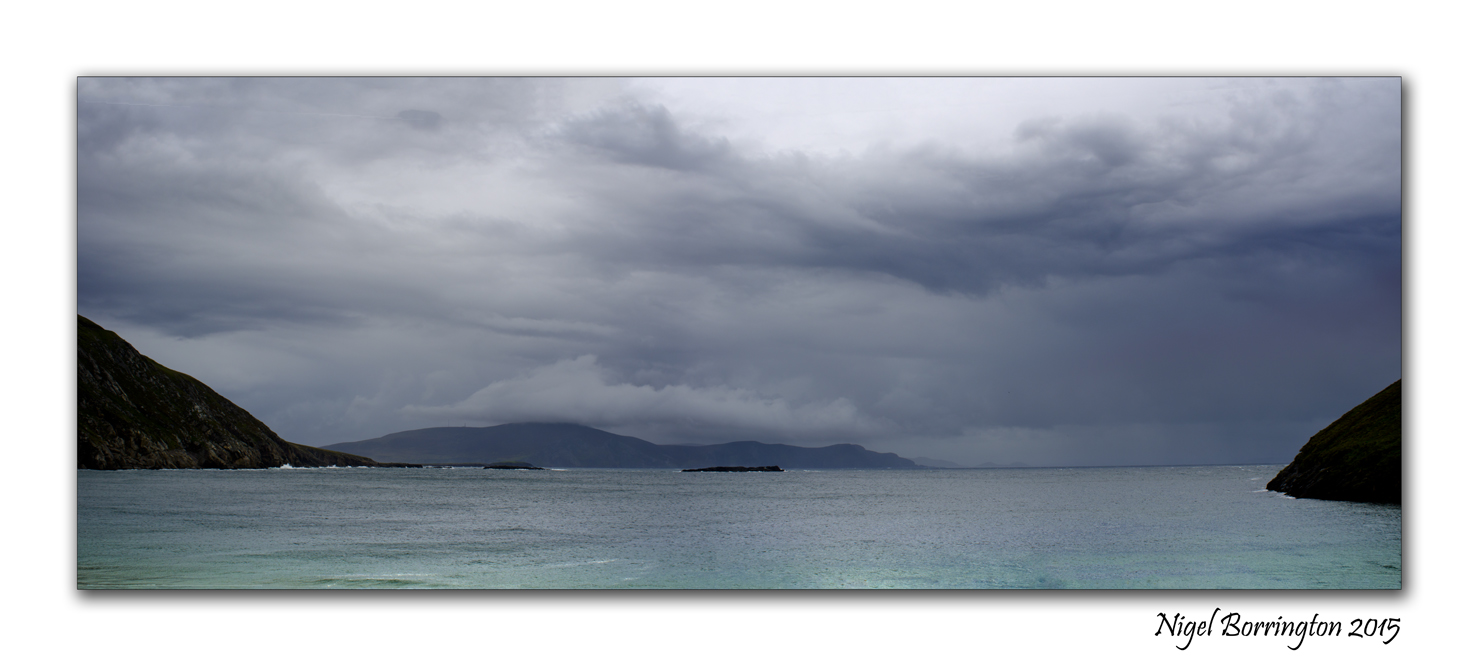
A Poem for Sunday Evening – The Sound of the Sea By : Henry Wadsworth Longfellow
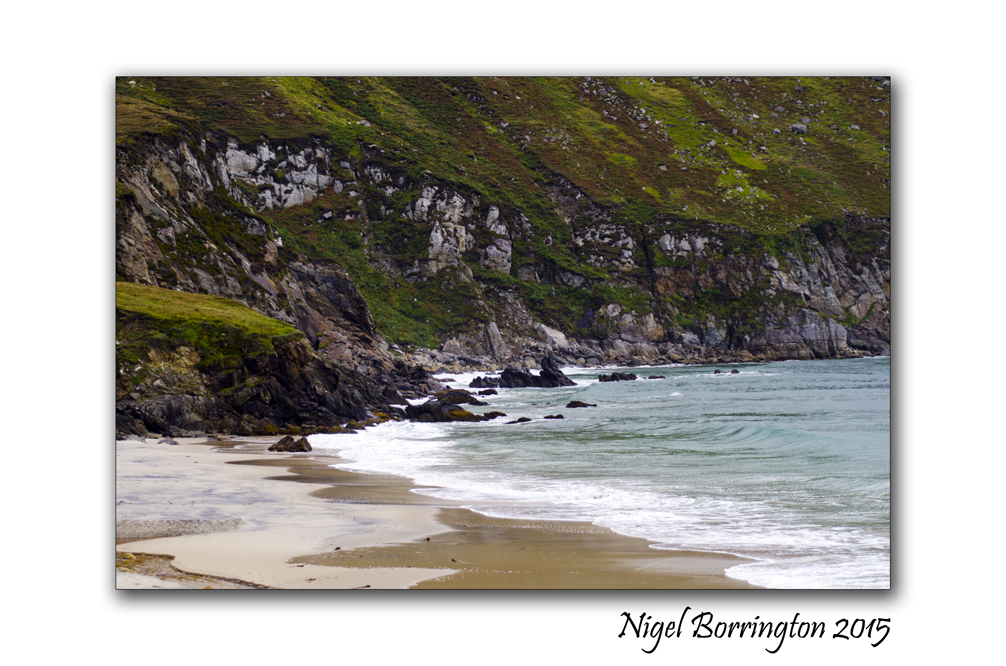
Keem Strand, Achill island, Co.Mayo
Irish Landscapes
Nigel Borrington
The Sound of the Sea
By : Henry Wadsworth Longfellow
The sea awoke at midnight from its sleep,
And round the pebbly beaches far and wide
I heard the first wave of the rising tide
Rush onward with uninterrupted sweep;
A voice out of the silence of the deep,
A sound mysteriously multiplied
As of a cataract from the mountain’s side,
Or roar of winds upon a wooded steep.
So comes to us at times, from the unknown
And inaccessible solitudes of being,
The rushing of the sea-tides of the soul;
And inspirations, that we deem our own,
Are some divine foreshadowing and foreseeing
Of things beyond our reason or control.
 Nigel Borrington
Friday poetry : The To-be-forgotten By Thomas Hardy
It does not take you very long while walking around the Irish Landscape to cross paths with an old abandoned church or two. These old churches are mainly connected to the remains of long evacuated family estates and would have been originally erected as community churches for both the occupants of the estate house and the larger community.
I find these places fascinating for many reasons, a reminder of the past and times of changes around both the 1916 Easter rising and then the Irish Civil War.
I have to be honest I avoid any area of conflict (Political and religious!) in life as much as I possible can, I feel society spends too much time as it is looking back on times of trouble, war and death and wonder sometimes if this is not the very reason why we end up with future conflicts?
For me Life is too short to spend any-time waving flags on behalf of past conflicts – NO ONE WINS IN WAR!
When I come across these old churches however I just have to stop and spend sometime because the names on these grave stones were real people and many of them would have lived full lives and been great family members, loved and been loved, real people!
The To-be-forgotten
By Thomas Hardy
.
I
I heard a small sad sound,
And stood awhile among the tombs around:
“Wherefore, old friends,” said I, “are you distrest,
Now, screened from life’s unrest?”
II
—”O not at being here;
But that our future second death is near;
When, with the living, memory of us numbs,
And blank oblivion comes!
III
“These, our sped ancestry,
Lie here embraced by deeper death than we;
Nor shape nor thought of theirs can you descry
With keenest backward eye.
IV
“They count as quite forgot;
They are as men who have existed not;
Theirs is a loss past loss of fitful breath;
It is the second death.
V
“We here, as yet, each day
Are blest with dear recall; as yet, can say
We hold in some soul loved continuance
Of shape and voice and glance.
VI
“But what has been will be —
First memory, then oblivion’s swallowing sea;
Like men foregone, shall we merge into those
Whose story no one knows.
VII
“For which of us could hope
To show in life that world-awakening scope
Granted the few whose memory none lets die,
But all men magnify?
VIII
“We were but Fortune’s sport;
Things true, things lovely, things of good report
We neither shunned nor sought … We see our bourne,
And seeing it we mourn.”
Ireland’s old churches
Share this:
April 8, 2016 | Categories: Comment, Forgotten places, Humanism, irish history, Landscape, Travel Locations | Tags: History, Ireland, Irish landscape photography, Nigel Borrington, Old churches, persoanal comment, poems, poetry, The To-be-forgotten, Thomas Hardy | 10 Comments