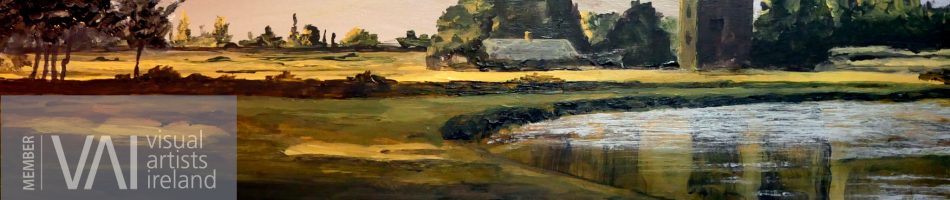
A sense of place, Wellington Tower Grange Crag, County Tipperary

The Wellington Tower Grange Crag, County Tipperary
The Wellington Tower stands on the Crag above Grange, county Tipperary, it was built in 1817 by Sir William Barker Bar to celebrate the Duke of Wellington’s victory over the French at the battle of Waterloo. Today it is nearly two hundred years old and for a long time it has only formed a feature in the loop wall around the forest above the small village of Grange.
However over the last months it has been restored and transformed into a viewing platform as you can see from the images here, it has been amazing to see the work that has been performed to give the tower a new life and a new purpose in life.
The walk to the top of the tower is via a metal spiral staircase with a viewing platform at the top , if you are a little heady with heights its best not to look down through the steps and to just keep going until you get to the top.
Once you are on the platform above and walk to the chest-high wall in front of you the view of county Tipperary below is just amazing. There is a display of all the sights below on a board the looks out and to the distance you can see modern Ireland in it greatness form with its small towns and up to date Wind farms.
Wellington Tower , Grange Crag, Tipperary GALLEY …


Monday Poetry, Ancient Stones By Donna Jones
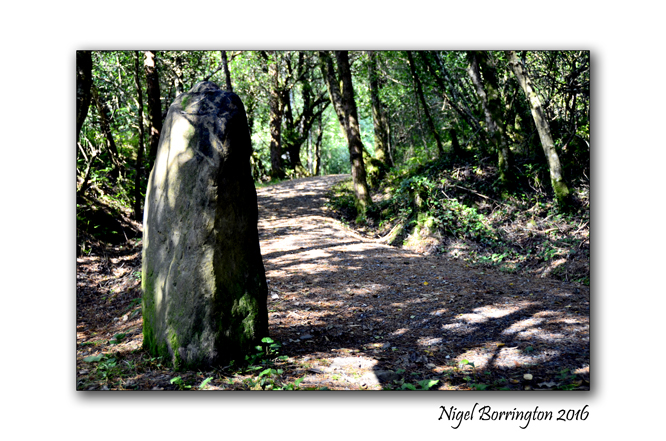
Ancient Ireland
Standing stones
Nigel Borrington
Ancient Stones
Charcoal black tip of arrowhead,
among these ancient, stones – stained red
Heartbeats share rhythms of ghostly drums..
Winds carry haunting, chanting hums
I feel your blood, flow here with mine,
outlasting, even decaying time
I’ve been told the stories, told to you,
I know we’re just spirits, passing through
When thunder, shakes awake the night,
I vision warriors by firelight
Their voices echo, around mountain’s soul,
while moon and stars watch us below
Respect the sky, and mother earth,
borrow the beauty, from time of birth
Then give in death peacefully
yourself, to rest eternally
Among these ancient, stones – stained red,
my mirror reflects traces, of those long………..
remembered…….
Donna Jones
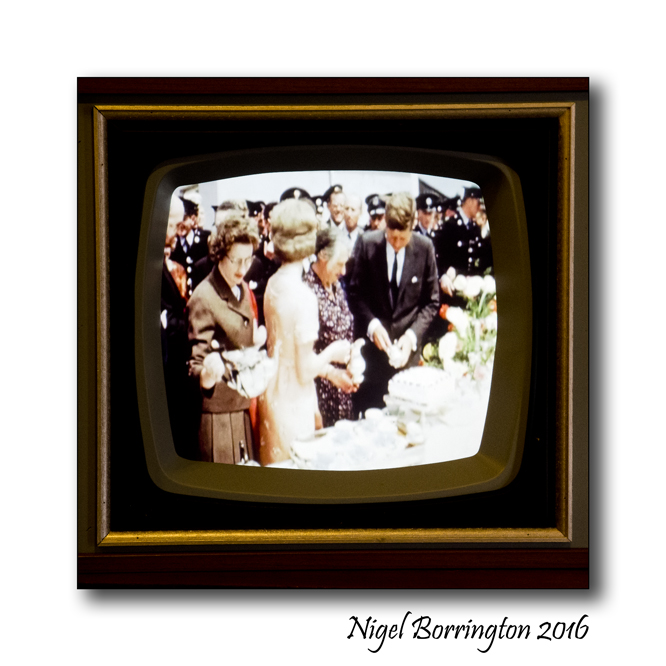
When President Kennedy visited Ireland in 1963 – Kennedy Homestead, Co.Wexford

Kennedy Homestead
Co, Wexford
Nigel Borrington
This very modest and humble farm yard and surrounding buildings, Located at ( Dunganstown, New Ross, Co. Wexford, Ireland ) is the birthplace of President John F. Kennedy’s great-grandfather Patrick Kennedy.
So it was that back in June 1963, the President of the USA decided that it was high time to take a visit to his grandfathers home. The Presidents visit to Ireland included these very key moments, in the visit to the family Homestead, drinking a cup of tea and enjoying some sandwiches with his Irish cousins.
In the years that followed his visit the family home has been turned into an equally modest but great exhibition centre, with a new building that contains many great photos and films relating to JFK and his family history.
It is hard to escape the ironic fact that while this was a very successful attempt to catch up with his own family and its history, by taking a few moments here – that he himself described as “The best moments of his life”, the visit took place only weeks before his own death in Dallas on the 22nd of November 1963.
His parting words to his Irish cousins, related to the fact that he understood very well that they may have found it very disruptive, the worlds media arriving in their small farm yard, so while he made a promised to revisit, he also promised that it would only be every ten years or so, clearly however this was to be his first and very last visit with them ……
Gallery




Viking Dawn – The Boarding Party, a Poem
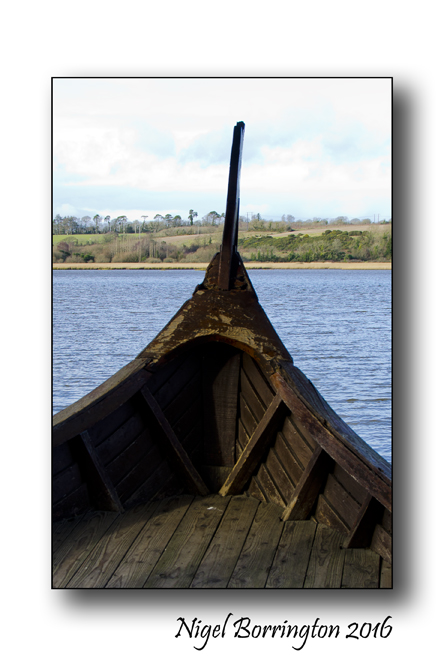
The Boarding Party
Their boat turned in towards us
ready to board our vessel
to take us to their island,
a fastness, craggy, bleak, timeless place.
To winter peat fires, gales, darkness,
weird northern tales of gods and trolls,
black nights seared by bright light curtains,
a violent Viking heritage.

A place where cold sea and ocean
overturn the crippled sea stacks,
our lives in the boarding party’s
hands and our skilful pilot.
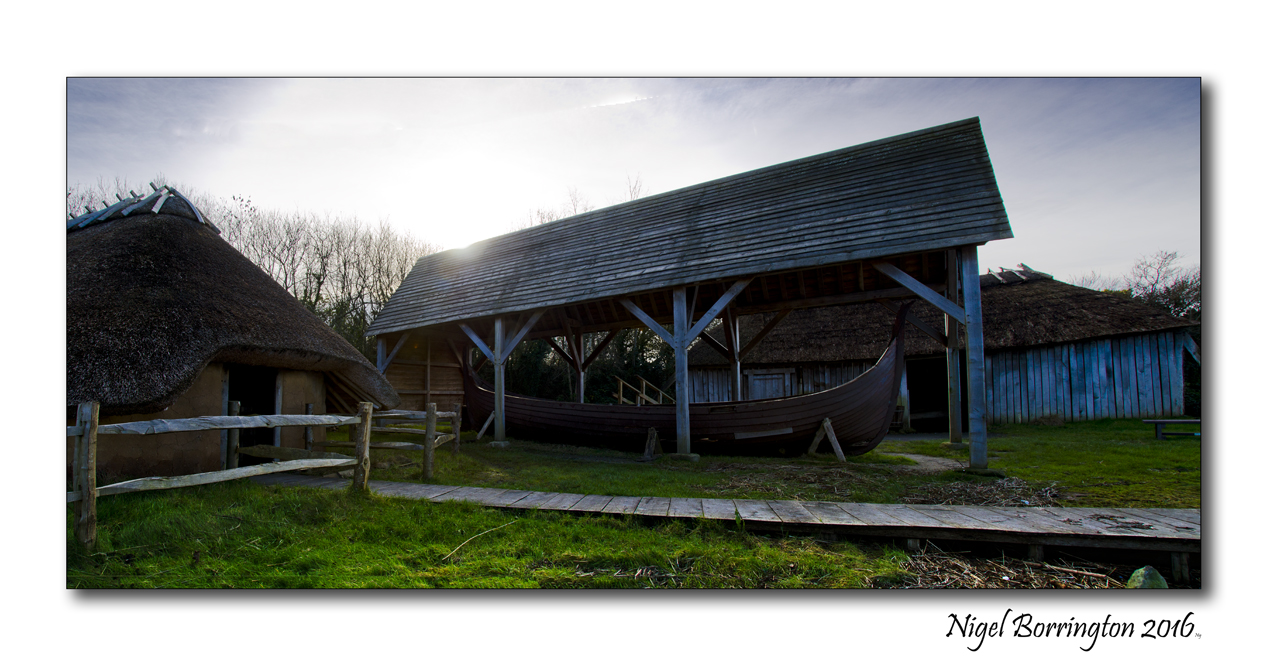
Tower Houses of Medieval Kilkenny
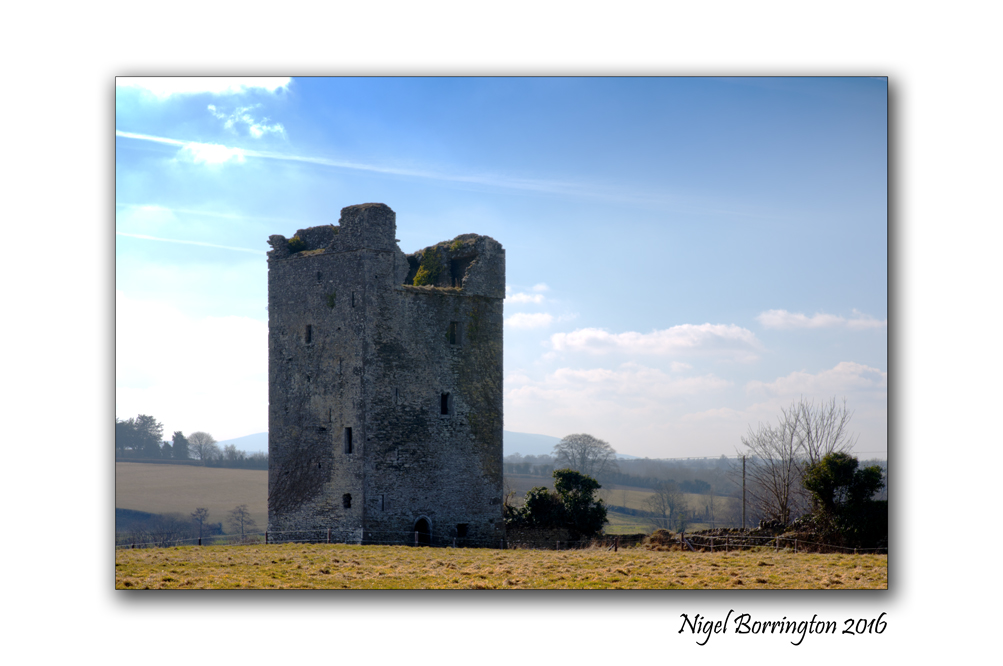
Tower House
Kells, County Kilkenny
Nigel Borrington
Tower Houses of Medieval Kilkenny, Ireland
The Landscape of County Kilkenny is full of history that covers many different era’s, including the Medieval period from around the 5th to the 15th century.
Just some of the reminders of this era are the great Tower Houses as detailed below.
A tower house is a fortified medieval residence of stone, usually four or more stories in height. Like most of the surviving monuments of our medieval past, the majority of Irish tower houses are in poor condition, with collapsed walls and ivy shrouded exteriors reflecting centuries of neglect. Yet these ruins, the remnants of a major medieval building industry, provide a valuable source of information on life in Ireland during the later Middle Ages. An increasing number are being restored through both private and state initiatives, while there has also been a marked upsurge in academic interest in recent years.
The buildings were regarded as castles by their occupants. This classification continues today and tower houses are regarded as a species within the castle genus. Their evident defensive strength should not, however, overshadow their residential nature, for tower houses were primarily the defended homes of a wealthy landowning class and were erected by both Anglo-Irish and Gaelic families during the period from circa 1400 to circa 1650.
Ref : Tower Houses
Carey’s Castle, Near – Clonmel in Co. Tipperary

Carey’s Castle, Clonmel in Co. Tipperary
Irish Landscape Photography : Nigel Borrington
The following Poem is based on the great TV series “Game of Thrones”!
To : Game of Thrones
18 July 2013 · Barrie, Canada ·
A Game of Thrones (Poem) by James J. A. Gray
Summer is swiftly ending,
Its warm sunny days are past;
Life grows short in this time of changing seasons.
Gone are the Wolves in the North,
Their howling song drowned out in blood and betrayal;
Gone is the galloping of horses in the west,
Only echoes and mirages remain in the dust and sand;
Gone is the royal stag;
The proud beast laid low.
Here now Lions rule a liar’s kingdom
While the spider weaves its intricate web,
And the Mockingbird sings many songs in eager ears,
And the fear of recurring myth hangs heavy
Over an Iron Throne with
Fire and Brimstone, Scales, and Wings.
The sun fades slowly in the west,
The bird-song grows quiet each passing day,
And the blue turns to gray as the sky darkens.
The days grow shorter.
The nights grow longer.
A chill settles in,
Descending from the North like a great beast toward the wall and the Black,
And with it the White and the Wildlings,
And the wind, and Snow.
Winter is coming.
Ever since I started watching Game of Thrones, I could not help but relate it to the amazing history that surrounds us here in Ireland, the Landscape is filled with ruins of long ago, Wars from the distant past. Viking invasions and hundreds of years of the Normans, French Lords who ruled over these Lands. Game of Thrones is mainly based around life in the North and South of What is now the United Kingdom along with looking to the lands of the east, but Ireland was ruled by exactly the same powers in the periods covered by the Historic settings behind the Game of Thrones and would have fallen under the same kingdoms.
Carey’s Castle in just one of these places, a reminder of the past, it rests in woodlands near Clonmel in Co. Tipperary, on the banks of the Glenary River, running past the castle and adding to a very peaceful atmosphere here. To locate it you walk for around 500m down a wonderful woodland trail, it is well worth the effort when the trees part and Carey’s Castle appears before your eyes.
Carey’s Castle, Gallery


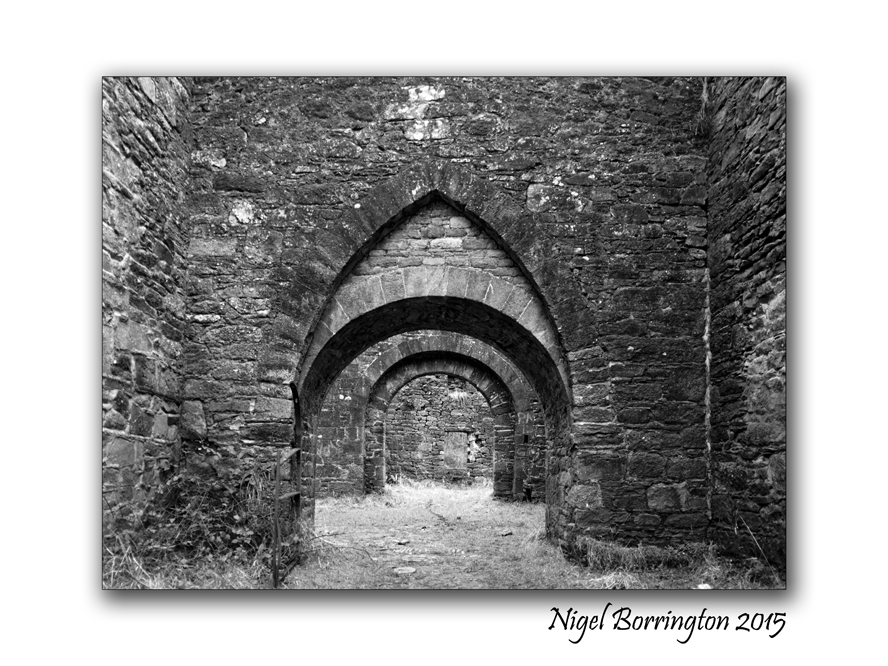
Ardgroom Stone Circle

Ardgroom stone circle
County Cork
Nigel Borrington
Ardgroom Stone Circle
Ardgroom (Irish: Dhá Dhroim, meaning “two drumlins”) is a village on the Beara peninsula in County Cork, Ireland.
Its name refers to two gravelly hills deposited by a glacier, Dromárd and Drombeg. It lies to the north north west of Glenbeg Lough, overlooking the Kenmare River estuary. It sits between the coast and the Slieve Miskish Mountains.

Canfea stone circle
West Cork
The area is also home to a number of megalithic monuments. Signposted is the Ardgroom stone circle to be found to the east of the village at a distance of about 1 mile, off the old Kenmare road. It has the name “Canfea” but is normally called the “Ardgroom” stone circle. About 1 mile north east lie the remains of another stone circle. The Canfea circle consists of 11 stones, 9 of which are still upright with one alignment stone outside the circle. Unusually for a stone circle, its stones tend to taper toward points.
You can park a car about 1/2km away in a small wooded area with the walk to the circle only being some five minutes. The location is wonderful with a view of the mountains behind and the west Cork, coast-line on to the front of the circle.
Just to spend sometime here is amazing as the circle is in very good condition with most of the stones still standing. This must have been some place three thousand years ago, remote, cut off from the rest of the world. These circles were most likely use to help small farming communities tell the time of the year, the passing of the seasons for which they used the moon as well as the sun.
Also in the vicinity are the remains of at least 2 ring forts, as well as a number of standing stones and stone rows.
Muckross Abbey, Image Gallery and History
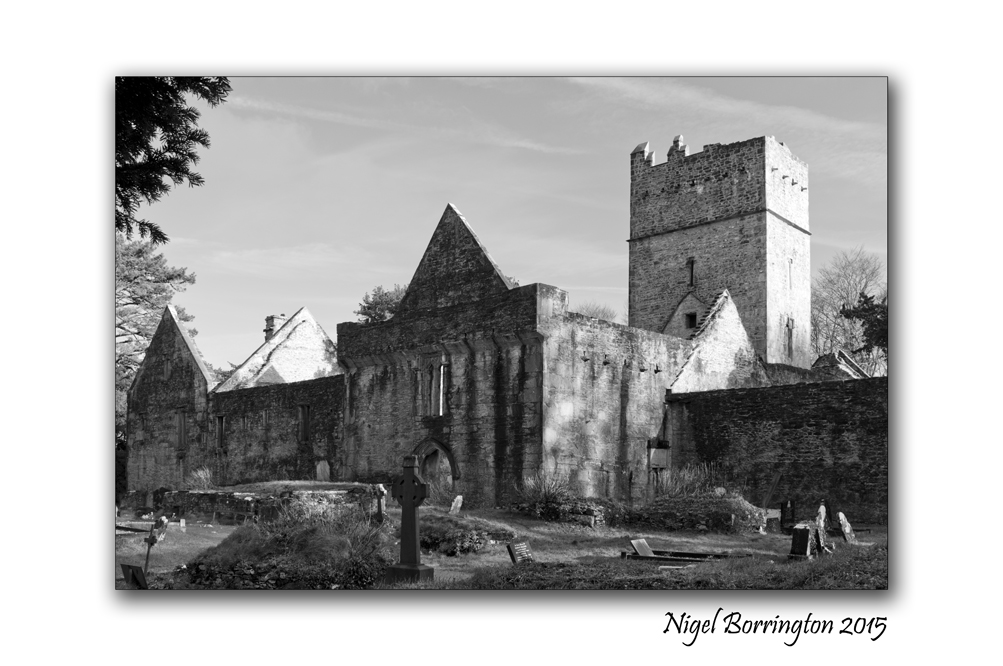
Muckross Abbey
Killarney National Park, Kerry
Landscape images : Nigel Borrington
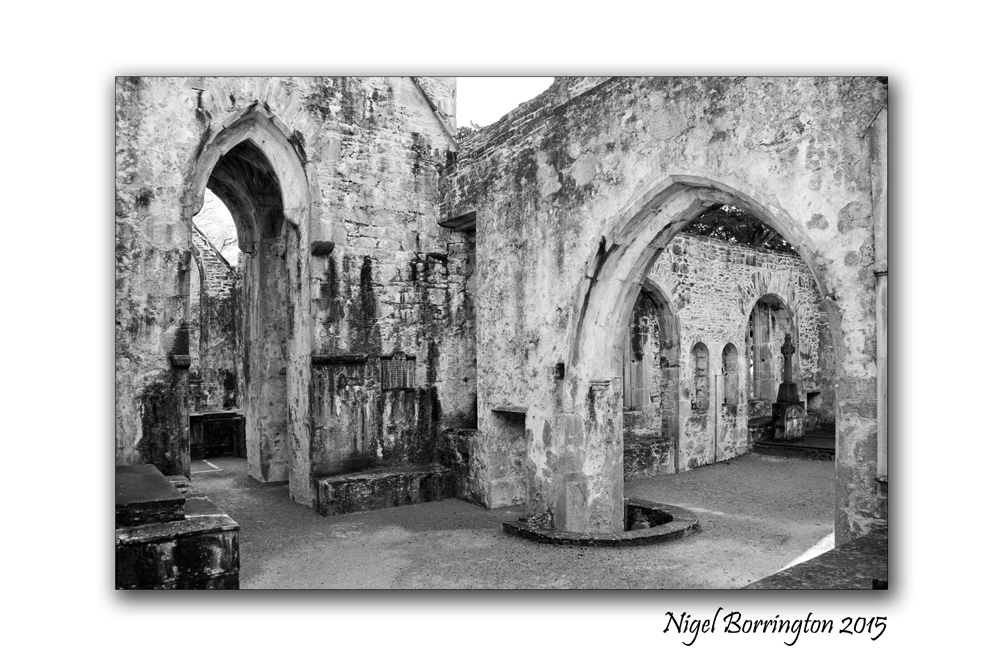
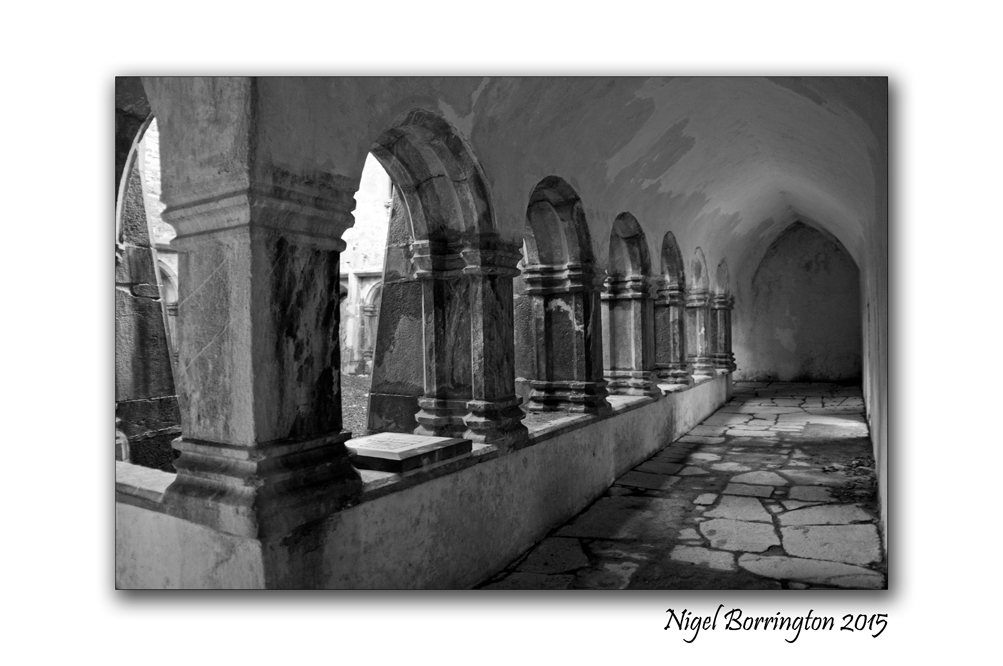
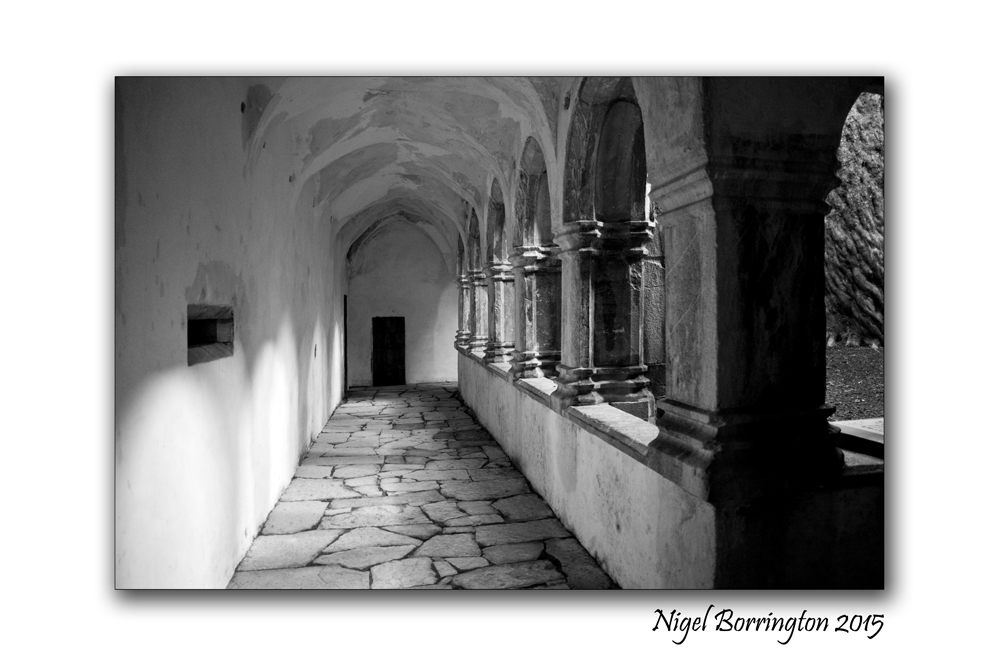
Muckross Abbey
The Abbey of Muckross KIllarney or the Franciscan Friary of Irrelagh, was founded for the Observatine Franciscans in 1448, and is the burial place of local chieftains and three Gaelic poets
It is famous for the large ancient yew tree that rises above the cloister and extends over the abbey walls. Some think the abbey was built around the tree, as yews are seen in folk lore as a tree of life and linked to the immortality of the soul.

Muckross Abbey Today
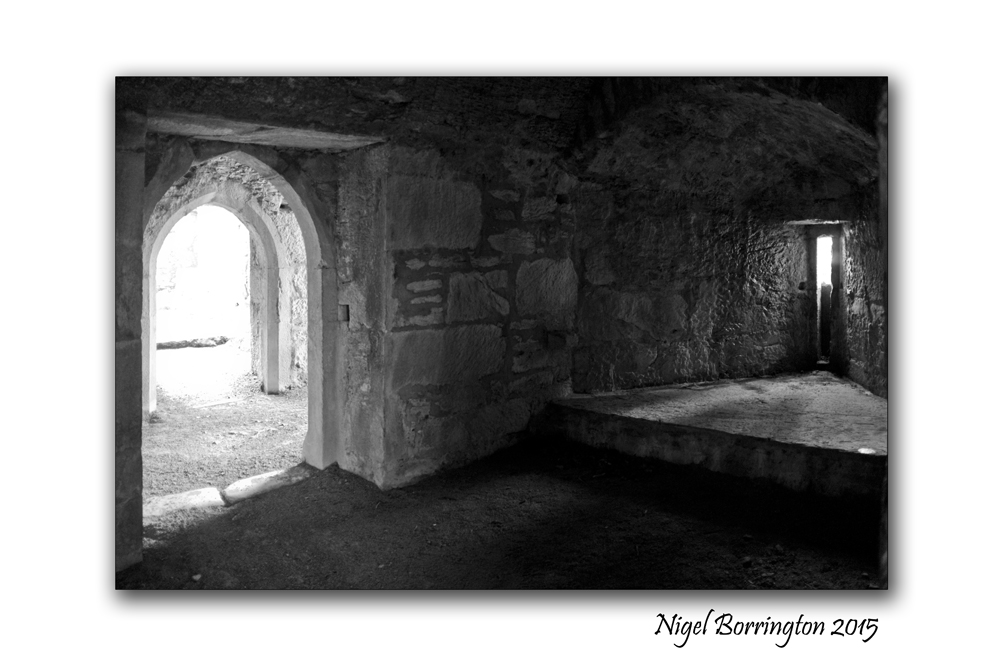
While today it is a ruin and has no roof, the building is reasonably well preserved
The abbey is open to the public and is a short five- minute walk from the car park on the N71. It is three miles from Killarney Town.
The Ghost of the Brown Man
It has been rumoured that the abbey and its adjoining graveyard may have inspired Dublin-born writer Bram Stoker.

Historical records document that a religious hermit named John Drake lived in the abandoned friary for eleven years during the mid 1700s. Drake famously slept in a coffin.
Meanwhile, an ancient legend tells of “the Brown Man” who was seen by his wife feasting on a corpse within one of the graves.

These stories may have fueled the Dracula novel, written by Stoker, who visited the area in the late 19th century, and was seen wandering around the ruins late at night.
Today, visitors to Muckross Abbey agree that it has an uncomfortably spooky atmosphere.
Image Gallery in full ….
Irish great Elk – one of the largest deer that ever lived

Irish Elk ,
At : Cahir Castle, County. Tipperary
The Irish great elk is an extinct species of deer it was one of the largest deer that ever lived. Its range extended across Eurasia, from Ireland to northern Asia and Africa.
The skull and antlers in the main image above are located in the old 11th century dining hall at Cahir Castle county Tipperary Ireland. With antlers spanning 2.7 metres (8.9 ft) this Skull hangs high on one of the gable ends of the hall and seams to fill the room with its presence.
It is some 7000 to 8000 years since these amazing elk walked around the Irish landscape, it is not fully known exactly why or when the became extinct but the most recent specimen of M. giganteus in northern Siberia, dated to approximately 7,700 years ago.
Description
The Irish Elk stood about 2.1 metres (6.9 ft) tall at the shoulders carrying the largest antlers of any known cervid (a maximum of 3.65 m (12.0 ft) from tip to tip and weighing up to 40 kg (88 lb)).

In body size the Irish Elk matched the extant moose subspecies of Alaska (Alces alces gigas) as the largest known deer. The Irish Elk is estimated to have attained a total mass of 540–600 kg (1,190–1,323 lb), with large specimens having weighed 700 kg (1,543 lb) or more, roughly similar to the Alaskan Moose. A significant collection of M. giganteus skeletons can be found at the Natural History Museum in Dublin.
It is understood that the first humans to live in Ireland were the Mesolithic hunter-gatherers, settling in Ireland after 8000 BC so it is possible that the first people to live here lived along side these animals and even hunted them for food and for their very skin and bones.
Finnish paganism and the Elk

European elk
The elk is a common image in many Finnish pagan art works …
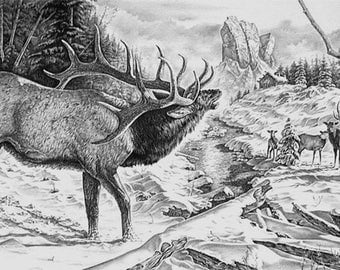
Finnish paganism was the indigenous pagan religion in Finland, Estonia and Karelia prior to Christianisation. It was a polytheistic religion, worshipping a number of different deities. The principal god was the god of thunder and the sky, Ukko; other important gods included Jumi, Ahti, and Tapio.
Shows many similarities with the religious practices of neighbouring cultures, such as Germanic, Norse and Baltic paganism. However, it has some distinct differences due to the Uralic and Finnic culture of the region.
Finnish paganism provided the inspiration for a contemporary pagan movement Suomenusko (Finnish: Finnish faith), which is an attempt to reconstruct the old religion of the Finns.

The Triple deity and the number three in Pagan Mythology , the Corleck Hill stone head

Corleck Hill stone head
The Triple deity
Photo : Nigel Borrington
Last weekend I visited the National Museum of Ireland in Dublin, to take a good look at some of the pagan/ per-christian objects that they have on permanent display.
One of the items that really captured my attention was the Corleck Hill – Carved stone head, a sculpture in the form of a triple deity. I think this stone is fascinating and provides a mythological link between per-christian Ireland and the wider world, well before the 1st century AD.
I have spent sometime this week doing a little study on the stone head and reading as much as I can find about its form, so I just wanted to share some on the images I took from the visit and some of the details I have found so far.
The Corleck Hill stone head

Stone Head
Object Number: IA:1998.72
Stone HeadCarved stone head. Early Iron Age, 1st – 2nd century AD. Known since it came to scientific attention in 1937 as the Corleck head, this three-faced stone idol was found in the townland of Drumeague, Co. Cavan around the year 1855. It appears that it was one of a number of carvings found, including a bearded bust now known as the Corraghy head that was later built into a barn in the nearby townland of that name. Thomas Barron, the local historian who brought the three-faced head to the attention of the National Museum spent a lifetime researching the local traditions concerning the find and he concluded that the figures were associated with a shrine located at Drumeague Hill. Nearby is Corleck Hill where it appears that between 1832 and 1900 a Passage Tomb surrounded by a stone circle and a circular embankment 70 yards in diameter were dismantled. The site of these monuments was the center of an important Lughnasa festival that celebrated the harvest, an ancient Celtic tradition that survives into modern times. Other Celtic stone heads have been found in the vicinity such as those from Corravilla and Cavan Town and the find place of the three-faced idol is but twelve miles distant from Loughcrew, Co. Meath. A little further north there is another group of Iron Age stone carvings that appear to be centred on the vicinity of Emhain Macha, the main political and ritual site of ancient Ulster. The likelihood is that the Corleck Head was associated with a shrine reflecting Romano-British traditions located close to where the carving was discovered. The three-faced carving is the finest of its type and there is a small hole in the base to assist its being stood securely, perhaps on a pedestal. One of the faces is heavy browed and all of them have bossed eyes, a broad nose and slit mouth. One of the mouths has a small circular hole at the centre and this feature is also found on two of the Co. Armagh carvings and on another from Woodlands, Co. Donegal. There are several examples of this feature from Yorkshire the best known occurring on two three-faced idols from Greetland, near Halifax. The feature also occurs on a stone head from Anglesey, Wales. H. 33cm; Max. W. 22.5cm.
What is the triple deity

A triple deity (sometimes referred to as threefold, tripled, triplicate, tripartite, triune or triadic, or as a trinity) is a deity associated with the number three. Such deities are common throughout world mythology; the number three has a long history of mythical associations. Carl Jung considered the arrangement of deities into triplets an archetype in the history of religion.
In mythological and its art,three separate beings may represent either a triad who always appear as a group (Greek Moirai, Charites, Erinnyes; Norse Norns; or the Irish Morrígna) or a single deity known from literary sources as having three aspects (Greek Hecate, Diana Nemorensis). In the case of the Irish Brigid it can be ambiguous whether she is a single goddess or three sisters, all named Brigid. The Morrígan also appears sometimes as one being, and at other times as three sisters, as do the three Irish goddesses of sovereignty, Ériu, Fódla and Banba.
The Matres or Matronae are usually represented as a group of three but sometimes with as many as 27 (3 × 3 × 3) inscriptions. They were associated with motherhood and fertility. Inscriptions to these deities have been found in Gaul, Spain, Italy, the Rhineland and Britain, as their worship was carried by Roman soldiery dating from the mid 1st century to the 3rd century AD. Miranda Green observes that “triplism” reflects a way of “expressing the divine rather than presentation of specific god-types. Triads or triple beings are ubiquitous in the Welsh and Irish mythic imagery” (she gives examples including the Irish battle-furies, Macha, and Brigit). “The religious iconographic repertoire of Gaul and Britain during the Roman period includes a wide range of triple forms: the most common triadic depiction is that of the triple mother goddess” (she lists numerous examples).
More ( A fascinating read !!!)
Pagan Monday : The Spiral and Nature

The Spiral In the Natural Pagan world
If you have taken many nature photographs or sketched and/or painted outside, you may have noticed just how often you come across one of natures repeating patterns, the Spiral.
From Lichen on rocks to the way the bark grows on some trees, water spinning in a rock pool and the form that galaxy’s take in the night sky.
The last image below was taken at the Local Pagan location of Knickroe, County Kilkenny where most of the stones are marked with the spiral pattern. In this image you can just about make out the form of the Triple Spiral, Possibly representing the : ( “three realms” – Land, Sea and Sky ). Clearly our Pagan ancestors noticed the spiral and give it a significant place in their lives. Today the spiral takes a leading place in Modern Re constructionist Paganism being used in Art and artifacts.
Pre-Christian symbolism
Believed by many people to be an ancient symbol of pre-Celtic and Celtic beliefs, the triple spiral appears in various forms in pre-Celtic and Celtic art, with the earliest examples having been carved on pre-Celtic stone monuments, and later examples found in the Celtic Christian illuminated manuscripts of Insular art. The triple spiral was possibly the precursor to the later triskele design found in the manuscripts.
Christian Celtic symbolism
What the symbol meant to the pagans who built Newgrange and other monuments is unknown; but, as Christianity came into the forefront in Ireland before the 5th century, AD, the triskele took on new meaning, Kidnapped somewhat as a symbol of the Trinity (i.e., Father, Son, and Holy Spirit) and, therefore, also a symbol of eternity. Its popularity continues today as a decorative symbol of faith for Christians of Celtic descent around the world.
The triple spiral
The triple spiral is one of the main symbols of Celtic Reconstructionist Paganism, often standing for the “three realms” – Land, Sea and Sky, or for one of a number of deities who are described in the lore as “threefold” or triadic.[1] The god Manannán is probably most often the one symbolized by the triskele, though some also use it for the goddess Brighid. Some Celtic-inspired Wiccans also use the triple spiral symbol, most often to represent the concept of the triple goddess.
According to Uriel’s Machine by Knight and Lomas (2003), the triple spiral may represent the nine-month period of human pregnancy, since the sun takes a fourth of a year to go from the celestial equator (an equinox) to extreme north or south declination (a solstice), and vice versa. During each three-month period, the sun’s path across the sky appears to form a closely wound quasi-helical shape, which can be likened to a spiral, so that three spirals could represent nine months, providing an explanation for a link between fertility and the triple-spiral symbol.
Natures Spirals


Allihies copper mines, Copper Mine a Poem By : Madhu Kailas

Allihies copper mines
Irish Landscape Photography : Nigel Borrington
The Copper mines located at the small town of Allihies , west cork Ireland are amongst some of the most worked and preserved in this part of Europe , their history is as follows :
Copper mining started in Allihies in 1812 when John Puxley, a local landlord, identified the large quartz promontory at Dooneen as copper bearing from its bright Malachite staining.
The Allihies Mines
Initial mining began with a tunnel or adit driven into the quartz lode from the pebble beach below. In 1821 two shafts were sunk . Flooding was a continuous problem and in 1823 the engine house was erected to house a steam engine brought over from Cornwall to pump water from the depths. The remains of this building with the base of the chimney can be seen across the road. There is also evidence of a steam powered stamp engine to the left of the chimney and dressing floors in front of the engine house. The high dam further inland is the remaining evidence of a water reservoir which stored the water that was pumped out from the bottom of the mine. It was used for the steam engines and needed to separate the copper from rock. All the rubble on the cliff at the sea side of the road is the crushed useless quartz rock left over after the copper ore was extracted.
This is one of six productive mines in the Allihies area and its operation continued until 1838 when it closed due to failing ore.
John Puxley died in 1860 and in 1868 his son Henry Puxley sold the mines to the new Berehaven Mining Company who reopened the mine and installed a new 22 inch steam engine in 1872. Little ore was produced though in this period and the mine was finally abandoned in 1878.

Copper Mine
By : Madhu Kailas
Hollowed earth,
a large reservoir of emptiness.
Deep down where only
the moon can touch
dregs of an empty cup,
static turquoise fluid
of residual copper blood.
Cyclopean machines
crawl like dwarf ants.
Along grooves etched by mortal hands.
Gnaw at rocks,
startled out of deep sleep
to be stripped.
An ancient cave painting
tumbles out of extinction
delineated by squished insect blood
on ochre flats.
Dead insects scrabble out of rocks
on the landscape of our civilisation.
Sunrise behind the Knockmeal downs standing stone.

Sunrise behind the standing stone.
Knockmealdown Mountains.
County Waterford.
Irish landscape Photography : Nigel Borrington
Standing at the top of a hill in the knockmealdown mountains, county Waterford is this amazing standing stone, it rises about 2 meters from the ground. It must have been here for some four thousand years.
I took this images one morning just after sunrise while walking through these mountains that look down over the Waterford coastline.
I placed the rising Sun behind the stone as I wanted to capture the idea of the function of these stones, the tracking of the sun as it moved position on the horizon during the year.
King John’s Castle Limerick
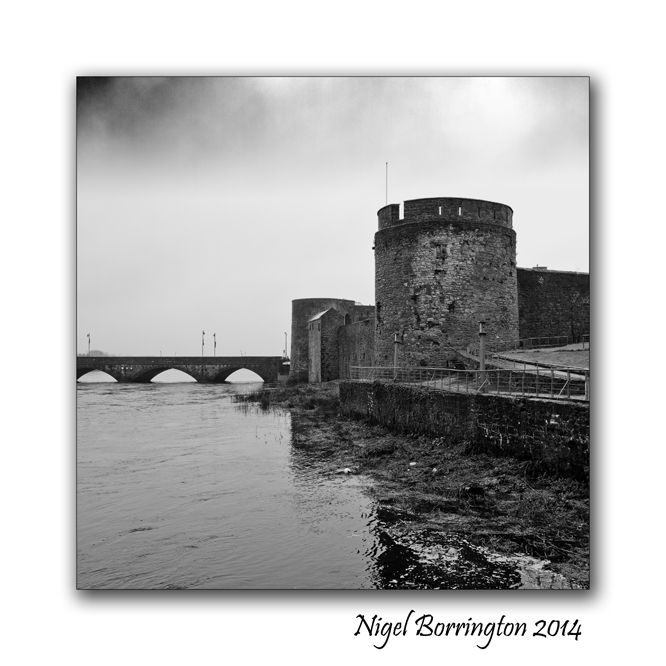
King Johns Castle, Limerick, Ireland.
Irish landscape Photography : Nigel Borrington
King John’s Castle, Limerick
Back in January this year I took a weekend trip to Limerick on the river Shannon, to King Johns Castle located at the high street end of the town.
The Castle is a 13th-century construction located on King’s Island in Limerick, next to the River Shannon. Although the site dates back to 922 when the Vikings lived on the Island, the castle itself was built on the orders of King John in 1200. The walls, towers and fortifications remain today and are visitor attractions.
The remains of a Viking settlement were uncovered during archaeological excavations at the site in 1900
If you are passing this part of the world the Castle is well worth a visit as is a walk around Limerick city itself. You can go on a loop river walk that lets you see every part of the city from the river bank. There are many pubs and coffee stops along the way all with a great view of the river.

Early History
The arrival of the Anglo-Normans to the area in 1172 changed everything. Domhnall Mór Ó Briain burned the city to the ground in 1174 in a bid to keep it from the hands of the new invaders. After he died in 1194, the Anglo-Normans finally captured the area in 1195 under King John. In 1197, local legend claims Limerick was given its first charter and its first Mayor, Adam Sarvant. A castle, built on the orders of King John and bearing his name, was completed around 1210.
The castle was built on the boundary of the River Shannon in order to protect the city from the west and from any rebellion by Norman lords to the east and south. Under the general peace imposed by the Norman rule, Limerick prospered as both a port and a trading center, partly due to the castle acting as a watchdog on any cargo passing through the port of Limerick.
The town of Limerick became so wealthy during this era King John set up a mint in the North West corner of the castle, with pennies and half pennies from this time available to see in Limerick museum today. A 1574 document prepared for the Spanish ambassador attests to its wealth:
A visit two Derrynaflan island, the Derrynaflan hoard and the changes in the law.
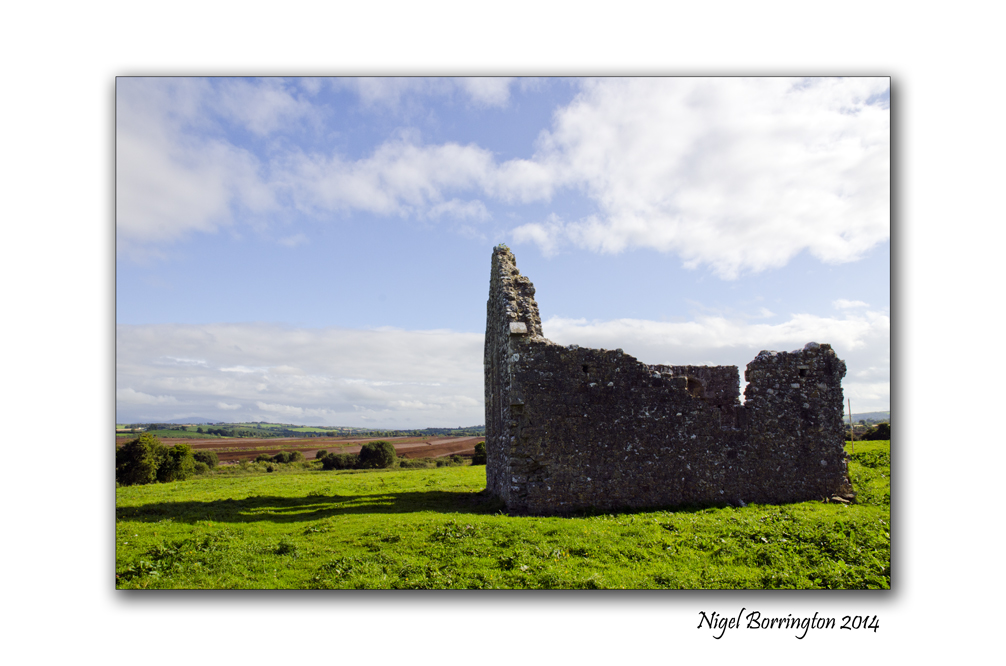
Derrynaflan Island, County Tipperary
Irish Landscape Photography : Nigel Borrington
During what was a great summer we took a family visit to Derrynaflan island, County Tipperary.
The weather was just great and the visit to this magical Island just fascinating. It is on this island that in 1980 a Father and his son found one of Europe’s and Ireland’s most important treasures and in the process changed the Irish laws forever, as below :
Derrynaflan Hoard
Discovering the Hoard

One of the most spectacular hoard discoveries in Ireland, which led first to an increase in enthusiasm for metal detecting as a hobby, but ultimately contributed to the prohibition of unlicensed searching for archaeological material.
On 17 February 1980, Michael Webb and his son, also called Michael, discovered a significant hoard of early church treasure in Derrynaflan, in the townland of Lurgoe, County Tipperary, using metal detectors (Kelly 1994: 213; O’Riordain 1983: 1). The hoard included a chalice, a bronze strainer ladle and a paten (a kind of small plate) (and see Ryan 1983 for a detailed description), and the discovery was described as ‘one of the most exciting events in the history of Irish art’ (Stalley 1990: 186). The large monastic enclosure in which the hoard was found was partially protected as a National Monument (Kelly 1993: 378). The finders reported their discovery to an archaeologist from University College Cork, Dr. Elizabeth Shee Twohig (Kelly, pers. comm., 2012), who advised them that they must take the finds to the National Museum of Ireland in Dublin (Houses of the Oireachtas 1986; O’Riordain 1983: 1). Under Irish law at that time, the finders were entitled to a reward for making the discovery, in this case decided at IR£10,000 (Houses of the Oireachtas 1986), although this was initially rejected by the finders as insufficient compared to the value of the find (Kelly 1994: 213).

Six years later, the High Court made a ruling that the find or its value (estimated at IR£5.5 million) should be returned to the finders (Kelly 1994: 113). The public mood turned against the Webbs, who were shown on the main evening television news drinking champagne to celebrate the ruling. Ireland was then in deep recession with massive public service cuts which led to resentment that the Webbs might benefit to the tune of IR£5.5 million from the public purse (Kelly, pers comm., 2012). A year later, in 1987, a further final judgement was delivered by the Supreme Court that the Derrynaflan Hoard in fact belonged to the state and not to the finders (Kelly 1995a). The finders finally received a reward of IR£50,000 (Kelly 1994: 214).
The impact of the case on Irish law concerning the protection of heritage was significant. Debates in the Seánad Éireann (upper house of the Irish Parliament) in 1986 indicate the split in opinions regarding the validity of the claim of the finders to the hoard (as had been decided in court the previous year), with one Senator suggesting that the state should have been trying to prove that the Webbs had no legal claim to the hoard, one Senator regarding such discoveries as no more than looting, and another claiming that the finders should instead be praised for the care with which they removed the hoard from the ground and for going to the National Museum to report the discovery (Houses of the Oireachtas 1986). In 1987 the National Monuments (Amendment) Bill, which included clauses on metal detecting and ancient shipwrecks (another area becoming vulnerable to looting), passed through its final stages in the Dáil Éireann (lower house of the Irish Parliament) (Gosling 1987: 23).
Ireland’s National Monuments Act 1930 had prohibited the excavation of archaeological objects other than under license (Kelly 1995a). However, the maximum fine for a successful prosecution at that time, at IR£10[1], proved not to be a strong deterrent (Kelly 1995b: 235). The discovery of the Derrynaflan Hoard had reputedly contributed to the growth of the metal detecting hobby in Ireland, which by the time of the discovery saw hobbyists searching not only ploughed land and other locations away from archaeological sites, but also on known archaeological sites (Kelly 1993: 378). A 2012 Irish news item, which described an athlete as having ‘more gold than they found in Derrynaflan’ (Keane 2012) indicates that the finding of the hoard is still recalled in Irish popular memory. However, with the National Monuments (Amendment) Act 1987, ‘it became illegal to search for archaeological objects with metal detectors or other electronic detecting devices without license’. A further National Monuments (Amendment) Act 1994 specified the state ownership of archaeological objects, and made it ‘an offence to trade in unreported antiquities, or withhold information about archaeological discoveries’ (Kelly 1995a). Under the 1994 legislation, the maximum penalty was also increased to a fine of IR£50,000 and five years imprisonment (National Monuments (Amendment) Act 1994, Section 13). The National Monuments (Amendment) Act 1987 had been in preparation for many years and so was not a direct reaction solely to the controversy surrounding the hoard (Kelly, pers. comm., 2012), although there were observations made that the upsurge in metal detecting as a result of the discovery led to changes in the law (Kelly 1994: 214).
Ref : http://traffickingculture.org/encyclopedia/case-studies/derrynaflan-hoard/
A visit two Derrynaflan island Gallery
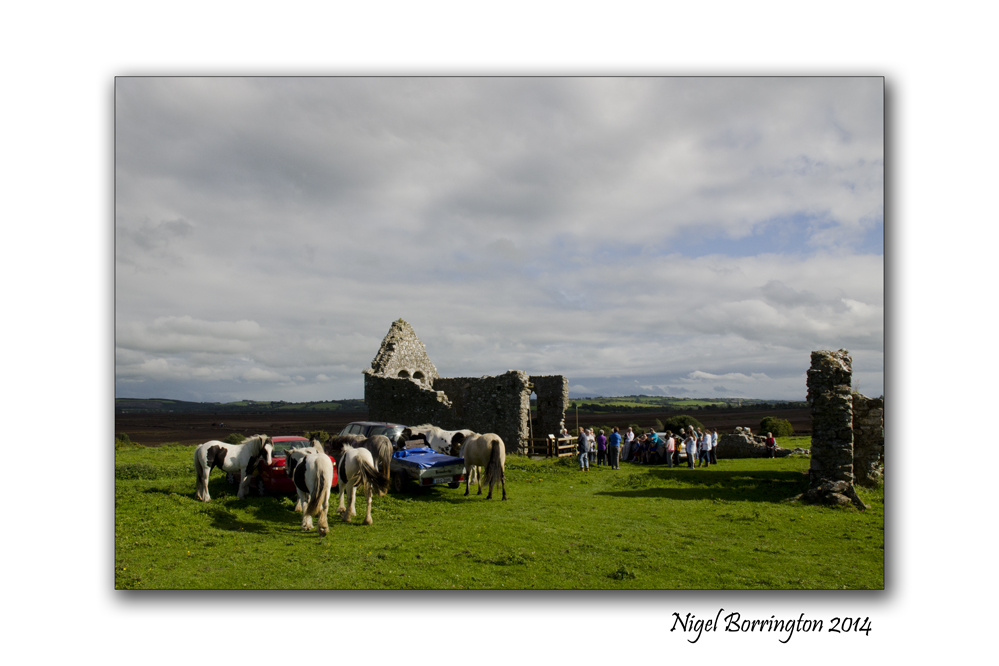


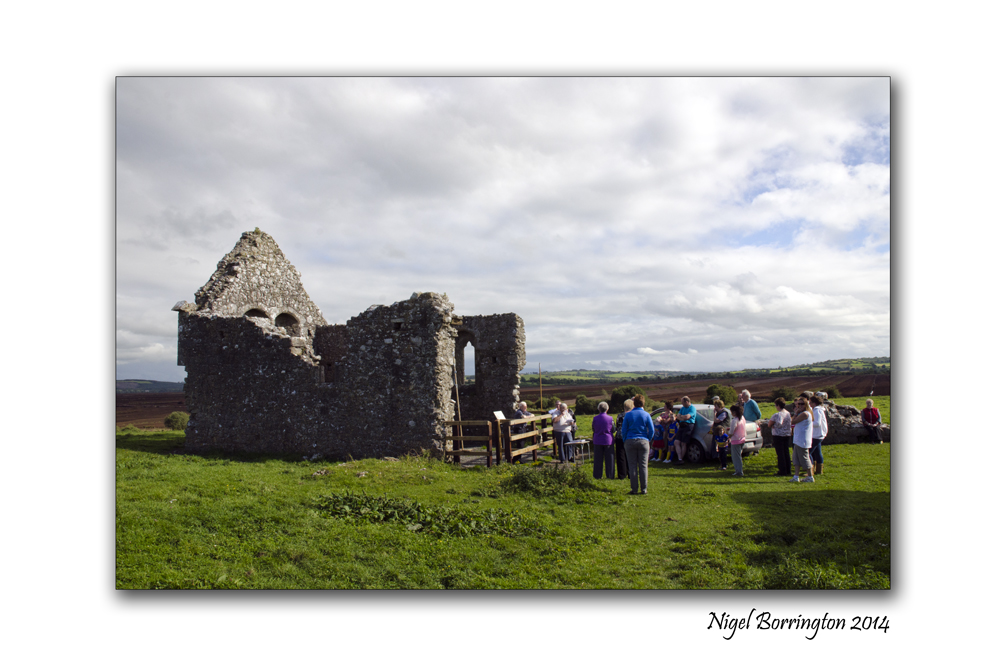
The Elements : Earth

Suir valley from Tullahought – Kilkenny landscape photography : Nigel Borrington
Connected to the North,
Earth is considered the ultimate feminine element, Earth is fertile and stable, associated with the Goddess. The planet itself is a ball of life, and as the Wheel of the Year turns, we can watch all the aspects of life take place in the Earth: birth, life, death, and finally rebirth. The Earth is nurturing and stable, solid and firm, full of endurance and strength. In color correspondences, both green and brown connect to the Earth, for fairly obvious reasons! In Tarot readings, the Earth is related to the suit of Pentacles or Coins.
Mother goddess is a term used to refer to a goddess who represents motherhood, fertility, creation, or who embodies the bounty of the Earth. When equated with the Earth or the natural world such goddesses are sometimes referred to as Mother Earth or as the Earth Mother.

Celtic Goddess
The Irish goddess Anu, sometimes known as Danu, has an impact as a mother goddess, judging from the Dá Chích Anann near Killarney, County Kerry. Irish literature names the last and most favored generation of deities as “the people of Danu” (Tuatha De Danann). The Welsh have a similar figure called Dôn who is often equated with Danu and identified as a mother goddess. Sources for this character date from the Christian period, however, so she is referred to simply as a “mother of heroes” in the Mabinogion. The character’s (assumed) origins as a goddess are obscured.
The Celts of Gaul worshipped a goddess known as Dea Matrona (“divine mother goddess”) who was associated with the Marne River. Similar figures known as the Matres (Latin for “mothers”) are found on altars in Celtic as well as Germanic areas of Europe.
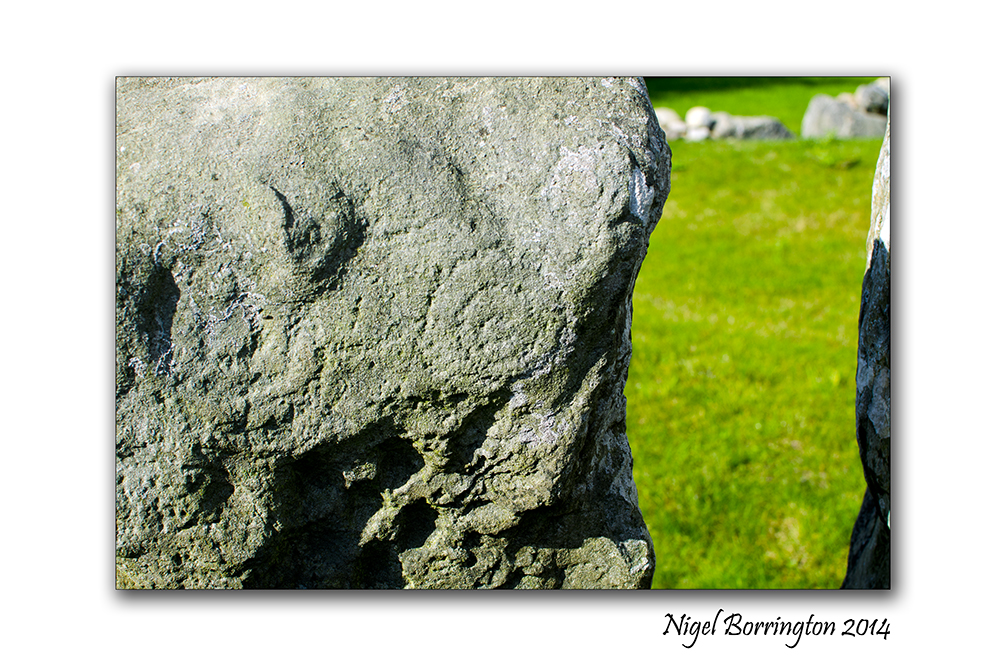
In many cultures, earth spirits are beings that are tied to the land and plant kingdom. Typically, these beings are associated with another realm, the forces of nature that inhabit a particular physical space, and landmarks like rocks and trees.
In Celtic mythology, the realm of the Fae is known to exist in a parallel space with the land of man. The Fae are part of the Tuatha de Danaan, and live underground. It’s important to watch out for them, because they’re known for their ability to trick mortals into joining them.

Gnomes feature prominently in European legend and lore. Although it’s believed that their name was coined by a Swiss alchemist named Paracelsus, these elemental beings have long been associated in one form or another with the ability to move underground.
Likewise, elves often appear in stories about the land. Jacob Grimm collected a number of stories about elves while compiling his book Teutonic Mythology, and says that elves appear in the Eddas as supernatural, magic-using beings. They appear in a number of old English and Norse legends.
The Elements : Water.
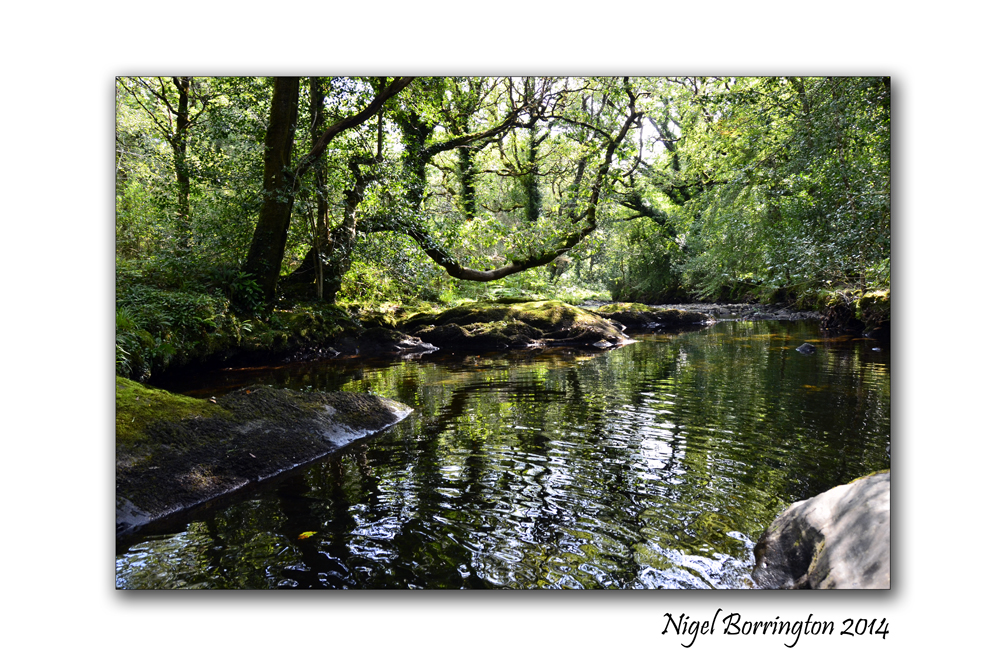
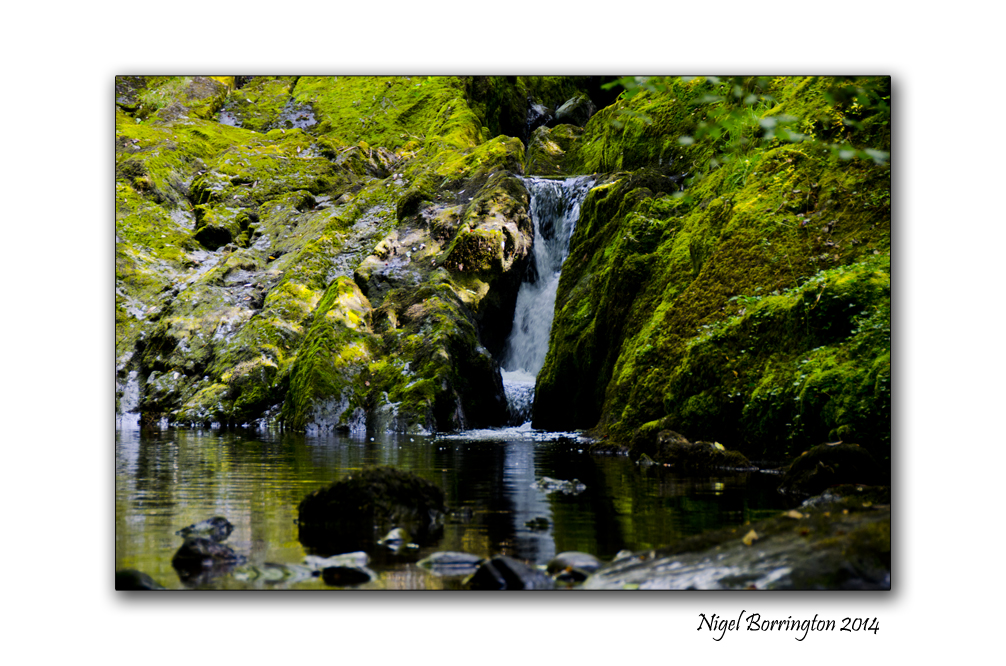
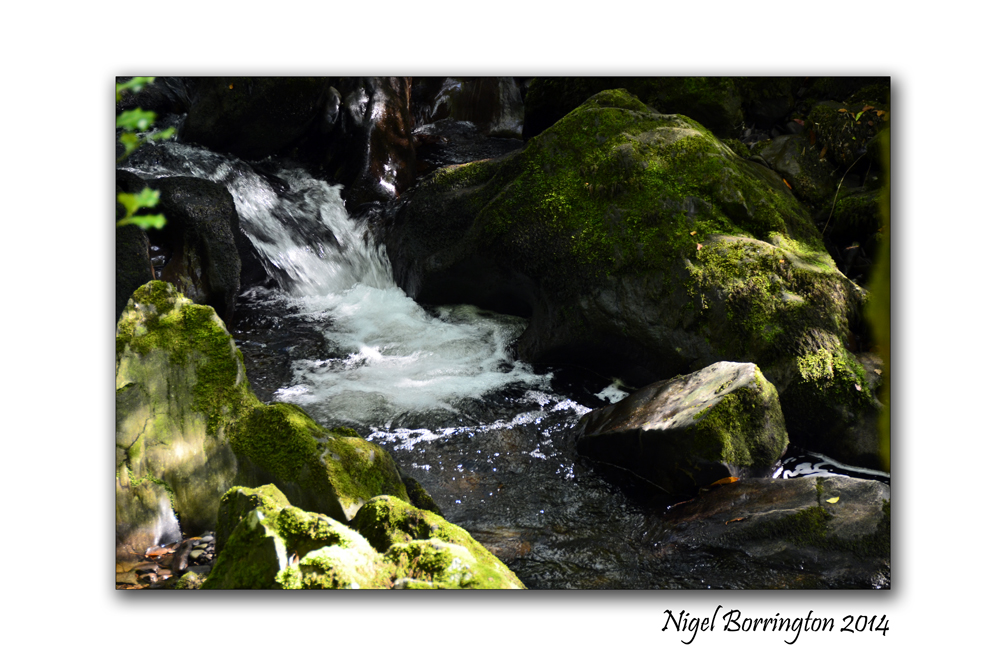
The elements , Water
Landscape Photography : Nigel Borrington
The Pagan element of Water and the pagan Irish Goddess : Boann and the Irish God : Nechtan
Water, is of a great necessity, without it nothing can live. Only earth and water can bring forth a living soul. Such is the greatness of water that spiritual regeneration cannot be done without it.
Thales of Miletus concluded that water was the beginning of all things and the first of all elements and most potent because of its mastery over the rest. Pliny said “Water swallow up the earth, extinguishes the flame, ascends on high, and by stretching forth as clouds challenges the heavens for their own, and the same falling down, becomes the cause of all things that grow in the earth.
Water is a cleansing, healing, psychic, and loving element. It is the feeling of friendship and love that pours over us when we are with our family, friends and loved ones. When we swim it is water that supports us, when we are thirsty, it is water the quenches our thirst, another manifestation of this element is the rainstorms that drench us, or the dew formed on plants after the sun has set.
The power of the energy of Water, can be felt by tasting pure spring water, moving you hand through a stream, lake, pool, or bowl full of water. You can feel its cool liquidity; it’s soft and loving touch, this motion and fluidity is the quality of Air within Water. This Water energy is also contained within ourselves, our bodies being mostly composed of Water.
As well as being vital for life, within the energy of this element is contained the essence of love. Love is the underlying reason for all magic. Water is love.
Water is a feminine element, it also the element of emotion and subconscious, of purification, intuition, mysteries of the self, compassion and family. It is psychic ability; water can be used as a means of scrying or as an object for meditation. Water is important in spells and rituals of friendship, marriage, happiness, fertility, healing, pleasure, psychic abilities and spells involving mirrors.
Ref : Pagan elements of Water
 .
.
Irish Goddess : Boann, Irish God : Nechtan
Celtic (Irish) Goddess of the River Boyne and mother of Angus Mac Og by the Dagda. She was the wife of Nechtan, a god of the water. Likewise, Boann was herself a water-goddess, and one of her myths concerns the water. According to legend, there was a sacred well (Sidhe Nechtan) that contained the source of knowledge. All were forbidden to approach this well, with the exception of the god Nechtan (as was noted, Boann’s husband) and his servants. Boann ignored the warnings, and strode up to the sacred well, thus violating the sanctity of the area. For this act, she was punished, and the waters of the defiled well swelled and were transformed into a raging river, a river that pursued her. In some versions, she was drowned; while in others, she managed to outrun the currents. In either case, this water became the river that was known henceforth as the Boyne, and Boann thereafter became the presiding deity.
Another aspect of the myth of Boann is that she bore Angus. She and the All father of the Tuatha De Danaan, the Dagda, engaged in an illicit affair that resulted in the birth of this god of love. However, since both Boann and the Dagdha wished to keep their rendezvous a secret, they used their divine powers to cause the nine month gestation period to last but a single day – or so it seemed, for the sun was frozen in the sky for those nine months, never setting and never rising. On this magical day, Angus emerged into the world. She held the powers of healing. Variants: Boannan, Boyne.
Landscape photography of Ireland

Kilkash castle
County Tipperary
Irish Landscapes : Nigel Borrington
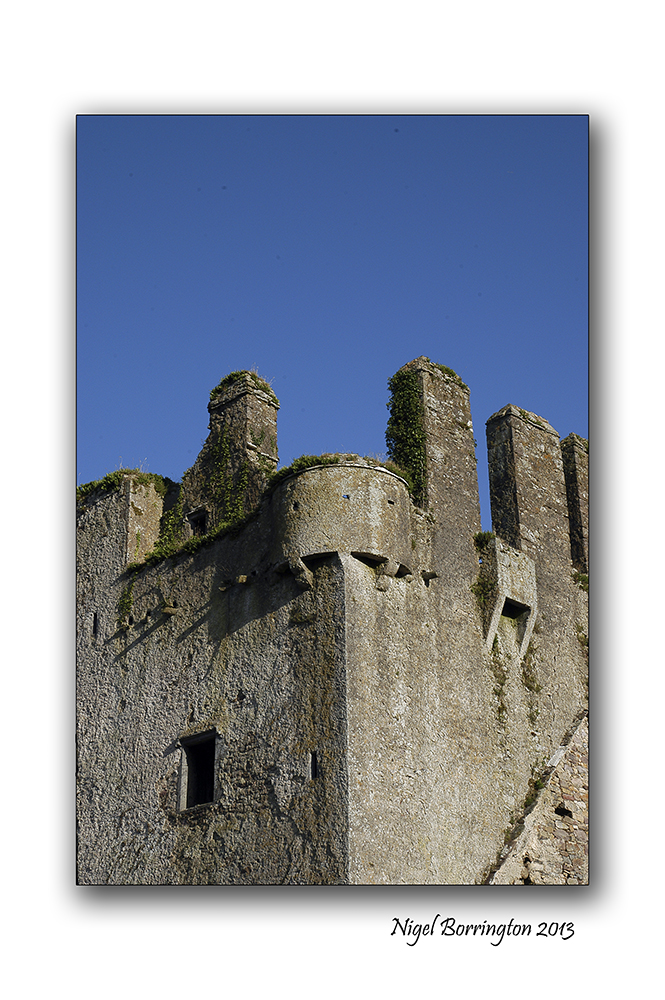
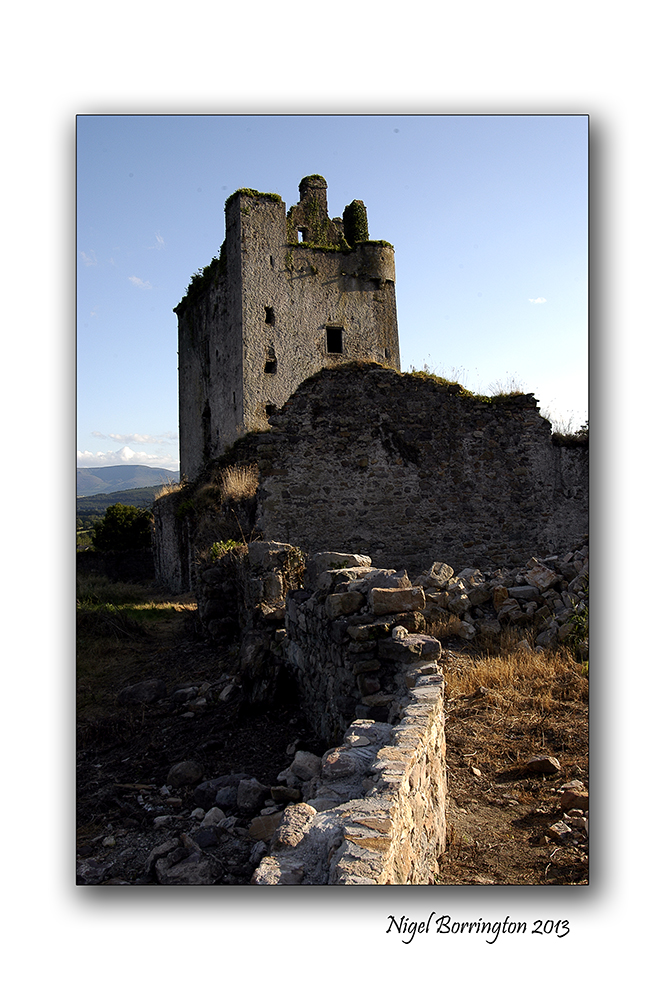
Kilcash Castle is a ruined castle off the N24 road just west of Ballydine in South Tipperary, Ireland. The castle consists of a fortified sixteenth-century tower and an adjoining hall added at a later date.
I have visited this Castle many times over the years, however in more resent months it has been under renovations by the OPW (Office of public works). All the images in this post were taken before this work started.
I noticed last week however that the work is about to complete and I hope to revisit in order to take some new images, when the castle reopens to the public.
Kilcash castle : History
Kilcash may have been a monastic foundation of the mid sixth century. The Butler dynasty has important links to the area. The third son of James Butler, 9th Earl of Ormond was John Butler of Kilcash who occupied lands in Kilcash. His heirs went on to provide four immediate heirs to the earldom of Ormond when the senior line failed through lack of legitimate male issue.
Near the castle are the remains of a medieval church with a Romanesque doorway. This building was partially repaired in the 1980s and is now safe to visit. In the graveyard, the mausoleum (a building nearly as large as the church) contains the tombs of Archbishop Christopher Butler (1673–1757), Margaret, Viscountess Iveagh (see below), Walter Butler, the 16th Earl of Ormond (d. 1773) and John Butler, the 17th Earl (d. 1795). Some of the eighteenth-century headstones are carved with elaborate scenes of the crucifixion.
The main castle building is a fortified tower dating from the sixteenth-century. An adjoining hall was added at a later date, when the need for defence gave way to the large windows associated with settled times. In the sixteenth century the manor of Kilcash passed from the Wall family into the possession of the Butlers of Ormond until the latter sold it to the Irish State in 1997 for £500.
The castle was visited by James Tuchet, 3rd Earl of Castlehaven, a noted Confederate Catholic commander in the 1641-52 war, who wrote his memoirs at Kilcash where his sister, Lady Frances, was married to another Confederate commander, Richard Butler of Kilcash (d. 1701).
By the 19th century, the castle had fallen into ruin after parts of the Kilcash estate were sold c. 1800. During the Irish Civil War, the castle was occupied by anti-treaty forces in an attempt to slow the approach of pro-treaty forces towards Clonmel. They were finally dislodged by artillery fire under the command of General Prout, further damaging the already dilapidated structure.
By the late twentieth century the castle was in a dangerous state of repair. It is currently undergoing extensive repairs which will prevent it from collapsing.
Kilcash Castle : Gallery




The Elements : Air

Pagan Elements : Air
Landscape Photography : Nigel Borrington
The pagan elements :
Air
The element of Air is vital to human survival, without it we would all perish, its aspects are Thinness, Motion and Darkness and its quality is Active. Air is the manifestation of movement, freshness, communication and of the intelligence. Sound is another manifestation of this element. As an element, it is invisible, but its reality can be felt in the air that we breathe in every day.
To connect with the power of this element, find a place with clean air and breathe deeply, touch a feather or inhale the fragrance of a heavily scented flower. Let yourself experience the energy of this element, and reflect that we also possess Air energy within ourselves.
In magical terms, Air is the power of the mind, the force of intellect, inspiration, imagination. It is ideas, knowledge, dreams and wishes. Air is the element of new life and new possibilities and is essential to spells and rituals of travel, instruction, finding lost items, some types of divination, and freedom. Air aids us in visualization, a vital technique in magic.
Air is a masculine element and governs the magick of the four winds. It is the vital spirit passing through all things, giving life to all things, moving and filling all things. Thus Hebrew doctors ascribe it not as an element but as a medium or glue that binds all things together.
Air
The first element of the alchemical tradition.
Air is the essence of intuition and learning, the element of the nature of the mind.
Astrological Signs: Gemini, Libra, and Aquarius.
Represented by: Feathers, Birds, incense, fans, flags, flowing garments and sheer material.
Season: Winter
Color: White
Chakra: Crown
Celtic air god and goddess:
Arianrhod
“The Silver Wheel”, “High Fruitful Mother”. Celtic Goddess, the sister of Gwydion and wife of Donn. Deity of element of Air, reincarnation, full moons, time, karma, retribution. The palace of this sky Goddess was Caer Arianrhold (Aurora Borealis). Keeper of the Silver Wheel of Stars, a symbol of time and karma. Her ship, Oar Wheel, carried dead warriors to Emania (Moon-land).
Arianrhod (Welsh pronunciation: [arˈjanr̥ɔd]) is a figure in Welsh mythology who plays her most important role in the Fourth Branch of the Mabinogi. She is the daughter of Dôn and the sister of Gwydion and Gilfaethwy; the Welsh Triads give her father as Beli Mawr.[1] In the Mabinogi her uncle Math ap Mathonwy is the King of Gwynedd, and during the course of the story she gives birth to two sons, Dylan Ail Don and Lleu Llaw Gyffes, through magical means.
Ref:
GODDESSES: Aradia, Cardea, Nuit, Urania.
GODS: Enlil, Kheohera, Mercurym, Shu, Thoth.
Kilkenny Landscape photography – Grangefertagh Round tower, Co. Kilkenny

Grangefertagh Roundtower, near Johnstown, Co. Kilkenny
Irish Landscape Photography : Nigel Borrington
Grangefertagh Round tower, Co. Kilkenny
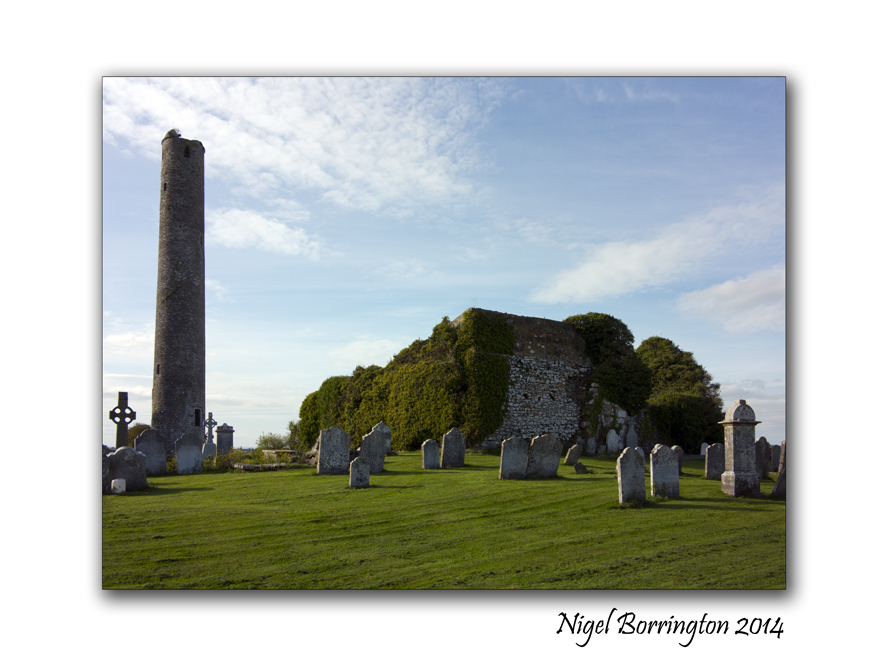
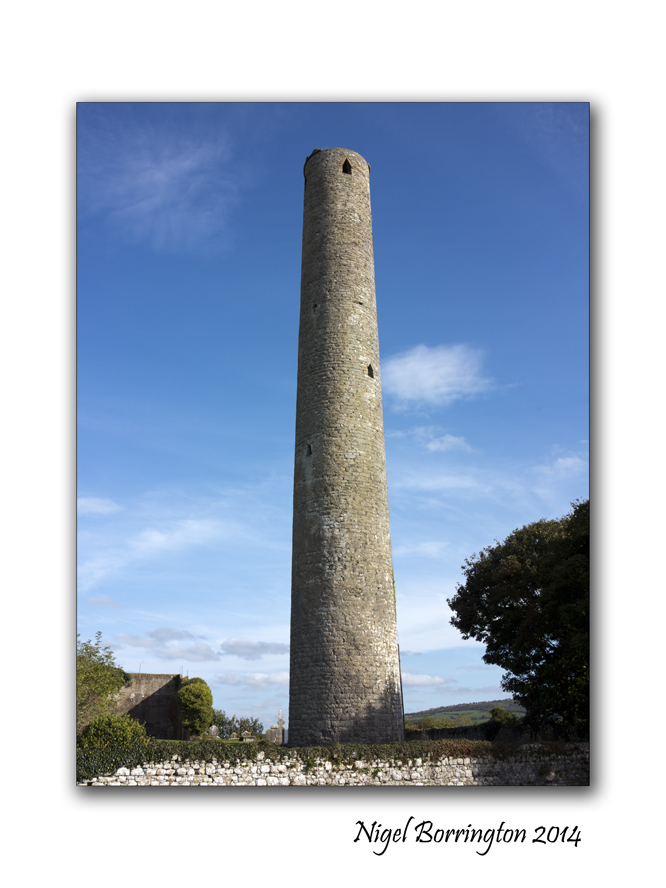
I have passed the round tower at Grangefertagh many time but it is only in the last week that I had time to stop and get some images.
The Round tower at Grangefertagh, County Kilkenny stands some 31 metres tall and forms a striking image above the Kilkenny countryside.
The northeast facing doorway which is situated 3.3 metres above ground level has been badly damaged. A farmer removed the original stones and used them to form a fireplace, mistakenly believing they were fireproof. It contains nine windows in total , six angle headed and three lintel-led. Four of the angle headed windows are on the top storey facing the four cardinal points. The tower is complete to the cornice but only part of the cap remains.
A modern doorway has been inserted by the O.P.W. The round tower is the last remnant of the early monastery founded by St Ciaran of Seir in the 6th century. It was raided by vikings in 861 and in 1156 the high king Murtagh McNeale burned the tower with the lector inside. To the north of the tower is a church that belonged to the 13th century monastery founded by the Blanchevilles for the Canons Regular of St Augustine
Wikipedia : What are Irish Roundtowers
Gallery
Bullaun Stones – Water worship in Pagan life.

Bullaun Stone – Bonane Heritage park , county Kerry
Irish landscape Photography : Nigel Borrington
Bullaun Stones
The original purpose of bullan stones is not really known, but they have an undisputed association with water and worship. A ‘bullaun’ is a deep hemispherical cup hollowed out of a rock. Bullaun Stone refers to the rock itself, which can have many bullauns in it, although many are single.
Water in Pagan life
Water (Uisce in irish / place names after : Adare, the ford that feeds the oak tree.) is a feminine energy and highly connected with the aspects of the Goddess. Used for healing, cleansing, and purification, Water is related to the West, and associated with passion and emotion. In many spiritual paths, consecrated Water can be found – consecrated water is just regular water with salt added to it, and usually a blessing or invocation is said above it. In Wiccan covens, such water is used to consecrate the circle and all the tools within it. As you may expect, water is associated with the color blue.
Ten thousand years ago, before the coming of Christianity in Ireland, the rivers served a very important role in the lives of the people living along its banks. It was their source of food, and a place where their cattle and crops thrived on the nourished plains. It also acted as a barrier between opposing armies and clans. People saw the rivers as powerful objects and worshipped river gods. Often people placed weapons and ornaments of precious metal in the river as offerings to these gods.
Irish Goddess :Brighid
Location: Ireland.
One of the triple Goddesses of the Celtic pantheon. She is the daughter of The Dagda, the All Father of the Tuatha de Danann, one of the most ancient people of Northern Europe. Some say there are actually three Brighids; one is in charge of poetry and inspiration; one is in charge of midwifery and healing, and the last is in charge of crafts and smiths.
She probably began as a sun Goddess. According to legend, she was born at sunrise and a tower of flame beamed from her head.
As Goddess of fire and water, she is immortalized by many wells and springs. Most important of her monuments, though, was a shrine at Kildare where there was a perpetual flame burning for Brighid. It was tended by nineteen virgins called the Daughters of the Flame, wearing deep crimson habits and bearing swords. They would not talk to men, nor could men come near the shrine. Her feast is St.Brighids Days in Ireland and is the Pagan Festival of Imbolc
When Christianity began its onset, so loved was Brighid that she was made a saint. However, the upkeep on her flame was considered pagan by the church and it was extinguished out of more than a thousand years of burning. St. Brigit remains one of the most popular Irish saints today, along with Saint Patrick.
Identical to Juno, Queen of Heaven. Symbolizes human potential. Also known as Brigit, Brigid, Brigindo, Bride.
Dark the bitter winter,
cutting its sharpness,
but Bride’s mantle,
brings spring to Ireland.
Irish Goddess :Fland
Location: Ireland.
Description:
Daughter of woodland Goddess Flidais. A lake Goddess who is viewed in modern (Post Christian) folklore as an evil water faery who lures swimmers to their death.
She rules over: Water magick, rivers and lakes
Gallery


Brownshill Dolmen, county Carlow : Image Gallery

Brownshill Dolmen, county Carlow, Ireland.
Irish photography : Nigel Borrington
Brownshill Dolmen
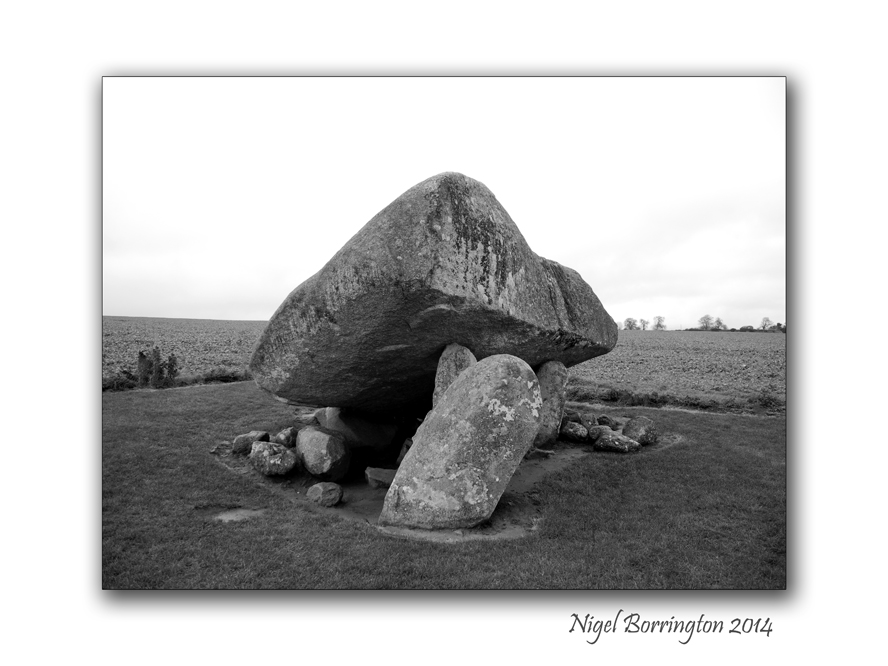
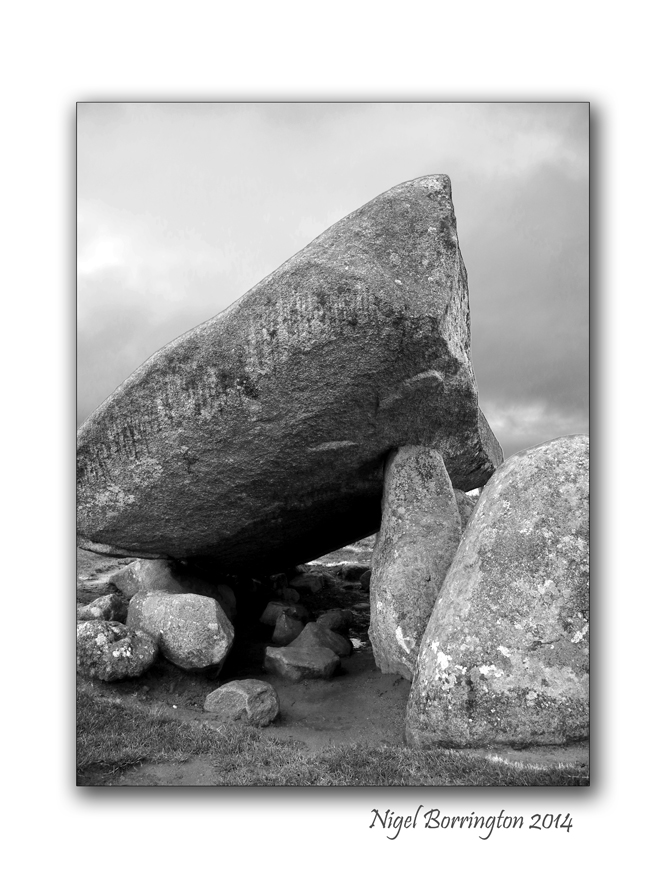
Arriving at this great location of the Brownshill Dolmen, county Carlow on a typical overcast early autumn day in Ireland. I located the site of the largest Dolmen in this part of Europe very easily as there are plenty of road signs to help you.
There is a small walk through a field an up-to a preserved area containing the Dolmen itself, the information board is of great help and places this construction into it context.
It is the cap stone that is the most impressive part of this Dolmen.
Discover Ireland describes this monument as follows :
The Brownshill Dolmen is an unmistakable monument to the east of Carlow town dating back to pre-historic times.
Its date of construction has been estimated at between 4,900 and 5,500 years ago and it is thought that religious rites were performed here. Some authorities also suggest that it may have served as a form of border marker.
Whatever it’s original purpose, it represents a tangible link between the present and the past. The magnificent granite capstone, weighing about 103 tonnes, has excited the interest of many antiquarians and tourists for centuries.
Brownshill Dolmen, county Carlow : Gallery



Irish Photography : Galesquarter Church and Castle, Co. Laois – Gallery

Galesquarter Church, Co. Laois
Irish Landscape Photography : Nigel Borrington
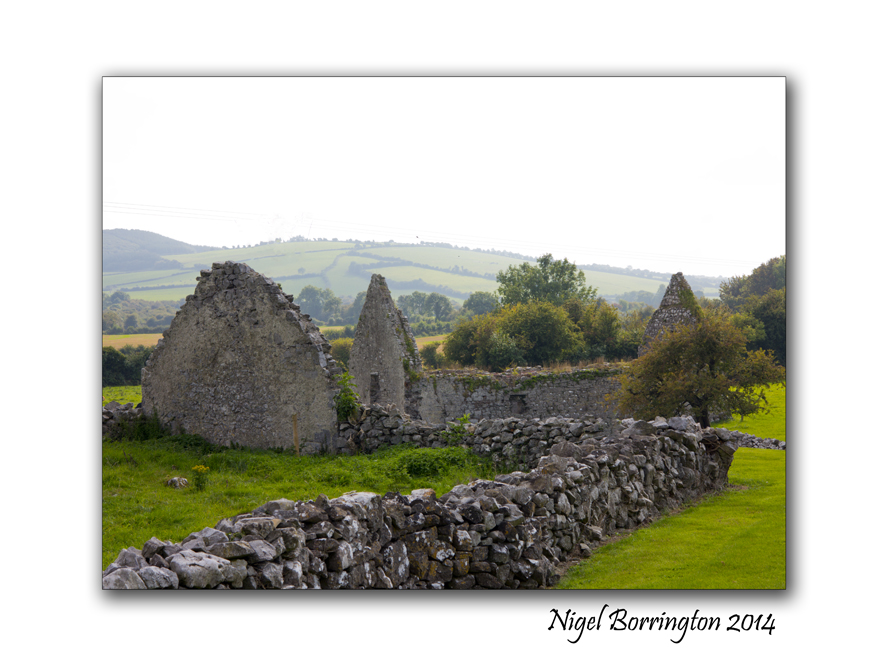
The Old Castle and church at Galesquarter, Co. Laois was home to the Lords of Upper Ossary the Gaelic Fitzpatrick family (Irish: Mac Gìolla Phádraig) .
The two buildings has stood empty since the 1700’s and today are very much in ruins yet go to make a wonderful site in the Local Landscape.
The Gallery below was taken last weekend on a walk through Galesquarter ending in the Bunlacken hills above.
Galesquarter Church and Castle, Co. Laois : Gallery



 Nigel Borrington
Easter (Ēostre, Ostara ) time on the – Hill of Tara
Easter in Ireland is clearly these days viewed as a religious time in the sense of modern Christianity, however Easter or Ēostre, as a festival has been celebrated for many thousands of years before our current state accepted beliefs….
During last weekend we visited the hill of Tara one of Europe’s and Ireland’s oldest pagan monuments, It was a great time of the year to visit as the air was full of springtime with a feeling that summer was only just around the corner,warm days and long evenings. This is the exact feeling that surrounds the beliefs of the people who made this place so Sacred to their Pagan beliefs in the elements of nature and the seasons. I am never sure if these belief’s can fully be called a religion in modern terms, feeling that they were more a philosophy towards the world that they lived in and cared for very much!
here is a little about the long history of the hill of Tara:
Teamhair is the ancient name given the Hill of Tara. One of the most religious and revered sites in all of Ireland, it was from this hill that the Ard Rí, the High Kings of Ireland, ruled the land. The place was sometimes called Druim Caín (the beautiful ridge) or Druim na Descan (the ridge of the outlook). When walking the path that leads to the top of the hill today, one can easily appreciate why. The long gradual slope eventually flattens at the top for an amazing view of the broad plains in the Boyne and Blackwater valleys below. All that remains of the complex is a series of grass-covered mounds and earthworks that say little about the 5,000 years of habitation this hill has seen.
More ….
Most historians, including Biblical scholars, agree that Easter was originally a pagan festival. According to the New Unger’s Bible Dictionary says: “The word Easter is of Saxon origin, Eastra, the goddess of spring, in whose honour sacrifices were offered about Passover time each year. By the eighth century Anglo–Saxons had adopted the name to designate the celebration of Christ’s resurrection.” However, even among those who maintain that Easter has pagan roots, there is some disagreement over which pagan tradition the festival emerged from. Here we will explore some of those perspectives.
Resurrection as a symbol of rebirth
One theory that has been put forward is that the Easter story of crucifixion and resurrection is symbolic of rebirth and renewal and retells the cycle of the seasons, the death and return of the sun.
– See more at:
Hill of Tara Gallery
Share this:
March 25, 2016 | Categories: Comment, Gallery, Gods, Humanism, irish history, Landscape, megalithic people and remains, Nature and Wildlife, Nigel Borrington, Pagan, Travel Locations | Tags: Easter, European history, Hill of tara, Ireland, irish history, Nigel Borrington, Pagan, Pagan History, rebirth, religion, Resurrection, sun, The Seasons, Ēostre | 3 Comments