Monday Poetry , “Ulysses” By : Alfred Tennyson

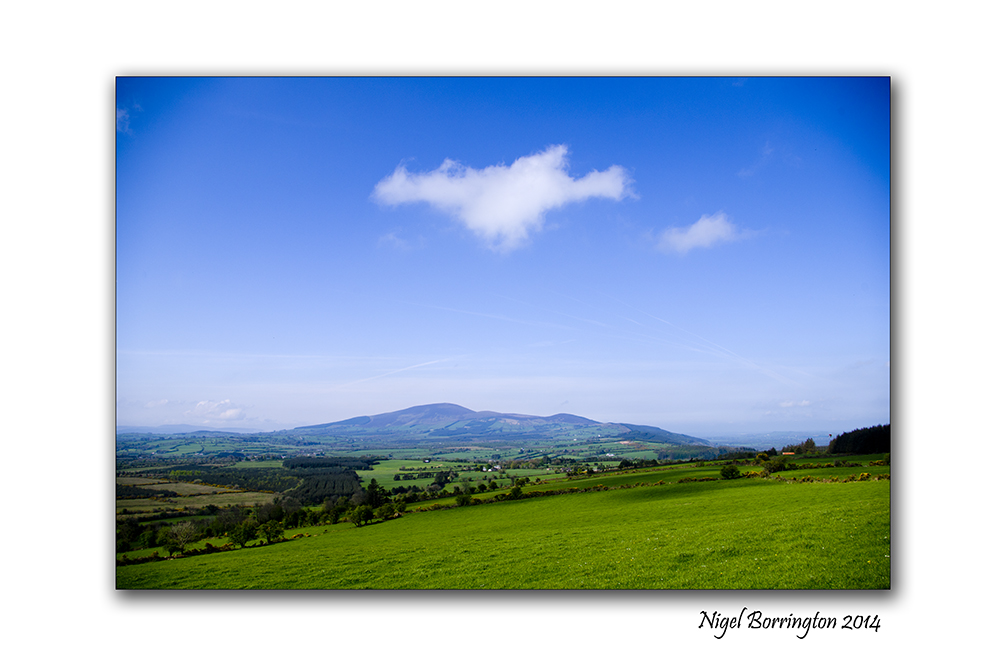
A distant view of Slievenamon, County Tipperary, Ireland.
Irish Landscape Photography : Nigel Borrington
Sometimes walking around the counties of Kilkenny and Tipperary you get an overwhelming sense of history , old church yards with old graves, Monuments left by ancient peoples and their tribes.
Places left as a reminder of Leaders and Kings and people long past.
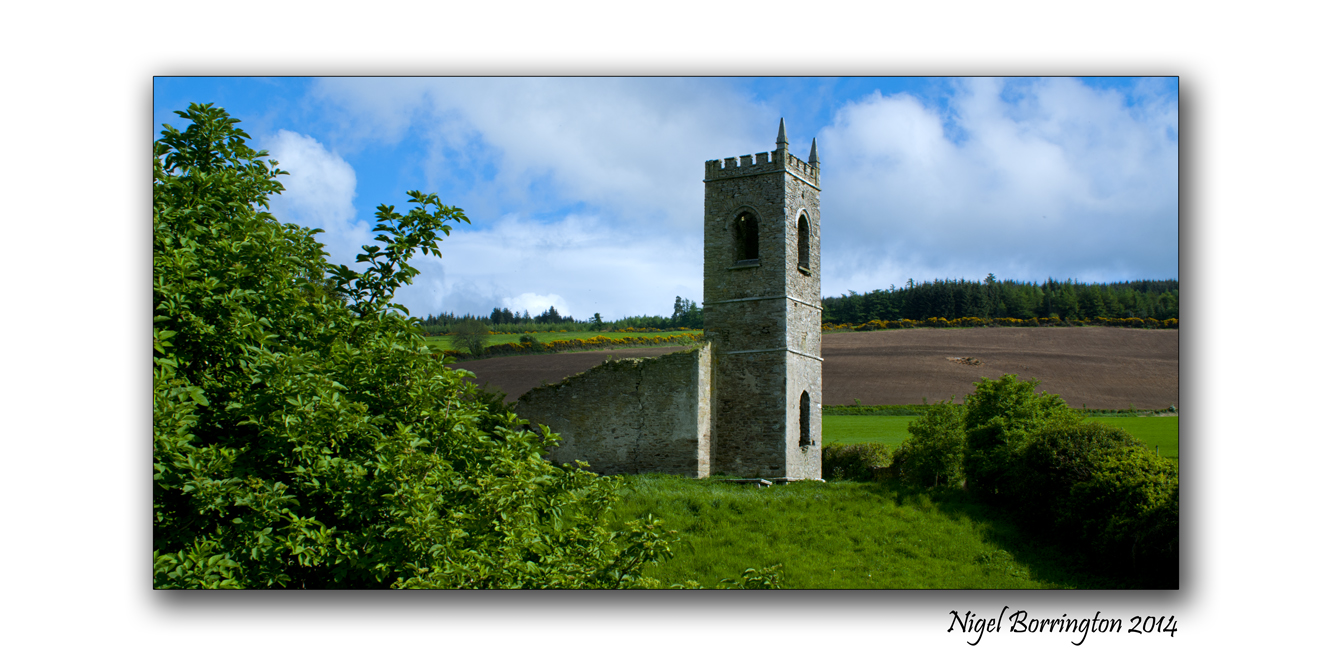
Places and people that could be contained in “Ulysses” a poem by Alfred Tennyson.
Ulysses
By : Alfred Tennyson
It little profits that an idle king,
By this still hearth, among these barren crags,
Matched with an agèd wife, I mete and dole
Unequal laws unto a savage race,
That hoard, and sleep, and feed, and know not me.
I cannot rest from travel: I will drink
Life to the lees: all times I have enjoyed
Greatly, have suffered greatly, both with those
That loved me, and alone; on shore, and when
Through scudding drifts the rainy Hyades
Vexed the dim sea: I am become a name;
For always roaming with a hungry heart
Much have I seen and known; cities of men
And manners, climates, councils, governments,
Myself not least, but honoured of them all;
And drunk delight of battle with my peers,
Far on the ringing plains of windy Troy.
 .
.
I am a part of all that I have met;
Yet all experience is an arch wherethrough
Gleams that untravelled world, whose margin fades
For ever and for ever when I move.
How dull it is to pause, to make an end,
To rust unburnished, not to shine in use!
As though to breathe were life. Life piled on life
Were all too little, and of one to me
Little remains: but every hour is saved
From that eternal silence, something more,
A bringer of new things; and vile it were
For some three suns to store and hoard myself,
And this grey spirit yearning in desire
To follow knowledge like a sinking star,
Beyond the utmost bound of human thought.
This my son, mine own Telemachus,
To whom I leave the sceptre and the isle—
Well-loved of me, discerning to fulfil
This labour, by slow prudence to make mild
A rugged people, and through soft degrees
Subdue them to the useful and the good.
Most blameless is he, centred in the sphere
Of common duties, decent not to fail
In offices of tenderness, and pay
Meet adoration to my household gods,
When I am gone. He works his work, I mine.
There lies the port; the vessel puffs her sail:
There gloom the dark broad seas. My mariners,
Souls that have toiled, and wrought, and thought
with me—
 .
.
That ever with a frolic welcome took
The thunder and the sunshine, and opposed
Free hearts, free foreheads—you and I are old;
Old age hath yet his honour and his toil;
Death closes all: but something ere the end,
Some work of noble note, may yet be done,
Not unbecoming men that strove with Gods.
The lights begin to twinkle from the rocks:
The long day wanes: the slow moon climbs: the deep
Moans round with many voices. Come, my friends,
‘Tis not too late to seek a newer world.
Push off, and sitting well in order smite
The sounding furrows; for my purpose holds
To sail beyond the sunset, and the baths
Of all the western stars, until I die.
 .
.
It may be that the gulfs will wash us down:
It may be we shall touch the Happy Isles,
And see the great Achilles, whom we knew
Though much is taken, much abides; and though
We are not now that strength which in old days
Moved earth and heaven; that which we are, we are;
One equal temper of heroic hearts,
Made weak by time and fate, but strong in will
To strive, to seek, to find, and not to yield.
Landscape photography of Ireland

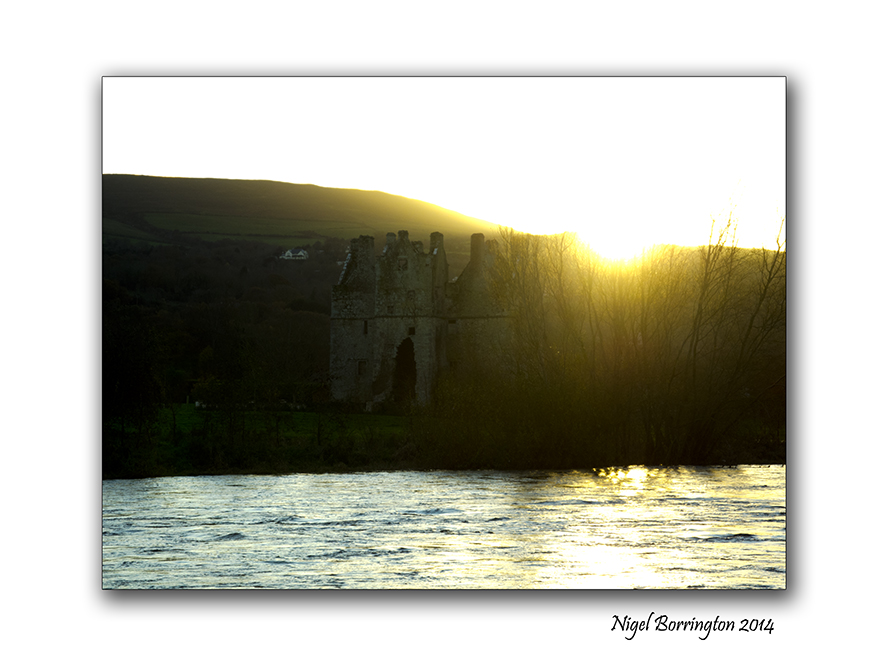
Kilkash castle
County Tipperary
Irish Landscapes : Nigel Borrington
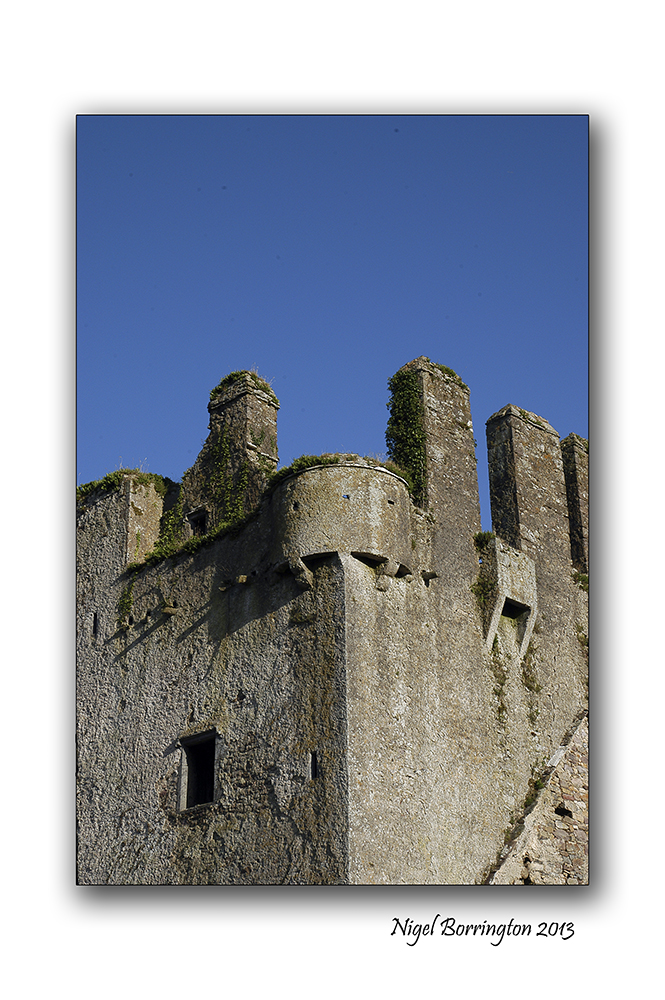
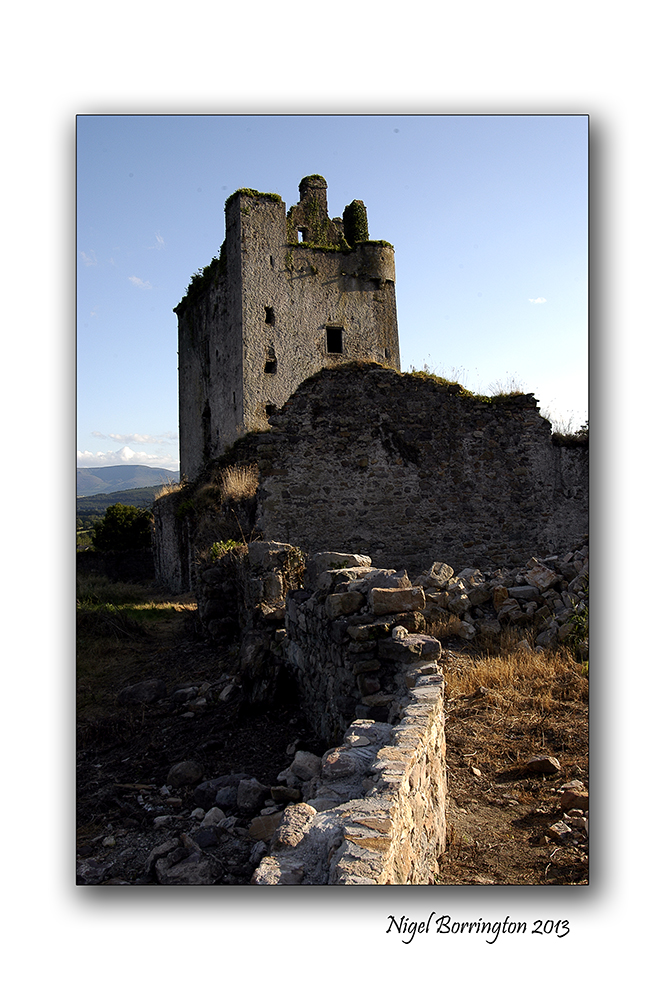
Kilcash Castle is a ruined castle off the N24 road just west of Ballydine in South Tipperary, Ireland. The castle consists of a fortified sixteenth-century tower and an adjoining hall added at a later date.
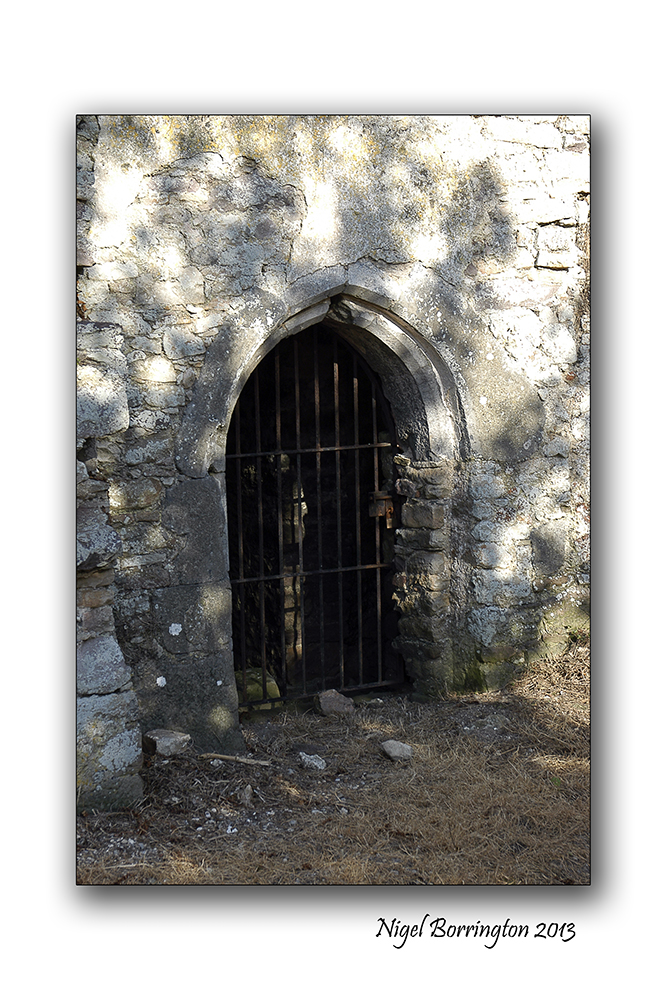
I have visited this Castle many times over the years, however in more resent months it has been under renovations by the OPW (Office of public works). All the images in this post were taken before this work started.
I noticed last week however that the work is about to complete and I hope to revisit in order to take some new images, when the castle reopens to the public.
Kilcash castle : History
Kilcash may have been a monastic foundation of the mid sixth century. The Butler dynasty has important links to the area. The third son of James Butler, 9th Earl of Ormond was John Butler of Kilcash who occupied lands in Kilcash. His heirs went on to provide four immediate heirs to the earldom of Ormond when the senior line failed through lack of legitimate male issue.
Near the castle are the remains of a medieval church with a Romanesque doorway. This building was partially repaired in the 1980s and is now safe to visit. In the graveyard, the mausoleum (a building nearly as large as the church) contains the tombs of Archbishop Christopher Butler (1673–1757), Margaret, Viscountess Iveagh (see below), Walter Butler, the 16th Earl of Ormond (d. 1773) and John Butler, the 17th Earl (d. 1795). Some of the eighteenth-century headstones are carved with elaborate scenes of the crucifixion.
The main castle building is a fortified tower dating from the sixteenth-century. An adjoining hall was added at a later date, when the need for defence gave way to the large windows associated with settled times. In the sixteenth century the manor of Kilcash passed from the Wall family into the possession of the Butlers of Ormond until the latter sold it to the Irish State in 1997 for £500.
The castle was visited by James Tuchet, 3rd Earl of Castlehaven, a noted Confederate Catholic commander in the 1641-52 war, who wrote his memoirs at Kilcash where his sister, Lady Frances, was married to another Confederate commander, Richard Butler of Kilcash (d. 1701).
By the 19th century, the castle had fallen into ruin after parts of the Kilcash estate were sold c. 1800. During the Irish Civil War, the castle was occupied by anti-treaty forces in an attempt to slow the approach of pro-treaty forces towards Clonmel. They were finally dislodged by artillery fire under the command of General Prout, further damaging the already dilapidated structure.
By the late twentieth century the castle was in a dangerous state of repair. It is currently undergoing extensive repairs which will prevent it from collapsing.
Kilcash Castle : Gallery




Parascending from Slievenamon, county Tipperary : Image gallery
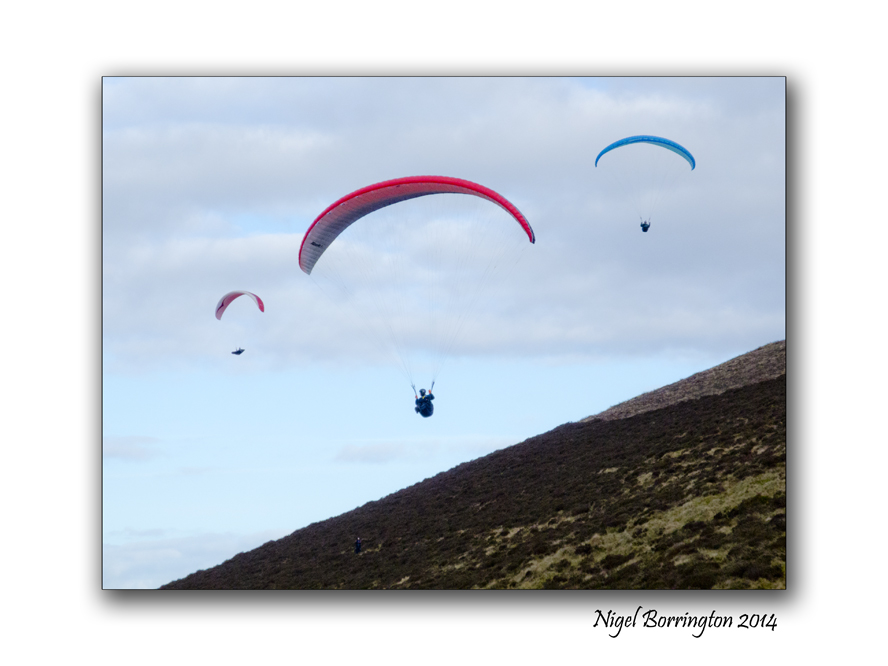
Parascending from Slievenamon, Tipperary.
Photography : Nigel Borrington
You will often find people Parascending from the mountain of Slievenamon , county Tipperary. The mountain is located on the border between counties Kilkenny and Tipperary and offers great views of both.
Late one evening recently, I came across three people walking up and I walked along side them for a while as the carried their equipment to the top and then all took off at the same time, it was just amazing to stand and watch them as they circled around above then disappeared off into the distance some miles away.
Parascending from Slievenamon : Gallery


The Autumnal equinox 2014 (Mabon)
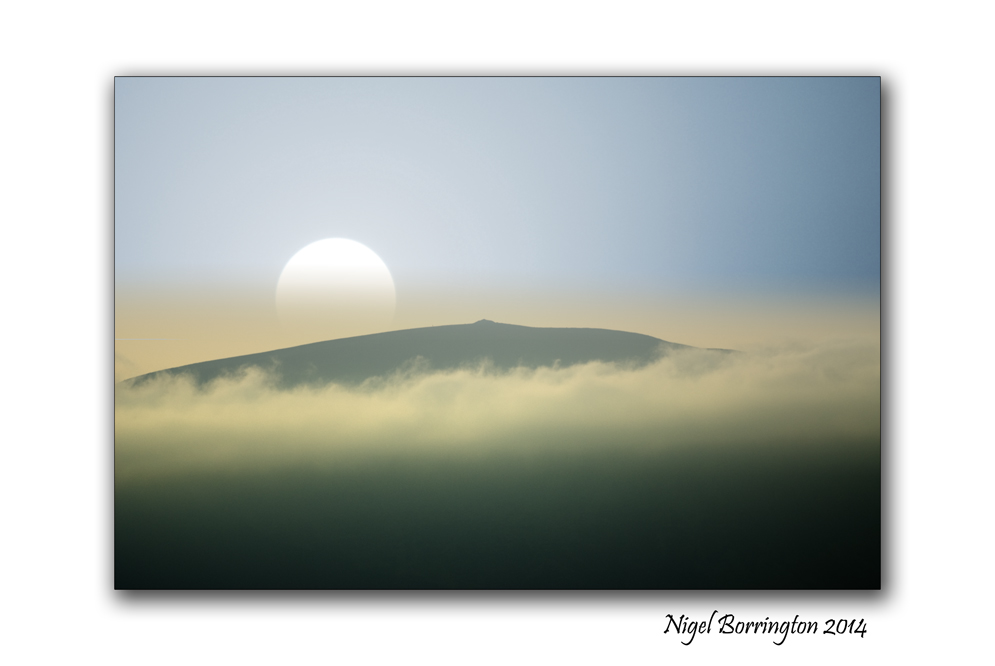
autumnal equinox 2014 over Slievenamon, County Tipperary
Irish Landscape Photography : Nigel Borrington
What is the autumnal equinox
Our year is divided into four season’s(Winter, Spring, Summer and Autumn), the starting date of these seasons is determined by the movement of the sun as our planet orbits around it with a little help by the tilt of the earth’s axis.
On the autumnal equinox, day and night are equally 12 hours long . As the Sun crosses the celestial equator going southward; it rises exactly due east and sets exactly due west.
From tomorrow we start the slow movement towards the winter season, marked my the shortest day , the 21st of December.
Autumnal equinox in the Pagan world.
The holiday of the autumnal equinox, Harvest Home, Mabon, the Feast of the Ingathering, Meán Fómhair or Alban Elfed (in Neo-Druid traditions), is a Pagan ritual of thanksgiving for the fruits of the earth and a recognition of the need to share them to secure the blessings of the Goddess and the God during the coming winter months.
The name Mabon was coined by Aidan Kelly around 1970 as a reference to Mabon ap Modron, a character from Welsh mythology. Among the sabbats, it is the second of the three Pagan harvest festivals, preceded by Lammas / Lughnasadh and followed by Samhain.
Ref : Wheel of the Year
5 Images for the week , Wednesday : Sir Thomas’s Bridge, Clonmel
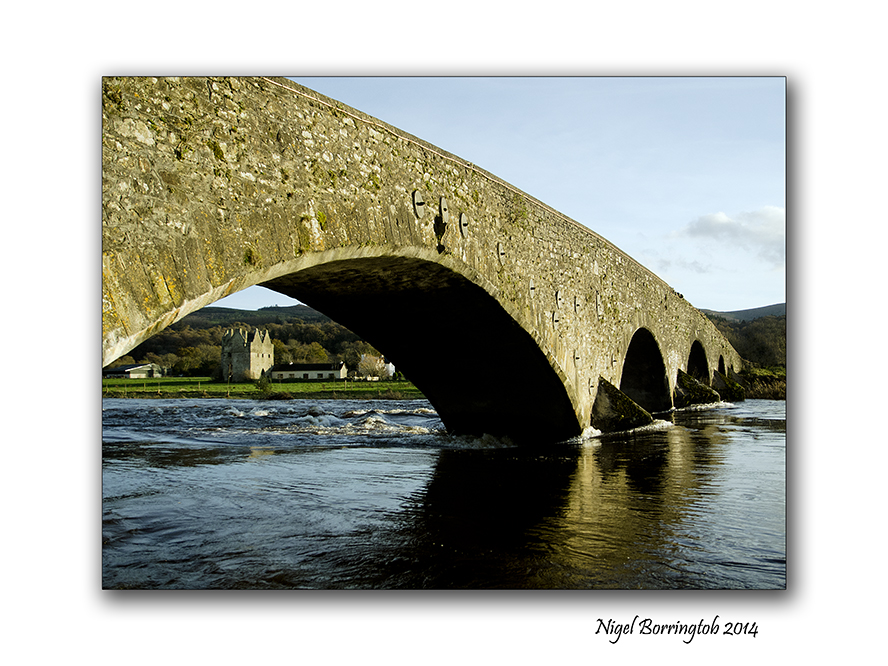
Sir Thomas’s Bridge,
River Suir, Clonmel
Irish Landscape Photography : Nigel Borrington
Sir Thomas’s Bridge, Clonmel
The river Suir is one of Ireland most loved and visited rivers. It flows through counties Tipperary and Waterford before reaching the Atlantic at Hook-head lighthouse. I have taken a lot of photographs of this river over the years. one of my favourite subjects are the old bridges that cross the river, most of them are some hundreds of years old and even though they were designed for horse and cart they still stand strong today and cope very well with modern demands
Sir Thomas’s Bridge is just on the edge of Clonmel in county Tipperary and has been used in many films and advertisements.
9 Images , As September calls on Slievenamon – Tipperary
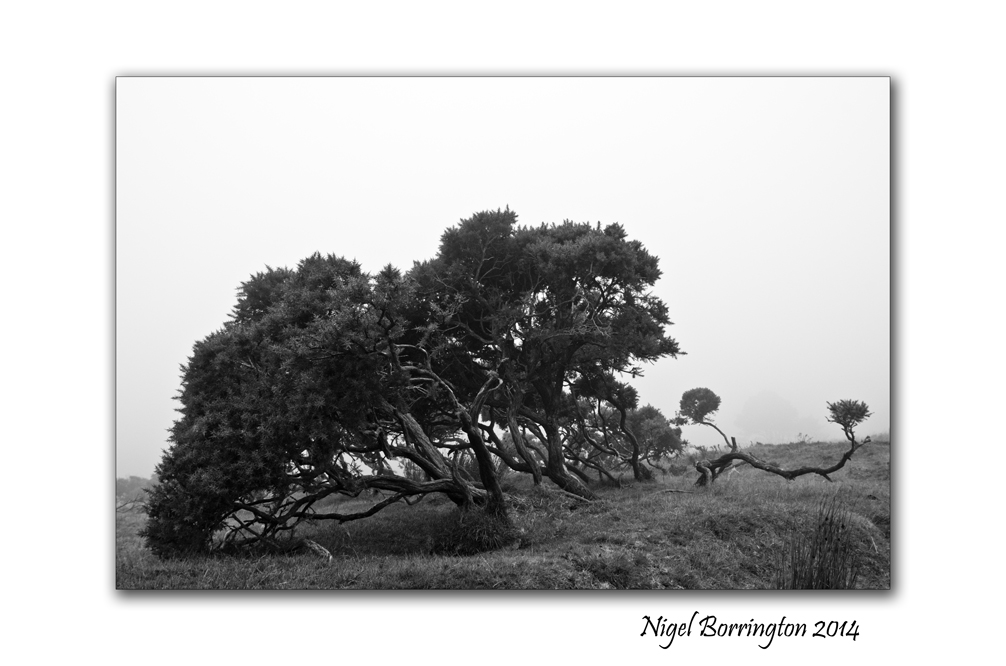
As September falls on Slievenamon,
County Tipperary
Irish Landscape Photography: Nigel Borrington
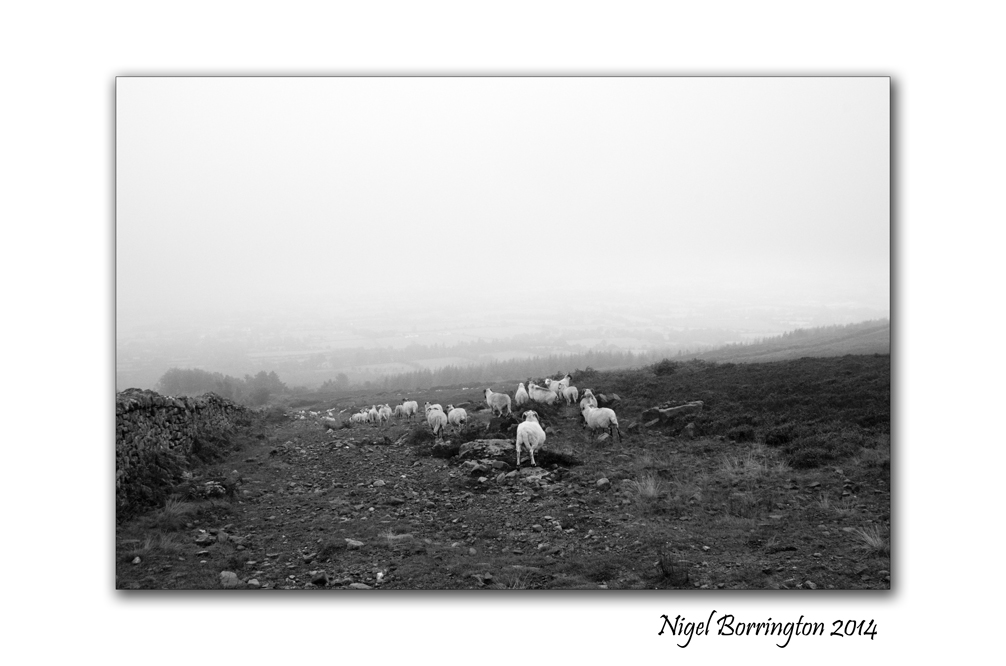
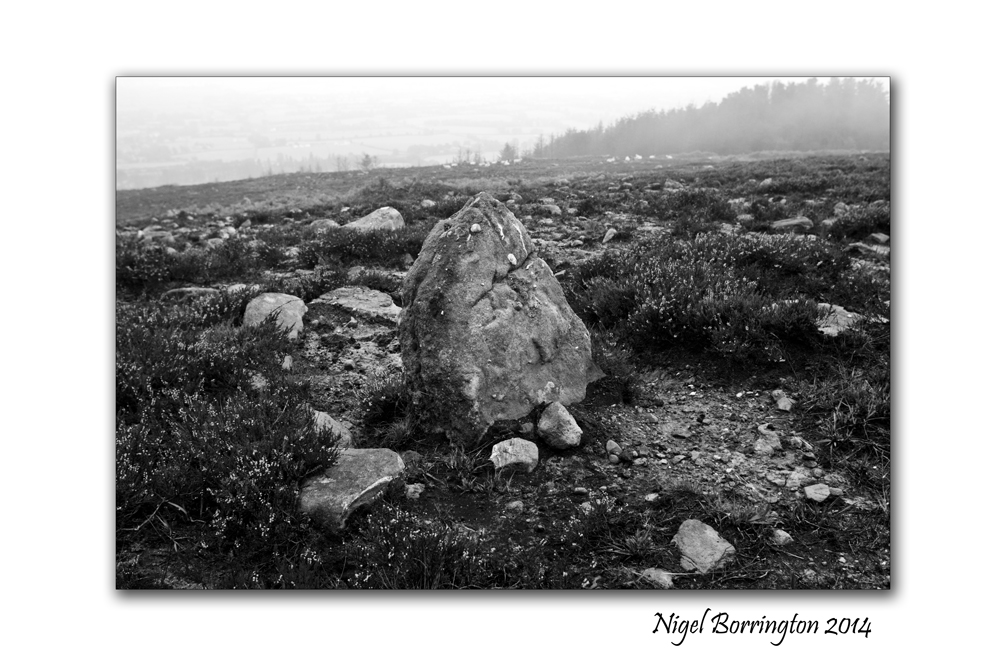
Yesterday I took sometime off a went for a long Walk around the Foot hills of Slievenamon, County Tipperary.
It was a wet and misty day with fog hugging the slopes and hanging above the rivers that flow at regular intervals from this mountain side. It felt like the Fall is very close and I cannot wait for the wonderful Browns and Golds to start. Heather and Bracken will soon turn golden brown along with the trees.
The great thing about this mountain is there is always something happening all the year around, maybe we will get some Snow again this year!
As September calls on Slievenamon – Tipperary – Gallery




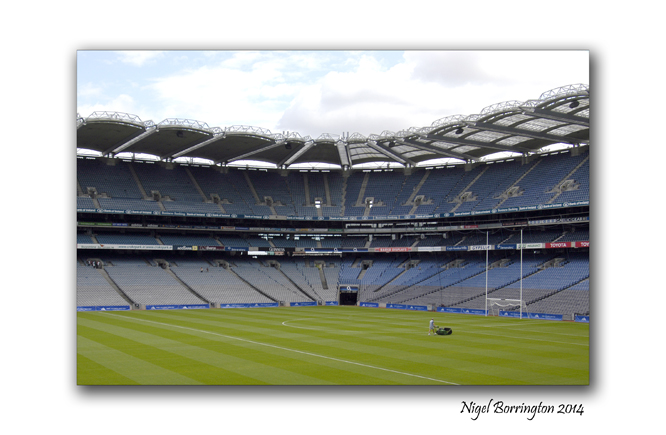
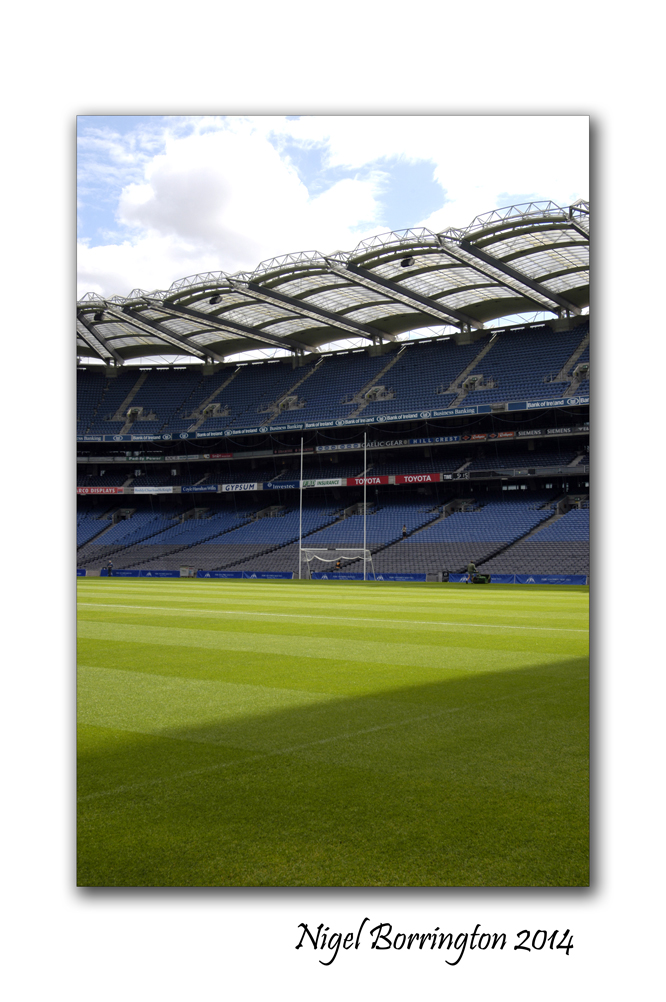
Croke Park, Dublin : Kilkenny V Tipperary , 7th Sep 2014
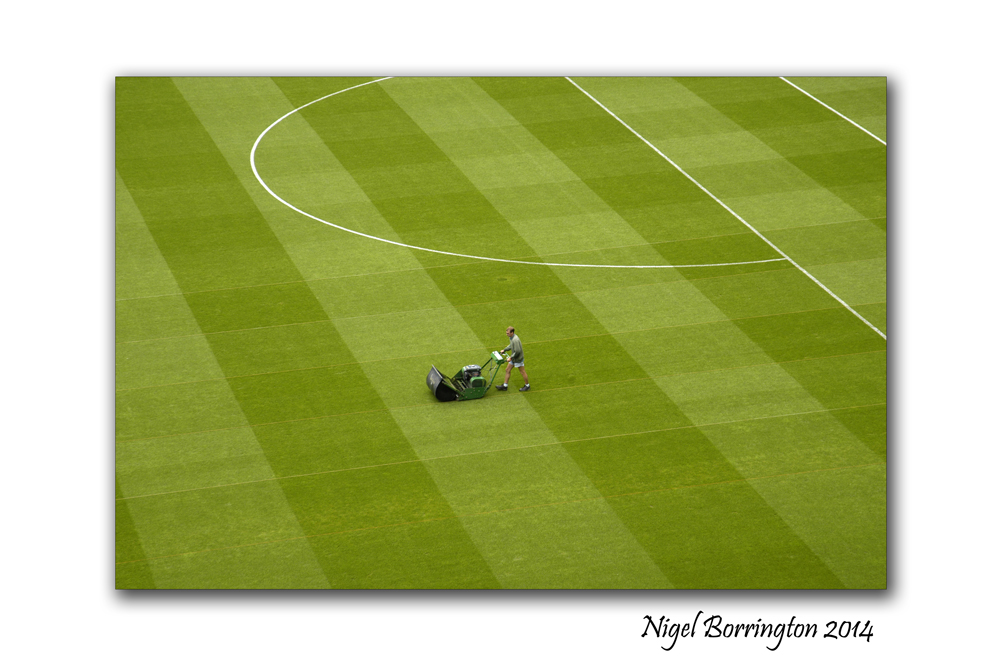
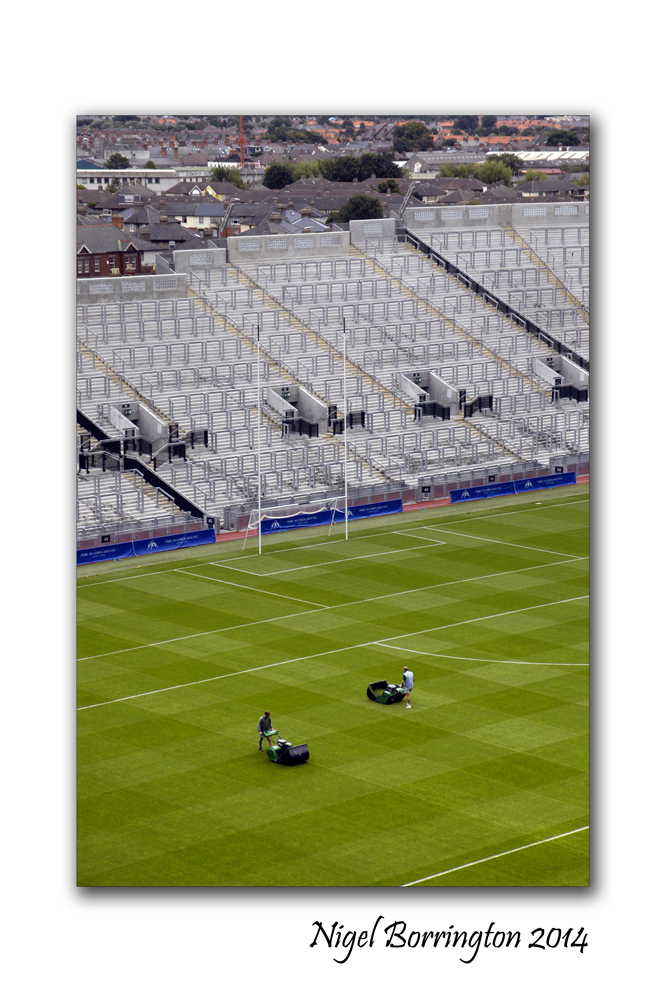
Croke Park, Dublin
GAA stadium located in Dublin, Ireland
Photography : Nigel Borrington
I took the images here while spending a little time watching and photographing the Grounds men of Croke Park Dublin at work.
They are getting ready for the GAA Hurling, All Ireland, Senior Championship 2014 Final on the 7th. Kilkenny will face Tipperary once again in a battle between neighbouring counties.
Here is a detailed history of the Finals between these two side : Kilkenny V Tipperary
Gallery

Keeping cool in the rocky river.

Molly after a river swim,
Glenmorgan, clonmel
Landscape Photography : Nigel Borrington
Yesterday evening myself and Molly went for a walk in the woodlands above Clonmel, county Tipperary.
It been warm this week and keeping a retriever cool is a task these summer days. The river at Glenmorgan however is in a deep narrow cutting and its always shaded and cool, with deep pools of cold water for her to swim in.
This is one of our best local walks and a true escape of a warm July evening.
Glenmorgan, River : Gallery


A 1920’s life in pictures, from Ireland to America

A 1920’s life in pictures, from Ireland to America
Copyright : Nigel Borrington
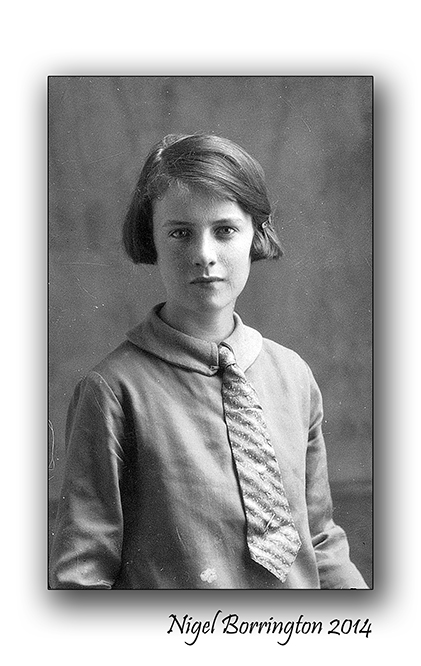
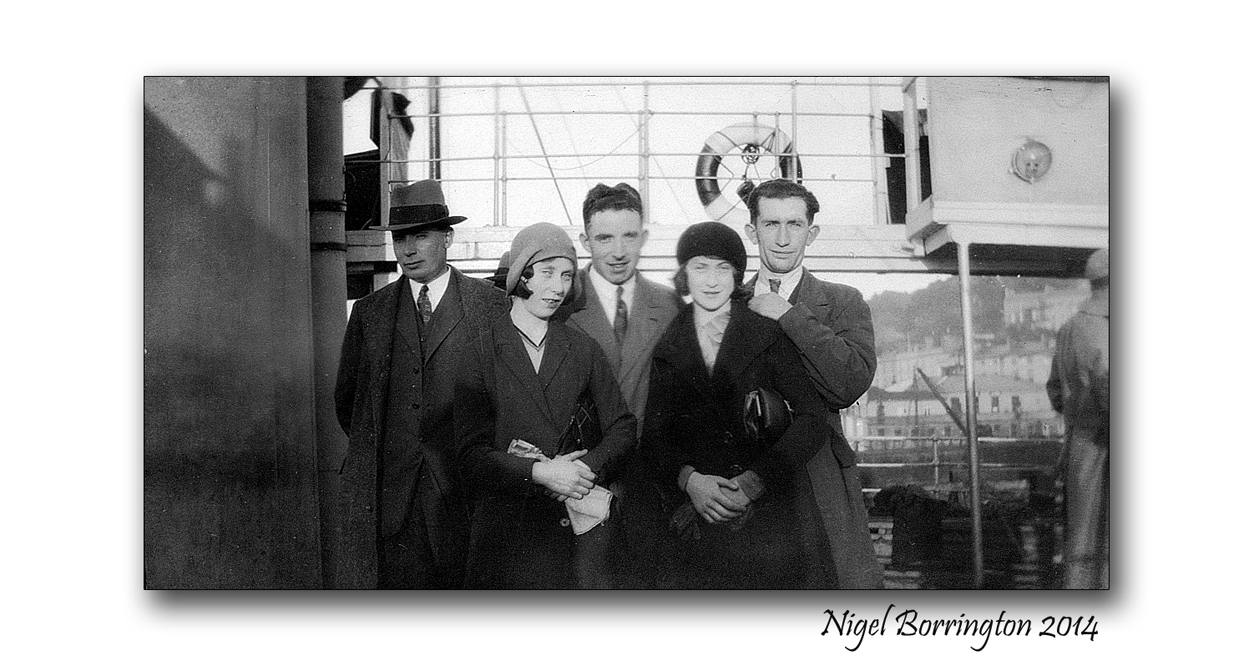
A couple of months ago an older family member asked If I would scan some old portrait images for a family tree that she was putting together. Over the next weeks I scanned many images and then took them back to her in order to get all the names and details that she could help with.
This was great fun and a truly interesting process. One set of images could not be identified however, yet they are among the most interesting.
I am Posting them here as I feel they show the life of a women (her family and her friends) from a small town in County Tipperary, Ireland, as she grow up going to school in a Farming community, eventually becoming independent enough to travel by boat from Cobh, in county cork and start a new life for herself in America.
If by any chance anyone knows who she or anyone in these pictures is, feel free to let me know as it would be great to put a name to these faces.
A life in pictures, Gallary





A Poem : look up at the sky, By : Raj Arumugam

The sky above Slievenamon, county Tipperary
Landscape Photography : Nigel Borrington
look up at the sky
Oh, do look up at the sky.
look up at the sky that stretches in all directions and wherever one may turn
look up at the sky all above and that falls beyond the end of the visible earth
look up at the sky that stretches beyond one’s vision and look beyond the sky into limitless space
See, time and care and the narrowness of one’s conditioning confine one and bends one’s mind – as one’s back is bent, and one’s neck is loaded down; and one’s eyes are fixed to the spotlight-defined meters as one stands one’s ground…Oh, but just look up at the sky

Look up at the sky in the day and see its deep blue
look up at the sky and see the clouds and the sun,
the brilliance and the lack of limits and confines
look up at the sky in the morning and see the sun rise,
behold its wonder and its colors
look up at the sky at twilight and look at it at night
with the moon and the stars and the infinite space that stretches beyond
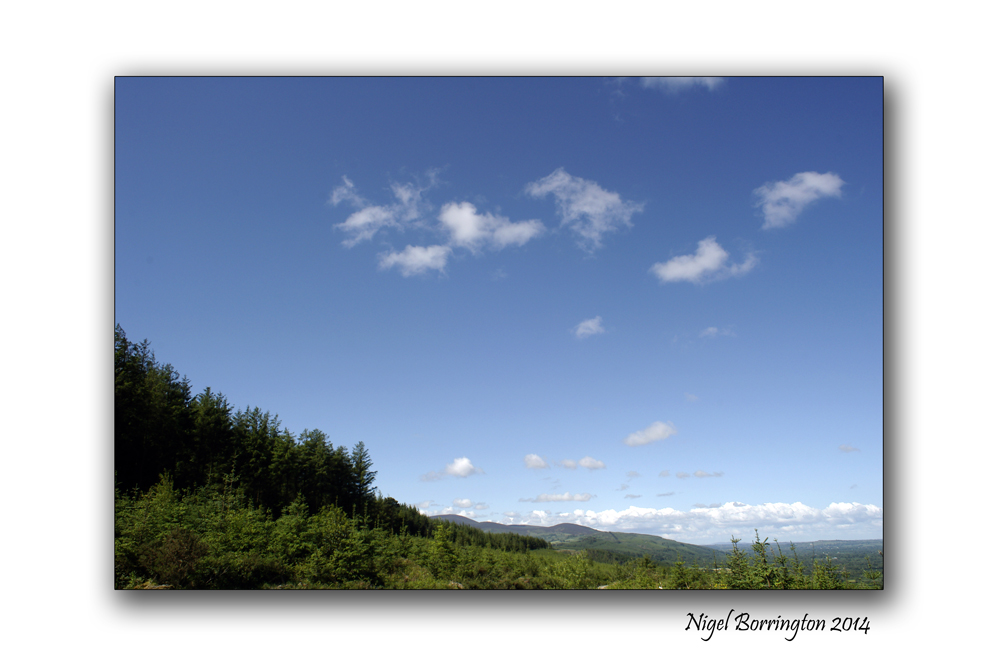
look up at the sky and behold its wonders and splendour and its power
look up at the sky and the space beyond and behold its brilliance and limitlessness.
Oh, look up at the sky and the space beyond – and behold the limitlessness of the mind
behold there the infinite stretch of your mind,
behold the skies and space, and behold the power and glory and the unconfined,
unconditioned freedom and brilliance of your mind and your being,
of the unconfined mind and of unconditioned being…
Sunday evening poem : Rippling stream’s circle
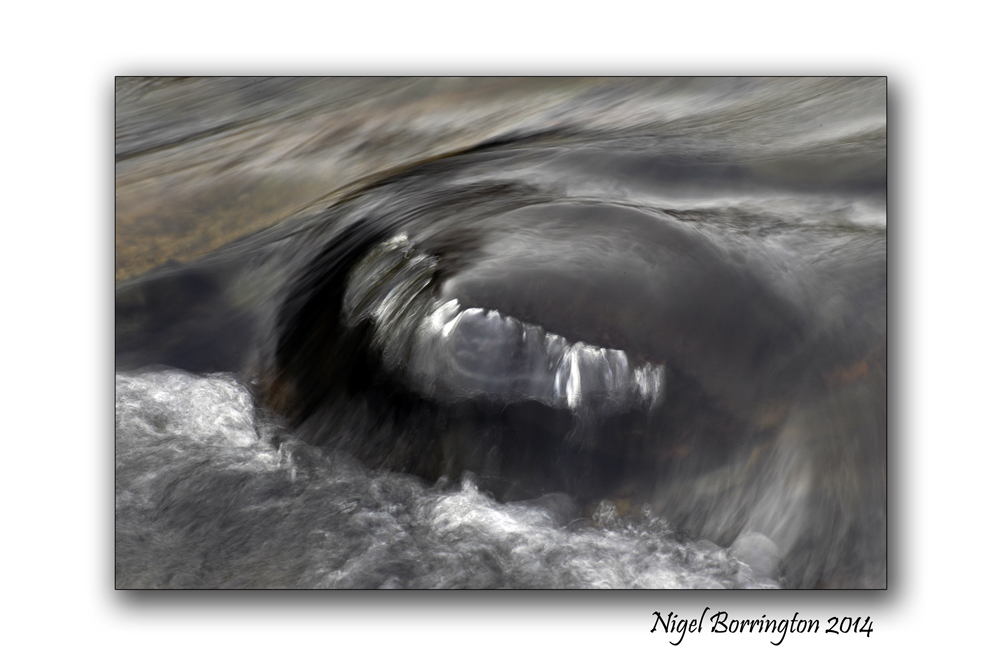
River Lingaun, County Tipperary
Landscape photography : Nigel Borrington
Rippling stream’s circle
By: Chris Matt
Out here watching the water flow by.
Talking to the wind, waiting for a reply.
I don’t know what it is about this stream I admire.
Like camping and gathering around watching the fire.
There is something about these inanimate objects.
It maybe the simplicity of beauty it reflects.
How it unconditionally forms over all in its liquidity.
It is the foundation of life being perfect in its ubiquity.

Watching this stream, there is so much to learn and gain.
This water can teach you, watch, as it starts as rain.
High above in the clouds, then it falls to the top of the peak.
As it slowly drips to the bottom, it mixes in with a creek.
It flows in a small brook, then ends up in this stream,
but it will one day rise up again to the clouds, as steam.
Like waters circle of life, we need to come together as one.
The lessons that we’ve learned here, have only just begun.
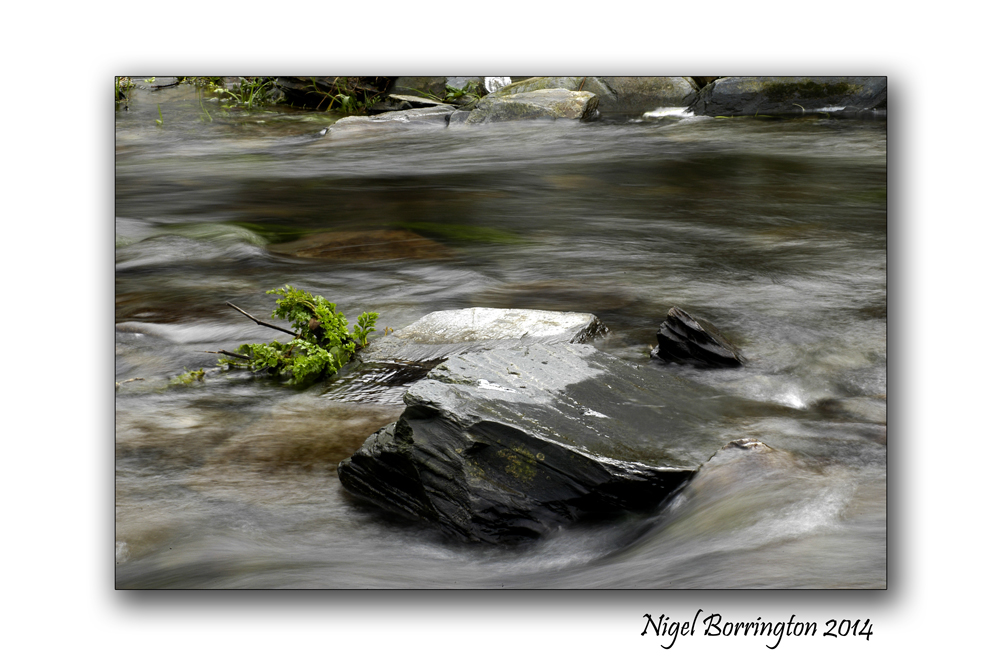
Sunlight in the Glen , Sunday evening Poem by : Jan Allison And Mel Merrill

Cahirabbey woods, Cahir, County Tipperary
Landscape photography : Nigel Borrington
This evening I went for a Sunday walk in Cahirabbey woods, county Tipperary, the evening light was shining through the trees in the glen and it reminded me of the below poem that I found recently.
Sunlight in the Glen
Collaboration Poem By Jan Allison And Mel Merrill
Dappled sunlight dancing among the trees in the wooded glen
Lingering amongst the wood where it has ancient been
She dances fast, and sometimes slow, the tempo ever changing.
Gentle breeze she stirs the trees; the mood is scintillating
The crystal clear water sparkles with a silvery light
Like diamonds splayed on velvet, or a starry, starry night
Shafts of sunlight fall on the crumbling old stone wall
Shedding light on these, the wall and trees, near brook and waterfall
Nature’s beauty, boundless, in this timeless timid wood
We walk the paths so often trod where ancient feet have stood
Each scattered ray comes out to play in primordial den
How privileged I, that I could spy, this sunlight in the glen
Celebrating Mid summers day 2014

Mid summers sunset over Slievenamon, county tipperary,
Landscape photography : Nigel Borrington
Mid summers day 2014
Happy Mid summers day !!!
This mornings sunrise over slievenamon county Tipperary was at 04:57am and by the time it sets again on the other side to the west the time will be 21:57 , thats seventeen hours of sun light and the most anyone can witness during the suns movement across the sky during any one year.
Today is also called the Summer Solstice
Solstice, or Litha means a stopping or standing still of the sun. It is the longest day of the year and the time when the sun is at its maximum elevation.
Wiccan blessing for Summer
As the sun spirals its longest dance,
Cleanse us
As nature shows bounty and fertility
Bless us
Let all things live with loving intent
And to fulfill their truest destiny
This date has had spiritual significance for thousands of years as humans have been amazed by the great power of the sun. The Celts celebrated with bonfires that would add to the sun’s energy, Christians placed the feast of St John the Baptist towards the end of June and it is also the festival of Li, the Chinese Goddess of light.
Pagans are in awe of the incredible strength of the sun and the divine powers that create life. For Pagans this spoke in the Wheel of the Year is a significant point. The Goddess took over the earth from the horned God at the beginning of spring and she is now at the height of her power and fertility. For some Pagans the Summer Solstice marks the marriage of the God and Goddess and see their union as the force that creates the harvest’s fruits.
This is a time to celebrate growth and life but for Pagans, who see balance in the world and are deeply aware of the ongoing shifting of the seasons it is also time to acknowledge that the sun will now begin to decline once more towards winter.
Lugh (Celtic) god of the summer soltice
Similar to the Roman god Mercury, Lugh was known as a god of both skill and the distribution of talent. He is associated with midsummer because of his role as a harvest god, and during the summer solstice the crops are flourishing, waiting to be plucked from the ground at Lughnasadh.
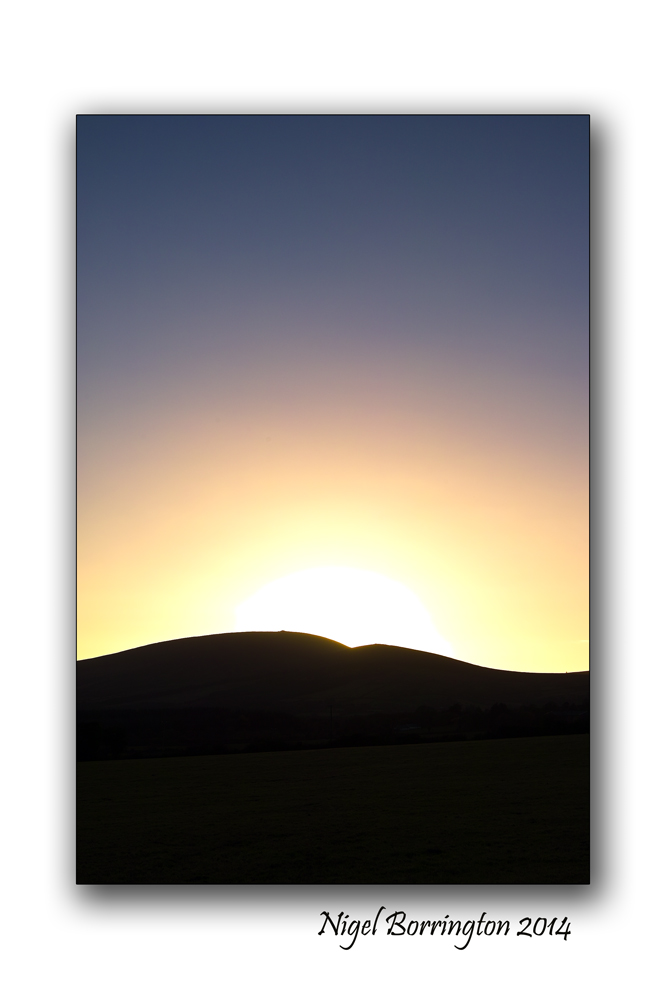
Last night I walked along the river, after the rain – Images and a Poem
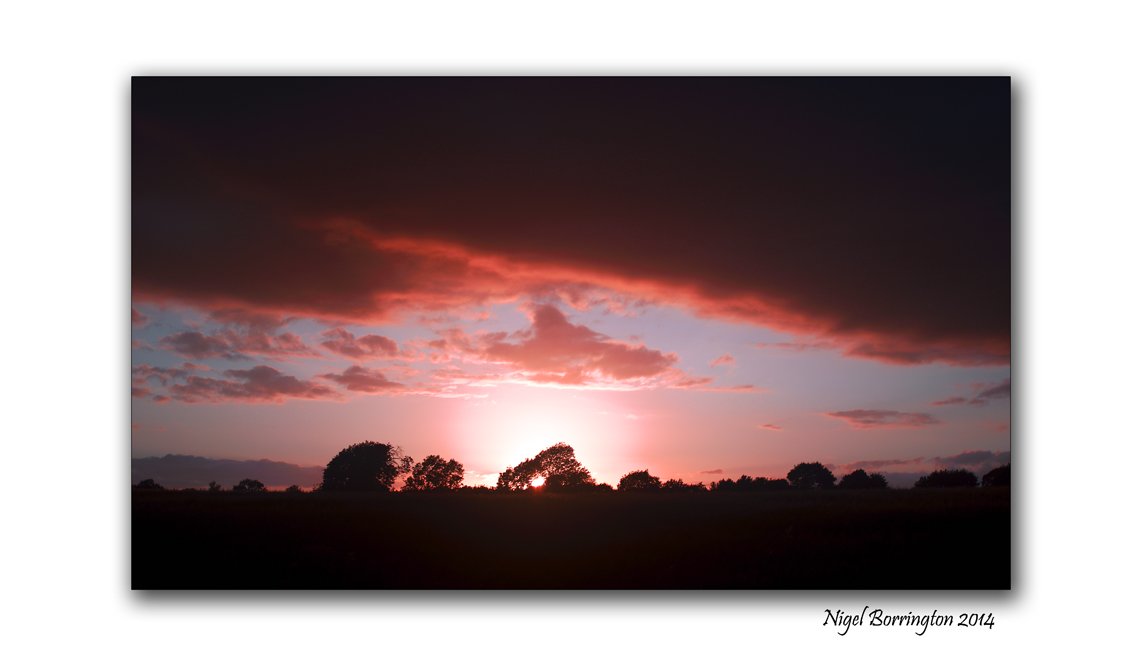
Sunset along the river Suir, County Tipperary
Landscape photography : Nigel Borrington
Sometimes when I am out walking and taking pictures, I also use my phone to jot down some words then later use these to write a Poem.
I feel that words and poems – along with images are connected with one another in a big way. I love to share both here on this blog and I often share poems from people who share their work on poetry web sites, matching them to what I feel are related images I have taken.
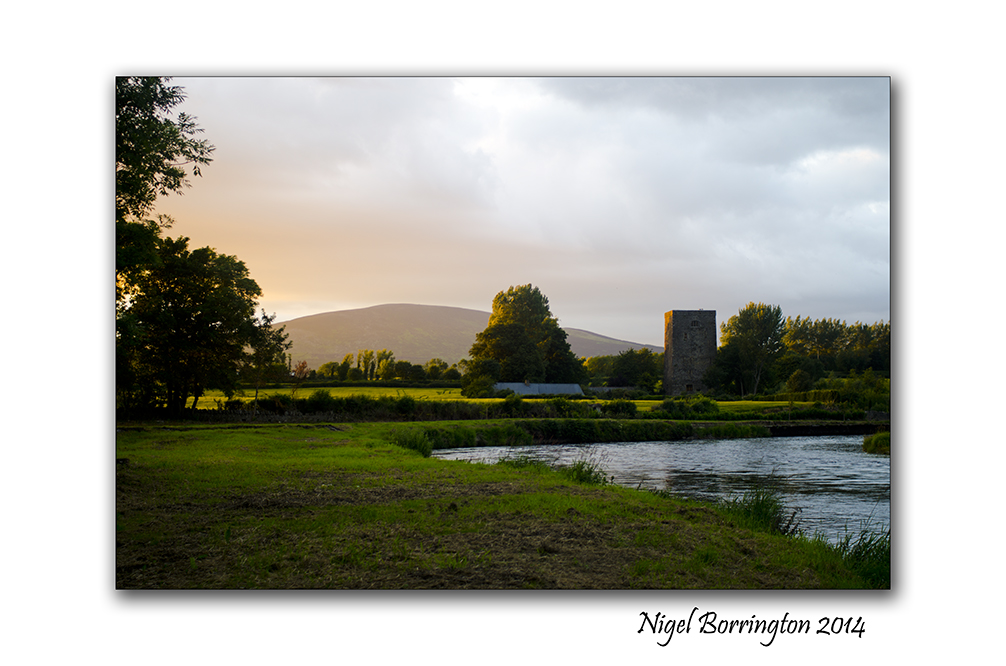
This time the post is mixing my own Poem and Images from an evening walk along the river Suir, after a rain storm at the start of June.
————————————
Last night I Walked along the river after the rain
Last night in my dreams along the river I walked,
it rained and rained, The floods of June.
There will always be sunshine after the rain
Perhaps I walked , perhaps even ran,
Towards the Setting evening Sun.
 .
.
It lights up the river, I see every rushing and flowing drop,
The warmth from its light can calm every dreaming fear.
After it sets below the trees,
my dreams much deeper,
still linger throughout the night,
But suddenly vanish at dawn’s early light.

Poem and images : Nigel Borrington
A local walk through History, Megolithic – Ring forts, Tombs and Standing stones.

Ring fort on the Hill, County Kilkenny
Landscape photography : Nigel Borrington
A local walk through History, Megolithic – Ring forts, Tombs and standing stones.
Last Month I posted the following two articles talking about the history of some historic remains and geology around the area where I live, on the County Kilkenny and Tipperary Boarders.
Pagan ring forts and passage tombs , From Kerry to kilkenny
Landscape and Geology around Slievenamon, county Tipperary
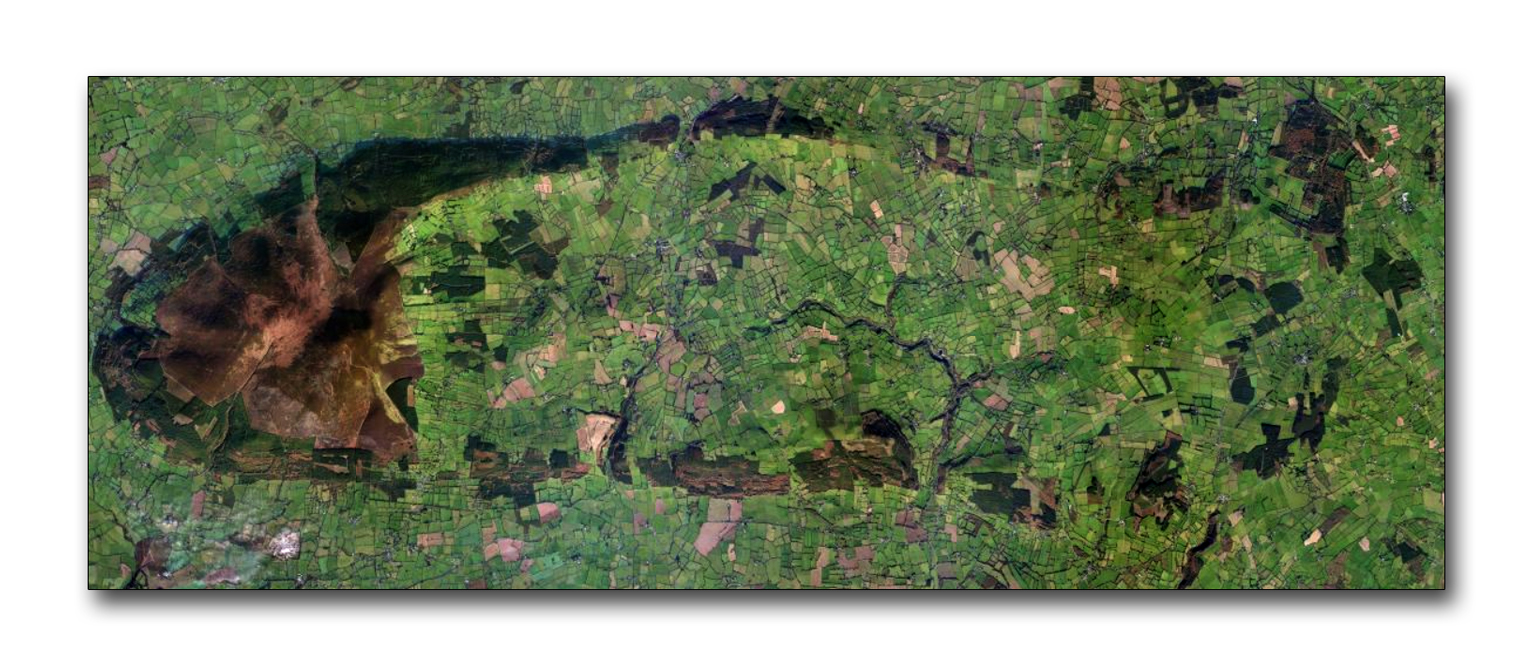
The image below shows the area around the mountain of Slievenamon, County Tipperary ( left ) and the foot hills that flow to the right and form the shape of an oval from the north and south of the mountain.
The Boarder between county kilkenny and Tipperary flows about half way through this image from north to south.
 .
.
Over the last few weeks and during the summer of 2014, I want to study and post about the Stone age – Iron age, pre Christian remains that can be found in almost every one of the woods that can be seen in the above image ( Mainly visible as dark green) along with the remains on the mountain of slievenamon itself.
I have lived here in county Kilkenny for about 11 years , moving from the UK in 2003, from the very first walks I took locally it was clear that this area is full a history in the form of old buildings, farms, churches and grave yards.
The remains that interested me the most have been those of pre-Christian times, Ireland became a Christian country between 300 to 400 Ad. These local pre-Christian remains then date from betweem 300Ad to 6000 or 8000 years ago.
The remains that can be found locally take the form of (Ring forts, Graves and tombs, Standing stones and stone circles) all can be found within the area covered in the pictures above.

South Kilkenny. Woodlands
During last weekend and this week, I have been visiting the above woodland to the south east of the larger area I am studying and have marked on the image below the types of remains I have found :

The remains that I have walk past on woodland paths and the ones that I have looked for by going deeper into the woods are by themselves amazing but by themselves do not tell you a story of who these people were and how they lived.
Over the next few weeks I want to uses four areas in total including the mountain of Slievenamon, to draw a picture of how I feel the people who built these structures lived.
How they worked this land, how they built their homes and how they buried and remembered their ancestors.
Structure of a ring fort
Image Gallerys
The Images below are all pictures of the structures and remains I have found in the woodland area shown and labelled in the images above, I have split them into groups as follows:
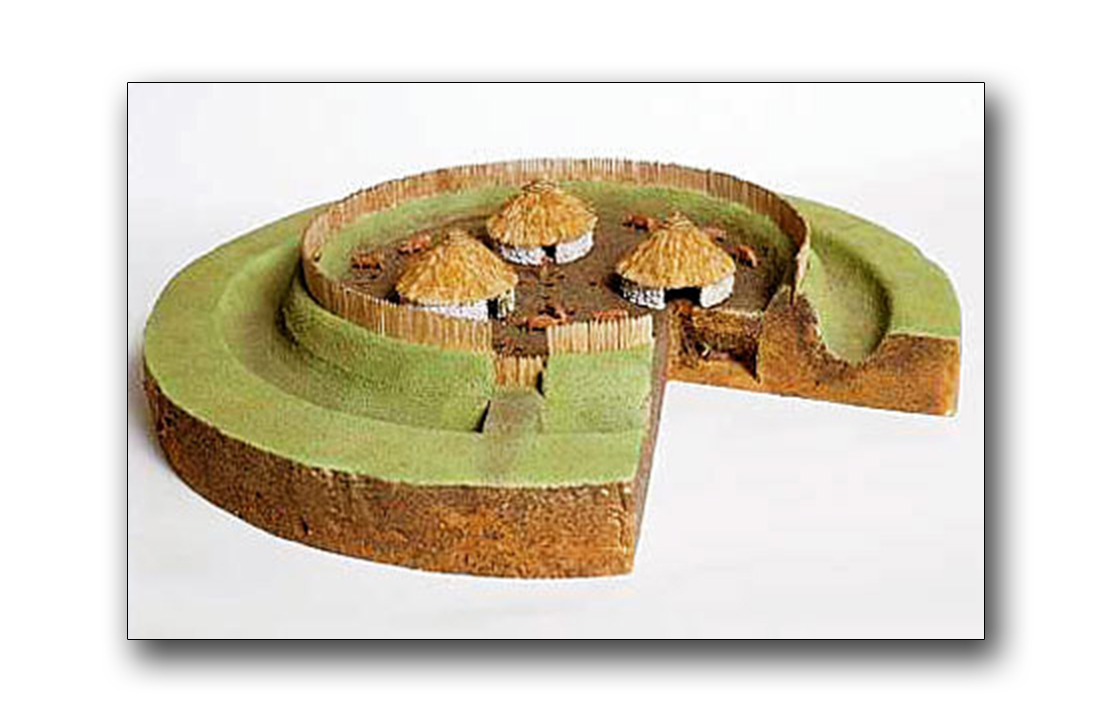
Ring forts, these were used for – homes and cattle pens.
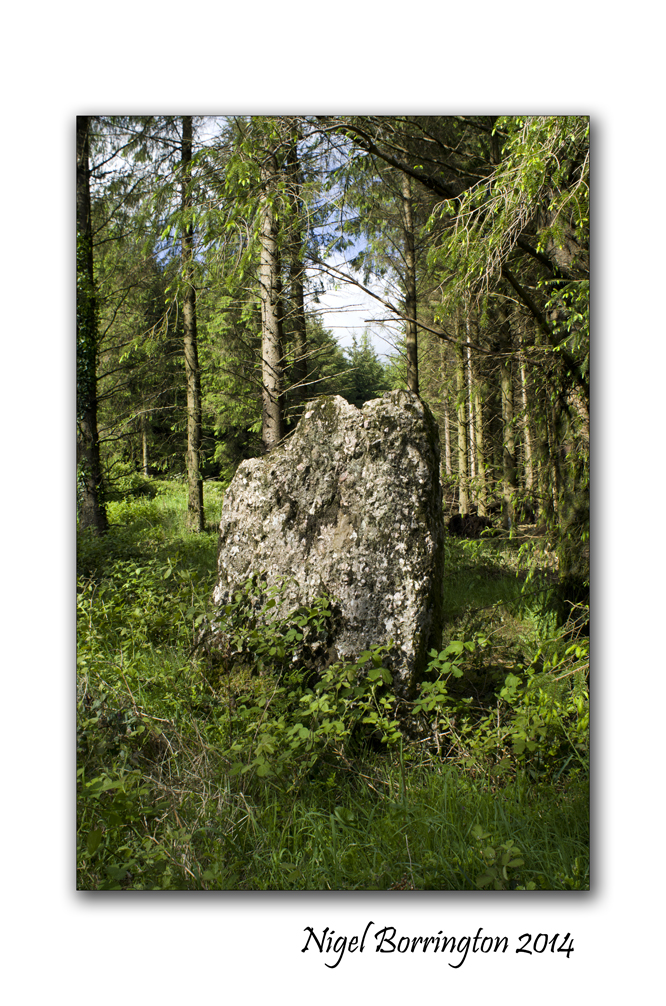
Standing stones, used to record time and mark areas.
Graves and tombs, Hill top Burial grounds .
One last thing worth pointing out is that below in the Grave Gallery are two large tomb cap stones, shown in the first two images.
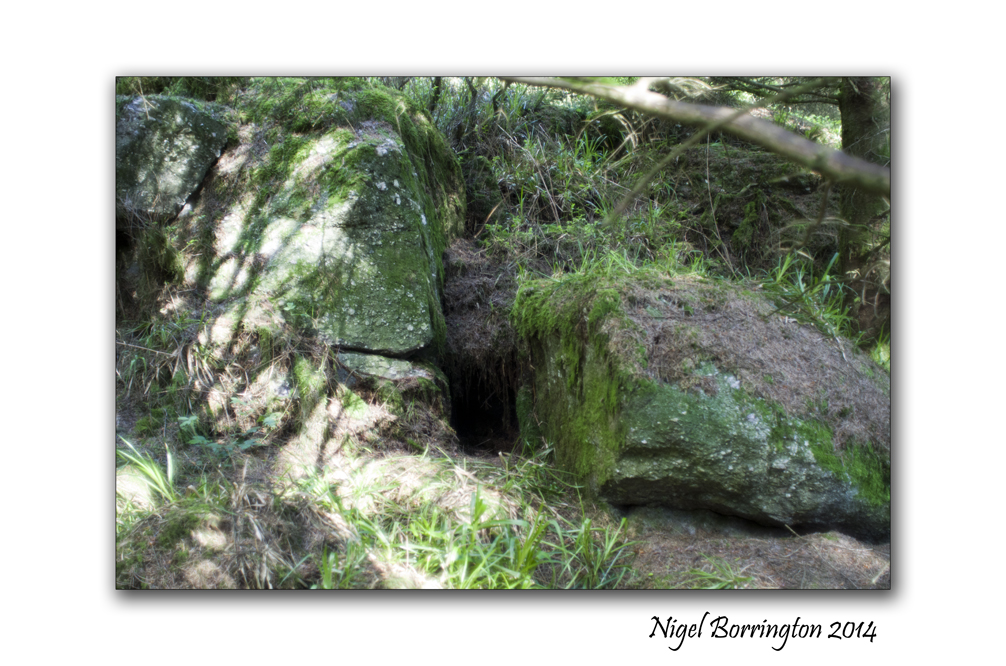
When I first found the stone in the first image, I wondered if it could be anything more than just a large stone left from ice sheets, during the ice age some 10,000 years ago. However I then found the stone in the second image a couple of days later, both these stones are almost the exact same dimensions. It is very unlikely then that these stones can be the result of the ice age and that they are cap stones to large tombs lying underneath.
This web sites show some examples of excavated tombs from this period : Mesolithic tombs
I also have a great example of a tomb like this here : The passage tomb of olioll olum king of munster
Image gallery of the ring fort
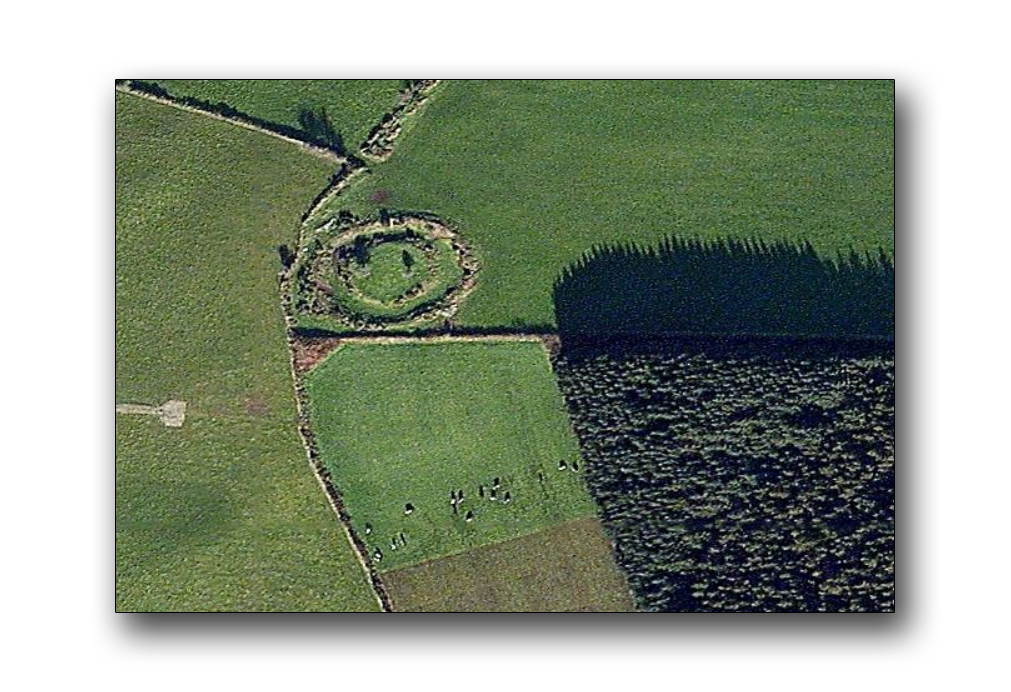
Ring fort, marked above the woods


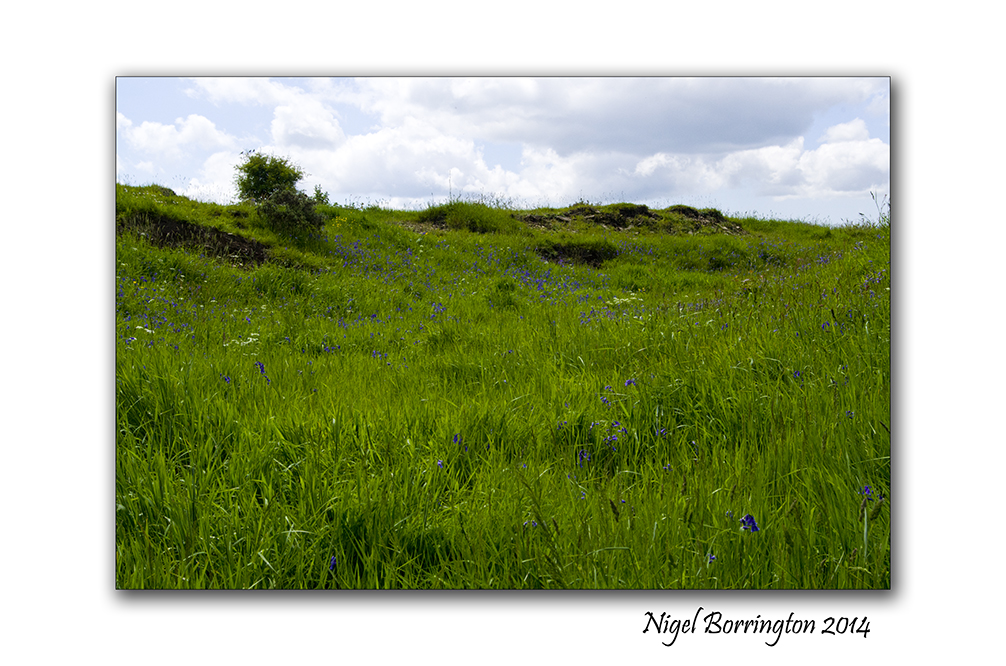
Gallery of Standing stones within the woods

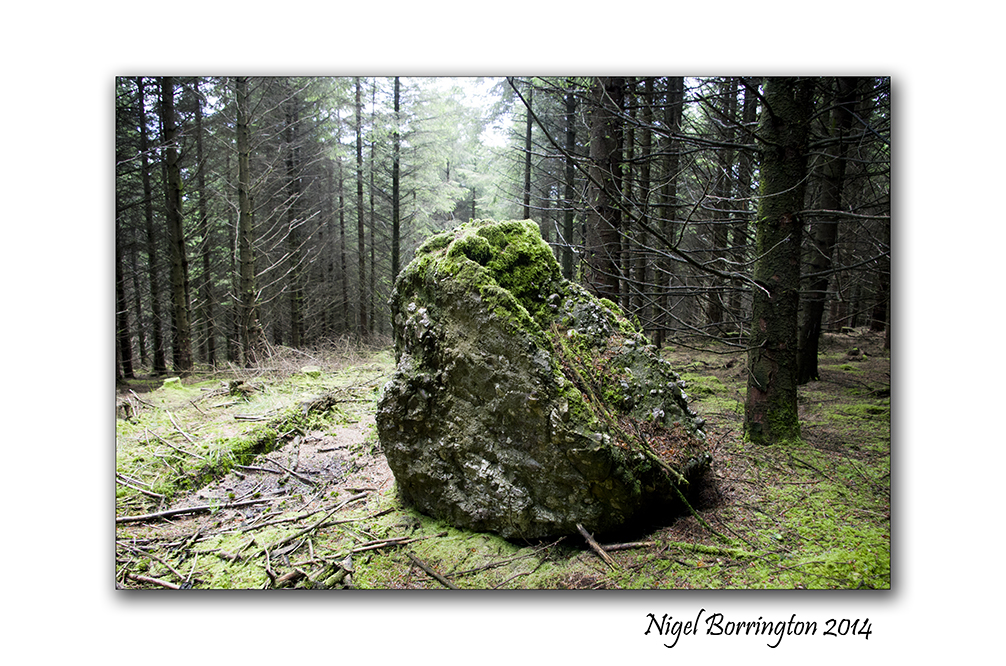

Gallery of Graves and Cap stones within the woods


The Bridge Builder , Poem by : Will Allen Dromgoole

The Bridge at the Vee, County Tipperary
Photography : Nigel Borrington
The Bridge Builder
By Will Allen Dromgoole
An old man going a lone highway,
Came, at the evening cold and gray,
To a Valley vast and deep and wide.
Through which was flowing a sullen stream
The old man crossed in the twilight dim,
The sullen stream had no fear for him;
But he turned when safe on the other side
And built a bridge to span the tide.
“Old man,” said a fellow pilgrim near,
“You are wasting your strength with building here;
Your journey will end with the ending day,
You never again will pass this way;
You’ve crossed the chasm, deep and wide,
Why build this bridge at evening tide?”

The builder lifted his old gray head;
“Good friend, in the path I have come,” he said,
“There followed after me to-day
A person whose feet must pass this way.
This chasm that has been as naught to me
To that fair-haired person may a pitfall be;
They, too, must cross in the twilight dim;
Good friend, I am building this bridge for him!”

Pagan ring forts and passage tombs , From Kerry to kilkenny
 Knockroe passage tomb, county Kilkenny
Irish landscape Photography : Nigel Borrington
Pagan ring forts and passage tombs , From Kerry to kilkenny
During July last year 2013, I visited two ring forts near Cahersiveen, County Kerry and posted on them as below :
 .
.
Cahergall ring fort is a massive stone construction, built between 400BC and 500AD, It can be found close to Cahersiveen, County Kerry. Leacanabuaile feels very much more like a dwelling place for people to both live and keep themselves safe from the surrounding Environment. This included raiders and wild animals stealing cattle.
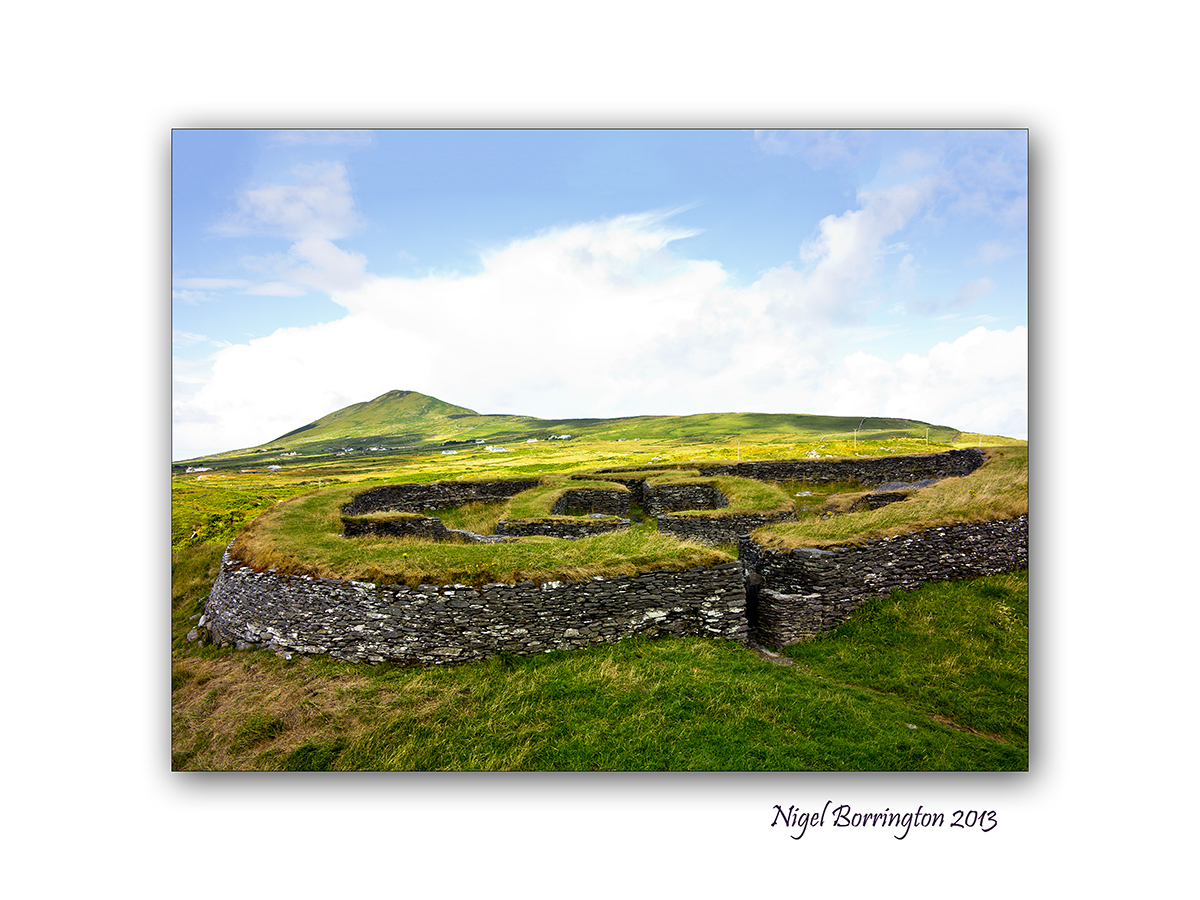
Leacanabuaile, stone ring Fort
Sitting on a hill side near Cahersiveen in County Kerry is Leacanabuaile Stone Fort, it is considered one of the best examples of an Irish ring fort.
The name translates to ‘Hillside of the Summer Pasturage’.
Returning home
The visit to both these locations was one of the most interesting history trips I have ever done and left me with a great sense of the History of Europe and of the people who lived here before Christian times.
On returning to county Kilkenny I fell like I was living in a place with a much more limited sense of history, Tipperary and Kilkenny feel much less remote than the coast line and mountains of county Kerry and their history seems to be much more modern.
Well it has taken me almost a year since the visit to Cahergall and Leacanabuaile to realise that this impression of my local area is far from true. Apart from the location of Knockroe (Post here), I have started to visit and find more and more local remains of Ireland’s past and it clearly goes way beyond the days of St Patrick and the early church.
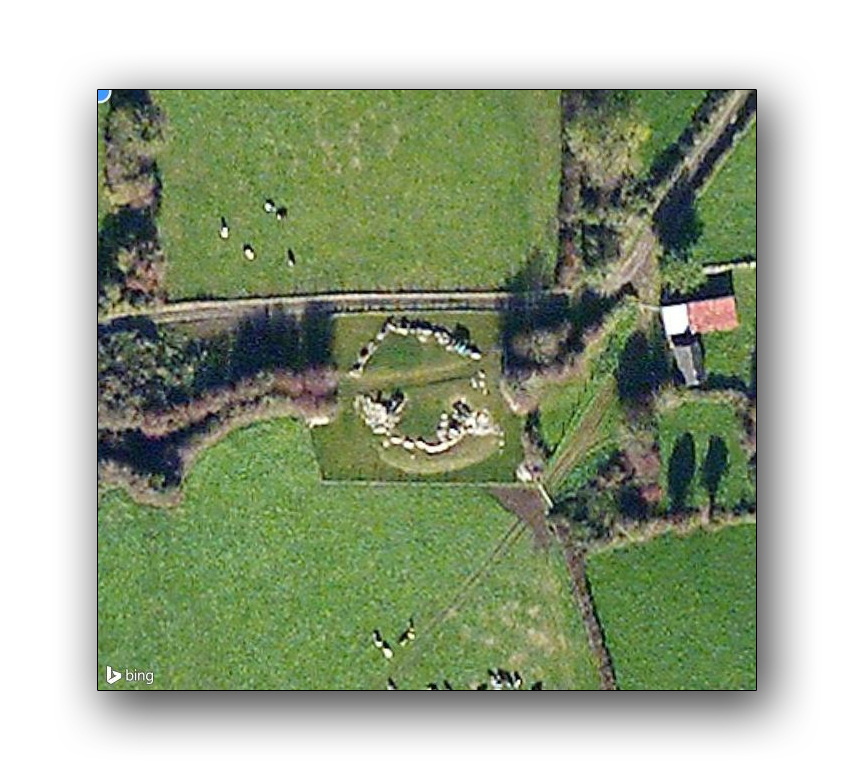
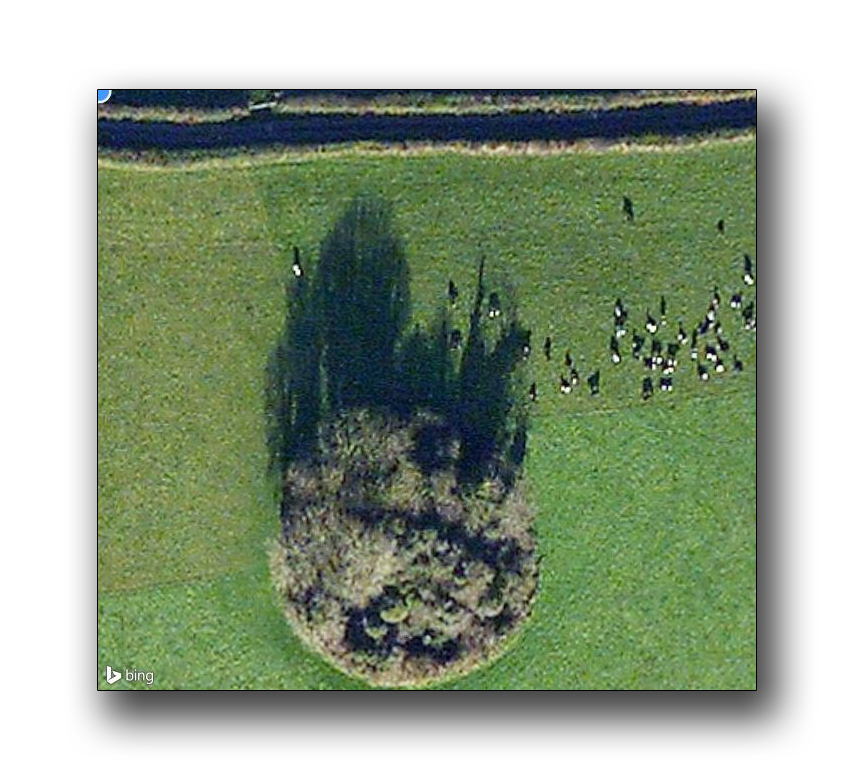
The images below are satellite images of many passage tombs and ring forts, within 10km of our home :


 .
.
Finding these locations was a real eye opener and showed to me that these forts and passage tombs must have been located through out the country.
The forts in Kerry have been restored over the last 5 years and may well have been in the same poor condition as the local ones here.
It is more than likely that the stone from these locations has been used in more modern times to build local Churches, Farms and stone walls on farm land, Yesterday I posted on the high cross at Kilkamerry and talked about this re-use of Pagan sites to build Christian locations.
It is very likely then that current church yards and grave yards have also been constructed on more of these sites, many more circular features exist on the local landscape and are possibly also ring forts but for these ones time has made things a little less clear.
What does becomes clear from looking deeper is that the pagan history of Ireland was extensive and that the pre-Christian population of this Island was as big as any other location on the European continent.
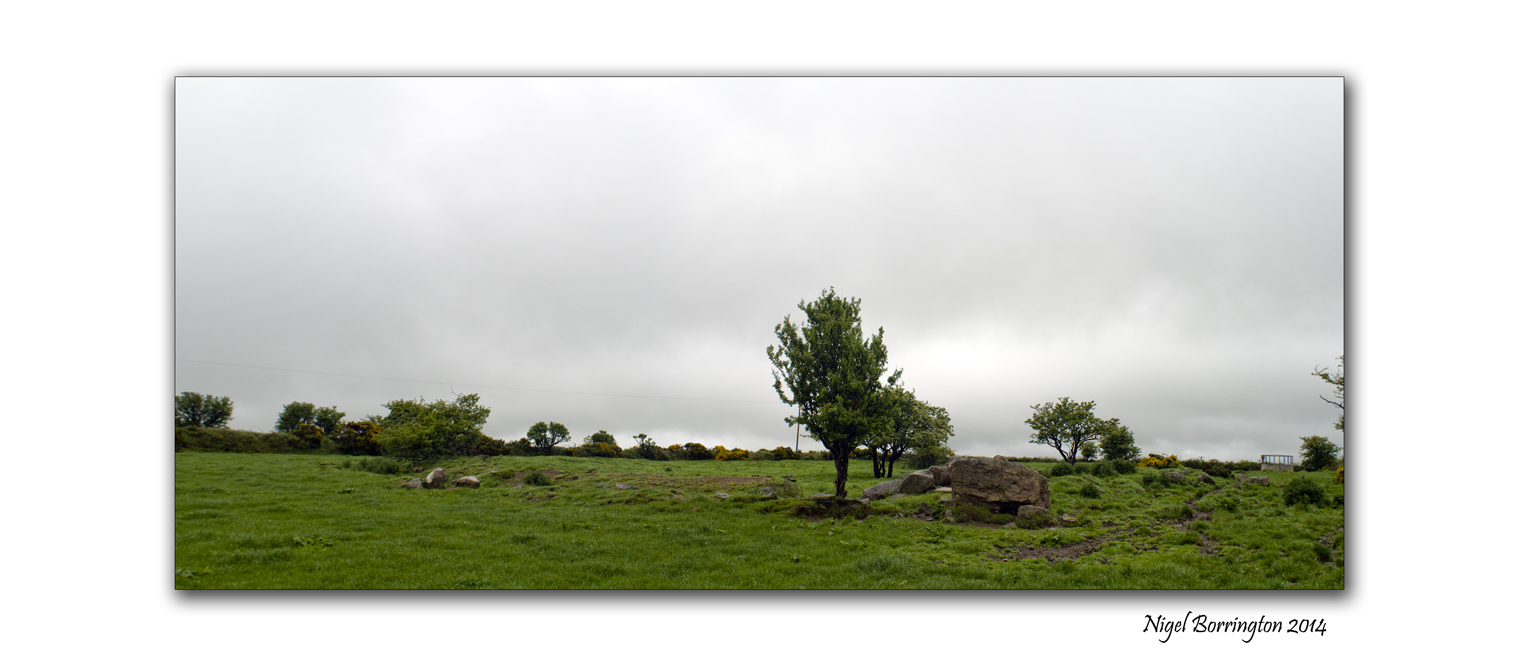
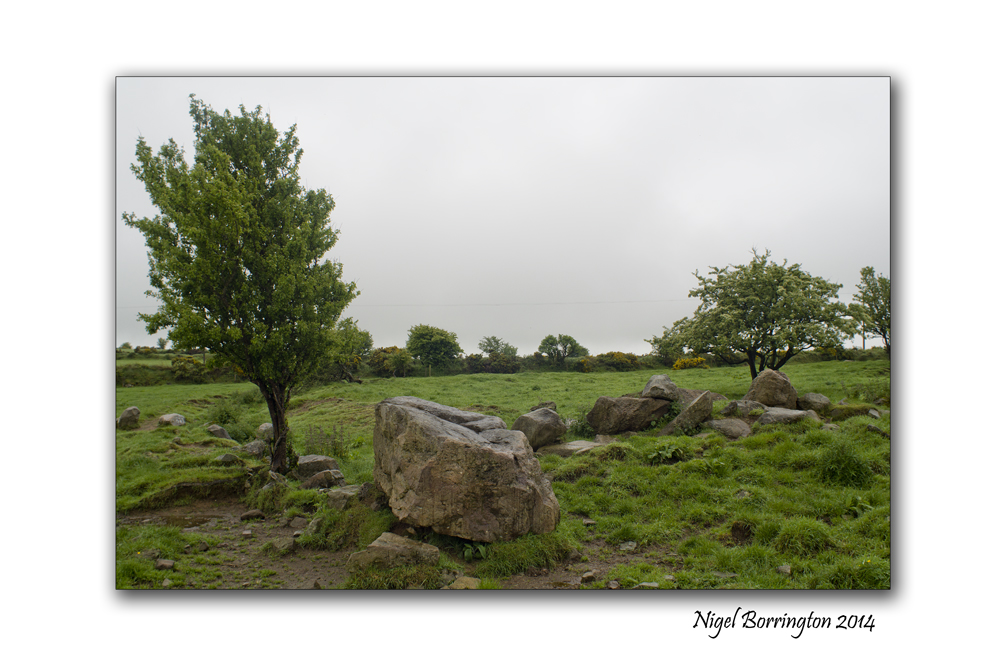
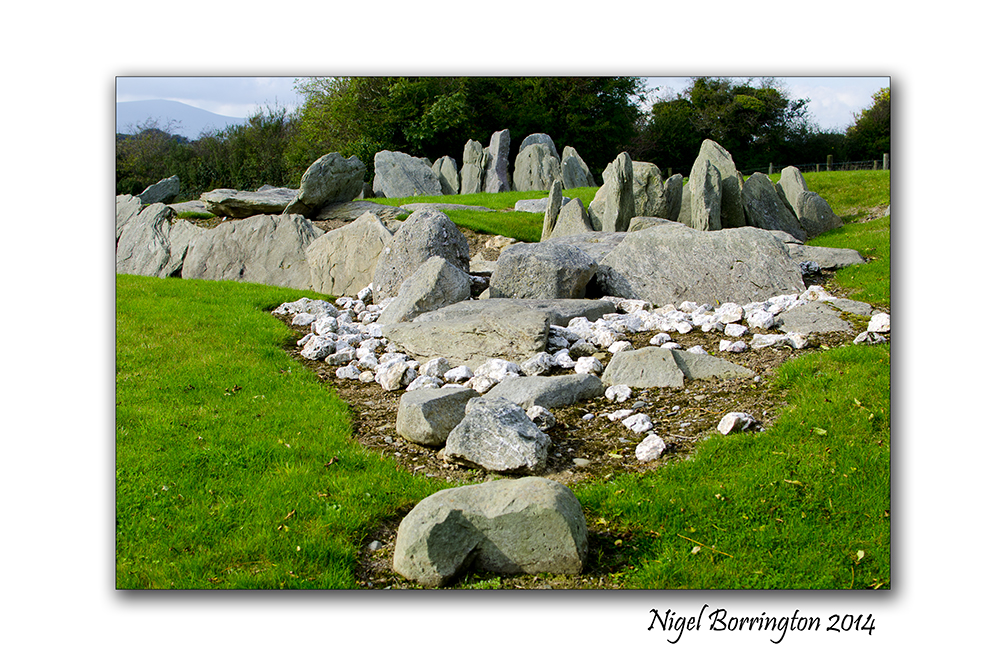
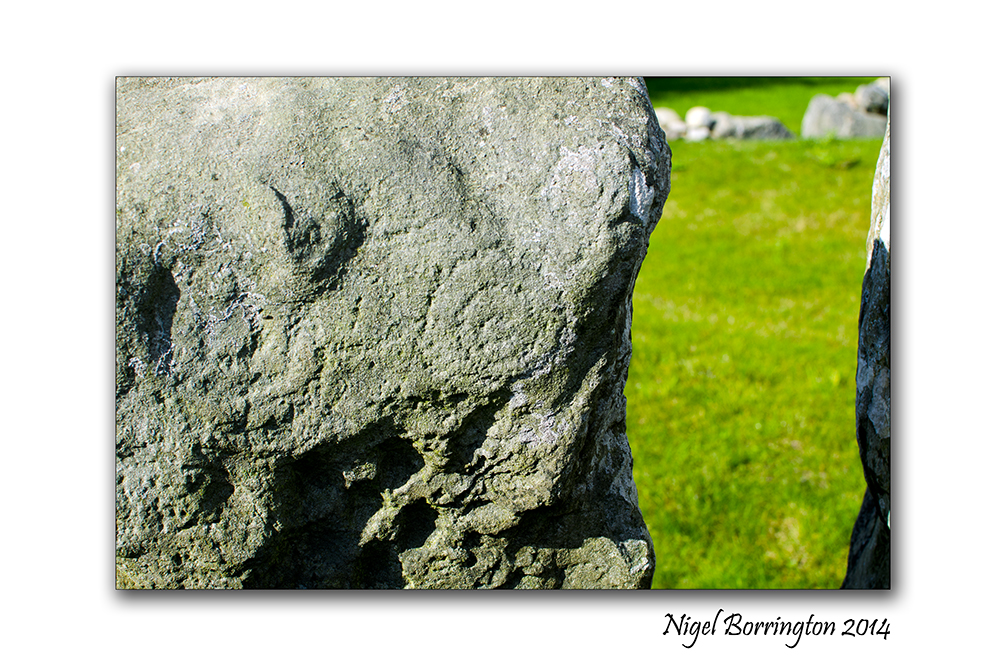
The images here are of the tomb or ring fort on Ballinlinagh hill, county Kilkenny and of the passage tomb of Knockroe :
Gallery

 —————–

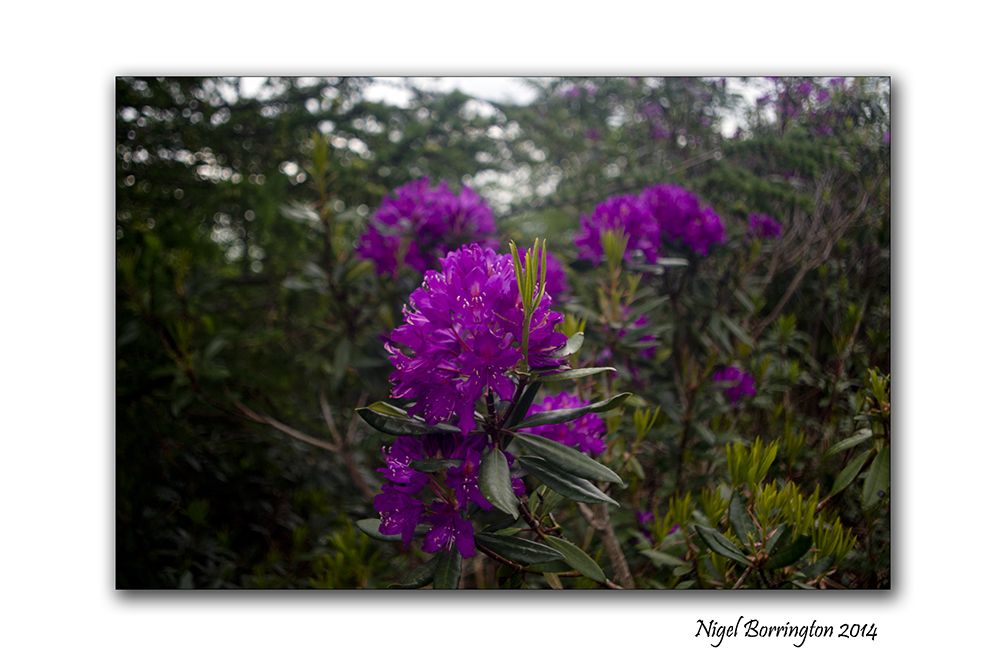
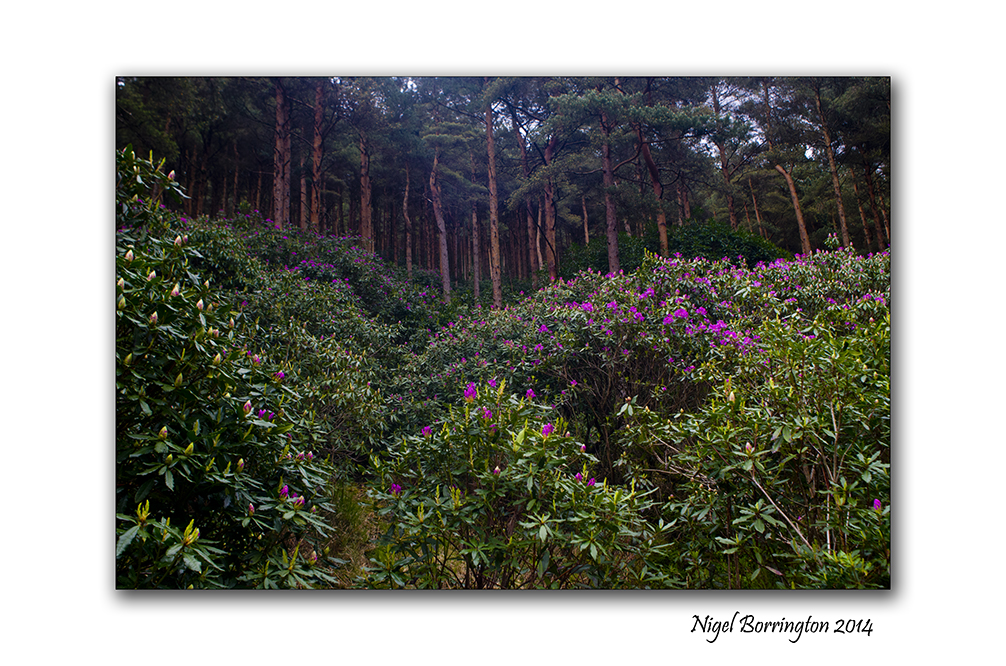
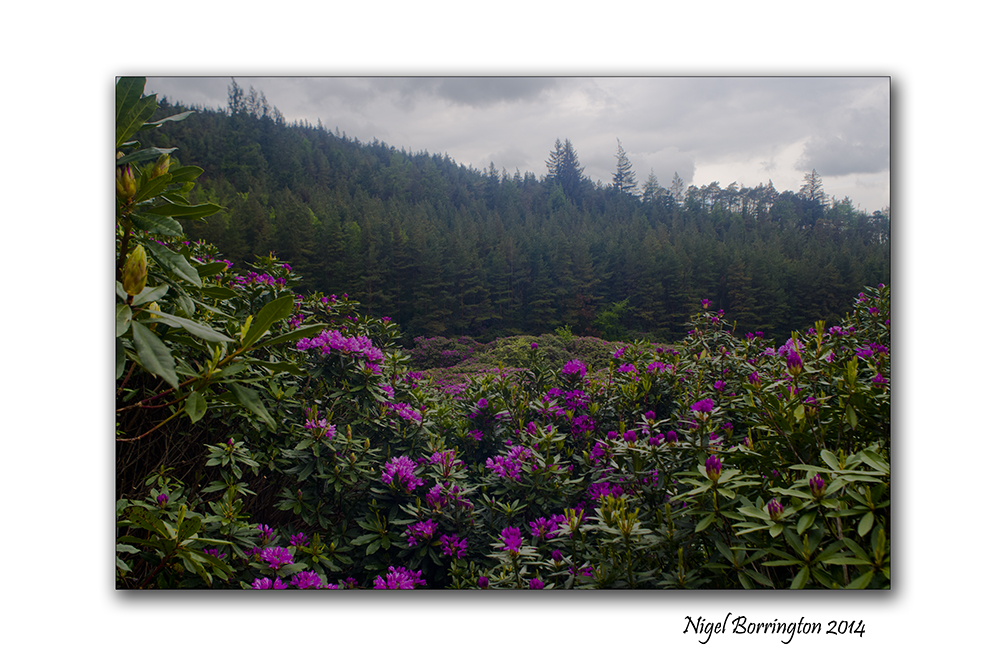
Rhododendron laden hillsides, Poem and Image gallery.

Rhododendron at the Vee, County Tipperary
Landscape Photography : Nigel Borrington
Rhododendron laden hillsides
Summer
Comes ’round again,
Bringing life back to flow’rs.
Roses shall start to bloom once more,
And mighty White Oaks shall be green with leaves.
Rhododendron laden hillsides
And Lady Slippers nod:
Slowly fading
Summer.
~Timothy~
Rhododendron hills , Image Gallery




Sunset over the mountain of Slievenamon , Star break and Poem.

Sunset over slievenamon, County Tipperary
Landscape Photography : Nigel Borrington
Evening walks near the mountain of Slievenamon, county Tipperary can bring some great evening views, the sun sets right over the top on the mountain where there is a cairn, a burial place of a king dating back over six thousand year.
On one of these walks I was lucky enough to get these sunset images and I put some words to them in this poem:
Star break, a Poem
Behind the High cloud the sun is coiling and uncoiling
a dragon wrapped around itself spitting fire behind the mountain top
For a moment as I think of older days it is eclipsed entirely
aith a hidden God in the ground where six thousand years ago
A star fell from nowhere and lit up this very mountain’s top
turning westward by day, into oblivion leaving its mark.
 .
.
A king wise in these things called this a “star break”
and of no danger to the integrity of his vision
Star, soon the mountain will shrug you off you will drop below
the ragged edge line into tomorrow while I take the only path.
I came to find what I left, now ahead of me and waiting behind
a light of dawn, time of ages drifting through the night.
Me…..
Changing light as the river flows.

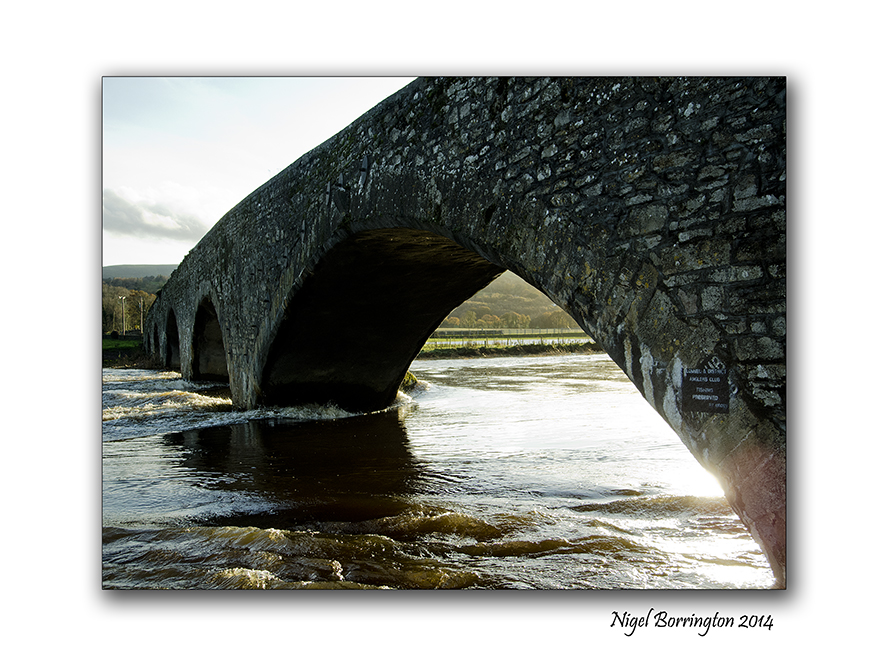
Sir Thomas bridge, clonmel, County kilkenny
Landscape photography : Nigel Borrington
The changing light as the river flows
Walking along the river Suir on a springtime evening with the sun about to set, is a wonderful experience by itself but one of the things I love the most is the changing light. The light changes almost moment by moment and the reflections of the sun from the water is just amazing as you walk past some of the many bridges.
One of the best things about photography however is the ability to capture just how much this light does change, I recently put together this small collection of images and I think they show the way the light changes as the sun sets.
The entire landscape changes from yellows and and olive greens to deep blues and blue – greens.
I personally feel that the type of sun light and the different colours it brings is one of the most powerful tools in the art of photography and taking a little time to record your most loved locations at different times of day and weather conditions is a powerful learning tool for getting strong images and for you to have fun with and enjoy yourself.
The changing light as the river flows, Gallery

Images from a field of blue bells – Poem : ‘The Bright Field’ by R. S. Thomas

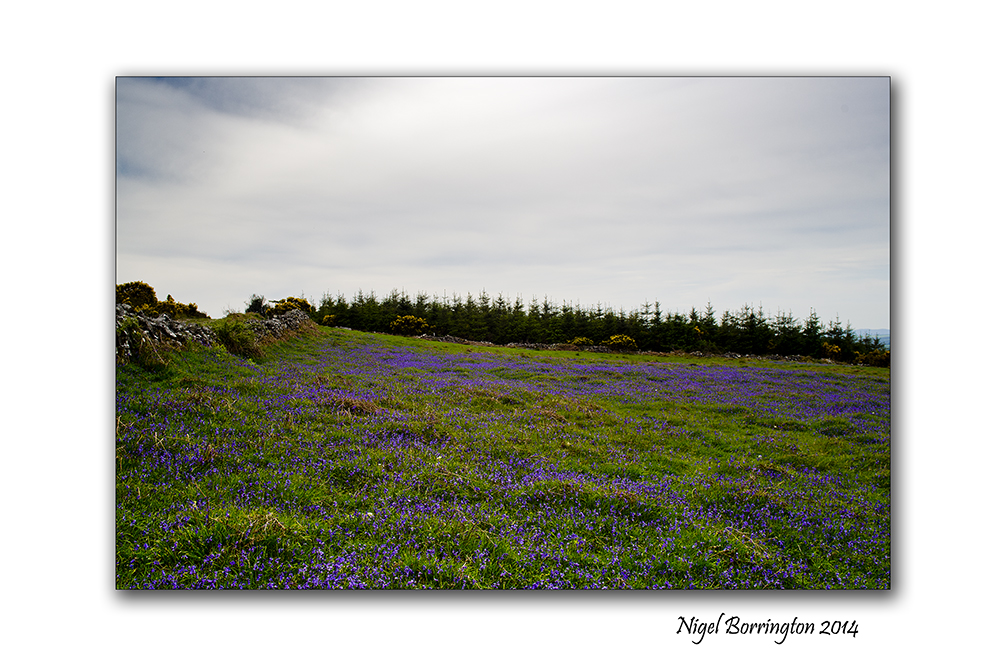
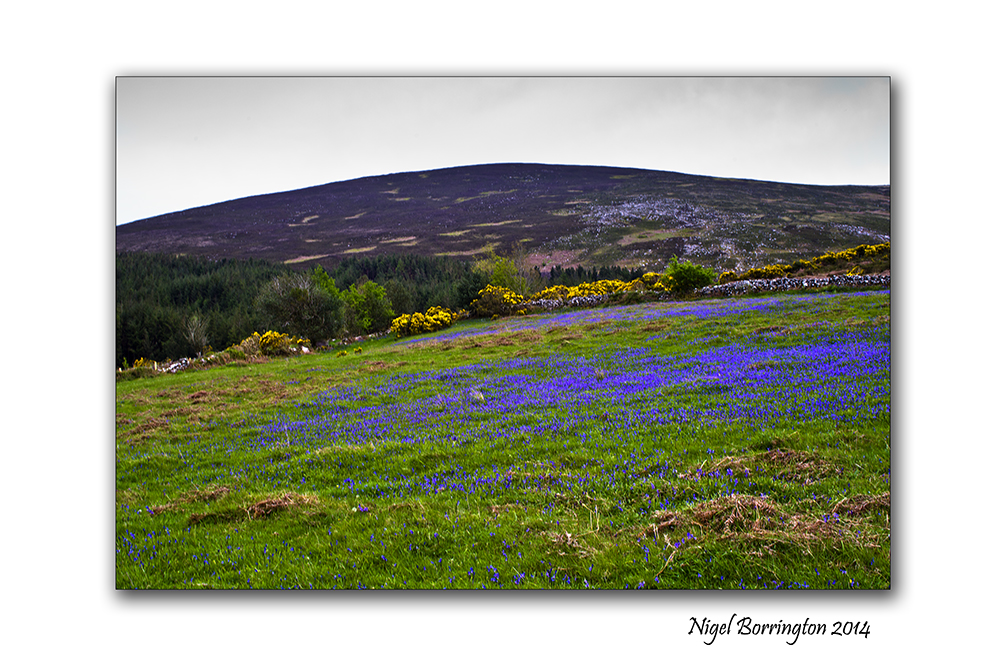
Our dog Molly, In the Blue bells field, Slievenamon, County Tipperary
Landscape Photography : Nigel Borrington
Located on the west slopes of Slievenamon , County Tipperary, is a small yet wonderful little field .
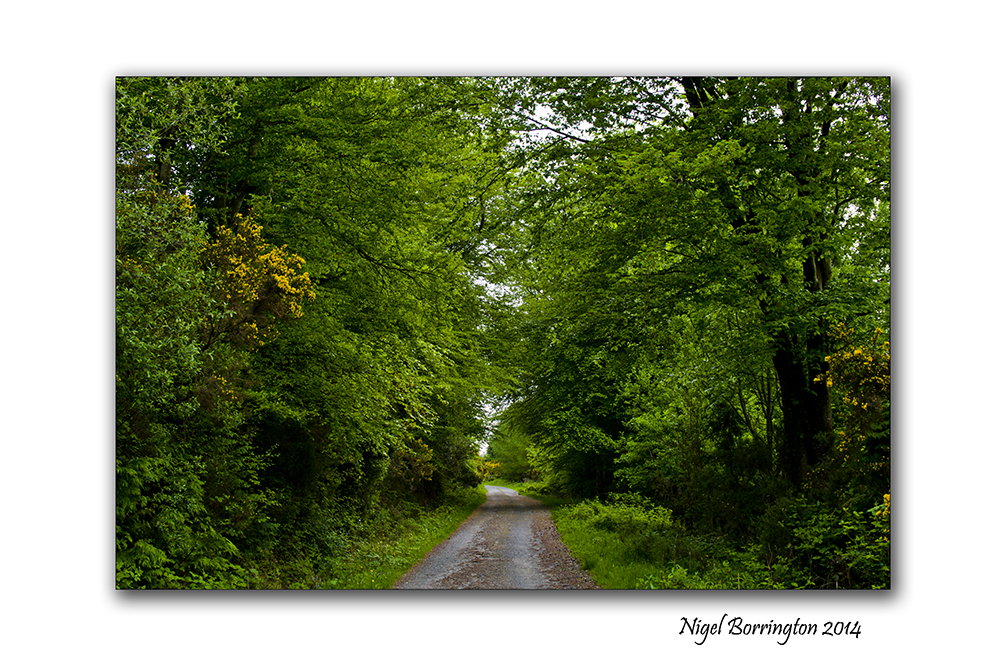
To reach it you have to walk some thirty minutes through wood-lands and up a mountain track, finally reaching a gate. The site that welcomes you in May is that of a field full of blue bells and an old derelict farm cottage. This cottage would be able to tell some amazing stories and if it only could!
Above the field are the mountain slopes that I am much more use to seeing, with mountain heather and scrub lands, streams and baths.
I have visited this field many times, its a great location during the summer and a wonderful escape and resting place after a walk to the top of the mountain.
I just wanted to share one of my most loved local locations here and also one of my most loved Poems by R. S. Thomas, which I feel is perfect for this post ….
The Bright Field
by R. S. Thomas
I have seen the sun break through
to illuminate a small field
for a while, and gone my way
and forgotten it. But that was the
pearl of great price, the one field that had
treasure in it. I realise now
that I must give all that I have
to possess it. Life is not hurrying
on to a receding future, nor hankering after
an imagined past. It is the turning
aside like Moses to the miracle
of the lit bush, to a brightness
that seemed as transitory as your youth
once, but is the eternity that awaits you.
The field a Gallery



Kilkenny, Ireland , 500 million years ago
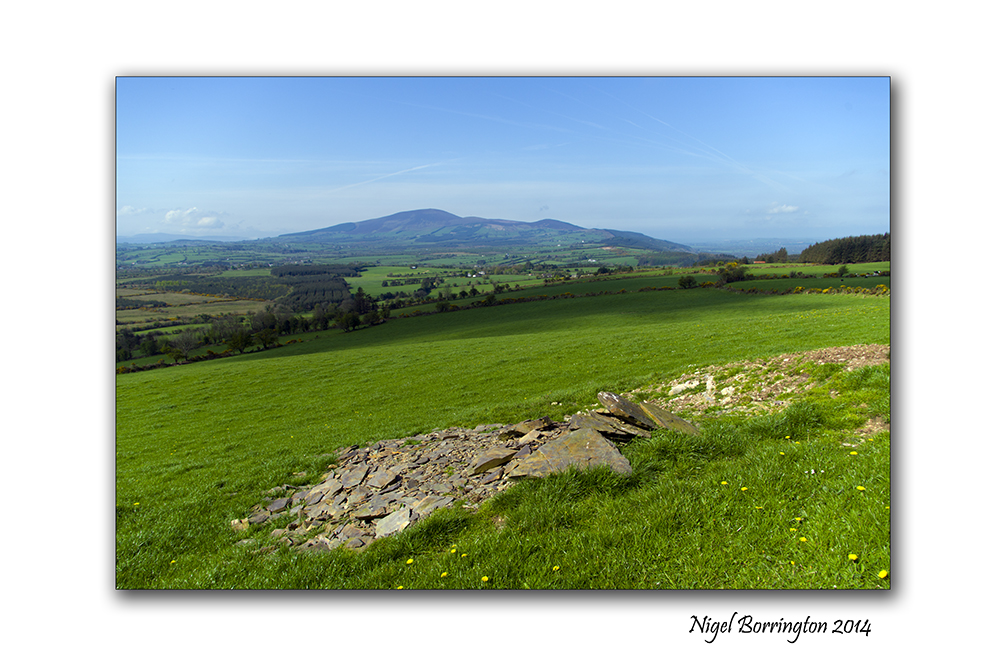
Landscape view of the kilkenny/Tipperary boarders
Irish Landscape photography : Nigel Borrington
Kilkenny, Ireland 500 Million years ago
During the week I posted an article about the area around the mountain of Slievenamon, County Kilkenny.
I hope over the summer to post many times about this area and show many of the foot hills along with the main mountain itself. A fellow blogger margaret, suggested that the formation of the mountain and the oval shape of the extending foot hills could be volcanic in their origins, I do think at some point in the long distant past this could be true.
I found the following summary of the geological history of county Kilkenny so I am going to share it here as I found it fascinating to think of some 500 million years of history of Ireland and its Geology.
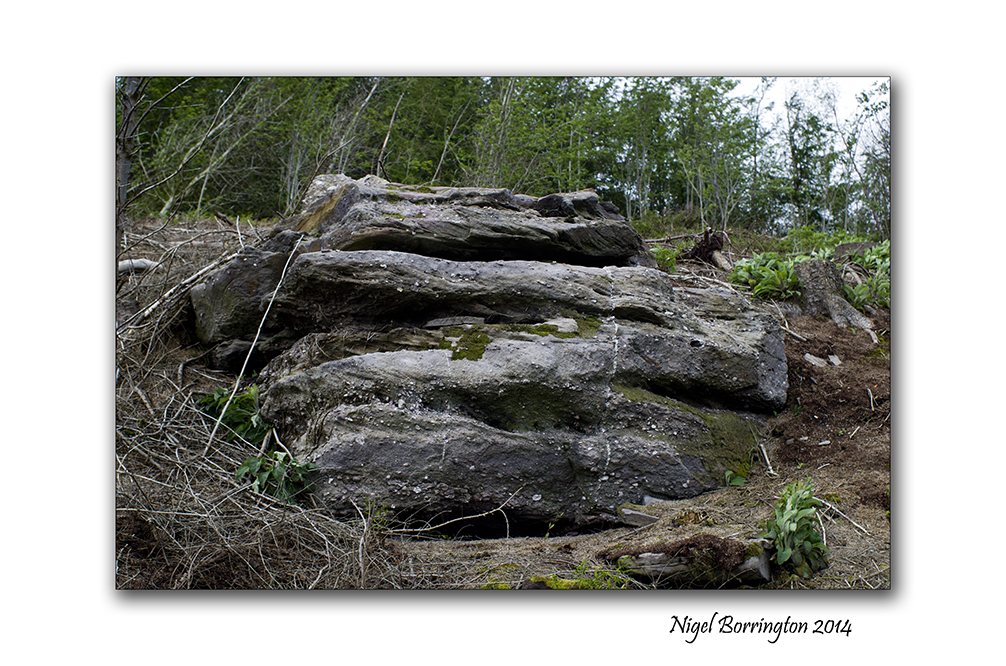
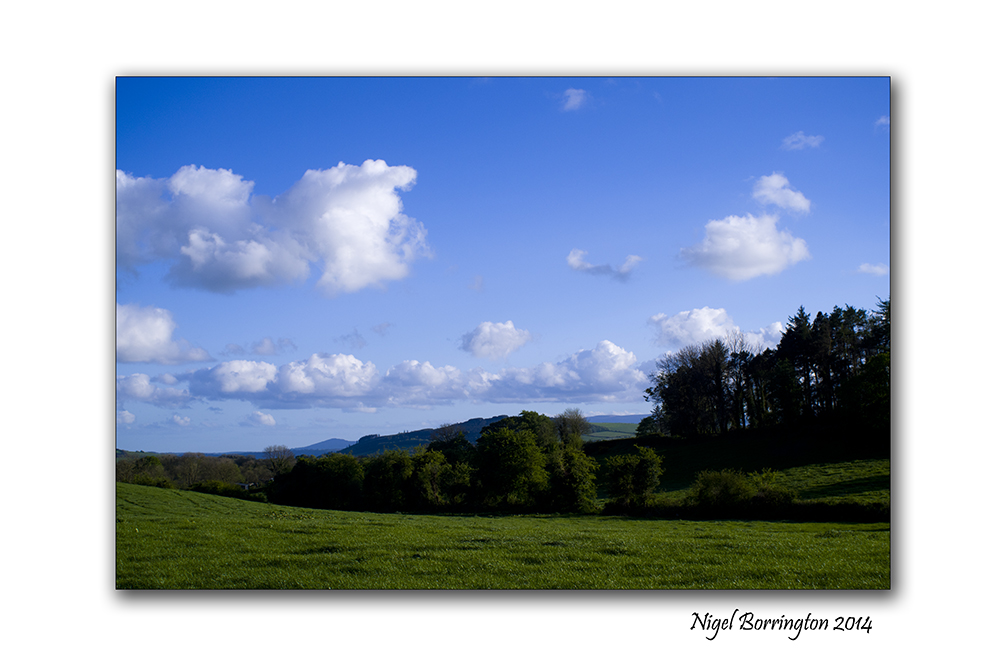
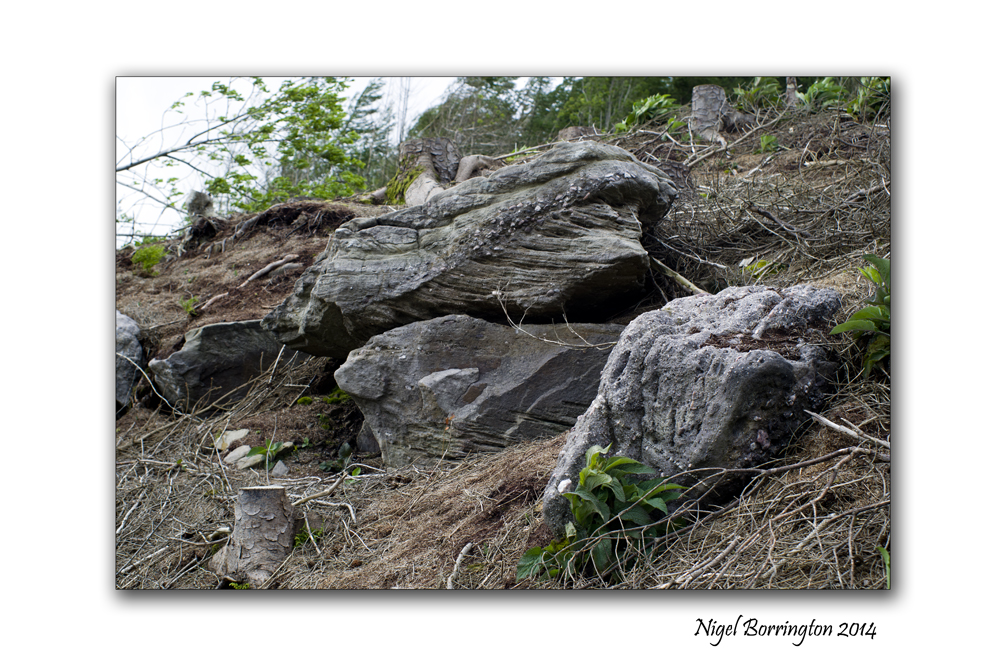
Also a Gallery of images that show some of the amazing ice age rocks and landscape formations that can be found through out this great little part of the world.
Geologic History of Kilkenny
500 Million years ago – Sedimentary rock formed under parts of eastern Kilkenny, which was
under the sea.
400 Million years ago – the two parts of Ireland, the island, were fused together under the ocean.
400 Million years ago – the mountains at Brandon and the uplands at Tullogher were formed, again
under the sea.
350 Million years ago – Kilkenny was at a dry land stage with plant life that fossilized into the
yellow sandstones of Kiltorcan.
345 Million years ago – Kilkenny was submerged for about 20 Million years under a tropical shallow
ocean. Lime deposits from this era eventually became the limestone found commonly in
Kilkenny and Ireland. The polished limestone provides the famous Kilkenny marble.
320 million years ago – Kilkenny covered by a muddy delta and swamps, with deposits eventually
forming todays sandstones and coal.
250 Million years ago – a mountain building era resulting in the east-west mountains of Munster,
and the Walsh Mountain area between Millinavat and Slievenamon.
2 Million years ago – Ice age glacial periods intermixed with cold and warm periods begin.
500,000 years ago – A warm period known as the Gortian. Kilkenny is covered by forest of birch,
oak, pine, leder, fir, holly, yew, heather and grass.
200,000 years ago – A cold period lasting 70,000 years called the Munsterian. All of Kilkenny (and
Ireland) is covered by a sea of ice. Movement of Glaciers helped form the soil of today.
130,000 years ago – A warm period known as the Glenavian lasting about 60,000 years with climate
much like today.
70,000 years ago – A cold phase lasting about 60,000 years known as the Midlandian stage. Ice
sheets covered the northern half of Kilkenny, from Callan to Goresbridge. The southern have
would have included tundra grasslands and some woodland. Animal life is noted during this
time, including wooly mammoths, wolf, arctic fox, brown bear, the giant Irish Elk, reindeer
and lemmings.
10,000 years ago – The ice begins to melt, sea levels begin to rise and plants begin to reappear
in all of Kilkenny.
9,000 years ago – A birch dominated forest covers much of Kilkenny.
8,000 years ago – Hazel and pine become part of the forest population.
Landscape and Geological Gallery


Landscape and Geology around Slievenamon, county Tipperary

Panoramic Landscape of Slievenamon, county Tipperary
Forty square miles around Slievenamon
The Mountain of Slievenamon is located about 10km from our home and over the last few years I have walked up and around the this mountain a lot.
It is an area I am very taken by and love exploring.
For anyone who has visited the mountain and surrounding area, something that you may not have noticed however it the complete scale and geology of the mountain. When you look at the area from a satellite image (Like the one below) the geology of the area becomes a bit clearer.
To the left of the image above is the main mountain peek of Slievenamon, itself Rising up some 721m above the landscape below, however this is not the full extent of the mountain, spreading out towards the east and from the north and south of the mountain run two ridges of hills. These ridges them selves form an oval shape that meets some eight miles away from the mountain top.
Photographic project
Over the summer I want to record this complete area returning to the top of the mountain and then walking and recording as much of the ridge’s as possible.
History and Megalithic locations
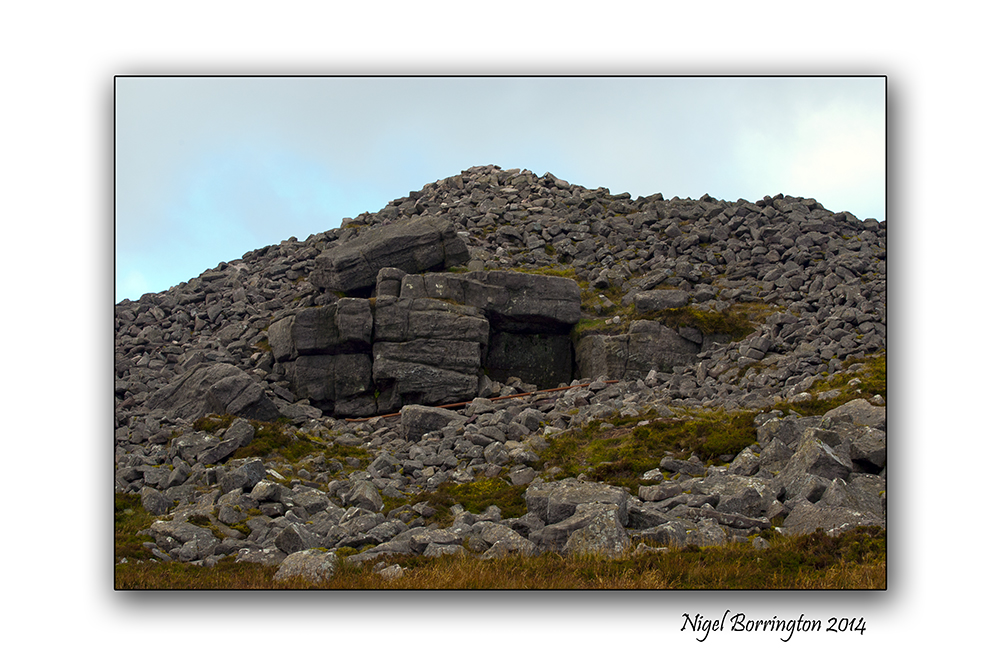
One of the main reason I have for starting this project on the blog, is that for sometime I have noticed that both at the very top of Sleivenamon and around the oval of the extended foot hills are many Megalithic sites ( Stone circles, Passage tombs, Graves and Standing stones).
I will come back to the satellite image above and mark the location of any landscape images I post.
Above all I just want to share the landscape that I live in and reflect upon some of its history and enjoy myself getting to know it as much as I can.
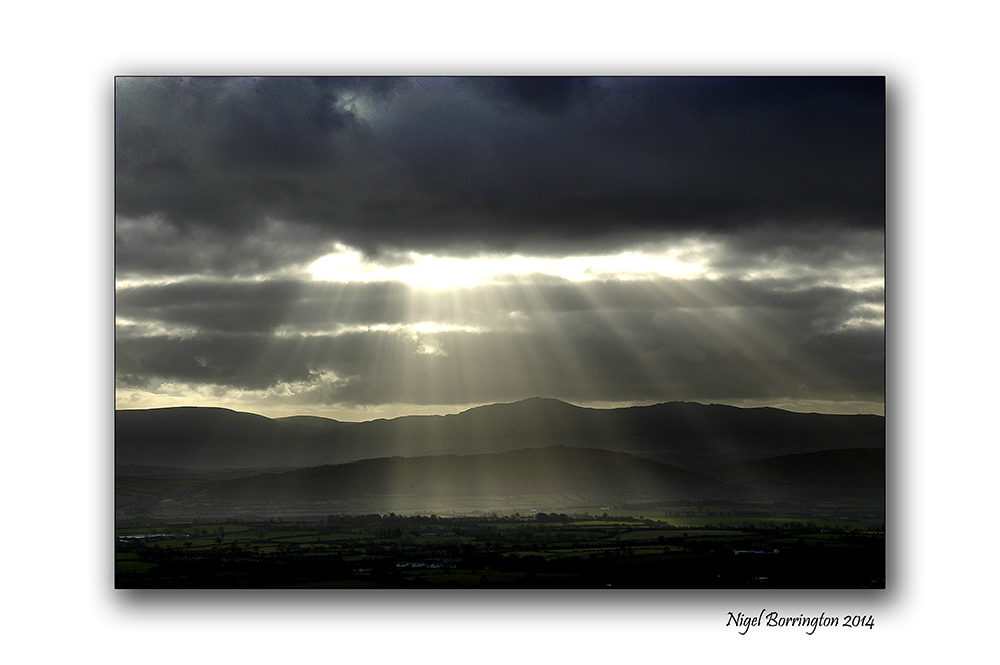
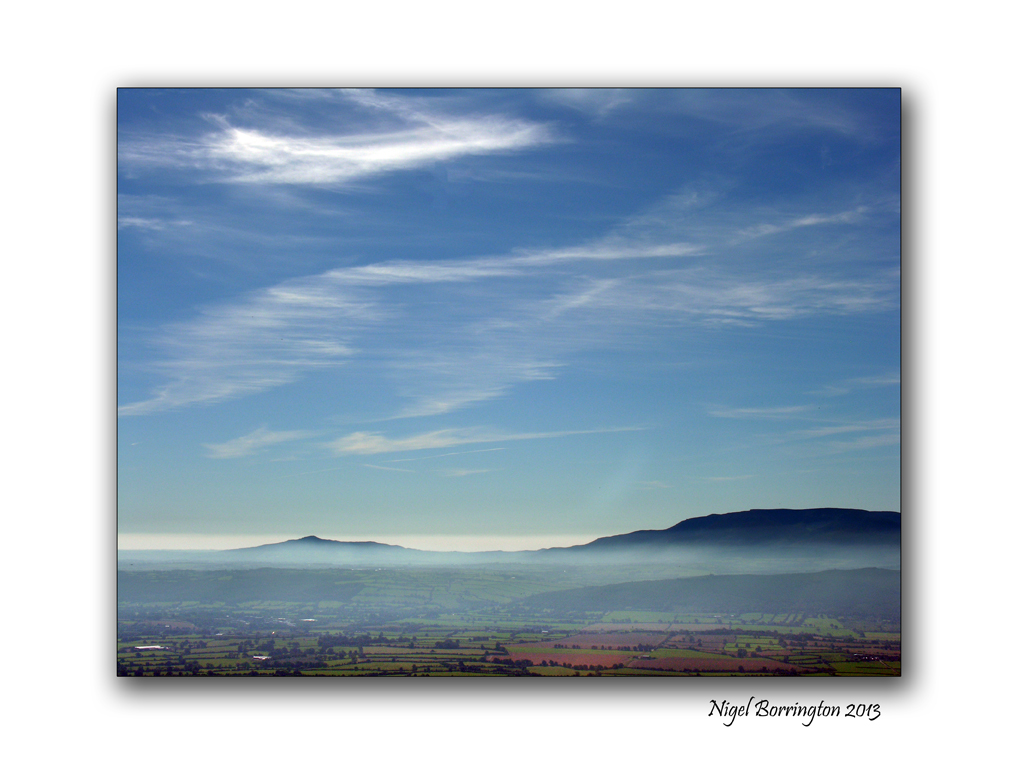
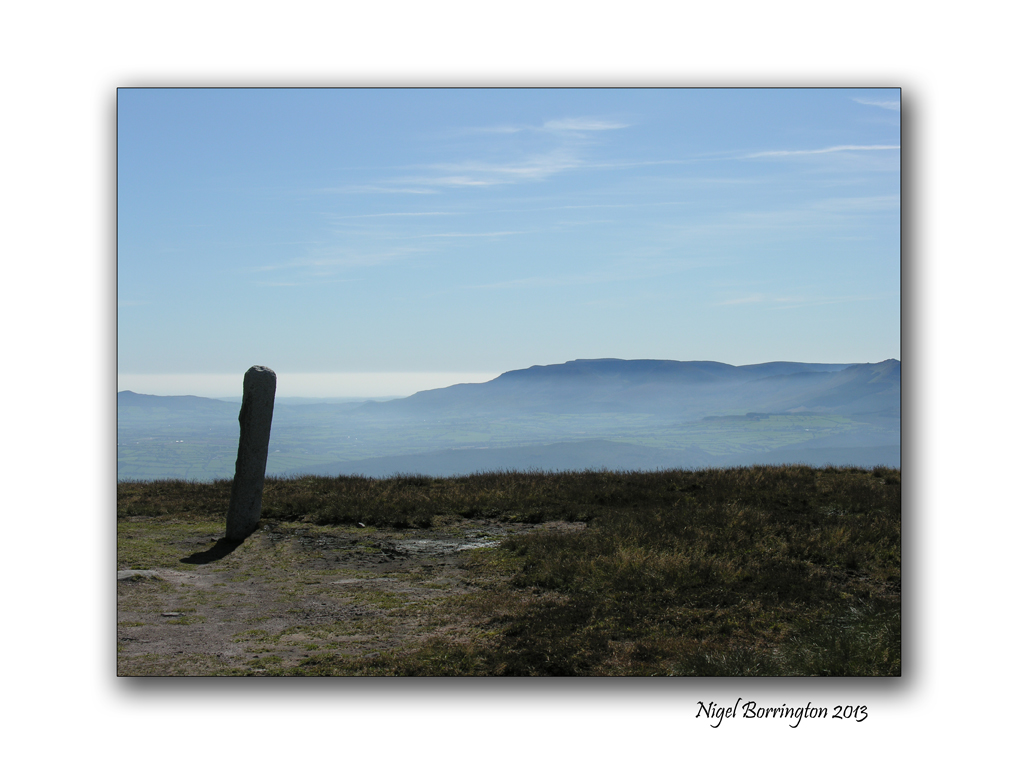
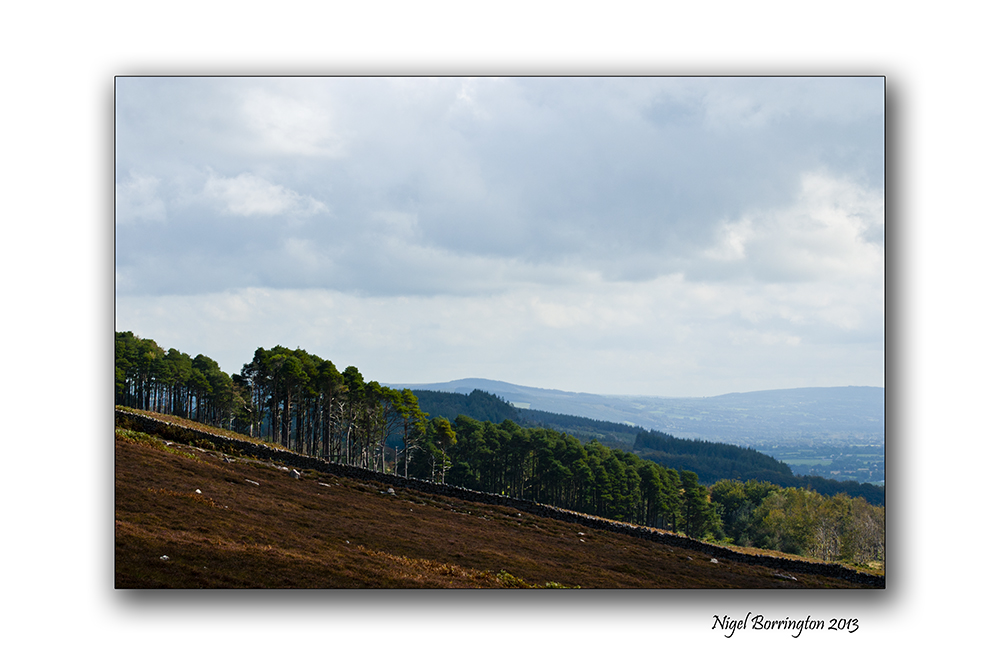
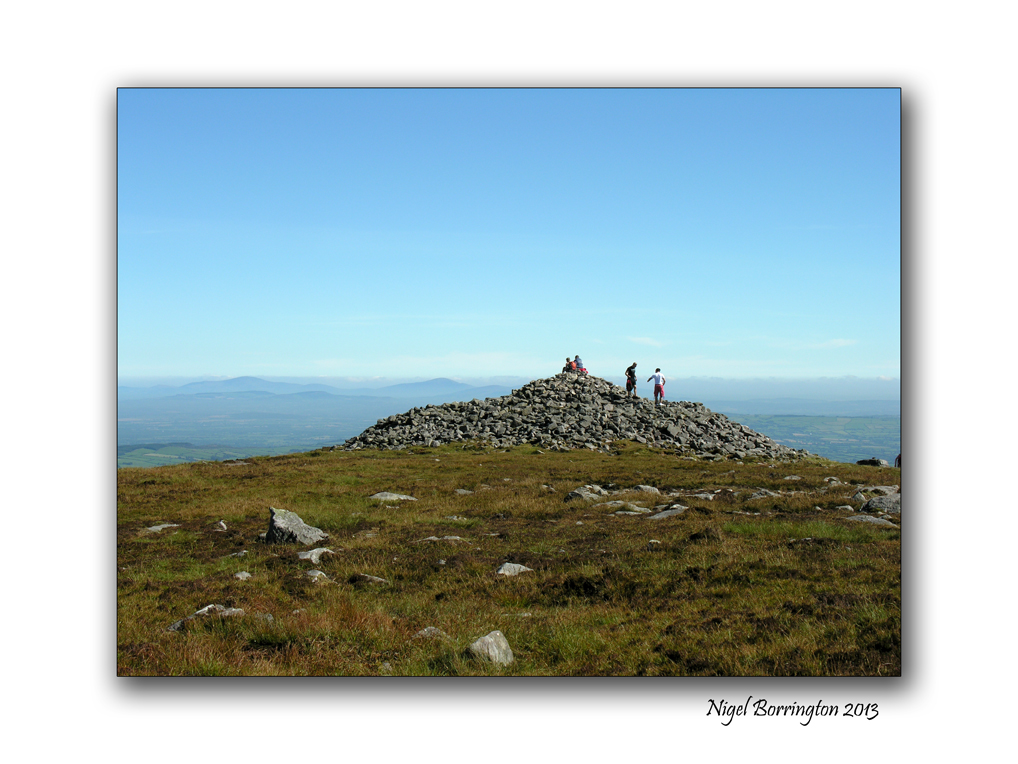
The Landscape of Slievenamon
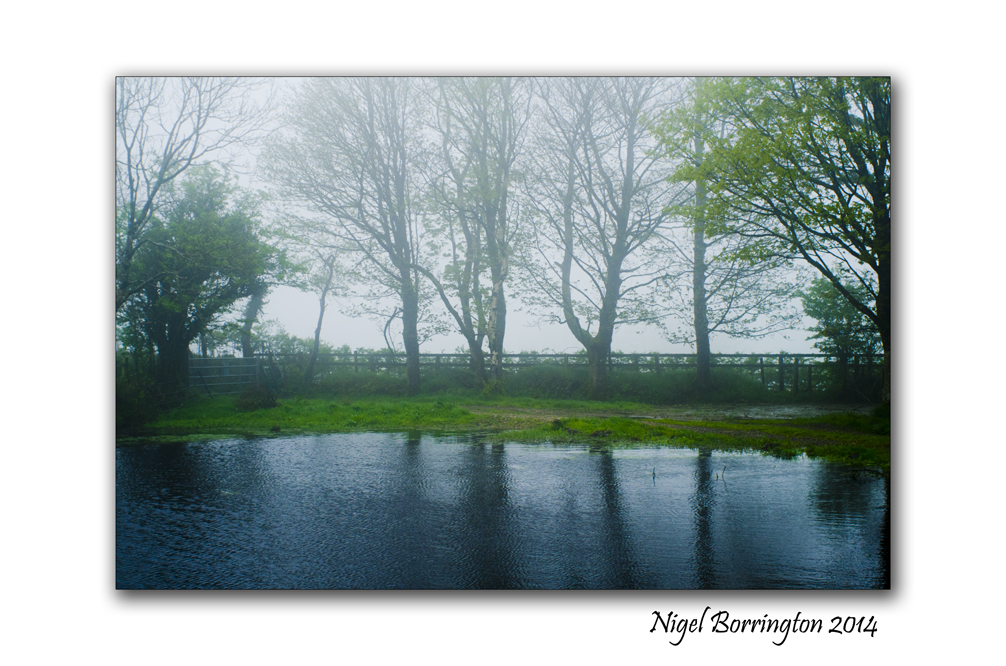
The Pond, By Amy Lowell
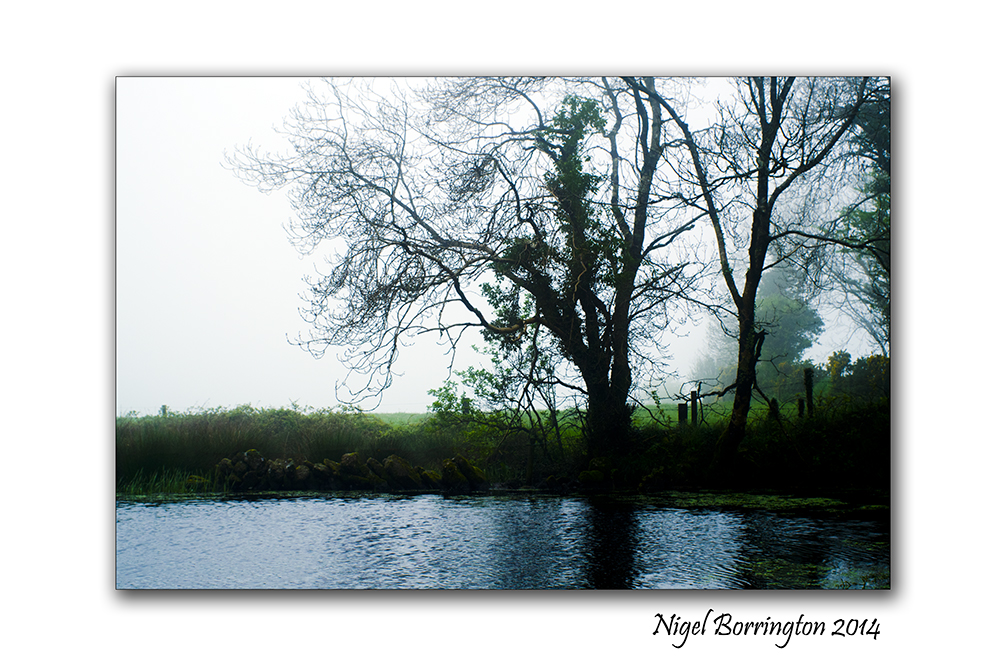
The Pond on the hill, Glencommon, County Tipperary
Landscape Photography : Nigel Borrington
The Pond
By Amy Lowell
Cold, wet leaves
Floating on moss-coloured water
And the croaking of frogs—
Cracked bell-notes in the twilight.
 Nigel Borrington
You must be logged in to post a comment.