Ballybunion , a view from the cliff

Ballybunion, county Kerry
Irish Landscape Photography : Nigel Borrington
Ballybunion , county Kerry
Ballybunion in county Kerry is one of Ireland’s most visited sea side locations, it a wonderful little town with a long history of holiday makers visiting here.
It has one very interesting feature that relates to its beach’s, there are two commonly used beaches divided by the reamins of an old castle on the cliff. The beach to the left of the castle (if looking toward the sea) is called the “Men’s Beach”, and the one to the right the “Ladies Beach”, given to the fact that men used to bathe on a separate beach from women and children. Although this practice has not been observed for decades, its amazing to think in this day and age how it even worked or became Normal practice.
Family members having to split-up for a swim.
There is a small cafe, hot seaweed baths and ice cream shop on the women’s beach. The large cliffs to the right of the women’s beach have shallow caves.
The sheer cliffs over the beach have a scenic walking path, featuring a blowhole, views of sea stacks and a multitude of wildlife. The path takes about 20 minutes to walk, and goes round to the “Nun’s Beach”, a beautiful beach with no access these days, it is overlooked by an old convent.
You get an overwhelming feeling of history here from times when traditions and culture was very different than the many visitors today experience.
Ballybunion, is still a place well worth a visit !!
Gallery



After the Storm, Poem by : Hilen Letiro

Killamery woodlands after the February storms of 2014
Landscape photography : Nigel Borrington
After the Storm
by Hilen Letiro
The storms may come And limbs may break;
Yet others bend Beneath the weight
Of heavy rain And windy breeze…
A storm can mark The strongest trees.
 .
.
Life sometimes deals With us this way;
In unseen trials We meet each day.
It’s not how much our bodies break
Or how much they may bend;
It’s Our Outlook In Our Own Life
That helps our spirits mend!
Read more at Poem : After the Storm
Skellig Michael : Inside the walls
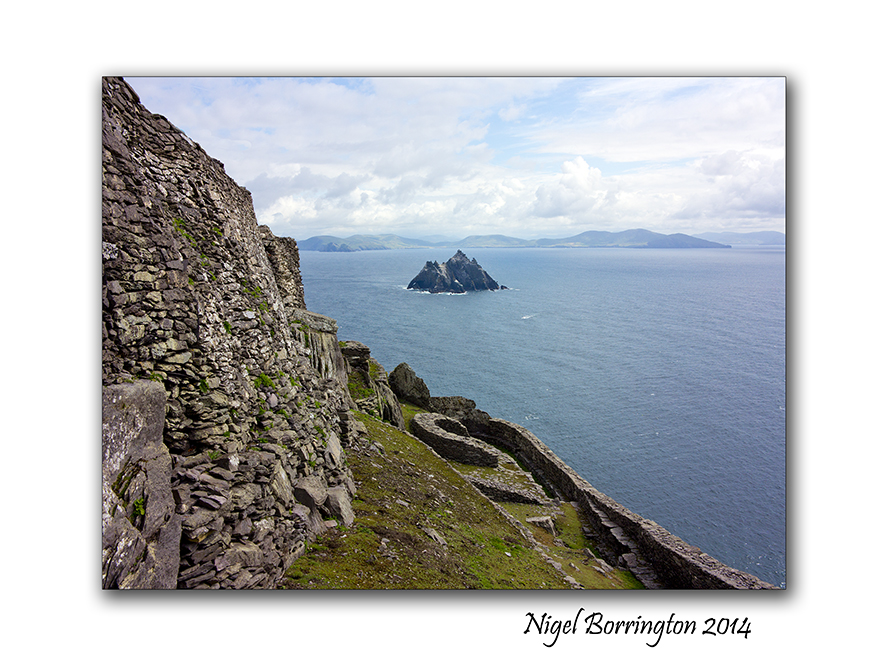
Skellig Michael, county Kerry, Ireland
Landscape Photography : Nigel Borrington
Skellig Michael : Inside the walls
Skellig Michael is an Island some 12 to 16 kilometres by boat from the ring of kerry, county Kerry, Ireland. It is most famous for the fact that during the 6th to the 8th Century’s a religious settlement was established here.
The Island is a world heritage site and falls under the guardianship of UNESCO, you can find the official historic details from the link on the world heritage web page here : Skellig Michael
In my last two posts I shared the boat trip to the Island and then the long but wonderful walk up to the settlement at the very top of the Island some 218 meters from sea level. Today I just want to share images of the inside area , the location that the people who lived here spent their life’s and also the location in which they are buried and there final resting place.
The images in the Gallery below are placed in the order that you view the buildings when you walk through the site, the only access is through a small passage in the outer walls.
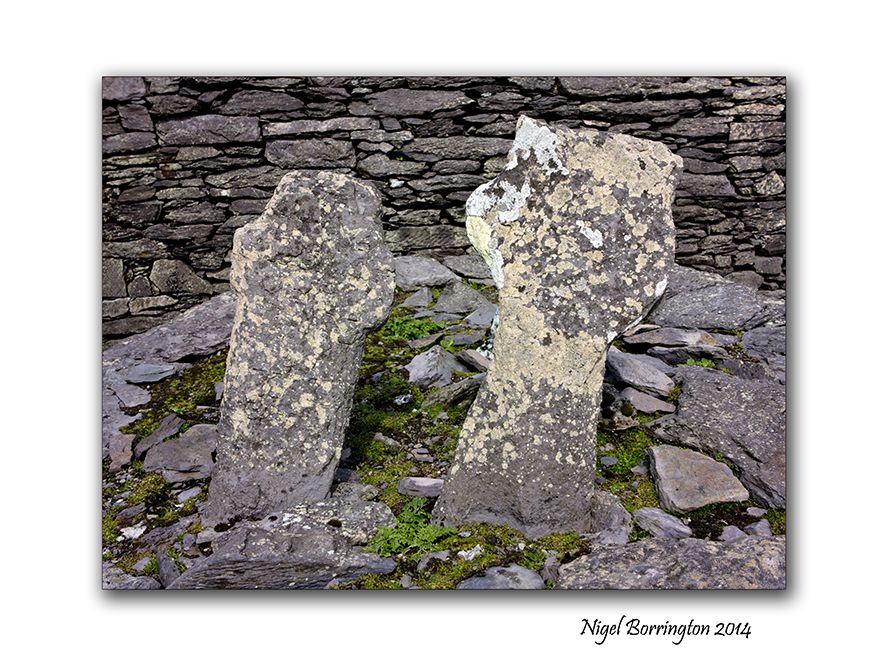
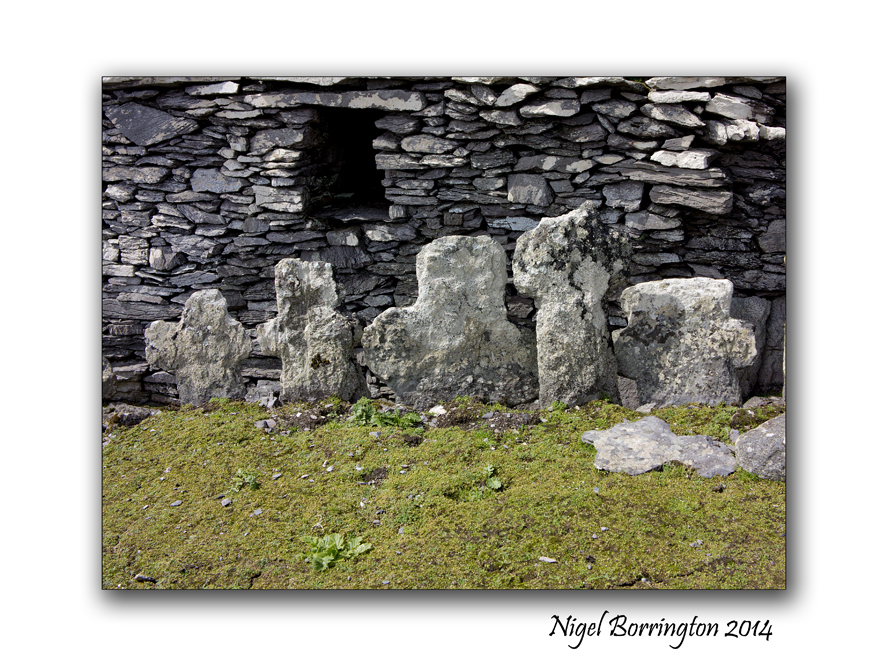
The very first thing that greets you are two small head stones, in a very small patch of grass. These are the graves of two young boys, it was a tradition that monks in this period would take very young boys as members to their orders. These boys where from families on the main land and once they moved here they would most likely never return to see there families. Our guide informed us that it is a possibility that both boys were killed by Viking invaders as when the remains where examined wounds were found that indicate that they were killed by the use of weapons, both boy did not pass the ages of ten or twelve. It is also thought that other graves in the pictures here, in the centre of the living area contain some adult victims of such attacks.
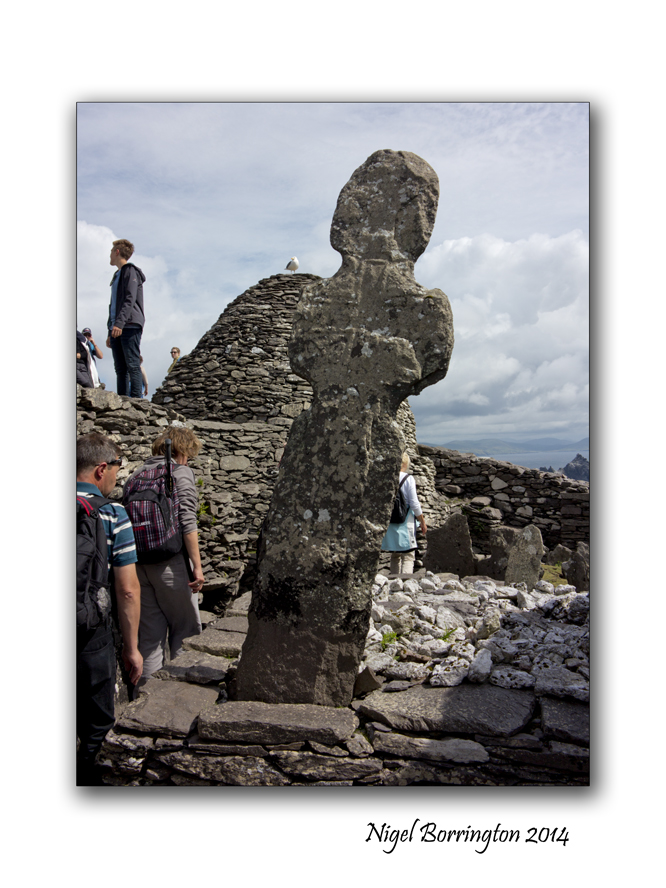
A monastery may have been founded as early as the sixth century, reputedly by Saint Fionán but in 1044 rededicated to Saint Michael, the image here shows a large sculpture that is located towards the middle of the complex. It was described by our guide as being a cross but it could also be very much in the form of a human figure, with the arms to the side and a head looking over the site.
The word Skellig is defined as meaning “splinter of a stone”, and thus this rocky island was dedicated to saint Michael, there are also other Islands around Europe and maybe further away that are dedicated to this saint ( Mont Saint-Michel France, St Michael’s Mount Cornwall)

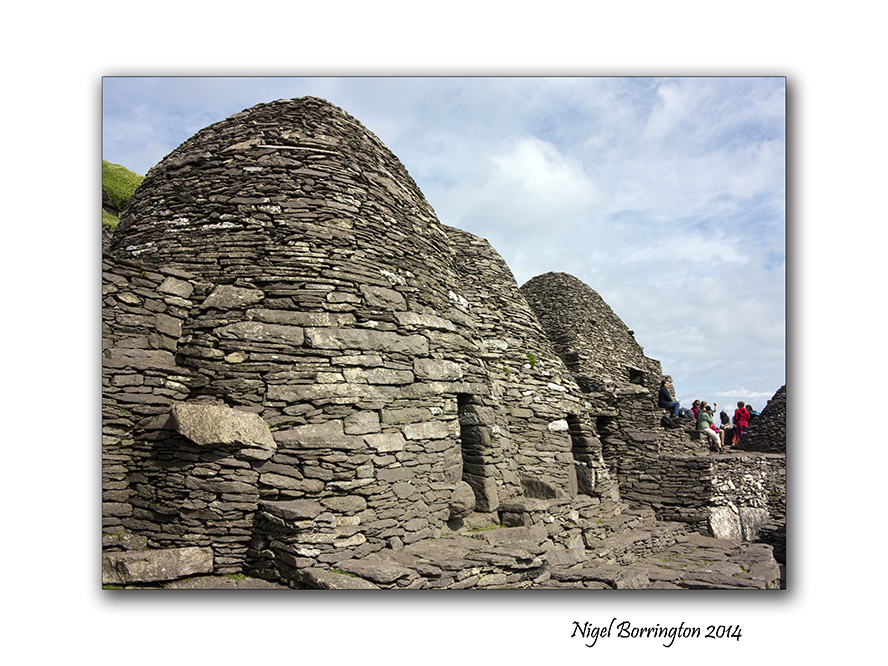
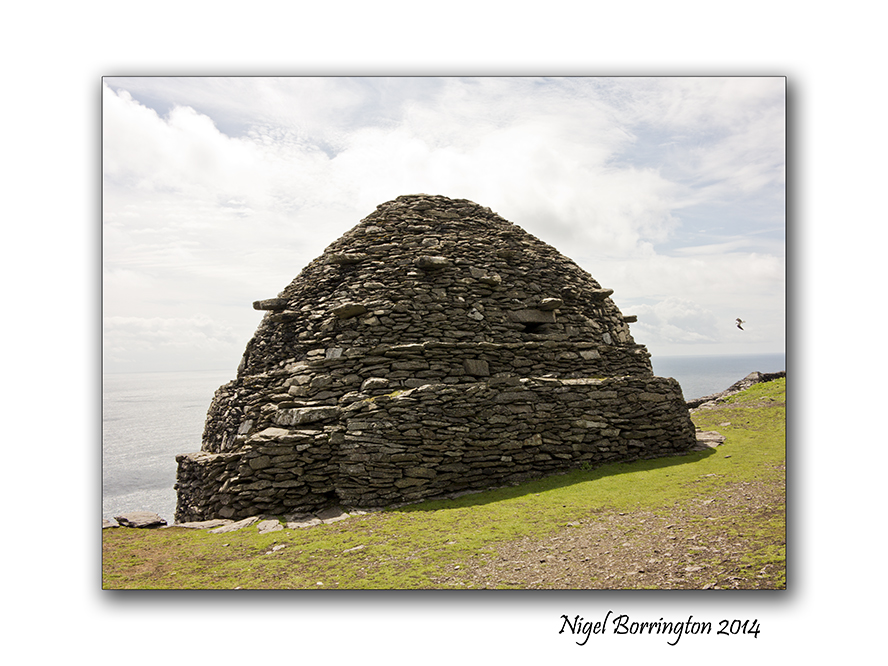
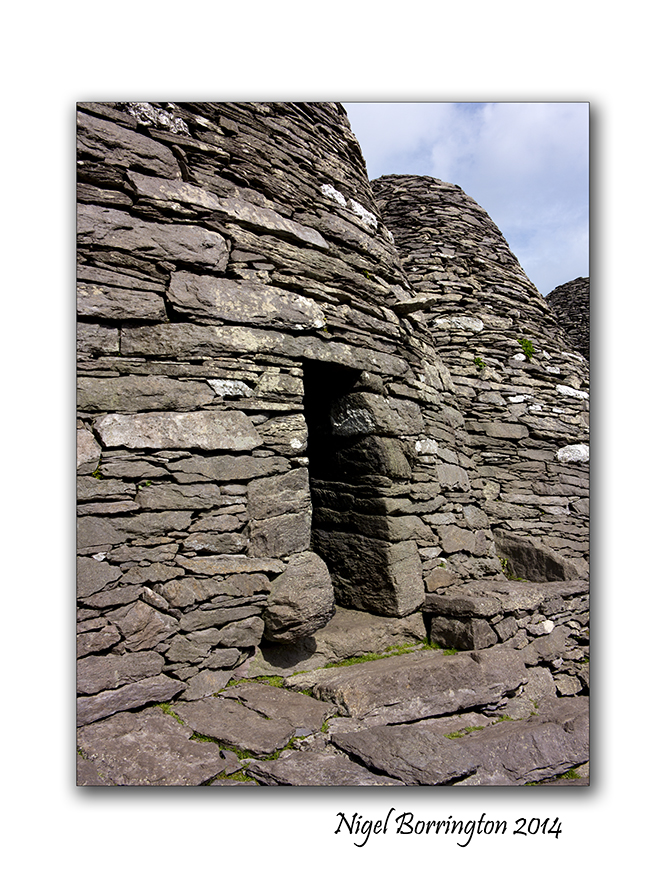
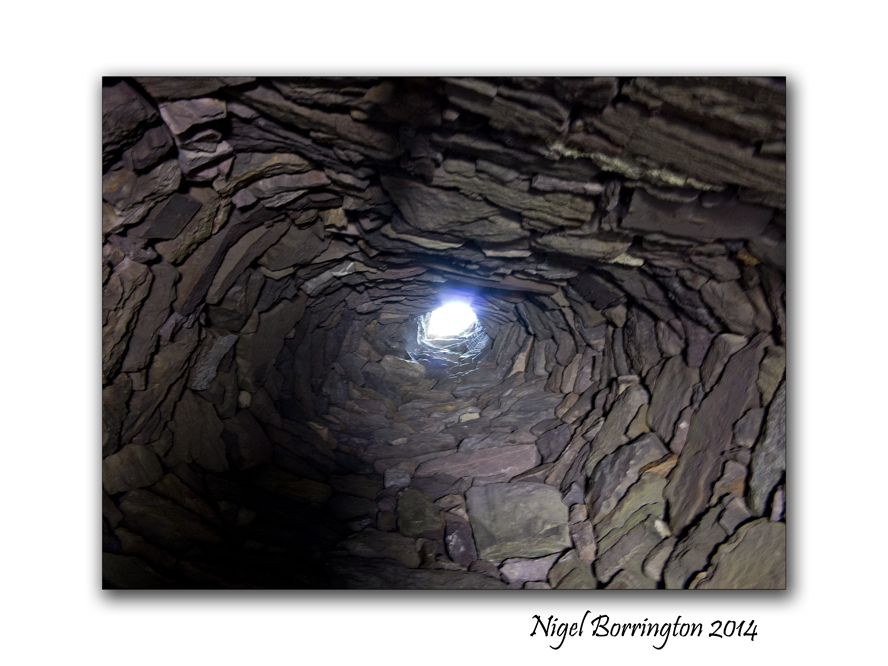
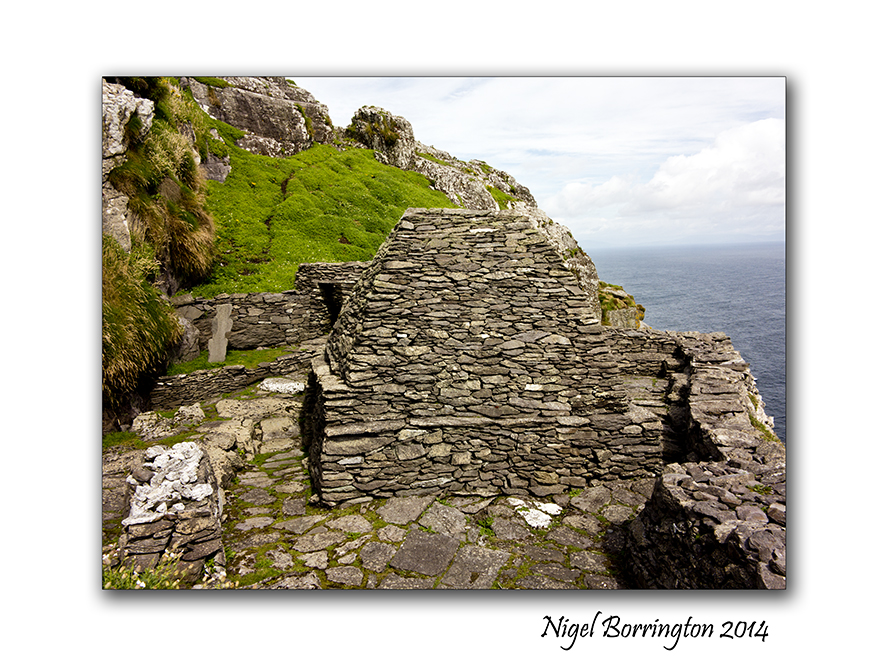
One of the most famous features of Skellig Michael are the so called Beehive structures, there were may be six or seven of these of which six are still standing, they were the living space for each of the monks, this fact would indicate that a maximum of seven people lived here in the beehives at any one time, there is a structure at the very end of the settlement that is constructed completely differently, It is thought that the head of the order would have lived in this building but few fact to prove this exist.
In any case the indications are that eight people lived on Skellig Michael at anyone time during its long history.
Living with in these stone constructions looks very harsh , during the time they were occupied however they would have looked very different, in some of the pictures you can see supporting stones that stick out of the main buildings by some amount, it is thought that these stones supported a covering of thatch consisting of straw and clay, this would have been deep and was used to keep the inner stone structure warn and dry. Not all but some of the Beehives have a hole in the roof that was used to let out smoke from fires inside.
At some point I want to post about the life’s of these people, who they were and why they chose to live here, I need to read a little more however , so for the moment that’s it. Three post over the last three day that I hope share a visit to this wonderful and mystical island. If you get a chance I would really in-courage you to visit. Its an experience of a lifetime and helps to open your mind to European history.
I cannot help however feeling that this place holds something else other than the official history, The question as to why these monks felt the need to occupy Skellig Michael, so far of the Irish coast line, is very big !
This place feels like an escape, a refuge but from what and why ?
With such massive risk’s taken by a small group of people to construct three stone walk-ways to the top of the Island and then build the settlement, the question of why looms very large. These were times that the word of Christianity was first being spread across Ireland so why the need to hide away here ?
I need Much more reading, before I understand these bigger questions 🙂
Gallery





Skellig Michael, Six hundred steps to heaven
Skellig Michael (unesco heratage site) , country Kerry Ireland
Irish Landscape Photography : Nigel Borrington
Skellig Michael, six hundred steps to heaven
During the summer last year I finally achieved a long ambition, to visit Skellig Michael and the Skellig islands some 16 kilometres off the county Kerry coast line, Ireland.
In yesterday post I shared the boat trip out to the Islands, today I want to share the walk up the six hundred plus stone laid steps to the very top where the world famous monastic outpost is located.
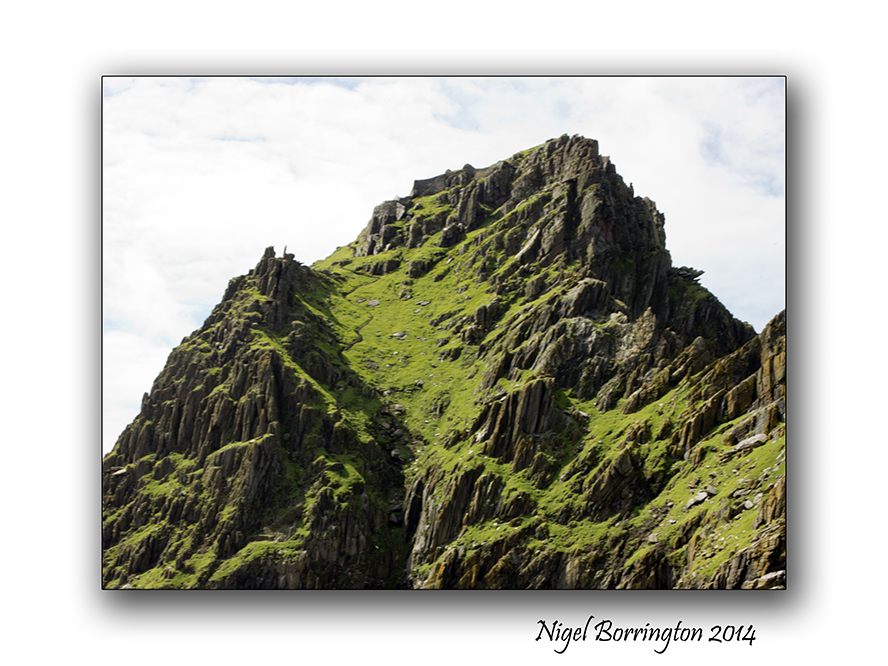
During the boat trip one of our guides pointed out one of three stair cases to the top, if you open up this picture you will see it rising up to the settlement, there are three of these routes up that were hand built with stone cut on the island. The three of them provided landing points during different tides and weather conditions.
Landing on the Island is an experience in its own right as the swell from the sea water makes stepping off the boat great fun. As you set foot on ground again, the first stage of the walk to the top is a well laid foot path taking you to about half way around the island and about one third of the way up the 218 meters you need to climb before reaching the settlement.
As this path ends you are met by a guide, who very firmly insists you all receive a health and safety talk, sadly sometime back a visitor died while walking up the steps, the walk is very steep and if you loose your footing the drop all the way to the sea below is not broken by any obstacles. He advises to take your time, “its not a race to the top and that if you need a rest to take one.”
The walk up is hard but very pleasurable, the views as you go are stunning if a little breath taking due to the hight. One of the warnings however was to keep your eyes on your steps and not to take any images unless you had stopped in a secure location and moved aside for others to pass, even telling the people behind that you intend to stop. as you can see in the images below there are some platforms and viewing points and I did my best to only stop here.
One of the wonderful views on your way up was the hundreds of Puffins nesting here, they were due to leave any-time so its was great to still find so many of them, I got many images of them along the way.
Finally after some forty minutes you reach the last set of steps , turning through some sharp rocks you get the first view of the Settlement. This sight just takes you back, the stone wall that greets you is about four meters high from a terrace that is the only flat area on the entire Island, being used to grows vegetables in its day.
From here the only access to the inner yards and structures is through a small door in the stone wall.
On entering you are met with the sight of the famous beehive cells of which six are still standing. The enclosed area is small and fully protected from the elements by the hight of the sea facing wall. The structure of the cells is very unique and fascinating to see. in the centre of the buildings is a small grassed area that served as a grave yard. I found this fact very interesting as it outlines the fact that the people who lived here spent their entire lives living on this Island from the moment they first arrived.
I want to post one more time on Skellig Michael, showing the full structures , living spaces and detail some of the history of this place. It is truly a fascinating place that holds some mysterys. The biggest one’s to me are : why here ?, why did these people select to live at the top of a rock over ten kilometres from the Kerry coast line, when they could have just lived on the main land?
More in the next post …
Skellig Michael, image Gallery




The boat to Skellig Michael

Skellig Michael and the Skellig islands
Irish Landscape photography : Nigel Borrington
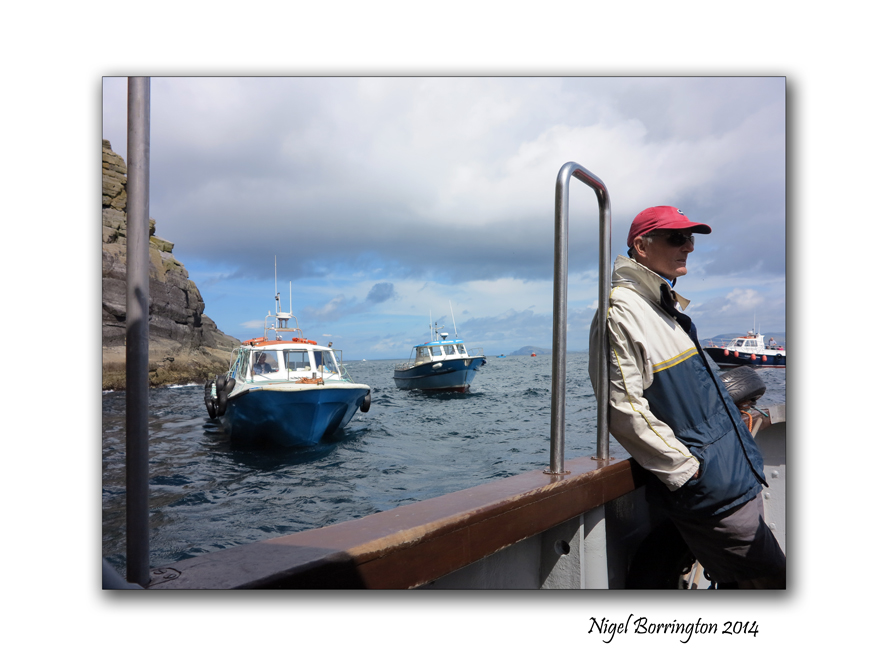
The boat to Skellig Michael
During the summer last year I finally achieved a long ambition, to visit Skellig Michael and the Skellig islands some 16 kilometres off the county Kerry coast line, Ireland.
These Islands are full of mystery and mythology from the distant past, a history that goes back to before the 8th and 9th century.
In my next post I will show lots of images taken on the island that show the walk from the landing point to the Pre-Monastic settlement at the very top, but here I just wanted to show the boat trip out to Skellig Michael itself.
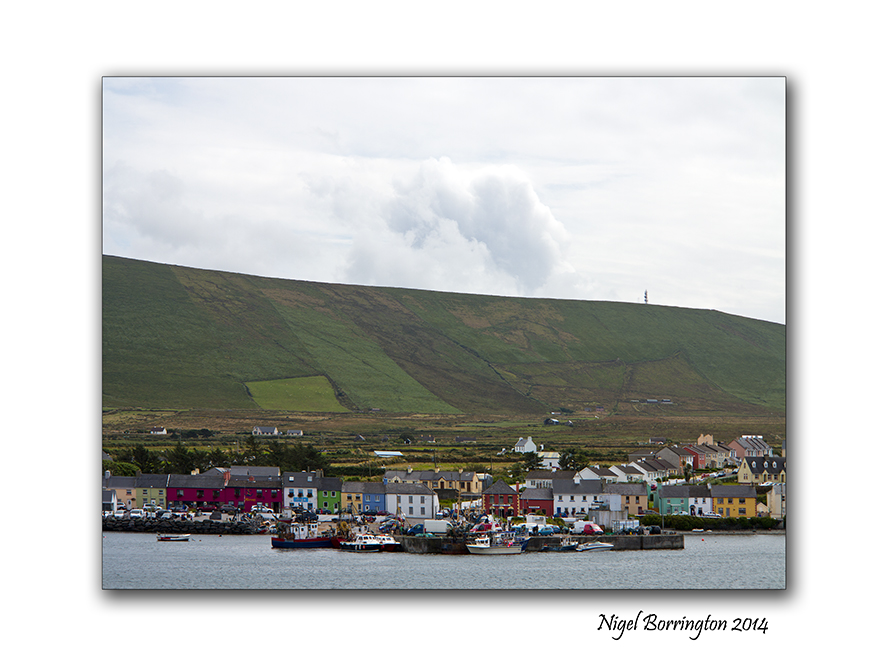
There are many fishing towns around county kerry and west Cork that run boat trips out to the islands and we got our boat from the town of Portmagee on the ring of kerry.
You can see from the images below that there are about eight boats that do the daily trip out from Portmagee. There is only one trip a day, however the trip is very dependant on the weather and sea conditions , if the tide or swell of the water is to high then landing at the small quays on Skellig Michael is not possible, we were lucky on our day that both these needed conditions were perfect.
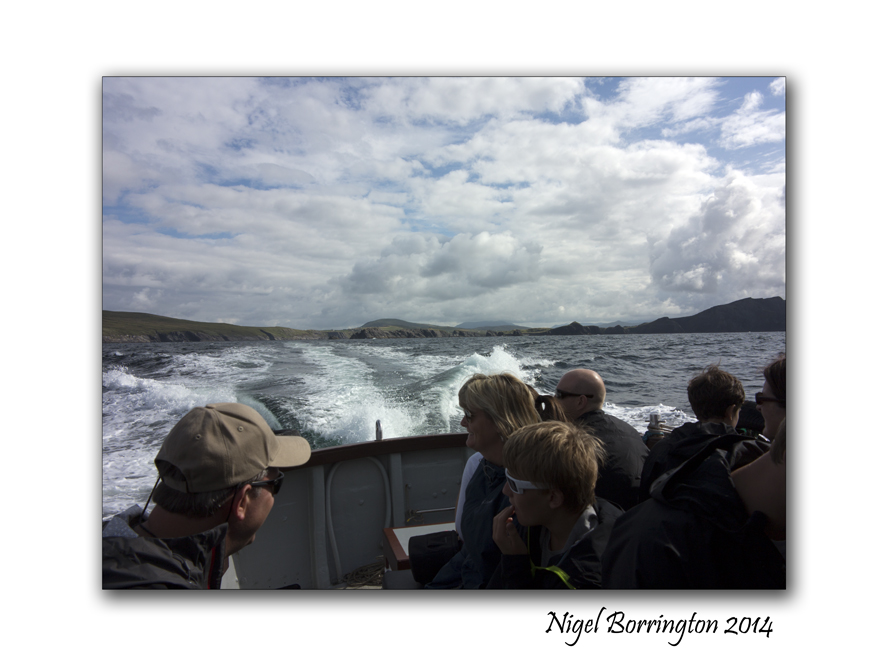
The trip out takes about an hour and we had some great company with us along the way with people from America and Canada along with us on the boat. This helped past the time very quickly and it was great to meet people who had a common interest in getting out to see the same location.
As you approach the Islands you pass the first of the two Skellig’s an Island that has only even been occupied by sea birds and almost every inch of the rocks here are covered in nesting birds. The sight and sound was just wonderful as we passed. Beyond here you have about another 20 mins before you can land on Skellig Michael itself, waiting your turn along with many other boats to land.
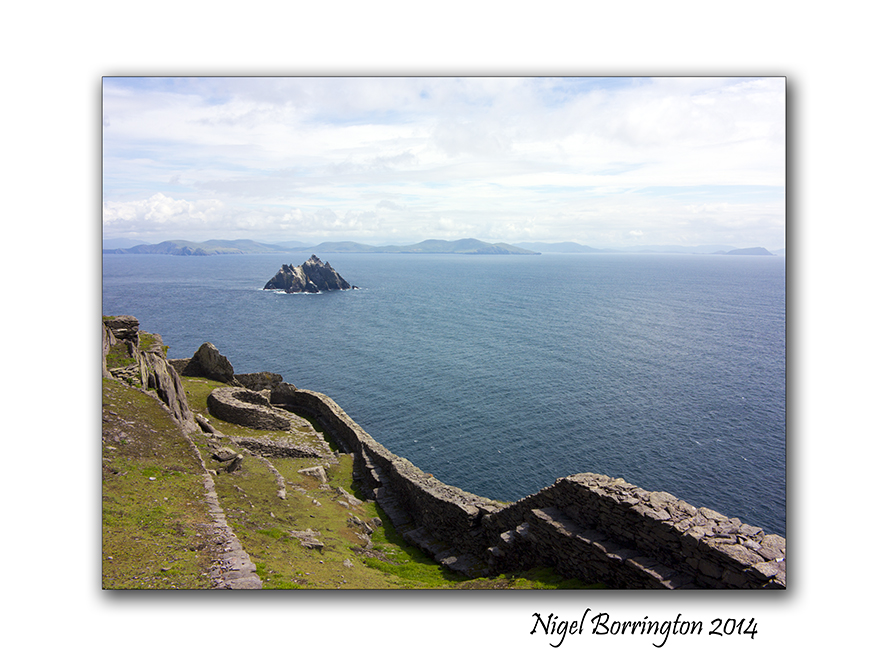
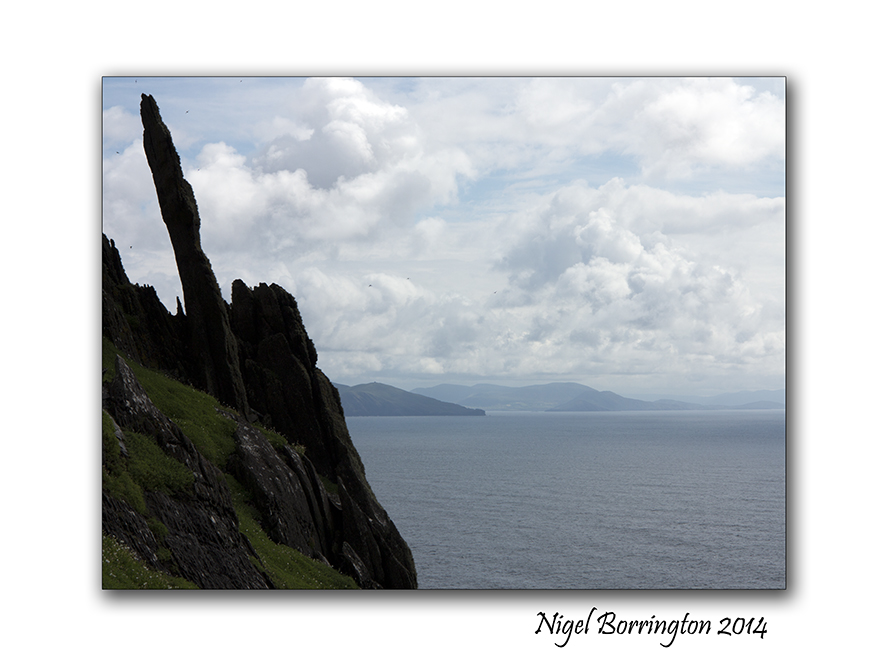
The trip is one of the most memorable boat journeys I have done, the views towards the Islands and back toward the Kerry coast line and the ring of Kerry are spectacular. You can see both these Islands from the coast line yet when you arrive and look back you feel very distant from the coast, the people who lived out here had a very remote existence considering the boats they used had no engines to speed up there journey.
The boat to Skellig Michael Gallery





Slate Quarries, Ahenny

Ahenny Slate Quarries, County Tipperary
Irish Landscape photography : Nigel borrington
Slate Quarries, Ahenny County Tipperary
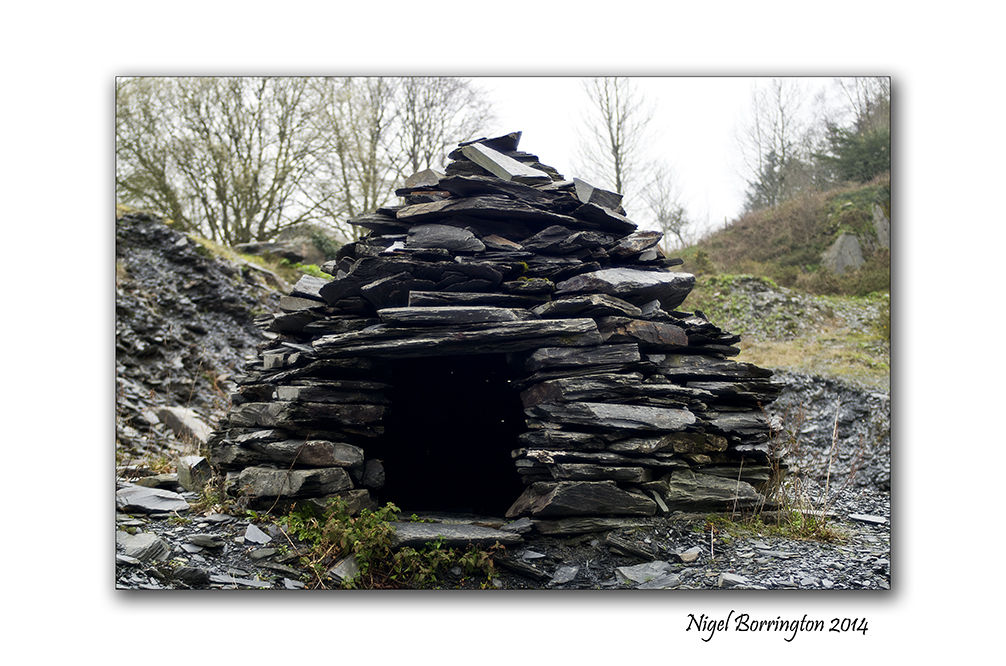
The now disused slate quarry at Ahenny County Tipperary was quarried from the 14th Century onwards. Stone from this site was used in the building of Kell Priory in Kells and Ornmonde Castle in Carrick on Suir. The quarry now hosts an outdoor gallery of sculptures.
Located to the south of the village, the Victorian Slate Quarries is an area of both local and international history. Quarrying in the slate quarries of Tullahought were predominant during the reign of Queen Victoria. A large community was built up around the area which covers land in both Kilkenny and Tipperary. Tullahought shares its association with the quarries with the south Tipperary village of Ahenny, which claims the larger of the 3 lakes created by the quarrying of slate in the area.
In the mid 90’s, a yearly festival known as the “Slate Quarries Festival”. The first festival was marked with the creation of stunning works of art which were made entirely out of slate. The art work included the Miners Egg, The Weir, the Dinosaur and most notably, Noah’s arc which sat at the cliff edge over looking the lake.
The most notable building attributed to have the quarries slate is the Palace of Westminster in London (UK House of Parliament).
Gallery




Irish Boglands

Landscape of an Irish peat bog
Landscape Photography : Nigel Borrington
Irish Blanket Bogs
One of Ireland’s most characteristic landscape features is the blanket bog lands. Covering 1,200,000 hectares (1/6th) of the island, Ireland contains more bog, relatively speaking, than any country in Europe except Finland. Across Europe, as well as in Ireland, bogs have been exploited in recent centuries as a source of fuel. With many of the bogs in the rest of Europe already gone, Ireland’s bogs now have an increased importance to the scientific community, as well as the tourist industry.
I took the following images last year on a visit to one of the blanket bogs in the Irish middlands.
Irish blanlet blog-land Gallery


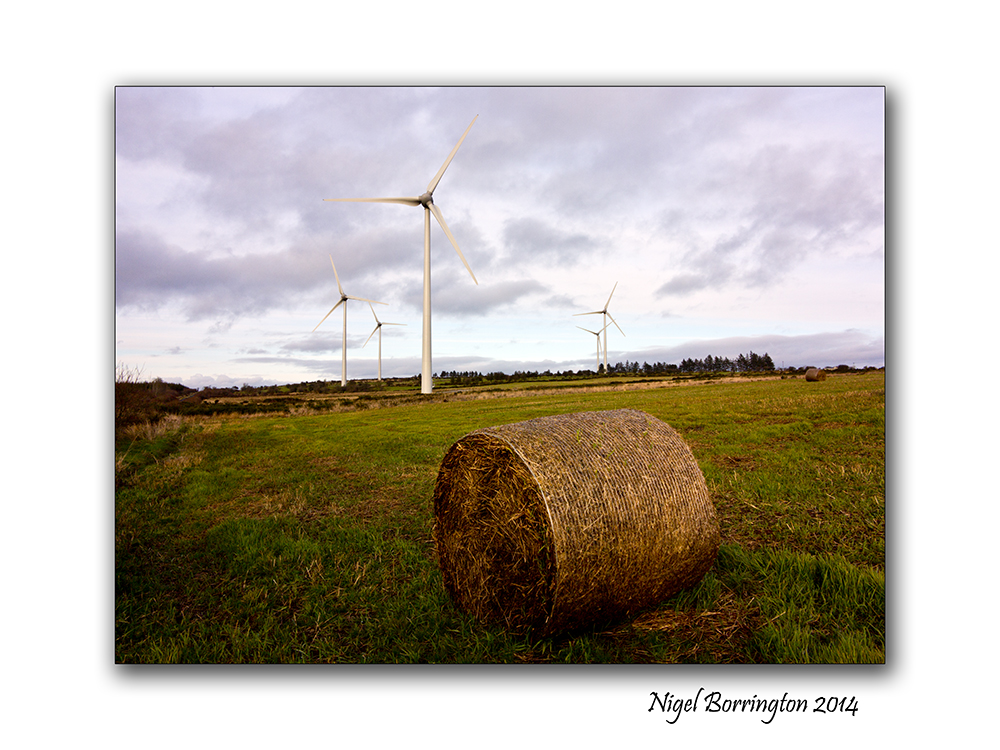
Ballymartin Windfarm , County Kilkenny

Ballymartin Wind farm, County KIlkenny
Irish Landscape Photography : Nigel Borrington
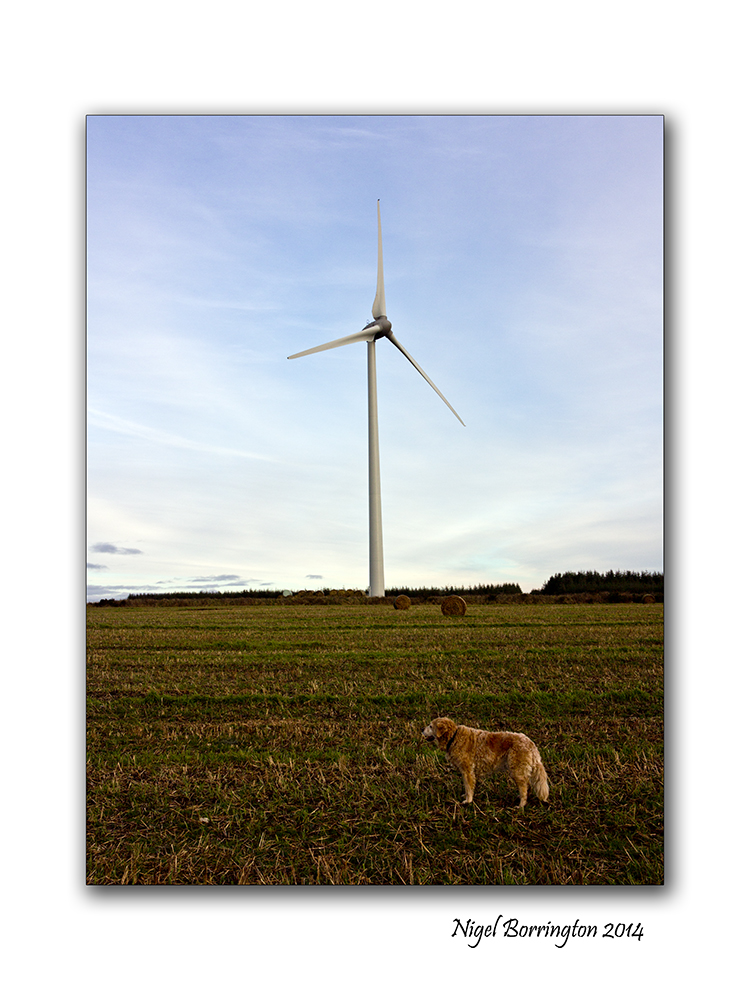
The hills above Mullinavat, County kilkenny offer some wonderful landscape views of south Kilkenny. I love walking around the lanes up here as it is so remote and peaceful.
Over the last 5 years these hills have become a home to a new feature in the landscape, the Ballymartin wind farm, I took these images on an evening walk back in February along with a couple of images of the surrounding landscape.
While I do understand that many people did not want these wind turbines here, I don’t personally have anything against them, they do offer a better solution than a coal powered power plant. I guess it is unlikely that a coal plant would have been built in this location but these turbines maybe stopped one being built in another place.
They are almost graceful as they make use of the wind rushing across the surrounding hills.
Gallery



Sunset in the woods , Images and a Poem

killamery Woodlands . County Kilkenny
Landscape Photography : Nigel Borrington
Yesterday evening I went for a evening walk in Killamery, one of our local woodlands, The Sunset was wonderful and the Sky a deep blue, the moment was charged with atmosphere and I just wanted it to last a little longer than I knew it possibly could.
I took these images to capture the moment and later just put down these words.
 .
.
Sunset in the woods
As the sun falls away over the trees
I am cold like the colours in the sky.
Blue and crazy for the woods around me.
 .
.
Beautifully arranged trees and painfully separated.
I follow down this woodland path.
Hoping that the Sun will stay on the Horizon.
Just giving me one more moment to be lost.

SMC Takumar 50mm f1.4

SMC Takumar 50mm f1.4
Photography : Nigel Borrington


SMC Takumar 50mm f1.4, classic lens
Over the last couple of months I have posted a little about the quality of older lenses and uploaded some sample images. These post have included a review of the ( 28mm HMC Hoya m42 lens and the Tamron 24mm f2.5 lens).
One other much loved lens I have been lucky to find in great condition is a SMC Takumar 50mm f1.4 M42 Lens. I have owned this lens for a good while and still use it from time to time.
Firstly what is an M42 lens , well this wikipedia article describes these very well, basically they are lenses with a mount to a camera body that was designed to be universal, as to fit any camera designed with an M42 mount.
The stand out feature resulting from this mount is that they use a manual method of control for their aperture blades. Many of these lenses have a switch that can be used to keep the aperture blades wide open when manually focusing the lens then close them down to the required aperture during taking the image, as the view finder maybe to dark to focus otherwise.
I can hear many people asking “Why then would you want to use such a manually controlled lens ?*
Since M42 lenses, lens and Camera manufactures have put much work in-to the development of, firstly Auto Aperture lenses (Apertures controlled by the camera body) then Autofocus lenses with an ability to focus on up-to fifty focus points with an ability to selection from one of them in an image being framed. These developments have opened up a new world to photography, such as sports images that have very quick moving subject in perfect focus.
However there is still a place for old lenses, Landscape or portrait photographs for example do not automatically need auto focus.
Older lenses also offer abilities and features that have been lost in an age of autofocus cameras, abilities such as using hyper focus control for example (Lens Hyper-focus), a method of using lens apertures and focus distance to make sure that a pre-set amount of subjects in your image will automatically be in focus at any given distance range from the lens. In an age of high ISO performance, digital technology, this method is more usable than ever before as you can use Higher ISO settings and ever slower F-stop numbers such as F11 (Thus have a larger depth of subjects in your image in focus) and still achieve fast shutter speeds to capture clean usable images.
As you can see from the images of the Lens above manual focus lenses all contain much needed details such as the aperture being used the focus distance and the depth of field for each aperture.
The two other features that I really like about this Takumar lens are the construction and image quality.
The focus control on the lens is a pleasure to use it is very smooth to turn and wonderful in comparison to even my Pro level Nikon autofocus lenses.
Even though it may appear that this lens has been left behind some as far as new lenses are concerned, the image quality is hard to beat. You can see from the images below that there is no lens flare even when pointed at the sun, the images are sharp from about F2 upwards.
One feature that I feel could be the case is that when these lenses were developed, Black and White film photography was very much still being used as much as colour film was. The coatings on these lenses I feel thus gives a wonderful contrast and deep colour to digital images along with being perfect for great contrast in black and white images.
SMC Takumar 50mm f1.4, Gallery


The Changing faces of the Kings river , County Kilkenny

The Kings River, Callan , County Kilkenny
Irish Landscape images : Nigel Borrington
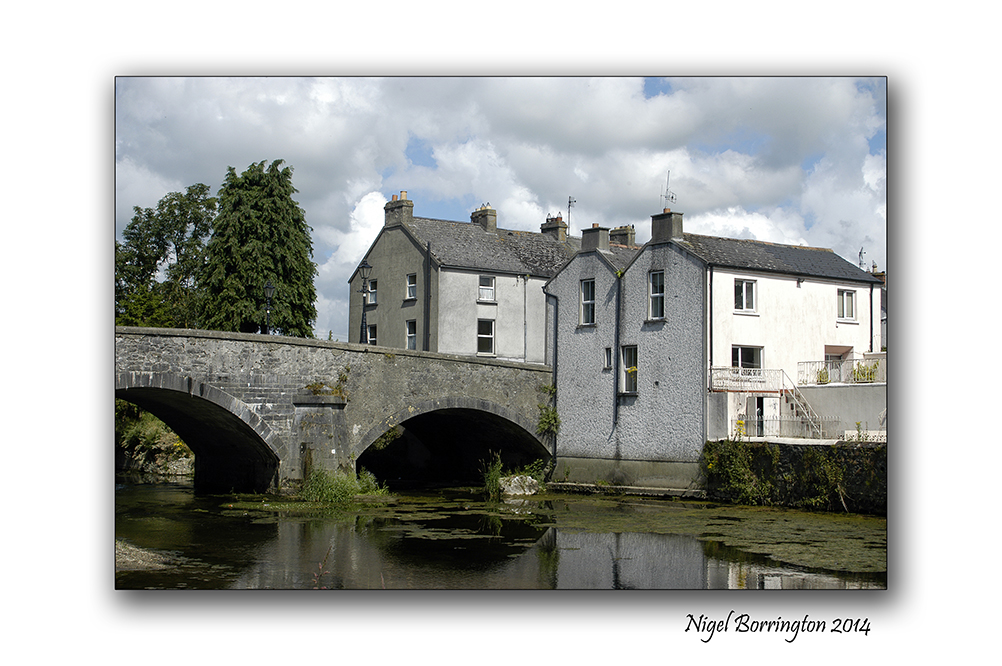
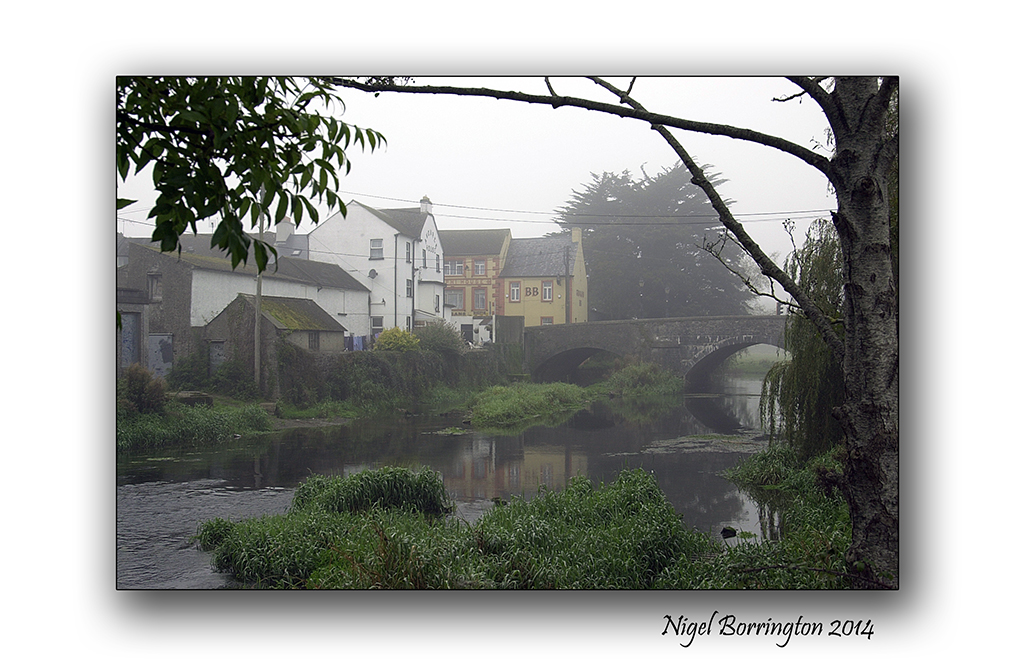
The Changing faces of the Kings river
The Kings river has its source in the Slieveardagh Hills in South Tipperary and has many tributaries of its own.
It flows southeast from the hills and crosses into County Kilkenny. It is joined by the Munster River before passing through the town of Callan. It continues eastwards from Callan, past Kells and joins the River Nore west of Thomastown.
Having made a small photographic project of the river, the images below are taken over about a five year period. They are just some of the images I have captured, I feel they show how the passing seasons and the Irish weather effect this little river.
Gallery




Spring equinox 2014 and Pagan traditions

Spring equinox sun sun 2014
Landscape photography : Nigel Borrington
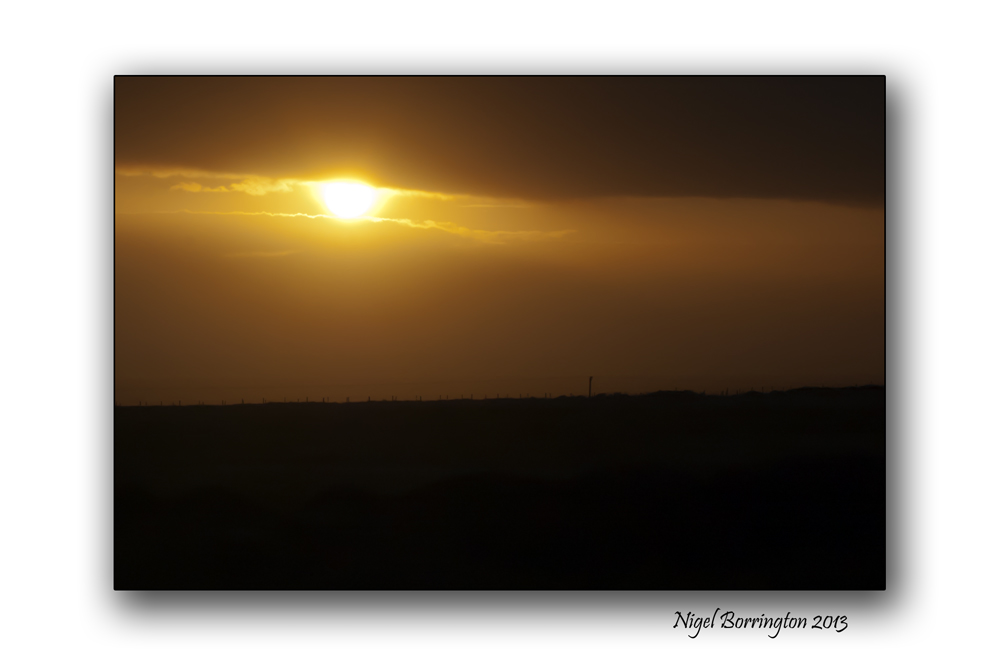
The Spring equinox 2014
Today marks the arrival of spring, the date of the vernal equinox, or spring equinox as it is known in the northern hemisphere. Spring equinox. During an equinox, the Earth’s North and South poles are not tilted toward or away from the sun. (Ref :Wikipedia)

This means the sun will rise exactly in the east and travel through the sky for 12 hours before setting in the exactly west.An equinox happens twice a year around March 20 and September 22 when the Earth’s equator passes through the centre of the sun.
For those in the southern hemisphere, this time is the autumnal equinox that is taking people into their winter.
In English there is open access to Stonehenge tomorrow. Access will be from 05:45am until 08:30am.
Druids and Pagans like to gather at Stonehenge early in the morning to mark the Spring Equinox, to see the sunrise above the stones.

The Pagans consider this is the time of the ancient Saxon goddess, Eostre, who stands for new beginnings and fertility. This is why she is symbolized by eggs (new life) and rabbits/hares (fertility). Her name is also where we get the female hormone, oestrogen.
From Eostre also come the names “Easter” and “Esther” the Queen of the Jews, heroine of the annual celebration of Purim which was held on March 15. At Easter, Christians rejoice over the resurrection of Jesus after his death, mimicking the rebirth of nature in spring after the long death of winter.
It is also a time to cleanse your immune system with natural remedies. In Wiltshire and other parts of rural Britain it used to be tradition to drink dandelion and burdock cordials as the herbs help to cleanse the blood and are a good tonic for the body after a harsh winter.
The Equinox of the sun : Gallery



First day of spring, Spring gallery 2014

First day of Spring 2014
Nature Photography : Nigel Borrington
Today is the first day of Spring, the year is moving fast and soon we will be treated to the wonderful sights of new plants a wildlife in the landscape around use.
So I just wanted to post some nature images to mark and calibrate the day !!!
Welcome to Spring 2014 !!!
Spring time gallery 2014

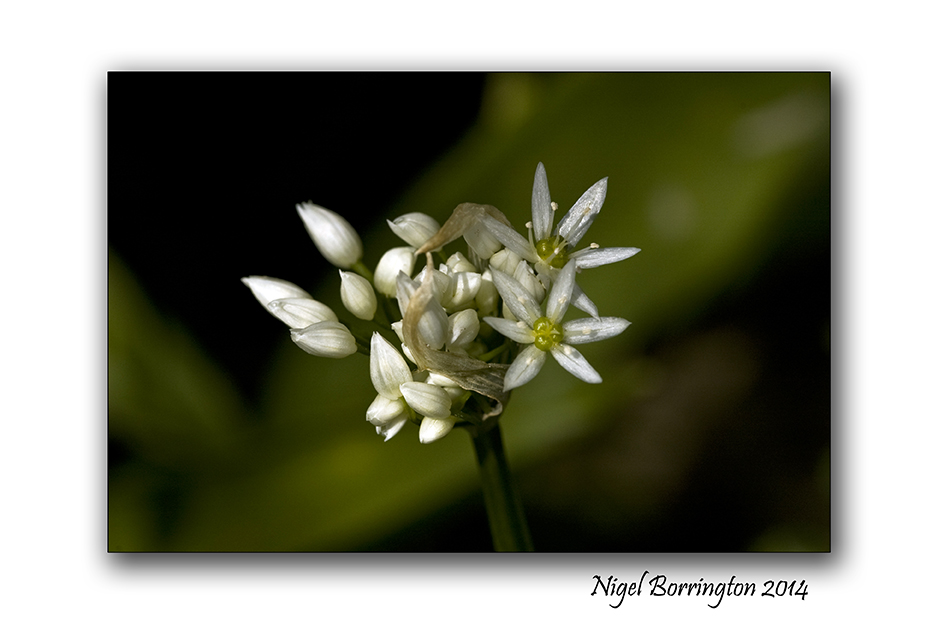


Visiting the Saltee Islands spring 2014

Saltees Islands In Spring
Wildlife and Landscape photography : Nigel Borrington
This Spring I am planning another visit to the The Saltees Islands, St. George’s Channel. The Islands consist of the Great and Little Saltee, they are situated approximately 5 kilometers off the coast of Kilmore Quay Co.Wexford.
The larger island Great Saltee is the most famous bird sanctuary in Ireland and is very popular with both day-trippers and birdwatchers alike. These Islands are privately owned and are one of the world’s major bird sanctuaries.
It’s a wonderful visit to make if your into wildlife and Photography or just a wonderful place to spend the day.
The below images were taken last spring.
Saltee Island Gallery


A walk along the misty river Erkina

The River Erkina, Durrow, County Kilkenny
Landscape Photography : Nigel Borrington
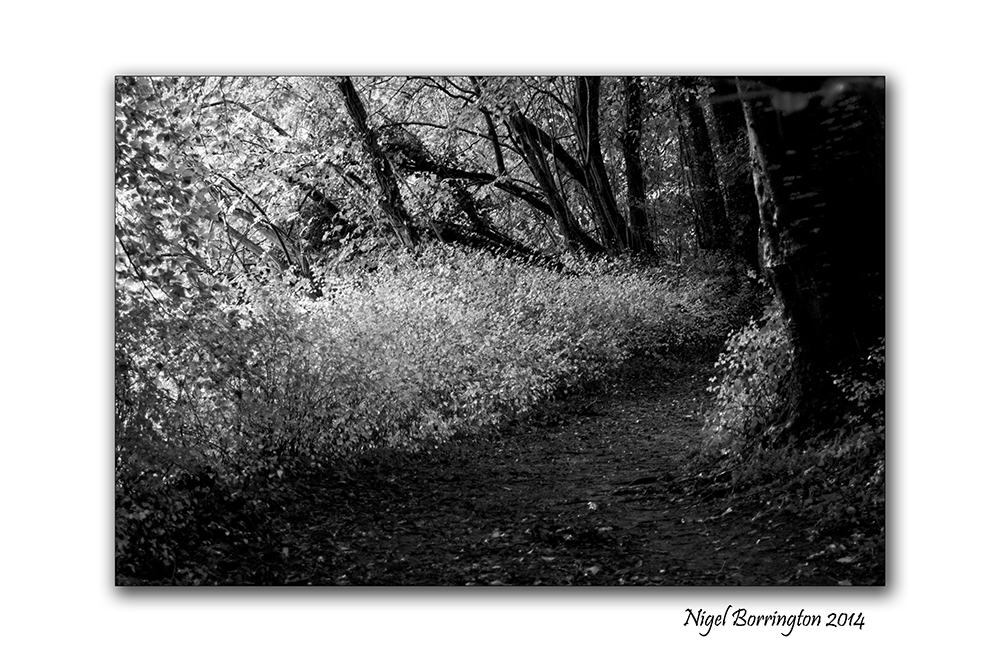
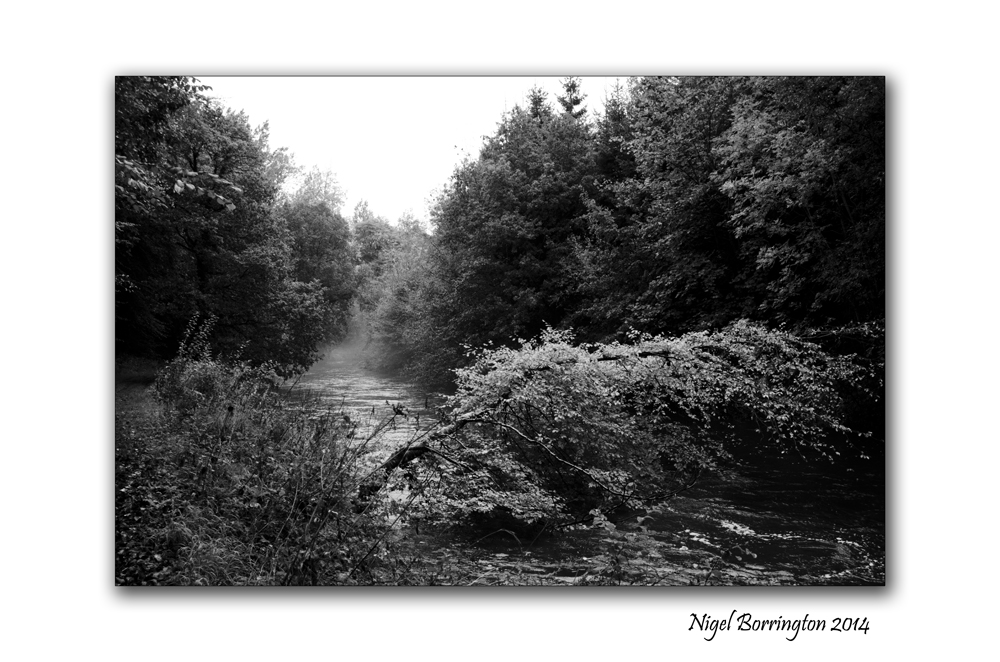
County Kilkenny has many rivers some are wide and flow the full length of the county, others like the river Erkina are much smaller and act as tributaries.
One Morning last year just after a big storm I took a walk along the banks of the Erkina, its was a damp and misty morning full of atmosphere as the river was clouded in a mist.
Misty river Erkina black and white gallery




Sunrise from the Mountains, Poem by : Anna Katherine Green

Knockanaffrin,Comeragh Mountains, County Waterford
Landscape Photography : Nigel Borrington
Sunrise from the Mountains
Poem by : Anna Katherine Green
Hung thick with jets of burning gold, the sky
Crowns with its glorious dome the sleeping earth,
Illuminating hill and vale. O’erhead,
The nebulous splendor of the milky way

Stretches afar; while, crowding up the heavens,
The planets worship ‘fore the thrones of God,
Casting their crowns of gold beneath His feet.
It is a scene refulgent! and the very stars
Tremble above, as though the voice divine
Reverberated through the dread expanse.
But soft! a change!
A timid creeping up of gray in east–
A loss of stars on the horizon’s verge–
Gray fades to pearl and spreads up zenithward,
The while a wind runs low from hill to hill,
As if to stir the birds awake, rouse up
The nodding trees, and draw off silence like
A garment from the drowsy earth. The heavens
Are full of points of light that go and come
And go, and leave a tender ashy sky.
The pearl has pushed its way to north and south,
Save where a line spun ‘tween two peaks at east,

Gleams like a cobweb silvered by the sun.
It grows–a gilded cable binding hill
To hill! it widens to a dazzling belt
Half circling earth, then stretches up on high–
A golden cloth laid down ‘fore kingly feet.
Thus spreads the light upon the heavens above,
While earth hails each advancing step, and lifts
Clear into view her rich empurpled hills,
To keep at even beauty with the sky.

The neutral tints are deeply saffroned now;
In streaks, auroral beams of colored light
Shoot up and play about the long straight clouds
And flood the earth in seas of crimson. Ah,
A thrill of light in serpentine, quick waves,
A stooping of the eager clouds, and lo,
Majestic, lordly, blinding bright, the sun
Spans the horizon with its rim of fire!

ST Patrick’s day , Irish landscape Gallery.

Coolagh old church , County Kilkenny
Landscape photography : Nigel Borrington
Today is St Patrick’s day here in Ireland and its a public Holiday, For many people religion will play a big part in the day.
Personally I love the outdoors far more and will spend most of the day walking and exploring the local landscape, I find nature and open spaces far more spiritual.
The following gallery of images are just some images taken in and around the wonderful county of Kilkenny.
What ever your doing today enjoy yourself and a happy St Patrick day.
Kilkenny Landscape Gallery







Landscape from the Irish Hills and a Poem By : S. Weir Mitchell
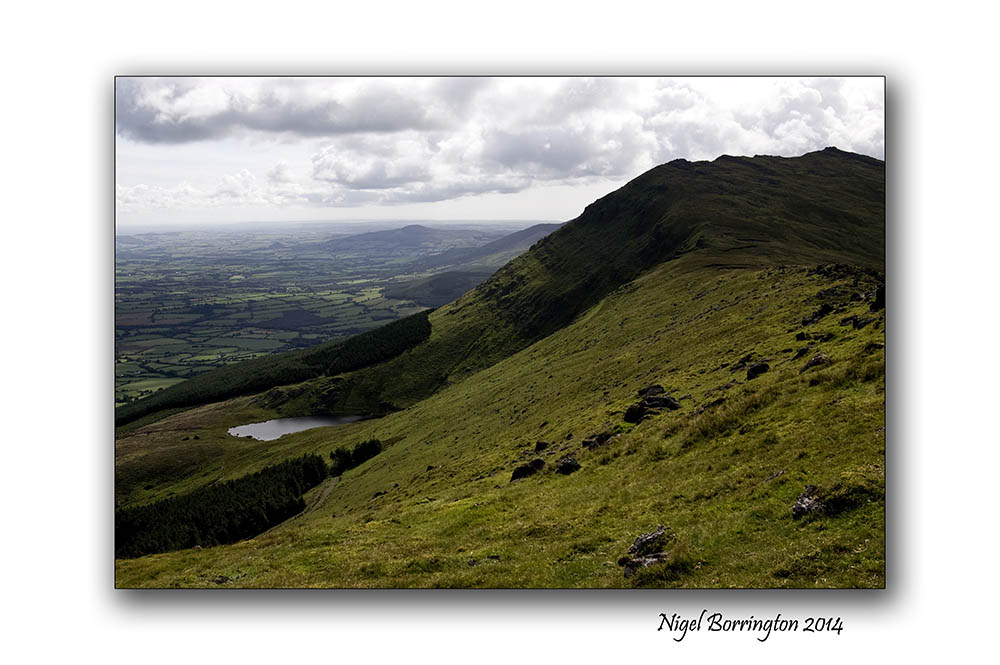
Landscape from the Irish hills
Landscape Photography : Nigel Borrington
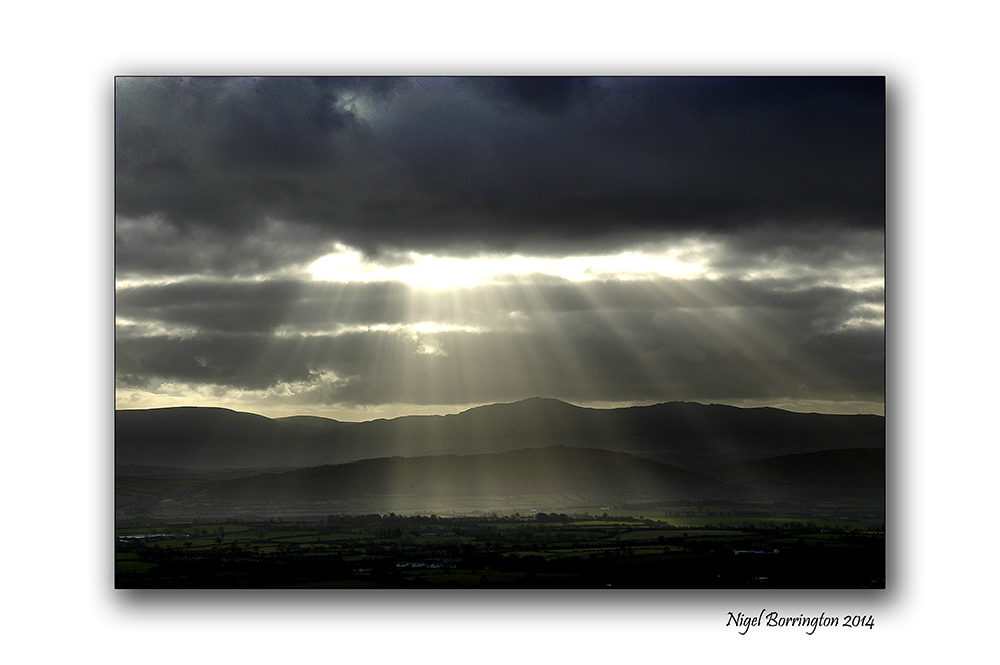
The hills of the South east of Ireland are on of my favourite locations to wander and go for long walk, they are not as spectacular as the peaks of the Kerry mountains but there is a stillness here. Space to think and clear your mind and just walk and photograph the landscape.
I will let the words of the below poem say everything else for me, complimenting just how much I like these locations in the soft Irish hills.
S. Weir Mitchell
HERE have I wandered often these many years
Far from the world’s restraint, my heart at ease,
With equal liberty of joy or tears
To welcome Nature’s generosities,
Where these gray summits give the unburdened mind
To clearer thought, in freedom unconfined.
Kind to the dreamer is this solitude.
Fair courtesies of silence wait to know
What hopes are flattering a poet mood,
Stirred by frail ecstasies that come and go,
Like birds that let the quivering leaves prolong
The broken music of their passing song.
Here may we choose what company shall be ours;
Here bend before one fair divinity
To whose dear feet we bring the spirit-flowers,
Fragments of song, stray waifs of poetry,
The orphans of dead dreams, more sweet than aught
Won by decisive days of sober thought.
Landscape of the Irish hills a Gallery




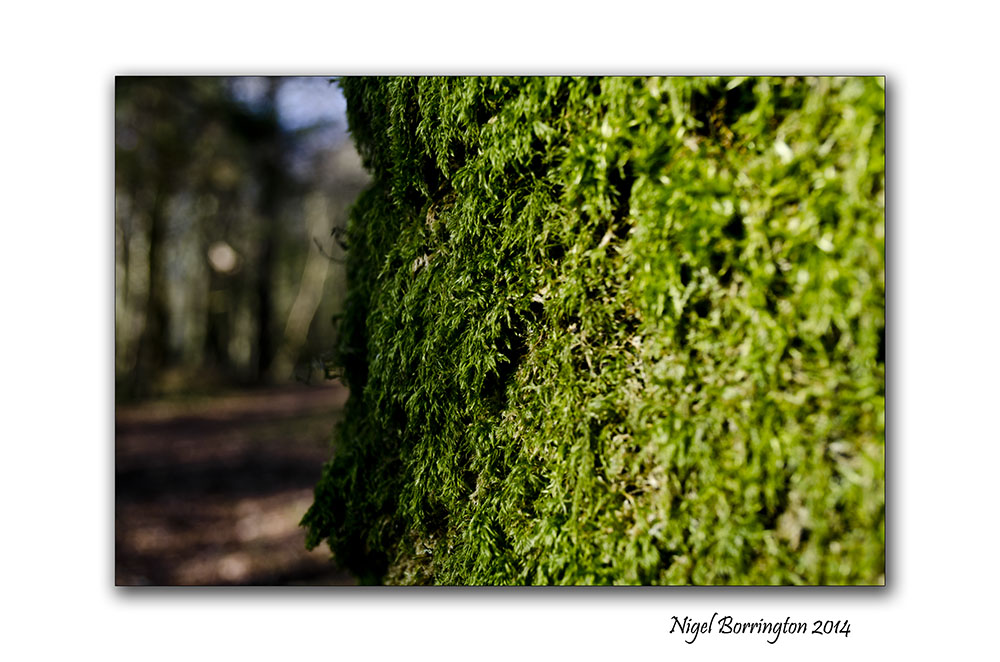
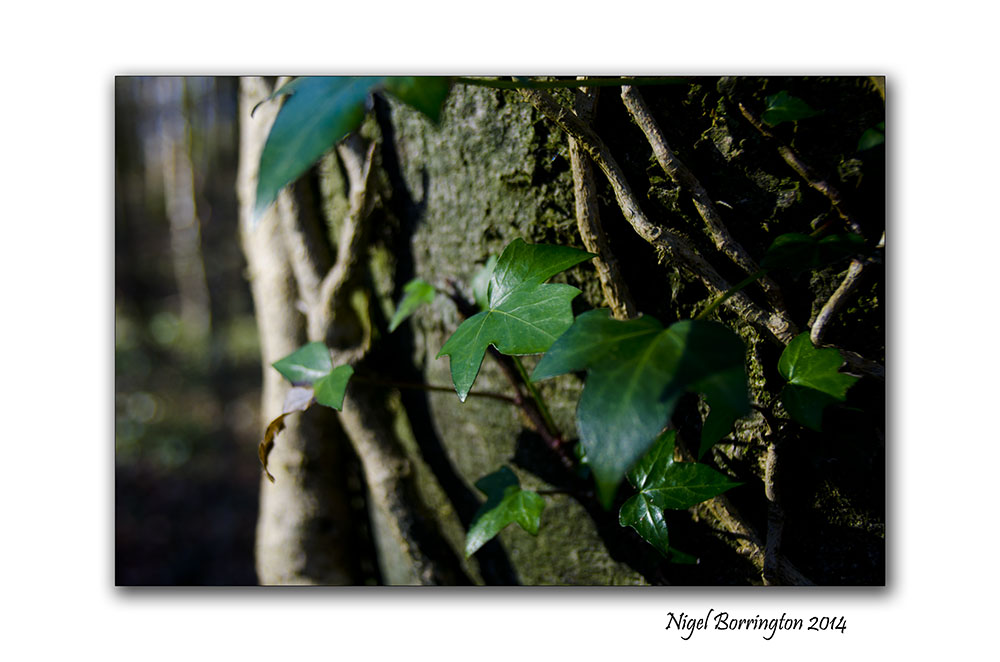
The Green man of Spring returns to the woodlands.

Knockadrina woodlands, Knocktopher, County Kilkenny
Irish Landscape photography : Nigel Borrington
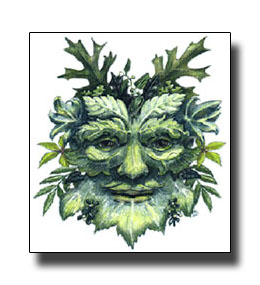
The Cult of the Green Man
Greenman :
Of all the pagan gods, the woodland spirit variously called the Green Man or Jack-in-the-Green is one that has lived on the longest in folklore.
The Green Man is seen mainly as a symbol of spring and the rebirth of the earth after winter.Carvings of Green Men can often be seen in churches, usually in the form of faces with branches and vines sprouting from nose and mouth.

The Magic of Trees
Stukeleys DruidIn Britain, the Druids worshipped such trees as the oak and the rowan and attributed great power to them. When people touch wood to ward off misfortune, this comes from the times when guardian spirits were supposed to live in trees. Touching the tree was a mark of respect to the spirit, as well as a plea for good fortune.
Woodland Gallery



Monday Morning, The Motte at Slievenamon

The Motte at Slievenamon , County Tipperary
Landscape Photography : Nigel Borrington
The Motte
This morning it felt like Spring for the first time here in Ireland, we have a good chance of a period of sunny days for the entire week and it was a wonderful Morning.
I took the chance to visits our nearest Mountain Slievenamon and walk around its lower paths and fields, one of these fields contains the remains of an old Norman Motte. From the top of which you get some wonderful views of the Landscape around this area.
A Motte is the foundations for a motte-and-bailey castle with consisted of a wooden or stone keep situated on a raised earthwork called a motte, accompanied by an enclosed courtyard, or bailey, surrounded by a protective ditch and palisade. These castles were built across northern Europe from the 10th century onwards, spreading from Normandy and Anjou in France, into the Holy Roman Empire in the 11th century. The Normans introduced the design into England and Wales following their invasion in 1066. Motte-and-bailey castles were adopted in Scotland and Ireland.
This is a location I will return to many times this year just to capture how the seasons effect the look of this wonderful setting.
Gallery
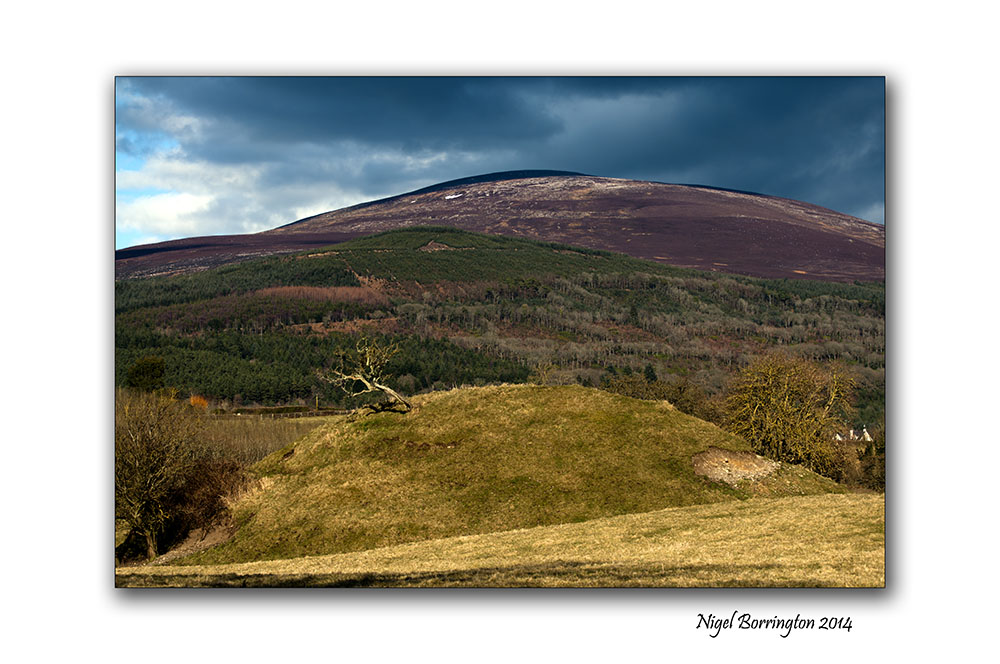


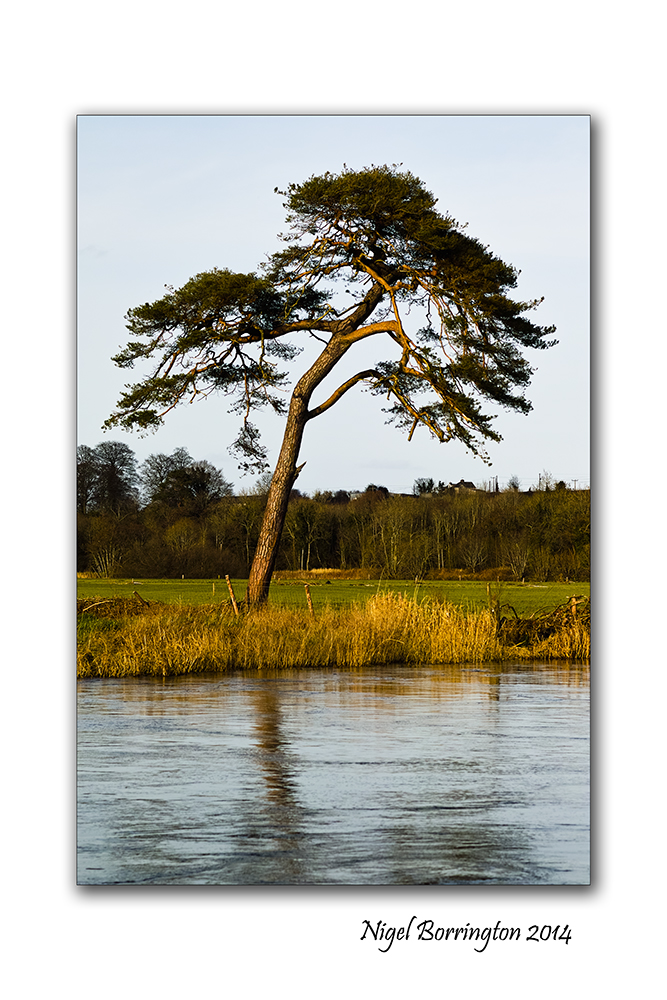
Single tree, By : Daniel Dawes

The Single tree on the river Barrow ,
County Kilkenny,
Landscape Photography : Nigel Borrington
Single tree
By : Daniel Dawes
I watch the light move across the land,
Gliding across the fields with ease,
Shades of green shifting constantly,
Darkness and light working together.
A single tree simply surviving,
Gracefully accepting all seasons,
Its deep roots keeping it grounded,
Its leaves allowing it to sing its song.
I watch its movement in the breeze,
I since its aliveness,
I feel its stillness,
I understand its far more than its label.
The invisible wind changes direction,
The sun falls behind the clouds,
It becomes colder,
The senses pick this up but the stillness remains.
A thought passes through my mind,
A simple question,
I choose to follow it,
It simply sits in my awareness.

What is this stillness?
That does not change with the environment,
That is unaffected by thought,
That senses the sensations.
I look back to the tree,
The awareness looks back at myself,
The mirror begins to reflect the same thing,
I thank the tree for its lesson.
The White Lily , By the river bank : Jack Shaka
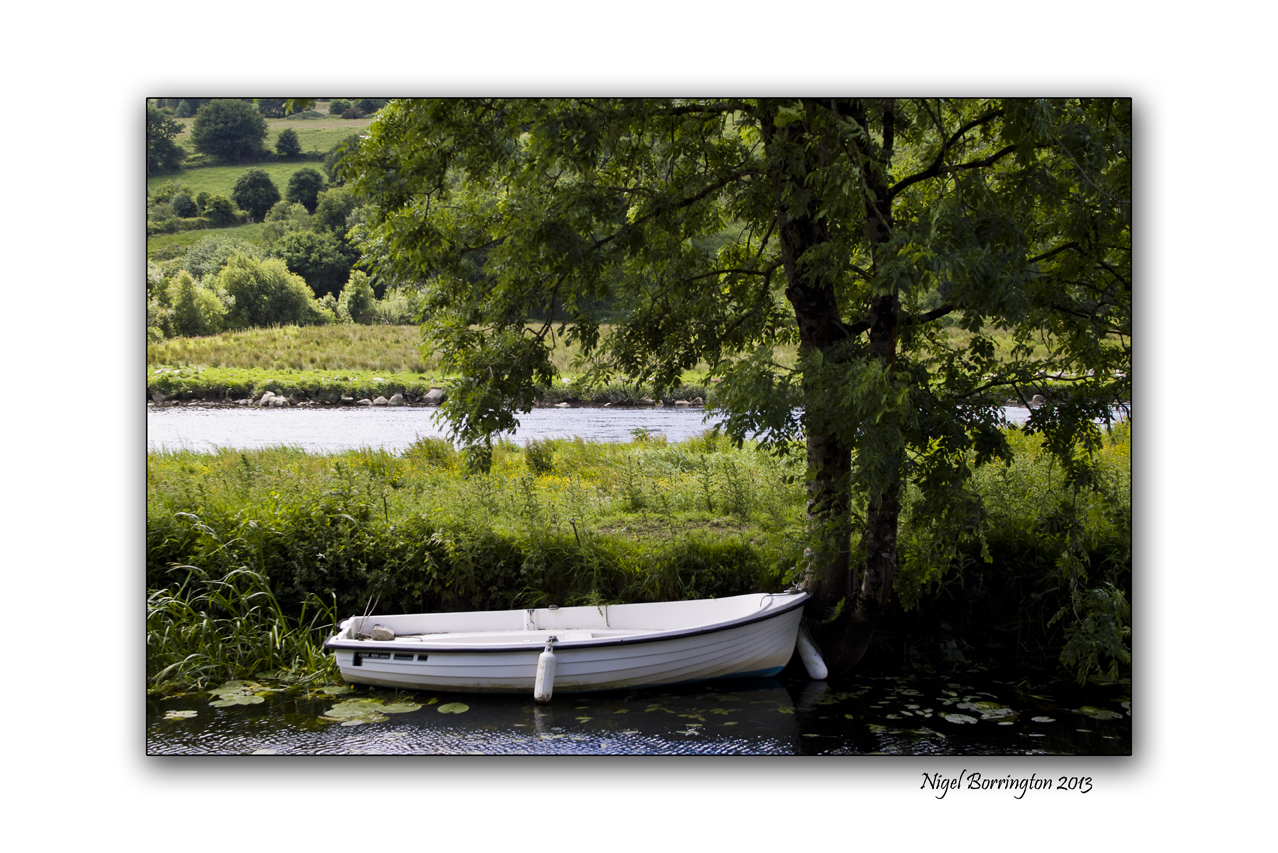
Images of the River Barrow, County Kilkenny
Irish Landscape Photography : Nigel Borrington
The White Lily
By : Jack Shaka
By the river bank
The frogs croak and caress
Hoping along the river bank
From here to there
At a distant
The swallows twitter with fondness
The lilies rupture with the morning sun
The water reeds sway
As the wind blows along
The river bank
But yet….i feel lost
In this scenery of dexteric desires
I feel caught in lifes pedestals
Tender steps i make….
Along the river bank…
Lilies..
The white lily…
That symbolise
The purity of those souls
Enmeshed in loves frame
The white lily
That symbolise
The fire that burns within circles
The white lily that symbolises
Long lost desires
Re-invented and rejuvenated
In this river of dexteric desires
 .
.
The white lily
So white…so pure…
By the river bank
I watch the white lily float and dance
Along the river waters
Their is tenderness in the river
The fishes swim with tenderness
The waters flowing
With a lovers moan
Rythmic drums can be heard from afar
Magic everywhere
I sit and stare at the white lily
With a longing yen….
By the river bank.
 .
.
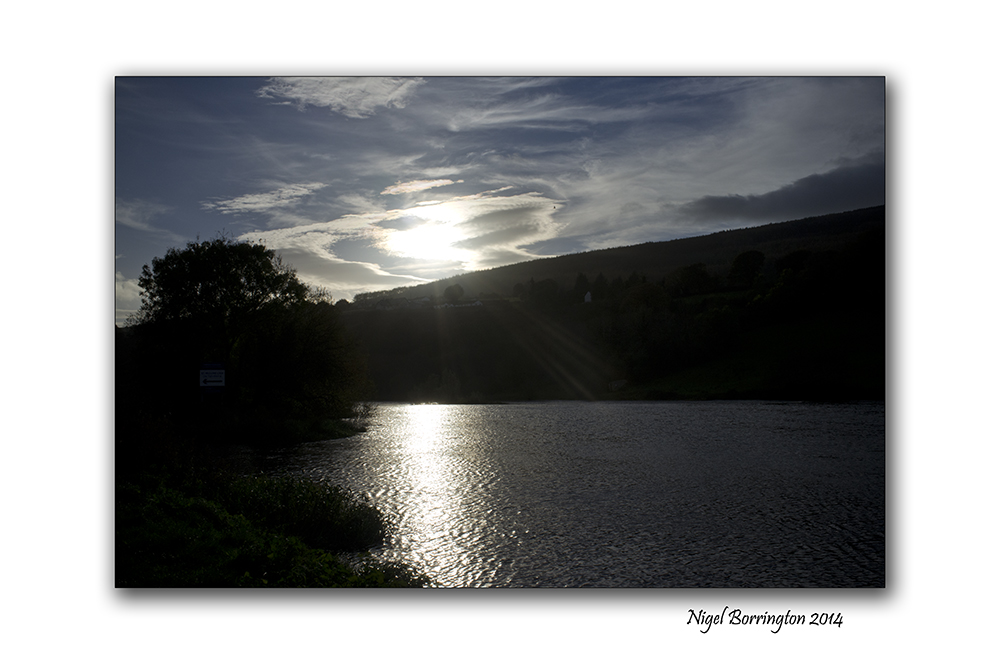
Green Mountain

The Comeragh Mountains, Tipperary, Ireland
Irish Landscape Photography : Nigel Borrington
Green Mountain
– Li Po. Translated by: A. S. Kline’s
You ask me why I live on Green Mountain ?
I smile in silence and the quiet mind.
Peach petals blow on mountain streams
To earth and skies beyond Humankind.
 .
.
You ask me why I dwell in the green mountain?
I smile and make no reply for my heart is free of care.
As the peach-blossom flows down stream
and is gone into the unknown,
I have a world apart that is not among men.

 Nigel Borrington
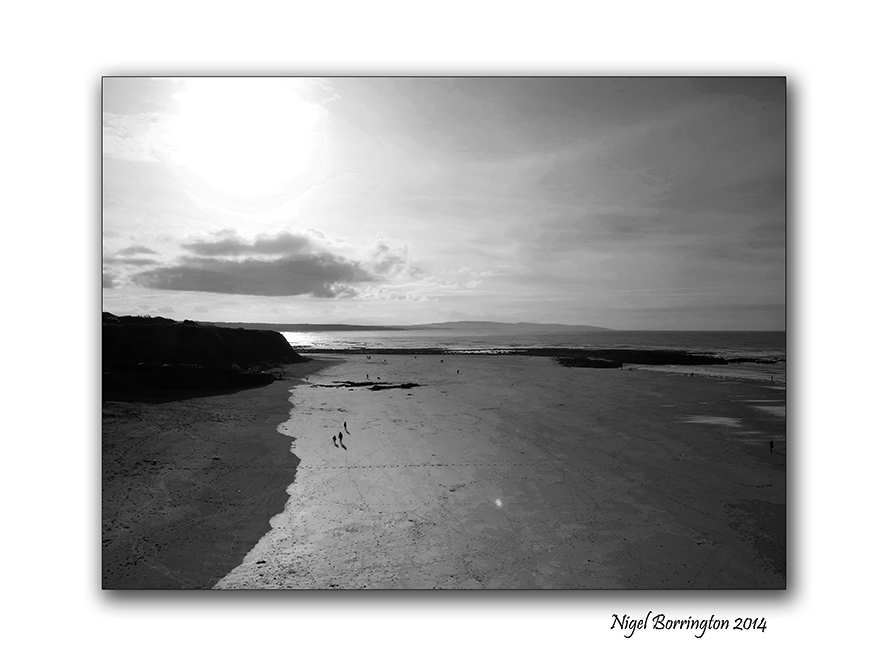
A day at Ballybunion beach, a Poem
Ballybunion beach, county Kerry, Ireland
Landscape photography : Nigel Borrington
One day last summer while I was walking along the beach at Ballybunion,county Kerry, I was trying to think of words that gave a sense of this place , so I jotted down the following word list for a poem, but I feel its a poem as it is.
Ballybunion beach
cool air, sound of sea birds, fresh breeze,
people walking, dogs running, cold swimmers, children shouting,
Waves rolling, people eating, chatting, talking, cliffs casting shadows,
Old castle walls dominating, caves temping you to explore,
Posters offering family photographs, lunch time meals and places to shop,
Restful moments , capturing views,
Old people pottering, memories of traditions past,
Time dragging to a stop, mind slowing,
Families gathering, men managing, car doors shutting, keys locking, after parking,
deep breaths taken, locations chosen, bags unpacked,
People now sitting, grannies talking, best instructions, suggestions given,
Steps taken, shoes in hand,
Temperature falling, evening calling, holiday homes inviting,
Beach clearing, winds rising, cold setting in,
Sea birds return, dogs last walk of the day
Night fisher man setting lines, day over
Peace and nature returning, tide rising,
On Ballybunion beach.
Share this:
April 7, 2014 | Categories: Comment, Gallery, Landscape, Poetry Gallery, Travel Locations | Tags: a sense of place, Ballybunion, Ballybunion beach, county kerry, Ireland, Irish photography, Nigel Borrington, poem, poetry, word list | 21 Comments