Pagan ring forts and passage tombs , From Kerry to kilkenny
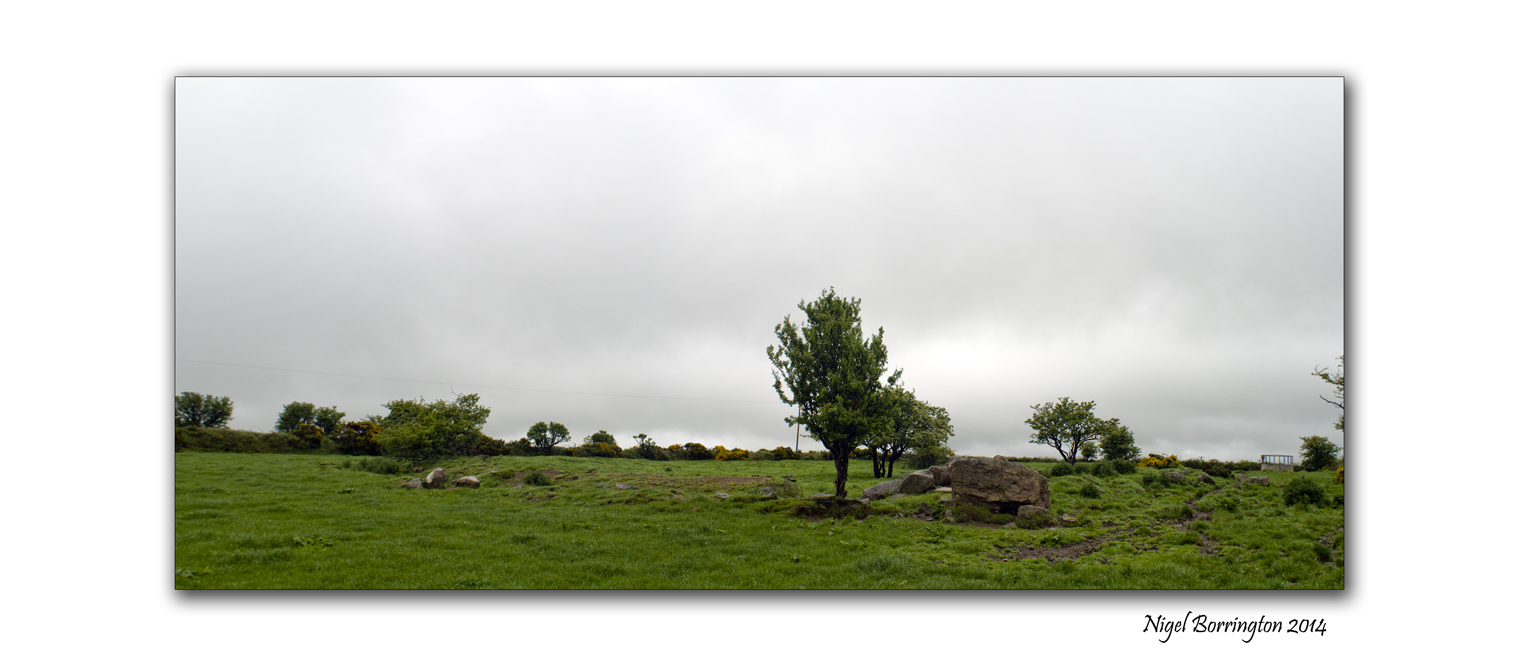
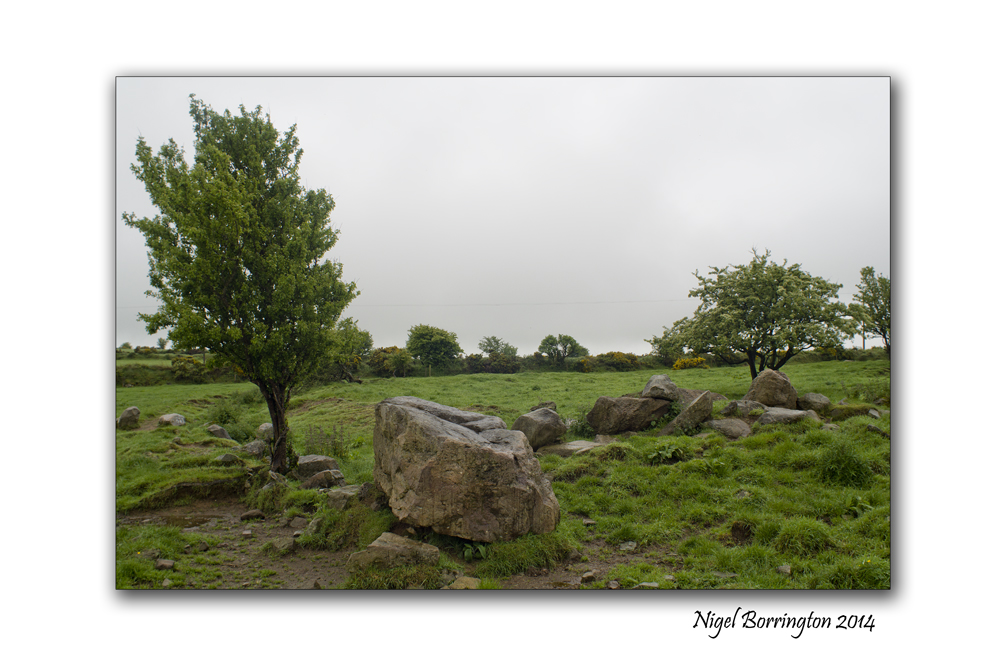
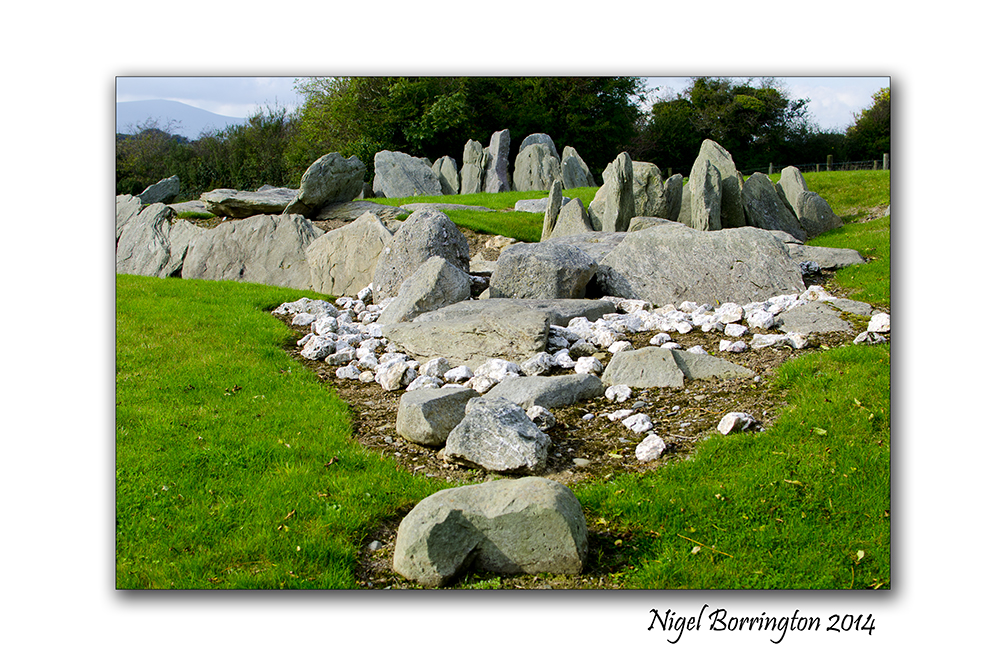
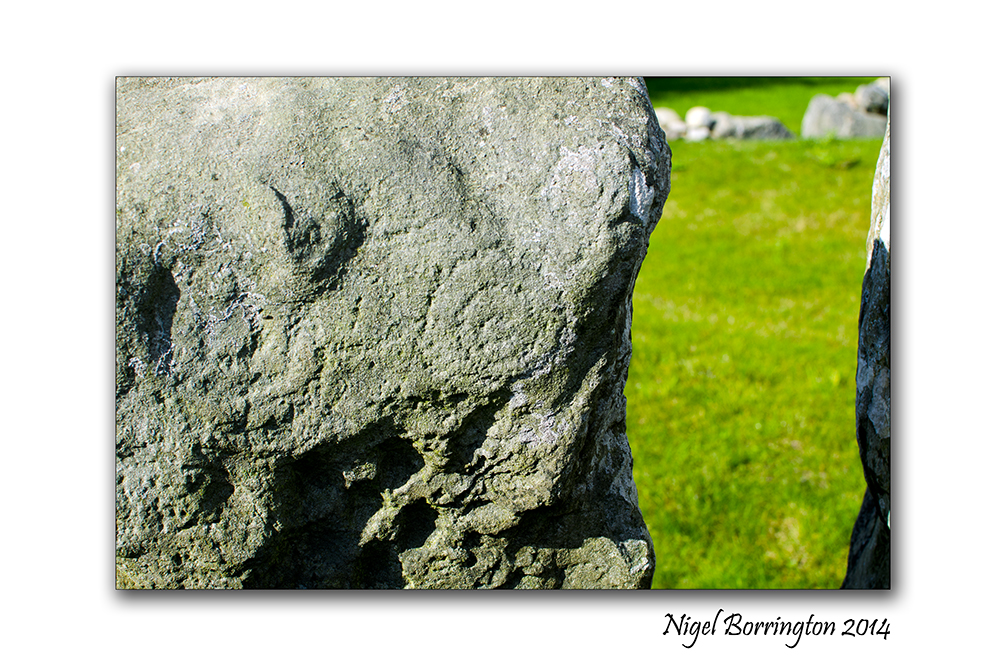
 Knockroe passage tomb, county Kilkenny
Irish landscape Photography : Nigel Borrington
Pagan ring forts and passage tombs , From Kerry to kilkenny
During July last year 2013, I visited two ring forts near Cahersiveen, County Kerry and posted on them as below :
 .
.
Cahergall ring fort is a massive stone construction, built between 400BC and 500AD, It can be found close to Cahersiveen, County Kerry. Leacanabuaile feels very much more like a dwelling place for people to both live and keep themselves safe from the surrounding Environment. This included raiders and wild animals stealing cattle.
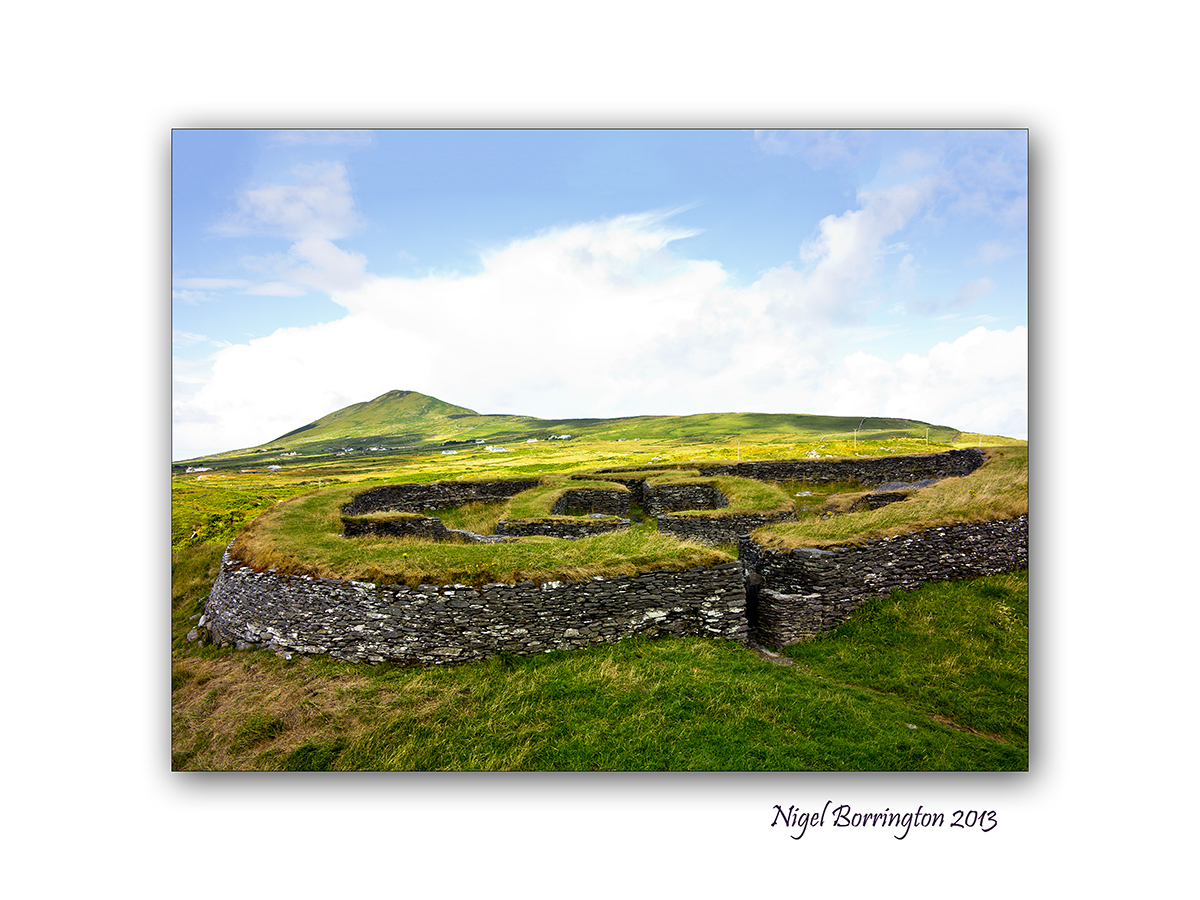
Leacanabuaile, stone ring Fort
Sitting on a hill side near Cahersiveen in County Kerry is Leacanabuaile Stone Fort, it is considered one of the best examples of an Irish ring fort.
The name translates to ‘Hillside of the Summer Pasturage’.
Returning home
The visit to both these locations was one of the most interesting history trips I have ever done and left me with a great sense of the History of Europe and of the people who lived here before Christian times.
On returning to county Kilkenny I fell like I was living in a place with a much more limited sense of history, Tipperary and Kilkenny feel much less remote than the coast line and mountains of county Kerry and their history seems to be much more modern.
Well it has taken me almost a year since the visit to Cahergall and Leacanabuaile to realise that this impression of my local area is far from true. Apart from the location of Knockroe (Post here), I have started to visit and find more and more local remains of Ireland’s past and it clearly goes way beyond the days of St Patrick and the early church.
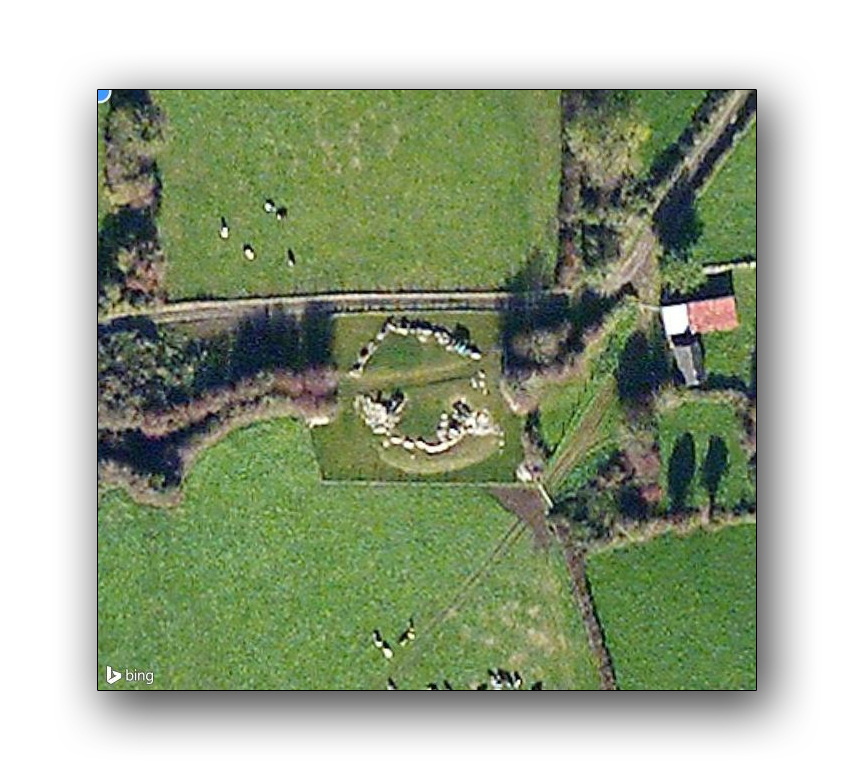
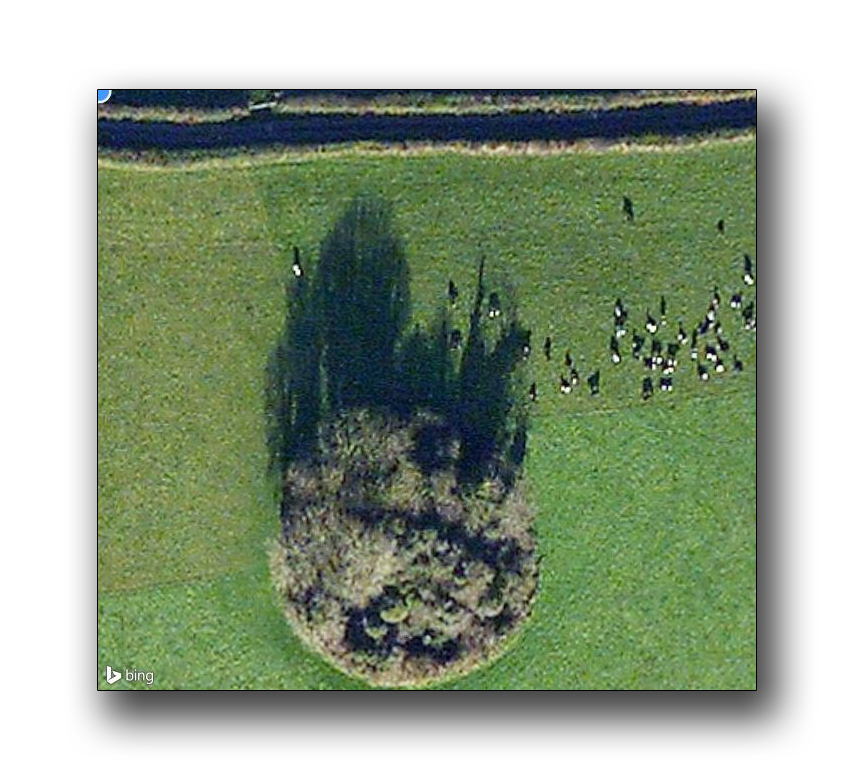
The images below are satellite images of many passage tombs and ring forts, within 10km of our home :


 .
.
Finding these locations was a real eye opener and showed to me that these forts and passage tombs must have been located through out the country.
The forts in Kerry have been restored over the last 5 years and may well have been in the same poor condition as the local ones here.
It is more than likely that the stone from these locations has been used in more modern times to build local Churches, Farms and stone walls on farm land, Yesterday I posted on the high cross at Kilkamerry and talked about this re-use of Pagan sites to build Christian locations.
It is very likely then that current church yards and grave yards have also been constructed on more of these sites, many more circular features exist on the local landscape and are possibly also ring forts but for these ones time has made things a little less clear.
What does becomes clear from looking deeper is that the pagan history of Ireland was extensive and that the pre-Christian population of this Island was as big as any other location on the European continent.
The images here are of the tomb or ring fort on Ballinlinagh hill, county Kilkenny and of the passage tomb of Knockroe :
Gallery

 —————–

Killamery High Cross

Killamery High Cross, County Kilkenny, Ireland
Landscape Photography, Nigel Borrington
Killamery High Cross
Located in an old grave yard very near the county Kilkenny and Tipperary border, is one of the most impressive of the Irish High crosses. There was a unique early Medieval tradition in Ireland and Britain of raising large sculpted stone crosses, usually outdoors.
These probably developed from earlier traditions using wood, perhaps with metalwork attachments, and earlier pagan Celtic memorial stones; the Pictish stones of Scotland may also have influenced the form.
The earliest surviving examples seem to come from the territory of the Anglo-Saxon kingdom of Northumbria, which had been converted to Christianity by Irish missionaries; it remains unclear whether the form first developed in Ireland or Britain.
The Killamery High Cross, is one of the western Ossory group of crosses. The cross stands at 3.65 metres high and the west face of the cross bears most of the figure sculpture. The east face pictured right, is decorated with three marigolds on the shaft and has a boss in the centre of the head surrounded by intertwining serpents with an open mouthed dragon above the boss.
The cross is known as the Snake-Dragon cross and has a gabled cap-stone and the narrow sides have double mouldings. At the end of the southern arm of the cross there is a panel depicting Noah in the Ark and the end of the northern arm features four scenes centered around John the Baptist. There is also a worn inscription on the base of the western side of the cross which is said to read as ‘OR DO MAELSECHNAILL’ a prayer for Maelsechnaill. Maelsechnaill was the High King of Ireland from 846 to 862.
The western face has a Sun Swastika at the centre and has figure sculpture around the whorl, to the left is a hunting scene and to the right a chariot scene above the whorl is scene showing a figure holding a Baby with another figure to the right of them, below the sun disc is a crucifixion scene. The shaft of this face bears two ornate panels. The top one is a fret pattern and the lower panel is a key pattern.
County kilkenny has five such high crosses, most a likely still in their original setting but being over a thousand years old must of their location will have changed.
Some people have a theory that these high crosses were originally larger standing stones used in pagan stones circles or passage tombs, the form of the cross being sculpted into them during the times of the pagan’s conversion to Christianity. In Ireland this would have been during the time of Saint Patrick.
It was felt much more effective when converting people to Christianity to convert original locations for the use of the early church, including fresh water springs.

Fallen standing stone marking a well/spring
In Ireland most springs would have been the location of worship to river or fresh water gods or goddess, in post pagan times many of these locations became holy wells dedicated to a Christian saint. Most even the forgotten spring above still have the original pagan standing stone in place , used to help find and mark the location of the spring and to leave offerings to the gods and goddesses ( Well dressing ).
Gallery

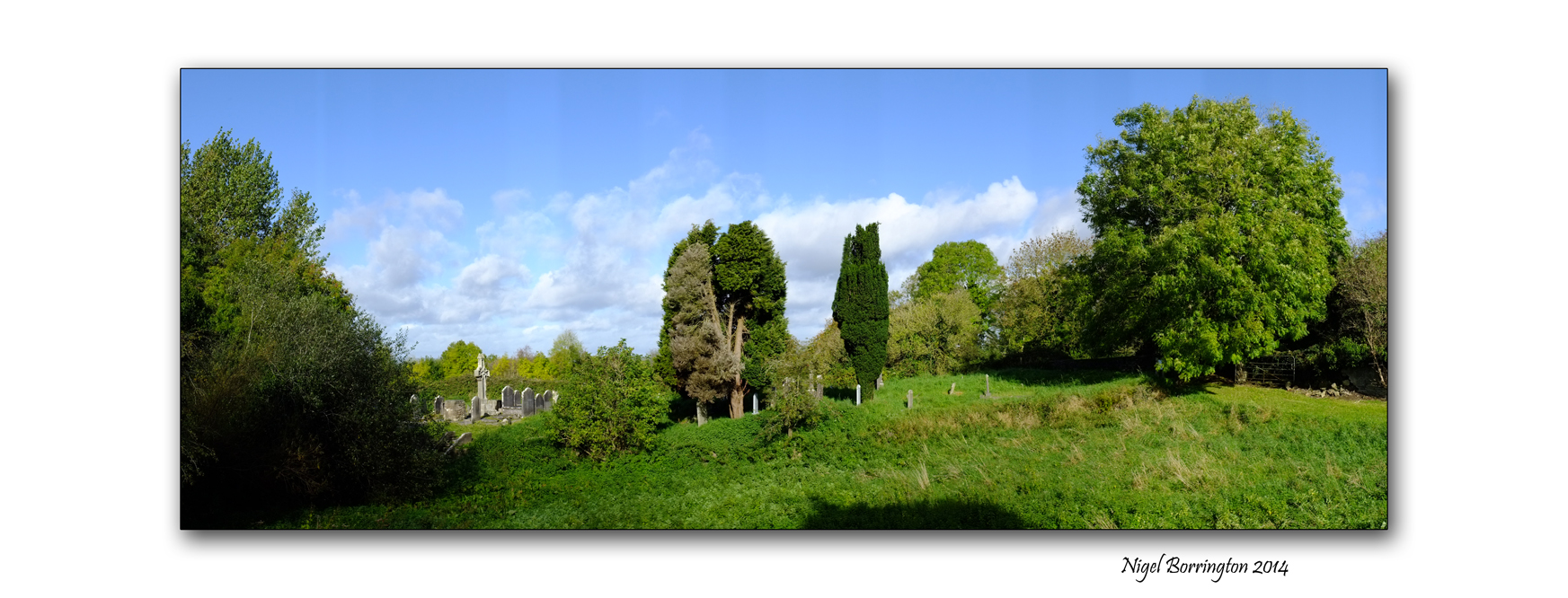
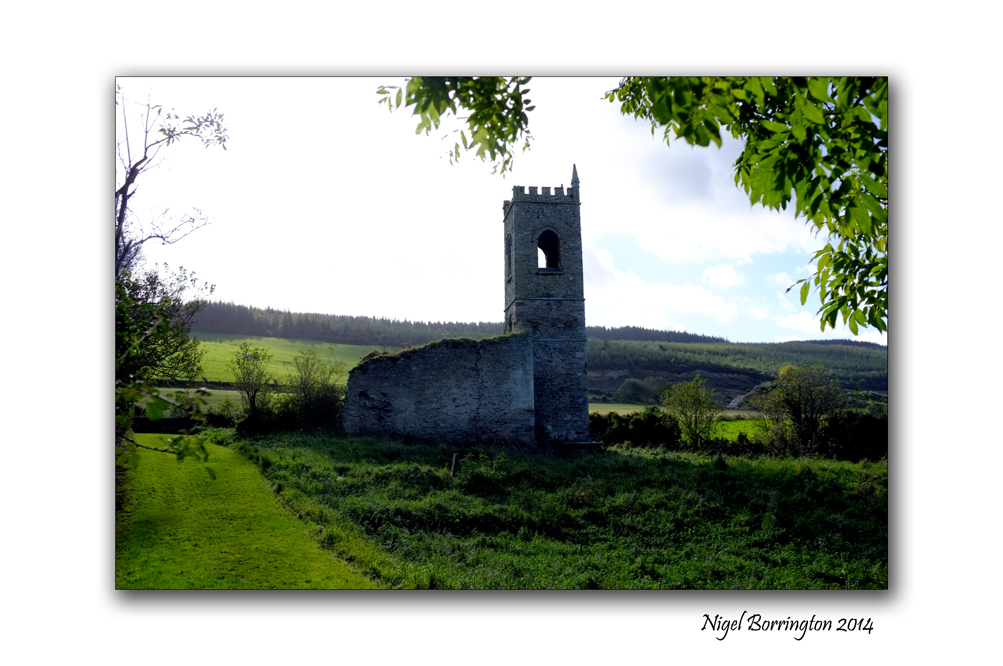

Rhododendron laden hillsides, Poem and Image gallery.

Rhododendron at the Vee, County Tipperary
Landscape Photography : Nigel Borrington
Rhododendron laden hillsides
Summer
Comes ’round again,
Bringing life back to flow’rs.
Roses shall start to bloom once more,
And mighty White Oaks shall be green with leaves.
Rhododendron laden hillsides
And Lady Slippers nod:
Slowly fading
Summer.
~Timothy~
Rhododendron hills , Image Gallery

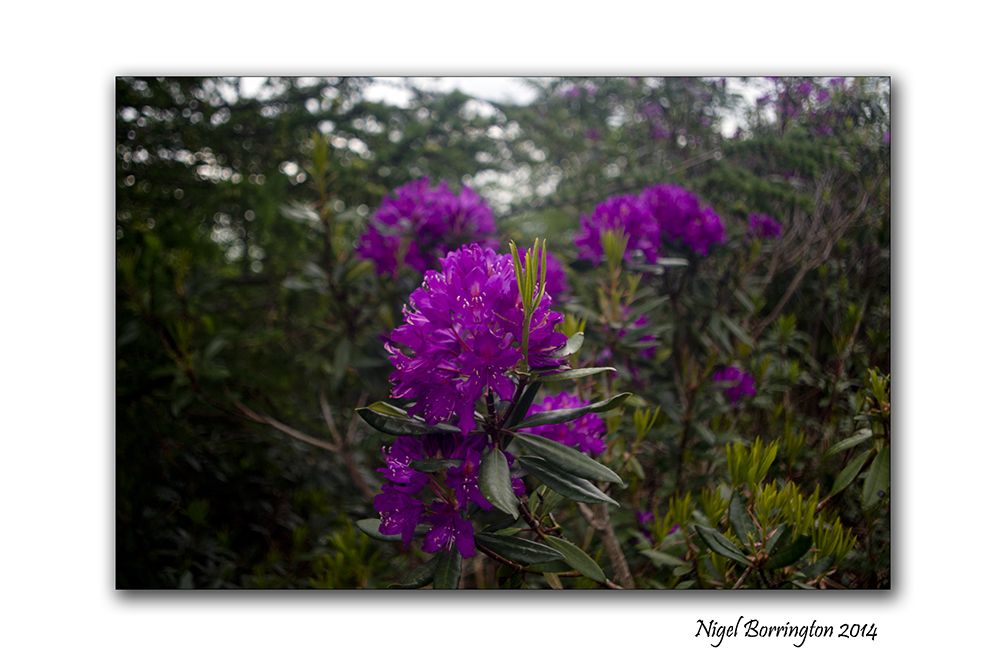

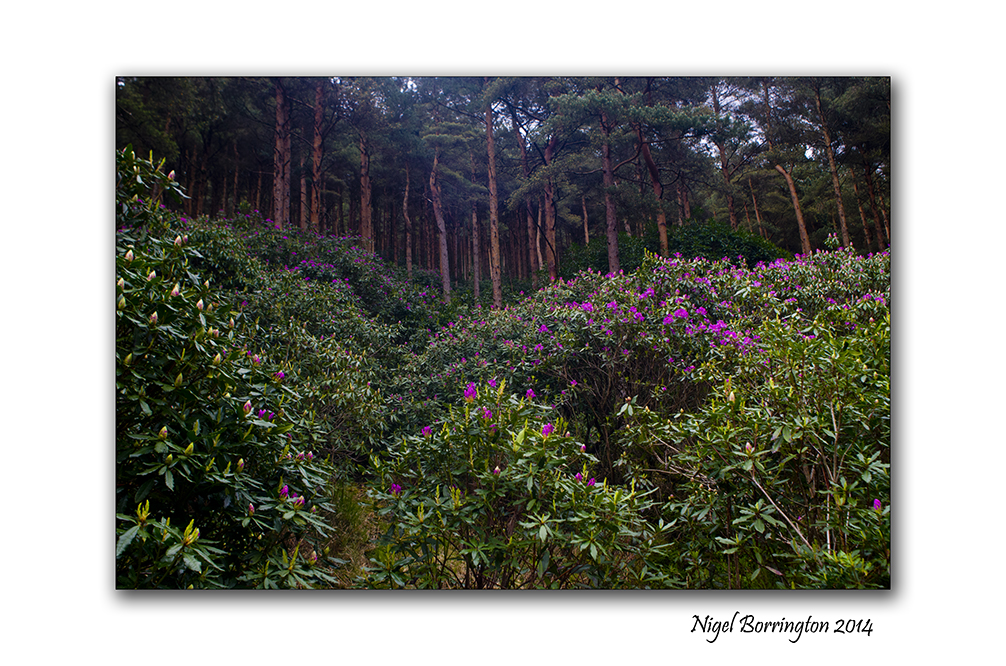

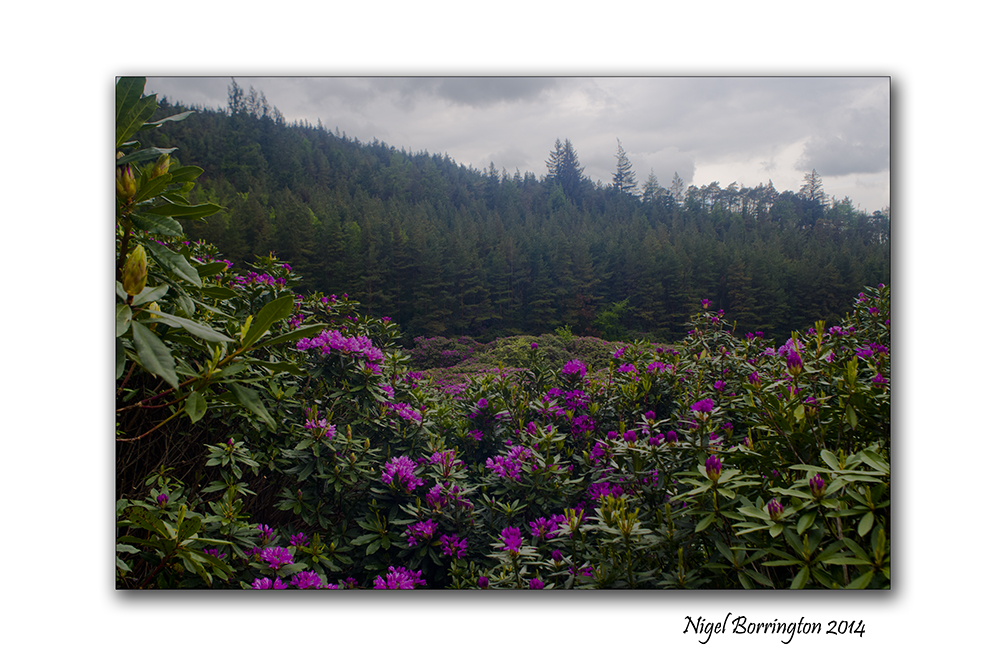

Ghost house , Poem By : Robert Frost – 1915

Derelict old house at Durrow , Co Laois, Ireland.
Irish landscape photography : Nigel Borrington
Ghost House
Robert Frost (1915)
I dwell in a lonely house I know
That vanished many a summer ago,
And left no trace but the cellar walls,
And a cellar in which the daylight falls,
And the purple-stemmed wild raspberries grow.
O’er ruined fences the grape-vines shield
The woods come back to the mowing field;
The orchard tree has grown one copse
Of new wood and old where the woodpecker chops;
The footpath down to the well is healed.
 .
.
I dwell with a strangely aching heart
In that vanished abode there far apart
On that disused and forgotten road
That has no dust-bath now for the toad.
Night comes; the black bats tumble and dart;
The whippoorwill is coming to shout
And hush and cluck and flutter about:
I hear him begin far enough away
Full many a time to say his say
Before he arrives to say it out.
 .
.
It is under the small, dim, summer star.
I know not who these mute folk are
Who share the unlit place with me—
Those stones out under the low-limbed tree
Doubtless bear names that the mosses mar.
They are tireless folk, but slow and sad,
Though two, close-keeping, are lass and lad,—
With none among them that ever sings,
And yet, in view of how many things,
As sweet companions as might be had.

Sunset over the mountain of Slievenamon , Star break and Poem.

Sunset over slievenamon, County Tipperary
Landscape Photography : Nigel Borrington
Evening walks near the mountain of Slievenamon, county Tipperary can bring some great evening views, the sun sets right over the top on the mountain where there is a cairn, a burial place of a king dating back over six thousand year.
On one of these walks I was lucky enough to get these sunset images and I put some words to them in this poem:
Star break, a Poem
Behind the High cloud the sun is coiling and uncoiling
a dragon wrapped around itself spitting fire behind the mountain top
For a moment as I think of older days it is eclipsed entirely
aith a hidden God in the ground where six thousand years ago
A star fell from nowhere and lit up this very mountain’s top
turning westward by day, into oblivion leaving its mark.
 .
.
A king wise in these things called this a “star break”
and of no danger to the integrity of his vision
Star, soon the mountain will shrug you off you will drop below
the ragged edge line into tomorrow while I take the only path.
I came to find what I left, now ahead of me and waiting behind
a light of dawn, time of ages drifting through the night.
Me…..
Changing light as the river flows.

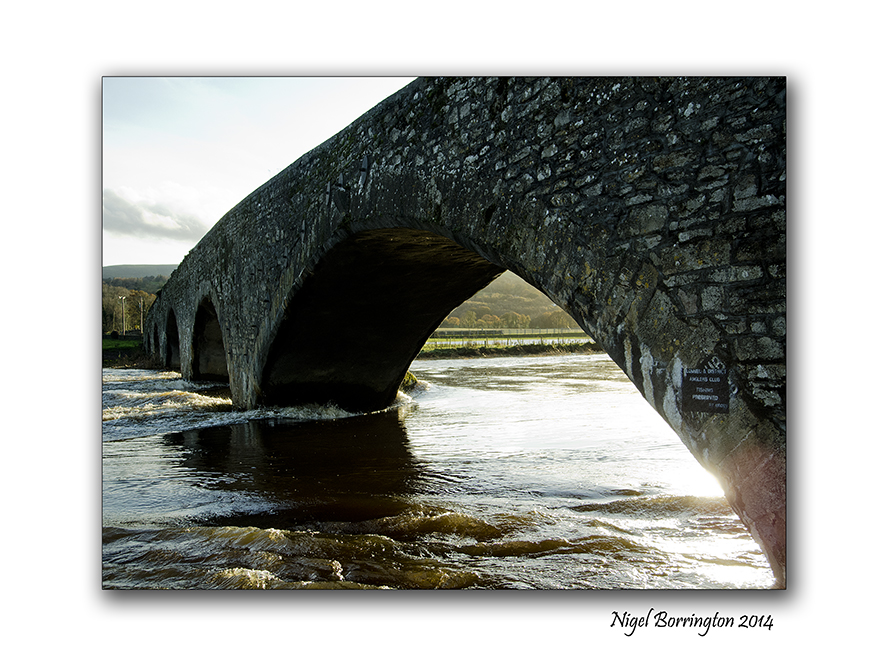
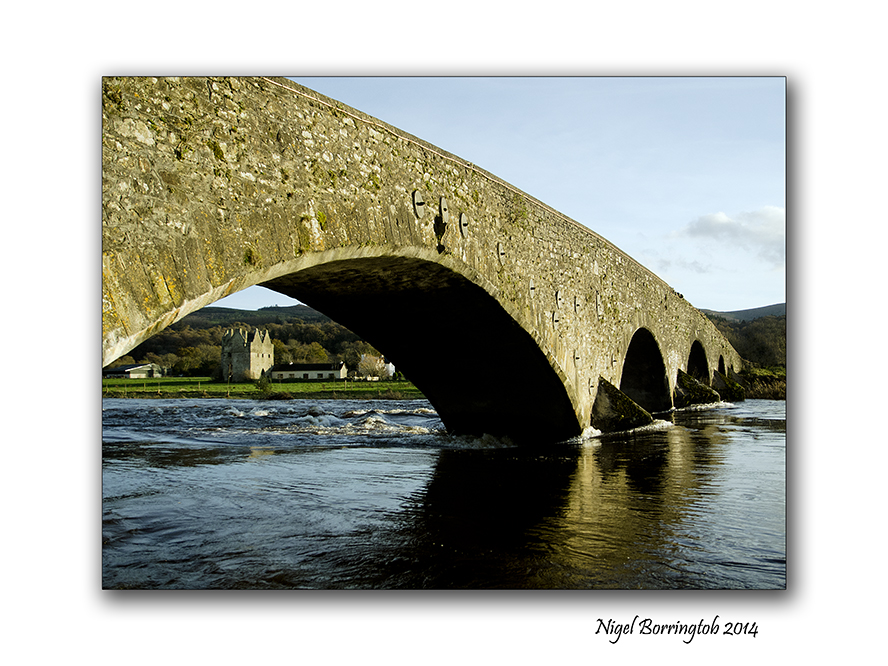
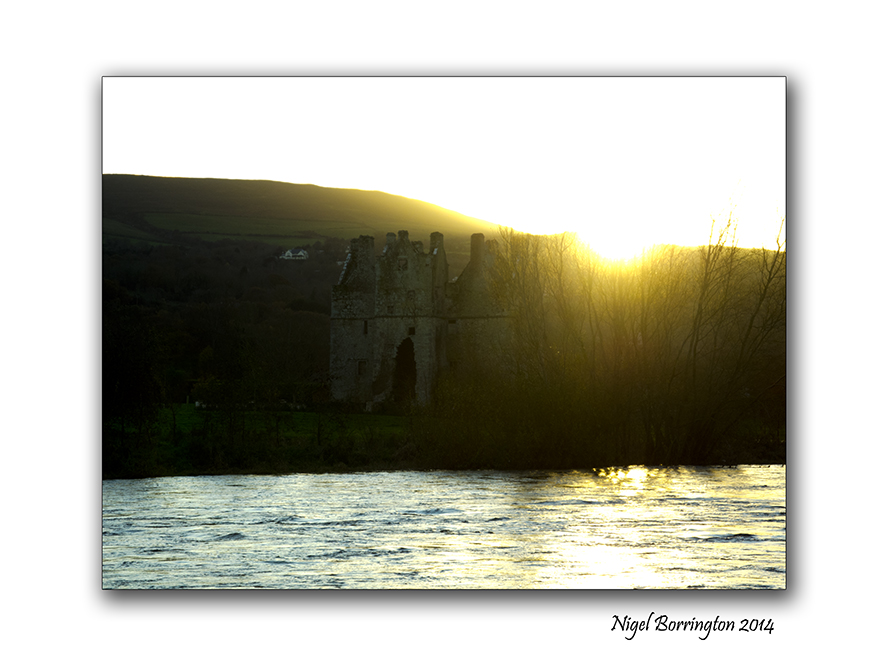
Sir Thomas bridge, clonmel, County kilkenny
Landscape photography : Nigel Borrington
The changing light as the river flows
Walking along the river Suir on a springtime evening with the sun about to set, is a wonderful experience by itself but one of the things I love the most is the changing light. The light changes almost moment by moment and the reflections of the sun from the water is just amazing as you walk past some of the many bridges.
One of the best things about photography however is the ability to capture just how much this light does change, I recently put together this small collection of images and I think they show the way the light changes as the sun sets.
The entire landscape changes from yellows and and olive greens to deep blues and blue – greens.
I personally feel that the type of sun light and the different colours it brings is one of the most powerful tools in the art of photography and taking a little time to record your most loved locations at different times of day and weather conditions is a powerful learning tool for getting strong images and for you to have fun with and enjoy yourself.
The changing light as the river flows, Gallery

Slievenamon on May mornings. Poem By : John Milton
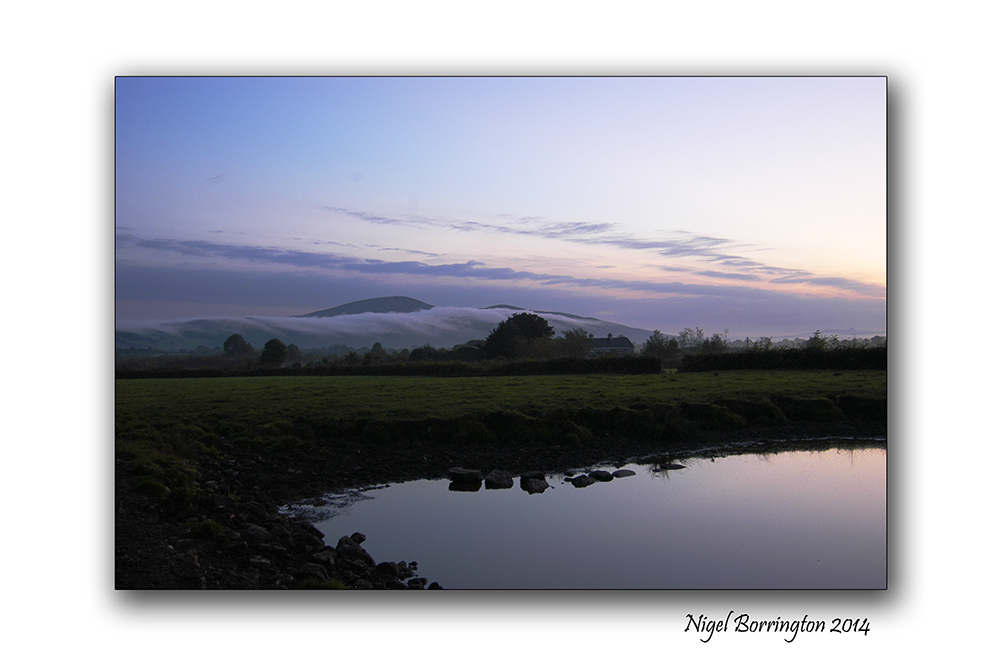
Fields around Slievenamon, early Morning mist
Landscape Photography : Nigel Borrington
On May mornings.
Poem By : John Milton
Now the bright morning Sun,
Comes dancing from the East.
leading with her the Flowers of May,
who from her green lap throws
The Cowslip, and the pale Primrose.
Hail bounteous May that dost inspire
Mirth and youth, and warm desire,
Woods and Groves, are of thy dressing,
Hill and valley, doth boast a blessing.
Thus we salute thee with our early Song,
And welcome you, and then wish you a so long.
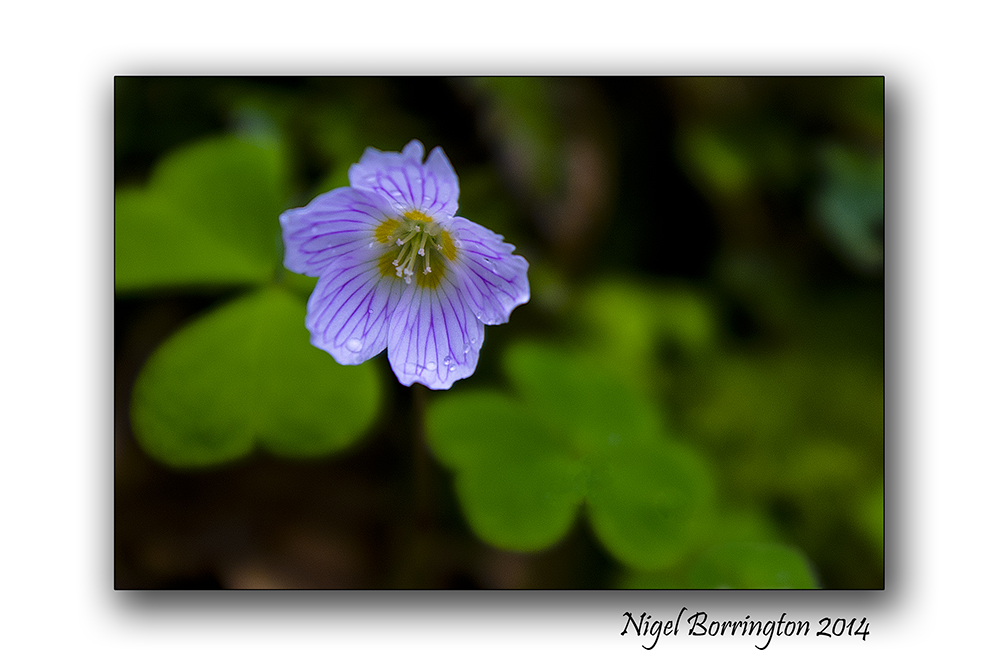
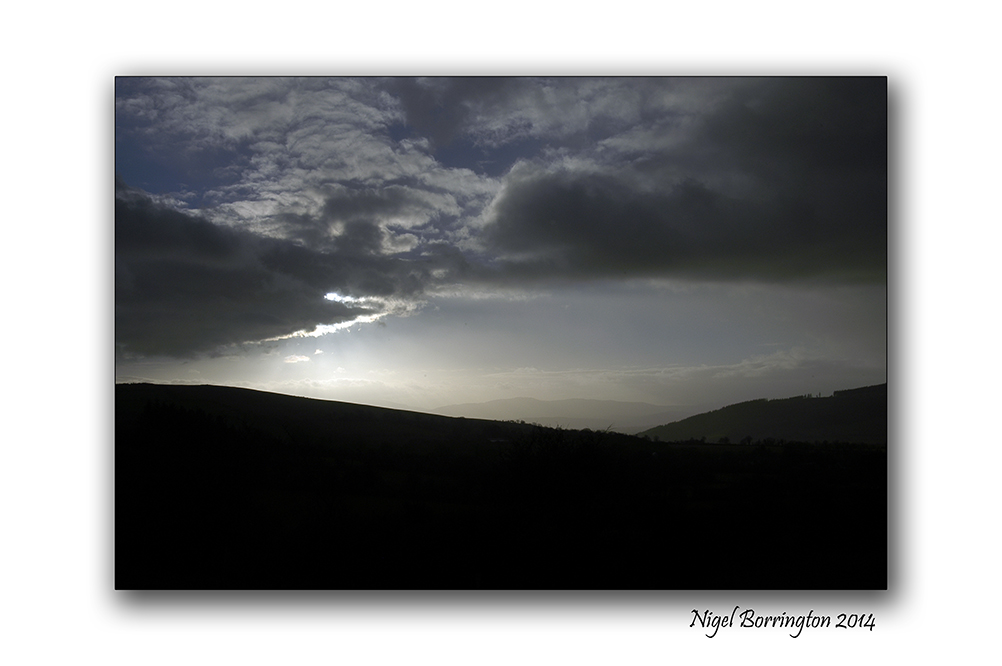
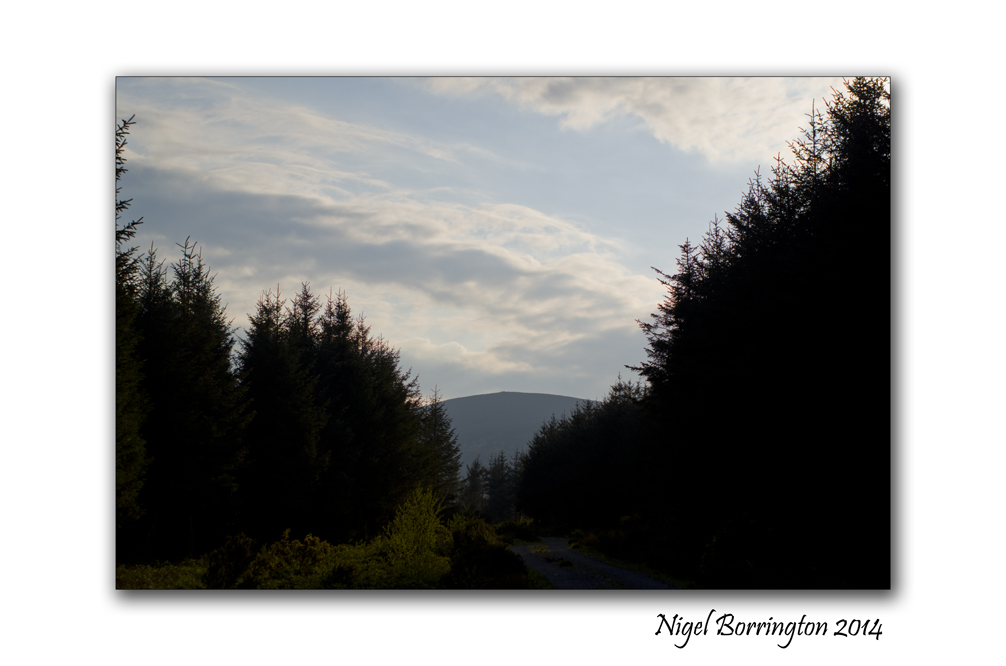
A May Morning Gallery




World wide megalithic Portal tomb’s a connection to county Kilkenny .

portal tomb at NewMarket, county Kilkenny
Landscape Photography : Nigel Borrington
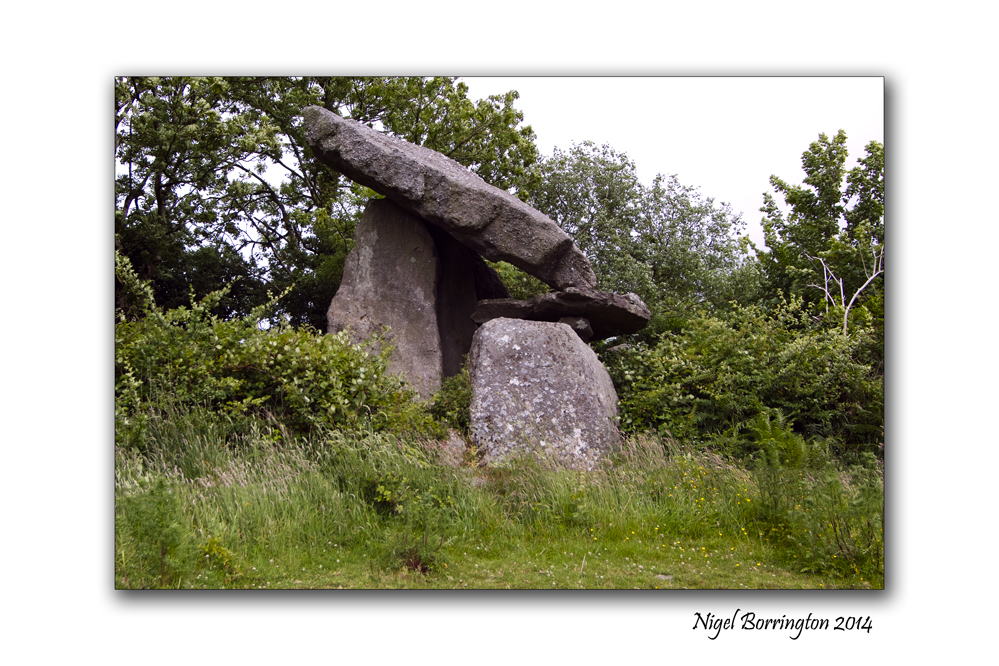
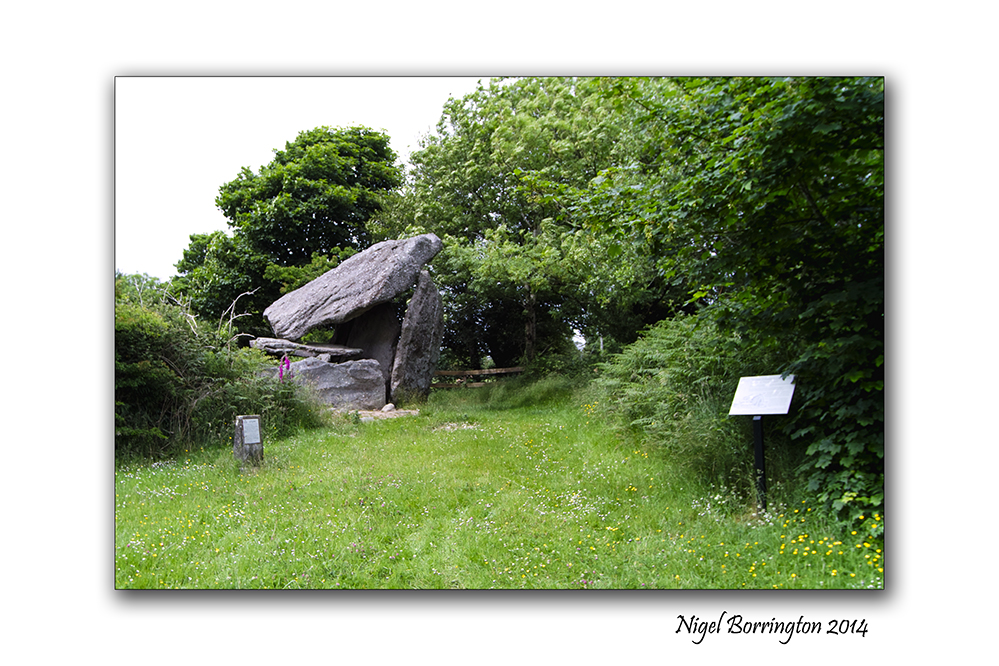
Portal tombs, Dolmen’s, portal graves or quoit are a type of single-chamber megalithic tomb, usually consisting of two or more upright stones supporting a large flat horizontal capstone (table), although there are also more complex variants. Most date from the early Neolithic period (4000 to 3000 BC). Dolmens were typically covered with earth or smaller stones to form a barrow. In many instances, that covering has weathered away, leaving only the stone “skeleton” of the burial mound intact.
It remains unclear when, why, and by whom the earliest tomb’s were made. The oldest known tomb’s are in Western Europe, where they were set in place around 7000 years ago.
County Kilkenny has two such Tombs , the Newmarket tomb and the Kilmogue Portal Tomb at Harristown, both are dated to some 6000 years of age.
I did a little more reading on these tombs and it is very clear that they are very widely spread through out the world as the link below details :
http://en.wikipedia.org/wiki/Dolmen
The link shows their world wide locations as :
3.1 Asia
3.1.1 Korea
3.1.2 India
3.1.3 Eurasia (North Western Caucasus) Circassia
3.1.4 Middle East
3.2 Africa
3.2.1 Horn of Africa
3.2.2 North Africa
3.3 Europe
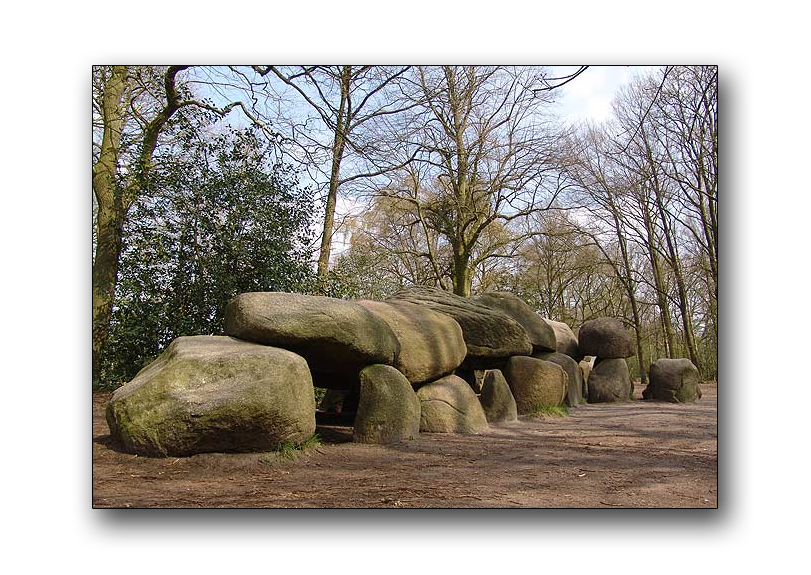
T-shaped Hunebed D27 in Borger-Odoorn, Netherlands.
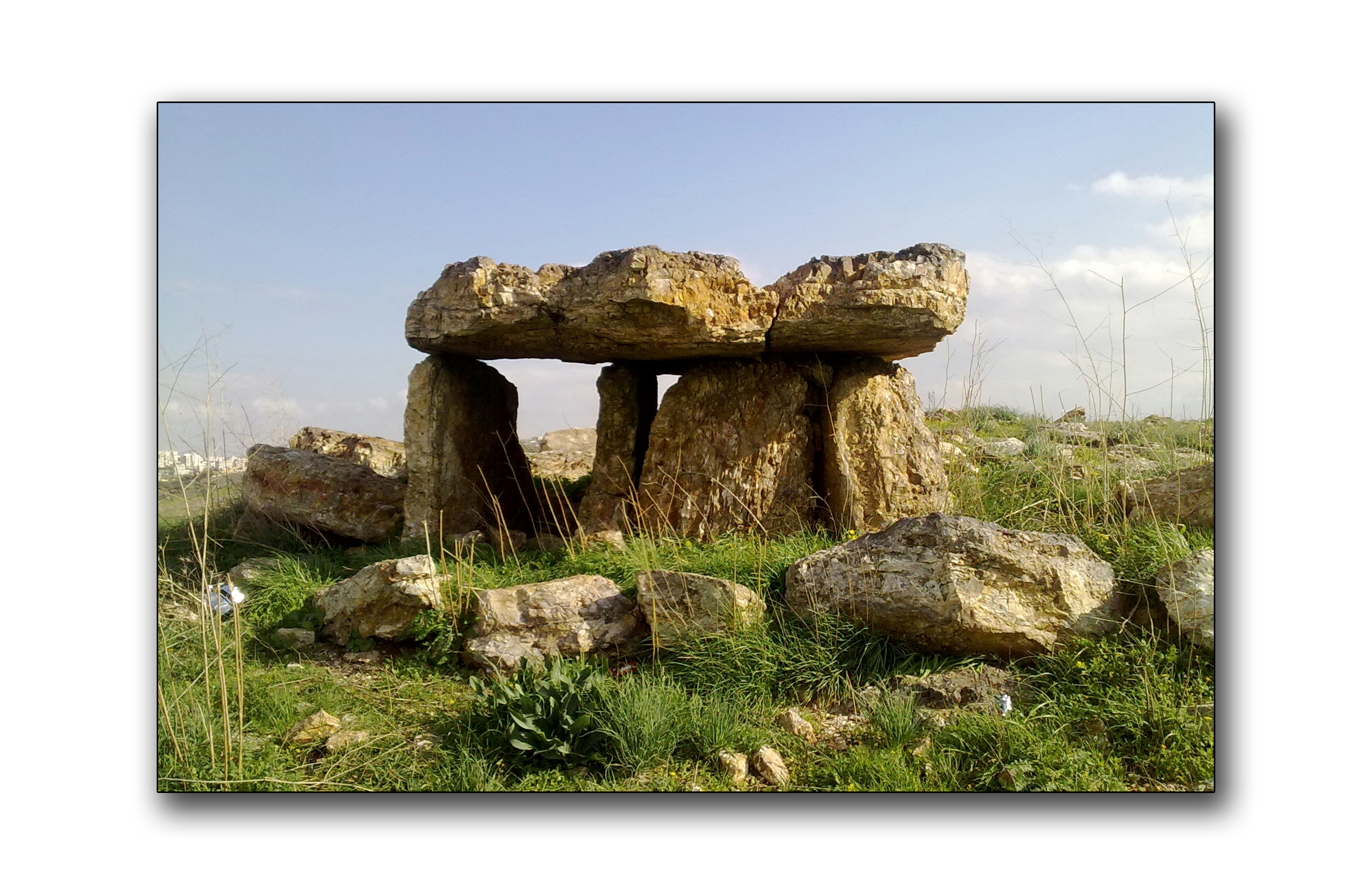
Flint Dolmen in Johfiyeh, Jordan
You can see the full details by the link above!
I have been visiting these sites in Ireland for sometime as in Ireland we have many passage tombs through out the country.
Understanding however just how international these locations are is very fascinating.
It needs to be remembered that some 6000 years ago very few of the nations we know, if any existed and people travelled without boarders.
The first time anyone gave Ireland a name as such, it was called “Hibernia”.
Hibernia is the Classical Latin name for the island of Ireland. The name Hibernia was taken from Greek geographical accounts. During exploration of northwest Europe (c. 320 BC), Pytheas of Massilia called the island Iérnē (written Ἰέρνη). In his book Geographia (c. 150 AD), Claudius Ptolemaeus (“Ptolemy”) called the island Iouerníā (written Ἰουερνία, where “ου”-ou stands for w). The Roman historian Tacitus, in his book Agricola (c. 98 AD), uses the name Hibernia. The Romans also sometimes used Scotia, “land of the Scoti”, as a geographical term for Ireland in general, as well as just the part inhabited by those people.
Something that becomes very clear is that the peoples who lived in many different world wide locations often shared the same culture, they lived very closely to and with their environment, they were clearly pagan in their beliefs and as such very close to their surroundings.
Life would have been completely different from the life we know, they lived and moved to the cycles of the seasons, they eat and lived of the wildlife and nature that surrounded them, in some season they would have little food if any.
They clearly had Gods and figure heads, yet we have a tendency to place our own modern religious understanding on-to what this meant to them directly.
It is likely that their Gods were Mythical in nature and derived from memories of real people who they connected with different elements and forces of life that affected the way they lived and survived.
This wikipedia page lists some of the celtic Gods and Goddesses and shows the forces of life and nature that they were related to.
Kilkenny Portal tomb Gallery
NewMarket Portal Tomb
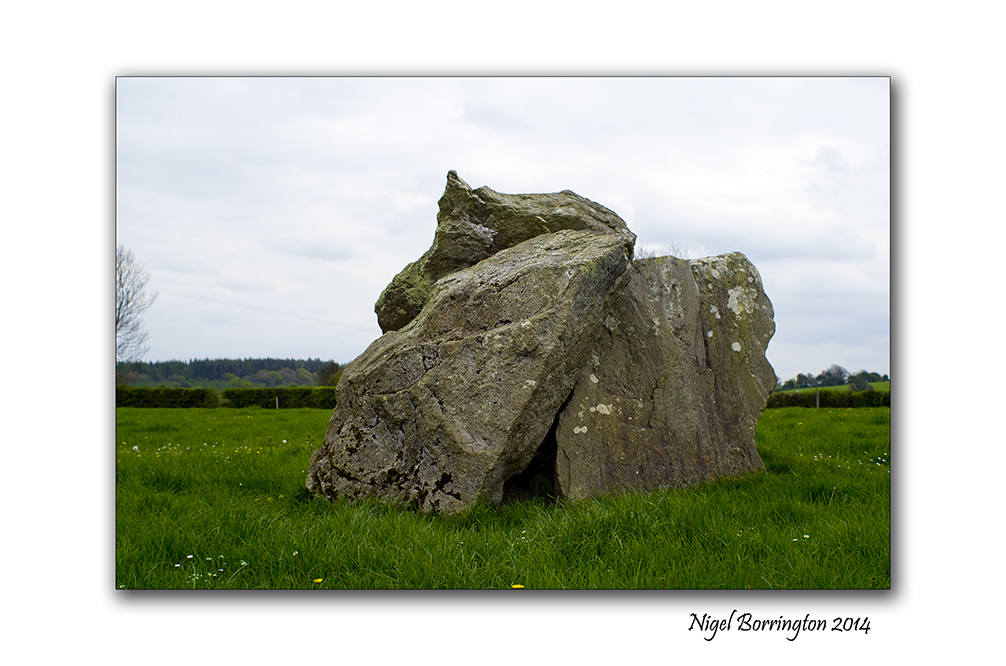
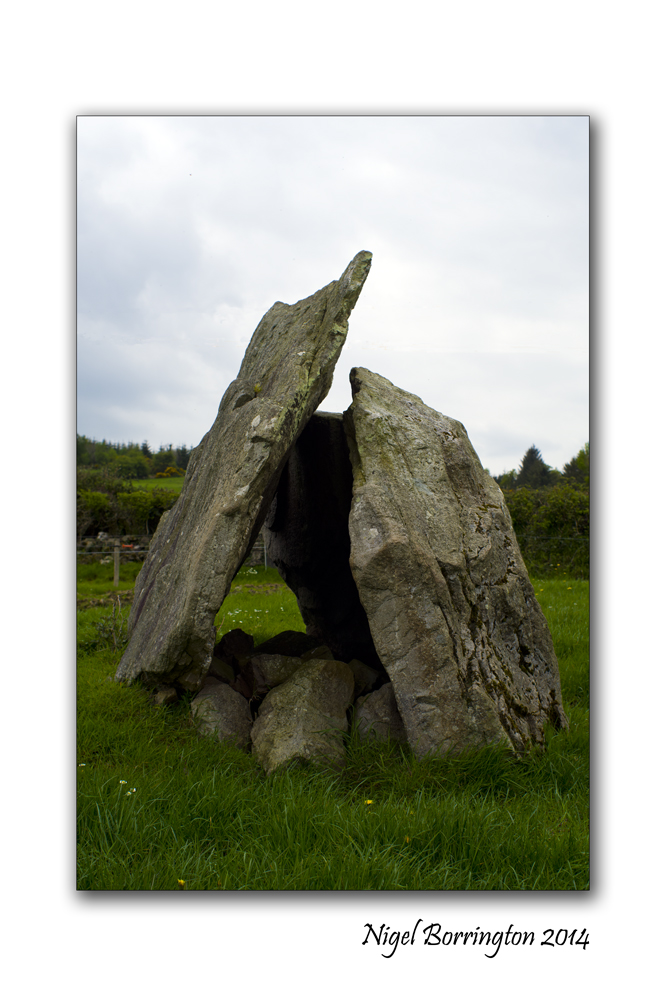 .
.
Kilmogue Portal Tomb


A misty day , A poem By : Paul Laurence Dunbar
 A Misty Day
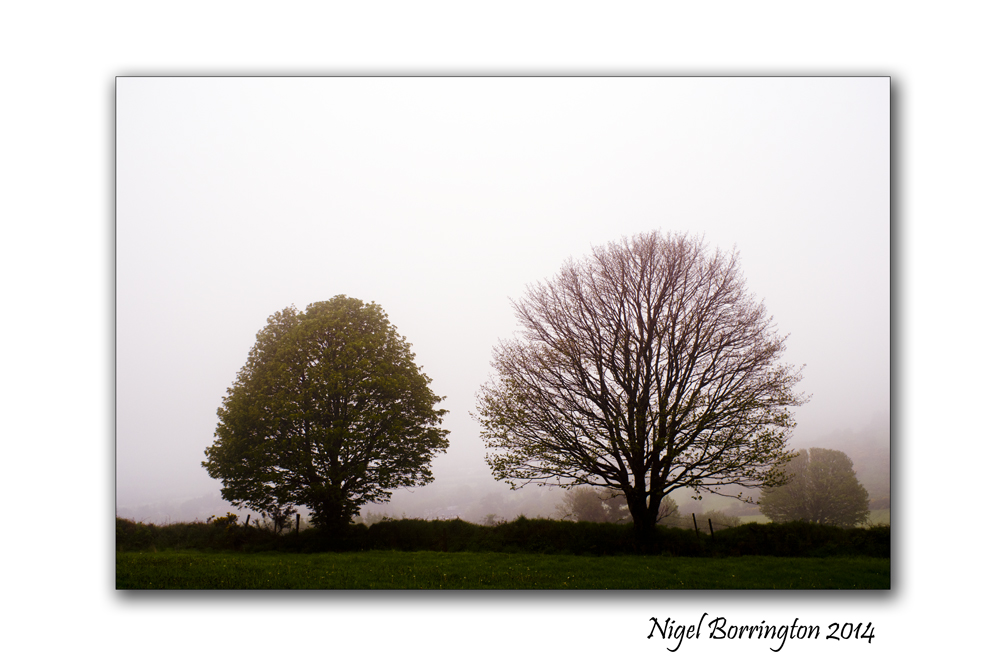
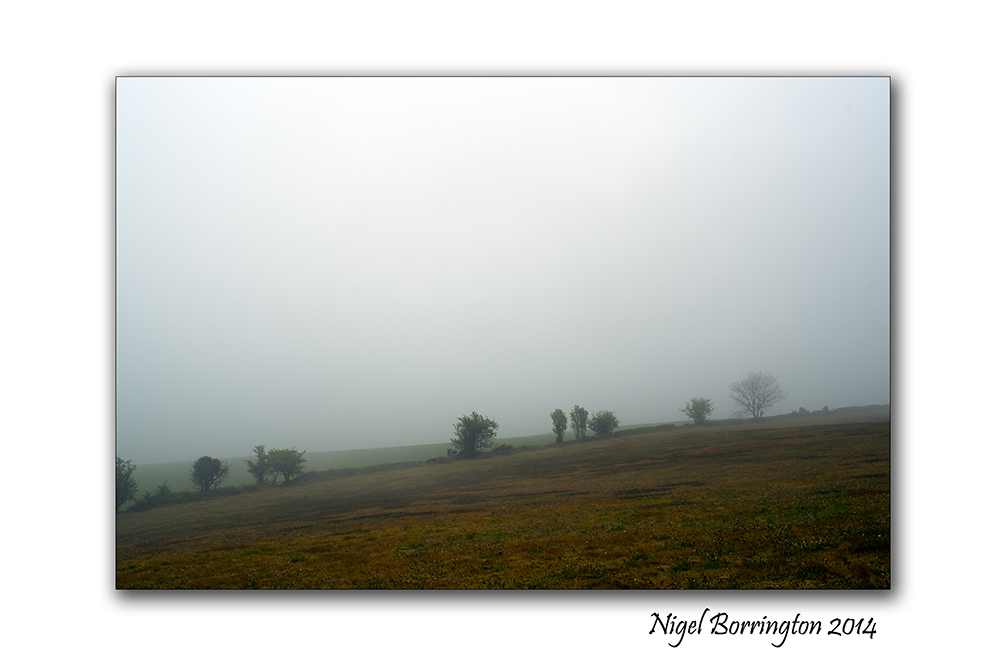
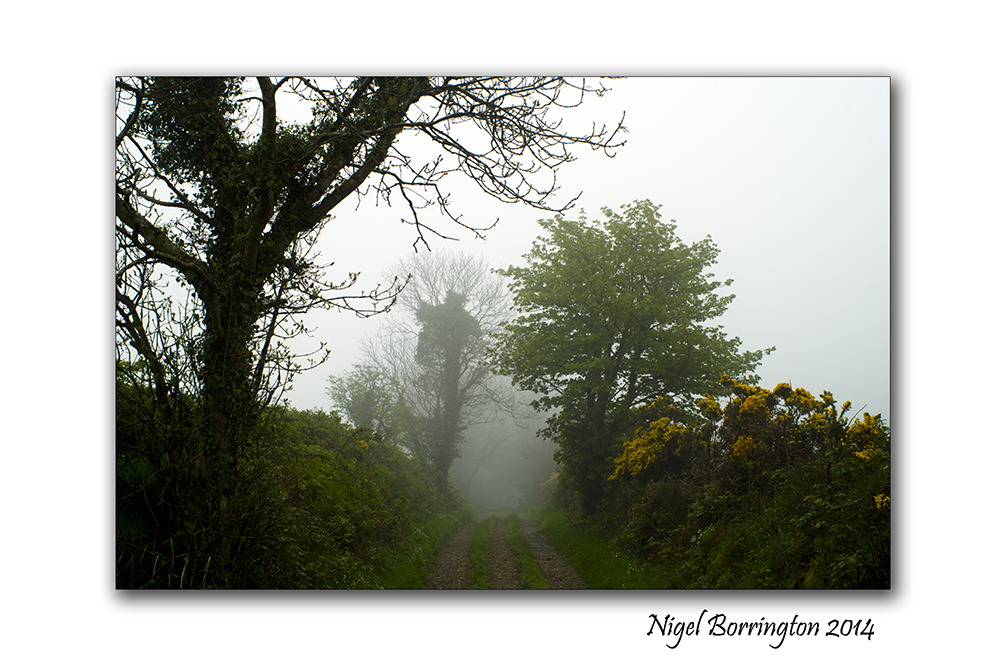
A Misty Morning on Glencommon hill, County Kilkenny
Irish Landscape Photography : Nigel Borrington
A Misty Day
By : Paul Laurence Dunbar
Heart of my heart, the day is chill,
The mist hangs low o’er the wooded hill,
The soft white mist and the heavy cloud
The sun and the face of heaven shroud.
The birds are thick in the dripping trees,
That drop their pearls to the beggar breeze;
No songs are rife where songs are wont,
Each singer crouches in his haunt.
 .
.
Heart of my heart, the day is chill,
Whene’er thy loving voice is still,
The cloud and mist hide the sky from me,
Whene’er thy face I cannot see.
 .
.
My thoughts fly back from the chill without,
My mind in the storm drops doubt on doubt,
No songs arise. Without thee, love,
My soul sinks down like a frightened dove.
The Children of Lir

Swans at Haywood house Gardens
Nature and Wildlife photography : Nigel Borrington
The Children of Lir is a very old Irish legend. The original Irish title is “Clann Lir or Leanaí Lir”, but Lir is the genitive case of Lear. Lir is more often used as the name of the character in English. The legend is part of the Irish Mythological Cycle, which consists of numerous prose tales and poems found in medieval manuscripts.
The Children of Lir
Long ago there lived a king called Lir. He lived with his wife and four children: Fionnuala, Aodh, Fiachra and Conn. They lived in a castle in the middle of a forest. When Lir’s wife died they were all very sad. After a few years Lir got married again. He married a jealous wife called Aoife.
Aoife thought that Lir loved his children more than he loved her. Aoife hated the children. Soon she thought of a plan to get rid of the children.
One summer’s day Aoife took the children to swim in a lake near the castle. The children were really happy to be playing in the water. Suddenly Aoife took out a magic wand. There was a flash of light and the children were nowhere to be seen. All there was to be seen was four beautiful swans, with their feathers as white as snow.
Aoife said, “I have put you under a spell. You will be swans for nine hundred years,” she cackled. “You will spend three hundred years in Lough Derravaragh, three hundred years in the Sea of Moyle and three hundred years in the waters of Inish Glora,” Aoife said. She also said, “You will remain swans for nine hundred years until you hear the ring of a Christian bell.”
She went back to the castle and told Lir that his children had drowned. Lir was so sad he started crying. He rushed down to the lake and saw no children. He saw only four beautiful swans.
One of them spoke to him. It was Fionnuala who spoke to him. She told him what Aoife had done to them. Lir got very angry and turned Aoife into an ugly moth. When Lir died the children were very sad. When the time came they moved to the Sea of Moyle.
Soon the time came for their final journey. When they reached Inish Glora they were very tired. Early one morning they heard the sound of a Christian bell. They were so happy that they were human again. The monk (some even say it was St. Patrick himself) sprinkled holy water on them and then Fionnuala put her arms around her brothers and then the four of them fell on the ground. The monk buried them in one grave. That night he dreamed he saw four swans flying up through the clouds. He knew the children of Lir were with their mother and father.
The Passage tomb of (Olioll Olum), King of Munster

The Passage Tomb of , Olioll Olum ( Died 234), Galbally Limerick
Irish Landscape Photography : Nigel Borrington
Irish Passage Tombs
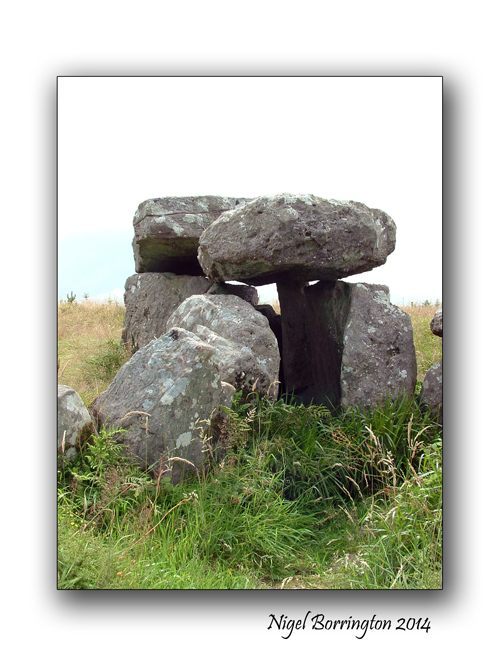
Located on the side of Duntryleague Hill, County Limerick and the westerly extension of Slievenamuc hill is a passage tomb. The Tomb was constructed for Olioll Olum, one of the early Kings of Munster.
The name Duntryleague is derived from Dún-Trí-Liag, meaning the fort of three pillar stones. Diarmuid and Gráinne are also said to have rested here in their flight from the angry Fionn Mac CumhaillWell.
The route through the forest leading to the burial ground is accessible and leads to this amazing rock structure of the tomb. There is one enormous rock slab resting steadily across a number of famous cairns which measures approximately 25m north -south and 22m east-west. Continuing on from the cairn you come across many natural viewing points which extend over the terrain of west Limerick.
Olioll Olum, was a King of Munster, who died in 234, he is said to have been progenitor of most of the great families of the south of Ireland. He married Sabia, daughter of Con of the Hundred Battles, ruler of the north of Ireland.
He willed that after his death the sovereignty of Munster should vest alternately in the descendants of his son Eoghan Mor (the Eugenians, or Eoganachts, occupying the southern part of Munster), and those of his son Cormac Cas (the Dalcassians, occupying the northern part of the same province).
The images below include some landscapes of the surrounding mountains, this is not a bad place to be laid to rest.
Gallery of a Passage Tomb



This morning Light , a Poem

Morning Landscape, County Tipperary
Landscape photography : Nigel Borrington
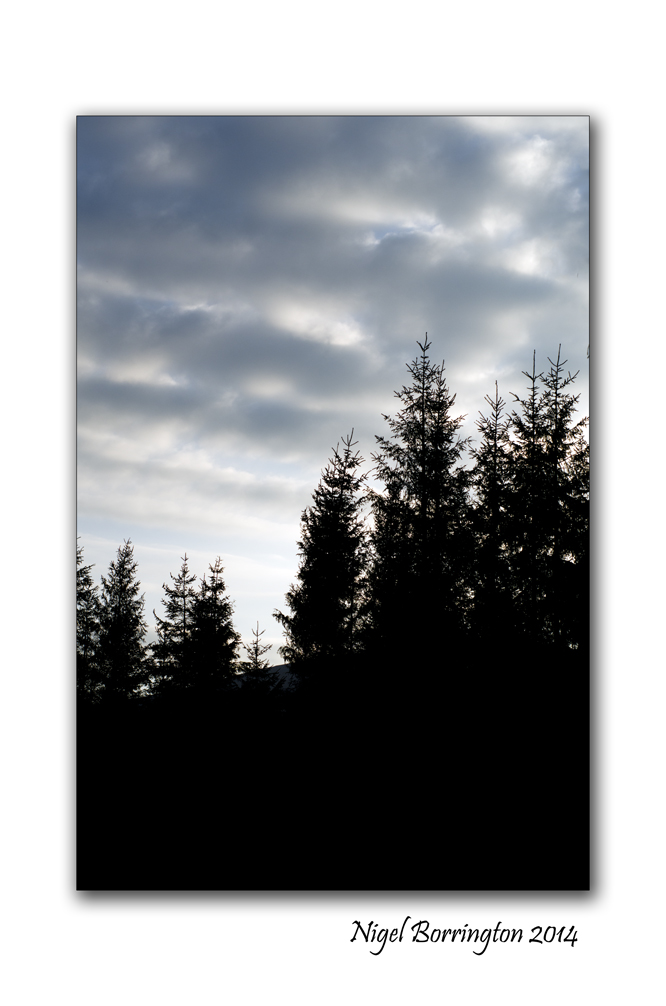
Tuesday and the Easter holiday weekend is over , I went for an early morning walk and was trying my best to plan the week ahead. Failing in most respects however. I found myself lost in the morning and distracted by just how wonderful the soft light was, we had a light covering of cloud and it resulted in some wonderful light and colours across the fields and woods.
Still a little frustrated as I sat at my desk, I decided to write down some words and share them in a post along with some images I took along my morning walk.
The morning of Tuesday 22nd April 2014.
This morning light
When first morning light comes to reveal the landscape,
There are many thoughts that I ponder in my mind,
last nights dreams fading away.
This mornings sounds should give a clue,
If I could only remember what it is I need to do,
I know it came to me last night, fading fast into the morning light
I walk on past these fields covered in soft light,
What was that dreams I had last night,
Completely gone and washed away,
Taken into yet another day.
Morning Landscapes

Easter (Ostara) Holidays in the Landscape.
Easter Holidays in the Irish Landscape
Landscape Photography : Nigel Borrington
Easter (Ostara)
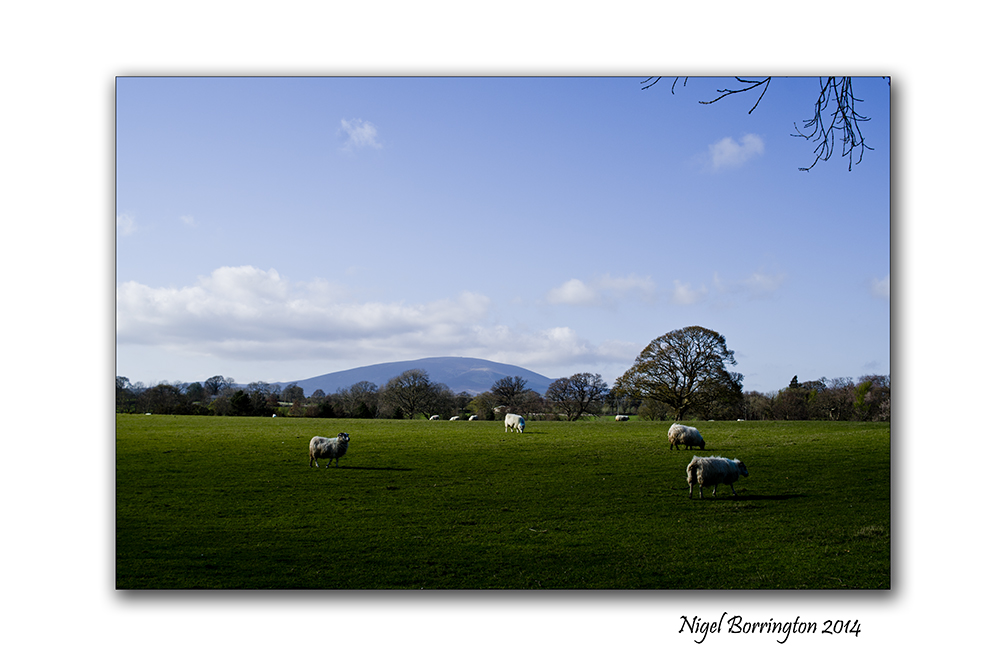
Easter to many Christians marks a religious holiday and the two weeks around Easter weekend is traditionally a Holiday time.
Before the Christian tradition however it was still marked as Ostara by the Pagan world, marking a time of rebirth and new life, Life has returned to the landscape with new growth and natural foods available. Wild life is on the move again starting to make plans for a new breeding season, finding foods themselves and getting to put some much needed body weight back on.
Over the next two weeks I want to get out and capture these changes, as the march towards the summer months feels ever closer and closer.
Image Gallery

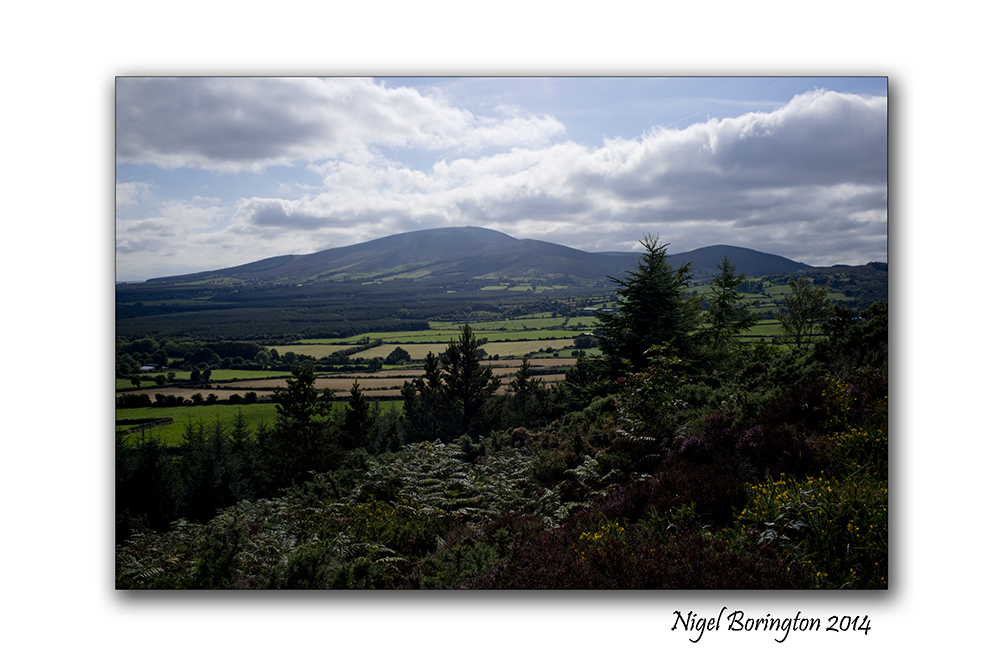


Where Go the Boats, A river Poem

Boats on the river Suir, County Tipperary
Landscape Photography : Nigel Borrington
Where Go the Boats?
Dark blue is the river.
Golden is the sand.
It flows along for ever,
With trees on either hand.
Green leaves a-floating,
Castles of the foam,
Boats of mine a-boating—
Where will all come home?
 .
.
On goes the river
And out past the mill,
Away down the valley,
Away down the hill.
Away down the river,
A hundred miles or more,
Other little children
Shall bring my boats ashore
 .
.
Robert Louis, Stevenson
Walking through a field at Coolehill , images with a poem

Coolehill, Windgap, County Kilkenny
Irish Landscape Photography : Nigel Borrington
Walking across a field at Coolehill
Walking across the fields of Coolehill,
Ash, Briar, hawthorn, holly, and hazel
A wall around the field that your in.
 .
.
Above you
is a big blue sky, with its layers of soft clouds,
held up by the rows of oaks.
A sheltered patch of sunshine:
 .
.
I stop
and stand in silence
and close your eyes
and feel the warmth on your face,
whilst a blackbird sings.

inspired by Holbury Lane, Lockerley
The Grand Union Canal, Walking through time.

Grand Union canal, Harefield, Hillingdon, London, England.
Landscape Photography : Nigel Borrington
Grand Union canal, Harefield (1988 to 2014)
Up until some 18 years ago I lived and worked in Harrow , Middlesex, North London. Working in the IT industry with long hours and shift work included. I really Valued my time off and would spend a lot of my weekends out walking in the country around North London. The Grand Union Canal was one of my most visited locations , it runs from Inner London to Birmingham in the Midlands of the UK.
Recently I took some time off to visit the Canal again after some twenty six years, It was great after all this time to get back and walk some old steps, I had no idea what could have changed. When I got back I remembered that I must have some old images taken during my original walks here.
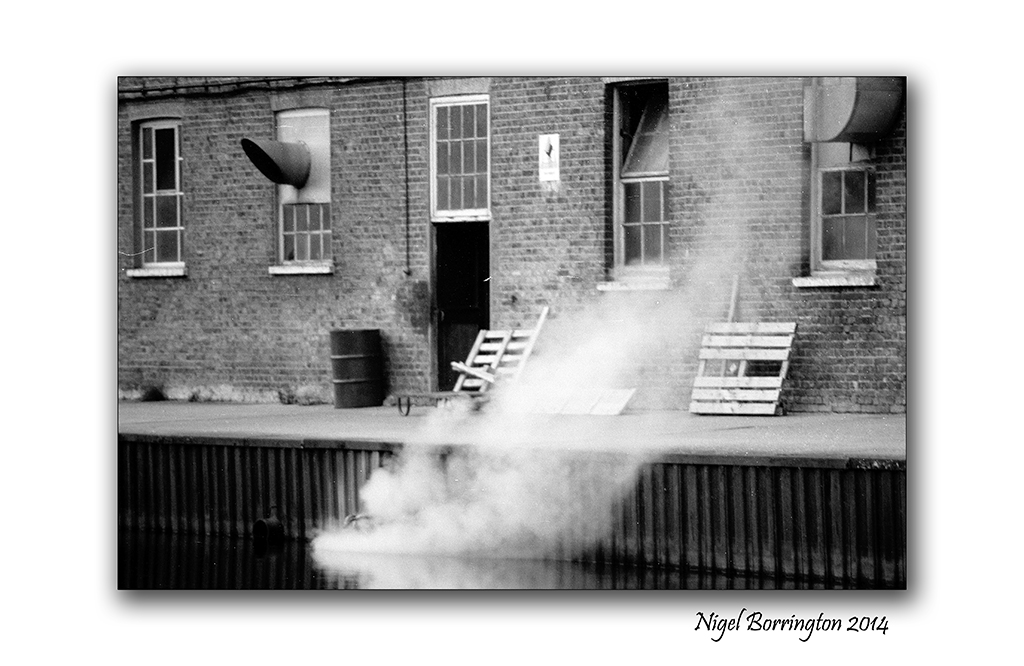
So when I got back home to Ireland, I found some black and white images of an old canal side factory that marked the start of my walks, the images below show just how little the building has changed. It looks like it is just used for smaller office units these days but apart from this, its still very much looks like the place in my film images.
It was great to walk these old places, I have very good memories of walking and doing my best to relax after a long working week and to get a fresh image of the old canal in my mind was just great.
Film Gallery (1988), using a Nikon FM2 and Ilford XP2 Black and white film


 .
.
Digital Gallery (2014), using a Fujifilm X100.


The Blackbird, A Poem by : William Ernest Henley.

A Blackbird, in a kilkenny woodland.
Wildlife photography : Nigel Borrington
The Blackbird
By : William Ernest Henley.
The nightingale has a lyre of gold,
The lark’s is a clarion call,
And the blackbird plays but a boxwood flute,
But I love him best of all.
For his song is all of the joy of life,
And we in the mad, spring weather,
We two have listened till he sang
Our hearts and lips together.
Yellow summer daisies, by : Robert Graves

Yellow summer daisies
Nature Photography : Nigel Borrington
Summer Daisies
Summer daisies, they’re my flowers,
Which nobody else may grow.
In a big quarrelsome house like ours
They try it sometimes—but no,
I root them up because they’re my flowers,
Which nobody else may grow.
Claire has a tea-rose, but she didn’t plant it;
Ben has an iris, but I don’t want it.
Daisies, double Yellow daisies for me,
The beautiful-est flowers in the garden.
The summer daisy, that’s my mark:
I paint it in all my books!
It’s carved high up on the beech-tree bark,
How neat and lovely it looks!
So don’t forget that it’s my trade mark;
Don’t copy it in your books.
Claire has a tea-rose, but she didn’t plant it;
Ben has an iris, but I don’t want it.
Daisies, yellow daisies for me,
The beautiful-est flowers in the garden.
By : Robert Graves
Ballybunion , a view from the cliff

Ballybunion, county Kerry
Irish Landscape Photography : Nigel Borrington
Ballybunion , county Kerry
Ballybunion in county Kerry is one of Ireland’s most visited sea side locations, it a wonderful little town with a long history of holiday makers visiting here.
It has one very interesting feature that relates to its beach’s, there are two commonly used beaches divided by the reamins of an old castle on the cliff. The beach to the left of the castle (if looking toward the sea) is called the “Men’s Beach”, and the one to the right the “Ladies Beach”, given to the fact that men used to bathe on a separate beach from women and children. Although this practice has not been observed for decades, its amazing to think in this day and age how it even worked or became Normal practice.
Family members having to split-up for a swim.
There is a small cafe, hot seaweed baths and ice cream shop on the women’s beach. The large cliffs to the right of the women’s beach have shallow caves.
The sheer cliffs over the beach have a scenic walking path, featuring a blowhole, views of sea stacks and a multitude of wildlife. The path takes about 20 minutes to walk, and goes round to the “Nun’s Beach”, a beautiful beach with no access these days, it is overlooked by an old convent.
You get an overwhelming feeling of history here from times when traditions and culture was very different than the many visitors today experience.
Ballybunion, is still a place well worth a visit !!
Gallery

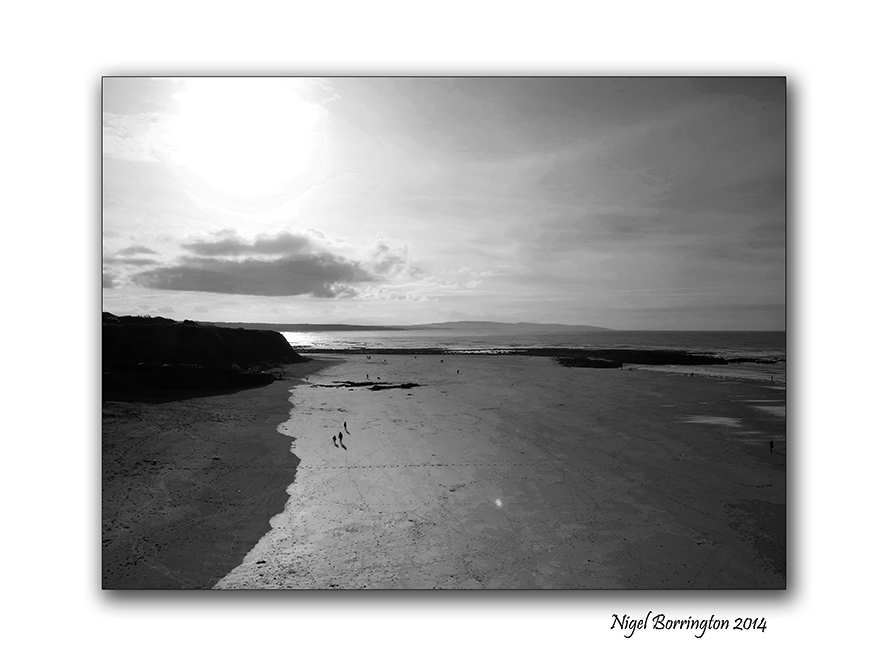


Skellig Michael, Six hundred steps to heaven
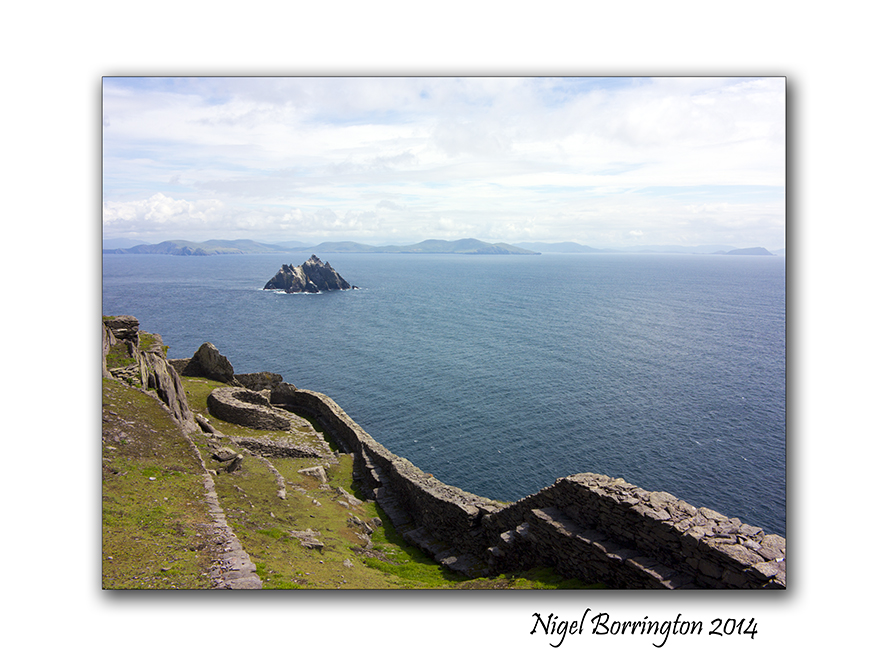
Skellig Michael (unesco heratage site) , country Kerry Ireland
Irish Landscape Photography : Nigel Borrington
Skellig Michael, six hundred steps to heaven
During the summer last year I finally achieved a long ambition, to visit Skellig Michael and the Skellig islands some 16 kilometres off the county Kerry coast line, Ireland.
In yesterday post I shared the boat trip out to the Islands, today I want to share the walk up the six hundred plus stone laid steps to the very top where the world famous monastic outpost is located.
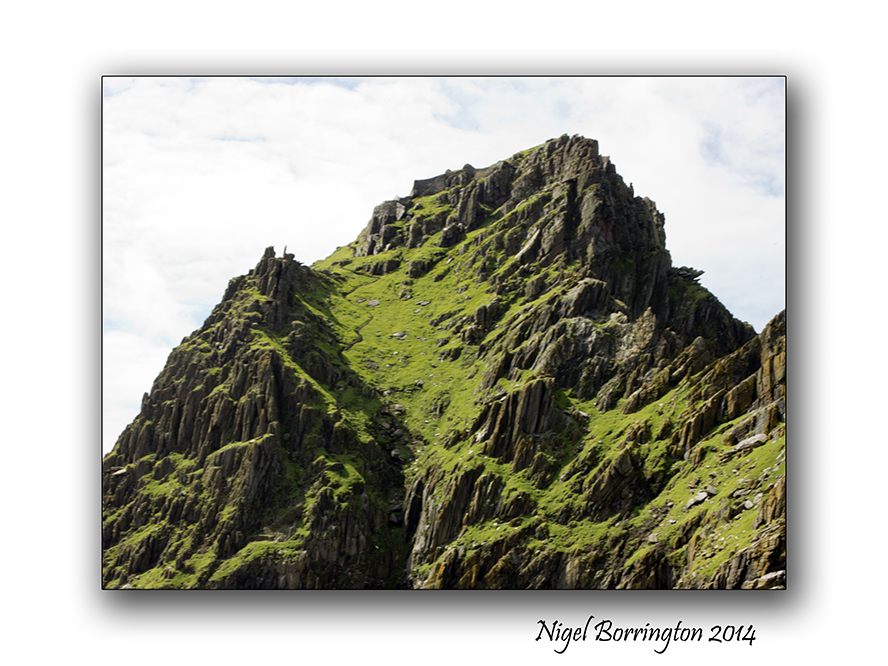
During the boat trip one of our guides pointed out one of three stair cases to the top, if you open up this picture you will see it rising up to the settlement, there are three of these routes up that were hand built with stone cut on the island. The three of them provided landing points during different tides and weather conditions.
Landing on the Island is an experience in its own right as the swell from the sea water makes stepping off the boat great fun. As you set foot on ground again, the first stage of the walk to the top is a well laid foot path taking you to about half way around the island and about one third of the way up the 218 meters you need to climb before reaching the settlement.
As this path ends you are met by a guide, who very firmly insists you all receive a health and safety talk, sadly sometime back a visitor died while walking up the steps, the walk is very steep and if you loose your footing the drop all the way to the sea below is not broken by any obstacles. He advises to take your time, “its not a race to the top and that if you need a rest to take one.”
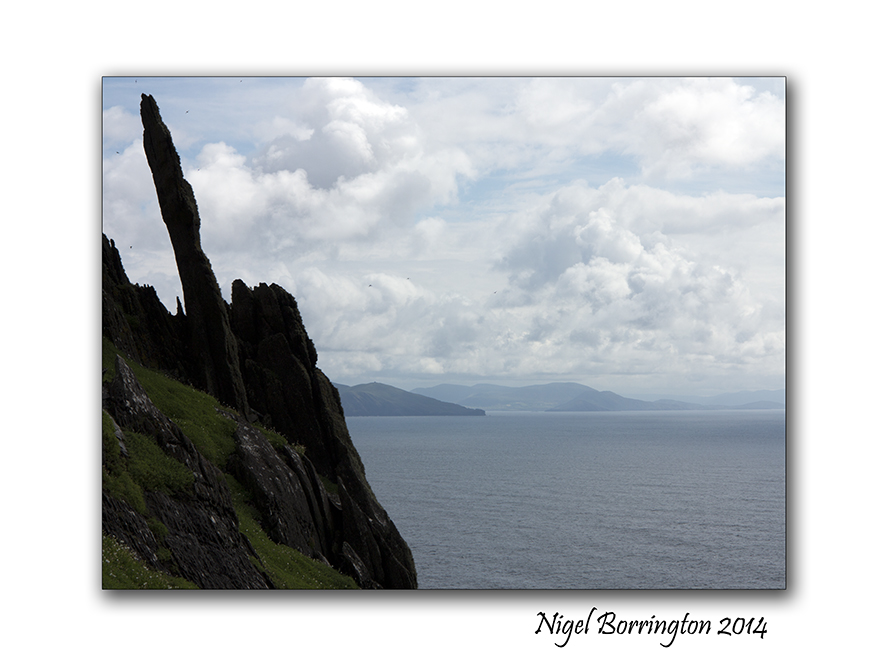
The walk up is hard but very pleasurable, the views as you go are stunning if a little breath taking due to the hight. One of the warnings however was to keep your eyes on your steps and not to take any images unless you had stopped in a secure location and moved aside for others to pass, even telling the people behind that you intend to stop. as you can see in the images below there are some platforms and viewing points and I did my best to only stop here.
One of the wonderful views on your way up was the hundreds of Puffins nesting here, they were due to leave any-time so its was great to still find so many of them, I got many images of them along the way.
Finally after some forty minutes you reach the last set of steps , turning through some sharp rocks you get the first view of the Settlement. This sight just takes you back, the stone wall that greets you is about four meters high from a terrace that is the only flat area on the entire Island, being used to grows vegetables in its day.
From here the only access to the inner yards and structures is through a small door in the stone wall.

On entering you are met with the sight of the famous beehive cells of which six are still standing. The enclosed area is small and fully protected from the elements by the hight of the sea facing wall. The structure of the cells is very unique and fascinating to see. in the centre of the buildings is a small grassed area that served as a grave yard. I found this fact very interesting as it outlines the fact that the people who lived here spent their entire lives living on this Island from the moment they first arrived.
I want to post one more time on Skellig Michael, showing the full structures , living spaces and detail some of the history of this place. It is truly a fascinating place that holds some mysterys. The biggest one’s to me are : why here ?, why did these people select to live at the top of a rock over ten kilometres from the Kerry coast line, when they could have just lived on the main land?
More in the next post …
Skellig Michael, image Gallery




Irish Boglands

Landscape of an Irish peat bog
Landscape Photography : Nigel Borrington
Irish Blanket Bogs
One of Ireland’s most characteristic landscape features is the blanket bog lands. Covering 1,200,000 hectares (1/6th) of the island, Ireland contains more bog, relatively speaking, than any country in Europe except Finland. Across Europe, as well as in Ireland, bogs have been exploited in recent centuries as a source of fuel. With many of the bogs in the rest of Europe already gone, Ireland’s bogs now have an increased importance to the scientific community, as well as the tourist industry.
I took the following images last year on a visit to one of the blanket bogs in the Irish middlands.
Irish blanlet blog-land Gallery


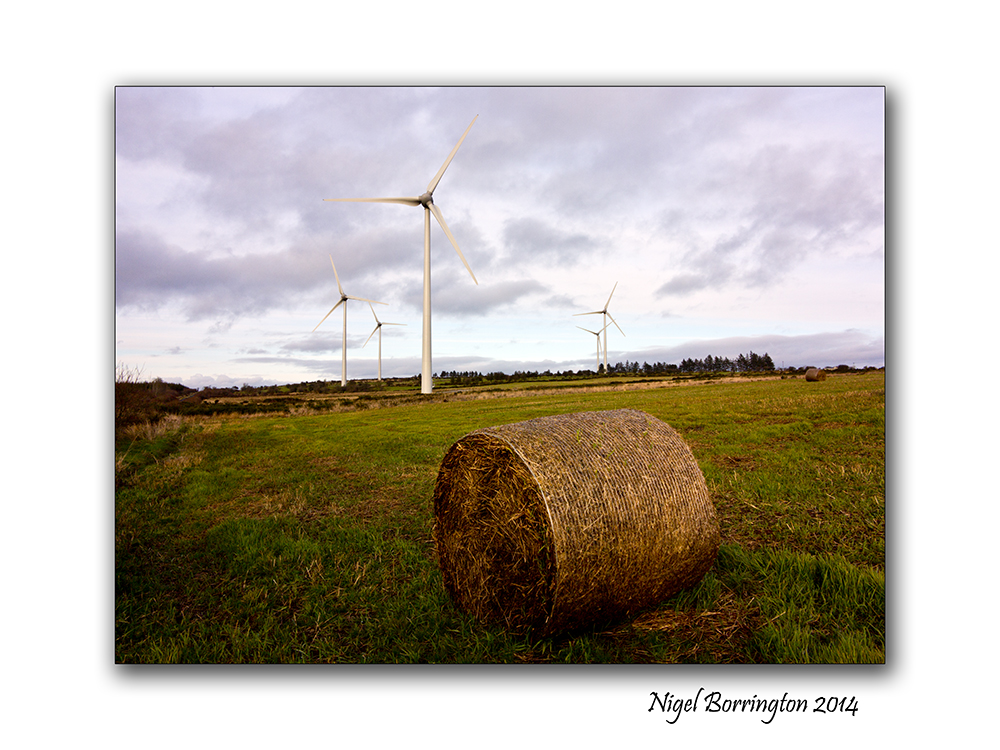
Ballymartin Windfarm , County Kilkenny

Ballymartin Wind farm, County KIlkenny
Irish Landscape Photography : Nigel Borrington
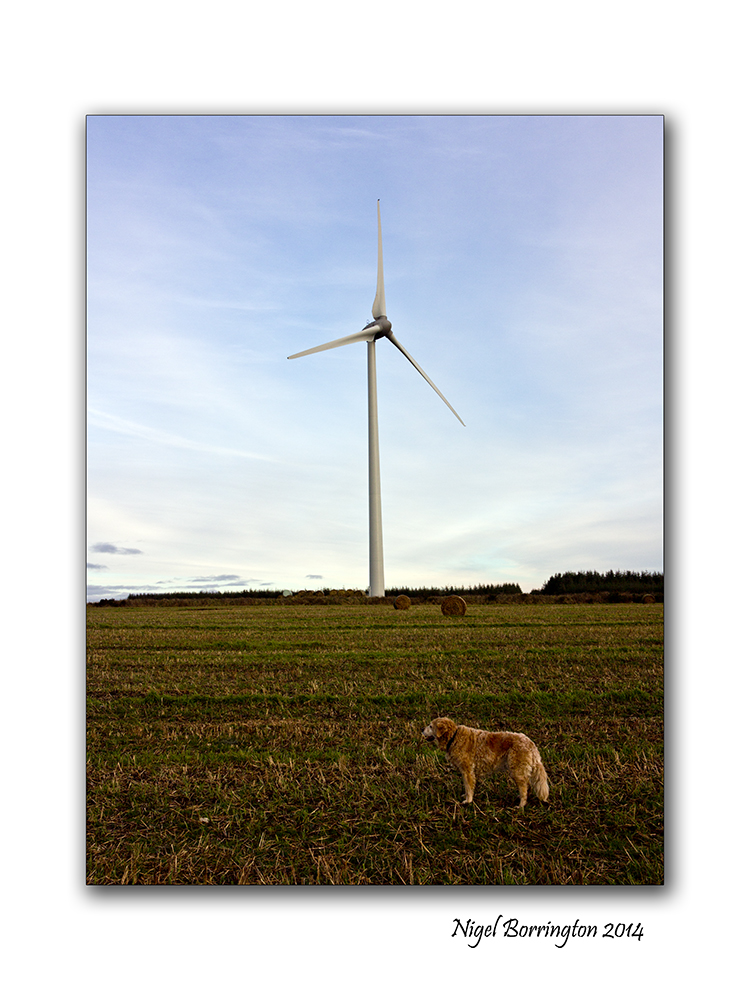
The hills above Mullinavat, County kilkenny offer some wonderful landscape views of south Kilkenny. I love walking around the lanes up here as it is so remote and peaceful.
Over the last 5 years these hills have become a home to a new feature in the landscape, the Ballymartin wind farm, I took these images on an evening walk back in February along with a couple of images of the surrounding landscape.
While I do understand that many people did not want these wind turbines here, I don’t personally have anything against them, they do offer a better solution than a coal powered power plant. I guess it is unlikely that a coal plant would have been built in this location but these turbines maybe stopped one being built in another place.
They are almost graceful as they make use of the wind rushing across the surrounding hills.
Gallery



Sunset in the woods , Images and a Poem

killamery Woodlands . County Kilkenny
Landscape Photography : Nigel Borrington
Yesterday evening I went for a evening walk in Killamery, one of our local woodlands, The Sunset was wonderful and the Sky a deep blue, the moment was charged with atmosphere and I just wanted it to last a little longer than I knew it possibly could.
I took these images to capture the moment and later just put down these words.
 .
.
Sunset in the woods
As the sun falls away over the trees
I am cold like the colours in the sky.
Blue and crazy for the woods around me.
 .
.
Beautifully arranged trees and painfully separated.
I follow down this woodland path.
Hoping that the Sun will stay on the Horizon.
Just giving me one more moment to be lost.

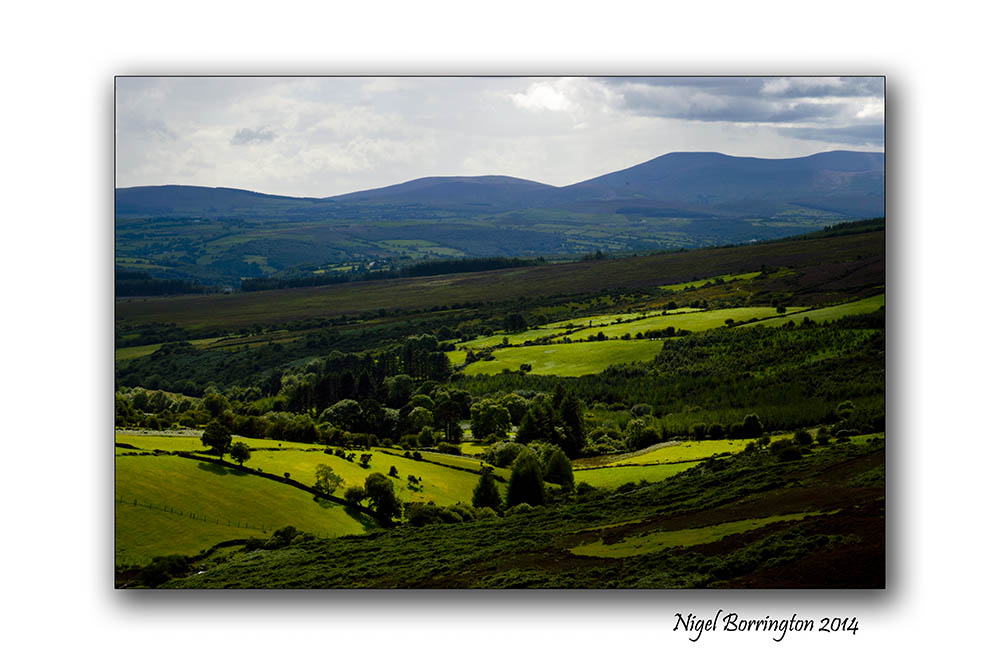
Landscape from the Irish Hills and a Poem By : S. Weir Mitchell
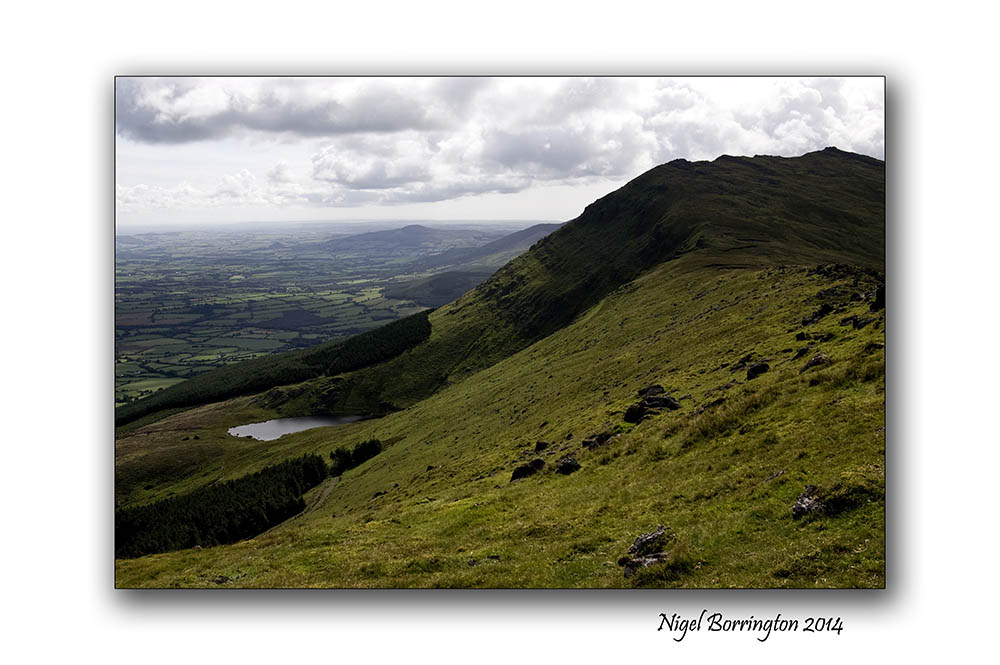
Landscape from the Irish hills
Landscape Photography : Nigel Borrington
The hills of the South east of Ireland are on of my favourite locations to wander and go for long walk, they are not as spectacular as the peaks of the Kerry mountains but there is a stillness here. Space to think and clear your mind and just walk and photograph the landscape.
I will let the words of the below poem say everything else for me, complimenting just how much I like these locations in the soft Irish hills.
S. Weir Mitchell
HERE have I wandered often these many years
Far from the world’s restraint, my heart at ease,
With equal liberty of joy or tears
To welcome Nature’s generosities,
Where these gray summits give the unburdened mind
To clearer thought, in freedom unconfined.
Kind to the dreamer is this solitude.
Fair courtesies of silence wait to know
What hopes are flattering a poet mood,
Stirred by frail ecstasies that come and go,
Like birds that let the quivering leaves prolong
The broken music of their passing song.
Here may we choose what company shall be ours;
Here bend before one fair divinity
To whose dear feet we bring the spirit-flowers,
Fragments of song, stray waifs of poetry,
The orphans of dead dreams, more sweet than aught
Won by decisive days of sober thought.
Landscape of the Irish hills a Gallery



 Nigel Borrington
You must be logged in to post a comment.