Herb-Robert (Geranium robertianum) in the Sun and the Rain

Irish wide flowers
Herb Robert
Nigel Borrington
Familiar little pink flower from April to November, Herb-Robert is a hairy, unpleasant-smelling plant which grows on banks, bases of walls, shingle and shady places throughout the country. Its pink flowers (8-15mm across) have five un-notched petals and in the centre of the flower are orange anthers. Each petal is marked by small lighter-pink lines running into the centre of the flower. The hairy, stalked leaves are often tinged red and have three to five deeply cut lobes. The fruit is hairy and beak-like. This is a native plant belonging to the family Geraniaceae.

Irish wide flowers
Herb Robert
Nigel Borrington
This plant has been introduced into North and South America from Europe and Asia. In traditional medicine in the Americas it has been used to stop nosebleeds. Its leaves are also made into a herbal tea which is recommended as a gargle and an eyewash.
One wonders who is the ‘Robert’ of this plant. Maybe the name comes from the Latin word ‘ruber’ meaning red which may have referred to the colouring of the leaves and stems.
Monday Poetry : The Harbour, by: Winifred Mary Letts

The Harbour, Poem By Winifred Mary Letts Nigel Borrington
The Harbour, Poem
By : Winifred Mary Letts
I think if I lay dying in some land
Where Ireland is no more than just a name,
My soul would travel back to find that strand
From whence it came.
I’d see the harbour in the evening light,
The old men staring at some distant ship,
The fishing boats they fasten left and right
Beside the slip.

The fishing boat rests along the shore,
The grey thorn bushes growing in the sand,
Our Wexford coast from Arklow to Cahore –
My native land.
The little houses climbing up the hill
Sea daises growing in the sandy grass,
The tethered goats that wait large -eyed and still
To watch you pass.
The women at the well with dripping pails,
Their men colloguing by the harbour wall,
The coils of rope, the nets, the old brown sails,
I’d know them all.
And then the sun- I’d surely see
The disk against a golden sky.
Would let me be at my rest.



Monday Poetry : Bicycle Beats By Christian Reid Oct 2014

Christian Reid Oct 2014
Bicycle Beats
Axels and chains and
Feet and brains
It’s the bicycle beats
And the trees and the streets
Join the lines in the sidewalk
As I ride and I talk
To myself,
“Breathe in,” &
“Breathe out,” —
Burning and churning to the
Grooves and the cracks
Red light’s the only chance to relax
Racing the bus and flashing a grin
To the sorry folks trapping themselves therein
Ecstasy building with each revolution
Wiping my sweat away, tasting pollution
Grinding and winding a path on my bike
Where cars and pedestrians hate me alike
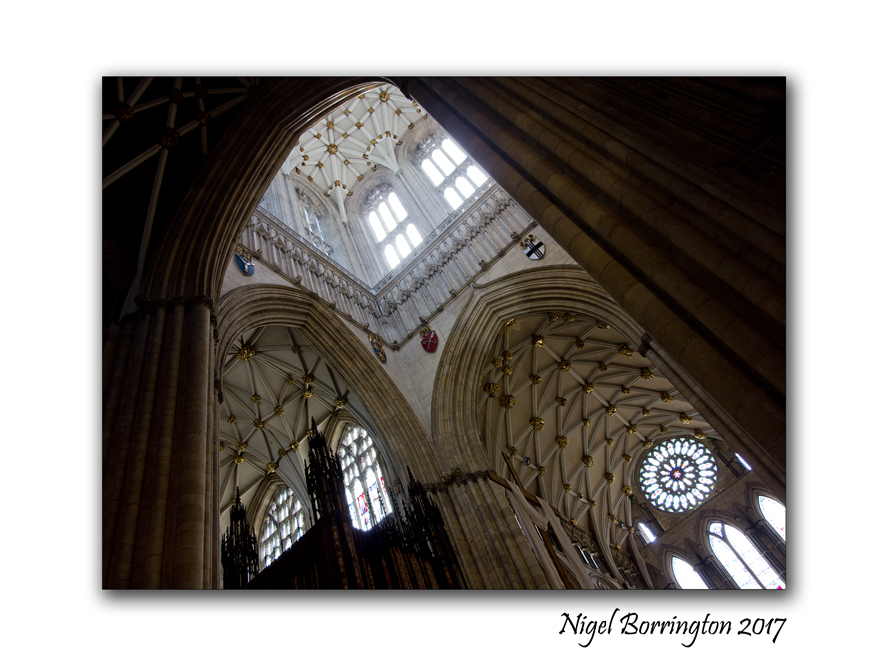
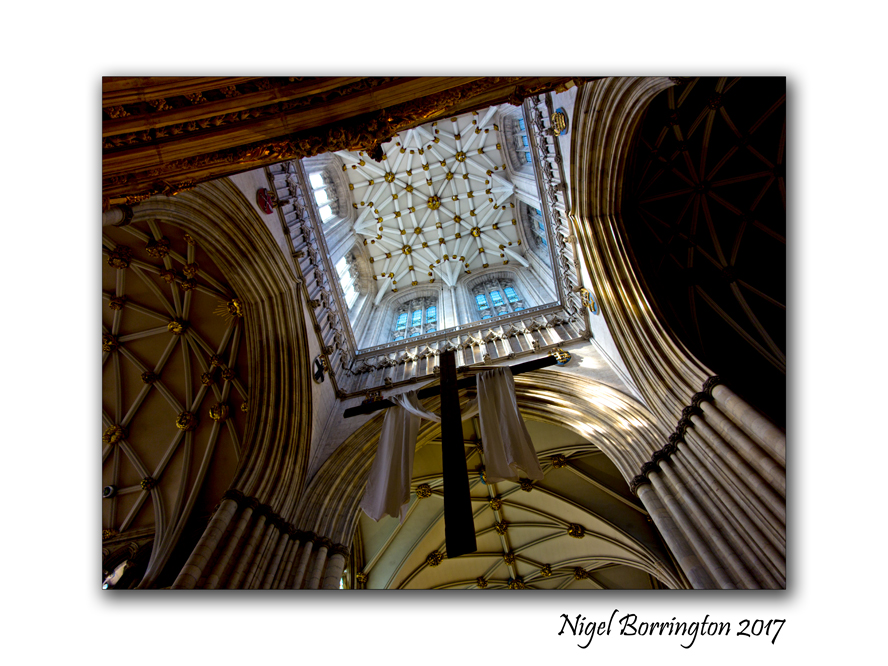
York Minster , Inside out …..
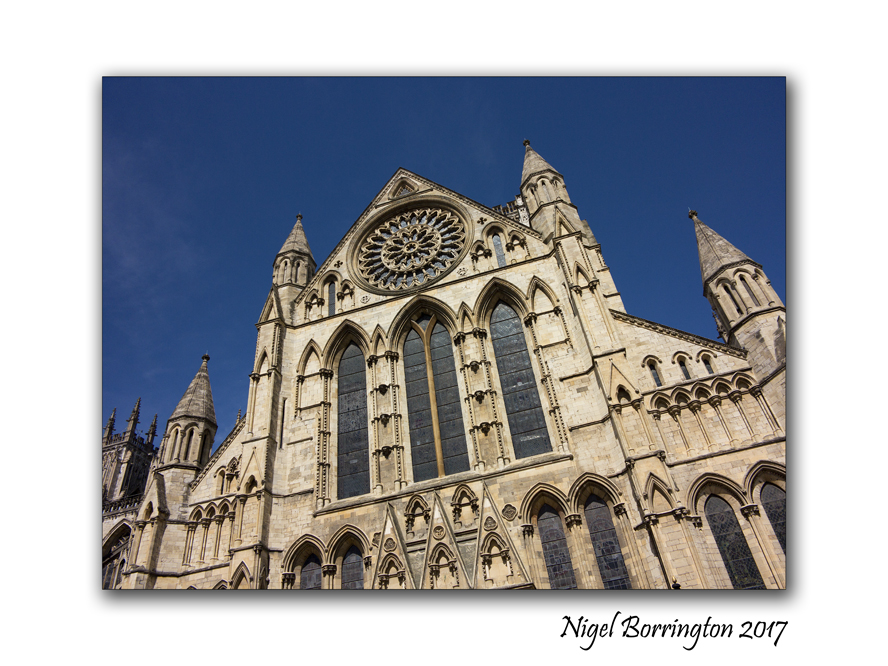
Cathedral and Metropolitical
Church of St Peter
Nigel Borrington
The Cathedral and Metropolitical Church of Saint Peter in York, commonly known as York Minster, is the cathedral of York, England, and is one of the largest of its kind in Northern Europe. The minster is the seat of the Archbishop of York, the second-highest office of the Church of England, and is the mother church for the Diocese of York and the Province of York. It is run by a dean and chapter, under the Dean of York. The title “minster” is attributed to churches established in the Anglo-Saxon period as missionary teaching churches, and serves now as an honorific title. Services in the minster are sometimes regarded as on the High Church or Anglo-Catholic end of the Anglican continuum.
The minster has a very wide Decorated Gothic nave and chapter house, a Perpendicular Gothic Quire and east end and Early English North and South transepts. The nave contains the West Window, constructed in 1338, and over the Lady Chapel in the east end is the Great East Window (finished in 1408), the largest expanse of medieval stained glass in the world. In the north transept is the Five Sisters Window, each lancet being over 52 feet (16 m) high. The south transept contains a rose window, while the West Window contains a heart-shaped design colloquially known as ‘The Heart of Yorkshire’.
York Minster , Inside out …..

What do Hover flies and Insect see with their compound eyes ?
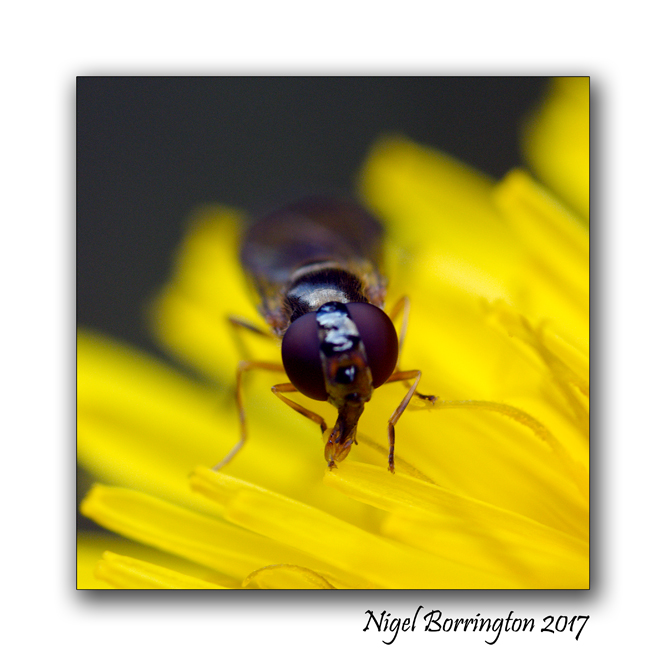
Nature Photography
Macro image of a Hover fly
Nigel Borrington
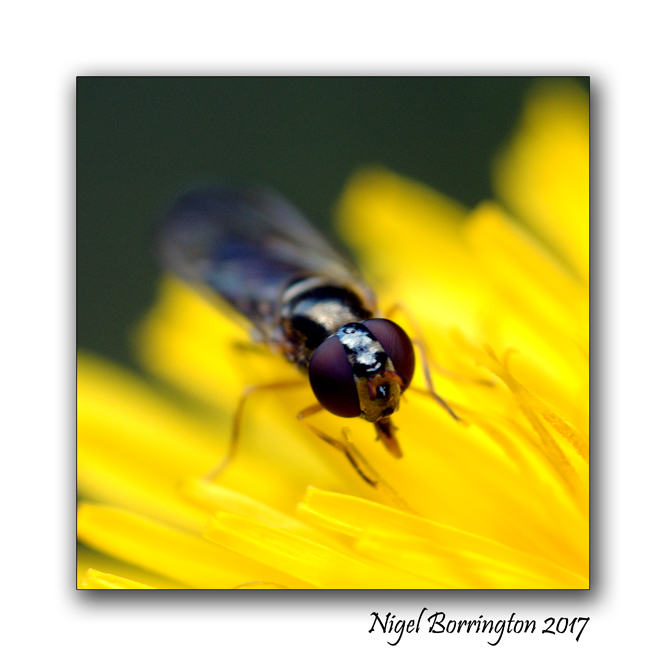
Hover Flies, such as the this one above, look at the world in quite a different way than humans do. The structure and function of a flies eye are completely different from ours, and so they see shapes, motion and color differently. Flies are also able to see light in a way humans cannot.
Structure of a Compound Eye
Compound eyes are made up of thousands of individual visual receptors, called ommatidia. Each ommatidium is a functioning eye in itself, and thousands of them together create a broad field of vision for the fly. Each ommatidium is a long, thin structure, with the lens on the outer surface of the eye, tapering to a nerve at the eye’s base. When the ommatidium receives light, it is filtered through the lens, then a crystalline cone structure, pigment cells and visual cells. Every ommatidium has its own nerve fiber connecting to the optic nerve, which relays information to the flies brain.
Flies Can’t Focus
A human’s eye is attached to muscles that allow it to move, expanding the field of vision and making it possible for the eye to gather more information about its surroundings. Instead of moving their eyes, flies receive information from several different points simultaneously. A flies eyes are immobile, but because of their spherical shape and protrusion from the flies head they give the fly an almost 360-degree view of the world. In a human eye, the pupil controls how much light comes into it, which is focused by the lens onto the retina. The retina then relays information to the brain via the optic nerve. Because fly eyes have no pupils they cannot control how much light enters the eye. With no control over how much light passes through the lens, the fly cannot focus the image it sees. Flies are also short-sighted — a visible range of a few yards is considered good for an insect.

The Mosaic Effect
The best analogy to describe a flies vision is to compare it to a mosaic — thousands of tiny images convalesce, and together represent one visual image. Each one of these pictures represents information from the fly’s individual ommatidium. The effect is much like how we see stippling or newspaper print — up close the image is a lot of tiny dots, but take a step back and it’s a complete image. The more ommatidia a compound eye contains, the clearer the image it creates.
Motion Detection
There’s a reason why flies are especially jumpy creatures that take off at the slightest flinch. A flies vision is nowhere near as clear or effective as a human’s, but it’s especially good at picking up form and movement. As an object moves across the fly’s field of view the ommatidia fire and stop firing. This is called a flicker effect. It’s similar to how a scrolling marquis works — with lights turning on and off to give the illusion of motion. Because a fly can easily see motion and form, but not necessarily what the large moving object is, they are quick to flee, even if the moving object is harmless.
Interpreting Light Waves
Flies have limited color vision. Each color has its own wave frequency, but flies have only two kinds of color receptor cells. This means they have trouble distinguishing between colors, for instance discerning between yellow and white. Insects cannot see the color red, which is the lowest color frequency humans can see. However, houseflies have the ability to see polarized light, but humans cannot differentiate between polarized and unpolarized light. Polarized light is light in which the waves travel only in one plane.
Macro Images – Wolf Spider

Macro Images
Wolf spider
Nature Images
Nigel Borrington Kilkenny
Wolf Spiders are members of the family Lycosidae. They are so named because their method of hunting is to run down their prey like that of a wolf. Wolf Spiders are robust and agile hunters that rely on good eyesight to hunt, typically at night. Wolf Spiders resemble nursery web spiders (family Pisauridae), however, they carry their egg sacs by attaching them to their spinnerets (instead of by means of their jaws and pedipalps).
Wolf spider Characteristics
Wolf Spiders range from about half an inch to 2 inches in length. They are hairy and typically brown to grey in colour with a distinct Union Jack impression on their backs. The spiders undersides are light grey, cream or black, sometimes salmon pink.
Wolf Spiders have eight eyes arranged in three rows. The bottom row consists of four small eyes, the middle row has two very large eyes and the top row has two medium-sized eyes.
Wolf Spiders depend on their good eyesight to hunt. Their sense of touch is also acute. The sides of their jaws may have a small raised orange spot or ‘boss’.
Because they depend on camouflage for protection, Wolf Spiders do not have the flashy appearance of some other kinds of spiders. In general their colouration is appropriate to their favoured habitat.
Wolf Spiders eyes reflect light well and one way of finding them is to hunt at night using a flashlight strapped to ones forehead so that the light from the light is reflected from their eyes directly back toward its source.
Wolf spider Habitat and Webs
Wolf spiders can be found in a wide range of habitats both coastal and inland. These include shrub lands, woodland, wet coastal forest, alpine meadows and suburban gardens.
Wolf spiders are commonly known as household pests as when the weather starts getting colder, they look for warm places to overwinter in homes. Wolf Spiders are commonly found around doors, windows, house plants, basements, garages and in almost all terrestrial habitats. Wolf Spiders do not spin a web, instead, they roam at night to hunt for food. Wolf spiders are often confused with the Brown Recluse spider, however, they lack the violin-shaped marking of the Recluse. The wolf spider is shy and is most likely to run away when disturbed.
Wolf spider Diet
Two Wolf spider species are known to be predators of cane toads. Lycosa lapidosa will take small toads and frogs while Lycosa obscuroides has been noted biting and killing a large toad within one hour.
Wolf spider Reproduction
Mating takes place outside the females burrow at night. Some adult male Wolf spiders of smaller-sized species are known to disperse by air in order to find mates. The male is attracted by scent markings left by the female, often associated with her drag-line silk. Males perform a courtship ritual prior to mating, often involving complex leg and palp signaling to the female.
The female Wolf spider constructs an egg sac of white papery silk, shaped like a ball with an obvious circular seam, which she then carries around attached with strong silk to her spinnerets. When the spiderlings hatch, they are carried around on the females back until they are ready to disperse by ballooning or on the ground. Such a high degree of parental care is relatively unusual among spiders. Wolf spiders live for up to 2 years.
Wolf spider Venom
The Wolf Spider is not aggressive, however, it will inject venom freely if continually provoked. Symptoms of its venomous bite include swelling, mild pain and itching. Though usually considered harmless to humans, its bite may be painful.
Macro Wednesday Dolycoris baccarum (Sloe Bug) – Hairy Shieldbug Family: Pentatomidae
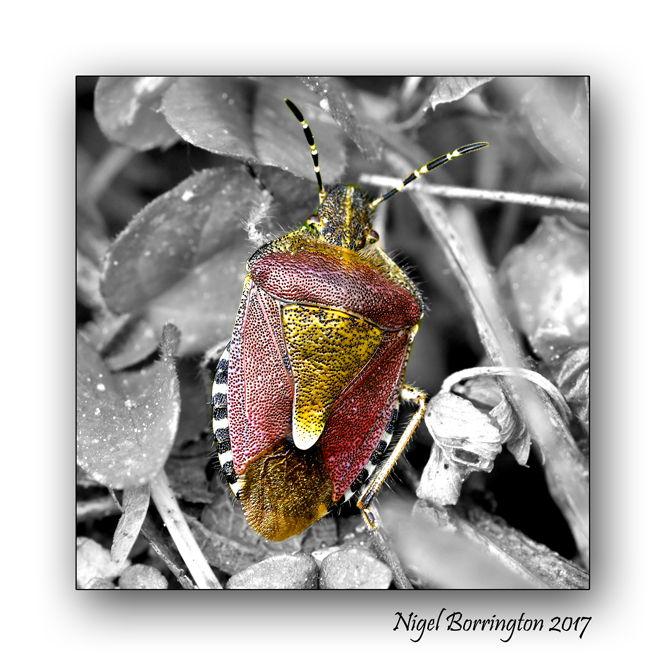
Dolycoris baccarum Hairy Shieldbug
Family: Pentatomidae
A large and distinctive purple-brown and greenish shieldbug which is covered with long hairs. The antennae and connexivum are banded black and white. During the winter, the ground colour becomes uniformly dull brown.
This bug overwinters as an adult, emerging in the spring. Larvae, which are also hairy, may be found on numerous plants, particularly those in the Roasaceae. The new generation is complete from August onwards.
Common and widepsread in many habitats throughout Britain, particularly hedgerows and woodland edges, becoming scarcer and mainly coastal in the north.
Adult: All year
Length 11-12 mm

Ancient European beliefs, The powers of the Hand of Glory

The Hand of Glory,
Whitby Museum
Pannet Park, Whitby,
Yorkshire,
England
Today’s post is about as far away from wild Landscapes and attractive views as you could wish for 🙂 , I can fully understand if this post is not for everyone but I hope at least you find it an interesting reflection of social beliefs and traditions from our some what dark European past ….

Abbey Steps
Whitby
Yorkshire
Earlier this month (May 2017) while visiting the great English seaside town of Whitby, with it great Museum, I came across an item that I had never heard of or seen before. Sitting in a glass cabinet in the beliefs and local traditions area was the very old and grey hand, from a long dead man, a man who would have lived locally in the town but at some point in his life come across the misfortune of being found guilty of a crime for which he would have been hanged.
The hand was described as “The hand of Glory” and in the early 19th century it would have been very much a price possession as it was believed that it offered great power, when using it according to old European beliefs along with a candle made of the fat from a malefactor who died on the gallows, lighted, and placed (as if in a candlestick) in the Hand of Glory, which comes from the same man as the fat in the candle, it then would render motionless all persons to whom it was presented.
The second of the Ingoldsby Legends (a collection of myths, legends, ghost stories and poetry written supposedly by Thomas Ingoldsby of Tappington Manor), “The Hand of Glory, or, The Nurse’s Story”, describes the making and use of a Hand of Glory. The first lines are:
Now open, lock!
To the Dead Man’s knock!
Fly, bolt, and bar, and band!
Nor move, nor swerve,
Joint, muscle, or nerve,
At the spell of the Dead Man’s hand!
Sleep, all who sleep! — Wake, all who wake!
But be as the dead for the Dead Man’s sake!

Like many people, I fine absolutely fascinating these old and somewhat dark traditions, here is a full description of this ones history and its reported uses ….
The Hand of Glory – History of the term
Etymologist Walter Skeat reports that, while folklore has long attributed mystical powers to a dead man’s hand, the specific phrase “Hand of Glory” is in fact a folk etymology: it derives from the French main de gloire, a corruption of mandragore, which is to say mandrake.Skeat writes, “The identification of the hand of glory with the mandrake is clinched by the statement in Cockayne’s Leechdoms, i. 245, that the mandrake “shineth by night altogether like a lamp”. Cockayne in turn is quoting Pseudo-Apuleius, in a translation of a Saxon manuscript of his Herbarium.
Powers attributed
According to old European beliefs, a candle made of the fat from a malefactor who died on the gallows, lighted, and placed (as if in a candlestick) in the Hand of Glory, which comes from the same man as the fat in the candle, this would render motionless all persons to whom it was presented. The method for holding the candle is sketched in Petit Albert. The candle could be put out only with milk. In another version, the hair of the dead man is used as a wick, and the candle would give light only to the holder. The Hand of Glory also purportedly had the power to unlock any door it came across. The method of making a Hand of Glory is described in Petit Albert, and in the Compendium Maleficarum.
Process
The 1722 Petit Albert describes in detail how to make a Hand of Glory, as cited from him by Grillot De Givry:
Take the right or left hand of a felon who is hanging from a gibbet beside a highway; wrap it in part of a funeral pall and so wrapped squeeze it well. Then put it into an earthenware vessel with zimat, nitre, salt and long peppers, the whole well powdered. Leave it in this vessel for a fortnight, then take it out and expose it to full sunlight during the dog-days until it becomes quite dry. If the sun is not strong enough put it in an oven with fern and vervain. Next make a kind of candle from the fat of a gibbeted felon, virgin wax, sesame, and ponie, and use the Hand of Glory as a candlestick to hold this candle when lighted, and then those in every place into which you go with this baneful instrument shall remain motionless
De Givry points out the difficulties with the meaning of the words zimat and ponie, saying it is likely “ponie” means horse-dung. De Givry is expressly using the 1722 edition, where the phrase is, according to John Livingston Lowes “du Sisame et de la Ponie” and de Givry notes that the meaning of “ponie” as “horse dung” is entirely unknown “to us”, but that in local Lower Normandy dialect, it has that meaning. His reason for regarding this interpretation as “more than probable” is that horse-dung is “very combustible, when dry”.
In the French 1752 edition (called Nouvelle Édition, corrigée & augmentée., i.e., “New Edition, corrected and augmented”), however, this reads as “..du sisame de Laponie..”, that is, in Francis Grose’s translation from 1787, “sisame of Lapland”, or Lapland sesame. This interpretation can be found many places on the Internet, and even in books published at university presses. Two books, one by Cora Daniels, another by Montague Summers, perpetuate the Lapland sesame myth, while being uncertain whether zimat should mean verdigris or the Arabian sulphate of iron.
The Petit Albert also provides a way to shield a house from the effects of the Hand of Glory:
The Hand of Glory would become ineffective, and thieves would not be able to utilize it, if you were to rub the threshold or other parts of the house by which they may enter with an unguent composed of the gall of a black cat, the fat of a white hen, and the blood of the screech-owl; this substance must be compounded during the dog-days
The hand of glory on display at Whitby Museum
An actual Hand of Glory is kept at the Whitby Museum in North Yorkshire, England, together with a text published in a book from 1823.[14] In this manuscript text, the way to make the Hand of Glory is as follows:
It must be cut from the body of a criminal on the gibbet; pickled in salt, and the urine of man, woman, dog, horse and mare; smoked with herbs and hay for a month; hung on an oak tree for three nights running, then laid at a crossroads, then hung on a church door for one night while the maker keeps watch in the porch-“and if it be that no fear hath driven you forth from the porch…then the hand be true won, and it be yours”
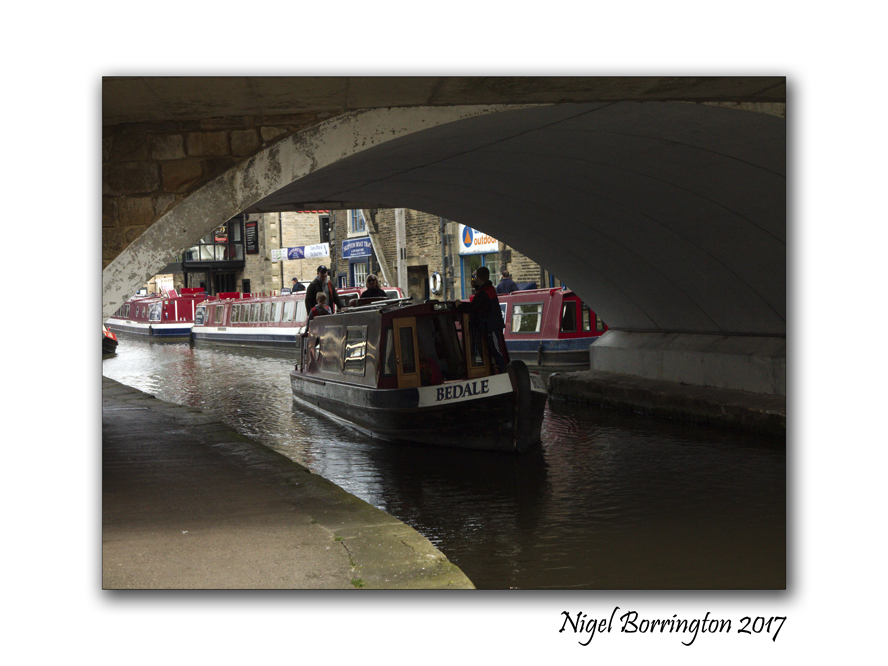
Skipton Waterway Festival 2017, a weekend on the Leeds and Liverpool Canal.

Skipton Waterway Festival
Leeds and Liverpool Canal,
Yorkshire, England
Nigel Borrington
Held every May Bank Holiday in Yorkshire, the Skipton Waterway Festival is a 3 day canal boat event which runs every year on the 1st May day Bank holiday weekend. It is an event which is a non-profit making Festival, which solely relies on donations and sponsorship from the local community. they are also organized by volunteers from Pennine Cruisers and the local community, without these people the event would not run as smoothly as it does each year.
The 1st Skipton Waterway Festival was held in 2001 and they have gone on to grow more and more each year. The festival was originally organized by CRT (British Waterways then) and Pennine Cruisers for around 5 years, however Pennine Cruisers then took on the event, as they saw how much the local boaters and town enjoyed it. As Pennine Cruisers look forward to this event each year, it is part of their year now, as they have organized it for a long time, they say that they would be a little lost without it.
As an event they attract around 8, 000 – 10,000 visitors each year over the full 3 days. It is noticed when people/families visit the festival each and every year. They put on various entertainment, stalls from craft to charity stalls, children’s activities and an array of food/concession stalls. There is something for almost everyone.
This years Festival was great to visit with many Craft stalls and lots of Local history with the new presentation of an internet based database of all the families who worked and still work on the Leeds and Liverpool canal from the first times it was open for use.
Leeds and Liverpool Canal Society


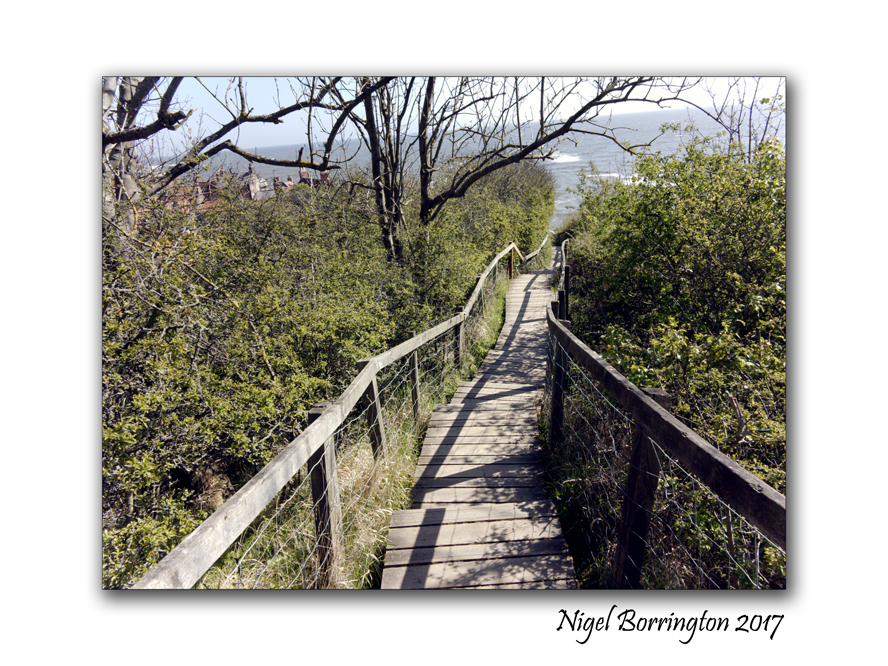
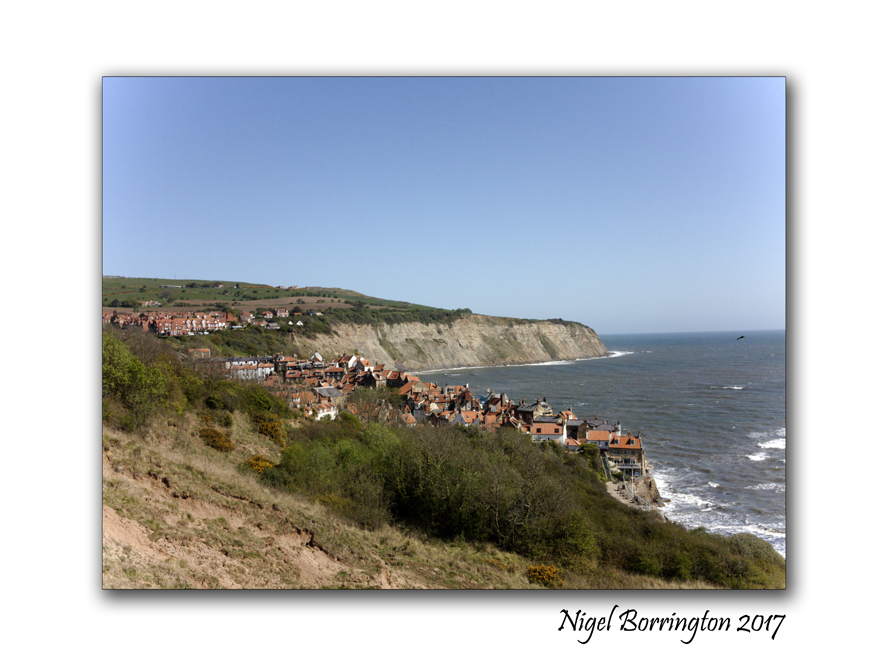
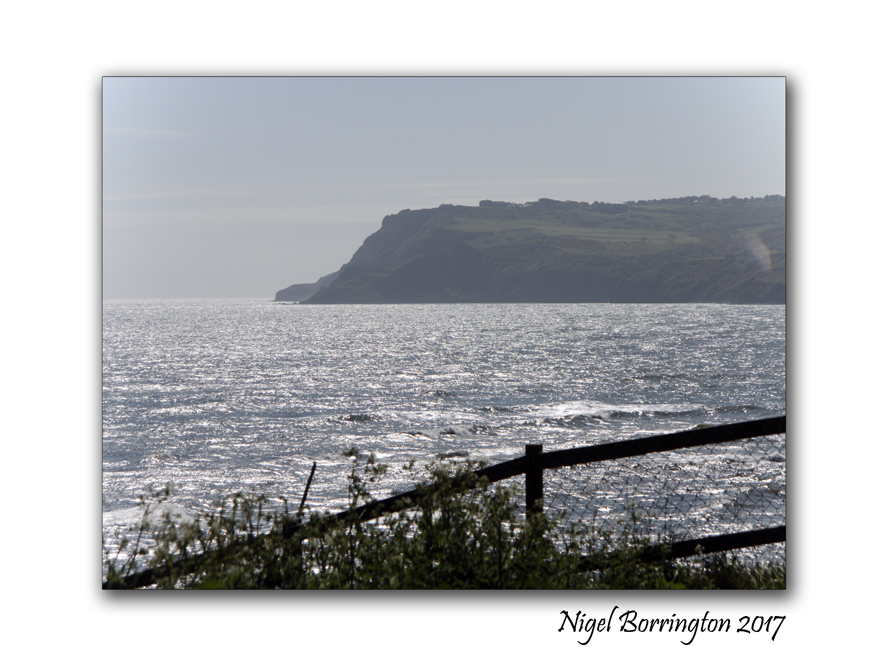
Robin Hood’s Bay, A fishing Village, North York Moors National Park

Robin Hood’s Bay Fishing village North York Moors National Park
Nigel Borrington
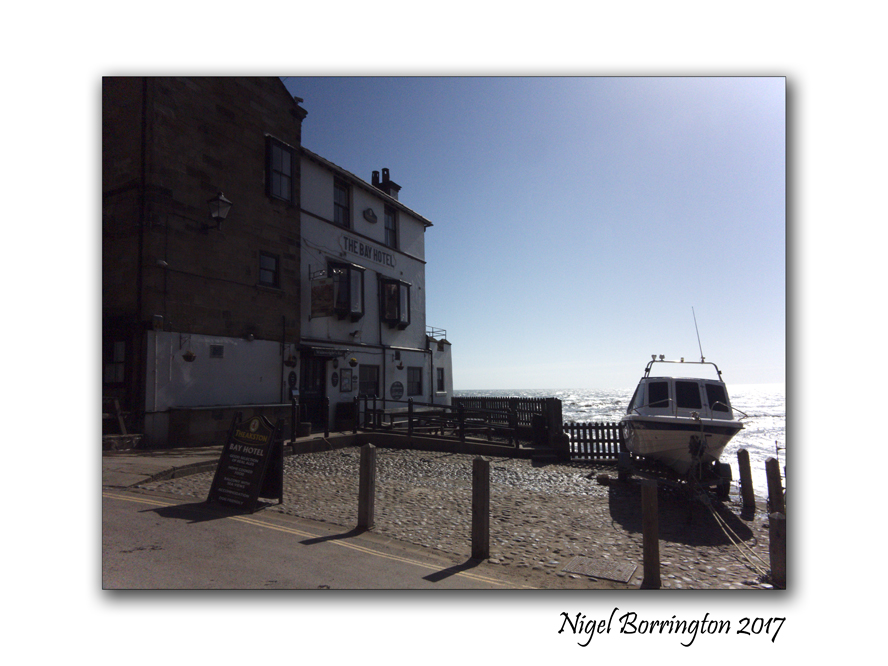
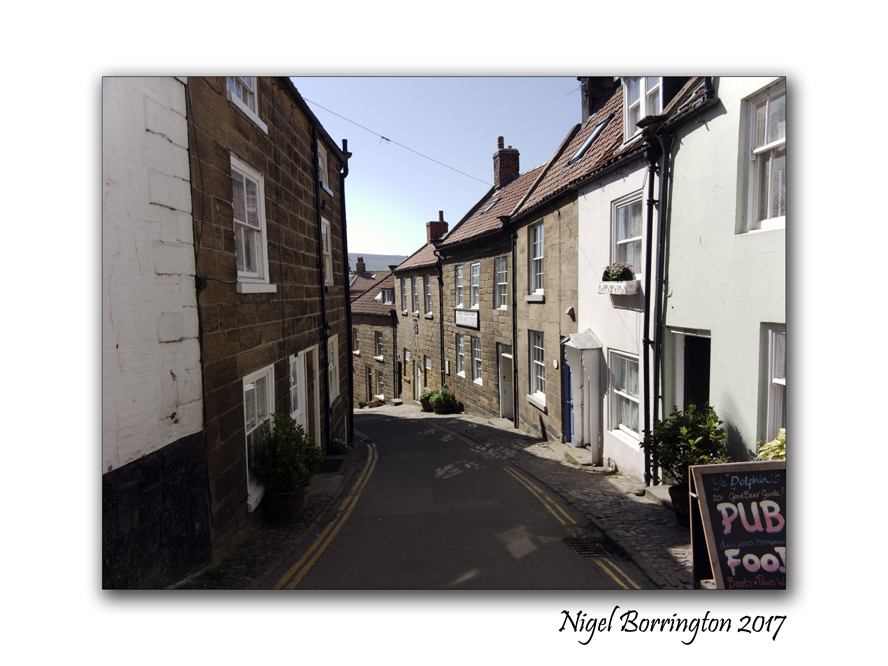
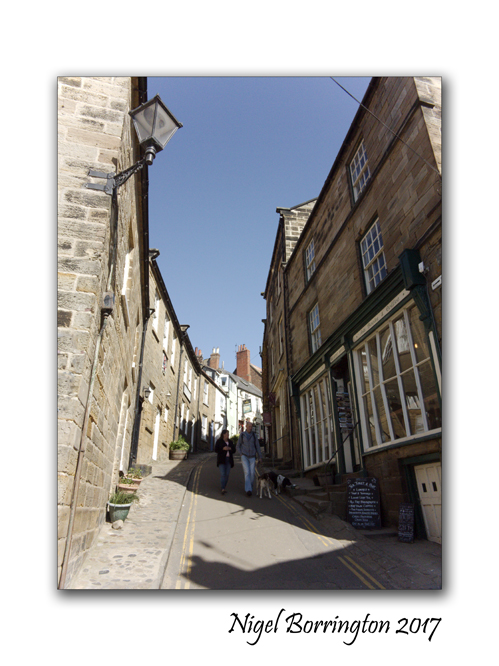
Robin Hood’s Bay is a small fishing village and a bay located within the North York Moors National Park, five miles south of Whitby and fifteen miles north of Scarborough on the stunning coast line of North Yorkshire, England.
“Bay Town” is its local name, in the ancient chapelry of Fylingdales in the wapentake of Whitby Strand. The origin of the name is uncertain, and it is doubtful if Robin Hood was ever in the vicinity.
An English ballad and legend tell a story of Robin Hood encountering French pirates who came to pillage the fisherman’s boats and the northeast coast. The pirates surrendered and Robin Hood returned the loot to the poor people in the village that is now called Robin Hood’s Bay
This Village on the Yorkshire Coast is one of the most Beautiful villages in the UK, Here I share a collection of Photographs taken during a visit at the start of May 2017, I hope that I have captured a small sense of this idyllic English sea side village as I enjoyed our time spend here very much and will look back with very fond memories …..
Robin Hood’s Bay, A Sense of place ….






Keighley & Worth Valley Steam Railway

Keighley & Worth Valley Railway
Nigel Borrington
Last weeks Holiday in Yorkshire was at times a true step back in time, as you can see here with the Keighley & Worth Valley Railway and our visit to Howarth, in the heart of Brontë Country we enjoyed an action packed first day out!
Keighley & Worth Valley Railway runs like a ribbon though Brontë Country, where you can expect to take in some of the most breath taking and famous landscapes in the world. A windswept land of heather and wild moors – it is hardly surprising that this area became the inspiration for the classic works of the Bronte sisters, Charlotte, Emily and Anne.

The Railway has appeared in many TV and film productions including Sherlock Holmes, Harry Potter and Where The Heart Is, A Touch Of Frost and many more. Perhaps most famously, the Railway, and in particular the charming station at Oakworth, were used as the location for the classic 1970 film The Railway Children.
If you get off the Train at Ingrow West station, you will be at the home to two award winning transport museums. You can Travel back in time at the The Ingrow Museum of Rail Travel, where restored carriages, vintage artifacts and sound and video presentations bring the past to life. The Ingrow Loco Museum boasts several locomotives as well as displays, exhibits and archive film. Both these location allow you to discover the long history that the UK has with its rail systems.
There are many special events that run throughout the year. You can get a Cream Tea . The old train lets discover the magic and glamour of the glorious days of steam-hauled, in beautiful surroundings. You can also join an annual Beer & Music Festival with over 120 real ales.
For those that like the great outdoors the railway has plenty of spectacular walks and nature trails. Every stop offers a walk, whether it’s a moorland walk or one of The Railway Children walks – you can try the Top Withens Walk, which takes you out of Haworth, the village where the Brontë sisters lived and wrote, along pathways they walked and through the moorland that inspired them.


Floating Heads Installation by Sophie Cave, Kelvingrove Art Gallery, Glasgow, Scotland.
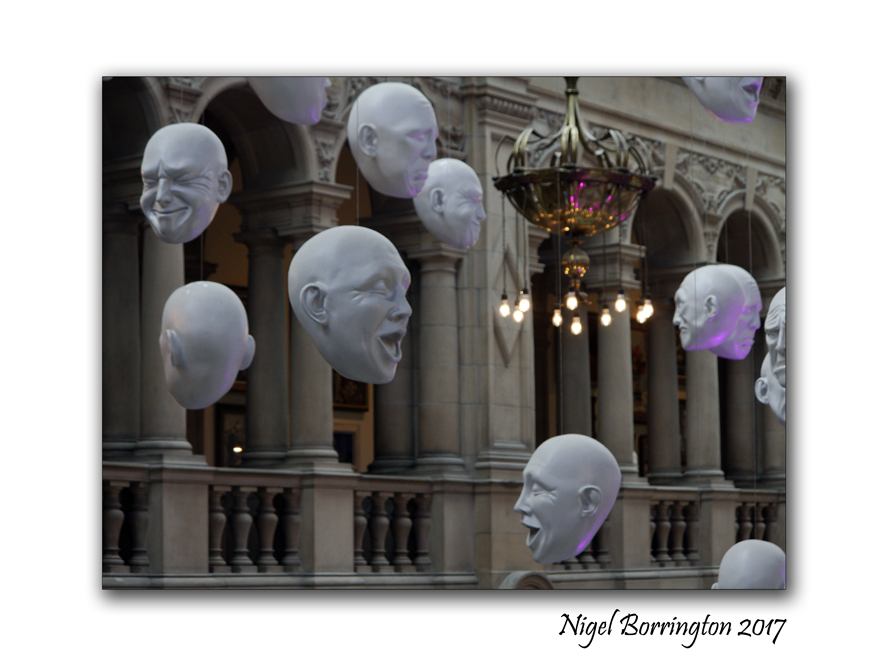
Floating Heads Installation by Sophie Cave

The Kelvingrove Art Gallery and Museum, Glasgow, Scotland.
At the start of April this year I promised myself that I would go and visit some Art Gallery’s and cultural museums one of these vists was to The Kelvingrove Art Gallery and Museum. The museum and art gallery in located in Glasgow, Scotland. It reopened in 2006 after a three-year refurbishment and since then has been one of Scotland’s most popular visitor attractions.
The gallery is located on Argyle Street, in the West End of the city, on the banks of the River Kelvin (opposite the architecturally similar Kelvin Hall, which was built in matching style in the 1920s, after the previous hall had been destroyed by fire). It is adjacent to Kelvingrove Park and is situated near the main campus of the University of Glasgow on Gilmorehill.
…
Floating Heads Installation by Sophie Cave
Just one of the many installations the Gallery has to offer is by Artist Sophie Cave …


If you Ever had that feeling that a hundred set of eyes are watching you then Sophie Cave sculptures turn the feeling into a reality!
The Floating Heads installation located in one of the open public areas in the Gallery, literally turn your head around the moment you first see this work. Sophie Cave has created over 50 sculptures of heads, each displaying different emotions including laughter and despair. The heads are completely white, but are lit so that their expressions are accentuated, which gives the installation a somewhat eerie feel. Since the installation is hung over the foyer, it is one of the first things youwill see when they enter the museum.
Its a great installation as it truly makes you stop and look at each of the heads as they slowly move around to face your direction, I relay enjoyed this work 🙂 🙂

Kelvingrove, Art Gallery, Glasgow
Resting on the lawn – Nunnington Hall, North Yorkshire
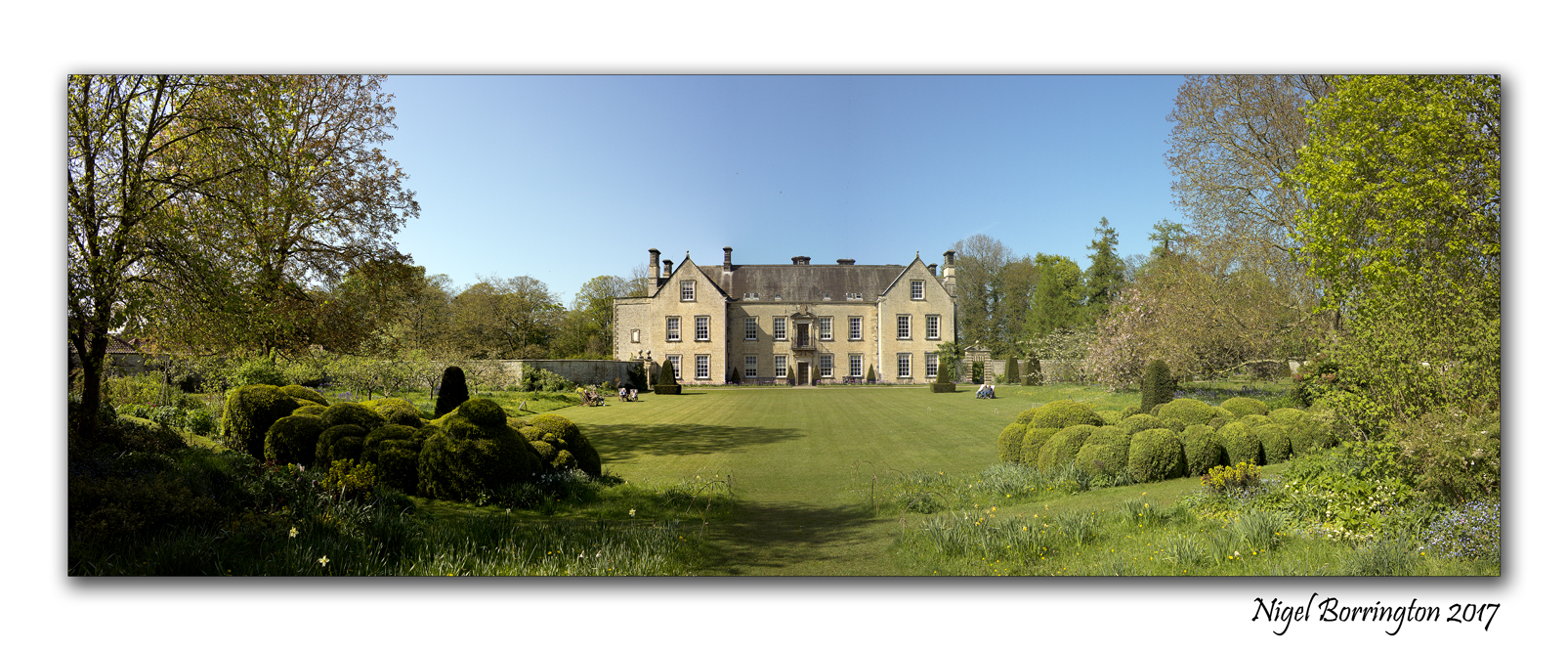
Nunnington Hall is a country house situated in the English county of North Yorkshire. The river Rye, which gives its name to the local area, Ryedale, runs past the house, flowing away from the village of Nunnington. A stone bridge over the river separates the grounds of the house from the village. Above, a ridge known as Caulkley’s Bank lies between Nunnington and the Vale of York to the south. The Vale of Pickering and the North York Moors lie to the north and east. Nunnington Hall is owned, conserved and managed as a visitor attraction by the National Trust
More on Nunnington Hall ….
Nature Macro images, May 2017 : The Fly

The Fly
Nature Macro Photography
Nigel Borrington
The path to Top Withens,Earnshaw family house Wuthering Heights : Wuthering Heights, a Poem by Sylvia Plaths
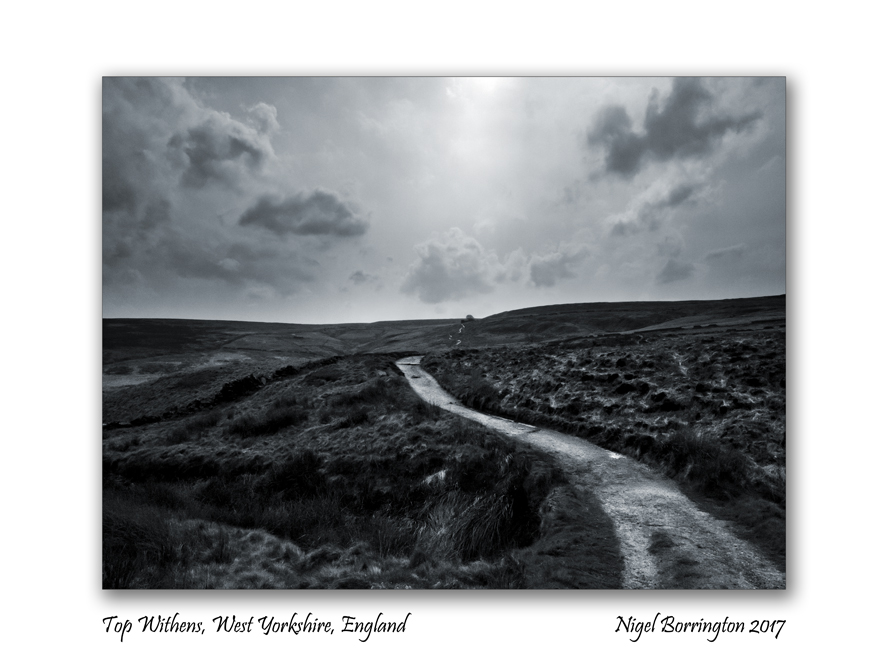
The path to Top Withens,Earnshaw family house Wuthering Heights, Emily Brontë.
Nigel Borrington
Last week we spent sometime in West Yorkshire, at Haworth the home town of the Brontë sisters, visiting the Parsonage Museum and walking upto Top Withens, the Earnshaw’s home in Emily Brontë’s novel – Wuthering heights.
The old farm house is located in some stunning landscape, the best west Yorkshire has to offer.
This is how Mr. Lockwood in the book describes his first impressions of Wuthering Heights …

Top Withens,Earnshaw family house Wuthering Heights, Emily Brontë.
Nigel Borrington
” Wuthering Heights is the name of Mr. Heathcliff’s
dwelling. ‘Wuthering’ being a significant provincial
adjective, descriptive of the atmospheric tumult to which
its station is exposed in stormy weather.
Pure, bracing ventilation they must have up there at all times, indeed:
one may guess the power of the north wind blowing over the edge, by the excessive slant of a few stunted firs at the end of the house; and by a range of gaunt thorns all stretching their limbs one way, as if craving alms of the sun.
Happily, the architect had foresight to build it strong:
the narrow windows are deeply set in the wall, and the
corners defended with large jutting stones. ”
Top Withens (also known as Top Withins)
Is a ruined farmhouse near Haworth, West Yorkshire, England which is said to have been the inspiration for the location of the Earnshaw family house Wuthering Heights in the novel of the same name by Emily Brontë.
A plaque affixed to a wall reads:
“ This farmhouse has been associated with “Wuthering Heights”, the Earnshaw home in Emily Brontë’s novel. The buildings, even when complete, bore no resemblance to the house she described, but the situation may have been in her mind when she wrote of the moorland setting of the Heights. ”
Wuthering Heights a Poem By: Sylvia Plath

Top Withens, West Yorkshire, England
English Landscapes
Nigel Borrington
The horizons ring me like faggots,
Tilted and disparate, and always unstable.
Touched by a match, they might warm me,
And their fine lines singe
The air to orange
Before the distances they pin evaporate,
Weighting the pale sky with a soldier color.
But they only dissolve and dissolve
Like a series of promises, as I step forward.
There is no life higher than the grasstops
Or the hearts of sheep, and the wind
Pours by like destiny, bending
Everything in one direction.
I can feel it trying
To funnel my heat away.
If I pay the roots of the heather
Too close attention, they will invite me
To whiten my bones among them.
The sheep know where they are,
Browsing in their dirty wool-clouds,
Grey as the weather.
The black slots of their pupils take me in.
It is like being mailed into space,
A thin, silly message.
They stand about in grandmotherly disguise,
All wig curls and yellow teeth
And hard, marbly baas.
I come to wheel ruts, and water
Limpid as the solitudes
That flee through my fingers.
Hollow doorsteps go from grass to grass;
Lintel and sill have unhinged themselves.
Of people the air only
Remembers a few odd syllables.
It rehearses them moaningly:
Black stone, black stone.
The sky leans on me, me, the one upright
Among the horizontals.
The grass is beating its head distractedly.
It is too delicate
For a life in such company;
Darkness terrifies it.
Now, in valleys narrow
And black as purses, the house lights
Gleam like small change.
5 Images for May, Friday

Ok , Today is more of a collection of images than one single image, to close the week 🙂
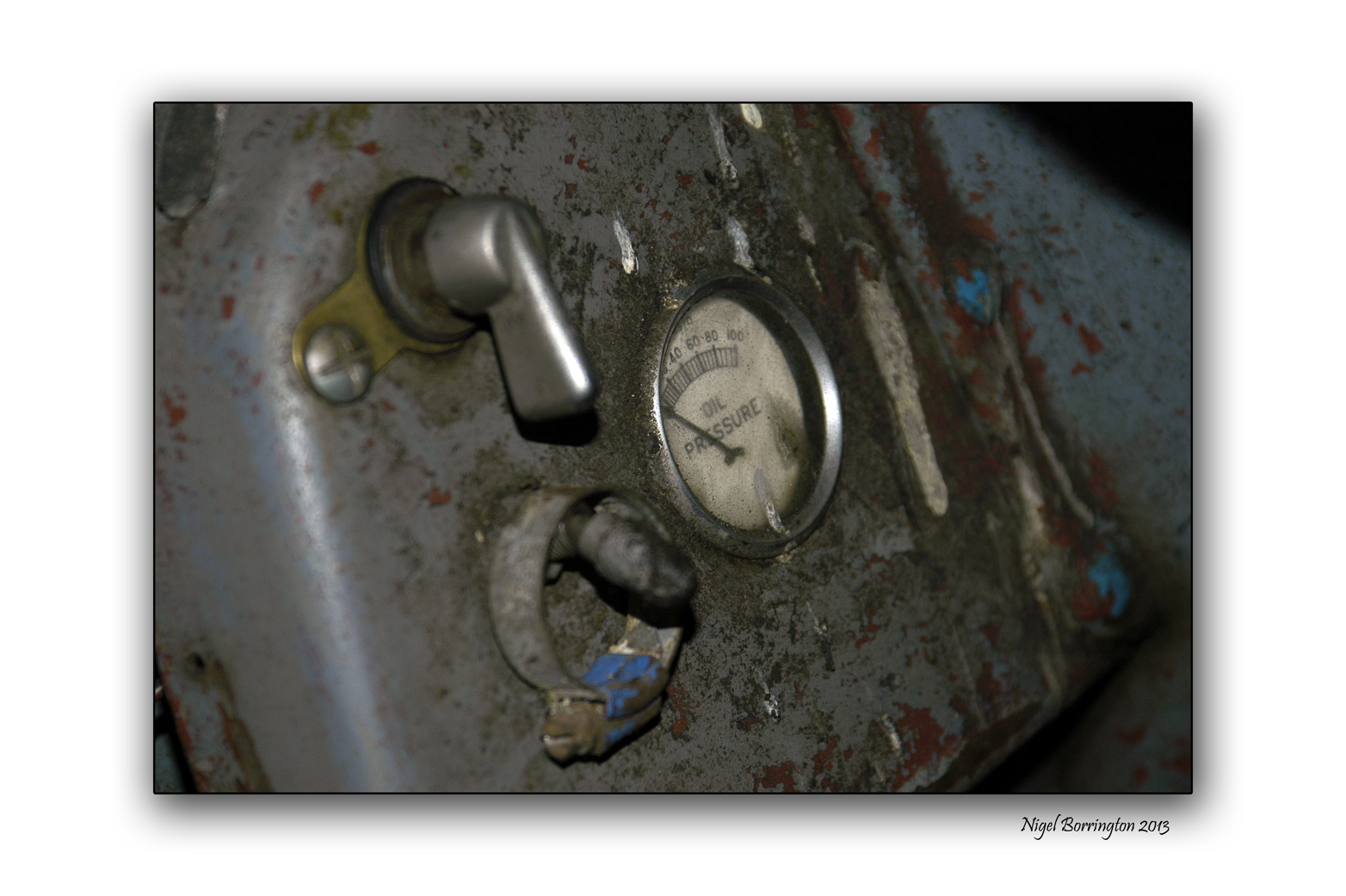
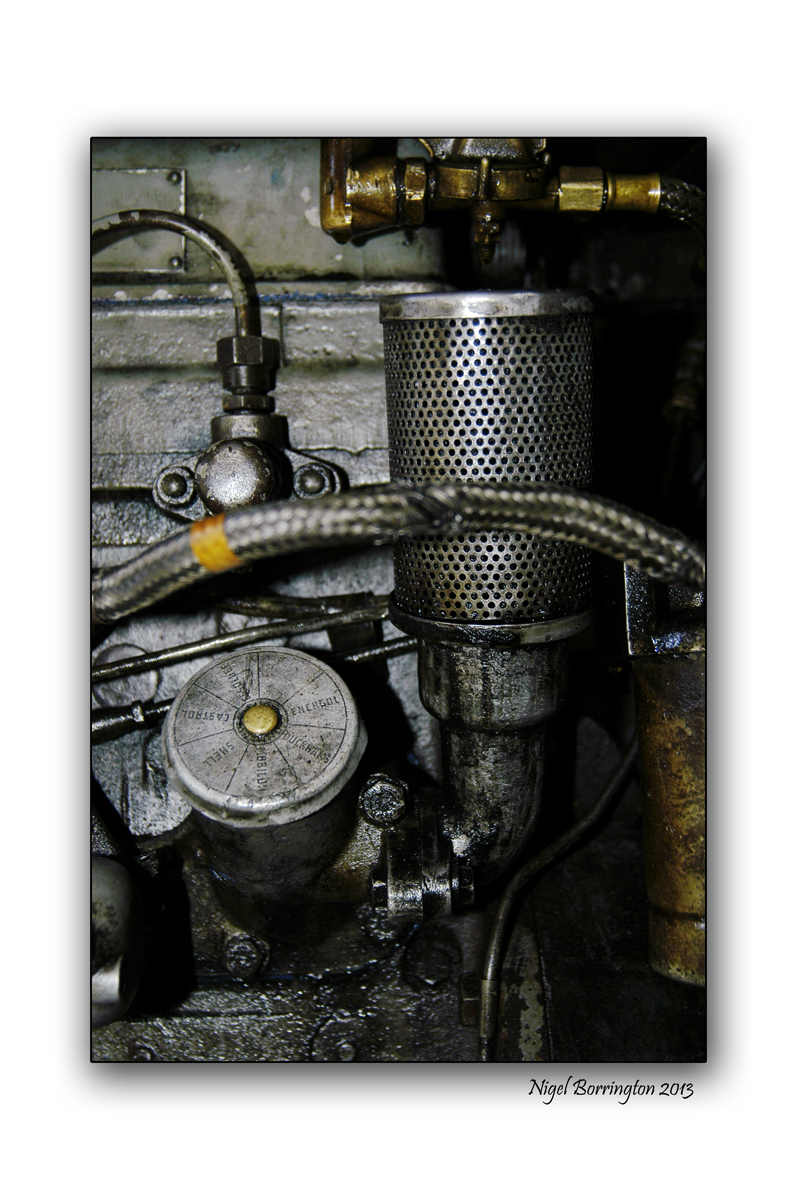
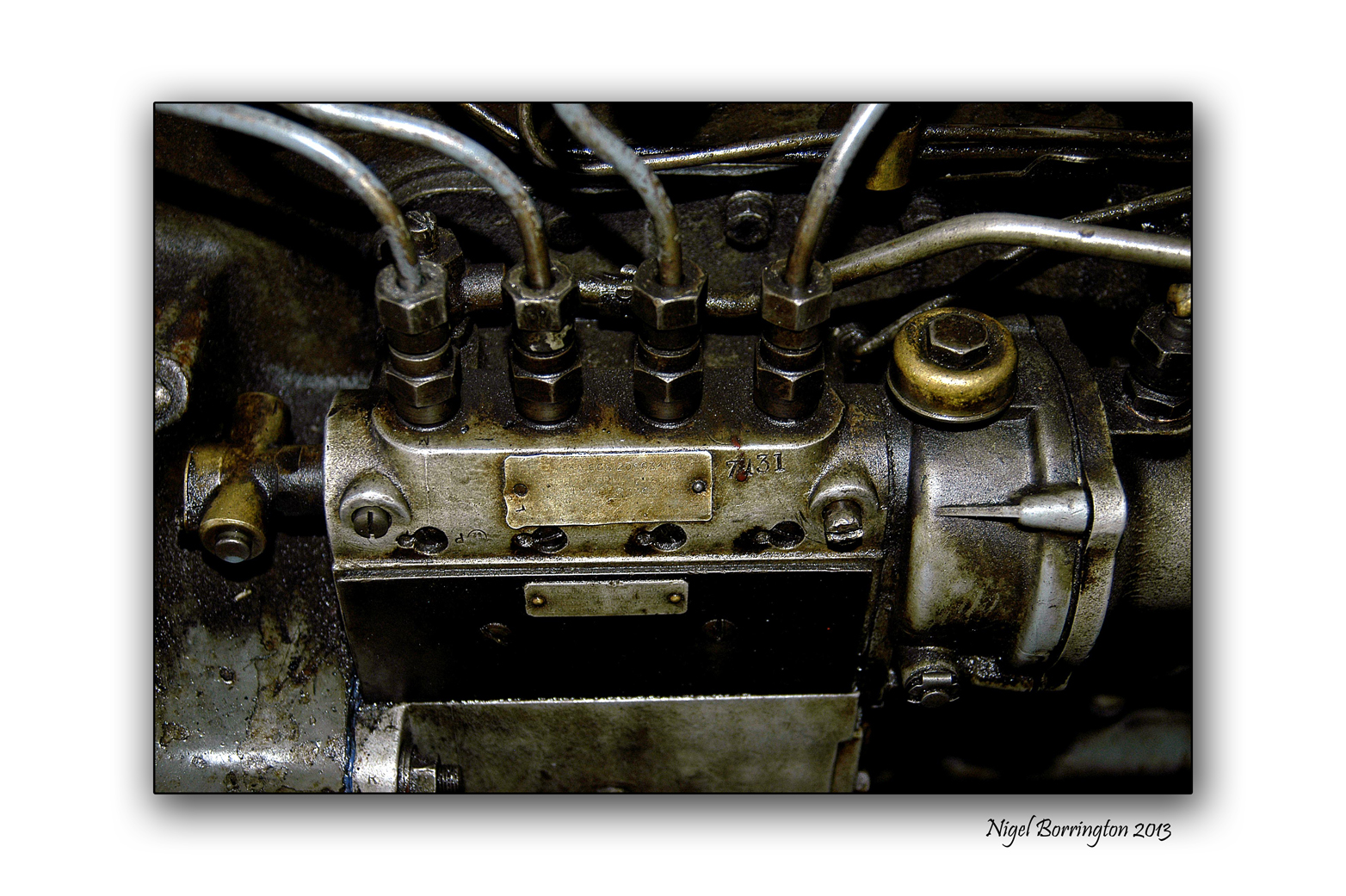
May and the local farms are getting busy, Irish farms are usually a little smaller than in Mainland Europe, so for some of the work a small tractor is still needed in order to work the smaller fields.
These images are a study of a little tractor most likely still used for many tasks around the farm over the next weeks of this busy month …..



5 Images for May, Thursday

Cuckooflowers
This is a hairless perennial which tends to favour wet habitats such as marshes and damp meadows. It is also known as ‘Lady’s Smock’ as the flower was said to resemble a milkmaid’s smock. Its 12-20mm flowers have four broad, overlapping, lilac-pink, pink or white petals and appear in April, lasting until June. It has broad root leaves in a loose rosette while its stem leaves are narrow with numerous leaflets. Its seeds are contained in elongated, smooth, ascending siliquas. It is a larval foodplant of the Orange-tip butterfly. It is a native plant and belongs to the large family Brassicaceae.
5 Images for May, Wednesday

Green Veined White Butterfly, feeding from a herb Robert flower, County Kilkenny

Places on my walks , Crohare Church, Killenaule, county Tipperary
Crohane Chruch
County Tipperary
Ireland
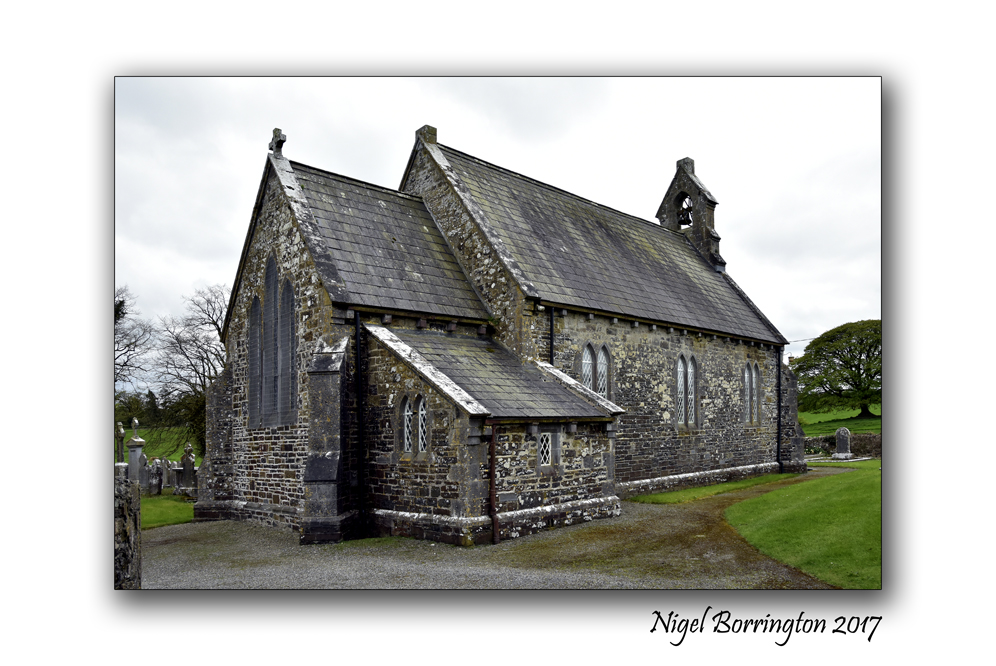
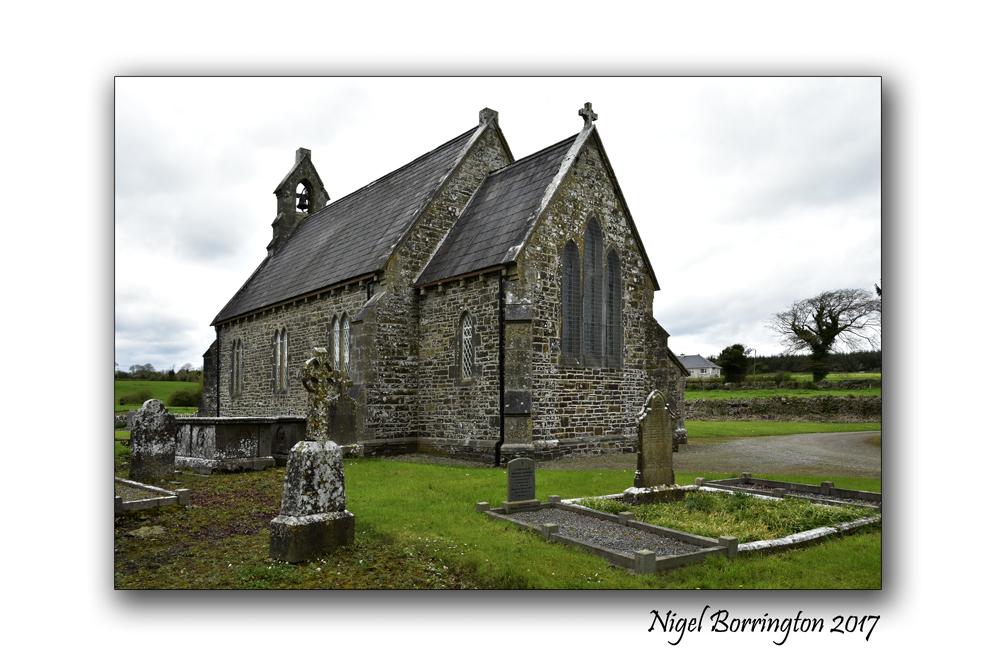
Crohane church is located just over the boarder from county Tipperary in the area of Killenaule and its a beautiful little chapel, located down a narrow drive way.
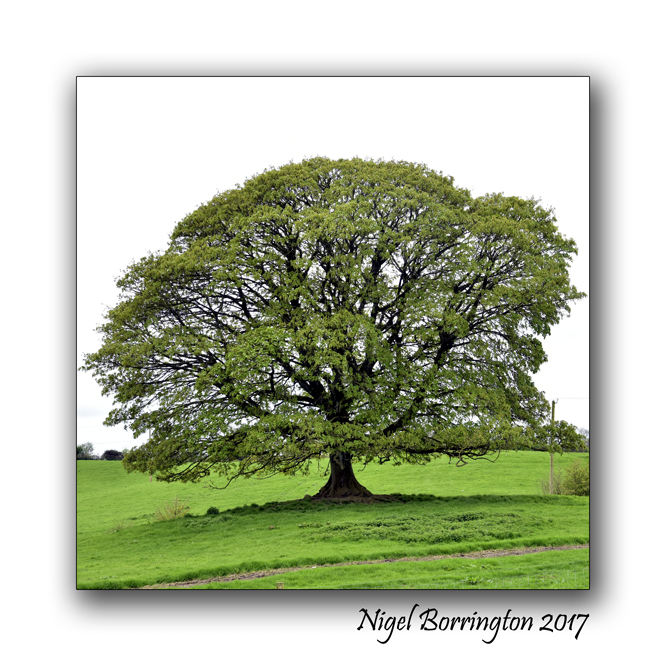
As you can see here, at this time of year the church is just starting to be surrounded by the green of the local oak trees and the colour of the wild flowers that grow in the stone wall that surrounds the Grave yard.
Crohane Church,a place of peace and stillness ……

Wonders of nature, Photography and Poetry : The Genesis of the Butterfly by Victor Hugo
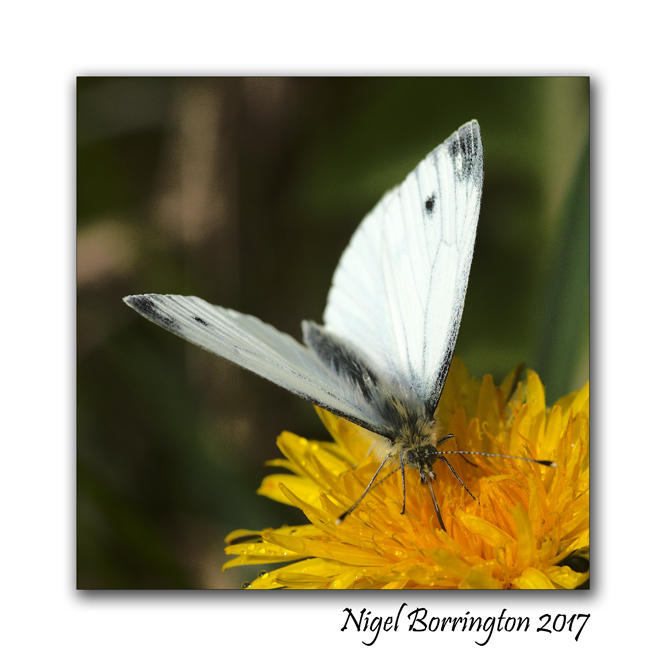
Large white Butterfly
Nature Photography
Nigel Borrington
The dawn is smiling on the dew that covers
The tearful roses; lo, the little lovers
That kiss the buds, and all the flutterings
In jasmine bloom, and privet, of white wings,
That go and come, and fly, and peep and hide,
With muffled music, murmured far and wide.
Ah, the Spring time, when we think of all the lays
That dreamy lovers send to dreamy mays,
Of the fond hearts within a billet bound,
Of all the soft silk paper that pens wound,
The messages of love that mortals write
Filled with intoxication of delight,
Written in April and before the May time
Shredded and flown, playthings for the wind’s playtime,
We dream that all white butterflies above,
Who seek through clouds or waters souls to love,
And leave their lady mistress in despair,
To flit to flowers, as kinder and more fair,
Are but torn love-letters, that through the skies
Flutter, and float, and change to butterflies
W.B. Yeats, The Land of Heart’s Desire

W.B. Yeats, The Land of Heart’s Desire
Irish Landscapes
Nigel Borrington
“God spreads the heavens above us like great wings
And gives a little round of deeds and days,
And then come the wrecked angels and set snares,
And bait them with light hopes and heavy dreams,
Until the heart is puffed with pride and goes
Half shuddering and half joyous from God’s peace;
And it was some wrecked angel, blind with tears,
Who flattered Edane’s heart with merry words.
Come, faeries, take me out of this dull house!
Let me have all the freedom I have lost;
Work when I will and idle when I will!
Faeries, come take me out of this dull world,
For I would ride with you upon the wind,
Run on the top of the dishevelled tide,
And dance upon the mountains like a flame.

I would take the world
And break it into pieces in my hands
To see you smile watching it crumble away.
Once a fly dancing in a beam of the sun,
Or the light wind blowing out of the dawn,
Could fill your heart with dreams none other knew,
But now the indissoluble sacrament
Has mixed your heart that was most proud and cold
With my warm heart for ever; the sun and moon
Must fade and heaven be rolled up like a scroll
But your white spirit still walk by my spirit.
When winter sleep is abroad my hair grows thin,
My feet unsteady. When the leaves awaken
My mother carries me in her golden arms;
I’ll soon put on my womanhood and marry
The spirits of wood and water, but who can tell
When I was born for the first time?
The wind blows out of the gates of the day,
The wind blows over the lonely of heart,
And the lonely of heart is withered away;
While the faeries dance in a place apart,
Shaking their milk-white feet in a ring,
Tossing their milk-white arms in the air;
For they hear the wind laugh and murmur and sing
Of a land where even the old are fair,
And even the wise are merry of tongue;
But I heard a reed of Coolaney say–
When the wind has laughed and murmured and sung,
The lonely of heart is withered away.”

― W.B. Yeats, The Land of Heart’s Desire
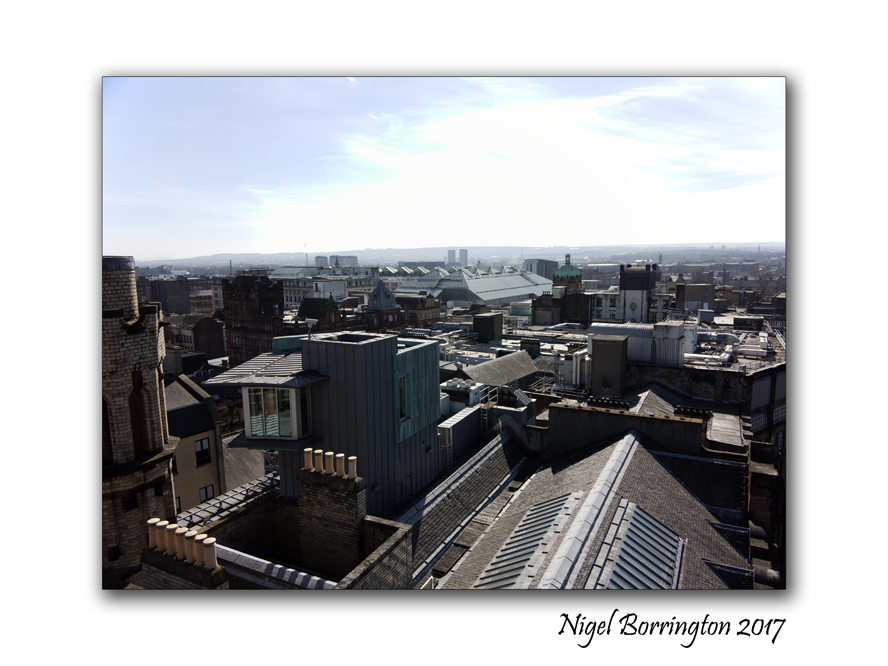
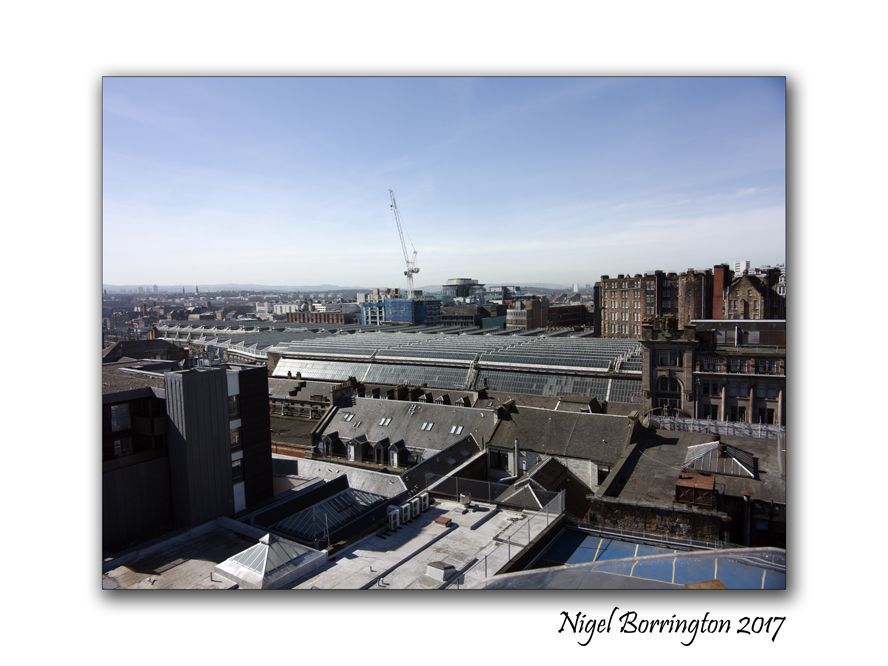
A view of Glasgow from the Lighthouse Museum
The Lighthouse Museum, Scotland’s Center for Design and Architecture, is a visitor center, exhibition space and events venue situated in the heart of Glasgow, just off the Style Mile. The Lighthouse acts as a beacon for the creative industries in Scotland and promotes design and architecture through a vibrant programme of exhibitions and events.
The Museum building formerly housed the Glasgow Herald, it was the first public commission completed by Charles Rennie Mackintosh, and is the perfect place to begin a Mackintosh tour of Glasgow, as it has a permanent exhibition of his work.
We visited both the viewing tower and all the great exhibitions three weeks ago, it was one of the highlights of our time in this great Scottish city…..
These images show the spiral staircase that accesses the viewing tower and a view from each of the platforms at the top.



First Post after the Easter Holidays

irish national heritage park.
County Wexford
Nigel Borrington
I was only back in-front my laptop for the first time yesterday evening, uploading some of the images I captured over the Easter Holidays.
It was a great break, this year we stayed in Ireland but chose to visit many of the great locations the south east and west of the country has to offer.
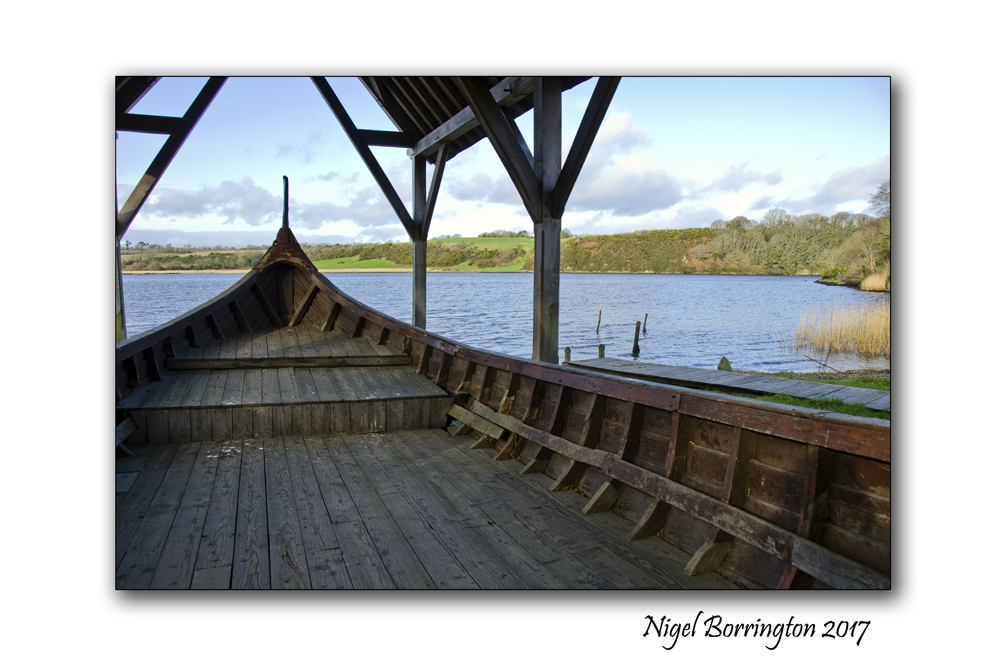
The Irish National Heritage Park, was just one of these places, the Park gives you an historic journey that takes you deep into Ireland’s past, Through 9000 years of Irish History. It is a very special place where Ireland’s heritage comes alive with sights and sounds that shaped a country and helped to shape the bigger world.
Located on the banks of the picturesque River Slaney, The Irish National Heritage Park truly is the cornerstone of Ireland’s Ancient East.
With an outdoor museum depicting 9000 years of re-created Irish History situated within natural forestry & wet woodlands.
The following images are just some from the many I took on the day we visited ….



 Nigel Borrington
You must be logged in to post a comment.