Thirteen Ways of Looking at a Blackbird, By : Wallace Stevens

Blackbird in the light of the Moon
Nature Photography : Nigel Borrington
Thirteen Ways of Looking at a Blackbird
By Wallace Stevens
I
Among twenty snowy mountains,
The only moving thing
Was the eye of the blackbird.
II
I was of three minds,
Like a tree
In which there are three blackbirds.
III
The blackbird whirled in the autumn winds.
It was a small part of the pantomime.
IV
A man and a woman
Are one.
A man and a woman and a blackbird
Are one.
V
I do not know which to prefer,
The beauty of inflections
Or the beauty of innuendoes,
The blackbird whistling
Or just after.
VI
Icicles filled the long window
With barbaric glass.
The shadow of the blackbird
Crossed it, to and fro.
The mood
Traced in the shadow
An indecipherable cause.
VII
O thin men of Haddam,
Why do you imagine golden birds?
Do you not see how the blackbird
Walks around the feet
Of the women about you?
VIII
I know noble accents
And lucid, inescapable rhythms;
But I know, too,
That the blackbird is involved
In what I know.
IX
When the blackbird flew out of sight,
It marked the edge
Of one of many circles.
X
At the sight of blackbirds
Flying in a green light,
Even the bawds of euphony
Would cry out sharply.
XI
He rode over Connecticut
In a glass coach.
Once, a fear pierced him,
In that he mistook
The shadow of his equipage
For blackbirds.
XII
The river is moving.
The blackbird must be flying.
XIII
It was evening all afternoon.
It was snowing
And it was going to snow.
The blackbird sat
In the cedar-limbs.
Kilkenny Photography – Nature images
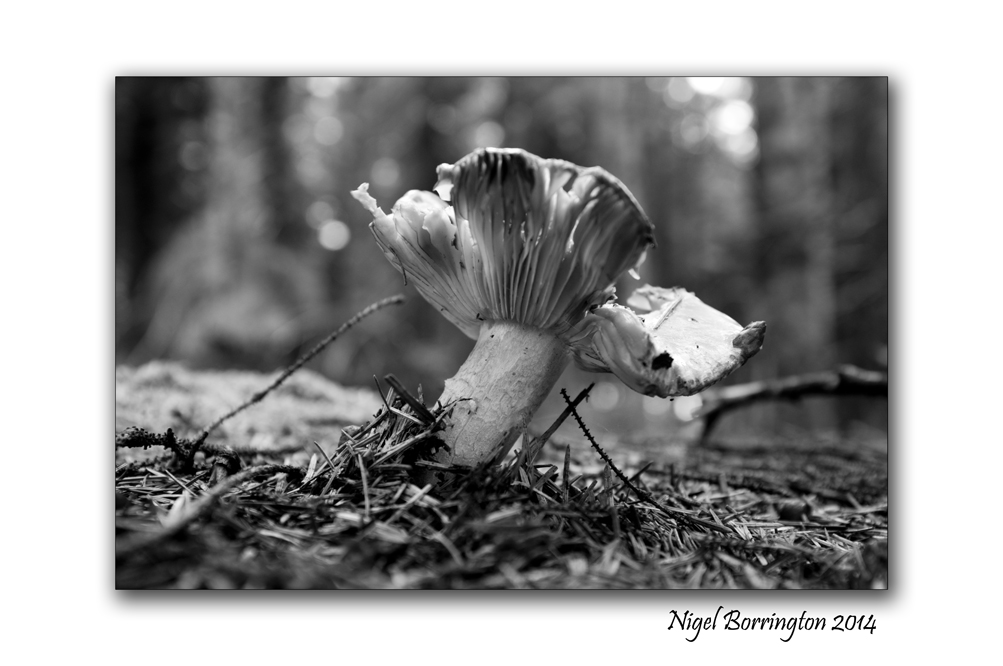
Butter Cap Fungi
Nature Photography : Nigel Borrington
While I was out walking on Sunday , I noticed the first mushrooms growing in our local woodlands so I took these images.
These Mushrooms are Butter cap Fungi as described below.
We are still in summer time but heading quickly towards the late months of the season, it was great to look ahead to the forests coming to life with all kinds of Fungi.
Distribution
Very common and widespread across Britain and Ireland as well as throughout mainland Europe, the Butter Cap is also found in the USA, where it is sometimes referred to as the Buttery Collybia, and in many other parts of the world.
Sometimes found in deciduous woodland, Rhodocollybia butyraceae is mainly associated with coniferous forests on acid soils, where it grows in large numbers beneath even the darkest of canopies.
Kilkenny Photography – Nature Gallery


The Oak tree in Pagan life, Poems and Oak tree stories.

Mighty Oak Tree
By : Russell Sivey
The mighty oak tree sits near
Orange and red leaves
Looking like it is on fire
They clog up the eaves
Beautiful to see Sight
unlike any around In awe completely
The Oak tree in Pagan Mythology
An oak is a tree or shrub in the genus Quercus, of the beech family Fagaceae, having approximately 600 extant species.
The Pagan world gave the Oak tree the following properties :
Planet: Jupiter and Mars
Element: Water
Symbolism: Sovereignty, rulership, power,
Strength & Endurance, Generosity & Protection, Justice & Nobility, Honesty & Bravery
Stone: Diamond, Aventuring
Metal: Gold
Birds: Oriole, Wren
Color: Gold
Deity: The Dagda, The Green Man, Janus, Diana, Cybele, Hecate, Pan
Sabbat: Summer Solstice (Litha)
Folk Names: Jove’s Nuts, Juglans
Medicinal properties:
The medicinal park of the Oak is its bark, because of the strong astringent properties. Internally as a tea it helps fight diarrhea and dysentery. Externally it can be used to treat hemorrhoids, inflamed gums, wounds, and eczema. The tannin found in oak can help reduce minor blistering by boiling a piece of the bark in a small amount of water until a strong solution is reached, and applying to the affected area. To cure frostbite, American folk medicine called for collecting oak leaves that had remained on the tree all through the winter. These leaves were boiled to obtain a solution in which the frostbitten extremities would soak for an hour each day for a week.
Magickal properties:
Dreaming of resting under an oak tree means you will have a long life and wealth. Climbing the tree in your dream means a relative will have a hard time of it in the near future. Dreaming of a fallen oak means the loss of love. If you catch a falling oak leaf you shall have no colds all winter. If someone does get sick, warm the house with an oakwood fire to shoo away the illness. Carry an acorn against illnesses and pains, for immortality and youthfulness, and to increase fertility and sexual potency.
Carrying any piece of the oak draws good luck to you (remember to ask permission and show gratitude.)
Oak twigs bound together with red thread into a solar cross or a pentagram will make a mighty protective talisman for the home, car, or in your desk or locker at work.
“Oaken twigs and strings of red Deflect all harm, gossip and dread.”
Celtic Moon sign – Oak Moon
The oak tree endures what others cannot. It remains strong through challenges, and is known for being almost immortal, as is often attested to by its long life and ability to survive fire, lightning strikes, and devastation. If you were born under this sign, you have the strength of character and purpose to endure, too – no matter what your challenges. Direct your energies wisely, make sure your your risks are well-calculated, and you’ll overcome whatever seemingly “impossible” quests are sent to you.
Written by Kim Rogers-Gallagher, and Llewellyn’s Witches’ Datebook 2000
The Oak moon falls during a time when the trees are beginning to reach their full blooming stages. The mighty Oak is strong, powerful, and typically towering over all of its neighbors. The Oak King rules over the summer months, and this tree was sacred to the Druids. The Celts called this month Duir, which some scholars believe to mean “door”, the root word of “Druid”. The Oak is connected with spells for protection and strength, fertility, money and success, and good fortune. Carry an acorn in your pocket when you go to an interview or business meeting; it will be bring you good luck. If you catch a falling Oak leaf before it hits the ground, you’ll stay healthy the following year.
Growth and fertility spells work best at this time of the year. Focus on building and consolidation your wisdom, endurance and security.
Lesson of the Oak
from The Wisdom of Trees
by Jane Gifford
The oak represents courage and endurance and the protective power of faith. The tree’s noble presence and nurturing habit reassured ancient peoples that, with the good will of their gods, their leader, and their warriors, they could prevail against all odds. As the Tree of the Dagda, the oak offers protection and hospitality without question, although its true rewards are only apparent to the honest and brave. The ancient Celts deplored lies and cowardice.
To be judged mean spirited could result in exclusion from the clan, which was one of the most shameful and most feared of all possible punishments. Like the oak, we would do well to receive without prejudice all those who seek our help, sharing what we have without resentment or reservation. The oak reminds us all that the strength to prevail, come what may, lies in an open mind and a generous spirit. Inflexibility, however, is the oak’s one weakness and the tree is prone to lose limbs in storms.
The oak therefore carries the warning that stubborn strength that resists will not endure and may break under strain.
The Oak Fairy
by Teresa Moorey
Oak is one of the most sacred trees, traditionally prized by the Celts and Druids. The oak fairy is very powerful, and imparts strength and endurance to any who stay within its aura.
Each oak tree is a very metropolis of fairies, and each acorn has its own sprite. Bringing one into the house is a way to enhance contact with the fairy realm. Oak beams are often used to make doors, but the tree itself is a great portal to the other realms.
The oak is associated with many gods all over the world, notably Zeus and Thor. In sacred groves of oak, the Goddess was believed to impart her wisdom through oracles. The oak has sheltered many a king and hero, in myth and real life. The oak spirit is distinct from fairies, and may become very angry if trees are felled or wildlife harmed.
The oak fairy brings courage and a stout heart, necessary to brave the challenges in this world and to journey in the Otherworld. Bearing strength from the heart of the earth, oak fairy can bring steadiness and a deep joy that endures through all.
Oak Tree.
By : Bernard Shaw
I took an acorn and put it in a pot.
I then covered it with earth, not a lot.
Great pleasure was mine watching it grow.
The first budding green came ever so slow.
I watered my plant twice a week
I knew I would transplant it down by the creek.
One day it will be a giant oak,
To shield me from the sun a sheltering cloak.
Lovers will carve their initials in the bark,
An arrow through a heart they will leave their mark.
It will shelter those caught in a fine summers rain,
Under its leafy bows joy will be again.
Creatures of the wilds will claim it for their own,
Squirrels will reside here in their own home.
Birds will build nests and raise their young,
They will sing melodies a chorus well sung.
Under it’s branches grass will grow,
Here and there a wild flower it’s head will show.
My oak tree for hundreds of years will live.
Perhaps the most important thing I had to give.
The secret of the fox, A Poem
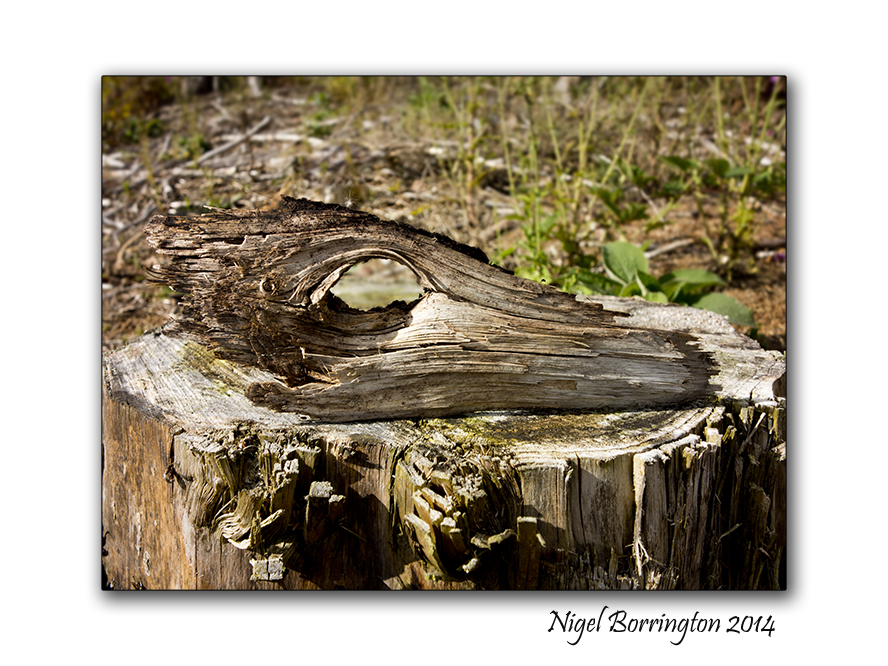
Image of a Fox in old dead wood,
Photography : Nigel Borrington
The secret of the fox
is an ancient mystery
Held somewhere deep in the woods.
I know he is hiding.
What is his sound?
Will we ever know
Will it always be a mystery
What would he say?
“The Fox” by Ylvis
What grows on the old bridge at Ennisnag.

What grows on the bridge at Ennisnag, county Kilkenny
Nature and Landscape Photography : Nigel Borrington
What grows on the old bridge at Ennisnag.
Early yesterday evening while out Walking molly , our Golden retriever I crossed the old bridge at Ennisnag, county Kilkenny, the foot path goes down along side the kings river, below the bridge and looking up I noticed lots of herbs and plants growing out of the stone work.
The Sun was lighting these plants and they look fantastic with this light behind them.
These plants included (Herb Robert, wild Blackberry and Dandelion)
On the old bridge at Ennisnag, Gallery


Finding art in nature, natural compositions.

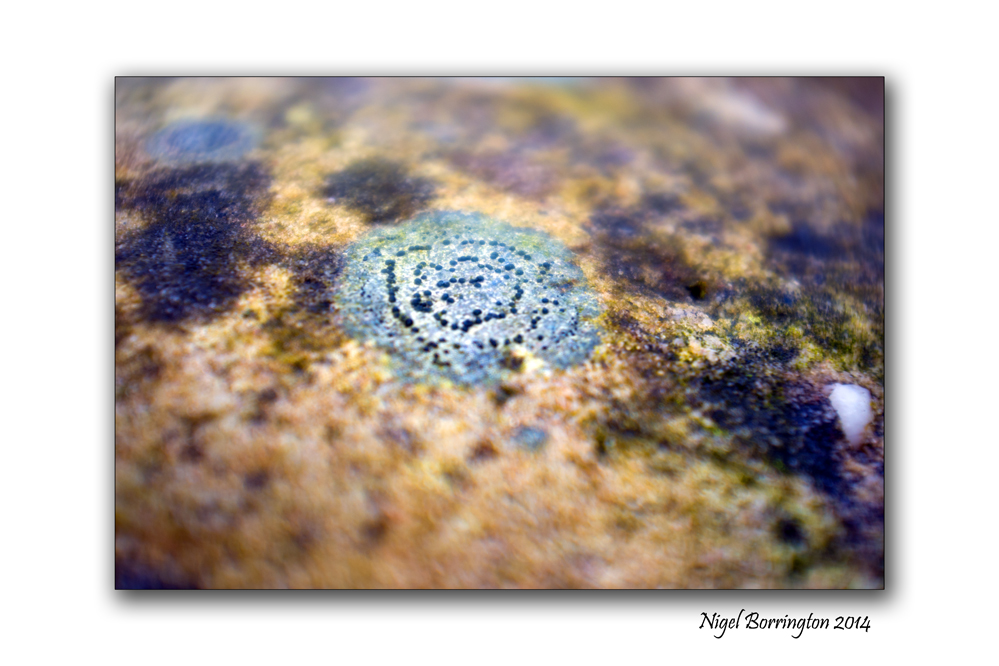
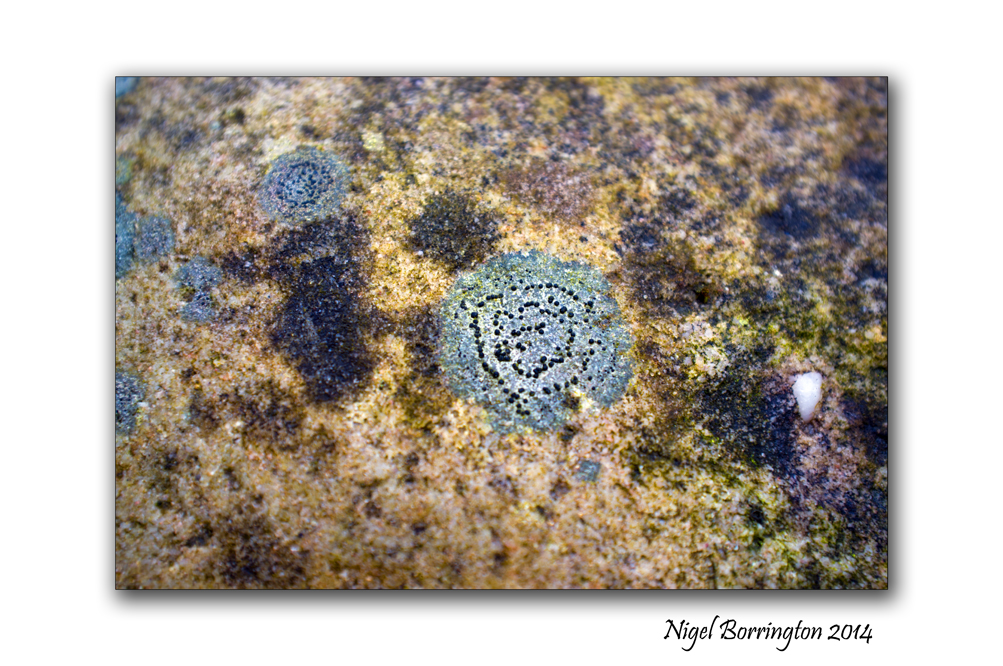
Natural compositions, Lichen and rock
Photography : Nigel Borrington
Finding art in nature, natural compositions
I am a strong believer that nature itself is an artist and that all artists are doing really is to seek out and highlight to other people what elements of our natural surroundings interests themselves the most.
I took sometime away from my Blog this weekend and had an almost technology free time, walking and relaxing and just taking time to look and take in some new locations and subjects.
I took a walk through one of our local forests here in County Kilkenny and while taking a rest for a moment I noticed some Lichen formations on the rocks around me. These rocks themselves had amazing colours from the mixed amount of Minerals that they contained, the Lichen which dies back in the summer months had left some very interesting patterns.
I feel the resulting images are worth sharing as I liked very much the colours and textures produced on this rock surface, I also liked the compositions that could be found while moving the camera around the these Lichens.
Gallery


Flight of the Hoverfly

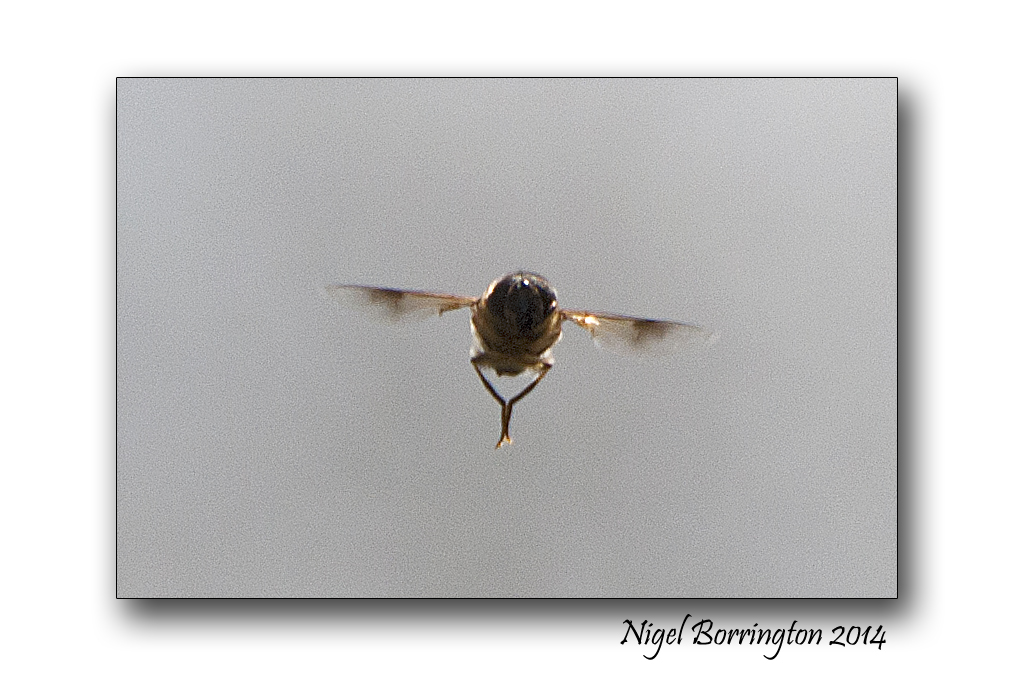
Flight of the Hoverfly
Wildlife Photography : Nigel Borrington
1st July and our local woodlands and fields are full of life ( Bees, Hoverflys and butterflys ) are everywhere.
For sometime I have been trying to capture these great insects in flight, using a macro lens and a high shutter speed, the images I post here are of a Hover-fly as it fixed its motion for a few seconds in front of my lens.
Its was a great feeling to look at these images at home for the very first time, freezing the movement of this fly that appeared in-front of me to never stop its motion as it went about its life and fleeting tasks.

Orchids, A poem By : Cassandra Huller

Early March Orchid
Photography : Nigel Borrington
Orchids
By : Cassandra Huller
Round is the shape,
Pink are the petals.
Stem long and tall,
Leaves fluttered over, bent but not broken.
Roots deep in dirt,
Surrounded by a wall.
Some flowers fall but always rebloom~
National Botanic Gardens – Dublin

National Botanic Gardens – Dublin
Photography : Nigel Borrington
National Botanic Gardens – Dublin
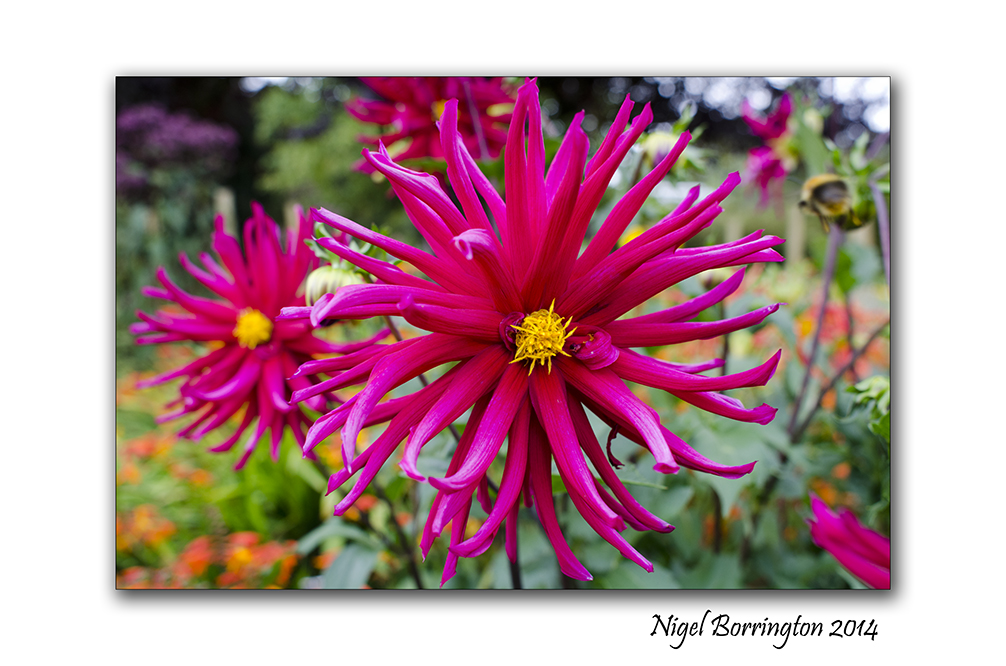
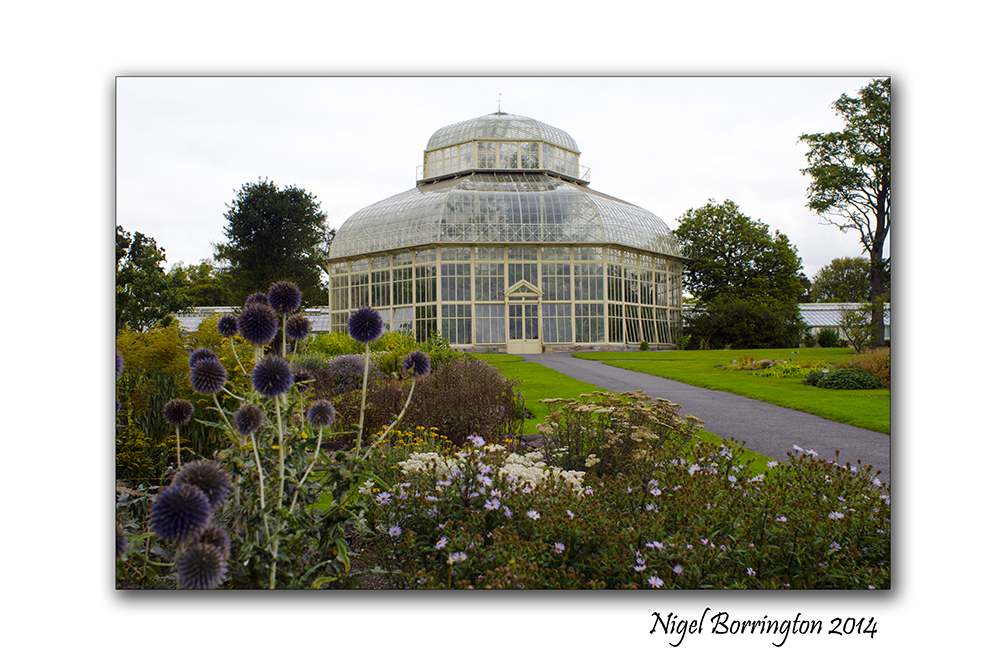
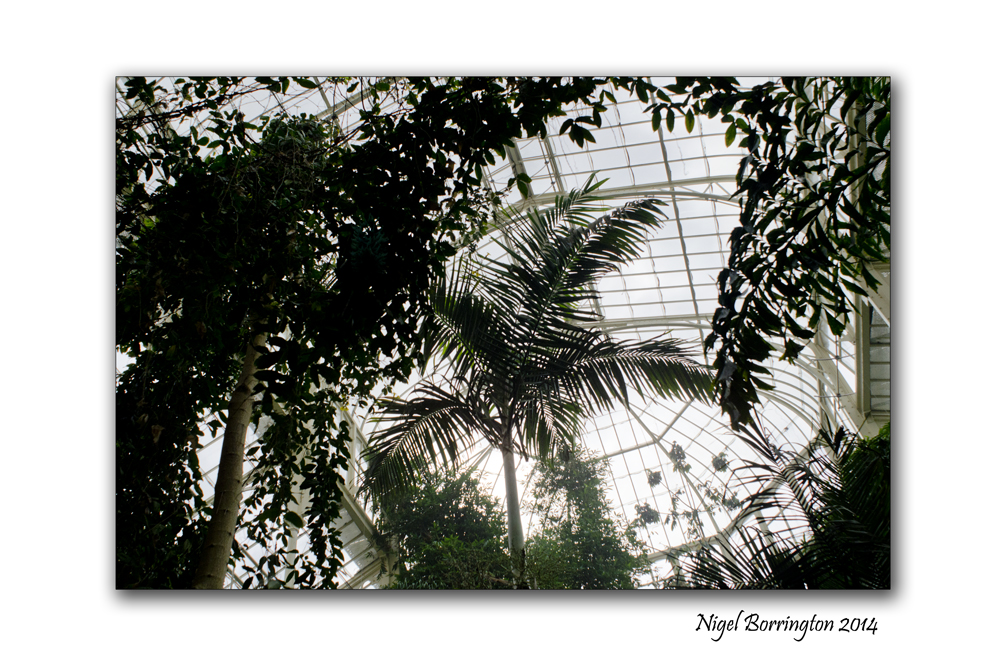
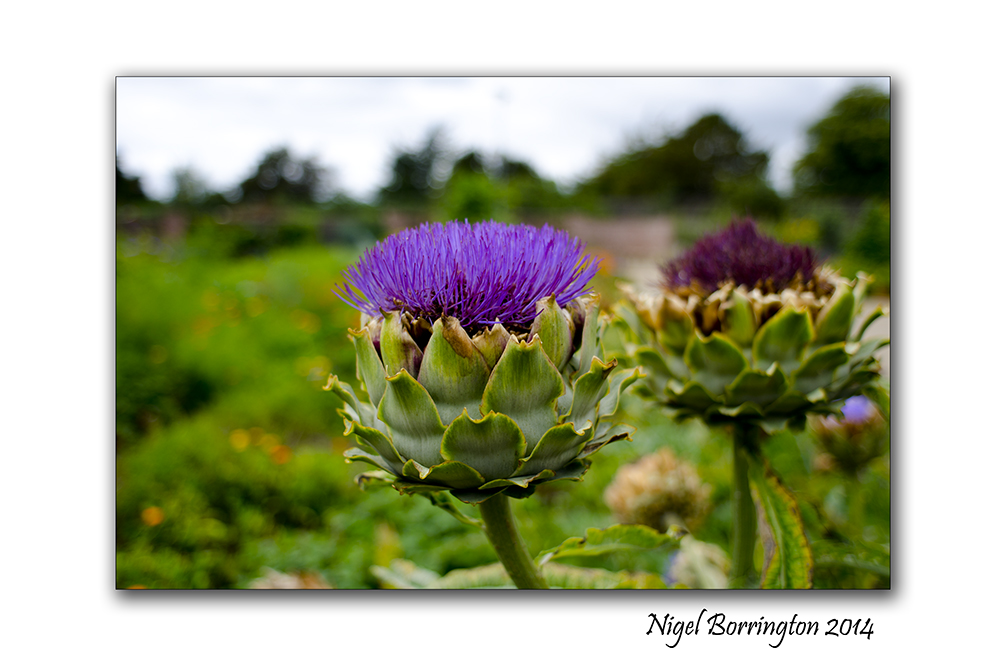
The images here were taken during a visit to the Botanic Gardens Dublin.
These Gardens are one of the best in the country and a wonderful location for flower and nature photography during the summer months.
The following web page is the official site and is a great source for all activities and descriptions of the history and purpose of these internationally respected gardens.
National Botanic Gardens – Dublin
The images I posted here are from a days visit , late summer 2013. There are many great things to see and places to eat here so you can spend a full day just browsing and learning.
Gallery






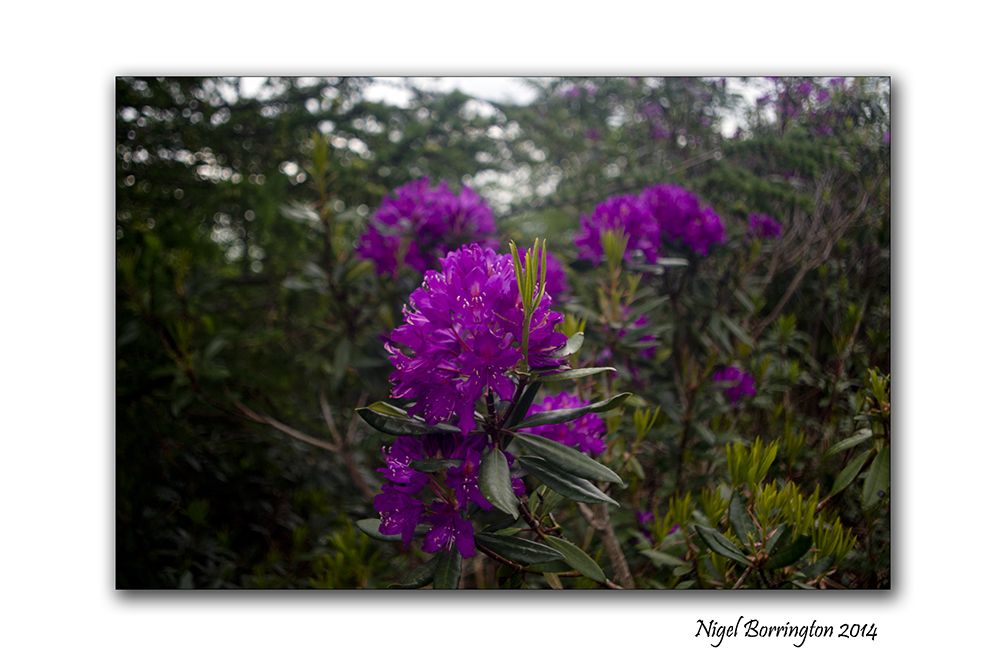
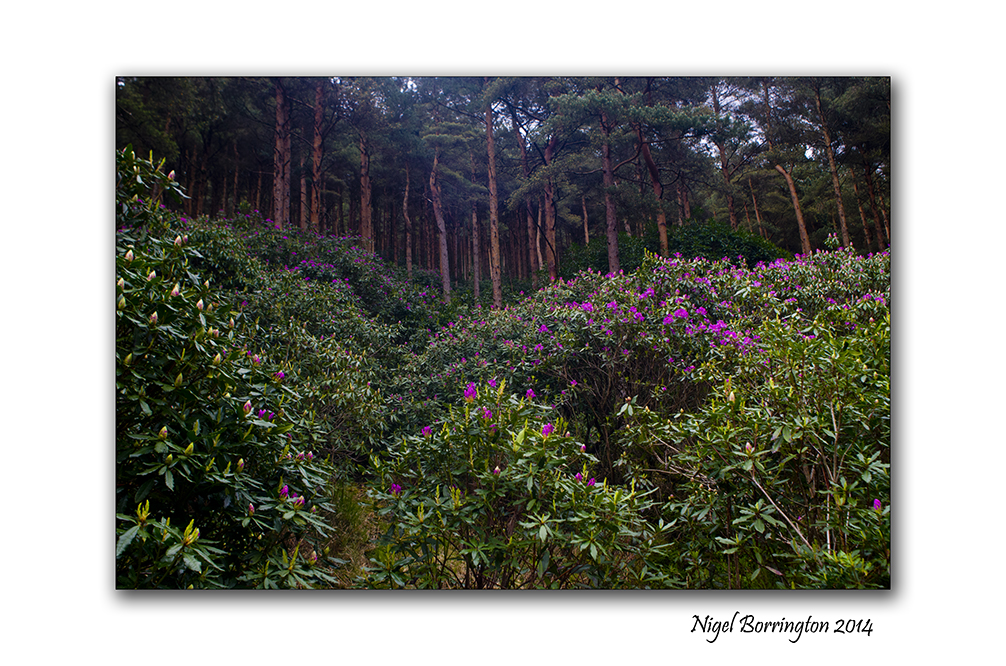
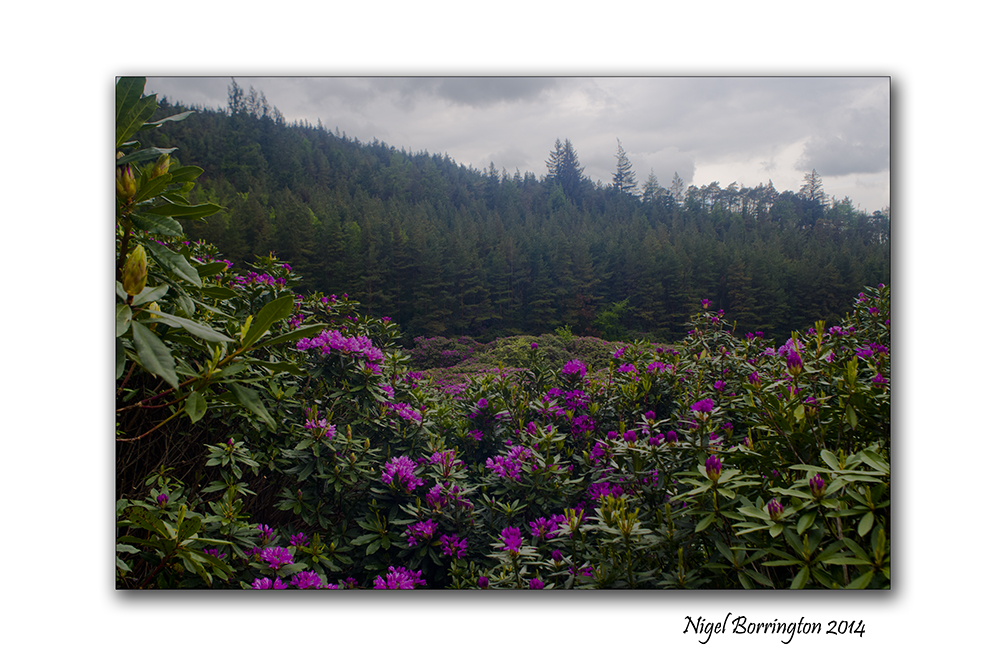
Rhododendron laden hillsides, Poem and Image gallery.

Rhododendron at the Vee, County Tipperary
Landscape Photography : Nigel Borrington
Rhododendron laden hillsides
Summer
Comes ’round again,
Bringing life back to flow’rs.
Roses shall start to bloom once more,
And mighty White Oaks shall be green with leaves.
Rhododendron laden hillsides
And Lady Slippers nod:
Slowly fading
Summer.
~Timothy~
Rhododendron hills , Image Gallery





The first spring Primrose on the river Lingaun

Primrose along the river Lingaun
Nature Photography : Nigel Borrington
At the end of June 2013 I posted about the “last of the Primrose” , well its hard to believe that its a full year since the first Primrose’s flowered in 2013 but these wonderful little river bank flowers are back again.
These Primrose grow beside the banks of the river Linguan as it works its way down towards the river suir, at Carrick -on-suir. I take Molly our golden retriever here for a swim in the rock pools, its a perfect place on a spring day.
I found the following information about Primrose’s :
Botanical Information
Primrose Flowers
Primroses grow on shady river banks, and in woods and hedges and are common in Ireland. The characteristic rosette of green crinkled leaves appears first in March. The flowers then come up on individual stalks and open in the month of April. The flowers have five pale yellow petals.
In some flowers the stems are very long and the centre is small – these are called thrum flowers. If on the other hand you are looking at a flower with very short stem, it is called a pin flower.
They are perennial flowers, which means that they survive from year to year and grow again every Spring without having to be planted.
Folklore
Primroses were very important to farmers long ago for their cows. The butter-making season began in May and in order to be sure that the cows would produce lots of milk for butter, primroses were rubbed on their udders. In other houses primroses were scattered on the thresholds of houses before dawn on May day to protect the butter from the fairies.
Primroses were also associated with hens and the laying of eggs. It was considered unlucky to bring primroses into the house if eggs were being hatched there.
Primroses were often gathered and given as a gift. However it was considered to be very unlucky to give just a single primrose, whereas a very full bunch would be a protection against evil spirits.
Primroses bloomed in Tír na nÓg and people returning from there in the old Irish legends always brought primroses as proof that they had been there.
In folk medicine, rubbing a toothache with a primrose leaf for two minutes would give relief from the pain. It was also widely used as a cure for jaundice.
Poem
What is a Primrose?
To the question, “what is a primrose?”
There are several valid answers
One person says,
“A primrose by the river´s brim”
A yellow plant was to him, just that.
Nothing more.
Another, a scientist, says,
“A primrose is a delicately balanced
Biochemical mechanism requiring
Potash, phosphates, nitrogen and water
In definite proportions”
A third person says they are,
“Primrose of spring from the gods”
All these statements are true.
Primrose along the river Lingaun, Gallery



The Children of Lir

Swans at Haywood house Gardens
Nature and Wildlife photography : Nigel Borrington
The Children of Lir is a very old Irish legend. The original Irish title is “Clann Lir or Leanaí Lir”, but Lir is the genitive case of Lear. Lir is more often used as the name of the character in English. The legend is part of the Irish Mythological Cycle, which consists of numerous prose tales and poems found in medieval manuscripts.
The Children of Lir
Long ago there lived a king called Lir. He lived with his wife and four children: Fionnuala, Aodh, Fiachra and Conn. They lived in a castle in the middle of a forest. When Lir’s wife died they were all very sad. After a few years Lir got married again. He married a jealous wife called Aoife.
Aoife thought that Lir loved his children more than he loved her. Aoife hated the children. Soon she thought of a plan to get rid of the children.
One summer’s day Aoife took the children to swim in a lake near the castle. The children were really happy to be playing in the water. Suddenly Aoife took out a magic wand. There was a flash of light and the children were nowhere to be seen. All there was to be seen was four beautiful swans, with their feathers as white as snow.
Aoife said, “I have put you under a spell. You will be swans for nine hundred years,” she cackled. “You will spend three hundred years in Lough Derravaragh, three hundred years in the Sea of Moyle and three hundred years in the waters of Inish Glora,” Aoife said. She also said, “You will remain swans for nine hundred years until you hear the ring of a Christian bell.”
She went back to the castle and told Lir that his children had drowned. Lir was so sad he started crying. He rushed down to the lake and saw no children. He saw only four beautiful swans.
One of them spoke to him. It was Fionnuala who spoke to him. She told him what Aoife had done to them. Lir got very angry and turned Aoife into an ugly moth. When Lir died the children were very sad. When the time came they moved to the Sea of Moyle.
Soon the time came for their final journey. When they reached Inish Glora they were very tired. Early one morning they heard the sound of a Christian bell. They were so happy that they were human again. The monk (some even say it was St. Patrick himself) sprinkled holy water on them and then Fionnuala put her arms around her brothers and then the four of them fell on the ground. The monk buried them in one grave. That night he dreamed he saw four swans flying up through the clouds. He knew the children of Lir were with their mother and father.
In a Sleepy Hollow, Wild Sorrel grows

Wild woodland Sorrel, Glenbower, Owning, county kilkenny
Irish Nature photography Nigel Borrington
In a Sleepy Hollow, Wild Sorrel grows
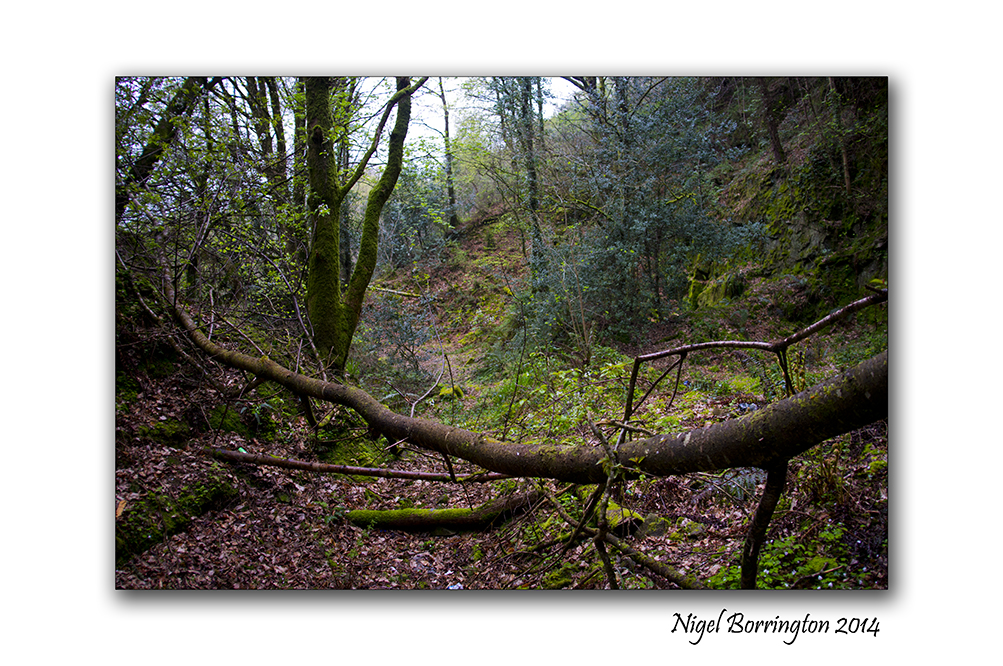
Glenbower woodlands is located near the village of owning in the south of county Kilkenn. In the middle of the wood is located a deep and very sleepy hollow, in winter the hollow is covered in fallen leaves from the trees that are located on the very edges of cliffs above.
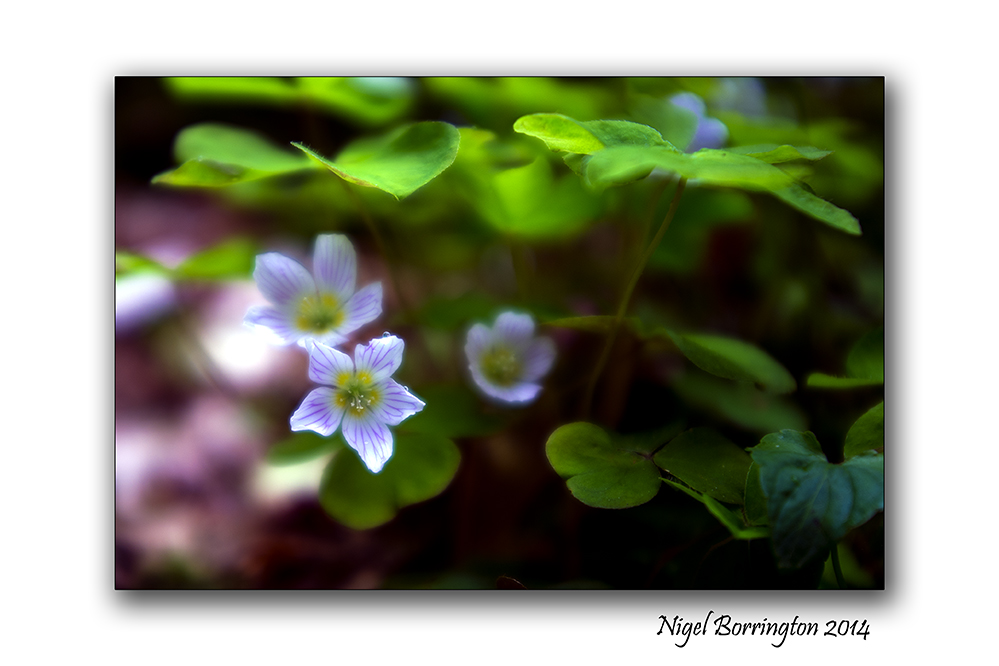
Spring time however brings new life with fox dens located in the cliffs and a carpet of ferns and Wild woodland Sorrel with its many white and purple flowers.
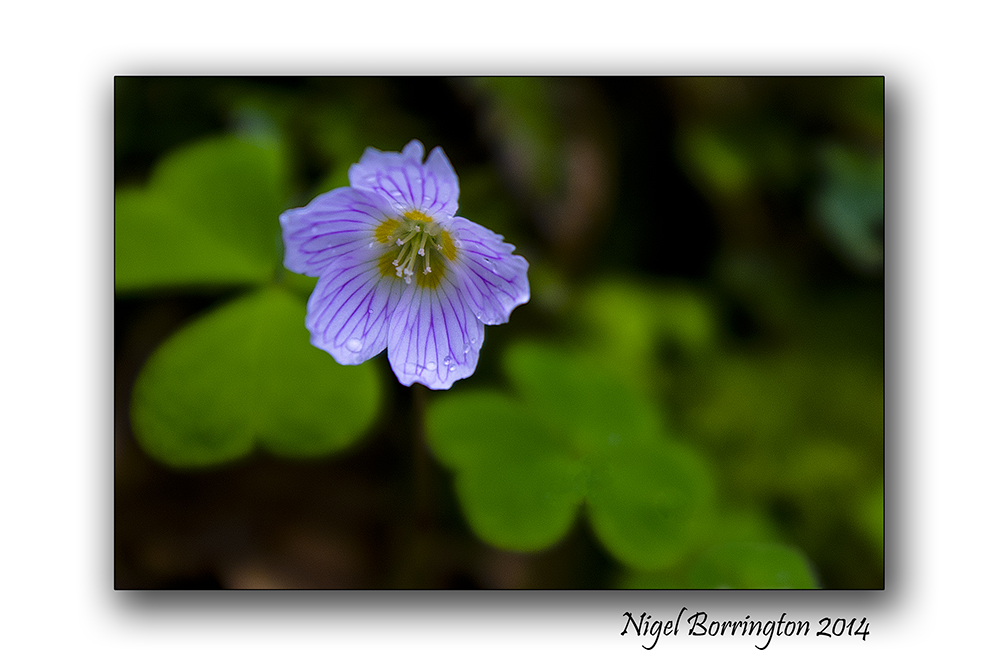
Sorrel is found carpeting many Irish old, undisturbed woodlands in spring, this pretty downy perennial also grows on moss-covered trees and shady stone walls and is widespread throughout the country.
Each pretty white flower has five petals, bell-shaped some (10 – 15 mm), held on a stem which comes directly from the roots. The petals are lined with a tracery of purple veins through to the golden centre of the flower. The three petalled heart-shaped leafs fold up towards late afternoon or in rain as do the fragile flowers.
They Can be eaten and have a sharp taste of oxalic acid, wonderful with salads and as a garnish. The flowers blooms from April to June.
Wild Sorrel is a native plant to Ireland and belongs to the family Oxalidaceae.
Sleepy Hollow Image Gallery



Easter (Ostara) time and the, Hawthorn Flowers

Crataegus monogyna, Common hawthorn, County Kilkenny
Nature Photography : Nigel Borrington
Easter(Ostara) time and Hawthorn flowers
In my last post I hinted that I was going to take a little time off over the Easter holidays, sometime away from my phone or laptop and get outside as much as possible, its spring time here and after all our winter storms the landscape is returning to life with colour and wildlife in full flow.
Yesterday I took some time to do some long walks, just myself and Molly our Golden retriever, around many of county Kilkenny’s paths and country lanes.
Each Easter here one of the first signs of Spring and Summer is the Hawthorn flowers, Hawthorn is a very popular form of hedging in the county and all the road side and field hedges turn to white as the flowers bloom.
The images here I hope show just how white and full these flowers are, its a wonderful sight each year and really lets you know that summer is only just around the corner..
Hawthorn Flowers : Gallery


First day of spring, Spring gallery 2014

First day of Spring 2014
Nature Photography : Nigel Borrington
Today is the first day of Spring, the year is moving fast and soon we will be treated to the wonderful sights of new plants a wildlife in the landscape around use.
So I just wanted to post some nature images to mark and calibrate the day !!!
Welcome to Spring 2014 !!!
Spring time gallery 2014



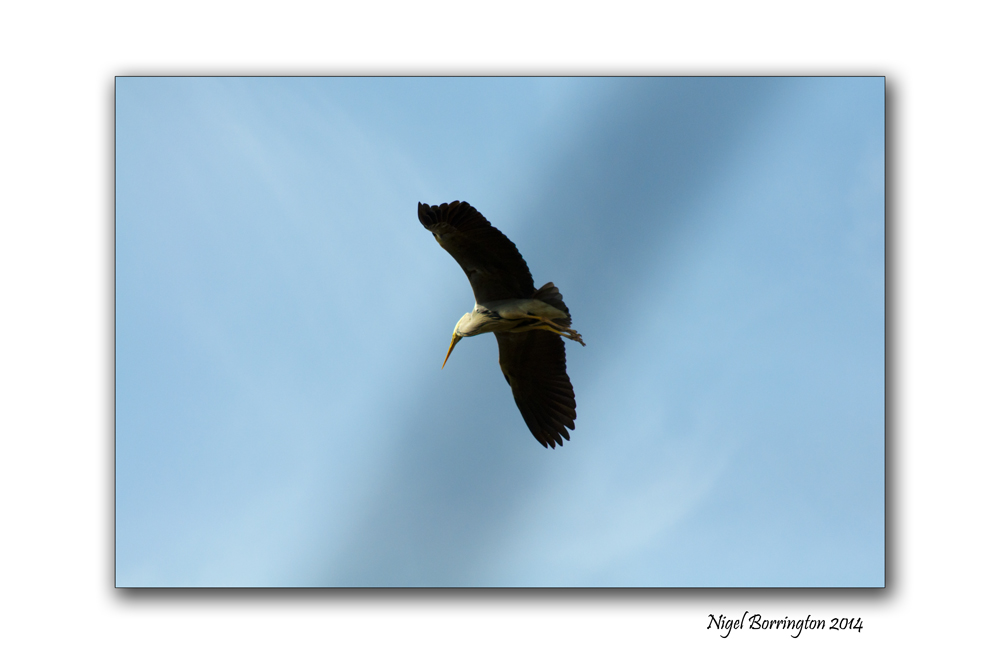
The Herons flight , Galway Bay.

Herons flying above Galway bay
Nature Photography Nigel Borrington
On a very enjoyable visit, I managed to Capture these Herons during a spring time visit to Galway Bay. At this time of year the Local Herons are hunting along the coast line for fish and getting ready to nest build in the spring.
To get these images I stood under some trees along side a beach and captured them as they flew above me.
The Herons flight : Gallery



The first flowers of Spring
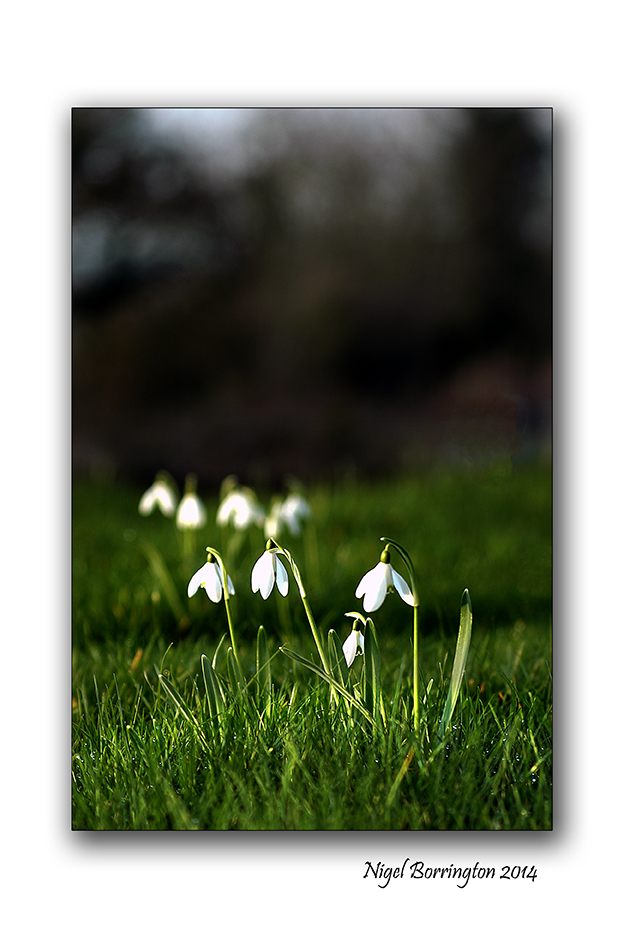
Snow drops, the first flowers of spring
Nature photography : Nigel Borrington
Each January The first flowers of spring are the snow drops, I love to see these flowers, the winter is not yet over, yet they bring into your mind the spring that will soon be here.
Snow drops…..
Found things in the Irish woodlands : Image Gallery .

Nikon D700, 24-70mm f2.8 lens
Found objects in the Irish woodlands
Irish Landscape Photography : Nigel Borrington
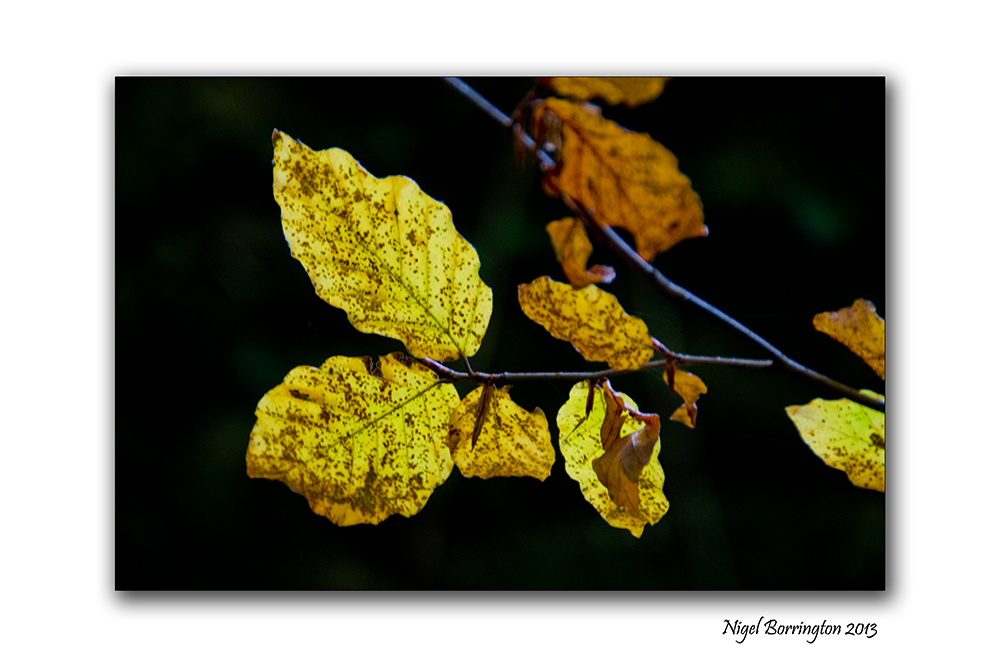
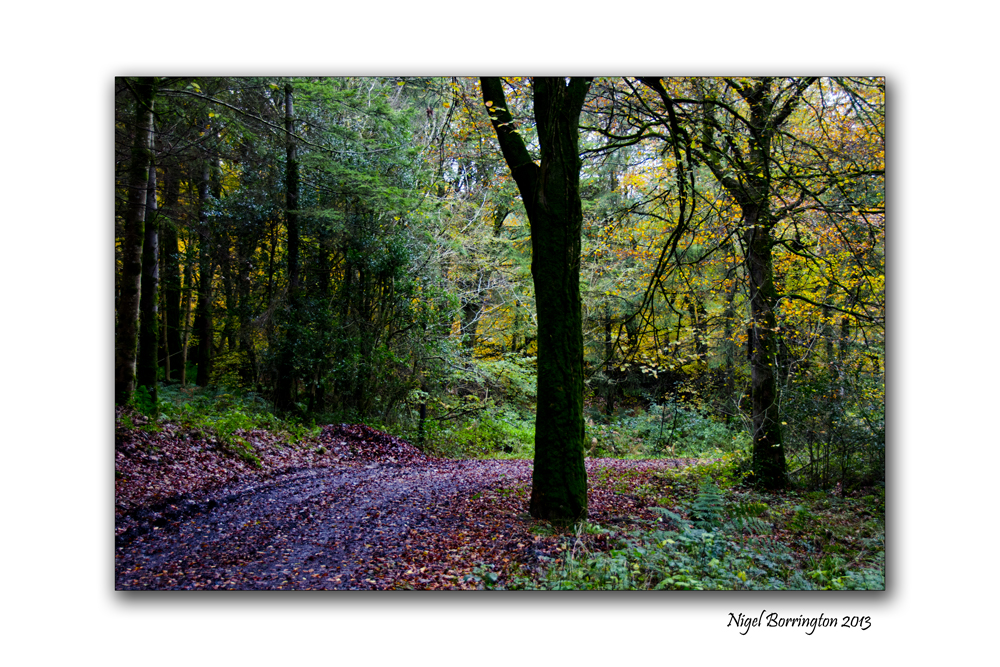
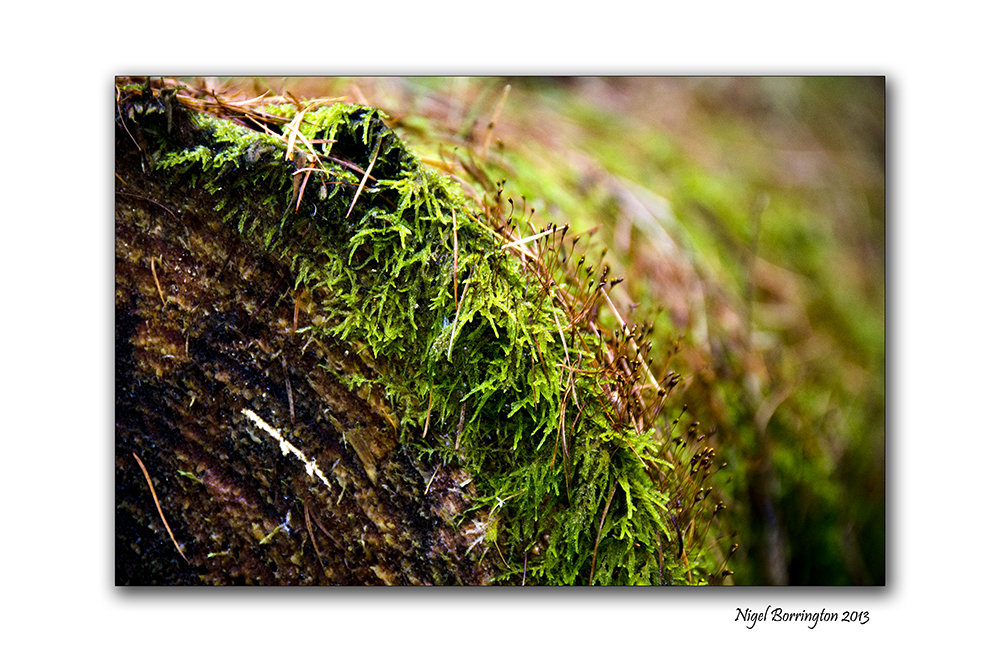
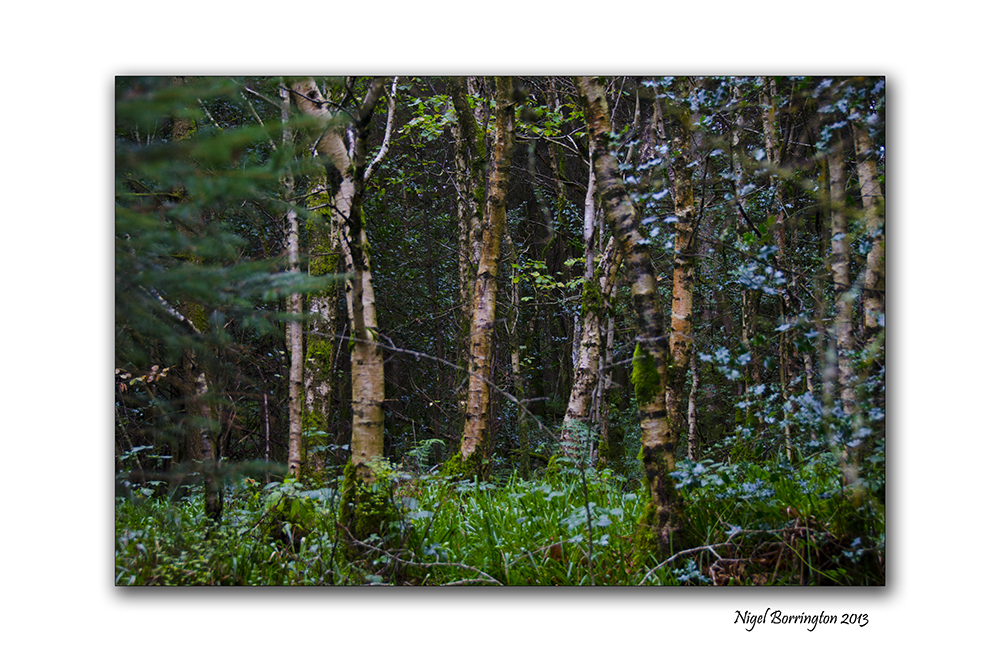
From a personal Stand point one of the things I love doing most photographically is to just explorer my Local surroundings, I walk our dog Molly a 10 1/2 year old Golden retriever everyday and carry a camera with me for most of these trips out. the Local Kilkenny woodlands in December are still surprisingly full of life and things to capture.
The following Gallery is from a trip to Castle Morris woodland, last week.
Found things in the Kilkenny woodlands
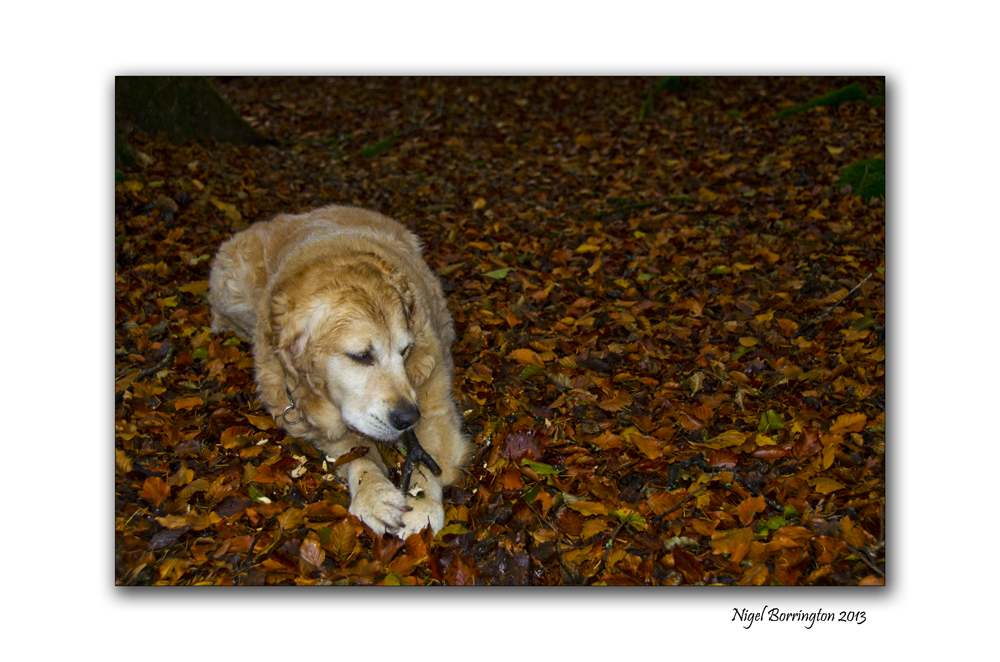




Its the weekend so why not ……
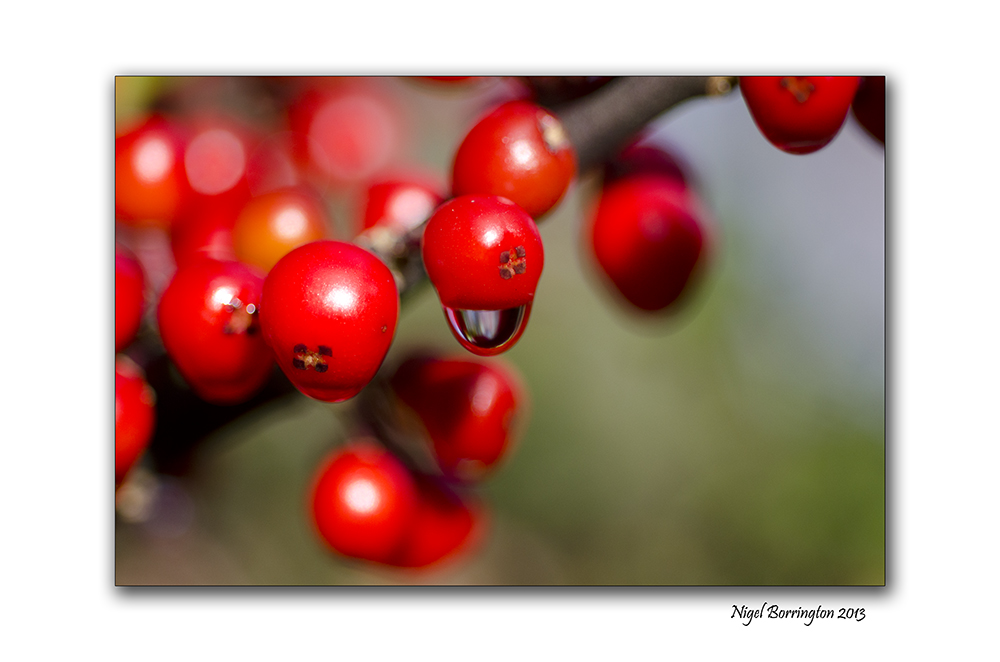
Nikon D700, 60mm f2.8 Macro lens
Images for an Autumn weekend
Irish nature and Landscape photography : Nigel Borrington
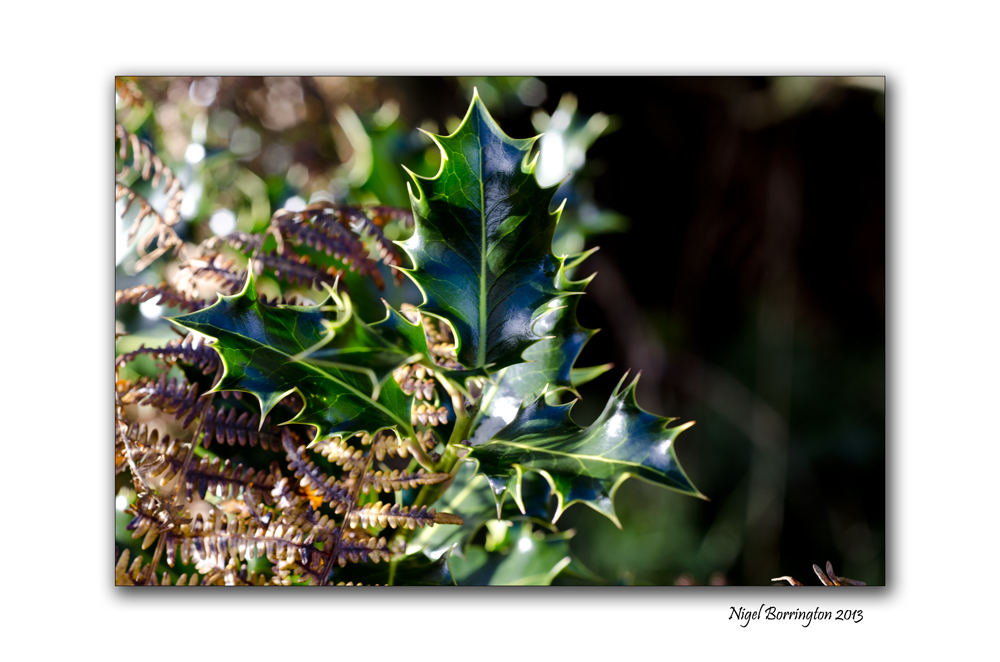
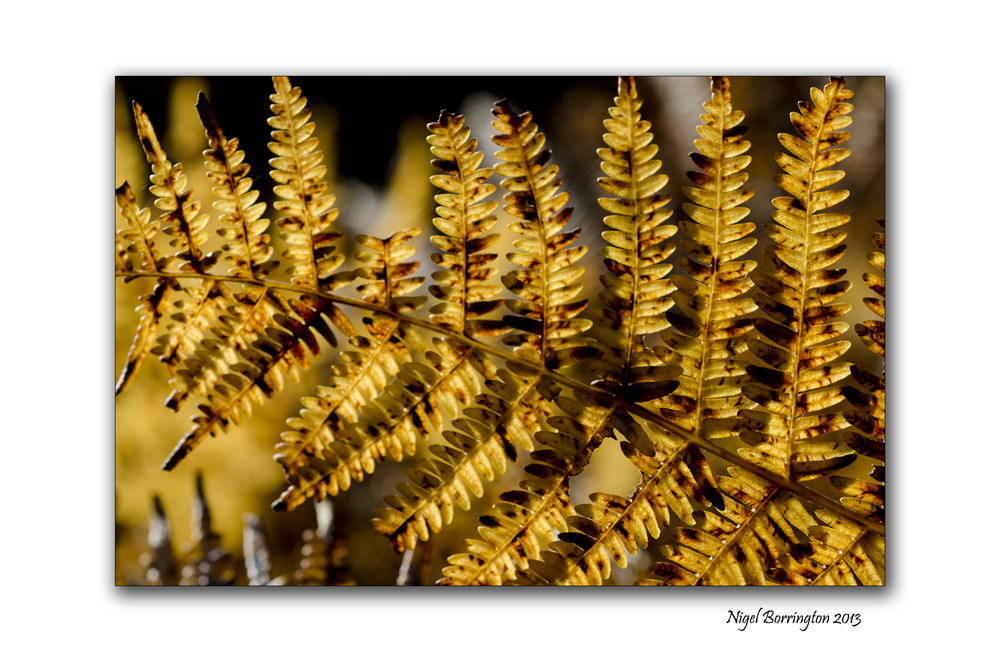
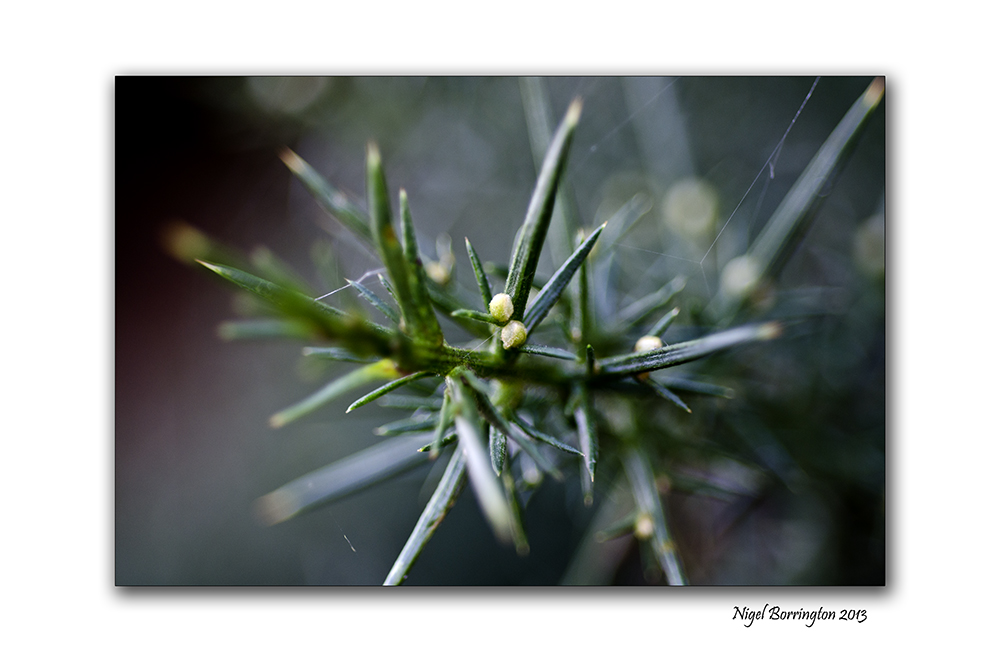
Its the weekend, so why not get out and explore. Spend sometime walking and discovering the things that Autumn has to offer …..
The nature that Autumn brings : Gallery



Wild Mushrooms in the Irish woodlands.

All images using a Fujifilm X100
Autumn Mushrooms at Woodstock, County Kilkenny
Irish Nature and landscape photography : Nigel Borrington
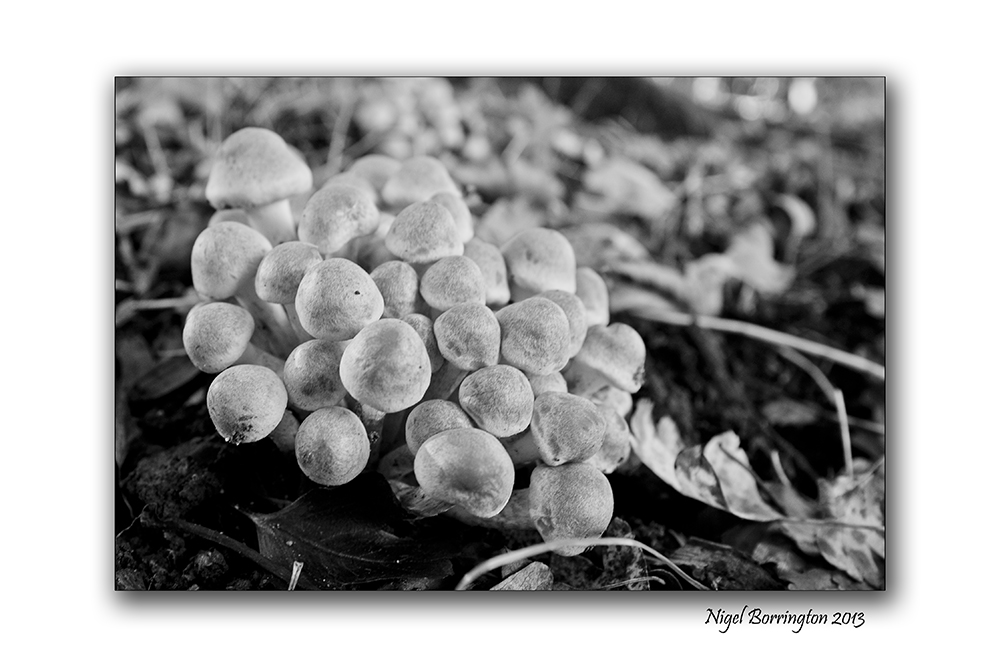
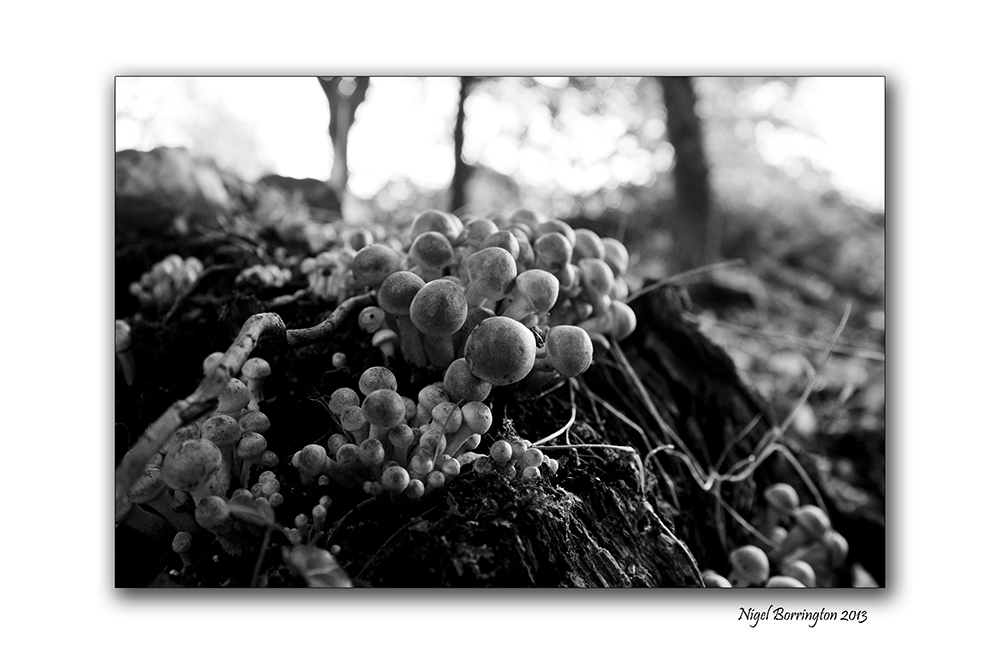
On Saturday while walking through the woodlands above the River Barrow, Woodstock, Inistioge in county Kilkenny. At the back of a farm yard I came across these Mushrooms growing in the ground of the woodland.
At this time of year just as the Autumn is taking a hold the local woodlands come to life with all kinds of Mushrooms, I managed to get the below pictures and intend to go hunting for more during the week and next weekend.
The Image above is of Shaggy ink cap (Coprinus comatus) Mushrooms and below are Sulphur Tuft (Hypholoma fasciculare) mushrooms .
Irish wild mushrooms, Gallery


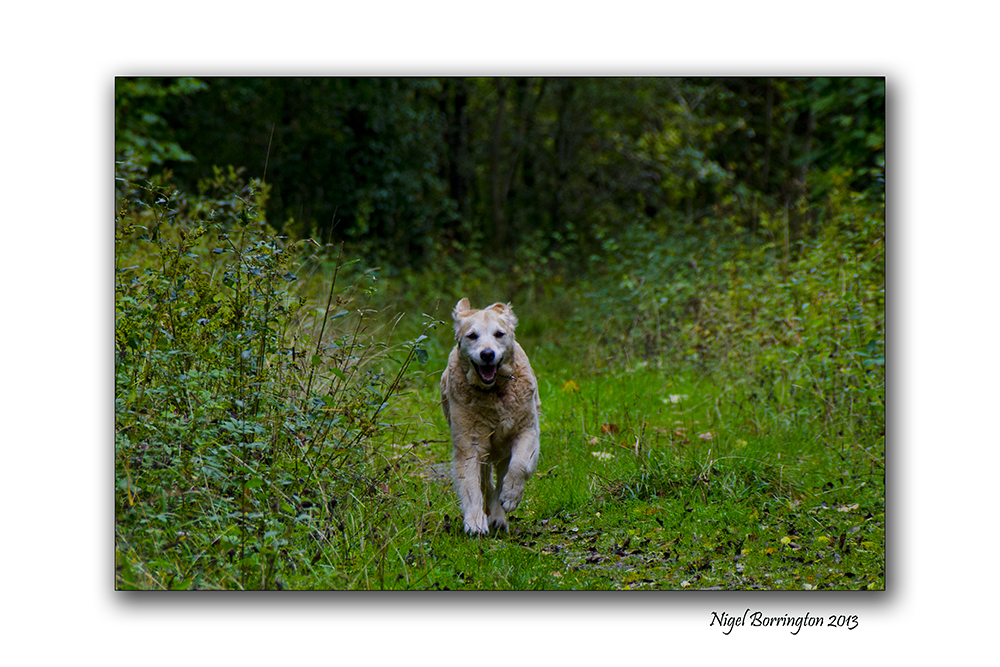
What Molly found in the Kilkenny Woodlands.

What Molly found in the Kilkenny woodlands
Irish landscape and nature photography : Nigel Borrington
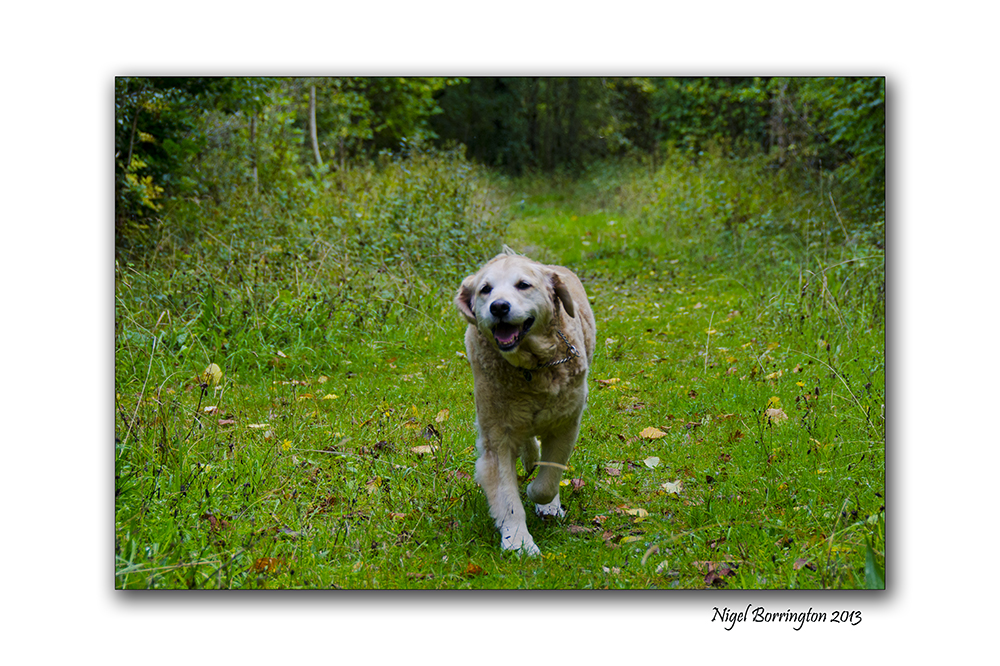
Molly is our ten year old Golden Retriever and she just love getting her daily walk in and around the woodlands and rivers of county Kilkenny.
This series of images are from just some of the things that she helps to find for me to capture with my Camera in a walk a couple of days back.
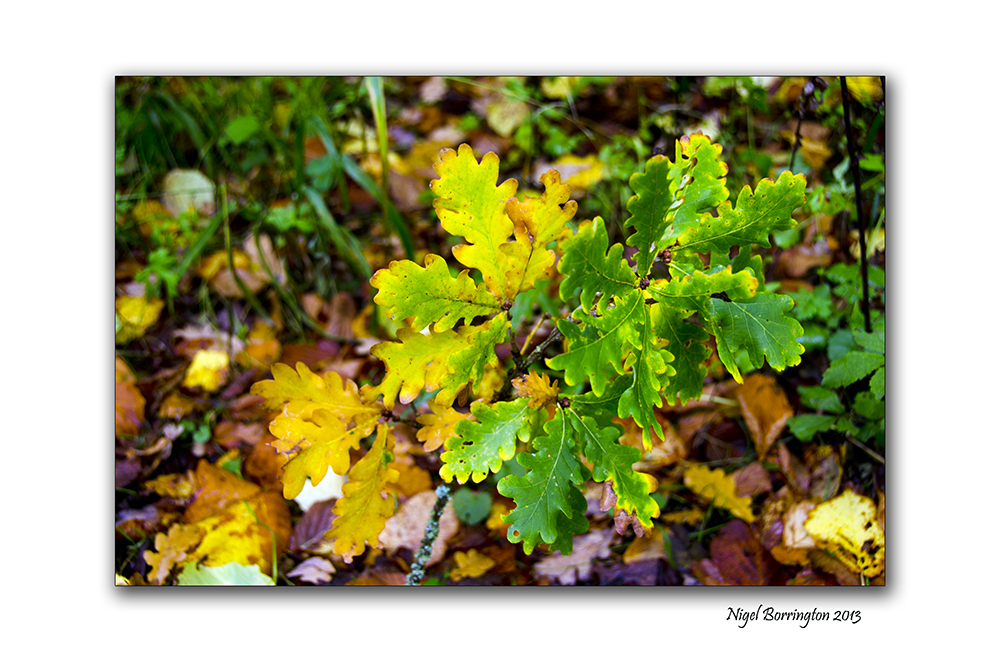
Fallen Oak Leafs and Acorns


—————
The smell of Hazel trees and nuts


—————
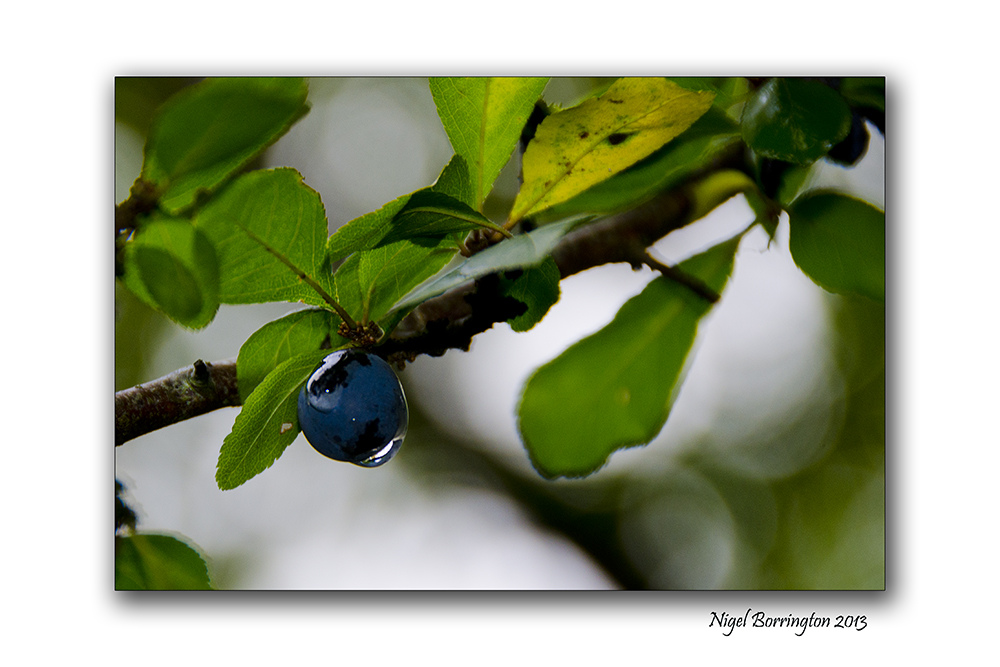
Over here I think there are some Blue berries

In a September hedgerow – Bees

All images taken using a Fujifilm x100
In a Kilkenny Hedgerow, September 2013 – Bees
Landscape and nature Photography, Nigel Borrington
September is a wonderful month in Ireland, all the hedgerows come to life. Blackberries and insects, the red of autumn leaves and fading flowers.
My posts today will attempt to show just how wonderful the Hedgerows become at this time of the year.


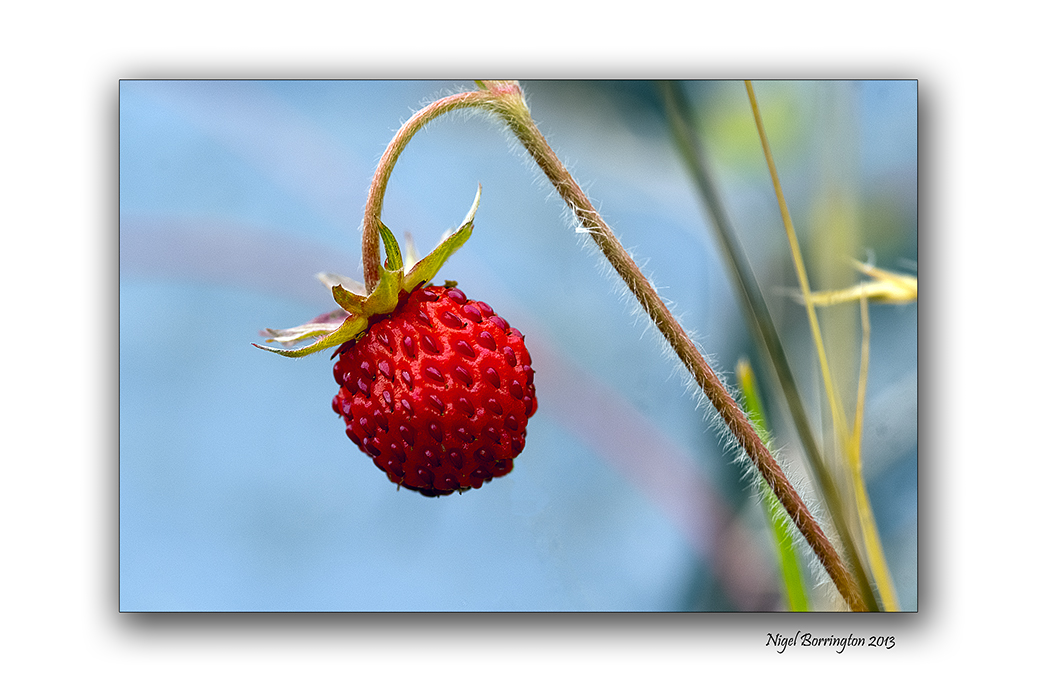
Wild strawberries

Nikon D7000, 105mm macro lens, iso 200
Wild strawberries, slate quarries, county Kilkenny
Nature photography : Nigel Borrington
Wild Strawberries
Each June and July growing locally we have lots of wild strawberries, they do best in dry and well drained ground such a raised hedgerows or like these ones, along a river bank in a disused slate quarry near the village of Windgap, County KIlkenny.
Nikon D7000, 105mm macro lens, iso 200
Wild strawberries, slate quarries, county Kilkenny
Nature photography : Nigel Borrington
Wild Strawberries : Wikipeadia
 Nigel Borrington
You must be logged in to post a comment.