Saltee’s Great black backed Gull

Nikon D7000, 50mm f1.4 lens
Great black backed Gull,Saltee Islands, County Wexford
Wildlife photography : Nigel Borrington
OK, lets put a bit of wildlife colour into the day….
I took this image on a visit to the Saltee islands, county wexford. This wonderful Black backed gull was guarding her eggs very well indeed . What I cannot get across in the picture is the noise of the islands, with thousands of these birds both on the ground and in the air it is one of the best wildlife experiences you could dream of having on a spring day.

Deep dark water, infra-red photography
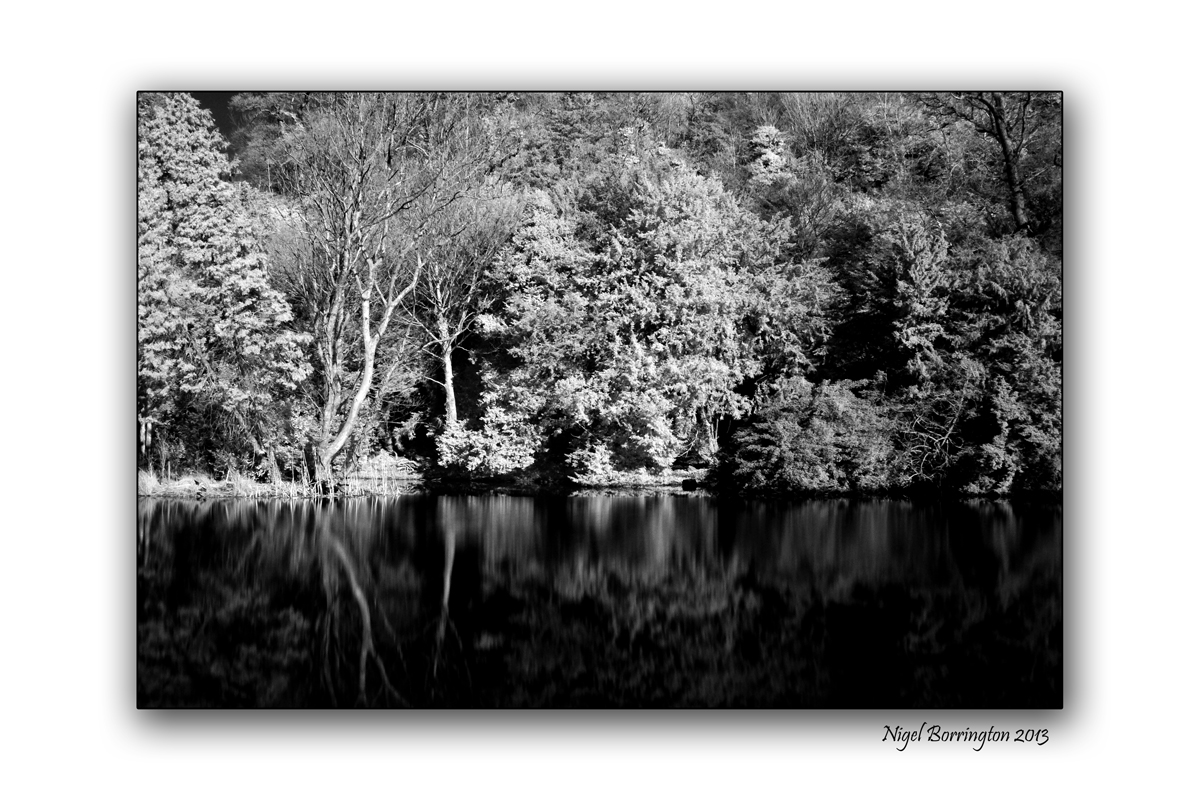
Nikon D90 with IR720 Infra-red filter on a 50mm f1.4 lens
Castlecomer discovery park, County Kilkenny
Landscape photography: Nigel Borrington
One reason I truly love monochrome images is for the contrast range that can be achieved, no where is this more possible than when attaching an IR720 filter on to a lens.
This filter only lets in Infra-red light and excludes any other light wavelength, Thus anything that is emitting IR light will be recorded in light tones and any other area of the image will appear dark a deep, deep black.
It is this very high contrast that is so hard to achieve in photography, without post processing software. Using an IR720 filter however can produce this effect in images right out of the camera and they just look wonderful.
You do have some issues to over come however, you need to pre-focus and lock the focus before attaching the filter to the lens. You need long exposures and you need to experiment with the correct selection of setting for this by taking many shots as you will not truly be able to see the results until you get home.
You can get a camera completely converted to Infra-red, but this is expensive and may not always work i.e. the focusing system fails to work and some sensors produce better results than others.
The Lake (Edgar Allan Poe)…
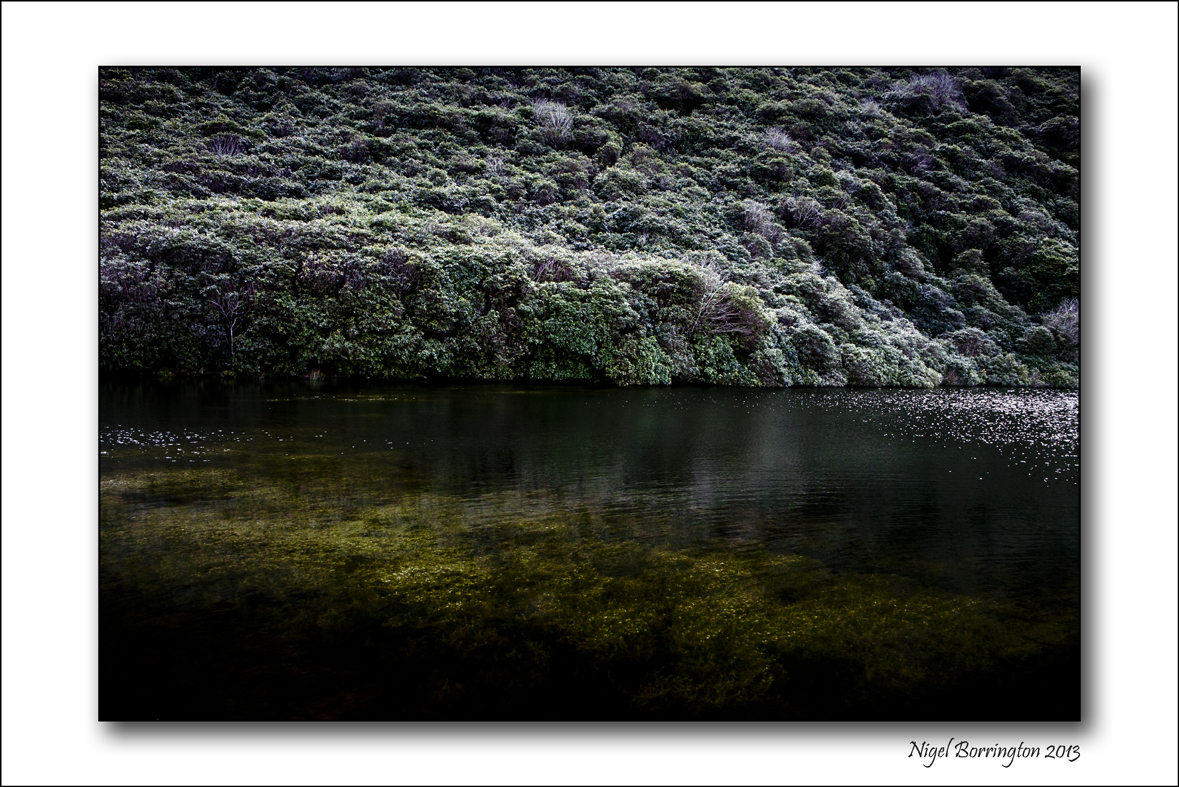
Fujifilm X100
The Vee – Clogheen, Tipperary
Irish landscape photography : Nigel Borrington
The Lake
In spring of youth it was my lot
To haunt of the wide earth a spot
The which I could not love the less —
So lovely was the loneliness
Of a wild lake, with black rock bound,
And the tall pines that tower’d around.
But when the Night had thrown her pall
Upon that spot, as upon all,
And the mystic wind went by
Murmuring in melody —
Then — ah then I would awake
To the terror of the lone lake.
Yet that terror was not fright,
But a tremulous delight —
A feeling not the jewelled mine
Could teach or bribe me to define —
Nor Love — although the Love were thine.
Death was in that poisonous wave,
And in its gulf a fitting grave
For him who thence could solace bring
To his lone imagining —
Whose solitary soul could make
An Eden of that dim lake.
Edgar Allan Poe’s poem: The Lake
This Old Caravan

Nikon D200, 50mm f1.4 lens
The old Caravan
Walton Court, Oysterhaven Bay
County Cork
I took these images one September afternoon while we were on a weeks holiday at Walton Court, Kinsale, County Cork. I was walking our dog Molly down towards the beach when we came across this old wooden Caravan.
I just had to get some shots, it makes you wonder about the life it has had and how long it has been sitting here.
I found the owner the next day and its been a long term dream to restore it but I think the downturn has probably delayed that a little, one day however it would be wonderful to see it looking as new
Nigel
Good morning Ducks

Nikon D7000, 50mm f1.4 lens, iso 200
Russian grey geese
Nigel Borrington
This Morning is one of our last mornings for a while that we are looking after our friends farm while they are away, So I thought I would share the experience of feeding their Muscovy ducks( Thank you seeingspotsphoto ).
They sleep the night in a home made hut to keep out any interested foxes that may wonder into the field, the hut is just lovely and the work that going into both building it and keeping it looking so rustic is wonderful.
The six of them eat wet meal feed served into a dish from a bucket filled with water and soaked overnight, its just brilliant to watch them in the morning finding a place to feed from.
This time helping look after the chickens, geese and horses has just been brilliant!
Tramore Beach
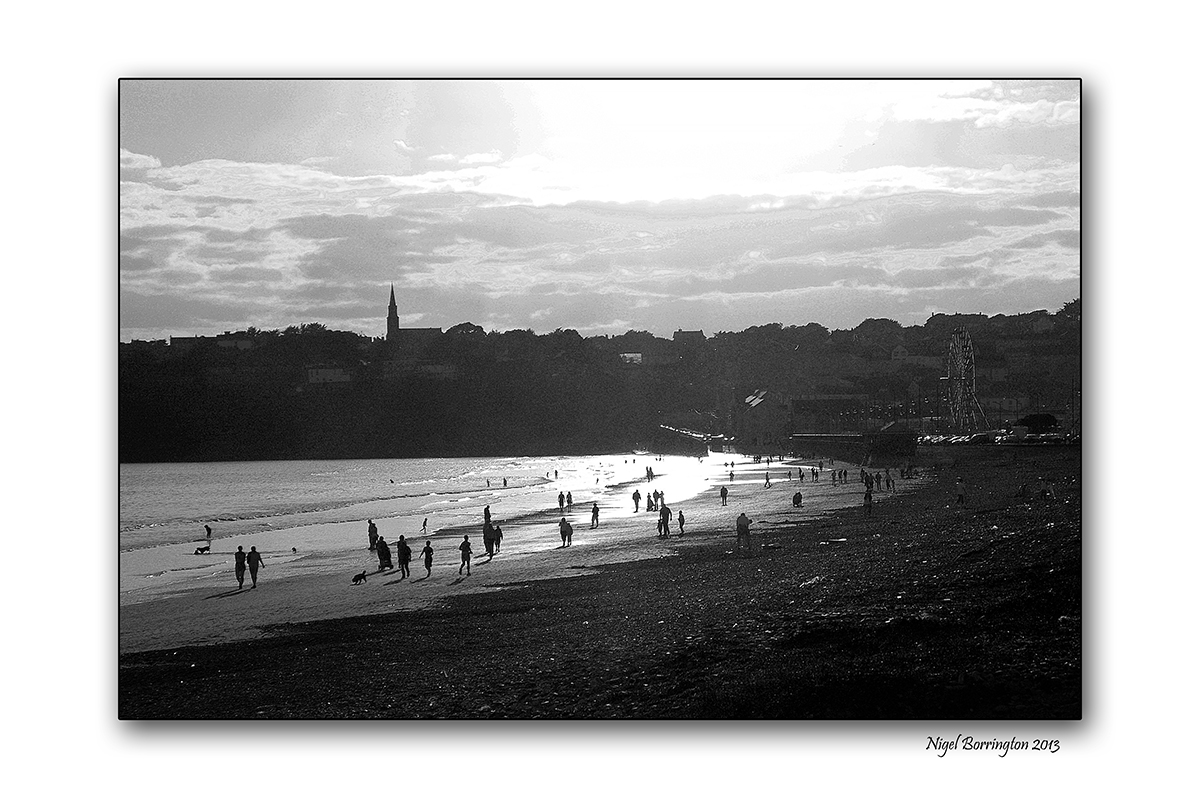
Nikon D200, 35mm focal length f2.8 lens, Iso 800
Tramore Beach,
County Waterford
Word list and play:
People, beach, sand, sounds, waves, cars, chips, cans, parking, fun, dogs, running, holes, digging, walking, sitting, looking, sleeping, parents, kids, couples, crying, kicking, ball, boats, boards, paper, bags….
Feel free to add more !
Weekly Photo Challenge: Culture
The Hurley Maker at work:
What is Hurling : wikipedia
Kilkenny hurling team : Kilkenny hurling


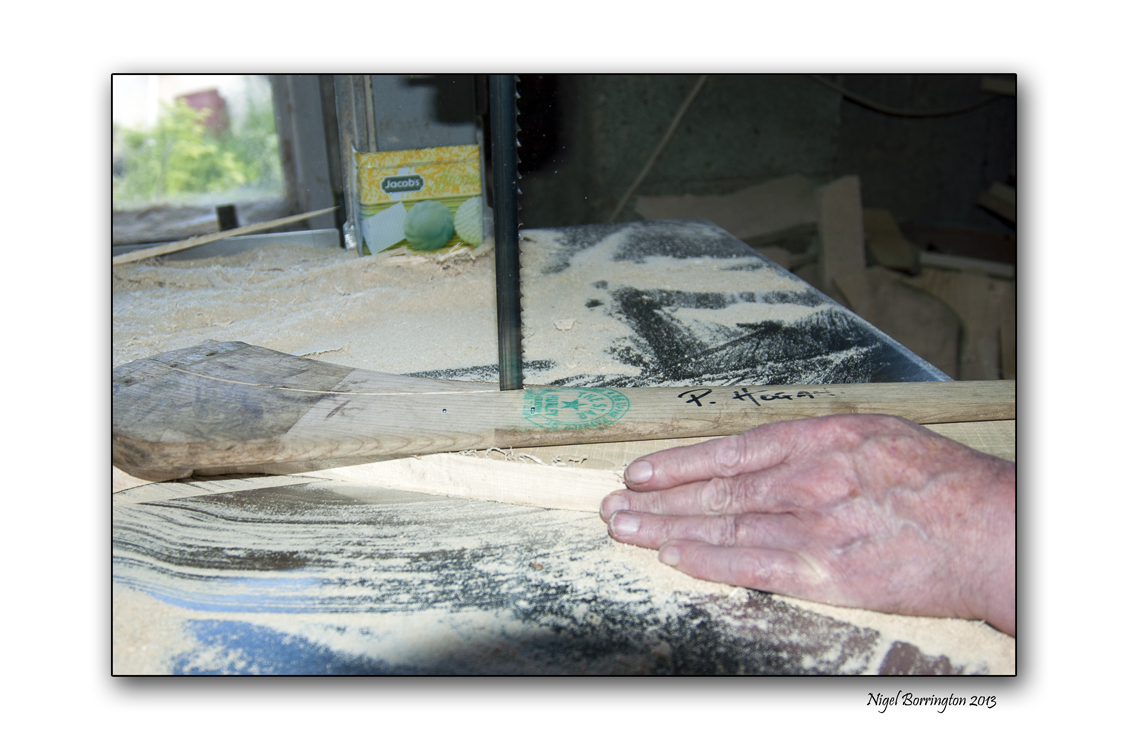
Kilkenny landscape photography
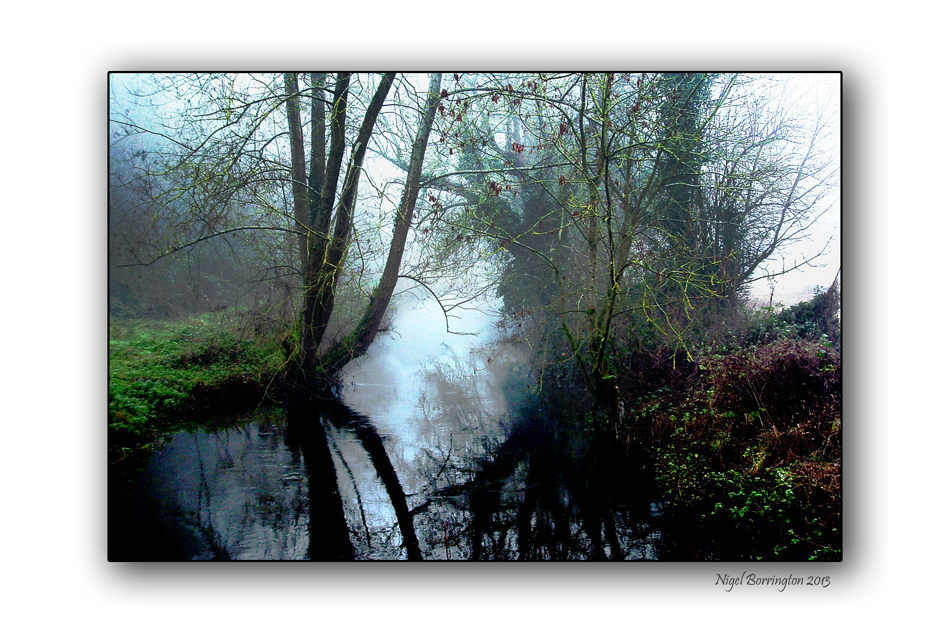
Nikon D7000, 50mm f1.4 lens, iso 400
Kings river, kilkenny landscape images
Nigel Borrington
Misty Morning on the Kings river…
The Kings River (Irish: Abhainn Rí), flows through South Tipperary and County Kilkenny. It is a tributary of the River Nore.
It has its source in the Slieveardagh Hills in South Tipperary.It has many tributaries of its own.There are three main tributaries that are not named but are the original sources.One started as a spring in the townsland of Ballyphilip.The two remaining tributaries rise in the townsland of Gurteen. It flows southeast from the hills and crosses into County Kilkenny. It is joined by the Munster River before passing through the town of Callan. It continues eastwards from Callan, past Kells and joins the River Nore west of Thomastown.
Last one for today…
I am about to start re-designing my http://www.studio63.ie web site, I need to start thinking about how to rebuild this and my business ideas, who knows what to do at the moment, but here goes anyway!!
Kilkenny landscape images

Nikon D200, 50mm f1.4 lens, Iso 800
Knockbutton, old cottage window
Kilkenny Landscape photography : Nigel Borrington
I took these shots on a walk around Knockbutton, County Kilkenny, early one Saturday Morning.
I feel that the old Family cottages of County Kilkenny are one of the county’s most striking historic features.
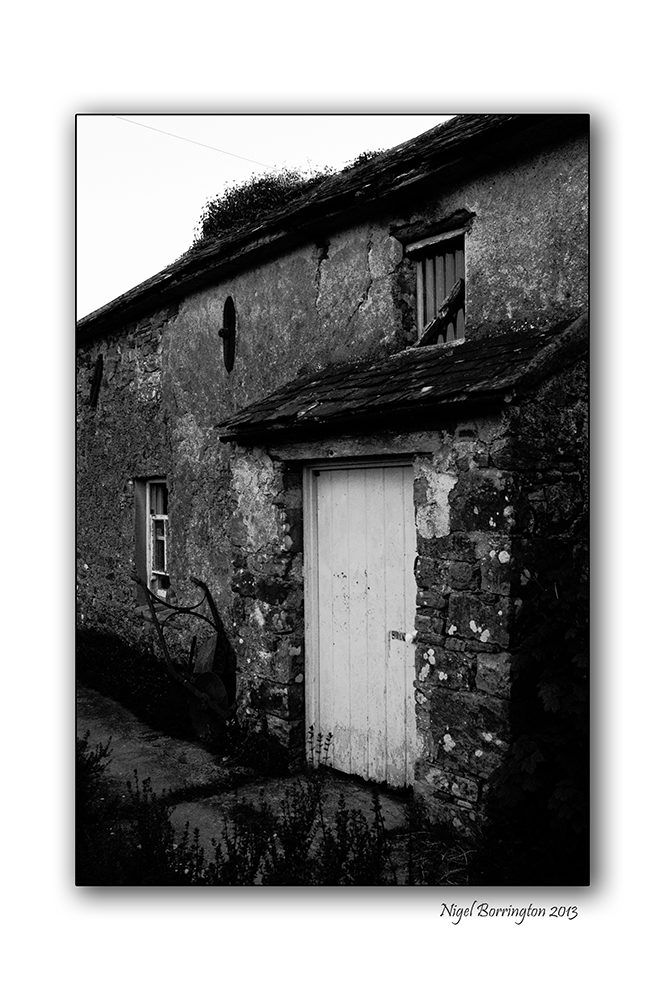
Old Kilkenny farm house

Nikon D200, 50mm f1.4 lens, Iso 800
Old Knockbutton farm house
Landscape photography by: Nigel Borrington
An old Farm house and yard in Knockbutton,County Kilkenny….
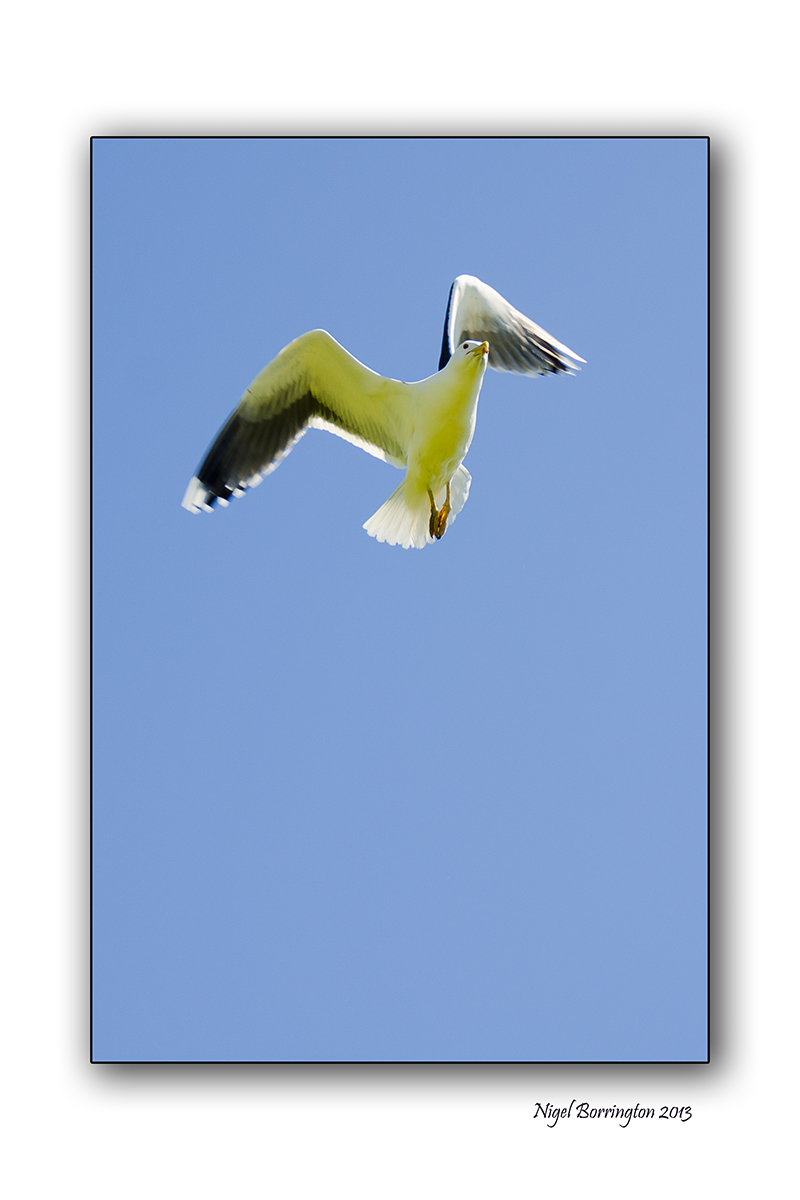
Great Black backed Gull

The photograph in my last post is of the Saltee Islands, County wexford. You can only visit the island via boat and mostly with a wildlife group or on days when the boat is booked with a good amount of people. The island is a wildlife paradise and a photographers dream, you can find almost any position on the cliff tops to setup your camera and the birds will just come to you. However moving to find the type or group of bird is advisable.
The Saltee Islands has over 220 species of birds, these included images are of the Great black backed Gull.
“GREAT BLACK BACKED GULL
Great Black backed Gulls are the lords of the seabird colonies. They choose the highest vantage points to build their nests. The adults are unmistakable because of their size, jet black wings and mantle, measuring two and a half feet with a five foot wingspan. The massive bill is yellow with an orange spot on the lower mandible. If an intruder approaches the parents call anxiously and the young birds “freeze” in the dense cover and are hard to locate. The parents also will also make low swoops at the intruders head, however they seldom strike. Great Black backed Gulls breed on the island, and are in abundance all year.”
You can only stay on the island for a day as you have to leave on the last boat, this is to protect the environment of the island as birds nest on almost a hundred percent of the ground area and no camping would be possible.
I got some three hundred usable images from this day so will keep posting images along with some information on the wildlife involved….

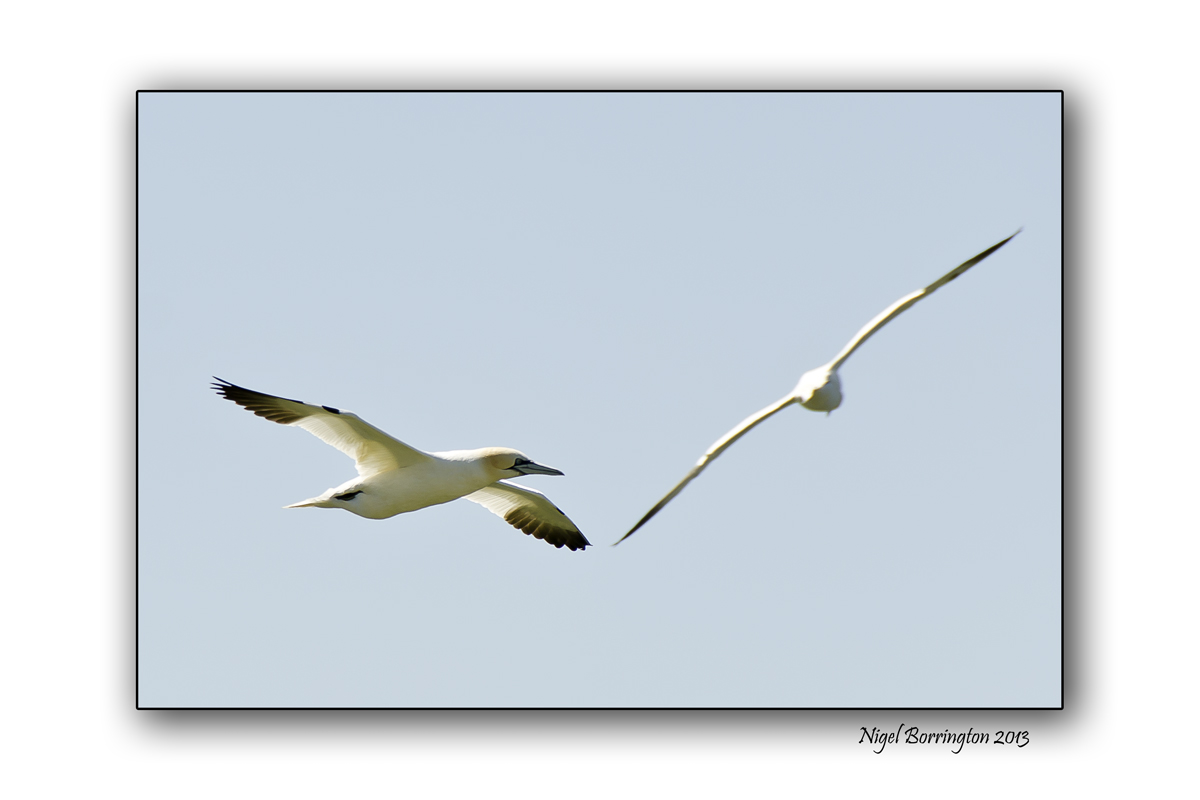
Saltees Island, Gannets
Gannets flying over the Saltees islands, Co Wexford
Nikon D7000
80-300 vr lens
Nigel Borrington
Gannets Roosting, Saltees islands, Wexford
Nikon D7000
80-300 vr lens
Nigel Borrington
Allihies, Beara, Co. Cork, Ireland
A sense of place (Allihies, Beara, Co. Cork, Ireland) in eight images
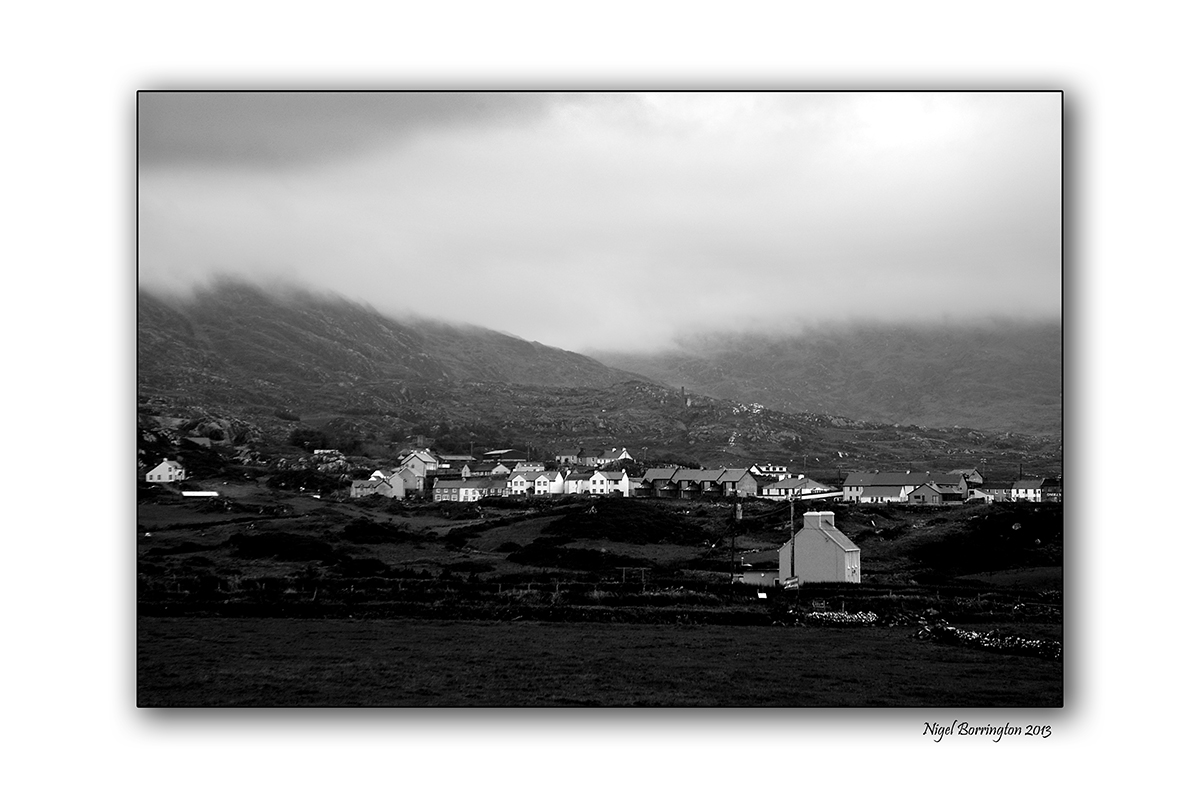
View of Allihies town
Nikon D7000
Landscape photography ; Nigel Borrington
Allihiies, Co Cork is one of my favourite places to stay In Ireland, We have spent some time here and I think it’s very likely we will return.
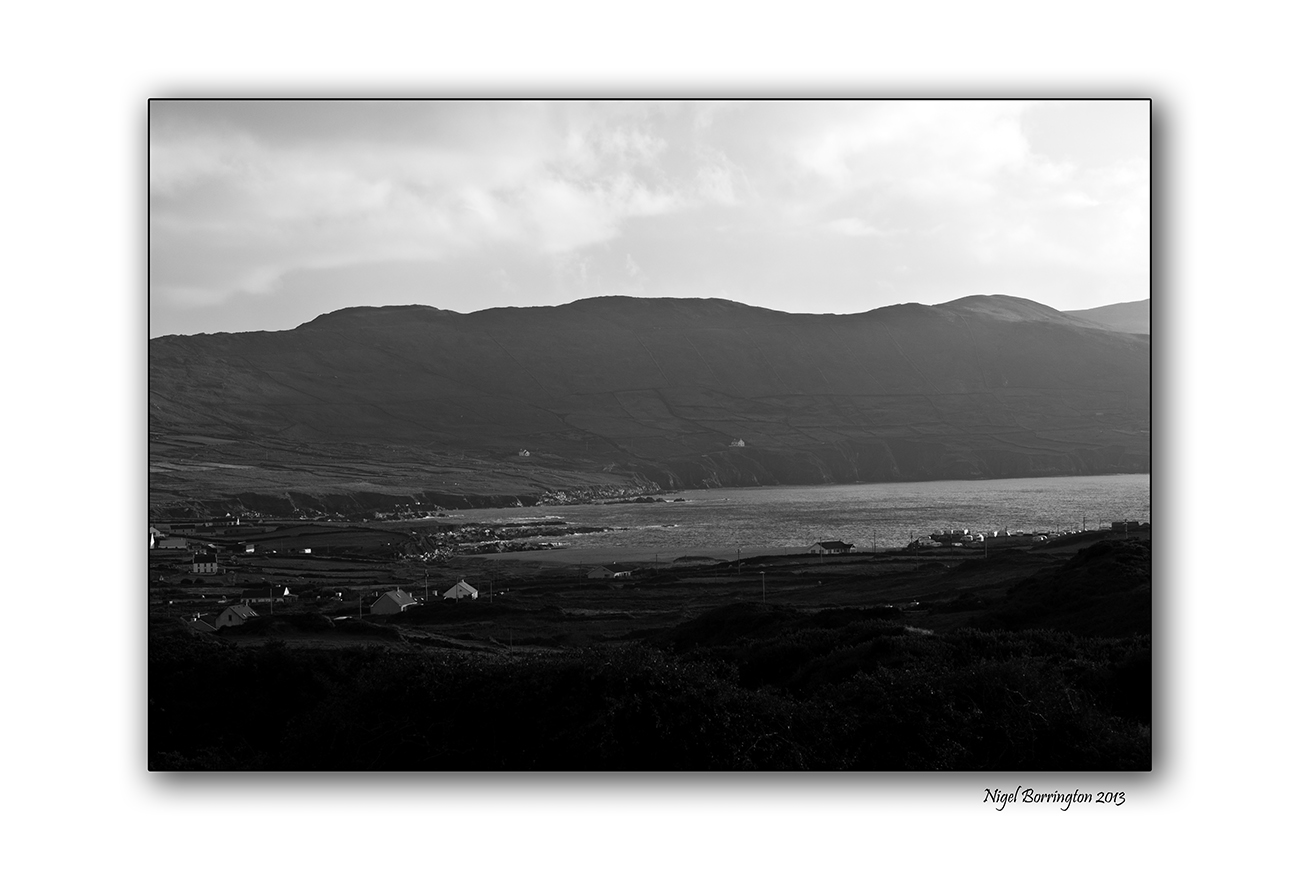
Mountains and setting


.
The town is located at the tip of the Beara peninsular, co cork and is just about as remote a place as you can get. The feeling here is of escape and as such is perfect for a week’s holiday.
The Harbour
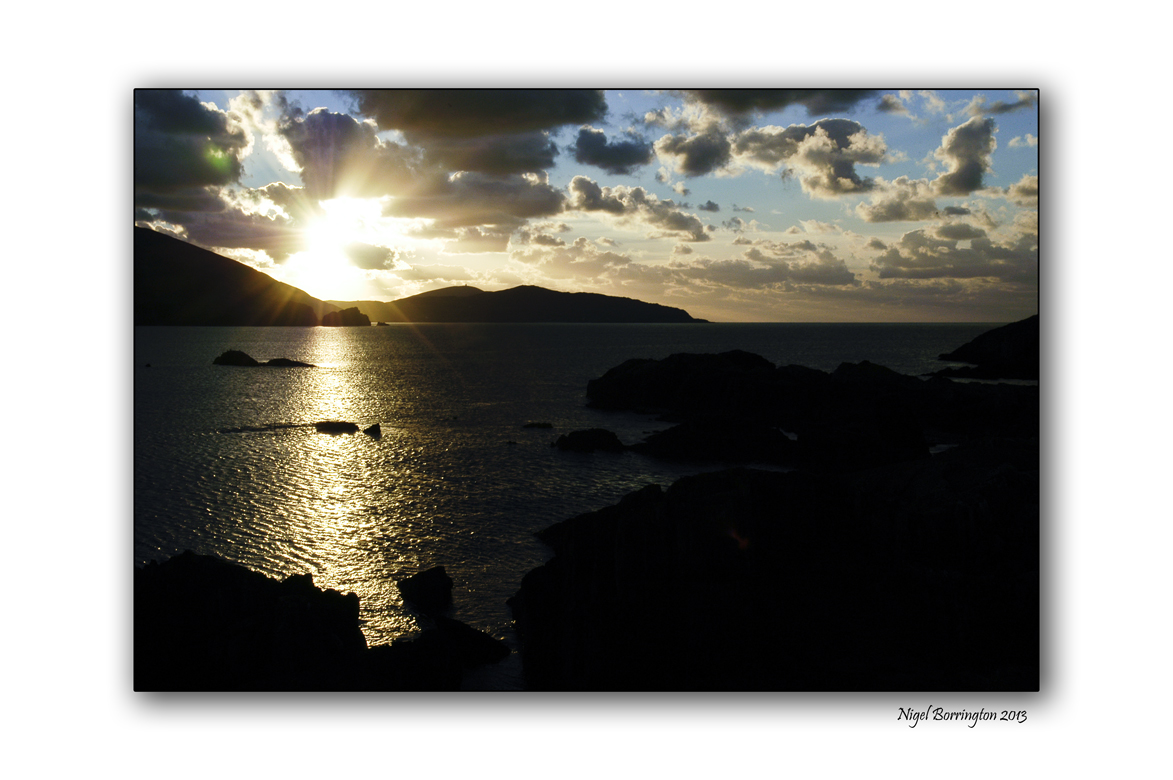
.
The copper mines are the main feature of the town and the museum makes an excellent visit during the week we spent some time in here as it has a great coffee shop with a view of the harbour.


.
I will re-visit Allihies over the next weeks with more posts as it is just a wonderful place
All Images taken on a Nikon D7000, in September 2010
Lough Leane killarney

Looking at the setting sun….
These images of the setting sun over Tornies south and Purple mountain, Killarney National park, were taken two years ago on a week’s visit to Killarney.
I arrived about half an hour before the sun was due to set and placed my camera on its tripod. I was attempting to capture every possible moment of the sun as it set behind the mountains on the other side of (Lough Leane) – lower lake.
What I feel I captured is a set of the best sunset images I have ever managed to photograph, the light that evening was just magical as you can see from the images. They contain every possible combination of yellows, blues and purples you can imagine, along with deep dark tones.
I learnt a lot from this 45mins with my camera, but the biggest thing was to keep the shutter going and never think you have the best moment already on your film or card.
When you get the images onto your pc screen or print’s every frame will surprise you….

Lower Lake, Killarney
Nikon D200
Landscape photography by : Nigel Borrington
.
Thank you ….

Nikon D7000,
Blue bells from Jenkinstown Park,
Co Kilkenny,
Kilkenny photographer : Nigel Borrington
Since I started posting again on my WordPress Blog, at the start of February this year, I have received over 2600 likes and nearly 300 followers.
So I just wanted to say thank you.
This reaction from yourselves has helped me more than I can say !!!!
Pre-Wedding Photography
The following three images are from a wedding I photographed last year.
I love these moment before the main wedding events, all the preparations are over, the weeks before have passed by and the day is here. Everyone feels more relaxed as nothing more can be done. Its now down to remembering a few lines and enjoying the events.
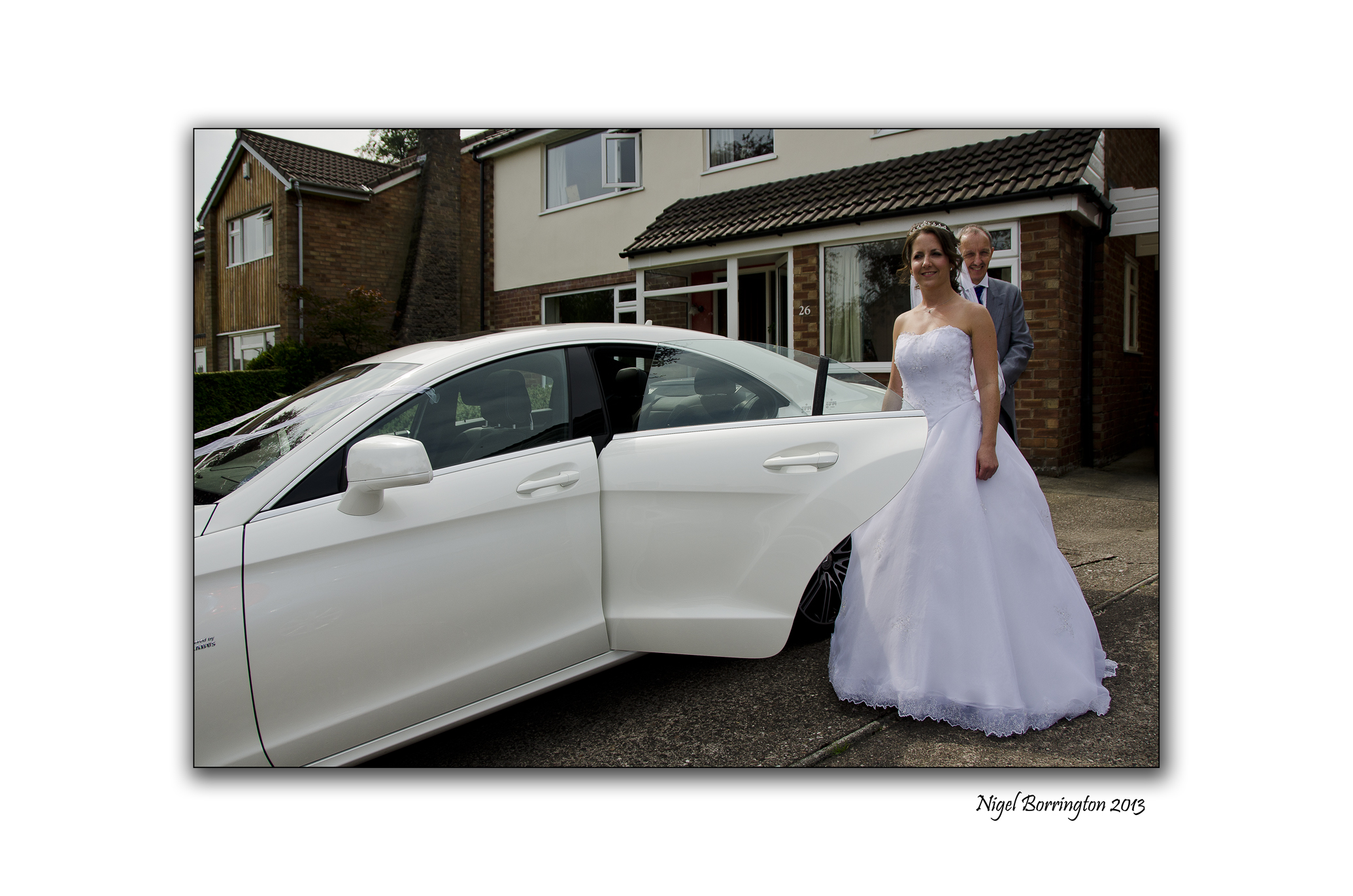

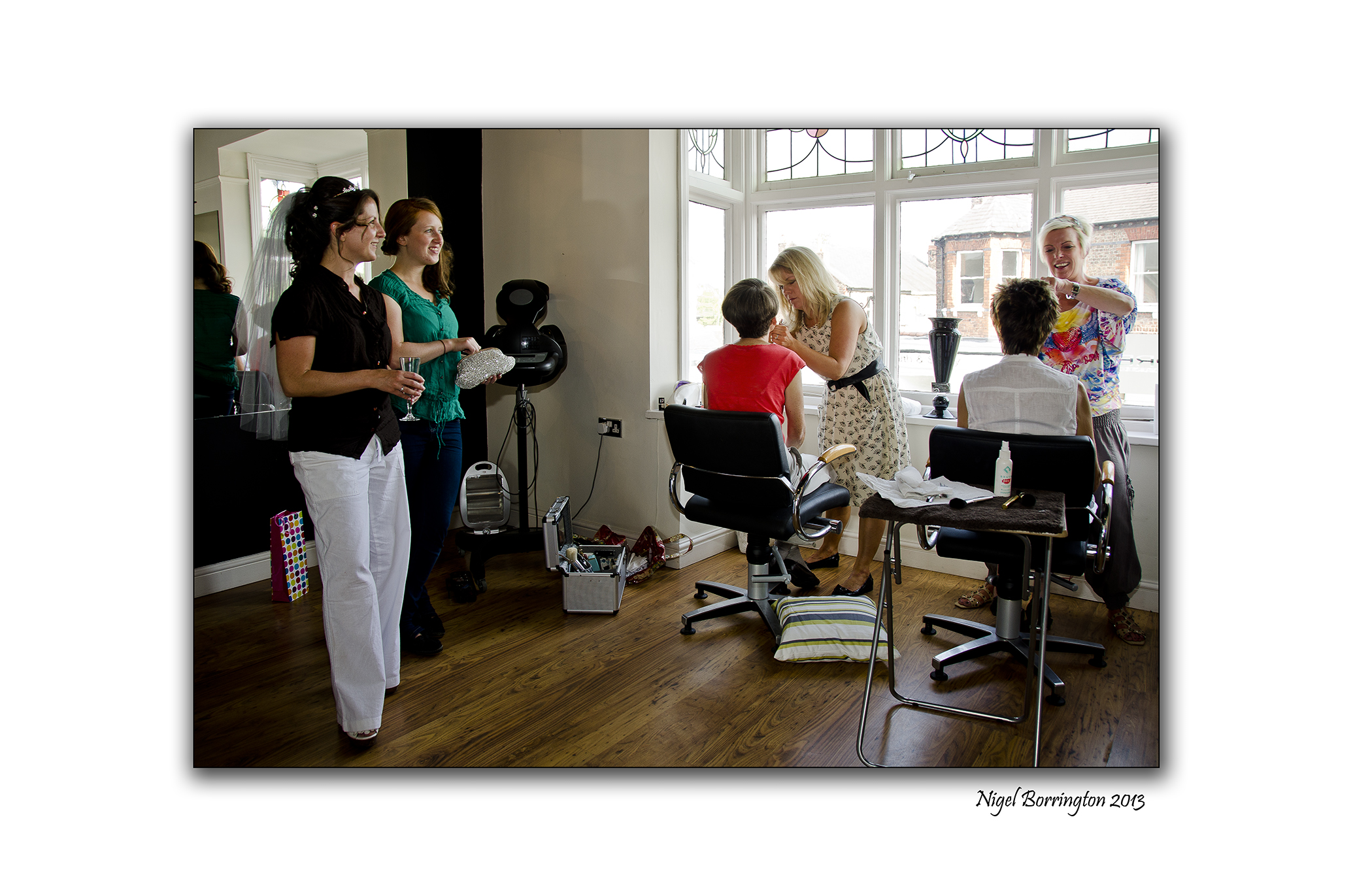
All images taken on a nikon d700/7000 slr…..
Achill island
A sense of place (Achill island, County Mayo) in ten black and white images ..
I don’t usually post images by themselves but I want these images just to speak for themselves ….
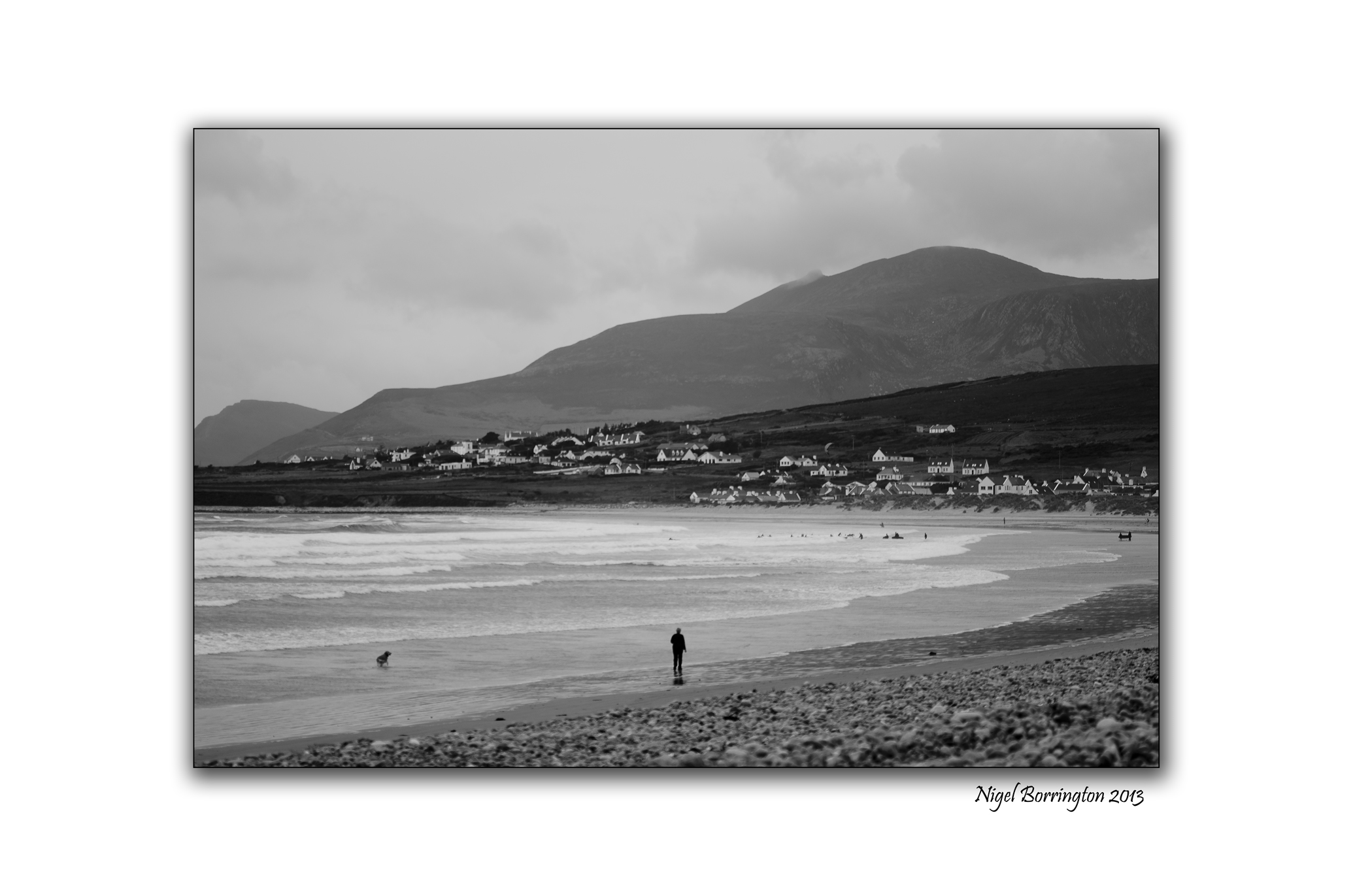

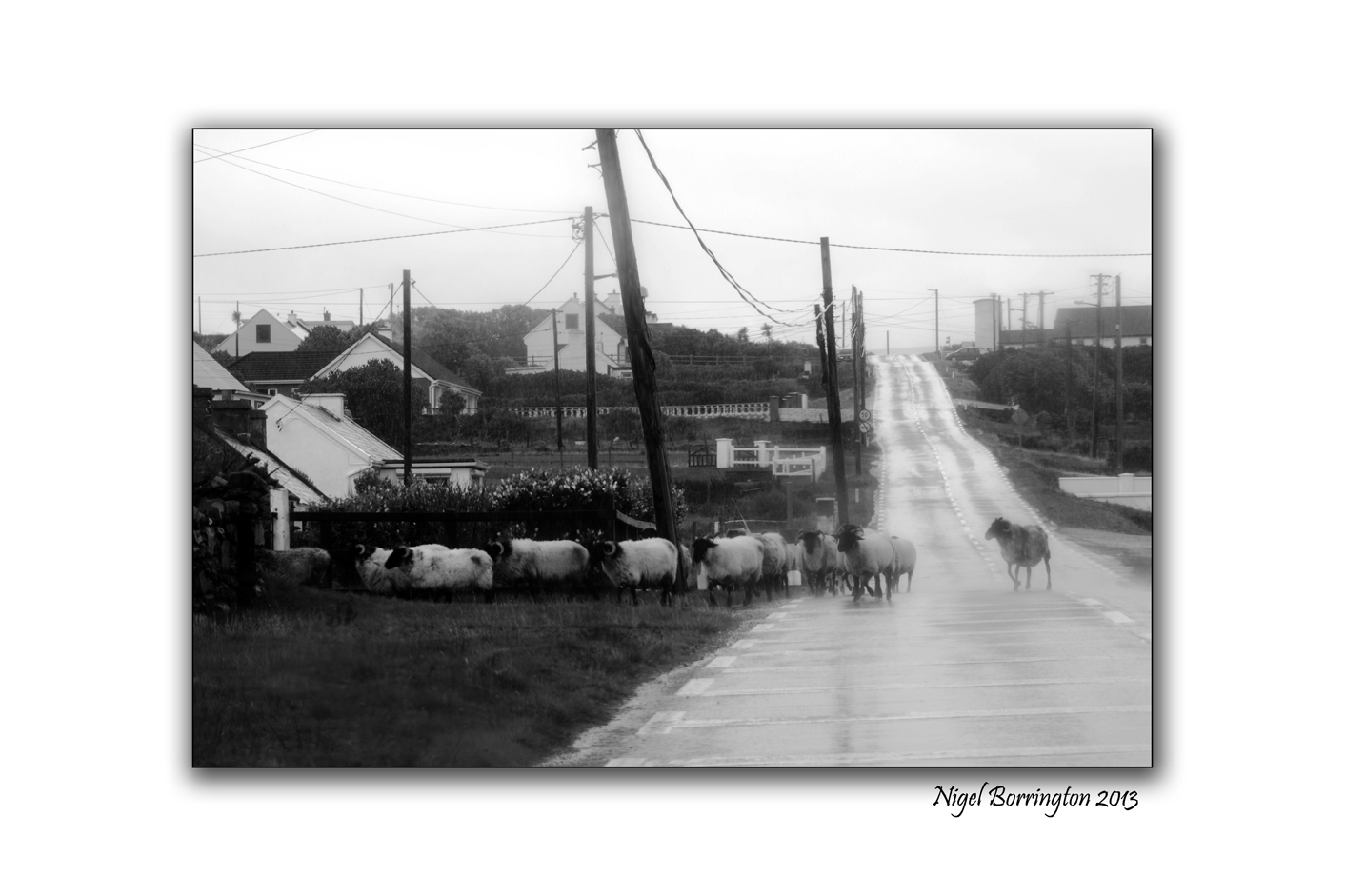
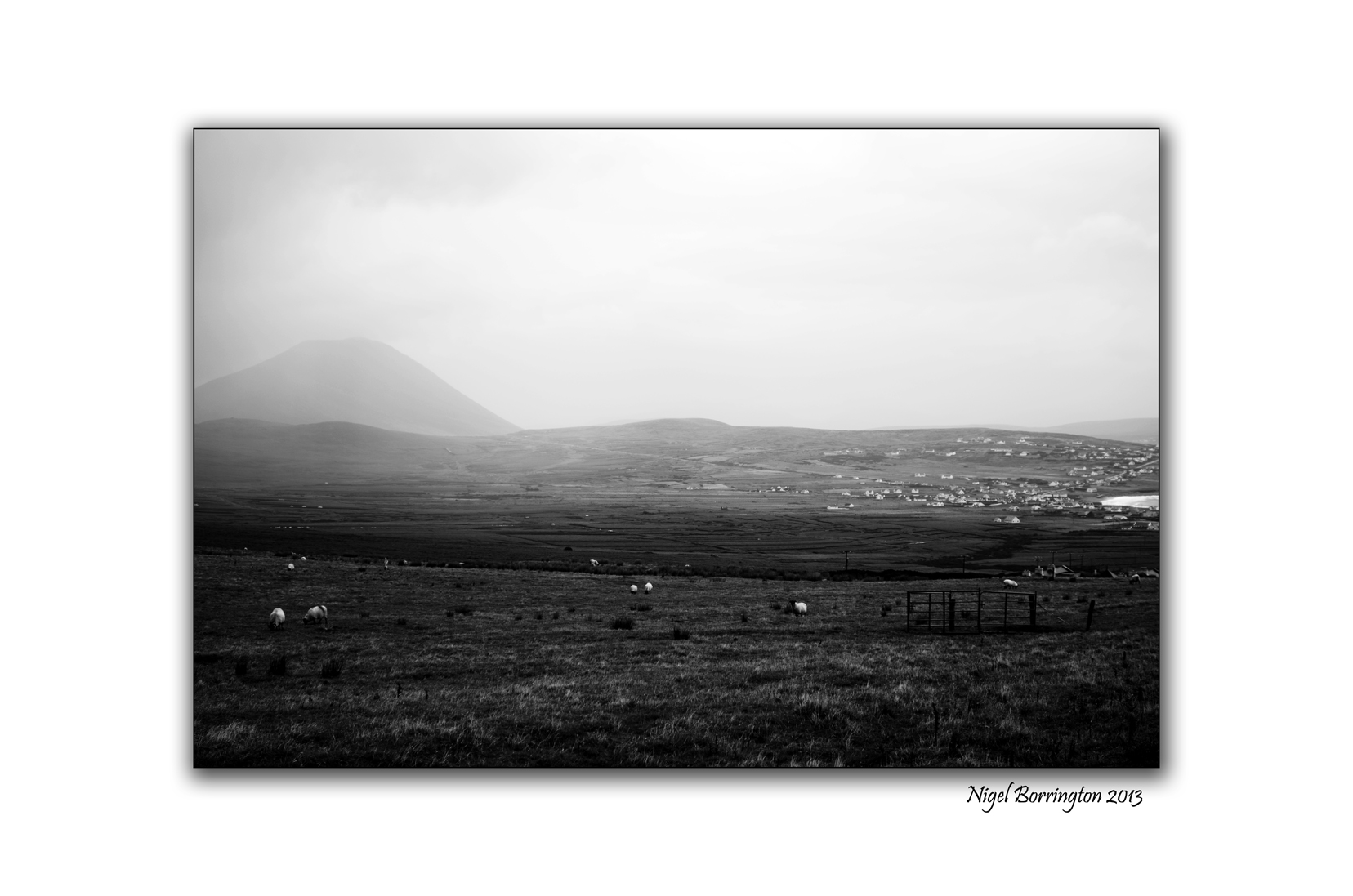

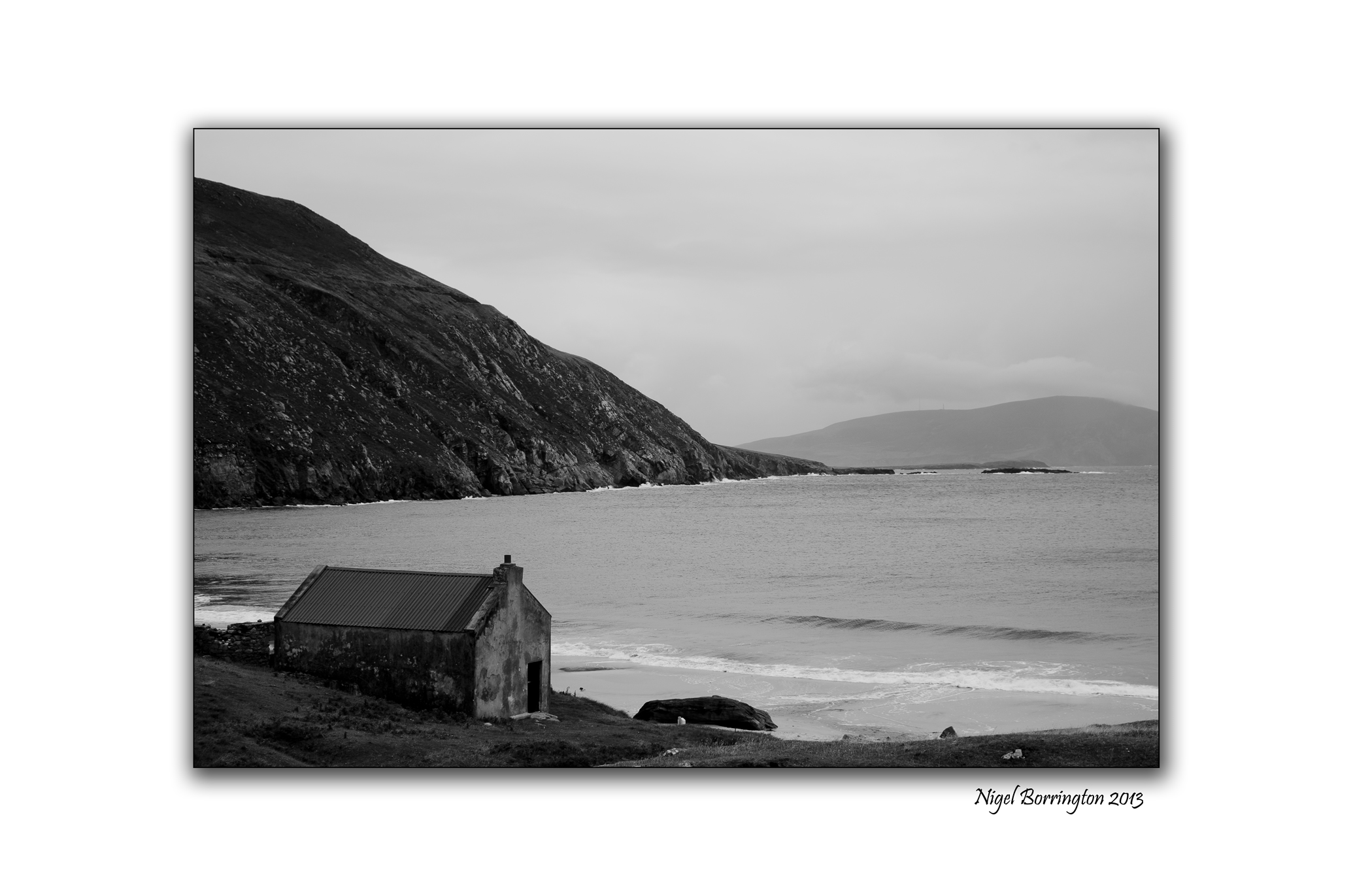

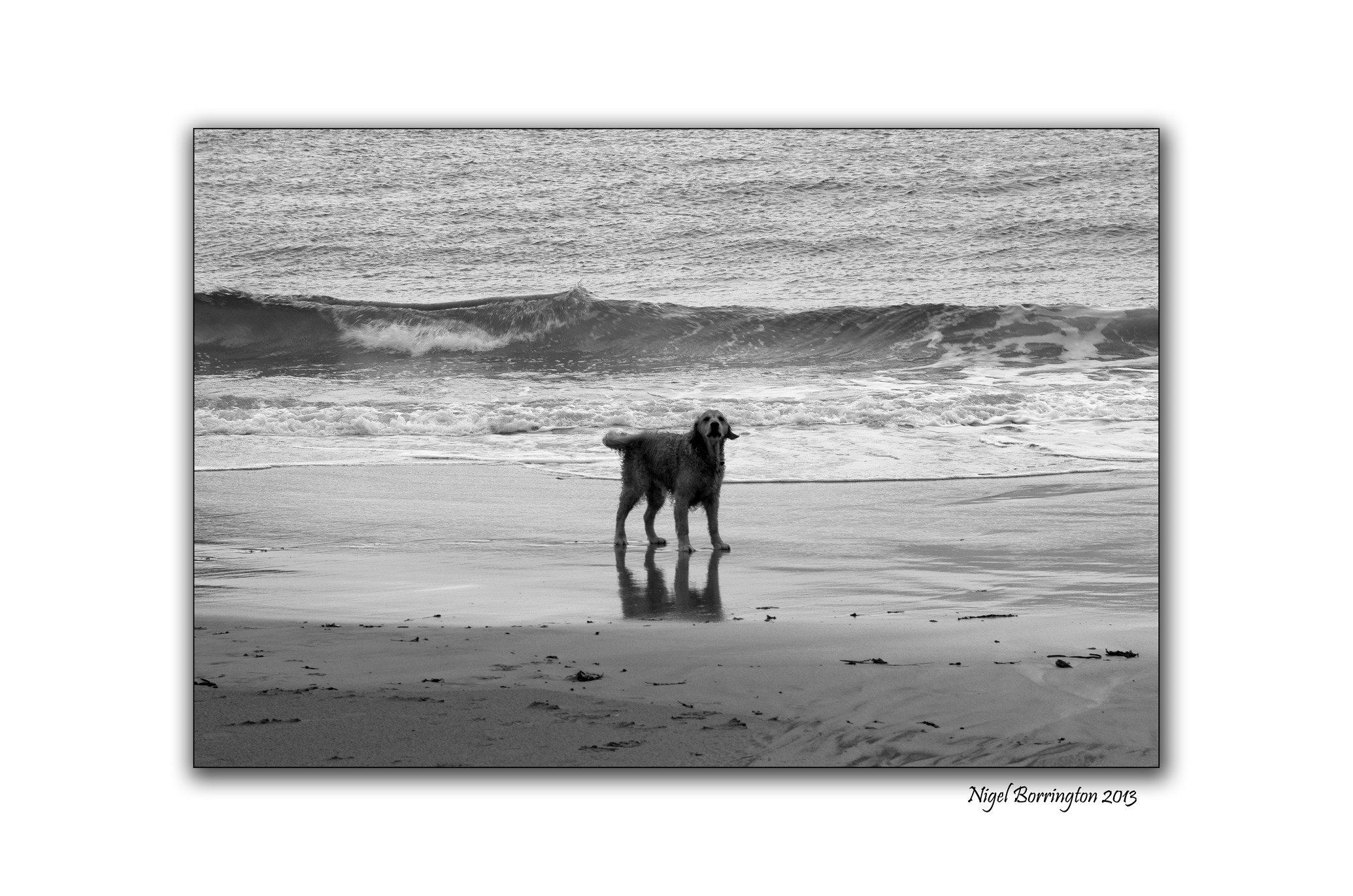
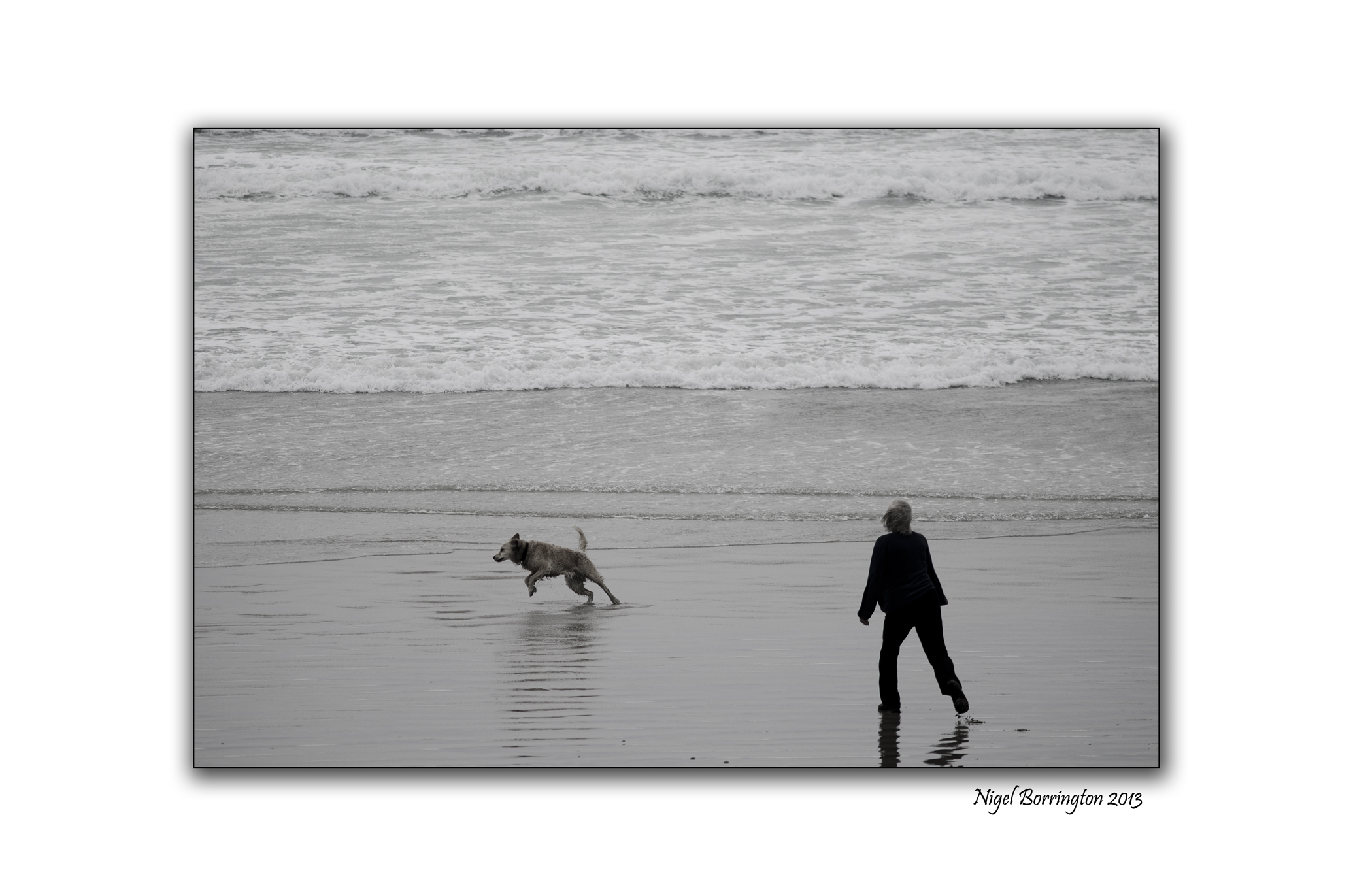
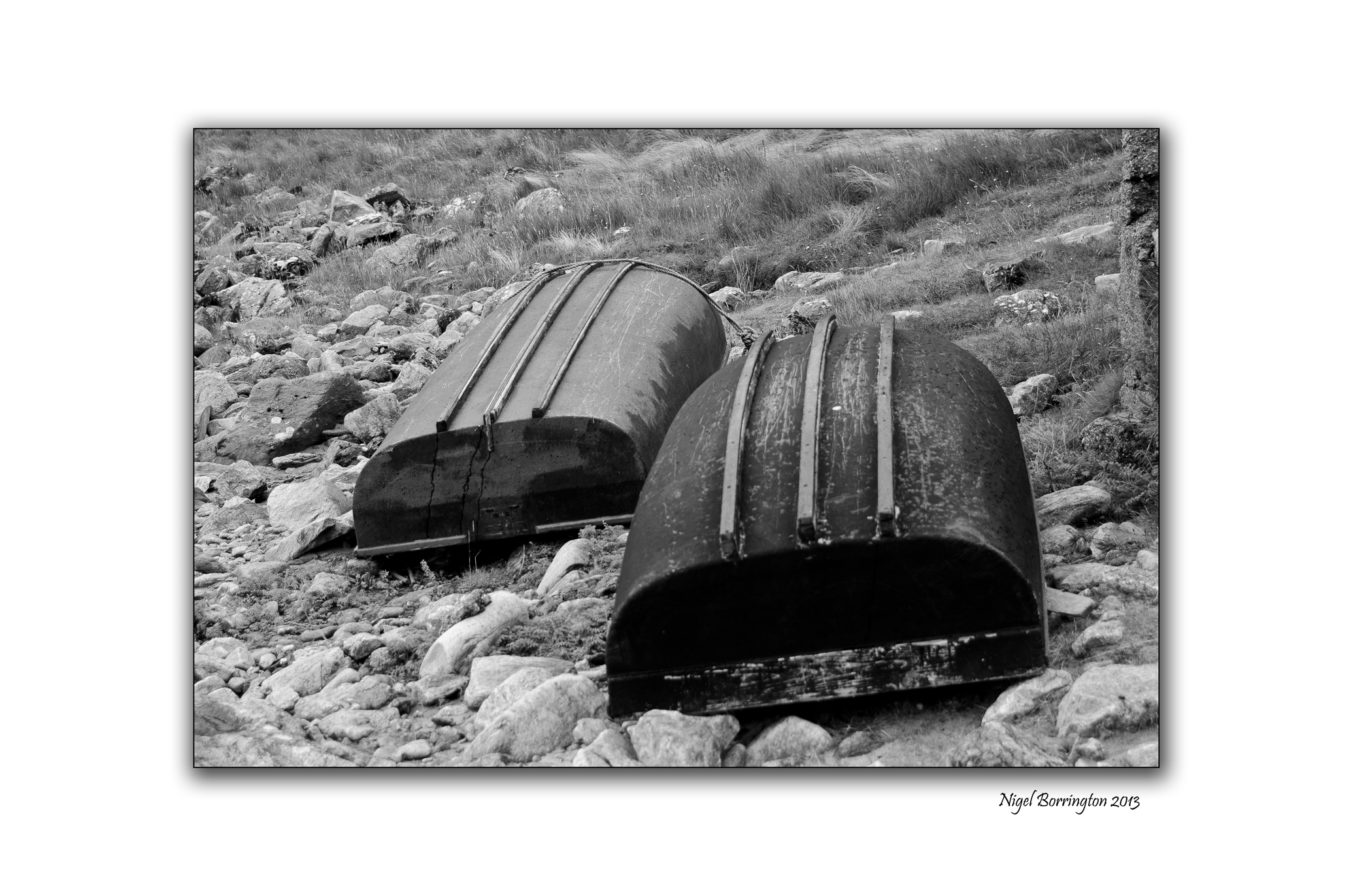
All images taken on a Nikon D7000, set to black and white and in September 2011….
Feel free to add some comments !
I walk at the lands edge

Nikon D700
Poem by : Kathleen Jamie
I walk at the land’s edge,
turning in my mind
a private predicament.
Today the sea is indigo.
Thirty years an adult –
same mind, same
ridiculous quandaries –
but every time the sea
appears differently: today
a tumultuous dream,
flinging its waves ashore –

Nikon D700
Nothing resolved,
I tread back over the bog
– but every time the bog
appears differently: this evening,
tufts of bog-cotton
unbutton themselves in the wind
– and then comes the road
so wearily familiar
the old shining road
that leads everywhere

Nikon D700
.
Its the Weekend …..
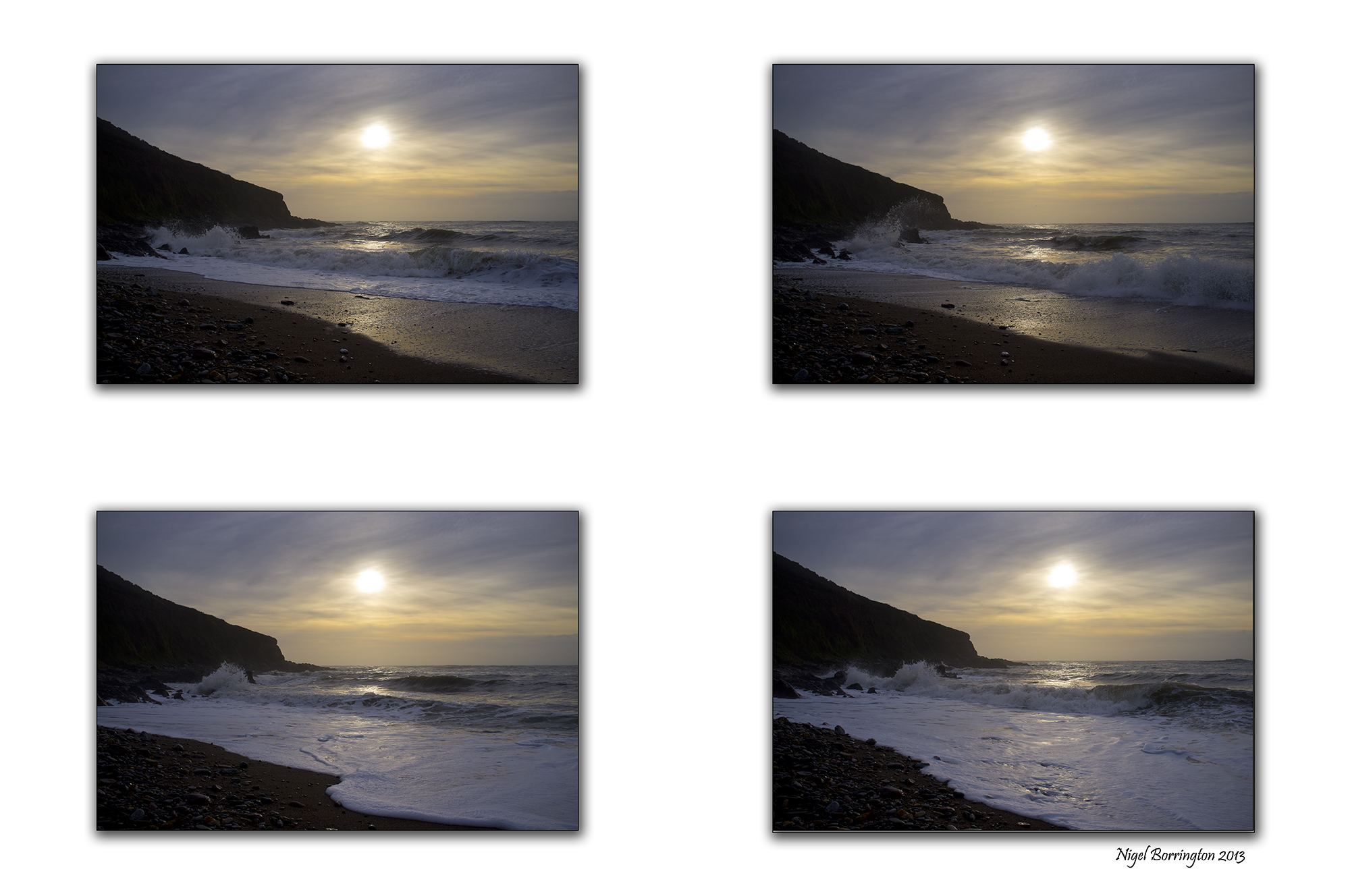
FujiFilm X100
Glenbeg, Co.Cork
Landscape and Seascape photography : Nigel Borrington
Its the weekend so if you can find a beach, watch the waves roll in and relax….
Empty Old Houses.
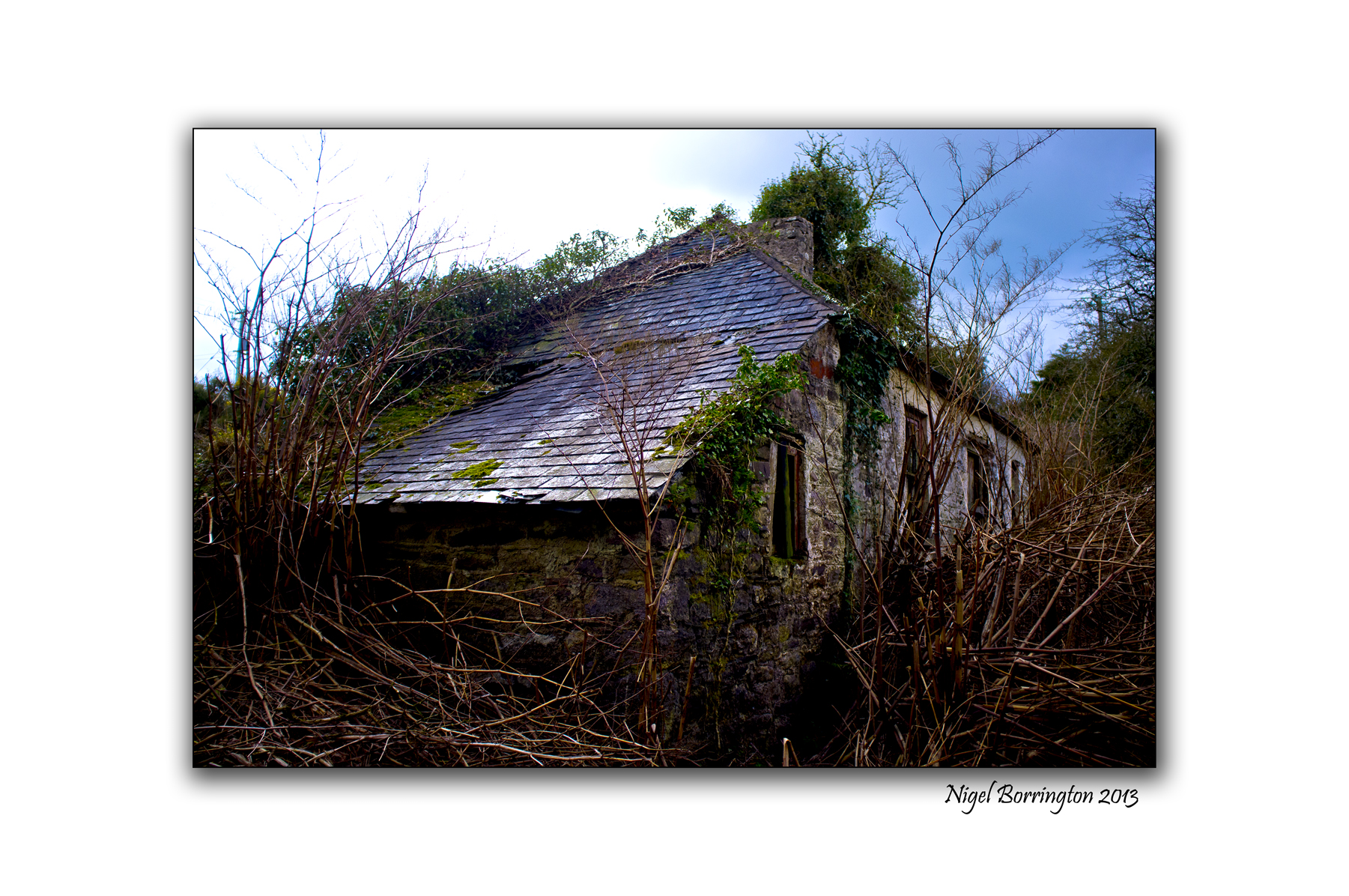
Fuji Film X100
By : David Whalen
Empty old houses can talk…
But one must know how to listen…
to hear them
Empty old houses have stories…
But one must be eager to listen…
to hear them
Empty old houses can suffer..
But one must have empathy …
To feel it
Empty old houses can feel pain
But one must be able to bear it …
To feel it
Empty old houses have memories
But one must believe … that they have…
To share them
Empty old houses contain people’s lives
But one must believe…that they do…
To share them
Empty old houses can seem dead and deserted
But one must know that they’re not..
To know them
Empty old houses can teem with life’s pleasures
But one must walk through
to sense the aura of life
Empty old houses abound in life’s treasures
But one cannot help but…
To admire them
The Vikings in Ireland
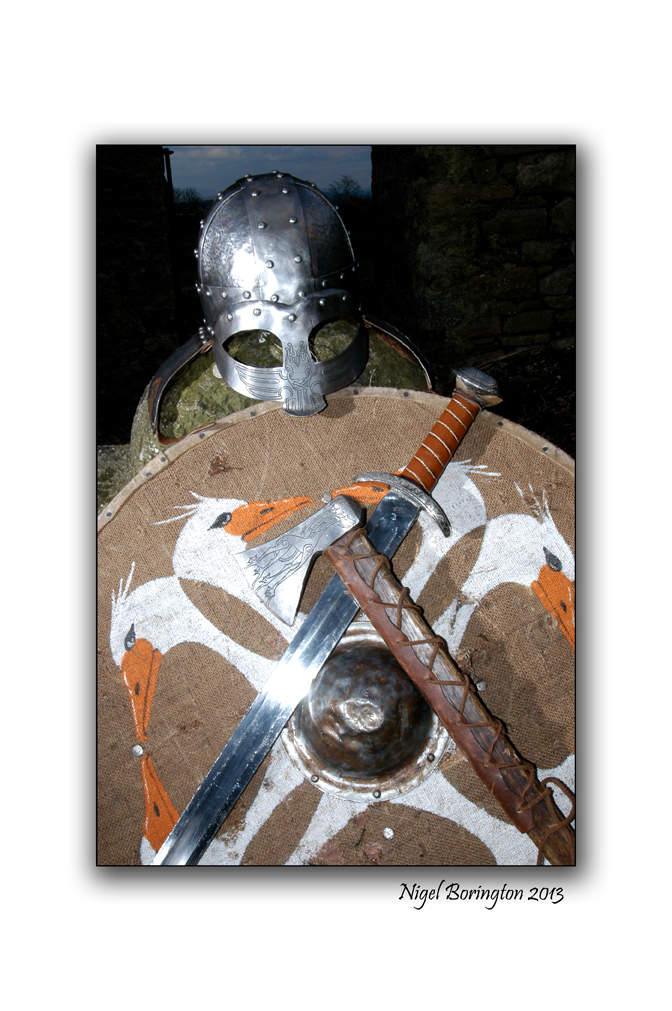
A couple of years back I was asked to create some images for a group of Co.Kerry based Re-enactors and they selected the Vikings as there historic period, this shoot was great fun to do for the day. We selected the remains and grounds of an old church yard and this worked very well.
I have posted some history of the Vikings in Ireland at the bottom of the images.
Nigel


At the end of the eighth century the first Viking raiders appeared in Irish waters. These raiders came exclusively from Norway. The first recorded raid was in 795 on Rathlin Island off the coast of Antrim where the church was burned. On the west coast the monasteries on Inismurray and Inisbofin were plundered possibly by the same raiders. The Scottish island of Iona was also attacked in the same year.
For the first four decades, 795-c.836, the raids followed a clear pattern of hit-and -run affairs by small, probably independent, free-booters. Attacks were usually on coastal targets no Viking raid is recorded for areas further inland than about twenty miles. These attacks were difficult to defend but the Vikings were sometimes defeated. In 811 a raiding party was slaughtered by the Ulaid and the following year raiding parties were defeated by the men of Umall and the king of Eóganacht Locha Léin. By 823 the Vikings had raided around all the coast and in 824 the island monastery of Sceilg, off the Kerry coast, was attacked. The monastic city of Armagh was attacked three times in 832.
In the first quarter century of Viking attacks only twenty-six plunderings by Vikings are recorded in the Irish Annals. During the same time eighty-seven raids by the Irish themselves are recorded. An average of one Viking raid a year can have caused no great disorder or distress in Irish society. Attacks on Irish monasteries were common before the Viking Age. The burning of churches also was an integral part of Irish warfare. Wars and battles between monasteries also occurred in Ireland before the coming of the Vikings. Irish monasteries had become wealthy and politically important with considerable populations. The Vikings attacked the monasteries because they were rich in land, stock and provisions. They also took valuable objects but this was not their primary concern.
Intensified Raids and Settlements
From c. 830 Viking raids became more intense in Ireland. In 832 for instance, there were extensive plunderings in the lands of the Cianachta who lived near the sea in Louth. In 836 the Vikings attacked the land of the Uí Néill of southern Brega and attacked the lands of Connacht. In 837 a fleet of sixty ships appeared on the Boyne and a similar fleet on the Liffey. Soon afterwards Vikings made their way up the Shannon and the Erne and put a fleet on Lough Neagh.
The Vikings wintered for the first time on Lough Neagh in 840-41. In 841 they established a longphort at Annagassan in Louth and at Dublin and used these bases for attacks on the south and west. They wintered for the first time at Dublin in 841-842 and in 842 another large fleet arrived. Also in this year there is the first reference to co-operation between Vikings and the Irish though this may have occurred previously. A fleet was based on Lough Ree and the Shannon and built a fortified position on the shores of Lough Ree from where they ravaged the surrounding countryside in 844. Máel Seachnaill, overking of the Uí Néill attacked the Vikings, captured a leader called Turgesius and drowned him in Lough Owel in Westmeath.
From now on Irish kings began to fiercely fight back against the Vikings. Because they now had fixed settlements or fortified positions they were vulnerable to attack. Máel Seachnaill routed a Viking force near Skreen, County Meath and killed 700 of them. At Castledermot, in Kildare, the joint armies of the kings of Munster and Leinster defeated a large force of Vikings. The newly founded Viking settlement at Cork was destroyed and in 849 the Norse territory of Dublin was ravaged by Máel Seachnaill. The Vikings were now a factor in the internal politics of Ireland and were accepted as such. Norse-Irish alliances became commonplace.
During the years 849-852 new Vikings, probably from Denmark, arrived in the Irish Sea area and many battles took place between the new arrivals and the more established Vikings. In 853 Olaf the White arrived in Dublin and with Ivar, another Viking, assumed sovereignity of the Viking settlement there. Along the Irish coast were other Viking settlements. Vikings at Waterford attacked the King of Osraige but were slaughtered in 860. There was a longphort settlement at Youghal which was destroyed in 866. In 887 the Limerick Vikings were slaughtered by Connachtmen and in 892 the Vikings of Waterford, Wexford and St. Mullins were defeated.
Ivar, joint king of Dublin died in 873 and there were struggles and division in Dublin for the next two decades. In 902 the kings of Brega and of Leinster combined again the Norse of Dublin and defeated them, destroyed their settlement and expelled them from Ireland. By his time extensive cultural assimilation had taken place between the Irish and the Norse. Olaf, king of Dublin in the middle of the ninth century was married to the daughter of Áed Finnliath, king of the northern Uí Néill. The Hiberno-Norse also had gradually become christianised. The annals in recording the death of Ivar in 872 said that “he rested in Christ”.
The Second Phase of Viking Attacks on Ireland
By the first decades of the tenth century opportunities for Vikings in Britain and the Europe were limited. It is not surprising that they chose to attack Ireland again. From 914 large fleets again began to attack Ireland, these Vikings came from those already settled elsewhere in Britain. Munster was ravaged widely in 915 and the king of Tara was defeated when he went to the aid of the Munstermen. The king of Leinster was killed in a battle with Vikings under the leadership of Sitric at Leixlip. The king of Tara was killed in a combined Irish attack on the Norse of Dublin in 919. For the next two decades the Norse kings of Dublin were also trying to establish their power in York. Their activities in Ireland gradually became more confined to Dublin and its immediate hinterland. The Irish began to counter attack with growing success. Dublin was burned by the king of Tara in 936 and was sacked in 944. Its power had declined considerably by the second half of the tenth century.
The Wars of the Great Dynasties
One of the great leaders of this period was Brian Boru of Dál Cais in County Clare. He had defeated the Vikings of Munster. His great rival was Máel Sechnaill 2, King of Tara who had defeated the Norse of Dublin in 980. Brian at times made alliances with Norse as in 984 when the Norse of Waterford attacked Leinster by sea while he attacked by land. In 977 an agreement was made between Brian and Máel Sechnaill that the former would be king of the southern part of Ireland while the latter would be king of the northern part. In 998 the two kings co-operated in an attack on the Norse of Dublin.
A sculpture of Máel Seachnaill in Trim, Co. Meath, by James McKenna.
The next year the Dublin Norse allied with the Leinstermen revolted and were defeated by Brian. He spent January and February 1000 in Dublin, plundering the city and destroying its fortress. He expelled Sitric, king of Norse Dublin who could find refuge nowhere else in Ireland. He returned, gave hostages to Brian and was restored. Brian now claimed the kingship of the whole island and Máel Sechnaill submitted.
In 1012 Leinster revolted against Brian and the Norse of Dublin assisted them. Brian and Máel Sechnaill together attacked Leinster and blockaded the city of Dublin from September to Christmas before returning home. Knowing that the attack would be renewed the Norse set about getting help from allies. Sitric, king of Dublin visited Sigurd, earl of the Orkneys who agreed to be in Dublin on Palm Sunday 1014. Sitric then went to the Isle of Man and persuaded two Viking leaders Brodar and Ospak to support him.
Brian and Máel Sechnaill marched to Dublin but a dispute arose between them and Máel Sechnaill took no part in the battle. Battle was joined at Clontarf on Good Friday 1014 and after a long battle Brian’s forces were victorious. Brian himself was killed. Sigurd and Brodar were also killed though Sitric who remained inside the town during the battle survived.
In subsequent traditions, both Irish and Norse, Clontarf became a heroic battle of saga and story-telling. Fearsome portents and visions were said to have been seen by both sides on the eve of the battle. A fairy woman appeared to Brian’s followers and foretold disaster. Saint Senan appeared to Brian’s followers the night before the battle demanding compensation for an attack by Brian on a monastery years before. In the Isle of Man there were ghostly assaults on Brodar’s ships and ravens with iron beaks and claws attacked his followers. Evil portents were seen throughout the Norse world even in Iceland. Everyone wished his ancestors to have participated in the great battle.
While the battle of Clontarf was not a simple Irish against Norse battle it did signal the end of the power of Norse Dublin and the effective end of the Viking Age in Ireland.
Wild Garlic

Nikon D7000
I captured these photographs in Glenbawn Woods, Clonmel, Co Tipperary in April 2012, these woods are on the banks of the river Suir.
Wild Garlic grows very well in many Irish woodlands it needs a dark and wet part of the wood, In this wood part of the walk passed along the banks of the river. This area if covered with Garlic and the smell as you walk through the carpet of it is overpowering an wonderful. I took a large bag with me and collected enough to last me sometime.
Wild Garlic has been used throughout history as a health and healing food and it heals many complaints, this year I will be back again and its out very soon!
Ramsons Wild Garlic
(Allium ursinum)
Description:
Tall hairless perennial plant, with erect unbranched stem; usually found growing in large colonies. The leaves, normally 2, are upto 20cm long and are broad, pointed and long-stalked. The flowers are white star-shaped with 6 segments. It is readily identified by its strong scent of garlic, particularly if bruised or crushed.
The glossy green leaves of Ramsons, or Wild Garlic are delicious in sandwiches, used sparingly in salads, or added to sauces and dressings. It also makes splendid pesto. The bulb can also be eaten raw or cooked, and can be harvested all year round, though is best used when the plant is dormant from July to December or January. It has a fairly strong garlic flavour, though it is quite small and fiddly to harvest.
Flowers – raw or cooked. These are somewhat stronger than the leaves, in small quantities they make a decorative and very tasty addition to salads. The flowering heads can still be eaten as the seed pods are forming, though the flavour gets even stronger as the seeds ripen.
“maye very well be eaten in April and Maie with butter, of such as are of a strong constitution, and labouring men” – Gerard
Size: 50cm
Distribution: Throughout UK
Flowering months: April – June
Habitat: Damp woods, hedges, shady damp meadows, streamsides.
Folk Names: Broad-Leaved Garlic, Wild Garlic, Ramsons, Wood Garlic, Roman Garlic
Active ingredients; essential oils, vitamin C, allicin, iron.
Used to treat digestive problems, rheumatism, high blood pressure and asthma. When applied to the skin, this species is rubefacient. Externally, the bruised leaves may be applied to abscesses and boils. It may help the circulation and also be antiviral. A popular cure for the kidney stone and for purifying and strengthening the blood. Alone or with other ingredients it was also used in poultices and as a diuretic.
Ref : Wild Garlic
Kate Rusby
Fujifilm X100
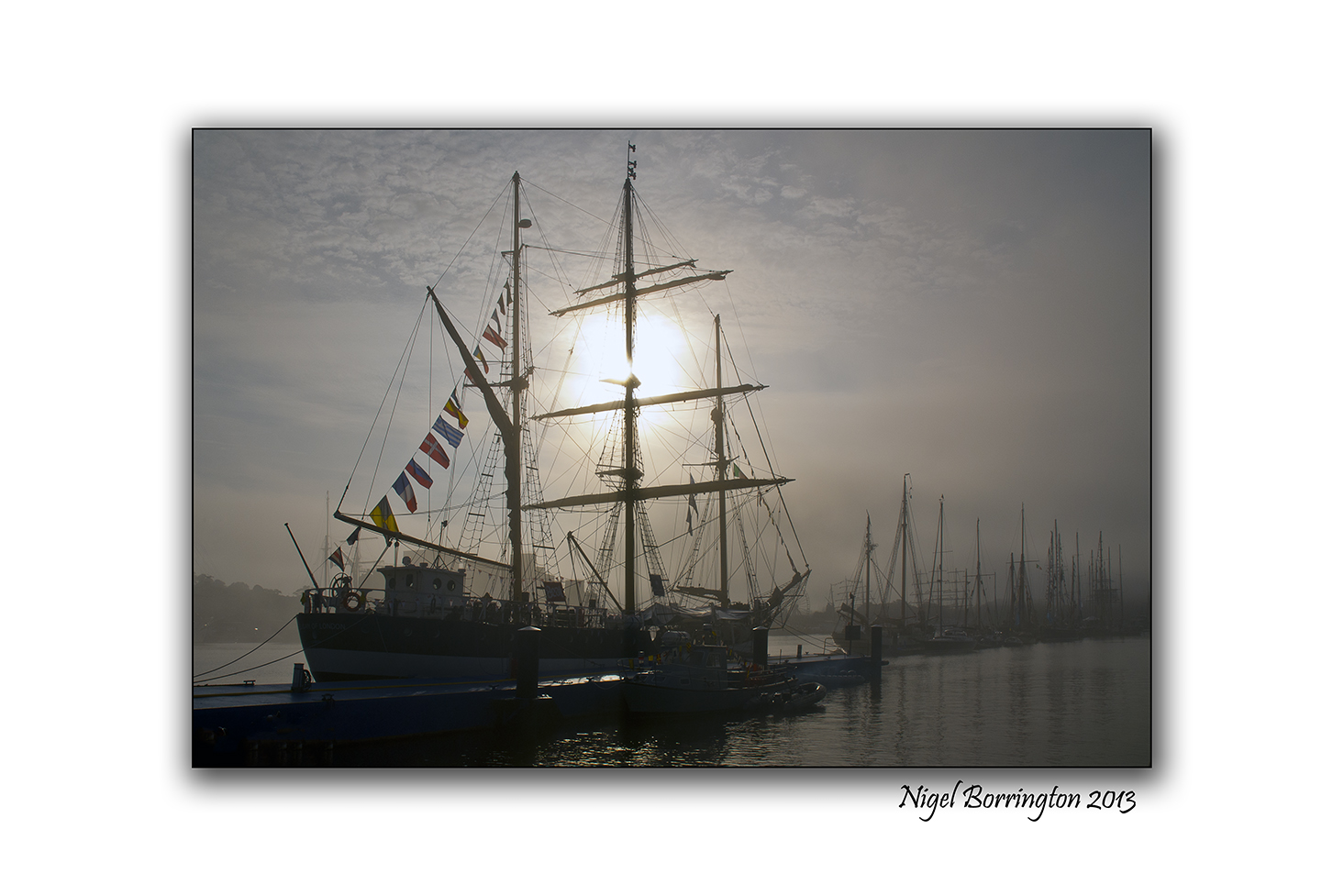
I Courted A Sailor
I courted a sailor for six months and many,
I courted a sailor, now he’s far from me.
I courted a sailor for six months and many,
I courted a sailor, now he’s far from me.
On a fine summer’s evening he said his heart was grieving
On a fine summer’s evening these words he said to me
CHORUS
Oh I’m bound for the waves, the waves dearest Annie,
I’m bound for the waves, the waves upon the sea.
Oh I’m bound for the waves, the waves dearest Annie,
I’m bound for the waves, the captain calleth me.
CHORUS
Me heart has been yours now for six months and many,
Me heart has been yours now and will always remain.
Me heart has been yours now for six months and many,
Me heart has been yours now and will always remain.
Take with you me ring and me heart you’ll always bring,
Take with you me ring when you sail away to sea.
CHORUS
I’ll wait for me sailor for six months and many,
I’ll wait for me sailor till he comes home from sea.
I’ll wait for me sailor for six months and many,
I’ll wait for me sailor till he comes home from sea.
I’ll wait for you me dear, for time we’ll know no fear.
I’ll wait for you me dear till you come home from the sea.
CHORUS
I’ve married me sailor for six months and many,
I’ve married me sailor now he’s safe with me.
I’ve married me sailor for six months and many,
I’ve married me sailor no more he’ll say to me
You tube performance : http://www.youtube.com/watch?v=ybRPZAqN7WA
 Nigel Borrington
Its the weekend
Fuji X100
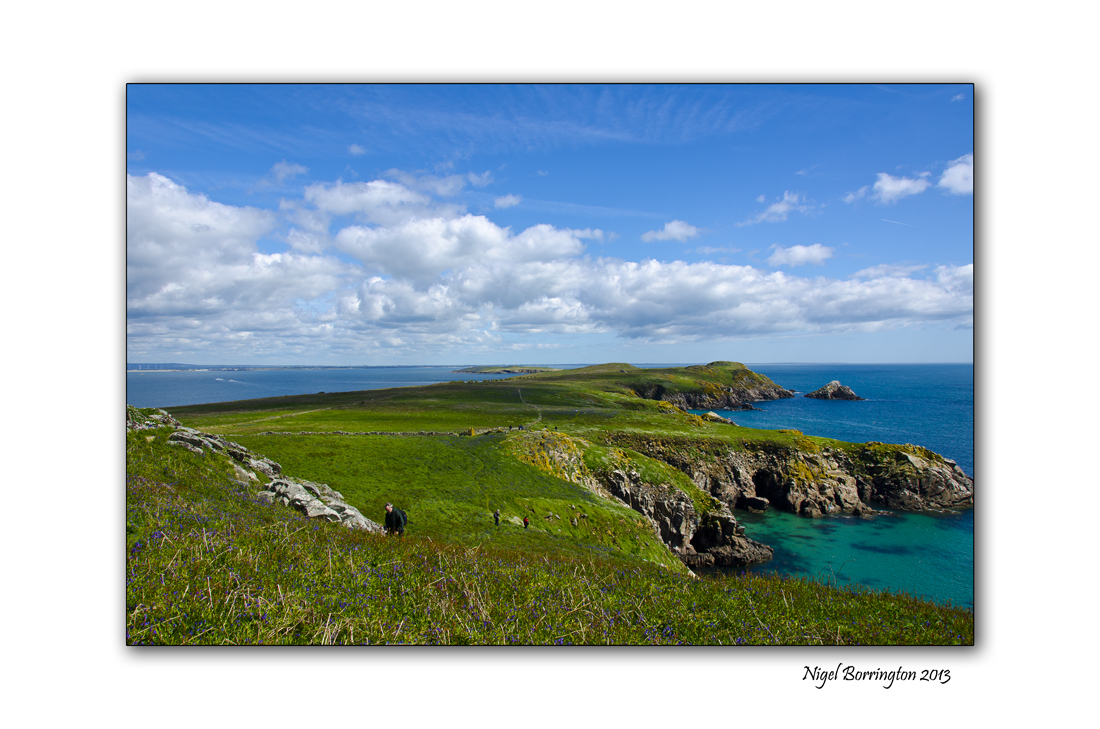
The Saltee Islands, St. George’s Channel
County Wexford,
Landscape photography:Nigel Borrington
Its the weekend so if you can find a place with a view and lose your self in it!!
Share this:
April 27, 2013 | Categories: Comment, Landscape | Tags: Fuji X100, fujufilm x100, Irish landscape photography, Irish photography, Landscape, Saltee islands, wexford | 14 Comments