Irish Landscape Images, Tramore Beach, County Waterford 2018

Irish landscape images Tramore beach
county Waterford Nigel Borrington
Monday Poetry : The Mountain Horse

Mountain Horse
Slievenamon
County Tipperary
Nigel Borrington
The Mountain Horse
Its cold at dawn in the Great Divide
And the Dew lies thick on the mountainside,
The bite of the cold air nearly makes you choke
And breath from your nostrils like dragon smoke.
The saddles are on and the cinch is tight,
Bridles are buckled and a bit to bight,
The horsemen are ready to break the camp,
The mist still rising and the bush is all damp.
The mobs been found in a clearing up ahead,
They’re all wild horses and they’re mountain bred.
Bushes flying by lashing legs and sides,
There’s danger here now for anyone who rides.
An overhanging limb so bend down low
Around rocks and wombat holes we go
There’s a mighty log we’ll have to jump
Look out, look out avoid the stump.
The big bay stallion leads his harem through the creek
There’s no place here for faint hearted or the meek,
Their hooves are like thunder and stock whips are cracking
Horses are snorting and their courage is not lacking.
Down along the valley where he knows every stride
Down along the valley where the wings are stretching wide,
But it’s too late, he knows it now, there’s nowhere left to run,
He turns and rears up high, his fight has just begun.
Something about these mountains makes you want to stay
And a mountain horse’s spirit you cannot take away.
My mind wanders back to a day not long ago,
When the horsemen came and found my mob and I put on the show.
Irish Landscape Photography, Windgap County Kilkenny – in Black and white

Images of Ireland
Black and white Landscapes
Windgap
County Kilkenny
The first signs of Spring – BlackThorn
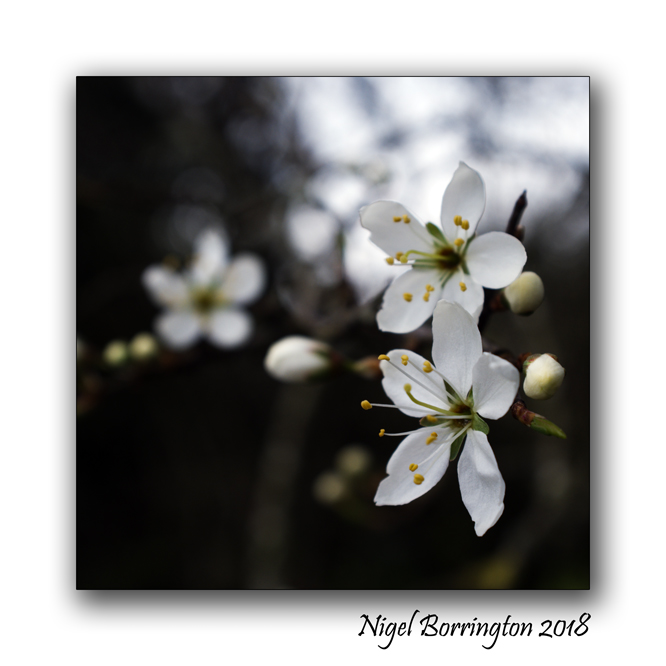
Blackthorn is the 12th letter of the Gaelic tree alphabet, representing P, yet another controversial letter. There was no P in the Gaelic alphabet until recently, so some tree has had to stand in. As Blackthorn was in the original alphabet (for St, as its old Gaelic name is Straiph, but St is no longer considered a letter in its own right). As Blackthorn’s latin name is Prunus spinosa, it fits the bill. Its modern Gaelic name is Draighneag or Airne (sloe) or Sgitheach dubh (black hawthorn).
Snippets of Lore
Blackthorn is the 12th letter of the Gaelic tree alphabet representing P, controversially, as there was no P in the alphabet until recently
For my explanation of why Blackthorn stands for P see http://mandyhaggith.worldforests.org/index.asp?pageid=359149
Blackthorn’s latin name is Prunus spinosa. In modern Gaelic, draighneag (pierce), airne (sloe) or sgitheach dubh (black hawthorn).
Blackthorn’s fruit is called sloe. They are very high in Vitamin C.
To get a taste of the bitterness of sloes, nowhere better to start than Vicki Feaver. http://www.spl.org.uk/best-poems_2006/feaver.htm
Too much sloe gin may be too much of a good thing.
Sloe gin infused with pennyroyal and valerian was the original ‘Mother’s Ruin’.
Blackthorn is the ancestor of all plum trees.
Sloe stones have been found in Neolithic cairns and crannogs.
The Ice Man was carrying a sloe, presumably to eat.
Sloes are better flavored if frosted, or dried then rehydrated.
Sloe jelly is best made with apples.
Sloes are good for the bladder, kidneys, stomach and lung complaints.
Sloe juice and bark gives indelible ink.
Sloes gives a pinky purple dye, and blackthorn bark produces a red or orange dye.
Blackthorn bark can be used to reduce fever.
Use blackthorn leaves for tea. It’s good for tonsils and larynx.
Have another sloe gin (by Seamus Heaney) http://archiver.rootsweb.ancestry.com/th/read/IrelandGenWeb/2003-11/1069876152
Responding to Heaney, Tom Rawling’s Sloe Gin: http://www.xen19.dial.pipex.com/dec_2.htm
And another moody blackthorn poem, this one by Louis McKee, coming into blossom. http://www.poemhunter.com/poem/the-blackthorn/
Blackthorn produces beautiful snow white blossoms early and before the leaves come.
Blackthorn’s leafless stems, in flower, evoke a place between death and life.
Blackthorn blossom is unlucky indoors (maybe for the same reason as hawthorn?)
A tisane of blackthorn blossom ‘purges to the depths’.
Rough weather in March is called a Blackthorn Winter.
Blackthorn is the sister of Hawthorn: Blackthorn governs Nov-April, Hawthorn governs May-Oct.
Blackthorn wood is hard and good for walking sticks and weapons. Best walking sticks are blackthorn entwined by honeysuckle.
Irish sheleilaigh sticks are made with blackthorn wood.
Blackthorn trees give good shelter for birds to nest in. It makes excellent hedges.
Blackthorn is supposed to never exceed 13 feet.
Proverb: Better the bramble than the blackthorn, but better the blackthorn than the devil.

Blackthorn helps you see beyond negatives to opportunity.
A hero fleeing from giants needs a magical blackthorn twig which will sprout into a thicket!
Blackthorns were believed to spring from the blood of Norse invaders.
A blackthorn thorn tipped with poison is a subtle weapon known as ‘a pin of slumber’.
Blackthorn is associated with Sleeping Beauty – after pricking her finger, the castle was thorn-bound until love came.
Witches stick blackthorns into wax effigies of their enemies.
Blackthorn was used for pyres when burning witches.
Blackthorn was believed to have been used for Christ’s Crown of Thorns, hence unlucky.
For fertile fields, make, wear, then burn a blackthorn crown and spread its ash.
Blackthorn represents the inevitability of death, and of dark secrets.
Evil fairy-folk stole babies – and hid them in blackthorn bushes.
‘Many sloes, many cold toes’ – presage of bad winter ahead.
Street views, Cobh, County Cork, Ireland, April 2018
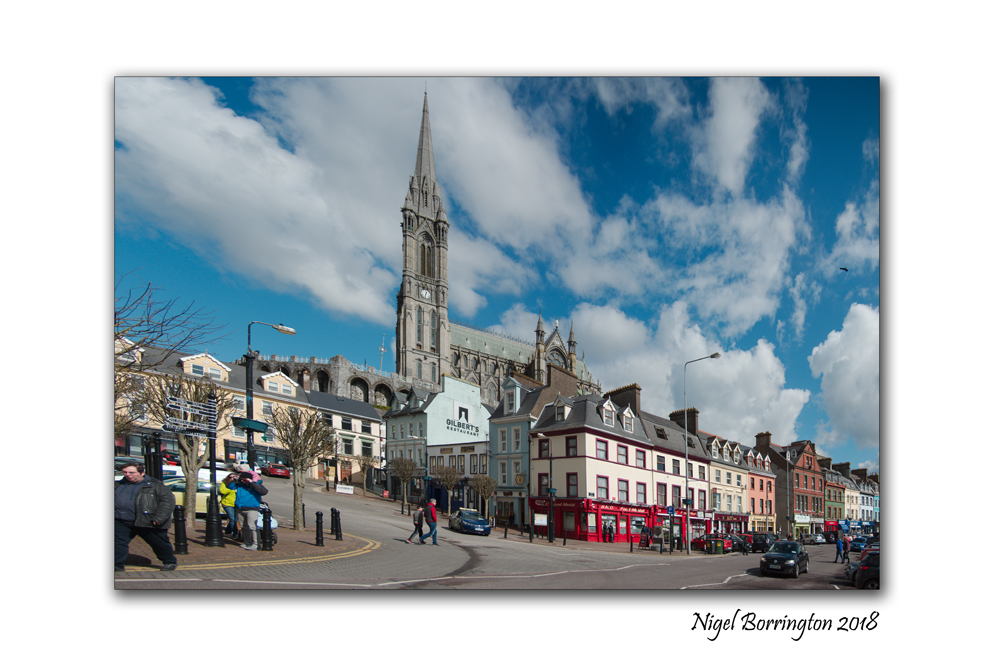
Street Views
Cobh, county Cork
Nigel Borrington
April 2018
Visiting the Underworld, Dunmore caves, county Kilkenny Ireland
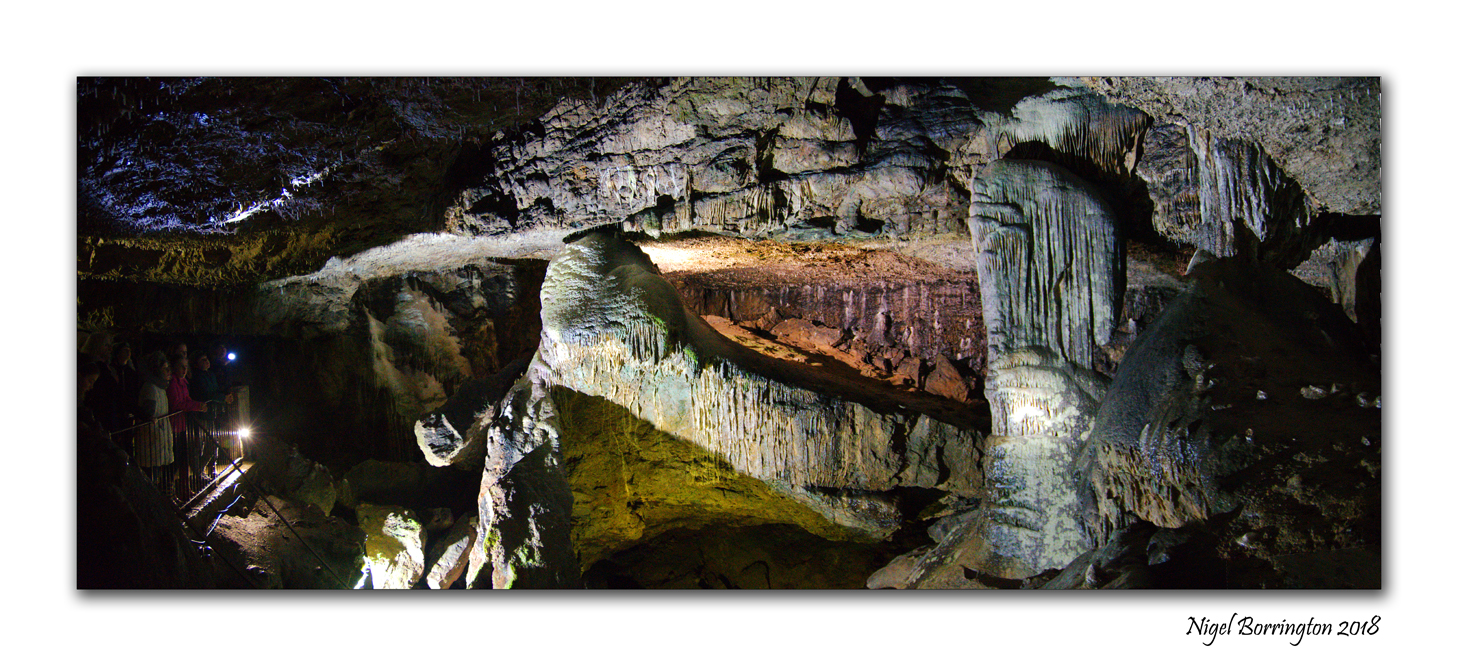
Dunmore caves
County Kilkenny
Nigel Borrington 2018
The Easter holidays are always a great time to do some different activities and visited some locations I had on my list for sometime.
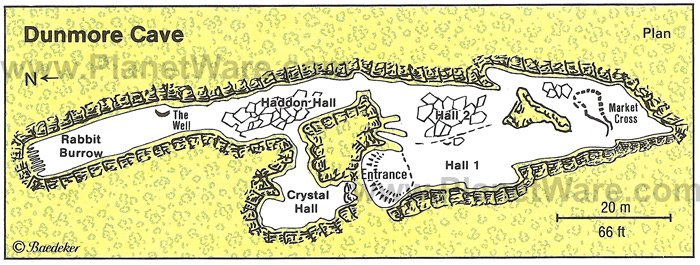
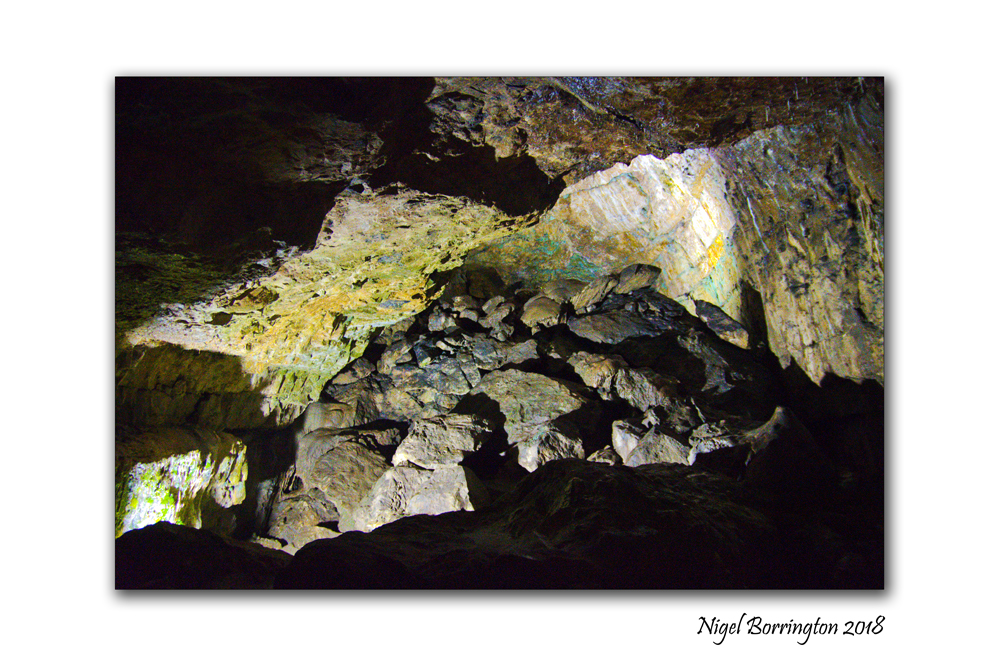
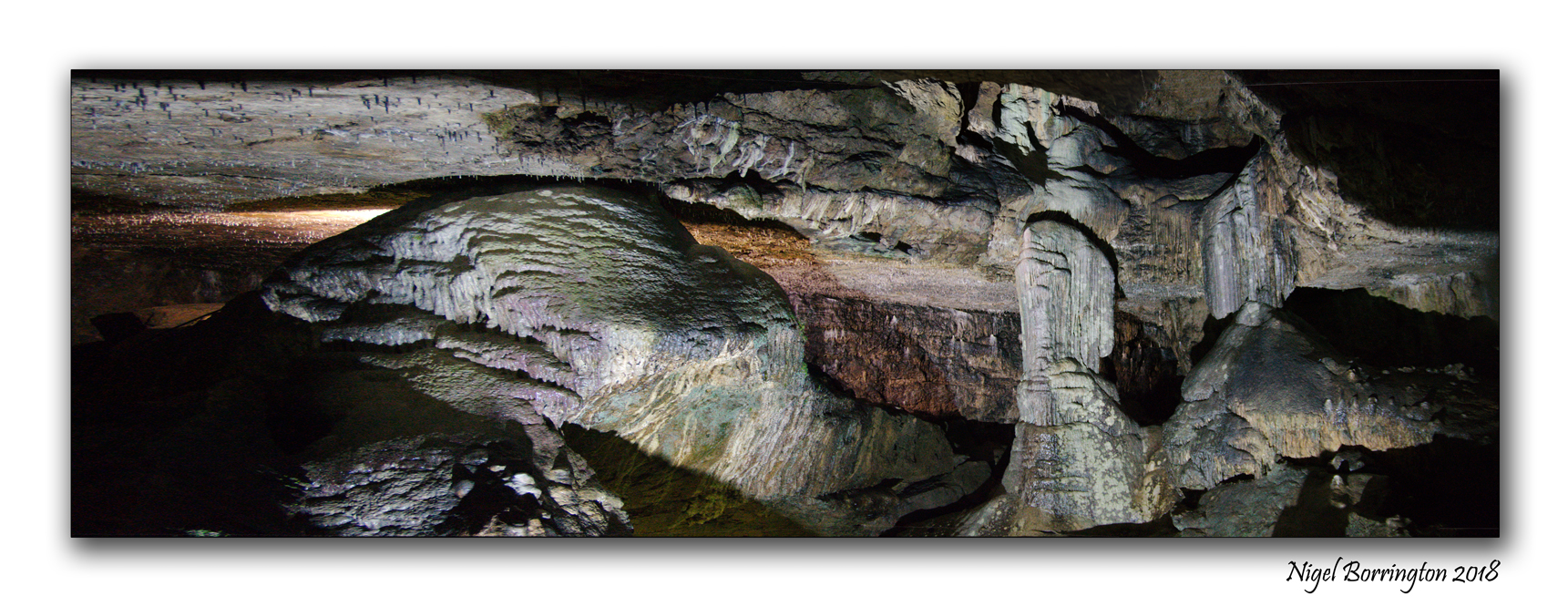
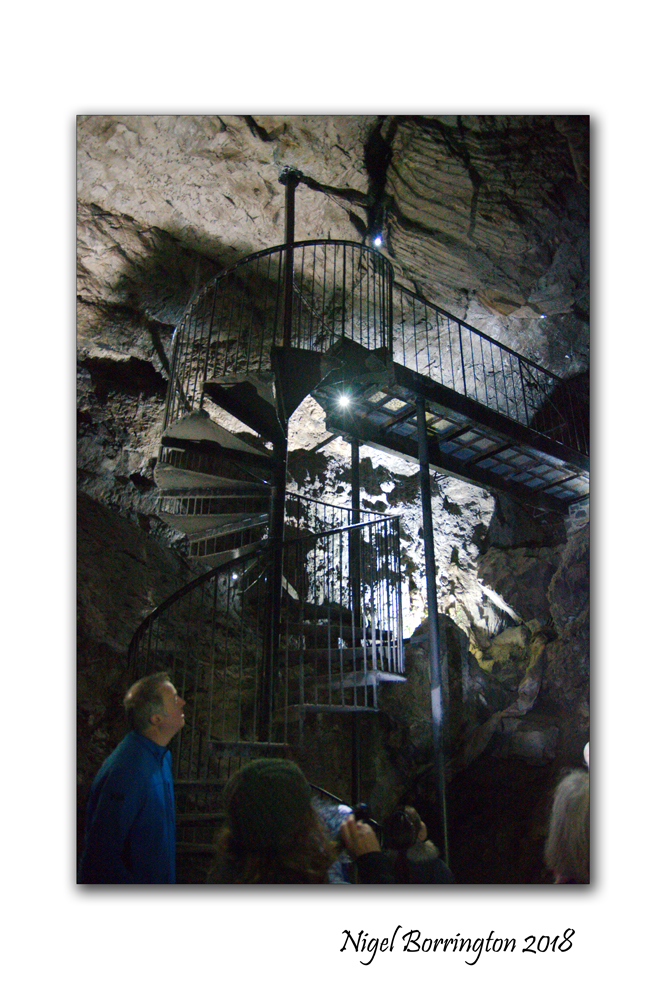
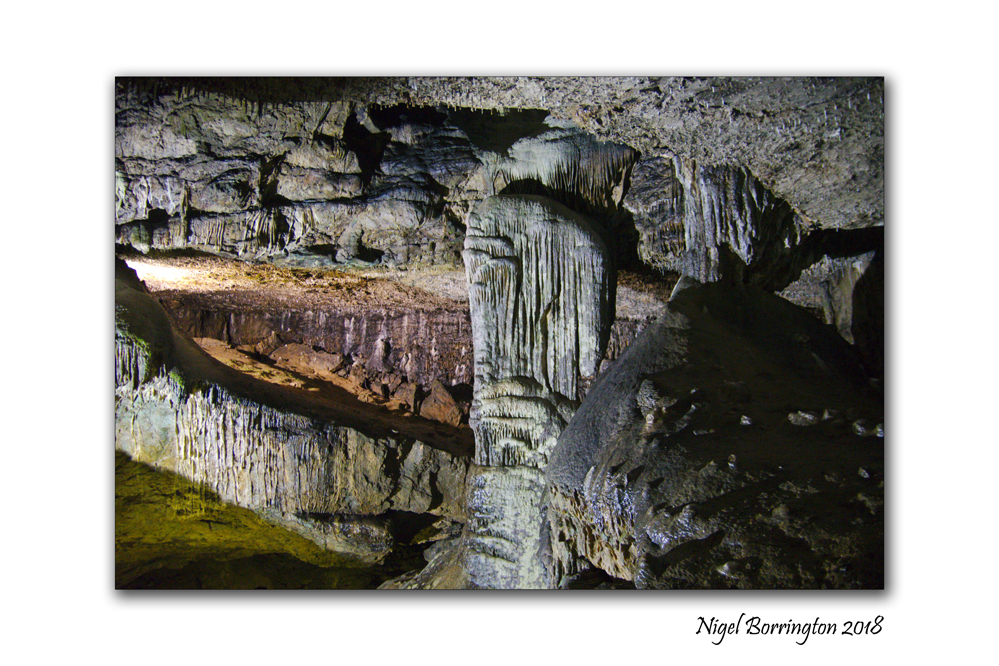
One of these locations was Dunmore caves in the north of county Kilkenny, the caves are some of the most spectacular – located here in Ireland, with a large entrance hall and a great mix of tunnels and caverns. This time was a great visit, there have been some great guides over the years but our female guide over the weekend was clearly into the geology and environment of the area and of the caves themselves along with the Pagan and Viking (history, myths and beliefs) based around the long time use of these caverns.
One local myth in Kilkenny county revolves around the belief that there is a tunnel that goes all the way from the caves into the center of kilkenny city, possibly used for escape in times when the city was under attack. This tunnel has been searched for many times but never found, so maybe it is just a story but the search goes on.
Dunmore caves facts and History
Dunmore Cave (from Irish Dún Mór, meaning ‘great fort’) is a limestone solutional cave in Ballyfoyle, County Kilkenny, Ireland. It is formed in Lower Carboniferous (Viséan) limestone of the Clogrenan Formation. It is a show cave open to the public, particularly well known for its rich archaeological discoveries and for being the site of a Viking massacre in 928.
Development
Dunmore Cave was designated a National Monument by the Commissioners of Public Works in 1944, but development as a show cave with visitor centre and tours didn’t begin until 1967, at the behest of respected archaeologist and spelaeologist J. C. Coleman. The cave was closed in 2000 for archaeological work and redevelopment, and reopened in 2003.
History
The earliest historical reference to the cave is to be found in the Triads of Ireland, dating from the 14th to the 19th century, where “Úam Chnogba, Úam Slángae and Dearc Fearna” are listed under the heading, “the three darkest places in Ireland”.The last, meaning the “Cave of the Alders,” is generally thought to be the present Dunmore Cave, while the first two translate as the caves of Knowth and Slaney. It is not known which exact system of caves/passage tombs near the river Slaney is being referred to, with the most likely, those at Baltinglass. Other sources translate the listed locations as Rath Croghan, the cave or crypt of Slane and the “Cave of the Ferns”.
In the Annals of the Four Masters, dated to the 17th century, Dearc Fearna was recorded as the site of a great Viking massacre in 928 AD:
“Godfrey Uí Ímair, with the foreigners of Ath Cliath, demolished and plundered Dearc Fearna, where one thousand persons were killed in this year as is stated in the quatrain:
Nine hundred years without sorrow, twenty-eight, it has been proved, ‘Since Christ came to our relief, to the plundering of Dearc-Fearna.”
Gofraith, ua h-Iomhair, co n-Gallaibh Atha Cliath, do thoghail & do orgain Derce Fearna,
airm in ro marbhadh míle do dhaoinibh an bhliadhain-si, amhail as-berar isin rann,
Naoi c-céd bliadhain gan doghra,
a h-ocht fichet non-dearbha,
o do-luidh Criost dár c-cobhair
co toghail Derce Ferna.
While the human remains found in the cave are thought to be victims of the Viking massacre, this has not been reliably confirmed. Many of the remains belong to women and children, and it is hypothesised that they are the bodies of people hiding in the cave who were unable to leave when the Vikings tried to smoke them out, dying from asphyxiation.
Archaeological study
The earliest writings on the cave of an archaeological nature came from the bishop George Berkeley, whose report dated 1706 detailed a visit that he made to the cave as a boy. The essay was not published until 1871. In 1869 Arthur Wynne Foot, a physician, made an archaeological visit to the cave with Rev. James Graves and Peter Burtchaell and discovered large quantities of human remains, which they collected. In his reports, Foot meticulously documented his findings, and culled references from the writings of researchers over the preceding 120 years.
In 1999, a hoard of 43 silver and bronze items was discovered in a rocky cleft deep in the cave. Archaeologists dated this hoard, consisting of silver, ingots and conical buttons woven from fine silver, to 970 AD.

Dunmore caves
Visitors center
Count Kilkenny
Ireland
Nigel Borrington 2018




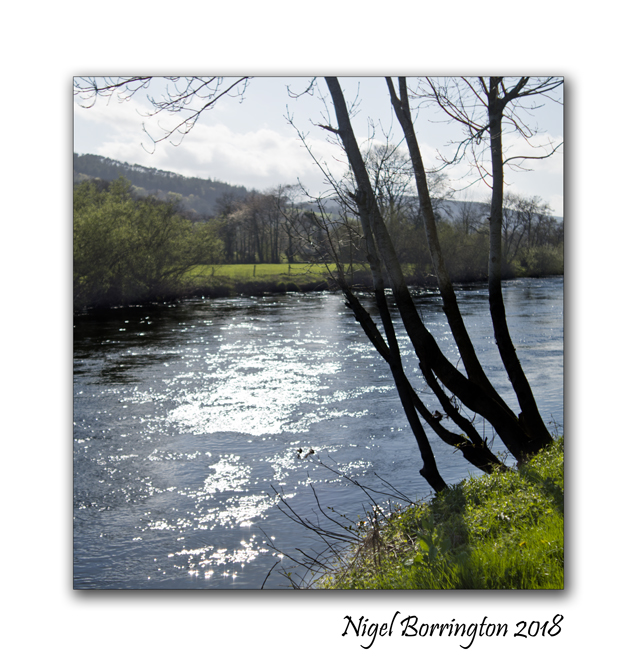
Now the Snow has gone, it’s springtime at the River. Spring On The River, Poem By Archibald Lampman

Down by the banks of river suir
County Tipperary
Nigel Borrington 2018
Spring On The River
By Archibald Lampman
O sun, shine hot on the river;
For the ice is turning an ashen hue,
And the still bright water is looking through,
And the myriad streams are greeting you
With a ballad of life to the giver,
From forest and field and sunny town,
Meeting and running and tripping down,
With laughter and song to the river.
Oh! the din on the boats by the river;
The barges are ringing while day avails,
With sound of hewing and hammering nails,
Planing and painting and swinging pails,
All day in their shrill endeavor;
For the waters brim over their wintry cup,
And the grinding ice is breaking up,
And we must away down the river.
Oh! the hum and the toil of the river;
The ridge of the rapid sprays and skips:
Loud and low by the water’s lips,
Tearing the wet pines into strips,
The saw mill is moaning ever.
The little grey sparrow skips and calls
On the rocks in the rain of the water falls,
And the logs are adrift in the river.
Oh! restlessly whirls the river;
The rivulets run and the cataract drones:
The spiders are flitting over the stones:
Summer winds float and the cedar moans;
And the eddies gleam and quiver.
O sun; shine hot, shine long and abide
In the glory and power of the summer tide
On the swift longing face of the river.
Lighthouse Poetry : “The Lighthouse Keeper” by Phil Lindsey Jun 2015
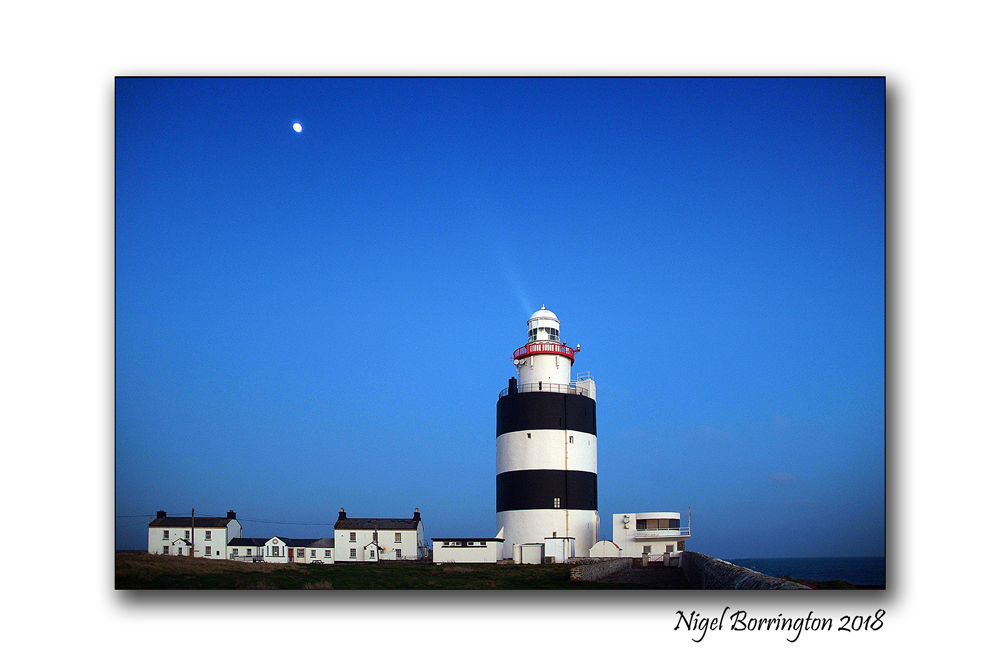

Hook head lighthouse
at dusk
County Wexford
Nigel Borrington
Phil Lindsey Jun 2015
The Lighthouse Keeper
The keeper of illumination
Aye, the keeper of the light
Safety first, his fascination
Dusk to evening through the night.
Aye, the keeper of the light,
Every season, every day
Dusk to evening, through the night
He tends the beacon, shows the way.
Every season, every day
Climbs thirteen flights of thirteen stairs
He tends the beacon, shows the way
The Fresnel lantern he prepares.
Climbs thirteen flights of thirteen stairs
Skyward, toward the landing high
The Fresnel lantern he prepares
Lighthouse beacon must not die.
Skyward, toward the landing high
Strike the match, produce the spark
Lighthouse beacon must not die.
Guides ships safely through the dark.
Strike the match, produce the spark
Safety first, his fascination
Guides ships safely through the dark
The keeper of illumination.
Phil Lindsey 6/25/15
Irish Lighthouses : Valentia Island Lighthouse, in 10 images

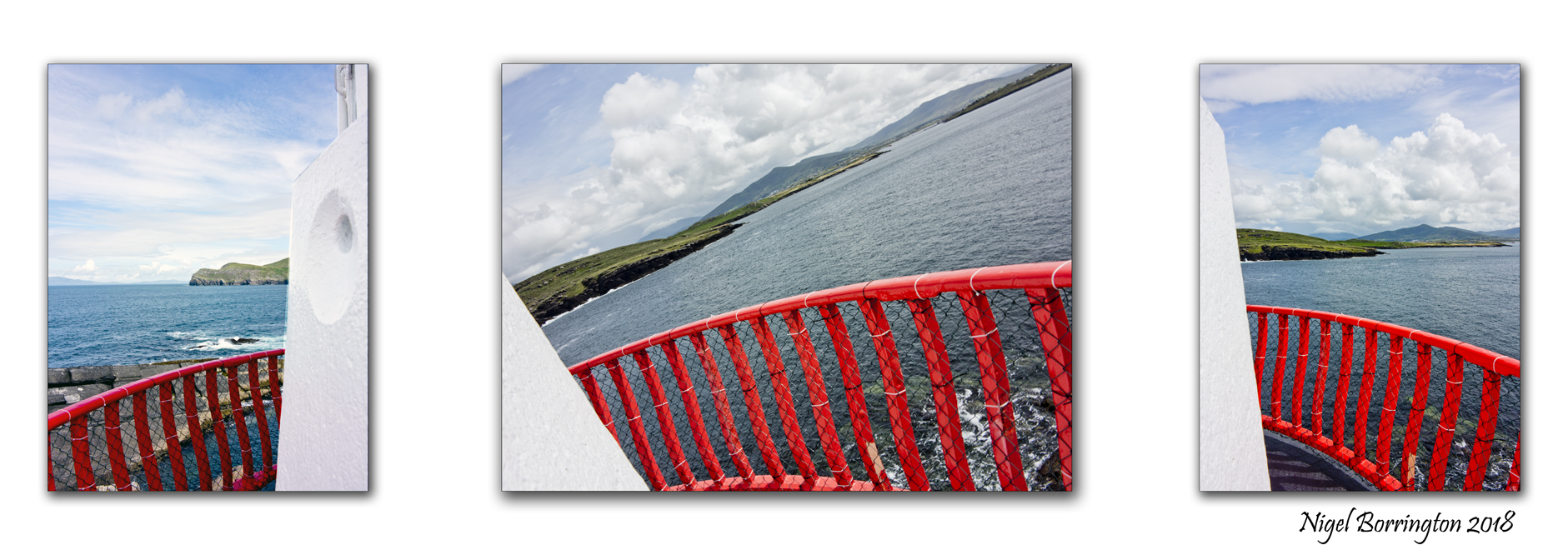
Valentia Island Lighthouse
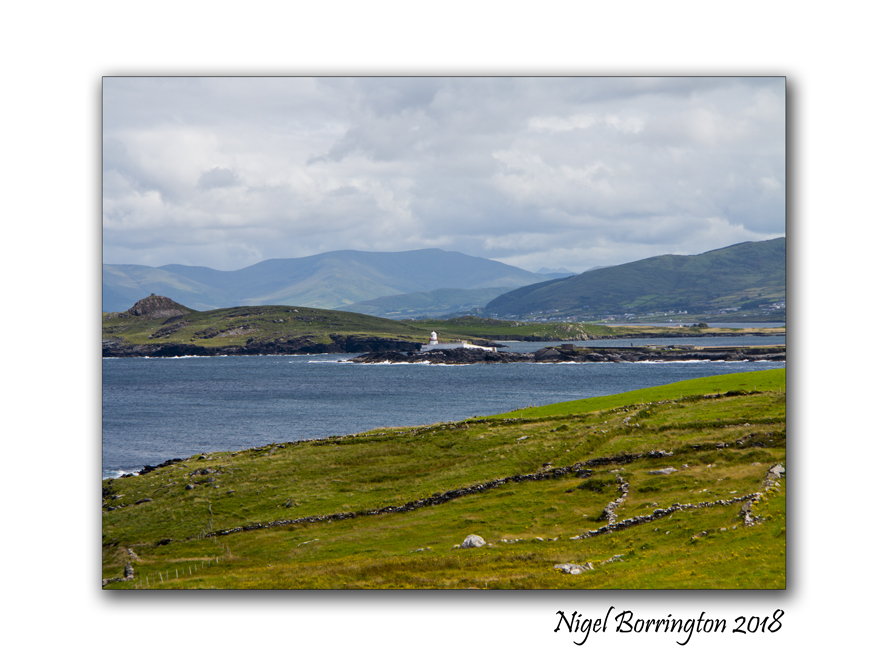
Built on the site of a 17th century fort, Valentia Island Lighthouse on Cromwell Point has stood against sea and invader for hundreds of years. Now, this gleaming white lighthouse on beautiful Valentia Island looks out across some of the most spectacular sights along the Wild Atlantic Way.
There’s much to enjoy in a visit to this lighthouse. Take a tour of the lighthouse tower and balcony. Be blown away by the dramatic scenery and big weather! Soak up the stories and the science as you learn about the people and technology that have guided ships safely home from sea over the years.
Valentia Island Lighthouse offers a great day out: fascinating history, inspiring views and a unique insight into island life.
A quick history
Valentia Island Lighthouse sits on the site of the 17th century Cromwell Fleetwood Fort, which guarded against the threat of invaders right up to the 19th century. You can still see the cannons overlooking the harbour.
The lighthouse was designed by George Halpin Senior, one of the most famous civil engineers of the time. The light was first exhibited in 1841.
A lighthouse keeper lived with his family on site until 1947, when the lighthouse was automated.




The Castle Inside and out, Rathfarnham Castle – south county Dublin

Rathfarnham Castle
South county Dublin
Ireland
Nigel Borrington 2018
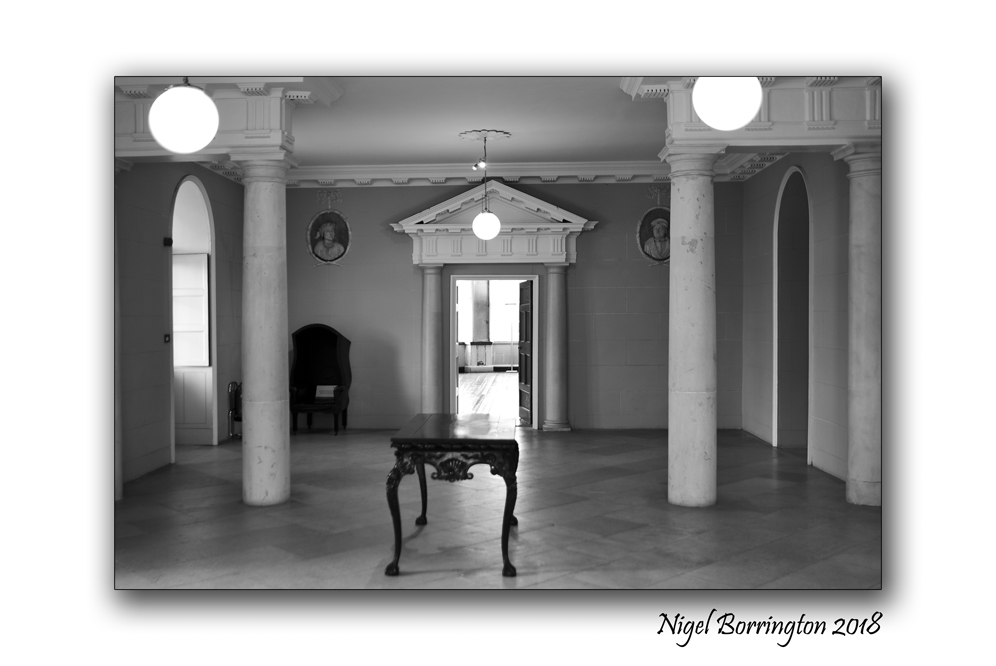
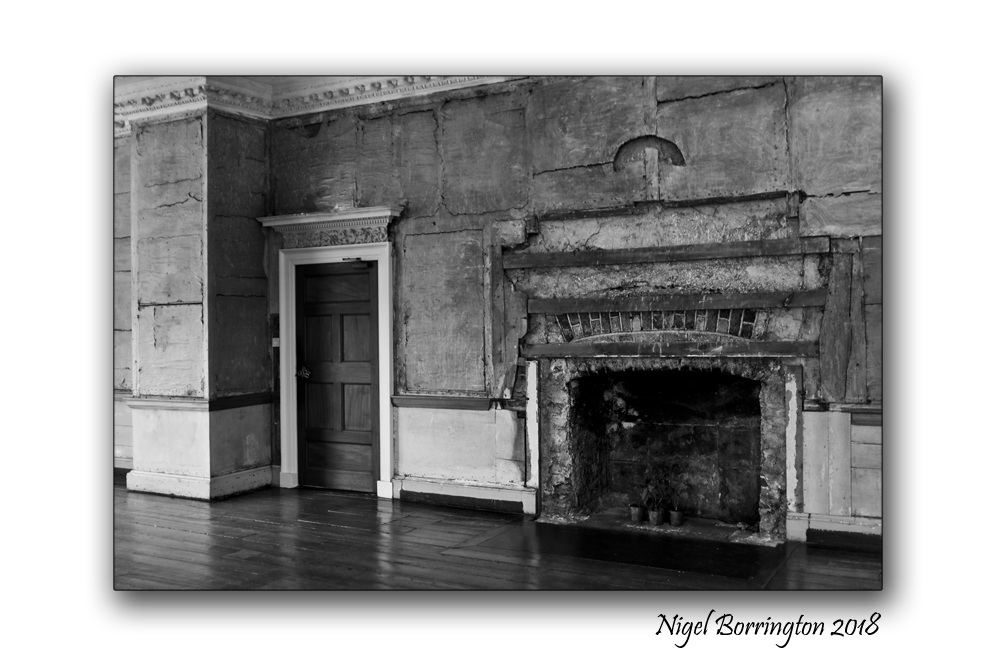
Rathfarnham Castle is located in south county Dublin. It was built in 1585 by Adam Loftus, Archbishop of Armagh. This is one of the finest examples of what is described as a ‘fortified manor house’ in Ireland. It’s 4 flanker towers, instead of being square are angular (angle bastions). This site is steeped in history and had previously been the site of an Iron Age fort.
The interior of the castle was redesigned in the 18th century by two of the greatest architects of the time, William Chambers and James Stewart. Chambers designed Buckingham Palace, Kew Gardens, St James’s Palace, Trinity University, and Casino Marino and James ‘Athenian’ Stuart is best known for his pioneering role in Neoclassicism in the mid 1700’s.
Rathfarnham Castle was for a long time used as a private house and ended up being a Jesuit College before it was taken under the care of the Office of Public Works. It is now open to the public.


Snow at coolagh old church, county Kilkenny art work, Acrylic on canvas ….

Snow at Coolagh old church
County Kilkenny
Acrylic on Canvas
Nigel Borrington
February Snow , an Irish winters day 06/02/2018

The Nire Valley
Tooreen West
Co. Waterford
Nigel Borrington
This Morning the 6th February 2018, Images from the very cold and snow covered hills of the Nire Valley in county Waterford.
It was great to see the winter snows back again …..


Irish Landscape Images : The Hell Fire Club, Mount Pelier Hill

The Hell Fire Club
Mount Pelier Hill
County Dublin, Ireland
Irish Landscape Images
Nigel Borrington 2018
The Hell Fire Club on Mount Pelier Hill
William Conolly’s Hunting Lodge
The building now known as the Hell Fire Club was built around 1725 as a hunting lodge by William Conolly, the Speaker of the Irish House of Commons. It was named Mount Pelier by Conolly but over the years has also been known as “The Haunted House”, “The Shooting Lodge”, “The Kennel”, and “Conolly’s Folly”. It was one of several exclusive establishments using the name Hellfire Club that existed in Britain and Ireland in the 18th century.
While the building has a rough appearance today, the architecture is of a Palladian design. The upper floor consists of a hall and two reception rooms. On the eastern side, there was a third, timber-floored, level where the sleeping quarters were located. On the ground floor is a kitchen, servants’ quarters and stairs to the upper floors. The entrance, which is on the upper floor, was reached by a long flight of stairs which is now missing. At each side of the building is a room with a lean-to roof which may have been used to stable horses. A stone mounting block to assist people onto their horses can be seen on the eastern side. To the front there was a semi-circular courtyard, enclosed by a low stone wall and entered by a gate.

View of Dublin port
From Mount Pelier Hill
Irish Landscape Images
Nigel Borrington 2018
The house faces to the north, looking over Dublin and the plains of Meath and Kildare, including Conolly’s primary residence at Castletown House in Celbridge. The grounds around the lodge consisted of a 1,000-acre (4.0 km2; 1.6 sq mi) deer park. The identity of the architect is unknown: the author Michael Fewer has suggested it may have been Edward Lovett Pearce (1699–1733) who was employed by Conolly to carry out works at Castletown in 1724.
There was a prehistoric burial site at the summit of Mount Pelier Hill and stones from it were used in the construction of the lodge. A nearby standing stone was also used for the lintel over the fireplace. Shortly after its completion, a great storm blew the original slate roof off. Local superstition held that this was the work of the Devil, an act of revenge for disturbing the ancient cairn. Conolly had the roof replaced with an arched stone roof constructed in a similar fashion to that of a bridge. This roof has remained intact to the present day, even though the building has been abandoned for over two centuries and despite the roof being set alight with tar barrels during the visit of Queen Victoria to Ireland in 1849. There is little evidence that the lodge was put to much use. Conolly himself died in 1729.
Man’s Coiled Beacon by Rosie Howe

Man’s Coiled Beacon
Rosie Howe
A gleaming halo of light
Rotates around its fixed staff
Like a relentless lasso
Stretching across a chalky sea,
Covering all it touches
With an adorning hope
That cannot be seized.
At night, its light pulsates
Like a beacon, a constant blaze
Passing over a jaded path.
No footprints are left from
Its endless wanderings,
Repeatedly retracing its steps,
It coils. Built to forget.
The forgetful lantern swings,
Its pendulum never ceasing,
Gliding over lighted buoys,
And boat hulls, and
Dancing on the oily wings of
Cormorants as they plunge
Down to the dark depths
Great Poems “The Stolen Child” W.B. Yeats
“The Stolen Child”
W.B. Yeats
This is the ultimate poem about changelings, or children taken away by fairies and exchanged (often an explanation for the frequent deaths of children). The creepiest thing about it? It kind of makes going off to fairyland sound really tempting. Damn you, Yeats, you’re good.
Where dips the rocky highland
Of Sleuth Wood in the lake,
There lies a leafy island
Where flapping herons wake
The drowsy water-rats.
There we’ve hid our fairy vats
Full of berries,
And of reddest stolen cherries.
Come away, O, human child!
To the woods and waters wild
With a fairy hand in hand,
For the world’s more full of weeping than
you can understand.
Where the wave of moonlight glosses
The dim grey sands with light,
Far off by farthest Rosses
We foot it all the night,
Weaving olden dances,
Mingling hands, and mingling glances,
Till the moon has taken flight;
To and fro we leap,
And chase the frothy bubbles,
While the world is full of troubles
And is anxious in its sleep.
Come away! O, human child!
To the woods and waters wild,
With a fairy hand in hand,
For the world’s more full of weeping than
you can understand.
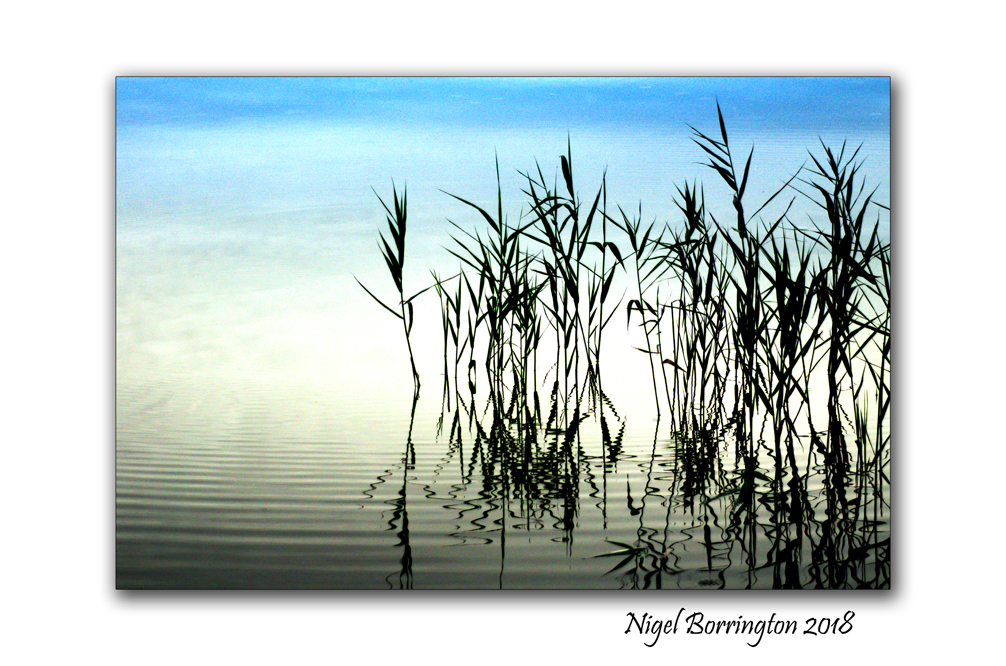
Where the wandering water gushes
From the hills above Glen-Car,
In pools among the rushes,
That scarce could bathe a star,
We seek for slumbering trout,
And whispering in their ears;
We give them evil dreams,
Leaning softly out
From ferns that drop their tears
Of dew on the young streams.
Come! O, human child!
To the woods and waters wild,
With a fairy hand in hand,
For the world’s more full of weeping then
you can understand.
Away with us, he’s going,
The solemn-eyed;
He’ll hear no more the lowing
Of the calves on the warm hill-side.
Or the kettle on the hob
Sing peace into his breast;
Or see the brown mice bob
Round and round the oatmeal chest.
For he comes, the human child,
To the woods and waters wild,
With a fairy hand in hand,
For the world’s more full of weeping than
he can understand.
Irish Archaeology, Brownshill Portal Tomb, Co. Carlow

Brownshill Portal Tomb, Co. Carlow
Irish Archaeology
Nigel Borrington
Dating from the Early Neolithic period (4000-3000 BC), Brownshill dolmen in Co. Carlow is one of the most impressive megalithic monuments in Ireland. The capstone is truly massive and has to be seen in person to be really appreciated. It is estimated to weigh in excess of 150 tonnes and is believed to be one of the heaviest capstones in Europe. It is still not certain how it was raised up, but it may have involved a combination of wooden rollers, ropes and man/animal power, aided by ramps of earth or stone.
The Brownshill dolmen is classified as a portal tomb by archaeologists and there are approximately 174 of these monuments in the country. The tombs generally consist of two large portal-stones defining the entrance and a back-stone, all of which support the cap-stone. Although Brownshill has never been excavated, finds are known from other portal tombs. These include burnt and unburnt human bone, pottery and flint artefacts as well as personal items such as bone pins and beads.
One of the very few portal tombs that has been investigated by archaeologists is Poulnabrone in Co. Clare (Lynch 2014). At this site the remains of twenty two people were uncovered inside the tomb, including sixteen adults and six children. Of these bodies only eight could be sexed and these were equally split between males and females. The bones were found in a largely disarticulated state and this suggests that the human remains had undergone a complex burial ritual. It appears that the dead were initially placed in the tomb as complete bodies and allowed to decompose. Then at a later date certain body parts were removed, in particular the skulls and long bones. The reasoning behind this is uncertain, although it may have been related to some form of ancestor worship, where the dead, via their skeletal remains, continued to play a role in the daily lives of their descendants.
A truly ancient monument, Brownshill portal tomb is located just outside the town of Carlow and is easily accessible, with a small car park present and path leading up to the monument. If you are ever in the area you should definitely visit!
The Day The Snow Finally Came By: Kathleen E. Sorensen

The Day the Snow came
Irish landscape Photography
Nigel Borrington
The Day The Snow Finally Came
© Kathleen E. Sorensen
Published: March 13, 2017
“It’s the middle of winter,” they would say,
But I just stared in dismay.
“How could it be winter without a blanket of snow?”
They said, “We do not know.”
I waited hours, I waited weeks,
Yet you could still see those mountain peaks.
“The snow will not come this year,” I thought.
Not a single dot.
I wanted to build a beast of a snowman this year
And sled down those snow hills with no fear.
Ski around the maze of trails with ease,
Seeing all the lovable white trees.

Then one day I saw something fall,
And it was so very small.
There were millions of them coming.
Oh, it was stunning!
The sun made the snow sparkle like glitter.
It was a real homerun hitter!
Today the snow will fall all day,
Leaving a path of fun on its way.
I immediately had chills run up my spine.
This is my heart’s sunshine.
I love the snow so very much,
And I ran outside to hear it crunch.


Sunday Evening, Last light and the evening Star, Nier Valley, County Waterford, Ireland

Sunday evening
The Evening Star
Nier Valley
County Waterford
Nigel Borrington
Link : Nier Valley National Parks & Wildlife Service
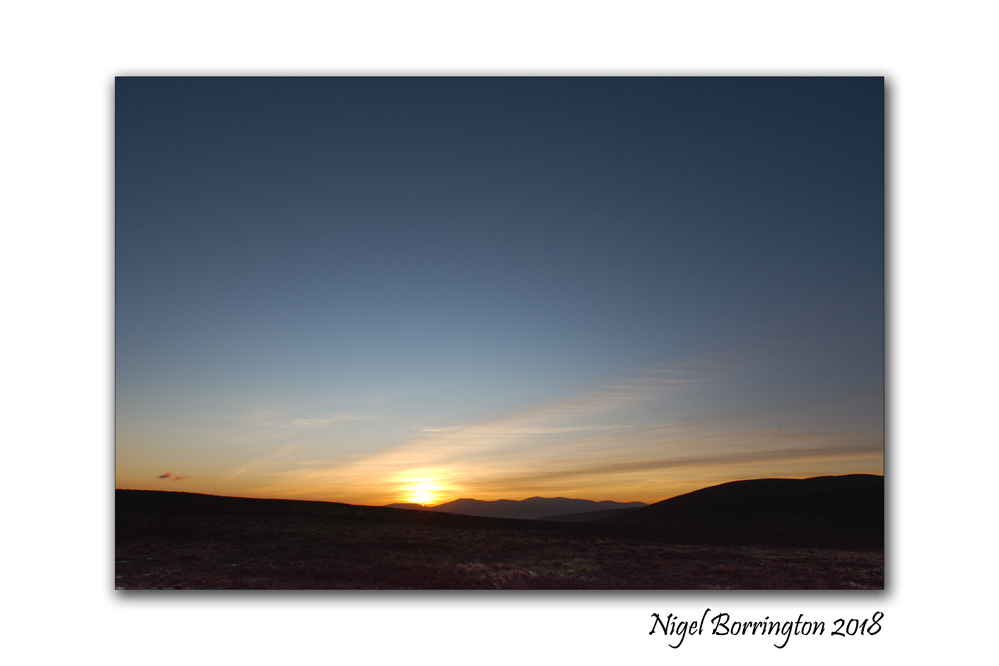
The Weather today here in Ireland has given us one of the best days for weeks, In the afternoon we did a 10km walk around the Nier Valley in Country Waterford. This walk is high-up in the hills and it was about 4:30pm as we returned to the Car, the Sun was setting and I got these shots of the Last sunlight of this weekend.
What a perfect walk and end to the weekend …..


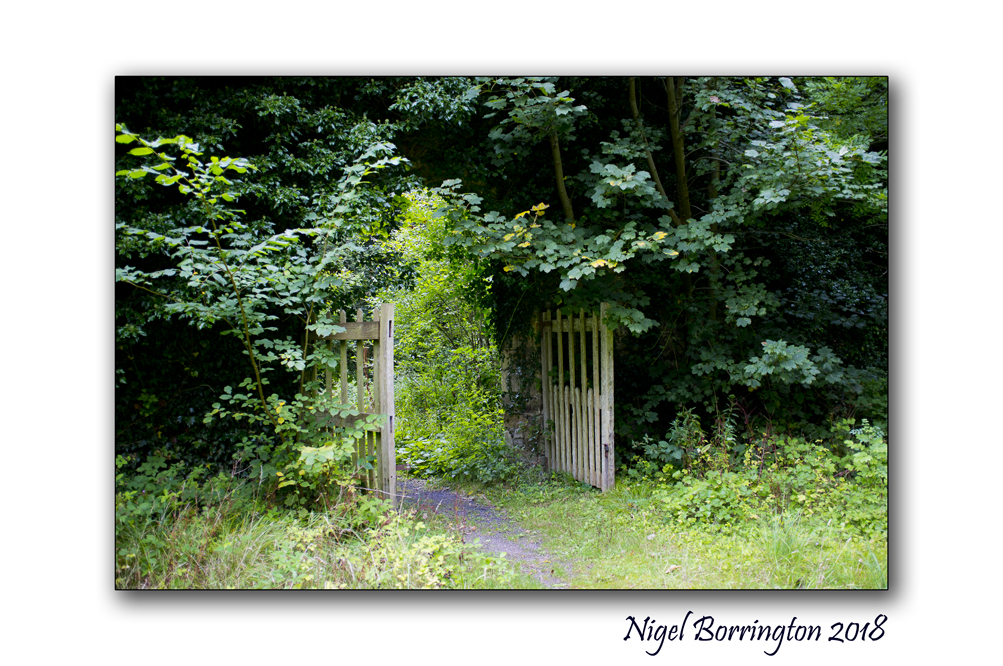
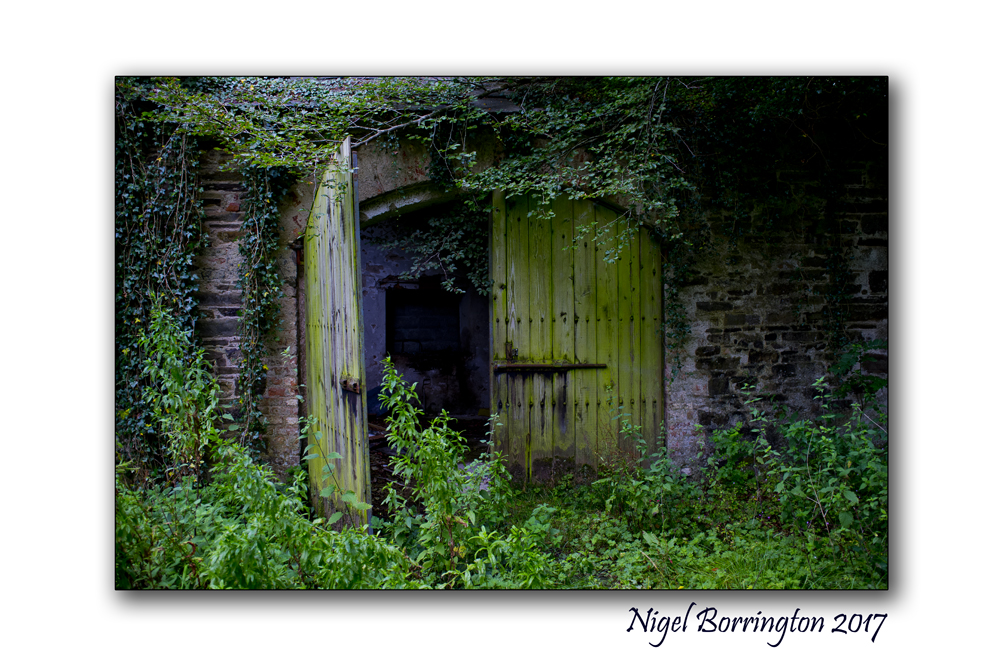
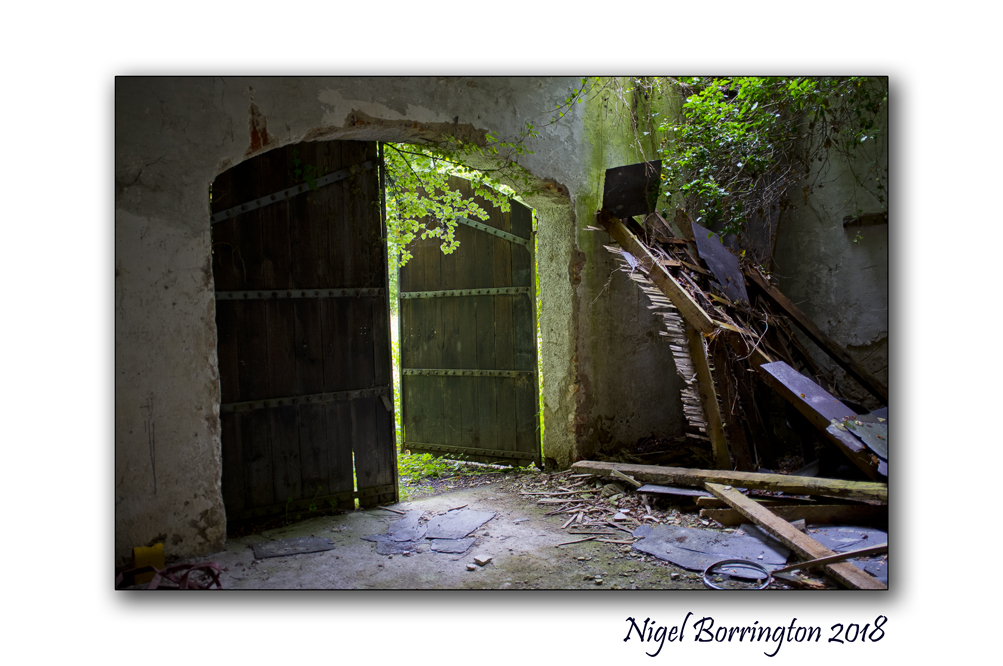
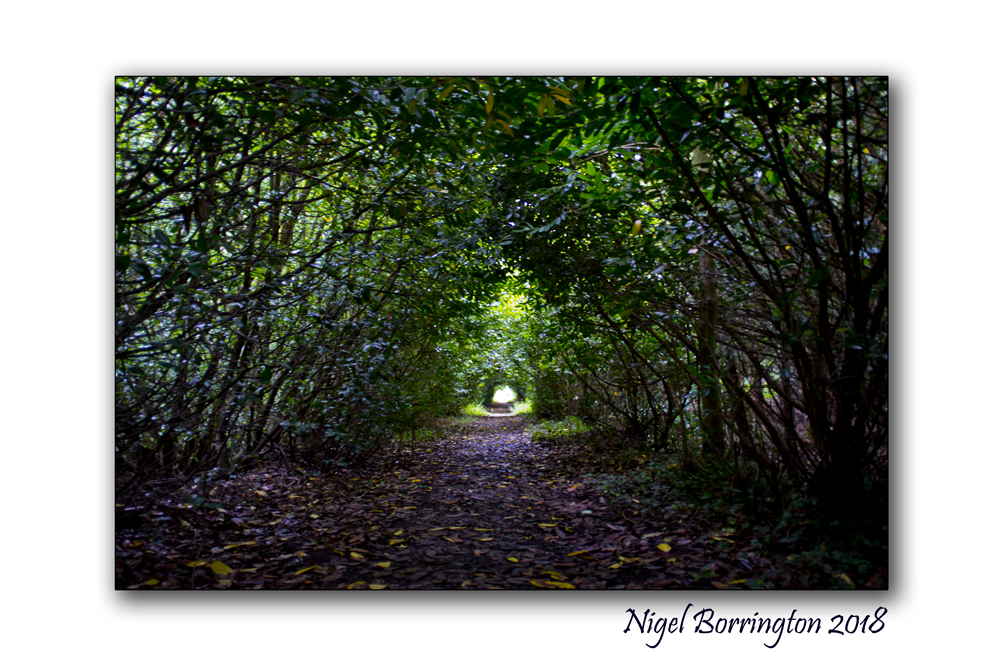
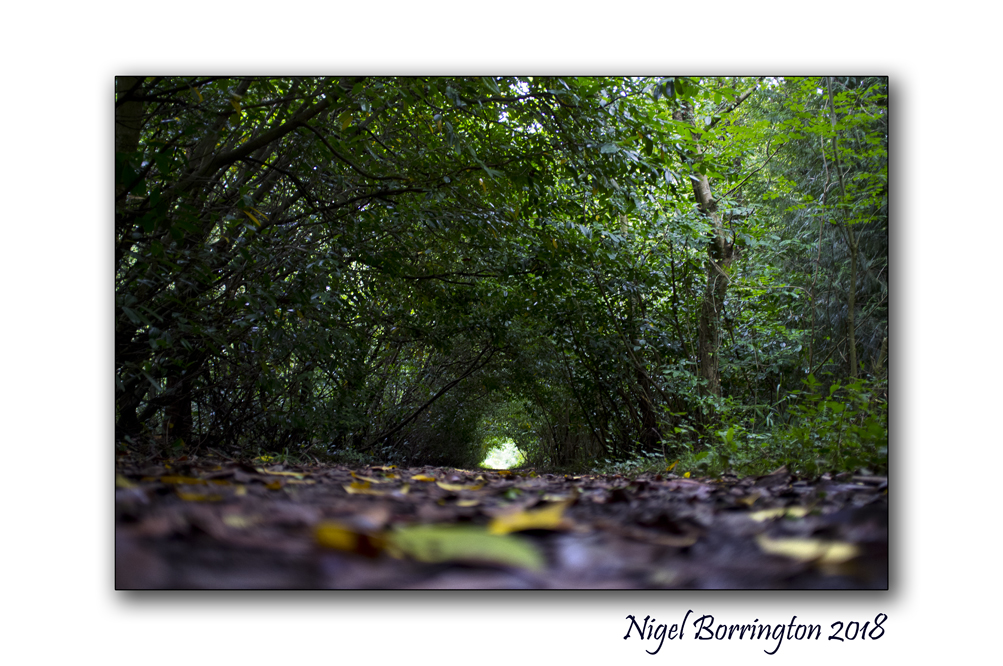
Mystery of a place, all that remains – Castlemorris house and Woodlands, County Kilkenny

All that Remains
Caastlemorris house and Woodlands
County Kilkenny
Ireland
Nigel Borrington

Frozen Mountain, Carrauntoohil, MacGillycuddy’s Reeks , County Kerry, Ireland

Frozen Mountain, Carrauntoohil, County Kerry
Ireland,
Nigel Borrington
Carrauntoohil (/ˌkærənˈtuːl/, Irish: Corrán Tuathail) is the highest peak on the island of Ireland. Located in County Kerry, it is 1,038 metres (3,406 feet) high and is the central peak of the Macgillycuddy’s Reeks range. The ridge northward leads to Ireland’s second-highest peak, Beenkeragh at 1,010 m (3,310 ft), while the ridge westward leads to the third-highest peak, Caher at 1,001 m (3,284 ft). Carrauntoohil overlooks three bowl-shaped valleys, each with its own lakes. To the east is Hag’s Glen or Coomcallee (Com Caillí, “hollow of the Cailleach”), to the west is Coomloughra (Com Luachra, “hollow of the rushes”) and to the south is Curragh More (Currach Mór, “great marsh”).

Carrauntoohil is classed as a Furth by the Scottish Mountaineering Club, i.e. a mountain greater than 3,000 ft (910 m) high that is outside (or furth of) Scotland, which is why it is sometimes referred to as one of the Irish Munros.
Land Divided Into Farms

Land Divided into farms
County Kerry
Ireland
Nigel Borrington
Land Divided Into Farms
The land it was divided, into farms for cattle and sheep,
Some land they grew the corn, for the workers to keep,
Some they had wheat to sell, was taken to the mill,
Their stone ground for bread, the baker’s shop and his van to fill.
Some land it stayed in woodland, itself to regenerate,
As old ones fall and lets in light, young saplings they do await,
A long cycle of new to old, from the old forestation to new
Fenced all round now, and preserved for this nation.
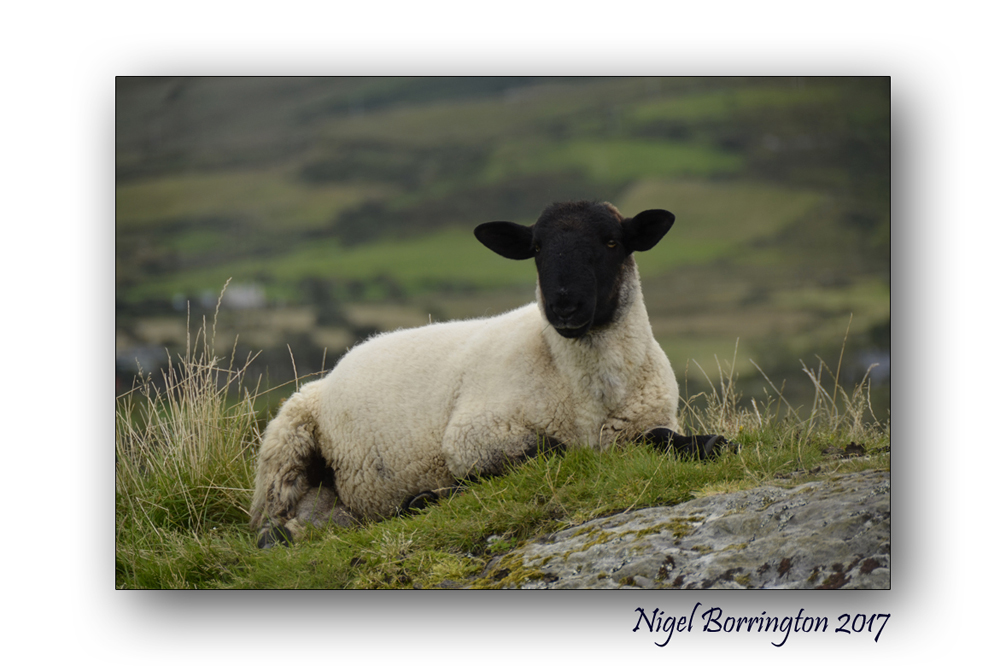
Images without words – The life of the County Cork Sheepdog.

The Sheepdog
County Cork
Ireland
Nigel Borrington


 Nigel Borrington
A February Morning at Derryvilla bog, Littleton, County Tipperary – Irish Landscape images.
Derryvilla lake
Littleton bogs
County Tipperary
Irish landscape Photography : Nigel Borrington
One of my favorite places to visit in county Tipperary is Littleton Bogs, near Thurles, the bogs here are harvested for the fuel they provide in the form of Peat. The entire area is effected by this process as you can see in the pictures below. It is however an amazing location to take photographs as even though it has been scared by the peat production, it has a true truly remote/wilderness feeling locations locally, when you walk through this landscape in the early morning the only sounds you can hear are the birds and the breeze in few trees that survive along the foot-paths.
Derryvilla lake is near Littleton (Irish: An Baile Dháith) county Tipperary. The village in County Tipperary is within the townlands of Ballybeg and Ballydavid, about 18 km (11 mi) northeast of Cashel and to the southeast of Thurles.
Gallery of Derryvilla bog and lake, Littleton, County Tipperary
Share this:
February 1, 2018 | Categories: Comment, Gallery, Irish Boglands, Irish Landscapes, Landscape, Travel Locations | Tags: county Tipperary, Derryvill bog, February, Ireland, Irish landscape photography, Littleton, Mornings, Nigel Borrington | Leave a comment