Seven day black and white photo challenge : Oh my Lord !!!!
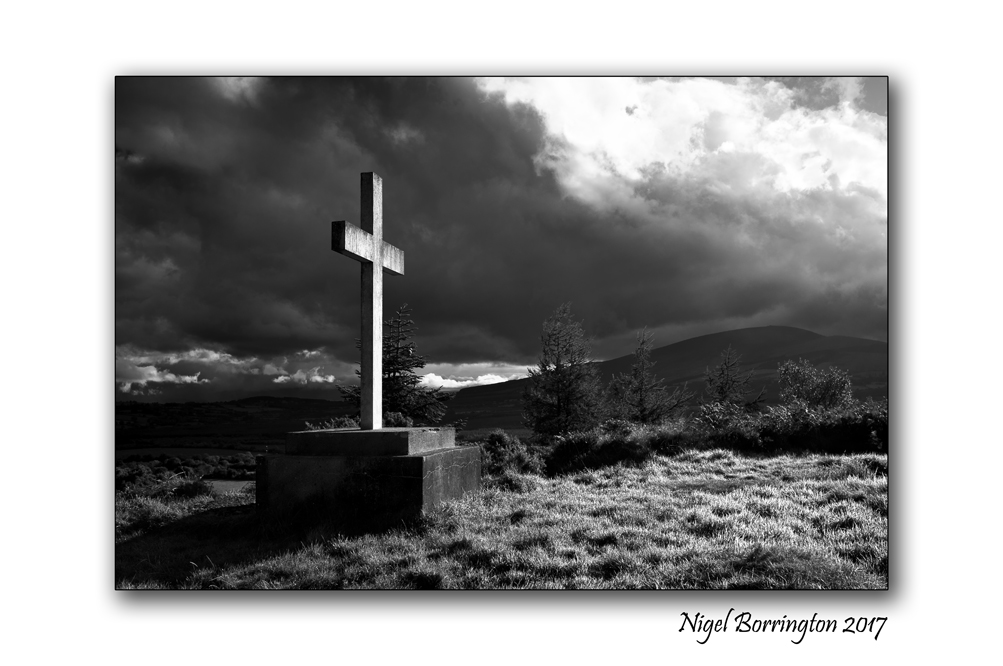
My Sweet Lord
Black and white Photo challenge Nigel Borrington
Day Six of the Black and white photo challenge and today , I went to the top of a local Hill, Carrigmaclea in county Tipperary. The light was amazing and perfect for black and white images. At the top of the hill as you can see there is a cross that was erected by people from a local church back in 1958 which was apparently a holly year.
“My Sweet Lord”
My sweet lord
Hm, my lord
Hm, my lord
I really want to see you
Really want to be with you
Really want to see you lord
But it takes so long, my lord
My sweet lord
Hm, my lord
Hm, my lord
George Harrison
Seven day Photo Challenge : Time in the rivers flow
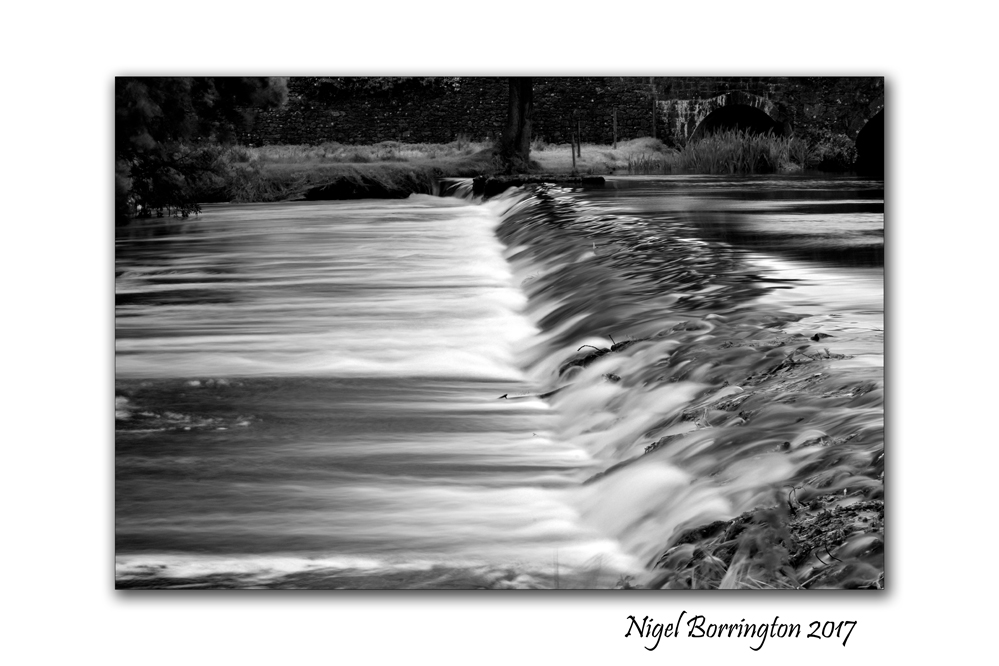
The flow of the river and time
Nigel Borrington
Black and white landscapes

Here I Am Still Breathing ! A Poem For The Brokenhearted by : Andrew Voigt

Top Withens
Also known as Top Withins is a ruined farmhouse near Haworth, West Yorkshire,
This farmhouse is associated with “Wuthering Heights”, the Earnshaw home in Emily Brontë’s novel
Nigel Borrington
I felt this poem by Andrew Voigt matched this great location on the yorkshire moors very well !
Here I Am Still Breathing
A Poem For The Brokenhearted
The night is dark and I’m alone
Searching for a place called home
Silence rings within my ears
Fear and pain flood my tears
Hope feels far, isolation nears
What if God isn’t really there?
Well, maybe I simply fail at dreams
A hollow chord with broken strings
Stars go black, night turns grey
Light is gone, far from day
Will the sun rise once again?
A distant dream, a long-lost friend?
Maybe I simply can’t understand
A single word of this master plan
It hurts like hell, my spirit screams
Life in the land of broken dreams
I sit back down to concentrate
Reminded of the things I hate
Depression, fear, regrets of time
Desiring just to press rewind
Yet, here I am still breathing
This heartbeat song unending
This life is still worth living
This life is still worth living
I pick myself up off the floor
Remnants of the mask I’ve worn
Face the mirror while it stares back
Accepting all the things I lack
Reflections often mirror shame
Yet, tonight they simply aren’t the same
Within the tears upon my face
A light reflects in a darkened space
Could it be the day awakes?
The winter gone, new hopes to chase?
Well, maybe I’m just seeing things
Like a blind man lost in the midnight sea
But what if hope still remains?
And what if love is not in vain?
Could there be a God of love?
Who walked this earth and gave his blood?
My head is spinning within these thoughts
Could God really care for souls so lost?
We turned our backs and swore His name
Yet, still He loves us in our shame
Yes, here I am still breathing
This heartbeat song unending
This life is still worth living
This life is still worth living
Andrew Voigt
Andrew Voigt is a writer and blogger discussing thoughts on God, dreams, and brokenness. He has served as a contributing writer for publications such as Patheos, Fathom Magazine, and Kingdom Spark. Andrew holds a B.S. in Communication Studies from Liberty University and lives in Charlotte, NC with his wife and orange cat named Pumpkin.
One hour sketch, views of Slievenamon county Tipperary

A view of Slievenamon
One hour sketch
Pencil and Ink on Paper
Nigel Borrington
Last week here the weather in Ireland took a wet and showery turn, its starting to feel very close to the Autumn now. As such it was a little harder to finish each of the outdoor sketches that I started, If I have to stop a drawing I intend to return to the same location the next time I have a chance. However the sketch above is one that I did manage to finish, even this one was interrupted for some 15mins while I put everything back into my waterproof pack and waited for the rain to stop.
The location of this sketch is on the hillside just south of Clonmel and the river Suir, with a great view of the woods and its trees, looking towards the mountain of Slievenamon above, about a 10 min walk from the car park.
In the last two weeks or so I have started adding in some graphics pens to my work, I am finding that using these pens helps me keep freely flowing and moving as I work, I will return to just pencils at some point but am really enjoying the look and feel of the lines that these pens are adding. With Pencil I feel I end up with more stopping and starting during working as I think about tone and depth. light and dark, while this is great just for the moment I want to think about form and shape alone.
I am happy with this finished drawing, looking at it I wonder if I have overworked it just a little but I think for the moment I am happy. These are sketches and not final works, I am very happy , more happy if something is to be found in them that I can learn from and progress with.
The Sound of the Sea By : Henry Wadsworth Longfellow
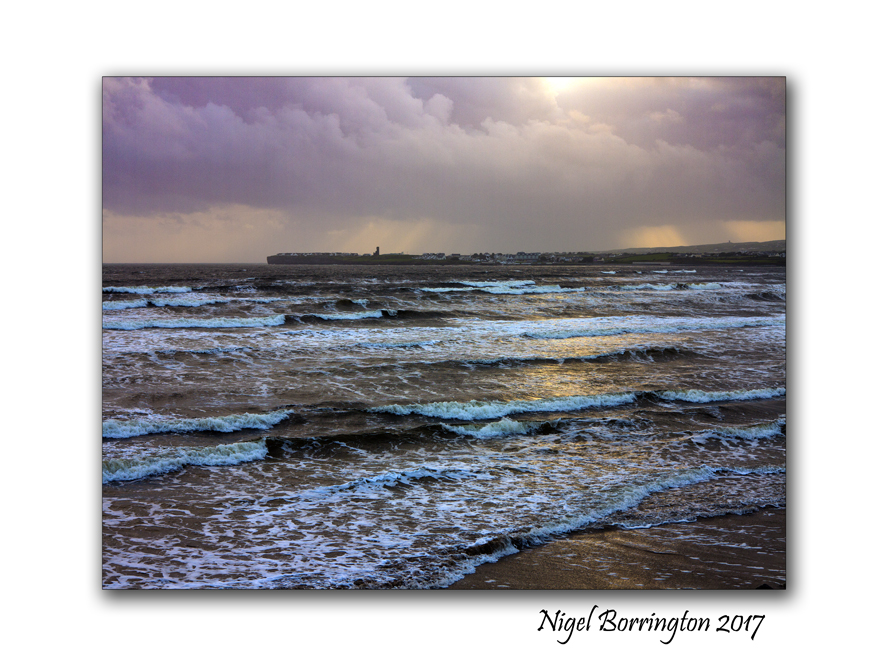
The Sound of the Sea
By : Henry Wadsworth Longfellow
The sea awoke at midnight from its sleep,
And round the pebbly beaches far and wide
I heard the first wave of the rising tide
Rush onward with uninterrupted sweep;
A voice out of the silence of the deep,
A sound mysteriously multiplied
As of a cataract from the mountain’s side,
Or roar of winds upon a wooded steep.
So comes to us at times, from the unknown
And inaccessible solitudes of being,
The rushing of the sea-tides of the soul;

And inspirations, that we deem our own,
Are some divine foreshadowing and foreseeing
Of things beyond our reason or control.
5 Images for the week, Thursday

Lock Melfort, after the rain.
Oban – Scotland
Scottish Landscapes
Nigel Borrington
Classic lens review : Tamron Adaptall-2 135mm f2.5

Tamron Adaptall-2 135mm F/2.5 Model 03B:
Lens Review, Nigel Borrington
Classic lens review : Tamron Adaptall-2 135mm f2.5

I have a few classic Nikon and Tamron lenses in my kit of photography equipment as I find that there is something truly enjoyable about using an older manual focus lens.
One of the lenses I love using the most is my Tamron Adaptall-2 135mm f2.5 lens, it dates from the late 1980’s through to the mid 1990’s, as it was in production during this period. On both an FX and DX camera this lens offers a great field of view in your images. It is also a very fast lens at f2.5 however as with many fast lenses when wind open they are not at their sharpest, yet by using a still very fast F2.8 this lens produces very acceptable images.
Sharpness
These images are an attempt to show the sharpness that can be obtained, these images are taken outside and handheld …..

F2.5 to F8

F2.5

F5.6
These images are just a very quick sample of this lens at different apertures, outside in the real world and without the use of a tripod. I feel that this is a very good way of showing just how usable this lens is in a real world environment and on a day to day basis.
Depth of field
One of the great features of a lens with this focus length (135mm) with a fast aperture is that you can isolate subjects that are at some distance from the camera, this is a powerful tool when used in your images and can help to create some interesting effects.
Here I post some very basic examples of using a different depth of field for the same subject.

F2.5

F8

F2.5

F5.6

F8

F2.5
Build Quality and Verdict
I feel that another great feature of this lens is its build quality, the copy I have is many years old yet still feels like new, its a great lens to use and a pleasure to work with. The focus and aperture rings are both wonderful to operate. Manual focus lenses from this era are built to last, constructed using all metal and built to operate with precision and smoothness. The colour and contrast produced are also among the best I have seen, even when put against my modern Nikon lenses.
All in all this is a lovely lens to use. Its very important to me that I like the equipment I use and this great little lens is right up there with my most loved in this respect.
If you can find one I would highly recommend this lens to anyone!, however as for my copy its not for sale! as I look forward to using it for many more years to come 🙂
Lens Gallery
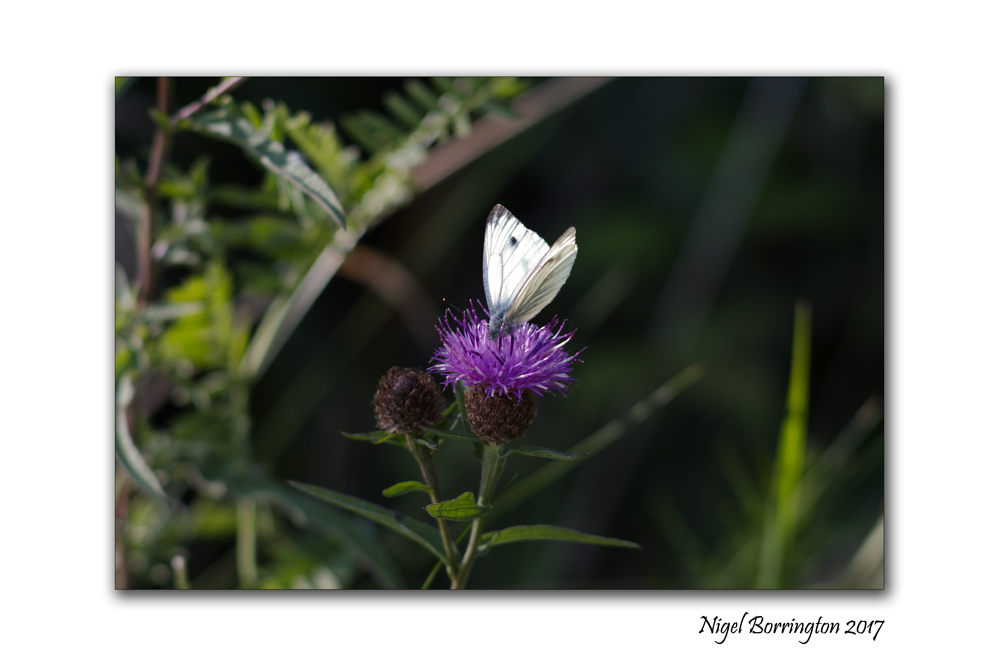


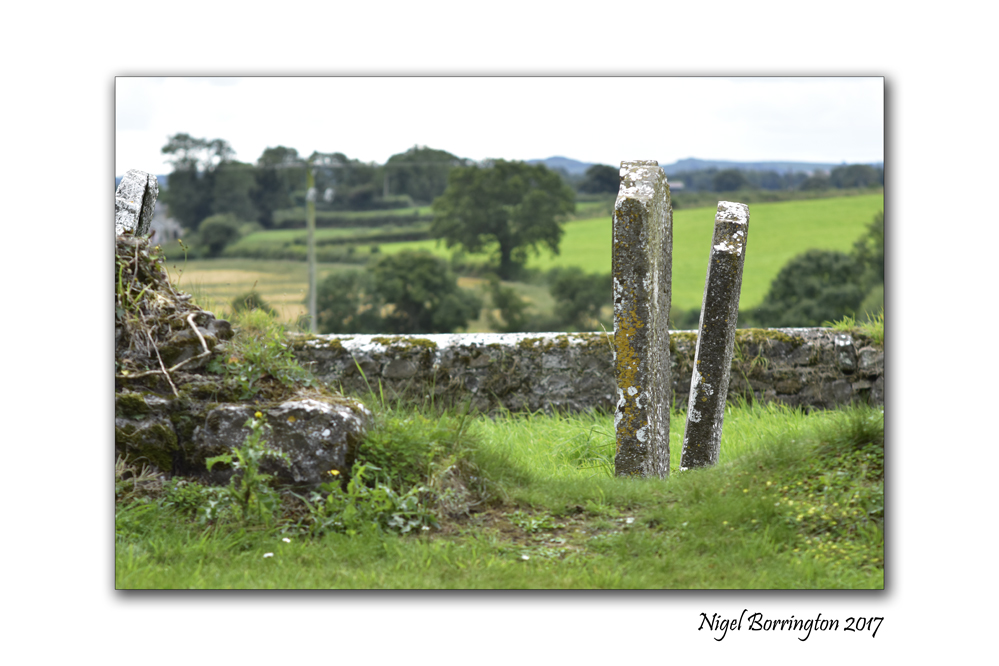

Friday Poetry : The fisherman and his boat, Raghu Menon
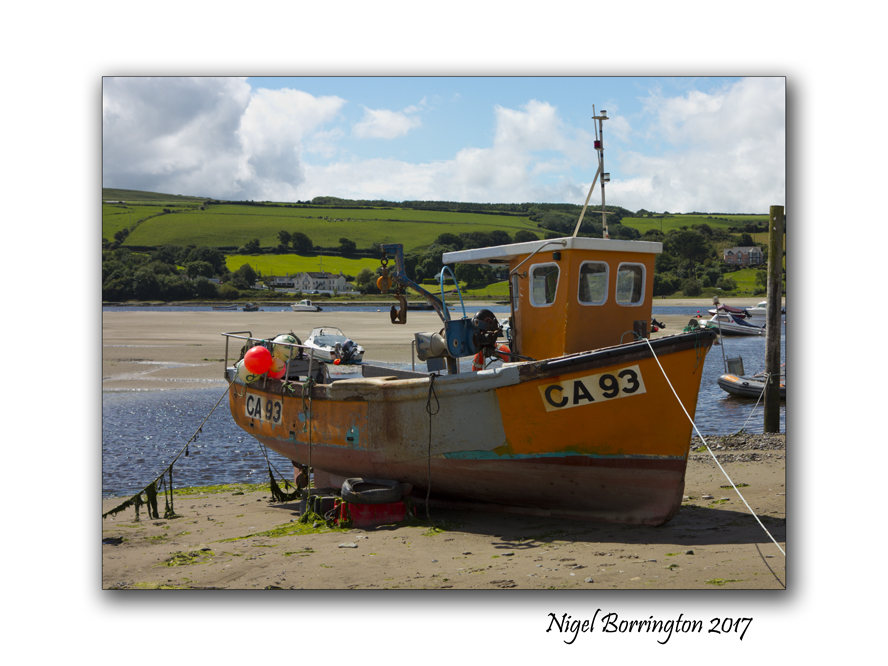
The fisherman and his boat
Patiently he untangles the net
Standing calmly
Brazing the breeze
On the dancing boat
With an oar on its side
Which is cooled by the
Waters of the river..

The sun will set in an hour or so
And he has to finish his catch
Before the dusk
And back to his hut
Where his wife will
Waiting eagerly
To make the dinner
With the fresh catch
Another day
Another catch
The river but
Remains the same
Greeting the fishermen
Who roam the river
With their boats
Raghu Menon

Sunset over Cardigan bay
Wales
August 2017 Nigel Borrington
New site header August 2017, Landscape view from County Kilkenny towards Slievenamon mountain, county Tipperary
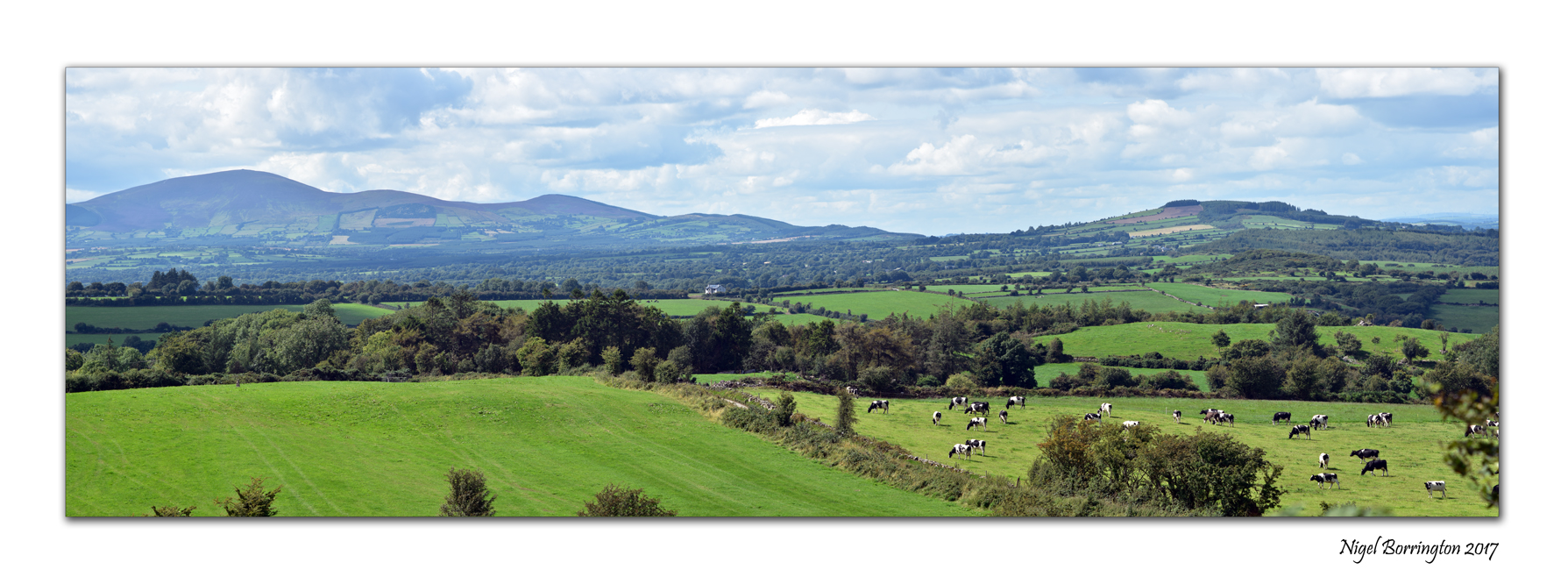
A View of Slievenamon mountain from county Kilkenny
August 2017
Nigel Borrington
This view of the county Kilkenny and Tipperary boarder lands is one of my most loved locations in county Kilkenny, it offers some great walks and places to take in the wonderful view towards the mountain of Slievenamon, Tipperary, as you can see from this image. I was very pleased to with this image as I felt that it captured the local country-side at its best in the month of August …..

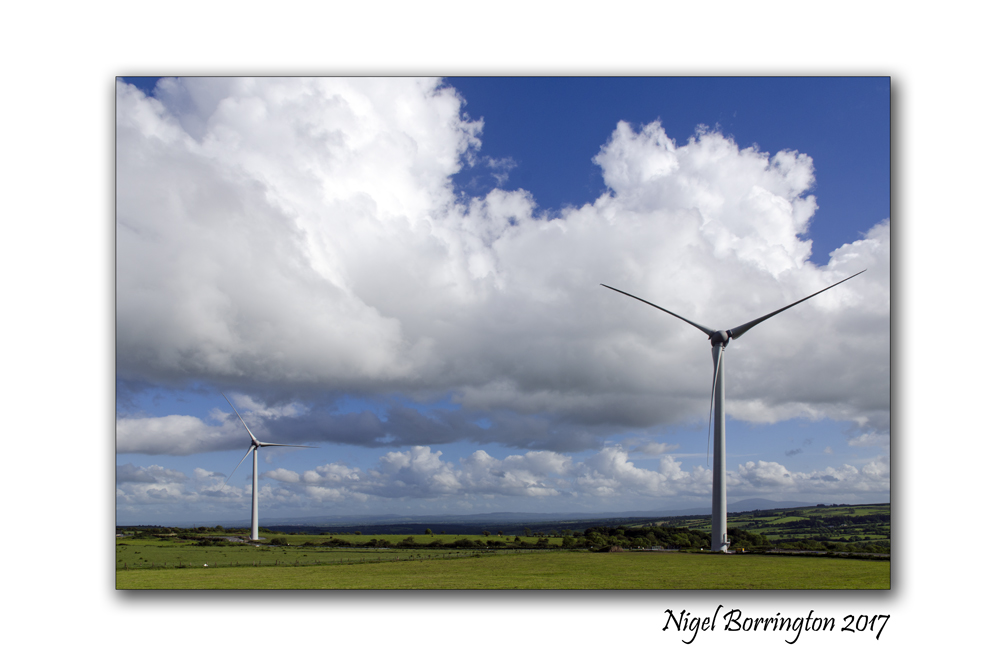
Landscape Videos : Ballybay Wind Farm, Tullaroan, County Kilkenny (Video inside this post!)

Ballybay Wind Farm, Tullaroan, County Kilkenny
Nigel Borrington
Ballybay Wind Farm, Tullaroan, County Kilkenny, is home to a new wind farm owned by Renewable energy company Gaelectric.
The Location is one of the most beautiful that county Kilkenny has to offer, hidden in the hills near GrangeGrag and the Tipperary Boarder, it offers views of the lower lands towards kilkenny city and the mountain of Slievenamon, county Tipperary.
I am never sure about the impact that wind farms have on our Landscape, being a photographer and in love with my local landscapes some would assume that people like myself would be set against them. However now that this new wind farm is almost complete and having visited a few time, I find a kind of beauty and fascination with it.
The day I filmed this video the weather offered some great light, the fast moving clouds changed the areas of sun light and shade very quickly and I loved the cows grazing in the field below the wind turbines.
With this video I just wanted to share the visual effects it is having and If anyone wants, I would love to get some opinions as to what others feel ?
Ten days holiday in Cardigan bay, Ceredigion, Wales, Images of the River Teifi estuary

Sailing home
Cardigan bay, Ceredigion, Wales, Images of the River Teifi estuary
Nigel Borrington
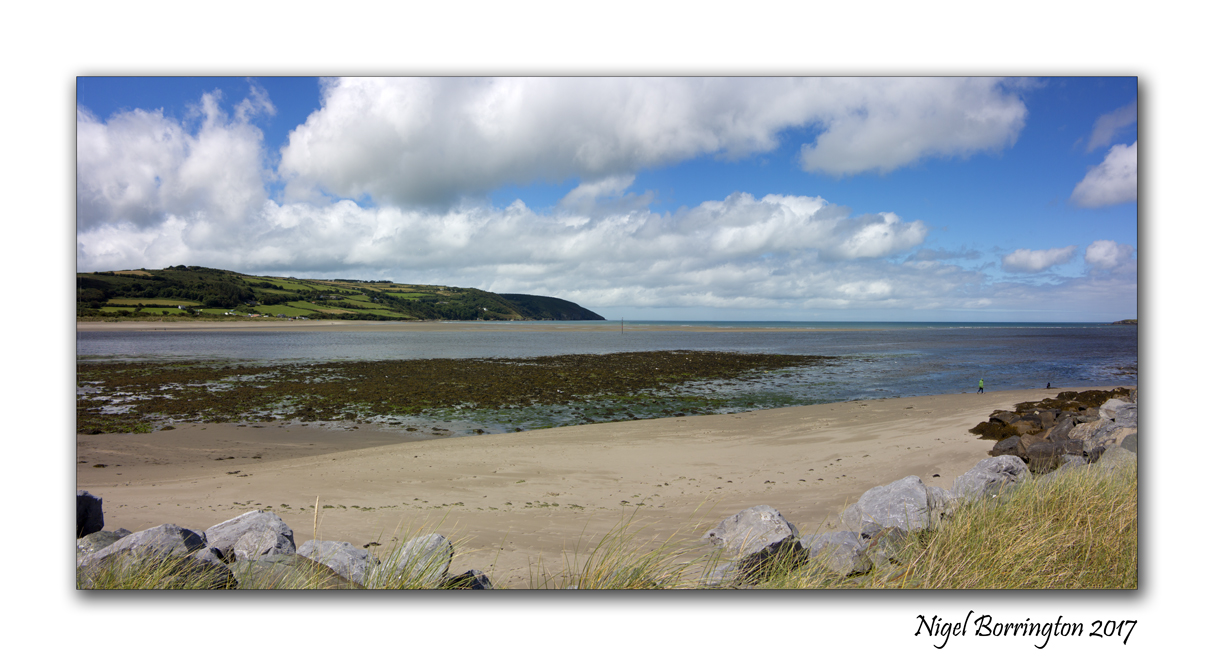
Today is our first full day back in County Kilkenny, Ireland, having just spent ten days staying with a close friend in Cardigan Wales, here are just a few of the images taken during the time spend in this wonderful part of the British isles…..


Tamron SP 500mm f8 Reflex lens, a review of Mirror lenses

Tarmon SP 500mm F8 Mirror Lens, Real world review
When you make a start in the world of Photography, Sooner or later you will want to own a dedicated Long Telephoto lens. These lenses offer the ability to get some great images in the world of (Landscape, Wildlife, Portrait and Sports) Photography.
Fixed focus (None Zoom) Telephoto lenses come in many focus lengths, but the most usable are 200mm to 600mm, depending on how much magnification of distant subjects and objects you need. The cost of these lenses my surprise many starting photography and to be honest even many long term photographers, they can start in price range from around €800 and end up way into the many €1000’s.

There is however an alternative option with this type of lens, this being to look at what are called Reflex or Mirror Lenses. These kind of lenses replace some of the glass elements within their construction with two Mirrors both used to fold the light entering the front glass element in much the same way as a reflex telescope does.
i.e. NASA uses this method in the Hubble space telescope that has produced some amazing ground braking images of the cosmos.
Third party and OEM Camera manufactures started making these lenses in the 1970’s and continued through to the 1990’s, today mostly only third party lenses are available. The quality of these Early OEM/Third party – mirror lenses was very high, even second hand some of these lenses can set you back some €300 to €800 on ebay, even today in 2017.
Nikkor Reflex Lenses at 500mm, 1000mm and 2000mm
I purchased a Reflex lens made by Tamron (500mm SP F8) way back in 1988 and in this post I just wanted to share my thoughts on some of its upsides and some of its downsides.
To be honest, I have not used this lens very much, for two main reasons.
Firstly : at 500mm and with an lens aperture of F8 it needs to be Tripod or at the very least mono pod mounted in order to create very sharp images. This maybe a little unfair as this is true for most long lenses but Nikon VR lenses are so good at helping go handheld!
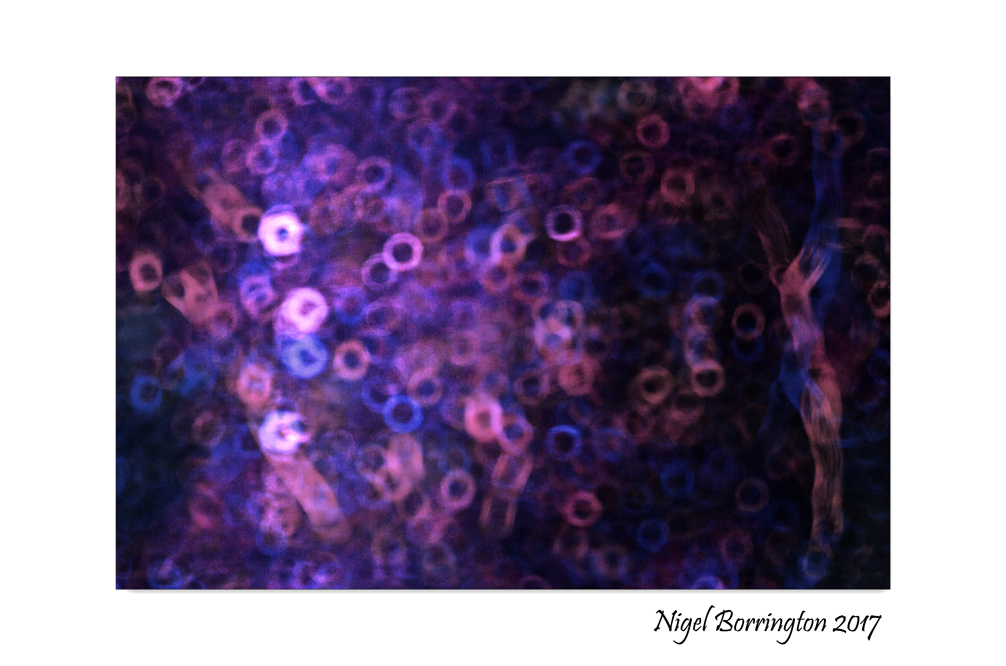
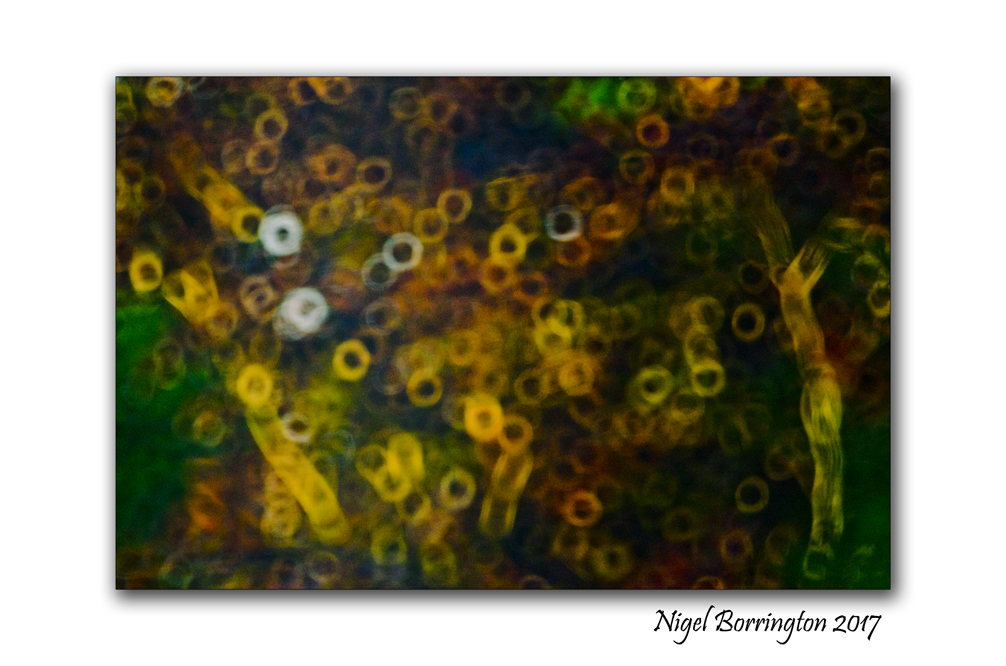
Secondly : these lenses have one very different down side to that of refactor (Glass only) lenses, they produce a doughnut ring effect on bright out of focus objects or even just areas in the image that have a bright, lighting than the darker areas around them. I have included some examples at the bottom of the posts images below.
With the first point above, today in 2017 with the high ISO abilities of SLR cameras such as the Nikon D7200 and D750, this issue has been made redundant to a great extent! When this Tamron lens was produced, 35mm film could only produce clean images at a rating of no more than ISO 400.
Today the Nikon D7200 can work very well between ISO 3200 and 6400 with very little help from good noise cleaning software in post processing, this up-rates the usable shutter speeds for hand held work for even a lens of 500mm at f8, letting you work handheld more than ever before !
Remembering that even on a DX sensor slr, you need for some 750mm (X 1.5 DX factor!) to keep a shutter speed of 1/800th to 1/1000th to create fully stable images, If you have a steady hand. Even on a cloudy day ISO 1600 gives a shutter speed of around 1/1600th and ISO 1600 on a D7200 is little to worry about! noise wise. It is for this reason that I am starting thinking of trying using this lens again.
For the rest of this post and review of the lens, I will let the following images do the talking, with a small amount of comments made in each of the related image types.
Tarmon SP 500mm F8 Mirror Lens – sharpness and quality
To test for the image sharpness and quality I placed the camera on a tripod, I don’t use a remote release, so there could be some small effects but all in all these are sharp images.
You can see from the below image that this lens can produce some very sharp images under the correct conditions, its just as good as some much more expensive glass only lenses from Nikon.
I have no worries here and would be very happy in trusting this lens to produce sharp images from corner to corner of the frame.

Above : Nikon D7200 with Tamron SP 500mm Mirror lens, Tripod Mounted
As image sharpness has been tested above, what about color fringing and other detects, color fringing is visible in an image at bright edges in the frame, so I used the wires and other equipment on the telegraph post in this image, I see no fringing Green, blue or otherwise in this image.
So again I would trust this lens to produce sharp and clean images that need little or no post processing to clean them up later.

Using the lens – in the Landscape
The following images speak for themselves, just general landscapes and animal images from medium focus distance subject to long distance landscapes, the town and wind farm in the last landscape is some 8km away from the location of taking the image, crazy!. Again its sharp enough taking into account the haze of the atmosphere, no color fringing problems in the wind turbines.
With the main set of images here, I am less happy with the out of focus effects as the bokeh of this lens is not great!, anything bright and a little out of focus (i.e. The grass!) takes on a distracted look, feeling tangled and distracting with the image smoothness, Most noticeable in the two images of the sheep sitting down.


Those Doughnuts !! OMG!
As you can see from the photo of this lens sitting in my camera bag at the top of the post, a mirror lens is constructed very much like a reflecting telescope, like this diagram :

Mirror lens
Physical construction
You can see that the center of the front glass element is used to hold the housing for the smaller secondary mirror in the construction, that folds the image light back down the lens and into the camera.
This system works amazingly well but for one problem!
For in-focus areas of an image the central lens obstruction is never visible, however for brighter areas of an image that are out of focus this central obstruction created by the secondary mirror housing, created a bright doughnut effect.
In the below images this is very clear!
The light gaps in the trees below turn into bright cycles, the rain on the table in the background focus also does the same.
In some images you can work around this effect and even use it as an interesting advantage?, you just have to get to know when this kind of lens is and is not usable !!!
For the most when you have a subject that has the potential to create this circle effect ! it just distracting and not likeable. This is the point at which the little price you paid to get a budget Telephoto lens €300 not €2000 starts to gets you back !!!


Getting Arty , MayBe?
Like any camera lens, Mirror lenses have their down sides (Slow, bright Cirles, Manual focus, etc …), you just have to get to know these features and ether use them to your advantage or don’t !!!
Some people love the bright rings and make good use of them 🙂 , one use could be nighttime street photography ?
So then ?
So if your looking for a cheep way to get a telephoto lens into your camera bag, a Mirror lens is well worth looking at in my own opinion. Don’t expect to work quickly with them or be lazy in your approach, however – but then most telephoto lenses need hard work to get good images, with a mirror lens you just have to add a little on top!
In the end, just like with all of your image making, you get out what you put in !!!!
Will I take this lens out more than I have? Maybe ! most likely not !! Watch this space ?
If I was starting again with few lenses and wanted a low budget long lens, would I get a Mirror lens , Hell YES !!! , With Great high ISO SLR’s even more so !!!
Sometimes the harder you have to work to get good images , the more you learn !!!!
Also see : Mirror Lenses – how good? Tamron 500/8 SP vs Canon 500/4.5L, a older review, ISO has moved a long way since this article but its a great comparison test (€300 Tamron v €2000+ Canon).
Monday Poetry : These Farmers; These Fields, By: Don Bouchard Jul 2015
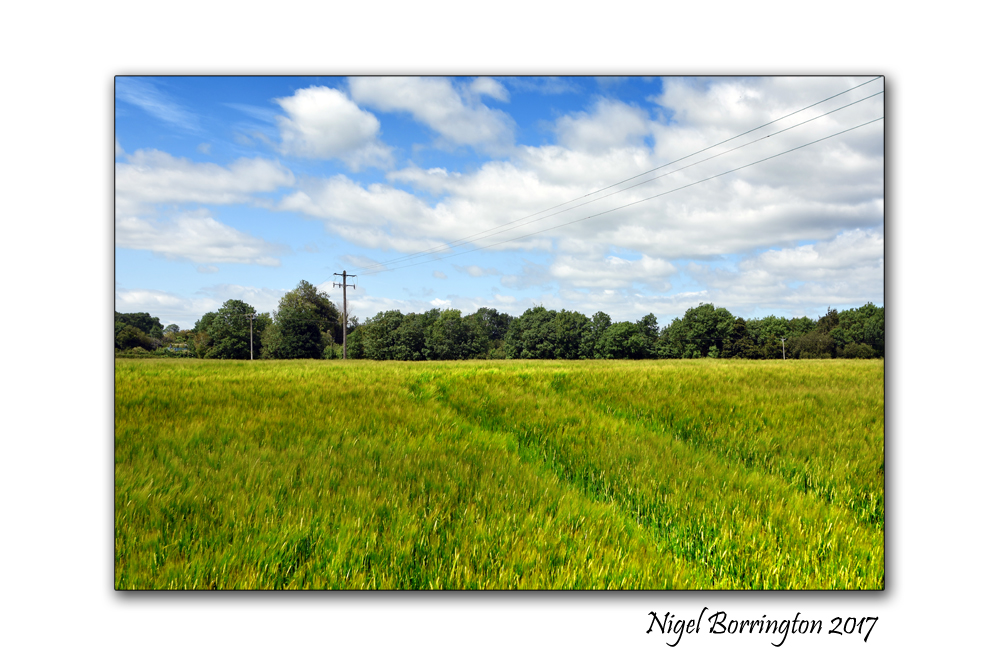
Monday Poetry : These Farmers; These Fields, By: Don Bouchard Jul 2015
Don Bouchard Jul 2015
These Farmers; These Fields
Who are these farmers,
And who, these fertile fields,
Verdant under native grass,
That stand un-plowed,
That shake beneath the plow,
That lie now fallow,
That bear the planted seed,
That wear the heavy grain,
That await the Harvest pain?
And who, these Harvesters,
And who, these close-shorn fields,
Desolate in short-cut stubble,
That stand, stiff in silence,
That wear the heavy tracks,
That have endured the harvest,
That yielded up their dead,
That bristle through the falling snow,
That whistle wind-song low?

And who, these merry Farmers,
And who these stubbled fields,
Glistening beneath the melting snow,
That warm beneath the glowing sun,
That host the migrants of the sky,
That tremble the biting plow,
That accept the falling seed,
That wait beneath the welcome rains,
That cycle through the seasons once again?

Kilkenny landscape photography : Ballybay Wind farm, county Kilkenny

Ballybay Wind Farm, near Tullaroan
Renewable energy company Gaelectric has completed a €38 million financing agreement with AIB for the construction of two wind farms in Co Kilkenny.
Ballybay Wind Farm, near Tullaroan, will feature six Enercon turbines generating 13.8MW of electricity, which will meet the demand of about 9,300 homes.
Foyle Wind Farm will have four Enercon turbines generating 9.6MW, Gaelectric said, and will meet the demand of about 6,500 homes.
Operational in 2017
Both wind farms are expected to become operational during the second quarter of 2017.




Christ of Saint John of the Cross, by Salvador Dalí 1951, Kelvingrove Art Gallery and Museum, Glasgow

Christ of Saint John of the Cross
Salvador Dalí made in 1951
Kelvingrove Art Gallery and Museum, Glasgow
At the start of May this year (2017) I visited the Kelvingrove Art Gallery and Museum in Glasgowm, there are many great works of art there, including a full collection of works by the Glasgow boys group of artists, I will share some of their paintings very soon.

One of the most famous works of art in the Gallery is “Christ of Saint John of the Cross, by Salvador Dalí painted in 1951”, the painting has its own viewing room with subdued lighting and a set of seats, so you can spend sometime viewing this amazing work of art by Dali. It was while in this room that I captured the above image of the painting.
There is something deep and spiritually moving about this painting even if your not a believer in its subject matter.
Here are some details :
Christ of Saint John of the Cross is a painting by Salvador Dalí made in 1951. It depicts Jesus Christ on the cross in a darkened sky floating over a body of water complete with a boat and fishermen. Although it is a depiction of the crucifixion, it is devoid of nails, blood, and a crown of thorns, because, according to Dalí, he was convinced by a dream that these features would mar his depiction of Christ. Also in a dream, the importance of depicting Christ in the extreme angle evident in the painting was revealed to him.
The painting is known as the Christ of Saint John of the Cross, because its design is based on a drawing by the 16th-century Spanish friar John of the Cross. The composition of Christ is also based on a triangle and circle (the triangle is formed by Christ’s arms; the circle is formed by Christ’s head). The triangle, since it has three sides, can be seen as a reference to the Trinity, and the circle may be an allusion to Platonic thought. The circle represents Unity: all things do exist in the “three” but in the four, merry they be.
Inspiration
On the bottom of his studies for the painting, Dalí explained its inspiration: “In the first place, in 1950, I had a ‘cosmic dream’ in which I saw this image in colour and which in my dream represented the ‘nucleus of the atom.’ This nucleus later took on a metaphysical sense; I considered it ‘the very unity of the universe,’ the Christ!”
In order to create the figure of Christ, Dalí had Hollywood stuntman Russell Saunders suspended from an overhead gantry, so he could see how the body would appear from the desired angle [3] and also envisage the pull of gravity on the human body. The depicted body of water is the bay of Port Lligat, Dalí’s residence at the time of the painting.
History
The painting and intellectual property rights were acquired for Glasgow Corporation in the early 1950s by Tom Honeyman, then the Director of Glasgow Museums. Honeyman bought the painting for £8,200, a price considered high at the time although it was less than the £12,000 catalogue price, and included the copyright, which has earned Glasgow Museums back the original cost many times over.
The purchase was controversial and a petition against it, arguing that the money should be spent on exhibition space for local artists, was presented to the City Council by students at Glasgow School of Art.[6] The controversy caused Honeyman and Dalí to become friends, corresponding with each other for many years after the original acquisition.
The painting first went on display at the city’s Kelvingrove Art Gallery and Museum on 23 June 1952. In 1961 a visitor attacked the painting with a stone and tore the canvas with his hands. It was successfully restored over several months by conservators at Kelvingrove and returned to public display. In 1993, the painting was moved to the city’s St Mungo Museum of Religious Life and Art, but returned to Kelvingrove for its reopening in July 2006. It won a poll to decide Scotland’s favourite painting in 2006, with 29% of the vote.
It is said that the Spanish government offered £80 million ($127 million USD) for the painting.
Critical reception
This painting has continued to generate controversy. At the time of its purchase by Honeyman, the verdict by Modern Art critics was that producing such a traditional painting was a stunt by an artist already famous for his surrealist art. In 2009 The Guardian art critic, Jonathan Jones, described it as “kitsch and lurid,” but noted that the painting was “for better or worse, probably the most enduring vision of the crucifixion painted in the 20th century.”
In May 2013, in BBC Radio 4’s Great Lives, British poet John Cooper Clarke described this image as being utterly different from any other image of the crucifixion, as the angle of view conveys the hanging pain of this method of execution, whilst hiding the ordinarily clichéd facial expressions normally seen in such depictions.
Native Irish Wild flowers, Early Marsh Orchid , Ballykeefe, county Kilkenny
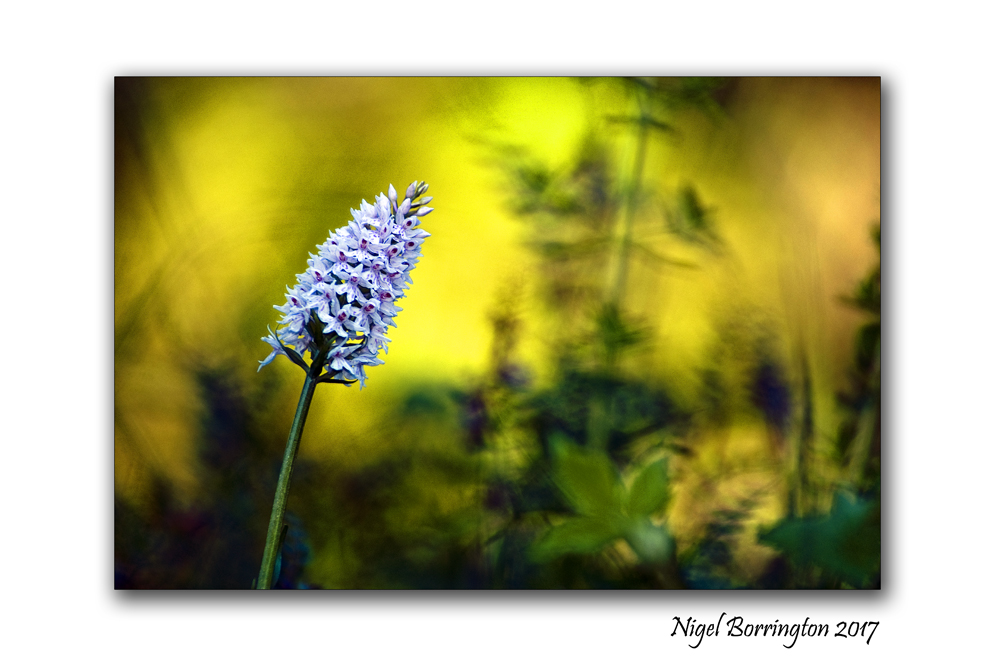
Early Marsh Orchid
Dactylorhiza incarnata
Magairlín mór
Family: Orchidaceae
Ballykeeffe, Kilkenny
Nigel Borrington
Flowering May-July. Tuberous perennial. Native.
Flowers usually white, pink or purple. (Ssp. coccinea has reddish flowers.)
Narrow, cylindrical flower-spike, lower bracts longer than flowers. Sides of lip strongly reflexed, weakly 3-lobed, 2 U-shaped loops enclosing dotted patches. Leaves erect, keeled, usually unspotted. (Ssp. cruenta, leaves spotted both sides) Hollow stem. Very variable, links to subspecies below. Identifications by Ian Denholm
Damp calcareous soils, meadows, fens, marshes, dune-slacks. Also slightly acidic bogs, damp heaths. Declining due to habitat loss.
Monday Poetry : The Harbour, by: Winifred Mary Letts

The Harbour, Poem By Winifred Mary Letts Nigel Borrington
The Harbour, Poem
By : Winifred Mary Letts
I think if I lay dying in some land
Where Ireland is no more than just a name,
My soul would travel back to find that strand
From whence it came.
I’d see the harbour in the evening light,
The old men staring at some distant ship,
The fishing boats they fasten left and right
Beside the slip.

The fishing boat rests along the shore,
The grey thorn bushes growing in the sand,
Our Wexford coast from Arklow to Cahore –
My native land.
The little houses climbing up the hill
Sea daises growing in the sandy grass,
The tethered goats that wait large -eyed and still
To watch you pass.
The women at the well with dripping pails,
Their men colloguing by the harbour wall,
The coils of rope, the nets, the old brown sails,
I’d know them all.
And then the sun- I’d surely see
The disk against a golden sky.
Would let me be at my rest.


This is Manchester !!!
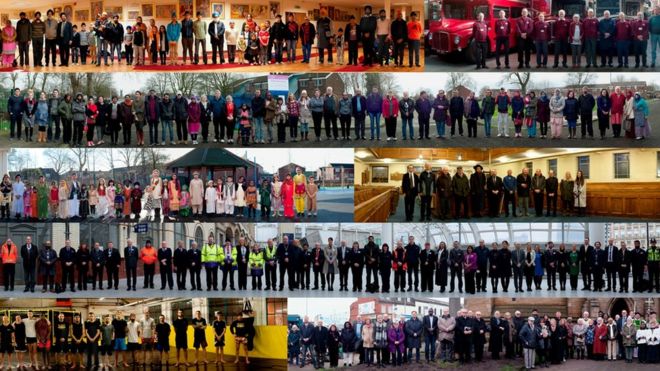
People living and working on one of the most culturally diverse streets in Britain are being celebrated in a new photographic exhibition.
Panoramic snapshots of life in Manchester’s multicultural Cheetham Hill Road
On this blog I do my best to keep away from political events and areas of life that can only affect people in a negative way !!!
However flowing last nights terrorist attack in my home town of Manchester I just wanted to make a quick comment and to share what I feel is such a great city, its people and its very heart !!!
This is Manchester, the Manchester I love and grew-up in !!!!
MULTICULTURAL !!!
LOVING!
CARING!!!
SOFT SHARING PEOPLE!!!
My Heart is Broken!! For the people who have lost loved ones last night and for anyone affected in anyway !!!!
Please go and read this article, it reflects upon the best aspects of life in the city I love the most !!! MANCHESTER , UK …..
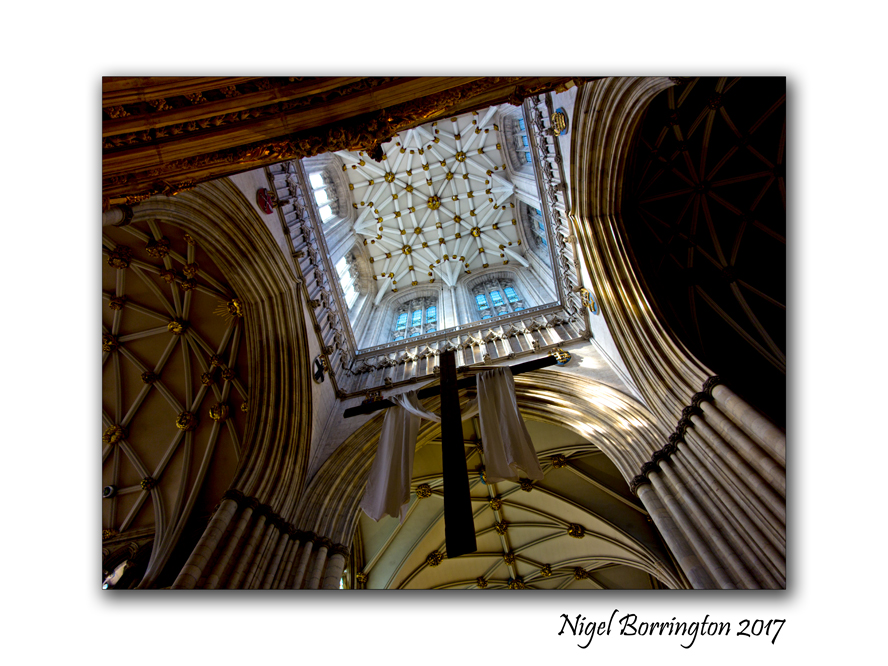
York Minster , Inside out …..
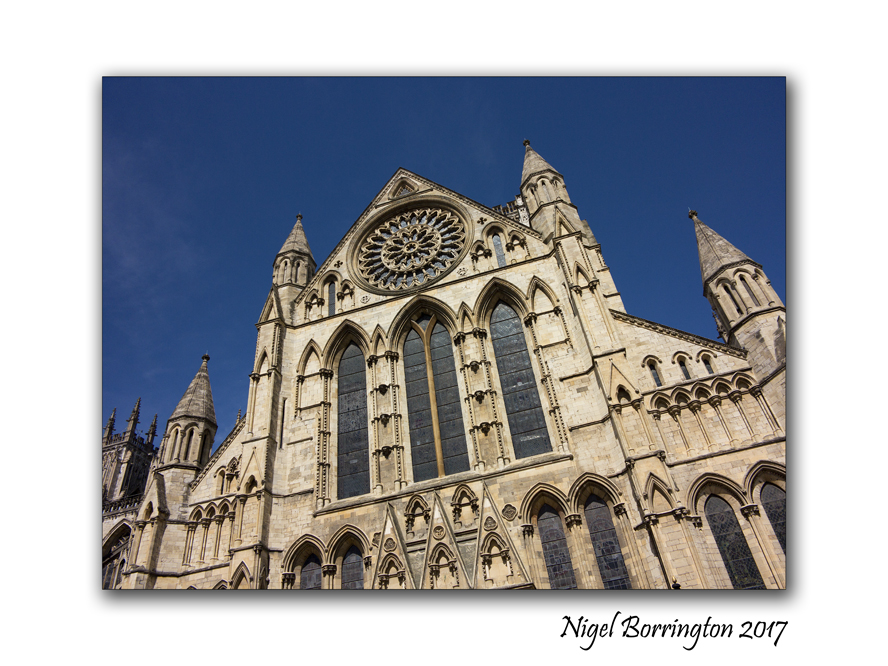
Cathedral and Metropolitical
Church of St Peter
Nigel Borrington
The Cathedral and Metropolitical Church of Saint Peter in York, commonly known as York Minster, is the cathedral of York, England, and is one of the largest of its kind in Northern Europe. The minster is the seat of the Archbishop of York, the second-highest office of the Church of England, and is the mother church for the Diocese of York and the Province of York. It is run by a dean and chapter, under the Dean of York. The title “minster” is attributed to churches established in the Anglo-Saxon period as missionary teaching churches, and serves now as an honorific title. Services in the minster are sometimes regarded as on the High Church or Anglo-Catholic end of the Anglican continuum.
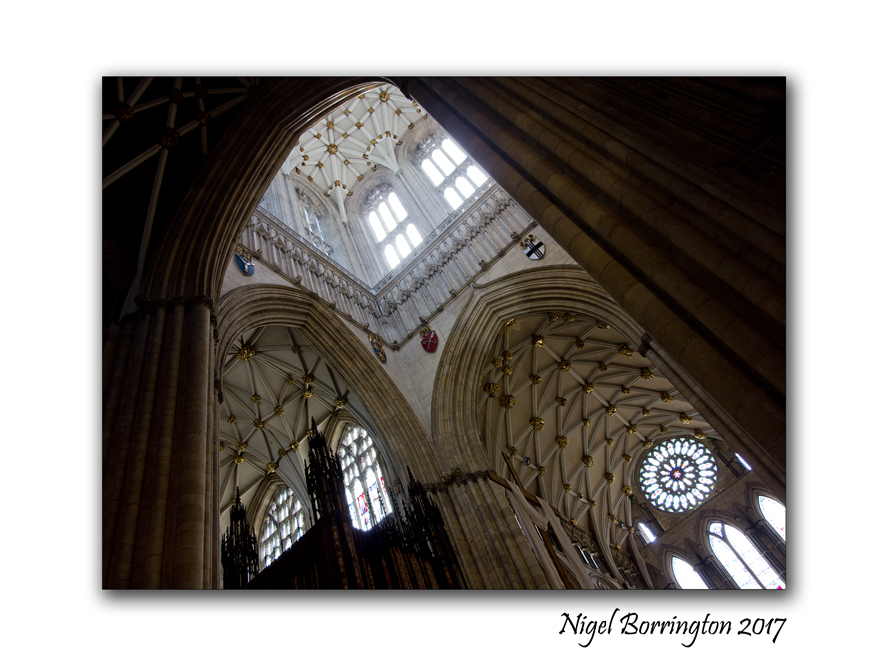
The minster has a very wide Decorated Gothic nave and chapter house, a Perpendicular Gothic Quire and east end and Early English North and South transepts. The nave contains the West Window, constructed in 1338, and over the Lady Chapel in the east end is the Great East Window (finished in 1408), the largest expanse of medieval stained glass in the world. In the north transept is the Five Sisters Window, each lancet being over 52 feet (16 m) high. The south transept contains a rose window, while the West Window contains a heart-shaped design colloquially known as ‘The Heart of Yorkshire’.
York Minster , Inside out …..

Ancient European beliefs, The powers of the Hand of Glory

The Hand of Glory,
Whitby Museum
Pannet Park, Whitby,
Yorkshire,
England
Today’s post is about as far away from wild Landscapes and attractive views as you could wish for 🙂 , I can fully understand if this post is not for everyone but I hope at least you find it an interesting reflection of social beliefs and traditions from our some what dark European past ….

Abbey Steps
Whitby
Yorkshire
Earlier this month (May 2017) while visiting the great English seaside town of Whitby, with it great Museum, I came across an item that I had never heard of or seen before. Sitting in a glass cabinet in the beliefs and local traditions area was the very old and grey hand, from a long dead man, a man who would have lived locally in the town but at some point in his life come across the misfortune of being found guilty of a crime for which he would have been hanged.
The hand was described as “The hand of Glory” and in the early 19th century it would have been very much a price possession as it was believed that it offered great power, when using it according to old European beliefs along with a candle made of the fat from a malefactor who died on the gallows, lighted, and placed (as if in a candlestick) in the Hand of Glory, which comes from the same man as the fat in the candle, it then would render motionless all persons to whom it was presented.
The second of the Ingoldsby Legends (a collection of myths, legends, ghost stories and poetry written supposedly by Thomas Ingoldsby of Tappington Manor), “The Hand of Glory, or, The Nurse’s Story”, describes the making and use of a Hand of Glory. The first lines are:
Now open, lock!
To the Dead Man’s knock!
Fly, bolt, and bar, and band!
Nor move, nor swerve,
Joint, muscle, or nerve,
At the spell of the Dead Man’s hand!
Sleep, all who sleep! — Wake, all who wake!
But be as the dead for the Dead Man’s sake!

Like many people, I fine absolutely fascinating these old and somewhat dark traditions, here is a full description of this ones history and its reported uses ….
The Hand of Glory – History of the term
Etymologist Walter Skeat reports that, while folklore has long attributed mystical powers to a dead man’s hand, the specific phrase “Hand of Glory” is in fact a folk etymology: it derives from the French main de gloire, a corruption of mandragore, which is to say mandrake.Skeat writes, “The identification of the hand of glory with the mandrake is clinched by the statement in Cockayne’s Leechdoms, i. 245, that the mandrake “shineth by night altogether like a lamp”. Cockayne in turn is quoting Pseudo-Apuleius, in a translation of a Saxon manuscript of his Herbarium.
Powers attributed
According to old European beliefs, a candle made of the fat from a malefactor who died on the gallows, lighted, and placed (as if in a candlestick) in the Hand of Glory, which comes from the same man as the fat in the candle, this would render motionless all persons to whom it was presented. The method for holding the candle is sketched in Petit Albert. The candle could be put out only with milk. In another version, the hair of the dead man is used as a wick, and the candle would give light only to the holder. The Hand of Glory also purportedly had the power to unlock any door it came across. The method of making a Hand of Glory is described in Petit Albert, and in the Compendium Maleficarum.
Process
The 1722 Petit Albert describes in detail how to make a Hand of Glory, as cited from him by Grillot De Givry:
Take the right or left hand of a felon who is hanging from a gibbet beside a highway; wrap it in part of a funeral pall and so wrapped squeeze it well. Then put it into an earthenware vessel with zimat, nitre, salt and long peppers, the whole well powdered. Leave it in this vessel for a fortnight, then take it out and expose it to full sunlight during the dog-days until it becomes quite dry. If the sun is not strong enough put it in an oven with fern and vervain. Next make a kind of candle from the fat of a gibbeted felon, virgin wax, sesame, and ponie, and use the Hand of Glory as a candlestick to hold this candle when lighted, and then those in every place into which you go with this baneful instrument shall remain motionless
De Givry points out the difficulties with the meaning of the words zimat and ponie, saying it is likely “ponie” means horse-dung. De Givry is expressly using the 1722 edition, where the phrase is, according to John Livingston Lowes “du Sisame et de la Ponie” and de Givry notes that the meaning of “ponie” as “horse dung” is entirely unknown “to us”, but that in local Lower Normandy dialect, it has that meaning. His reason for regarding this interpretation as “more than probable” is that horse-dung is “very combustible, when dry”.
In the French 1752 edition (called Nouvelle Édition, corrigée & augmentée., i.e., “New Edition, corrected and augmented”), however, this reads as “..du sisame de Laponie..”, that is, in Francis Grose’s translation from 1787, “sisame of Lapland”, or Lapland sesame. This interpretation can be found many places on the Internet, and even in books published at university presses. Two books, one by Cora Daniels, another by Montague Summers, perpetuate the Lapland sesame myth, while being uncertain whether zimat should mean verdigris or the Arabian sulphate of iron.
The Petit Albert also provides a way to shield a house from the effects of the Hand of Glory:
The Hand of Glory would become ineffective, and thieves would not be able to utilize it, if you were to rub the threshold or other parts of the house by which they may enter with an unguent composed of the gall of a black cat, the fat of a white hen, and the blood of the screech-owl; this substance must be compounded during the dog-days
The hand of glory on display at Whitby Museum
An actual Hand of Glory is kept at the Whitby Museum in North Yorkshire, England, together with a text published in a book from 1823.[14] In this manuscript text, the way to make the Hand of Glory is as follows:
It must be cut from the body of a criminal on the gibbet; pickled in salt, and the urine of man, woman, dog, horse and mare; smoked with herbs and hay for a month; hung on an oak tree for three nights running, then laid at a crossroads, then hung on a church door for one night while the maker keeps watch in the porch-“and if it be that no fear hath driven you forth from the porch…then the hand be true won, and it be yours”
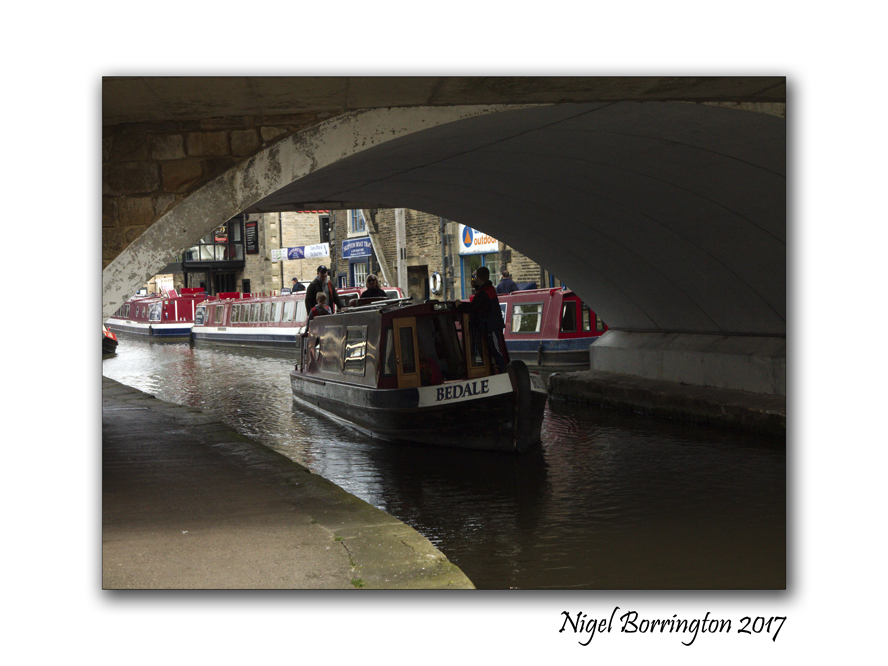
Skipton Waterway Festival 2017, a weekend on the Leeds and Liverpool Canal.

Skipton Waterway Festival
Leeds and Liverpool Canal,
Yorkshire, England
Nigel Borrington
Held every May Bank Holiday in Yorkshire, the Skipton Waterway Festival is a 3 day canal boat event which runs every year on the 1st May day Bank holiday weekend. It is an event which is a non-profit making Festival, which solely relies on donations and sponsorship from the local community. they are also organized by volunteers from Pennine Cruisers and the local community, without these people the event would not run as smoothly as it does each year.
The 1st Skipton Waterway Festival was held in 2001 and they have gone on to grow more and more each year. The festival was originally organized by CRT (British Waterways then) and Pennine Cruisers for around 5 years, however Pennine Cruisers then took on the event, as they saw how much the local boaters and town enjoyed it. As Pennine Cruisers look forward to this event each year, it is part of their year now, as they have organized it for a long time, they say that they would be a little lost without it.
As an event they attract around 8, 000 – 10,000 visitors each year over the full 3 days. It is noticed when people/families visit the festival each and every year. They put on various entertainment, stalls from craft to charity stalls, children’s activities and an array of food/concession stalls. There is something for almost everyone.
This years Festival was great to visit with many Craft stalls and lots of Local history with the new presentation of an internet based database of all the families who worked and still work on the Leeds and Liverpool canal from the first times it was open for use.
Leeds and Liverpool Canal Society


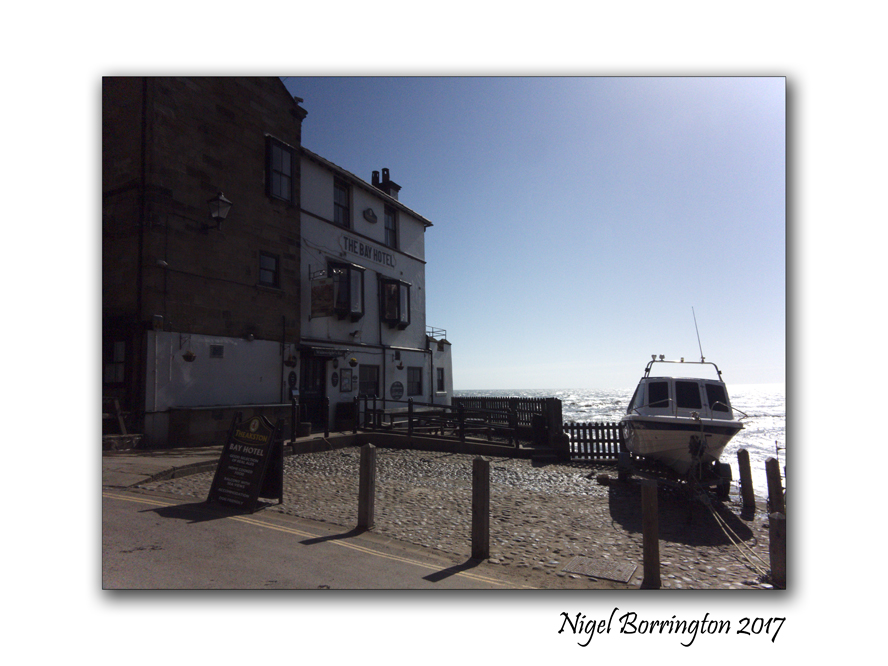
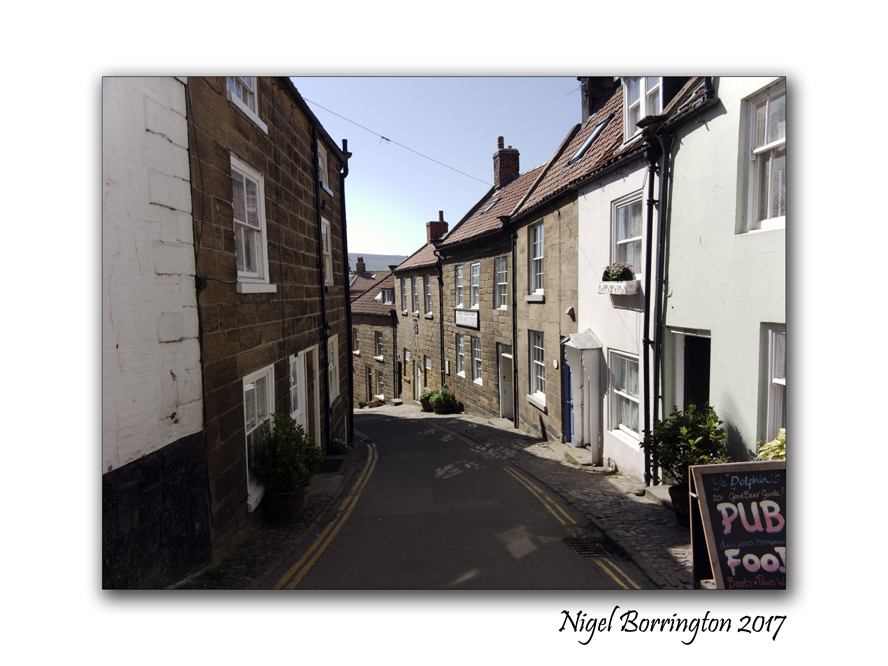
Robin Hood’s Bay, A fishing Village, North York Moors National Park

Robin Hood’s Bay Fishing village North York Moors National Park
Nigel Borrington
Robin Hood’s Bay is a small fishing village and a bay located within the North York Moors National Park, five miles south of Whitby and fifteen miles north of Scarborough on the stunning coast line of North Yorkshire, England.
“Bay Town” is its local name, in the ancient chapelry of Fylingdales in the wapentake of Whitby Strand. The origin of the name is uncertain, and it is doubtful if Robin Hood was ever in the vicinity.
An English ballad and legend tell a story of Robin Hood encountering French pirates who came to pillage the fisherman’s boats and the northeast coast. The pirates surrendered and Robin Hood returned the loot to the poor people in the village that is now called Robin Hood’s Bay
This Village on the Yorkshire Coast is one of the most Beautiful villages in the UK, Here I share a collection of Photographs taken during a visit at the start of May 2017, I hope that I have captured a small sense of this idyllic English sea side village as I enjoyed our time spend here very much and will look back with very fond memories …..
Robin Hood’s Bay, A Sense of place ….



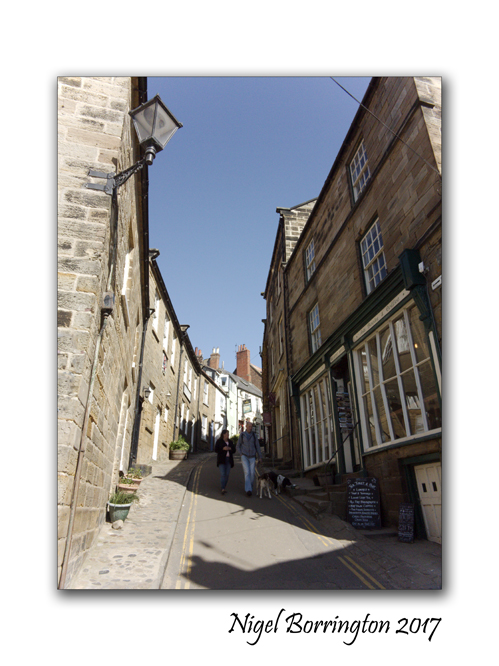

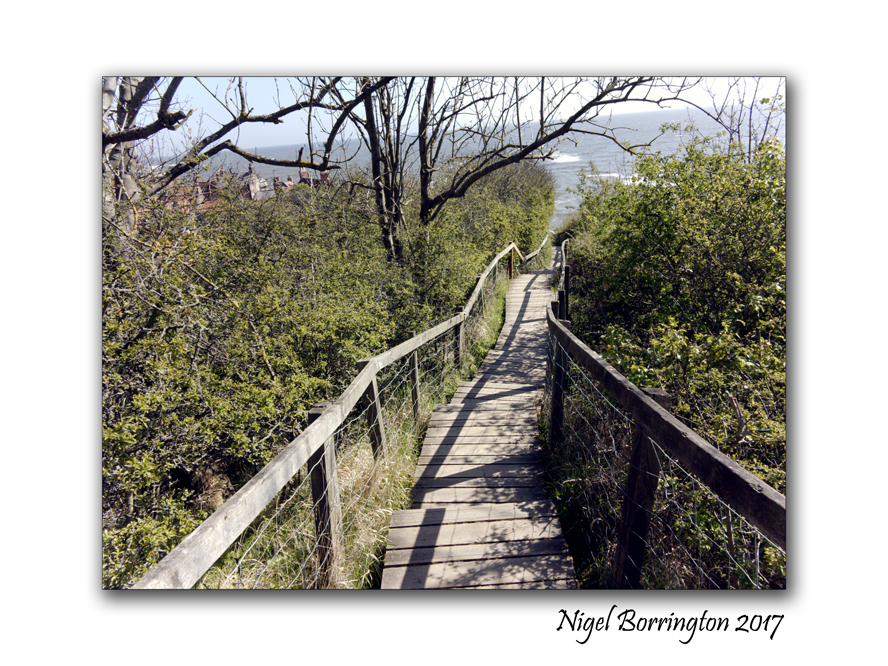

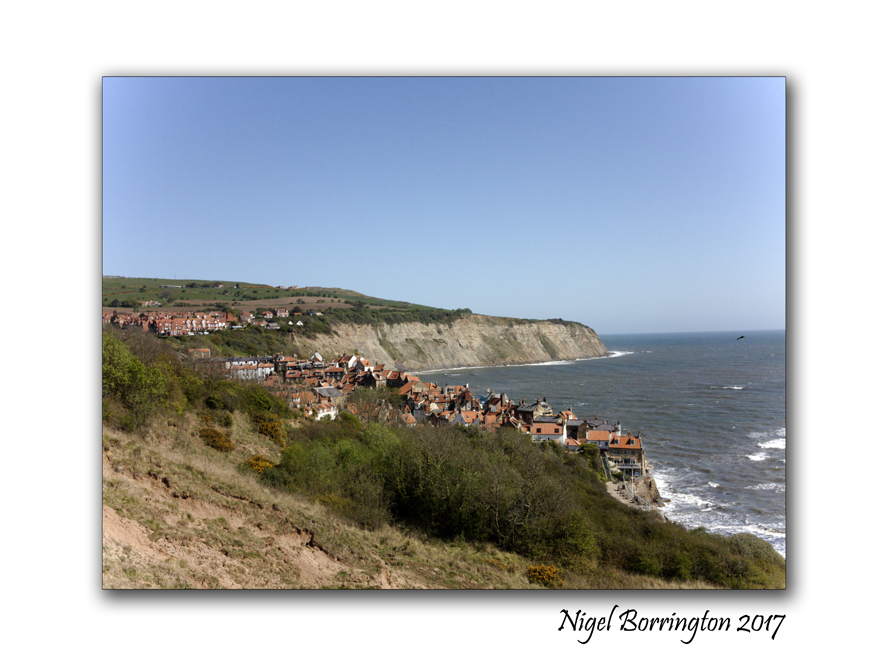
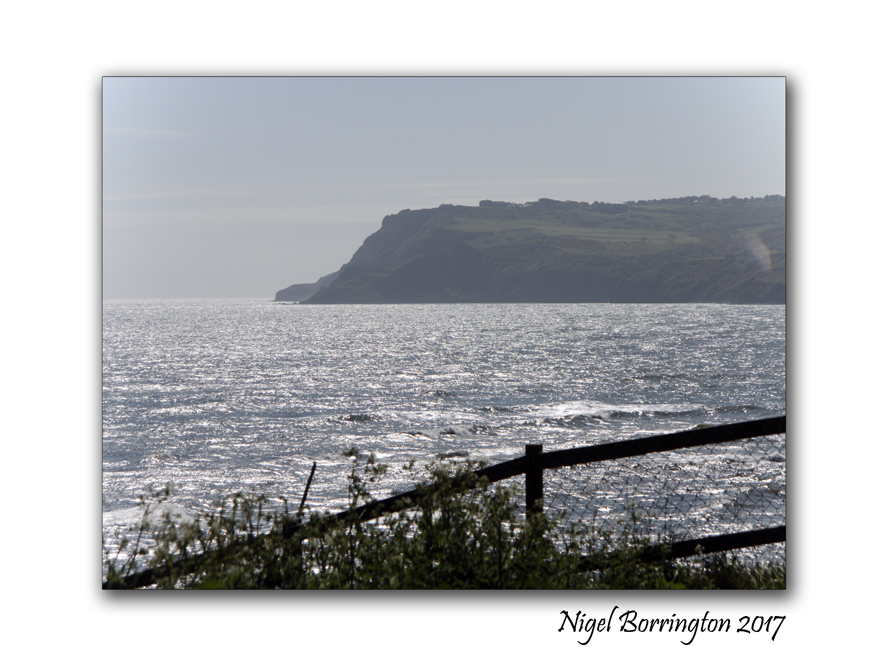

 Nigel Borrington
The day after Hurricane Ophelia: the slow return to normality
Hurricane Ophelia
Just hours before it hit ireland
Monday 16th 2017
The day after Hurricane Ophelia
The below images taken during on a walk up in the Grange hills between south county Kilkenny and Tipperary are from lunch time today, looking at them its hard to believe that only yesterday, Ireland for the first time ever in its history was hit by a full Hurricane force storm. Yesterday between the hours of 9am for county’s Kerry and Cork and then around 2pm for ourselves locally we had storm force winds of between 150kph and 130kph.
In the Morning the Irish met office via the media had informed everyone to stay inside and had issued a RED weather alert for the complete country, again for the first time in Irish history. In a very impressive way, almost everyone pulled a chair close to the fire and waited for Ophelia to arrive. When she finally did get to county Kilkenny, she did not come calling slowly or with any manners, she just came at us with full force gusts and left some three hours later. We have had two such storms locally since 2014 with storm Darwin back in February 2014, which I posted on back then, Darwin being however just a very strong Atlantic storm. During both these storms you can do little but sit and wait, however listening and looking out of the window is just shocking and basically very hard to do.
In 2014 when Darwin left she left with many of our local forests lying on the floor, as such I think Ophelia had little left to get her teeth into, as its only just over two years in the forests themselves since, the areas Darwin cleared are still empty of trees.
Yesterday evening we had many roads blocked with roadside trees, along with trees down on the river banks and in public parks .
The main effects this time nationally has been the loss of power with some 360,000 homes left without any electric supply, Ireland’s water systems also works mainly from electric water pumps so this supply for many has also been cut off.
This morning the weather had returned to normal , in fact it was a great and clear and sunny day, walking around at lunchtime for me the most noticeable thing is that the trees have all been stripped of any leaves, they have gone from the start of autumn colors to winter nakedness in only 3 hours, it’s really noticeable that instead of yellow and brown leaves sitting by the road sides, having naturally fallen, we have roadsides covered in green.
So Goodbye Ophelia and welcome to a peaceful sunny Tuesday in the Irish landscape, even if we are still in shock and only just starting to recover ……
Gallery from 17th Oct 2017 – the day after Ophelia
Share this:
October 17, 2017 | Categories: Comment, Gallery, irish woodlands, Landscape, Nature, Nature and Wildlife, Nigel Borrington, Weather photography | Tags: Hurricane, Hurricane Ophelia, Ireland, Kilkenny, Nature, Nigel Borrington, Ophelia, Power of nature, Storm, The day after, the slow return to normality, weather, WInds | 10 Comments