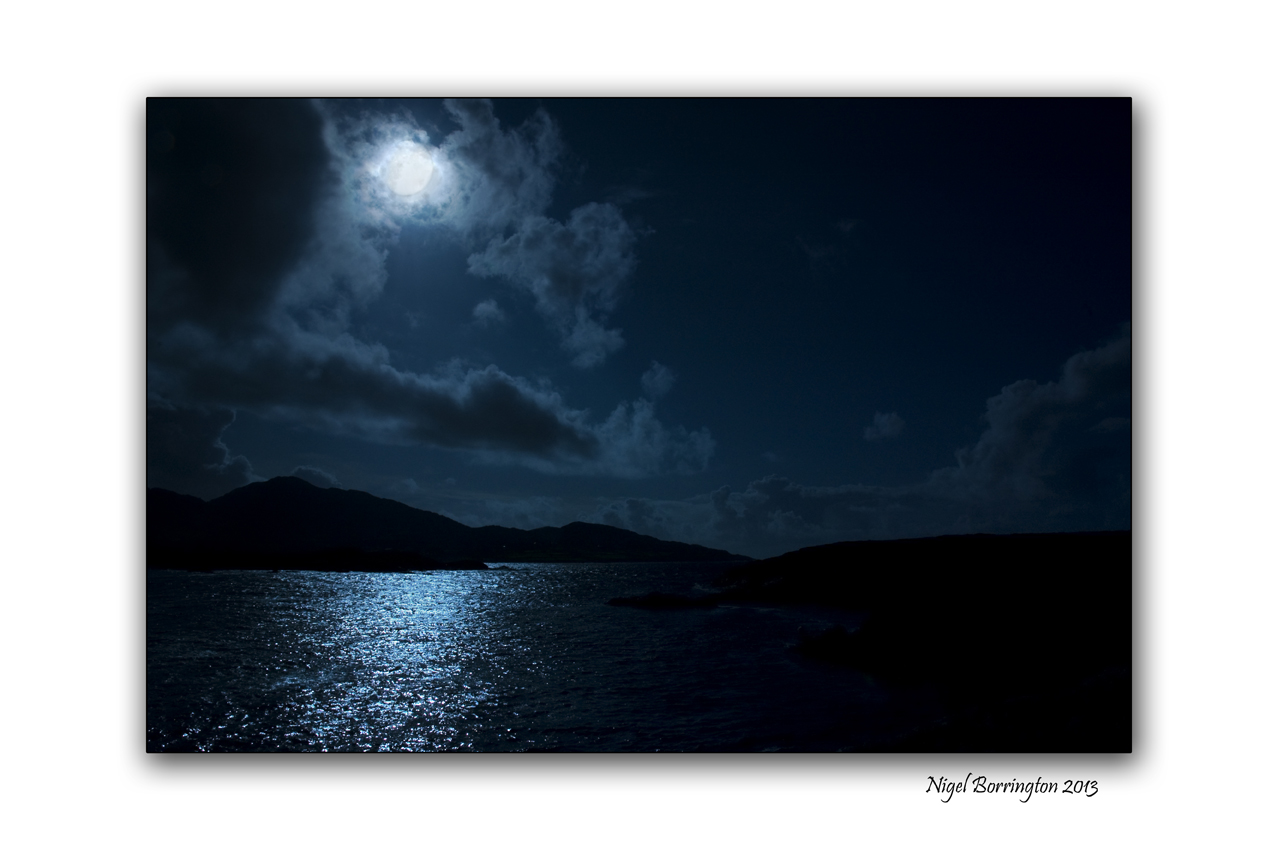
Its the weekend So…
Why not find a remote place to visit…..

.
Watch the sun set…..

.
Stay and go for a walk in the moon light…
.
All images using a Fujifilm X100
Landscape photography : Nigel Borrington
Allihies (/ælˈæhiz/; Irish: Na hAilichí, meaning “the cliff fields”)[1] is a coastal parish (and townland) in the west of County Cork, Ireland.
Torc waterfall
The Torc river and waterfall are located in The Killarney Nation Park, county Kerry. These four images show some of the rivers flow over the Torc Waterfall and into Muckross lake below.
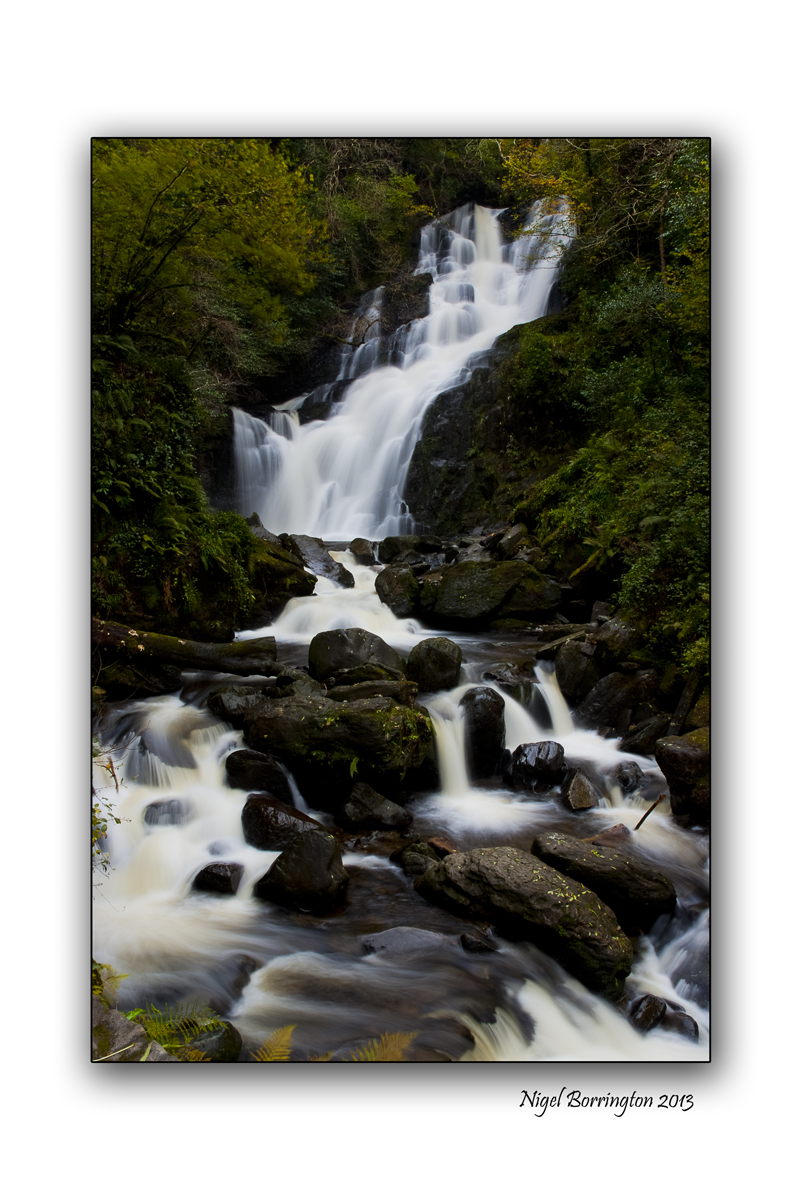
Nikon D200, 35mm f2.8 lens
Irish Landscape Photograhy : Nigel Borrington
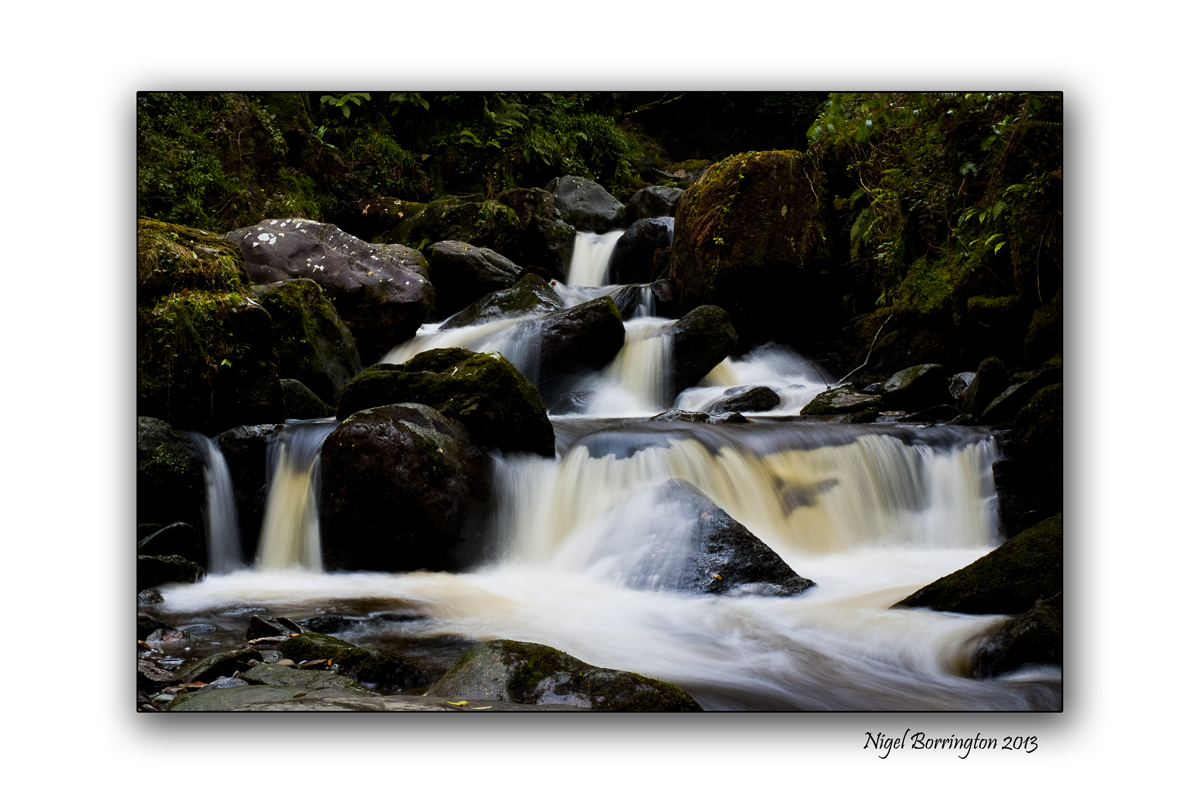
Nikon D200, 35mm f2.8 lens
Irish Landscape Photograhy : Nigel Borrington
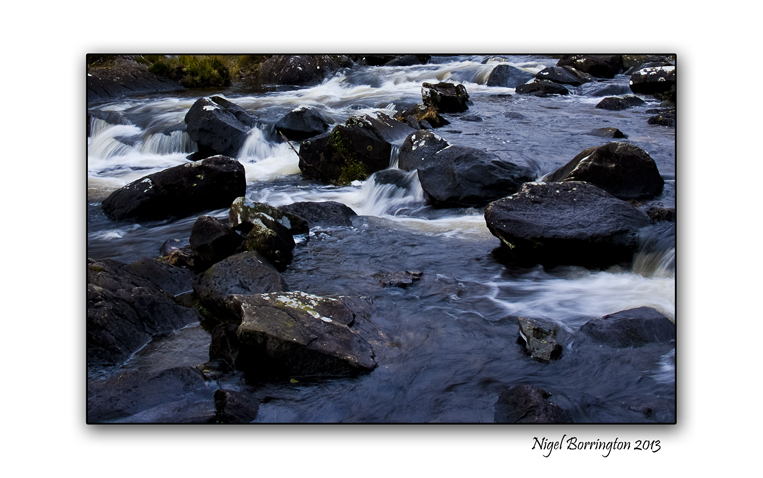
Nikon D200, 35mm f2.8 lens
Irish Landscape Photograhy : Nigel Borrington
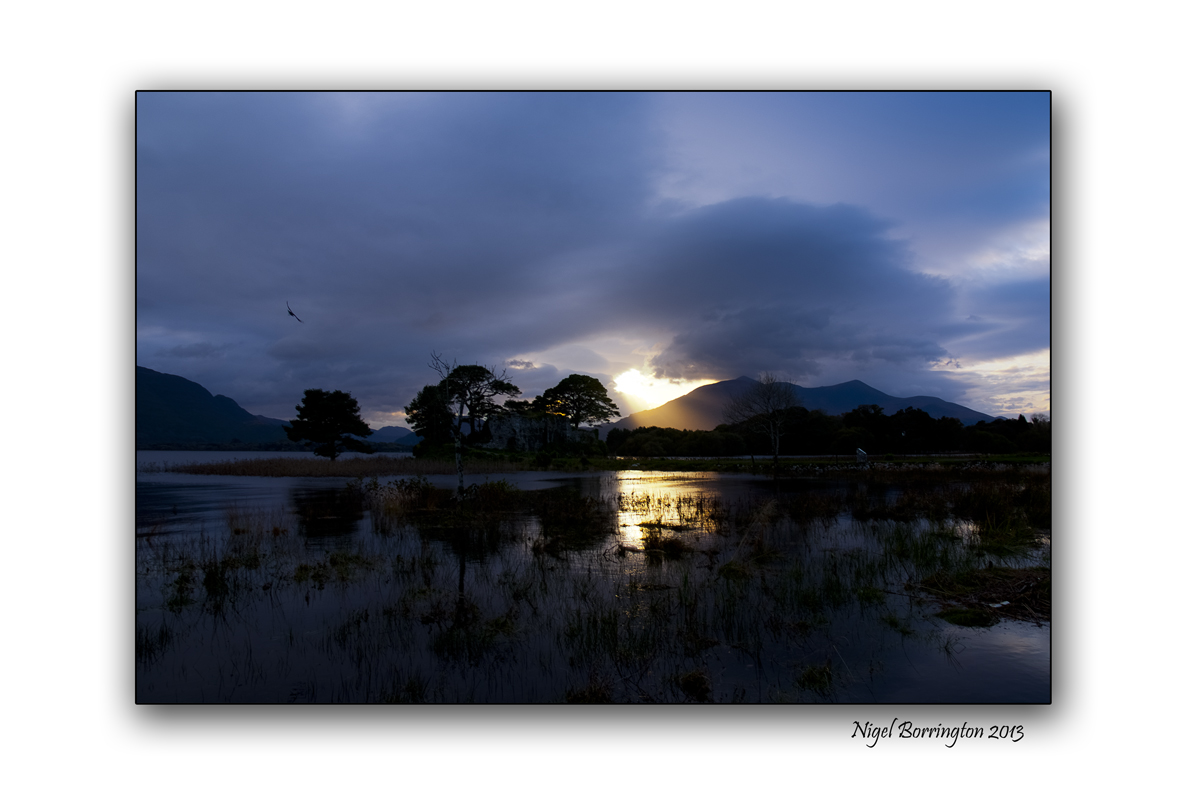
Nikon D200, 35mm f2.8 lens
Irish Landscape Photograhy : Nigel Borrington
The D200 camera was mounted on a tripod for all these images and I used a slow shutter speeds to blur the rivers water flow.
Wet photo days on the canal

Nikon Fm2n, 35mm f2.5 lens
Kodak T-max 100, film
Nigel Borrington
I took these images back in 1986, with my then first SLR camera a Nikon fm2n, we were holidaying on a long boat that you can see in the second photo, for a week.
From what I can remember I don’t think we had one day without it raining and spent most of the time in the boat in front of a fire or in a pub drying out, its funny, at the same time you remember moments like this with great fondness!
This set of images has also reminded me to get back on track for my DIY film development project, I made a few phone calls and just need to go collect everything that I finally need to get on.

Nikon Fm2n, 35mm f2.5 lens
Kodak T-max 100, film

Nikon Fm2n, 35mm f2.5 lens
Kodak T-max 100, film
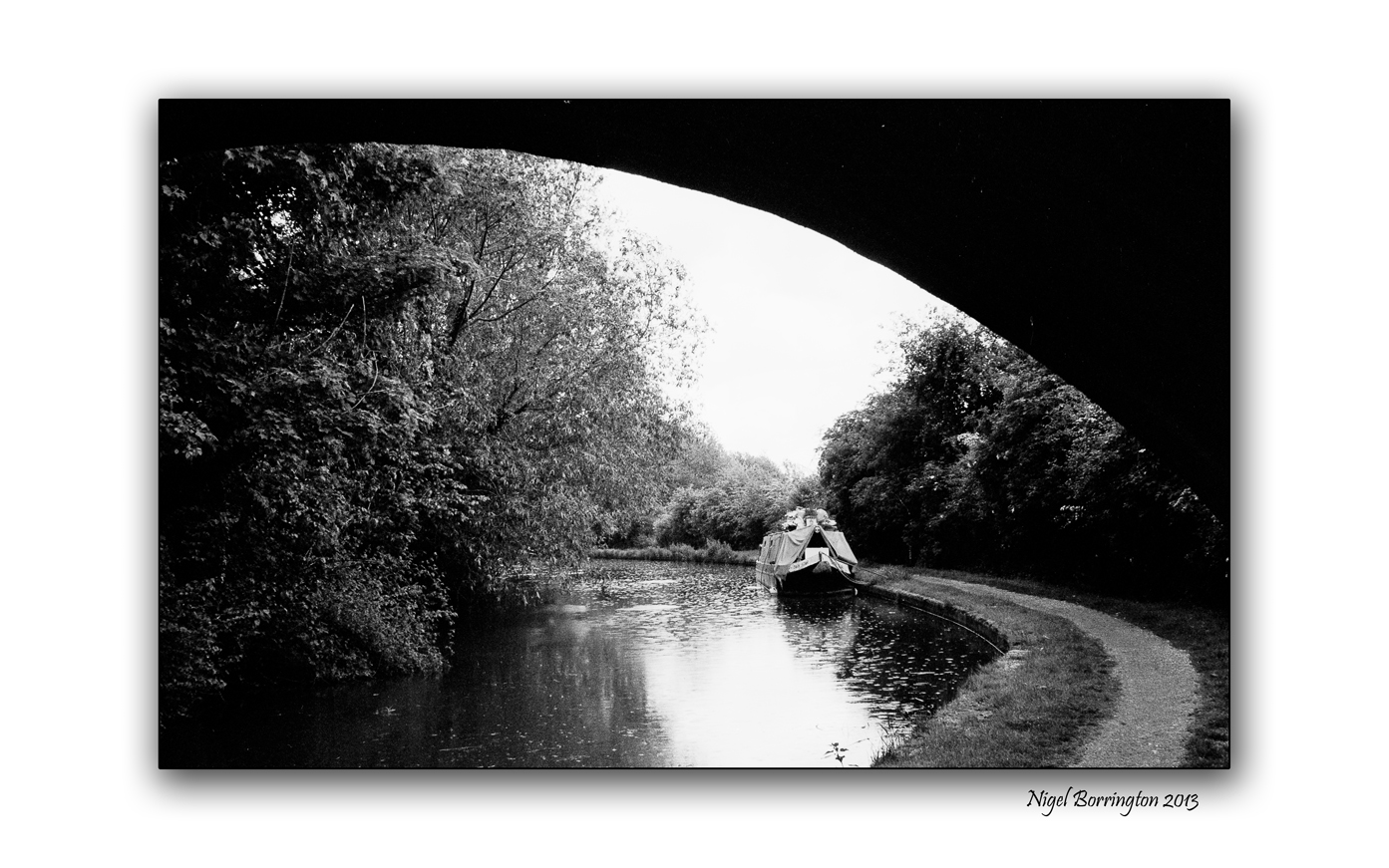
Nikon Fm2n, 35mm f2.5 lens
Kodak T-max 100, film
Kilkenny Castle

Nikon D90, iso 160, 50mm f1.4 lens
The Parade, kilkenny
Landscape photography : nigel Borrington
This Old Caravan

Nikon D200, 50mm f1.4 lens
The old Caravan
Walton Court, Oysterhaven Bay
County Cork
I took these images one September afternoon while we were on a weeks holiday at Walton Court, Kinsale, County Cork. I was walking our dog Molly down towards the beach when we came across this old wooden Caravan.
I just had to get some shots, it makes you wonder about the life it has had and how long it has been sitting here.
I found the owner the next day and its been a long term dream to restore it but I think the downturn has probably delayed that a little, one day however it would be wonderful to see it looking as new
Nigel
Lake Windermere
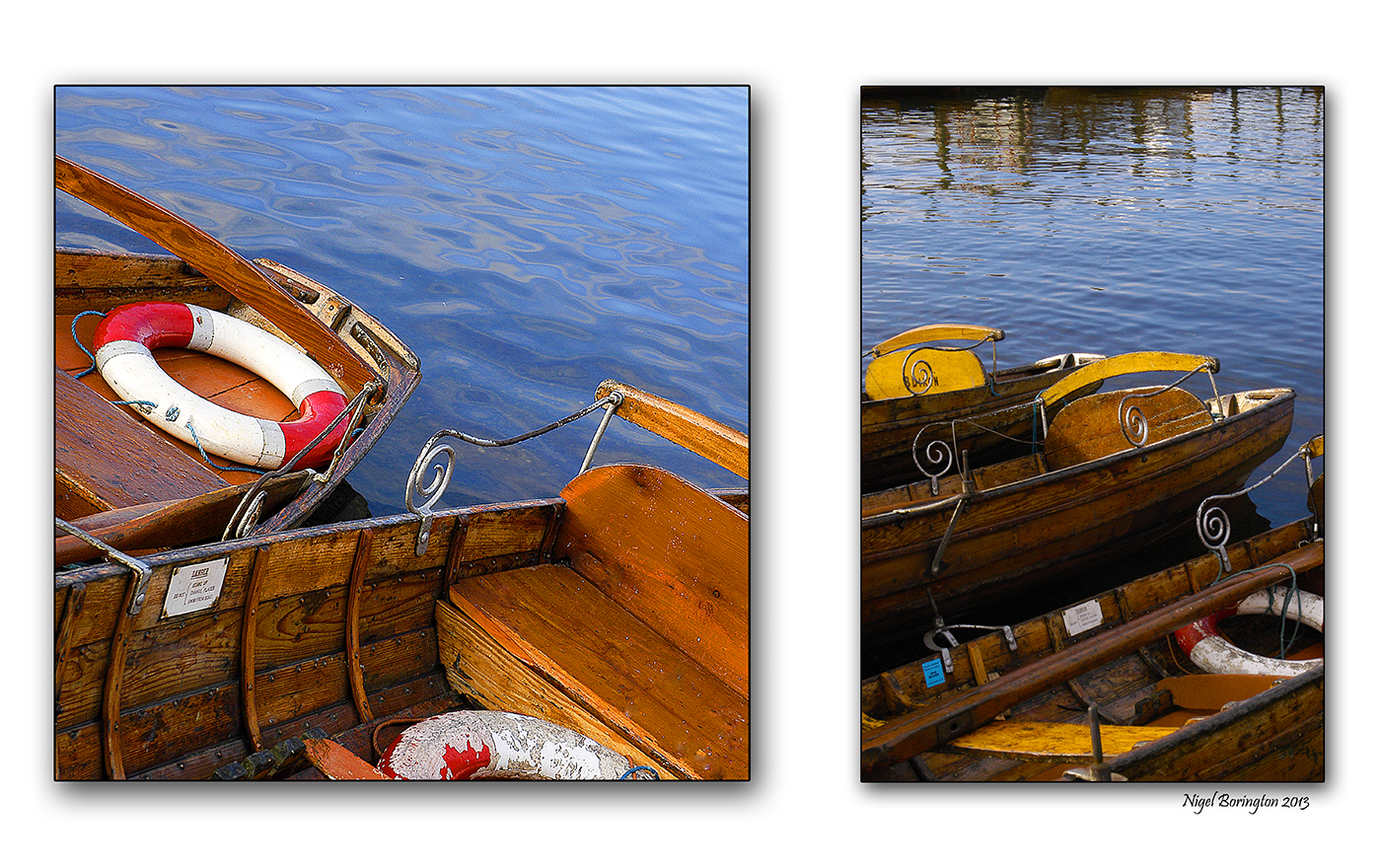
Nikon D200,50mm f1.4 lens
Rowing boats at windermere
Nigel Borrington
Rowing the waters
If you do go to Lake windermere then rowing on the lake on a good day is one thing you will never forget doing!
Rowing boats are available from the wooden huts to the right of Bowness promenade and from Waterhead (Ambleside). Rowing Boats are £13.00 for 1 or 2 adults and children under 16 are free.
They are open in the summer every day from 9.00am.
The views you will get on the windermere open water are unforgettable…

Two boats and Windermere

Nikom D200. 50mm f1.4 lens
Two Boats and Windermere
Nigel Borrington
This photo was taken one morning at a small bay on lake windermere in the lake district national park, Windermere is some 18km long and at it widest some 2km wide. Its one of the most beautiful places I know and if you can spend sometime you will find many wonderful location just to set and read and study the wildlife or nature it offers.
Even just to sit and look at these two boats moving slowly in the water is something I will always remember.
So then Windermere and two boats and one cleared out mind!
Little Red Tractor

Nikon d200, nikon 50mm f1.4 lens
The little red David brown
Landscape photography : Nigel Borrington
So we came across this little red tractor on a long days walk in the Lake District National Park sometime back, it was just sitting out side a farmhouse that had also been converted into a tea shop. We had to stop and take in some food and the views along with this little Red Tractor..

Allihies, Beara, Co. Cork, Ireland
A sense of place (Allihies, Beara, Co. Cork, Ireland) in eight images
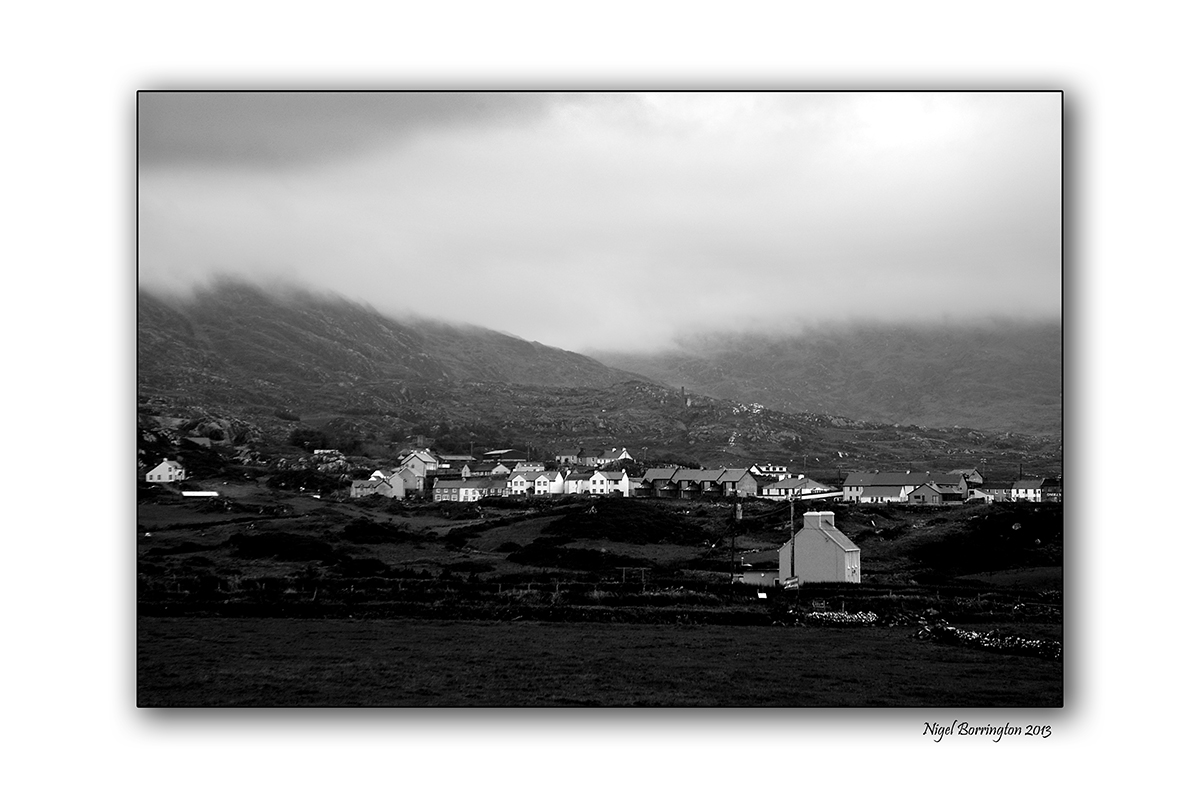
View of Allihies town
Nikon D7000
Landscape photography ; Nigel Borrington
Allihiies, Co Cork is one of my favourite places to stay In Ireland, We have spent some time here and I think it’s very likely we will return.
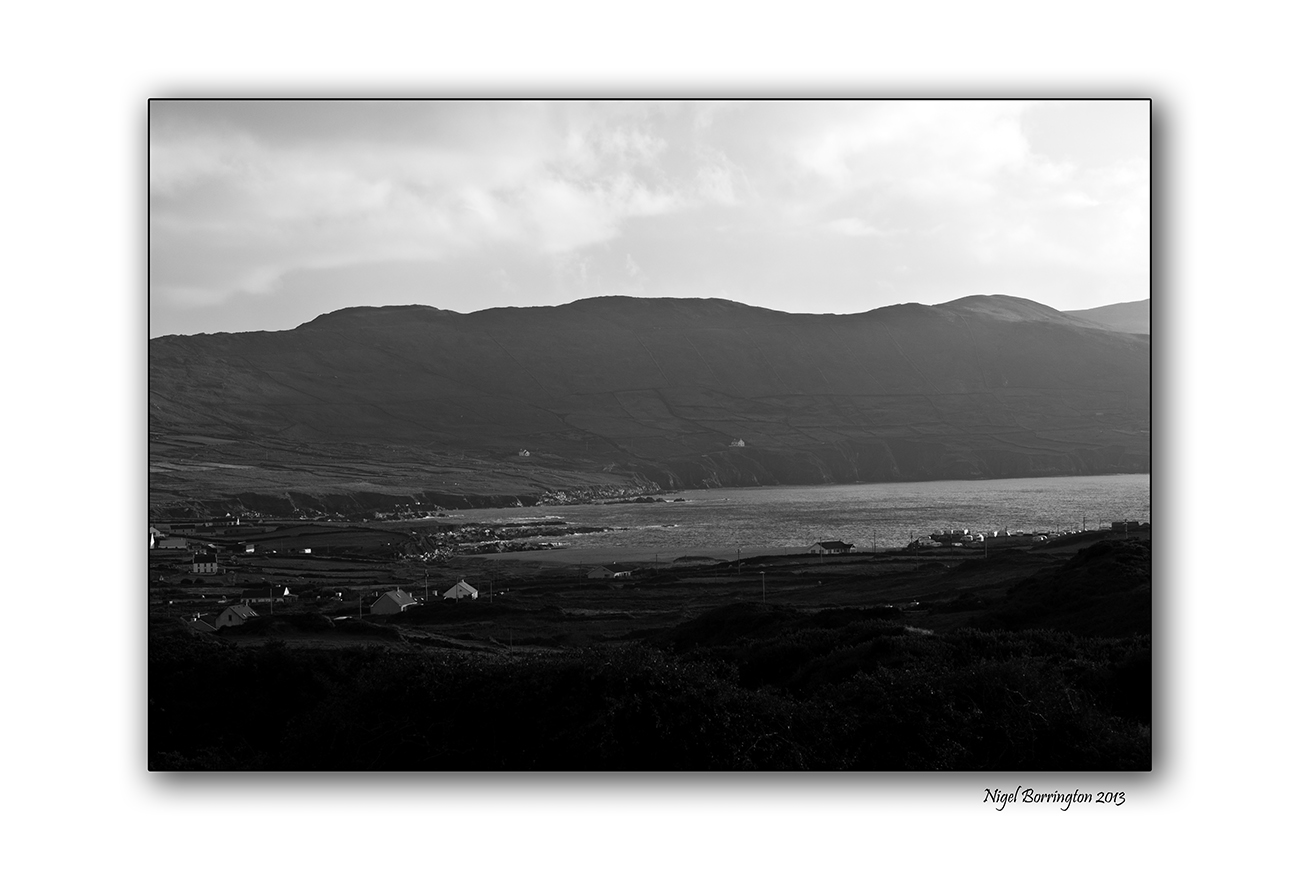
Mountains and setting


.
The town is located at the tip of the Beara peninsular, co cork and is just about as remote a place as you can get. The feeling here is of escape and as such is perfect for a week’s holiday.
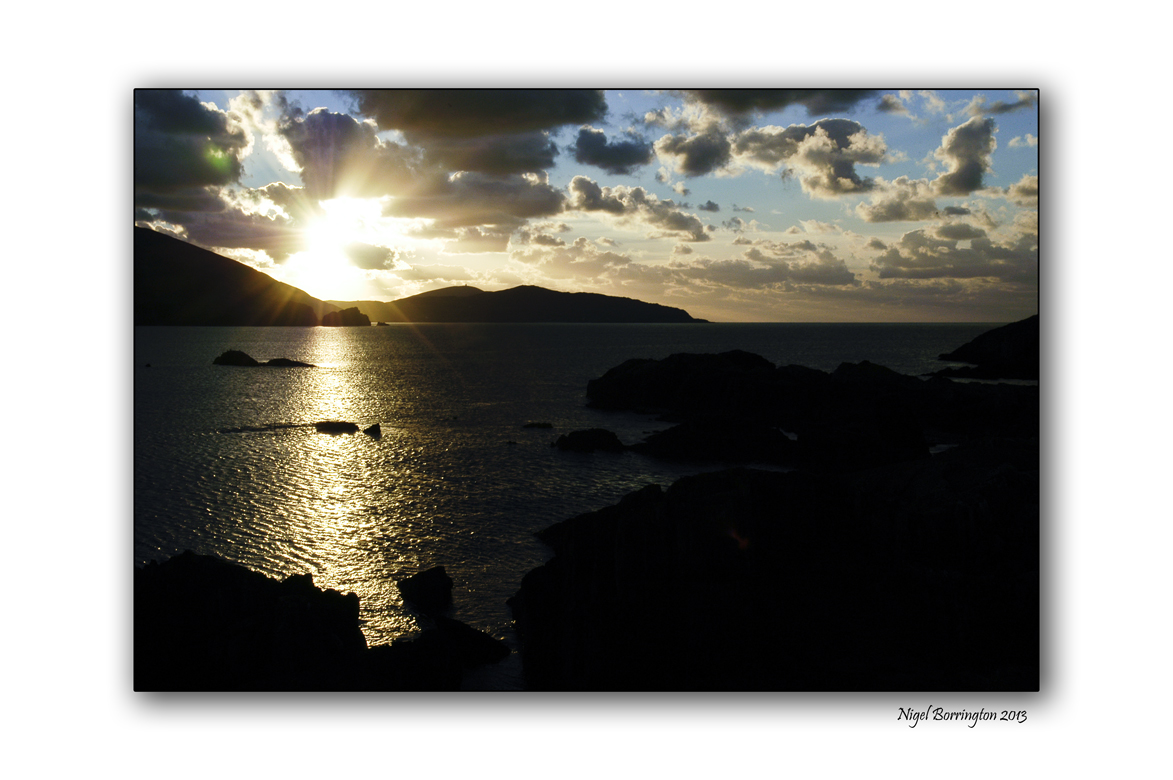
The Harbour
.
The copper mines are the main feature of the town and the museum makes an excellent visit during the week we spent some time in here as it has a great coffee shop with a view of the harbour.


.
I will re-visit Allihies over the next weeks with more posts as it is just a wonderful place
All Images taken on a Nikon D7000, in September 2010
Achill island
A sense of place (Achill island, County Mayo) in ten black and white images ..
I don’t usually post images by themselves but I want these images just to speak for themselves ….
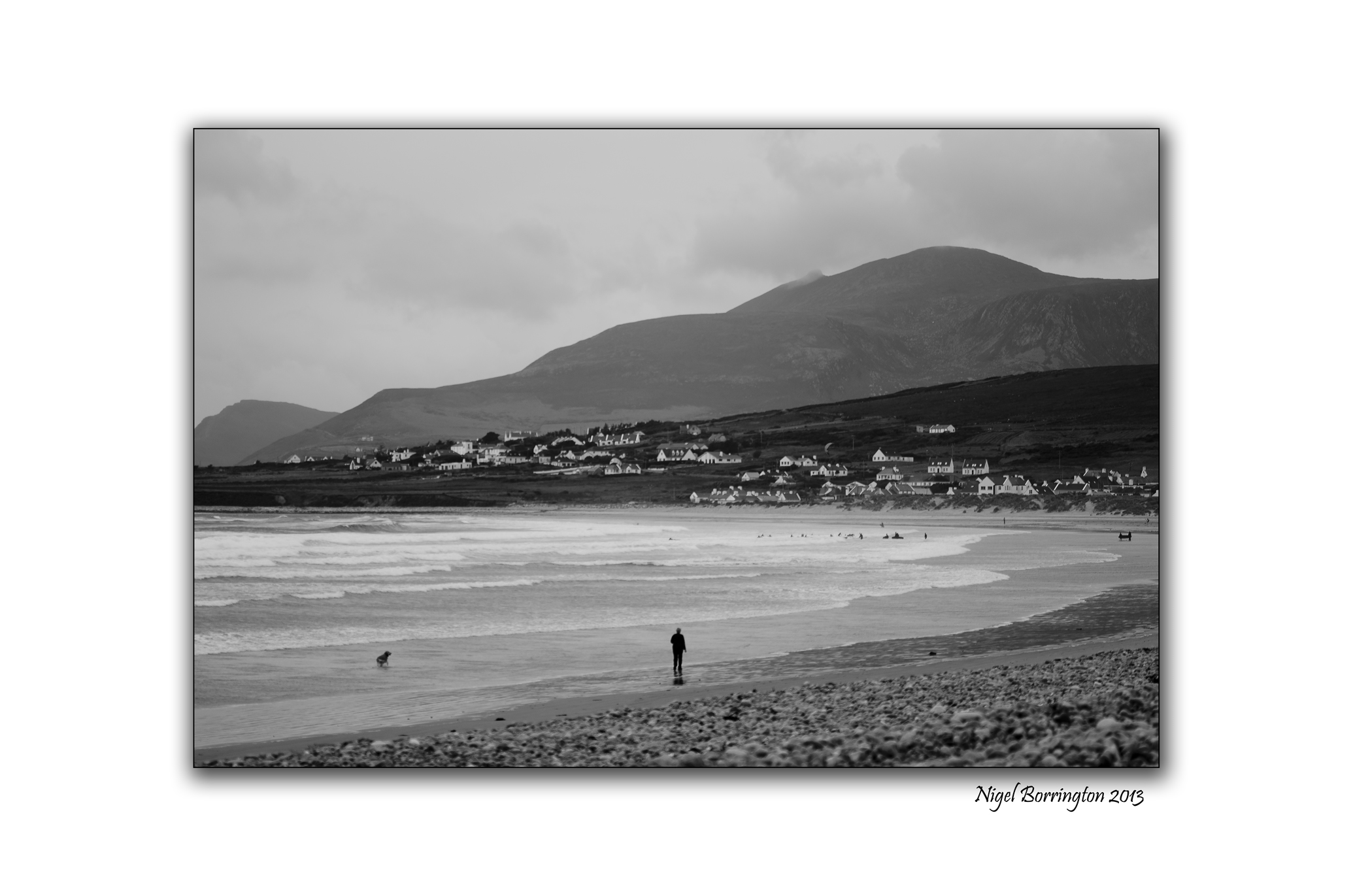

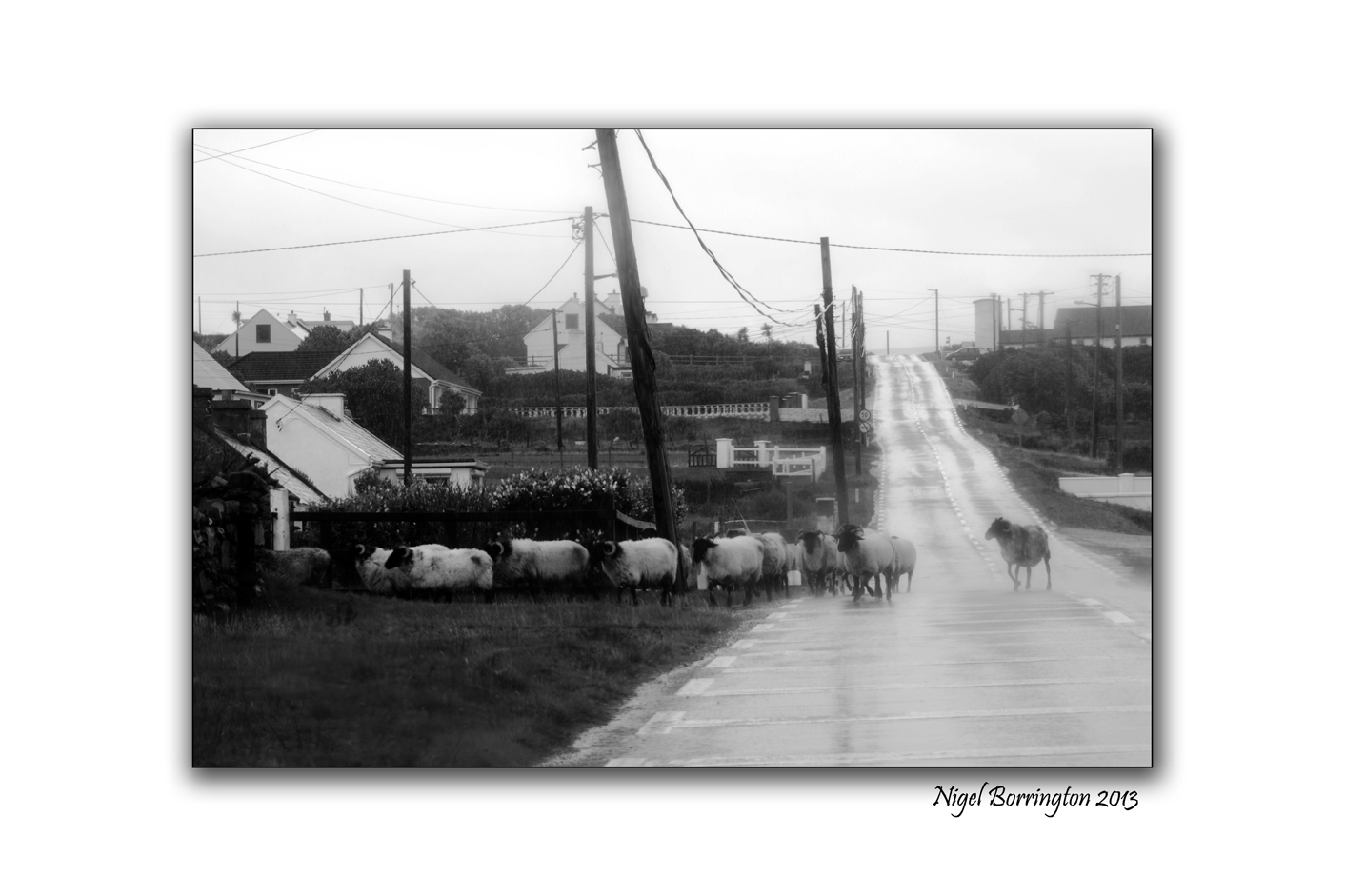
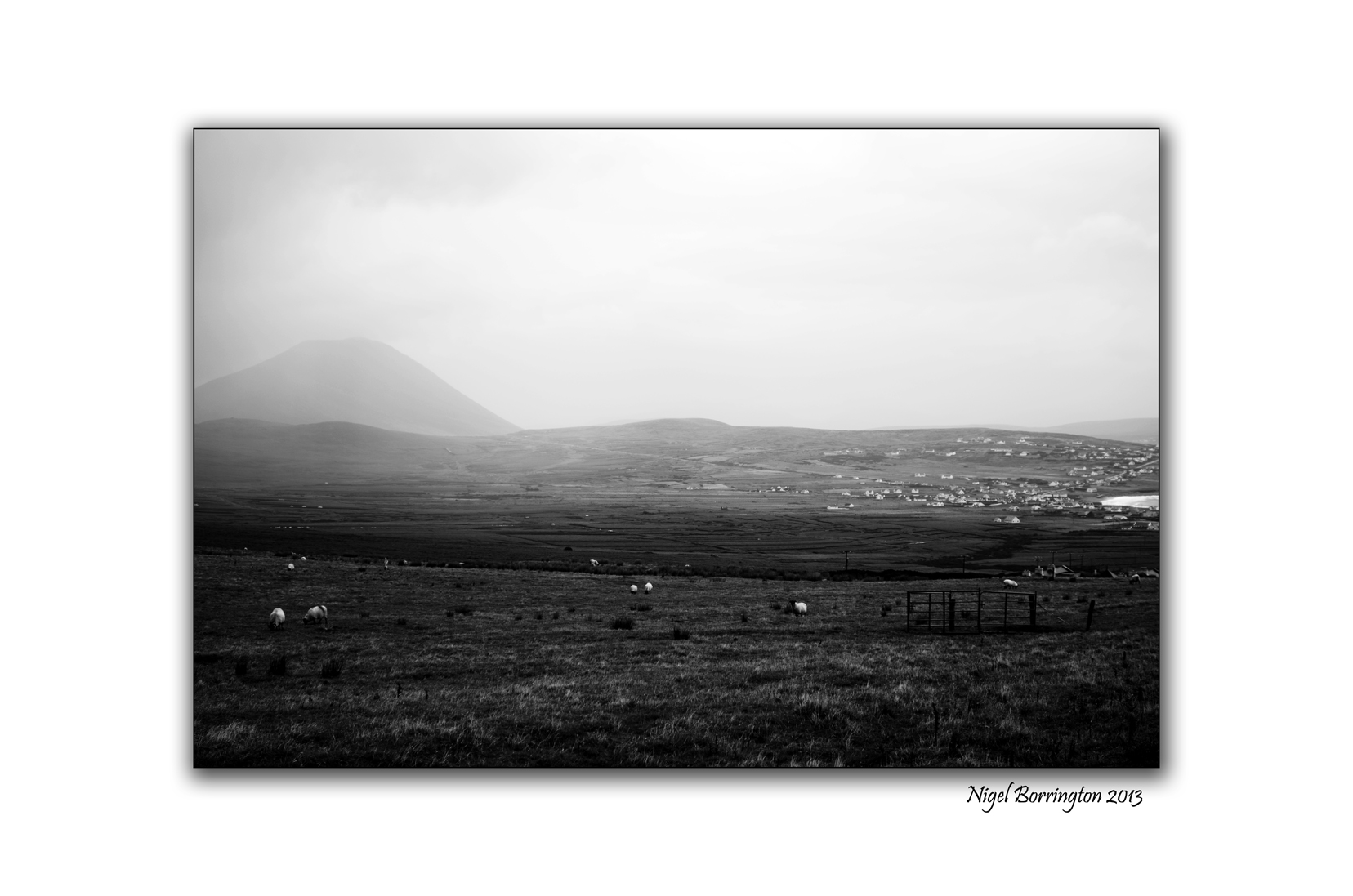

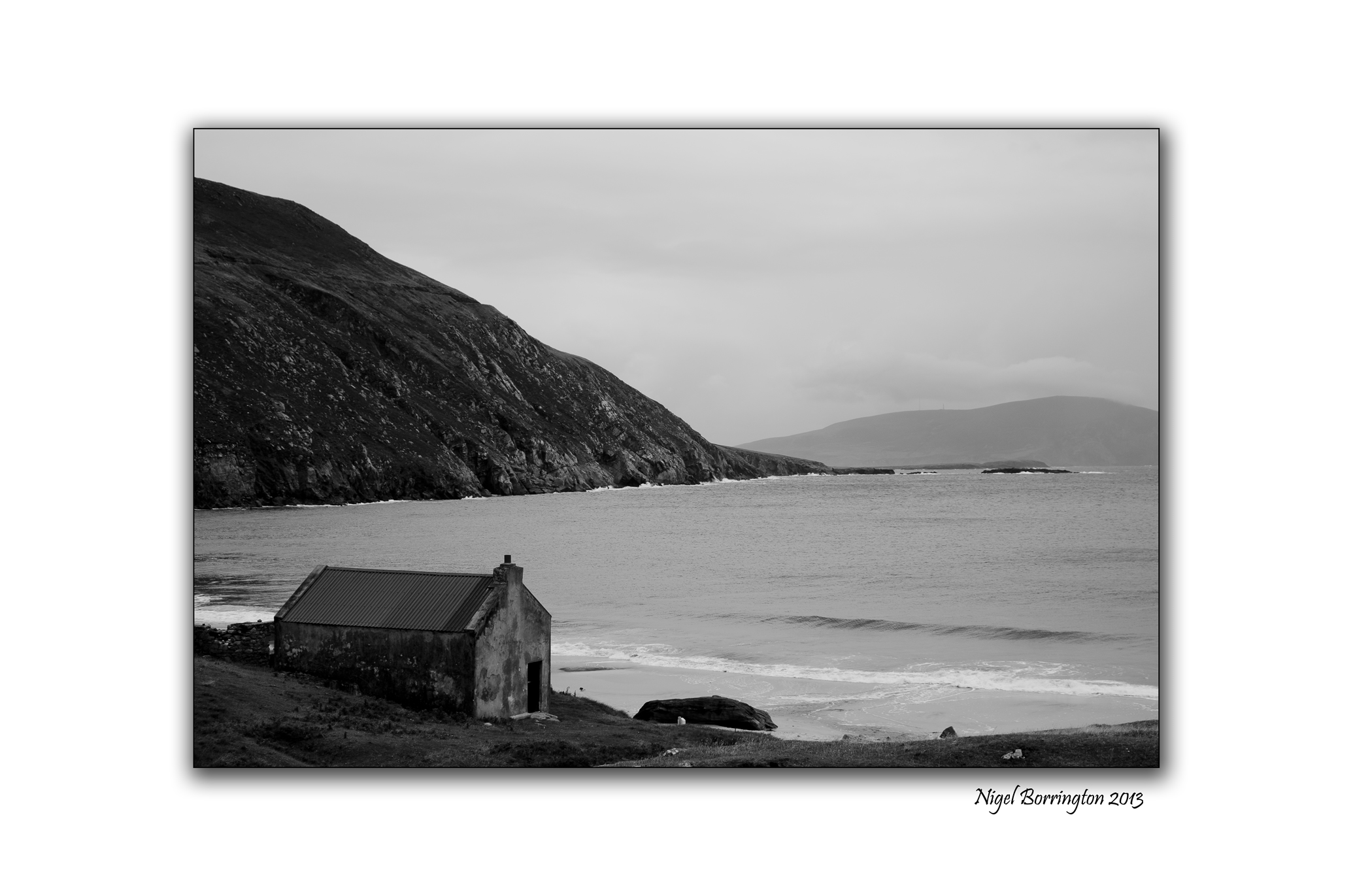

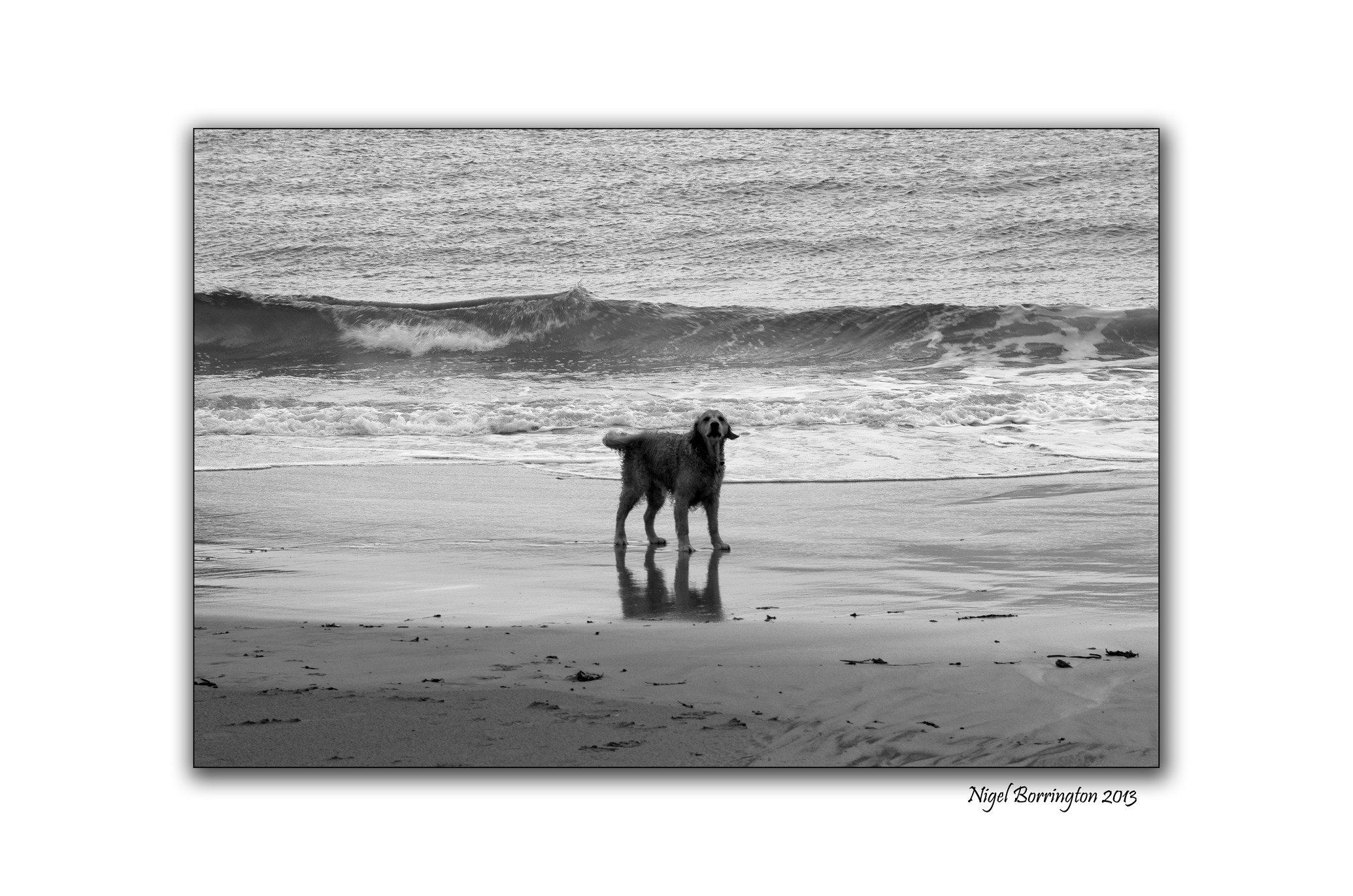
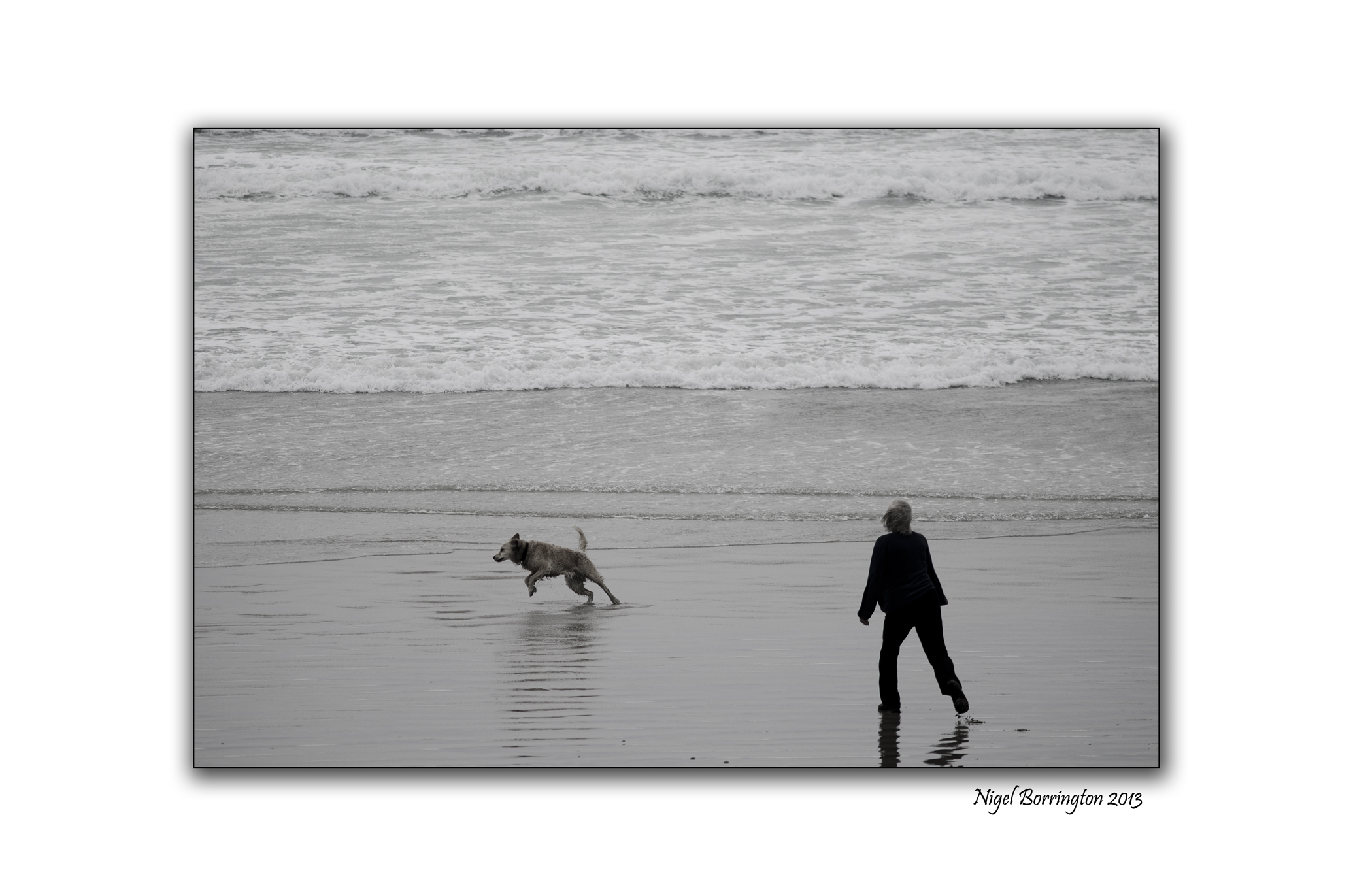
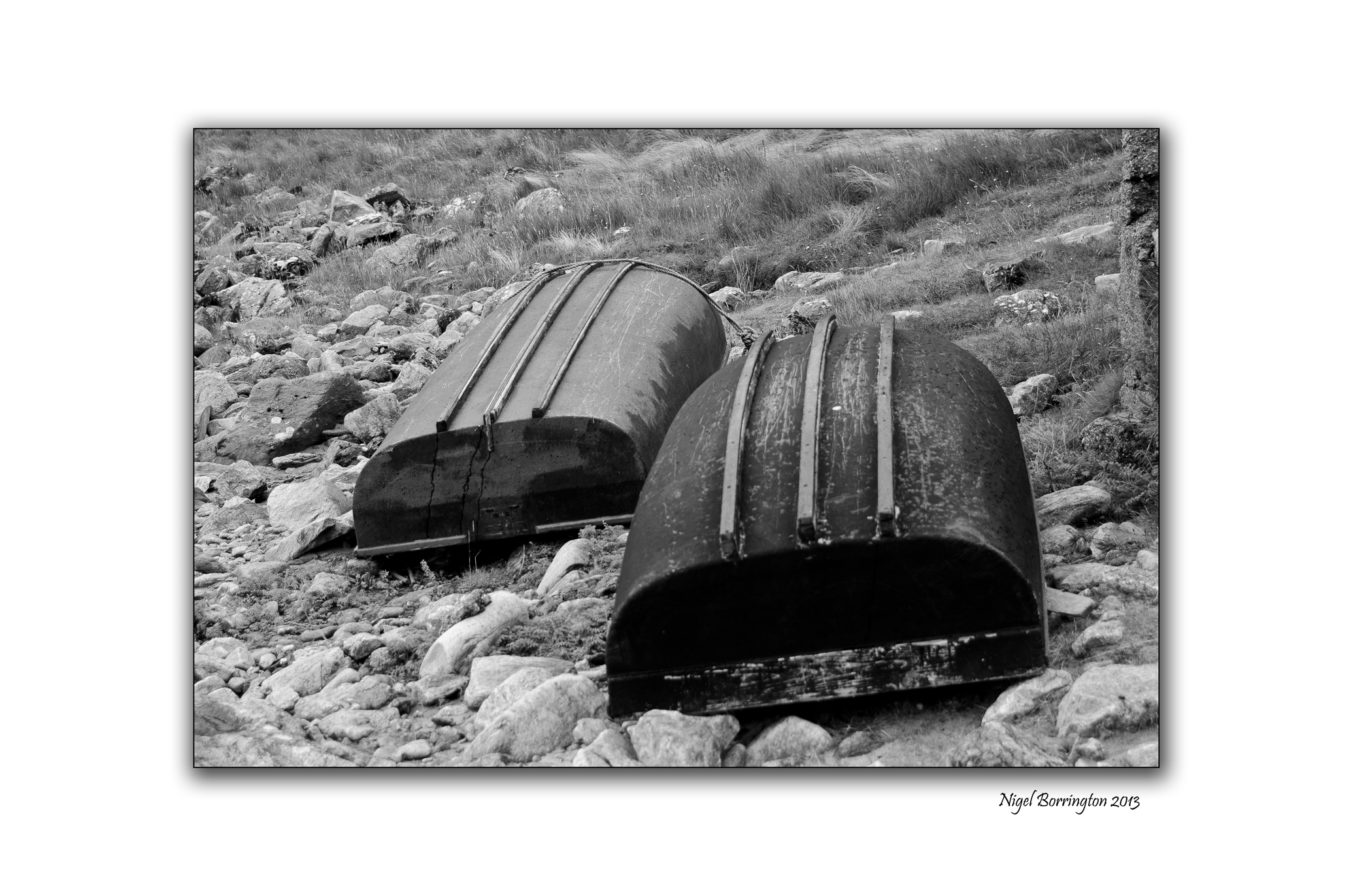
All images taken on a Nikon D7000, set to black and white and in September 2011….
Feel free to add some comments !
This old white Bog pony
This set of images was taken at (Derryhick, Co.Mayo) above Derryhick lake – where we were staying for a week, I was out walking Molly our Golden retriever when we passed a field on our left.
I noticed this old white Bog pony way in the distance and she really took my attention so here she is, I have come back in my mind to this moment a lot for some reason as I hope she’s good and still walking this amazing landscape.


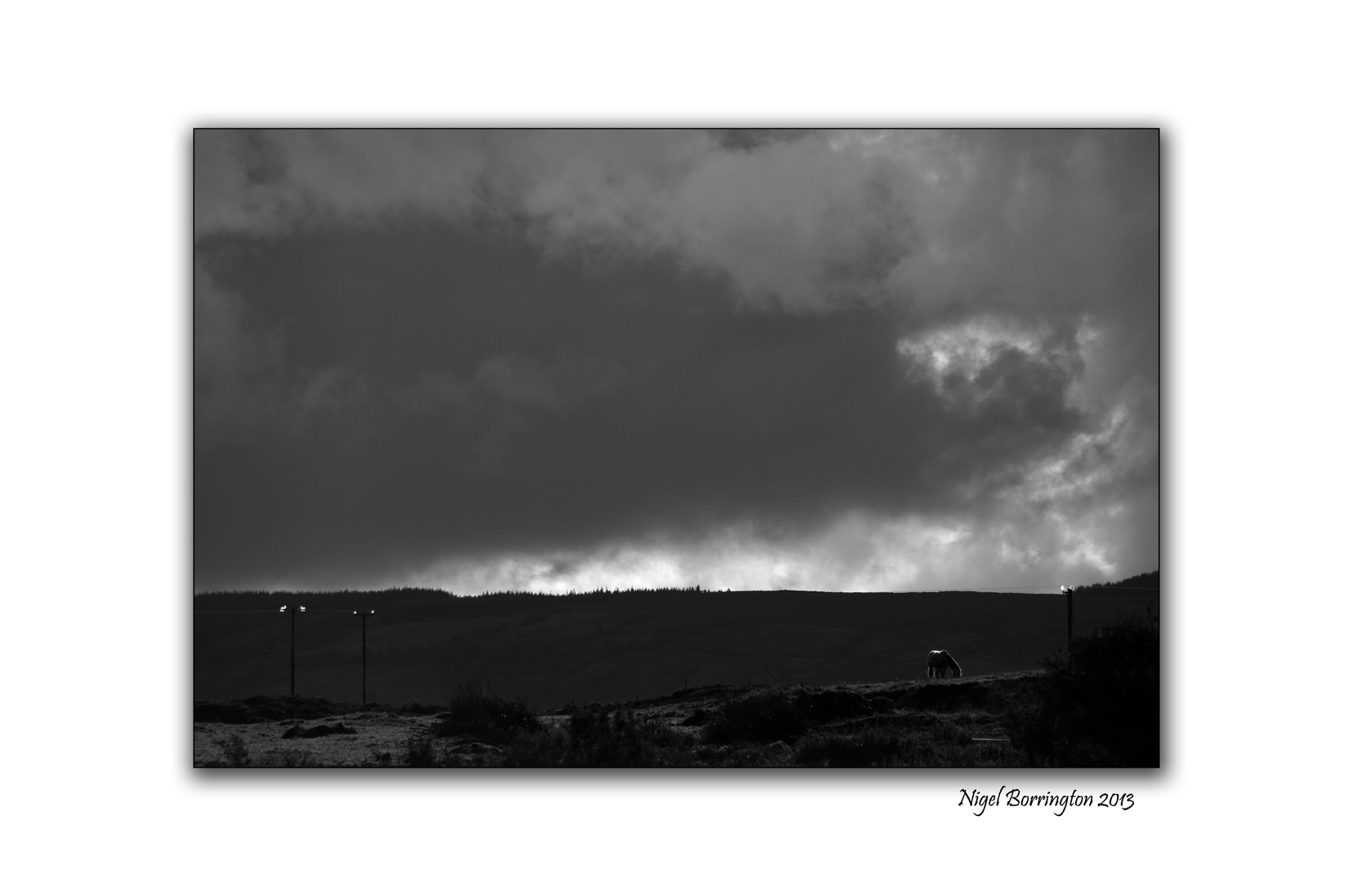
Nikon D7000
Landscape images : Nigel borrington
Five go up a hill and come down a mountain

Some time back Five of us (Breda, Tess, Andrew his brother Steve along with Myself) all headed from north London to Melfort Village, Argyll, Scotland for the week. At the time I owned a time share week here and the visit to such a wonderful location each March was more than welcome.
One Morning with myself and Steve both being into photography, the others just wanting a good walk we packed the bags and headed up the hills at the back of the Melford estate, the below images I hope do something to document this walk and the resulting Photographs.
I only found these pictures again last week as I am scanning all my old negatives….


All images taken on a Nikon F90x and on Kodak 200iso colour film as you can see…
Kilkenny Castle

Fujifilm X100
Landscape Photographer : Nigel Borrington
Over the years since I came to live in Kilkenny I have spend many hours in the grounds of this Castle, the above images are from just some of the times I have taken a camera with me and taken a few shots.
If you do visit Kilkenny, the Castle and its grounds just have to be on your list of places to visit…
Kilkenny Castle (Irish: Caisleán Chill Chainnigh) is a castle in Kilkenny, Ireland built in 1195 by William Marshal, 1st Earl of Pembroke to control a fording-point of the River Nore and the junction of several routeways. It was a symbol of Norman occupation and in its original thirteenth-century condition it would have formed an important element of the defences of the town with four large circular corner towers and a massive ditch, part of which can still be seen today on the Parade.
The property was transferred to the people of Kilkenny in 1967 for £50[1] and the castle and grounds are now managed by the Office of Public Works. The gardens and parkland adjoining the castle are open to the public. The Parade Tower is a conference venue. Awards and conferring ceremonies of the graduates of “Kilkenny Campus” of National University of Ireland, Maynooth have been held there since 2002.
Contents
Previous owners of the castle
Earls of Pembroke
Kilkenny Castle has been an important site since Richard de Clare, 2nd Earl of Pembroke, commonly known as Strongbow constructed the first castle, probably a wooden structure, in the 12th century. The Anglo-Normans had established a castle in 1173, possibly on the site of an earlier residence of the Mac Giolla Phádraig kings of Osraighe. Kilkenny formed part of the lordship of Leinster, which was granted to Strongbow. Strongbow’s daughter and heiress, Isabel married William Marshall in 1189. The Earl Marshall owned large estates in Ireland, England, Wales and France and managed them effectively. He appointed Geoffrey fitz Robert as seneschal of Leinster and so began a major phase of development in Kilkenny, including the construction of Kilkenny Castle and the agreement of rents and privileges with burgesses or citizens of the borough. The first stone castle on the site, was completed in 1213. This was a square-shaped castle with towers at each corner; three of these original four towers survive to this day
Butler dynasty
James Butler, 3rd Earl of Ormonde, bought the castle in 1391 and established himself as ruler of the area. The Butler dynasty then ruled the surrounding area for centuries. They were Earls, Marquesses and Dukes of Ormonde and lived in the castle for over five hundred years. Among the many notable, Lady Margaret Butler (c. 1454 or 1465–1539) the Irish noblewoman, the daughter Thomas Butler, 7th Earl of Ormond. Lady Margret Butler was born in Kilkenny Castle. She married Sir William Boleyn and was the paternal grandmother of Anne Boleyn, second wife of King Henry VIII of England.
The Castle became the seat to the very powerful family, the Butlers of Ormonde or Butler family, who lived there until 1935.
Kilkenny castle was the venue for the meeting of the General Assembly, or parliament, of the Confederate Ireland government in the 1640s.
The Irish State
The last member of the Butler family sold the castle to the local Castle Restoration Committee in the middle of the 20th century for £50. Shortly afterward it was handed over to the State, and has since been refurbished and is open to visitors. There are ornamental gardens on the city side of the castle, and extensive land and gardens to the front. It has become one of the most visited tourist sites in Ireland. Now a property in state care. Part of the National Art Gallery is on display in the castle.
History
Richard de Clare (also known as Strongbow) and other Norman knights came to Kilkenny in 1172, the high ground beside the River Nore was as an ideal site on which to build a wooden tower. He built a wooden castle of the type known as motte-and-bailey.
This strategic site was where the local Kings of Osraige had their chief residence before the Norman invasion.
Twenty years later, de Clare’s son-in-law, William Marshal, Earl of Pembroke, built the first stone castle on the site, of which three towers still remain.
The castle was owned by the seneschal of Kilkenny Sir Gilbert De Bohun who inherited the county of Kilkenny and castle from his mother in 1270, in 1300 he was outlawed by Edward I but was reinstated in 1303, he held the castle until his death in 1381. It was not granted to his heir Joan, but seized by the crown and sold to the Butler family.
Butlers of Ormond
The Castle became the seat to a very powerful family, the Butlers of Ormonde or Butler family. They were a remarkable family, resilient, politically astute and faithful to the crown and to Ireland. These loyalties determined their fortunes and career. The Butler family arrived in Ireland with the Norman invasion, and originally settled in Gowran. They changed their name from FitzWalter in 1185 to Butler. The family had become wealthy, and James Butler, 3rd Earl of Ormonde, bought the castle in 1391 and established himself as ruler of the area. The Butler dynasty then ruled the surrounding area for centuries.
By the 18th century, the castle had become run down, reflecting the failing fortunes of the Butler family. However, some restoration was carried out by Anne Wandesford of Castlecomer, who brought wealth back into the family upon marrying John Butler, 17th Earl of Ormonde.
In the 19th century, the Butlers then attempted to restore it to its original medieval appearance, also rebuilding the north wing and extending the south curtain wall. More extensions were added in 1854.
The Butler family remained living in the castle until 1935, when they sold its contents for £6,000, moved to London, and abandoned it for thirty years. The impact of rising taxes, death duties, economic depression and living costs had taken their toll. While the Ormondes had received £22,000 in rental income in the 1880s, investment income in the 1930s was in the region of £9,000 and by 1950 these investments yielded only £850. They disposed of the bulk of their tenanted estates in Tipperary and Kilkenny, 21,000 acres (85 km²), by 1915 for £240,000. Death duties and expenses following the death of James Butler, 3rd Marquess of Ormonde in 1919 amounted to £166,000.[2]
Auction Catalogue, 1935
In 1967, Arthur Butler, 6th Marquess and 24th Earl of Ormonde, sold the abandoned and deteriorating castle to the Castle Restoration Committee for £50, with the statement: “The people of Kilkenny, as well as myself and my family, feel a great pride in the Castle, and we have not liked to see this deterioration. We determined that it should not be allowed to fall into ruins. There are already too many ruins in Ireland.” He also bought the land in front of the castle from the trustees “in order that it should never be built on and the castle would be seen in all its dignity and splendour”. Mick Jagger and Marianne Faithfull turned up at the castle hand over party, with Jagger telling the newspapers “We just came to loon about
Artic Penguin – Inveraray
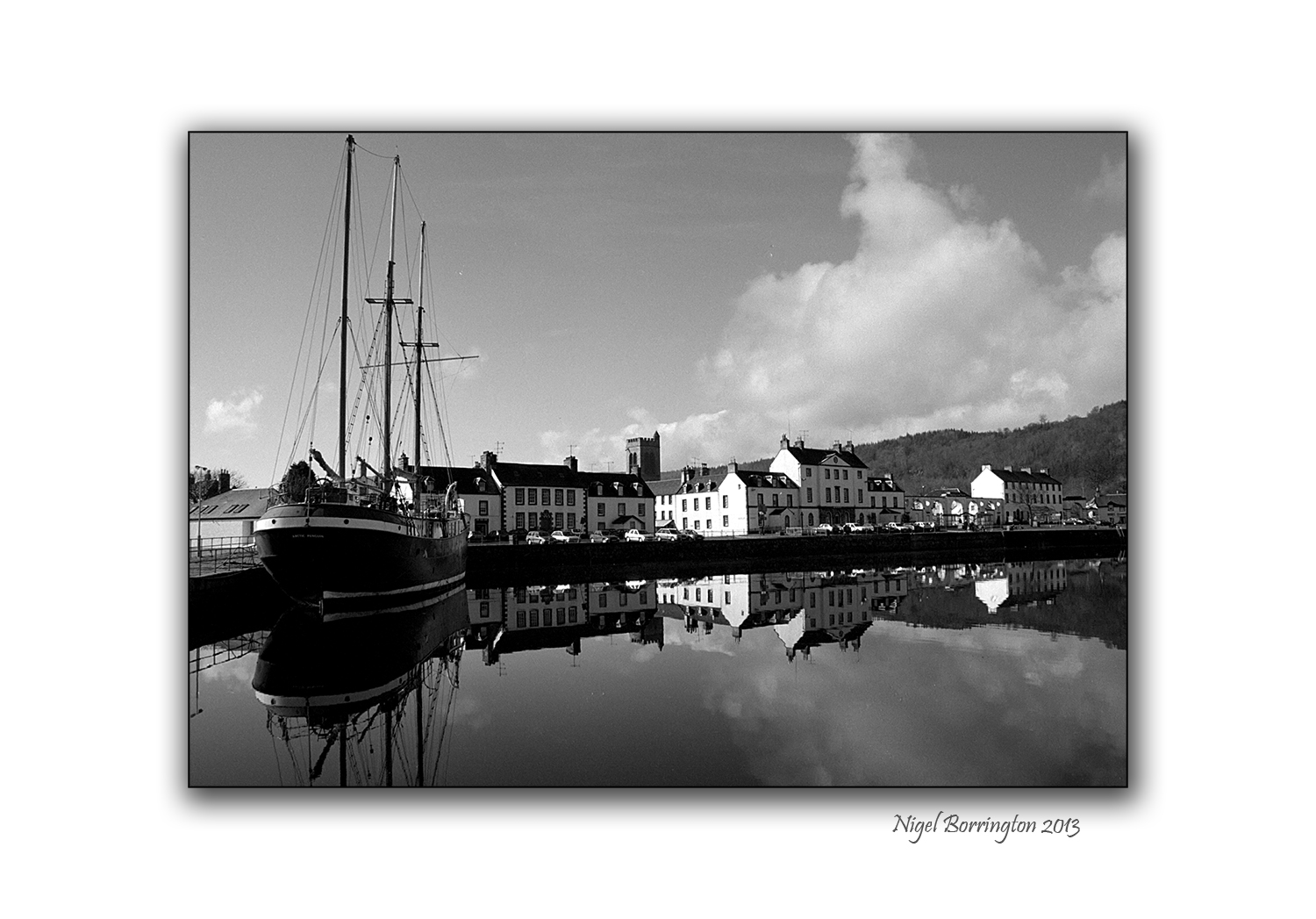
Nikon F90x
Ilford XP2
Nikon 50mm f1.4 lens
Sitting on the quays at Inveraray in Argyll and Bute, Scotland, the Artic Penguin now rests.
She had the following History
History
1910 Named: PENGUIN as lightship for the Irish Lighthouse Service – cost £7,230. Flag: Ireland
1966 Sold to T.E. McSweeney and converted into a Youth Adventure Sea Training Vessel Renamed: HALLOWE’EN Flag: United Kingdom
1982 Sold to Mr D. Norris and converted to a schooner. Cruise Boat Renamed: ARCTIC PENGUIN Moored close to the eastern shore of The Gareloch where her new owner single-handedly fitted her with twin diesel engines. All the work, the boring out of the stern propellor tubes, the fitting of the necessary external propellor shaft brackets, the propellor shafts and the propellors was all done without the ship being docked or slipped.
1995 Maritime Museum at Inveraray Pier
Today she enjoys one of the best views Scotland has to offer.

Nikon F90x
Ilford XP2
Nikon 50mm f1.4 lens
Inveraray sits on the A83 between Glasgow and Oban/Argyll, I have driven this route many times and stopping to look at the Artic Penguin and loch Fyne was something I did every time, just a fantastic view.
I am planning to return in November this year and cannot wait!

Nikon F90x
Ilford XP2
Nikon 50mm f1.4 lens
Nigel …
View from the window

Fuji X100
Irish landscape photography, Nigel Borrington
Glenbeg,Youghal, Co Cork
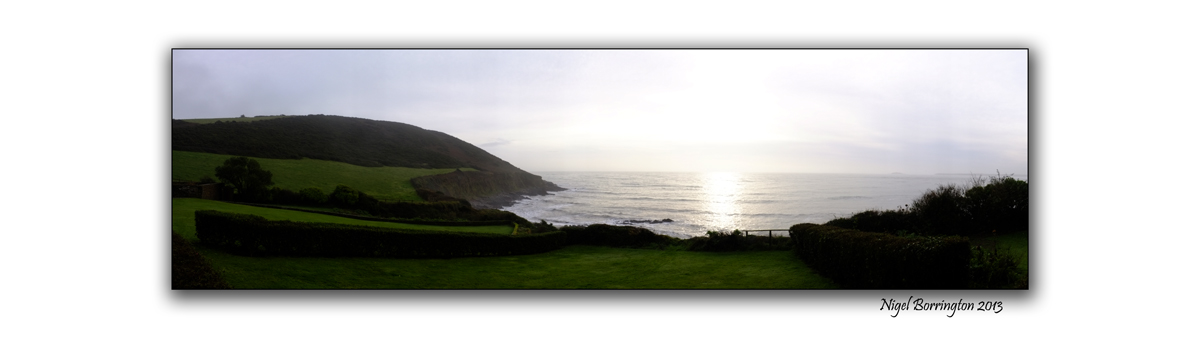
If you took-up my offer of a seat over the last weekend then this is the view from the window..

Fuji X100
Irish landscape photography, Nigel Borrington
Glenbeg,Youghal, Co Cork
Glenbeg is a small cove just east of Youghal on the south coast of Ireland and Its a special little place that I hope to return to this year for some more picture….
Liverpool
A weekend in Liverpool, Sometime back….

Ablert docks – Saturday Morning
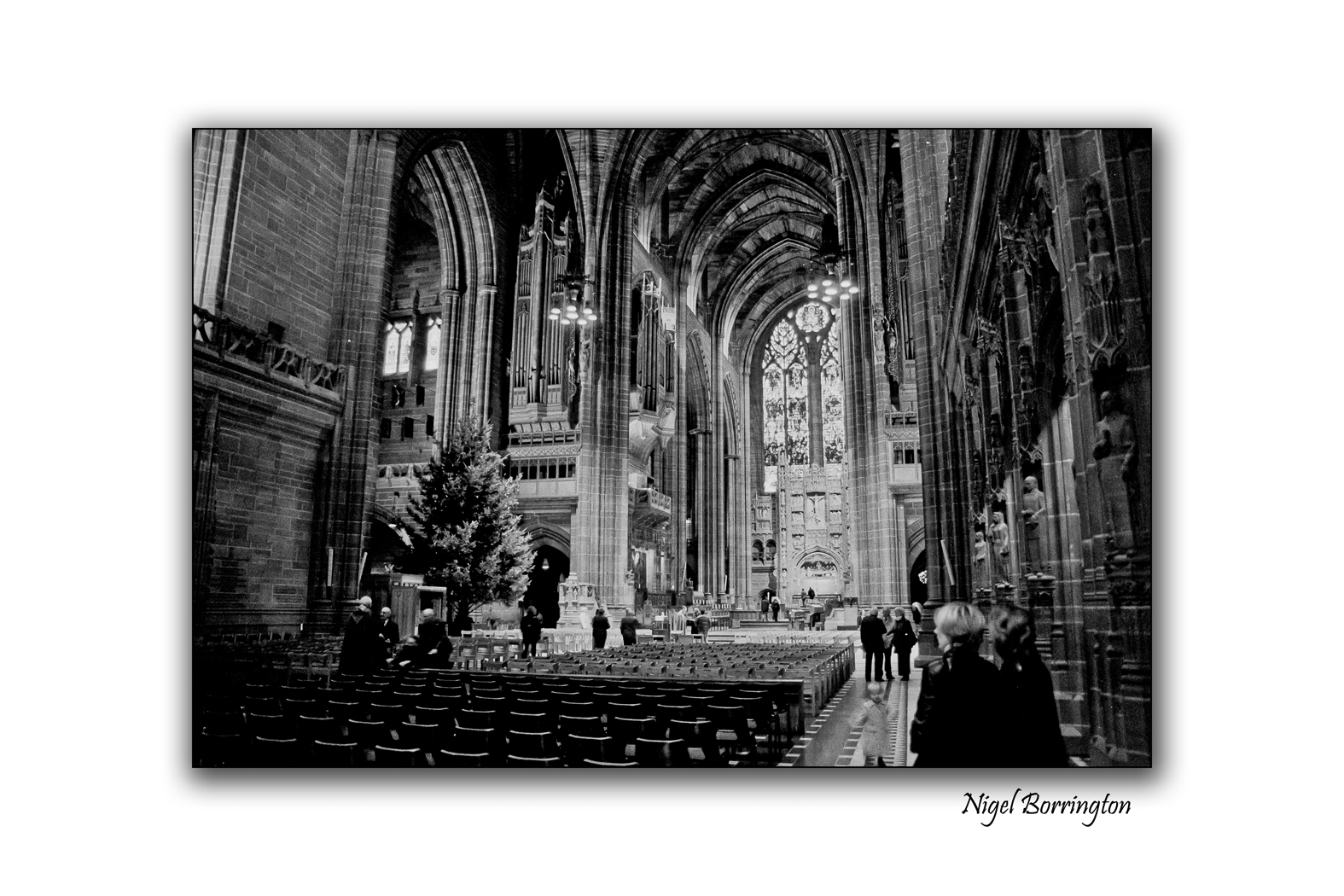
Liverpool Cathedral – getting ready for Christmas

The Cavern – Home of the Beatles
Images from a weekend I spent in Liverpool sometime back….
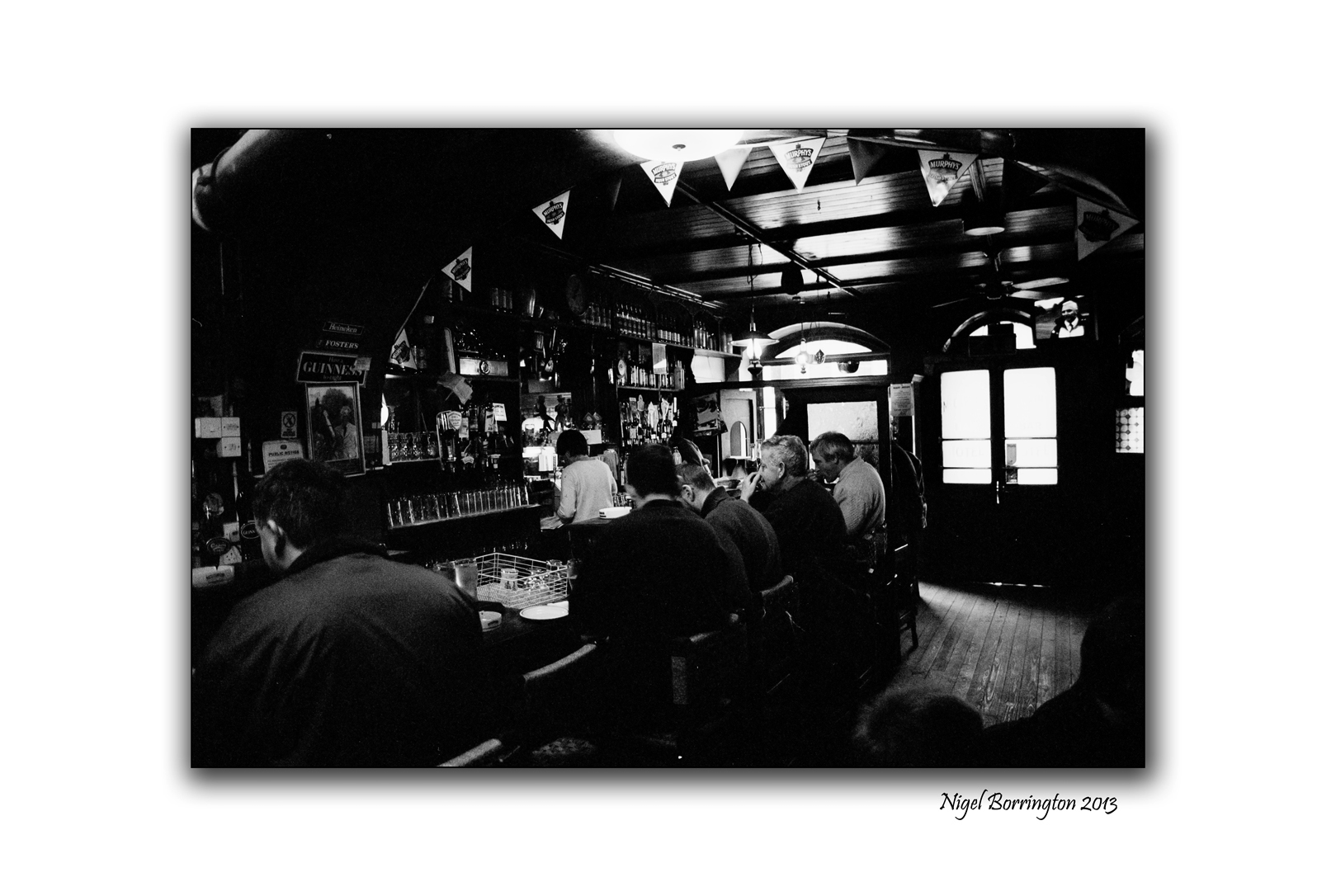
Also… Along with many others (Thank you!) I received a very kind comment from Paul Scribbles about my McCarthys hotel post and Ilfords film so these are more for yourselve Paul, Ilfords XP2 using a Nikon Fm2n..
McCarthy’s Hotel
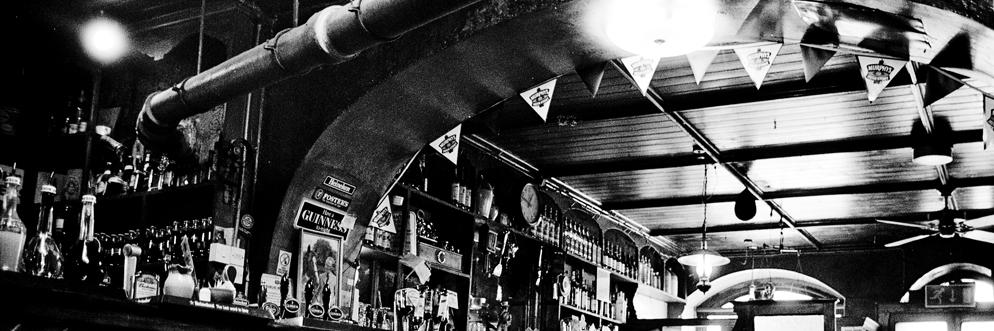
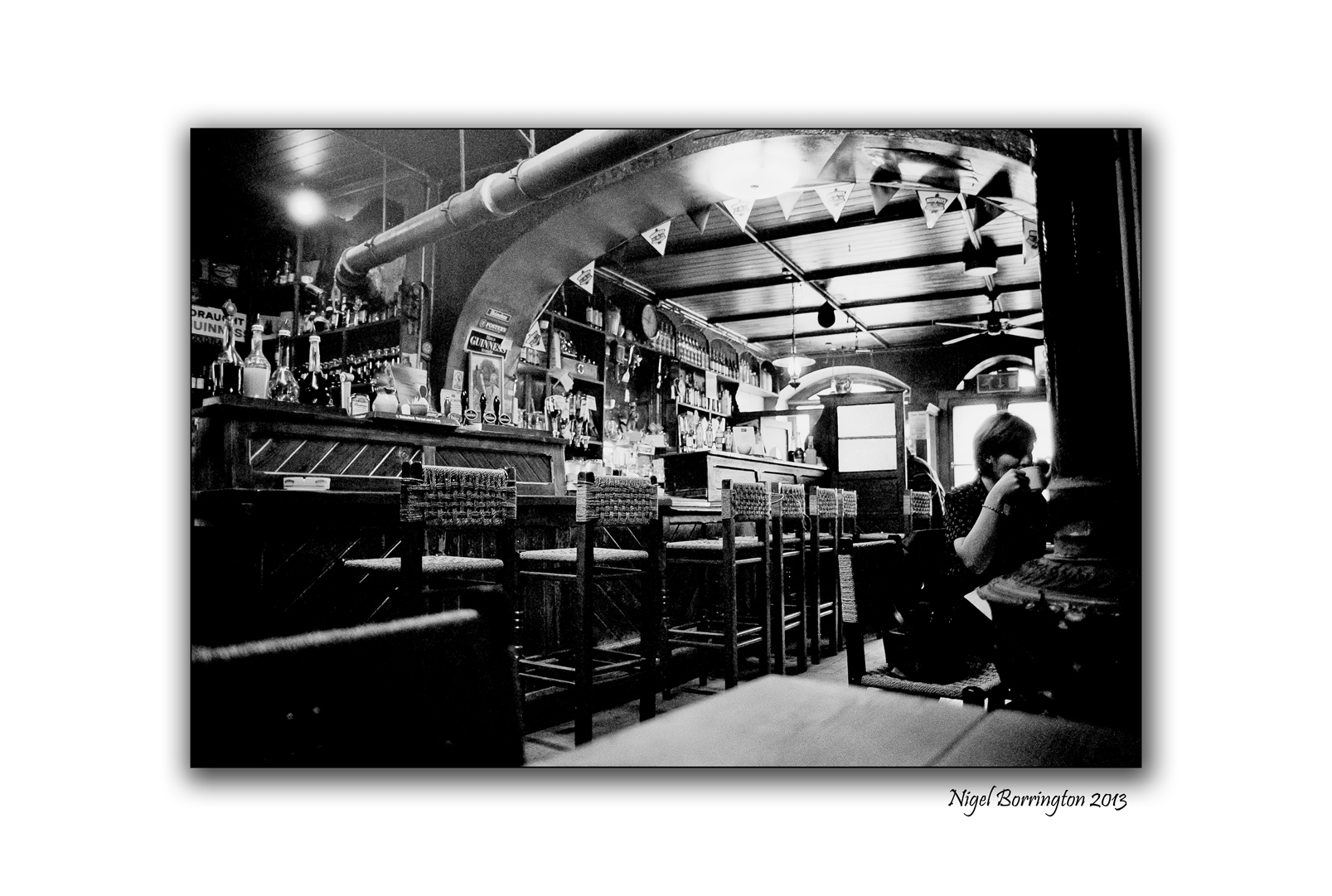
McCarthys Hotel/Pub in Fethard in Co. Tipperary, is just one of those place that you cannot help but fall in love with.
Whenever anyone says lets go to McCarthys the hairs on the back of my neck stand up and the car keys are in my hands as fast as I can find them. Food, Coffee or a pint a good old chat for a Saturday afternoon.
I took the following three images about four years ago:
Contax G2, 45mm lens, Ilford Xp2 400iso film
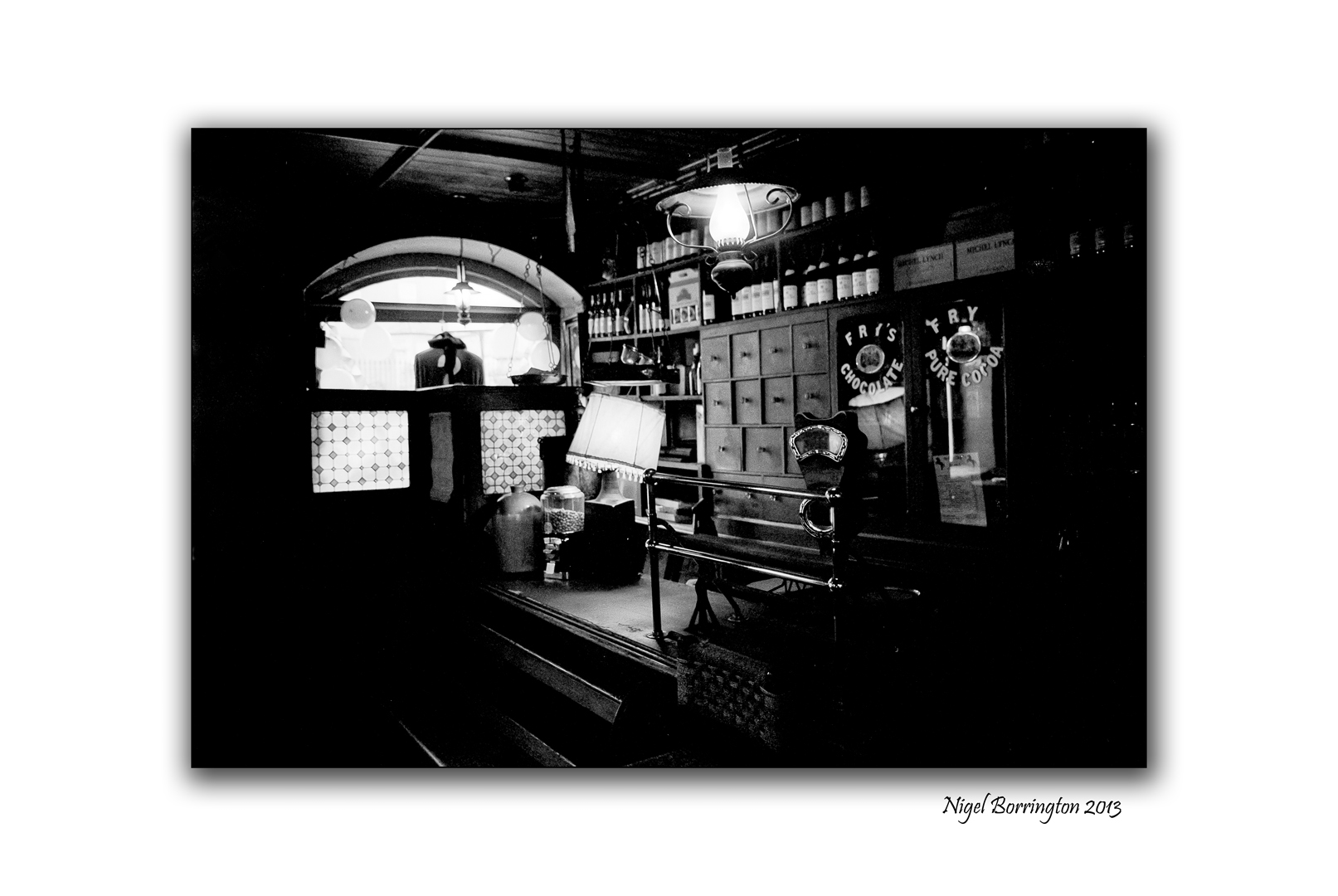
Established in the 1850’s
Established by Richard McCarthy in the 1850’s McCarthy’s Hotel provided the services of a spirit merchant, restaurant, hotel, undertaker, draper, grocer, baker, hackney service, glass, delph and china shop and if you still couldn’t get what you want – hire a few horses to take you elsewhere. Continuing in this tradition the present proprietor, Annette Murphy (fourth generation McCarthy), has a pub, restaurant and undertaker business which she runs with her family (fifth generation McCarthy).
McCarthy’s is situated in the medieval town of Fethard in Co. Tipperary. Formerly a very important market town in the 16th century, the town fell into decline. In the past twenty years the country in general, and Fethard in particular, has thrived – due in no small part to the equine scene in Coolmore and its associated farms plus numerous trainers and breeders dotted around Fethard. The re-discovery of our medieval past is of great importance to Fethard. Much of the medieval walls which surround the town have remained intact and a large portion of these walls have been restored. The town has been described as the most important walled town in Ireland next to Derry and is fast becoming the focal point for medieval scholars and tourists alike. For more information visit the Fethard Web Site: http://www.fethard.com
McCarthy’s success is based on a mix of the old and the new. The interior is unchanged since Richard McCarthy opened for business in the 1850’s. McCarthy’s were lucky that in the 1970’s, when great changes swept Ireland, three old ladies, Beatty, Kitty and Nell, ruled McCarthy’s and were unwilling to modernise the premises to a “lounge bar”. People still return expecting to meet the old ladies (now deceased) sitting in the office drinking tea and surveying the comings and goings of life from the office door.
The McCarthy’s are closely involved with sporting activities and with horses in particular. Dick was a professional jockey who also played hurling, football, rugby, polo and was a champion amateur boxer. His brothers Gus and Chris were amateur jockeys. Gus was also a noted footballer who won an all-Ireland medal with Tipperary and who also played on the ill-fated Bloody Sunday Tipperary team in Croke Park on Nov. 21, 1920. The current generation are as keenly involved in both horses and Gaelic games.
Ghosts
McCarthy’s is also a place of interest for those who believe in the supernatural. A sign was given before the deaths of the last generation of McCarthy’s, usually a picture falls from the wall for no apparent reason. Three loud knocks on the front door were heard by people at both sides of the door before Beattie’s death. Ghosts were spotted recently by Mark Lonergan and John O’Connor (at night) and by Ciarán Hayes in the afternoon!
So next time you see somebody sitting quietly sipping a pint in the corner – you might be the only one who can see him!
McCarthy’s is well known the world over and has been filmed by Channel 4, BBC, Good Morning America, Sky News and many more. Many well known personalities have also visited McCarthy’s over the years including Eamon De Valera, Michael Collins, Mick Doyle, John Magnier, Vincent O’Brien, Robert Sangster, Julian Wilson, Lester Pigott, Richard Dunwoody, Adrian Maguire, Martin Pipe, Charlie Swan, Tommy Stack, Tommy Carberry, Alex Ferguson,
Dr. A. J. F. O’Reilly, Lord Lloyd Webber and his brother Julian. Sir David Frost, Alan Parker, Rod Taylor, Angela Rippon, Peter Curling and of course Paul Carberry – the only jockey to ride into McCarthy’s on a horse.
Swanage Railway

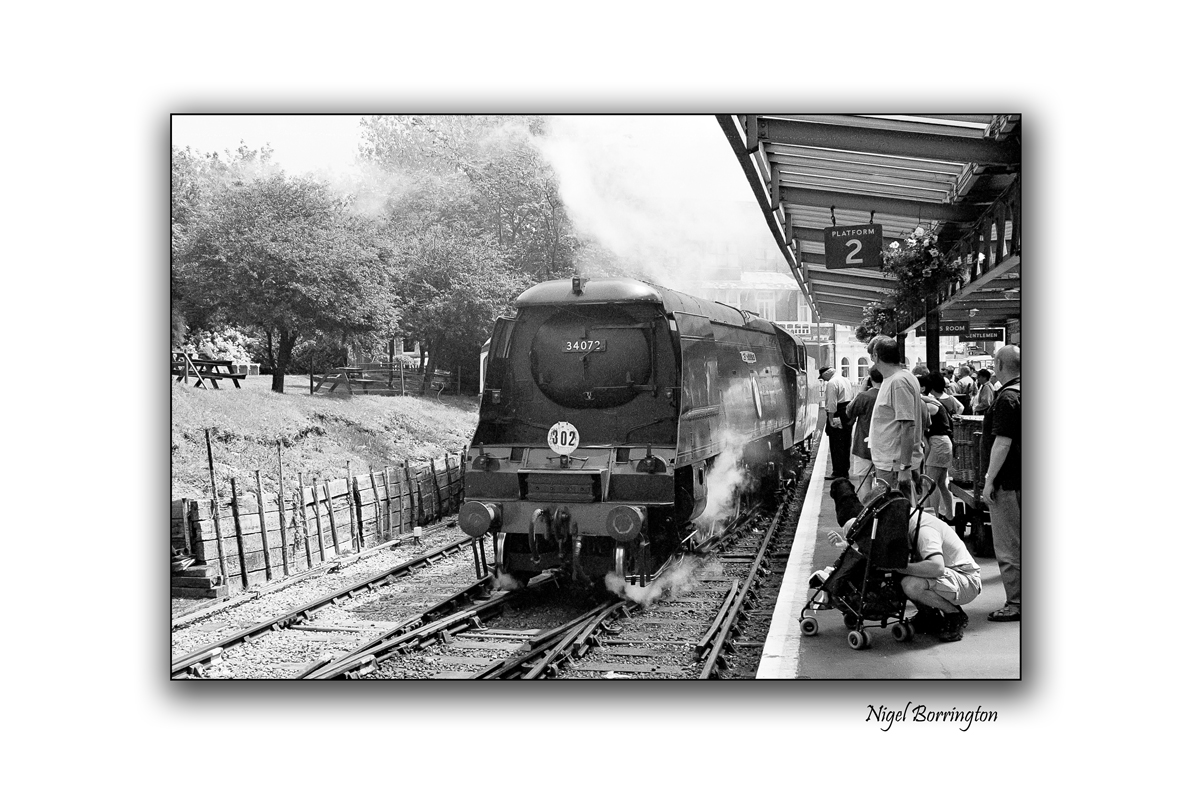
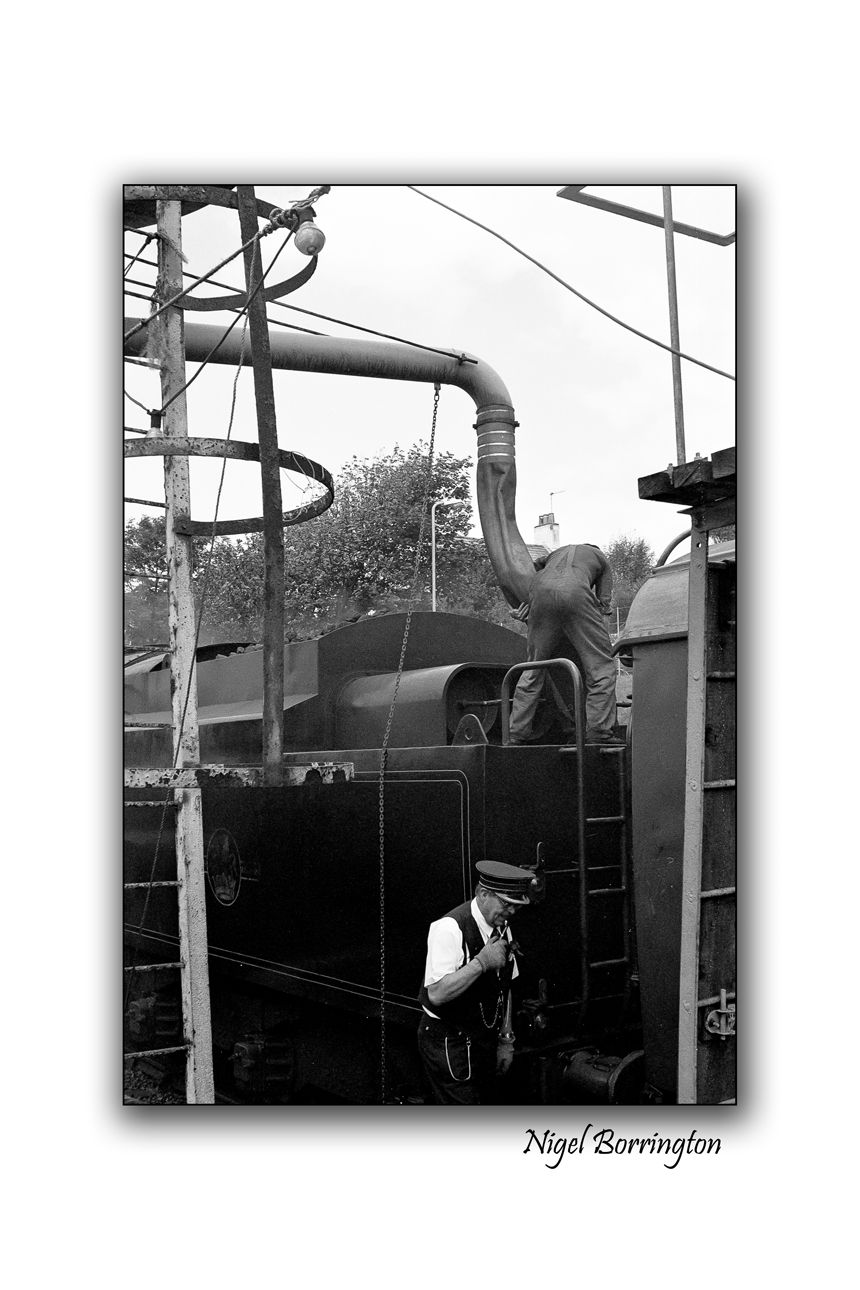
These images were taken during a visit to the (Swanage railway, Dorset, uk) on the south coast of England. We were staying in poole and had been guided toward visiting the Swanage Railway, so one warm Sunday morning we arrived at Swanage station in order to get the ten o’clock train to Norden park and back.
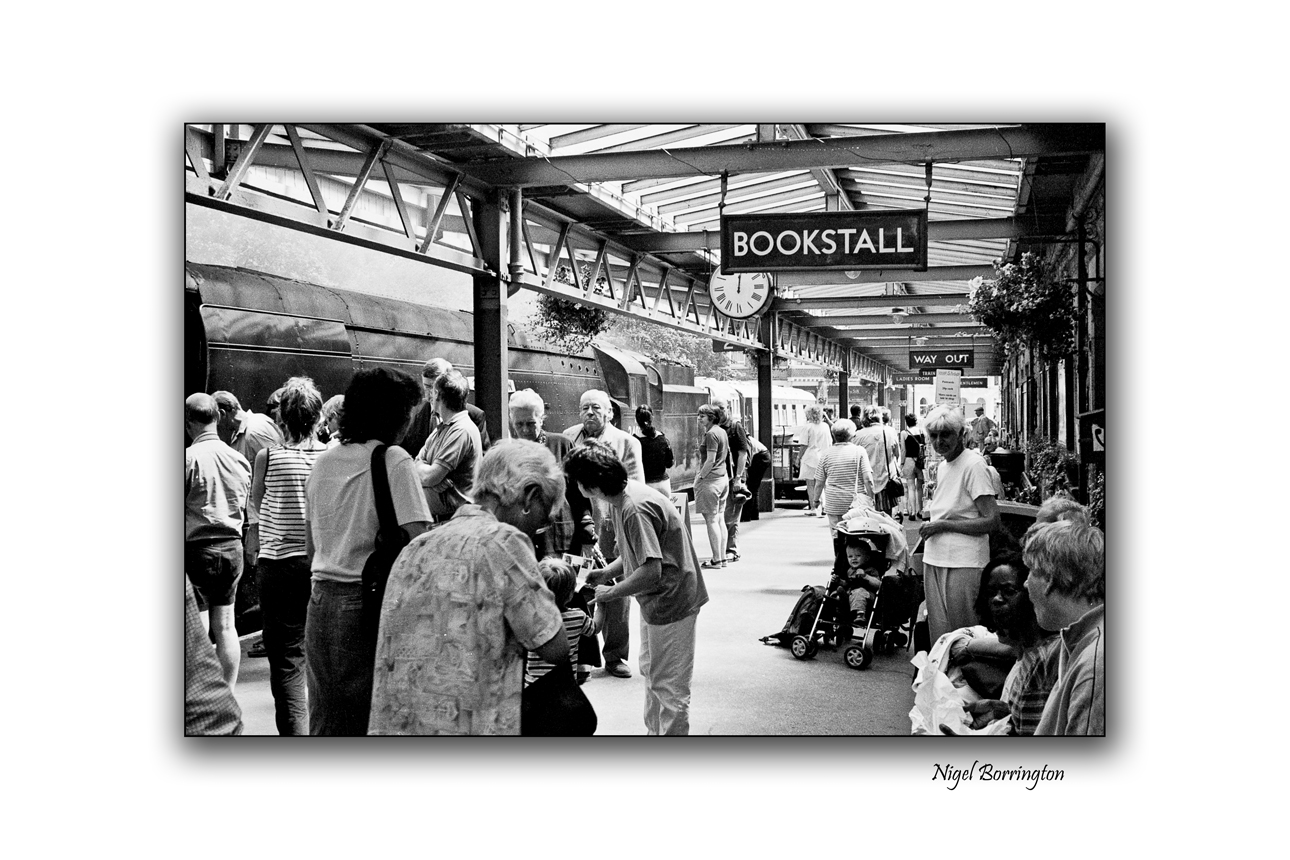
From the moment we collected our tickets and walked to the platform for the train it felt like going back in time to the nineteen thirties.
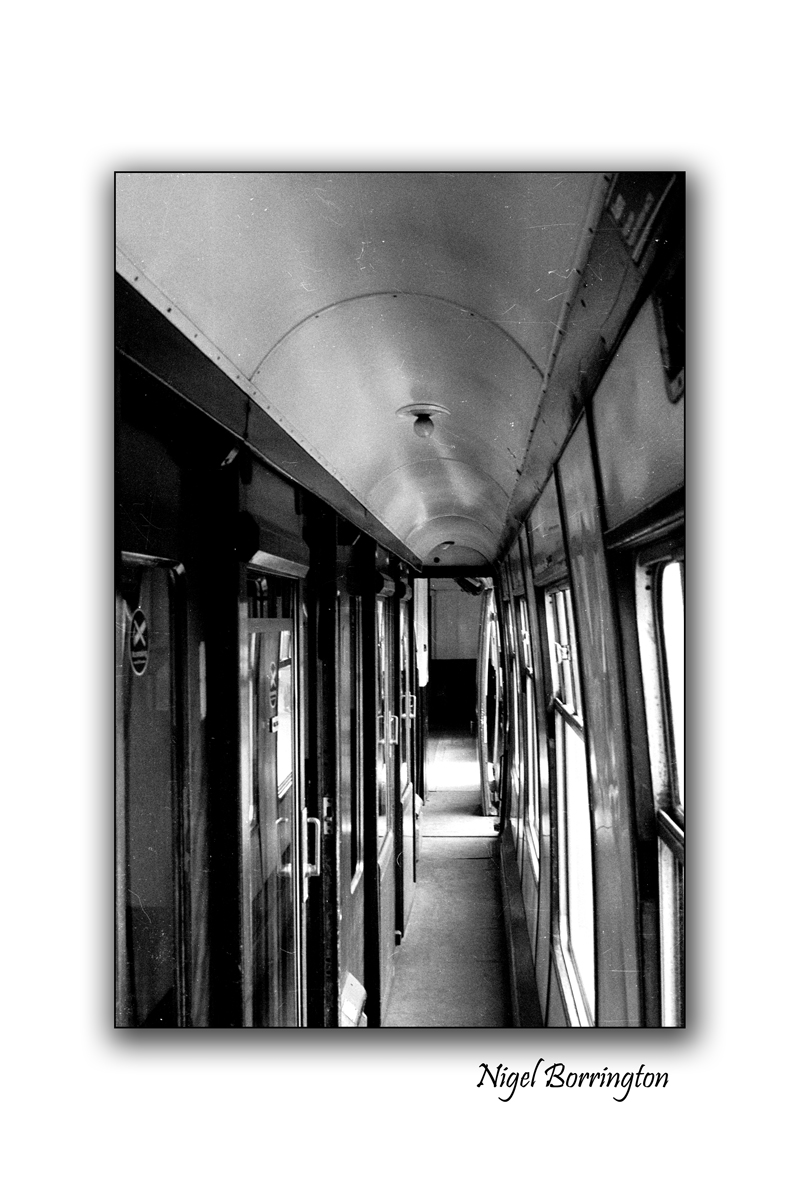
Every part of the station was setup to make you feel you had returned to times gone by. Old cases and trolleys, bookshops and tea shops with every member of staff dressed to complete the feeling.
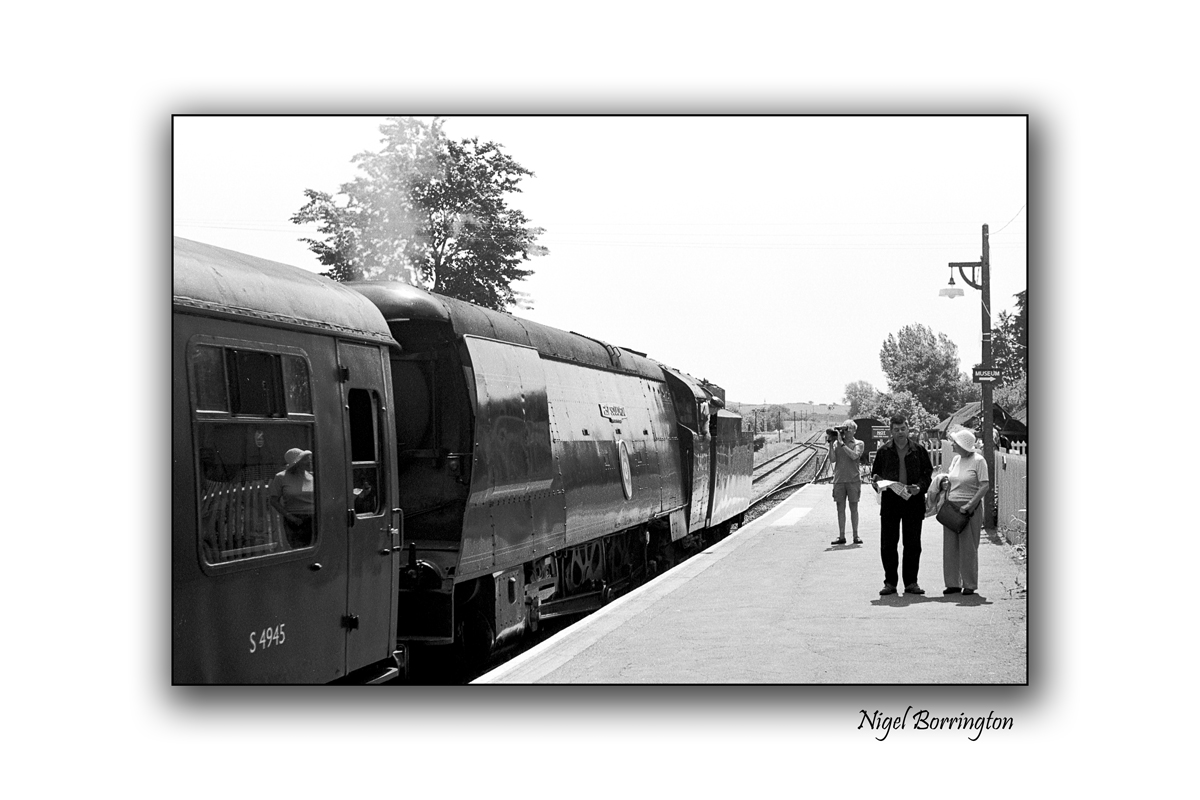
When we took our seats on the train and then got on our way the sounds and smells of the old steam engine were just brilliant. For some of these images I stuck my head out of the window and the rush of fresh air and steam as we passed the fields along the way was just unforgettable.
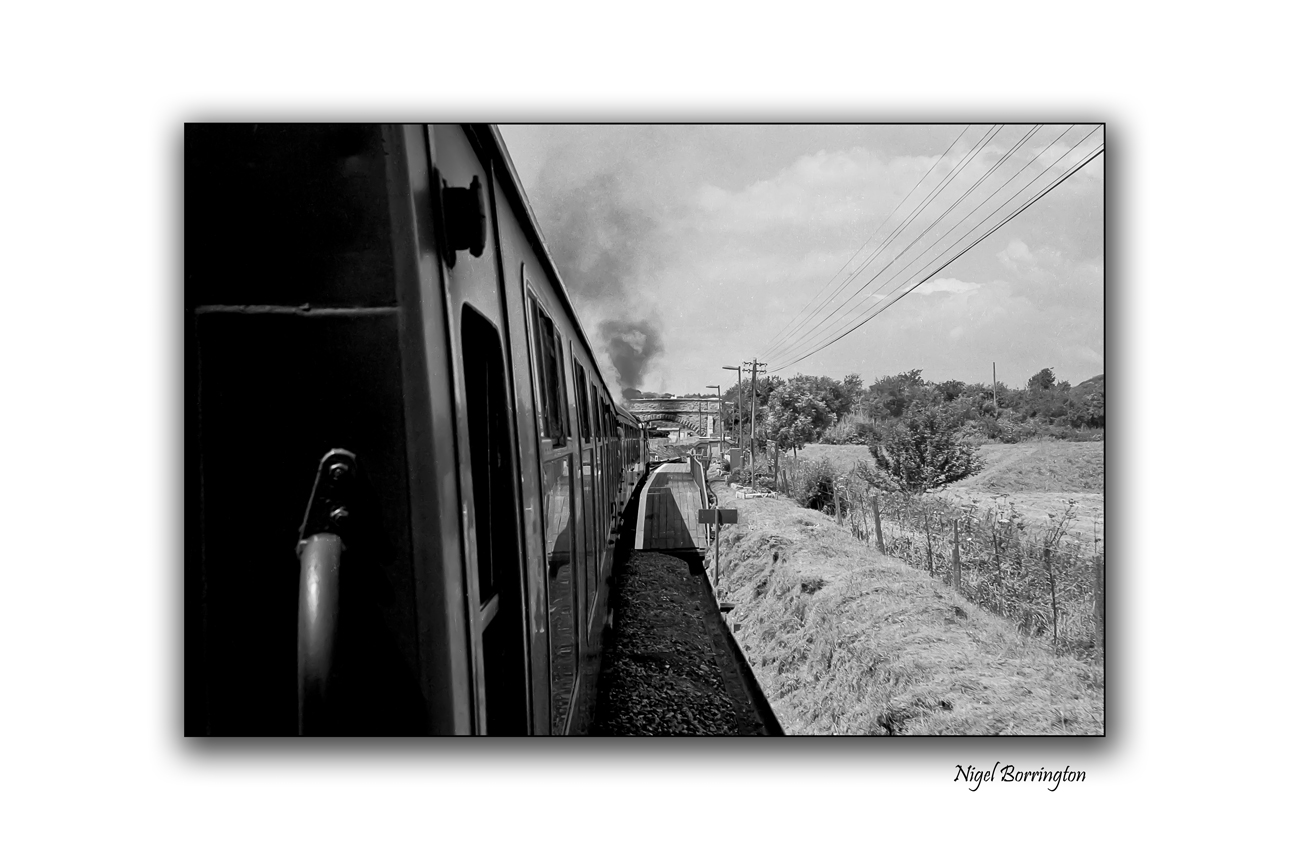
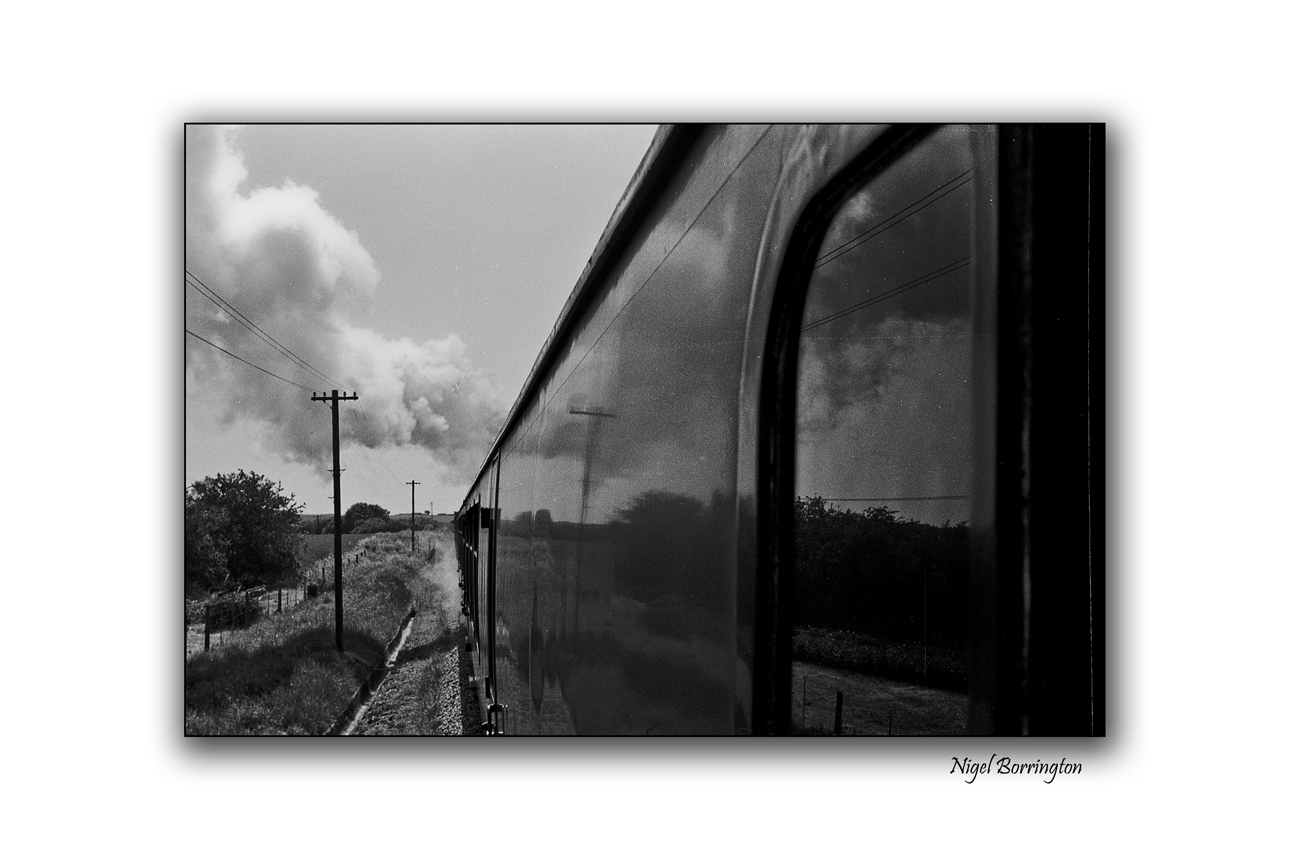
If you are ever in this part of the world you simply must visit this railway as you will enjoy the experience of a lifetime.
I include below some Wikipedia text and some more you tube links
Nigel
The Swanage Railway is a 6-mile (9.7 km) long heritage railway in the Purbeck district of Dorset, England. The railway line currently follows the route of the old Purbeck branch line from Norden, via Corfe Castle, Harman’s Cross and Herston Halt to Swanage.

The line was re−connected to the mainline at Wareham, Dorset, along a stretch of the branch line that had previously only remained open to freight traffic until 2005. Trains operate on the Swanage Railway between Swanage and Norden Park & Ride every weekend and Bank Holiday from mid-February to the end of the year, and every day of the week from April to October; with Santa Special services in December.
The link between the Swanage Railway and the main line at Wareham has been used for materials deliveries, special excursions, locomotive and stock movements only— work is continuing to provide the infrastructure necessary to enable regular services via Wareham to be implemented.
In April 2009 the line reopened to its first through traffic from London with occasional special services.

History
After several false starts, the branch was built by the locally promoted Swanage Railway Company. It was opened in 1885 and operated from the start by the London and South Western Railway Company. Subsequently the line became part of the Southern Railway and latterly the Southern Region of British Railways. In the 1950s the Branchline Committee identified this branch line as a possible candidate for closure. At the time such a plan was unrealistic for a branch line which carried so much seasonal holiday traffic. The closure proposal met with a great deal of opposition and was shelved. The line was not mentioned in Beeching’s 1963 report ‘The Reshaping of British Railways’.
In the mid 1960s a programme of third rail electrification took place on the main line running from Waterloo, Basingstoke, Southampton to Bournemouth in preparation for withdrawal of steam. As the third rail did not, then, extend west of Branksome the Swanage line was operated until its closure using a British Rail Class 205 DEMU.
In May 1967 the Network for Development Plans were issued by Barbara Castle MP, the then Labour Minister of Transport following a study. Where lines were at the remunerative end of the scale, such as the main trunk routes and some secondary lines, these would be developed. Lines that failed to meet the financial criterion, but served a social need were to be retained and subsidised under the 1968 Transport Act. The problem would be for lines that were not in these categories which could be candidates for closure as they did not form part of the basic railway network. The Swanage line was one of these. It was a line that may well have carried considerable traffic, and perhaps made a small profit, but it did not meet the Government’s social, economic and commercial criteria for retention.
It was in the later part of 1967 that British Railways issued a notice that the Swanage line was to be closed by September 1968. However, due in part to the level of opposition to the closure, and also by the fact that British Railways had underestimated the logistical problems in providing a replacement bus service during the summer months owing to higher traffic levels, the line remained open. Opposition from the various pressure groups was so vociferous that a public enquiry was called for. Subsequently a Department of the Environment Inspector, after hearing the evidence that a replacement bus service would be unable to handle the traffic in the summer months, ruled that the line should remain open. His decision was later overturned by the Secretary of State for the Environment. Up to this time it is possible that the line may have been in receipt of a subsidy under the terms of the 1968 Transport Act whilst all the issues concerning the pending closure of the line were discussed.
The line was closed in January 1972. In May 1972, the Swanage Railway Society was formed with the objective of restoring an all-the-year-round community railway service linking to the main line at Wareham which would be ‘subsidised’ by the operation of steam-hauled heritage trains during the holidays.
However BR responded by hiring contractors to lift the track between Swanage and Furzebrook sidings during the summer of 1972; massive protests were orchestrated by the Society and an agreement between the Society and BR followed leading to all the ballast being left in situ plus an extra half a mile of track at Furzebrook. The track from Furzebrook to the main line junction at Worgret remained in use for ball clay traffic, later also serving the oilfield at Wytch Farm. BR had intended to sell the Swanage station site to a property developer, but after the intervention of the Evelyn King, the MP for South Dorset, at the Society’s request, offered it to Swanage Town Council (STC).
At first, neither the Dorset County Council (DCC), nor the STC backed the Society’s plans to restore the railway. DCC planned to build a by-pass for Corfe Castle on the railway land, while STC actually started to demolish Swanage station. To break the impasse, the Railway Society formed two daughter organisations: the Swanage and Wareham Railway Group – composed of local residents prepared to lobby the local authorities and the Southern Steam Group – to collect historic railway rolling stock and establish a museum of steam and railway technology. After many interventions by local residents, in 1975, the STC finally granted the Society limited facilities on the Swanage station site. In 1975 DCC acquired the railway land between the end of the line at Furzebrook and Northbrook Road bridge, Swanage and to ‘give further consideration’ to routes for a Corfe By-pass. The Railway Society piloted a successful application by the Southern Steam Group to the Charity Commissioners for charitable status and subsequently both the Society and the residents group joined the new Southern Steam Trust.
In 1979 a short line re-opened, the length of King George’s playing fields. This was extended first to Herston Halt and then to Harman’s Cross in 1988. Neither Herston Halt nor Harman’s Cross had been stations previously. In 1995 the railway reopened from Swanage to Corfe Castle and Norden Park and Ride, another post BR station. The opening of Corfe Castle was delayed until Norden was ready as Dorset County Council had concerns about the effects of traffic on Corfe’s narrow main street (the A351 road between Wareham and Swanage).
On 3 January 2002 the track was temporarily joined with the Furzebrook freight line at Motala and the Purbeck branch line was once again complete, thirty years to the day after it was closed.
On 8 September 2002, a brand new Virgin Trains Class 220 “Voyager” diesel multiple unit, no. 220018, became the first mainline train to use the new track when it made a special journey for a ceremony at Swanage where it was named Dorset Voyager and began its first passenger journey.[2] Following this historic event, the efforts of the Swanage Railway’s volunteers were redoubled working with Network Rail to replace the temporary connection with a permanent ground frame and catch-point arrangement at Motala.
On 10 May 2007 history was made when the Swanage Railway’s permanent connection with Network Rail was used for the first time – four ex-BR diesel locomotives running from Eastleigh down to Swanage to participate in the Purbeck Line’s largest ever diesel gala and beer festival in May 2007. Also making the trip—the first such working since the summer of 1972 when the tracks to Corfe Castle and Swanage were lifted—was a preserved four-carriage electric 4VEP British Rail Class 423 unit provided by South West Trains.[3]
The link was again used in July 2007 when a steam locomotive for the Swanage Railway’s 40th Anniversary of the End of Southern Steam special event travelled to Swanage via the main line at Wareham.
The first public passenger service between Wareham and Swanage since 1972 was from London Victoria to Swanage, via Wareham on 1 April 2009.
The Swanage Railway’s works at Herston, on the outskirts of Swanage, are not physically connected to the running line. Movements of locomotives for overhaul are carried out by road transporter as the Swanage Railway has been unable to reach agreement with local landowners to build a branch connection into Herston Works.
 Nigel Borrington
Hampton Court
A day with Black and white film.
Nikon FM2n, Ilford’s HP5
Nigel Borrington
Some years ago myself and my brother and a friend Neil, headed to Hampton court to do some photography. It was the first time I had loaded Black and white film into my Nikon FM2 camera in a location like this so full of colour from the June flowers on display.
However Neil owned his own black and white dark room so Ilford’s HP5 it was. We spent about four hours at Hampton Court and then some hours processing the film making some prints and drinking a lot from what I can remember.
The images here are some of the results, I cannot find anything else. The prints are long gone so I have scanned any negatives I can find.
I am more than happy with these images and it’s very interesting to look back and think about what I felt made a good image way back then.
Nikon FM2n, Ilford’s HP5
Nigel Borrington
Share this:
April 9, 2013 | Categories: Comment, Gallery, Travel Locations | Tags: 35mm film, black and white photography, Film photography, Hampton court, ilford, Ilfords hp5, Landscape, nikon fm2n | 9 Comments