The Harbour, Poem By : Winifred Mary Letts
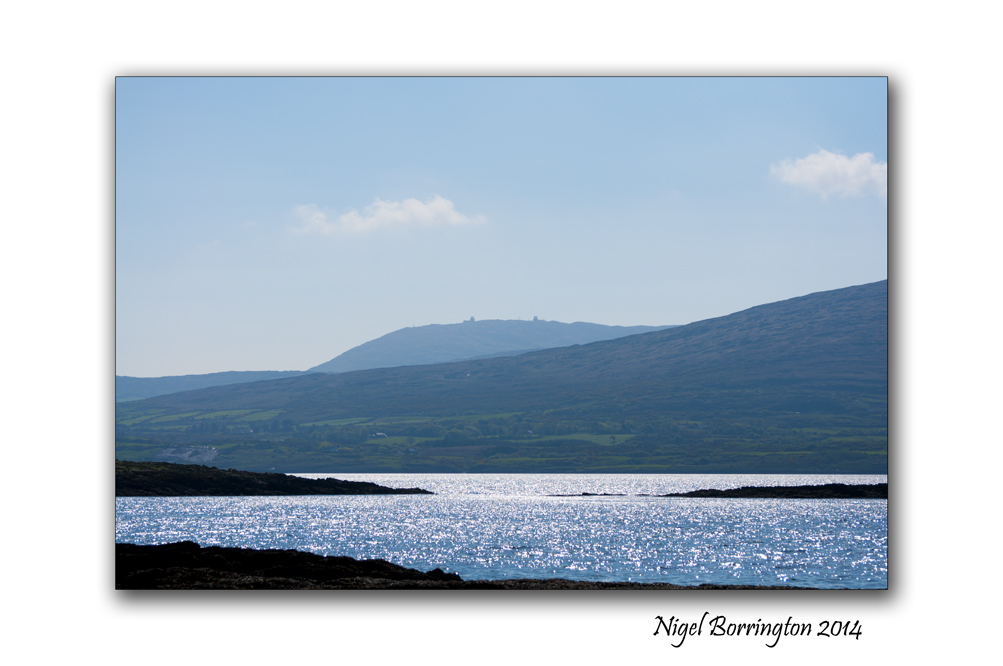
The Harbour, Poem
By : Winifred Mary Letts
I think if I lay dying in some land
Where Ireland is no more than just a name,
My soul would travel back to find that strand
From whence it came.
I’d see the harbour in the evening light,
The old men staring at some distant ship,
The fishing boats they fasten left and right
Beside the slip.

The fishing boat rests along the shore,
The grey thorn bushes growing in the sand,
Our Wexford coast from Arklow to Cahore –
My native land.

The little houses climbing up the hill
Sea daises growing in the sandy grass,
The tethered goats that wait large -eyed and still
To watch you pass.
The women at the well with dripping pails,
Their men colloguing by the harbour wall,
The coils of rope, the nets, the old brown sails,
I’d know them all.
And then the sun- I’d surely see
The disk against a golden sky.
Would let me be at my rest.

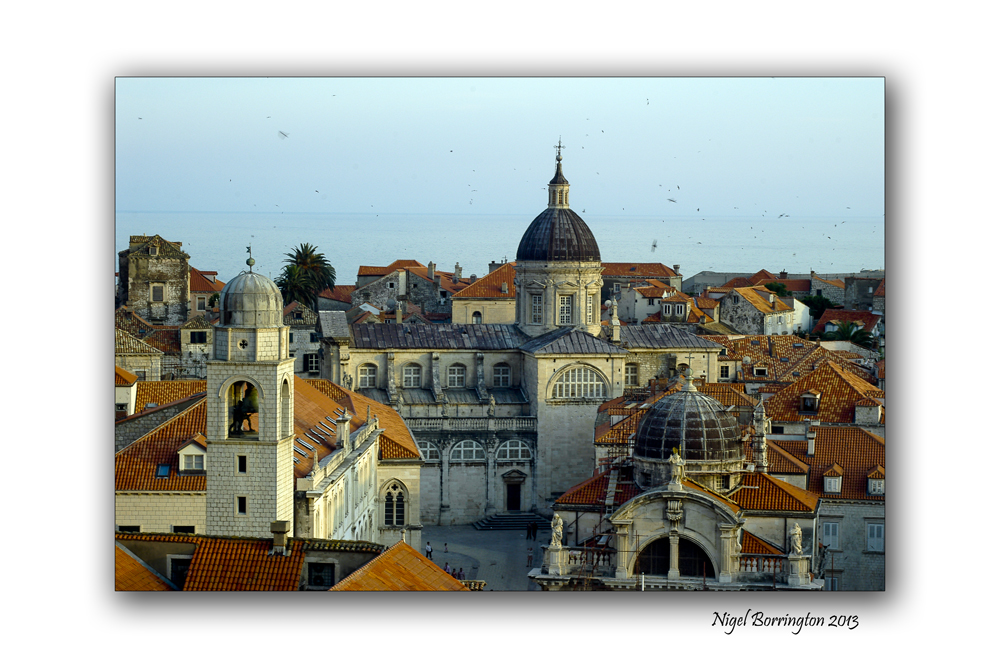
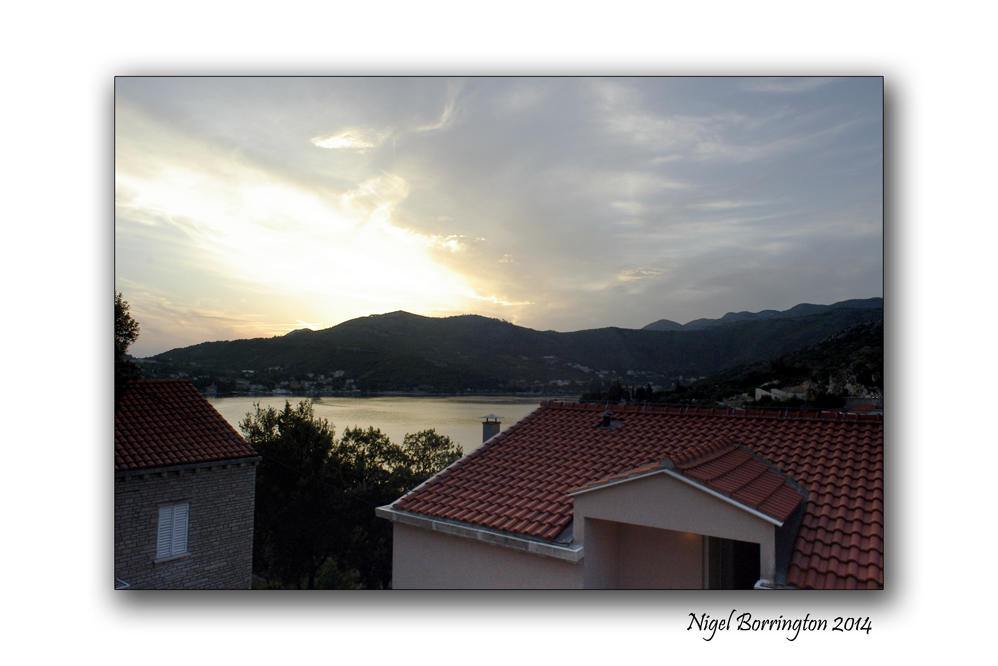
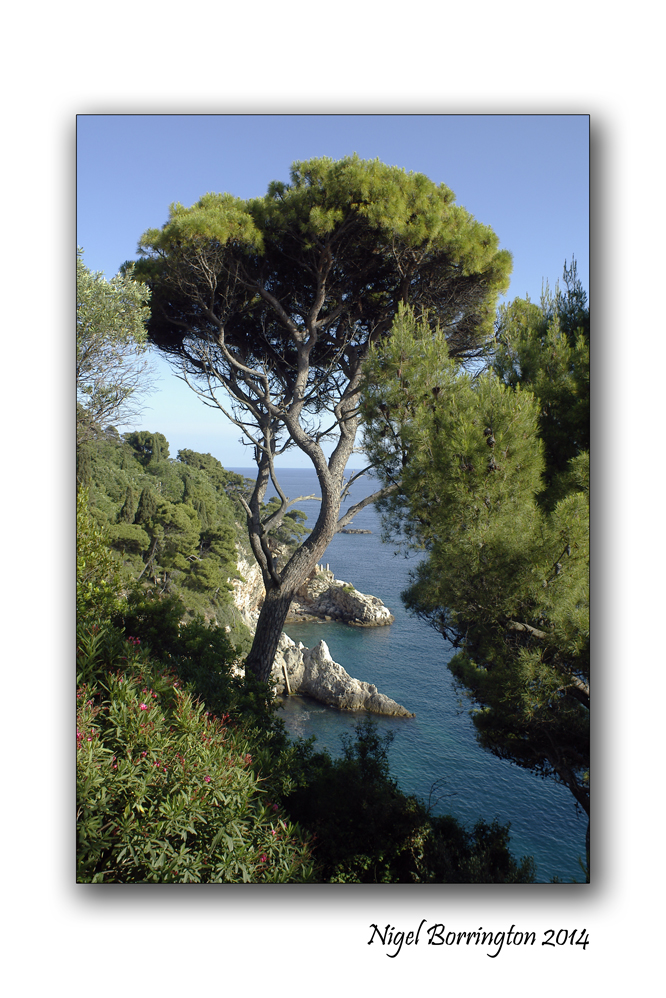
The Wonderful landscape and cities of Bosnia Herzegovina and Croatia Today.

Stikovica village, Dubrovnik, Croatia
Landscape Photography : Nigel Borrington
The Wonderful landscape and cities of Bosnia-Herzegovina and Croatia.
Yesterday my posts related to some of the war damaged and effected areas within the now independent states of Bosnia and Herzegovina along with Croatia.
In today’s post I just want to share some images that I feel show just how wonderful these nations are today, these include images from the city of Dubrovnik and the landscape of the Dalmatia coast line.
This is a wonderful part of the world with many great places and welcoming people, if you ever get the chance I would highly recommend a holiday here as you will always look back with fond memories.
Gallery




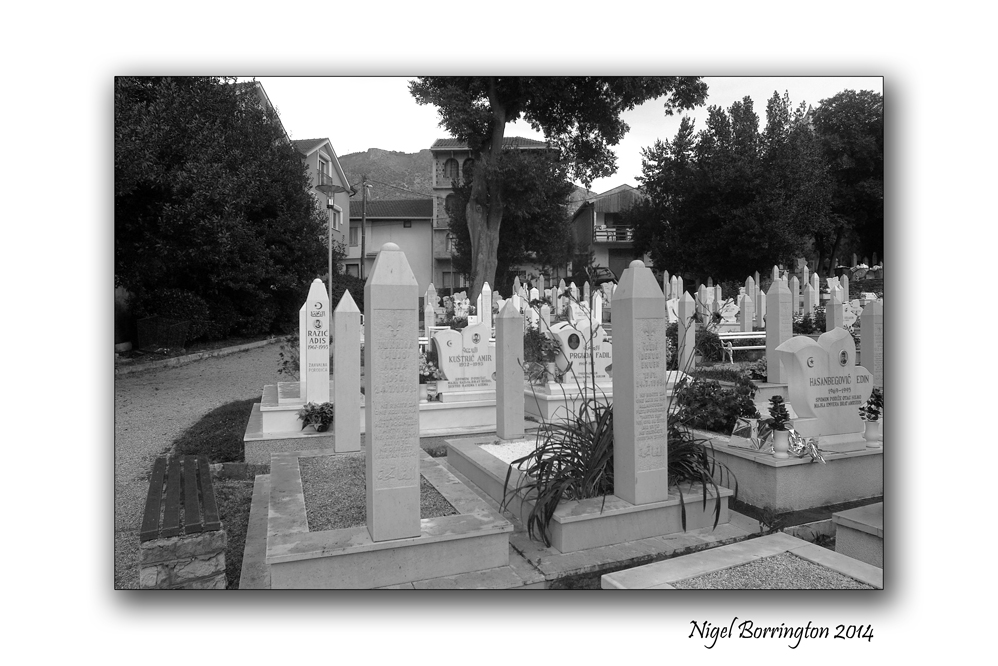
War Graves at Metkovic, lost lives of 1993

War Graves , Metkovic, Croatia
Photography : Nigel Borrington
On our way to Mostar we stopped off at the town of Metkovi/Metkovic, Croatia. The bus station is next to a cemetery in the centre of the town.
As Cemeteries go it was very open to the street , feeling more like a town park. I walked in and sat for a while to eat some lunch, afterwards I walked around and had a look at all the grave stones.
I often do this in Ireland or the UK as its a great way to learn local names and family history.
The main thing that I noticed in this Metkovi cemetery however was that all of these grave stones have one year of death on them (1993), all of them !!!
It was a while before the bus left to Mostar, so I just sat back on the seat and took sometime to take in what must have happened here in this small town some 21 years ago.
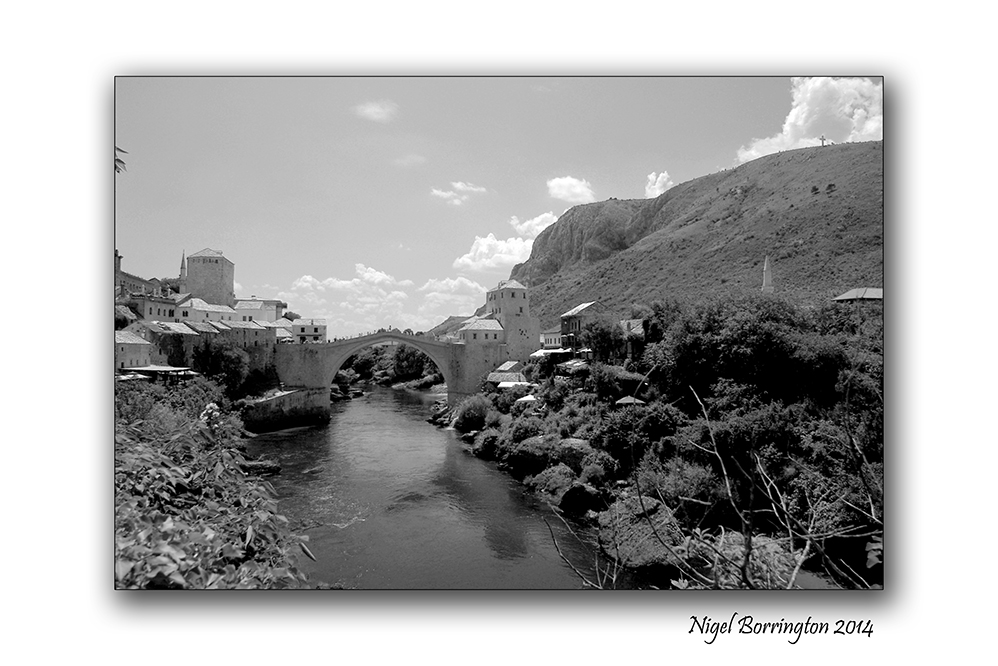
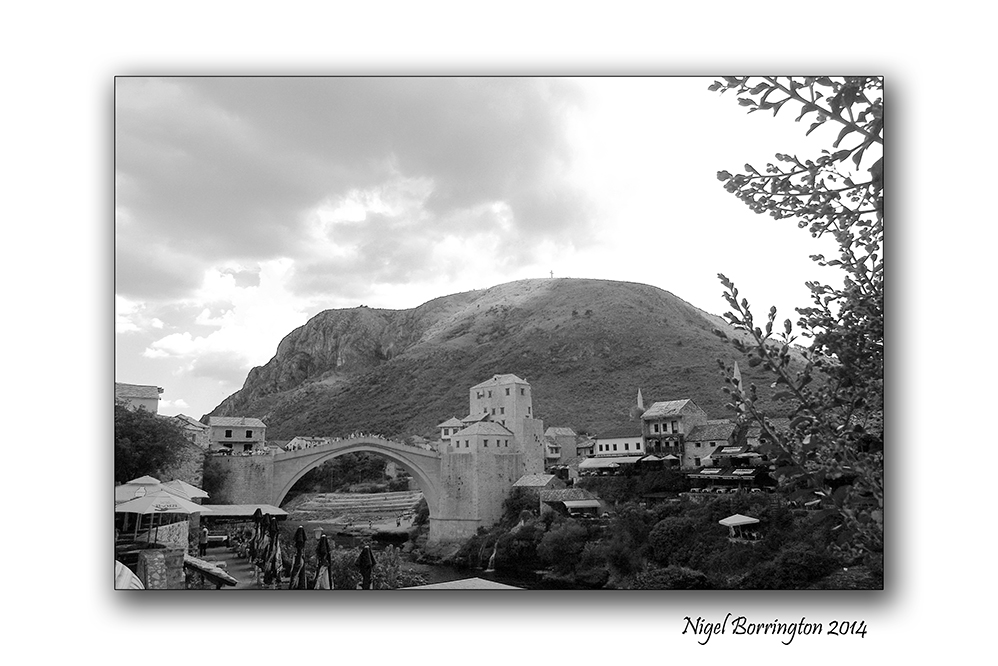
The Mostar bridge, Recovering from war.

The New and Old Bridge of Mostar, Bosnia and Herzegovina
Landscape photography : Nigel Borrington
The Mostar bridge, Recovering from war
A little time back on a holiday to Bosnia and Herzegovina, I visited the town of Mostar and took the following images of the Famous Bridge here.
The History of this bridge and its story both during the savage war in Bosnia, then after it is one of the most amazing in the modern history of the country.
The new Bridge of Mostar is located in the centre of Old City of Mostar. It was built in 1566. This arch construction connects the left and the right side of the Neretva River. Arch is 28.7 wide and 21m high compared with summer level of the river. From the highest amplitude in July every year jumps are held.
Mostar was named after the wooden bridge (mostari – bridge keepers) which was on that place before it was rebuilt in 1520 into stone one. Bridge survived Ottoman period, Austro-Hungarian era, World War II, and in the war 1992 – 1995 Mostar was badly damaged and the Old Bridge of Mostar was entirely destroyed.
The Old Bridge was reconstructed and totally renovated in 2004. Materials used for renovation are stones from the original one pulled out from the river.
The Old Bridge of Mostar is inscribed on World Heritage List by UNESCO in 2005. Arrival on the Old Bridge will offer memorable view of river Neretva and surrounding antiquities.
Mostar and its Bridge are marked with a brutality of war and bad history, but it is a true testament to the courage and persistence of inhabitants of this city.According to UNESCO, “The Old Bridge area, with its pre-Ottoman, eastern Ottoman, Mediterranean and western European architectural features, is an outstanding example of a multicultural urban settlement. The reconstructed Old Bridge and Old City of Mostar is a symbol of reconciliation, international co-operation and of the coexistence of diverse cultural, ethnic and religious communities.” (http://whc.unesco.org/en/list/946)
Image Gallery


A walk along the Donegal coast line at Slieveleague

Landscape view of the Coast line , Croaghlin , Slieveleague , County
Irish landscape Photography : Nigel Borrington
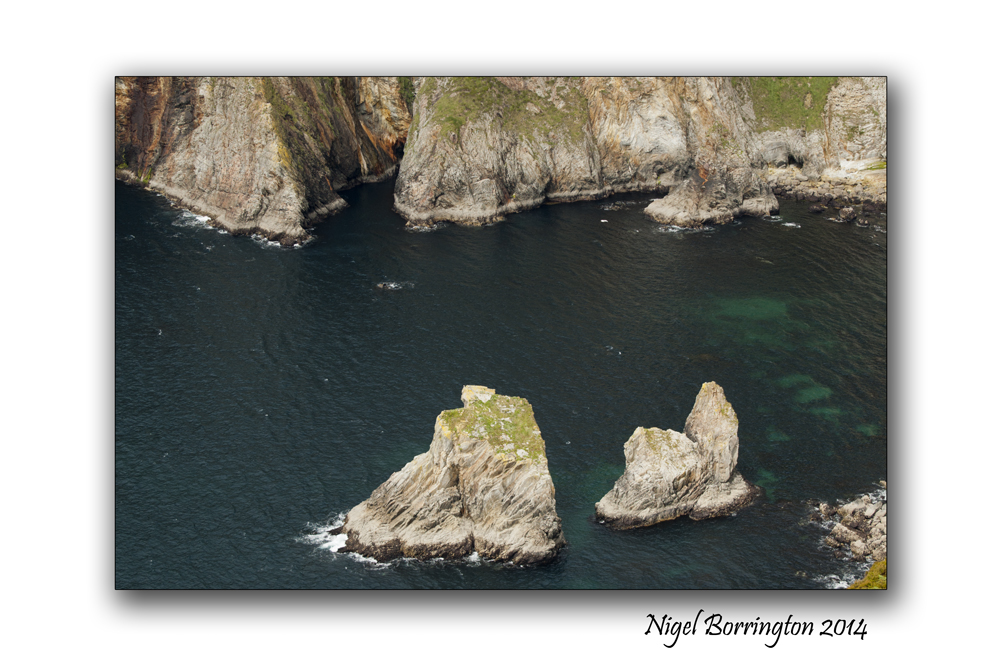
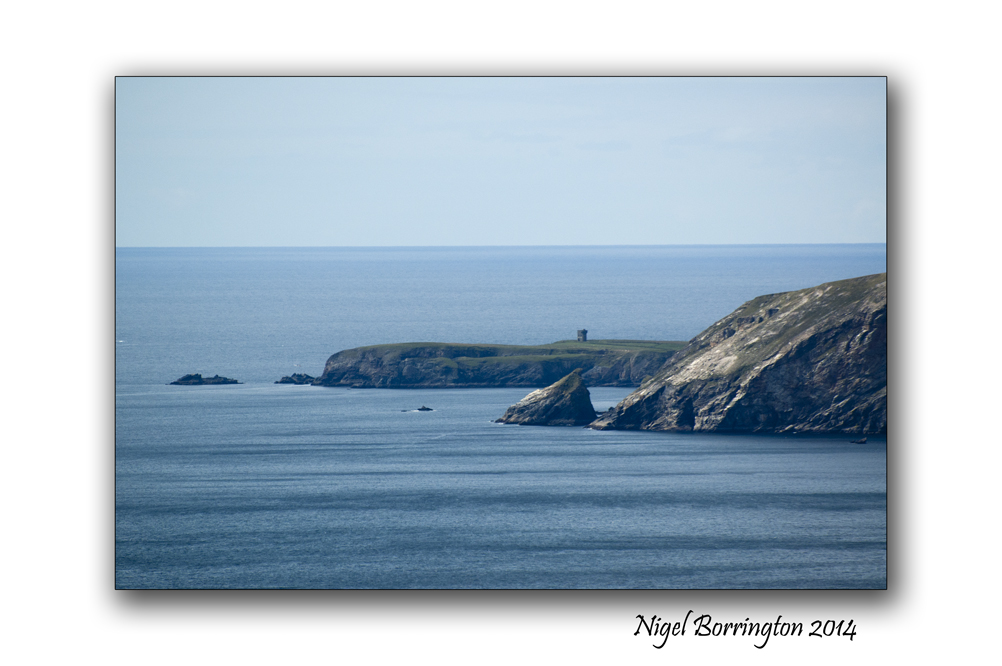
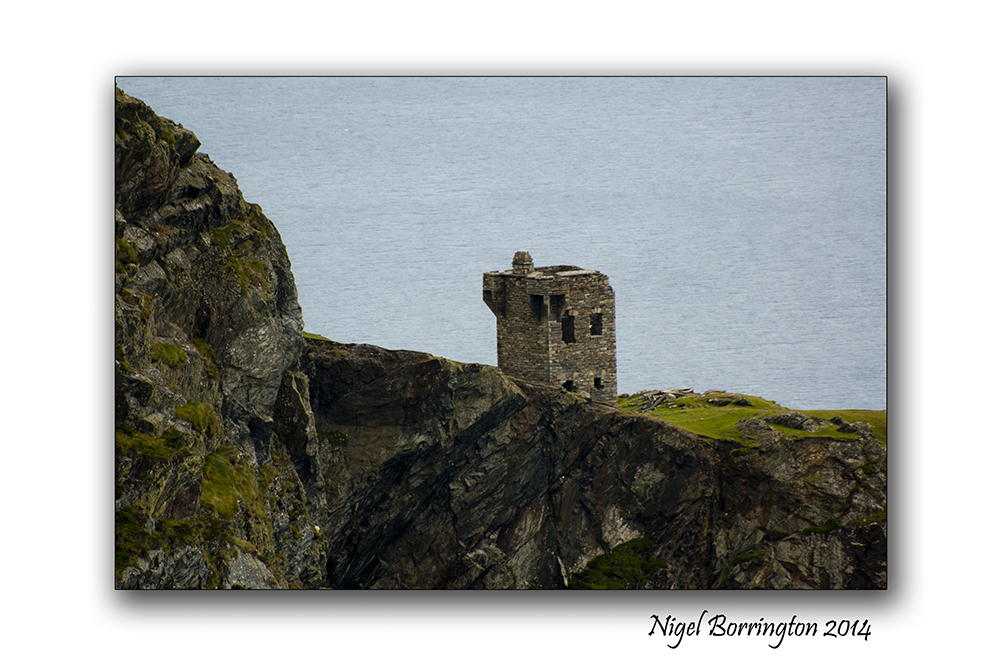
We all have our favourite walks , places we come back to in our minds and the walk along the coast line of Croaghlin, Slieveleague, county Donegal, for myself personally is one of the best walks in Ireland.
The views south towards the mountain of Benbulben in North County Sligo are just breath taking here. If you are visiting county Donegal and the weather allows, you simply must visit and walk these coastal paths , a car park is very close to the start of the walk and the path surface is excellent.
Gallery


Sunday evenings, time for one last walk.

Allihies , County Cork
Irish Landscape photography : Nigel Borrington
Sunday evenings are my Favorite time of the week, the weekend is almost over and hopefully your feeling relaxed.
A new week is ahead of you, yet you still have time for one last walk, why not get outside and watch the sun go down.
Callan, Kilkenny. Remembering the Workhouse and Cherryfields Grave yard.

Cherryfields, Grave yard for the poor of the Callan workhouse.
Photography : Nigel Borrington
Remembering the Workhouse and its uncounted and unnamed dead.
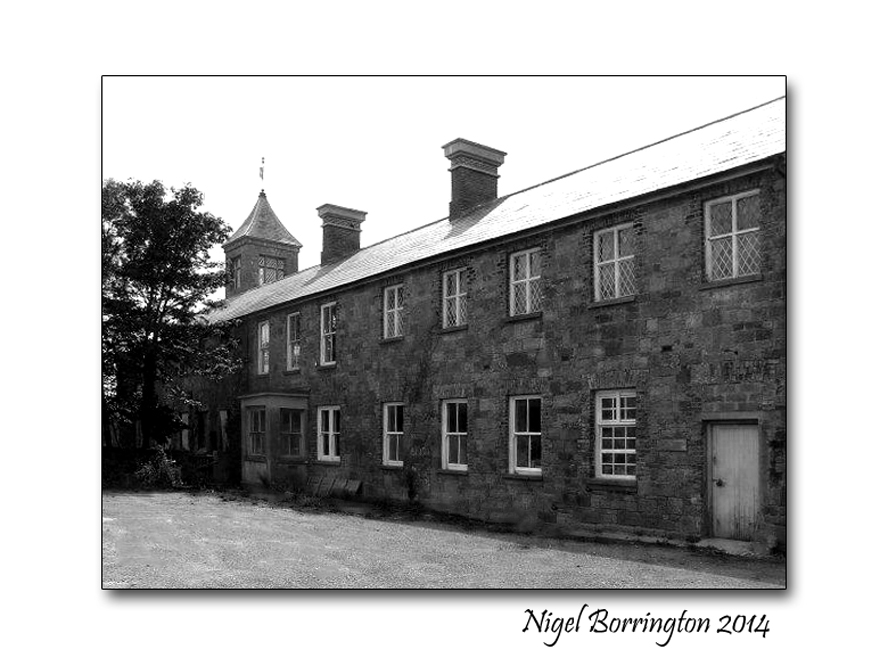
During the years between 1841 and 1922 the Callan workhouse operated as a place to house and offer support to may of the poor and fallen people who lived in the surrounding areas.
I want to share here some images and facts about both the workhouse and the associated grave yard that is located just one kilometre south of the town of Callan.
Both these site still exist today and a visit to them is both very moving and haunting.
The Workhouse now operates as a home for people with special needs and many feel that this is a great outcome considering its original use and its history.
A visit to Cherryfields Grave yard is very moving, I have included some written details below with some recent images, the thing that personally hits me the most about this place is that no one knows how many people lay at rest here as there is not one single name to be found anywhere.
My final Gallery at the bottom of the post reflects on the contrast between cherryfields and other local grave yards, where all the graves are marks with stones, the only technical difference being the level of finance you or your family possessed.
The Callan Work house

The Callan Union of workhouses was situated partly in Co Kilkenny and partly in Co Tipperary. It comprised an area of 106,633 statute acres with a population of 42,707.
The Callan workhouse was contracted for on May 29, 1840 and was completed in 1841.
The management of the workhouse was as follows: Master, matron, clerk chaplain, schoolmaster, porter.
It cost £5,500 to build and $1,140 to fit out. The entire complex, situated at the south end of the town, covered an area of six and a quarter acres. It was built to accommodate 600 people and its first admission took place on March 25, 1842.
Thirty-three Poor Law Guardians, elected from various areas in the Union, had overall responsibility for the workhouse.
In its first years of operation, the Callan Workhouse functioned very well, but the catastrophe of the Great Famine (1845-48) totally overwhelmed it, reducing its functions to utter chaos.
Built, as mentioned to accommodate 600 people, it had at the height of the Famine thousands of unfortunates clamouring for admittance. Even by 1851 it was still crammed to over capacity. The census for that year lists 2,102 people as residing in it.
The statistics for the Famine in the Callan area are grim and mind-boggling. Between 1841 and 1851 a total of 1,411 people, 688 males and 723 females, died in Callan Workhouse, and 2,104, 1,050 males and 1,054 females died in the temporary fever sheds, a grand total of 3,515 people. These virtually all died during the years of 1846 to 1850.

After the famine years, the workhouse settled back into a more normal level of operation and continued to function right up until the 1920s. In 1922 it was garrisoned by Free State troops during the Civil War.
It was later sold to private individuals and public bodies.
CherryFields Grave Yard
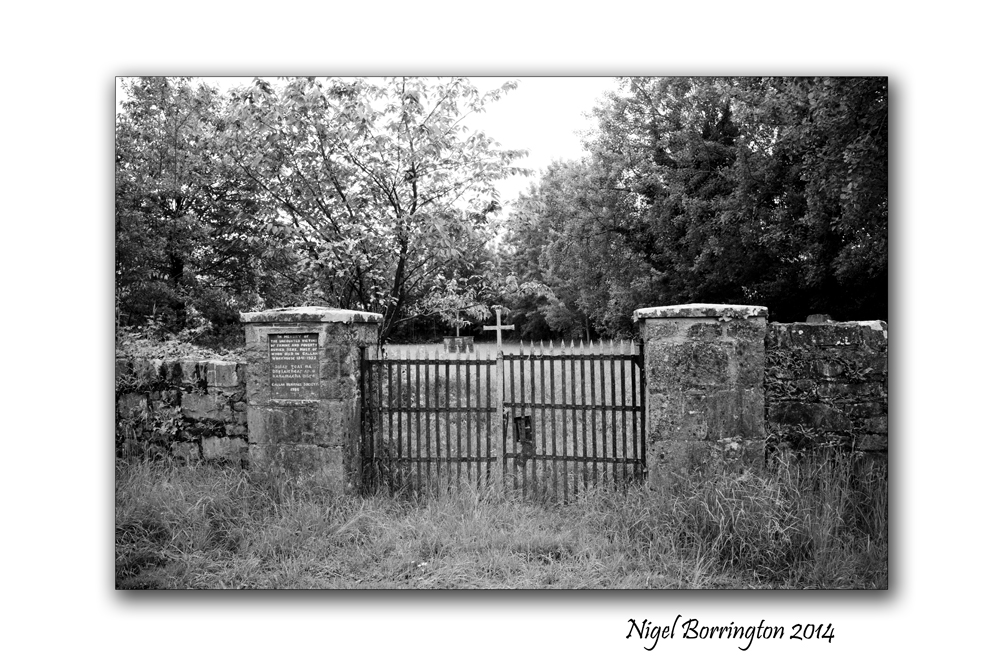
on approaching Cherryfields – Callan, A plaque on a pillar at the graveyard reads: In memory of the uncounted victims of famine and poverty buried here, most of whom died in Callan Workhouse 1841-1922. The Plaque was erected in 1986 by Callan Heritage Society.
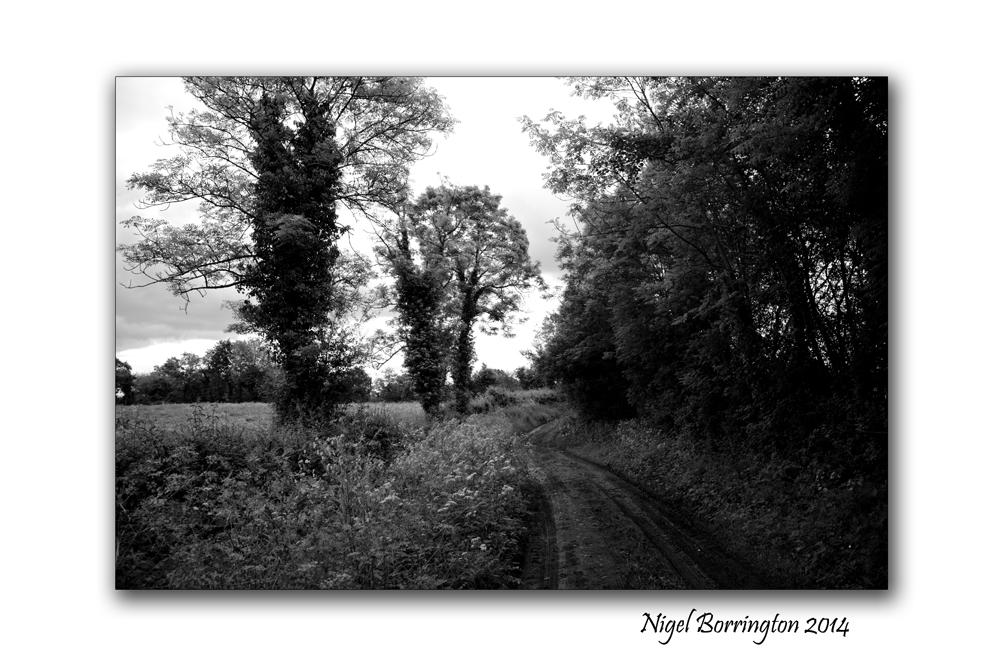
The now disused burial ground is the resting place of those who died in Callan Workhouse and who had no family or friends to claim them.
It is located in a remote one and a quarter acre site about one and a half miles south-east of the town off the Clonmel Road in the townland of Baunta Commons.

Because cherries grew three in times gone by it is still popularly known as Cherryfield.
Most of those buried in Cherryfield were victims of the Great Hunger which devastated Ireland during the 1840s. The Callan area of Co Kilkenny was severely affected by this catastrophe.
Tales have been passed down about the endless procession of funerals from the Workhouse. It is said that often up to six bodies at a time were carted out for burial, and that it was not uncommon for corpses to fall off the ‘funeral cart’ because the boreen into Cherryfield was so rough and muddy.
Originally it was intended to have a ‘pauper’s graveyard’, as the terminology of the time called it, located in less remote place as Lord Clifden proposed, but because Baunta Commons consisted of large areas of poor agricultural common land there was little problem in acquiring a cheap site.
The graveyard was crudely fenced off for many years but was fully enclosed by a wall in the 1860s. A substantial gate and entry piers were also erected at that time.
Gallery


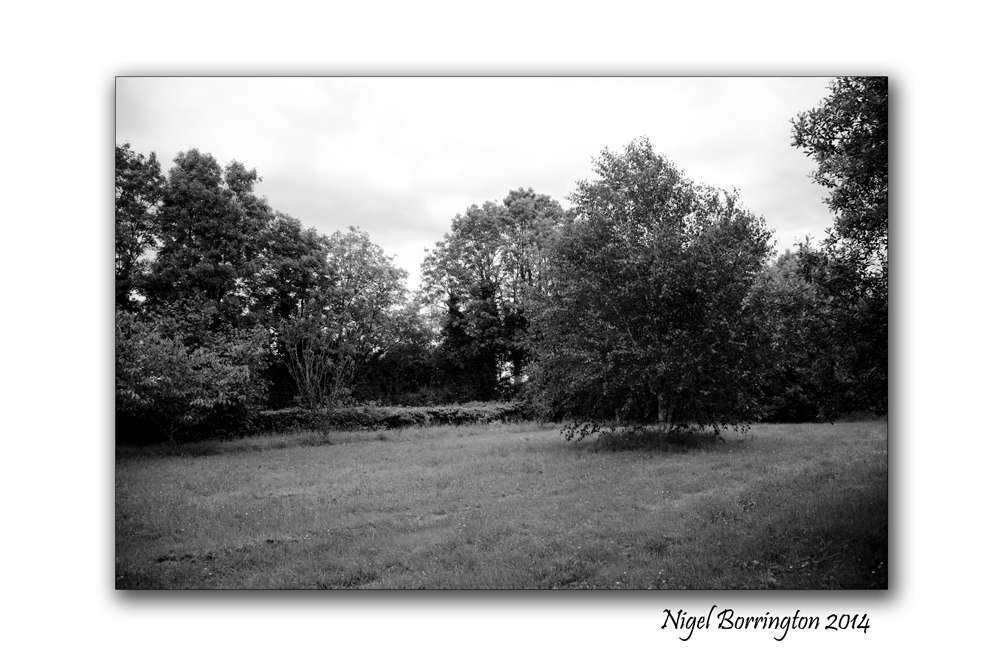
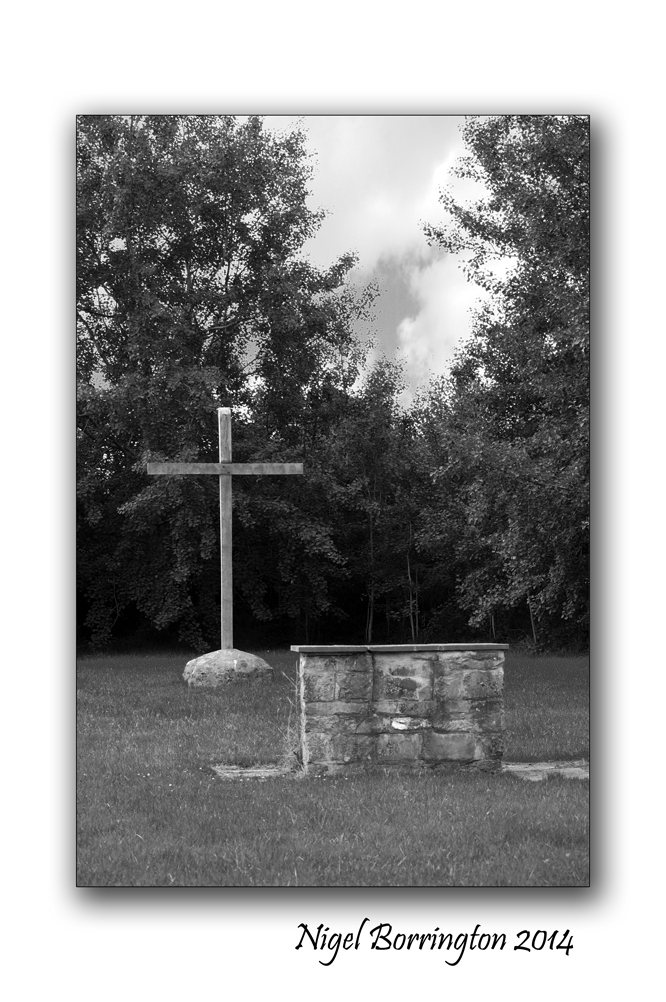
Contrast of Cherryfields to other local Grave yards
The surrounding areas of south Kilkenny, contain many old grave yards all of which are wonderful to visit, they hold great records of the people who lived locally and now rest in these places.


Reflections on the river Barrow.
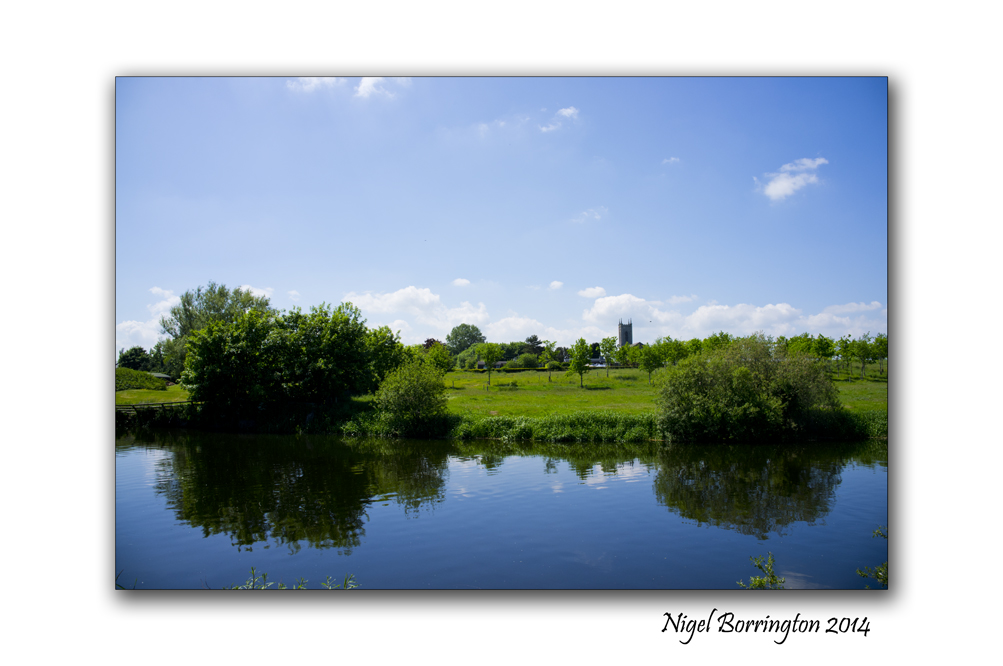
The River Barrow, Goresbridge, county Kilkenny
Landscape photography : Nigel Borrington
The River Barrow flows from its source at Glenbarrow in the Slieve Bloom Mountains, County Laois to the Celtic Sea at the harbour of Waterford.
The river also forms a natural border between parts of counties Kilkenny and Carlow and Kilkenny and Wexford.
I Completed walking all the stages of the river last year, my favourite part of the river however is around the Goresbridge area, county Kilkenny.
The images below are just some taken at Goresbridge, during June of 2014.
River Barrow Gallery


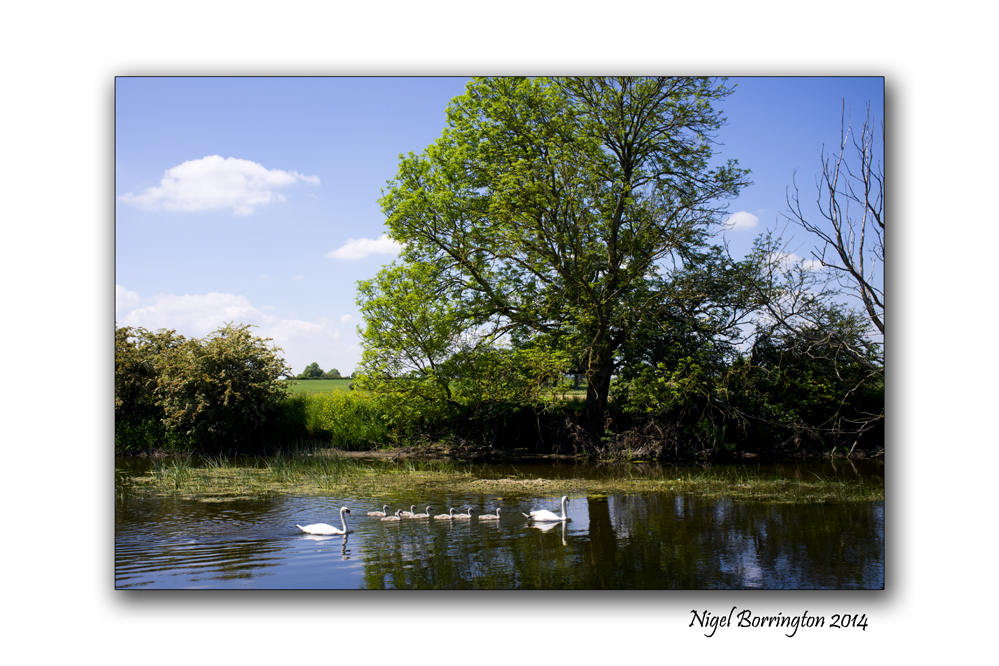

Teifi Marshes Nature Reserve, Cardigan, Pembrokeshire, South Wales
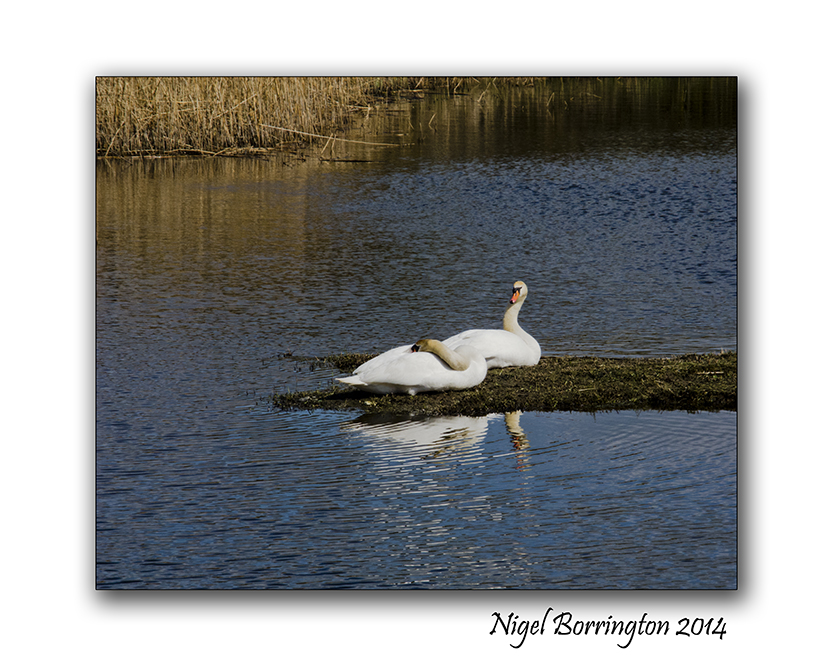
Teifi MarshesNature Reserve
Landscape and Nature Photography : Nigel Borrington
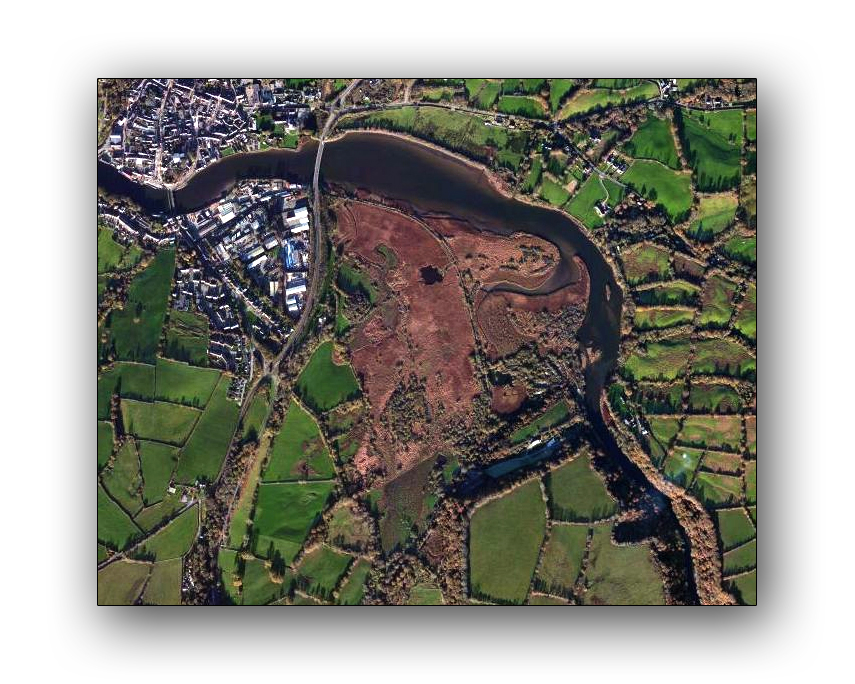
Teifi MarshesNature Reserve
I am getting out of Ireland for this Monday and posting about one of my favourite wildlife and nature reserves just across the water in south west Wales.
Last year I visited the reserve in the early summer time and it was just full of life, the observation huts located around the long paths offer some great views of the river and lake birds that nest here.
There is a wonderful visitors centre and restaurant so you can make a full days visit, stopping at lunch and then if the welsh weather will allow you can return to the outside afterwards. The hides around the reserve do however offer you shelter from the rain so it is possible to visit in the winter as well so you can view the wintering birds that arrive here from much colder countries.
The two very different seasonal ‘faces’ of Teifi Marshes Nature Reserve make this an excellent place to visit all year round. In winter the marsh is subject to extensive flooding and becomes a haven for numerous wildfowl, whilst in summer a visit to the reserve reveals an entirely different range of habitats and wildlife.
The site is owned by the Wildlife Trust of South and West Wales, and is also home to their Welsh Wildlife Centre. This magnificent building, constructed mainly of wood, won an award for its architecture when it was built in 1993.
Teifi Marches Gallery



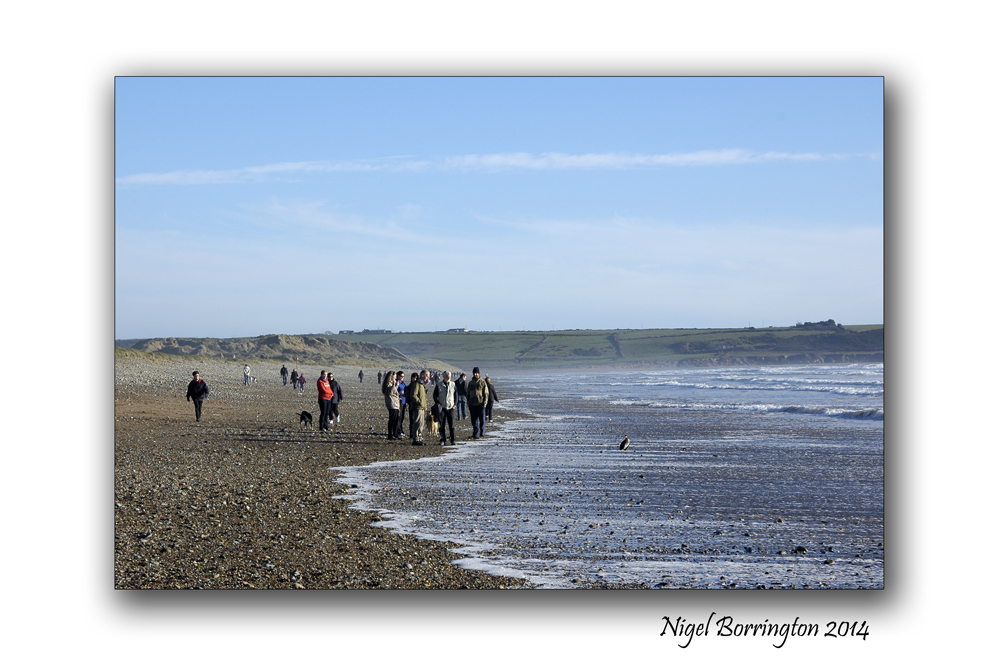
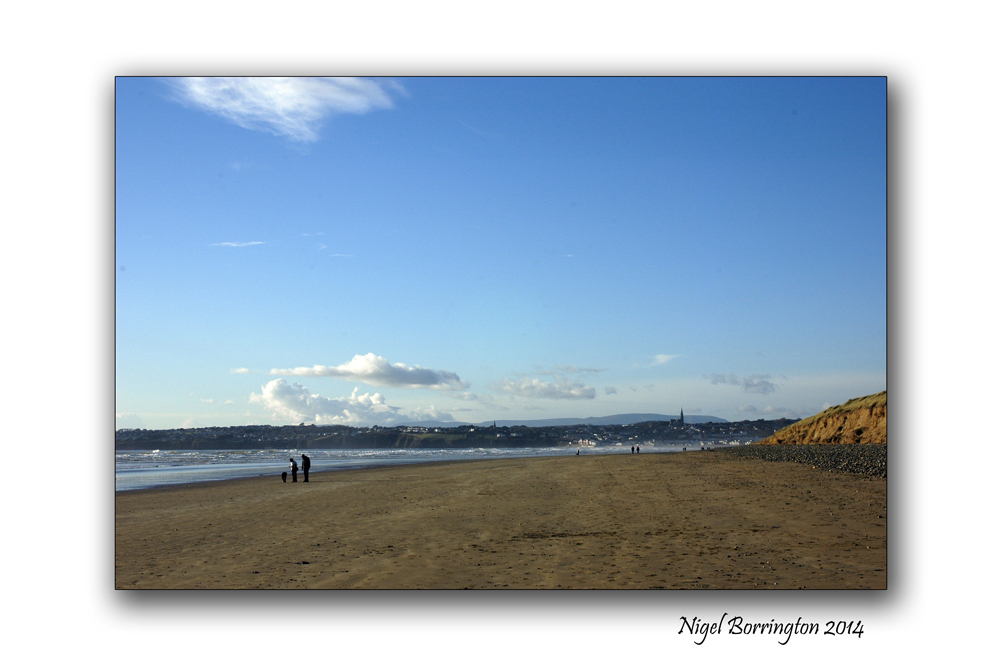
A walk along the beach , Images and a Poem

A walk along the beach at Tramore, County Waterford
Landscape photography : Nigel Borrington
A walk along the beach at Tramore
The sight of sunlight shining on the water just dazzling,
The sound of waves breaking delicately on the sand,
The feeling of the suns warming my skin,
The cool wetness of the sand between my toes.
Fellow dog walkers passing by,
Saying hello and talking for a while,
Their dogs swim and bring back sticks,
The marks they level in the sand,
Smoothed again by the waves.
 .
.
The fresh breeze moving through me,
Slipping across the water a sea bird gliding silently,
The salty sea air carrying her to deeper waters.
Above me seagulls friends swirl singing their daily song,
Before diving down into the sea to snatch a fish.
The breeze and warming sun feeding my soul,
The enchanting pleasures of sight and sounds,
I breathe in the wonderful scent of salt water that fills the air,
The intoxicating aroma of wildflowers thick along the dunes,
A feeling of contentment fills every corner of my being,
As I walk along the beach I realise… Life has true beauty…
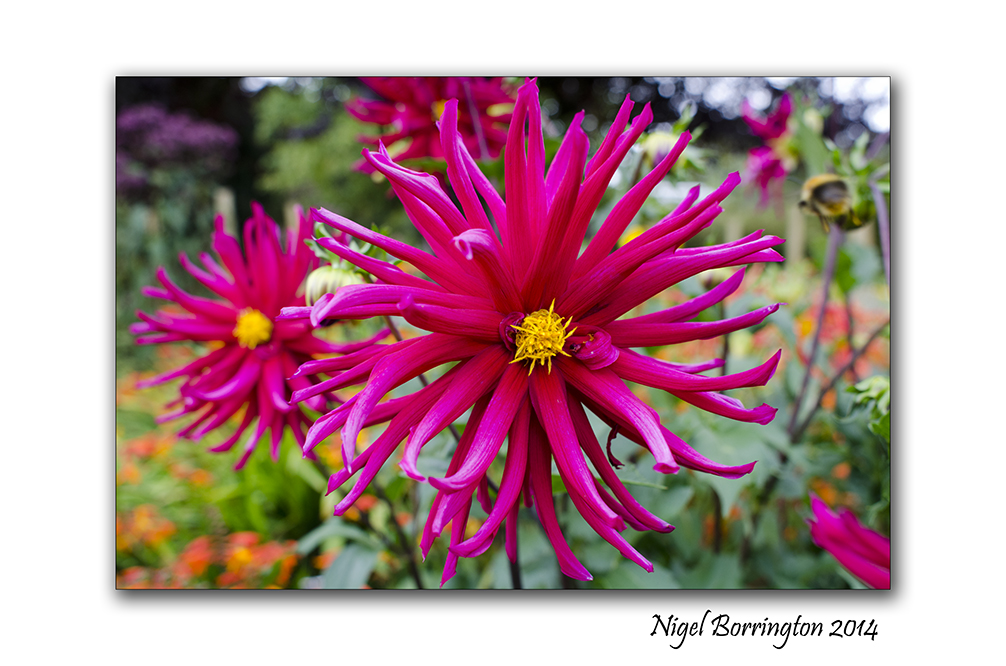
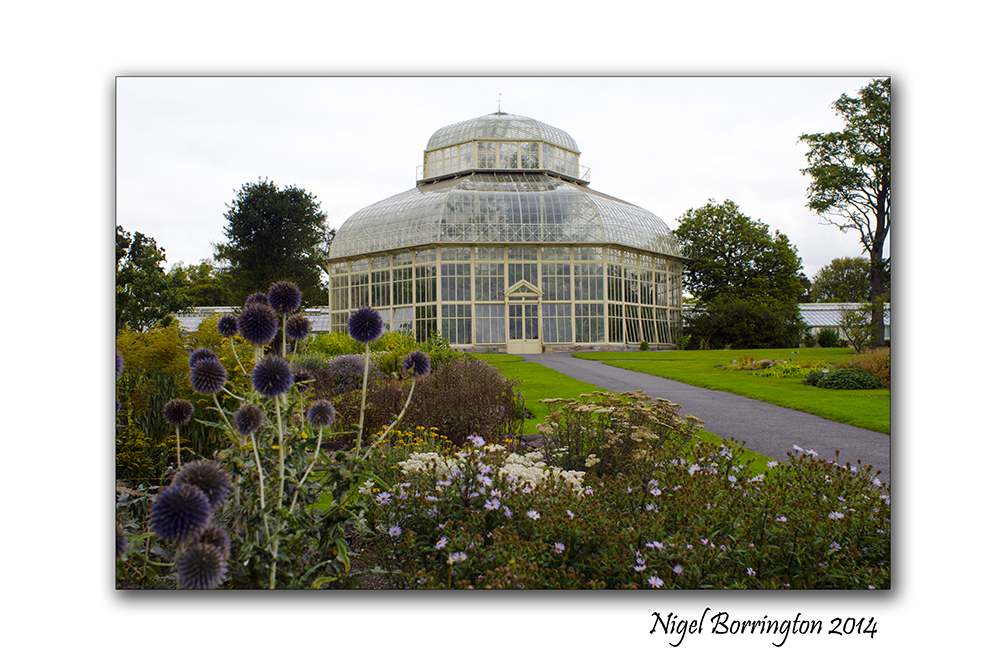
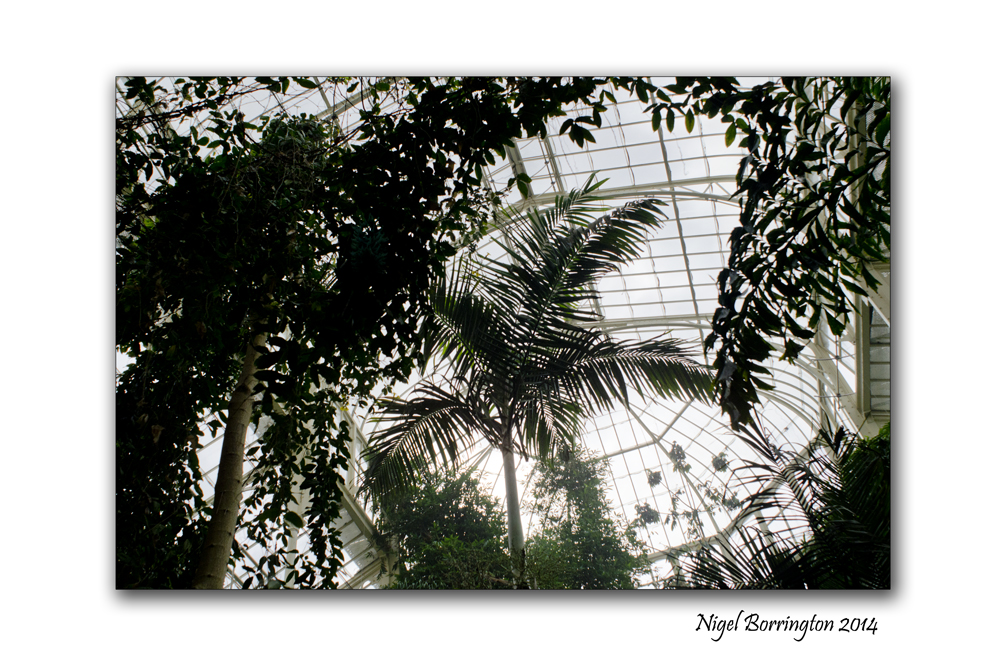
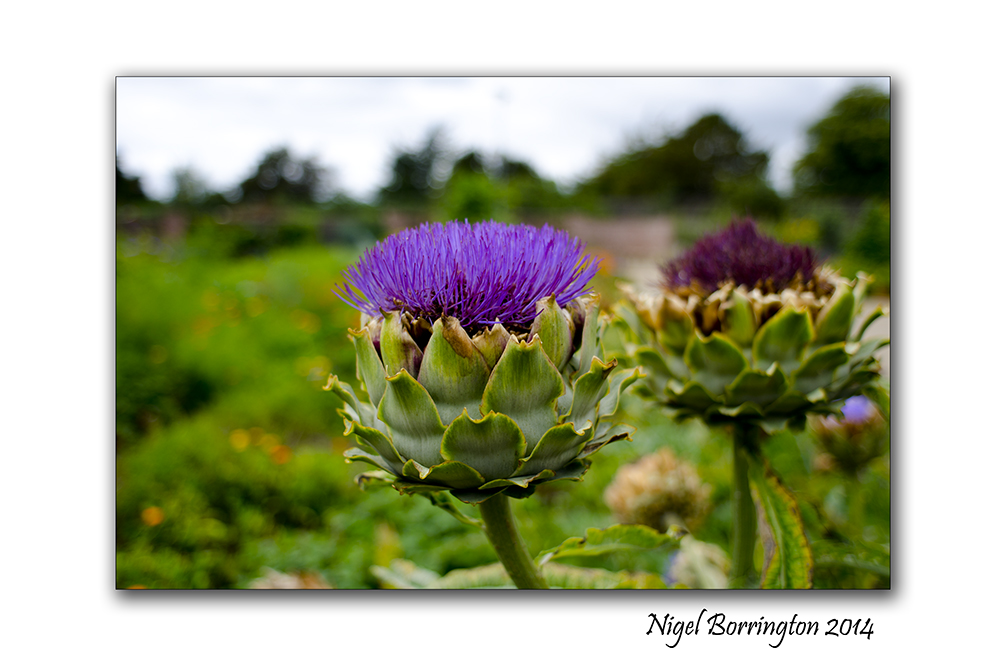
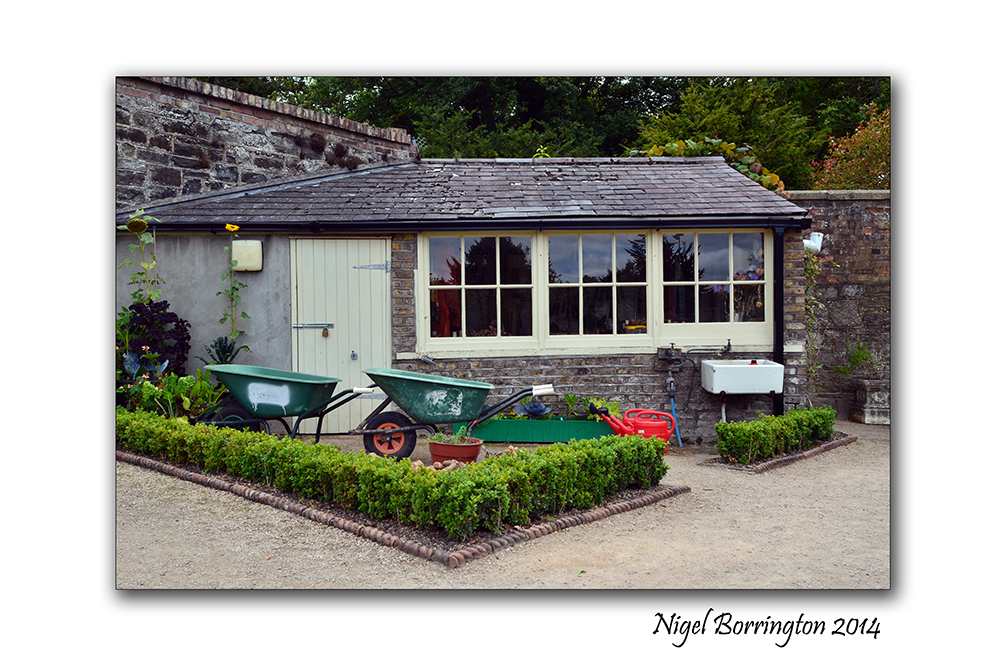
National Botanic Gardens – Dublin

National Botanic Gardens – Dublin
Photography : Nigel Borrington
National Botanic Gardens – Dublin
The images here were taken during a visit to the Botanic Gardens Dublin.
These Gardens are one of the best in the country and a wonderful location for flower and nature photography during the summer months.
The following web page is the official site and is a great source for all activities and descriptions of the history and purpose of these internationally respected gardens.
National Botanic Gardens – Dublin
The images I posted here are from a days visit , late summer 2013. There are many great things to see and places to eat here so you can spend a full day just browsing and learning.
Gallery






Killamery High Cross

Killamery High Cross, County Kilkenny, Ireland
Landscape Photography, Nigel Borrington
Killamery High Cross
Located in an old grave yard very near the county Kilkenny and Tipperary border, is one of the most impressive of the Irish High crosses. There was a unique early Medieval tradition in Ireland and Britain of raising large sculpted stone crosses, usually outdoors.
These probably developed from earlier traditions using wood, perhaps with metalwork attachments, and earlier pagan Celtic memorial stones; the Pictish stones of Scotland may also have influenced the form.
The earliest surviving examples seem to come from the territory of the Anglo-Saxon kingdom of Northumbria, which had been converted to Christianity by Irish missionaries; it remains unclear whether the form first developed in Ireland or Britain.
The Killamery High Cross, is one of the western Ossory group of crosses. The cross stands at 3.65 metres high and the west face of the cross bears most of the figure sculpture. The east face pictured right, is decorated with three marigolds on the shaft and has a boss in the centre of the head surrounded by intertwining serpents with an open mouthed dragon above the boss.
The cross is known as the Snake-Dragon cross and has a gabled cap-stone and the narrow sides have double mouldings. At the end of the southern arm of the cross there is a panel depicting Noah in the Ark and the end of the northern arm features four scenes centered around John the Baptist. There is also a worn inscription on the base of the western side of the cross which is said to read as ‘OR DO MAELSECHNAILL’ a prayer for Maelsechnaill. Maelsechnaill was the High King of Ireland from 846 to 862.
The western face has a Sun Swastika at the centre and has figure sculpture around the whorl, to the left is a hunting scene and to the right a chariot scene above the whorl is scene showing a figure holding a Baby with another figure to the right of them, below the sun disc is a crucifixion scene. The shaft of this face bears two ornate panels. The top one is a fret pattern and the lower panel is a key pattern.
County kilkenny has five such high crosses, most a likely still in their original setting but being over a thousand years old must of their location will have changed.
Some people have a theory that these high crosses were originally larger standing stones used in pagan stones circles or passage tombs, the form of the cross being sculpted into them during the times of the pagan’s conversion to Christianity. In Ireland this would have been during the time of Saint Patrick.
It was felt much more effective when converting people to Christianity to convert original locations for the use of the early church, including fresh water springs.

Fallen standing stone marking a well/spring
In Ireland most springs would have been the location of worship to river or fresh water gods or goddess, in post pagan times many of these locations became holy wells dedicated to a Christian saint. Most even the forgotten spring above still have the original pagan standing stone in place , used to help find and mark the location of the spring and to leave offerings to the gods and goddesses ( Well dressing ).
Gallery

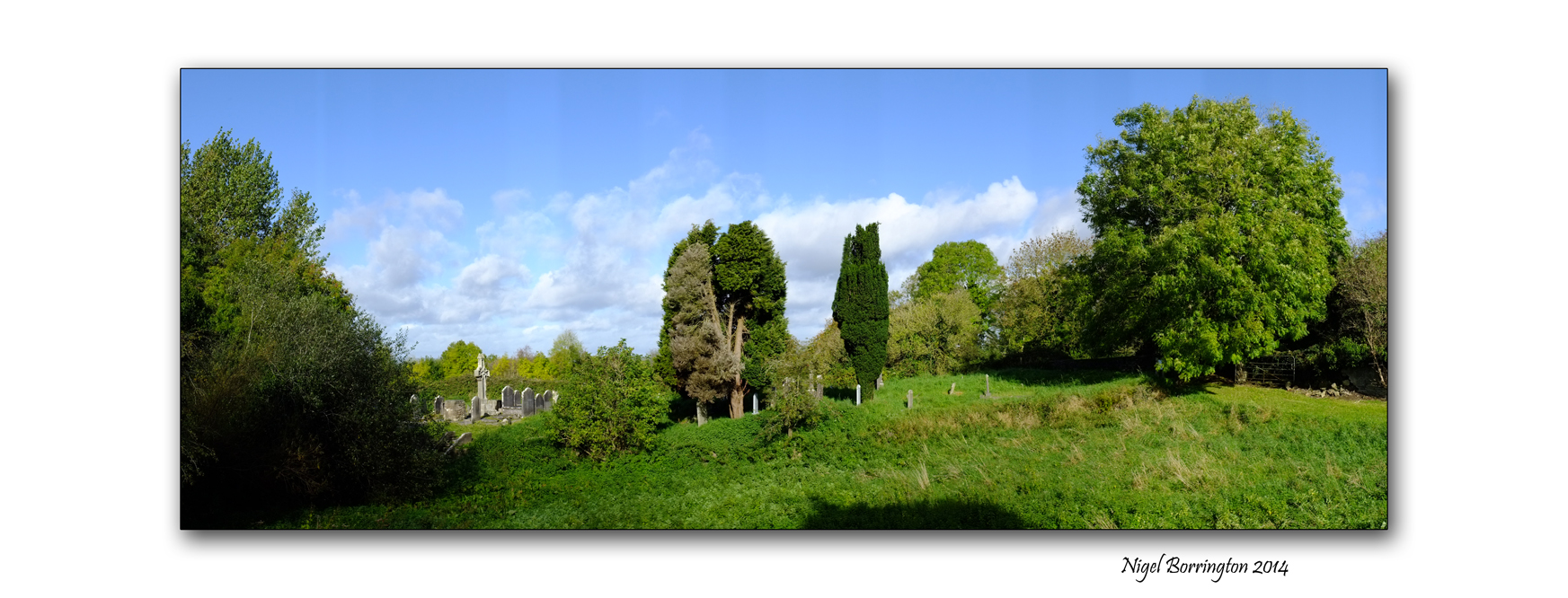
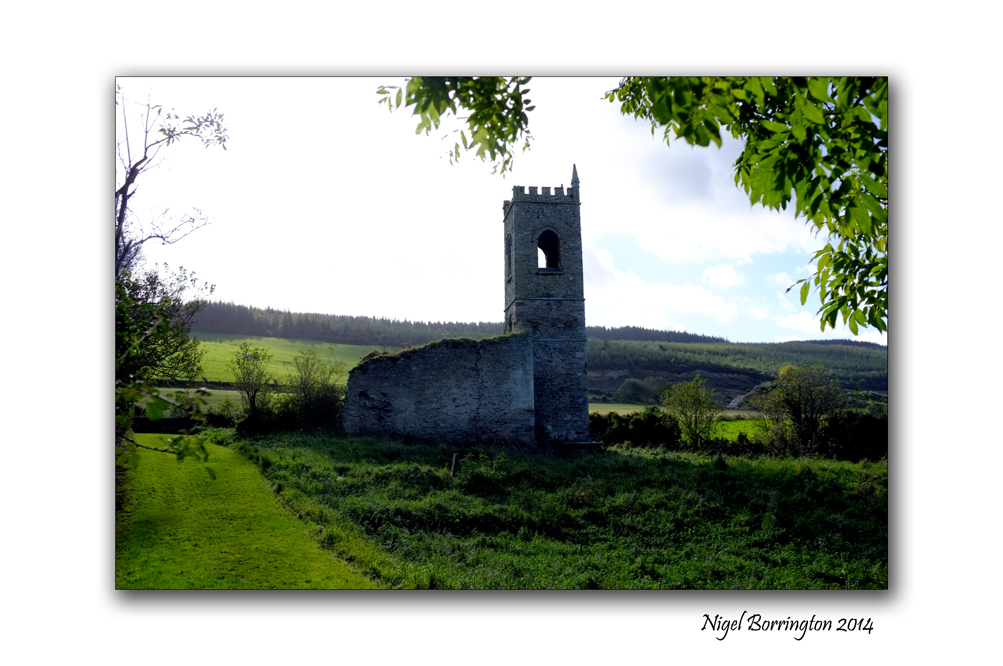

Images from a field of blue bells – Poem : ‘The Bright Field’ by R. S. Thomas

Our dog Molly, In the Blue bells field, Slievenamon, County Tipperary
Landscape Photography : Nigel Borrington
Located on the west slopes of Slievenamon , County Tipperary, is a small yet wonderful little field .
To reach it you have to walk some thirty minutes through wood-lands and up a mountain track, finally reaching a gate. The site that welcomes you in May is that of a field full of blue bells and an old derelict farm cottage. This cottage would be able to tell some amazing stories and if it only could!
Above the field are the mountain slopes that I am much more use to seeing, with mountain heather and scrub lands, streams and baths.
I have visited this field many times, its a great location during the summer and a wonderful escape and resting place after a walk to the top of the mountain.
I just wanted to share one of my most loved local locations here and also one of my most loved Poems by R. S. Thomas, which I feel is perfect for this post ….
The Bright Field
by R. S. Thomas
I have seen the sun break through
to illuminate a small field
for a while, and gone my way
and forgotten it. But that was the
pearl of great price, the one field that had
treasure in it. I realise now
that I must give all that I have
to possess it. Life is not hurrying
on to a receding future, nor hankering after
an imagined past. It is the turning
aside like Moses to the miracle
of the lit bush, to a brightness
that seemed as transitory as your youth
once, but is the eternity that awaits you.
The field a Gallery
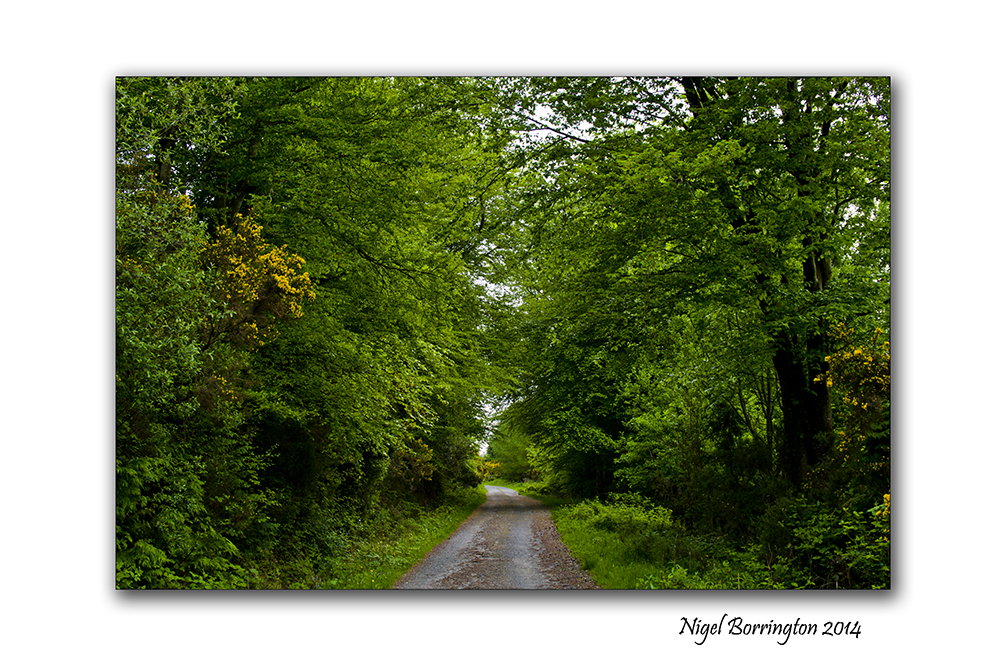


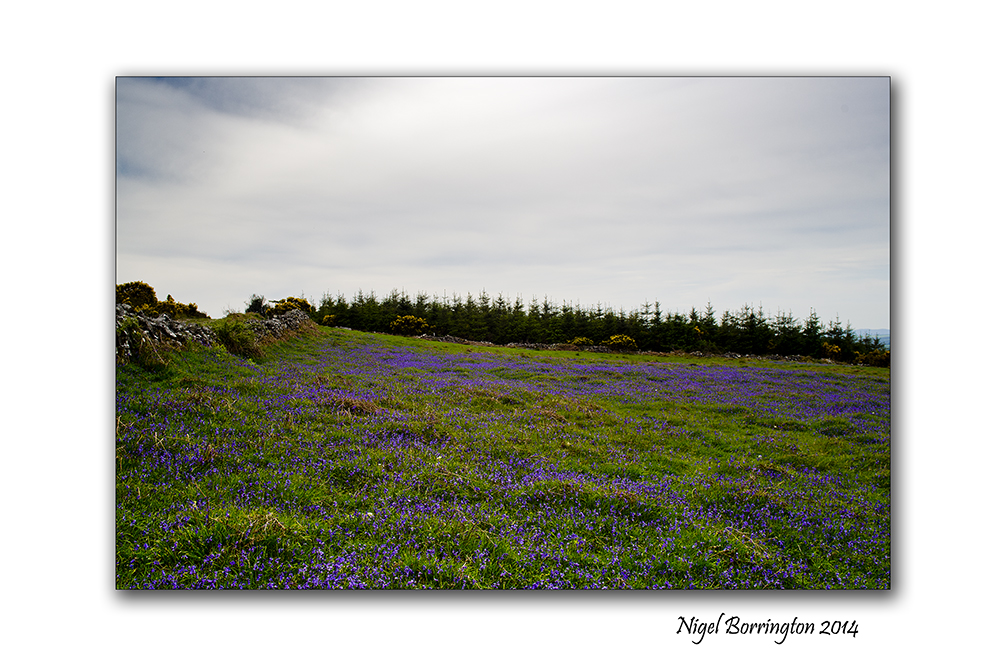
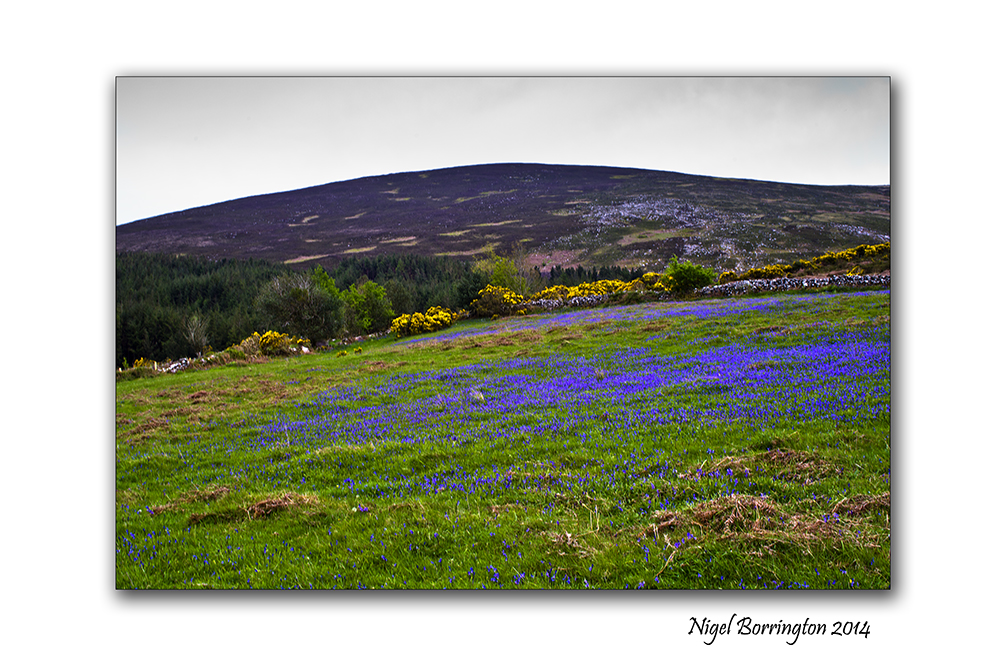

Kilkenny, Ireland , 500 million years ago
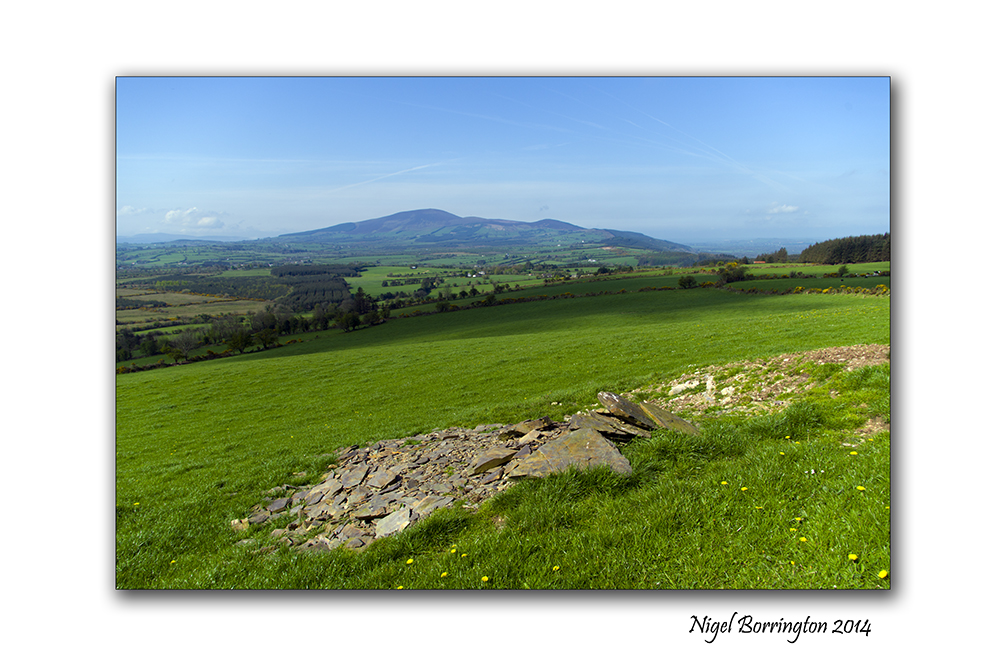
Landscape view of the kilkenny/Tipperary boarders
Irish Landscape photography : Nigel Borrington
Kilkenny, Ireland 500 Million years ago
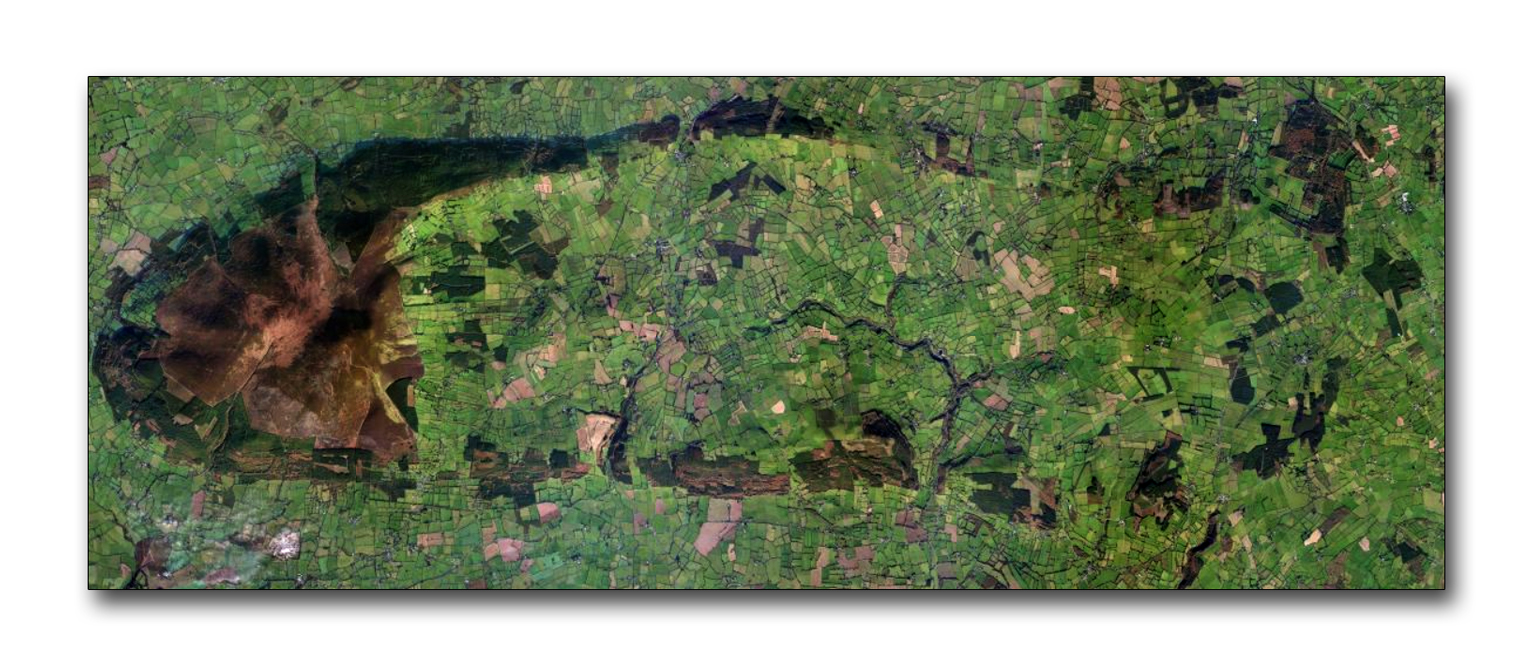
During the week I posted an article about the area around the mountain of Slievenamon, County Kilkenny.
I hope over the summer to post many times about this area and show many of the foot hills along with the main mountain itself. A fellow blogger margaret, suggested that the formation of the mountain and the oval shape of the extending foot hills could be volcanic in their origins, I do think at some point in the long distant past this could be true.
I found the following summary of the geological history of county Kilkenny so I am going to share it here as I found it fascinating to think of some 500 million years of history of Ireland and its Geology.
Also a Gallery of images that show some of the amazing ice age rocks and landscape formations that can be found through out this great little part of the world.
Geologic History of Kilkenny
500 Million years ago – Sedimentary rock formed under parts of eastern Kilkenny, which was
under the sea.
400 Million years ago – the two parts of Ireland, the island, were fused together under the ocean.
400 Million years ago – the mountains at Brandon and the uplands at Tullogher were formed, again
under the sea.
350 Million years ago – Kilkenny was at a dry land stage with plant life that fossilized into the
yellow sandstones of Kiltorcan.
345 Million years ago – Kilkenny was submerged for about 20 Million years under a tropical shallow
ocean. Lime deposits from this era eventually became the limestone found commonly in
Kilkenny and Ireland. The polished limestone provides the famous Kilkenny marble.
320 million years ago – Kilkenny covered by a muddy delta and swamps, with deposits eventually
forming todays sandstones and coal.
250 Million years ago – a mountain building era resulting in the east-west mountains of Munster,
and the Walsh Mountain area between Millinavat and Slievenamon.
2 Million years ago – Ice age glacial periods intermixed with cold and warm periods begin.
500,000 years ago – A warm period known as the Gortian. Kilkenny is covered by forest of birch,
oak, pine, leder, fir, holly, yew, heather and grass.
200,000 years ago – A cold period lasting 70,000 years called the Munsterian. All of Kilkenny (and
Ireland) is covered by a sea of ice. Movement of Glaciers helped form the soil of today.
130,000 years ago – A warm period known as the Glenavian lasting about 60,000 years with climate
much like today.
70,000 years ago – A cold phase lasting about 60,000 years known as the Midlandian stage. Ice
sheets covered the northern half of Kilkenny, from Callan to Goresbridge. The southern have
would have included tundra grasslands and some woodland. Animal life is noted during this
time, including wooly mammoths, wolf, arctic fox, brown bear, the giant Irish Elk, reindeer
and lemmings.
10,000 years ago – The ice begins to melt, sea levels begin to rise and plants begin to reappear
in all of Kilkenny.
9,000 years ago – A birch dominated forest covers much of Kilkenny.
8,000 years ago – Hazel and pine become part of the forest population.
Landscape and Geological Gallery
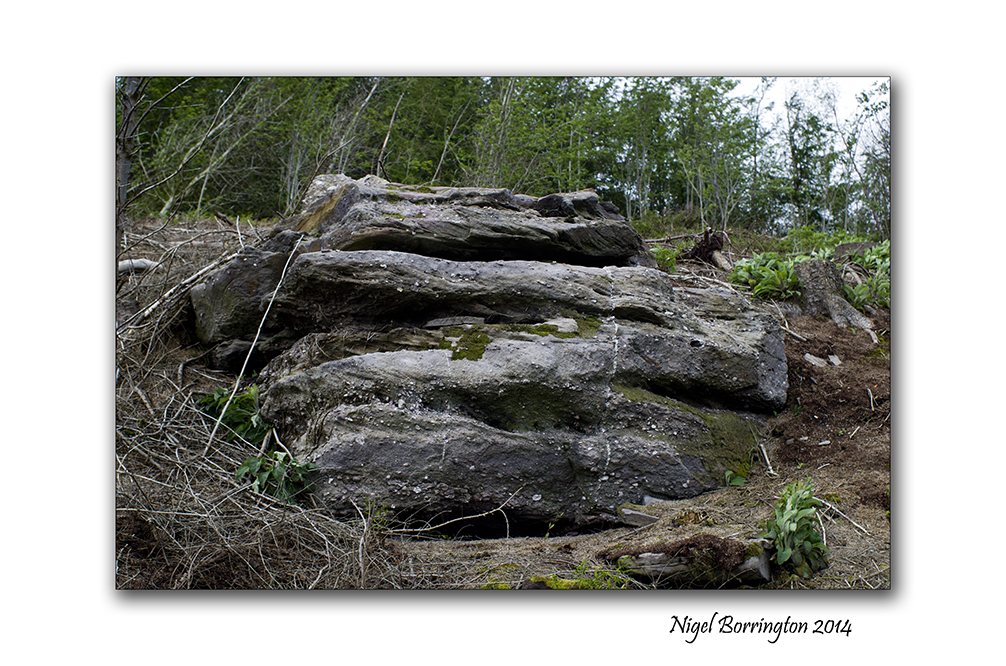


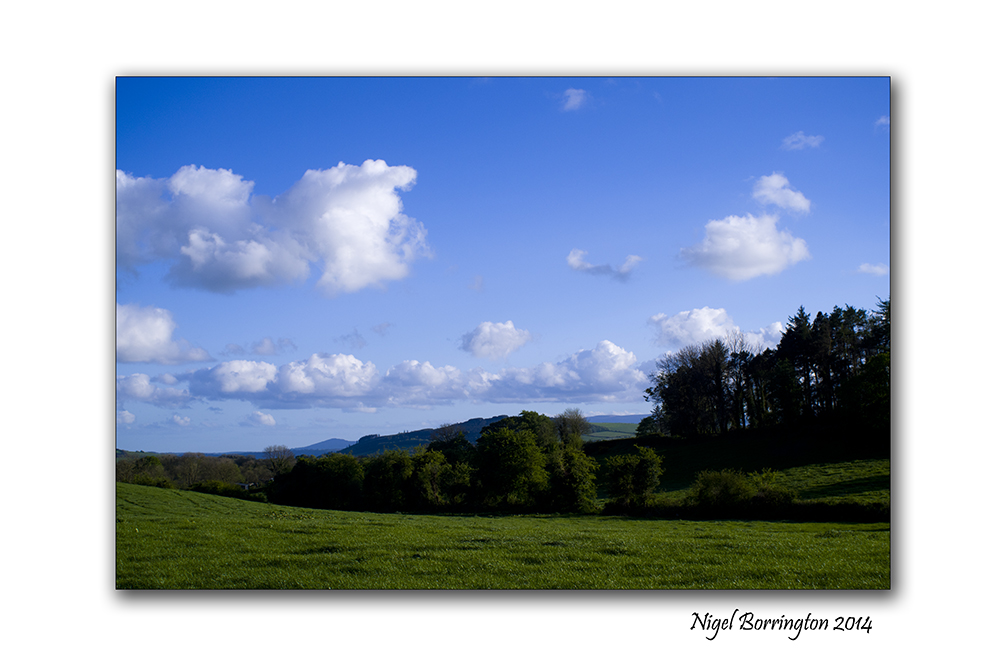
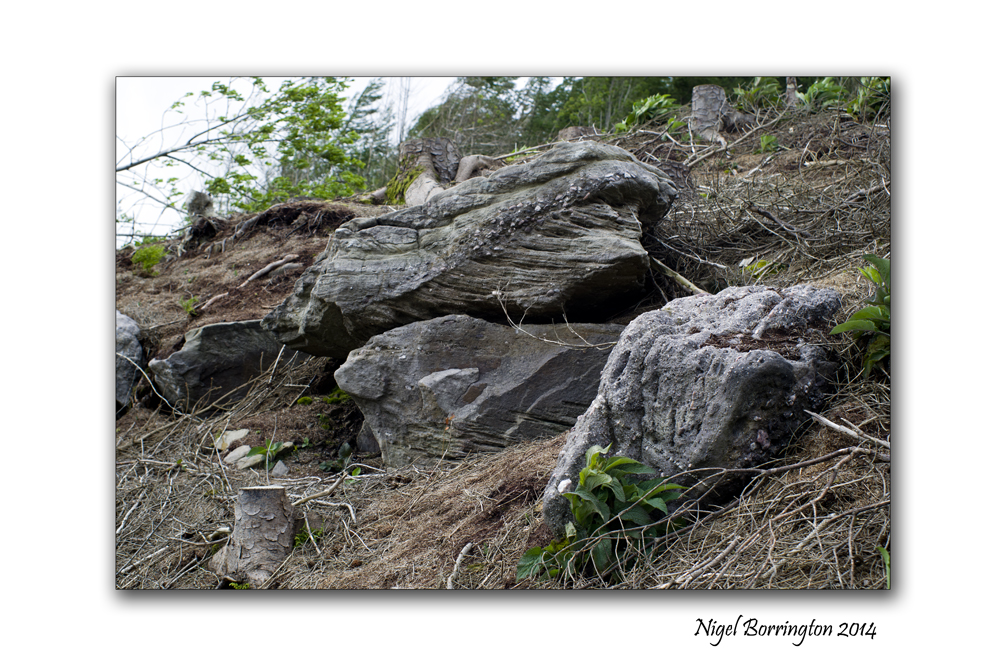
Landscape and Geology around Slievenamon, county Tipperary

Panoramic Landscape of Slievenamon, county Tipperary
Forty square miles around Slievenamon
The Mountain of Slievenamon is located about 10km from our home and over the last few years I have walked up and around the this mountain a lot.
It is an area I am very taken by and love exploring.
For anyone who has visited the mountain and surrounding area, something that you may not have noticed however it the complete scale and geology of the mountain. When you look at the area from a satellite image (Like the one below) the geology of the area becomes a bit clearer.
To the left of the image above is the main mountain peek of Slievenamon, itself Rising up some 721m above the landscape below, however this is not the full extent of the mountain, spreading out towards the east and from the north and south of the mountain run two ridges of hills. These ridges them selves form an oval shape that meets some eight miles away from the mountain top.
Photographic project
Over the summer I want to record this complete area returning to the top of the mountain and then walking and recording as much of the ridge’s as possible.
History and Megalithic locations
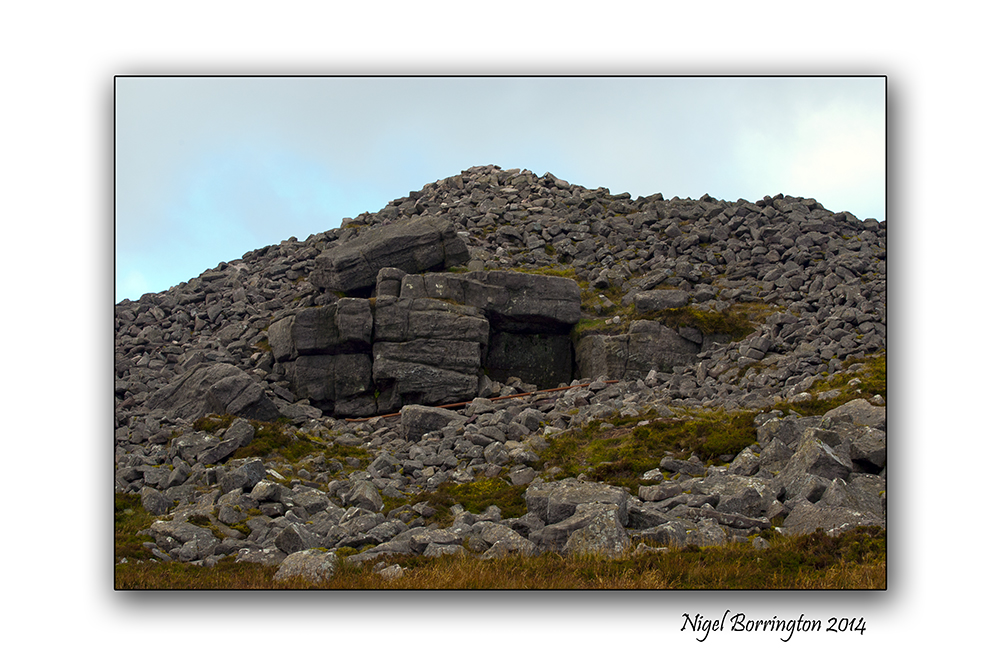
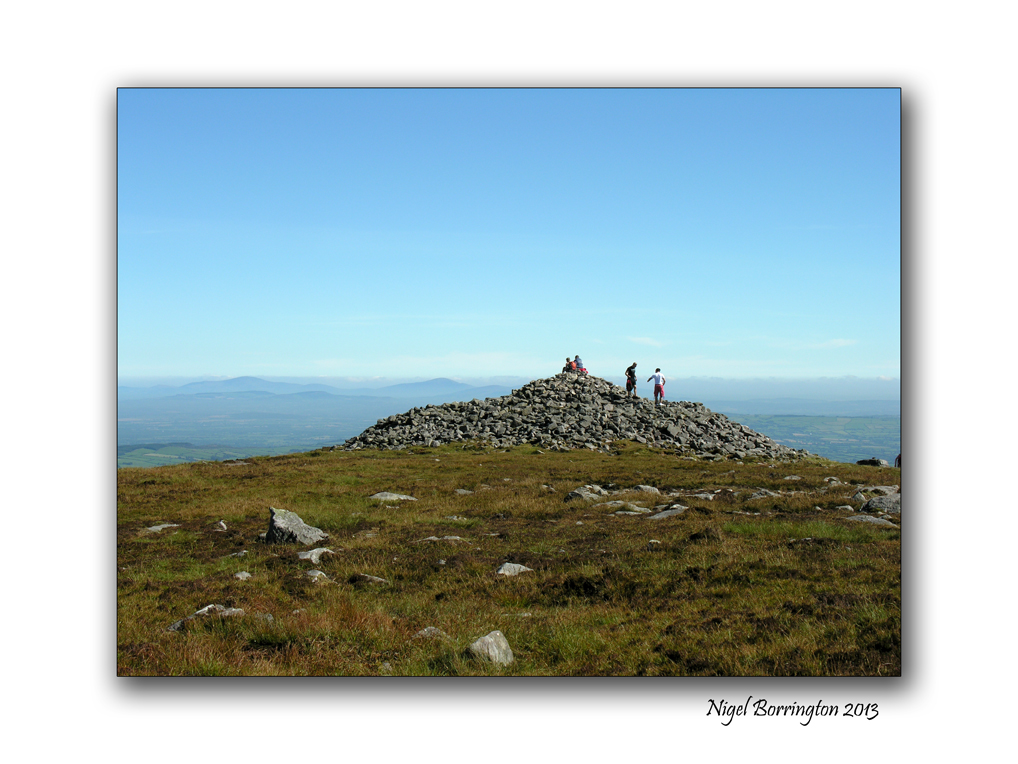
One of the main reason I have for starting this project on the blog, is that for sometime I have noticed that both at the very top of Sleivenamon and around the oval of the extended foot hills are many Megalithic sites ( Stone circles, Passage tombs, Graves and Standing stones).
I will come back to the satellite image above and mark the location of any landscape images I post.
Above all I just want to share the landscape that I live in and reflect upon some of its history and enjoy myself getting to know it as much as I can.
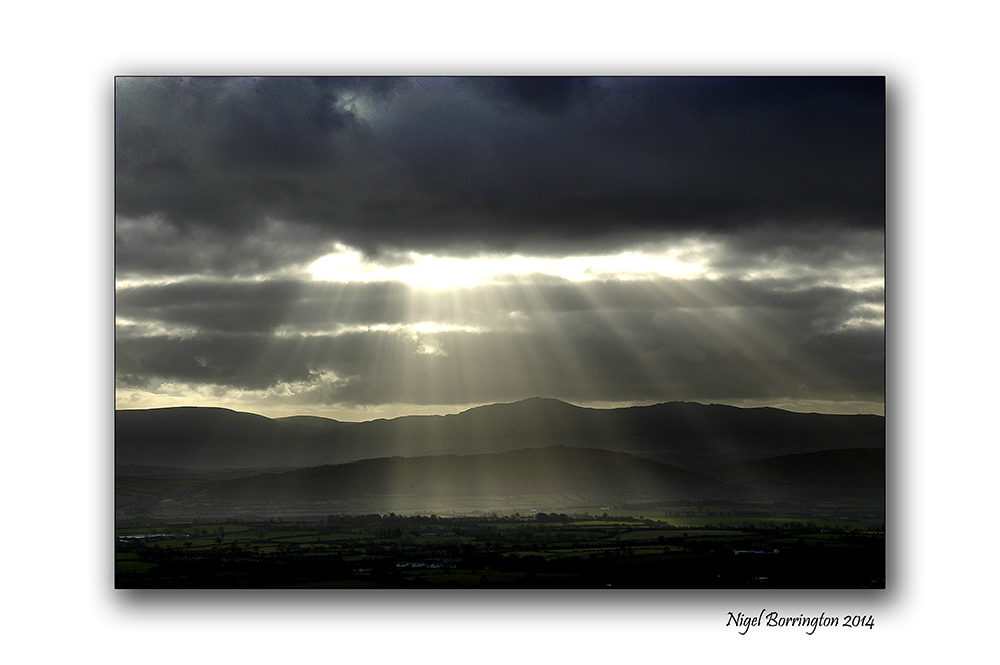
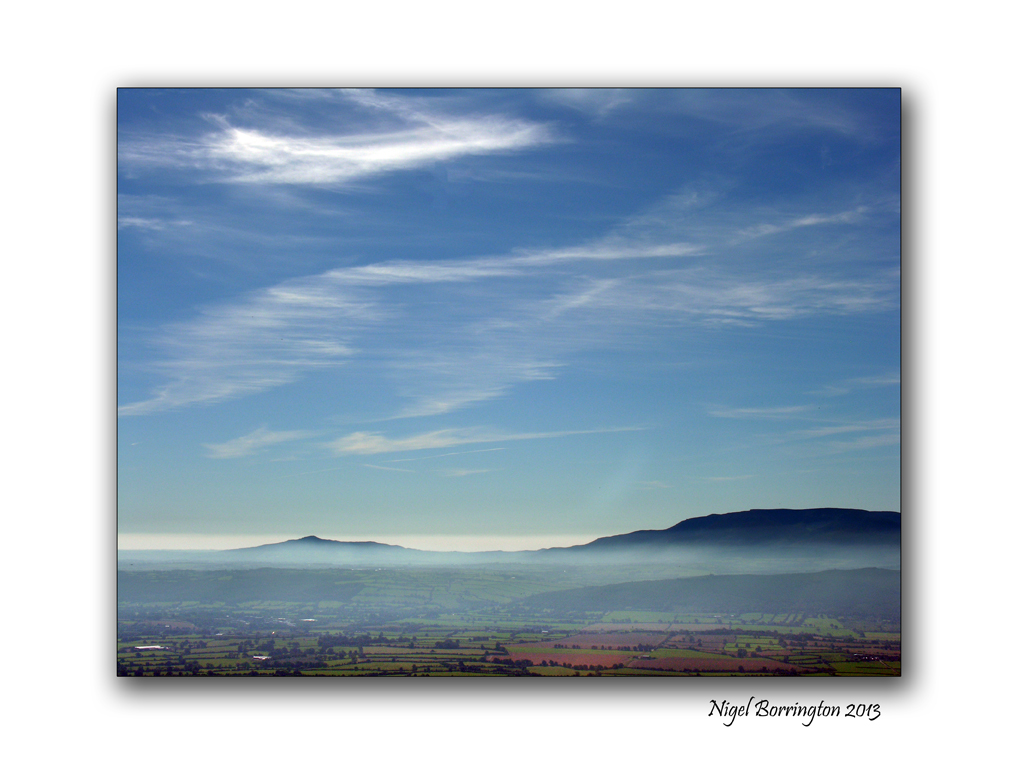
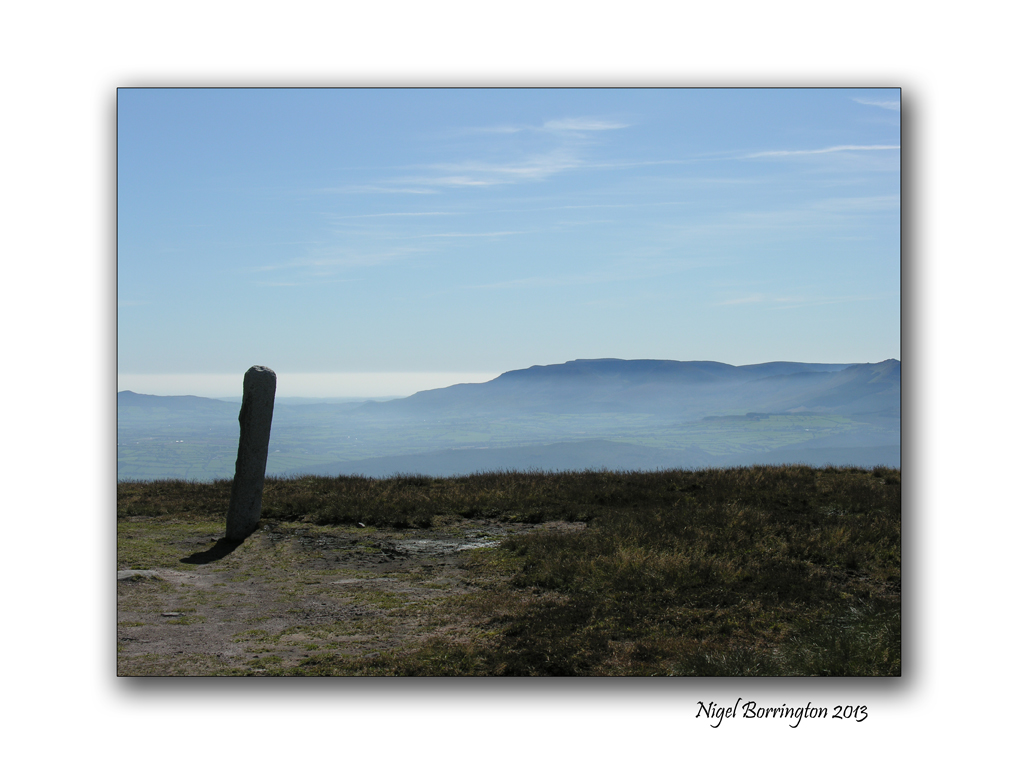
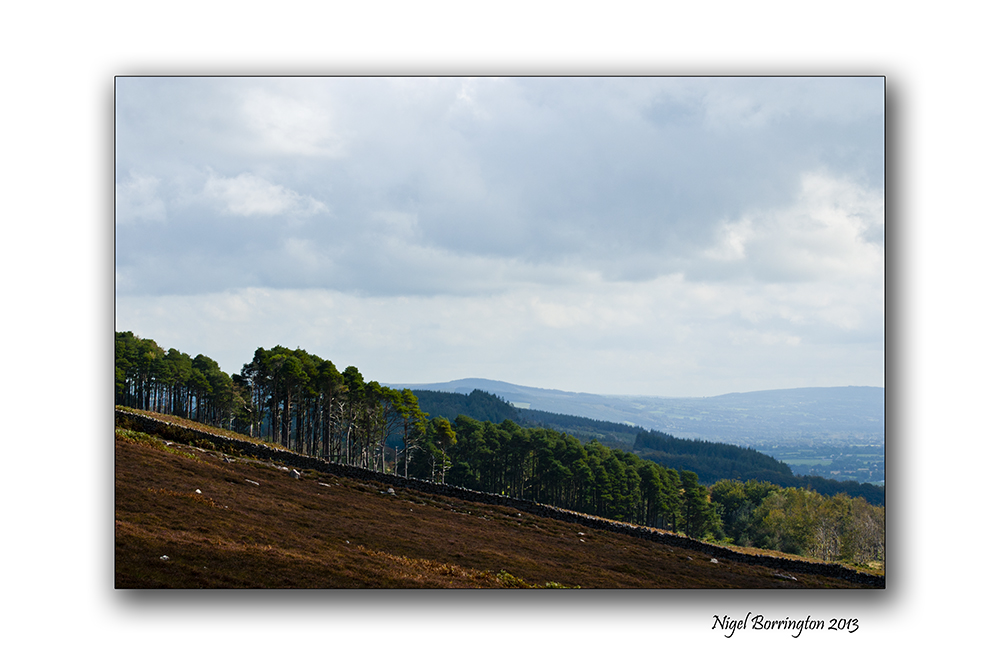
The Landscape of Slievenamon
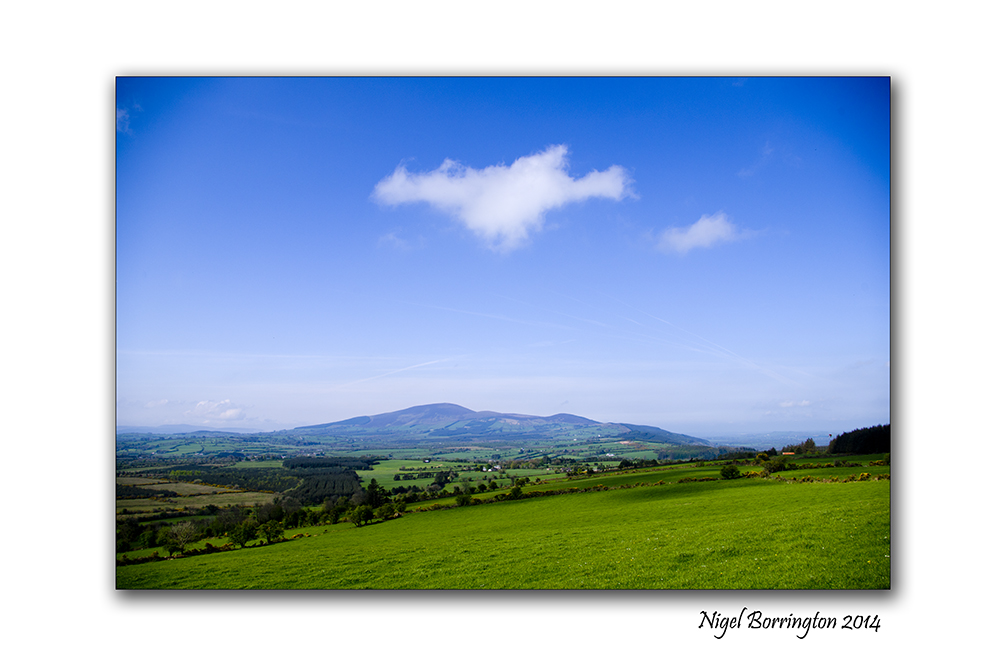
World wide megalithic Portal tomb’s a connection to county Kilkenny .

portal tomb at NewMarket, county Kilkenny
Landscape Photography : Nigel Borrington
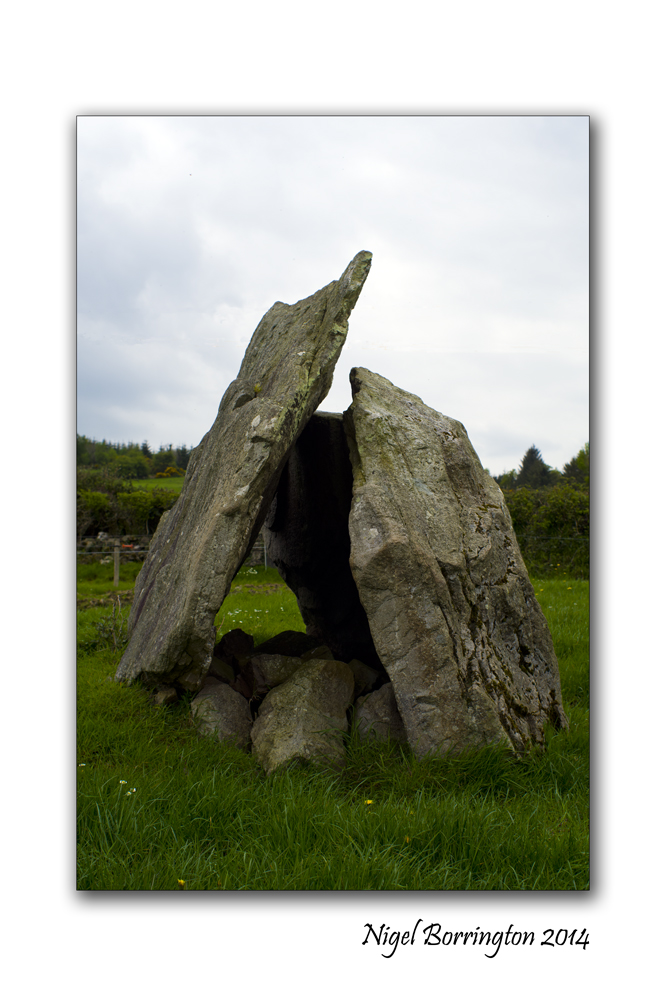
Portal tombs, Dolmen’s, portal graves or quoit are a type of single-chamber megalithic tomb, usually consisting of two or more upright stones supporting a large flat horizontal capstone (table), although there are also more complex variants. Most date from the early Neolithic period (4000 to 3000 BC). Dolmens were typically covered with earth or smaller stones to form a barrow. In many instances, that covering has weathered away, leaving only the stone “skeleton” of the burial mound intact.
It remains unclear when, why, and by whom the earliest tomb’s were made. The oldest known tomb’s are in Western Europe, where they were set in place around 7000 years ago.
County Kilkenny has two such Tombs , the Newmarket tomb and the Kilmogue Portal Tomb at Harristown, both are dated to some 6000 years of age.
I did a little more reading on these tombs and it is very clear that they are very widely spread through out the world as the link below details :
http://en.wikipedia.org/wiki/Dolmen
The link shows their world wide locations as :
3.1 Asia
3.1.1 Korea
3.1.2 India
3.1.3 Eurasia (North Western Caucasus) Circassia
3.1.4 Middle East
3.2 Africa
3.2.1 Horn of Africa
3.2.2 North Africa
3.3 Europe
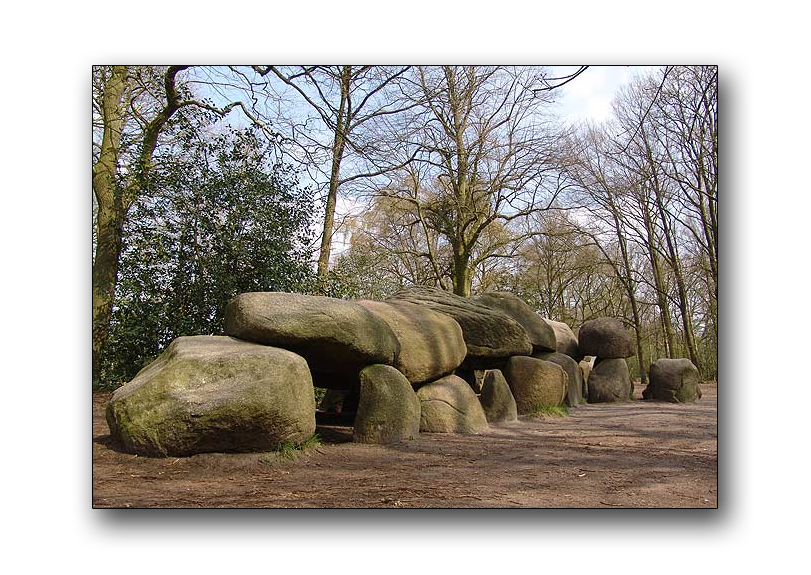
T-shaped Hunebed D27 in Borger-Odoorn, Netherlands.
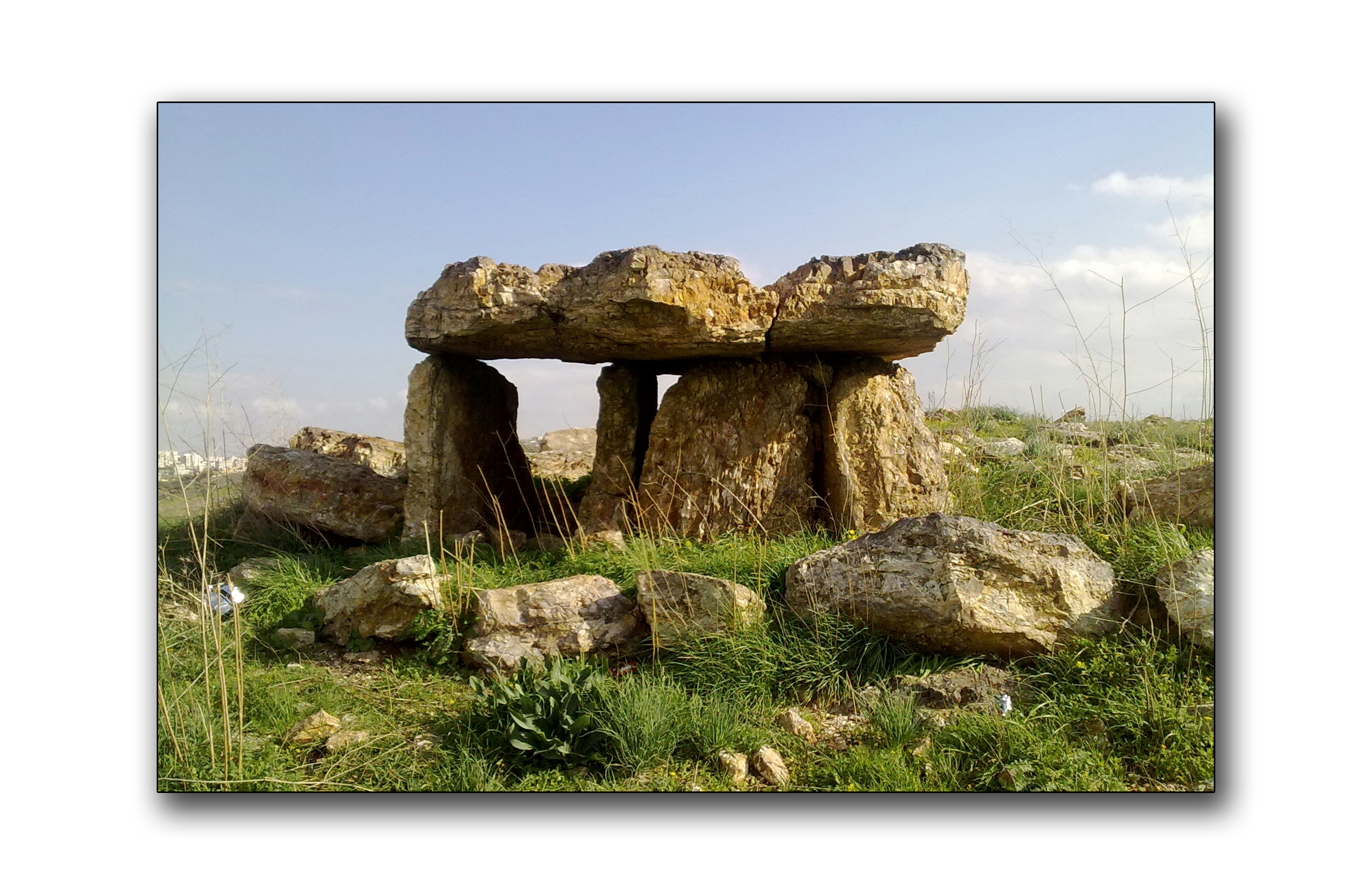
Flint Dolmen in Johfiyeh, Jordan
You can see the full details by the link above!
I have been visiting these sites in Ireland for sometime as in Ireland we have many passage tombs through out the country.
Understanding however just how international these locations are is very fascinating.
It needs to be remembered that some 6000 years ago very few of the nations we know, if any existed and people travelled without boarders.
The first time anyone gave Ireland a name as such, it was called “Hibernia”.
Hibernia is the Classical Latin name for the island of Ireland. The name Hibernia was taken from Greek geographical accounts. During exploration of northwest Europe (c. 320 BC), Pytheas of Massilia called the island Iérnē (written Ἰέρνη). In his book Geographia (c. 150 AD), Claudius Ptolemaeus (“Ptolemy”) called the island Iouerníā (written Ἰουερνία, where “ου”-ou stands for w). The Roman historian Tacitus, in his book Agricola (c. 98 AD), uses the name Hibernia. The Romans also sometimes used Scotia, “land of the Scoti”, as a geographical term for Ireland in general, as well as just the part inhabited by those people.
Something that becomes very clear is that the peoples who lived in many different world wide locations often shared the same culture, they lived very closely to and with their environment, they were clearly pagan in their beliefs and as such very close to their surroundings.
Life would have been completely different from the life we know, they lived and moved to the cycles of the seasons, they eat and lived of the wildlife and nature that surrounded them, in some season they would have little food if any.
They clearly had Gods and figure heads, yet we have a tendency to place our own modern religious understanding on-to what this meant to them directly.
It is likely that their Gods were Mythical in nature and derived from memories of real people who they connected with different elements and forces of life that affected the way they lived and survived.
This wikipedia page lists some of the celtic Gods and Goddesses and shows the forces of life and nature that they were related to.
Kilkenny Portal tomb Gallery
NewMarket Portal Tomb
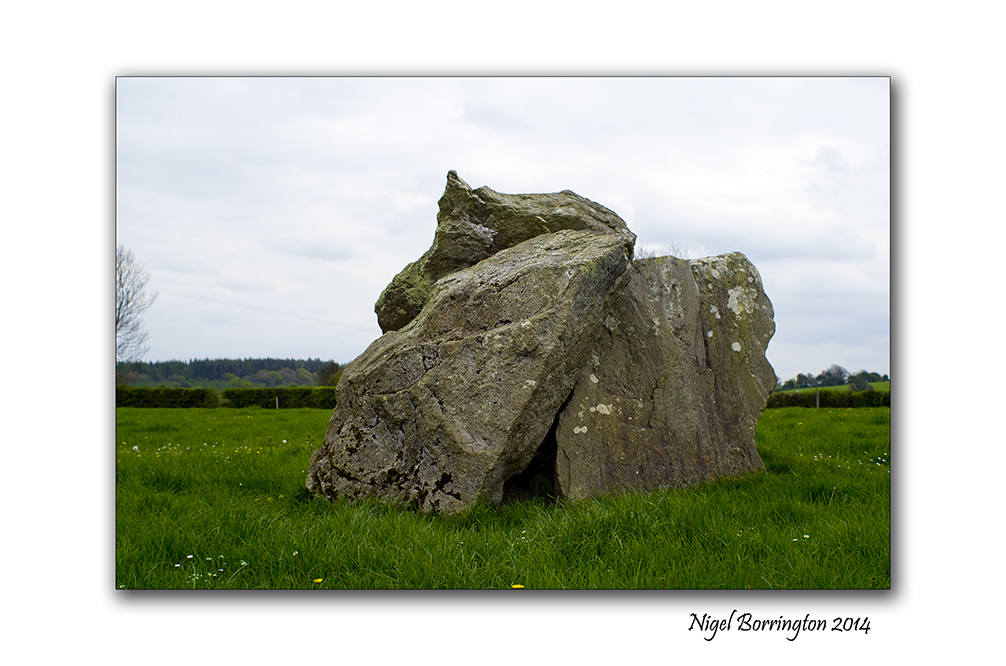
 .
.
Kilmogue Portal Tomb


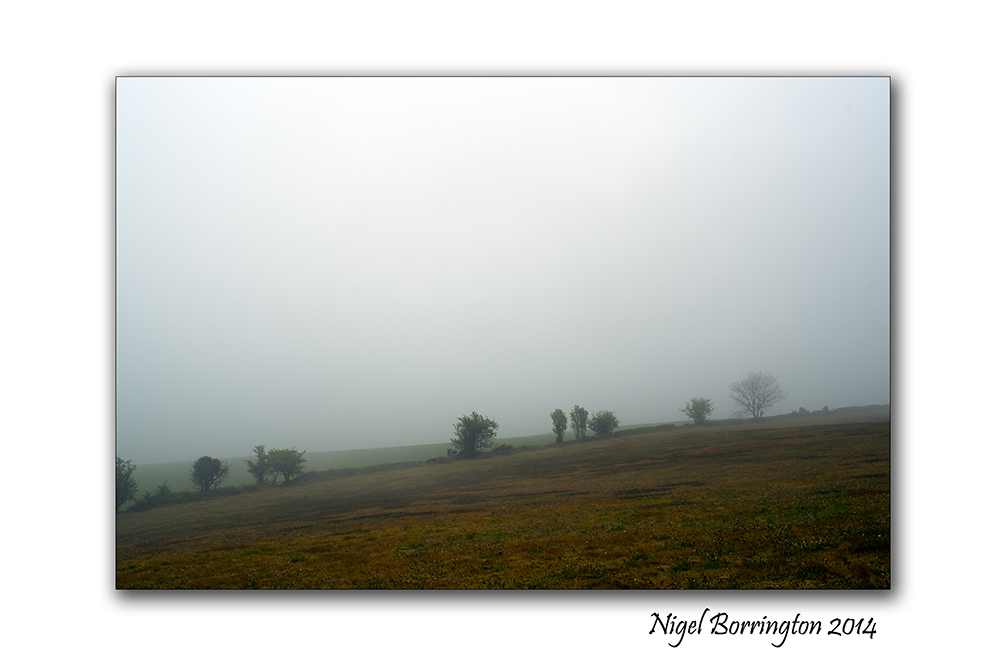
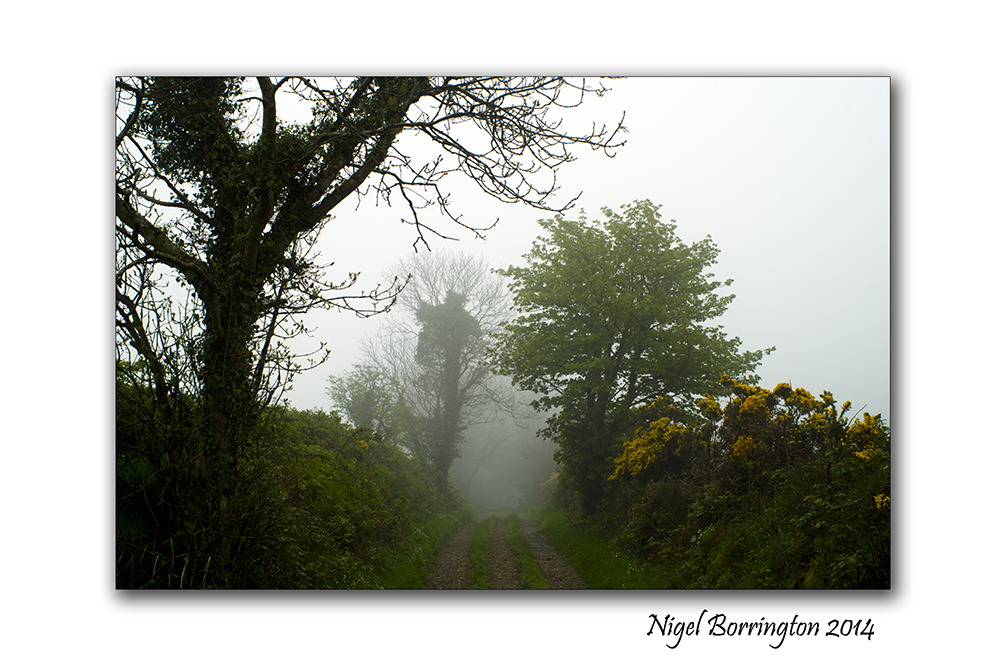
A misty day , A poem By : Paul Laurence Dunbar
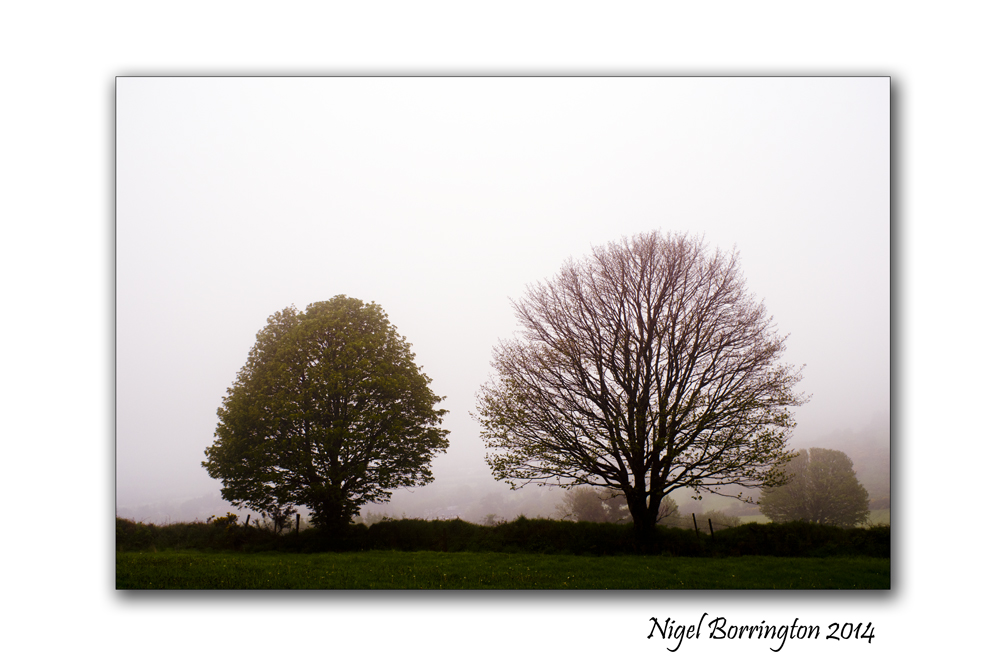 A Misty Day
A Misty Morning on Glencommon hill, County Kilkenny
Irish Landscape Photography : Nigel Borrington
A Misty Day
By : Paul Laurence Dunbar
Heart of my heart, the day is chill,
The mist hangs low o’er the wooded hill,
The soft white mist and the heavy cloud
The sun and the face of heaven shroud.
The birds are thick in the dripping trees,
That drop their pearls to the beggar breeze;
No songs are rife where songs are wont,
Each singer crouches in his haunt.
 .
.
Heart of my heart, the day is chill,
Whene’er thy loving voice is still,
The cloud and mist hide the sky from me,
Whene’er thy face I cannot see.
 .
.
My thoughts fly back from the chill without,
My mind in the storm drops doubt on doubt,
No songs arise. Without thee, love,
My soul sinks down like a frightened dove.
Kilmogue Portal Tomb, six thousand year of age.
Kilmogue Portal Tomb, county KIlkenny
Irish Landscape photography : Nigel Borrington
Kilmogue Portal Tomb
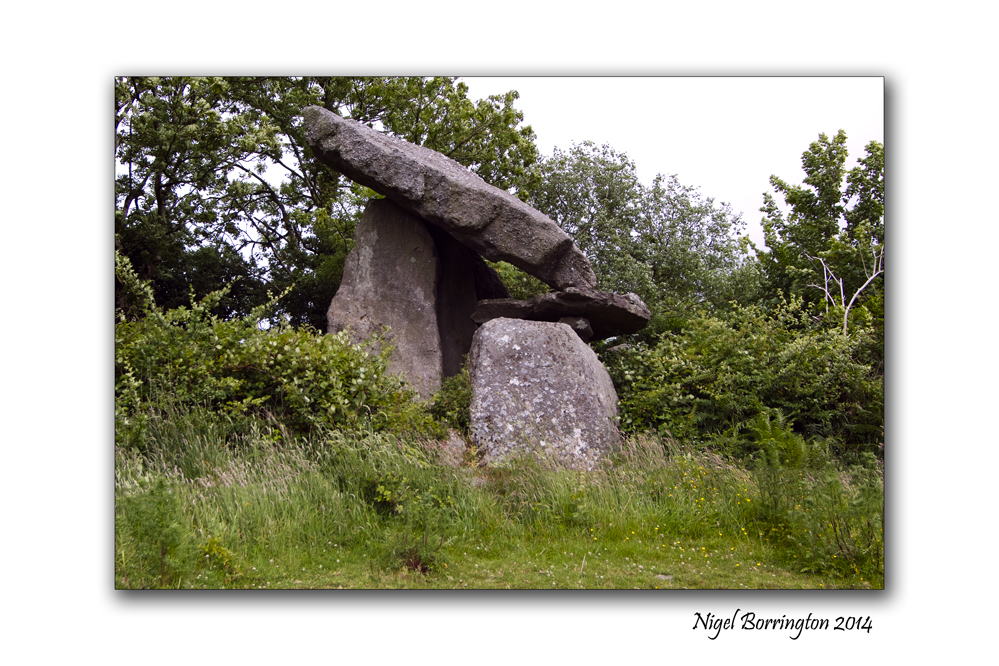
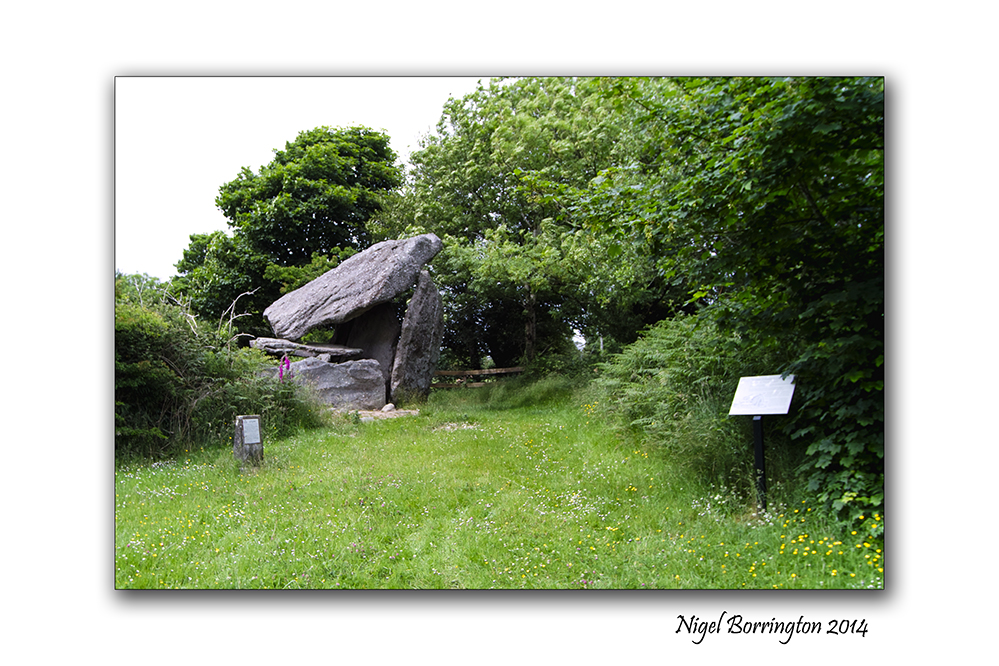
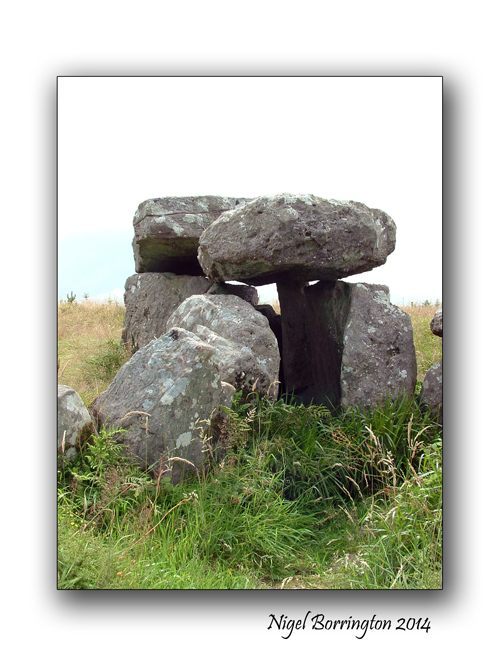
Sitting at the end of a short path near Harristown, county kilkenny, is a six thousand year old tomb, know nationally at the Kilmogue Portal Tomb but locally as, “Leac an Scail” – stone of the warrior/hero in English.
I have visited the site many times and I still find it an amazing location, the site has a sign placed near it that you can see below. It clearly states that the site has never been officially excavated, as is the case for many of these locations in Ireland. From evidence of Tombs constructed in exactly the same way around the European continent it is thought to be some six thousand years old. To put this in context , the great pyramids in Egypt were constructed around 2560 BC, so this tomb is some 1500 years older.
The tomb is constructed with a very large cap stone and side walls and it is hard to imagine just how the cap stone was lifted into place. The stones that can still be witnessed here would however have been surround by a mount of earth that has been long removed or washed away by six thousand years of rain. This earth mount would have been large maybe some 20 meters in diameter. It was likely then that the walls of the tomb were put in place first and supported with wood, then the earth mound constructed and finally the large cap stone rolled up the sides into its place and covered with more earth on top.
It is not known who’s tomb this was but the person buried here must have been considered very important in this Neolithic community, and the tomb would have acted as a place of memory for them and as was the tradition at the time the community would have held ceremonies here.
Each time I have visited I wonder just what these people where like, they were clearly pagan in their beliefs and very close to their surroundings and its nature. Life would have been completely different from the life we know, they lived and moved to the cycles of the seasons, they eat and lived from the wildlife and nature that surrounded them, in some season they would have little food. They most likely had Gods and figure heads yet we have a tendency to place our own modern religious understanding on-to what this meant to them.
It is likely that their Gods were Mythical in nature and derived from memories of real people who Mythically they created with different elements and forces of life and nature that affected the lives they lived.
List wikipedia page lists some of these Gods and Goddesses and shows the forces in life and nature that they related to.
I hope that the images below relate the Tomb and its location, the surrounding Landscape is very rural and one of county Kilkennys biggest dairy farming areas.
Leac an Scail, Image Gallery


The Passage tomb of (Olioll Olum), King of Munster

The Passage Tomb of , Olioll Olum ( Died 234), Galbally Limerick
Irish Landscape Photography : Nigel Borrington
Irish Passage Tombs
Located on the side of Duntryleague Hill, County Limerick and the westerly extension of Slievenamuc hill is a passage tomb. The Tomb was constructed for Olioll Olum, one of the early Kings of Munster.
The name Duntryleague is derived from Dún-Trí-Liag, meaning the fort of three pillar stones. Diarmuid and Gráinne are also said to have rested here in their flight from the angry Fionn Mac CumhaillWell.
The route through the forest leading to the burial ground is accessible and leads to this amazing rock structure of the tomb. There is one enormous rock slab resting steadily across a number of famous cairns which measures approximately 25m north -south and 22m east-west. Continuing on from the cairn you come across many natural viewing points which extend over the terrain of west Limerick.
Olioll Olum, was a King of Munster, who died in 234, he is said to have been progenitor of most of the great families of the south of Ireland. He married Sabia, daughter of Con of the Hundred Battles, ruler of the north of Ireland.
He willed that after his death the sovereignty of Munster should vest alternately in the descendants of his son Eoghan Mor (the Eugenians, or Eoganachts, occupying the southern part of Munster), and those of his son Cormac Cas (the Dalcassians, occupying the northern part of the same province).
The images below include some landscapes of the surrounding mountains, this is not a bad place to be laid to rest.
Gallery of a Passage Tomb



Easter Sunday on the Mountain of Slievenamon

Easter Sunday on Slievenamon, county Tipperary
Landscape Photography : Nigel Borrington
Happy Easter to everyone.
The great Easter holiday weather in our part of Ireland has finally broken with rain this evening for the first time in about two weeks, we had a wonderful morning however as the sky was blue and clear and the sun rise was wonderful.
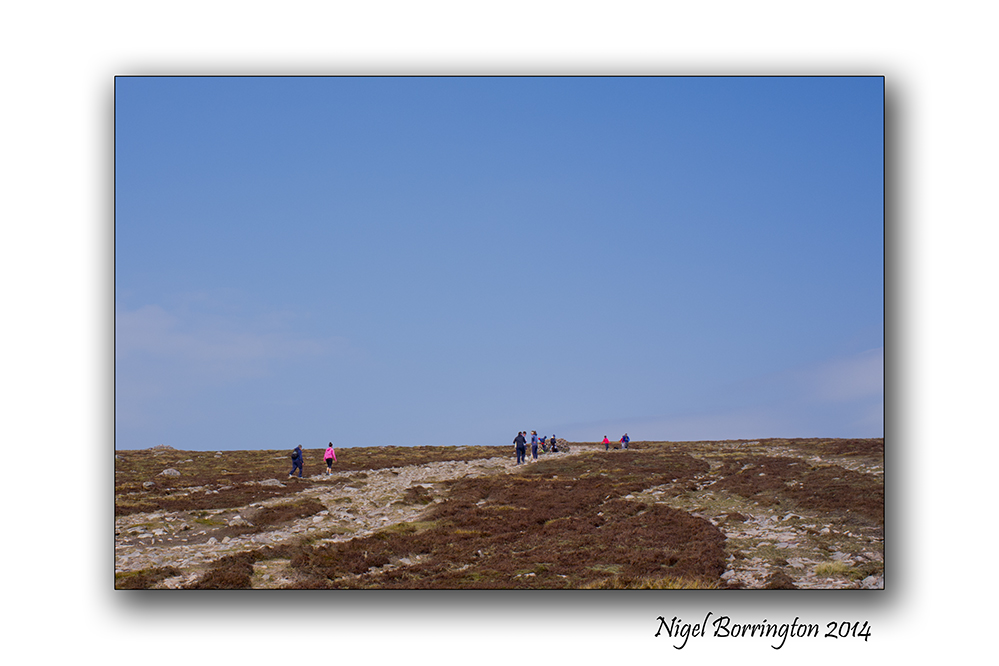
One thing I love to do on an Easter Sunday is to get outside an experience our local landscape, This morning setting off to walk up Slievenamon our local mountain about 10km from home, many people had the same idea and it was great to meet and say hello to people doing their first big hill walk of the Summer.
The Images below I hope go a little way to sharing the landscape and views from this wonderful mountain, They include some images of the Burial cairn at the very summit of Slievenamon.
Happy Easter !!
Easter Sunday on SLievenamon : Gallery




Easter (Ostara) Saturday local walk’s – Kilkenny Landscape Gallery

Kilkenny Landscape Images
Landscape photography : Nigel Borrington
It’s Easter Saturday and the weather is still wonderful here in Kilkenny, It is a great feeling to be able to walk down the country lanes and get some great views of our local landscapes.
The Cattle are all out of the sheds for the summer and colour has returned to the fields.
The below Gallery are some images taken this morning on a walk around our local area.
Kilkenny Landscape Gallery




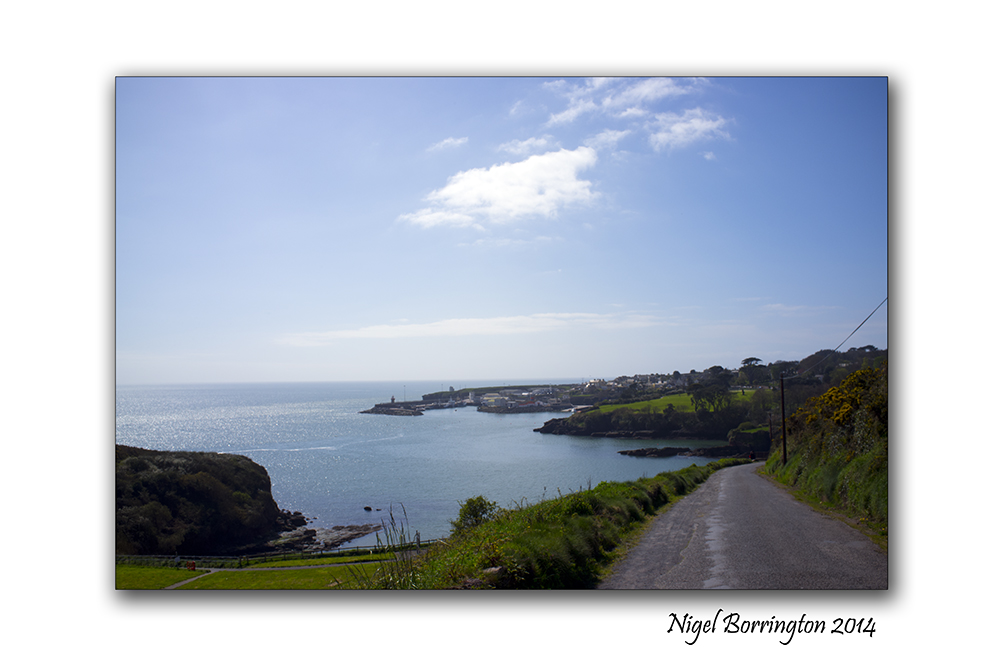
Easter (Ostara) Friday at the beach.
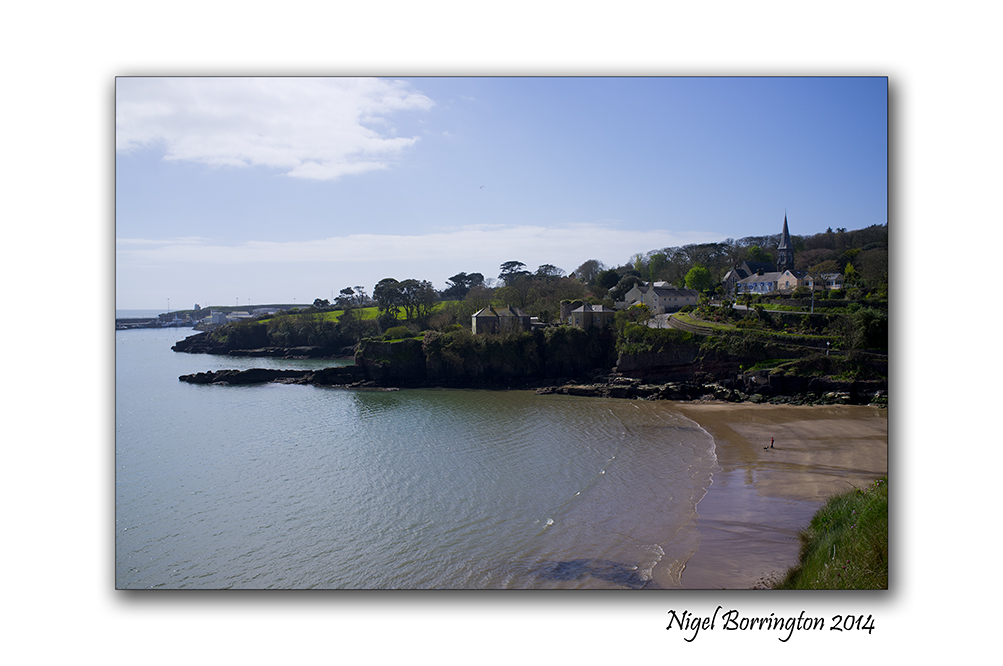
Dunmore east, County Waterford, Ireland
Irish Landscape Photography : Nigel Borrington
The Easter weekend is traditionally to first weekend of warm summer days here in Ireland, its a great time to get out and about and what better place than going down to the beach.
With a population of only 4.3 Million the beaches are never to full at this time of year, yet the weather can be very good. The images in this post were taken this Morning at the small fishing town of Dunmore east and the near by beach of Forenaught, a small and private little place that’s great for a morning swim.
Image Gallery


Walking through a field at Coolehill , images with a poem

Coolehill, Windgap, County Kilkenny
Irish Landscape Photography : Nigel Borrington
Walking across a field at Coolehill
Walking across the fields of Coolehill,
Ash, Briar, hawthorn, holly, and hazel
A wall around the field that your in.
 .
.
Above you
is a big blue sky, with its layers of soft clouds,
held up by the rows of oaks.
A sheltered patch of sunshine:
 .
.
I stop
and stand in silence
and close your eyes
and feel the warmth on your face,
whilst a blackbird sings.

inspired by Holbury Lane, Lockerley
Oweynagcat cave,County Roscommon , Into the Underworld.

Oweynagat caves, County Roscommon
Landscape Photography Nigel Borrington
Oweynagat Cave
Oweynagat or the ‘Cave of Cats’ has to be one of the more unusual and unique sites in Ireland. The cave features a souterrain with a lintel supporting the entrance but then leads into a naturally formed cave. Oweynagat features heavily in Irish mythology, mainly because of its placement near Queen Medb’s fort which was at the center of the ancient Connaught capital of ‘Cruachan‘. The cave was said to be the actual birthplace of Queen Medb herself, the story goes that a goddess and fairy queen named Étain was fleeing her human husband with her fairy lover Midir. Midir wished to visit a relative named Sinech (meaning ‘large-breasted one’) who lived in the cave, the cave was said to be a great palace in the other-world and a maidservant named Crochan Crogderg (meaning ‘blood-red cup’) became enamoured with the place. She was granted the cave by Étian and it was here at Crochan gave birth to a daughter, Medb.
Many different myths from the lifetime of Medb surround the cave, it was said to have served as a portal through which the Goddess Morrigan used to pass to the other-world Morrigan was the goddess of battle and strive and was said to drive her other-world cattle into the cave at Oweynagat each sunset. Once Morrigan was said to have stolen the herds of a girl named Odras and brought them with her to the other-world, Odras tried to follow Morrigan but the unfortunate girl was turned into a lake by the goddess.
Another mention of the cave of the cats features one of Medb’s male servants Nera who had met a fairy woman in the cave and married her. His fairy bride warned that Medb’s palace would be burnt to the ground the following Samhain (November 1st) by creatures from the other-world , with this Medb stationed all her forces in the cave at Samhain to protect Cruachan from utter destruction.
The cave continued to be known as a place of power, acting as a portal to the other-world its power was extremely pronounced near Samhain as this was when the veil between the worlds lessened. Another story relates to the ‘Ellen Trechen’, this was a three headed monster that emerged from the cave and ravaged the local countryside before being killed by the Ulaid poet and hero Amergin.
As Christianity took hold in Ireland the belief in the cave being a ‘gateway to hell’ grew, an 18th century religious text describes Oweynagat as the ‘hell-mouth of Ireland’. It was believed that Oweynagat was linked to another ’hell-mouth’ many kilometres away at the Kesh Corran .
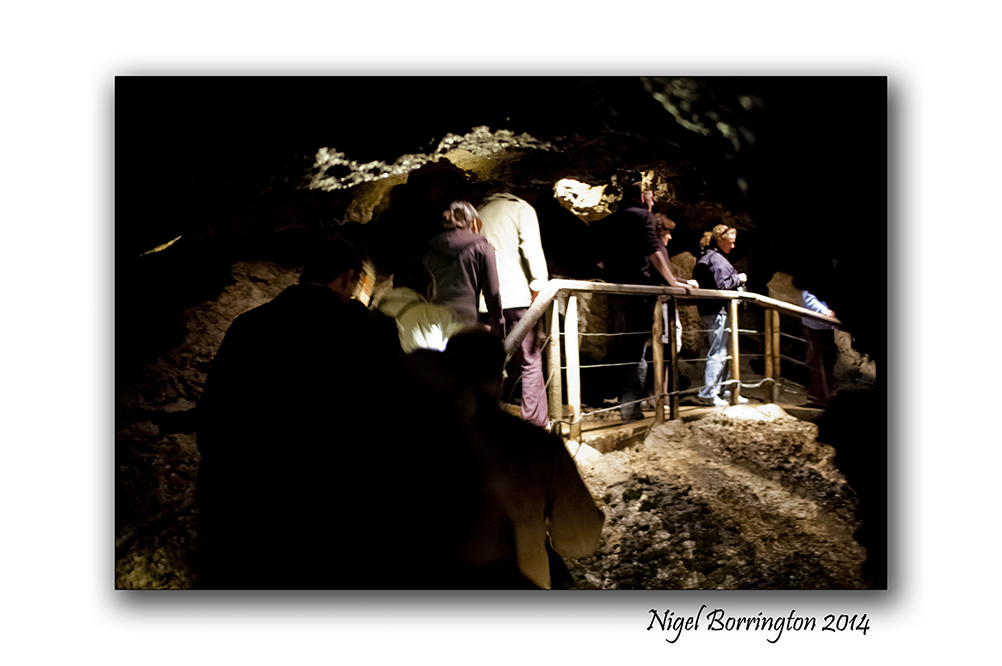
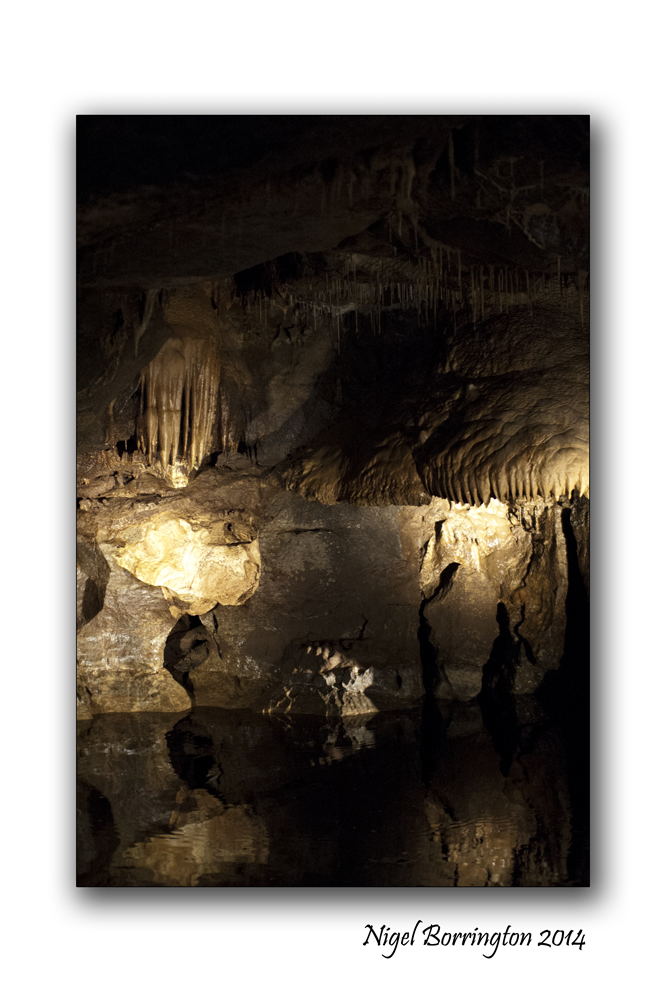
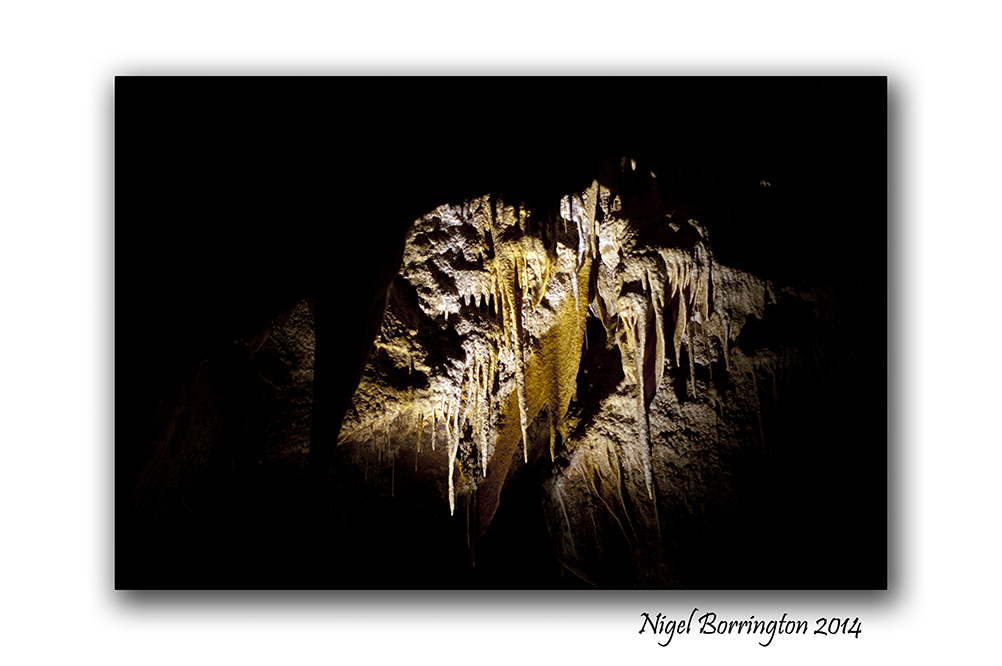
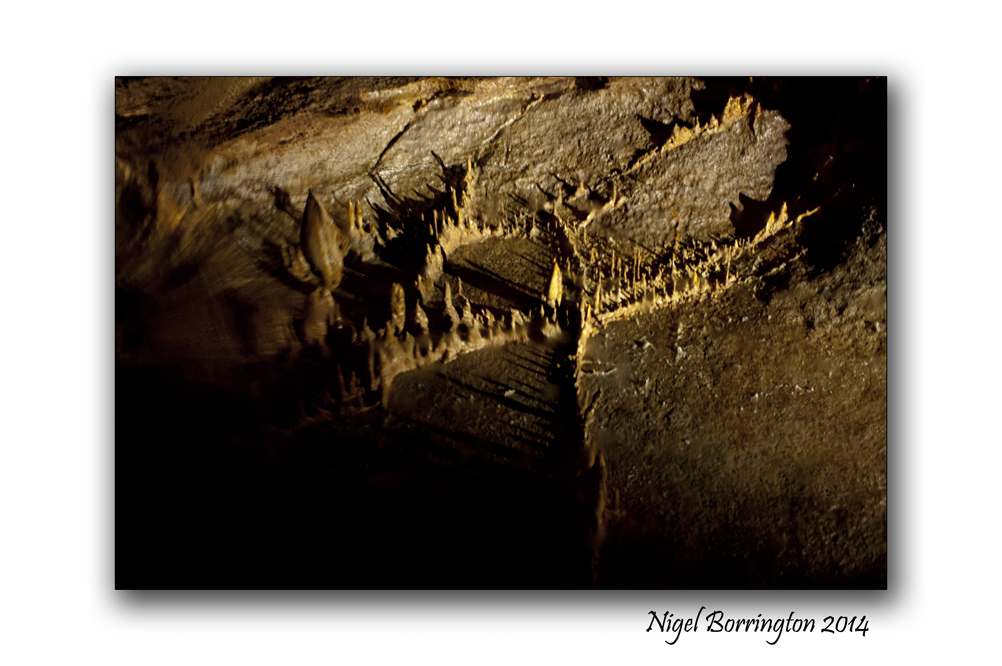
Oweynagcat cave, Gallery
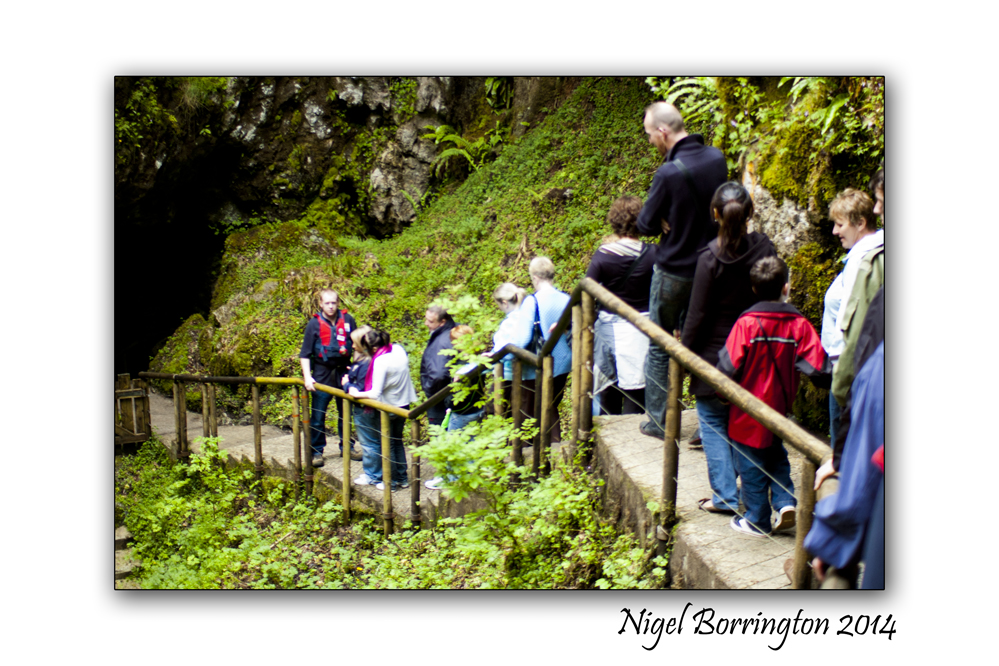


 Nigel Borrington
You must be logged in to post a comment.