Friday 1st September a Poem by : T. S. Eliot, Four Quartets, East Coker No. 2, 1, 1940

Black and white Landscapes, County Tipperary, fields, 2017 Nigel Borrington
In that open field
If you do not come too close, if you do not come too close,
On a summer midnight, you can hear the music
Of the weak pipe and the little drum
And see them dancing around the bonfire
The association of man and woman
In daunsinge, signifying matrimonie—
A dignified and commodiois sacrament.
Two and two, necessarye coniunction,
Holding eche other by the hand or the arm
Whiche betokeneth concorde. Round and round the fire
Leaping through the flames, or joined in circles,
Rustically solemn or in rustic laughter
Lifting heavy feet in clumsy shoes,

Earth feet, loam feet, lifted in country mirth
Mirth of those long since under earth
Nourishing the corn. Keeping time,
Keeping the rhythm in their dancing
As in their living in the living seasons
The time of the seasons and the constellations
The time of milking and the time of harvest
The time of the coupling of man and woman
And that of beasts. Feet rising and falling.
Eating and drinking. Dung and death.

Dawn points, and another day
Prepares for heat and silence. Out at sea the dawn wind
Wrinkles and slides. I am here
Or there, or elsewhere. In my beginning.”
– T. S. Eliot, Four Quartets, East Coker No. 2, 1, 1940
On Contemplating a Sheep’s Skull ~ Poem by: John Kinsella

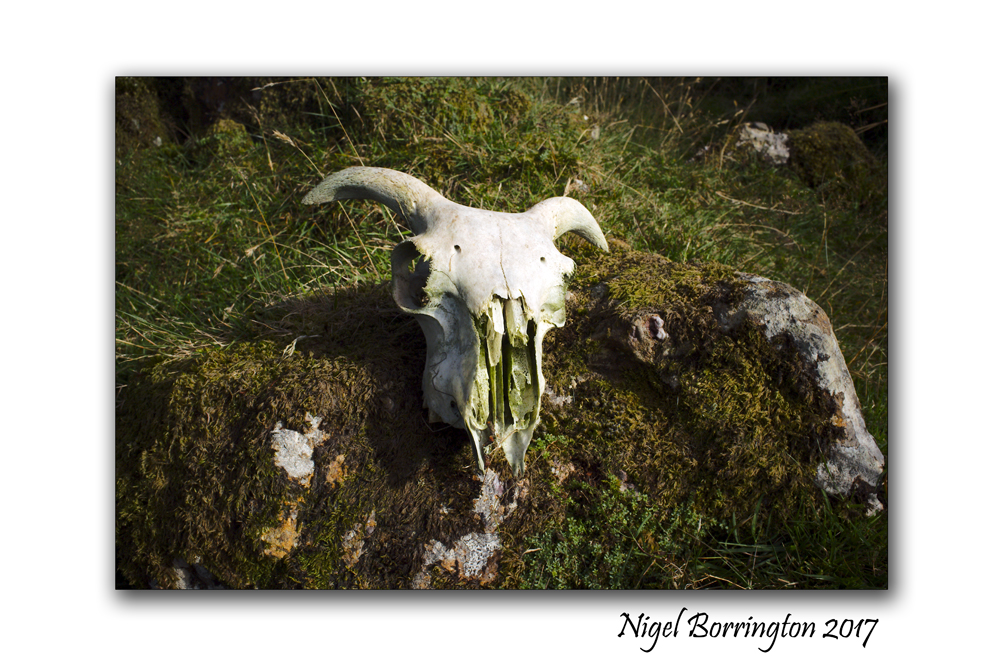
Sheeps skull
Nigel Borrington
On Contemplating a Sheep’s Skull
Poem by John Kinsella
A sheep’s Skull aged so much in rain and heat,
broken jawbone and chipped teeth half-
gnaw soil; zippered fuse-mark tracks
back to front, runs through to base
of neck, widening faultline under
stress: final crack close at hand.
Skull I can’t bring myself to move.
White-out red soil unearthed
from hillside fox den and cat haven,
now hideaway for short-beaked echidna
toppling rocks and stones, disrupting
artfulness a spirit might impose,
frisson at seeing counterpoint.
Skull I can’t bring myself to move.
Sometimes avoid the spot to avoid
looking half-hearted into its sole
remaining eye socket; mentally to join
bones strewn downhill, come apart
or torn from mountings years before
arriving with good intentions.
Skull I can’t bring myself to move.
Not something you can ‘clean up’,
shape of skull is not a measure of all
it contained: weight of light and dark,
scales of sound, vast and varied taste
of all grass eaten from these hills;
slow and steady gnawing at soil.
Skull I can’t bring myself to move.

Neither herbivore nor carnivore,
earth and sky-eater, fire in its shout
or whisper, racing through to leave a bed
of ash on which the mind might rest,
drinking sun and light and smoke,
choked up with experience.
Skull I can’t bring myself to move.
Drawn to examine
despite aversion, consider
our head on its shoulders,
drawn expression
greeting loved ones
with arms outstretched.
John Kinsella is Founding editor of the journal Salt in Australia; he serves as international editor at the Kenyon Review. His most recent volume of poetry is Divine Comedy: Journeys through a Regional Geography (W. W. Norton) with a new volume, Disturbed Ground: Jam Tree Gully/Walden, due out with W.W. Norton in November 2011.
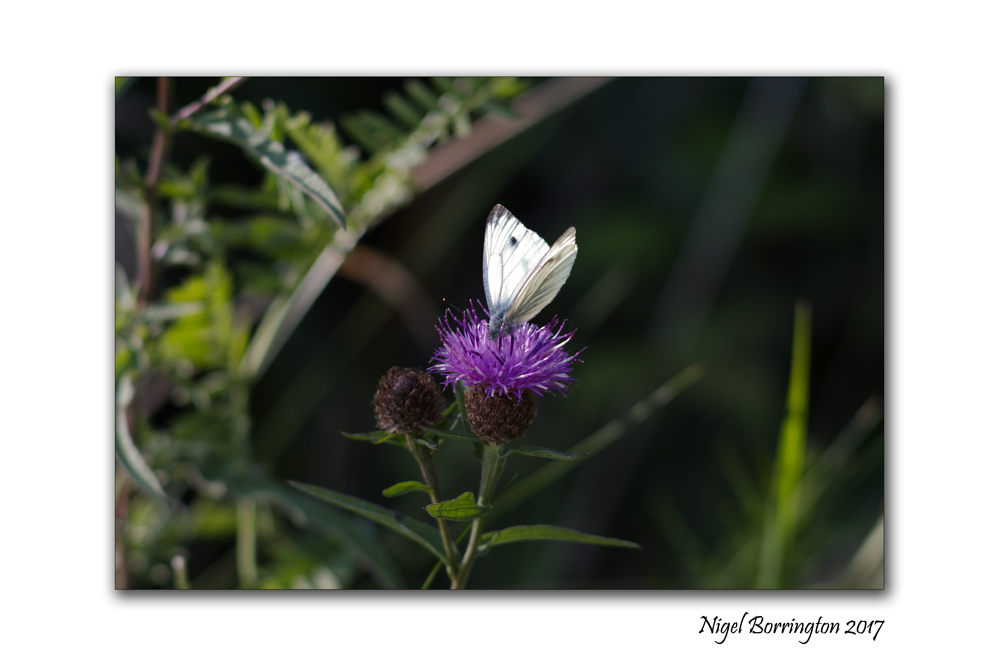
Friday Poetry : The Genesis of the Butterfly, by Victor Hugo
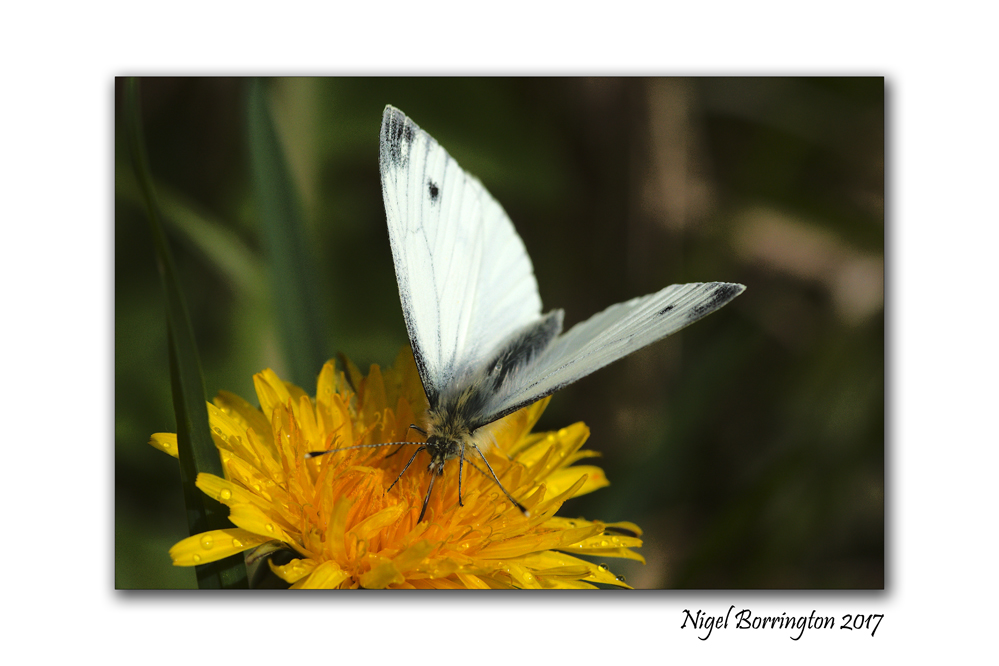
The Genesis of the Butterfly
Nature Photography
Nigel Borrington
The dawn is smiling on the dew that covers
The tearful roses; lo, the little lovers
That kiss the buds, and all the flutterings
In jasmine bloom, and privet, of white wings,
That go and come, and fly, and peep and hide,
With muffled music, murmured far and wide.
Ah, the Spring time, when we think of all the lays
That dreamy lovers send to dreamy mays,
Of the fond hearts within a billet bound,
Of all the soft silk paper that pens wound,
The messages of love that mortals write
Filled with intoxication of delight,
Written in April and before the May time
Shredded and flown, playthings for the wind’s playtime,
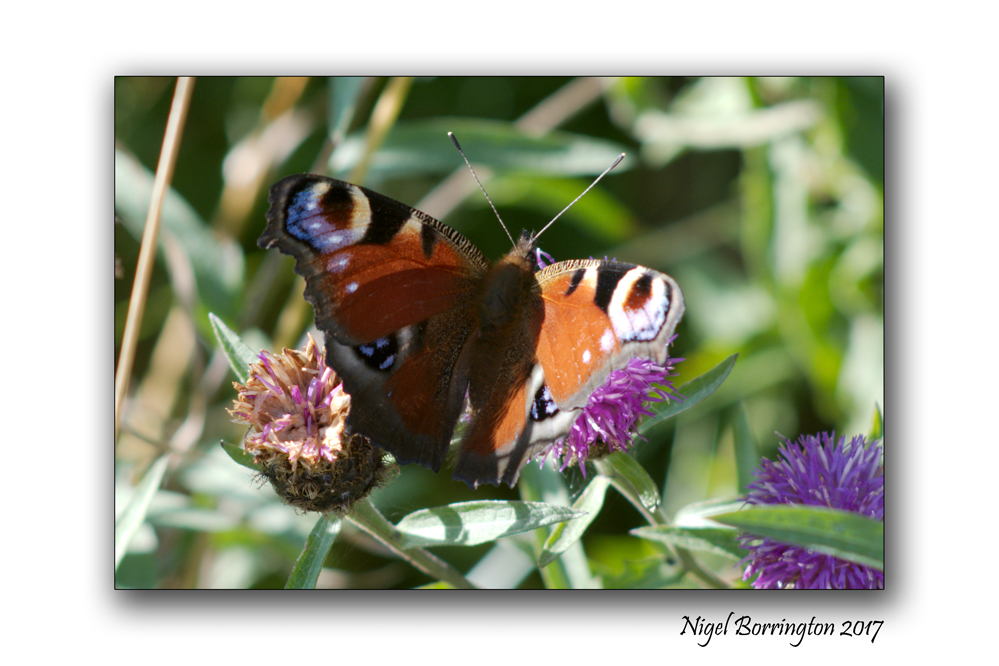
We dream that all white butterflies above,
Who seek through clouds or waters souls to love,
And leave their lady mistress in despair,
To flit to flowers, as kinder and more fair,
Are but torn love-letters, that through the skies
Flutter, and float, and change to butterflies
A sense of place : Allihies and its copper mines
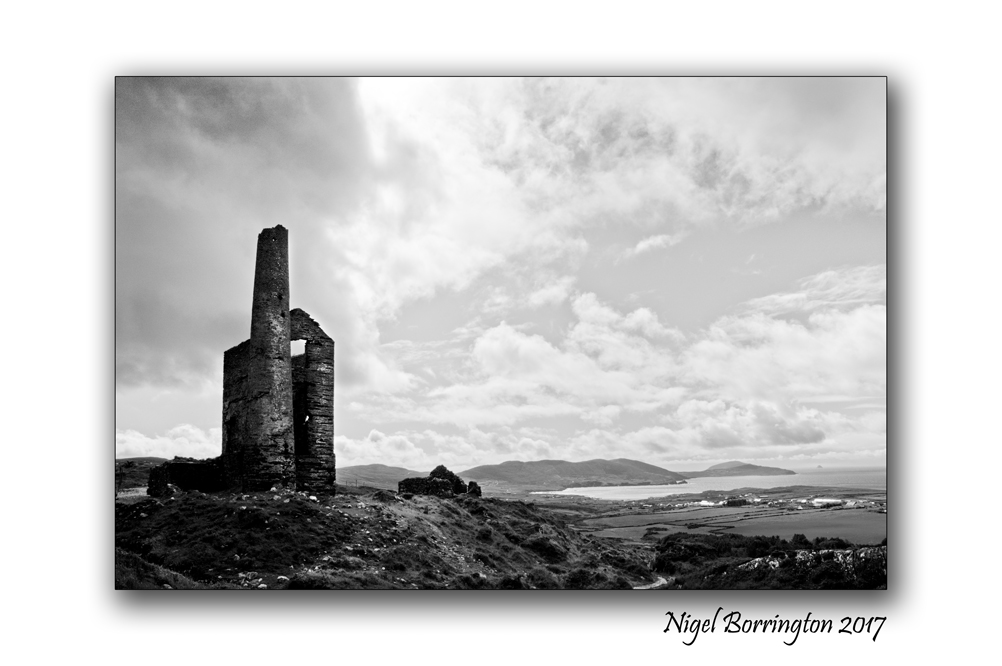
Allihies Copper Mines
Munster
County Cork
Nigel Borrington
One of my favorite locations to visit in Ireland is Allihies in west cork, The village is located towards the end of the Béara Peninsula. Its a very beautiful places to spend sometime walking and visiting the small coves and beaches.
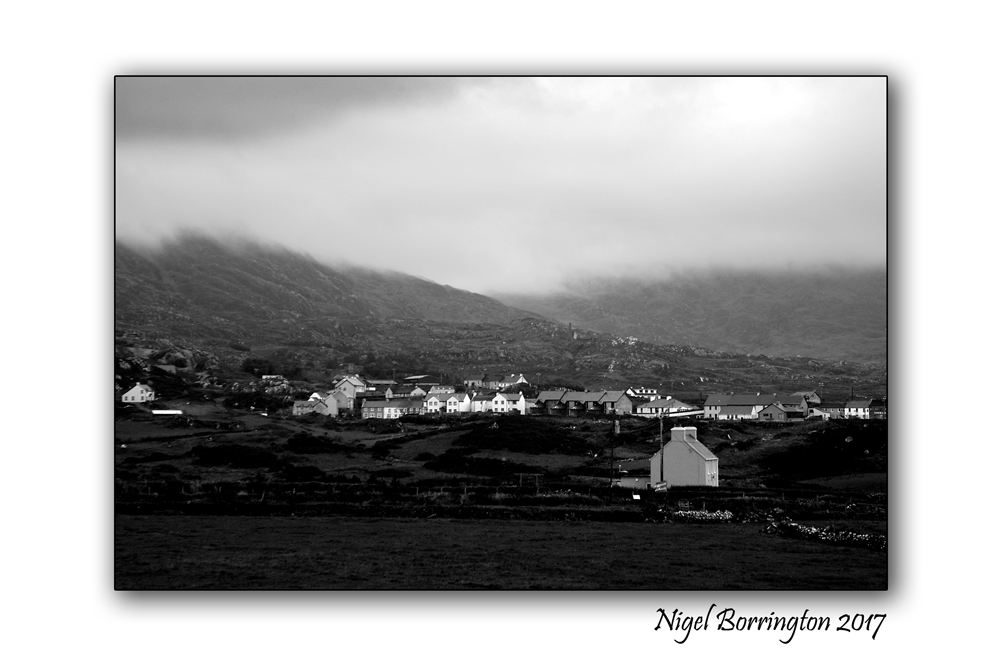
The Village has a long history with Copper mining, started in Allihies in 1812 when John Puxley, a local landlord, identified the large quartz promontory at Dooneen as copper bearing from its bright Malachite staining.
The Allihies Mines
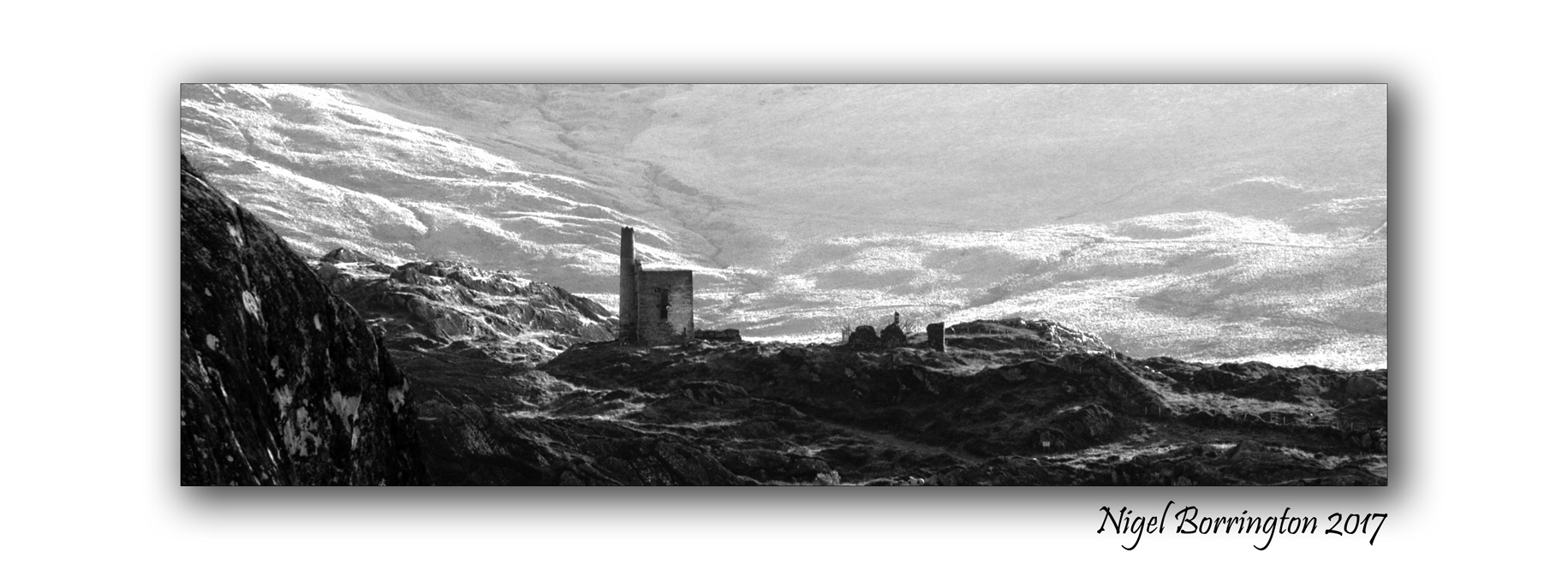
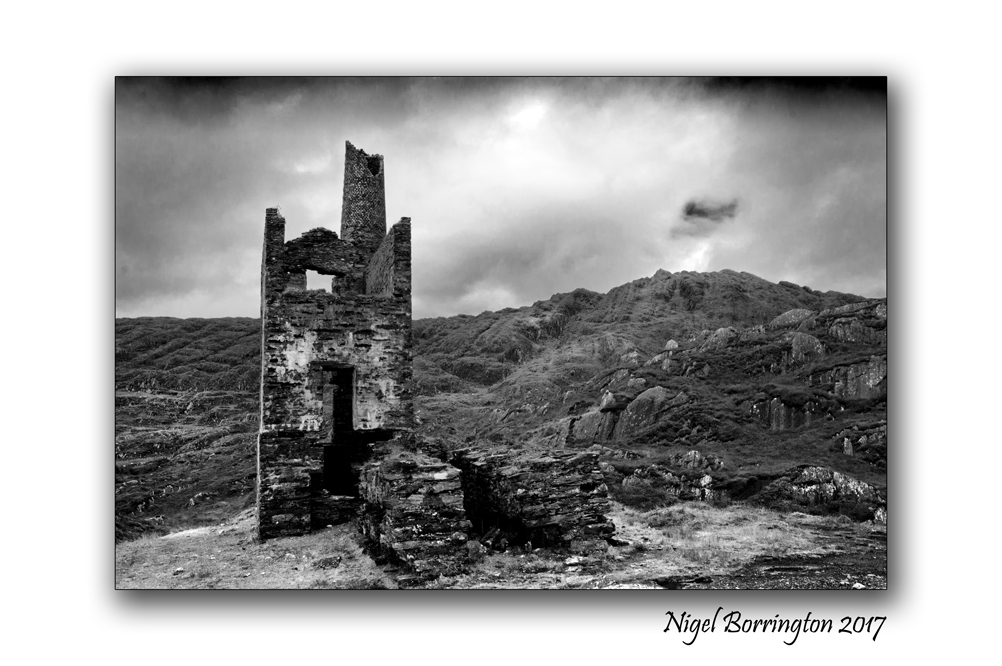
Initial mining began with a tunnel or adit driven into the quartz lode from the pebble beach below. In 1821 two shafts were sunk . Flooding was a continuous problem and in 1823 the engine house was erected to house a steam engine brought over from Cornwall to pump water from the depths. The remains of this building with the base of the chimney can be seen across the road. There is also evidence of a steam powered stamp engine to the left of the chimney and dressing floors in front of the engine house. The high dam further inland is the remaining evidence of a water reservoir which stored the water that was pumped out from the bottom of the mine. It was used for the steam engines and needed to separate the copper from rock. All the rubble on the cliff at the sea side of the road is the crushed useless quartz rock left over after the copper ore was extracted.
This is one of six productive mines in the Allihies area and its operation continued until 1838 when it closed due to failing ore.
John Puxley died in 1860 and in 1868 his son Henry Puxley sold the mines to the new Berehaven Mining Company who reopened the mine and installed a new 22 inch steam engine in 1872. Little ore was produced though in this period and the mine was finally abandoned in 1878.
Time line of Copper Mining at Allihies
Gallery
The following images are taken during my last visit, I hope to return one day soon to this great little historic Irish town.



The River – Poem by Kathleen Jessie Raine

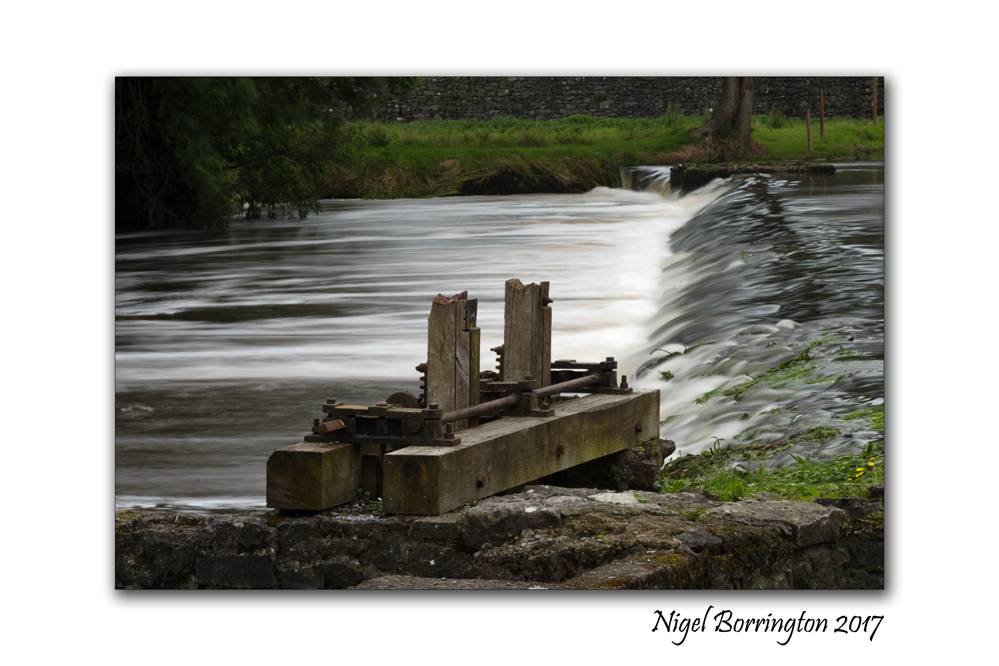
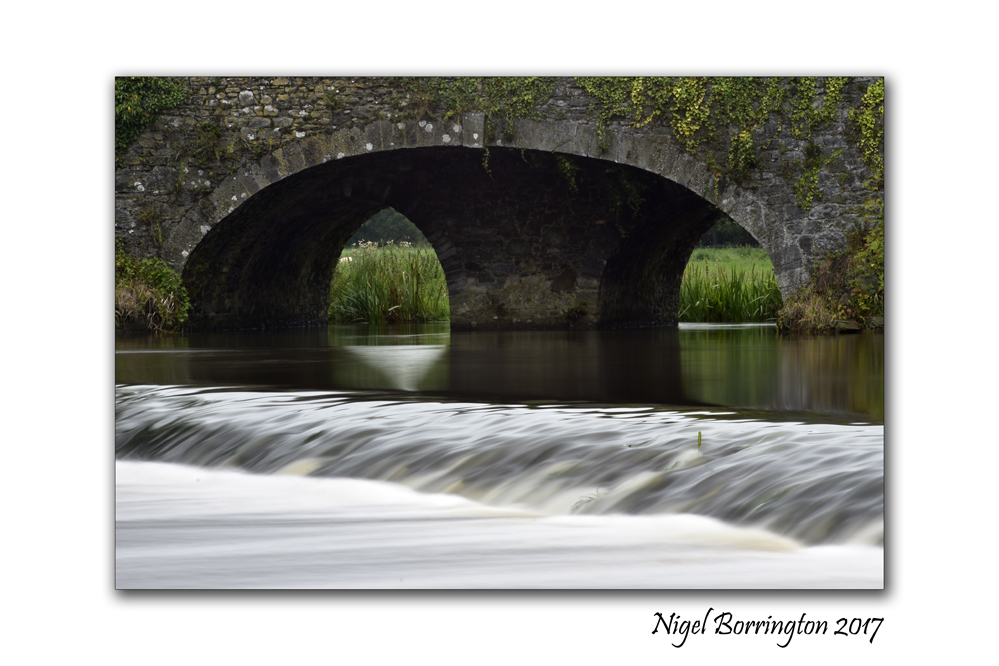
The rivers flow
Kings river
Kells
County Kilkenny
The River – Poem by Kathleen Jessie Raine
In my first sleep
I came to the river
And looked down
Through the clear water –
Only in dream
Water so pure,
Laced and undulant
Lines of flow
On its rocky bed
Water of life
Streaming for ever.
A house was there
Beside the river
And I, arrived,
An expected guest
About to explore
Old gardens and libraries –
But the car was waiting
To drive me away.
One last look
Into that bright stream –
Trout there were
And clear on the bottom
Monster form
Of the great crayfish
That crawls to the moon.
On its rocky bed
Living water
In whorls and ripples
Flowing unbended.
There was the car
To drive me away.
We crossed the river
Of living water –
I might not stay,
But must return
By the road too short
To the waiting day.
In my second dream
Pure I was and free
By the rapid stream,
My crystal house the sky,
The pure crystalline sky.
Into the stream I flung
A bottle of clear glass
That twirled and tossed and spun
In the water’s race
Flashing the morning sun.
Down that swift river
I saw it borne away,
My empty crystal form,
Exultant saw it caught
Into the current’s spin,
The flashing water’s run.
The River
Kathleen Jessie Raine
Classic lens review : Tamron Adaptall-2 135mm f2.5

Tamron Adaptall-2 135mm F/2.5 Model 03B:
Lens Review, Nigel Borrington
Classic lens review : Tamron Adaptall-2 135mm f2.5

I have a few classic Nikon and Tamron lenses in my kit of photography equipment as I find that there is something truly enjoyable about using an older manual focus lens.
One of the lenses I love using the most is my Tamron Adaptall-2 135mm f2.5 lens, it dates from the late 1980’s through to the mid 1990’s, as it was in production during this period. On both an FX and DX camera this lens offers a great field of view in your images. It is also a very fast lens at f2.5 however as with many fast lenses when wind open they are not at their sharpest, yet by using a still very fast F2.8 this lens produces very acceptable images.
Sharpness
These images are an attempt to show the sharpness that can be obtained, these images are taken outside and handheld …..

F2.5 to F8

F2.5

F5.6
These images are just a very quick sample of this lens at different apertures, outside in the real world and without the use of a tripod. I feel that this is a very good way of showing just how usable this lens is in a real world environment and on a day to day basis.
Depth of field
One of the great features of a lens with this focus length (135mm) with a fast aperture is that you can isolate subjects that are at some distance from the camera, this is a powerful tool when used in your images and can help to create some interesting effects.
Here I post some very basic examples of using a different depth of field for the same subject.

F2.5

F8

F2.5

F5.6

F8

F2.5
Build Quality and Verdict
I feel that another great feature of this lens is its build quality, the copy I have is many years old yet still feels like new, its a great lens to use and a pleasure to work with. The focus and aperture rings are both wonderful to operate. Manual focus lenses from this era are built to last, constructed using all metal and built to operate with precision and smoothness. The colour and contrast produced are also among the best I have seen, even when put against my modern Nikon lenses.
All in all this is a lovely lens to use. Its very important to me that I like the equipment I use and this great little lens is right up there with my most loved in this respect.
If you can find one I would highly recommend this lens to anyone!, however as for my copy its not for sale! as I look forward to using it for many more years to come 🙂
Lens Gallery



Welsh Myths and Legends, The bleeding Yew tree, Nevern, Pembrokeshire

St Brynachs church Nevern Pembrokeshire, Wales
Nigel Borrington
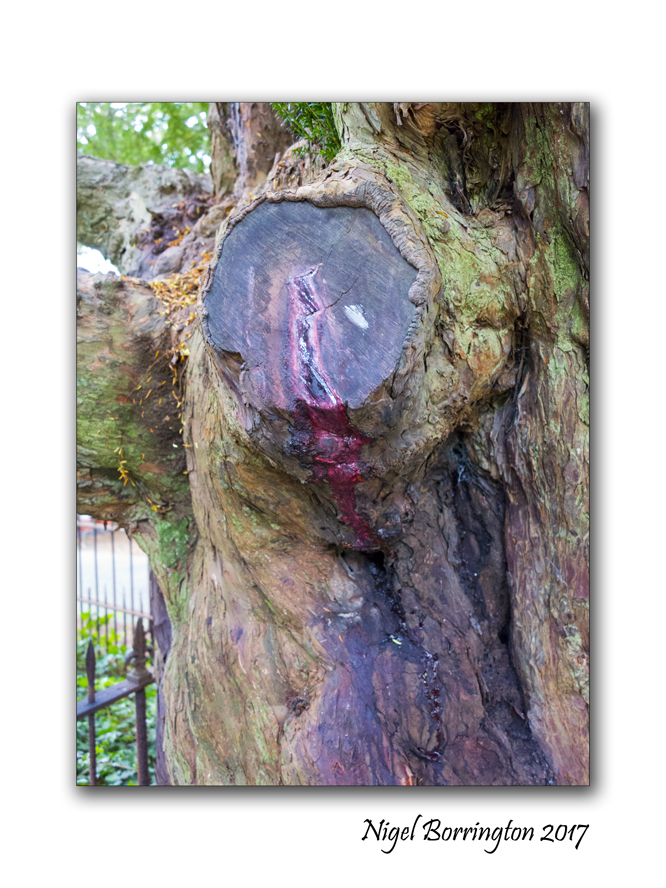
Often one sees sap coming out of an old tree, usually where it is healing up, but usually these “bleeding” areas heal up quite quickly. Recently I came across a most remarkable yew tree when I visited the ancient village of Nevern in Pembrokeshire. It has a 6th century church (St Brynach’s Church) and in the churchyard there are a number of ancient yew trees (Taxus baccata). One of these yews near to the gate is called the “Bleeding Yew” which is about 700 years old and here are some photos I took of it. It has a blood-red sap running out of it which has the consistency of blood – though it dries pink rather than brown. I dipped my finger in it and there wasn’t any distinctive smell or stain, but as people say that most parts of the yew tree are poisonous, I didn’t taste it.

There are many myths about why the Nevern yew tree bleeds: some say that as Jesus was crucified on a cross it is bleeding in sympathy and thoers say that it is reflective of the tree of Life in the Garden of Eden. But that wouldn’t explain why this yew tree in particular is bleeding. One myth says that a monk was hanged on this tree for a crime of which he was innocent and the tree is protesting his innocence. Some say, more politically, that it won’t stop bleeding until there is a Welsh Prince installed at Nevern or even that it will bleed until world peace is achieved.

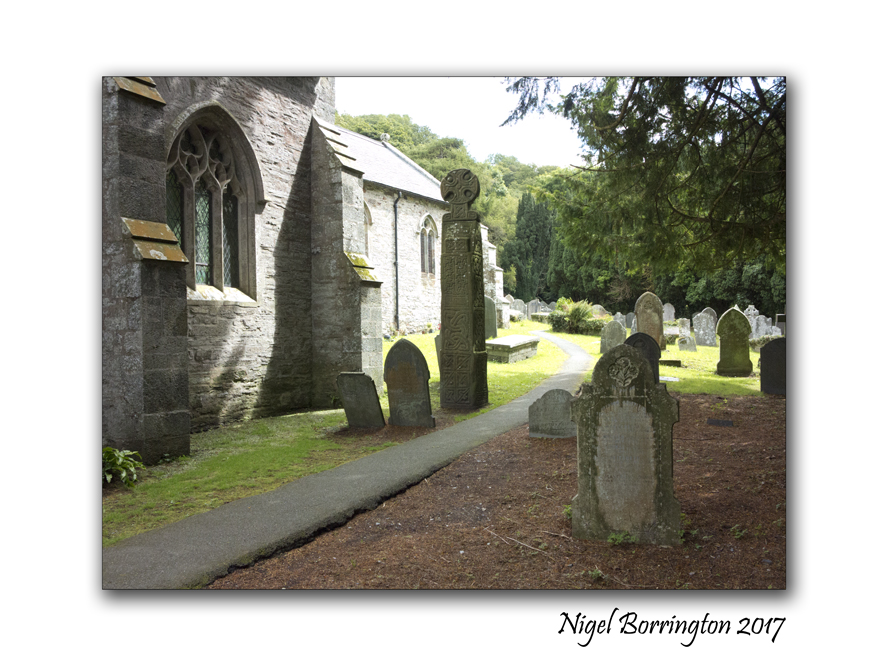
The church at Nevern is well worth a visit for the bleeding yew, but also because the church has some stone carvings which are over a thousand years old, such as the “Braided Cross Stone” (pictured here) which, like the bleeding yew, has been ascribed many meanings with two cords apparently being woven together to make the cross. There is an even older carving, the Maglocunus stone, which throws light on the version of ancient Celtic once used in these parts of Wales, called Ogham. This stone wasn’t preserved for itself standing vertically but was incorporated horizontally into the church as a windowsill.
New site header August 2017, Landscape view from County Kilkenny towards Slievenamon mountain, county Tipperary
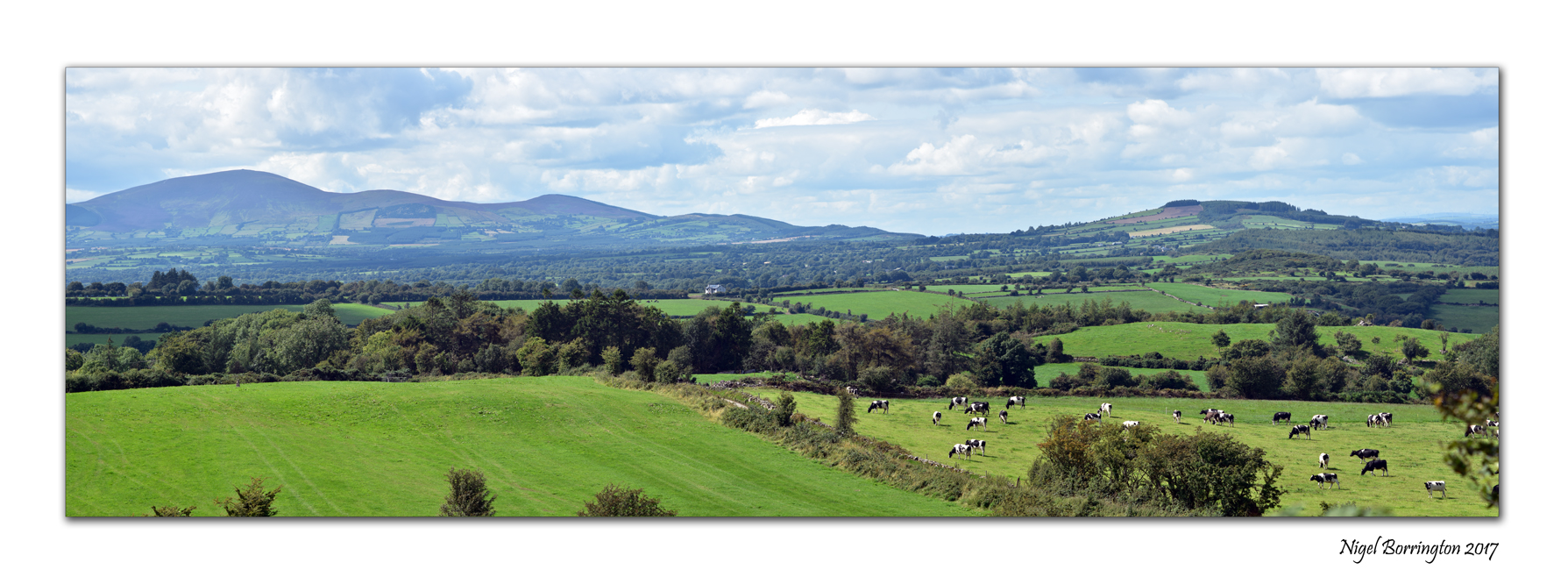
A View of Slievenamon mountain from county Kilkenny
August 2017
Nigel Borrington
This view of the county Kilkenny and Tipperary boarder lands is one of my most loved locations in county Kilkenny, it offers some great walks and places to take in the wonderful view towards the mountain of Slievenamon, Tipperary, as you can see from this image. I was very pleased to with this image as I felt that it captured the local country-side at its best in the month of August …..

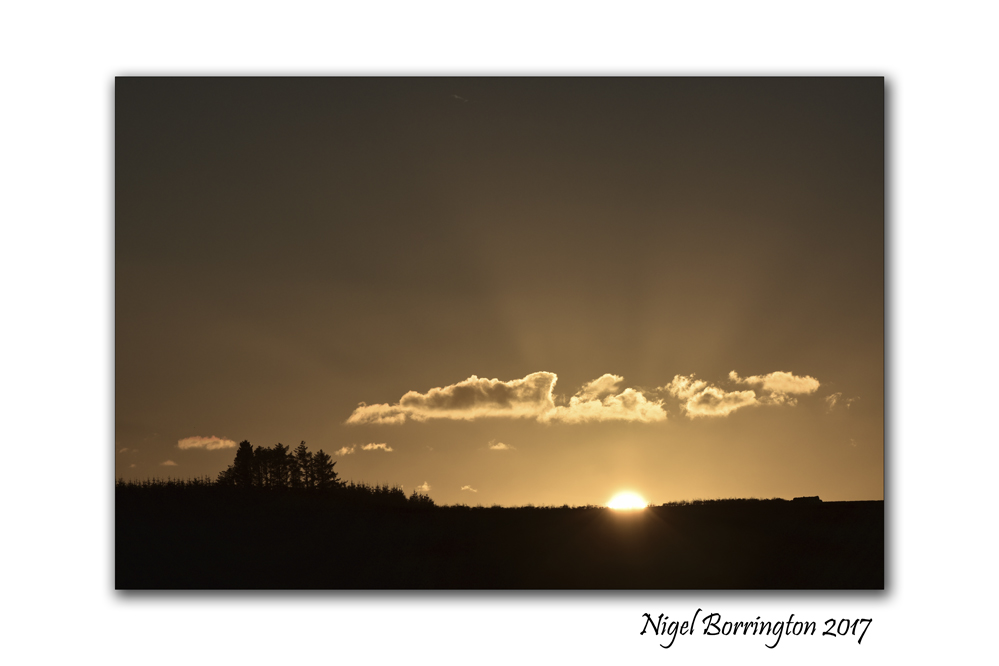
A Dream sunset, Cardigan bay, Wales. A Poem : Ode By Arthur O’Shaughnessy
A Dream sunset Cardigan bay
Wales
August 2017 Nigel Borrington
We are like the Dreamer …….
Ode
By Arthur O’Shaughnessy
We are the music-makers,
And we are the dreamers of dreams,
Wandering by lone sea-breakers
And sitting by desolate streams;
World losers and world forsakers,
On whom the pale moon gleams:
Yet we are the movers and shakers
Of the world for ever, it seems.
With wonderful deathless ditties
We build up the world’s great cities.
And out of a fabulous story
We fashion an empire’s glory:
One man with a dream, at pleasure,
Shall go forth and conquer a crown;
And three with a new song’s measure
Can trample an empire down.
We, in the ages lying
In the buried past of the earth,
Built Nineveh with our sighing,
And Babel itself with our mirth;
And o’erthrew them with prophesying
To the old of the new world’s worth;
For each age is a dream that is dying,
Or one that is coming to birth.
Landscape Videos : Ballybay Wind Farm, Tullaroan, County Kilkenny (Video inside this post!)

Ballybay Wind Farm, Tullaroan, County Kilkenny
Nigel Borrington
Ballybay Wind Farm, Tullaroan, County Kilkenny, is home to a new wind farm owned by Renewable energy company Gaelectric.
The Location is one of the most beautiful that county Kilkenny has to offer, hidden in the hills near GrangeGrag and the Tipperary Boarder, it offers views of the lower lands towards kilkenny city and the mountain of Slievenamon, county Tipperary.
I am never sure about the impact that wind farms have on our Landscape, being a photographer and in love with my local landscapes some would assume that people like myself would be set against them. However now that this new wind farm is almost complete and having visited a few time, I find a kind of beauty and fascination with it.
The day I filmed this video the weather offered some great light, the fast moving clouds changed the areas of sun light and shade very quickly and I loved the cows grazing in the field below the wind turbines.
With this video I just wanted to share the visual effects it is having and If anyone wants, I would love to get some opinions as to what others feel ?
St David’s Cathedral, St Davids, Pembrokeshire,Wales : The light from a Golden Dawn

St David’s Cathedral
St Davids, Pembrokeshire
Wales
Nigel Borrington
Images from Outside and Inside of St Davids Cathedral, St Davids, Pembrokeshire, Wales.
The Light from a Golden Dawn ……..


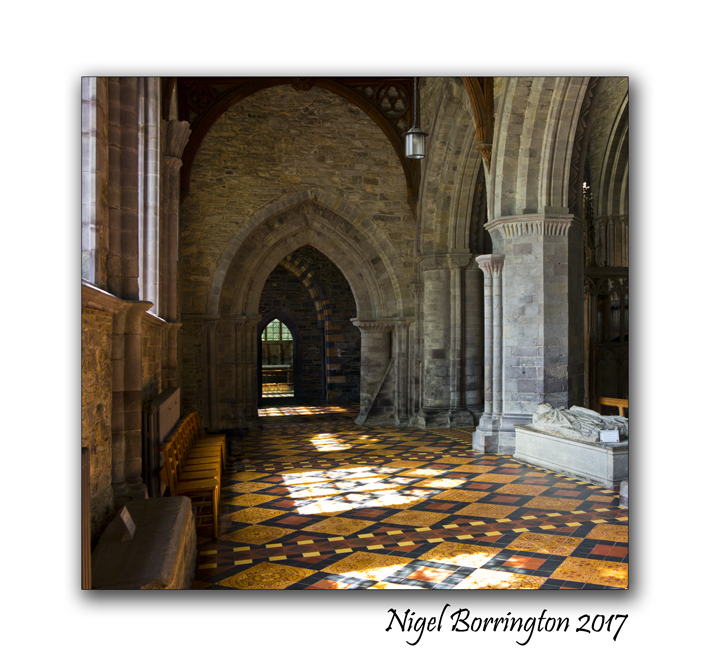

Ten days holiday in Cardigan bay, Ceredigion, Wales, Images of the River Teifi estuary

Sailing home
Cardigan bay, Ceredigion, Wales, Images of the River Teifi estuary
Nigel Borrington
Today is our first full day back in County Kilkenny, Ireland, having just spent ten days staying with a close friend in Cardigan Wales, here are just a few of the images taken during the time spend in this wonderful part of the British isles…..
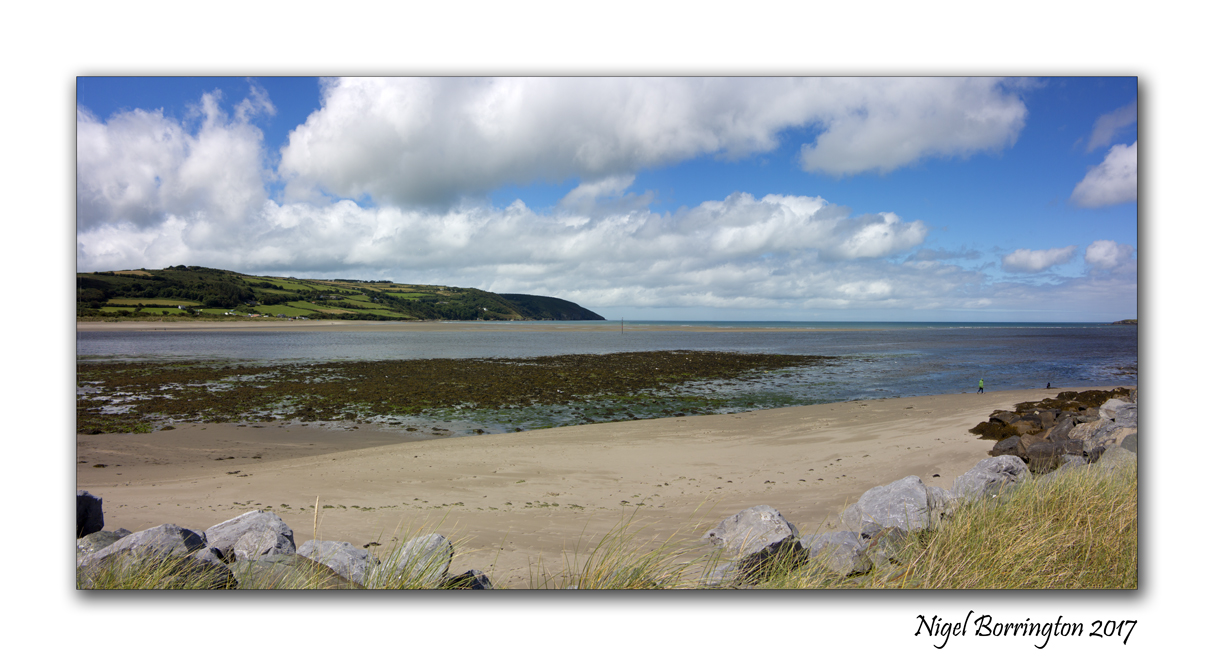


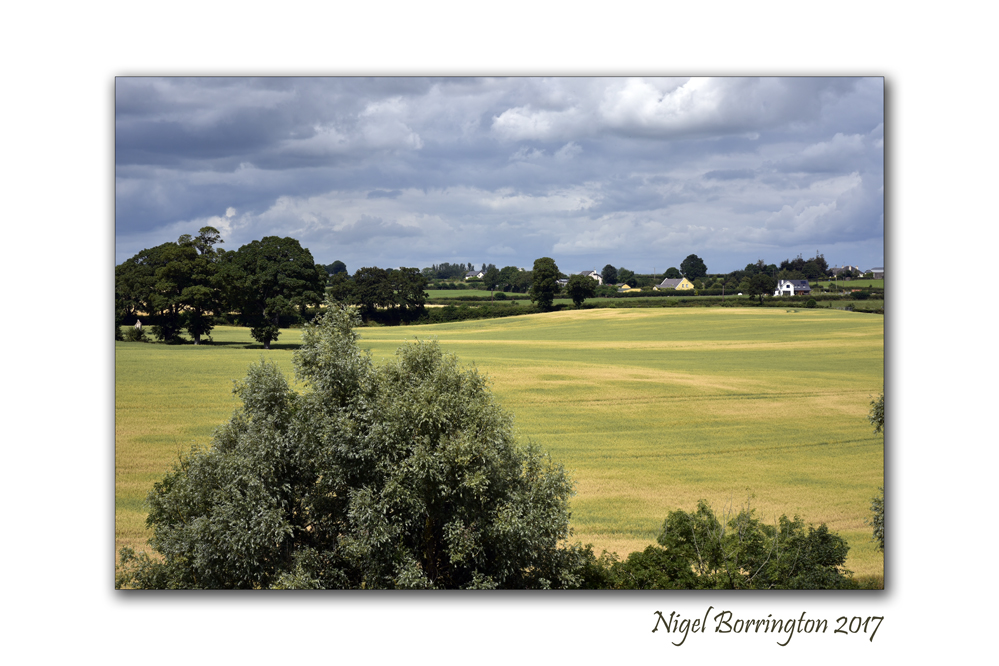
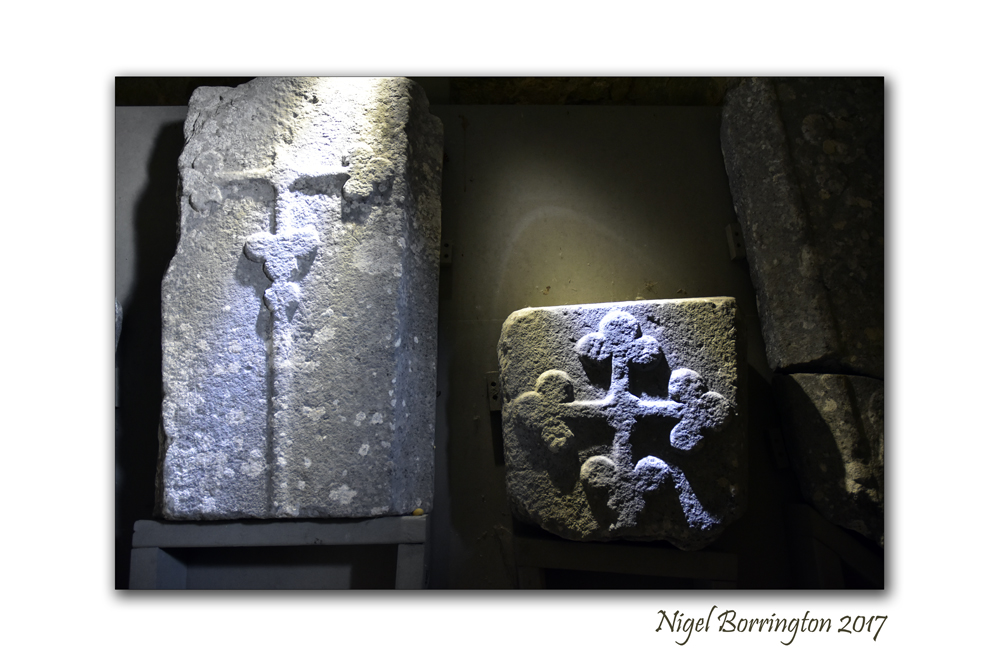
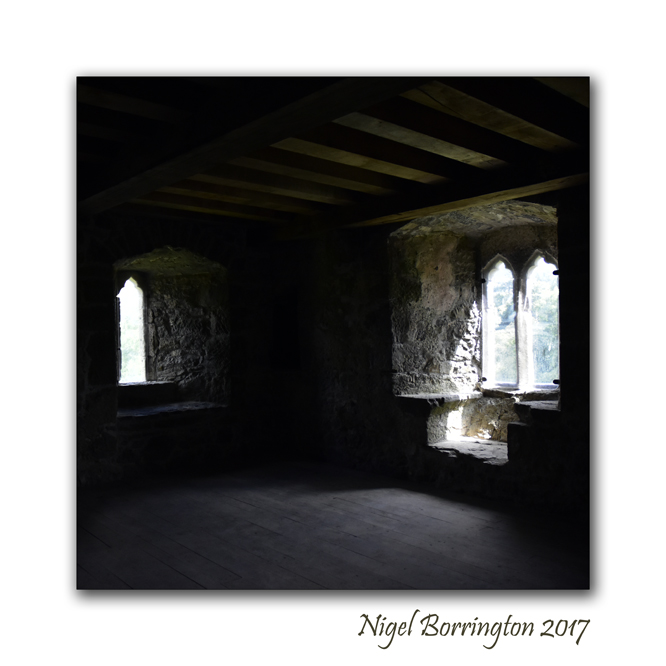
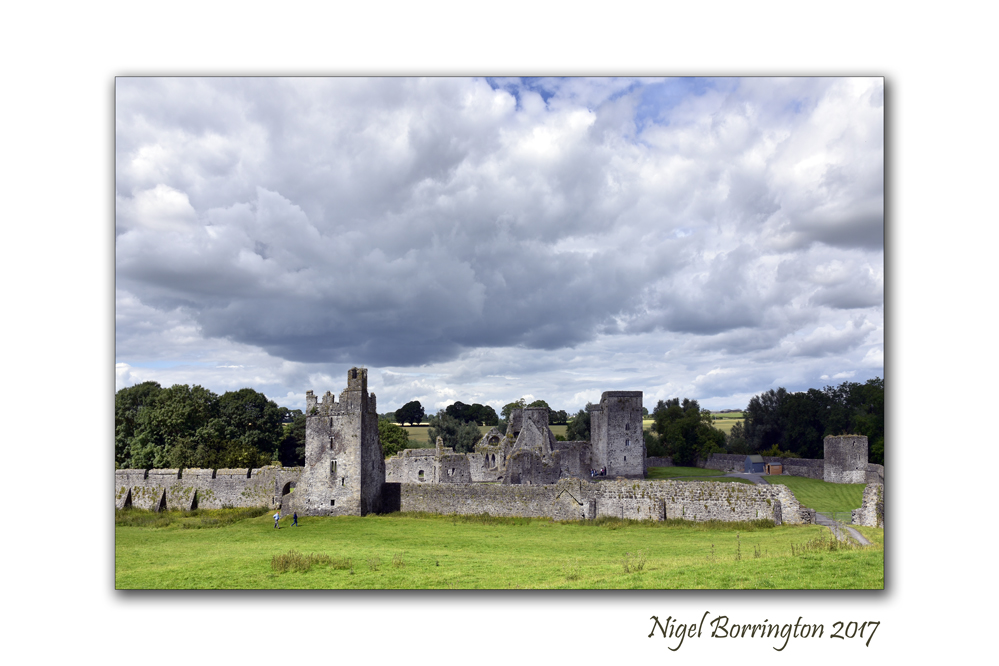
History in Images, County Kilkenny, Ireland, Kells Priory

Irish History
Kells Priory
County Kilkenny
Nigel Borrington
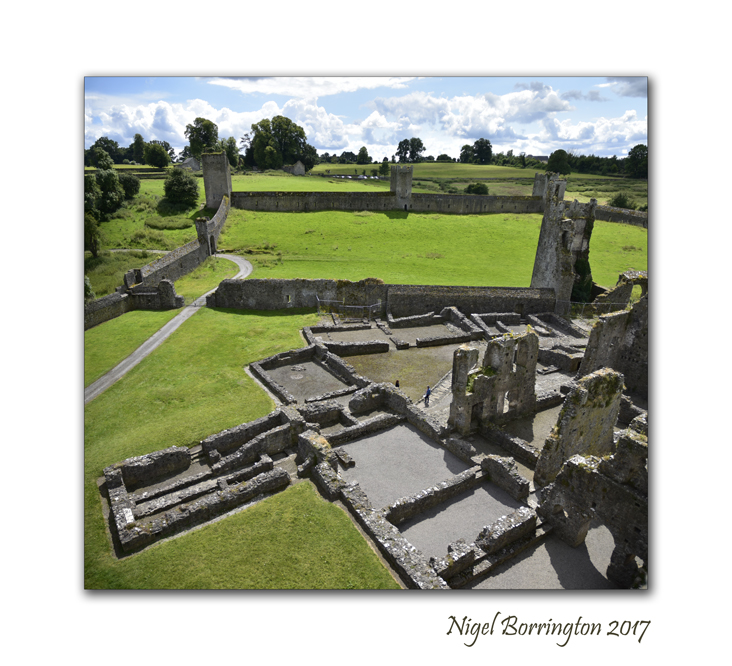
Kells Priory (Irish: Prióireacht Cheanannais) is one of the largest and most impressive medieval monuments in Ireland.
The Augustine priory at Kells, county Kilkenny is situated alongside King’s River beside the village of Kells, about 15 km south of the medieval city of Kilkenny. The priory is a National Monument and is in the guardianship of the (OPW)Office of Public Works. One of its most striking feature is a collection of medieval tower houses spaced at intervals along and within walls which enclose a site of just over 3 acres (12,000 m2). These give the priory the appearance more of a fortress than of a place of worship and from them comes its local name of “Seven Castles”.
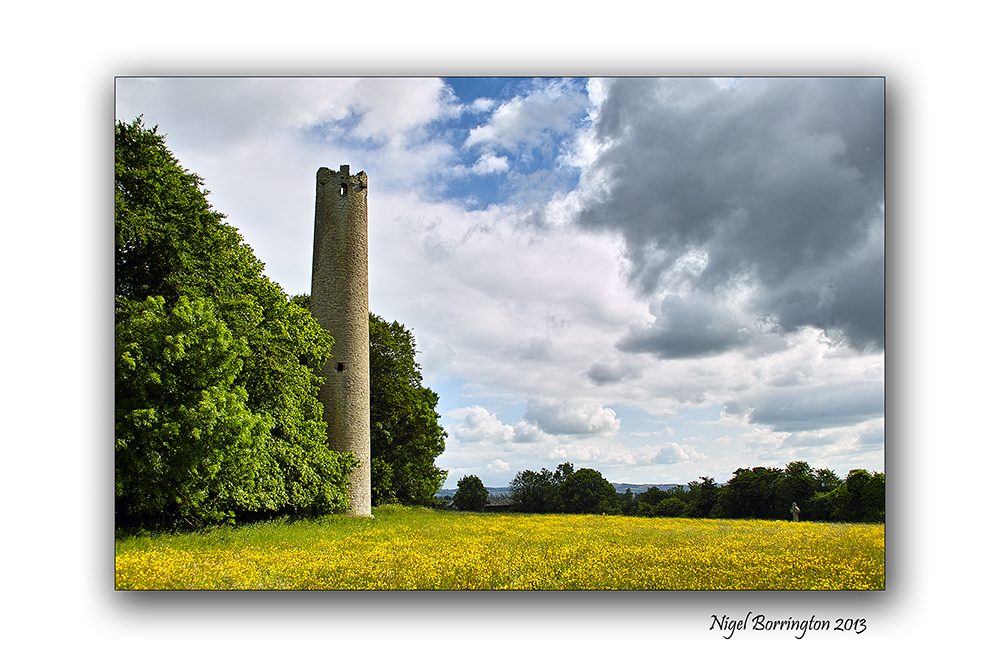
4 km southeast of the priory on the R697 regional road is Kilree round tower and 9th century High Cross, said to be the burial place of Niall Caille Niall mac Áeda (died 917) who was a High King of Ireland.
The Priory has been undergoing a ten year long renovation project that is approaching its completion, the priory is looking amazing and has been secured for many years to come.
Here I post some new images taken during a very enjoyable visit last Sunday afternoon.
A History of Kells Priory
Kells Priory, Gallery




Monday Wildlife : A Heron on a stone, River Suir, County Tipperary

Wildlife Images
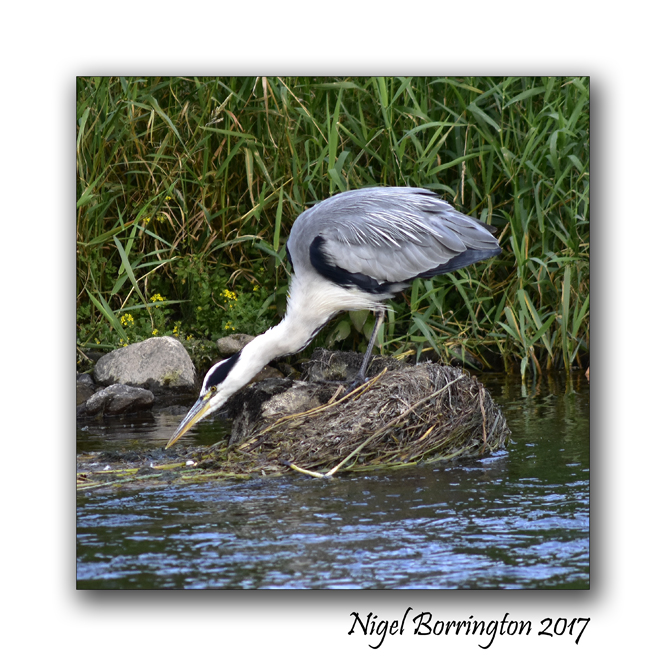
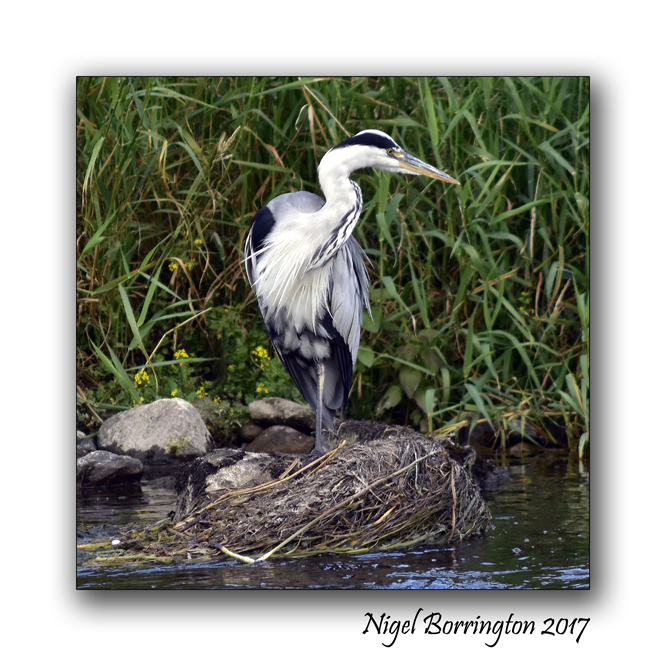
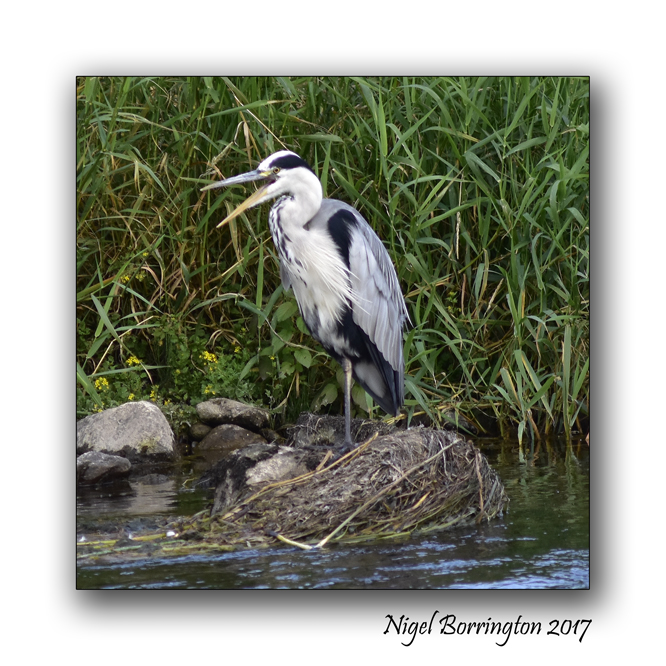
A Heron, resting and hunting
River Suir, Tipperary
A Seven image study of a Heron as it rests and hunts for Fish, standing on a stone at the river bank ……



Tamron SP 500mm f8 Reflex lens, a review of Mirror lenses

Tarmon SP 500mm F8 Mirror Lens, Real world review
When you make a start in the world of Photography, Sooner or later you will want to own a dedicated Long Telephoto lens. These lenses offer the ability to get some great images in the world of (Landscape, Wildlife, Portrait and Sports) Photography.
Fixed focus (None Zoom) Telephoto lenses come in many focus lengths, but the most usable are 200mm to 600mm, depending on how much magnification of distant subjects and objects you need. The cost of these lenses my surprise many starting photography and to be honest even many long term photographers, they can start in price range from around €800 and end up way into the many €1000’s.

There is however an alternative option with this type of lens, this being to look at what are called Reflex or Mirror Lenses. These kind of lenses replace some of the glass elements within their construction with two Mirrors both used to fold the light entering the front glass element in much the same way as a reflex telescope does.
i.e. NASA uses this method in the Hubble space telescope that has produced some amazing ground braking images of the cosmos.
Third party and OEM Camera manufactures started making these lenses in the 1970’s and continued through to the 1990’s, today mostly only third party lenses are available. The quality of these Early OEM/Third party – mirror lenses was very high, even second hand some of these lenses can set you back some €300 to €800 on ebay, even today in 2017.
Nikkor Reflex Lenses at 500mm, 1000mm and 2000mm
I purchased a Reflex lens made by Tamron (500mm SP F8) way back in 1988 and in this post I just wanted to share my thoughts on some of its upsides and some of its downsides.
To be honest, I have not used this lens very much, for two main reasons.
Firstly : at 500mm and with an lens aperture of F8 it needs to be Tripod or at the very least mono pod mounted in order to create very sharp images. This maybe a little unfair as this is true for most long lenses but Nikon VR lenses are so good at helping go handheld!
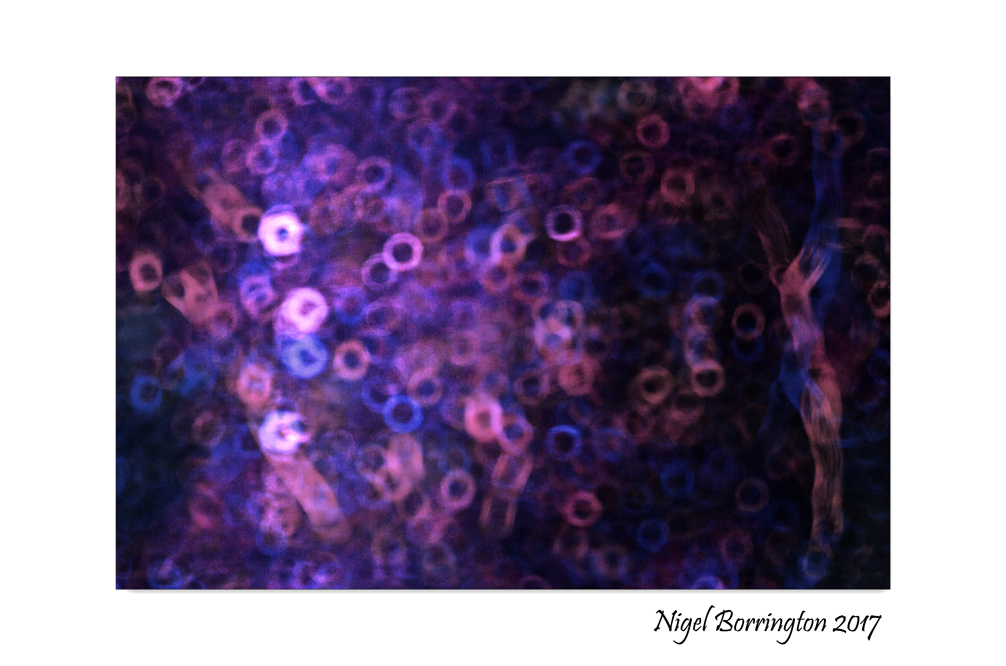
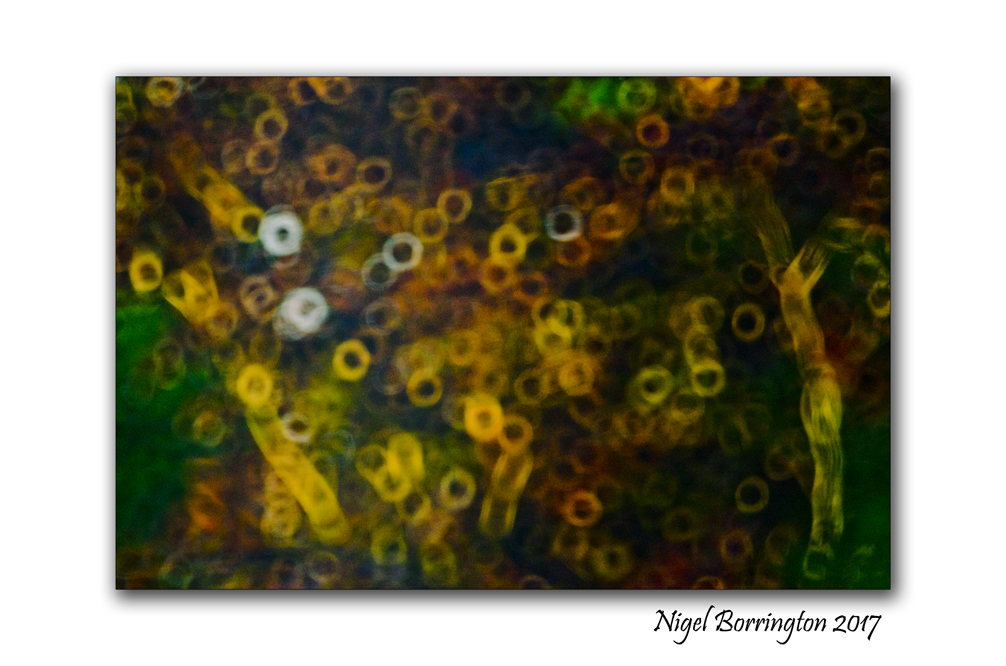
Secondly : these lenses have one very different down side to that of refactor (Glass only) lenses, they produce a doughnut ring effect on bright out of focus objects or even just areas in the image that have a bright, lighting than the darker areas around them. I have included some examples at the bottom of the posts images below.
With the first point above, today in 2017 with the high ISO abilities of SLR cameras such as the Nikon D7200 and D750, this issue has been made redundant to a great extent! When this Tamron lens was produced, 35mm film could only produce clean images at a rating of no more than ISO 400.
Today the Nikon D7200 can work very well between ISO 3200 and 6400 with very little help from good noise cleaning software in post processing, this up-rates the usable shutter speeds for hand held work for even a lens of 500mm at f8, letting you work handheld more than ever before !
Remembering that even on a DX sensor slr, you need for some 750mm (X 1.5 DX factor!) to keep a shutter speed of 1/800th to 1/1000th to create fully stable images, If you have a steady hand. Even on a cloudy day ISO 1600 gives a shutter speed of around 1/1600th and ISO 1600 on a D7200 is little to worry about! noise wise. It is for this reason that I am starting thinking of trying using this lens again.
For the rest of this post and review of the lens, I will let the following images do the talking, with a small amount of comments made in each of the related image types.
Tarmon SP 500mm F8 Mirror Lens – sharpness and quality
To test for the image sharpness and quality I placed the camera on a tripod, I don’t use a remote release, so there could be some small effects but all in all these are sharp images.
You can see from the below image that this lens can produce some very sharp images under the correct conditions, its just as good as some much more expensive glass only lenses from Nikon.
I have no worries here and would be very happy in trusting this lens to produce sharp images from corner to corner of the frame.

Above : Nikon D7200 with Tamron SP 500mm Mirror lens, Tripod Mounted
As image sharpness has been tested above, what about color fringing and other detects, color fringing is visible in an image at bright edges in the frame, so I used the wires and other equipment on the telegraph post in this image, I see no fringing Green, blue or otherwise in this image.
So again I would trust this lens to produce sharp and clean images that need little or no post processing to clean them up later.

Using the lens – in the Landscape
The following images speak for themselves, just general landscapes and animal images from medium focus distance subject to long distance landscapes, the town and wind farm in the last landscape is some 8km away from the location of taking the image, crazy!. Again its sharp enough taking into account the haze of the atmosphere, no color fringing problems in the wind turbines.
With the main set of images here, I am less happy with the out of focus effects as the bokeh of this lens is not great!, anything bright and a little out of focus (i.e. The grass!) takes on a distracted look, feeling tangled and distracting with the image smoothness, Most noticeable in the two images of the sheep sitting down.


Those Doughnuts !! OMG!
As you can see from the photo of this lens sitting in my camera bag at the top of the post, a mirror lens is constructed very much like a reflecting telescope, like this diagram :

Mirror lens
Physical construction
You can see that the center of the front glass element is used to hold the housing for the smaller secondary mirror in the construction, that folds the image light back down the lens and into the camera.
This system works amazingly well but for one problem!
For in-focus areas of an image the central lens obstruction is never visible, however for brighter areas of an image that are out of focus this central obstruction created by the secondary mirror housing, created a bright doughnut effect.
In the below images this is very clear!
The light gaps in the trees below turn into bright cycles, the rain on the table in the background focus also does the same.
In some images you can work around this effect and even use it as an interesting advantage?, you just have to get to know when this kind of lens is and is not usable !!!
For the most when you have a subject that has the potential to create this circle effect ! it just distracting and not likeable. This is the point at which the little price you paid to get a budget Telephoto lens €300 not €2000 starts to gets you back !!!


Getting Arty , MayBe?
Like any camera lens, Mirror lenses have their down sides (Slow, bright Cirles, Manual focus, etc …), you just have to get to know these features and ether use them to your advantage or don’t !!!
Some people love the bright rings and make good use of them 🙂 , one use could be nighttime street photography ?
So then ?
So if your looking for a cheep way to get a telephoto lens into your camera bag, a Mirror lens is well worth looking at in my own opinion. Don’t expect to work quickly with them or be lazy in your approach, however – but then most telephoto lenses need hard work to get good images, with a mirror lens you just have to add a little on top!
In the end, just like with all of your image making, you get out what you put in !!!!
Will I take this lens out more than I have? Maybe ! most likely not !! Watch this space ?
If I was starting again with few lenses and wanted a low budget long lens, would I get a Mirror lens , Hell YES !!! , With Great high ISO SLR’s even more so !!!
Sometimes the harder you have to work to get good images , the more you learn !!!!
Also see : Mirror Lenses – how good? Tamron 500/8 SP vs Canon 500/4.5L, a older review, ISO has moved a long way since this article but its a great comparison test (€300 Tamron v €2000+ Canon).
The Colosseum amphitheater, city of Rome

Images without words
The Colosseum
City of Rome
Nigel Borrington
The Colosseum amphitheater, city of Rome

Images without words
The Colosseum
City of Rome
Nigel Borrington
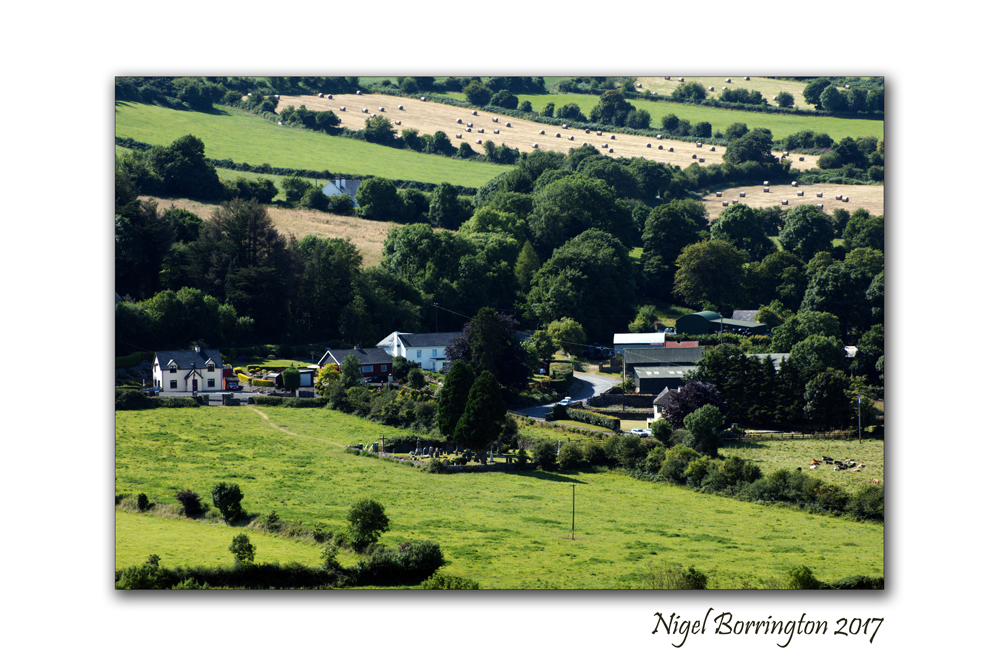
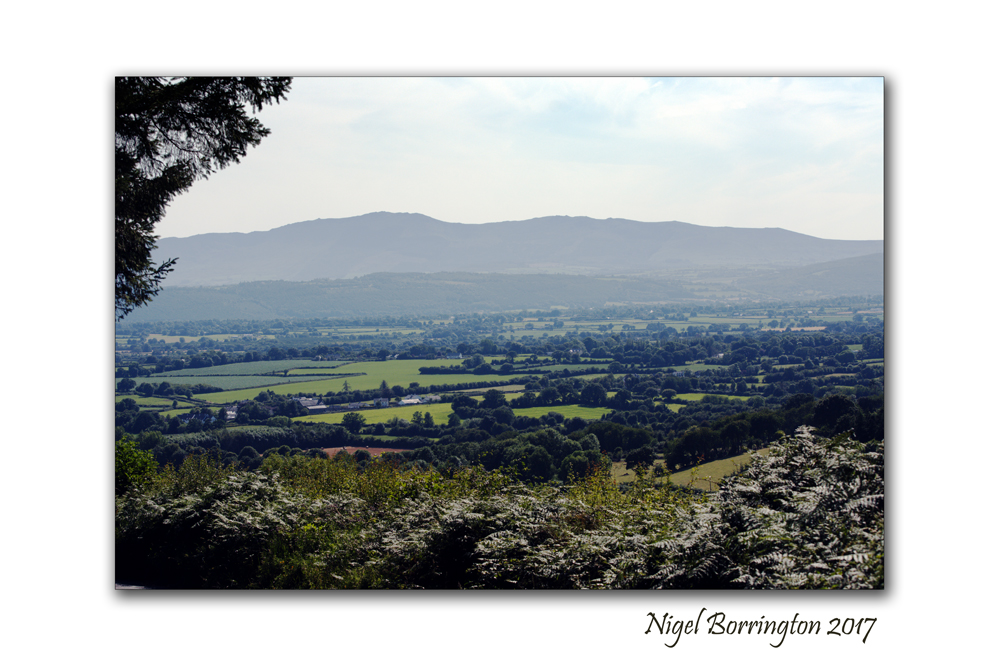
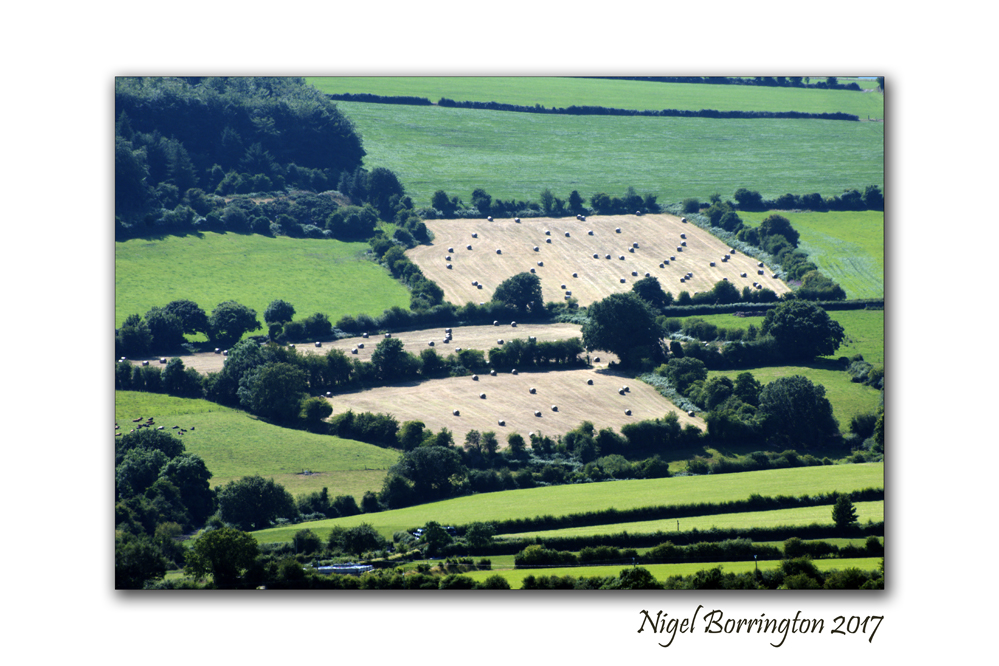
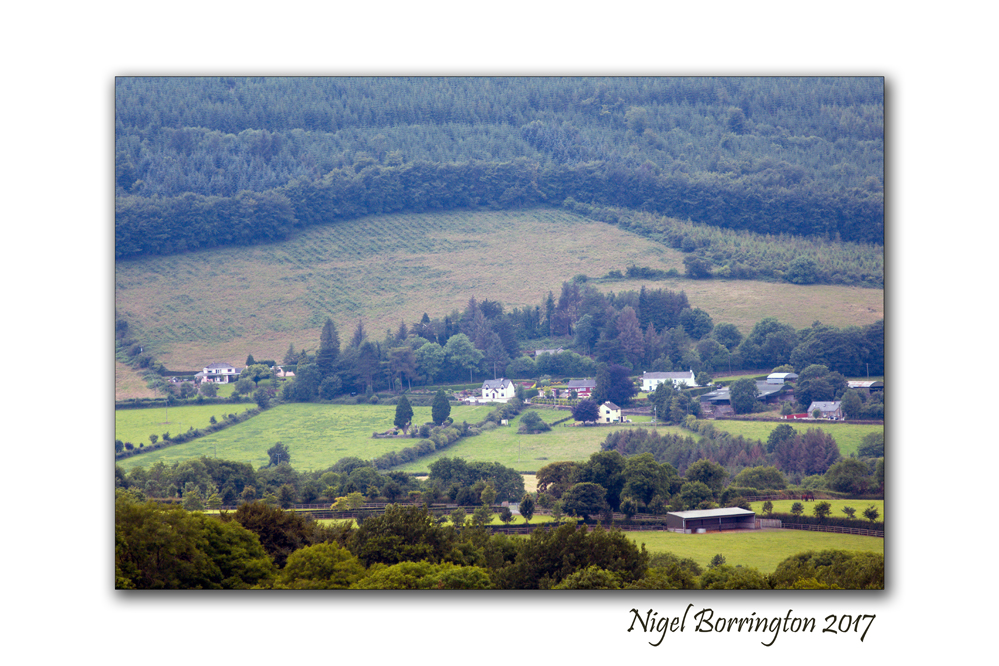
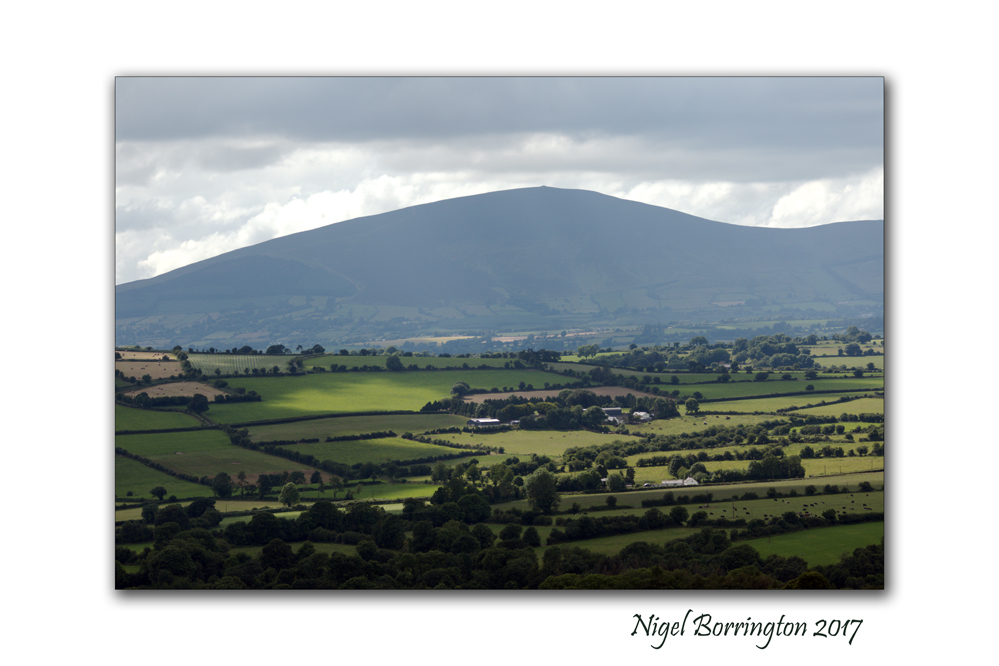
Landscape photography, county Kilkenny boarders, Images taken from the hill sides.
On the boarder (Kilkenny – Tipperary) , the view towards Slievenamon.


Morning poetry : My fading dreams – an Island in the morning sea

Reality on an Island of dreams
Nigel Borrington
In those early moment as I awake
Visions of warm and gentle golden seas
a cool morning breeze.
Fading images of a island I do not know
Draining images of islands on which I want mind to stand.
An island that constantly haunts my dreams
particularly when reality falls apart at the seams.
An island in the spinning – turning sun.

An Island I long to understand
yet in the morning how far away its realty seems.
Can we only grasp life in our dreams
it slips through our fingers at the light of dawn.
you fade away and now are gone.
I walk along this beach
hot melted glass and cool flowing gasses meet.
Come tonight when I watch the setting of the sun
and wonder if on my Island of dreams, again a clear vision will come?
Nigel …..
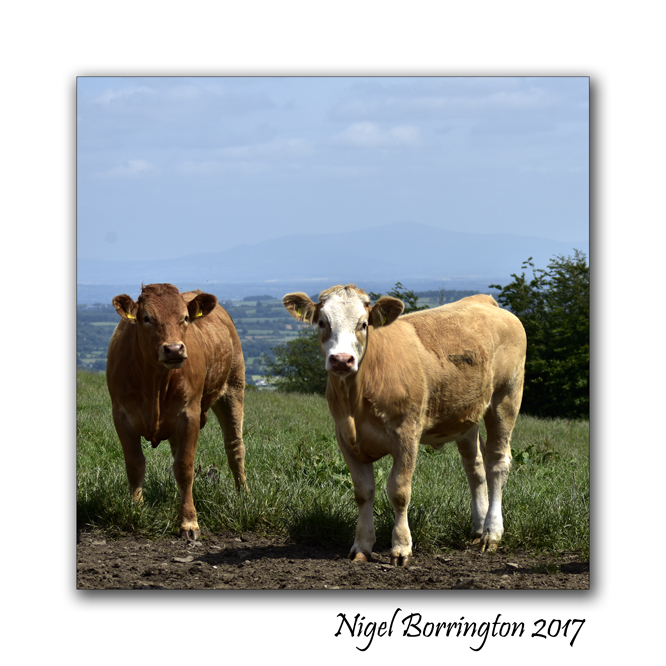
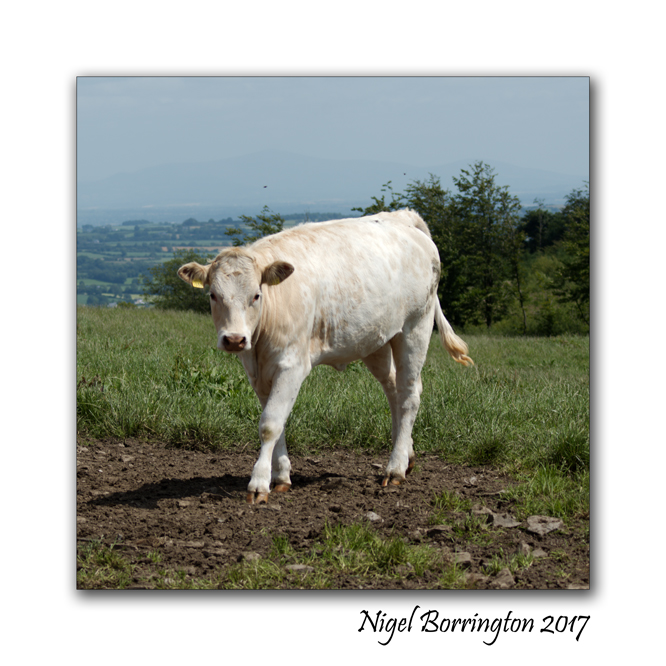
The Farming landscape of county Kilkenny : Cows, Bulls and a field with a view …..
Farming landscapes Grange hills
kilkenny County Kilkenny
Nigel Borrington
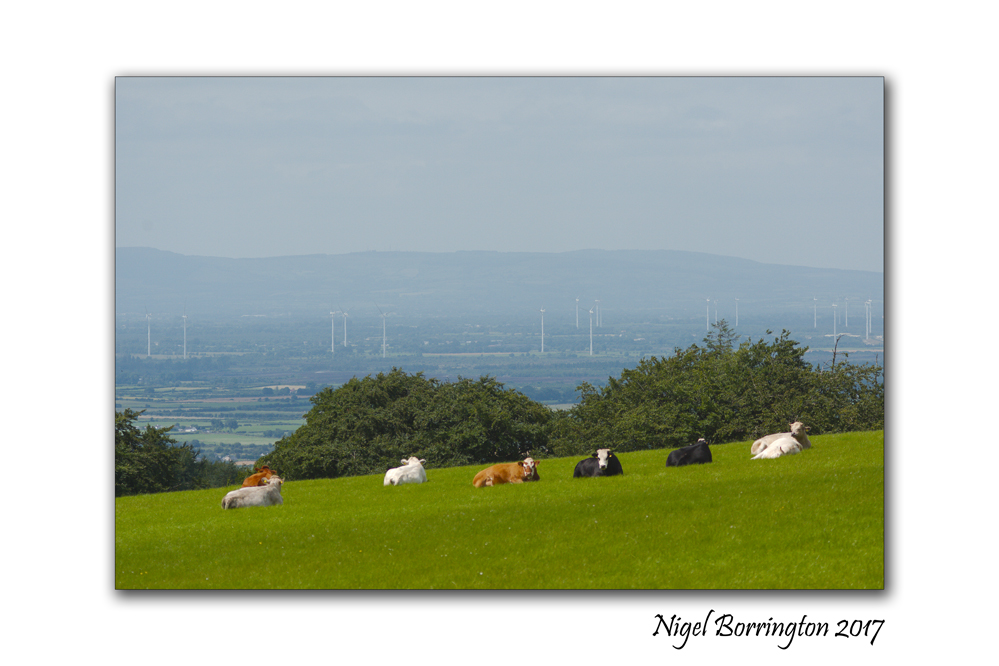
The Hills above Grange in County Killkenny, offer some of the most stunning landscape views in the county, here you are looking across the boarder into county Tipperary.
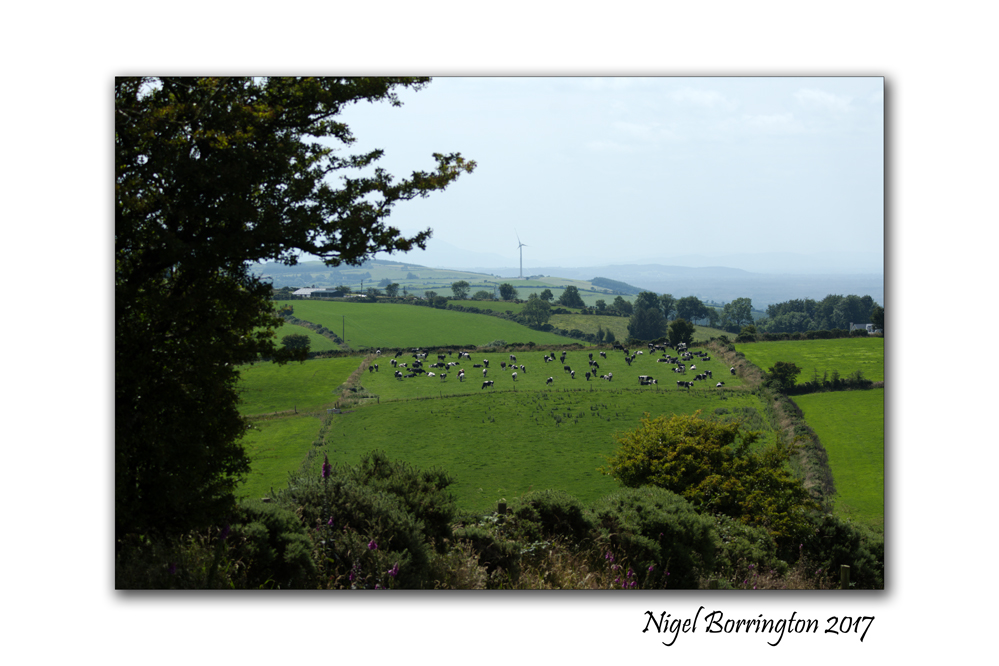
The day I took the following images I had been walking for a little while when I took a rest at a gate, there is that moment in the county when you see some cows resting on a sunny morning and they spot you from a distance. It only take a little time before they all stand and walk over to the gate, I think they are wondering if your the farmer and it time for their feed. Sadly for them I was not and all I could do for them was take some pictures of them to share on WordPress 🙂 🙂



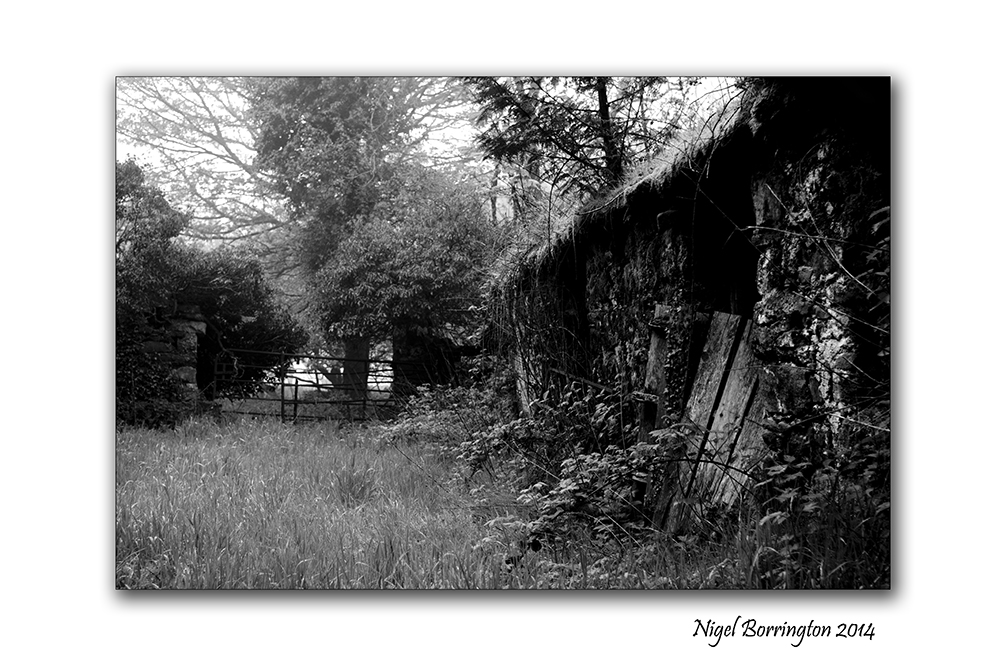
Evening Poem : By Alice Oswald
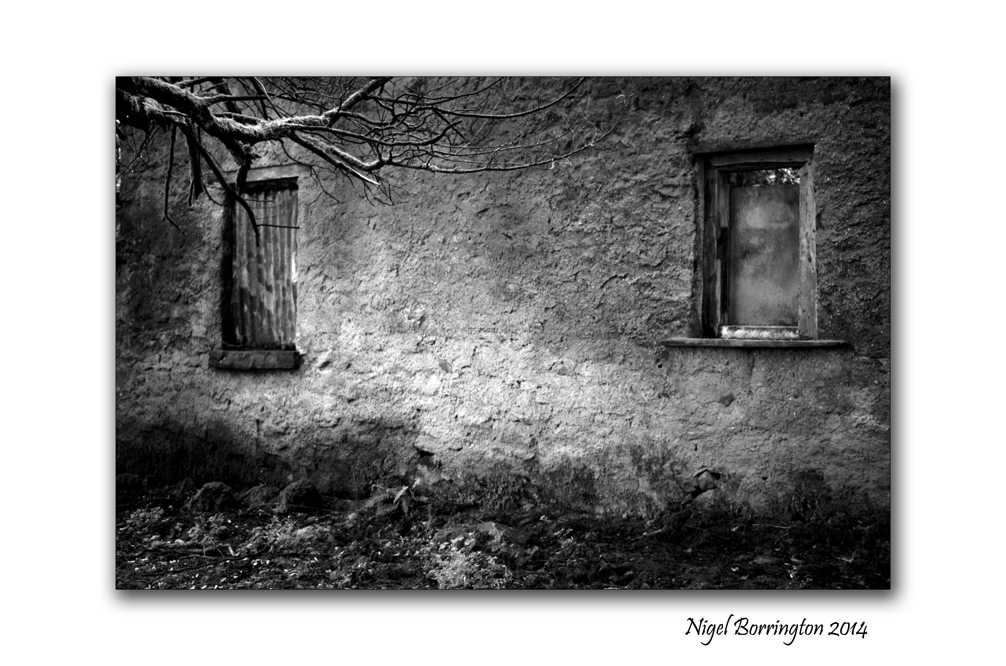
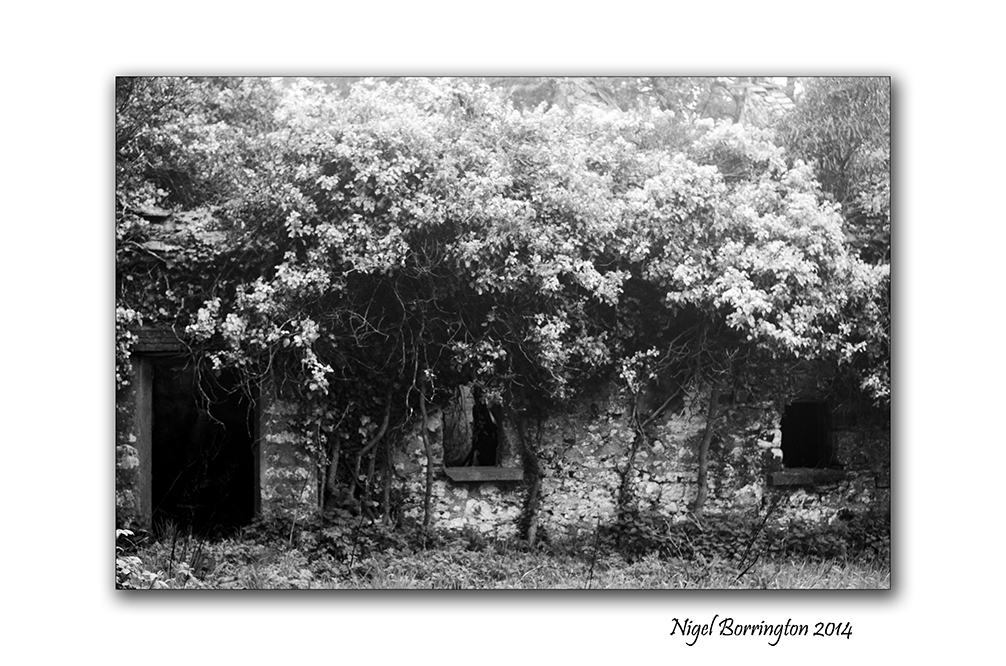
We have many old forgotten farms around county Kilkenny, its hard to know just how old they could be?
There are so many memories lost in these places, so many working days following by family evenings resting out in the fields and the yards ……
Evening Poem : By Alice Oswald
Old scrap-iron foxgloves
rusty rods of the broken woods
what a faded knocked-out stiffness
as if you’d sprung from the horsehair
of a whole Victorian sofa buried in the mud down there
or at any rate something dropped from a great height
straight through flesh and out the other side
has left your casing pale and loose and finally

just a heap of shoes
they say the gods being so uplifted
can’t really walk on feet but take tottering steps
and lean like this closer and closer to the ground
which gods?
it is the hours on bird-thin legs
the same old choirs of hours
returning their summer clothes to the earth
with the night now
as if dropped from a great height
falling
The Heron, A poem by : Linda Hogan
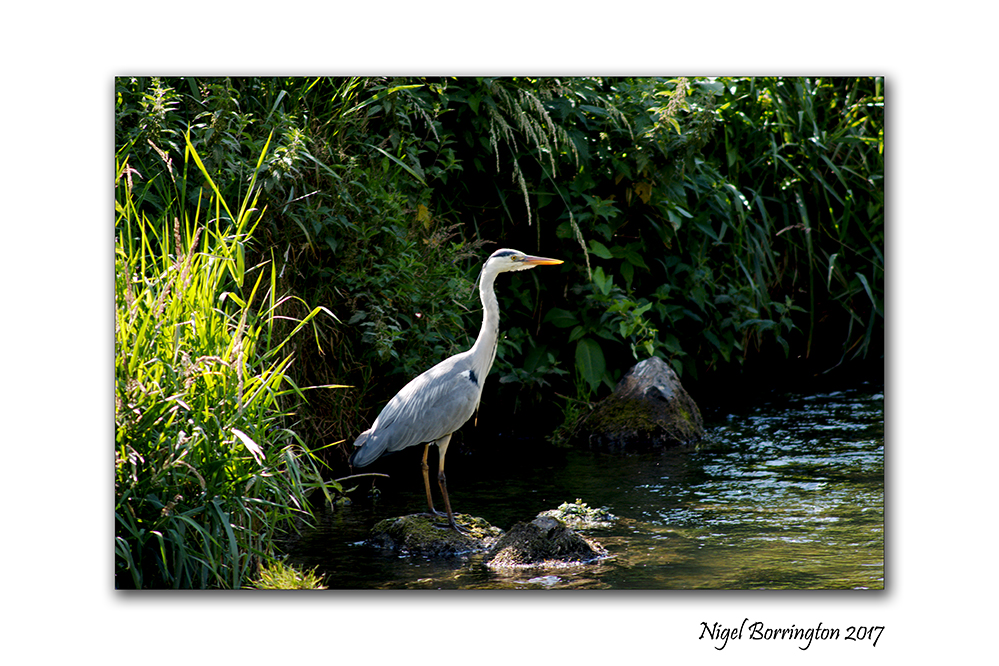
A Heron, hunting
Kings river
Kells
County Kilkenny
Nigel Borrington
The Heron
Linda Hogan
I am always watching
the single heron at its place
alone at water, its open eye,
one leg lifted
or wading without seeming to move.
It is a mystery seen
but never touched
until this morning
when I lift it from its side
where it lays breathing.
I know the beak that could attack,
that unwavering golden eye
seeing me, my own saying I am harmless,
but if I had that eye, nothing would be safe.
The claws hold tight my hand,
its dun-brown feathers, and the gray
so perfectly laid down.
The bird is more beautiful
than my hand, skin more graceful
than my foot, my own dark eye
so much more vulnerable,
the heart beating quickly,
its own language speaking,
You could kill me or help me.
I know you and I have no choice
but to give myself up
and in whatever supremacy of this moment,
hold your human hand
with my bent claws.
Beach Poetry : I Saw From the Beach by Thomas Moore
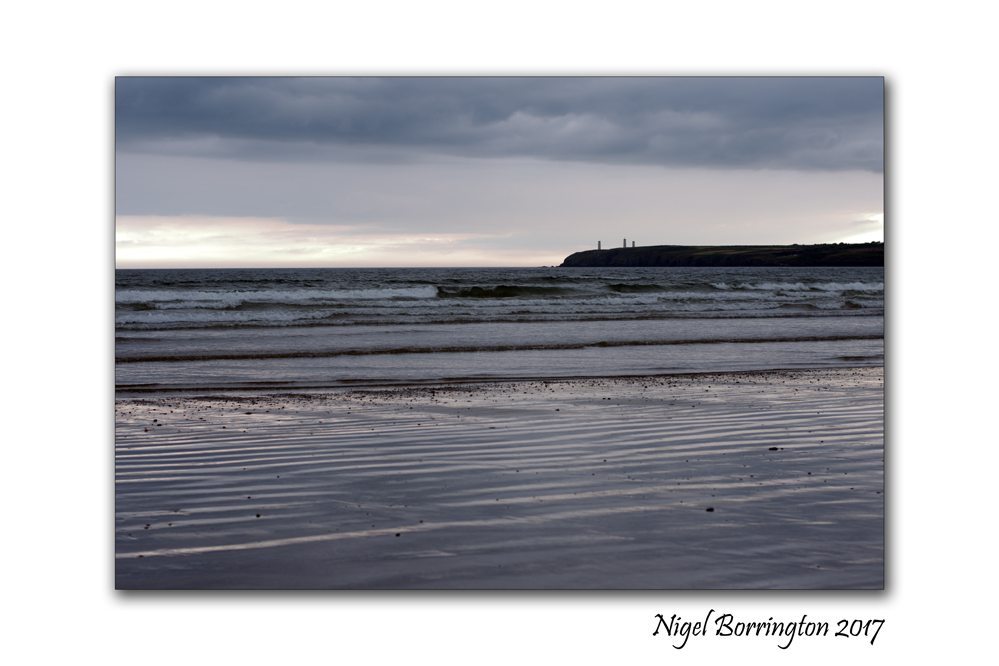
I Saw From the Beach
by Thomas Moore
I saw from the beach, when the morning was shining,
A bark o’er the waters move gloriously on;
I came when the sun o’er that beach was declining,
The bark was still there, but the waters were gone.
And such is the fate of our life’s early promise,
So passing the spring-tide of joy we have known;
Each wave that we danced on at morning ebbs from us,
And leaves us, at eve, on the bleak shore alone.

Oh, who would not welcome that moment’s returning
When passion first waked a new life through his frame,
And his soul, like the wood that grows precious in burning,
Gave out all its sweets to love’s exquisite flame.
 Nigel Borrington
Sense of place : Cullahill Chapel and castle in County Laois, Ireland
Cullahill castle and chapel
County Laois
Ireland
Nigel Borrington
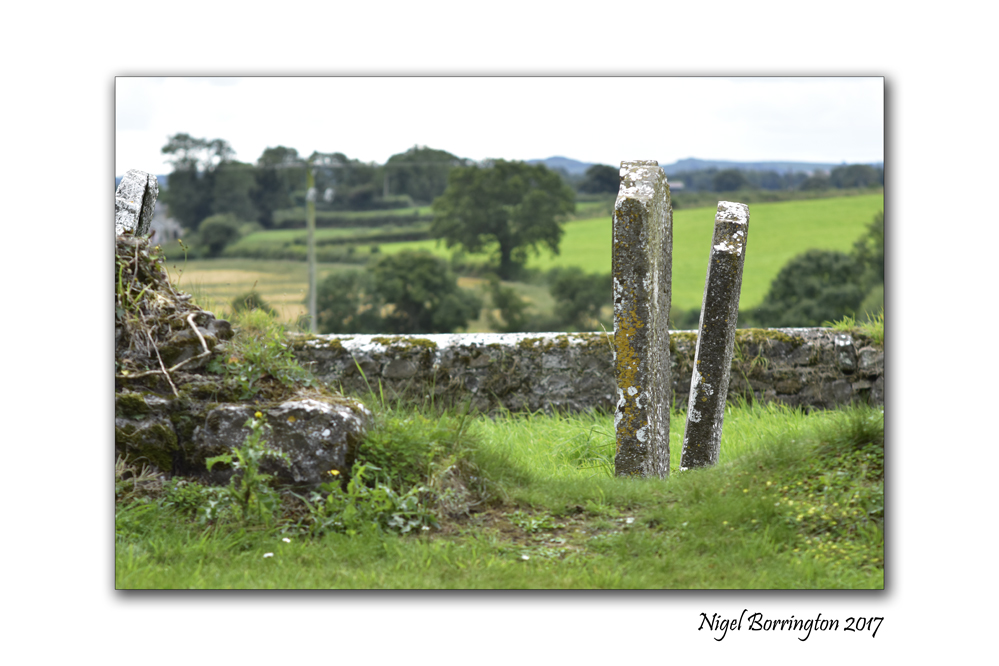
The village of Cullahill, county Laois is located just over the boarder from county Kilkenny. It is home to some great old castle tower home and village chapel remains. Cullahill Castle was the principal stronghold of the MacGillapatricks of Upper Ossory built around 1425 and destroyed around 1650.
There are many places like this in the Irish republic, that have retained the remains of long lost times, this small village located on the R369 just north of Johnstown county kilkenny, is a perfect example of the way most small Irish villages would have been in the 1400’s. this small place is well worth a visit just to get a sense of old Ireland.
Gallery
Share this:
August 30, 2017 | Categories: Comment, Forgotten places, Gallery, History, irish history, Landscape, Travel Locations | Tags: castle, Chapel, County Laois, Cullahill, History, Ireland, irish history, laois, MacGillapatricks, Nigel Borrington, Ossory, Sense of place, tower house | 2 Comments