Charcoal drawing – A tribute to the work of Trevor Grimshaw …….

Digital Charcoal drawing
In the style of Trevor Grimshaw
Following my post yesterday, I have started working with my PC based art application ( Krita ) in order to use its charcoal drawings tools to recreate as best as I can the landscapes style of Trevor Grimshaw.
Tomorrow I will give myself time to work at my desk with actual physical charcoal and chalk, I do feel very much however that a digital method of producing a work of art is just as valid in 2020, as working with physical materials, every mark made on my drawing above is made manually using a Wacom art tablet with an art pen. I often use this method of working to work out just how best to construct drawings and painting, when later it comes to sitting down with a sheet of physical paper or canvas.
February evening at Beach : Duncannon Beach, Co.Wexford, Ireland

Duncannon Beach, County Wexord, Digital painting,
Nigel Borrington 2020
February evening at Duncannon Beach
The light by the last wave lingers on fronds
of seaweed fingering wave-wet rocks where
brim-filled pools overflow before they
empty when the water surges then sucks,
surges, then sucks.
glistening, sun warmed, lit by the last
light of day while slow footsteps meander
with the gentle waves rhythms, rising, falling,
so calming in my ears, that crest falling
with an almost silent swish, hearbeat’s grace.
All troubles tumbled away calmed first,
washed by light where the last wave lingers.
Images of Winter – In the storm

Digital Drawing
winter hedgerow
Nigel Borrington December 2018
Digital Drawing
Tone Brushes, MyPaint with Wacom Pro M Tablet
Winter Hedgerow
Nigel Borrington December 2018
With Storm Dennis on its way to Ireland this weekend, Winter is still very much here, oh well time for me to stay inside and draw 🙂 🙂 or paint.
I am working on some still life work, a drawing of a sheep’s skull ……
High on a hill an Acrylic, February 2020 – Poem : In hallowed hills by : CA Guilfoyle Jun 2015

High on the hill
Acrylic on canvas
Feb:2020
Nigel Borrington
In hallowed hills
CA Guilfoyle, Jun 2015
When we were far
and very young, in a place with no roads to follow
only a winding path, a branch to grasp
a place to fill the hollow
Blue the summer, with drowsy daisies came
petals, petals, we drew circles round the sun
gold spun, our halo heads of pollen
gold the bees of sleepy flowers
amid clover grass heaven
Days we lived deep in hills
we were endless green, in unmapped countries
stretching past the farms afield, in other worlds
too far to see, we lived beyond the gray of days
and we were free, in the shining silver
of our hallowed hills of ever.
New art work 2020 – February light on Tipperary Fields

Acrylic on Canvas board
Nigel Borrington
Feb : 2020
Over the last few months and for the first time in a good few years, I have been attending some art Classes at our local art school KCAT, so I wanted to share some of the work they have helped me start to produce again, here on my blog!
The course has covered the subjects of drawing and of painting, I need to get my drawings and paintings so far captured so I can post them here, something I will do this week but for now here is an acrylic landscape painting, a view of a late February afternoon about 10 miles from home. I love these late winter days when its sunny, the Sun light on our green Irish landscapes is just amazing 🙂
Hans Op de Beeck – Staging Silence
I feel in the need for some inspiration having taken a break from blogging over the last month or two in order to help with some big projects, Now I find myself a little removed from any creative ideas…
So over the next couple of weeks I am going to take a closer look at the work of some of my most loved artists.
Hans Op de Beeck (1969, Turnhout) is a Belgian visual artist who lives and works in Brussels. For over twenty years he has exhibiting internationally.
I first viewed his work at the Butler Gallery in Kilkenny back in 2014 and was instantly taken by his film making, I love his view of the world and the way he reflects on the passage of time in his videos.
Here is just one such a film : Staging Silence
‘Staging Silence’ is based around abstract, archetypal settings that lingered in the memory of the artist as the common denominator of the many similar public places he has experienced. The video images themselves are both ridiculous and serious, just like the eclectic mix of pictures in our minds. The decision to film in black and white heightens this ambiguity: the amateurish quality of the video invokes the legacy of slapstick, as well as the insidious suspense and latent derailmentof film noir. The title refers to the staging of such dormant decors where, in the absence of people, the spectator can project himself as the lone protagonist.
Memory images are disproportionate mixtures of concrete information and fantasies, and in this film they materialise before the spectator’s eyes through anonymous tinkering and improvising hands. Arms appear and disappear at random, manipulating banal objects, scale representations and artificial lighting into alienating yet recognizable locations. These places are no more or less than animated decors for possible stories, evocative visual propositions to the spectator. The film is accompanied by a score which, inspired by the images themselves, has been composed and performed by composer-musician Serge Lacroix.
Monday Poetry : Wildflowers by – Deb Jones

Wildflowers
By Deb Jones
Wildflowers
Every year I get a gallon
Of wildflowers seeds
Just imagine!
February is when I toss them
Into the wind
In an ever widening circle

Irish wild flowers
Sheeps bit
Slate quarry’s
County Kilkenny
The moisture laden breezes
carry them over 10 acres.
And the field I leave the most seeds in
is actually a pasture.
Violets, yellows, whites and blues
They come in such beautiful coloured hues
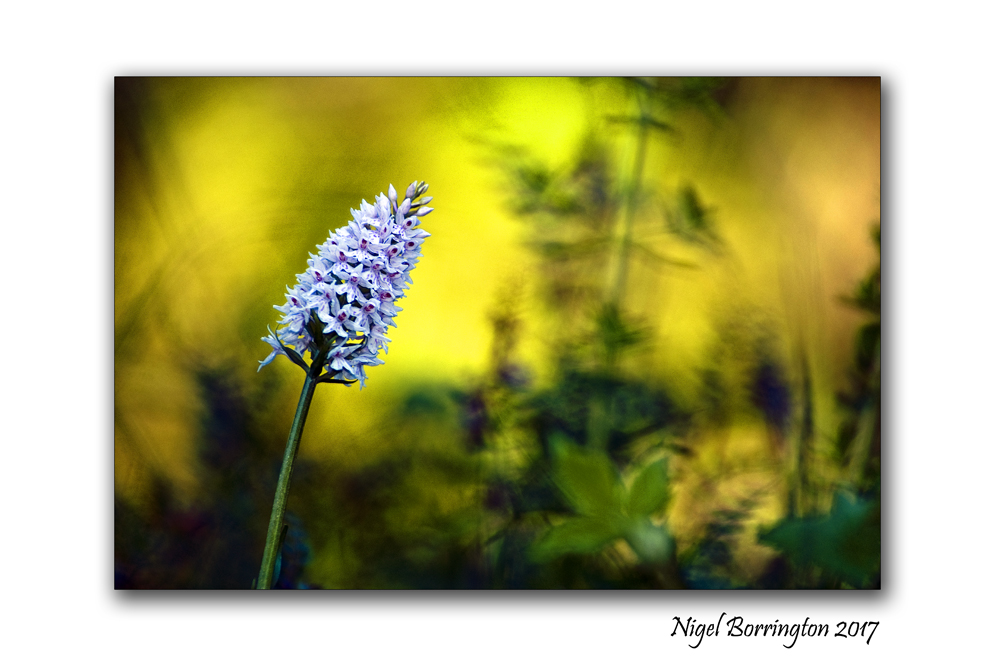
A field of wildflowers grow
And I let them grow unknown
Until they bloom no more
A pleasure to look at
A treat to sit in the middle of
Sometimes we need color in our lives
For no other reason
Than “Why not?”
Nature on the forest floor, Moss ….

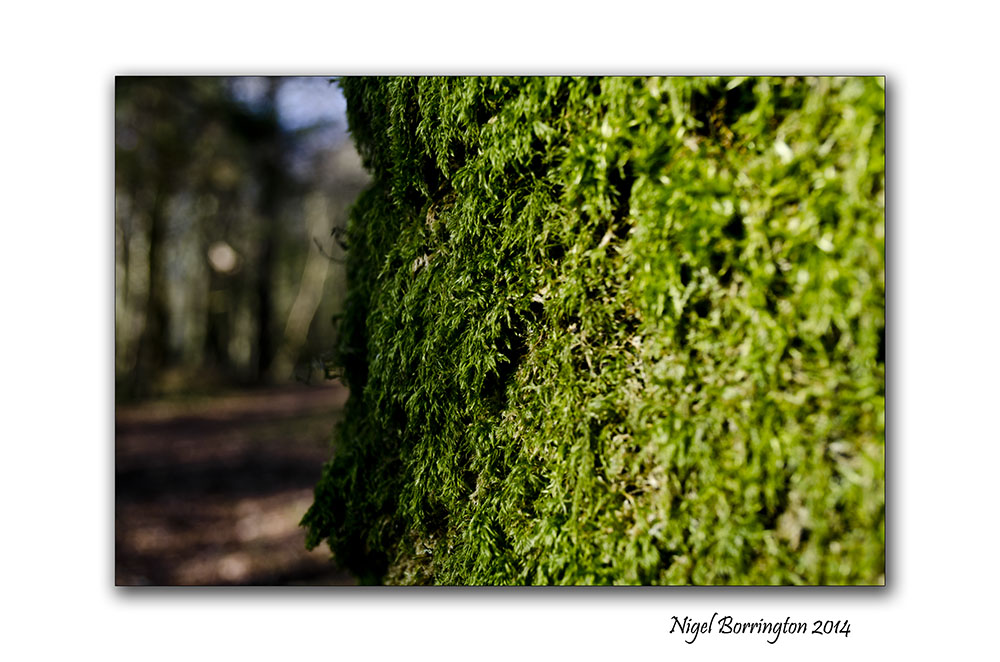
Life on the forest floor
Moss
Nigel Borrington 2019
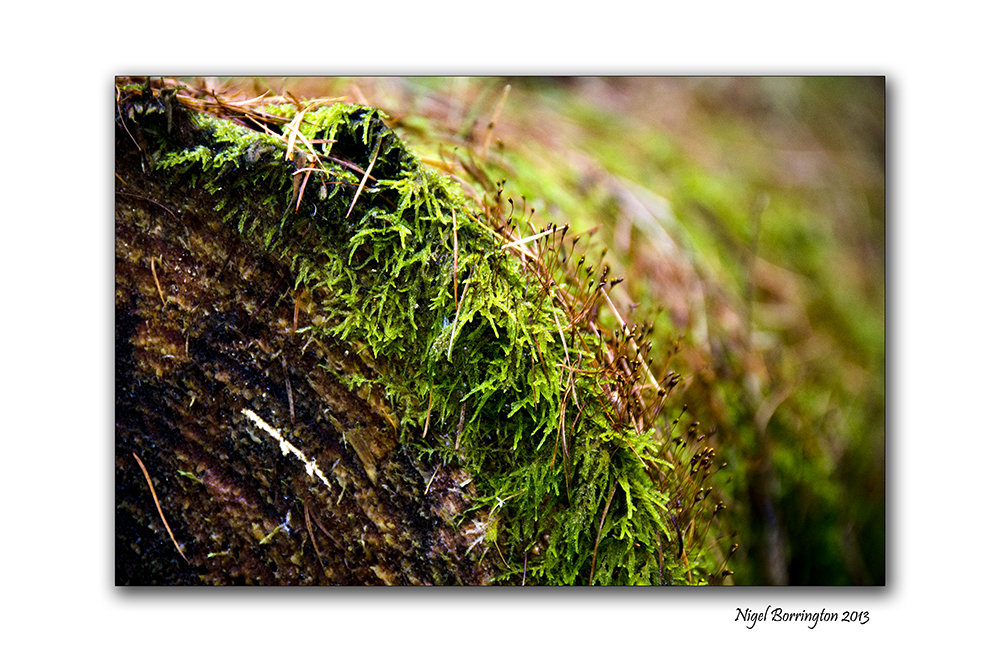
Moss is one of the most prevalent of woodland and forest plants, it covers almost all of the trees, living or dead. It green colour is one of the strongest to be found and when found in any patches of sun light breaking through the trees can be stunning.
Commercially there is a substantial market in mosses gathered from the wild. The uses for intact moss are principally in the florist trade and for home decoration. Decaying moss in the genus Sphagnum is also the major component of peat, which is “mined” for use as a fuel, as a horticultural soil additive, and in smoking malt in the production of Scotch whisky.
Sphagnum moss, generally the species S. cristatum and S. subnitens, is harvested while still growing and is dried out to be used in nurseries and horticulture as a plant growing medium.
The practice of harvesting peat moss should not be confused with the harvesting of moss peat. Peat moss can be harvested on a sustainable basis and managed so that regrowth is allowed, whereas the harvesting of moss peat is generally considered to cause significant environmental damage as the peat is stripped with little or no chance of recovery.
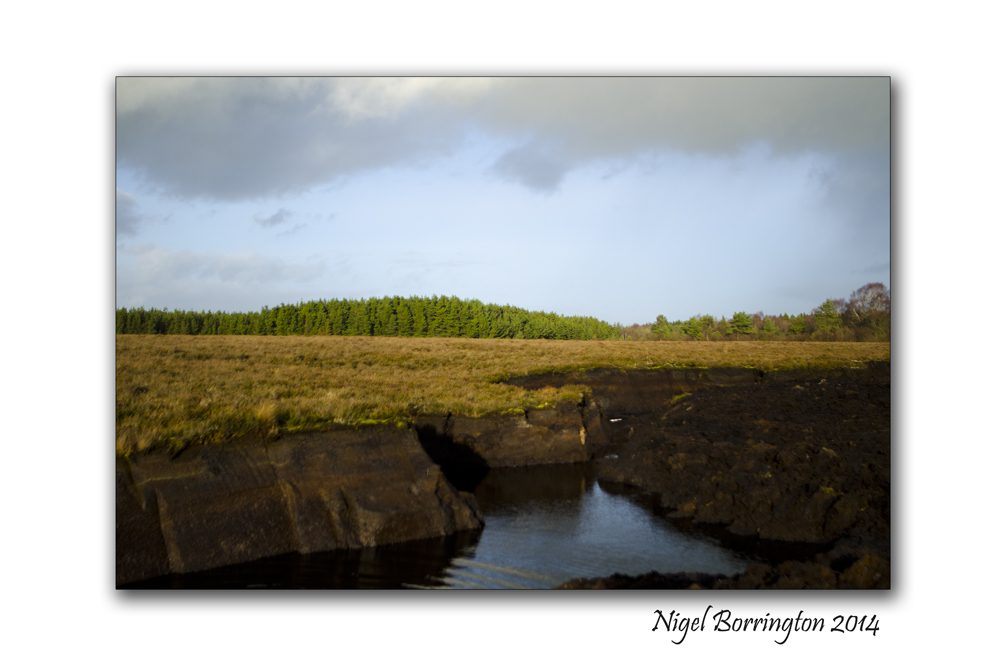
Some Sphagnum mosses can absorb up to 20 times their own weight in water. In World War I, Sphagnum mosses were used as first-aid dressings on soldiers’ wounds, as these mosses said to absorb liquids three times faster than cotton, retain liquids better, better distribute liquids uniformly throughout themselves, and are cooler, softer, and be less irritating. It is also claimed to have antibacterial properties. Native Americans were one of the peoples to use Sphagnum for diapers and napkins, which is still done in Canada.
In rural areas, types of moss were traditionally used to extinguish fires as it could be found in substantial quantities in slow-moving rivers and the moss retained large volumes of water which helped extinguish the flames. This historical use is reflected in its specific Latin/Greek name, the approximate meaning of which is “against fire”.
Traditional
Preindustrial societies made use of the mosses growing in their areas.
Laplanders, North American tribes, and other circumpolar people used mosses for bedding. Mosses have also been used as insulation both for dwellings and in clothing. Traditionally, dried moss was used in some Nordic countries and Russia as an insulator between logs in log cabins, and tribes of the northeastern United States and southeastern Canada used moss to fill chinks in wooden longhouses. Circumpolar and alpine peoples have used mosses for insulation in boots and mittens. Ötzi the Iceman had moss-packed boots.
The capacity of dried mosses to absorb fluids has made their use practical in both medical and culinary uses. North American tribal people used mosses for diapers, wound dressing, and menstrual fluid absorption. Tribes of the Pacific Northwest in the United States and Canada used mosses to clean salmon prior to drying it, and packed wet moss into pit ovens for steaming camas bulbs. Food storage baskets and boiling baskets were also packed with mosses.


Life on the Forest floor ….. Wood from a fallen tree.

Dead wood
Life on the forest floor
Nigel Borrington 2019
The forest floor is always full on life old and new, it offers amazing images with a macro lens and man times I just love getting in close and then waiting to see the captured images when I get home 🙂 .
In this image it was not until I looked closer that I noticed a small grub( Bottom Center of the image), munching away at all the dead wood, its these little insects that act as the recycling machines of the forest as they turn all the fallen trees and branches into a compose for new tree growth.
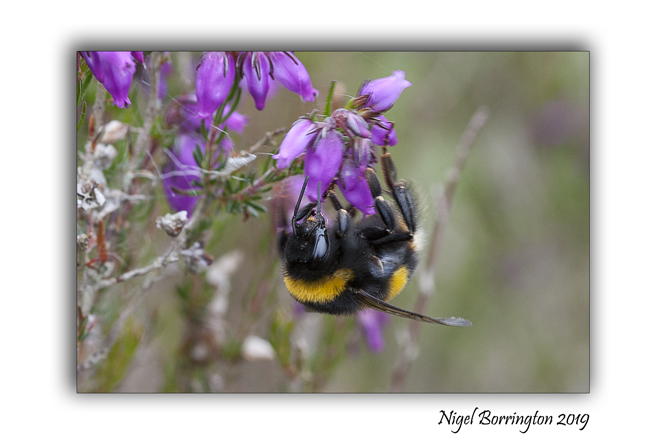
Irish wildlife trust’s – People for Bees Project

Irish wildlife
People for Bees
Nigel Borrington
2019
People for Bees
The Irish wildlife trust are running a People for Bees project across the country once more in 2019. With People for Bees we deliver accessible talks on bees, their identification and how to create bee friendly habitats.
This training includes practical outdoor sessions where participants practice field skills like bee identification, bumblebee monitoring and biodiversity record taking. The project is aimed at community groups and members of the public in every province of Ireland.
The Irish Wildlife Trust works closely with the National Biodiversity Data Centre to support the All-Ireland Pollinator Plan and the Bumblebee Monitoring Scheme. With the new skills learnt through our People for Bees programme, participating groups have the knowledge and confidence to start carrying out bee population monitoring and habitat creation in their communities, thus completing two of the objectives of the All Ireland Pollinator Plan – “Making Ireland more pollinator friendly” and “Bee population monitoring”.
All-Ireland Pollinator Plan
In 2015 Ireland, North and South, developed a strategy to address pollinator decline and protect pollination services, the All-Ireland Pollinator Plan.
Sixty-eight governmental and non-governmental organisations agreed a shared Plan that identifies 81 actions to make Ireland pollinator friendly.
You can take part, using the guides and resources provided by the National Biodiversity Data Centre for your garden, school, local community group or council and map those actions on the online mapping system, Actions for Pollinators, to help track the build-up of food and shelter in our landscape.

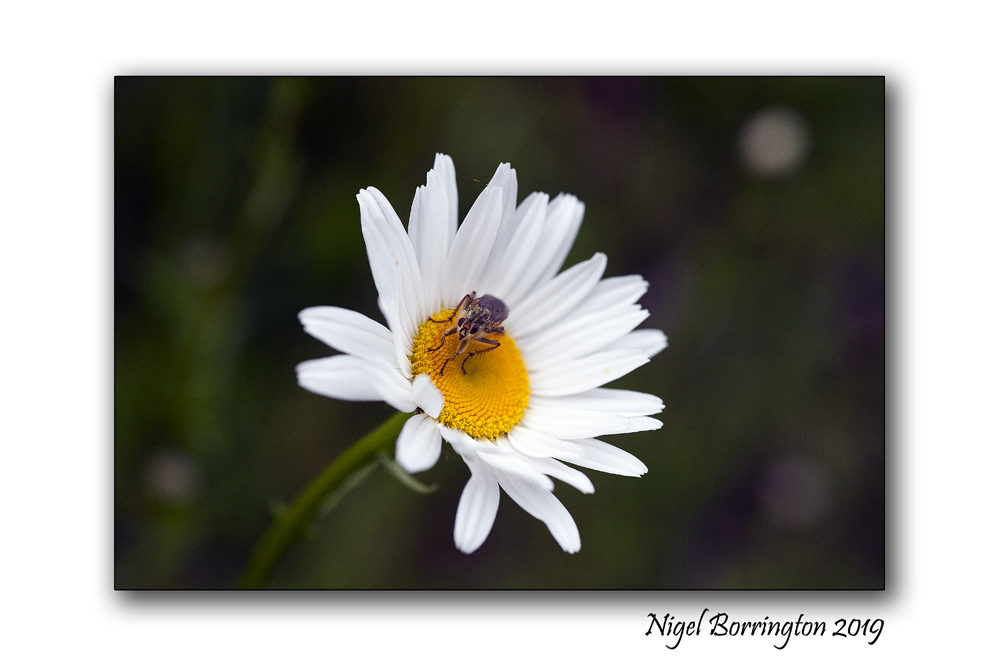
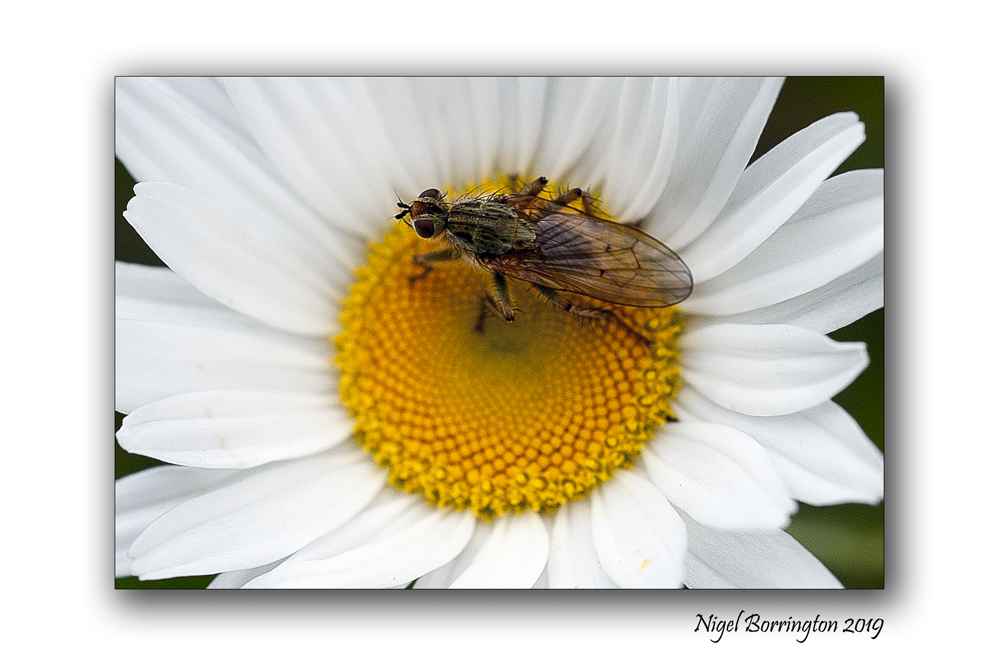
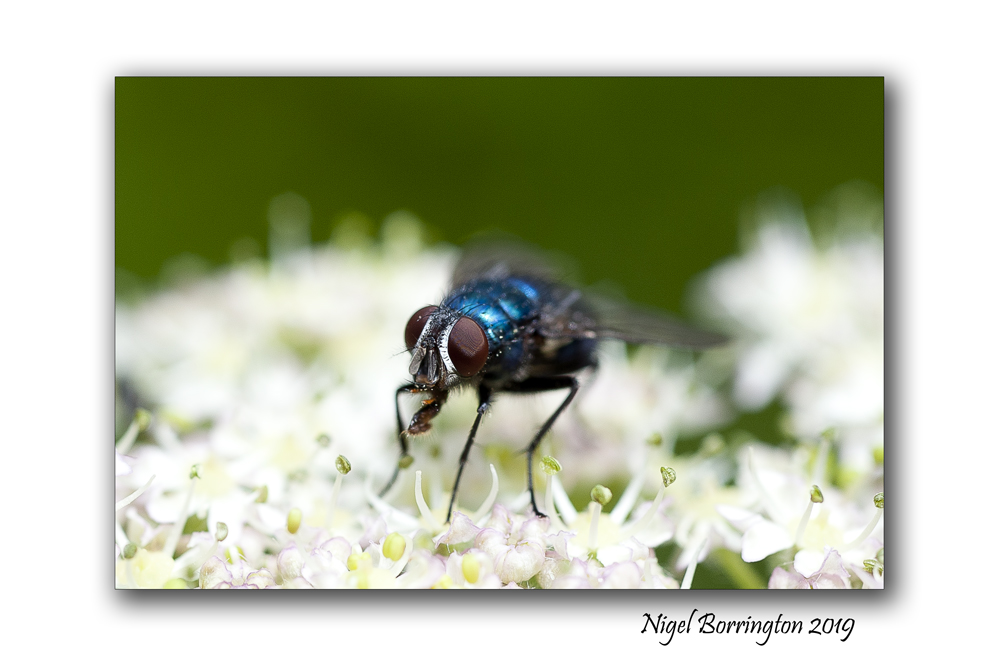
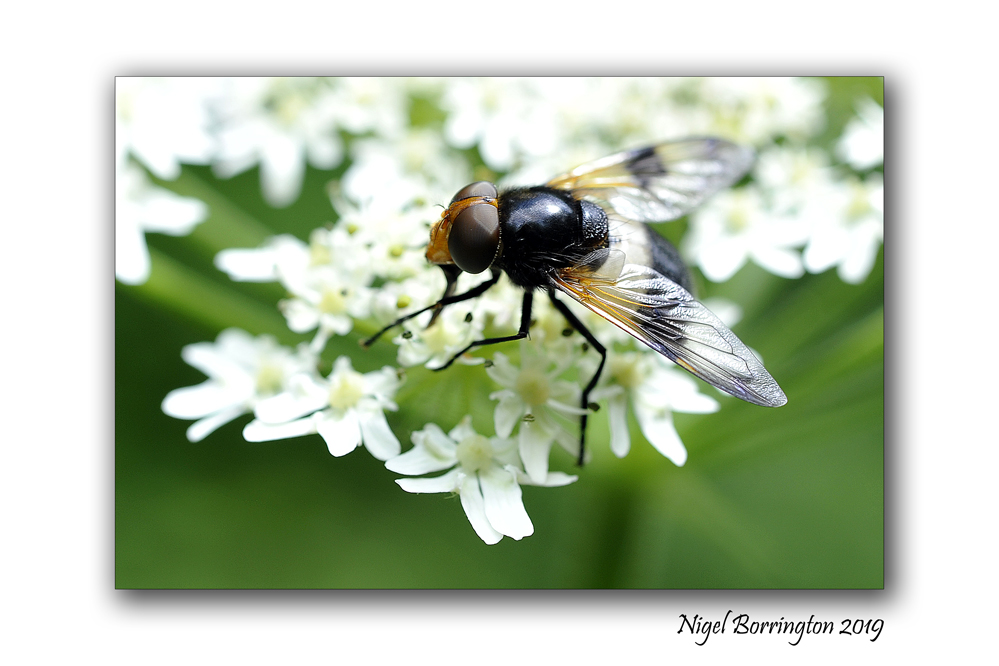
Sheeps bit – Wild flowers at the old slate quarry
Irish wild flowers
Sheeps bit
Slate quarry’s
County Kilkenny
Sheeps bit – Wild flowers
The Slate Quarry at (Ahenny, Windgap, Co. Kilkenny) is one of our best local locations for wild life and wild flowers – at this time of year. There are three or four old open quarry pits most of which now form small lakes, along with many heaps of slate that remained in place after all the good slate in the area had been removed. In the summer the lakes are used for swimming in.
I often visit and today I captured these blue sheep’s bit flowers at lunch time and they cover most of the tops of the old slate heaps. Natural blue wild flowers are one of natures rarest finds so it was a true pleasure to see such a large amount growing in one place.
Here are some details about these very special little plants ….
Sheep’s-bit
Scientific Name: Jasione montana
Irish Name: Duán na gcaorach
Family Group: Campanulaceae
Also known as Sheep’s-bit Scabious, the books say this is a rather variable plant and can easily be mistaken for a composite or a scabious, but theAlso known as Sheep’s-bit Scabious, the books say this is a rather variable plant and can easily be mistaken for a composite or a scabious, but the florets have a 5-toothed calyx and not a pappus. Also the anthers in this plant do not project – unlike those of Devil’s Bit Scabious. I hope this helps. It is a pretty little downy biennial which grows in rocky places, cliffs and heaths up to 40cm high. It has bright blue rounded flowers aggregated in a compact head (15-25mm) which is borne on a slender stem. Its leaves have wavy edges and are hairy, grey-green and short-stalked. The plant is on flower from May to September. This plant is a native and belongs to the family Campanulaceae.
I first identified this flower in Laragh, Co Wicklow in 1976 and photographed it in Glenmalure, Co Wicklow in 2006.
florets have a 5-toothed calyx and not a pappus. Also the anthers in this plant do not project – unlike those of Devil’s Bit Scabious. I hope this helps. It is a pretty little downy biennial which grows in rocky places, cliffs and heaths up to 40cm high. It has bright blue rounded flowers aggregated in a compact head (15-25mm) which is borne on a slender stem. Its leaves have wavy edges and are hairy, grey-green and short-stalked. The plant is on flower from May to September. This plant is a native and belongs to the family Campanulaceae.
I first identified this flower in Laragh, Co Wicklow in 1976 and photographed it in Glenmalure, Co Wicklow in 2006.
If you are satisfied you have correctly identified this plant, please submit your sighting to the National Biodiversity Data Centre
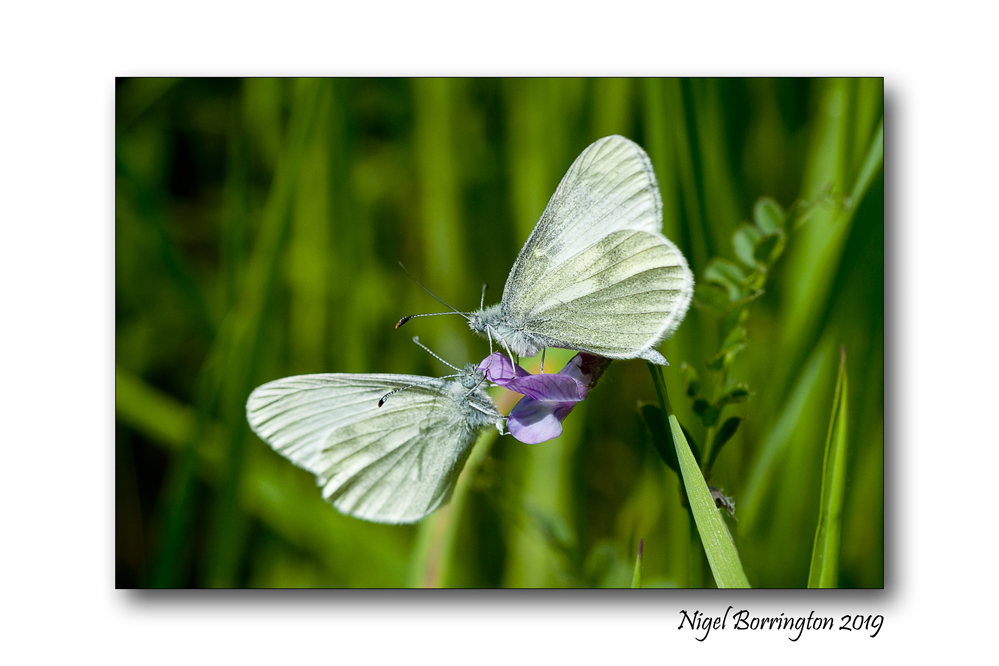
Irish Butterflies – Wood White Leptidea sinapis (lep-TID-ee-uh sy-NAY-piss)
Irish Butterflies
Wood White
Leptidea sinapis (lep-TID-ee-uh sy-NAY-piss)
It a pleasure to be into photography at this time of year, nature is in full flight and at her very best.
For many personal reasons I have no been posting regularly here on my blog for the first time in many years so it also a pleasure to be able to make a start again.
Last week I spent as much time as I could taking my much love Nikon and macro lens out into our local woodlands and capturing lots of nature images. Here is just one of the many images I managed to get the time to process so far.
Now that I am starting again to post here, I plan to be very specific this summer with my images and close-up nature images will be one of my main areas.

Wood White
Family: Pieridae Swainson, 1820
Subfamily: Dismorphiinae Schatz, 1887
Tribe: Leptideini Verity, 1947
Genus: Leptidea Billberg, 1820
Subgenus:
Species: sinapis (Linnaeus, 1758)
Wingspan 42mm
The Wood White is one of our daintiest butterflies with one of the slowest and delicate flights of all the butterflies. When at rest, the rounded tips of the forewings provide one of the main distinguishing features between this butterfly and other “whites”. Adults always rest with their wings closed. In flight, the male can be distinguished from the female by a black spot at the tip of the forewings that is greatly reduced in the female. This butterfly lives discrete colonies and was only recently separated from the visibly-identical Cryptic Wood White. This local species can be found in central and southern England and also in Ireland on the limestone pavements of Clare and South-east Galway. This species is absent from Scotland, the Isle of Man and the Channel Islands.
The River And The Hill – Poem by Henry Kendall

And they shook their sweetness out in their sleep
On the brink of that beautiful stream,
But it wandered along with a wearisome song
Like a lover that walks in a dream:
So the roses blew
When the winds went through,
In the moonlight so white and still;
But the river it beat
All night at the feet
Of a cold and flinty hill –
Of a hard and senseless hill!
I said, “We have often showered our loves
Upon something as dry as the dust;
And the faith that is crost, and the hearts that are lost –
Oh! how can we wittingly trust?
Like the stream which flows,
And wails as it goes.
Through the moonlight so white and still,
To beat and to beat
All night at the feet
Of a cold and flinty hill –
Of a hard and senseless hill?
“River, I stay where the sweet roses blow,
And drink of their pleasant perfumes!
Oh, why do you moan, in this wide world alone,
When so much affection here blooms?
The winds wax faint,
And the moon like a saint
Glides over the woodlands so white and still!
But you beat and you beat
All night at the feet
Of that cold and flinty hill –
Of that hard and senseless hill!”
The River And The Hill
Henry Kendall
A weekend drawing , Hookhead lighthouse county Wexford, Carbon Pencil on Paper.

Hookhead lighthouse
Carbon Pencil Drawing
Nigel Borrington
2019
Hookhead Lighthouse, County Wexford
This pencil drawing that I made a start on, on Friday evening and finished Sunday evening was taken from a set of photographs I took sometime back of the Hookhead Lighthouse, I was staying locally for a week and one evening just as the sun was setting on one side and the moon was rising on different sides of the lighthouse I took a photo that I have wanted for sometime to turn into a painting or a drawing.
The drawing is just the start I hope of creating a set of drawings and painting from all the images taken that week, this part of county Wexford is one on my favourite parts of Ireland, the coast here can be very dramatic and stormy at times yet stunning and peaceful on a summers day.
The Kite flyer, Charcoal on Paper

The Kite flyer
Charcoal on A2 paper
County Waterford
Nigel Borrington 2019
Allihies copper mine, Charcoal and graphite on paper – Nigel Borrington, 2019

Allihies copper mines
Beara Peninsula
County Cork
Charcoal and Graphite, on A2 paper
Nigel Borrington 2019
Allihies is just about as remote a place as they come in Ireland !!
This Charcoal drawing shows just one of the pump houses at Allihies, county Cork. I think there are about 6 of them still standing around this small village.
It was In 1812 when life in Allihies changed utterly as a rich copper deposit was discovered in the area and the biggest copper mining enterprise in Ireland was established by the Puxley family .
The steam engine and pump house both pumped water out from the mine shafts and was used to lower the miners into and out-of the mine, some 250feet below the hill side. Its hard to imagine now the life these miners had , many did not live that long while doing this kind of work.
The Landscape around the mines is just wonderful with mountains facing the coastline of west cork, again its hard to image how the noise and smell of these pump houses change this location and the view of hundreds of miners returning home after a days work must have been something to see, they shared small homes in the village, mostly twenty of them shared the same small houses.
Independent Heart, A poem by : Jodie Moore

Charcoal drawing
Nigel Borrington 2019
Independent Heart
Soft words you spoken
From the heart that is broken
I know deep inside
You have a level of independence
With a mystery of suspense
You are recovering
Waiting for someone
To catch on to the discovering
Of the real you
With a heart so true
Giving of your best
Expecting nothing less
While hurt is making amends
Leaning on loving friends
Accounted for in time you spend
With words you write
Not giving into a broken hearts flight
Staying strong
Carrying others like me along
by Jodie Moore
Storm clouds, BlackValley, Killarney National Park – charcoal and Pastel drawing

Storm clouds at BlackValley
County Kerry
Ireland
Charcoal and Pastel
Nigel Borrington 2019
Monday Poetry : The Comfort of the Hills – Will H. Ogilvie

HEART! If you’ve a sorrow
Take it to the hills!
Lay it where the sunshine
Cups of colour spills!
Hide it in the shadow
Of the folding fern;
Bathe it in the coolness
Of the brown hill burn;
Give it to the west wind
Blowing where it wills;
Heart! If you’ve a sorrow
Take it to the hills!

Heart! If you’ve a sorrow
Take it to the hills,
Where pity crowns the silence
And love the loneness fills!
Bury it in bracken
Waving green and high;
O’er it let the heather’s
Peaceful purple lie!
Trust it to the healing
Heaven itself distils;
Heart! If you’ve a sorrow
Take it to the hills!
Hook head Light house county Wexford, Charcoal and Pastel, Nigel Borrington

Hookhead lighthouse
County Wexford
Charcoal and Pastel Nigel Borrington Feb 2019
Friday Charcoal and Pastel drawing
The lighthouse at Hookhead, county Wexford – Drawing using Charcoal and Pastel on a sheet of A2 cartridge paper.
I have wanted to include the hookhead lighthouse in drawing for sometime so today I used a photo taken about 6 years ago taken one February evening on a walk around the base of the lighthouse looking out to sea. It was late evening just after sunset and light had just just been turned on, a magical moment to be there.
The drawing today took about four hours to complete and is one of the drawing in the last week that I have enjoyed working on the most 🙂 …..
Kilkenny landscape art – Charcoal and Pastels on Paper – Winter trees

Kilkenny landscape art,
Winter Trees,
Charcoal and Pastels on Paper
Kilkenny landscape art – Charcoal and Pastels on Paper – Winter trees
This is my second large scale drawing this week, worked on an A2 sheet of cartridge paper with the drawing itself being formatted to fit inside an A3 mounting card and frame.
I am really enjoying working with charcoal and pastels again, I feel that I could and most likely would be able to get more detail into each drawing if I used a set of pencils, high details for each landscape view however is not that much of a worry for me at the moment. The drawings I am working on at the moment are aimed at being Proprietary Artwork for later paintings.
I am learning all the time now about the possibilities of working with what is the very basic mediums of black charcoal and Pastel, the skills of blending and smoothing the charcoal on the paper, back into areas of grey. Drawing with both these mediums is very interesting, detail is possible but needs care to produce, each stage of the drawing needs fixing on the paper so that it is not smudged.
As with any drawing or painting when finished there are areas I like and areas I do not, here I loved working of the misty sky and the trees but found the foreground of the wet muddy field a challenge. I am happy overall and feel I have managed to work in lots of texture and levels of details hidden in the mud in the foreground and very happy with the blended sky.
I am not in all honesty yet looking for finished work as I want to keep learning as much as possible so the more I learn the better and the more that makes me have to look and think about a finished work the better. I am not finishing anything that I would not show to anyone so that is at least very pleasing.

This is the same drawing cropped down, I wonder if its better without the foreground area or better with it ?
If anyone wants to make a comment here – it would only help me 🙂 🙂
Kilkenny landscape art – Charcoal and Pastels on Paper

KIlkenny Landscape art
Charcoal and Pastels on Cartridge paper
Format 297 × 420 mm
Nigel Borrington 2019
Monday Drawing
Kilkenny landscape – A Charcoal and Pastels on Paper
This week I plan to continued building up my painting and drawing skills, I will continue selected from my landscape photographs and selecting ones that I wfeel will make good Mono drawings and paintings.
This evening I have just finished the above Charcoal and Pastel landscape, its drawn on A2 paper but framed for A3 dimensions. This is a good size from drawing as I feel I can work freely with this size, letting the charcoal move openly. It lets me stand up above by drawing board and move the Charcoal and Pastels with fully movement of my arms.
Just like with my last post I plan next to work the same landscape view in Acrylic paints working with cool grey tones to capture the feeling of a cold grey day, just like the day that I captured the original black and white image on.
 Nigel Borrington
You must be logged in to post a comment.