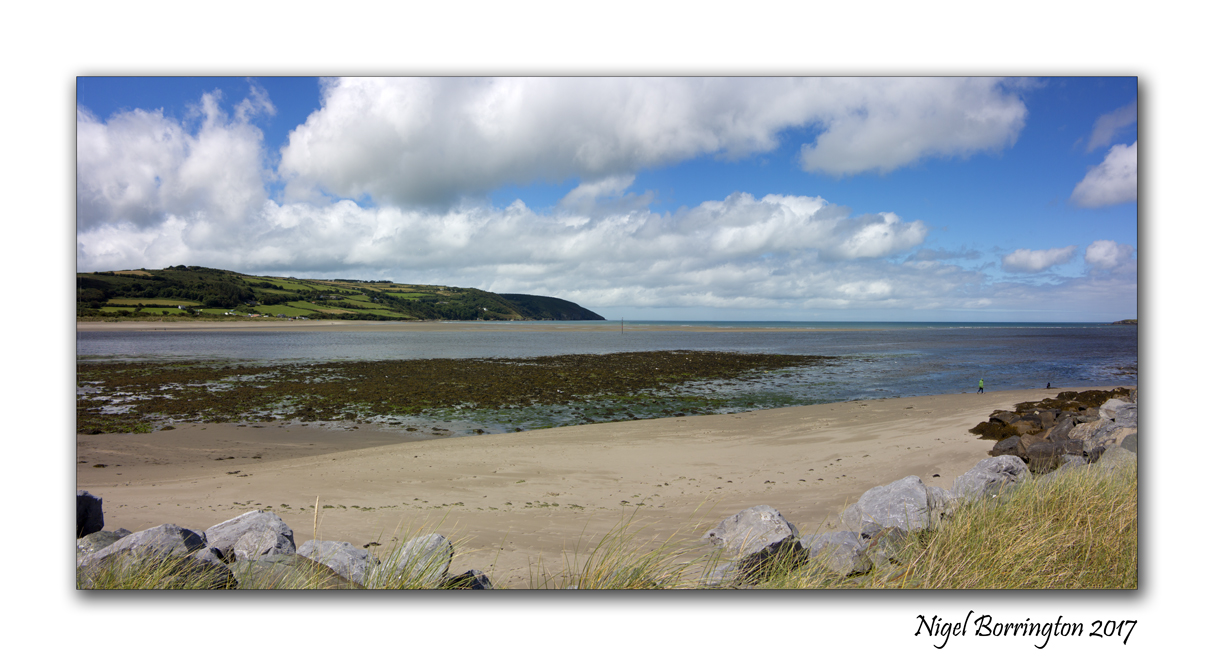
Ten days holiday in Cardigan bay, Ceredigion, Wales, Images of the River Teifi estuary

Sailing home
Cardigan bay, Ceredigion, Wales, Images of the River Teifi estuary
Nigel Borrington
Today is our first full day back in County Kilkenny, Ireland, having just spent ten days staying with a close friend in Cardigan Wales, here are just a few of the images taken during the time spend in this wonderful part of the British isles…..


History in Images, County Kilkenny, Ireland, Kells Priory

Irish History
Kells Priory
County Kilkenny
Nigel Borrington
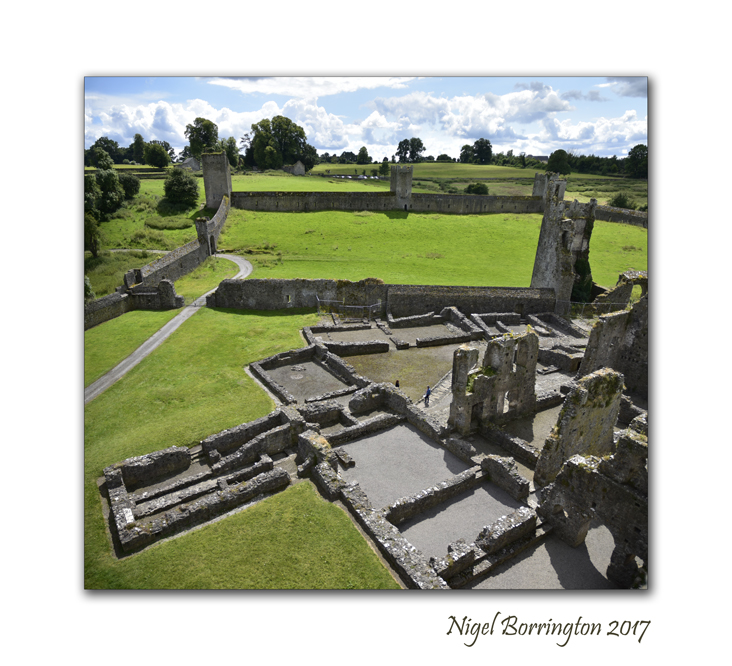
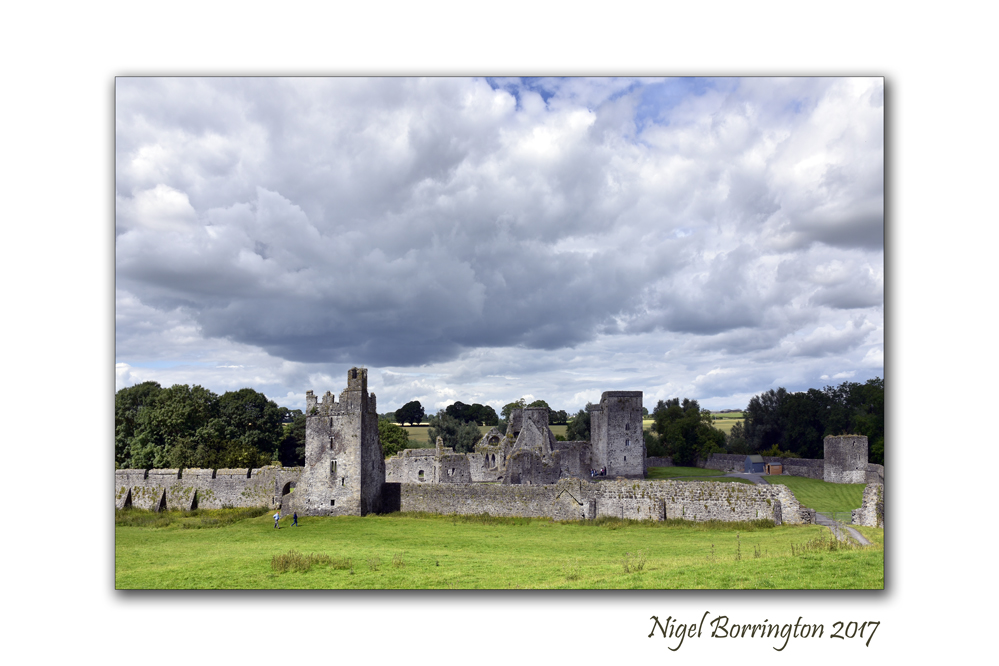
Kells Priory (Irish: Prióireacht Cheanannais) is one of the largest and most impressive medieval monuments in Ireland.
The Augustine priory at Kells, county Kilkenny is situated alongside King’s River beside the village of Kells, about 15 km south of the medieval city of Kilkenny. The priory is a National Monument and is in the guardianship of the (OPW)Office of Public Works. One of its most striking feature is a collection of medieval tower houses spaced at intervals along and within walls which enclose a site of just over 3 acres (12,000 m2). These give the priory the appearance more of a fortress than of a place of worship and from them comes its local name of “Seven Castles”.
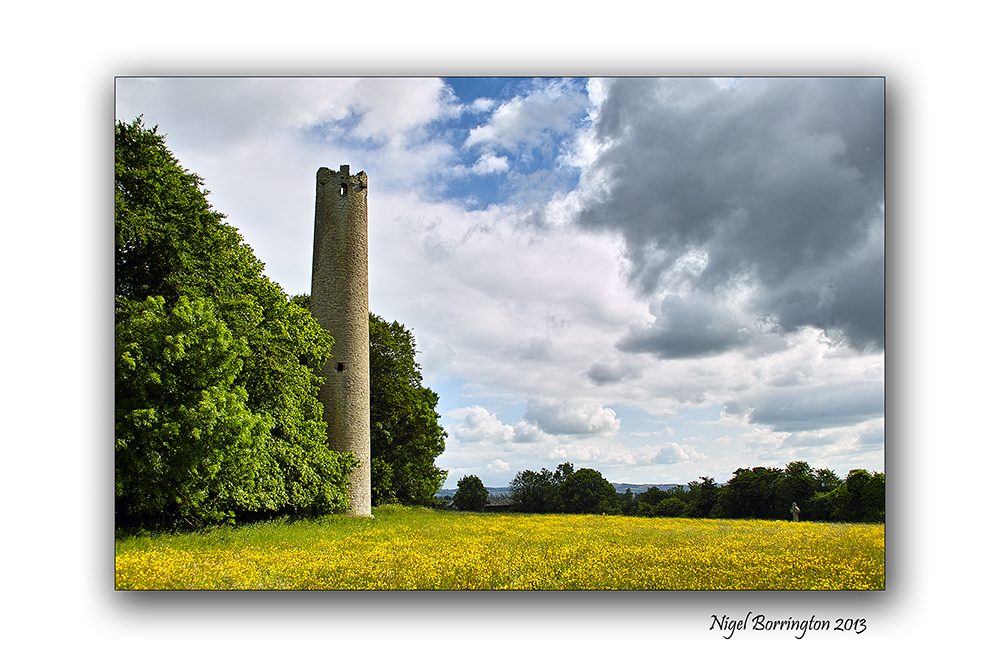
4 km southeast of the priory on the R697 regional road is Kilree round tower and 9th century High Cross, said to be the burial place of Niall Caille Niall mac Áeda (died 917) who was a High King of Ireland.
The Priory has been undergoing a ten year long renovation project that is approaching its completion, the priory is looking amazing and has been secured for many years to come.
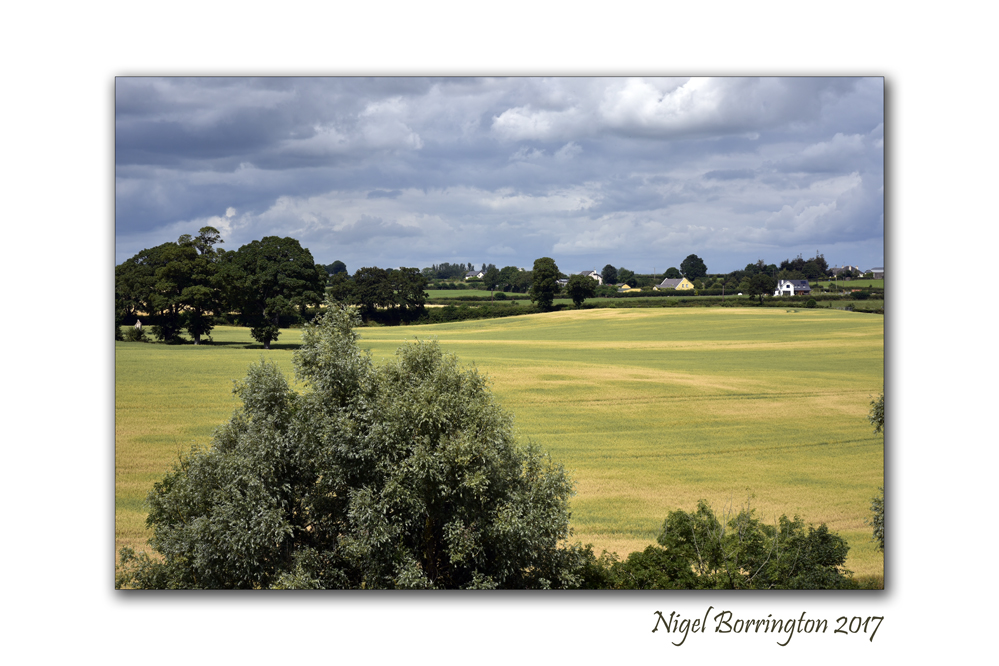
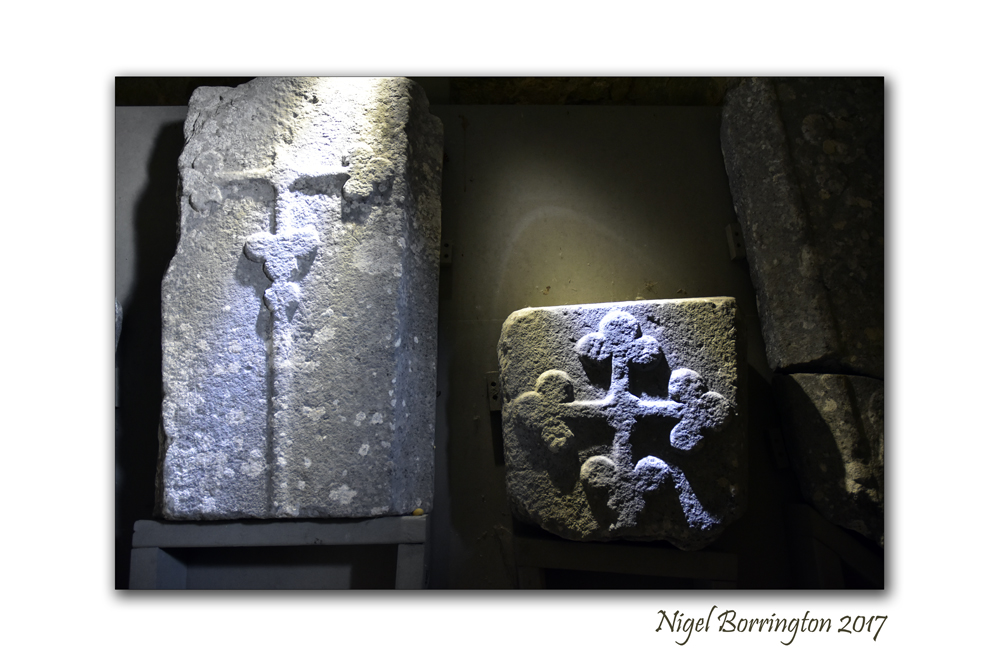
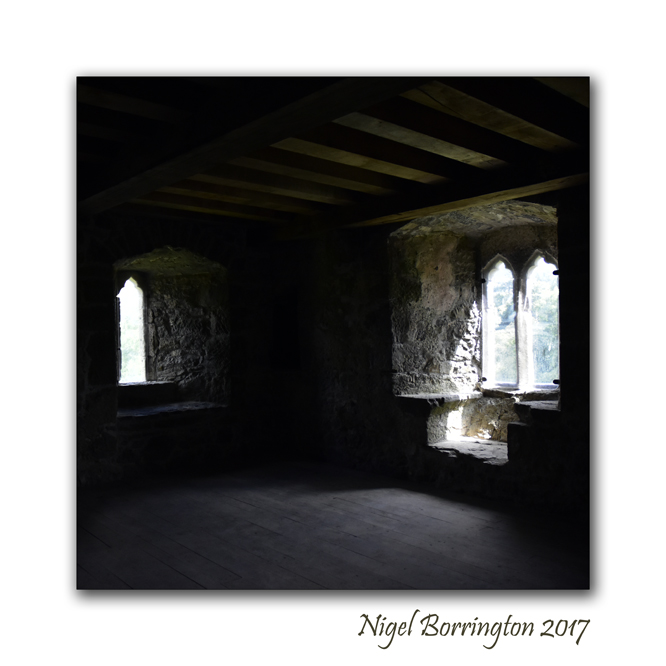
Here I post some new images taken during a very enjoyable visit last Sunday afternoon.
A History of Kells Priory
Kells Priory, Gallery




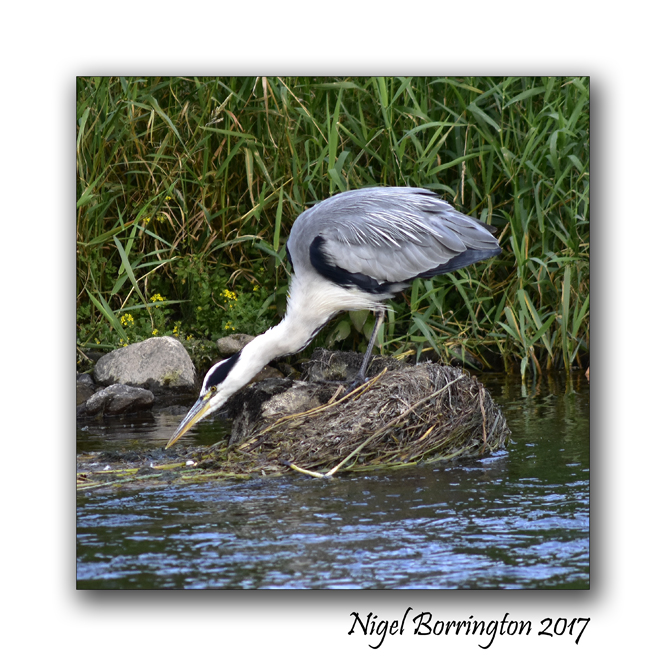
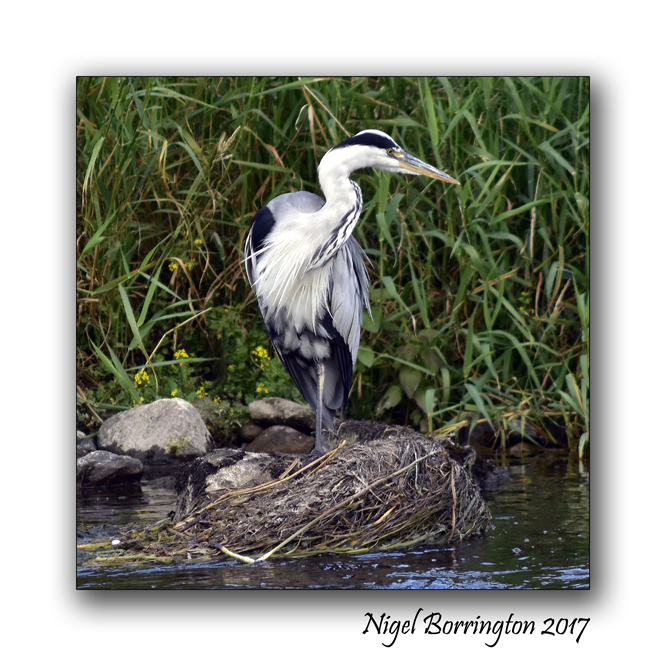
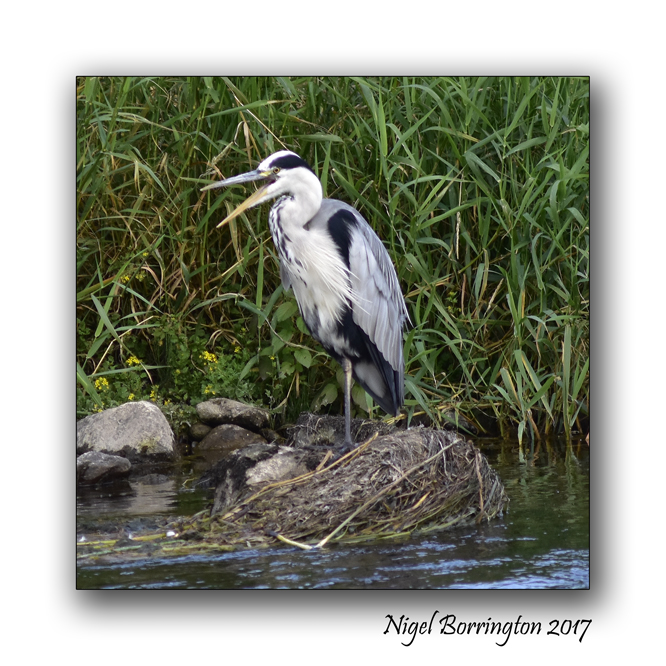
Monday Wildlife : A Heron on a stone, River Suir, County Tipperary

Wildlife Images
A Heron, resting and hunting
River Suir, Tipperary
A Seven image study of a Heron as it rests and hunts for Fish, standing on a stone at the river bank ……



The Colosseum amphitheater, city of Rome

Images without words
The Colosseum
City of Rome
Nigel Borrington
The Colosseum amphitheater, city of Rome

Images without words
The Colosseum
City of Rome
Nigel Borrington
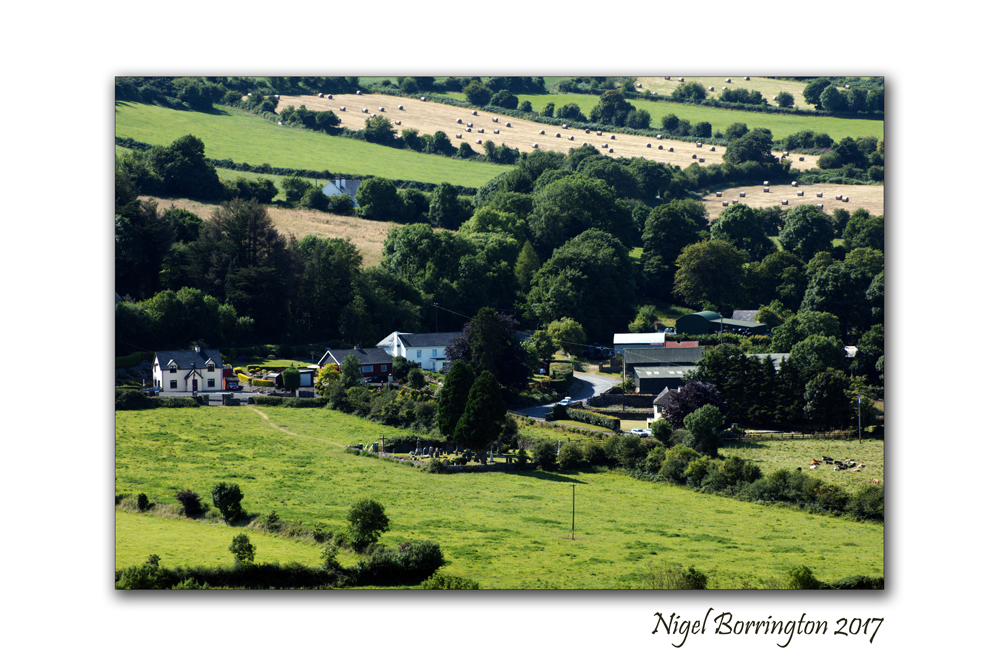
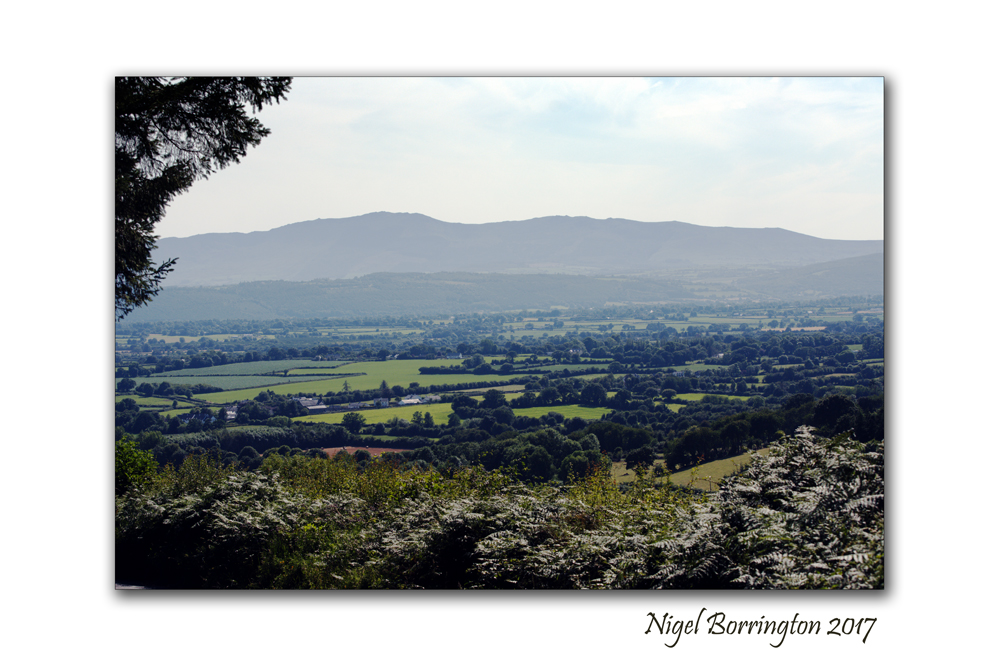
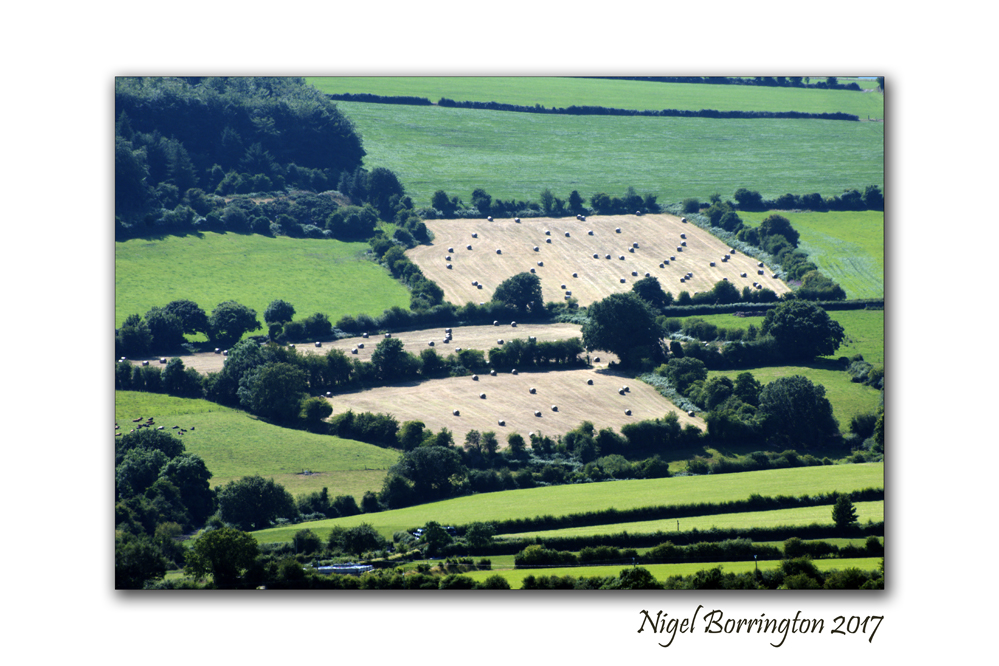
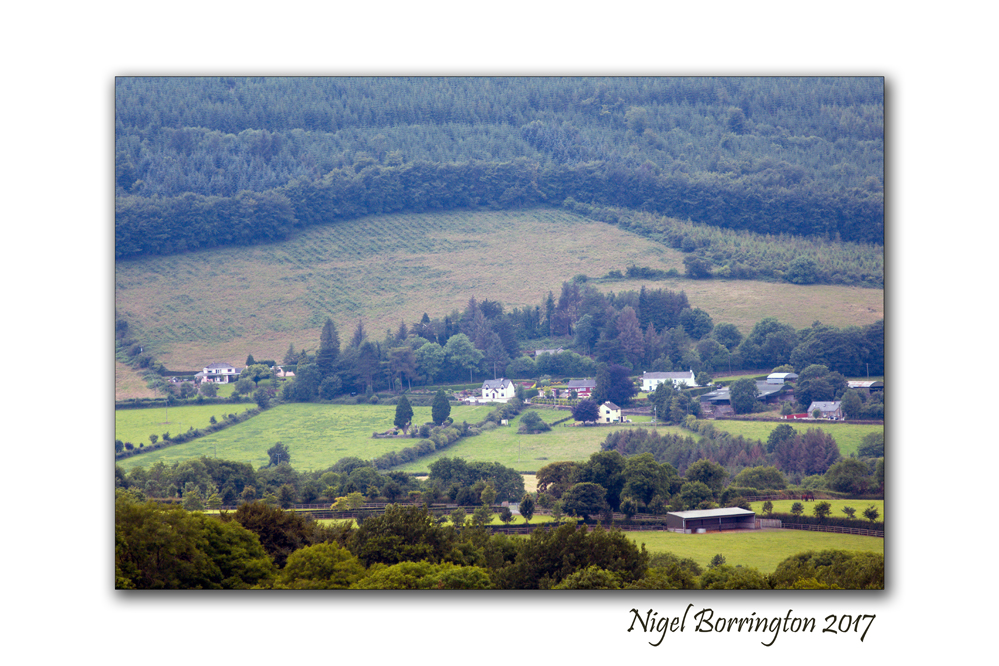
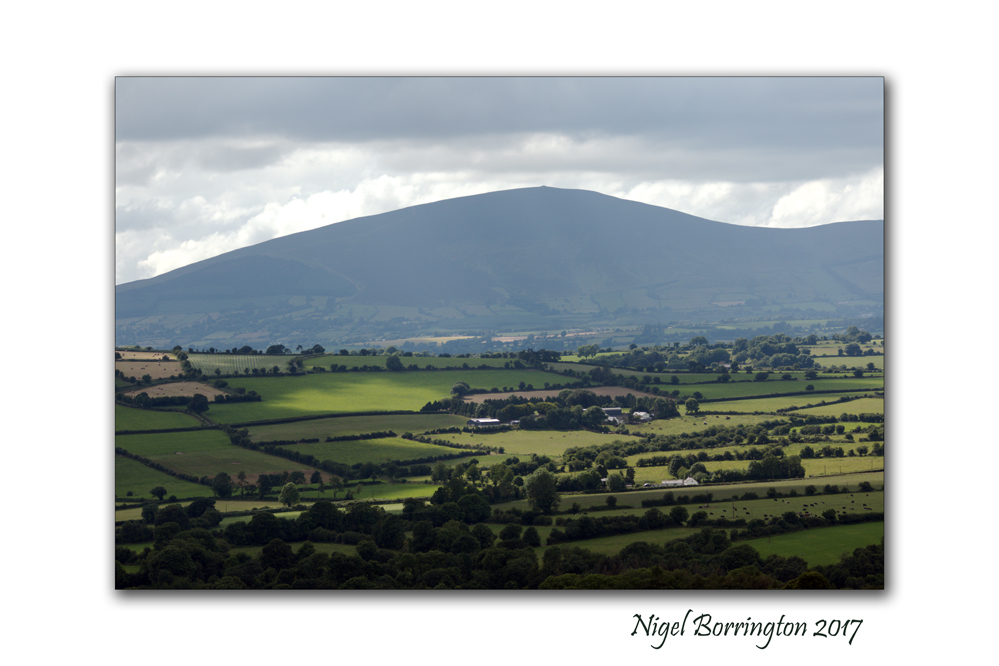
Landscape photography, county Kilkenny boarders, Images taken from the hill sides.
On the boarder (Kilkenny – Tipperary) , the view towards Slievenamon.


Morning poetry : My fading dreams – an Island in the morning sea

Reality on an Island of dreams
Nigel Borrington
In those early moment as I awake
Visions of warm and gentle golden seas
a cool morning breeze.
Fading images of a island I do not know
Draining images of islands on which I want mind to stand.
An island that constantly haunts my dreams
particularly when reality falls apart at the seams.
An island in the spinning – turning sun.

An Island I long to understand
yet in the morning how far away its realty seems.
Can we only grasp life in our dreams
it slips through our fingers at the light of dawn.
you fade away and now are gone.
I walk along this beach
hot melted glass and cool flowing gasses meet.
Come tonight when I watch the setting of the sun
and wonder if on my Island of dreams, again a clear vision will come?
Nigel …..
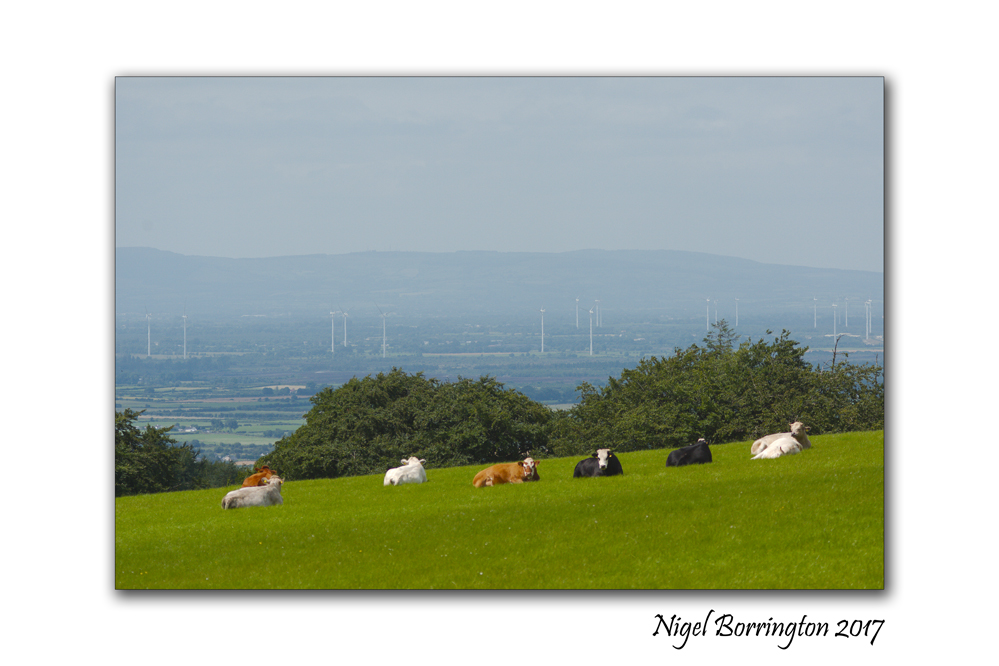
The Farming landscape of county Kilkenny : Cows, Bulls and a field with a view …..
Farming landscapes Grange hills
kilkenny County Kilkenny
Nigel Borrington
The Hills above Grange in County Killkenny, offer some of the most stunning landscape views in the county, here you are looking across the boarder into county Tipperary.
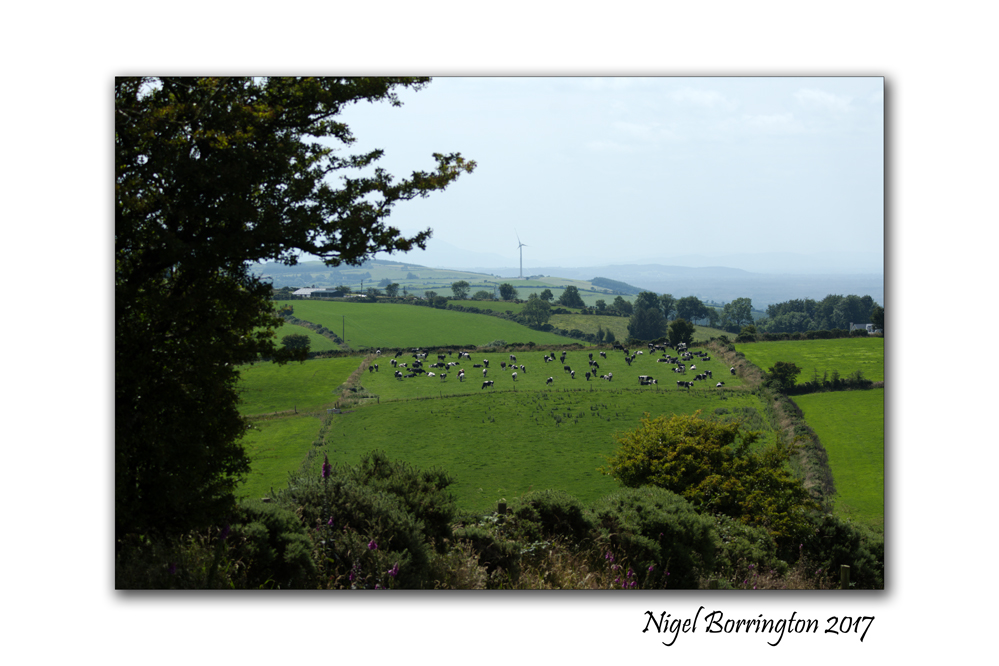
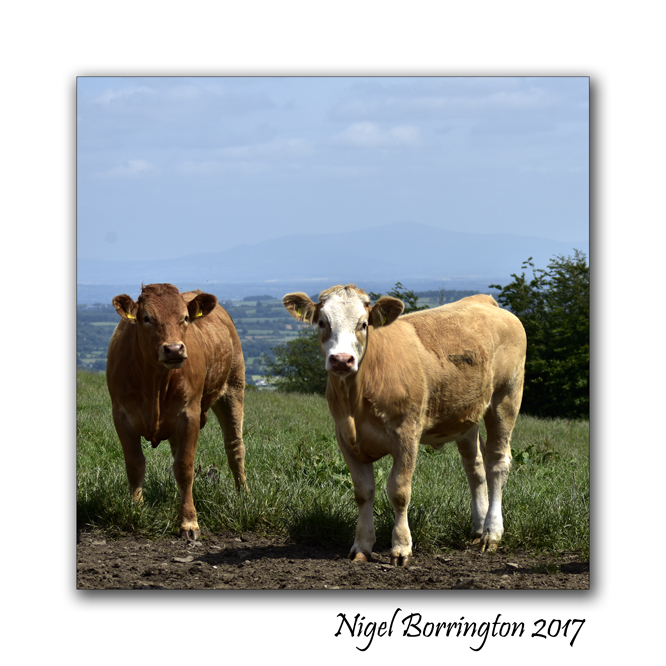
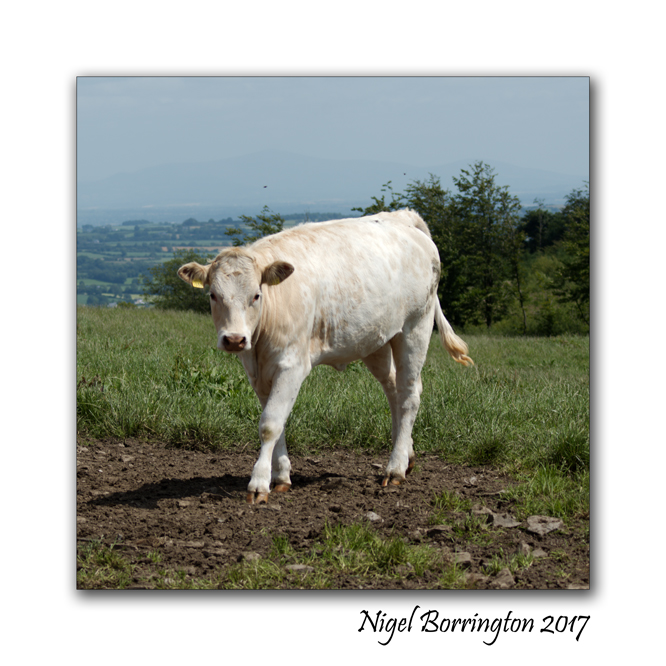
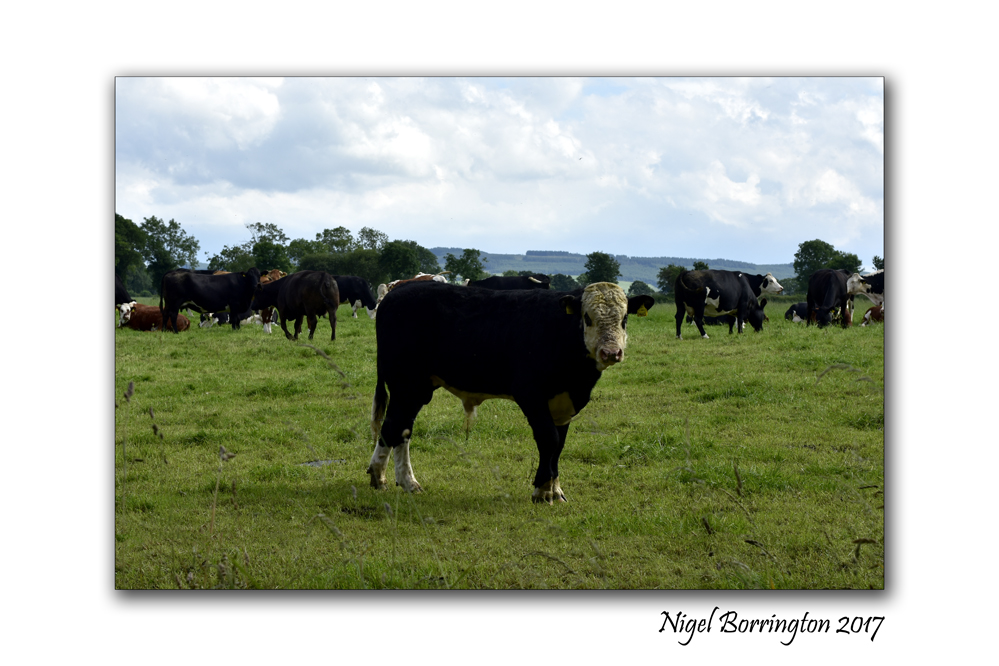
The day I took the following images I had been walking for a little while when I took a rest at a gate, there is that moment in the county when you see some cows resting on a sunny morning and they spot you from a distance. It only take a little time before they all stand and walk over to the gate, I think they are wondering if your the farmer and it time for their feed. Sadly for them I was not and all I could do for them was take some pictures of them to share on WordPress 🙂 🙂



Evening Poem : By Alice Oswald
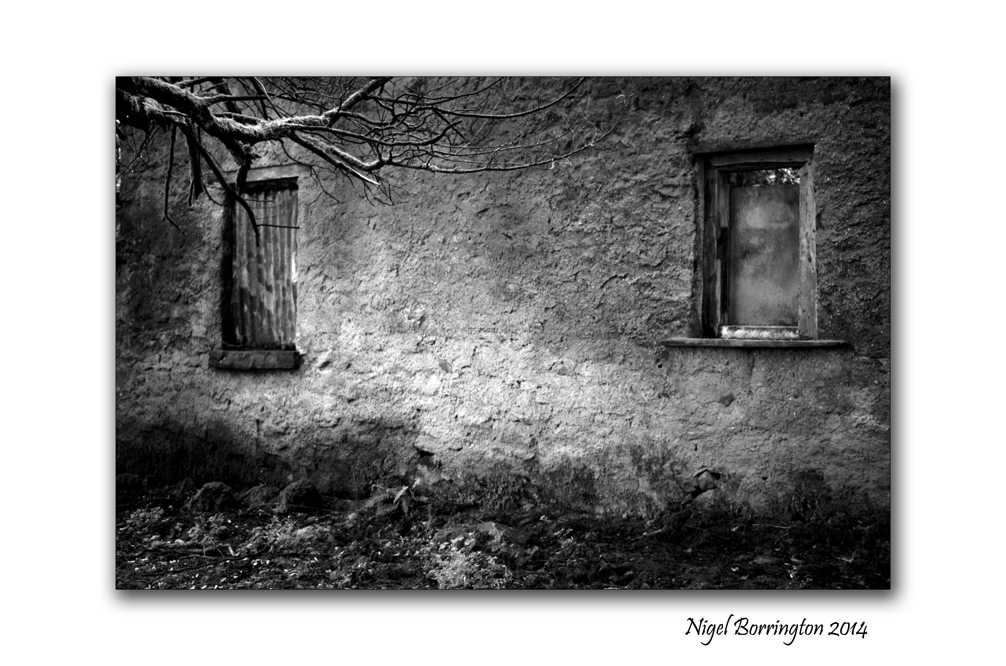
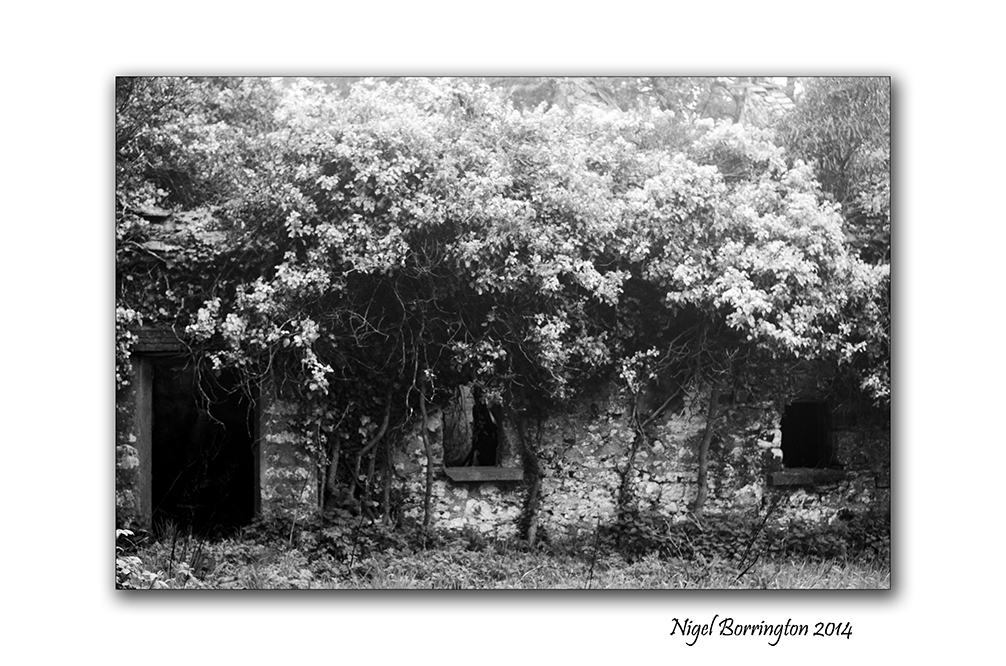
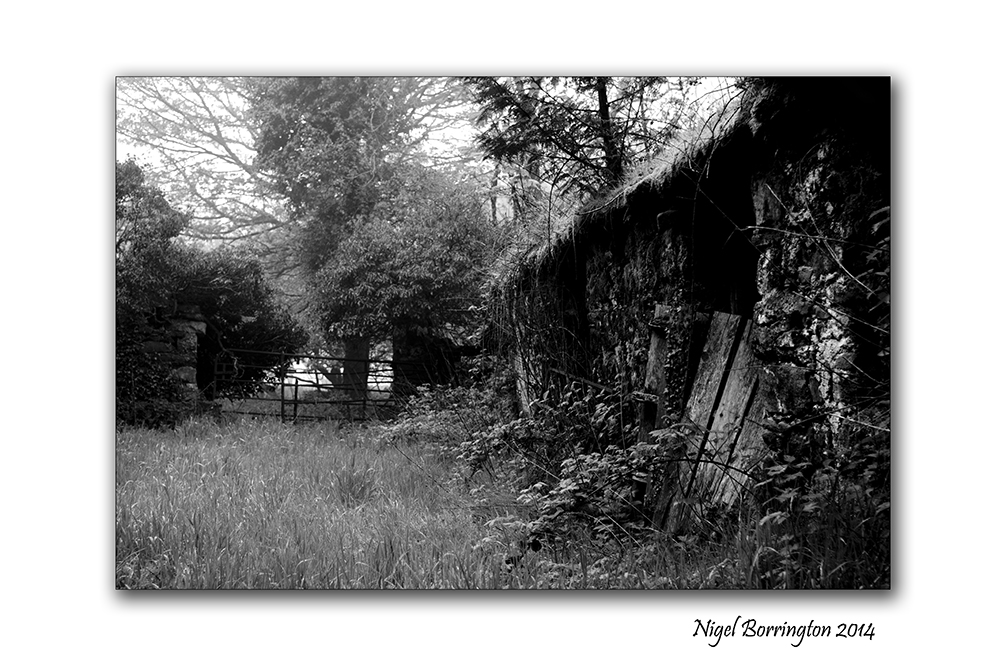
We have many old forgotten farms around county Kilkenny, its hard to know just how old they could be?
There are so many memories lost in these places, so many working days following by family evenings resting out in the fields and the yards ……
Evening Poem : By Alice Oswald
Old scrap-iron foxgloves
rusty rods of the broken woods
what a faded knocked-out stiffness
as if you’d sprung from the horsehair
of a whole Victorian sofa buried in the mud down there
or at any rate something dropped from a great height
straight through flesh and out the other side
has left your casing pale and loose and finally

just a heap of shoes
they say the gods being so uplifted
can’t really walk on feet but take tottering steps
and lean like this closer and closer to the ground
which gods?
it is the hours on bird-thin legs
the same old choirs of hours
returning their summer clothes to the earth
with the night now
as if dropped from a great height
falling
The Heron, A poem by : Linda Hogan
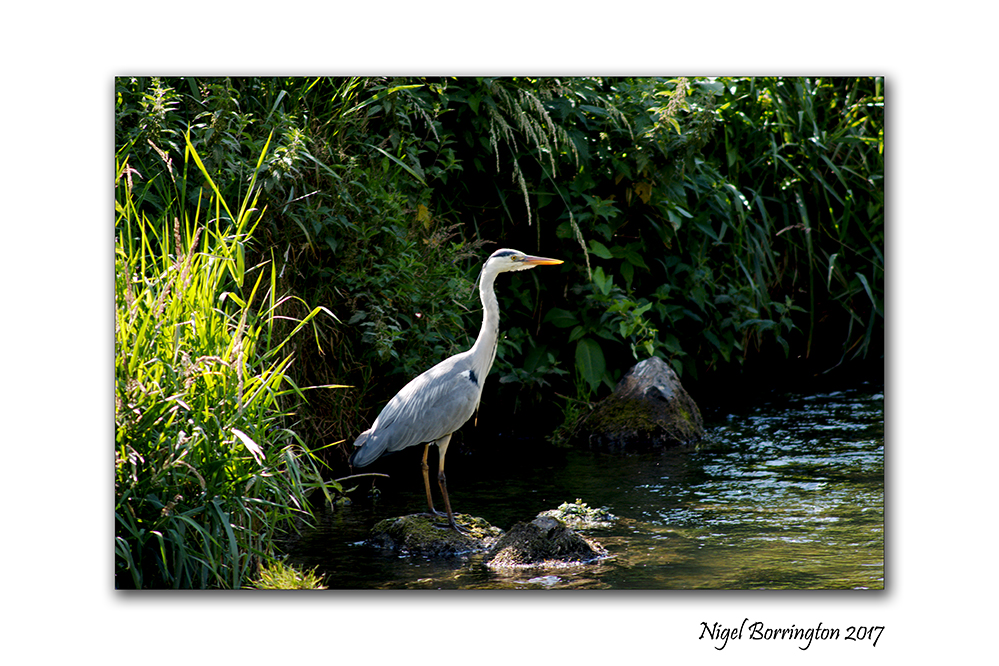
A Heron, hunting
Kings river
Kells
County Kilkenny
Nigel Borrington
The Heron
Linda Hogan
I am always watching
the single heron at its place
alone at water, its open eye,
one leg lifted
or wading without seeming to move.
It is a mystery seen
but never touched
until this morning
when I lift it from its side
where it lays breathing.
I know the beak that could attack,
that unwavering golden eye
seeing me, my own saying I am harmless,
but if I had that eye, nothing would be safe.
The claws hold tight my hand,
its dun-brown feathers, and the gray
so perfectly laid down.
The bird is more beautiful
than my hand, skin more graceful
than my foot, my own dark eye
so much more vulnerable,
the heart beating quickly,
its own language speaking,
You could kill me or help me.
I know you and I have no choice
but to give myself up
and in whatever supremacy of this moment,
hold your human hand
with my bent claws.
Beach Poetry : I Saw From the Beach by Thomas Moore
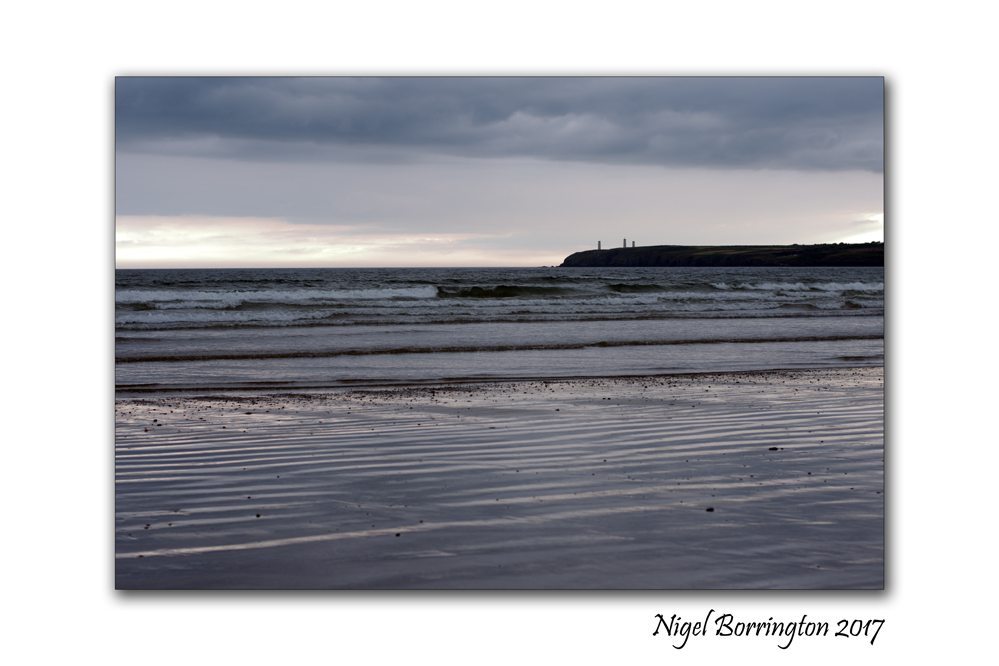
I Saw From the Beach
by Thomas Moore
I saw from the beach, when the morning was shining,
A bark o’er the waters move gloriously on;
I came when the sun o’er that beach was declining,
The bark was still there, but the waters were gone.
And such is the fate of our life’s early promise,
So passing the spring-tide of joy we have known;
Each wave that we danced on at morning ebbs from us,
And leaves us, at eve, on the bleak shore alone.

Oh, who would not welcome that moment’s returning
When passion first waked a new life through his frame,
And his soul, like the wood that grows precious in burning,
Gave out all its sweets to love’s exquisite flame.
Aghaviller Round Tower and Church

Aghaviller Round Tower and Church
County Kilkenny
Ireland
Nigel Borrington
Aghaviller
Round Tower and Church
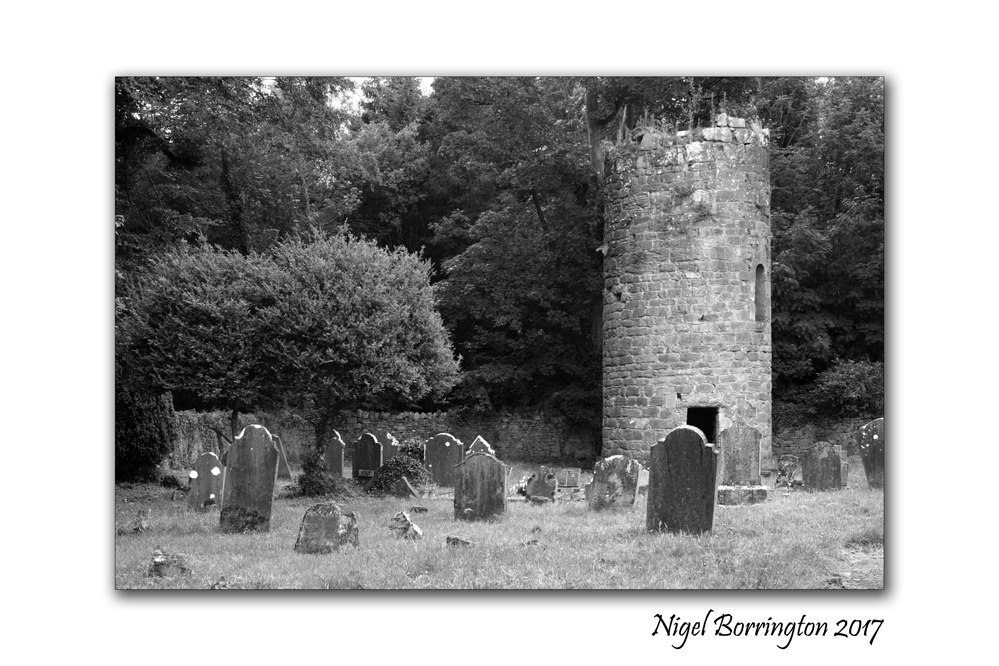
Located in county Kilkenny, Aghaviller Round Tower and Church are together one of the most interesting of Irish Historic sites. Based on the presence of the round tower, it is believed that the Agherviller monastic settlement was once a relatively high-status ecclesiastical foundation dating back to Early Christian times. The church and a holy well not far from the site have been dedicated to St Brennain. We don’t know who founded the monastery but it could have been St Brennain. The round tower is built on top of a square stone plinth, an unusual feature which is only found in one other place in Ireland –at nearby Kilree. Sadly, only the lower 9.6 metres of the round tower survived.
The original NE facing round-arched doorway is in its customary location about 4 metres above ground level, although a ground-level lintelled doorway has been added in more recent times. The sandstone tower was unfortunately in deep shade from the nearby dense woods on our late afternoon visit, but it is worth a return trip in morning light to photograph the stonework which is beautifully dressed to the curve inside and out. There is a southwest facing square-headed window at the second storey level.
The church dates to the 12th Century but was significantly modified in the 15th by the addition of a massive tower over the chancel that served as a residence. Only the foundation of the nave remains. An archaeological excavation revealed a gully filled with kiln material and a sizeable ditch/boundary running north–south with stone revetting on its eastern side. This ditch is believed to have surrounded a second or outer enclosure, a common feature of high-status monastic sites.
Gallery



Nikon AF-d 50mm f1.4 Prime lens, one lens all day …..
Tramore Strand
One lens all day
Nikon AF-d 50mm f1.4
Nigel Borrington
Irish Landscapes
Its easy to think that the best lens to spend a full day of Photography with would be a zoom lens, however my favorite and most respected lenses are all prime lenses(fixed focus lenght lenses).
One of my most respected and trusted lens is my Nikon 50mm f1.4, its fast , can work very well in low light and even at 75mm on my DX D7200 body (50mm on an FX) it makes me think in a very creative way. You have to frame you shots well before you click the shutter button, I find this much more creative that just walking around and zooming in and out at everything 🙂 although this can be a very fun experience.
While you need a zoom lens in order to make sure you can capture some subjects, Prime lenses make you think about the subject you want to capture!
So what kind of images can you produce if you only take one lens with you , A 50mm Prime?
Nikon AF-d 50mm f1.4 Gallery
These images from yesterday include a morning walk and then an evening walking alone the strand at Tramore, County Waterford


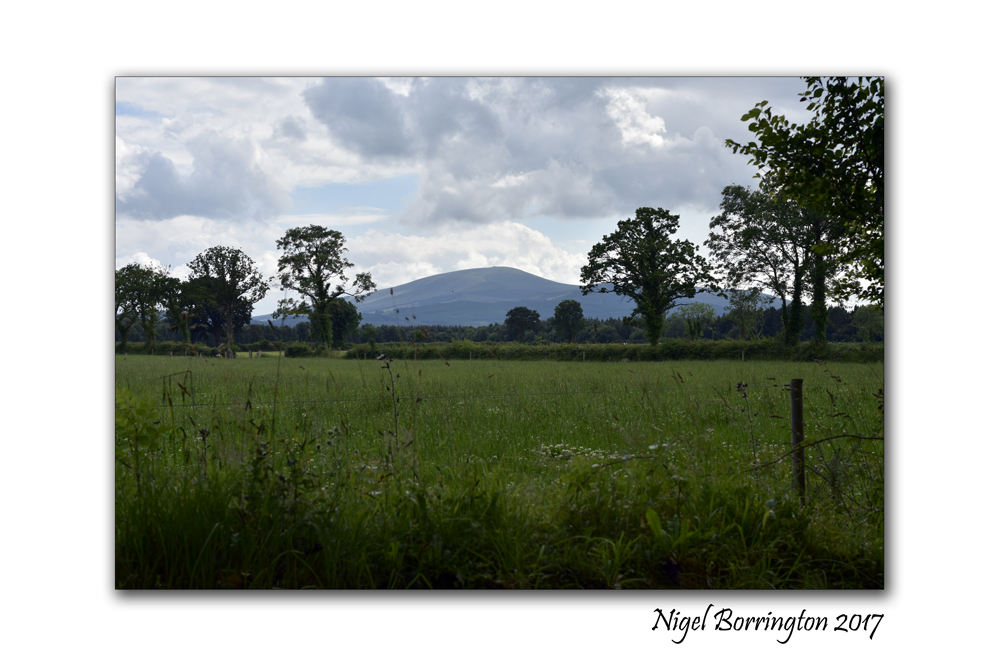

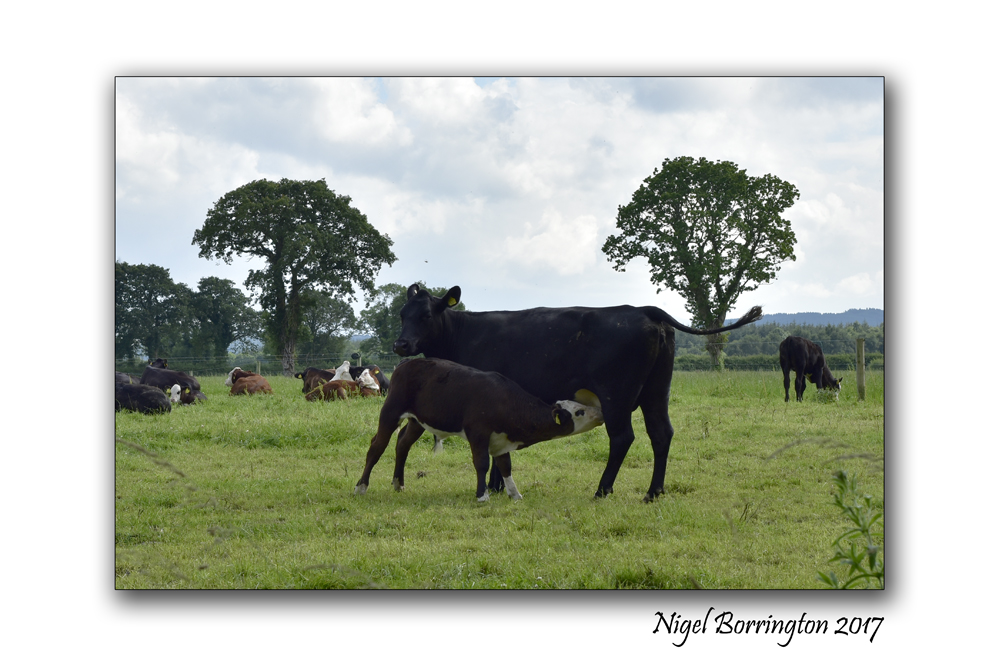

A new Header image , for July 2017
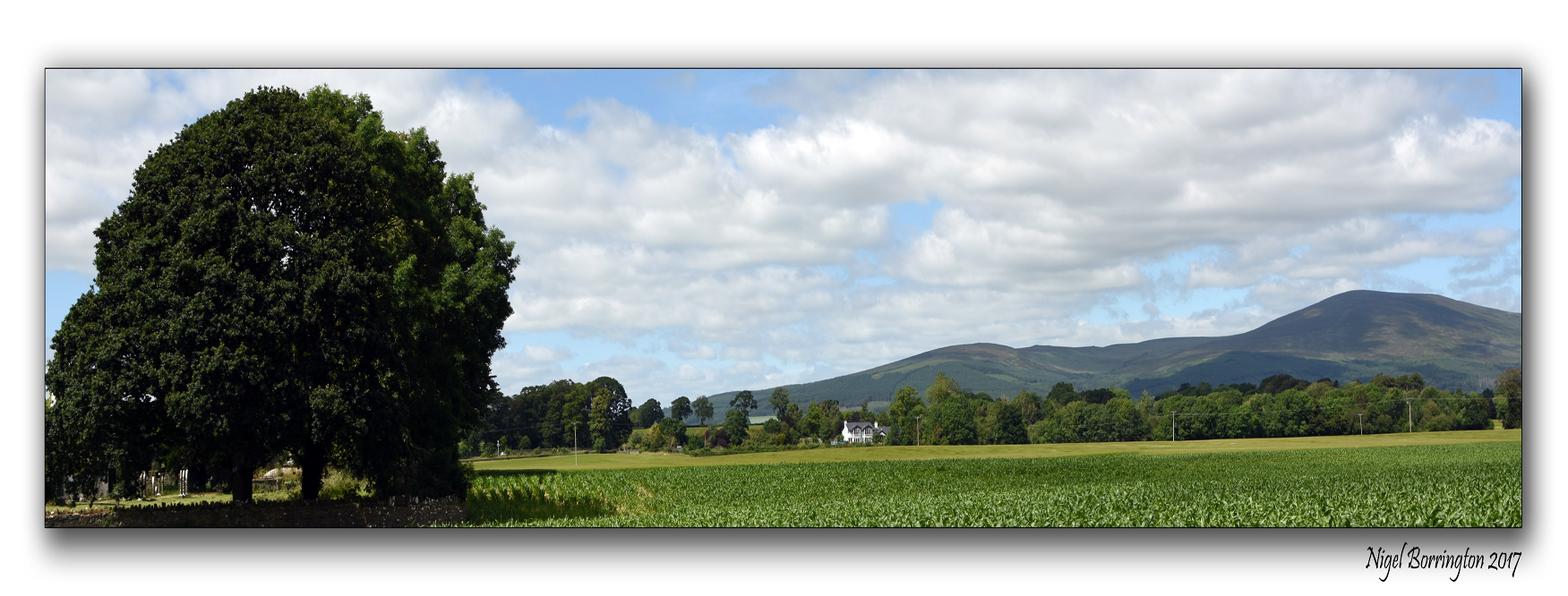
A Mountain View of Slievenamon
Clonmel
County Tipperary
Nigel Borrington
Monday Poetry : These Farmers; These Fields, By: Don Bouchard Jul 2015
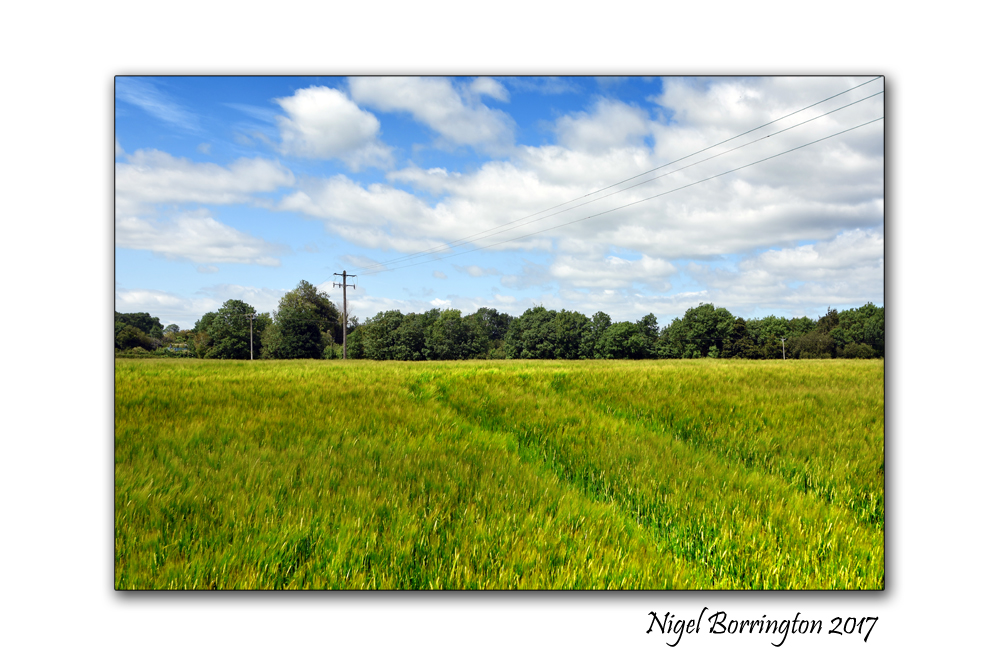
Monday Poetry : These Farmers; These Fields, By: Don Bouchard Jul 2015
Don Bouchard Jul 2015
These Farmers; These Fields
Who are these farmers,
And who, these fertile fields,
Verdant under native grass,
That stand un-plowed,
That shake beneath the plow,
That lie now fallow,
That bear the planted seed,
That wear the heavy grain,
That await the Harvest pain?
And who, these Harvesters,
And who, these close-shorn fields,
Desolate in short-cut stubble,
That stand, stiff in silence,
That wear the heavy tracks,
That have endured the harvest,
That yielded up their dead,
That bristle through the falling snow,
That whistle wind-song low?

And who, these merry Farmers,
And who these stubbled fields,
Glistening beneath the melting snow,
That warm beneath the glowing sun,
That host the migrants of the sky,
That tremble the biting plow,
That accept the falling seed,
That wait beneath the welcome rains,
That cycle through the seasons once again?

Coumshingaun Corrie Lake, county Waterford : The land time forgot

Coumshingaun Corrie Lake, county Waterford, Nigel Borrington
Coumshingaun Corrie Lake in county Waterford is truly the land that time forgot !
In Ireland compared to some locations in North America and Canada it is impossible to be more than a few miles away from a town or a village, some locations in the north and far southwest of the country are more remote that here in the southeast county’s. Yet even here there is still the possibility of finding a remote feeling hidden away in a small location or two.
Coumshingaun Corrie Lake, county Waterford is for just one of these locations, the walk up to it from the valley floor and road below is no more than two kilometers, its a uphill walk from the car park located below the tree line, most people however given time would be able to do this walk !!. However in anyone’s book this is not going an an expedition 🙂
When you get there, the view of the lake at its surrounding cliffs is breath taking, the lake is a left over from the last ice age, some 15000 year ago, this is from a time well before Ireland had even a single human-being living here.
Most weekends you will find other Humans/people visiting here so if you want a true feeling of space and allown-ness then early morning, and weekdays evening is the best time to visit.
I love it here , its about an hours drive from home, yet it could be like a visit to Canada or Yellowstone park with a little imagination allowed to run out of control 🙂
Coumshingaun Corrie Lake, county Waterford : The land time forgot


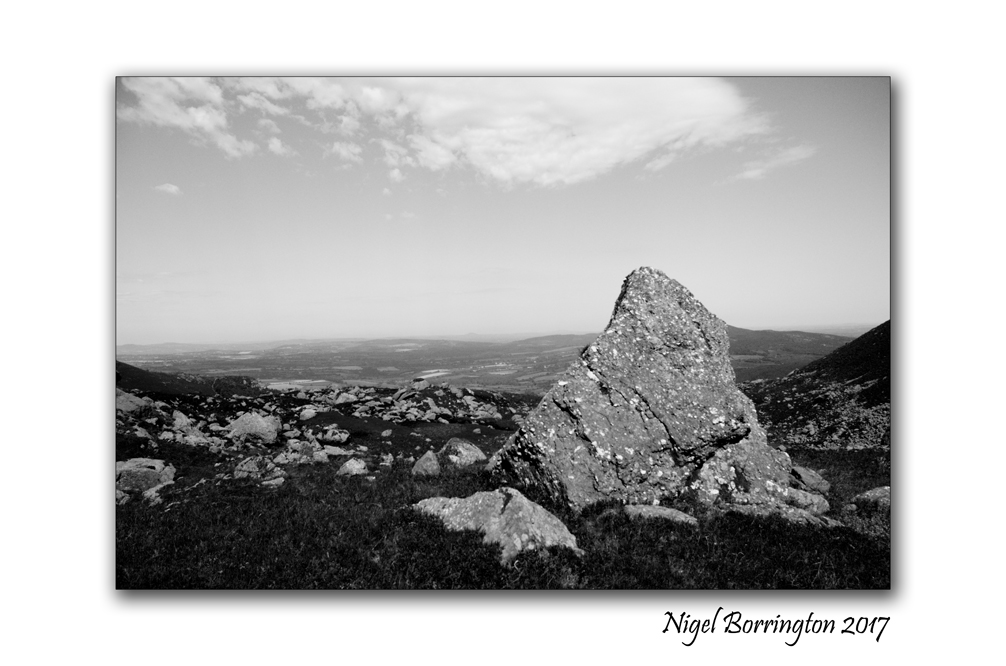
A view from Coumshingaun Loop Walk, County Waterford, Ireland

Coumshingaun Loop Walk
Irish landscapes
Nigel Borrington
Its an amazing thought but the rock that is sitting upon the larger rock to the left of this picture, could have been resting there for over 15000 years, these rocks are the remains of the last Ice-age in Ireland you can find many of them all over the country.
These two rocks can be found on the Coumshingaun Loop Walk in county Waterford, the walk contains many great views including Coumshingaun an ice aged lake, I will post some pictures soon that show this lake in its full glory ……
County Kilkenny Landscape photography in Black and white, Kyle, coolagh, Kilkenny

Black and white Landscapes
Kyle, county Kilkenny June 2017
Nigel Borrington
They say that some animals see the world in black and white , I would love to be able to switch this ability on and off when out and about with my Nikon, you can see the results of taking a shot in black and white very quickly on the back of the camera but having the ability to view the world in-front of you in monochrome would be a perfect gift for many photographers, even more so if you love the light that can be captured using only the shades from white to black.
This image was taken a while back, one early spring morning while out for a walk, up a lane that passed through a local community of special needs people near Callan, county Kilkenny. It was a foggy morning but by the time of this shot a lot of the mist had lifted. the atmosphere was wonderful.
Black and white landscapes , June 2017

Black and white Landscapes County County Tipperary, fields June 2017 Nigel Borrington
These June time Mornings and evenings can offer some wonderful light for landscape images, this week I am going to use black and white only to try to pull the best images from our local area ……




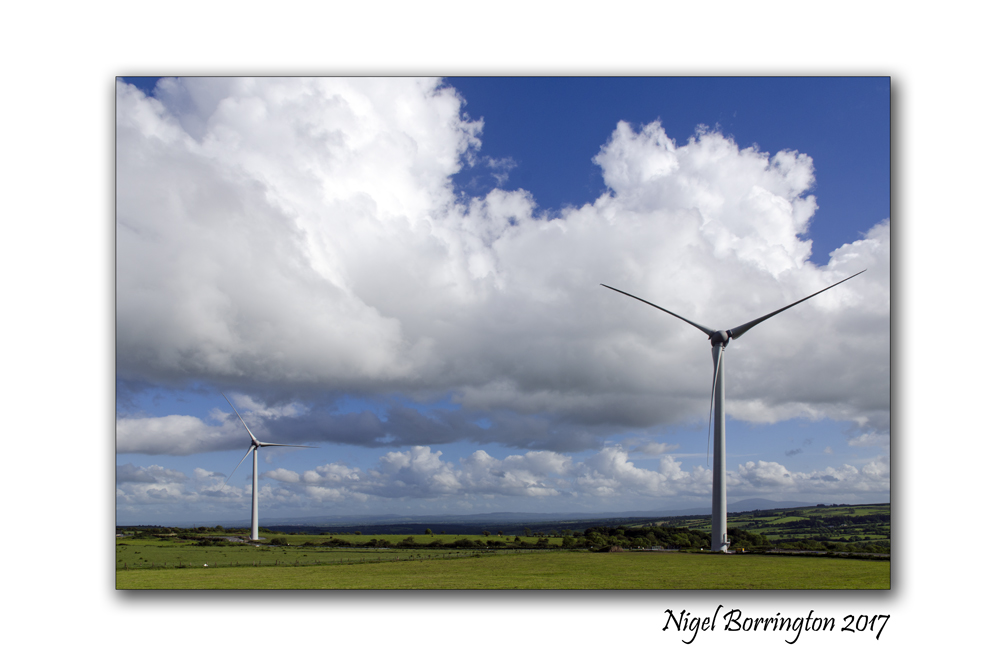
Kilkenny landscape photography : Ballybay Wind farm, county Kilkenny

Ballybay Wind Farm, near Tullaroan
Renewable energy company Gaelectric has completed a €38 million financing agreement with AIB for the construction of two wind farms in Co Kilkenny.
Ballybay Wind Farm, near Tullaroan, will feature six Enercon turbines generating 13.8MW of electricity, which will meet the demand of about 9,300 homes.
Foyle Wind Farm will have four Enercon turbines generating 9.6MW, Gaelectric said, and will meet the demand of about 6,500 homes.
Operational in 2017
Both wind farms are expected to become operational during the second quarter of 2017.




Christ of Saint John of the Cross, by Salvador Dalí 1951, Kelvingrove Art Gallery and Museum, Glasgow

Christ of Saint John of the Cross
Salvador Dalí made in 1951
Kelvingrove Art Gallery and Museum, Glasgow
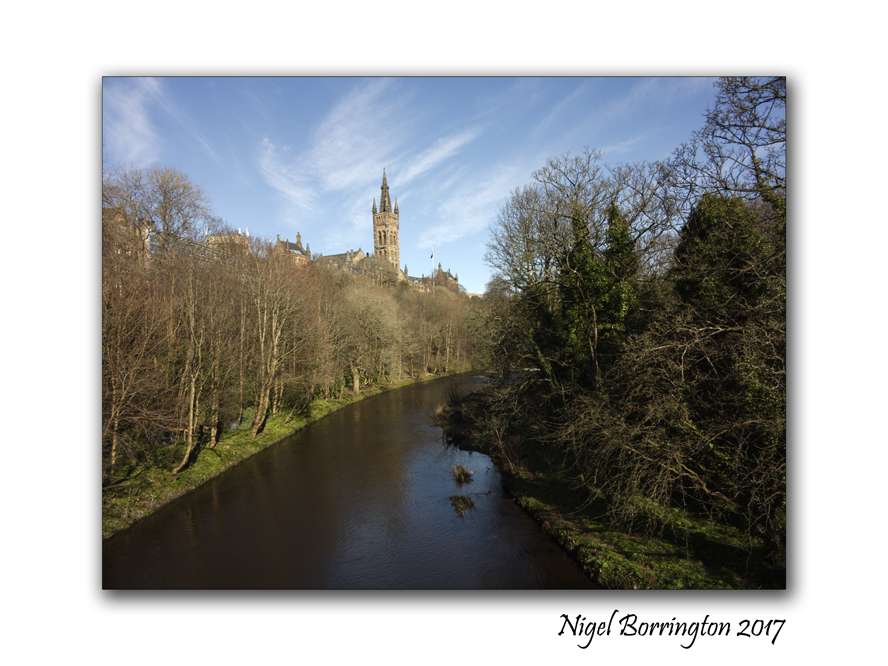
At the start of May this year (2017) I visited the Kelvingrove Art Gallery and Museum in Glasgowm, there are many great works of art there, including a full collection of works by the Glasgow boys group of artists, I will share some of their paintings very soon.

One of the most famous works of art in the Gallery is “Christ of Saint John of the Cross, by Salvador Dalí painted in 1951”, the painting has its own viewing room with subdued lighting and a set of seats, so you can spend sometime viewing this amazing work of art by Dali. It was while in this room that I captured the above image of the painting.
There is something deep and spiritually moving about this painting even if your not a believer in its subject matter.
Here are some details :
Christ of Saint John of the Cross is a painting by Salvador Dalí made in 1951. It depicts Jesus Christ on the cross in a darkened sky floating over a body of water complete with a boat and fishermen. Although it is a depiction of the crucifixion, it is devoid of nails, blood, and a crown of thorns, because, according to Dalí, he was convinced by a dream that these features would mar his depiction of Christ. Also in a dream, the importance of depicting Christ in the extreme angle evident in the painting was revealed to him.
The painting is known as the Christ of Saint John of the Cross, because its design is based on a drawing by the 16th-century Spanish friar John of the Cross. The composition of Christ is also based on a triangle and circle (the triangle is formed by Christ’s arms; the circle is formed by Christ’s head). The triangle, since it has three sides, can be seen as a reference to the Trinity, and the circle may be an allusion to Platonic thought. The circle represents Unity: all things do exist in the “three” but in the four, merry they be.
Inspiration
On the bottom of his studies for the painting, Dalí explained its inspiration: “In the first place, in 1950, I had a ‘cosmic dream’ in which I saw this image in colour and which in my dream represented the ‘nucleus of the atom.’ This nucleus later took on a metaphysical sense; I considered it ‘the very unity of the universe,’ the Christ!”
In order to create the figure of Christ, Dalí had Hollywood stuntman Russell Saunders suspended from an overhead gantry, so he could see how the body would appear from the desired angle [3] and also envisage the pull of gravity on the human body. The depicted body of water is the bay of Port Lligat, Dalí’s residence at the time of the painting.
History
The painting and intellectual property rights were acquired for Glasgow Corporation in the early 1950s by Tom Honeyman, then the Director of Glasgow Museums. Honeyman bought the painting for £8,200, a price considered high at the time although it was less than the £12,000 catalogue price, and included the copyright, which has earned Glasgow Museums back the original cost many times over.
The purchase was controversial and a petition against it, arguing that the money should be spent on exhibition space for local artists, was presented to the City Council by students at Glasgow School of Art.[6] The controversy caused Honeyman and Dalí to become friends, corresponding with each other for many years after the original acquisition.
The painting first went on display at the city’s Kelvingrove Art Gallery and Museum on 23 June 1952. In 1961 a visitor attacked the painting with a stone and tore the canvas with his hands. It was successfully restored over several months by conservators at Kelvingrove and returned to public display. In 1993, the painting was moved to the city’s St Mungo Museum of Religious Life and Art, but returned to Kelvingrove for its reopening in July 2006. It won a poll to decide Scotland’s favourite painting in 2006, with 29% of the vote.
It is said that the Spanish government offered £80 million ($127 million USD) for the painting.
Critical reception
This painting has continued to generate controversy. At the time of its purchase by Honeyman, the verdict by Modern Art critics was that producing such a traditional painting was a stunt by an artist already famous for his surrealist art. In 2009 The Guardian art critic, Jonathan Jones, described it as “kitsch and lurid,” but noted that the painting was “for better or worse, probably the most enduring vision of the crucifixion painted in the 20th century.”
In May 2013, in BBC Radio 4’s Great Lives, British poet John Cooper Clarke described this image as being utterly different from any other image of the crucifixion, as the angle of view conveys the hanging pain of this method of execution, whilst hiding the ordinarily clichéd facial expressions normally seen in such depictions.
 Nigel Borrington
Tamron SP 500mm f8 Reflex lens, a review of Mirror lenses
Tarmon SP 500mm F8 Mirror Lens, Real world review
When you make a start in the world of Photography, Sooner or later you will want to own a dedicated Long Telephoto lens. These lenses offer the ability to get some great images in the world of (Landscape, Wildlife, Portrait and Sports) Photography.
Fixed focus (None Zoom) Telephoto lenses come in many focus lengths, but the most usable are 200mm to 600mm, depending on how much magnification of distant subjects and objects you need. The cost of these lenses my surprise many starting photography and to be honest even many long term photographers, they can start in price range from around €800 and end up way into the many €1000’s.
There is however an alternative option with this type of lens, this being to look at what are called Reflex or Mirror Lenses. These kind of lenses replace some of the glass elements within their construction with two Mirrors both used to fold the light entering the front glass element in much the same way as a reflex telescope does.
i.e. NASA uses this method in the Hubble space telescope that has produced some amazing ground braking images of the cosmos.
Third party and OEM Camera manufactures started making these lenses in the 1970’s and continued through to the 1990’s, today mostly only third party lenses are available. The quality of these Early OEM/Third party – mirror lenses was very high, even second hand some of these lenses can set you back some €300 to €800 on ebay, even today in 2017.
Nikkor Reflex Lenses at 500mm, 1000mm and 2000mm
I purchased a Reflex lens made by Tamron (500mm SP F8) way back in 1988 and in this post I just wanted to share my thoughts on some of its upsides and some of its downsides.
To be honest, I have not used this lens very much, for two main reasons.
Firstly : at 500mm and with an lens aperture of F8 it needs to be Tripod or at the very least mono pod mounted in order to create very sharp images. This maybe a little unfair as this is true for most long lenses but Nikon VR lenses are so good at helping go handheld!
Secondly : these lenses have one very different down side to that of refactor (Glass only) lenses, they produce a doughnut ring effect on bright out of focus objects or even just areas in the image that have a bright, lighting than the darker areas around them. I have included some examples at the bottom of the posts images below.
With the first point above, today in 2017 with the high ISO abilities of SLR cameras such as the Nikon D7200 and D750, this issue has been made redundant to a great extent! When this Tamron lens was produced, 35mm film could only produce clean images at a rating of no more than ISO 400.
Today the Nikon D7200 can work very well between ISO 3200 and 6400 with very little help from good noise cleaning software in post processing, this up-rates the usable shutter speeds for hand held work for even a lens of 500mm at f8, letting you work handheld more than ever before !
Remembering that even on a DX sensor slr, you need for some 750mm (X 1.5 DX factor!) to keep a shutter speed of 1/800th to 1/1000th to create fully stable images, If you have a steady hand. Even on a cloudy day ISO 1600 gives a shutter speed of around 1/1600th and ISO 1600 on a D7200 is little to worry about! noise wise. It is for this reason that I am starting thinking of trying using this lens again.
For the rest of this post and review of the lens, I will let the following images do the talking, with a small amount of comments made in each of the related image types.
Tarmon SP 500mm F8 Mirror Lens – sharpness and quality
To test for the image sharpness and quality I placed the camera on a tripod, I don’t use a remote release, so there could be some small effects but all in all these are sharp images.
You can see from the below image that this lens can produce some very sharp images under the correct conditions, its just as good as some much more expensive glass only lenses from Nikon.
I have no worries here and would be very happy in trusting this lens to produce sharp images from corner to corner of the frame.
Above : Nikon D7200 with Tamron SP 500mm Mirror lens, Tripod Mounted
As image sharpness has been tested above, what about color fringing and other detects, color fringing is visible in an image at bright edges in the frame, so I used the wires and other equipment on the telegraph post in this image, I see no fringing Green, blue or otherwise in this image.
So again I would trust this lens to produce sharp and clean images that need little or no post processing to clean them up later.
Using the lens – in the Landscape
The following images speak for themselves, just general landscapes and animal images from medium focus distance subject to long distance landscapes, the town and wind farm in the last landscape is some 8km away from the location of taking the image, crazy!. Again its sharp enough taking into account the haze of the atmosphere, no color fringing problems in the wind turbines.
With the main set of images here, I am less happy with the out of focus effects as the bokeh of this lens is not great!, anything bright and a little out of focus (i.e. The grass!) takes on a distracted look, feeling tangled and distracting with the image smoothness, Most noticeable in the two images of the sheep sitting down.
Those Doughnuts !! OMG!
As you can see from the photo of this lens sitting in my camera bag at the top of the post, a mirror lens is constructed very much like a reflecting telescope, like this diagram :
Mirror lens
Physical construction
You can see that the center of the front glass element is used to hold the housing for the smaller secondary mirror in the construction, that folds the image light back down the lens and into the camera.
This system works amazingly well but for one problem!
For in-focus areas of an image the central lens obstruction is never visible, however for brighter areas of an image that are out of focus this central obstruction created by the secondary mirror housing, created a bright doughnut effect.
In the below images this is very clear!
The light gaps in the trees below turn into bright cycles, the rain on the table in the background focus also does the same.
In some images you can work around this effect and even use it as an interesting advantage?, you just have to get to know when this kind of lens is and is not usable !!!
For the most when you have a subject that has the potential to create this circle effect ! it just distracting and not likeable. This is the point at which the little price you paid to get a budget Telephoto lens €300 not €2000 starts to gets you back !!!
Getting Arty , MayBe?
Like any camera lens, Mirror lenses have their down sides (Slow, bright Cirles, Manual focus, etc …), you just have to get to know these features and ether use them to your advantage or don’t !!!
Some people love the bright rings and make good use of them 🙂 , one use could be nighttime street photography ?
So then ?
So if your looking for a cheep way to get a telephoto lens into your camera bag, a Mirror lens is well worth looking at in my own opinion. Don’t expect to work quickly with them or be lazy in your approach, however – but then most telephoto lenses need hard work to get good images, with a mirror lens you just have to add a little on top!
In the end, just like with all of your image making, you get out what you put in !!!!
Will I take this lens out more than I have? Maybe ! most likely not !! Watch this space ?
If I was starting again with few lenses and wanted a low budget long lens, would I get a Mirror lens , Hell YES !!! , With Great high ISO SLR’s even more so !!!
Sometimes the harder you have to work to get good images , the more you learn !!!!
Also see : Mirror Lenses – how good? Tamron 500/8 SP vs Canon 500/4.5L, a older review, ISO has moved a long way since this article but its a great comparison test (€300 Tamron v €2000+ Canon).
Share this:
July 21, 2017 | Categories: Camera Equipment, Camera reviews, Comment, Landscape, Nigel Borrington, photography, photography review, Photography Training | Tags: Landscape Photography, lenses, long lenses, Mirror lenses, Nigel Borrington, Photograhy equipment, Photography, photography equiment reviews, telephoto lenses | 3 Comments