Ireland’s Ancient East , Knockroe Passage Tomb, County Kilkenny

Knockroe Passage Tomb, County Kilkenny
Nigel Borrington
Knockroe Passage Tomb, County Kilkenny
Knockroe Passage tomb is located in a picturesque setting on the slopes above the Lingaun River and old slate quarries which were abandoned in the early 1900’s. The site dates to around 3,000 BC and has many similarities to the far more famous examples such as Newgrange and Knowth in the Brú na Bóinne complex in County Meath.

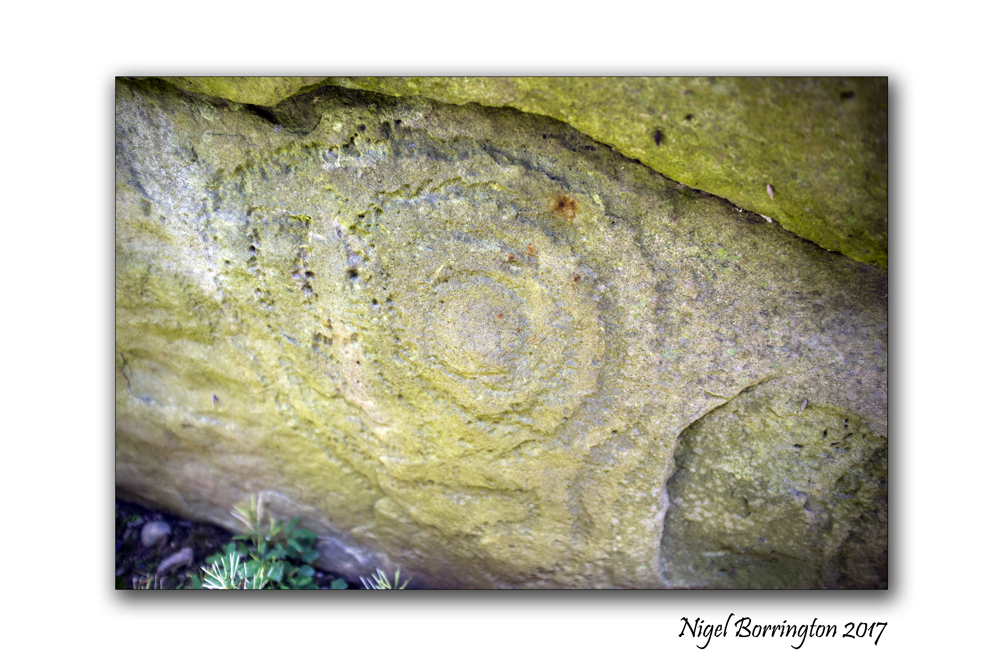
Originally Knockroe would have been a similar tomb to Newgrange, albeit on a smaller scale. It is likely that it too would have had an earthen mound surrounded by large kerbstones. However unlike Newgrange, Knockroe has two burial chambers, located at the eastern and western sides of the feature. These tombs are exposed, and had long ago lost their earthen cover. Many of the stones lining the passageways of these tombs at Knockroe are highly decorated with megalithic art such as spirals, hollowed ‘cup marks’, and zig-zags. You can still find them in their original locations, and when you see them it is impossible not to wonder about the possible meaning of the decorations – was it purely decorative or did it have a deeper symbolism, and what messages may be in that symbolism? You can also still see the quartz which possibly would have formed a wall around the entrance to the passageways.
Also like Newgrange, Knockroe is aligned with the Winter Solstice. Every year around the 21st December people gather at Knockroe to witness the sun setting in perfect alignment with the length of western tomb.
Knockroe is one of a group of tombs located in this region, all of which are aligned with the large
mound on the summit of Slievenamon in County Tipperary. Knockroe is one of those wonderful sites that you can’t help to keep thinking about long after your visit, without being encumbered with its earthen mound, Knockroe is like the stony skeleton of a Neolithic passage tomb.
Gallery



The Water Replies – Luke Kennard
Luke Kennard
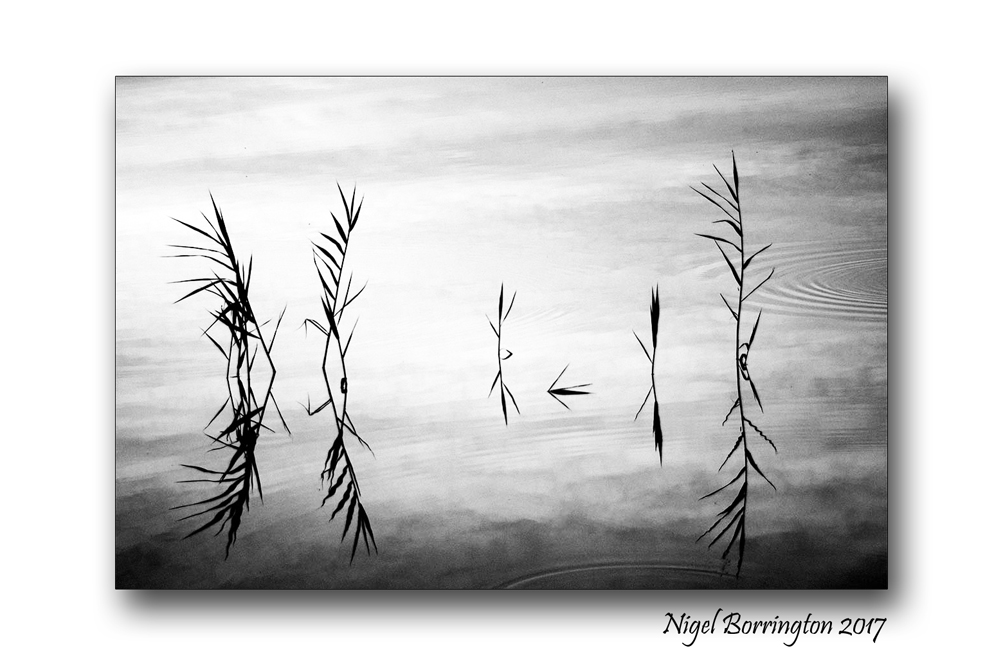
The Water Replies
Maybe we have washed our hands
and drunk deep and swam
and think we know her,
but water’s reputation goes before her like a flood:
she does not suffer fools or gadflies.
Therefore I have prepared some questions.
Where do you get your ideas & your tide from?
Don’t say the moon – that’s really pretentious.
But as I clamber down the coast
I lose my footing and spend our allotted time
tossed around in her backwash,
pummeled by tiny stones.
When I am baptised I ask the water
Where have the demons gone?
Were they hiding behind the H, the 2 or the O?
I emerge finally able to see that I have not changed,
that I can of myself do nothing, that water decides.
On the towpath behind the church
I wring out my jacket. I ask the water:
Will you convey these thoughts away?
These itching hatreds, toothache of jealousy,
These squalid appetites and dog thirsts?
Just as far as the next city will do.
The ripples of the moon’s tablature.
When was the last time you cried, and why?
I ask the water. I ask the water:
Do you have plans later?
The Sound of the Sea By : Henry Wadsworth Longfellow
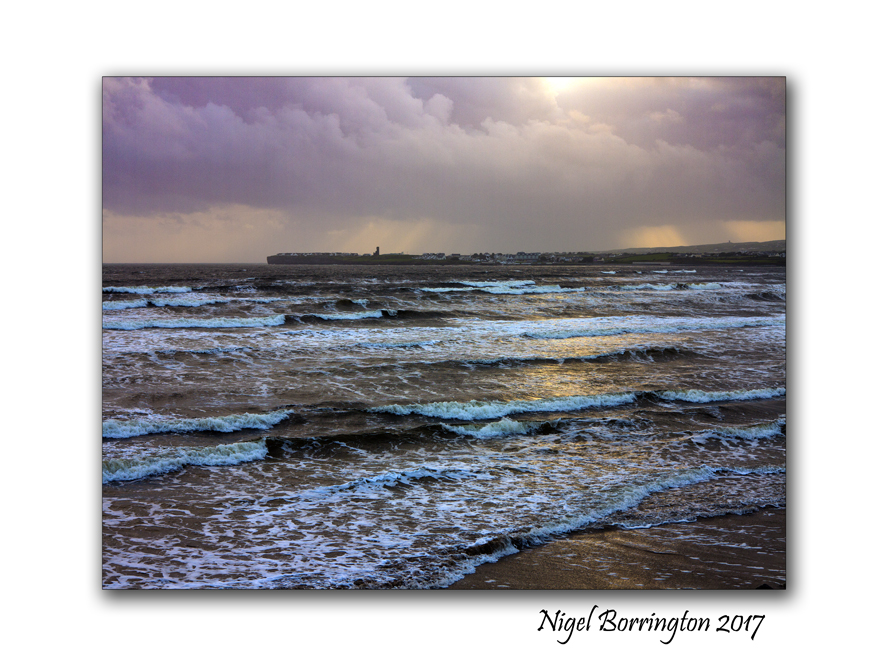
The Sound of the Sea
By : Henry Wadsworth Longfellow
The sea awoke at midnight from its sleep,
And round the pebbly beaches far and wide
I heard the first wave of the rising tide
Rush onward with uninterrupted sweep;
A voice out of the silence of the deep,
A sound mysteriously multiplied
As of a cataract from the mountain’s side,
Or roar of winds upon a wooded steep.
So comes to us at times, from the unknown
And inaccessible solitudes of being,
The rushing of the sea-tides of the soul;

And inspirations, that we deem our own,
Are some divine foreshadowing and foreseeing
Of things beyond our reason or control.
Sketch book work, pencil on paper : The view from Keelkyle cottage, Ennistimon, county Clare
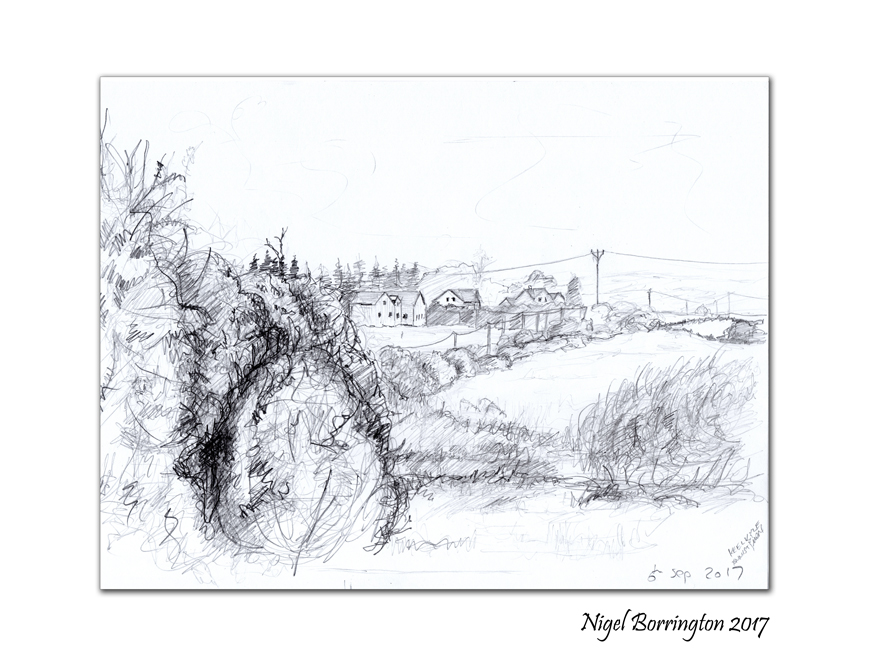
Pencil on Paper
The view from, Keelkyle cottage, Ennistimon, county Clare
nigel borrington

Sand Flesh and Sky, Poem By Clarence Major

Sand Flesh and Sky
By Clarence Major
Our ropes are the roots
of our life. We fish
low in the earth,
the river beneath runs through our veins,
blue and cold in a riverbed.
When the sun comes up,
the moon moves slowly to the left.
I tie the logs and limbs together,
holding them in place.

The ocean beats them
smooth like rock.
Here my sense of time is flat.
I find in a strip of damp sand
footprints and marks of hands,
and torn pieces of flesh.
Night is a beast.
The tide moves, gushing
back and forth.
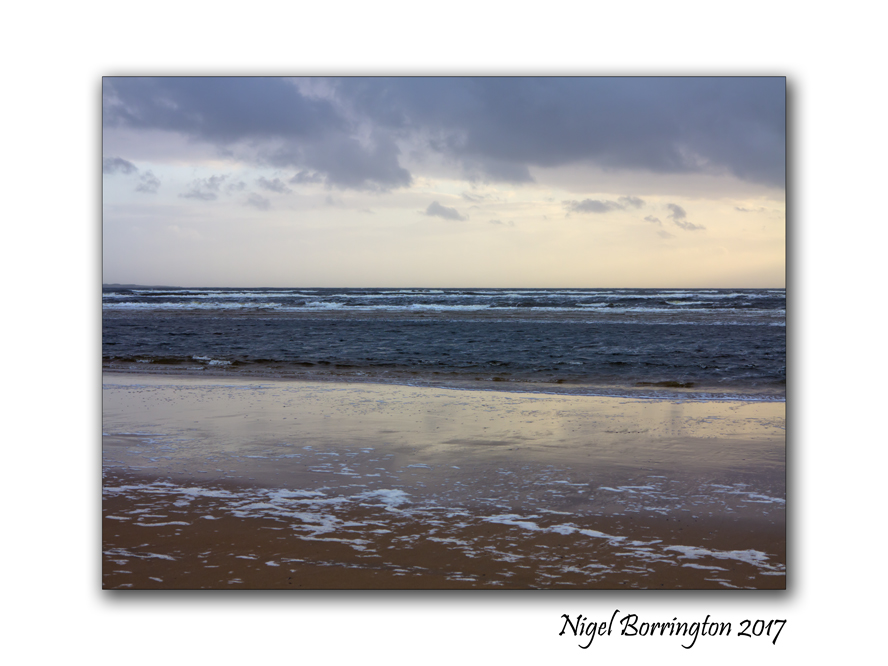
Sunlight touches our faces,
turning us, turning us, turning us
in our morning sleep.
1976
5 Images for the week, Friday.
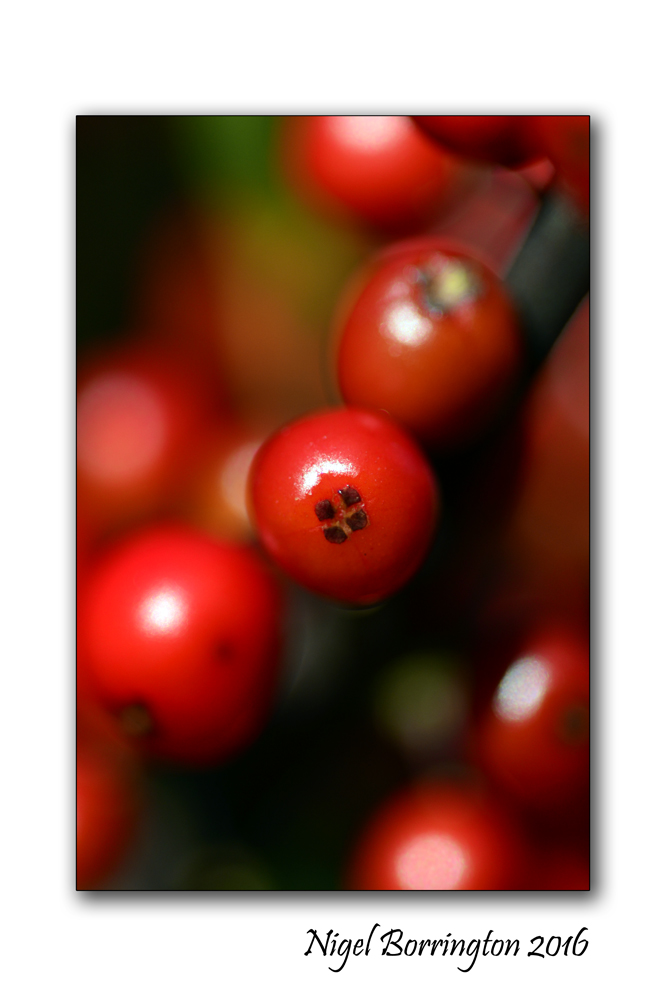
Evergreen trees
Holly tree berries
Nature photography Nigel borrington
5 Images for the week, Thursday

Lock Melfort, after the rain.
Oban – Scotland
Scottish Landscapes
Nigel Borrington
5 Images for the week, Wednesday, Wild Woodbine with a poem by – Joan McBreen

Wild flowers
wild woodbine
nigel borrington
Wild woodbine was beyond my reach
in the thick hedges round Lough Gill.
The heavy scent filled the house for days
when my father brought it in
and it stayed fresh far longer
then meadowsweet.
Because I loved the delicate
pink and white wild rose
he picked it too, cursing the thorns, muttering
“it dies too soon,
you’d be better leaving it alone”.
Yet once, when my mother
swept its petals from the floor
I saw him rescue one
and place it carefully
in the small wallet
where he kept her photograph.
5 Images for the week, Tuesday.

Coumshingaun Corrie Lake county Waterford Nigel Borrington
5 images for the week , Monday.

Tramore Strand
County Waterford
Ireland
Nigel Borrington
Friday 1st September a Poem by : T. S. Eliot, Four Quartets, East Coker No. 2, 1, 1940

Black and white Landscapes, County Tipperary, fields, 2017 Nigel Borrington
In that open field
If you do not come too close, if you do not come too close,
On a summer midnight, you can hear the music
Of the weak pipe and the little drum
And see them dancing around the bonfire
The association of man and woman
In daunsinge, signifying matrimonie—
A dignified and commodiois sacrament.
Two and two, necessarye coniunction,
Holding eche other by the hand or the arm
Whiche betokeneth concorde. Round and round the fire
Leaping through the flames, or joined in circles,
Rustically solemn or in rustic laughter
Lifting heavy feet in clumsy shoes,

Earth feet, loam feet, lifted in country mirth
Mirth of those long since under earth
Nourishing the corn. Keeping time,
Keeping the rhythm in their dancing
As in their living in the living seasons
The time of the seasons and the constellations
The time of milking and the time of harvest
The time of the coupling of man and woman
And that of beasts. Feet rising and falling.
Eating and drinking. Dung and death.

Dawn points, and another day
Prepares for heat and silence. Out at sea the dawn wind
Wrinkles and slides. I am here
Or there, or elsewhere. In my beginning.”
– T. S. Eliot, Four Quartets, East Coker No. 2, 1, 1940
On Contemplating a Sheep’s Skull ~ Poem by: John Kinsella

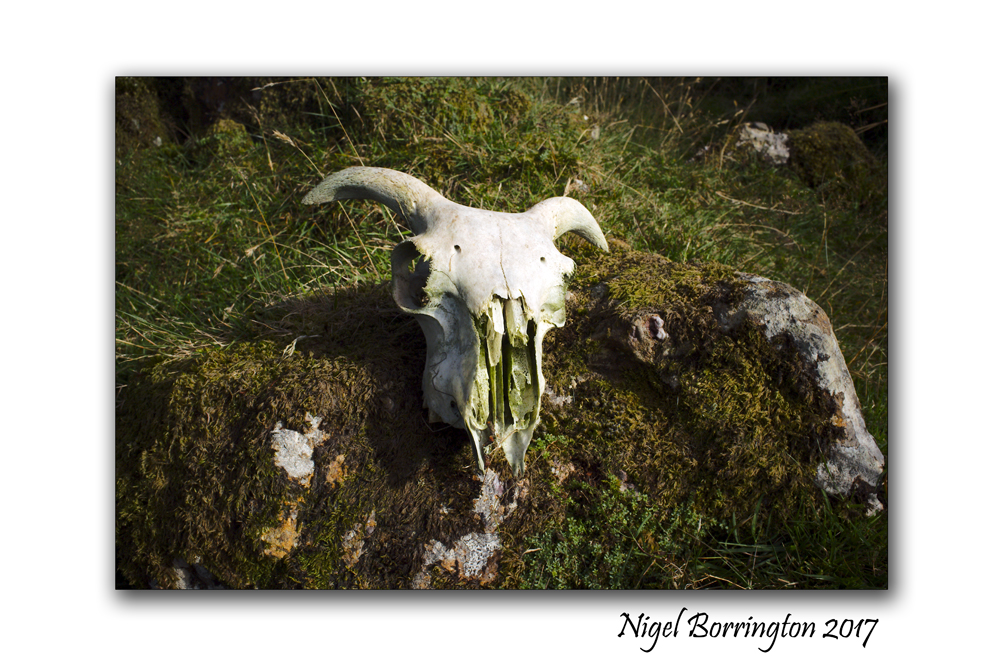
Sheeps skull
Nigel Borrington
On Contemplating a Sheep’s Skull
Poem by John Kinsella
A sheep’s Skull aged so much in rain and heat,
broken jawbone and chipped teeth half-
gnaw soil; zippered fuse-mark tracks
back to front, runs through to base
of neck, widening faultline under
stress: final crack close at hand.
Skull I can’t bring myself to move.
White-out red soil unearthed
from hillside fox den and cat haven,
now hideaway for short-beaked echidna
toppling rocks and stones, disrupting
artfulness a spirit might impose,
frisson at seeing counterpoint.
Skull I can’t bring myself to move.
Sometimes avoid the spot to avoid
looking half-hearted into its sole
remaining eye socket; mentally to join
bones strewn downhill, come apart
or torn from mountings years before
arriving with good intentions.
Skull I can’t bring myself to move.
Not something you can ‘clean up’,
shape of skull is not a measure of all
it contained: weight of light and dark,
scales of sound, vast and varied taste
of all grass eaten from these hills;
slow and steady gnawing at soil.
Skull I can’t bring myself to move.

Neither herbivore nor carnivore,
earth and sky-eater, fire in its shout
or whisper, racing through to leave a bed
of ash on which the mind might rest,
drinking sun and light and smoke,
choked up with experience.
Skull I can’t bring myself to move.
Drawn to examine
despite aversion, consider
our head on its shoulders,
drawn expression
greeting loved ones
with arms outstretched.
John Kinsella is Founding editor of the journal Salt in Australia; he serves as international editor at the Kenyon Review. His most recent volume of poetry is Divine Comedy: Journeys through a Regional Geography (W. W. Norton) with a new volume, Disturbed Ground: Jam Tree Gully/Walden, due out with W.W. Norton in November 2011.
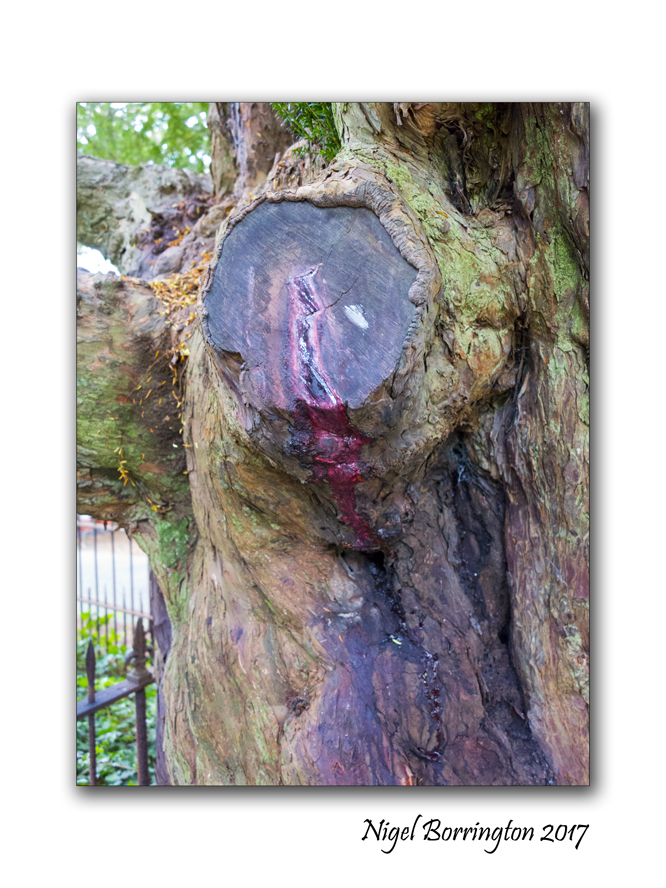
Sense of place : Cullahill Chapel and castle in County Laois, Ireland

Cullahill castle and chapel
County Laois
Ireland
Nigel Borrington
The village of Cullahill, county Laois is located just over the boarder from county Kilkenny. It is home to some great old castle tower home and village chapel remains. Cullahill Castle was the principal stronghold of the MacGillapatricks of Upper Ossory built around 1425 and destroyed around 1650.
There are many places like this in the Irish republic, that have retained the remains of long lost times, this small village located on the R369 just north of Johnstown county kilkenny, is a perfect example of the way most small Irish villages would have been in the 1400’s. this small place is well worth a visit just to get a sense of old Ireland.
Gallery



Friday Poetry : The Genesis of the Butterfly, by Victor Hugo
The Genesis of the Butterfly
Nature Photography
Nigel Borrington
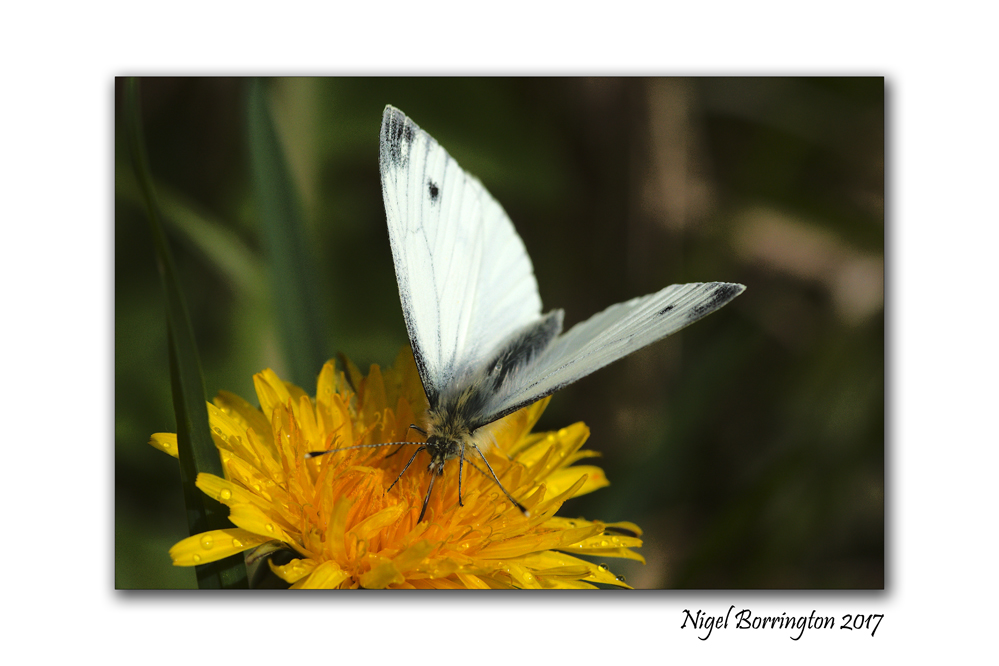
The dawn is smiling on the dew that covers
The tearful roses; lo, the little lovers
That kiss the buds, and all the flutterings
In jasmine bloom, and privet, of white wings,
That go and come, and fly, and peep and hide,
With muffled music, murmured far and wide.
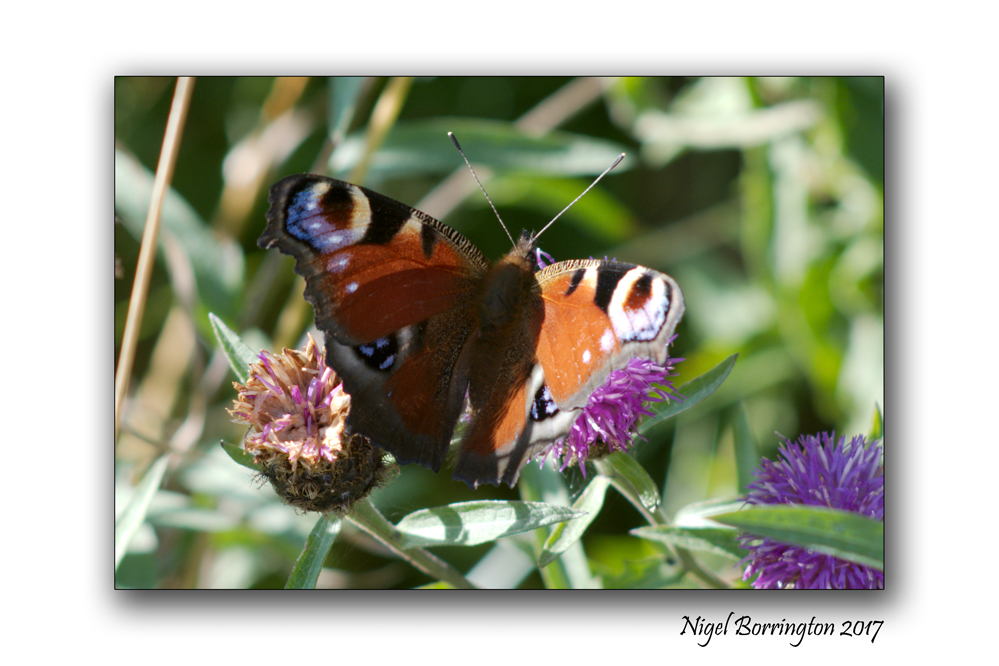
Ah, the Spring time, when we think of all the lays
That dreamy lovers send to dreamy mays,
Of the fond hearts within a billet bound,
Of all the soft silk paper that pens wound,
The messages of love that mortals write
Filled with intoxication of delight,
Written in April and before the May time
Shredded and flown, playthings for the wind’s playtime,
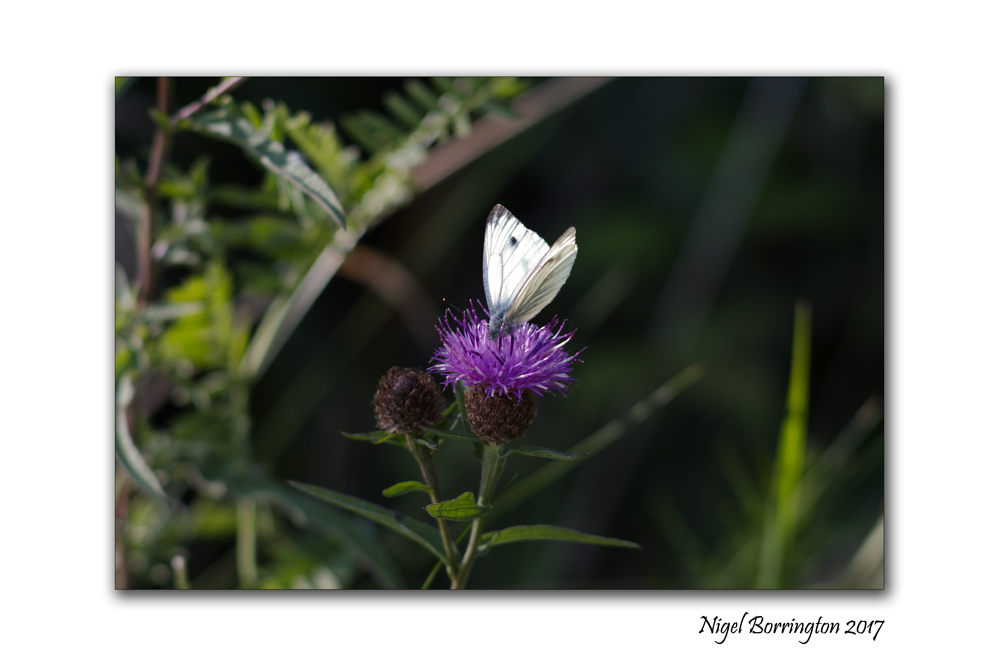
We dream that all white butterflies above,
Who seek through clouds or waters souls to love,
And leave their lady mistress in despair,
To flit to flowers, as kinder and more fair,
Are but torn love-letters, that through the skies
Flutter, and float, and change to butterflies
A sense of place : Allihies and its copper mines
Allihies Copper Mines
Munster
County Cork
Nigel Borrington
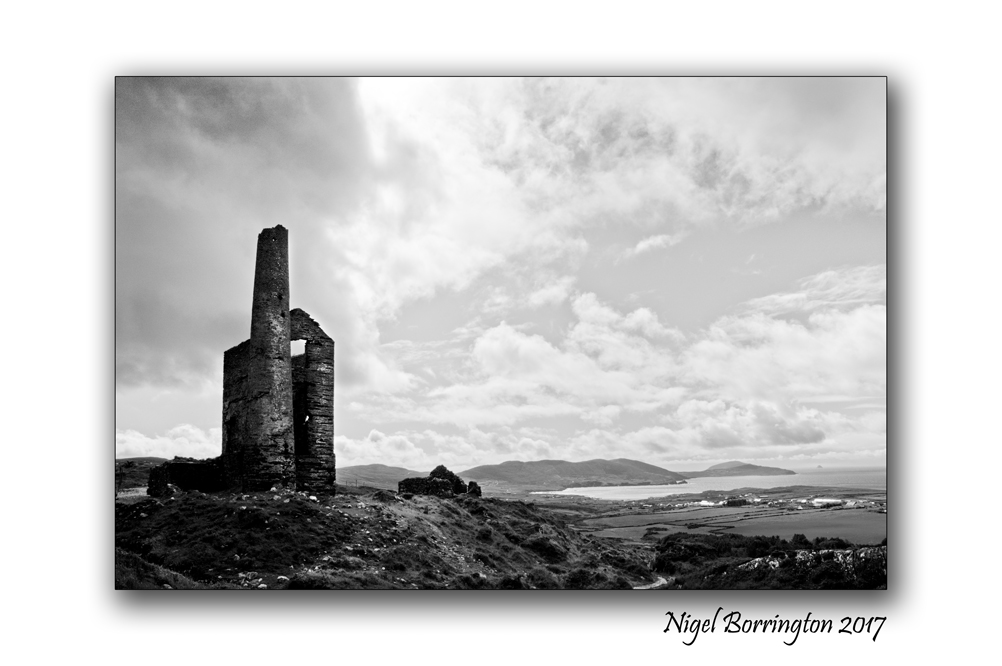
One of my favorite locations to visit in Ireland is Allihies in west cork, The village is located towards the end of the Béara Peninsula. Its a very beautiful places to spend sometime walking and visiting the small coves and beaches.
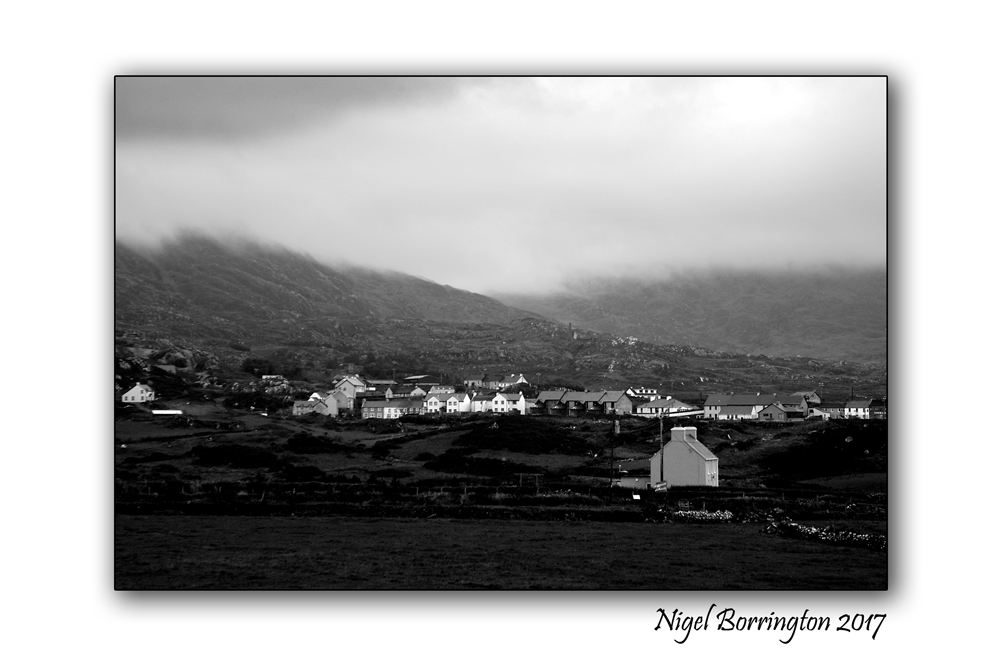
The Village has a long history with Copper mining, started in Allihies in 1812 when John Puxley, a local landlord, identified the large quartz promontory at Dooneen as copper bearing from its bright Malachite staining.
The Allihies Mines
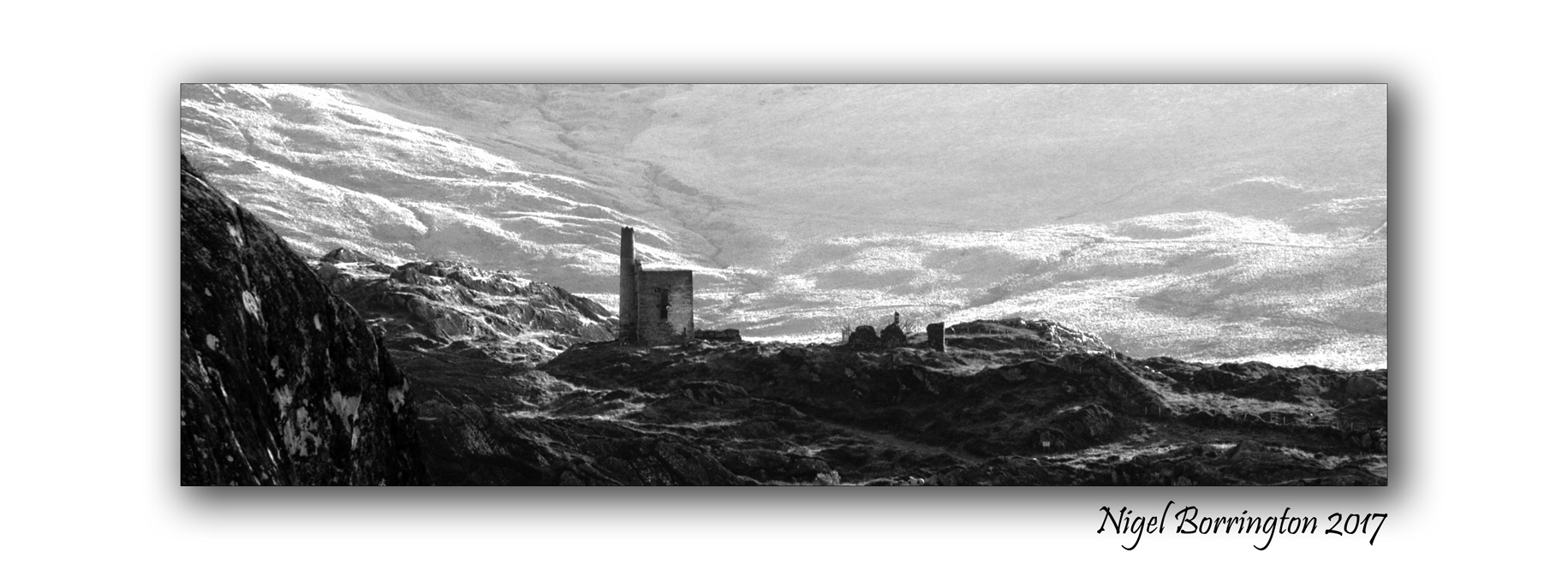
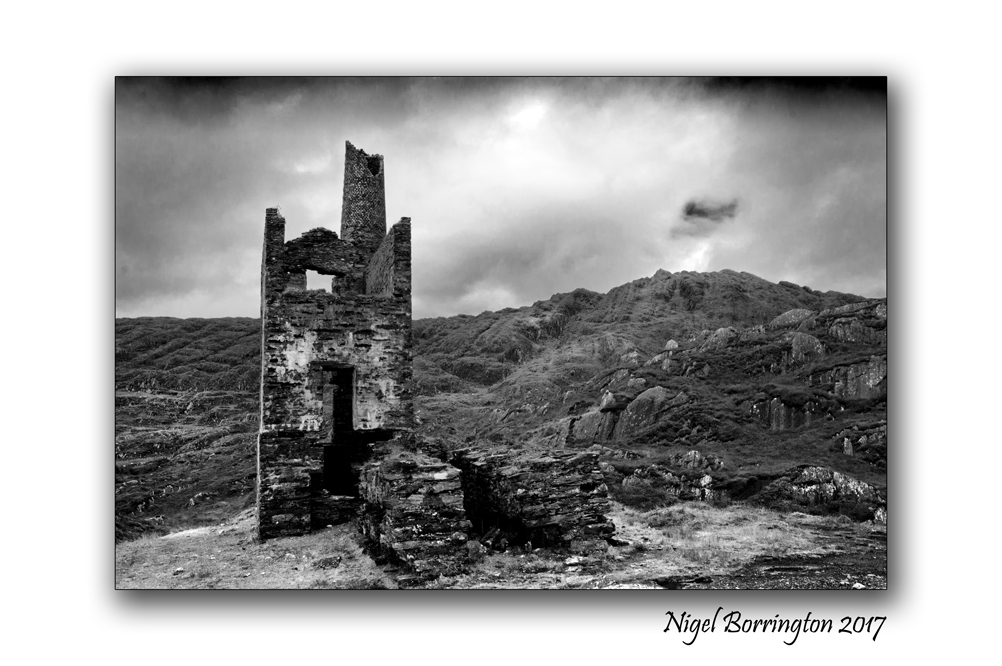
Initial mining began with a tunnel or adit driven into the quartz lode from the pebble beach below. In 1821 two shafts were sunk . Flooding was a continuous problem and in 1823 the engine house was erected to house a steam engine brought over from Cornwall to pump water from the depths. The remains of this building with the base of the chimney can be seen across the road. There is also evidence of a steam powered stamp engine to the left of the chimney and dressing floors in front of the engine house. The high dam further inland is the remaining evidence of a water reservoir which stored the water that was pumped out from the bottom of the mine. It was used for the steam engines and needed to separate the copper from rock. All the rubble on the cliff at the sea side of the road is the crushed useless quartz rock left over after the copper ore was extracted.
This is one of six productive mines in the Allihies area and its operation continued until 1838 when it closed due to failing ore.
John Puxley died in 1860 and in 1868 his son Henry Puxley sold the mines to the new Berehaven Mining Company who reopened the mine and installed a new 22 inch steam engine in 1872. Little ore was produced though in this period and the mine was finally abandoned in 1878.
Time line of Copper Mining at Allihies
Gallery
The following images are taken during my last visit, I hope to return one day soon to this great little historic Irish town.



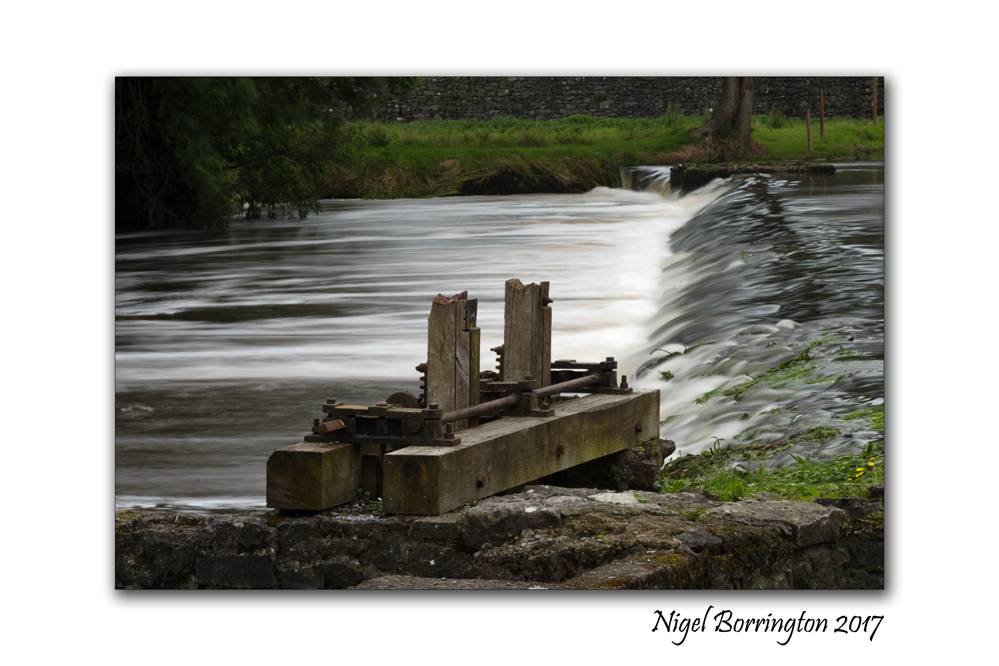
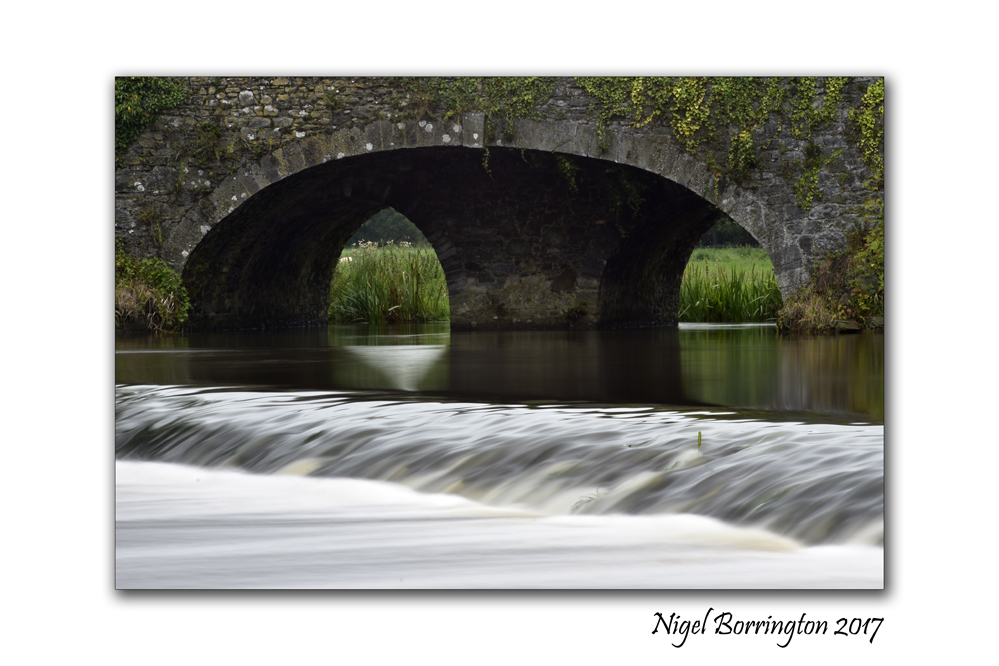
The River – Poem by Kathleen Jessie Raine

The rivers flow
Kings river
Kells
County Kilkenny
The River – Poem by Kathleen Jessie Raine
In my first sleep
I came to the river
And looked down
Through the clear water –
Only in dream
Water so pure,
Laced and undulant
Lines of flow
On its rocky bed
Water of life
Streaming for ever.
A house was there
Beside the river
And I, arrived,
An expected guest
About to explore
Old gardens and libraries –
But the car was waiting
To drive me away.
One last look
Into that bright stream –
Trout there were
And clear on the bottom
Monster form
Of the great crayfish
That crawls to the moon.
On its rocky bed
Living water
In whorls and ripples
Flowing unbended.
There was the car
To drive me away.
We crossed the river
Of living water –
I might not stay,
But must return
By the road too short
To the waiting day.
In my second dream
Pure I was and free
By the rapid stream,
My crystal house the sky,
The pure crystalline sky.
Into the stream I flung
A bottle of clear glass
That twirled and tossed and spun
In the water’s race
Flashing the morning sun.
Down that swift river
I saw it borne away,
My empty crystal form,
Exultant saw it caught
Into the current’s spin,
The flashing water’s run.
The River
Kathleen Jessie Raine
Classic lens review : Tamron Adaptall-2 135mm f2.5

Tamron Adaptall-2 135mm F/2.5 Model 03B:
Lens Review, Nigel Borrington
Classic lens review : Tamron Adaptall-2 135mm f2.5

I have a few classic Nikon and Tamron lenses in my kit of photography equipment as I find that there is something truly enjoyable about using an older manual focus lens.
One of the lenses I love using the most is my Tamron Adaptall-2 135mm f2.5 lens, it dates from the late 1980’s through to the mid 1990’s, as it was in production during this period. On both an FX and DX camera this lens offers a great field of view in your images. It is also a very fast lens at f2.5 however as with many fast lenses when wind open they are not at their sharpest, yet by using a still very fast F2.8 this lens produces very acceptable images.
Sharpness
These images are an attempt to show the sharpness that can be obtained, these images are taken outside and handheld …..

F2.5 to F8

F2.5

F5.6
These images are just a very quick sample of this lens at different apertures, outside in the real world and without the use of a tripod. I feel that this is a very good way of showing just how usable this lens is in a real world environment and on a day to day basis.
Depth of field
One of the great features of a lens with this focus length (135mm) with a fast aperture is that you can isolate subjects that are at some distance from the camera, this is a powerful tool when used in your images and can help to create some interesting effects.
Here I post some very basic examples of using a different depth of field for the same subject.

F2.5

F8

F2.5

F5.6

F8

F2.5
Build Quality and Verdict
I feel that another great feature of this lens is its build quality, the copy I have is many years old yet still feels like new, its a great lens to use and a pleasure to work with. The focus and aperture rings are both wonderful to operate. Manual focus lenses from this era are built to last, constructed using all metal and built to operate with precision and smoothness. The colour and contrast produced are also among the best I have seen, even when put against my modern Nikon lenses.
All in all this is a lovely lens to use. Its very important to me that I like the equipment I use and this great little lens is right up there with my most loved in this respect.
If you can find one I would highly recommend this lens to anyone!, however as for my copy its not for sale! as I look forward to using it for many more years to come 🙂
Lens Gallery


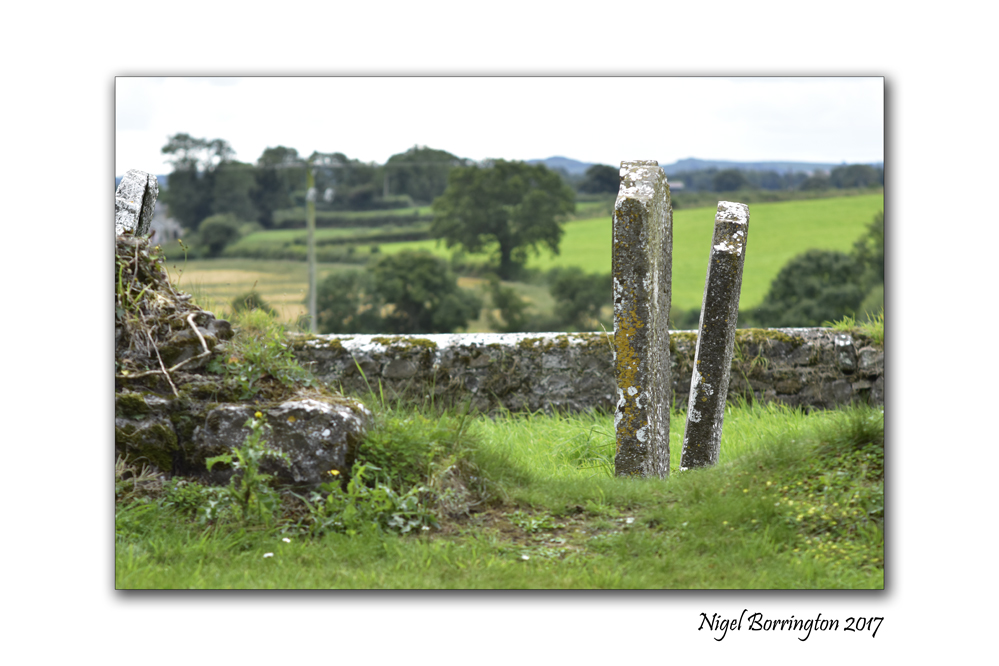

Welsh Myths and Legends, The bleeding Yew tree, Nevern, Pembrokeshire

St Brynachs church Nevern Pembrokeshire, Wales
Nigel Borrington
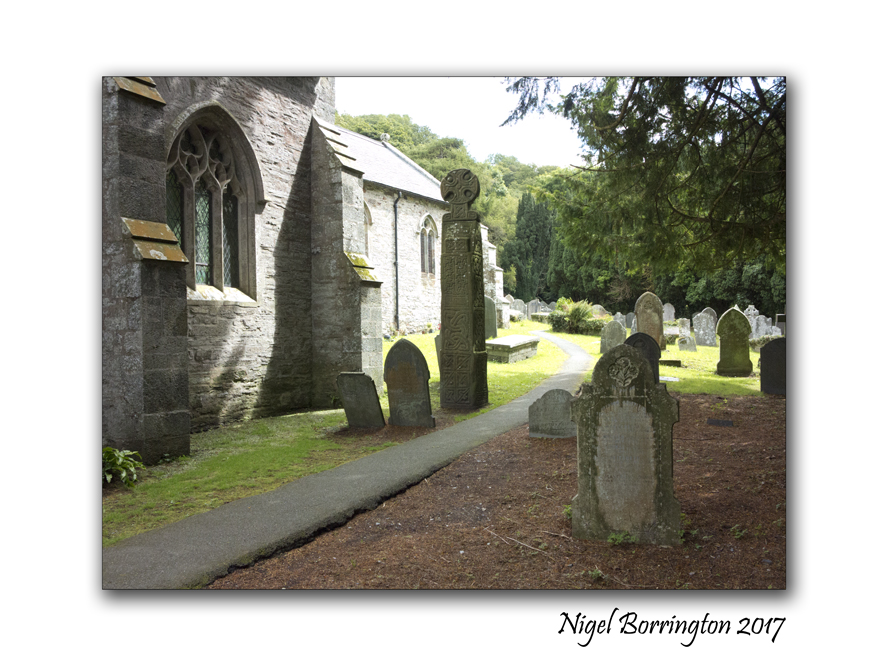
Often one sees sap coming out of an old tree, usually where it is healing up, but usually these “bleeding” areas heal up quite quickly. Recently I came across a most remarkable yew tree when I visited the ancient village of Nevern in Pembrokeshire. It has a 6th century church (St Brynach’s Church) and in the churchyard there are a number of ancient yew trees (Taxus baccata). One of these yews near to the gate is called the “Bleeding Yew” which is about 700 years old and here are some photos I took of it. It has a blood-red sap running out of it which has the consistency of blood – though it dries pink rather than brown. I dipped my finger in it and there wasn’t any distinctive smell or stain, but as people say that most parts of the yew tree are poisonous, I didn’t taste it.

There are many myths about why the Nevern yew tree bleeds: some say that as Jesus was crucified on a cross it is bleeding in sympathy and thoers say that it is reflective of the tree of Life in the Garden of Eden. But that wouldn’t explain why this yew tree in particular is bleeding. One myth says that a monk was hanged on this tree for a crime of which he was innocent and the tree is protesting his innocence. Some say, more politically, that it won’t stop bleeding until there is a Welsh Prince installed at Nevern or even that it will bleed until world peace is achieved.

The church at Nevern is well worth a visit for the bleeding yew, but also because the church has some stone carvings which are over a thousand years old, such as the “Braided Cross Stone” (pictured here) which, like the bleeding yew, has been ascribed many meanings with two cords apparently being woven together to make the cross. There is an even older carving, the Maglocunus stone, which throws light on the version of ancient Celtic once used in these parts of Wales, called Ogham. This stone wasn’t preserved for itself standing vertically but was incorporated horizontally into the church as a windowsill.
New site header August 2017, Landscape view from County Kilkenny towards Slievenamon mountain, county Tipperary
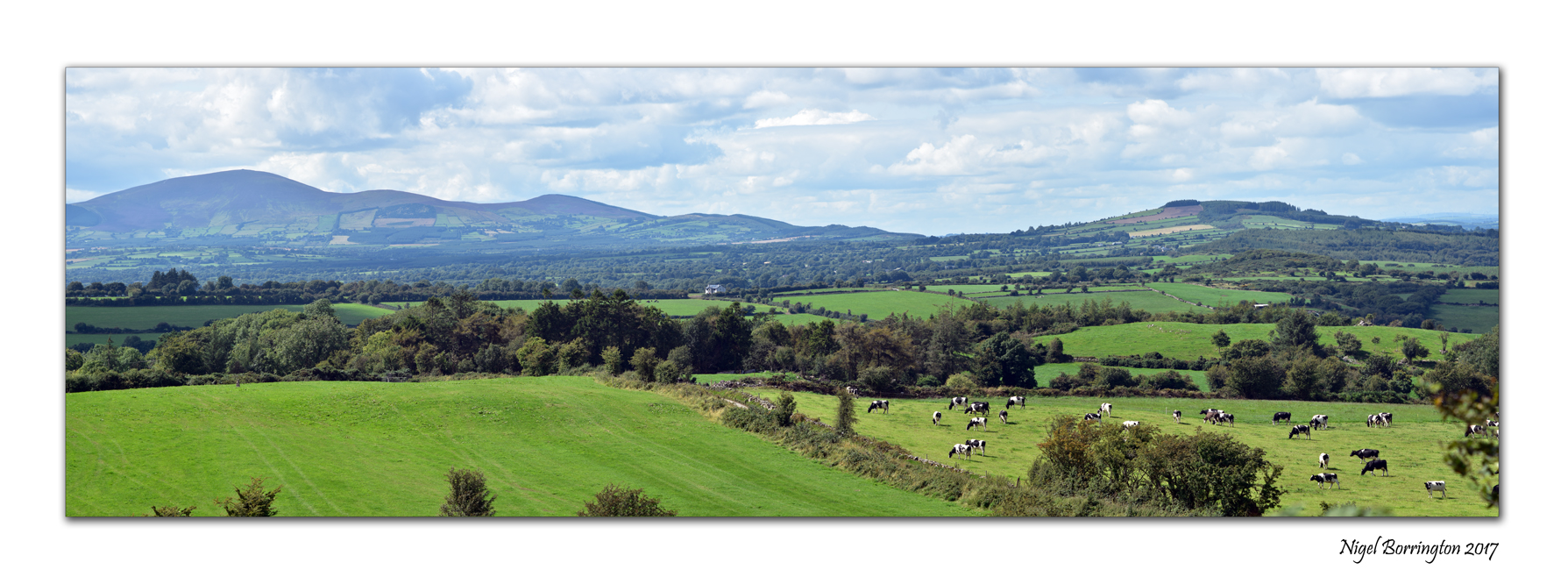
A View of Slievenamon mountain from county Kilkenny
August 2017
Nigel Borrington
This view of the county Kilkenny and Tipperary boarder lands is one of my most loved locations in county Kilkenny, it offers some great walks and places to take in the wonderful view towards the mountain of Slievenamon, Tipperary, as you can see from this image. I was very pleased to with this image as I felt that it captured the local country-side at its best in the month of August …..

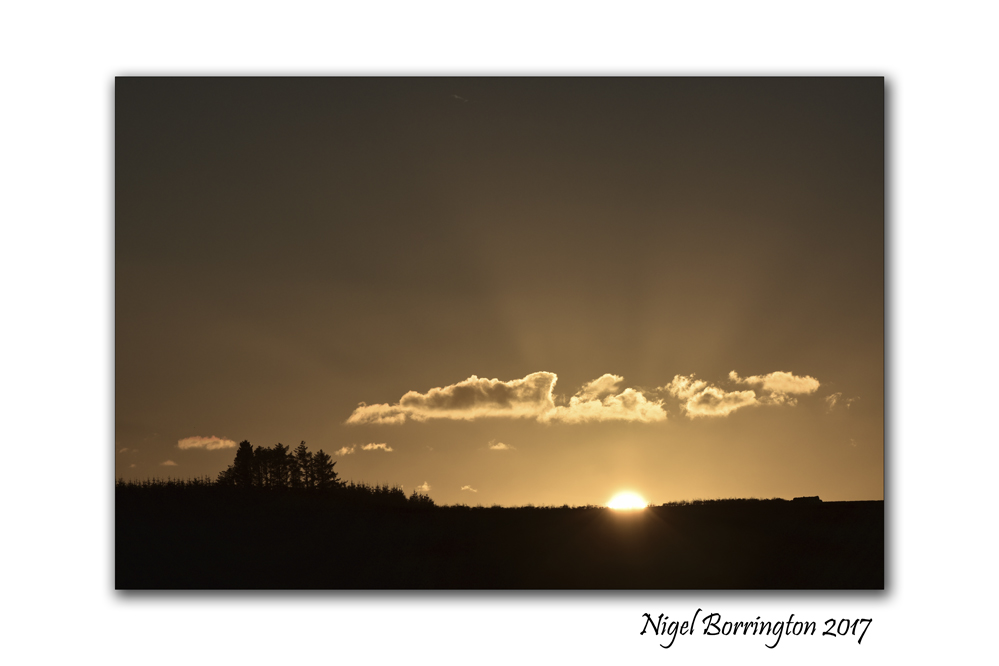
A Dream sunset, Cardigan bay, Wales. A Poem : Ode By Arthur O’Shaughnessy
A Dream sunset Cardigan bay
Wales
August 2017 Nigel Borrington
We are like the Dreamer …….
Ode
By Arthur O’Shaughnessy
We are the music-makers,
And we are the dreamers of dreams,
Wandering by lone sea-breakers
And sitting by desolate streams;
World losers and world forsakers,
On whom the pale moon gleams:
Yet we are the movers and shakers
Of the world for ever, it seems.
With wonderful deathless ditties
We build up the world’s great cities.
And out of a fabulous story
We fashion an empire’s glory:
One man with a dream, at pleasure,
Shall go forth and conquer a crown;
And three with a new song’s measure
Can trample an empire down.
We, in the ages lying
In the buried past of the earth,
Built Nineveh with our sighing,
And Babel itself with our mirth;
And o’erthrew them with prophesying
To the old of the new world’s worth;
For each age is a dream that is dying,
Or one that is coming to birth.
Landscape Videos : Ballybay Wind Farm, Tullaroan, County Kilkenny (Video inside this post!)

Ballybay Wind Farm, Tullaroan, County Kilkenny
Nigel Borrington
Ballybay Wind Farm, Tullaroan, County Kilkenny, is home to a new wind farm owned by Renewable energy company Gaelectric.
The Location is one of the most beautiful that county Kilkenny has to offer, hidden in the hills near GrangeGrag and the Tipperary Boarder, it offers views of the lower lands towards kilkenny city and the mountain of Slievenamon, county Tipperary.
I am never sure about the impact that wind farms have on our Landscape, being a photographer and in love with my local landscapes some would assume that people like myself would be set against them. However now that this new wind farm is almost complete and having visited a few time, I find a kind of beauty and fascination with it.
The day I filmed this video the weather offered some great light, the fast moving clouds changed the areas of sun light and shade very quickly and I loved the cows grazing in the field below the wind turbines.
With this video I just wanted to share the visual effects it is having and If anyone wants, I would love to get some opinions as to what others feel ?
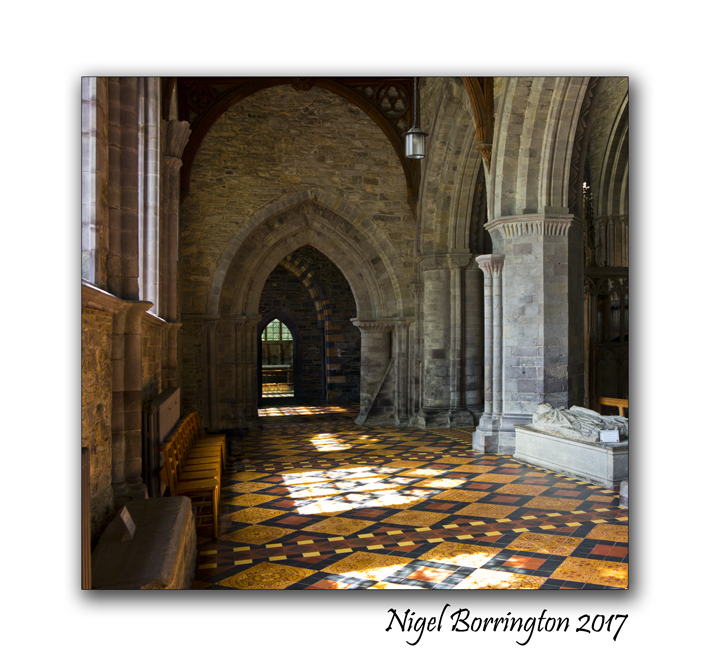
St David’s Cathedral, St Davids, Pembrokeshire,Wales : The light from a Golden Dawn

St David’s Cathedral
St Davids, Pembrokeshire
Wales
Nigel Borrington
Images from Outside and Inside of St Davids Cathedral, St Davids, Pembrokeshire, Wales.
The Light from a Golden Dawn ……..



 Nigel Borrington
Loop Head Lighthouse, county Clare, Ireland
Loop Head Lighthouse,
September 2017,
county Clare, Ireland
Nigel Borrington
Loop Head Lighthouse, county Clare, Ireland
I have just spent a few days visiting County Clare, west Ireland, finishing with a visit to the great Loophead lighhouse. As you can see the day was very typical for a Septembers day here in Ireland, wet and windy.
It was still possible to visit the top of the lighthouse however which was great fun in the strong breeze.
I have very much enjoyed visiting some of Ireland’s lighthouses over the years from the north coast down to Hookhead, on the south coast, these remote location with their lighthouse keepers buildings that would have been both a place of work and a home, all year around and in all weather conditions, are a great reminder of the past.
A past that has almost gone but can in places like these still be felt very strongly.
Sometime back I found this video and have shared it before with other lighthouse posts, its still very much worth sharing again however as it reflects on the family life’s of Ireland’s lighthouse keepers …..
Here is a little history of the Loophead lighthouse
History
The first lighthouse on Loophead was one of four known Irish stone vaulted cottage type lights built about 1670. These cottages accommodated the lightkeeper and his family in two or three rooms and had an internal stone stairway between two of the rooms leading up to a platform on the roof where a coal burning brazier or chauffer was positioned. Part of the old cottage with its battered outside wall can still be seen near the lightkeepers’ dwellings.
The light must have fallen into disuse towards the end of the 17th century because it was re-established in 1720 after aldermen and merchants of Limerick petitioned the Irish Parliament in 1717 for a light on the Head.
The cottage-lighthouse with its coal fire was replaced in 1802 by a more conventional lighthouse, built by Thomas Rogers, who was also the contractor. The tower was about the same height as the present tower with four rooms and a lantern. The ground floor room was an oil store and access to the first floor or entrance room by an outside staircase of 19 steps. An internal spiral staircase connected the other two rooms and lantern. The twelve-foot diameter lantern contained twelve oil lamps, each with its own concave parabolic reflector. The reflected light shone through a 22″ diameter convex lens of solid glass, not unlike the ‘bottle glass’ or “bulls-eye” fitted into windows of modern psuedo-Georgian houses.
By 1811 the keeper was living in an adjoining cottage, rather than in the tower.
More …..
Loop Head Lighthouse, county Clare, Ireland , Gallery
Share this:
September 19, 2017 | Categories: Comment, Forgotten places, History, Irish coastline, irish history, Landscape, Story telling gallery, Travel Locations | Tags: county Clare, History, Ireland, Irish coast, irish history, Lighthouse, Loop Head Lighthouse, Nigel Borrington | 4 Comments