Walkers on Slievenamon, County Tipperary

Walkers on Slievenamon, County Tipperary
Landscape photography : Nigel Borrington
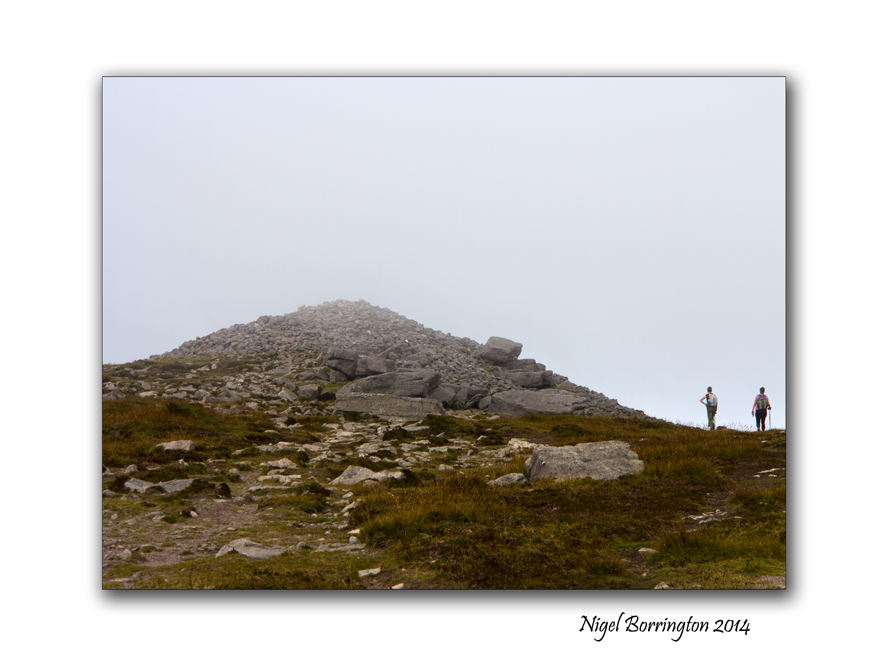
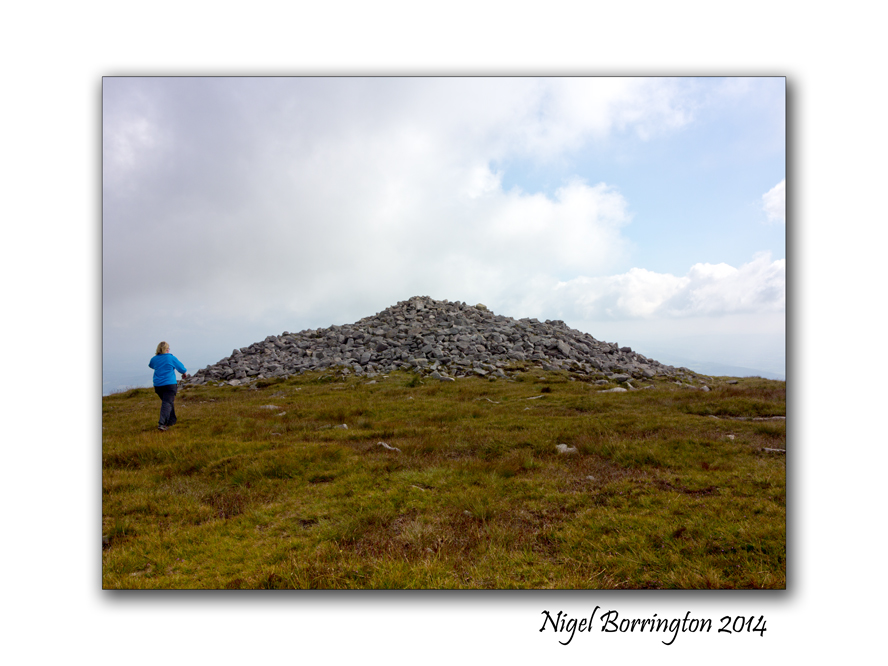
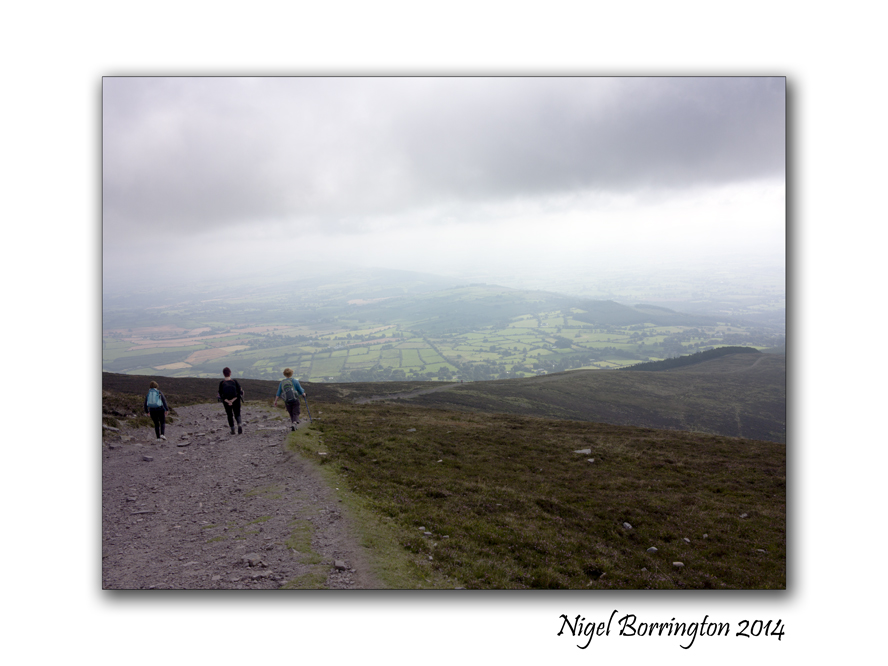
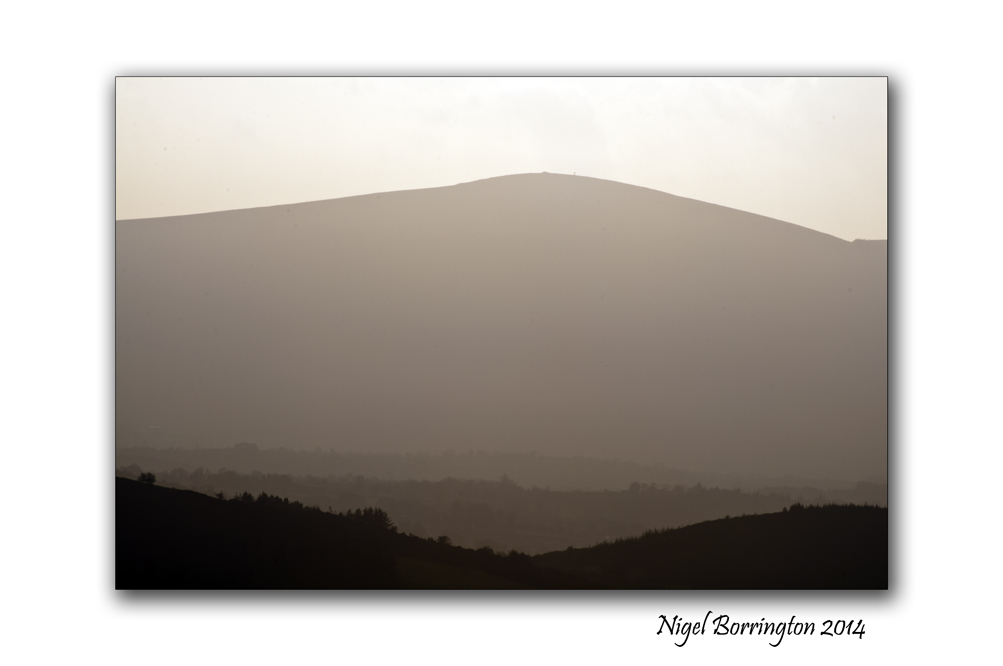
Walking up Slievenamon county Tipperary in the summer months is a very popular event for Walkers from both Ireland and International visitors alike.
The walk while steep and hard in places is of only medium difficulty compared to other Irish Mountains and offers some stunning views from the very start of the walk. These views offer a great visual relief as you make your way to the top, as a you have many chance’s to stop as little or often as you need in order to take in the wonderful landscape below. In total the walk takes about three hours up and down the mountain.
The Gallery below was taken during a walk up to the summit last Sunday (7th September 2014) during lunch time.
Walking up Slievenamon county Tipperary



The Hill, a poem by : Jode Cox

Mount Leinster
Irish Landscape Photography : Nigel Borrington
The Hill
by : Jode Cox
The road keeps getting longer
the farther that I walk
A head wind seems to push me back
I don’t have the breath to talk
My lungs they burn, my heart it pounds
My throat is getting dry
I see a looming hill ahead
And now I want to cry
To you this hill may seem small
To me it is a mountain
I don’t want to ask you for help
I keep going as fast as I can
I slow with every footstep
Until I have to stop
I find a way to busy my self
To pretend there is nothing wrong
 .
.
To admit this trouble to you
Is to admit it to myself
I don’t want to ask of others
I want to do this myself
I feel this is all my fault
If only I could heal
The shame I feel at every gasp
This journey has become too real
If only I was stronger
This disease I could have fought
It silently crept up to me
The illness I don’t want
Each day I am able to do less
No matter how hard I try
For now I can only do my best
You don’t even understand why
 ..
..
I used to run and jump and play
Nothing too hard to do
Now the smallest task I take
I must ask for help from you
You think I don’t see the resentment
The bitterness in your face
You think I chose to be sick
To give up on my life in this place
This hill is not enormous
The one you gave to me
I will make it to the top
I will do it just for me
Brandon Point, County Kerry , “My sea of dreams” a poem by : Bianca P.B
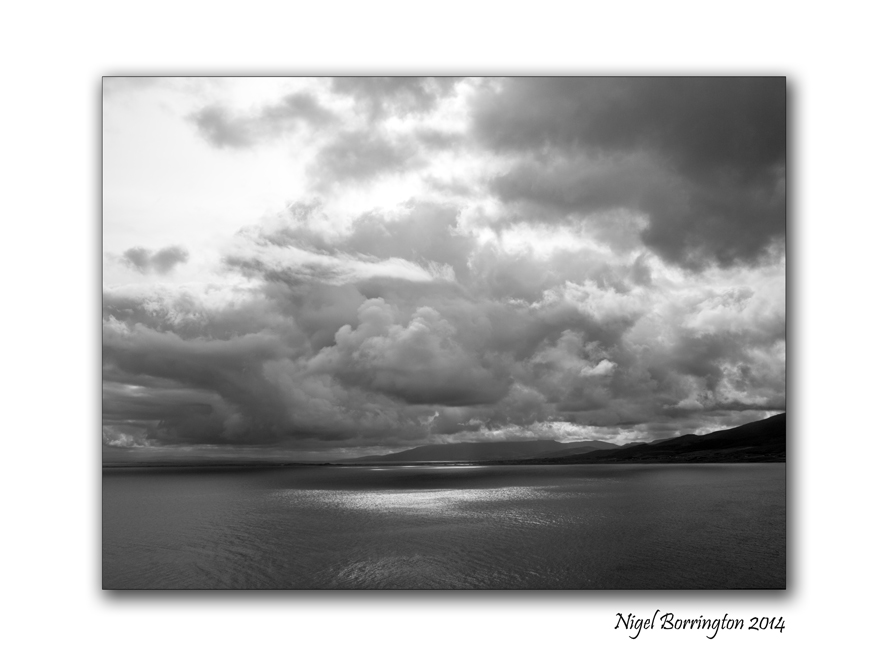
Brandon Point, County Kerry
Irish Landscape Photography : Nigel Borrington
I have just spend a few day away from my blog and during this time visited County Kerry, walking on the Dingle Peninsula.
I took these images from Brandon Point at the very end of the Peninsula, the weather was a little moody with showers and broken cloud, the light on the sea was amazing and I gave myself lots of time to get some images and take in this wonderful coast line.
My sea of dreams
By : Bianca P.B
A vast expanse of glittering dreams and wishes rocking back and forth to form the waves
This sea the only sea I know that changes its color even from a deep majestic purple to a light azure
It changes from the most profound yellow to a bright grassy green
Atop the horizon of this picture perfect sight, the great sky towers above everything
My sky of miracles

The sky that is as enchanted as my wonderful sea
It too along with the sea changes shade
As from white to black to blue
From a sunset red to a dark violet
From a mellow scarlet to a fiery orange
This seascape portrays beauty and imagination
Brandon Point, County Kerry, Gallery

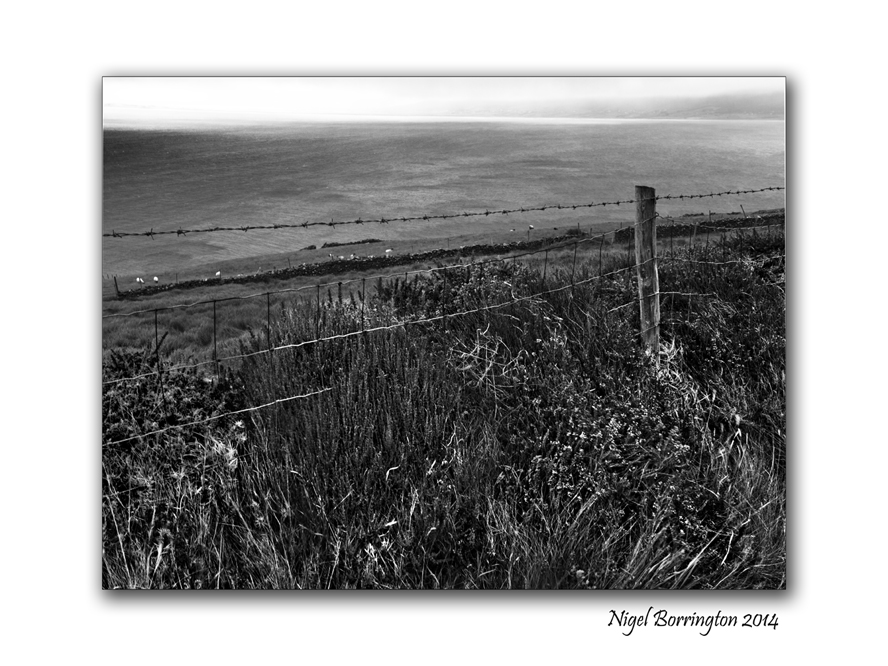

The bridge of the Glen-upper river, Kilsheelan, County Tipperary.
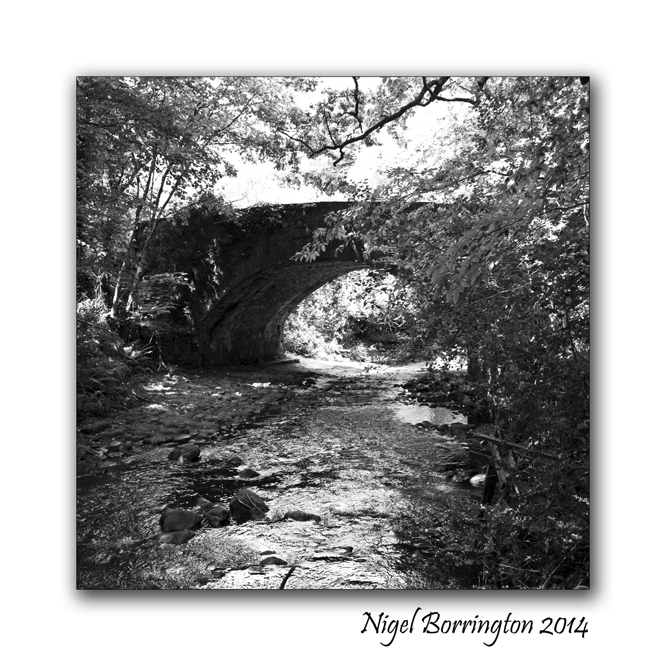
Bridge of the Glen-upper river, Kilsheelan, County Tipperary.
Landscape Photography : Nigel Borrington
Just a gallery today, a set of Black and white images from the Glen Upper river, Kilsheelan , I love these old Irish bridges, standing high above flowing shaded rivers below.
I took these images using a Canon G1 x, set to take raw pictures in a square format, a format that I have been using more and more as I feel it forces you to think about your image framing.
Gallery


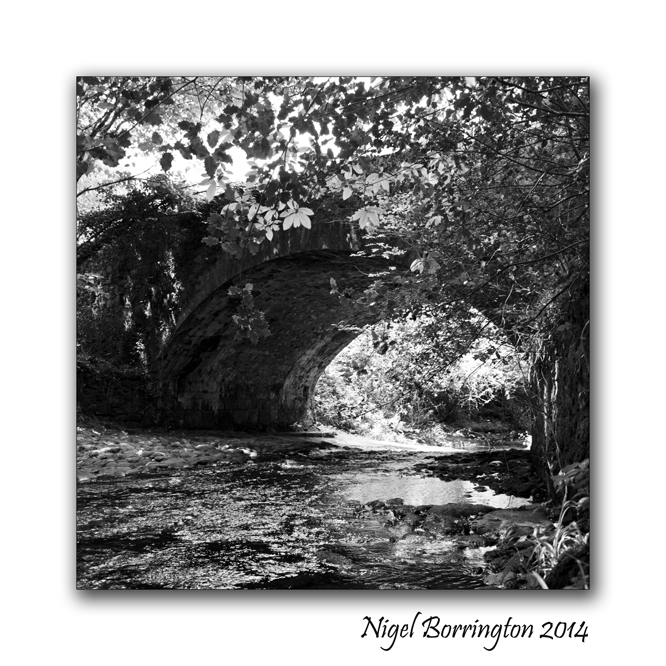
The Kings river (Abhainn Rí), Kilkenny Landscape photography
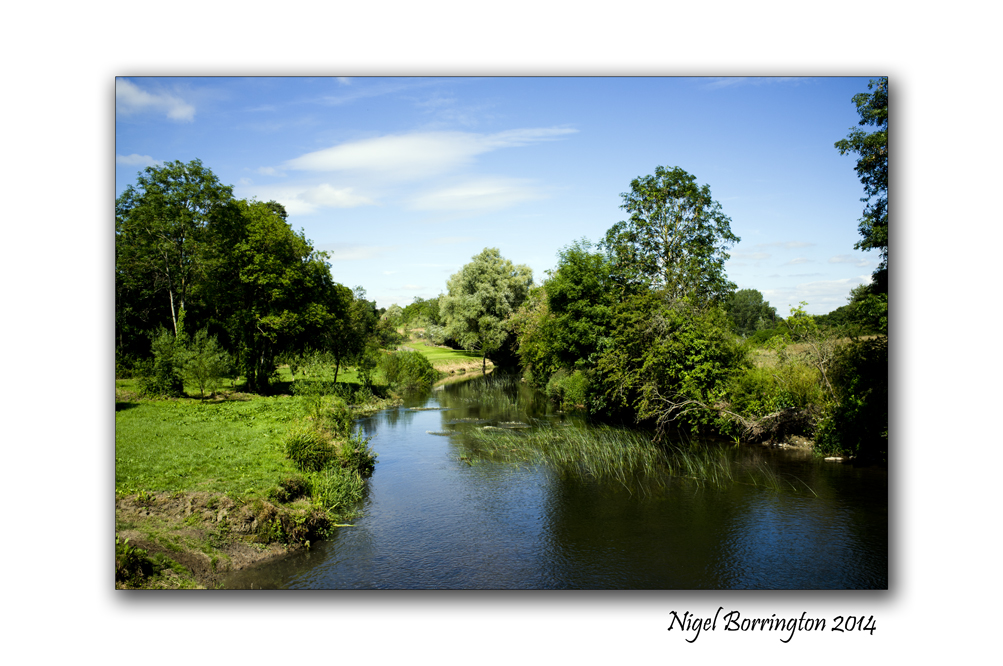
The Kings River (Irish: Abhainn Rí)
Landscape Photography : Nigel Borrington
The Kings River (Irish: Abhainn Rí)
The Kings river is one county Kilkenny’s many rivers, for me personally it is one of the most picturesque.
It has its source in the Slieveardagh Hills in south County Tipperary, having many tributaries of its own of which there are three main. These tributaries are not named, one started as a spring in the townsland of Ballyphilip, the two remaining tributaries rise in the townsland of Gurteen.
The Abhainn Rí flows south-east from the hills and crosses into County Kilkenny. It is joined by the Munster River before passing through the town of Callan. It continues eastwards from Callan, past Kells and joins the River Nore west of Thomastown.
The following images are taken at the old bridge at Ennisnag and show just how green the Landscape of county Kilkenny becomes down by its rivers in July.
Gallery


Saturday Morning walk on coolagh hill, county Kilkenny : Gallery

Coolagh old church on the hill, County Kilkenny
Landscape Photography : Nigel Borrington
It’s the weekend so why not get out and about and do some walking in your local area.
Often when you walk you will find places and views that you never knew existed just driving past in a car.
What ever you do I hope you have a great last weekend of June 2014.
Coolagh Kilkenny a Gallery


The Harbour, Poem By : Winifred Mary Letts
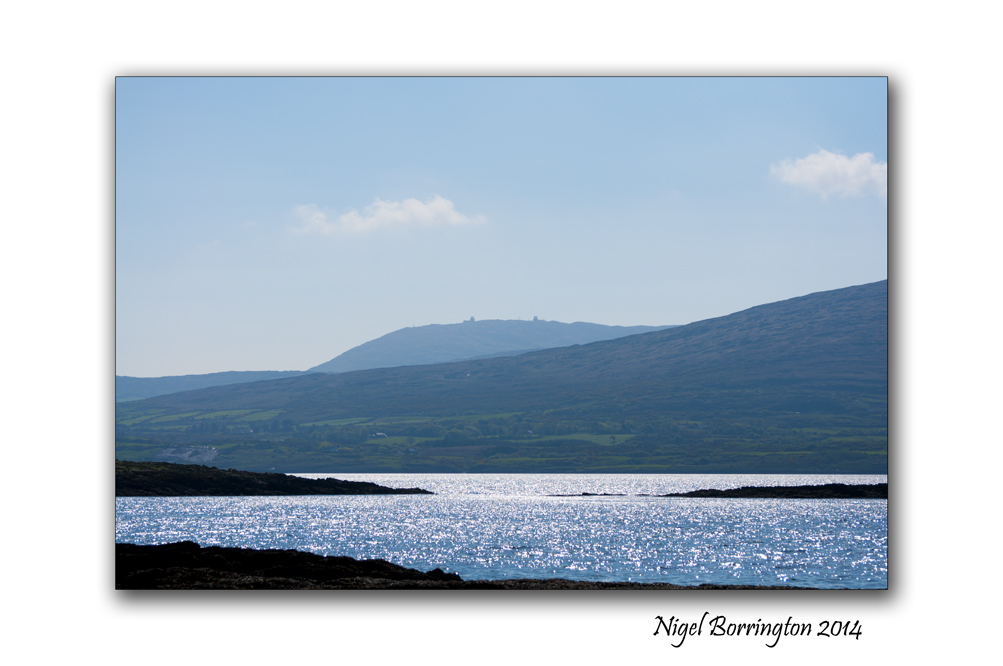
The Harbour, Poem
By : Winifred Mary Letts
I think if I lay dying in some land
Where Ireland is no more than just a name,
My soul would travel back to find that strand
From whence it came.
I’d see the harbour in the evening light,
The old men staring at some distant ship,
The fishing boats they fasten left and right
Beside the slip.

The fishing boat rests along the shore,
The grey thorn bushes growing in the sand,
Our Wexford coast from Arklow to Cahore –
My native land.

The little houses climbing up the hill
Sea daises growing in the sandy grass,
The tethered goats that wait large -eyed and still
To watch you pass.
The women at the well with dripping pails,
Their men colloguing by the harbour wall,
The coils of rope, the nets, the old brown sails,
I’d know them all.
And then the sun- I’d surely see
The disk against a golden sky.
Would let me be at my rest.

Reflections on the river Barrow.
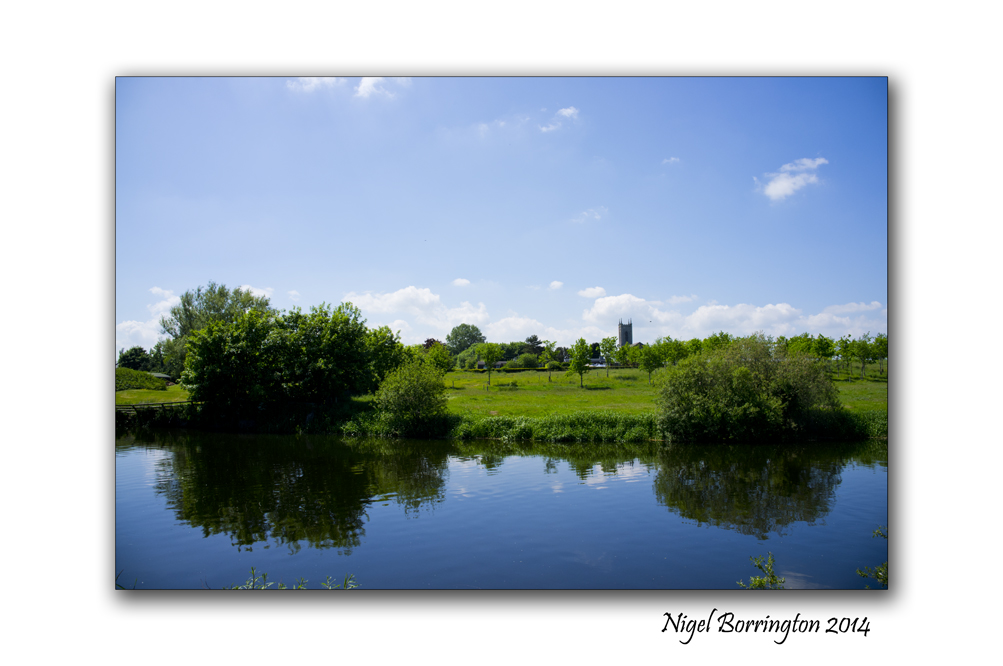
The River Barrow, Goresbridge, county Kilkenny
Landscape photography : Nigel Borrington
The River Barrow flows from its source at Glenbarrow in the Slieve Bloom Mountains, County Laois to the Celtic Sea at the harbour of Waterford.
The river also forms a natural border between parts of counties Kilkenny and Carlow and Kilkenny and Wexford.
I Completed walking all the stages of the river last year, my favourite part of the river however is around the Goresbridge area, county Kilkenny.
The images below are just some taken at Goresbridge, during June of 2014.
River Barrow Gallery


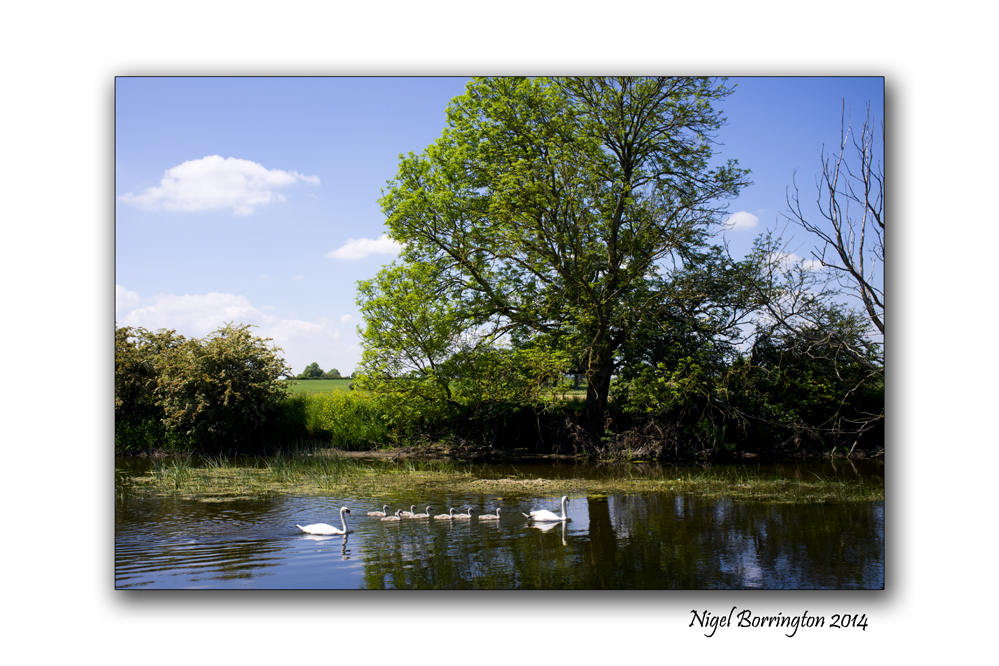

In The Stump of The Old Tree, Poem By : Hugh Sykes Davies
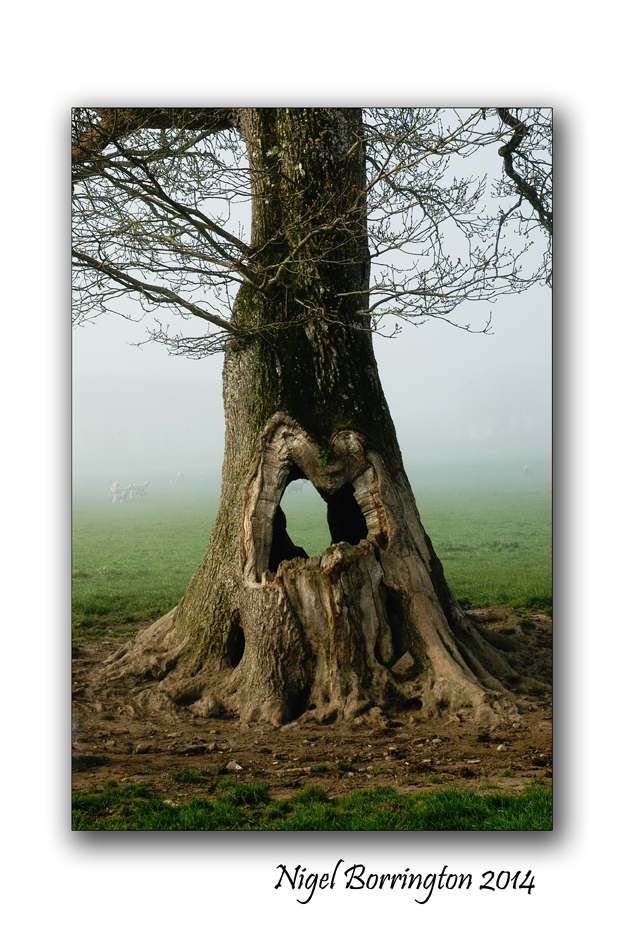
The old Tree at Coolagh, county Kilkenny
Landscape Photography : Nigel Borrington
In The Stump of The Old Tree
By Hugh Sykes Davies
In the stump of the old tree, where the heart has rotted out, there is a hole the length of a man’s arm, and a dank pool at the bottom of it where the rain gathers, and the old leaves turn into lacy skeletons. But do not put your hand down to see, because
in the stumps of old trees, where the hearts have rotted out, there are holes the length of a man’s arm, and dank pools at the bottom where the rain gathers and old leaves turn to lace, and the beak of a dead bird gapes like a trap. But do not put your hand down to see, because
in the stumps of old trees with rotten hearts, where the rain gathers and the laced leaves and the dead bird like a trap, there are holes the length of a man’s arm, and in every crevice of the rotten wood grow weasel’s eyes like molluscs, their lids open and shut with the tide. But do not put your hand down to see, because
in the stumps of old trees where the rain gathers and the trapped leaves and the beak and the laced weasel’s eyes, there are holes the length of a man’s arm, and at the bottom a sodden bible written in the language of rooks. But do not put your hand down to see, because
in the stumps of old trees where the hearts have rotted out there are holes the length of a man’s arm where the weasels are trapped and the letters of the rook language are laced on the sodden leaves, and at the bottom there is a man’s arm. But do not put your hand down to see, because
in the stumps of old trees where the hearts have rotted out there are deep holes and dank pools where the rain gathers, and if you ever put your hand down to see, you can wipe it in the sharp grass till it bleeds, but you’ll never want to eat with it again.
Teifi Marshes Nature Reserve, Cardigan, Pembrokeshire, South Wales
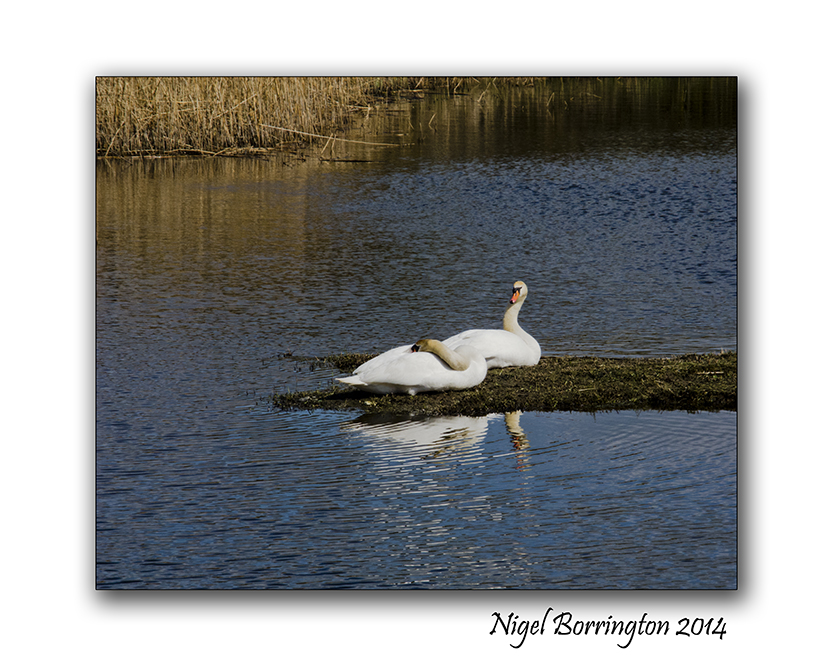
Teifi MarshesNature Reserve
Landscape and Nature Photography : Nigel Borrington
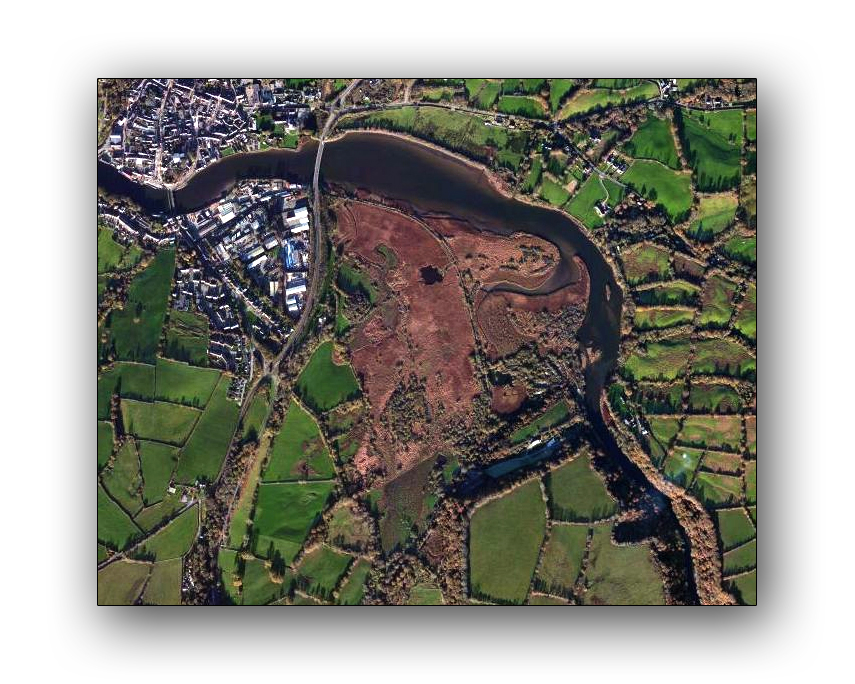
Teifi MarshesNature Reserve
I am getting out of Ireland for this Monday and posting about one of my favourite wildlife and nature reserves just across the water in south west Wales.
Last year I visited the reserve in the early summer time and it was just full of life, the observation huts located around the long paths offer some great views of the river and lake birds that nest here.
There is a wonderful visitors centre and restaurant so you can make a full days visit, stopping at lunch and then if the welsh weather will allow you can return to the outside afterwards. The hides around the reserve do however offer you shelter from the rain so it is possible to visit in the winter as well so you can view the wintering birds that arrive here from much colder countries.
The two very different seasonal ‘faces’ of Teifi Marshes Nature Reserve make this an excellent place to visit all year round. In winter the marsh is subject to extensive flooding and becomes a haven for numerous wildfowl, whilst in summer a visit to the reserve reveals an entirely different range of habitats and wildlife.
The site is owned by the Wildlife Trust of South and West Wales, and is also home to their Welsh Wildlife Centre. This magnificent building, constructed mainly of wood, won an award for its architecture when it was built in 1993.
Teifi Marches Gallery



A local walk through History, Megolithic – Ring forts, Tombs and Standing stones.

Ring fort on the Hill, County Kilkenny
Landscape photography : Nigel Borrington
A local walk through History, Megolithic – Ring forts, Tombs and standing stones.
Last Month I posted the following two articles talking about the history of some historic remains and geology around the area where I live, on the County Kilkenny and Tipperary Boarders.
Pagan ring forts and passage tombs , From Kerry to kilkenny
Landscape and Geology around Slievenamon, county Tipperary
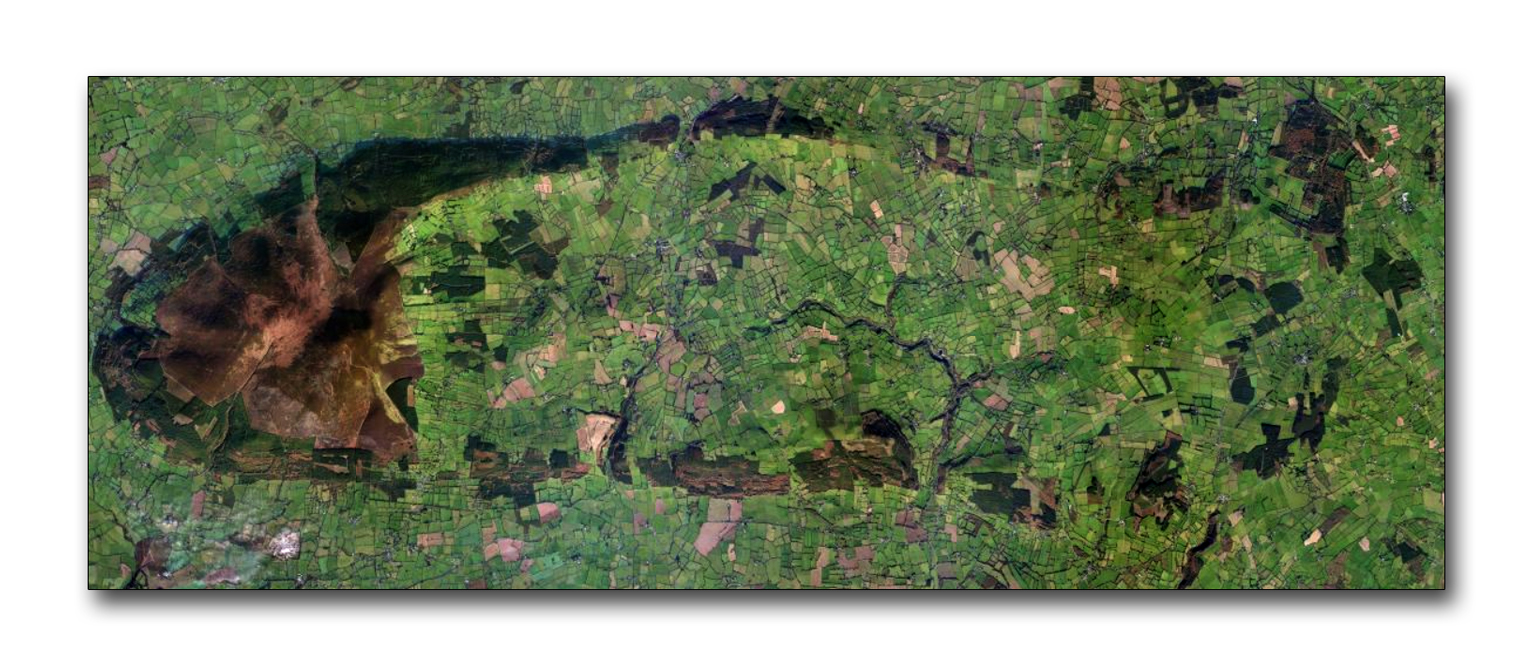
The image below shows the area around the mountain of Slievenamon, County Tipperary ( left ) and the foot hills that flow to the right and form the shape of an oval from the north and south of the mountain.
The Boarder between county kilkenny and Tipperary flows about half way through this image from north to south.
 .
.
Over the last few weeks and during the summer of 2014, I want to study and post about the Stone age – Iron age, pre Christian remains that can be found in almost every one of the woods that can be seen in the above image ( Mainly visible as dark green) along with the remains on the mountain of slievenamon itself.
I have lived here in county Kilkenny for about 11 years , moving from the UK in 2003, from the very first walks I took locally it was clear that this area is full a history in the form of old buildings, farms, churches and grave yards.
The remains that interested me the most have been those of pre-Christian times, Ireland became a Christian country between 300 to 400 Ad. These local pre-Christian remains then date from betweem 300Ad to 6000 or 8000 years ago.
The remains that can be found locally take the form of (Ring forts, Graves and tombs, Standing stones and stone circles) all can be found within the area covered in the pictures above.

South Kilkenny. Woodlands
During last weekend and this week, I have been visiting the above woodland to the south east of the larger area I am studying and have marked on the image below the types of remains I have found :

The remains that I have walk past on woodland paths and the ones that I have looked for by going deeper into the woods are by themselves amazing but by themselves do not tell you a story of who these people were and how they lived.
Over the next few weeks I want to uses four areas in total including the mountain of Slievenamon, to draw a picture of how I feel the people who built these structures lived.
How they worked this land, how they built their homes and how they buried and remembered their ancestors.
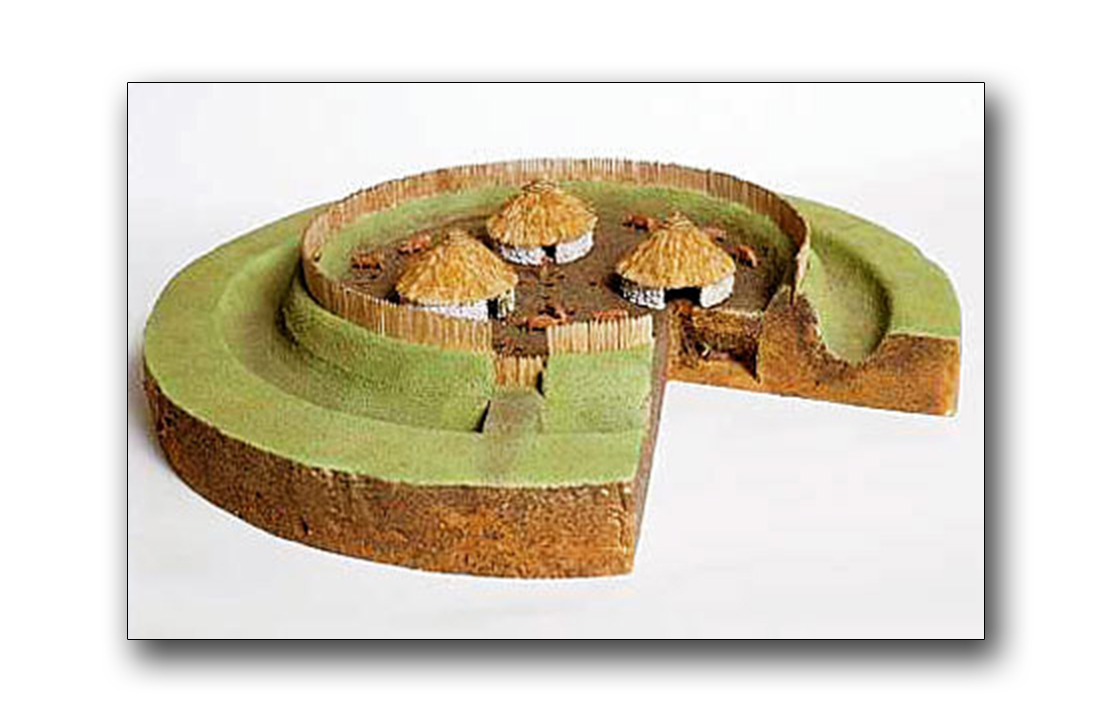
Structure of a ring fort
Image Gallerys
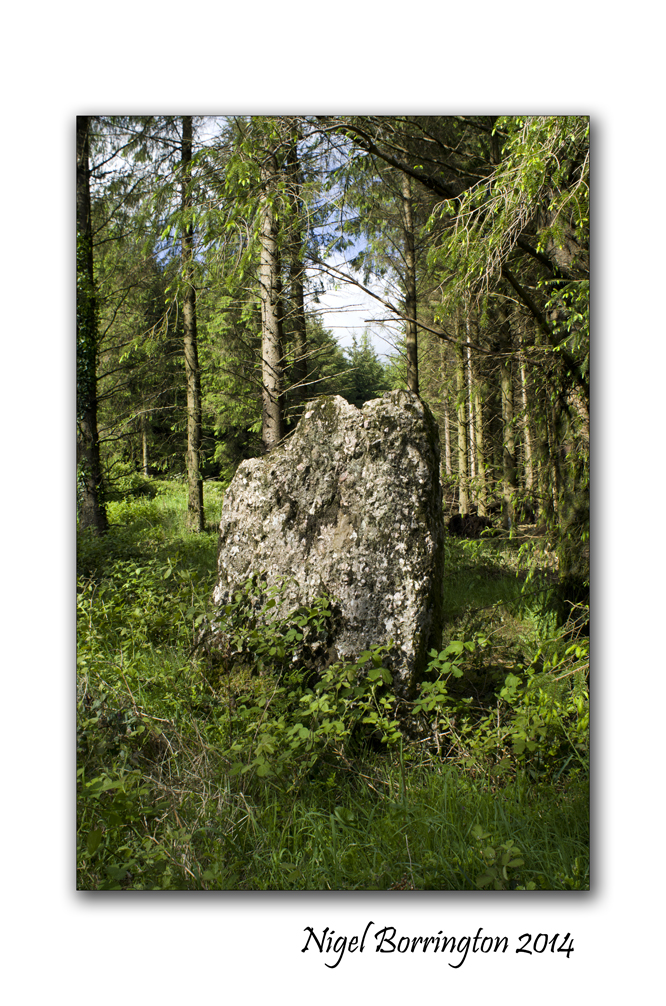
The Images below are all pictures of the structures and remains I have found in the woodland area shown and labelled in the images above, I have split them into groups as follows:
Ring forts, these were used for – homes and cattle pens.
Standing stones, used to record time and mark areas.
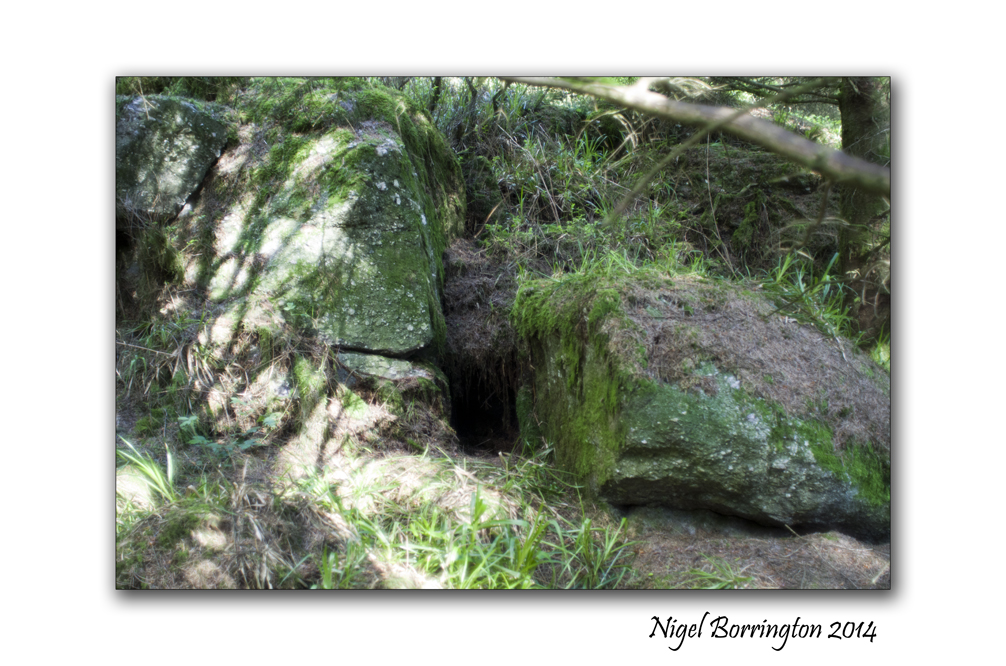
Graves and tombs, Hill top Burial grounds .
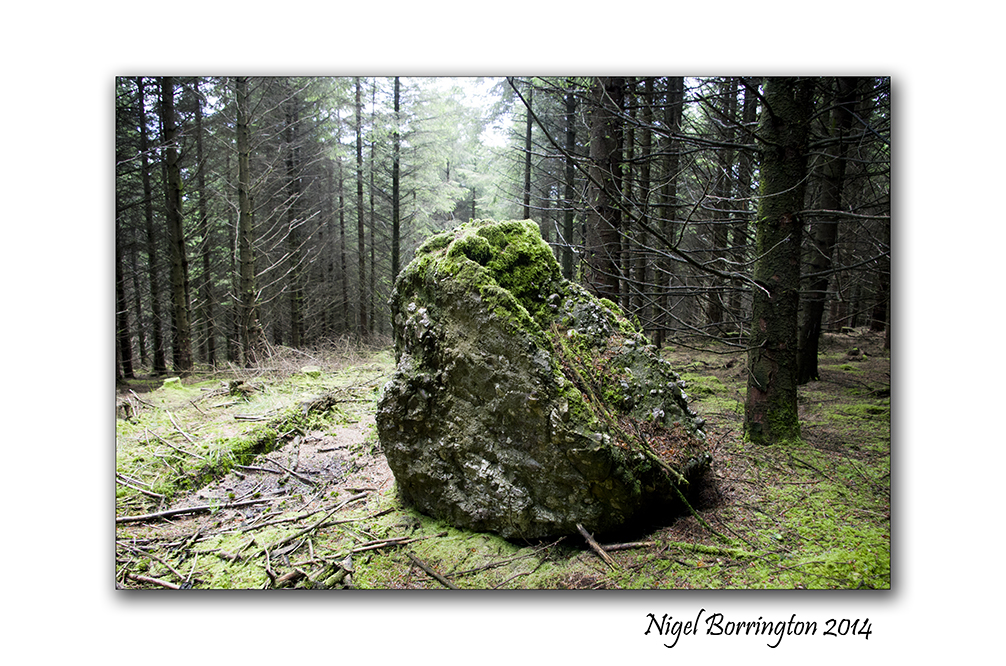
One last thing worth pointing out is that below in the Grave Gallery are two large tomb cap stones, shown in the first two images.
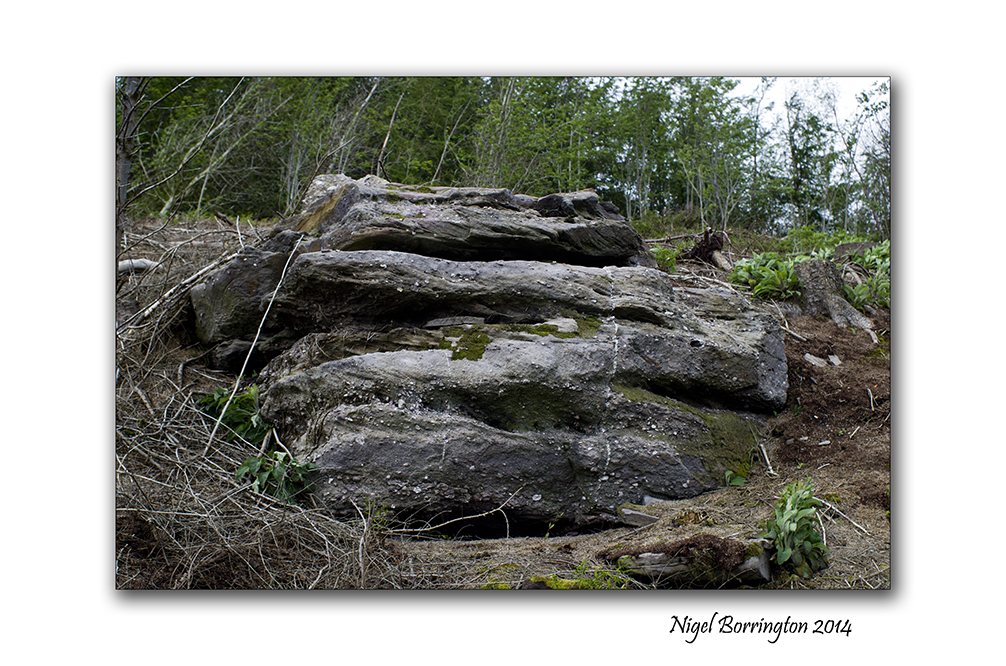
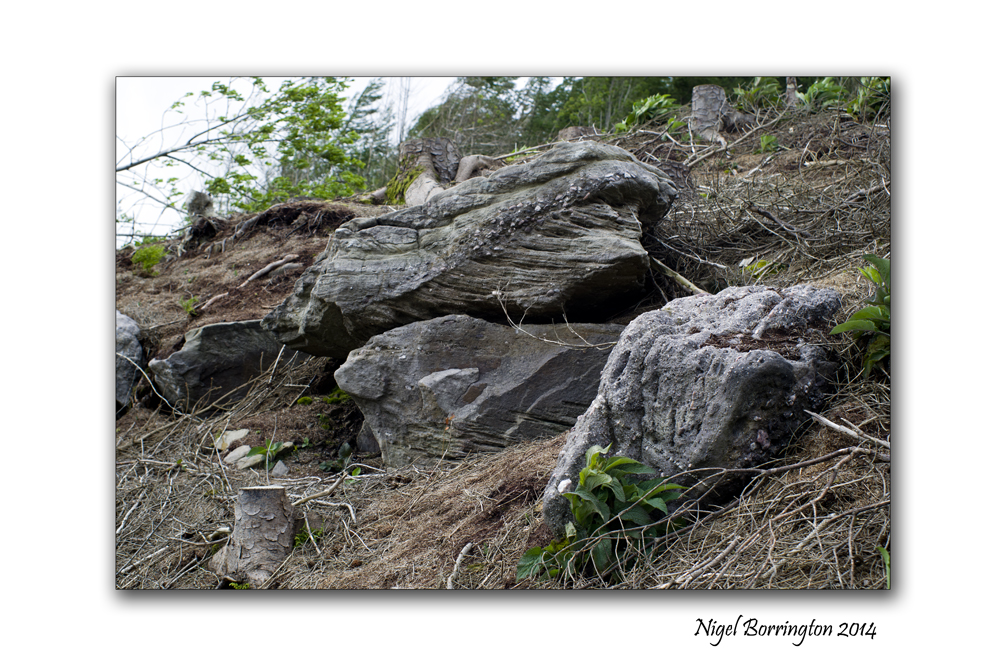
When I first found the stone in the first image, I wondered if it could be anything more than just a large stone left from ice sheets, during the ice age some 10,000 years ago. However I then found the stone in the second image a couple of days later, both these stones are almost the exact same dimensions. It is very unlikely then that these stones can be the result of the ice age and that they are cap stones to large tombs lying underneath.
This web sites show some examples of excavated tombs from this period : Mesolithic tombs
I also have a great example of a tomb like this here : The passage tomb of olioll olum king of munster
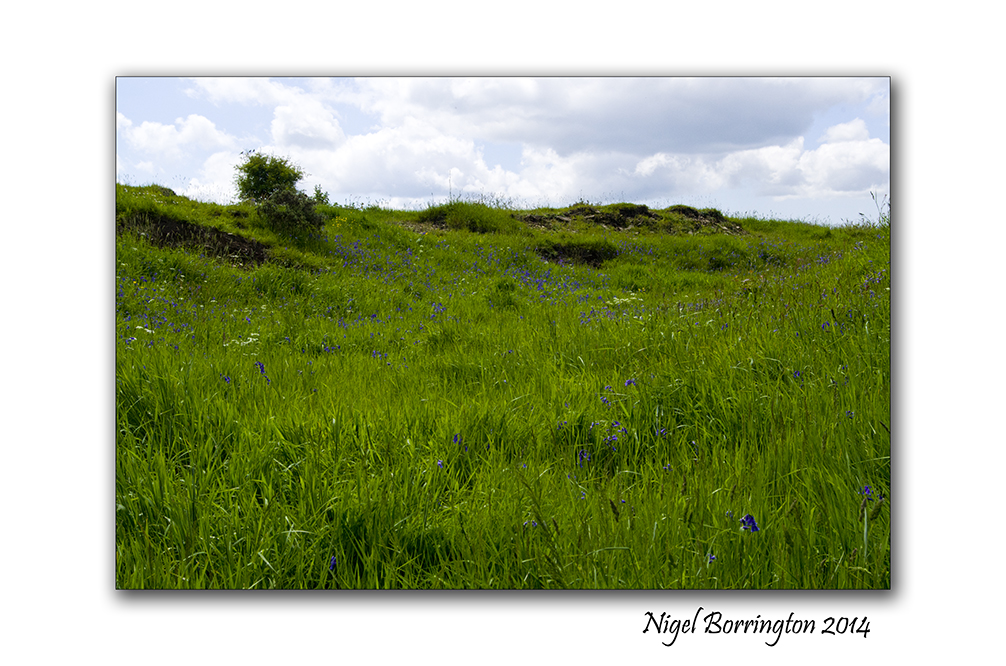
Image gallery of the ring fort
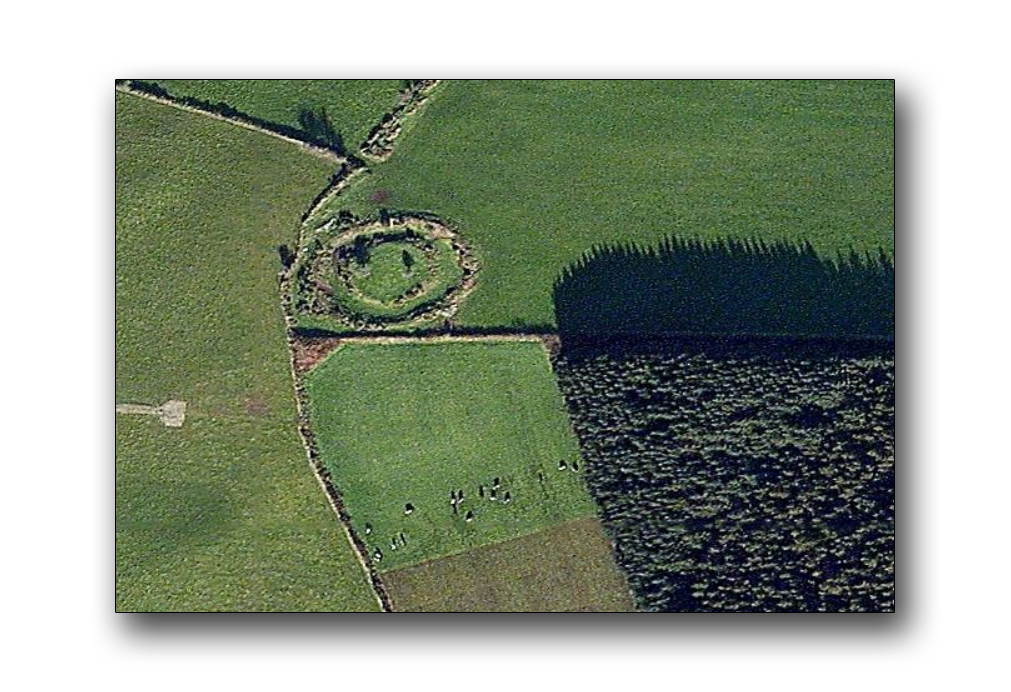
Ring fort, marked above the woods


Gallery of Standing stones within the woods


Gallery of Graves and Cap stones within the woods


A walk along the beach , Images and a Poem

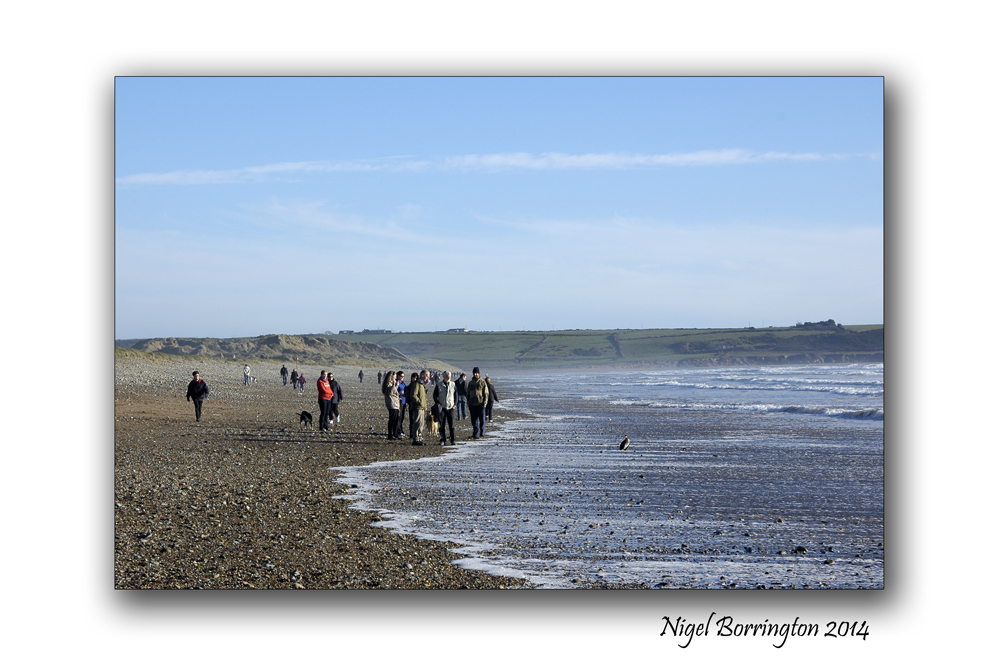
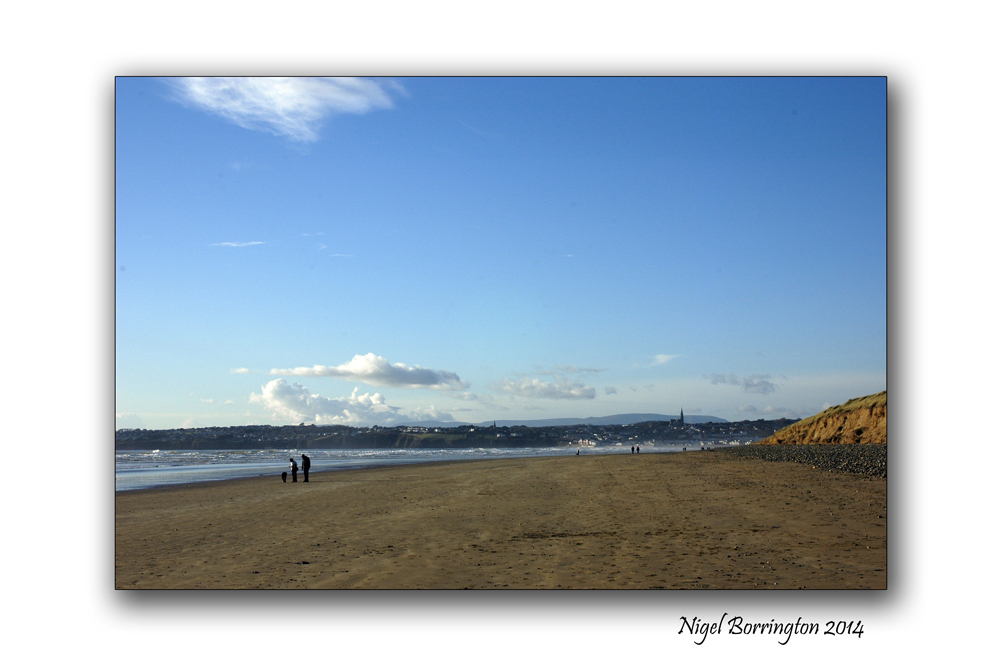
A walk along the beach at Tramore, County Waterford
Landscape photography : Nigel Borrington
A walk along the beach at Tramore
The sight of sunlight shining on the water just dazzling,
The sound of waves breaking delicately on the sand,
The feeling of the suns warming my skin,
The cool wetness of the sand between my toes.
Fellow dog walkers passing by,
Saying hello and talking for a while,
Their dogs swim and bring back sticks,
The marks they level in the sand,
Smoothed again by the waves.
 .
.
The fresh breeze moving through me,
Slipping across the water a sea bird gliding silently,
The salty sea air carrying her to deeper waters.
Above me seagulls friends swirl singing their daily song,
Before diving down into the sea to snatch a fish.
The breeze and warming sun feeding my soul,
The enchanting pleasures of sight and sounds,
I breathe in the wonderful scent of salt water that fills the air,
The intoxicating aroma of wildflowers thick along the dunes,
A feeling of contentment fills every corner of my being,
As I walk along the beach I realise… Life has true beauty…
A Farmer by Trade, Poem By : Kevin Pace
 A Farmer by Trade
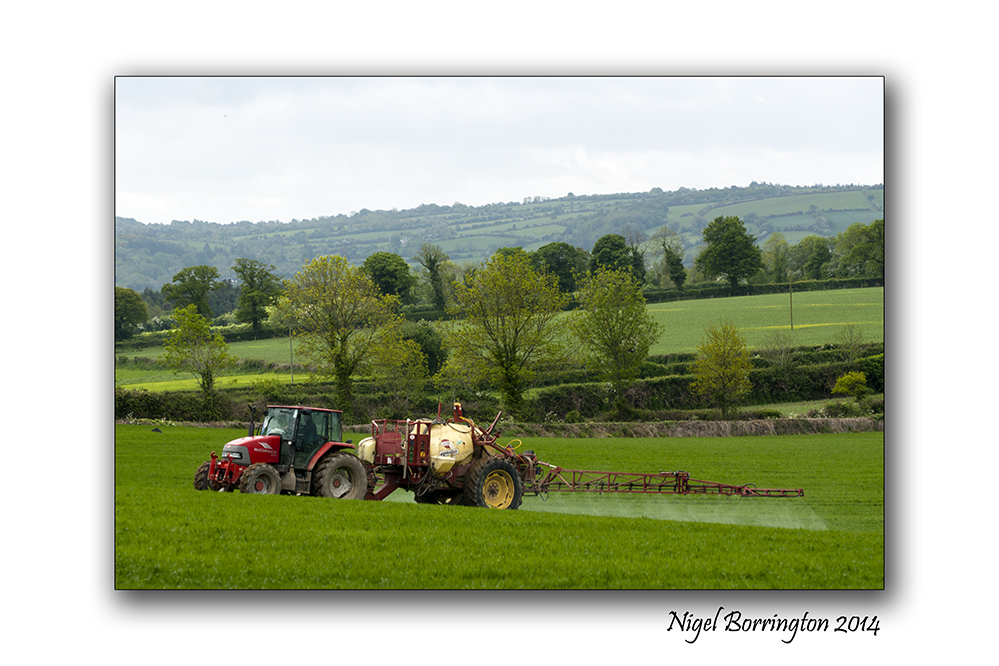
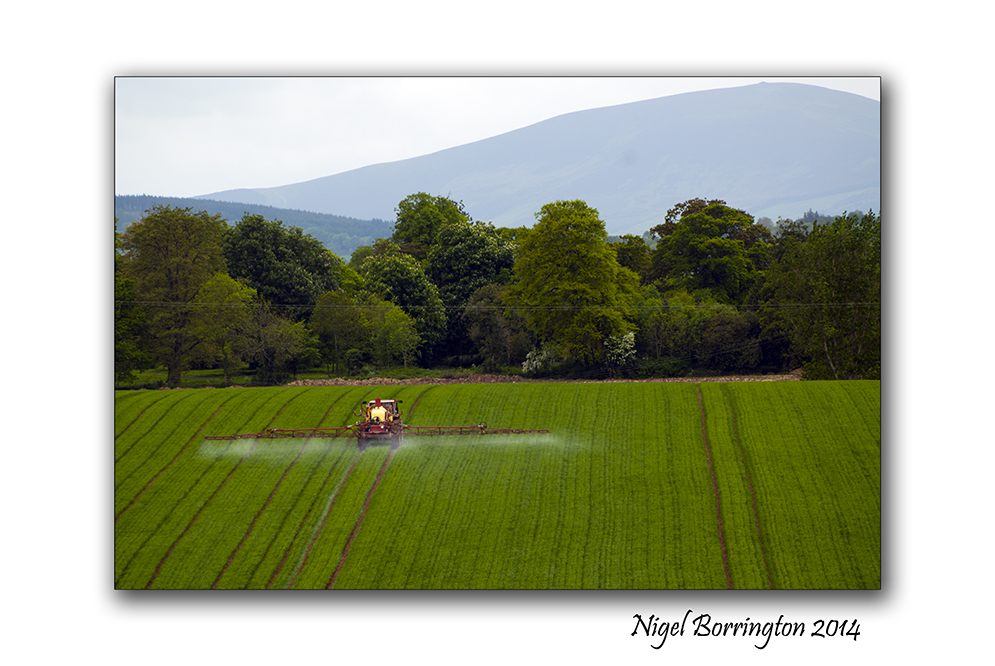
Ballytobin, County Kilkenny
Landscape Photography : Nigel Borrington
A Farmer by Trade
Poem By : Kevin Pace
He worked on the land, a farmer by trade.
He never will know the impact he made.
When plowing the fields, his mind would be filled
with lessons in life he taught and instilled.
“Life’s pretty simple” my grandpa would claim,
“The rules we should live by are always the same.”
He delivered his thoughts in a wry kind of style.
You’d think he was mad, but then he would smile.
 .
.
He was always profound, a man of his word.
He would always look forward despite what occurred.
“I’ve never reaped anything I didn’t first sow.
The seeds that you plant is the crop that will grow.
Fix your eyes on a spot, if you want to plow straight.
If you need to start over, it’s never too late.”
One thing I remember, he often would share,
“Don’t tear down a fence, ‘til you know why it’s there.
Some fences are built to keep danger away,
some fences are built so we’ll know where to stay.”
His philosophy in life was to, “Let people be.
I’m not here to judge, lest they should judge me.”
“Some things are better off left on the ground,
manure doesn’t stink ‘til you stir it around.”
The best thing he taught me was how I could find
the answer to anything crossing my mind.
Whatever I’d ask him, he’d get out the Book,
saying, “God wrote it down, if you take time to look.”
He understood things that few understand.
A farmer by trade, he worked on the land.
Butler House, Kilkenny

Butler House , County Kilkenny
Irish landscape Photography : Nigel Borrington
There can be few better places to visit on an early June weekend than the gardens at the Butler House in the Centre of KIlkenny city, the Roses are in Bloom and the pond in the middle of the garden offers a cool and relaxing place to visit.
I just love taking in a book or just walking around and taking time to view all the flowers and hidden wooded areas.
The history of Butler house is described below and flowed by some of the many images I have taken here.
The History of Butler House
Butler House is the Dower House of Kilkenny Castle and has always been associated with the Butler Family, Dukes & Earls of Ormonde who resided at Kilkenny Castle for 500 years.
18th Century
The house was home to Lady Eleanor Butler who lived here after the death of her husband Walter in 1783. Lady Eleanor Butler was the mother of John, the 17th Earl of Ormonde and her daughter, also Eleanor, was one of the famous “ladies of Langollen”.
19th Century
James, Earl of Ormonde resided in the house while the Castle was under reconstruction in 1831.
A soup kitchen was run from here during the cholera epidemic of 1832.
The Royal historical and Archaeological Association of Ireland held their meetings in Butler House in 1870.
20th Century
Kilkenny Design, the state design agency, restored Butler House in 1972.
The decor and furnishings reflect a certain 1970s Art Deco style, which because of the muted colours and natural fabrics used, proved sympathetic to the original features of the house. In 1989, the Kilkenny Civic Trust acquired both Butler House and the Castle Stables. The house was then opened to the public as a guesthouse and conference centre.
In 2000, The Kilkenny Civic Trust had the gardens at Butler House landscaped, in order to return them to their original splendour. The gardens have since become an attraction for the many visitors to Kilkenny.
Butler house Gallery


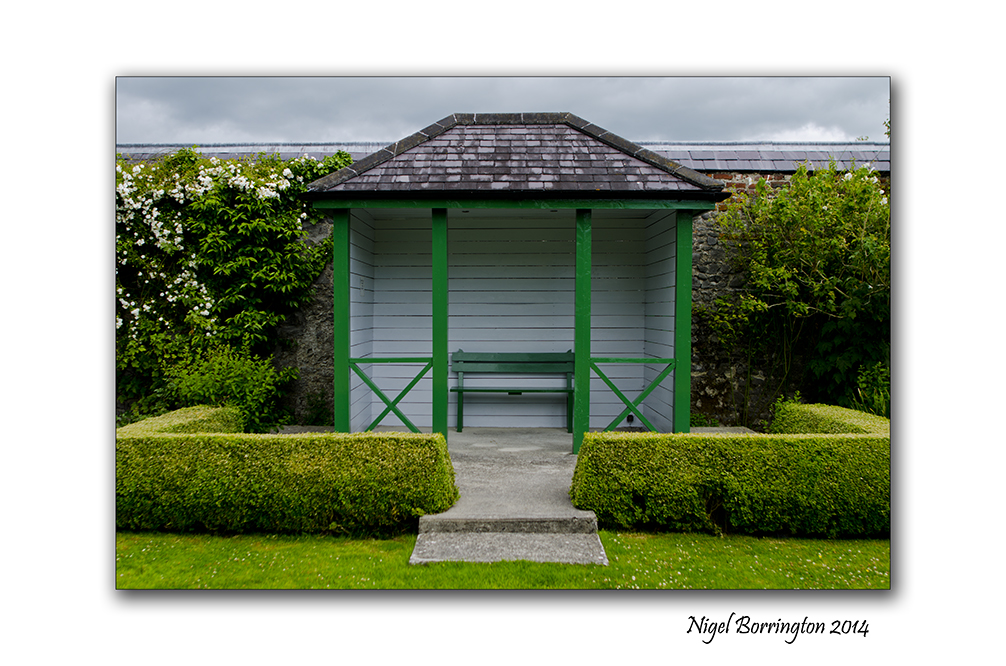


Killamery High Cross

Killamery High Cross, County Kilkenny, Ireland
Landscape Photography, Nigel Borrington
Killamery High Cross
Located in an old grave yard very near the county Kilkenny and Tipperary border, is one of the most impressive of the Irish High crosses. There was a unique early Medieval tradition in Ireland and Britain of raising large sculpted stone crosses, usually outdoors.
These probably developed from earlier traditions using wood, perhaps with metalwork attachments, and earlier pagan Celtic memorial stones; the Pictish stones of Scotland may also have influenced the form.
The earliest surviving examples seem to come from the territory of the Anglo-Saxon kingdom of Northumbria, which had been converted to Christianity by Irish missionaries; it remains unclear whether the form first developed in Ireland or Britain.
The Killamery High Cross, is one of the western Ossory group of crosses. The cross stands at 3.65 metres high and the west face of the cross bears most of the figure sculpture. The east face pictured right, is decorated with three marigolds on the shaft and has a boss in the centre of the head surrounded by intertwining serpents with an open mouthed dragon above the boss.
The cross is known as the Snake-Dragon cross and has a gabled cap-stone and the narrow sides have double mouldings. At the end of the southern arm of the cross there is a panel depicting Noah in the Ark and the end of the northern arm features four scenes centered around John the Baptist. There is also a worn inscription on the base of the western side of the cross which is said to read as ‘OR DO MAELSECHNAILL’ a prayer for Maelsechnaill. Maelsechnaill was the High King of Ireland from 846 to 862.
The western face has a Sun Swastika at the centre and has figure sculpture around the whorl, to the left is a hunting scene and to the right a chariot scene above the whorl is scene showing a figure holding a Baby with another figure to the right of them, below the sun disc is a crucifixion scene. The shaft of this face bears two ornate panels. The top one is a fret pattern and the lower panel is a key pattern.
County kilkenny has five such high crosses, most a likely still in their original setting but being over a thousand years old must of their location will have changed.
Some people have a theory that these high crosses were originally larger standing stones used in pagan stones circles or passage tombs, the form of the cross being sculpted into them during the times of the pagan’s conversion to Christianity. In Ireland this would have been during the time of Saint Patrick.
It was felt much more effective when converting people to Christianity to convert original locations for the use of the early church, including fresh water springs.

Fallen standing stone marking a well/spring
In Ireland most springs would have been the location of worship to river or fresh water gods or goddess, in post pagan times many of these locations became holy wells dedicated to a Christian saint. Most even the forgotten spring above still have the original pagan standing stone in place , used to help find and mark the location of the spring and to leave offerings to the gods and goddesses ( Well dressing ).
Gallery

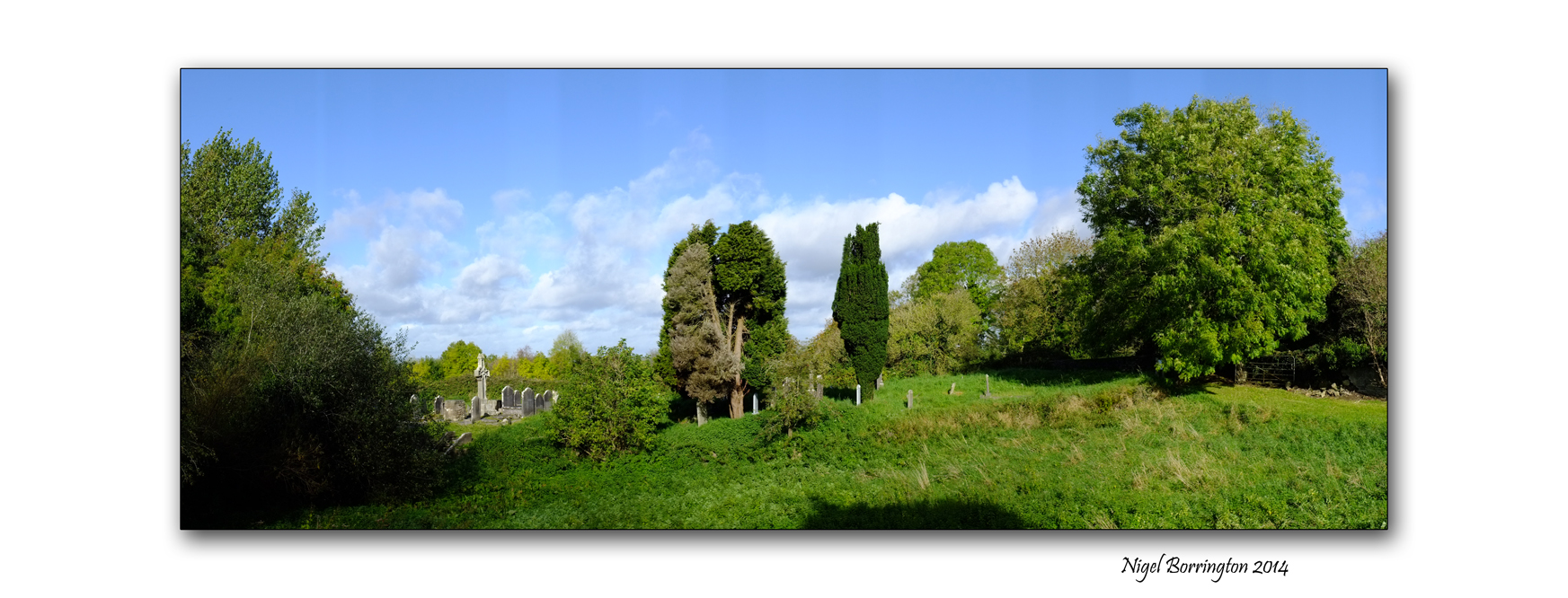
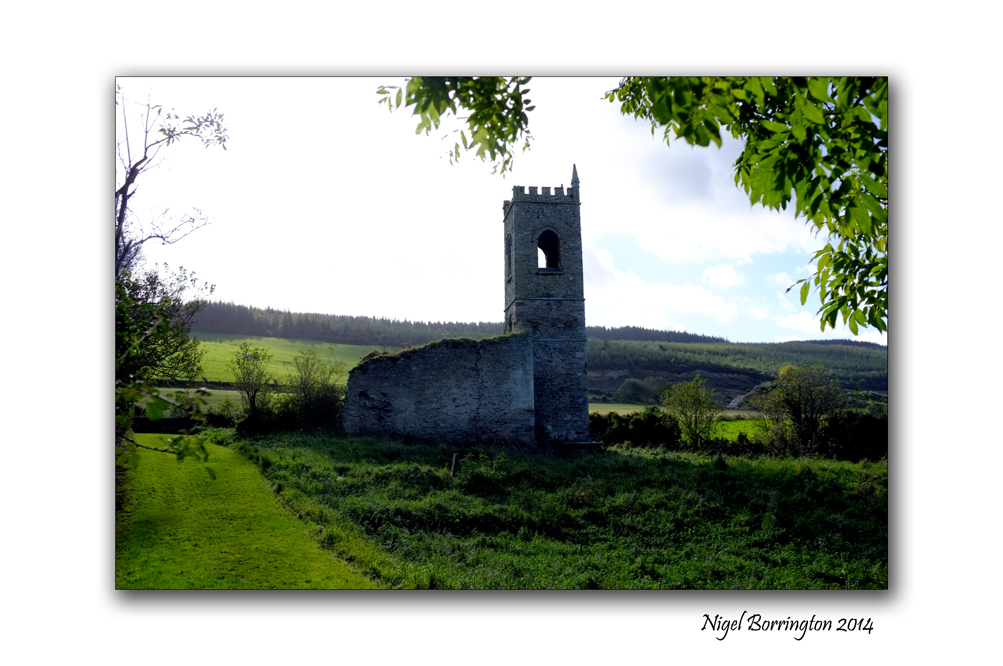

Sunset over the mountain of Slievenamon , Star break and Poem.

Sunset over slievenamon, County Tipperary
Landscape Photography : Nigel Borrington
Evening walks near the mountain of Slievenamon, county Tipperary can bring some great evening views, the sun sets right over the top on the mountain where there is a cairn, a burial place of a king dating back over six thousand year.
On one of these walks I was lucky enough to get these sunset images and I put some words to them in this poem:
Star break, a Poem
Behind the High cloud the sun is coiling and uncoiling
a dragon wrapped around itself spitting fire behind the mountain top
For a moment as I think of older days it is eclipsed entirely
aith a hidden God in the ground where six thousand years ago
A star fell from nowhere and lit up this very mountain’s top
turning westward by day, into oblivion leaving its mark.
 .
.
A king wise in these things called this a “star break”
and of no danger to the integrity of his vision
Star, soon the mountain will shrug you off you will drop below
the ragged edge line into tomorrow while I take the only path.
I came to find what I left, now ahead of me and waiting behind
a light of dawn, time of ages drifting through the night.
Me…..
Kilkenny, Ireland , 500 million years ago
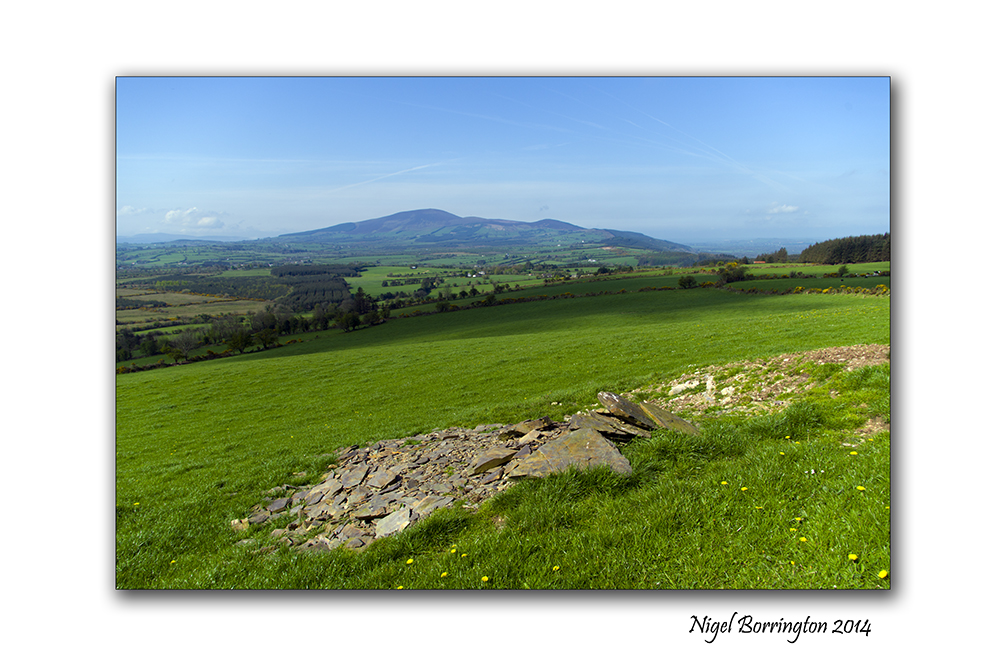
Landscape view of the kilkenny/Tipperary boarders
Irish Landscape photography : Nigel Borrington
Kilkenny, Ireland 500 Million years ago
During the week I posted an article about the area around the mountain of Slievenamon, County Kilkenny.
I hope over the summer to post many times about this area and show many of the foot hills along with the main mountain itself. A fellow blogger margaret, suggested that the formation of the mountain and the oval shape of the extending foot hills could be volcanic in their origins, I do think at some point in the long distant past this could be true.
I found the following summary of the geological history of county Kilkenny so I am going to share it here as I found it fascinating to think of some 500 million years of history of Ireland and its Geology.
Also a Gallery of images that show some of the amazing ice age rocks and landscape formations that can be found through out this great little part of the world.
Geologic History of Kilkenny
500 Million years ago – Sedimentary rock formed under parts of eastern Kilkenny, which was
under the sea.
400 Million years ago – the two parts of Ireland, the island, were fused together under the ocean.
400 Million years ago – the mountains at Brandon and the uplands at Tullogher were formed, again
under the sea.
350 Million years ago – Kilkenny was at a dry land stage with plant life that fossilized into the
yellow sandstones of Kiltorcan.
345 Million years ago – Kilkenny was submerged for about 20 Million years under a tropical shallow
ocean. Lime deposits from this era eventually became the limestone found commonly in
Kilkenny and Ireland. The polished limestone provides the famous Kilkenny marble.
320 million years ago – Kilkenny covered by a muddy delta and swamps, with deposits eventually
forming todays sandstones and coal.
250 Million years ago – a mountain building era resulting in the east-west mountains of Munster,
and the Walsh Mountain area between Millinavat and Slievenamon.
2 Million years ago – Ice age glacial periods intermixed with cold and warm periods begin.
500,000 years ago – A warm period known as the Gortian. Kilkenny is covered by forest of birch,
oak, pine, leder, fir, holly, yew, heather and grass.
200,000 years ago – A cold period lasting 70,000 years called the Munsterian. All of Kilkenny (and
Ireland) is covered by a sea of ice. Movement of Glaciers helped form the soil of today.
130,000 years ago – A warm period known as the Glenavian lasting about 60,000 years with climate
much like today.
70,000 years ago – A cold phase lasting about 60,000 years known as the Midlandian stage. Ice
sheets covered the northern half of Kilkenny, from Callan to Goresbridge. The southern have
would have included tundra grasslands and some woodland. Animal life is noted during this
time, including wooly mammoths, wolf, arctic fox, brown bear, the giant Irish Elk, reindeer
and lemmings.
10,000 years ago – The ice begins to melt, sea levels begin to rise and plants begin to reappear
in all of Kilkenny.
9,000 years ago – A birch dominated forest covers much of Kilkenny.
8,000 years ago – Hazel and pine become part of the forest population.
Landscape and Geological Gallery


Slievenamon on May mornings. Poem By : John Milton
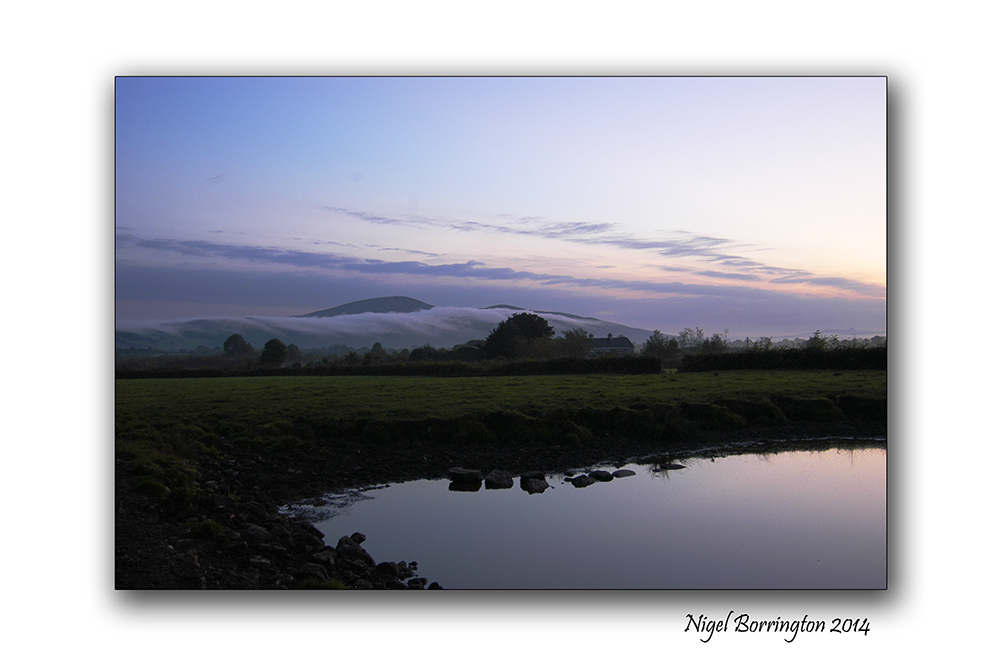
Fields around Slievenamon, early Morning mist
Landscape Photography : Nigel Borrington
On May mornings.
Poem By : John Milton
Now the bright morning Sun,
Comes dancing from the East.
leading with her the Flowers of May,
who from her green lap throws
The Cowslip, and the pale Primrose.
Hail bounteous May that dost inspire
Mirth and youth, and warm desire,
Woods and Groves, are of thy dressing,
Hill and valley, doth boast a blessing.
Thus we salute thee with our early Song,
And welcome you, and then wish you a so long.
A May Morning Gallery




The greens of these trees these leaves, poem by : Shalom Freedman

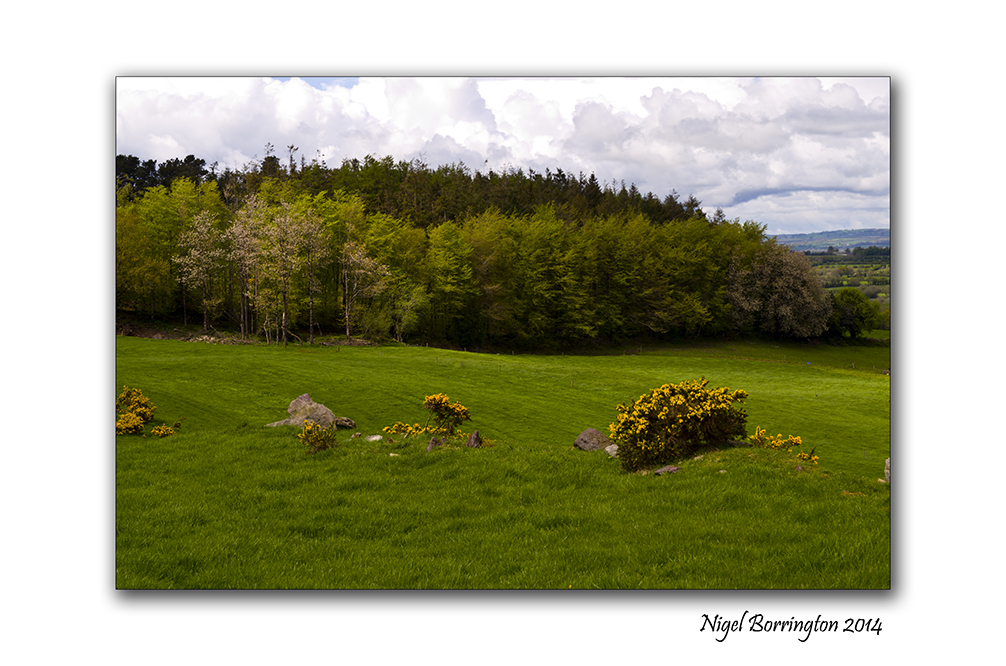
Landscape view of Ballyhenebery. County Kilkenny
Irish Landscape photography : Nigel Borrington
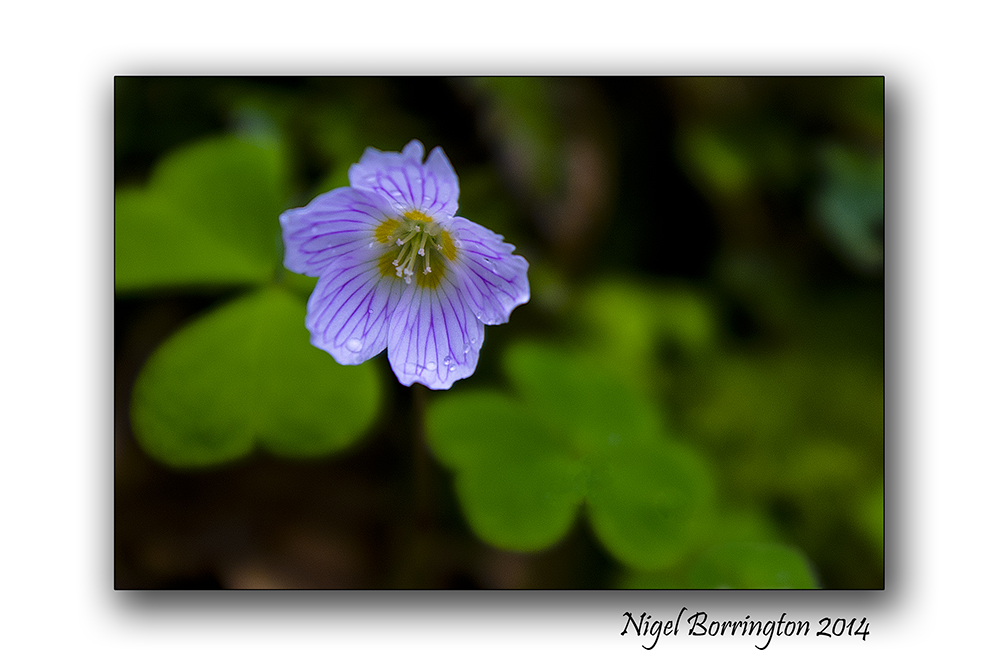
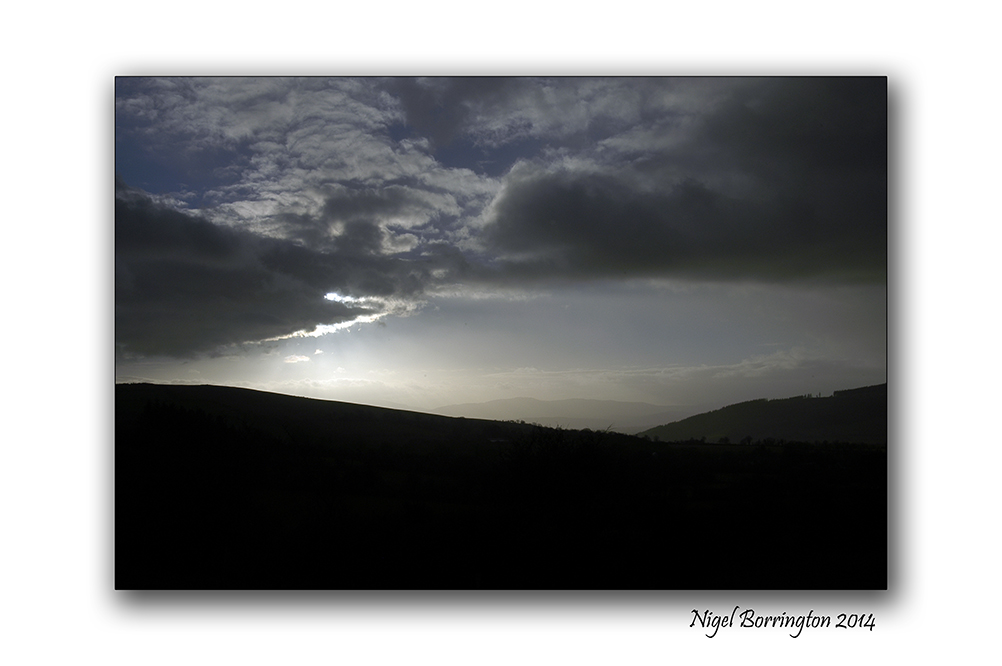
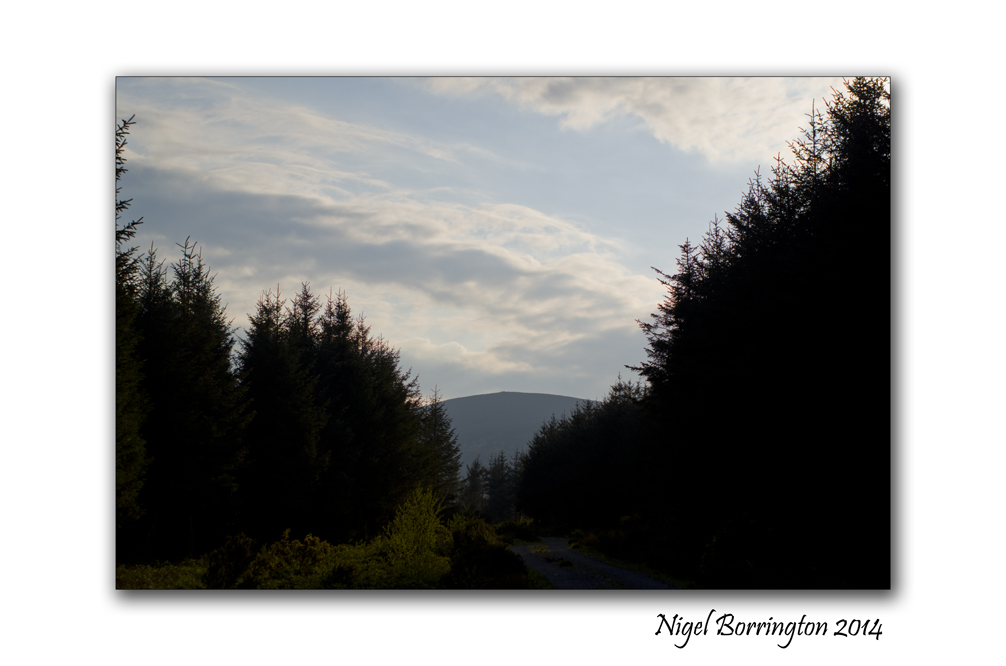
The greens of these trees these leaves
By : Shalom Freedman
The greens of these trees these leaves
The many shades of green-
Olive green and deep dark green and yellow green
And greens I see but have no name for-
So many shades of light and beauty in green
And I with my eyes loving them all
And delighted and made happy by them all-
 .
.
Wondering why and how this world
Has so so much Beauty
Just in green alone –
And being deep in happiness
At being alive
And loving them more
In wondering why and how
I will not one day
be able to see them all again..
Finding the Silver light of other days , Gallery and a Poem by : Thomas Moore

Memories of silver light, Glencommon, County Kilkenny
Landscape photography : Nigel Borrington
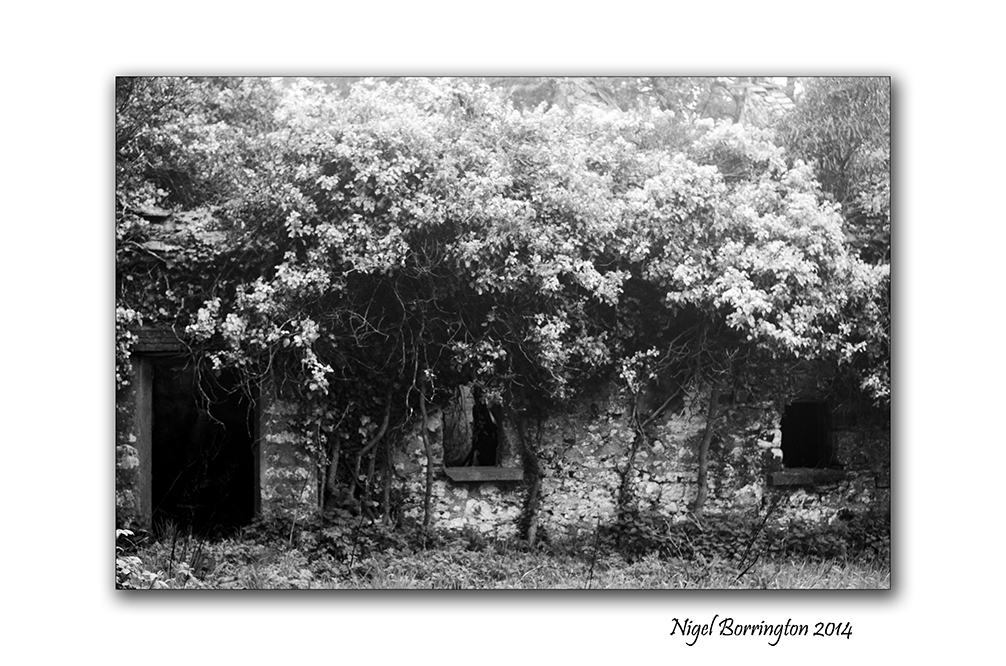
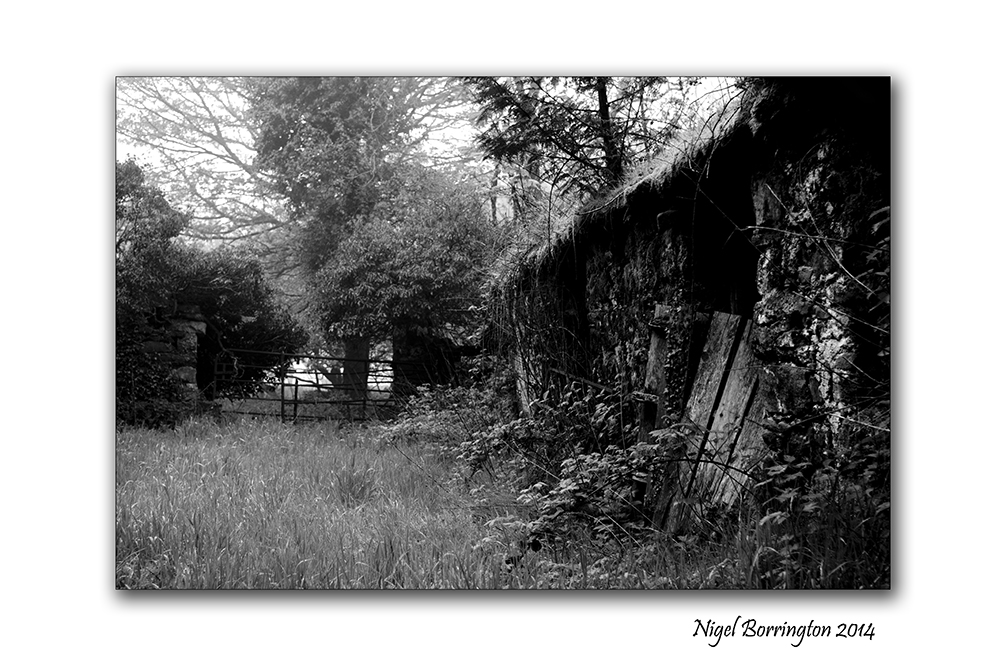
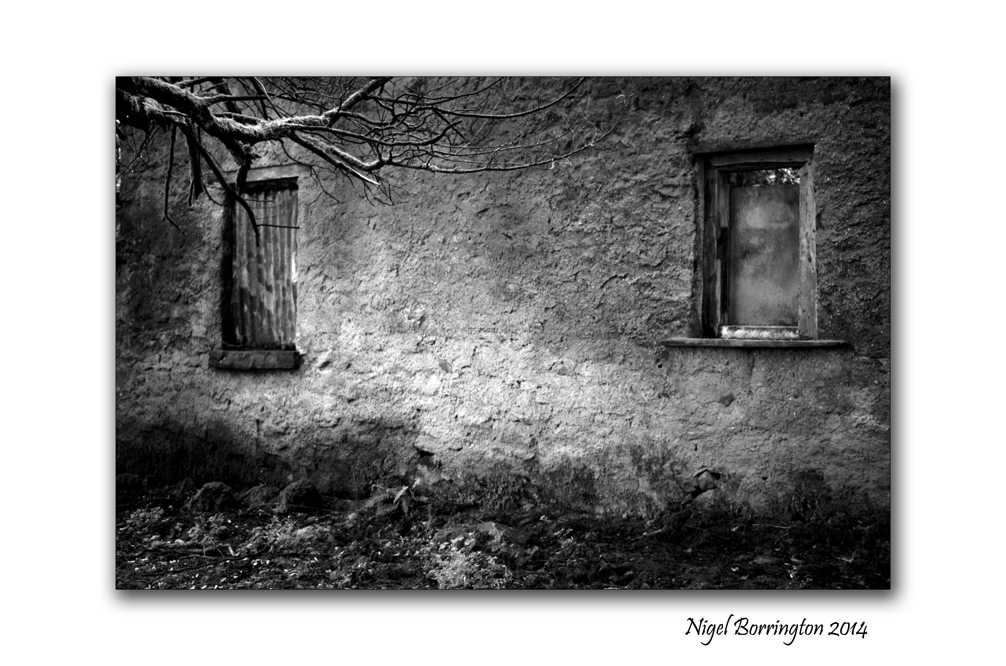
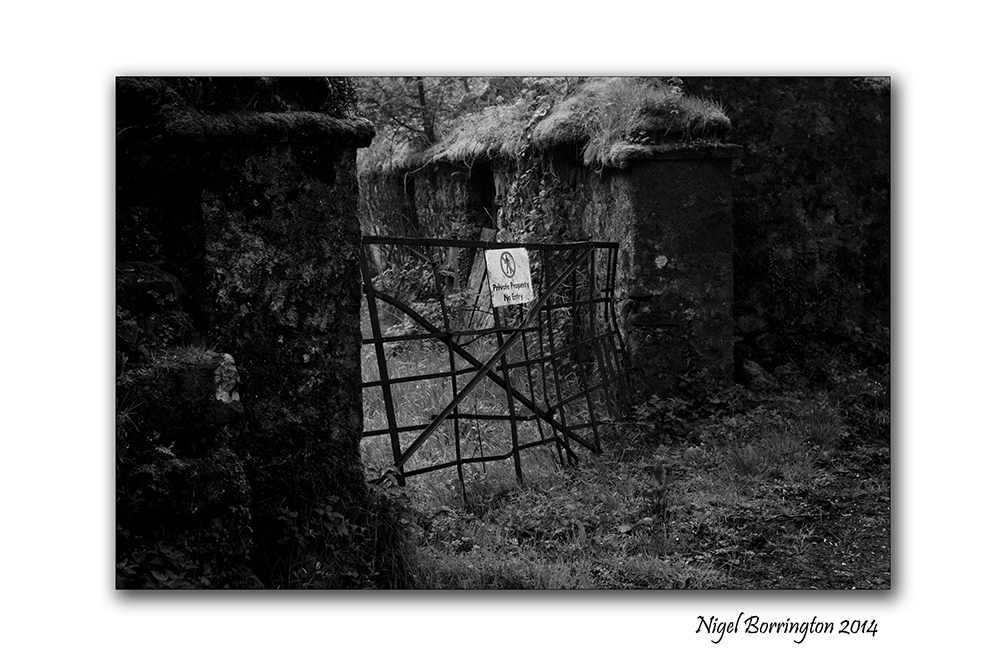
On the top of the hill at Glencommon, county Kilkenny is the Ghostly remains of an old farm.
Last Sunday morning I took a walk up the hill in the mist with my camera and took these images, it was a very haunting experience but one I really enjoyed.
The poem below by Thomas Moore came to mind as the mist of the day seamed to recreate the past of this wonderful old place, how many memories it must hold yet all of them lost in the mists of time.
The Light of Other Days
By Thomas Moore
1779-1852
Often, in the stilly night,
Ere slumber’s chain has bound me,
Fond Memory brings the light
Of other days around me:
The smiles, the tears
Of boyhood’s years,
The words of love then spoken;
The eyes that shone,
Now dimm’d and gone,
The cheerful hearts now broken!
Thus, in the stilly night,
Ere slumber’s chain has bound me,
Sad Memory brings the light
Of other days around me.
When I remember all
The friends, so link’d together,
I’ve seen around me fall
Like leaves in wintry weather,
I feel like one
Who treads alone
Some banquet-hall deserted,
Whose lights are fled,
Whose garlands dead,
And all but he departed!
Thus, in the stilly night,
Ere slumber’s chain has bound me.
Sad Memory brings the light
Of other days around me.
Finding memories in the silver light , Gallery




A misty day , A poem By : Paul Laurence Dunbar
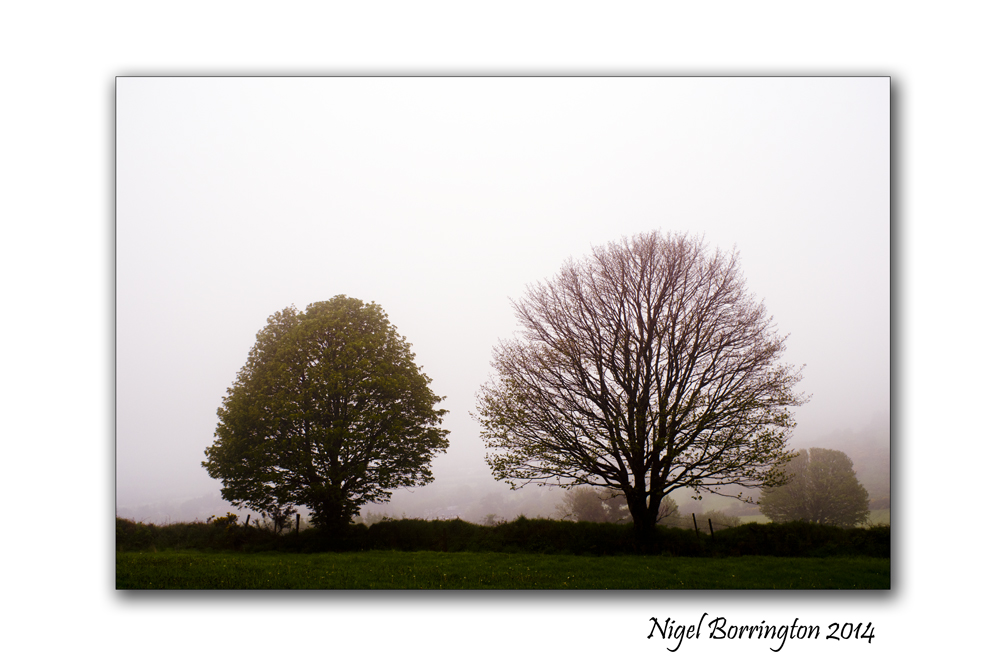 A Misty Day
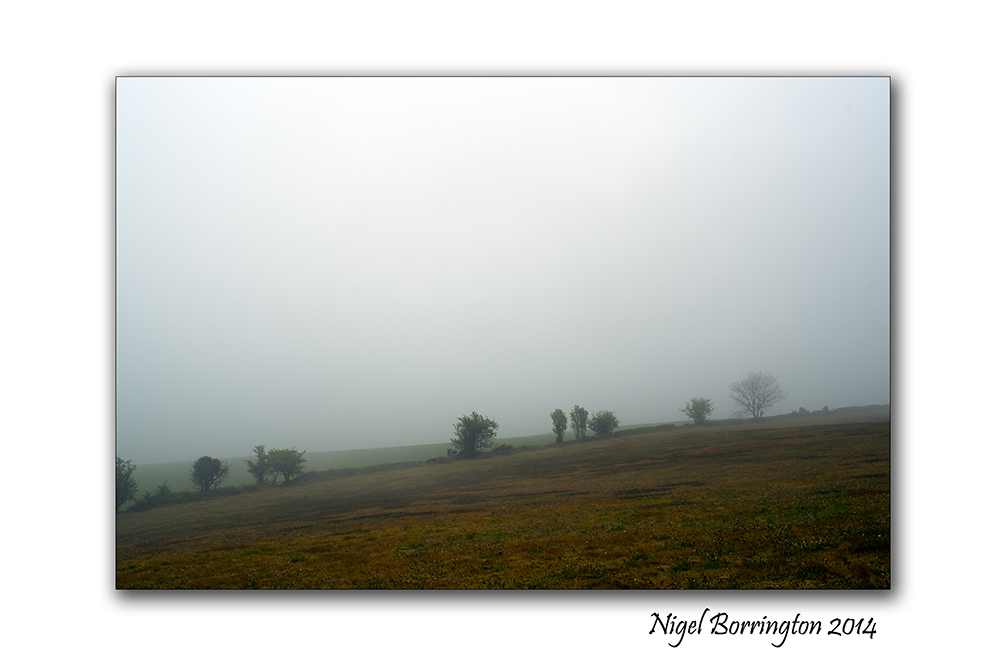
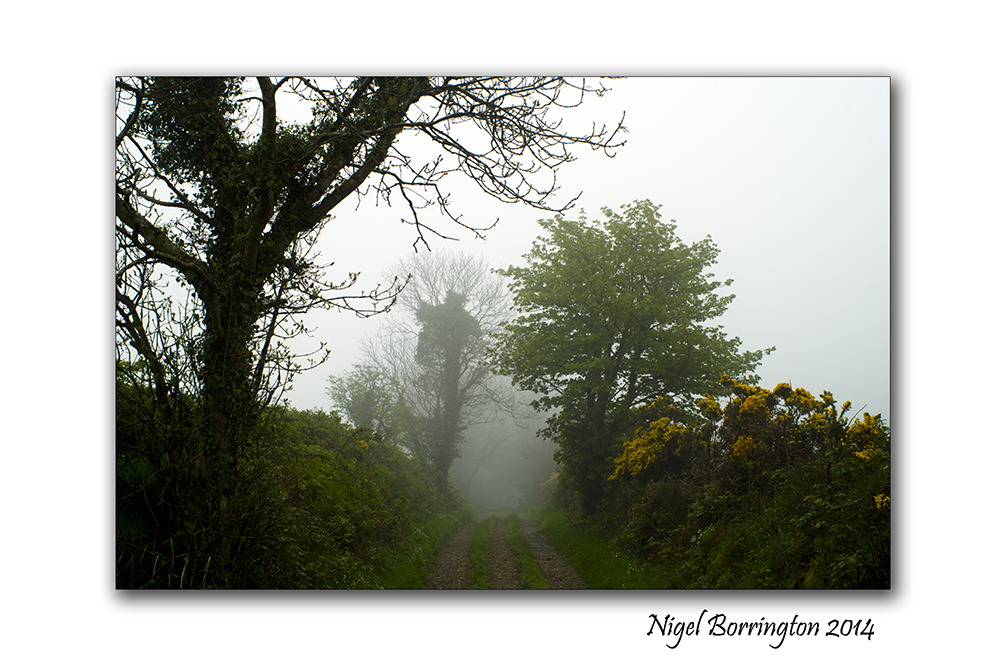
A Misty Morning on Glencommon hill, County Kilkenny
Irish Landscape Photography : Nigel Borrington
A Misty Day
By : Paul Laurence Dunbar
Heart of my heart, the day is chill,
The mist hangs low o’er the wooded hill,
The soft white mist and the heavy cloud
The sun and the face of heaven shroud.
The birds are thick in the dripping trees,
That drop their pearls to the beggar breeze;
No songs are rife where songs are wont,
Each singer crouches in his haunt.
 .
.
Heart of my heart, the day is chill,
Whene’er thy loving voice is still,
The cloud and mist hide the sky from me,
Whene’er thy face I cannot see.
 .
.
My thoughts fly back from the chill without,
My mind in the storm drops doubt on doubt,
No songs arise. Without thee, love,
My soul sinks down like a frightened dove.
The Pond, By Amy Lowell
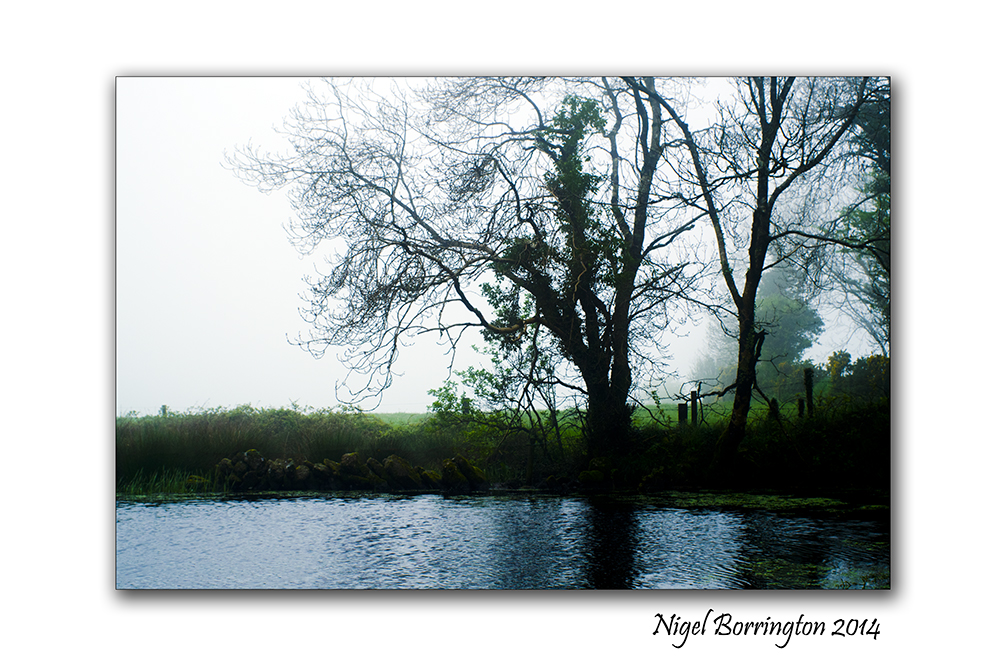
The Pond on the hill, Glencommon, County Tipperary
Landscape Photography : Nigel Borrington
The Pond
By Amy Lowell
Cold, wet leaves
Floating on moss-coloured water
And the croaking of frogs—
Cracked bell-notes in the twilight.
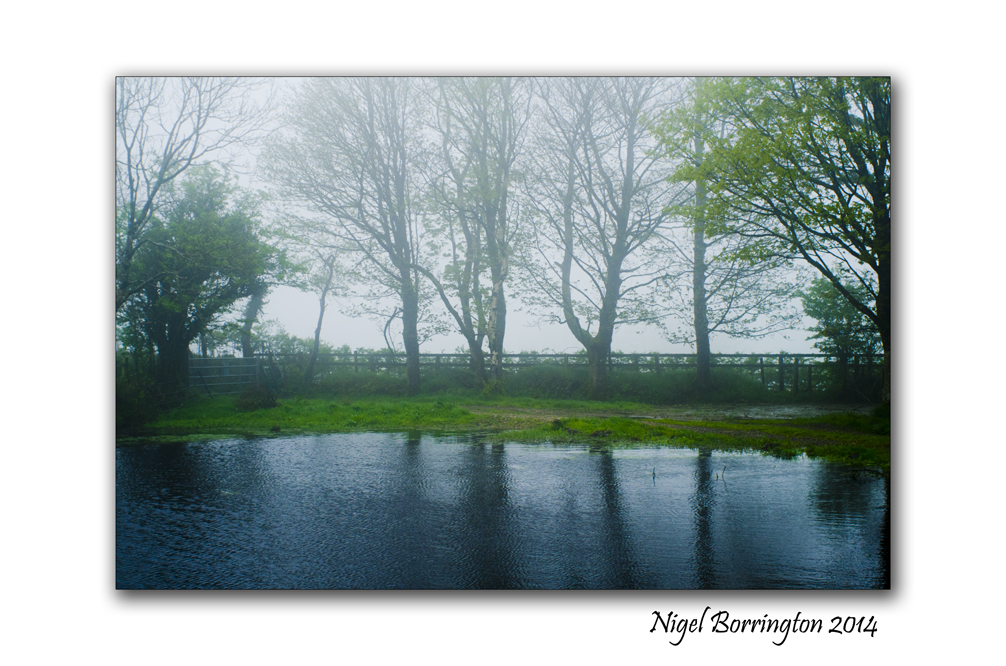
Freedom of the Hills, Poem by : Douglas Fraser – 1968
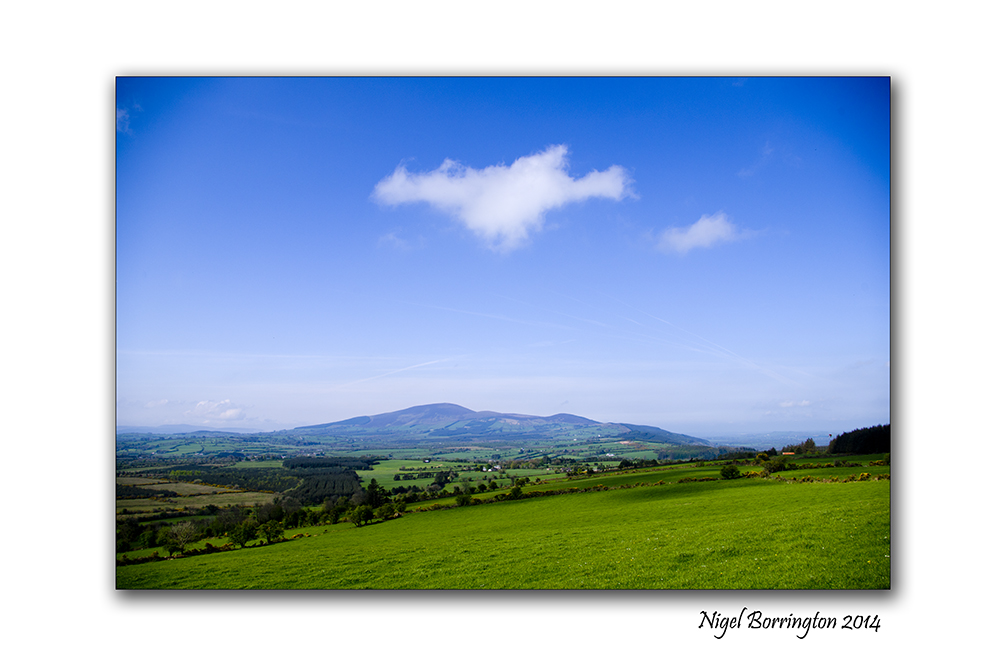
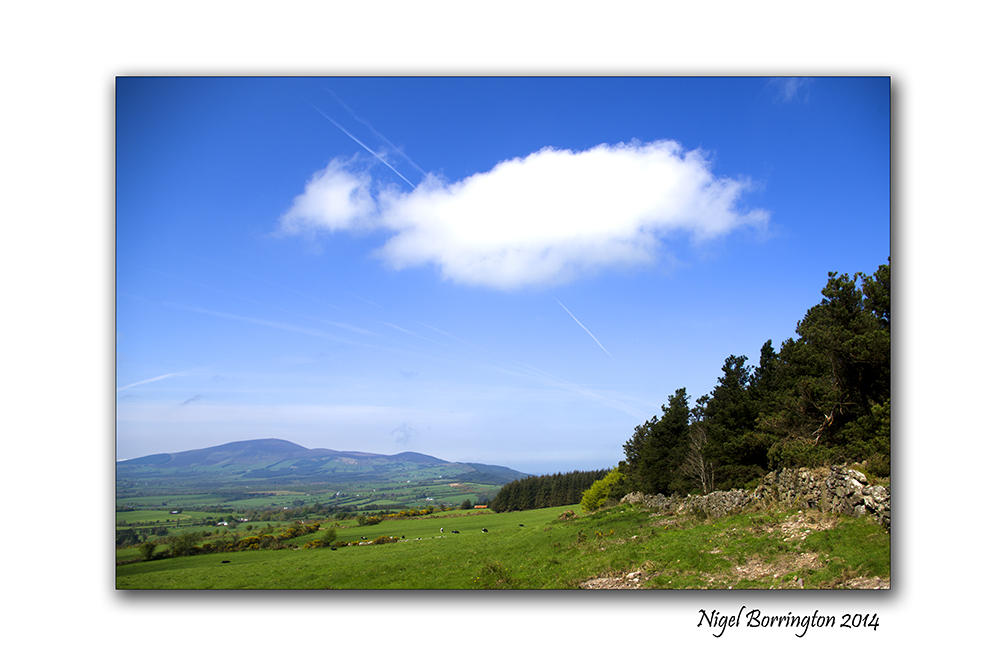
Freedom On The foothills of Slievenamon, County Tipperary
Landscape Photography : Nigel Borrington
Freedom of the Hills
By: Douglas Fraser – 1968
Mine is the freedom of the tranquil hills
When vagrant breezes bend the sinewy grass,
While sunshine on the widespread landscape spills
And light as down the fleet cloud-shadowed pass.
Mine, still, that freedom when the storm-clouds race,
Cracking their whips against defiant crags
And mists swirl boiling up from inky space
To vanish on the instant, torn to rags.
 .
.
When winter grips the mountains in a vice,
Silently stifling with its pall of snow,
Checking the streams, draping the rocks in ice,
Still to their mantled summits I would go.
Sun-drenched, I sense the message they impart;
Storm-lashed, I hear it sing through every vein;
Among the snows it whispers to my heart
“Here is your freedom. Taste – and come again.”
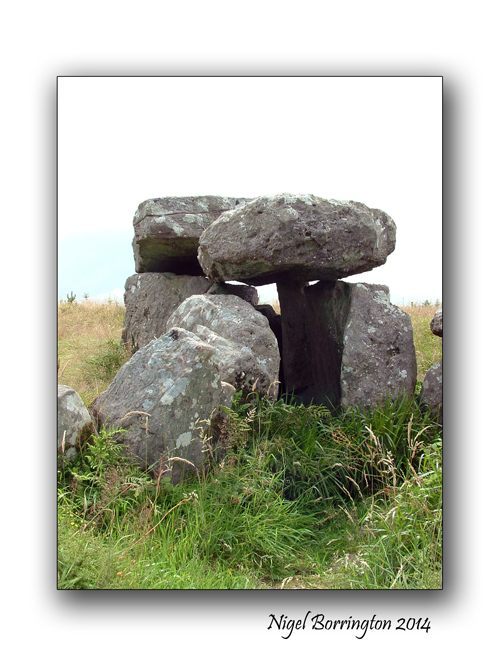
The Passage tomb of (Olioll Olum), King of Munster

The Passage Tomb of , Olioll Olum ( Died 234), Galbally Limerick
Irish Landscape Photography : Nigel Borrington
Irish Passage Tombs
Located on the side of Duntryleague Hill, County Limerick and the westerly extension of Slievenamuc hill is a passage tomb. The Tomb was constructed for Olioll Olum, one of the early Kings of Munster.
The name Duntryleague is derived from Dún-Trí-Liag, meaning the fort of three pillar stones. Diarmuid and Gráinne are also said to have rested here in their flight from the angry Fionn Mac CumhaillWell.
The route through the forest leading to the burial ground is accessible and leads to this amazing rock structure of the tomb. There is one enormous rock slab resting steadily across a number of famous cairns which measures approximately 25m north -south and 22m east-west. Continuing on from the cairn you come across many natural viewing points which extend over the terrain of west Limerick.
Olioll Olum, was a King of Munster, who died in 234, he is said to have been progenitor of most of the great families of the south of Ireland. He married Sabia, daughter of Con of the Hundred Battles, ruler of the north of Ireland.
He willed that after his death the sovereignty of Munster should vest alternately in the descendants of his son Eoghan Mor (the Eugenians, or Eoganachts, occupying the southern part of Munster), and those of his son Cormac Cas (the Dalcassians, occupying the northern part of the same province).
The images below include some landscapes of the surrounding mountains, this is not a bad place to be laid to rest.
Gallery of a Passage Tomb



 Nigel Borrington
You must be logged in to post a comment.