Circus Maximus, Rome

Circus Maximus
Rome
Nigel Borrington
During the Christmas and New year holidays we visited Rome, taking time to revisit some of this great cities history.
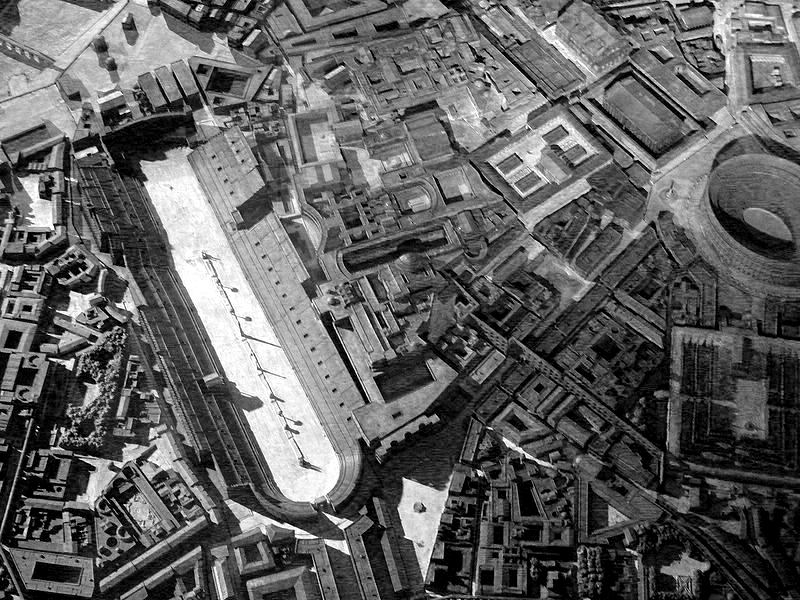
The Circus Maximus is just one of these many locations, today it has become one of Romes many city parks as much as a sports Stadium. However talking a walk around it’s still existing race track you can clearly imagine what it was like here some two thousand years ago with all the spectators, horse and chariot racers.
Circus Maximus, Rome
The Circus Maximus (Latin for greatest or largest circus, in Italian Circo Massimo) is an ancient Roman chariot racing stadium and mass entertainment venue located in Rome, Italy. Situated in the valley between the Aventine and Palatine hills, it was the first and largest stadium in ancient Rome and its later Empire. It measured 621 m (2,037 ft) in length and 118 m (387 ft) in width and could accommodate over 150,000 spectators.[1] In its fully developed form, it became the model for circuses throughout the Roman Empire. The site is now a public park.


Tower Houses of Medieval Kilkenny
Tower House
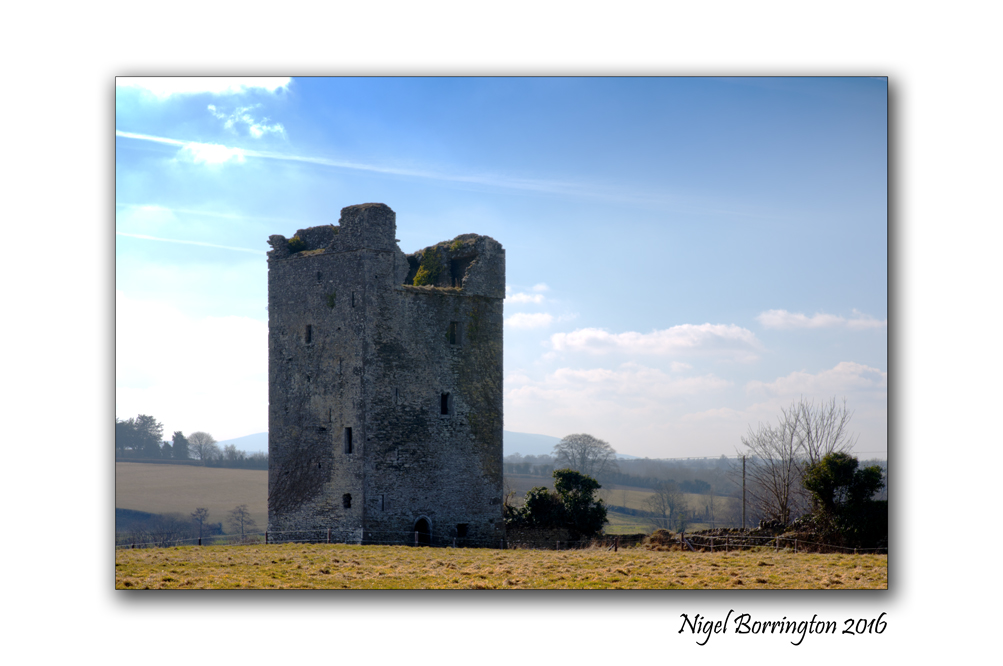
Kells, County Kilkenny
Nigel Borrington
Tower Houses of Medieval Kilkenny, Ireland
The Landscape of County Kilkenny is full of history that covers many different era’s, including the Medieval period from around the 5th to the 15th century.
Just some of the reminders of this era are the great Tower Houses as detailed below.
A tower house is a fortified medieval residence of stone, usually four or more stories in height. Like most of the surviving monuments of our medieval past, the majority of Irish tower houses are in poor condition, with collapsed walls and ivy shrouded exteriors reflecting centuries of neglect. Yet these ruins, the remnants of a major medieval building industry, provide a valuable source of information on life in Ireland during the later Middle Ages. An increasing number are being restored through both private and state initiatives, while there has also been a marked upsurge in academic interest in recent years.
The buildings were regarded as castles by their occupants. This classification continues today and tower houses are regarded as a species within the castle genus. Their evident defensive strength should not, however, overshadow their residential nature, for tower houses were primarily the defended homes of a wealthy landowning class and were erected by both Anglo-Irish and Gaelic families during the period from circa 1400 to circa 1650.
Ref : Tower Houses
Light of the Sun – through the Windows of St Peters , Rome

Light of The Sun
St Peters
Rome
Nigel Borrington
St Peters Rome
The Light of the Sun
Over the Christmas Holiday 2015/16 we visited Rome a city I love very much for among many things its amazing buildings.
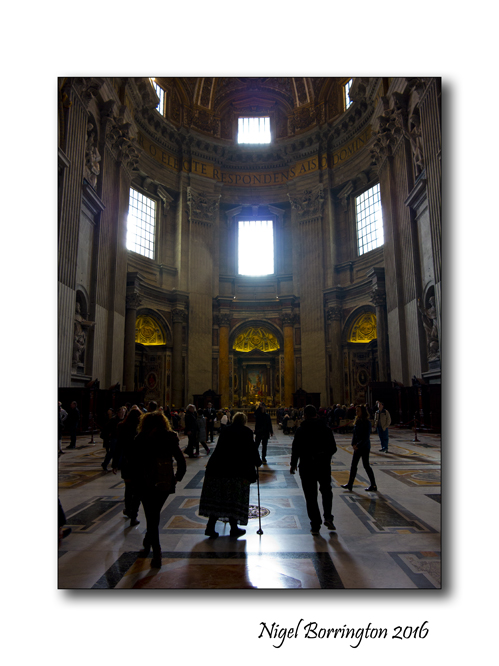
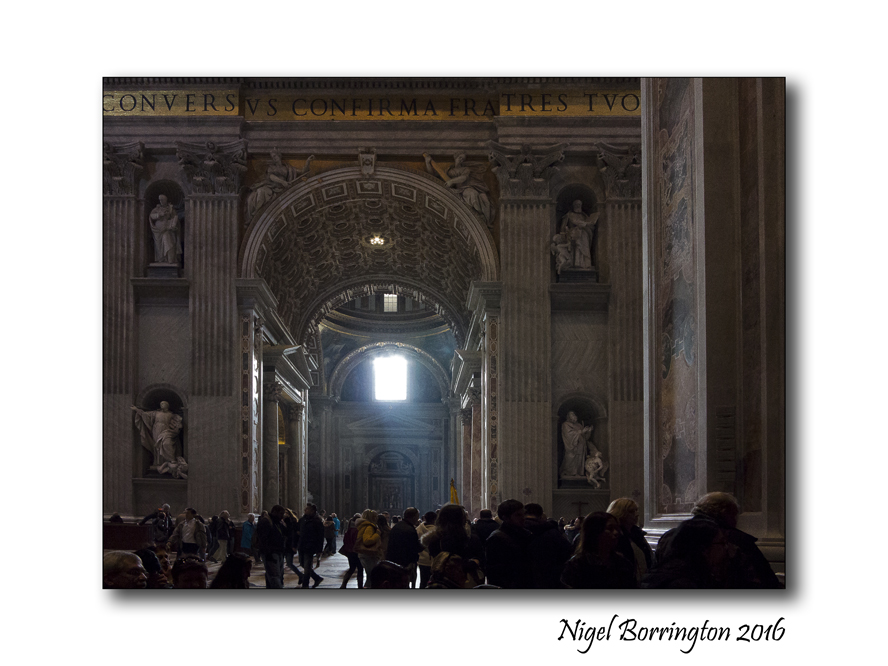
On visiting St Peters Basilica, a must do ! , the weather was just amazing for the time of year. Along with the stunning architecture and art, the one thing I could not help but notice was the light from the low December Sun flooding through the many windows located high on the walls around the many domes and chapels.
I spent a lot of time doing my best to capture the effects that this Sun light was creating and here just wanted to share a few of my attempts.
Rome is a city of outstanding churches, none however can hold a candle to St Peter’s (Basilica di San Pietro), Italy’s largest, richest and most spectacular basilica. It is Built atop an earlier 4th-century church, it was completed in 1626 after 120 years’ construction.
Its lavish interior contains many spectacular works of art, including three of Italy’s most celebrated masterpieces: Michelangelo’s Pietà, his soaring dome, and Bernini’s 29m-high baldachin over the papal altar.
Light of the Universe – A Gallery



Old Houses By Robert Cording

Old Houses
By Robert Cording
Year after year after year
I have come to love slowly
how old houses hold themselves—
before November’s drizzled rain
or the refreshing light of June—
as if they have all come to agree
that, in time, the days are no longer
a matter of suffering or rejoicing.
 .
.
I have come to love
how they take on the color of rain or sun
as they go on keeping their vigil
without need of a sign, awaiting nothing
more than the birds that sing from the eaves,
the seizing cold that sounds the rafters.
Friday Poetry , When You Are Old By William Butler Yeats

Irish Landscape Photography
Nigel Borrington
When you are old and grey and full of sleep,
And nodding by the fire, take down this book,
And slowly read, and dream of the soft look
Your eyes had once, and of their shadows deep;
How many loved your moments of glad grace,
And loved your beauty with love false or true,
But one man loved the pilgrim soul in you,
And loved the sorrows of your changing face;

And bending down beside the glowing bars,
Murmur, a little sadly, how Love fled
And paced upon the mountains overhead
And hid his face amid a crowd of stars.
The Mountain Road – Poem by Enid Derham

Irish Landscapes
West cork Mountains
Nigel Borrington
The Mountain Road
Poem by Enid Derham
Coming down the mountain road
Light of heart and all alone,
I caught from every rill that flowed
A rapture of its own.
Heart and mind sang on together,
Rhymes began to meet and run
In the windy mountain weather
And the winter sun.
Clad in freshest light and sweet
Far and far the city lay
With her suburbs at her feet
Round the laughing bay.

Like an eagle lifted high
Half the radiant world I scanned,
Till the deep unclouded sky
Circled sea and land.
No more was thought a weary load,
Older comforts stirred within,
Coming down the mountain road
The earth and I were kin.
Ulysses By Alfred, Lord Tennyson

It little profits that an idle king,
By this still hearth, among these barren crags,
Match’d with an aged wife, I mete and dole
Unequal laws unto a savage race,
That hoard, and sleep, and feed, and know not me.
I cannot rest from travel: I will drink
Life to the lees: All times I have enjoy’d
Greatly, have suffer’d greatly, both with those
That loved me, and alone, on shore, and when
Thro’ scudding drifts the rainy Hyades
Vext the dim sea: I am become a name;
For always roaming with a hungry heart
Much have I seen and known; cities of men
And manners, climates, councils, governments,
Myself not least, but honour’d of them all;
And drunk delight of battle with my peers,
Far on the ringing plains of windy Troy.
I am a part of all that I have met;
Yet all experience is an arch wherethro’
Gleams that untravell’d world whose margin fades
For ever and forever when I move.
How dull it is to pause, to make an end,
To rust unburnish’d, not to shine in use!
As tho’ to breathe were life! Life piled on life
Were all too little, and of one to me
Little remains: but every hour is saved
From that eternal silence, something more,
A bringer of new things; and vile it were
For some three suns to store and hoard myself,
And this gray spirit yearning in desire
To follow knowledge like a sinking star,
Beyond the utmost bound of human thought.
This is my son, mine own Telemachus,
To whom I leave the sceptre and the isle,—
Well-loved of me, discerning to fulfil
This labour, by slow prudence to make mild
A rugged people, and thro’ soft degrees
Subdue them to the useful and the good.
Most blameless is he, centred in the sphere
Of common duties, decent not to fail
In offices of tenderness, and pay
Meet adoration to my household gods,
When I am gone. He works his work, I mine.

There lies the port; the vessel puffs her sail:
There gloom the dark, broad seas. My mariners,
Souls that have toil’d, and wrought, and thought with me—
That ever with a frolic welcome took
The thunder and the sunshine, and opposed
Free hearts, free foreheads—you and I are old;
Old age hath yet his honour and his toil;
Death closes all: but something ere the end,
Some work of noble note, may yet be done,
Not unbecoming men that strove with Gods.
The lights begin to twinkle from the rocks:
The long day wanes: the slow moon climbs: the deep
Moans round with many voices. Come, my friends,
‘T is not too late to seek a newer world.
Push off, and sitting well in order smite
The sounding furrows; for my purpose holds
To sail beyond the sunset, and the baths
Of all the western stars, until I die.
It may be that the gulfs will wash us down:
It may be we shall touch the Happy Isles,
And see the great Achilles, whom we knew.
Tho’ much is taken, much abides; and tho’
We are not now that strength which in old days
Moved earth and heaven, that which we are, we are;
One equal temper of heroic hearts,
Made weak by time and fate, but strong in will
To strive, to seek, to find, and not to yield.
The Light Bringer , a Poem by : Jude Kyrie

Irish Landscape
Nigel Borrington
The darkness of forever
a mantle that shrouds the earth
timeless stars cascade the bejeweled heavens
The silent stillness of all time
pervades the night sky
The light bringer in his infinite vigil
stands alone a silent sentry
lighting his planets one by one
Two lovers sleep in the blessed stillness
in cushions of clouds below the moon,
His starlight falls upon them
like a sweet gentle rain
Bestowing upon them
the gifts of his purest light
from the farthest
reaches of his universe.
On the earth below
lovers woo and maidens dream
as they have always been
bathing in its magical mist

The light bringer watches them
he sees the lovers share a kiss
believing they would capture each fleeting moment
preserve it forever in their memories
But their time was as a grain of sand
the deserts of time belong to him
Poems of Remembrance (W. B. Yeats and Robert Laurence Binyon)
An Irish Airman Foresees His Death
W. B. Yeats, 1865 – 1939
I know that I shall meet my fate
Somewhere among the clouds above;
Those that I fight I do not hate
Those that I guard I do not love;
My country is Kiltartan Cross,
My countrymen Kiltartan’s poor,
No likely end could bring them loss
Or leave them happier than before.
Nor law, nor duty bade me fight,
Nor public man, nor cheering crowds,
A lonely impulse of delight
Drove to this tumult in the clouds;
I balanced all, brought all to mind,
The years to come seemed waste of breath,
A waste of breath the years behind
In balance with this life, this death.
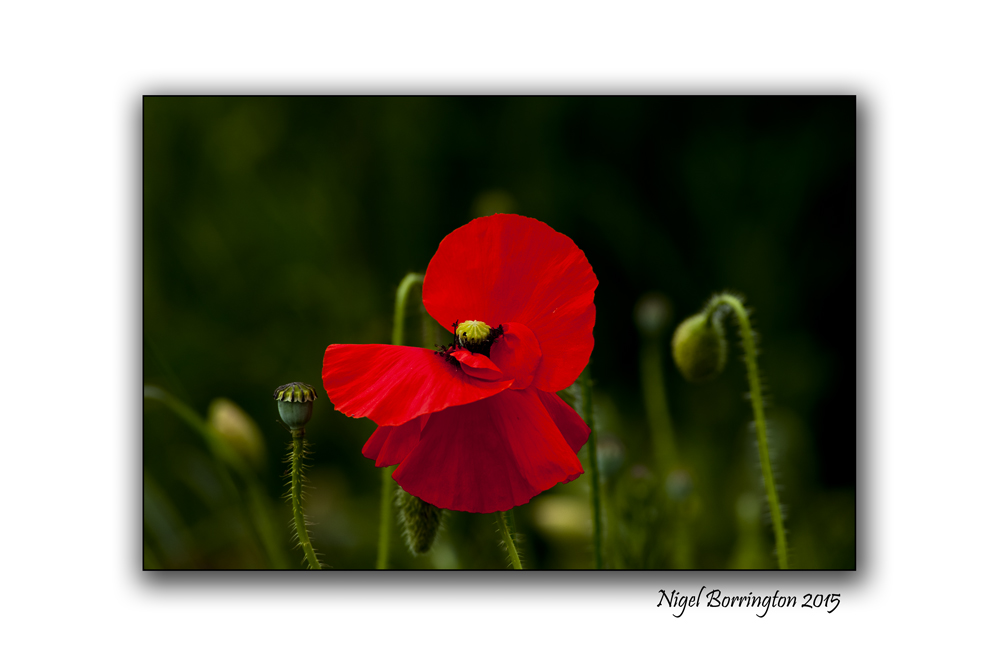
The GreatWar 1914-1918
For the Fallen
Robert Laurence Binyon, by artist William Strang. Laurence Binyon
Poem by Robert Laurence Binyon (1869-1943), published in The Times newspaper on 21st September 1914.
With proud thanksgiving, a mother for her children,
England mourns for her dead across the sea.
Flesh of her flesh they were, spirit of her spirit,
Fallen in the cause of the free.
Solemn the drums thrill: Death august and royal
Sings sorrow up into immortal spheres.
There is music in the midst of desolation
And a glory that shines upon our tears.
They went with songs to the battle, they were young,
Straight of limb, true of eye, steady and aglow.
They were staunch to the end against odds uncounted,
They fell with their faces to the foe.
They shall grow not old, as we that are left grow old:
Age shall not weary them, nor the years condemn.
At the going down of the sun and in the morning
We will remember them.
They mingle not with their laughing comrades again;
They sit no more at familiar tables of home;
They have no lot in our labour of the day-time;
They sleep beyond England’s foam.
But where our desires are and our hopes profound,
Felt as a well-spring that is hidden from sight,
To the innermost heart of their own land they are known
As the stars are known to the Night;
As the stars that shall be bright when we are dust,
Moving in marches upon the heavenly plain,
As the stars that are starry in the time of our darkness,
To the end, to the end, they remain.
Monday Poetry : Light Between The Trees, By – Henry Van Dyke

Irish Landscapes
Nigel Borrington
Light Between The Trees
Author: Henry Van Dyke
Long, long, long the trail
Through the brooding forest-gloom,
Down the shadowy, lonely vale
Into silence, like a room
Where the light of life has fled,
And the jealous curtains close
Round the passionless repose
Of the silent dead.
Plod, plod, plod away,
Step by step in mouldering moss;
Thick branches bar the day
Over languid streams that cross
Softly, slowly, with a sound
Like a smothered weeping,
In their aimless creeping
Through enchanted ground.

“Yield, yield, yield thy quest,”
Whispers through the woodland deep;
“Come to me and be at rest;
I am slumber, I am sleep.”
Then the weary feet would fail,
But the never-daunted will
Urges “Forward, forward still!
Press along the trail!”
Breast, breast, breast the slope
See, the path is growing steep.
Hark! a little song of hope
Where the stream begins to leap.
Though the forest, far and wide,
Still shuts out the bending blue,
We shall finally win through,
Cross the long divide.
On, on, on we tramp!
Will the journey never end?
Over yonder lies the camp;
Welcome waits us there, my friend.
Can we reach it ere the night?
Upward, upward, never fear!
Look, the summit must be near;
See the line of light!
Red, red, red the shine
Of the splendour in the west,

Against Winter – Poem by Charles Simic

Winter is Coming
Nigel Borrington
Today is a Public Holiday here in Ireland and the last before Christmas, So I went out this morning for a long walk with The Dog. The Weather is very wintry with heavy rain, perfect weather to get some moody Images as I walked along some of our local country lanes.
The Seasons are turning very quickly now and winter is coming, these walks will be cold and wet for a few weeks, yet this time of year brings its own atmosphere, one that I love very much. Its great to return home put the fire on and have a hot drink or some warm soup.
Against Winter –
Charles Simic
The truth is dark under your eyelids.
What are you going to do about it?
The birds are silent; there’s no one to ask.
All day long you’ll squint at the gray sky.
When the wind blows you’ll shiver like straw.

A meek little lamb you grew your wool
Till they came after you with huge shears.
Flies hovered over open mouth,
Then they, too, flew off like the leaves,
The bare branches reached after them in vain.
Winter coming. Like the last heroic soldier
Of a defeated army, you’ll stay at your post,
Head bared to the first snow flake.
Till a neighbor comes to yell at you,
You’re crazier than the weather, Charlie.
The Bright Field’ by R. S. Thomas

The Bright Field’ by R. S. Thomas
Landscape Photography : Nigel Borrington
I have seen the sun break through
to illuminate a small field
for a while, and gone my way
and forgotten it. But that was the
pearl of great price, the one field that had
treasure in it. I realise now
that I must give all that I have
to possess it. Life is not hurrying
on to a receding future, nor hankering after
an imagined past. It is the turning
aside like Moses to the miracle
of the lit bush, to a brightness
that seemed as transitory as your youth
once, but is the eternity that awaits you.
Reviewed by Emily Ardag
I hope you all enjoy this beautiful poem by Welsh poet, R. S. Thomas. Thomas was an anglican priest, as well as a poet, but I think this piece is full of profound wisdom for everyone, regardless of creed.
The Bright Field speaks about those shining moments in life — moments of grace, beauty, inspiration, epiphany — where we fleetingly encounter the divine or feel a deep connection to the universe. This image of the bright field evokes for me various ideas: the moment you see your child’s face for the first time, the moment you realise you’ve fallen in love, or when you read and understand some complicated scientific theory about the universe, become transfixed by Shakespeare or an incredible piece of music… or, of course, when you pray or meditate, and feel a connection to the divine.
The poet confides that he has often seen the sun “illuminate a small field” for a moment, and continued on his way and “forgotten it”. But, says Thomas, he knows that that field was “the pearl of great price”; that moment was something rare and beautiful, to hold on to and spend your life searching for. He is admitting here that he has experienced moments of profound connection to God, but that he has proceeded to move on, without dwelling on it. However, he has now come to realise that he must “give all that I have/ To possess” that moment — that “bright field” — again.
Another quality of these “bright” moments becomes clear as we enter the second stanza; the poem says that life is not “hurrying on/ to a receding future” or “hankering after/ and imagined past”. These lines deliver to me the notion that these bright moments of grace are in fact moments where we are intensely present. These are the moments we are most alive, and when we feel most connected to life, the universe, and/or God. This is as relevant for prayer and meditation as it is for all the other instances I have mentioned where one might experience a moment of exhilarating and glorious connection to the universe.
The poem ends with the beautiful image of the burning bush from the story of Moses. Thomas tells us that life — and these moments — is about “turning/ like Moses to the miracle/ of the lit bush”. Again, there is a real sense of intense presence in this image. I think the way the bright light — which is God, and grace — is described in the final lines is just exquisite: though it had once seemed “as transitory as your youth”, it is in fact “the eternity that awaits you.”
St John’s Point Lighthouse, Donegal, Irish Landscape Photography

St John’s Point Lighthouse, Donegal
Last week I changed my blog header to an image of St, Johns Point Lighthouse in county Donegal, so I though I would just share some details about this great place.
Its an amazing lighthouse at the mouth of Donegal bay and like many Lighthouses it was build through hard work and taking a risk with time and money, followed with many years of hard work and care in order to keep it running so that many lives could be saved.
Some History
From the Commissioners of Irish Lights
This is a harbour light used to guide from Donegal Bay, it marks the north side of the bay leading to Killybegs Harbour from the entrance up to Rotten Island.
The Corporation for Preserving and Improving the Port of Dublin (the Ballast Board) received a request on 24 February 1825 signed by merchants and traders of Killybegs requesting a light on St John’s Point. This was not approved until April 1829, and Trinity House gave their statutory sanction the following month.
The tower, built of cut granite, was designed by the Board’s Inspector of Works and Inspector of Lighthouses, George Halpin, and erected by the Board’s workmen under Halpin’s supervision.
The tower, painted white, had a first order catoptric fixed light 98 feet above high water with a visibility in clear weather of 14 miles. The light was first used on 4 November 1831 with the buildings in an uncompleted state. The final cost at the end of 1833 was £10,507.8.5.
Gallery


A Poem for Sunday Evening – The Sound of the Sea By : Henry Wadsworth Longfellow
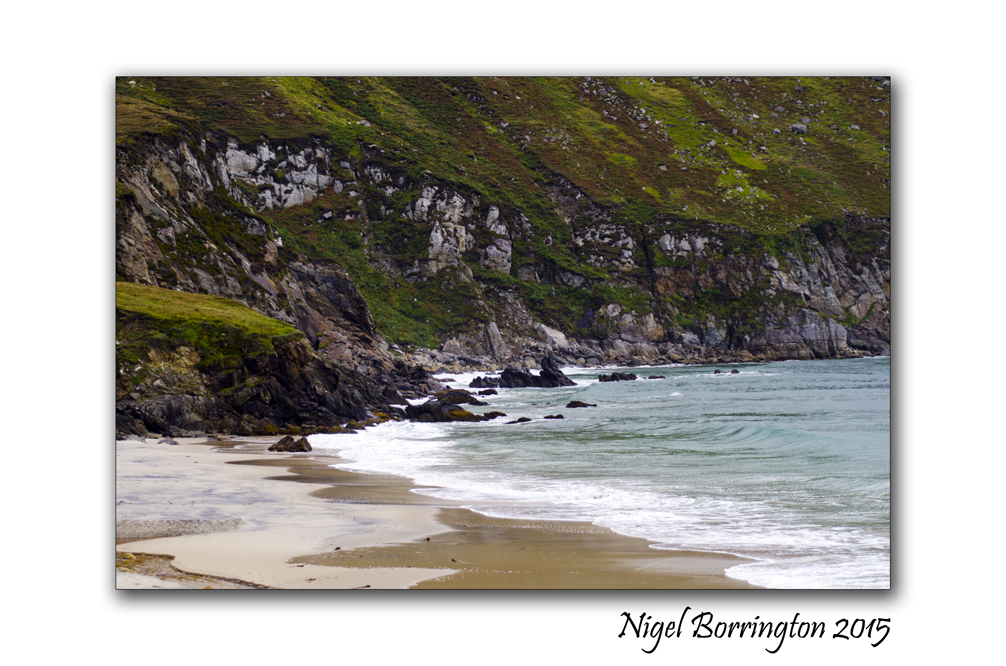
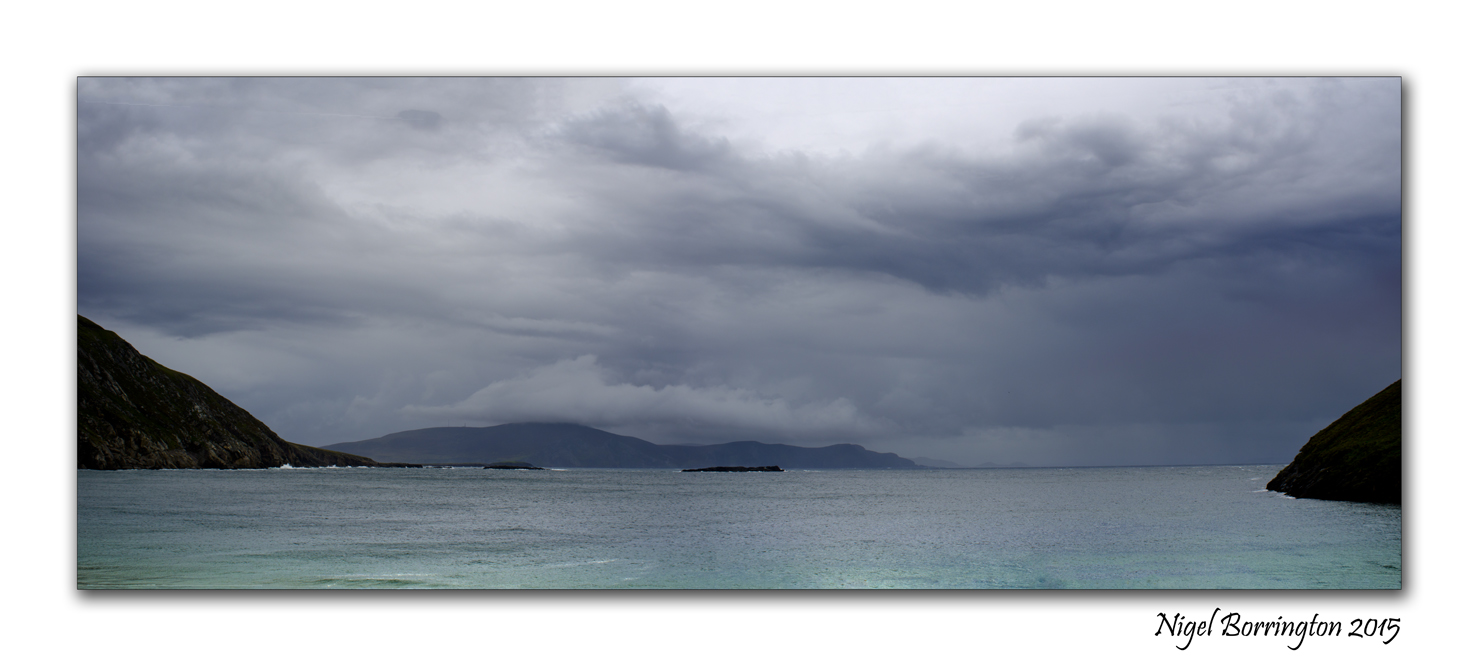
Keem Strand, Achill island, Co.Mayo
Irish Landscapes
Nigel Borrington
The Sound of the Sea
By : Henry Wadsworth Longfellow
The sea awoke at midnight from its sleep,
And round the pebbly beaches far and wide
I heard the first wave of the rising tide
Rush onward with uninterrupted sweep;
A voice out of the silence of the deep,
A sound mysteriously multiplied
As of a cataract from the mountain’s side,
Or roar of winds upon a wooded steep.
So comes to us at times, from the unknown
And inaccessible solitudes of being,
The rushing of the sea-tides of the soul;
And inspirations, that we deem our own,
Are some divine foreshadowing and foreseeing
Of things beyond our reason or control.
Friday Poetry : The Bridge Builder , By : William Allen Dromgoole

The Bridge Builder
Irish Landscapes
Nigel Borrington
The Bridge Builder
By William Allen Dromgoole
An old man going a lone highway,
Came, at the evening cold and gray,
To a Valley vast and deep and wide.
Through which was flowing a sullen stream
The old man crossed in the twilight dim,
The sullen stream had no fear for him;
But he turned when safe on the other side
And built a bridge to span the tide.

“Old man,” said a fellow pilgrim near,
“You are wasting your strength with building here;
Your journey will end with the ending day,
You never again will pass this way;
You’ve crossed the chasm, deep and wide,
Why build this bridge at evening tide?”
The builder lifted his old gray head;
“Good friend, in the path I have come,” he said,
“There followed after me to-day
A person whose feet must pass this way.
This chasm that has been as naught to me
To that fair-haired person may a pitfall be;
They, too, must cross in the twilight dim;
Good friend, I am building this bridge for him!”
October’s Party By: George Cooper

October, In Gold she looks their best;
Landscape Photography : Nigel Borrington
October’s Party
By: George Cooper
October gave a party;
The leaves by hundreds came—
The Chestnuts, Oaks, and Maples,
And leaves of every name.
The Sunshine spread a carpet,
And everything was grand,
Miss Weather led the dancing,
Professor Wind the band.

The Chestnuts came in yellow,
The Oaks in crimson dressed;
The lovely Misses Maple
In scarlet looked their best;
All balanced to their partners,
And gaily fluttered by;
The sight was like a rainbow
New fallen from the sky.

Then, in the rustic hollow,
At hide-and-seek they played,
The party closed at sundown,
And everybody stayed.
Professor Wind played louder;
They flew along the ground;
And then the party ended
In jolly “hands around.”
County Waterford , Ireland – An October’s walk along the Coast.

An October walk along the Waterford coast
Irish Landscape Photography
Nigel Borrington
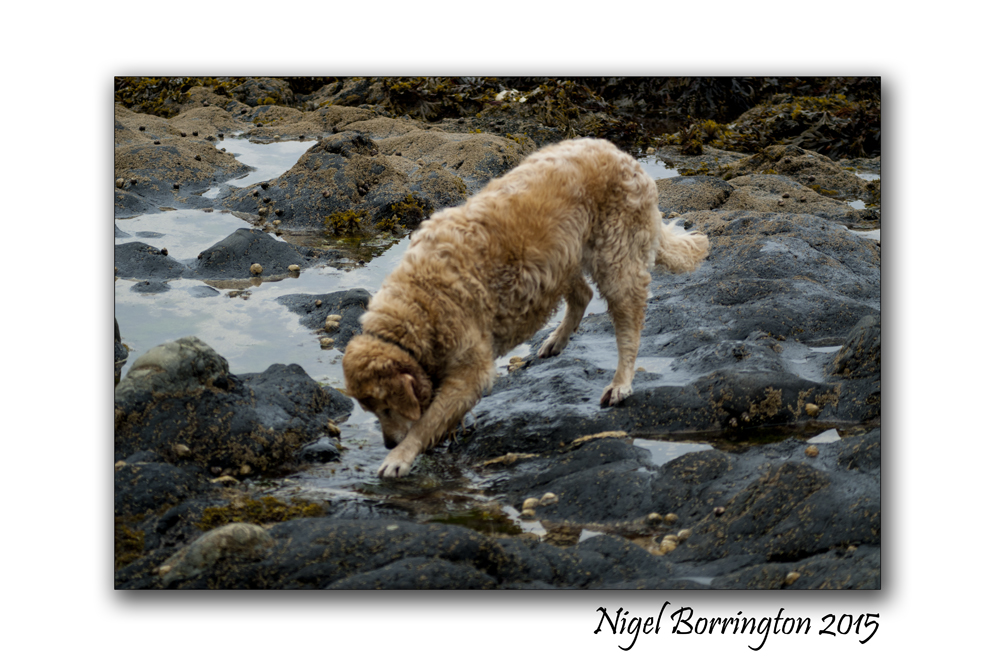
Molly is our 12 and 1/2 year old Golden retriever and she loves nothing more than being in and around water – as often as she can !!! Rivers, Lakes, and the Sea. I often think that if it was not for her I would not have visited as many wonderful places here in Ireland, just trying to keep her walked and fit!!!, but being over 12 years old now, she has slowed down a little but still loves her swimming and coastal visits.
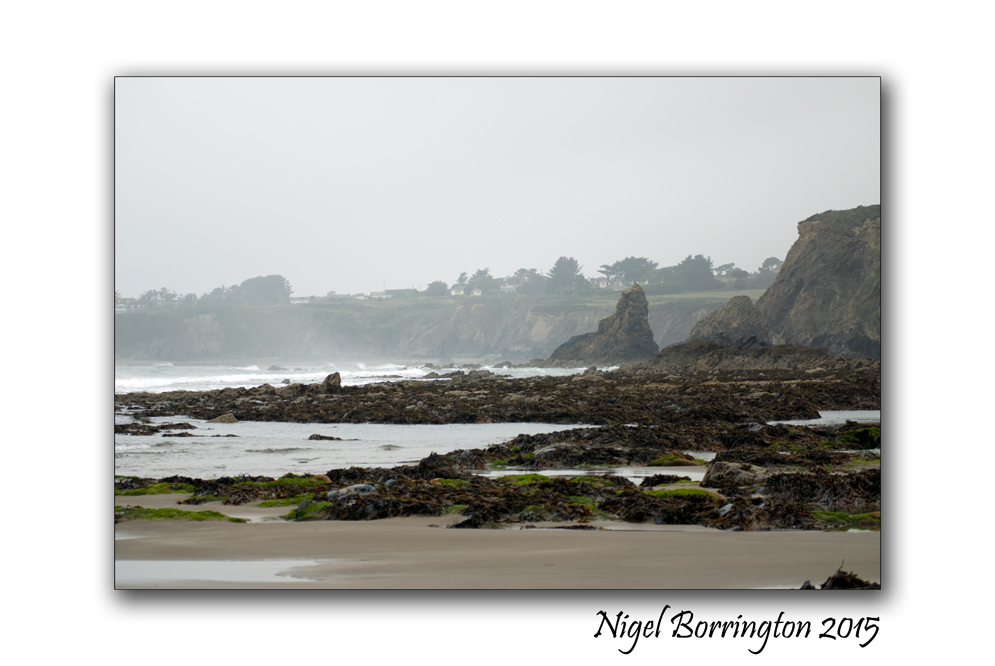
I also love visiting the Irish coastline, our nearest locations are along the county Waterford coast, with its rocky small coves and caves its just a perfect and dramatic coastline in many ways.
October is a great month for these visits as the mornings bring rolling in sea mists and dramatic waves as the temperatures slide slowly into the winter months …..
A walk along the Waterford coast line : Gallery




Images of Kilkenny, Autumn on the river Barrow

Autumn on river the Barrow Kilkenny
Nigel Borrington
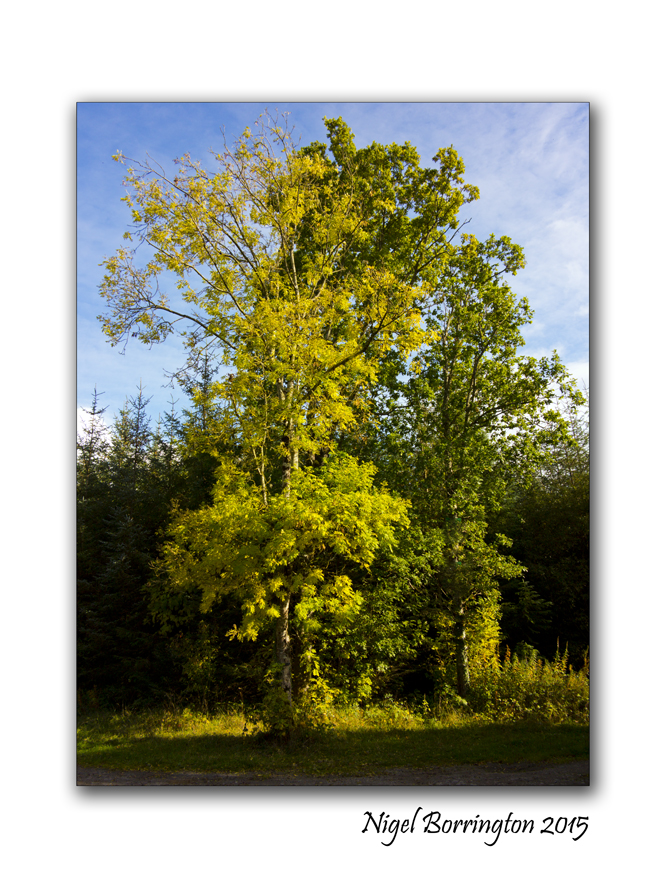
Autumn is just starting to take a hold here in County Kilkenny, some green remains but a lot of the trees are just starting to turn yellow, as these pictures taken during a walk along the river Barrow show.
Autumn colours reflected in the almost still water of the river as it flows through the county on the last week in September 2015.


5 images for the week – Autumn Equinox 2015
Autumn Equinox 2015
Landscape photography : Nigel Borrington
Sun Crosses Celestial Equator
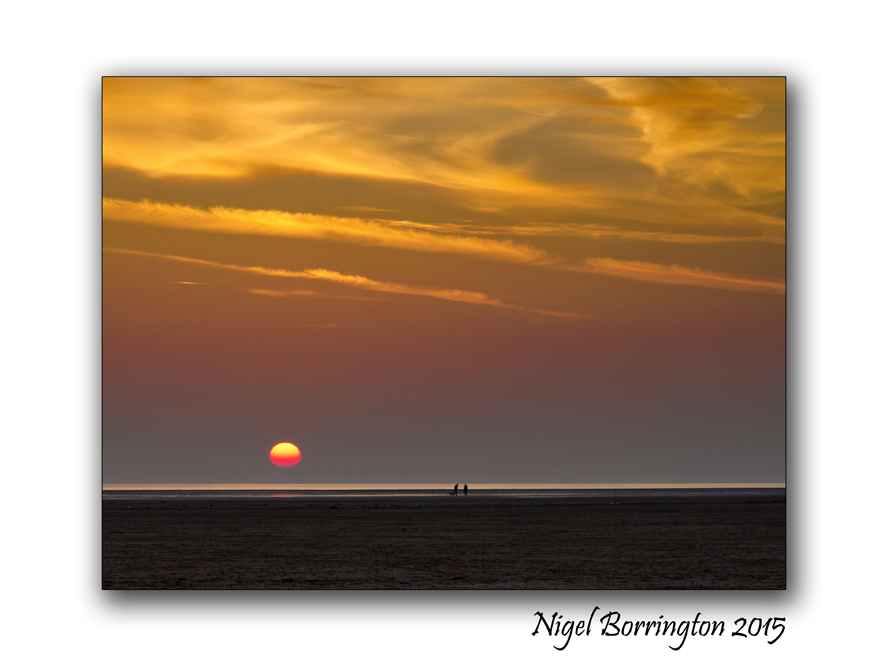
The September equinox occurs the moment the Sun crosses the celestial equator – the imaginary line in the sky above the Earth’s Equator – from north to south. This happens either on September 22, 23, or 24 every year.
The Axial Tilt
The Earth’s axis is always tilted at an angle of about 23.5° in relation to the ecliptic, the imaginary plane created by the Earth’s path around the Sun. On any other day of the year, either the southern hemisphere or the Northern Hemisphere tilts a little towards the Sun. But on the two equinoxes, the tilt of the Earth’s axis is perpendicular to the Sun’s rays, like the illustration shows.
Why “Equinox”?
On the equinox, night and day are nearly exactly the same length – 12 hours – all over the world. This is the reason it’s called an “equinox”, derived from Latin, meaning “equal night”. However, even if this is widely accepted, it isn’t entirely true. In reality equinoxes don’t have exactly 12 hours of daylight
Customs around the September equinox
The September equinox coincides with many cultural events, observances and customs. It’s also called the “autumnal (fall) equinox” in the northern hemisphere and the “spring equinox” in the Southern Hemisphere.
September Equinox Customs
Ancient Greece
In many cultures, the September equinox is a sign of fall (autumn) in the northern hemisphere. In Greek mythology fall is associated with when the goddess Persephone returns to the underworld to be with her husband Hades. It was supposedly a good time to enact rituals for protection and security as well as reflect on successes or failures from the previous months.
Australia
Aboriginal Australians have, for a long time, had a good knowledge of astronomy and the seasons. Events like the September equinox, which is during the spring in Australia, played a major role in oral traditions in Indigenous Australian culture.
In China
The Mid-Autumn Festival, also known as the Moon Festival, is celebrated around the time of the September equinox. It celebrates the abundance of the summer’s harvest and one of the main foods is the mooncake filled with lotus, sesame seeds, a duck egg or dried fruit.
Japan
Higan, or Higan-e, is a week of Buddhist services observed in Japan during both the September and March equinoxes. Both equinoxes have been national holidays since the Meiji period (1868-1912). Higan means the “other shore” and refers to the spirits of the dead reaching Nirvana. It is a time to remember the dead by visiting, cleaning and decorating their graves.
Pagan celebration: Mabon
On the autumnal equinox, many pagans celebrate Mabon as one of the eight Sabbats (a celebration based on the cycles of the sun). Mabon celebrates the second harvest and the start of winter preparations. It is the time to respect the impending dark while giving thanks to the sunlight.
Christianity
The Christian church replaced many early Pagan equinox celebrations with Christianized observances. For example, Michaelmas (also known as the Feast of Michael and All Angels), on September 29, fell near the September equinox.
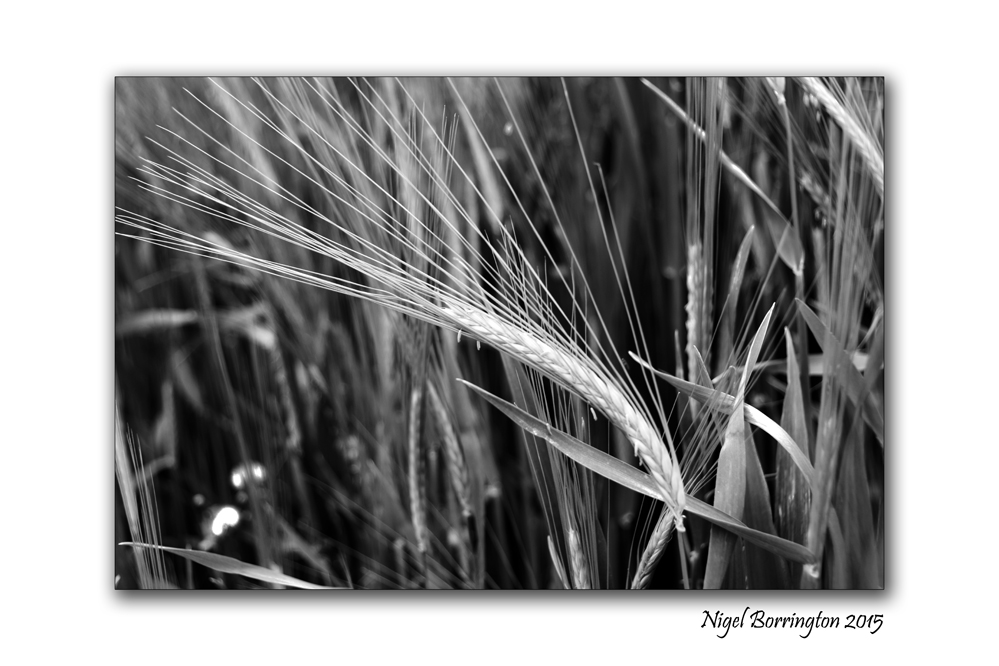
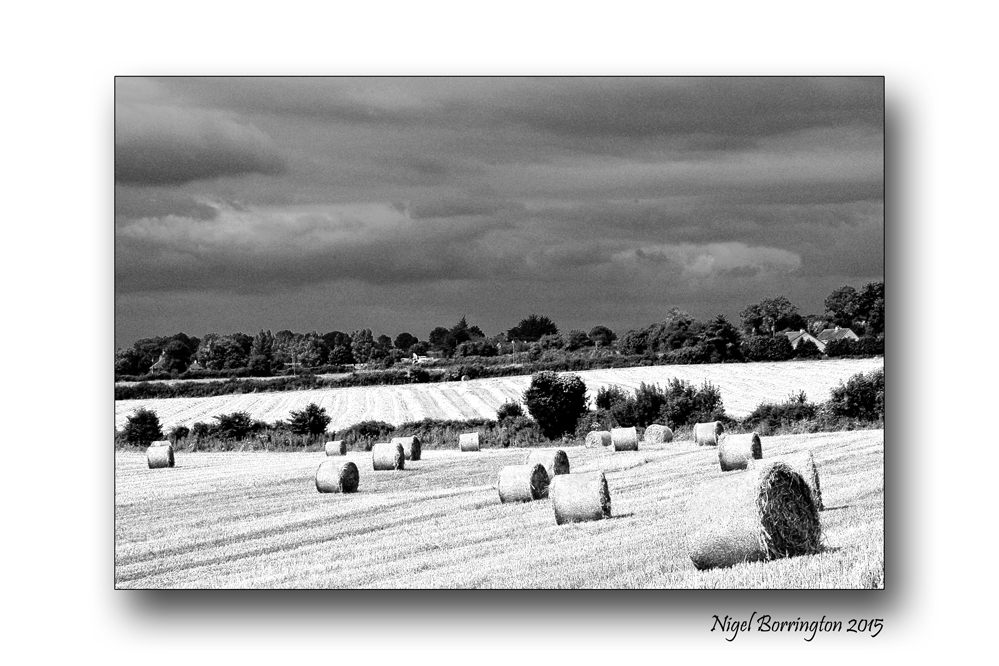
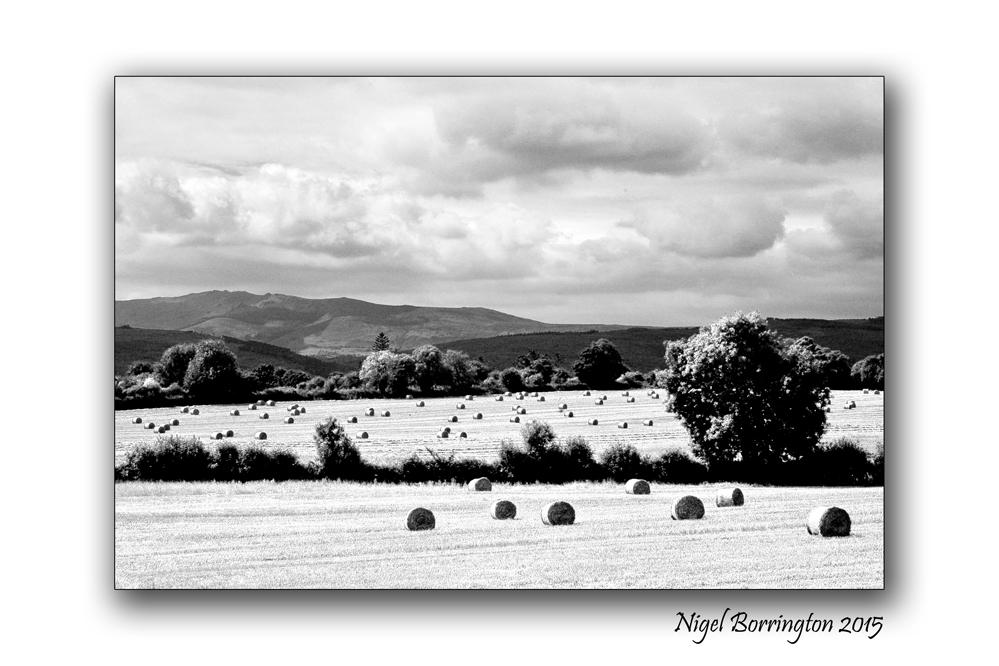
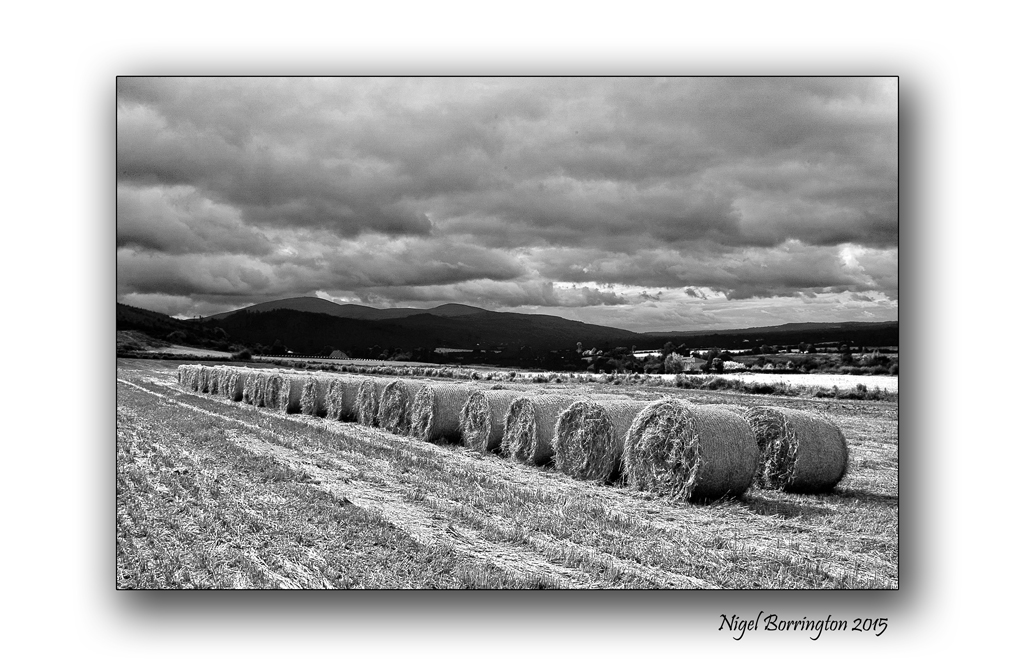
Kilkenny landscapes (harvest time) , The Harvest Poem by Duncan Campbell Scott

The Harvest
Written by Duncan Campbell Scott
Sun on the mountain,
Shade in the valley,
Ripple and lightness
Leaping along the world,
Sun, like a gold sword
Plucked from the scabbard,
Striking the wheat-fields,
Splendid and lusty,
Close-standing, full-headed,
Toppling with plenty;
Shade, like a buckler
Kindly and ample,
Sweeping the wheat-fields
Darkening and tossing;
There on the world-rim
Winds break and gather
Heaping the mist
For the pyre of the sunset;
And still as a shadow,
In the dim westward,
A cloud sloop of amethyst
Moored to the world
With cables of rain.
Acres of gold wheat
Stir in the sunshine,
Rounding the hill-top,
Crested with plenty,
Filling the valley,
Brimmed with abundance,
Wind in the wheat-field
Eddying and settling,
Swaying it, sweeping it,
Lifting the rich heads,
Tossing them soothingly
Twinkle and shimmer
The lights and the shadowings,
Nimble as moonlight
Astir in the mere.
Laden with odors
Of peace and of plenty,
Soft comes the wind
From the ranks of the wheat-field,
Bearing a promise
Of harvest and sickle-time,
Opulent threshing-floors
Dusty and dim
With the whirl of the flail,
And wagons of bread,
Sown-laden and lumbering
Through the gateways of cities.
When will the reapers
Strike in their sickles,
Bending and grasping,
Shearing and spreading;
When will the gleaners
Searching the stubble
Take the last wheat-heads
Home in their arms ?
Ask not the question! –
Something tremendous
Moves to the answer.
Hunger and poverty
Heaped like the ocean
Welters and mutters,
Hold back the sickles!
Millions of children
Born to their mothers’ womb,
Starved at the nipple, cry,–
Ours is the harvest!
Millions of women
Learned in the tragical
Secrets of poverty,
Sweated and beaten, cry,–
Hold back the sickles!
Millions of men
With a vestige of manhood,
Wild-eyed and gaunt-throated,
Shout with a leonine
Accent of anger,
Leaves us the wheat-fields!
When will the reapers
Strike in their sickles?
Ask not the question;
Something tremendous
Moves to the answer.
Long have they sharpened
Their fiery, impetuous
Sickles of carnage,
Welded them aeons
Ago in the mountains
Of suffering and anguish;
Hearts were their hammers
Blood was their fire,
Sorrow their anvil,
(Trusty the sickle
Tempered with tears;)
Time they had plenty-
Harvests and harvests
Passed them in agony,
Only a half-filled
Ear for their lot;
Man that has taken
God for a master
Made him a law,
Mocked him and cursed him,
Set up this hunger,
Called it necessity,
Put in the blameless mouth
Juda’s language:
The poor ye have with you
Always, unending.
But up from the impotent
Anguish of children,
Up from the labor
Fruitless, unmeaning,
Of millions of mothers,
Hugely necessitous,
Grew by a just law
Stern and implacable,
Art born of poverty,
The making of sickles
Meet for the harvest.
And now to the wheat-fields
Come the weird reapers
Armed with their sickles,
Whipping them keenly
In the fresh-air fields,
Wild with the joy of them,
Finding them trusty,
Hilted with teen.
Swarming like ants,
The Idea for captain,
No banners, no bugles,
Only a terrible
Ground-bass of gathering
Tempest and fury,
Only a tossing
Of arms and of garments;
Sexless and featureless,
(Only the children
Different among them,
Crawling between their feet,
Borne on their shoulders;)
Rolling their shaggy heads
Wild with the unheard-of
Drug of the sunshine;
Tears that had eaten
The half of their eyelids
Dry on their cheeks;
Blood in their stiffened hair
Clouted and darkened;
Down in their cavern hearts
Hunger the tiger,
Leaping, exulting;
Sighs that had choked them
Burst into triumphing;
On they come, Victory!
Up to the wheat-fields,
Dreamed of in visions
Bred by the hunger,
Seen for the first time
Splendid and golden;
On they come fluctuant,
Seething and breaking,
Weltering like fire
In the pit of the earthquake,
Bursting in heaps
With the sudden intractable
Lust of the hunger:
Then when they see them-
The miles of the harvest
White in the sunshine,
Rushing and stumbling,
With the mighty and clamorous
Cry of a people
Starved from creation,
Hurl themselves onward,
Deep in the wheat-fields,
Weeping like children,
After ages and ages,
Back at the mother the earth.
Night in the valley,
Gloom on the mountain,
Wind in the wheat,
Far to the southward
The flutter of lightning,
The shudder of thunder;
But high at the zenith,
A cluster of stars
Glimmers and throbs
In the gasp of the midnight,
Steady and absolute,
Ancient and sure
Irish great Elk – one of the largest deer that ever lived

Irish Elk ,
At : Cahir Castle, County. Tipperary
The Irish great elk is an extinct species of deer it was one of the largest deer that ever lived. Its range extended across Eurasia, from Ireland to northern Asia and Africa.
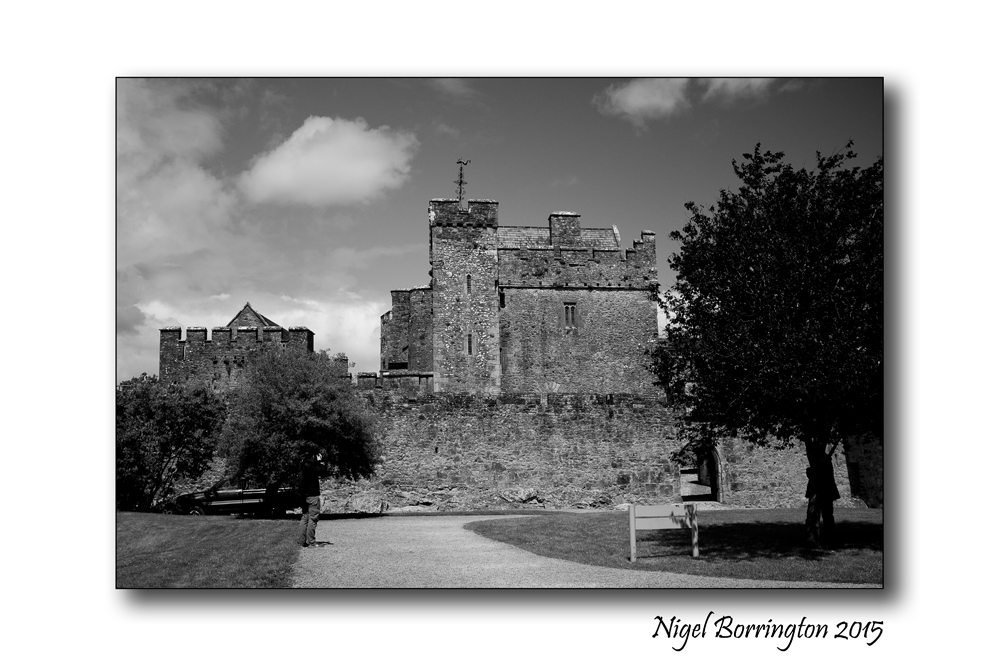
The skull and antlers in the main image above are located in the old 11th century dining hall at Cahir Castle county Tipperary Ireland. With antlers spanning 2.7 metres (8.9 ft) this Skull hangs high on one of the gable ends of the hall and seams to fill the room with its presence.
It is some 7000 to 8000 years since these amazing elk walked around the Irish landscape, it is not fully known exactly why or when the became extinct but the most recent specimen of M. giganteus in northern Siberia, dated to approximately 7,700 years ago.
Description
The Irish Elk stood about 2.1 metres (6.9 ft) tall at the shoulders carrying the largest antlers of any known cervid (a maximum of 3.65 m (12.0 ft) from tip to tip and weighing up to 40 kg (88 lb)).

In body size the Irish Elk matched the extant moose subspecies of Alaska (Alces alces gigas) as the largest known deer. The Irish Elk is estimated to have attained a total mass of 540–600 kg (1,190–1,323 lb), with large specimens having weighed 700 kg (1,543 lb) or more, roughly similar to the Alaskan Moose. A significant collection of M. giganteus skeletons can be found at the Natural History Museum in Dublin.
It is understood that the first humans to live in Ireland were the Mesolithic hunter-gatherers, settling in Ireland after 8000 BC so it is possible that the first people to live here lived along side these animals and even hunted them for food and for their very skin and bones.
Finnish paganism and the Elk

European elk
The elk is a common image in many Finnish pagan art works …
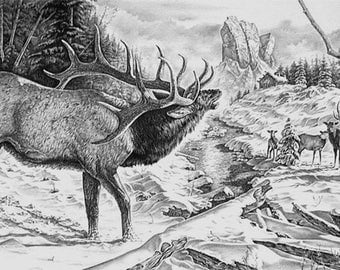
Finnish paganism was the indigenous pagan religion in Finland, Estonia and Karelia prior to Christianisation. It was a polytheistic religion, worshipping a number of different deities. The principal god was the god of thunder and the sky, Ukko; other important gods included Jumi, Ahti, and Tapio.
Shows many similarities with the religious practices of neighbouring cultures, such as Germanic, Norse and Baltic paganism. However, it has some distinct differences due to the Uralic and Finnic culture of the region.
Finnish paganism provided the inspiration for a contemporary pagan movement Suomenusko (Finnish: Finnish faith), which is an attempt to reconstruct the old religion of the Finns.

A hut near a river – Poem by Neela Nath

Hut near the river
Black water river , co. Cork
Where I want to live
with you my seventh heaven,
is not far from this everyday
life, but very near to it..
A hut, near a river
with crystal water,
fish playing there on
sunbathed pebbles…..
You and me with our little
daughter will live a
calm, calm life..
Over there we shall see
the forest, away from that
winding path.
You will be back
in the evening,
and I shall watch
you coming eagerly…..
None will come on our way
to happiness!
No feud will be there.
No flame,
other than ours!

A hut near a river,
the trees, blooming plants,
will enhance our happiness….
You, me and daughter,
three will be drinking
from the tumbler of life….
The flavor of Nature…
You, Me and…..
Slievenamon , Co.Tipperary, Ireland , “I Choose The Mountain” By: howard simon

Slievenamon, Co,Tipperary
Irish landscapes
Slievenamon
Slievenamon (Irish: Sliabh na mBan, [ˈʃlʲiəw n̪ˠə ˈmˠanˠ], “mountain of the women”)
Rising as a huge heathery dome amid gentle green countryside, Slievenamon’s profile naturally attracts the eye. This is an easy mountain with with a broad and clear track leading all the way to the summit cairn.
On fine days there are extensive views, taking in all the best walking areas in the South East of Ireland.
Slievenamon is a mountain of history and mystery of lore and legends. Its name means the ‘Mountain of the Women’ and the story is told how all the fairest women raced to the top to claim the hand of the warrior, Fionn Mac Cumhail. Fionn secretly fancied Grainne, the daughter of the High King of Ireland, so he advised her how to win the race!
Although it looks like a solitary height, Slievenamon is surrounded by a series of lower heathery humps. Some of these, like the main summit, are crowned by ancient burial Cairns. The highest cairn is said to mark the entrance to the mysterious Celtic underworld.

I Choose The Mountain
Poem by howard simon
The low lands call
I am tempted to answer
They are offering me a free dwelling
Without having to conquer
The massive mountain makes its move
Beckoning me to ascend
A much more difficult path
To get up the slippery bend
I cannot choose both
I have a choice to make
I must be wise
This will determine my fate
I choose, I choose the mountain
With all its stress and strain
Because only by climbing
Can I rise above the plane
I choose the mountain
And I will never stop climbing
I choose the mountain
And I shall forever be ascending
I choose the mountain

Irish Landscape Photography : Nigel Borrington
 Nigel Borrington
A Fellow Man, A Humanist Poem : Tom White
Bramante Staircase
Vatican Museums, Vatican City State, Rome;
Nigel Borrington
A Fellow Man
A Humanist Poem : Tom White
I have no prayers or charms of faith
If God there be, He’ll know my weight
If God be nought, I’ll still do good
And practice justice as I should
We should not seek reward to do
What decency expects us to
Should Heaven be a kingly court
I’ll go elsewhere to prove my worth
Don’t get me wrong – I’ve sought belief
But lust for faith brought no relief
Mere logic leaves me where I stand
I am not blest, nor am I damned
I seek to do what good I can
I am your friend, a fellow man.
Share this:
October 14, 2015 | Categories: Comment, Gallery, Humanism, Nigel Borrington, Poetry Gallery, Travel Locations | Tags: A Fellow Man, Humanism, Humanist, poem, poetry, Rome, Tom White, Vatican City State, Vatican Museums | 2 Comments