Places on my walks , Crohare Church, Killenaule, county Tipperary
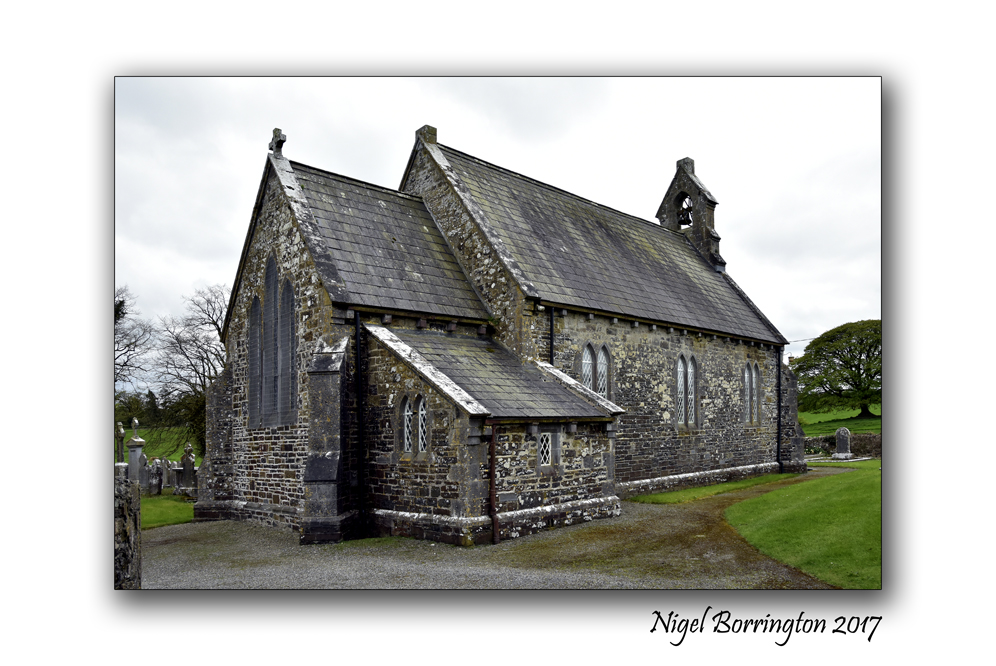
Crohane Chruch
County Tipperary
Ireland
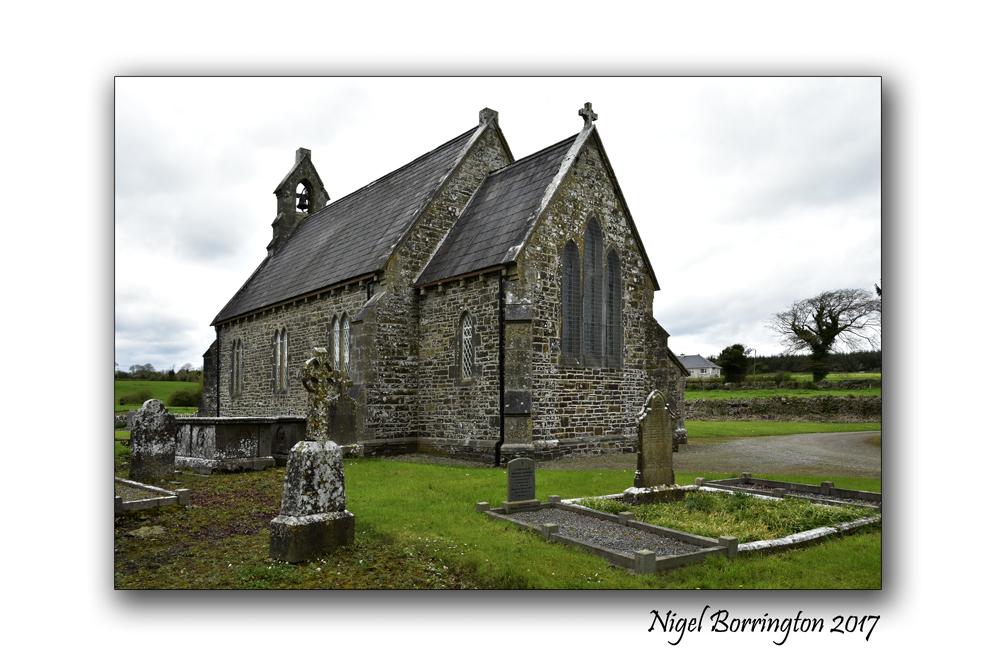
Crohane church is located just over the boarder from county Tipperary in the area of Killenaule and its a beautiful little chapel, located down a narrow drive way.
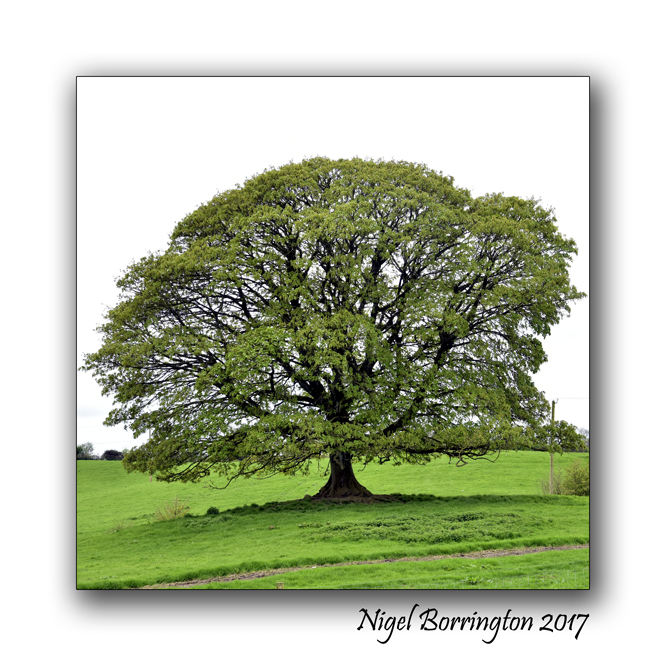
As you can see here, at this time of year the church is just starting to be surrounded by the green of the local oak trees and the colour of the wild flowers that grow in the stone wall that surrounds the Grave yard.
Crohane Church,a place of peace and stillness ……

First Post after the Easter Holidays

irish national heritage park.
County Wexford
Nigel Borrington
I was only back in-front my laptop for the first time yesterday evening, uploading some of the images I captured over the Easter Holidays.
It was a great break, this year we stayed in Ireland but chose to visit many of the great locations the south east and west of the country has to offer.
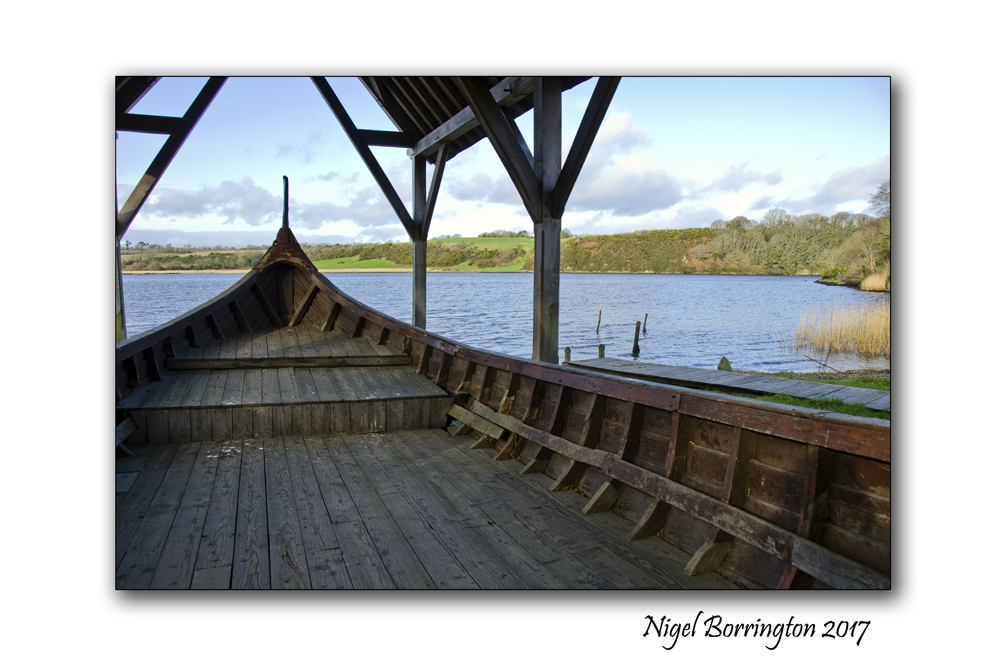
The Irish National Heritage Park, was just one of these places, the Park gives you an historic journey that takes you deep into Ireland’s past, Through 9000 years of Irish History. It is a very special place where Ireland’s heritage comes alive with sights and sounds that shaped a country and helped to shape the bigger world.
Located on the banks of the picturesque River Slaney, The Irish National Heritage Park truly is the cornerstone of Ireland’s Ancient East.
With an outdoor museum depicting 9000 years of re-created Irish History situated within natural forestry & wet woodlands.
The following images are just some from the many I took on the day we visited ….



Marking Midwinter’s day, Pagan beliefs – Gods the Goddess of the winter solstice
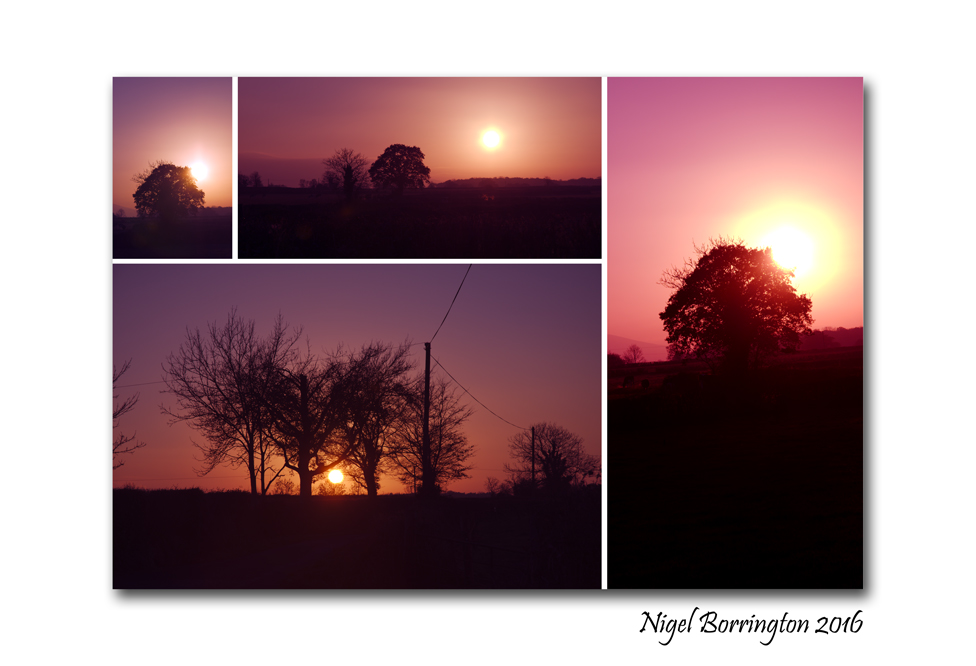
Midwinters day 2016
Nigel Borrington
Today is Mid winters day or the Winter Solstice.
History and cultural significance
The solstice itself may have been a special moment of the annual cycle of the year even during neolithic times. Astronomical events, which during ancient times controlled the mating of animals, sowing of crops and metering of winter reserves between harvests, show how various cultural mythologies and traditions have arisen. This is attested by physical remains in the layouts of late Neolithic and Bronze Age archaeological sites, such as Stonehenge in Britain and Newgrange in Ireland. The primary axes of both of these monuments seem to have been carefully aligned on a sight-line pointing to the winter solstice sunrise (Newgrange) and the winter solstice sunset (Stonehenge). Significant in respect of Stonehenge is the fact that the Great Trilithon was erected outwards from the centre of the monument, i.e., its smooth flat face was turned towards the midwinter Sun.

The winter solstice may have been immensely important because communities were not certain of living through the winter, and had to be prepared during the previous nine months. Starvation was common during the first months of the winter, January to April (northern hemisphere) or July to October (southern hemisphere), also known as “the famine months”. In temperate climates, the midwinter festival was the last feast celebration, before deep winter began. Most cattle were slaughtered so they would not have to be fed during the winter, so it was almost the only time of year when a supply of fresh meat was available. The majority of wine and beer made during the year was finally fermented and ready for drinking at this time. The concentration of the observances were not always on the day commencing at midnight or at dawn, but the beginning of the pre-Romanized day, which falls on the previous eve.

Since the event is seen as the reversal of the Sun’s ebbing presence in the sky, concepts of the birth or rebirth of sun gods have been common and, in cultures using winter solstice based cyclic calendars, the year as reborn has been celebrated with regard to life-death-rebirth deities or new beginnings such as Hogmanay’s redding, a New Year cleaning tradition. Also reversal is yet another usual theme as in Saturnalia’s slave and master reversals.

CAILLEACH BHEUR : The Celtic Goddess of winter
CAILLEACH BHEUR : Scottish, Irish, Manx, Great Goddess in her Destroyer aspect; called “Veiled One”. Another name is Scota, from which Scotland comes. In parts of Britain she is the Goddess of Winter. She was an ancient Goddess of the pre-Celtic peoples of Ireland. She controlled the seasons and the weather; and was the goddess of earth and sky, moon and sun.
Other Gods
Saturn (Roman): Every December, the Romans threw a week-long celebration of debauchery and fun, called Saturnalia in honor of their agricultural god, Saturn. Roles were reversed, and slaves became the masters, at least temporarily. This is where the tradition of the Lord of Misrule originated
Alcyone (Greek): Alcyone is the Kingfisher goddess. She nests every winter for two weeks, and while she does, the wild seas become calm and peaceful.
Ameratasu (Japan): In feudal Japan, worshipers celebrated the return of Ameratasu, the sun goddess, who slept in a cold, remote cave. When the other gods woke her with a loud celebration, she looked out of the cave and saw an image of herself in a mirror. The other gods convinced her to emerge from her seclusion and return sunlight to the universe.
Baldur (Norse): Baldur is associated with the legend of the mistletoe. His mother, Frigga, honored Baldur and asked all of nature to promise not to harm him. Unfortunately, in her haste, Frigga overlooked the mistletoe plant, so Loki – the resident trickster – took advantage of the opportunity and fooled Baldur’s blind twin, Hodr, into killing him with a spear made of mistletoe. Baldur was later restored to life.
Bona Dea (Roman): This fertility goddess was worshiped in a secret temple on the Aventine hill in Rome, and only women were permitted to attend her rites. Her annual festival was held early in December.
Demeter (Greek): Through her daughter, Persephone, Demeter is linked strongly to the changing of the seasons and is often connected to the image of the Dark Mother in winter. When Persephone was abducted by Hades, Demeter’s grief caused the earth to die for six months, until her daughter’s return.
Dionysus (Greek): A festival called Brumalia was held every December in honor of Dionysus and his fermented grape wine. The event proved so popular that the Romans adopted it as well in their celebrations of Bacchus.
Holly King (British/Celtic): The Holly King is a figure found in British tales and folklore. He is similar to the Green Man, the archetype of the forest. In modern Pagan religion, the Holly King battles the Oak King for supremacy throughout the year. At the winter solstice, the Holly King is defeated.
Horus (Egyptian): Horus was one of the solar deities of the ancient Egyptians. He rose and set every day, and is often associated with Nut, the sky god. Horus later became connected with another sun god, Ra.
La Befana (Italian): This character from Italian folklore is similar to St. Nicholas, in that she flies around delivering candy to well-behaved children in early January. She is depicted as an old woman on a broomstick, wearing a black shawl.
Lord of Misrule (British): The custom of appointing a Lord of Misrule to preside over winter holiday festivities actually has its roots in antiquity, during the Roman week of Saturnalia.
Mithras (Roman): Mithras was celebrated as part of a mystery religion in ancient Rome. He was a god of the sun, who was born around the time of the winter solstice and then experienced a resurrection around the spring equinox.
Odin (Norse): In some legends, Odin bestowed gifts at Yuletide upon his people, riding a magical flying horse across the sky. This legend may have combined with that of St. Nicholas to create the modern Santa Claus.
Irish standing stones : Carrigeen, Nire Valley, County Waterford
Irish standing stones
Carrigeen
Nire Valley
County Waterford
Irish Standing stones : Carrigeen,
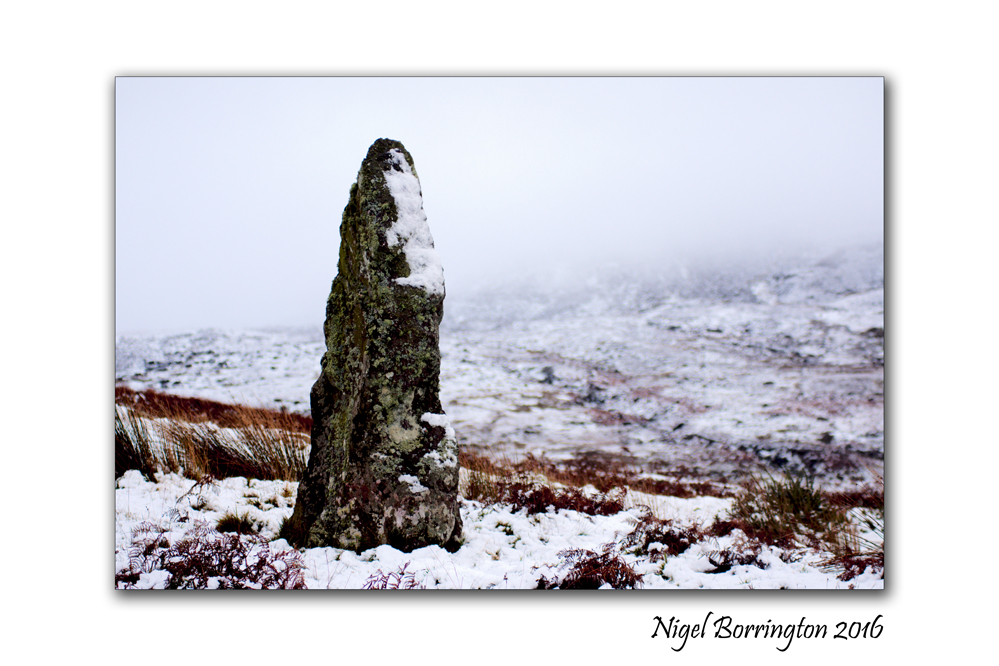
Carrigeen standing stone is among the best located stones in Ireland. It stands in a superb location at the top of the picturesque Nire valley from where there is magnificent panoramic views of the surrounding mountainous region. On the day this image was taken it was -2 degrees and the mountains had a thick covering of mist.
The stone stands some height, an impressive 2.5 meters and tapering to a sharp point. It stands solidly upright and is oriented in a WNW-ESE direction.
An interesting observation here, was when looking westwards, that the jagged crest of the stone seemed to align somewhat with the distant profile of the mountain ridge to the west. (see photo below). This may be just coincidental or was it of significance and could this jagged profile of the stone have survived through thousands of years?
Apart from this speculation, Carrigeen standing stone and its surroundings is a ‘must see’.
Irish Castles : A Lament for Kilcash – Monday Poetry

Irish Castles
Kilcash castle
Nigel Borrington
A Lament for Kilcash
Now what will we do for timber,
with the last of the woods laid low?
There’s no talk of Cill Chais or its household
and its bell will be struck no more.
That dwelling where lived the good lady
most honoured and joyous of women
– earls made their way over wave there
and the sweet Mass once was said.
Ducks’ voices nor geese do I hear there,
nor the eagle’s cry over the bay,
nor even the bees at their labour
bringing honey and wax to us all.
No birdsong there, sweet and delightful,
as we watch the sun go down,
nor cuckoo on top of the branches
settling the world to rest.
A mist on the boughs is descending
neither daylight nor sun can clear.
A stain from the sky is descending
and the waters receding away.
No hazel nor holly nor berry
but boulders and bare stone heaps,
not a branch in our neighbourly haggard,
and the game all scattered and gone.
Then a climax to all of our misery:
the prince of the Gael is abroad
oversea with that maiden of mildness
who found honour in France and Spain.
Her company now must lament her,
who would give yellow money and white
– she who’d never take land from the people
but was friend to the truly poor.
I call upon Mary and Jesus
to send her safe home again:
dances we’ll have in long circles
and bone-fires and violin music;
that Cill Chais, the townland of our fathers,
will rise handsome on high once more
and till doom – or the Deluge returns –
we’ll see it no more laid low.

Kilcash Castle located on the county Kilkenny / Tipperary boarders but firmly in county Tipperary is one of the most haunting places to be found locally. It has a long history that started with its construction in the sixteenth century by the wall family who latter passed it on to the Butlers of Ormond who much latter sold it to the Irish State in 1997 for £500
Brief History of Kilkash castle and the Poem
By the late 20th century Kilcash Castle was in a dangerous state of repair, and it was sold to the State by the trustees of the Ormond estate for £500 in 1997. It is undergoing extensive structural repairs to save it from collapsing. But this means it is covered in scaffolding and the site is closed off to visitors.
The author of the popular Irish poem and song Cill Chaise (Kilcash) casts himself back in time to mourn the death of Margaret Butler, the former Lady Iveagh, in 1744. Her death moves the writer to lament her tolerance and to compare the cutting down of the woods of Kilcash with the destruction of the Gaelic way of life.
But the woods were not destroyed by the English, but through their sale by the Butler family, who needed the income to supplement their new lifestyle in Kilkenny Castle.
Traditionally, the poem has been attributed to Father John Lane, Parish Priest of nearby Carrick-on-Suir, who was educated for the priesthood at the expense of the former Lady Iveagh, the deagh-bhean or good lady in the song. However, the dating is misplaced, for Father Lane died in 1776 and the sale of the timber at Kilcash was not advertised in local newspapers until 1797.
Although the timber was sold off between 1797 and 1801, the earliest manuscripts of the text do not appear for another 40 years, which means Cill Chaise was written no earlier than the early 1800s, but perhaps much later. The air seems to be Bliadhin ’sa taca so phós mé (This time twelve months I married), which was collected by George Petrie in Clare and published in 1855.

European passage tombs ( Knockroe, county Kilkenny and Kilmartin, Argyll, Scotland )
Knockroe, county Kilkenny
Knockroe http://www.megalithicireland.com/Knockroe%20Passage%20Tomb.html
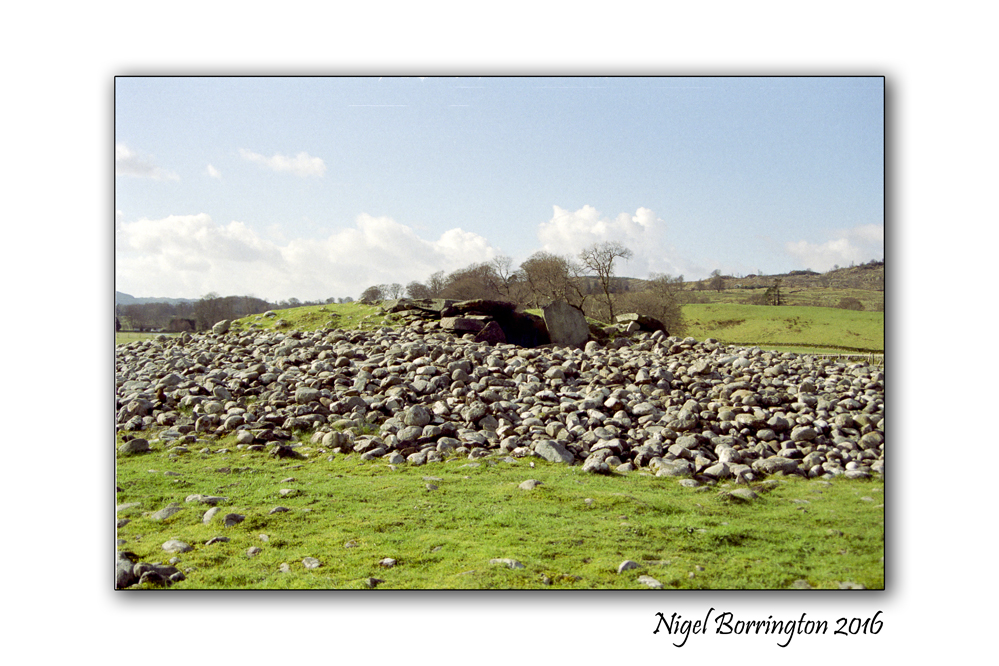
Kilmartin, Argyll, Scotland
Kilmartin http://en.wikipedia.org/wiki/Kilmartin_Glen
A link through time
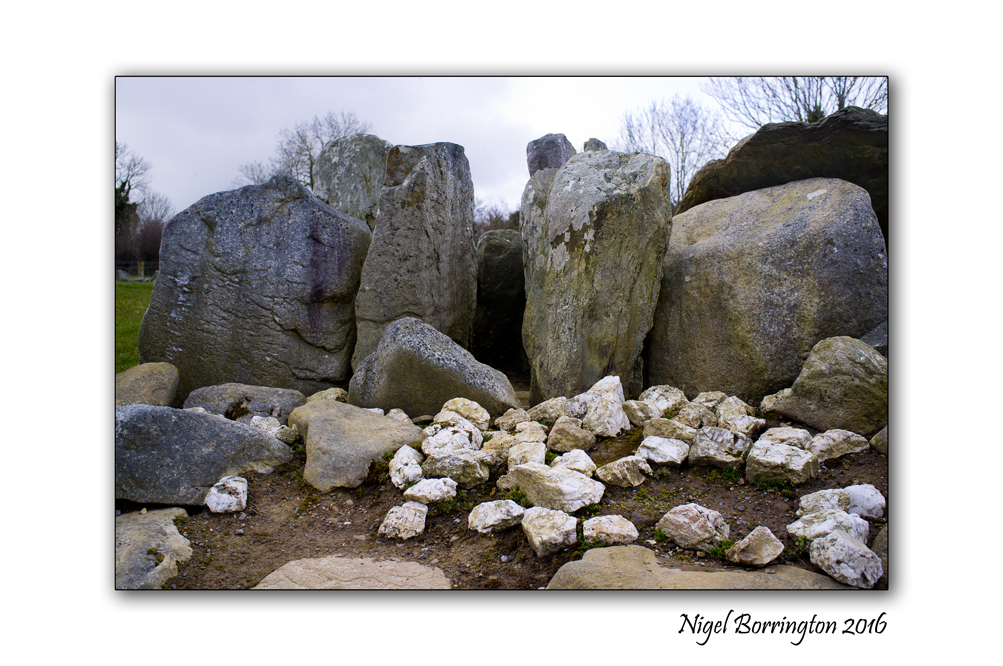
These two mystical European locations stand two hundred and fifteen miles apart, Knockroe is in county Kilkenny republic of Ireland and the other, Kilmartin is in Argyll, Scotland, about 15 miles south of Oban.

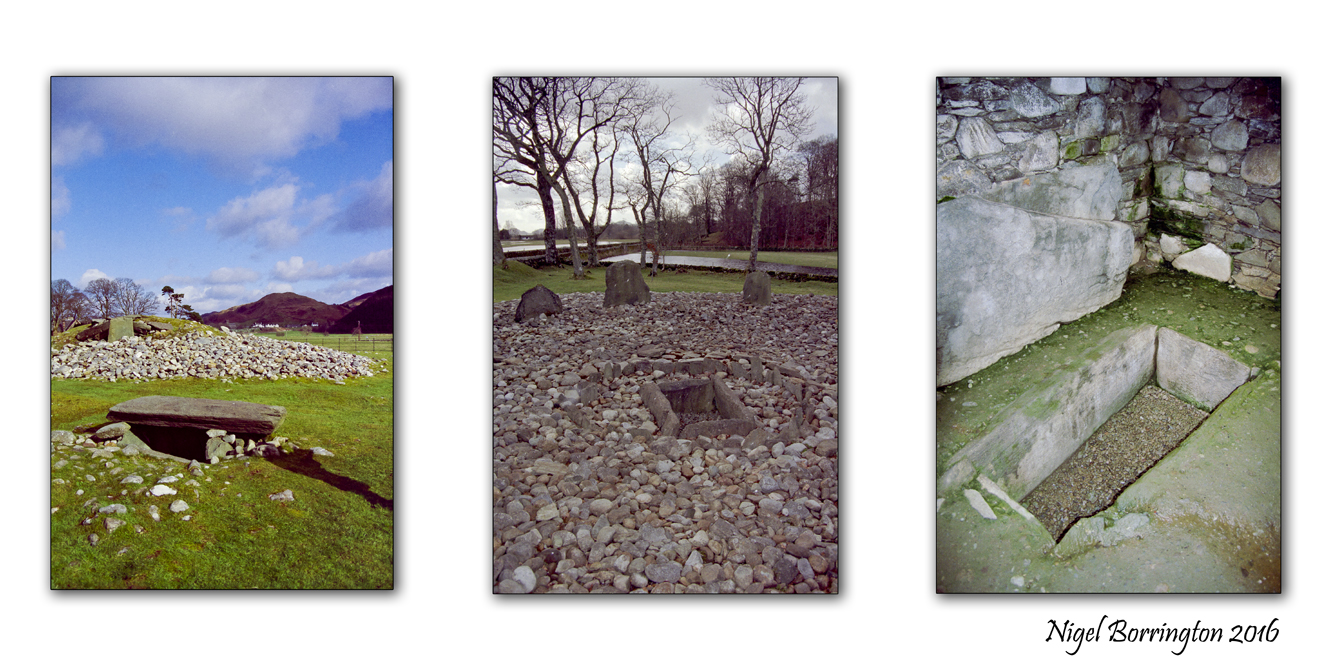
The reason I displaying these images in the same post is simply to highlight something that only occurred to me when one year I happened to visit them only weeks apart. The fact is you could view these two sites individually and study them by themselves all you like, however you would be missing something very important!
The people’s who created these sites shared the same time period and clearly the same beliefs and culture. They lived in Europe both in Ireland and Scotland located in the Geographical British Isles; however some 5500 years ago they knew nothing of recent nations and nationalism , of national borders or even the concept of a European nation.

Both monuments are passage tombs, placed for their dead to be remembered, they both also contain elements for marking the passing of the year and its seasons, by measuring the movement of the sun and the moon.
The structures in these places along with the cultural function they served is identical, to me this shows that these people traveled the seas and not only shared goods and beliefs they in fact where the same peoples. They did not just get on with each other through trade they were each other as brother and sister, mother and father, family and friends.
When they knew nothing of modern boundaries and divisions, what else could they be?
These same people who traveled from one place to another in order to expand their options and abilities did not in any shape or form see themselves as English or Scottish or Irish they were family to each other and nothing more or less!
Easter (Ēostre, Ostara ) time on the – Hill of Tara

Easter in Ireland is clearly these days viewed as a religious time in the sense of modern Christianity, however Easter or Ēostre, as a festival has been celebrated for many thousands of years before our current state accepted beliefs….
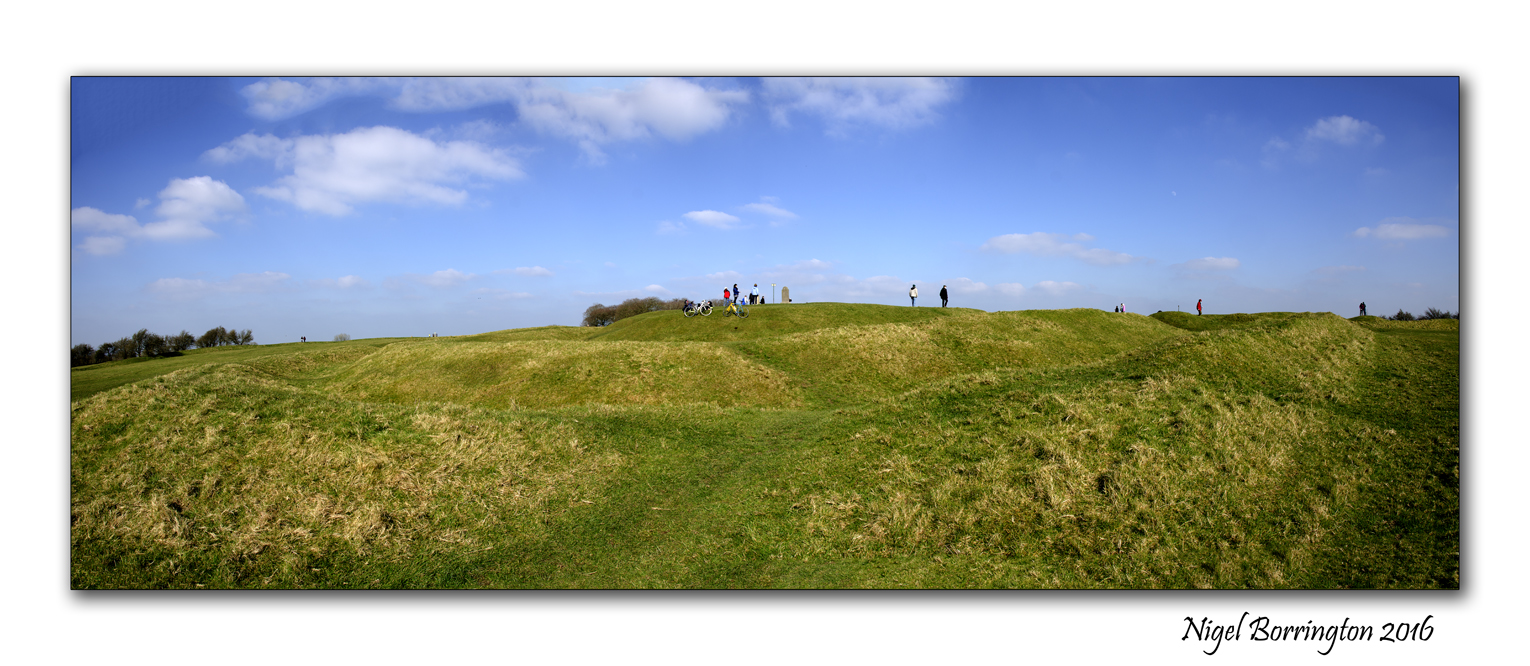
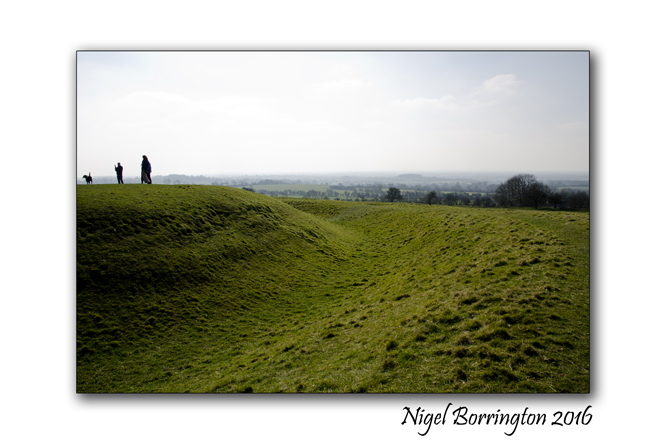
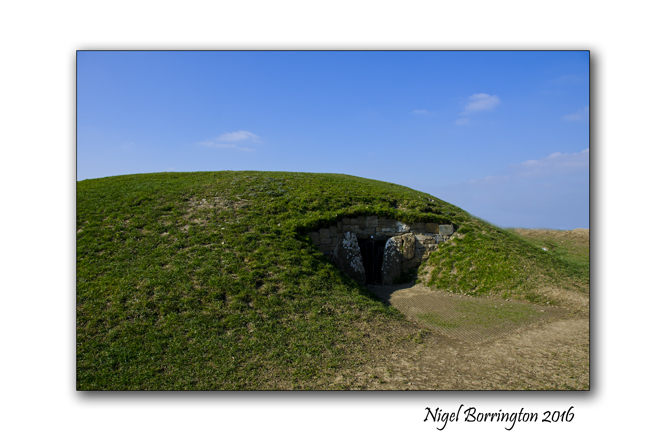
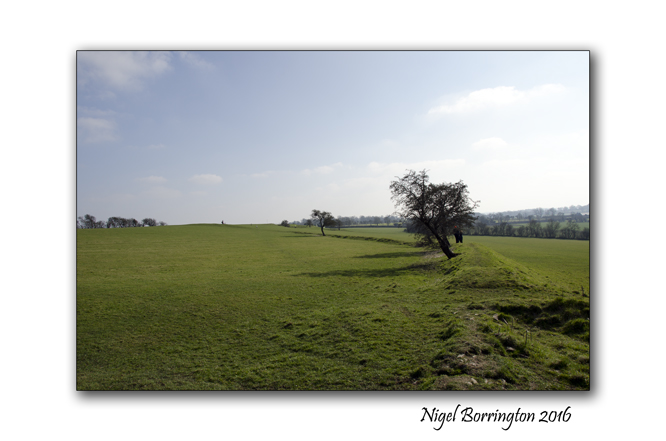
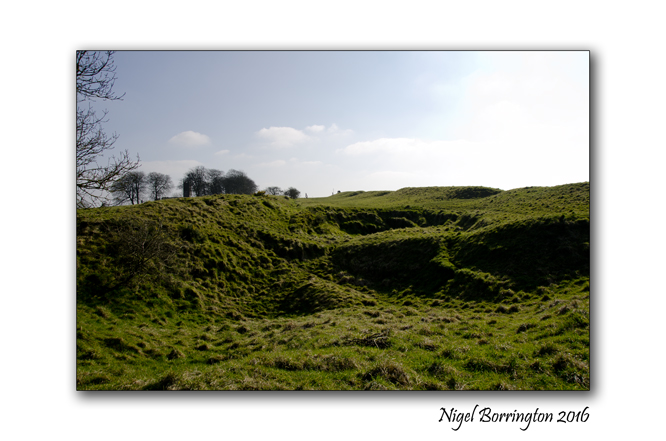
During last weekend we visited the hill of Tara one of Europe’s and Ireland’s oldest pagan monuments, It was a great time of the year to visit as the air was full of springtime with a feeling that summer was only just around the corner,warm days and long evenings. This is the exact feeling that surrounds the beliefs of the people who made this place so Sacred to their Pagan beliefs in the elements of nature and the seasons. I am never sure if these belief’s can fully be called a religion in modern terms, feeling that they were more a philosophy towards the world that they lived in and cared for very much!
here is a little about the long history of the hill of Tara:
Teamhair is the ancient name given the Hill of Tara. One of the most religious and revered sites in all of Ireland, it was from this hill that the Ard Rí, the High Kings of Ireland, ruled the land. The place was sometimes called Druim Caín (the beautiful ridge) or Druim na Descan (the ridge of the outlook). When walking the path that leads to the top of the hill today, one can easily appreciate why. The long gradual slope eventually flattens at the top for an amazing view of the broad plains in the Boyne and Blackwater valleys below. All that remains of the complex is a series of grass-covered mounds and earthworks that say little about the 5,000 years of habitation this hill has seen.
Most historians, including Biblical scholars, agree that Easter was originally a pagan festival. According to the New Unger’s Bible Dictionary says: “The word Easter is of Saxon origin, Eastra, the goddess of spring, in whose honour sacrifices were offered about Passover time each year. By the eighth century Anglo–Saxons had adopted the name to designate the celebration of Christ’s resurrection.” However, even among those who maintain that Easter has pagan roots, there is some disagreement over which pagan tradition the festival emerged from. Here we will explore some of those perspectives.
Resurrection as a symbol of rebirth
One theory that has been put forward is that the Easter story of crucifixion and resurrection is symbolic of rebirth and renewal and retells the cycle of the seasons, the death and return of the sun.
Hill of Tara Gallery



New-grange and the Triple spiral

Boyne Valley, County Meath, Ireland
Nigel Borrington
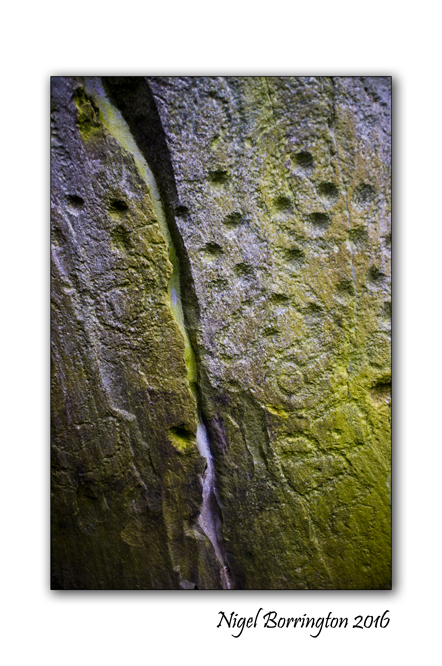
The Tri-Spiral
Is a design engraved on one of the stones inside the middle chamber of Newgrange is probably the most famous Irish Megalithic symbol.
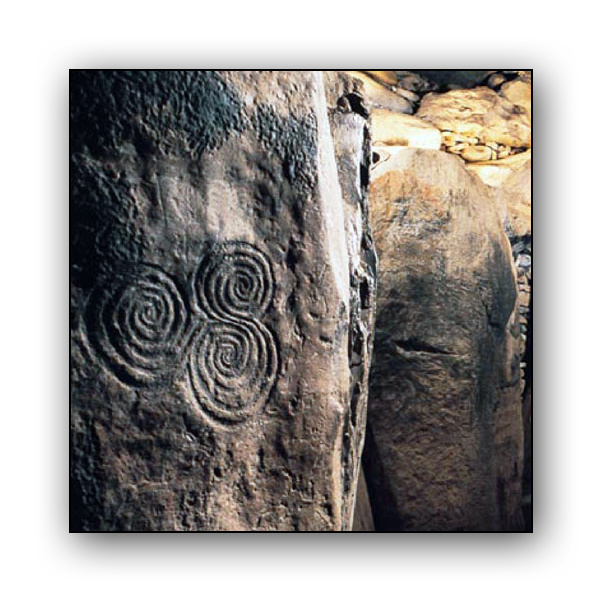
It is often referred to as a Celtic design, but it was carved at least 2500 years before the Celts reached Ireland. At 12 inches in diameter the tri-spiral design is relatively small in size, less than one-third the size of the tri-spiral design on the entrance stone.
Believed by many people to be an ancient symbol of pre-Celtic and Celtic beliefs, the triple spiral appears in various forms in pre-Celtic and Celtic art, with the earliest examples having been carved on pre-Celtic stone monuments, and later examples found in the Celtic Christian illuminated manuscripts of Insular art. The triple spiral was possibly the precursor to the later triskele design found in the manuscripts.
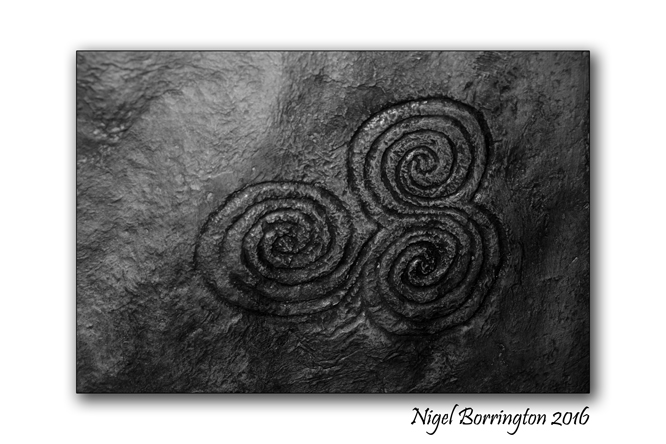
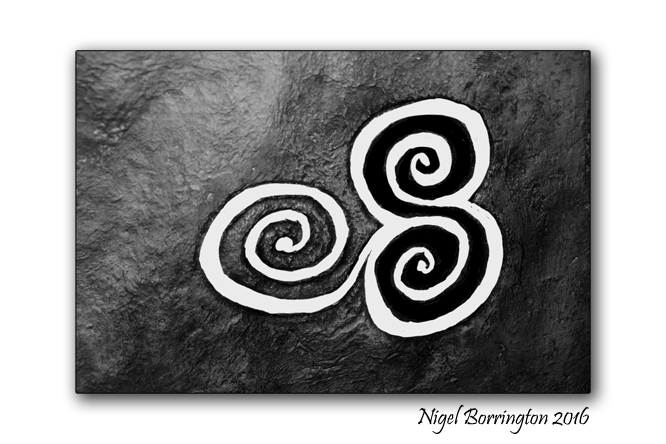
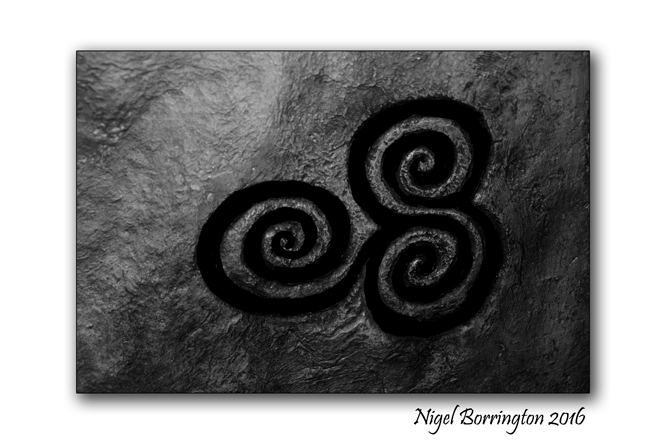
The megalithic tomb of Newgrange in Ireland features several examples of the triple spiral as petroglyphs. These particular examples do not feature three-fold symmetry of later renderings but feature two intertwined spirals with the third originating from the indentation between the other two. This particular feature is rendered with high fidelity in each instance at Newgrange and would suggest a non-tripartite interpretation. One possible interpretation could be the union of male and female (the two entwined spirals) to engender an offspring though how this relates to its setting in a tomb begs explanation.
Last night in order to highlight the uniqueness of the Newgrange spirals, I produced the following versions by tracing over a photograph I took of the original, thus producing different drawings using both the positive an negative spaces of the relief.
You can read into these your own interpretation of the original meaning ….

A sense of place, Wellington Tower Grange Crag, County Tipperary

The Wellington Tower Grange Crag, County Tipperary
The Wellington Tower stands on the Crag above Grange, county Tipperary, it was built in 1817 by Sir William Barker Bar to celebrate the Duke of Wellington’s victory over the French at the battle of Waterloo. Today it is nearly two hundred years old and for a long time it has only formed a feature in the loop wall around the forest above the small village of Grange.
However over the last months it has been restored and transformed into a viewing platform as you can see from the images here, it has been amazing to see the work that has been performed to give the tower a new life and a new purpose in life.
The walk to the top of the tower is via a metal spiral staircase with a viewing platform at the top , if you are a little heady with heights its best not to look down through the steps and to just keep going until you get to the top.
Once you are on the platform above and walk to the chest-high wall in front of you the view of county Tipperary below is just amazing. There is a display of all the sights below on a board the looks out and to the distance you can see modern Ireland in it greatness form with its small towns and up to date Wind farms.
Wellington Tower , Grange Crag, Tipperary GALLEY …


Monday Poetry, Ancient Stones By Donna Jones
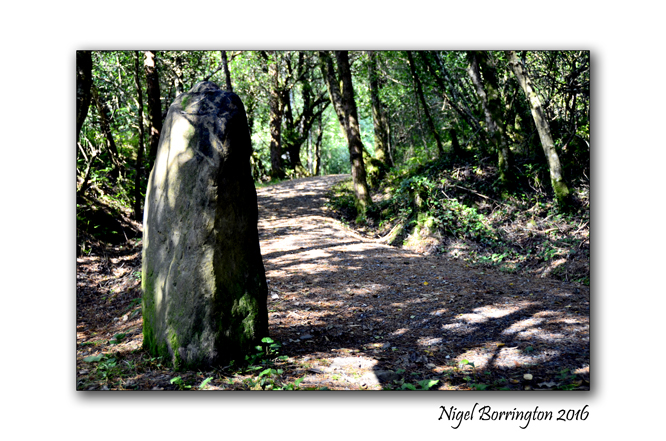
Ancient Ireland
Standing stones
Nigel Borrington
Ancient Stones
Charcoal black tip of arrowhead,
among these ancient, stones – stained red
Heartbeats share rhythms of ghostly drums..
Winds carry haunting, chanting hums
I feel your blood, flow here with mine,
outlasting, even decaying time
I’ve been told the stories, told to you,
I know we’re just spirits, passing through
When thunder, shakes awake the night,
I vision warriors by firelight
Their voices echo, around mountain’s soul,
while moon and stars watch us below
Respect the sky, and mother earth,
borrow the beauty, from time of birth
Then give in death peacefully
yourself, to rest eternally
Among these ancient, stones – stained red,
my mirror reflects traces, of those long………..
remembered…….
Donna Jones
When President Kennedy visited Ireland in 1963 – Kennedy Homestead, Co.Wexford

Kennedy Homestead
Co, Wexford
Nigel Borrington
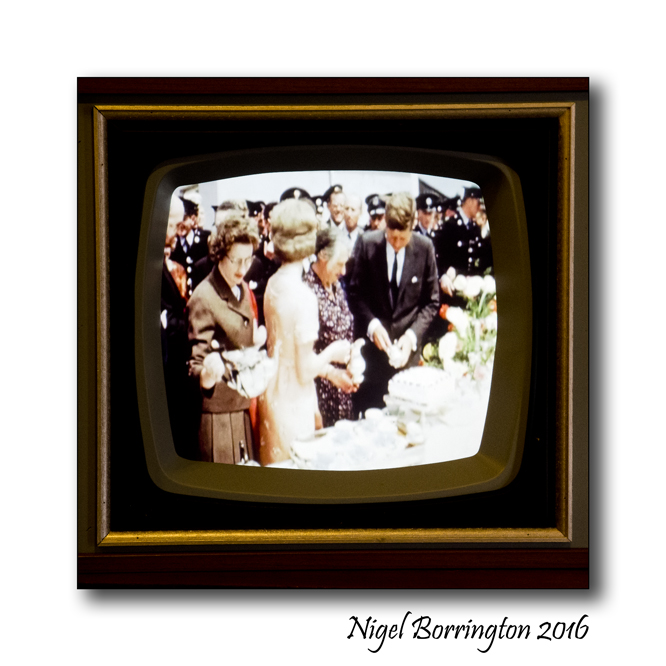
This very modest and humble farm yard and surrounding buildings, Located at ( Dunganstown, New Ross, Co. Wexford, Ireland ) is the birthplace of President John F. Kennedy’s great-grandfather Patrick Kennedy.
So it was that back in June 1963, the President of the USA decided that it was high time to take a visit to his grandfathers home. The Presidents visit to Ireland included these very key moments, in the visit to the family Homestead, drinking a cup of tea and enjoying some sandwiches with his Irish cousins.
In the years that followed his visit the family home has been turned into an equally modest but great exhibition centre, with a new building that contains many great photos and films relating to JFK and his family history.
It is hard to escape the ironic fact that while this was a very successful attempt to catch up with his own family and its history, by taking a few moments here – that he himself described as “The best moments of his life”, the visit took place only weeks before his own death in Dallas on the 22nd of November 1963.
His parting words to his Irish cousins, related to the fact that he understood very well that they may have found it very disruptive, the worlds media arriving in their small farm yard, so while he made a promised to revisit, he also promised that it would only be every ten years or so, clearly however this was to be his first and very last visit with them ……
Gallery




Tower Houses of Medieval Kilkenny
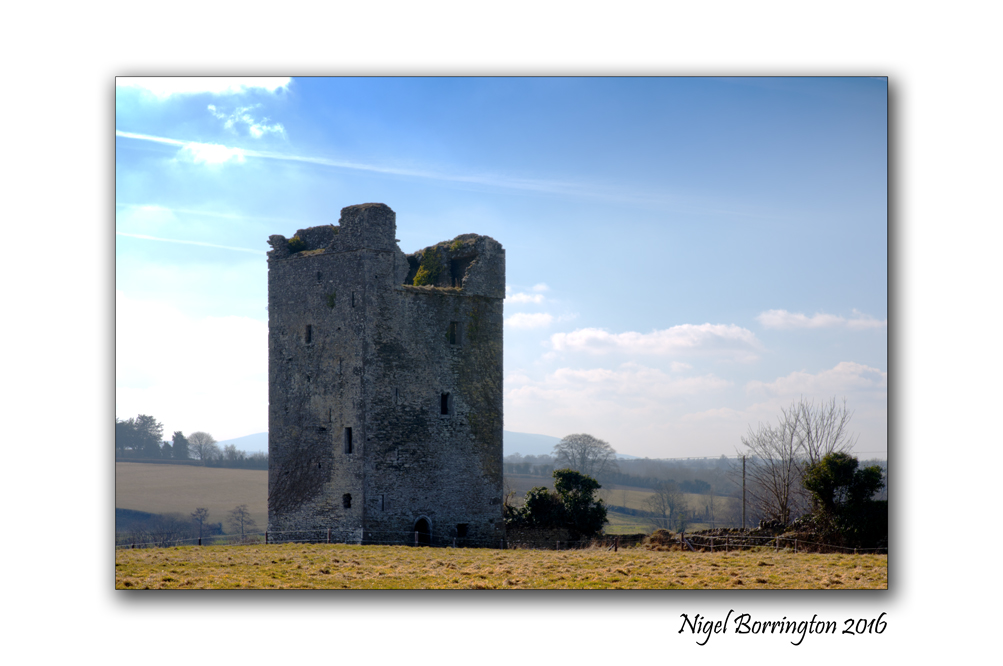
Tower House
Kells, County Kilkenny
Nigel Borrington
Tower Houses of Medieval Kilkenny, Ireland
The Landscape of County Kilkenny is full of history that covers many different era’s, including the Medieval period from around the 5th to the 15th century.
Just some of the reminders of this era are the great Tower Houses as detailed below.
A tower house is a fortified medieval residence of stone, usually four or more stories in height. Like most of the surviving monuments of our medieval past, the majority of Irish tower houses are in poor condition, with collapsed walls and ivy shrouded exteriors reflecting centuries of neglect. Yet these ruins, the remnants of a major medieval building industry, provide a valuable source of information on life in Ireland during the later Middle Ages. An increasing number are being restored through both private and state initiatives, while there has also been a marked upsurge in academic interest in recent years.
The buildings were regarded as castles by their occupants. This classification continues today and tower houses are regarded as a species within the castle genus. Their evident defensive strength should not, however, overshadow their residential nature, for tower houses were primarily the defended homes of a wealthy landowning class and were erected by both Anglo-Irish and Gaelic families during the period from circa 1400 to circa 1650.
Ref : Tower Houses
 Nigel Borrington
Friday poetry : The To-be-forgotten By Thomas Hardy
It does not take you very long while walking around the Irish Landscape to cross paths with an old abandoned church or two. These old churches are mainly connected to the remains of long evacuated family estates and would have been originally erected as community churches for both the occupants of the estate house and the larger community.
I find these places fascinating for many reasons, a reminder of the past and times of changes around both the 1916 Easter rising and then the Irish Civil War.
I have to be honest I avoid any area of conflict (Political and religious!) in life as much as I possible can, I feel society spends too much time as it is looking back on times of trouble, war and death and wonder sometimes if this is not the very reason why we end up with future conflicts?
For me Life is too short to spend any-time waving flags on behalf of past conflicts – NO ONE WINS IN WAR!
When I come across these old churches however I just have to stop and spend sometime because the names on these grave stones were real people and many of them would have lived full lives and been great family members, loved and been loved, real people!
The To-be-forgotten
By Thomas Hardy
.
I
I heard a small sad sound,
And stood awhile among the tombs around:
“Wherefore, old friends,” said I, “are you distrest,
Now, screened from life’s unrest?”
II
—”O not at being here;
But that our future second death is near;
When, with the living, memory of us numbs,
And blank oblivion comes!
III
“These, our sped ancestry,
Lie here embraced by deeper death than we;
Nor shape nor thought of theirs can you descry
With keenest backward eye.
IV
“They count as quite forgot;
They are as men who have existed not;
Theirs is a loss past loss of fitful breath;
It is the second death.
V
“We here, as yet, each day
Are blest with dear recall; as yet, can say
We hold in some soul loved continuance
Of shape and voice and glance.
VI
“But what has been will be —
First memory, then oblivion’s swallowing sea;
Like men foregone, shall we merge into those
Whose story no one knows.
VII
“For which of us could hope
To show in life that world-awakening scope
Granted the few whose memory none lets die,
But all men magnify?
VIII
“We were but Fortune’s sport;
Things true, things lovely, things of good report
We neither shunned nor sought … We see our bourne,
And seeing it we mourn.”
Ireland’s old churches
Share this:
April 8, 2016 | Categories: Comment, Forgotten places, Humanism, irish history, Landscape, Travel Locations | Tags: History, Ireland, Irish landscape photography, Nigel Borrington, Old churches, persoanal comment, poems, poetry, The To-be-forgotten, Thomas Hardy | 10 Comments