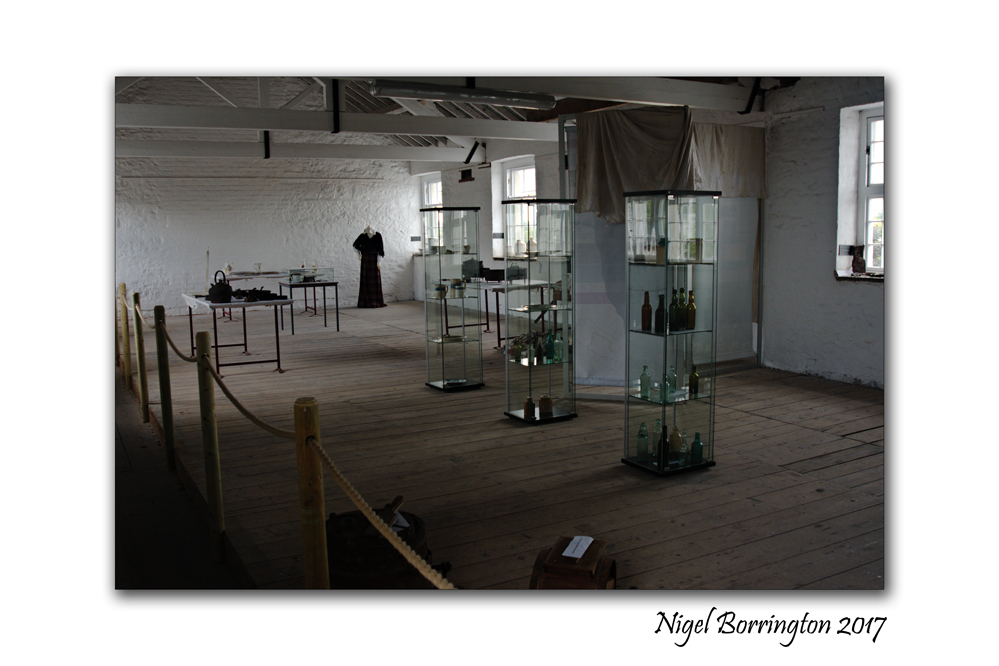
Portumna Work House, The Story of Irish Workhouses

Portumna Work House
Nigel Borrington
The Workhouse Story
The Irish Workhouse – An Overview
What was the workhouse?
The workhouse has been described as “the most feared and hated institution ever established in Ireland.”
The workhouse was an institution which operated in Ireland for a period of some 80 years, from the early 1840s to the early 1920s. There were 163 workhouses in total. If people could not support themselves, they could come into the workhouse. Here they would do some work in return for food. People had to stay and live in the workhouse and so the system was known as indoor relief.
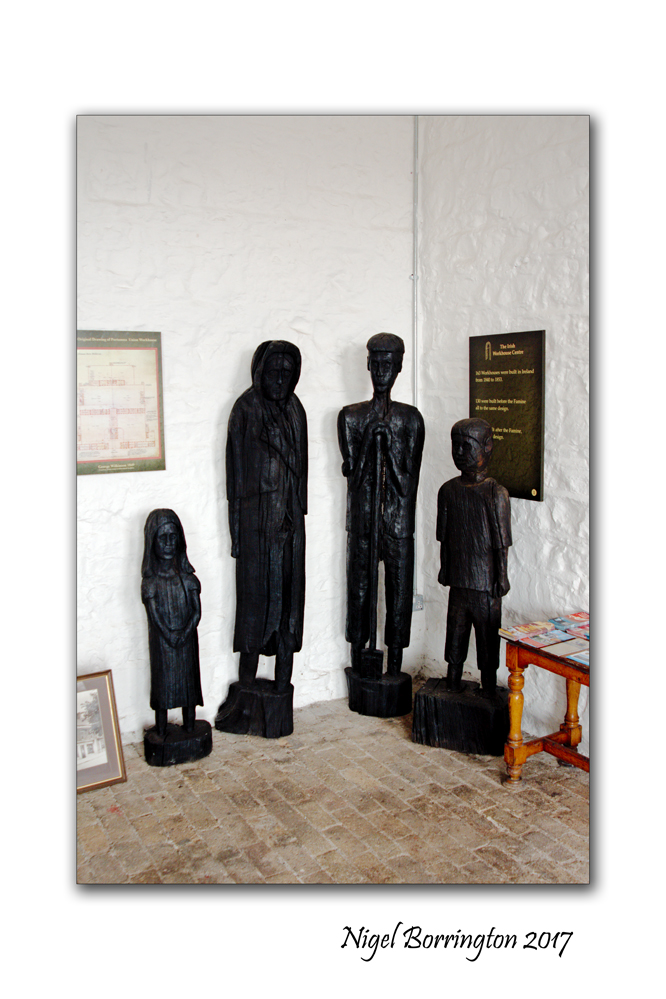
The whole family had to enter together. This was a way for the landlords to clear the land of tenants who could not pay rent. Life in the workhouse was meant to be harsh so as not to encourage people to stay. One of the cruellest aspects of the workhouse was that family members were split up into separate quarters. Children aged two or less could stay with their mothers. Sometimes, family members never saw each other again.
The workhouse was not a prison. People could leave if they liked. The high walls surrounding the workhouses were for keeping out, not for keeping people in.

How did workhouses come about?
In Ireland under Brehon Law, the native laws dating back to Celtic times, rulers had to take care of the sick and the poor. In the 5th Century, Christianity came to Ireland and with it monasteries began to develop. Over time, these monasteries took on the role of caring for the less fortunate. From the mid 1500s, Ireland was invaded by Protestant English settlers. The land was taken from the Irish, the religious were prosecuted and the whole care system broke down.
The situation was so bad that by the beginning of the 1800s, it is estimated that some 2.3 million people were at near starvation level. At the time Ireland’s population was nearing 8 million. By this time also, most of Ireland’s small farmers and landless labourers were dependent on the potato as their main food.
In England, Scotland and Wales there was poverty too. The workhouse was an English system. The first workhouses in England opened in 1836. Almost 700 workhouses were built in England and Wales. The main concern of the Poor Law Commissioners in England was to ensure that the system was not abused by lazy people. Scotland by contrast had a more humane system based on outdoor relief. One of the key differences between England and Ireland at the time was that work was available in England whereas in Ireland, whilst people were willing to work, there was no employment.
In 1800, under the Act of Union, Ireland became part of Britain. Numerous committees were set up to investigate the extreme poverty in Ireland, but nothing was done. However, as more and more Irish people flocked toBritain in search of employment, the British Government acted and sent over one of the English Poor Law Commissioners, George Nicholls, to find a solution. This was his first time i nIreland. He did a quick tour and reported back that Ireland needed a workhouse system similar to the English one. The Irish Poor Law Act became law in 1838.
What did this Poor Law actually mean in practice?
It divided the country into 130 unions. A further 33 were added after the “famine” years. Each union was to have a workhouse and the workhouses were to be financed by a tax on land. George Wilkinson was appointed as architect to the Irish Poor Law Commissioners, to design and supervise the building of the workhouses. The first workhouses opened in 1841.
Before the “famine years”, the number of people entering the workhouses was low. People were slow to leave their holdings. However, by the autumn of 1846, it became clear just how bad the situation was. The potato crop was diseased and inedible. It was emigration, starvation or the workhouse. People began to flood in.
The system, based as it was on indoor relief, could not cope with the overcrowding, the disease and the deaths. Corpses, without coffins, were carried on carts day after day to be thrown into mass burial pits in the workhouse grounds. (The years from 1846 to 1851 are known as the “famine” years. It should be noted however, that while the potato crop was largely wiped out through disease, there were plenty of other foodstuffs such as grain and livestock being exported toEngland.)
After the “famine” years, the numbers of people entering the workhouse decreased and over time it became a place for people that society did not want: unmarried mothers, children born outside of marriage, orphaned and abandoned children, “lunatics and idiots”, old and infirm people, tramps who travelled the roads.
Between 1838 and 1921, the principal features of the poor law and the workhouse system remained largely unchanged. The system was abolished in the early 1920s, when Ireland gained independence from Britain.

What was life in the workhouse like?
Life in the workhouse was harsh and frequently cruel. There were many rules. The food was poor. There was little to do. People were separated from their families, hungry, frustrated, badly treated, bored and mostly without hope. Often the inmates reacted against this, by breaking the rules and by fighting amongst themselves. Some preferred prison to the workhouse as the food was better and the regime not as strict.
Staff were often ex police men or army. There was a very high dismissal rate with many of staff being cruel, incompetent and dishonest.
The diet varied somewhat from workhouse to workhouse. Generally, it consisted of stirabout, which is like porridge, milk and potatoes. Children got bread. Adults received two meals a day and children three. Reports of the time show that the food was often of very poor quality. The workhouse diet remained very basic and it was not until the end of the 1800s that tea, bread for adults and a meat soup dinner were introduced.
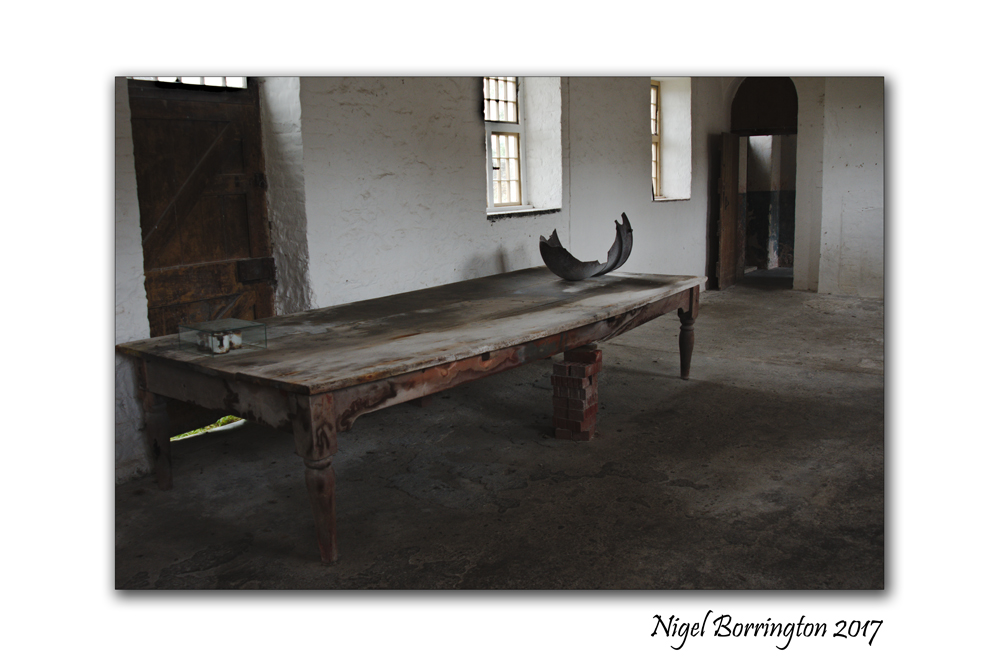
Very little productive work was carried out. One of the rules was that the workhouse should not enter into competition with outside businesses. When numbers in the workhouse were large, it was difficult to find work for everybody. In the earlier years, the Capstan wheel was in operation in some workhouses. Women & children, maybe up to several hundred, went around in circles pushing a big wheel for grinding corn. Breaking stones for building roads was a common occupation for the men. The women did domestic jobs such as cleaning or helping in the kitchen or laundry and looking after the sick. Older inmates were put to work mending clothes and spinning wool. Girls were meant to be trained for domestic service. Oakum picking was carried out in many workhouses. This involved separating out the strands of old ship rope so that it could be reused.
There were large numbers of children in the workhouse. In 1850, there were up to 120,000 children. Conditions were terrible for them. An English Clergyman who was in Ireland at the time expressed his shock at the total failure to provide for these children. He described the children in Limerick workhouse as skeletons covered in soars and dressed in rags. Many of the children who survived the “famine” years grew up in the workhouse. They have been described as having “the same guttural voice, a blank expression and of having a strange similarity.” These children only knew the workhouse existence.
Children were supposed to go to school in the workhouse where they were meant to learn reading, writing, arithmetic and the principles of the Christian religion. The reality was quite different. School teachers were often incompetent and cruel, incapable of teaching enormous classes of hungry and dirty children. From the 1860s onwards, social reformers pressed for the boarding out of children to foster families but this was slow to happen, probably because the workhouse would have had to pay the foster families. From about the 1870s onwards, the religious orders began to get involved and started setting up industrial schools, where children were meant to receive training. By the early 1900s, the days of children in the workhouse were beginning to draw to a close.

Did people ever leave the workhouse?
One of the ways that workhouse numbers decreased was through emigration. The cost of emigration to landlords was less than that of keeping paupers in the workhouse. An Emigration Commission was set up. Its representatives visited every workhouse in Ireland. Those who wanted to emigrate were offered free passage, clothing and a little money. Between the years 1848-1850, 4,175 orphan girls aged 14-18 left Irish workhouses forAustralia under a scheme supported by the Australian government. In the 1850s, the Poor Law started to assist young female paupers to Canada where there was demand for domestic servants. Over 15,000 girls were sent there.

Was there anything good about the workhouse system?
Though separate, the workhouse was also paradoxically a part of the locality in which it was situated. It provided business to local suppliers, some employment and medical care to the general population. Originally, the workhouse infirmary or hospital was just for the sick inmates. No qualifications were required for nurses and the level of care was very poor. From the 1860s, qualified nursing sisters began to make their way into the workhouses. Care of the sick improved greatly and the workhouse hospital was opened to non inmates. These local hospitals were missed by many when the system was abolished in the early 1920s. Some of the workhouses became county hospitals or homes. However, for generations that followed, people had an awful fear of spending their final years in the County Home, being as it was part of the workhouse system.
Portumna Work House, A Gallery


Coumshingaun Corrie Lake, county Waterford : The land time forgot

Coumshingaun Corrie Lake, county Waterford, Nigel Borrington
Coumshingaun Corrie Lake in county Waterford is truly the land that time forgot !
In Ireland compared to some locations in North America and Canada it is impossible to be more than a few miles away from a town or a village, some locations in the north and far southwest of the country are more remote that here in the southeast county’s. Yet even here there is still the possibility of finding a remote feeling hidden away in a small location or two.
Coumshingaun Corrie Lake, county Waterford is for just one of these locations, the walk up to it from the valley floor and road below is no more than two kilometers, its a uphill walk from the car park located below the tree line, most people however given time would be able to do this walk !!. However in anyone’s book this is not going an an expedition 🙂
When you get there, the view of the lake at its surrounding cliffs is breath taking, the lake is a left over from the last ice age, some 15000 year ago, this is from a time well before Ireland had even a single human-being living here.
Most weekends you will find other Humans/people visiting here so if you want a true feeling of space and allown-ness then early morning, and weekdays evening is the best time to visit.
I love it here , its about an hours drive from home, yet it could be like a visit to Canada or Yellowstone park with a little imagination allowed to run out of control 🙂
Coumshingaun Corrie Lake, county Waterford : The land time forgot


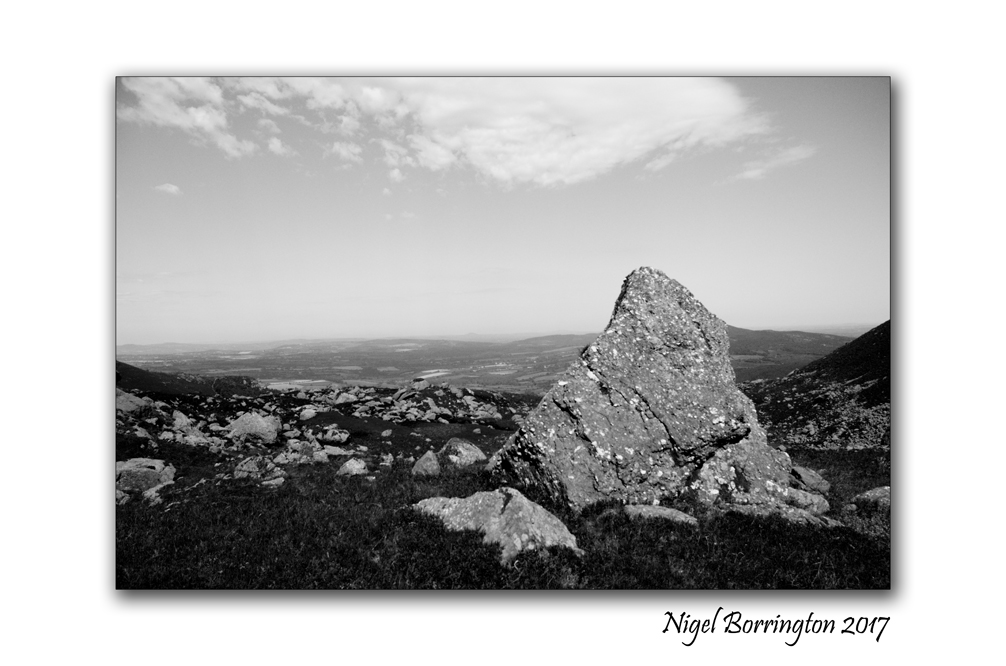
A view from Coumshingaun Loop Walk, County Waterford, Ireland

Coumshingaun Loop Walk
Irish landscapes
Nigel Borrington
Its an amazing thought but the rock that is sitting upon the larger rock to the left of this picture, could have been resting there for over 15000 years, these rocks are the remains of the last Ice-age in Ireland you can find many of them all over the country.
These two rocks can be found on the Coumshingaun Loop Walk in county Waterford, the walk contains many great views including Coumshingaun an ice aged lake, I will post some pictures soon that show this lake in its full glory ……
New site header , St Anne’s Pier, Lancashire, UK

St Anne’s-on-the-Sea, Lancashire, UK
Nigel Borrington
St Anne’s Pier is a Victorian era pleasure pier in the English seaside resort of St Anne’s-on-the-Sea, Lancashire. It lies on the estuary of the River Ribble. The pier, designed by A. Dowson, was completed in 1885 and was one of the earliest public buildings in St Anne’s, a 19th-century planned town. The pier was originally intended to be a sedate promenading venue for the resort’s visitors, but attractions were later added. Changes made to the estuary channels to improve access to Preston Dock left the pier on dry land and ended its steamer services to Blackpool and Liverpool.

St Anne’s Pier
St Anne’s-n-the-Sea, Lancashire
Nigel Borrington
A Tudor-style entrance was built in 1899. Early 20th-century additions included a Moorish-style pavilion in 1904 and the Floral Hall in 1910. The Moorish Pavilion was destroyed by fire in 1974, shortly after the town’s centenary; the Floral Hall burned down in 1982. Originally 914 feet (279 m) long, the pier was reduced to 600 feet (180 m) by the demolition of the seaward end. English Heritage has designated the pier a Grade II listed building.
Friday Poetry – Light by : Margaret Tait

Lock Melfort
Oban – Scotland
Scottish Landscapes
Nigel Borrington
Light
A Poem By Margaret Tait
Did you say it’s made of waves?
Yes, that’s it.
I wonder what the waves are made of.
Oh, waves are made of waves.
Waves are what they are,
Shimmeringness,
Oscillation,
Rhythmical movement which is the inherent essence of all things.
Ultimately, there’s only movement,
Nothing else.
The movement that light is
Comes out of the sun
And it’s so gorgeous a thing
That nothing else is ever anything unless lit by it.
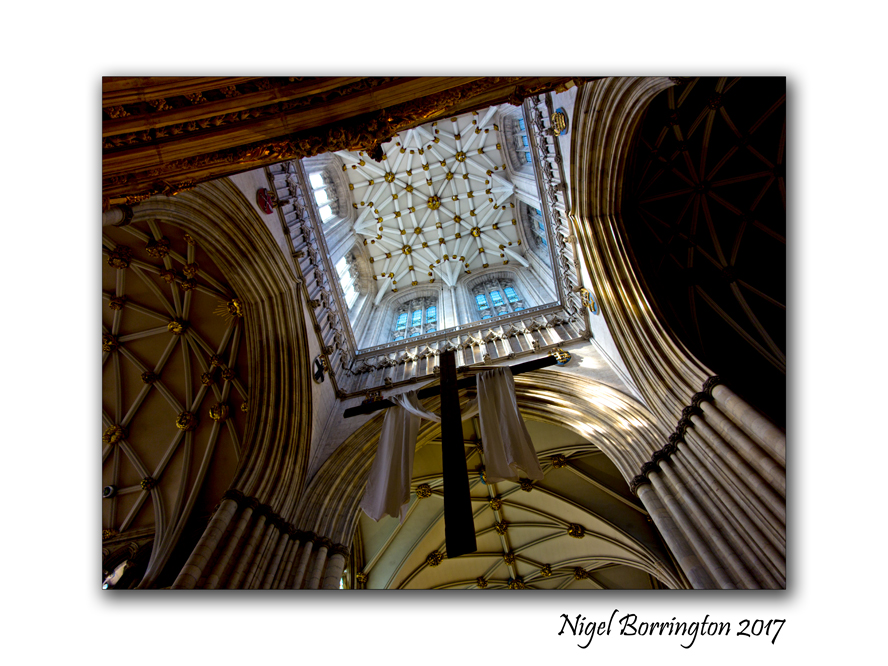
York Minster , Inside out …..
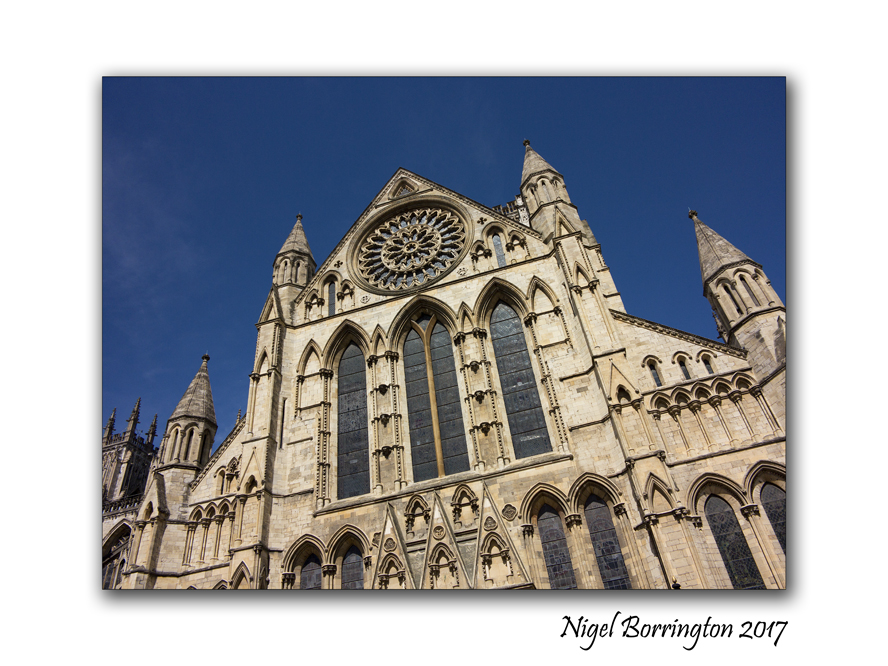
Cathedral and Metropolitical
Church of St Peter
Nigel Borrington
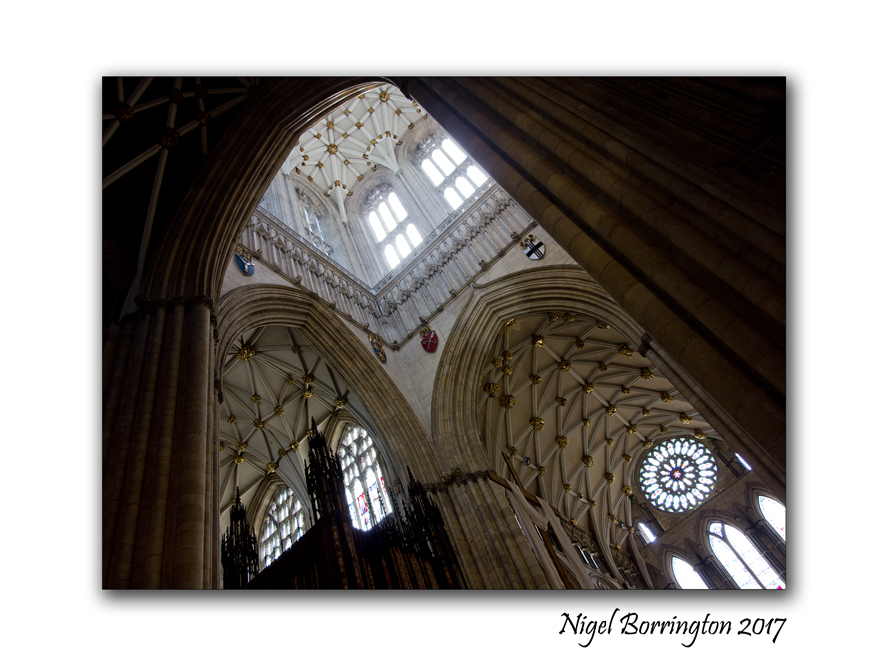
The Cathedral and Metropolitical Church of Saint Peter in York, commonly known as York Minster, is the cathedral of York, England, and is one of the largest of its kind in Northern Europe. The minster is the seat of the Archbishop of York, the second-highest office of the Church of England, and is the mother church for the Diocese of York and the Province of York. It is run by a dean and chapter, under the Dean of York. The title “minster” is attributed to churches established in the Anglo-Saxon period as missionary teaching churches, and serves now as an honorific title. Services in the minster are sometimes regarded as on the High Church or Anglo-Catholic end of the Anglican continuum.
The minster has a very wide Decorated Gothic nave and chapter house, a Perpendicular Gothic Quire and east end and Early English North and South transepts. The nave contains the West Window, constructed in 1338, and over the Lady Chapel in the east end is the Great East Window (finished in 1408), the largest expanse of medieval stained glass in the world. In the north transept is the Five Sisters Window, each lancet being over 52 feet (16 m) high. The south transept contains a rose window, while the West Window contains a heart-shaped design colloquially known as ‘The Heart of Yorkshire’.
York Minster , Inside out …..

Ancient European beliefs, The powers of the Hand of Glory

The Hand of Glory,
Whitby Museum
Pannet Park, Whitby,
Yorkshire,
England
Today’s post is about as far away from wild Landscapes and attractive views as you could wish for 🙂 , I can fully understand if this post is not for everyone but I hope at least you find it an interesting reflection of social beliefs and traditions from our some what dark European past ….

Abbey Steps
Whitby
Yorkshire
Earlier this month (May 2017) while visiting the great English seaside town of Whitby, with it great Museum, I came across an item that I had never heard of or seen before. Sitting in a glass cabinet in the beliefs and local traditions area was the very old and grey hand, from a long dead man, a man who would have lived locally in the town but at some point in his life come across the misfortune of being found guilty of a crime for which he would have been hanged.
The hand was described as “The hand of Glory” and in the early 19th century it would have been very much a price possession as it was believed that it offered great power, when using it according to old European beliefs along with a candle made of the fat from a malefactor who died on the gallows, lighted, and placed (as if in a candlestick) in the Hand of Glory, which comes from the same man as the fat in the candle, it then would render motionless all persons to whom it was presented.
The second of the Ingoldsby Legends (a collection of myths, legends, ghost stories and poetry written supposedly by Thomas Ingoldsby of Tappington Manor), “The Hand of Glory, or, The Nurse’s Story”, describes the making and use of a Hand of Glory. The first lines are:
Now open, lock!
To the Dead Man’s knock!
Fly, bolt, and bar, and band!
Nor move, nor swerve,
Joint, muscle, or nerve,
At the spell of the Dead Man’s hand!
Sleep, all who sleep! — Wake, all who wake!
But be as the dead for the Dead Man’s sake!

Like many people, I fine absolutely fascinating these old and somewhat dark traditions, here is a full description of this ones history and its reported uses ….
The Hand of Glory – History of the term
Etymologist Walter Skeat reports that, while folklore has long attributed mystical powers to a dead man’s hand, the specific phrase “Hand of Glory” is in fact a folk etymology: it derives from the French main de gloire, a corruption of mandragore, which is to say mandrake.Skeat writes, “The identification of the hand of glory with the mandrake is clinched by the statement in Cockayne’s Leechdoms, i. 245, that the mandrake “shineth by night altogether like a lamp”. Cockayne in turn is quoting Pseudo-Apuleius, in a translation of a Saxon manuscript of his Herbarium.
Powers attributed
According to old European beliefs, a candle made of the fat from a malefactor who died on the gallows, lighted, and placed (as if in a candlestick) in the Hand of Glory, which comes from the same man as the fat in the candle, this would render motionless all persons to whom it was presented. The method for holding the candle is sketched in Petit Albert. The candle could be put out only with milk. In another version, the hair of the dead man is used as a wick, and the candle would give light only to the holder. The Hand of Glory also purportedly had the power to unlock any door it came across. The method of making a Hand of Glory is described in Petit Albert, and in the Compendium Maleficarum.
Process
The 1722 Petit Albert describes in detail how to make a Hand of Glory, as cited from him by Grillot De Givry:
Take the right or left hand of a felon who is hanging from a gibbet beside a highway; wrap it in part of a funeral pall and so wrapped squeeze it well. Then put it into an earthenware vessel with zimat, nitre, salt and long peppers, the whole well powdered. Leave it in this vessel for a fortnight, then take it out and expose it to full sunlight during the dog-days until it becomes quite dry. If the sun is not strong enough put it in an oven with fern and vervain. Next make a kind of candle from the fat of a gibbeted felon, virgin wax, sesame, and ponie, and use the Hand of Glory as a candlestick to hold this candle when lighted, and then those in every place into which you go with this baneful instrument shall remain motionless
De Givry points out the difficulties with the meaning of the words zimat and ponie, saying it is likely “ponie” means horse-dung. De Givry is expressly using the 1722 edition, where the phrase is, according to John Livingston Lowes “du Sisame et de la Ponie” and de Givry notes that the meaning of “ponie” as “horse dung” is entirely unknown “to us”, but that in local Lower Normandy dialect, it has that meaning. His reason for regarding this interpretation as “more than probable” is that horse-dung is “very combustible, when dry”.
In the French 1752 edition (called Nouvelle Édition, corrigée & augmentée., i.e., “New Edition, corrected and augmented”), however, this reads as “..du sisame de Laponie..”, that is, in Francis Grose’s translation from 1787, “sisame of Lapland”, or Lapland sesame. This interpretation can be found many places on the Internet, and even in books published at university presses. Two books, one by Cora Daniels, another by Montague Summers, perpetuate the Lapland sesame myth, while being uncertain whether zimat should mean verdigris or the Arabian sulphate of iron.
The Petit Albert also provides a way to shield a house from the effects of the Hand of Glory:
The Hand of Glory would become ineffective, and thieves would not be able to utilize it, if you were to rub the threshold or other parts of the house by which they may enter with an unguent composed of the gall of a black cat, the fat of a white hen, and the blood of the screech-owl; this substance must be compounded during the dog-days
The hand of glory on display at Whitby Museum
An actual Hand of Glory is kept at the Whitby Museum in North Yorkshire, England, together with a text published in a book from 1823.[14] In this manuscript text, the way to make the Hand of Glory is as follows:
It must be cut from the body of a criminal on the gibbet; pickled in salt, and the urine of man, woman, dog, horse and mare; smoked with herbs and hay for a month; hung on an oak tree for three nights running, then laid at a crossroads, then hung on a church door for one night while the maker keeps watch in the porch-“and if it be that no fear hath driven you forth from the porch…then the hand be true won, and it be yours”
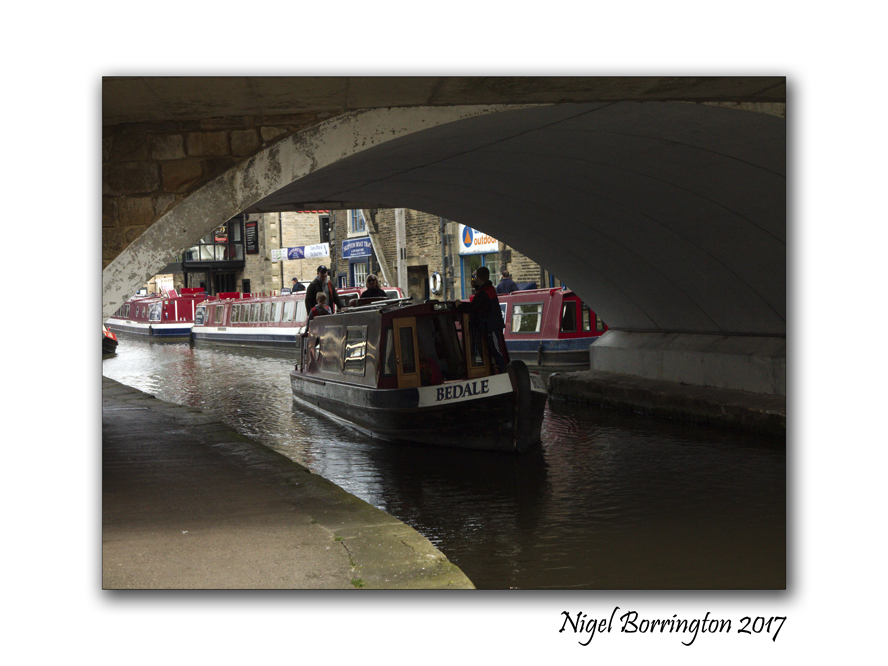
Skipton Waterway Festival 2017, a weekend on the Leeds and Liverpool Canal.

Skipton Waterway Festival
Leeds and Liverpool Canal,
Yorkshire, England
Nigel Borrington
Held every May Bank Holiday in Yorkshire, the Skipton Waterway Festival is a 3 day canal boat event which runs every year on the 1st May day Bank holiday weekend. It is an event which is a non-profit making Festival, which solely relies on donations and sponsorship from the local community. they are also organized by volunteers from Pennine Cruisers and the local community, without these people the event would not run as smoothly as it does each year.
The 1st Skipton Waterway Festival was held in 2001 and they have gone on to grow more and more each year. The festival was originally organized by CRT (British Waterways then) and Pennine Cruisers for around 5 years, however Pennine Cruisers then took on the event, as they saw how much the local boaters and town enjoyed it. As Pennine Cruisers look forward to this event each year, it is part of their year now, as they have organized it for a long time, they say that they would be a little lost without it.
As an event they attract around 8, 000 – 10,000 visitors each year over the full 3 days. It is noticed when people/families visit the festival each and every year. They put on various entertainment, stalls from craft to charity stalls, children’s activities and an array of food/concession stalls. There is something for almost everyone.
This years Festival was great to visit with many Craft stalls and lots of Local history with the new presentation of an internet based database of all the families who worked and still work on the Leeds and Liverpool canal from the first times it was open for use.
Leeds and Liverpool Canal Society


Robin Hood’s Bay, A fishing Village, North York Moors National Park

Robin Hood’s Bay Fishing village North York Moors National Park
Nigel Borrington
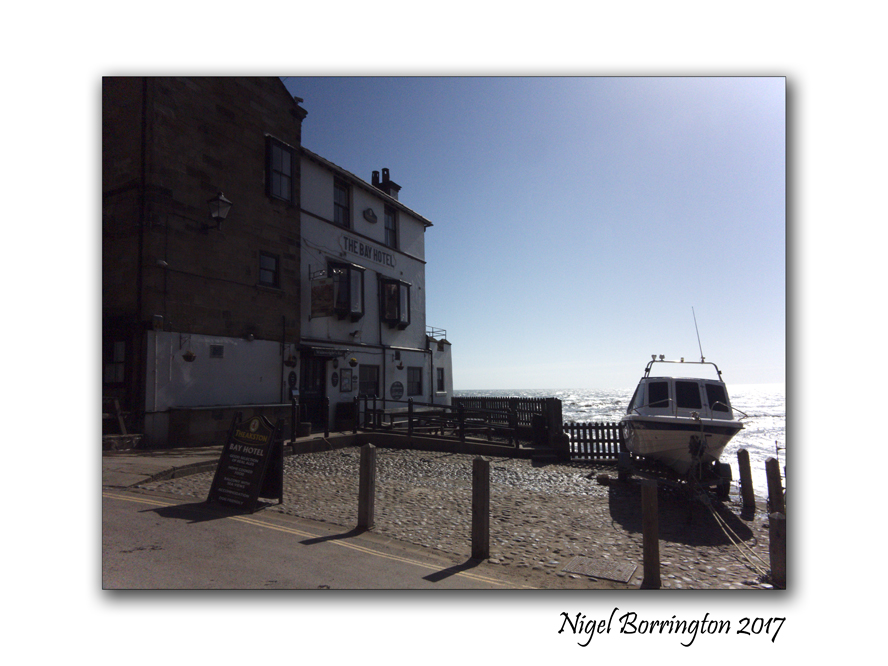
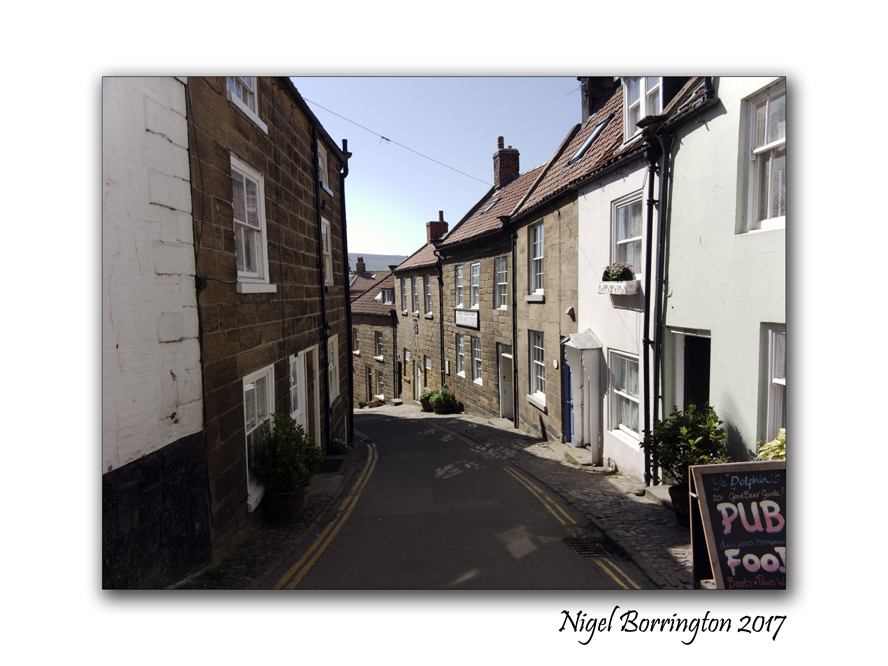
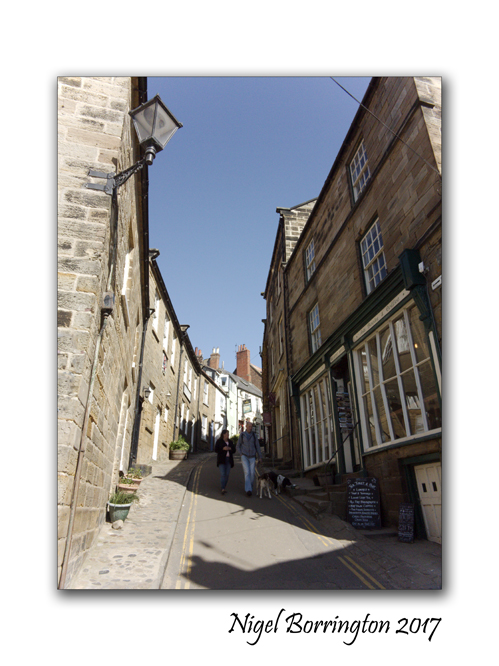
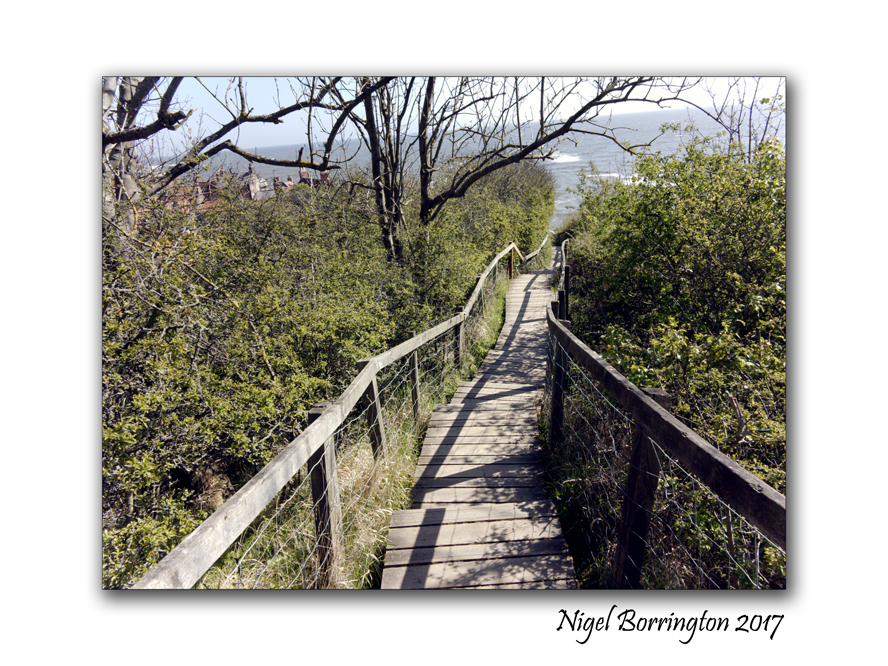
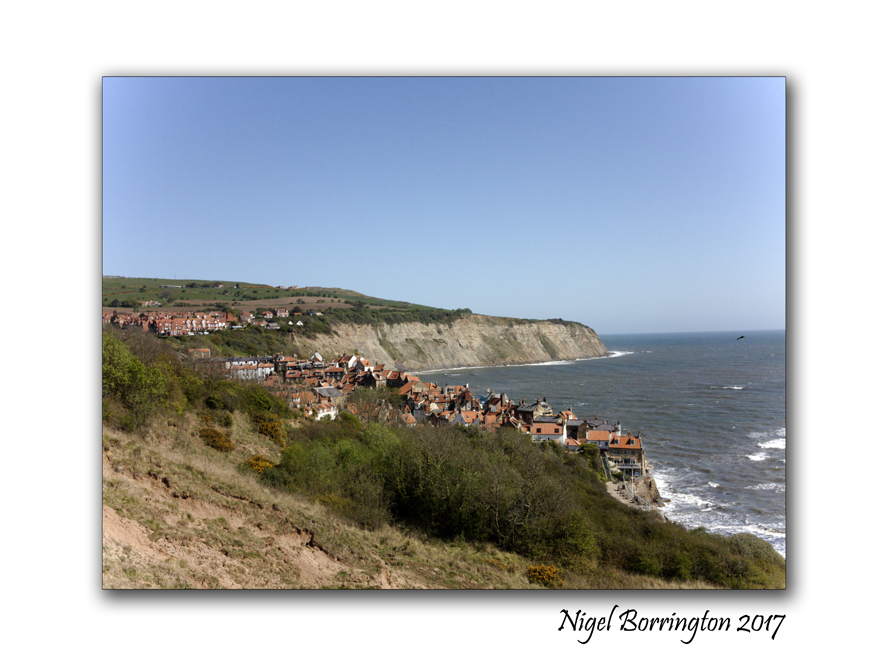
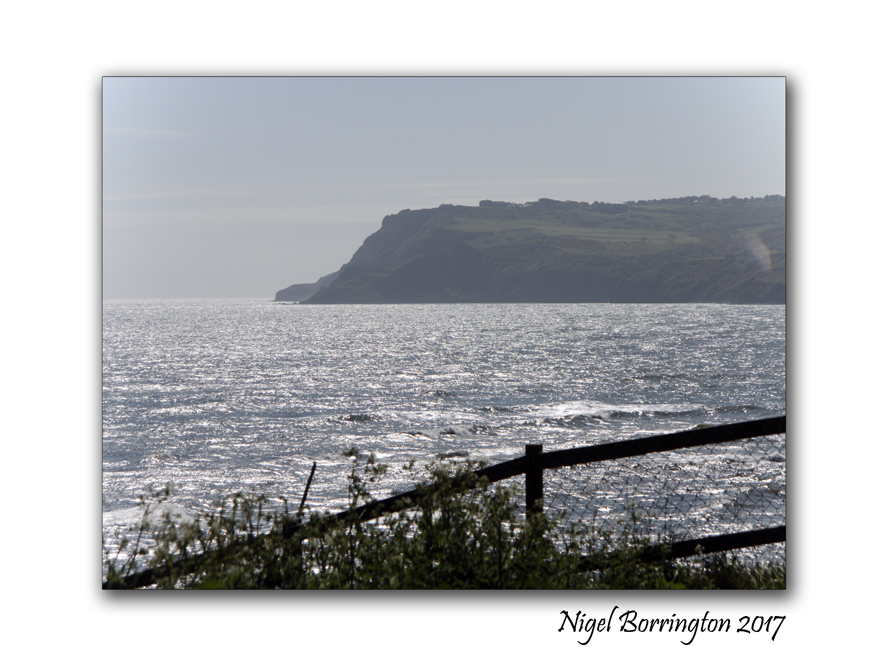
Robin Hood’s Bay is a small fishing village and a bay located within the North York Moors National Park, five miles south of Whitby and fifteen miles north of Scarborough on the stunning coast line of North Yorkshire, England.
“Bay Town” is its local name, in the ancient chapelry of Fylingdales in the wapentake of Whitby Strand. The origin of the name is uncertain, and it is doubtful if Robin Hood was ever in the vicinity.
An English ballad and legend tell a story of Robin Hood encountering French pirates who came to pillage the fisherman’s boats and the northeast coast. The pirates surrendered and Robin Hood returned the loot to the poor people in the village that is now called Robin Hood’s Bay
This Village on the Yorkshire Coast is one of the most Beautiful villages in the UK, Here I share a collection of Photographs taken during a visit at the start of May 2017, I hope that I have captured a small sense of this idyllic English sea side village as I enjoyed our time spend here very much and will look back with very fond memories …..
Robin Hood’s Bay, A Sense of place ….






Keighley & Worth Valley Steam Railway

Keighley & Worth Valley Railway
Nigel Borrington
Last weeks Holiday in Yorkshire was at times a true step back in time, as you can see here with the Keighley & Worth Valley Railway and our visit to Howarth, in the heart of Brontë Country we enjoyed an action packed first day out!
Keighley & Worth Valley Railway runs like a ribbon though Brontë Country, where you can expect to take in some of the most breath taking and famous landscapes in the world. A windswept land of heather and wild moors – it is hardly surprising that this area became the inspiration for the classic works of the Bronte sisters, Charlotte, Emily and Anne.

The Railway has appeared in many TV and film productions including Sherlock Holmes, Harry Potter and Where The Heart Is, A Touch Of Frost and many more. Perhaps most famously, the Railway, and in particular the charming station at Oakworth, were used as the location for the classic 1970 film The Railway Children.
If you get off the Train at Ingrow West station, you will be at the home to two award winning transport museums. You can Travel back in time at the The Ingrow Museum of Rail Travel, where restored carriages, vintage artifacts and sound and video presentations bring the past to life. The Ingrow Loco Museum boasts several locomotives as well as displays, exhibits and archive film. Both these location allow you to discover the long history that the UK has with its rail systems.
There are many special events that run throughout the year. You can get a Cream Tea . The old train lets discover the magic and glamour of the glorious days of steam-hauled, in beautiful surroundings. You can also join an annual Beer & Music Festival with over 120 real ales.
For those that like the great outdoors the railway has plenty of spectacular walks and nature trails. Every stop offers a walk, whether it’s a moorland walk or one of The Railway Children walks – you can try the Top Withens Walk, which takes you out of Haworth, the village where the Brontë sisters lived and wrote, along pathways they walked and through the moorland that inspired them.


Floating Heads Installation by Sophie Cave, Kelvingrove Art Gallery, Glasgow, Scotland.
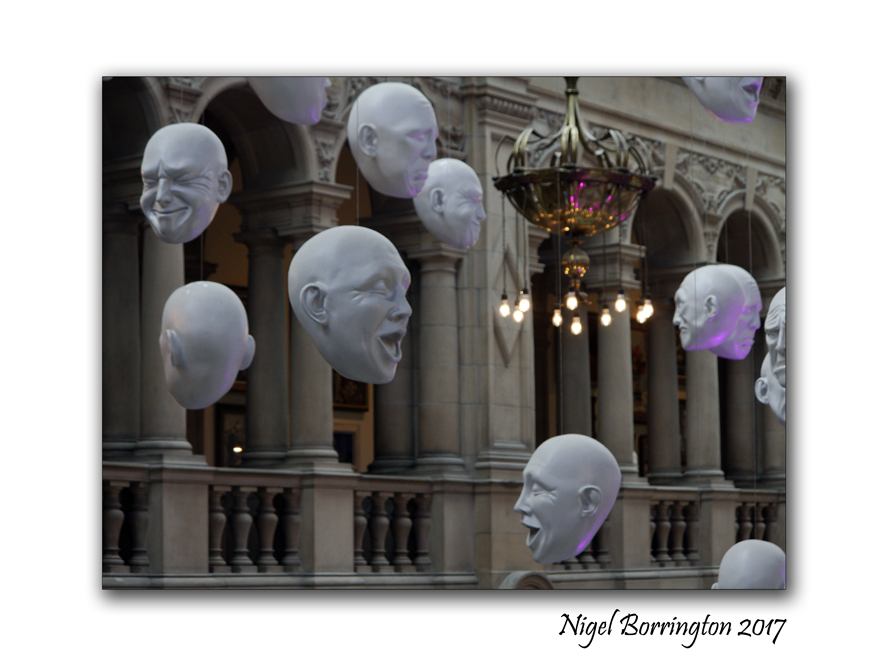
Floating Heads Installation by Sophie Cave

The Kelvingrove Art Gallery and Museum, Glasgow, Scotland.
At the start of April this year I promised myself that I would go and visit some Art Gallery’s and cultural museums one of these vists was to The Kelvingrove Art Gallery and Museum. The museum and art gallery in located in Glasgow, Scotland. It reopened in 2006 after a three-year refurbishment and since then has been one of Scotland’s most popular visitor attractions.
The gallery is located on Argyle Street, in the West End of the city, on the banks of the River Kelvin (opposite the architecturally similar Kelvin Hall, which was built in matching style in the 1920s, after the previous hall had been destroyed by fire). It is adjacent to Kelvingrove Park and is situated near the main campus of the University of Glasgow on Gilmorehill.
…
Floating Heads Installation by Sophie Cave
Just one of the many installations the Gallery has to offer is by Artist Sophie Cave …


If you Ever had that feeling that a hundred set of eyes are watching you then Sophie Cave sculptures turn the feeling into a reality!
The Floating Heads installation located in one of the open public areas in the Gallery, literally turn your head around the moment you first see this work. Sophie Cave has created over 50 sculptures of heads, each displaying different emotions including laughter and despair. The heads are completely white, but are lit so that their expressions are accentuated, which gives the installation a somewhat eerie feel. Since the installation is hung over the foyer, it is one of the first things youwill see when they enter the museum.
Its a great installation as it truly makes you stop and look at each of the heads as they slowly move around to face your direction, I relay enjoyed this work 🙂 🙂

Kelvingrove, Art Gallery, Glasgow
Resting on the lawn – Nunnington Hall, North Yorkshire
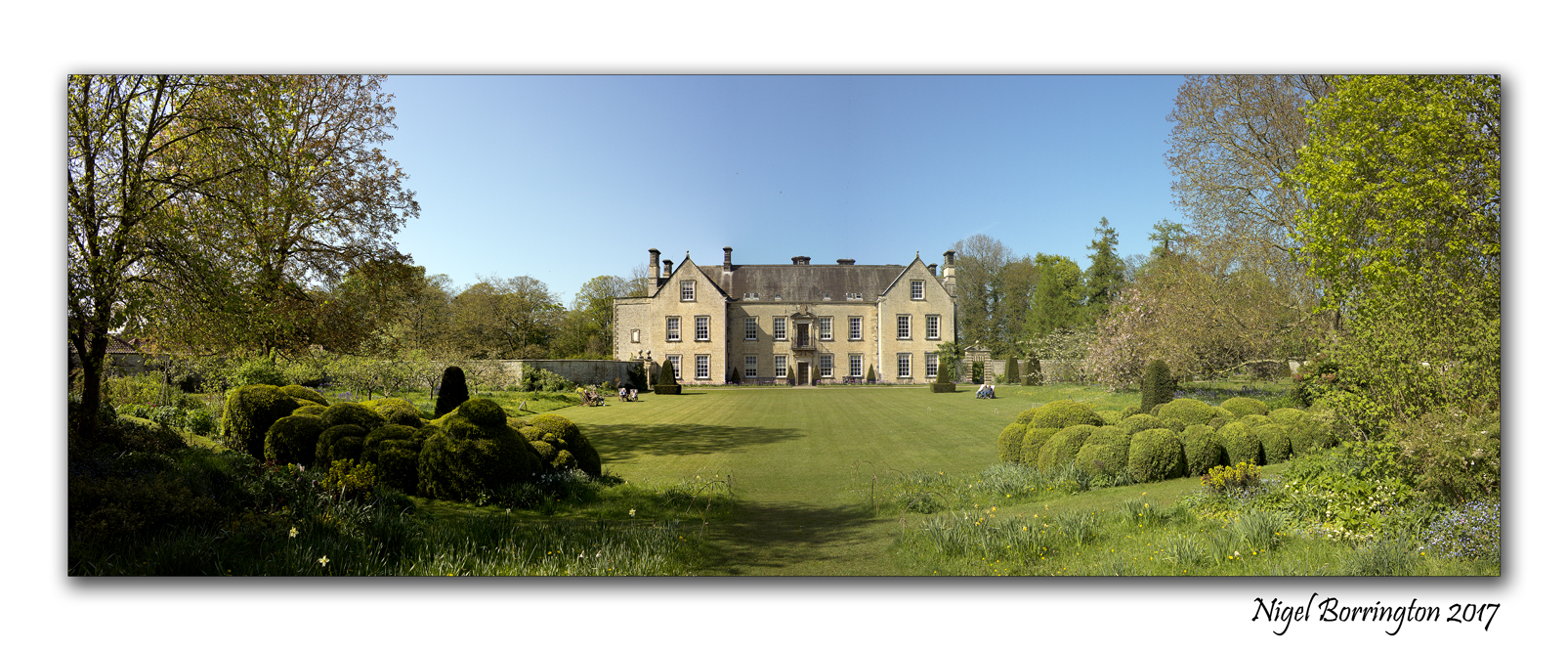
Nunnington Hall is a country house situated in the English county of North Yorkshire. The river Rye, which gives its name to the local area, Ryedale, runs past the house, flowing away from the village of Nunnington. A stone bridge over the river separates the grounds of the house from the village. Above, a ridge known as Caulkley’s Bank lies between Nunnington and the Vale of York to the south. The Vale of Pickering and the North York Moors lie to the north and east. Nunnington Hall is owned, conserved and managed as a visitor attraction by the National Trust
More on Nunnington Hall ….
The path to Top Withens,Earnshaw family house Wuthering Heights : Wuthering Heights, a Poem by Sylvia Plaths
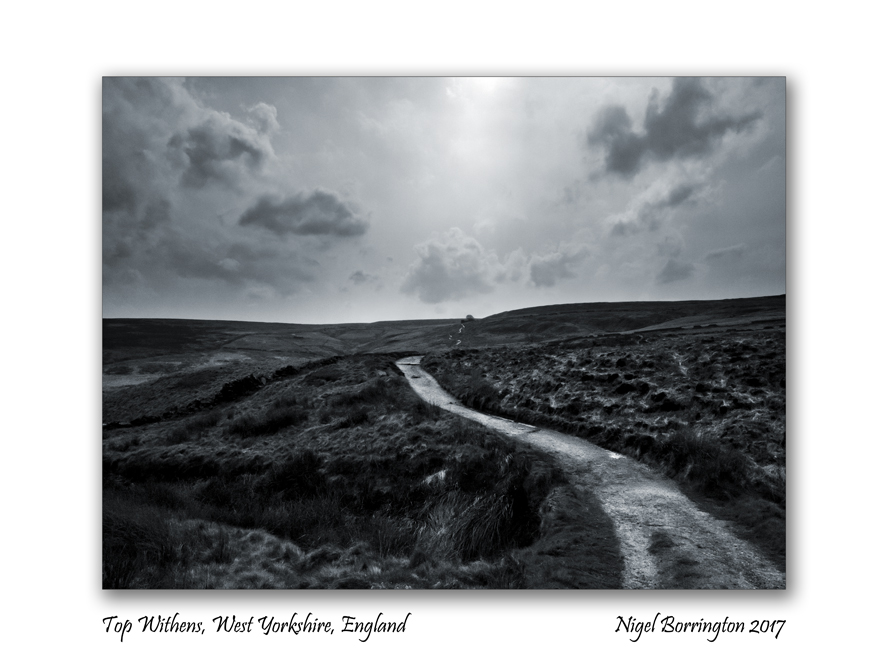
The path to Top Withens,Earnshaw family house Wuthering Heights, Emily Brontë.
Nigel Borrington
Last week we spent sometime in West Yorkshire, at Haworth the home town of the Brontë sisters, visiting the Parsonage Museum and walking upto Top Withens, the Earnshaw’s home in Emily Brontë’s novel – Wuthering heights.
The old farm house is located in some stunning landscape, the best west Yorkshire has to offer.
This is how Mr. Lockwood in the book describes his first impressions of Wuthering Heights …

Top Withens,Earnshaw family house Wuthering Heights, Emily Brontë.
Nigel Borrington
” Wuthering Heights is the name of Mr. Heathcliff’s
dwelling. ‘Wuthering’ being a significant provincial
adjective, descriptive of the atmospheric tumult to which
its station is exposed in stormy weather.
Pure, bracing ventilation they must have up there at all times, indeed:
one may guess the power of the north wind blowing over the edge, by the excessive slant of a few stunted firs at the end of the house; and by a range of gaunt thorns all stretching their limbs one way, as if craving alms of the sun.
Happily, the architect had foresight to build it strong:
the narrow windows are deeply set in the wall, and the
corners defended with large jutting stones. ”
Top Withens (also known as Top Withins)
Is a ruined farmhouse near Haworth, West Yorkshire, England which is said to have been the inspiration for the location of the Earnshaw family house Wuthering Heights in the novel of the same name by Emily Brontë.
A plaque affixed to a wall reads:
“ This farmhouse has been associated with “Wuthering Heights”, the Earnshaw home in Emily Brontë’s novel. The buildings, even when complete, bore no resemblance to the house she described, but the situation may have been in her mind when she wrote of the moorland setting of the Heights. ”
Wuthering Heights a Poem By: Sylvia Plath

Top Withens, West Yorkshire, England
English Landscapes
Nigel Borrington
The horizons ring me like faggots,
Tilted and disparate, and always unstable.
Touched by a match, they might warm me,
And their fine lines singe
The air to orange
Before the distances they pin evaporate,
Weighting the pale sky with a soldier color.
But they only dissolve and dissolve
Like a series of promises, as I step forward.
There is no life higher than the grasstops
Or the hearts of sheep, and the wind
Pours by like destiny, bending
Everything in one direction.
I can feel it trying
To funnel my heat away.
If I pay the roots of the heather
Too close attention, they will invite me
To whiten my bones among them.
The sheep know where they are,
Browsing in their dirty wool-clouds,
Grey as the weather.
The black slots of their pupils take me in.
It is like being mailed into space,
A thin, silly message.
They stand about in grandmotherly disguise,
All wig curls and yellow teeth
And hard, marbly baas.
I come to wheel ruts, and water
Limpid as the solitudes
That flee through my fingers.
Hollow doorsteps go from grass to grass;
Lintel and sill have unhinged themselves.
Of people the air only
Remembers a few odd syllables.
It rehearses them moaningly:
Black stone, black stone.
The sky leans on me, me, the one upright
Among the horizontals.
The grass is beating its head distractedly.
It is too delicate
For a life in such company;
Darkness terrifies it.
Now, in valleys narrow
And black as purses, the house lights
Gleam like small change.
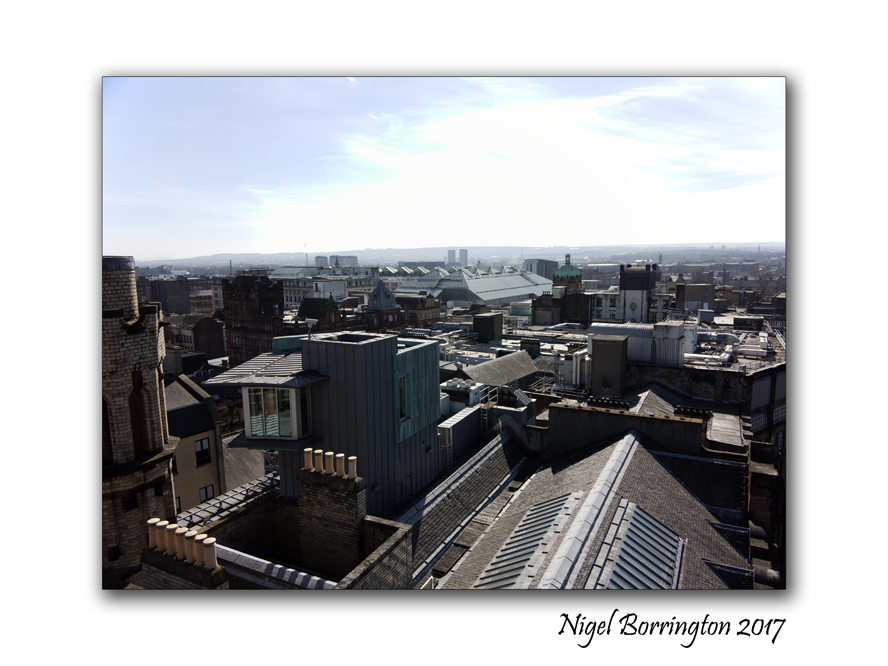
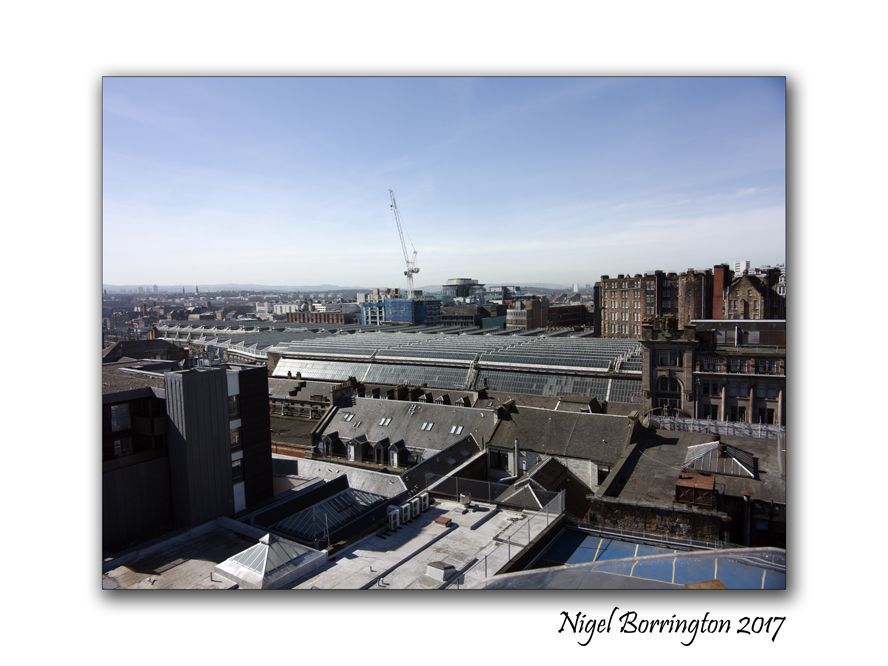
A view of Glasgow from the Lighthouse Museum
The Lighthouse Museum, Scotland’s Center for Design and Architecture, is a visitor center, exhibition space and events venue situated in the heart of Glasgow, just off the Style Mile. The Lighthouse acts as a beacon for the creative industries in Scotland and promotes design and architecture through a vibrant programme of exhibitions and events.
The Museum building formerly housed the Glasgow Herald, it was the first public commission completed by Charles Rennie Mackintosh, and is the perfect place to begin a Mackintosh tour of Glasgow, as it has a permanent exhibition of his work.
We visited both the viewing tower and all the great exhibitions three weeks ago, it was one of the highlights of our time in this great Scottish city…..
These images show the spiral staircase that accesses the viewing tower and a view from each of the platforms at the top.



First Post after the Easter Holidays

irish national heritage park.
County Wexford
Nigel Borrington
I was only back in-front my laptop for the first time yesterday evening, uploading some of the images I captured over the Easter Holidays.
It was a great break, this year we stayed in Ireland but chose to visit many of the great locations the south east and west of the country has to offer.
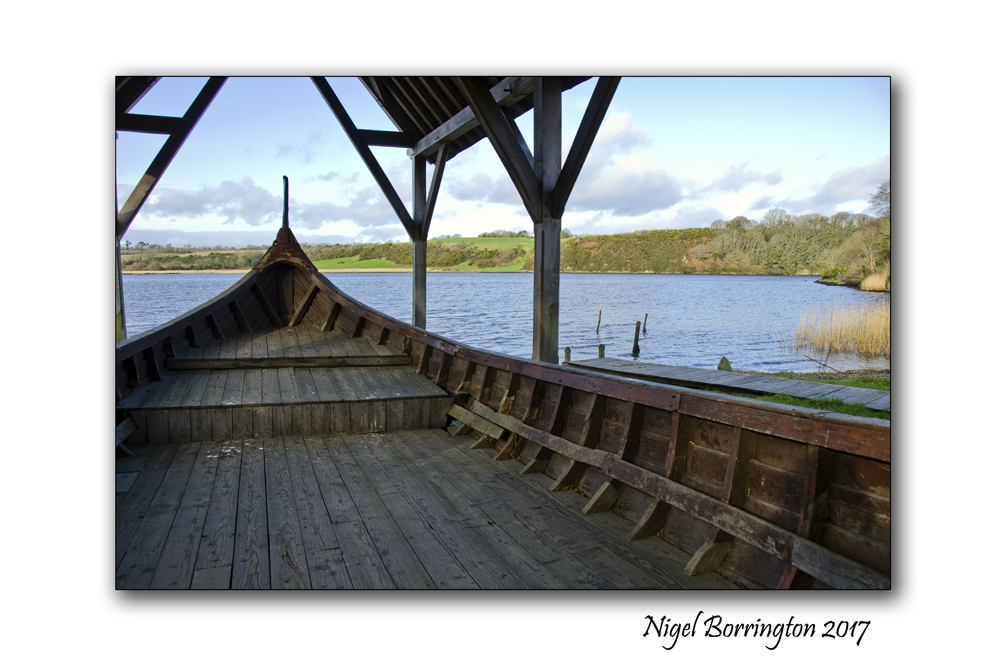
The Irish National Heritage Park, was just one of these places, the Park gives you an historic journey that takes you deep into Ireland’s past, Through 9000 years of Irish History. It is a very special place where Ireland’s heritage comes alive with sights and sounds that shaped a country and helped to shape the bigger world.
Located on the banks of the picturesque River Slaney, The Irish National Heritage Park truly is the cornerstone of Ireland’s Ancient East.
With an outdoor museum depicting 9000 years of re-created Irish History situated within natural forestry & wet woodlands.
The following images are just some from the many I took on the day we visited ….



Walking the bridges of the River Clyde, Glasgow, Scotland

The 21 Bridges of the River Clyde
Glasgow
As the Industrial Revolution took hold of the world, the Clyde was dredged to allow ships to sail all the way to Glasgow, rather than stopping at Port Glasgow which had previously been the case. As well as turning Glasgow into an important port, it transformed the city from one of trade to one of manufacturing, specifically steel work and shipbuilding. As factories and shipyards sprung up, the city’s population boomed to a breaking point of over one million (almost double the current number), and one of first cities in Europe to do so.
The Clyde’s reputation and success continued until World War II, when several of the shipyards were struck by the Luftwaffe during The Blitz. This, coupled with post-war competition from other nations, saw the decline of shipbuilding in Glasgow. In present day, the only two surviving yards, Yarrow and Fairfields, are both owned and operated by BAE Systems.
However, this decade has brought with it renewed investment in the waterway and its banks, thanks to the Clyde Waterfront Regeneration project. One of the prime examples is the Glasgow Digital Media Quater located at Pacific Quay; it is new home of the television companies BBC and STV, as well as other media companies. Next door to this, directly across from the Scottish Exhibition and Conference Centre (SECC), is the Glasgow Science Centre, IMAX Cinema AND Glasgow Tower. Further along, in the neighbouring town of Renfrew, lies the Braehead Shopping Centre and Xscape Leisure Centre, directly across from the King George V Docks. Next to the shopping centre is the newest of Glasgow’s parks, the Clyde View Park. It features statues by artist Kenny Munro, which he designed with the help and input of Renfrewshire’s schoolchildren.
Of course, a river would not be so handy if there were not bridges to cross the tremendous flowing waters. Thankfully, Glasgow has a staggering 21 bridges crossing the Clyde. These are a mixture of road, rail and footbridges that speak volumes about the history of the city, from their names and design to the type of transport they were designed for. In addition to these there is the Clyde Tunnel, which delves under the river connecting Govan with Scotstoun and Partick.
The Bridges can all be seen as part of the Clyde Heritage Trail. For more information and articles about the River Clyde and her features, please visit the Clyde Waterfront Heritage website, and also the Riverside Museum.
1. Millennium Bridge (2002)
2. Bells Bridge (1989)
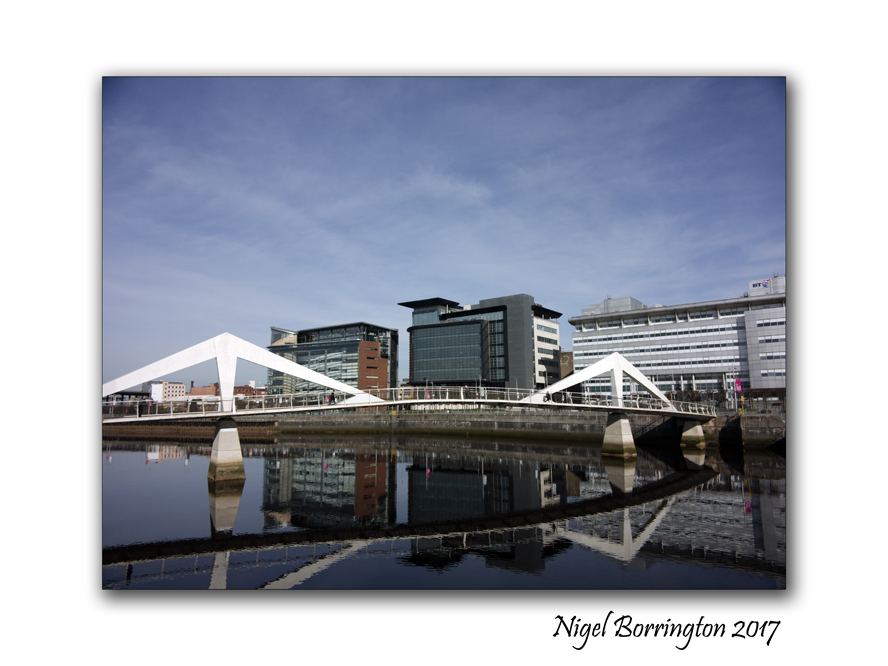
3. Clyde Arc / The Squinty Bridge (2006)
4. Kingston Bridge (1970)
5. Tradeston Footbridge (2008)
6. George V Bridge (1929)
7. 2nd Caledonian Railway Bridge (1905)
8. 1st Caledonian Railway Bridge (1878)
9. Glasgow Bridge (1899)
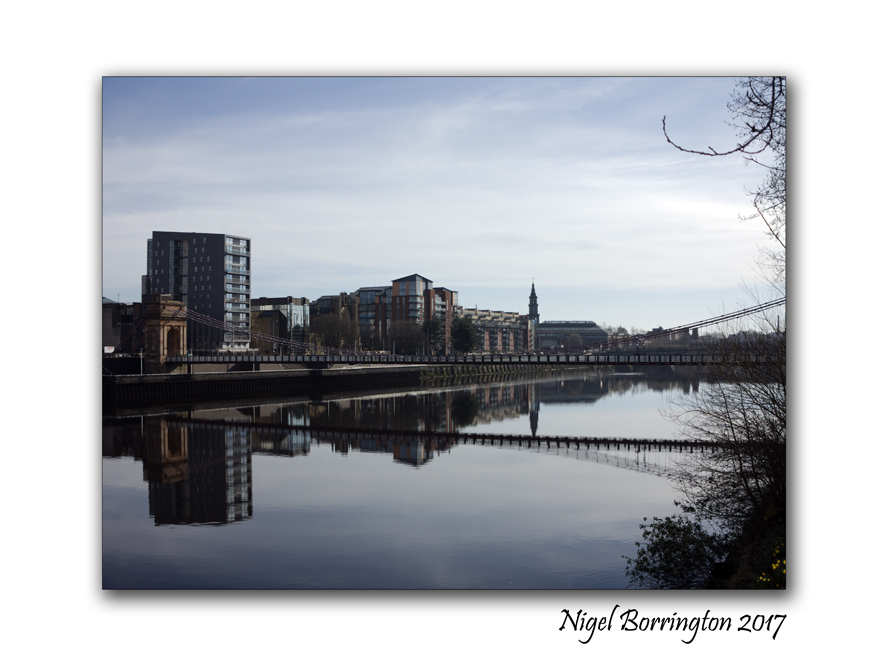
10. South Portland Street Suspension Bridge (1853)
11. Victoria Bridge (1854)
12. The City Union Railway Bridge (1899)
13. Albert Bridge (1871)
14. Tidal Weir and Pipe Bridge (1901 (rebuilt 1949)
15. St. Andrew’s Suspension Bridge (1856)
16. King’s Bridge (1933)
17. Polmadic Bridge (1955)
18. Rutherglen Bridge (1896)
19. 1st Dalmarnock Railway Bridge (1861)
20. 2nd Dalmarnock Railway Bridge (1897)
21. Dalmarnock Bridge (1897)


Glasgow 20-20
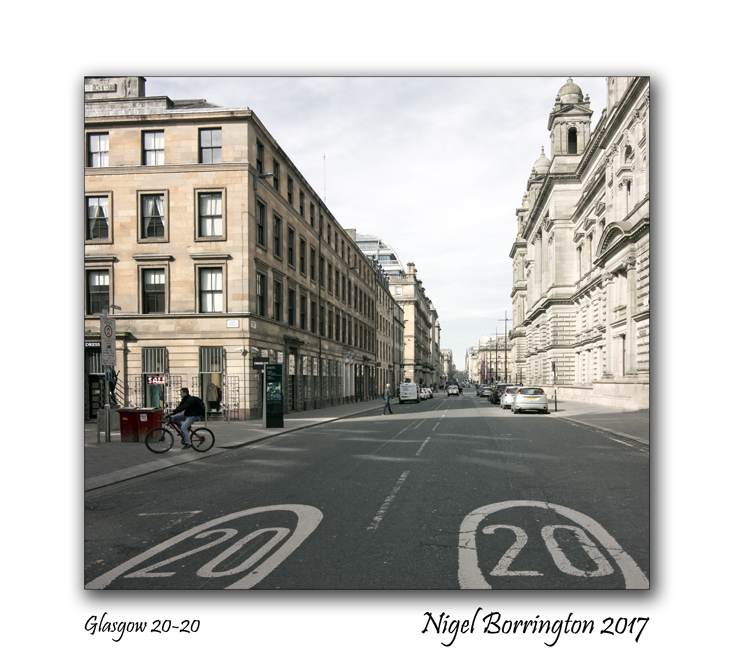
Glasgow 20-20
|Street Photography
Glasgow Scotland
Nigel Borrington
We just returned from a great long weekend in Glasgow, Scotland, visiting many of the city’s great attractions. Glasgow has always been one of my most loves European cities with its great river and surrounding mountains, stunning Victorian architecture including central station and its many hotels and city blocks.
What a wonderful weekend, the weather was perfect for the two full days, blue blue sky’s and it was warm for March 🙂 🙂

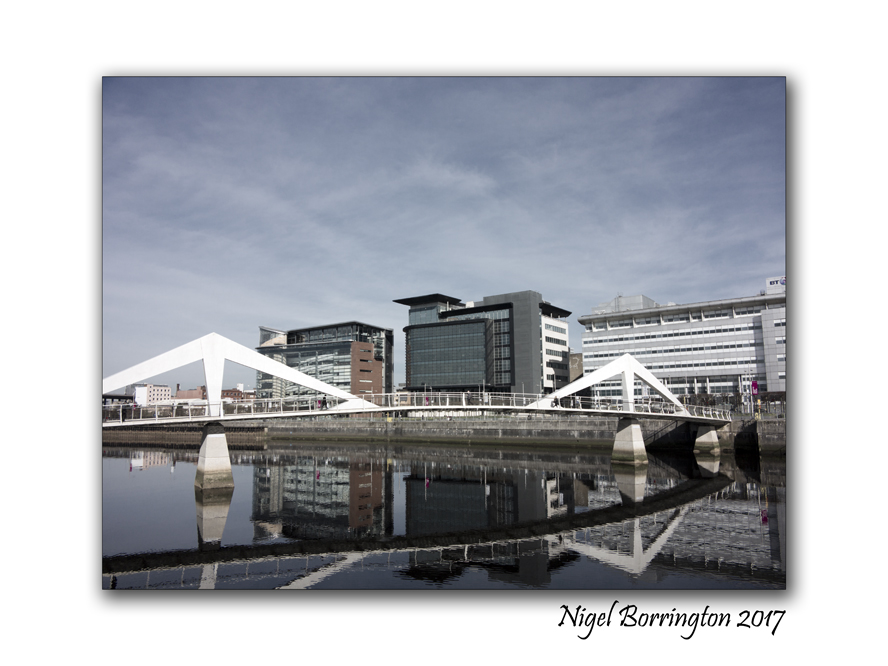
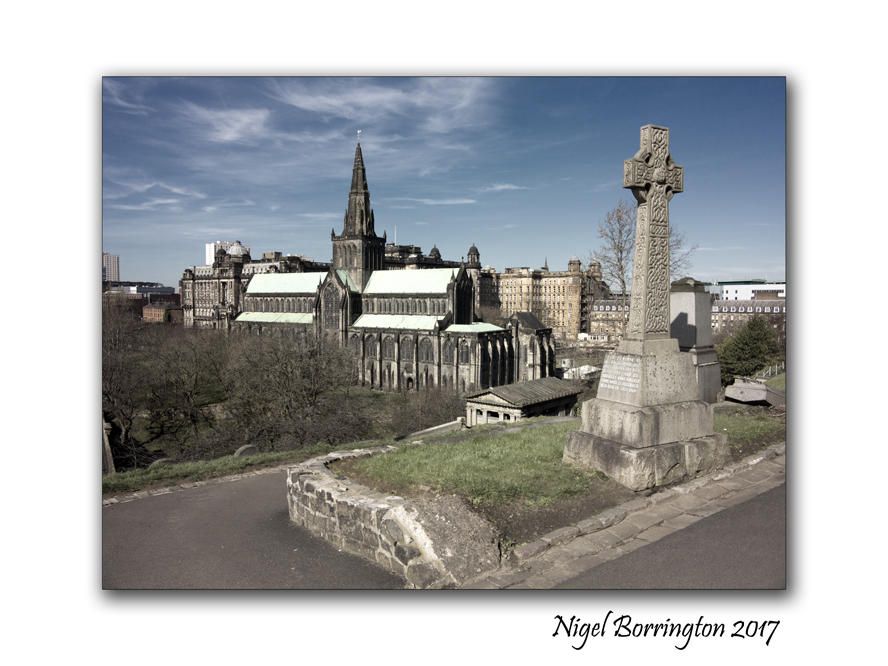
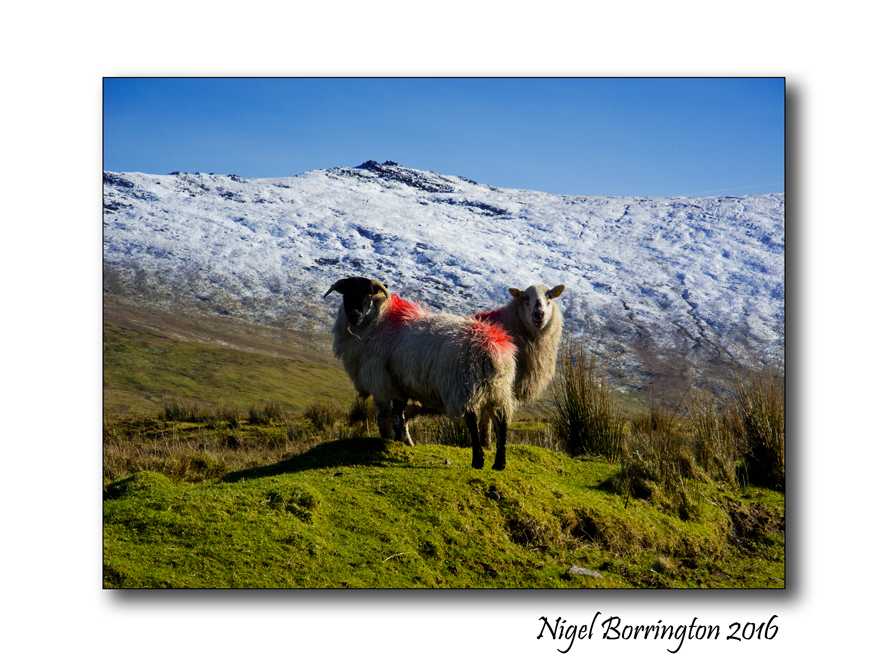
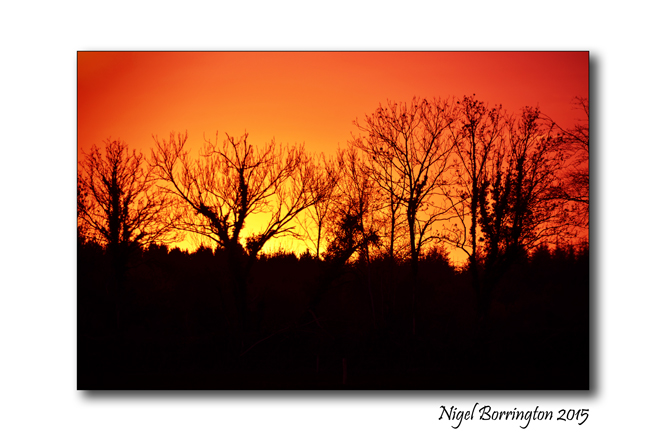
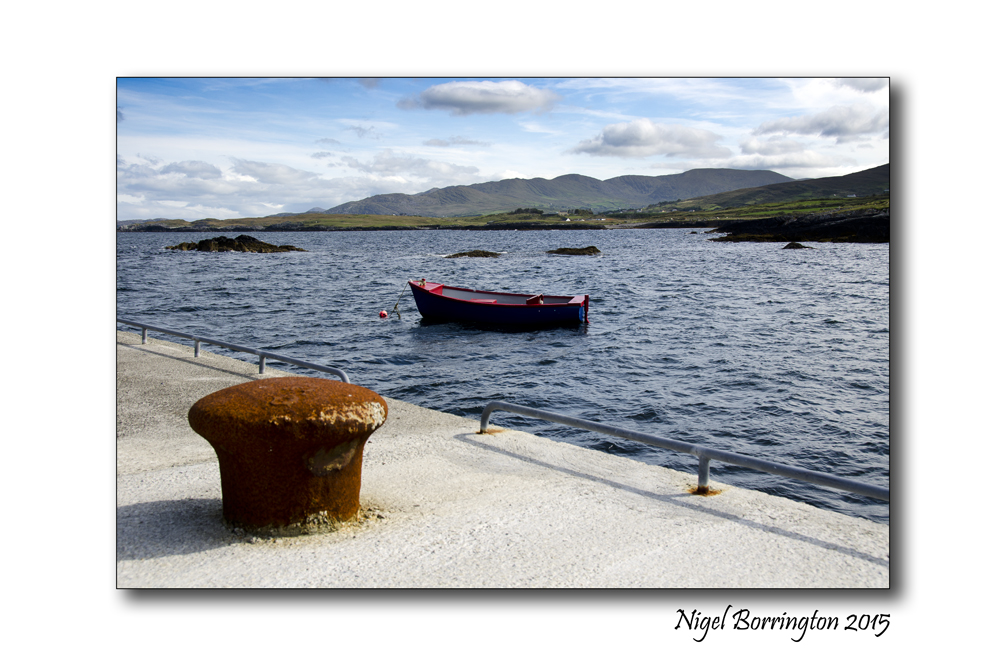
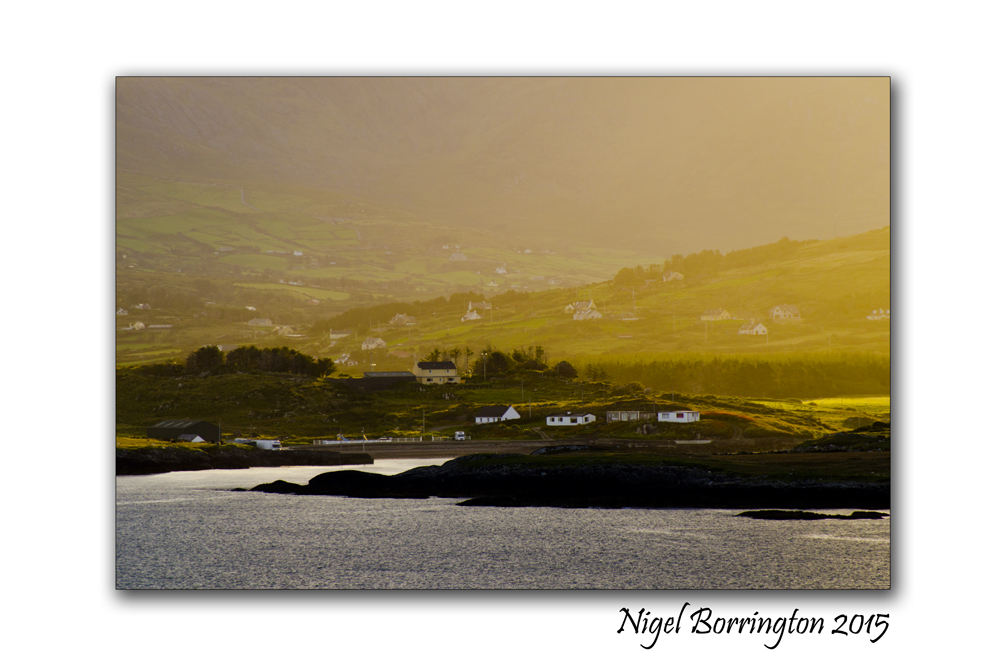
Happy St Patrick’s day, AN Irish Landscape and nature Gallery……
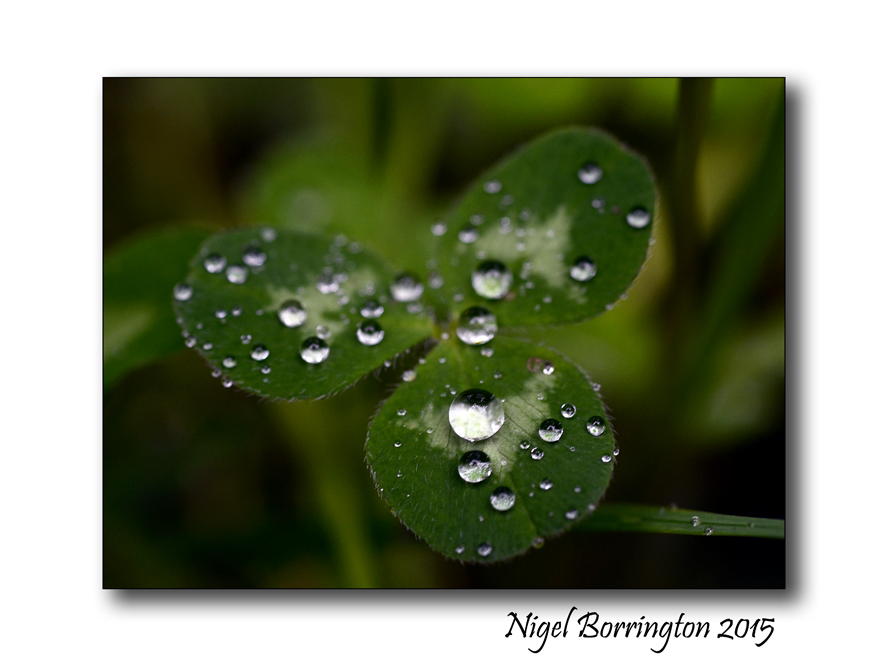
Happy St Patrick’s day to everyone 🙂
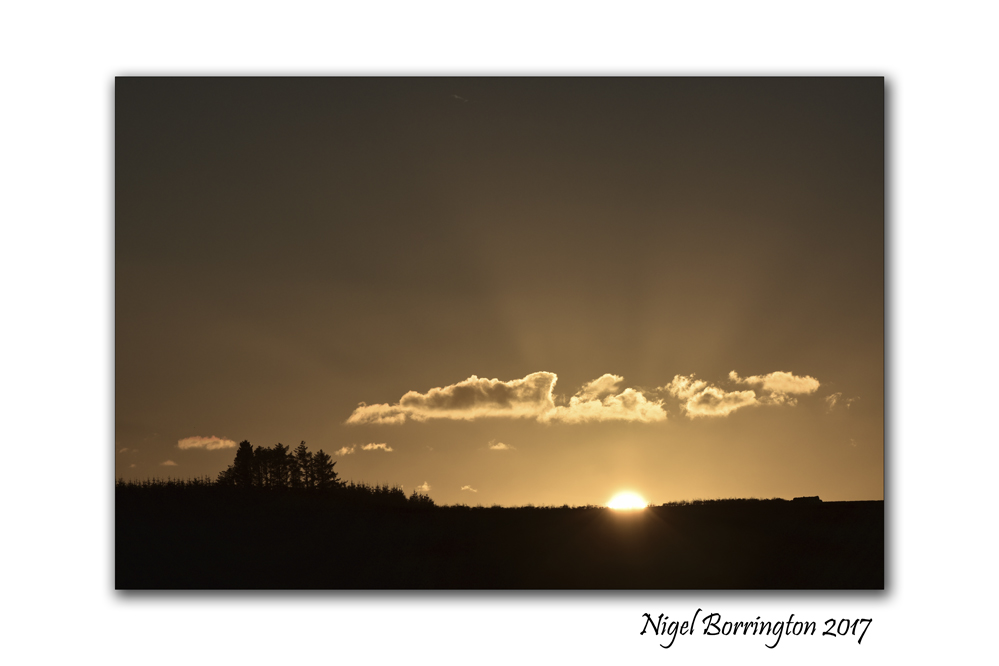
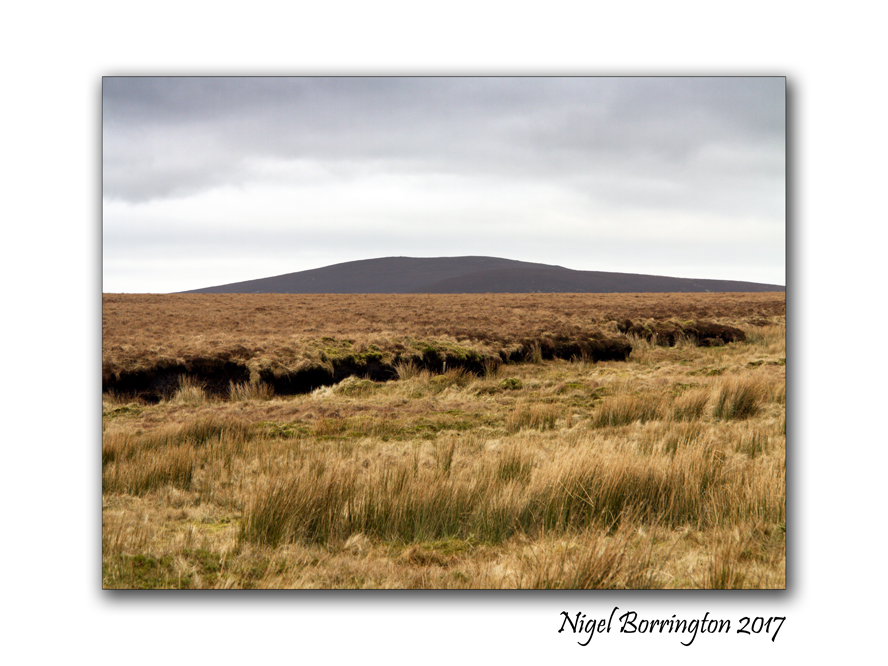
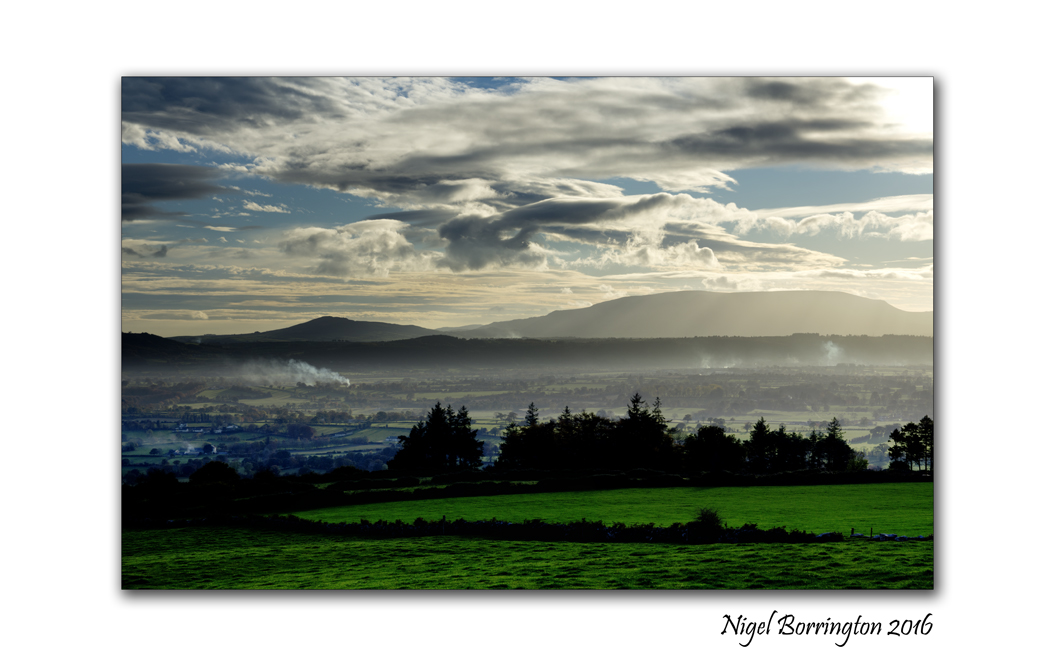
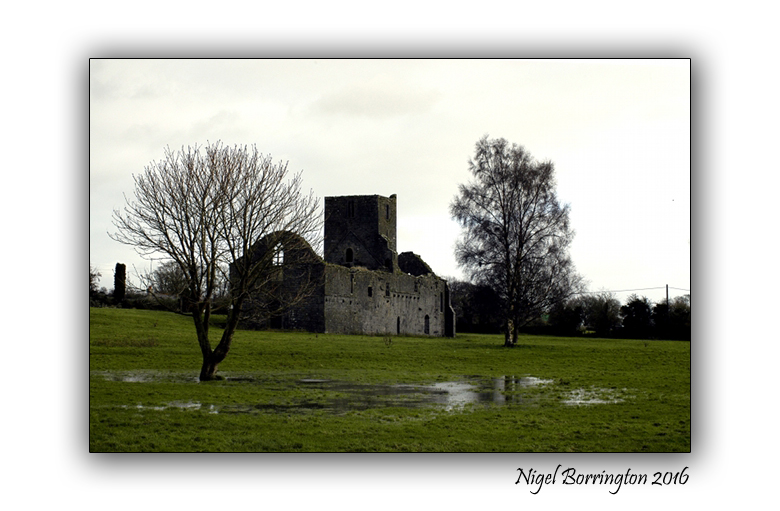
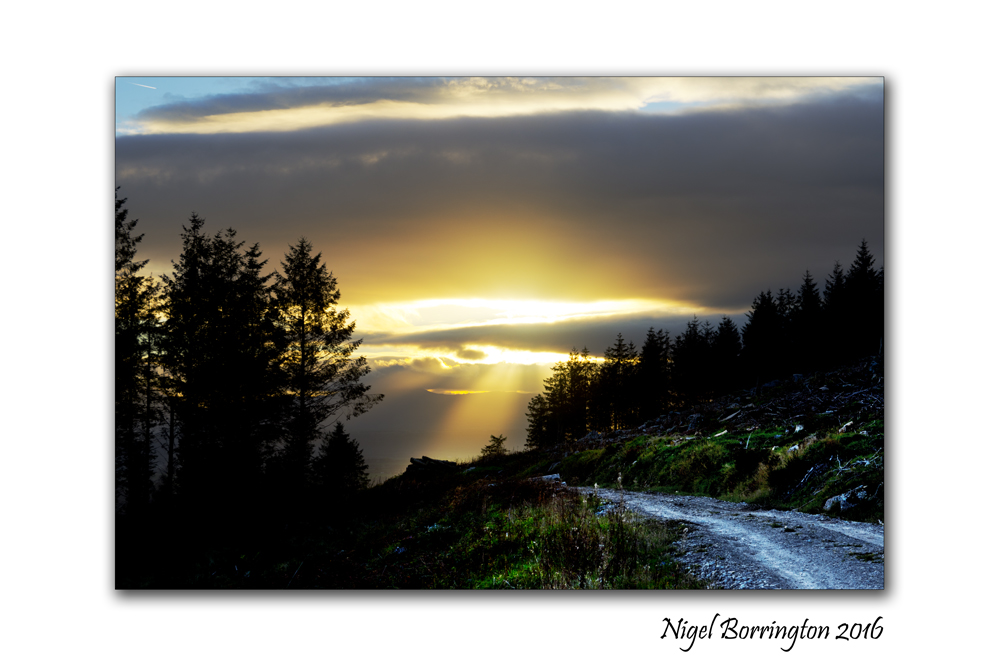
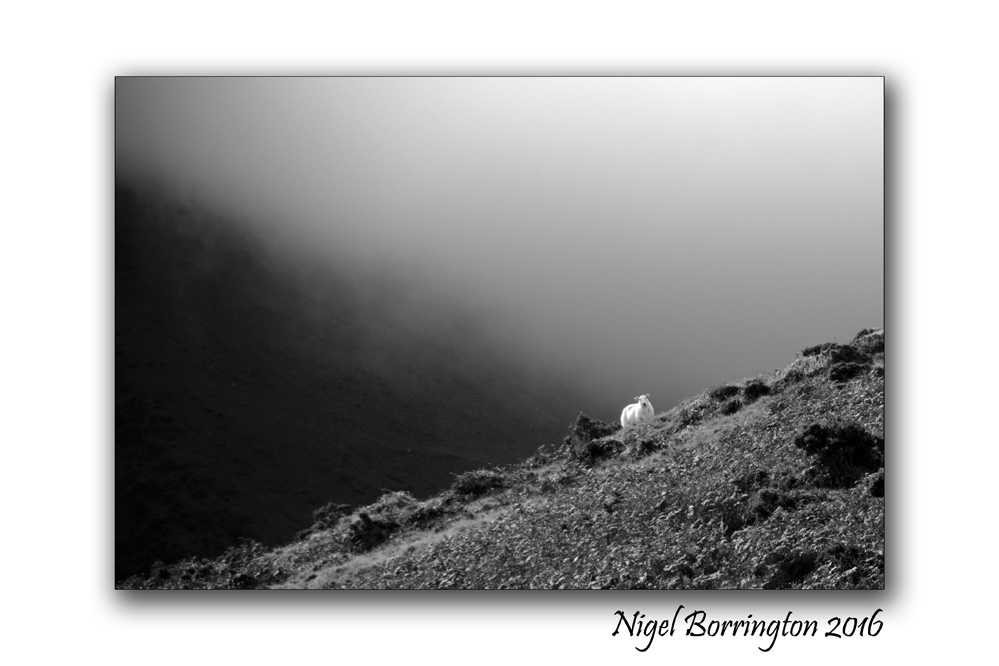
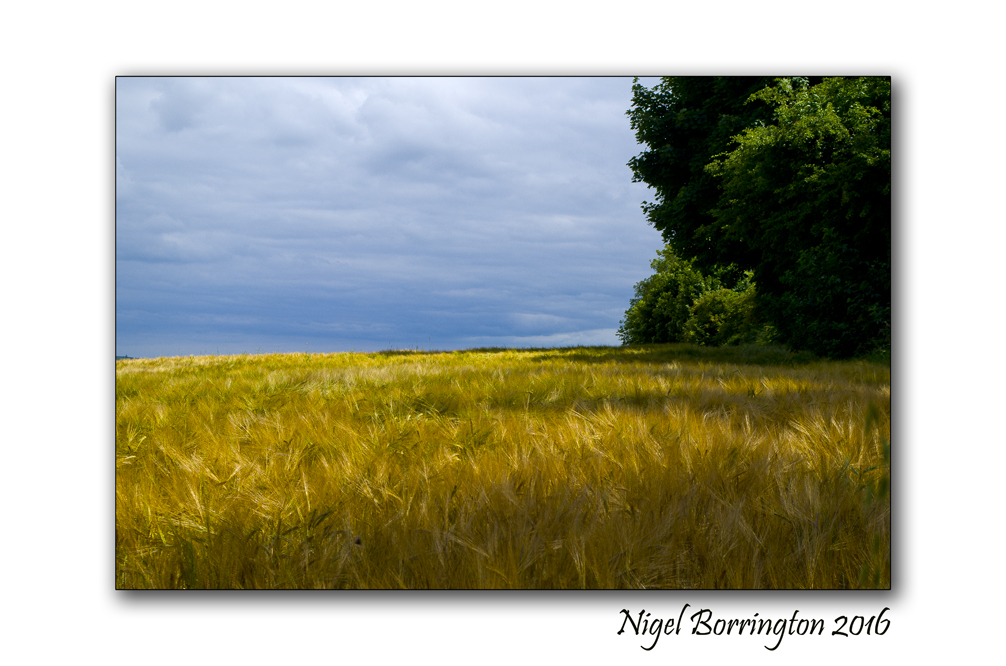
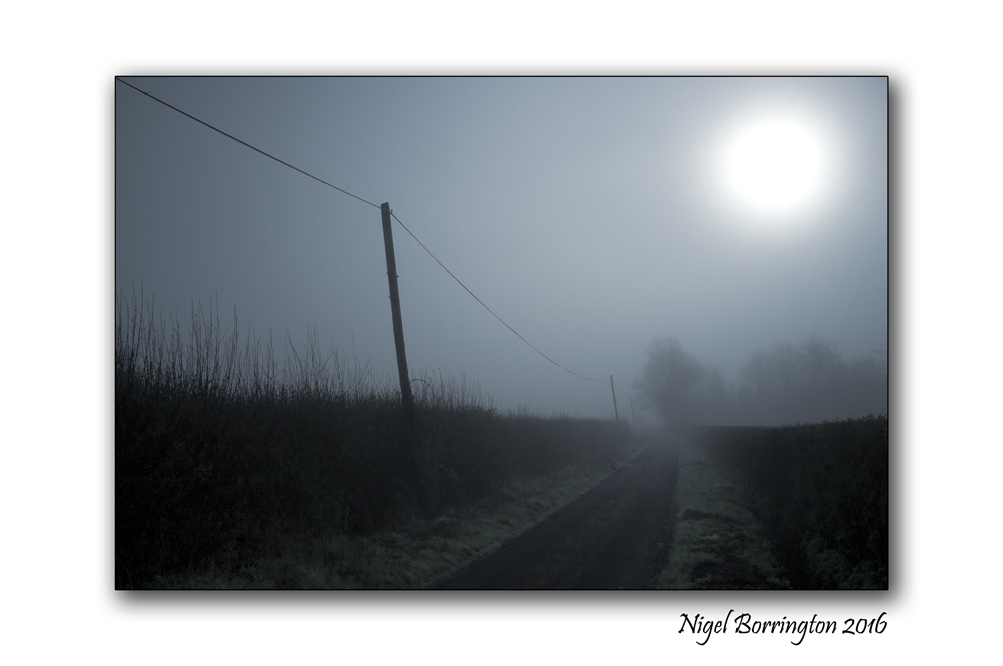
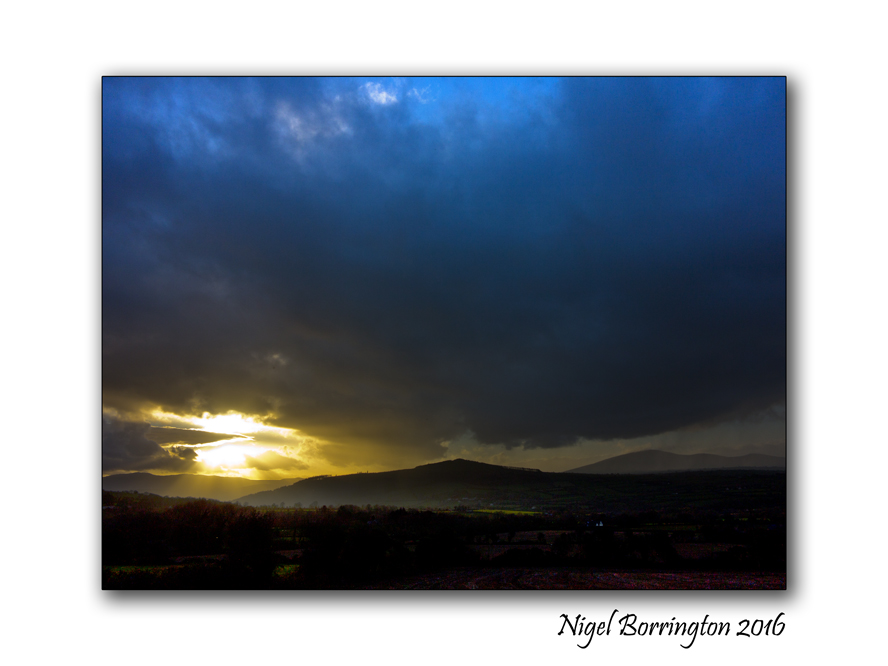
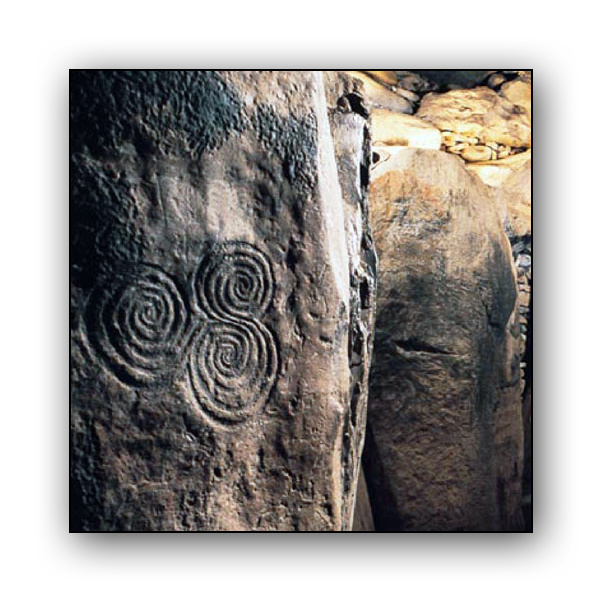
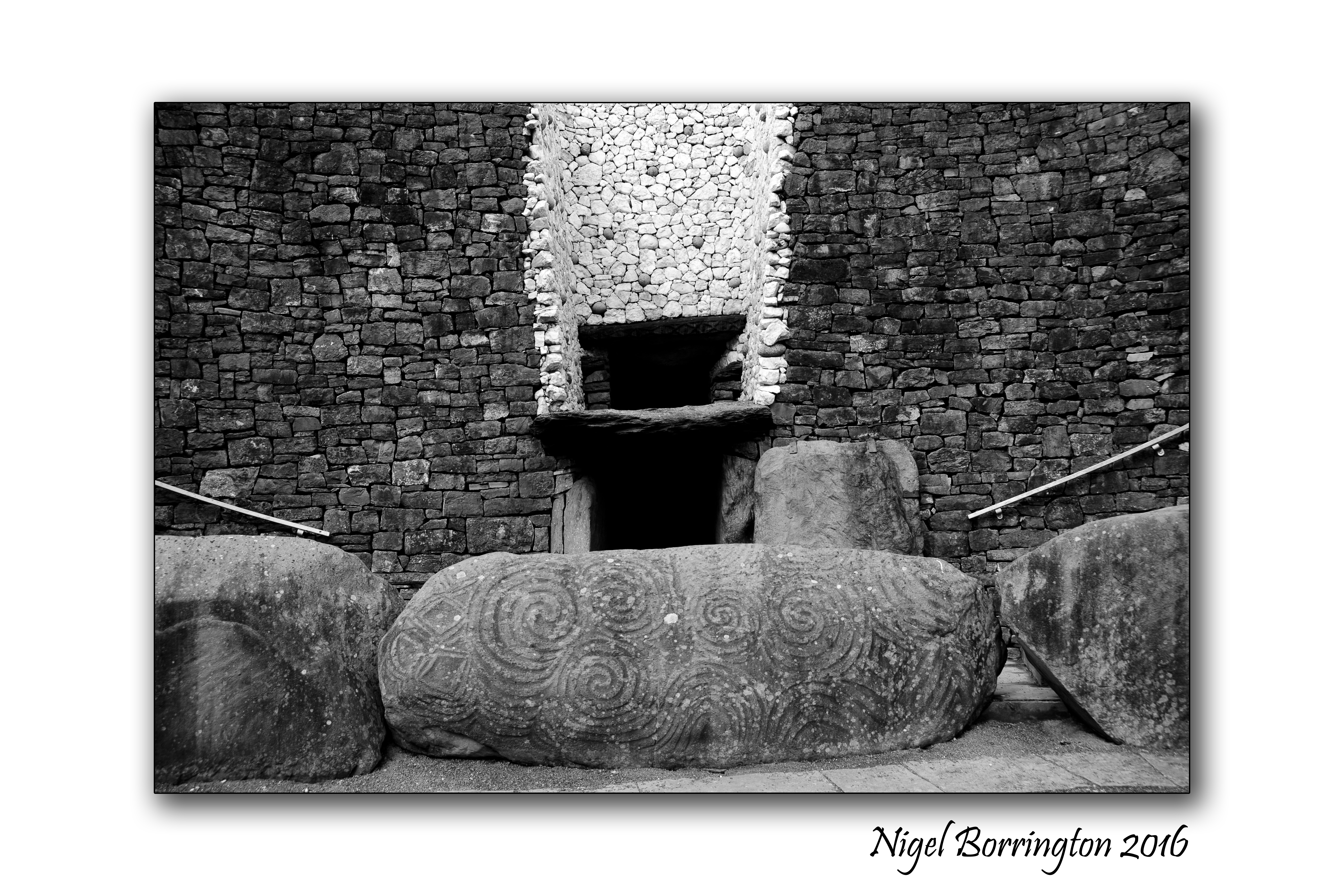
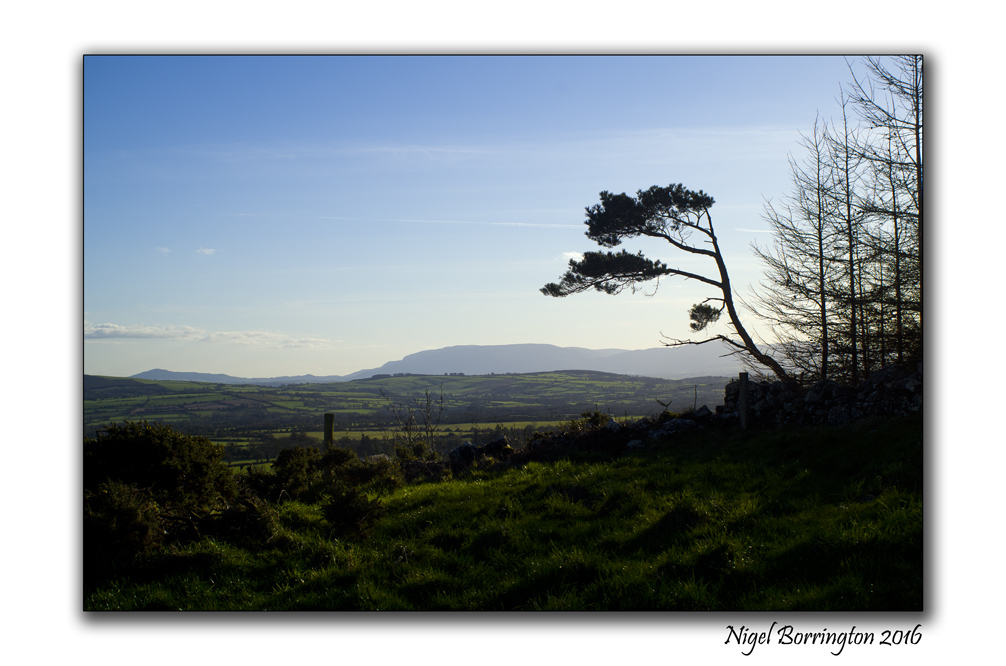
To celebrate this St Patrick’s day, I am sharing a very full collection of images from my Blog, all of them taken over the last couple of years or so. I feel they show this land, a small part of the European continent at its very best.
Ireland a St Patrick’s Day collection ….















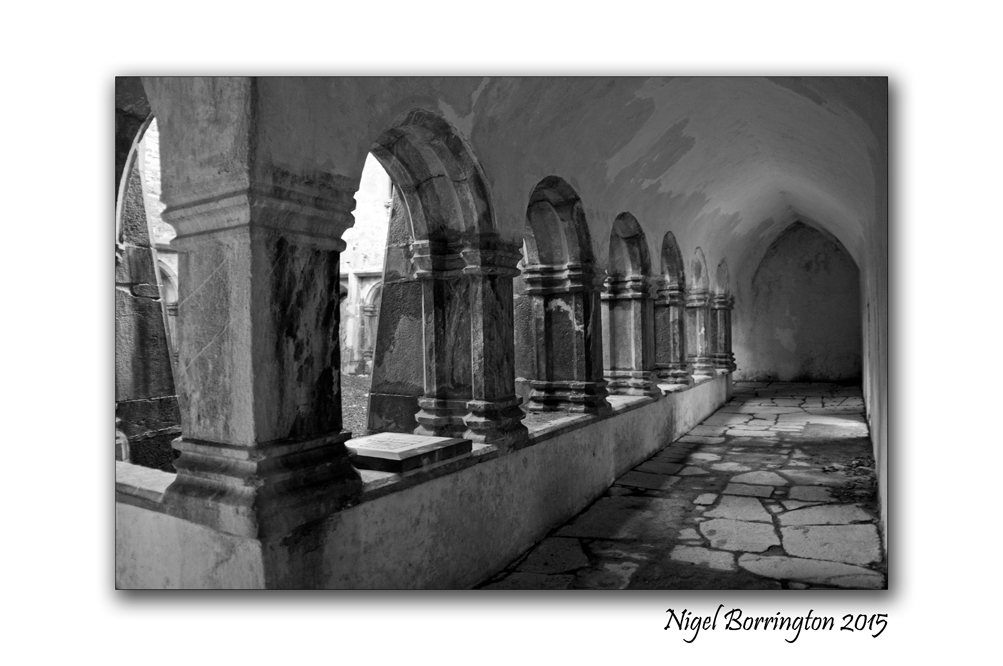
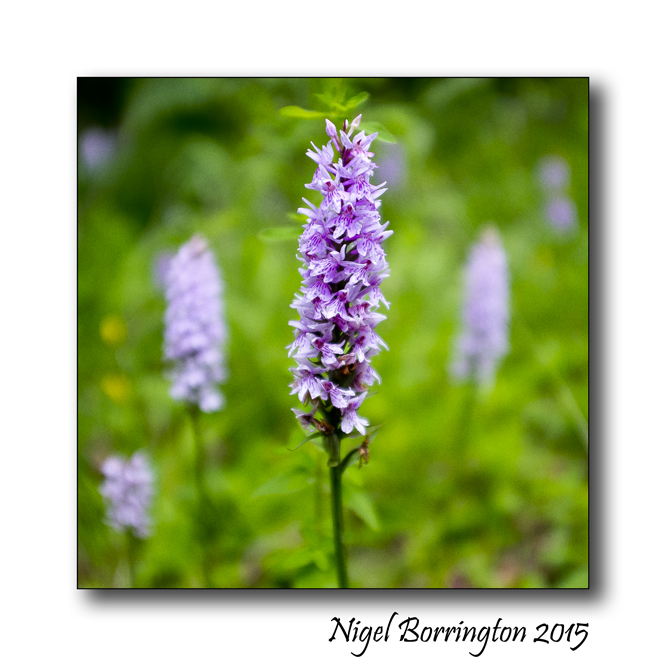


Tales from the river Bank, River Suir, Country Tipperary
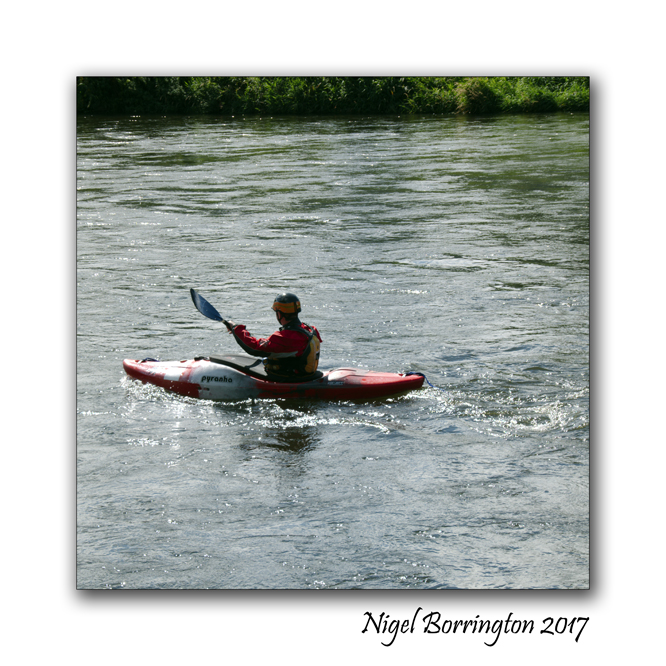
Tales from the River Bank,
River Suir,
County Tipperary
Nigel Borrington
A Walk along the River Suir : Gallery


Killarney national park , Ireland
Killarney National Park Nigel Borrington
Irish landscapes
Friday the 10th of March 2017 and I am just planning some weekends away during the year, I am very keen to spend sometime as soon as possible back in the National park of Killarney. The park is a perfect place to visit if your into photography with its mountains and lakes and fast flowing rivers.
Its also an amazing place to cycle, so I am hopping to plan a B&B route leaving the car behind and spending time cycling in the Kerry mountains 🙂


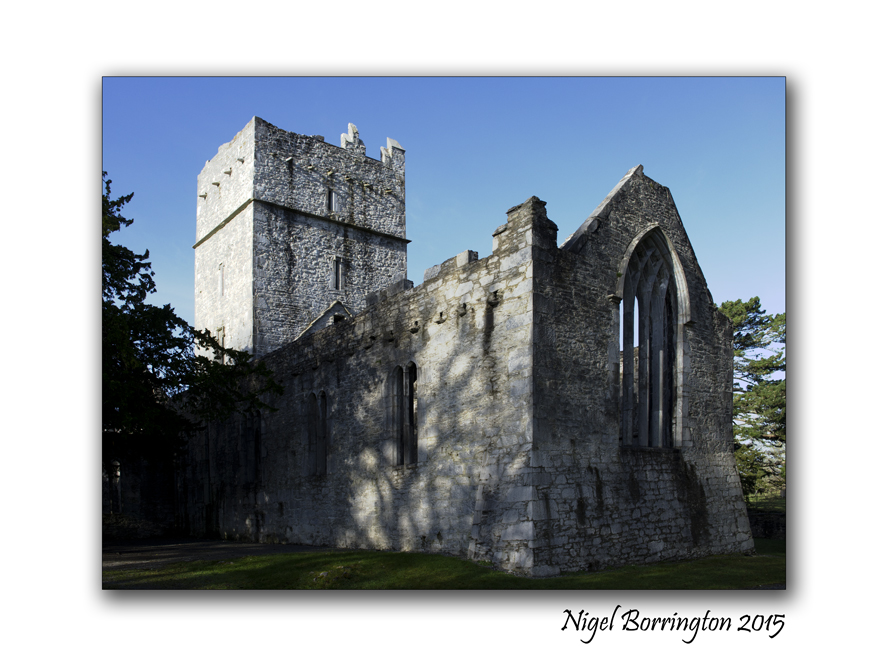

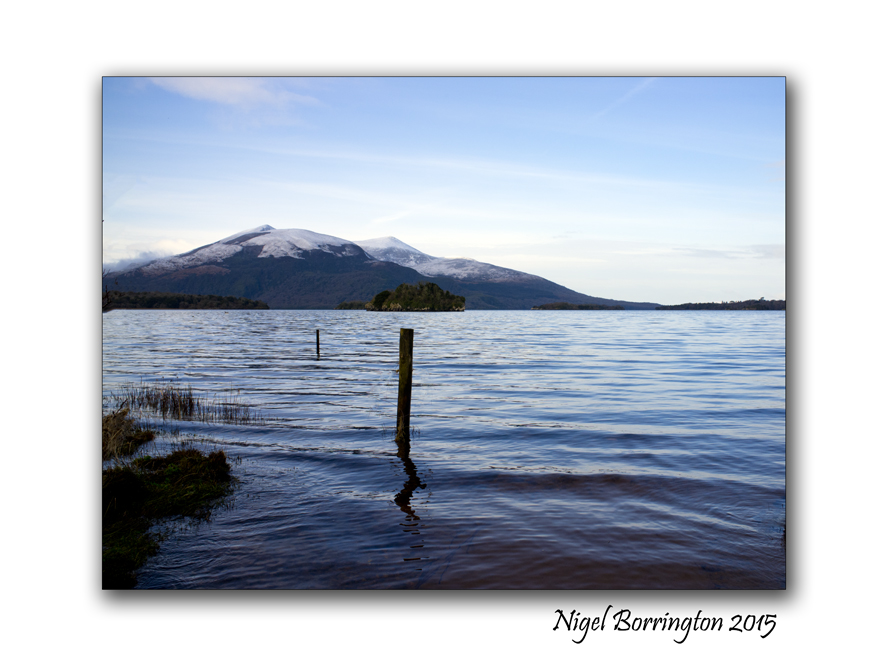

Lower Lake Killarney 2011
Plaza de España, Seville, Spain

Plaza de España, Seville
Nigel Borrington
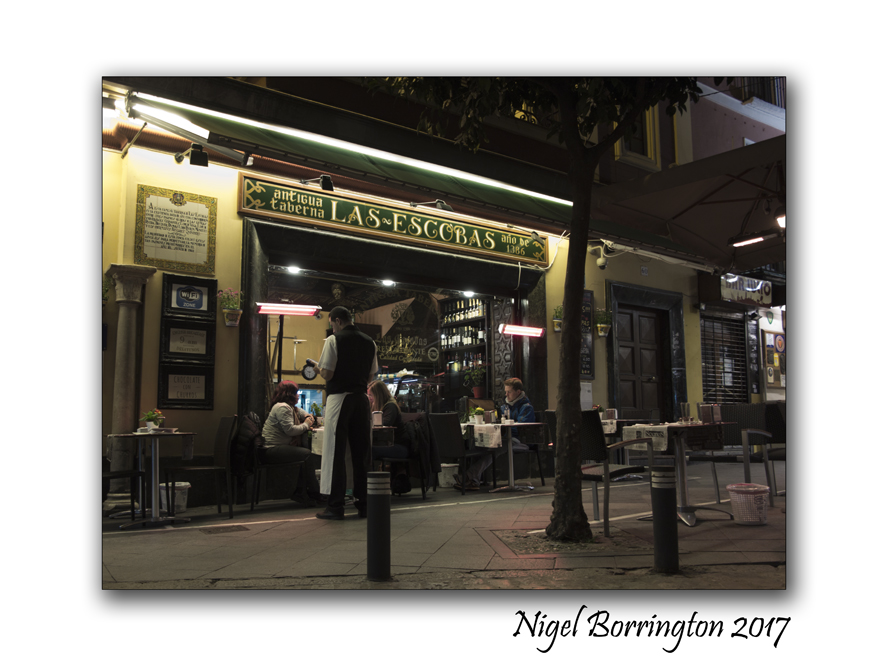
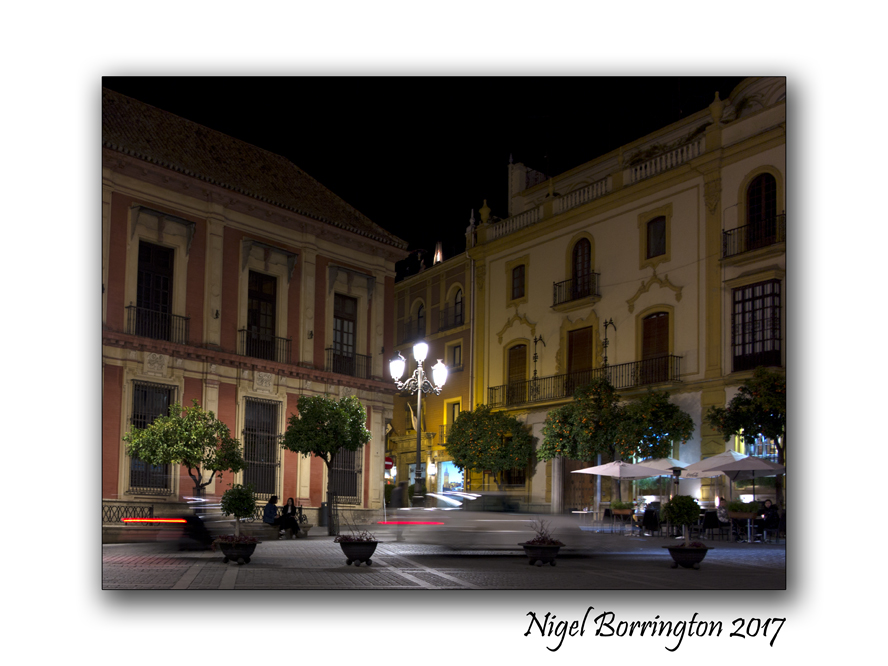
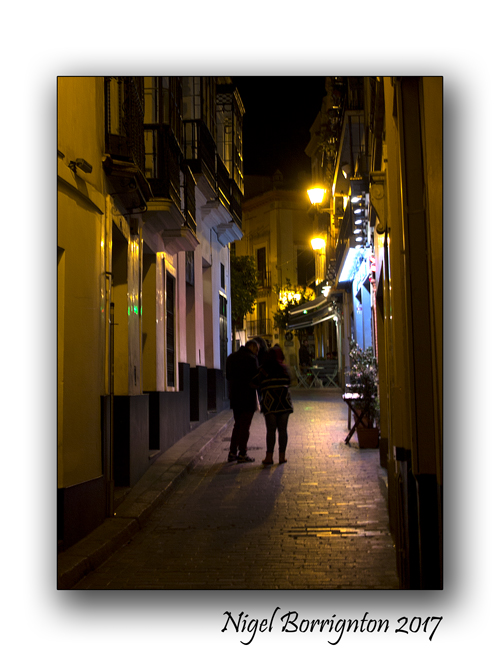
The Plaza De Espana is simply one of the most amazing locations to visit in Seville, the images here are taken from our visit at the end of last month (January 2017). It was late afternoon by the time we arrived, having already visited many of the cities great locations and the Plaza was the perfect way to end a great day.
Here are some basic details, including the buildings amazing history …
The Plaza de España
(“Spain Square”, in English) is a plaza in the Parque de María Luisa (Maria Luisa Park), in Seville, Spain, built in 1928 for the Ibero-American Exposition of 1929. It is a landmark example of the Regionalism Architecture, mixing elements of the Renaissance Revival and Moorish Revival (Neo-Mudéjar) styles of Spanish architecture.
The Plaza de España, designed by Aníbal González, was a principal building built on the Maria Luisa Park’s edge to showcase Spain’s industry and technology exhibits. González combined a mix of 1920s Art Deco and “mock Mudejar”, and Neo-Mudéjar styles. The Plaza de España complex is a huge half-circle with buildings continually running around the edge accessible over the moat by numerous bridges representing the four ancient kingdoms of Spain. In the center is the Vicente Traver fountain. By the walls of the Plaza are many tiled alcoves, each representing a different province of Spain.
Today the Plaza de España mainly consists of Government buildings. The central government departments, with sensitive adaptive redesign, are located within it. The Plaza’s tiled Alcoves of the Provinces are backdrops for visitors portrait photographs, taken in their own home province’s alcove. Towards the end of the park, the grandest mansions from the fair have been adapted as museums. The farthest contains the city’s archaeology collections. The main exhibits are Roman mosaics and artefacts from nearby Italica.
The Plaza de España has been used as a filming location, including scenes for the 1962 film Lawrence of Arabia. The building was used as a location in the Star Wars movie series Star Wars: Episode II – Attack of the Clones (2002) — in which it featured in exterior shots of the City of Theed on the Planet Naboo. It also featured in the 2012 film The Dictator.
Gallery


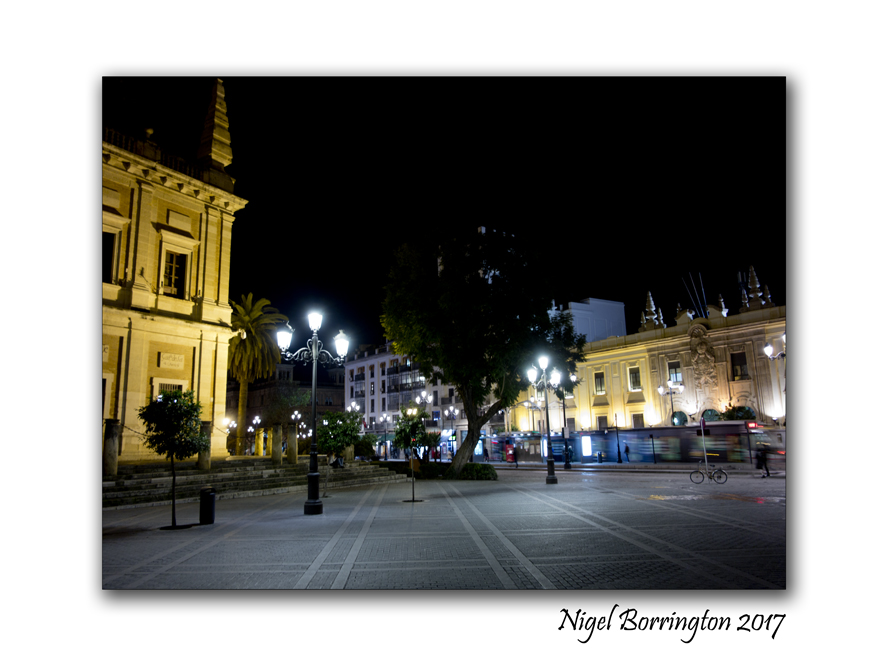
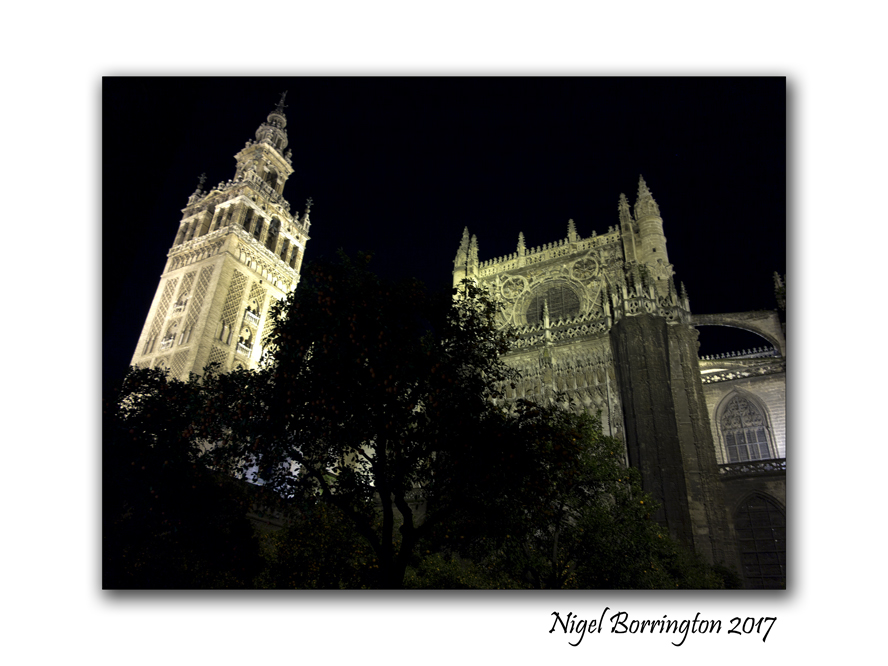


Landscape drawing, Boolabrien lower, nier valley, county Waterford.

The view of
boolabrien lower
nier valley
ireland
nigel borrington
The Nire valley in county waterford offers some of the most amazing landscape views in the south east of Ireland, I used a Wacom MobileStudio Pro tablet to draw this sketch of one of my favorite positions, sitting on an old stone seat that looks across at the farm fields as they slowly make their way up into the hills above.
 Nigel Borrington
Wednesday at the gardens : Altamont Gardens, County Carlow
Altamont Gardens
Carlow
Ireland
With the aim of shopping for some new summer plants and flowers for the garden, today I spent sometime at Altamont Gardens, county Carlow.
This is a fantastic house and gardens with a great garden center, the staff know a great deal about the kind of plants that will grow well locally.
A great way to spend the afternoon, looking and plants, walking around the grounds and finally and cup of tea and cake in the little cafe …..
Share this:
June 14, 2017 | Categories: Comment, Gallery, Nature and Wildlife, Travel Locations | Tags: Altamont Gardens, Carlow, Garden centre, Gardening, Nogel Borrington, Summer plants | 2 Comments