Wednesday at the gardens : Altamont Gardens, County Carlow
Altamont Gardens
Carlow
Ireland
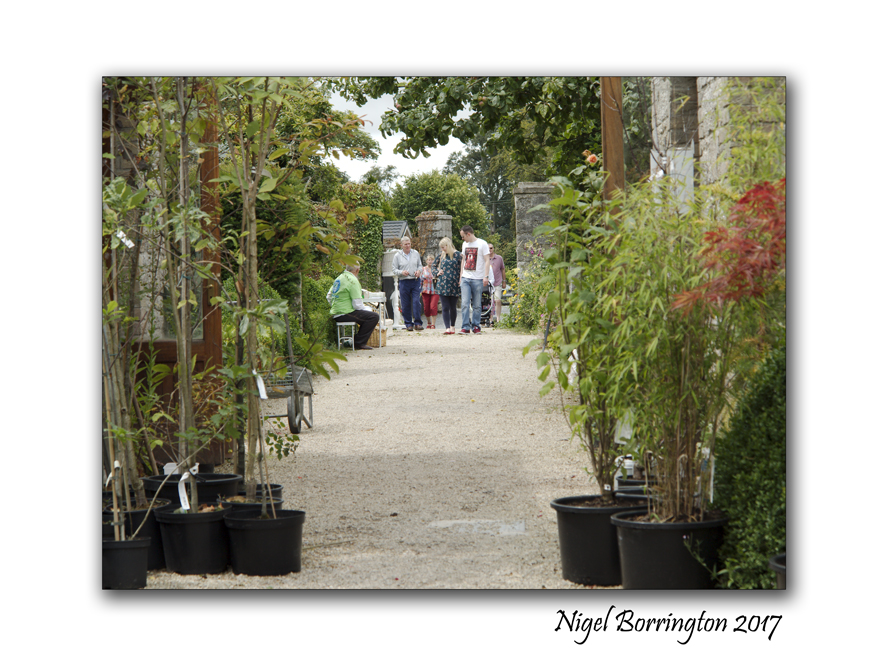
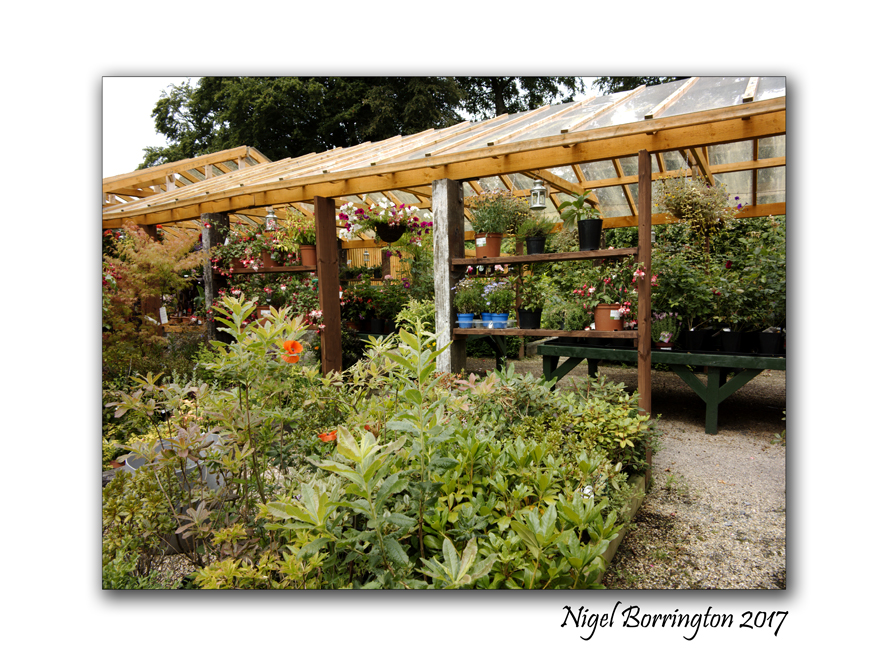
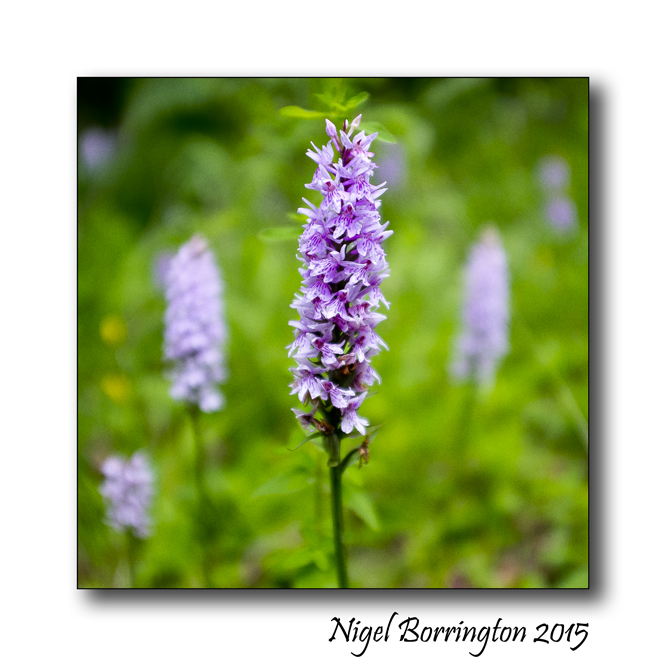
With the aim of shopping for some new summer plants and flowers for the garden, today I spent sometime at Altamont Gardens, county Carlow.
This is a fantastic house and gardens with a great garden center, the staff know a great deal about the kind of plants that will grow well locally.
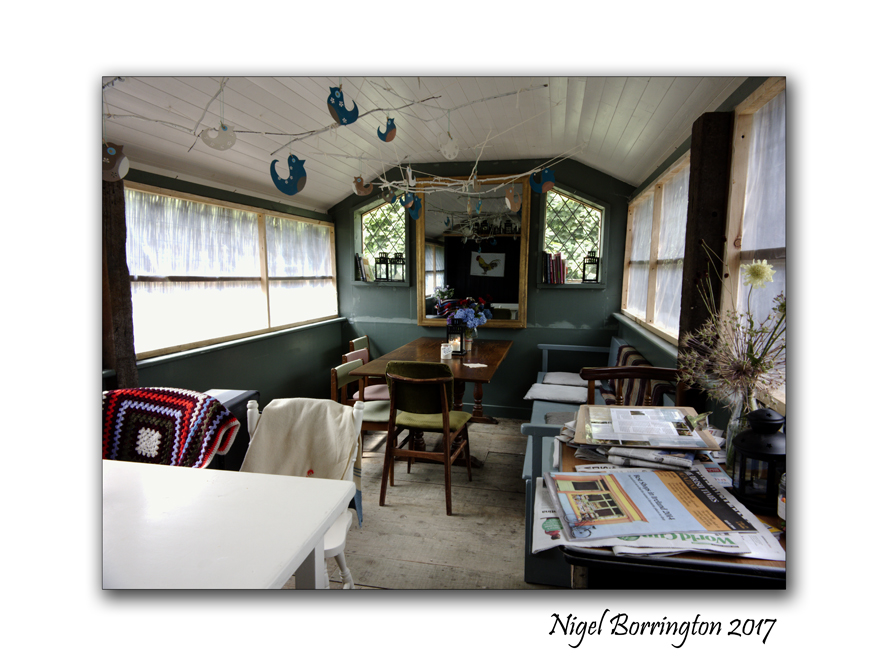
A great way to spend the afternoon, looking and plants, walking around the grounds and finally and cup of tea and cake in the little cafe …..


Memories, A poem By : Louise Bailey
Memories a Poem
Louise Bailey
My Heart and thoughts, ever since Monday night have almost entirely been far away from my current home here in County Kilkenny, they have been very much back in Manchester the place of my birth and childhood !!
There are so many things and feelings you could express, the main feeling I have had is that it not easy being away from your spiritual home at times like these, I am so proud about the way so many great and good people have responded and offered so much support in the hours since Monday night !!!
It is with good hearts and minds and life’s that in the end true evil will be overcome !!!!
I came across this poem by : Louise Bailey so I am sharing it here 🙂
I feel a warmth around me
like your presence is so near,
And I close my eyes to visualize
your face when you were here,
I endure the times we spent together
and they are locked inside my heart,
For as long as I have those memories
we will never be apart,
Even though we cannot speak
my voice is always there,
Because tonight before I sleep
I have you in my prayer.
Memories, A poem By : Louise Bailey
This is Manchester !!!
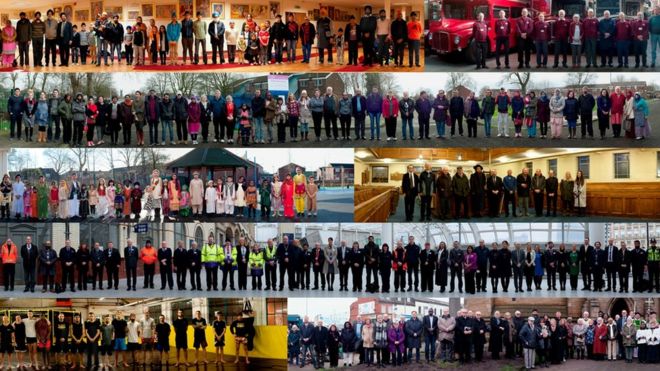
People living and working on one of the most culturally diverse streets in Britain are being celebrated in a new photographic exhibition.
Panoramic snapshots of life in Manchester’s multicultural Cheetham Hill Road
On this blog I do my best to keep away from political events and areas of life that can only affect people in a negative way !!!
However flowing last nights terrorist attack in my home town of Manchester I just wanted to make a quick comment and to share what I feel is such a great city, its people and its very heart !!!
This is Manchester, the Manchester I love and grew-up in !!!!
MULTICULTURAL !!!
LOVING!
CARING!!!
SOFT SHARING PEOPLE!!!
My Heart is Broken!! For the people who have lost loved ones last night and for anyone affected in anyway !!!!
Please go and read this article, it reflects upon the best aspects of life in the city I love the most !!! MANCHESTER , UK …..
A Spider with her eggs

Spider with her pod of eggs
Nature Photography
Nigel Borrington
Taken at Lunchtime today, this Spider was hiding in the hollow of a garden tree. I am not sure what kind of spider she is but am going through lots of websites and wildlife books I have.
At the moment I am keeping my Macro lens on my Camera all the time, I am missing taking some more general landscape images but truly enjoying spending sometime getting much closer to the nature that I find at home or very close to home. Macro photography is not easy and a true skill, so the more macro’s I find myself taking the more confident I am feeling in this area 🙂
Macro Images – The Wonder of Nature

The Wonders of Nature
Macro Photography
Nigel Borrington
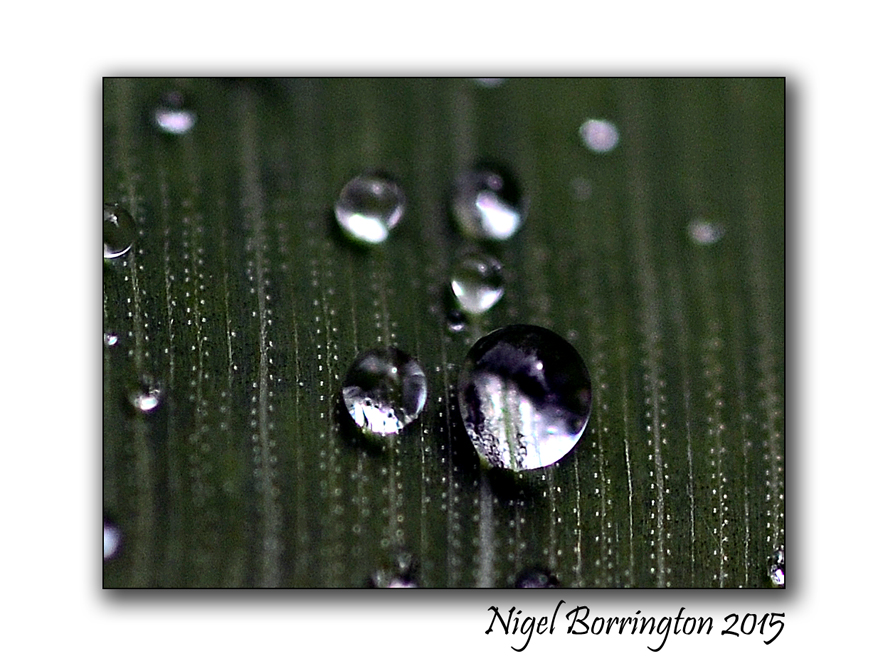
The world we live in is full on the most amazing things, some of these things we see everyday around us in a very clear and detailed way, others we have to stop and take a little more time in order to observe. This is why when I get this time I love using a Macro Lens, you can get in close to the small things of life, getting a view that is hard to get from a distance.
This summer more than ever before I want to use my macro lens in order to record the small things in nature 🙂


Happy St Patrick’s day, AN Irish Landscape and nature Gallery……
Happy St Patrick’s day to everyone 🙂
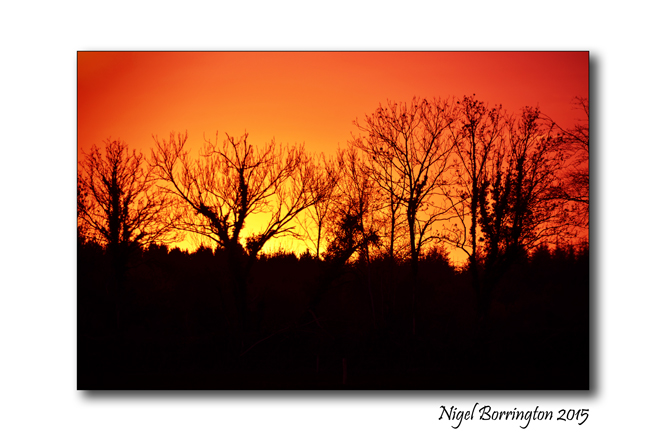
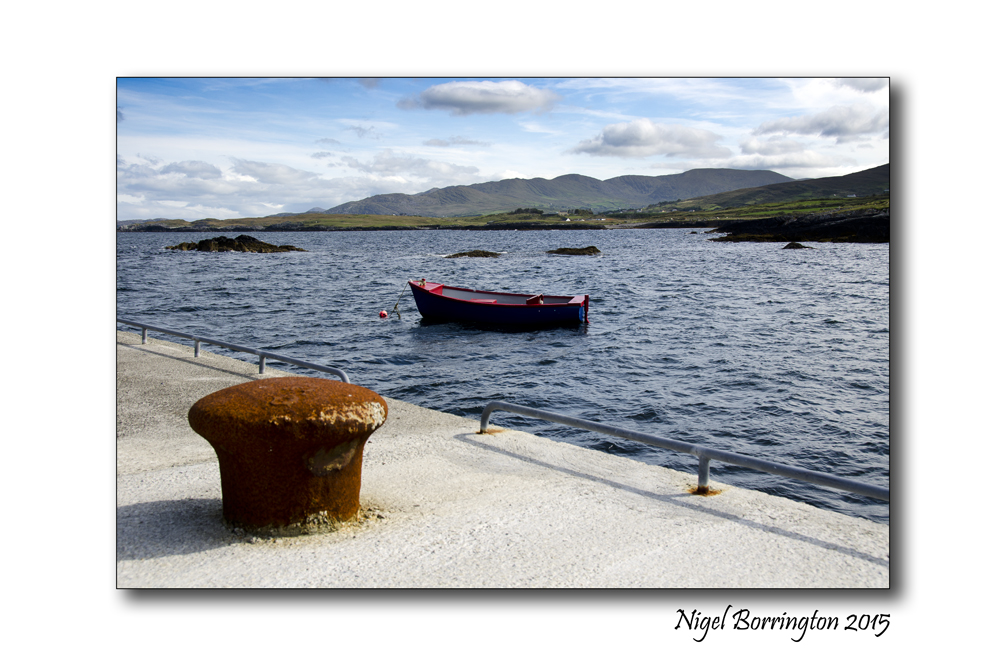
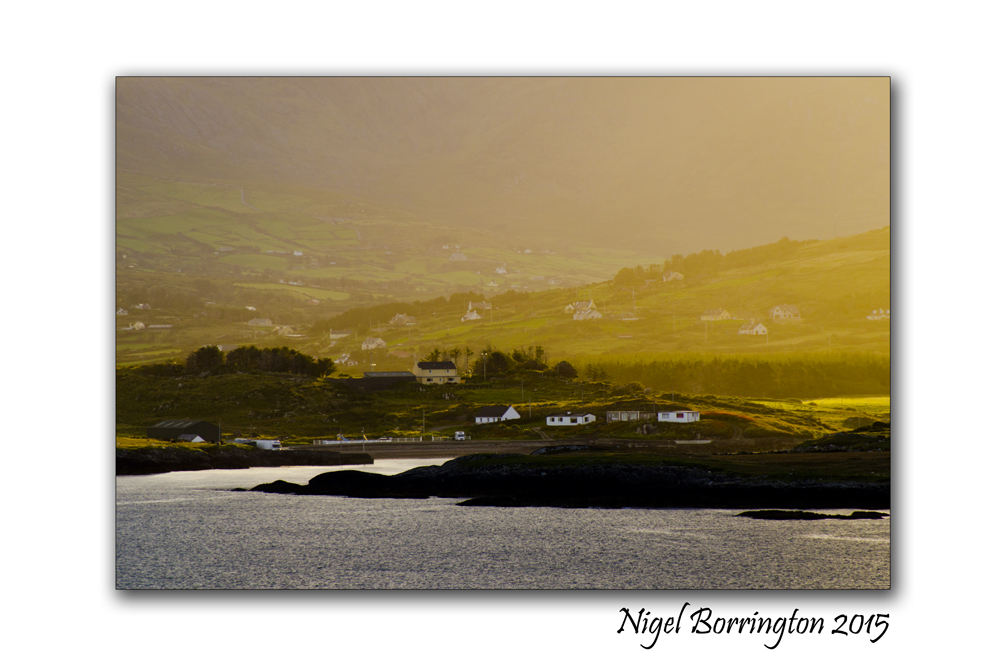
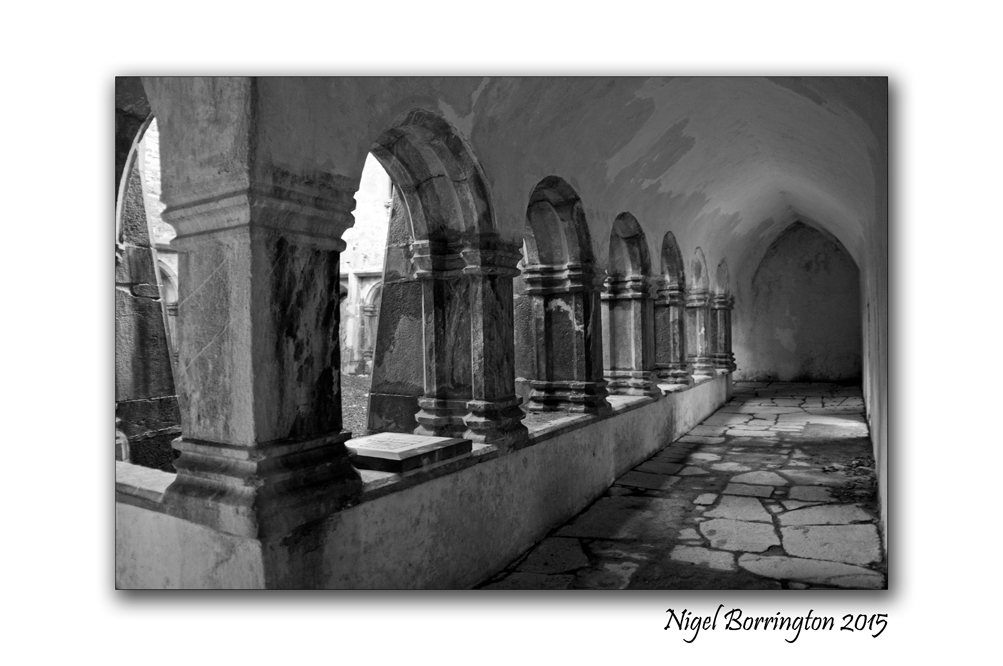
To celebrate this St Patrick’s day, I am sharing a very full collection of images from my Blog, all of them taken over the last couple of years or so. I feel they show this land, a small part of the European continent at its very best.
Ireland a St Patrick’s Day collection ….


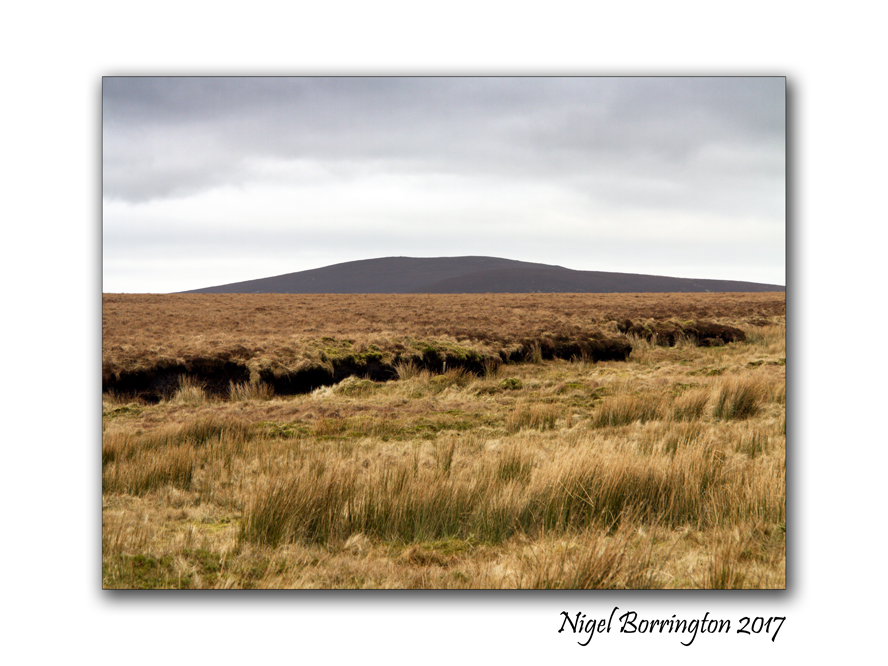
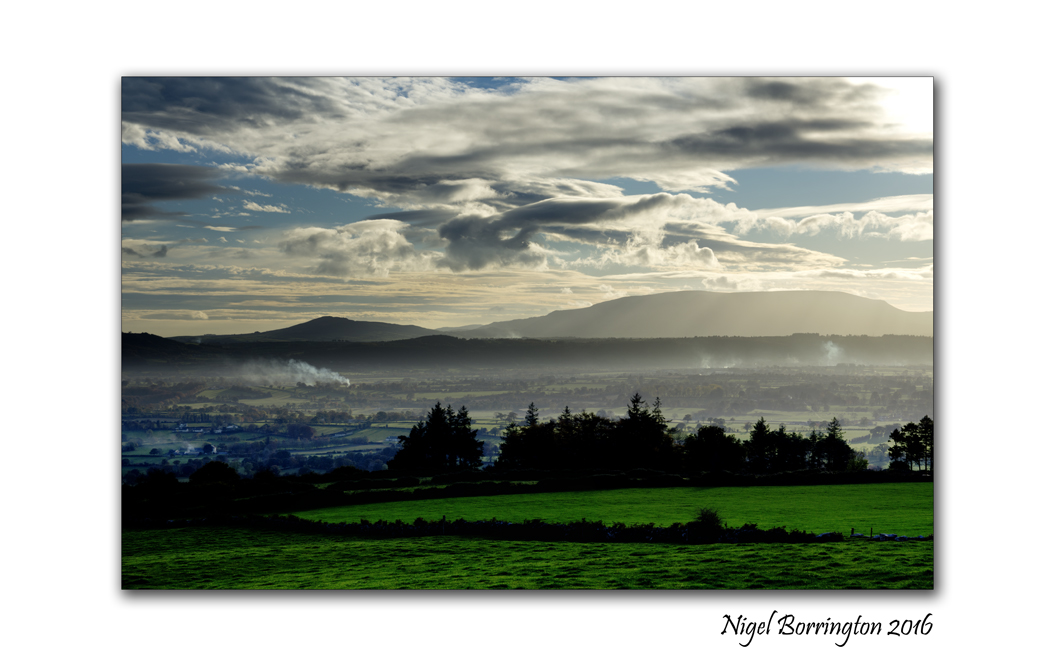
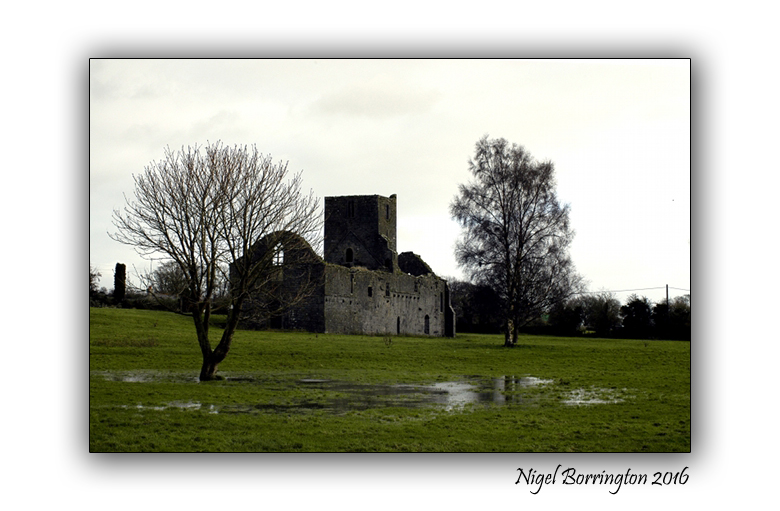
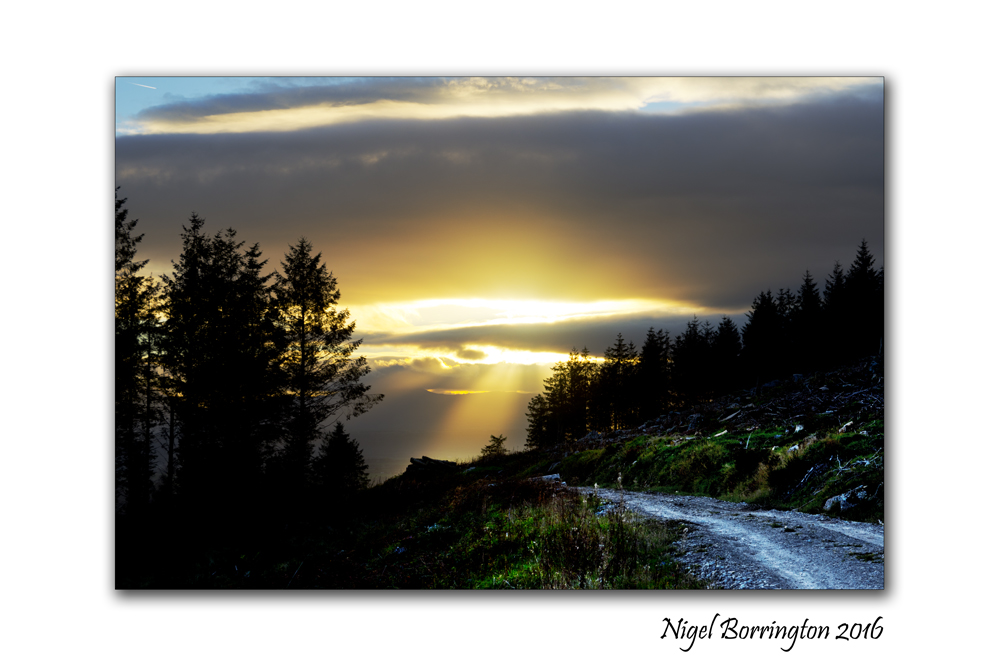






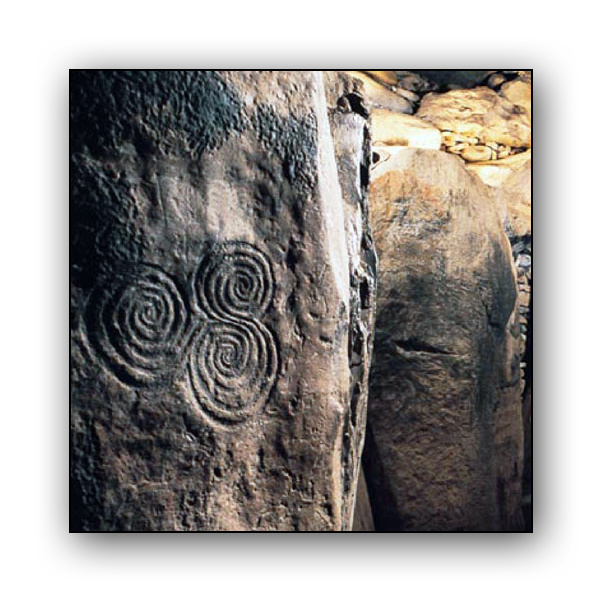
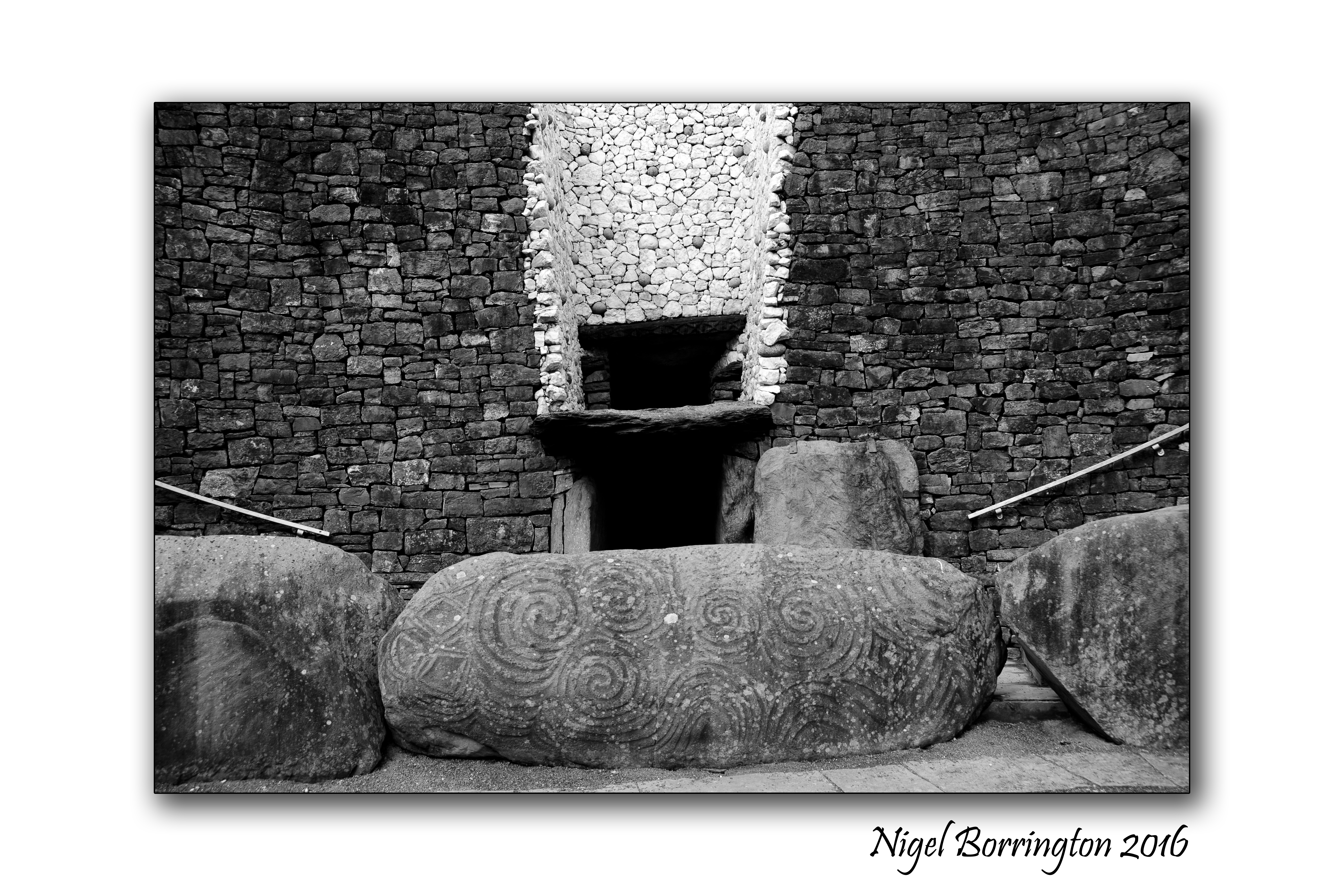

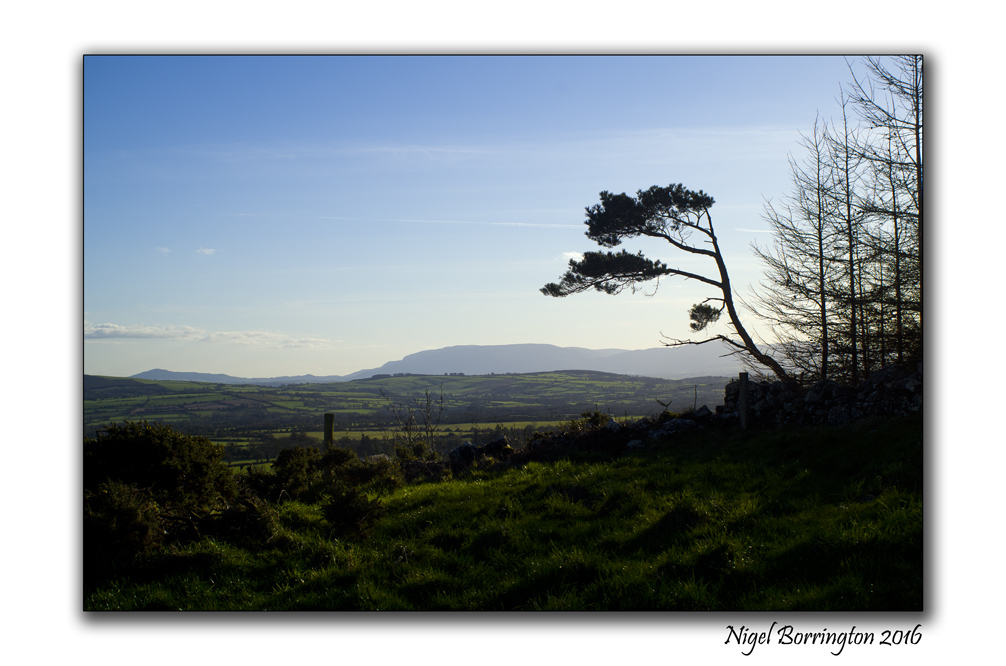
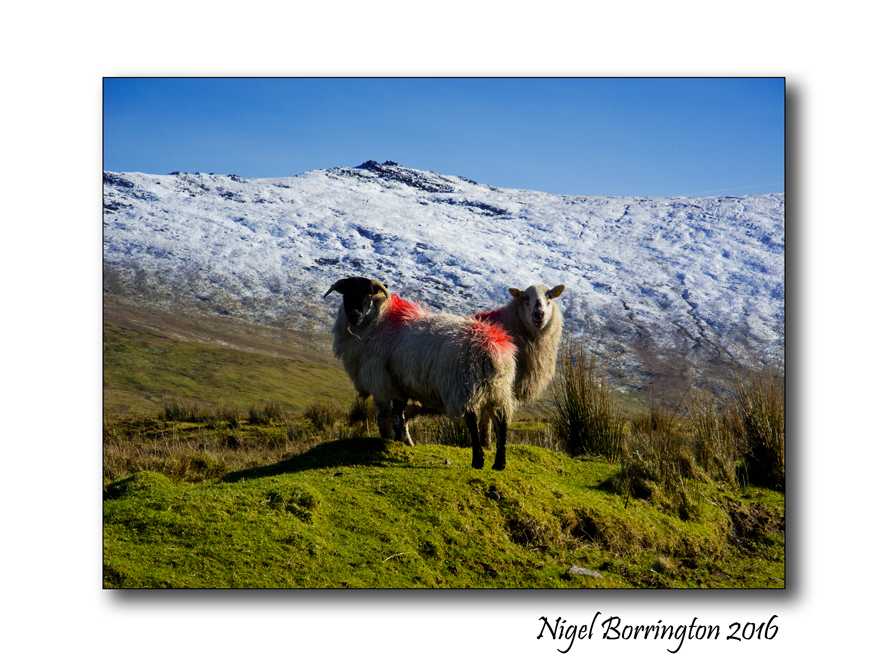








Killarney national park , Ireland
Killarney National Park Nigel Borrington
Irish landscapes
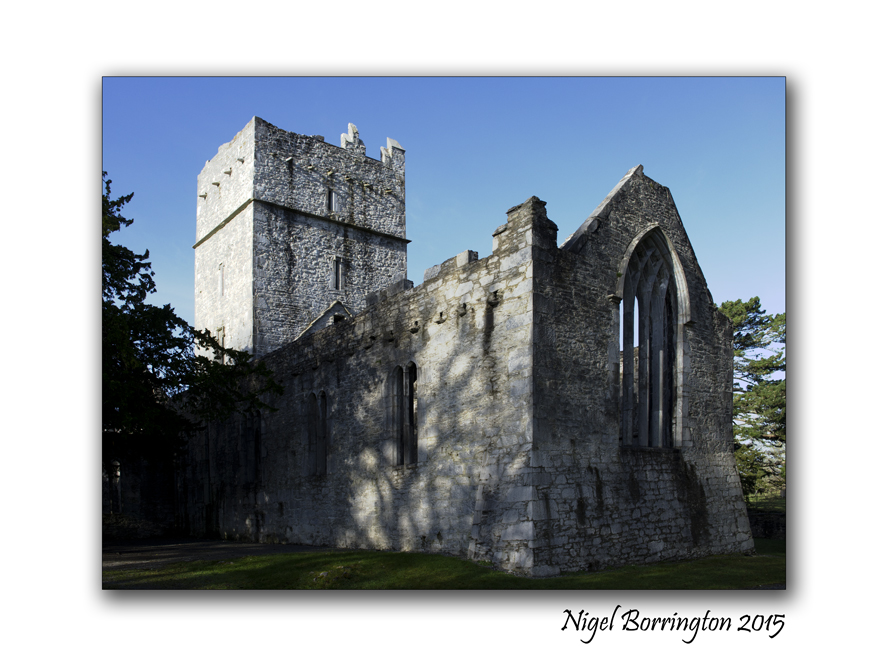
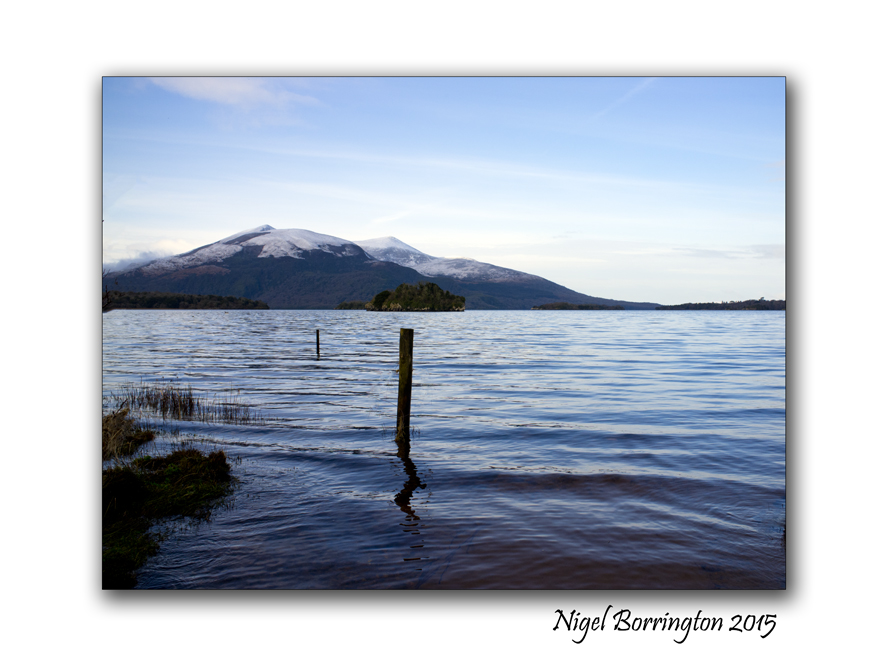
Friday the 10th of March 2017 and I am just planning some weekends away during the year, I am very keen to spend sometime as soon as possible back in the National park of Killarney. The park is a perfect place to visit if your into photography with its mountains and lakes and fast flowing rivers.
Its also an amazing place to cycle, so I am hopping to plan a B&B route leaving the car behind and spending time cycling in the Kerry mountains 🙂




Lower Lake Killarney 2011
Today along the river Suir, County Tipperary

March on the river banks
River Suir
County Tipperary
Nigel Borrington
Early March walking along the banks of the river Suir, county Tipperary.
The trees are still bare but not for long now, we had the first dry day for a long time yet it was cool.
I love this river walk very much, a mountain view of Slievenamon county Tipperary, on the north side of the river and of the hills of county Waterford on the south side.
The river Suir, Tipperary, March 8th 2017 🙂
Irish Landscape, “As above so below” Quotes by Isaac Newton from 1680.

As above so below
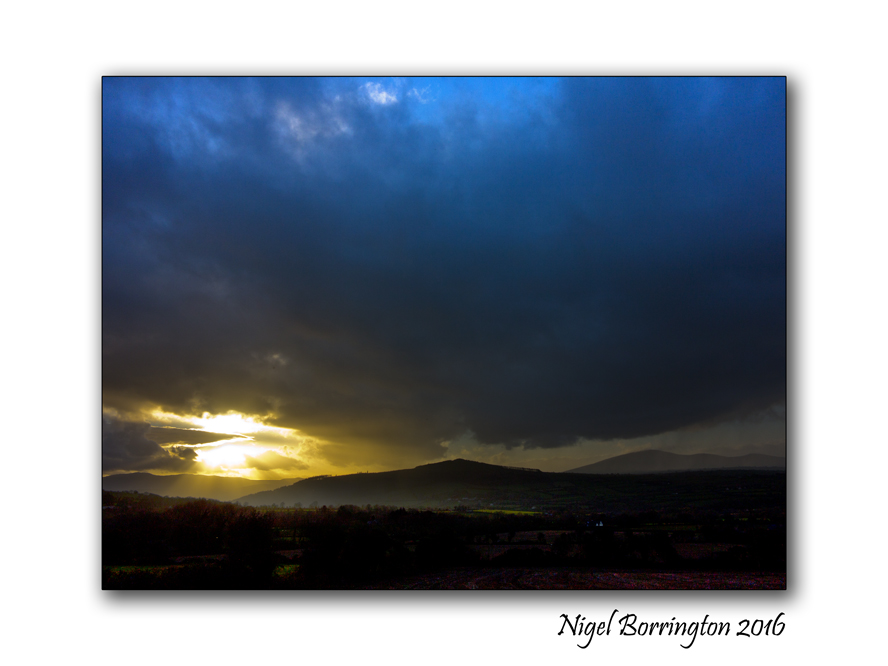
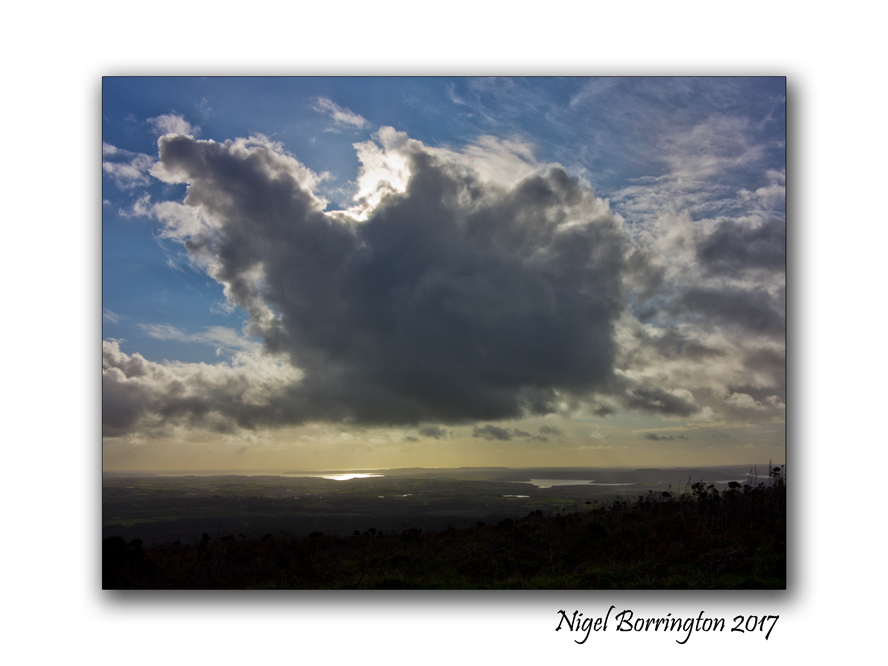
Irish landscapes in sunlight
Nigel Borrington
At this time of year the sky’s and the sunlight can be an amazing sight on the landscape. views like these always remind me of the words of Isaac Newton when he said “As above so below”. he was the scientist who when working with sunlight and a prism split pure white light into its colors of (red, orange, yellow, green, blue and violet).
The words “As above so below”
Quoted here is the version by Isaac Newton from circa 1680.
. Tis true without lying, certain & most true.
. That which is below is like that which is above & that which is above is like that which is below to do the miracles of one only thing.
. And as all things have been & arose from one by the meditation of one: so all things have their birth from this one thing by adaptation.
. The Sun is its father, the moon its mother,
. The wind hath carried it in its belly, the earth its nurse.
. The father of all perfection in the whole world is here.
. Its force or power is entire if it be converted into earth.
. Separate thou the earth from the fire, the subtle from the gross sweetly with great industry.
. It ascends from the earth to the heaven & again it descends to the earth and receives the force of things superior & inferior.
. By this means you shall have the glory of the whole world & thereby all obscurity shall fly from you.
. Its force is above all force, for it vanquishes every subtle thing & penetrates every solid thing.
. So was the world created.
. From this are & do come admirable adaptations where of the means (or process) is here in this.
. Hence I am called Hermes Trismegist, having the three parts of the philosophy of the whole world.
. That which I have said of the operation of the Sun is accomplished & ended.
As above so below, Gallery


Artist Introduction, Paul Walls – A painter of motion
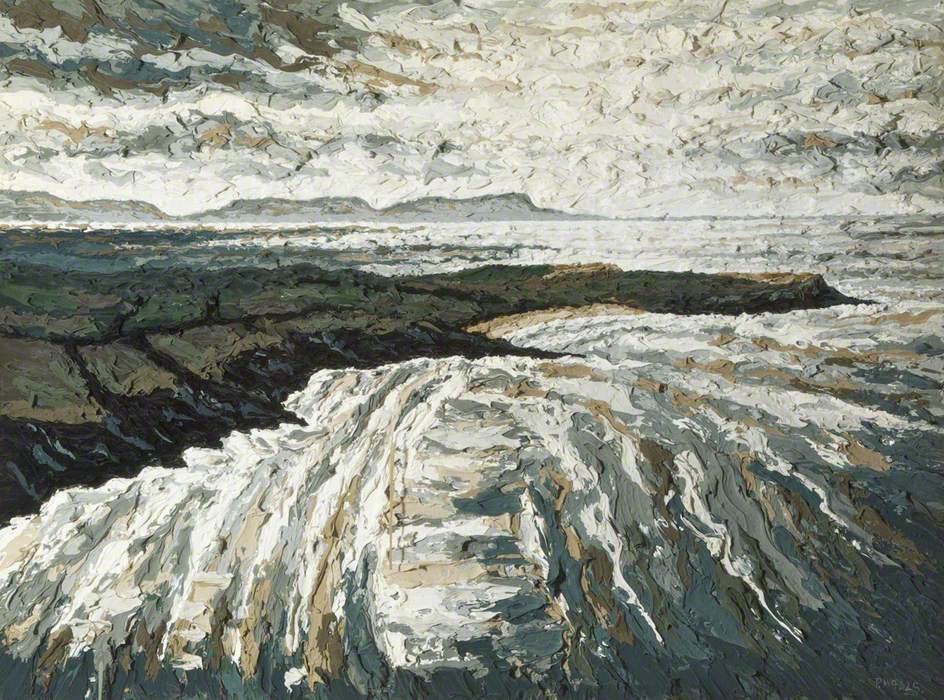
Grey Day, Muckross Head, County Donegal, By Walls, Paul
I first came across the paintings of Artist Paul Walls at an exhibition called “Currents”, held in the old friary building in Callan, County Kilkenny 2004, and instantly fell in love with his painting style and the resulting art works he produces.
I think it would be fair to say that Paul uses paint in a very loose and direct way on the canvas, I like this style very much!. Paul is one of those artists who’s work you actual need to see face to face to get a true feeling for their paintings and with Paul the depth and movement that each brush stroke has.
I feel that this style of painting is perfect for the subjects Paul captures, (Irish coastlines and countryside) on wet and windy days, days that we do so often get here.

Even when its not raining in Ireland its often windy and the above painting captures this mood so very well, Paul’s use of paint in the trees above the boats I feel captures the movement in a typical Irish day.

There will always be people who like different types of painting styles, some loving very photo realistic landscapes , others love abstract work, personally what I love most about Paul’s work is the overwhelming sense that he has captures a very active landscape and worked with it in a very pro-active fashion.
When viewing Paul’s painting you feel like you have first hand experience of the rain and the cliffs and the stormy sea.
This is the link to Paul Walls web site : Artists Paul walls

Looking at a Painting : Industrial City by Ls Lowry

Lowry, Laurence Stephen; Industrial City; British Council Collection; http://www.artuk.org/artworks/industrial-city-176858
I have posted a couple of times since the new year, relating to the Manchester Born artists Laurence Stephen Lowry (1887–1976) he was born in Old Trafford, Salford and studied in the evening at Manchester Municipal College of Art. He was a man who rarely left the North West, finding his inspiration in the landscape of North Wales and Lancashire, and in the streets of Manchester and around Salford.
Possible this painting “Industrial City” is one of my favorite cityscapes that Lowry produced, I say possibly because he was prolific in this area of his portfolio and I love so much of his inner city works.
I grow up in Altrincham, a town only a few miles away from city center Manchester and while I missed this core era that Lowry was working in, I have lots of memories of the city looking like it does in these paintings.
During my early years I can remember these streets and factories being slowly torn down and replaced with office blocks along with new more modern houses. Its hard to imagine these days what life was like for a lot of the people captures in Lowry’s drawings and painting, living and working within the same mile, most people hardly traveling very far outside their surroundings.
Industrial City
Lowry restricted his palette to black, vermillion, Prussian blue, yellow ochre and flake white. Whilst there is a naivety in his rendition, he deftly caught the hustle and bustle of men, women and dogs on the move against a background of terraced houses, mills and factories.
The things I love most about this painting , well firstly its angle of view, Lowry paints as if he was standing on top a hill overlooking the homes and industry below. I also like very much the distance in this painting, a distance that few of the people captured in it could experience themselves at street level. To me this distance captures the expanse of the city, each small area making up the whole, yet enclosing people within their own spaces of home and work and life.
City life itself is captured here, every element of the community (Home, work, shops, play, chat, church and industrial dirt – so much of it!).
In the distance through the city smog you can just make out the hills and moors, fresh air and spaces that so clearly is just out of reach.
I feel this painting is LS Lowry at his very best, some artists go in very close with life in order to capture and reflect on it , Lowry pulls back in his view and adds in so many elements that you have to spend time exploring his work, in order for you to see the full message and story he want you to see.
This was life in a Northern English town, lowry painted it and also lived it with the people he captured!!!!
A week in Seville , Spain
Seville
Spain
Nigel Borrington
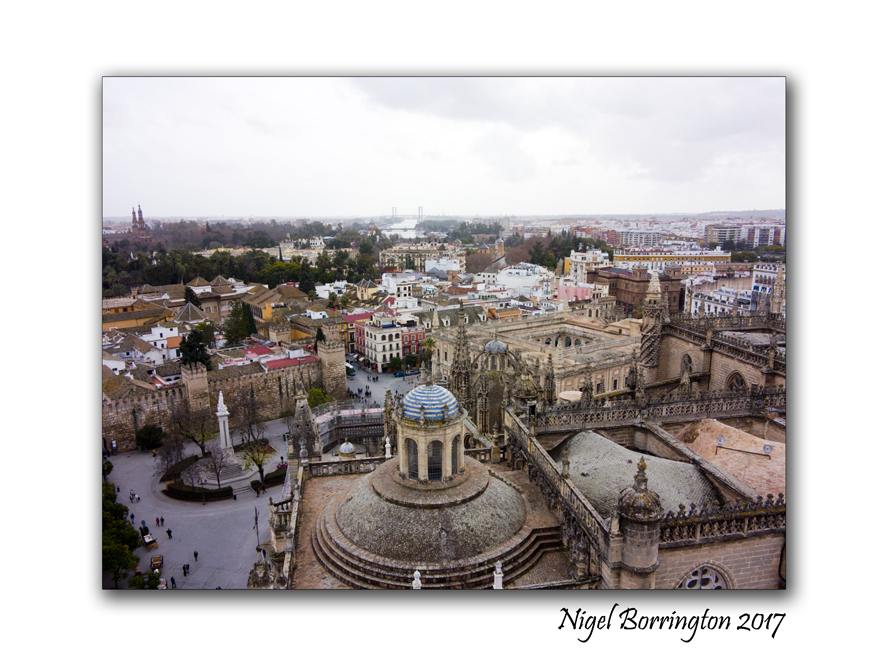
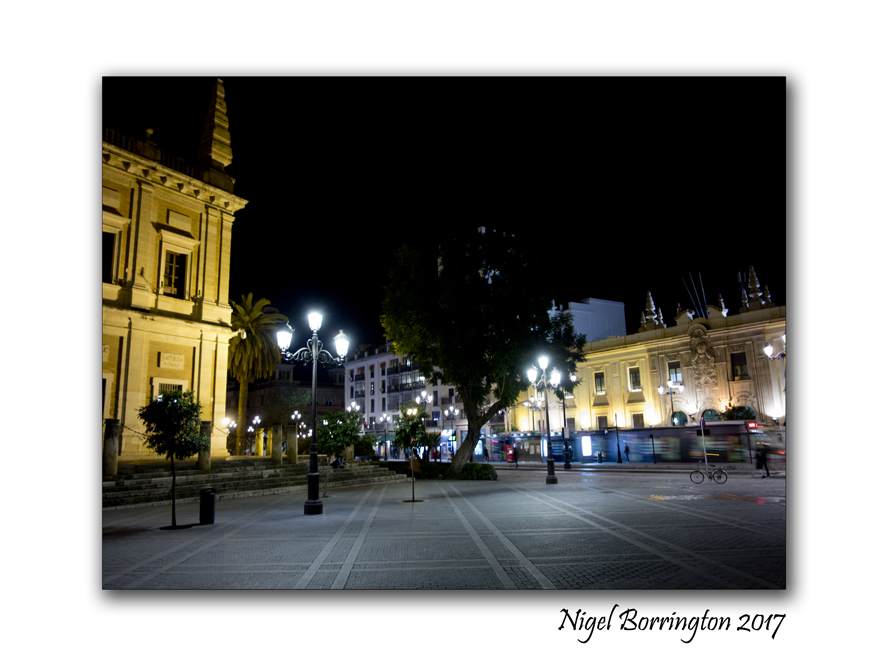
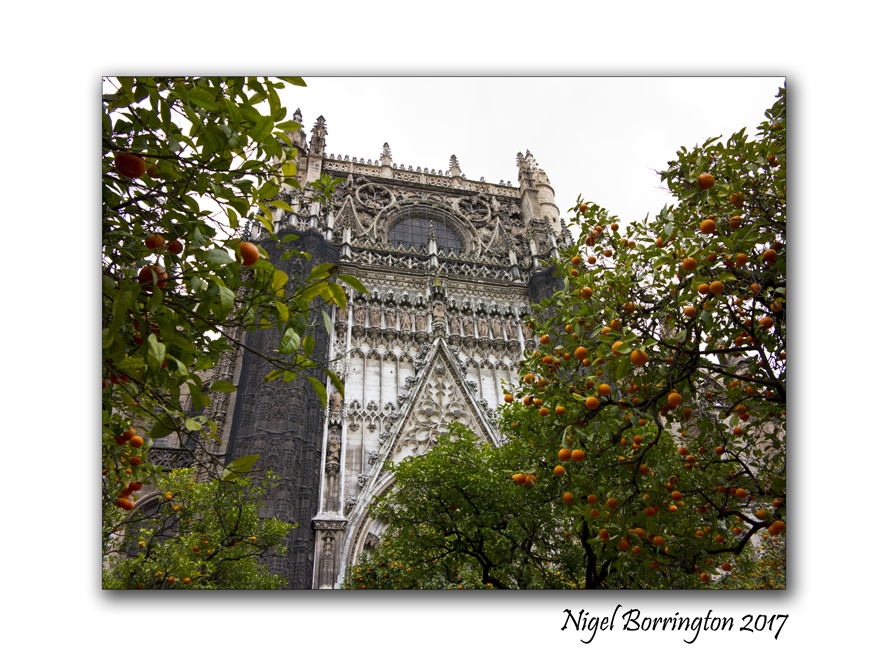
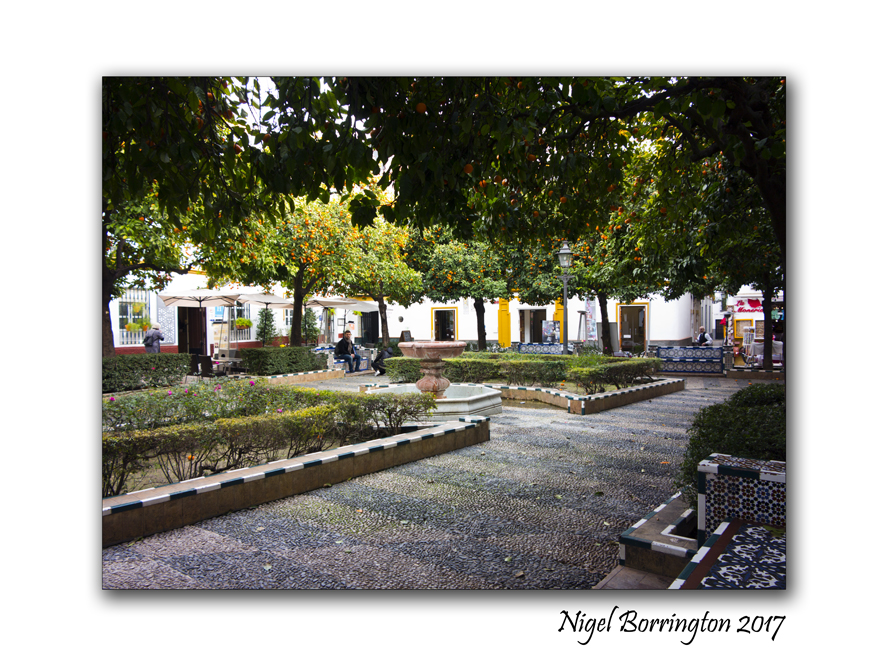
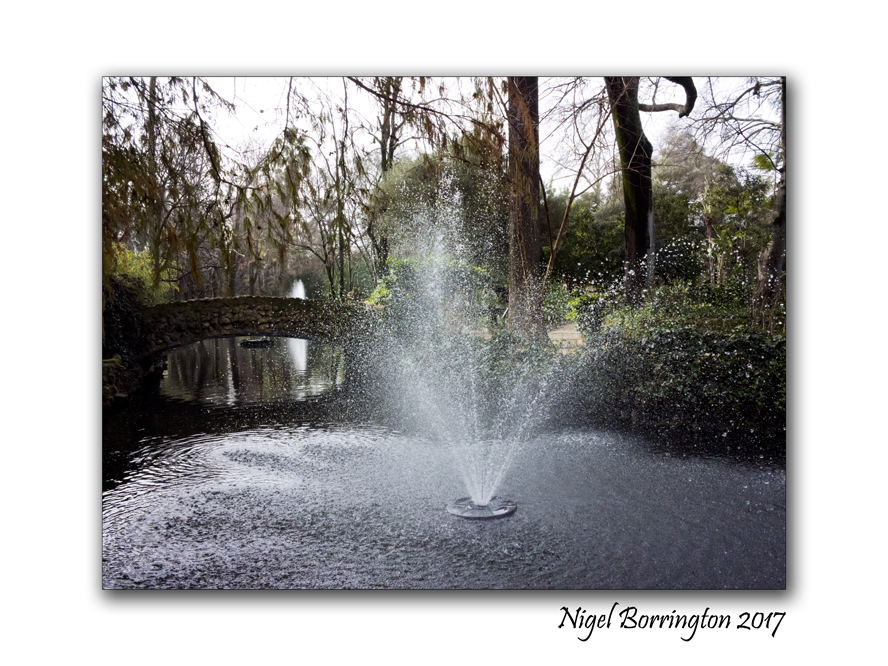
Just returned from a great weeks Holiday in Seville , Spain.
What a wonderful and historic city it is with its great cycle friendly streets, churches, royal palaces and rivers. I will post more on individual places but for now here are just some on the many places I visited and images I took.
LS lowry his drawings and his teacher Pierre Adolphe Valette
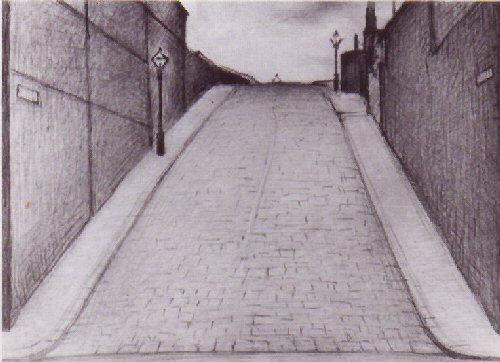
The drawings of LS Lowry
At the end of last week I posted an introduction about the artist LS Lowry, he is one of my favorite artists and from my home town of Manchester in the UK. I have started a full study of his work and intend to post a few times relating to his artistic development as well as the different styles he worked in and area he selected for his art works.
It think its important to match Lowry with his night school teach Pierre Adolphe Valette, who was a French Impressionist painter. His most acclaimed paintings are urban landscapes of Manchester, now in the collection of Manchester Art Gallery. Today, he is chiefly remembered as L. S. Lowry’s tutor. I post here some of his painting as they cover a lot of the inner Manchester city areas that Lowry also later work in.

Pierre Adolphe Valette
Lowry’s drawing
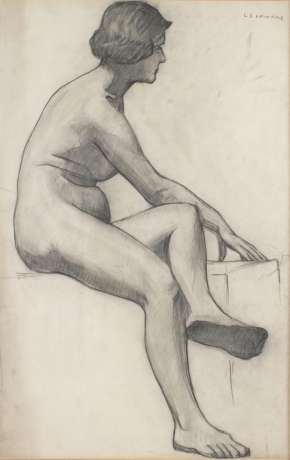
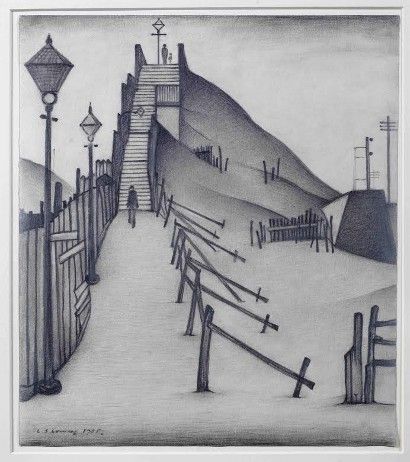
L S Lowry is known mostly for paintings,however the artist valued his drawings just as much.
Lowry was concerned with the qualities of line and tone. He continued to draw compulsively until the last years of his life, producing a huge range of works. His work does not just consist of his industrial scenes, but also includes highly finished drawings of the life model, careful portrait studies, rapid sketches made on location and harming sketches of children and dogs.
Lowry did not merely see drawing as a means to an end in producing his paintings, but as a significant and worthwhile medium in its own right. He would often makPierre Adolphe Valettee sketches, in situ or from memory, and later produce a much more detailed, fine piece of art from this sketch. In his early work, Lowry drew in a very strict and linear style, with little or no shading. Over time, however, he came to prefer a technique of rubbing out and over-drawing. Lowry would rub heavily worked areas of tone with his finger to achieve a dense velvety smoothness.
This technique of layering often gave his work a sense of ghostliness especially where traces of an earlier drawing can be seen underneath. Lowry did use mediums other than pencil for his drawings and his collection of work includes pastel, chalk, pen and ink, felt-tip and biro drawings.
Lowrys Night school teach was Pierre Adolphe Valette, when Lowry became a pupil of Valette he expressed great admiration for his tutor, who taught him new techniques and showed him the potential of the urban landscape as a subject. He called him “a real teacher … a dedicated teacher” and added: “I cannot over-estimate the effect on me of the coming into this drab city of Adolphe Valette, full of French impressionists, aware of everything that was going on in Paris
Valette’s paintings are Impressionist, a style that suited the damp fogginess of Manchester. Manchester Art Gallery has a room devoted to him, where the viewer may compare some of his paintings with some of Lowry’s, and judge to what extent Lowry’s own style was influenced by him and by French Impressionism generally.
The Lowry hosted an exhibition of about 100 works by Valette, alongside works by Lowry, between October 2011 and January 2012. It included paintings of Manchester from Manchester Art Gallery and loans from private owners.
I feel that you can see just how well these two artists click in the night school classes, as the influence that Valette had over Lowry clearly stayed with him all his artistic life ….
The Painting of Pierre Adolphe Valette
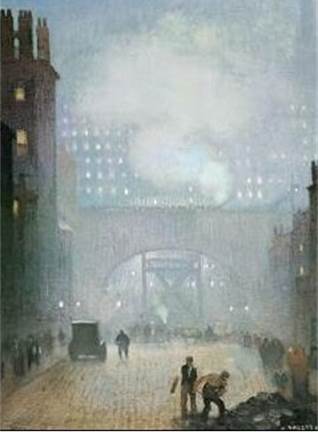


More painting by Pierre Adolphe Valette here
Selection of drawing by LS Lowery
Life drawings


Landscape Drawings


Francis Terrace, Salford 1969-72 L.S. Lowry 1887-1976 Presented by Ganymed Press 1979 http://www.tate.org.uk/art/work/P03277

A New Wind farm, Ballybeigh, county Kilkenny

The Mountain of Slievenamon
County Tipperary
Ireland
Nigel Borrington
Wind Farms, Love them or hate them ?
They must be one of the most controversial additions to the modern landscape, many like them but more people dislike and protests against their construction.
Here in Ireland, over the last decade or so we have seen a massive growth in their development with our landscape increasingly covered with them !!

My personal feelings are more neutral than some, I feel it has to be remembered that Ireland has few natural energy resources and sourcing them from around the world is expensive.
There are also much more damaging methods of creating energy than these modern windmills.
The area of the hills above Kilmanagh, county kilkenny is currently having two news wind farms developed, these images below show one of them. The image at the top of this post shows the views of the area before the development started, clearly very stunning!, yet I still find the construction of these massive towers more interesting than not.
Wind farms, I guess – they are always going to be loved and hated at the same time !!!
New wind farm, county Kilkenny


Friday Art and Artists : LS Lowry

LS Lowry
Self portrait 1925
At the start of January while I was back in my home town of Manchester in The UK, I spent sometime with family members in visiting the Lowry Gallery in Salford, Manchester, UK.

The Lowry Gallery
Salford
Manchester, UK
Lowry is a much loved English artist, particularly in the North west of the UK, being born in Stretford, Manchester.
Here are some basic details about him,
Laurence Stephen Lowry was born 1 November 1887 in Barrett Street, Stretford. His father, Robert, worked as a clerk in an estate agent’s office. His mother, Elizabeth, was a talented pianist. By 1898 the family were living in Victoria Park, a leafy suburb in south Manchester, but in 1909 financial difficulties necessitated a move to Pendlebury, an industrial area between Manchester and Bolton. Lowry’s mother hated it, and so did Lowry, but, ‘After a year I got used to it. Within a few years I began to be interested and at length I became obsessed by it.’
After leaving school Lowry took a job as a clerk with a Manchester firm of chartered accountants, Thomas Aldred and Son. In 1910, after being made redundant from a second job, he became rent collector and clerk for the Pall Mall Property Company and stayed there until his retirement in 1952.
As a child he had enjoyed drawing, and he used part of his income to pay for private painting lessons with the artists William Fitz and Reginald Barber. In 1905 he began attending evening classes at Manchester Municipal College of Art. His tutor in the life drawing class there was the Frenchman Adolphe Valette, who brought first-hand knowledge of the Impressionists, such as Claude Monet and Camille Pissarro to his classes. ‘I cannot over-estimate the effect on me at that time of the coming into this drab city of Adolphe Valette… He had a freshness and a breadth of experience that exhilarated his students.’
By 1915 Lowry had begun attending evening classes at Salford School of Art, based in the Royal Technical College on the edges of Peel Park. One of his tutors there, Bernard Taylor (art critic for the Manchester Guardian) advised Lowry that his paintings were too dark. In response, Lowry tried painting on a pure white background, a technique he was to retain for the rest of his career.

Peel Park
LS Lowry
Peel Park, and the views across it from the Technical College windows, appear regularly in Lowry’s work. He had begun to see the possibilities of painting what he saw on his doorstep, rather than more conventional landscapes based on the countryside nearby. The best known story Lowry told of how he became interested in the industrial scene described how, after missing a train at Pendlebury station, he saw the Acme Spinning Company’s mill turning out, ‘I watched this scene – which I’d looked at many times without seeing – with rapture.’
A closer study of Lowry
Over the next few days and weeks I want to take a much closer look at the paintings and drawings that Laurence produced, looking at the subjects that he worked with and the technique’s he used to record his world.
As an artist he has been labeled and stereotyped as a naïve “Sunday painter”, based on the way he painted his landscapes and drew people along with animals.
During this visit to the Lowry Gallery however and with the help of the guided tour, it became very clear just what a complete artist Lowry was. Having a chance to see a collection of his work from his very early days at night school, until the final works of art he produce has helped to show me just how diverse and skilled an artist he was.
The areas of his work I want to study can be seen in his work I have selected below, including (Life drawing, pencil sketches, oil paints, landscape and city scape work), I will enjoy very much looking at his art work and I hope to learn a great deal from him, for my own efforts at drawing and painting.
Art works by LS Lowry

Life drawing
LS Lowry

City-scapes
A Northern Town 1969-70 L.S. Lowry 1887-1976

LS Lowry
Landscapes in Oil

LS Lowry
The Lake
Oil on canvas
Industrial Landscape of Manchester
Tamron SP 35-210mm f3.5-f4.2 – Classic lenses

Tarmon SP 35mm-210mm f3.5-4.2
Classic Lenses
Nigel Borrington
Using classic Camera lenses
In the world of Digital photography it feels like a new bit of equipment is released almost every month, new Camera bodies, lenses, flash guns etc….
In the last few years however the image quality of digital cameras has begun to reach such high standards that its hard to see as bigger need than every before to keep upgrading your SLR camera body. I remember so clearly the day I first purchased a digital SLR, it was a Nikon D100, a body that was very closely based on the Nikon F80. I also remember reading sometime later that for a digital Camera to match the print size of 35mm film you would need 24 million pixels, a target that was reached sometime back in the Nikon range and surpassed with the 36mp Nikon D800.
Looking back at Film cameras, most of the end print size and quality came from the type of film you selected to use. The camera bodies themselves offered different levels of capture capabilities, some bodies offered all you needed to take landscape images while other more advanced bodies allowed you to capture fast action activities such as sports.
Once you had the camera body that you needed, for the type of photography you worked with, there was little need to upgrade until you had almost worked your camera into the ground.
Today in 2017, it is a very legitimate question to ask if at last after many years of the megapixel race, have we not now reached the point that you can purchase a camera body and keep it for life or until you finish it off by using it so much ?
What about Lenses ?
In the first years of digital SLR cameras it was not always possible to use all your old lenses with your new wonderful Digital body, Many Cameras would only for example allow you to use the latest Auto-focus lenses.
Over time the manufacturers started to launch bodies at the top end of their range that allowed you to use many older lenses including Manual focus lenses. Once this happened many photographers started to look backwards at the classic lens market, to workout what lenses from the past still offered great performance on modern cameras.
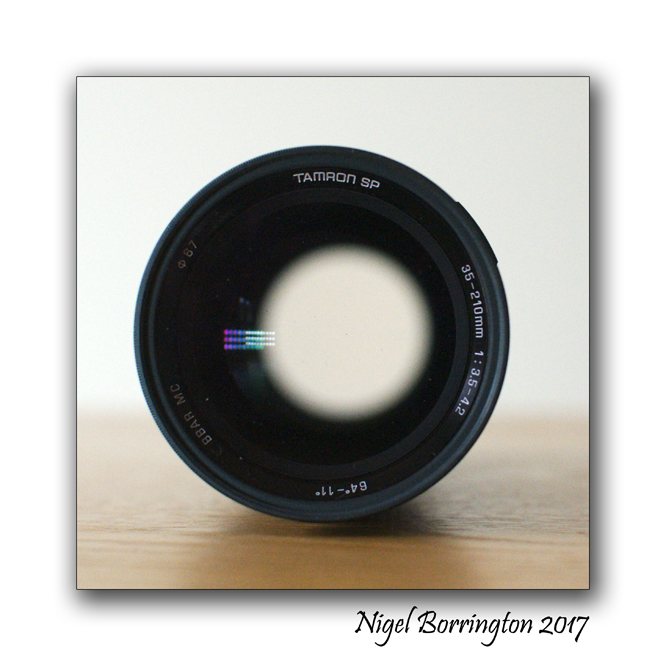
Personally I love using classic lenses and the Tarmon Sp 35mm-210mm F3.5-4.2, is one of the lenses I love using the most, produced by Tamron in Japan in the early 1980’s and only ended production in late 1987, it was available new well into the 1990’s.

This lens is one of the best made Zoom lenses of all time and even includes a Macro mode, offering a close focus of 11.8″ (0.3m), for a zoom lens this is very good. It is also very fast and falls into the professional level of F3.5 at 35mm to F4.2 at 210mm, on a current Digital slr with its low ISO noise this speed is excellent. It also has some amazing Lens flare that when used in video mode is amazing !
For times when I can use manual focus and want a zoom lens that has a great focus distant range and is fast, I am more than happy to have this lens with me. Its sharp at all F-stops, feels just amazing to use and can take any kind of usage in any type of conditions.

I will let the images below do the rest of the talking here, its fair to say however that not all old camera equipment is outdated and not worth using anymore. Great Lenses like these ones, if looked after last for ever.
When new this lens would have cost top money and for a reason!
Lens Gallery




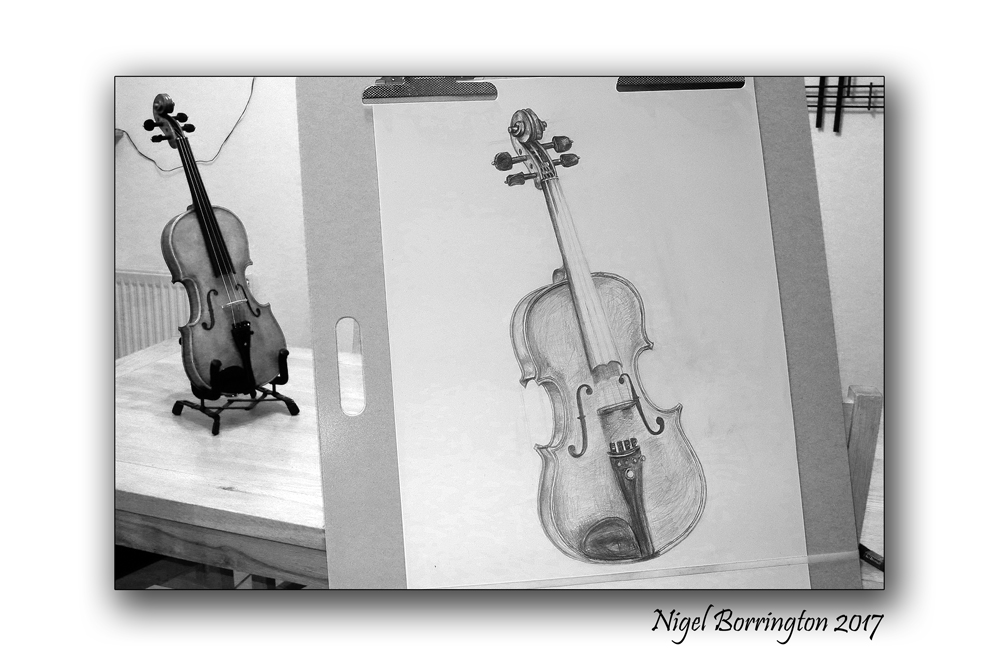
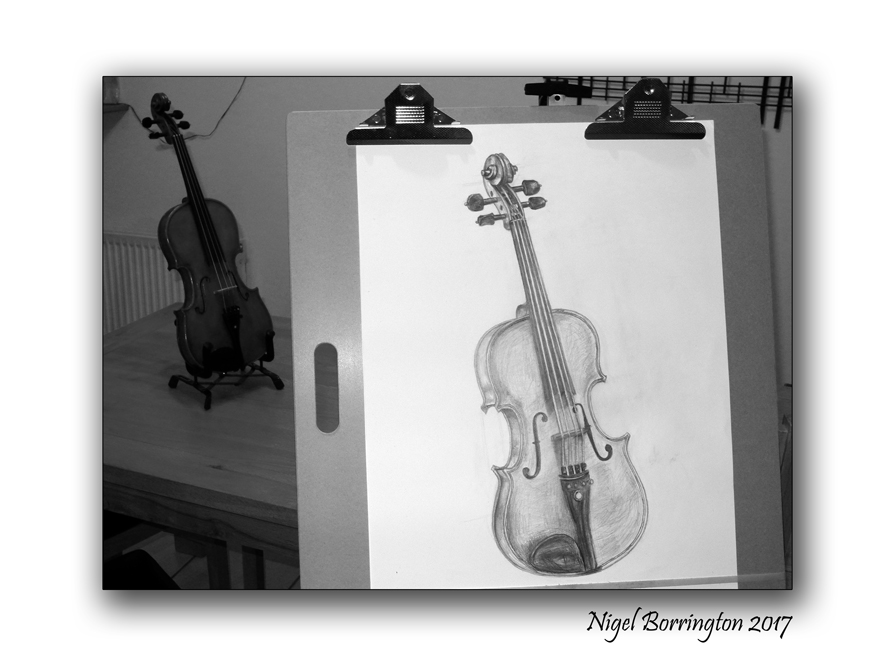
Pencil on paper, Drawing from life – My Violin

My Violin
Drawing from life
Pencil on Paper
Nigel Borrington
I am a big believer that the skills involved in producing any kind of art work come from the base level of being able to represent the world around us, even the most abstract of painting and sculpture has to come from some kind of desire to represent thing in the real world.
So I wanted to before doing any more painting, take a step back into working on basic drawing skills.
The images here are taken over two nights during the week as I started and finished a pencil drawing of my Violin. they show some of the steps as I first worked on the basic outlines of the image and then moved into adding some details and shading.
I am happy with this first effort but will keep working over the next few weeks on different angles of the violin as well as working in different mediums such as pens and ink and charcoal.
Drawing progression


Pencil and Watercolour Sketching, the great outdoors

Watercolour Sketch
County Kilkenny
Ireland
Sketching in the great outdoors
This year I hope to use other forms of recording the landscape that I find around me other than photography alone, I love creating images using my camera but I want to dig in a little deeper and spent a lot more time at each location.
There are so many art based media that can be used to create a sketch, such as (Pastels, pens, pencils, charcoal and paint).
Personally I love using Pencils and Waterolour paints, both are very simple to use and very easy to carry around. Pencil is the most direct and very easy to always have with you in a bag. Watercolour paints requires you to have a supply of water and a palette for mixing colours, both simple to have available and easy to use. A monotone Watercolour sketch is a great way to make use of this medium, used to capture all the tones that you can see in the landscape in-front of you and a lot faster than using a pencil to record the lights and dark’s in your image.
I find that the process of starting and finishing a sketch outside to be the perfect way of relaxing, its very hard to think about anything else on your mind from the moment you start working and by the time you have finished, your mind is filled with little else other than how you can use you finished sketch later for a painting or more detailed drawing.
Add your sketch to some photographs you took and you have the perfect set of images available to create larger works in oil or acrylic paints.
The sketches here are a small sample of some work produced during an art course I completed a while back …..


Making plans and getting projects ready for 2017

Abstract Sunset
Nigel Borrington
So then 🙂 , this is my first blog post of 2017 – Happy belated New year to everyone 🙂
We returned home to Ireland a couple of days ago , following a wonderful Christmas spent with my sister and family in Manchester. It was a great time catching up sharing time, out side walking and visiting museums and art galleries, talking lots and watching the odd movie or two.
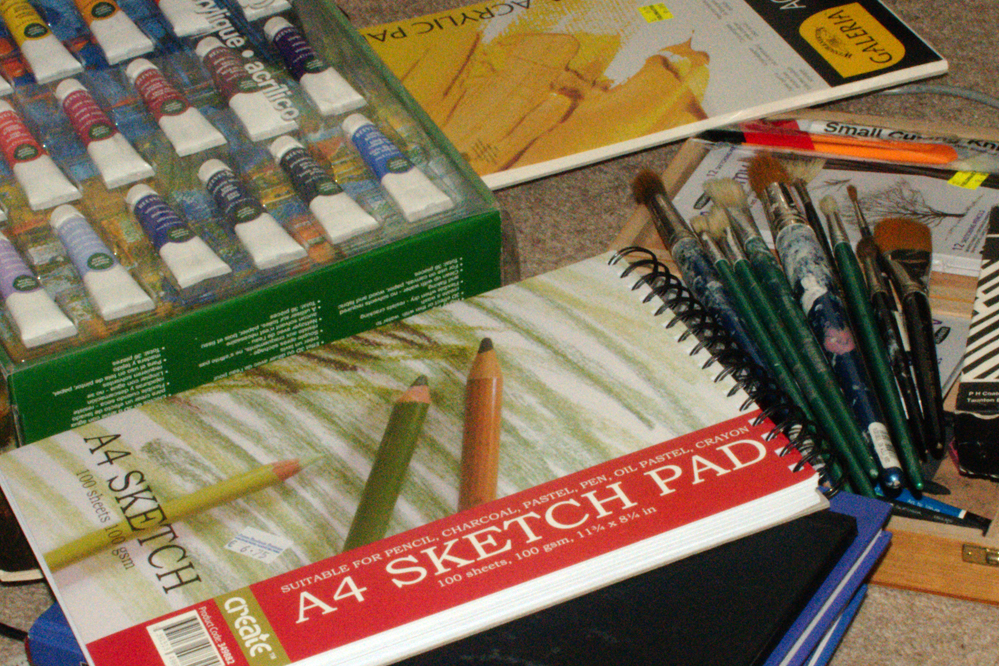
Today I spent sometime organizing my studio room and then shopping, I needed to get some new art supplies , including paint, brushes and sketch pads. Towards the end of last year I worked mainly with digital media for both photography and art work, however in 2017 I want to add real media including pencils , charcoal and acrylic paint to my work.
I am approaching this year in the form of a set of projects that I want to work on and complete by the end of the year. My main aim is to spend as much time as possible developing real skills and end up with a developed portfolio of work that records all the small steps involved with anything I do.

I feel strongly that art of all forms (including photography, drawing and painting) is a skill that involves development. This development needs in some way to be captured/recorded so that you can look back on the steps taken.
So I hope to find a method to record my year ahead, in the form of recorded steps that involve (notebooks, sketches, photos, poems, painting etc…) that all in all build towards finished works.
Above all I am looking forward very much to just getting going and being on a path again 🙂 🙂
Some work from 2016 …..
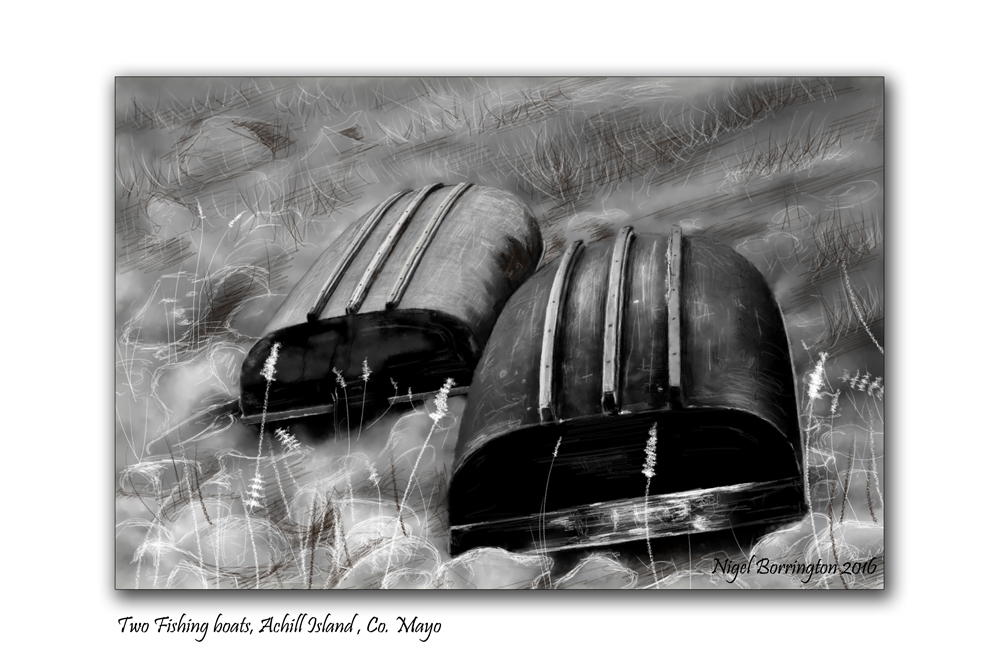
Two fishing boat
Keem Strand
Achill Island
County Mayo
Happy Christmas and New year to everyone ! .. A 2016 Gallery
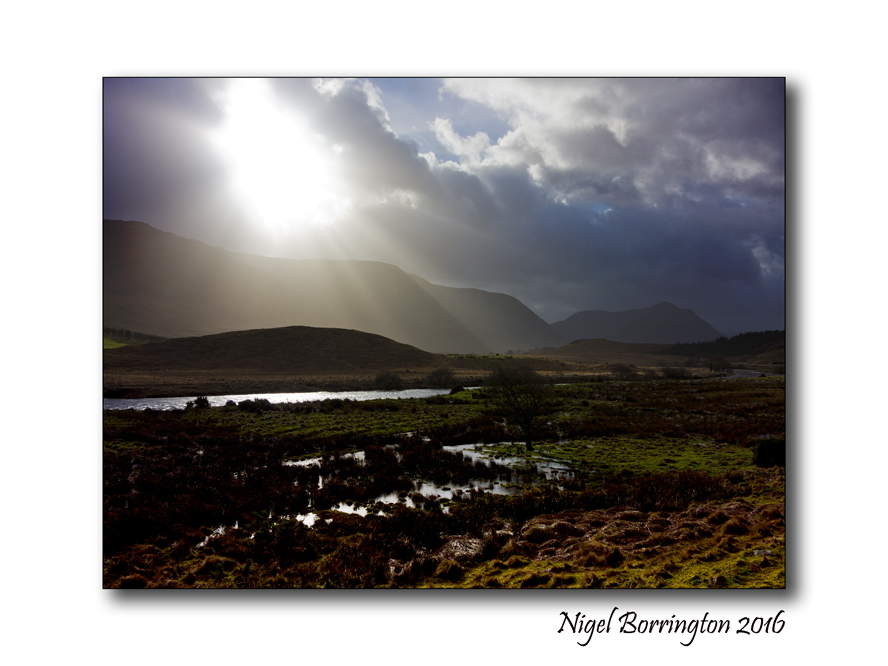
January 2016
Happy Christmas and a happy new year for 2017 to everyone 🙂
Todays post is my last for the year, I want to spend sometime off line with my family for the holidays.
I also want to say a very big thank you for such a great 2016 to everyone here in the word-press community, it has been great fun sharing posts with you all and reading your own posts!!!, its a great thrill to know so many great people and blogger’s here !!
Have a great Christmas time and a wonderful new year period, I look forward to sharing some on-line time with you all again in January 2017 – 🙂 🙂 🙂
A gallery of images from 2016
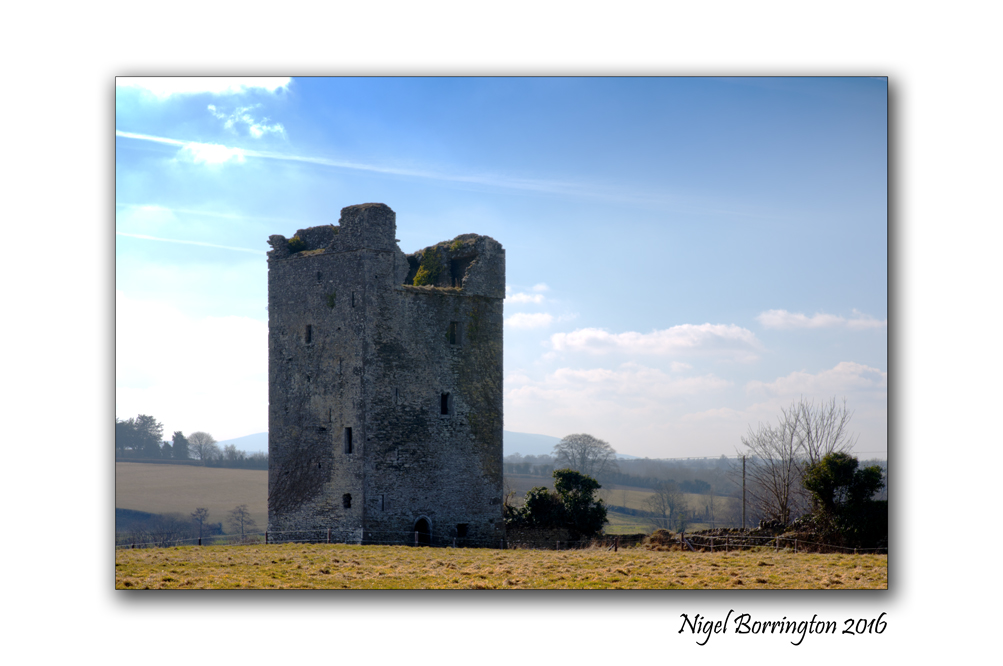
January 2016
February 2016
March 2016
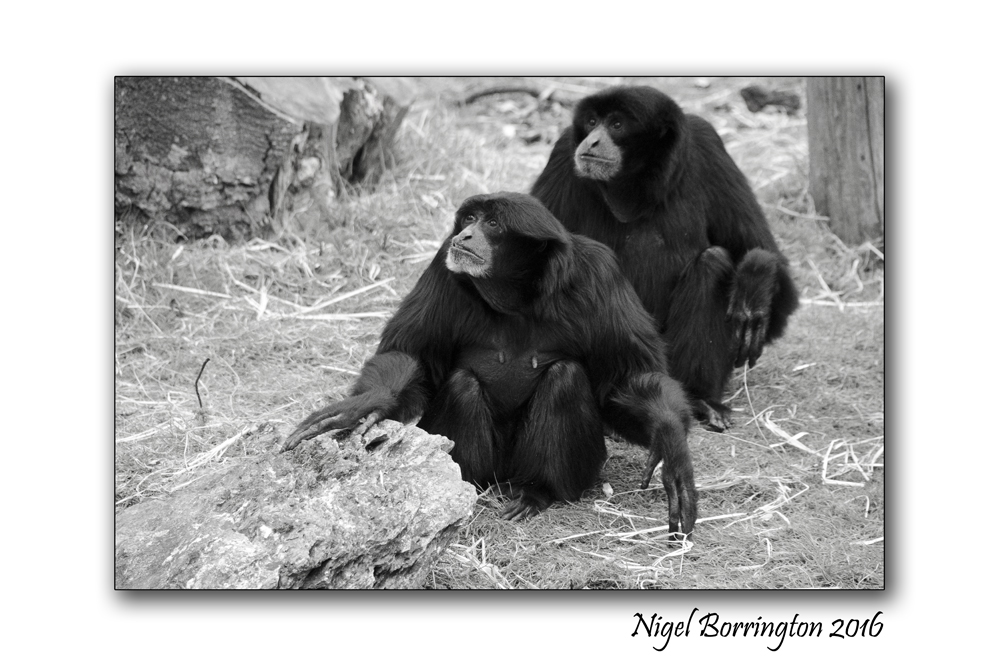
April 2016
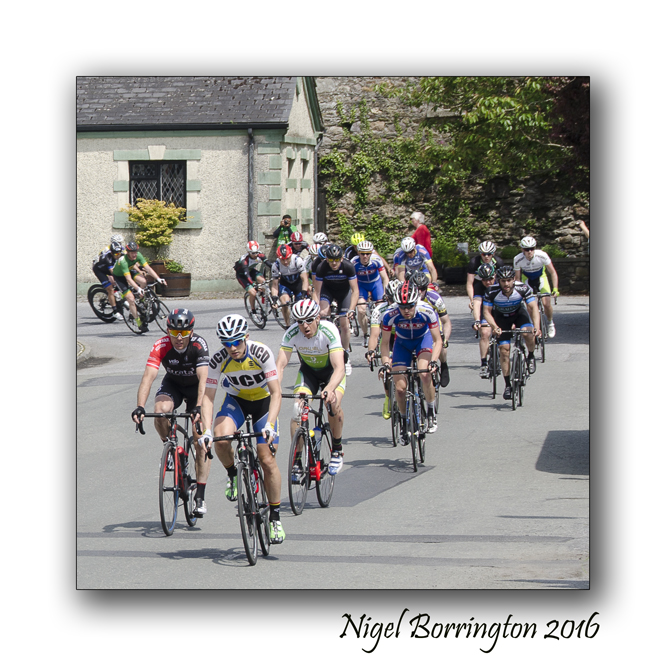
May 2016
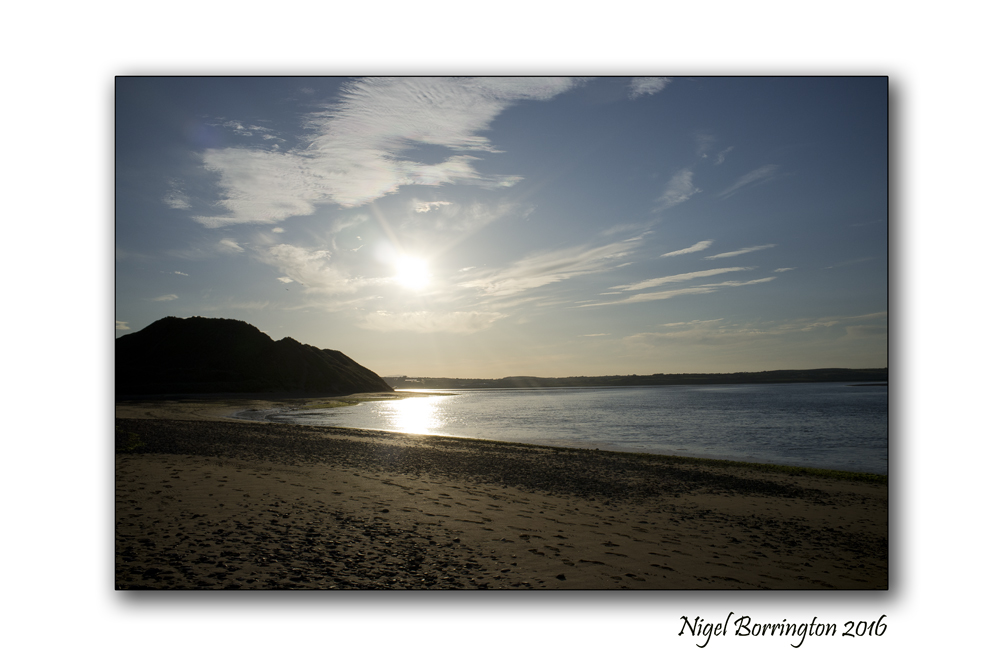
June 2016

July 2016
August 2016

September 2016
October 2016
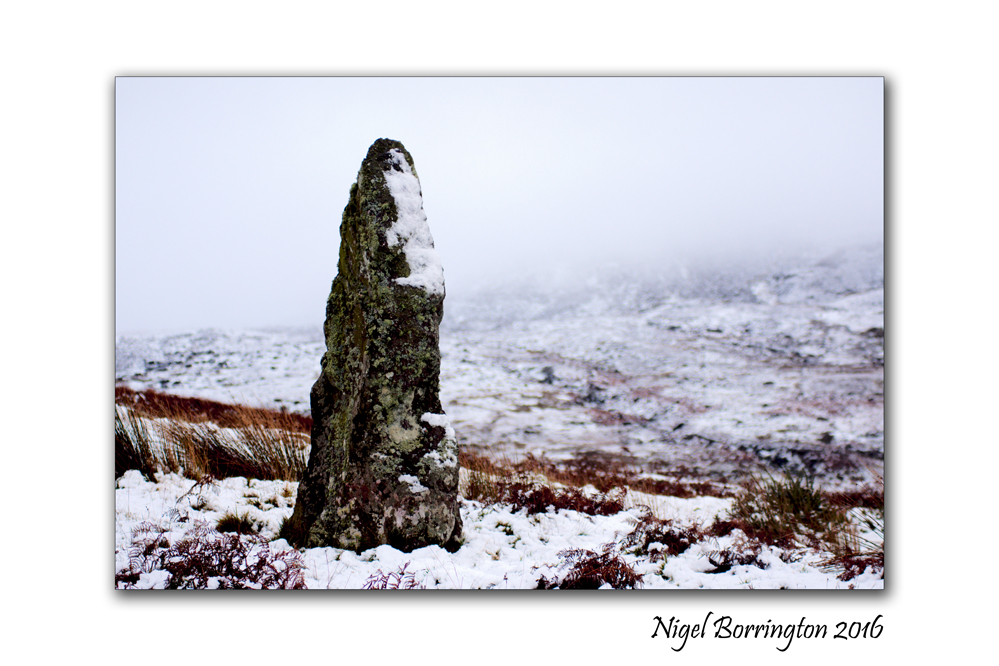
November 2016

December 2016
Landscape art and Painters , Artist: Fred Cuming

Landscape painter
Fred cuming
Landscape painting and photography
Painting as an art form for myself feels very much like a natural progression from the art of landscape photography which is the act of recording a representation of the view you find yourself located in.
I often find myself asking what it was about an image I capture with my camera or in a sketch / painting that I liked so much that I went to the effort of working with that location in different forms and media.
This is a quote from one of my favourite landscape painters Fred Cuming, Talking about his paintings Cuming says: ‘I am not interested in pure representation. My work is about responses to the moods and atmospheres generated by landscape’
Although there are many forms of landscape art all as valid as each other, Contemporary landscape painting tends to fall into the areas of semi abstracted to completely abstract, in that each work is making an effort to extract from the selected landscape location a sense of atmosphere or a mood. This mood and atmosphere can involve colour or light or texture, or all of these things and more.
This artistic process, from pure representation or abstraction can in a completely valid way start with photography and in fact many current artists have replaced the sketch book with the film/digital camera. The question as to if this is the best thing or not will continue for a long time, some feeling that a photo simply cannot capture a good enough sense of the location or at least not in the same way as spending time in that location with a sketch book can.
Personally I feel photographs are a very important tool and can in a very valid way capture the mood and sense of a place. However I feel that you need to spend a good amount of time with your camera exploring as much as you can while your on site, walking around and finding all the different views and angles along with all the small details you can find. The aim is to return home with as complete a memory of your landscape as you can.
Here are some details of Fred Cuming as an artist along with some more of his painting…..
Artist: Fred Cuming
Fred Cuming is a painter of International standing. Born in 1930 he studied Art at Sidcup School of Art from 1945 to 1949. After completing his National Service he studied at the Royal College of Art from 1951 to 1955 where he gained a Rome Scholarship and an Abbey Minor Scholarship.
Fred was elected a Royal Academician in 1974. He has also been a member of the New English Art Club since 1960 and is the recipient of many art awards including: the Grand Prix Fine Art (1977); the Royal Academy’s House & Garden Award and the Sir Brinsley Ford Prize (New English Art Club, 1986).
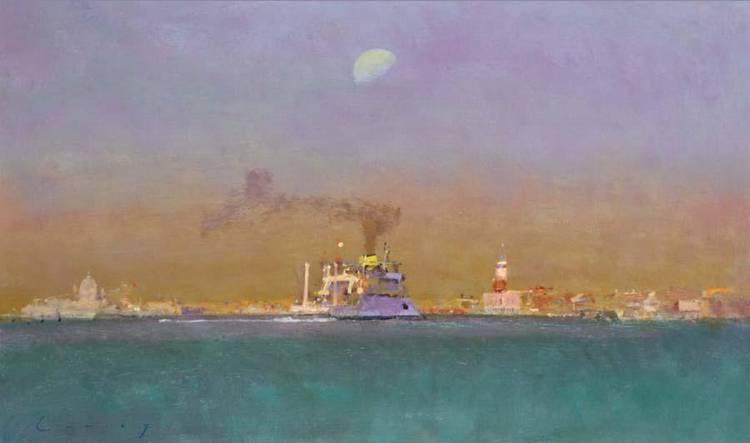
Fred Cuming has exhibited his contemporary paintings world wide. His paintings feature in many private and public modern art collections. These include: Montecarlo Museum; Royal Academy of Arts; and the Guinness Collection.
Fred Cuming paintings offer a moment for reflection. Cuming creates a relationship with nature and light – inducing observers to appreciate the calming atmosphere and realisation of the beauty around us. Many of his paintings feature the counties of Kent and Sussex where the Fred Cuming artist studio is located.
Talking about his paintings Cuming says: ‘I am not interested in pure representation. My work is about responses to the moods and atmospheres generated by landscape, still life or interior. My philosophy is that the more I work the more I discover. Drawing is essential as a tool of discovery; skill and mastery of technique are also essential, but only as a vocabulary and a means towards an idea. I struggle to keep an open mind.’

Fred Cuming has exhibited at other leading British Art Galleries. In 2001 Cuming was the featured artist at the Royal Academy Summer Exhibition with an entire gallery dedicated to his art work.In 2004 he was awarded an honourary doctorate from the University of Kent.Like all Red Rag British art and Contemporary art Fred Cuming purchases can be shipped worldwide.

A Winters day on the farm …..
WinterFeed in the barn
County Kilkenny
Nigel Borrington
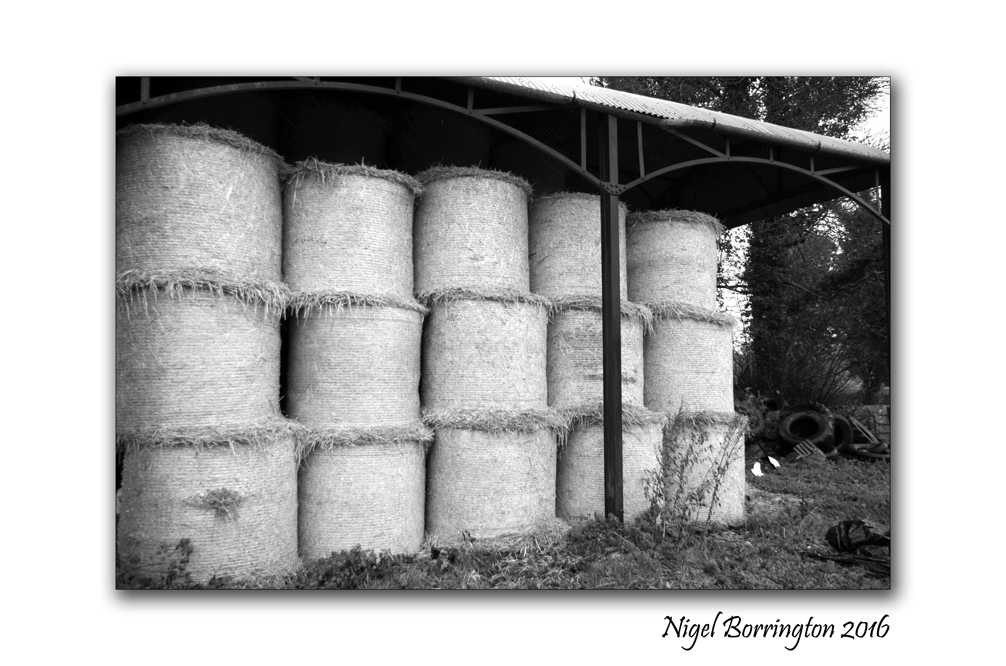
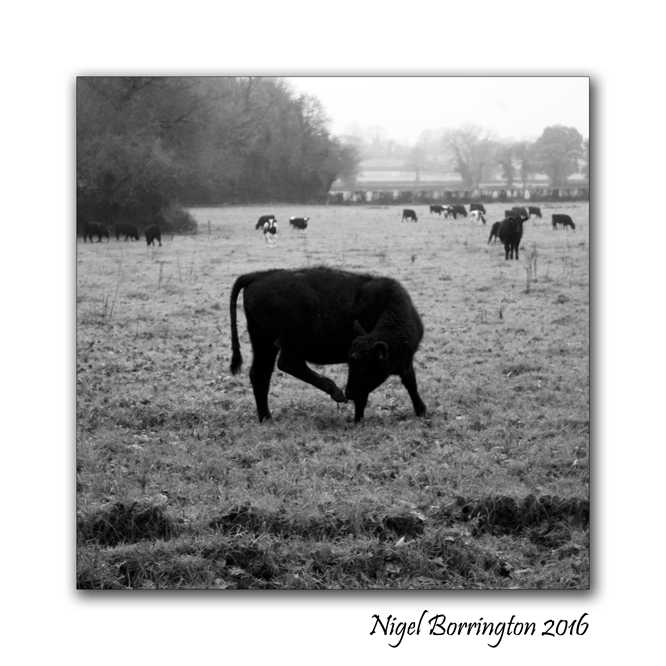
Winters on a farm are a hard time of year, dealing with the weather and the cold, the dark evenings and early mornings. Life as a farmer must have many great moments but its not hard to imagine that there are less of these in the winter months than in the summer.
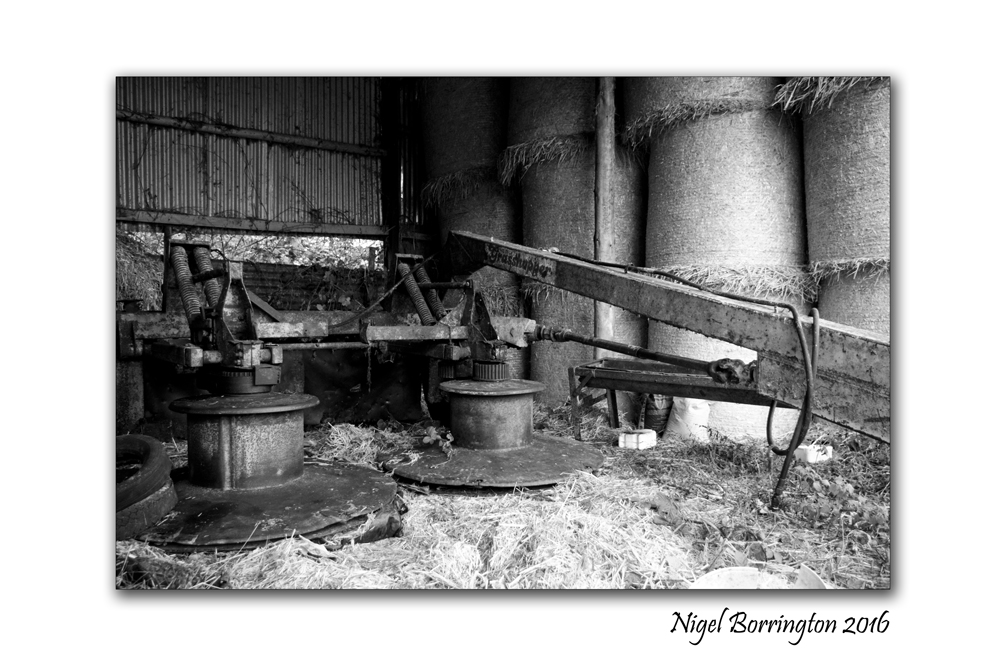
I took these images while out on a walk yesterday and as you can see, on this farm some of the cows are still out in the fields while some have been returned to their winter shed, soon all of them with be inside. In the Barn close by is stored some of the feed that will be used for the cattle over the next few months. In an area of the barn next to the feed is the farmers haybob that would have been used only a few weeks back to help get the hay bales ready.
The next few weeks are all about rest for the land and keeping the live stock warm and health in the sheds, life slows down and less work out in the fields is needed. While welcome in some ways you can imagine that this lack of activity can at times feel a little to slow but this is farm life.
Here in county Kilkenny each year you develop a great sense of the farming seasons and the activities that go along with them.


Friday Art and Artists : British Artist Edward Bawden

650 0072
Friday Art reviews
Back in the Summer I did a weeks worth of posts that related to some of the artists I like the most. I really enjoyed doing the research behind these posts and so I want to start looking at some more artists and their work , In the long term I am planning to put each Friday aside for these posts, this December however I may post a lot more than one day per week, as I want to dig a lot deeper into the subject of landscape and cityscape art and artists ……
Artist Edward Bawden
British Artist Edward Bawden, one of a group of artists associated with a community of artists that existed around Great Bardfield in Essex, England during the middle years of the 20th century.
Great Bardfield :
is a village in north west Essex, England. The principal artists who lived there between 1930 and 1970 were John Aldridge RA, Edward Bawden CBE RA, George Chapman, Stanley Clifford-Smith, Audrey Cruddas, Walter Hoyle (principally a printmaker, who ran the printing workshops at Cambridge Art School when I was there, and taught me to do linocuts in the style of Bawden and himself), Eric Ravilious, Sheila Robinson, Michael Rothenstein, Kenneth Rowntree and Marianne Straub. Other artists associated with the group include Duffy Ayers, John Bolam (who taught me painting at Cambridge Art School, and later became the Principal of the school), Bernard Cheese, Tirzah Garwood, Joan Glass, David Low and Laurence Scarfe. Great Bardfield Artists were diverse in style but shared a love for figurative art, making the group distinct from the better known St Ives art community in Cornwall, who, after the war, were chiefly dominated by abstractionists.
Edward Bawden (1903 – 1989)
can be seen as a key artist in the Bardfield group. His long career spanned most of the twentieth century, and comfortably straddled boundaries and borders between the fine and applied arts, boundaries which are seen as so immovable today. Even before his appointment as an Official War Artist in 1940, Bawden had established a reputation as a designer, illustrator and painter. As well as these areas his output over the years include murals, posters, designs for wallpaper, ceramics, lithographic prints and watercolours.
Edward Bawden was born in Braintree, Essex in 1903, and was perhaps more firmly rooted in Essex than any other artist represented in the North West Essex Collection. Bawden attended the Friends’ School in Saffron Walden. At the age of eleven he strained his heart and was excused participation in sports. This may have allowed him to devote more time to drawing, and his portraits and caricatures attracted the attention of his tutors who arranged for him to spend a day a week at the Cambridge School of Art. The school, now part of Anglia Ruskin University, had been founded to comply with the Ruskinian philosophies of improving design for industry, and encouraging amateur aspirations. Bawden fitted perfectly.
Before long, he had gained entry to the Royal College of Art. Here he was taught by Paul Nash (a lasting influence on Bawden and his contemporaries), and the popular E. W. Tristram. It was at the RCA that Bawden first met his ‘kindred spirit’, Eric Ravilious, the two quickly becoming firm friends, though entirely different in temperament. Shortly after leaving the college, the pair gained a prestigious commission to paint a mural for the refreshment room of Morley College in London. He first rented half of Brick House, the imposing Georgian house in Great Bardfield in the mid-1920s with Ravilious, and after his father purchased the whole house for him on his marriage to Charlotte Epton in 1932, he continued to live there until moving to Saffron Walden in 1970 after Charlotte’s death.
On a Personal note …..
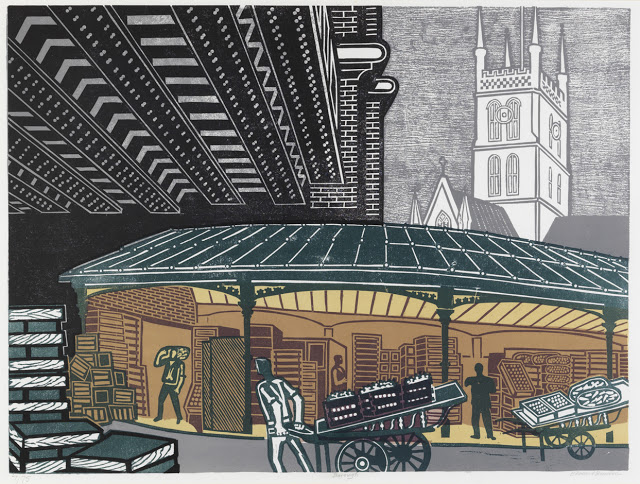
I really like Edwards London market prints, his use of limited colour and strong geometric shapes, to me this is print making at its very best. They are almost poster like yet retain strong connections to art not commercial based prints.
I like very much the sense of movement and activity that he captures from the people he includes in these prints, you can almost hear the noise and imagine the chatter that is taking place, the sound of wheels on the flag stones. The cold in the winter and the heat of the city in the summer.
These prints are full of life and capture London markets in 1967 in an almost timeless way 🙂 🙂
In 1967 Bawden made a series of six prints of London markets, commissioned by Curwen Prints. The markets were Billingsgate, Borough, Covent Garden (2), Leadenhall and Smithfield:

648 0074
646 0076

649 0073

250 0001

647 0070
650 0072
 Nigel Borrington
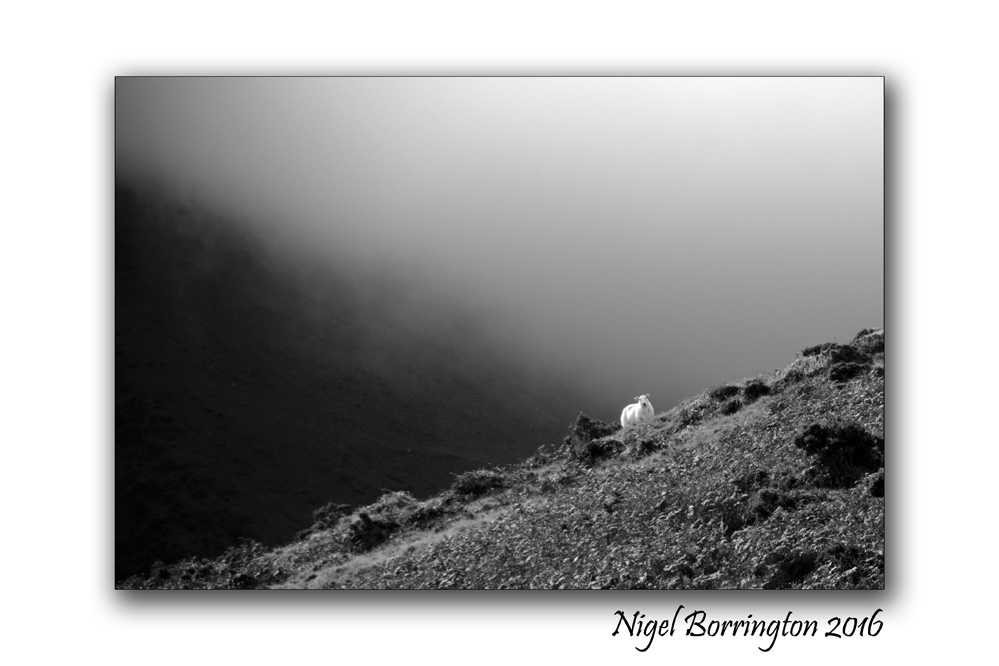
Black and white landscapes , June 2017
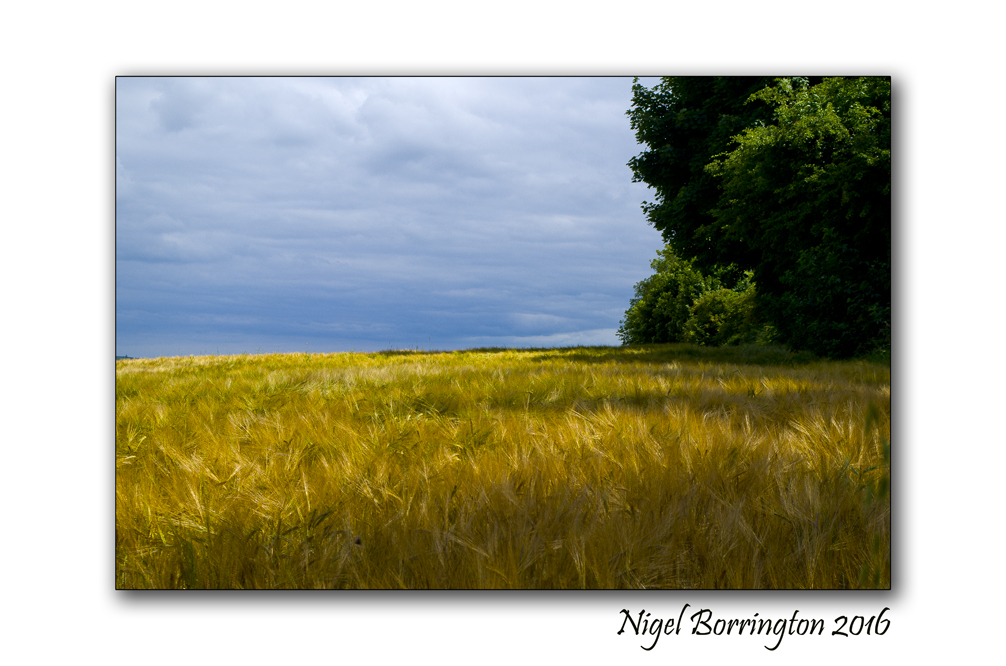
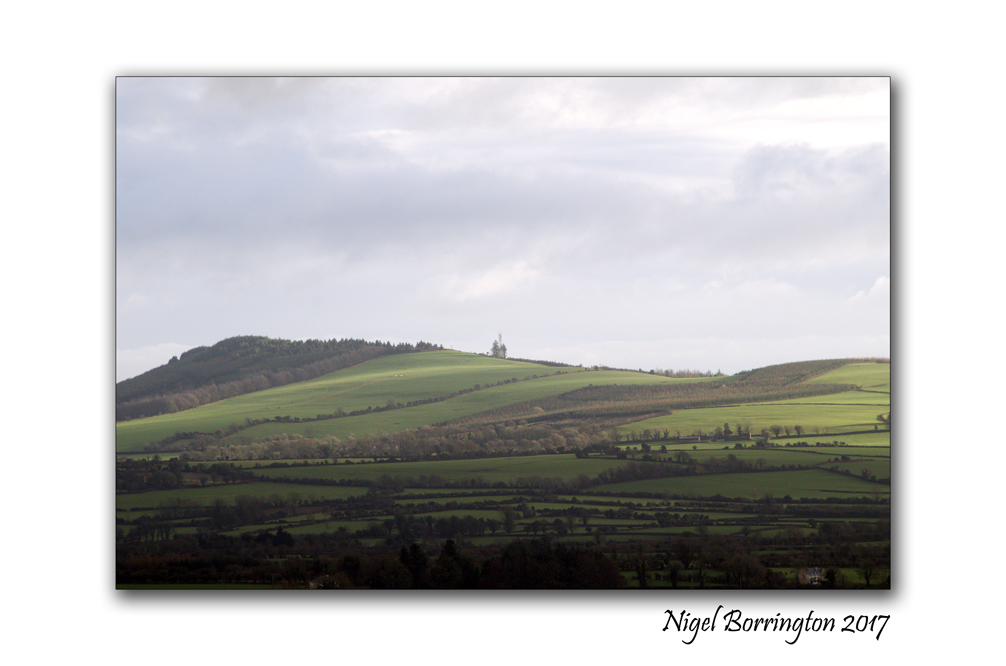
Black and white Landscapes County County Tipperary, fields June 2017 Nigel Borrington
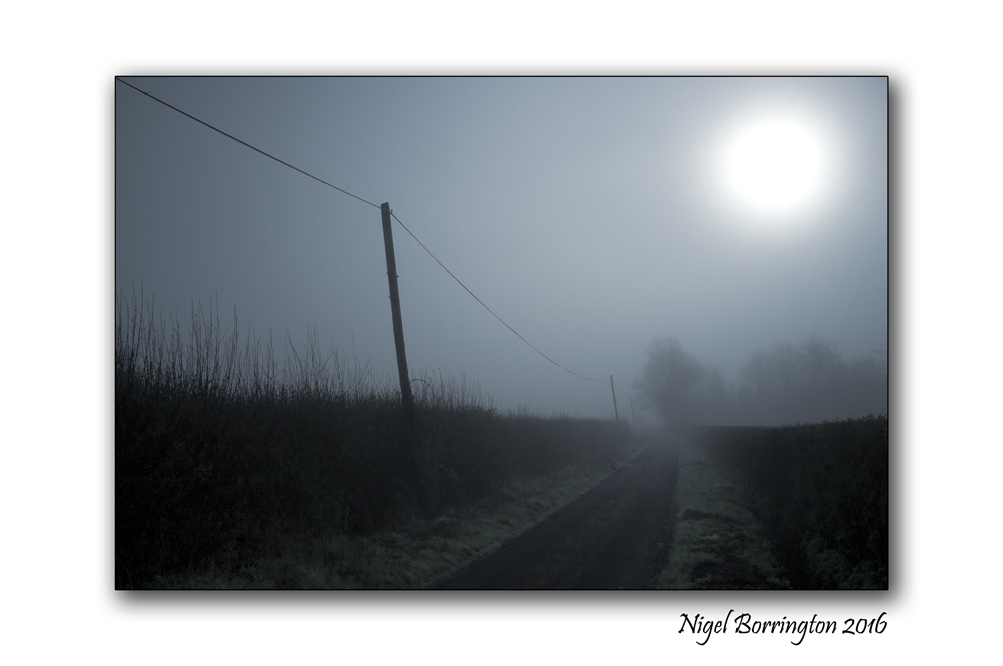
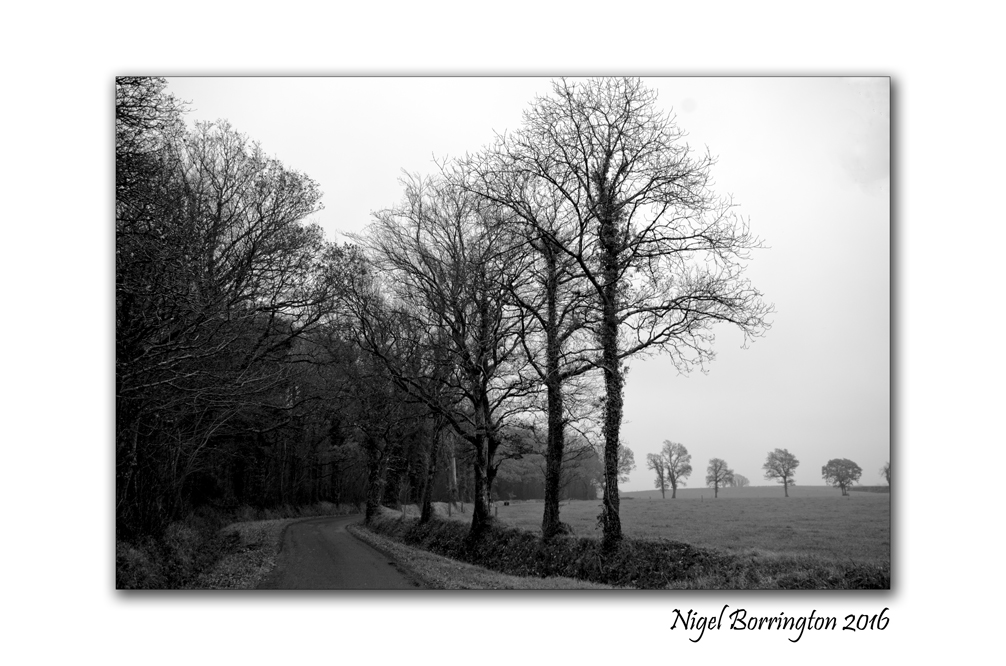
These June time Mornings and evenings can offer some wonderful light for landscape images, this week I am going to use black and white only to try to pull the best images from our local area ……
Share this:
June 27, 2017 | Categories: Comment, Gallery, Landscape, Solo images | Tags: black and white photography, county Tipperary, Eveing light, june, Landscape Photography, Nigel Borrington | 5 Comments