A Scarecrow Poem.
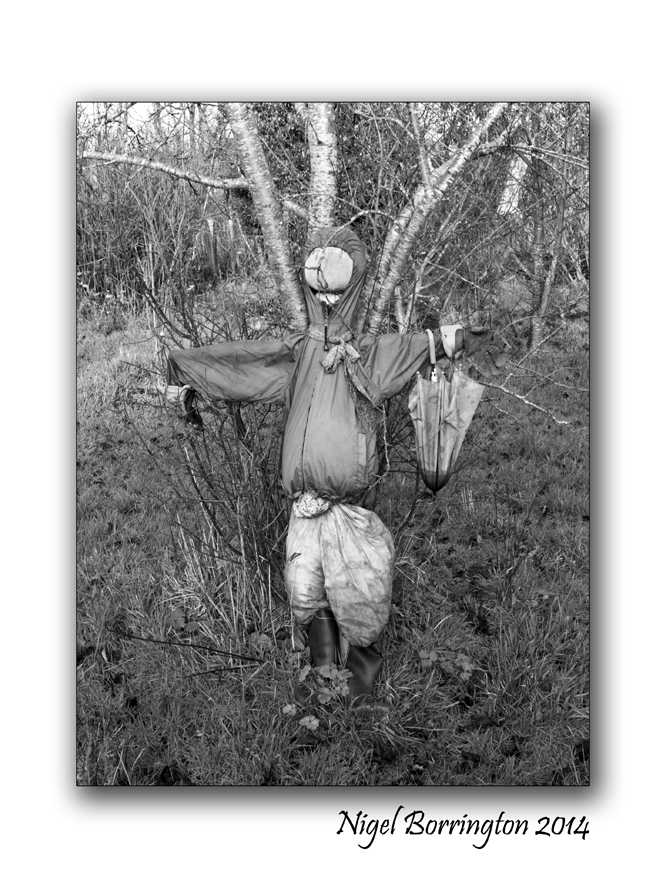
A Scarecrow Named Hal
The Scarecrow
Walter de la Mare
All winter through I bow my head
beneath the driving rain;
the North Wind powders me with snow
and blows me black again;
at midnight ‘neath a maze of stars
I flame with glittering rime,
and stand above the stubble, stiff
as mail at morning-prime.
But when that child called Spring, and all
his host of children come,
scattering their buds and dew upon
these acres of my home,
some rapture in my rags awakes;
I lift void eyes and scan
the sky for crows, those ravening foes,
of my strange master, Man.
I watch him striding lank behind
his clashing team, and know
soon will the wheat swish body high
where once lay a sterile snow;
soon I shall gaze across a sea
of sun-begotten grain,
which my unflinching watch hath sealed
for harvest once again.
Evening light across the fields/Across the fields : Gallery and Poem
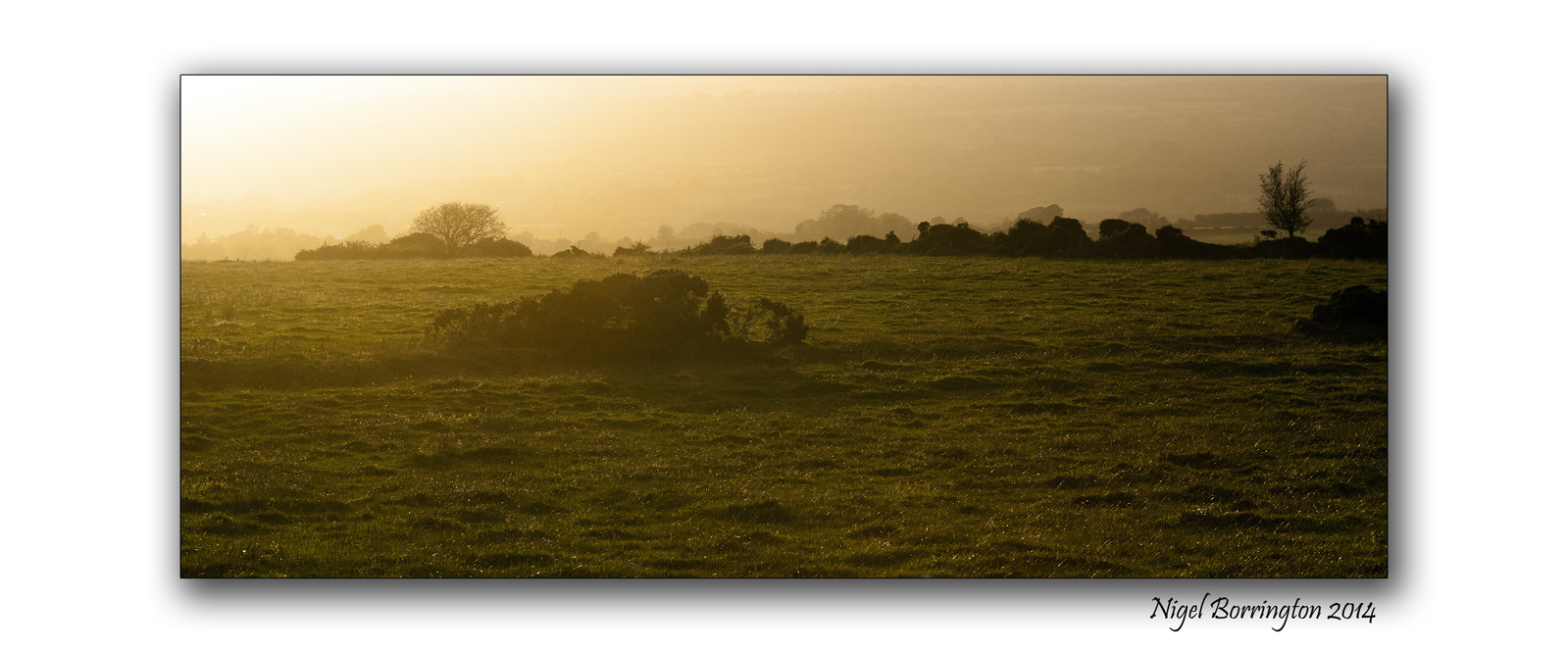
Evening Light across the fields, County Kilkenny
Landscape photography : Nigel Borrington
Across the fields
Taken from a poem By : Imp y Celyn
I was just listening to songs from years gone by,
To make me feel the way I did then,
Does this count as masochism?
Gotta run till you drop
Run till you fly into the sunset
Walk for aeons to get to your door

To walk beside you and remember your skin, your hips
Your eyes are so dark, so dark now the sun’s on the horizon
So beautiful; does beauty negate honesty?
Honestly
How do I stand in your presence
Walk the fields with an invisible crown
Just to see what’s going on
Just to make it a little bit more in this life
Sunsets never mean the same
Each sun sets on a different you and me
I want to crown you in violets
So they’ll blaze blood glory in this light

As timeless spirits walk together
Through space, time always plays out the same way
Maybe ours will be a chaste attachment
Right,
And maybe tomorrow,
There you’ll be, leaning back on your throne
And grinning as you spin your fiddle in the air

I can watch the sunrise
But I’d rather lie down with you again
And see sunset paint your face in amber
So I can wash it away with my tears
Because I’ve just been touched by Ancient Gods
Did you know you make me Believe?
Keeping a golden retriever cool , an afternoon summers swim
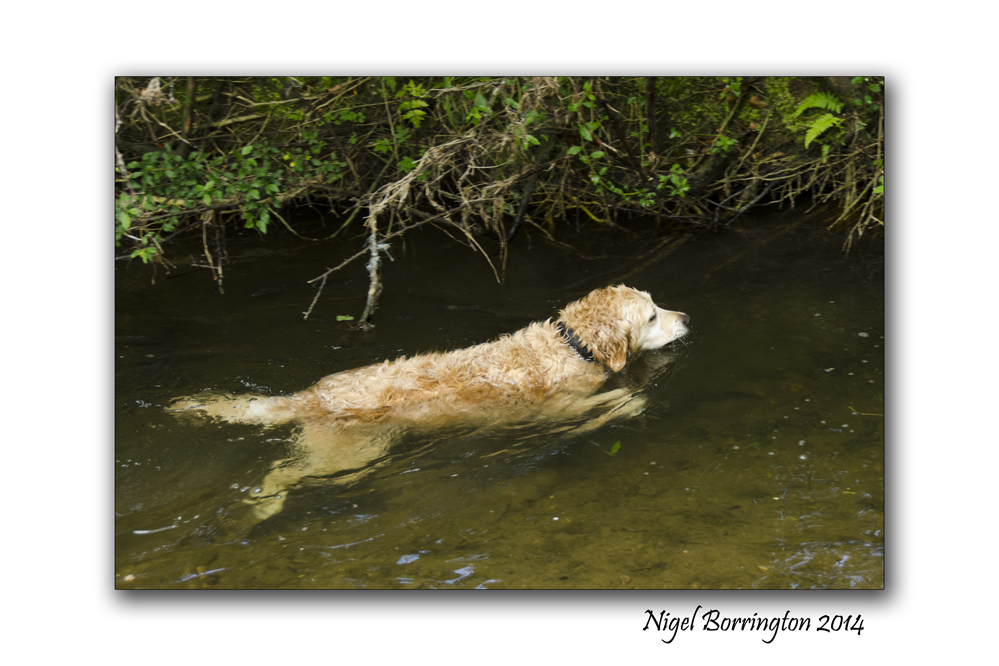
Our golden retriever , Molly Swimming, June 2014
Keeping our golden retriever Molly cool on these hot summer days is a puzzle , however she loves a summers swim and really makes the most or our local rivers.
She loves retrieving sticks and stones from the river bed and finding her some shade and cold water is a great way to cool her down.


Its the weekend so why not ……
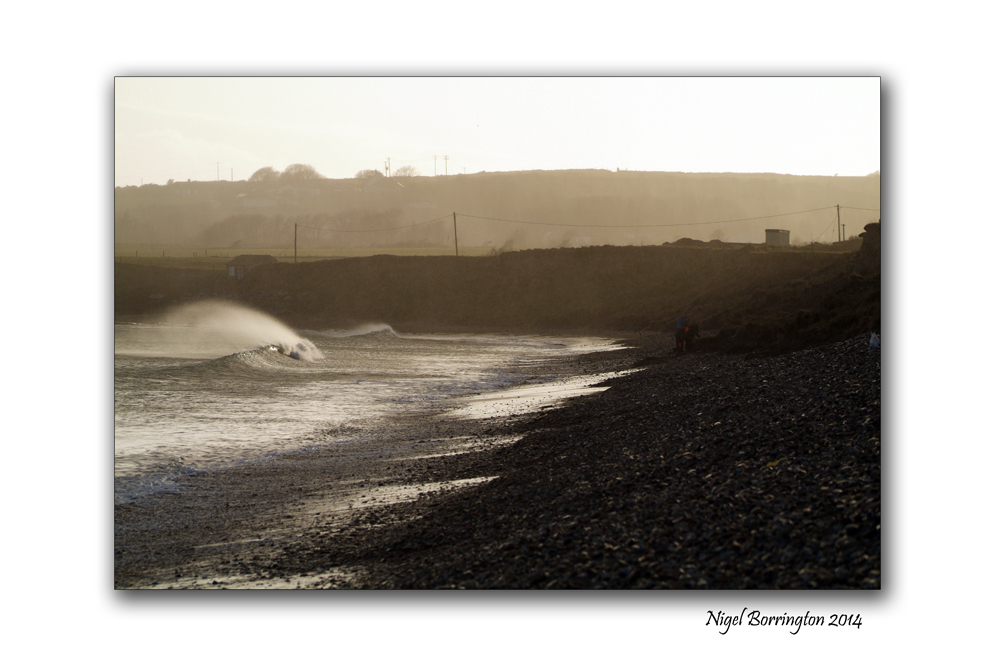
Ballyquin, County Waterford
Landscape Photography : Nigel Borrington
Its the weekend so why not….
Head to the beach and look a the views …..

Sit down on the sand and watch the waves roll in !!

Take the Dog for a Walk ……
Teifi Marshes Nature Reserve, Cardigan, Pembrokeshire, South Wales
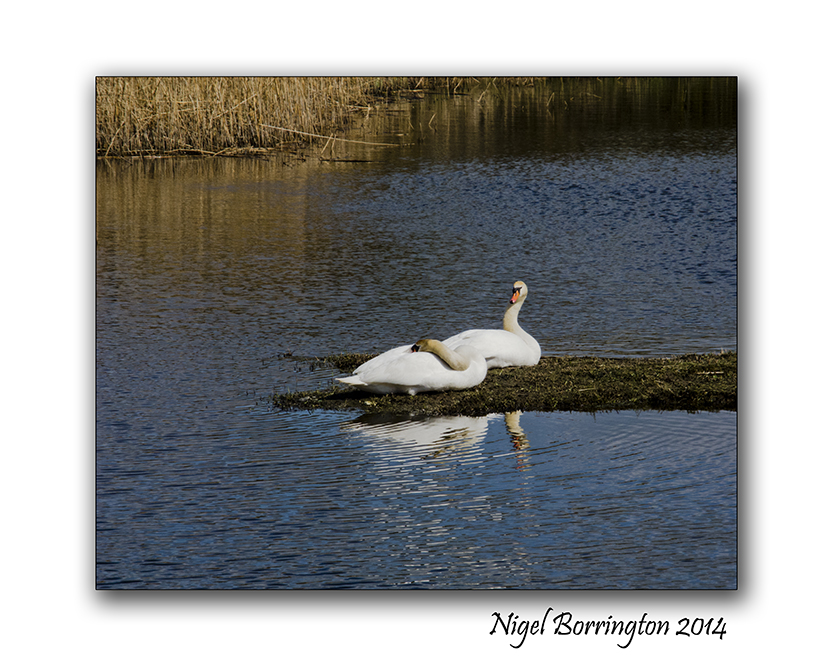
Teifi MarshesNature Reserve
Landscape and Nature Photography : Nigel Borrington
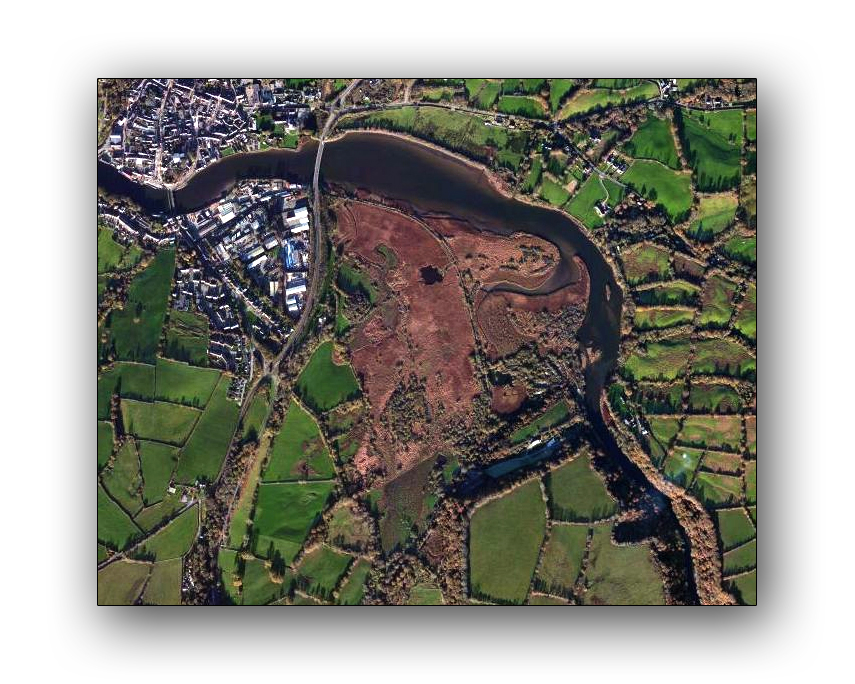
Teifi MarshesNature Reserve
I am getting out of Ireland for this Monday and posting about one of my favourite wildlife and nature reserves just across the water in south west Wales.
Last year I visited the reserve in the early summer time and it was just full of life, the observation huts located around the long paths offer some great views of the river and lake birds that nest here.
There is a wonderful visitors centre and restaurant so you can make a full days visit, stopping at lunch and then if the welsh weather will allow you can return to the outside afterwards. The hides around the reserve do however offer you shelter from the rain so it is possible to visit in the winter as well so you can view the wintering birds that arrive here from much colder countries.
The two very different seasonal ‘faces’ of Teifi Marshes Nature Reserve make this an excellent place to visit all year round. In winter the marsh is subject to extensive flooding and becomes a haven for numerous wildfowl, whilst in summer a visit to the reserve reveals an entirely different range of habitats and wildlife.
The site is owned by the Wildlife Trust of South and West Wales, and is also home to their Welsh Wildlife Centre. This magnificent building, constructed mainly of wood, won an award for its architecture when it was built in 1993.
Teifi Marches Gallery

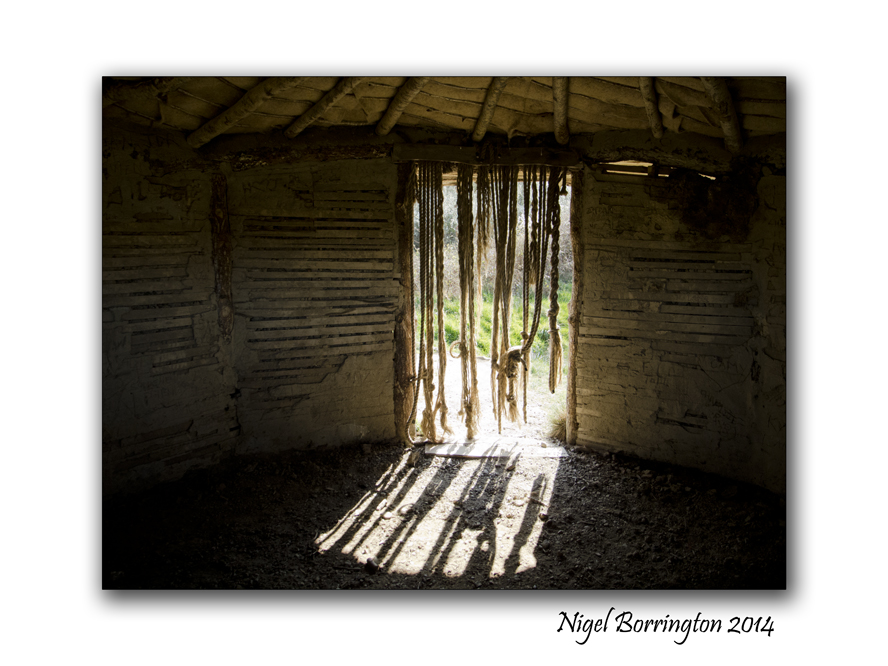


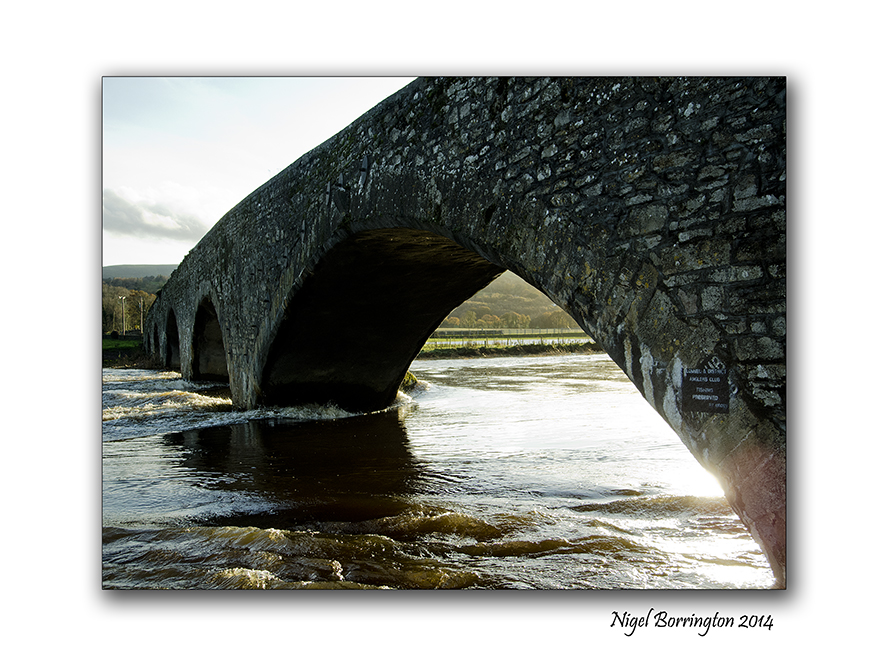
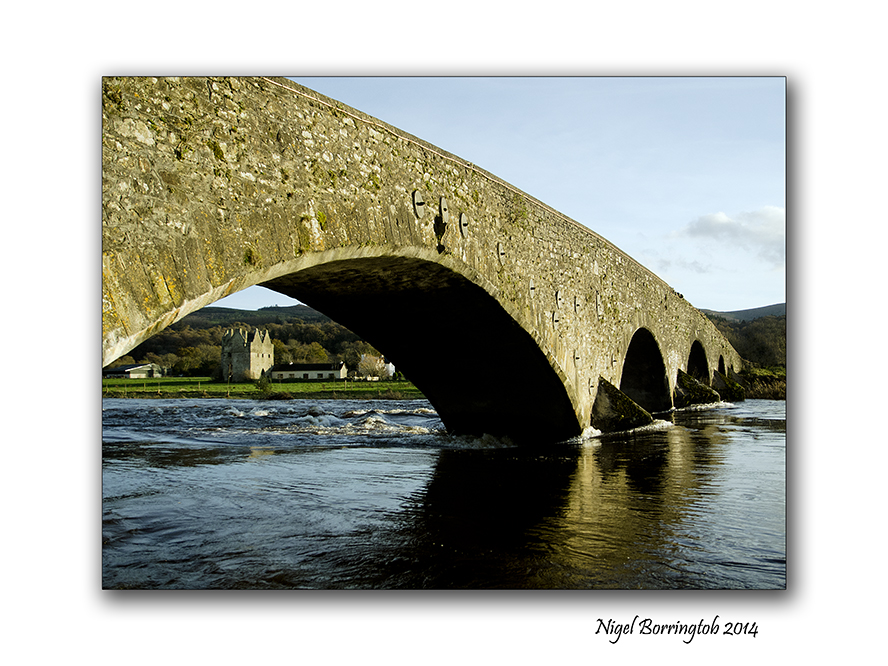
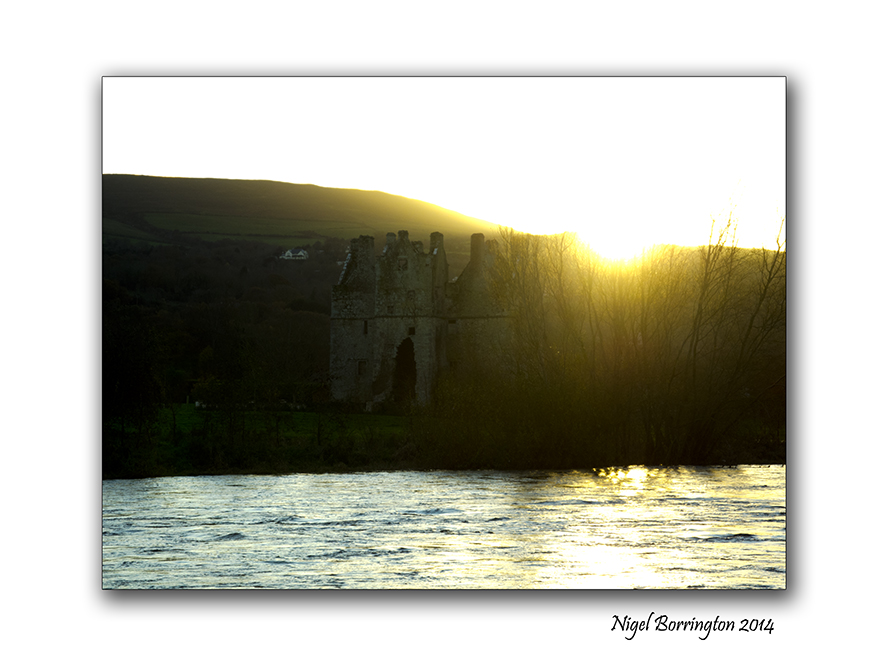
Changing light as the river flows.

Sir Thomas bridge, clonmel, County kilkenny
Landscape photography : Nigel Borrington
The changing light as the river flows
Walking along the river Suir on a springtime evening with the sun about to set, is a wonderful experience by itself but one of the things I love the most is the changing light. The light changes almost moment by moment and the reflections of the sun from the water is just amazing as you walk past some of the many bridges.
One of the best things about photography however is the ability to capture just how much this light does change, I recently put together this small collection of images and I think they show the way the light changes as the sun sets.
The entire landscape changes from yellows and and olive greens to deep blues and blue – greens.
I personally feel that the type of sun light and the different colours it brings is one of the most powerful tools in the art of photography and taking a little time to record your most loved locations at different times of day and weather conditions is a powerful learning tool for getting strong images and for you to have fun with and enjoy yourself.
The changing light as the river flows, Gallery

What is Lens Bokeh ?

Led lights and Lens Bokeh
Nigel Borrington
What is Bokeh
Wiki have a great description here : Lens Bokeh
“In photography, bokeh is the aesthetic quality of the blur, in out-of-focus areas of an image. Bokeh has been defined as “the way the lens renders out-of-focus points of light”.
However, differences in lens aberrations and aperture shape cause some lens designs to blur the image in a way that is pleasing to the eye, while others produce blurring that is unpleasant or distracting.
Bokeh is often most visible around small background highlights, such as specular reflections and light sources, which is why it is often associated with such areas.
However, bokeh is not limited to highlights; blur occurs in all out-of-focus regions of the image.”
I have been looking for a way to test this feature of my lenses for a little time, then at Christmas we put up some little led lamps as below. So using two different lenses one a Nikon 50mm f1.8 lens and A Mamiya 45mm f2.8 lens I took some images of the lights, with the lens as out of focus as I could get them.
I think that the images below clearly show the effects that are described in the Wiki link, seeing clearly the effects of the number of aperture blades and their shape.
The Nikon lens as seven blade but they are not curved , the Mamiya lens blades are curved. You can clearly see that the shapes created are very different.
Lens Bokeh examples
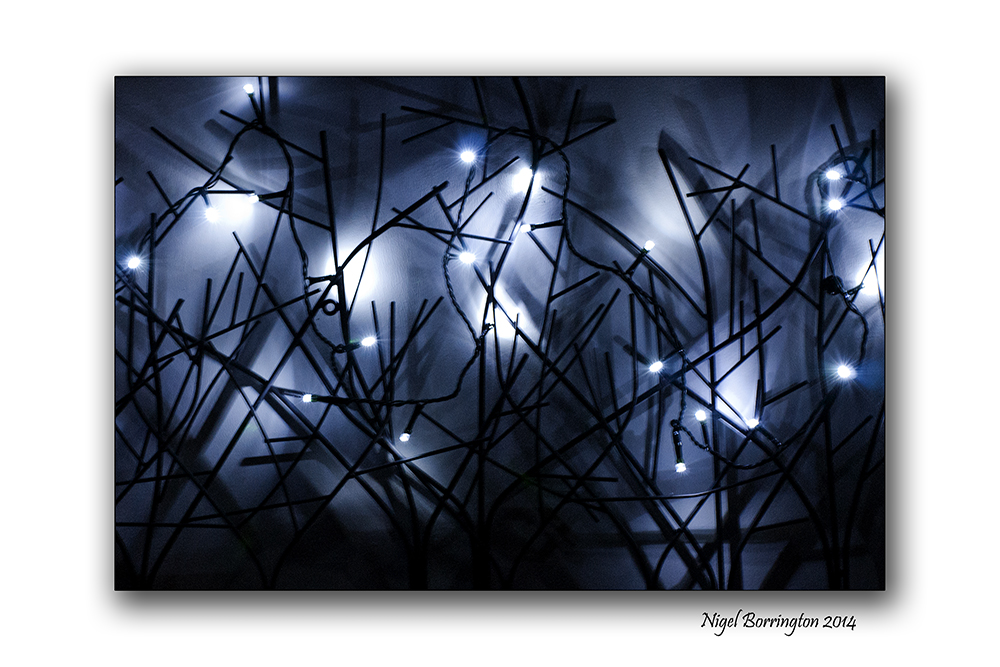
Led light used for examples below
.
Mamiya Sekor lens

 .
.
——————-
Nikom AIS Lens


Going Square format

The Grange viewing point , County Tipperary
Landscape Photography : Nigel Borrington
Square format in the landscape

The concept of Square format images in photography dates back to its beginnings.
The idea of using this format makes great sense when you think about it, a lens placed at the front of the camera produces a fully round image so the idea of drawing a square in the centre of this circle and using this square for image produced on an exposed sheet of film would appear to make the best use of the lens for the final image.
In film cameras a camera that produces a square image is usually referred to as a 6×6 or 12×12, these figures referring to the size of the exposed film area. I have used and owned different 6×6 film camera using one during my photography course and for sometime after.
These are the basics of square format film cameras , today most Digital cameras work in a 6×4 image format, meaning that one side of the final image is 1/3 bigger in its dimensions that the other. Some digital cameras however (Such as the Canon G1 x) offer format options, because a sensor unlike film uses pixels to measure its dimensions, square format is now called 1×1.
Working with a digital camera in Square format your most likely going to use the LCD screen on the back of the camera to frame your image, cameras with electronic viewfinders however will show you the same 1×1 view of your subject. A camera with an optical view finder most likely cannot show you the view you need.
If you camera cannot work in anything other that 6×4 format , one trick if you want to produce a square image is to get some scotch tape and use it to square off the live view image that you see on you LCD screen, this will at least let you frame you image for this format.
Square format in the landscape
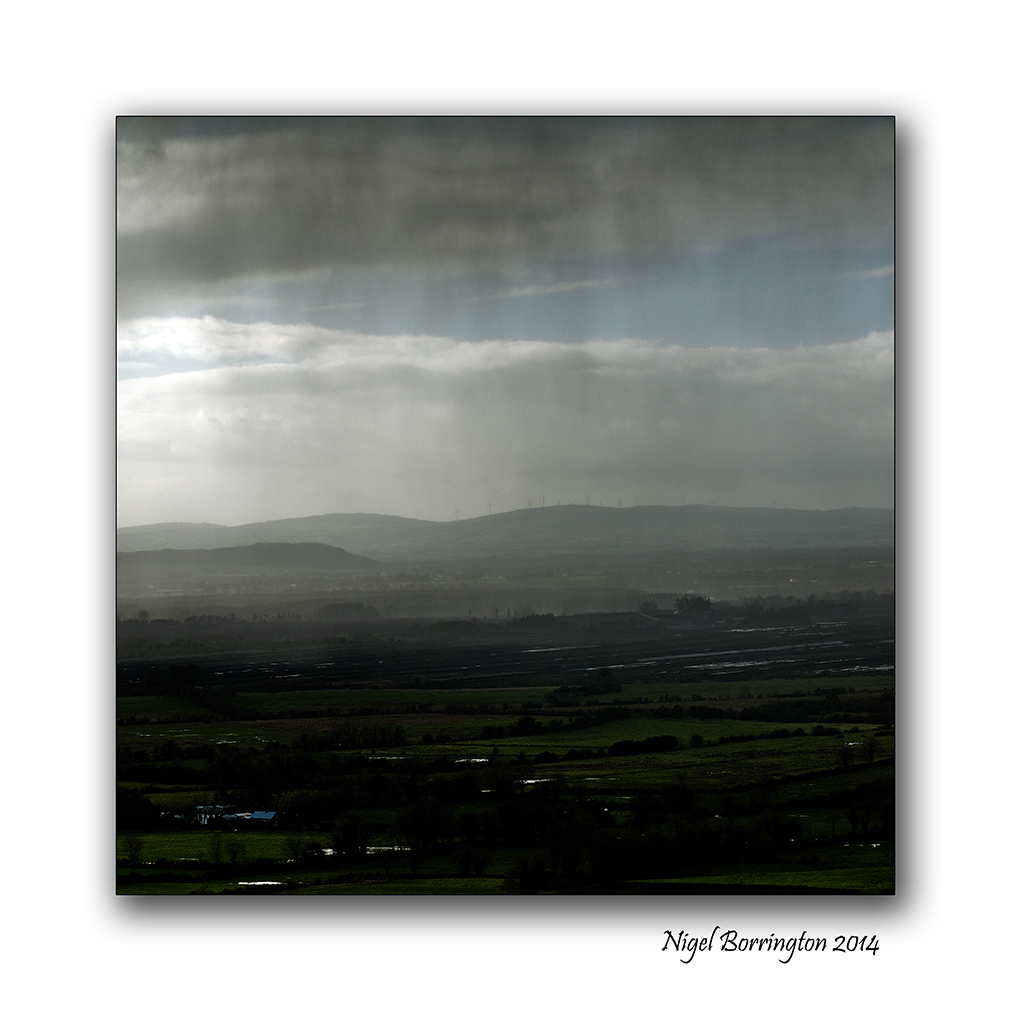
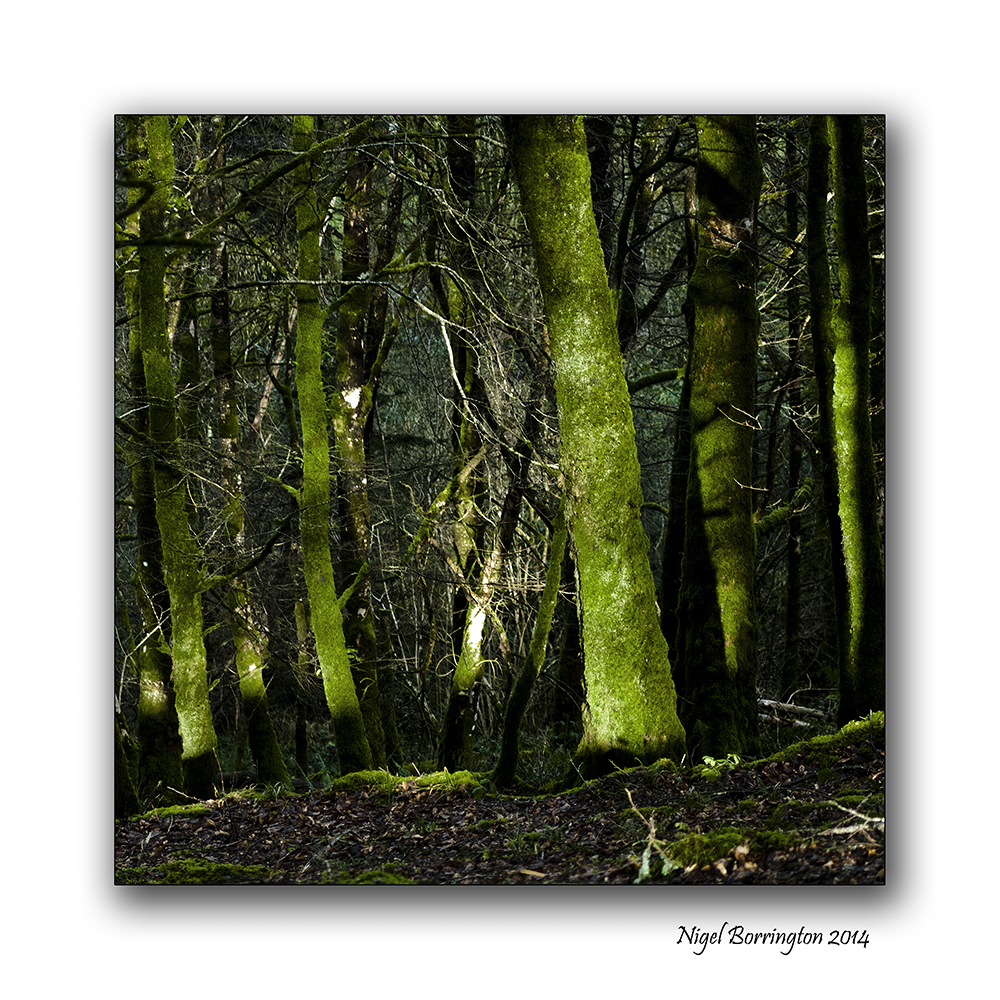
Ok, so that’s a little bit about the history of this image format and how to produce images using it today, so what about the landscape images produced in Square format.
Yesterday, I took my Canon G1x out on a walk and set it up for a 1×1 image size, Personally I really like using this format.
Many Landscape photographers don’t and I fully understand why, the main reason is that you do not get the same width to your images, this width would appear to be a basic feature of producing a Landscape photo. The idea of removing 1/3 of the image width would appear to be to limiting and it can be, but not always.
Personally I feel the very benefits that come with wide landscape images can also be a problem, some images need to be restrained in their content to reduce distraction, a square format is a great solution.
I feel that with a square image you gain the exact same hight to your image and this lets you include tall features like poles and trees or an old house , yet you can more easily confine your image to just these main subjects.
I have done my best in the images below to try and explore this and show what I feel is the benefits to going square format with your camera.
Square format Gallery



Finding light , around the farm.

Burnchurch Farm , County Tipperary
landscape Photography : Nigel Borrington
Light is just an amazing subject in photography, the searching for and finding of interesting lighting conditions can become an obsession for many visual artists.
I have found over the years that the best light can be found in places that need to be search for, looking for limited amounts of light is I feel my personal interest when getting an image I feel happy with.
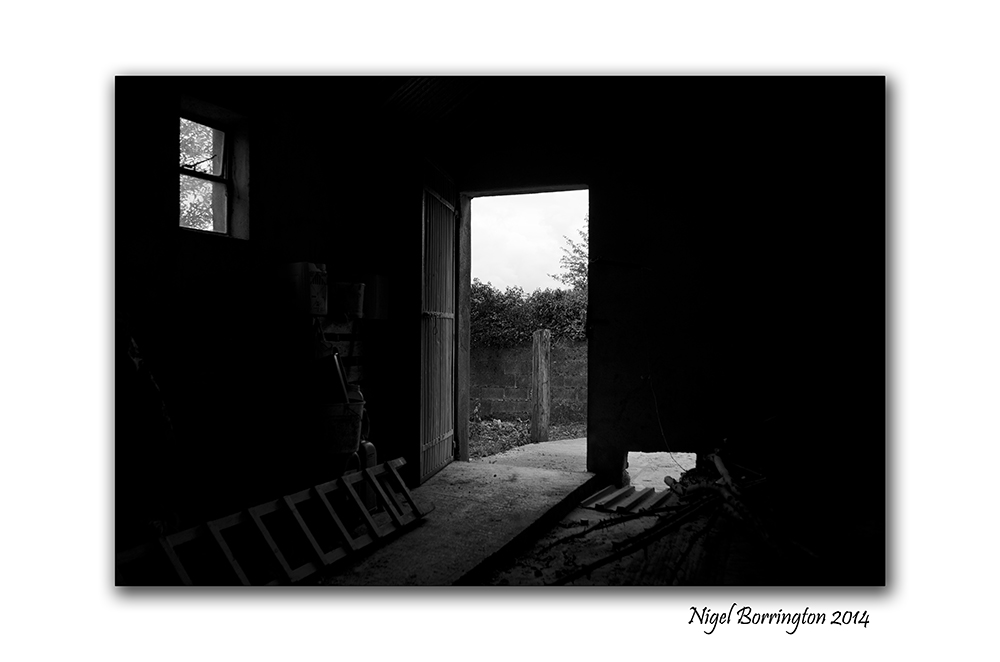
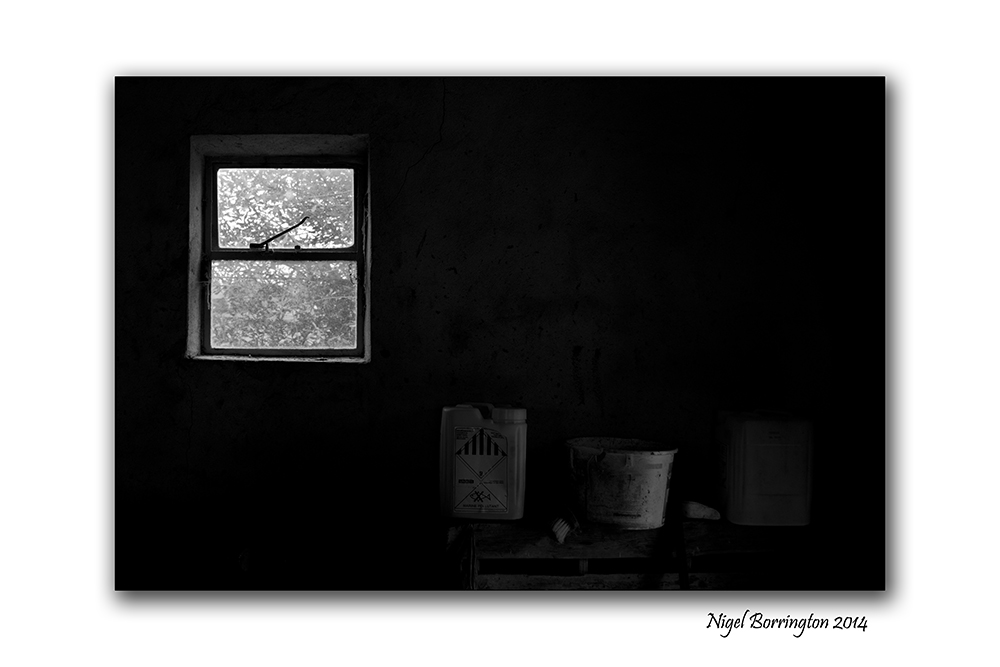
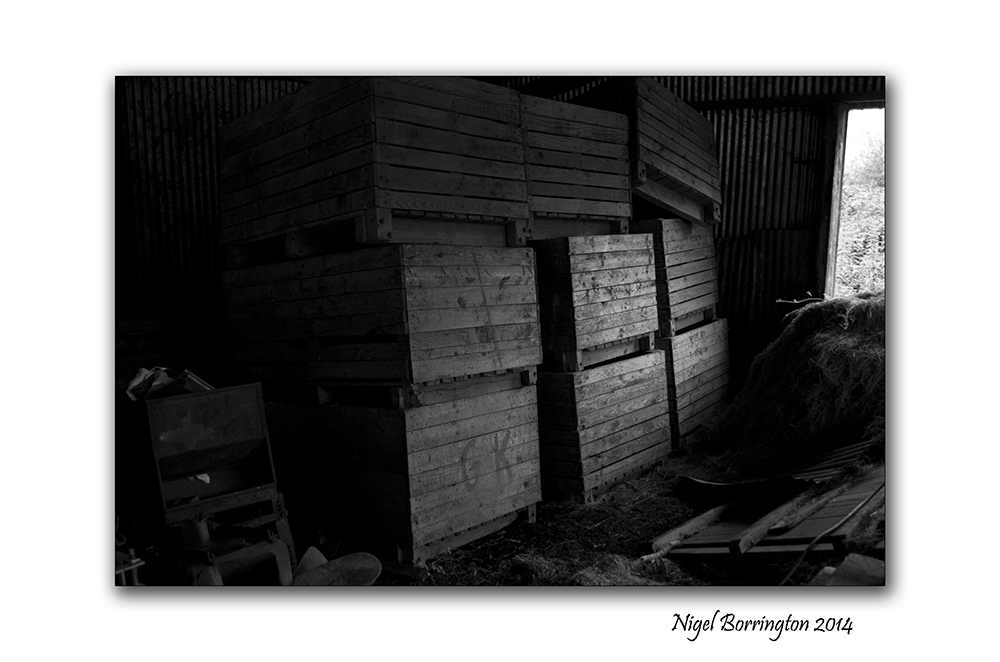
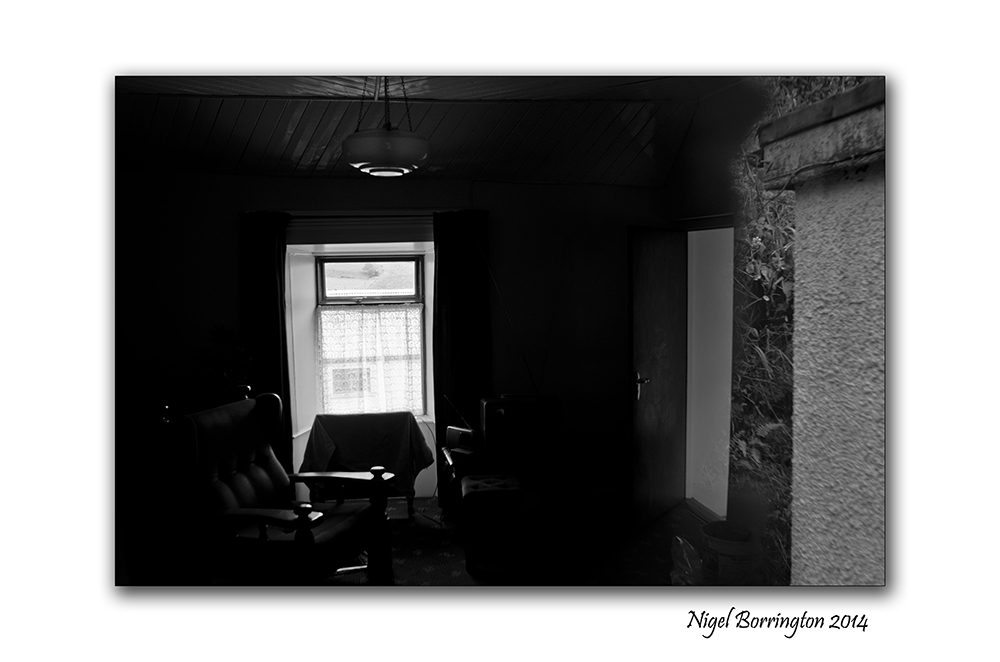
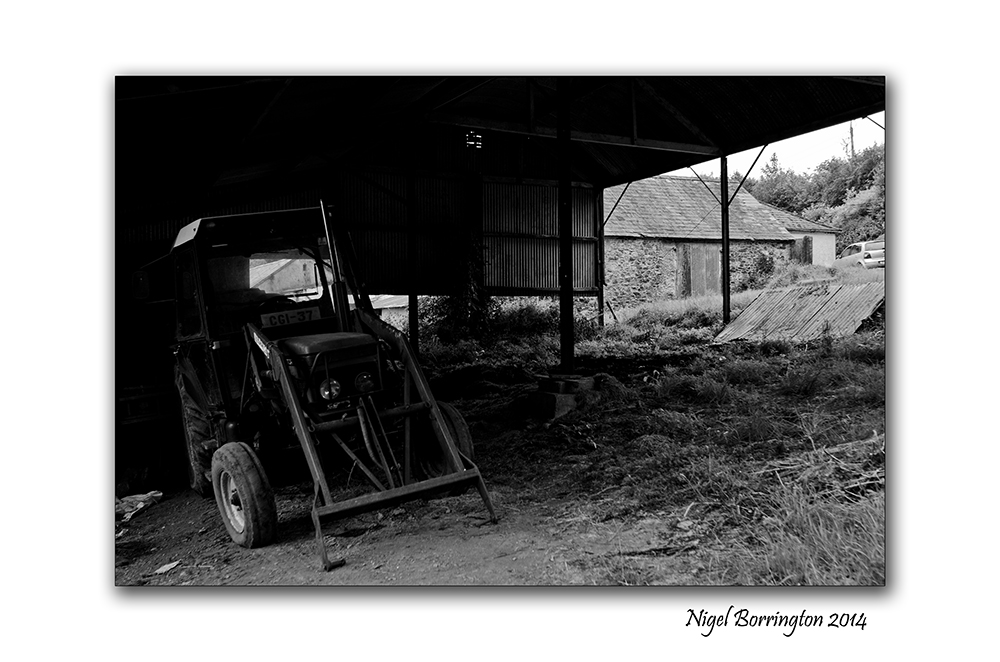
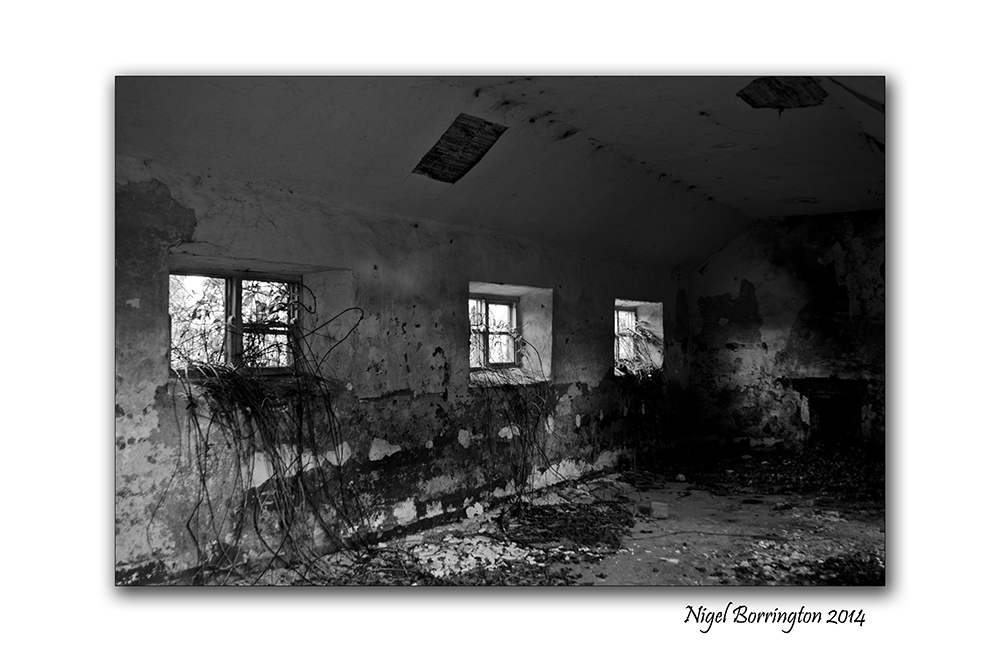
Burnchurch is an old Family Farm in county Tipperary, the land here is still farmed but the house is no longer occupied, we visit and stay here a few times during the year, its a wonderful location to get away and relax for a week.
Some of the images taken here are an example of my attempt to explore and experiment with the use of limited light in photography.
The Images in the below Gallery are all taken inside some of the sheds around the farm yard and even on a wet day the light through the windows and doors here is just perfect. I love the way the light falls through the windows and into the rooms, falling onto objects that have been hanging here for many years.
I feel that photography and the images it captures is a great way to explore subjects like light, capturing in an instance the light in a room or how it is falling over a landscape.
Finding light on the Farm , Gallery



Its the weekend so…..

Nikon D7000, 18-200mm vr2 lens, iso 100
Saltee Islands, County wexford
Irish Landscape Photogrpahy : Nigel Borrington
Its the weekend so why not do something like find an island and take some pictures, sit down and draw the landscape or just take in the view and empty your mind.

Nikon D7000, 18-200mm vr2 lens, iso 100
Saltee Islands, County wexford
Irish Landscape Photogrpahy : Nigel Borrington
Depth, in the flower bed
These two images are another example of using lens depth of field to good effect using a wonderful flower bed on our local river bank. The first image is using F8 and the Second image is using F1.8 as a lens aperture setting.

Nikon D200, 50mm lens at f8, iso 200
Flowers on the banks of the river Nore, country Kilkenny
Kilkenny based Photographer : Nigel Borrington

Nikon D200, 50mm lens at f1.8, iso 200
Flowers on the banks of the river Nore, country Kilkenny
Kilkenny based Photographer : Nigel Borrington
Flowers an in depth look.

Nikon D200, 50mm f1.8 lens
This afternoon has turned into a wonderful day :), the weather here in Ireland has gone from spring to almost summer like in one week and everything is coming to life. I went out with Molly our Golden retriever after lunch for a walk along the river bank and there are flowers coming out every step you take.
As always I had a camera with me and took lots of images, its always fun with flower beds to play with lens depth of field and the panel of images below shows the effects of Lens apertures f8 upto f1.8 on image depth.
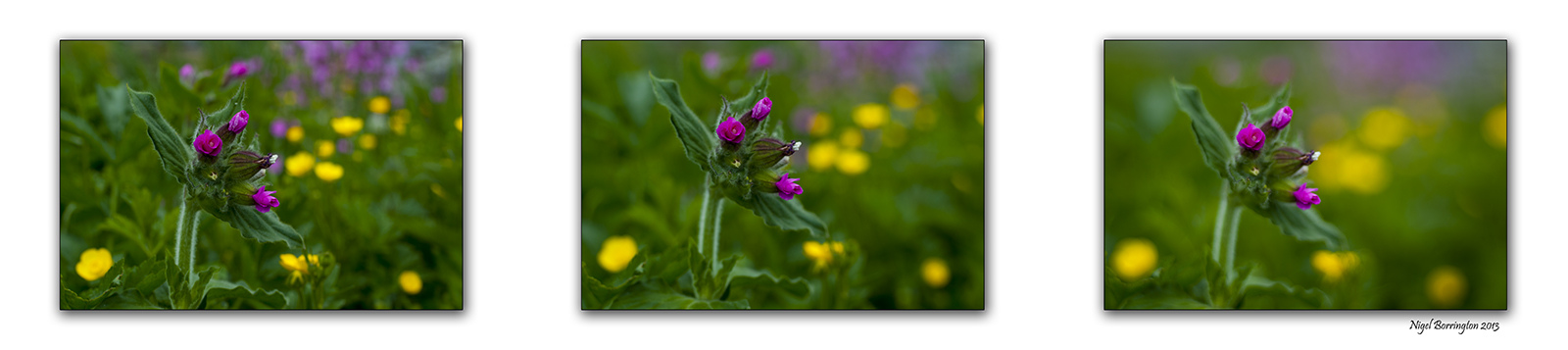
Nikon D200, 50mm f1.8 lens
More images from this walk to follow….
Windermere boat Museum
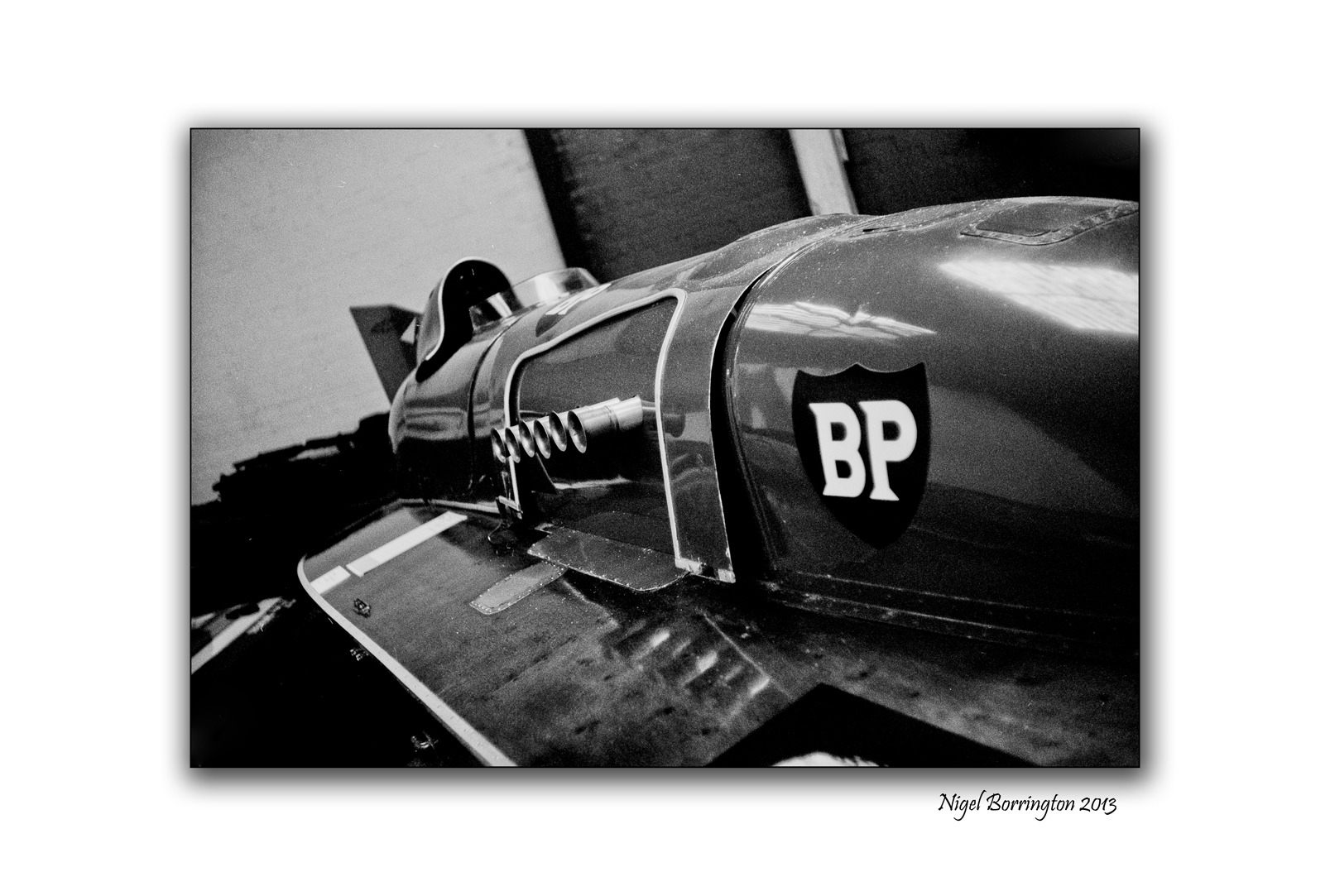
Nikon F90x, Ilford XP2. Iso 400
These images were taken during a visit to the Lake district boat museum some years back, I have been scanning a lot of my old films and came across these as part of a set that I will use in full at some point, For the moment however these two images show one of histories great boats used to set world water speed records….
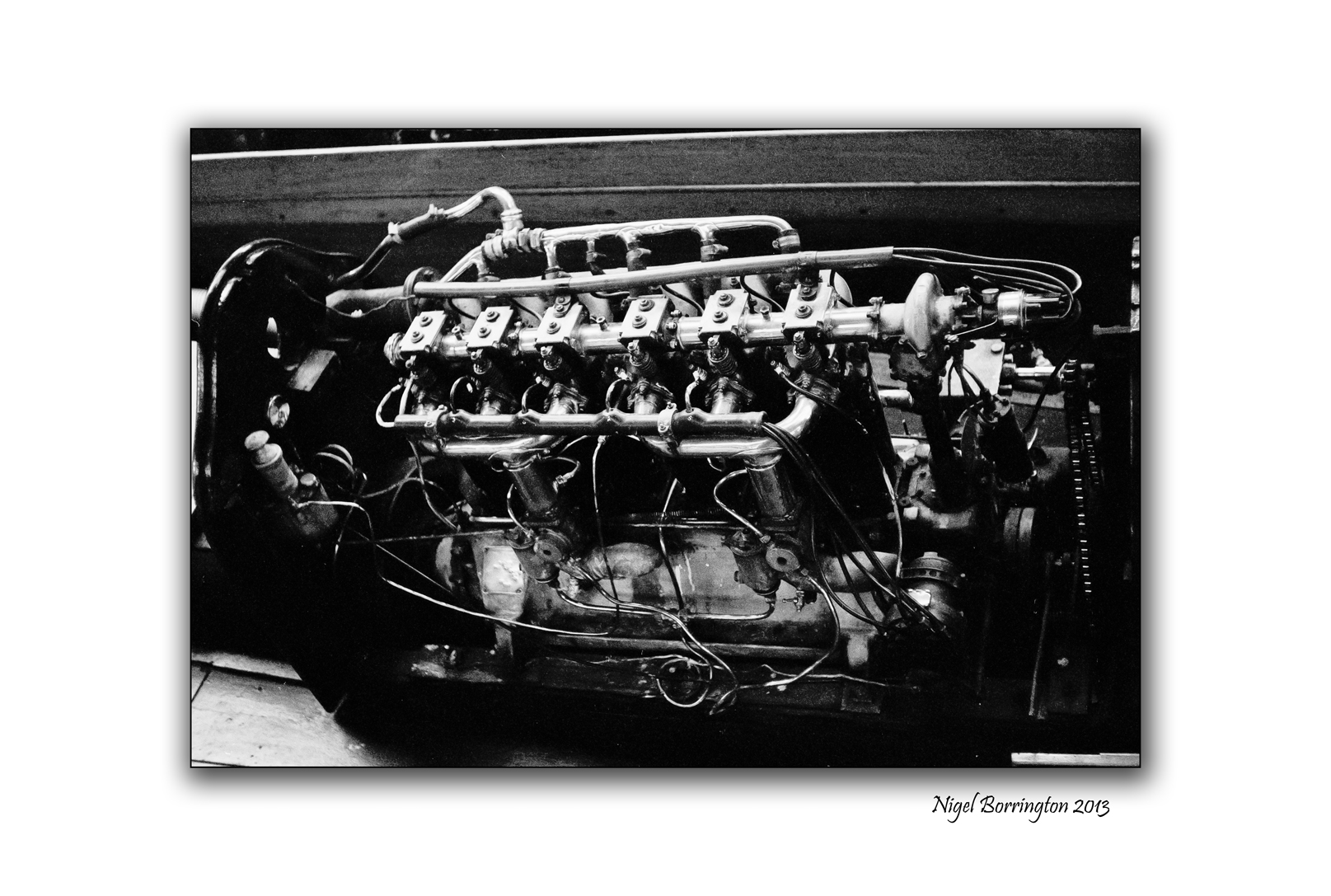
Nikon F90x, Ilford XP2. Iso 400
I just love the contrast of Ilford xp2 film….
Lough Leane killarney

Looking at the setting sun….
These images of the setting sun over Tornies south and Purple mountain, Killarney National park, were taken two years ago on a week’s visit to Killarney.
I arrived about half an hour before the sun was due to set and placed my camera on its tripod. I was attempting to capture every possible moment of the sun as it set behind the mountains on the other side of (Lough Leane) – lower lake.
What I feel I captured is a set of the best sunset images I have ever managed to photograph, the light that evening was just magical as you can see from the images. They contain every possible combination of yellows, blues and purples you can imagine, along with deep dark tones.
I learnt a lot from this 45mins with my camera, but the biggest thing was to keep the shutter going and never think you have the best moment already on your film or card.
When you get the images onto your pc screen or print’s every frame will surprise you….

Lower Lake, Killarney
Nikon D200
Landscape photography by : Nigel Borrington
.
Film Photography kit

Film Development kit…
Its Arrived my new film development tank, ordered from ebay about a week ago.
All I need now is the chemicals and someone has told me that a photography shop in Waterford sells everything I need, so when I get time I will drive down to them. After that I am ready to go, I am very excited about this its years since I developed a film and I cannot wait to see how it turns out!
Scanning Nature

Photo challenge
photography a definition
n.
1. the process in art of producing images of objects on sensitized surfaces by the chemical action of light or of other forms of radiant energy.

Over the last few years I have listened to many opinions from all levels of photographers and artists relating to what they think photography actually is, people with big photography studios to others with camera phones and Ipads.
Among this collection of people are people who put themselves firmly into one seat or the other.
Personally I think that photography is the use of any device to produce an image that people like including yourself.
As I kid I remember getting a packet of photo paper from the photography teacher at school and placing an oak leaf over it then placing them both on a window ledge in the sun for a minute or so. I then put the paper back in a black bag and fixed the image in the school dark room. I did one of my photography projects that year based on this and never laid my hands on a camera for it.
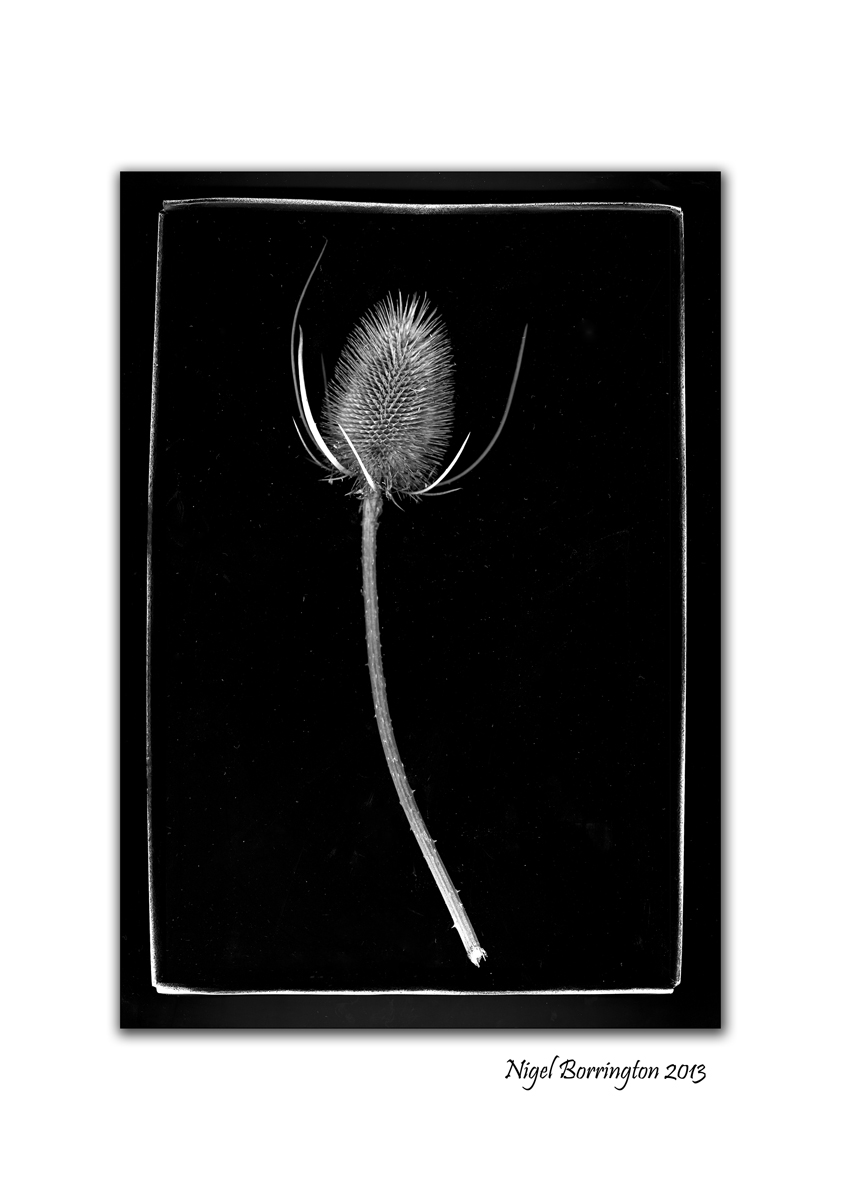
So last autumn I returned to this concept and collected as much as I could find from our local woods and hedgerows and using a scanner created the following set of images.

If you would like to have a go all you need is a scanner and old shoe box and some black spray paint and paper. The black paint is for the inside of the shoe box (Spray two or three coats until fully black) the paper you lay on top of the upside down box as follows.
Place your selected object on the scanner screen and cover this with the upside down shoe box, the black paper covers this, it needs to be A3 in size for an A4 scanner. The edged border you see around my scanned objects is the edged of the shoe box.
So my school project comes of age and into the digital world!
Wincham, – Goodbye old Girl
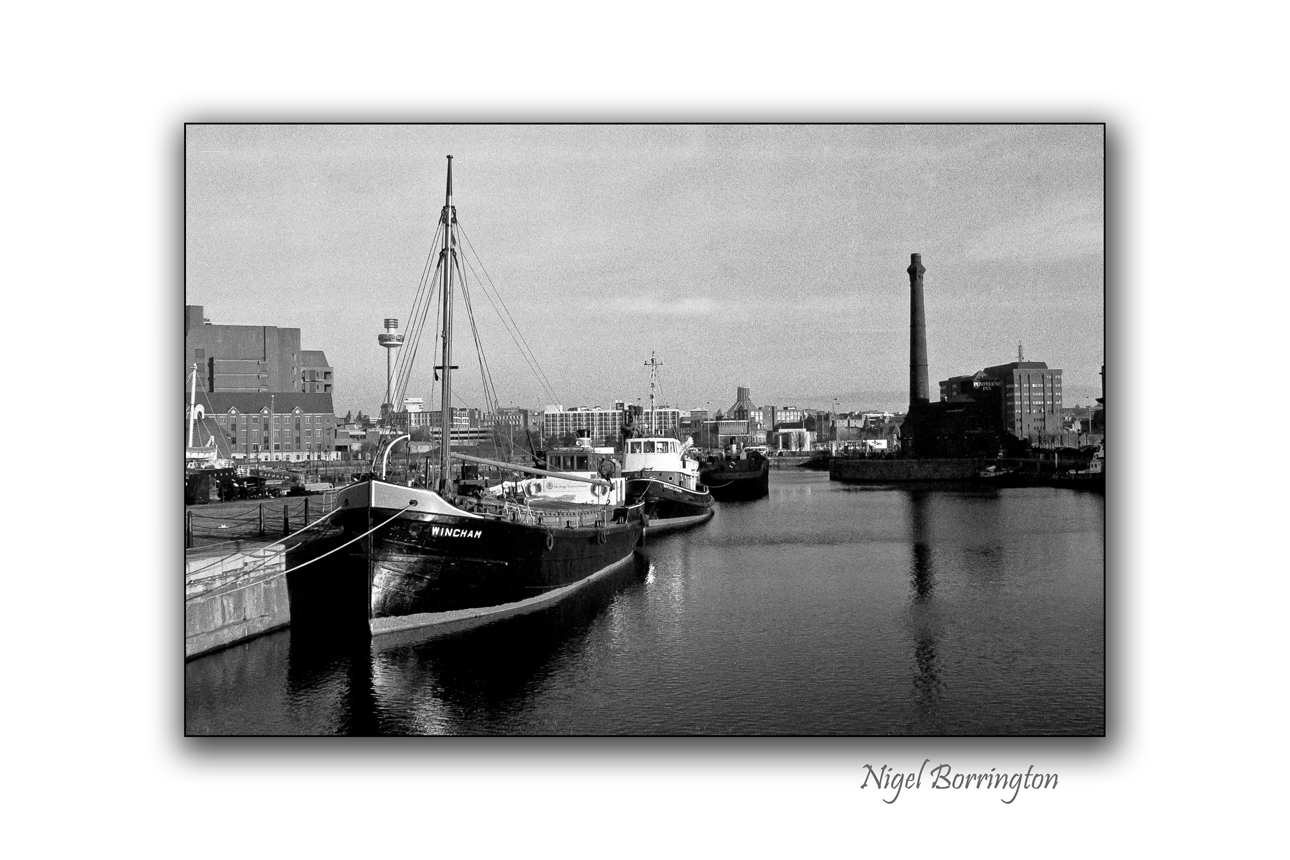
Nikon F90x, 50mm f1.4 lens
Ilford XP2
It comes to us all in the end….
Some years ago and longer than I can remember, I was in Liverpool and took this shot of the Wincham at the then new Albert docks.
Wincham’s history
Built in 1948 by Yarwoods of Northwich for ICI Liverpool, WINCHAM is a small motor cargo vessel designed to carry goods in bulk on the west coast of England. She is made of riveted steel, has a diesel engine and is the last of a class of 5 vessels built for ICI. Her working week would encompass 2 or 3 trips with chemical products from the ICI works at Winnington on the River Weaver to Liverpool and Birkenhead for transfer to deep sea vessels.
In 1977, she was sold to Bulk Cargo Handling Services Limited whose colours she still carries. In 1983 she was withdrawn from commercial service and purchased by the Wincham Preservation Society Ltd who maintain and operate her from her berth at Canning Dock alongside the Merseyside Maritime Museum. The Society received a grant of £47,500 from the Heritage Lottery Fund in 2002 and she is maintained in operating condition.
But then….
Wincham about to be broken up at Bromborough 17/04/09
The former ICI Weaver barge Wincham (built 1948) seen about to be broken up on the slipway at Bromborough 17/04/09. She was part of the Mersey maritime collection and based in Albert dock Liverpool but costly repairs meant her original owners took the decision to let her go for scrap… a disgrace.
So here she is in the better days!
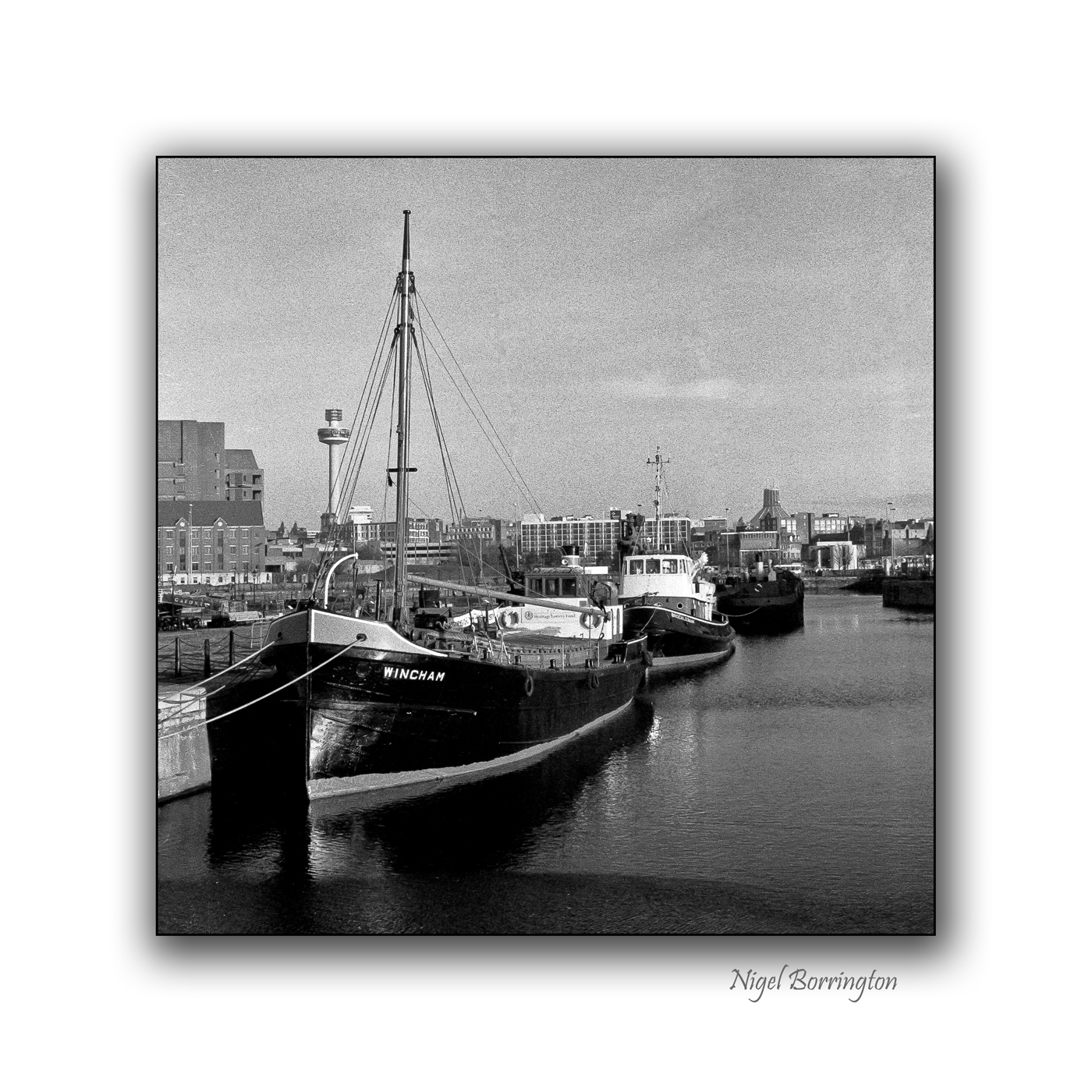
Nikon F90x, 50mm f1.4 lens
Ilford XP2
Good bye old girl, you left a big space behind!!
Earth

Connected to the North,
Earth is considered the ultimate feminine element, Earth is fertile and stable, associated with the Goddess. The planet itself is a ball of life, and as the Wheel of the Year turns, we can watch all the aspects of life take place in the Earth: birth, life, death, and finally rebirth. The Earth is nurturing and stable, solid and firm, full of endurance and strength. In color correspondences, both green and brown connect to the Earth, for fairly obvious reasons! In Tarot readings, the Earth is related to the suit of Pentacles or Coins.

Mother goddess is a term used to refer to a goddess who represents motherhood, fertility, creation, or who embodies the bounty of the Earth. When equated with the Earth or the natural world such goddesses are sometimes referred to as Mother Earth or as the Earth Mother.
Celtic Goddess
The Irish goddess Anu, sometimes known as Danu, has an impact as a mother goddess, judging from the Dá Chích Anann near Killarney, County Kerry. Irish literature names the last and most favored generation of deities as “the people of Danu” (Tuatha De Danann). The Welsh have a similar figure called Dôn who is often equated with Danu and identified as a mother goddess. Sources for this character date from the Christian period, however, so she is referred to simply as a “mother of heroes” in the Mabinogion. The character’s (assumed) origins as a goddess are obscured.

The Celts of Gaul worshipped a goddess known as Dea Matrona (“divine mother goddess”) who was associated with the Marne River. Similar figures known as the Matres (Latin for “mothers”) are found on altars in Celtic as well as Germanic areas of Europe.

In many cultures, earth spirits are beings that are tied to the land and plant kingdom. Typically, these beings are associated with another realm, the forces of nature that inhabit a particular physical space, and landmarks like rocks and trees.
In Celtic mythology, the realm of the Fae is known to exist in a parallel space with the land of man. The Fae are part of the Tuatha de Danaan, and live underground. It’s important to watch out for them, because they’re known for their ability to trick mortals into joining them.
Gnomes feature prominently in European legend and lore. Although it’s believed that their name was coined by a Swiss alchemist named Paracelsus, these elemental beings have long been associated in one form or another with the ability to move underground.

Likewise, elves often appear in stories about the land. Jacob Grimm collected a number of stories about elves while compiling his book Teutonic Mythology, and says that elves appear in the Eddas as supernatural, magic-using beings. They appear in a number of old English and Norse legends.
Working Together

Nikon D90, May 2011
We work together
We work as one
Though there may be times
When we don’t ‘get on’
We may not always
See ‘eye to eye’
And sometimes we feel
Like saying ‘good-bye’
When this happens
We shouldn’t lose heart
For of ‘something greater’
We are all a part
Each one of us
Has a role to play
In making this
A brighter day
Janice Walkden
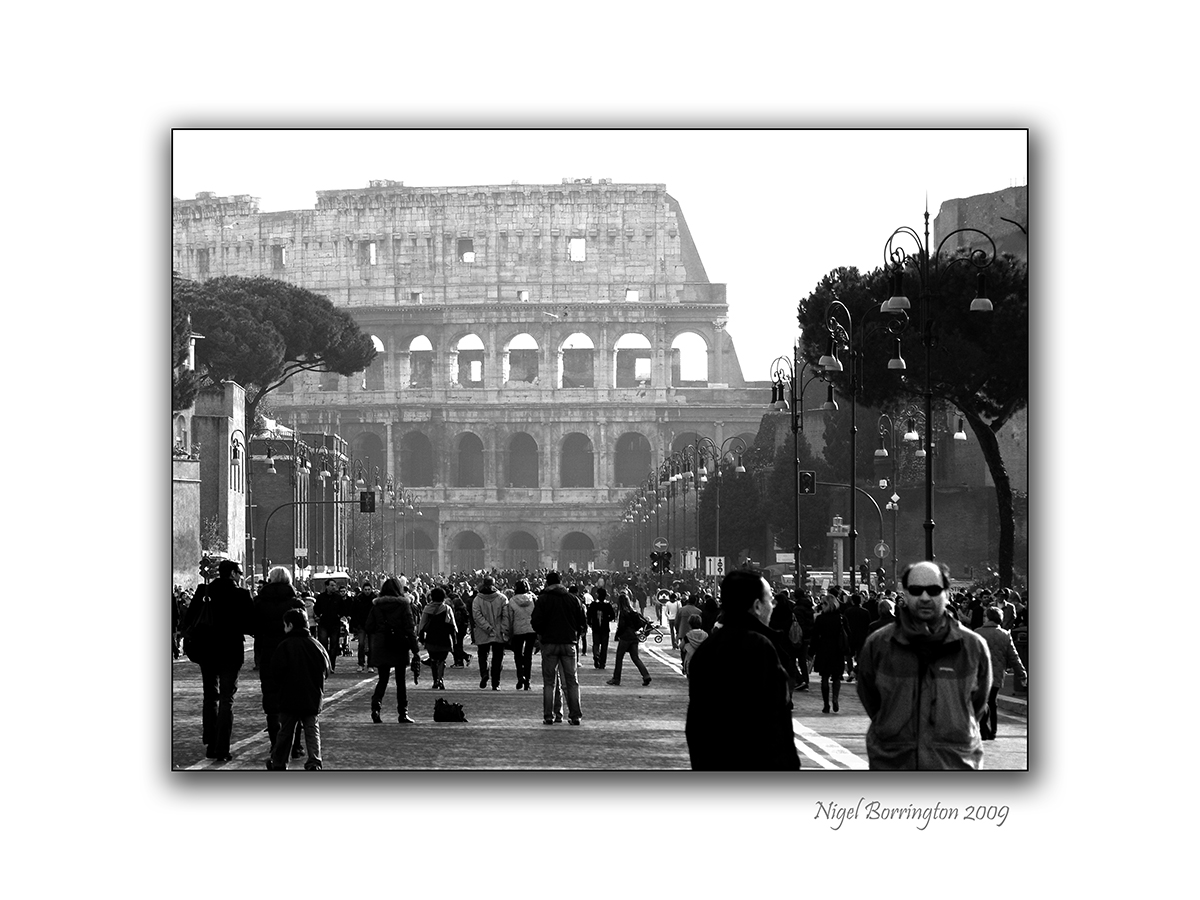
Family Transport
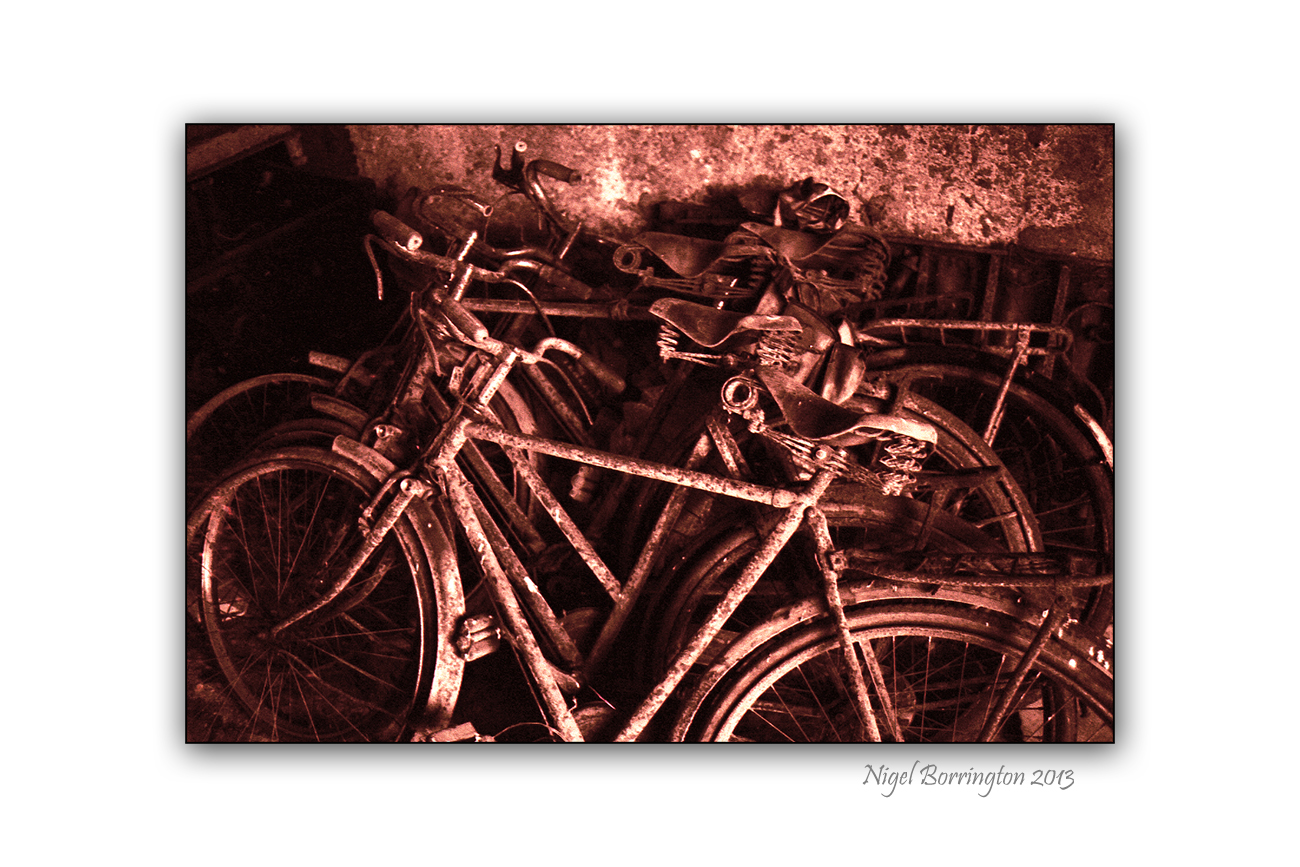
Nikon F90x, 50mm f1.4 lens and Ilfords XP2 film
No Poems today just a picture I took way back in the 1990’s while doing a walk around the sheds on my wife’s family farm in County Kilkenny.
This collection of old bikes is everyone used by all the kids and adults in the family for many years.
Just think of all the stories they could tell!
They are still someplace hanging around waiting for someone….
Autonomy
Independent Heart
Soft words you spoken
From the heart that is broken
I know deep inside
You have a level of independence
With a mystery of suspense
You are recovering
Waiting for someone
To catch on to the discovering
Of the real you
With a heart so true
Giving of your best
Expecting nothing less
While hurt is making amends
Leaning on loving friends
Accounted for in time you spend
With words you write
Not giving into a broken hearts flight
Staying strong
Carrying others like me along
by Jodie Moore
Created on: May 22, 2007
The Lighthouse keepers of Ireland

The picture above is of St John point lighthouse, Co.Donegal.
Back in 2011 I started a project of capturing photos and information about the history and lives of the Lighthouse keepers of the Ireland.
I just want to share a small amount in this post.

St johns point is a very haunting and beautiful part of the coast line of County,Donegal.
St Johns Point Donegal
“This is a harbour light to guide from Donegal Bay and to mark the north side of the bay leading to Killybegs Harbour from the entrance up to Rotten Island.
The tower, built of cut granite, was designed by the Board’s Inspector of Works and Inspector of Lighthouses, George Halpin, and erected by the Board’s workmen under Halpin’s supervision.
The tower, painted white, had a first order catoptric fixed light 98 feet above high water with a visibility in clear weather of 14 miles. The light was first exhibited on 4 November 1831 with the buildings in an uncompleted state. The final cost at the end of 1833 was £10,507.8.5.
The Lighthouse Keeper’s videos:


This lighthouse project is ongoing and will most likely take sometime, I will keep updating..
Nigel
 Nigel Borrington
Images of my Violin
Hand made Irish Violin,
made my Michael Allen, Ardfinnan, County Tipperary
I have been playing the Violin for sometime now and it is one of my favourite pass times.
I loved violin music for many years before taking it up myself with artists such as Nigel Kennedy and Jay Ungar being amongst my most loved.
Here I just want to share some images of my own violin made by Irish Violin maker , Michael Allen from County Tipperary.
I am very happy to have found him and felt it was a great thing to support a local crafts man when getting this violin from him.
Image Gallery
Share this:
June 26, 2014 | Categories: Art and craft work, Comment, Nigel Borrington | Tags: county Tipperary, irish music, Jay Ungar, Michael Allen, Music, Nigel Borrington, Nigel Kennedy, Photography, Violin, Violin makers, violin music | 28 Comments