Carey’s Castle, Near – Clonmel in Co. Tipperary

Carey’s Castle, Clonmel in Co. Tipperary
Irish Landscape Photography : Nigel Borrington
The following Poem is based on the great TV series “Game of Thrones”!
To : Game of Thrones
18 July 2013 · Barrie, Canada ·
A Game of Thrones (Poem) by James J. A. Gray
Summer is swiftly ending,
Its warm sunny days are past;
Life grows short in this time of changing seasons.
Gone are the Wolves in the North,
Their howling song drowned out in blood and betrayal;
Gone is the galloping of horses in the west,
Only echoes and mirages remain in the dust and sand;
Gone is the royal stag;
The proud beast laid low.
Here now Lions rule a liar’s kingdom
While the spider weaves its intricate web,
And the Mockingbird sings many songs in eager ears,
And the fear of recurring myth hangs heavy
Over an Iron Throne with
Fire and Brimstone, Scales, and Wings.
The sun fades slowly in the west,
The bird-song grows quiet each passing day,
And the blue turns to gray as the sky darkens.
The days grow shorter.
The nights grow longer.
A chill settles in,
Descending from the North like a great beast toward the wall and the Black,
And with it the White and the Wildlings,
And the wind, and Snow.
Winter is coming.
Ever since I started watching Game of Thrones, I could not help but relate it to the amazing history that surrounds us here in Ireland, the Landscape is filled with ruins of long ago, Wars from the distant past. Viking invasions and hundreds of years of the Normans, French Lords who ruled over these Lands. Game of Thrones is mainly based around life in the North and South of What is now the United Kingdom along with looking to the lands of the east, but Ireland was ruled by exactly the same powers in the periods covered by the Historic settings behind the Game of Thrones and would have fallen under the same kingdoms.
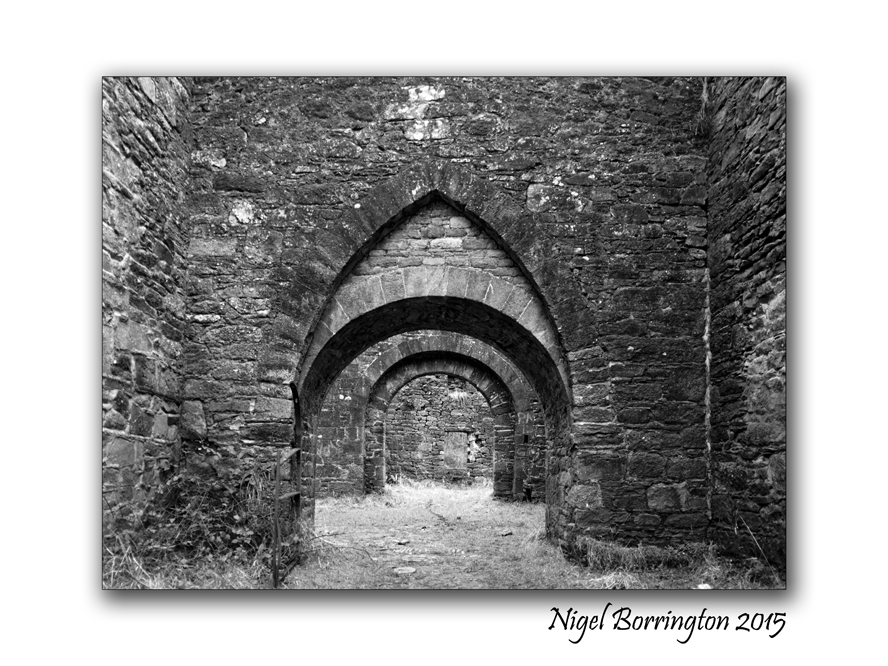
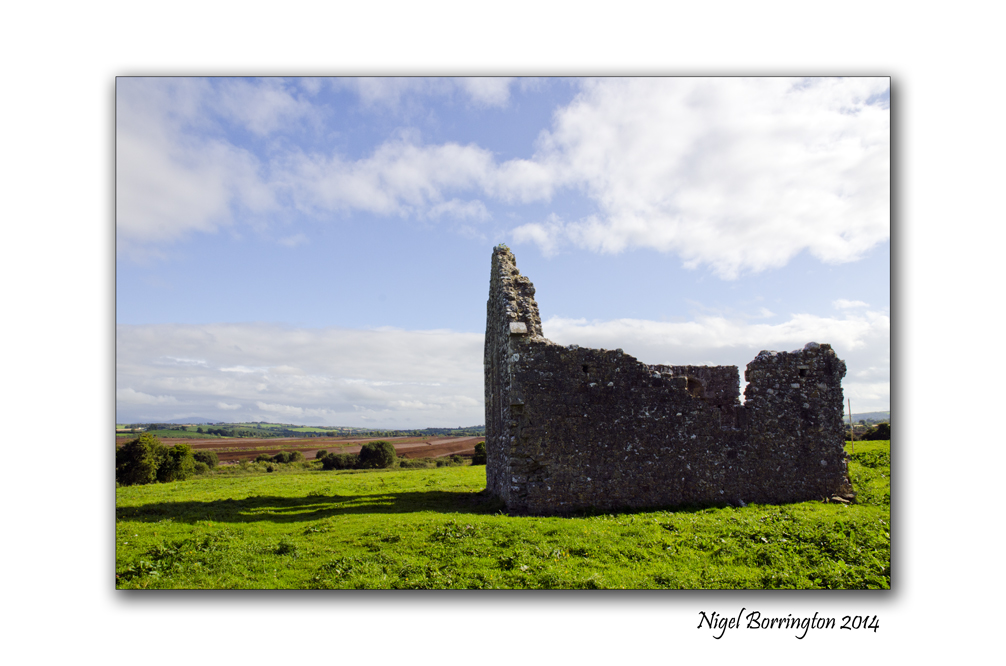
Carey’s Castle in just one of these places, a reminder of the past, it rests in woodlands near Clonmel in Co. Tipperary, on the banks of the Glenary River, running past the castle and adding to a very peaceful atmosphere here. To locate it you walk for around 500m down a wonderful woodland trail, it is well worth the effort when the trees part and Carey’s Castle appears before your eyes.
Carey’s Castle, Gallery


County Waterford , Ireland – An October’s walk along the Coast.

An October walk along the Waterford coast
Irish Landscape Photography
Nigel Borrington
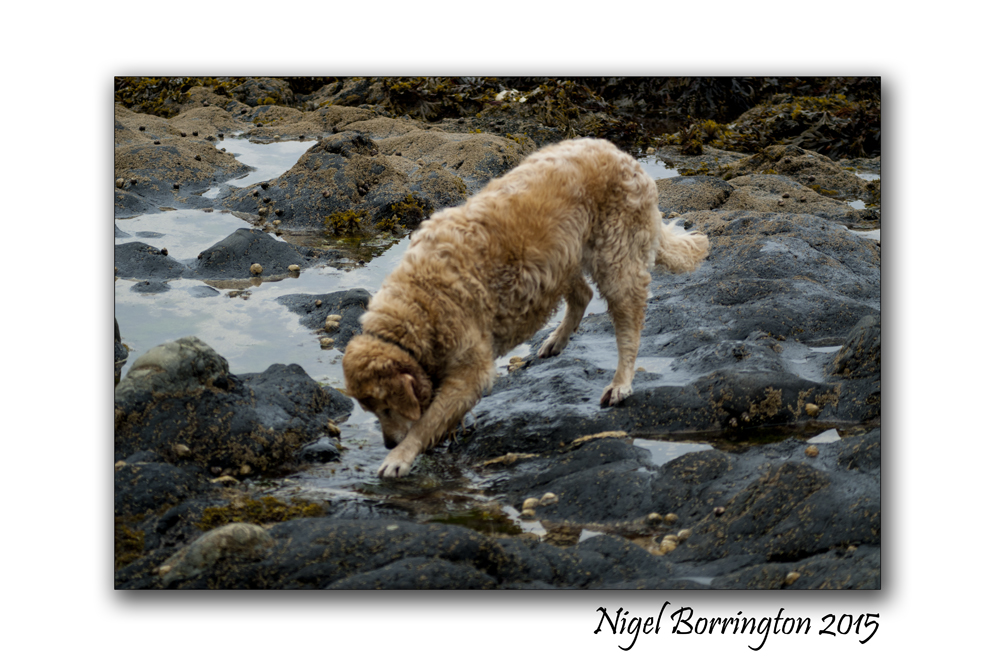
Molly is our 12 and 1/2 year old Golden retriever and she loves nothing more than being in and around water – as often as she can !!! Rivers, Lakes, and the Sea. I often think that if it was not for her I would not have visited as many wonderful places here in Ireland, just trying to keep her walked and fit!!!, but being over 12 years old now, she has slowed down a little but still loves her swimming and coastal visits.
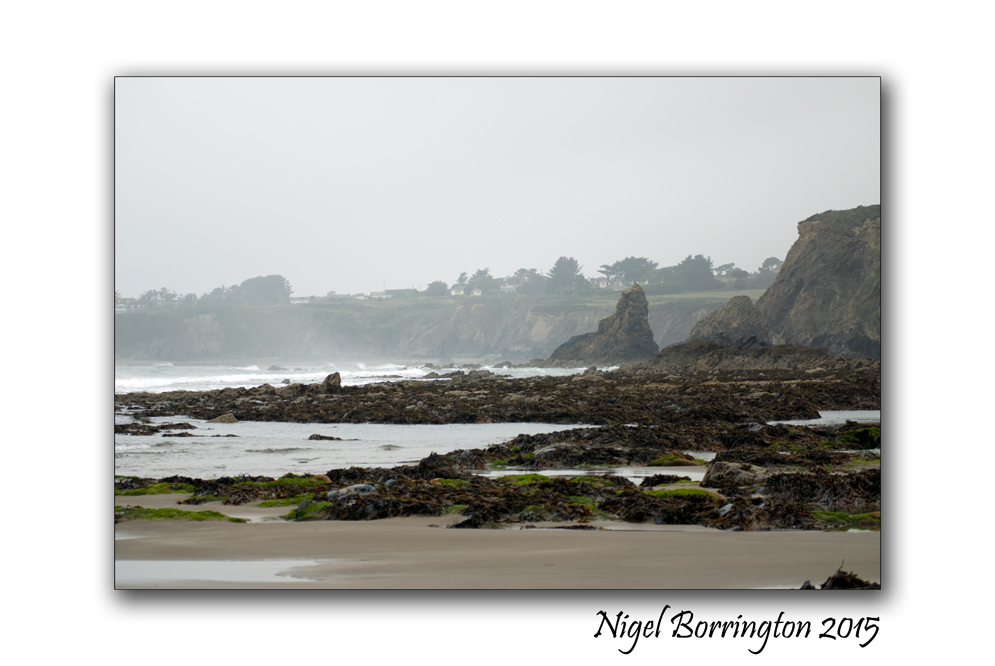
I also love visiting the Irish coastline, our nearest locations are along the county Waterford coast, with its rocky small coves and caves its just a perfect and dramatic coastline in many ways.
October is a great month for these visits as the mornings bring rolling in sea mists and dramatic waves as the temperatures slide slowly into the winter months …..
A walk along the Waterford coast line : Gallery




Images of Kilkenny, Autumn on the river Barrow

Autumn on river the Barrow Kilkenny
Nigel Borrington
Autumn is just starting to take a hold here in County Kilkenny, some green remains but a lot of the trees are just starting to turn yellow, as these pictures taken during a walk along the river Barrow show.
Autumn colours reflected in the almost still water of the river as it flows through the county on the last week in September 2015.


5 Images for the week – Red Sky in the Morning

Coulagh Bay
Eyeries, Beara, Co. Cork, Ireland
Nigel Borrington
7:30am sunrise over Coulagh Bay, Eyeries, Beara, Co. Cork, Ireland – Red Sky in the Morning
Ardgroom Stone Circle

Ardgroom stone circle
County Cork
Nigel Borrington
Ardgroom Stone Circle
Ardgroom (Irish: Dhá Dhroim, meaning “two drumlins”) is a village on the Beara peninsula in County Cork, Ireland.
Its name refers to two gravelly hills deposited by a glacier, Dromárd and Drombeg. It lies to the north north west of Glenbeg Lough, overlooking the Kenmare River estuary. It sits between the coast and the Slieve Miskish Mountains.

Canfea stone circle
West Cork
The area is also home to a number of megalithic monuments. Signposted is the Ardgroom stone circle to be found to the east of the village at a distance of about 1 mile, off the old Kenmare road. It has the name “Canfea” but is normally called the “Ardgroom” stone circle. About 1 mile north east lie the remains of another stone circle. The Canfea circle consists of 11 stones, 9 of which are still upright with one alignment stone outside the circle. Unusually for a stone circle, its stones tend to taper toward points.
You can park a car about 1/2km away in a small wooded area with the walk to the circle only being some five minutes. The location is wonderful with a view of the mountains behind and the west Cork, coast-line on to the front of the circle.
Just to spend sometime here is amazing as the circle is in very good condition with most of the stones still standing. This must have been some place three thousand years ago, remote, cut off from the rest of the world. These circles were most likely use to help small farming communities tell the time of the year, the passing of the seasons for which they used the moon as well as the sun.
Also in the vicinity are the remains of at least 2 ring forts, as well as a number of standing stones and stone rows.



Mountain Twilight , By : William Renton
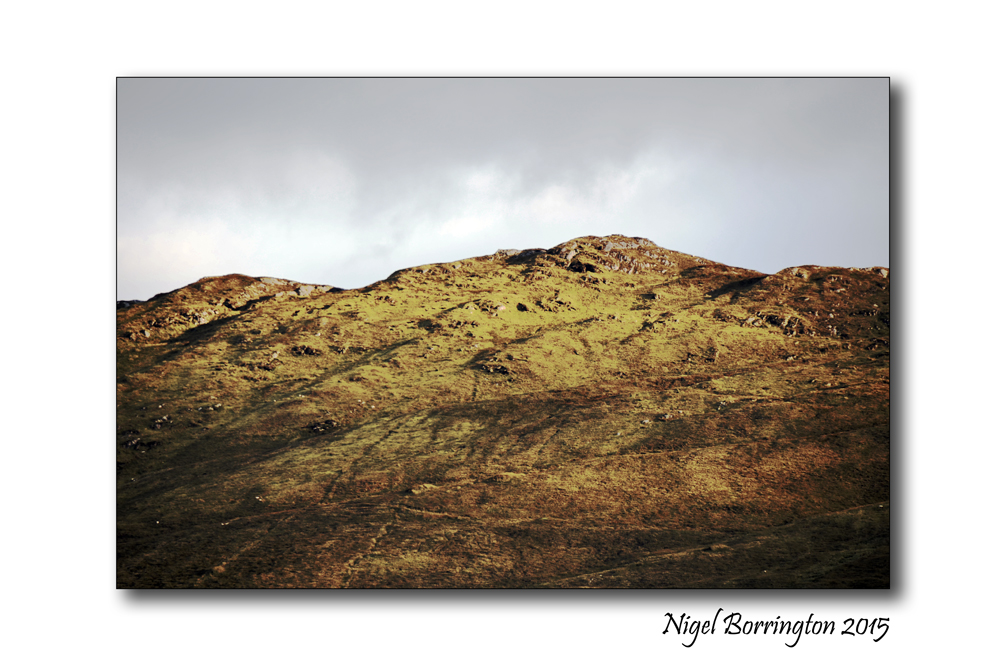
Mountain Twilight
By : William Renton
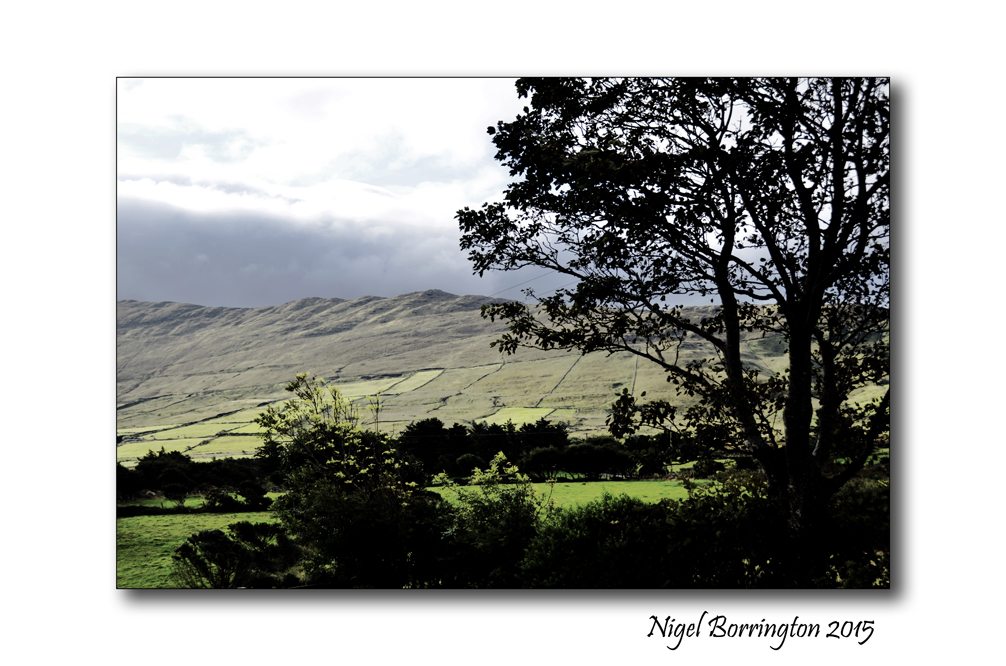
The hills slipped over each on each
Till all their changing shadows died.
Now in the open skyward reach
The lights grow solemn side by side.
While of these hills the westermost
Rears high his majesty of coast
In shifting waste of dim-blue brine
And fading olive hyaline;
 .
.
Till all the distance overflows,
The green in watchet and the blue
In purple. Now they fuse and close –
A darkling violet, fringed anew
With light that on the mountains soar,
A dusky flame on tranquil shores;
kindling the summits as they grow
In audience to the skies that call,
Ineffable in rest and all
The pathos of the afterglow.
Sunrise on the Beara peninsula, west Cork, Ireland

Sunrise at Cahirkeen Cross
Beara peninsula
Irish Landscape Photography : Nigel Borrington
I have returned to Kilkenny last Saturday, following a perfect week spent on the Beara Peninsula , West Cork.
These two photos are the first I took at 6:30am during a great sunrise over the sea looking towards the Slieve Miskish mountains.
The Beara peninsula is one of my most loved locations in Ireland and it was so good to spend sometime visiting for another great peaceful week.
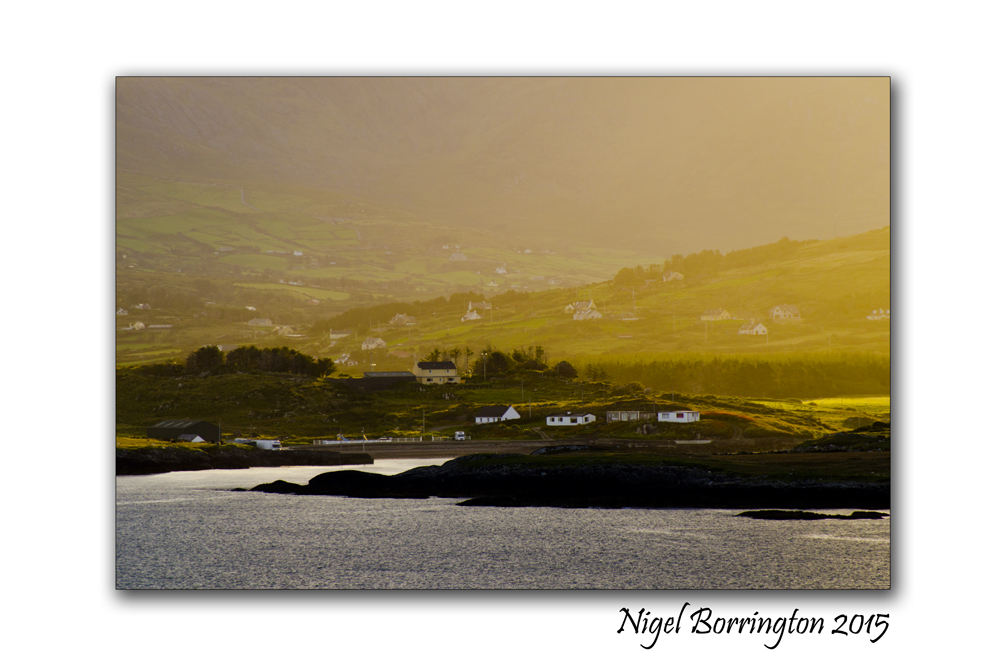
Allihies – County Cork, Moments in the setting sun

The Irish town of Allihies is one of Ireland hidden Gems, located at the end of the Béara Peninsula county cork it is the perfect getaway location for a holiday. I have visited many times and I am planning to do so again this year.
These images are from just some of my visits, while staying in a cottage with a sea view, they are captured on some evening walks in the setting sun.


Muckross Abbey, Image Gallery and History
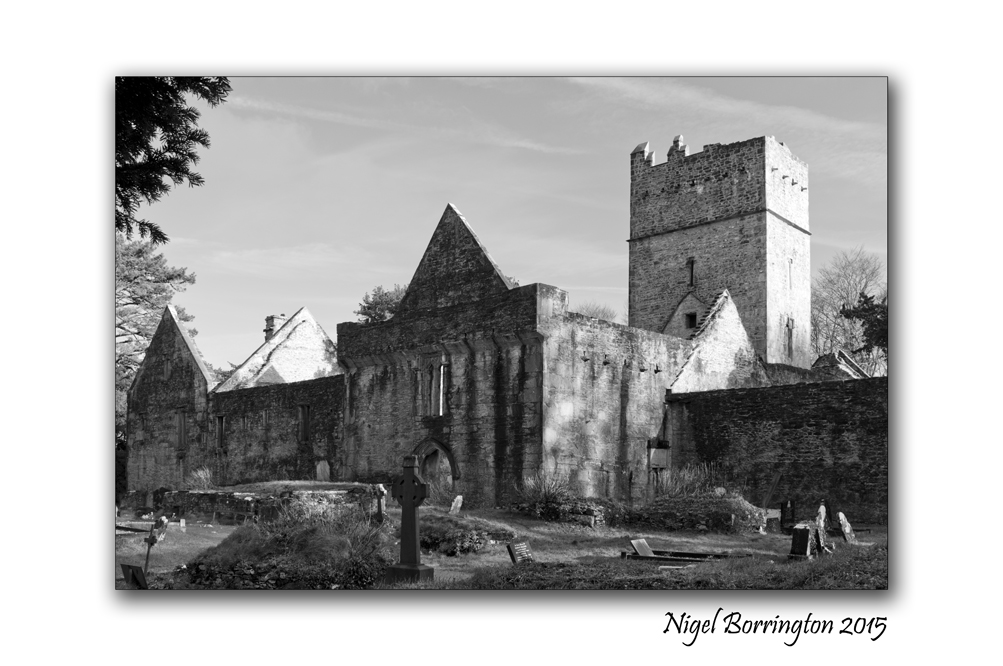
Muckross Abbey
Killarney National Park, Kerry
Landscape images : Nigel Borrington
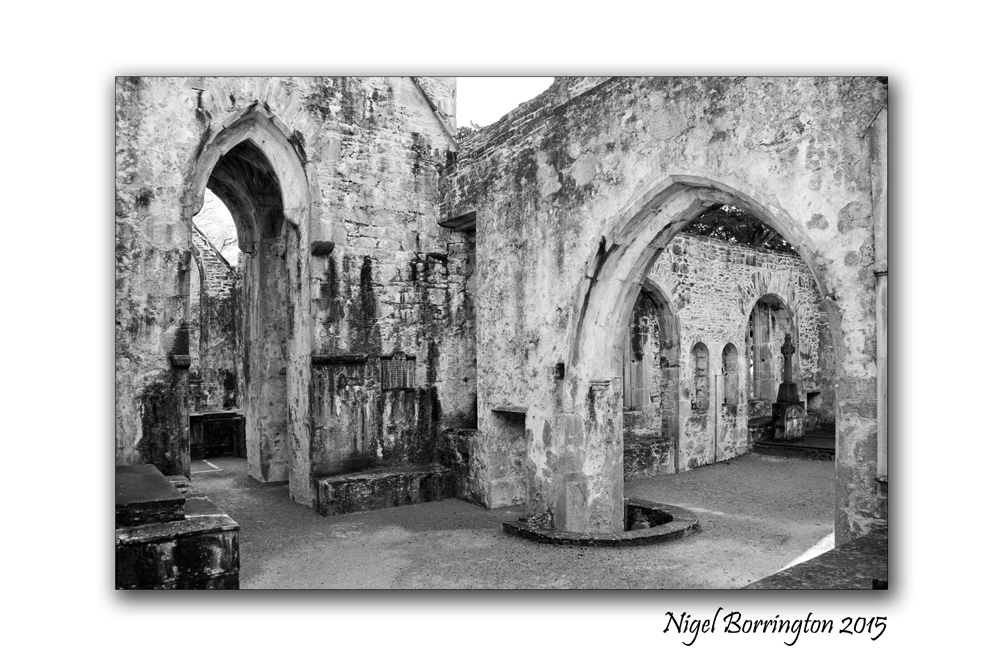
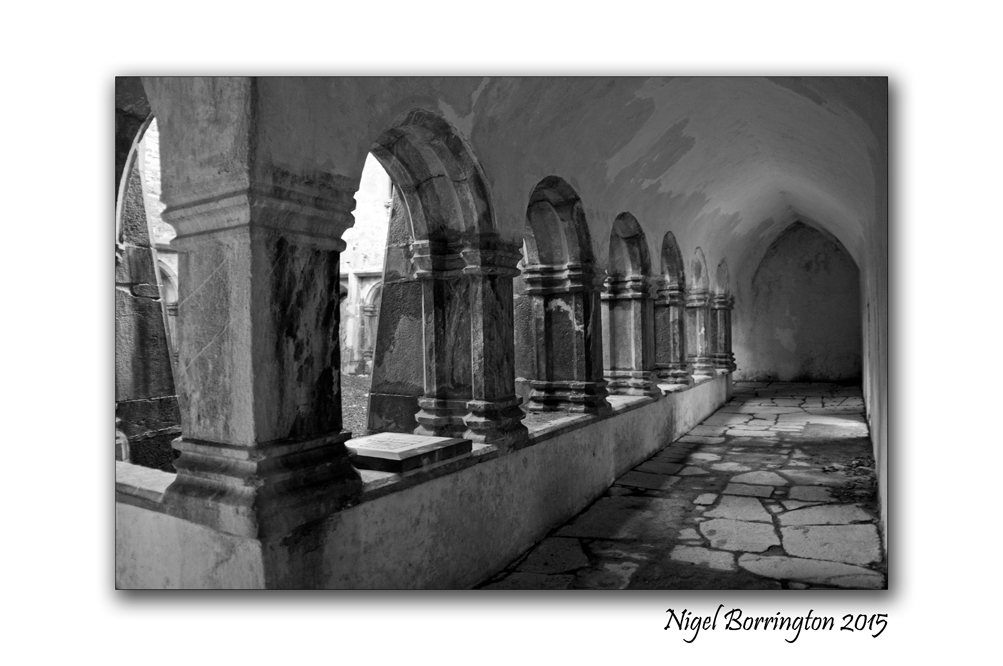
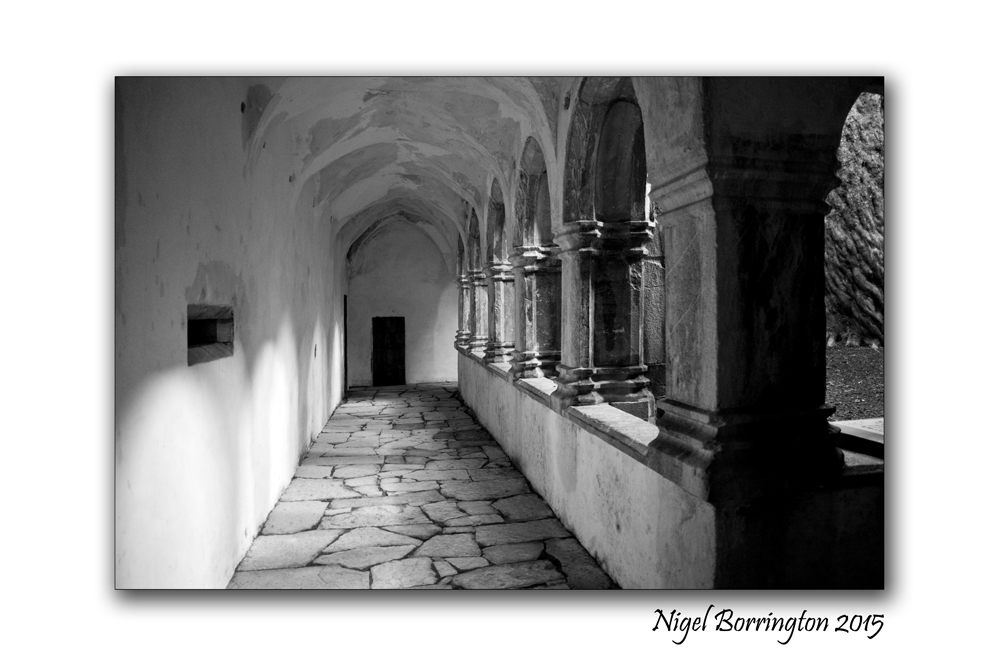
Muckross Abbey
The Abbey of Muckross KIllarney or the Franciscan Friary of Irrelagh, was founded for the Observatine Franciscans in 1448, and is the burial place of local chieftains and three Gaelic poets
It is famous for the large ancient yew tree that rises above the cloister and extends over the abbey walls. Some think the abbey was built around the tree, as yews are seen in folk lore as a tree of life and linked to the immortality of the soul.

Muckross Abbey Today
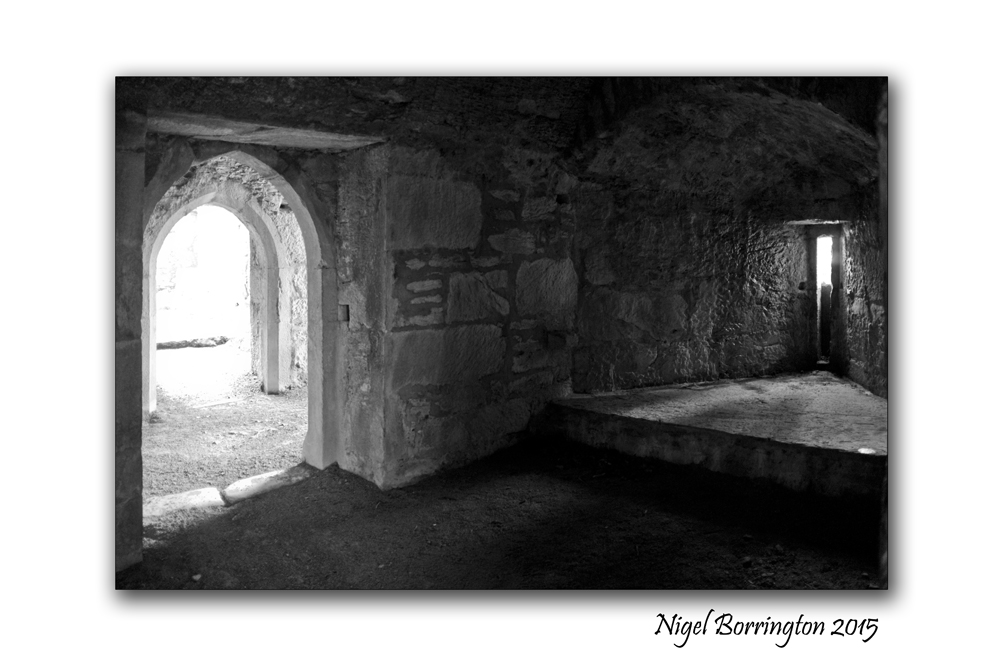
While today it is a ruin and has no roof, the building is reasonably well preserved
The abbey is open to the public and is a short five- minute walk from the car park on the N71. It is three miles from Killarney Town.
The Ghost of the Brown Man
It has been rumoured that the abbey and its adjoining graveyard may have inspired Dublin-born writer Bram Stoker.

Historical records document that a religious hermit named John Drake lived in the abandoned friary for eleven years during the mid 1700s. Drake famously slept in a coffin.
Meanwhile, an ancient legend tells of “the Brown Man” who was seen by his wife feasting on a corpse within one of the graves.

These stories may have fueled the Dracula novel, written by Stoker, who visited the area in the late 19th century, and was seen wandering around the ruins late at night.
Today, visitors to Muckross Abbey agree that it has an uncomfortably spooky atmosphere.
Image Gallery in full ….
Kilkenny landscapes (harvest time) , The Harvest Poem by Duncan Campbell Scott

The Harvest
Written by Duncan Campbell Scott
Sun on the mountain,
Shade in the valley,
Ripple and lightness
Leaping along the world,
Sun, like a gold sword
Plucked from the scabbard,
Striking the wheat-fields,
Splendid and lusty,
Close-standing, full-headed,
Toppling with plenty;
Shade, like a buckler
Kindly and ample,
Sweeping the wheat-fields
Darkening and tossing;
There on the world-rim
Winds break and gather
Heaping the mist
For the pyre of the sunset;
And still as a shadow,
In the dim westward,
A cloud sloop of amethyst
Moored to the world
With cables of rain.
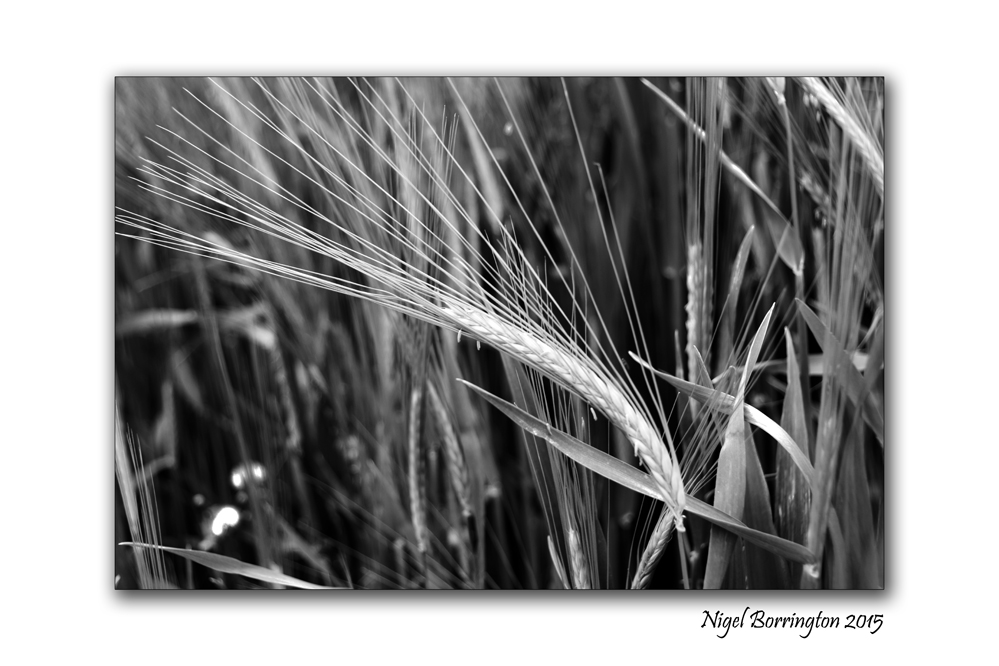
Acres of gold wheat
Stir in the sunshine,
Rounding the hill-top,
Crested with plenty,
Filling the valley,
Brimmed with abundance,
Wind in the wheat-field
Eddying and settling,
Swaying it, sweeping it,
Lifting the rich heads,
Tossing them soothingly
Twinkle and shimmer
The lights and the shadowings,
Nimble as moonlight
Astir in the mere.
Laden with odors
Of peace and of plenty,
Soft comes the wind
From the ranks of the wheat-field,
Bearing a promise
Of harvest and sickle-time,
Opulent threshing-floors
Dusty and dim
With the whirl of the flail,
And wagons of bread,
Sown-laden and lumbering
Through the gateways of cities.
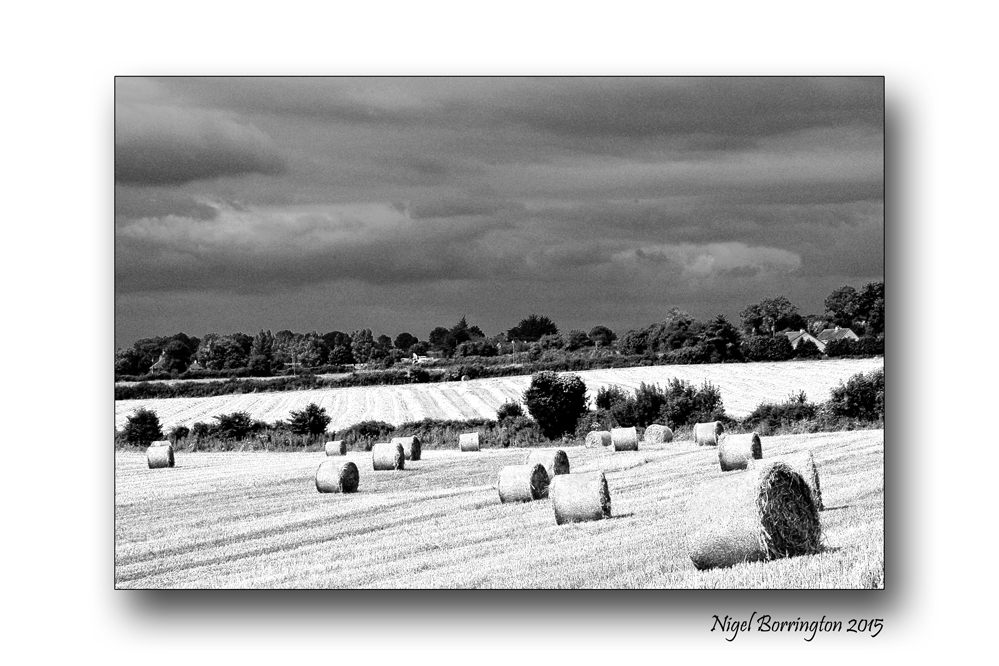
When will the reapers
Strike in their sickles,
Bending and grasping,
Shearing and spreading;
When will the gleaners
Searching the stubble
Take the last wheat-heads
Home in their arms ?
Ask not the question! –
Something tremendous
Moves to the answer.
Hunger and poverty
Heaped like the ocean
Welters and mutters,
Hold back the sickles!
Millions of children
Born to their mothers’ womb,
Starved at the nipple, cry,–
Ours is the harvest!
Millions of women
Learned in the tragical
Secrets of poverty,
Sweated and beaten, cry,–
Hold back the sickles!
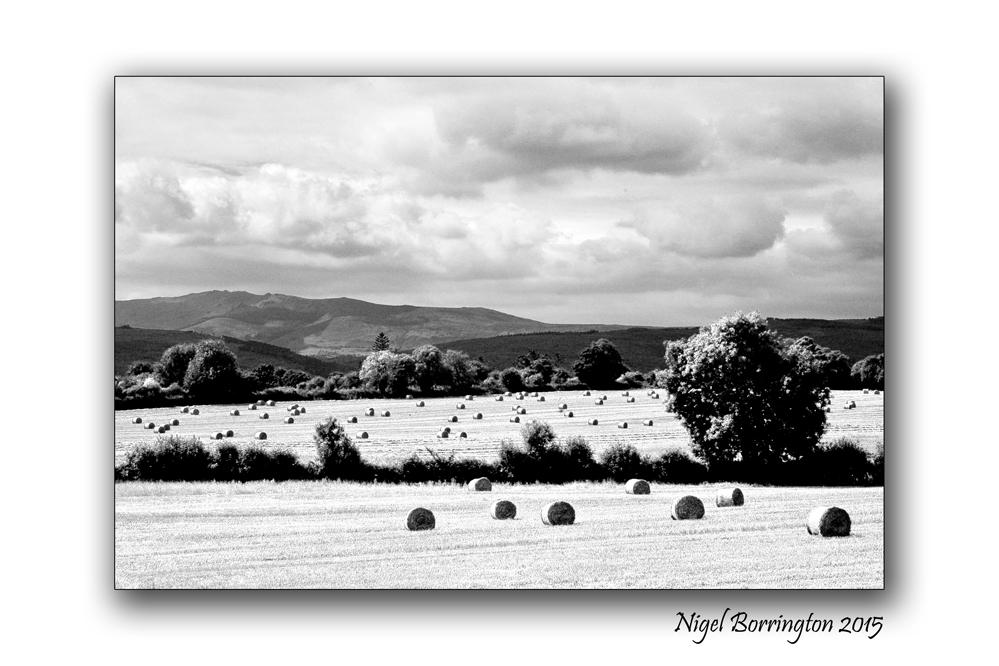
Millions of men
With a vestige of manhood,
Wild-eyed and gaunt-throated,
Shout with a leonine
Accent of anger,
Leaves us the wheat-fields!
When will the reapers
Strike in their sickles?
Ask not the question;
Something tremendous
Moves to the answer.
Long have they sharpened
Their fiery, impetuous
Sickles of carnage,
Welded them aeons
Ago in the mountains
Of suffering and anguish;
Hearts were their hammers
Blood was their fire,
Sorrow their anvil,
(Trusty the sickle
Tempered with tears;)
Time they had plenty-
Harvests and harvests
Passed them in agony,
Only a half-filled
Ear for their lot;
Man that has taken
God for a master
Made him a law,
Mocked him and cursed him,
Set up this hunger,
Called it necessity,
Put in the blameless mouth
Juda’s language:
The poor ye have with you
Always, unending.
But up from the impotent
Anguish of children,
Up from the labor
Fruitless, unmeaning,
Of millions of mothers,
Hugely necessitous,
Grew by a just law
Stern and implacable,
Art born of poverty,
The making of sickles
Meet for the harvest.
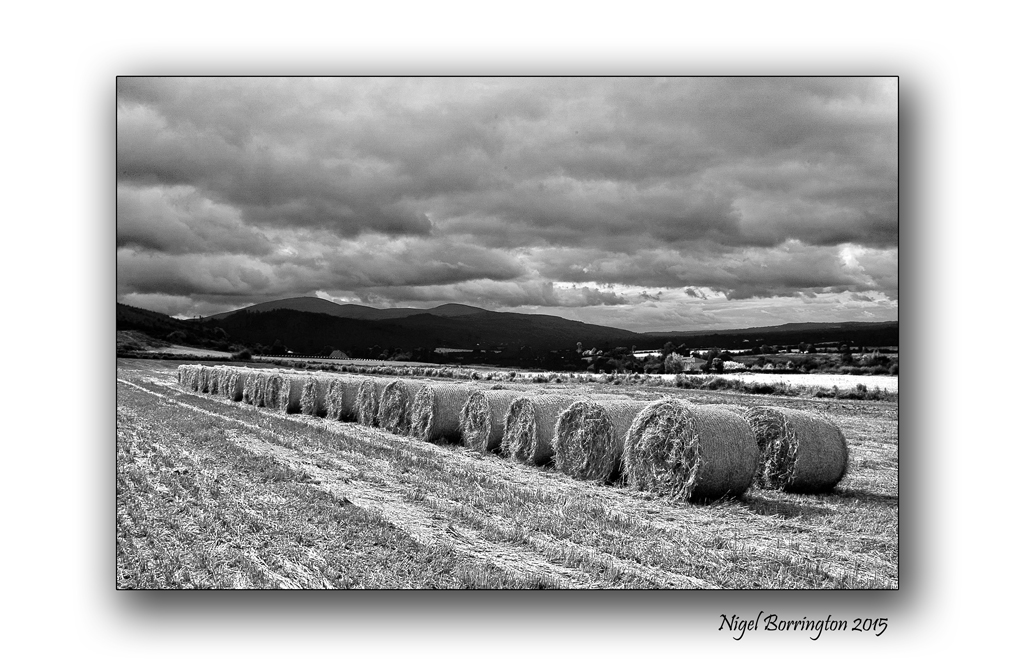
And now to the wheat-fields
Come the weird reapers
Armed with their sickles,
Whipping them keenly
In the fresh-air fields,
Wild with the joy of them,
Finding them trusty,
Hilted with teen.
Swarming like ants,
The Idea for captain,
No banners, no bugles,
Only a terrible
Ground-bass of gathering
Tempest and fury,
Only a tossing
Of arms and of garments;
Sexless and featureless,
(Only the children
Different among them,
Crawling between their feet,
Borne on their shoulders;)
Rolling their shaggy heads
Wild with the unheard-of
Drug of the sunshine;
Tears that had eaten
The half of their eyelids
Dry on their cheeks;
Blood in their stiffened hair
Clouted and darkened;
Down in their cavern hearts
Hunger the tiger,
Leaping, exulting;
Sighs that had choked them
Burst into triumphing;
On they come, Victory!
Up to the wheat-fields,
Dreamed of in visions
Bred by the hunger,
Seen for the first time
Splendid and golden;
On they come fluctuant,
Seething and breaking,
Weltering like fire
In the pit of the earthquake,
Bursting in heaps
With the sudden intractable
Lust of the hunger:
Then when they see them-
The miles of the harvest
White in the sunshine,
Rushing and stumbling,
With the mighty and clamorous
Cry of a people
Starved from creation,
Hurl themselves onward,
Deep in the wheat-fields,
Weeping like children,
After ages and ages,
Back at the mother the earth.
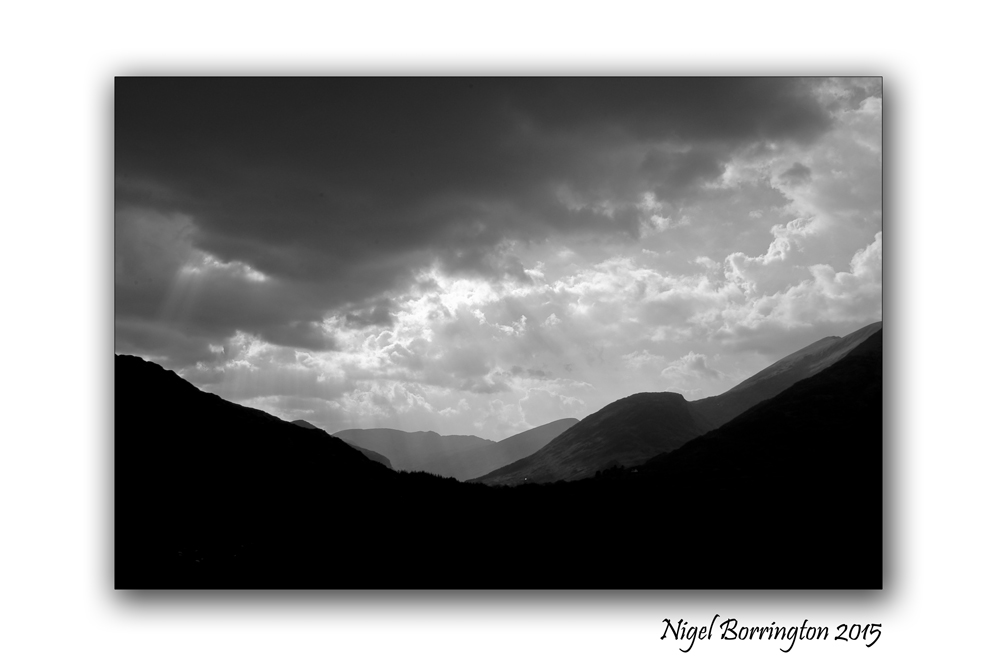
Night in the valley,
Gloom on the mountain,
Wind in the wheat,
Far to the southward
The flutter of lightning,
The shudder of thunder;
But high at the zenith,
A cluster of stars
Glimmers and throbs
In the gasp of the midnight,
Steady and absolute,
Ancient and sure
Irish Landscape(Kilkenny) with a Poem : Independent Heart , by Jodie Moore
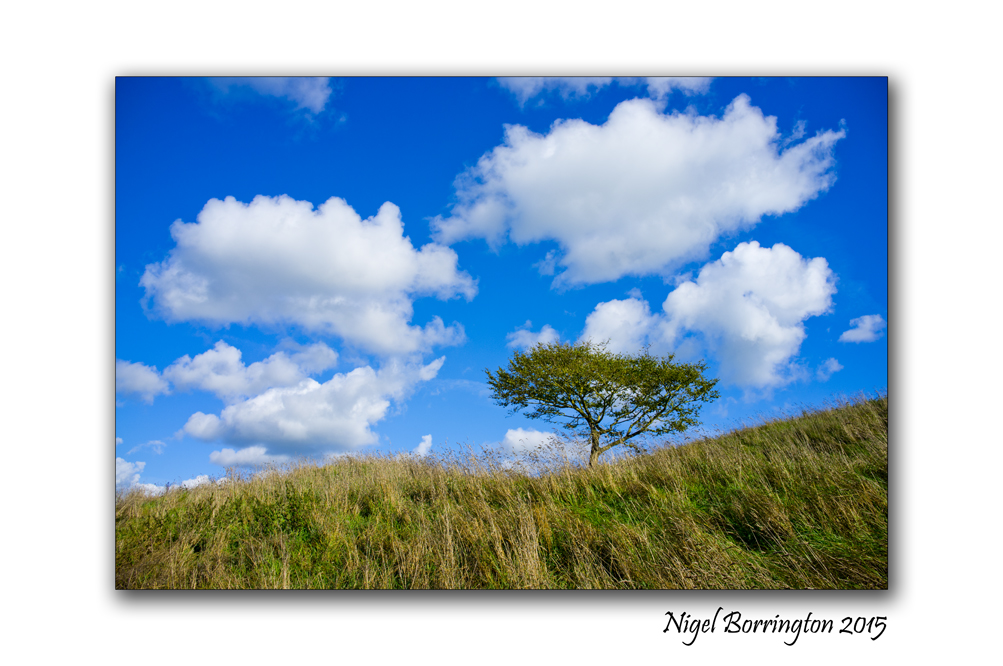
Independent Heart
Soft words you spoken
From the heart that is broken
I know deep inside
You have a level of independence
With a mystery of suspense
You are recovering
Waiting for someone

To catch on to the discovering
Of the real you
With a heart so true
Giving of your best
Expecting nothing less
While hurt is making amends
Leaning on loving friends
Accounted for in time you spend
With words you write
Not giving into a broken hearts flight
Staying strong
Carrying others like me along
by Jodie Moore
Endless Streams and Mountains
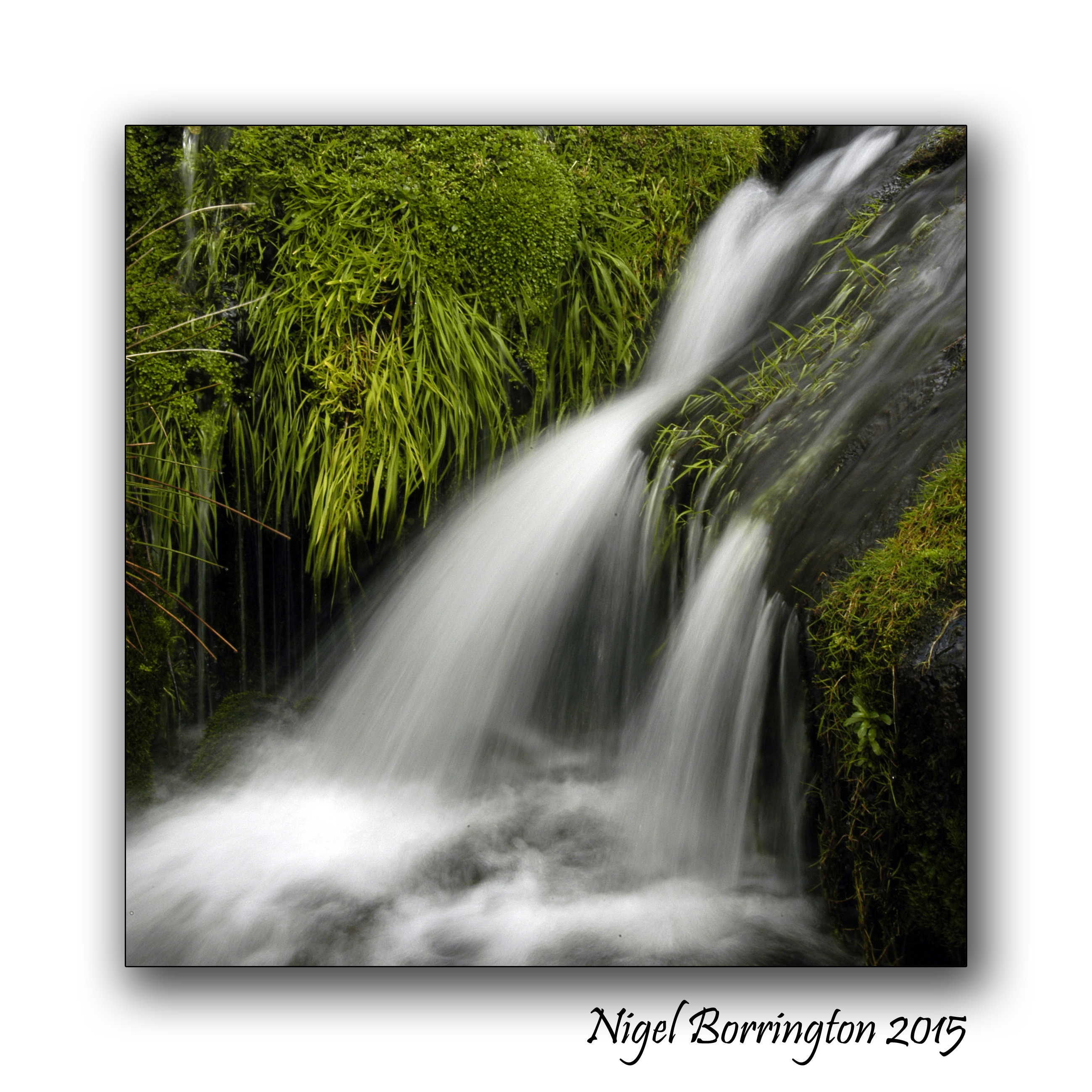
Endless Streams and Mountains
Irish Landscape Photography : Nigel Borrington
Endless Streams and Mountains
Clearing the mind and sliding in
to that created space,
a web of waters steaming over rocks,
air misty but not raining,
seeing this land from a boat on a lake
or a broad slow river,
coasting by.

The path comes down along a lowland stream
slips behind boulders and leafy hardwoods,
reappears in a pine grove,
no farms around, just tidy cottages and shelters,
gateways, rest stops, roofed but unwalled work space,
—a warm damp climate;
a trail of climbing stairsteps forks upstream.
Big ranges lurk behind these rugged little outcrops—
these spits of low ground rocky uplifts
layered pinnacles aslant,
flurries of brushy cliffs receding,
far back and high above, vague peaks.
A man hunched over, sitting on a log
another stands above him, lifts a staff,
a third, with a roll of mats or a lute, looks on;
a bit offshore two people in a boat.

The trail goes far inland,
somewhere back around a bay,
lost in distant foothill slopes
& back again
at a village on the beach, and someone’s fishing.
Rider and walker cross a bridge
above a frothy braided torrent
that descends from a flurry of roofs like flowers
temples tucked between cliffs,
a side trail goes there;
.

a jumble of cliffs above,
ridge tops edged with bushes,
valley fog below a hazy canyon.
A man with a shoulder load leans into the grade.
Another horse and a hiker,
the trail goes up along cascading streambed
no bridge in sight—
comes back through chinquapin or
liquidambars; another group of travelers.

Trail’s end at the edge of an inlet
below a heavy set of dark rock hills.
Two moored boats with basket roofing,
a boatman in the bow looks
lost in thought.
Hills beyond rivers, willows in a swamp,
a gentle valley reaching far inland.
The watching boat has floated off the page.

My secret places – a weekend at the cove

I have many favorite places to visit at the weekend here in Ireland.
The little cove in these images is just one but its high on my list, I am not going tell you where it is – its a secret 🙂 🙂
Have a great weekend everyone and I hope you manage to find sometime to visit your own little secret spaces , stay for a while if you do – so that you can escape and relax by put the week just gone behind you !


Irish landscape images , images for the weekend …….

Irish landscape images
Nigel Borrington
This weekend I am planning lots of time outside, just walking, relaxing and getting some fresh landscape images …
I hope what every you do , you have a great weekend and that if you can you get sometime to relax and enjoy your surroundings, in the country or in the city 🙂 🙂
Have a great weekend !!
Irish Landscape Gallery


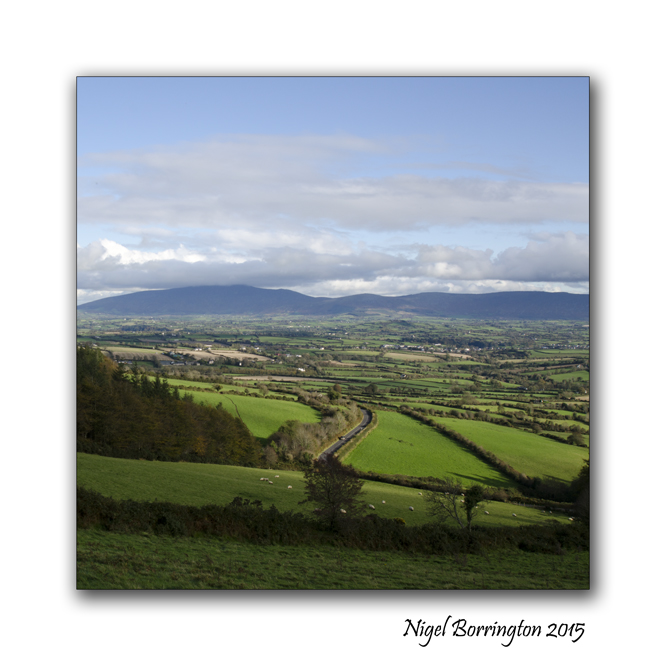

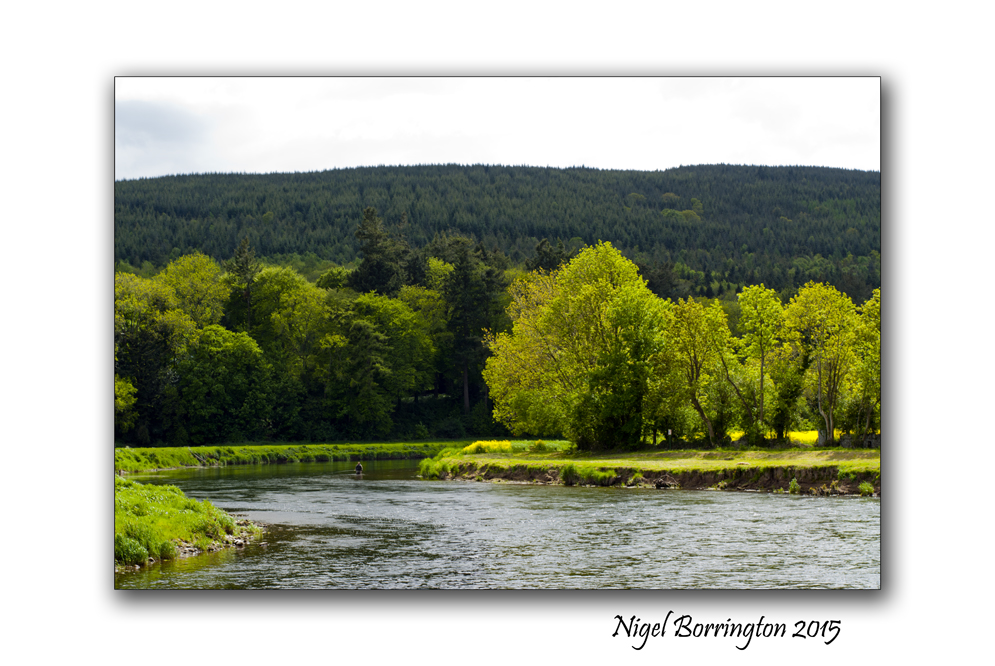

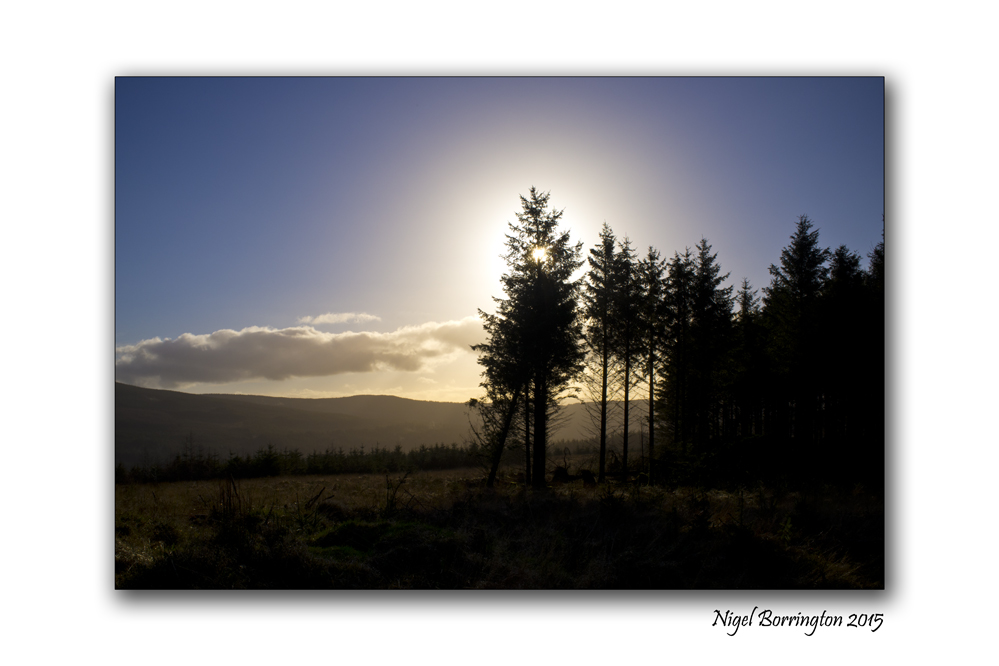


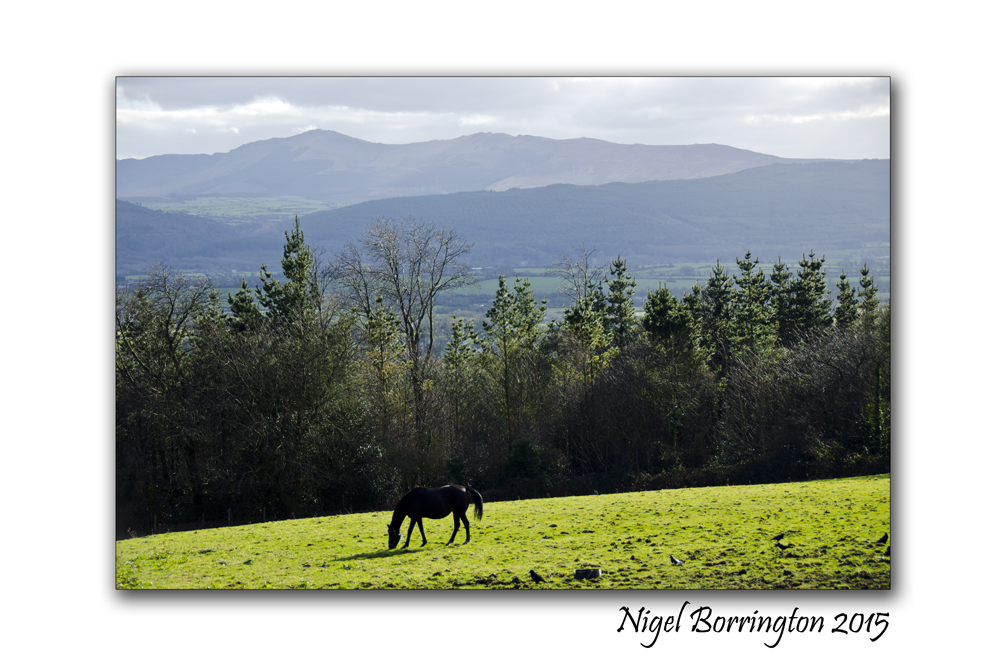

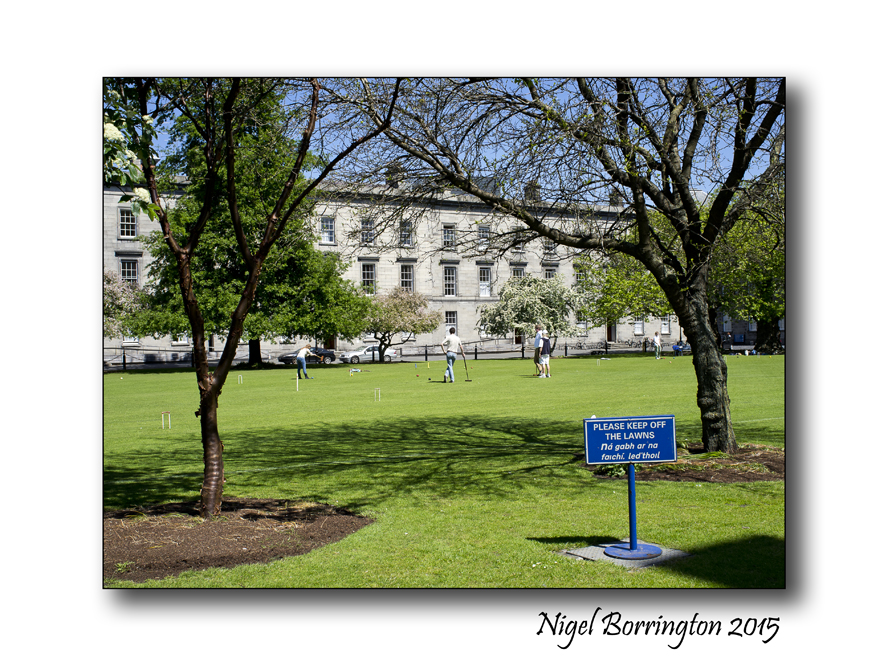
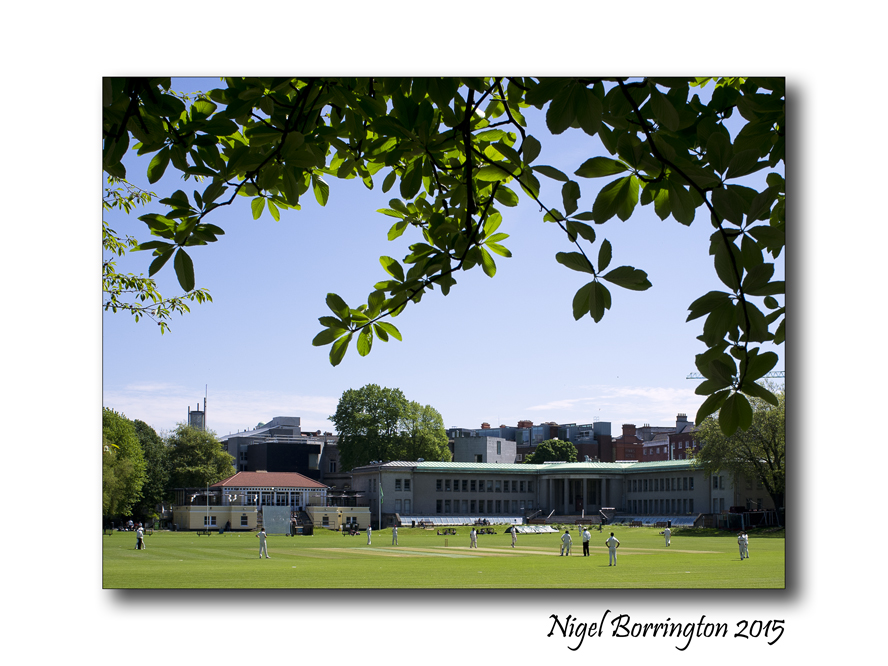
A sense of place : Trinity College, Dublin

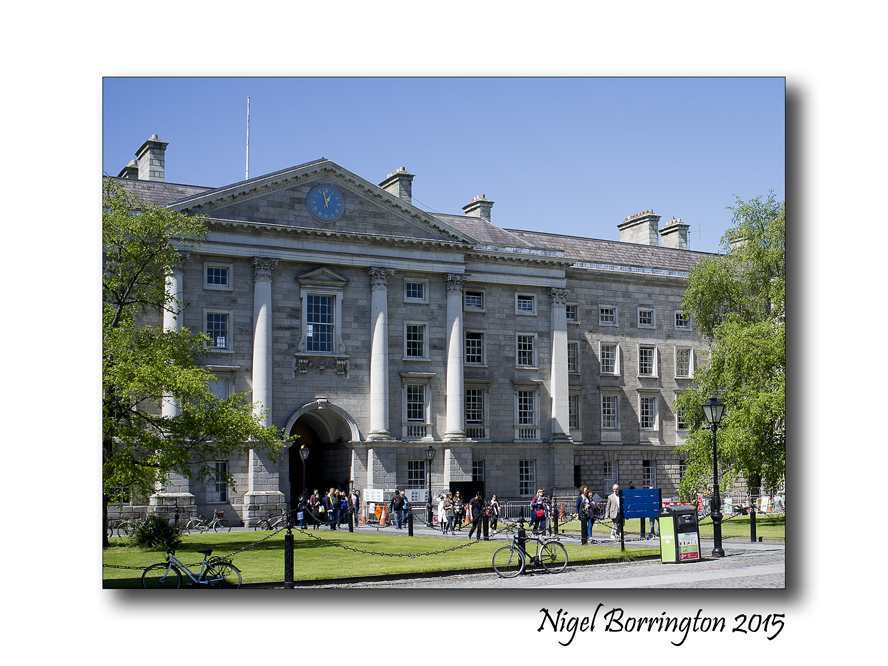
I just want to share in this post, a set of images taken at the end of May 2015 during a visit to Dublin including one of my favorite places to walk around and people watch, while having a coffee and some lunch to eat 🙂
Trinity College, Dublin


Getting close to the Rhododendron, Gallery.
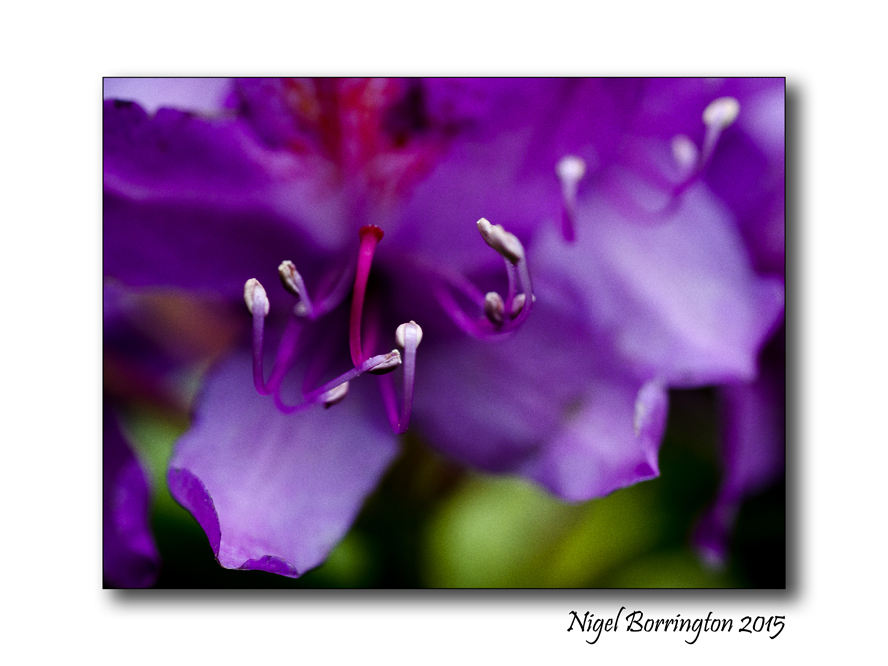
Rhododendron flowers
county Kilkenny
Nigel Borrington
At this time of year , many parts of the Irish landscape come alive with the purples and pinks of the Rhododendron flower.
These images are just a few closeup shots taken on an evening walk yesterday …..
Rhododendron (from Ancient Greek ῥόδον rhódon “rose” and δένδρον déndron “tree”) is a genus of 1,024 species of woody plants in the heath family (Ericaceae), either evergreen or deciduous, and found mainly in Asia, although it is also widespread throughout the Southern Highlands of the Appalachian Mountains of North America. It is the national flower of Nepal. Most species have showy flowers. Azaleas make up two subgenera of Rhododendron. They are distinguished from “true” rhododendrons by having only five anthers per flower.
Gallery


Ruin a Poem By S. A. J. Bradley

Irish Landscape Photography : Nigel Borrington
Ruin
Wondrous the stone of these ancient walls, shattered by fate.
The districts of the city have crumbled.
The work of giants of old lies decayed.
Roofs are long tumbled down,
The lofty towers are in ruins.
Frost covers the mortar,
Tiles weathered and fallen, undermined by age.
The original builders are long in the earth’s cruel grip,
generations since have passed.
These broad walls, now reddened and lichen-aged, brown and gray:
once they withstood invading kingdoms.
Now, beneath countless seasons, they have fallen.
The rampart assembled by many, crumbles still,
Though hewn together with skill of sharpening and joining,
Strengthened ingeniously with chain and cabled rib-walls.

In the town, urbane buildings, bathhouses, lofty rooftops,
a multitude gathered.
Many a hall filled with humans
until Fate inexorably changed everything.
All the inhabitants succumbed to pestilence.
Swept away are the great warriors.
Their towers and walls are deserted,
the desolate place crumbles away.
Who could repair any of it,
for they are long dead.
So the courtyards and gates have collapsed,
and the pavilion roofs of vaulted beams crumbled.
Here where once men in resplendent clothes, proud, gazed upon their gold and silver treasure,
their gems and precious stones,
upon their wealth, and property:
the bright city of a broad kingdom.
Stone courtyards ran streams of ample water, heating the great bathes,
conveniently flowing into the great stone vats …
The Triple deity and the number three in Pagan Mythology , the Corleck Hill stone head

Corleck Hill stone head
The Triple deity
Photo : Nigel Borrington
Last weekend I visited the National Museum of Ireland in Dublin, to take a good look at some of the pagan/ per-christian objects that they have on permanent display.
One of the items that really captured my attention was the Corleck Hill – Carved stone head, a sculpture in the form of a triple deity. I think this stone is fascinating and provides a mythological link between per-christian Ireland and the wider world, well before the 1st century AD.
I have spent sometime this week doing a little study on the stone head and reading as much as I can find about its form, so I just wanted to share some on the images I took from the visit and some of the details I have found so far.
The Corleck Hill stone head

Stone Head
Object Number: IA:1998.72
Stone HeadCarved stone head. Early Iron Age, 1st – 2nd century AD. Known since it came to scientific attention in 1937 as the Corleck head, this three-faced stone idol was found in the townland of Drumeague, Co. Cavan around the year 1855. It appears that it was one of a number of carvings found, including a bearded bust now known as the Corraghy head that was later built into a barn in the nearby townland of that name. Thomas Barron, the local historian who brought the three-faced head to the attention of the National Museum spent a lifetime researching the local traditions concerning the find and he concluded that the figures were associated with a shrine located at Drumeague Hill. Nearby is Corleck Hill where it appears that between 1832 and 1900 a Passage Tomb surrounded by a stone circle and a circular embankment 70 yards in diameter were dismantled. The site of these monuments was the center of an important Lughnasa festival that celebrated the harvest, an ancient Celtic tradition that survives into modern times. Other Celtic stone heads have been found in the vicinity such as those from Corravilla and Cavan Town and the find place of the three-faced idol is but twelve miles distant from Loughcrew, Co. Meath. A little further north there is another group of Iron Age stone carvings that appear to be centred on the vicinity of Emhain Macha, the main political and ritual site of ancient Ulster. The likelihood is that the Corleck Head was associated with a shrine reflecting Romano-British traditions located close to where the carving was discovered. The three-faced carving is the finest of its type and there is a small hole in the base to assist its being stood securely, perhaps on a pedestal. One of the faces is heavy browed and all of them have bossed eyes, a broad nose and slit mouth. One of the mouths has a small circular hole at the centre and this feature is also found on two of the Co. Armagh carvings and on another from Woodlands, Co. Donegal. There are several examples of this feature from Yorkshire the best known occurring on two three-faced idols from Greetland, near Halifax. The feature also occurs on a stone head from Anglesey, Wales. H. 33cm; Max. W. 22.5cm.
What is the triple deity

A triple deity (sometimes referred to as threefold, tripled, triplicate, tripartite, triune or triadic, or as a trinity) is a deity associated with the number three. Such deities are common throughout world mythology; the number three has a long history of mythical associations. Carl Jung considered the arrangement of deities into triplets an archetype in the history of religion.
In mythological and its art,three separate beings may represent either a triad who always appear as a group (Greek Moirai, Charites, Erinnyes; Norse Norns; or the Irish Morrígna) or a single deity known from literary sources as having three aspects (Greek Hecate, Diana Nemorensis). In the case of the Irish Brigid it can be ambiguous whether she is a single goddess or three sisters, all named Brigid. The Morrígan also appears sometimes as one being, and at other times as three sisters, as do the three Irish goddesses of sovereignty, Ériu, Fódla and Banba.
The Matres or Matronae are usually represented as a group of three but sometimes with as many as 27 (3 × 3 × 3) inscriptions. They were associated with motherhood and fertility. Inscriptions to these deities have been found in Gaul, Spain, Italy, the Rhineland and Britain, as their worship was carried by Roman soldiery dating from the mid 1st century to the 3rd century AD. Miranda Green observes that “triplism” reflects a way of “expressing the divine rather than presentation of specific god-types. Triads or triple beings are ubiquitous in the Welsh and Irish mythic imagery” (she gives examples including the Irish battle-furies, Macha, and Brigit). “The religious iconographic repertoire of Gaul and Britain during the Roman period includes a wide range of triple forms: the most common triadic depiction is that of the triple mother goddess” (she lists numerous examples).
More ( A fascinating read !!!)
County Kilkenny Landscape images, south east Ireland through a lens

Kilkenny Landscape Images
Nigel Borrington
Summertime in County Kilkenny can bring some wonderful changes to the surrounding landscape and today I just want to share a gallery of images taken during the following months.
It a great time of year with so much to look forward to ……
County Kilkenny Landscape Gallery

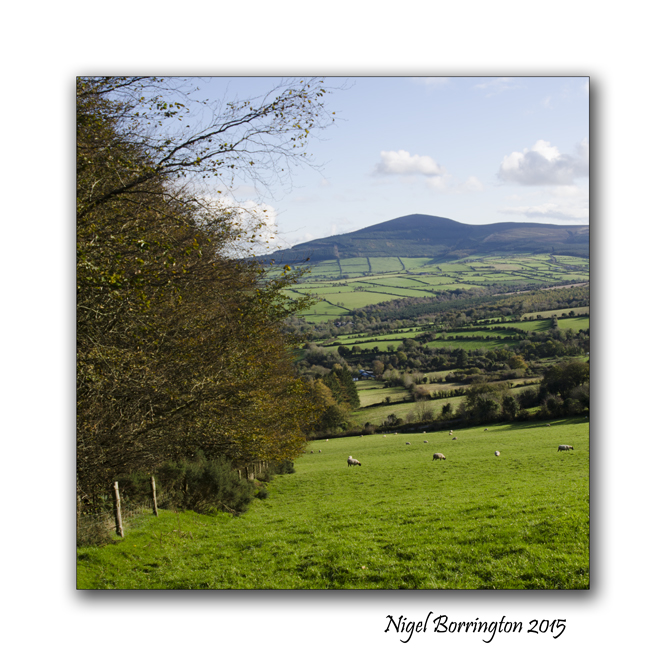


Derrynaflan Hoard, National Museum of Ireland

Derrynaflan Chalice
Photo : Nigel Borrington
On Saturday I spent the day in Dublin , shopping and visiting different Museums , including the National Museum of Ireland .
One of my main interests in doing so was to take a fresh look and the Derrynaflan Hoard, I posted on the items in this collection and about the Island of Derrynaflan , county Tipperary – last October.
The Derrynaflan chalice is one of the most amazing historic items to view and the story (Below) of how it was discovered just as fascinating. Seeing this hoard just make you wonder how many more items like it have yet to be found or sadly never will be.
The following two images are from Saturdays vistit :


Island of Derrynaflan
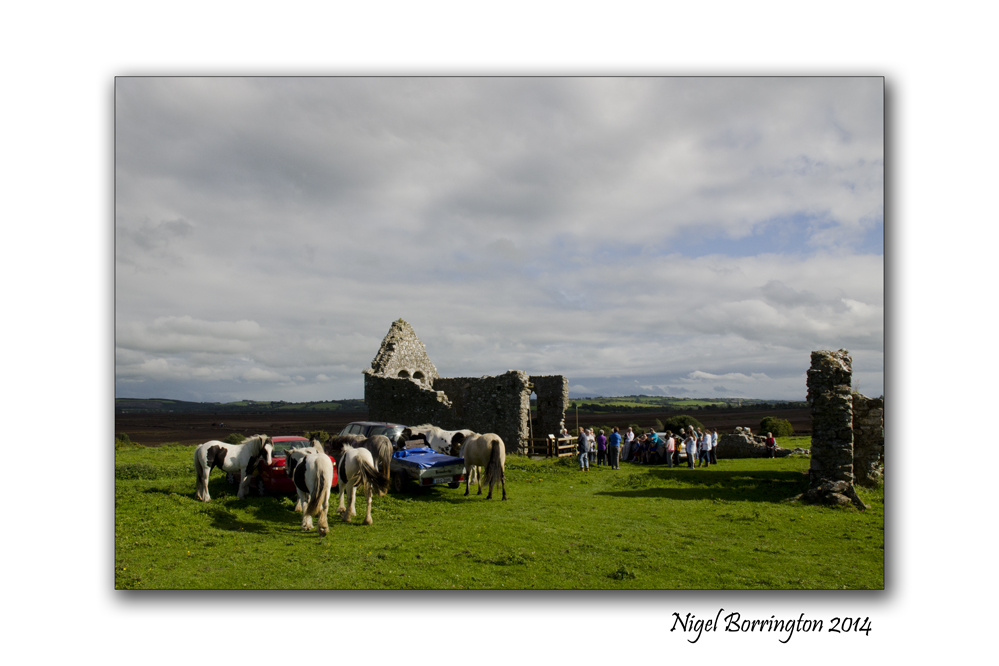
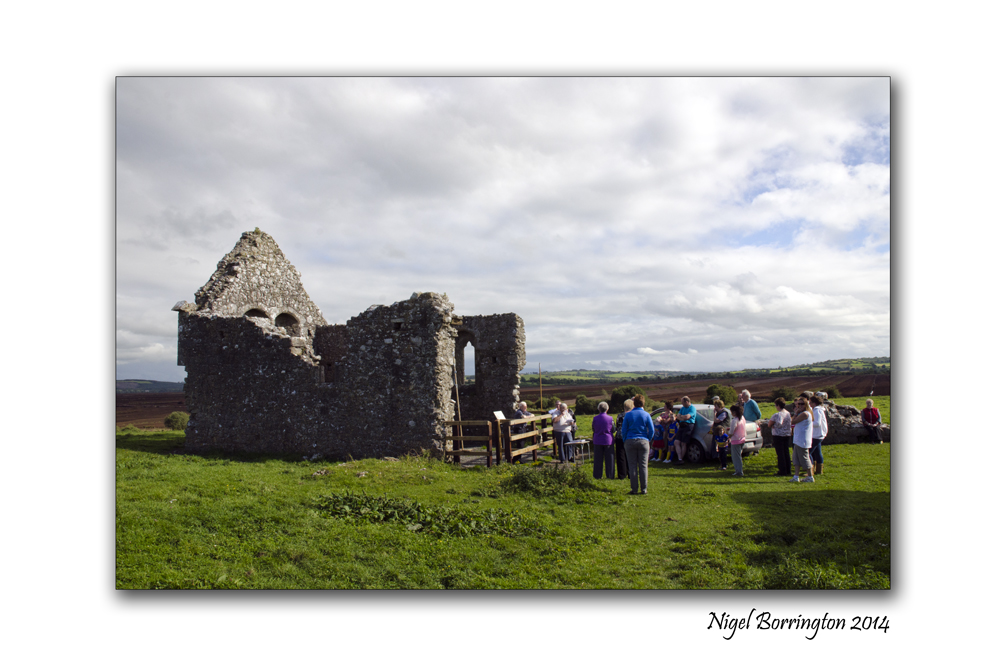
The Island of Derrynaflan is located in County Tipperary and these days it is surrounded by recovered drained land that is harvested for it’s peat, this peat being turned into fuel.
The images below and the text are from my post last year :
Discovering the Hoard
Derrynaflan Island, County Tipperary
Irish Landscape Photography : Nigel Borrington
The Derrynaflan hoard is one of the most spectacular hoard discoveries in Ireland, which led first to an increase in enthusiasm for metal detecting as a hobby, but ultimately contributed to the prohibition of unlicensed searching for archaeological material.
On 17 February 1980, Michael Webb and his son, also called Michael, discovered a significant hoard of early church treasure in Derrynaflan, in the townland of Lurgoe, County Tipperary, using metal detectors (Kelly 1994: 213; O’Riordain 1983: 1). The hoard included a chalice, a bronze strainer ladle and a paten (a kind of small plate) (and see Ryan 1983 for a detailed description), and the discovery was described as ‘one of the most exciting events in the history of Irish art’ (Stalley 1990: 186). The large monastic enclosure in which the hoard was found was partially protected as a National Monument (Kelly 1993: 378). The finders reported their discovery to an archaeologist from University College Cork, Dr. Elizabeth Shee Twohig (Kelly, pers. comm., 2012), who advised them that they must take the finds to the National Museum of Ireland in Dublin (Houses of the Oireachtas 1986; O’Riordain 1983: 1). Under Irish law at that time, the finders were entitled to a reward for making the discovery, in this case decided at IR£10,000 (Houses of the Oireachtas 1986), although this was initially rejected by the finders as insufficient compared to the value of the find (Kelly 1994: 213).

Six years later, the High Court made a ruling that the find or its value (estimated at IR£5.5 million) should be returned to the finders (Kelly 1994: 113). The public mood turned against the Webbs, who were shown on the main evening television news drinking champagne to celebrate the ruling. Ireland was then in deep recession with massive public service cuts which led to resentment that the Webbs might benefit to the tune of IR£5.5 million from the public purse (Kelly, pers comm., 2012). A year later, in 1987, a further final judgement was delivered by the Supreme Court that the Derrynaflan Hoard in fact belonged to the state and not to the finders (Kelly 1995a). The finders finally received a reward of IR£50,000 (Kelly 1994: 214).
The impact of the case on Irish law concerning the protection of heritage was significant. Debates in the Seánad Éireann (upper house of the Irish Parliament) in 1986 indicate the split in opinions regarding the validity of the claim of the finders to the hoard (as had been decided in court the previous year), with one Senator suggesting that the state should have been trying to prove that the Webbs had no legal claim to the hoard, one Senator regarding such discoveries as no more than looting, and another claiming that the finders should instead be praised for the care with which they removed the hoard from the ground and for going to the National Museum to report the discovery (Houses of the Oireachtas 1986). In 1987 the National Monuments (Amendment) Bill, which included clauses on metal detecting and ancient shipwrecks (another area becoming vulnerable to looting), passed through its final stages in the Dáil Éireann (lower house of the Irish Parliament) (Gosling 1987: 23).
Ireland’s National Monuments Act 1930 had prohibited the excavation of archaeological objects other than under license (Kelly 1995a). However, the maximum fine for a successful prosecution at that time, at IR£10[1], proved not to be a strong deterrent (Kelly 1995b: 235). The discovery of the Derrynaflan Hoard had reputedly contributed to the growth of the metal detecting hobby in Ireland, which by the time of the discovery saw hobbyists searching not only ploughed land and other locations away from archaeological sites, but also on known archaeological sites (Kelly 1993: 378). A 2012 Irish news item, which described an athlete as having ‘more gold than they found in Derrynaflan’ (Keane 2012) indicates that the finding of the hoard is still recalled in Irish popular memory. However, with the National Monuments (Amendment) Act 1987, ‘it became illegal to search for archaeological objects with metal detectors or other electronic detecting devices without license’. A further National Monuments (Amendment) Act 1994 specified the state ownership of archaeological objects, and made it ‘an offence to trade in unreported antiquities, or withhold information about archaeological discoveries’ (Kelly 1995a). Under the 1994 legislation, the maximum penalty was also increased to a fine of IR£50,000 and five years imprisonment (National Monuments (Amendment) Act 1994, Section 13). The National Monuments (Amendment) Act 1987 had been in preparation for many years and so was not a direct reaction solely to the controversy surrounding the hoard (Kelly, pers. comm., 2012), although there were observations made that the upsurge in metal detecting as a result of the discovery led to changes in the law (Kelly 1994: 214).
Ref : http://traffickingculture.org/encyclopedia/case-studies/derrynaflan-hoard/
A visit two Derrynaflan island Gallery


A vote for All the colors of the Rainbow, Ireland’s same-sex marriage referendum. May 22nd 2015
All the colours of the Rainbow
Nigel Borrington
This Friday (May 22nd) Ireland votes in a referendum for same-sex marriage and its a big moment for this country !!!
I don’t usually comment here , if at all about social of political issues , this is my area of personal escape in many ways from these areas !!!
However by posting one of my rainbow images here , I hope I make it very clear what I am thinking !!!
We as a race (HUMAN RACE!!!) need everyone – all ( colors, shapes and sizes ) and this involves everyone being equal and thus having the same rights in all areas of life !!!
SO Clearly I will be Voting YES!!!! 🙂 🙂
Rainbow Colors
by Sharon MacDonald
A rainbow of colors,
In the light, after rain.
There are seven of them,
And, each one has a name.
Red is the first
Rainbow color in the sky.
Orange is next
Like jack-o-lantern pie.
Yellow is the third,
Lemons come to mind.
Color four is green,
Think of grassy hills to climb
Blue is color five,
Like the water in a lake
The sixth is indigo
Blue-gray blends that you can make.
Violet is the color
Of the last rainbow band.
Violet is flowery;
Like the pedals in your hand.
So, wave your arms above you
Cast your colors high
And, try to make a rainbow
Across a cloudy sky
Free the alternatives of life !!!!!
When Dorothea Lange Visited Ireland in 1954
![Dorothea Lange A Chat at the O’Halloran Farm [Ireland]](https://nigelborrington.com/wp-content/uploads/2015/04/dorothea-lange-a-chat-at-the-o_halloran-farm.jpeg)
Dorothea Lange A Chat at the O’Halloran Farm [Ireland]
It is amazing the range of her photography work and telling just how brave and out there she was to capture the vast majority of her subjects. During the great depression in the USA she captured the massive Migrant of farmers from east to west (Dorothea Lange : Migrant Farm Families ).
I have studied much of her great depression images and I am in love and have total admiration with them as a body of work, a hugely important historic study !!!!
One body of Dorothea’s work that I have until recently not looked at, is here images of 1950’s Ireland, I have shared a couple here, living in Ireland for this last ten years or so I have visited and photographed many of the locations she visited – so its wonderful to see these images and amazing to compare just how much life and these places has changed.
I am only starting to collect some books and look at the images from her 1954 Irish visit, however as you cam see the b
lack and white film images she took at just amazing !!!!
![Dorothea Lange Michael Kenneally on His 30 Acres [Ireland]](https://nigelborrington.com/wp-content/uploads/2015/04/dorothea-lange-ireland.jpeg)
Dorothea Lange Michael Kenneally on His 30 Acres [Ireland]
 Nigel Borrington
Slievenamon, County Tipperary , Rock Balancing on the top of the World
Slievenamon, County Tipperary , Rock Balancing on the top of the World.
During a recent walk up to the top of our Local Mountain (Slievenamon, county Tipperary), I came across many great examples of the art of Rock Balancing, Sadly whoever it was that had spent so much time putting these sculptures together had already left so I could not get any pictures of them working so creatively.
I still got lots of images and just wanted to share them here as a record of such great acts of creativity. The thing that impressed me the most was not so much each sculpture ( Although each was great to see ! ) but the number of them and what better location for them than the roof of the world , the very top of Slievenamon the spiritual home for anyone from county Tipperary.
Gallery
Share this:
October 2, 2015 | Categories: Art and craft work, Comment, events photography, Landscape, Slievenamon, Travel Locations | Tags: county Tipperary, Ireland, irish mountains, Nigel Borrington, public art, Rock Balancing, Slievenamon | 1 Comment