5 images for the week , Monday.

Tramore Strand
County Waterford
Ireland
Nigel Borrington
A sense of place : Allihies and its copper mines
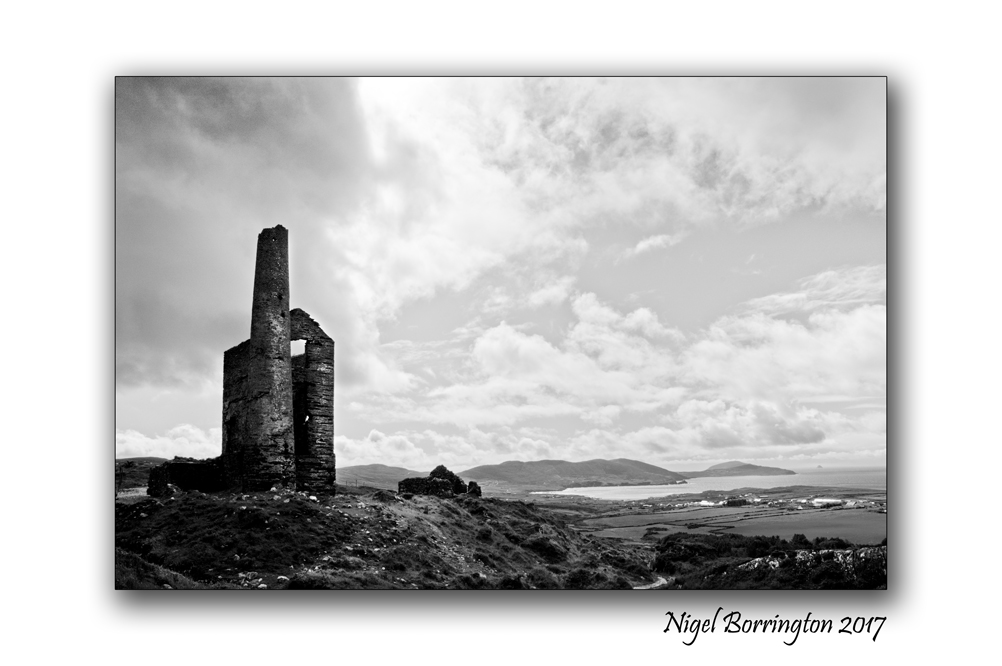
Allihies Copper Mines
Munster
County Cork
Nigel Borrington
One of my favorite locations to visit in Ireland is Allihies in west cork, The village is located towards the end of the Béara Peninsula. Its a very beautiful places to spend sometime walking and visiting the small coves and beaches.
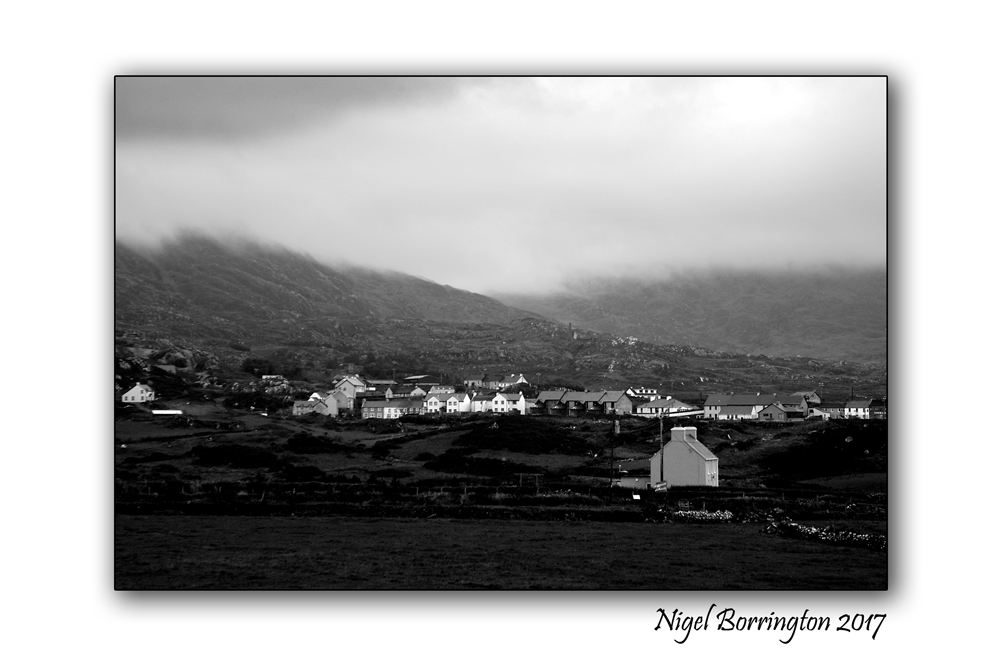
The Village has a long history with Copper mining, started in Allihies in 1812 when John Puxley, a local landlord, identified the large quartz promontory at Dooneen as copper bearing from its bright Malachite staining.
The Allihies Mines
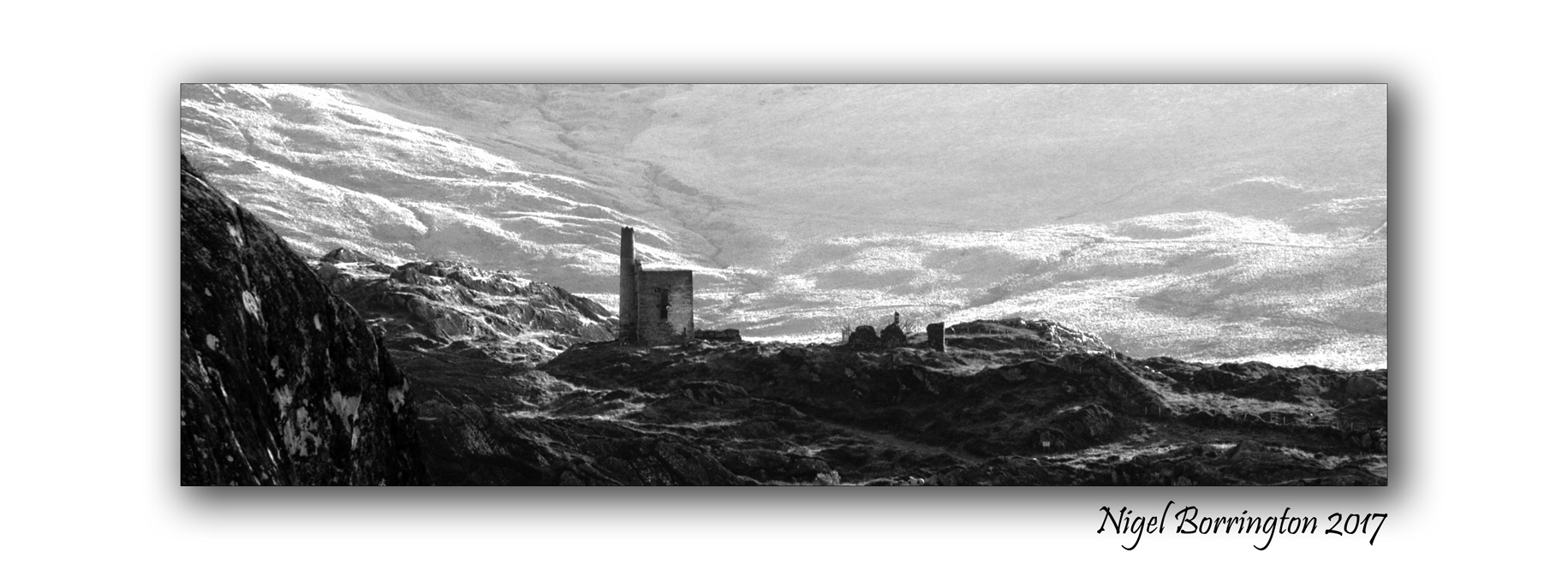
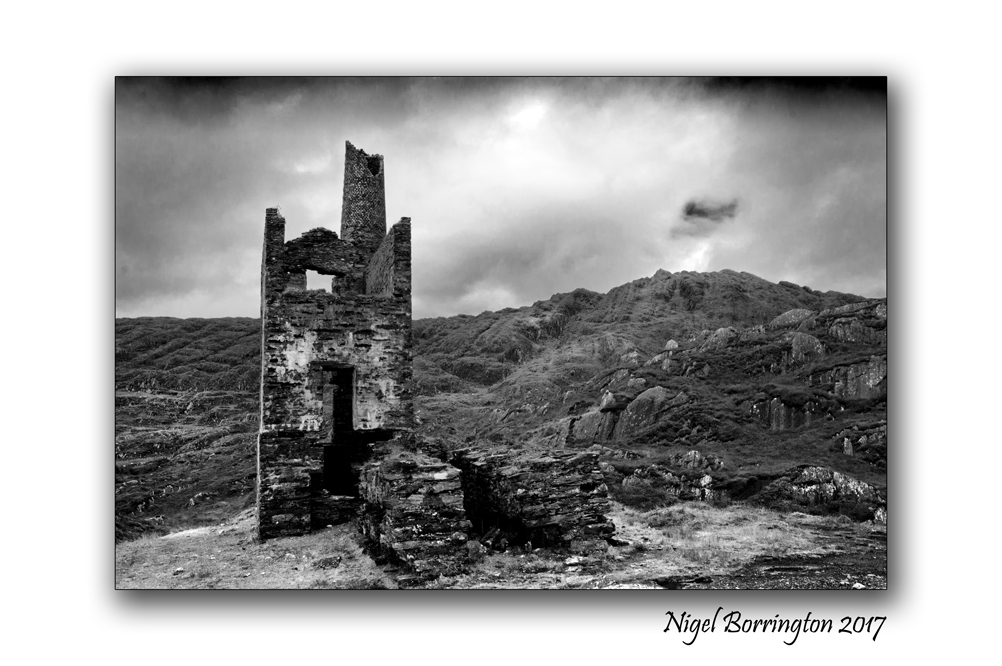
Initial mining began with a tunnel or adit driven into the quartz lode from the pebble beach below. In 1821 two shafts were sunk . Flooding was a continuous problem and in 1823 the engine house was erected to house a steam engine brought over from Cornwall to pump water from the depths. The remains of this building with the base of the chimney can be seen across the road. There is also evidence of a steam powered stamp engine to the left of the chimney and dressing floors in front of the engine house. The high dam further inland is the remaining evidence of a water reservoir which stored the water that was pumped out from the bottom of the mine. It was used for the steam engines and needed to separate the copper from rock. All the rubble on the cliff at the sea side of the road is the crushed useless quartz rock left over after the copper ore was extracted.
This is one of six productive mines in the Allihies area and its operation continued until 1838 when it closed due to failing ore.
John Puxley died in 1860 and in 1868 his son Henry Puxley sold the mines to the new Berehaven Mining Company who reopened the mine and installed a new 22 inch steam engine in 1872. Little ore was produced though in this period and the mine was finally abandoned in 1878.
Time line of Copper Mining at Allihies
Gallery
The following images are taken during my last visit, I hope to return one day soon to this great little historic Irish town.



Landscape Videos : Ballybay Wind Farm, Tullaroan, County Kilkenny (Video inside this post!)

Ballybay Wind Farm, Tullaroan, County Kilkenny
Nigel Borrington
Ballybay Wind Farm, Tullaroan, County Kilkenny, is home to a new wind farm owned by Renewable energy company Gaelectric.
The Location is one of the most beautiful that county Kilkenny has to offer, hidden in the hills near GrangeGrag and the Tipperary Boarder, it offers views of the lower lands towards kilkenny city and the mountain of Slievenamon, county Tipperary.
I am never sure about the impact that wind farms have on our Landscape, being a photographer and in love with my local landscapes some would assume that people like myself would be set against them. However now that this new wind farm is almost complete and having visited a few time, I find a kind of beauty and fascination with it.
The day I filmed this video the weather offered some great light, the fast moving clouds changed the areas of sun light and shade very quickly and I loved the cows grazing in the field below the wind turbines.
With this video I just wanted to share the visual effects it is having and If anyone wants, I would love to get some opinions as to what others feel ?
History in Images, County Kilkenny, Ireland, Kells Priory

Irish History
Kells Priory
County Kilkenny
Nigel Borrington
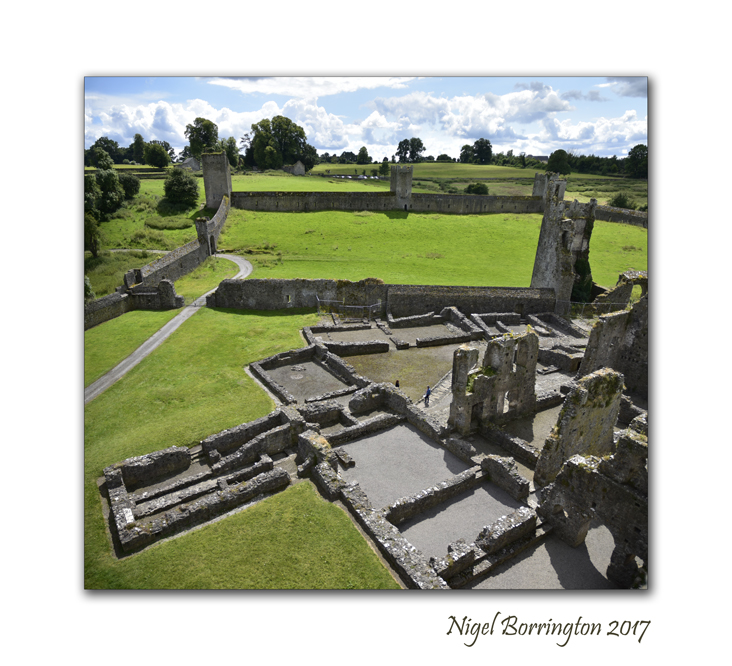
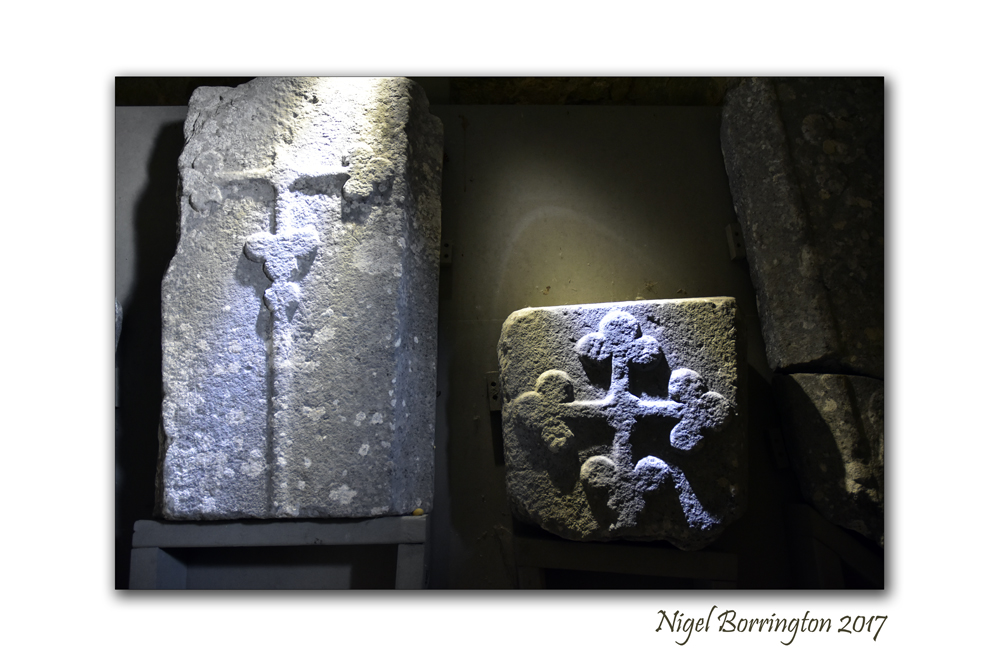
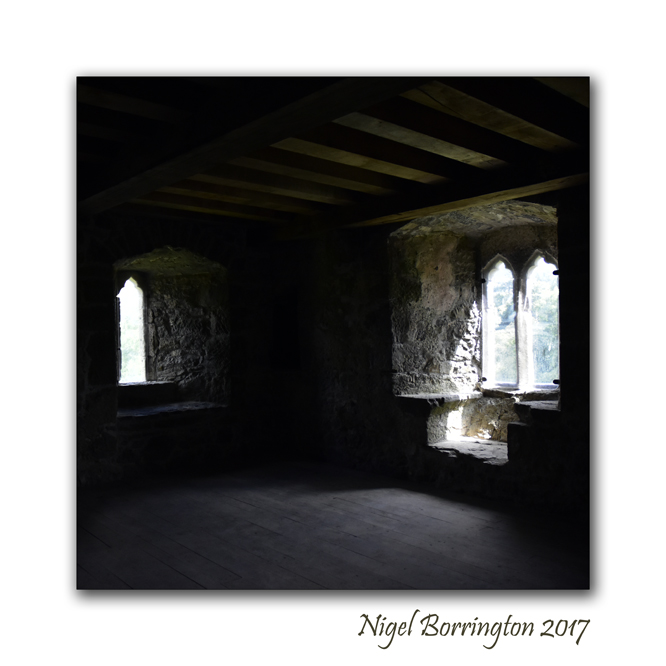
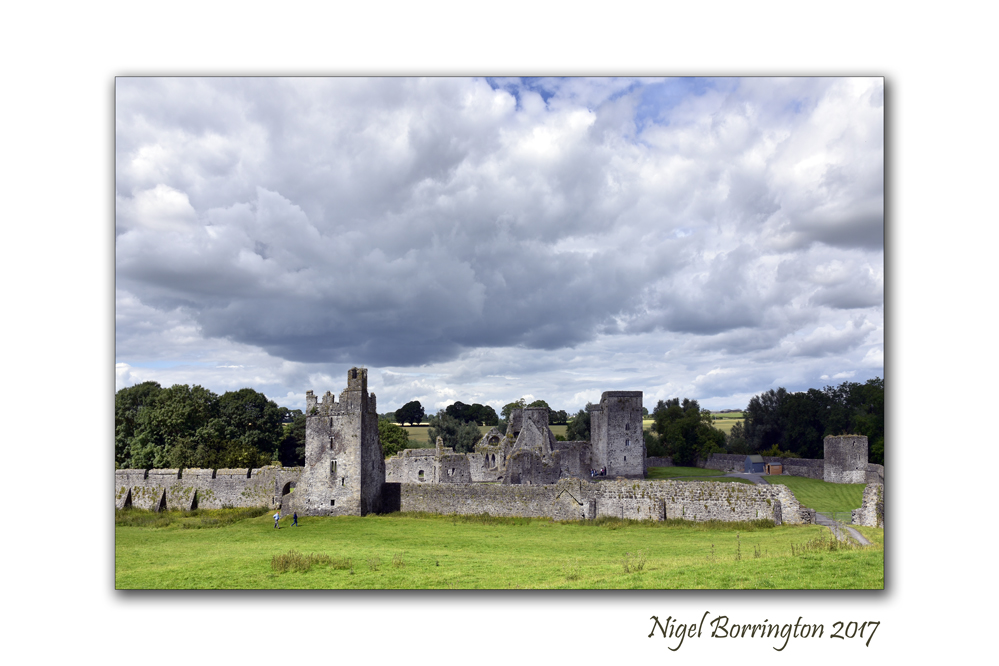
Kells Priory (Irish: Prióireacht Cheanannais) is one of the largest and most impressive medieval monuments in Ireland.
The Augustine priory at Kells, county Kilkenny is situated alongside King’s River beside the village of Kells, about 15 km south of the medieval city of Kilkenny. The priory is a National Monument and is in the guardianship of the (OPW)Office of Public Works. One of its most striking feature is a collection of medieval tower houses spaced at intervals along and within walls which enclose a site of just over 3 acres (12,000 m2). These give the priory the appearance more of a fortress than of a place of worship and from them comes its local name of “Seven Castles”.
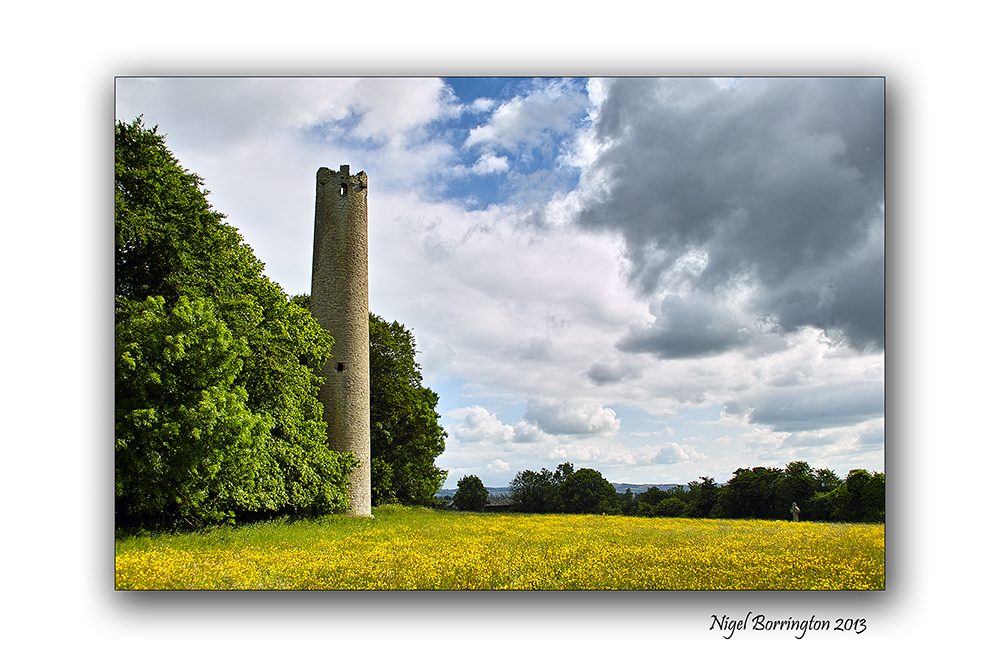
4 km southeast of the priory on the R697 regional road is Kilree round tower and 9th century High Cross, said to be the burial place of Niall Caille Niall mac Áeda (died 917) who was a High King of Ireland.
The Priory has been undergoing a ten year long renovation project that is approaching its completion, the priory is looking amazing and has been secured for many years to come.
Here I post some new images taken during a very enjoyable visit last Sunday afternoon.
A History of Kells Priory
Kells Priory, Gallery




Monday Wildlife : A Heron on a stone, River Suir, County Tipperary

Wildlife Images
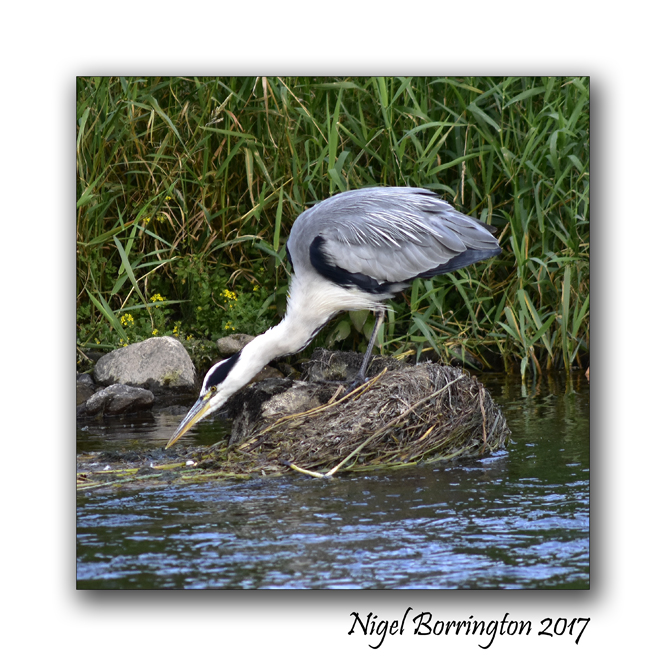
A Heron, resting and hunting
River Suir, Tipperary
A Seven image study of a Heron as it rests and hunts for Fish, standing on a stone at the river bank ……


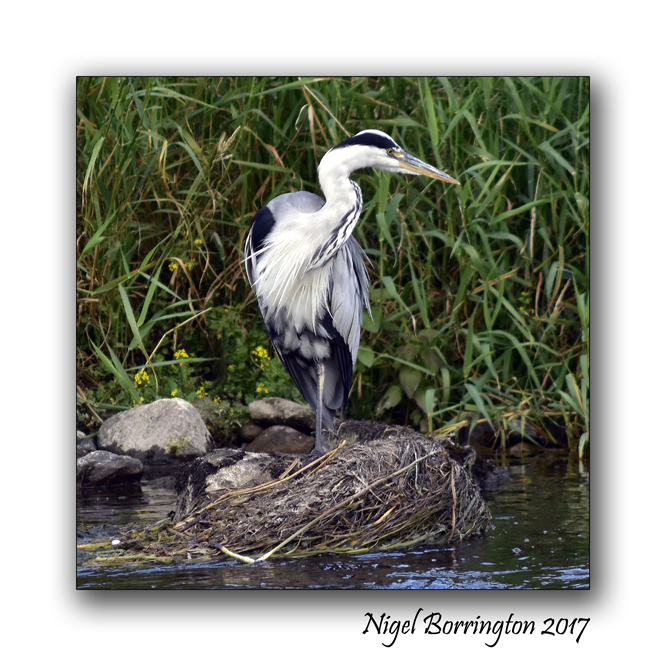

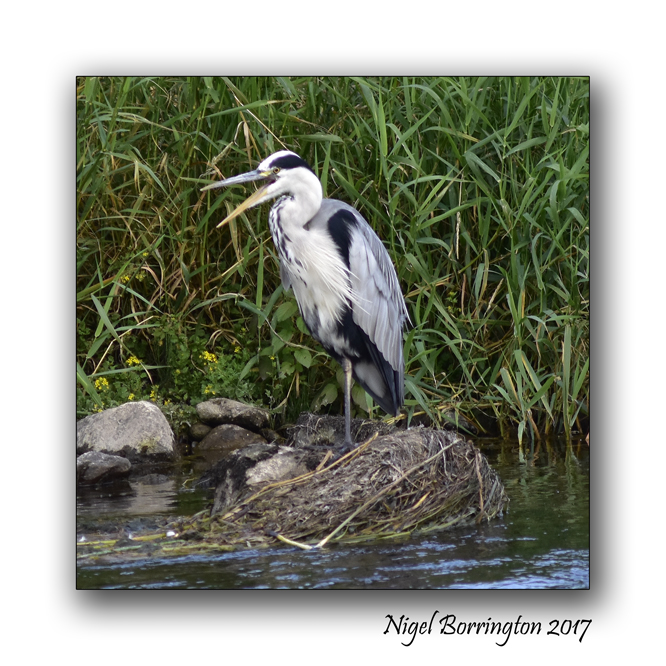
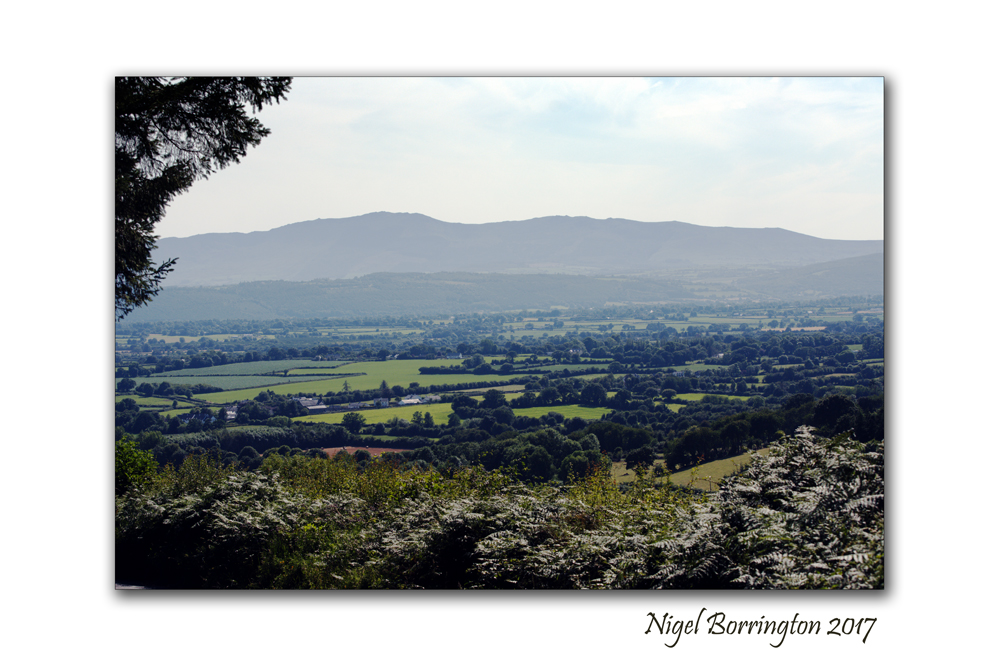
Landscape photography, county Kilkenny boarders, Images taken from the hill sides.
On the boarder (Kilkenny – Tipperary) , the view towards Slievenamon.

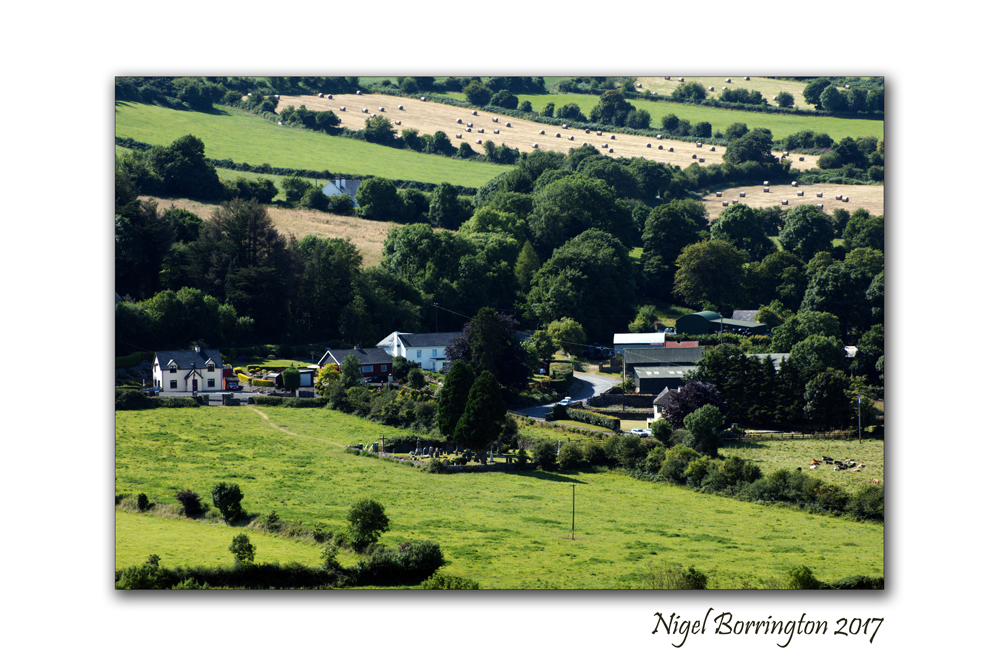
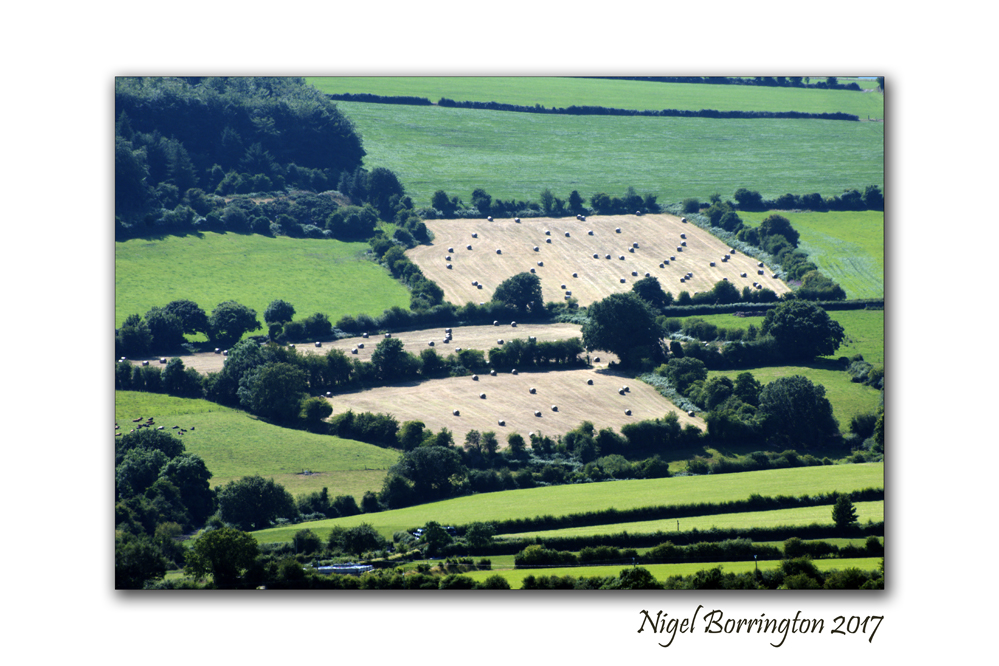
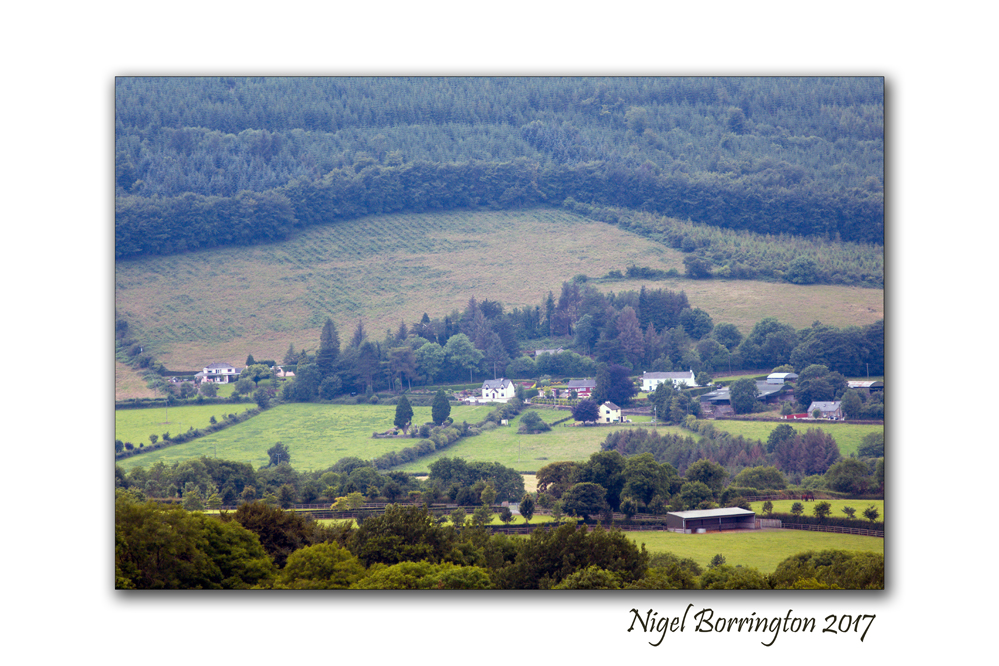

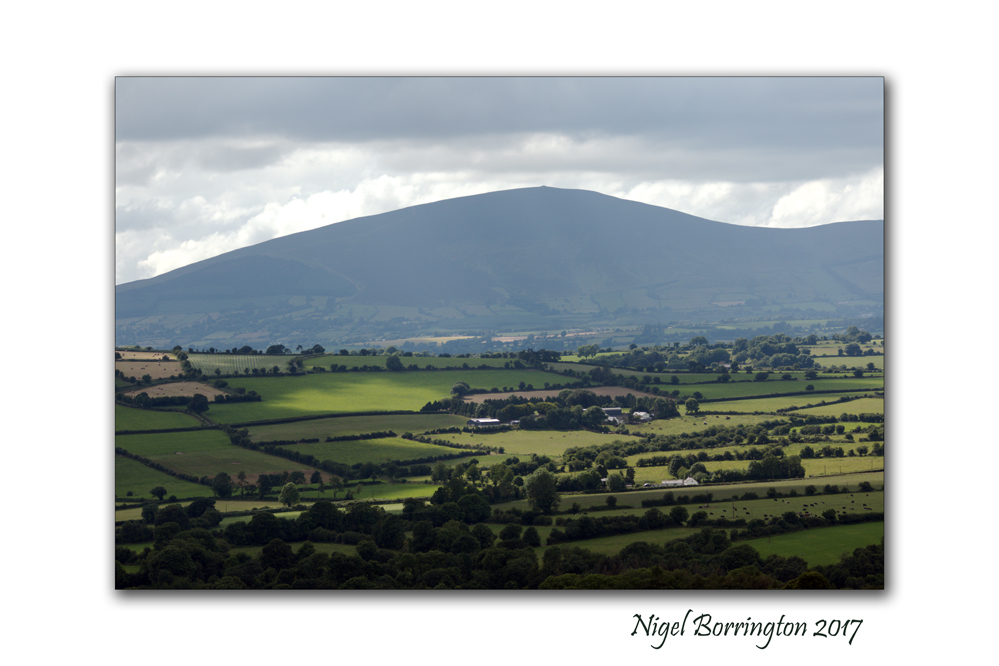
The Farming landscape of county Kilkenny : Cows, Bulls and a field with a view …..
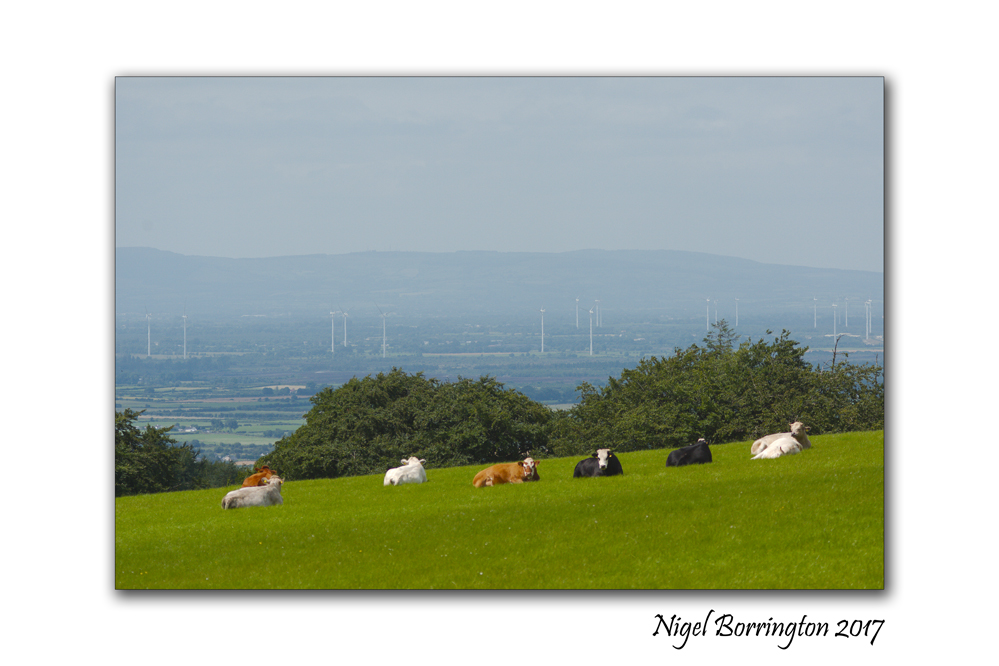
Farming landscapes Grange hills
kilkenny County Kilkenny
Nigel Borrington
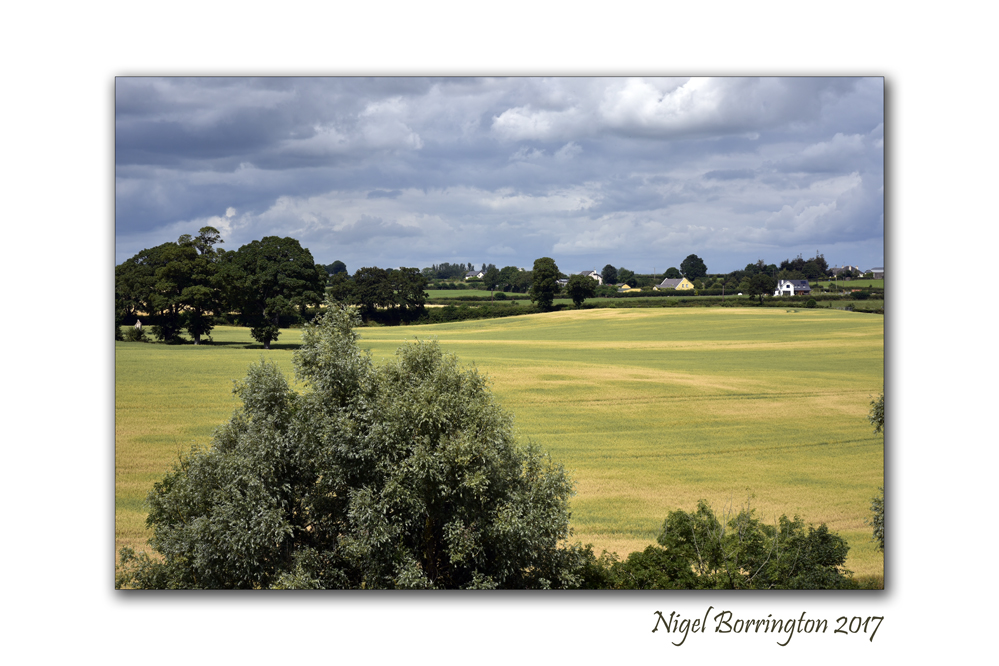
The Hills above Grange in County Killkenny, offer some of the most stunning landscape views in the county, here you are looking across the boarder into county Tipperary.
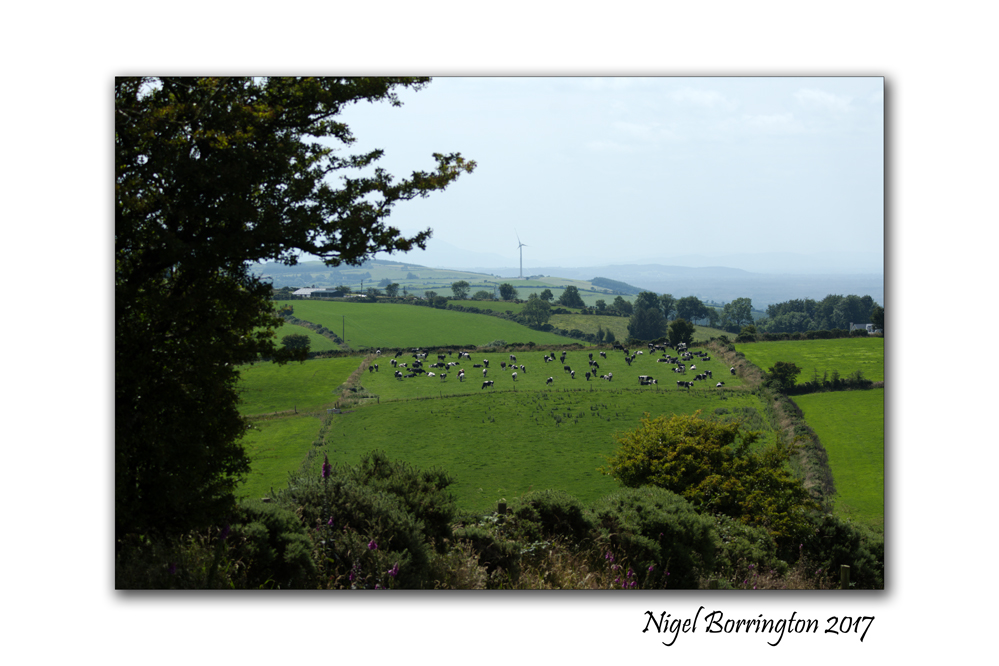
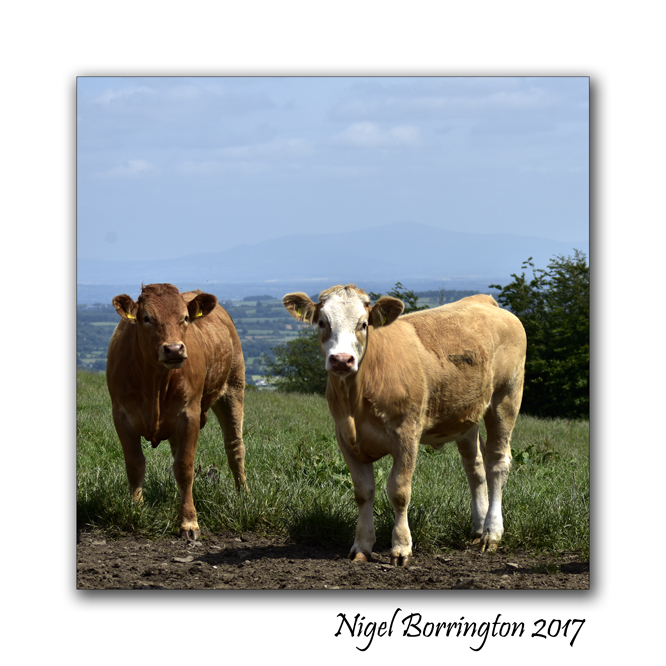
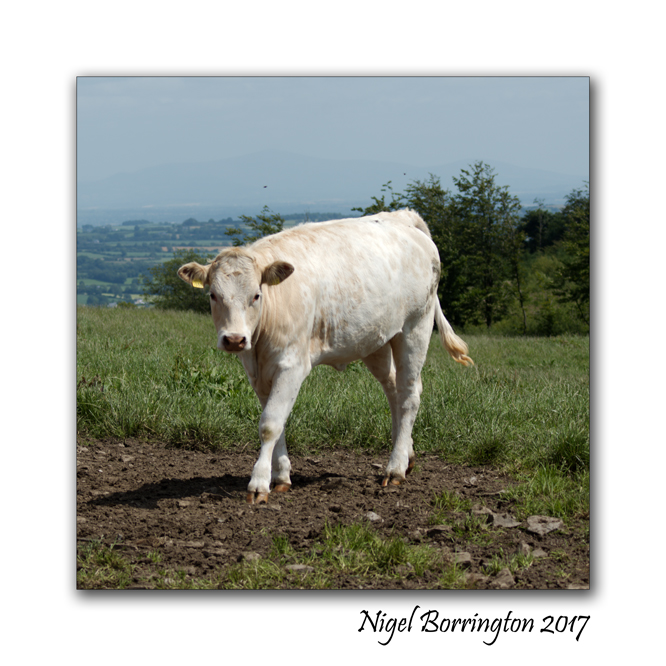
The day I took the following images I had been walking for a little while when I took a rest at a gate, there is that moment in the county when you see some cows resting on a sunny morning and they spot you from a distance. It only take a little time before they all stand and walk over to the gate, I think they are wondering if your the farmer and it time for their feed. Sadly for them I was not and all I could do for them was take some pictures of them to share on WordPress 🙂 🙂



Aghaviller Round Tower and Church

Aghaviller Round Tower and Church
County Kilkenny
Ireland
Nigel Borrington
Aghaviller
Round Tower and Church
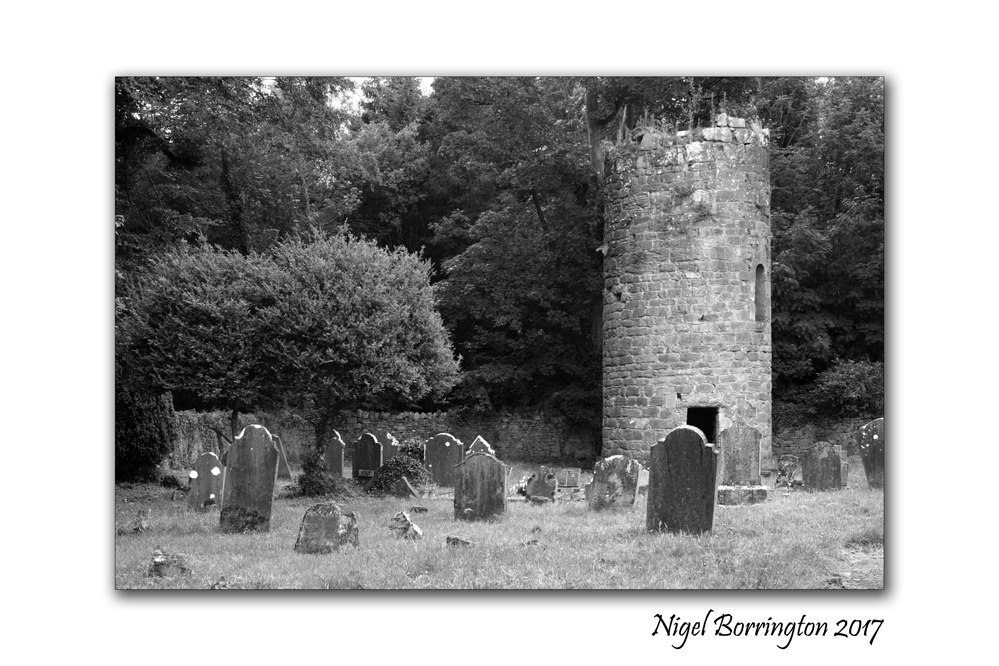
Located in county Kilkenny, Aghaviller Round Tower and Church are together one of the most interesting of Irish Historic sites. Based on the presence of the round tower, it is believed that the Agherviller monastic settlement was once a relatively high-status ecclesiastical foundation dating back to Early Christian times. The church and a holy well not far from the site have been dedicated to St Brennain. We don’t know who founded the monastery but it could have been St Brennain. The round tower is built on top of a square stone plinth, an unusual feature which is only found in one other place in Ireland –at nearby Kilree. Sadly, only the lower 9.6 metres of the round tower survived.
The original NE facing round-arched doorway is in its customary location about 4 metres above ground level, although a ground-level lintelled doorway has been added in more recent times. The sandstone tower was unfortunately in deep shade from the nearby dense woods on our late afternoon visit, but it is worth a return trip in morning light to photograph the stonework which is beautifully dressed to the curve inside and out. There is a southwest facing square-headed window at the second storey level.
The church dates to the 12th Century but was significantly modified in the 15th by the addition of a massive tower over the chancel that served as a residence. Only the foundation of the nave remains. An archaeological excavation revealed a gully filled with kiln material and a sizeable ditch/boundary running north–south with stone revetting on its eastern side. This ditch is believed to have surrounded a second or outer enclosure, a common feature of high-status monastic sites.
Gallery



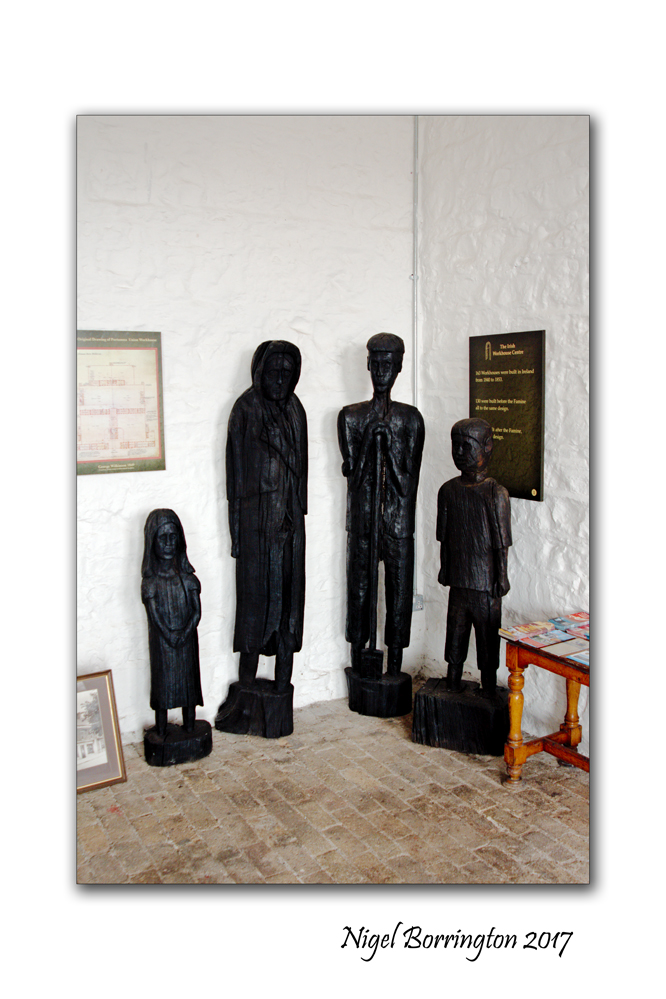
Portumna Work House, The Story of Irish Workhouses

Portumna Work House
Nigel Borrington
The Workhouse Story
The Irish Workhouse – An Overview
What was the workhouse?
The workhouse has been described as “the most feared and hated institution ever established in Ireland.”
The workhouse was an institution which operated in Ireland for a period of some 80 years, from the early 1840s to the early 1920s. There were 163 workhouses in total. If people could not support themselves, they could come into the workhouse. Here they would do some work in return for food. People had to stay and live in the workhouse and so the system was known as indoor relief.
The whole family had to enter together. This was a way for the landlords to clear the land of tenants who could not pay rent. Life in the workhouse was meant to be harsh so as not to encourage people to stay. One of the cruellest aspects of the workhouse was that family members were split up into separate quarters. Children aged two or less could stay with their mothers. Sometimes, family members never saw each other again.
The workhouse was not a prison. People could leave if they liked. The high walls surrounding the workhouses were for keeping out, not for keeping people in.

How did workhouses come about?
In Ireland under Brehon Law, the native laws dating back to Celtic times, rulers had to take care of the sick and the poor. In the 5th Century, Christianity came to Ireland and with it monasteries began to develop. Over time, these monasteries took on the role of caring for the less fortunate. From the mid 1500s, Ireland was invaded by Protestant English settlers. The land was taken from the Irish, the religious were prosecuted and the whole care system broke down.
The situation was so bad that by the beginning of the 1800s, it is estimated that some 2.3 million people were at near starvation level. At the time Ireland’s population was nearing 8 million. By this time also, most of Ireland’s small farmers and landless labourers were dependent on the potato as their main food.
In England, Scotland and Wales there was poverty too. The workhouse was an English system. The first workhouses in England opened in 1836. Almost 700 workhouses were built in England and Wales. The main concern of the Poor Law Commissioners in England was to ensure that the system was not abused by lazy people. Scotland by contrast had a more humane system based on outdoor relief. One of the key differences between England and Ireland at the time was that work was available in England whereas in Ireland, whilst people were willing to work, there was no employment.
In 1800, under the Act of Union, Ireland became part of Britain. Numerous committees were set up to investigate the extreme poverty in Ireland, but nothing was done. However, as more and more Irish people flocked toBritain in search of employment, the British Government acted and sent over one of the English Poor Law Commissioners, George Nicholls, to find a solution. This was his first time i nIreland. He did a quick tour and reported back that Ireland needed a workhouse system similar to the English one. The Irish Poor Law Act became law in 1838.
What did this Poor Law actually mean in practice?
It divided the country into 130 unions. A further 33 were added after the “famine” years. Each union was to have a workhouse and the workhouses were to be financed by a tax on land. George Wilkinson was appointed as architect to the Irish Poor Law Commissioners, to design and supervise the building of the workhouses. The first workhouses opened in 1841.
Before the “famine years”, the number of people entering the workhouses was low. People were slow to leave their holdings. However, by the autumn of 1846, it became clear just how bad the situation was. The potato crop was diseased and inedible. It was emigration, starvation or the workhouse. People began to flood in.
The system, based as it was on indoor relief, could not cope with the overcrowding, the disease and the deaths. Corpses, without coffins, were carried on carts day after day to be thrown into mass burial pits in the workhouse grounds. (The years from 1846 to 1851 are known as the “famine” years. It should be noted however, that while the potato crop was largely wiped out through disease, there were plenty of other foodstuffs such as grain and livestock being exported toEngland.)
After the “famine” years, the numbers of people entering the workhouse decreased and over time it became a place for people that society did not want: unmarried mothers, children born outside of marriage, orphaned and abandoned children, “lunatics and idiots”, old and infirm people, tramps who travelled the roads.
Between 1838 and 1921, the principal features of the poor law and the workhouse system remained largely unchanged. The system was abolished in the early 1920s, when Ireland gained independence from Britain.

What was life in the workhouse like?
Life in the workhouse was harsh and frequently cruel. There were many rules. The food was poor. There was little to do. People were separated from their families, hungry, frustrated, badly treated, bored and mostly without hope. Often the inmates reacted against this, by breaking the rules and by fighting amongst themselves. Some preferred prison to the workhouse as the food was better and the regime not as strict.
Staff were often ex police men or army. There was a very high dismissal rate with many of staff being cruel, incompetent and dishonest.
The diet varied somewhat from workhouse to workhouse. Generally, it consisted of stirabout, which is like porridge, milk and potatoes. Children got bread. Adults received two meals a day and children three. Reports of the time show that the food was often of very poor quality. The workhouse diet remained very basic and it was not until the end of the 1800s that tea, bread for adults and a meat soup dinner were introduced.
Very little productive work was carried out. One of the rules was that the workhouse should not enter into competition with outside businesses. When numbers in the workhouse were large, it was difficult to find work for everybody. In the earlier years, the Capstan wheel was in operation in some workhouses. Women & children, maybe up to several hundred, went around in circles pushing a big wheel for grinding corn. Breaking stones for building roads was a common occupation for the men. The women did domestic jobs such as cleaning or helping in the kitchen or laundry and looking after the sick. Older inmates were put to work mending clothes and spinning wool. Girls were meant to be trained for domestic service. Oakum picking was carried out in many workhouses. This involved separating out the strands of old ship rope so that it could be reused.
There were large numbers of children in the workhouse. In 1850, there were up to 120,000 children. Conditions were terrible for them. An English Clergyman who was in Ireland at the time expressed his shock at the total failure to provide for these children. He described the children in Limerick workhouse as skeletons covered in soars and dressed in rags. Many of the children who survived the “famine” years grew up in the workhouse. They have been described as having “the same guttural voice, a blank expression and of having a strange similarity.” These children only knew the workhouse existence.
Children were supposed to go to school in the workhouse where they were meant to learn reading, writing, arithmetic and the principles of the Christian religion. The reality was quite different. School teachers were often incompetent and cruel, incapable of teaching enormous classes of hungry and dirty children. From the 1860s onwards, social reformers pressed for the boarding out of children to foster families but this was slow to happen, probably because the workhouse would have had to pay the foster families. From about the 1870s onwards, the religious orders began to get involved and started setting up industrial schools, where children were meant to receive training. By the early 1900s, the days of children in the workhouse were beginning to draw to a close.

Did people ever leave the workhouse?
One of the ways that workhouse numbers decreased was through emigration. The cost of emigration to landlords was less than that of keeping paupers in the workhouse. An Emigration Commission was set up. Its representatives visited every workhouse in Ireland. Those who wanted to emigrate were offered free passage, clothing and a little money. Between the years 1848-1850, 4,175 orphan girls aged 14-18 left Irish workhouses forAustralia under a scheme supported by the Australian government. In the 1850s, the Poor Law started to assist young female paupers to Canada where there was demand for domestic servants. Over 15,000 girls were sent there.

Was there anything good about the workhouse system?
Though separate, the workhouse was also paradoxically a part of the locality in which it was situated. It provided business to local suppliers, some employment and medical care to the general population. Originally, the workhouse infirmary or hospital was just for the sick inmates. No qualifications were required for nurses and the level of care was very poor. From the 1860s, qualified nursing sisters began to make their way into the workhouses. Care of the sick improved greatly and the workhouse hospital was opened to non inmates. These local hospitals were missed by many when the system was abolished in the early 1920s. Some of the workhouses became county hospitals or homes. However, for generations that followed, people had an awful fear of spending their final years in the County Home, being as it was part of the workhouse system.
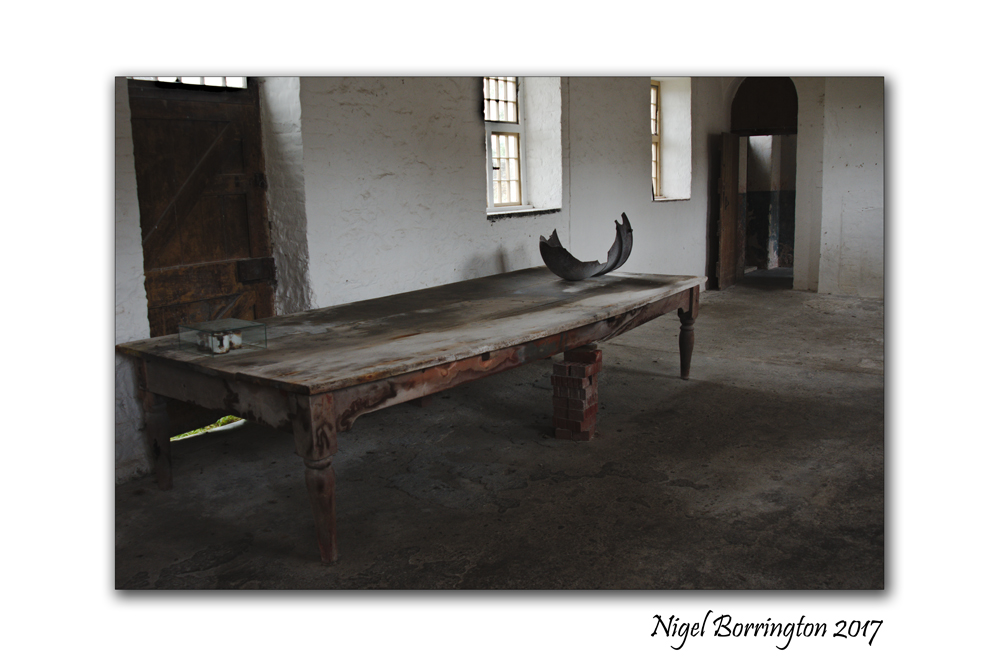
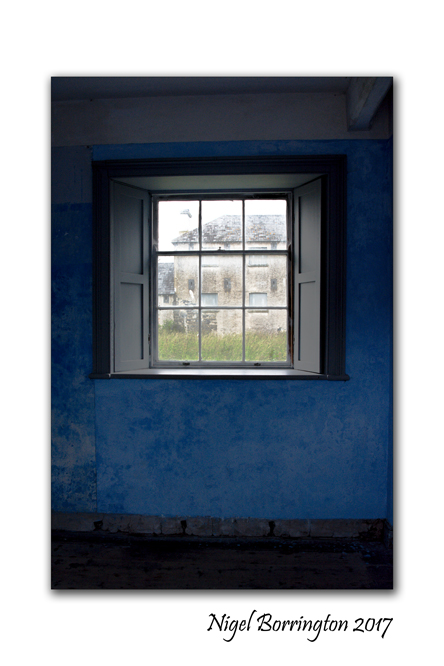
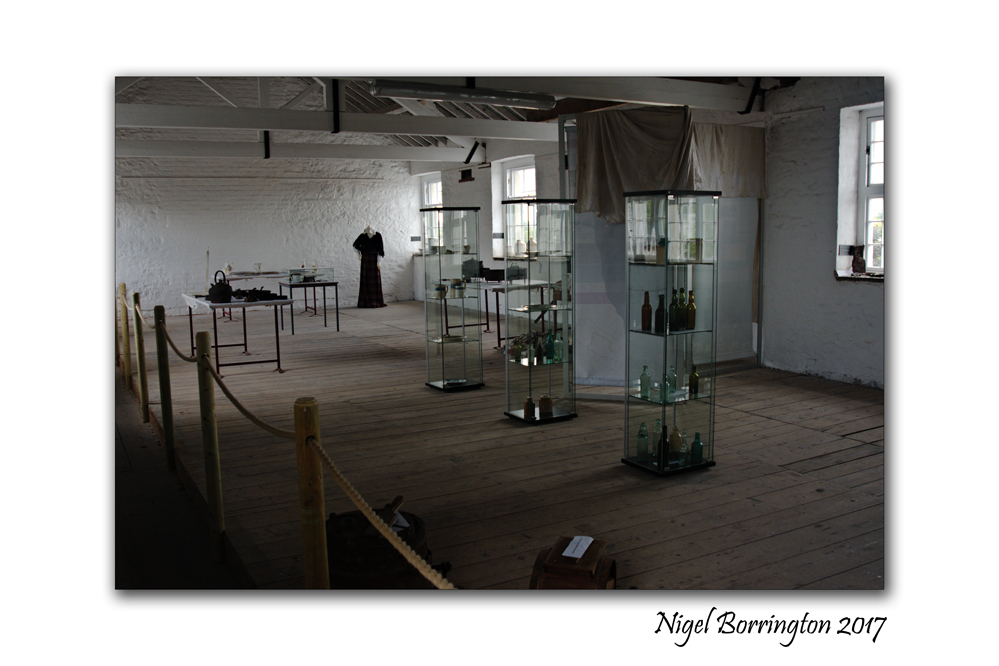
Portumna Work House, A Gallery


Coumshingaun Corrie Lake, county Waterford : The land time forgot

Coumshingaun Corrie Lake, county Waterford, Nigel Borrington
Coumshingaun Corrie Lake in county Waterford is truly the land that time forgot !
In Ireland compared to some locations in North America and Canada it is impossible to be more than a few miles away from a town or a village, some locations in the north and far southwest of the country are more remote that here in the southeast county’s. Yet even here there is still the possibility of finding a remote feeling hidden away in a small location or two.
Coumshingaun Corrie Lake, county Waterford is for just one of these locations, the walk up to it from the valley floor and road below is no more than two kilometers, its a uphill walk from the car park located below the tree line, most people however given time would be able to do this walk !!. However in anyone’s book this is not going an an expedition 🙂
When you get there, the view of the lake at its surrounding cliffs is breath taking, the lake is a left over from the last ice age, some 15000 year ago, this is from a time well before Ireland had even a single human-being living here.
Most weekends you will find other Humans/people visiting here so if you want a true feeling of space and allown-ness then early morning, and weekdays evening is the best time to visit.
I love it here , its about an hours drive from home, yet it could be like a visit to Canada or Yellowstone park with a little imagination allowed to run out of control 🙂
Coumshingaun Corrie Lake, county Waterford : The land time forgot


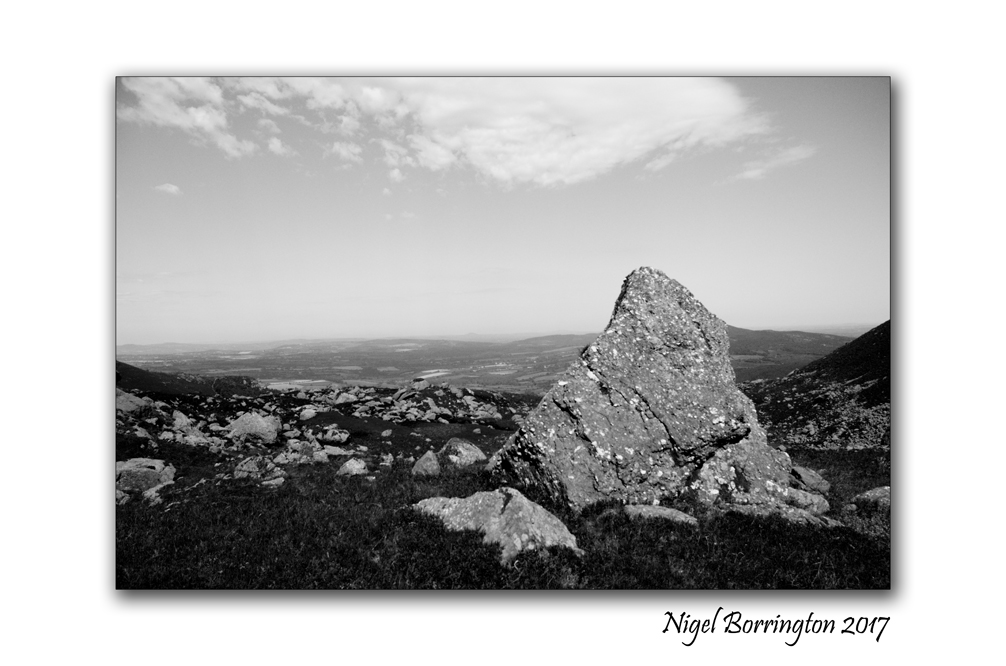
A view from Coumshingaun Loop Walk, County Waterford, Ireland

Coumshingaun Loop Walk
Irish landscapes
Nigel Borrington
Its an amazing thought but the rock that is sitting upon the larger rock to the left of this picture, could have been resting there for over 15000 years, these rocks are the remains of the last Ice-age in Ireland you can find many of them all over the country.
These two rocks can be found on the Coumshingaun Loop Walk in county Waterford, the walk contains many great views including Coumshingaun an ice aged lake, I will post some pictures soon that show this lake in its full glory ……






Native Irish Wild flowers, Early Marsh Orchid , Ballykeefe, county Kilkenny
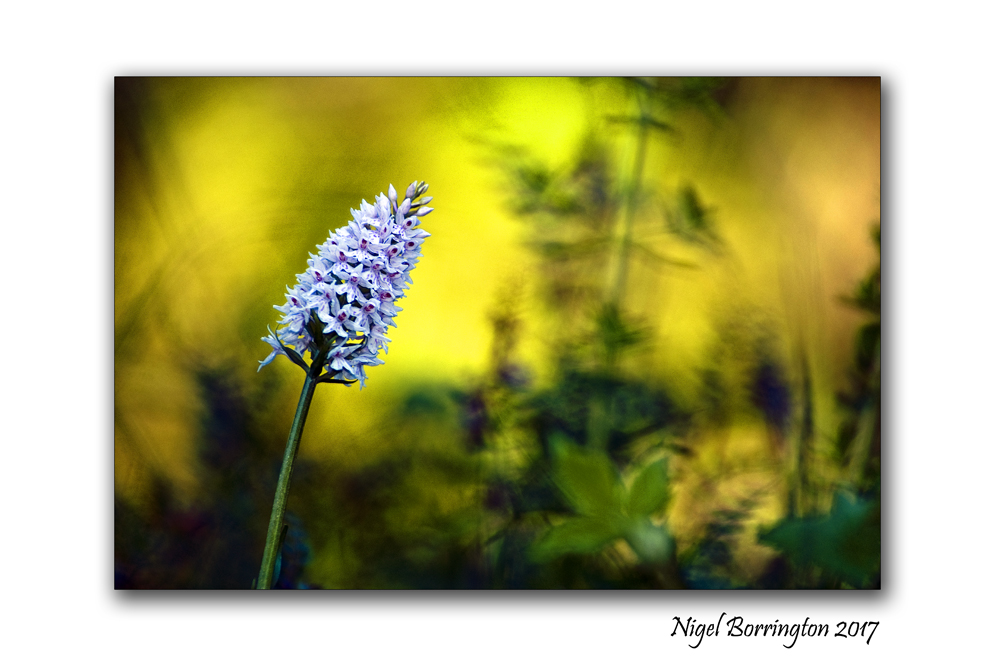
Early Marsh Orchid
Dactylorhiza incarnata
Magairlín mór
Family: Orchidaceae
Ballykeeffe, Kilkenny
Nigel Borrington
Flowering May-July. Tuberous perennial. Native.
Flowers usually white, pink or purple. (Ssp. coccinea has reddish flowers.)
Narrow, cylindrical flower-spike, lower bracts longer than flowers. Sides of lip strongly reflexed, weakly 3-lobed, 2 U-shaped loops enclosing dotted patches. Leaves erect, keeled, usually unspotted. (Ssp. cruenta, leaves spotted both sides) Hollow stem. Very variable, links to subspecies below. Identifications by Ian Denholm
Damp calcareous soils, meadows, fens, marshes, dune-slacks. Also slightly acidic bogs, damp heaths. Declining due to habitat loss.
Nature without words (Woodcock Butterfly) a moment in the sun

macro photography
Woodcock Butterfly
Nigel Borrington
Nature without words (Bumble bees)- Solo images (Ballykeefe nature reserve, county Kilkenny)

A bumble bee collecting nectar
Ballykeefe nature reserve
County Kilkenny
Nigel Borrington
Nature without words – Solo images (Ballykeefe nature reserve, county Kilkenny)
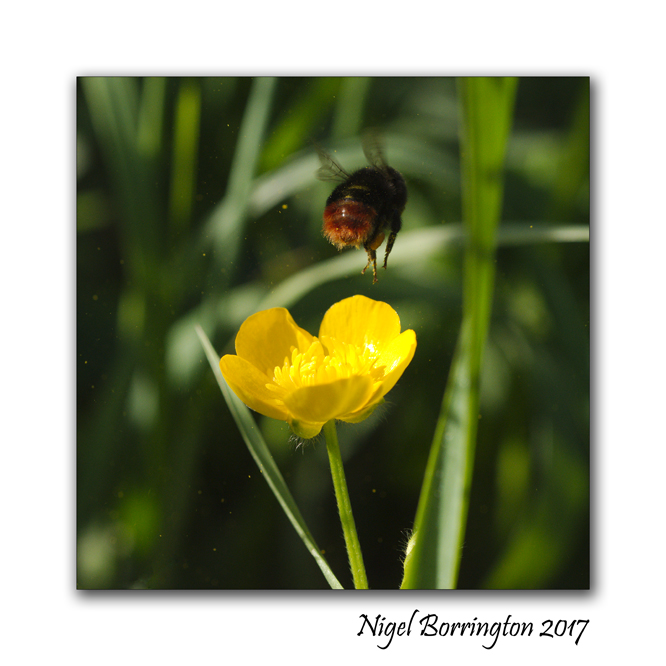
A bumble bee in flight
Ballykeefe nature reserve
County Kilkenny
Nigel Borrington
The Otter, By :Seamus Heaney

Otters on the River Suir
County Tipperary
Nigel Borrington
The Otter
Seamus Heaney
When you plunged
The light of Tuscany wavered
And swung through the pool
From top to bottom.
I loved your wet head and smashing crawl,
Your fine swimmer’s back and shoulders
Surfacing and surfacing again
This year and every year since.

I sat dry-throated on the warm stones.
You were beyond me.
The mellowed clarities, the grape-deep air
Thinned and disappointed.
Thank God for the slow loadening,
When I hold you now
We are close and deep
As the atmosphere on water.
My two hands are plumbed water.
You are my palpable, lithe
Otter of memory
In the pool of the moment,

Turning to swim on your back,
Each silent, thigh-shaking kick
Re-tilting the light,
Heaving the cool at your neck.
And suddenly you’re out,
Back again, intent as ever,
Heavy and frisky in your freshened pelt,
Printing the stones.
Herb-Robert (Geranium robertianum) in the Sun and the Rain

Irish wide flowers
Herb Robert
Nigel Borrington
Familiar little pink flower from April to November, Herb-Robert is a hairy, unpleasant-smelling plant which grows on banks, bases of walls, shingle and shady places throughout the country. Its pink flowers (8-15mm across) have five un-notched petals and in the centre of the flower are orange anthers. Each petal is marked by small lighter-pink lines running into the centre of the flower. The hairy, stalked leaves are often tinged red and have three to five deeply cut lobes. The fruit is hairy and beak-like. This is a native plant belonging to the family Geraniaceae.

Irish wide flowers
Herb Robert
Nigel Borrington
This plant has been introduced into North and South America from Europe and Asia. In traditional medicine in the Americas it has been used to stop nosebleeds. Its leaves are also made into a herbal tea which is recommended as a gargle and an eyewash.
One wonders who is the ‘Robert’ of this plant. Maybe the name comes from the Latin word ‘ruber’ meaning red which may have referred to the colouring of the leaves and stems.
5 Images for May, Friday

Ok , Today is more of a collection of images than one single image, to close the week 🙂
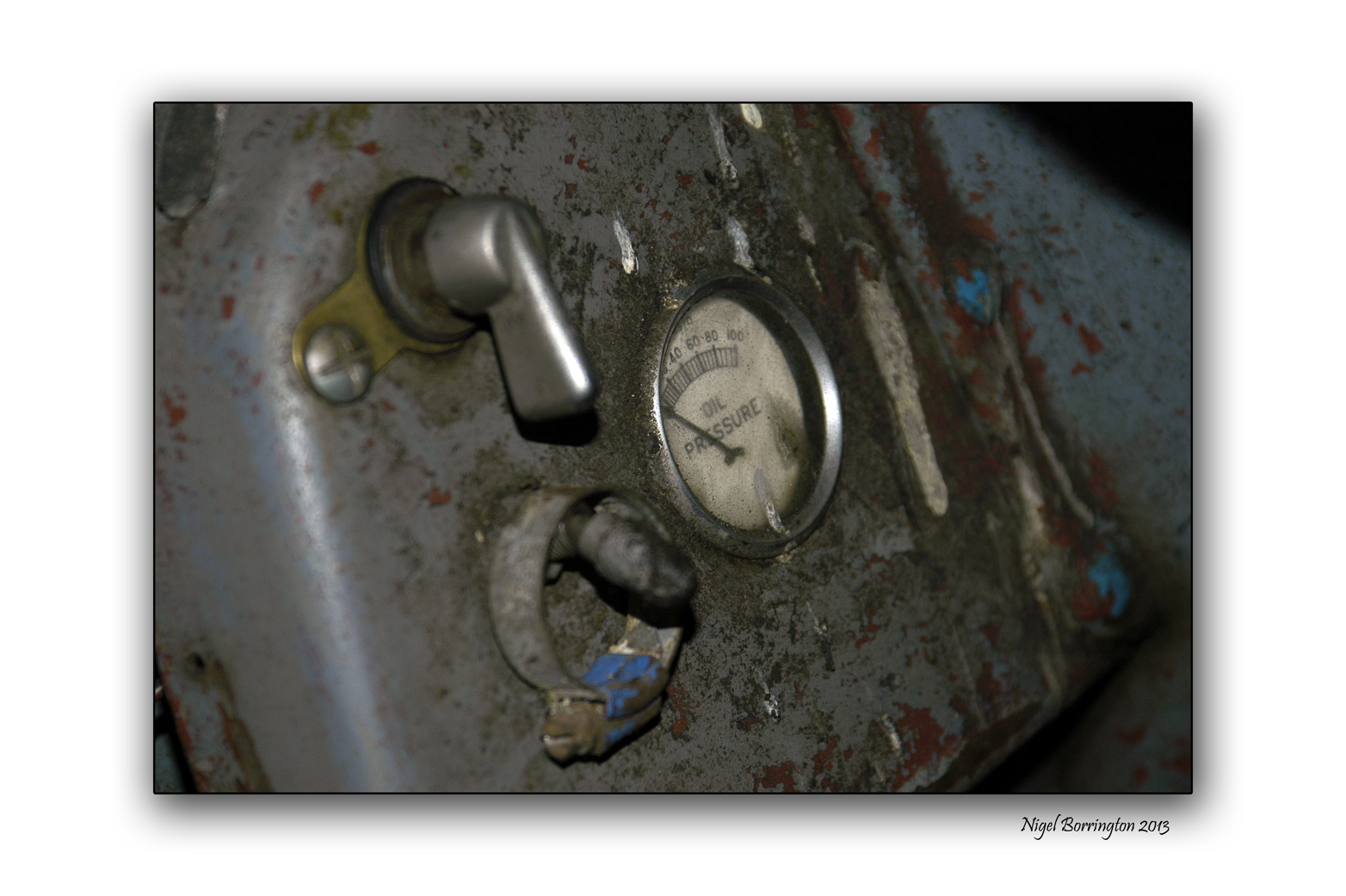
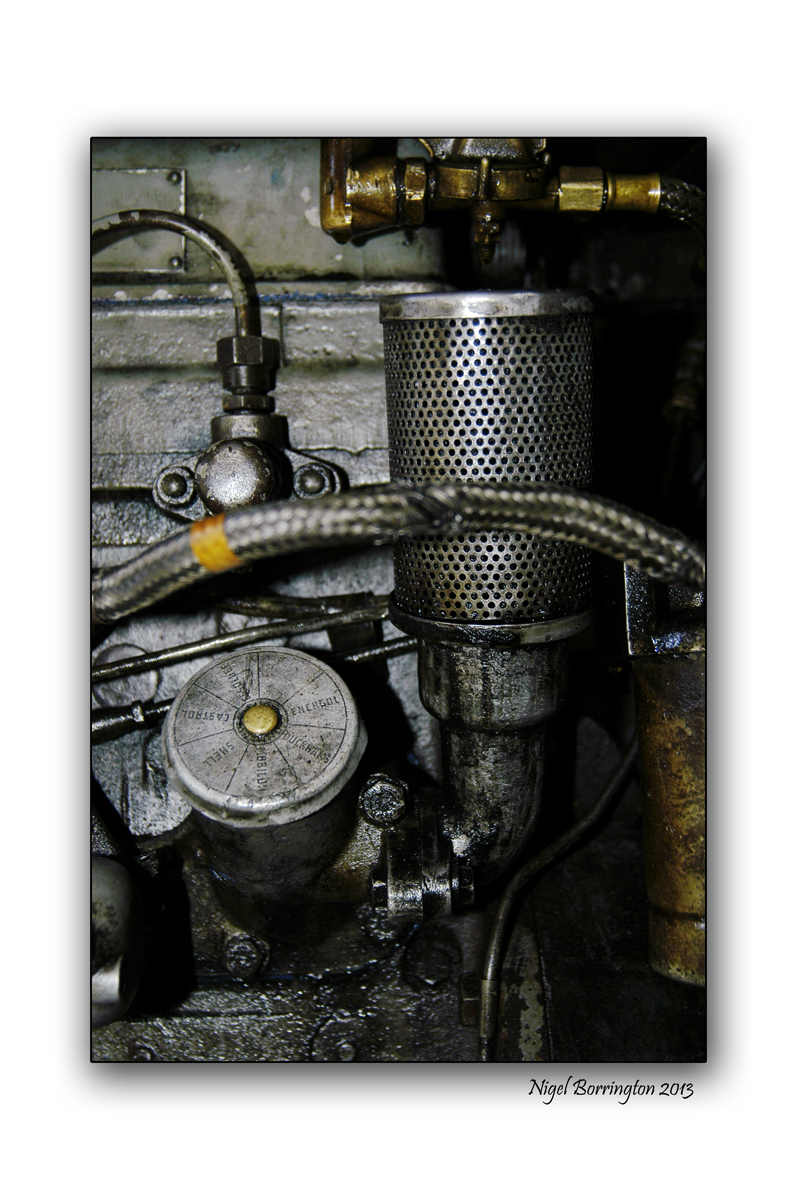
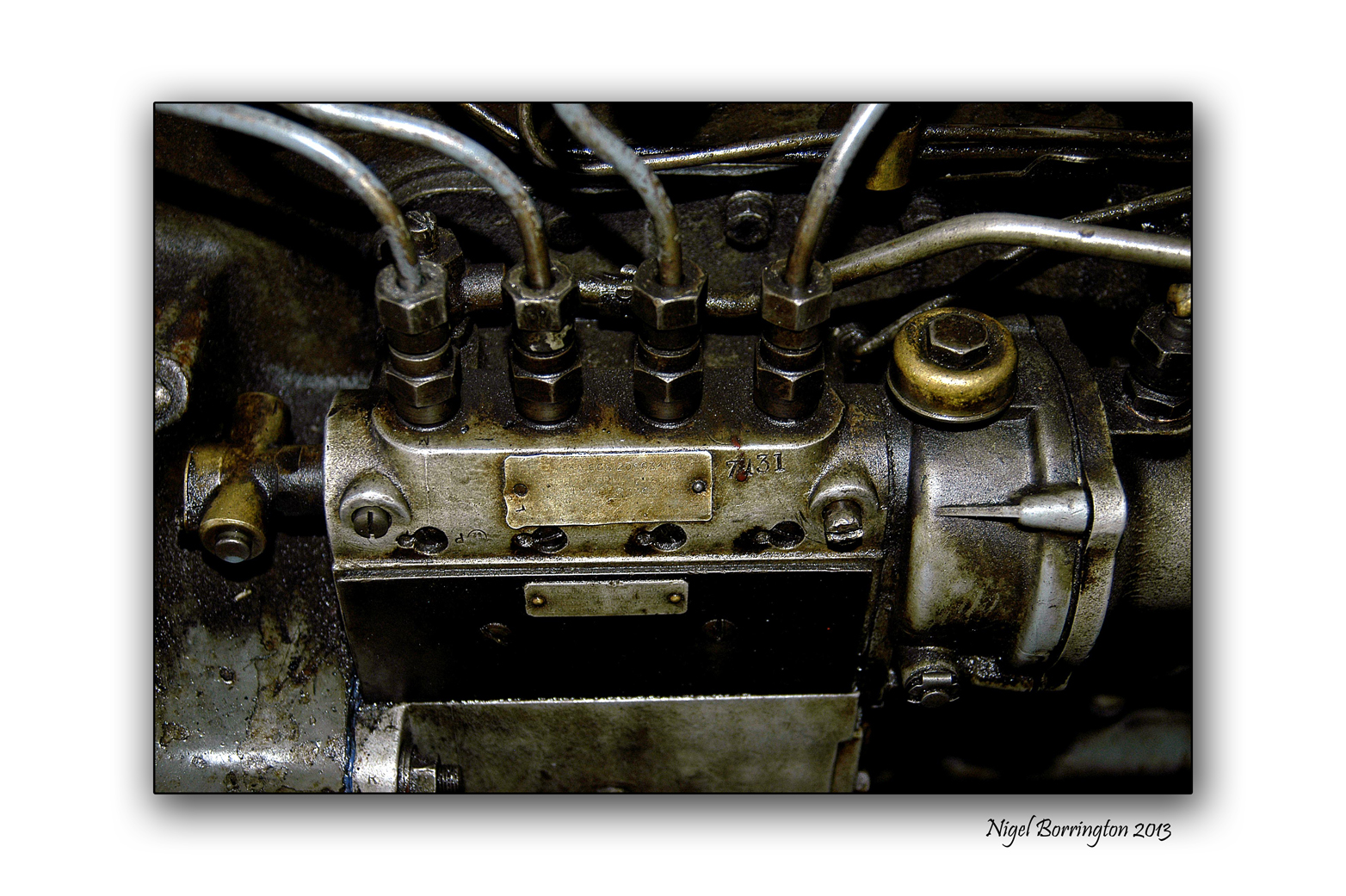
May and the local farms are getting busy, Irish farms are usually a little smaller than in Mainland Europe, so for some of the work a small tractor is still needed in order to work the smaller fields.
These images are a study of a little tractor most likely still used for many tasks around the farm over the next weeks of this busy month …..



Places on my walks , Crohare Church, Killenaule, county Tipperary
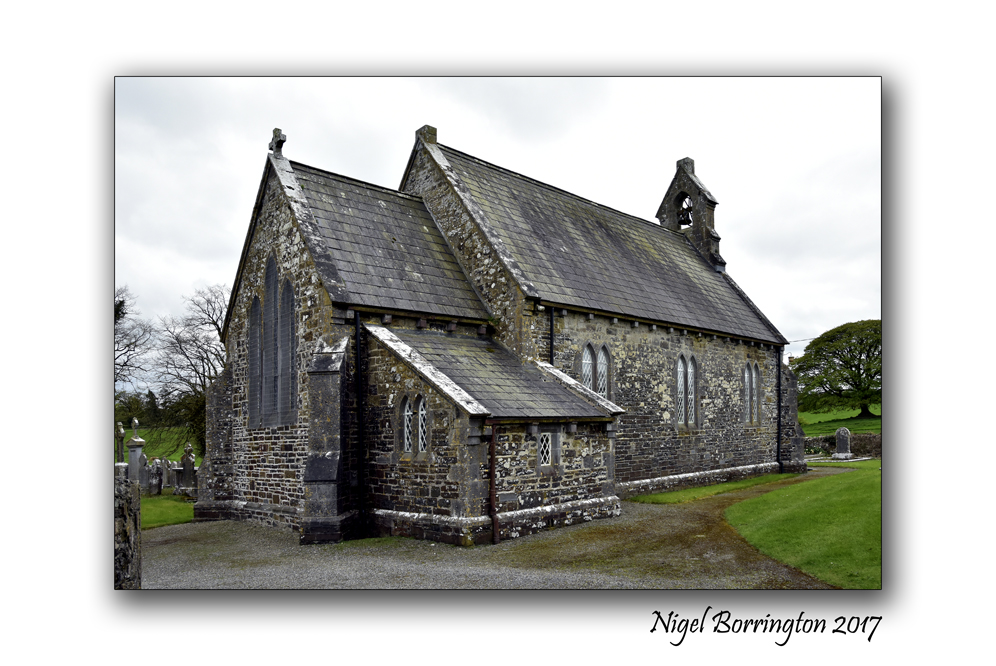
Crohane Chruch
County Tipperary
Ireland
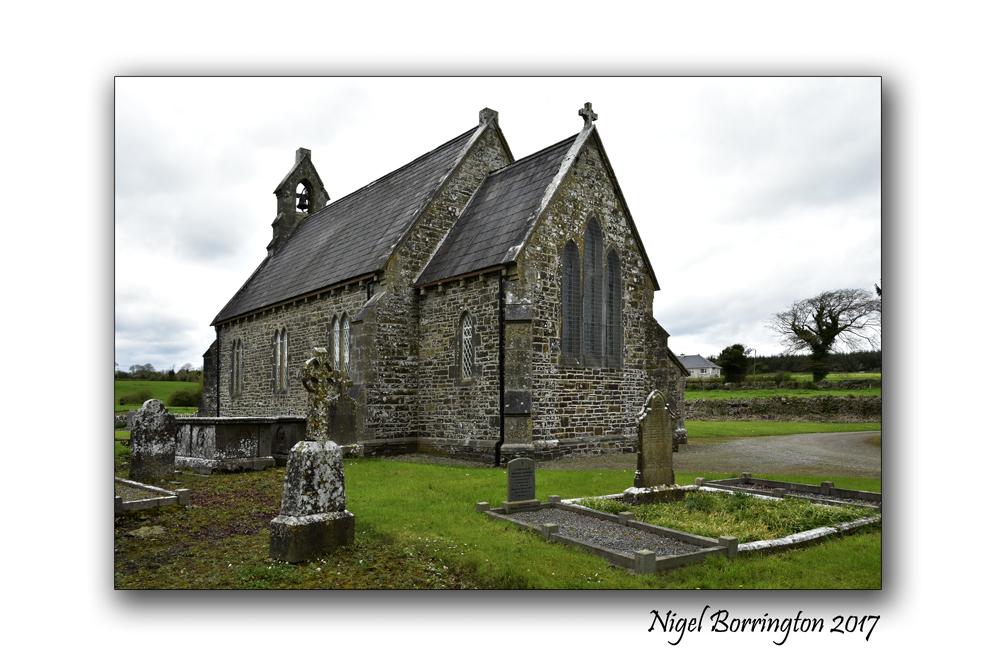
Crohane church is located just over the boarder from county Tipperary in the area of Killenaule and its a beautiful little chapel, located down a narrow drive way.
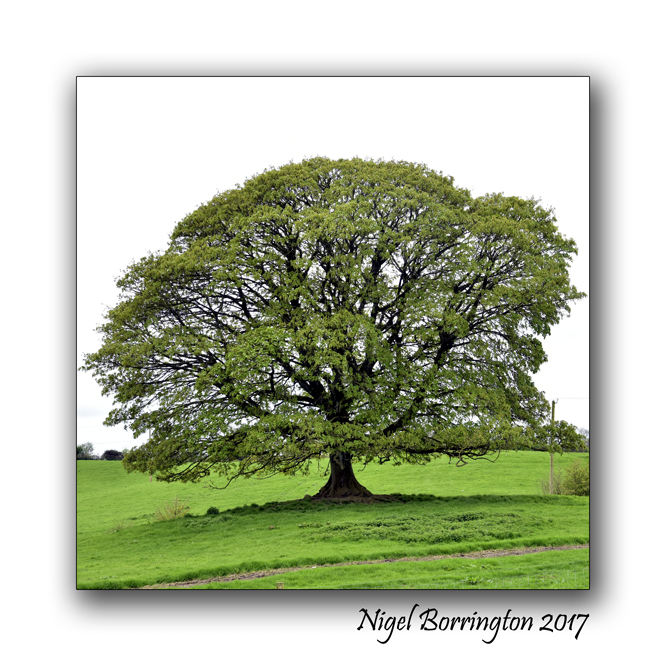
As you can see here, at this time of year the church is just starting to be surrounded by the green of the local oak trees and the colour of the wild flowers that grow in the stone wall that surrounds the Grave yard.
Crohane Church,a place of peace and stillness ……

Wonders of nature, Photography and Poetry : The Genesis of the Butterfly by Victor Hugo
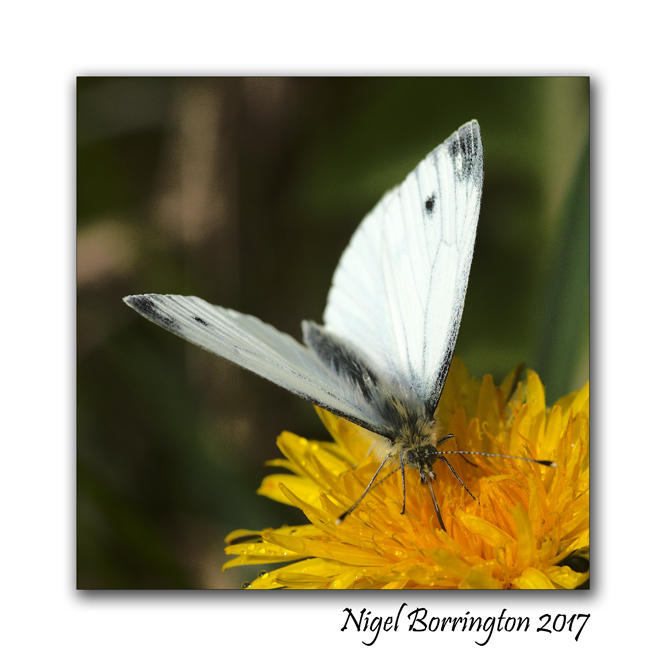
Large white Butterfly
Nature Photography
Nigel Borrington
The dawn is smiling on the dew that covers
The tearful roses; lo, the little lovers
That kiss the buds, and all the flutterings
In jasmine bloom, and privet, of white wings,
That go and come, and fly, and peep and hide,
With muffled music, murmured far and wide.
Ah, the Spring time, when we think of all the lays
That dreamy lovers send to dreamy mays,
Of the fond hearts within a billet bound,
Of all the soft silk paper that pens wound,
The messages of love that mortals write
Filled with intoxication of delight,
Written in April and before the May time
Shredded and flown, playthings for the wind’s playtime,
We dream that all white butterflies above,
Who seek through clouds or waters souls to love,
And leave their lady mistress in despair,
To flit to flowers, as kinder and more fair,
Are but torn love-letters, that through the skies
Flutter, and float, and change to butterflies
First Post after the Easter Holidays

irish national heritage park.
County Wexford
Nigel Borrington
I was only back in-front my laptop for the first time yesterday evening, uploading some of the images I captured over the Easter Holidays.
It was a great break, this year we stayed in Ireland but chose to visit many of the great locations the south east and west of the country has to offer.
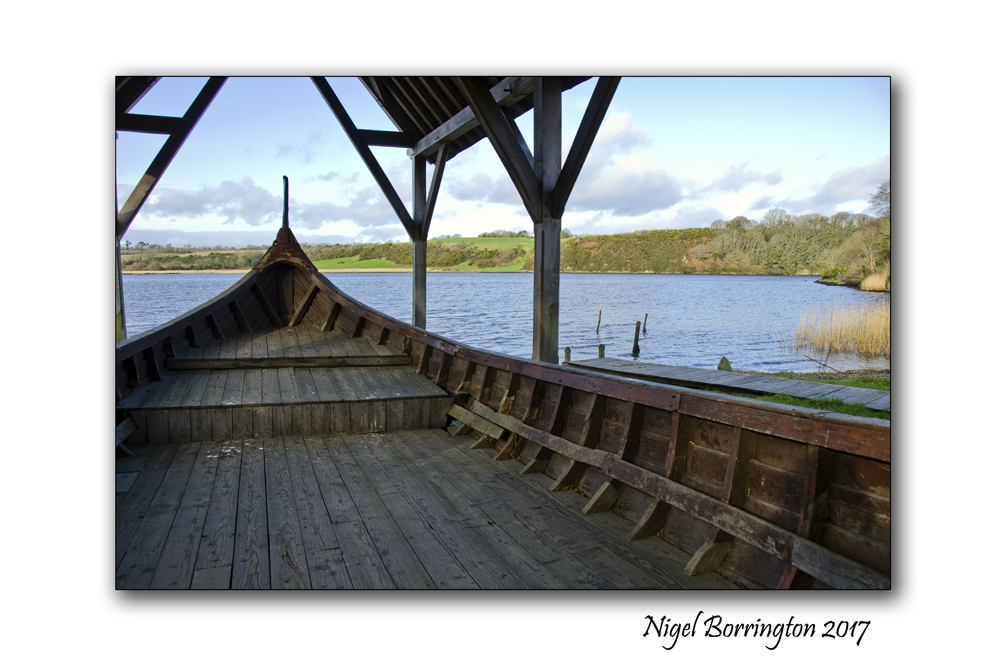
The Irish National Heritage Park, was just one of these places, the Park gives you an historic journey that takes you deep into Ireland’s past, Through 9000 years of Irish History. It is a very special place where Ireland’s heritage comes alive with sights and sounds that shaped a country and helped to shape the bigger world.
Located on the banks of the picturesque River Slaney, The Irish National Heritage Park truly is the cornerstone of Ireland’s Ancient East.
With an outdoor museum depicting 9000 years of re-created Irish History situated within natural forestry & wet woodlands.
The following images are just some from the many I took on the day we visited ….



 Nigel Borrington
Sense of place : Cullahill Chapel and castle in County Laois, Ireland
Cullahill castle and chapel
County Laois
Ireland
Nigel Borrington
The village of Cullahill, county Laois is located just over the boarder from county Kilkenny. It is home to some great old castle tower home and village chapel remains. Cullahill Castle was the principal stronghold of the MacGillapatricks of Upper Ossory built around 1425 and destroyed around 1650.
There are many places like this in the Irish republic, that have retained the remains of long lost times, this small village located on the R369 just north of Johnstown county kilkenny, is a perfect example of the way most small Irish villages would have been in the 1400’s. this small place is well worth a visit just to get a sense of old Ireland.
Gallery
Share this:
August 30, 2017 | Categories: Comment, Forgotten places, Gallery, History, irish history, Landscape, Travel Locations | Tags: castle, Chapel, County Laois, Cullahill, History, Ireland, irish history, laois, MacGillapatricks, Nigel Borrington, Ossory, Sense of place, tower house | 2 Comments