The Red Ruffed Lemur from Madagascar, Fota Wildlife Park, County Cork

Red Ruffed Lemur
Fota Wildlife Park
County Cork
Nigel Borrington
There are so many different Species of Wildlife at Corks Fota Wildlife park that you would need many visits in order to get to know as much as you can about them all, along with getting enough time to observer their individual personalities.
During last weekends visit I found so much that I liked about them all but for me the Red Ruffed Lemurs were very special fun to spend some time with. They never stopped moving around their island and their climbing and balancing skills were just amazing to take in.
Here are some basic details about these wonderful Lemur’s
About the Red Ruffed Lemur
Named for the long thick fur that grows around its head and body, the Red Ruffed Lemur is an agile primate that has made the island of Madagascar its home. Males and females look the same – its body is close to its feet, the animal has piercing (sometimes reddish) eyes and it usually weighs between seven and 12 pounds.
Habitat
Ruffed Lemurs are found exclusively on the island of Madagascar off the continent of African, and are generally found in the upper canopy of the tropical rainforests on the eastern side of the island.

Wild Notes
The species is considered to be crepuscular, which simply means that they are most active at dawn and dusk. Their diet consists mainly of fruits, seeds, nectar and plant matter and the animal scent marks its territories and uses an elaborate system of alarm calls to alert other group members if predators are nearby.
Female Red Ruffed Lemurs don’t carry their offspring like most other primates; instead, mothers give birth and leave their young in nests that are generally found between ten and 20 metres above ground level. However, infant mortality is high with about 65% of newborns not reaching three months.
Conservation
The species is listed as being Critically Endangered after a significant decline in population in recent decades because of agriculture, logging and mining activities across its habitat. In fact, over 90% of Madagascar’s original rainforest is gone.
It is estimated that there could be as few as 1,000 to 10,000 left in the wild, while the Black & White Lemur is the most Endangered of the two Ruffed Lemurs.
Did you know?
The Ruffed Lemur feeds on nectar by sticking its long nose deep into the flower. The Lemur’s snout becomes coated with pollen in the process, which is then transported to other flowers – making the animal an important pollinator within its local habitat.
The Fota Connection
The Park is home to three of the 16 species of Lemur and two varieties of the Ruffed Lemur – the Red and Black and White species.
The Ruffed Lemurs are maintained on separate islands alongside each other in the lakes area as they are territorial animals, while Fota has been actively involved in a series of projects aimed at preserving what remains of their natural habitat in Madagascar.
Taking a nap, Bennett’s wallaby (mother and babies) at Fota wildlife park, County Cork

Taking a Nap
Bennetts Wallaby and baby
Nigel Borrington
During the last weekend we visited Fota wildlife park in county cork and spent many great hours getting to know many of the animals they have in their care.
The weather was perfect during the time needed to walk around all the islands and planned routes around the park, with many of the animal on open display and very easy to view you get a very personal experience.
The image above is of a female Bennett’s Walley, with two of her babies resting Snuggly in her pouch, I felt very lucky to get a great view of the three of them as they all napped in the midday sun 🙂

About the Bennett’s Wallaby
Sometimes called the Red-necked Wallaby, the species has a mainly grey coat with reddish shoulders and a black nose and paws. The male’s body can measure up to 90cm in length and weigh up to 18kg; the female, in contrast, is smaller – though both have five clawed-tipped fingers that are used for feeding and grooming.
Habitat
A native of the east coast of Australia and Tasmania, the Bennett’s Wallaby is noctural – resting during the day and coming out to feed at night. Largely a solitary animal, it follows a herbivorous diet and gains most of the water it needs through the food sources it consumes. Breeding can occur at any time of the year with females giving birth to one offspring – known as a Joey – once every 12 months.
Wild Notes
The Wallaby’s ears are very sensitive and are its first line of defence in that it will bound away from a predator as soon as it hears one nearby. Each of its hind legs has an elastic tendon that allows the species catapult itself forward as its tail acts like a rudder, enabling the Wallaby to change direction quickly.

Conservation
Once hunted for their meat and fur and persecuted by ranchers and farmers, Wallabies are now a protected species. The move has seen their numbers in the wild increase in recent years and as the species is tolerant of alternative habitats, it is of Least Concern on the Endangered List.
Did you know?
Similar in size to a grape when born, Joeys grow to 2,000 times its birth weight during the first six months of its life. They begin to leave their mother’s pouch from about seven months and are fully independent at a year old.
The Fota park Connection
The Park’s Wallabies are free ranging and now number between 50 and 70 animals around the island. More easily spotted in the early morning or late evening when the Park is quieter, this species feeds on the grass of the African Savanah or Woodlands areas and tends to be timid and hard to get too close to
——————-
I will post lots more images of all these great creatures at Fota park and do my best to introduce them to you 🙂
Friday Poetry , Home stretch
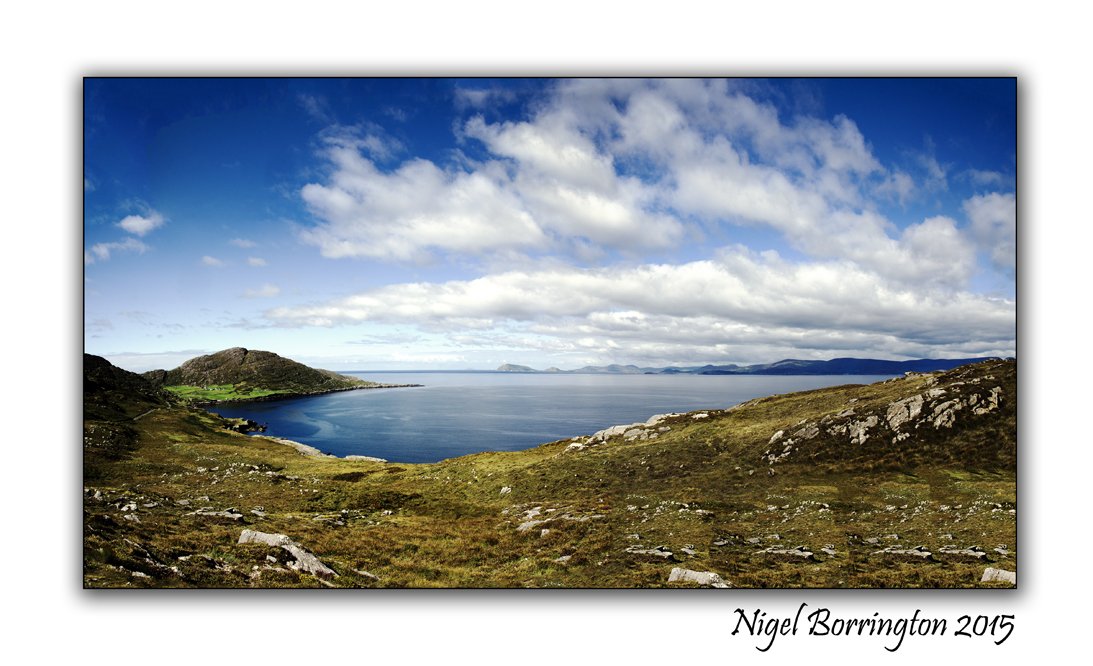
Home stretch
By : K.D..

End of Friday, I float out, slide out, glide outside,
weekend feeling starts from first waking I confide,
One foot in front of another, quickens apace, work-gate in sight,
threshold crossed and happy stride full of departed delight,
Cars swerved, by fast-approaching buggies I am unnerved,
station observed, seat on the 2-free day 16.09 train reserved,
Disembark, footfalls skip a nifty 2-step through the post-work park,
the free-time frieze en route, a sanctuary breeze of homewards commute,
Those demons cars evenly spaced, at every turn they are placed,
but the finishing line streets dissolve as I brandish my relaxed resolve,
Safely settled in a cosy cuddle of creative mind, alligned, now to unwind,
thoughts to etch, ideas to sketch, inhaling hearty breaths of home stretch.

Have a great weekend 🙂 🙂
The Presence of Trees – By Michael S. Glaser

The Presence of Trees
Nature Photography
Nigel Borrington
The Presence of Trees
by Michael S. Glaser
I have always felt the living presence
of trees
the forest that calls to me as deeply
as I breathe,
as though the woods were marrow of my bone
as though
I myself were a tree, a breathing, reaching
arc of the larger canopy
beside a brook bubbling to foam
like the one
deep in these woods,
that calls
that whispers home
Sunday, taking pictures in the Rain
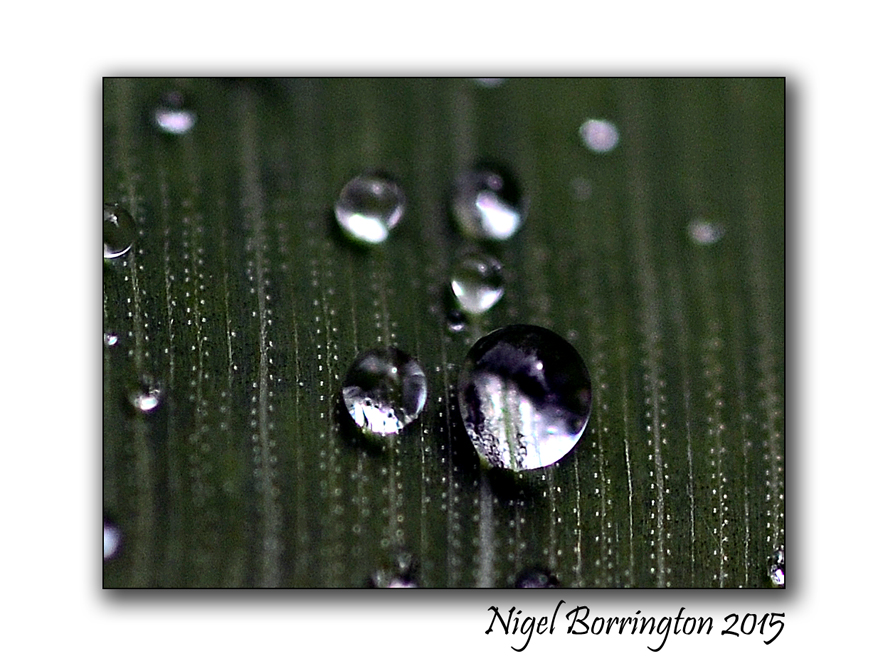
Study of Rain drops
Nature Photography : Nigel Borrington
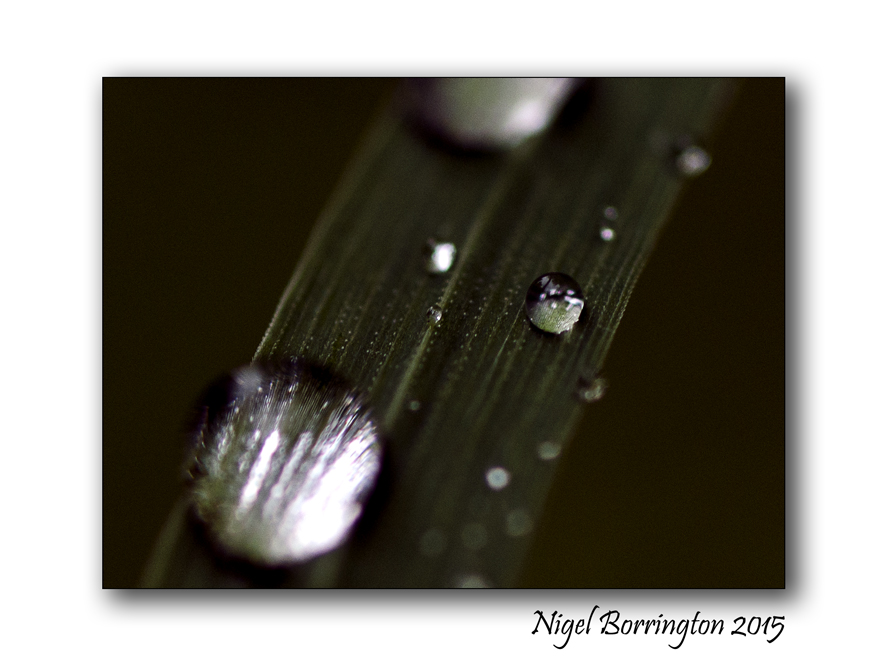
We have had all seasons in one weekend here in Ireland , with Sun Snow and today Rain :). I had intended to do lots of walking today but it is just to windy for mountain walks. So I have decided after looking out of the windows for a while to do a photo study of the rain when the winds dye a little.
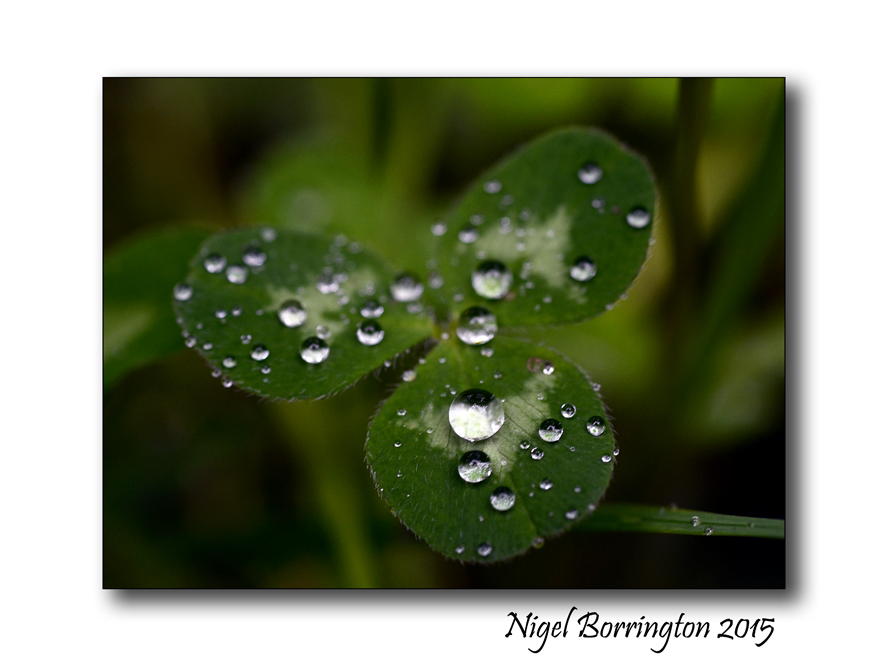
These images are form a day just like this one last year and I will use them as some inspiration today, I used a macro lens for these shots and the above image also captured the amazing structure of the grass that the rain drops rested themselves on.

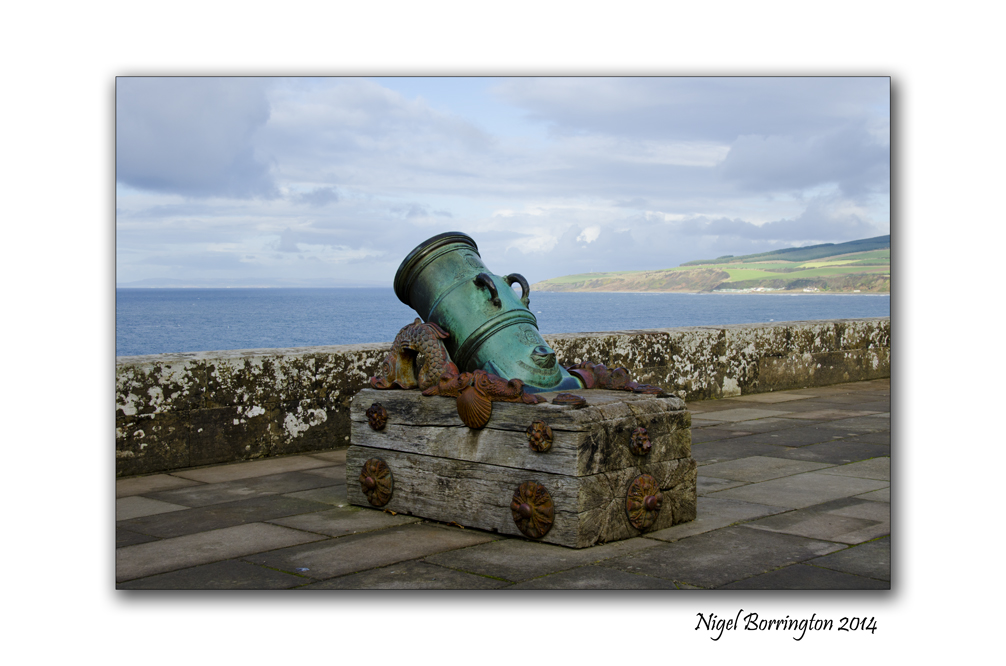
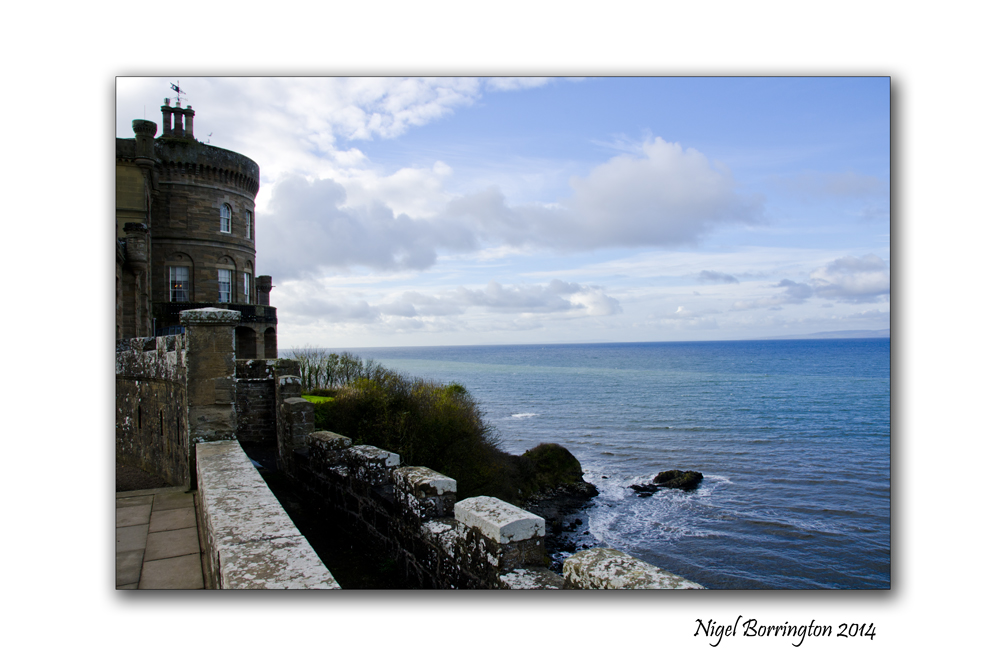
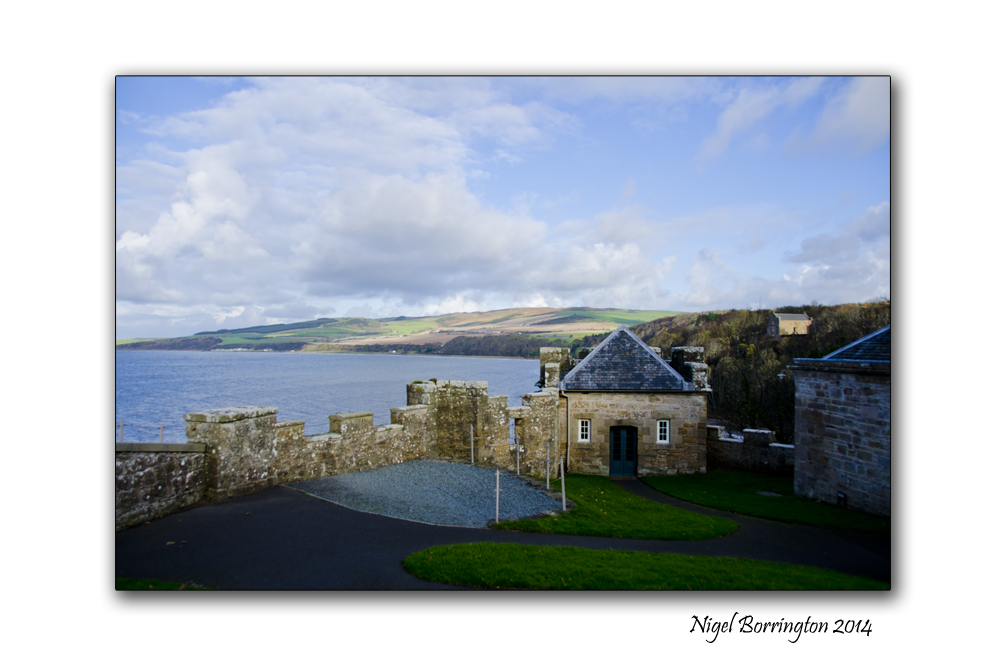
Culzean Castle, Maybole, Carrick, Ayrshire, Scotland

Culzean Castle, Ayrshire, Scotland
Nigel Borrington
It was back in 2014 that I last visited Culzean Castle on the west coast of Scotland, so I am planning another visit as soon as I can, Culzean Castle is in Ayrshire and just has to be one of the most treasured and interesting castles in Scotland.
Robert Adam was the architect and he designed the castles structure on a basic L shaped design. The structure is a fine country house and when completed it was the seat of the 10th of Cassilis ( David Kennedy ) , earldom.
The castle was built in stages between 1777 and 1792. It incorporates a large drum shaped tower, circular inside (which overlooks the sea), a grand oval staircase and a suite of well-appointed apartments.
In 1945, the Kennedy family gave the castle and its grounds to the National Trust for Scotland (thus avoiding inheritance tax). In doing so, they stipulated that the apartment at the top of the castle be given to General of the Army Dwight D. Eisenhower in recognition of his role as Supreme Commander of the Allied Forces in Europe during the Second World War. The General first visited Culzean Castle in 1946 and stayed there four times, including once while President of the United States. An Eisenhower exhibition occupies one of the rooms, with mementoes of his lifetime.
During my own days visit I took many images here as both the grounds and castle itself offer some wonderful photography, including a walked garden, cannon’s, walls, see cliffs and court yards.
If you are visiting Ayrshire , this castle has to be high on your list for a visit.
Culzean Castle , Gallery




Easter (Ēostre, Ostara ) time on the – Hill of Tara

Easter in Ireland is clearly these days viewed as a religious time in the sense of modern Christianity, however Easter or Ēostre, as a festival has been celebrated for many thousands of years before our current state accepted beliefs….
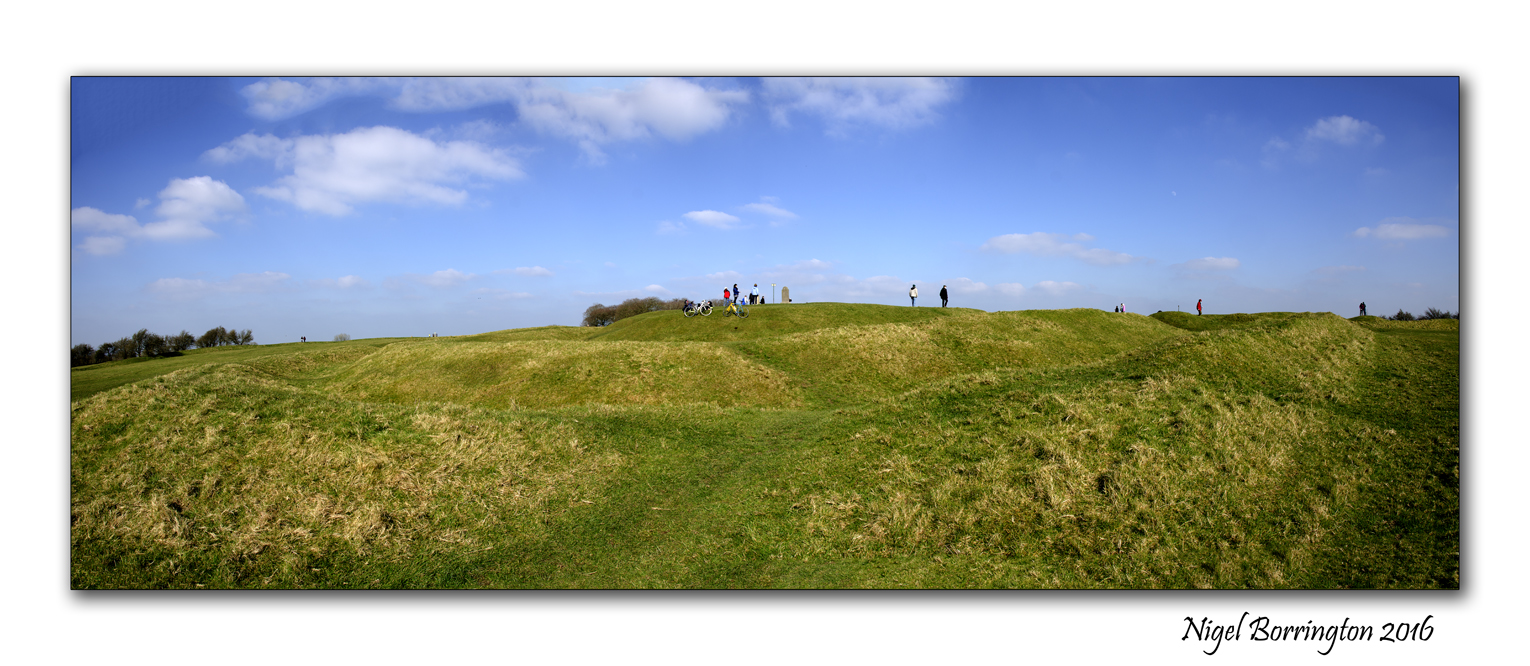
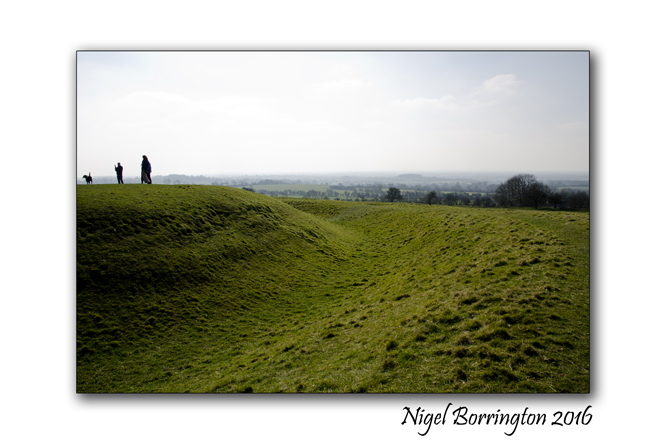
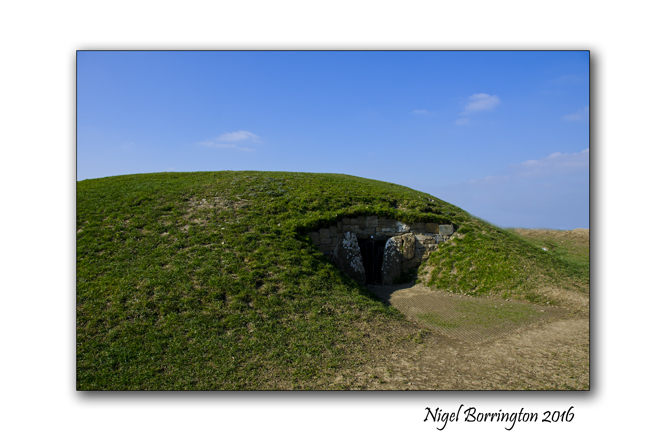
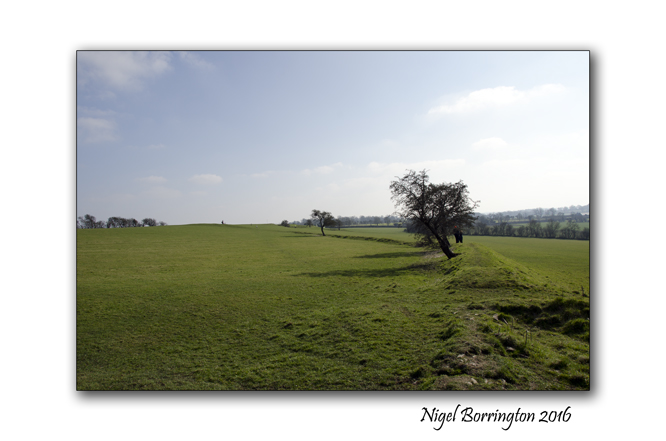
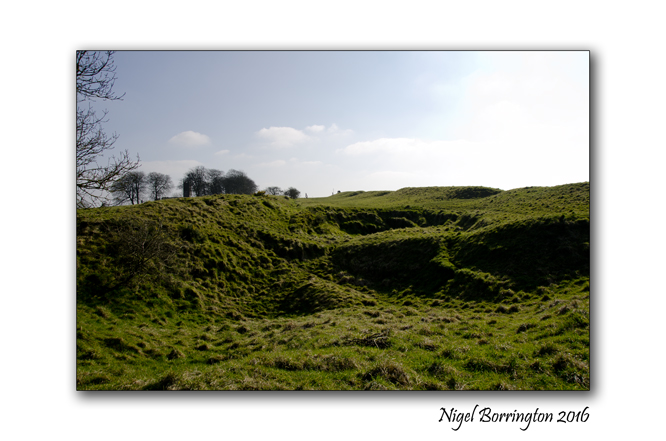
During last weekend we visited the hill of Tara one of Europe’s and Ireland’s oldest pagan monuments, It was a great time of the year to visit as the air was full of springtime with a feeling that summer was only just around the corner,warm days and long evenings. This is the exact feeling that surrounds the beliefs of the people who made this place so Sacred to their Pagan beliefs in the elements of nature and the seasons. I am never sure if these belief’s can fully be called a religion in modern terms, feeling that they were more a philosophy towards the world that they lived in and cared for very much!
here is a little about the long history of the hill of Tara:
Teamhair is the ancient name given the Hill of Tara. One of the most religious and revered sites in all of Ireland, it was from this hill that the Ard Rí, the High Kings of Ireland, ruled the land. The place was sometimes called Druim Caín (the beautiful ridge) or Druim na Descan (the ridge of the outlook). When walking the path that leads to the top of the hill today, one can easily appreciate why. The long gradual slope eventually flattens at the top for an amazing view of the broad plains in the Boyne and Blackwater valleys below. All that remains of the complex is a series of grass-covered mounds and earthworks that say little about the 5,000 years of habitation this hill has seen.
Most historians, including Biblical scholars, agree that Easter was originally a pagan festival. According to the New Unger’s Bible Dictionary says: “The word Easter is of Saxon origin, Eastra, the goddess of spring, in whose honour sacrifices were offered about Passover time each year. By the eighth century Anglo–Saxons had adopted the name to designate the celebration of Christ’s resurrection.” However, even among those who maintain that Easter has pagan roots, there is some disagreement over which pagan tradition the festival emerged from. Here we will explore some of those perspectives.
Resurrection as a symbol of rebirth
One theory that has been put forward is that the Easter story of crucifixion and resurrection is symbolic of rebirth and renewal and retells the cycle of the seasons, the death and return of the sun.
Hill of Tara Gallery



New-grange and the Triple spiral

Boyne Valley, County Meath, Ireland
Nigel Borrington
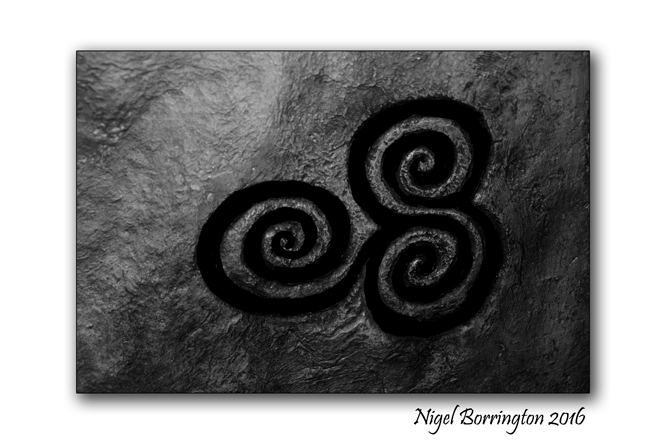
The Tri-Spiral
Is a design engraved on one of the stones inside the middle chamber of Newgrange is probably the most famous Irish Megalithic symbol.
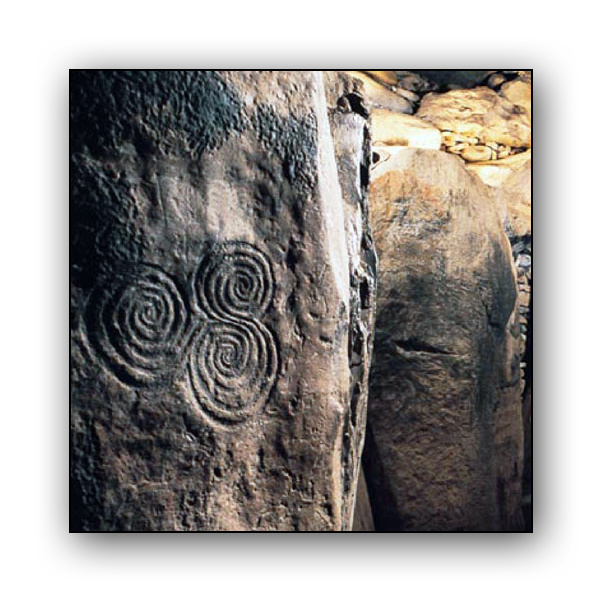
It is often referred to as a Celtic design, but it was carved at least 2500 years before the Celts reached Ireland. At 12 inches in diameter the tri-spiral design is relatively small in size, less than one-third the size of the tri-spiral design on the entrance stone.
Believed by many people to be an ancient symbol of pre-Celtic and Celtic beliefs, the triple spiral appears in various forms in pre-Celtic and Celtic art, with the earliest examples having been carved on pre-Celtic stone monuments, and later examples found in the Celtic Christian illuminated manuscripts of Insular art. The triple spiral was possibly the precursor to the later triskele design found in the manuscripts.
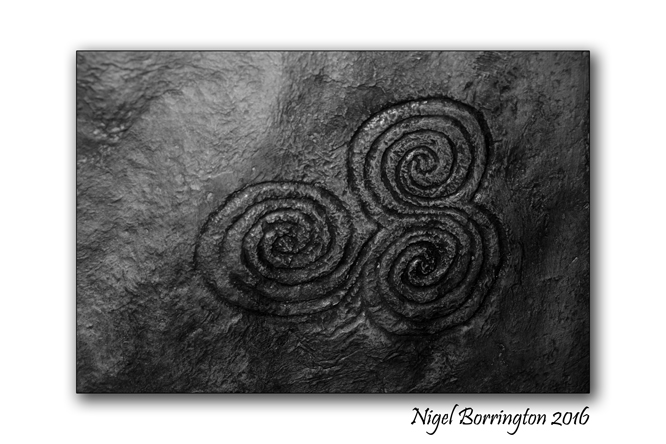
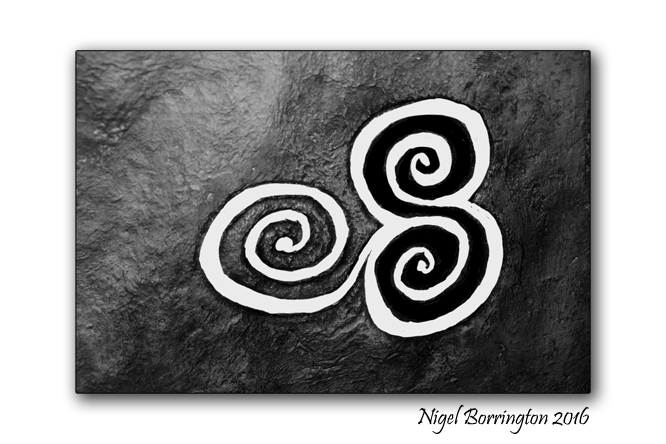
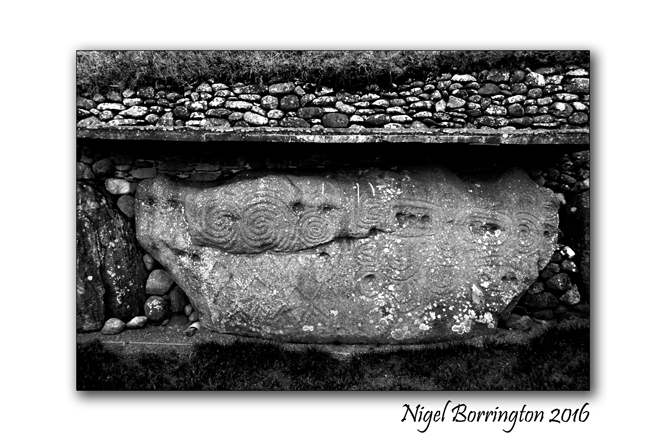
The megalithic tomb of Newgrange in Ireland features several examples of the triple spiral as petroglyphs. These particular examples do not feature three-fold symmetry of later renderings but feature two intertwined spirals with the third originating from the indentation between the other two. This particular feature is rendered with high fidelity in each instance at Newgrange and would suggest a non-tripartite interpretation. One possible interpretation could be the union of male and female (the two entwined spirals) to engender an offspring though how this relates to its setting in a tomb begs explanation.
Last night in order to highlight the uniqueness of the Newgrange spirals, I produced the following versions by tracing over a photograph I took of the original, thus producing different drawings using both the positive an negative spaces of the relief.
You can read into these your own interpretation of the original meaning ….

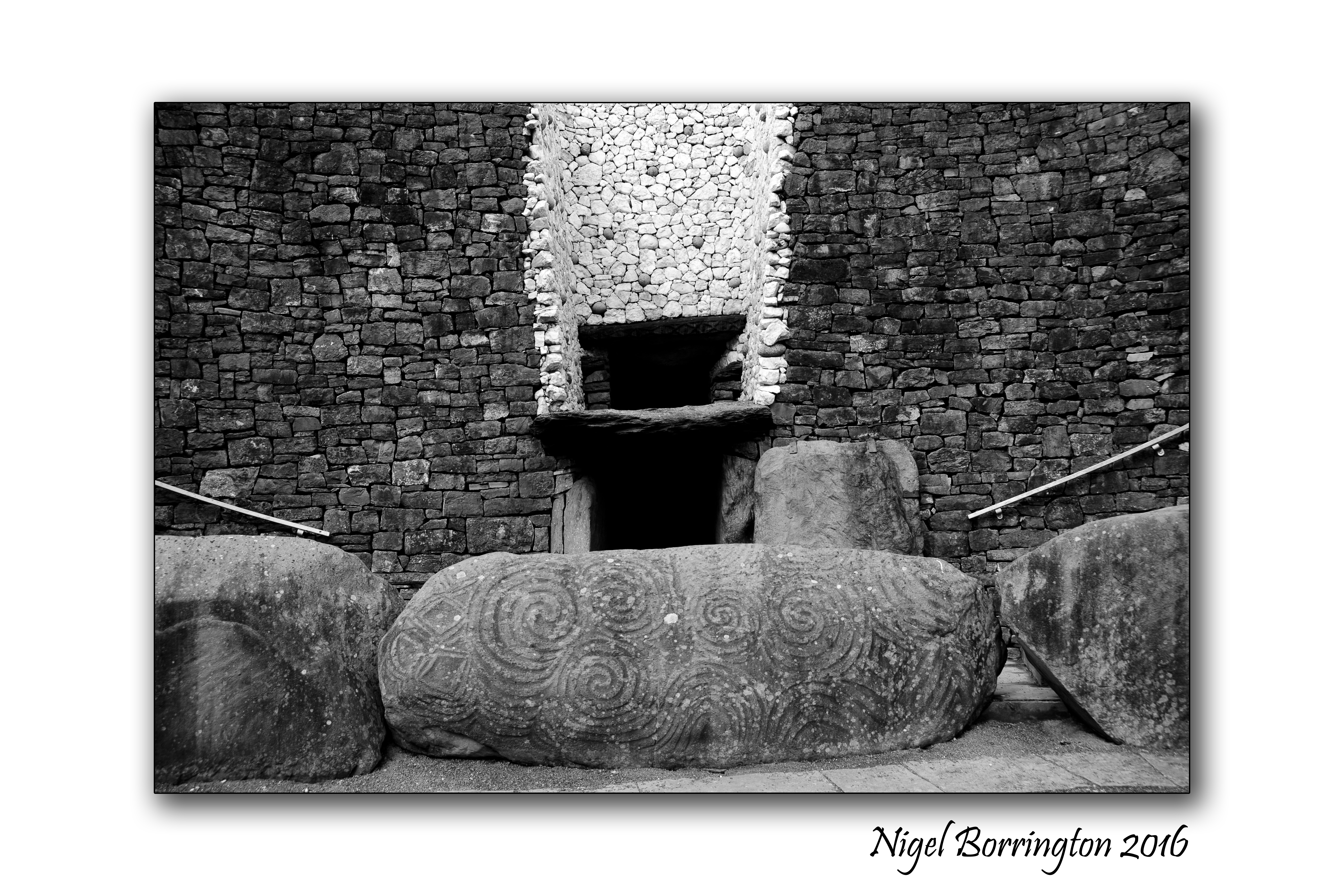
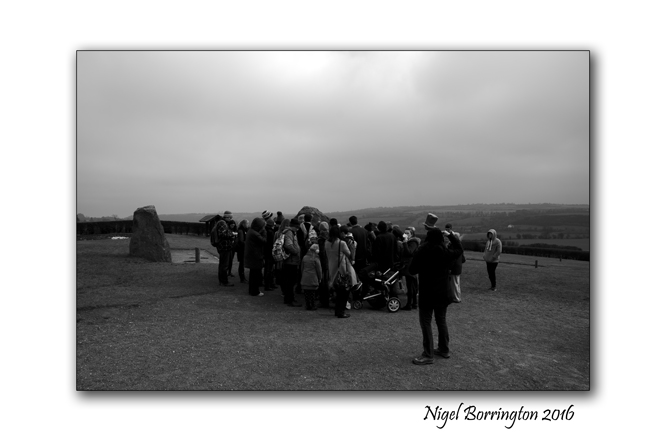
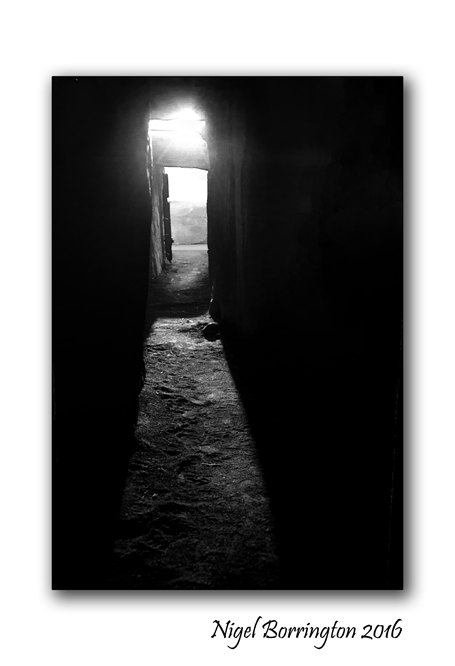
A weekend Celebrating the Spring Equinox 2016 at Newgrange, Boyne Valley, County Meath, Ireland.
Happy Spring Equinox 2016 to everyone …..
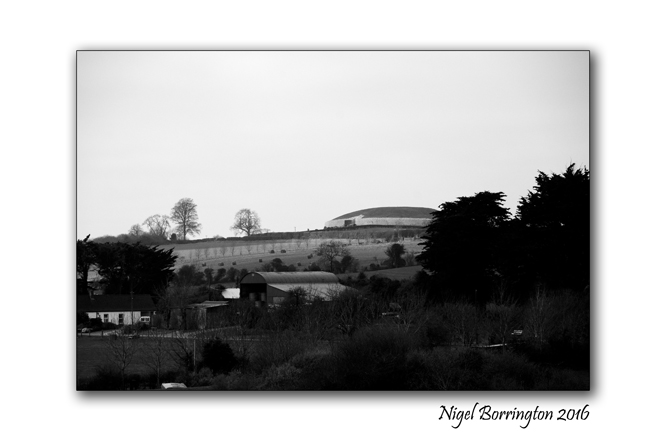
Yesterday Marked the start of spring time, so over the weekend I spent sometime visiting both Newgrange and the Hill of Tara. Both perfect locations to gain a little understanding as to how our European pagan ancestors both recorded and celebrated the movement of the sun and universe they lived in.
It was exactly, one quarter of a year that had passed since the shortest day of the year, the day when at Newgrange the rising sun can be seen to travel all the way into the passage tomb at the centre of the monument.
The Spring equinox 2016 celebrating
Yesterday marked the arrival of spring, the date of the vernal equinox, or spring equinox as it is known in the northern hemisphere. Spring equinox. During an equinox, the Earth’s North and South poles are not tilted toward or away from the sun. (Ref :Wikipedia)
This means the sun will rise exactly in the east and travel through the sky for 12 hours before setting in the exactly west.An equinox happens twice a year around March 20 and September 22 when the Earth’s equator passes through the centre of the sun.
For those in the southern hemisphere, this time is the autumnal equinox that is taking people into their winter.
Druids and Pagans like to gather at Stonehenge early in the morning to mark the Spring Equinox, to see the sunrise above the stones.
The Pagans consider this is the time of the ancient Saxon goddess, Eostre, who stands for new beginnings and fertility. This is why she is symbolized by eggs (new life) and rabbits/hares (fertility). Her name is also where we get the female hormone, oestrogen.
From Eostre also come the names “Easter” and “Esther” the Queen of the Jews, heroine of the annual celebration of Purim which was held on March 15. At Easter, Christians rejoice over the resurrection of Jesus after his death, mimicking the rebirth of nature in spring after the long death of winter.
It is also a time to cleanse your immune system with natural remedies. In Wiltshire and other parts of rural Britain it used to be tradition to drink dandelion and burdock cordials as the herbs help to cleanse the blood and are a good tonic for the body after a harsh winter.
Newgrange a Gallery


St Patrick’s day a Landscape Gallery 2016

The Mountain of Slievenamon
County Tipperary
Ireland
Nigel Borrington
Happy St Patrick’s day everyone !!!!!
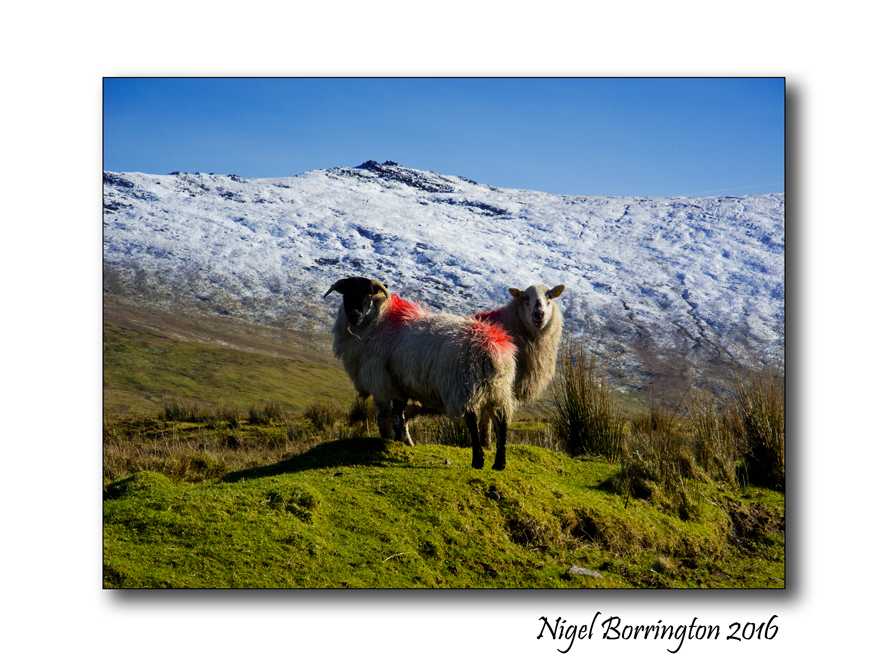
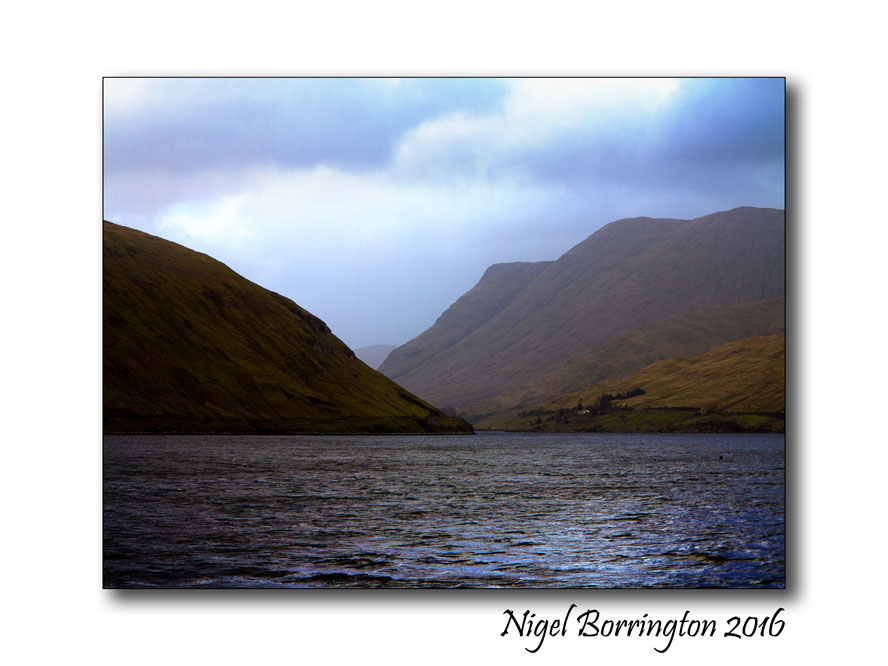
For the last few St Patrick’s day Holidays, I have posted some of my Landscape images from around Ireland , today I want to do the same as I feel that for me today is about celebrating the great landscape’s Ireland has to offer and getting outside to enjoy the real Ireland that surrounds the people who have made it their home.
Ireland: a St, Patrick’s Landscape Gallery




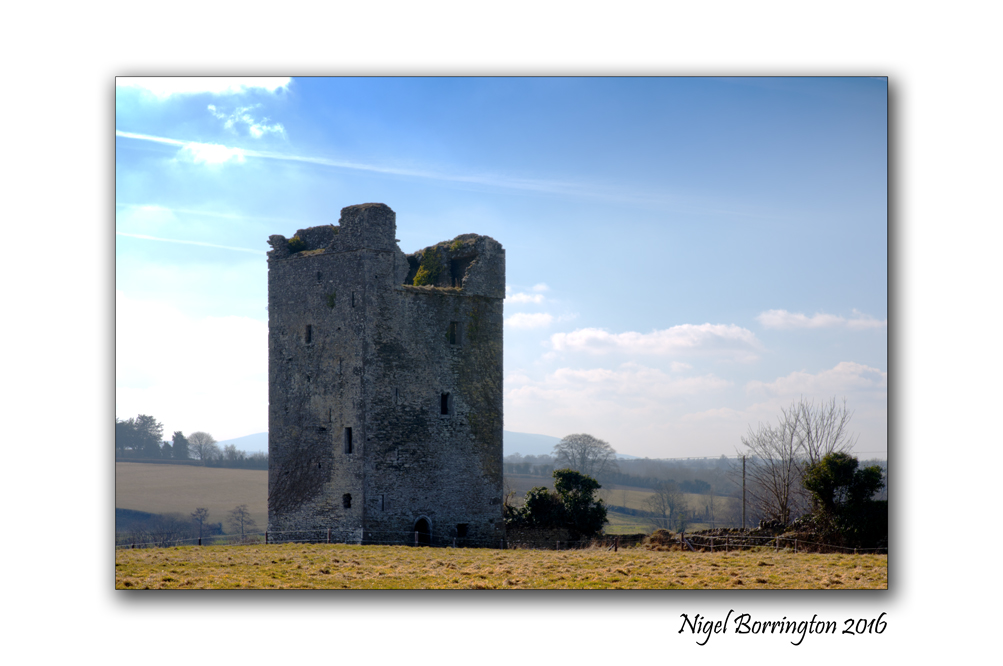


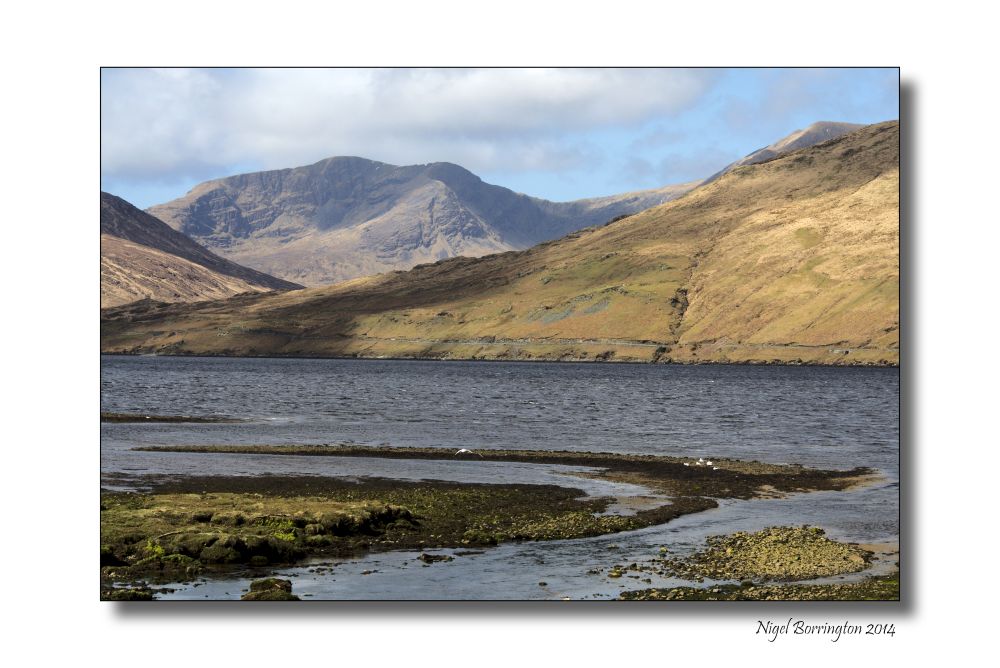
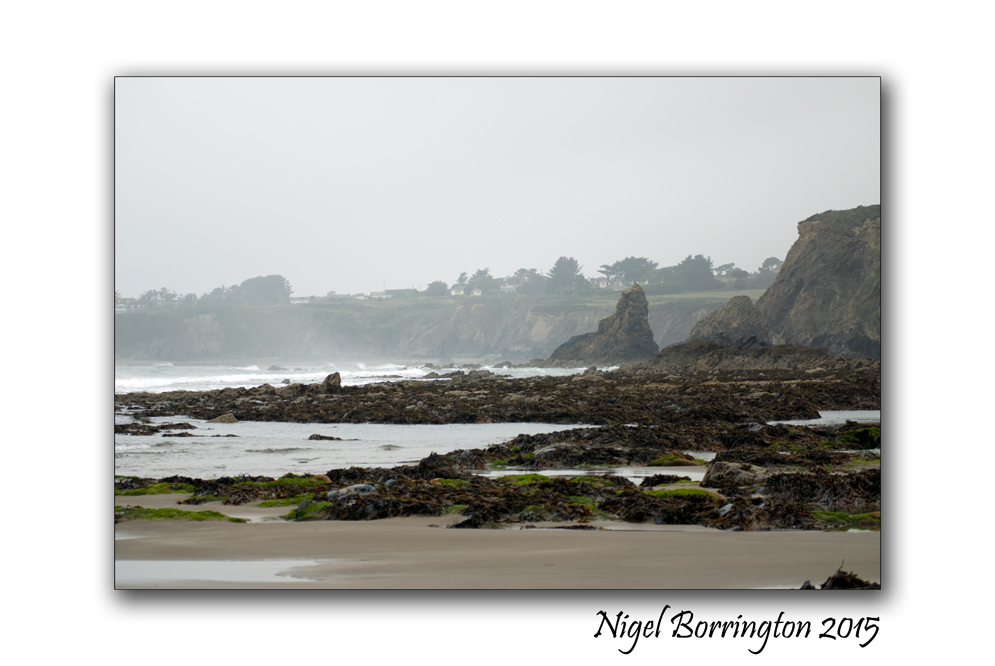

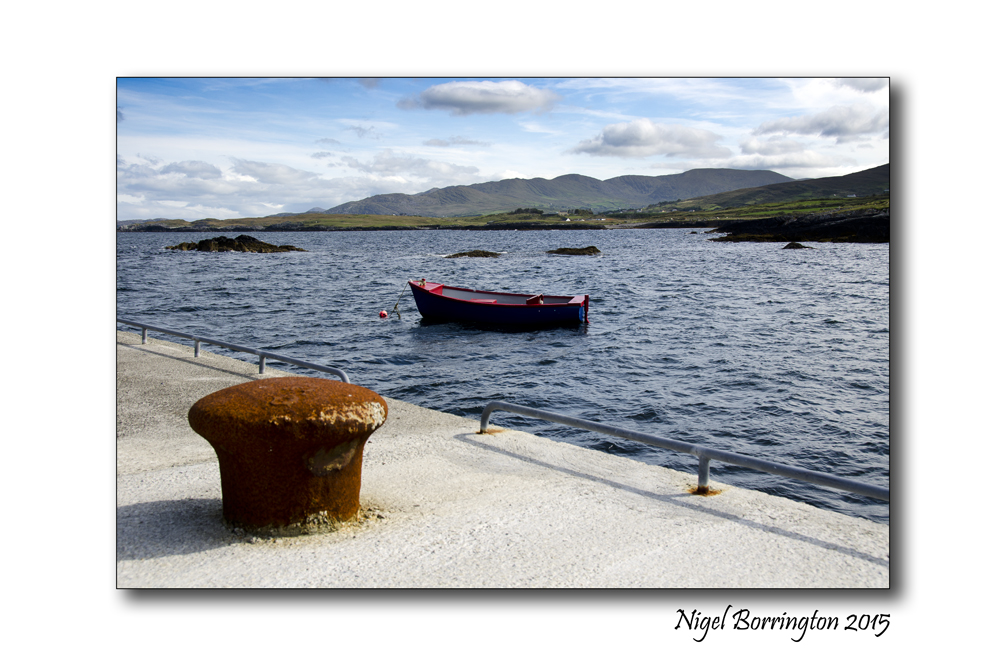


A sense of place, Wellington Tower Grange Crag, County Tipperary

The Wellington Tower Grange Crag, County Tipperary
The Wellington Tower stands on the Crag above Grange, county Tipperary, it was built in 1817 by Sir William Barker Bar to celebrate the Duke of Wellington’s victory over the French at the battle of Waterloo. Today it is nearly two hundred years old and for a long time it has only formed a feature in the loop wall around the forest above the small village of Grange.
However over the last months it has been restored and transformed into a viewing platform as you can see from the images here, it has been amazing to see the work that has been performed to give the tower a new life and a new purpose in life.
The walk to the top of the tower is via a metal spiral staircase with a viewing platform at the top , if you are a little heady with heights its best not to look down through the steps and to just keep going until you get to the top.
Once you are on the platform above and walk to the chest-high wall in front of you the view of county Tipperary below is just amazing. There is a display of all the sights below on a board the looks out and to the distance you can see modern Ireland in it greatness form with its small towns and up to date Wind farms.
Wellington Tower , Grange Crag, Tipperary GALLEY …



Fridays Artist : Peter Collis, An Artist who Understands the Irish landscape
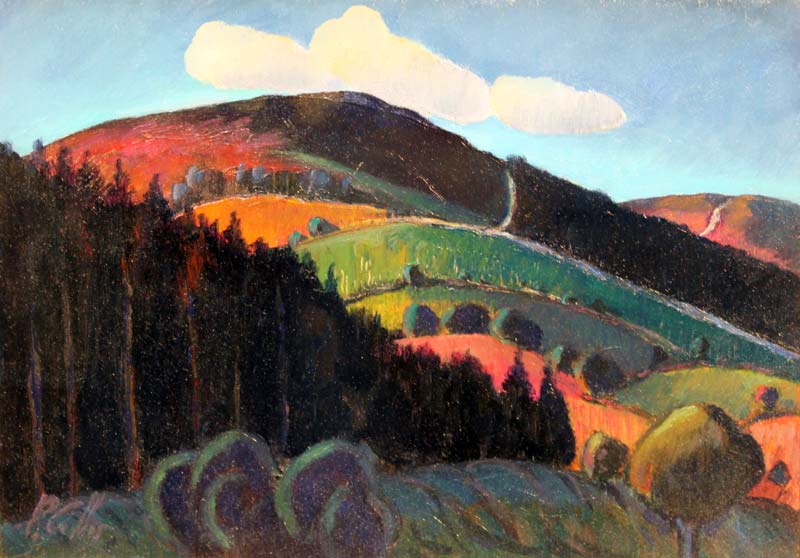
Glencrea Valley
by Peter Collis RHA
I started this week in my blog by saying that I was taking sometime each day to study some of my most loved Artists, I feel that the week has been really valuable to me in this respect and I am very pleased with how it has all worked out. At the same time the week has only scratched the surface of my full aims, being to gain an understanding of how so many great artists have used the landscape of Ireland and the UK in their art work and to define how I can take this as some personal inspiration.
While during the last few years I have taken many more photographs than produced paintings, I have been painting as a form of self-expression for many years. Oddly it was not until I decided to attend art school at Waterford(WIT) that I stopped painting so much, I think many experience this odd effect from current formal art study and art schools.
I don’t want my blog to become completely art and artists based and to move away from my own photography posts, although I personally feel that the two are very closely linked in any-case. So next week I will move a little back towards photographic images, I will however still keep posting some reviews of the artists and art work that I find the most interesting.
Has this week helped to inspired me ? , Absolutely! I feel its time to paint again as well as use my camera !!!
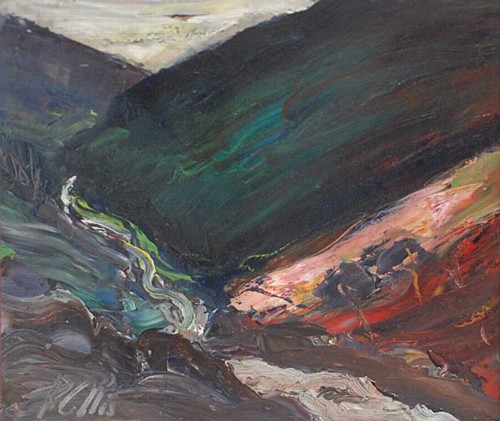
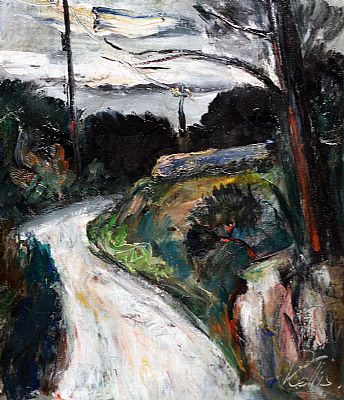
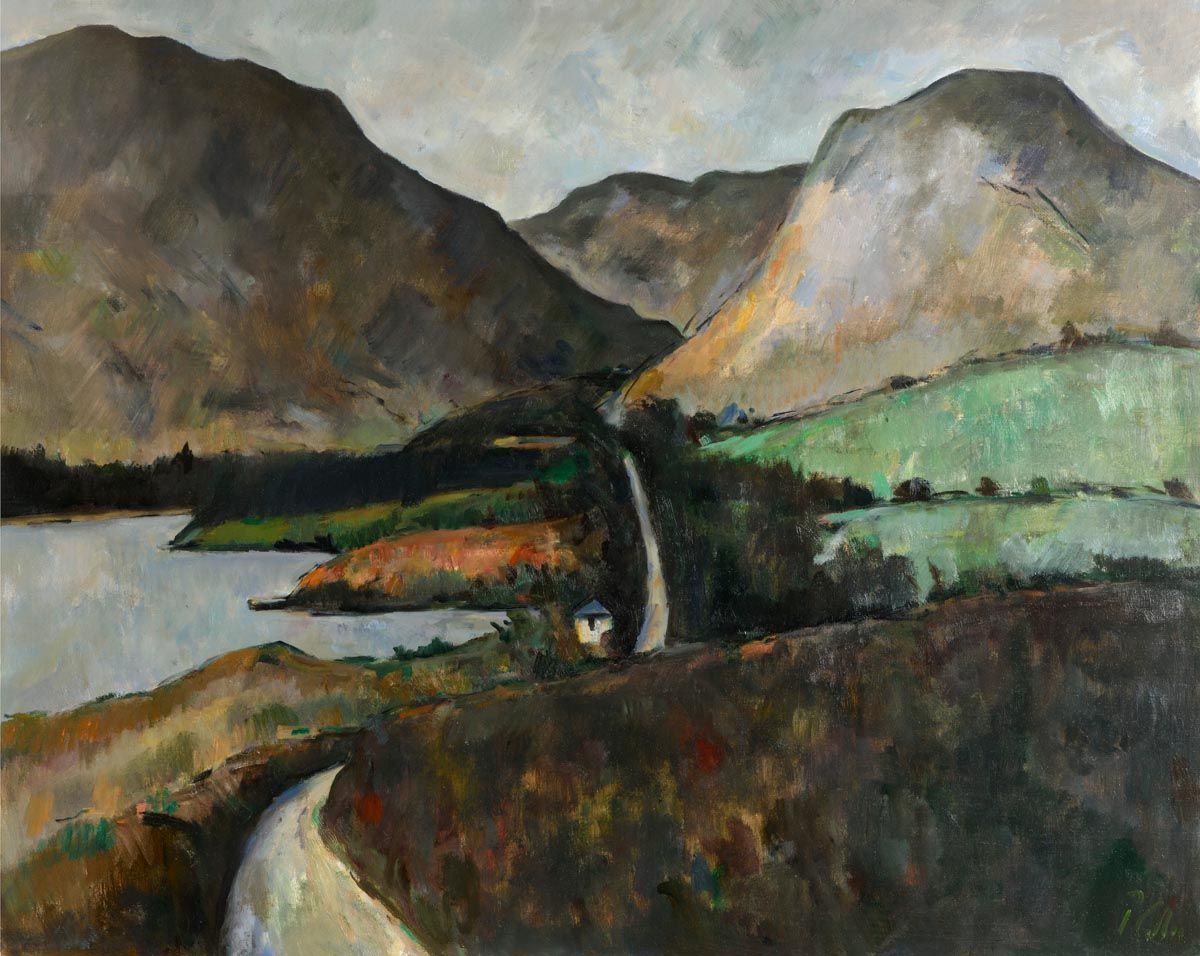
One of these very inspiring artists is Peter Collis the artist I have selected for my Friday Post. I remember visiting the Solomon Gallery, Dublin in 2002 , the first time I got to see any of peters paintings and I very much liked them from the start. I liked his style of painting of the landscapes he painted and very clearly loves, using a limited amount of colours like many artists do, I very much liked the way the movement of his brush can be so clearly viewed in his work, each gesture he made forms a feature in the landscapes he paints and each of these gestures are left alone on the canvas from the very moment they have been made.
I found this great review of Peter in the Irish independent dated 2012 – it says much more Than I can myself !!!
A little about Peter Collis by : Eamon Delaney
A lovely, gentle man’ was how veteran sculptor Imogen Stuart recalled the painter Peter Collis who has passed away at the age of 83. Collis, who was born in England and came to Ireland in 1969, was an acclaimed landscape artist and still life painter who had been a stalwart of the Royal Hibernian Academy. His canvasses are characterised by a powerful and dramatic style under the painterly influence of great masters such as Paul Cezanne, whom he adored, and Maurice de Vlaminck. In contrast to the traditional realistic depictions of the Irish countryside, Collis employed a bold brush and brought a strong expressive energy to his outdoor renderings.
He was particularly fond of Killiney, and its bay, and of the topsy turvy Wicklow countryside. The Sugar Loaf mountain became a familiar motif in his work. He also composed striking still lifes, of groups of green pears and vivid red apples, which evoked a distinctive European quality.
The physical appearance of Peter Collis often belied the rugged intensity of his work, with its rain-drenched hills and wind-bent trees. An unfailingly courteous man, who was widely popular, he wore Savile Row suits and was described by painter Mick O’Dea as possibly “the best dressed artist in the entire Irish arts scene”.

Born in London, he studied drawing and painting at the Epsom College of Art in London between 1949 and 1952. After college, he moved to Ireland where he had discovered a profound connect with the Irish landscape which would shape the course of his painting for the next four decades. Working for the Shell Oil company, Collis would paint in the early mornings from sketches and studies made on sales trips across the country, developing his craft and building a reputation as a painter of exquisite fluency. The critic Desmond McAvock wrote of him: “Like Cezanne he is really more interested in the structure of his scenes than in their transitory appearance . . . he can bind his observation into a cohesive, tightly controlled but always sensitive design.”
According to his longtime companion and fellow painter, John Coyle, Collis “saw things in the Irish countryside which the rest of us might never see”. Being something of an outsider, the Englishman was emboldened by bringing a fresh eye to it all. “He didn’t have the historical or territorial baggage that many Irish would have,” said Coyle, “and saw the landscape for what it was along with the physical, and poetic, possibilities it offered. He pursued the simplification and arrangement of shapes, just like Cezanne.”
In Dublin, Collis was most recently represented by the Solomon Gallery and only last month had a retrospective exhibition in the John Martin Gallery in London. In 1990, he was elected to full membership in the Royal Hibernian Academy and was actively involved in the activities of that body. In 2002 he was conferred a senior member of the Academy. He received many awards, including the Royal Trust Co. Lt. Award in 1975, the Maurice MacGonigal Landscape Prize of 1981 and the James Adam Salesroom Award, RHA of 1999. His paintings are represented in many public collections, including those of AIB, Bank of Ireland, Limerick University, University College Dublin, and the Office of Public Works. His paintings are also owned by many private collections including Bono, Christy Moore, and Lord Puttnam, the English film maker.
He will be missed by the artistic establishment, but also in the context of the wider artistic understanding of the Irish landscape, which he did so much to further. Most especially, of course, he will be missed by his wife Anne, and daughters, Vanessa, Mandy and Kate, as well as grandchildren. He was sadly predeceased by the untimely passing of two of his children, David and Gail. His funeral service was held in the Parish Church, Monkstown (Church of Ireland) followed by burial in Deansgrange cemetery.
Sunday Independent
Irish national tree week 2016
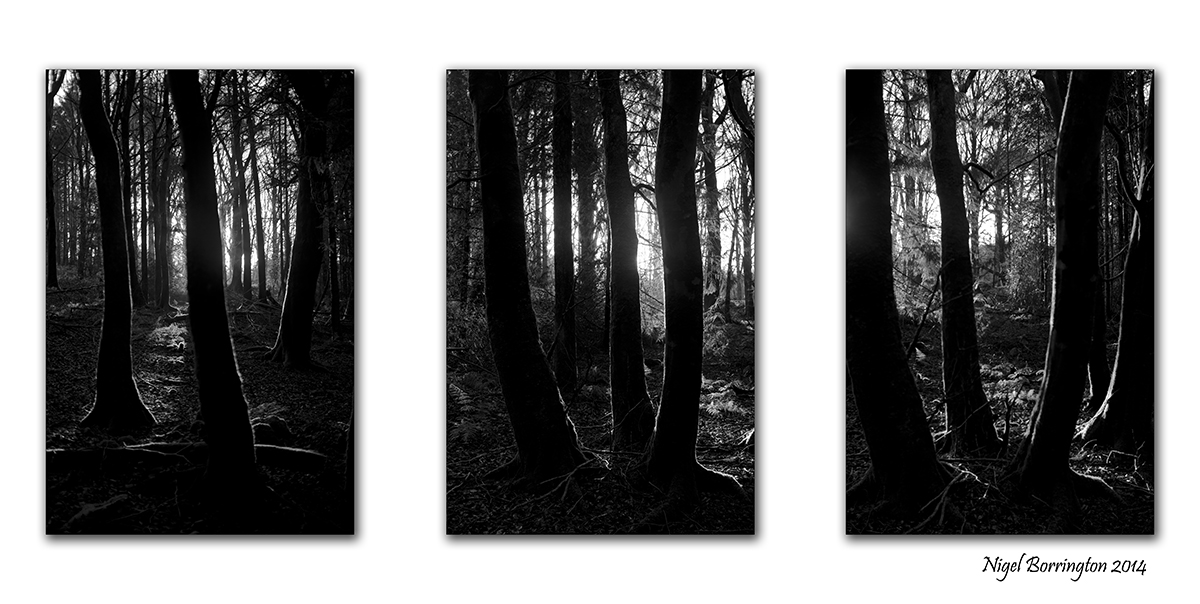

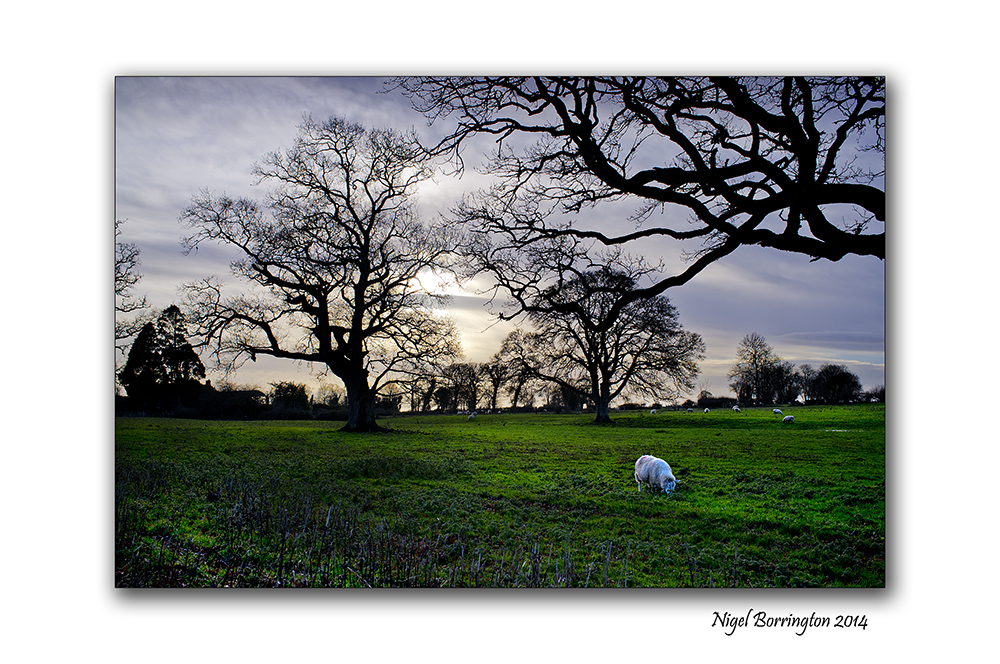
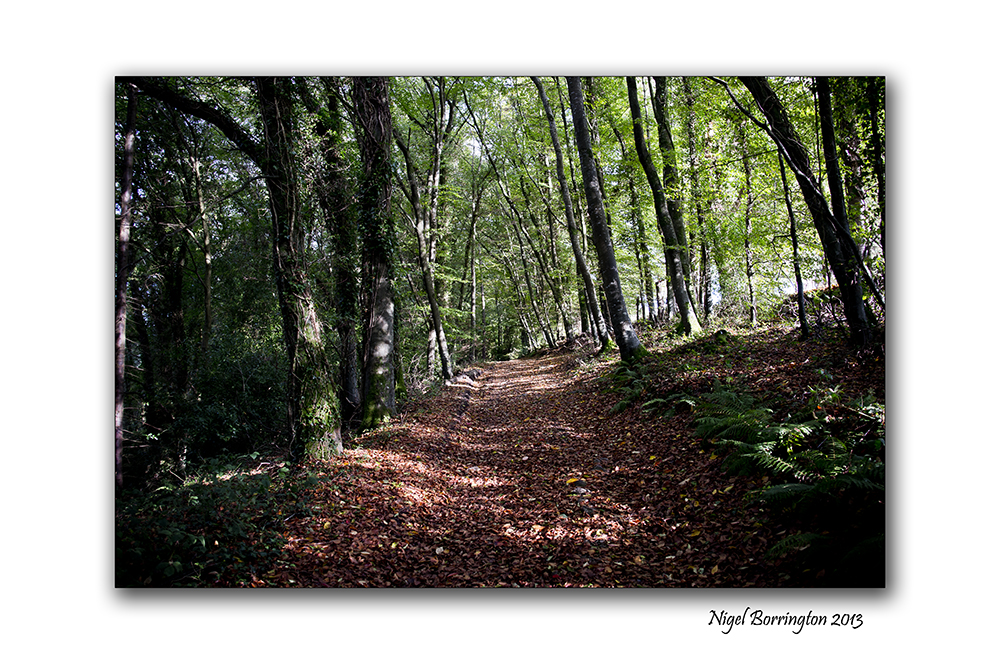
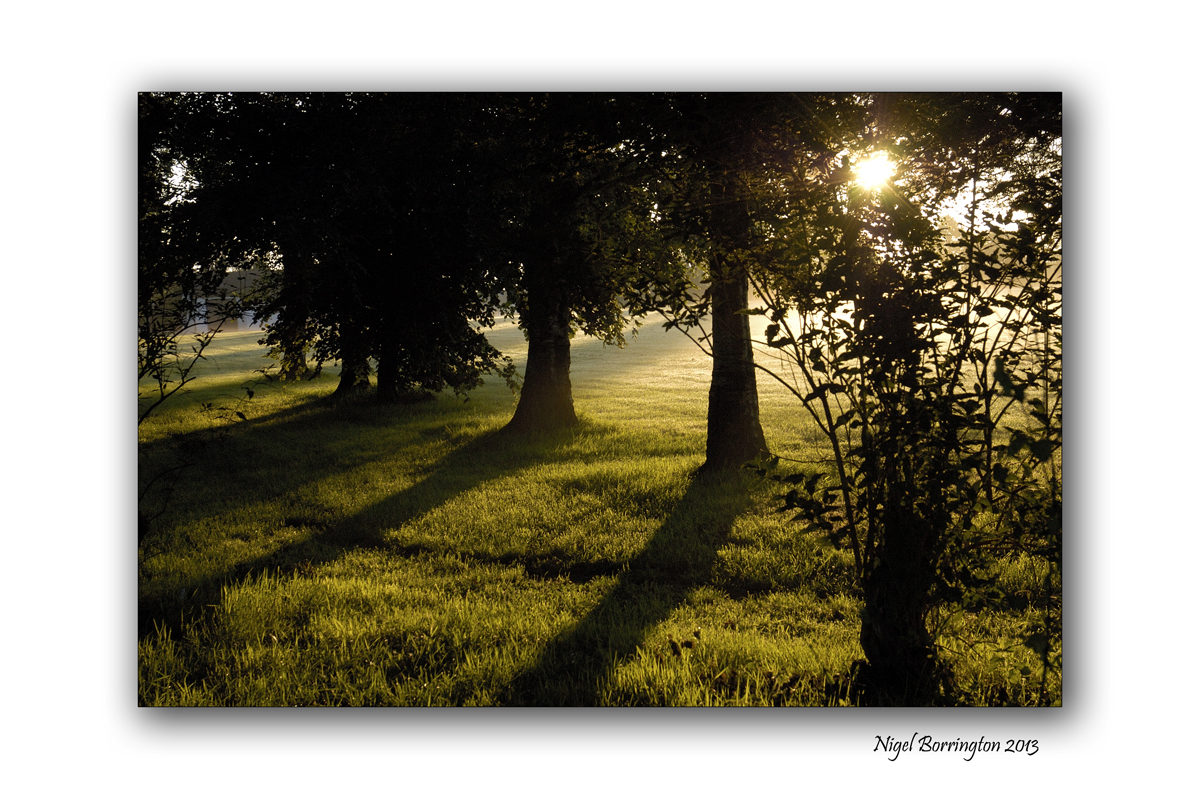
This week in Ireland is National tree week, so I thought I would share some of the images that I have taken during my time living here in county Kilkenny.
Irish Trees, a Gallery






Tuesdays Artist – Bernadette Kiely

Bernadette Kiely. Gorse
I first came across the drawings and paintings of the county Kilkenny based artist Bernadette Kiely, while attending a two year art course at the Grennan mill craft school.
I liked Bernadette’s art work from the very first time I viewed it, I feel she captures completely the local landscape that surrounds us here in County Kilkenny. The county while not the most spectacular in Ireland varies a lot from low boggy lands and flooded river banks and mountain tops.
A little About, Bernadette Kiely
Bernadette Kiely was born in Carrick on Suir, County Tipperary and grew up beside the river Suir. She graduated from The College of Art and Design at Waterford Institute of Technology with a distinction in Graphic Design and worked in graphic design and architecture in New York and London before taking up painting full time in 1984. She attended the Slade School of Fine Art in London and has been working in her studio beside the river Nore in Thomastown, County Kilkenny since 1992. Her paintings and drawings are based on prolonged observation of specific landscape elements and are characterised by her attention to the close up worlds of bog cotton, gorse, mud, lichen and other natural phenomena including weather and atmospheric conditions on the river Nore and its environs. Bernadette Kiely is a member of Aosdana.
As with yesterday’s artist, I have linked to both web-site and to some on the painting I like the most …


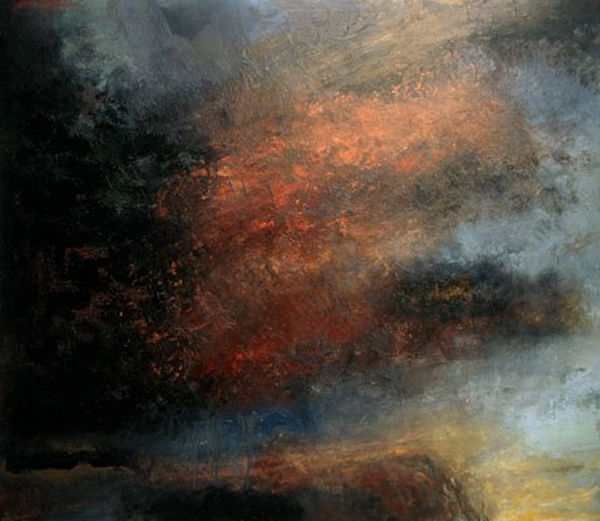
A Monday look at Joseph McWilliams

Joseph McWilliams PPRUA
I am taking time this week to do a study of some landscape artists/photographers who’s work I very much like very much.
I feel the need to take a look at the work of the artists I know of again, who use the landscape of Ireland both North and South along with the British Isles, in there drawings and painting and Photographs.
I first came across the art work of Joseph McWilliams when I visited an exhibition called “Landscapes north and south”, the the exhibition was held at the Glebe House Gallery, County Donegal.

A little about : Joseph McWilliams PPRUA
Joe McWilliams was born in Belfast in 1938. He studied at the Belfast College of Art and at the Open University. Later he lectured in Art Education at the Ulster Polytechnic in Belfast and was Senior Lecturer and Senior Course Tutor at the University of Ulster. Since 1986 he and his wife, artist Catherine McWilliams have managed the Cave Hill Gallery, Belfast. He has had numerous solo exhibitions and has been represented in major Irish group shows both in Ireland and abroad; Recently his work was seen in an exhibition entitled ‘Dreams and Traditions: 300 Years of British and Irish Painting’ from the Ulster Museum Collection which toured the USA in conjunction with the Smithsonian Institute, Washington. His work is held in numerous collections including: NI Arts Council, Queen’s University, Coras Iompair Éireann, the Department of the Environment (NI), AIB, the National Self Portrait Collection of Ireland.
McWilliams is a regular lecturer and broadcaster on the Visual Arts in Northern Ireland and has been invited to speak on the Arts a number of times in Boston, USA. He has also published articles and reviews on the subject. He has written many scripts for BBC radio and has presented, his own script “The Way that I Went” which was seen on BBC world services as well as locally and in Britain. His own work has been exhibited at a variety of venues in Ireland, Britain, Europe and the USA. He is perhaps best known for his paintings of ‘The Troubles’ evidenced in exhibitions such as ‘Art for Society’ Whitechapel Gallery, London; ‘Documenta 6’ Kassel, W.Germany; ‘A Troubled Journey 1966-1989’ and ‘Colour on the March’ both at the Cavehill Gallery, Belfast.

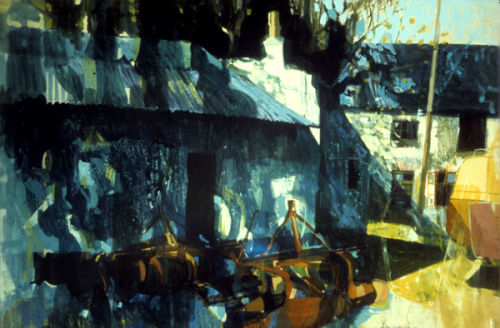
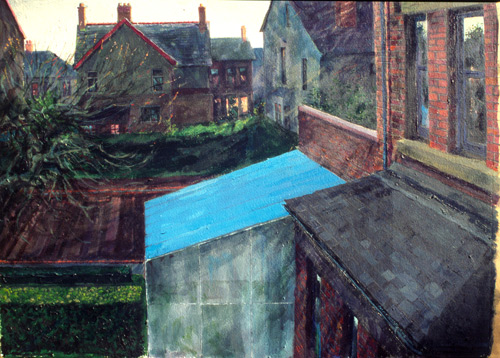
I liked Joseph’s paintings very much for both their painting style and the fact that he used the world around himself for subjects to paint, even using his own back Garden for much of his work.
Here I link to his web page http://www.josephmcwilliams.com/, for some of the painting I like the most.




The Train to Santa Marinella
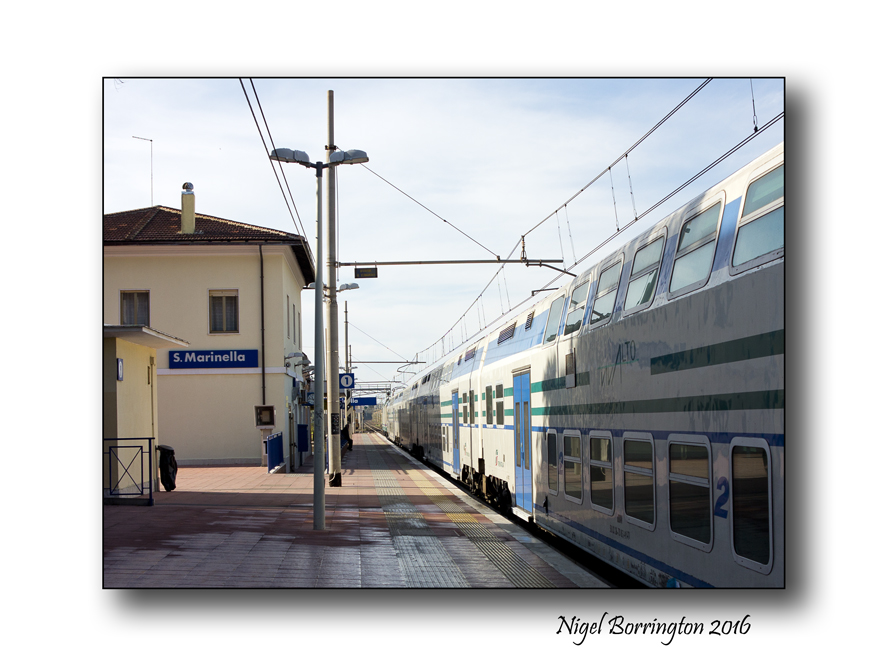
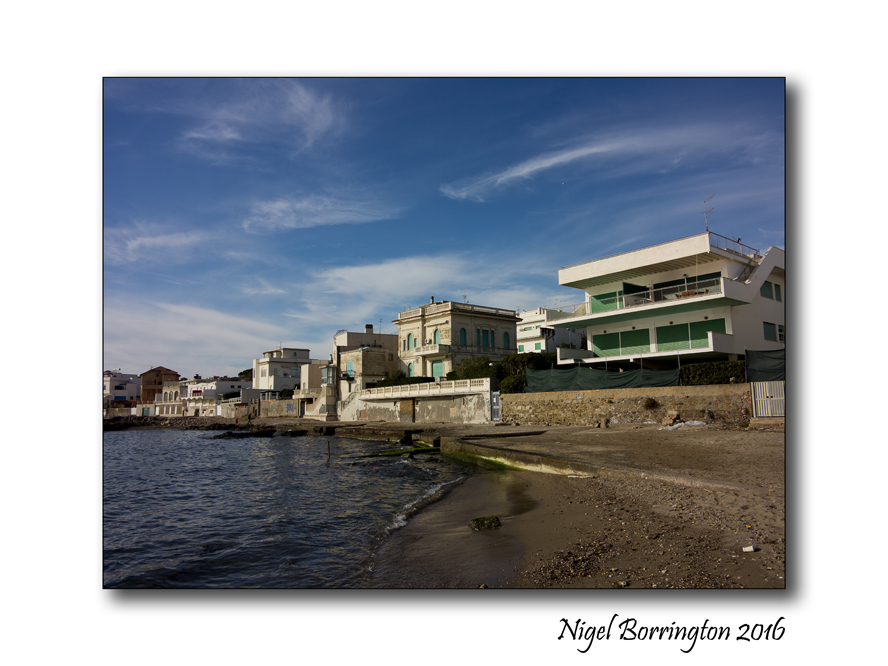
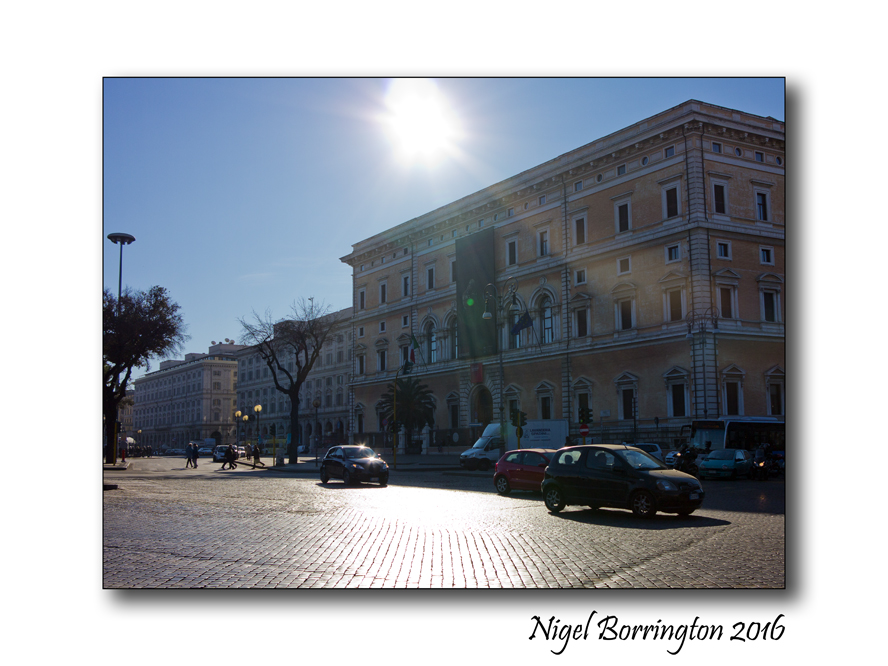
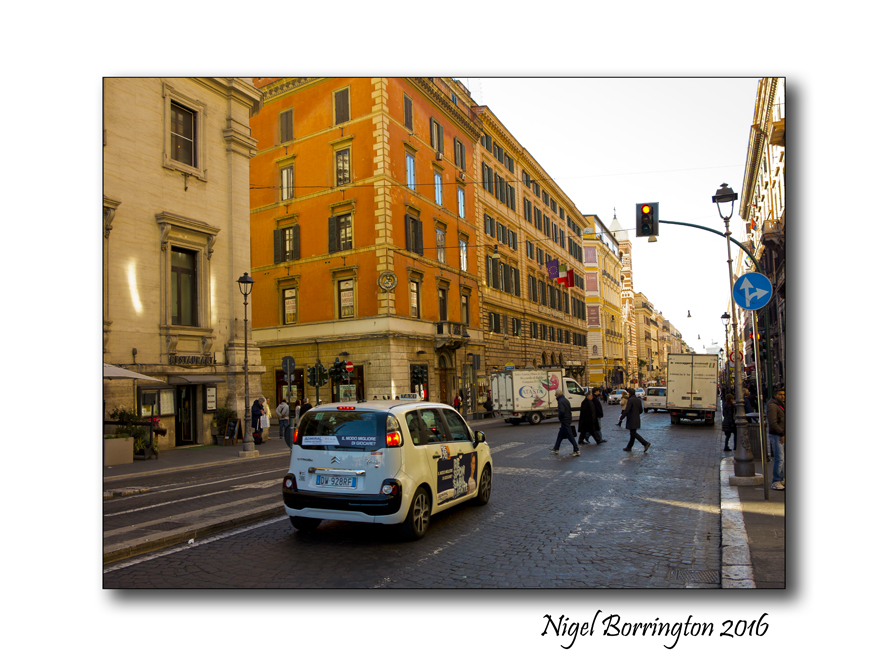
On a recent holiday to Italy we took a train from Rome to the coastal town of Santa Marinella. From Termini station in Rome this is about a 45min trip through the country north west of the capital city.
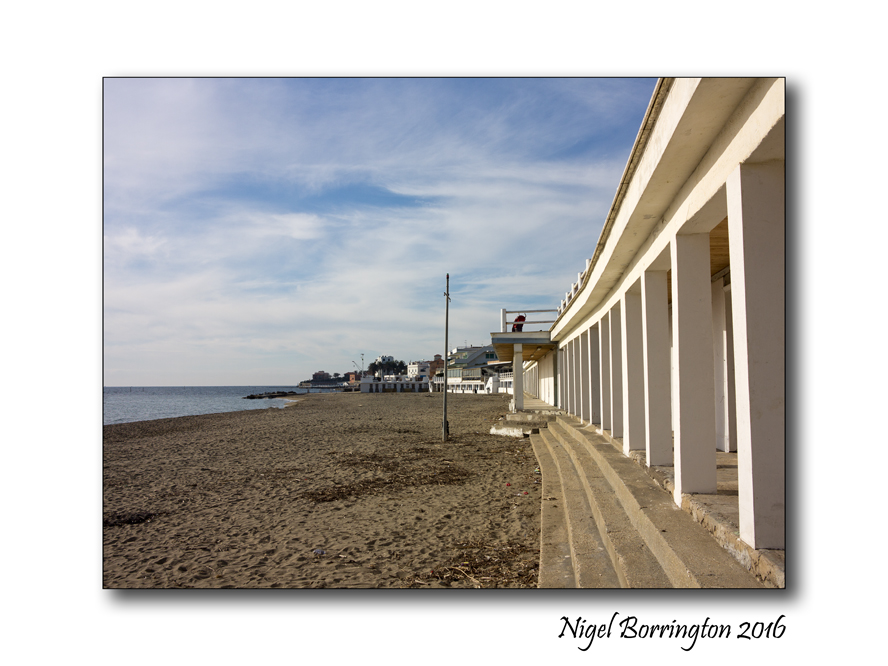
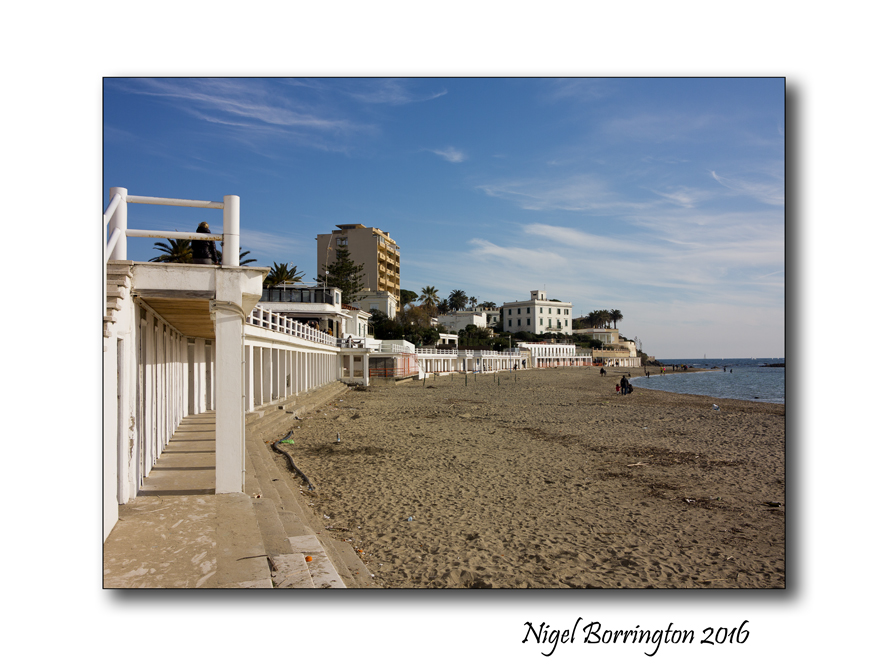
The train Station at Santa Marinella is located in the side streets of the town but you only have to walk out of the station and turn right and you are looking down the street towards the beach.
As you can see from the pictures I took around the beach area it’s is a very well kept town and beaches, this was a winters day in December 2015 so there was very few people around however because its close to Rome I can imaging in the summer it would be much busier.
If you are in Rome for a Holiday and want to get out of the city for a while then this is a great place to visit, for lunch and coffee with a view of a sea front.

Snowy mountain peaks, Nire Valley, Co.Waterford

Following on from my last two posts relating to getting to know a pc Art based application called mypaint, I spent yesterday evening working on some quick landscape sketches of the Nire Valley in county Waterford
I am starting to feel a little more confident with the available brushes, learning just how best to make use of some of them along with using layers to help build up a painting. As with any method of producing art work, I guess the best way to learn is to keep producing image’s, so I hope to keep working on as many paintings as possible.
Painted Skys – MyPaint

Painting Skys – MyPaint
Earlier this week I posted about MyPaint a Windows and Linux application used to produce ( Art work , digital Paintings and Graphic Designs)
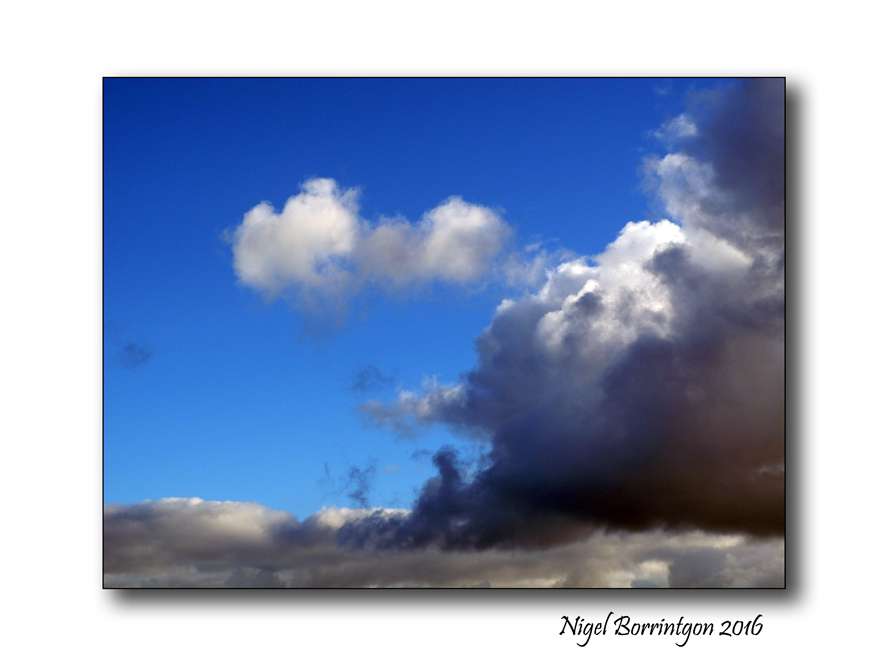
Since then I have been able to spend a little time using this application to paint some sky’s using some photographs as source material. I feel that its always a good idea to practice areas of a painting and sky’s are great fun to work on by themselves.
MyPaint has a full selection of artists brushes available that are capable of reproducing such painting styles as (oil, Acrilic and watercolour), I have found the watercolour brushes and tools such as the sponge very flexible, especially when you want to blend areas of a painting together and produce some soft area.


Another area I have worked with is the colour palettes, there are many great palettes available as standard in MyPaint, I am however more use to working with artist colours from a tube and wanted to recreate some of these colours digitally.
So by downloading the Winsor & Newton Artists colours palette as a tiff file and then creating my own palette by using the colour eye proper selection tool and the tiff file I have now produced a palette that matches the one I am a little more use to working with. This palette is only a starting point and I can ether edit or added to it as needed.
As for mixing colours using this palette as a starting point, I am experimenting with the available scratch pad window along with the palette knife and smudge tools to see just how well colours can be mixed.


When President Kennedy visited Ireland in 1963 – Kennedy Homestead, Co.Wexford

Kennedy Homestead
Co, Wexford
Nigel Borrington
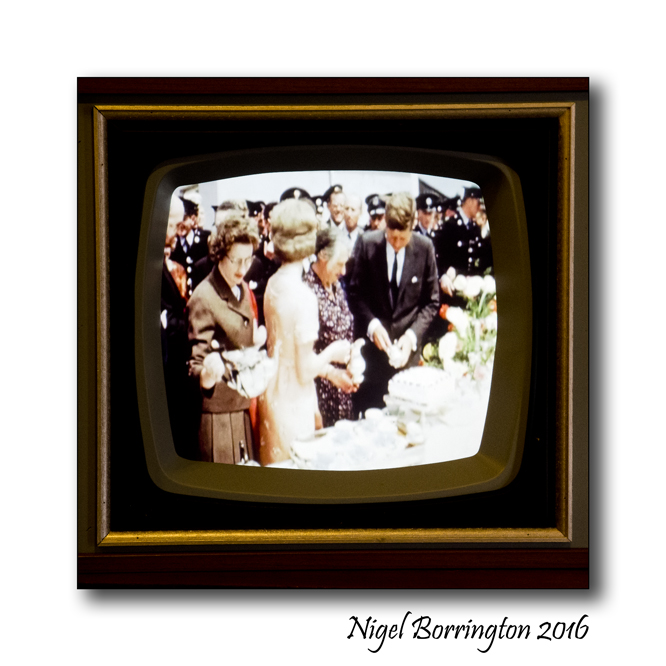
This very modest and humble farm yard and surrounding buildings, Located at ( Dunganstown, New Ross, Co. Wexford, Ireland ) is the birthplace of President John F. Kennedy’s great-grandfather Patrick Kennedy.
So it was that back in June 1963, the President of the USA decided that it was high time to take a visit to his grandfathers home. The Presidents visit to Ireland included these very key moments, in the visit to the family Homestead, drinking a cup of tea and enjoying some sandwiches with his Irish cousins.
In the years that followed his visit the family home has been turned into an equally modest but great exhibition centre, with a new building that contains many great photos and films relating to JFK and his family history.
It is hard to escape the ironic fact that while this was a very successful attempt to catch up with his own family and its history, by taking a few moments here – that he himself described as “The best moments of his life”, the visit took place only weeks before his own death in Dallas on the 22nd of November 1963.
His parting words to his Irish cousins, related to the fact that he understood very well that they may have found it very disruptive, the worlds media arriving in their small farm yard, so while he made a promised to revisit, he also promised that it would only be every ten years or so, clearly however this was to be his first and very last visit with them ……
Gallery




Digital painting and artwork with mydraw

During the weekend, I started to use an application called (my-paint), to help with some of the art work that I am starting to work on again.
I first used this application last year and along with a Wacom tablet , I have its great fun to work with.
I love the drawing control the tablet can give, almost as good as using a real pencil or brush and this combined with the pens and brushes available in my-paint, you can make a great start learning line control and layering of both tone and colour.


Monday Poetry : The Rise Of The Blue Swan – andy fardell

The Rise Of The Blue Swan
Nature Photography
Nigel Borrington
The Rise Of The Blue Swan
He hid in the shadows of his life
For the world hurt him and all that he wanted
A mind shattered into the shards of hurt that burned
His skin at the merest thought
The blue swan laid low
Like a sunset hidden in the midday sun
Or a full moon ready in the depths of the darkest hollow
His time would come
The blossom would break and his beating wings would soon rise
For he was the blue swan
His pen ready yet she was hidden in the clouds of his uncleared mind
A mate for his remainder
Their love
His way
Swan so blue please wake from your bitter
Shine like the kindred spirit you had before the storm
Swan of the day
Love of the night
Your future is waiting
So bright is your fire
The day has come for the blue swan to fly
So beat like the earth on the run
Rise to the mountains
Shout to the sky
Fly
Blue
Fly ..
andy fardell
Feb 23, 2014

 Nigel Borrington
Irish landscape Images for the week – (Monday) Irish bog lands.
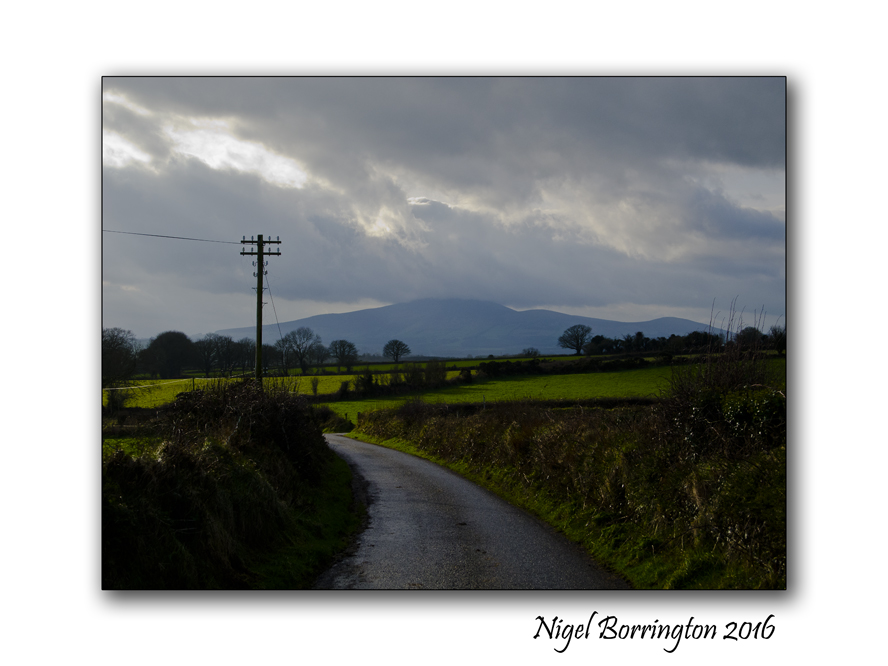
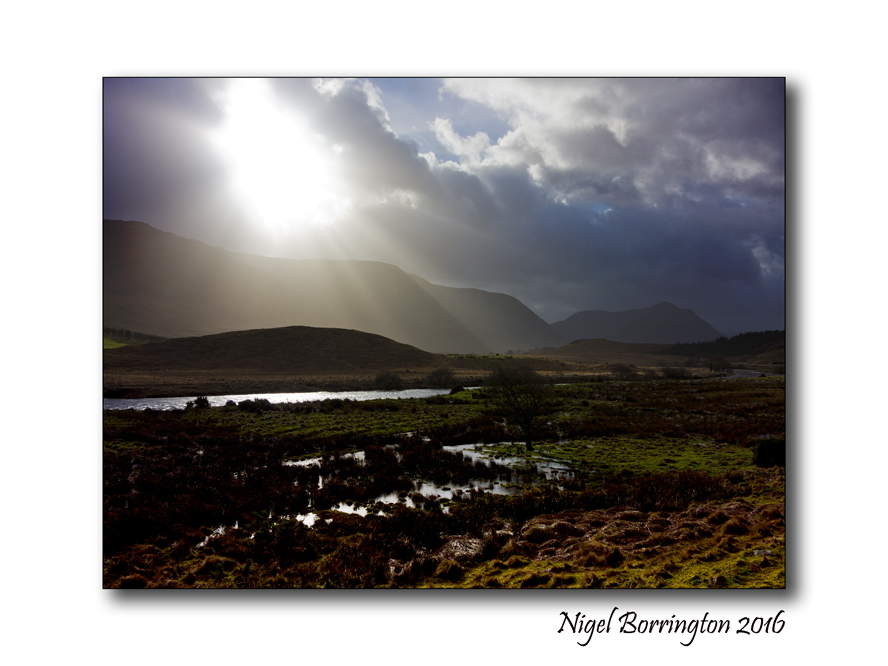
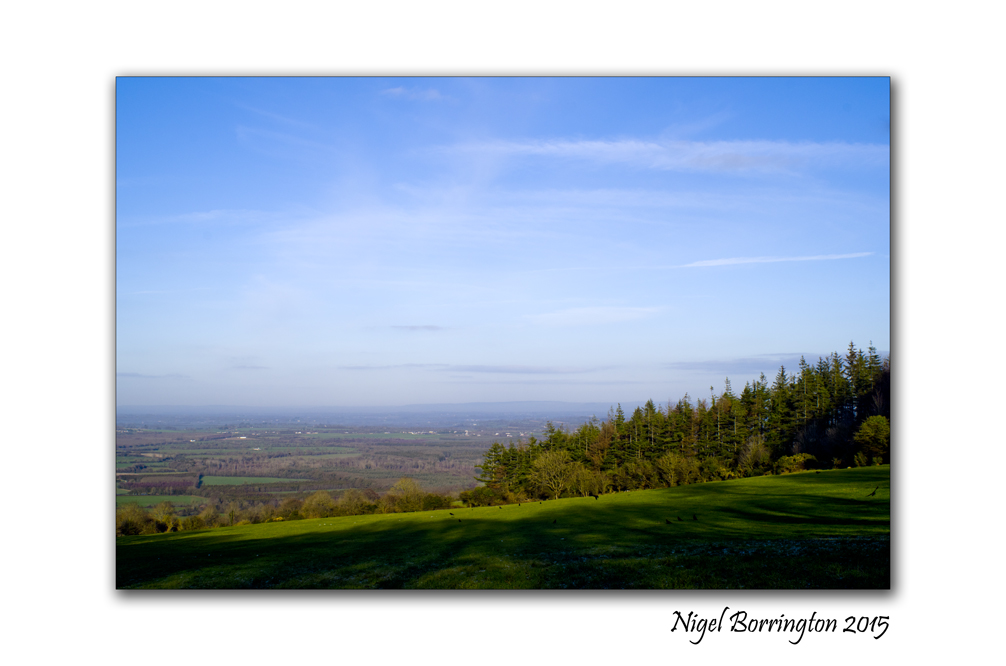
During this week, I just wanted to return to some of my most loved Irish Landscape locations and Monday today’s post I want to share some images I have taken since 2014, these relate to the Irish Bog and Peat lands of the Irish Midlands and the West coast.
Ireland has internationally important peat/bog lands but they are always under serious threat. Over the last few years the Irish government has protected areas of special conservation from historic family rights to cut peat in these areas, a decision that created problems for some but one that was very much needed in order to start the process of returning the bog’s to a point of growth and sustainability.
I love these locations, they are remote and full of life both plant and wild life and I feel like many others that they do need very special care and support.
When you visit locations like the Bog of Allen, you can see a contrast between the areas that are still wild and untouched and the areas that have been harvested for peat, when you see this contrast and its different effects on local bio-diversity you would only hope that one day we can find a less damaging way to heat our homes and produce energy.
Irish Bog-lands Gallery
Share this:
April 25, 2016 | Categories: Comment, Gallery, Landscape, Nature, Nature and Wildlife, Nigel Borrington, Plants and herbs, Travel Locations | Tags: Biodiversity, bog lands, Bog of Allen, Ireland, Irish landscape photography, Nature, nature and wildlife photography, Nigel Borrington, Peat lands, wildlife | 9 Comments