Kilkenny Photography

Boys Toys
Vintage Motor show,
Callan
County Kilkenny
Photography : Nigel Borrington
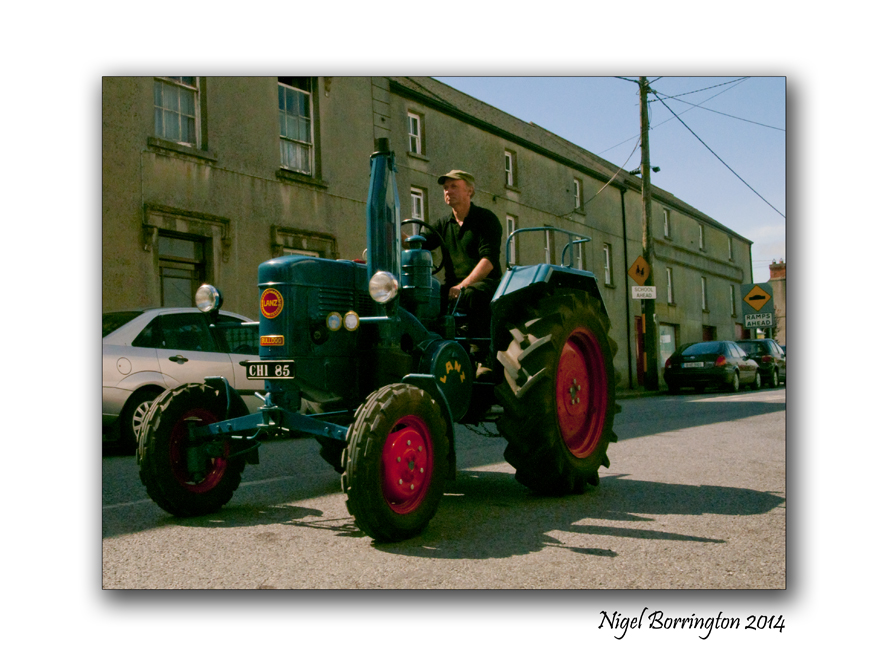
The Following images are from a local vintage motor show, held in our local town of Callan each year as part of the towns summer festival.
Its amazing just how much pride is take in restoring these old tractors and Vintage cars, to take them out and show them off each year is clearly a pleasure to these local Farmers and car lovers.
I should name this post “BOYS and their TOYS !!!!!”
Kilkenny Vintage Motor show : Gallery


Kilkenny Landscape Photography : The Killamery high cross

Killamery High cross Nov 2014
Kilkenny landscape Photography : Nigel Borrington
The Killamery high cross
The Killamery High cross is one of the most Iconic high crosses in Ireland, It is used as a model for many of the small high crosses sold across the world as an Irish symbol.
I am very lucky that it is situated in an old graveyard in Kilkenny at Killamery. The cross is one of the western Ossory group of crosses.
The cross stands at 3.65 metres high and the west face of the cross bears most of the figure sculpture. The east face pictured right, is decorated with three marigolds on the shaft and has a boss in the centre of the head surrounded by intertwining serpents with an open mouthed dragon above the boss. The cross is known as the Snake-Dragon cross. The cross has a gabled cap-stone and the narrow sides have double mouldings. At the end of the southern arm of the cross there is a panel depicting Noah in the Ark and the end of the northern arm features four scenes centered around John the Baptist. There is also a worn inscription on the base of the western side of the cross which is said to read as ‘OR DO MAELSECHNAILL’ a prayer for Maelsechnaill. Maelsechnaill was the High King of Ireland from 846 to 862.
The western face has a Sun Swastika at the center and has figure sculpture around the whorl, to the left is a hunting scene and to the right a chariot scene above the whorl is scene showing a figure holding a Baby with another figure to the right of them, below the sun disc is a crucifixion scene. The shaft of this face bears two ornate panels. The top one is a fret pattern and the lower panel is a key pattern.
Irish Landscape Photography : Moments on a woodland path in the heavy Autumn Rain.

Following the path, under the trees in the rain
Irish Landscape Photography
Nigel Borrington
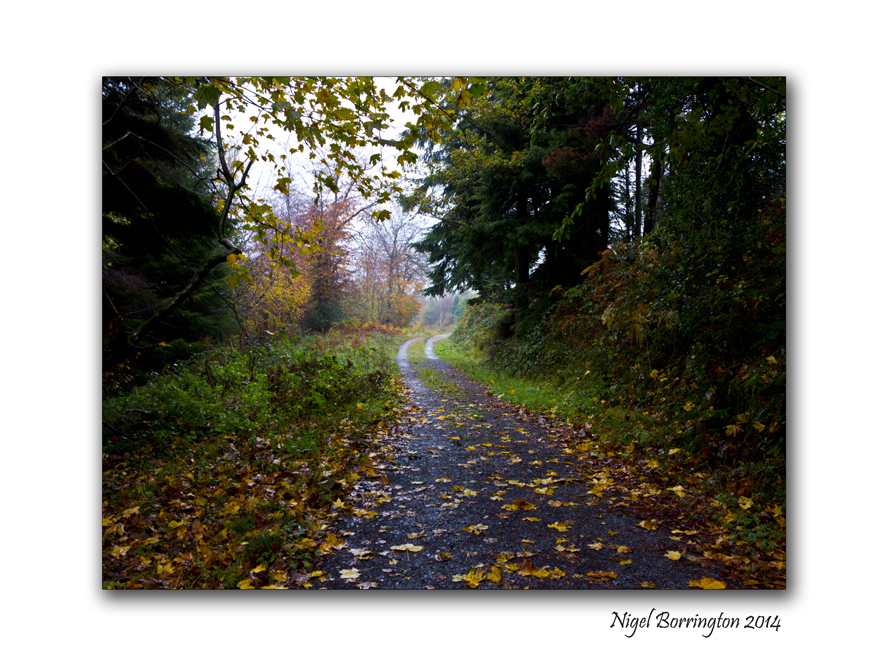
This week is going to be very wet here in county Kilkenny, the forecast is for rain everyday, this is not the time however to put the camera away. These Autumn days in the Landscape can be just amazing for capturing wet and misty moments.
Yesterday While out walking our Dog Molly, the rain was falling in bucket loads (Very Heavily !!!), I stopped for a while under some trees that covered the path. These trees however stopped in just a few steps so I just waited to see if the rain slowed down a little before moving on. This was a great moment to capture so I took lots of images, trying to record just how wet it was with rain drops falling into puddles that had formed almost in no time at all.
It is so easy to say inside on days like this but walking in this weather is just amazing!
The images below are just some from these very wet moments.
On the path in the rain : Gallery


Jenkinstown, woodland park , County Kilkenny
Jenkinstown , Forest Park County Kilkenny.
Landscape Photography : Nigel Borrington
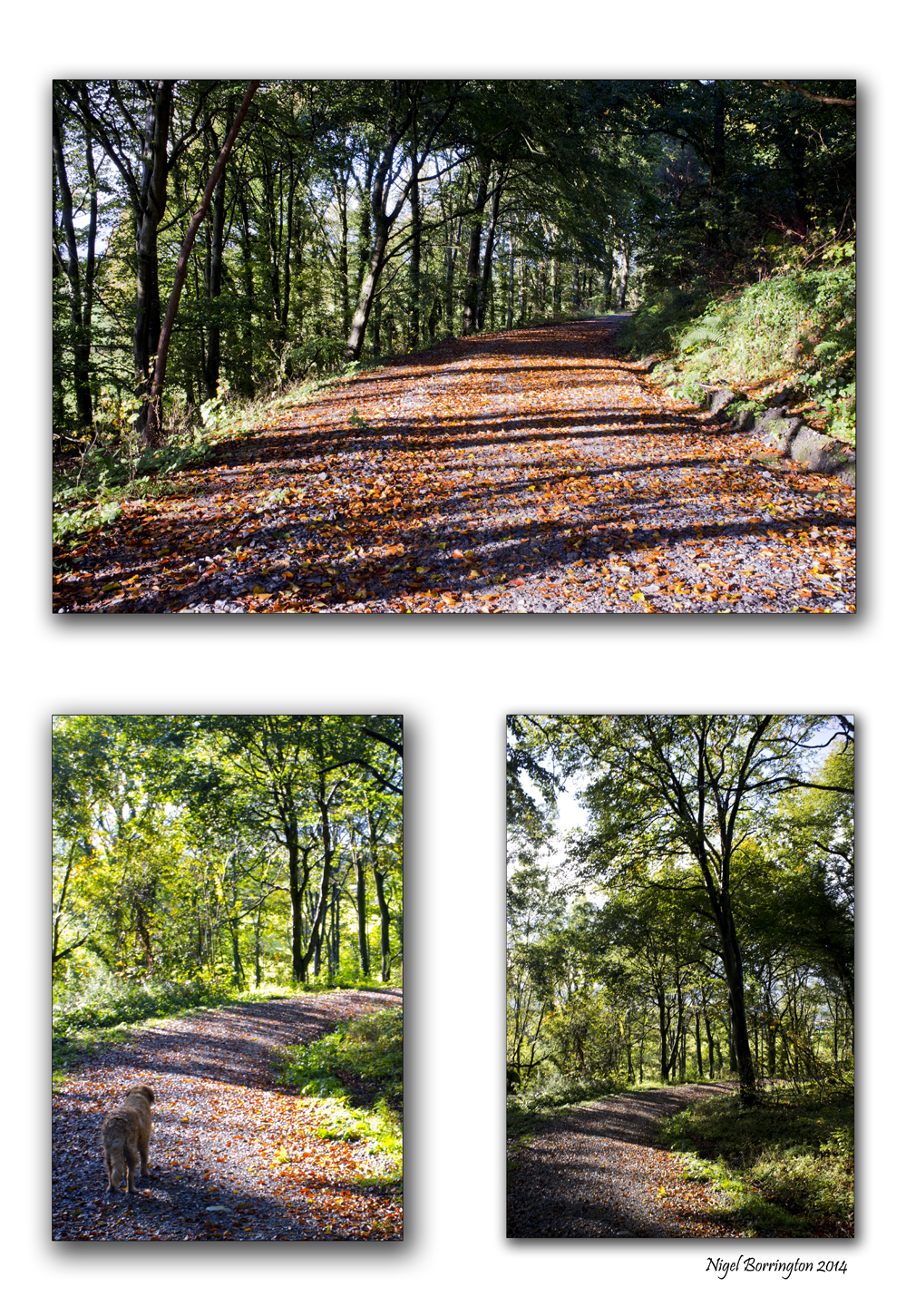
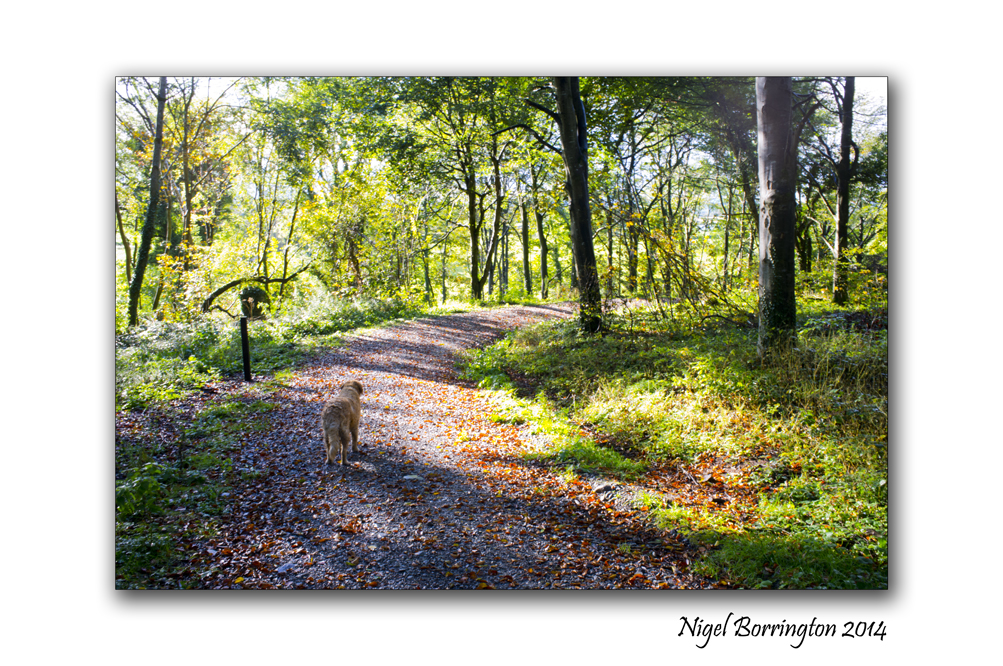
Jenkinstown Forest park in County Kilkenny is one of my most loved Local places, the walks around the Forest here are amazing at anytime of the year but just now the leaves are starting to turn golden yellow and fall after a frost or period of high wind.
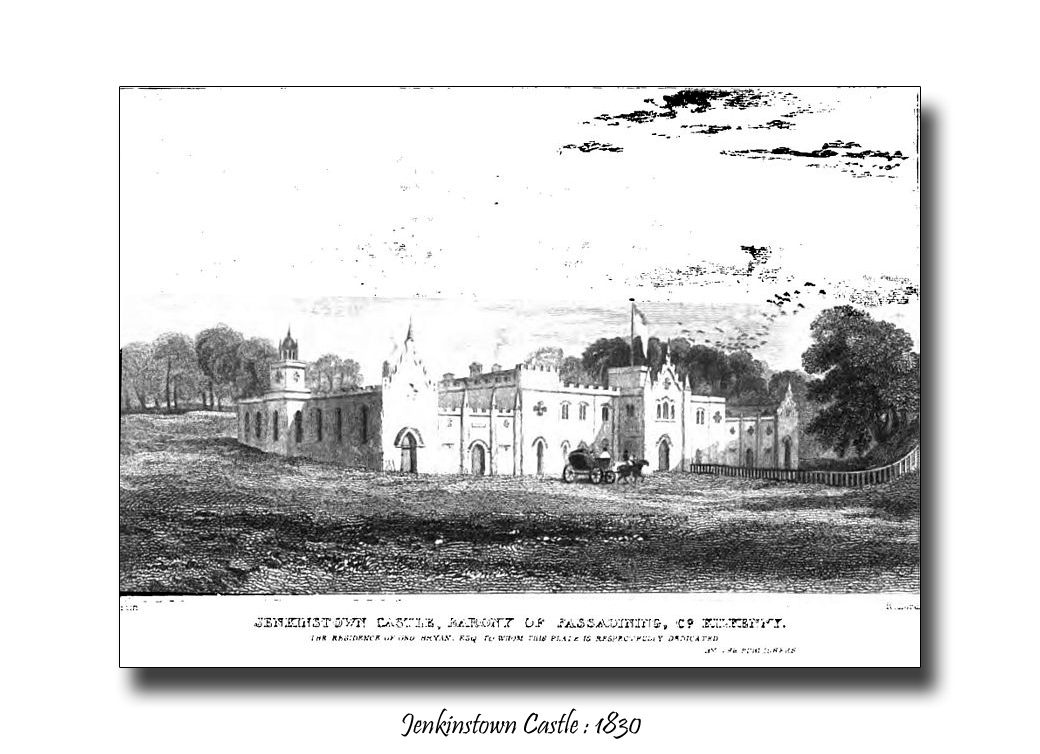
The Jenkinstown estate has a long history and the below image shows the castle that once stood here until at least the time this image was taken during 1930.
 .
.
Part of the castle still stands and acts as a home for a local musician.
The park contains some great old buildings such as the round store house and animal shelter that these days offers a great place to read or shelter from a shower on a wet day.
Jenkinstown woodland park , County Kilkenny : Gallery


The Elements : Air

Pagan Elements : Air
Landscape Photography : Nigel Borrington
The pagan elements :
Air
The element of Air is vital to human survival, without it we would all perish, its aspects are Thinness, Motion and Darkness and its quality is Active. Air is the manifestation of movement, freshness, communication and of the intelligence. Sound is another manifestation of this element. As an element, it is invisible, but its reality can be felt in the air that we breathe in every day.
To connect with the power of this element, find a place with clean air and breathe deeply, touch a feather or inhale the fragrance of a heavily scented flower. Let yourself experience the energy of this element, and reflect that we also possess Air energy within ourselves.
In magical terms, Air is the power of the mind, the force of intellect, inspiration, imagination. It is ideas, knowledge, dreams and wishes. Air is the element of new life and new possibilities and is essential to spells and rituals of travel, instruction, finding lost items, some types of divination, and freedom. Air aids us in visualization, a vital technique in magic.
Air is a masculine element and governs the magick of the four winds. It is the vital spirit passing through all things, giving life to all things, moving and filling all things. Thus Hebrew doctors ascribe it not as an element but as a medium or glue that binds all things together.
Air
The first element of the alchemical tradition.
Air is the essence of intuition and learning, the element of the nature of the mind.
Astrological Signs: Gemini, Libra, and Aquarius.
Represented by: Feathers, Birds, incense, fans, flags, flowing garments and sheer material.
Season: Winter
Color: White
Chakra: Crown
Celtic air god and goddess:
Arianrhod
“The Silver Wheel”, “High Fruitful Mother”. Celtic Goddess, the sister of Gwydion and wife of Donn. Deity of element of Air, reincarnation, full moons, time, karma, retribution. The palace of this sky Goddess was Caer Arianrhold (Aurora Borealis). Keeper of the Silver Wheel of Stars, a symbol of time and karma. Her ship, Oar Wheel, carried dead warriors to Emania (Moon-land).
Arianrhod (Welsh pronunciation: [arˈjanr̥ɔd]) is a figure in Welsh mythology who plays her most important role in the Fourth Branch of the Mabinogi. She is the daughter of Dôn and the sister of Gwydion and Gilfaethwy; the Welsh Triads give her father as Beli Mawr.[1] In the Mabinogi her uncle Math ap Mathonwy is the King of Gwynedd, and during the course of the story she gives birth to two sons, Dylan Ail Don and Lleu Llaw Gyffes, through magical means.
Ref:
GODDESSES: Aradia, Cardea, Nuit, Urania.
GODS: Enlil, Kheohera, Mercurym, Shu, Thoth.
Kilkenny Landscape photography – Grangefertagh Round tower, Co. Kilkenny

Grangefertagh Roundtower, near Johnstown, Co. Kilkenny
Irish Landscape Photography : Nigel Borrington
Grangefertagh Round tower, Co. Kilkenny
I have passed the round tower at Grangefertagh many time but it is only in the last week that I had time to stop and get some images.
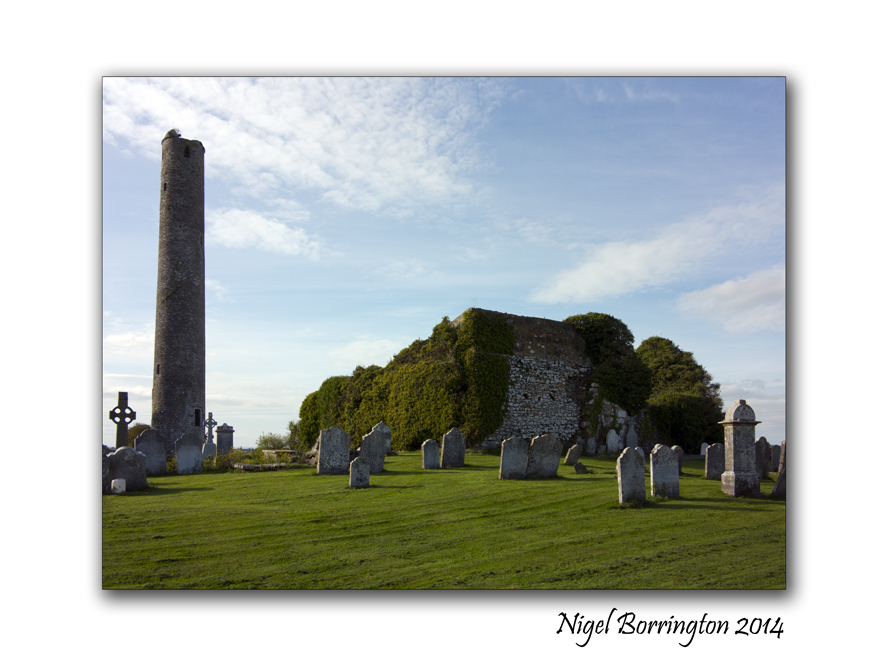
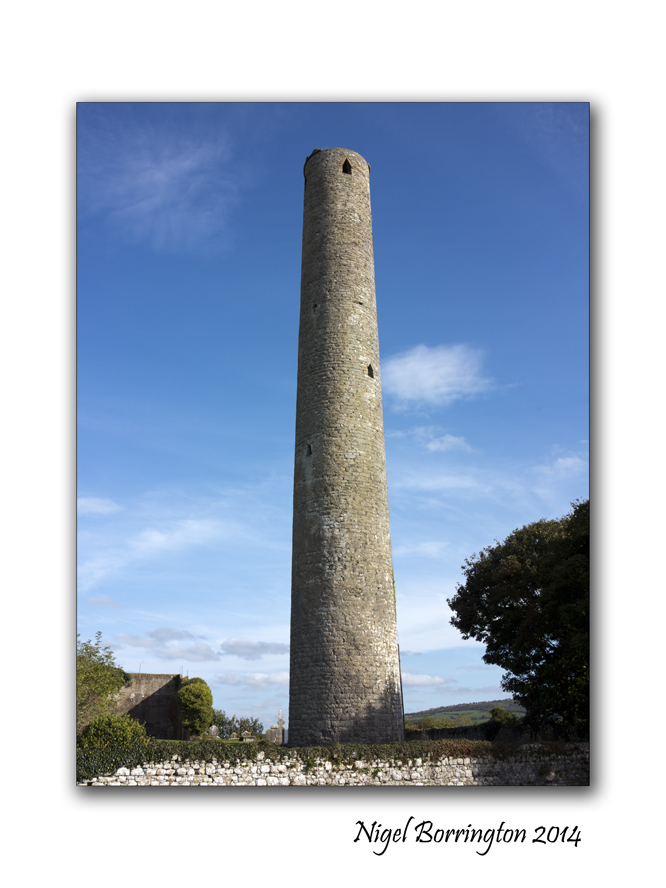
The Round tower at Grangefertagh, County Kilkenny stands some 31 metres tall and forms a striking image above the Kilkenny countryside.
The northeast facing doorway which is situated 3.3 metres above ground level has been badly damaged. A farmer removed the original stones and used them to form a fireplace, mistakenly believing they were fireproof. It contains nine windows in total , six angle headed and three lintel-led. Four of the angle headed windows are on the top storey facing the four cardinal points. The tower is complete to the cornice but only part of the cap remains.
A modern doorway has been inserted by the O.P.W. The round tower is the last remnant of the early monastery founded by St Ciaran of Seir in the 6th century. It was raided by vikings in 861 and in 1156 the high king Murtagh McNeale burned the tower with the lector inside. To the north of the tower is a church that belonged to the 13th century monastery founded by the Blanchevilles for the Canons Regular of St Augustine
Wikipedia : What are Irish Roundtowers
Gallery
County Kilkenny Landscape photography

Callan, County Kilkenny,
Irish Landscape Photography : Nigel Borrington
This image is of the Friary Green, Callan, County Kilkenny on an early Autumn walk.
Irish landscape photography and a Poem by : Edwin Arlington Robinson

Kilkenny photograher, Nigel Borrington
The old Mill on the river Barrow, Goresbridge, Kilkenny
The Mill
By : Edwin Arlington Robinson
The miller’s wife had waited long,
The tea was cold, the fire was dead;
And there might yet be nothing wrong
In how he went and what he said:
“There are no millers any more,”
Was all that she heard him say;
And he had lingered at the door
So long it seemed like yesterday.
Sick with a fear that had no form
She knew that she was there at last;
And in the mill there was a warm
And mealy fragrance of the past.
What else there was would only seem
To say again what he had meant;
And what was hanging from a beam
Would not have heeded where she went.
And if she thought it followed her,
She may have reasoned in the dark
That one way of the few there were
Would hide her and would leave no mark:
Black water, smooth above the weir
Like starry velvet in the night,
Though ruffled once, would soon appear
The same as ever to the sight.
Lyrath Estate and Hotel , County Kilkenny

Lyrath Estate and Hotel , County Kilkenny
Landscape Photography : Nigel Borrington
Lyrath Estate and Hotel , County Kilkenny
I have shot a few wedding now at the Lyrath Estate and Hotel , County Kilkenny and got to know the grounds very well in that time. Its a wonderful estate that has the following history :
The history of Lyreth House dates back to the 16th and 17th century. During this time the lands were owned by the Shortall family of Rathardmore. The house was rented to Thomas Tobin until 1653 when they were evicted from the land by English republican Oliver Cromwell who was fighting against the English King ( Charles 1’st ), the Lyrath House being just one estate that Oliver Cromwell took control of.
The Tobin family history at Lyrath is as Follows :
The Tobins of Lyrath
The original townland of Lyrath, lay entirely within the parish of Blackrath (co. Kilkenny); so that it comprised but the western half of the modern townland of Lyrath, the eastern half being portion of Rathardmore. It belonged to the Tobin family, who held it at a certain rent of chiefry, from the Shortalls of Rathardmore. John Tobin, Rector of Callan, who died 1541-42, belonged to this family. Robert Tobin’s lands (of Lyrath), in the Barony of Gowran, were estimated at 5 pounds, about 1560. Thomas Tobin of Lyrath, was Constable of the Barony of Gowran, in 1608; he was still living in 1616. In 1653, Thomas Tobin forfeited Lyrath, containing 116 ac. and “a castle in repair.” Richard Tobin, of Lyrath, and 12 others, had certificates of Transplantation to Connaught signed for them in March 1653-54. Father James Tobin of Lyrath, founded the Poor House in Walkin Street, in 1682. By his last will, made at Lyrath, Oct. 29th, 1699, (with codicil of 10th of following month), and proved December 5th, 1700, he bequeaths his body to the earth, to be interred in his ancestors’ monument in St. John Evangelist’s Monastery in Kilkenny.
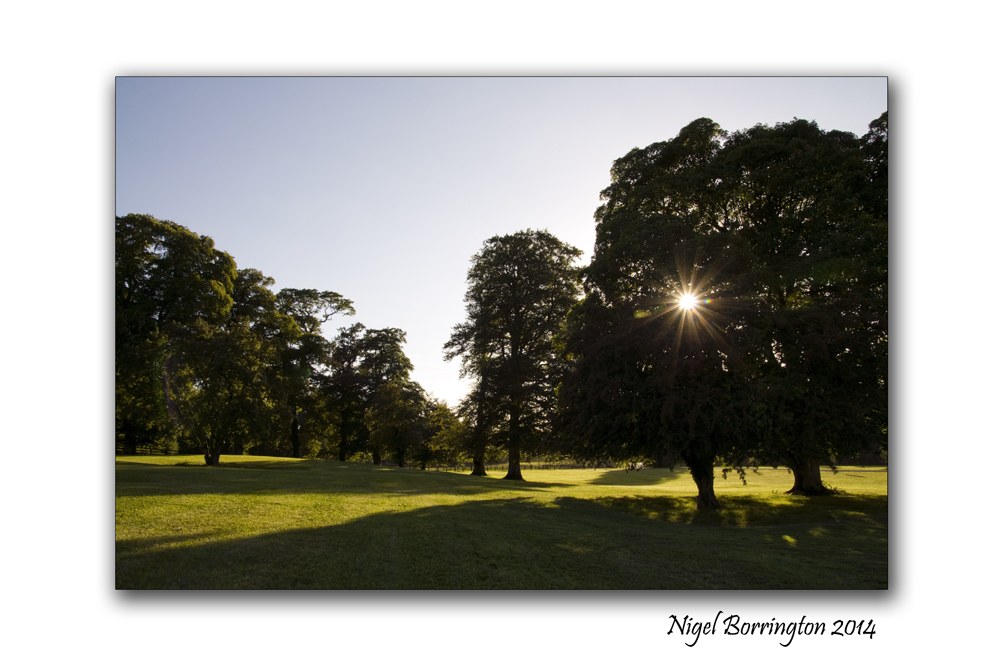
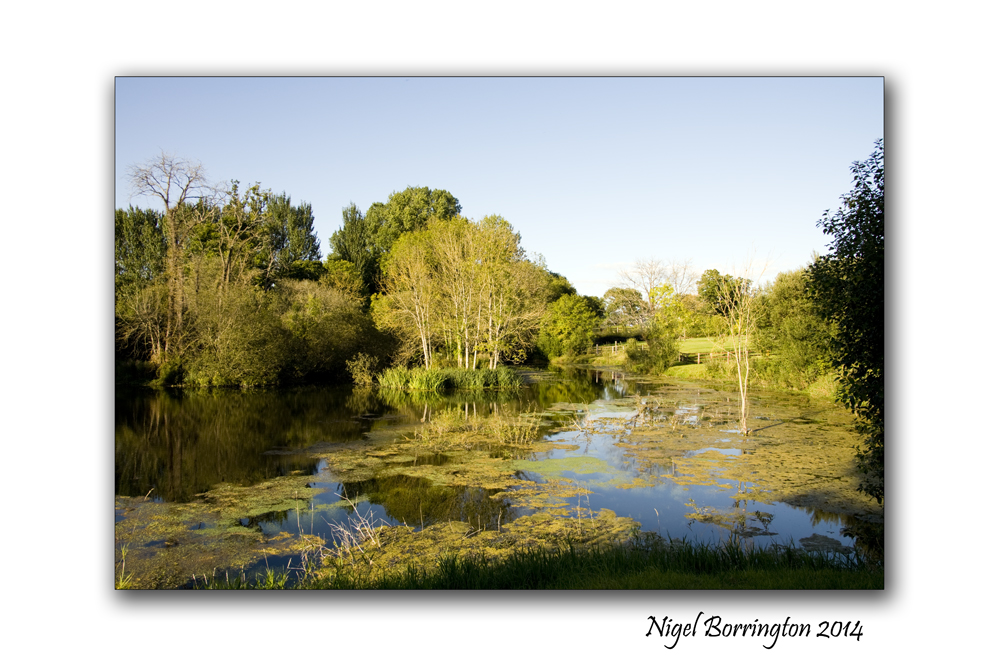
As I say this is a wonderful part of County Kilkenny and the estate makes a great visit on a sunny August afternoon.
Gallery




Kilkenny Photography – Nature images
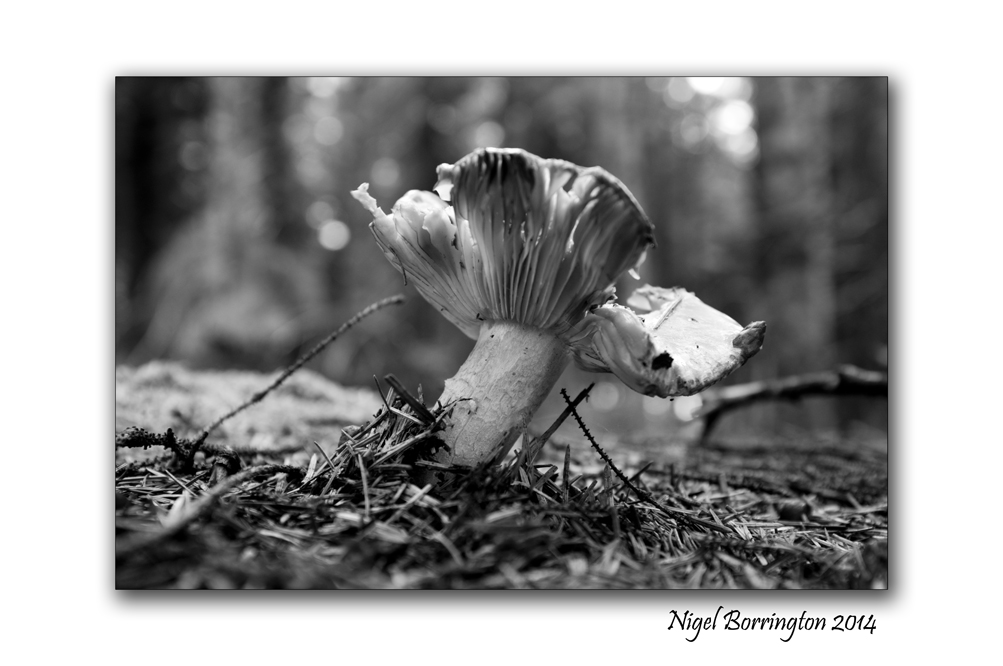
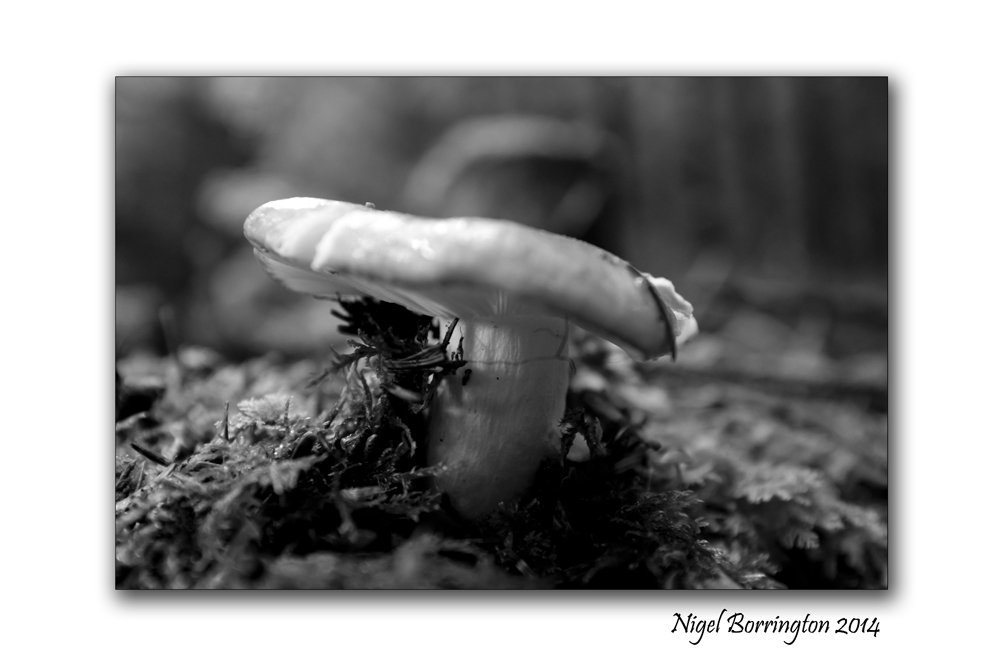
Butter Cap Fungi
Nature Photography : Nigel Borrington
While I was out walking on Sunday , I noticed the first mushrooms growing in our local woodlands so I took these images.
These Mushrooms are Butter cap Fungi as described below.
We are still in summer time but heading quickly towards the late months of the season, it was great to look ahead to the forests coming to life with all kinds of Fungi.
Distribution
Very common and widespread across Britain and Ireland as well as throughout mainland Europe, the Butter Cap is also found in the USA, where it is sometimes referred to as the Buttery Collybia, and in many other parts of the world.
Sometimes found in deciduous woodland, Rhodocollybia butyraceae is mainly associated with coniferous forests on acid soils, where it grows in large numbers beneath even the darkest of canopies.
Kilkenny Photography – Nature Gallery


Evening light across the fields/Across the fields : Gallery and Poem
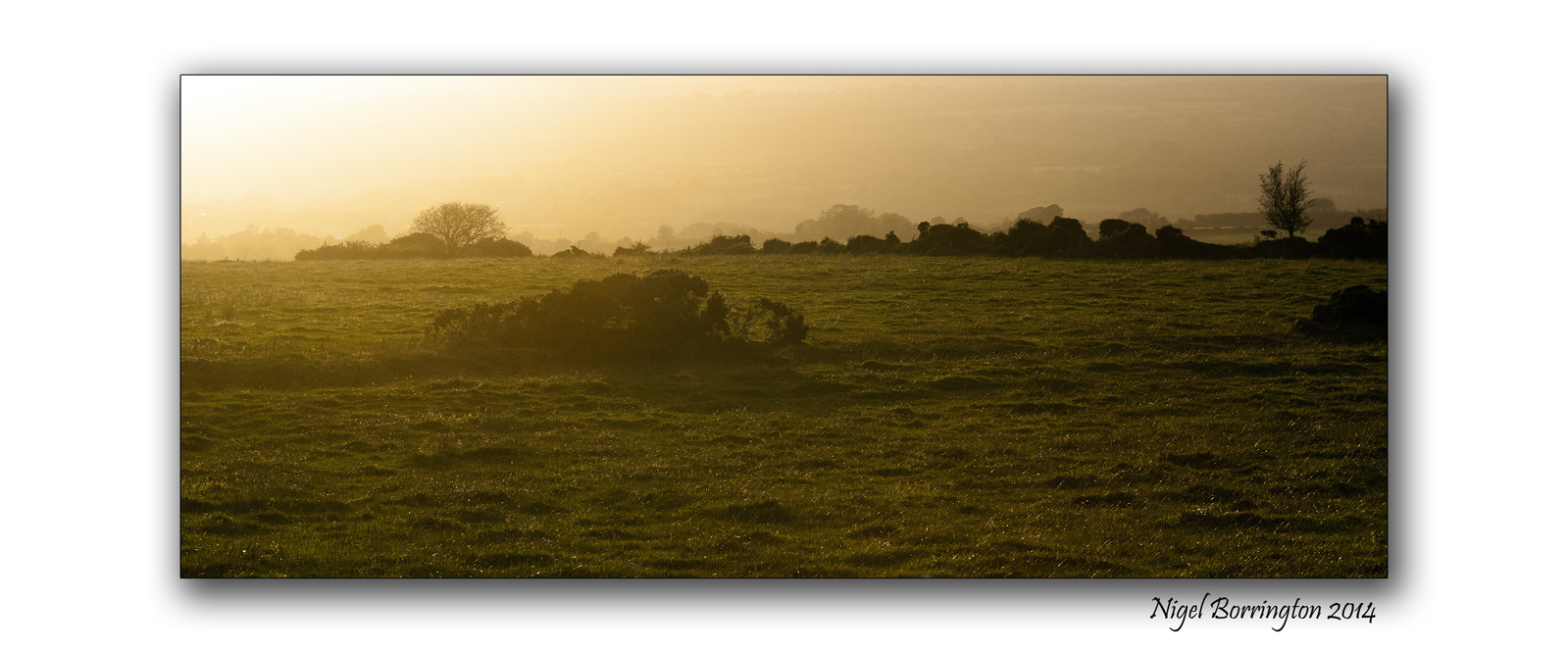
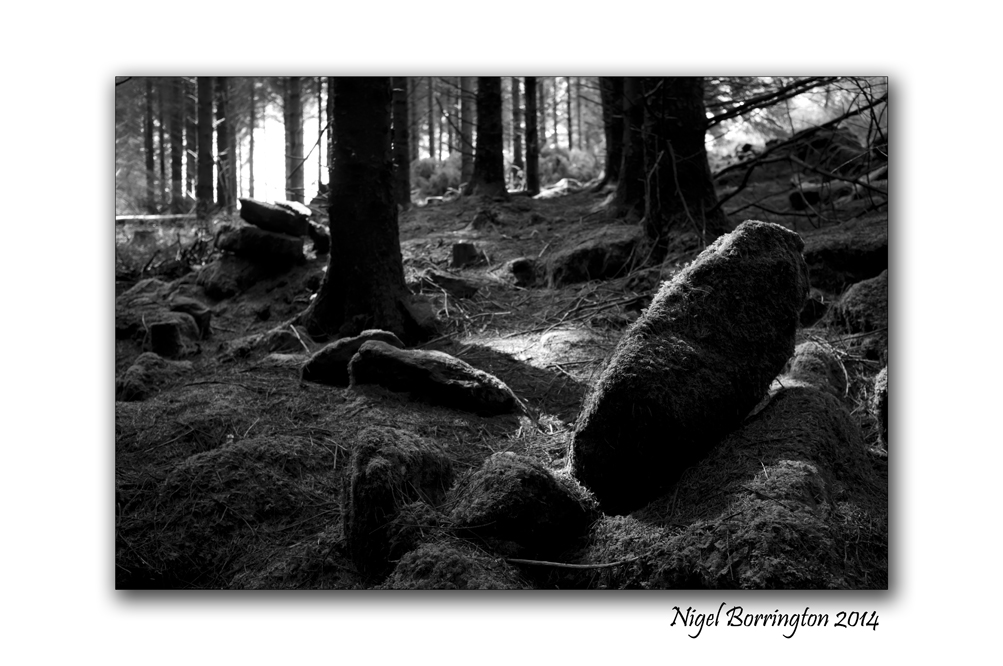
Evening Light across the fields, County Kilkenny
Landscape photography : Nigel Borrington
Across the fields
Taken from a poem By : Imp y Celyn
I was just listening to songs from years gone by,
To make me feel the way I did then,
Does this count as masochism?
Gotta run till you drop
Run till you fly into the sunset
Walk for aeons to get to your door

To walk beside you and remember your skin, your hips
Your eyes are so dark, so dark now the sun’s on the horizon
So beautiful; does beauty negate honesty?
Honestly
How do I stand in your presence
Walk the fields with an invisible crown
Just to see what’s going on
Just to make it a little bit more in this life
Sunsets never mean the same
Each sun sets on a different you and me
I want to crown you in violets
So they’ll blaze blood glory in this light

As timeless spirits walk together
Through space, time always plays out the same way
Maybe ours will be a chaste attachment
Right,
And maybe tomorrow,
There you’ll be, leaning back on your throne
And grinning as you spin your fiddle in the air

I can watch the sunrise
But I’d rather lie down with you again
And see sunset paint your face in amber
So I can wash it away with my tears
Because I’ve just been touched by Ancient Gods
Did you know you make me Believe?
What grows on the old bridge at Ennisnag.

What grows on the bridge at Ennisnag, county Kilkenny
Nature and Landscape Photography : Nigel Borrington
What grows on the old bridge at Ennisnag.
Early yesterday evening while out Walking molly , our Golden retriever I crossed the old bridge at Ennisnag, county Kilkenny, the foot path goes down along side the kings river, below the bridge and looking up I noticed lots of herbs and plants growing out of the stone work.
The Sun was lighting these plants and they look fantastic with this light behind them.
These plants included (Herb Robert, wild Blackberry and Dandelion)
On the old bridge at Ennisnag, Gallery


Pagan ring forts and passage tombs , From Kerry to kilkenny
 Knockroe passage tomb, county Kilkenny
Irish landscape Photography : Nigel Borrington
Pagan ring forts and passage tombs , From Kerry to kilkenny
During July last year 2013, I visited two ring forts near Cahersiveen, County Kerry and posted on them as below :
 .
.
Cahergall ring fort is a massive stone construction, built between 400BC and 500AD, It can be found close to Cahersiveen, County Kerry. Leacanabuaile feels very much more like a dwelling place for people to both live and keep themselves safe from the surrounding Environment. This included raiders and wild animals stealing cattle.
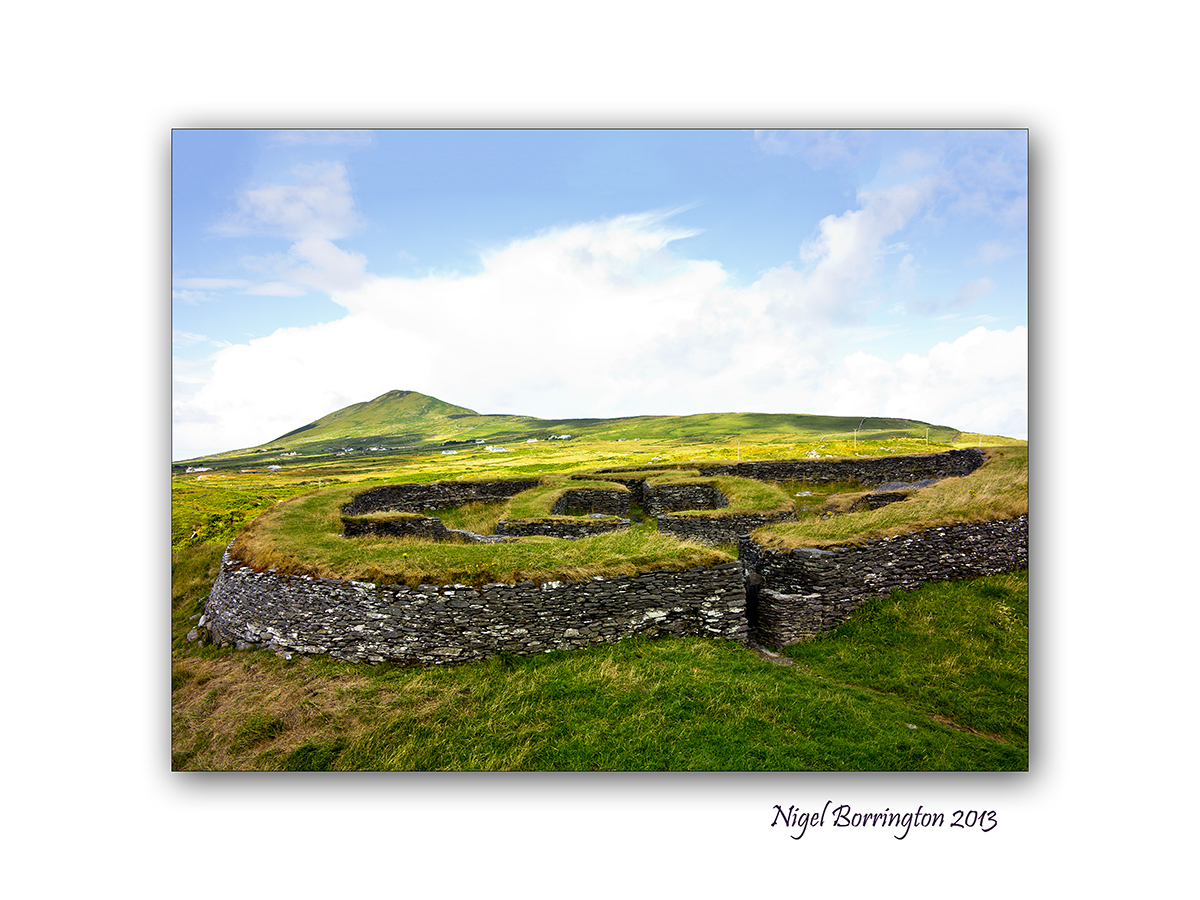
Leacanabuaile, stone ring Fort
Sitting on a hill side near Cahersiveen in County Kerry is Leacanabuaile Stone Fort, it is considered one of the best examples of an Irish ring fort.
The name translates to ‘Hillside of the Summer Pasturage’.
Returning home
The visit to both these locations was one of the most interesting history trips I have ever done and left me with a great sense of the History of Europe and of the people who lived here before Christian times.
On returning to county Kilkenny I fell like I was living in a place with a much more limited sense of history, Tipperary and Kilkenny feel much less remote than the coast line and mountains of county Kerry and their history seems to be much more modern.
Well it has taken me almost a year since the visit to Cahergall and Leacanabuaile to realise that this impression of my local area is far from true. Apart from the location of Knockroe (Post here), I have started to visit and find more and more local remains of Ireland’s past and it clearly goes way beyond the days of St Patrick and the early church.
The images below are satellite images of many passage tombs and ring forts, within 10km of our home :

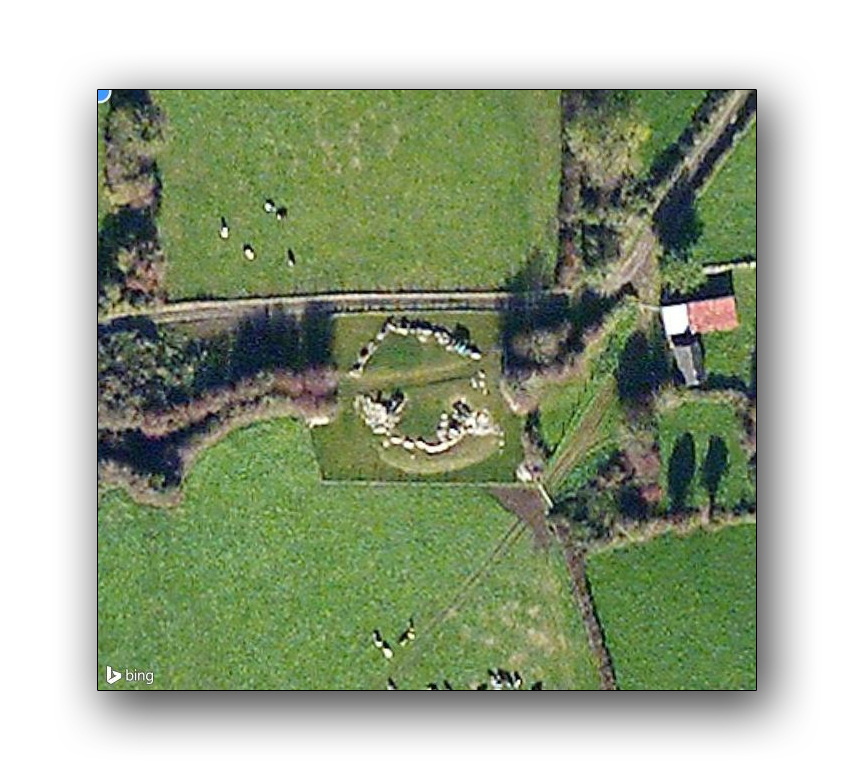
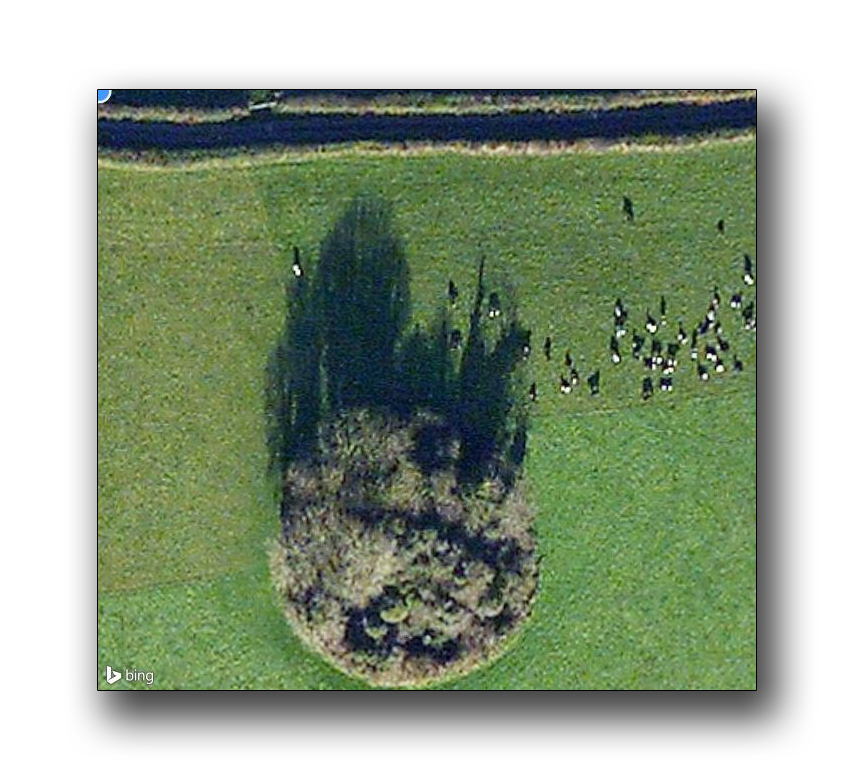

 .
.
Finding these locations was a real eye opener and showed to me that these forts and passage tombs must have been located through out the country.
The forts in Kerry have been restored over the last 5 years and may well have been in the same poor condition as the local ones here.
It is more than likely that the stone from these locations has been used in more modern times to build local Churches, Farms and stone walls on farm land, Yesterday I posted on the high cross at Kilkamerry and talked about this re-use of Pagan sites to build Christian locations.
It is very likely then that current church yards and grave yards have also been constructed on more of these sites, many more circular features exist on the local landscape and are possibly also ring forts but for these ones time has made things a little less clear.
What does becomes clear from looking deeper is that the pagan history of Ireland was extensive and that the pre-Christian population of this Island was as big as any other location on the European continent.
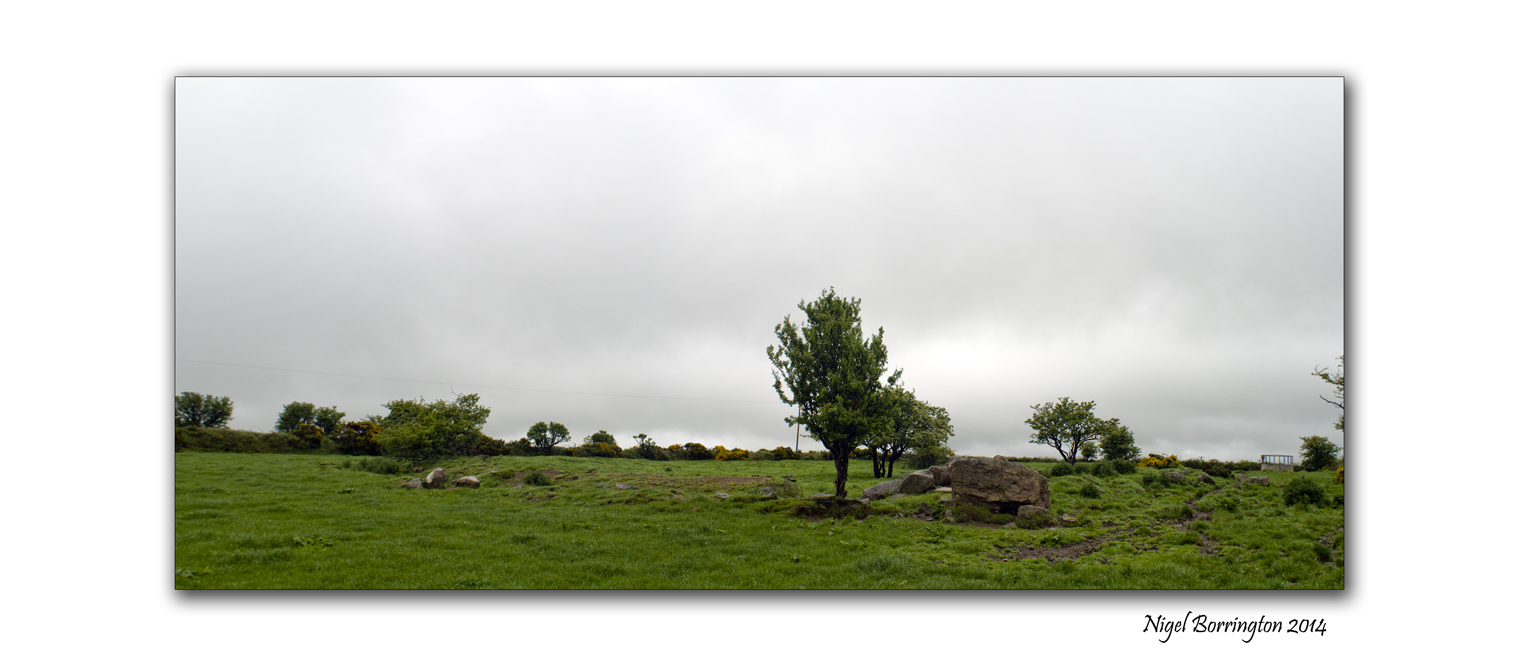
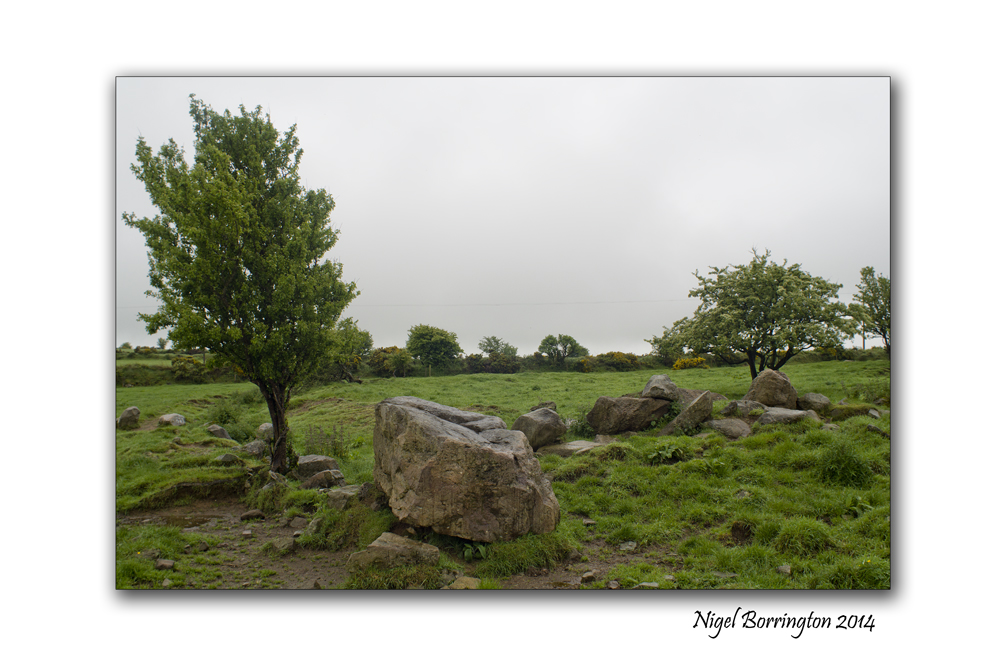
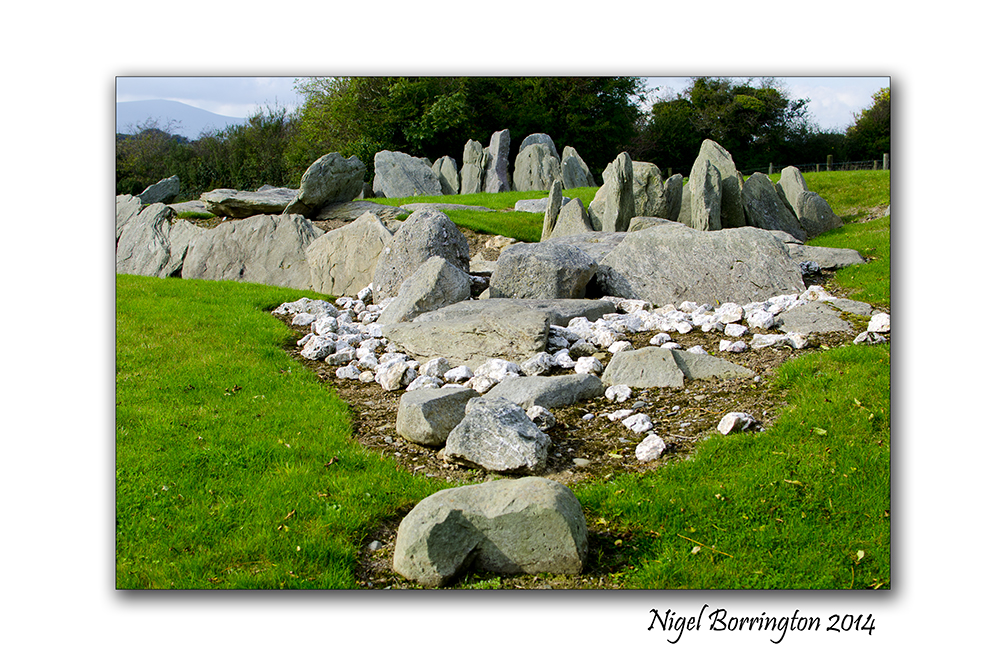
The images here are of the tomb or ring fort on Ballinlinagh hill, county Kilkenny and of the passage tomb of Knockroe :
Gallery

 —————–

Kilkenny, Ireland , 500 million years ago
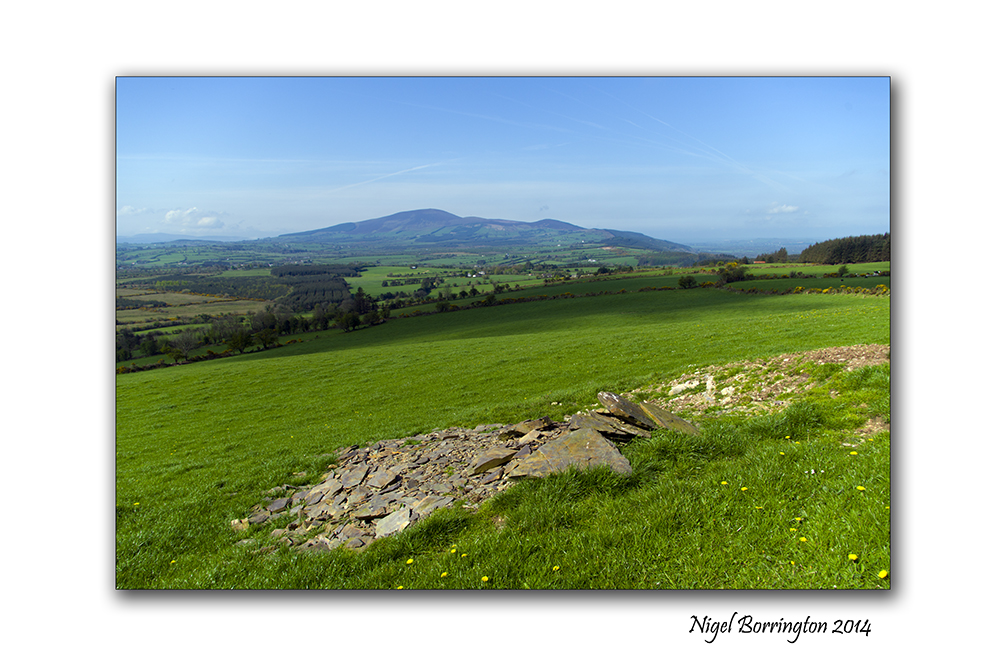
Landscape view of the kilkenny/Tipperary boarders
Irish Landscape photography : Nigel Borrington
Kilkenny, Ireland 500 Million years ago
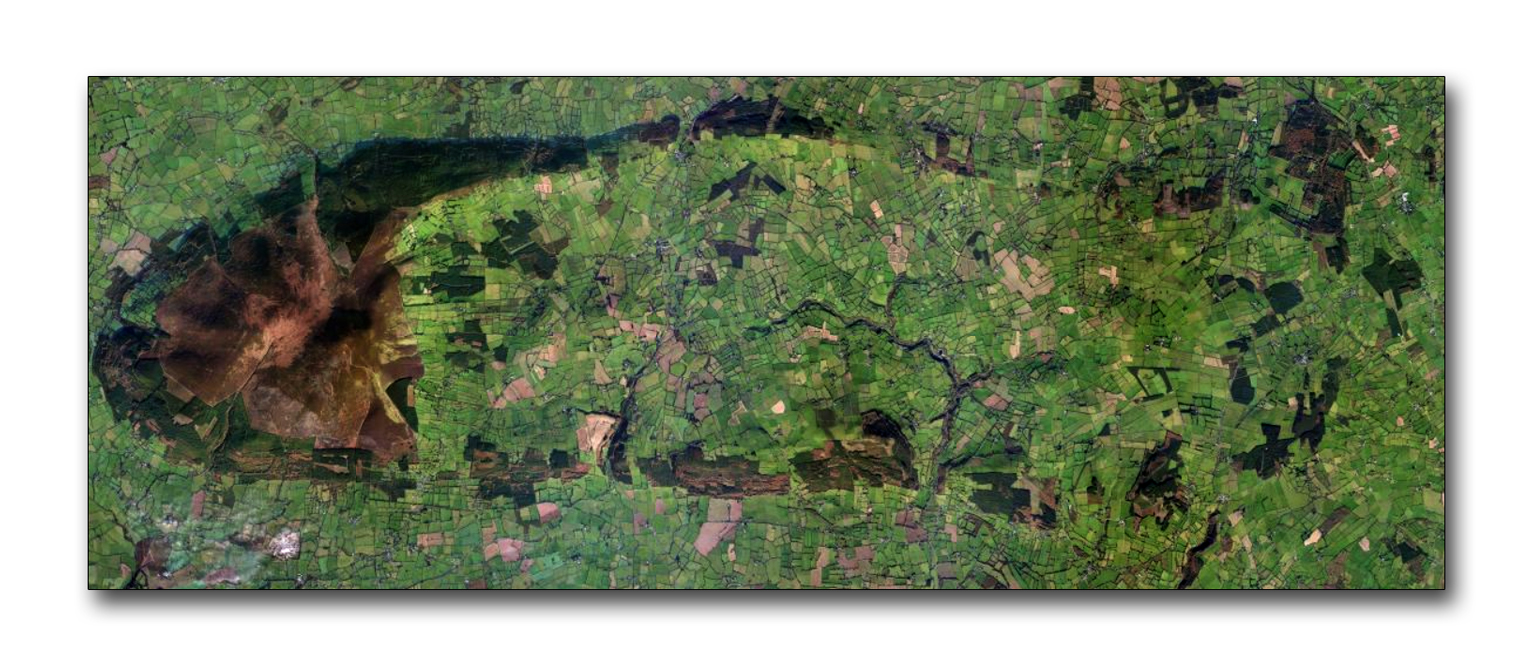
During the week I posted an article about the area around the mountain of Slievenamon, County Kilkenny.
I hope over the summer to post many times about this area and show many of the foot hills along with the main mountain itself. A fellow blogger margaret, suggested that the formation of the mountain and the oval shape of the extending foot hills could be volcanic in their origins, I do think at some point in the long distant past this could be true.
I found the following summary of the geological history of county Kilkenny so I am going to share it here as I found it fascinating to think of some 500 million years of history of Ireland and its Geology.
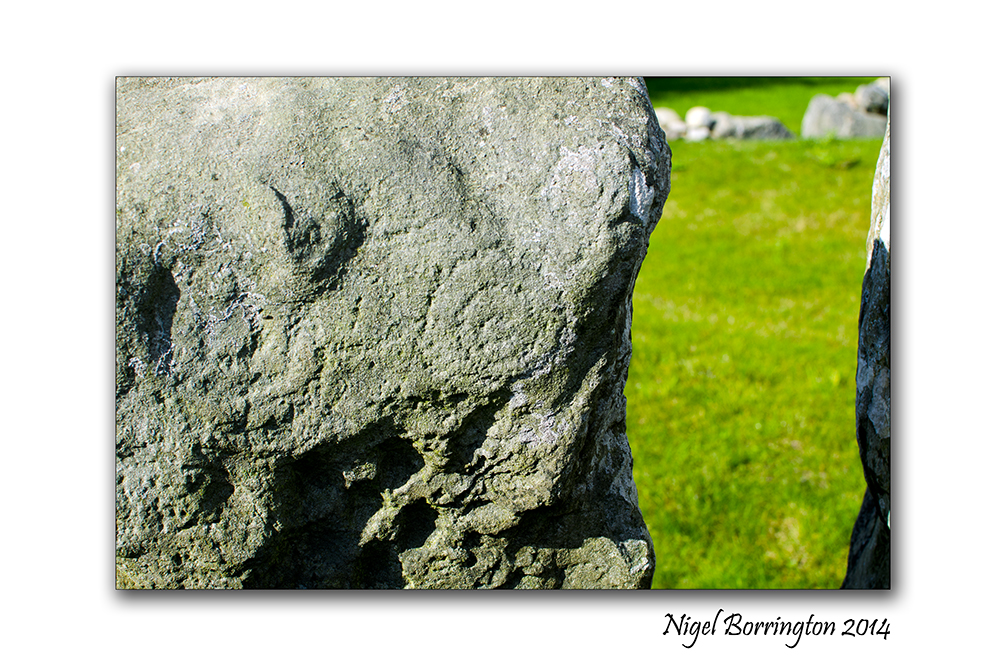
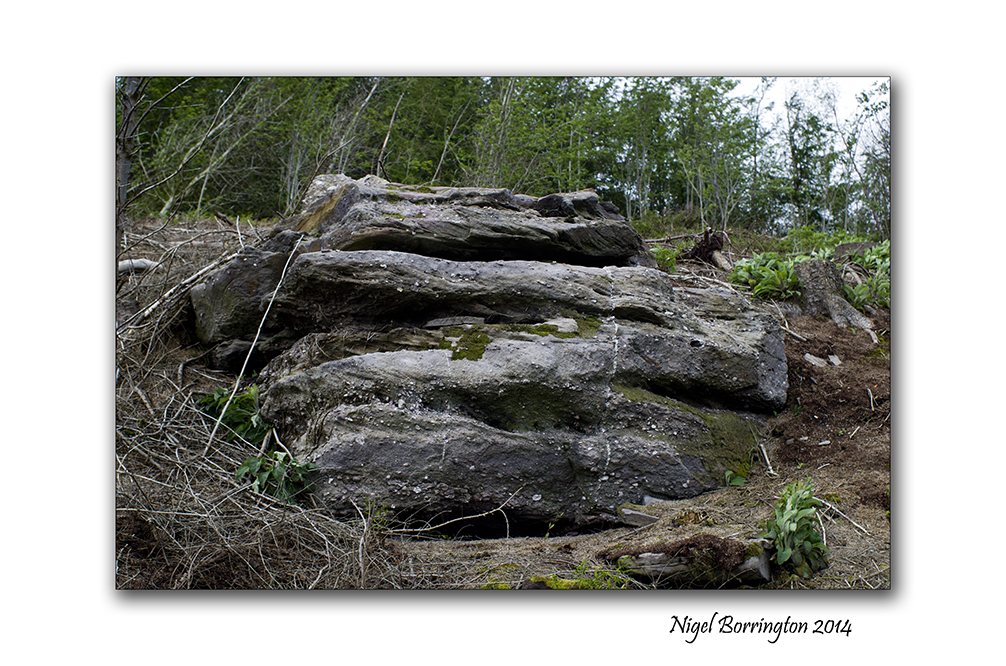
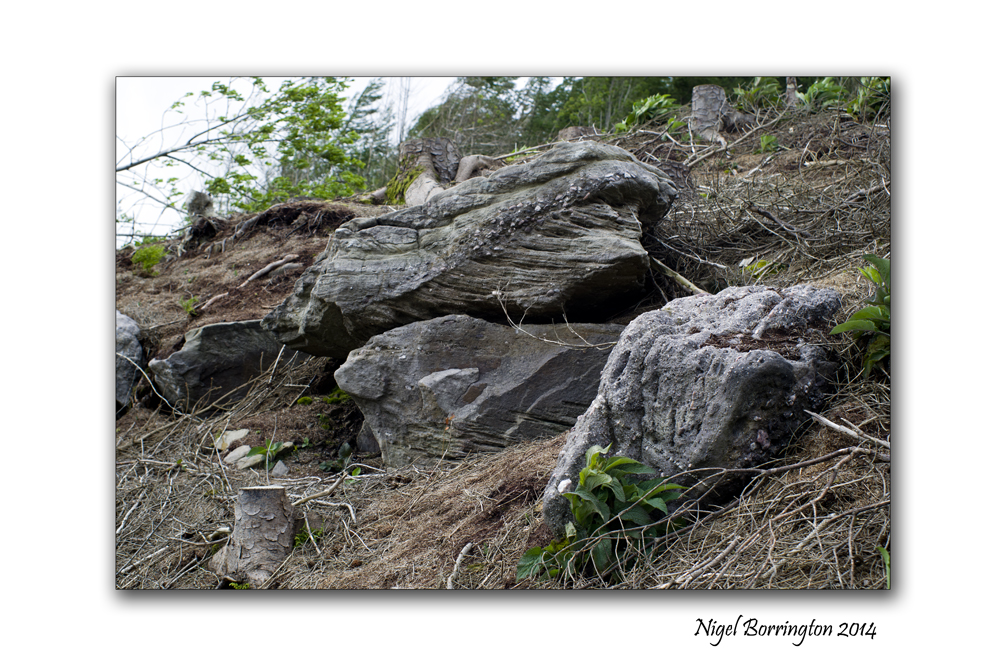
Also a Gallery of images that show some of the amazing ice age rocks and landscape formations that can be found through out this great little part of the world.
Geologic History of Kilkenny
500 Million years ago – Sedimentary rock formed under parts of eastern Kilkenny, which was
under the sea.
400 Million years ago – the two parts of Ireland, the island, were fused together under the ocean.
400 Million years ago – the mountains at Brandon and the uplands at Tullogher were formed, again
under the sea.
350 Million years ago – Kilkenny was at a dry land stage with plant life that fossilized into the
yellow sandstones of Kiltorcan.
345 Million years ago – Kilkenny was submerged for about 20 Million years under a tropical shallow
ocean. Lime deposits from this era eventually became the limestone found commonly in
Kilkenny and Ireland. The polished limestone provides the famous Kilkenny marble.
320 million years ago – Kilkenny covered by a muddy delta and swamps, with deposits eventually
forming todays sandstones and coal.
250 Million years ago – a mountain building era resulting in the east-west mountains of Munster,
and the Walsh Mountain area between Millinavat and Slievenamon.
2 Million years ago – Ice age glacial periods intermixed with cold and warm periods begin.
500,000 years ago – A warm period known as the Gortian. Kilkenny is covered by forest of birch,
oak, pine, leder, fir, holly, yew, heather and grass.
200,000 years ago – A cold period lasting 70,000 years called the Munsterian. All of Kilkenny (and
Ireland) is covered by a sea of ice. Movement of Glaciers helped form the soil of today.
130,000 years ago – A warm period known as the Glenavian lasting about 60,000 years with climate
much like today.
70,000 years ago – A cold phase lasting about 60,000 years known as the Midlandian stage. Ice
sheets covered the northern half of Kilkenny, from Callan to Goresbridge. The southern have
would have included tundra grasslands and some woodland. Animal life is noted during this
time, including wooly mammoths, wolf, arctic fox, brown bear, the giant Irish Elk, reindeer
and lemmings.
10,000 years ago – The ice begins to melt, sea levels begin to rise and plants begin to reappear
in all of Kilkenny.
9,000 years ago – A birch dominated forest covers much of Kilkenny.
8,000 years ago – Hazel and pine become part of the forest population.
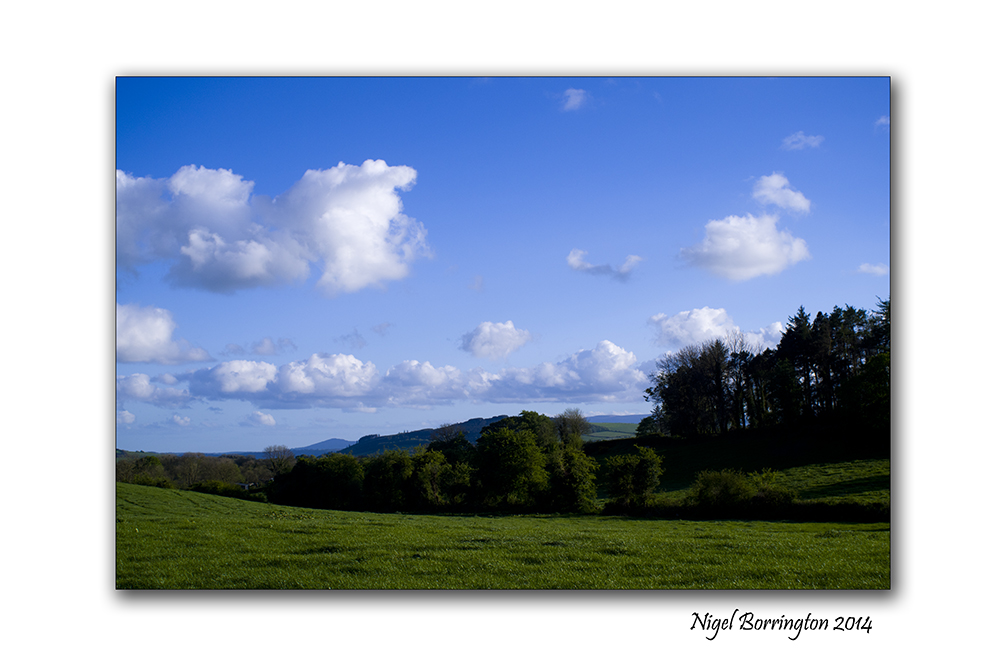
Landscape and Geological Gallery


Finding the Silver light of other days , Gallery and a Poem by : Thomas Moore

Memories of silver light, Glencommon, County Kilkenny
Landscape photography : Nigel Borrington
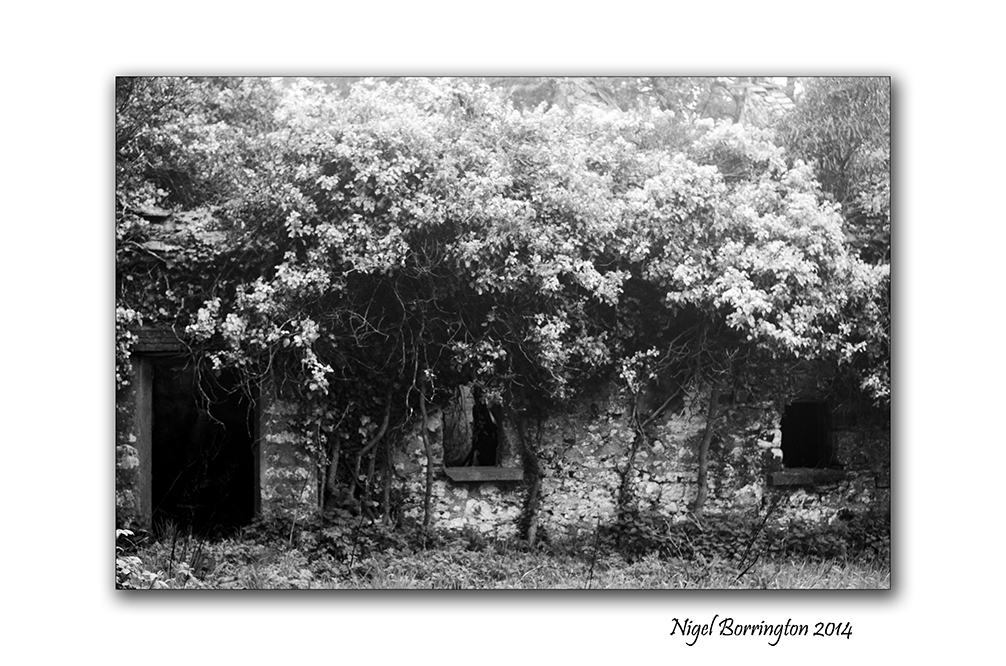
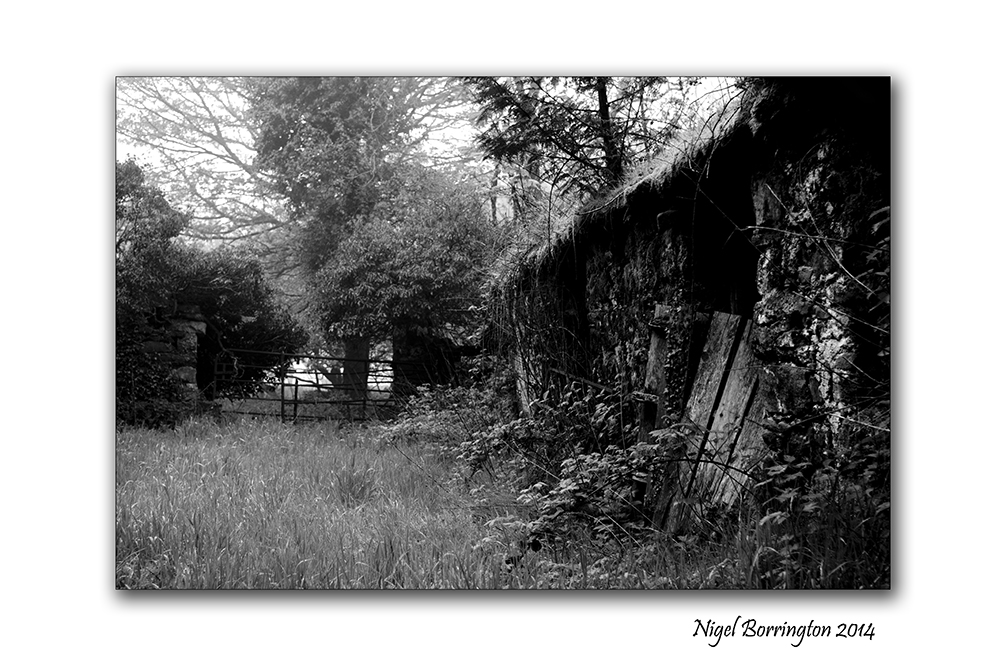
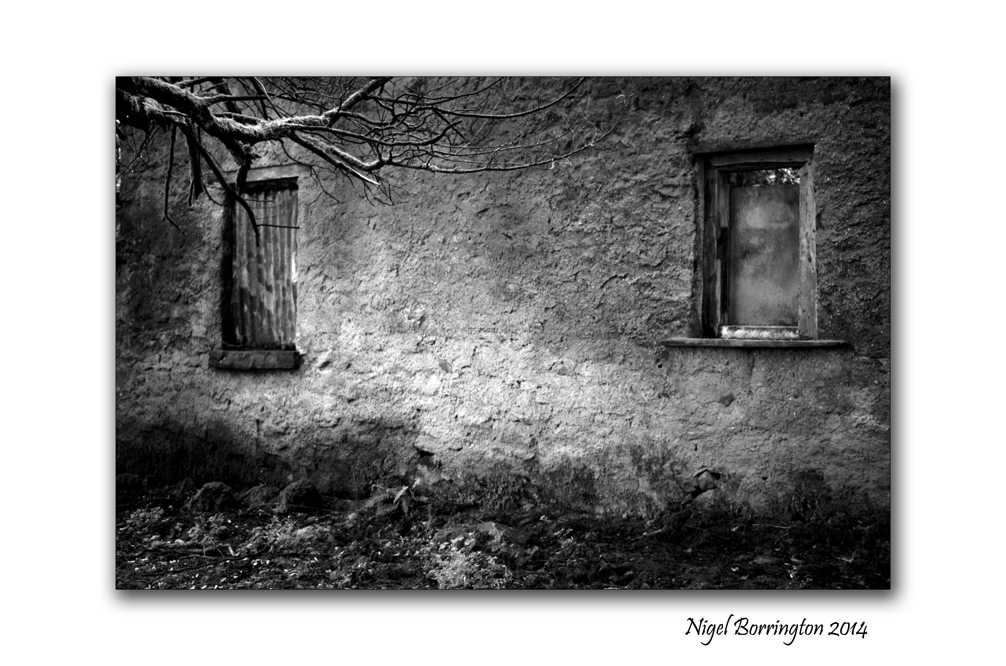
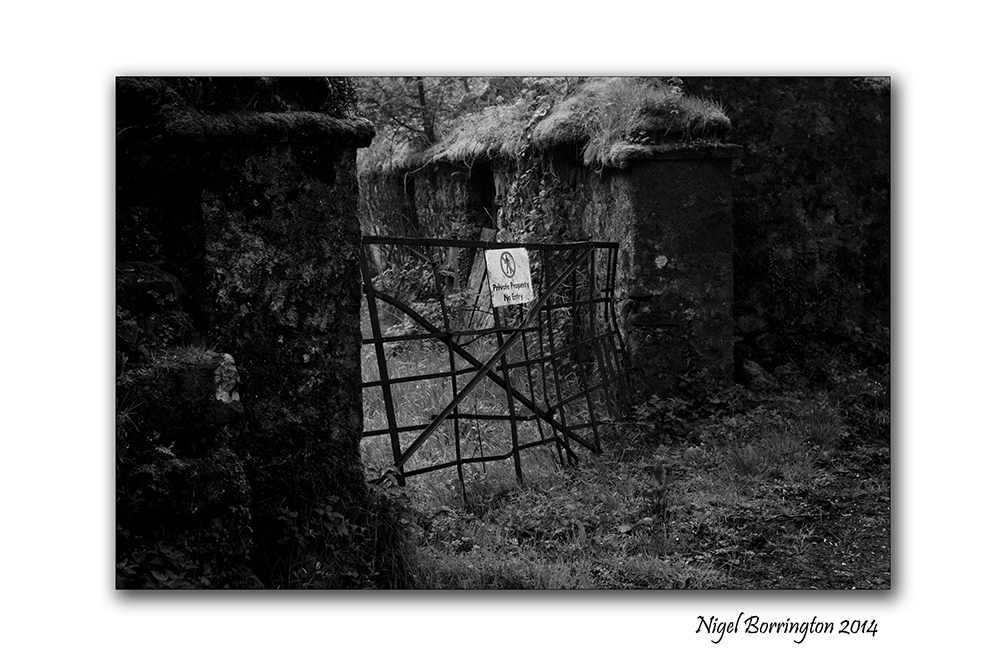
On the top of the hill at Glencommon, county Kilkenny is the Ghostly remains of an old farm.
Last Sunday morning I took a walk up the hill in the mist with my camera and took these images, it was a very haunting experience but one I really enjoyed.
The poem below by Thomas Moore came to mind as the mist of the day seamed to recreate the past of this wonderful old place, how many memories it must hold yet all of them lost in the mists of time.
The Light of Other Days
By Thomas Moore
1779-1852
Often, in the stilly night,
Ere slumber’s chain has bound me,
Fond Memory brings the light
Of other days around me:
The smiles, the tears
Of boyhood’s years,
The words of love then spoken;
The eyes that shone,
Now dimm’d and gone,
The cheerful hearts now broken!
Thus, in the stilly night,
Ere slumber’s chain has bound me,
Sad Memory brings the light
Of other days around me.
When I remember all
The friends, so link’d together,
I’ve seen around me fall
Like leaves in wintry weather,
I feel like one
Who treads alone
Some banquet-hall deserted,
Whose lights are fled,
Whose garlands dead,
And all but he departed!
Thus, in the stilly night,
Ere slumber’s chain has bound me.
Sad Memory brings the light
Of other days around me.
Finding memories in the silver light , Gallery




The woodlands of county Kilkenny after the storm
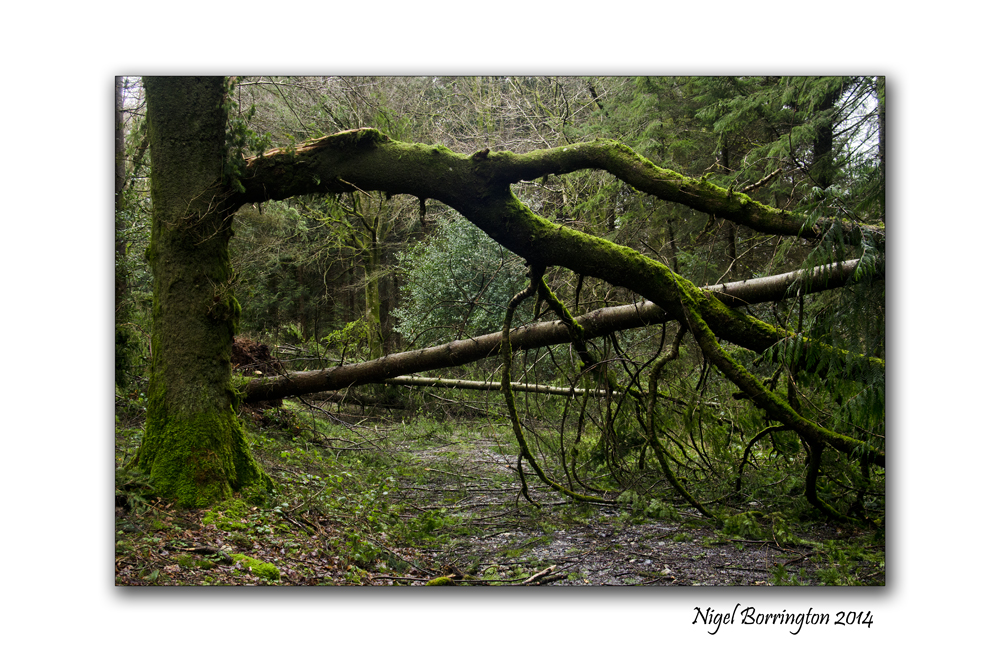
The woodlands of county Kilkenny after storm Darwin, February 2014
Irish Landscape Photography : Nigel Borrington
On Wednesday last week Ireland was hit by one of the biggest Storm’s for many years .
We have had a series of them over this winter and over 262mm of rain this year to date, I have posted over the last week or so about the flooded local rivers which I spend a lot of time walking along and the effects of all this rain is clear to see.
The other locations I do a lot of walking in however is county Kilkenny’s Forests and woodlands, the images below are taken in one of our local forests Castlemorris woodlands.
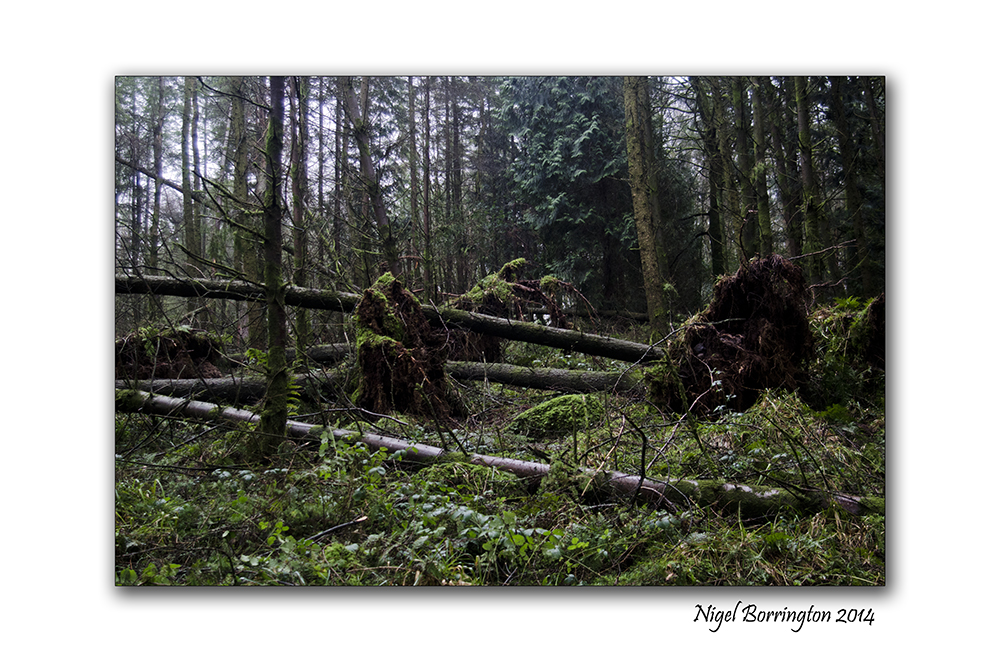
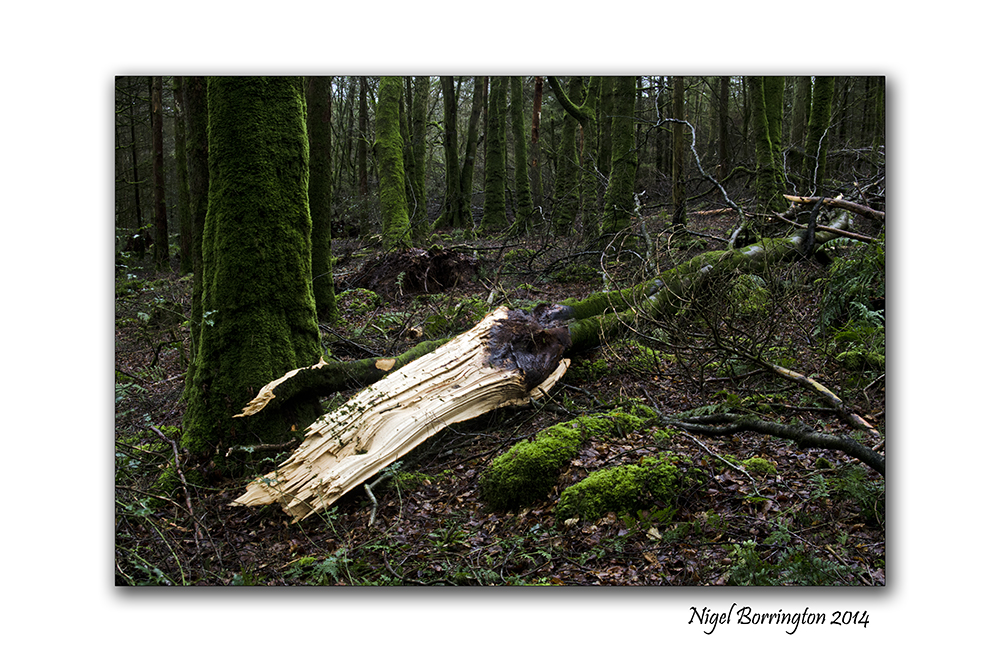
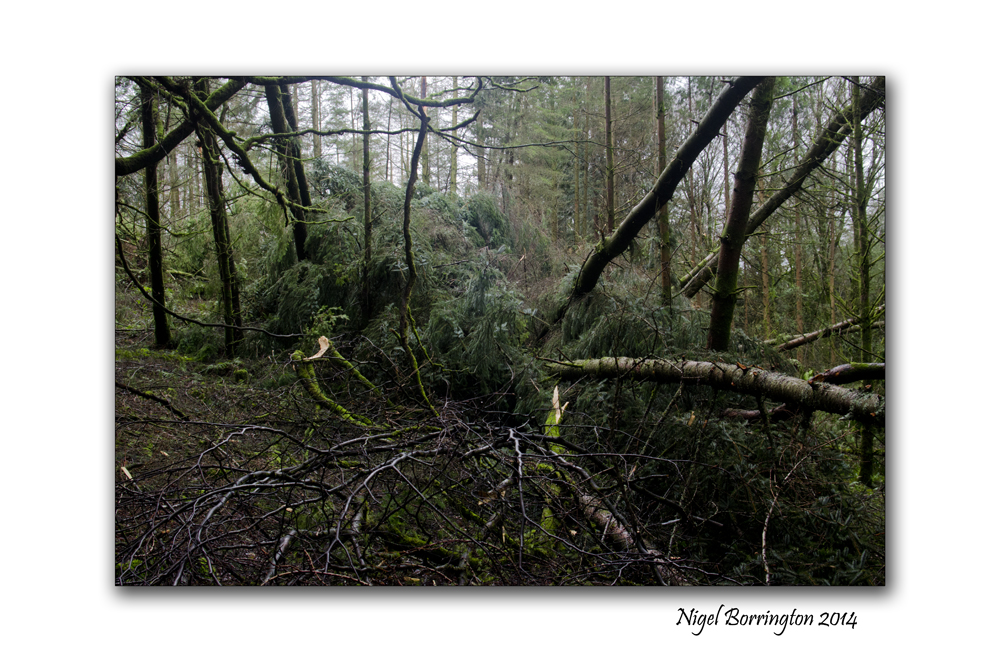
On this visit however I was in complete Awe of Nature and the power it holds, The forest has lost many of its great trees and I feel that the images can only get some of the sense across of just how bad this last storm was. I can only imagine the noise and the almost complete mayhem that these woods contained during the storm that powered its way through these trees.
Many of the trees have fallen and had their branches ripped from them, the visit was one of the most amazing I think I will ever have, it was silent apart from the sound of trees creaking in the wind , the sound of broken branches resting against other trees, survivors of the days storm. It was an amazing feeling, a real lesson in the power that nature holds.
You can see in the images that the path into the woods is completely blocked with fallen trees and it will take many days to clear these woodlands and return them to normal, many gaps with be visible and many trees missed.
I will let these images tell the rest of the story!!
Gallery





After the storms , Poem By : Boris Pasternak

Storm clouds over County Kilkenny
Landscape Photography : Nigel Borrington
After The Storm
By : Boris Pasternak
The air is full of after-thunder freshness,
And everything rejoices and revives.
With the whole outburst of its purple clusters
The lilac drinks the air of paradise.
The gutters overflow; the change of weather
Makes all you see appear alive and new.
Meanwhile the shades of sky are growing lighter,
Beyond the blackest cloud the height is blue.
An artist’s hand, with mastery still greater
Wipes dirt and dust off objects in his path.
Reality and life, the past and present,
Emerge transformed out of his colour-bath.
 .
.
The memory of over half a lifetime
Like swiftly passing thunder dies away.
The century is no more under wardship:
High time to let the future have its say.
It is not revolutions and upheavals
That clear the road to new and better days,
But revelations, lavishness and torments
Of someone’s soul, inspired and ablaze.
Following the light .

Following the suns light through the trees
Castlemorris Woodlands , County KIlkenny
Irish Landscape Photography : Nigel Borrington
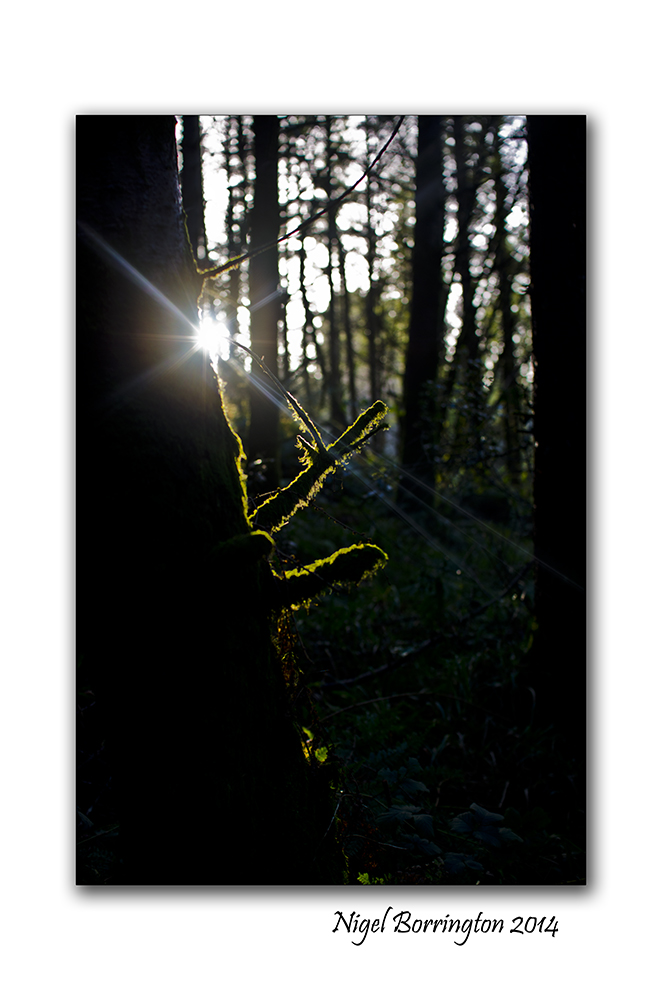
During the Winter months the Suns is sitting low in the sky for most of the day, this is a feature that I personally like a lot when taking images. Long shadows form on the landscape from woodlands and trees , hedge rows form deep and dark areas in your images during the morning and long into the afternoon.
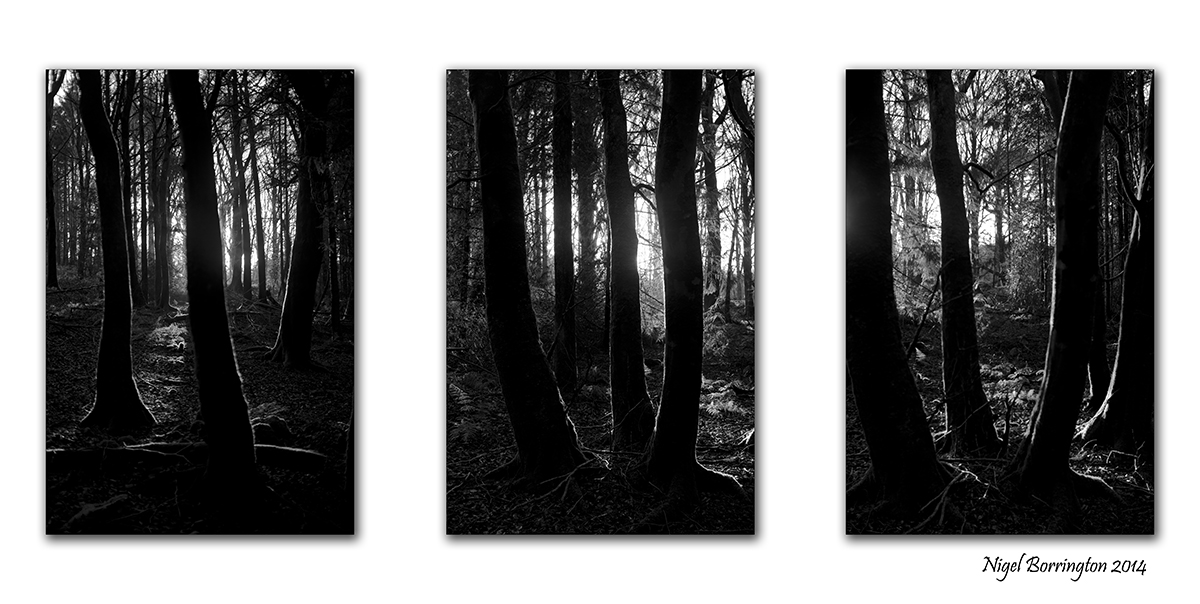
What about the Sun in the deepness of the forests, its light finds it hard to penetrate far into the woodlands and onto forest floors.
If you get as deep into the woods as you can and find an thinned area of old tall trees however the light that does get through can be used to wonderful effect, in the images below I did my best to capture the light that was getting through, making use of some moss covered rocked and the trunks of the trees themselves.
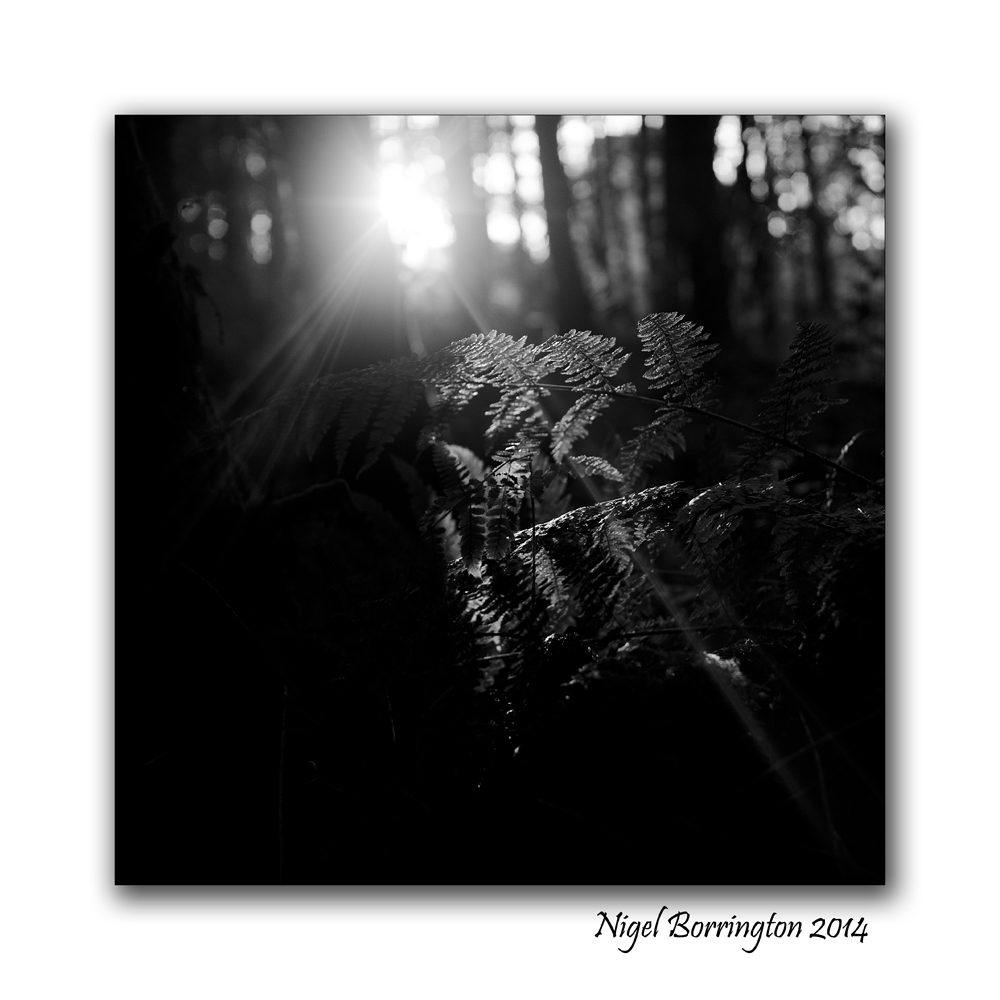
One thing I noticed was that if you position the sun right behind a tree , the light wraps its way around both sides of the trees in front of you, forming an outline of sun light.
I also very much like placing the sun on the very edge of the image or just outside it and using lens flare to bring a beam of light on to some of the rocks and plants.
Following the suns light through the trees: Gallery



When I Am Among the Trees, Poem by : Mary Oliver
Castlemorris Woodlands , County KIlkenny
Irish Landscape Photography : Nigel Borrington
When I Am Among the Trees
by Mary Oliver
When I am among the trees,
especially the willows and the honey locust,
equally the beech, the oaks and the pines,
they give off such hints of gladness.
I would almost say that they save me, and daily.
I am so distant from the hope of myself,
in which I have goodness, and discernment,
and never hurry through the world
but walk slowly, and bow often.
 .
.
Around me the trees stir in their leaves
and call out, “Stay awhile.”
The light flows from their branches.
And they call again, “It’s simple,” they say,
“and you too have come
into the world to do this, to go easy, to be filled
with light, and to shine.”
Nature photography : Wood and Common Puffball Mushrooms.

Wood Mushrooms, Kilkenny woodlands
Irish Nature Photography : Nigel Borrington
Photographing and capturing Nature is something I love doing through out the year.
In January the woodlands are still full of life, it may be a little harder to find but it is still all around. Mushroom are enjoying a very mild winter here in Ireland and I managed to find and capture these (Wood Mushrooms and Common Puffball Mushrooms) yesterday in a local woodland nature reserve.
Gallery and details

Common Puff ball Mushrooms
Lycoperdon perlatum, popularly known as the common puffball, warted puffball, gem-studded puffball, or the devil’s snuff-box, is a species of puffball fungus in the family Agaricaceae. A widespread species with a cosmopolitan distribution, it is a medium-sized puffball with a round fruit body tapering to a wide stalk, and dimensions of 1.5 to 6 cm (0.6 to 2.4 in) wide by 3 to 7 cm (1.2 to 2.8 in) tall. It is off-white with a top covered in short spiny bumps or “jewels”, which are easily rubbed off to leave a netlike pattern on the surface. When mature it becomes brown, and a hole in the top opens to release spores in a burst when the body is compressed by touch or falling raindrops.
The puffball grows in fields, gardens, and along roadsides, as well as in grassy clearings in woods. It is edible when young and the internal flesh is completely white, although care must be taken to avoid confusion with immature fruit bodies of poisonous Amanita species. L. perlatum can usually be distinguished from other similar puffballs by differences in surface texture. Several chemical compounds have been isolated and identified from the fruit bodies of L. perlatum, including sterol derivatives, volatile compounds that give the puffball its flavor and odor, and the unusual amino acid lycoperdic acid. Laboratory tests indicate that extracts of the puffball have antimicrobial and antifungal activities.

Wood Mushrooms
This species was originally noted and named in 1753 by Carolus Linnaeus as Agaricus campestris. It was placed in the genus Psalliota by Lucien Quelet in 1872. Some variants have been isolated over the years, a few of which now have species status, for example, Agaricus bernardii Quel. (1878), Agaricus bisporus (J.E. Lange) Imbach (1946), Agaricus bitorquis (Quel.) Sacc. (1887), Agaricus cappellianus Hlavacek (1987), and Agaricus silvicola (Vittad.) Peck (1872).
Some were so similar they did not warrant even variant status, others have retained it e.g. Agaricus campestris var. equestris (F.H. Moller) Pilat (1951) is still valid, and presumably favors pasture where horses have been kept. Agaricus campestris var isabellinus (F.H. Moller) Pilat (1951), and Agaricus campestris var.radicatus, are possibly still valid too.
The specific epithet campestris is derived from the Latin campus “field”.
The cap is white, may have fine scales, and is 5 to 10 centimetres (2.0 to 3.9 in) in diameter; it is first hemispherical in shape before flattening out with maturity. The gills are initially pink, then red-brown and finally a dark brown, as is the spore print. The 3 to 10 centimetres (1.2 to 3.9 in) tall stipe is predominantly white and bears a single thin ring. The taste is mild. The white flesh bruises slightly reddish, as opposed to yellow in the inedible (and somewhat toxic) Agaricus xanthodermus and similar species.
The spores are 7–8 micrometres (0.00028–0.00031 in) by 4–5 micrometres (0.00016–0.00020 in), and ovate. Cheilocystidia are absent.
Images of Ireland from the Air.

Images of the south east of Ireland from the air.
Irish Landscape photography : Nigel Borrington
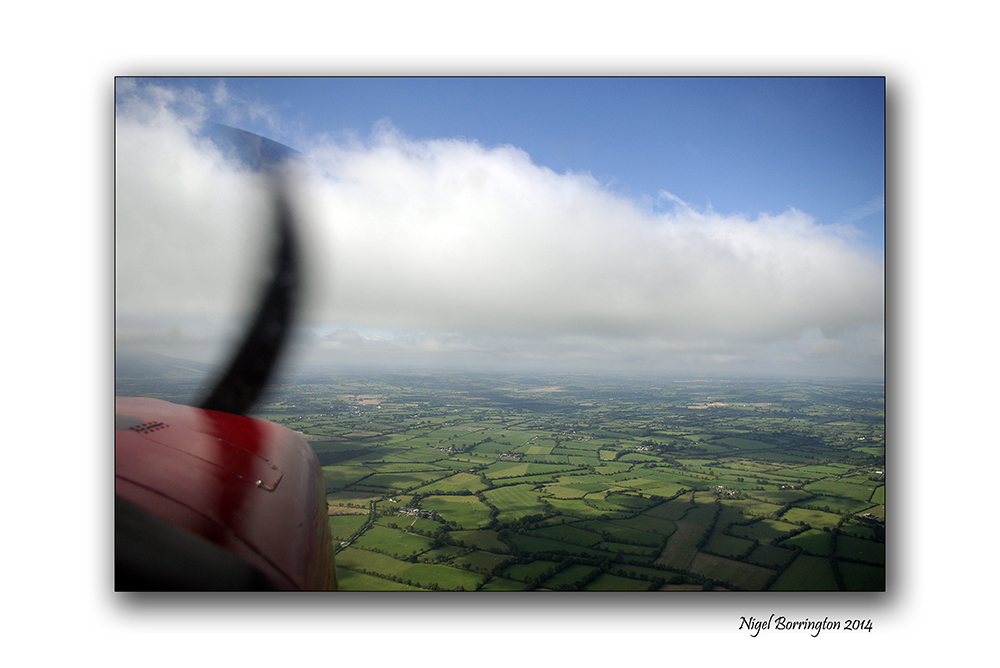
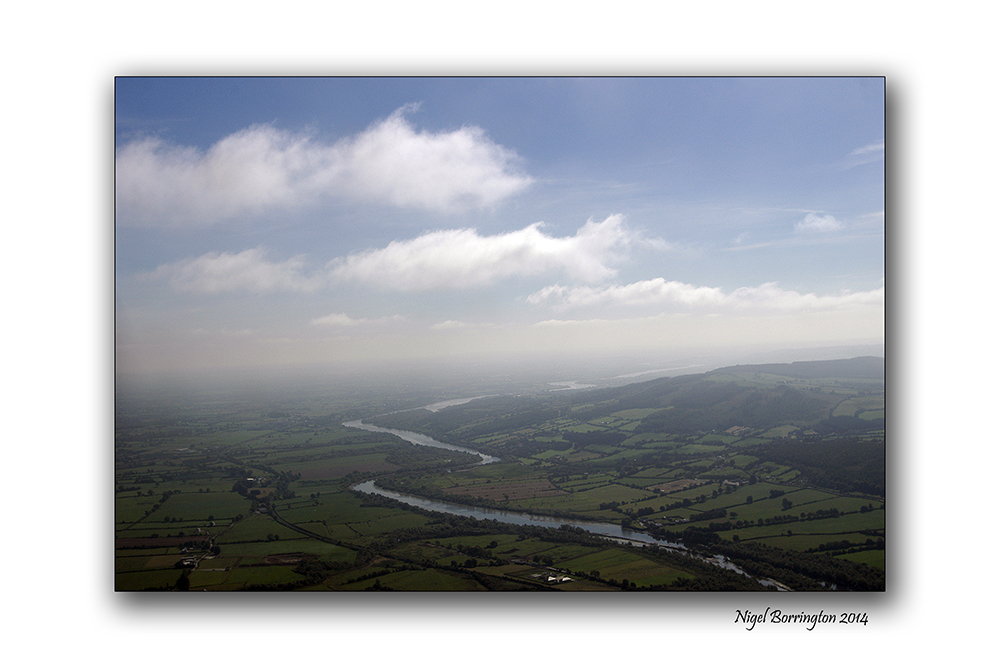
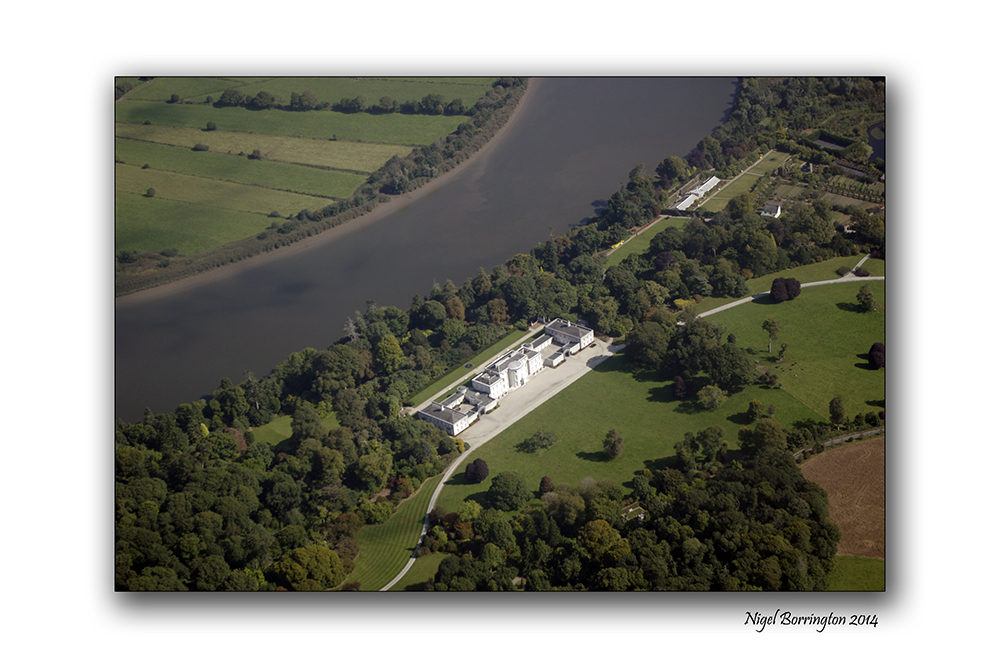
One of the most exciting ways you can see County Kilkenny and its surrounding counties is from the air, the images posted here are taken during a flight in a light aircraft.
You can fly from Kilkenny air field on a sight seeing visit to any location you would like, on this trip we travelled south of Kilkenny and followed the river Suir towards Waterford city, returning to the airfield about 2 hours later.
Its a great way to see Ireland and wonderful on a sunny clear day.
Gallery of the flight






January Sky. A poem by : Dorothy (Alves) Holmes
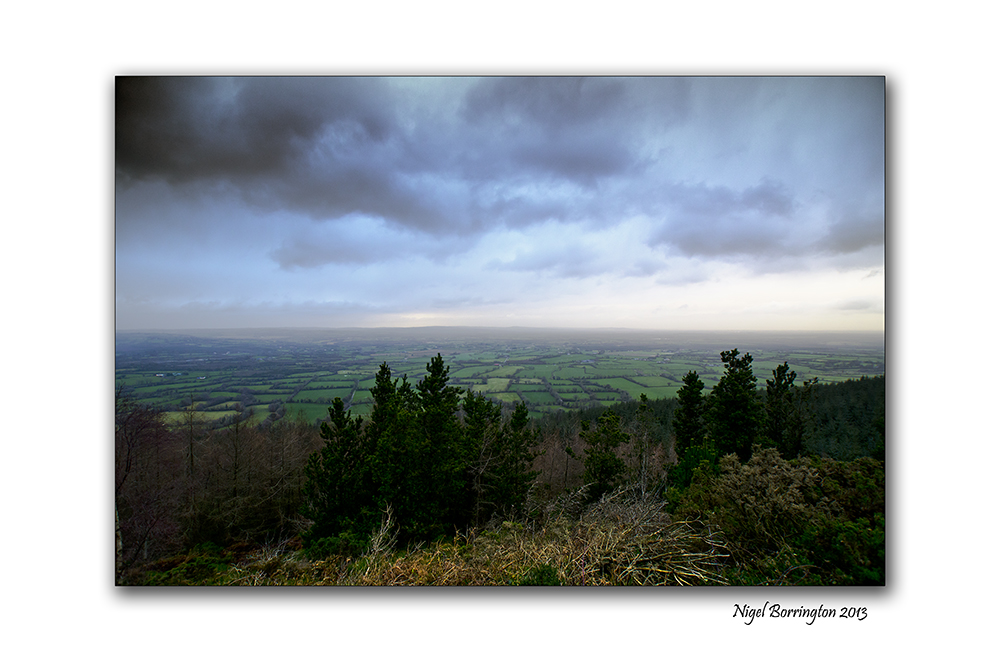
Landscape view of south county Kilkenny
Irish Landscape photography : Nigel Borrington
January Sky
Dorothy (Alves) Holmes
January chill freezes sky –
Early morning silhouette of pines
Are lifeless…
I close the blinds to this pale sky and go to
The east window where the sunrise
Throws kisses to awaken the day,
With promises to make me smile and
Bring the trees to life.
Her promise glows!
Duiske Abbey

Duiske Abbey, County Kilkenny
Irish Photography : Nigel Borrington
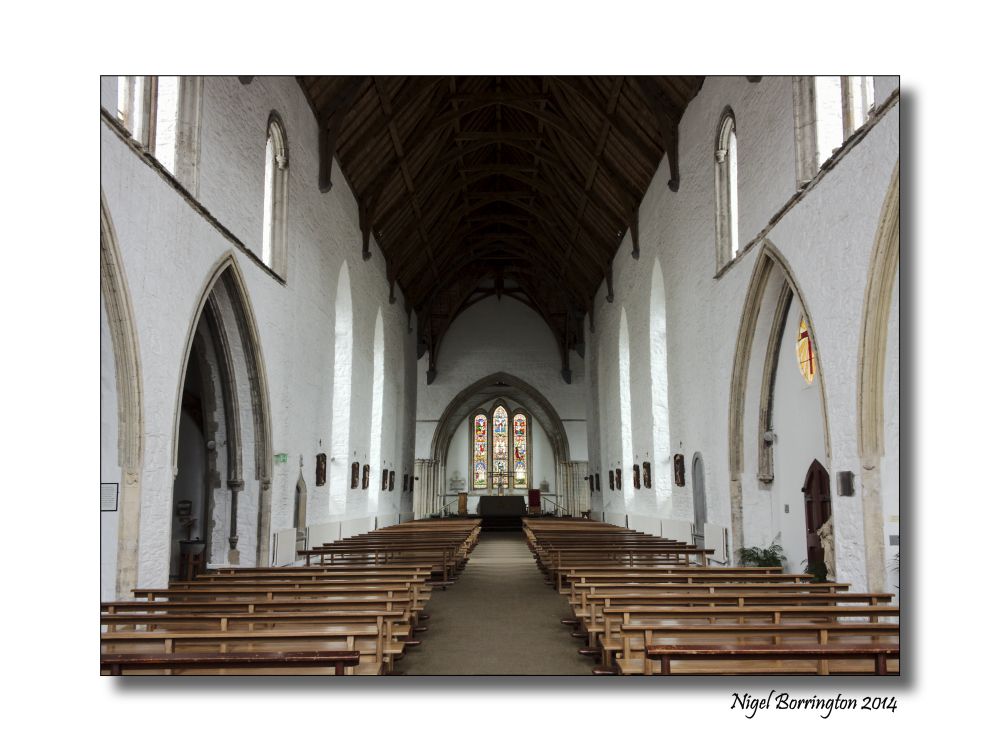
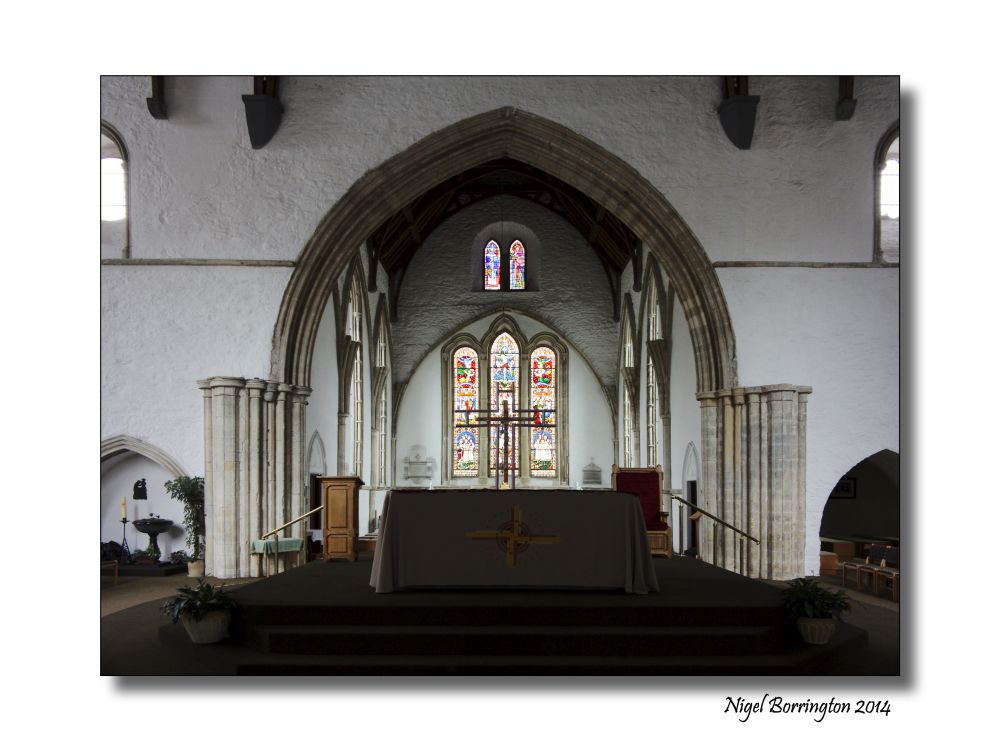
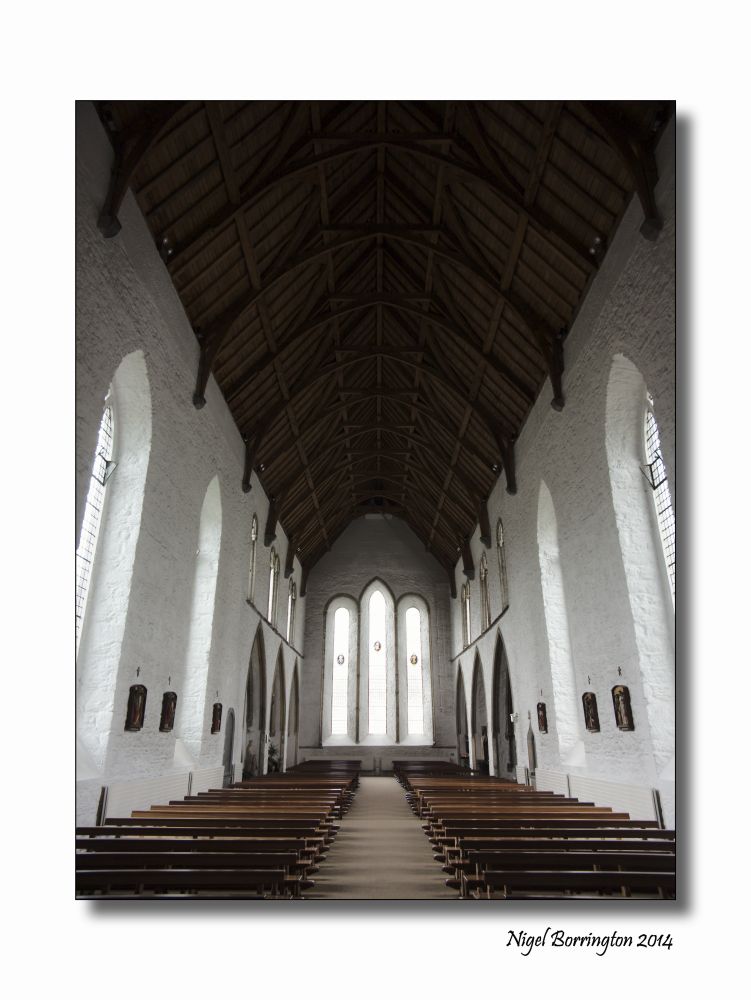
Duiske Abbey, County Kilkenny, is one of the best maintained Cistercian Abbey’s in Ireland also known as Graiguenamanagh Abbey, it is a 13th-century Cistercian monastery situated in Graiguenamanagh, County Kilkenny in Ireland.
Duiske Abbey was founded by William Marshall in 1204 and is one of the first, largest and perhaps the finest of the thirty-four medieval Cistercian monasteries in Ireland. The Abbey is the parish church of Graiguenamanagh town and beautifully dominates the town centre.
The Abbey is located in the valley of the river Barrow, on a site between the main river and the Duiske tributary. The abbey derives its name from the Douskey River Irish: An Dubhuisce, meaning “Black Water”.
Both the Abbey and the town of Graiguenamanagh are wonderful locations to visit with a camera, Park in the town and visit the Abbey first , then you can walk along the river Barrow, north towards kilkenny or south towards Waterford.
Gallery

 Nigel Borrington
Monday mornings in the Mist
Mist on a Monday Morning
Irish Landscape Photography : Nigel Borrington
Misty Monday Mornings.
Some Monday Mornings start full of purpose, the weekend has revived your spirits and you have a clear focus of what your aims are for the week. Other Monday mornings you just don’t know what your doing, you have aims but they just are not in focus sitting in a misty haze and you just cannot reach out to grab them.
This Monday morning, well ?
It was a wonderful Morning for a walk to clear my mind and try to find some direction, the mist was down on the local fields again and a blue and very peaceful haze just floated about the trees.
After Lunch time I hope the mist will lift ….. ?
Share this:
February 10, 2014 | Categories: Comment, Gallery, Kilkenny Landscape images, kilkenny photography, Landscape | Tags: focus, fog, Irish landscape photography, Mist on a Monday Morning Irish Landscape Photography, Misty fields, Monday mornings, Nigel Borrington, Nikon D7000, starting the week | 27 Comments