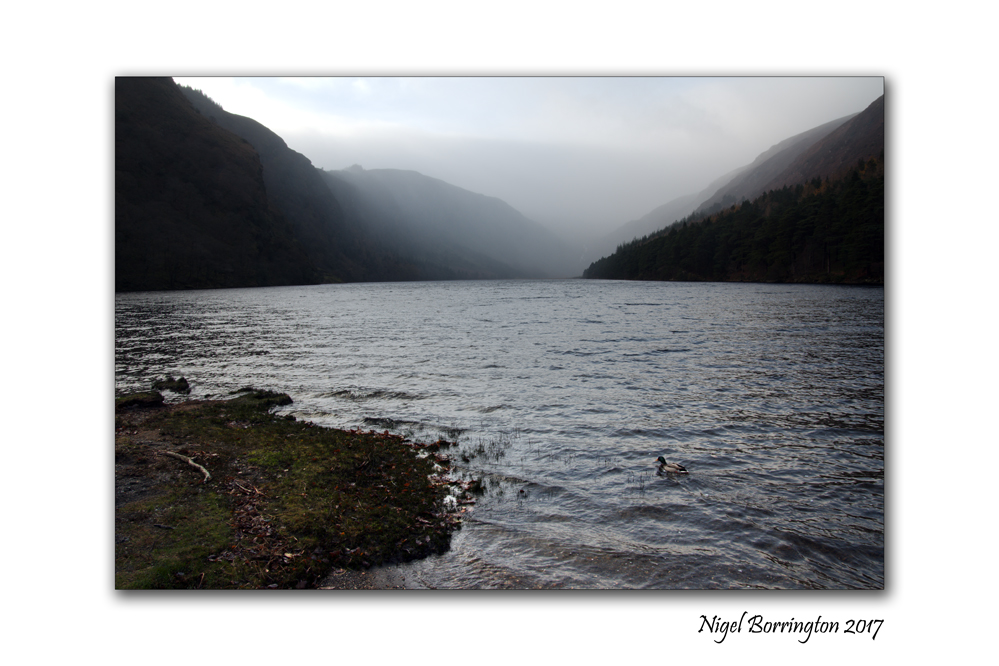
The Landscape of Glendalough, county Wicklow , Crossing The Bar, A Poem by – Alfred Lord Tennyson
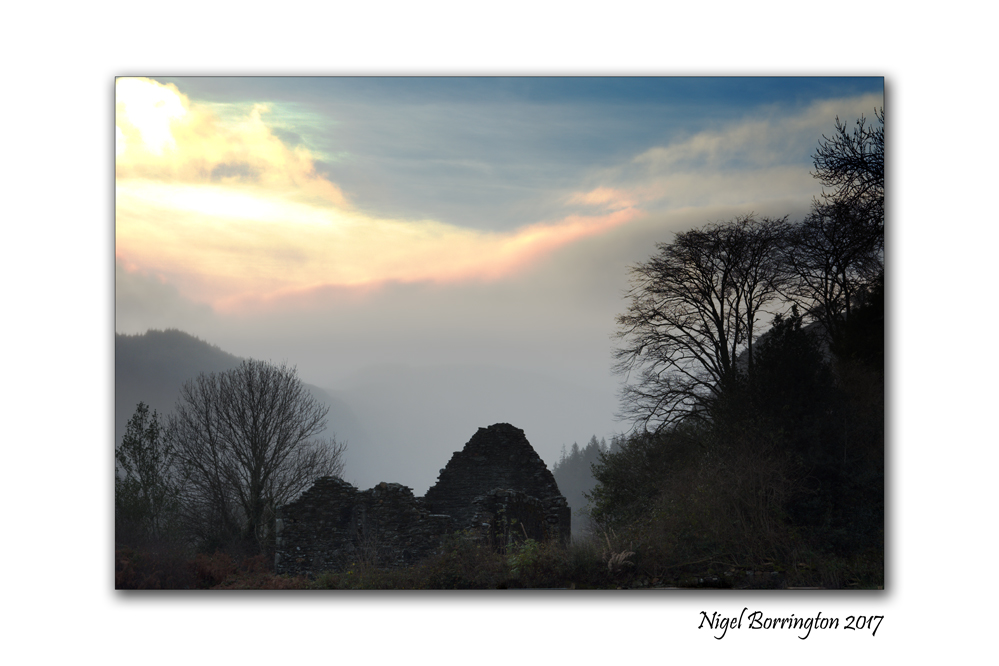
Glendalough
county
Wicklow Ireland
Nigel Borrington
Crossing The Bar – Poem by Alfred Lord Tennyson
Sunset and evening star,
And one clear call for me!
And may there be no moaning of the bar,
When I put out to sea,
But such a tide as moving seems asleep,
Too full for sound and foam,
When that which drew from out the boundless deep
Turns again home.
Twilight and evening bell,
And after that the dark!
And may there be no sadness of farewell,
When I embark;
For though from out our bourne of Time and Place
The flood may bear me far,
I hope to see my Pilot face to face
When I have cross the bar.

A week in glendalough, County Wicklow
glendalough
county wexford
ireland
Nigel Borrington
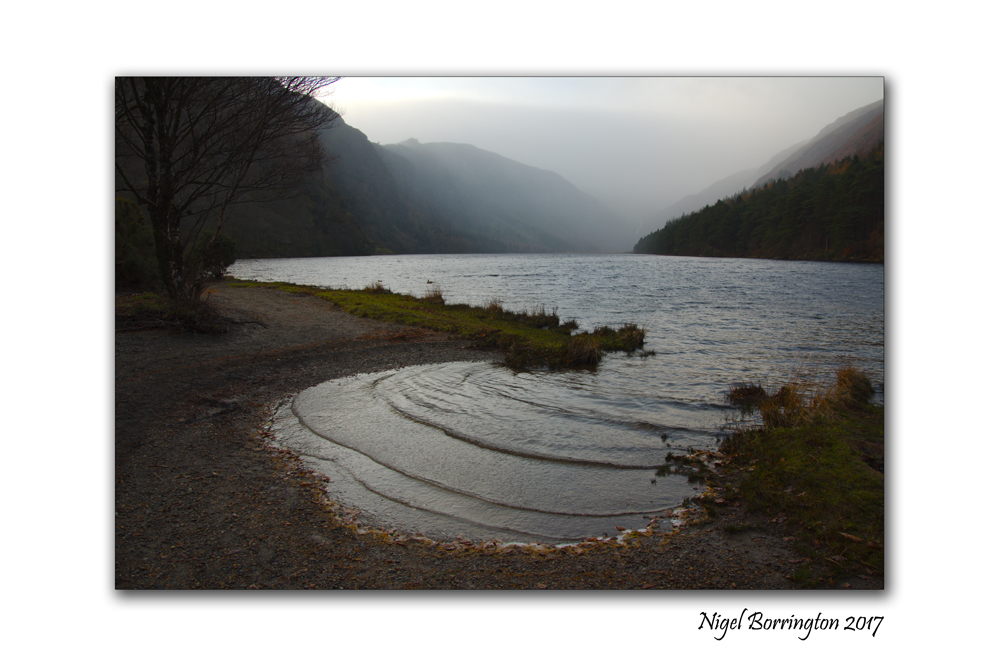
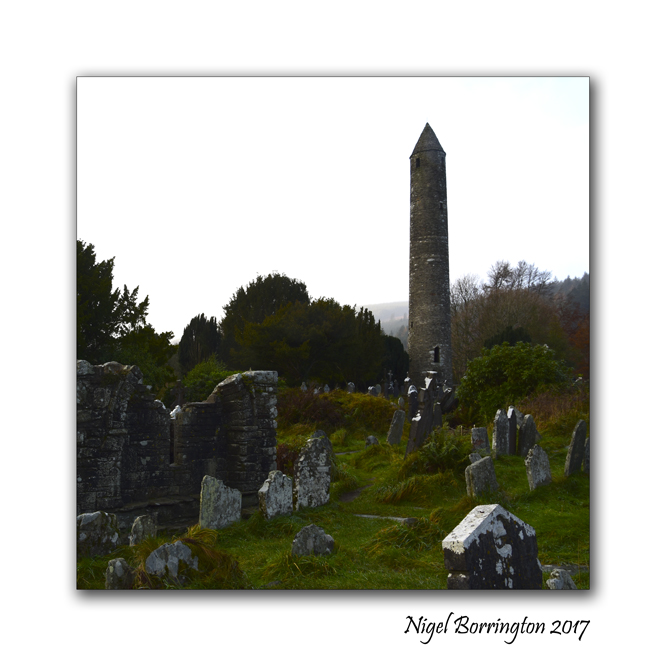
This week I am going to dedicate a lot of my posts to one of the most amazing landscape locations in Ireland, Glendaloughin, County Wicklow. Over the weekend we spent sometime there and loved it very much. Its a perfect location for walking relaxing and taking in the amazing views.
This is such a great location I feel I should take a little time to share its history and some of the pictures I captures from this weekend.
Here I Am Still Breathing ! A Poem For The Brokenhearted by : Andrew Voigt

Top Withens
Also known as Top Withins is a ruined farmhouse near Haworth, West Yorkshire,
This farmhouse is associated with “Wuthering Heights”, the Earnshaw home in Emily Brontë’s novel
Nigel Borrington
I felt this poem by Andrew Voigt matched this great location on the yorkshire moors very well !
Here I Am Still Breathing
A Poem For The Brokenhearted
The night is dark and I’m alone
Searching for a place called home
Silence rings within my ears
Fear and pain flood my tears
Hope feels far, isolation nears
What if God isn’t really there?
Well, maybe I simply fail at dreams
A hollow chord with broken strings
Stars go black, night turns grey
Light is gone, far from day
Will the sun rise once again?
A distant dream, a long-lost friend?
Maybe I simply can’t understand
A single word of this master plan
It hurts like hell, my spirit screams
Life in the land of broken dreams
I sit back down to concentrate
Reminded of the things I hate
Depression, fear, regrets of time
Desiring just to press rewind
Yet, here I am still breathing
This heartbeat song unending
This life is still worth living
This life is still worth living
I pick myself up off the floor
Remnants of the mask I’ve worn
Face the mirror while it stares back
Accepting all the things I lack
Reflections often mirror shame
Yet, tonight they simply aren’t the same
Within the tears upon my face
A light reflects in a darkened space
Could it be the day awakes?
The winter gone, new hopes to chase?
Well, maybe I’m just seeing things
Like a blind man lost in the midnight sea
But what if hope still remains?
And what if love is not in vain?
Could there be a God of love?
Who walked this earth and gave his blood?
My head is spinning within these thoughts
Could God really care for souls so lost?
We turned our backs and swore His name
Yet, still He loves us in our shame
Yes, here I am still breathing
This heartbeat song unending
This life is still worth living
This life is still worth living
Andrew Voigt
Andrew Voigt is a writer and blogger discussing thoughts on God, dreams, and brokenness. He has served as a contributing writer for publications such as Patheos, Fathom Magazine, and Kingdom Spark. Andrew holds a B.S. in Communication Studies from Liberty University and lives in Charlotte, NC with his wife and orange cat named Pumpkin.
Friday poetry : Ghost House Robert Frost, 1874 – 1963

Culzean Castle
Nigel Borrington
Ghost House
Robert Frost, 1874 – 1963
I dwell in a lonely house I know
That vanished many a summer ago,
And left no trace but the cellar walls,
And a cellar in which the daylight falls
And the purple-stemmed wild raspberries grow.
O’er ruined fences the grape-vines shield
The woods come back to the mowing field;
The orchard tree has grown one copse
Of new wood and old where the woodpecker chops;
The footpath down to the well is healed.
I dwell with a strangely aching heart
In that vanished abode there far apart
On that disused and forgotten road
That has no dust-bath now for the toad.
Night comes; the black bats tumble and dart;
The whippoorwill is coming to shout
And hush and cluck and flutter about:
I hear him begin far enough away
Full many a time to say his say
Before he arrives to say it out.
It is under the small, dim, summer star.
I know not who these mute folk are
Who share the unlit place with me—
Those stones out under the low-limbed tree
Doubtless bear names that the mosses mar.
They are tireless folk, but slow and sad—
Though two, close-keeping, are lass and lad,—
With none among them that ever sings,
And yet, in view of how many things,
As sweet companions as might be had


One hour sketch (Pencil on paper), Killamery church yard, county KIlkenny
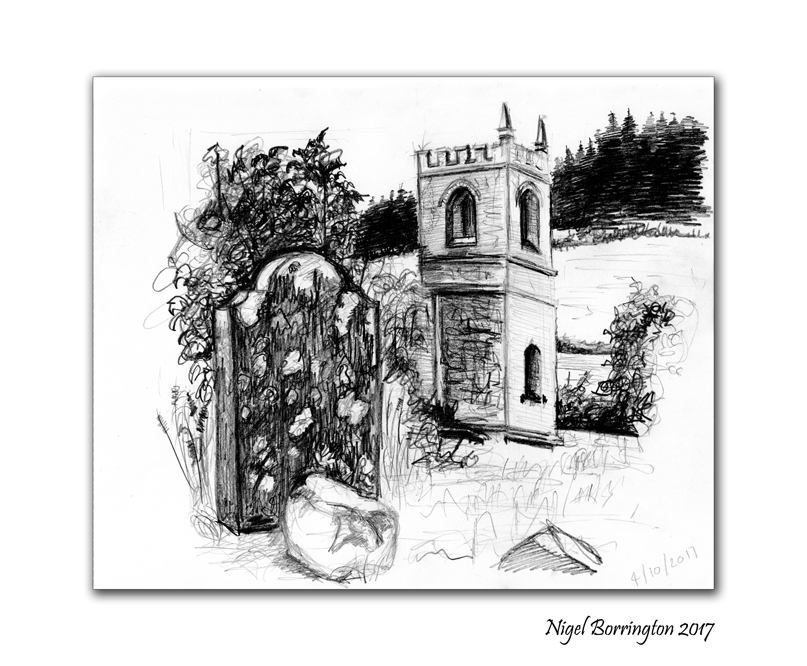
One hour sketch Killamery church yard county kilkenny
Nigel Borrrington
The old church yard at Killamery county Kilkenny is most famous for its highcross pictured here at the bottom of the post. The old church and grave yard however are just as interesting, the history of the area includes it being the location of a very large monastic site covering what would have been many large building now completely lost in time.
My sketch here I hope helps capture a sense of this wonderful place located on the boarder between county kilkenny and county Tipperary.

Killamery High cross Nov 2014
Kilkenny landscape Photography : Nigel Borrington
Kells priory, county Kilkenny, Art work and Photography.

Kells Priory
County Kilkenny
Pencil on Paper
Nigel Borrington
One of the location that I love to take both my camera and sketch book is Kells Priory, county Kilkenny. Its an amazing location to capture in many forms and I am very lucky to live only a few miles away. I have posted here on my blog about it many time, you can used the search box to find these post if you wish.
The above is a Pencil on Paper drawing I worked on from about two weeks ago and below is a photo taken earlier in the summer when there was many more visitors around the site.

Images without words : Irish Landscapes, the view from GarryDuff county Kilkenny

Irish Landscape Images GarryDuff county Kilkenny
Nigel Borrington
Images without words , A September sunset on the beach ….

St Annes Pier at sunset
September sunset
Nigel Borrington
Ancient Ireland : Poulnabrone Dolmen and Portal Tomb, Caherconnell, county Clare Ireland
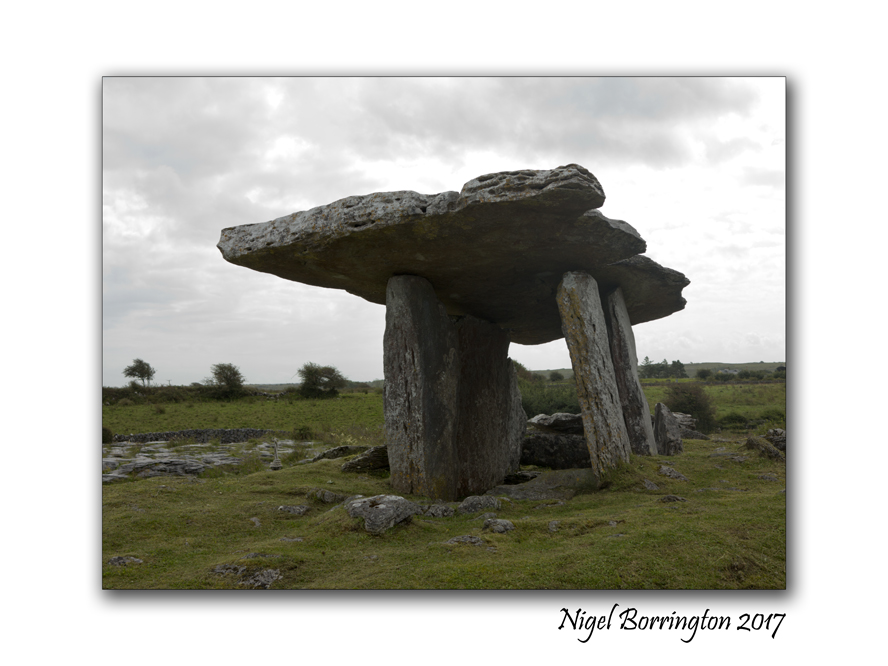
Poulnabrone Portal tomb
County Clare
Ireland
Nigel Borrington
Poulnabrone Dolmen and Portal Tomb is one of the most Dramatic megalithic sites in Ireland, it has superb sculptured form and is easily access from the road.
During the summer months it must be one of the most visited dolmens in the country. The day I visited and took these pictures it was overcast and grey, so there was less visitors than I can imagine at other times. When the site was excavated in 1986 they found some human remains some 16 adults and children plus some of their artifacts, together they dated the tomb to around 3600 B C.
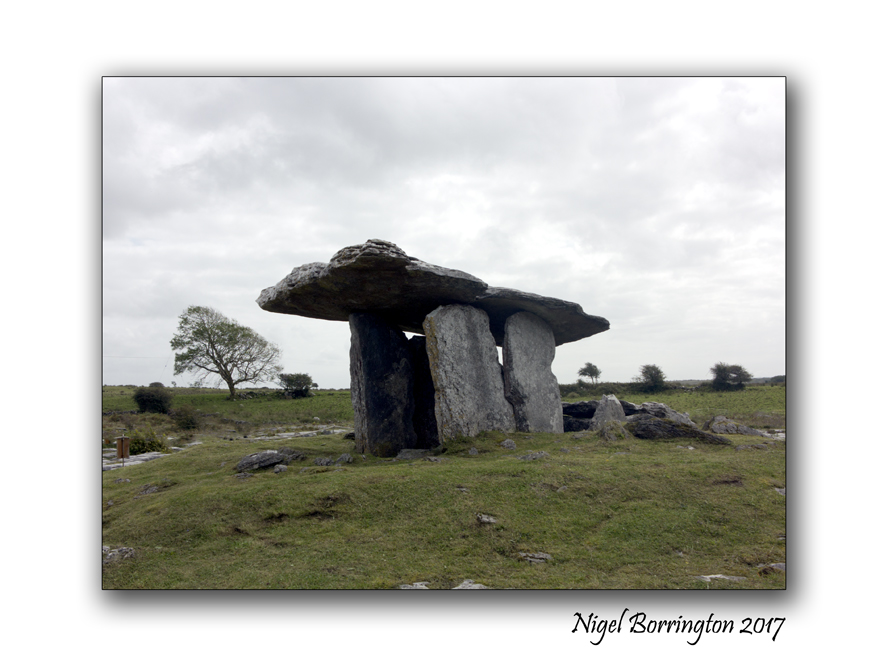
The entrance some 2 meters high faces north, The capstone is tilted at the usual angle for a Doland of this type, it measures about 3 1/2 metres long and some 2 metres wide.
The name Poulnabrone means ‘ the hole of the sorrows’ There are many other interesting sites near poulnabrone including the Wedge tomb at Gleninsheen and Baur South and the Stone Fort at Caherconnell.

Situated on Karst limestone, in a field east of the Ballyvaughan – Corrofin Road the Poulnabrone Dolmen is one of Irelands more accessable megalithic structures.
Ireland’s Ancient East , Knockroe Passage Tomb, County Kilkenny

Knockroe Passage Tomb, County Kilkenny
Nigel Borrington
Knockroe Passage Tomb, County Kilkenny
Knockroe Passage tomb is located in a picturesque setting on the slopes above the Lingaun River and old slate quarries which were abandoned in the early 1900’s. The site dates to around 3,000 BC and has many similarities to the far more famous examples such as Newgrange and Knowth in the Brú na Bóinne complex in County Meath.

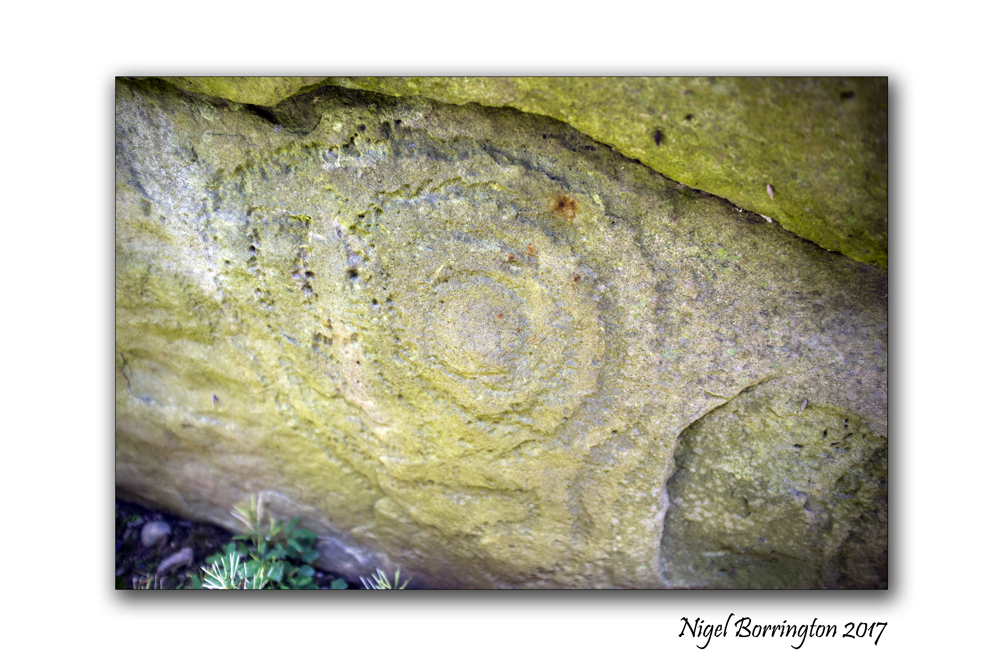
Originally Knockroe would have been a similar tomb to Newgrange, albeit on a smaller scale. It is likely that it too would have had an earthen mound surrounded by large kerbstones. However unlike Newgrange, Knockroe has two burial chambers, located at the eastern and western sides of the feature. These tombs are exposed, and had long ago lost their earthen cover. Many of the stones lining the passageways of these tombs at Knockroe are highly decorated with megalithic art such as spirals, hollowed ‘cup marks’, and zig-zags. You can still find them in their original locations, and when you see them it is impossible not to wonder about the possible meaning of the decorations – was it purely decorative or did it have a deeper symbolism, and what messages may be in that symbolism? You can also still see the quartz which possibly would have formed a wall around the entrance to the passageways.
Also like Newgrange, Knockroe is aligned with the Winter Solstice. Every year around the 21st December people gather at Knockroe to witness the sun setting in perfect alignment with the length of western tomb.
Knockroe is one of a group of tombs located in this region, all of which are aligned with the large
mound on the summit of Slievenamon in County Tipperary. Knockroe is one of those wonderful sites that you can’t help to keep thinking about long after your visit, without being encumbered with its earthen mound, Knockroe is like the stony skeleton of a Neolithic passage tomb.
Gallery



Loop Head Lighthouse, county Clare, Ireland

Loop Head Lighthouse,
September 2017,
county Clare, Ireland
Nigel Borrington
Loop Head Lighthouse, county Clare, Ireland
I have just spent a few days visiting County Clare, west Ireland, finishing with a visit to the great Loophead lighhouse. As you can see the day was very typical for a Septembers day here in Ireland, wet and windy.
It was still possible to visit the top of the lighthouse however which was great fun in the strong breeze.
I have very much enjoyed visiting some of Ireland’s lighthouses over the years from the north coast down to Hookhead, on the south coast, these remote location with their lighthouse keepers buildings that would have been both a place of work and a home, all year around and in all weather conditions, are a great reminder of the past.
A past that has almost gone but can in places like these still be felt very strongly.
Sometime back I found this video and have shared it before with other lighthouse posts, its still very much worth sharing again however as it reflects on the family life’s of Ireland’s lighthouse keepers …..
Here is a little history of the Loophead lighthouse
History
The first lighthouse on Loophead was one of four known Irish stone vaulted cottage type lights built about 1670. These cottages accommodated the lightkeeper and his family in two or three rooms and had an internal stone stairway between two of the rooms leading up to a platform on the roof where a coal burning brazier or chauffer was positioned. Part of the old cottage with its battered outside wall can still be seen near the lightkeepers’ dwellings.
The light must have fallen into disuse towards the end of the 17th century because it was re-established in 1720 after aldermen and merchants of Limerick petitioned the Irish Parliament in 1717 for a light on the Head.
The cottage-lighthouse with its coal fire was replaced in 1802 by a more conventional lighthouse, built by Thomas Rogers, who was also the contractor. The tower was about the same height as the present tower with four rooms and a lantern. The ground floor room was an oil store and access to the first floor or entrance room by an outside staircase of 19 steps. An internal spiral staircase connected the other two rooms and lantern. The twelve-foot diameter lantern contained twelve oil lamps, each with its own concave parabolic reflector. The reflected light shone through a 22″ diameter convex lens of solid glass, not unlike the ‘bottle glass’ or “bulls-eye” fitted into windows of modern psuedo-Georgian houses.
By 1811 the keeper was living in an adjoining cottage, rather than in the tower.
Loop Head Lighthouse, county Clare, Ireland , Gallery


5 Images for the week, Tuesday.

Coumshingaun Corrie Lake county Waterford Nigel Borrington
Sense of place : Cullahill Chapel and castle in County Laois, Ireland

Cullahill castle and chapel
County Laois
Ireland
Nigel Borrington
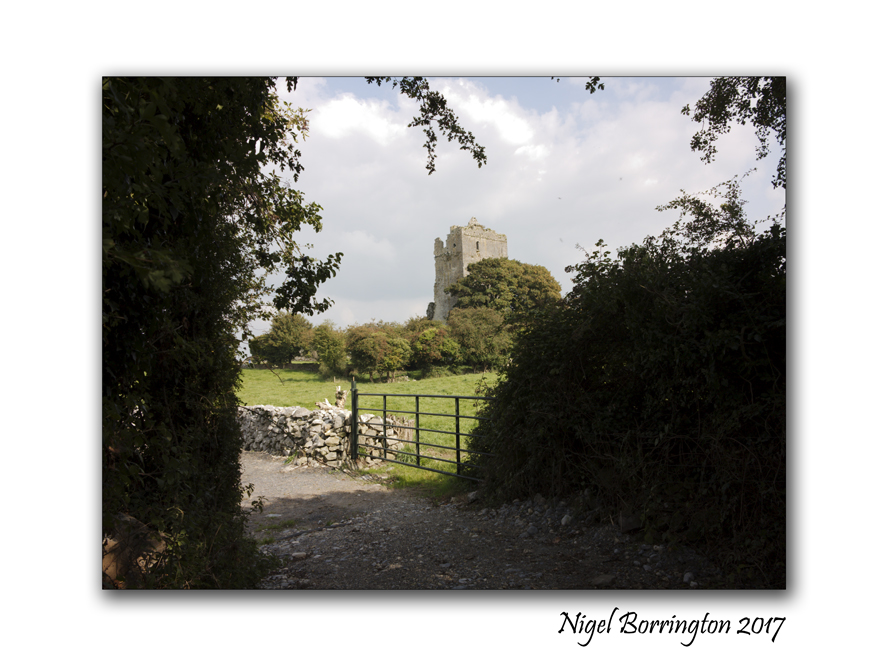
The village of Cullahill, county Laois is located just over the boarder from county Kilkenny. It is home to some great old castle tower home and village chapel remains. Cullahill Castle was the principal stronghold of the MacGillapatricks of Upper Ossory built around 1425 and destroyed around 1650.
There are many places like this in the Irish republic, that have retained the remains of long lost times, this small village located on the R369 just north of Johnstown county kilkenny, is a perfect example of the way most small Irish villages would have been in the 1400’s. this small place is well worth a visit just to get a sense of old Ireland.
Gallery



A sense of place : Allihies and its copper mines
Allihies Copper Mines
Munster
County Cork
Nigel Borrington
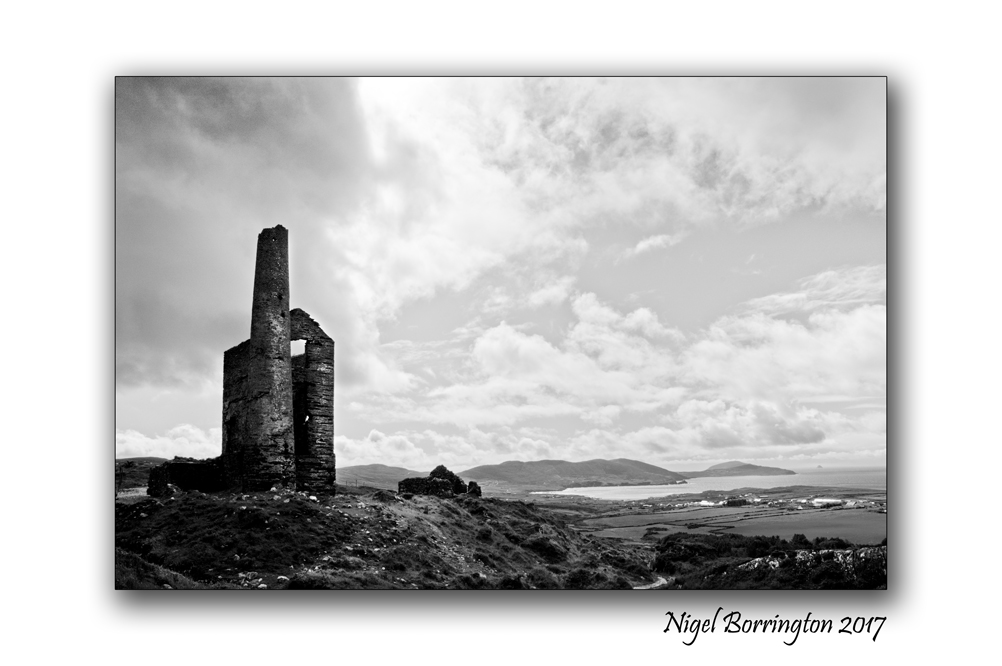
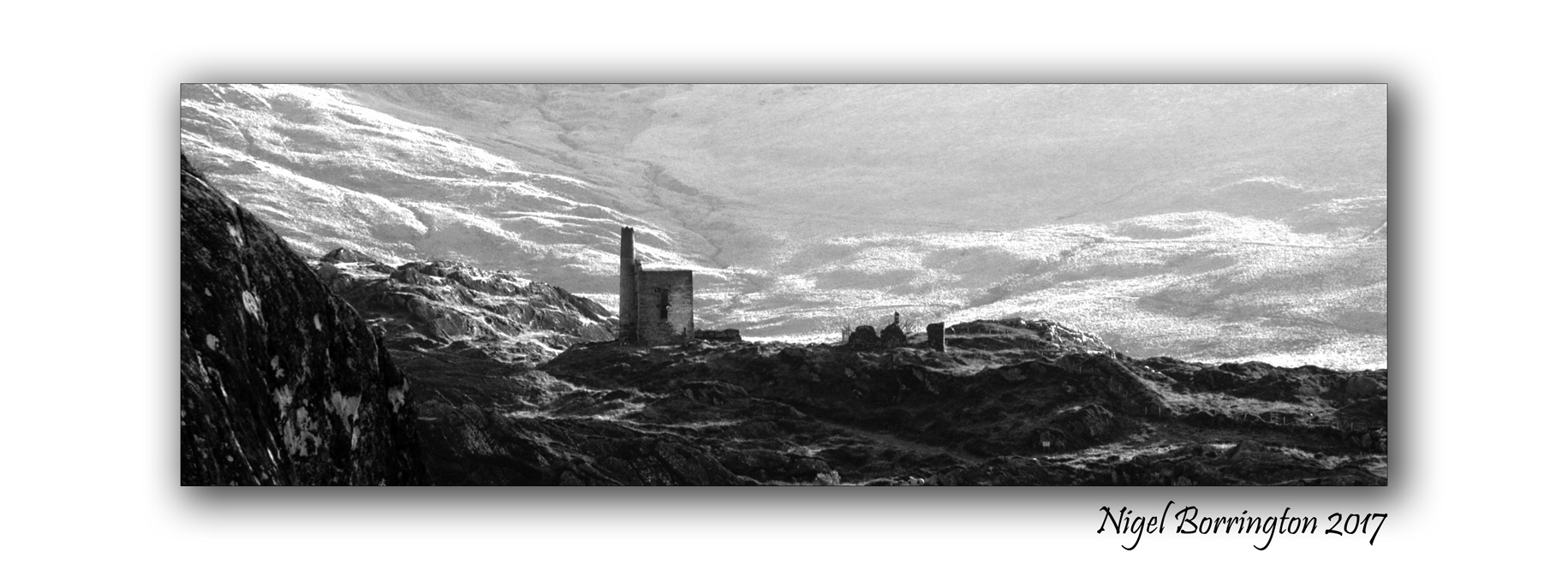
One of my favorite locations to visit in Ireland is Allihies in west cork, The village is located towards the end of the Béara Peninsula. Its a very beautiful places to spend sometime walking and visiting the small coves and beaches.
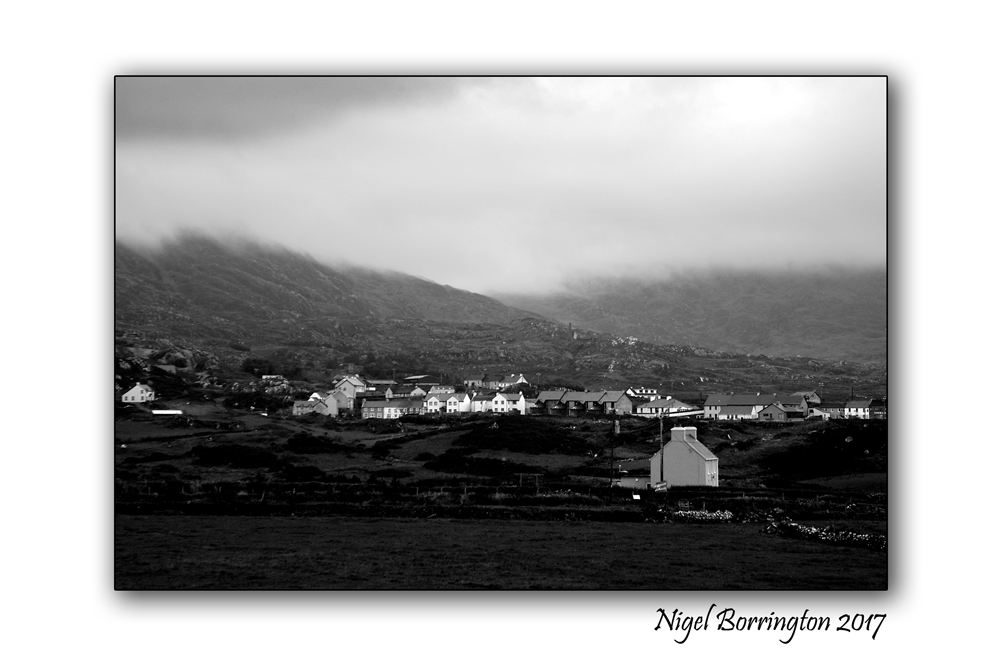
The Village has a long history with Copper mining, started in Allihies in 1812 when John Puxley, a local landlord, identified the large quartz promontory at Dooneen as copper bearing from its bright Malachite staining.
The Allihies Mines
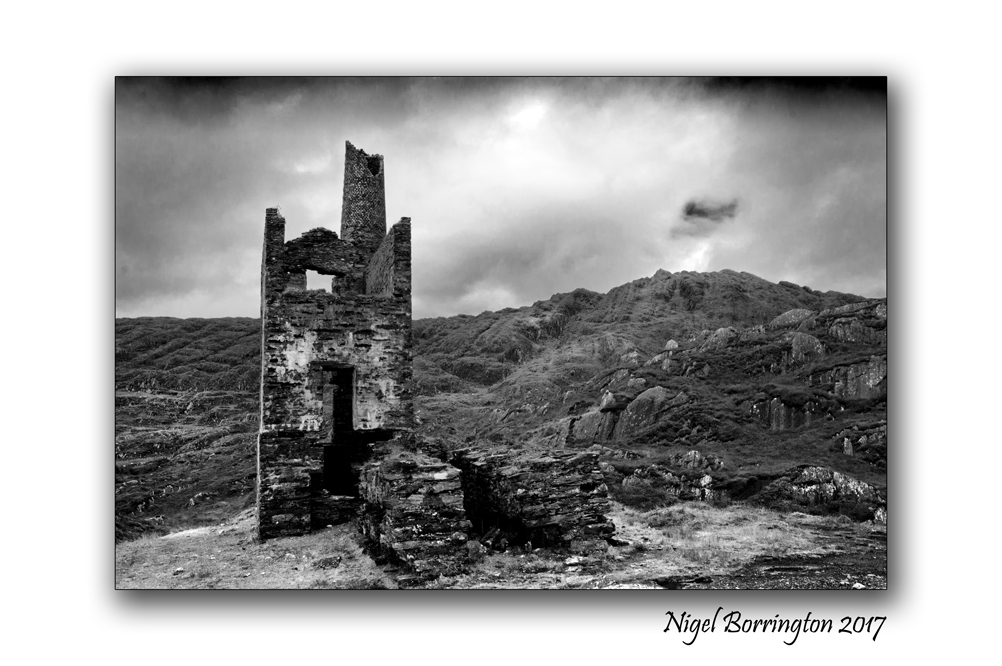
Initial mining began with a tunnel or adit driven into the quartz lode from the pebble beach below. In 1821 two shafts were sunk . Flooding was a continuous problem and in 1823 the engine house was erected to house a steam engine brought over from Cornwall to pump water from the depths. The remains of this building with the base of the chimney can be seen across the road. There is also evidence of a steam powered stamp engine to the left of the chimney and dressing floors in front of the engine house. The high dam further inland is the remaining evidence of a water reservoir which stored the water that was pumped out from the bottom of the mine. It was used for the steam engines and needed to separate the copper from rock. All the rubble on the cliff at the sea side of the road is the crushed useless quartz rock left over after the copper ore was extracted.
This is one of six productive mines in the Allihies area and its operation continued until 1838 when it closed due to failing ore.
John Puxley died in 1860 and in 1868 his son Henry Puxley sold the mines to the new Berehaven Mining Company who reopened the mine and installed a new 22 inch steam engine in 1872. Little ore was produced though in this period and the mine was finally abandoned in 1878.
Time line of Copper Mining at Allihies
Gallery
The following images are taken during my last visit, I hope to return one day soon to this great little historic Irish town.



Welsh Myths and Legends, The bleeding Yew tree, Nevern, Pembrokeshire

St Brynachs church Nevern Pembrokeshire, Wales
Nigel Borrington
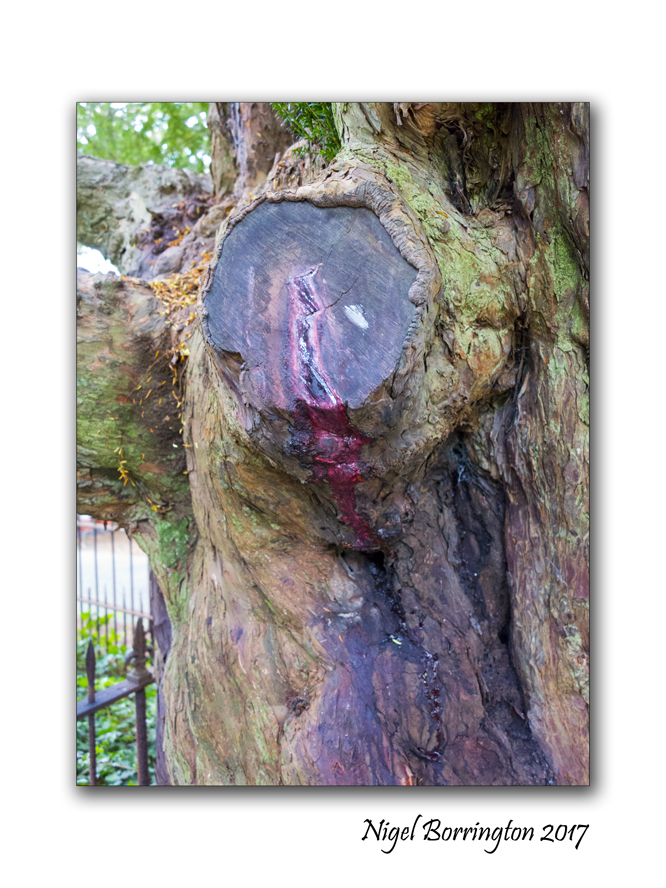
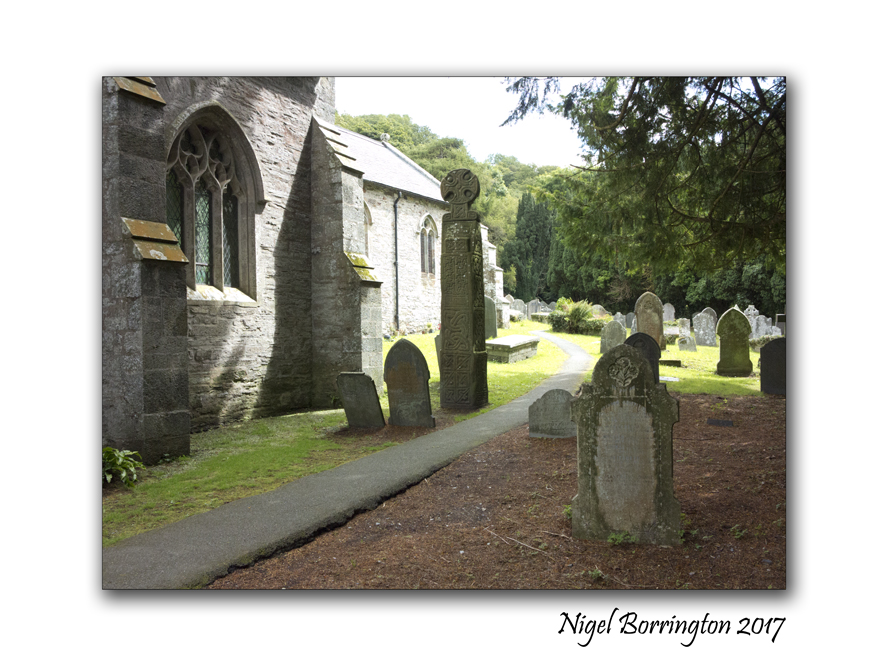
Often one sees sap coming out of an old tree, usually where it is healing up, but usually these “bleeding” areas heal up quite quickly. Recently I came across a most remarkable yew tree when I visited the ancient village of Nevern in Pembrokeshire. It has a 6th century church (St Brynach’s Church) and in the churchyard there are a number of ancient yew trees (Taxus baccata). One of these yews near to the gate is called the “Bleeding Yew” which is about 700 years old and here are some photos I took of it. It has a blood-red sap running out of it which has the consistency of blood – though it dries pink rather than brown. I dipped my finger in it and there wasn’t any distinctive smell or stain, but as people say that most parts of the yew tree are poisonous, I didn’t taste it.

There are many myths about why the Nevern yew tree bleeds: some say that as Jesus was crucified on a cross it is bleeding in sympathy and thoers say that it is reflective of the tree of Life in the Garden of Eden. But that wouldn’t explain why this yew tree in particular is bleeding. One myth says that a monk was hanged on this tree for a crime of which he was innocent and the tree is protesting his innocence. Some say, more politically, that it won’t stop bleeding until there is a Welsh Prince installed at Nevern or even that it will bleed until world peace is achieved.

The church at Nevern is well worth a visit for the bleeding yew, but also because the church has some stone carvings which are over a thousand years old, such as the “Braided Cross Stone” (pictured here) which, like the bleeding yew, has been ascribed many meanings with two cords apparently being woven together to make the cross. There is an even older carving, the Maglocunus stone, which throws light on the version of ancient Celtic once used in these parts of Wales, called Ogham. This stone wasn’t preserved for itself standing vertically but was incorporated horizontally into the church as a windowsill.
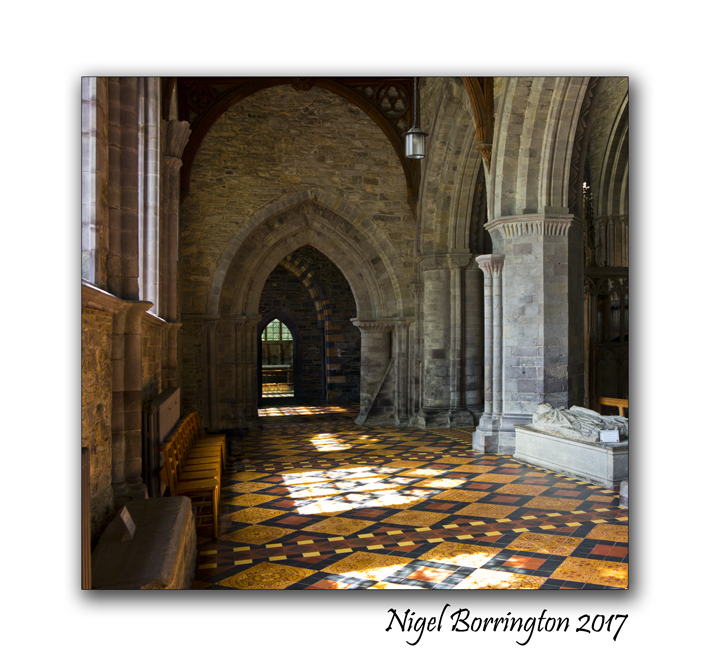
St David’s Cathedral, St Davids, Pembrokeshire,Wales : The light from a Golden Dawn

St David’s Cathedral
St Davids, Pembrokeshire
Wales
Nigel Borrington
Images from Outside and Inside of St Davids Cathedral, St Davids, Pembrokeshire, Wales.
The Light from a Golden Dawn ……..



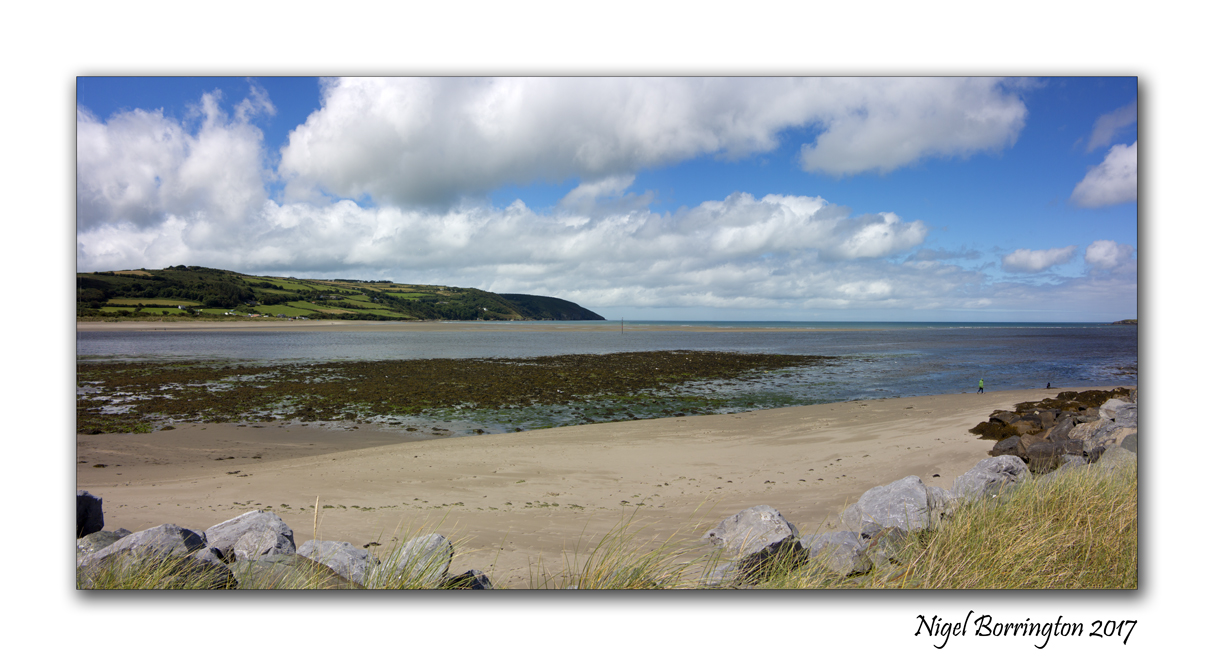
Ten days holiday in Cardigan bay, Ceredigion, Wales, Images of the River Teifi estuary

Sailing home
Cardigan bay, Ceredigion, Wales, Images of the River Teifi estuary
Nigel Borrington
Today is our first full day back in County Kilkenny, Ireland, having just spent ten days staying with a close friend in Cardigan Wales, here are just a few of the images taken during the time spend in this wonderful part of the British isles…..


History in Images, County Kilkenny, Ireland, Kells Priory

Irish History
Kells Priory
County Kilkenny
Nigel Borrington
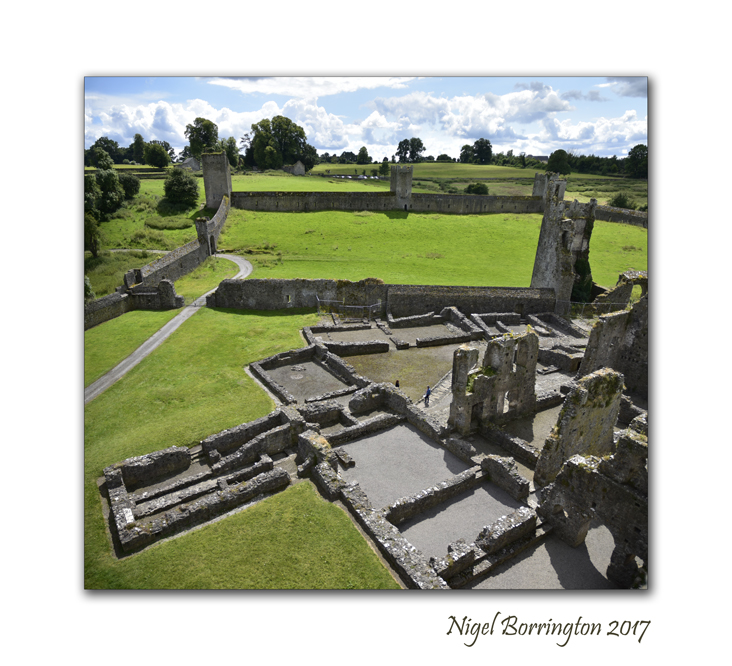
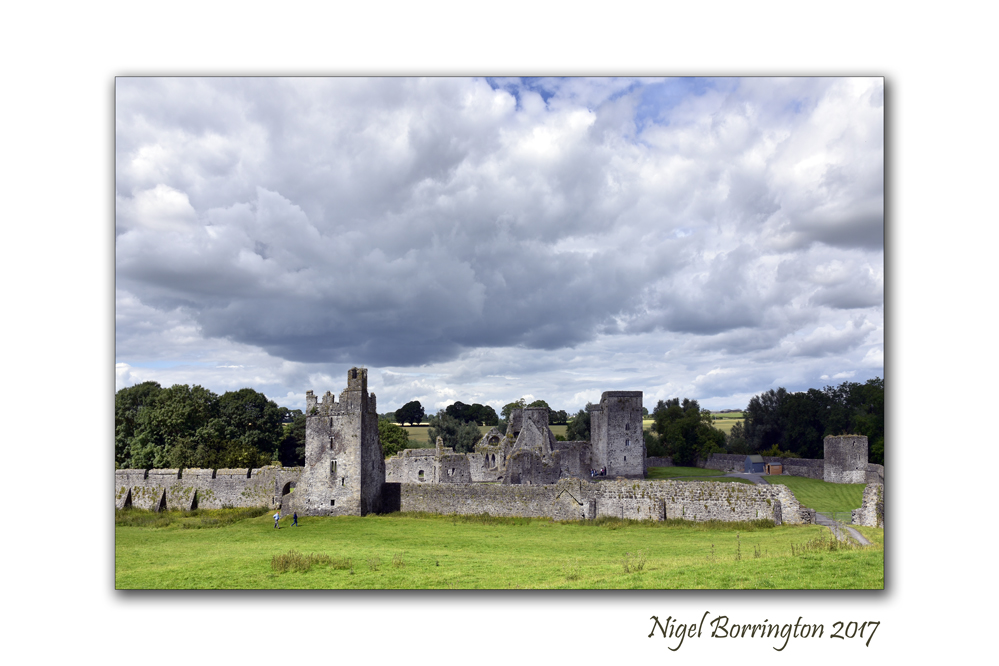
Kells Priory (Irish: Prióireacht Cheanannais) is one of the largest and most impressive medieval monuments in Ireland.
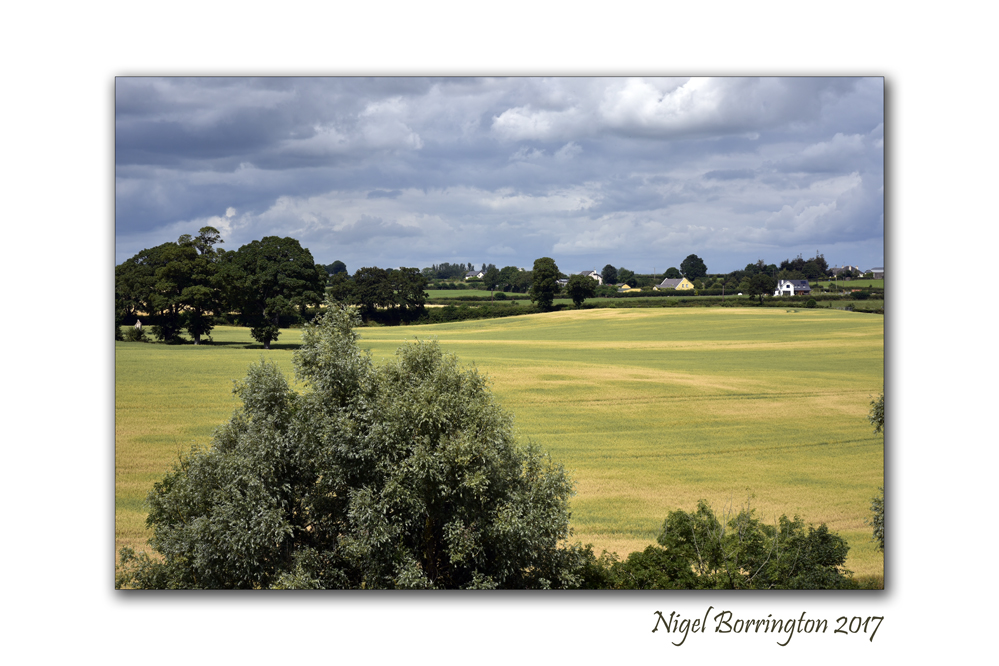
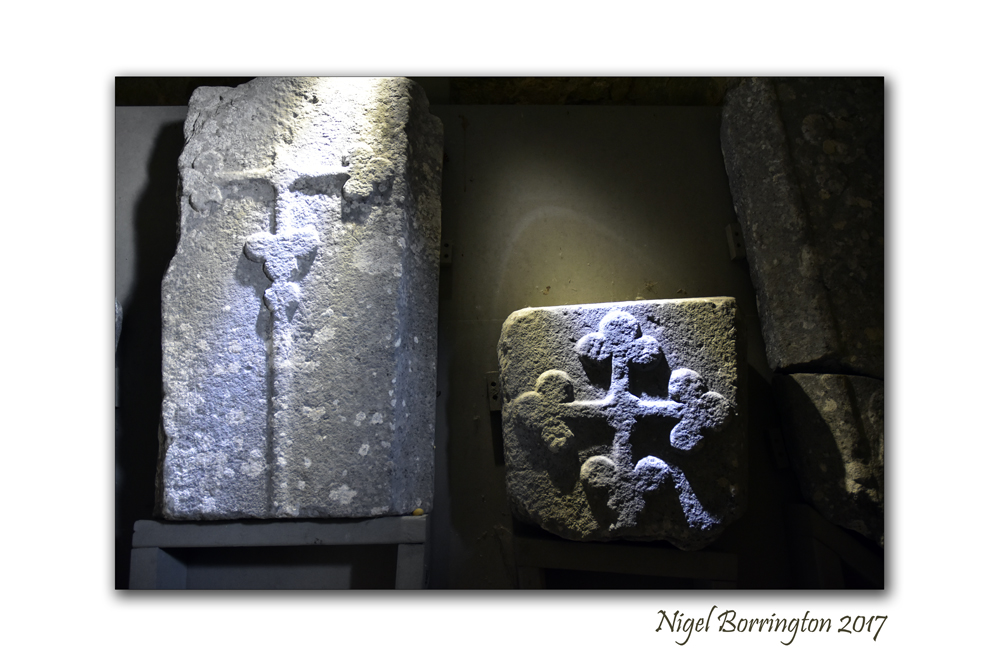
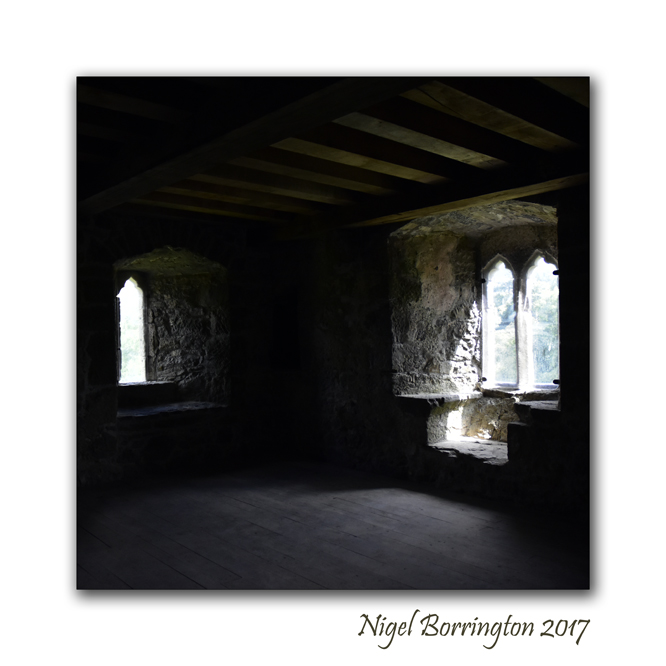
The Augustine priory at Kells, county Kilkenny is situated alongside King’s River beside the village of Kells, about 15 km south of the medieval city of Kilkenny. The priory is a National Monument and is in the guardianship of the (OPW)Office of Public Works. One of its most striking feature is a collection of medieval tower houses spaced at intervals along and within walls which enclose a site of just over 3 acres (12,000 m2). These give the priory the appearance more of a fortress than of a place of worship and from them comes its local name of “Seven Castles”.
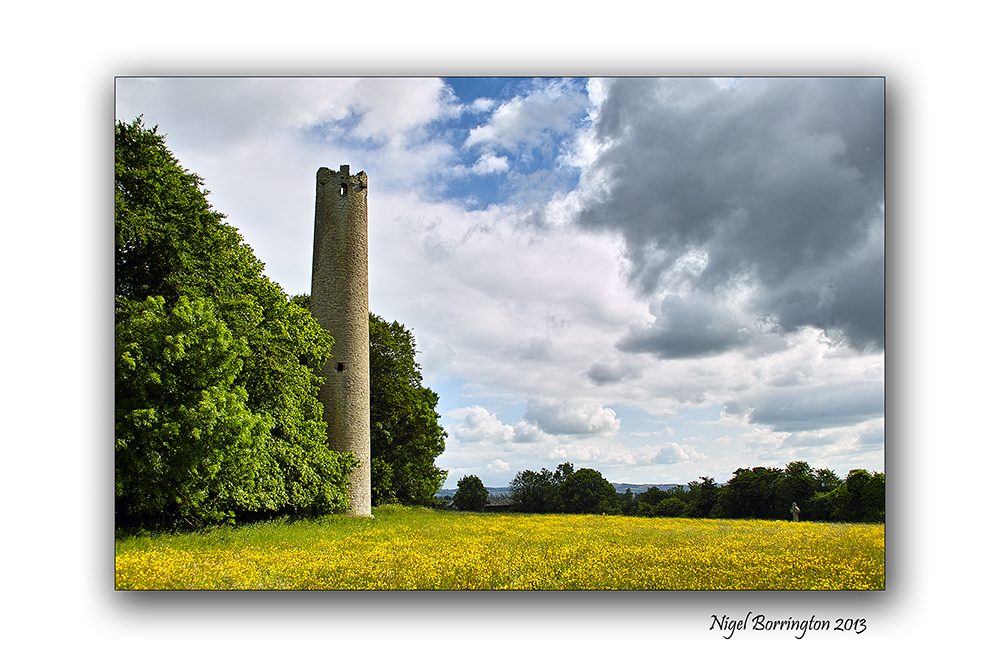
4 km southeast of the priory on the R697 regional road is Kilree round tower and 9th century High Cross, said to be the burial place of Niall Caille Niall mac Áeda (died 917) who was a High King of Ireland.
The Priory has been undergoing a ten year long renovation project that is approaching its completion, the priory is looking amazing and has been secured for many years to come.
Here I post some new images taken during a very enjoyable visit last Sunday afternoon.
A History of Kells Priory
Kells Priory, Gallery




The Colosseum amphitheater, city of Rome

Images without words
The Colosseum
City of Rome
Nigel Borrington
The Colosseum amphitheater, city of Rome

Images without words
The Colosseum
City of Rome
Nigel Borrington
Aghaviller Round Tower and Church

Aghaviller Round Tower and Church
County Kilkenny
Ireland
Nigel Borrington
Aghaviller
Round Tower and Church
Located in county Kilkenny, Aghaviller Round Tower and Church are together one of the most interesting of Irish Historic sites. Based on the presence of the round tower, it is believed that the Agherviller monastic settlement was once a relatively high-status ecclesiastical foundation dating back to Early Christian times. The church and a holy well not far from the site have been dedicated to St Brennain. We don’t know who founded the monastery but it could have been St Brennain. The round tower is built on top of a square stone plinth, an unusual feature which is only found in one other place in Ireland –at nearby Kilree. Sadly, only the lower 9.6 metres of the round tower survived.
The original NE facing round-arched doorway is in its customary location about 4 metres above ground level, although a ground-level lintelled doorway has been added in more recent times. The sandstone tower was unfortunately in deep shade from the nearby dense woods on our late afternoon visit, but it is worth a return trip in morning light to photograph the stonework which is beautifully dressed to the curve inside and out. There is a southwest facing square-headed window at the second storey level.
The church dates to the 12th Century but was significantly modified in the 15th by the addition of a massive tower over the chancel that served as a residence. Only the foundation of the nave remains. An archaeological excavation revealed a gully filled with kiln material and a sizeable ditch/boundary running north–south with stone revetting on its eastern side. This ditch is believed to have surrounded a second or outer enclosure, a common feature of high-status monastic sites.
Gallery


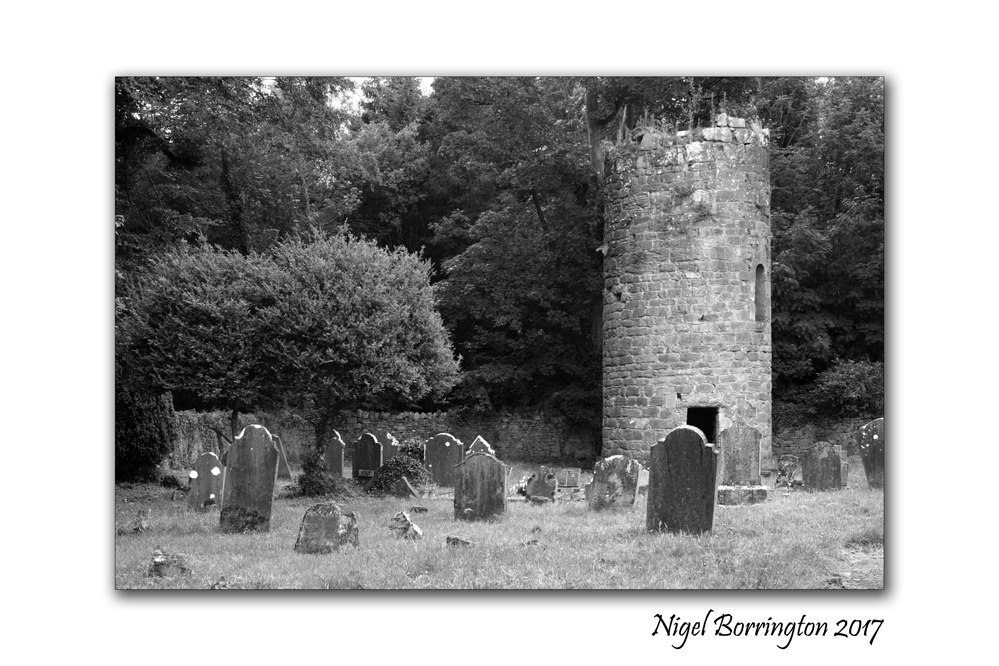

 Nigel Borrington
Seven day Black and white photo challenge, Dunhill Castle, county Waterford
Dunhill Castle
County Waterford
Nigel Borrington
Black and white Landscapes
I own a big thank you to great friend and fellow photo blogger Sharon Walters Knight for tagging me last week on my facebook page, to take part in a Seven day Black and White photo challenge, I am really enjoying taking this on as its making me truly explore subject just for black and white images once again 🙂
This image of Dunhill castle, county Waterford, was taken during the last hour of bright sun light, this time of year the sun is very low in the sky so there is some great light to be captured, even more so later in the afternoon. Here I just loved the way the sun reflected on the old stone work of this great old building just moment before it set some distance away over the coast to the south.
Share this:
November 5, 2017 | Categories: Comment, Gallery, History, Irish coastline, Landscape, Solo images, Travel Locations | Tags: black and white, black and white photography, county waterford, Dunhill Castle, Nigel Borrington, photo challenge!, sunset | Leave a comment