Snow and more Snow ! This weeks weather in Ireland …….

Irish Landscapes
Nier Valley
County Waterford
Nigel Borrington
This winter here in Ireland has been more cold and wet than dominated by ice and snow , yet we have had more short spells of icy conditions than normal.
Now almost at the end of the winter, according to both the met office in Ireland and the UK we are about to experience our coldest week for many years. The daytime temperatures will have to fight to get over -1oc . with some 25cm of snow predicted from Tuesday evening until Saturday. The following weekend looks like bringing warmer weather back and a return of the spring, these kind of cold fronts in the weather can however end up sticking around for longer than expected.
Keep Warm everyone get lots of food in and fuel for the fire and enjoy what could be the last blast of this winter 🙂 Here comes the Beast from the east.
Snow in the Irish landscape

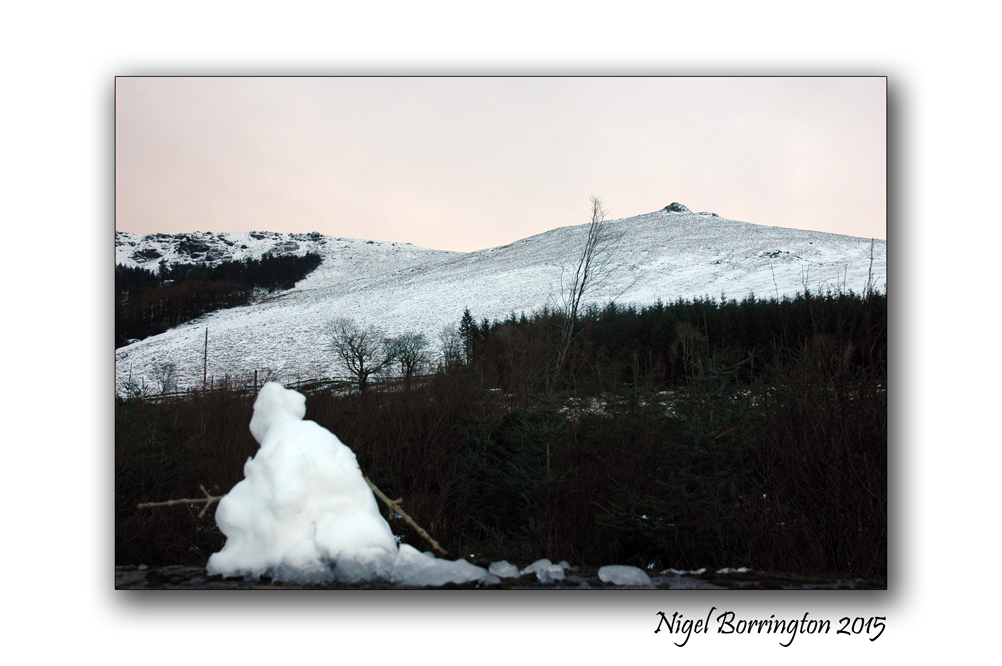

Snow on Snow
St Mary’s church
County Carlow
Irish Landscape Photography : Nigel Borrington


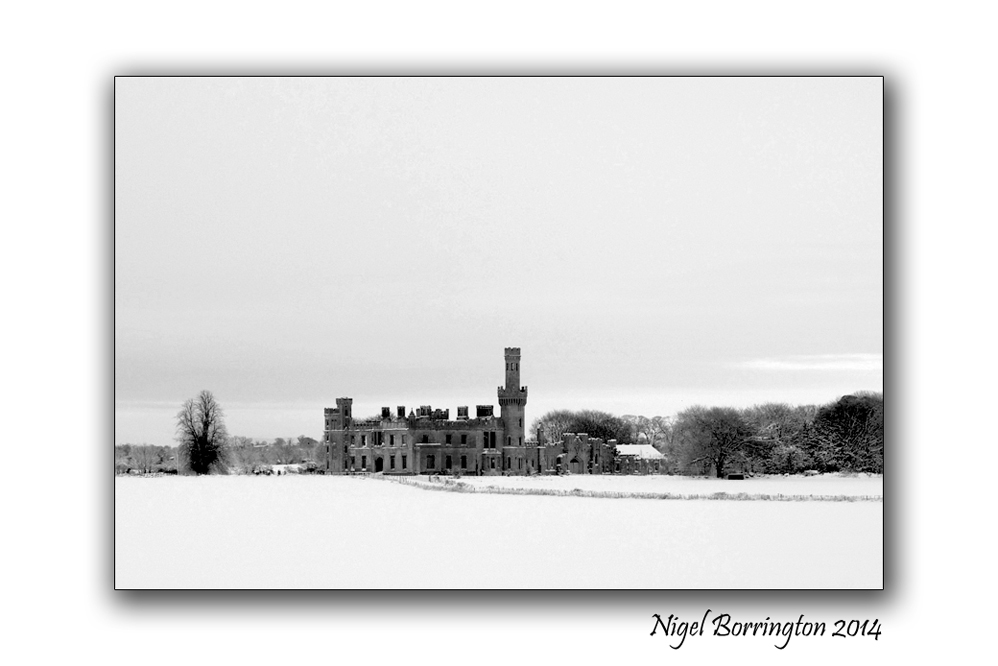


The Snow Man
Nigel Borrington
5 Images for the Week , Friday – And then the Gods made the Heavens and the Earth below

The Heavens and the earth below
Friday 23th Feb 2018 County Waterford Nigel Borrington
5 Images for the Week , Thursday – The Smallest of Gifts

The Smallest of gifts – light
Thu 22th Feb 2018 County Kilkenny
Nigel Borrington
5 Images for the Week , Wednesday _ All that remains
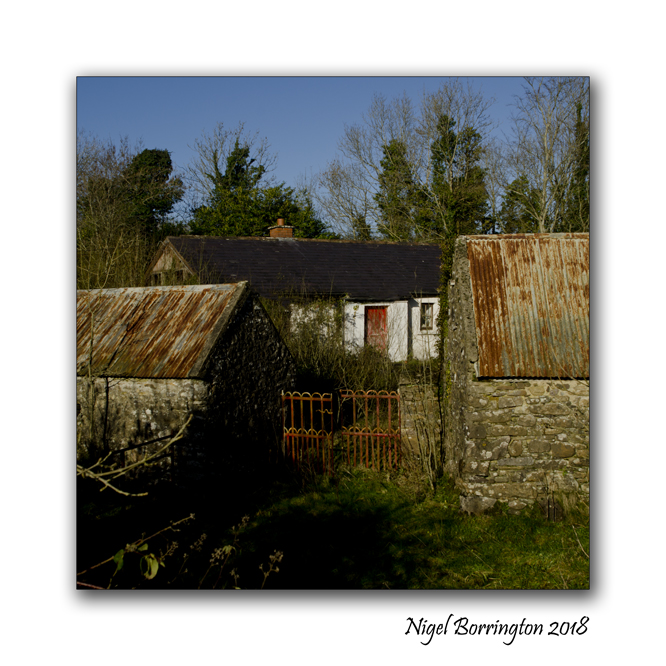
All that remains
Wed 21th Feb 2018
County Kilkenny
Nigel Borrington
5 Images for the Week , Tuesday – Into the Morning Light
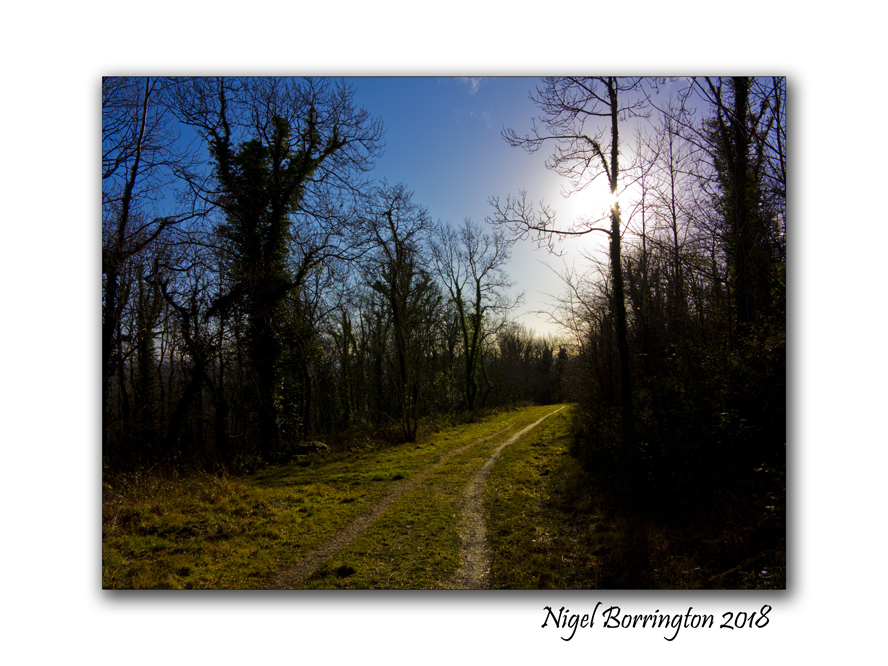
The path into the light
Kilkenny Landscape
Ireland
Nigel Borrington 2018
5 Images for the Week , Beautiful Monday, County Kilkenny, Ireland

Beautiful Monday
10th Feb 2018
County Kilkenny
Nigel Borrington
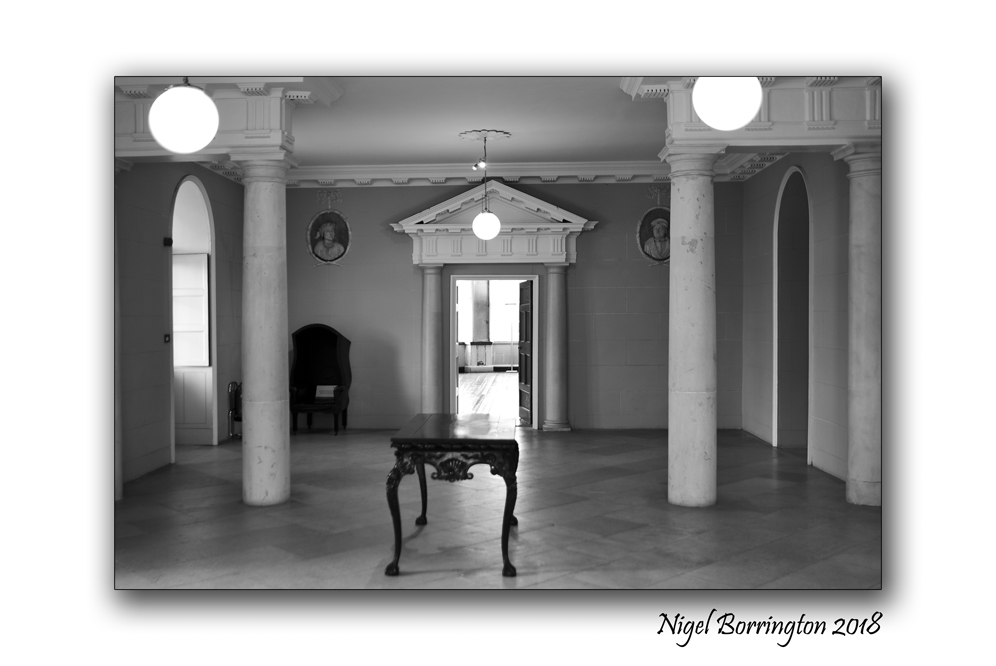
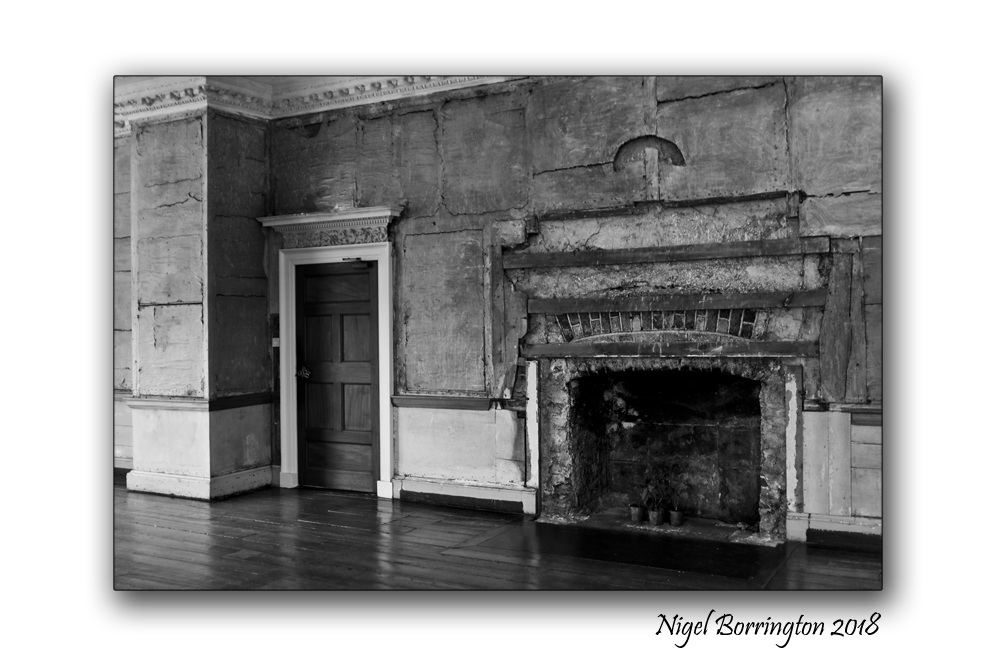
The Castle Inside and out, Rathfarnham Castle – south county Dublin

Rathfarnham Castle
South county Dublin
Ireland
Nigel Borrington 2018
Rathfarnham Castle is located in south county Dublin. It was built in 1585 by Adam Loftus, Archbishop of Armagh. This is one of the finest examples of what is described as a ‘fortified manor house’ in Ireland. It’s 4 flanker towers, instead of being square are angular (angle bastions). This site is steeped in history and had previously been the site of an Iron Age fort.
The interior of the castle was redesigned in the 18th century by two of the greatest architects of the time, William Chambers and James Stewart. Chambers designed Buckingham Palace, Kew Gardens, St James’s Palace, Trinity University, and Casino Marino and James ‘Athenian’ Stuart is best known for his pioneering role in Neoclassicism in the mid 1700’s.
Rathfarnham Castle was for a long time used as a private house and ended up being a Jesuit College before it was taken under the care of the Office of Public Works. It is now open to the public.


Elegy Written in a Country Churchyard By Thomas Gray

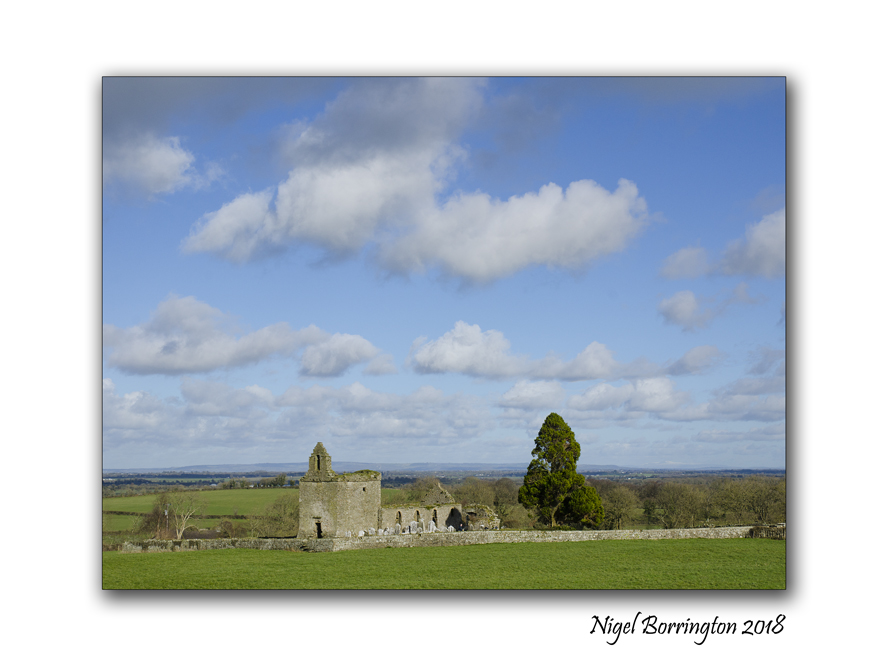
Coolagh old church county Kilkenny Ireland Nigel Borrington 2018
Elegy Written in a Country Churchyard
By Thomas Gray
The curfew tolls the knell of parting day,
The lowing herd wind slowly o’er the lea,
The plowman homeward plods his weary way,
And leaves the world to darkness and to me.
Now fades the glimm’ring landscape on the sight,
And all the air a solemn stillness holds,
Save where the beetle wheels his droning flight,
And drowsy tinklings lull the distant folds;
Save that from yonder ivy-mantled tow’r
The moping owl does to the moon complain
Of such, as wand’ring near her secret bow’r,
Molest her ancient solitary reign.
Beneath those rugged elms, that yew-tree’s shade,
Where heaves the turf in many a mould’ring heap,
Each in his narrow cell for ever laid,
The rude forefathers of the hamlet sleep.
The breezy call of incense-breathing Morn,
The swallow twitt’ring from the straw-built shed,
The cock’s shrill clarion, or the echoing horn,
No more shall rouse them from their lowly bed.
For them no more the blazing hearth shall burn,
Or busy housewife ply her evening care:
No children run to lisp their sire’s return,
Or climb his knees the envied kiss to share.
Oft did the harvest to their sickle yield,
Their furrow oft the stubborn glebe has broke;
How jocund did they drive their team afield!
How bow’d the woods beneath their sturdy stroke!
Let not Ambition mock their useful toil,
Their homely joys, and destiny obscure;
Nor Grandeur hear with a disdainful smile
The short and simple annals of the poor.
The boast of heraldry, the pomp of pow’r,
And all that beauty, all that wealth e’er gave,
Awaits alike th’ inevitable hour.
The paths of glory lead but to the grave.
Nor you, ye proud, impute to these the fault,
If Mem’ry o’er their tomb no trophies raise,
Where thro’ the long-drawn aisle and fretted vault
The pealing anthem swells the note of praise.
Can storied urn or animated bust
Back to its mansion call the fleeting breath?
Can Honour’s voice provoke the silent dust,
Or Flatt’ry soothe the dull cold ear of Death?
Perhaps in this neglected spot is laid
Some heart once pregnant with celestial fire;
Hands, that the rod of empire might have sway’d,
Or wak’d to ecstasy the living lyre.
But Knowledge to their eyes her ample page
Rich with the spoils of time did ne’er unroll;
Chill Penury repress’d their noble rage,
And froze the genial current of the soul.
Full many a gem of purest ray serene,
The dark unfathom’d caves of ocean bear:
Full many a flow’r is born to blush unseen,
And waste its sweetness on the desert air.
Some village-Hampden, that with dauntless breast
The little tyrant of his fields withstood;
Some mute inglorious Milton here may rest,
Some Cromwell guiltless of his country’s blood.
Th’ applause of list’ning senates to command,
The threats of pain and ruin to despise,
To scatter plenty o’er a smiling land,
And read their hist’ry in a nation’s eyes,
Their lot forbade: nor circumscrib’d alone
Their growing virtues, but their crimes confin’d;
Forbade to wade through slaughter to a throne,
And shut the gates of mercy on mankind,
The struggling pangs of conscious truth to hide,
To quench the blushes of ingenuous shame,
Or heap the shrine of Luxury and Pride
With incense kindled at the Muse’s flame.
Far from the madding crowd’s ignoble strife,
Their sober wishes never learn’d to stray;
Along the cool sequester’d vale of life
They kept the noiseless tenor of their way.
Yet ev’n these bones from insult to protect,
Some frail memorial still erected nigh,
With uncouth rhymes and shapeless sculpture deck’d,
Implores the passing tribute of a sigh.
Their name, their years, spelt by th’ unletter’d muse,
The place of fame and elegy supply:
And many a holy text around she strews,
That teach the rustic moralist to die.
For who to dumb Forgetfulness a prey,
This pleasing anxious being e’er resign’d,
Left the warm precincts of the cheerful day,
Nor cast one longing, ling’ring look behind?
On some fond breast the parting soul relies,
Some pious drops the closing eye requires;
Ev’n from the tomb the voice of Nature cries,
Ev’n in our ashes live their wonted fires.
For thee, who mindful of th’ unhonour’d Dead
Dost in these lines their artless tale relate;
If chance, by lonely contemplation led,
Some kindred spirit shall inquire thy fate,
Haply some hoary-headed swain may say,
“Oft have we seen him at the peep of dawn
Brushing with hasty steps the dews away
To meet the sun upon the upland lawn.
“There at the foot of yonder nodding beech
That wreathes its old fantastic roots so high,
His listless length at noontide would he stretch,
And pore upon the brook that babbles by.
“Hard by yon wood, now smiling as in scorn,
Mutt’ring his wayward fancies he would rove,
Now drooping, woeful wan, like one forlorn,
Or craz’d with care, or cross’d in hopeless love.
“One morn I miss’d him on the custom’d hill,
Along the heath and near his fav’rite tree;
Another came; nor yet beside the rill,
Nor up the lawn, nor at the wood was he;
“The next with dirges due in sad array
Slow thro’ the church-way path we saw him borne.
Approach and read (for thou canst read) the lay,
Grav’d on the stone beneath yon aged thorn.”
The calm quiet strength of a tree – Tom Splitt

The calm quiet strength of a tree
Nature Photography
Nigel Borrington
The Tree
by Tom Splitt
The calm quiet strength of a tree
Anchored deep in the earth
Reaching high in the sky
The calm quiet strength of a tree
The calm quiet strength of a tree
Full of life from its roots
To the tiniest branch
The calm quiet strength of a tree
And oh, how it comforts me
How it teaches me
Without a sound
Then I realize at once
That this tree and I are one
In eternity
The calm quiet strength of a tree
From the weight of its trunk
To its delicate leaves
The calm quiet strength of a tree
The calm quiet strength of a tree
Showing anyone near
All the secrets of time
The calm quiet strength of a tree
River Of Life, The – Poem by Thomas Campbell
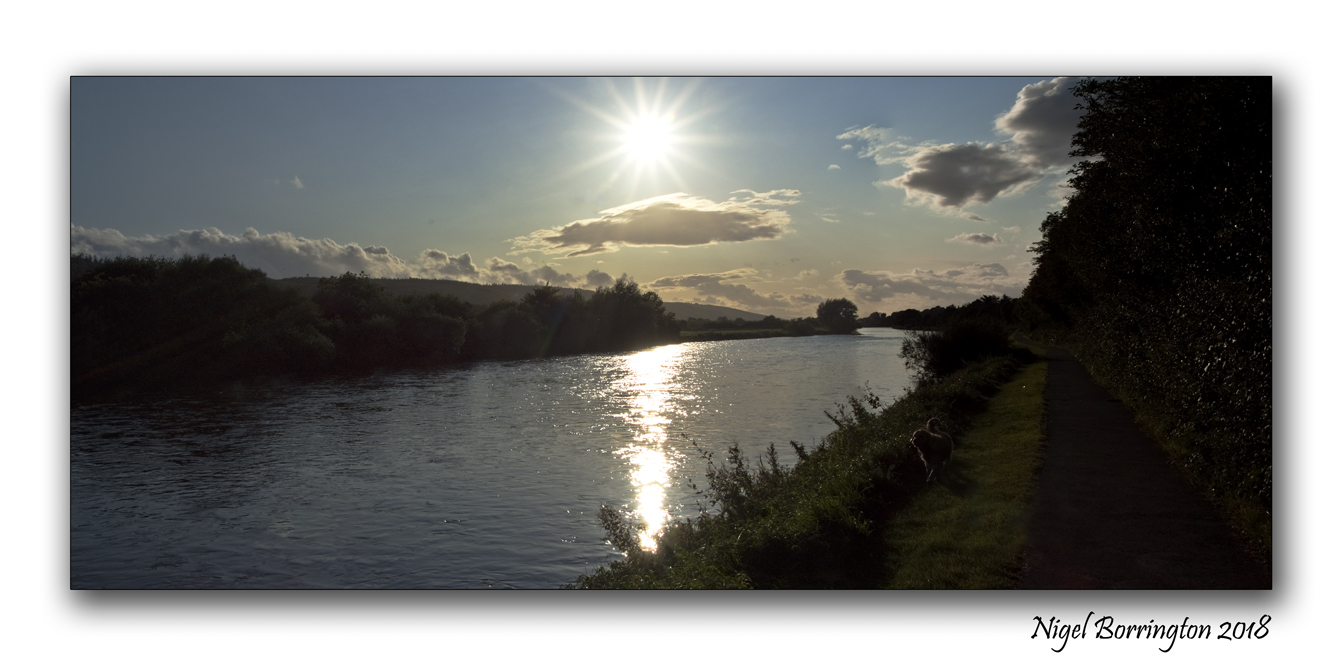
The more we live, more brief appear
Our life’s succeeding stages;
A day to childhood seems a year,
And years like passing ages.
The gladsome current of our youth,
Ere passion yet disorders,
Steals lingering like a river smooth
Along its grassy borders.
But as the careworn cheek grows wan,
And sorrow’s shafts fly thicker,
Ye stars, that measure life to man,
Why seem your courses quicker?
When joys have lost their bloom and breath,
And life itself is vapid,
Why, as we reach the Falls of Death
Feel we its tide more rapid?
It may be strange—yet who would change
Time’s course to slower speeding,
When one by one our friends have gone,
And left our bosoms bleeding?
Heaven gives our years of fading strength
Indemnifying fleetness;
And those of youth, a seeming length,
Proportion’d to their sweetness.
Thomas Campbell
A Dream sunset, Cardigan bay, Wales. A Poem : Ode By Arthur O’Shaughnessy

A Dream sunset Cardigan bay
Wales
August 2017 Nigel Borrington
We are like the Dreamer …….
Ode
By Arthur O’Shaughnessy
We are the music-makers,
And we are the dreamers of dreams,
Wandering by lone sea-breakers
And sitting by desolate streams;
World losers and world forsakers,
On whom the pale moon gleams:
Yet we are the movers and shakers
Of the world for ever, it seems.
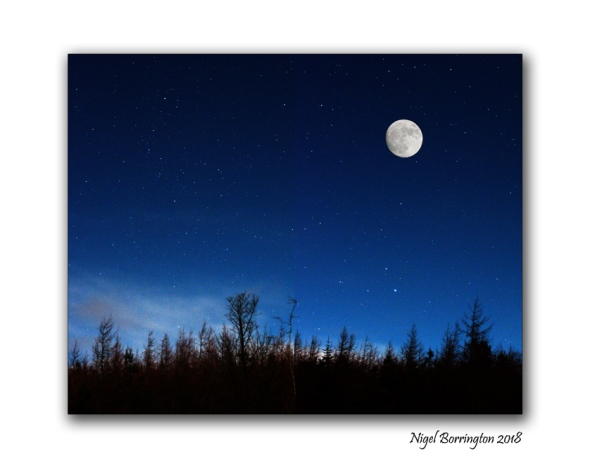
With wonderful deathless ditties
We build up the world’s great cities.
And out of a fabulous story
We fashion an empire’s glory:
One man with a dream, at pleasure,
Shall go forth and conquer a crown;
And three with a new song’s measure
Can trample an empire down.
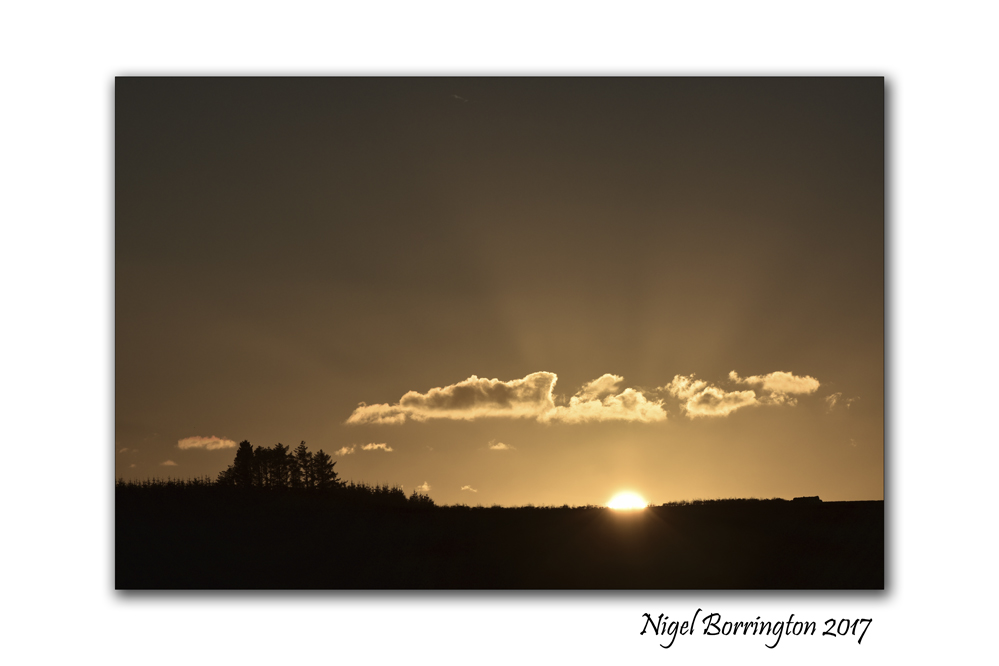
We, in the ages lying
In the buried past of the earth,
Built Nineveh with our sighing,
And Babel itself with our mirth;
And o’erthrew them with prophesying
To the old of the new world’s worth;
For each age is a dream that is dying,
Or one that is coming to birth.
Snow at coolagh old church, county Kilkenny art work, Acrylic on canvas ….

Snow at Coolagh old church
County Kilkenny
Acrylic on Canvas
Nigel Borrington
February Snow , an Irish winters day 06/02/2018

The Nire Valley
Tooreen West
Co. Waterford
Nigel Borrington
This Morning the 6th February 2018, Images from the very cold and snow covered hills of the Nire Valley in county Waterford.
It was great to see the winter snows back again …..


Irish Landscape Images : The Hell Fire Club, Mount Pelier Hill

The Hell Fire Club
Mount Pelier Hill
County Dublin, Ireland
Irish Landscape Images
Nigel Borrington 2018
The Hell Fire Club on Mount Pelier Hill
William Conolly’s Hunting Lodge
The building now known as the Hell Fire Club was built around 1725 as a hunting lodge by William Conolly, the Speaker of the Irish House of Commons. It was named Mount Pelier by Conolly but over the years has also been known as “The Haunted House”, “The Shooting Lodge”, “The Kennel”, and “Conolly’s Folly”. It was one of several exclusive establishments using the name Hellfire Club that existed in Britain and Ireland in the 18th century.
While the building has a rough appearance today, the architecture is of a Palladian design. The upper floor consists of a hall and two reception rooms. On the eastern side, there was a third, timber-floored, level where the sleeping quarters were located. On the ground floor is a kitchen, servants’ quarters and stairs to the upper floors. The entrance, which is on the upper floor, was reached by a long flight of stairs which is now missing. At each side of the building is a room with a lean-to roof which may have been used to stable horses. A stone mounting block to assist people onto their horses can be seen on the eastern side. To the front there was a semi-circular courtyard, enclosed by a low stone wall and entered by a gate.

View of Dublin port
From Mount Pelier Hill
Irish Landscape Images
Nigel Borrington 2018
The house faces to the north, looking over Dublin and the plains of Meath and Kildare, including Conolly’s primary residence at Castletown House in Celbridge. The grounds around the lodge consisted of a 1,000-acre (4.0 km2; 1.6 sq mi) deer park. The identity of the architect is unknown: the author Michael Fewer has suggested it may have been Edward Lovett Pearce (1699–1733) who was employed by Conolly to carry out works at Castletown in 1724.
There was a prehistoric burial site at the summit of Mount Pelier Hill and stones from it were used in the construction of the lodge. A nearby standing stone was also used for the lintel over the fireplace. Shortly after its completion, a great storm blew the original slate roof off. Local superstition held that this was the work of the Devil, an act of revenge for disturbing the ancient cairn. Conolly had the roof replaced with an arched stone roof constructed in a similar fashion to that of a bridge. This roof has remained intact to the present day, even though the building has been abandoned for over two centuries and despite the roof being set alight with tar barrels during the visit of Queen Victoria to Ireland in 1849. There is little evidence that the lodge was put to much use. Conolly himself died in 1729.
A February Morning at Derryvilla bog, Littleton, County Tipperary – Irish Landscape images.

Derryvilla lake
Littleton bogs
County Tipperary
Irish landscape Photography : Nigel Borrington
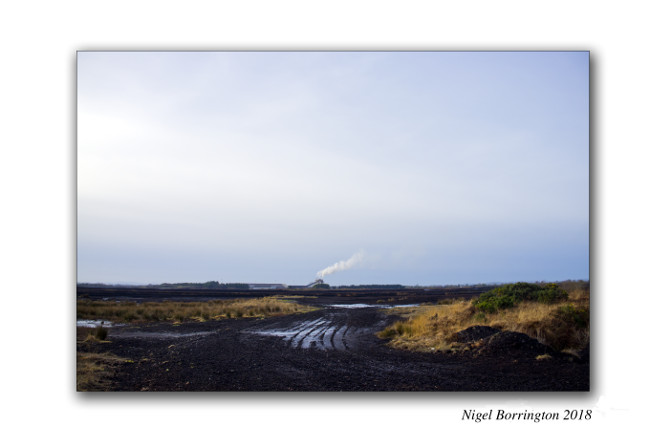
One of my favorite places to visit in county Tipperary is Littleton Bogs, near Thurles, the bogs here are harvested for the fuel they provide in the form of Peat. The entire area is effected by this process as you can see in the pictures below. It is however an amazing location to take photographs as even though it has been scared by the peat production, it has a true truly remote/wilderness feeling locations locally, when you walk through this landscape in the early morning the only sounds you can hear are the birds and the breeze in few trees that survive along the foot-paths.
Derryvilla lake is near Littleton (Irish: An Baile Dháith) county Tipperary. The village in County Tipperary is within the townlands of Ballybeg and Ballydavid, about 18 km (11 mi) northeast of Cashel and to the southeast of Thurles.
Gallery of Derryvilla bog and lake, Littleton, County Tipperary


Eva Cassidy – Who Knows Where The Time Goes ?

Can you believe it ? it is already the end of January and the afternoons here are already feeling longer, its about 6pm before its dark on a good day.
Goodbye January ! Hello February ……
Eva Cassidy – Who Knows Where The Time Goes ?
Across the evening sky,all the birds are leaving
Oh but then you know, it was time for them to go
By the winter fire, I will still be dreaming
I do not count the time
for who knows where the time goes?
Who knows where the time goes?
Sad,deserted shore
your fickle friends are leaving
oh, but then you know it was time for them to go
But I will still be here
I have no thought of leaving
I do not count the time
for who knows where the time goes?
I know I’m not alone
while my love is near me
I know that its so until its time to go
All the storms in Winter and the birds in Spring again
I do not count the time
For who knows where the time goes?
who knows where the time goes?
who knows where the time goes?
Poetry from Lord of the Rings – Return of the King, Bilbo’s Last Song (At the Grey Havens)
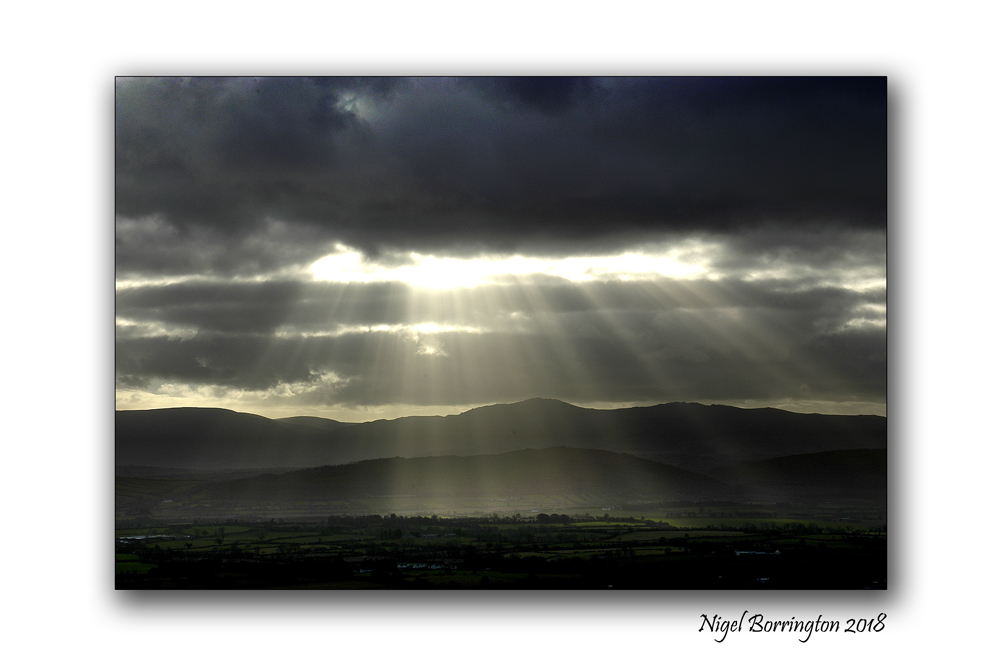
Bilbo’s Last Song (At the Grey Havens)
Day is ended, dim my eyes,
But journey long before me lies.
Farewell, friends! I hear the call.
The ship’s beside the stony wall.
Foam is white and waves are grey;
beyond the sunset leads my way.
Foam is salt, the wind is free;
I hear the rising of the sea.
Farewell, friends! The sails are set,
the wind is east, the moorings fret.
Shadows long before me lie,
beneath the ever-bending sky,
but islands lie behind the Sun
that I shall raise ere all is done;
lands there are to west of West,
where night is quiet and sleep is rest.
Guided by the Lonely Star,
beyond the utmost harbour-bar,
I’ll find the heavens fair and free,
and beaches of the Starlit Sea.
Ship my ship! I seek the West,
and fields and mountains ever blest.
Farewell to Middle-earth at last.
I see the star above my mast!

The poem does not itself actually appear in The Return of the King , the
last volume of the The Lord of the Rings trilogy, but takes place at it’s
very end, when many of the principal heroes of the War of the Ring prepare
to set sail into the West, to leave Middle Earth forever: among them the
great wizard Gandalf the White; Frodo Baggins, the great Ringbearer; and
his elder Bilbo, who found the Ring so long before.
” ‘Well, here at last, dear friends,” [said Gandalf], “on the shores of
the Sea comes the end of our fellowship in Middle-earth. Go in peace! I
will not say: do not weep; for not all tears are an evil.’
Then Frodo kissed Merry and Pippin, and last of all Sam, and went aboard;
and the sails were drawn up, and the wind blew, and slowly the ship slipped
away down the long grey firth; and the light of the glass of Galadriel that
Frodo bore glimmered and was lost.
Kilkenny Time-Lapse Landscape, 45mins compressed into 15sec , 29th Jan 2018
This Time-Lapse Video was taken at Lunchtime today, the 29th January 2018.
The videos is produced by taking some 400 individual images , taken over a period of 45mins in total. These images have then being compressed into a 15 seconds long video with the sounds of the local bird life added to the Video using the video editing application KDENLIVE installed on Ubuntu Linux.
Man’s Coiled Beacon by Rosie Howe

Man’s Coiled Beacon
Rosie Howe
A gleaming halo of light
Rotates around its fixed staff
Like a relentless lasso
Stretching across a chalky sea,
Covering all it touches
With an adorning hope
That cannot be seized.
At night, its light pulsates
Like a beacon, a constant blaze
Passing over a jaded path.
No footprints are left from
Its endless wanderings,
Repeatedly retracing its steps,
It coils. Built to forget.
The forgetful lantern swings,
Its pendulum never ceasing,
Gliding over lighted buoys,
And boat hulls, and
Dancing on the oily wings of
Cormorants as they plunge
Down to the dark depths
Black Bird Symbolism and Myths, Druid believes of the otherworld.

Blackbird Symbolism
Wildlife Photography
Nigel Borrington
Blackbird Symbolism
Blackbirds are, for some people, considered a good omen. Others believe that the Blackbird brings the lessons learned in meditation. It is also associated with travel to the Otherworld and the mysteries found there. Blackbird people are good to call upon when spiritual matters are at hand, and often, while rare, they are the best people to have when in a group.
The blackbirds iridescent black plumage holds the energies of mysticism and magic. Druid legends say that the birds of Rhiannan are 3 blackbirds which sit and sing in the World tree of other worlds. Their singing puts the listener into a sleep or a trance which enables him or her to travel to the otherworld. It was said to impart mystic secrets.
Those with this medicine often have a hypnotic influence on others as well as an uncanny ability to move between the seen and unseen worlds with clarity. They make excellent shamans and trance channellers.
Blackbirds are timid and prefer their own company over the company of others. In humans shyness and insecurity in group settings is common. Vulnerable to outside influences those with this totem need to remember to clear accumulated influences from their energy field on a regular basis. The male’s distinctive song during breeding season is loud and melodious with flute like qualities. Males often sing from high perches and both sexes produce a variety of sounds which include mimicking other birds.
Blackbird medicine people love to sing and have the ability use their voice to heal and inform. They are also good ventriloquists.
Blackbirds spend much of their time on the ground. Its locomotion includes walking, climbing and hopping forward and backwards. They forage for food in open spaces although cover is always near by. When foraging in leaf litter under trees they sound like people walking . In humans this suggests an ability to remain grounded in the earth energies while walking a spiritual path.
When resting the blackbird is frequently seen stretching, legs extended back, side wings in full extension, tail spread, and the head tilted to one side as if listening. Yoga and movement therapy are beneficial for those that hold this totem. The blackbirds flights are low, short and undulating but fast and direct over open country. They move with determination and focus and can teach us how to do the same.
When blackbird flies into your life your connection with nature and the forces of creation increase. The magic of the underworld surfaces in your life. Awareness is heightened and change on a cellular level begins. The blackbird teaches you how to acknowledge your power and use it to its fullest
Great Poems “The Stolen Child” W.B. Yeats
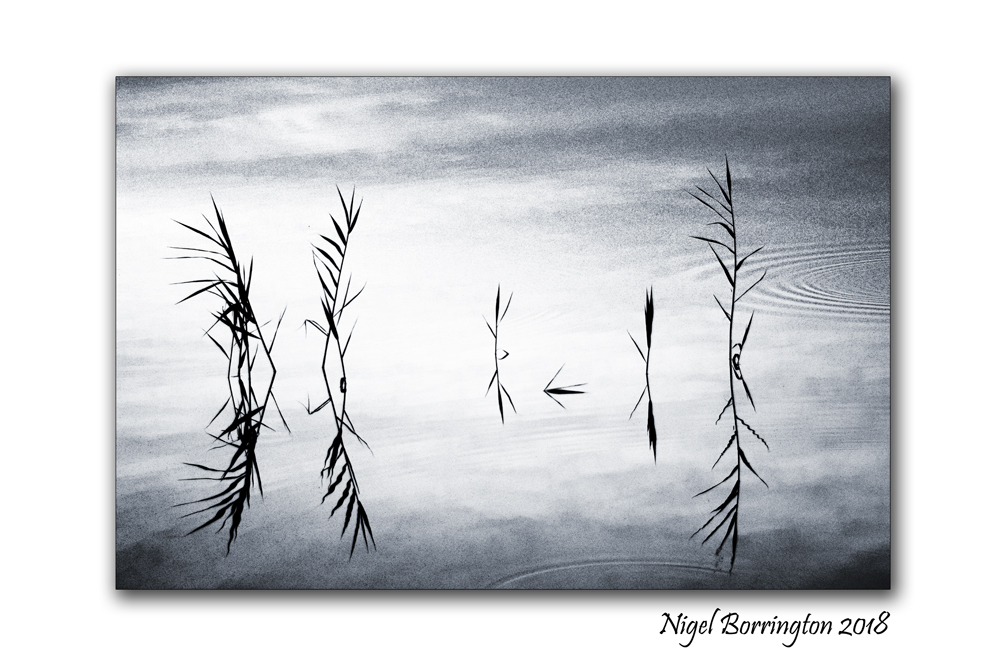
“The Stolen Child”
W.B. Yeats
This is the ultimate poem about changelings, or children taken away by fairies and exchanged (often an explanation for the frequent deaths of children). The creepiest thing about it? It kind of makes going off to fairyland sound really tempting. Damn you, Yeats, you’re good.
Where dips the rocky highland
Of Sleuth Wood in the lake,
There lies a leafy island
Where flapping herons wake
The drowsy water-rats.
There we’ve hid our fairy vats
Full of berries,
And of reddest stolen cherries.
Come away, O, human child!
To the woods and waters wild
With a fairy hand in hand,
For the world’s more full of weeping than
you can understand.
Where the wave of moonlight glosses
The dim grey sands with light,
Far off by farthest Rosses
We foot it all the night,
Weaving olden dances,
Mingling hands, and mingling glances,
Till the moon has taken flight;
To and fro we leap,
And chase the frothy bubbles,
While the world is full of troubles
And is anxious in its sleep.
Come away! O, human child!
To the woods and waters wild,
With a fairy hand in hand,
For the world’s more full of weeping than
you can understand.
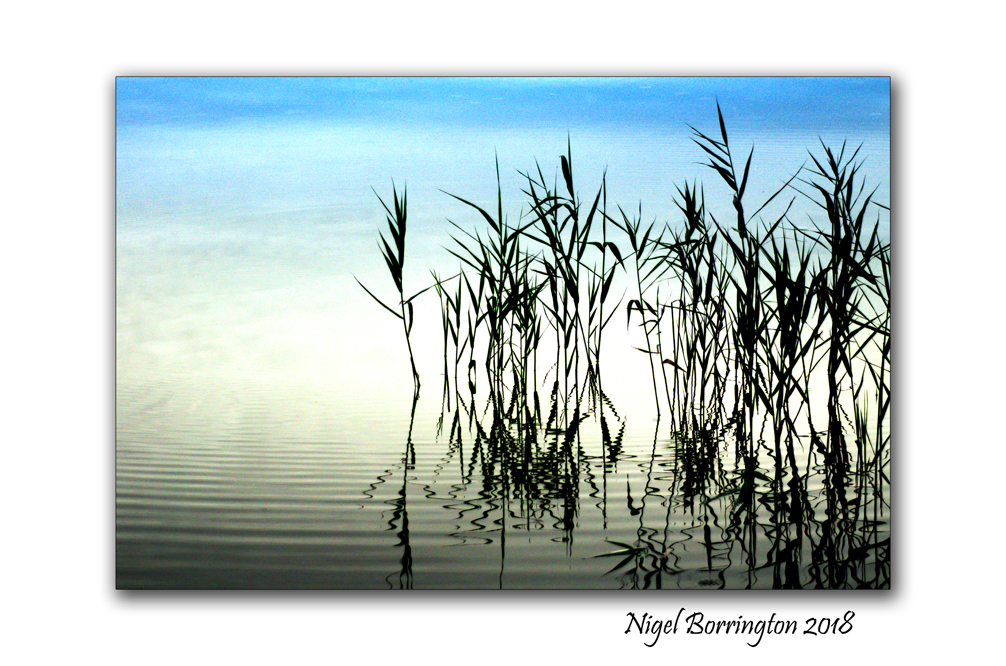
Where the wandering water gushes
From the hills above Glen-Car,
In pools among the rushes,
That scarce could bathe a star,
We seek for slumbering trout,
And whispering in their ears;
We give them evil dreams,
Leaning softly out
From ferns that drop their tears
Of dew on the young streams.
Come! O, human child!
To the woods and waters wild,
With a fairy hand in hand,
For the world’s more full of weeping then
you can understand.
Away with us, he’s going,
The solemn-eyed;
He’ll hear no more the lowing
Of the calves on the warm hill-side.
Or the kettle on the hob
Sing peace into his breast;
Or see the brown mice bob
Round and round the oatmeal chest.
For he comes, the human child,
To the woods and waters wild,
With a fairy hand in hand,
For the world’s more full of weeping than
he can understand.
Irish Archaeology, Brownshill Portal Tomb, Co. Carlow

Brownshill Portal Tomb, Co. Carlow
Irish Archaeology
Nigel Borrington
Dating from the Early Neolithic period (4000-3000 BC), Brownshill dolmen in Co. Carlow is one of the most impressive megalithic monuments in Ireland. The capstone is truly massive and has to be seen in person to be really appreciated. It is estimated to weigh in excess of 150 tonnes and is believed to be one of the heaviest capstones in Europe. It is still not certain how it was raised up, but it may have involved a combination of wooden rollers, ropes and man/animal power, aided by ramps of earth or stone.
The Brownshill dolmen is classified as a portal tomb by archaeologists and there are approximately 174 of these monuments in the country. The tombs generally consist of two large portal-stones defining the entrance and a back-stone, all of which support the cap-stone. Although Brownshill has never been excavated, finds are known from other portal tombs. These include burnt and unburnt human bone, pottery and flint artefacts as well as personal items such as bone pins and beads.
One of the very few portal tombs that has been investigated by archaeologists is Poulnabrone in Co. Clare (Lynch 2014). At this site the remains of twenty two people were uncovered inside the tomb, including sixteen adults and six children. Of these bodies only eight could be sexed and these were equally split between males and females. The bones were found in a largely disarticulated state and this suggests that the human remains had undergone a complex burial ritual. It appears that the dead were initially placed in the tomb as complete bodies and allowed to decompose. Then at a later date certain body parts were removed, in particular the skulls and long bones. The reasoning behind this is uncertain, although it may have been related to some form of ancestor worship, where the dead, via their skeletal remains, continued to play a role in the daily lives of their descendants.
A truly ancient monument, Brownshill portal tomb is located just outside the town of Carlow and is easily accessible, with a small car park present and path leading up to the monument. If you are ever in the area you should definitely visit!
Landscape Video, Time Lapse and the flow of the river …
Time lapse video, created using a slow shutter speed to blur the water and then added into a time-Lapse video.
 Nigel Borrington
Irish Landscape Photography : February’s frost and snow along the river , River Suir , County Tipperary
February 2018
Along the banks of the River Suir,
County Tipperary,
Ireland
Nigel Borrington
As we say Goodbye to February and Hello to the Springtime month of March, we are still in the middle of a very cold week here in the southest of Ireland. This month has been one of the best for mixed weather that I can remember, we started the month wet and windy but then the weather turn much warmer and you could just start to imaging that the spring was on its way 🙂
This week , the final week of the Month has however been the most interesting end to the Month of February for some years, we awoke here in Kilkenny to some snow but only about 1cm, further north in Dublin and the Wicklow mountains they had some 10cm of snow overnight with about 20cm in places by the end of the day light hours today.
The fun however is only about to being, starting from 4pm tomorrow the south of the country is going to be hit by a storm (Emma) heading our way along the French west coast as I post and making land fall in both Ireland and Cornwall in the UK at the same time.
Overnight Thursday into Friday it is predicted that we will receive high winds of around 40 MPH and about 8cm of snow.
The main risk however will be from the high winds as this will of course increase the chance of the snow drifting, its a worry at this time of year as many farmers will have animals outside ready for the spring season. There has however been good notice of whats to come so hopefully there has been time to bring in sheep and livestock.
The only blessing could be that with the Springtime only just around the corner, when it stops snowing the temperatures should recover much more quickly that would be the case in the middle of the winter season.
The last time I experienced such cold winter weather was on a winters visit to the Welsh hills to visit a friend Sandy, here are some of the images from that visit.
While the Snow and Cold can bring hardship at times the landscape views it can bring are wonderful 🙂
Gallery of the Welsh hills in Winter
Share this:
February 28, 2018 | Categories: Comment, Gallery, Images for Christmas, Landscape, Mountains, Nigel Borrington, River Suir, Travel Locations, Winter colour, Winter landscape | Tags: Blizards, February, Kilkenny, Nigel Borrington, river suir, snow, Storem emma, Tipperary, wales, welsh hills, winter, Winter Farm | 3 Comments