Ghost house , Poem By : Robert Frost – 1915

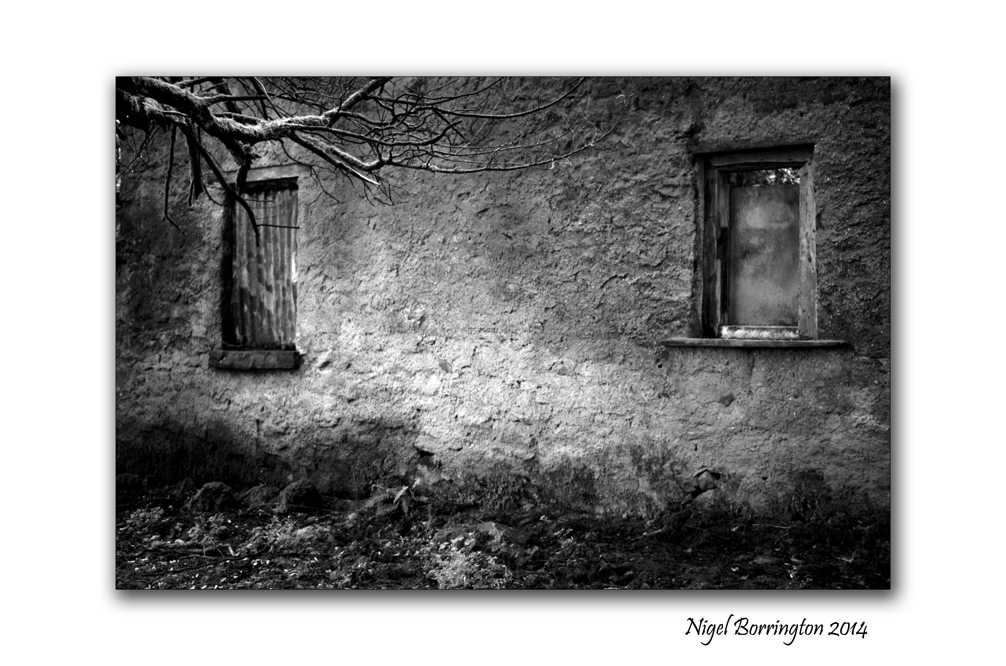
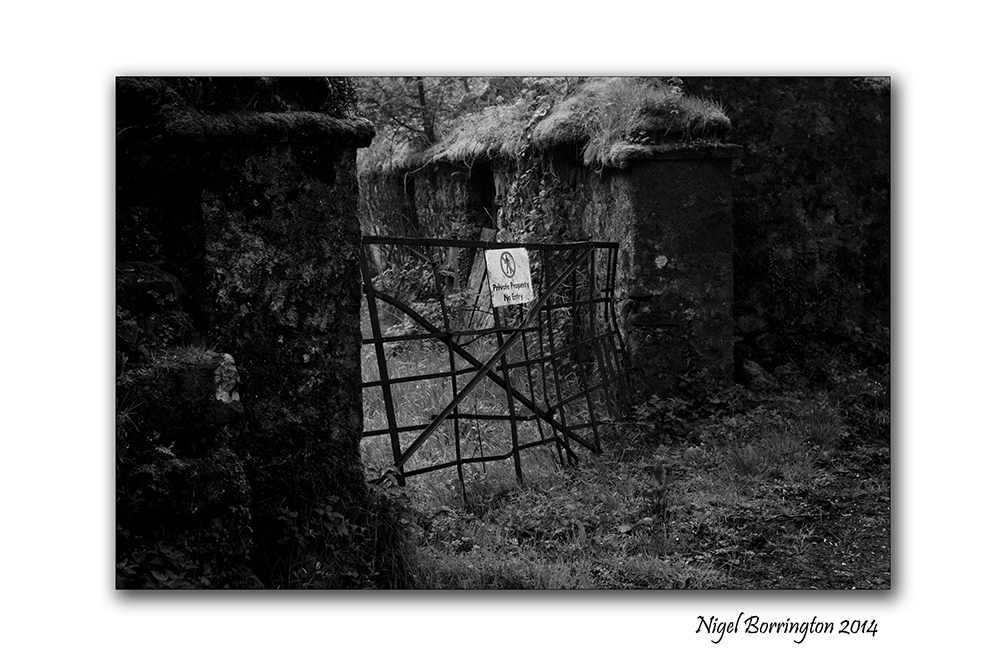
Derelict old house at Durrow , Co Laois, Ireland.
Irish landscape photography : Nigel Borrington
Ghost House
Robert Frost (1915)
I dwell in a lonely house I know
That vanished many a summer ago,
And left no trace but the cellar walls,
And a cellar in which the daylight falls,
And the purple-stemmed wild raspberries grow.
O’er ruined fences the grape-vines shield
The woods come back to the mowing field;
The orchard tree has grown one copse
Of new wood and old where the woodpecker chops;
The footpath down to the well is healed.
 .
.
I dwell with a strangely aching heart
In that vanished abode there far apart
On that disused and forgotten road
That has no dust-bath now for the toad.
Night comes; the black bats tumble and dart;
The whippoorwill is coming to shout
And hush and cluck and flutter about:
I hear him begin far enough away
Full many a time to say his say
Before he arrives to say it out.
 .
.
It is under the small, dim, summer star.
I know not who these mute folk are
Who share the unlit place with me—
Those stones out under the low-limbed tree
Doubtless bear names that the mosses mar.
They are tireless folk, but slow and sad,
Though two, close-keeping, are lass and lad,—
With none among them that ever sings,
And yet, in view of how many things,
As sweet companions as might be had.

Sunset over the mountain of Slievenamon , Star break and Poem.

Sunset over slievenamon, County Tipperary
Landscape Photography : Nigel Borrington
Evening walks near the mountain of Slievenamon, county Tipperary can bring some great evening views, the sun sets right over the top on the mountain where there is a cairn, a burial place of a king dating back over six thousand year.
On one of these walks I was lucky enough to get these sunset images and I put some words to them in this poem:
Star break, a Poem
Behind the High cloud the sun is coiling and uncoiling
a dragon wrapped around itself spitting fire behind the mountain top
For a moment as I think of older days it is eclipsed entirely
aith a hidden God in the ground where six thousand years ago
A star fell from nowhere and lit up this very mountain’s top
turning westward by day, into oblivion leaving its mark.
 .
.
A king wise in these things called this a “star break”
and of no danger to the integrity of his vision
Star, soon the mountain will shrug you off you will drop below
the ragged edge line into tomorrow while I take the only path.
I came to find what I left, now ahead of me and waiting behind
a light of dawn, time of ages drifting through the night.
Me…..
Changing light as the river flows.

Sir Thomas bridge, clonmel, County kilkenny
Landscape photography : Nigel Borrington
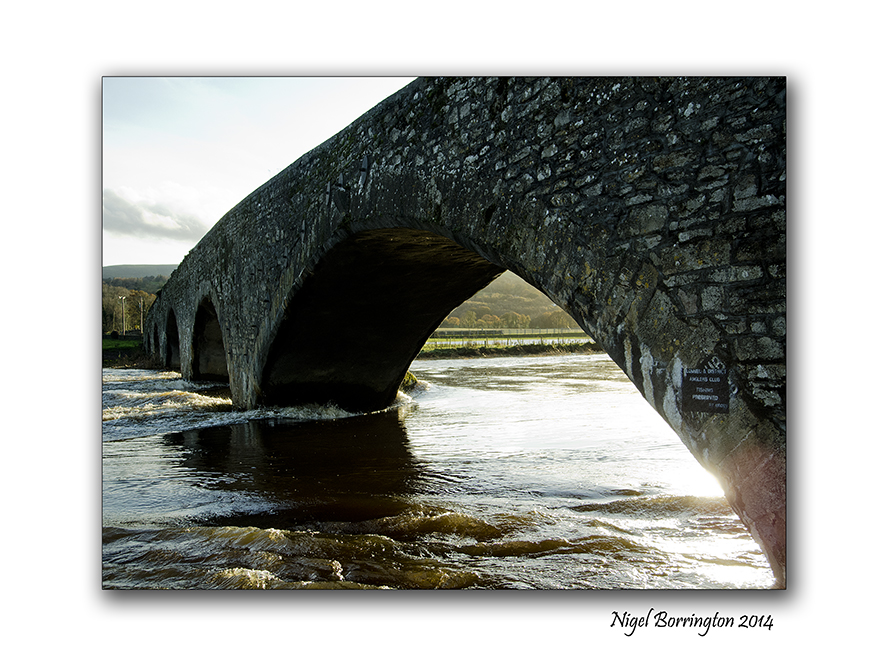
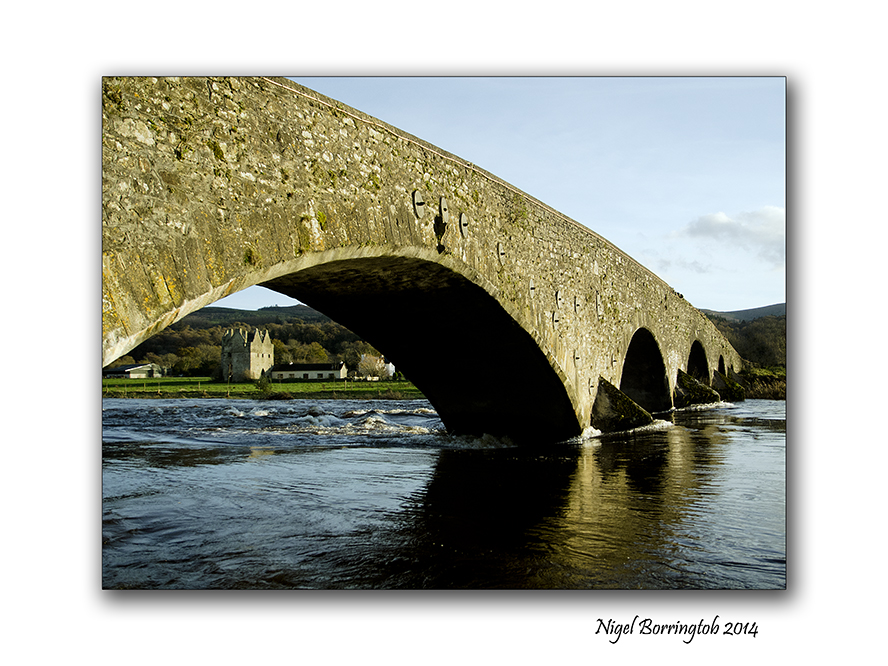
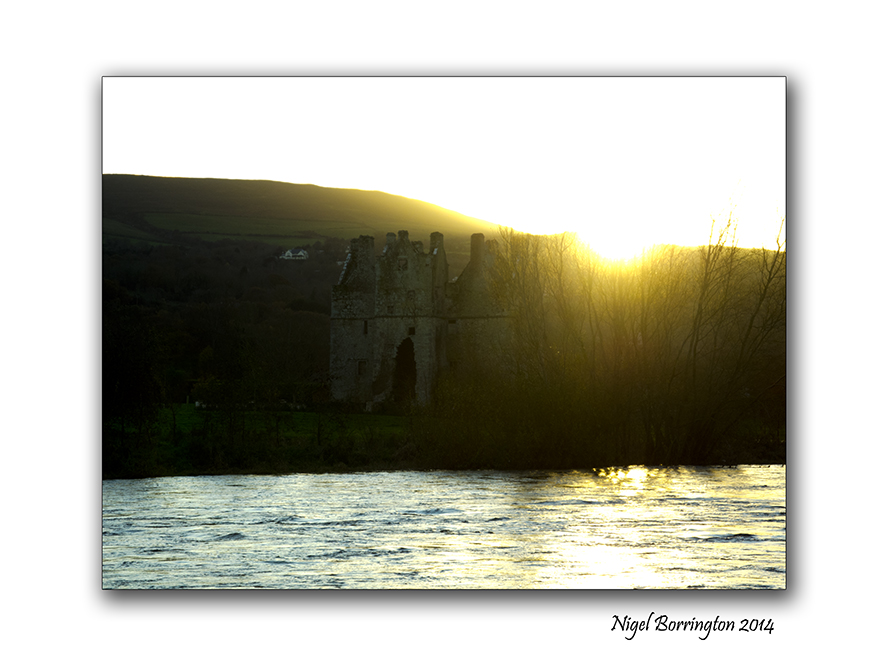
The changing light as the river flows
Walking along the river Suir on a springtime evening with the sun about to set, is a wonderful experience by itself but one of the things I love the most is the changing light. The light changes almost moment by moment and the reflections of the sun from the water is just amazing as you walk past some of the many bridges.
One of the best things about photography however is the ability to capture just how much this light does change, I recently put together this small collection of images and I think they show the way the light changes as the sun sets.
The entire landscape changes from yellows and and olive greens to deep blues and blue – greens.
I personally feel that the type of sun light and the different colours it brings is one of the most powerful tools in the art of photography and taking a little time to record your most loved locations at different times of day and weather conditions is a powerful learning tool for getting strong images and for you to have fun with and enjoy yourself.
The changing light as the river flows, Gallery

Images from a field of blue bells – Poem : ‘The Bright Field’ by R. S. Thomas

Our dog Molly, In the Blue bells field, Slievenamon, County Tipperary
Landscape Photography : Nigel Borrington
Located on the west slopes of Slievenamon , County Tipperary, is a small yet wonderful little field .
To reach it you have to walk some thirty minutes through wood-lands and up a mountain track, finally reaching a gate. The site that welcomes you in May is that of a field full of blue bells and an old derelict farm cottage. This cottage would be able to tell some amazing stories and if it only could!
Above the field are the mountain slopes that I am much more use to seeing, with mountain heather and scrub lands, streams and baths.
I have visited this field many times, its a great location during the summer and a wonderful escape and resting place after a walk to the top of the mountain.
I just wanted to share one of my most loved local locations here and also one of my most loved Poems by R. S. Thomas, which I feel is perfect for this post ….
The Bright Field
by R. S. Thomas
I have seen the sun break through
to illuminate a small field
for a while, and gone my way
and forgotten it. But that was the
pearl of great price, the one field that had
treasure in it. I realise now
that I must give all that I have
to possess it. Life is not hurrying
on to a receding future, nor hankering after
an imagined past. It is the turning
aside like Moses to the miracle
of the lit bush, to a brightness
that seemed as transitory as your youth
once, but is the eternity that awaits you.
The field a Gallery
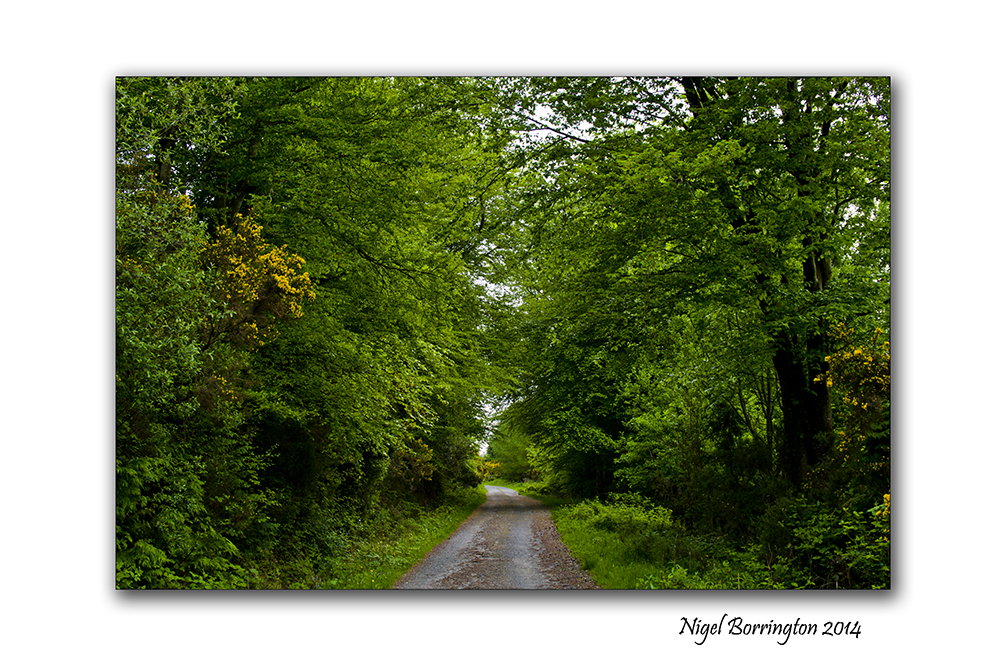


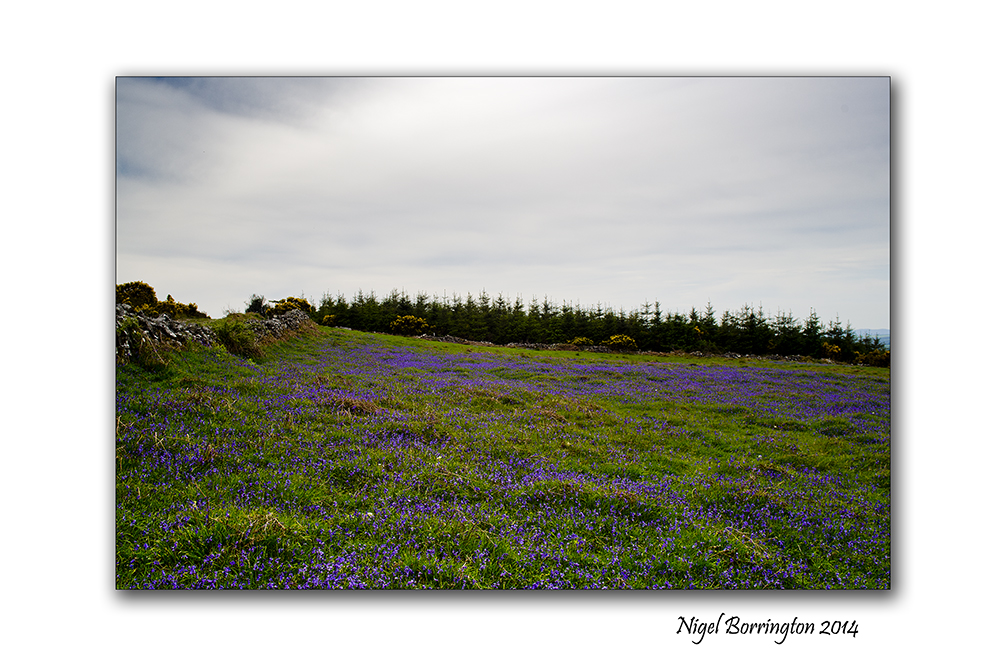
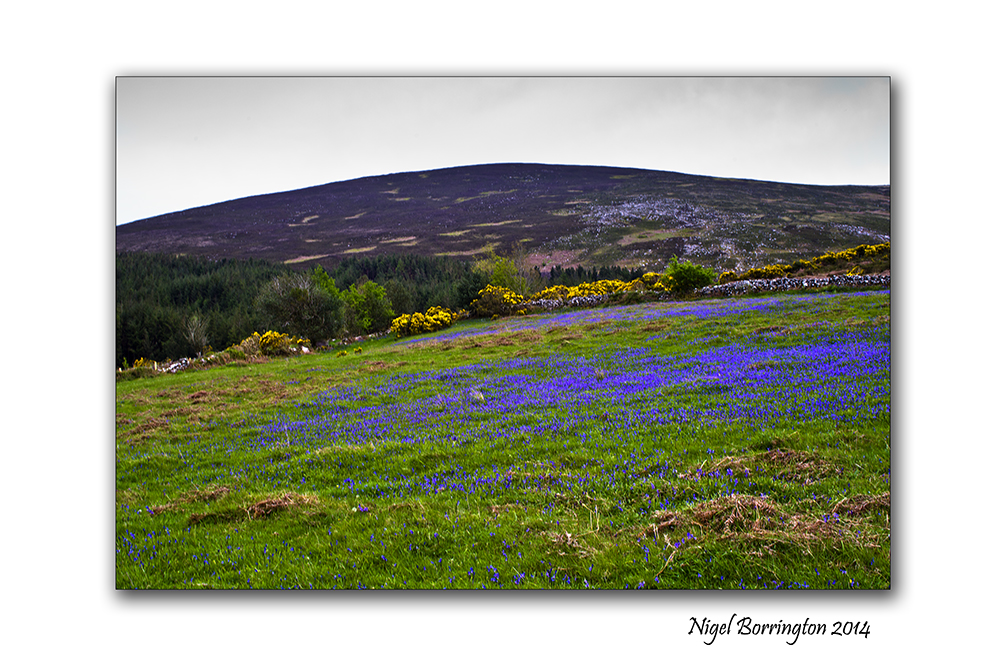

Kilkenny, Ireland , 500 million years ago
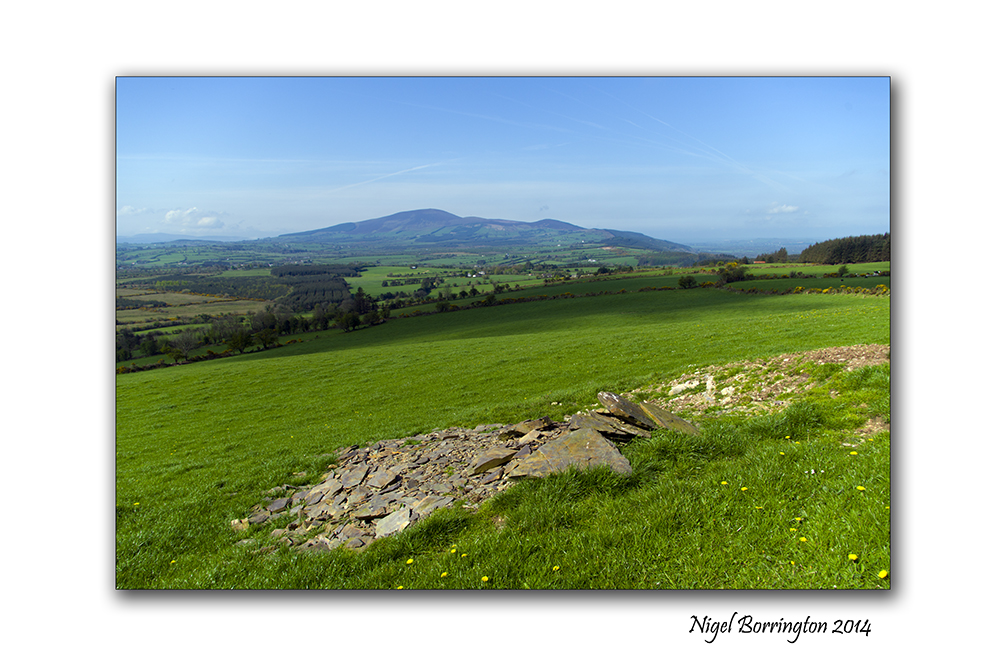
Landscape view of the kilkenny/Tipperary boarders
Irish Landscape photography : Nigel Borrington
Kilkenny, Ireland 500 Million years ago
During the week I posted an article about the area around the mountain of Slievenamon, County Kilkenny.
I hope over the summer to post many times about this area and show many of the foot hills along with the main mountain itself. A fellow blogger margaret, suggested that the formation of the mountain and the oval shape of the extending foot hills could be volcanic in their origins, I do think at some point in the long distant past this could be true.
I found the following summary of the geological history of county Kilkenny so I am going to share it here as I found it fascinating to think of some 500 million years of history of Ireland and its Geology.
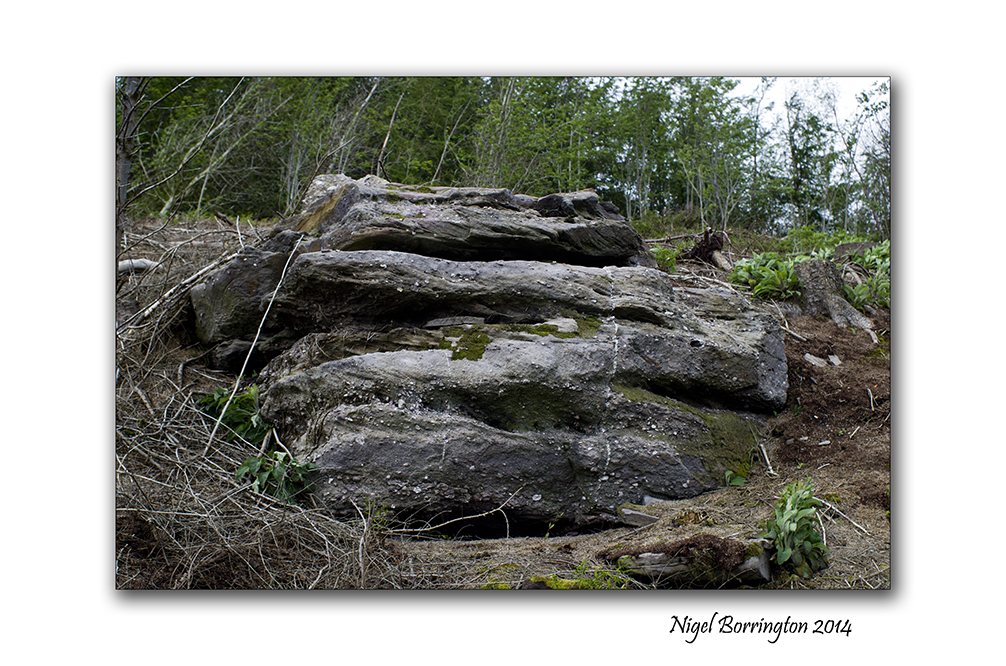
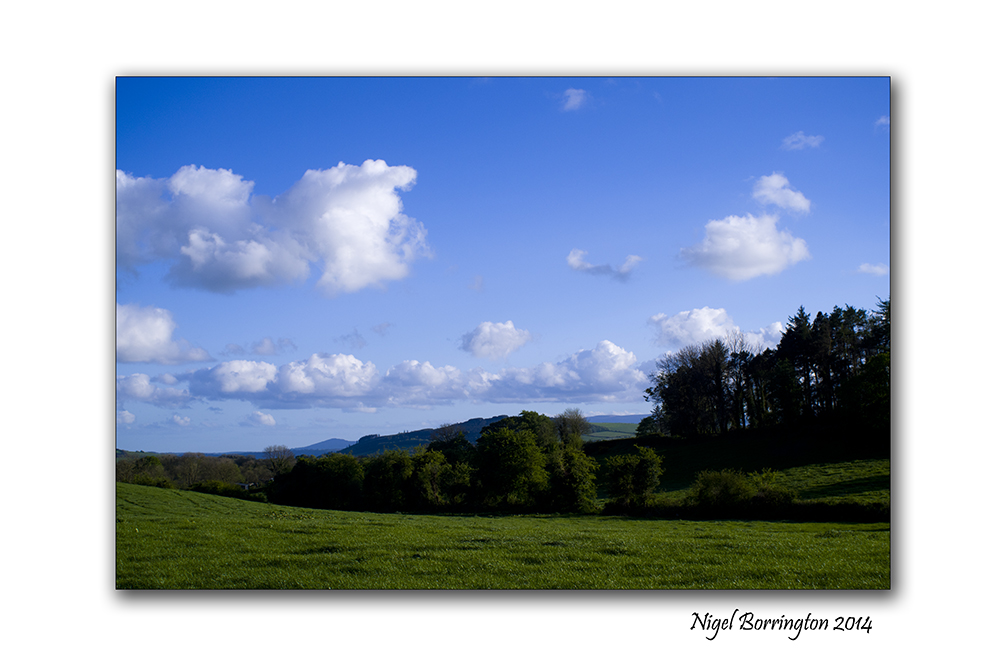
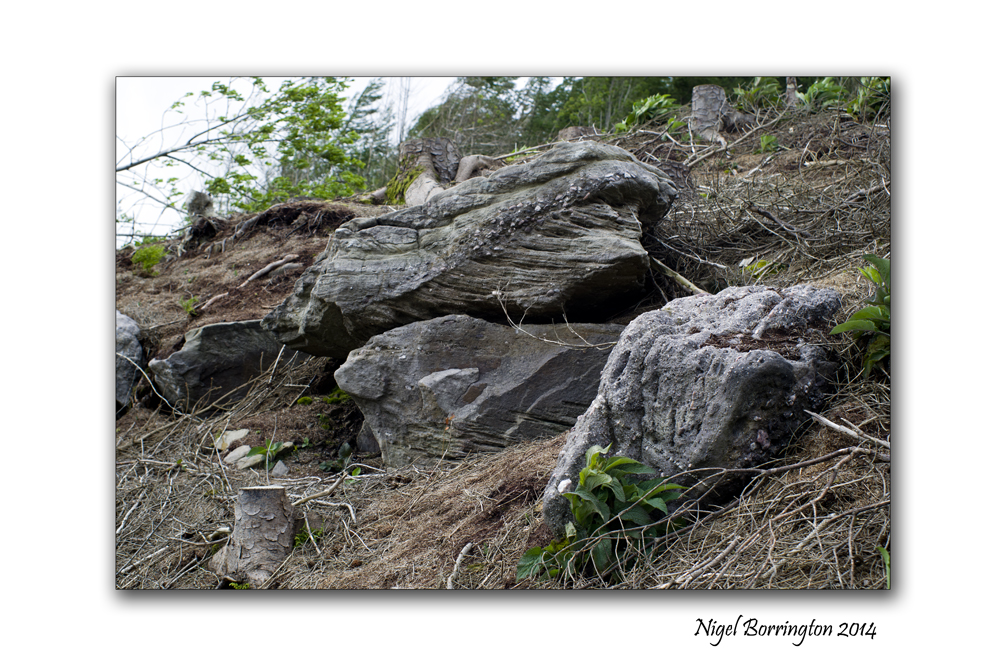
Also a Gallery of images that show some of the amazing ice age rocks and landscape formations that can be found through out this great little part of the world.
Geologic History of Kilkenny
500 Million years ago – Sedimentary rock formed under parts of eastern Kilkenny, which was
under the sea.
400 Million years ago – the two parts of Ireland, the island, were fused together under the ocean.
400 Million years ago – the mountains at Brandon and the uplands at Tullogher were formed, again
under the sea.
350 Million years ago – Kilkenny was at a dry land stage with plant life that fossilized into the
yellow sandstones of Kiltorcan.
345 Million years ago – Kilkenny was submerged for about 20 Million years under a tropical shallow
ocean. Lime deposits from this era eventually became the limestone found commonly in
Kilkenny and Ireland. The polished limestone provides the famous Kilkenny marble.
320 million years ago – Kilkenny covered by a muddy delta and swamps, with deposits eventually
forming todays sandstones and coal.
250 Million years ago – a mountain building era resulting in the east-west mountains of Munster,
and the Walsh Mountain area between Millinavat and Slievenamon.
2 Million years ago – Ice age glacial periods intermixed with cold and warm periods begin.
500,000 years ago – A warm period known as the Gortian. Kilkenny is covered by forest of birch,
oak, pine, leder, fir, holly, yew, heather and grass.
200,000 years ago – A cold period lasting 70,000 years called the Munsterian. All of Kilkenny (and
Ireland) is covered by a sea of ice. Movement of Glaciers helped form the soil of today.
130,000 years ago – A warm period known as the Glenavian lasting about 60,000 years with climate
much like today.
70,000 years ago – A cold phase lasting about 60,000 years known as the Midlandian stage. Ice
sheets covered the northern half of Kilkenny, from Callan to Goresbridge. The southern have
would have included tundra grasslands and some woodland. Animal life is noted during this
time, including wooly mammoths, wolf, arctic fox, brown bear, the giant Irish Elk, reindeer
and lemmings.
10,000 years ago – The ice begins to melt, sea levels begin to rise and plants begin to reappear
in all of Kilkenny.
9,000 years ago – A birch dominated forest covers much of Kilkenny.
8,000 years ago – Hazel and pine become part of the forest population.
Landscape and Geological Gallery


Slievenamon on May mornings. Poem By : John Milton
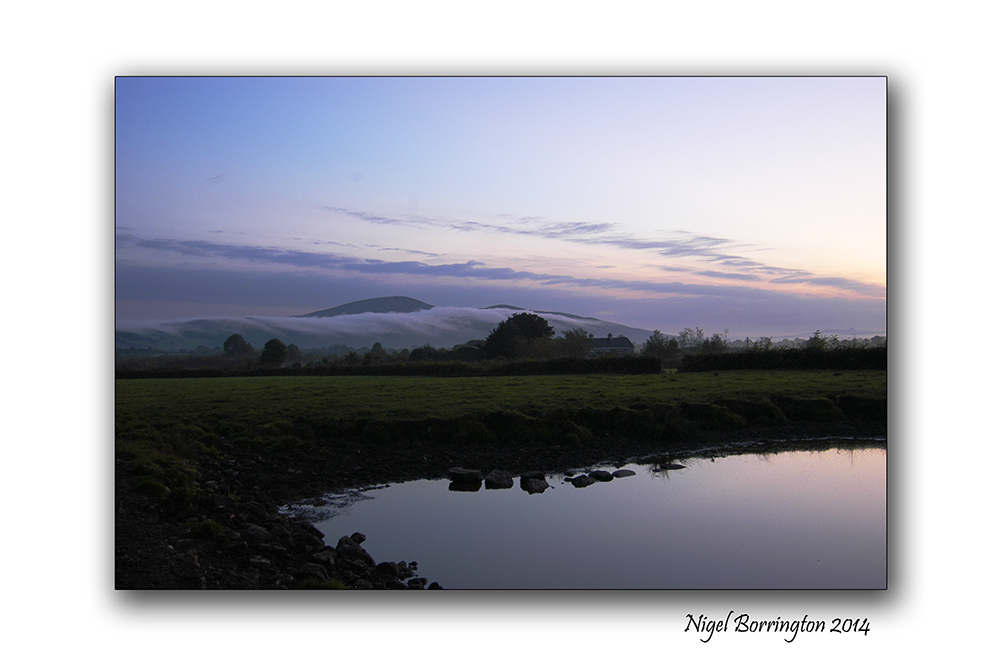
Fields around Slievenamon, early Morning mist
Landscape Photography : Nigel Borrington
On May mornings.
Poem By : John Milton
Now the bright morning Sun,
Comes dancing from the East.
leading with her the Flowers of May,
who from her green lap throws
The Cowslip, and the pale Primrose.
Hail bounteous May that dost inspire
Mirth and youth, and warm desire,
Woods and Groves, are of thy dressing,
Hill and valley, doth boast a blessing.
Thus we salute thee with our early Song,
And welcome you, and then wish you a so long.
A May Morning Gallery

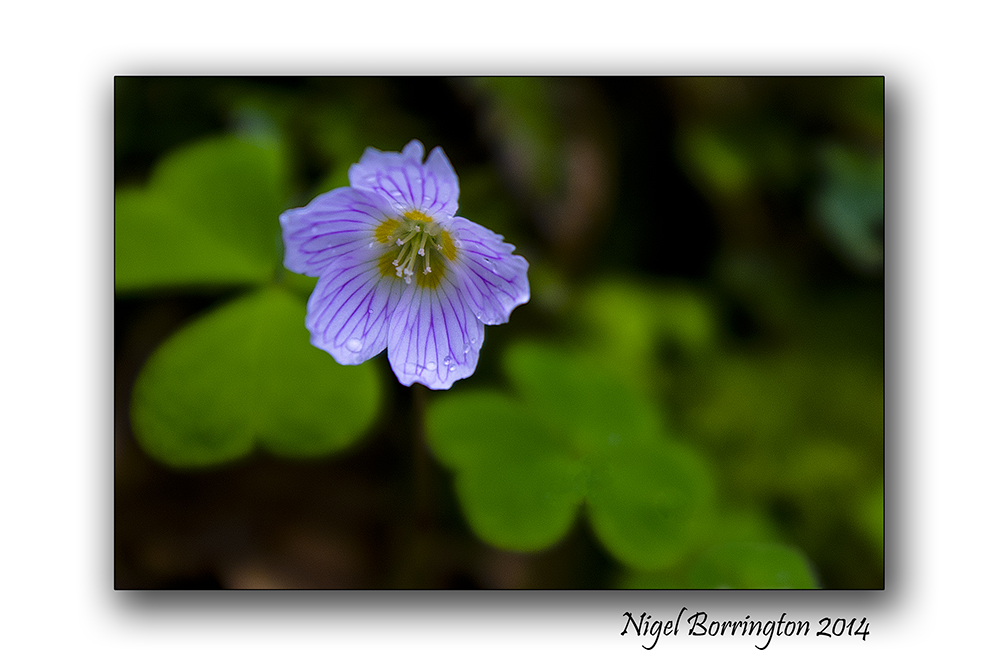
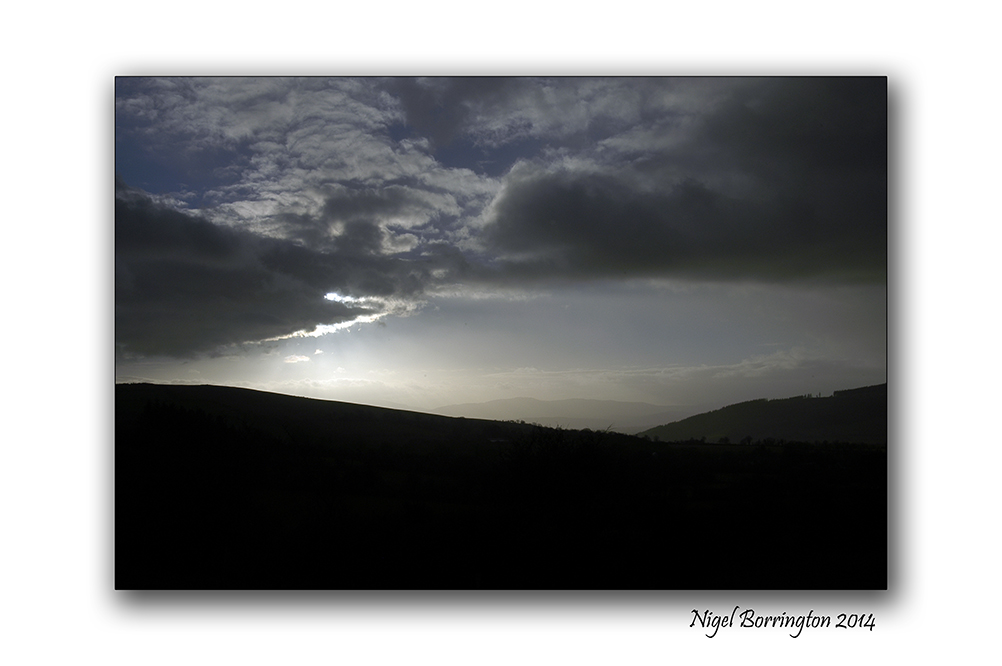


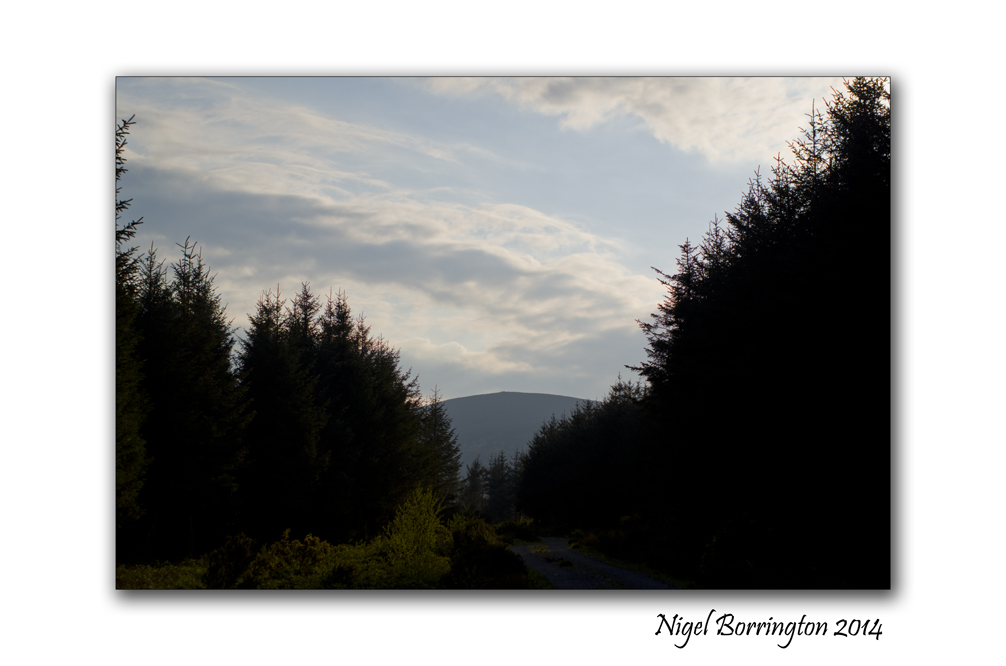

Landscape and Geology around Slievenamon, county Tipperary

Panoramic Landscape of Slievenamon, county Tipperary
Forty square miles around Slievenamon
The Mountain of Slievenamon is located about 10km from our home and over the last few years I have walked up and around the this mountain a lot.
It is an area I am very taken by and love exploring.
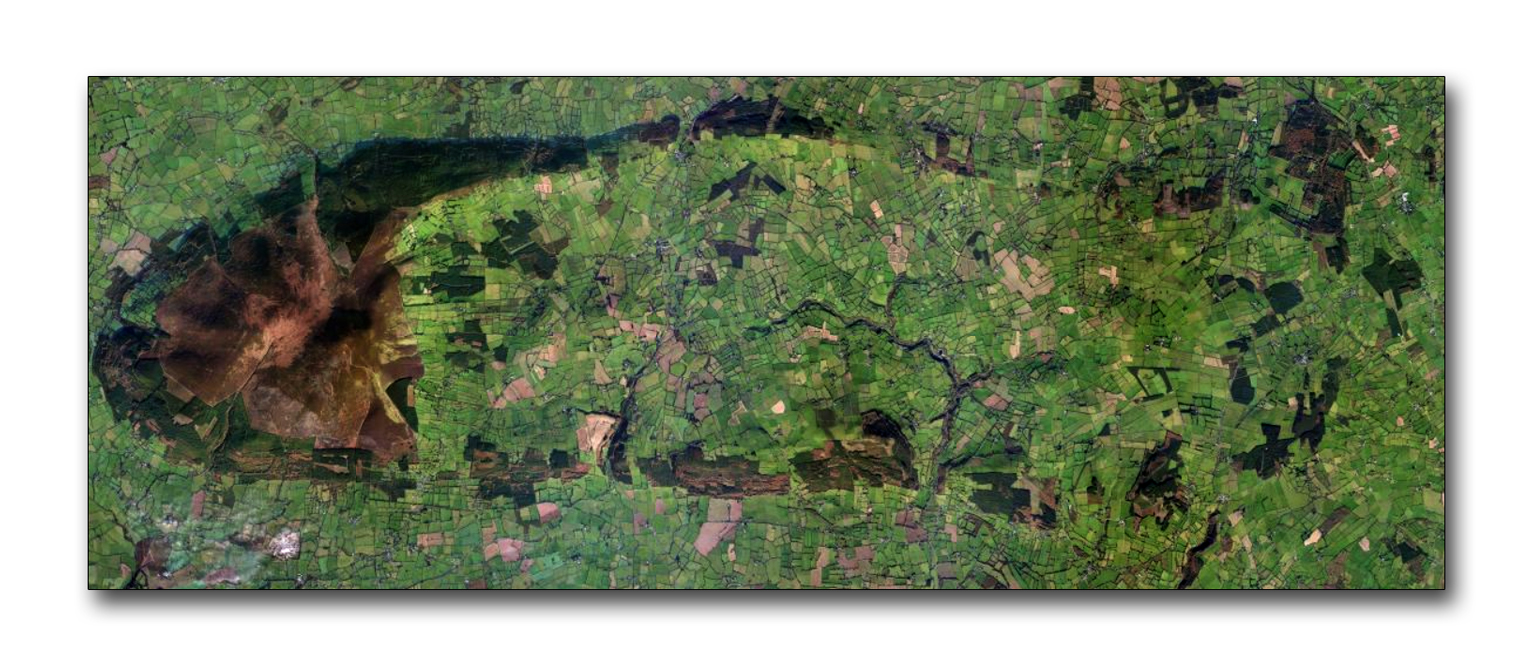
For anyone who has visited the mountain and surrounding area, something that you may not have noticed however it the complete scale and geology of the mountain. When you look at the area from a satellite image (Like the one below) the geology of the area becomes a bit clearer.
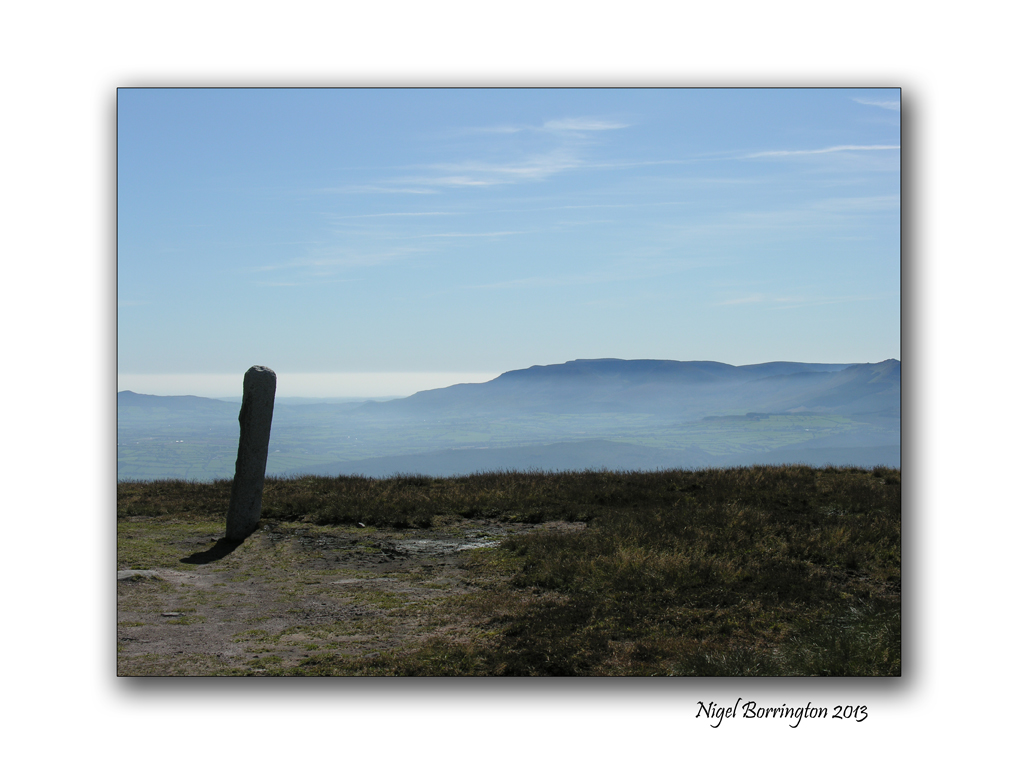
To the left of the image above is the main mountain peek of Slievenamon, itself Rising up some 721m above the landscape below, however this is not the full extent of the mountain, spreading out towards the east and from the north and south of the mountain run two ridges of hills. These ridges them selves form an oval shape that meets some eight miles away from the mountain top.
Photographic project
Over the summer I want to record this complete area returning to the top of the mountain and then walking and recording as much of the ridge’s as possible.
History and Megalithic locations
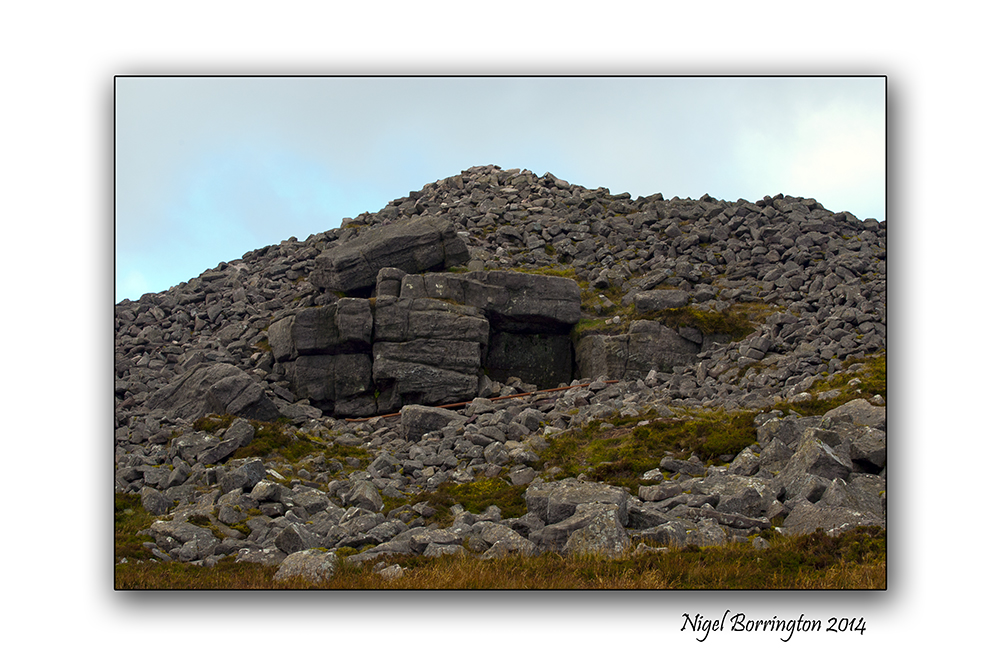
One of the main reason I have for starting this project on the blog, is that for sometime I have noticed that both at the very top of Sleivenamon and around the oval of the extended foot hills are many Megalithic sites ( Stone circles, Passage tombs, Graves and Standing stones).
I will come back to the satellite image above and mark the location of any landscape images I post.
Above all I just want to share the landscape that I live in and reflect upon some of its history and enjoy myself getting to know it as much as I can.
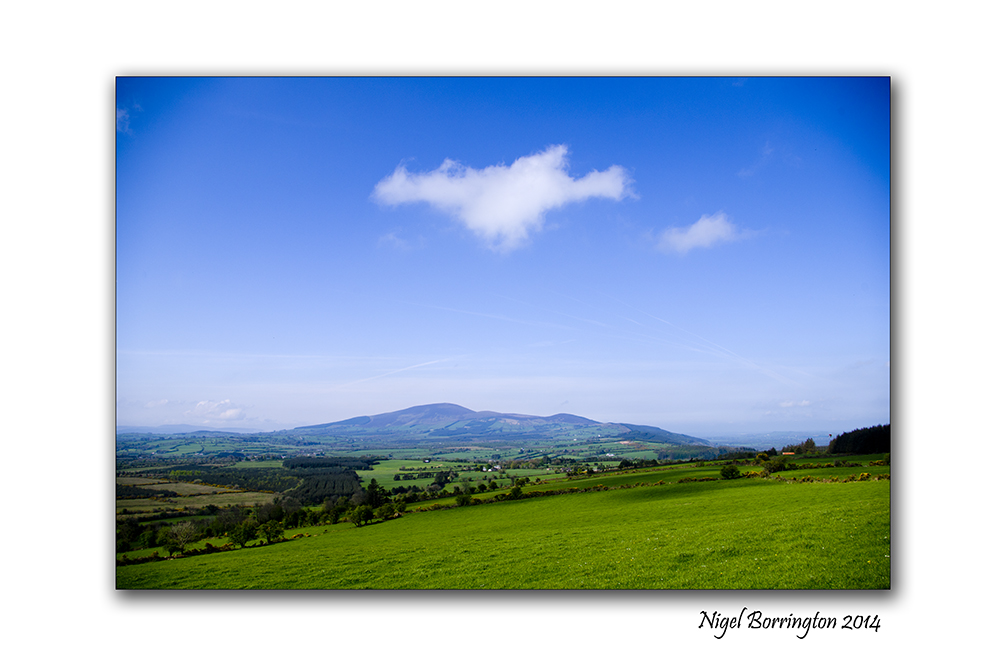
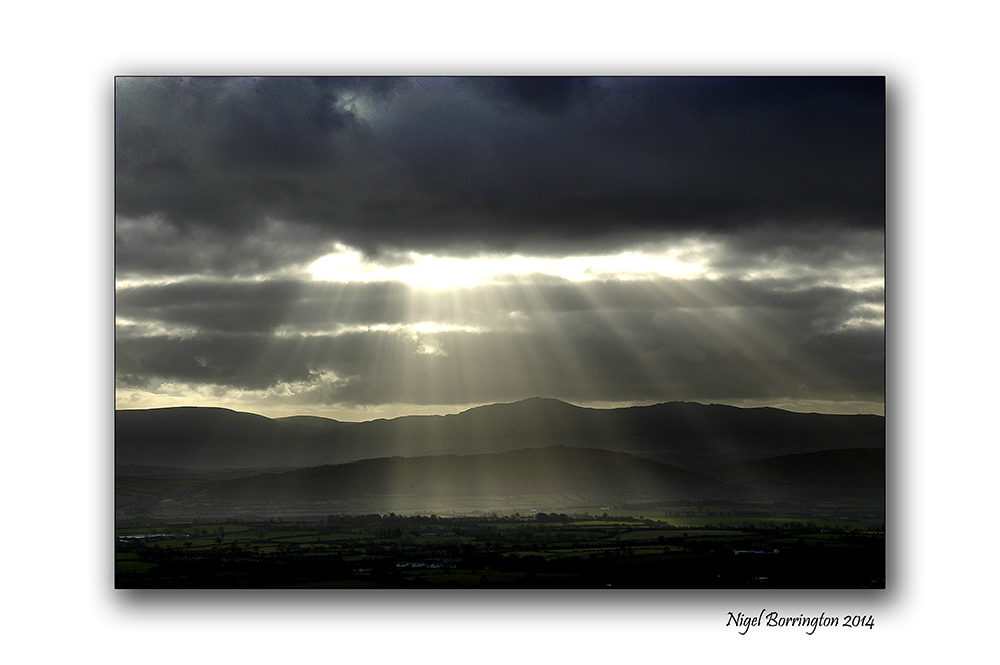
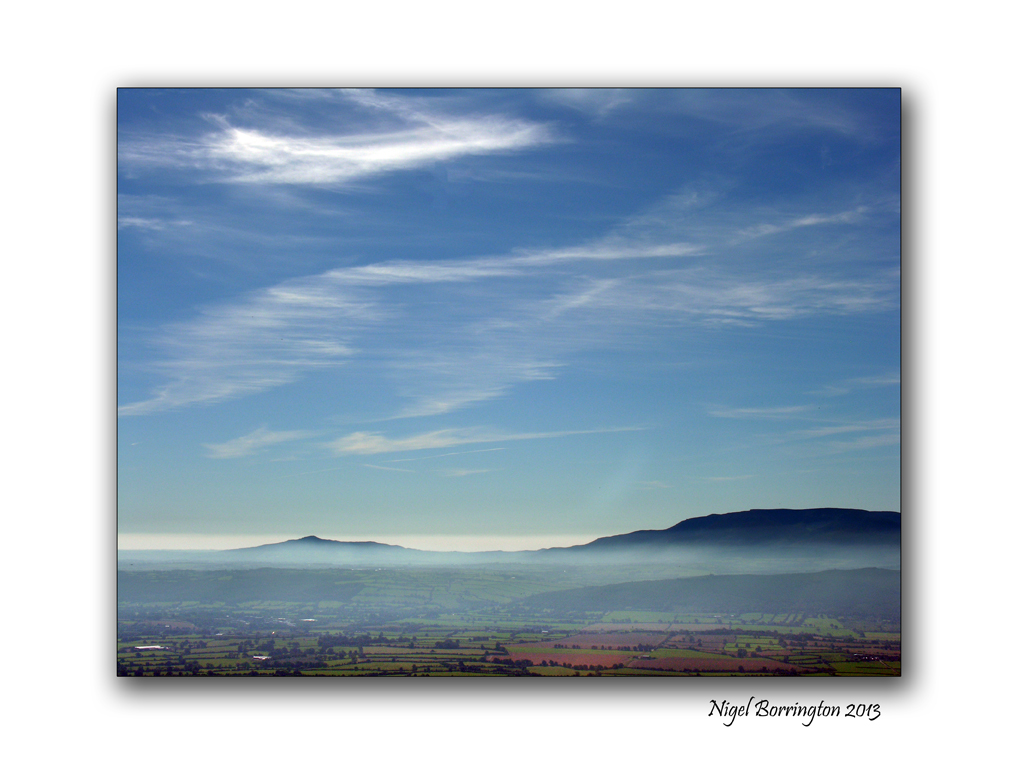
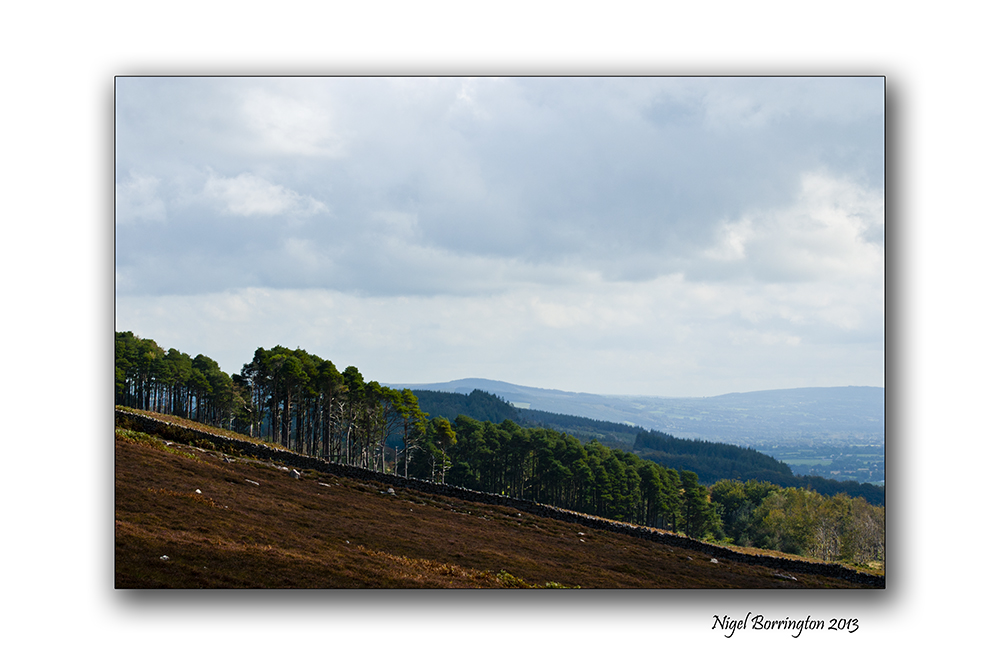
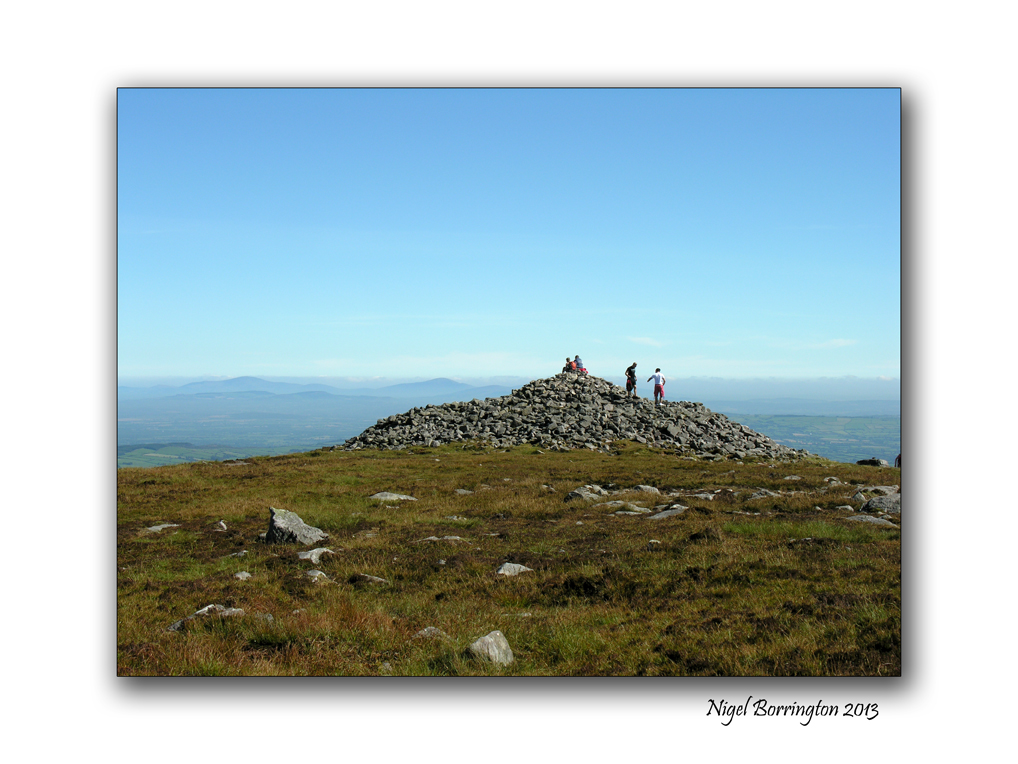
The Landscape of Slievenamon
The Blue Monday’s of May – Sitting in the Bluebells
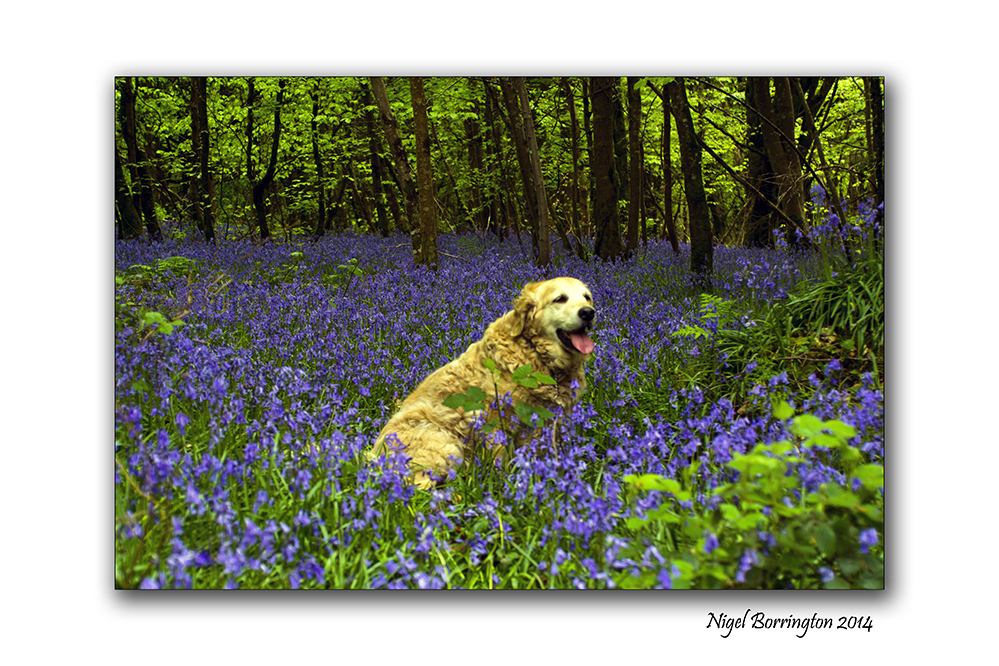
Bluebell Monday in Knockadrina woods, County Kilkenny
Landscape photography : Nigel Borrington
Blue Monday’s of May
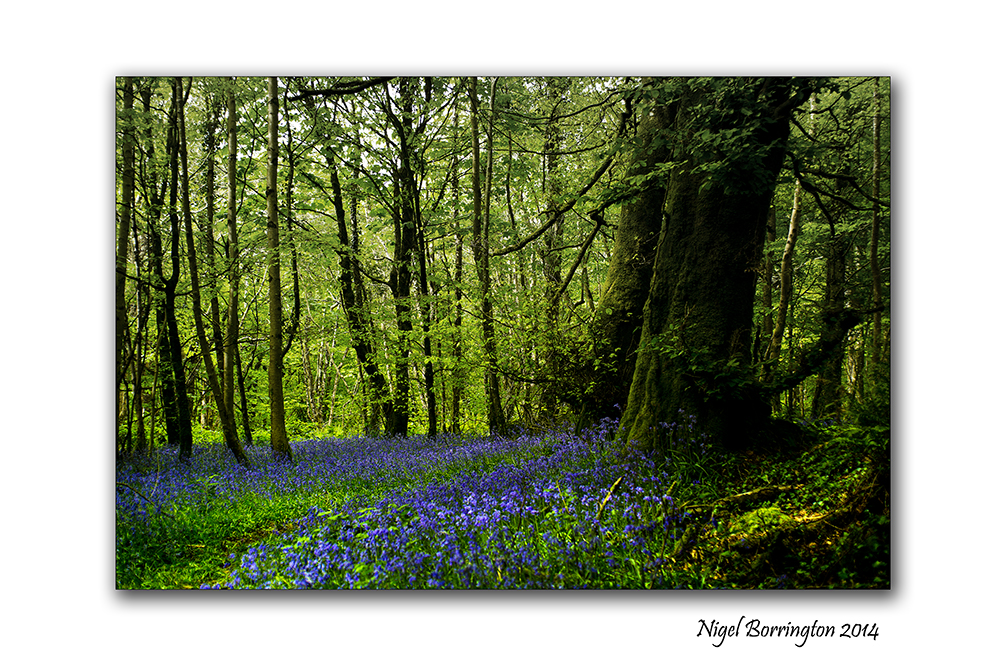
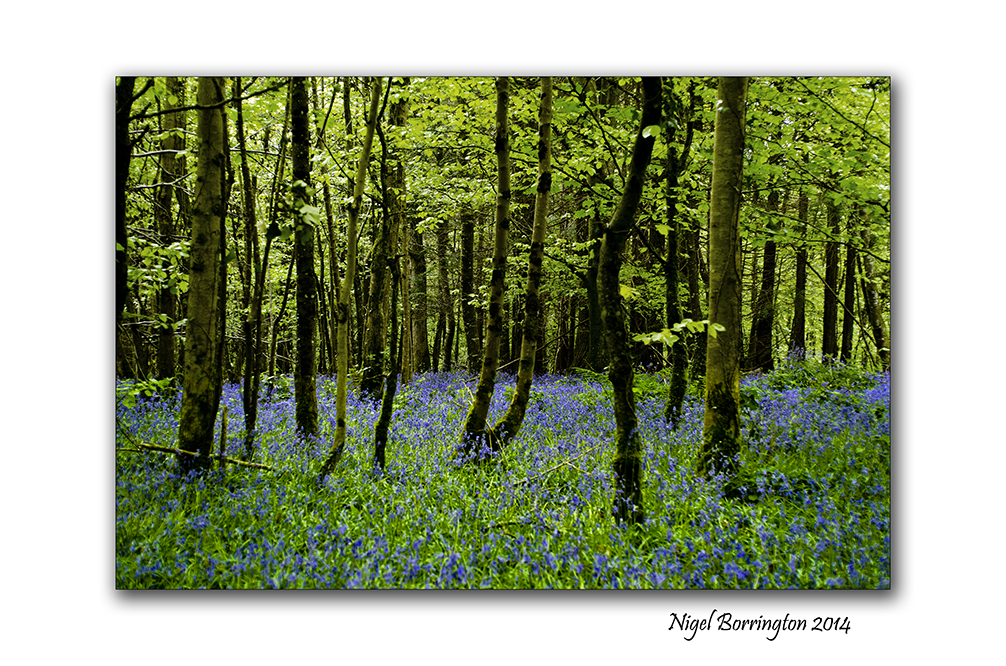
Monday again and the month of May is truly in full flight in our local woodlands, In an effort to get my week started I took Molly for a walk in the woods and found the entire woodland floor covered in Blue bells.
Each Springtime these wonderful flower, fill the woods with the colour blue and its just a fantastic moment. It easy to forget just how green the these place are for most of the year. We get the odd purple orchid and yellow of other flowers but only during May do we get the colour blue filling the forest floor in every direction.
The Month of May – a blue month…….


Finding the Silver light of other days , Gallery and a Poem by : Thomas Moore

Memories of silver light, Glencommon, County Kilkenny
Landscape photography : Nigel Borrington
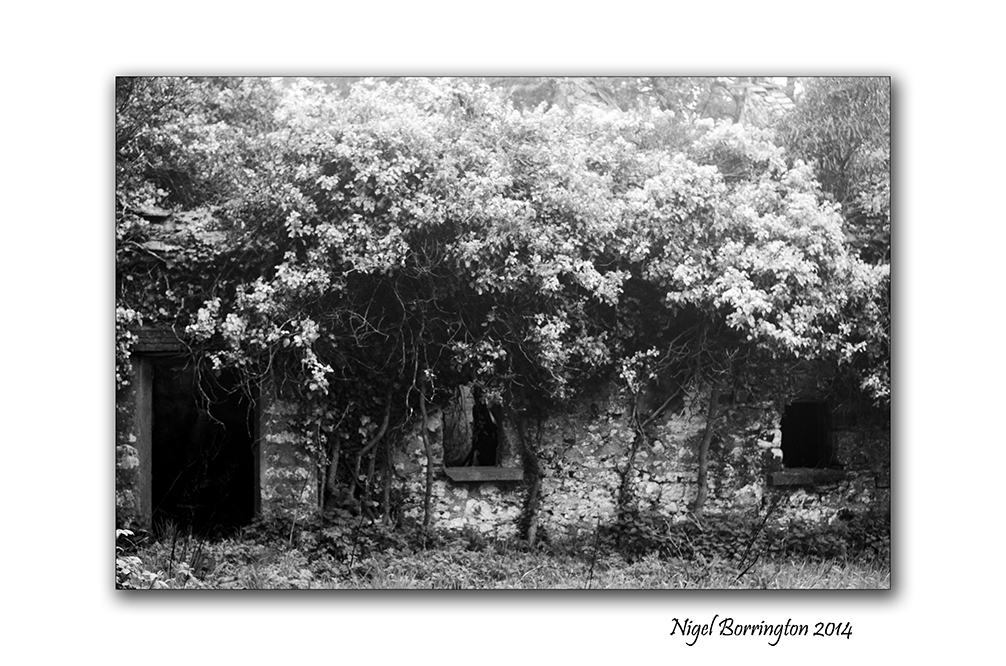
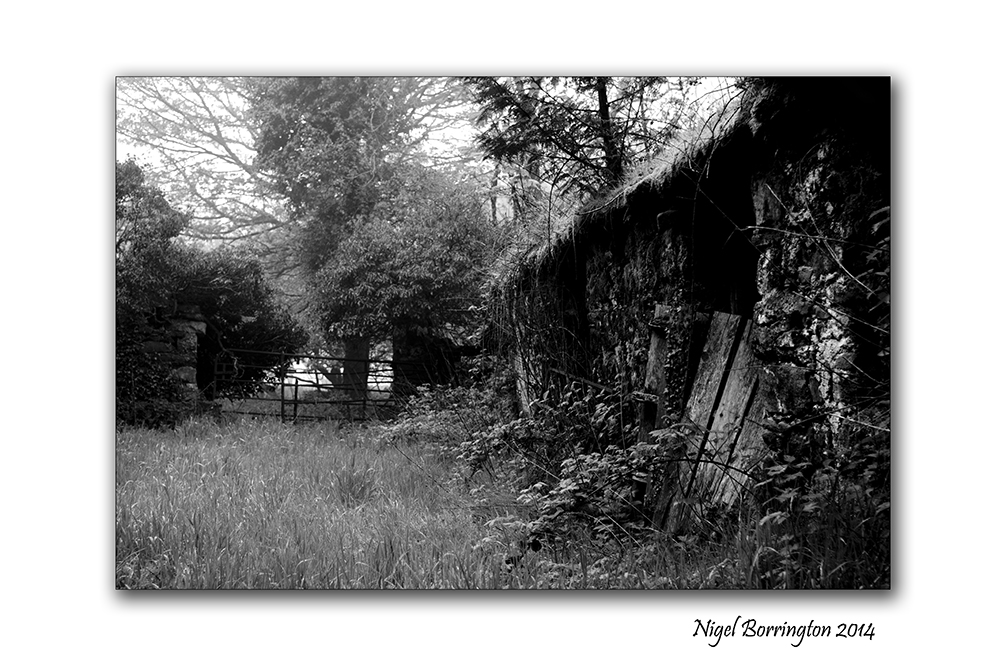
On the top of the hill at Glencommon, county Kilkenny is the Ghostly remains of an old farm.
Last Sunday morning I took a walk up the hill in the mist with my camera and took these images, it was a very haunting experience but one I really enjoyed.
The poem below by Thomas Moore came to mind as the mist of the day seamed to recreate the past of this wonderful old place, how many memories it must hold yet all of them lost in the mists of time.
The Light of Other Days
By Thomas Moore
1779-1852
Often, in the stilly night,
Ere slumber’s chain has bound me,
Fond Memory brings the light
Of other days around me:
The smiles, the tears
Of boyhood’s years,
The words of love then spoken;
The eyes that shone,
Now dimm’d and gone,
The cheerful hearts now broken!
Thus, in the stilly night,
Ere slumber’s chain has bound me,
Sad Memory brings the light
Of other days around me.
When I remember all
The friends, so link’d together,
I’ve seen around me fall
Like leaves in wintry weather,
I feel like one
Who treads alone
Some banquet-hall deserted,
Whose lights are fled,
Whose garlands dead,
And all but he departed!
Thus, in the stilly night,
Ere slumber’s chain has bound me.
Sad Memory brings the light
Of other days around me.
Finding memories in the silver light , Gallery




World wide megalithic Portal tomb’s a connection to county Kilkenny .

portal tomb at NewMarket, county Kilkenny
Landscape Photography : Nigel Borrington
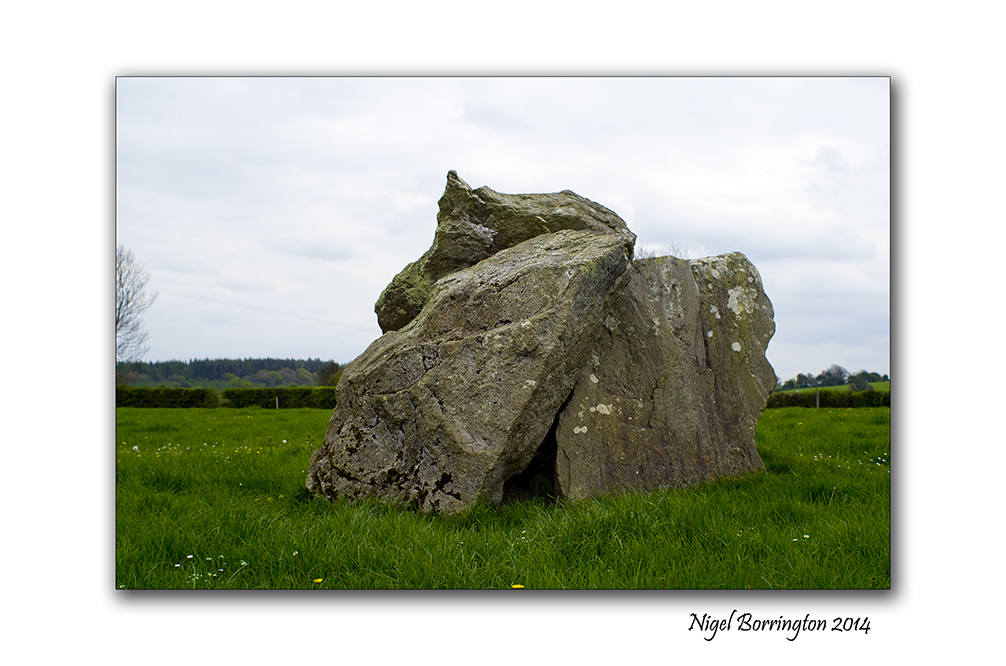
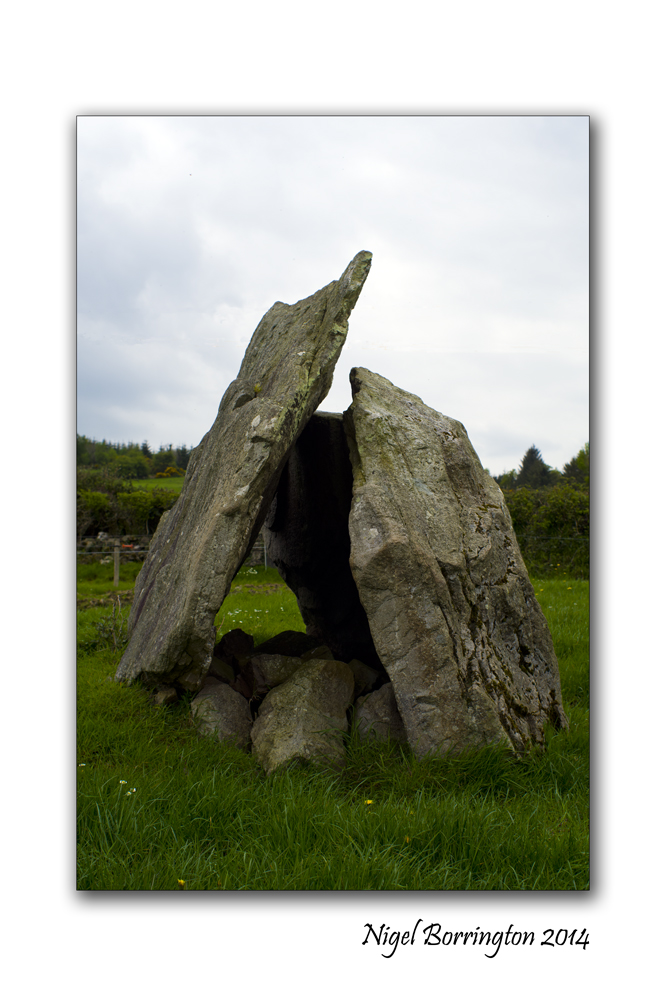
Portal tombs, Dolmen’s, portal graves or quoit are a type of single-chamber megalithic tomb, usually consisting of two or more upright stones supporting a large flat horizontal capstone (table), although there are also more complex variants. Most date from the early Neolithic period (4000 to 3000 BC). Dolmens were typically covered with earth or smaller stones to form a barrow. In many instances, that covering has weathered away, leaving only the stone “skeleton” of the burial mound intact.
It remains unclear when, why, and by whom the earliest tomb’s were made. The oldest known tomb’s are in Western Europe, where they were set in place around 7000 years ago.
County Kilkenny has two such Tombs , the Newmarket tomb and the Kilmogue Portal Tomb at Harristown, both are dated to some 6000 years of age.
I did a little more reading on these tombs and it is very clear that they are very widely spread through out the world as the link below details :
http://en.wikipedia.org/wiki/Dolmen
The link shows their world wide locations as :
3.1 Asia
3.1.1 Korea
3.1.2 India
3.1.3 Eurasia (North Western Caucasus) Circassia
3.1.4 Middle East
3.2 Africa
3.2.1 Horn of Africa
3.2.2 North Africa
3.3 Europe
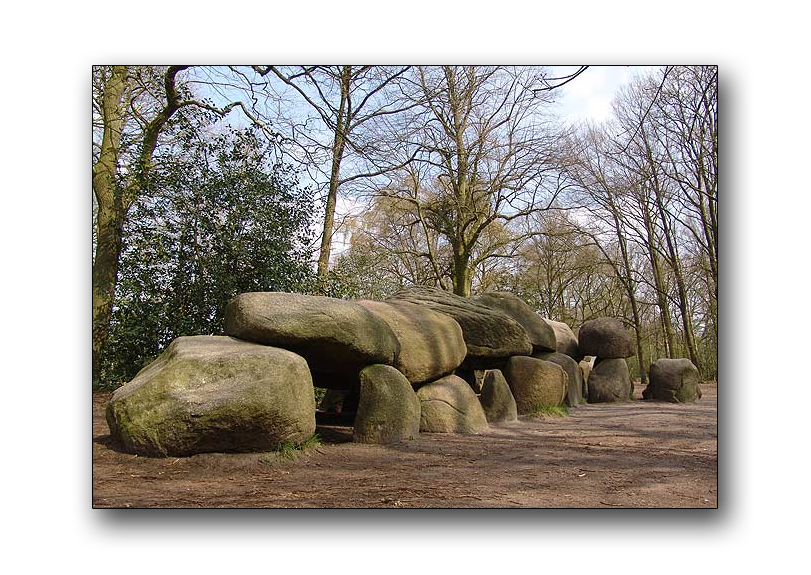
T-shaped Hunebed D27 in Borger-Odoorn, Netherlands.
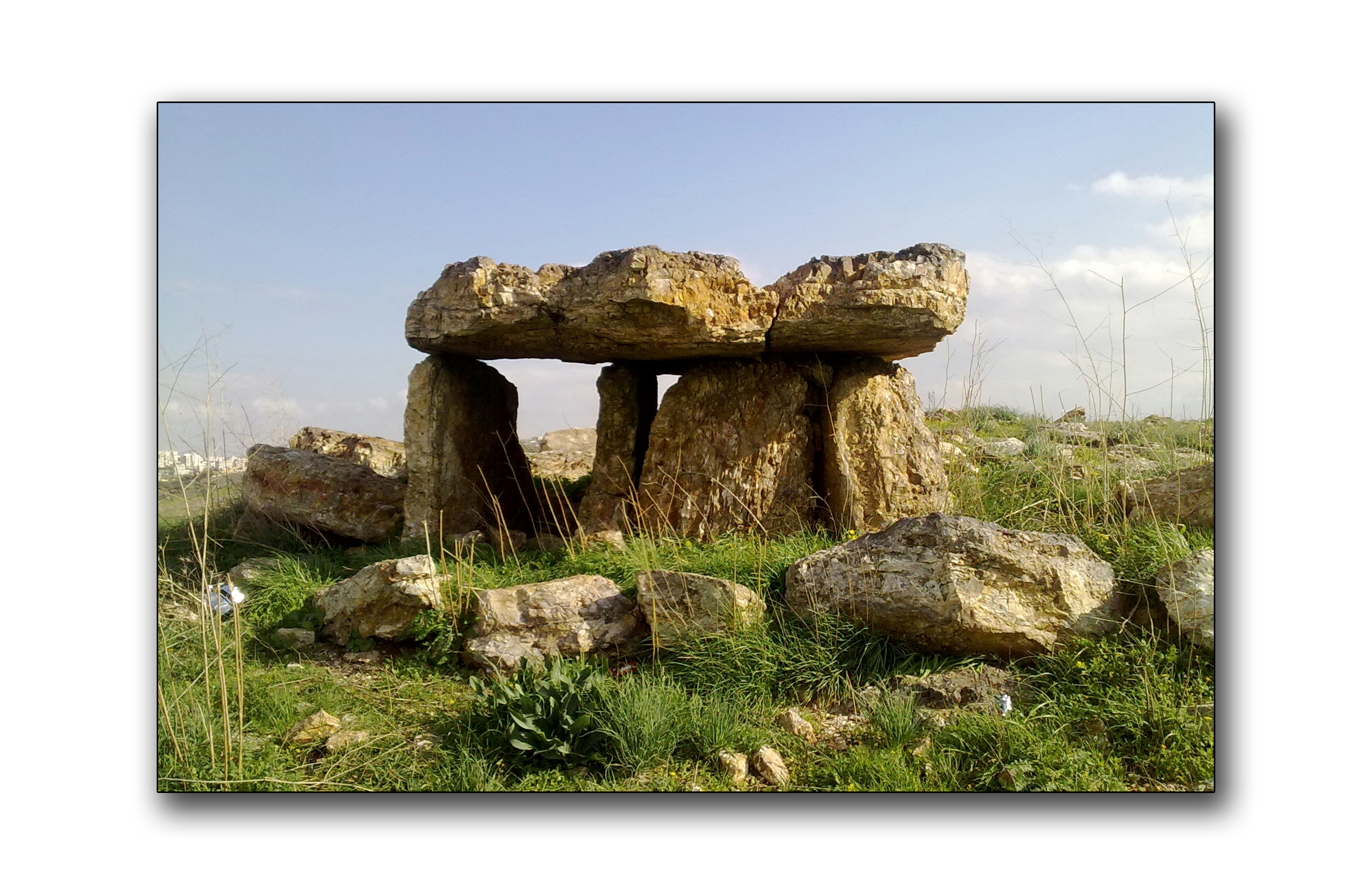
Flint Dolmen in Johfiyeh, Jordan
You can see the full details by the link above!
I have been visiting these sites in Ireland for sometime as in Ireland we have many passage tombs through out the country.
Understanding however just how international these locations are is very fascinating.
It needs to be remembered that some 6000 years ago very few of the nations we know, if any existed and people travelled without boarders.
The first time anyone gave Ireland a name as such, it was called “Hibernia”.
Hibernia is the Classical Latin name for the island of Ireland. The name Hibernia was taken from Greek geographical accounts. During exploration of northwest Europe (c. 320 BC), Pytheas of Massilia called the island Iérnē (written Ἰέρνη). In his book Geographia (c. 150 AD), Claudius Ptolemaeus (“Ptolemy”) called the island Iouerníā (written Ἰουερνία, where “ου”-ou stands for w). The Roman historian Tacitus, in his book Agricola (c. 98 AD), uses the name Hibernia. The Romans also sometimes used Scotia, “land of the Scoti”, as a geographical term for Ireland in general, as well as just the part inhabited by those people.
Something that becomes very clear is that the peoples who lived in many different world wide locations often shared the same culture, they lived very closely to and with their environment, they were clearly pagan in their beliefs and as such very close to their surroundings.
Life would have been completely different from the life we know, they lived and moved to the cycles of the seasons, they eat and lived of the wildlife and nature that surrounded them, in some season they would have little food if any.
They clearly had Gods and figure heads, yet we have a tendency to place our own modern religious understanding on-to what this meant to them directly.
It is likely that their Gods were Mythical in nature and derived from memories of real people who they connected with different elements and forces of life that affected the way they lived and survived.
This wikipedia page lists some of the celtic Gods and Goddesses and shows the forces of life and nature that they were related to.
Kilkenny Portal tomb Gallery
NewMarket Portal Tomb
 .
.
Kilmogue Portal Tomb


A misty day , A poem By : Paul Laurence Dunbar
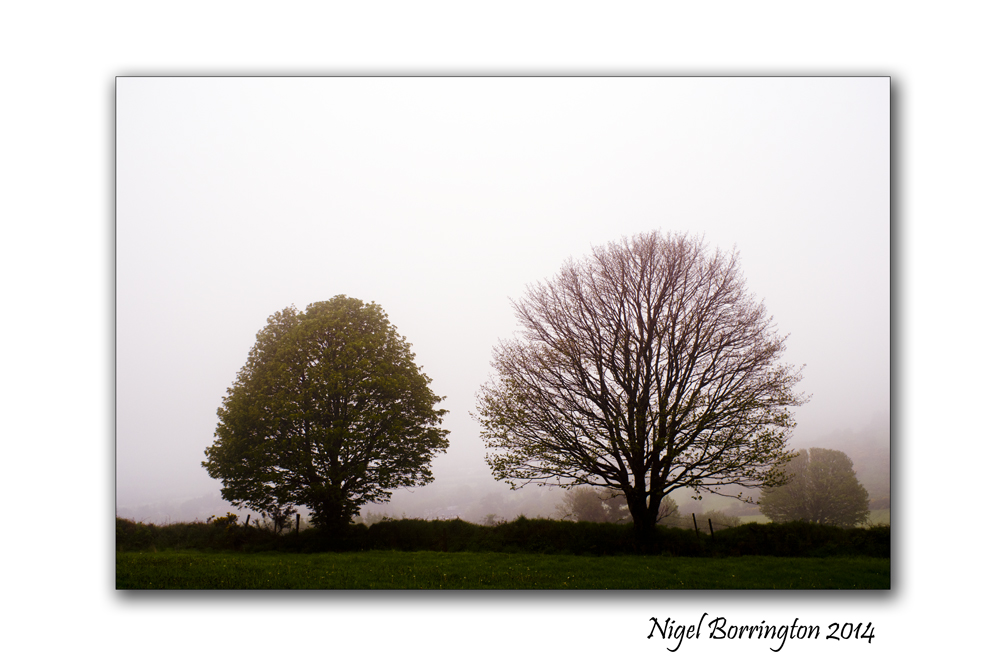 A Misty Day
A Misty Morning on Glencommon hill, County Kilkenny
Irish Landscape Photography : Nigel Borrington
A Misty Day
By : Paul Laurence Dunbar
Heart of my heart, the day is chill,
The mist hangs low o’er the wooded hill,
The soft white mist and the heavy cloud
The sun and the face of heaven shroud.
The birds are thick in the dripping trees,
That drop their pearls to the beggar breeze;
No songs are rife where songs are wont,
Each singer crouches in his haunt.
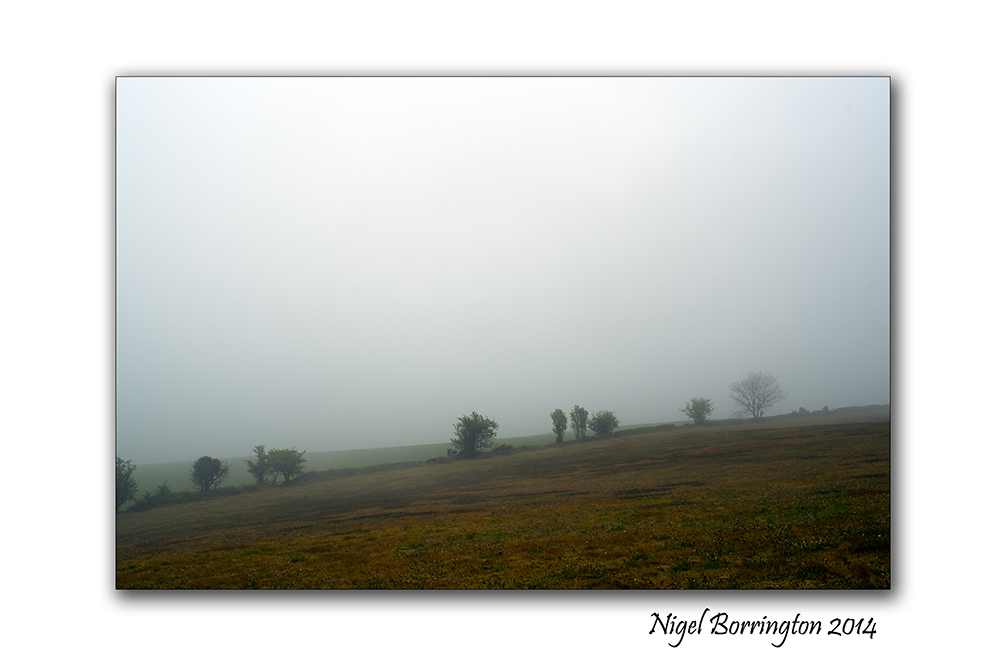 .
.
Heart of my heart, the day is chill,
Whene’er thy loving voice is still,
The cloud and mist hide the sky from me,
Whene’er thy face I cannot see.
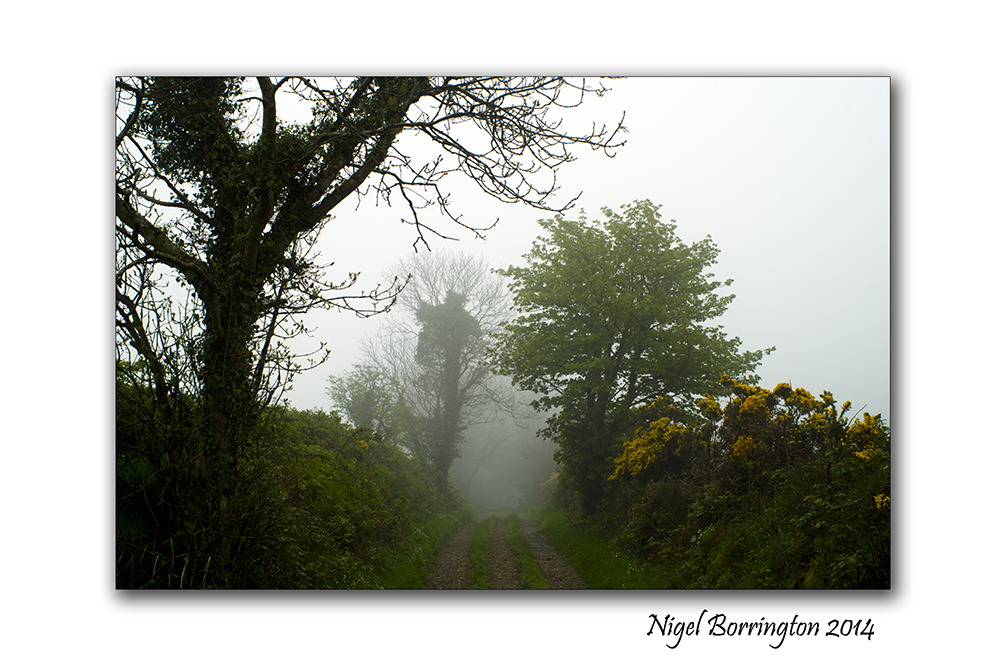 .
.
My thoughts fly back from the chill without,
My mind in the storm drops doubt on doubt,
No songs arise. Without thee, love,
My soul sinks down like a frightened dove.
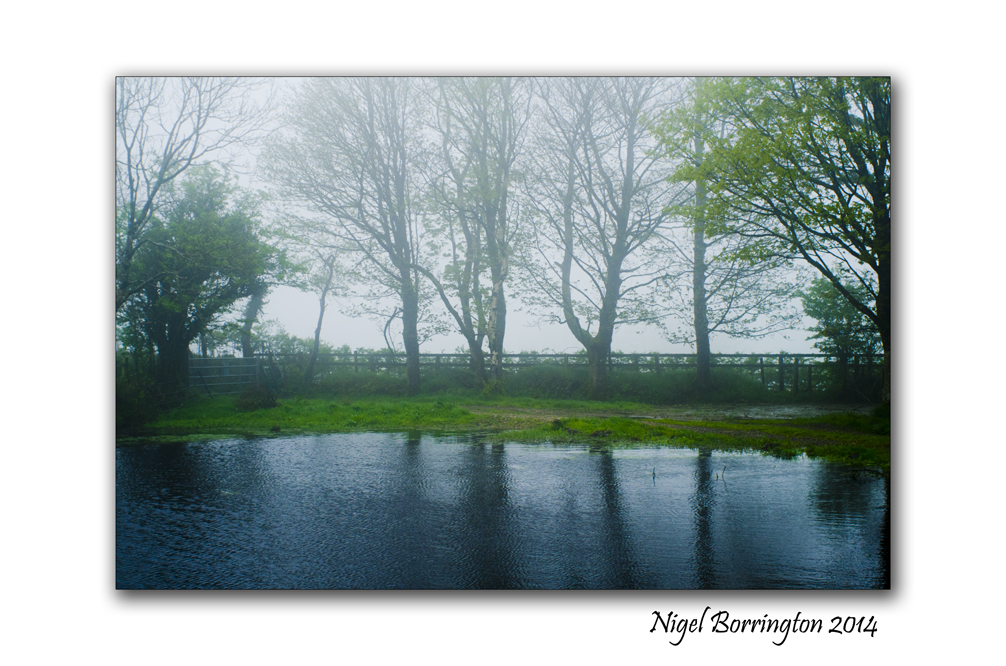
The Pond, By Amy Lowell
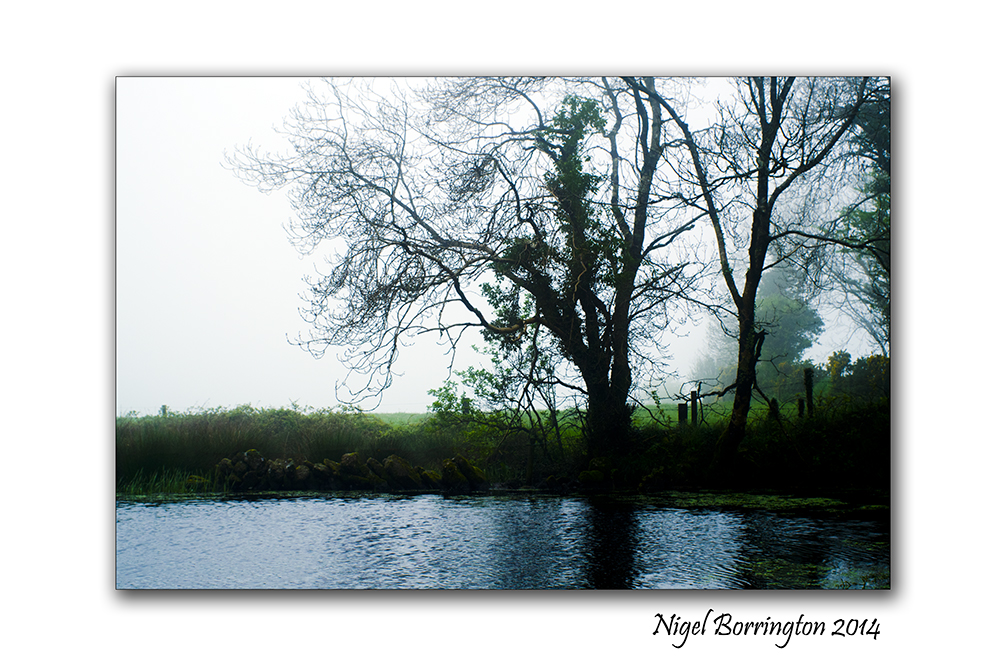
The Pond on the hill, Glencommon, County Tipperary
Landscape Photography : Nigel Borrington
The Pond
By Amy Lowell
Cold, wet leaves
Floating on moss-coloured water
And the croaking of frogs—
Cracked bell-notes in the twilight.
As river flows, Poem by Peter Duggan.

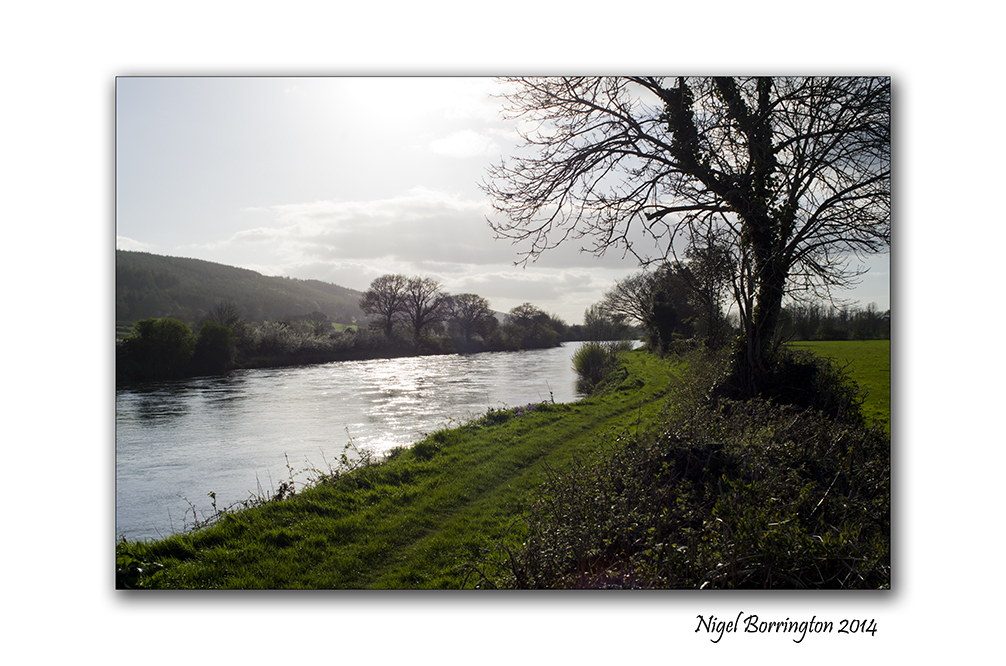
A walk along the river Suir , County Tipperary
Landscape photography : Nigel Borrington
As River flows.
By : Peter Duggan
As river flows so peacefully
I sit here just content to be
As Ravens fly so high above
This morning, it was made for love
It enters deep into my soul
It’s sweetness making me so whole
This softest morning mystery
Oh, how it reaches out to me
The trees, they dance so gracefully
They wave, and flow upon the breeze
Bird song drifts from happy branches
Oh lord, how this my heart enhances
Silence rules above all this
A kind of stillness filled with bliss
Captivates my very core
Oh, I’d not wish for any more.
The river peaceful, calm and still
So wonderful it makes me feel
As it reflects those dancing trees
I watch and let the morning breeze
Caress my skin so tenderly
Then all is gone, there’s only me
The emptiness of all that is
I’m sailing on the waves of bliss.
River Suir Image Gallery


Freedom of the Hills, Poem by : Douglas Fraser – 1968
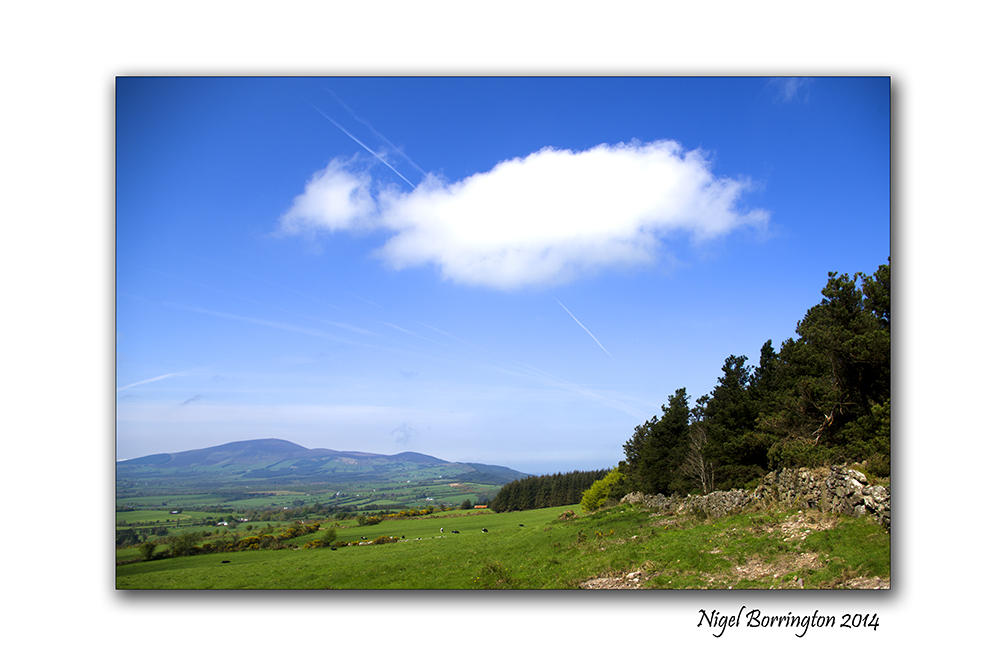
Freedom On The foothills of Slievenamon, County Tipperary
Landscape Photography : Nigel Borrington
Freedom of the Hills
By: Douglas Fraser – 1968
Mine is the freedom of the tranquil hills
When vagrant breezes bend the sinewy grass,
While sunshine on the widespread landscape spills
And light as down the fleet cloud-shadowed pass.
Mine, still, that freedom when the storm-clouds race,
Cracking their whips against defiant crags
And mists swirl boiling up from inky space
To vanish on the instant, torn to rags.
 .
.
When winter grips the mountains in a vice,
Silently stifling with its pall of snow,
Checking the streams, draping the rocks in ice,
Still to their mantled summits I would go.
Sun-drenched, I sense the message they impart;
Storm-lashed, I hear it sing through every vein;
Among the snows it whispers to my heart
“Here is your freedom. Taste – and come again.”
The first spring Primrose on the river Lingaun
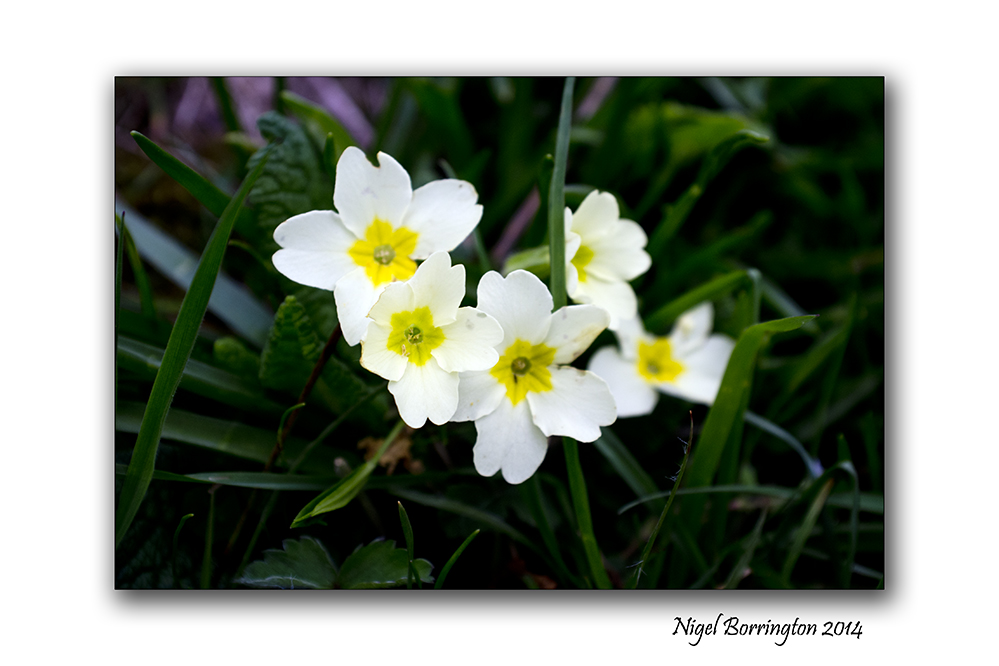
Primrose along the river Lingaun
Nature Photography : Nigel Borrington
At the end of June 2013 I posted about the “last of the Primrose” , well its hard to believe that its a full year since the first Primrose’s flowered in 2013 but these wonderful little river bank flowers are back again.
These Primrose grow beside the banks of the river Linguan as it works its way down towards the river suir, at Carrick -on-suir. I take Molly our golden retriever here for a swim in the rock pools, its a perfect place on a spring day.
I found the following information about Primrose’s :
Botanical Information
Primrose Flowers
Primroses grow on shady river banks, and in woods and hedges and are common in Ireland. The characteristic rosette of green crinkled leaves appears first in March. The flowers then come up on individual stalks and open in the month of April. The flowers have five pale yellow petals.
In some flowers the stems are very long and the centre is small – these are called thrum flowers. If on the other hand you are looking at a flower with very short stem, it is called a pin flower.
They are perennial flowers, which means that they survive from year to year and grow again every Spring without having to be planted.
Folklore
Primroses were very important to farmers long ago for their cows. The butter-making season began in May and in order to be sure that the cows would produce lots of milk for butter, primroses were rubbed on their udders. In other houses primroses were scattered on the thresholds of houses before dawn on May day to protect the butter from the fairies.
Primroses were also associated with hens and the laying of eggs. It was considered unlucky to bring primroses into the house if eggs were being hatched there.
Primroses were often gathered and given as a gift. However it was considered to be very unlucky to give just a single primrose, whereas a very full bunch would be a protection against evil spirits.
Primroses bloomed in Tír na nÓg and people returning from there in the old Irish legends always brought primroses as proof that they had been there.
In folk medicine, rubbing a toothache with a primrose leaf for two minutes would give relief from the pain. It was also widely used as a cure for jaundice.
Poem
What is a Primrose?
To the question, “what is a primrose?”
There are several valid answers
One person says,
“A primrose by the river´s brim”
A yellow plant was to him, just that.
Nothing more.
Another, a scientist, says,
“A primrose is a delicately balanced
Biochemical mechanism requiring
Potash, phosphates, nitrogen and water
In definite proportions”
A third person says they are,
“Primrose of spring from the gods”
All these statements are true.
Primrose along the river Lingaun, Gallery



The Children of Lir

Swans at Haywood house Gardens
Nature and Wildlife photography : Nigel Borrington
The Children of Lir is a very old Irish legend. The original Irish title is “Clann Lir or Leanaí Lir”, but Lir is the genitive case of Lear. Lir is more often used as the name of the character in English. The legend is part of the Irish Mythological Cycle, which consists of numerous prose tales and poems found in medieval manuscripts.
The Children of Lir
Long ago there lived a king called Lir. He lived with his wife and four children: Fionnuala, Aodh, Fiachra and Conn. They lived in a castle in the middle of a forest. When Lir’s wife died they were all very sad. After a few years Lir got married again. He married a jealous wife called Aoife.
Aoife thought that Lir loved his children more than he loved her. Aoife hated the children. Soon she thought of a plan to get rid of the children.
One summer’s day Aoife took the children to swim in a lake near the castle. The children were really happy to be playing in the water. Suddenly Aoife took out a magic wand. There was a flash of light and the children were nowhere to be seen. All there was to be seen was four beautiful swans, with their feathers as white as snow.
Aoife said, “I have put you under a spell. You will be swans for nine hundred years,” she cackled. “You will spend three hundred years in Lough Derravaragh, three hundred years in the Sea of Moyle and three hundred years in the waters of Inish Glora,” Aoife said. She also said, “You will remain swans for nine hundred years until you hear the ring of a Christian bell.”
She went back to the castle and told Lir that his children had drowned. Lir was so sad he started crying. He rushed down to the lake and saw no children. He saw only four beautiful swans.
One of them spoke to him. It was Fionnuala who spoke to him. She told him what Aoife had done to them. Lir got very angry and turned Aoife into an ugly moth. When Lir died the children were very sad. When the time came they moved to the Sea of Moyle.
Soon the time came for their final journey. When they reached Inish Glora they were very tired. Early one morning they heard the sound of a Christian bell. They were so happy that they were human again. The monk (some even say it was St. Patrick himself) sprinkled holy water on them and then Fionnuala put her arms around her brothers and then the four of them fell on the ground. The monk buried them in one grave. That night he dreamed he saw four swans flying up through the clouds. He knew the children of Lir were with their mother and father.
Kilmogue Portal Tomb, six thousand year of age.
Kilmogue Portal Tomb, county KIlkenny
Irish Landscape photography : Nigel Borrington
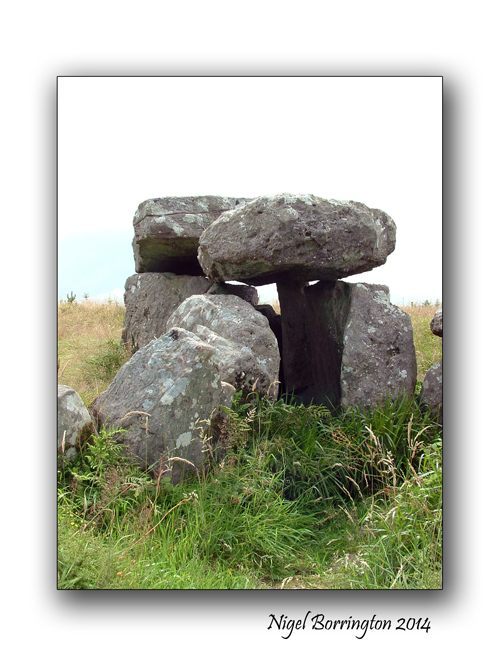
Kilmogue Portal Tomb
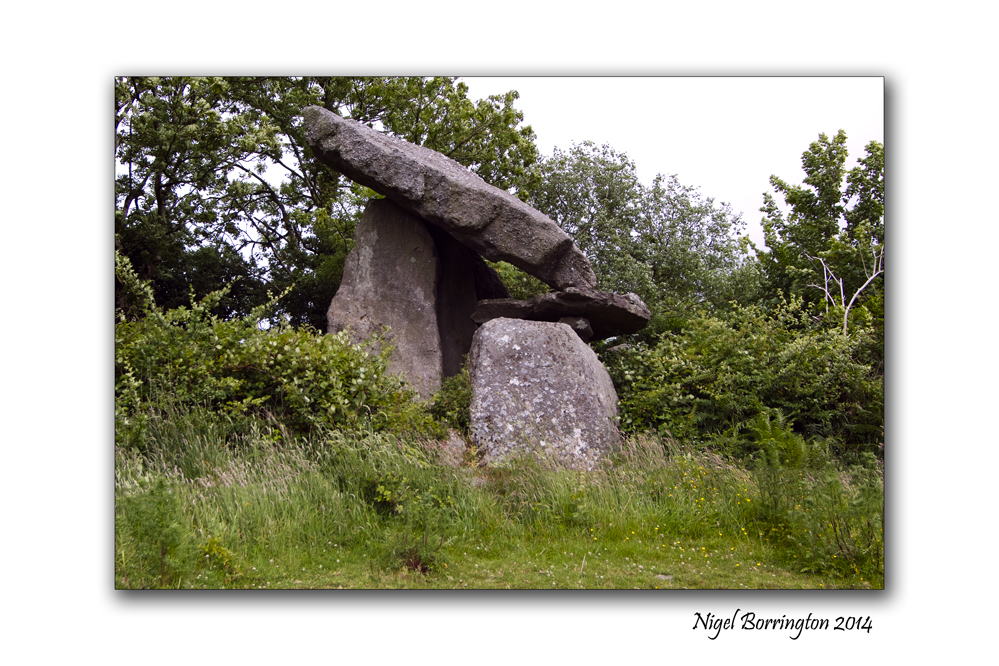
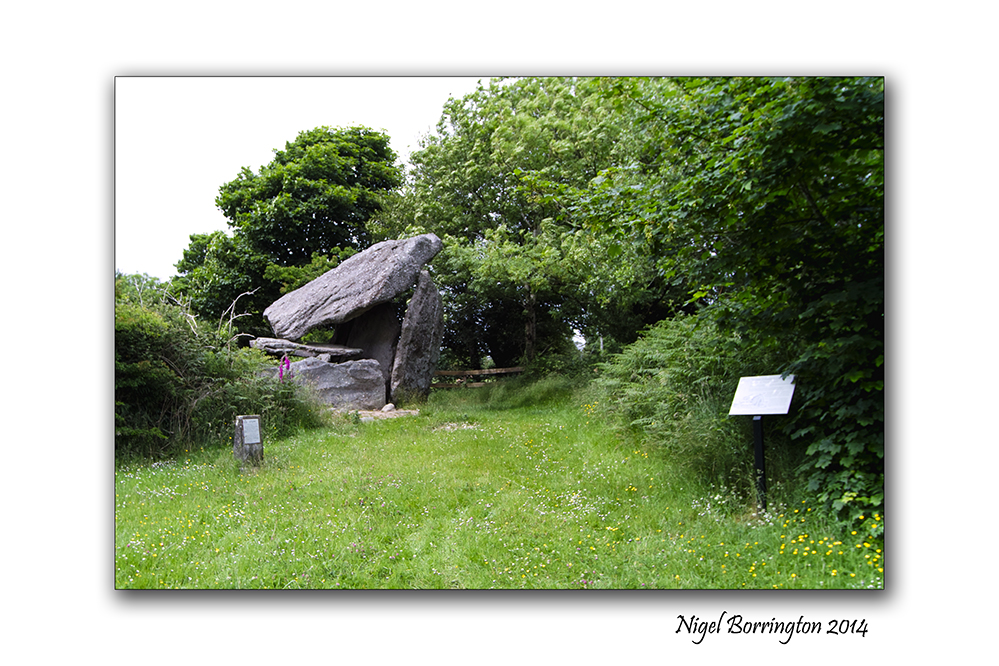
Sitting at the end of a short path near Harristown, county kilkenny, is a six thousand year old tomb, know nationally at the Kilmogue Portal Tomb but locally as, “Leac an Scail” – stone of the warrior/hero in English.
I have visited the site many times and I still find it an amazing location, the site has a sign placed near it that you can see below. It clearly states that the site has never been officially excavated, as is the case for many of these locations in Ireland. From evidence of Tombs constructed in exactly the same way around the European continent it is thought to be some six thousand years old. To put this in context , the great pyramids in Egypt were constructed around 2560 BC, so this tomb is some 1500 years older.
The tomb is constructed with a very large cap stone and side walls and it is hard to imagine just how the cap stone was lifted into place. The stones that can still be witnessed here would however have been surround by a mount of earth that has been long removed or washed away by six thousand years of rain. This earth mount would have been large maybe some 20 meters in diameter. It was likely then that the walls of the tomb were put in place first and supported with wood, then the earth mound constructed and finally the large cap stone rolled up the sides into its place and covered with more earth on top.
It is not known who’s tomb this was but the person buried here must have been considered very important in this Neolithic community, and the tomb would have acted as a place of memory for them and as was the tradition at the time the community would have held ceremonies here.
Each time I have visited I wonder just what these people where like, they were clearly pagan in their beliefs and very close to their surroundings and its nature. Life would have been completely different from the life we know, they lived and moved to the cycles of the seasons, they eat and lived from the wildlife and nature that surrounded them, in some season they would have little food. They most likely had Gods and figure heads yet we have a tendency to place our own modern religious understanding on-to what this meant to them.
It is likely that their Gods were Mythical in nature and derived from memories of real people who Mythically they created with different elements and forces of life and nature that affected the lives they lived.
List wikipedia page lists some of these Gods and Goddesses and shows the forces in life and nature that they related to.
I hope that the images below relate the Tomb and its location, the surrounding Landscape is very rural and one of county Kilkennys biggest dairy farming areas.
Leac an Scail, Image Gallery


The Passage tomb of (Olioll Olum), King of Munster

The Passage Tomb of , Olioll Olum ( Died 234), Galbally Limerick
Irish Landscape Photography : Nigel Borrington
Irish Passage Tombs
Located on the side of Duntryleague Hill, County Limerick and the westerly extension of Slievenamuc hill is a passage tomb. The Tomb was constructed for Olioll Olum, one of the early Kings of Munster.
The name Duntryleague is derived from Dún-Trí-Liag, meaning the fort of three pillar stones. Diarmuid and Gráinne are also said to have rested here in their flight from the angry Fionn Mac CumhaillWell.
The route through the forest leading to the burial ground is accessible and leads to this amazing rock structure of the tomb. There is one enormous rock slab resting steadily across a number of famous cairns which measures approximately 25m north -south and 22m east-west. Continuing on from the cairn you come across many natural viewing points which extend over the terrain of west Limerick.
Olioll Olum, was a King of Munster, who died in 234, he is said to have been progenitor of most of the great families of the south of Ireland. He married Sabia, daughter of Con of the Hundred Battles, ruler of the north of Ireland.
He willed that after his death the sovereignty of Munster should vest alternately in the descendants of his son Eoghan Mor (the Eugenians, or Eoganachts, occupying the southern part of Munster), and those of his son Cormac Cas (the Dalcassians, occupying the northern part of the same province).
The images below include some landscapes of the surrounding mountains, this is not a bad place to be laid to rest.
Gallery of a Passage Tomb



In a Sleepy Hollow, Wild Sorrel grows

Wild woodland Sorrel, Glenbower, Owning, county kilkenny
Irish Nature photography Nigel Borrington
In a Sleepy Hollow, Wild Sorrel grows
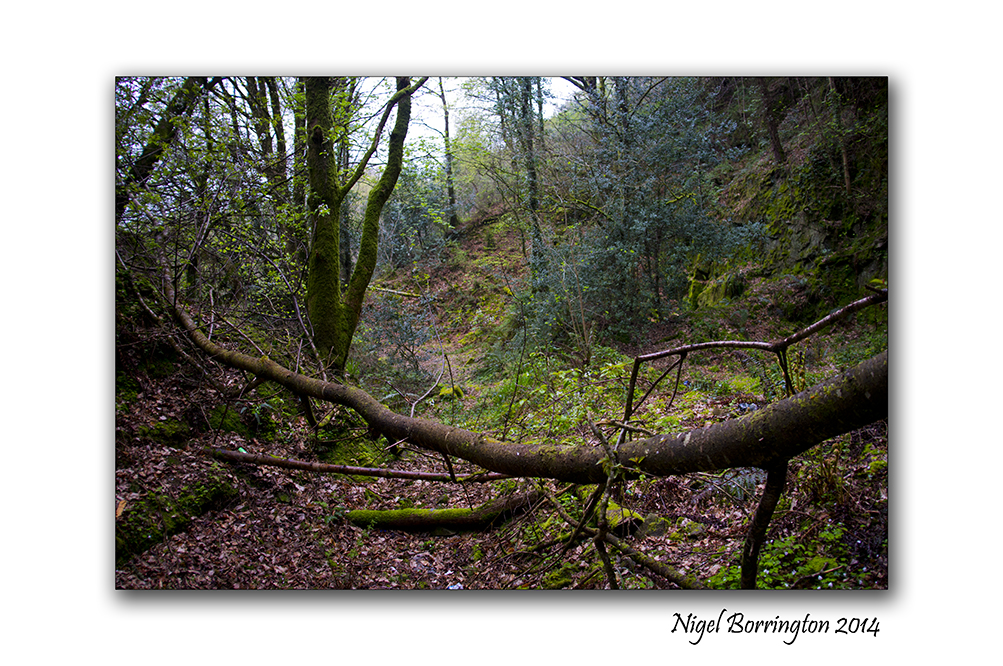
Glenbower woodlands is located near the village of owning in the south of county Kilkenn. In the middle of the wood is located a deep and very sleepy hollow, in winter the hollow is covered in fallen leaves from the trees that are located on the very edges of cliffs above.
Spring time however brings new life with fox dens located in the cliffs and a carpet of ferns and Wild woodland Sorrel with its many white and purple flowers.
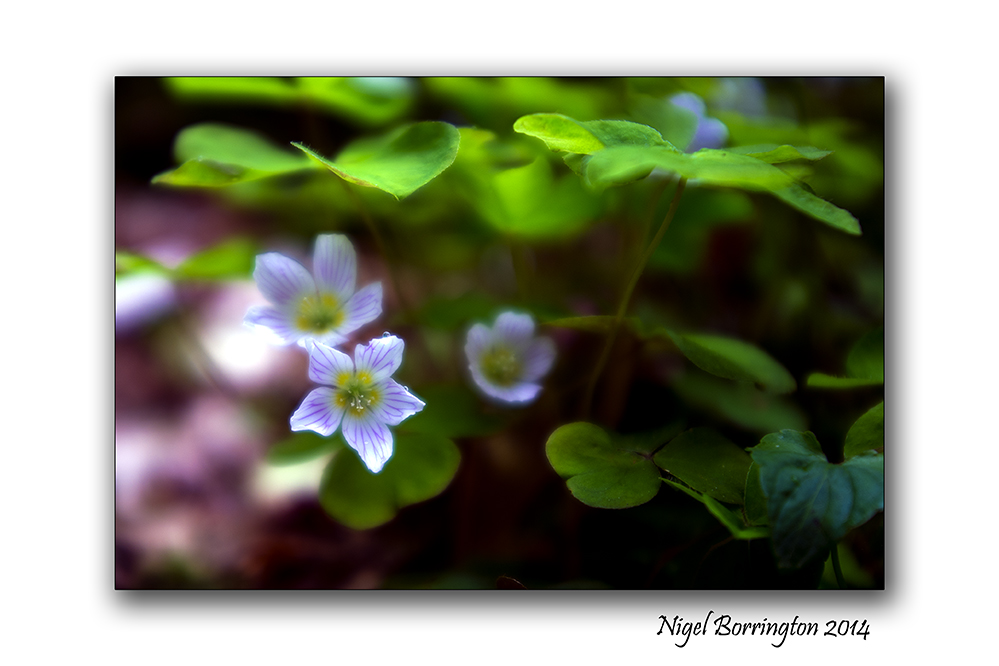
Sorrel is found carpeting many Irish old, undisturbed woodlands in spring, this pretty downy perennial also grows on moss-covered trees and shady stone walls and is widespread throughout the country.
Each pretty white flower has five petals, bell-shaped some (10 – 15 mm), held on a stem which comes directly from the roots. The petals are lined with a tracery of purple veins through to the golden centre of the flower. The three petalled heart-shaped leafs fold up towards late afternoon or in rain as do the fragile flowers.
They Can be eaten and have a sharp taste of oxalic acid, wonderful with salads and as a garnish. The flowers blooms from April to June.
Wild Sorrel is a native plant to Ireland and belongs to the family Oxalidaceae.
Sleepy Hollow Image Gallery


This morning Light , a Poem

Morning Landscape, County Tipperary
Landscape photography : Nigel Borrington
Tuesday and the Easter holiday weekend is over , I went for an early morning walk and was trying my best to plan the week ahead. Failing in most respects however. I found myself lost in the morning and distracted by just how wonderful the soft light was, we had a light covering of cloud and it resulted in some wonderful light and colours across the fields and woods.
Still a little frustrated as I sat at my desk, I decided to write down some words and share them in a post along with some images I took along my morning walk.
The morning of Tuesday 22nd April 2014.
This morning light
When first morning light comes to reveal the landscape,
There are many thoughts that I ponder in my mind,
last nights dreams fading away.
This mornings sounds should give a clue,
If I could only remember what it is I need to do,
I know it came to me last night, fading fast into the morning light
I walk on past these fields covered in soft light,
What was that dreams I had last night,
Completely gone and washed away,
Taken into yet another day.
Morning Landscapes

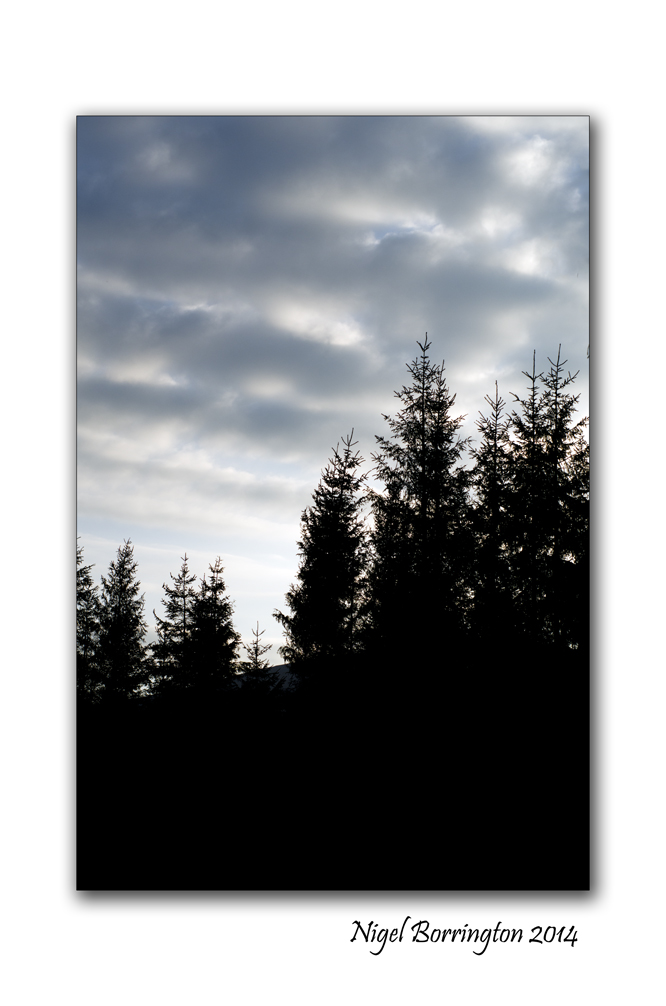
Easter Sunday on the Mountain of Slievenamon

Easter Sunday on Slievenamon, county Tipperary
Landscape Photography : Nigel Borrington
Happy Easter to everyone.
The great Easter holiday weather in our part of Ireland has finally broken with rain this evening for the first time in about two weeks, we had a wonderful morning however as the sky was blue and clear and the sun rise was wonderful.
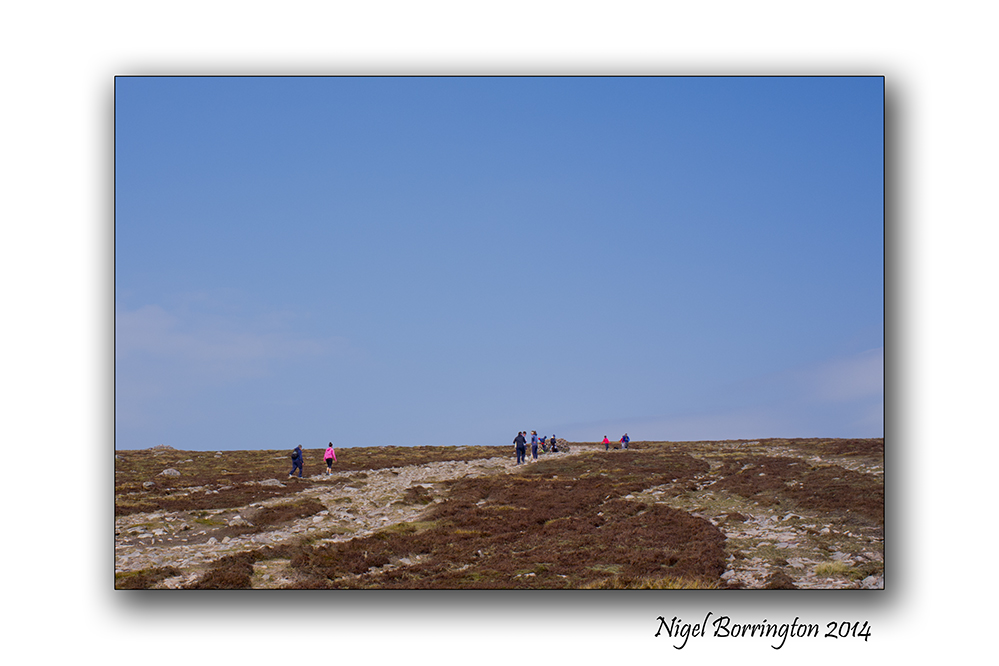
One thing I love to do on an Easter Sunday is to get outside an experience our local landscape, This morning setting off to walk up Slievenamon our local mountain about 10km from home, many people had the same idea and it was great to meet and say hello to people doing their first big hill walk of the Summer.
The Images below I hope go a little way to sharing the landscape and views from this wonderful mountain, They include some images of the Burial cairn at the very summit of Slievenamon.
Happy Easter !!
Easter Sunday on SLievenamon : Gallery




Easter (Ostara) Saturday local walk’s – Kilkenny Landscape Gallery

Kilkenny Landscape Images
Landscape photography : Nigel Borrington
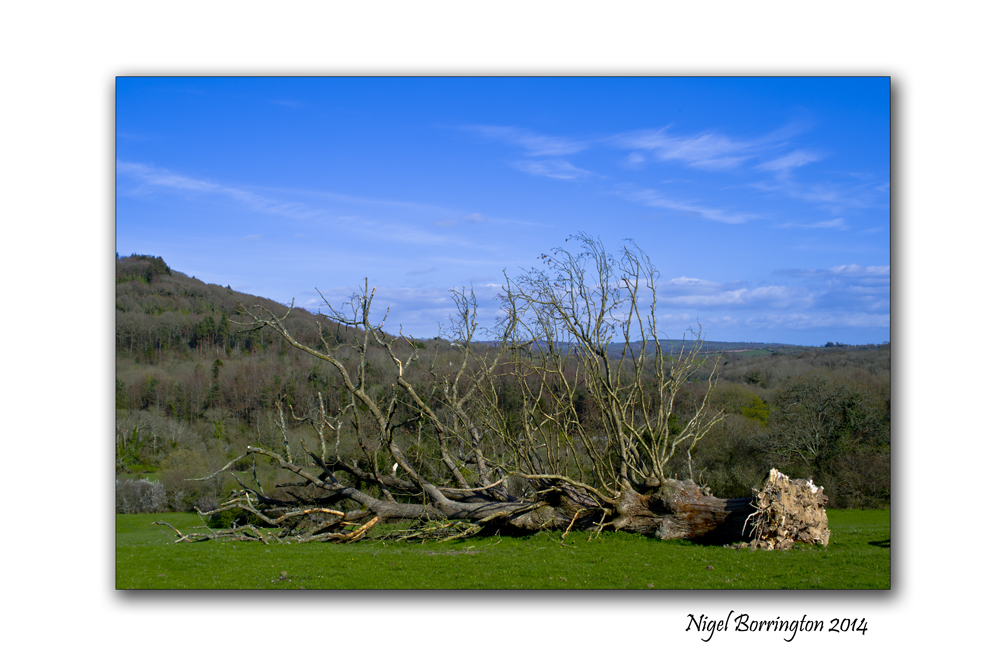
It’s Easter Saturday and the weather is still wonderful here in Kilkenny, It is a great feeling to be able to walk down the country lanes and get some great views of our local landscapes.
The Cattle are all out of the sheds for the summer and colour has returned to the fields.
The below Gallery are some images taken this morning on a walk around our local area.
Kilkenny Landscape Gallery




Easter (Ostara) Friday at the beach.
Dunmore east, County Waterford, Ireland
Irish Landscape Photography : Nigel Borrington
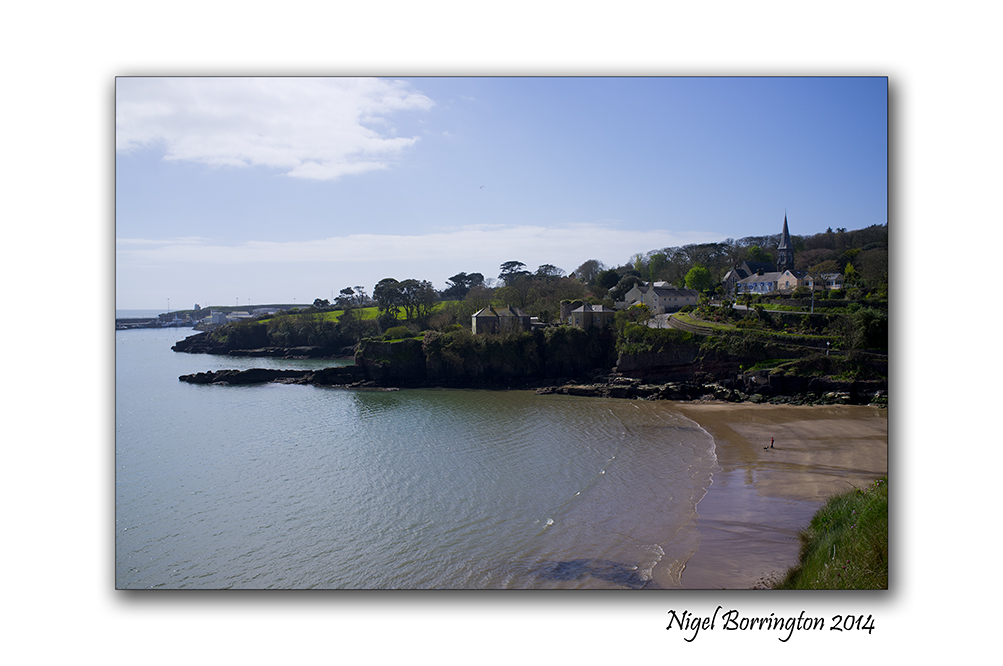
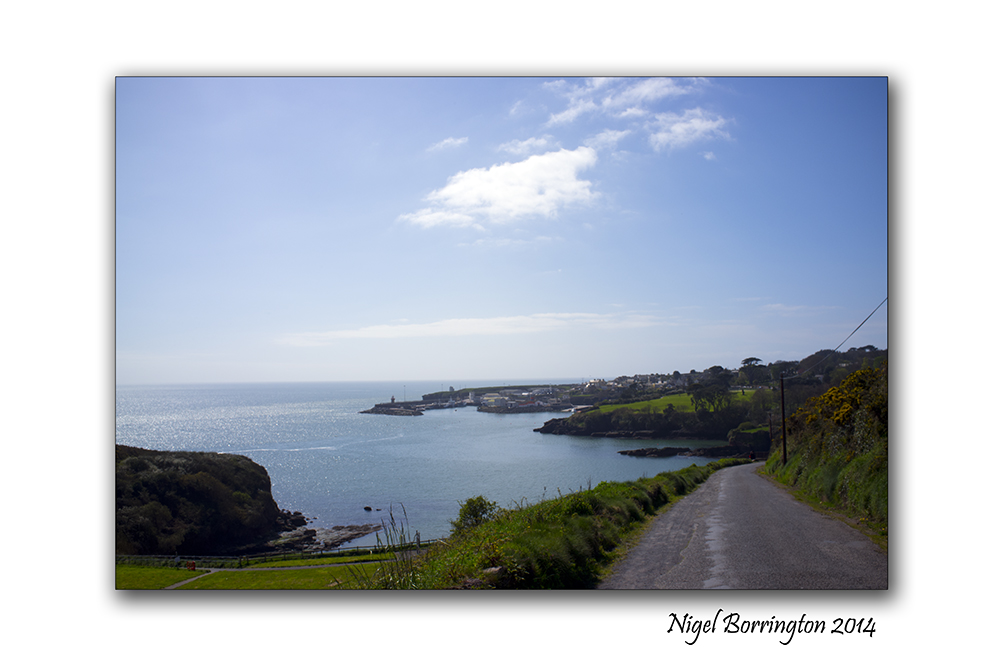
The Easter weekend is traditionally to first weekend of warm summer days here in Ireland, its a great time to get out and about and what better place than going down to the beach.
With a population of only 4.3 Million the beaches are never to full at this time of year, yet the weather can be very good. The images in this post were taken this Morning at the small fishing town of Dunmore east and the near by beach of Forenaught, a small and private little place that’s great for a morning swim.
Image Gallery


Easter (Ostara) time and the, Hawthorn Flowers

Crataegus monogyna, Common hawthorn, County Kilkenny
Nature Photography : Nigel Borrington
Easter(Ostara) time and Hawthorn flowers
In my last post I hinted that I was going to take a little time off over the Easter holidays, sometime away from my phone or laptop and get outside as much as possible, its spring time here and after all our winter storms the landscape is returning to life with colour and wildlife in full flow.
Yesterday I took some time to do some long walks, just myself and Molly our Golden retriever, around many of county Kilkenny’s paths and country lanes.
Each Easter here one of the first signs of Spring and Summer is the Hawthorn flowers, Hawthorn is a very popular form of hedging in the county and all the road side and field hedges turn to white as the flowers bloom.
The images here I hope show just how white and full these flowers are, its a wonderful sight each year and really lets you know that summer is only just around the corner..
Hawthorn Flowers : Gallery


 Nigel Borrington
You must be logged in to post a comment.