Portumna Work House, The Story of Irish Workhouses

Portumna Work House
Nigel Borrington
The Workhouse Story
The Irish Workhouse – An Overview
What was the workhouse?
The workhouse has been described as “the most feared and hated institution ever established in Ireland.”
The workhouse was an institution which operated in Ireland for a period of some 80 years, from the early 1840s to the early 1920s. There were 163 workhouses in total. If people could not support themselves, they could come into the workhouse. Here they would do some work in return for food. People had to stay and live in the workhouse and so the system was known as indoor relief.
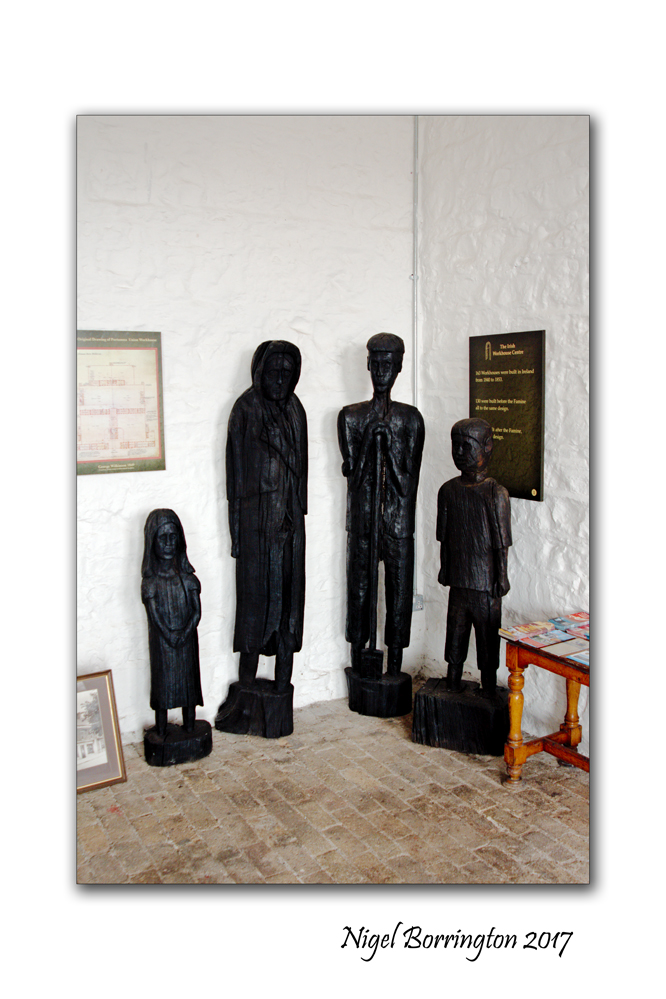
The whole family had to enter together. This was a way for the landlords to clear the land of tenants who could not pay rent. Life in the workhouse was meant to be harsh so as not to encourage people to stay. One of the cruellest aspects of the workhouse was that family members were split up into separate quarters. Children aged two or less could stay with their mothers. Sometimes, family members never saw each other again.
The workhouse was not a prison. People could leave if they liked. The high walls surrounding the workhouses were for keeping out, not for keeping people in.

How did workhouses come about?
In Ireland under Brehon Law, the native laws dating back to Celtic times, rulers had to take care of the sick and the poor. In the 5th Century, Christianity came to Ireland and with it monasteries began to develop. Over time, these monasteries took on the role of caring for the less fortunate. From the mid 1500s, Ireland was invaded by Protestant English settlers. The land was taken from the Irish, the religious were prosecuted and the whole care system broke down.
The situation was so bad that by the beginning of the 1800s, it is estimated that some 2.3 million people were at near starvation level. At the time Ireland’s population was nearing 8 million. By this time also, most of Ireland’s small farmers and landless labourers were dependent on the potato as their main food.
In England, Scotland and Wales there was poverty too. The workhouse was an English system. The first workhouses in England opened in 1836. Almost 700 workhouses were built in England and Wales. The main concern of the Poor Law Commissioners in England was to ensure that the system was not abused by lazy people. Scotland by contrast had a more humane system based on outdoor relief. One of the key differences between England and Ireland at the time was that work was available in England whereas in Ireland, whilst people were willing to work, there was no employment.
In 1800, under the Act of Union, Ireland became part of Britain. Numerous committees were set up to investigate the extreme poverty in Ireland, but nothing was done. However, as more and more Irish people flocked toBritain in search of employment, the British Government acted and sent over one of the English Poor Law Commissioners, George Nicholls, to find a solution. This was his first time i nIreland. He did a quick tour and reported back that Ireland needed a workhouse system similar to the English one. The Irish Poor Law Act became law in 1838.
What did this Poor Law actually mean in practice?
It divided the country into 130 unions. A further 33 were added after the “famine” years. Each union was to have a workhouse and the workhouses were to be financed by a tax on land. George Wilkinson was appointed as architect to the Irish Poor Law Commissioners, to design and supervise the building of the workhouses. The first workhouses opened in 1841.
Before the “famine years”, the number of people entering the workhouses was low. People were slow to leave their holdings. However, by the autumn of 1846, it became clear just how bad the situation was. The potato crop was diseased and inedible. It was emigration, starvation or the workhouse. People began to flood in.
The system, based as it was on indoor relief, could not cope with the overcrowding, the disease and the deaths. Corpses, without coffins, were carried on carts day after day to be thrown into mass burial pits in the workhouse grounds. (The years from 1846 to 1851 are known as the “famine” years. It should be noted however, that while the potato crop was largely wiped out through disease, there were plenty of other foodstuffs such as grain and livestock being exported toEngland.)
After the “famine” years, the numbers of people entering the workhouse decreased and over time it became a place for people that society did not want: unmarried mothers, children born outside of marriage, orphaned and abandoned children, “lunatics and idiots”, old and infirm people, tramps who travelled the roads.
Between 1838 and 1921, the principal features of the poor law and the workhouse system remained largely unchanged. The system was abolished in the early 1920s, when Ireland gained independence from Britain.

What was life in the workhouse like?
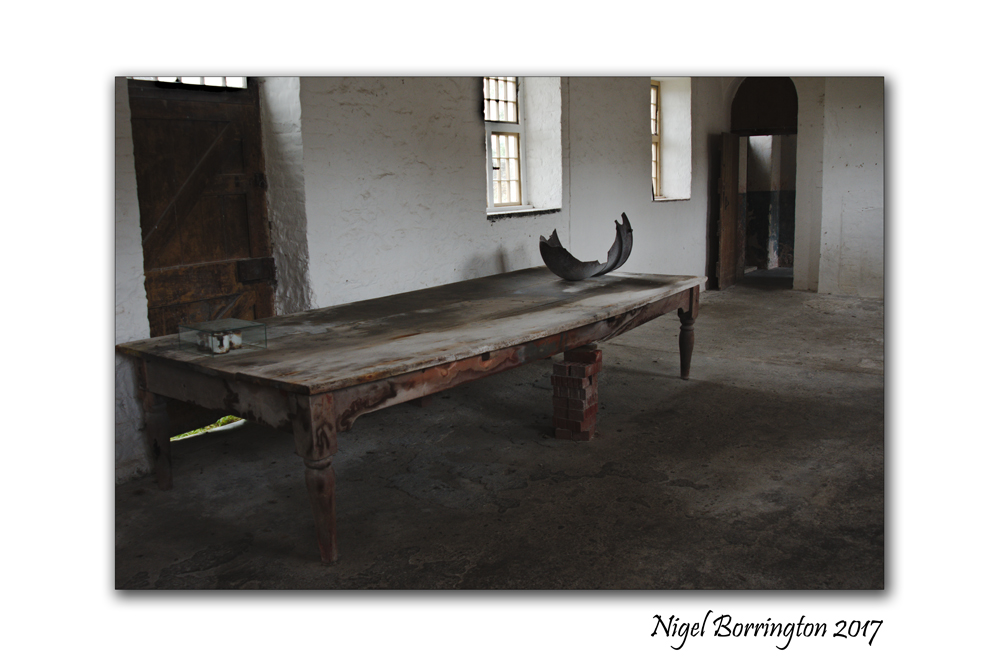
Life in the workhouse was harsh and frequently cruel. There were many rules. The food was poor. There was little to do. People were separated from their families, hungry, frustrated, badly treated, bored and mostly without hope. Often the inmates reacted against this, by breaking the rules and by fighting amongst themselves. Some preferred prison to the workhouse as the food was better and the regime not as strict.
Staff were often ex police men or army. There was a very high dismissal rate with many of staff being cruel, incompetent and dishonest.
The diet varied somewhat from workhouse to workhouse. Generally, it consisted of stirabout, which is like porridge, milk and potatoes. Children got bread. Adults received two meals a day and children three. Reports of the time show that the food was often of very poor quality. The workhouse diet remained very basic and it was not until the end of the 1800s that tea, bread for adults and a meat soup dinner were introduced.
Very little productive work was carried out. One of the rules was that the workhouse should not enter into competition with outside businesses. When numbers in the workhouse were large, it was difficult to find work for everybody. In the earlier years, the Capstan wheel was in operation in some workhouses. Women & children, maybe up to several hundred, went around in circles pushing a big wheel for grinding corn. Breaking stones for building roads was a common occupation for the men. The women did domestic jobs such as cleaning or helping in the kitchen or laundry and looking after the sick. Older inmates were put to work mending clothes and spinning wool. Girls were meant to be trained for domestic service. Oakum picking was carried out in many workhouses. This involved separating out the strands of old ship rope so that it could be reused.
There were large numbers of children in the workhouse. In 1850, there were up to 120,000 children. Conditions were terrible for them. An English Clergyman who was in Ireland at the time expressed his shock at the total failure to provide for these children. He described the children in Limerick workhouse as skeletons covered in soars and dressed in rags. Many of the children who survived the “famine” years grew up in the workhouse. They have been described as having “the same guttural voice, a blank expression and of having a strange similarity.” These children only knew the workhouse existence.
Children were supposed to go to school in the workhouse where they were meant to learn reading, writing, arithmetic and the principles of the Christian religion. The reality was quite different. School teachers were often incompetent and cruel, incapable of teaching enormous classes of hungry and dirty children. From the 1860s onwards, social reformers pressed for the boarding out of children to foster families but this was slow to happen, probably because the workhouse would have had to pay the foster families. From about the 1870s onwards, the religious orders began to get involved and started setting up industrial schools, where children were meant to receive training. By the early 1900s, the days of children in the workhouse were beginning to draw to a close.

Did people ever leave the workhouse?
One of the ways that workhouse numbers decreased was through emigration. The cost of emigration to landlords was less than that of keeping paupers in the workhouse. An Emigration Commission was set up. Its representatives visited every workhouse in Ireland. Those who wanted to emigrate were offered free passage, clothing and a little money. Between the years 1848-1850, 4,175 orphan girls aged 14-18 left Irish workhouses forAustralia under a scheme supported by the Australian government. In the 1850s, the Poor Law started to assist young female paupers to Canada where there was demand for domestic servants. Over 15,000 girls were sent there.

Was there anything good about the workhouse system?
Though separate, the workhouse was also paradoxically a part of the locality in which it was situated. It provided business to local suppliers, some employment and medical care to the general population. Originally, the workhouse infirmary or hospital was just for the sick inmates. No qualifications were required for nurses and the level of care was very poor. From the 1860s, qualified nursing sisters began to make their way into the workhouses. Care of the sick improved greatly and the workhouse hospital was opened to non inmates. These local hospitals were missed by many when the system was abolished in the early 1920s. Some of the workhouses became county hospitals or homes. However, for generations that followed, people had an awful fear of spending their final years in the County Home, being as it was part of the workhouse system.
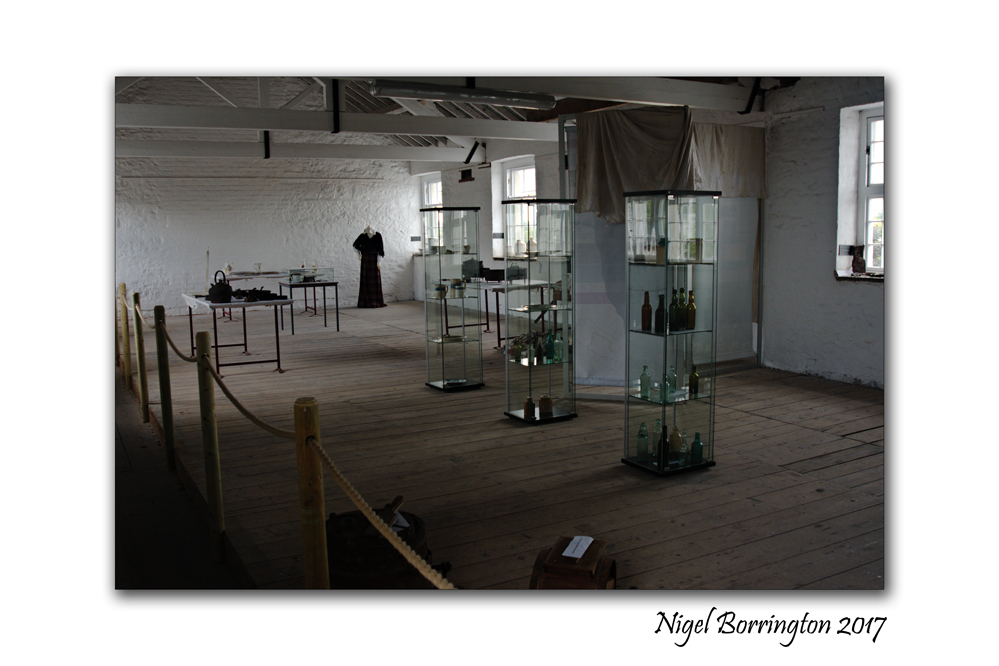
Portumna Work House, A Gallery


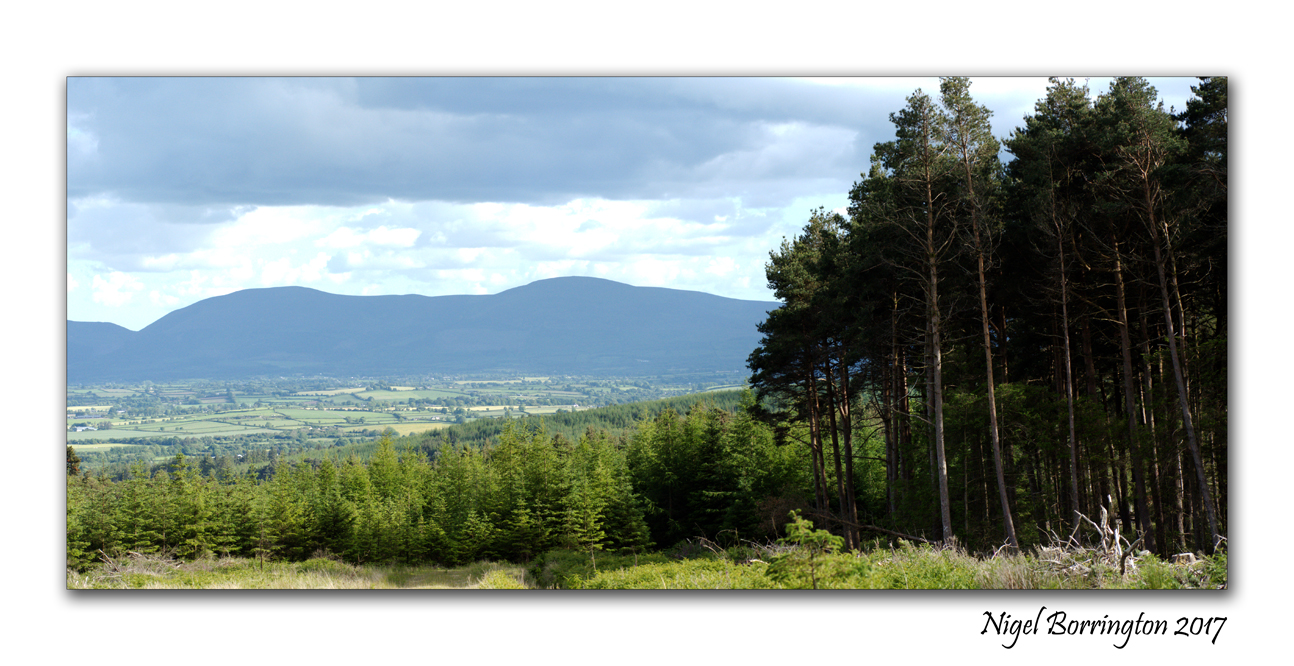
A new Header image , for July 2017
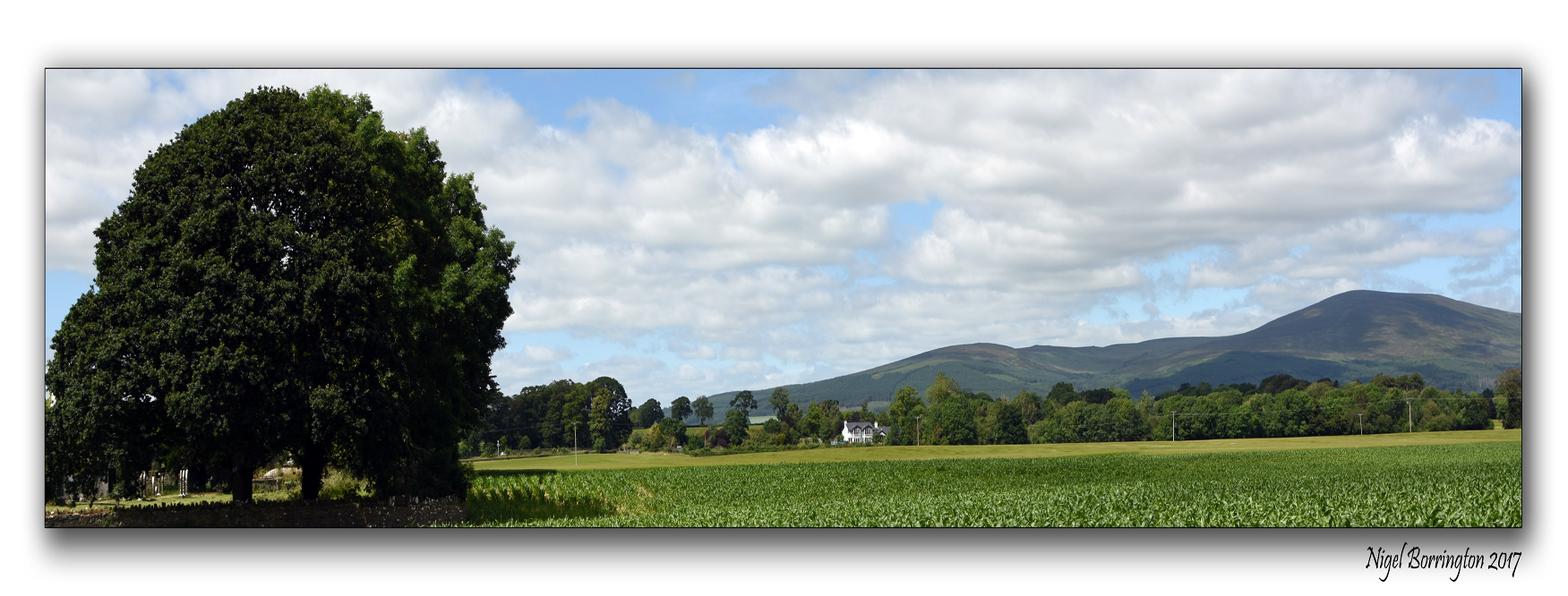
A Mountain View of Slievenamon
Clonmel
County Tipperary
Nigel Borrington
Monday Poetry : These Farmers; These Fields, By: Don Bouchard Jul 2015
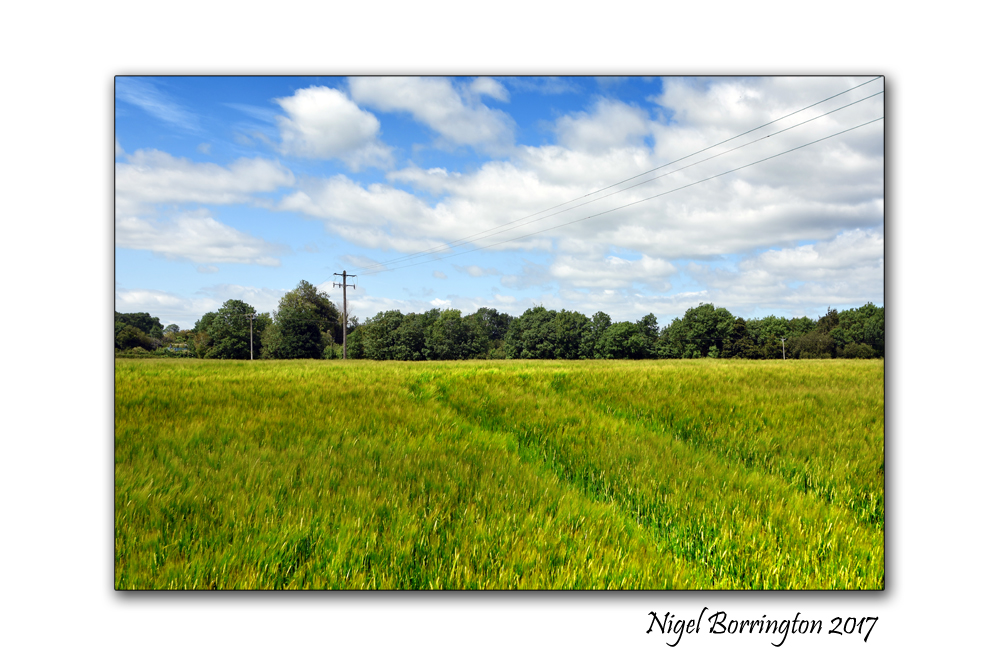
Monday Poetry : These Farmers; These Fields, By: Don Bouchard Jul 2015
Don Bouchard Jul 2015
These Farmers; These Fields
Who are these farmers,
And who, these fertile fields,
Verdant under native grass,
That stand un-plowed,
That shake beneath the plow,
That lie now fallow,
That bear the planted seed,
That wear the heavy grain,
That await the Harvest pain?
And who, these Harvesters,
And who, these close-shorn fields,
Desolate in short-cut stubble,
That stand, stiff in silence,
That wear the heavy tracks,
That have endured the harvest,
That yielded up their dead,
That bristle through the falling snow,
That whistle wind-song low?

And who, these merry Farmers,
And who these stubbled fields,
Glistening beneath the melting snow,
That warm beneath the glowing sun,
That host the migrants of the sky,
That tremble the biting plow,
That accept the falling seed,
That wait beneath the welcome rains,
That cycle through the seasons once again?

Coumshingaun Corrie Lake, county Waterford : The land time forgot

Coumshingaun Corrie Lake, county Waterford, Nigel Borrington
Coumshingaun Corrie Lake in county Waterford is truly the land that time forgot !
In Ireland compared to some locations in North America and Canada it is impossible to be more than a few miles away from a town or a village, some locations in the north and far southwest of the country are more remote that here in the southeast county’s. Yet even here there is still the possibility of finding a remote feeling hidden away in a small location or two.
Coumshingaun Corrie Lake, county Waterford is for just one of these locations, the walk up to it from the valley floor and road below is no more than two kilometers, its a uphill walk from the car park located below the tree line, most people however given time would be able to do this walk !!. However in anyone’s book this is not going an an expedition 🙂
When you get there, the view of the lake at its surrounding cliffs is breath taking, the lake is a left over from the last ice age, some 15000 year ago, this is from a time well before Ireland had even a single human-being living here.
Most weekends you will find other Humans/people visiting here so if you want a true feeling of space and allown-ness then early morning, and weekdays evening is the best time to visit.
I love it here , its about an hours drive from home, yet it could be like a visit to Canada or Yellowstone park with a little imagination allowed to run out of control 🙂
Coumshingaun Corrie Lake, county Waterford : The land time forgot


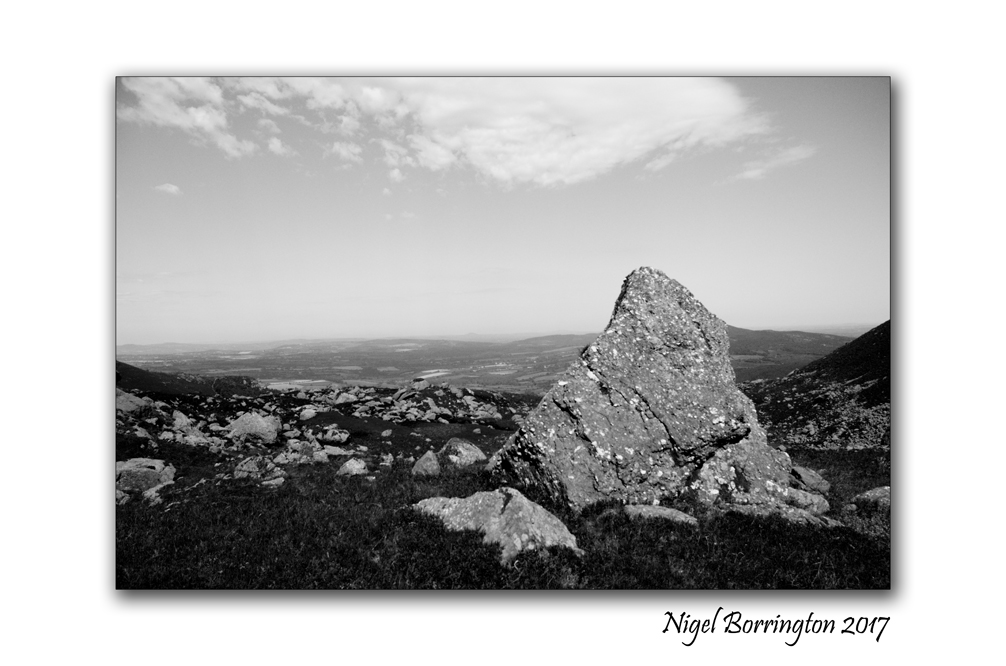
A view from Coumshingaun Loop Walk, County Waterford, Ireland

Coumshingaun Loop Walk
Irish landscapes
Nigel Borrington
Its an amazing thought but the rock that is sitting upon the larger rock to the left of this picture, could have been resting there for over 15000 years, these rocks are the remains of the last Ice-age in Ireland you can find many of them all over the country.
These two rocks can be found on the Coumshingaun Loop Walk in county Waterford, the walk contains many great views including Coumshingaun an ice aged lake, I will post some pictures soon that show this lake in its full glory ……
County Kilkenny Landscape photography in Black and white, Kyle, coolagh, Kilkenny

Black and white Landscapes
Kyle, county Kilkenny June 2017
Nigel Borrington
They say that some animals see the world in black and white , I would love to be able to switch this ability on and off when out and about with my Nikon, you can see the results of taking a shot in black and white very quickly on the back of the camera but having the ability to view the world in-front of you in monochrome would be a perfect gift for many photographers, even more so if you love the light that can be captured using only the shades from white to black.
This image was taken a while back, one early spring morning while out for a walk, up a lane that passed through a local community of special needs people near Callan, county Kilkenny. It was a foggy morning but by the time of this shot a lot of the mist had lifted. the atmosphere was wonderful.
Black and white landscapes , June 2017

Black and white Landscapes County County Tipperary, fields June 2017 Nigel Borrington
These June time Mornings and evenings can offer some wonderful light for landscape images, this week I am going to use black and white only to try to pull the best images from our local area ……


Irish Landscapes, Freedom of the Hills, Poem by : Douglas Fraser – 1968

Irish landscape images
County Waterford
Nigel Borrington
Freedom of the Hills
By: Douglas Fraser – 1968
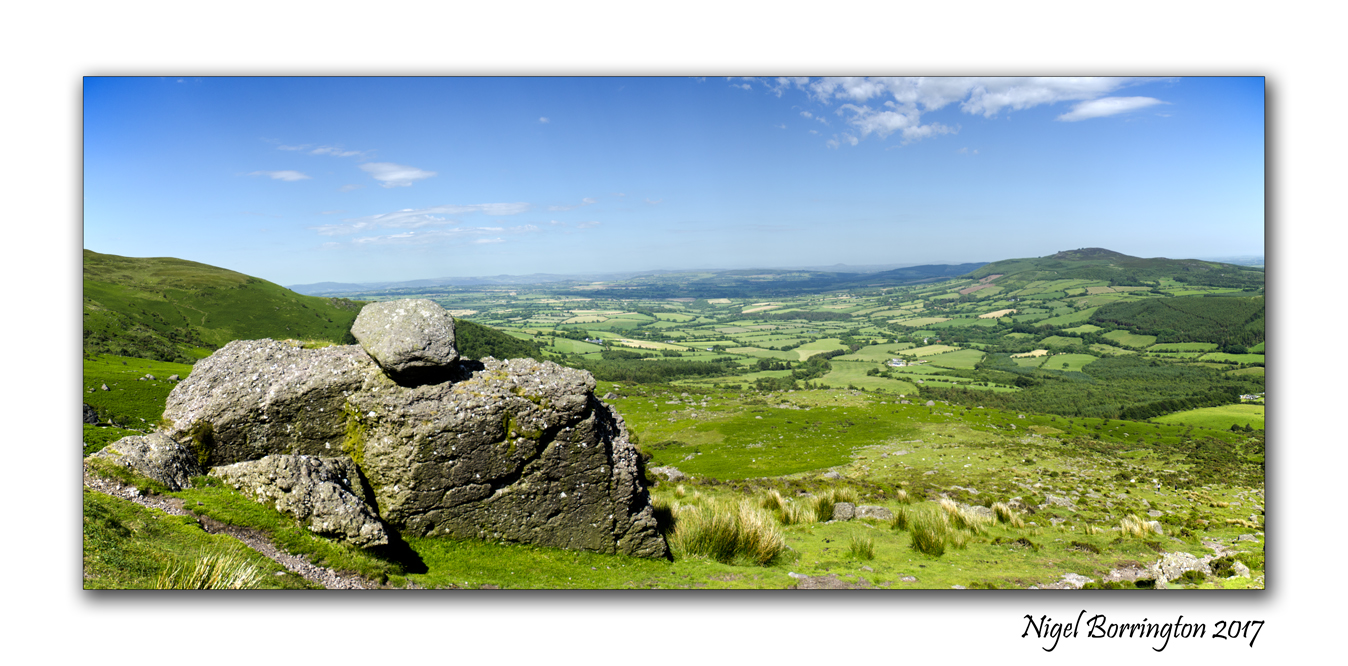
Mine is the freedom of the tranquil hills
When vagrant breezes bend the sinewy grass,
While sunshine on the widespread landscape spills
And light as down the fleet cloud-shadowed pass.
Mine, still, that freedom when the storm-clouds race,
Cracking their whips against defiant crags
And mists swirl boiling up from inky space
To vanish on the instant, torn to rags.
When winter grips the mountains in a vice,
Silently stifling with its pall of snow,
Checking the streams, draping the rocks in ice,
Still to their mantled summits I would go.
Sun-drenched, I sense the message they impart;
Storm-lashed, I hear it sing through every vein;
Among the snows it whispers to my heart
“Here is your freedom. Taste – and come again.”
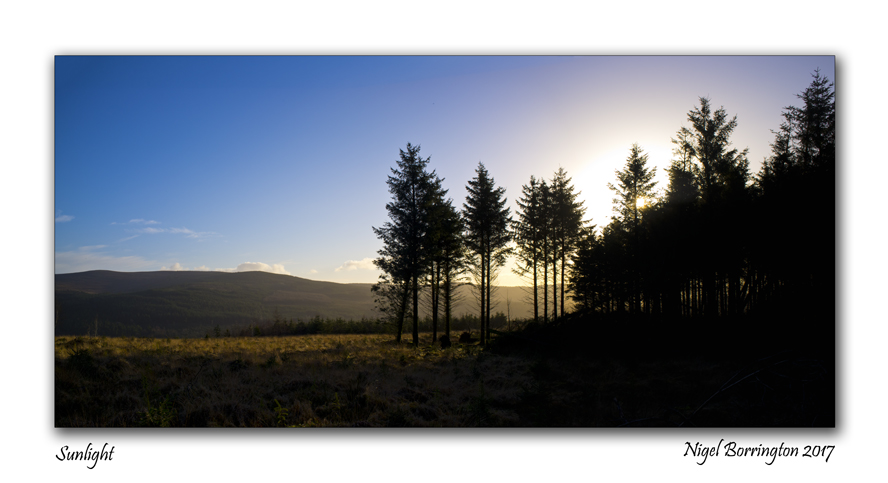
Landscape in Sunlight
Nigel Borrington
Kilkenny landscape photography : Ballybay Wind farm, county Kilkenny

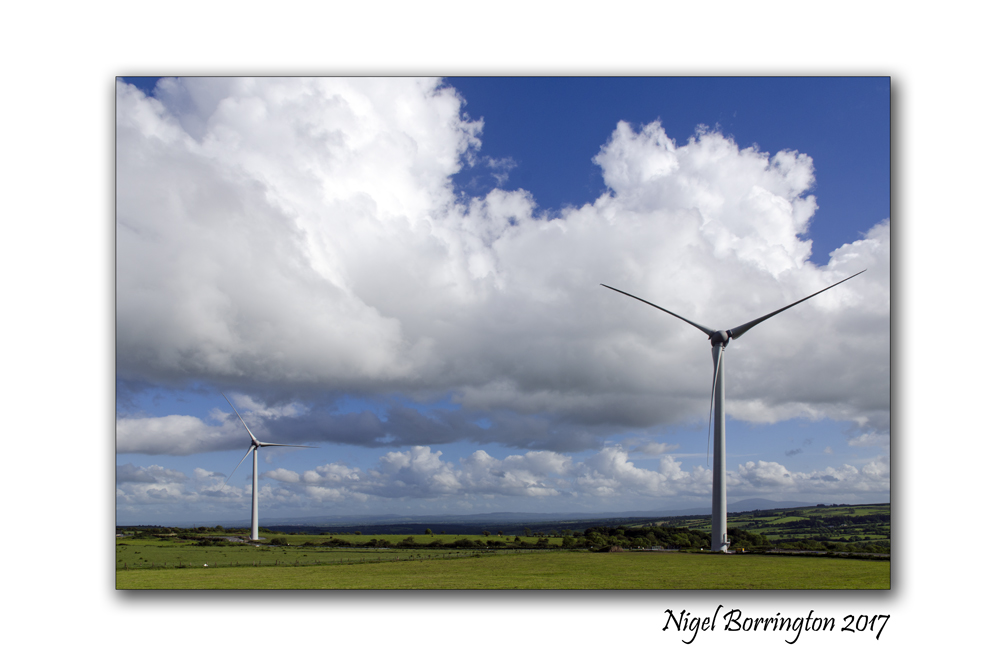
Ballybay Wind Farm, near Tullaroan
Renewable energy company Gaelectric has completed a €38 million financing agreement with AIB for the construction of two wind farms in Co Kilkenny.
Ballybay Wind Farm, near Tullaroan, will feature six Enercon turbines generating 13.8MW of electricity, which will meet the demand of about 9,300 homes.
Foyle Wind Farm will have four Enercon turbines generating 9.6MW, Gaelectric said, and will meet the demand of about 6,500 homes.
Operational in 2017
Both wind farms are expected to become operational during the second quarter of 2017.




Christ of Saint John of the Cross, by Salvador Dalí 1951, Kelvingrove Art Gallery and Museum, Glasgow

Christ of Saint John of the Cross
Salvador Dalí made in 1951
Kelvingrove Art Gallery and Museum, Glasgow
At the start of May this year (2017) I visited the Kelvingrove Art Gallery and Museum in Glasgowm, there are many great works of art there, including a full collection of works by the Glasgow boys group of artists, I will share some of their paintings very soon.

One of the most famous works of art in the Gallery is “Christ of Saint John of the Cross, by Salvador Dalí painted in 1951”, the painting has its own viewing room with subdued lighting and a set of seats, so you can spend sometime viewing this amazing work of art by Dali. It was while in this room that I captured the above image of the painting.
There is something deep and spiritually moving about this painting even if your not a believer in its subject matter.
Here are some details :
Christ of Saint John of the Cross is a painting by Salvador Dalí made in 1951. It depicts Jesus Christ on the cross in a darkened sky floating over a body of water complete with a boat and fishermen. Although it is a depiction of the crucifixion, it is devoid of nails, blood, and a crown of thorns, because, according to Dalí, he was convinced by a dream that these features would mar his depiction of Christ. Also in a dream, the importance of depicting Christ in the extreme angle evident in the painting was revealed to him.
The painting is known as the Christ of Saint John of the Cross, because its design is based on a drawing by the 16th-century Spanish friar John of the Cross. The composition of Christ is also based on a triangle and circle (the triangle is formed by Christ’s arms; the circle is formed by Christ’s head). The triangle, since it has three sides, can be seen as a reference to the Trinity, and the circle may be an allusion to Platonic thought. The circle represents Unity: all things do exist in the “three” but in the four, merry they be.
Inspiration
On the bottom of his studies for the painting, Dalí explained its inspiration: “In the first place, in 1950, I had a ‘cosmic dream’ in which I saw this image in colour and which in my dream represented the ‘nucleus of the atom.’ This nucleus later took on a metaphysical sense; I considered it ‘the very unity of the universe,’ the Christ!”
In order to create the figure of Christ, Dalí had Hollywood stuntman Russell Saunders suspended from an overhead gantry, so he could see how the body would appear from the desired angle [3] and also envisage the pull of gravity on the human body. The depicted body of water is the bay of Port Lligat, Dalí’s residence at the time of the painting.
History
The painting and intellectual property rights were acquired for Glasgow Corporation in the early 1950s by Tom Honeyman, then the Director of Glasgow Museums. Honeyman bought the painting for £8,200, a price considered high at the time although it was less than the £12,000 catalogue price, and included the copyright, which has earned Glasgow Museums back the original cost many times over.
The purchase was controversial and a petition against it, arguing that the money should be spent on exhibition space for local artists, was presented to the City Council by students at Glasgow School of Art.[6] The controversy caused Honeyman and Dalí to become friends, corresponding with each other for many years after the original acquisition.
The painting first went on display at the city’s Kelvingrove Art Gallery and Museum on 23 June 1952. In 1961 a visitor attacked the painting with a stone and tore the canvas with his hands. It was successfully restored over several months by conservators at Kelvingrove and returned to public display. In 1993, the painting was moved to the city’s St Mungo Museum of Religious Life and Art, but returned to Kelvingrove for its reopening in July 2006. It won a poll to decide Scotland’s favourite painting in 2006, with 29% of the vote.
It is said that the Spanish government offered £80 million ($127 million USD) for the painting.
Critical reception
This painting has continued to generate controversy. At the time of its purchase by Honeyman, the verdict by Modern Art critics was that producing such a traditional painting was a stunt by an artist already famous for his surrealist art. In 2009 The Guardian art critic, Jonathan Jones, described it as “kitsch and lurid,” but noted that the painting was “for better or worse, probably the most enduring vision of the crucifixion painted in the 20th century.”
In May 2013, in BBC Radio 4’s Great Lives, British poet John Cooper Clarke described this image as being utterly different from any other image of the crucifixion, as the angle of view conveys the hanging pain of this method of execution, whilst hiding the ordinarily clichéd facial expressions normally seen in such depictions.
Wednesday at the gardens : Altamont Gardens, County Carlow
Altamont Gardens
Carlow
Ireland
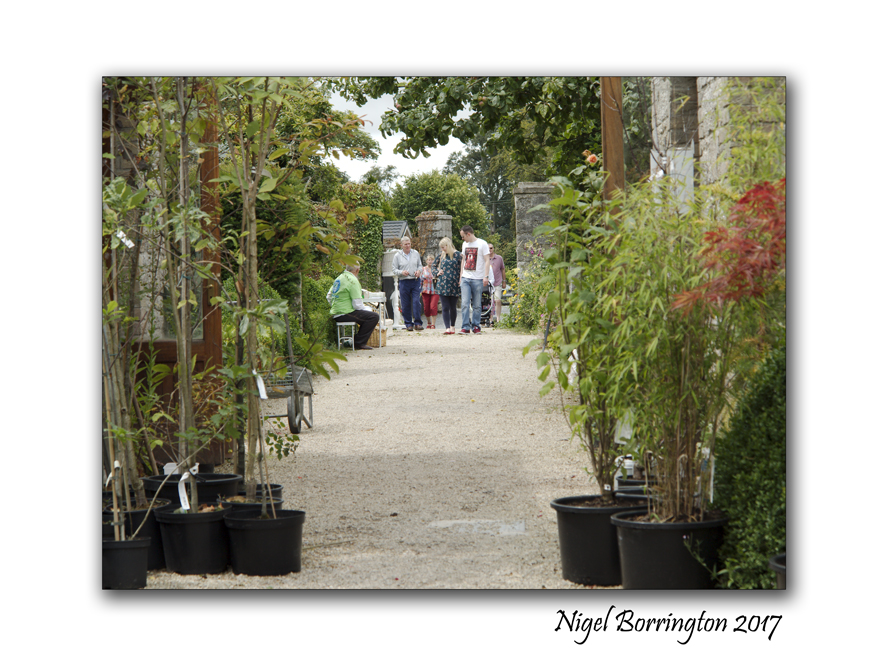
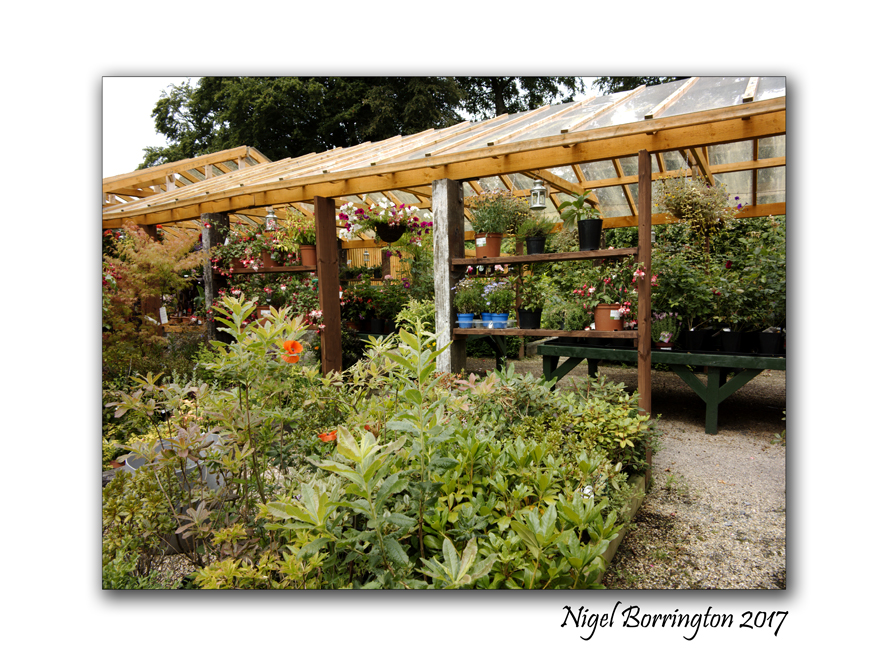
With the aim of shopping for some new summer plants and flowers for the garden, today I spent sometime at Altamont Gardens, county Carlow.
This is a fantastic house and gardens with a great garden center, the staff know a great deal about the kind of plants that will grow well locally.
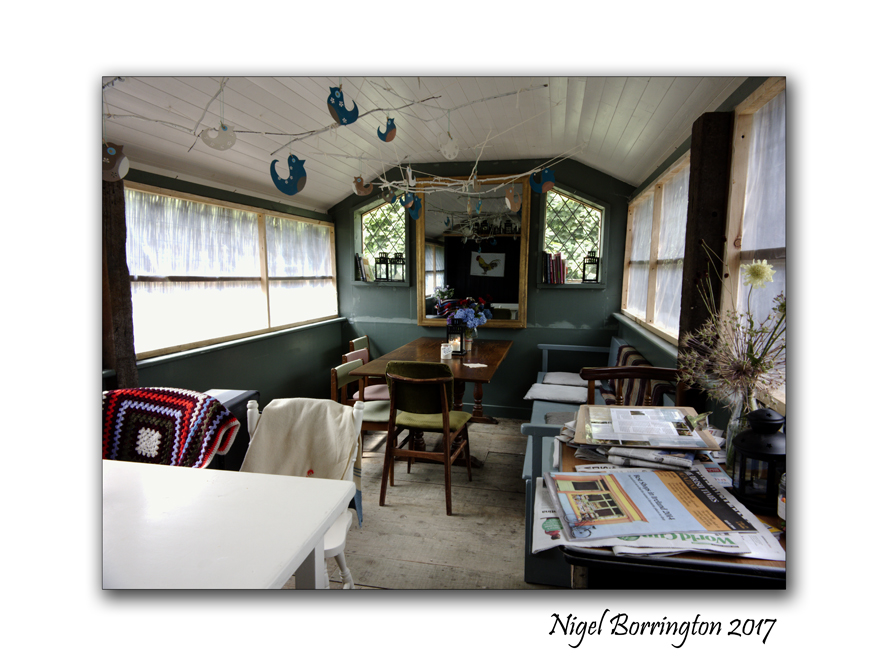
A great way to spend the afternoon, looking and plants, walking around the grounds and finally and cup of tea and cake in the little cafe …..


New site header , St Anne’s Pier, Lancashire, UK

St Anne’s-on-the-Sea, Lancashire, UK
Nigel Borrington
St Anne’s Pier is a Victorian era pleasure pier in the English seaside resort of St Anne’s-on-the-Sea, Lancashire. It lies on the estuary of the River Ribble. The pier, designed by A. Dowson, was completed in 1885 and was one of the earliest public buildings in St Anne’s, a 19th-century planned town. The pier was originally intended to be a sedate promenading venue for the resort’s visitors, but attractions were later added. Changes made to the estuary channels to improve access to Preston Dock left the pier on dry land and ended its steamer services to Blackpool and Liverpool.

St Anne’s Pier
St Anne’s-n-the-Sea, Lancashire
Nigel Borrington
A Tudor-style entrance was built in 1899. Early 20th-century additions included a Moorish-style pavilion in 1904 and the Floral Hall in 1910. The Moorish Pavilion was destroyed by fire in 1974, shortly after the town’s centenary; the Floral Hall burned down in 1982. Originally 914 feet (279 m) long, the pier was reduced to 600 feet (180 m) by the demolition of the seaward end. English Heritage has designated the pier a Grade II listed building.
Native Irish Wild flowers, Early Marsh Orchid , Ballykeefe, county Kilkenny
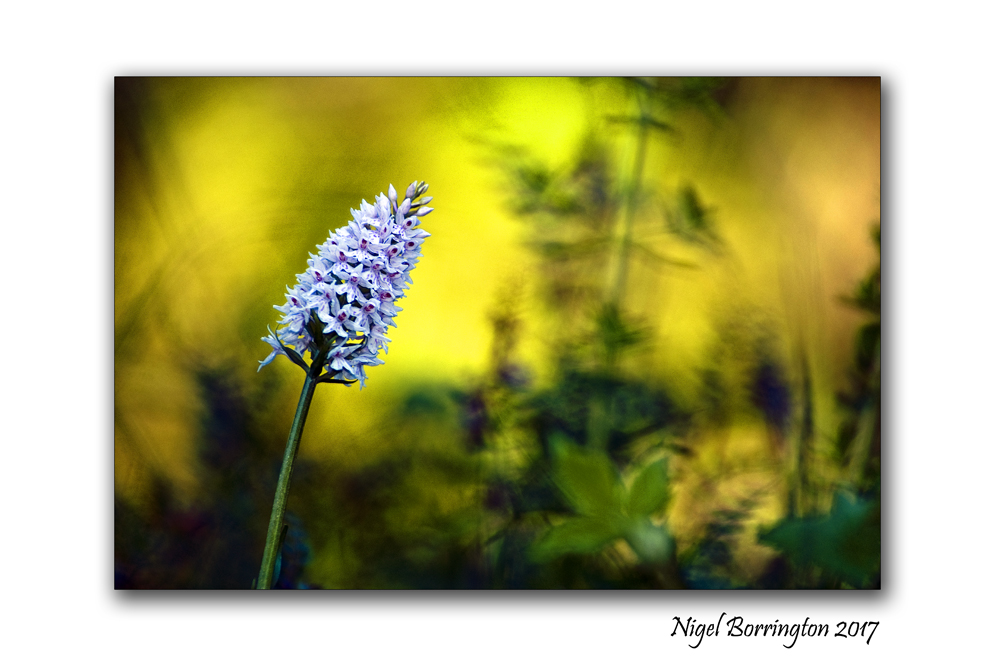
Early Marsh Orchid
Dactylorhiza incarnata
Magairlín mór
Family: Orchidaceae
Ballykeeffe, Kilkenny
Nigel Borrington
Flowering May-July. Tuberous perennial. Native.
Flowers usually white, pink or purple. (Ssp. coccinea has reddish flowers.)
Narrow, cylindrical flower-spike, lower bracts longer than flowers. Sides of lip strongly reflexed, weakly 3-lobed, 2 U-shaped loops enclosing dotted patches. Leaves erect, keeled, usually unspotted. (Ssp. cruenta, leaves spotted both sides) Hollow stem. Very variable, links to subspecies below. Identifications by Ian Denholm
Damp calcareous soils, meadows, fens, marshes, dune-slacks. Also slightly acidic bogs, damp heaths. Declining due to habitat loss.
Nature without words (Woodcock Butterfly) a moment in the sun

macro photography
Woodcock Butterfly
Nigel Borrington
Friday Poetry – Light by : Margaret Tait

Lock Melfort
Oban – Scotland
Scottish Landscapes
Nigel Borrington
Light
A Poem By Margaret Tait
Did you say it’s made of waves?
Yes, that’s it.
I wonder what the waves are made of.
Oh, waves are made of waves.
Waves are what they are,
Shimmeringness,
Oscillation,
Rhythmical movement which is the inherent essence of all things.
Ultimately, there’s only movement,
Nothing else.
The movement that light is
Comes out of the sun
And it’s so gorgeous a thing
That nothing else is ever anything unless lit by it.
Great Poems : The Evening Light – By Alfred Austin
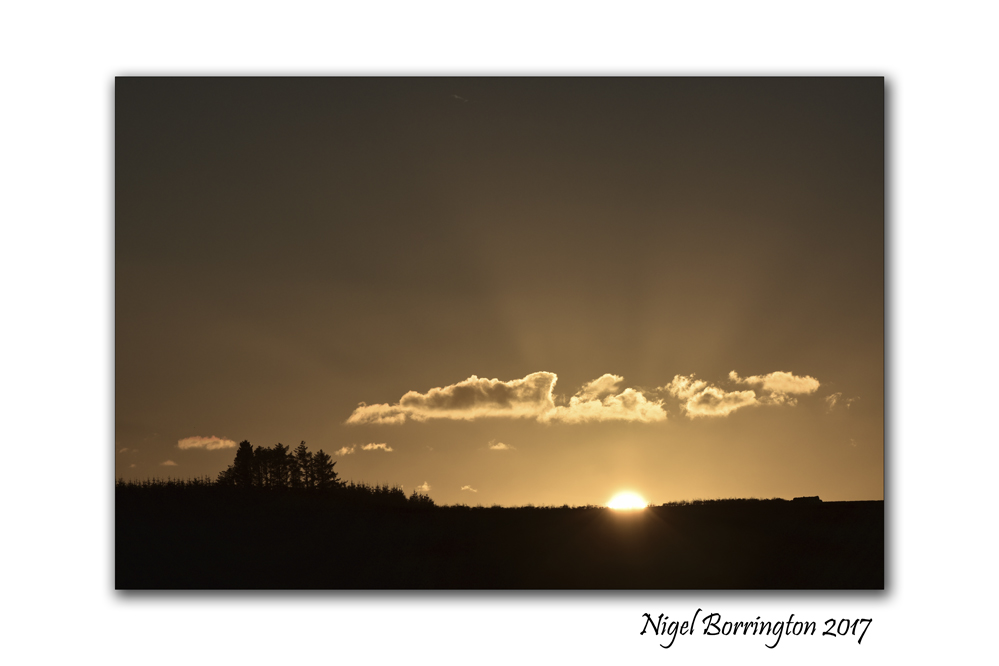
Sunrise to sunset
Nigel Borrington
The Evening Light
I
Angels their silvery trumpets blow,
At dawn, to greet the Morning Glow,
And mortals lift adoring eyes
To see the glorious sun arise.
Then, winged by Faith, and spurred by Hope
Youth scans the hill, youth scales the slope.
Its pulses bound, its thoughts exult,
It finds no danger difficult,
Quickens its pace, disdaining ease
Victor before it comes and sees,
Feeling the Universe its own,
The Sovereign of a Self—made Throne.
II
Each hope fulfilled, obtained each prayer,
We glory in the Noonday Glare.
Welcome the blinding heat of strife,
Deeming resistance part of life.
We deal the blow, return the stroke,
Fighting our way through dust and smoke,
Until, our battle—banner furled,
We tower above a conquered World;
Whether one leads mankind along
By gift of speech or grace of song,
Seizes by forceful hand the helm,
Or adds an Empire to the Realm,
Confronts the sun with forehead bare,
Exulting in the Noonday Glare.
III
But, as the lengthening shadows glide
Silent towards the eventide,
And dew baptizes leaf and flower
In twilight’s sanctuary hour,
A sacred Something haunts the air,
Tender as love, devout as prayer,
And in the lofty dome afar
Glimmers one bright outriding star,
Announcing to the watchful sight
Coming battalions of the Night.
Then Noonday Glare and Morning Glow
Fade into shadowy Long—ago.
One feels Earth’s vain ambitions fade
Into the vanished dust they made.
All that the glow of dawn foretold,
And all the glare of noon unrolled,
Seem nothing to the quiet joy
No clamour mars, no cares destroy,
‘Twixt restless day and restful night,
That cometh with the Evening Light.

Nature without words (Horse fly)- Solo images (Ballykeefe nature reserve, county Kilkenny)
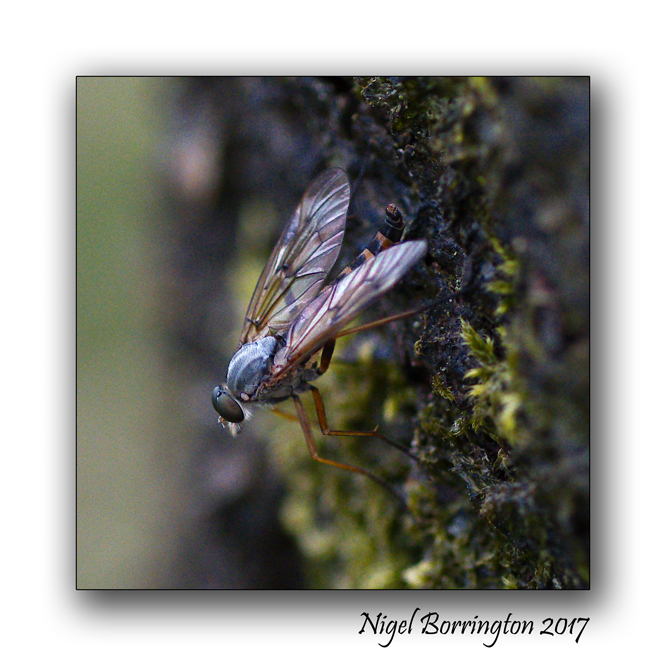
Horse fly
Ballykeefe nature reserve
County Kilkenny
Nigel Borrington
Nature without words (Bumble bees)- Solo images (Ballykeefe nature reserve, county Kilkenny)

A bumble bee collecting nectar
Ballykeefe nature reserve
County Kilkenny
Nigel Borrington
Nature without words – Solo images (Ballykeefe nature reserve, county Kilkenny)
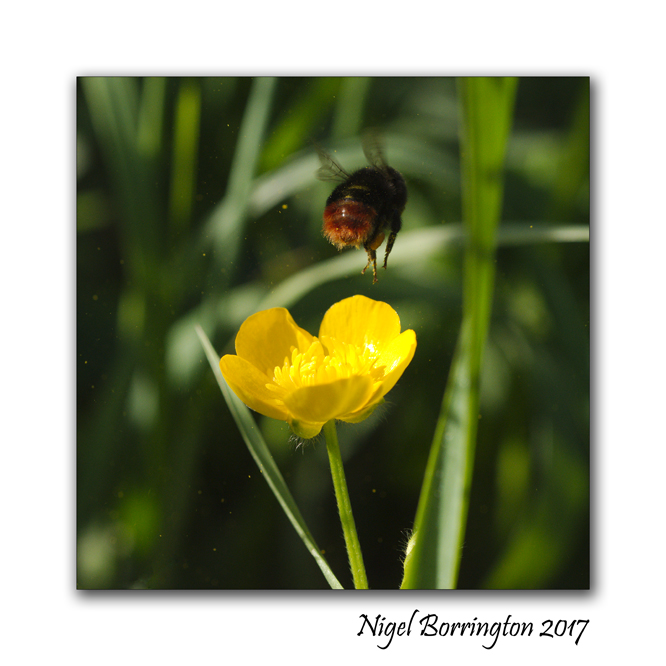
A bumble bee in flight
Ballykeefe nature reserve
County Kilkenny
Nigel Borrington
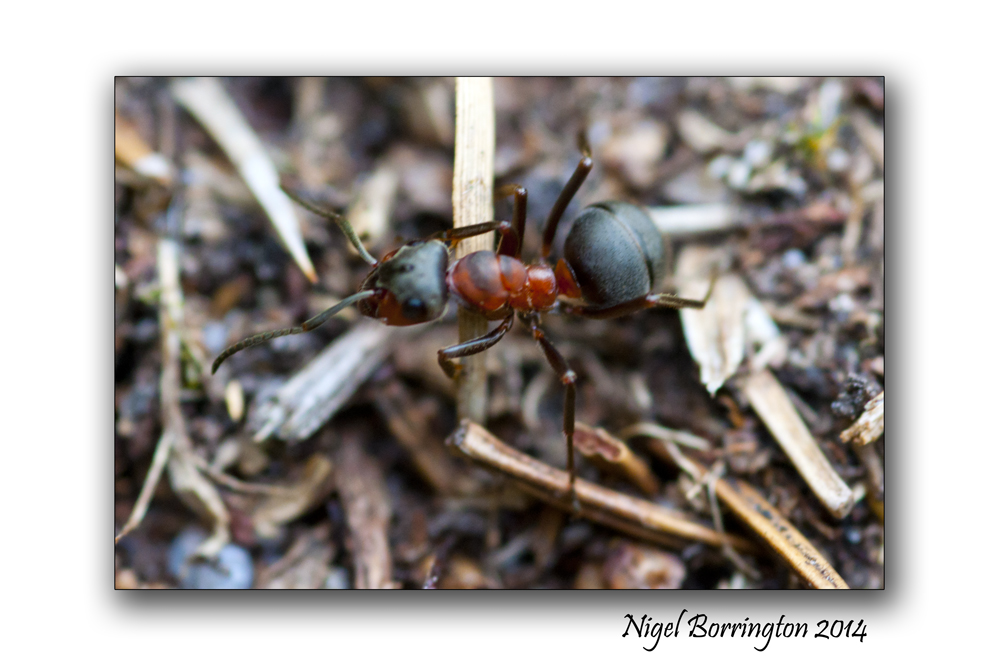
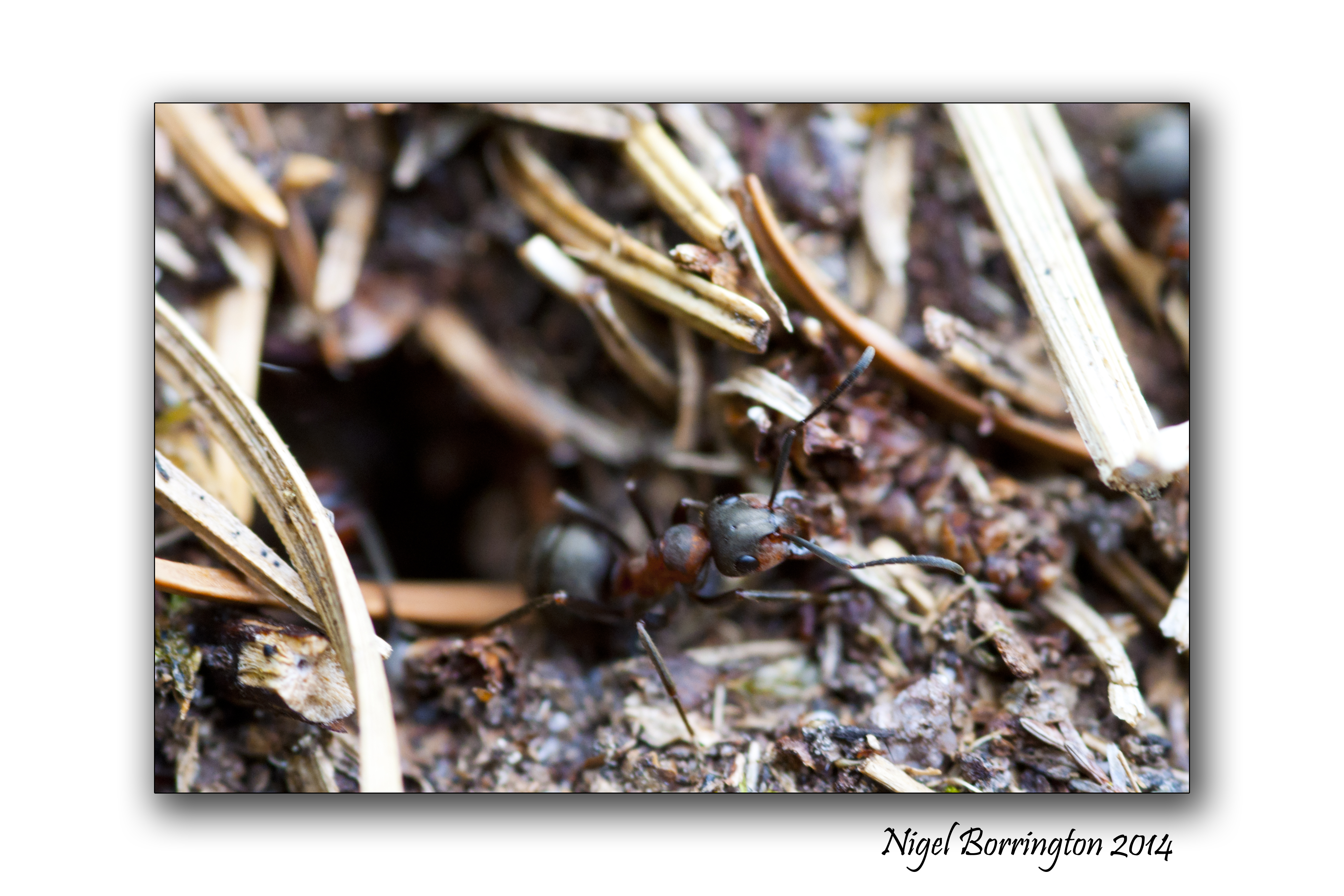
Hairy Wood Ants (Formica lugubris) photographic project

Hairy Wood Ants (Formica lugubris) photographic project
Over the last few years I been involved working on a project around county Tipperary,Ireland involving photographing nests of Irish Wood Ants (Formica lugubris), this has been one of the most interesting photo project I have ever worked on.
The images in this post are captured between 2014 and 2017 ….
These Ants are on the international endangered species list and exist in locations that are kept reasonably private, just to find and get to see these nests themselves is a task and an amazing feeling.
When you get closer to the nests for the first time you will notice just how large they are (3 feet off the ground) and how many Ants that each colony contains, each nest can hold tens of thousands of Ants, the entire surface of the nest is on the move with Ants coming and going from small entrance holes. This flow of movement is 24 hours long during the months that the Ants are active.
They create a clear trail through the woods as they clear a path, traveling both outwards from the nest and returning again with food for the Queen Ant living deep in the ground under the nest itself.
It is thought she lives in a protected area some two meters underground.
In order to protect themselves and nest with its queen, they can shoot out acid some four feet from their bodies.
I will be working on this project most of this summer and look forward to each return, watching these wonderful Wood Ants is an amazing experience and working around them with a camera is great fun.
Gallery 2017


Gallery 2014



The Otter, By :Seamus Heaney

Otters on the River Suir
County Tipperary
Nigel Borrington
The Otter
Seamus Heaney
When you plunged
The light of Tuscany wavered
And swung through the pool
From top to bottom.
I loved your wet head and smashing crawl,
Your fine swimmer’s back and shoulders
Surfacing and surfacing again
This year and every year since.

I sat dry-throated on the warm stones.
You were beyond me.
The mellowed clarities, the grape-deep air
Thinned and disappointed.
Thank God for the slow loadening,
When I hold you now
We are close and deep
As the atmosphere on water.
My two hands are plumbed water.
You are my palpable, lithe
Otter of memory
In the pool of the moment,

Turning to swim on your back,
Each silent, thigh-shaking kick
Re-tilting the light,
Heaving the cool at your neck.
And suddenly you’re out,
Back again, intent as ever,
Heavy and frisky in your freshened pelt,
Printing the stones.
 Nigel Borrington
Nikon AF-d 50mm f1.4 Prime lens, one lens all day …..
Tramore Strand
One lens all day
Nikon AF-d 50mm f1.4
Nigel Borrington
Irish Landscapes
Its easy to think that the best lens to spend a full day of Photography with would be a zoom lens, however my favorite and most respected lenses are all prime lenses(fixed focus lenght lenses).
One of my most respected and trusted lens is my Nikon 50mm f1.4, its fast , can work very well in low light and even at 75mm on my DX D7200 body (50mm on an FX) it makes me think in a very creative way. You have to frame you shots well before you click the shutter button, I find this much more creative that just walking around and zooming in and out at everything 🙂 although this can be a very fun experience.
While you need a zoom lens in order to make sure you can capture some subjects, Prime lenses make you think about the subject you want to capture!
So what kind of images can you produce if you only take one lens with you , A 50mm Prime?
Nikon AF-d 50mm f1.4 Gallery
These images from yesterday include a morning walk and then an evening walking alone the strand at Tramore, County Waterford
Share this:
July 7, 2017 | Categories: Camera Equipment, Comment, Gallery, Irish coastline, irish woodlands, Landscape, photography, photography review, Photography Training | Tags: Fixed focus lenses, Irish Landscapes, Landscape Photography, Nigel Borrington, Nikon 50mm f1.4, photography equipment, Prime lenses | 1 Comment