The Autumnal equinox 2014 (Mabon)
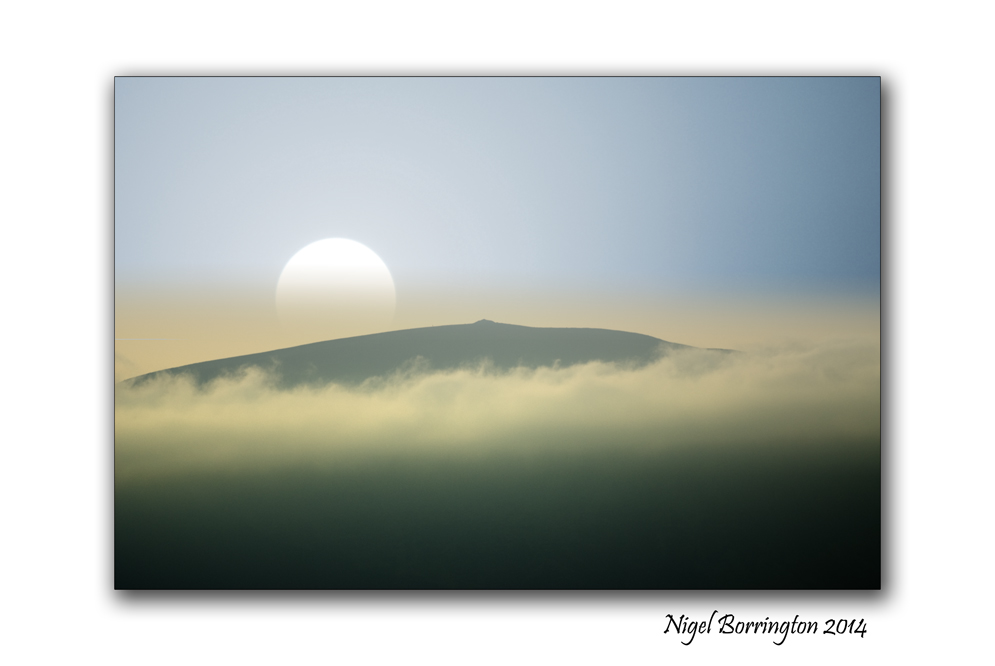
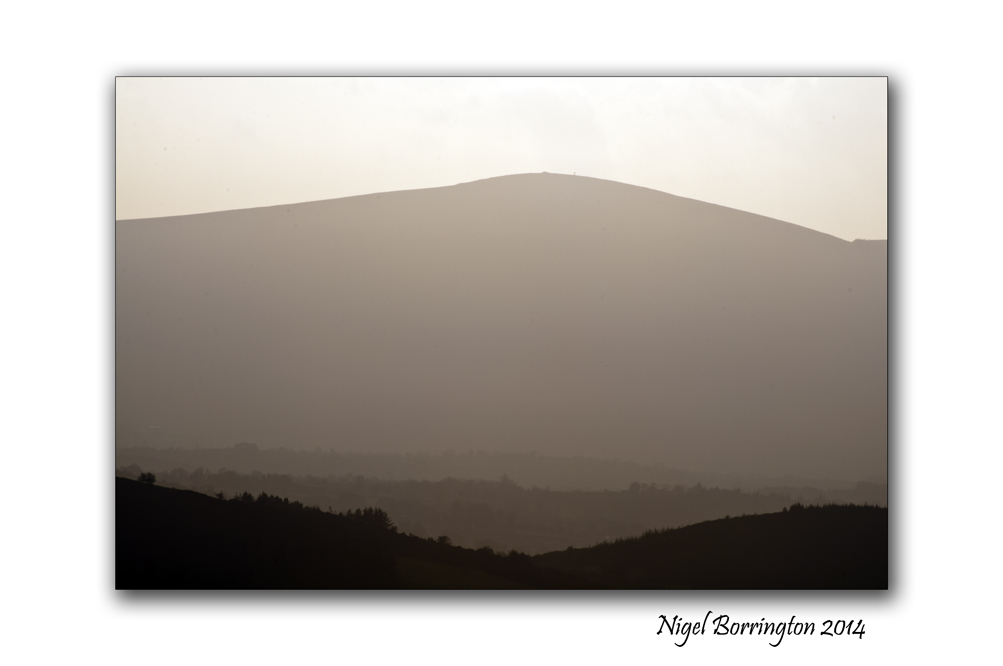
autumnal equinox 2014 over Slievenamon, County Tipperary
Irish Landscape Photography : Nigel Borrington
What is the autumnal equinox
Our year is divided into four season’s(Winter, Spring, Summer and Autumn), the starting date of these seasons is determined by the movement of the sun as our planet orbits around it with a little help by the tilt of the earth’s axis.
On the autumnal equinox, day and night are equally 12 hours long . As the Sun crosses the celestial equator going southward; it rises exactly due east and sets exactly due west.
From tomorrow we start the slow movement towards the winter season, marked my the shortest day , the 21st of December.
Autumnal equinox in the Pagan world.
The holiday of the autumnal equinox, Harvest Home, Mabon, the Feast of the Ingathering, Meán Fómhair or Alban Elfed (in Neo-Druid traditions), is a Pagan ritual of thanksgiving for the fruits of the earth and a recognition of the need to share them to secure the blessings of the Goddess and the God during the coming winter months.
The name Mabon was coined by Aidan Kelly around 1970 as a reference to Mabon ap Modron, a character from Welsh mythology. Among the sabbats, it is the second of the three Pagan harvest festivals, preceded by Lammas / Lughnasadh and followed by Samhain.
Ref : Wheel of the Year
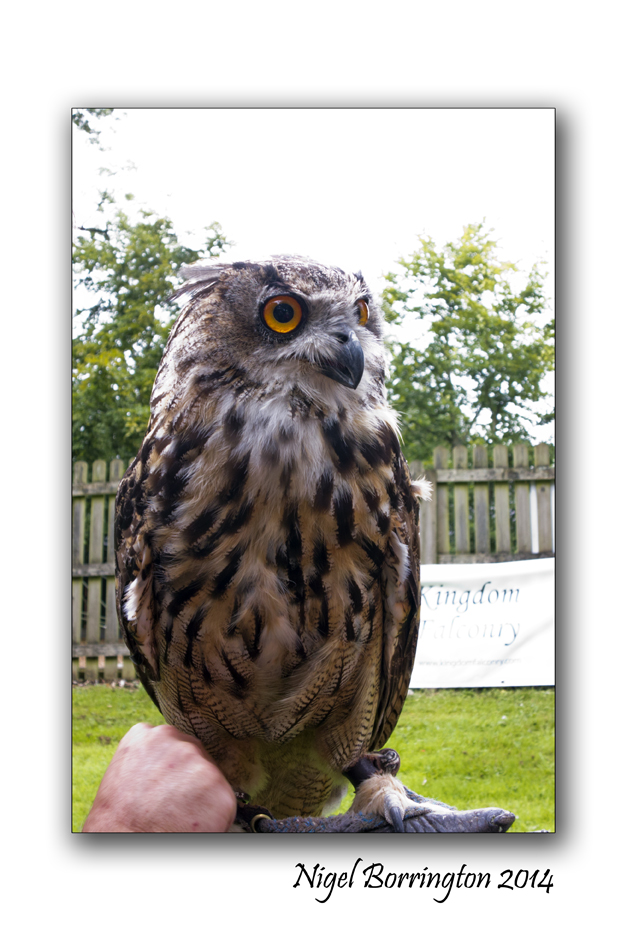
Eurasian eagle-owl

The Eurasian eagle-owl
Photography : Nigel Borrington
Kingdom Falconry is based and located at Crag caves, Castle-island, Co. Kerry, 2km from the town. They offer you the unique opportunity to get up close and personal with a variety of very majestic and awe-inspiring birds of prey.
One of these birds is an Eurasian eagle-owl a fantastic bird that was just wonderful to get very close to.
Kingdom Falconry can be contacted from this link.
If you are in county Kerry and near Castle-island and have sometime , I would very much recommend dropping in to meet these birds.
The Eurasian eagle-owl is described as follows :
The Eurasian eagle-owl (Bubo bubo) is a species of eagle-owl resident in much of Eurasia. It is sometimes called the European eagle-owl and is, in Europe, where it is the only member of its genus besides the snowy owl, occasionally abbreviated to just eagle-owl. In India, it is often called the Indian great horned owl, though this may cause confusion with the similarly named American bird.It is one of the largest species of owl, and females can grow to a total length of 75 centimetres (30 in), with a wingspan of 188 centimetres (74 in), males being slightly smaller. This bird has distinctive ear tufts, the upper parts are mottled black and tawny and the wings and tail are barred. The underparts are buff, streaked with darker colour. The facial disc is poorly developed and the orange eyes are distinctive.
The Eurasian eagle-owl is found in a number of habitats but is mostly a bird of mountain regions, coniferous forests, steppes and remote places. It is a mostly nocturnal predator, hunting for a range of different prey species, predominately small mammals but also birds of varying sizes, reptiles, amphibians, fish, large insects and earthworms. It typically breeds on cliff ledges, in gullies, among rocks or in some other concealed location. The nest is a scrape in which up to six eggs are laid at intervals and which hatch at different times. The female incubates the eggs and broods the young, and the male provides food for her and when they hatch, for the nestling’s as well.
Continuing parental care for the young is provided by both adults for about five months.
There are about a dozen subspecies of Eurasian eagle-owl. With a total range in Europe and Asia of about 32 million square kilometres (12 million square miles) and a total population estimated to be between 250 thousand and 2.5 million individuals, the IUCN lists the bird’s conservation status as being of “least concern”.
September Changes: Gallery and a Poem by : Jessica Millsaps

A September Landscape,
County Kilkenny,
Irish Landscape Photography : Nigel Borrington
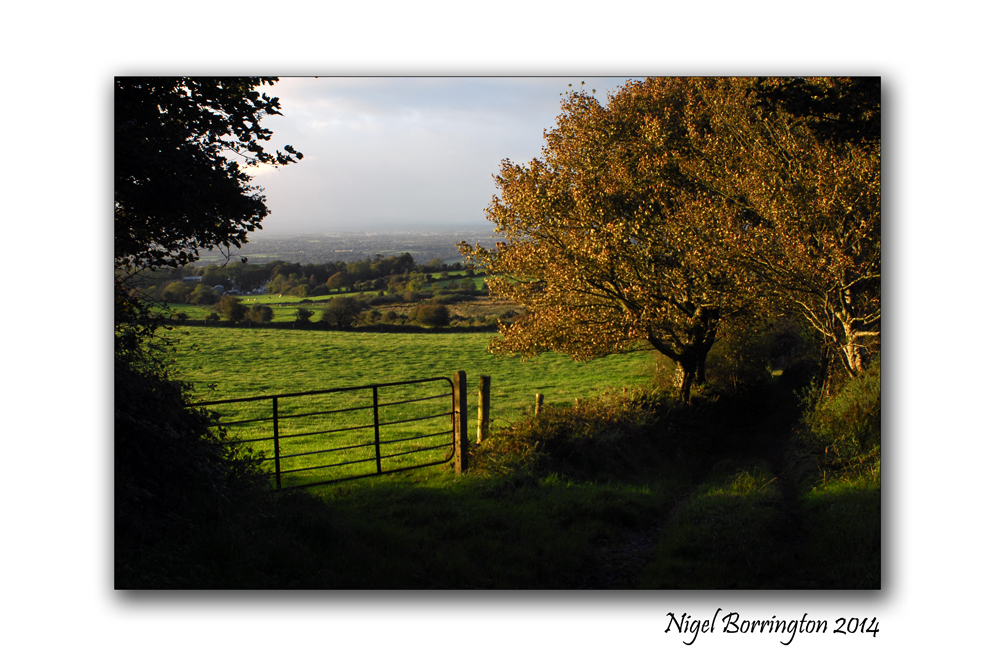
September is in full flow here in County Kilkenny and Autumn is just around the corner, we have had very dry weather for most of the month yet this could be about to change.
I love the month of September very much and one of my favourite poems about the month is by , Jessica Millsaps .
September Changes
By : Jessica Millsaps
September is like no other
It’s days change color and weather
No other month can say quite the same
For every day, I can feel the change
It’s cool breezes start out warm,
Changing to cold throughout every storm
The leaves change and fall
As the Summer leaves and Autumn kisses us all
 .
.
September maidens feel the change
Like the blue of the sky
Yet the color so deep
Unbelievable beauty
Maidens fall throughout and watch
Each raindropp changing through colors so fast
Yet one streak remains the same
Of that wonderful sapphire rain.
September, unlike any other
Holds you tight, in any weather.
Changes come, no matter where you go
 .
.
North and you’ll get stormy snow
South and feel the heat of summer coming
September does this, no matter what.
Change lives within, Nothing to stop
September is beautiful
And awesome all the same
It’s hope for the future and the change
Comes swiftly as we sweep away
The Summer ends and the Autumn begins
Change is all around
With one maiden leaving
And yet, another comes

Born into the world
Of wonderful September
The sapphire skies live on
Through out this wonderful September
The secret Cove , Image and poem

Secret Cove Padstow bay,
Cornwall,
Landscape Photography : Nigel Borrington
Secret Cove
I took my breath from a sea breeze
on its way to somewhere else.
I could sense where it had been
where summer is almost over
Beyond the cliff above the sea
A secret cove where spirits swim
a place no one ever sees
Timeless souls, their presence is felt
their breath upon the breeze.
The Sail boat , Images and then a poem by : Lee Shetzline

Sail Boat with red sail
Brownsea Island
Poole Harbour, Poole, Dorset
Landscape Photography : Nigel Borrington
The Sail boat on the Water
By : Lee Shetzline
Crisp triangle of red sail,
Standing to attention like tin soldiers,
Solitary and glowing
Amidst the thick blue smudges of water
One drop of color
Accidentally spilled onto an endless Sea
Too wonderful to remove

Irish Photography : Galesquarter Church and Castle, Co. Laois – Gallery

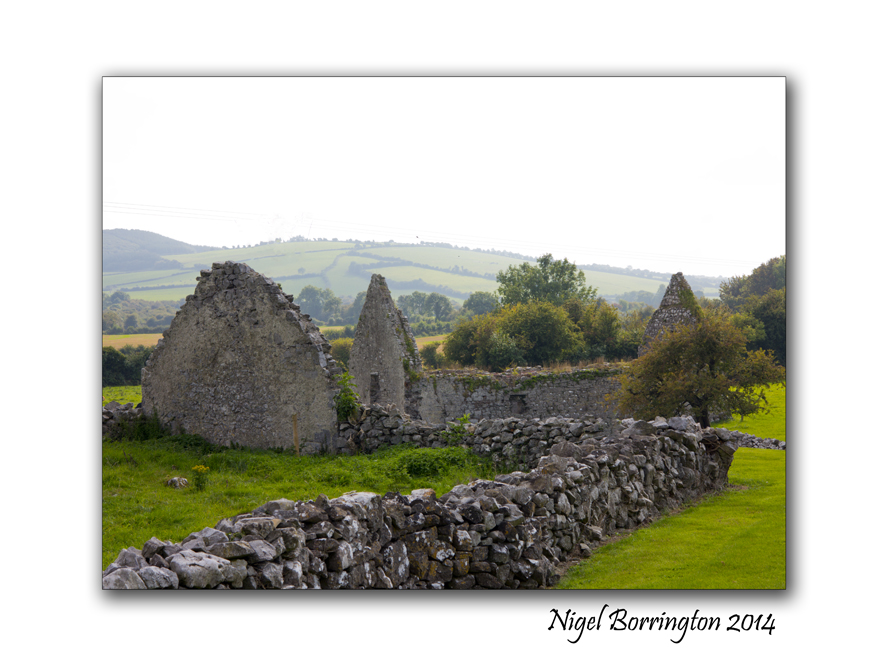
Galesquarter Church, Co. Laois
Irish Landscape Photography : Nigel Borrington
The Old Castle and church at Galesquarter, Co. Laois was home to the Lords of Upper Ossary the Gaelic Fitzpatrick family (Irish: Mac Gìolla Phádraig) .
The two buildings has stood empty since the 1700’s and today are very much in ruins yet go to make a wonderful site in the Local Landscape.
The Gallery below was taken last weekend on a walk through Galesquarter ending in the Bunlacken hills above.
Galesquarter Church and Castle, Co. Laois : Gallery



About Meditation and Landscape

Waterfall at Glengarriff Nature Reserve
Irish Landscape Photography : Nigel Borrington
About Landscape and meditation
The concept of Meditation is of a big interest to many people, some maybe religious some not.
To myself the process of clearing my mind while being out side in a wonderful Landscape location goes hand in hand.
This is a great article on Meditation : Is meditation about making your mind go blank
Last week on a visit to the Glengarriff Nature Reserve , county cork and on the waterfall walk , I came across a man just sat on a rock looking at the waterfall and rock pool.
This location is a very beautiful and peaceful place to be in and he was making the most of the atmosphere here. I feel it is very important to get outside into places like this and find a space for your mind to relax, these days more than ever we are having to think about so much almost all the time so it is very important to escape and find a space.
I feel that clearing your mind lets you find out what the true priorities in your life are, separating these out from all the other things that you can well do without.
This old house at Glengarriff, count Cork (Image and Poem By : Sherri Ramirez )

Old house at Glengarriff, count Cork
Landscape Photography : Nigel Borrington
This house is very old
By: by Sherri Ramirez
This house is very old.
Yet, it stands so gracefully.
If the walls could only talk.
I bet they’d have a lot to say.
It holds a lot of memories,
buried deep inside.
It seems to stand with attitude,
as if it carries pride.
It stands upon the foundation,
seeming to claim the land.
Refusing to wither from age
with a little help from my man.
Not one room, is a favorite,
each displays a special touch.
It might be old but, we don’t mind.
We love it very much.
Walkers on Slievenamon, County Tipperary

Walkers on Slievenamon, County Tipperary
Landscape photography : Nigel Borrington
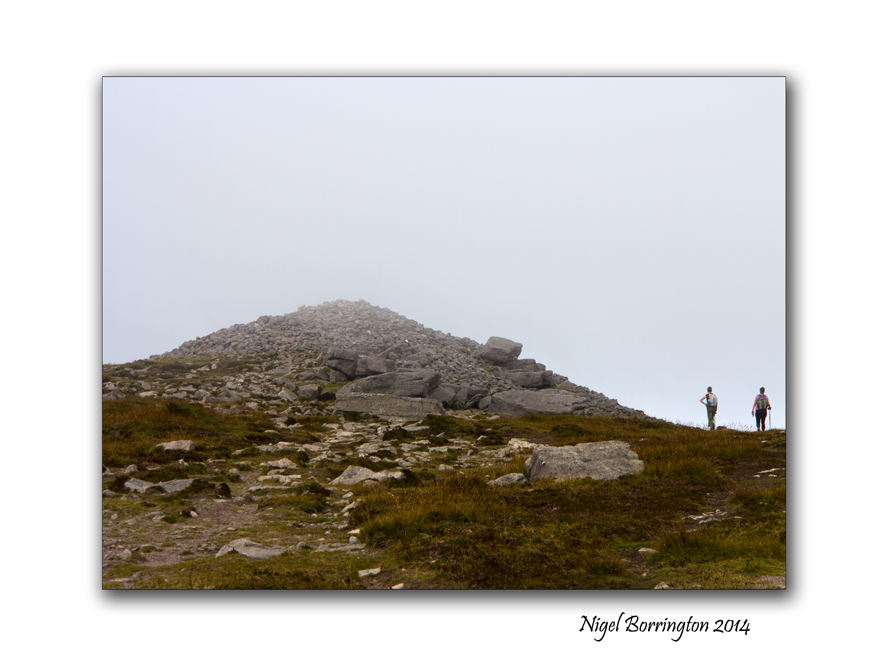
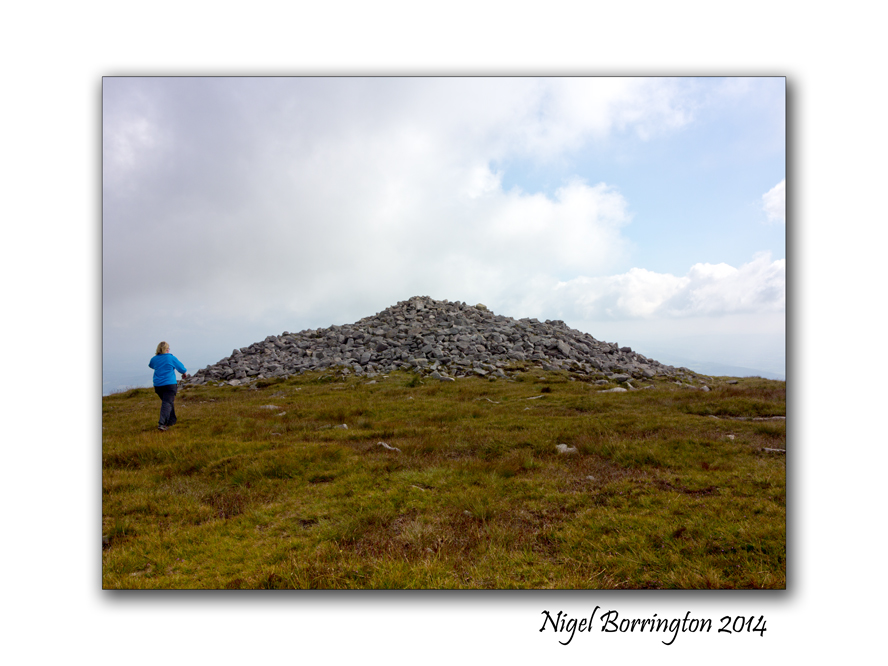
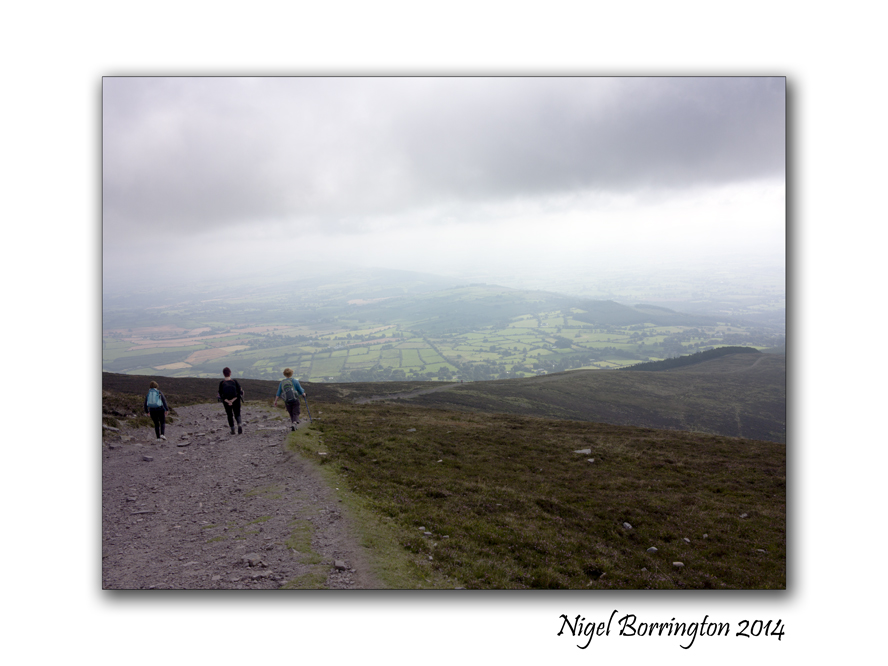
Walking up Slievenamon county Tipperary in the summer months is a very popular event for Walkers from both Ireland and International visitors alike.
The walk while steep and hard in places is of only medium difficulty compared to other Irish Mountains and offers some stunning views from the very start of the walk. These views offer a great visual relief as you make your way to the top, as a you have many chance’s to stop as little or often as you need in order to take in the wonderful landscape below. In total the walk takes about three hours up and down the mountain.
The Gallery below was taken during a walk up to the summit last Sunday (7th September 2014) during lunch time.
Walking up Slievenamon county Tipperary



Caha Mountains, Healy Pass, Ring of Beara, West Cork and a Poem By : Edwin Curran

A view of the Caha Mountains
Healy Pass, Ring of Beara, West Cork
Irish Landscape Photography : Nigel Borrington
The Caha Mountains on the ring of Beara, West cork, are some of the most beautiful mountains in Ireland, while being no means the highest they offer some of the most scenic views you can find. They sit in the middle of the Beara Peninsula and consist of many walking routes and mountain peaks.
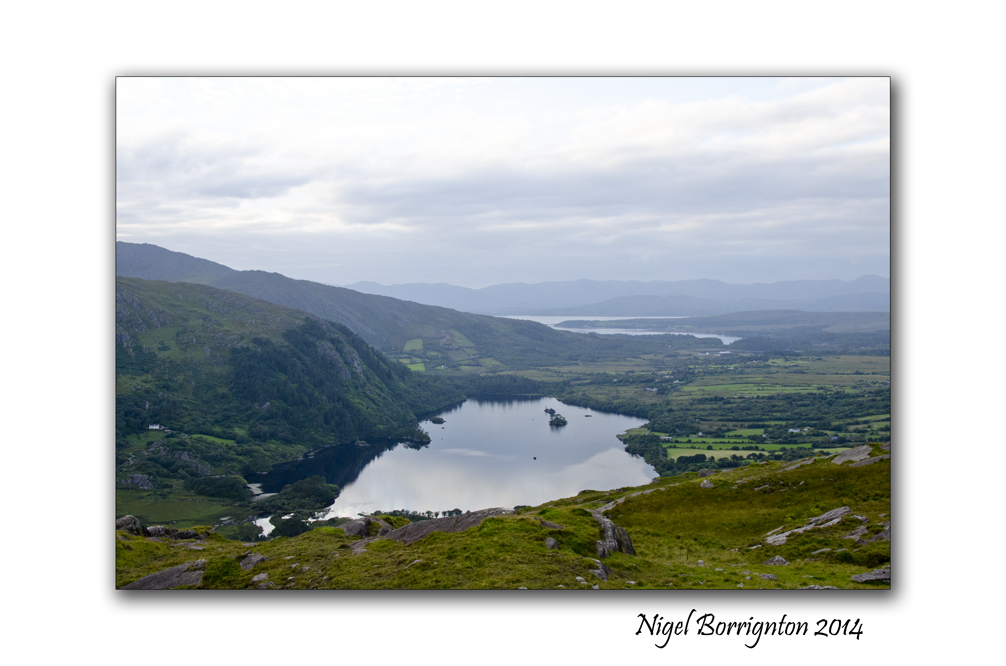
Below the peaks sit many ancient lakes that have only a short distance to flow into the sea.
The Old Mountains
by Edwin Curran
The old mountains are tall, silent men
Standing with folded arms, looking over the world,
Lonesome and lofty in their manner.
They have seen empires come and go,
Civilizations rise and fall,
Stars break on their breasts.
They are full of history like great books,
And are merely the stone monuments that the kindly Gods
Built for the human race, to mark its passing tomorrow.
Barley Lake, Glengarrif, county Cork

Barley Lake, Glengarrif, county Cork
Nikon D7000
Irish Landscape photography : Nigel Borrington
Barley Lake, Glengarrif, county Cork
Spending last week staying in Glengarrif, west county Cork I have just started to look at some of the Landscape photo’s taken during the week.
Glengarrif is located on the south east of the Beara Peninsula, west cork and is one of the most feature filled locations in Ireland, with (Mountains, nature reserves, rivers, Lakes and a wonderful coastline).
Barley Lake is located high above the town about as high as you can get a lake, sheep being its only visitors for most of the Year. The walk up is long but great fun as the views along the route are just wonderful.
I will post a full Gallery soon along with lots of the other great local locations I visited during the week.
Just For now the above image is a full view of Barley lake with its surrounding hills and wonderful Landscape setting. The image was created by stitching eleven separate images into one panoramic view.
5 Images for the week , Friday – Apples and a Poem By : Patrick Kavanagh

An Apple-ripe September morning.
Irish Landscape Photography,
Kilkenny based photographer : Nigel Borrington
Well September is in full flow and one of the most noticeable features of the month is all the Apple trees locally are ready for picking.
Although September marks the end of another summer it offers some of the best gifts of the year.
On An Apple-Ripe September Morning
Patrick Kavanagh
On an apple-ripe September morning
Through the mist-chill fields I went
With a pitch-fork on my shoulder
Less for use than for devilment.
The threshing mill was set-up, I knew,
In Cassidy’s haggard last night,
And we owed them a day at the threshing
Since last year. O it was delight
To be paying bills of laughter
And chaffy gossip in kind
With work thrown in to ballast
The fantasy-soaring mind.
As I crossed the wooden bridge I wondered
As I looked into the drain
If ever a summer morning should find me
Shovelling up eels again.
And I thought of the wasps’ nest in the bank
And how I got chased one day
Leaving the drag and the scraw-knife behind,
How I covered my face with hay.
The wet leaves of the cocksfoot
Polished my boots as I
Went round by the glistening bog-holes
Lost in unthinking joy.
I’ll be carrying bags to-day, I mused,
The best job at the mill
With plenty of time to talk of our loves
As we wait for the bags to fill.
Maybe Mary might call round…
And then I came to the haggard gate,
And I knew as I entered that I had come
Through fields that were part of no earthly estate.
5 Images for the week , Thursday : Killary Harbour

Nikon F90x, 50mm f1.4 lens on Kodak iso 100 film
Irish landscapes : Nigel borrington
Killary Harbour
“Killary Harbour/An Caoláire Rua is a fjord located in the West of Ireland in the heart of Connemara which forms a natural border between counties Galway and Mayo. It is 16 kilometres long and in the centre over 45 metres deep. It is one of three glacial fjords that exist in Ireland, the others being Lough Swilly and Carlingford Lough.[1]
On its northern shore lies the mountain of Mweelrea, Connacht’s highest mountain, rising to 814 metres. To the south rise the Maumturk Mountains and the Twelve Bens. The area contains some of Ireland’s most awe-inspiring and dramatic scenery.
There are two minor settlements nearby. On the southern side near the mouth of the fjord lies the hamlet of Rossroe while Leenaun lies inland to the east. Close to Rosroe there is an old building which now houses a hostel. This building was formerly a modest house which was used by Ludwig Wittgenstein, the famous philosopher, as a quiet place to write shortly after World War II. A plaque acknowledging this was unveiled by President Mary Robinson in 1993.
Nearby lies the so-called Green Road, a rough road running along the side of the fjord back east towards Leenane at the head of the fjord. It stretches for approximately nine kilometres and was part of the famine relief program during the 19th century. Aquaculture is important locally with a salmon farm based at Rossroe while mussel rafts are a common sight more to the east.”
One of the most beautiful landscape in Ireland, visit if you can!
5 Images for the week , Wednesday : Sir Thomas’s Bridge, Clonmel
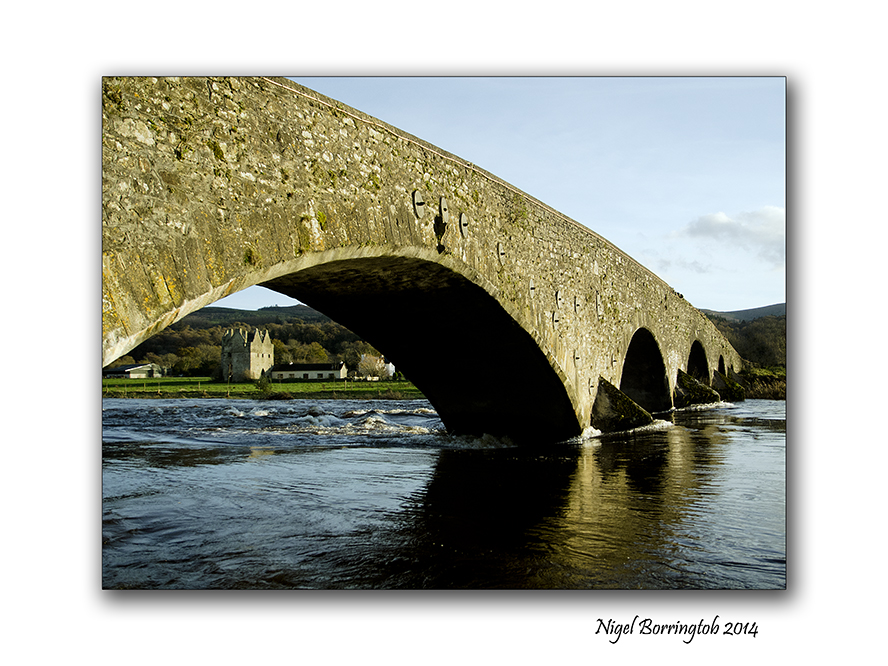
Sir Thomas’s Bridge,
River Suir, Clonmel
Irish Landscape Photography : Nigel Borrington
Sir Thomas’s Bridge, Clonmel
The river Suir is one of Ireland most loved and visited rivers. It flows through counties Tipperary and Waterford before reaching the Atlantic at Hook-head lighthouse. I have taken a lot of photographs of this river over the years. one of my favourite subjects are the old bridges that cross the river, most of them are some hundreds of years old and even though they were designed for horse and cart they still stand strong today and cope very well with modern demands
Sir Thomas’s Bridge is just on the edge of Clonmel in county Tipperary and has been used in many films and advertisements.
5 Images for the week , Tuesday : Working the Land
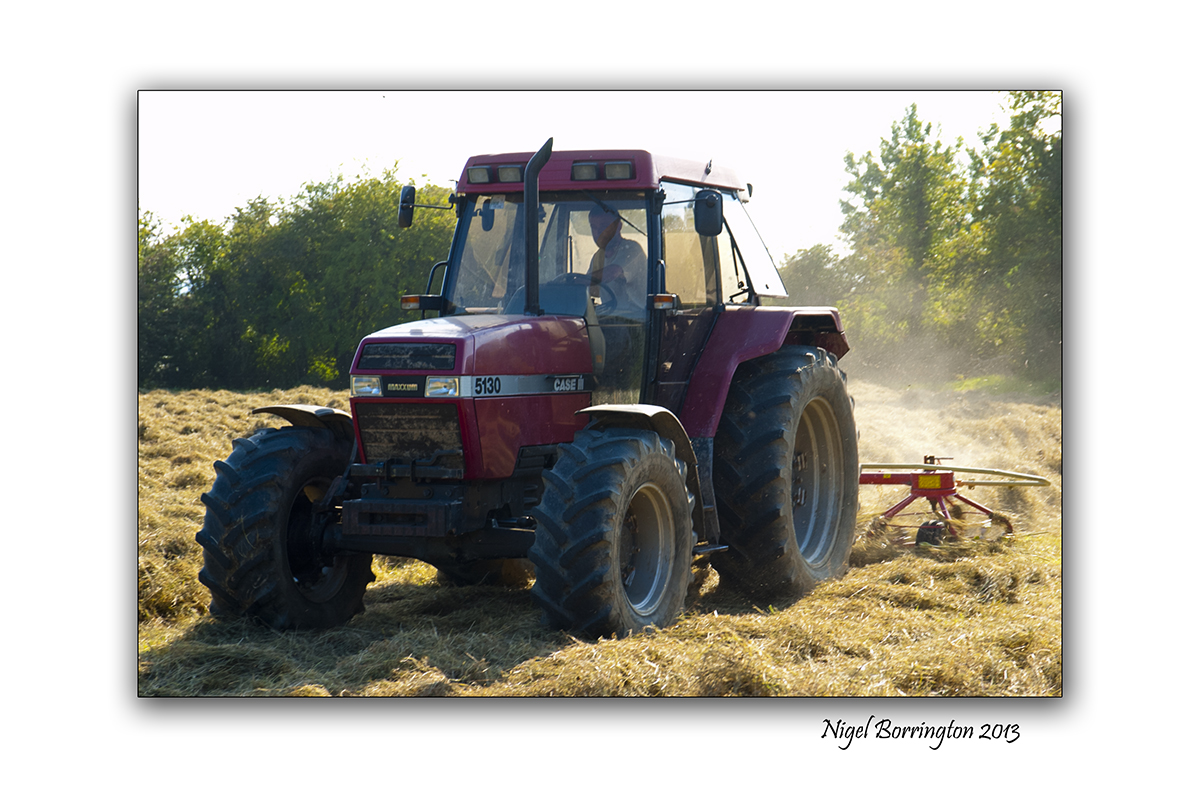
Working the Land, Farming in County Kilkenny, Ireland
Irish Landscape Photography : Nigel Borrington
Working the Land
By far the biggest industry in county Kilkenny is farming, The main land use is grassland, dairy farming and tillage farming especially around Kilkenny City and in the fertile central plain of the Nore Valley. Conifer forests are found on the upland areas.
5 Images for the week , Monday : A Damselfly

A Damselfly along the Kings river,
County Kilkenny,
Wildlife Photography : Nigel Borrington
I took this Image of a Damselfly while on a Walk along the Kings river , County Kilkenny.
This Wonderful looking Damselfly was just resting on a leaf as I walked past and stayed long enough for me to get some great images.
9 Images , As September calls on Slievenamon – Tipperary
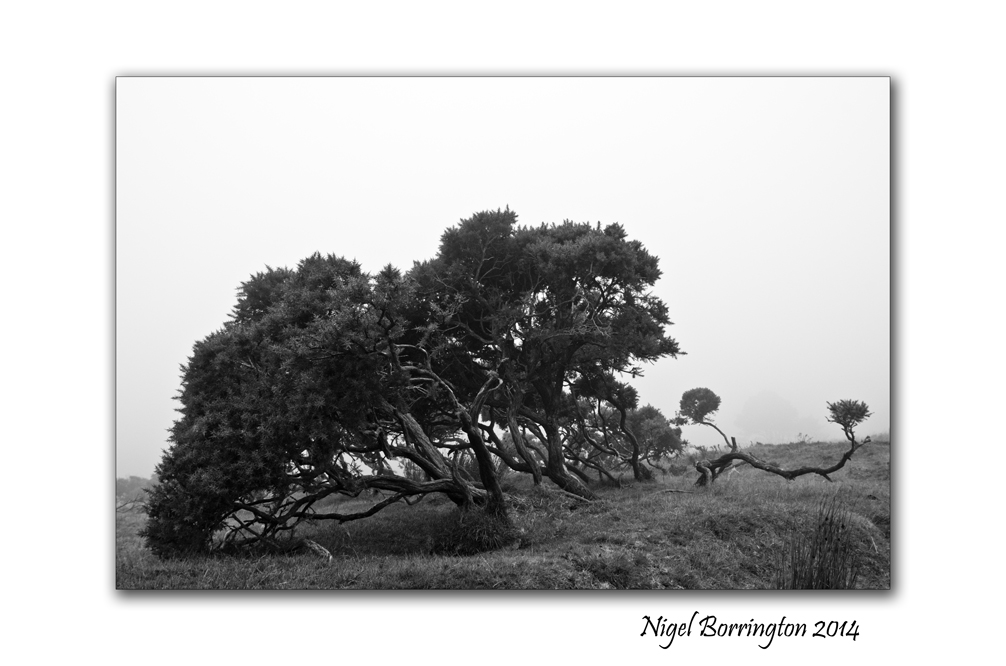
As September falls on Slievenamon,
County Tipperary
Irish Landscape Photography: Nigel Borrington
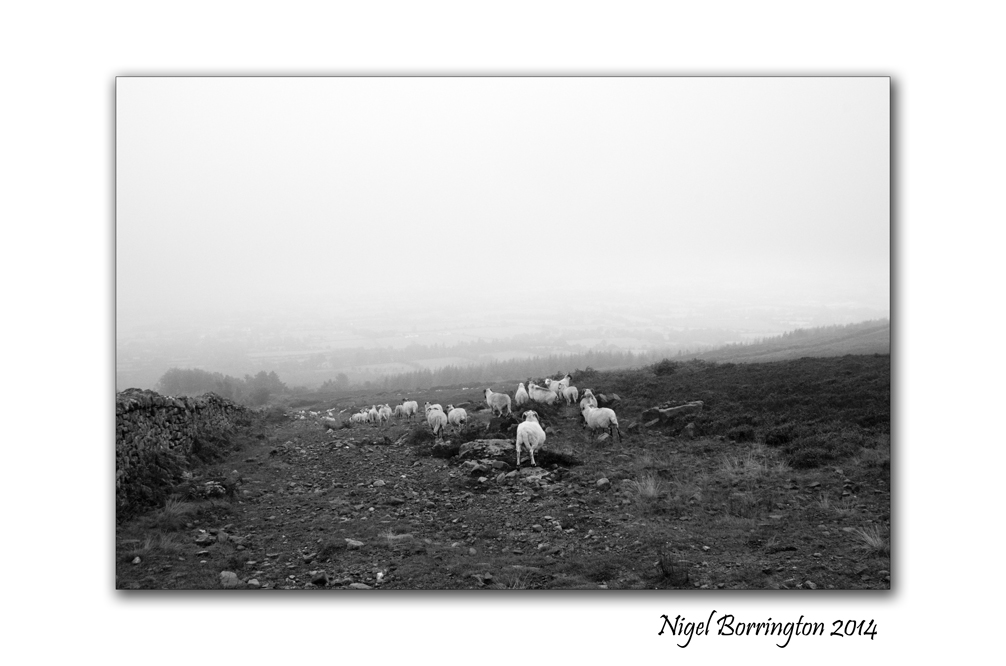
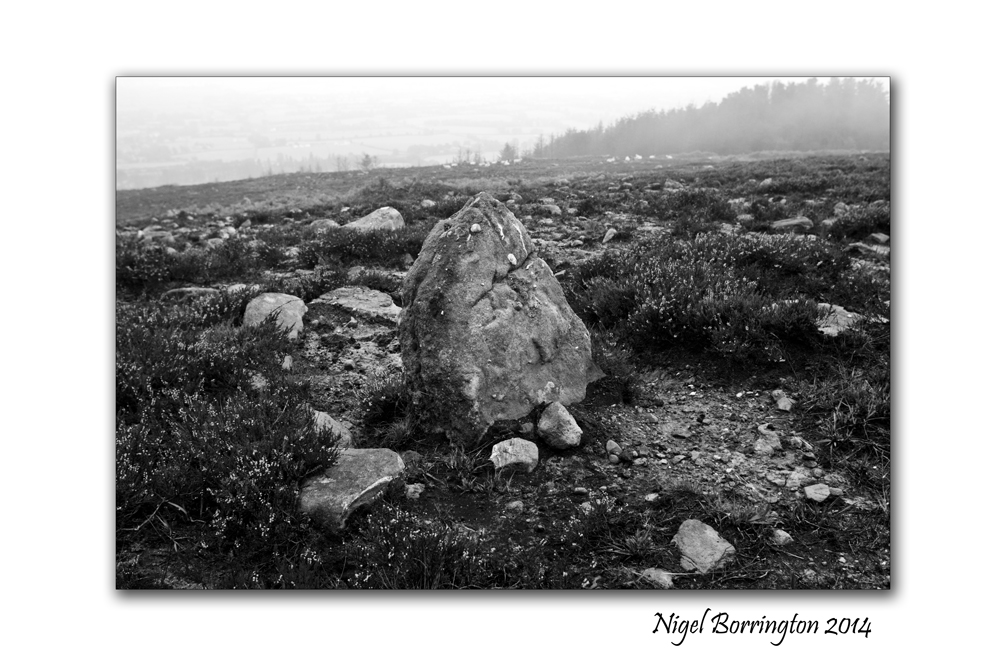
Yesterday I took sometime off a went for a long Walk around the Foot hills of Slievenamon, County Tipperary.
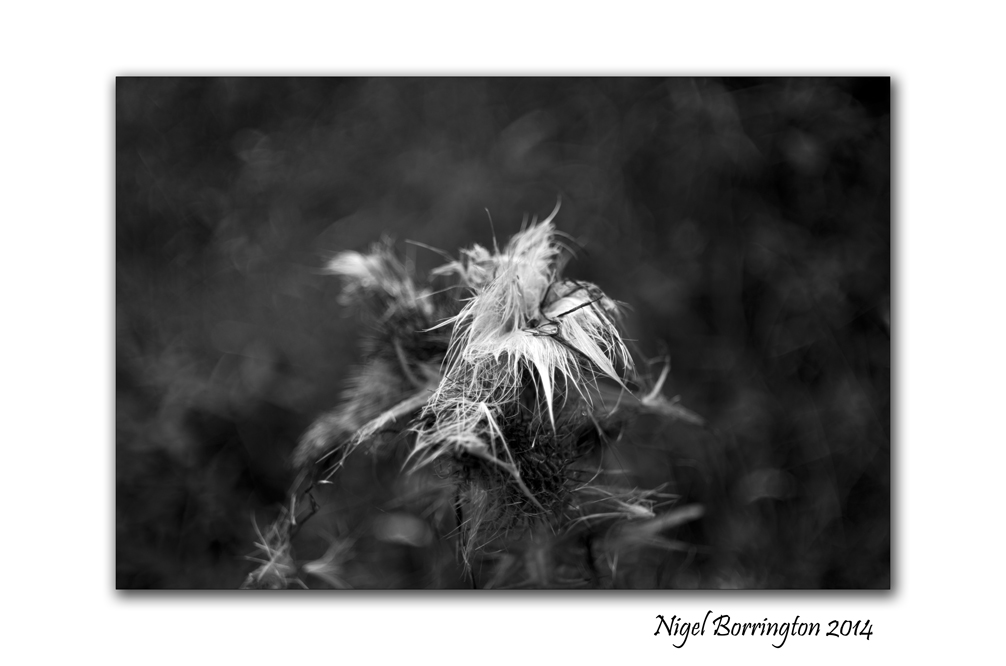
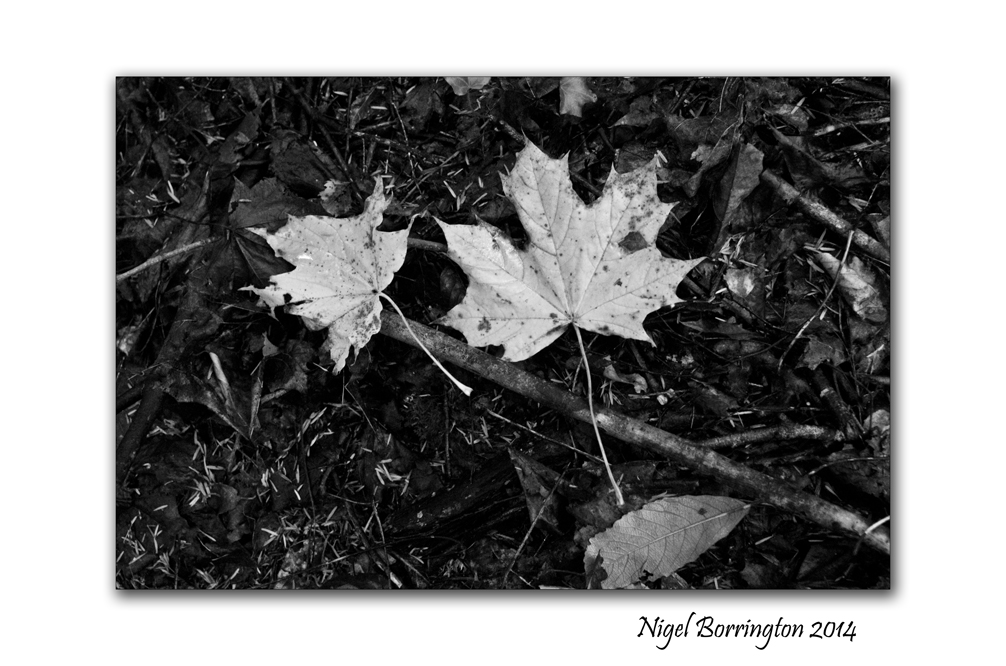
It was a wet and misty day with fog hugging the slopes and hanging above the rivers that flow at regular intervals from this mountain side. It felt like the Fall is very close and I cannot wait for the wonderful Browns and Golds to start. Heather and Bracken will soon turn golden brown along with the trees.
The great thing about this mountain is there is always something happening all the year around, maybe we will get some Snow again this year!
As September calls on Slievenamon – Tipperary – Gallery




The Hill, a poem by : Jode Cox

Mount Leinster
Irish Landscape Photography : Nigel Borrington
The Hill
by : Jode Cox
The road keeps getting longer
the farther that I walk
A head wind seems to push me back
I don’t have the breath to talk
My lungs they burn, my heart it pounds
My throat is getting dry
I see a looming hill ahead
And now I want to cry
To you this hill may seem small
To me it is a mountain
I don’t want to ask you for help
I keep going as fast as I can
I slow with every footstep
Until I have to stop
I find a way to busy my self
To pretend there is nothing wrong
 .
.
To admit this trouble to you
Is to admit it to myself
I don’t want to ask of others
I want to do this myself
I feel this is all my fault
If only I could heal
The shame I feel at every gasp
This journey has become too real
If only I was stronger
This disease I could have fought
It silently crept up to me
The illness I don’t want
Each day I am able to do less
No matter how hard I try
For now I can only do my best
You don’t even understand why
 ..
..
I used to run and jump and play
Nothing too hard to do
Now the smallest task I take
I must ask for help from you
You think I don’t see the resentment
The bitterness in your face
You think I chose to be sick
To give up on my life in this place
This hill is not enormous
The one you gave to me
I will make it to the top
I will do it just for me
The Occultation of Orion, Poem By : Henry Wadsworth Longfellow

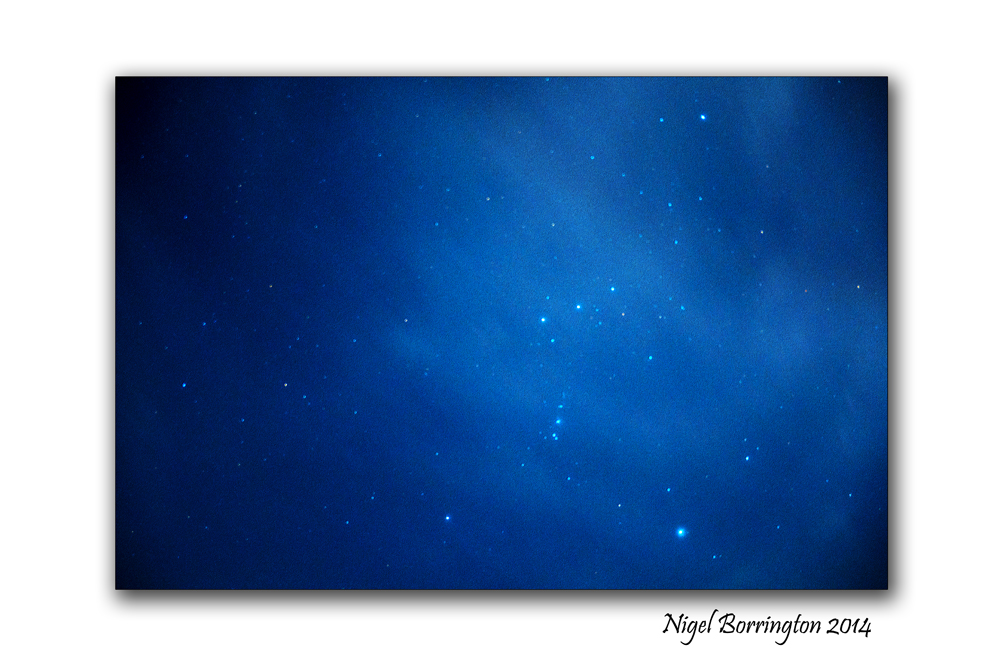
The Orion (constellation)
Photography : Nigel Borrington
The Occultation of Orion
By : Henry Wadsworth Longfellow
I saw, as in a dream sublime,
The balance in the hand of Time.
O’er East and West its beam impended;
And day, with all its hours of light,
Was slowly sinking out of sight,
While, opposite, the scale of night
Silently with the stars ascended.

Like the astrologers of eld,
In that bright vision I beheld
Greater and deeper mysteries.
I saw, with its celestial keys,
Its chords of air, its frets of fire,
The Samian’s great Aeolian lyre,
Rising through all its sevenfold bars,
From earth unto the fixed stars.
And through the dewy atmosphere,
Not only could I see, but hear,
Its wondrous and harmonious strings,
In sweet vibration, sphere by sphere,
From Dian’s circle light and near,
Onward to vaster and wider rings.
Where, chanting through his beard of snows,
Majestic, mournful, Saturn goes,
And down the sunless realms of space
Reverberates the thunder of his bass.
Beneath the sky’s triumphal arch
This music sounded like a march,
And with its chorus seemed to be
Preluding some great tragedy.
Sirius was rising in the east;
And, slow ascending one by one,
The kindling constellations shone.
Begirt with many a blazing star,
Stood the great giant Algebar,
Orion, hunter of the beast!
His sword hung gleaming by his side,
And, on his arm, the lion’s hide
Scattered across the midnight air
The golden radiance of its hair.
The moon was pallid, but not faint;
And beautiful as some fair saint,
Serenely moving on her way
In hours of trial and dismay.
As if she heard the voice of God,
Unharmed with naked feet she trod
Upon the hot and burning stars,
As on the glowing coals and bars,
That were to prove her strength, and try
Her holiness and her purity.
Thus moving on, with silent pace,
And triumph in her sweet, pale face,
She reached the station of Orion.
Aghast he stood in strange alarm!
And suddenly from his outstretched arm
Down fell the red skin of the lion
Into the river at his feet.
His mighty club no longer beat
The forehead of the bull; but he
Reeled as of yore beside the sea,
When, blinded by Oenopion,
He sought the blacksmith at his forge,
And, climbing up the mountain gorge,
Fixed his blank eyes upon the sun.
Then, through the silence overhead,
An angel with a trumpet said,
“Forevermore, forevermore,
The reign of violence is o’er!”
And, like an instrument that flings
Its music on another’s strings,
The trumpet of the angel cast
Upon the heavenly lyre its blast,
And on from sphere to sphere the words
Re-echoed down the burning chords,–
“Forevermore, forevermore,
The reign of violence is o’er!”

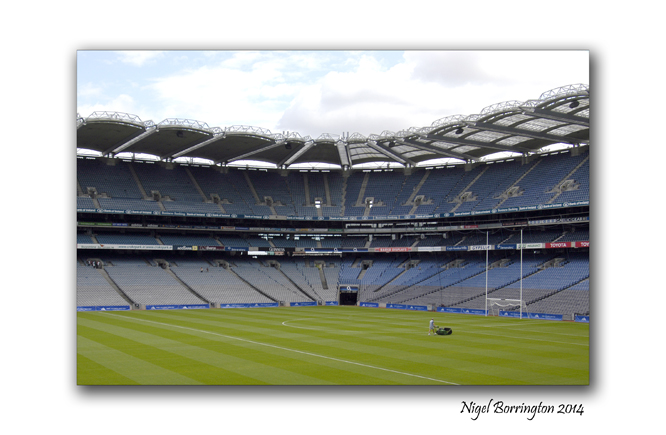
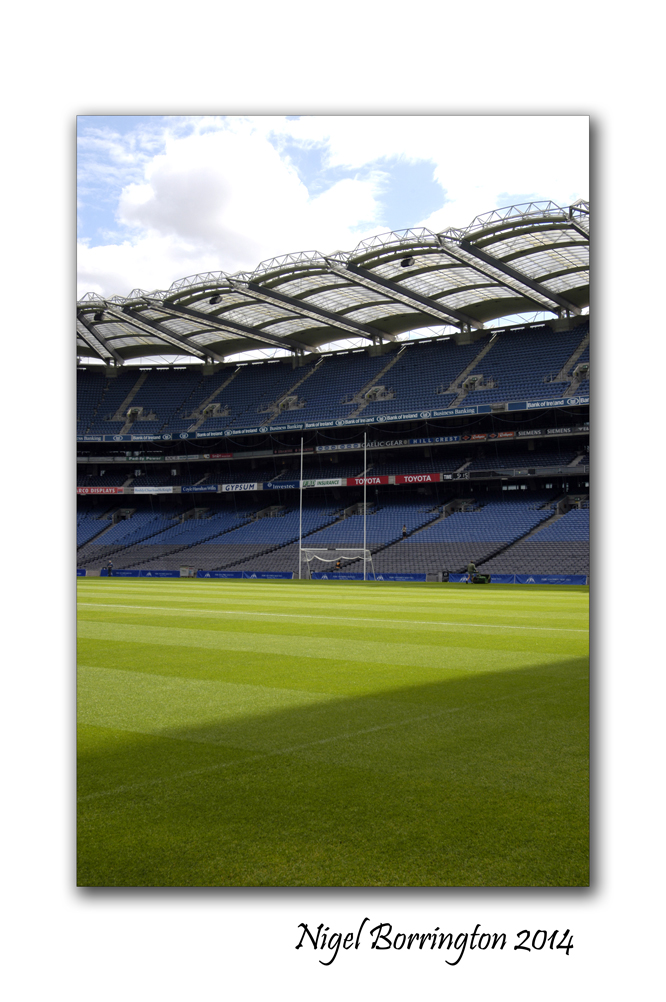
Croke Park, Dublin : Kilkenny V Tipperary , 7th Sep 2014
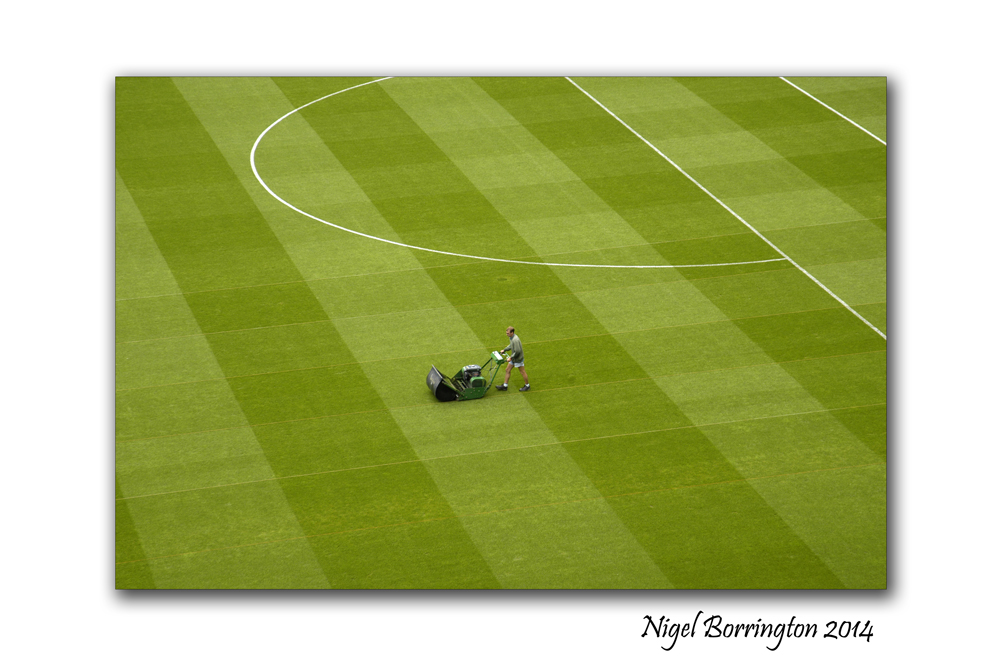
Croke Park, Dublin
GAA stadium located in Dublin, Ireland
Photography : Nigel Borrington
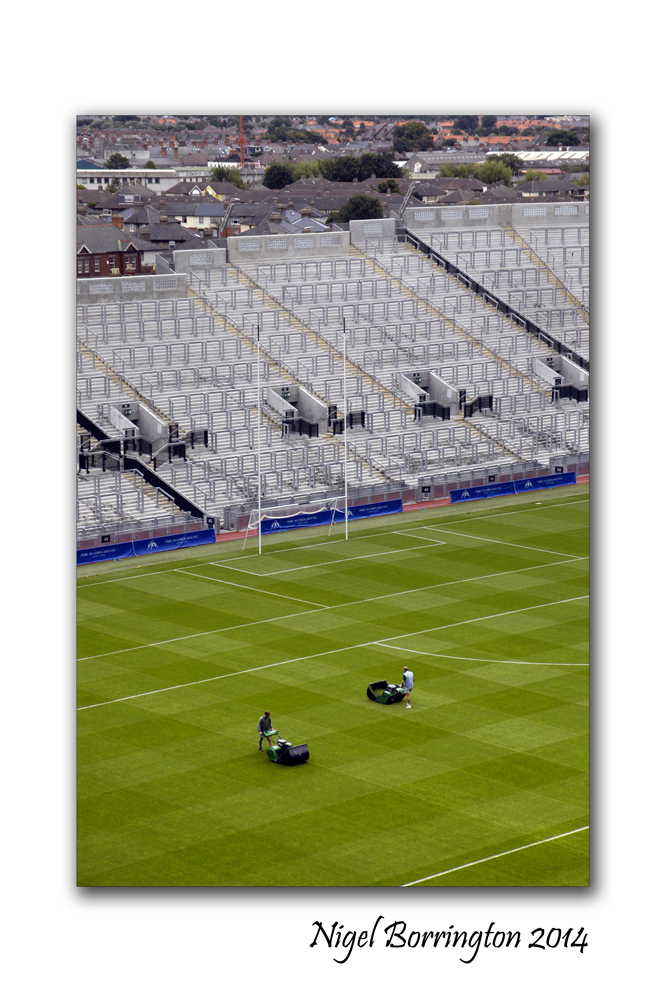
I took the images here while spending a little time watching and photographing the Grounds men of Croke Park Dublin at work.
They are getting ready for the GAA Hurling, All Ireland, Senior Championship 2014 Final on the 7th. Kilkenny will face Tipperary once again in a battle between neighbouring counties.
Here is a detailed history of the Finals between these two side : Kilkenny V Tipperary
Gallery

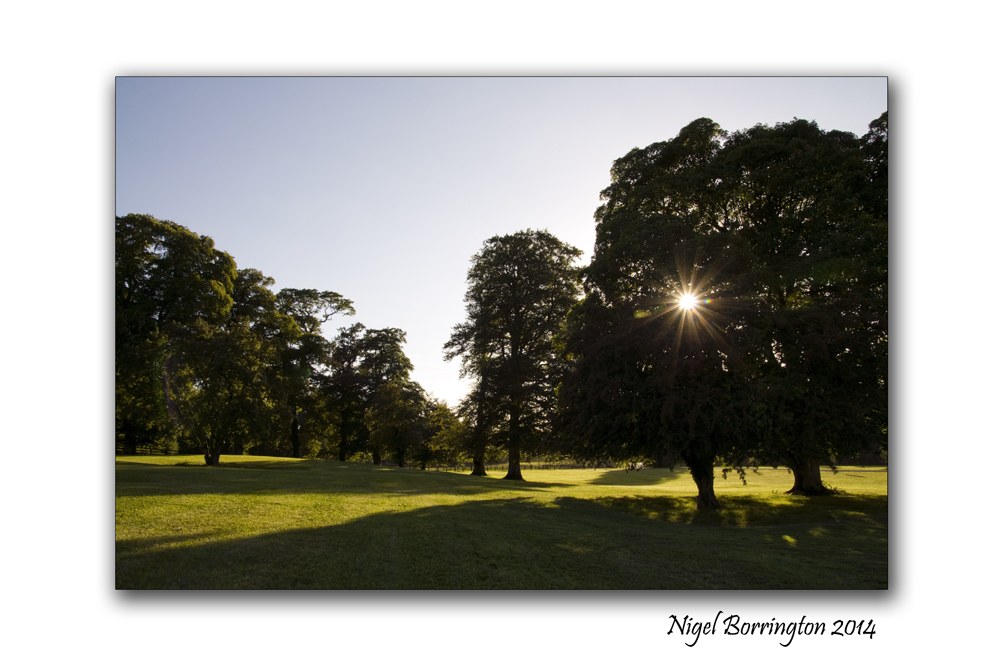
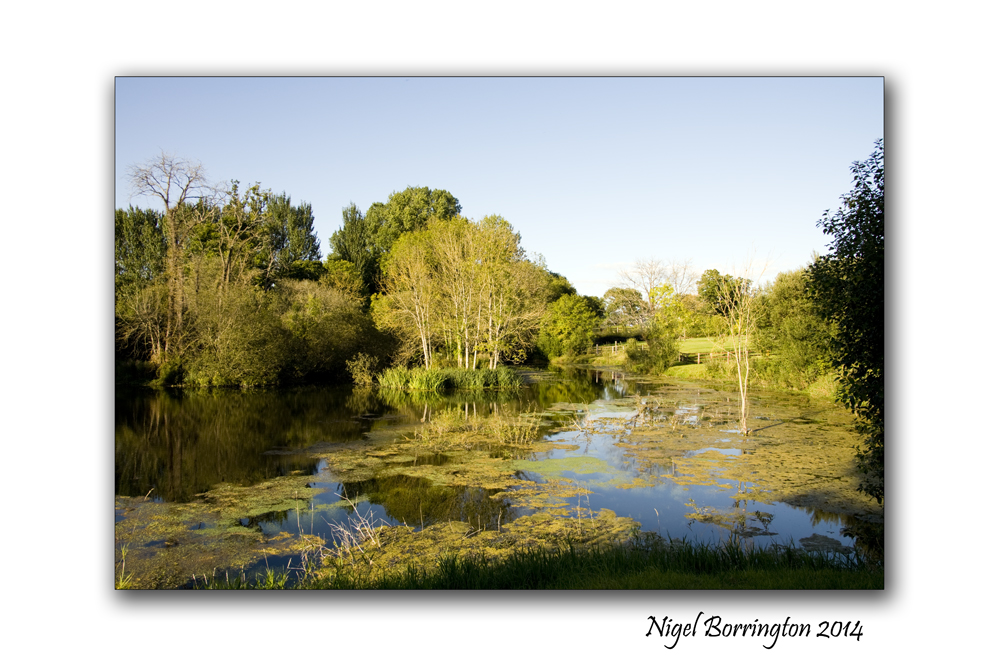
Lyrath Estate and Hotel , County Kilkenny

Lyrath Estate and Hotel , County Kilkenny
Landscape Photography : Nigel Borrington
Lyrath Estate and Hotel , County Kilkenny
I have shot a few wedding now at the Lyrath Estate and Hotel , County Kilkenny and got to know the grounds very well in that time. Its a wonderful estate that has the following history :
The history of Lyreth House dates back to the 16th and 17th century. During this time the lands were owned by the Shortall family of Rathardmore. The house was rented to Thomas Tobin until 1653 when they were evicted from the land by English republican Oliver Cromwell who was fighting against the English King ( Charles 1’st ), the Lyrath House being just one estate that Oliver Cromwell took control of.
The Tobin family history at Lyrath is as Follows :
The Tobins of Lyrath
The original townland of Lyrath, lay entirely within the parish of Blackrath (co. Kilkenny); so that it comprised but the western half of the modern townland of Lyrath, the eastern half being portion of Rathardmore. It belonged to the Tobin family, who held it at a certain rent of chiefry, from the Shortalls of Rathardmore. John Tobin, Rector of Callan, who died 1541-42, belonged to this family. Robert Tobin’s lands (of Lyrath), in the Barony of Gowran, were estimated at 5 pounds, about 1560. Thomas Tobin of Lyrath, was Constable of the Barony of Gowran, in 1608; he was still living in 1616. In 1653, Thomas Tobin forfeited Lyrath, containing 116 ac. and “a castle in repair.” Richard Tobin, of Lyrath, and 12 others, had certificates of Transplantation to Connaught signed for them in March 1653-54. Father James Tobin of Lyrath, founded the Poor House in Walkin Street, in 1682. By his last will, made at Lyrath, Oct. 29th, 1699, (with codicil of 10th of following month), and proved December 5th, 1700, he bequeaths his body to the earth, to be interred in his ancestors’ monument in St. John Evangelist’s Monastery in Kilkenny.
As I say this is a wonderful part of County Kilkenny and the estate makes a great visit on a sunny August afternoon.
Gallery




Sunday with Kilkenny’s ancient stones , Discovering nine megalithic Court Tombs

kilmogue portal Tomb , 6000 years old,
The Standing Stone and Tombs of County Kilkenny,
Landscape Photography : Nigel Borrington
Sunday with Kilkenny’s ancient stones and tombs
Earlier in the year I posted this article about the kilmogue portal Tomb , Located Near Harristown , County Kilkenny.
Sitting at the end of a short path near Harristown, county kilkenny, it is a 6000 year old tomb, know nationally at the Kilmogue Portal Tomb but locally as, “Leac an Scail” – stone of the warrior/hero in English.
This tomb however has become just the first of many ancient remains I feel I have found in this small area of County Kilkenny, since I posted the above post in April (2014).

The above is a map of a wooded area located above the Kilmogue Portal Tomb, Harristown, Kilkenny.
When back in April when I re-visited the portal tomb, I took a good look at its surroundings, its a dairy farming area with some very defined field patterns, I had a very strong feeling that this tomb could not be the only local ancient remains, there just had to be more.
It took some weeks of walking the local roads and wood-lands to find what I was looking for and the above map shows clearly the amount of sites I feel I have now found (Ring forts, standing stones and Tombs), while walking through the above woods there are many different type of megalithic remains.
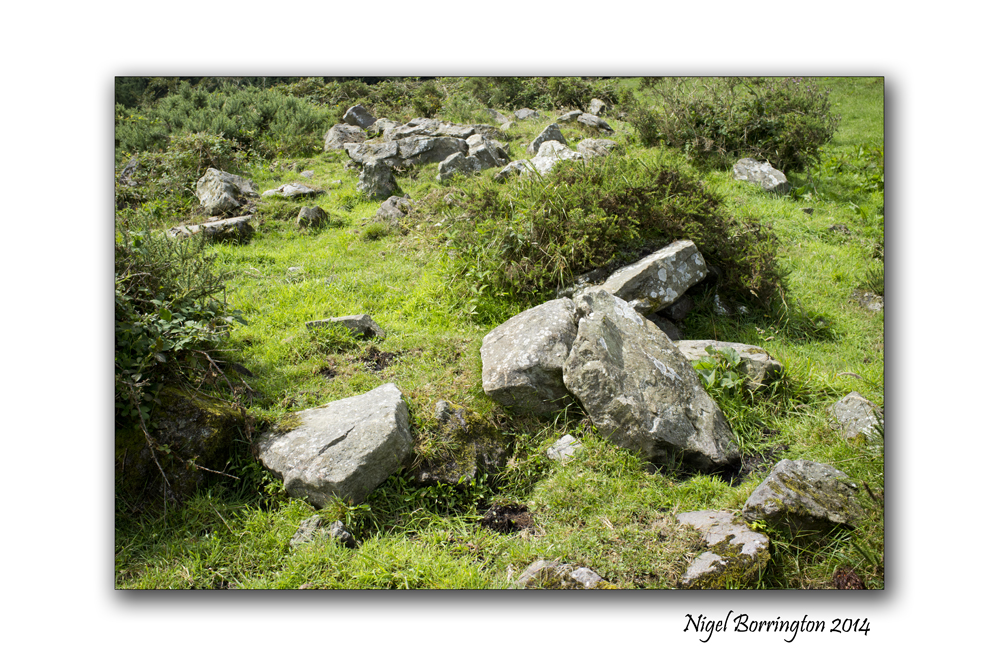
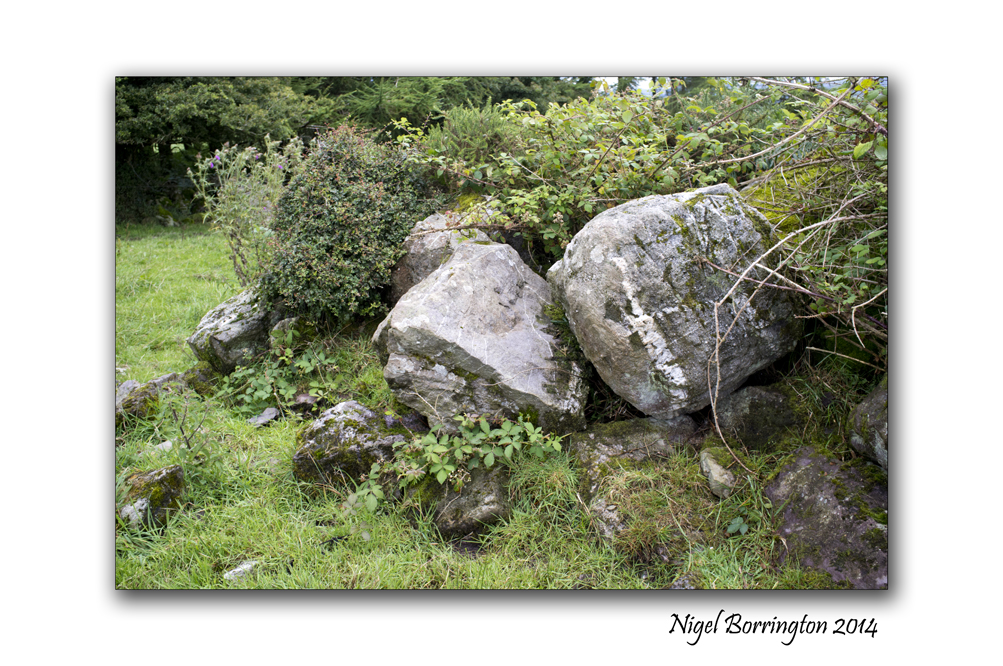
I visited the another of what I felt was a possible megalithic site last Sunday and this Sunday morning, a collection of Multiple tombs and wanted to share some of the pictures and feeling below.
To get to this location I had to navigate through the trees and get over a wall into the field but once in I was amazed at what I found. There are a total of nine tombs that could as important as the Kilmogue Portal Tomb, they are possible megalithic Court tombs or Portal tombs. I feel that to find so many Tombs in one field is very special and reflects on just how important an area this must have been to the people who lived here over a vast period of time.
I need to keep working on this location and study a lot more as to my possible findings but feel its very exciting to find such a large collection of Tombs in one place.
I did at first wonder if these tombs where just collections of rocks that a farmer in the past had cleared from his fields but on getting closer and spending sometime walking around them, as you can see in the pictures these rocks are very large and in the correct formation and organisation to be Tombs.
They have large rocks forming a boarder with a raised area in the centre, they have a single gap forming an entrance and what looks like smaller grave area inside the tombs themselves. These features fully match the definition of what are defined as court tombs.
You are welcome to have a good looks at the pictures below and form you own impression but for the moment I am very pleased to have found such an impressive ancient location.
The Tombs of Harristown, Kilkenny ; Gallery



Local Standing Stones : Gallery

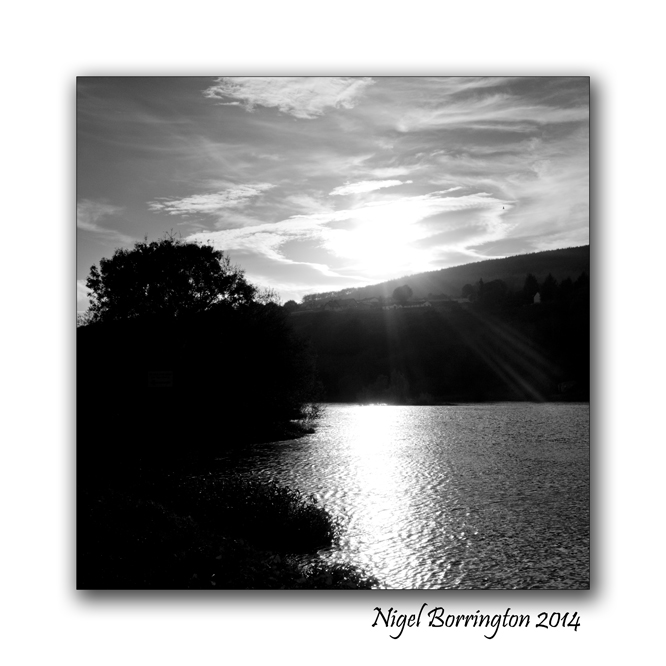
Evening ghosts along the river, Images and Poem
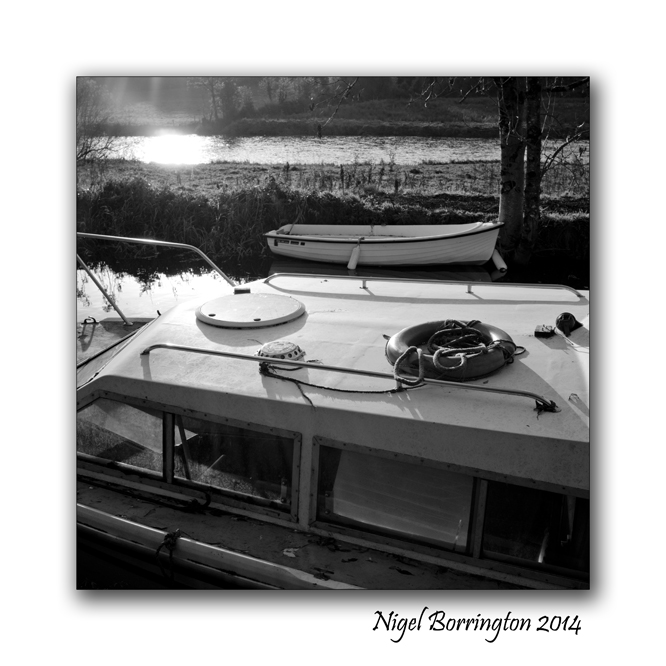
River Barrow, County Kilkenny
Irish Landscape Photography : Nigel Borrington
Evening ghosts along the river
I could tell you how the river looks
sketched in evening light;
I know the smell of mist so fresh over the river,
and night air that parts like tired curtains,
with wet heat that sighs
and slaps the grass when you move on;
I’ve felt what a violin says
to the heart of the river ghosts
over waters edge,
and how an old man’s voice sounds best after smoking,
but a woman’s is best talking.
There are ghosts on these paths,
but they don’t hunger anymore;
hunger is for the living
not satisfied
with morning light.
The Voyages of Bran, A nine year voyage .
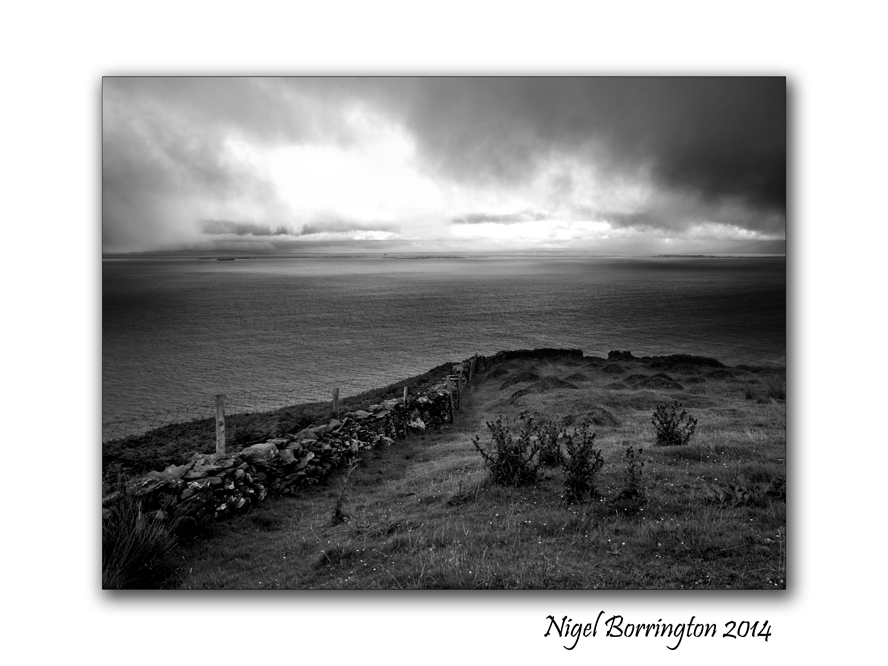
Brandon Bay, County Kerry
Irish Landscape Photography : Nigel Borrington
The Voyage of Brendan
The Voyage of Bran (Immram Brain) is a tale of a man’s journey across the sea to avenge his father’s murder. The content derives from Irish Mythology, but was written in the 8th Century.
Although there are many earlier references to the tale, one of the earliest preserved written versions of the legend is the 12th century Des Reis van Sint Brandaen (Dutch). Scholars believe it derived from a now lost middle High German text and combines Christian and fairy tale elements. It describes how a monk from Galway voyages for nine years, encountering the wonders and horrors of the world, such as Judas frozen on one side and burning on the other, people with swine heads, dog legs and wolf teeth carrying bows and arrows, and an enormous fish that encircles the ship by holding its tail in its mouth. The English poem Life of Saint Brandan is a later English derivative of the Dutch version.
As a genre, The Voyage of St. Brendan fits in with a then-popular form of literature, peculiar to Ireland, called an immram, which describes a hero’s series of adventures in a boat. For example, there appear to be similarities with The Voyage of Bran, written much earlier. The most commonly illustrated episode is his landing on an island that turns out to be a giant sea monster called Jasconius or Jascon. This too, has its parallels in other stories, not only in Irish mythology (Saint Brendan’s contemporary Saint Columba also met one) but in other traditions, from Sinbad the Sailor to Pinocchio. This style of storytelling meshed with a religious ascetic tradition whereby Irish monks would travel alone in boats, the same way their desert brothers used to isolate themselves in caves.
While it is generally assumed that the story is a religious allegory, there has been considerable ink spilled over the question of whether some parts of the story could have really happened. Christopher Columbus relied on the St. Brendan legends as part of his argument that it was indeed possible to travel to Asia by crossing the Atlantic. There is a St. Brendan Society that celebrates the belief that Brendan was the first European to “discover” America.
The Voyage of Bran
The Voyage of Bran (Immram Brain) is a tale of a man’s journey across the sea to avenge his father’s murder. The content derives from Irish Mythology, but was written in the C8th. Some Old Irish storyteller’s lists categorize the tale as an Echtra, or “Adventure”, but it contains the essential elements of an Immram, or “Voyage”. It may have influenced the story of Saint Brendan’s voyage later on.
In 1976, explorer Tim Severin built an ox leather curragh and over two summers sailed her from Ireland via the Hebrides, Faroe Islands and Iceland to Newfoundland to demonstrate that the saint’s purported voyage was feasible. On his voyage, he encountered various sights such as icebergs and sea animals such as whales and porpoises, which he suggests are factual counterparts to the fantastic sights from the legends of Brendan. See The Brendan Voyage, ISBN 0-349-10707-6.
 Nigel Borrington
You must be logged in to post a comment.