Last night as I was sleeping, Poem by : Antonio Machado

Last night as I was sleeping
Kilkenny Landscapes : Nigel Borrington
Antonio Machado
Last night as I was sleeping,
I dreamt—marvelous dreams
that a spring was breaking
out in my heart.
I said: Along which secret aqueduct,
Oh water, are you coming to me,
water of a new life
that I have never drunk?
Last night as I was sleeping,
I dreamt—marvelous dreams
that I had a beehive
here inside my heart.
And the golden bees
were making white combs
and sweet honey
from my old failures.
Last night as I was sleeping,
I dreamt—marvelous dreams
that a fiery sun was giving
light inside my heart.
It was fiery because I felt
warmth as from a hearth,
and sun because it gave light
and brought tears to my eyes.
Last night as I slept,
I dreamt—marvelous dreams
that it was life I had
here inside my heart.
When the fishing boats go out , Poem and Images, By L. M. Montgomery

When the fishing boats go out.
Irish Landscape Photography : Nigel Borrington
WHEN THE FISHING BOATS GO OUT
By L. M. Montgomery
WHEN the lucent skies of morning flush with dawning rose once more,
And waves of golden glory break adown the sunrise shore,
And o’er the arch of heaven pied films of vapor float.
There’s joyance and there’s freedom when the fishing boats go out.
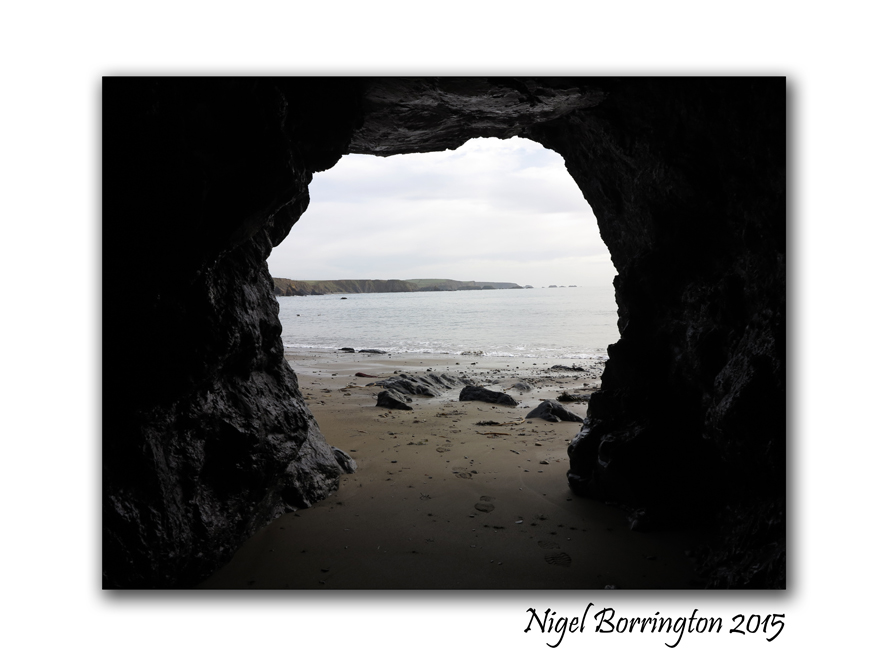
The wind is blowing freshly up from far, uncharted caves,
And sending sparkling kisses o’er the brows of virgin waves,
While routed dawn-mists shiver–oh, far and fast they flee,
Pierced by the shafts of sunrise athwart the merry sea!
Behind us, fair, light-smitten hills in dappled splendor lie,
Before us the wide ocean runs to meet the limpid sky–
Our hearts are full of poignant life, and care has fled afar
As sweeps the white-winged fishing fleet across the harbor bar.
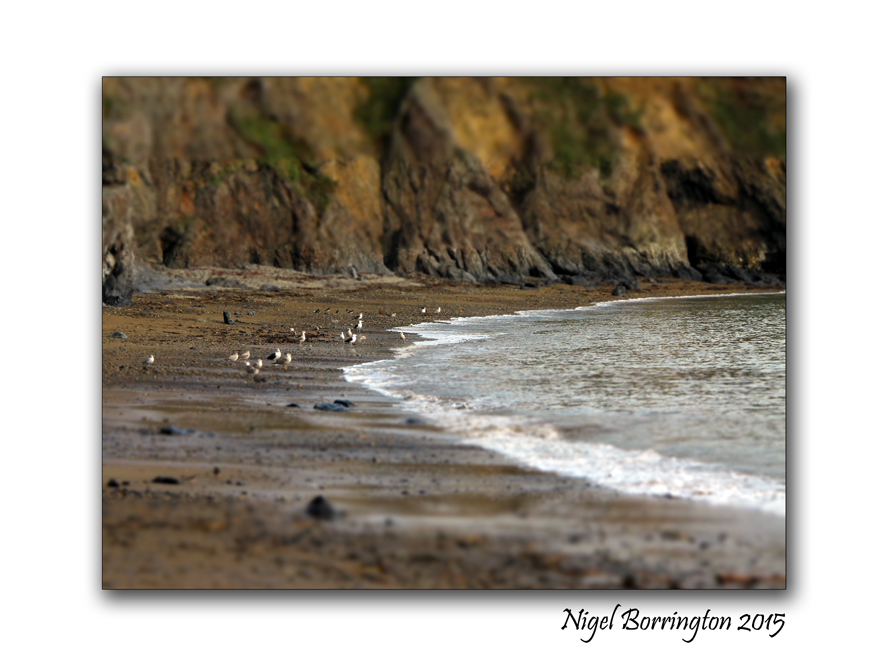
The sea is calling to us in a blithesome voice and free,
There’s keenest rapture on its breast and boundless liberty!
Each man is master of his craft, its gleaming sails out-blown,
And far behind him on the shore a home he calls his own.
Salt is the breath of ocean slopes and fresher blows the breeze,
And swifter still each bounding keel cuts through the combing seas,
Athwart our masts the shadows of the dipping sea-gulls float,
And all the water-world’s alive when the fishing boats go out.
Irish Landscapes, Freedom of the Hills, Poem by : Douglas Fraser – 1968
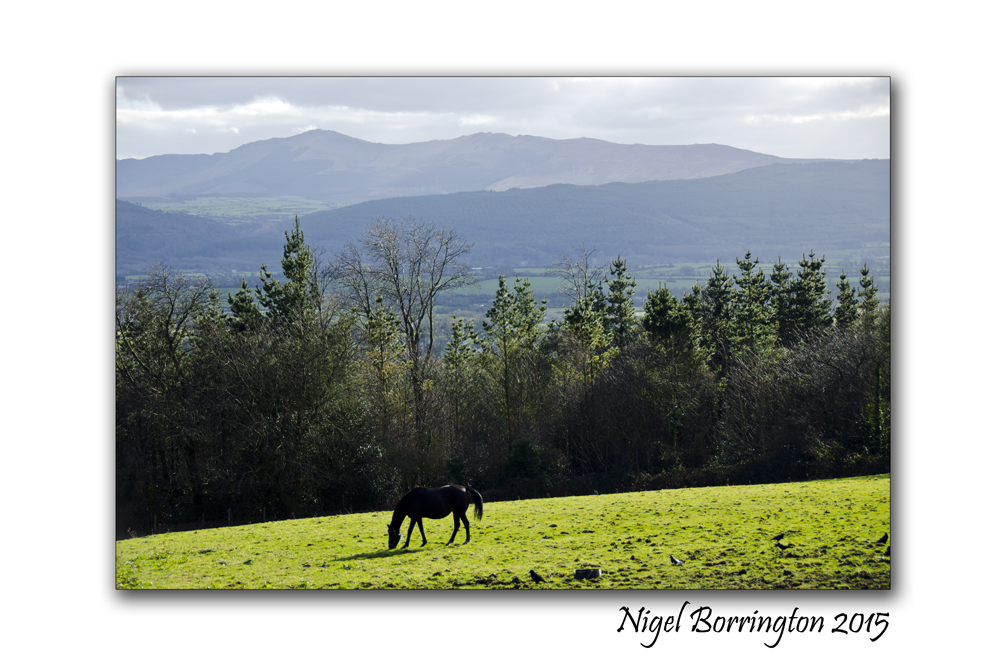
The Freedom of the hills
Irish Landscape Photography : Nigel Borrington
Freedom of the Hills
By: Douglas Fraser – 1968
Mine is the freedom of the tranquil hills
When vagrant breezes bend the sinewy grass,
While sunshine on the widespread landscape spills
And light as down the fleet cloud-shadowed pass.
Mine, still, that freedom when the storm-clouds race,
Cracking their whips against defiant crags
And mists swirl boiling up from inky space
To vanish on the instant, torn to rags.
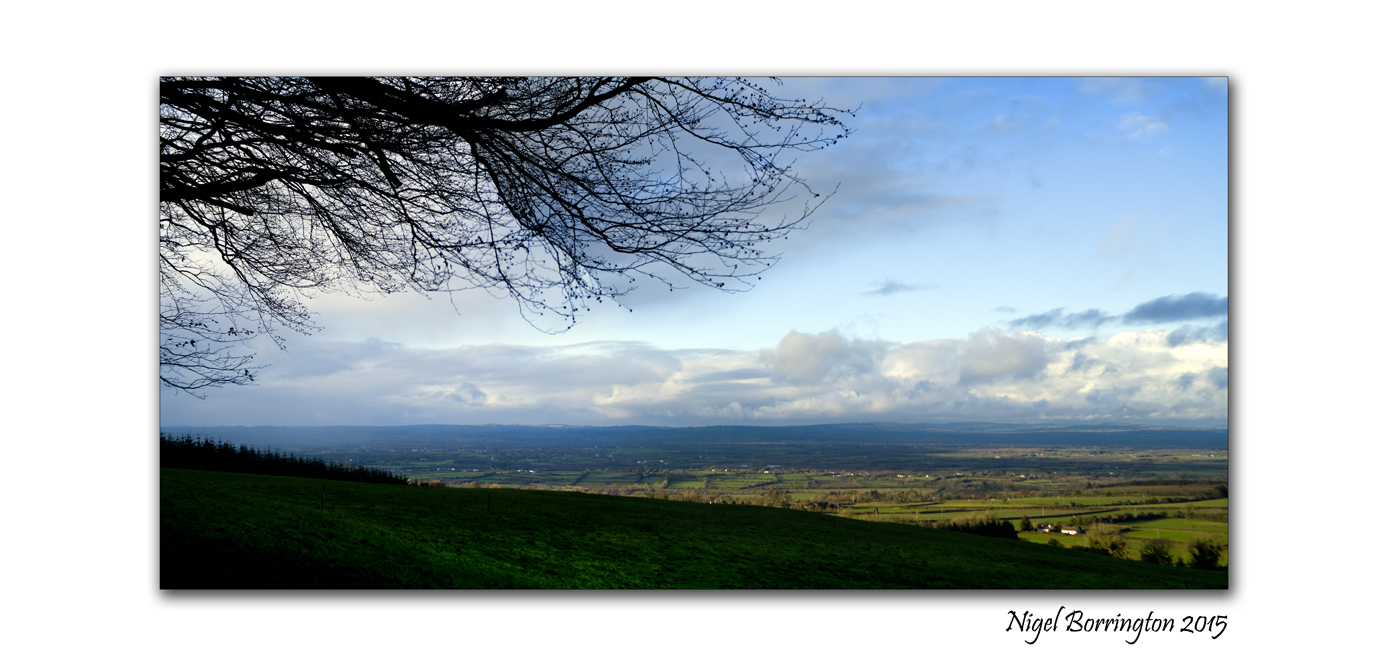
When winter grips the mountains in a vice,
Silently stifling with its pall of snow,
Checking the streams, draping the rocks in ice,
Still to their mantled summits I would go.
Sun-drenched, I sense the message they impart;
Storm-lashed, I hear it sing through every vein;
Among the snows it whispers to my heart
“Here is your freedom. Taste – and come again.”
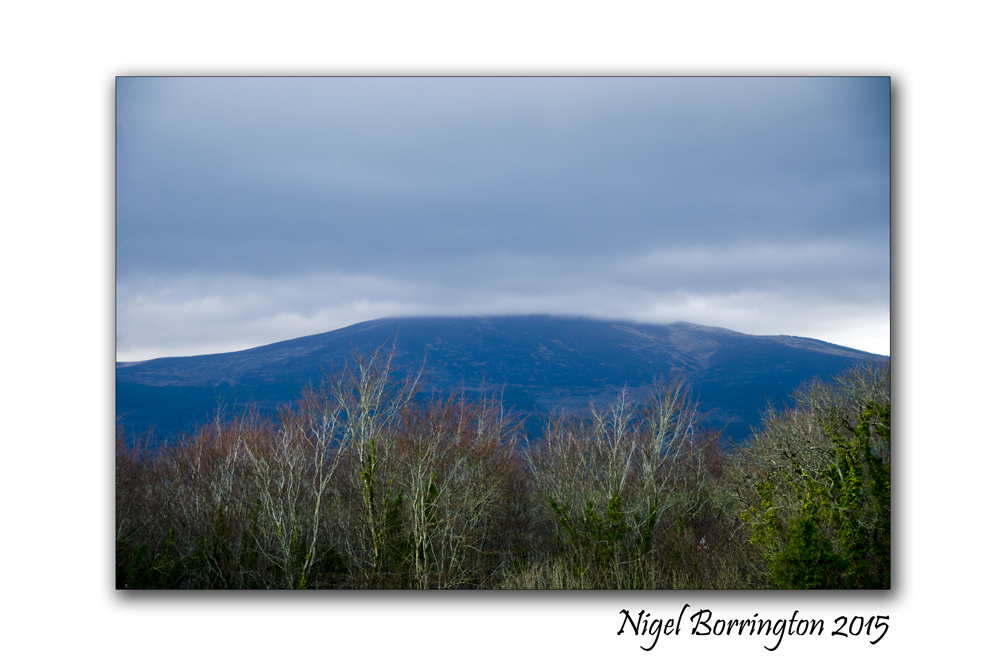
Pagan Monday : The Spiral and Nature

The Spiral In the Natural Pagan world
If you have taken many nature photographs or sketched and/or painted outside, you may have noticed just how often you come across one of natures repeating patterns, the Spiral.
From Lichen on rocks to the way the bark grows on some trees, water spinning in a rock pool and the form that galaxy’s take in the night sky.
The last image below was taken at the Local Pagan location of Knickroe, County Kilkenny where most of the stones are marked with the spiral pattern. In this image you can just about make out the form of the Triple Spiral, Possibly representing the : ( “three realms” – Land, Sea and Sky ). Clearly our Pagan ancestors noticed the spiral and give it a significant place in their lives. Today the spiral takes a leading place in Modern Re constructionist Paganism being used in Art and artifacts.
Pre-Christian symbolism
Believed by many people to be an ancient symbol of pre-Celtic and Celtic beliefs, the triple spiral appears in various forms in pre-Celtic and Celtic art, with the earliest examples having been carved on pre-Celtic stone monuments, and later examples found in the Celtic Christian illuminated manuscripts of Insular art. The triple spiral was possibly the precursor to the later triskele design found in the manuscripts.
Christian Celtic symbolism
What the symbol meant to the pagans who built Newgrange and other monuments is unknown; but, as Christianity came into the forefront in Ireland before the 5th century, AD, the triskele took on new meaning, Kidnapped somewhat as a symbol of the Trinity (i.e., Father, Son, and Holy Spirit) and, therefore, also a symbol of eternity. Its popularity continues today as a decorative symbol of faith for Christians of Celtic descent around the world.
The triple spiral
The triple spiral is one of the main symbols of Celtic Reconstructionist Paganism, often standing for the “three realms” – Land, Sea and Sky, or for one of a number of deities who are described in the lore as “threefold” or triadic.[1] The god Manannán is probably most often the one symbolized by the triskele, though some also use it for the goddess Brighid. Some Celtic-inspired Wiccans also use the triple spiral symbol, most often to represent the concept of the triple goddess.
According to Uriel’s Machine by Knight and Lomas (2003), the triple spiral may represent the nine-month period of human pregnancy, since the sun takes a fourth of a year to go from the celestial equator (an equinox) to extreme north or south declination (a solstice), and vice versa. During each three-month period, the sun’s path across the sky appears to form a closely wound quasi-helical shape, which can be likened to a spiral, so that three spirals could represent nine months, providing an explanation for a link between fertility and the triple-spiral symbol.
Natures Spirals


Irish Landscape Photography – The River Suir at Mooncoin , County Kilkenny

Fishing boats on teh River Suir
Irish Landscape Photography : Nigel Borrington
Fishing on the River suir
A walk along the river Suir, at Mooncoin, County Kilkenny is one of the best river walks in the south east of Ireland.
The river is used by many local people during the year but the fisher men are probably it’s most common visitors, the River is renowned for its game angling, holding both salmon (Salmo salar) and brown trout (Salmo trutta).

I have taken many photographs of the fishermen here over the years, alone with their boats, used for their fishing. These boats ( all made locally ) are used more like punts as they have a completely flat bottom and are moved along the river using a pole.
Allihies copper mines, Copper Mine a Poem By : Madhu Kailas

Allihies copper mines
Irish Landscape Photography : Nigel Borrington
The Copper mines located at the small town of Allihies , west cork Ireland are amongst some of the most worked and preserved in this part of Europe , their history is as follows :
Copper mining started in Allihies in 1812 when John Puxley, a local landlord, identified the large quartz promontory at Dooneen as copper bearing from its bright Malachite staining.
The Allihies Mines
Initial mining began with a tunnel or adit driven into the quartz lode from the pebble beach below. In 1821 two shafts were sunk . Flooding was a continuous problem and in 1823 the engine house was erected to house a steam engine brought over from Cornwall to pump water from the depths. The remains of this building with the base of the chimney can be seen across the road. There is also evidence of a steam powered stamp engine to the left of the chimney and dressing floors in front of the engine house. The high dam further inland is the remaining evidence of a water reservoir which stored the water that was pumped out from the bottom of the mine. It was used for the steam engines and needed to separate the copper from rock. All the rubble on the cliff at the sea side of the road is the crushed useless quartz rock left over after the copper ore was extracted.
This is one of six productive mines in the Allihies area and its operation continued until 1838 when it closed due to failing ore.
John Puxley died in 1860 and in 1868 his son Henry Puxley sold the mines to the new Berehaven Mining Company who reopened the mine and installed a new 22 inch steam engine in 1872. Little ore was produced though in this period and the mine was finally abandoned in 1878.

Copper Mine
By : Madhu Kailas
Hollowed earth,
a large reservoir of emptiness.
Deep down where only
the moon can touch
dregs of an empty cup,
static turquoise fluid
of residual copper blood.
Cyclopean machines
crawl like dwarf ants.
Along grooves etched by mortal hands.
Gnaw at rocks,
startled out of deep sleep
to be stripped.
An ancient cave painting
tumbles out of extinction
delineated by squished insect blood
on ochre flats.
Dead insects scrabble out of rocks
on the landscape of our civilisation.
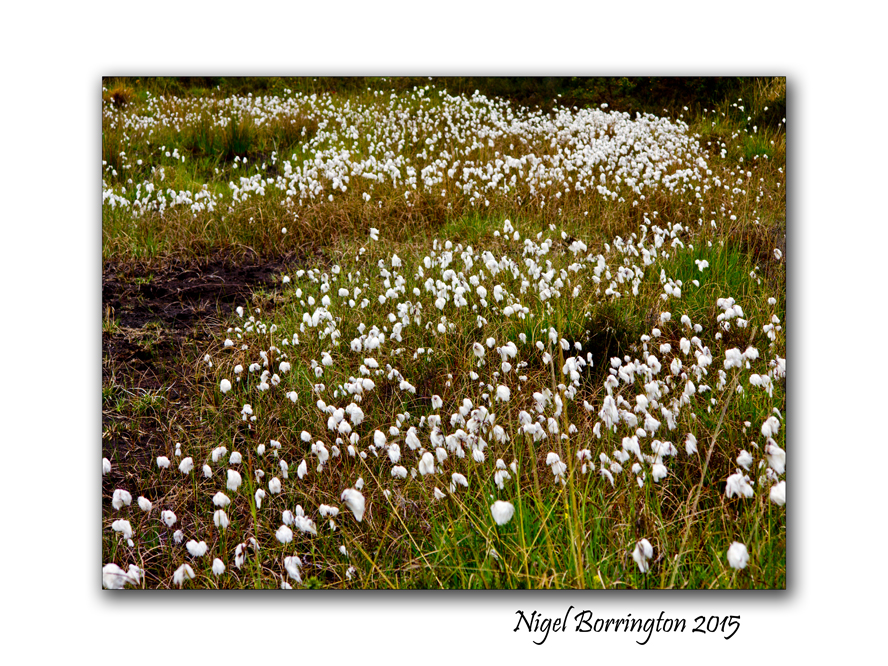
When will I see the Bog Cotton again ?
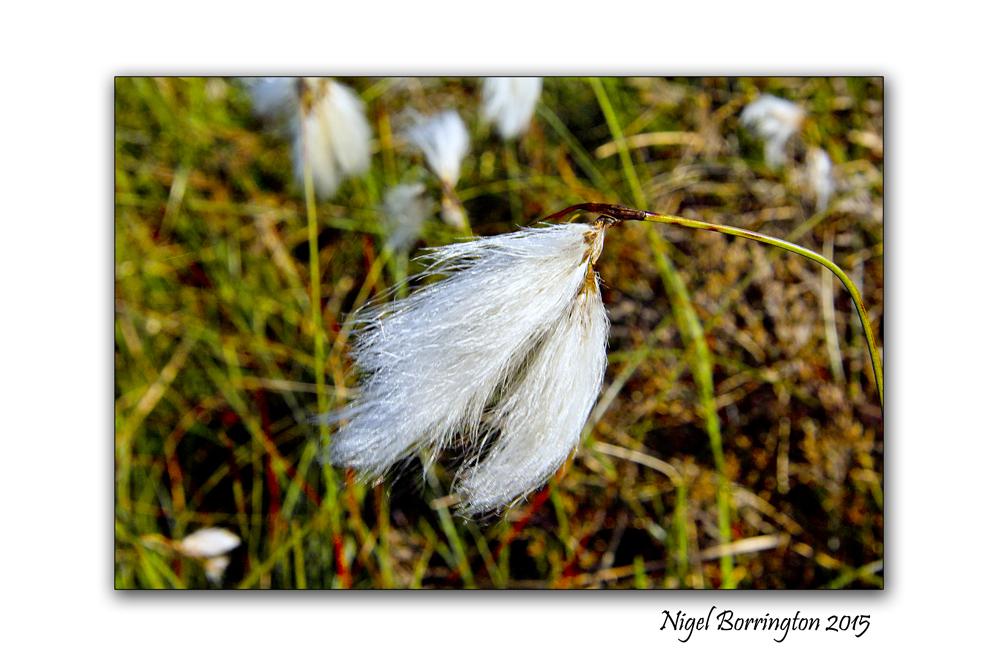
Bog Cotton
Irish Landscape Photography : Nigel Borrington
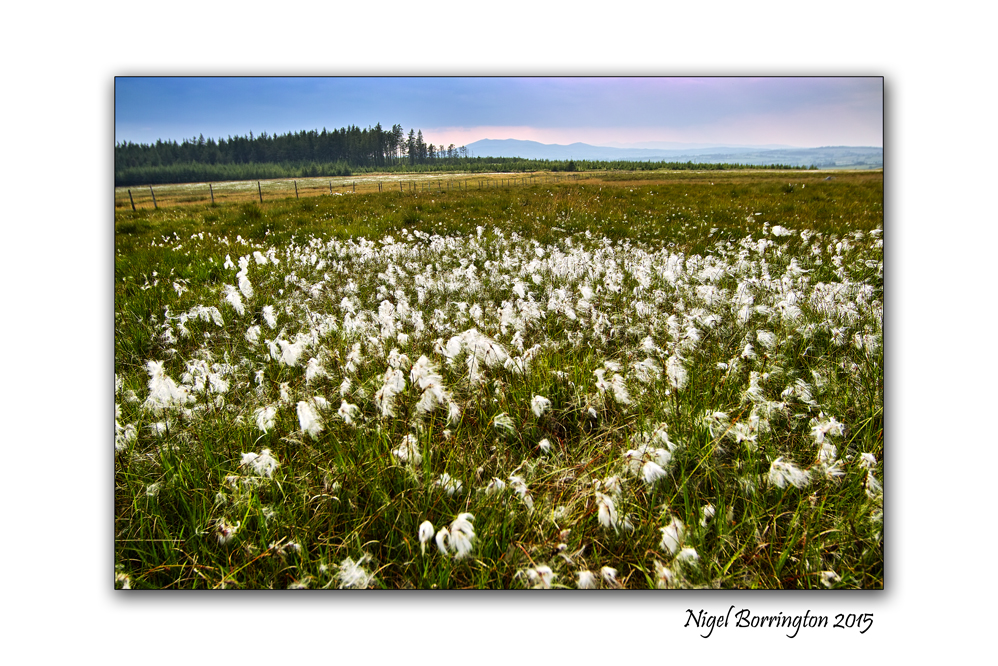
Each year that comes and goes in the Irish bog-land landscape, for me is marked by the summer Bog Cotton. This amazing grass covers many of Ireland boggy wet lands , on the mountain sides and the low lands of midlands through out the country. Only for the fact that much of the Countries bogs are farmed for peat ( leaving the landscape scraped and scared, with no plant life left ! ) then their would be huge areas in the summer months all covered with white Cotton blowing in the wind.
When Will I see the Bog Cotton again ?
Well Starting from this May and June I hope, and I will be getting lots more pictures and just taking time to appreciate the views it brings !!!


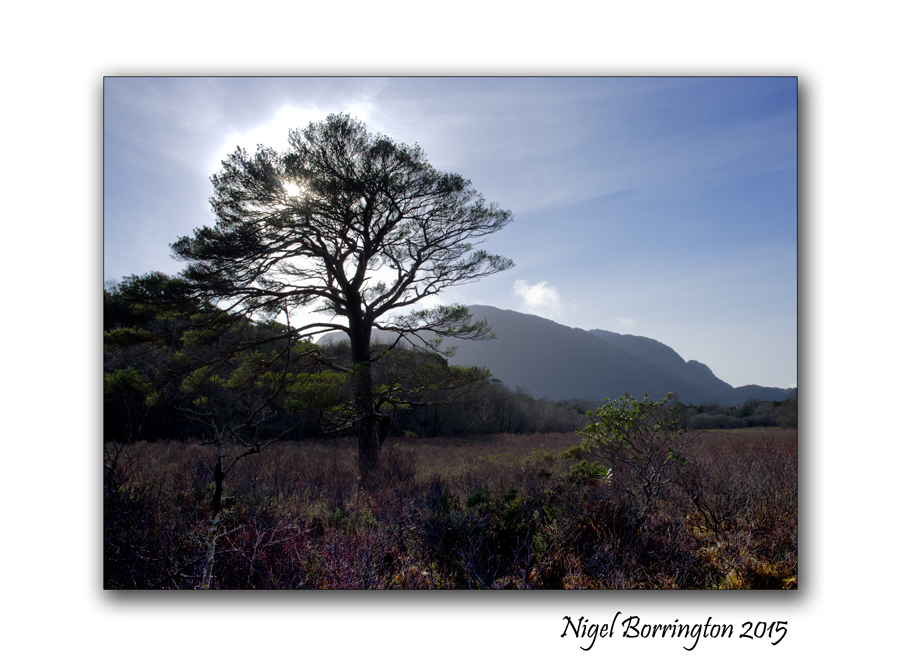
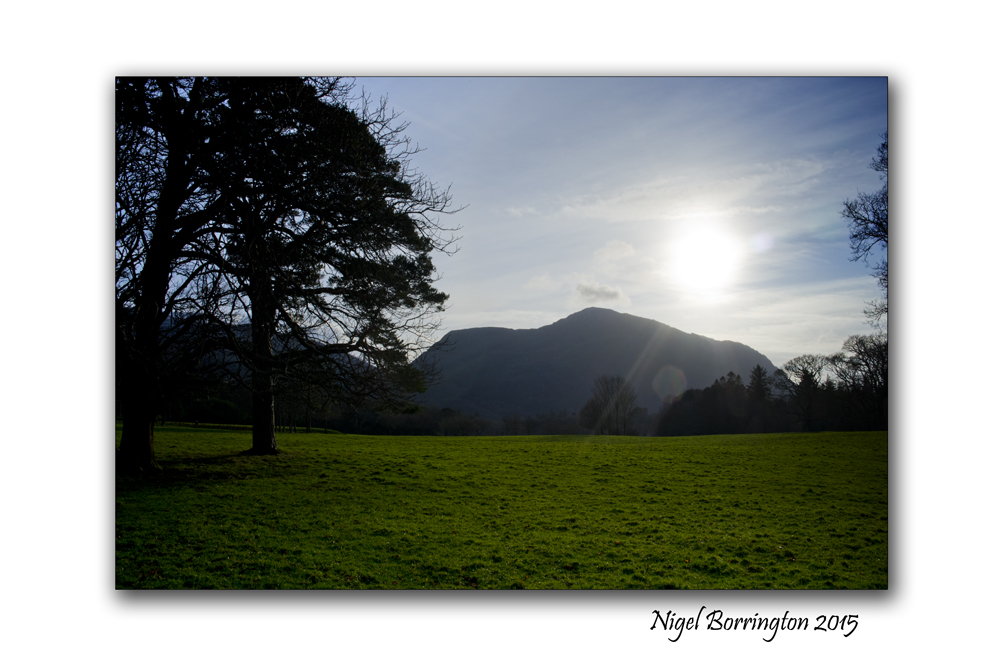
Its a Wonderful, Wonderful Life in the Killarney National Park

Grounds Keepers House
Killarney National Park
Irish Landscape Photography : Nigel Borrington
Life as a grounds keeper at the National Park of Killarney, must have been a hard one at times, however what a life this must have been working and living with these surroundings.
What a Wonderful, Wonderful life !
They say you get use too these views ?
Killarney National Park a Gallery



The Sound of the Sea, By : Henry Wadsworth Longfellow

“The sea awoke at midnight from its sleep”
Landscape Photography : Nigel Borrington
An Image and Poem to sleep too , Sunday into Monday Morning …….
The Sound of the Sea
By : Henry Wadsworth Longfellow
The sea awoke at midnight from its sleep,
And round the pebbly beaches far and wide
I heard the first wave of the rising tide
Rush onward with uninterrupted sweep;
A voice out of the silence of the deep,
A sound mysteriously multiplied
As of a cataract from the mountain’s side,
Or roar of winds upon a wooded steep.
So comes to us at times, from the unknown
And inaccessible solitudes of being,
The rushing of the sea-tides of the soul;
And inspirations, that we deem our own,
Are some divine foreshadowing and foreseeing
Of things beyond our reason or control.
Four feet Friday !!! , “Four Feet”, by Rudyard Kipling

Four Feet Friday
Molly our Golden retriever
This is Molly our somewhat aging but much loved Golden Retriever, Aging very well I am happy to say 🙂
I took these images while on a walk with her yesterday in some local woodlands and was reminded of this Kipling Poem.
I think he captured so well the love and loyalty that pets bring to our lives and in the last, the memories that they leave when they are no longer able to be with us on their daily walks, of which I don’t think Molly has every mist a day. Mainly because I only need to go near the back door and there she is looking up and sitting down ready !!
I have enjoyed every walk with her four paws – in front and sometimes behind 🙂
Four Feet
by Rudyard Kipling
I have done mostly what most men do,
And pushed it out of my mind;
But I can’t forget, if I wanted to,
Four-Feet trotting behind.
Day after day, the whole day through —
Wherever my road inclined —
Four-Feet said, “I am coming with you!”
And trotted along behind.
 .
.
Now I must go by some other round, —
Which I shall never find —
Somewhere that does not carry the sound
Of Four-Feet trotting behind.
by Rudyard Kipling
Three Poems all with the title ( Window ), By : Milind Phanse , John David Morris Meriwether and Drew Renquest
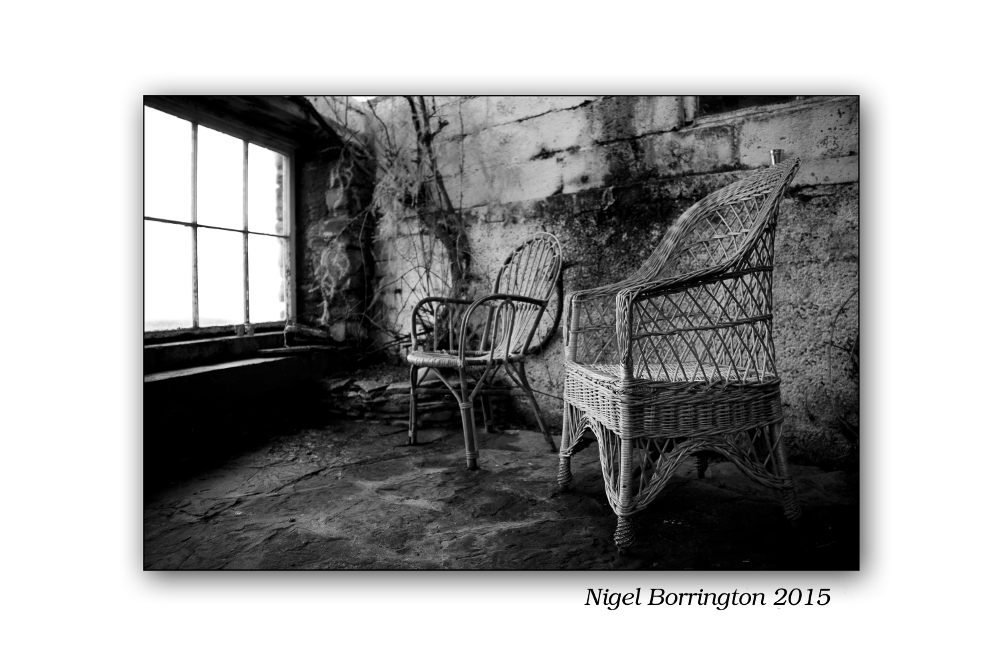
Sitting by the Garden Window
Photograhy : Nigel Borrington
Window
By : Milind Phanse
I sit by the window looking out
And see myself reflected,
Outside the glass looking in.
Reality and illusion facing off each other,
Or is the window the only reality ?
Separated by two ghosts,
perhaps imprisoning just the singularity
——————————————————————
Window
By : John David Morris Meriwether
I don’t want to get up from my seat,
because every time I walk around,
and sit back down,
I’m a different person.
——————————————————————
Window
By : Drew Renquest
You see so much yet stand so still
To wonder what is out there while dust gathers on your sill.
Such memories that you’ve witnessed but can speak none
I can maybe only recall one.
Craving to wander
I’d gladly trade,
How I would love to sit and watch the
world fade.
Solo images, Tide and time

Solo images
Tide and Time : Nigel Borrington
“But now in the dusk the tide is turning, Lower the sea gulls soar, And the waves that rose in resistless yearning Are broken forevermore.”
How do people see Photography, Commercial or Creative?

Commercial or Creative Photography ?
How do people see Photography and creativity?
During my time here, in the WordPress blogging community the one thing I have loved the most is to see images and posts from around the planet. It is an amazing thing, how quickly you can take this for granted but this is a very recent ability!!
Before the internet with its blogs, you had to visit a book shop and look for international photography publications in order to to see images from other places around the world. These images however as a standard were highly processed and you only got to see a hand full of photographers images.
Personally I have been taking photographs for most of my life and I feel I have a reasonably good idea how this medium can be used, yet its only in recent times that I have attempted to earn some money from images, working with weddings, commercial agencies with landscape images for commercial purposes. I think the oddest job I have been asked to do is to be working in the castle at Enniscorthy, taking pictures of some 7000 historic Irish items from photographs to physical items that go back many years.
As an outsider, attempting to make a living in a small Irish town has not been the most simple of tasks, I have ever taken on in my life, I could tell a story or two for sure ( Things said and done!! ) but I move on very quickly – simple as that !!! 🙂
I think that the factors I have found to be the most limiting are in the way that local people see the subject of photography itself , photography as a medium locally here is mainly viewed as being for Weddings or for Family pictures , yet I know this not to be the case in many other parts of the world. To myself photography is a socially creative medium, one that can be used for much more than (Babies and Weddings,or is it Weddings and Babies ?) and even more so in current times with digital photography offering so many more options.
Digital photography at the same-time however has created some new problems and it does not relate to the problems that some long standing professional photographers have, in that they would love to be back in the days when they were viewed as something special, with skills that actually anyone could do but just did not want to – Sorry old pro’s but maybe its time to face facts Hay !! , anyone could do what you did and since they all went out and purchased a digital camera they have proved it , filling the world around them with wonderful images !!!
To me the problems that digital photography has created is with the drive for pure image perfection, this is the world of the photography purists who would spend a lifetime trying to achieve the unobtainable so that they can die happy ?
It is not that you should not care how good your image is , its that its not the main factor in taking images at all !!!
Personally I feel that photography as a medium is as artistic as any other art form, to make it artistic however you have to let go of pixel peeking just to check how much detail you have, along with as many areas as you can think of that drive for perfection. Where digital cameras truly come to life is in the hand of a creative mind not a perfectionists one , after all some of the best and most creative photographs in history were taken using cameras from the 1900’s that few today would even dream of using , yet the images they created still standup today!!
Independent Heart, A poem by : Jodie Moore

Independent Heart
Irish Landscape Photography : Nigel Borrington
Independent Heart
Soft words you spoken
From the heart that is broken
I know deep inside
You have a level of independence
With a mystery of suspense
You are recovering
Waiting for someone
To catch on to the discovering
Of the real you
With a heart so true
Giving of your best
Expecting nothing less
While hurt is making amends
Leaning on loving friends
Accounted for in time you spend
With words you write
Not giving into a broken hearts flight
Staying strong
Carrying others like me along
by Jodie Moore
“When my ship comes in” Robert Jones Burdette (1844–1914)
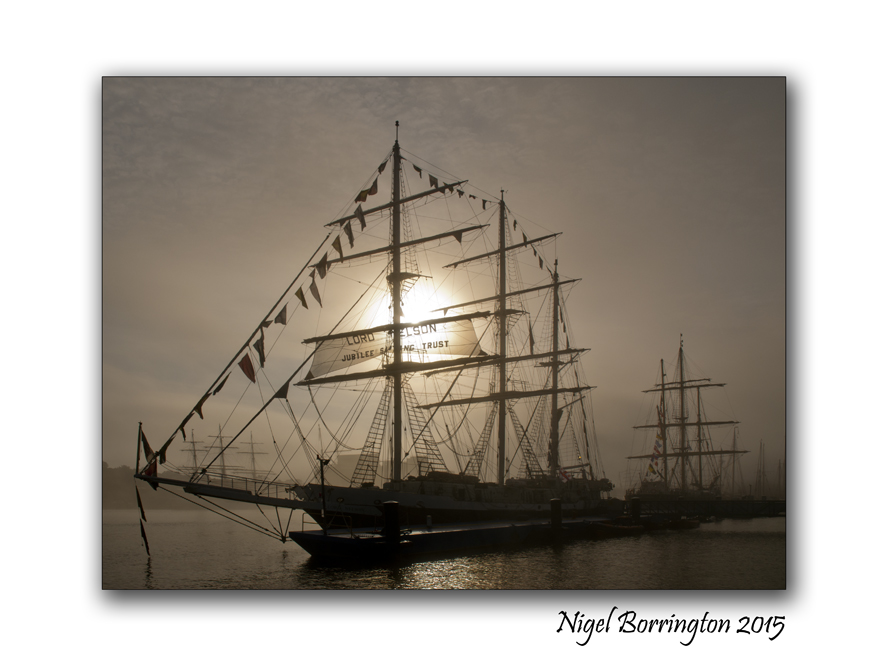
When my ship comes in
Photography : Nigel Borrington
“When my ship comes in”
Robert Jones Burdette (1844–1914)
Somewhere, out on the blue seas sailing,
Where the winds dance and spin;
Beyond the reach of my eager hailing,
Over the breakers’ din;
Out where the dark storm-clouds are lifting,
Out where the blinding fog is drifting,
Out where the treacherous sand is shifting,
My ship is coming in.
Oh, I have watched till my eyes were aching,
Day after weary day;
Oh, I have hoped till my heart was breaking,
While the long nights ebbed away;
Could I but know where the waves had tossed her,
Could I but know what storms had crossed her,
Could I but know where the winds had lost her,
Out in the twilight gray!
But though the storms her course have altered,
Surely the port she ’ll win;
Never my faith in my ship has faltered,
I know she is coming in.
For through the restless ways of her roaming,
Through the mad rush of the wild waves foaming,
Through the white crest of the billows combing,
My ship is coming in.
 .
.
Breasting the tides where the gulls are flying,
Swiftly she ’s coming in;
Shallows and deeps and rocks defying,
Bravely she ’s coming in;
Precious the love she will bring to bless me,
Snowy the arms she will bring to caress me,
In the proud purple of kings she will dress me,
My ship that is coming in.
White in the sunshine her sails will be gleaming,
See, where my ship comes in;
At mast-head and peak her colors streaming,
Proudly she ’s sailing in;
Love, hope, and joy on her decks are cheering,
Music will welcome her glad appearing,
And my heart will sing at her stately nearing,
When my ship comes in.
“Some think to judge the very sky itself” , A Monday Morning Poem.

Some think to Judge the very sky itself
Callan and Kilkenny Landscape Photography
Nigel Borrington
A Monday Morning Poem
Its been a great weekend here in Ireland, Saturday was blue sky’s all day, while we had rain for all the day Sunday, oh well that’s Ireland – all seasons in one weekend.
While I was inside staying out of the rain, I did some tasks then reading followed with some writing, a couple of poems!
Of which this is one …..
Some think To Judge the very Sky itself
Some think to Judge the very sky itself,
from the rain it brings to the snow that falls,
from the shade and shape of each cloud that rushes by.
Judging its flowing expressions, as the very stars,
that rise at night and fall into the day.
Some think to judge the very sky itself,
as if this act will make them fly !
Yet the Sky looks back and never see’s,
the Stars shine down and never hear.
To Judge the sky, is as pointless a Human act as can be !!
Some think to judge the very sky itself,
but the Sky never hears their words.
They are like black grains of sand, lost along the ebb and the flow of Tide and Time !!!

A Poem for the weekend – The Road Not Taken By : Robert Frost

The road not taken Robert frost.
Landscape Photography : Nigel Borrington
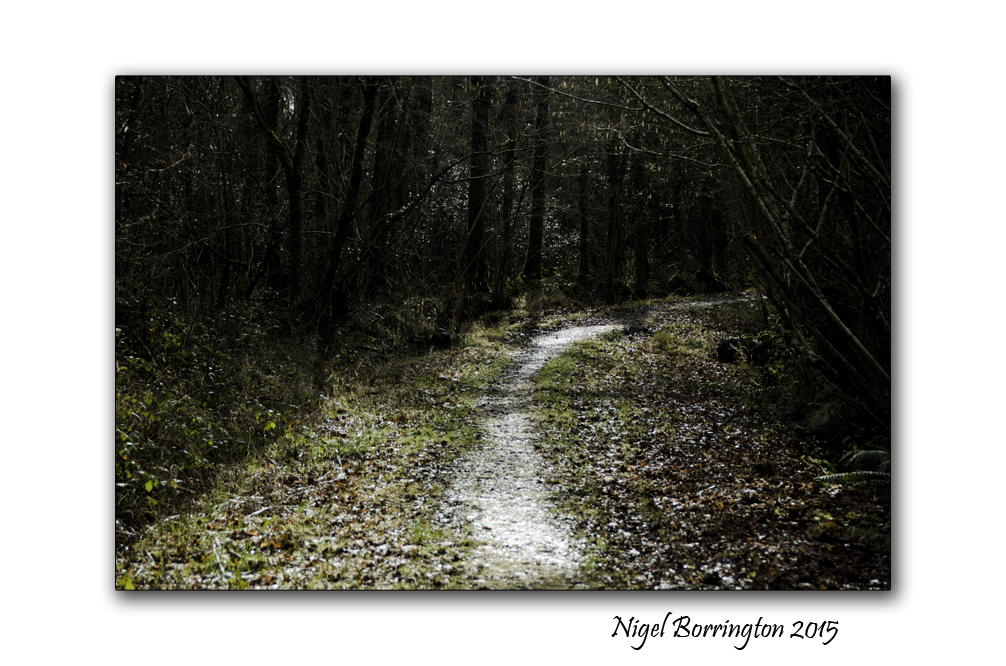
“The Road Not Taken” by : Robert Frost is a favorite poem of his, I often re-read it and sometimes think of it when out in our local woods here in County Kilkenny.
This weekend I hope you can find time to walk your own path and roads, enjoy yourself and get to relax and put the last week behind you .
The Road Not Taken
By Robert Frost
Two roads diverged in a yellow wood,
And sorry I could not travel both
And be one traveler, long I stood
And looked down one as far as I could
To where it bent in the undergrowth;
Then took the other, as just as fair,
And having perhaps the better claim,
Because it was grassy and wanted wear;
Though as for that the passing there
Had worn them really about the same,
And both that morning equally lay
In leaves no step had trodden black.
Oh, I kept the first for another day!
Yet knowing how way leads on to way,
I doubted if I should ever come back.

I shall be telling this with a sigh
Somewhere ages and ages hence:
Two roads diverged in a wood, and I—
I took the one less traveled by,
And that has made all the difference.
Images of County Kilkenny. Ireland – Tales from the river bank .

Irish Landscape Photography
Tales from the River bank
Nigel Borrington
A Gallery for Friday, images from the many river banks of county Kilkenny, Ireland .
Tales from the river bank, a Gallery


If I could choose the life I please, Then I would be a boatman !

Canal boats and the Boat man
Photography : Nigel Borrington
Way back in the 1990’s the Levellers an English rock band, founded in 1988 and based in Brighton, England released this song “The boats man” from their album “Levelling the Land”.
Some songs stay with you all your life and for me this is definitely one that has 🙂
It screams out to “Personal Freedoms” , being free to live your life that way you want !! “Free as the rivers breeze”
The fact it centers on the lives of boat people is perfect, for some reason the people who’s lives where lived on the canals and river banks always felt more free, free to move and travel making a living from transporting goods (Coal, timber and foods ), from boat repairs and from music played in the many pub’s along the river banks.
The levellers
If I could choose the life I please
Then I would be a boatman
On the canals and the rivers free
No hasty words are spoken
My only law is the river breeze
That takes me to the open seas
If I could choose the life I please
Then I would be a boatman
If I could choose the life I please
Then I would be a rover
And if the road was not for me
Then I MIGHT choose another
Cross mountains and the valleys deep
Where I WILL take these weary feet
If I could choose the life I please
Then I would be a rover
 .
.
But these things they’re so hard for me
I cannot choose my own destiny
And all the things that I want to see
Are so unclean
Well I wish I could choose the life I please
But I am not a free man
Others rule my destiny
But my will’s never broken
I know someday I will be
Everything that I dreamed I’d be
And when I live the life I please
Then I will be a freeman.
I know someday I will be
Everything that I dreamed I’d be
And when I live the life I please
Then I will be a freeman.
And when I live the life I please
Then I will be a freeman.
The Lighthouse , By, Henry Wadsworth Longfellow (1807-1882)

St John’s Point Lighthouse,
Donegal
Irish Landscape Photography : Nigel Borrington
Its been a little time since I last got to visit county Donegal, having spent most of my time recently exploring counties Kerry and Cork. This year however I hope to visit again and the lighthouse at St Johns point will be very high on my list. This is a wonderful location at any time of year, stunning on a sunny day and spectacular in a winters storm!
Here I have matched some of my last photographs of the point and its lighthouse with one of my most loved lighthouse poems …….
The Lighthouse By, Henry Wadsworth Longfellow (1807-1882)
The rocky ledge runs far into the sea,
And on its outer point, some miles away,
The Lighthouse lifts its massive masonry,
A pillar of fire by night, of cloud by day.
 .
.
Even at this distance I can see the tides,
Upheaving, break unheard along its base,
A speechless wrath, that rises and subsides
In the white lip and tremor of the face.
And as the evening darkens, lo! how bright,
Through the deep purple of the twilight air,
Beams forth the sudden radiance of its light
With strange, unearthly splendor in the glare!
 .
.
Not one alone; from each projecting cape
And perilous reef along the ocean’s verge,
Starts into life a dim, gigantic shape,
Holding its lantern o’er the restless surge.
Like the great giant Christopher it stands
Upon the brink of the tempestuous wave,
Wading far out among the rocks and sands,
The night-o’ertaken mariner to save.
 .
.
And the great ships sail outward and return,
Bending and bowing o’er the billowy swells,
And ever joyful, as they see it burn,
They wave their silent welcomes and farewells.
They come forth from the darkness, and their sails
Gleam for a moment only in the blaze,
And eager faces, as the light unveils,
Gaze at the tower, and vanish while they gaze.

The River, a Poem By : Sara Teasdale
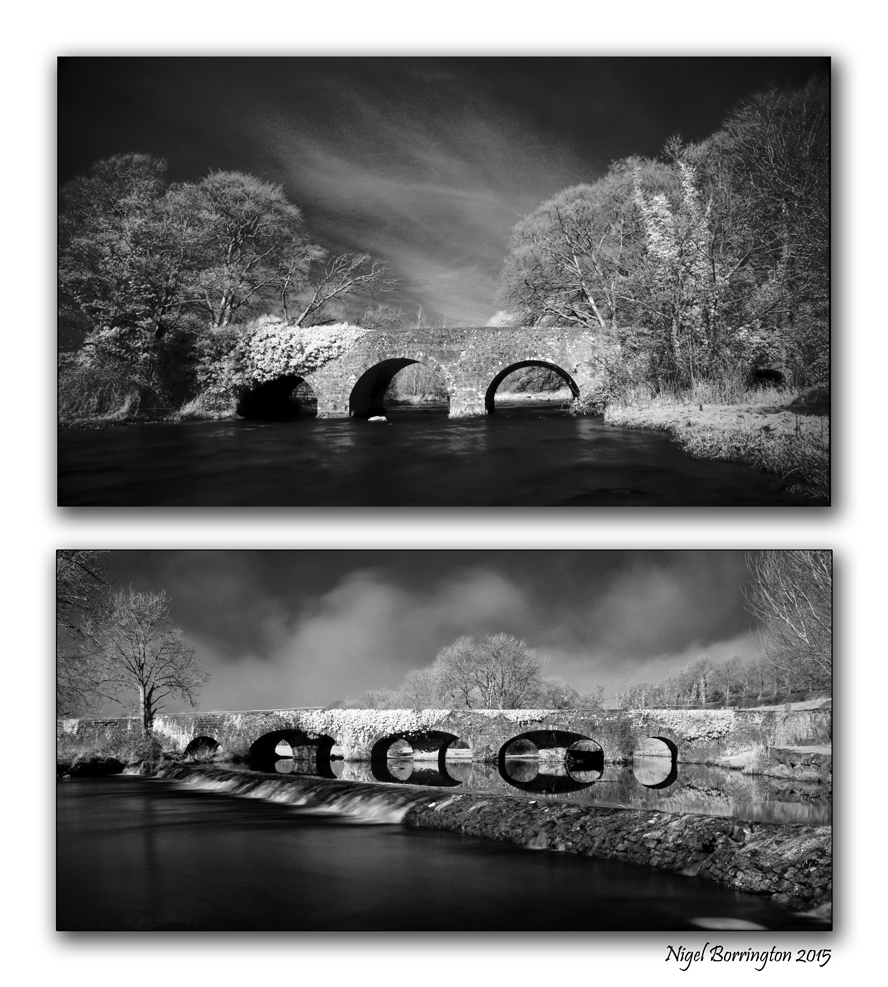
Irish rivers
Landscape Photography : Nigel Borrington
The River
I came from the sunny valleys
And sought for the open sea,
For I thought in its gray expanses
My peace would come to me.
I came at last to the ocean
And found it wild and black,
And I cried to the windless valleys,
“Be kind and take me back!”
 .
.
But the thirsty tide ran inland,
And the salt waves drank of me,
And I who was fresh as the rainfall
Am bitter as the sea.
Sara Teasdale :
Derryvilla bog, Littleton, County Tipperary

Derryvilla lake
Littleton bogs
County Tipperary
Irish landscape Photography : Nigel Borrington
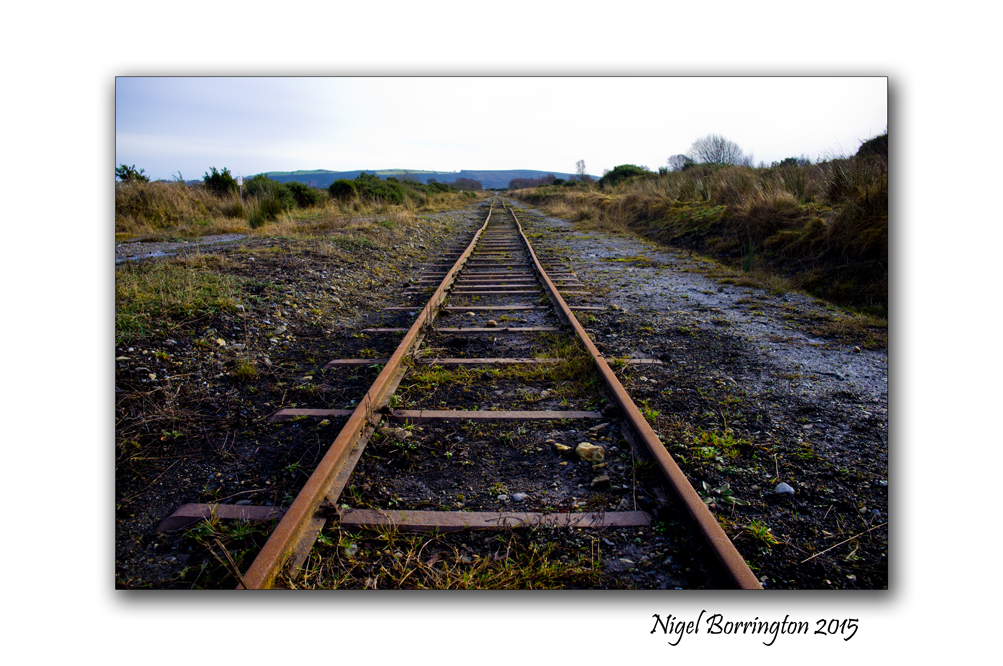
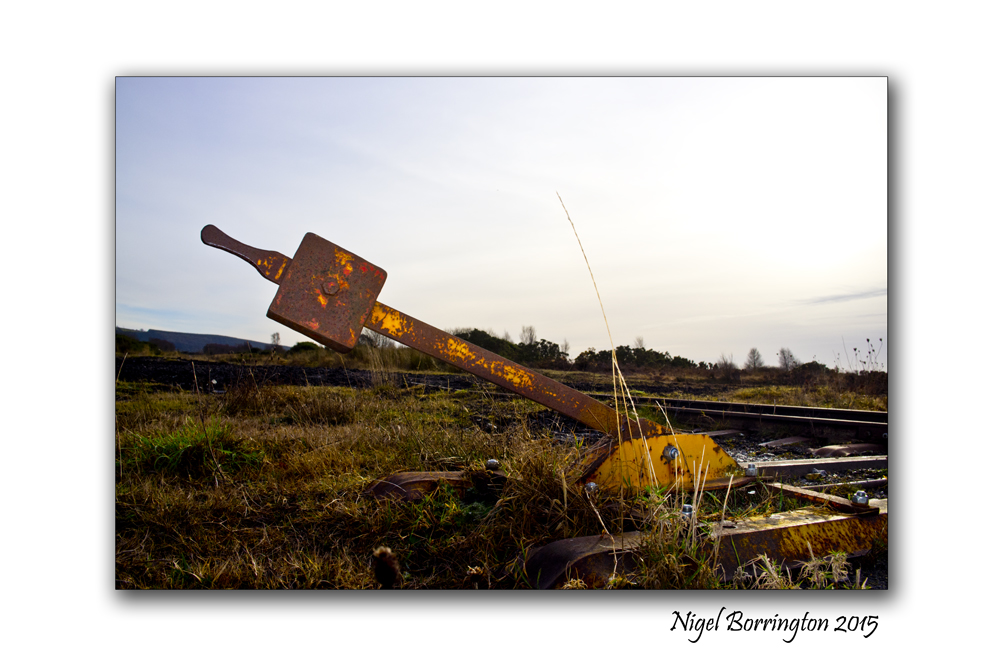
One of my favorite weekend places to visit is Littleton Bogs, near Thurles, County Tipperary, the bogs here are harvested for the fuel they provide in the form of Peat. The entire area is effected by this process as you can see in the pictures below. It is however an amazing location to take photographs as even though its scared by the peat production that takes place its one of the few truly remote and wilderness feeling locations that we have locally, when you walk through this landscape at the weekends the only sounds you can hear are the birds and the breeze in the few trees that survive along the foot-path sides.
Derryvilla lake is near Littleton (Irish: An Baile Dháith) county Tipperary. The village in County Tipperary is within the townlands of Ballybeg and Ballydavid, about 18 km (11 mi) northeast of Cashel and to the southeast of Thurles.
A basic description is as follows :
Littleton lies at a crossroads on the R639, its population was 463 at the 2006 census. As well as being a familiar name to travellers between Dublin and Cork, Littleton is closely associated with Bord na Móna, a semi-state company that harvests peat in the nearby complex of raised bogs. Littleton is also home to the long-established ‘Moycarkey Band’, the Seán Treacy Pipe Band.[3]
Gallery of Derryvilla bog and lake, Littleton, County Tipperary

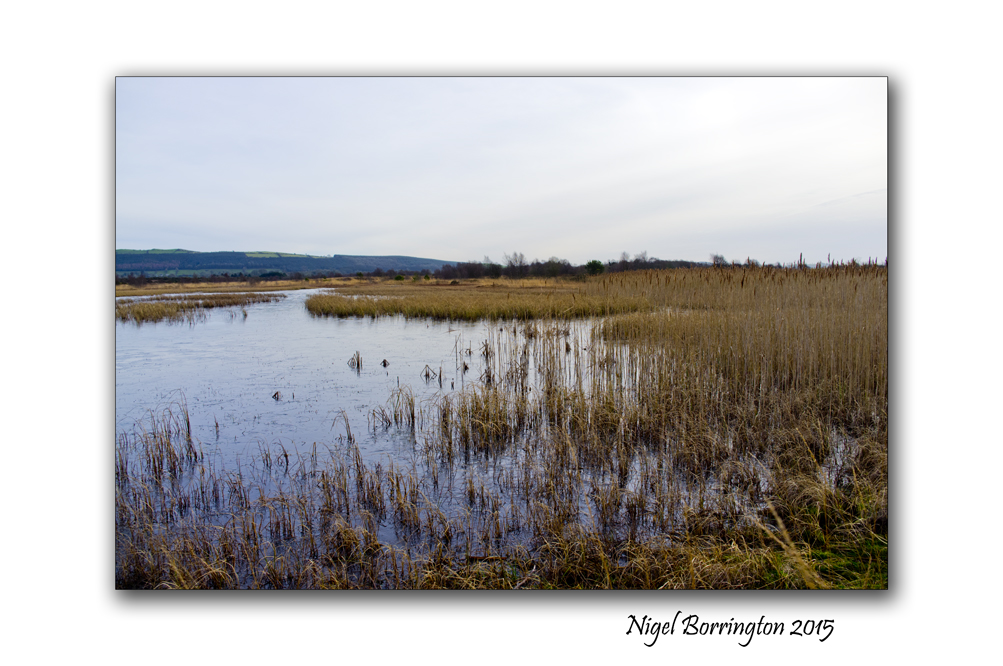


Its the weekend , so get outside and relax if you can – Have a great weekend !!

Images for the weekend
Muckross House
County Kerry
Irish Landscape Photography : Nigel Borrington
Its the weekend – so get outside if you can and walk , relax and take in some views, its good for your mental health !!!!
I hope you can and that you have a great weekend 🙂 🙂 🙂
 Nigel Borrington
Bee-Keeping with a mountain view, Slievenamon, Co. Tipperary
Bee Keeping with a view of SLievenamon, Co. Tipperary
Irish Landscapes : Nigel Borrington
Bee Keeping in Ireland is often a personal activity, with many hives being kept on family farms and Gardens, even sometimes with the permission of the forestry services.
I often come across a set of Hives while out walking in our local woodland. In the images here , taken last weekend the hives are located on the some hills facing to the north, the great mountain of Slievenamon just across the river Suir.
Very soon these Hives will be active again and I will return to get so more images.
The Federation of Irish Beekeepers’ Associations have a great web site and help on getting going with keeping bee’s, this must be a great activity and very needed with modern farming methods having massively reduced Bee numbers. I have included the text from this site on “How to become a beekeeper” below the following two images, if you would like to read it.
Beginning with Bees , The urge to keep bees: How do I start?
The beginner should first of all find out if he/she is in any way allergic to bee stings and if so not to attempt acquiring bees or taking up beekeeping without seeking medical advice.
When the urge to keep bees first hits you, the impulse is to go out and buy a hive straight away, and learn by doing in isolation – this is not the best approach. The best first step is to join your local branch of the Beekeepers’ Association, preferably in the Autumn.
You can then attend their classes for beginners and programme of winter lectures which are held frequently and cover all aspects of beekeeping. There are 45 such Associations scattered throughout the country.
Other benefits of membership include the use of a library – video and book, plenty of friendly advice and you are kept up to date with developments within the craft. You can also use the Association extractor, can avail of sugar at concessionary prices and benefit from the low cost of FIBKA Public Liability Insurance. The latter is an absolute must as accidents can happen.
It is worthwhile if only for your own piece of mind. Whilst a subscription to “An Beachaire” may be optional, a good book is essential and the FIBKA’s “Bees, Hives and Honey” or Ted Hooper’s “Guide to Bees and Honey” are standard references for beginners and experienced alike.
Some Associations also provide a mentoring facility whereby the beginner is assigned to an experienced beekeeper within his or her local area for the purpose of giving advice for the first couple of years. This is an excellent idea as having someone close at hand or at the end of a telephone is a useful asset.
Bee Stings
If you wish to keep bees, and irrespective of all the protective measures that you might take, you will receive the occasional sting. Everyone will show some reaction to bee stings, such as the initial pain, and later a slight swelling of the affected area, later followed by some itching.
The effects can be reduced by applying an antihistamine cream or even taking tablets such as Piriton, but generally the body will quickly become accustomed to the occasional sting and will display few adverse effects.
Bee Suit
There are many forms of protective clothing on the market which range from veils right through to full bee suits. And the prices are commensurate with the degree of cover. A full bee suit is the ideal acquisition but the prices are fairly steep and it may not be even to your taste.
A smock, together with the type of trousers worn by nurses or painters, may be more suitable.
Be wary of veils which slip over the head and are attached by straps or loops under the armpits; bees invariably find a way to gain access to your neck and face. The safest way to wear that sort of veil is in conjunction with a zip up overall.
Any protective clothing should be light in colour, nothing dark. Nylon should be avoided as it generates static, which is annoying to bees. Woolly clothing should also be shunned, as they get tangled up in it.
Gloves
When handling bees, beginners should also use gloves. With full gauntlets they are costly but should last several years. I use rubber gloves which are less clumsy – “Nitrile” or “Marigold” brands.
The ultimate objective is to obtain a strain of bee that is not overly defensive, become proficient in handling them, and so dispense with gloves altogether.
Ankles are prime targets for bees and calf length rubber boots should be worn.
Equipment
The monthly beekeeping journal carries advertisements from firms selling all types of beekeeping equipment. The first two essential items you need to acquire are a smoker and a hive tool.
Smokers come in two standard sizes, the diameters of the fireboxes being 8cms and 10cms. The smaller version is quite adequate for up to ten hives.
When servicing the smoker, ensure that the legs of the fire grate are not restricting the air entry hole at the base of the firebox and also check that this hole is directly in line with the air exit hole from the bellows.
As for fuel, I use dried grass which provides a constant supply of cool smoke. What you don’t want is a type of fuel which burns too quickly and turns your smoker into a flame thrower which scorches the bee’s wings. This aggravates the bees and they will not delay in letting you know of their displeasure.
Hive Types
There are many types of hives available on the Irish market. However, in selecting a hive type it is important to determine that the component parts for the brood chambers and supers are readily available.
The most common type of hives used in Ireland which would measure up to these requirements are the National, the Smith Hive and the Modified Commercial Hive. The approximate comb areas of the various frames are: National and Smith Deep – 5000 worker cells Commercial Deep – 7000 worker cells.
The two most popular hives are the National and the Commercial. Although the latter have larger frames, the outer dimensions of component boxes are the same, to within a quarter of an inch, so that supers, queen excluders, crown boards, floors and roofs are all compatible.
My first choice would be the National hive because it has the following advantages:
The frames are easier to handle as they have longer lugs (38mm) than the Commercial (16mm).
The National brood box and Super are also easier to handle as the design has a built in handle at both sides.
The capacity of the National brood box and super is smaller than that of the Commercial which means it is lighter to lift when examining the hive and taking off the crop of honey.
The most important advantage is the higher honey yield from the National compared to the Commercial as the National brood box is too small to accommodate brood and much stores, therefore most of the honey is stored in the supers where it can be easily taken off for extraction. This is especially true in a bad year with poor weather conditions during the Summer. The Commercial is best suited to localities where the honey crop is above average.
In addition to the brood box, varroa screen floor, crown board, queen excluder and roof you should make provision for three supers per hive.
It is usually best to treat exterior surfaces with a good preservative, like Cuprinol – green or Fencelife and taking care to air well for a week or more. Normal paint stops the wood ‘breathing’ and can lead to moisture lifting the paint in bubbles.
Obtaining your first colony : A Nucleus
By the Spring you will have a good background of knowledge to help you decide on what to buy and how to start up.
It is essential that you start with a healthy and productive stock of bees. You should contact a reputable beekeeper in your region for assistance in obtaining your first colony.
While it is also possible to start by obtaining a swarm, this is an unreliable method and you have no assurance of the health status of the resulting colony.
You may be tempted to buy a strong colony in the hope of a quick return of honey this Summer, but sometimes the difficulty of handling a large stock as a beginner can put a newcomer off for life.
It is far better to arrange with a local beekeeper to buy a four-frame nucleus with a young queen, taking delivery at the end of May or early in June. This is also the time when outdoor open hive demonstrations are organised by your Association where you can learn how to handle and control a stock of bees.
You can now expand this newly acquired nucleus by regular feeding with sugar syrup into a full hive of eleven frames by July. They will be very quiet and easy to handle and as they grow in strength you will gain in experience, confidence and the necessary manual skills of beekeeping.
There will be no swarming problems to cope with in your first year and with autumn feeding the stock will cope with the coldest winter
By the following Spring you will be well placed to increase to two stocks by making an artificial swarm from your own hive in May.
If you have built or acquired a couple of empty hives over the Winter you will also be ready to take or buy in swarms sometime in May or June, and by July you will have at least three good stocks and the experience necessary to manage them.
You should also have a crop of honey and an opportunity to learn the techniques involved in taking it off, extracting, bottling and preparing it for sale.
It will still only be fifteen months since you first owned bees but you have come a long way, and it might be wise to stay with just two or three hives for another year. It is much better to make your mistakes on two or three hives than on twenty. Possibly three hives are all you intend to have anyway.
In either case, make a four frame nucleus from your strongest stock some time in the Summer and see it through the Winter to sell to another beginner, to increase you own stocks or as a reserve in case anything goes wrong.
The Honey Crop
Honey yield is greatly influenced by seasonality. However a beekeeper who attends to the basic principles of management should be able to achieve an average of 20kg per hive per annum.
The yields obtained at the Teagasc Beekeeping Research Station at Clonroche, County Wexford confirm this view. The yield from 75 colonies managed commercially at Clonroche has been 25 kg per colony per annum. This has been achieved by working to a planned programme of management and disease control.
The beginner should be familiar with the varroa control measures as outlined in the FIBKA Guidelines on Varroa Destructor – Integrated Control Programme . The varroa mite is a major threat to the survival of all our bee colonies
Where can I keep my bees?
The newcomer to the craft of beekeeping must decide where to site his or her apiary. Even a small garden is adequate for the keeping of a few hives. Bees fly anything up to three miles to forage so you have no need to worry about that. Even the largest beehive will measure about two feet square and that is all that is needed for each hive, but don’t forget to add a little space to stand along side it to work the colony.
You might like your honeybees but it is unlikely that your neighbour will display the same enthusiasm. Bees have no need to disturb others, whether human or animals, it is just a case of ensuring that their flight paths to and from the hive do not coincide with neighbours working in their gardens. Hives standing in full sun should be avoided, try to provide some midday shade.
Some say that entrances should face south-east to catch the early morning sun. The best layout is to have a hive facing each of the four cardinal points of the compass-one facing north, one facing south etc. This does help to prevent bees drifting from their own hive into another.
Some beekeepers have an out-apiary away from their home and your local Association will have a demonstration apiary for the members to use.
How much time do I need to devote to the bees?
We usually regard the period from October to March as the ‘off-season’ so far as opening up hives, lifting out frames and manipulations generally are concerned, but a limited inspection on a mild day in March can be justified on the grounds that we can only help our bees if we know what help they need. Just three questions have to be answered at this time of year.
Have they a laying queen? In some cases the answer may be obvious; for example if the bees are flying freely around midday and taking in massive loads of pollen, then all is well with the queen.
Have they enough food? If the hive still feels really heavy when hefted, they have enough food. Possibly about 1 hive in 3 will either feel light, or show little flying activity with not much pollen going in, and in these cases some action is required.
What is the natural varroa mite mortality per day? If this figure exceeds seven mites per day then control is necessary using one of the approved treatments. Check the updated F.I.B.K.A. policy on varroa for details. You have to continue with your colony inspections right through the Summer. So the time you need to devote to your bees could be as little as 15 minutes per hive every 10-14 days during the season from April to September. Usually the problem is that new beekeepers are unable to leave the bees alone for the first season.
More…..
Share this:
March 13, 2015 | Categories: Comment, Gallery, Landscape, Nature and Wildlife | Tags: Bee Hives, Bee Keeping, beekeeping, bees, Co. Tipperary, Federation of Irish Beekeepers, hives, Irish Landscapes, Nigel Borrington, Slievenamon | 2 Comments