5 images for the week , Smugglers, Poem by : Beth st clair
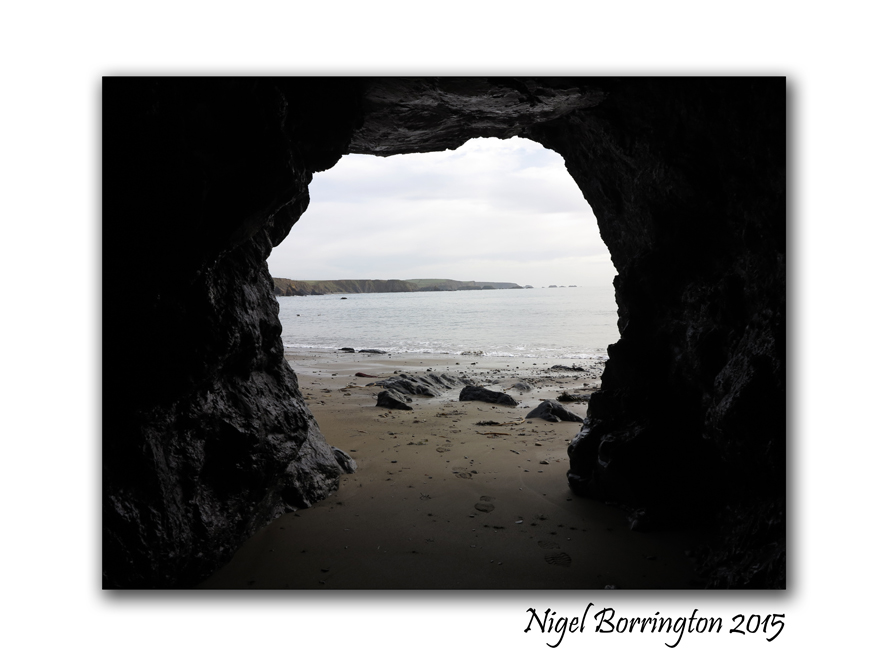
smugglers
the lapping water drifting to the sand,
the smugglers hurry o’er the silver wave,
a rose-moon blushing where the waters lave
and moonlight glistens on the breezy strand.
the oars are steady, gliding to the land
the stroke of midnight near a watery cave,
their whisp’ring feet run silent as a grave
to its dark reach to hide the contraband.
the waves roll mistily with honeyed breath
the sky, a vault of iron, weeps a tear,
the sweeping waters break and start to veer,
a gold tooth glints, the night as black as death,
a dreadful shout, the watch is drawing near,
how suddenly their faces pall with fear!
5 images for the week – A day Sea fishing ……
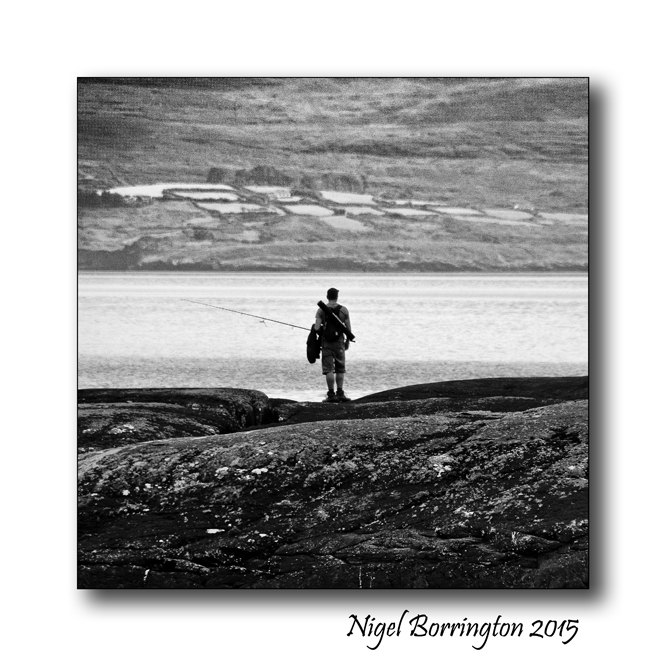
Fisherman
Early morning, smelling the ocean breeze.
Having a sharp eye for what is beneath.
Throws the empty line straight out to sea,
pulling it back up, his fish is finally found.
5 Images for the week – St Anne’s Pier

St Anne’s Pier
St Anne’s-n-the-Sea, Lancashire
Nigel Borrington
St Anne’s Pier is a Victorian era pleasure pier in the English seaside resort of St Anne’s-on-the-Sea, Lancashire. It lies on the estuary of the River Ribble. The pier, designed by A. Dowson, was completed in 1885 and was one of the earliest public buildings in St Anne’s, a 19th-century planned town.
The pier was originally intended to be a sedate promenading venue for the resort’s visitors, but attractions were later added. Changes made to the estuary channels to improve access to Preston Dock left the pier on dry land and ended its steamer services to Blackpool and Liverpool.
5 Images for the week – Red Sky in the Morning

Coulagh Bay
Eyeries, Beara, Co. Cork, Ireland
Nigel Borrington
7:30am sunrise over Coulagh Bay, Eyeries, Beara, Co. Cork, Ireland – Red Sky in the Morning
Its A Sheeps Soul, Poem By : fayaz bhat
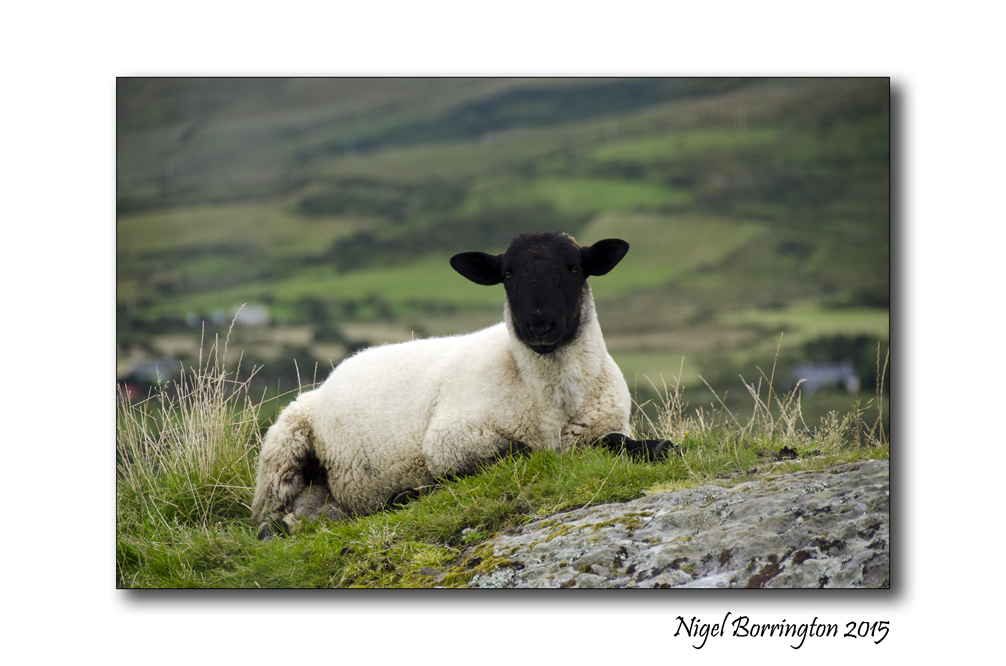
Its A Sheeps Soul
By : fayaz bhat
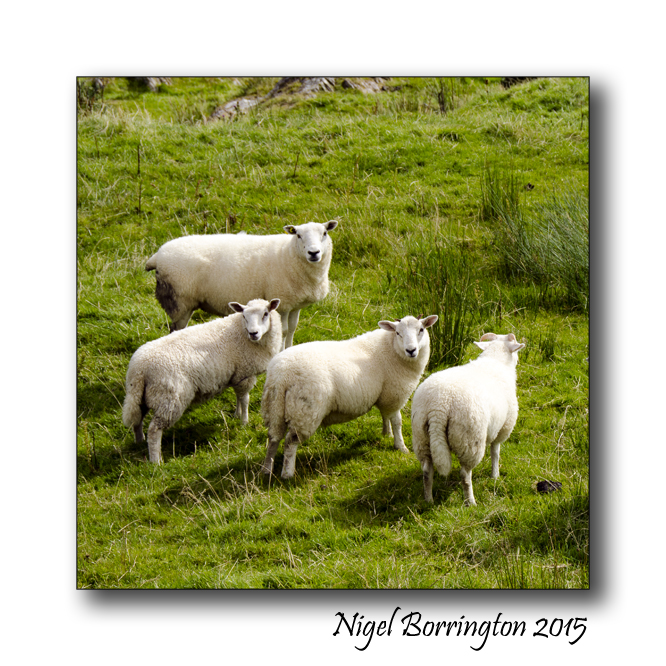
O cherisher! Of hairy goats, rocky ridges,
Still vales and white-woolen sheep;
Of my love, of melodies, of muses, of her beau;
It’s the soul of a forgotten sheep
Looking for her poor pastor, his white drove
And, the rest in shade;
Or ‘tis a shepherd, a shepherdess more,
Singing in solitude, rhyme, underneath a tree
In the relaxed midday of jubilant springs,
Ballads, lounged beside the sitting slept sheep.
Or; ‘tis that boy in the wild highs
Playing floyera reclined on the mossy rock—
Goats bleat and forget to graze;
Waking up the beasts, waking up the breeze,
Eared by the deer, cheered by the crows,
’lauded by the woods, echoed by the vale.
Free her! Guide her! For it says so sweet:
My abode’s among the weeds,
The wild flowers grow, the stony meads live.
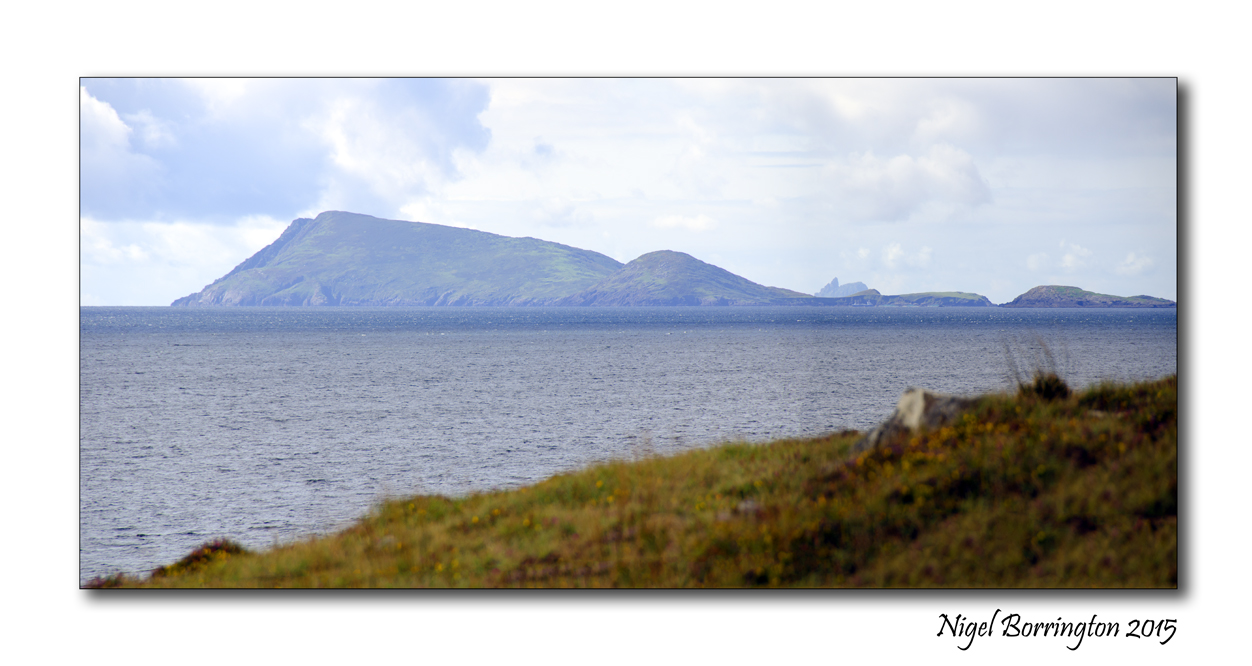
Gort, Eyeries, Beara peninsula, west cork, Where the sky meets the sea

Where the sky meets the sea
I heard you contemplating so far beyond
Just thinking about it all
And it seems to scare you more than
I ever would before
And I’m a little anxious
But I don’t know why
Trying to find me an answer that
Fits inside my head
Trying to wish away the subtleties
Wishing you would stay in bed
And I’m a little cautious
But I don’t know why
Where the sky meets the sea
We’ll be different just you see
Broken lines can only breakthrough
Heaven and shades of blue
I stumble when you’re shaking I break when you’re
Breaking away from it all
I hide when you’re hiding, and I can’t
Spend all my time holding on
And I’m a little nervous
But I don’t know why
Where the sky meets the sea
We’ll be different just you see
Broken lines can only breakthrough
Heaven and shades of blue
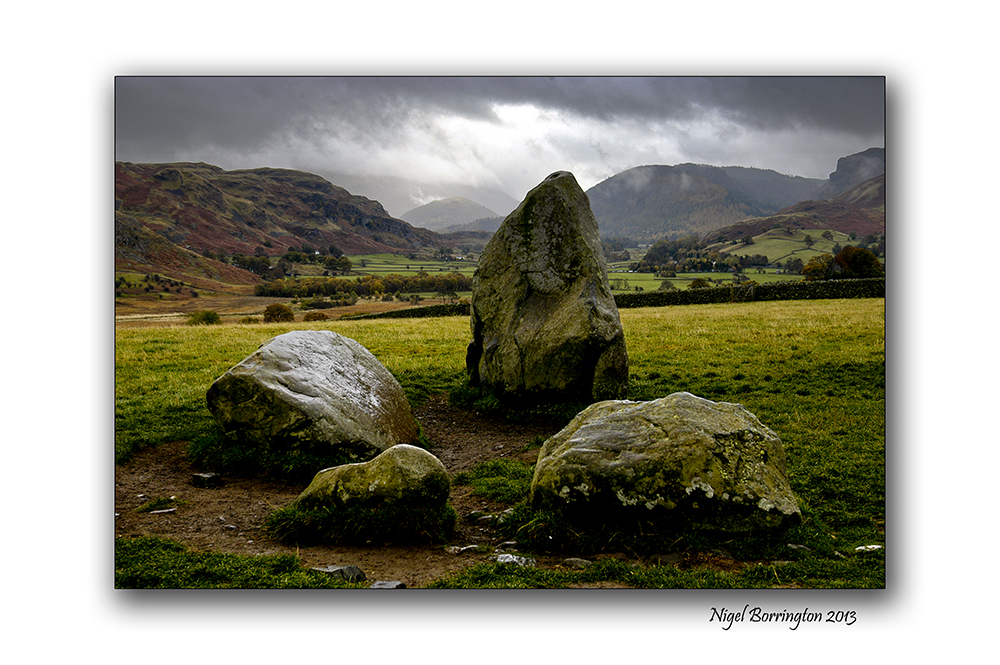
Ardgroom Stone Circle

Ardgroom stone circle
County Cork
Nigel Borrington
Ardgroom Stone Circle
Ardgroom (Irish: Dhá Dhroim, meaning “two drumlins”) is a village on the Beara peninsula in County Cork, Ireland.
Its name refers to two gravelly hills deposited by a glacier, Dromárd and Drombeg. It lies to the north north west of Glenbeg Lough, overlooking the Kenmare River estuary. It sits between the coast and the Slieve Miskish Mountains.

Canfea stone circle
West Cork
The area is also home to a number of megalithic monuments. Signposted is the Ardgroom stone circle to be found to the east of the village at a distance of about 1 mile, off the old Kenmare road. It has the name “Canfea” but is normally called the “Ardgroom” stone circle. About 1 mile north east lie the remains of another stone circle. The Canfea circle consists of 11 stones, 9 of which are still upright with one alignment stone outside the circle. Unusually for a stone circle, its stones tend to taper toward points.
You can park a car about 1/2km away in a small wooded area with the walk to the circle only being some five minutes. The location is wonderful with a view of the mountains behind and the west Cork, coast-line on to the front of the circle.
Just to spend sometime here is amazing as the circle is in very good condition with most of the stones still standing. This must have been some place three thousand years ago, remote, cut off from the rest of the world. These circles were most likely use to help small farming communities tell the time of the year, the passing of the seasons for which they used the moon as well as the sun.
Also in the vicinity are the remains of at least 2 ring forts, as well as a number of standing stones and stone rows.
Kilcatherine Point Eyeries, Co. Cork

Kilcatherine Point
Eyeries, Co. Cork
Irish Landscape Photography : Nigel Borrington
Kilcatherine Point, Eyeries, Co. Cork
Kilcatherine point is on the north side of the Beara Peninsula, west cork.
This is simply a beautiful place, the Irish Landscape at its very best, I was lucky enough to get some time here at the start of September. These images are taken at the top of a hillside overlooking the Atlantic ocean.
I often feel that there is no place on earth as perfect as Ireland when the weather is good and no place as dramatic as when the winter months move across.
The Beara Peninsula, west cork.


Monday Morning , Poem By Sainche Micano

Walking to work
Eyeries
County Cork
Monday morning
By : sainche micano
Waking up to routine
craving for a new thing
the broken life still clinging
and the hopeful soul still living
..oh no
says the thoughtful me
….oh yes
says the faithful side
not lost
but tossed
..to face the replay of last week
one more time
..only that this time..
i won’t have you for a while
…
Sunday Evening in the Mountains

In the Mountains
—Li Bai [Li Po]
Why do I live among the green mountains?
I laugh and don’t answer.
My soul is calm:
It dwells in another heaven and earth
Belonging to no one.
The peach trees are in flower.
The water flows on.
—Li Bai [Li Po]



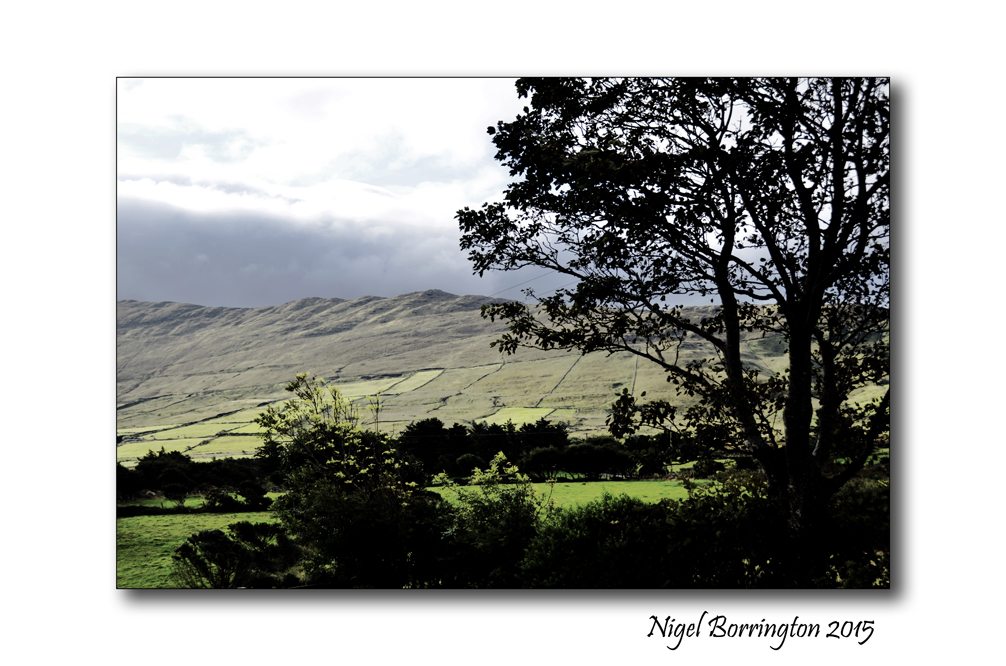
Mountain Twilight , By : William Renton
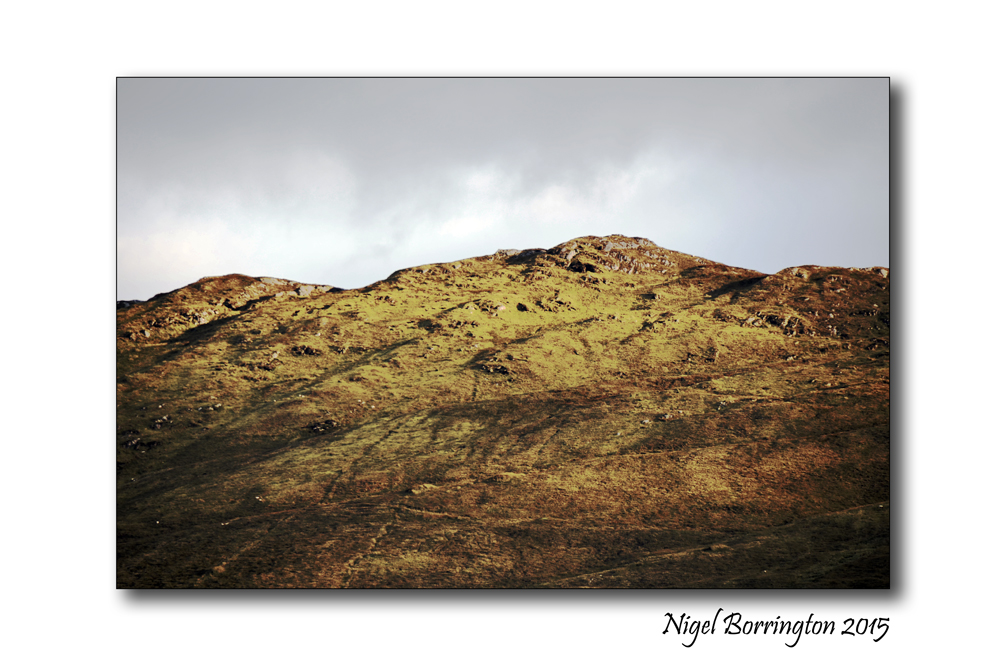
Mountain Twilight
By : William Renton
The hills slipped over each on each
Till all their changing shadows died.
Now in the open skyward reach
The lights grow solemn side by side.
While of these hills the westermost
Rears high his majesty of coast
In shifting waste of dim-blue brine
And fading olive hyaline;
 .
.
Till all the distance overflows,
The green in watchet and the blue
In purple. Now they fuse and close –
A darkling violet, fringed anew
With light that on the mountains soar,
A dusky flame on tranquil shores;
kindling the summits as they grow
In audience to the skies that call,
Ineffable in rest and all
The pathos of the afterglow.
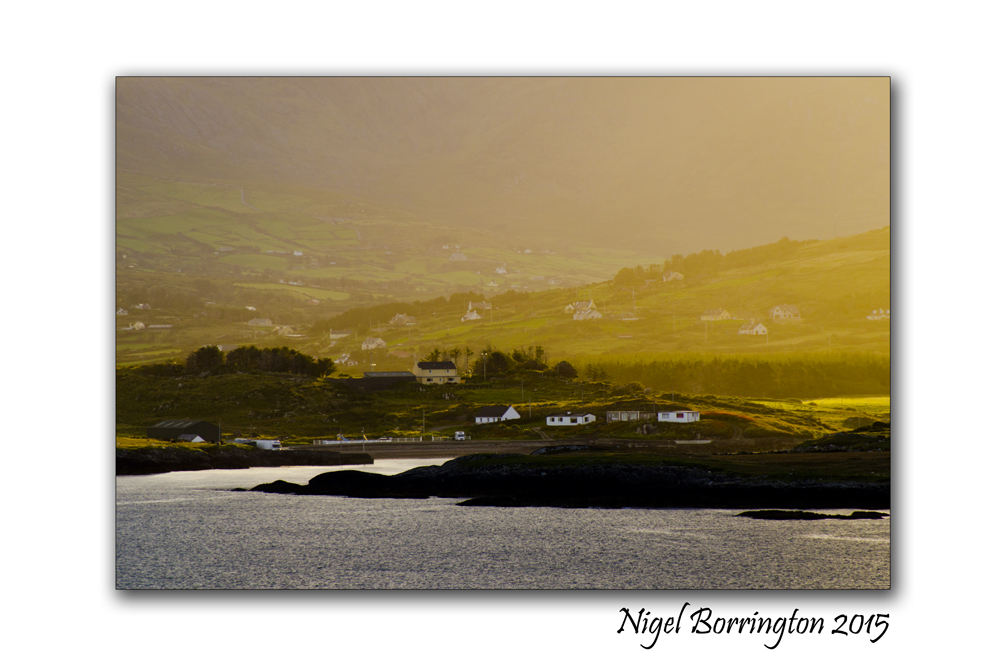
Sunrise on the Beara peninsula, west Cork, Ireland

Sunrise at Cahirkeen Cross
Beara peninsula
Irish Landscape Photography : Nigel Borrington
I have returned to Kilkenny last Saturday, following a perfect week spent on the Beara Peninsula , West Cork.
These two photos are the first I took at 6:30am during a great sunrise over the sea looking towards the Slieve Miskish mountains.
The Beara peninsula is one of my most loved locations in Ireland and it was so good to spend sometime visiting for another great peaceful week.
Like the waves , Poem by Cyrille Octaviano
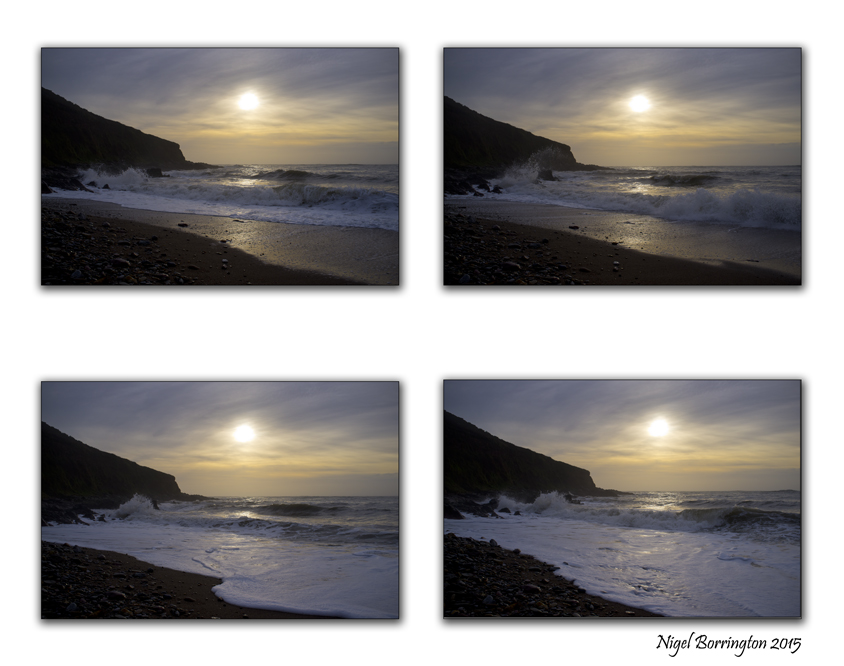
Like the waves
Cyrille Octaviano
clashing against one another
Struggling to keep up,
but aware of the power
Rising up,
streaming drown
rushing and hurdling
coming ashore
As the sun radiates
illuminating the water,
I can see crystal clear
there is hope.
Dracula, A poem By : Lexi Ree-ves

Dracula
Honed fangs behind
sweet lips.
Lips made to caress my
skin as they travel along
my throat.
So gentle he is,
For a monster
His tongue against my
jugular;
Heartbeats quicken.
Shallow breathing
as his dark eyes
bore into mine.
“Take me,” I plea, “make me into you.”
You are mine…
His voice is thick,
laced with seduction
but also some sort of
tenderness.

His movements
careful
slow
calculated.
He plants a
kiss on my neck,
fangs barely brushing.
And I do not destroy that which is mine.
Muckross Abbey, Image Gallery and History
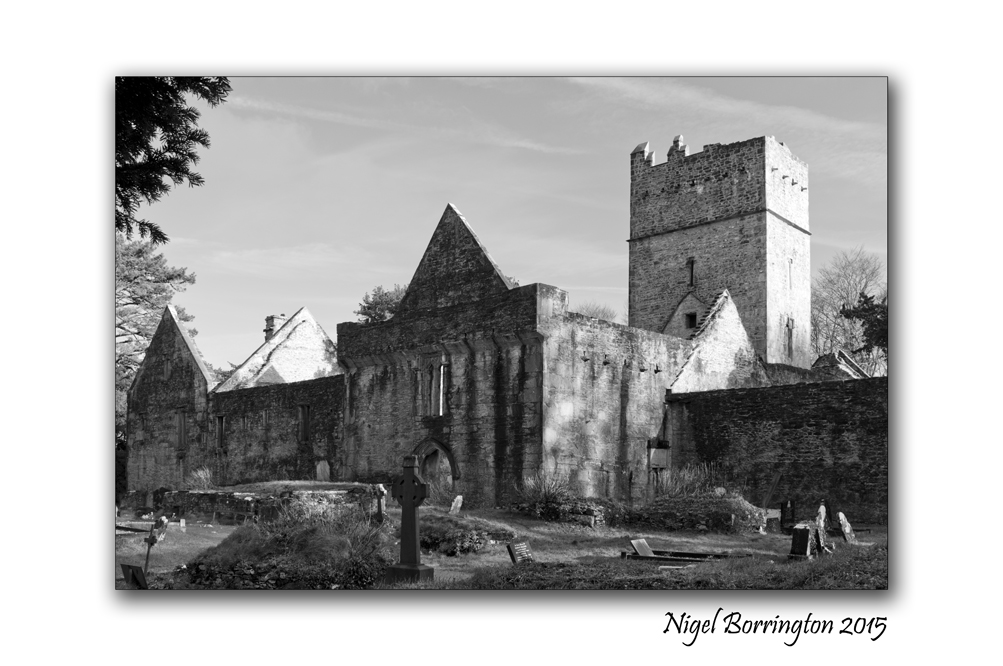
Muckross Abbey
Killarney National Park, Kerry
Landscape images : Nigel Borrington
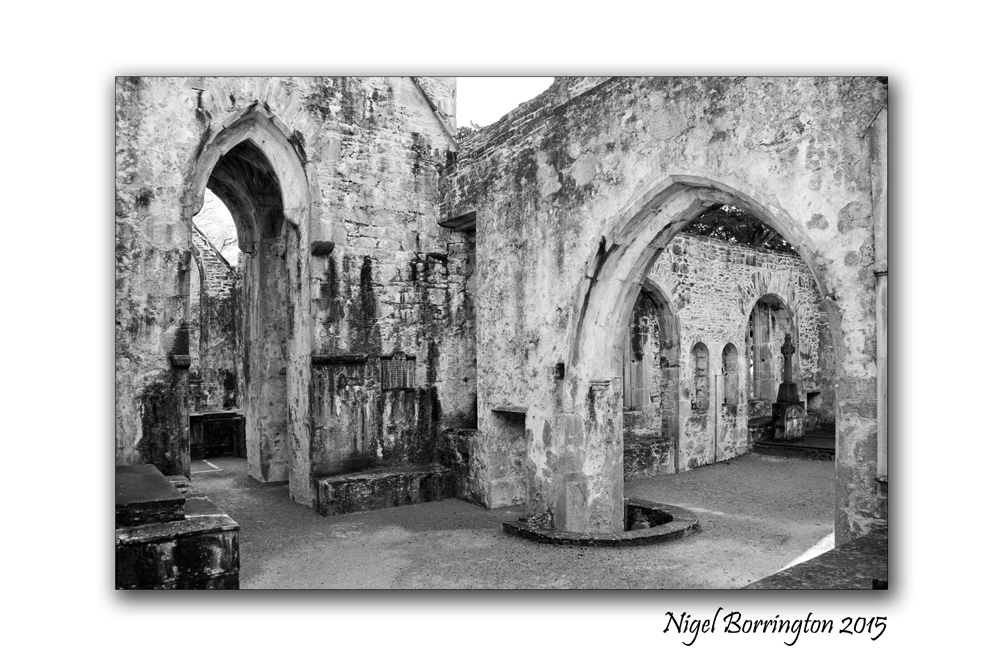
Muckross Abbey
The Abbey of Muckross KIllarney or the Franciscan Friary of Irrelagh, was founded for the Observatine Franciscans in 1448, and is the burial place of local chieftains and three Gaelic poets
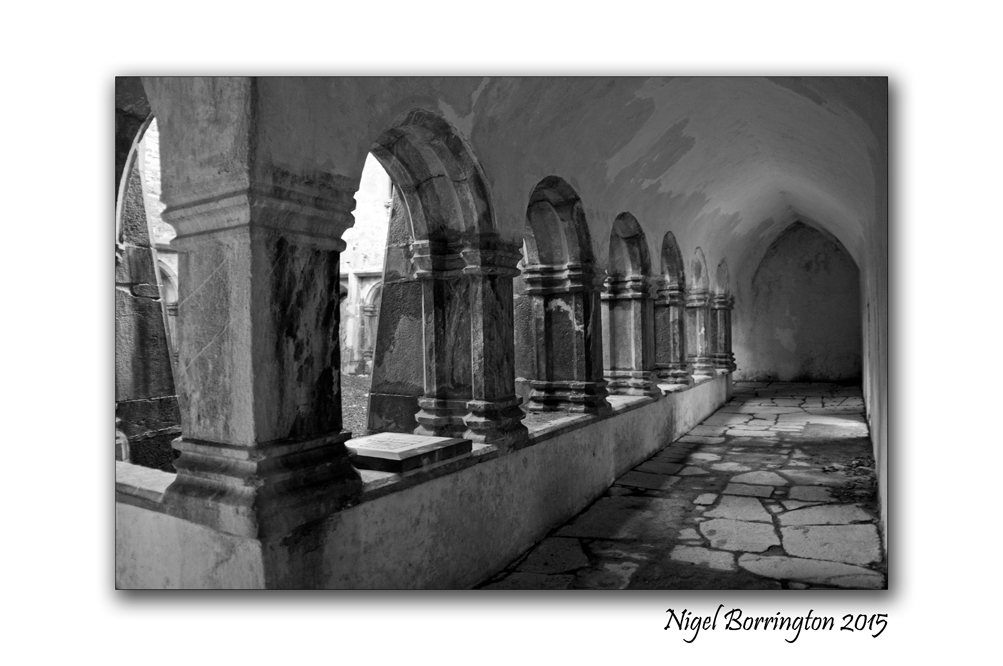
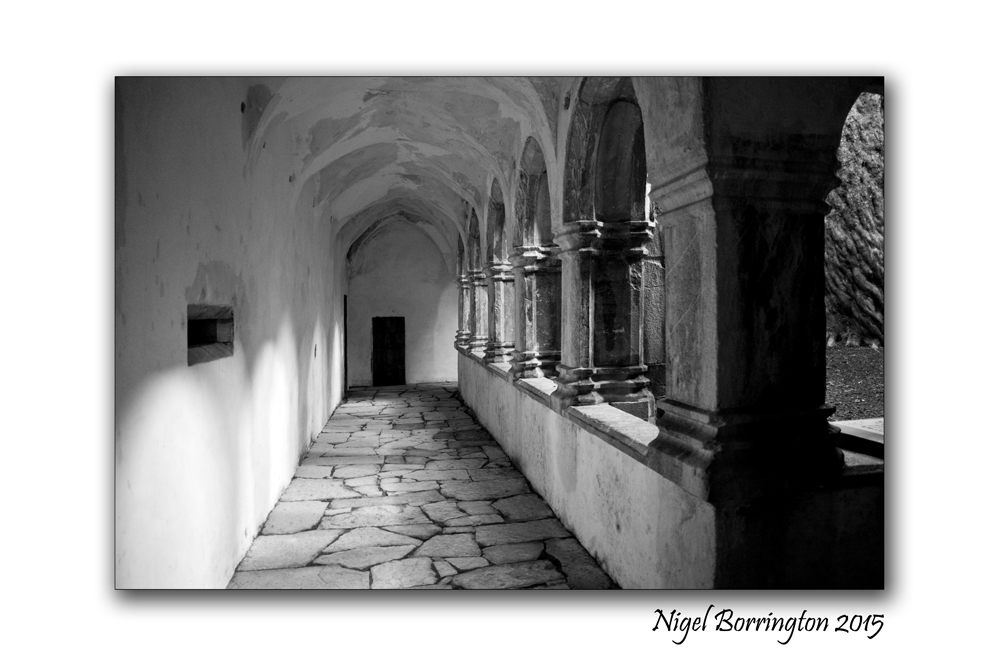
It is famous for the large ancient yew tree that rises above the cloister and extends over the abbey walls. Some think the abbey was built around the tree, as yews are seen in folk lore as a tree of life and linked to the immortality of the soul.

Muckross Abbey Today
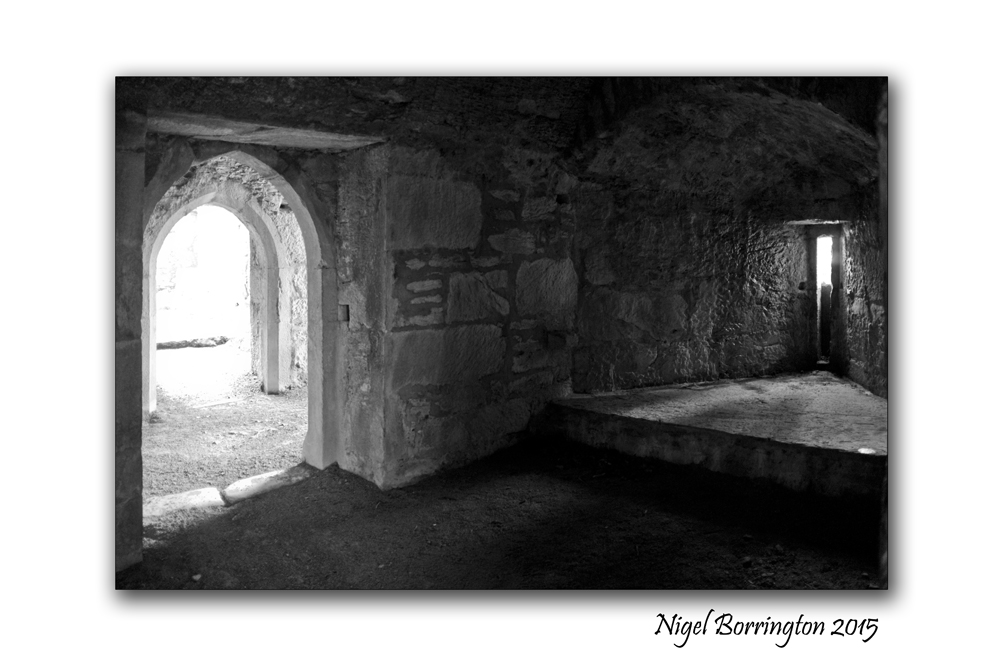
While today it is a ruin and has no roof, the building is reasonably well preserved
The abbey is open to the public and is a short five- minute walk from the car park on the N71. It is three miles from Killarney Town.
The Ghost of the Brown Man
It has been rumoured that the abbey and its adjoining graveyard may have inspired Dublin-born writer Bram Stoker.

Historical records document that a religious hermit named John Drake lived in the abandoned friary for eleven years during the mid 1700s. Drake famously slept in a coffin.
Meanwhile, an ancient legend tells of “the Brown Man” who was seen by his wife feasting on a corpse within one of the graves.

These stories may have fueled the Dracula novel, written by Stoker, who visited the area in the late 19th century, and was seen wandering around the ruins late at night.
Today, visitors to Muckross Abbey agree that it has an uncomfortably spooky atmosphere.
Image Gallery in full ….
Kilkenny landscapes (harvest time) , The Harvest Poem by Duncan Campbell Scott

The Harvest
Written by Duncan Campbell Scott
Sun on the mountain,
Shade in the valley,
Ripple and lightness
Leaping along the world,
Sun, like a gold sword
Plucked from the scabbard,
Striking the wheat-fields,
Splendid and lusty,
Close-standing, full-headed,
Toppling with plenty;
Shade, like a buckler
Kindly and ample,
Sweeping the wheat-fields
Darkening and tossing;
There on the world-rim
Winds break and gather
Heaping the mist
For the pyre of the sunset;
And still as a shadow,
In the dim westward,
A cloud sloop of amethyst
Moored to the world
With cables of rain.
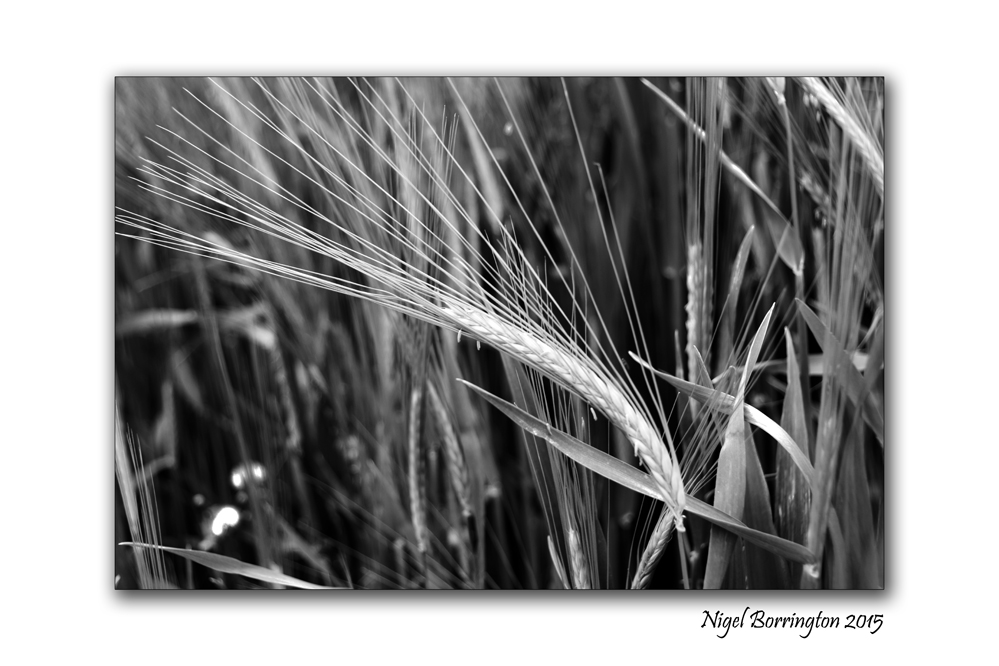
Acres of gold wheat
Stir in the sunshine,
Rounding the hill-top,
Crested with plenty,
Filling the valley,
Brimmed with abundance,
Wind in the wheat-field
Eddying and settling,
Swaying it, sweeping it,
Lifting the rich heads,
Tossing them soothingly
Twinkle and shimmer
The lights and the shadowings,
Nimble as moonlight
Astir in the mere.
Laden with odors
Of peace and of plenty,
Soft comes the wind
From the ranks of the wheat-field,
Bearing a promise
Of harvest and sickle-time,
Opulent threshing-floors
Dusty and dim
With the whirl of the flail,
And wagons of bread,
Sown-laden and lumbering
Through the gateways of cities.
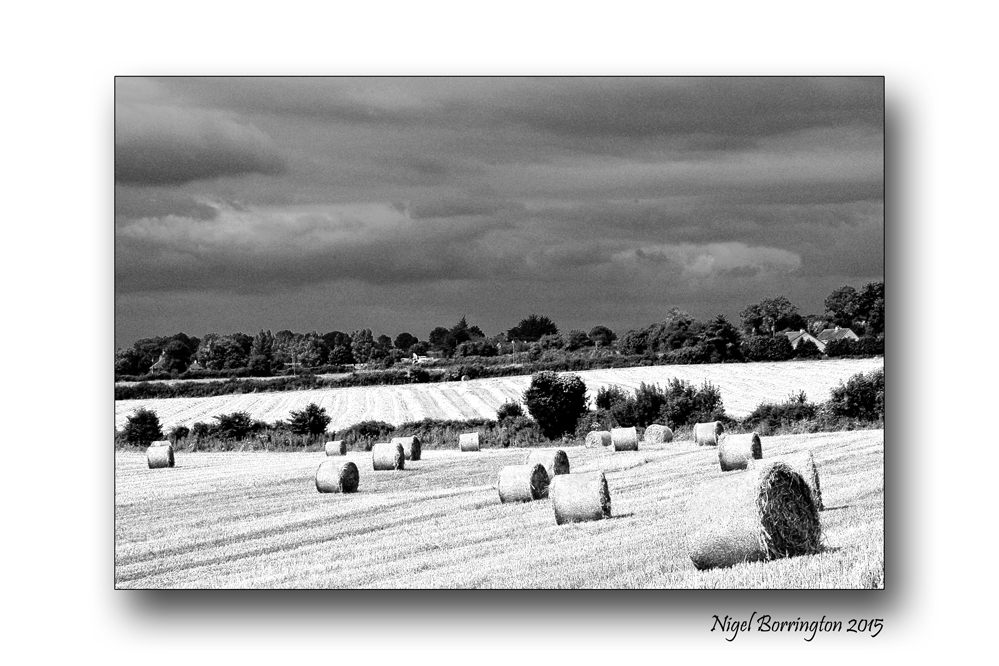
When will the reapers
Strike in their sickles,
Bending and grasping,
Shearing and spreading;
When will the gleaners
Searching the stubble
Take the last wheat-heads
Home in their arms ?
Ask not the question! –
Something tremendous
Moves to the answer.
Hunger and poverty
Heaped like the ocean
Welters and mutters,
Hold back the sickles!
Millions of children
Born to their mothers’ womb,
Starved at the nipple, cry,–
Ours is the harvest!
Millions of women
Learned in the tragical
Secrets of poverty,
Sweated and beaten, cry,–
Hold back the sickles!
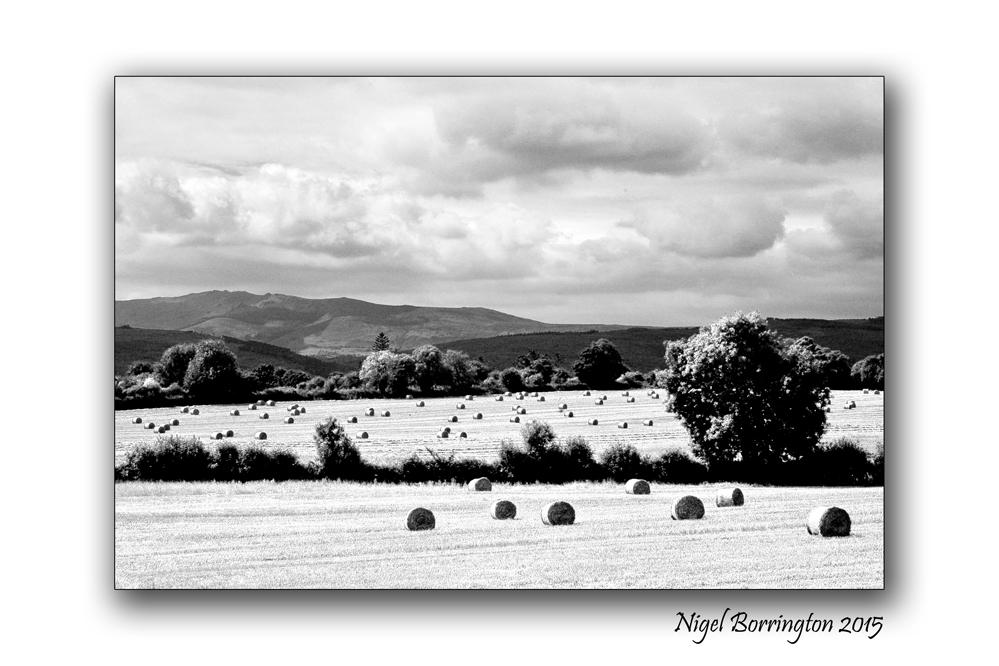
Millions of men
With a vestige of manhood,
Wild-eyed and gaunt-throated,
Shout with a leonine
Accent of anger,
Leaves us the wheat-fields!
When will the reapers
Strike in their sickles?
Ask not the question;
Something tremendous
Moves to the answer.
Long have they sharpened
Their fiery, impetuous
Sickles of carnage,
Welded them aeons
Ago in the mountains
Of suffering and anguish;
Hearts were their hammers
Blood was their fire,
Sorrow their anvil,
(Trusty the sickle
Tempered with tears;)
Time they had plenty-
Harvests and harvests
Passed them in agony,
Only a half-filled
Ear for their lot;
Man that has taken
God for a master
Made him a law,
Mocked him and cursed him,
Set up this hunger,
Called it necessity,
Put in the blameless mouth
Juda’s language:
The poor ye have with you
Always, unending.
But up from the impotent
Anguish of children,
Up from the labor
Fruitless, unmeaning,
Of millions of mothers,
Hugely necessitous,
Grew by a just law
Stern and implacable,
Art born of poverty,
The making of sickles
Meet for the harvest.
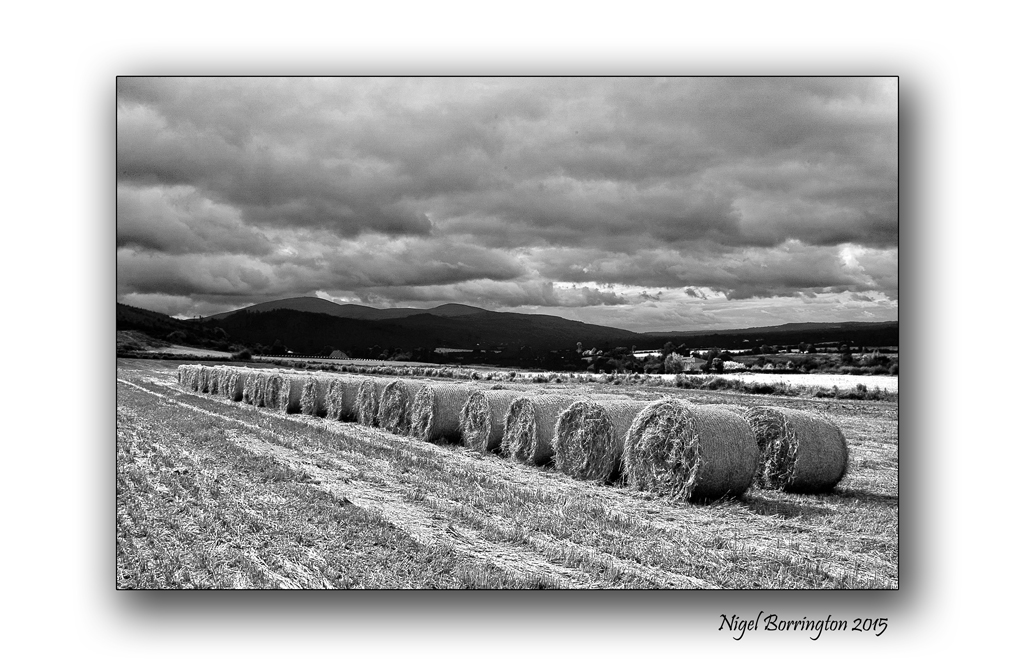
And now to the wheat-fields
Come the weird reapers
Armed with their sickles,
Whipping them keenly
In the fresh-air fields,
Wild with the joy of them,
Finding them trusty,
Hilted with teen.
Swarming like ants,
The Idea for captain,
No banners, no bugles,
Only a terrible
Ground-bass of gathering
Tempest and fury,
Only a tossing
Of arms and of garments;
Sexless and featureless,
(Only the children
Different among them,
Crawling between their feet,
Borne on their shoulders;)
Rolling their shaggy heads
Wild with the unheard-of
Drug of the sunshine;
Tears that had eaten
The half of their eyelids
Dry on their cheeks;
Blood in their stiffened hair
Clouted and darkened;
Down in their cavern hearts
Hunger the tiger,
Leaping, exulting;
Sighs that had choked them
Burst into triumphing;
On they come, Victory!
Up to the wheat-fields,
Dreamed of in visions
Bred by the hunger,
Seen for the first time
Splendid and golden;
On they come fluctuant,
Seething and breaking,
Weltering like fire
In the pit of the earthquake,
Bursting in heaps
With the sudden intractable
Lust of the hunger:
Then when they see them-
The miles of the harvest
White in the sunshine,
Rushing and stumbling,
With the mighty and clamorous
Cry of a people
Starved from creation,
Hurl themselves onward,
Deep in the wheat-fields,
Weeping like children,
After ages and ages,
Back at the mother the earth.
Night in the valley,
Gloom on the mountain,
Wind in the wheat,
Far to the southward
The flutter of lightning,
The shudder of thunder;
But high at the zenith,
A cluster of stars
Glimmers and throbs
In the gasp of the midnight,
Steady and absolute,
Ancient and sure
Irish great Elk – one of the largest deer that ever lived

Irish Elk ,
At : Cahir Castle, County. Tipperary
The Irish great elk is an extinct species of deer it was one of the largest deer that ever lived. Its range extended across Eurasia, from Ireland to northern Asia and Africa.
The skull and antlers in the main image above are located in the old 11th century dining hall at Cahir Castle county Tipperary Ireland. With antlers spanning 2.7 metres (8.9 ft) this Skull hangs high on one of the gable ends of the hall and seams to fill the room with its presence.
It is some 7000 to 8000 years since these amazing elk walked around the Irish landscape, it is not fully known exactly why or when the became extinct but the most recent specimen of M. giganteus in northern Siberia, dated to approximately 7,700 years ago.
Description
The Irish Elk stood about 2.1 metres (6.9 ft) tall at the shoulders carrying the largest antlers of any known cervid (a maximum of 3.65 m (12.0 ft) from tip to tip and weighing up to 40 kg (88 lb)).

In body size the Irish Elk matched the extant moose subspecies of Alaska (Alces alces gigas) as the largest known deer. The Irish Elk is estimated to have attained a total mass of 540–600 kg (1,190–1,323 lb), with large specimens having weighed 700 kg (1,543 lb) or more, roughly similar to the Alaskan Moose. A significant collection of M. giganteus skeletons can be found at the Natural History Museum in Dublin.
It is understood that the first humans to live in Ireland were the Mesolithic hunter-gatherers, settling in Ireland after 8000 BC so it is possible that the first people to live here lived along side these animals and even hunted them for food and for their very skin and bones.
Finnish paganism and the Elk

European elk
The elk is a common image in many Finnish pagan art works …
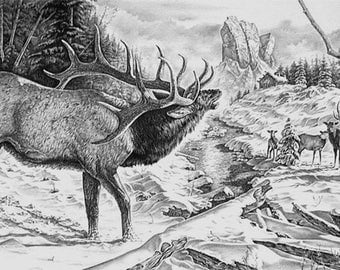
Finnish paganism was the indigenous pagan religion in Finland, Estonia and Karelia prior to Christianisation. It was a polytheistic religion, worshipping a number of different deities. The principal god was the god of thunder and the sky, Ukko; other important gods included Jumi, Ahti, and Tapio.
Shows many similarities with the religious practices of neighbouring cultures, such as Germanic, Norse and Baltic paganism. However, it has some distinct differences due to the Uralic and Finnic culture of the region.
Finnish paganism provided the inspiration for a contemporary pagan movement Suomenusko (Finnish: Finnish faith), which is an attempt to reconstruct the old religion of the Finns.

A hut near a river – Poem by Neela Nath

Hut near the river
Black water river , co. Cork
Where I want to live
with you my seventh heaven,
is not far from this everyday
life, but very near to it..
A hut, near a river
with crystal water,
fish playing there on
sunbathed pebbles…..
You and me with our little
daughter will live a
calm, calm life..
Over there we shall see
the forest, away from that
winding path.
You will be back
in the evening,
and I shall watch
you coming eagerly…..
None will come on our way
to happiness!
No feud will be there.
No flame,
other than ours!

A hut near a river,
the trees, blooming plants,
will enhance our happiness….
You, me and daughter,
three will be drinking
from the tumbler of life….
The flavor of Nature…
You, Me and…..
The West Wind by John Masefield

The West Wind by John Masefield
IT’S a warm wind, the west wind, full of birds’ cries;
I never hear the west wind but tears are in my eyes.
For it comes from the west lands, the old brown hills.
And April’s in the west wind, and daffodils.
It’s a fine land, the west land, for hearts as tired as mine,
Apple orchards blossom there, and the air’s like wine.
There is cool green grass there, where men may lie at rest,
And the thrushes are in song there, fluting from the nest.
“Will ye not come home brother? ye have been long away,
It’s April, and blossom time, and white is the may;
And bright is the sun brother, and warm is the rain,–
Will ye not come home, brother, home to us again?

“The young corn is green, brother, where the rabbits run.
It’s blue sky, and white clouds, and warm rain and sun.
It’s song to a man’s soul, brother, fire to a man’s brain,
To hear the wild bees and see the merry spring again.
“Larks are singing in the west, brother, above the green wheat,
So will ye not come home, brother, and rest your tired feet?
I’ve a balm for bruised hearts, brother, sleep for aching eyes,”
Says the warm wind, the west wind, full of birds’ cries.
It’s the white road westwards is the road I must tread
To the green grass, the cool grass, and rest for heart and head,
To the violets, and the warm hearts, and the thrushes’ song,
In the fine land, the west land, the land where I belong.
Water – a life giving element

Water, giver of life
Water, is a great necessity, without it nothing can live. Only earth and water can bring forth a living soul. Such is the greatness of water that spiritual regeneration cannot be done without it.
Thales of Miletus concluded that water was the beginning of all things and the first of all elements and most potent because of its mastery over the rest. Pliny said “Water swallow up the earth, extinguishes the flame, ascends on high, and by stretching forth as clouds challenges the heavens for their own, and the same falling down, becomes the cause of all things that grow in the earth.
Water is a cleansing, healing, psychic, and loving element. It is the feeling of friendship and love that pours over us when we are with our family, friends and loved ones. When we swim it is water that supports us, when we are thirsty, it is water the quenches our thirst, another manifestation of this element is the rainstorms that drench us, or the dew formed on plants after the sun has set.
The power of the energy of Water, can be felt by tasting pure spring water, moving you hand through a stream, lake, pool, or bowl full of water. You can feel its cool liquidity; it’s soft and loving touch, this motion and fluidity is the quality of Air within Water. This Water energy is also contained within ourselves, our bodies being mostly composed of Water.
As well as being vital for life, within the energy of this element is contained the essence of love. Love is the underlying reason for all magic. Water is love.
Water is a feminine element, it also the element of emotion and subconscious, of purification, intuition, mysteries of the self, compassion and family. It is psychic ability; water can be used as a means of scrying or as an object for meditation. Water is important in spells and rituals of friendship, marriage, happiness, fertility, healing, pleasure, psychic abilities and spells involving mirrors.

The Element Water and its Natural Qualities
The Element of Water is a heavy, passive element and is contrary to Fire. It is associated with the qualities of darkness, thickness and motion.
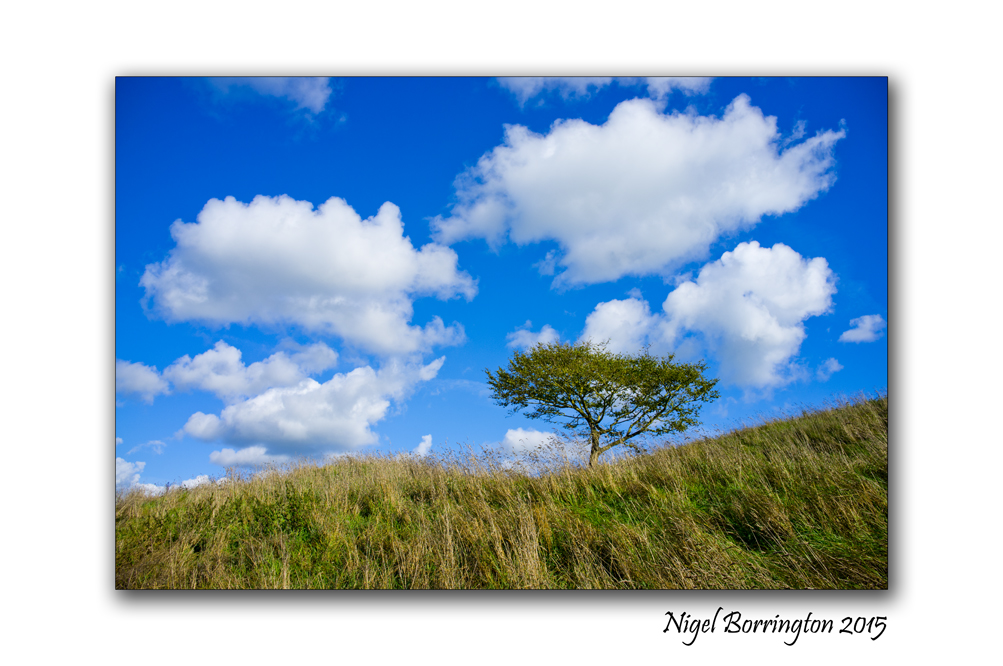
Irish Landscape(Kilkenny) with a Poem : Independent Heart , by Jodie Moore
Independent Heart
Soft words you spoken
From the heart that is broken
I know deep inside
You have a level of independence
With a mystery of suspense
You are recovering
Waiting for someone

To catch on to the discovering
Of the real you
With a heart so true
Giving of your best
Expecting nothing less
While hurt is making amends
Leaning on loving friends
Accounted for in time you spend
With words you write
Not giving into a broken hearts flight
Staying strong
Carrying others like me along
by Jodie Moore
Monday Poetry : You Haven’t Seen The Last Of Us

You Haven’t Seen The Last Of Us
By : Lady Ravenwolf
Do as you will and harm none, ever mind the rule of three
Is one of the most important rules of the wiccan reed
Lets take a look back in history
Ways of the old lost within time
All but forgotten, shrouded in mystery
They were a peaceful kind
Yet thousands met such an untimely demise
The ultimate betrayal of mankind
She’s a witch, they’d point and scream
Those were the burning times
You mortals forever ignorant
She is one of many
With blood line ever strong
Her daughters are alive and well
Apparently you missed a few
The witch seen before you
Is a new kind of breed
Dressed completely in black
Morning the death of sisters past
I will forget my own path
Dancing between the worlds
Choosing to walk the in the gray
My magic is powerful
Though I seek not to harm
I will protect what is me and mine
This will be a finial warning
It is most unwise to cross me
With the flick of my hand
A curse will be placed
With a piercing cackle heard
 Nigel Borrington
5 images for the week – Autumn Equinox 2015
Autumn Equinox 2015
Landscape photography : Nigel Borrington
Sun Crosses Celestial Equator
The September equinox occurs the moment the Sun crosses the celestial equator – the imaginary line in the sky above the Earth’s Equator – from north to south. This happens either on September 22, 23, or 24 every year.
The Axial Tilt
The Earth’s axis is always tilted at an angle of about 23.5° in relation to the ecliptic, the imaginary plane created by the Earth’s path around the Sun. On any other day of the year, either the southern hemisphere or the Northern Hemisphere tilts a little towards the Sun. But on the two equinoxes, the tilt of the Earth’s axis is perpendicular to the Sun’s rays, like the illustration shows.
Why “Equinox”?
On the equinox, night and day are nearly exactly the same length – 12 hours – all over the world. This is the reason it’s called an “equinox”, derived from Latin, meaning “equal night”. However, even if this is widely accepted, it isn’t entirely true. In reality equinoxes don’t have exactly 12 hours of daylight
Customs around the September equinox
The September equinox coincides with many cultural events, observances and customs. It’s also called the “autumnal (fall) equinox” in the northern hemisphere and the “spring equinox” in the Southern Hemisphere.
September Equinox Customs
Ancient Greece
In many cultures, the September equinox is a sign of fall (autumn) in the northern hemisphere. In Greek mythology fall is associated with when the goddess Persephone returns to the underworld to be with her husband Hades. It was supposedly a good time to enact rituals for protection and security as well as reflect on successes or failures from the previous months.
Australia
Aboriginal Australians have, for a long time, had a good knowledge of astronomy and the seasons. Events like the September equinox, which is during the spring in Australia, played a major role in oral traditions in Indigenous Australian culture.
In China
The Mid-Autumn Festival, also known as the Moon Festival, is celebrated around the time of the September equinox. It celebrates the abundance of the summer’s harvest and one of the main foods is the mooncake filled with lotus, sesame seeds, a duck egg or dried fruit.
Japan
Higan, or Higan-e, is a week of Buddhist services observed in Japan during both the September and March equinoxes. Both equinoxes have been national holidays since the Meiji period (1868-1912). Higan means the “other shore” and refers to the spirits of the dead reaching Nirvana. It is a time to remember the dead by visiting, cleaning and decorating their graves.
Pagan celebration: Mabon
On the autumnal equinox, many pagans celebrate Mabon as one of the eight Sabbats (a celebration based on the cycles of the sun). Mabon celebrates the second harvest and the start of winter preparations. It is the time to respect the impending dark while giving thanks to the sunlight.
Christianity
The Christian church replaced many early Pagan equinox celebrations with Christianized observances. For example, Michaelmas (also known as the Feast of Michael and All Angels), on September 29, fell near the September equinox.
Share this:
September 23, 2015 | Categories: Comment, Nigel Borrington, Pagan, Solo images | Tags: astronomy, Autumn Equinox, Customs, Equinox, Nigel Borrington, Pagan, sun | Leave a comment