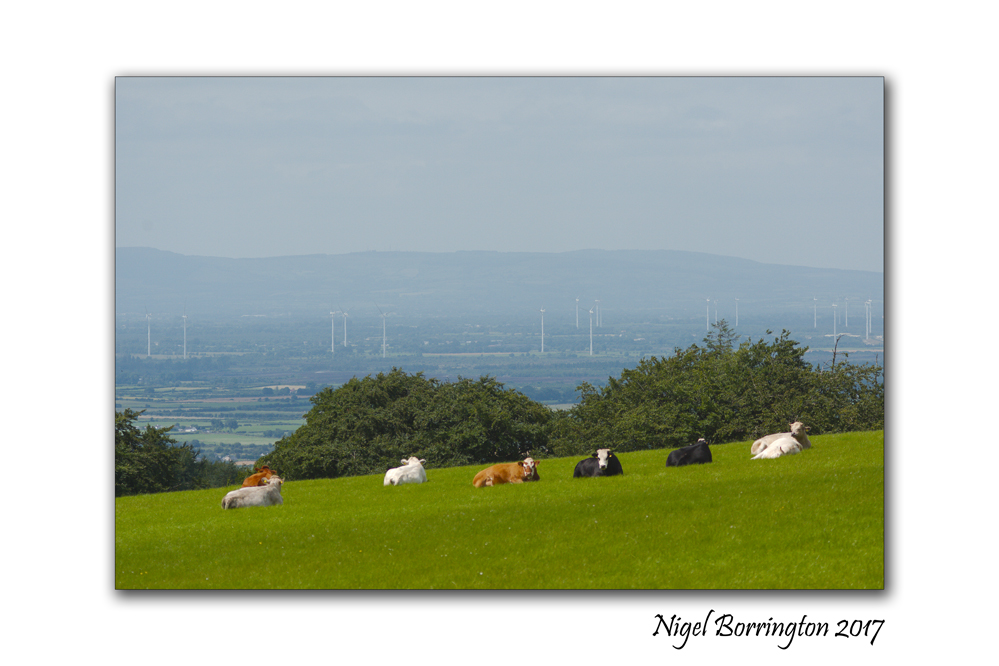
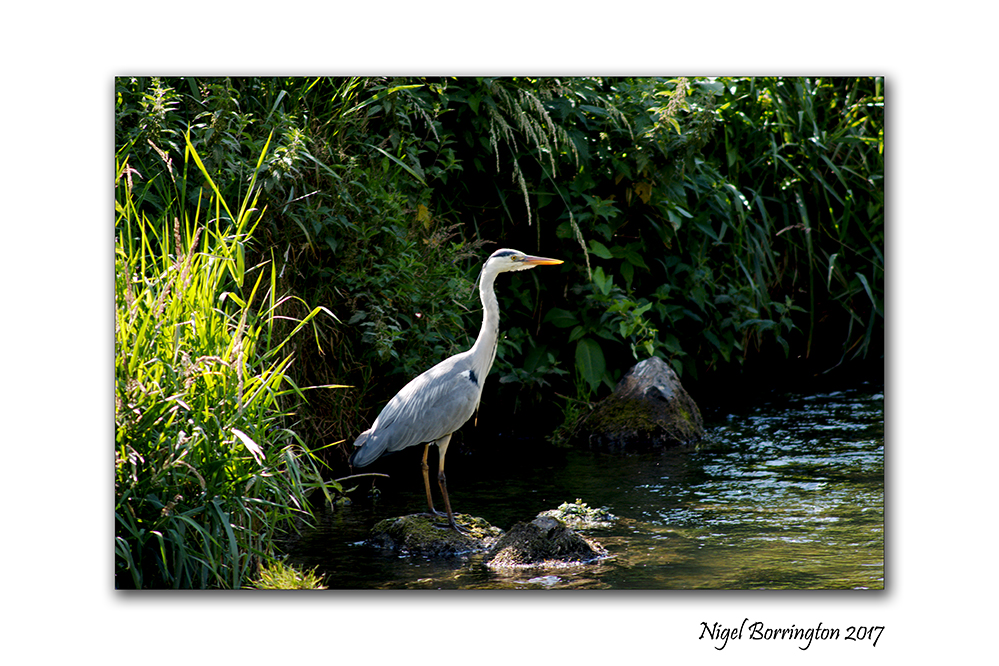
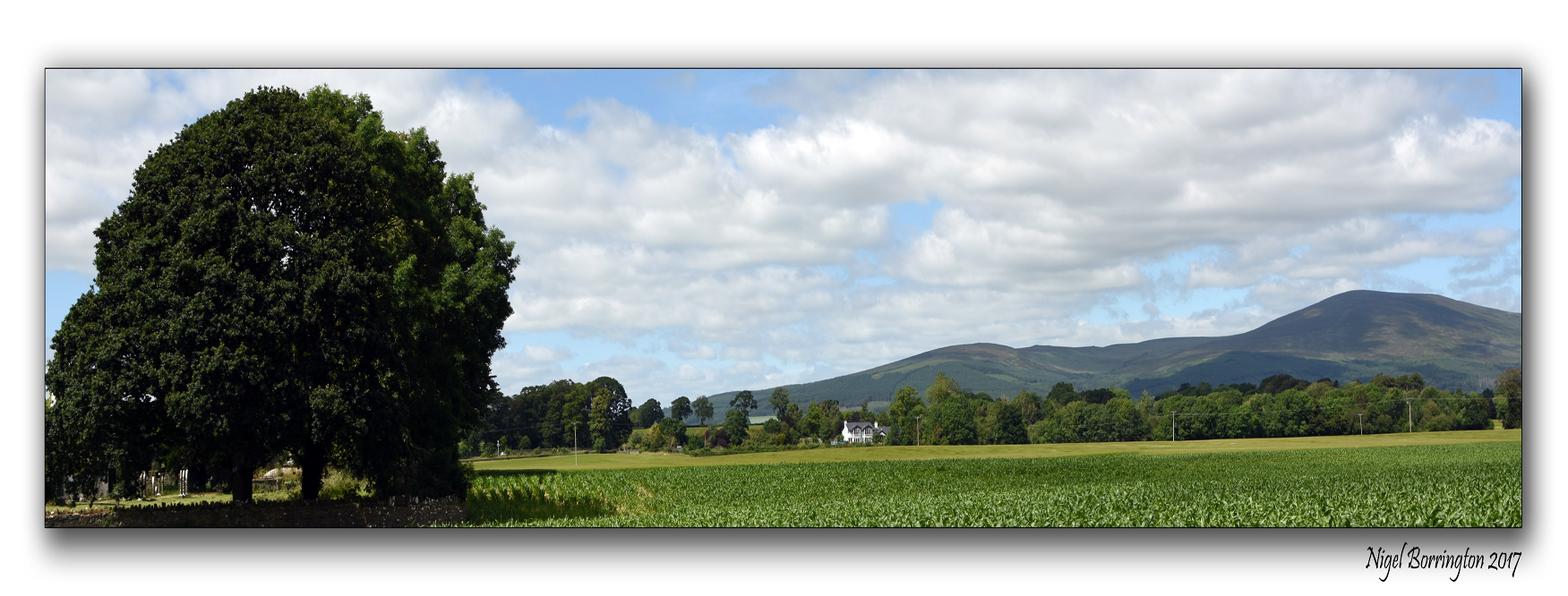

Images from 2017, February

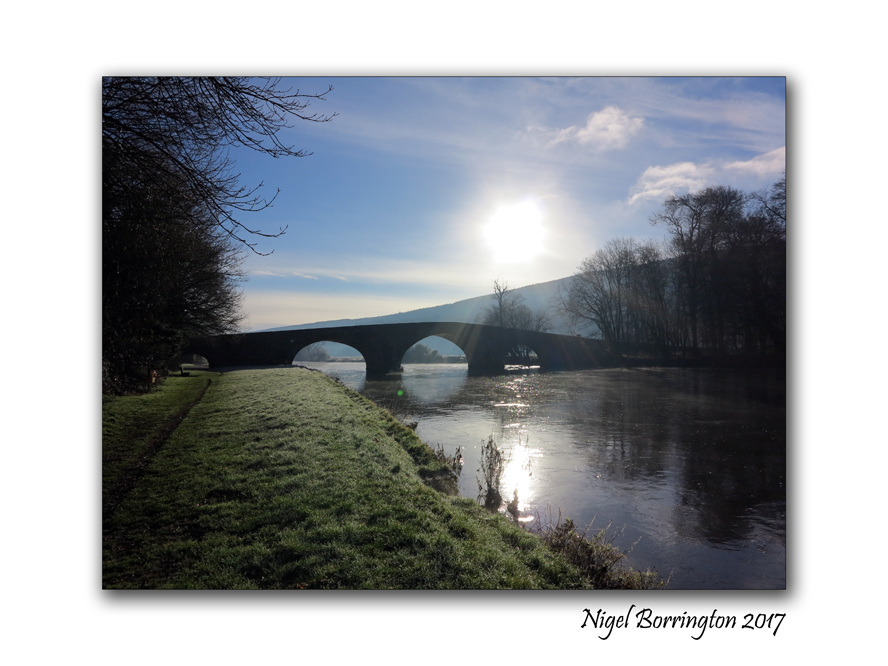
A winters morning
The river Suir
County Tipperary
February 2017
Nigel Borrington


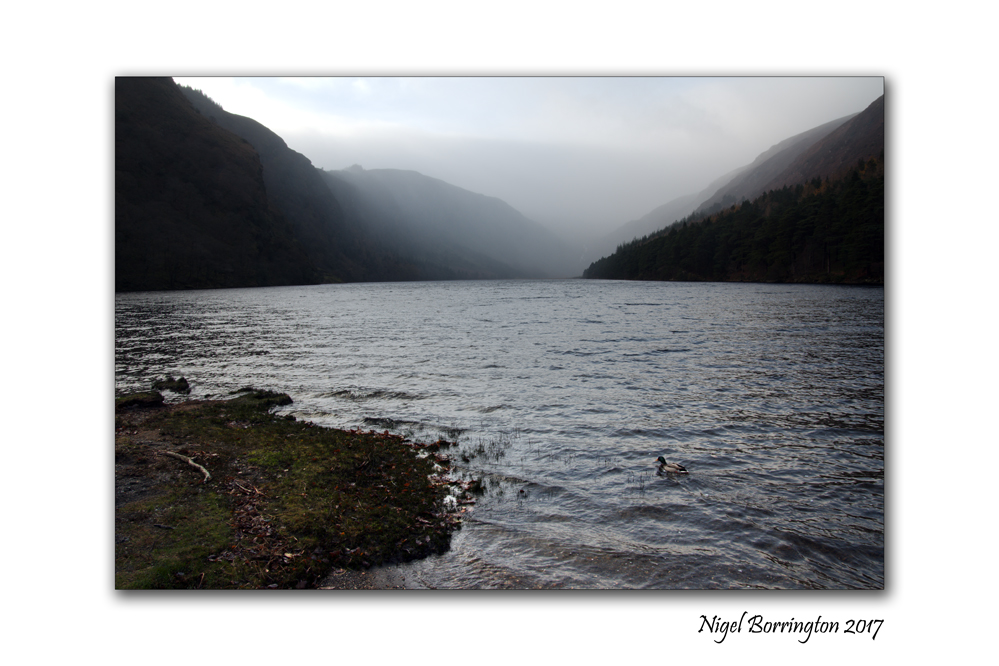
The Landscape of Glendalough, county Wicklow , Crossing The Bar, A Poem by – Alfred Lord Tennyson
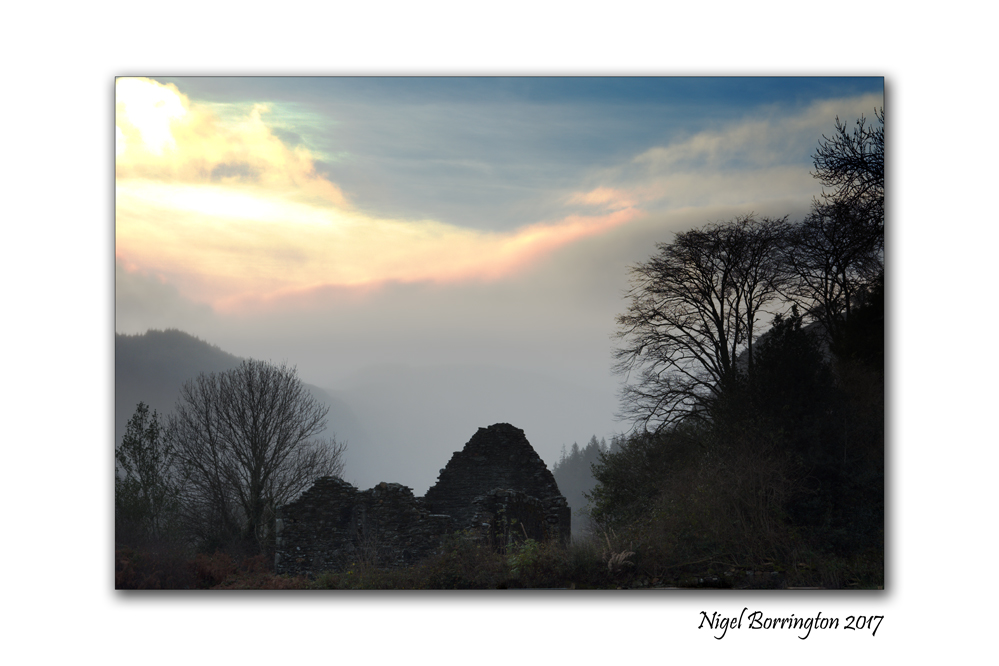
Glendalough
county
Wicklow Ireland
Nigel Borrington
Crossing The Bar – Poem by Alfred Lord Tennyson
Sunset and evening star,
And one clear call for me!
And may there be no moaning of the bar,
When I put out to sea,
But such a tide as moving seems asleep,
Too full for sound and foam,
When that which drew from out the boundless deep
Turns again home.
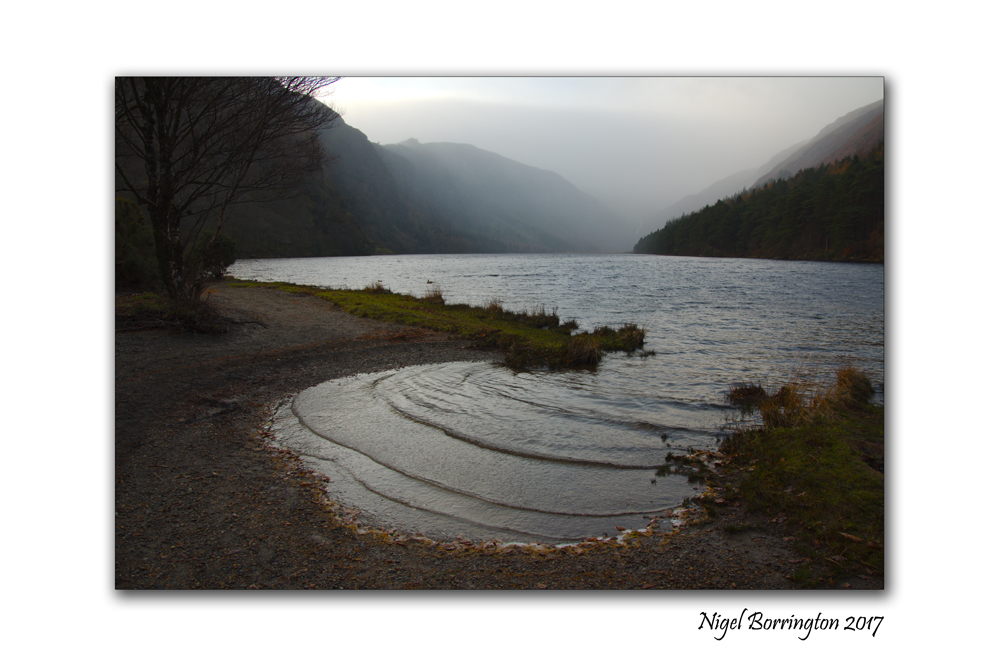
Twilight and evening bell,
And after that the dark!
And may there be no sadness of farewell,
When I embark;
For though from out our bourne of Time and Place
The flood may bear me far,
I hope to see my Pilot face to face
When I have cross the bar.

A week in glendalough, County Wicklow
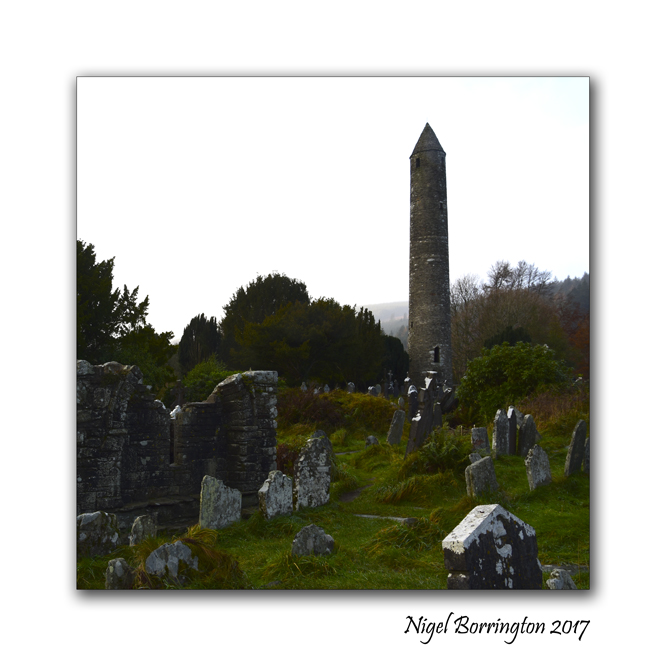
glendalough
county wexford
ireland
Nigel Borrington
This week I am going to dedicate a lot of my posts to one of the most amazing landscape locations in Ireland, Glendaloughin, County Wicklow. Over the weekend we spent sometime there and loved it very much. Its a perfect location for walking relaxing and taking in the amazing views.
This is such a great location I feel I should take a little time to share its history and some of the pictures I captures from this weekend.
Saying goodbye to November , Poem:November By, William Cullen Bryant, 1794 – 1878

November
William Cullen Bryant, 1794 – 1878
Yet one smile more, departing, distant sun!
One mellow smile through the soft vapory air,
Ere, o’er the frozen earth, the loud winds run,
Or snows are sifted o’er the meadows bare.

One smile on the brown hills and naked trees,
And the dark rocks whose summer wreaths are cast,
And the blue gentian flower, that, in the breeze,
Nods lonely, of her beauteous race the last.
Yet a few sunny days, in which the bee
Shall murmur by the hedge that skirts the way,
The cricket chirp upon the russet lea,
And man delight to linger in thy ray.
Yet one rich smile, and we will try to bear
The piercing winter frost, and winds, and darkened air.

Eva Cassidy – Who Knows Where The Time Goes ?

Eva Cassidy – Who Knows Where The Time Goes ?
Across the evening sky,all the birds are leaving
Oh but then you know, it was time for them to go
By the winter fire, I will still be dreaming
I do not count the time
for who knows where the time goes?
Who knows where the time goes?
Sad,deserted shore
your fickle friends are leaving
oh, but then you know it was time for them to go
But I will still be here

I have no thought of leaving
I do not count the time
for who knows where the time goes?
I know I’m not alone
while my love is near me
I know that its so until its time to go
All the storms in Winter and the birds in Spring again
I do not count the time
For who knows where the time goes?
who knows where the time goes?
who knows where the time goes?
A colourfull world , Finding Colour in the Irish landscape

There is so much colour in the World
Nigel Borrington
I truly loved do the black and white photography challenge of the last week or so, however I am now looking forward to getting back to posting lots of images that show just how much colour there is in our world.
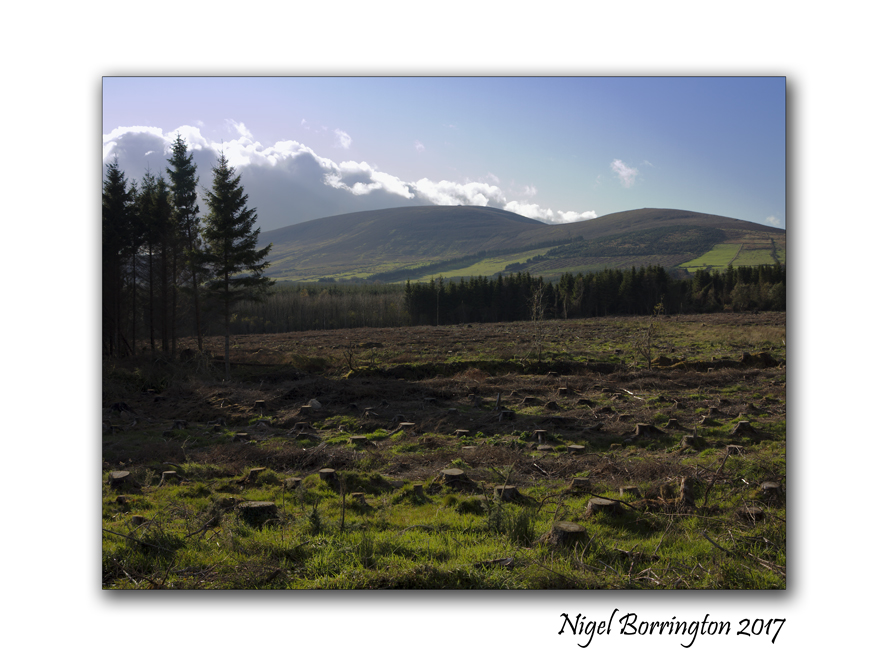
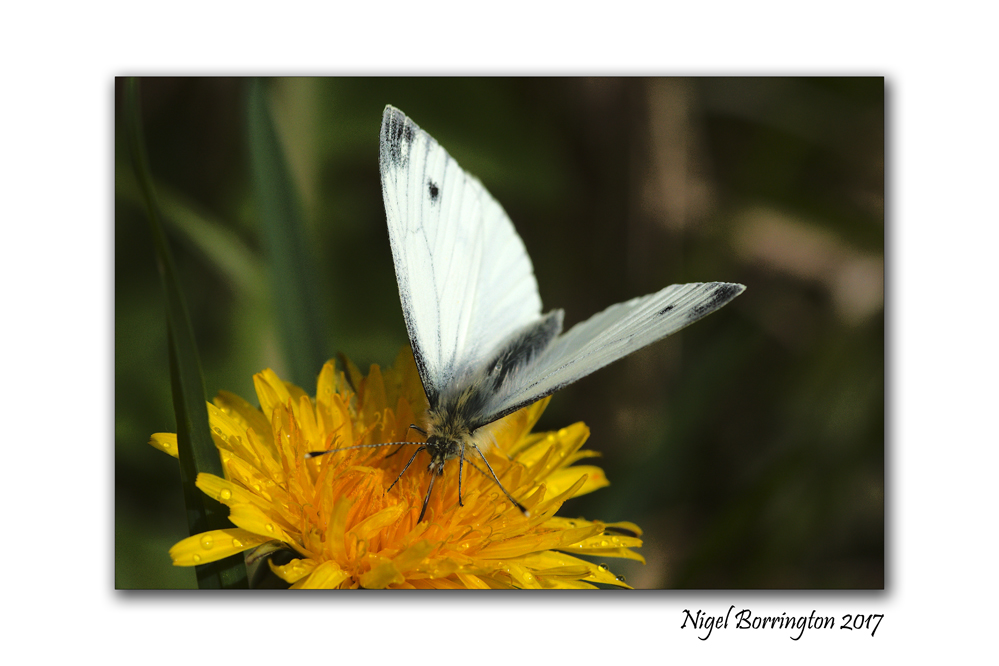
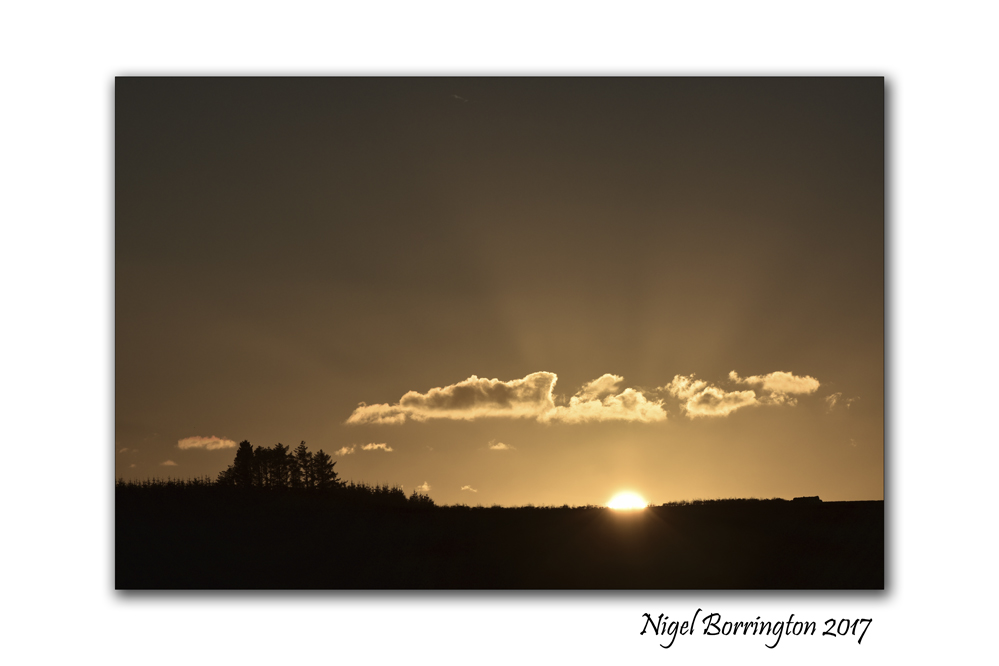
For my next photography project I want to find as much colour as I can in a Irish winter landscape, its not as easy find as in the summer months but its going to be great to look as hard as I can 🙂
Finding Colour in the Landscape:


.


.
.
.
.
Seven day black and white photo challenge : Oh my Lord !!!!
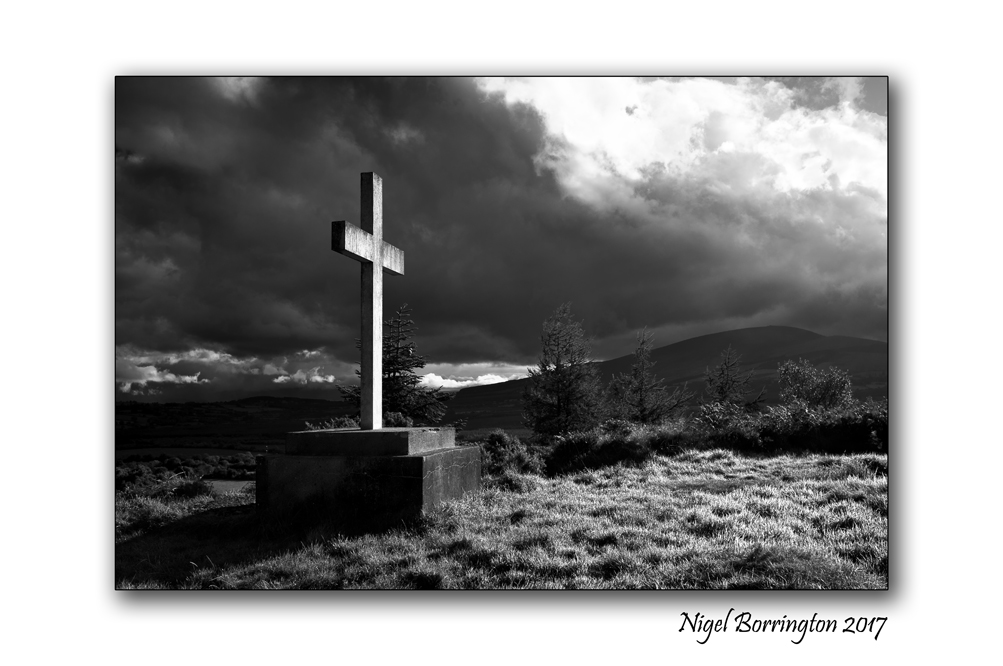
My Sweet Lord
Black and white Photo challenge Nigel Borrington
Day Six of the Black and white photo challenge and today , I went to the top of a local Hill, Carrigmaclea in county Tipperary. The light was amazing and perfect for black and white images. At the top of the hill as you can see there is a cross that was erected by people from a local church back in 1958 which was apparently a holly year.
“My Sweet Lord”
My sweet lord
Hm, my lord
Hm, my lord
I really want to see you
Really want to be with you
Really want to see you lord
But it takes so long, my lord
My sweet lord
Hm, my lord
Hm, my lord
George Harrison

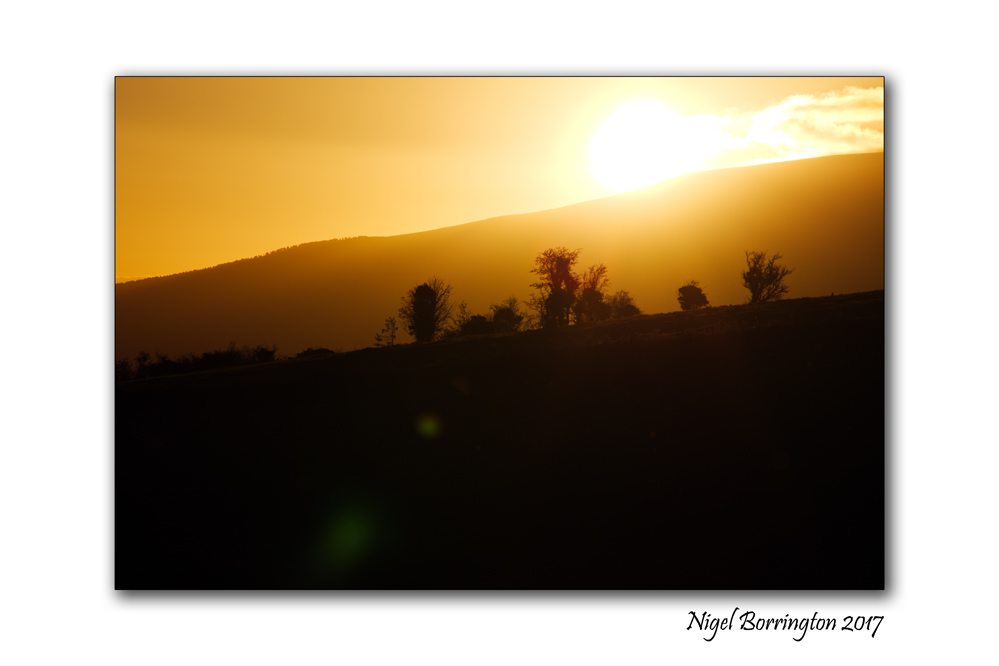
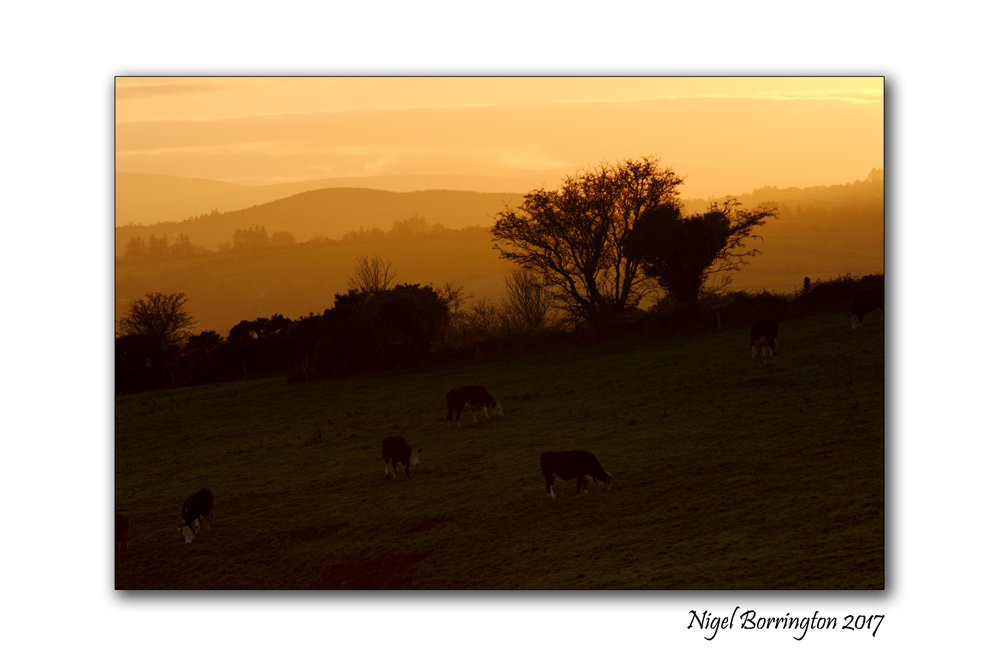
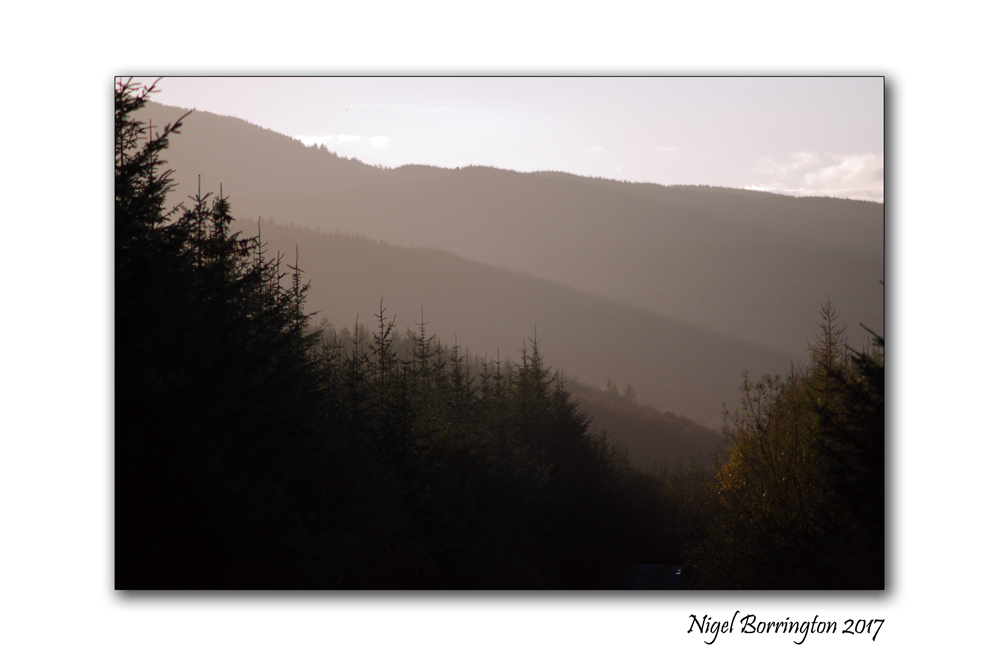


The Bay that never was, A Poem by : James K. Baxter (1926-1972)
The Bay
James K. Baxter (1926-1972)

SlieveLeague
Donegal
Ireland’s Most Beautiful Places
Nigel Borrington
On the road to the bay was a lake of rushes
Where we bathed at times and changed in the bamboos.
Now it is rather to stand and say
How many roads we take that lead to Nowhere,
The alley overgrown, no meaning now but loss:
Not that veritable garden where everything comes easy.
And by the bay itself were cliffs with carved names
And a hut on the shore by the open fires.
We raced boats from the banks of the river
Or swam in those autumnal shallows.
Growing cold in amber water, riding the logs
Upstream, and waiting for the Sea Monsters.
So now I remember the bay and the little spiders
On driftwood, so poisonous and quick.
The carved cliffs and the great out crying surf
With currents round the rocks and the birds rising.

A thousand times an hour is torn across
And burned for the sake of going on living.
But I remember the bay that never was
And stand like stone and cannot turn away.


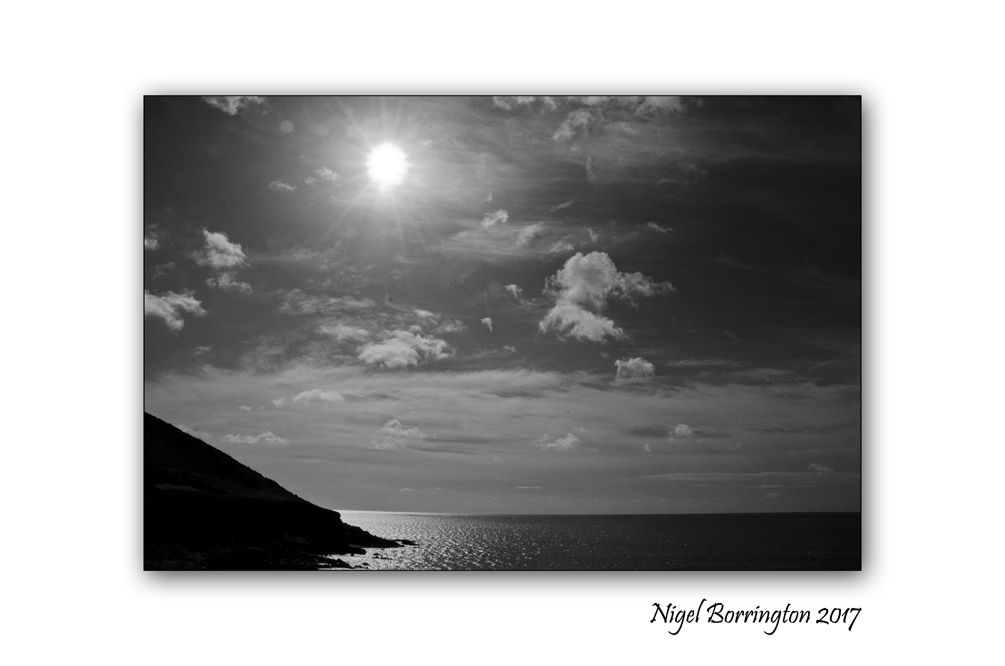

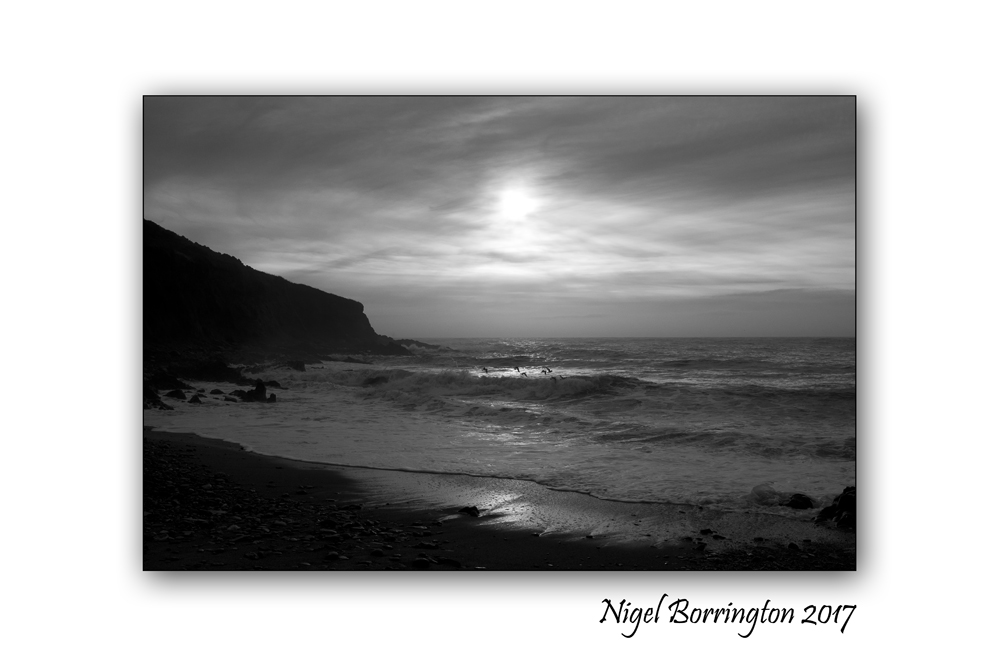

Images without words : The path into the light …….

Irish Landscape Images GarryDuff county Kilkenny
Nigel Borrington
The Sound of the Sea By : Henry Wadsworth Longfellow
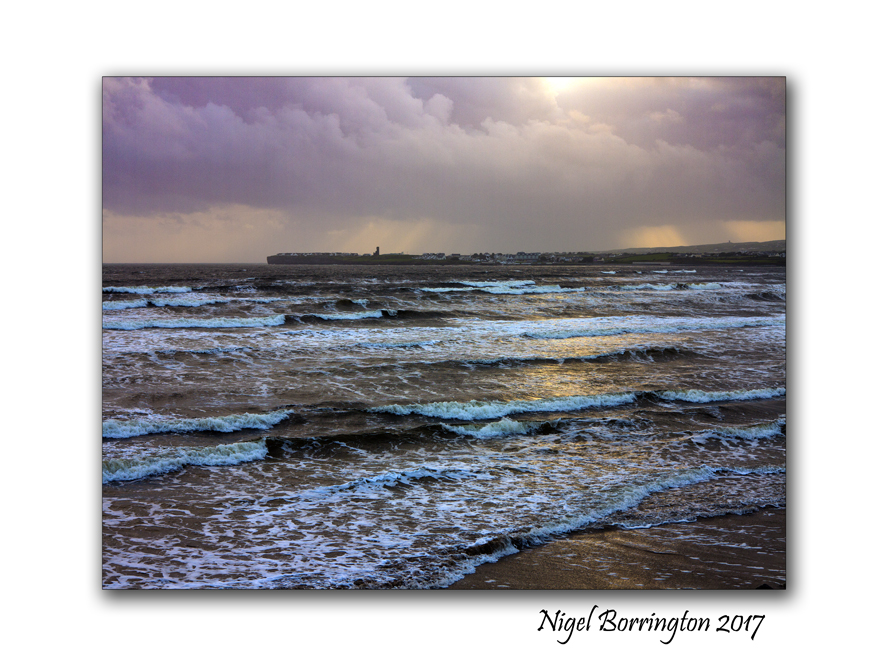
The Sound of the Sea
By : Henry Wadsworth Longfellow
The sea awoke at midnight from its sleep,
And round the pebbly beaches far and wide
I heard the first wave of the rising tide
Rush onward with uninterrupted sweep;
A voice out of the silence of the deep,
A sound mysteriously multiplied
As of a cataract from the mountain’s side,
Or roar of winds upon a wooded steep.
So comes to us at times, from the unknown
And inaccessible solitudes of being,
The rushing of the sea-tides of the soul;

And inspirations, that we deem our own,
Are some divine foreshadowing and foreseeing
Of things beyond our reason or control.
Tamron SP 500mm f8 Reflex lens, a review of Mirror lenses

Tarmon SP 500mm F8 Mirror Lens, Real world review
When you make a start in the world of Photography, Sooner or later you will want to own a dedicated Long Telephoto lens. These lenses offer the ability to get some great images in the world of (Landscape, Wildlife, Portrait and Sports) Photography.
Fixed focus (None Zoom) Telephoto lenses come in many focus lengths, but the most usable are 200mm to 600mm, depending on how much magnification of distant subjects and objects you need. The cost of these lenses my surprise many starting photography and to be honest even many long term photographers, they can start in price range from around €800 and end up way into the many €1000’s.

There is however an alternative option with this type of lens, this being to look at what are called Reflex or Mirror Lenses. These kind of lenses replace some of the glass elements within their construction with two Mirrors both used to fold the light entering the front glass element in much the same way as a reflex telescope does.
i.e. NASA uses this method in the Hubble space telescope that has produced some amazing ground braking images of the cosmos.
Third party and OEM Camera manufactures started making these lenses in the 1970’s and continued through to the 1990’s, today mostly only third party lenses are available. The quality of these Early OEM/Third party – mirror lenses was very high, even second hand some of these lenses can set you back some €300 to €800 on ebay, even today in 2017.
Nikkor Reflex Lenses at 500mm, 1000mm and 2000mm
I purchased a Reflex lens made by Tamron (500mm SP F8) way back in 1988 and in this post I just wanted to share my thoughts on some of its upsides and some of its downsides.
To be honest, I have not used this lens very much, for two main reasons.
Firstly : at 500mm and with an lens aperture of F8 it needs to be Tripod or at the very least mono pod mounted in order to create very sharp images. This maybe a little unfair as this is true for most long lenses but Nikon VR lenses are so good at helping go handheld!
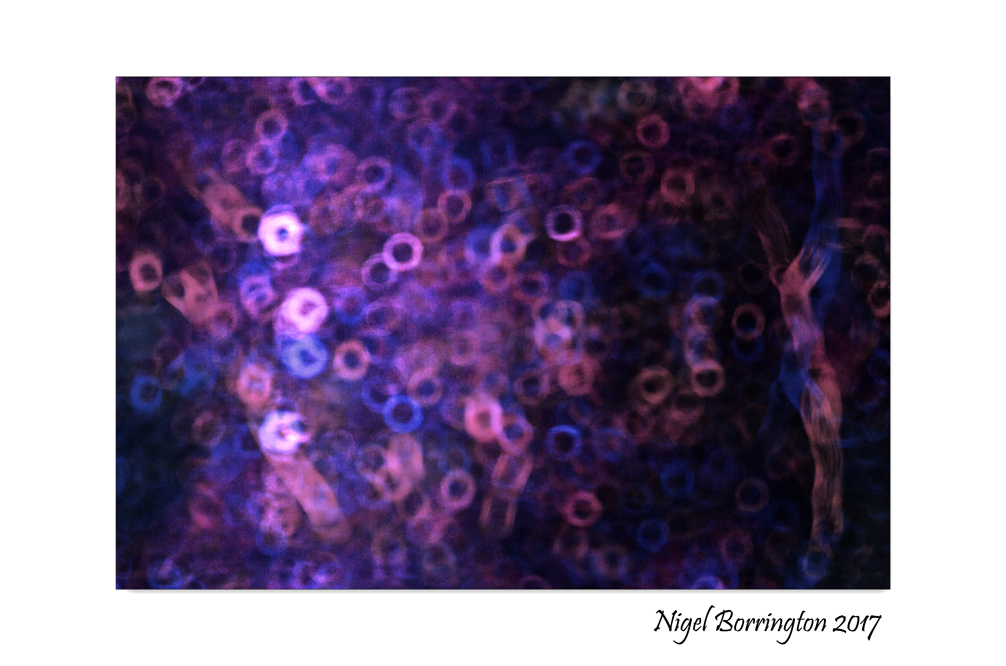
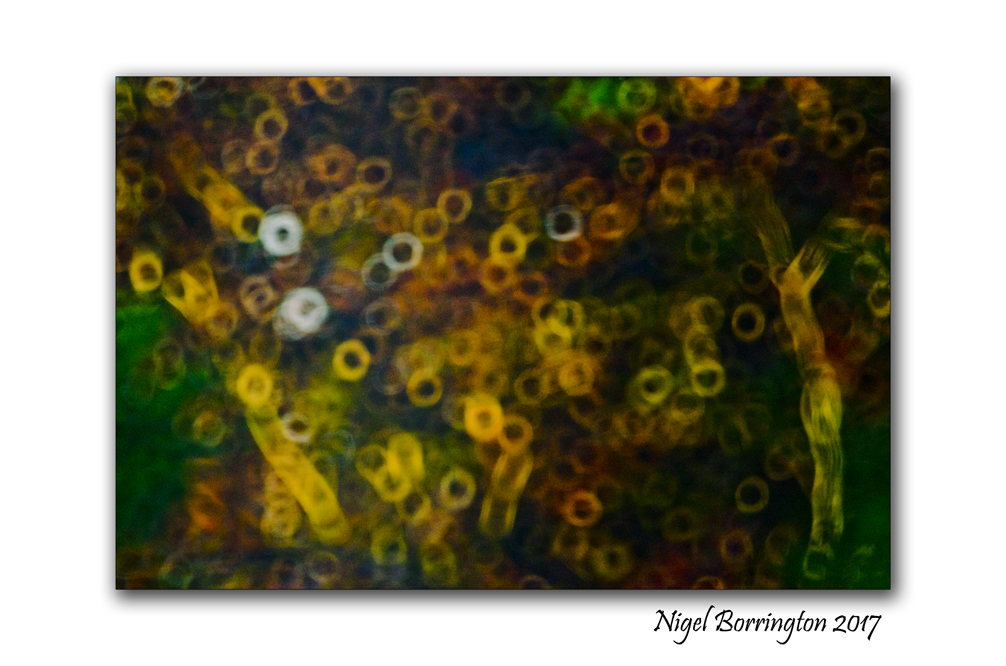
Secondly : these lenses have one very different down side to that of refactor (Glass only) lenses, they produce a doughnut ring effect on bright out of focus objects or even just areas in the image that have a bright, lighting than the darker areas around them. I have included some examples at the bottom of the posts images below.
With the first point above, today in 2017 with the high ISO abilities of SLR cameras such as the Nikon D7200 and D750, this issue has been made redundant to a great extent! When this Tamron lens was produced, 35mm film could only produce clean images at a rating of no more than ISO 400.
Today the Nikon D7200 can work very well between ISO 3200 and 6400 with very little help from good noise cleaning software in post processing, this up-rates the usable shutter speeds for hand held work for even a lens of 500mm at f8, letting you work handheld more than ever before !
Remembering that even on a DX sensor slr, you need for some 750mm (X 1.5 DX factor!) to keep a shutter speed of 1/800th to 1/1000th to create fully stable images, If you have a steady hand. Even on a cloudy day ISO 1600 gives a shutter speed of around 1/1600th and ISO 1600 on a D7200 is little to worry about! noise wise. It is for this reason that I am starting thinking of trying using this lens again.
For the rest of this post and review of the lens, I will let the following images do the talking, with a small amount of comments made in each of the related image types.
Tarmon SP 500mm F8 Mirror Lens – sharpness and quality
To test for the image sharpness and quality I placed the camera on a tripod, I don’t use a remote release, so there could be some small effects but all in all these are sharp images.
You can see from the below image that this lens can produce some very sharp images under the correct conditions, its just as good as some much more expensive glass only lenses from Nikon.
I have no worries here and would be very happy in trusting this lens to produce sharp images from corner to corner of the frame.

Above : Nikon D7200 with Tamron SP 500mm Mirror lens, Tripod Mounted
As image sharpness has been tested above, what about color fringing and other detects, color fringing is visible in an image at bright edges in the frame, so I used the wires and other equipment on the telegraph post in this image, I see no fringing Green, blue or otherwise in this image.
So again I would trust this lens to produce sharp and clean images that need little or no post processing to clean them up later.

Using the lens – in the Landscape
The following images speak for themselves, just general landscapes and animal images from medium focus distance subject to long distance landscapes, the town and wind farm in the last landscape is some 8km away from the location of taking the image, crazy!. Again its sharp enough taking into account the haze of the atmosphere, no color fringing problems in the wind turbines.
With the main set of images here, I am less happy with the out of focus effects as the bokeh of this lens is not great!, anything bright and a little out of focus (i.e. The grass!) takes on a distracted look, feeling tangled and distracting with the image smoothness, Most noticeable in the two images of the sheep sitting down.


Those Doughnuts !! OMG!
As you can see from the photo of this lens sitting in my camera bag at the top of the post, a mirror lens is constructed very much like a reflecting telescope, like this diagram :

Mirror lens
Physical construction
You can see that the center of the front glass element is used to hold the housing for the smaller secondary mirror in the construction, that folds the image light back down the lens and into the camera.
This system works amazingly well but for one problem!
For in-focus areas of an image the central lens obstruction is never visible, however for brighter areas of an image that are out of focus this central obstruction created by the secondary mirror housing, created a bright doughnut effect.
In the below images this is very clear!
The light gaps in the trees below turn into bright cycles, the rain on the table in the background focus also does the same.
In some images you can work around this effect and even use it as an interesting advantage?, you just have to get to know when this kind of lens is and is not usable !!!
For the most when you have a subject that has the potential to create this circle effect ! it just distracting and not likeable. This is the point at which the little price you paid to get a budget Telephoto lens €300 not €2000 starts to gets you back !!!


Getting Arty , MayBe?
Like any camera lens, Mirror lenses have their down sides (Slow, bright Cirles, Manual focus, etc …), you just have to get to know these features and ether use them to your advantage or don’t !!!
Some people love the bright rings and make good use of them 🙂 , one use could be nighttime street photography ?
So then ?
So if your looking for a cheep way to get a telephoto lens into your camera bag, a Mirror lens is well worth looking at in my own opinion. Don’t expect to work quickly with them or be lazy in your approach, however – but then most telephoto lenses need hard work to get good images, with a mirror lens you just have to add a little on top!
In the end, just like with all of your image making, you get out what you put in !!!!
Will I take this lens out more than I have? Maybe ! most likely not !! Watch this space ?
If I was starting again with few lenses and wanted a low budget long lens, would I get a Mirror lens , Hell YES !!! , With Great high ISO SLR’s even more so !!!
Sometimes the harder you have to work to get good images , the more you learn !!!!
Also see : Mirror Lenses – how good? Tamron 500/8 SP vs Canon 500/4.5L, a older review, ISO has moved a long way since this article but its a great comparison test (€300 Tamron v €2000+ Canon).
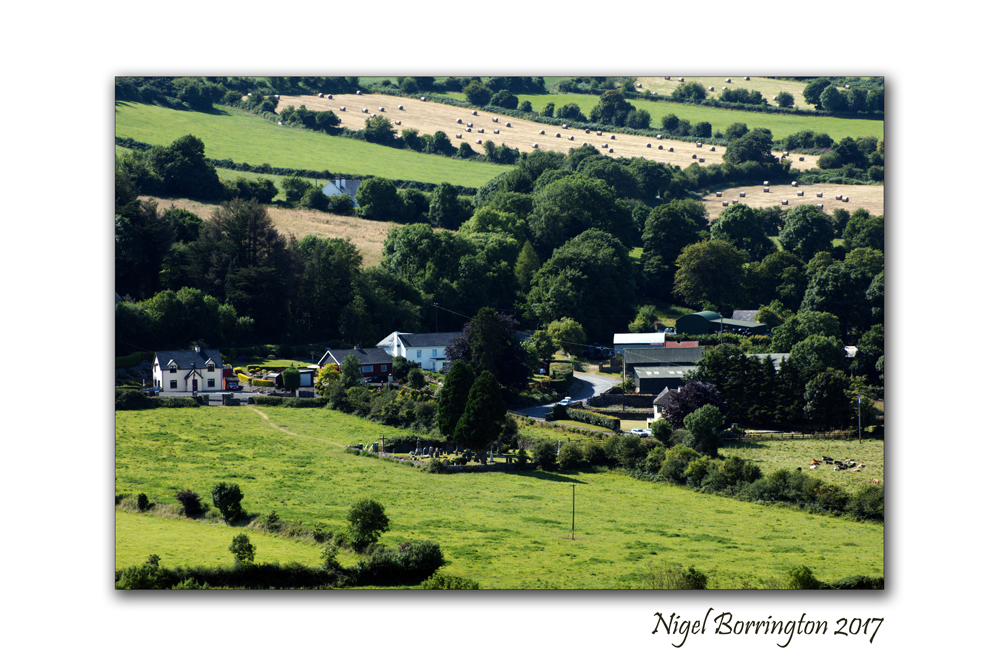
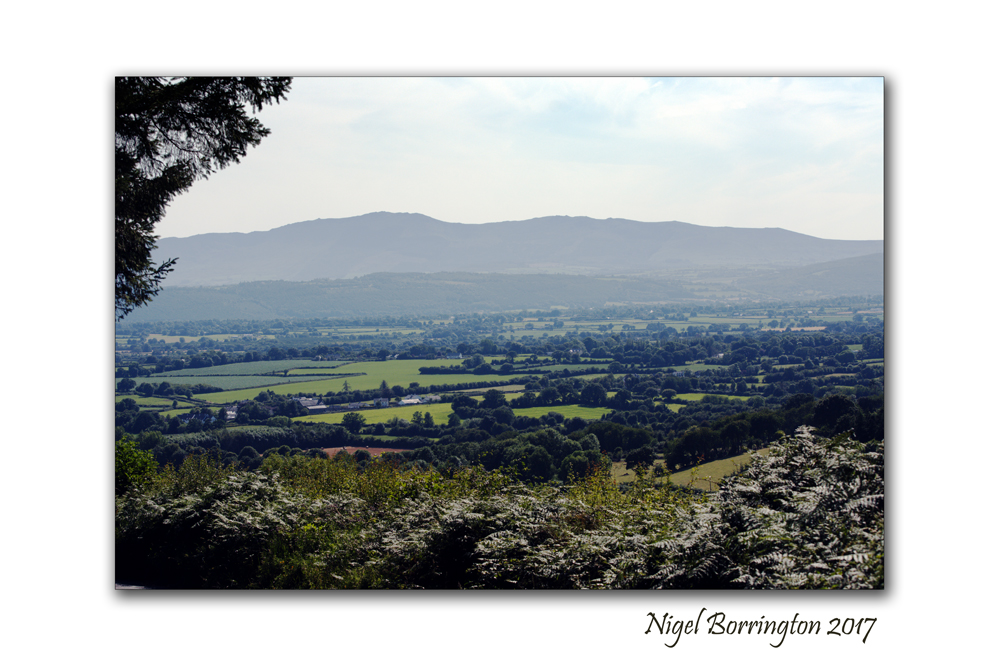
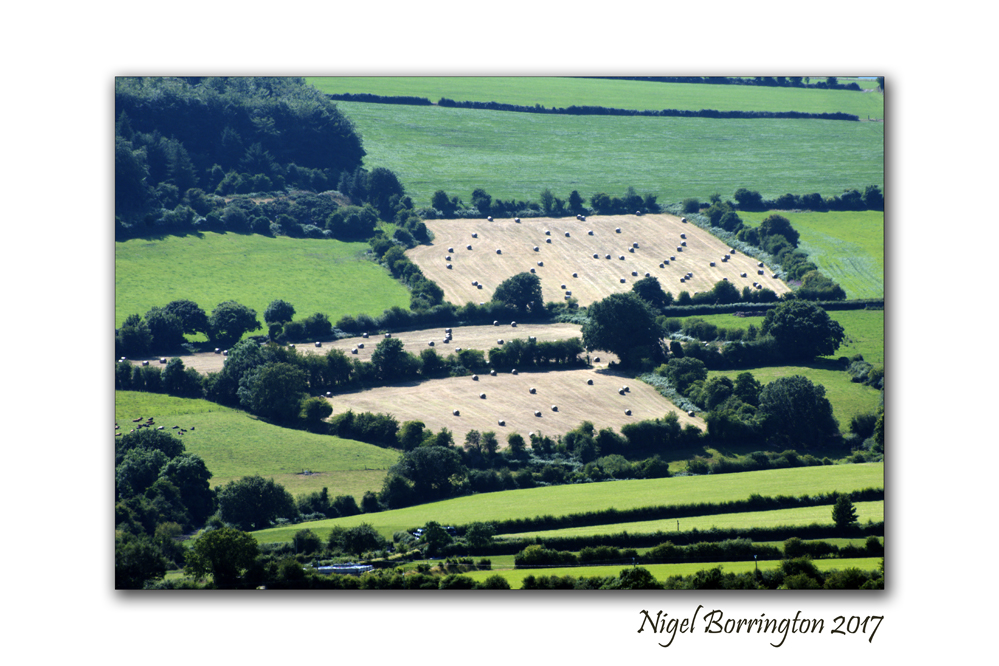
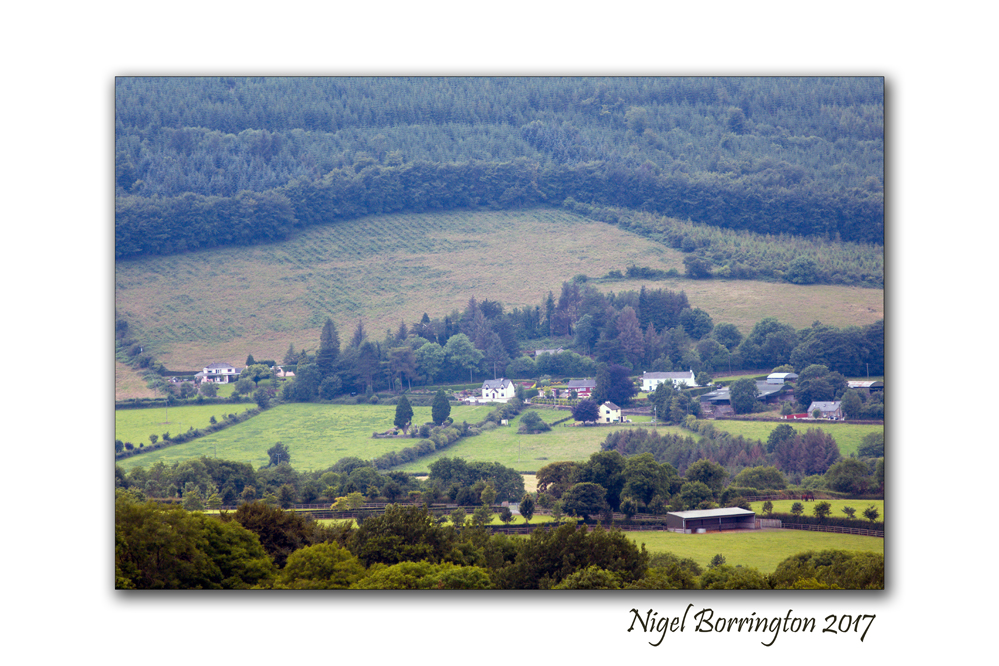
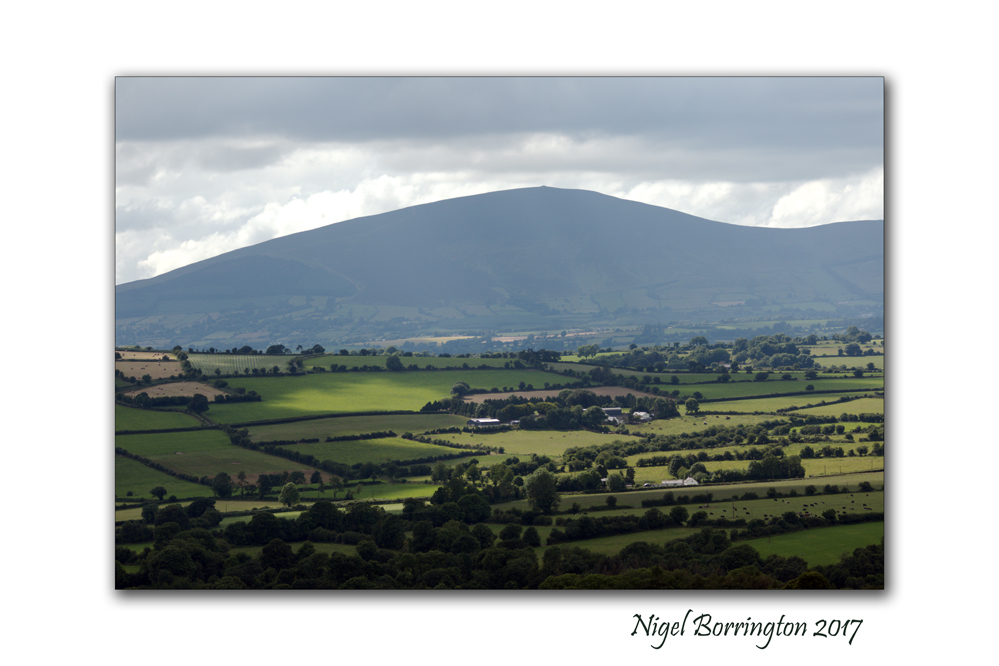
Landscape photography, county Kilkenny boarders, Images taken from the hill sides.
On the boarder (Kilkenny – Tipperary) , the view towards Slievenamon.


Aghaviller Round Tower and Church

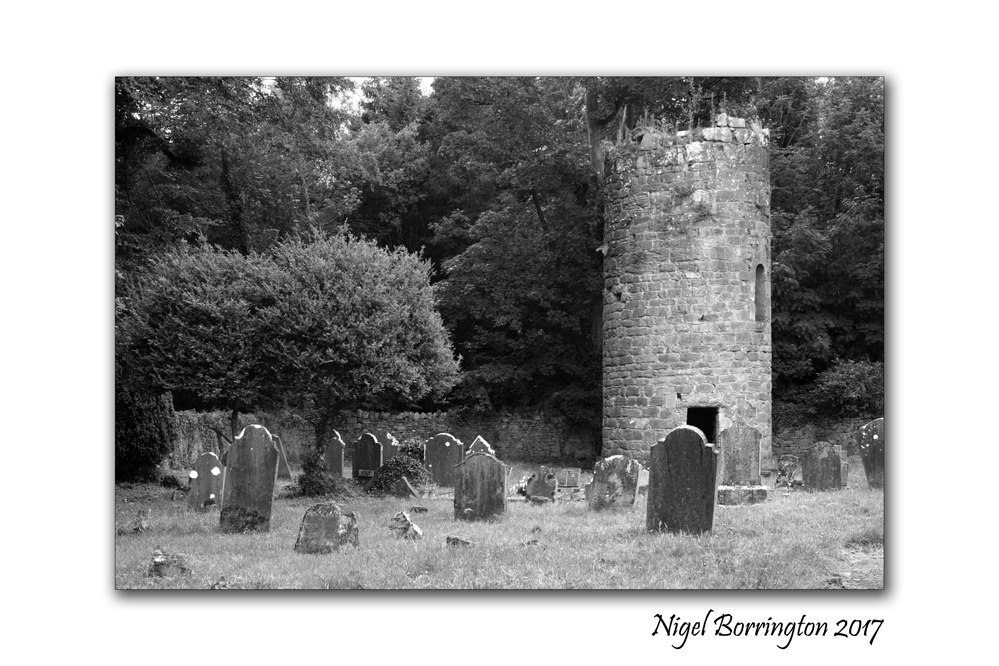
Aghaviller Round Tower and Church
County Kilkenny
Ireland
Nigel Borrington
Aghaviller
Round Tower and Church
Located in county Kilkenny, Aghaviller Round Tower and Church are together one of the most interesting of Irish Historic sites. Based on the presence of the round tower, it is believed that the Agherviller monastic settlement was once a relatively high-status ecclesiastical foundation dating back to Early Christian times. The church and a holy well not far from the site have been dedicated to St Brennain. We don’t know who founded the monastery but it could have been St Brennain. The round tower is built on top of a square stone plinth, an unusual feature which is only found in one other place in Ireland –at nearby Kilree. Sadly, only the lower 9.6 metres of the round tower survived.
The original NE facing round-arched doorway is in its customary location about 4 metres above ground level, although a ground-level lintelled doorway has been added in more recent times. The sandstone tower was unfortunately in deep shade from the nearby dense woods on our late afternoon visit, but it is worth a return trip in morning light to photograph the stonework which is beautifully dressed to the curve inside and out. There is a southwest facing square-headed window at the second storey level.
The church dates to the 12th Century but was significantly modified in the 15th by the addition of a massive tower over the chancel that served as a residence. Only the foundation of the nave remains. An archaeological excavation revealed a gully filled with kiln material and a sizeable ditch/boundary running north–south with stone revetting on its eastern side. This ditch is believed to have surrounded a second or outer enclosure, a common feature of high-status monastic sites.
Gallery



Nikon AF-d 50mm f1.4 Prime lens, one lens all day …..

Tramore Strand
One lens all day
Nikon AF-d 50mm f1.4
Nigel Borrington
Irish Landscapes
Its easy to think that the best lens to spend a full day of Photography with would be a zoom lens, however my favorite and most respected lenses are all prime lenses(fixed focus lenght lenses).
One of my most respected and trusted lens is my Nikon 50mm f1.4, its fast , can work very well in low light and even at 75mm on my DX D7200 body (50mm on an FX) it makes me think in a very creative way. You have to frame you shots well before you click the shutter button, I find this much more creative that just walking around and zooming in and out at everything 🙂 although this can be a very fun experience.
While you need a zoom lens in order to make sure you can capture some subjects, Prime lenses make you think about the subject you want to capture!
So what kind of images can you produce if you only take one lens with you , A 50mm Prime?
Nikon AF-d 50mm f1.4 Gallery
These images from yesterday include a morning walk and then an evening walking alone the strand at Tramore, County Waterford


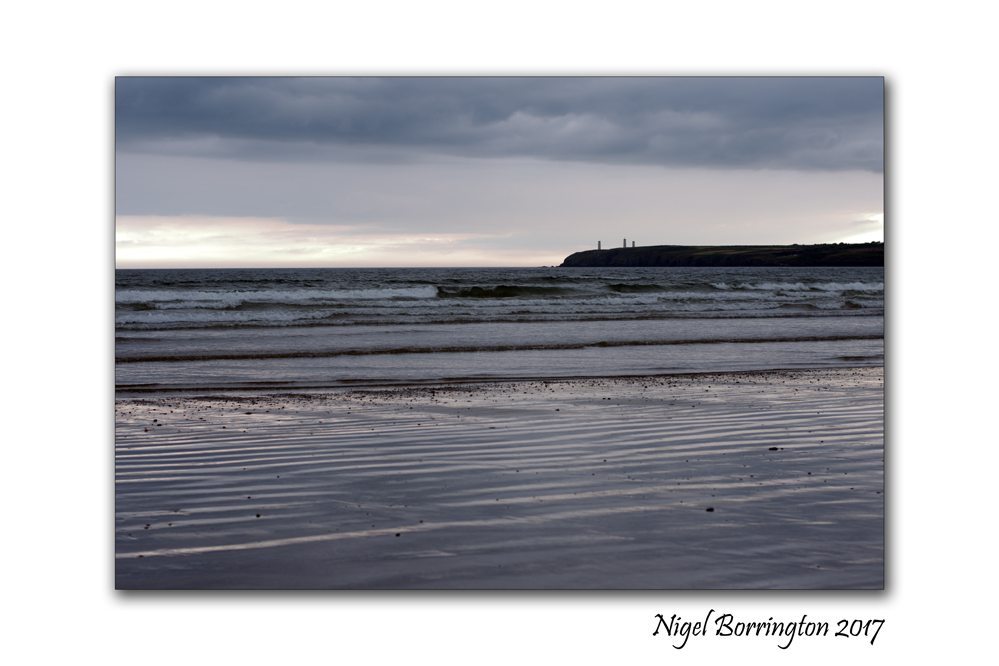


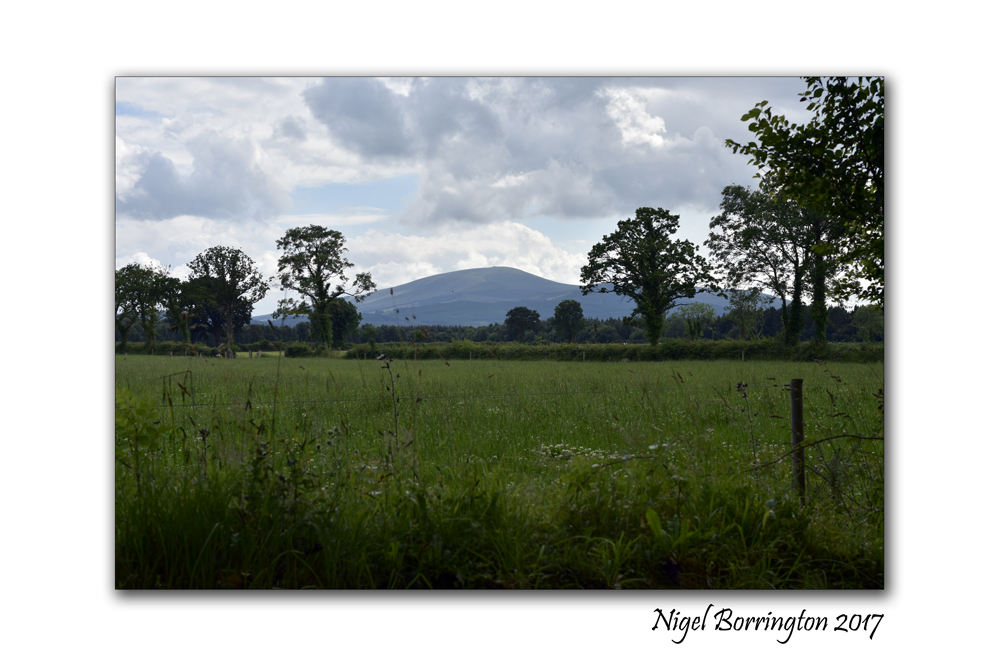

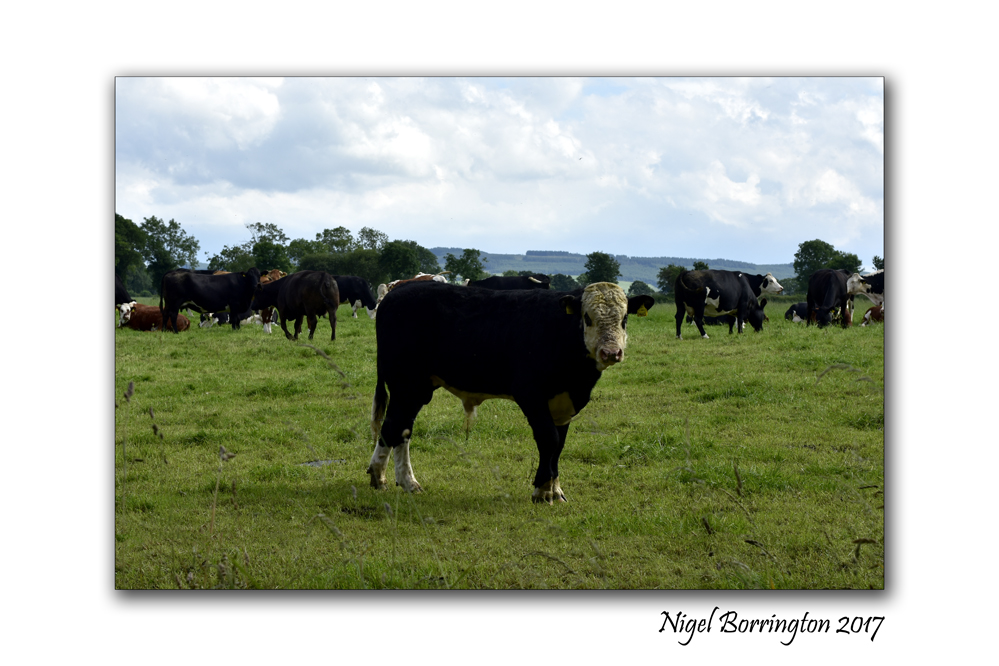
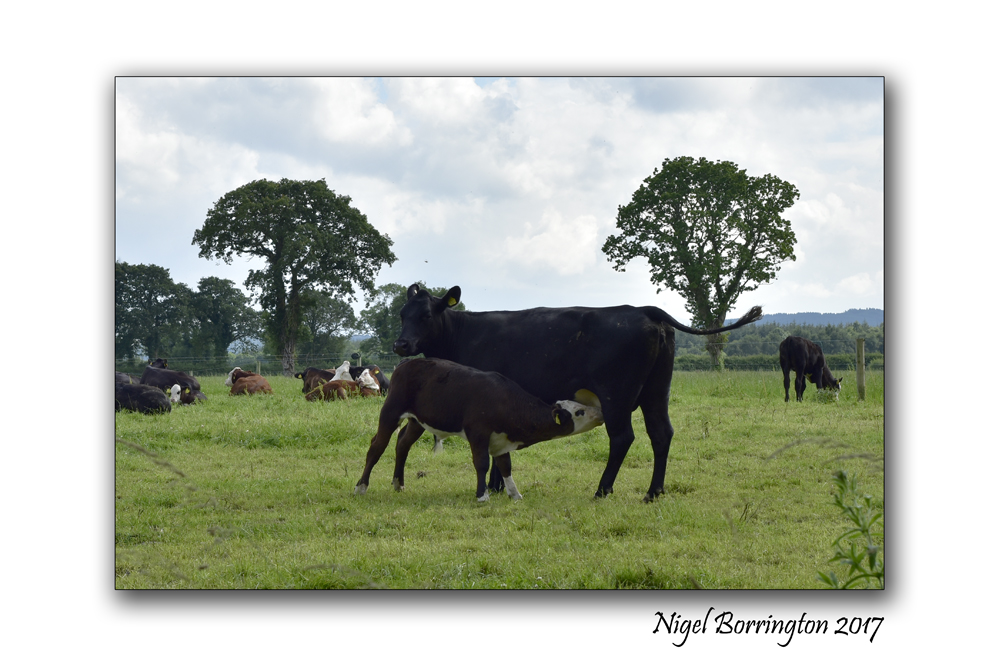

Black and white landscapes , June 2017

Black and white Landscapes County County Tipperary, fields June 2017 Nigel Borrington
These June time Mornings and evenings can offer some wonderful light for landscape images, this week I am going to use black and white only to try to pull the best images from our local area ……


New site header , St Anne’s Pier, Lancashire, UK

St Anne’s-on-the-Sea, Lancashire, UK
Nigel Borrington
St Anne’s Pier is a Victorian era pleasure pier in the English seaside resort of St Anne’s-on-the-Sea, Lancashire. It lies on the estuary of the River Ribble. The pier, designed by A. Dowson, was completed in 1885 and was one of the earliest public buildings in St Anne’s, a 19th-century planned town. The pier was originally intended to be a sedate promenading venue for the resort’s visitors, but attractions were later added. Changes made to the estuary channels to improve access to Preston Dock left the pier on dry land and ended its steamer services to Blackpool and Liverpool.

St Anne’s Pier
St Anne’s-n-the-Sea, Lancashire
Nigel Borrington
A Tudor-style entrance was built in 1899. Early 20th-century additions included a Moorish-style pavilion in 1904 and the Floral Hall in 1910. The Moorish Pavilion was destroyed by fire in 1974, shortly after the town’s centenary; the Floral Hall burned down in 1982. Originally 914 feet (279 m) long, the pier was reduced to 600 feet (180 m) by the demolition of the seaward end. English Heritage has designated the pier a Grade II listed building.
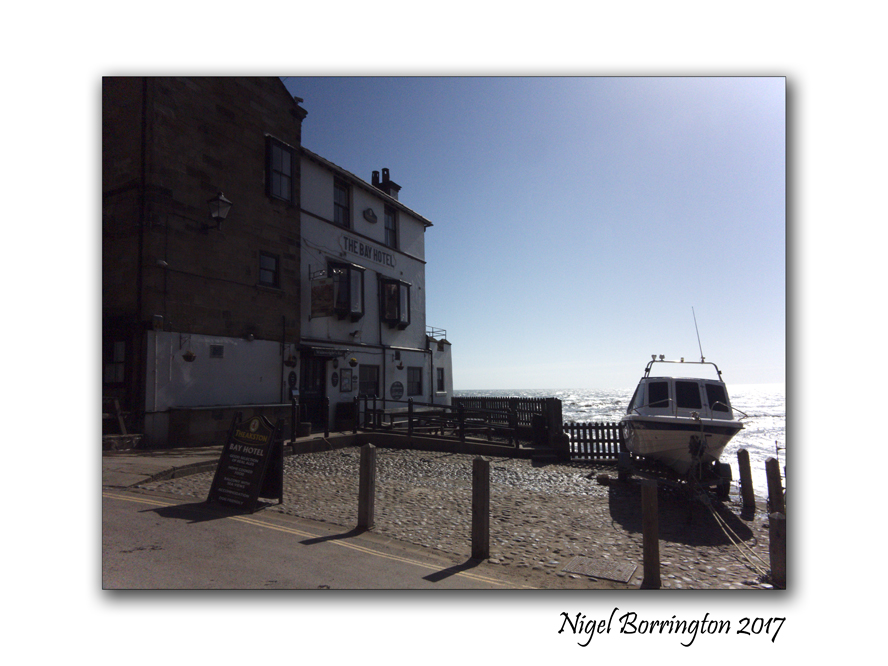
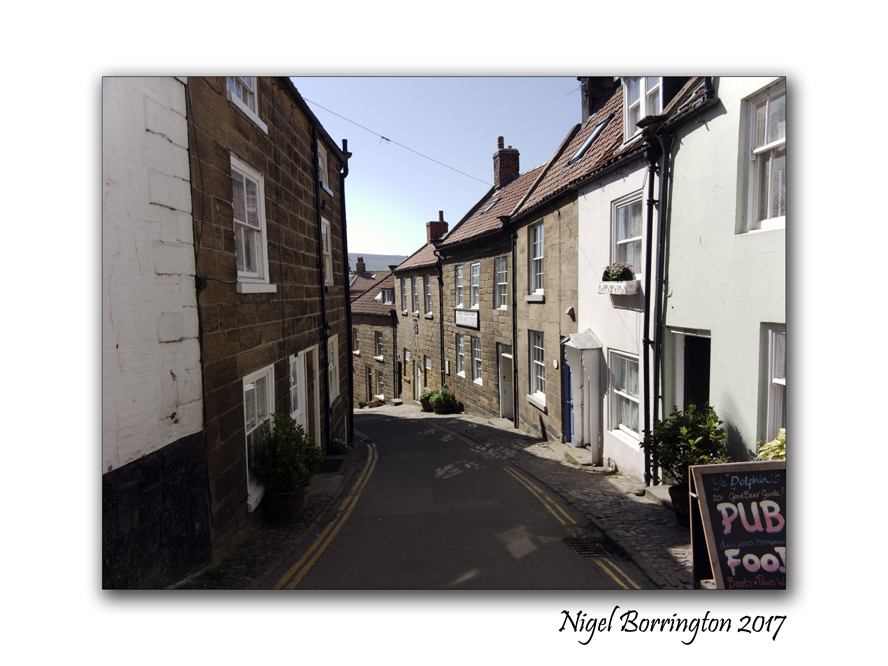
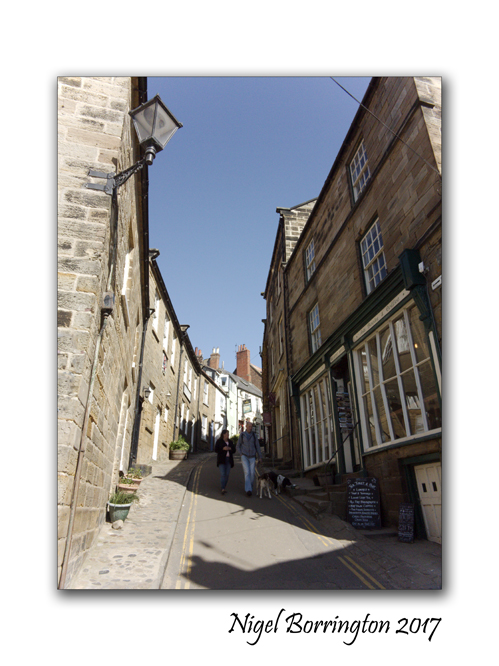
Robin Hood’s Bay, A fishing Village, North York Moors National Park

Robin Hood’s Bay Fishing village North York Moors National Park
Nigel Borrington
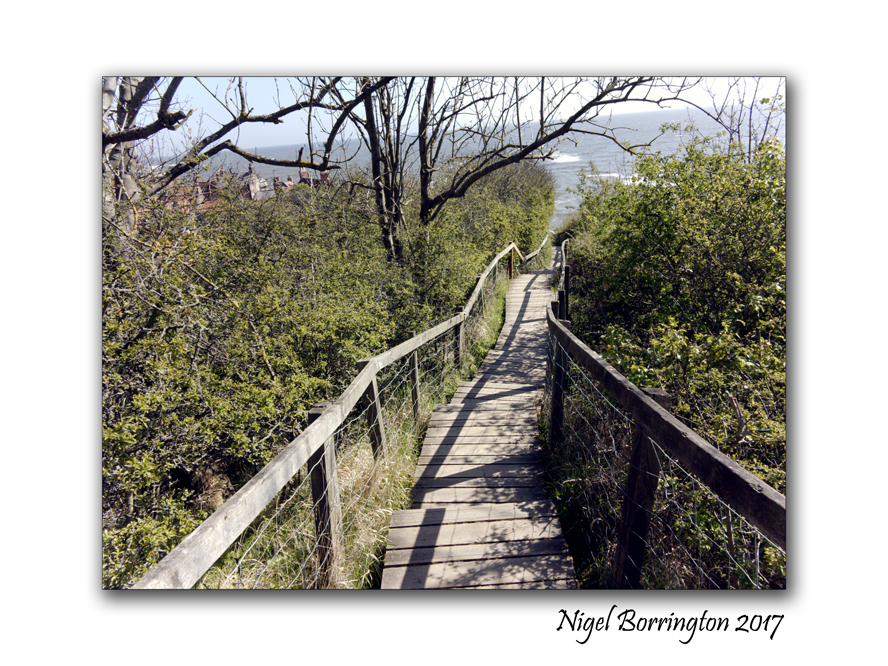
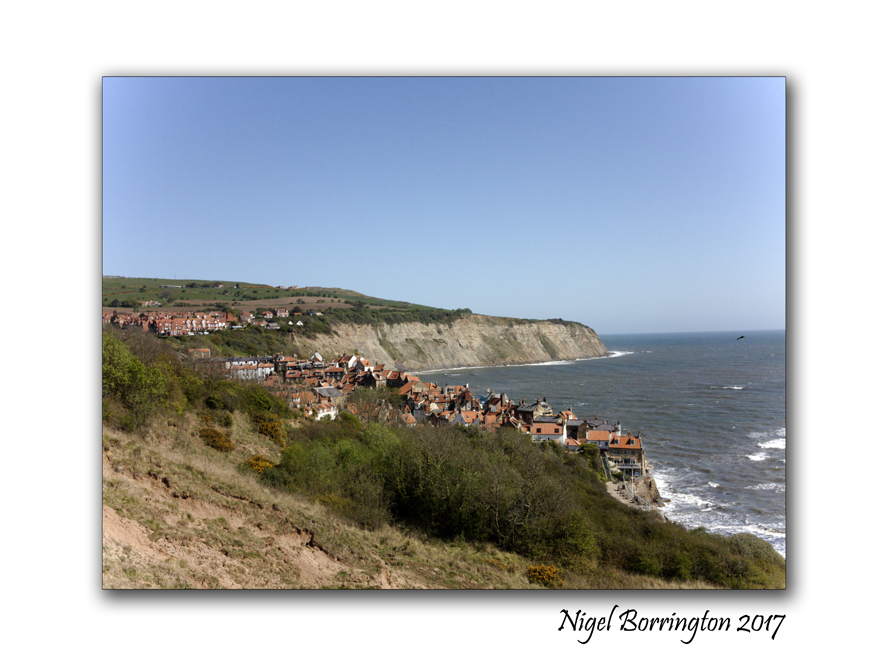
Robin Hood’s Bay is a small fishing village and a bay located within the North York Moors National Park, five miles south of Whitby and fifteen miles north of Scarborough on the stunning coast line of North Yorkshire, England.
“Bay Town” is its local name, in the ancient chapelry of Fylingdales in the wapentake of Whitby Strand. The origin of the name is uncertain, and it is doubtful if Robin Hood was ever in the vicinity.
An English ballad and legend tell a story of Robin Hood encountering French pirates who came to pillage the fisherman’s boats and the northeast coast. The pirates surrendered and Robin Hood returned the loot to the poor people in the village that is now called Robin Hood’s Bay
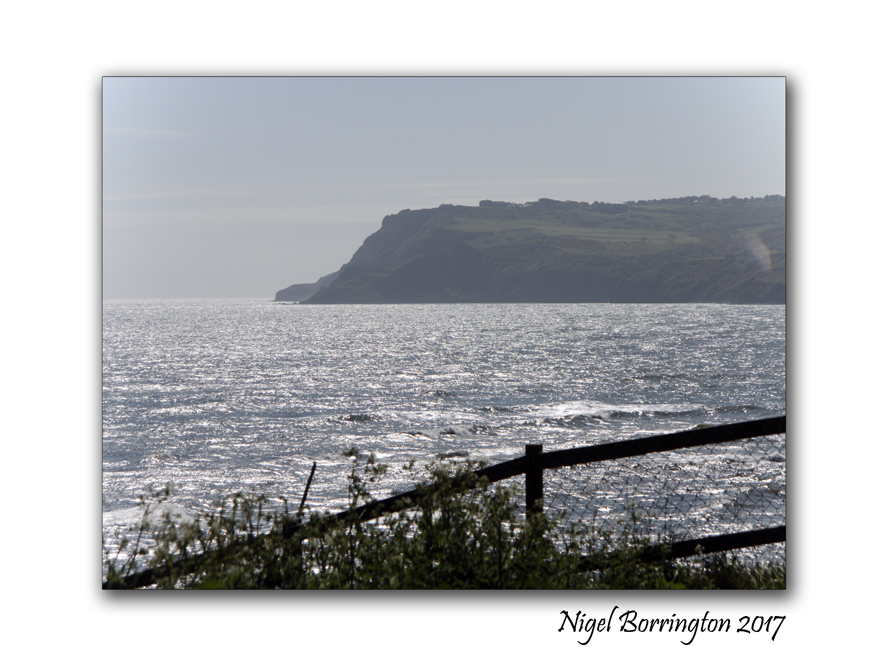
This Village on the Yorkshire Coast is one of the most Beautiful villages in the UK, Here I share a collection of Photographs taken during a visit at the start of May 2017, I hope that I have captured a small sense of this idyllic English sea side village as I enjoyed our time spend here very much and will look back with very fond memories …..
Robin Hood’s Bay, A Sense of place ….






His Dream Of Skyland, A poem by : Li Po

His Dream Of Skyland
Nigel Borrington
His Dream Of Skyland
The seafarers tell of the Eastern Isle of Bliss,
It is lost in a wilderness of misty sea waves.
But the Sky-land of the south, the Yueh-landers say,
May be seen through cracks of the glimmering cloud.
This land of the sky stretches across the leagues of heaven;
It rises above the Five Mountains and towers over the Scarlet Castle,
While, as if staggering before it, the Tien-tai Peak
Of forty-eight thousand feet leans toward the southeast.
So, longing to dream of the southlands of Wu and Yueh,
I flew across the Mirror Lake one night under the moon.

The moon in the lake followed my flight,
Followed me to the town of Yen-chi.
Here still stands the mansion of Prince Hsieh.
I saw the green waters curl and heard the monkeys’ shrill cries.
I climbed, putting on the clogs of the prince,
Skyward on a ladder of clouds,
And half-way up from the sky-wall I saw the morning sun,
And heard the heaven’s cock crowing in the mid-air.
Now among a thousand precipices my way wound round and round;
Flowers choked the path; I leaned against a rock; I swooned.
Roaring bears and howling dragons roused me –
Oh, the clamorous waters of the rapids!
I trembled in the deep forest, and shuddered at the overhanging crags,
one heaped upon another.
Clouds on clouds gathered above, threatening rain;
The waters gushed below, breaking into mist.
A peal of blasting thunder!
The mountains crumbled.
The stone gate of the hollow heaven
Opened wide, revealing
A vasty realm of azure without bottom,
Sun and moon shining together on gold and silver palaces.

Clad in rainbow and riding on the wind,
The ladies of the air descended like flower, flakes;
The faery lords trooping in, they were thick as hemp-stalks in the fields.
Phoenix birds circled their cars, and panthers played upon harps.
Bewilderment filled me, and terror seized on my heart.
I lifted myself in amazement, and alas!
I woke and found my bed and pillow –
Gone was the radiant world of gossamer.
So with all pleasures of life.
All things pass with the east-flowing water.
I leave you and go – when shall I return?
Let the white roe feed at will among the green crags,
Let me ride and visit the lovely mountains!
How can I stoop obsequiously and serve the mighty ones!
It stifles my soul.
– Li Po. Translated by: Shigeyoshi Obata
 Nigel Borrington
Happy Christmas everyone ……
Snow covered Landscape
Happy Christmas
from Ireland
Happy Christmas to everyone including all fellow bloggers, friends on Facebook along with anyone looking at this post.
I hope you have a great Christmas day and wonderful Holiday period, all the best !
Nigel …
Share this:
December 25, 2017 | Categories: Christmas wishes, Comment, Nigel Borrington | Tags: Best wishes, Christmas card, Happy Christmas, Landscape Photography, Nigel Borrington, snow | 14 Comments