
The week of the winter solstice – Newgrange and the Winter Solstice
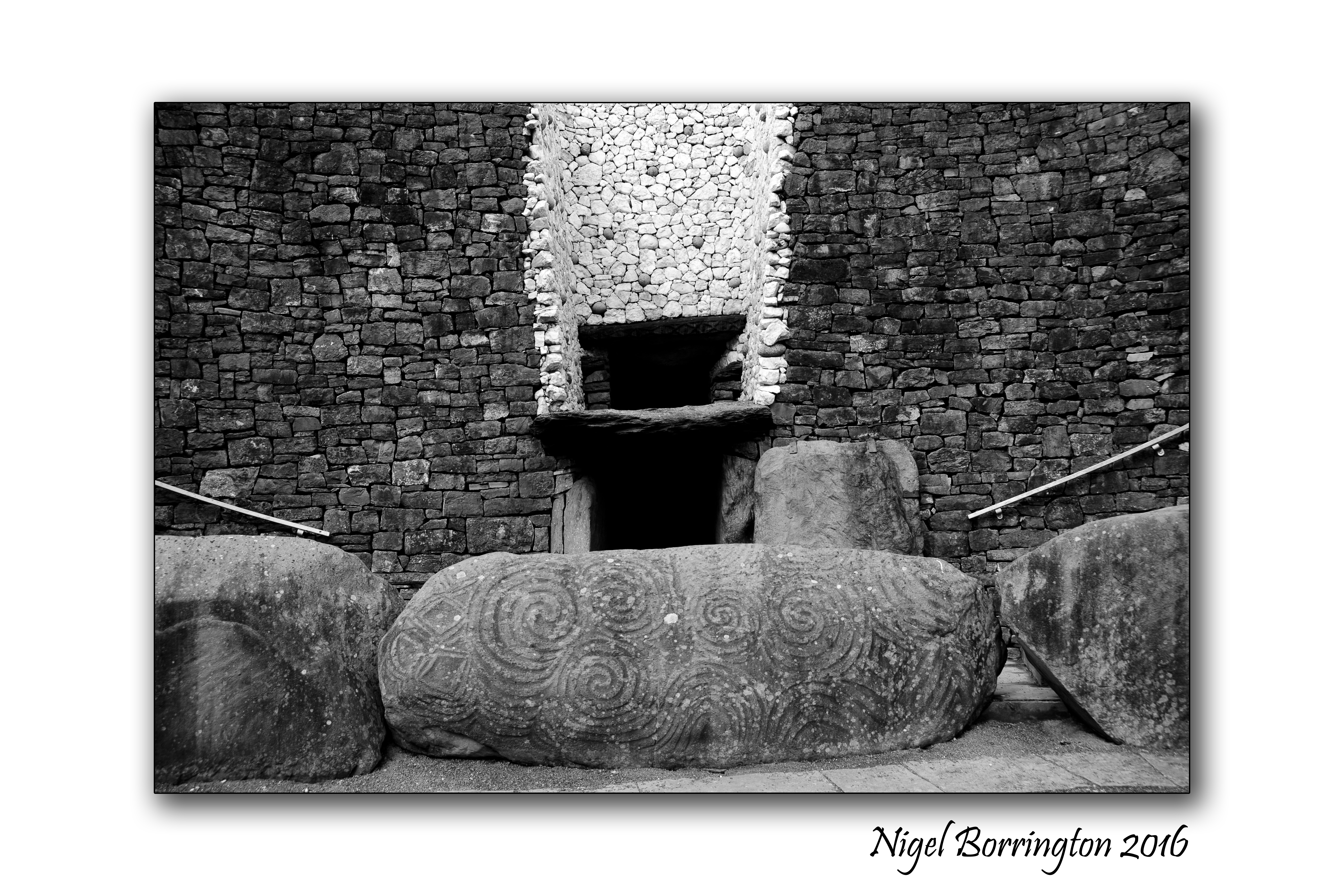
Today marks the Winter Solstice , nowhere here in Ireland will this moment be marks more than at Newgrange the perfect locations to gain a little understanding as to how our European ancestors both recorded and celebrated the movement of the sun and the objects of universe they lived in.
Today is the shortest day of the year, the day when at Newgrange the rising sun can be seen to travel all the way into the passage tomb at the center of the monument.
Newgrange – Winter Solstice
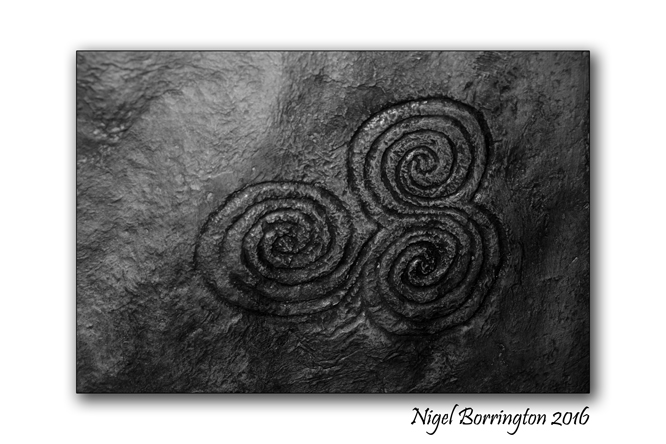
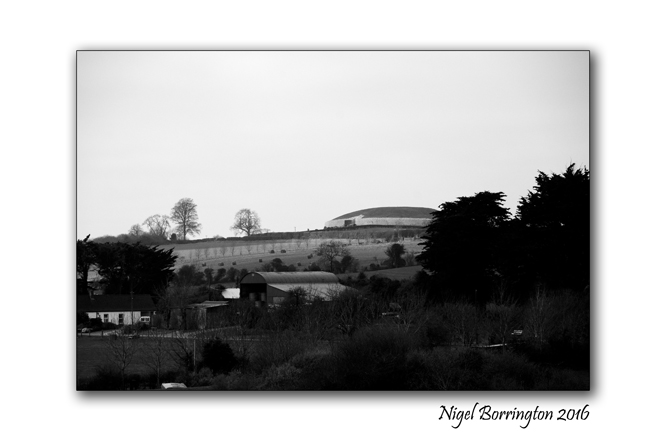
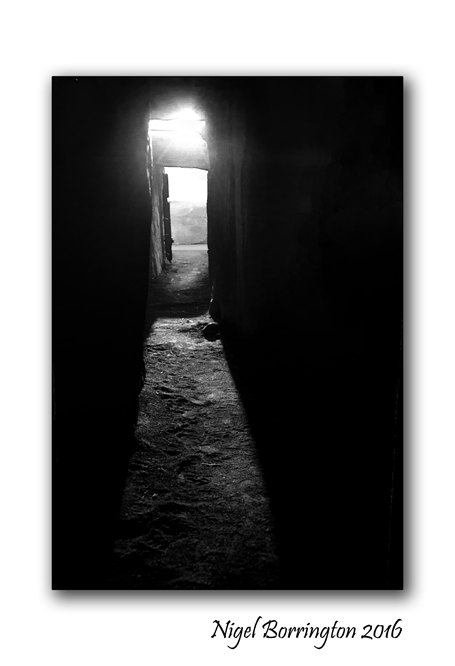
Sunrise at NewgrangeNewgrange is best known for the illumination of its passage and chamber by the Winter Solstice sun. Above the entrance to the passage of the mound there is a opening called a roof-box. On mornings around the winter solstice a beam of light penetrates the roof-box and travels up the 19 metre passage and into the chamber. As the sun rises higher, the beam widens so that the whole chamber is dramatically illuminated.
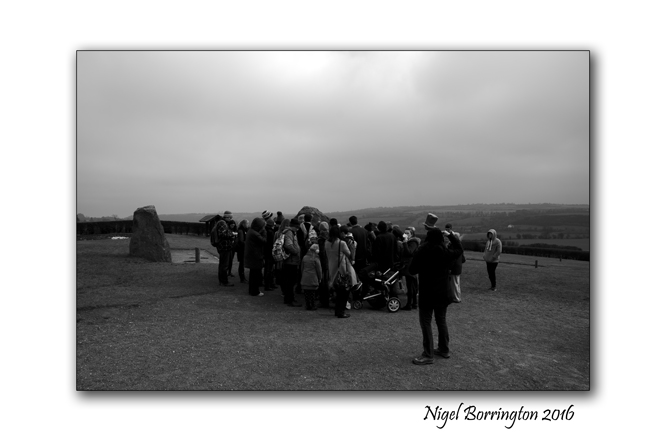
Access to the chamber on the Solstice mornings is decided by a lottery that takes place at the end of September each year. All are welcome to gather outside the entrance to the Newgrange mound on each of the mornings from December 18th to December 23rd inclusive, sunrise is at 8.58am. Access via the Brú na Bóinne Visitor Centre or directly to the actual Newgrange monument.
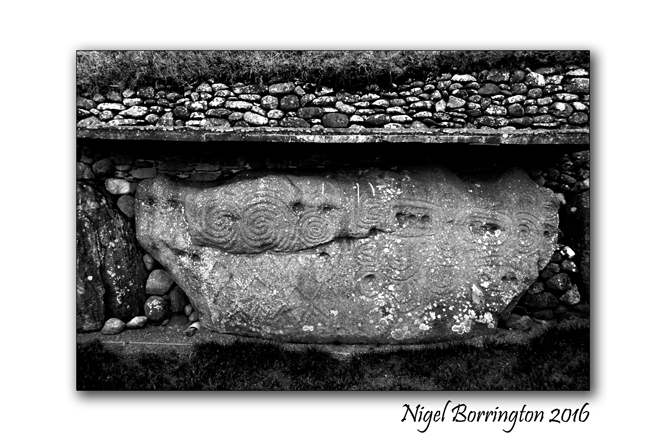
The images posted here were taken this time last year at New-grange ……
Newgrange a Gallery


The week of the winter solstice – Ardgroom Stone Circle, County Cork, Ireland
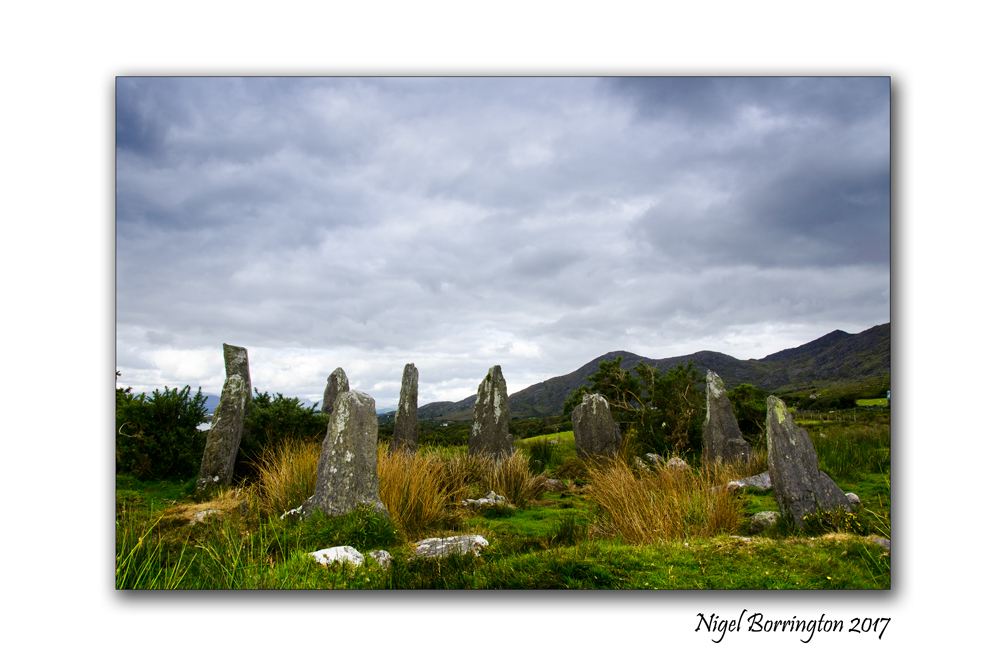
Ardgroom Stone Circle, County Cork,
Ireland
Nigel Borrington
Ardgroom Stone Circle, County Cork, Ireland
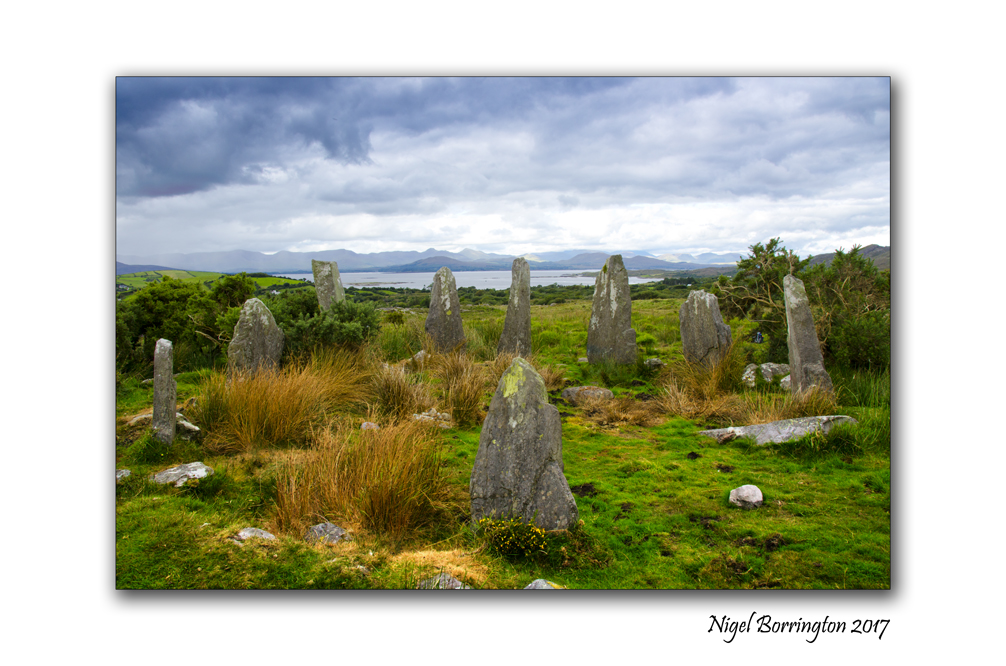
The Ardgroomon stone circle is located on the Beautiful Beara Peninsula, county cork. It has to be one of the most magical of all the Irish stone circle, it also has the best of locations and views, sitting about the Atlantic ocean. There is something so exciting and mysterious about visiting a stone circle. The Ardgroomon circle is located in an area were there is an abundance of these historic sites, as well as wedge tombs, ring forts, boulder burials and fulachta fiadhs.
As well as being used for the Solar Spring and summer Equinox’s along with the Summer and Winter Solstice, many of these stone circles would also log the Movement of the Moon, Planets and Stars as during the year they changed their positions along the horizon. The standing stones in a stone circle would have in combination with a feature on local hill sides, have been lined up with astronomical objects(Sun, moon, planets and Stars). This would have given an almost daily measurement for months of the year.
The reason that ancient peoples needed to log the movement of the heavens was mainly for practical reasons such as farming, they needed to know when to sow seeds, bring cattle down from the mountains and bring in the crops, also they needed to know how long their store of food had to last before the new growing season started, no imports in those days.


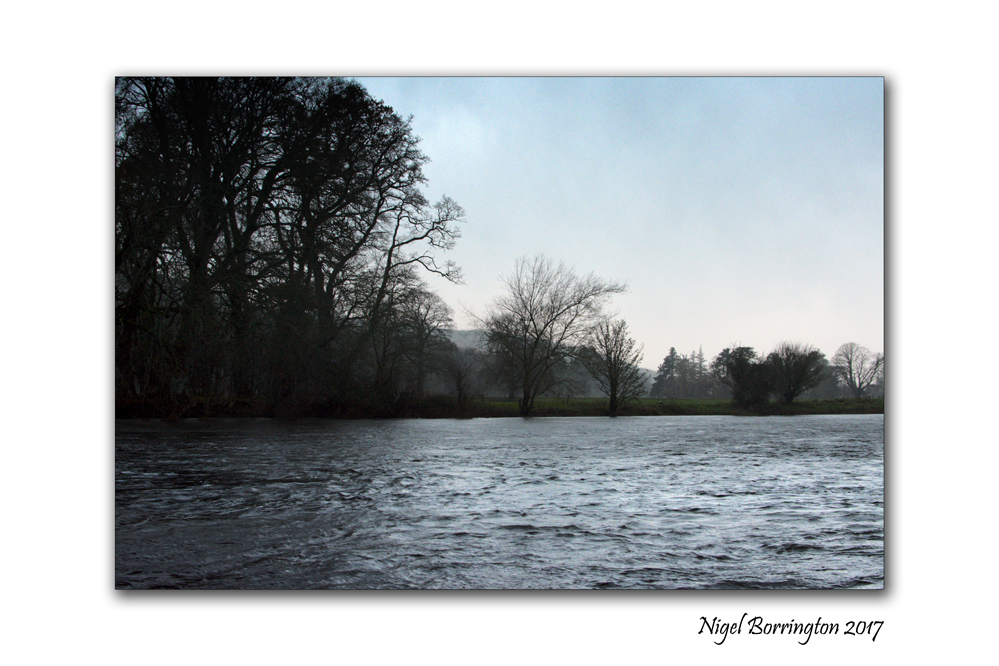
Images without words – Now the snow has gone, the river is high ………
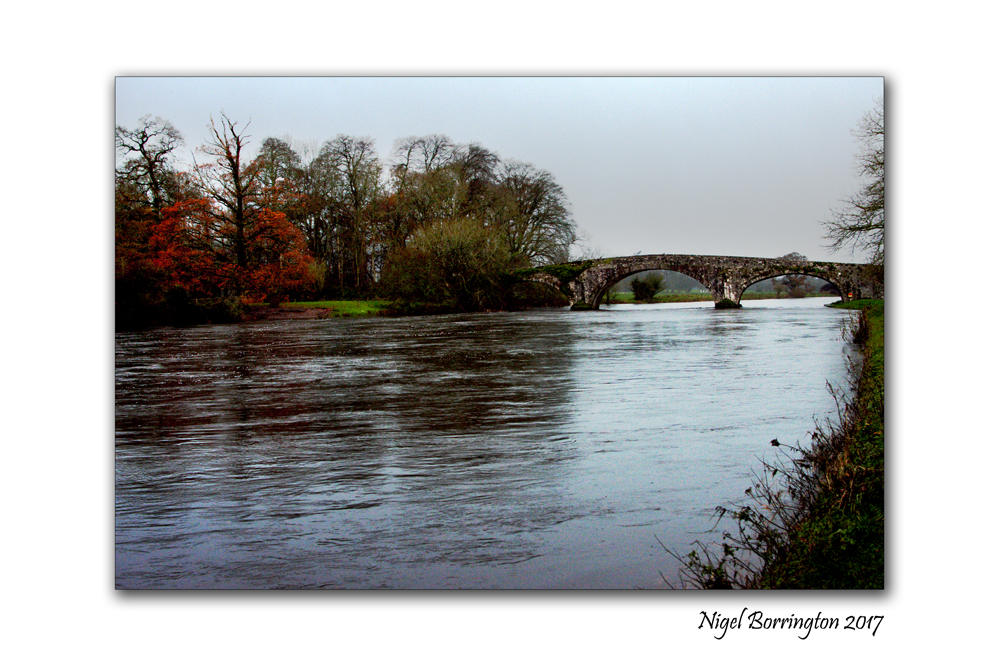
Now the Snow has gone
River Suir
County Tipperary
Nigel Borrington

Reefert church, Glendalough, County Wicklow

Reefort, Glendalough Monastic City, Glendalough
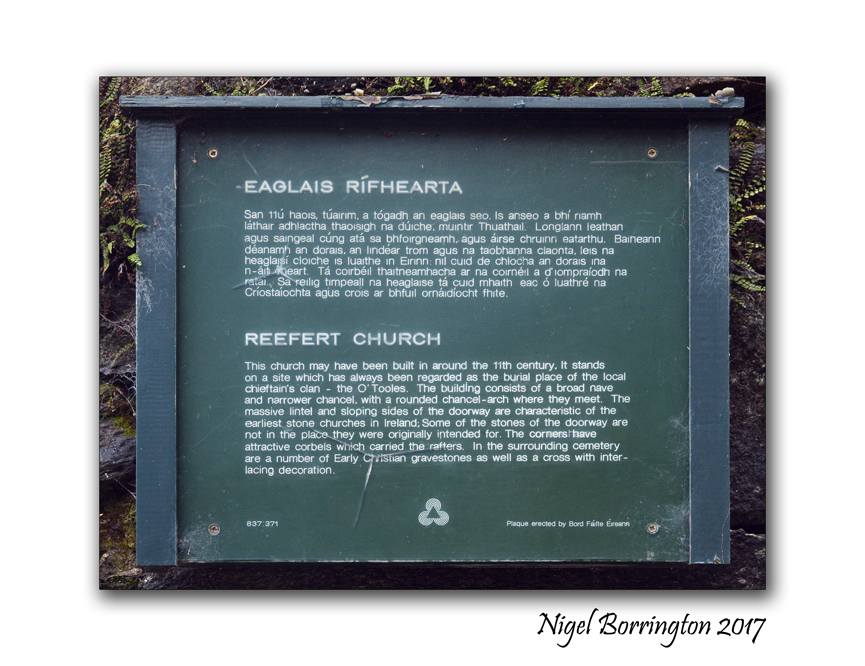
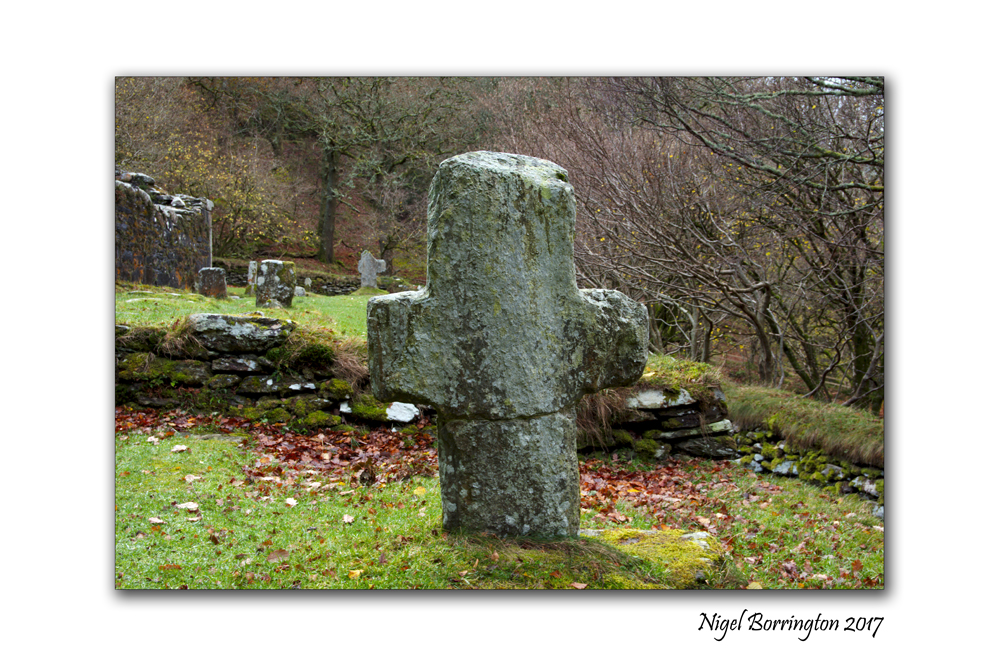
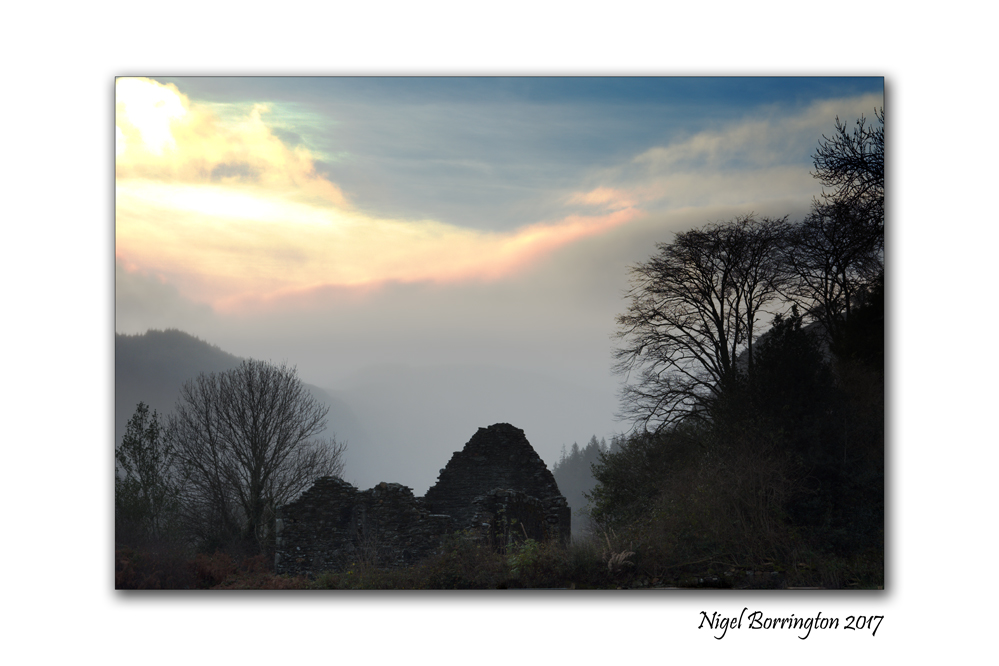
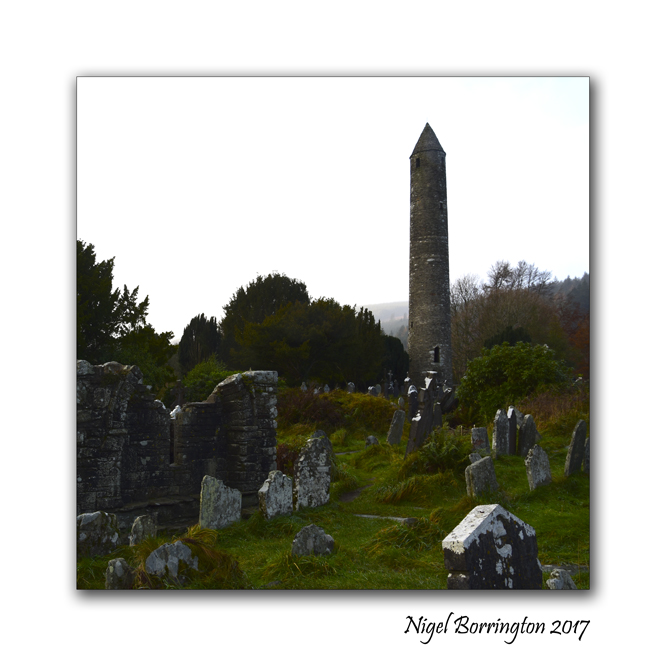
Glendalough has one of the biggest collections of Monastic remains in Europe, one of the most beautiful simply has to be Reefort church, located in the ancient woodlands above the lough this little chapel and is small grave yard are such a perfect reminder of an age that has long past us by.
The remains of Reefert Church are situated in a oak woodland setting, on the south-eastern shore of the Upper Lake close to an Information Office. Reefert derives its name from the Irish ‘Righ Fearta’ meaning burial place of the kings (referring to the local rulers – the O’Toole family). It dates from the eleventh century and is likely to have been built on the site of an earlier church. The church and graveyard were originally surrounded by a stone wall enclosure known in Gaelic as a ‘caiseal’. Most of the present surrounding walls however are modern. The upper parts of the church walls were re-built over 100 years ago using the original stones.
Gallery


Great Poems : A New Start. – by Bernard Shaw

A New Start. – Poem by Bernard Shaw
I have wiped the slate clean,
No more reminders from the past.
Memories of what I have been,
Have vanished at long last.

.
I look forward to my future new,
Where all is territory strange.
Soon I will be among the few,
That plans their life at long range.

.
I see my life laid out at my feet,
New friends shall rally at my call.
They will be the first I will greet,
At this my welcoming ball.
.
Soon all memories will depart,
Of a past left well behind.
I will get off to a new start,
With the best of mankind.
Bernard Shaw
The Landscape of Glendalough, county Wicklow , Crossing The Bar, A Poem by – Alfred Lord Tennyson
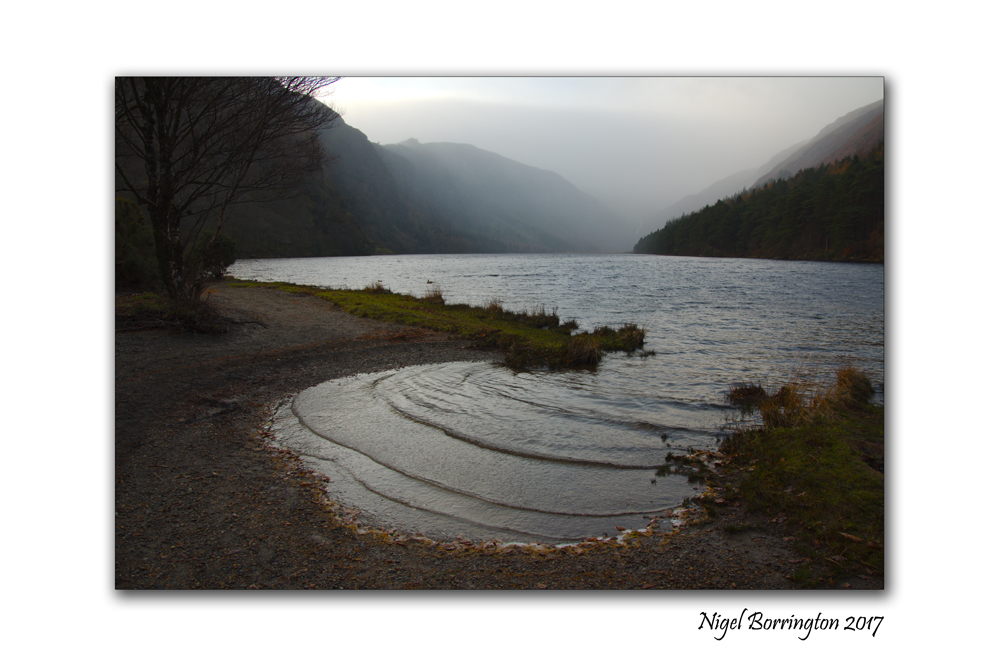
Glendalough
county
Wicklow Ireland
Nigel Borrington
Crossing The Bar – Poem by Alfred Lord Tennyson
Sunset and evening star,
And one clear call for me!
And may there be no moaning of the bar,
When I put out to sea,
But such a tide as moving seems asleep,
Too full for sound and foam,
When that which drew from out the boundless deep
Turns again home.
Twilight and evening bell,
And after that the dark!
And may there be no sadness of farewell,
When I embark;
For though from out our bourne of Time and Place
The flood may bear me far,
I hope to see my Pilot face to face
When I have cross the bar.

A week in glendalough, County Wicklow
glendalough
county wexford
ireland
Nigel Borrington
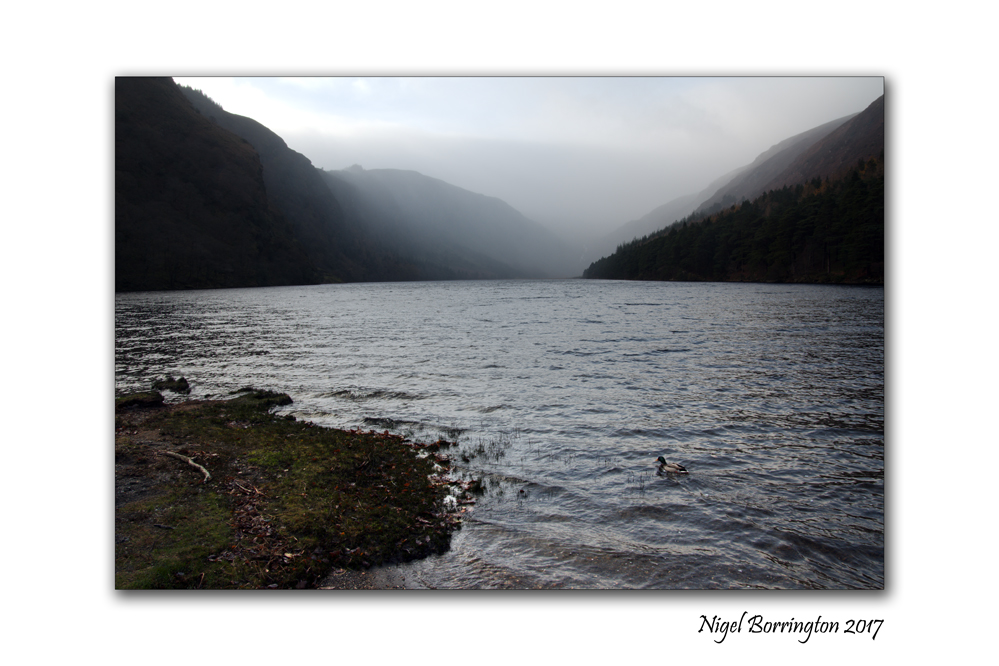
This week I am going to dedicate a lot of my posts to one of the most amazing landscape locations in Ireland, Glendaloughin, County Wicklow. Over the weekend we spent sometime there and loved it very much. Its a perfect location for walking relaxing and taking in the amazing views.
This is such a great location I feel I should take a little time to share its history and some of the pictures I captures from this weekend.
Saying goodbye to November , Poem:November By, William Cullen Bryant, 1794 – 1878

November
William Cullen Bryant, 1794 – 1878
Yet one smile more, departing, distant sun!
One mellow smile through the soft vapory air,
Ere, o’er the frozen earth, the loud winds run,
Or snows are sifted o’er the meadows bare.

One smile on the brown hills and naked trees,
And the dark rocks whose summer wreaths are cast,
And the blue gentian flower, that, in the breeze,
Nods lonely, of her beauteous race the last.
Yet a few sunny days, in which the bee
Shall murmur by the hedge that skirts the way,
The cricket chirp upon the russet lea,
And man delight to linger in thy ray.
Yet one rich smile, and we will try to bear
The piercing winter frost, and winds, and darkened air.

Seven day black and white photo challenge : Oh my Lord !!!!
My Sweet Lord
Black and white Photo challenge Nigel Borrington
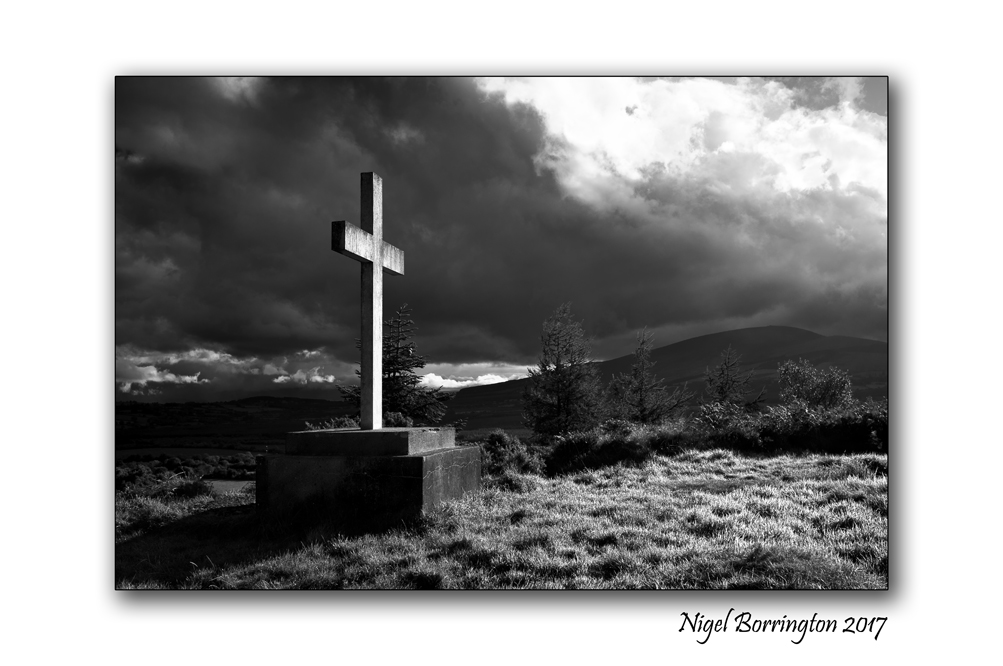
Day Six of the Black and white photo challenge and today , I went to the top of a local Hill, Carrigmaclea in county Tipperary. The light was amazing and perfect for black and white images. At the top of the hill as you can see there is a cross that was erected by people from a local church back in 1958 which was apparently a holly year.
“My Sweet Lord”
My sweet lord
Hm, my lord
Hm, my lord
I really want to see you
Really want to be with you
Really want to see you lord
But it takes so long, my lord
My sweet lord
Hm, my lord
Hm, my lord
George Harrison
Sailing to Byzantium, by William Butler Yeats

Sailing to Byzantium, by William Butler Yeats Image Nigel Borrington
Sailing to Byzantium
by William Butler Yeats
That is no country for old men. The young
In one another’s arms, birds in the trees
– Those dying generations – at their song,
The salmon‐falls, the mackerel‐crowded seas,
Fish, flesh, or fowl, commend all summer long
Whatever is begotten, born, and dies.
Caught in that sensual music all neglect
Monuments of unageing intellect.
An aged man is but a paltry thing,
A tattered coat upon a stick, unless
Soul clap its hands and sing, and louder sing
For every tatter in its mortal dress,
Nor is there singing school but studying
Monuments of its own magnificence;
And therefore I have sailed the seas and come
To the holy city of Byzantium.

O sages standing in God’s holy fire
As in the gold mosaic of a wall,
Come from the holy fire, perne in a gyre,
And be the singing‐masters of my soul.
Consume my heart away; sick with desire
And fastened to a dying animal
It knows not what it is; and gather me
Into the artifice of eternity.
Once out of nature I shall never take
My bodily form from any natural thing,
But such a form as Grecian goldsmiths make
Of hammered gold and gold enamelling
To keep a drowsy Emperor awake;
Or set upon a golden bough to sing
To lords and ladies of Byzantium
Of what is past, or passing, or to come.

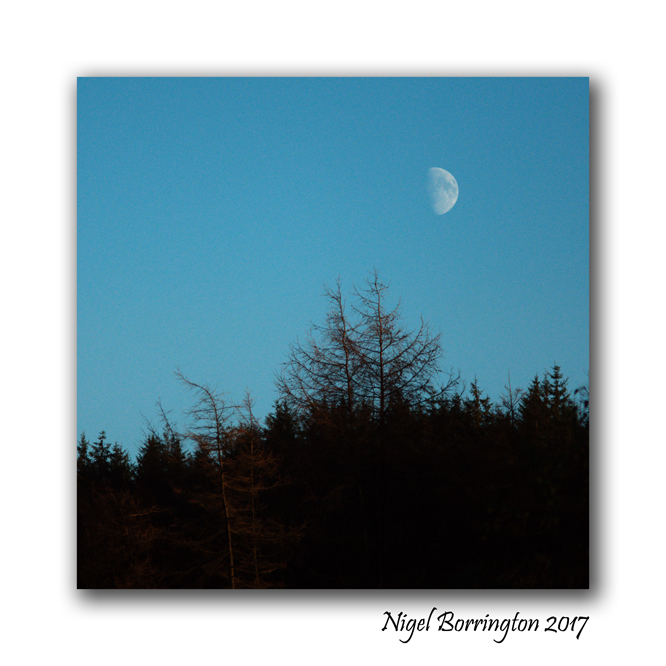
Four Poems about Autumn (Katherine Towers,Emily Brontë, Robert Louis Stevenson and Robert Frost)
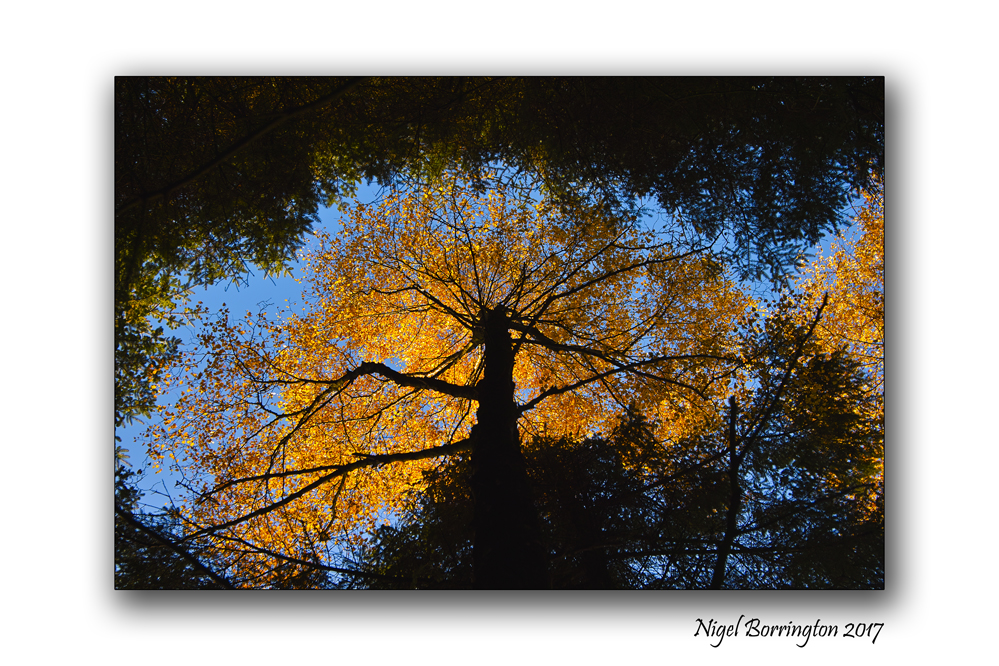
Whim Wood
Katherine Towers
into the coppery halls
of beech and intricate oak
to be close to the trees
as they whisper together
let fall their leaves,
and we die for the winter
From Katherine Towers’ The Remedies

Emily Brontë
Fall, leaves, fall; die, flowers, away;
Lengthen night and shorten day;
Every leaf speaks bliss to me
Fluttering from the autumn tree.
I shall smile when wreaths of snow
Blossom where the rose should grow;
I shall sing when night’s decay
Ushers in a drearier day.

Autumn Fires
Robert Louis Stevenson
In the other gardens
And all up in the vale,
From the autumn bonfires
See the smoke trail!
Pleasant summer over,
And all the summer flowers,
The red fire blazes,
The grey smoke towers.
Sing a song of seasons!
Something bright in all!
Flowers in the summer,
Fires in the fall!

Nothing Gold Can Stay
Robert Frost
Nature’s first green is gold,
Her hardest hue to hold.
Her early leaf’s a flower;
But only so an hour.
Then leaf subsides to leaf.
So Eden sank to grief,
So dawn goes down to day.
Nothing gold can stay.
The Bay that never was, A Poem by : James K. Baxter (1926-1972)
The Bay
James K. Baxter (1926-1972)

SlieveLeague
Donegal
Ireland’s Most Beautiful Places
Nigel Borrington
On the road to the bay was a lake of rushes
Where we bathed at times and changed in the bamboos.
Now it is rather to stand and say
How many roads we take that lead to Nowhere,
The alley overgrown, no meaning now but loss:
Not that veritable garden where everything comes easy.
And by the bay itself were cliffs with carved names
And a hut on the shore by the open fires.

We raced boats from the banks of the river
Or swam in those autumnal shallows.
Growing cold in amber water, riding the logs
Upstream, and waiting for the Sea Monsters.
So now I remember the bay and the little spiders
On driftwood, so poisonous and quick.
The carved cliffs and the great out crying surf
With currents round the rocks and the birds rising.

A thousand times an hour is torn across
And burned for the sake of going on living.
But I remember the bay that never was
And stand like stone and cannot turn away.
The day after Hurricane Ophelia: the slow return to normality

Hurricane Ophelia
Just hours before it hit ireland
Monday 16th 2017
The day after Hurricane Ophelia
The below images taken during on a walk up in the Grange hills between south county Kilkenny and Tipperary are from lunch time today, looking at them its hard to believe that only yesterday, Ireland for the first time ever in its history was hit by a full Hurricane force storm. Yesterday between the hours of 9am for county’s Kerry and Cork and then around 2pm for ourselves locally we had storm force winds of between 150kph and 130kph.
In the Morning the Irish met office via the media had informed everyone to stay inside and had issued a RED weather alert for the complete country, again for the first time in Irish history. In a very impressive way, almost everyone pulled a chair close to the fire and waited for Ophelia to arrive. When she finally did get to county Kilkenny, she did not come calling slowly or with any manners, she just came at us with full force gusts and left some three hours later. We have had two such storms locally since 2014 with storm Darwin back in February 2014, which I posted on back then, Darwin being however just a very strong Atlantic storm. During both these storms you can do little but sit and wait, however listening and looking out of the window is just shocking and basically very hard to do.
In 2014 when Darwin left she left with many of our local forests lying on the floor, as such I think Ophelia had little left to get her teeth into, as its only just over two years in the forests themselves since, the areas Darwin cleared are still empty of trees.
Yesterday evening we had many roads blocked with roadside trees, along with trees down on the river banks and in public parks .
The main effects this time nationally has been the loss of power with some 360,000 homes left without any electric supply, Ireland’s water systems also works mainly from electric water pumps so this supply for many has also been cut off.
This morning the weather had returned to normal , in fact it was a great and clear and sunny day, walking around at lunchtime for me the most noticeable thing is that the trees have all been stripped of any leaves, they have gone from the start of autumn colors to winter nakedness in only 3 hours, it’s really noticeable that instead of yellow and brown leaves sitting by the road sides, having naturally fallen, we have roadsides covered in green.
So Goodbye Ophelia and welcome to a peaceful sunny Tuesday in the Irish landscape, even if we are still in shock and only just starting to recover ……
Gallery from 17th Oct 2017 – the day after Ophelia


When the Fishing Boats Go Out , By: Lucy Montgomery

When the Fishing Boats Go Out
Lucy Montgomery
When the lucent skies of morning flush with dawning rose once more,
And waves of golden glory break adown the sunrise shore,
And o’er the arch of heaven pied films of vapor float.
There’s joyance and there’s freedom when the fishing boats go out.
The wind is blowing freshly up from far, uncharted caves,
And sending sparkling kisses o’er the brows of virgin waves,
While routed dawn-mists shiveroh, far and fast they flee,
Pierced by the shafts of sunrise athwart the merry sea!
Behind us, fair, light-smitten hills in dappled splendor lie,
Before us the wide ocean runs to meet the limpid sky
Our hearts are full of poignant life, and care has fled afar
As sweeps the white-winged fishing fleet across the harbor bar.

The sea is calling to us in a blithesome voice and free,
There’s keenest rapture on its breast and boundless liberty!
Each man is master of his craft, its gleaming sails out-blown,
And far behind him on the shore a home he calls his own.
Salt is the breath of ocean slopes and fresher blows the breeze,
And swifter still each bounding keel cuts through the combing seas,
Athwart our masts the shadows of the dipping sea-gulls float,
And all the water-world’s alive when the fishing boats go out.


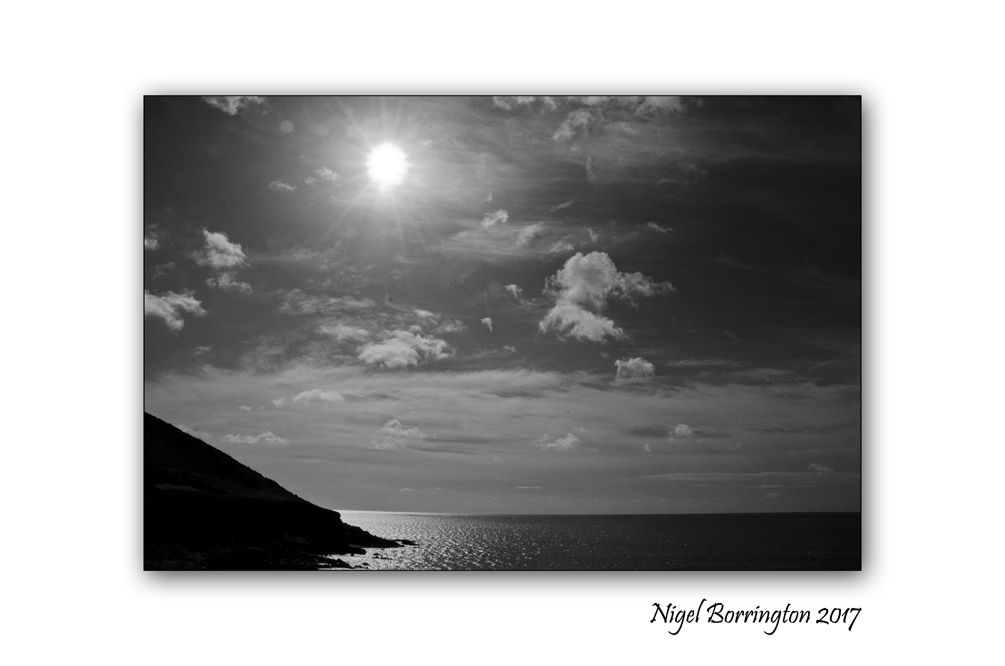

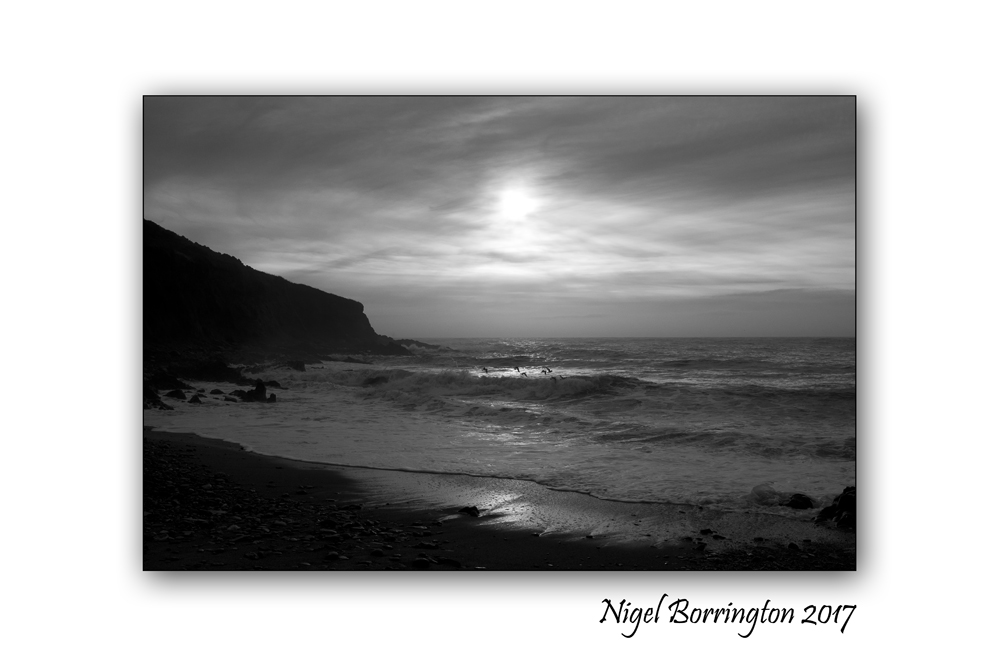

Images without words : The path into the light …….

Irish Landscape Images GarryDuff county Kilkenny
Nigel Borrington
Images without words : Irish Landscapes, the view from GarryDuff county Kilkenny

Irish Landscape Images GarryDuff county Kilkenny
Nigel Borrington
Ancient Ireland : Poulnabrone Dolmen and Portal Tomb, Caherconnell, county Clare Ireland
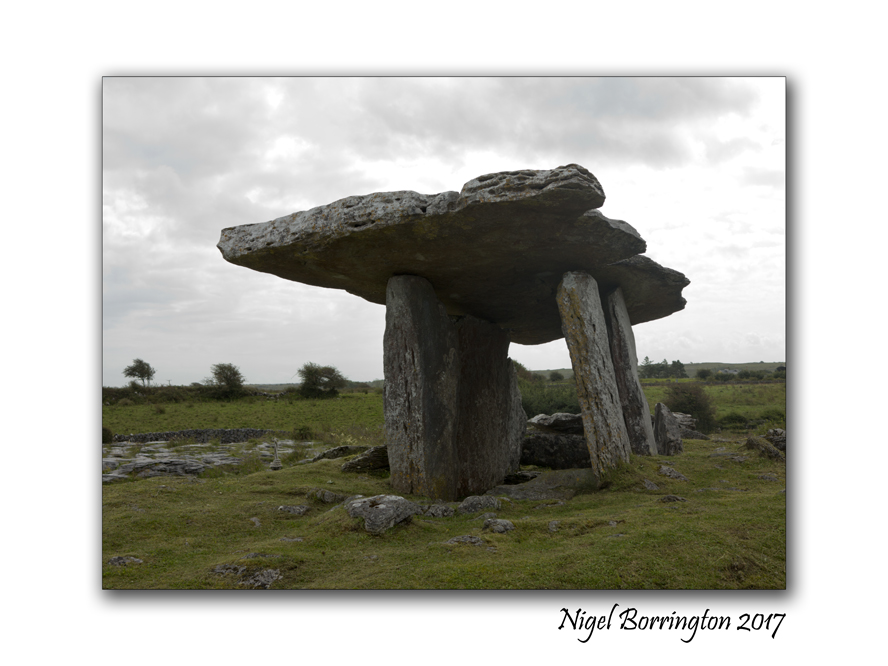
Poulnabrone Portal tomb
County Clare
Ireland
Nigel Borrington
Poulnabrone Dolmen and Portal Tomb is one of the most Dramatic megalithic sites in Ireland, it has superb sculptured form and is easily access from the road.
During the summer months it must be one of the most visited dolmens in the country. The day I visited and took these pictures it was overcast and grey, so there was less visitors than I can imagine at other times. When the site was excavated in 1986 they found some human remains some 16 adults and children plus some of their artifacts, together they dated the tomb to around 3600 B C.
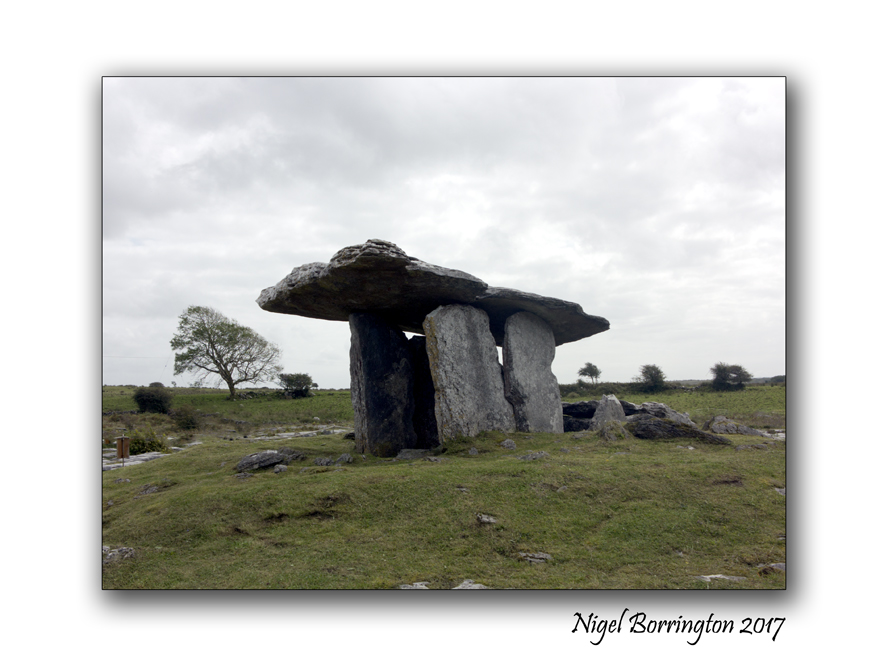
The entrance some 2 meters high faces north, The capstone is tilted at the usual angle for a Doland of this type, it measures about 3 1/2 metres long and some 2 metres wide.
The name Poulnabrone means ‘ the hole of the sorrows’ There are many other interesting sites near poulnabrone including the Wedge tomb at Gleninsheen and Baur South and the Stone Fort at Caherconnell.

Situated on Karst limestone, in a field east of the Ballyvaughan – Corrofin Road the Poulnabrone Dolmen is one of Irelands more accessable megalithic structures.
Ireland’s Ancient East , Knockroe Passage Tomb, County Kilkenny

Knockroe Passage Tomb, County Kilkenny
Nigel Borrington
Knockroe Passage Tomb, County Kilkenny
Knockroe Passage tomb is located in a picturesque setting on the slopes above the Lingaun River and old slate quarries which were abandoned in the early 1900’s. The site dates to around 3,000 BC and has many similarities to the far more famous examples such as Newgrange and Knowth in the Brú na Bóinne complex in County Meath.

Originally Knockroe would have been a similar tomb to Newgrange, albeit on a smaller scale. It is likely that it too would have had an earthen mound surrounded by large kerbstones. However unlike Newgrange, Knockroe has two burial chambers, located at the eastern and western sides of the feature. These tombs are exposed, and had long ago lost their earthen cover. Many of the stones lining the passageways of these tombs at Knockroe are highly decorated with megalithic art such as spirals, hollowed ‘cup marks’, and zig-zags. You can still find them in their original locations, and when you see them it is impossible not to wonder about the possible meaning of the decorations – was it purely decorative or did it have a deeper symbolism, and what messages may be in that symbolism? You can also still see the quartz which possibly would have formed a wall around the entrance to the passageways.
Also like Newgrange, Knockroe is aligned with the Winter Solstice. Every year around the 21st December people gather at Knockroe to witness the sun setting in perfect alignment with the length of western tomb.
Knockroe is one of a group of tombs located in this region, all of which are aligned with the large
mound on the summit of Slievenamon in County Tipperary. Knockroe is one of those wonderful sites that you can’t help to keep thinking about long after your visit, without being encumbered with its earthen mound, Knockroe is like the stony skeleton of a Neolithic passage tomb.
Gallery



The Sound of the Sea By : Henry Wadsworth Longfellow
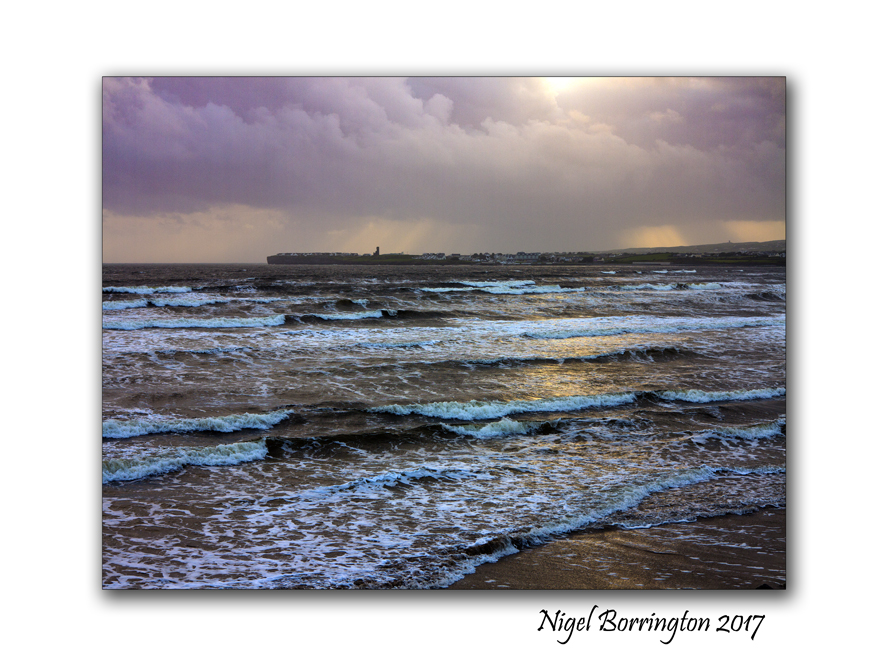
The Sound of the Sea
By : Henry Wadsworth Longfellow
The sea awoke at midnight from its sleep,
And round the pebbly beaches far and wide
I heard the first wave of the rising tide
Rush onward with uninterrupted sweep;
A voice out of the silence of the deep,
A sound mysteriously multiplied
As of a cataract from the mountain’s side,
Or roar of winds upon a wooded steep.
So comes to us at times, from the unknown
And inaccessible solitudes of being,
The rushing of the sea-tides of the soul;

And inspirations, that we deem our own,
Are some divine foreshadowing and foreseeing
Of things beyond our reason or control.
Loop Head Lighthouse, county Clare, Ireland

Loop Head Lighthouse,
September 2017,
county Clare, Ireland
Nigel Borrington
Loop Head Lighthouse, county Clare, Ireland
I have just spent a few days visiting County Clare, west Ireland, finishing with a visit to the great Loophead lighhouse. As you can see the day was very typical for a Septembers day here in Ireland, wet and windy.
It was still possible to visit the top of the lighthouse however which was great fun in the strong breeze.
I have very much enjoyed visiting some of Ireland’s lighthouses over the years from the north coast down to Hookhead, on the south coast, these remote location with their lighthouse keepers buildings that would have been both a place of work and a home, all year around and in all weather conditions, are a great reminder of the past.
A past that has almost gone but can in places like these still be felt very strongly.
Sometime back I found this video and have shared it before with other lighthouse posts, its still very much worth sharing again however as it reflects on the family life’s of Ireland’s lighthouse keepers …..
Here is a little history of the Loophead lighthouse
History
The first lighthouse on Loophead was one of four known Irish stone vaulted cottage type lights built about 1670. These cottages accommodated the lightkeeper and his family in two or three rooms and had an internal stone stairway between two of the rooms leading up to a platform on the roof where a coal burning brazier or chauffer was positioned. Part of the old cottage with its battered outside wall can still be seen near the lightkeepers’ dwellings.
The light must have fallen into disuse towards the end of the 17th century because it was re-established in 1720 after aldermen and merchants of Limerick petitioned the Irish Parliament in 1717 for a light on the Head.
The cottage-lighthouse with its coal fire was replaced in 1802 by a more conventional lighthouse, built by Thomas Rogers, who was also the contractor. The tower was about the same height as the present tower with four rooms and a lantern. The ground floor room was an oil store and access to the first floor or entrance room by an outside staircase of 19 steps. An internal spiral staircase connected the other two rooms and lantern. The twelve-foot diameter lantern contained twelve oil lamps, each with its own concave parabolic reflector. The reflected light shone through a 22″ diameter convex lens of solid glass, not unlike the ‘bottle glass’ or “bulls-eye” fitted into windows of modern psuedo-Georgian houses.
By 1811 the keeper was living in an adjoining cottage, rather than in the tower.
Loop Head Lighthouse, county Clare, Ireland , Gallery


 Nigel Borrington
The Winter Solstice Live Stream 2017 – Newgrange Ireland
Today I just want to share this You tube link !
For the first time tomorrow morning the website “Ireland ancient east” are sharing the great events that have been taking place at Newgrange for over 5000 year. This is usually a private by invention only event but now the world can share the moment that the sun light travels down the passage tomb opening and falls on the wall at the back of the tomb,
If you can please log on it would be great if as many people as possible can share this Ancient event …..
https://www.irelandsancienteast.com/wintersolstice
Every year, the Winter Solstice at Newgrange, Ireland, attracts crowds to witness the solstice sun illuminate the ancient tomb’s passage and chamber. At dawn, from December 19th to 23rd, a narrow beam of light penetrates the roof-box and reaches the floor of the chamber, gradually extending to the rear of the chamber. As the sun rises higher, the beam widens within the chamber so that the whole room becomes dramatically illuminated. This event lasts for 17 minutes, beginning around 9am.
Share this:
December 20, 2017 | Categories: Comment, Gallery, irish history, Nigel Borrington | Tags: Ireland, Ireland ancient east, irish history, Newgrange, winter solstice, Winter Solstice Live Stream 2017 | 2 Comments