A November Song – A winters Gallery with poems

Novembers song
Irish Landscape Photography : Nigel Borrington
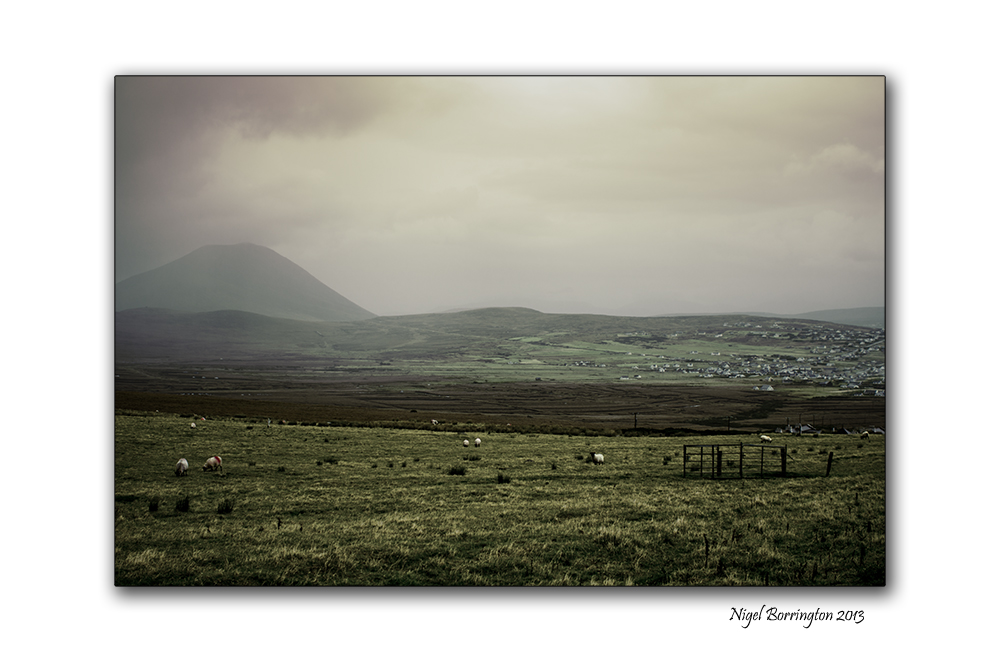
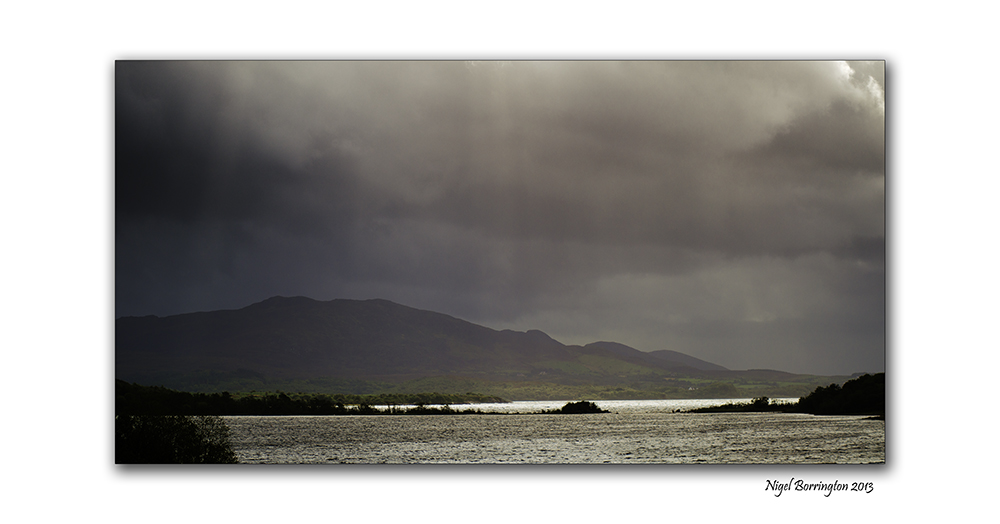
So Halloween is over and the first of the November mornings arrives, it feels like winter here in Kilkenny at last , I wonder what the season to come will bring, Snow and ice, Rain and storms, wonderful winter walks.
We will have to wait and see I guess, for now I post some of the images taken during winters past and some great poems reflecting upon the days ahead.
A Novembers song :

“The name ‘November’ is believed to derive from ‘novem’ which is the Latin for the number ‘nine’. In the ancient
Roman calendar November was the ninth month after March. As part of the seasonal calendar November is the
time of the ‘Snow Moon’ according to Pagan beliefs and the period described as the ‘Moon of the Falling Leaves’
by Black Elk.”

“The morns are meeker than they were,
The nuts are getting brown;
The berry’s cheek is plumper,
The rose is out of town.
The maple wears a gayer scarf,
The field a scarlet gown.
Lest I should be old-fashioned,
I’ll put a trinket on.”
– Emily Dickinson

“When the trees their summer splendor
Change to raiment red and gold,
When the summer moon turns mellow,
And the nights are getting cold;
When the squirrels hide their acorns,
And the woodchucks disappear;
Then we know that it is autumn,
Loveliest season of the year.”
– Carol L. Riser, Autumn
“The sky is streaked with them
burning hole in black space —
like fireworks, someone says
all friendly in the dark chill
of Newcomb Hollow in November,
friends known only by voices.
We lie on the cold sand and it
embraces us, this beach
where locals never go in summer
and boast of their absence. Now
we lie eyes open to the flowers
of white ice that blaze over us
and seem to imprint directly
on our brains. I feel the earth,
rolling beneath as we face out
into the endlessness we usually
ignore. Past the evanescent
meteors, infinity pulls hard.”
– Marge Piercy, Leonids Over Us
Happy Halloween from Ireland and from the Gothic Poet – Thomas Hardy.
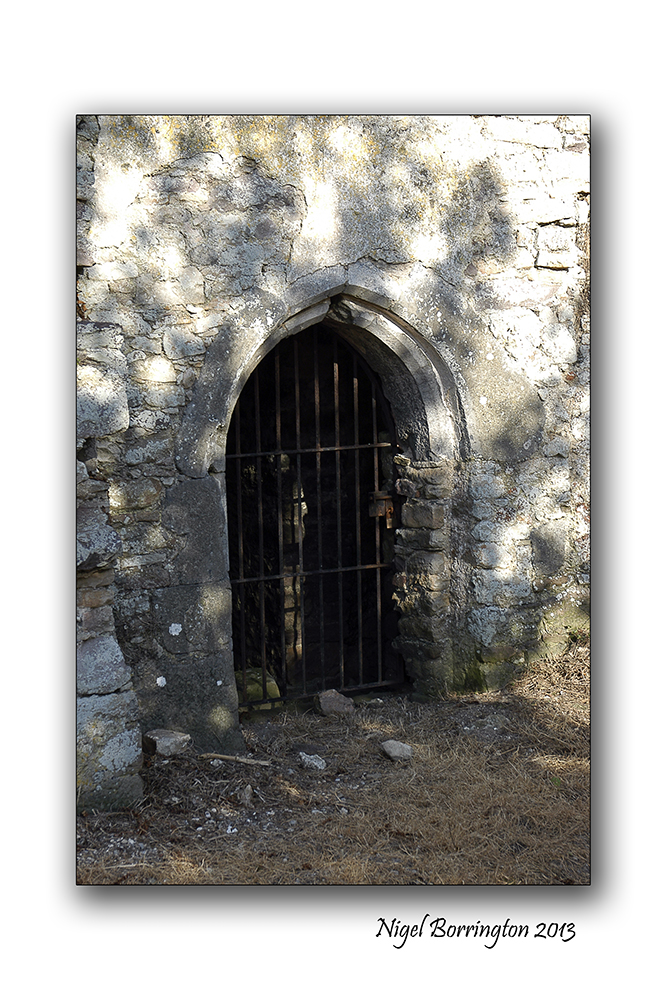
The To-be-forgotten
Photography : Nigel Borrington
Happy Halloween to you all !
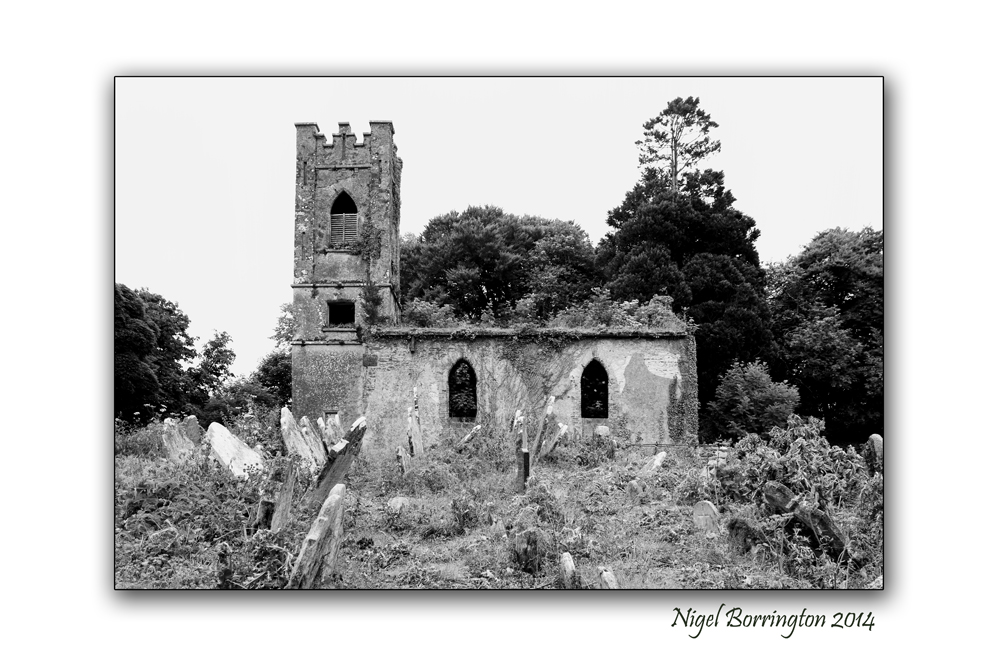
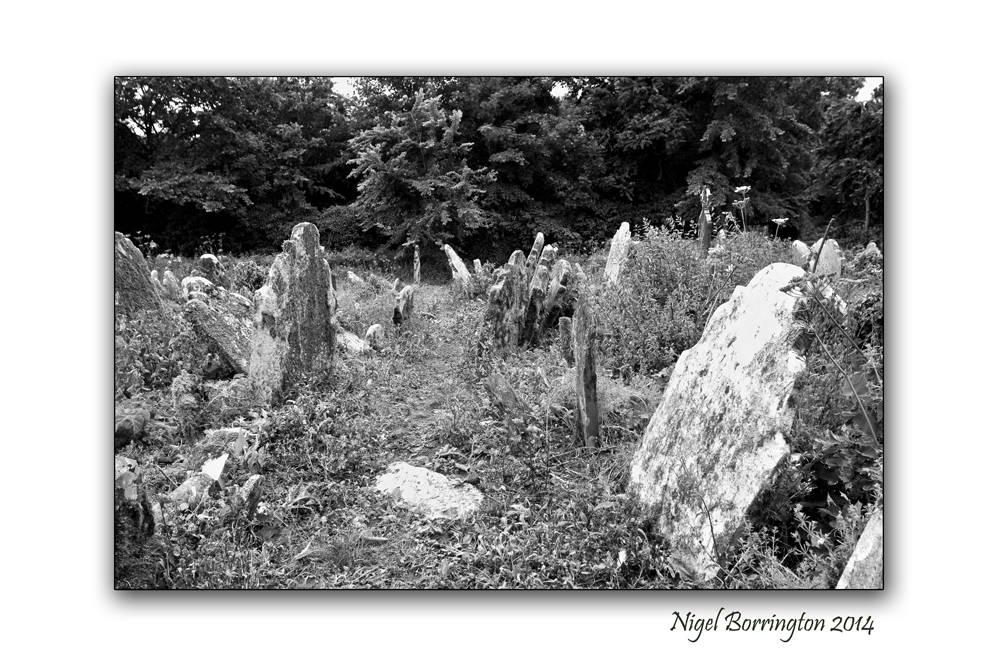
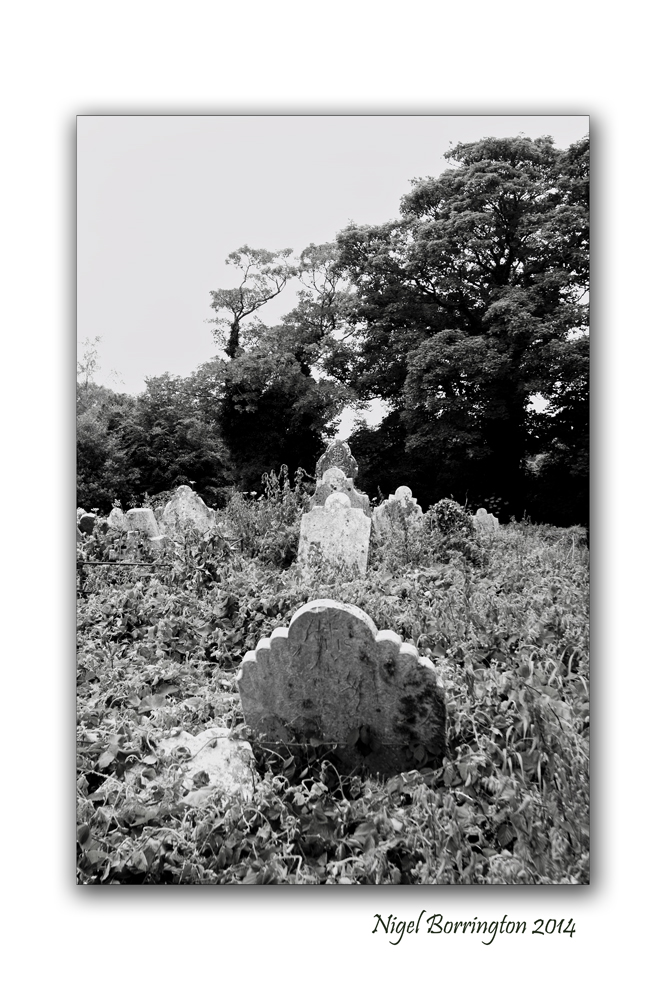
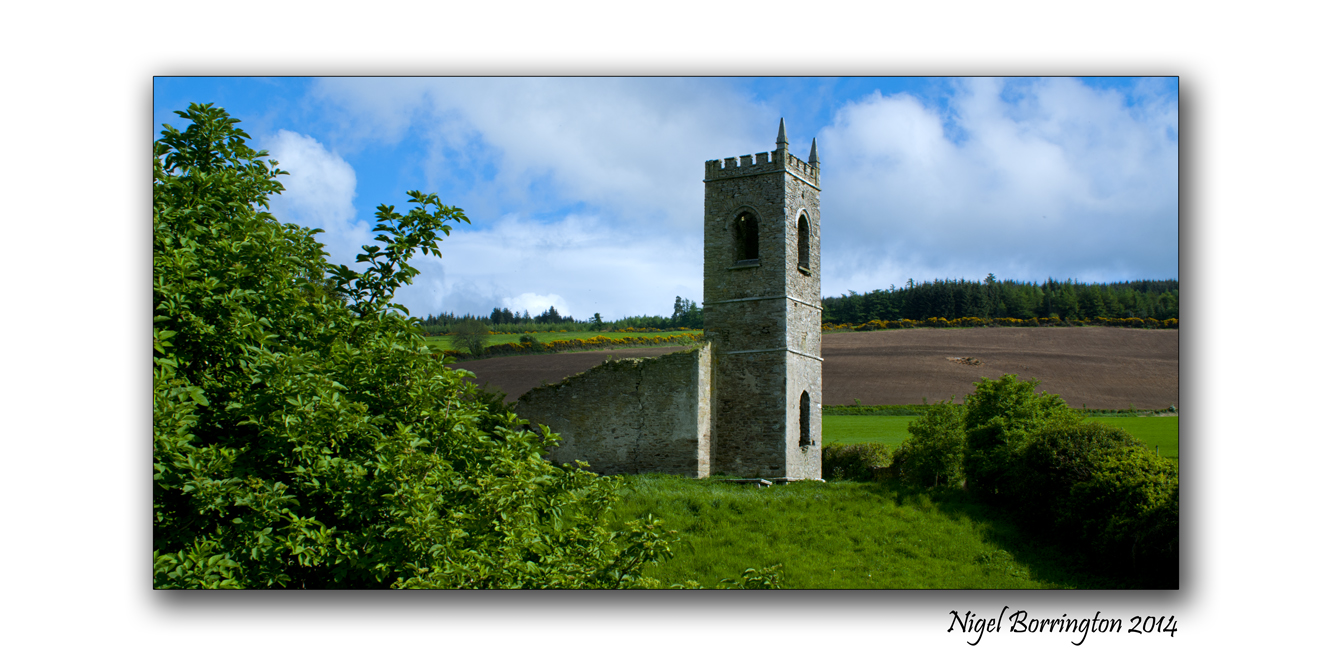
Today my post contains some images at the old estate church yard of Temple Michael, Ballynatray Estate, Cherrymount, county cork, and one of my most loved poems by Thomas Hardy, a true poet from the hight of the 1800’s Gothic period and a Victorian realist in the tradition of George Eliot.
So tonight when it goes dark if I were you I would light a fire, lock the doors and windows and stay inside as the time is tonight when The “soon to-be Forgotten” rise.
The To-be-forgotten
By Thomas Hardy
.
I
I heard a small sad sound,
And stood awhile among the tombs around:
“Wherefore, old friends,” said I, “are you distrest,
Now, screened from life’s unrest?”
II
—”O not at being here;
But that our future second death is near;
When, with the living, memory of us numbs,
And blank oblivion comes!
 .
.
III
“These, our sped ancestry,
Lie here embraced by deeper death than we;
Nor shape nor thought of theirs can you descry
With keenest backward eye.
IV
“They count as quite forgot;
They are as men who have existed not;
Theirs is a loss past loss of fitful breath;
It is the second death.
 .
.
V
“We here, as yet, each day
Are blest with dear recall; as yet, can say
We hold in some soul loved continuance
Of shape and voice and glance.
VI
“But what has been will be —
First memory, then oblivion’s swallowing sea;
Like men foregone, shall we merge into those
Whose story no one knows.
 .
.
VII
“For which of us could hope
To show in life that world-awakening scope
Granted the few whose memory none lets die,
But all men magnify?
VIII
“We were but Fortune’s sport;
Things true, things lovely, things of good report
We neither shunned nor sought … We see our bourne,
And seeing it we mourn.”
As Winter falls upon the farm.

As winter falls upon the Farm.
Landscape Photography : Nigel Borrington
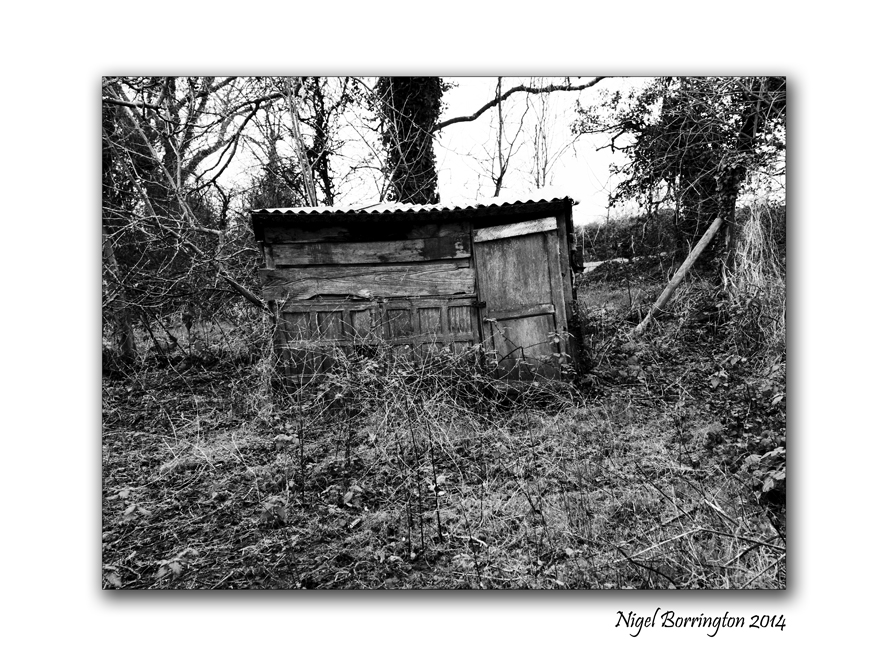
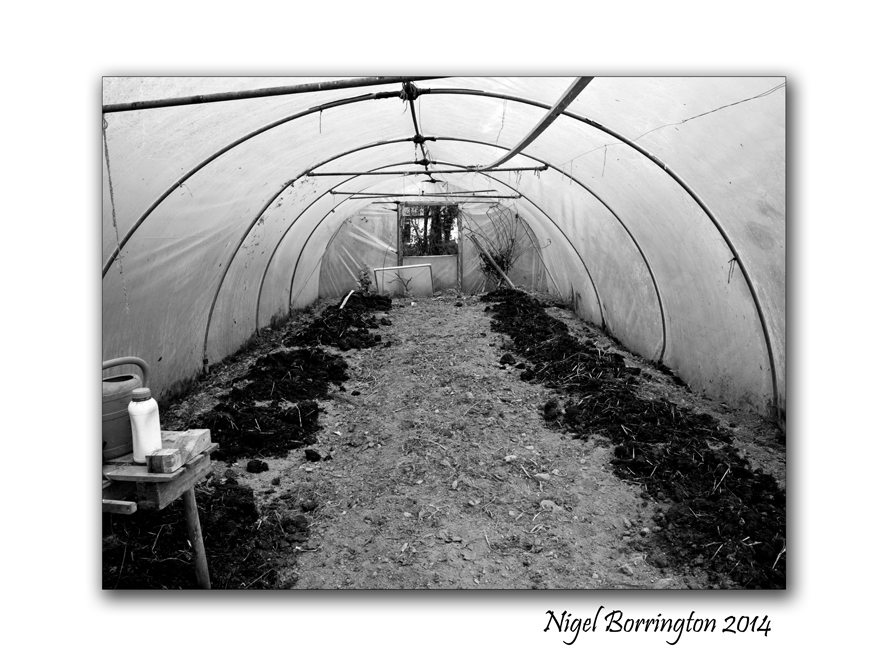
After living here in county Kilkenny for over ten years now, we have got to know many different people. One of the families we know very well own a small farm and when ever they go on holiday we help look after the place for them. We moved here from North London and its a great pleasure to now be able to see and be on a farm like this one.
These images where taken during such a week, late in the Autumn and as winter took a grip over their farm and its land.
Seeing a farm in the height of June is a wonderful thing, everything growing and the animals full of life but I love these winter months just as much, the place is slower with the cold and damp morning.
The Horses and Chickens are slower and growing season finished apart from some late greens to be used in the kitchen before the frost sets in. The farm and its land feels ready for the three months of rest it well deserves.
Gallery




Irish landscape photography – in Black and White, a gallery
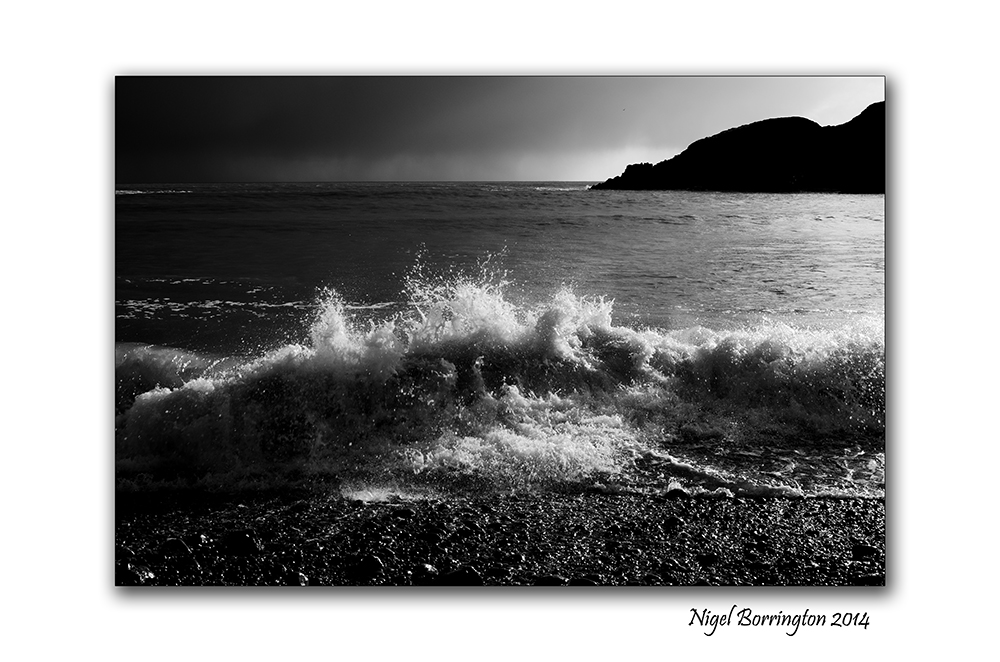
Waterford Coastline,
Irish Landscape Photography : Nigel Borrington
The Irish Landscape offers some of the most wonderful views in this part of Europe, with rolling mountains and rocky, spectacular coastlines, there are many forests and powerful flowing rivers.
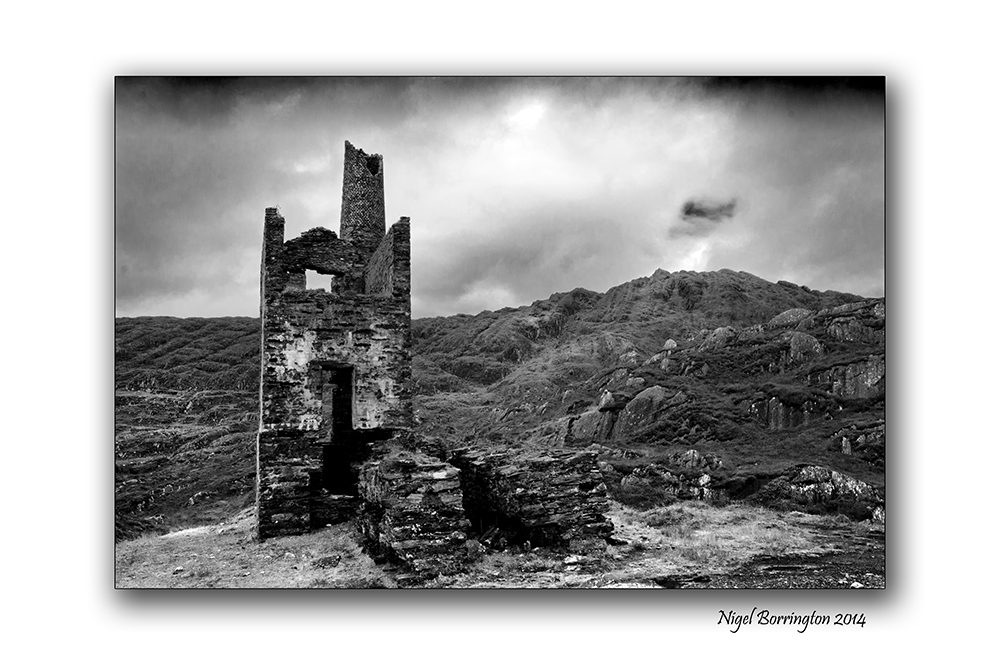
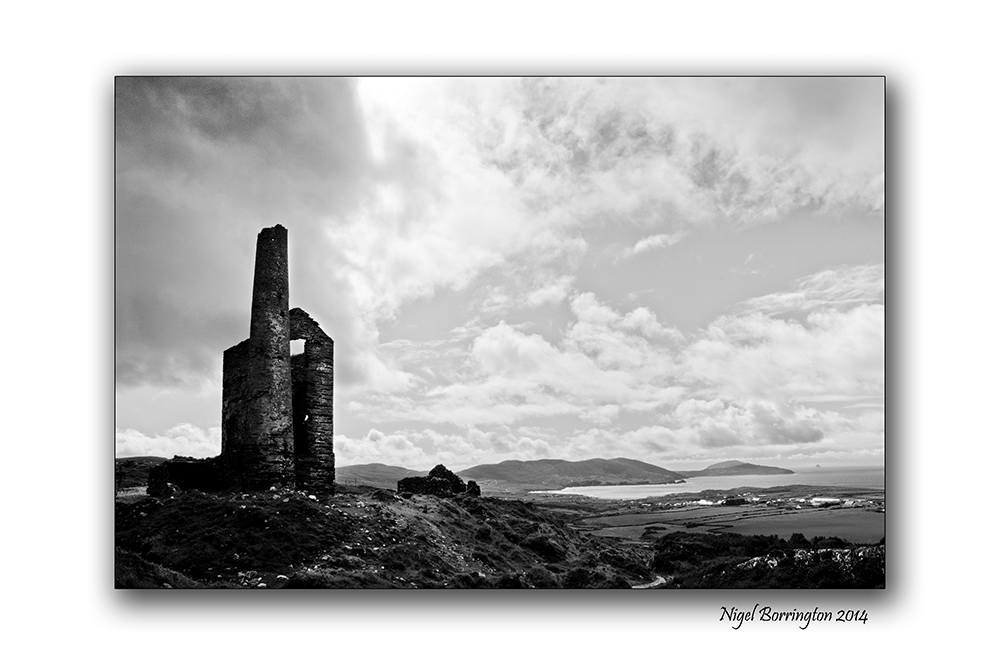
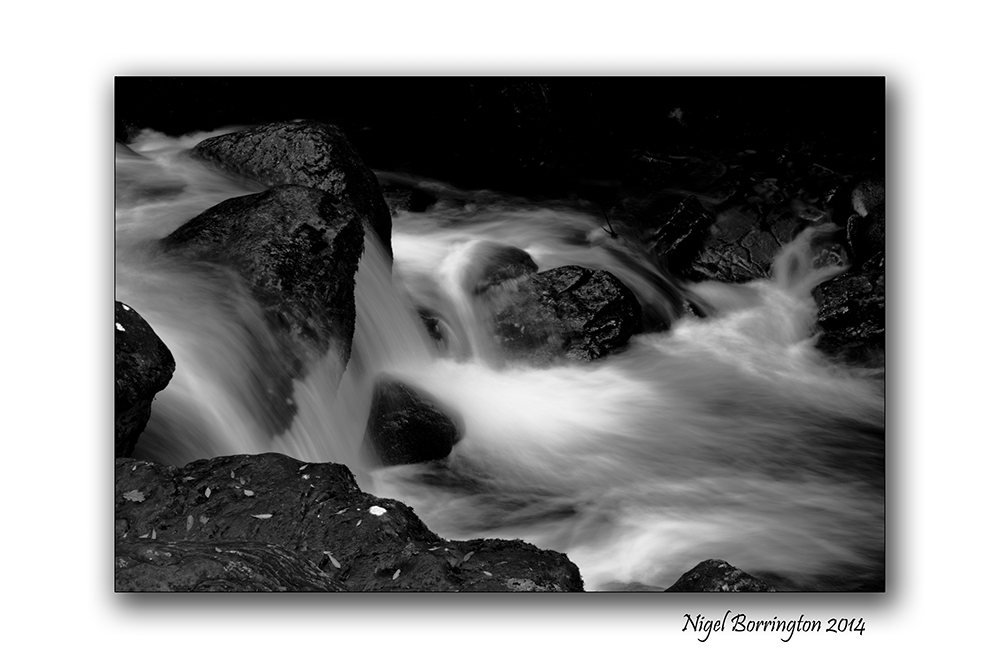
One of the area’s of photography I love the most is black and white and I feel that the Irish landscape is made for black and white images, often the days are wet and stormy and dark. I feel that shooting images in black and white captures these atmospheric days very well. On good weather days in the summer months getting out early or late to capture the sun low in the sky also works very well in a black and white photograph.
Below are some of the black and white images I am most happy with, so far during 2014.
Irish landscape photography – Black and White Gallery



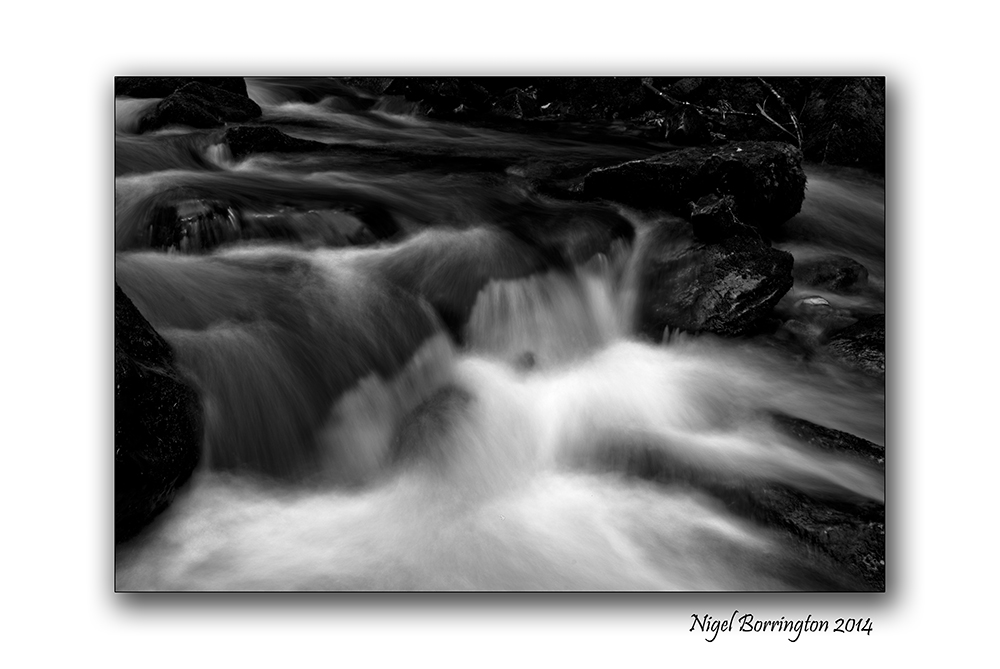


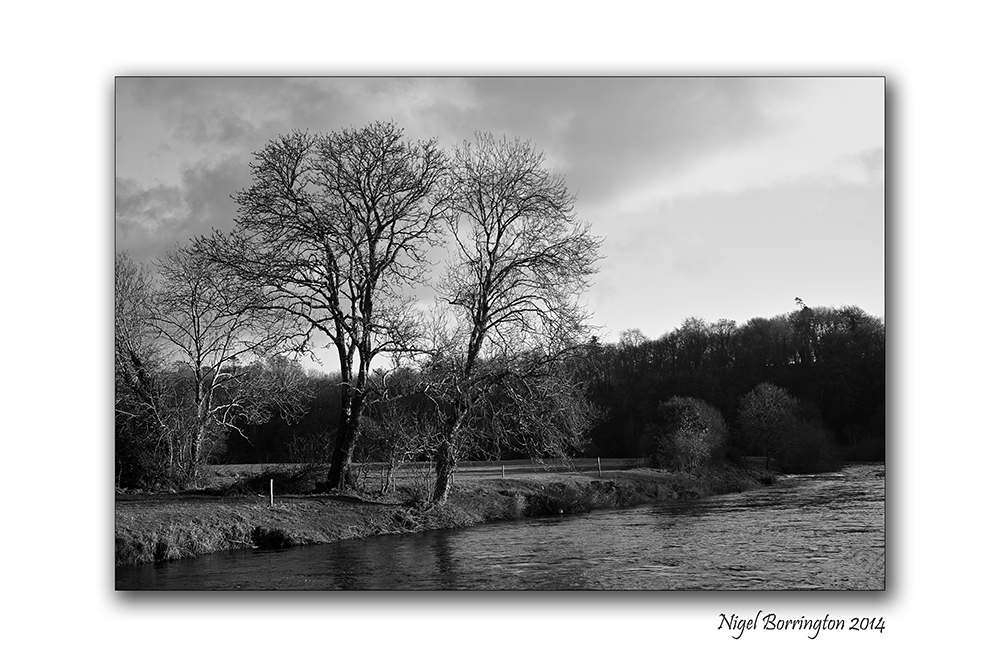


Jenkinstown, woodland park , County Kilkenny
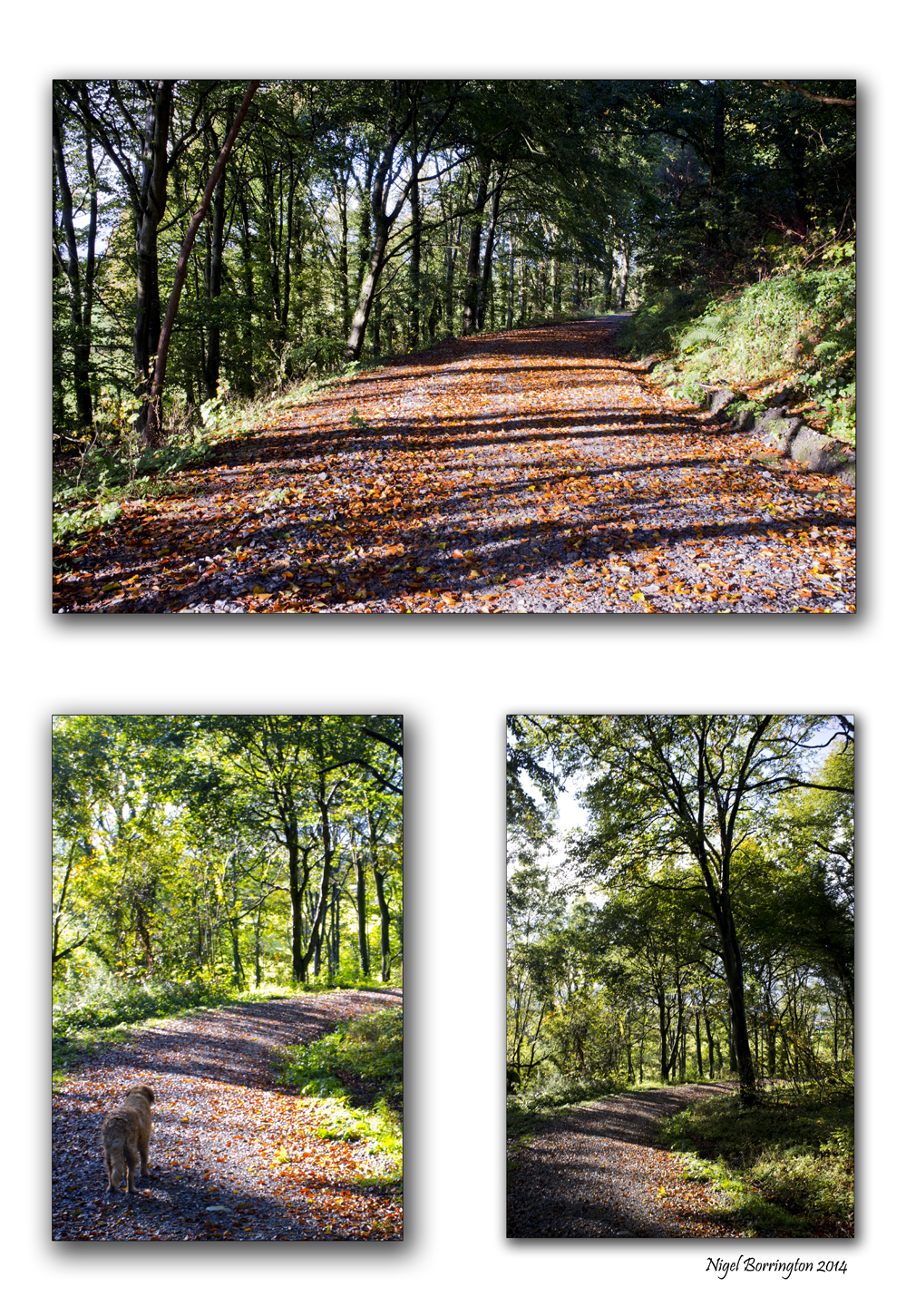
Jenkinstown , Forest Park County Kilkenny.
Landscape Photography : Nigel Borrington
Jenkinstown Forest park in County Kilkenny is one of my most loved Local places, the walks around the Forest here are amazing at anytime of the year but just now the leaves are starting to turn golden yellow and fall after a frost or period of high wind.
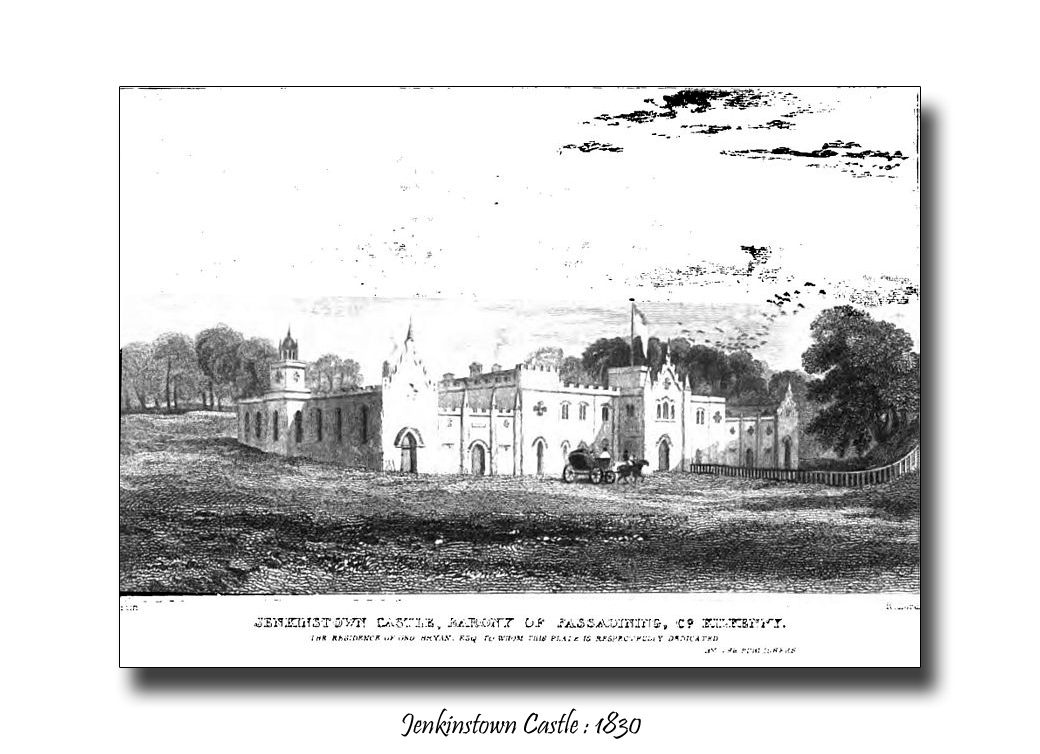
The Jenkinstown estate has a long history and the below image shows the castle that once stood here until at least the time this image was taken during 1930.
 .
.
Part of the castle still stands and acts as a home for a local musician.
The park contains some great old buildings such as the round store house and animal shelter that these days offers a great place to read or shelter from a shower on a wet day.
Jenkinstown woodland park , County Kilkenny : Gallery
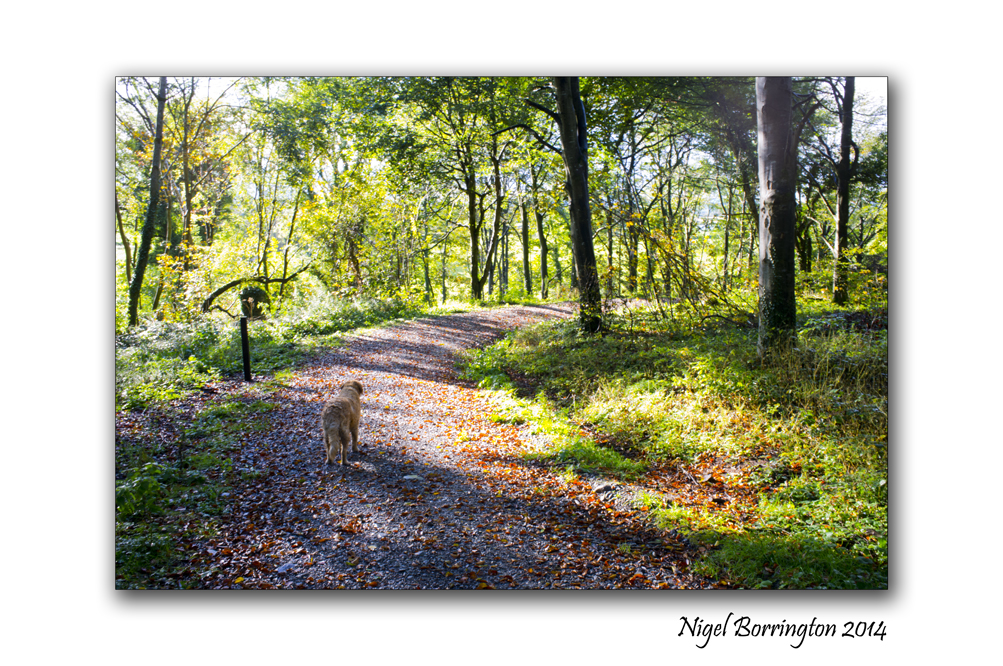


A visit two Derrynaflan island, the Derrynaflan hoard and the changes in the law.
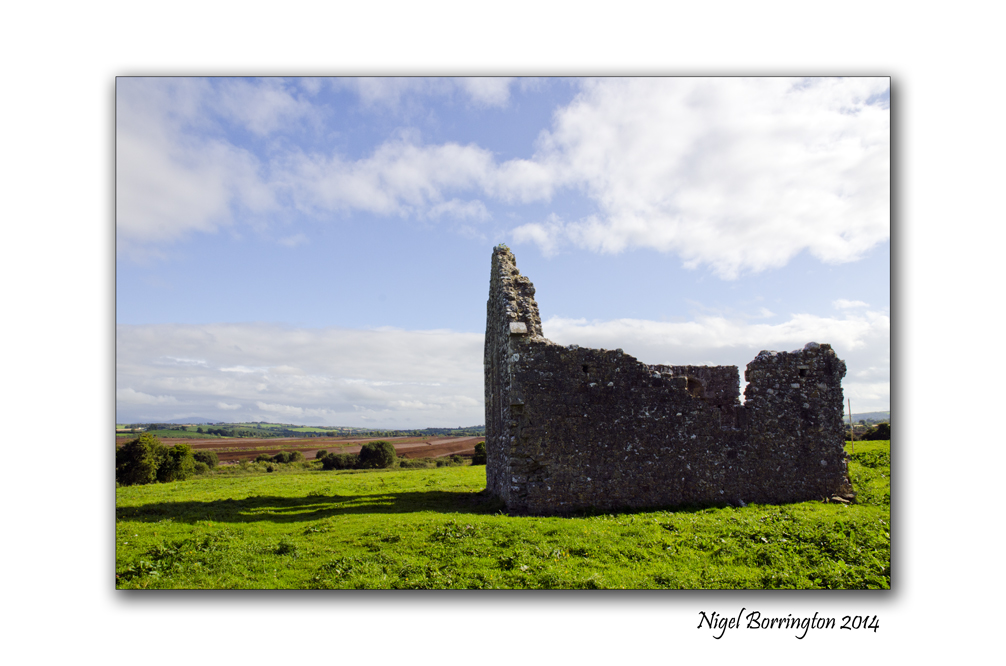
Derrynaflan Island, County Tipperary
Irish Landscape Photography : Nigel Borrington
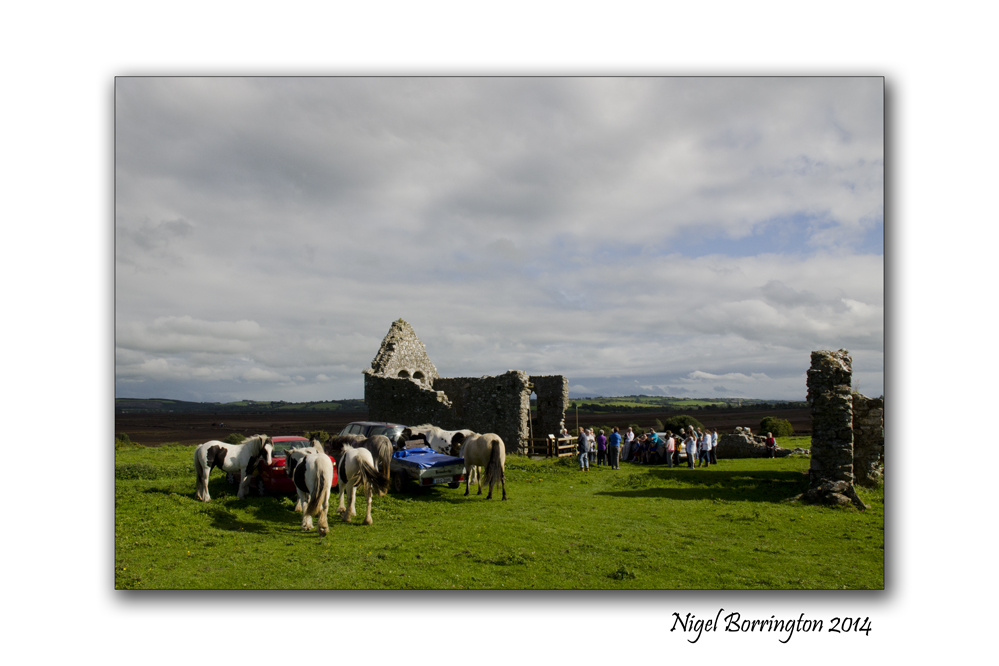
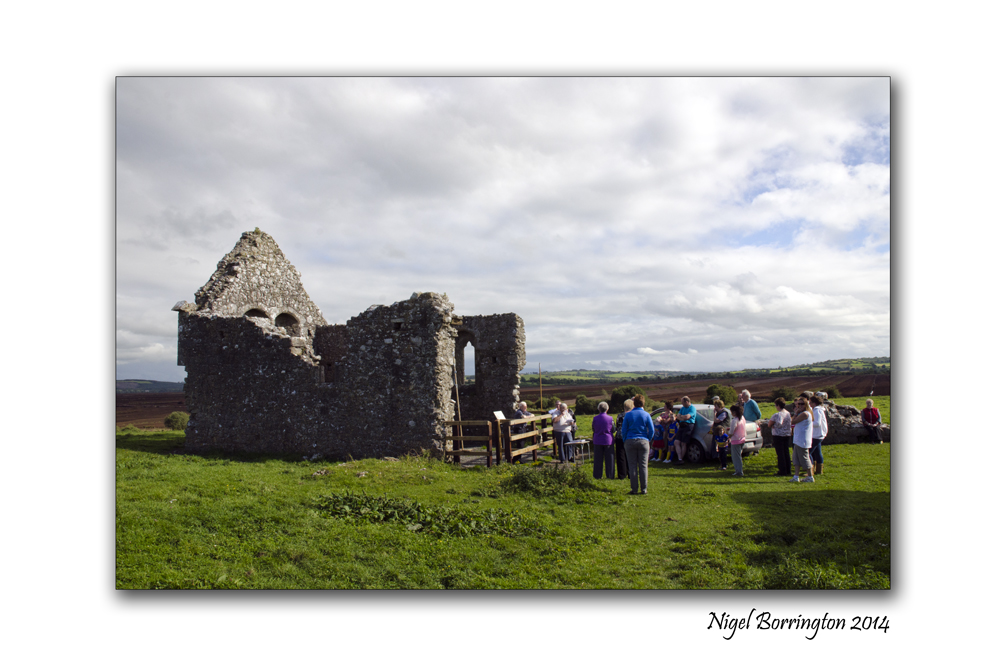
During what was a great summer we took a family visit to Derrynaflan island, County Tipperary.
The weather was just great and the visit to this magical Island just fascinating. It is on this island that in 1980 a Father and his son found one of Europe’s and Ireland’s most important treasures and in the process changed the Irish laws forever, as below :
Derrynaflan Hoard
Discovering the Hoard

One of the most spectacular hoard discoveries in Ireland, which led first to an increase in enthusiasm for metal detecting as a hobby, but ultimately contributed to the prohibition of unlicensed searching for archaeological material.
On 17 February 1980, Michael Webb and his son, also called Michael, discovered a significant hoard of early church treasure in Derrynaflan, in the townland of Lurgoe, County Tipperary, using metal detectors (Kelly 1994: 213; O’Riordain 1983: 1). The hoard included a chalice, a bronze strainer ladle and a paten (a kind of small plate) (and see Ryan 1983 for a detailed description), and the discovery was described as ‘one of the most exciting events in the history of Irish art’ (Stalley 1990: 186). The large monastic enclosure in which the hoard was found was partially protected as a National Monument (Kelly 1993: 378). The finders reported their discovery to an archaeologist from University College Cork, Dr. Elizabeth Shee Twohig (Kelly, pers. comm., 2012), who advised them that they must take the finds to the National Museum of Ireland in Dublin (Houses of the Oireachtas 1986; O’Riordain 1983: 1). Under Irish law at that time, the finders were entitled to a reward for making the discovery, in this case decided at IR£10,000 (Houses of the Oireachtas 1986), although this was initially rejected by the finders as insufficient compared to the value of the find (Kelly 1994: 213).

Six years later, the High Court made a ruling that the find or its value (estimated at IR£5.5 million) should be returned to the finders (Kelly 1994: 113). The public mood turned against the Webbs, who were shown on the main evening television news drinking champagne to celebrate the ruling. Ireland was then in deep recession with massive public service cuts which led to resentment that the Webbs might benefit to the tune of IR£5.5 million from the public purse (Kelly, pers comm., 2012). A year later, in 1987, a further final judgement was delivered by the Supreme Court that the Derrynaflan Hoard in fact belonged to the state and not to the finders (Kelly 1995a). The finders finally received a reward of IR£50,000 (Kelly 1994: 214).
The impact of the case on Irish law concerning the protection of heritage was significant. Debates in the Seánad Éireann (upper house of the Irish Parliament) in 1986 indicate the split in opinions regarding the validity of the claim of the finders to the hoard (as had been decided in court the previous year), with one Senator suggesting that the state should have been trying to prove that the Webbs had no legal claim to the hoard, one Senator regarding such discoveries as no more than looting, and another claiming that the finders should instead be praised for the care with which they removed the hoard from the ground and for going to the National Museum to report the discovery (Houses of the Oireachtas 1986). In 1987 the National Monuments (Amendment) Bill, which included clauses on metal detecting and ancient shipwrecks (another area becoming vulnerable to looting), passed through its final stages in the Dáil Éireann (lower house of the Irish Parliament) (Gosling 1987: 23).
Ireland’s National Monuments Act 1930 had prohibited the excavation of archaeological objects other than under license (Kelly 1995a). However, the maximum fine for a successful prosecution at that time, at IR£10[1], proved not to be a strong deterrent (Kelly 1995b: 235). The discovery of the Derrynaflan Hoard had reputedly contributed to the growth of the metal detecting hobby in Ireland, which by the time of the discovery saw hobbyists searching not only ploughed land and other locations away from archaeological sites, but also on known archaeological sites (Kelly 1993: 378). A 2012 Irish news item, which described an athlete as having ‘more gold than they found in Derrynaflan’ (Keane 2012) indicates that the finding of the hoard is still recalled in Irish popular memory. However, with the National Monuments (Amendment) Act 1987, ‘it became illegal to search for archaeological objects with metal detectors or other electronic detecting devices without license’. A further National Monuments (Amendment) Act 1994 specified the state ownership of archaeological objects, and made it ‘an offence to trade in unreported antiquities, or withhold information about archaeological discoveries’ (Kelly 1995a). Under the 1994 legislation, the maximum penalty was also increased to a fine of IR£50,000 and five years imprisonment (National Monuments (Amendment) Act 1994, Section 13). The National Monuments (Amendment) Act 1987 had been in preparation for many years and so was not a direct reaction solely to the controversy surrounding the hoard (Kelly, pers. comm., 2012), although there were observations made that the upsurge in metal detecting as a result of the discovery led to changes in the law (Kelly 1994: 214).
Ref : http://traffickingculture.org/encyclopedia/case-studies/derrynaflan-hoard/
A visit two Derrynaflan island Gallery


Monday morning from the mountain lane ( Images and a Poem by : Douglas Fraser – 1968 )

The mountain Lane,
GlenPatrick , County Waterford,
Irish Landscape Photography : Nigel Borrington
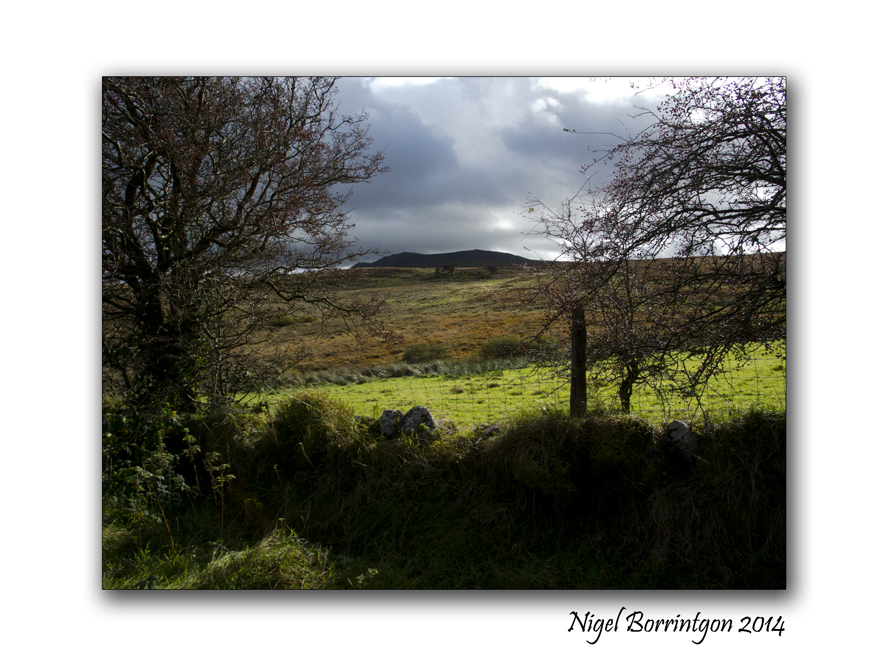
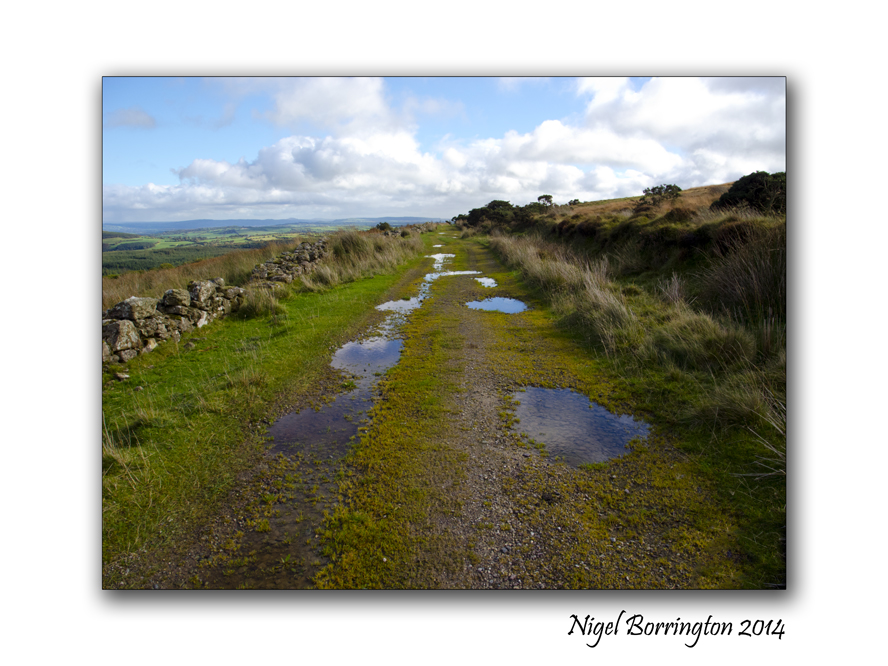
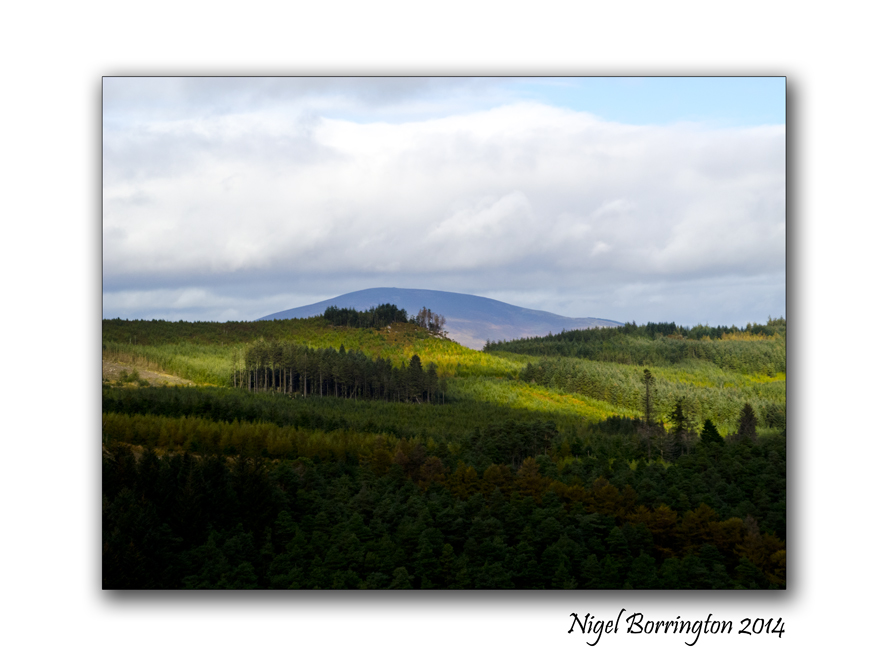
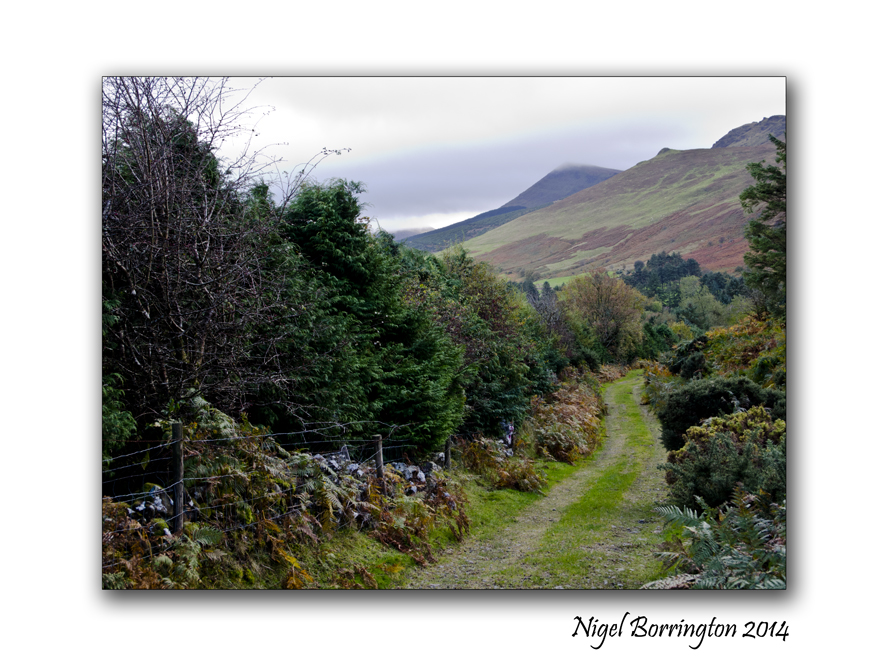
Monday morning and what better way to start a new week than a walk through the hills above the town of Clonmel , county Tipperary.
This old walk goes over the foot hills just below the Comeragh mountains and into county Waterford and offers some of the best views in the South of Ireland, I share some of it here with one of my most loved Mountain Poems by Douglas Fraser, written in 1968.
Freedom of the Hills
By: Douglas Fraser – 1968
Mine is the freedom of the tranquil hills
When vagrant breezes bend the sinewy grass,
While sunshine on the widespread landscape spills
And light as down the fleet cloud-shadowed pass.
Mine, still, that freedom when the storm-clouds race,
Cracking their whips against defiant crags
And mists swirl boiling up from inky space
To vanish on the instant, torn to rags.
Snow and mist in the Mountains.
When winter grips the mountains in a vice,
Silently stifling with its pall of snow,
Checking the streams, draping the rocks in ice,
Still to their mantled summits I would go.
Sun-drenched, I sense the message they impart;
Storm-lashed, I hear it sing through every vein;
Among the snows it whispers to my heart
“Here is your freedom. Taste – and come again.”
Gallery


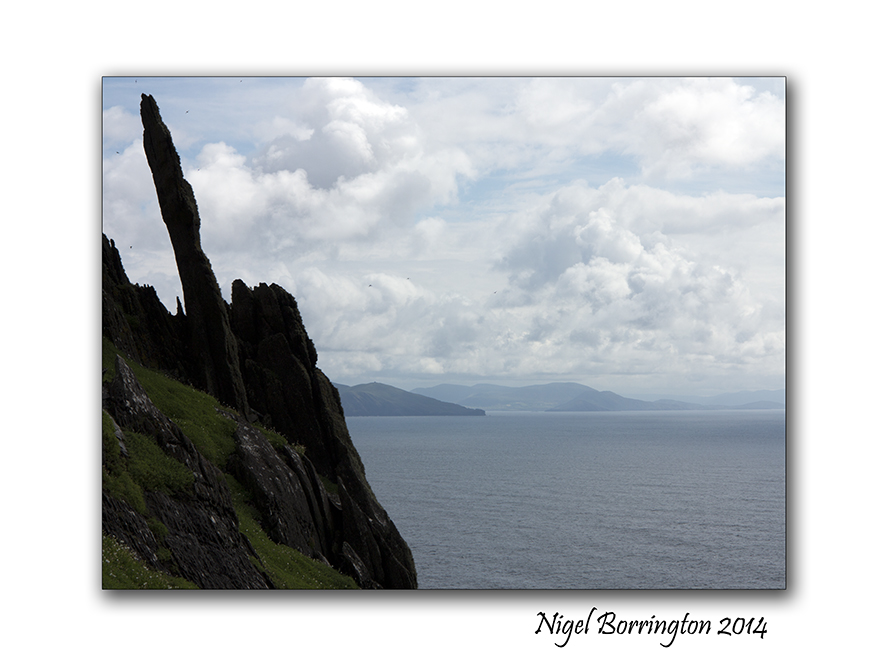
Images of Skellig Michael and ( Life The Way It Should Be, A Poem by : Taylor Jordao )
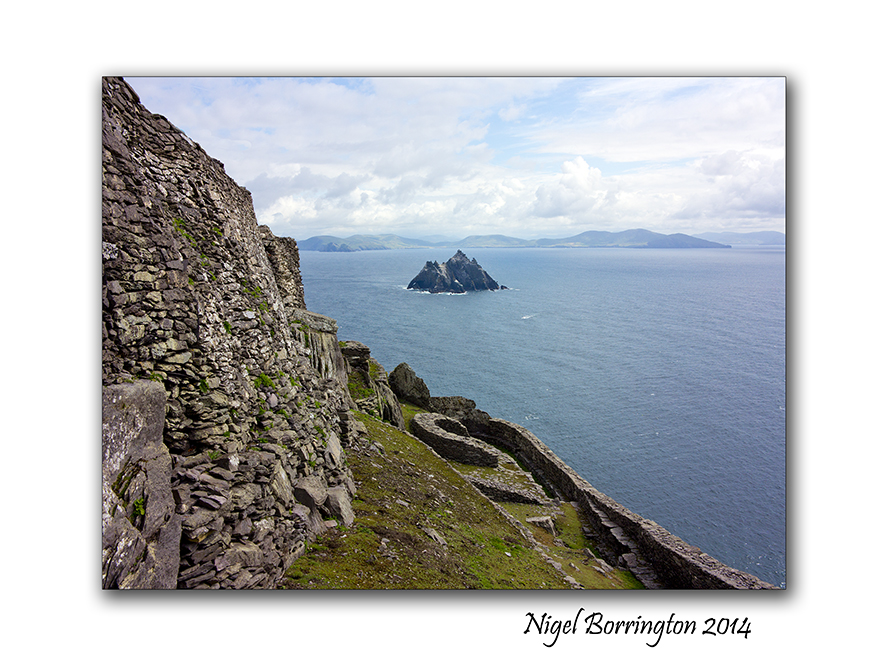
Skellig Michael and the Skellig islands
Irish Landscape photography : Nigel Borrington
Life The Way It Should Be
by : Taylor Jordao
Tell me what do you see
Purple, green, and gold,
Mountain peaks that touch the sky
Little black birds flying by
Sun setting in the west
Flowers in the east,
Calm, relaxing breeze
And forests filled with trees
Tell me what do you see
The sky starts to fade as night approaches
Animals will soon come out
The spring is ending without a doubt
Fall is coming near
Cold weather’s on its way,
Flowers start to die
Birds go south, bye bye.
Tell me what do you see
Happiness, love, and beauty,
Everyone is free
Life the way it should be.
The Elements : Earth

Suir valley from Tullahought – Kilkenny landscape photography : Nigel Borrington
Connected to the North,
Earth is considered the ultimate feminine element, Earth is fertile and stable, associated with the Goddess. The planet itself is a ball of life, and as the Wheel of the Year turns, we can watch all the aspects of life take place in the Earth: birth, life, death, and finally rebirth. The Earth is nurturing and stable, solid and firm, full of endurance and strength. In color correspondences, both green and brown connect to the Earth, for fairly obvious reasons! In Tarot readings, the Earth is related to the suit of Pentacles or Coins.
Mother goddess is a term used to refer to a goddess who represents motherhood, fertility, creation, or who embodies the bounty of the Earth. When equated with the Earth or the natural world such goddesses are sometimes referred to as Mother Earth or as the Earth Mother.

Celtic Goddess
The Irish goddess Anu, sometimes known as Danu, has an impact as a mother goddess, judging from the Dá Chích Anann near Killarney, County Kerry. Irish literature names the last and most favored generation of deities as “the people of Danu” (Tuatha De Danann). The Welsh have a similar figure called Dôn who is often equated with Danu and identified as a mother goddess. Sources for this character date from the Christian period, however, so she is referred to simply as a “mother of heroes” in the Mabinogion. The character’s (assumed) origins as a goddess are obscured.
The Celts of Gaul worshipped a goddess known as Dea Matrona (“divine mother goddess”) who was associated with the Marne River. Similar figures known as the Matres (Latin for “mothers”) are found on altars in Celtic as well as Germanic areas of Europe.
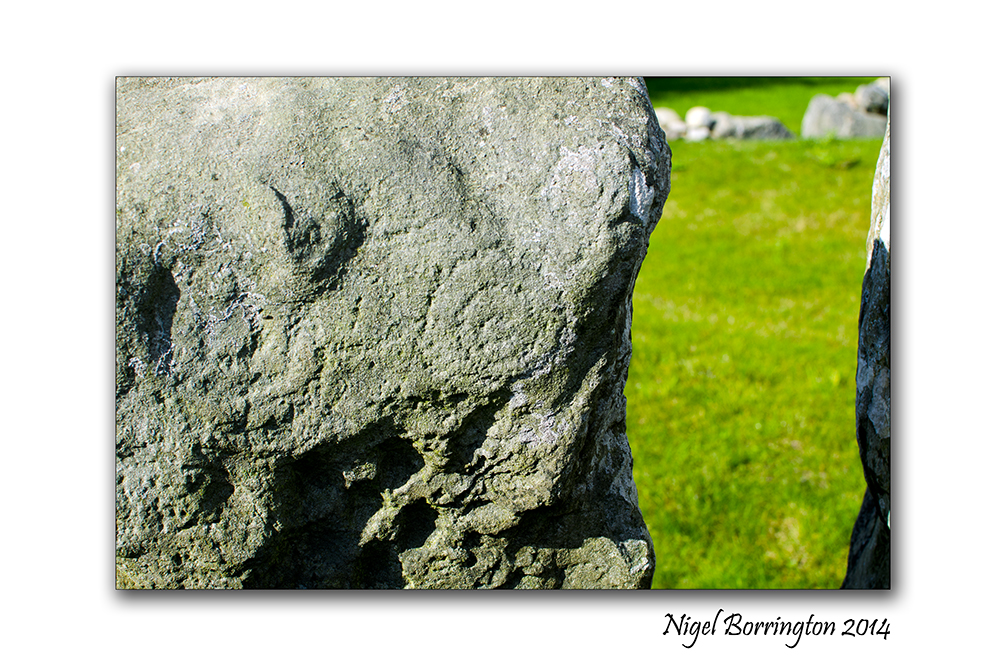
In many cultures, earth spirits are beings that are tied to the land and plant kingdom. Typically, these beings are associated with another realm, the forces of nature that inhabit a particular physical space, and landmarks like rocks and trees.
In Celtic mythology, the realm of the Fae is known to exist in a parallel space with the land of man. The Fae are part of the Tuatha de Danaan, and live underground. It’s important to watch out for them, because they’re known for their ability to trick mortals into joining them.

Gnomes feature prominently in European legend and lore. Although it’s believed that their name was coined by a Swiss alchemist named Paracelsus, these elemental beings have long been associated in one form or another with the ability to move underground.
Likewise, elves often appear in stories about the land. Jacob Grimm collected a number of stories about elves while compiling his book Teutonic Mythology, and says that elves appear in the Eddas as supernatural, magic-using beings. They appear in a number of old English and Norse legends.
Monday Poetry , “Ulysses” By : Alfred Tennyson

A distant view of Slievenamon, County Tipperary, Ireland.
Irish Landscape Photography : Nigel Borrington
Sometimes walking around the counties of Kilkenny and Tipperary you get an overwhelming sense of history , old church yards with old graves, Monuments left by ancient peoples and their tribes.
Places left as a reminder of Leaders and Kings and people long past.
Places and people that could be contained in “Ulysses” a poem by Alfred Tennyson.
Ulysses
By : Alfred Tennyson
It little profits that an idle king,
By this still hearth, among these barren crags,
Matched with an agèd wife, I mete and dole
Unequal laws unto a savage race,
That hoard, and sleep, and feed, and know not me.
I cannot rest from travel: I will drink
Life to the lees: all times I have enjoyed
Greatly, have suffered greatly, both with those
That loved me, and alone; on shore, and when
Through scudding drifts the rainy Hyades
Vexed the dim sea: I am become a name;
For always roaming with a hungry heart
Much have I seen and known; cities of men
And manners, climates, councils, governments,
Myself not least, but honoured of them all;
And drunk delight of battle with my peers,
Far on the ringing plains of windy Troy.
 .
.
I am a part of all that I have met;
Yet all experience is an arch wherethrough
Gleams that untravelled world, whose margin fades
For ever and for ever when I move.
How dull it is to pause, to make an end,
To rust unburnished, not to shine in use!
As though to breathe were life. Life piled on life
Were all too little, and of one to me
Little remains: but every hour is saved
From that eternal silence, something more,
A bringer of new things; and vile it were
For some three suns to store and hoard myself,
And this grey spirit yearning in desire
To follow knowledge like a sinking star,
Beyond the utmost bound of human thought.
This my son, mine own Telemachus,
To whom I leave the sceptre and the isle—
Well-loved of me, discerning to fulfil
This labour, by slow prudence to make mild
A rugged people, and through soft degrees
Subdue them to the useful and the good.
Most blameless is he, centred in the sphere
Of common duties, decent not to fail
In offices of tenderness, and pay
Meet adoration to my household gods,
When I am gone. He works his work, I mine.
There lies the port; the vessel puffs her sail:
There gloom the dark broad seas. My mariners,
Souls that have toiled, and wrought, and thought
with me—
 .
.
That ever with a frolic welcome took
The thunder and the sunshine, and opposed
Free hearts, free foreheads—you and I are old;
Old age hath yet his honour and his toil;
Death closes all: but something ere the end,
Some work of noble note, may yet be done,
Not unbecoming men that strove with Gods.
The lights begin to twinkle from the rocks:
The long day wanes: the slow moon climbs: the deep
Moans round with many voices. Come, my friends,
‘Tis not too late to seek a newer world.
Push off, and sitting well in order smite
The sounding furrows; for my purpose holds
To sail beyond the sunset, and the baths
Of all the western stars, until I die.
 .
.
It may be that the gulfs will wash us down:
It may be we shall touch the Happy Isles,
And see the great Achilles, whom we knew
Though much is taken, much abides; and though
We are not now that strength which in old days
Moved earth and heaven; that which we are, we are;
One equal temper of heroic hearts,
Made weak by time and fate, but strong in will
To strive, to seek, to find, and not to yield.
Glengarriff, west Cork, Ireland : Gallery

Glengarriff, Beara Peninsula of County Cork, Ireland.
Irish landscapes : Nigel Borrington
Glengarriff, Beara Peninsula of County Cork, Ireland.
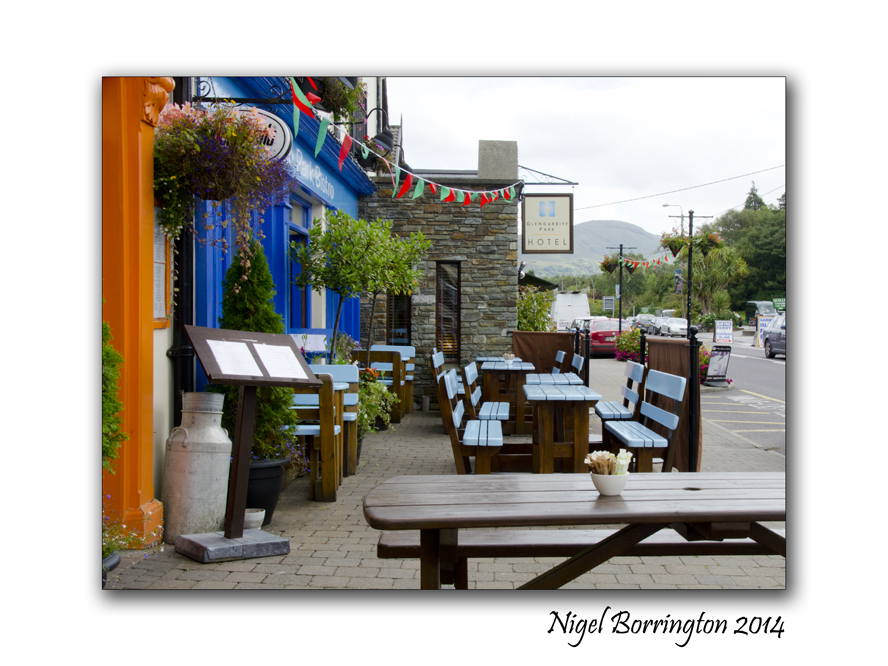
These images where taken on a visit to the west Cork town of Glengarriff during September 2014.
To me the town is at the top of my personal list of best visits in Ireland, for its size it has plenty of places to eat and drink and some great little shops. The surrounding area is full of great places to visit with a wonderful coast line , Mountain walks and Historic parks and nature reserves.
The Town has an official web site here : Glengarriff
Glengarriff the town
Glengarriff (Irish: Gleann Garbh, meaning “Rough glen”) is a village of approximately 800 people on the N71 national secondary road in the Beara Peninsula of County Cork, Ireland. Known internationally as a tourism venue, it boasts many natural attractions. It sits at the northern head of Glengarriff Bay, a smaller enclave of Bantry Bay.
Located 20 km (~12 miles) west of Bantry, and 30 km (~18 miles) east of Castletownbere, it is a popular stop along the routes around the area. In recent years, its importance as a waypoint along the Castletownbere to Cork fish-delivery route has declined as local infrastructure improves.
Glengarriff : Gallery


Landscape Photography of Ireland
 Caha Mountains, Healy Pass, Ring of Beara, West Cork
Irish Landscapes : Nigel Borrington[/caption]
A view of the Caha Mountains, Healy Pass, Ring of Beara, West Cork
This image was taken on one evening in early September 2014.
I was on a walk through the Healy pass on the Breara , west cork. On getting to the top of the pass I looked back towards Lauragh and the view was just amazing with the ice-age lake at Lauragh upper below. The image is made up of five frames taken using a nikon 18-200 zoom lens at 35mm.
Landscape photography of Ireland

Kilkash castle
County Tipperary
Irish Landscapes : Nigel Borrington
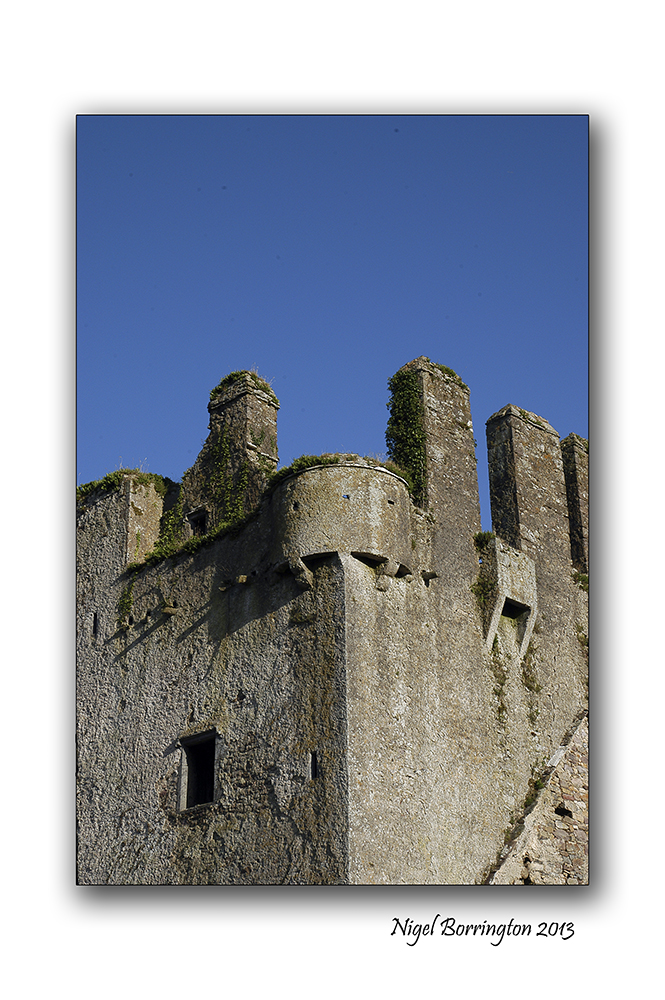
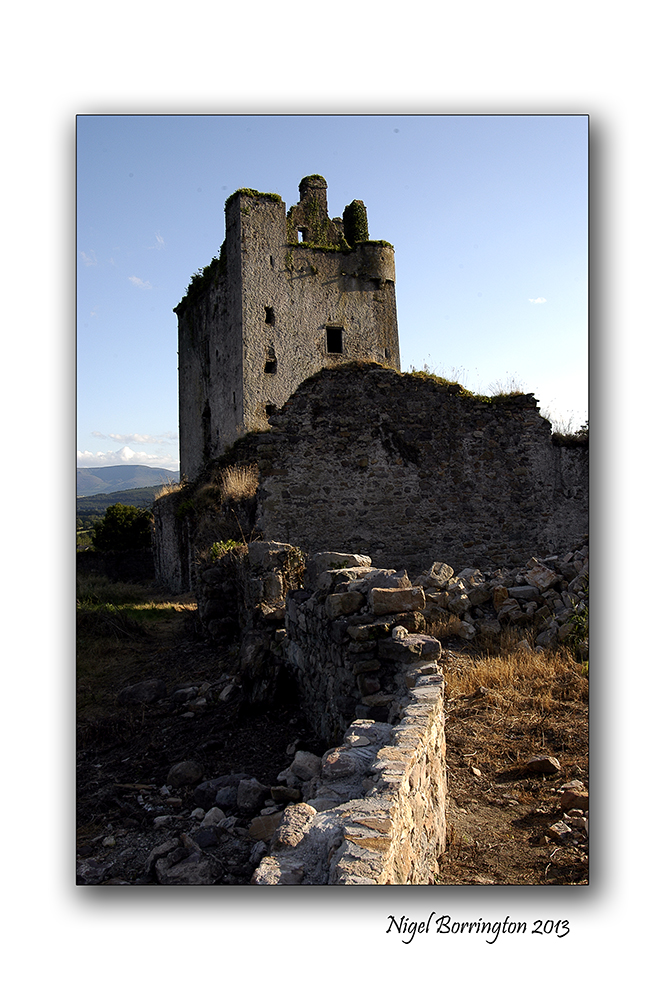
Kilcash Castle is a ruined castle off the N24 road just west of Ballydine in South Tipperary, Ireland. The castle consists of a fortified sixteenth-century tower and an adjoining hall added at a later date.
I have visited this Castle many times over the years, however in more resent months it has been under renovations by the OPW (Office of public works). All the images in this post were taken before this work started.
I noticed last week however that the work is about to complete and I hope to revisit in order to take some new images, when the castle reopens to the public.
Kilcash castle : History
Kilcash may have been a monastic foundation of the mid sixth century. The Butler dynasty has important links to the area. The third son of James Butler, 9th Earl of Ormond was John Butler of Kilcash who occupied lands in Kilcash. His heirs went on to provide four immediate heirs to the earldom of Ormond when the senior line failed through lack of legitimate male issue.
Near the castle are the remains of a medieval church with a Romanesque doorway. This building was partially repaired in the 1980s and is now safe to visit. In the graveyard, the mausoleum (a building nearly as large as the church) contains the tombs of Archbishop Christopher Butler (1673–1757), Margaret, Viscountess Iveagh (see below), Walter Butler, the 16th Earl of Ormond (d. 1773) and John Butler, the 17th Earl (d. 1795). Some of the eighteenth-century headstones are carved with elaborate scenes of the crucifixion.
The main castle building is a fortified tower dating from the sixteenth-century. An adjoining hall was added at a later date, when the need for defence gave way to the large windows associated with settled times. In the sixteenth century the manor of Kilcash passed from the Wall family into the possession of the Butlers of Ormond until the latter sold it to the Irish State in 1997 for £500.
The castle was visited by James Tuchet, 3rd Earl of Castlehaven, a noted Confederate Catholic commander in the 1641-52 war, who wrote his memoirs at Kilcash where his sister, Lady Frances, was married to another Confederate commander, Richard Butler of Kilcash (d. 1701).
By the 19th century, the castle had fallen into ruin after parts of the Kilcash estate were sold c. 1800. During the Irish Civil War, the castle was occupied by anti-treaty forces in an attempt to slow the approach of pro-treaty forces towards Clonmel. They were finally dislodged by artillery fire under the command of General Prout, further damaging the already dilapidated structure.
By the late twentieth century the castle was in a dangerous state of repair. It is currently undergoing extensive repairs which will prevent it from collapsing.
Kilcash Castle : Gallery




The Elements : Air

Pagan Elements : Air
Landscape Photography : Nigel Borrington
The pagan elements :
Air
The element of Air is vital to human survival, without it we would all perish, its aspects are Thinness, Motion and Darkness and its quality is Active. Air is the manifestation of movement, freshness, communication and of the intelligence. Sound is another manifestation of this element. As an element, it is invisible, but its reality can be felt in the air that we breathe in every day.
To connect with the power of this element, find a place with clean air and breathe deeply, touch a feather or inhale the fragrance of a heavily scented flower. Let yourself experience the energy of this element, and reflect that we also possess Air energy within ourselves.
In magical terms, Air is the power of the mind, the force of intellect, inspiration, imagination. It is ideas, knowledge, dreams and wishes. Air is the element of new life and new possibilities and is essential to spells and rituals of travel, instruction, finding lost items, some types of divination, and freedom. Air aids us in visualization, a vital technique in magic.
Air is a masculine element and governs the magick of the four winds. It is the vital spirit passing through all things, giving life to all things, moving and filling all things. Thus Hebrew doctors ascribe it not as an element but as a medium or glue that binds all things together.
Air
The first element of the alchemical tradition.
Air is the essence of intuition and learning, the element of the nature of the mind.
Astrological Signs: Gemini, Libra, and Aquarius.
Represented by: Feathers, Birds, incense, fans, flags, flowing garments and sheer material.
Season: Winter
Color: White
Chakra: Crown
Celtic air god and goddess:
Arianrhod
“The Silver Wheel”, “High Fruitful Mother”. Celtic Goddess, the sister of Gwydion and wife of Donn. Deity of element of Air, reincarnation, full moons, time, karma, retribution. The palace of this sky Goddess was Caer Arianrhold (Aurora Borealis). Keeper of the Silver Wheel of Stars, a symbol of time and karma. Her ship, Oar Wheel, carried dead warriors to Emania (Moon-land).
Arianrhod (Welsh pronunciation: [arˈjanr̥ɔd]) is a figure in Welsh mythology who plays her most important role in the Fourth Branch of the Mabinogi. She is the daughter of Dôn and the sister of Gwydion and Gilfaethwy; the Welsh Triads give her father as Beli Mawr.[1] In the Mabinogi her uncle Math ap Mathonwy is the King of Gwynedd, and during the course of the story she gives birth to two sons, Dylan Ail Don and Lleu Llaw Gyffes, through magical means.
Ref:
GODDESSES: Aradia, Cardea, Nuit, Urania.
GODS: Enlil, Kheohera, Mercurym, Shu, Thoth.
Harvest time, an Image then a Poem by : Darryl Davis
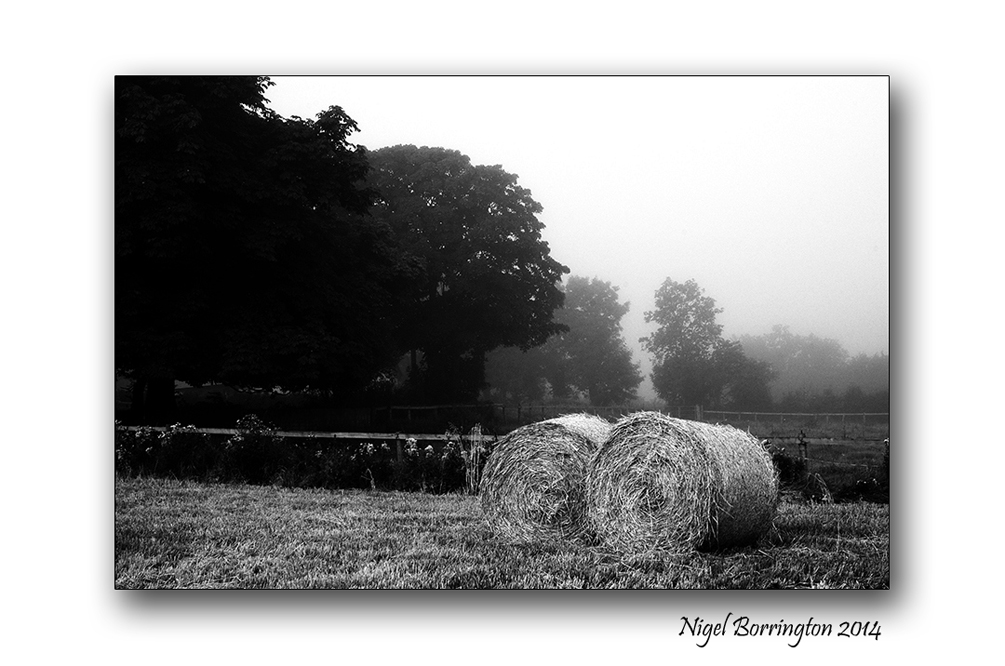
Harvest time. October 2014
Irish Landscape Photography : Nigel Borrington
Harvest Time (Bois-De-Villers)
October is the month of knots.
Loose ends find each other,
Life is defined once more.
At least, this was how I saw it,
As a visitor, an urban tourist,
There to play peasant at the
Granite knob on the green knoll,
Which was always well worked into
A sticky brown smear by the time
The first tree had blushed.
For the leathery people who lived there,
It was but another day with no name beyond
That which had been scratched
On the calendar at the beginning of the year.
A single stroke which dotted one line
And indented another in calculated haste.
Indeed, it was just something else to be done.
Just another list to be compiled
Through calluses and brown sweat.
In the fields we pulled our backs bent.
Each individual plant represented six months of sun and rain,
Weeks of drying after picking and
One hard-earned day of food more.
As we lumbered about, marveling
At our clothes covered in clay
And the soreness of our hands,
They were careful to pick up everything
Which had fallen from our floundering wheelbarrow
And studiously counted each load before
Sliding everything down the chipped hole
To the root cellar for stacking and drying.
At the day’s yawn, they scurried around us still,
Too busy warming creaking chairs,
Too tired to much care.
Cramped from thumb to elbow,
Our fingers were crinkled walnut branches,
Knotted and done like the damp bundles
We wouldn’t need to bear a thought of
For another year to come.
Brownshill Dolmen, county Carlow : Image Gallery

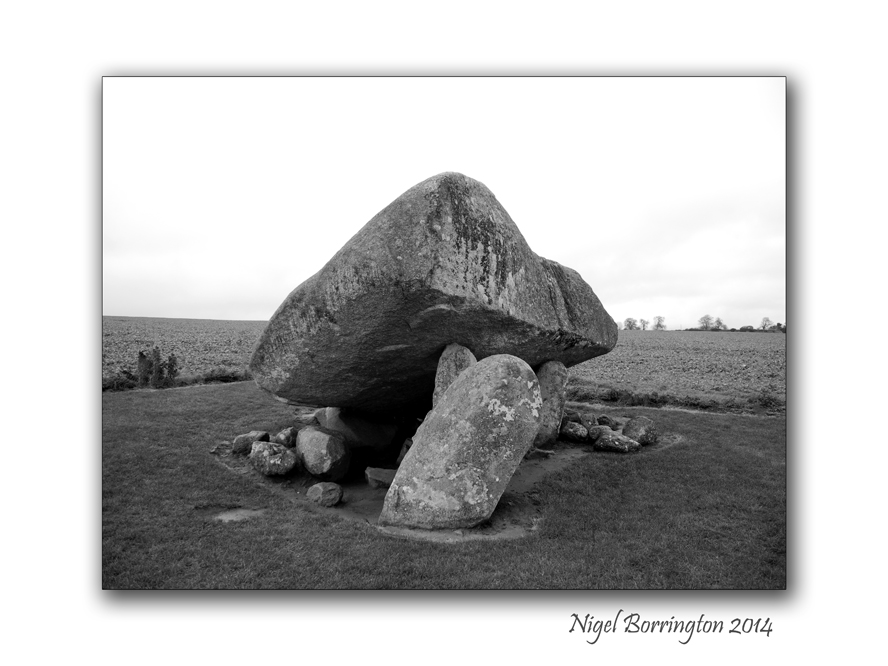
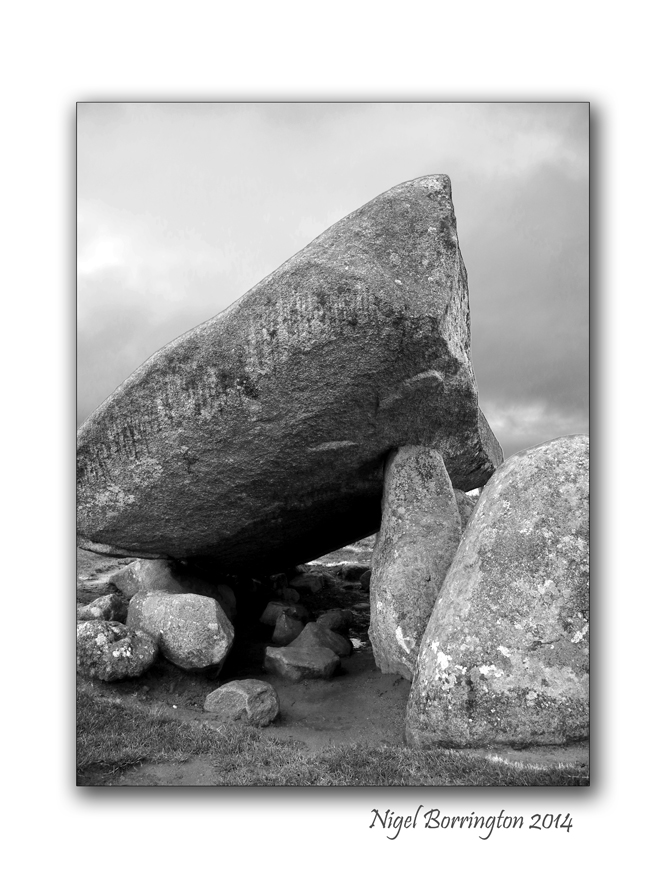
Brownshill Dolmen, county Carlow, Ireland.
Irish photography : Nigel Borrington
Brownshill Dolmen
Arriving at this great location of the Brownshill Dolmen, county Carlow on a typical overcast early autumn day in Ireland. I located the site of the largest Dolmen in this part of Europe very easily as there are plenty of road signs to help you.
There is a small walk through a field an up-to a preserved area containing the Dolmen itself, the information board is of great help and places this construction into it context.
It is the cap stone that is the most impressive part of this Dolmen.
Discover Ireland describes this monument as follows :
The Brownshill Dolmen is an unmistakable monument to the east of Carlow town dating back to pre-historic times.
Its date of construction has been estimated at between 4,900 and 5,500 years ago and it is thought that religious rites were performed here. Some authorities also suggest that it may have served as a form of border marker.
Whatever it’s original purpose, it represents a tangible link between the present and the past. The magnificent granite capstone, weighing about 103 tonnes, has excited the interest of many antiquarians and tourists for centuries.
Brownshill Dolmen, county Carlow : Gallery



Irish Photography : Galesquarter Church and Castle, Co. Laois – Gallery

Galesquarter Church, Co. Laois
Irish Landscape Photography : Nigel Borrington
The Old Castle and church at Galesquarter, Co. Laois was home to the Lords of Upper Ossary the Gaelic Fitzpatrick family (Irish: Mac Gìolla Phádraig) .
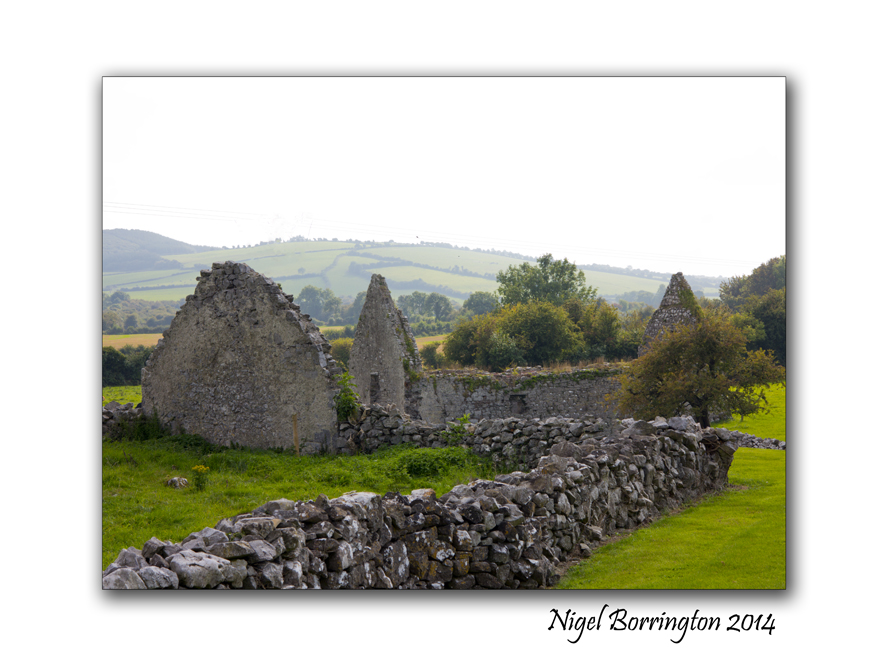
The two buildings has stood empty since the 1700’s and today are very much in ruins yet go to make a wonderful site in the Local Landscape.
The Gallery below was taken last weekend on a walk through Galesquarter ending in the Bunlacken hills above.
Galesquarter Church and Castle, Co. Laois : Gallery



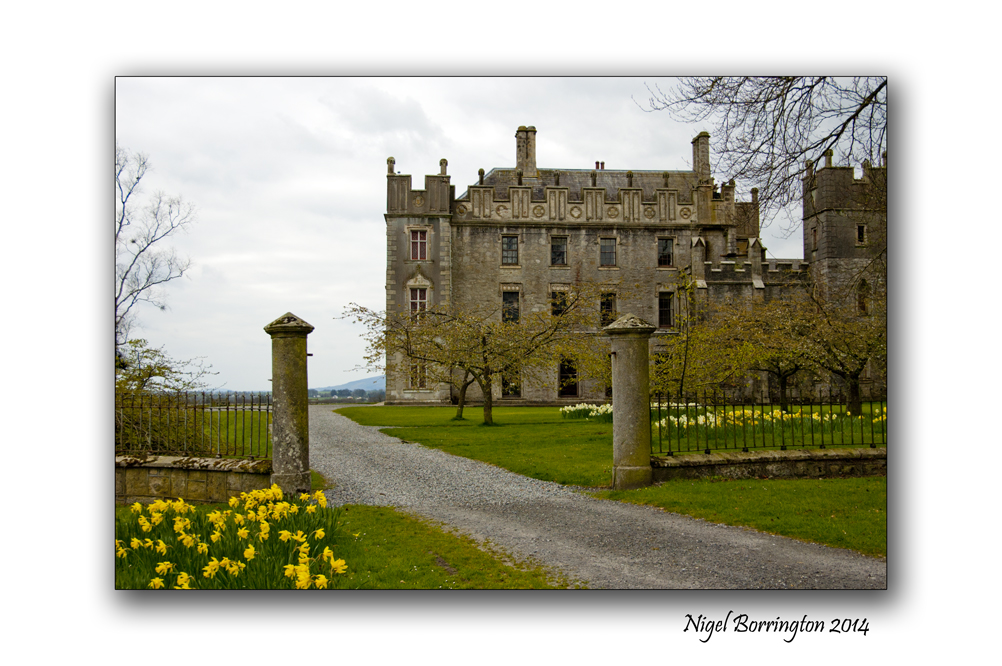
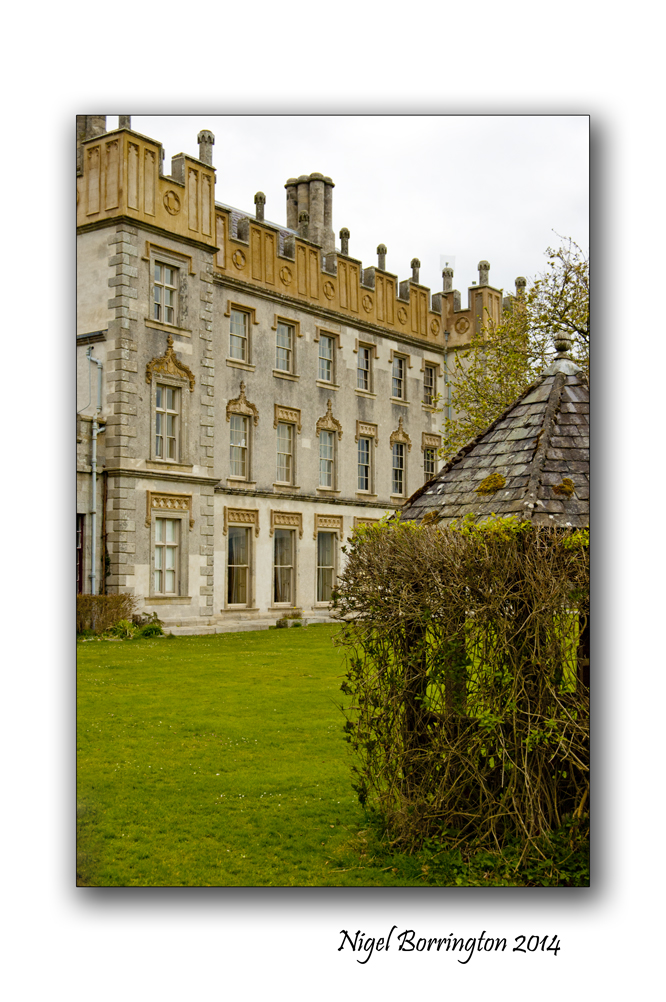
Borris House , County Carlow

Borris House, county Carlow
Landscape Photography : Nigel Borrington
Borris house In county Carlow, is one of Ireland most historic homes as are the Mcmorrough Kavanaghs family who currently still own this wonderful country Estate.
I have visited here many times and was lucky enough to be given a full tour of the grounds and the inside of the house by the owner, while preparing to shoot my first wedding day in the grounds back in 2009.
The images in this post where taken on a somewhat overcast morning in the spring time, I think the softlight added to the atmosphere in and around the grounds.
Borris House History
The ancestral home of the Mcmorrough Kavanaghs, High Kings of Leinster, Borris is one of the few Irish estates that can trace its history back to the royal families of ancient Ireland. Set in over six hundred and fifty acres of walled private park and woodlands, Borris House retains its place as the centrepiece of the locality.
Originally an important castle guarding the River Barrow, Borris House was rebuilt in 1731 and late altered by the architectural dynastic family, The Morrisons, chiefly Richard and William. Externally, they clothed the 18th c house in a thin Tudor Gothic disguise, adding a crenellated arcaded porch on the entrance and decorating the windows with rectangular and ogival hood-moulds.
The MacMorrough Kavanaghs
No family in Ireland can point to a more ancient pedigree than the Kavanaghs. They can trace it back to the dawn of Irish history. Tradition, indeed, carries it far beyond that limit – to the legendary Feniusa of Scythia, coeval with the Tower of Babel, whose descendants, having wandered into Egypt, found their way back again to Scthia, and thence to Spain, from which country Heber and Heremon, the 2 sons of Gallamhy or Milesius, crossed over to Ireland, reduced it to subjection and divided it between them. From them sprang lines of Kings ruling over the 5 monarchies into which the island was split up.
Borris House Gallery


The Voyages of Bran, A nine year voyage .
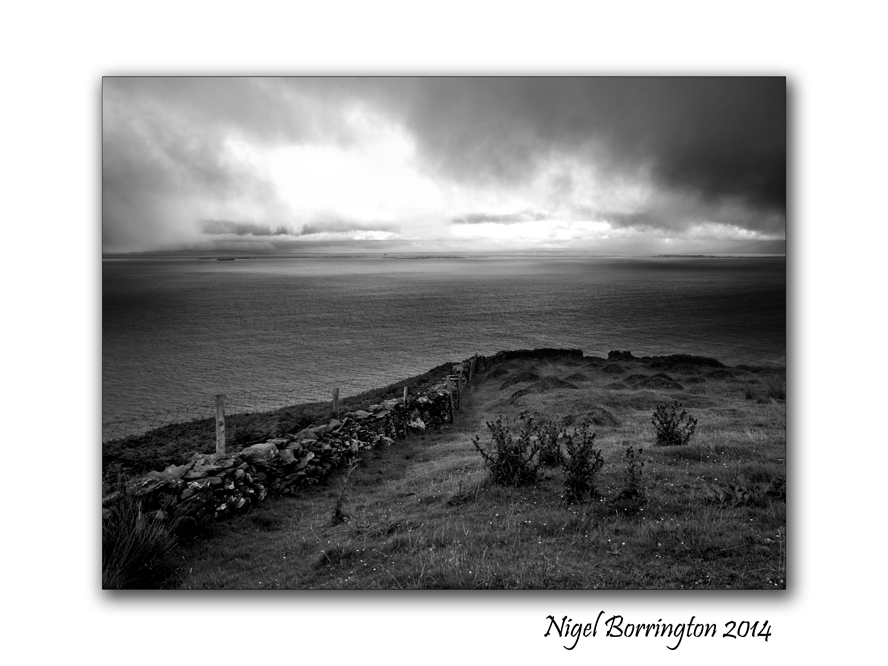
Brandon Bay, County Kerry
Irish Landscape Photography : Nigel Borrington
The Voyage of Brendan
The Voyage of Bran (Immram Brain) is a tale of a man’s journey across the sea to avenge his father’s murder. The content derives from Irish Mythology, but was written in the 8th Century.
Although there are many earlier references to the tale, one of the earliest preserved written versions of the legend is the 12th century Des Reis van Sint Brandaen (Dutch). Scholars believe it derived from a now lost middle High German text and combines Christian and fairy tale elements. It describes how a monk from Galway voyages for nine years, encountering the wonders and horrors of the world, such as Judas frozen on one side and burning on the other, people with swine heads, dog legs and wolf teeth carrying bows and arrows, and an enormous fish that encircles the ship by holding its tail in its mouth. The English poem Life of Saint Brandan is a later English derivative of the Dutch version.
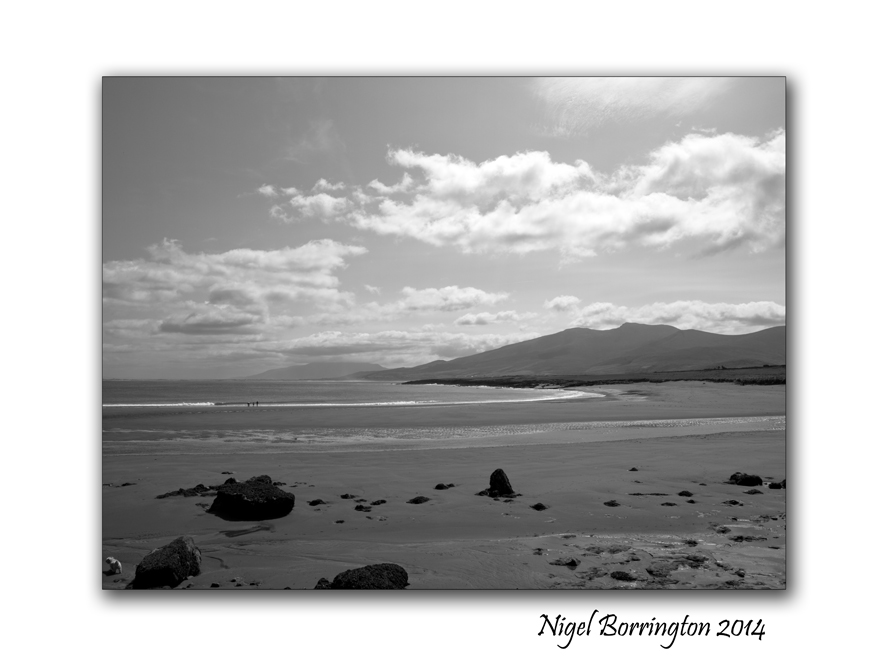
As a genre, The Voyage of St. Brendan fits in with a then-popular form of literature, peculiar to Ireland, called an immram, which describes a hero’s series of adventures in a boat. For example, there appear to be similarities with The Voyage of Bran, written much earlier. The most commonly illustrated episode is his landing on an island that turns out to be a giant sea monster called Jasconius or Jascon. This too, has its parallels in other stories, not only in Irish mythology (Saint Brendan’s contemporary Saint Columba also met one) but in other traditions, from Sinbad the Sailor to Pinocchio. This style of storytelling meshed with a religious ascetic tradition whereby Irish monks would travel alone in boats, the same way their desert brothers used to isolate themselves in caves.
While it is generally assumed that the story is a religious allegory, there has been considerable ink spilled over the question of whether some parts of the story could have really happened. Christopher Columbus relied on the St. Brendan legends as part of his argument that it was indeed possible to travel to Asia by crossing the Atlantic. There is a St. Brendan Society that celebrates the belief that Brendan was the first European to “discover” America.
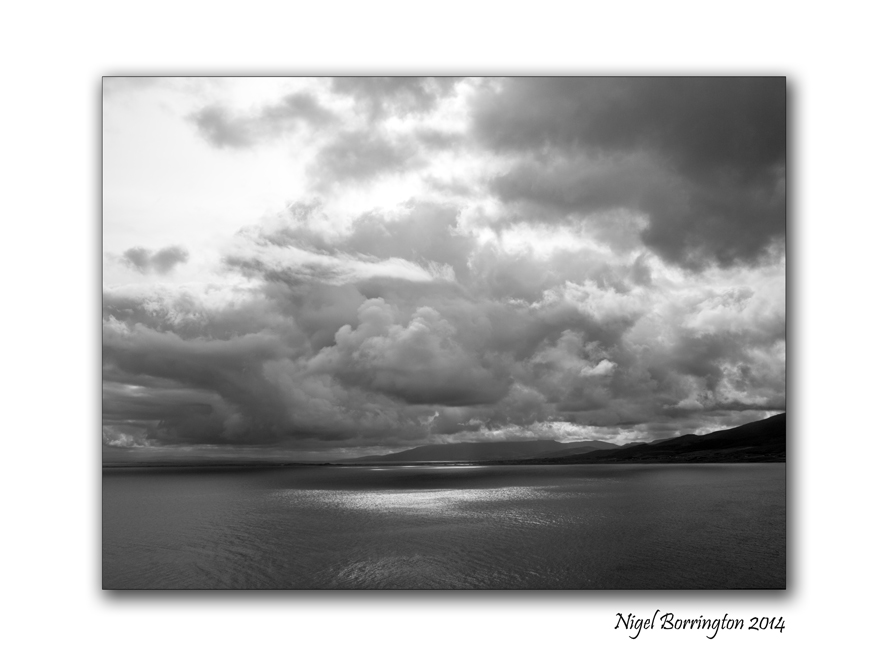
The Voyage of Bran
The Voyage of Bran (Immram Brain) is a tale of a man’s journey across the sea to avenge his father’s murder. The content derives from Irish Mythology, but was written in the C8th. Some Old Irish storyteller’s lists categorize the tale as an Echtra, or “Adventure”, but it contains the essential elements of an Immram, or “Voyage”. It may have influenced the story of Saint Brendan’s voyage later on.
In 1976, explorer Tim Severin built an ox leather curragh and over two summers sailed her from Ireland via the Hebrides, Faroe Islands and Iceland to Newfoundland to demonstrate that the saint’s purported voyage was feasible. On his voyage, he encountered various sights such as icebergs and sea animals such as whales and porpoises, which he suggests are factual counterparts to the fantastic sights from the legends of Brendan. See The Brendan Voyage, ISBN 0-349-10707-6.
The Bog of Allen (Móin Alúine in Irish) , Gallery

The Bog of Allen (Móin Alúine), County Laois
Irish Landscape Photography : Nigel Borrington
The Bog of Allen
The Bog of Allen is one of my favourite places to visit in Ireland for Walking and Landscape Photography. It covers some 958 square kilometers (370 square miles) stretching into County Offaly, County Meath, County Kildare, County Laois, and County Westmeath.
Although it main function is for Peat production, which is mechanically harvested on a large scale by Bórd na Móna, the government-owned peat production industry.
The bog of Allen is one of the most tranquil areas in the country and of great inter national importance.
This link shows how a raised bog is formed : raised bog formation
The Images below were taken on a recent visit and I feel that they show just how amazing this location is, from the large open sky’s and landscape to the amazing colours produced by Sphagnum moss and its flowers.
Gallery

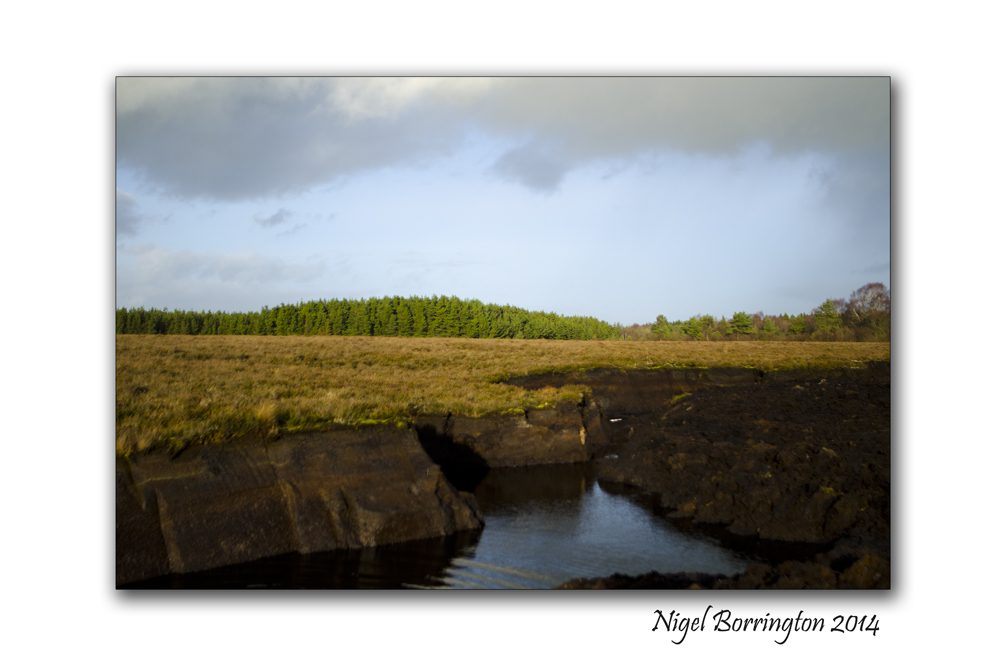


Tell it to the lighthouse boy, Poem by Maddie

Valentia Island Lighthouse, County Kerry
Landscape photography : Nigel Borrington
Tell it to the lighthouse boy
By : Maddie
Tell it to the lighthouse boy
the sleepy-eyed resounding boy,
tell it to the lighthouse boy,
who wakes his days away.
Sing it to the lighthouse boy
the bright-mouthed smiling smart-ass boy,
sing it to the lighthouse boy,
solemn, sweet, and still.
Cry it to the lighthouse boy,
the hold you close and call-out boy,
cry it to the lighthouse boy,
who thinks his thoughts alone.

Fling it to the lighthouse boy,
the bending low and catch it boy,
fling it to the lighthouse boy,
to carry on his own.
and oh,
did you ever see eyes so sad?
blue-green as the foaming sea they watch,
stiller than still and deeper than you can imagine,
gazing to your depths and
speaking nothing of them.
so tell it to the lighthouse boy,
the sleepy-eyed resounding boy.
Tell it to the lighthouse boy,
who casts it out to sea.
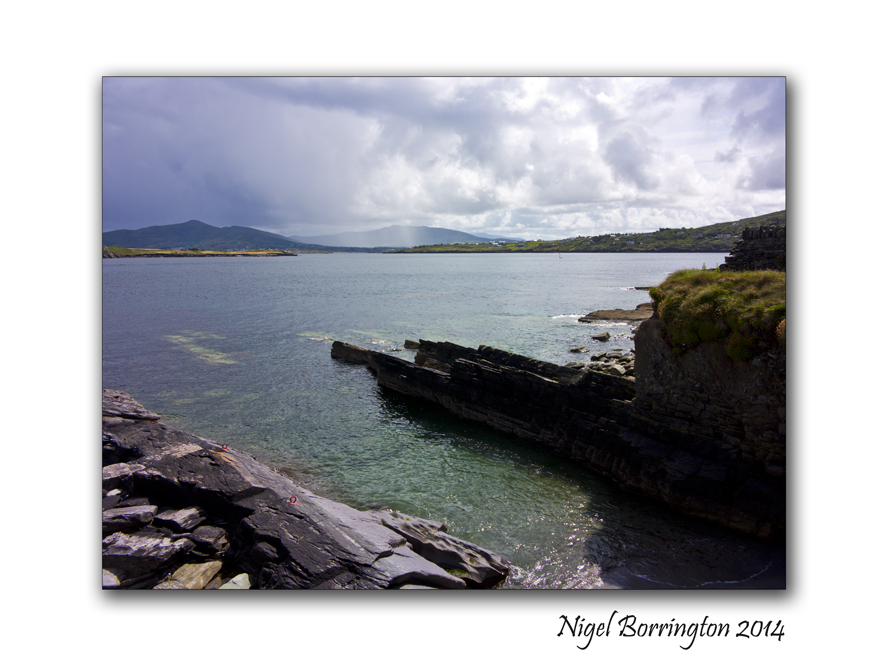
A 1920’s life in pictures, from Ireland to America

A 1920’s life in pictures, from Ireland to America
Copyright : Nigel Borrington
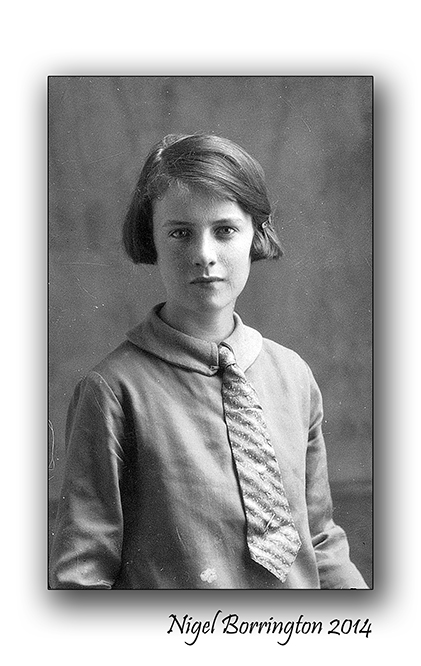
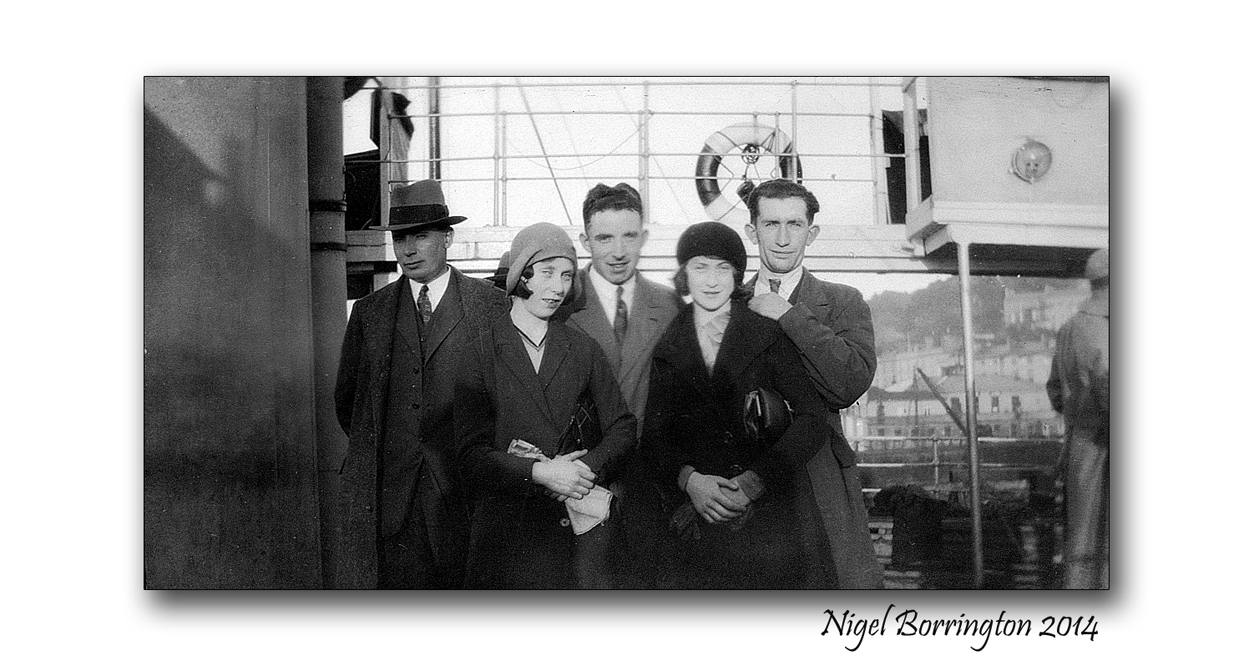
A couple of months ago an older family member asked If I would scan some old portrait images for a family tree that she was putting together. Over the next weeks I scanned many images and then took them back to her in order to get all the names and details that she could help with.
This was great fun and a truly interesting process. One set of images could not be identified however, yet they are among the most interesting.
I am Posting them here as I feel they show the life of a women (her family and her friends) from a small town in County Tipperary, Ireland, as she grow up going to school in a Farming community, eventually becoming independent enough to travel by boat from Cobh, in county cork and start a new life for herself in America.
If by any chance anyone knows who she or anyone in these pictures is, feel free to let me know as it would be great to put a name to these faces.
A life in pictures, Gallary





Altamont Gardens, County Carlow – Hidden places gallery.

Altamont Gardens, County Carlow
Landscape Photography : Nigel Borrington
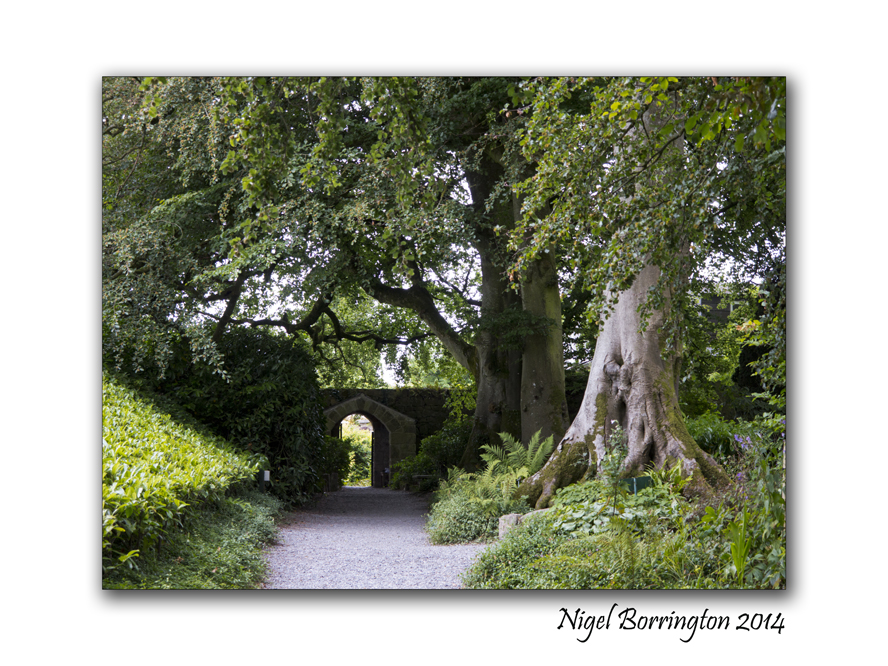
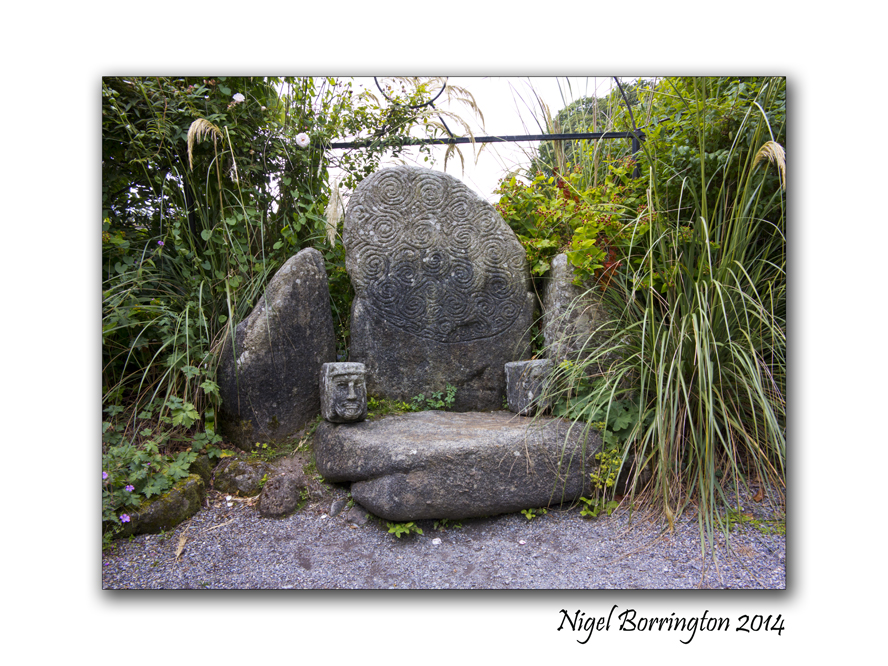
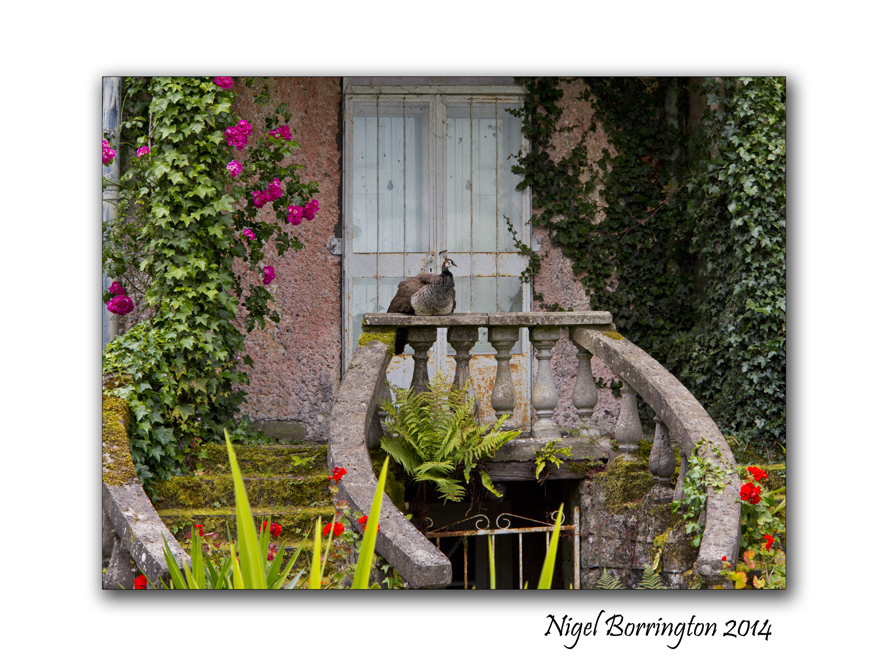
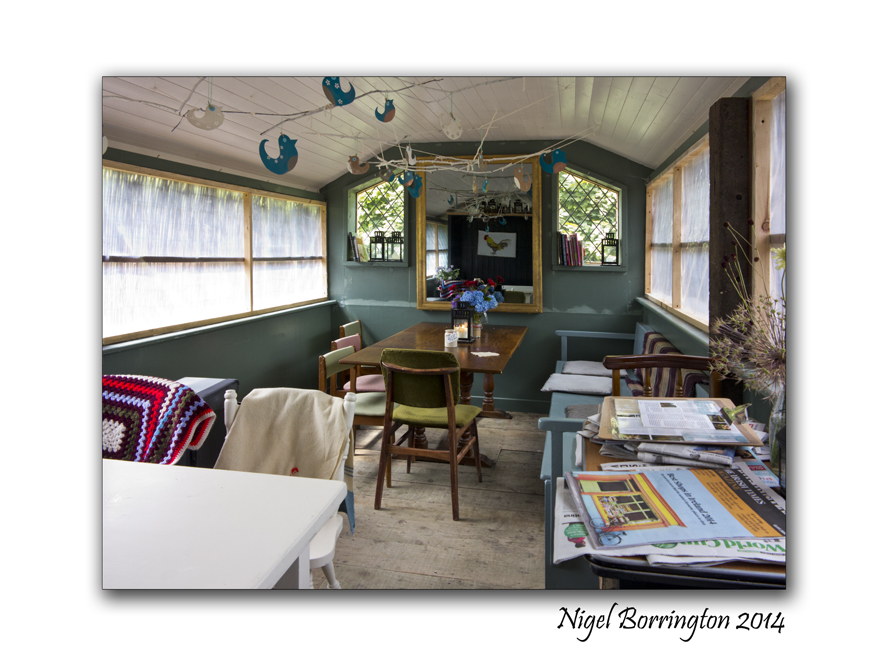
I have just spend the morning at Altamont Gardens, County Carlow, getting some images of the Gardens, flowers and the old house in the grounds.
Altamont is one of Ireland best kept old estates, known for the most romantic garden in Ireland, with some 100 acre’s in total.
Whilst still little known, it ranks in the top ten of Irish gardens and is often referred to as ‘the jewel in Ireland’s gardening crown’
Here I post some images of just some of the hidden locations that can be found while walking around the grounds.
Altamont Gardens, County Carlow – Hidden places gallery.



Number 33 – Mother and foal competition, Iverk show, County Kilkenny

Number 33 – Mother and foal competition, Iverk show, County Kilkenny.
Photography : Nigel Borrington
Number 33 – Entering the mother and foal competition, Iverk show, County Kilkenny
I took these two portraits during the great, Mother and foal competition at the Iverk show, county Kilkenny.

 Nigel Borrington
You must be logged in to post a comment.