Floating Heads Installation by Sophie Cave, Kelvingrove Art Gallery, Glasgow, Scotland.
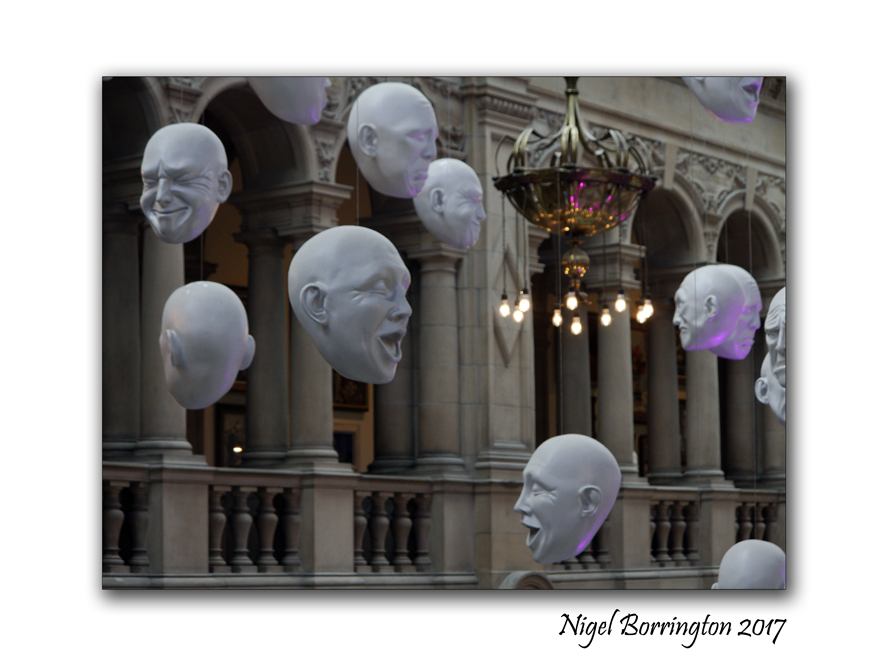
Floating Heads Installation by Sophie Cave

The Kelvingrove Art Gallery and Museum, Glasgow, Scotland.
At the start of April this year I promised myself that I would go and visit some Art Gallery’s and cultural museums one of these vists was to The Kelvingrove Art Gallery and Museum. The museum and art gallery in located in Glasgow, Scotland. It reopened in 2006 after a three-year refurbishment and since then has been one of Scotland’s most popular visitor attractions.
The gallery is located on Argyle Street, in the West End of the city, on the banks of the River Kelvin (opposite the architecturally similar Kelvin Hall, which was built in matching style in the 1920s, after the previous hall had been destroyed by fire). It is adjacent to Kelvingrove Park and is situated near the main campus of the University of Glasgow on Gilmorehill.
…
Floating Heads Installation by Sophie Cave
Just one of the many installations the Gallery has to offer is by Artist Sophie Cave …


If you Ever had that feeling that a hundred set of eyes are watching you then Sophie Cave sculptures turn the feeling into a reality!
The Floating Heads installation located in one of the open public areas in the Gallery, literally turn your head around the moment you first see this work. Sophie Cave has created over 50 sculptures of heads, each displaying different emotions including laughter and despair. The heads are completely white, but are lit so that their expressions are accentuated, which gives the installation a somewhat eerie feel. Since the installation is hung over the foyer, it is one of the first things youwill see when they enter the museum.
Its a great installation as it truly makes you stop and look at each of the heads as they slowly move around to face your direction, I relay enjoyed this work 🙂 🙂

Kelvingrove, Art Gallery, Glasgow
The path to Top Withens,Earnshaw family house Wuthering Heights : Wuthering Heights, a Poem by Sylvia Plaths
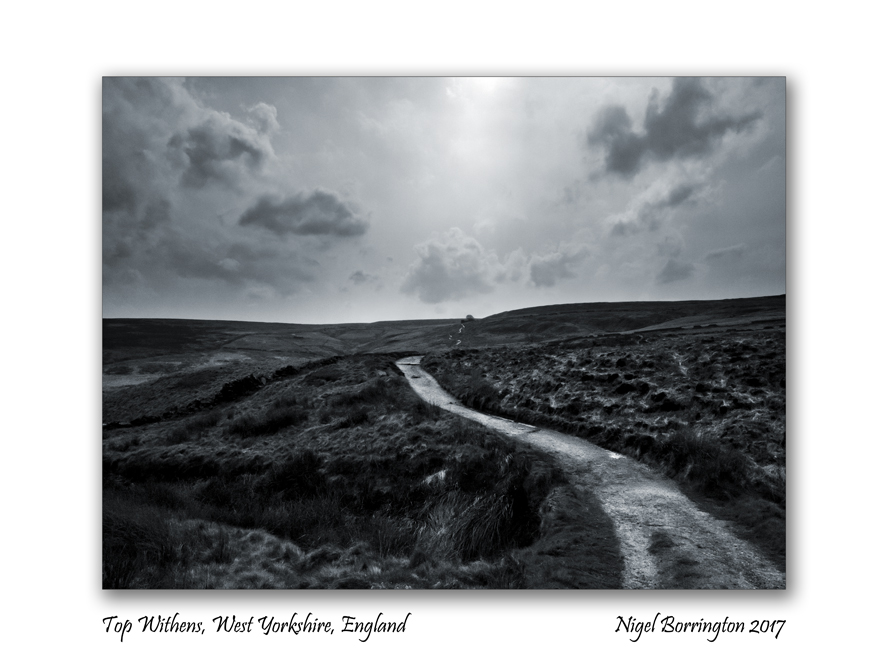
The path to Top Withens,Earnshaw family house Wuthering Heights, Emily Brontë.
Nigel Borrington
Last week we spent sometime in West Yorkshire, at Haworth the home town of the Brontë sisters, visiting the Parsonage Museum and walking upto Top Withens, the Earnshaw’s home in Emily Brontë’s novel – Wuthering heights.
The old farm house is located in some stunning landscape, the best west Yorkshire has to offer.
This is how Mr. Lockwood in the book describes his first impressions of Wuthering Heights …

Top Withens,Earnshaw family house Wuthering Heights, Emily Brontë.
Nigel Borrington
” Wuthering Heights is the name of Mr. Heathcliff’s
dwelling. ‘Wuthering’ being a significant provincial
adjective, descriptive of the atmospheric tumult to which
its station is exposed in stormy weather.
Pure, bracing ventilation they must have up there at all times, indeed:
one may guess the power of the north wind blowing over the edge, by the excessive slant of a few stunted firs at the end of the house; and by a range of gaunt thorns all stretching their limbs one way, as if craving alms of the sun.
Happily, the architect had foresight to build it strong:
the narrow windows are deeply set in the wall, and the
corners defended with large jutting stones. ”
Top Withens (also known as Top Withins)
Is a ruined farmhouse near Haworth, West Yorkshire, England which is said to have been the inspiration for the location of the Earnshaw family house Wuthering Heights in the novel of the same name by Emily Brontë.
A plaque affixed to a wall reads:
“ This farmhouse has been associated with “Wuthering Heights”, the Earnshaw home in Emily Brontë’s novel. The buildings, even when complete, bore no resemblance to the house she described, but the situation may have been in her mind when she wrote of the moorland setting of the Heights. ”
Wuthering Heights a Poem By: Sylvia Plath

Top Withens, West Yorkshire, England
English Landscapes
Nigel Borrington
The horizons ring me like faggots,
Tilted and disparate, and always unstable.
Touched by a match, they might warm me,
And their fine lines singe
The air to orange
Before the distances they pin evaporate,
Weighting the pale sky with a soldier color.
But they only dissolve and dissolve
Like a series of promises, as I step forward.
There is no life higher than the grasstops
Or the hearts of sheep, and the wind
Pours by like destiny, bending
Everything in one direction.
I can feel it trying
To funnel my heat away.
If I pay the roots of the heather
Too close attention, they will invite me
To whiten my bones among them.
The sheep know where they are,
Browsing in their dirty wool-clouds,
Grey as the weather.
The black slots of their pupils take me in.
It is like being mailed into space,
A thin, silly message.
They stand about in grandmotherly disguise,
All wig curls and yellow teeth
And hard, marbly baas.
I come to wheel ruts, and water
Limpid as the solitudes
That flee through my fingers.
Hollow doorsteps go from grass to grass;
Lintel and sill have unhinged themselves.
Of people the air only
Remembers a few odd syllables.
It rehearses them moaningly:
Black stone, black stone.
The sky leans on me, me, the one upright
Among the horizontals.
The grass is beating its head distractedly.
It is too delicate
For a life in such company;
Darkness terrifies it.
Now, in valleys narrow
And black as purses, the house lights
Gleam like small change.
5 Images for May, Thursday

Cuckooflowers
This is a hairless perennial which tends to favour wet habitats such as marshes and damp meadows. It is also known as ‘Lady’s Smock’ as the flower was said to resemble a milkmaid’s smock. Its 12-20mm flowers have four broad, overlapping, lilac-pink, pink or white petals and appear in April, lasting until June. It has broad root leaves in a loose rosette while its stem leaves are narrow with numerous leaflets. Its seeds are contained in elongated, smooth, ascending siliquas. It is a larval foodplant of the Orange-tip butterfly. It is a native plant and belongs to the large family Brassicaceae.
5 Images for May, Tuesday

Copper Coast mine
County Waterford
Nigel Borrington
Copper Coast, Geopark : Visitors Information
W.B. Yeats, The Land of Heart’s Desire

W.B. Yeats, The Land of Heart’s Desire
Irish Landscapes
Nigel Borrington
“God spreads the heavens above us like great wings
And gives a little round of deeds and days,
And then come the wrecked angels and set snares,
And bait them with light hopes and heavy dreams,
Until the heart is puffed with pride and goes
Half shuddering and half joyous from God’s peace;
And it was some wrecked angel, blind with tears,
Who flattered Edane’s heart with merry words.
Come, faeries, take me out of this dull house!
Let me have all the freedom I have lost;
Work when I will and idle when I will!
Faeries, come take me out of this dull world,
For I would ride with you upon the wind,
Run on the top of the dishevelled tide,
And dance upon the mountains like a flame.

I would take the world
And break it into pieces in my hands
To see you smile watching it crumble away.
Once a fly dancing in a beam of the sun,
Or the light wind blowing out of the dawn,
Could fill your heart with dreams none other knew,
But now the indissoluble sacrament
Has mixed your heart that was most proud and cold
With my warm heart for ever; the sun and moon
Must fade and heaven be rolled up like a scroll
But your white spirit still walk by my spirit.
When winter sleep is abroad my hair grows thin,
My feet unsteady. When the leaves awaken
My mother carries me in her golden arms;
I’ll soon put on my womanhood and marry
The spirits of wood and water, but who can tell
When I was born for the first time?
The wind blows out of the gates of the day,
The wind blows over the lonely of heart,
And the lonely of heart is withered away;
While the faeries dance in a place apart,
Shaking their milk-white feet in a ring,
Tossing their milk-white arms in the air;
For they hear the wind laugh and murmur and sing
Of a land where even the old are fair,
And even the wise are merry of tongue;
But I heard a reed of Coolaney say–
When the wind has laughed and murmured and sung,
The lonely of heart is withered away.”

― W.B. Yeats, The Land of Heart’s Desire
The Mountain, a poem by Deloris Louise Pacheco, USA

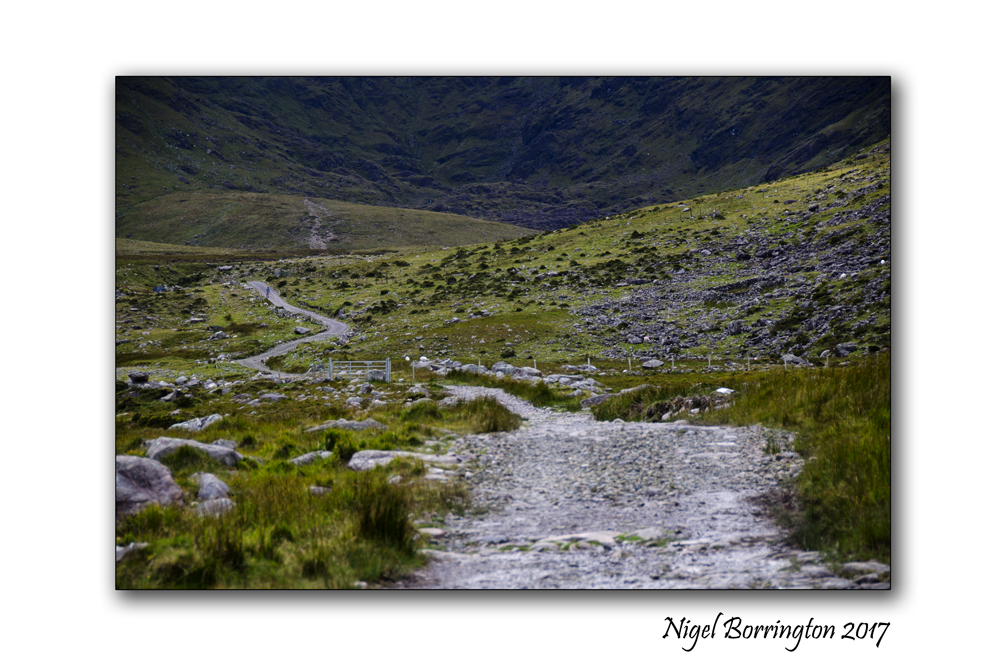
Carrauntoohil, County Kerry
Irish Landscapes
Nigel Borrington
It was just before dusk
When he started his climb
The path grew narrow
So the dog went ahead
It grew rocky and steep
But the old man kept up
Not knowing the dog
Had slowed his pace
The old man thought back
To his very first climb
That summer evening
Of his twelfth year
All alone on the mountain
A heaven full of stars
A rock for his pillow
He talked to the moon
He asked many questions
He called his ancestors by name
The heavens answered him
With many signs and sounds
That were later explained to him
By the tribal Medicine Man
A man who came to play
A very important part in his life
He became a warrior that year
He learned much from his family
The tribal customs and traditions
Were ingrained in his soul
He was a good listener
And was comfortable with words
He was accepted by the coucil
At a very young age

He had the strength of his father
The patience of his mother
The intelligence of his grandmother
And the wisdom of his grandfather
He learned how to guide
Not only himself but others
He had become all things
To all of those around him
He was a good chief
But his days were dwindling
His mind kept going back
Over all the things he had done
No regrets, no what ifs
Knowing he did his best
But things were changing
It was the dawn of a new era

The old man reached the ledge
Where he had stood many times
Since being that boy of twelve
And he was still awed
By the beauty of the heavens
The stars seemed so close
You could reach out and touch them
And that night, he did
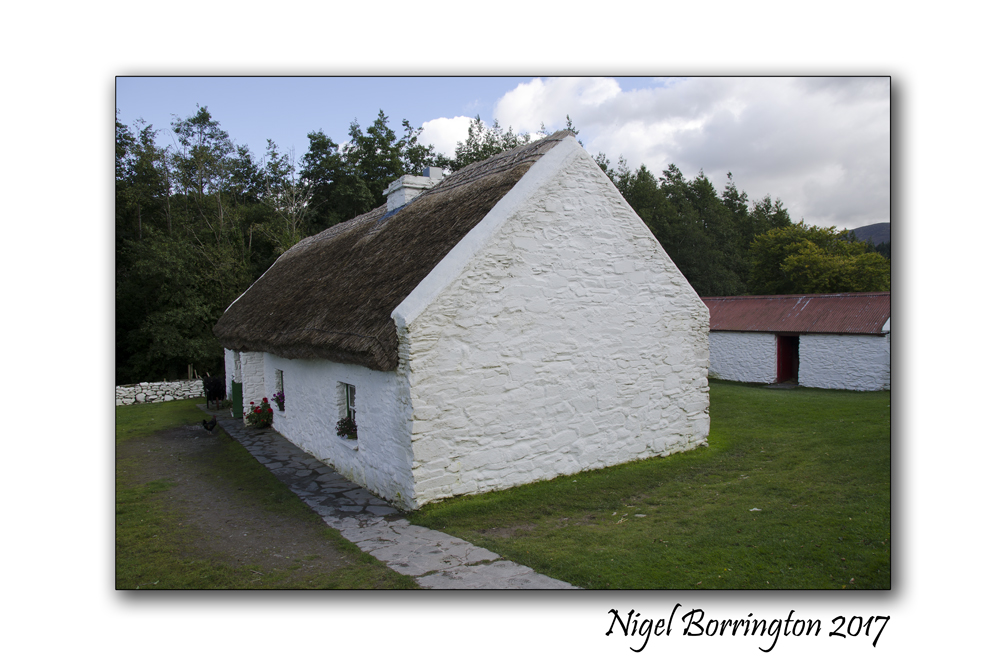
The Cottage By The Sea – A Poem by Esme Shaw

Come my love and live with me
In a sweet little cottage by the sea
Where roses grow around the door
And flowers bloom for evermore
Inside my cottage clean and neat
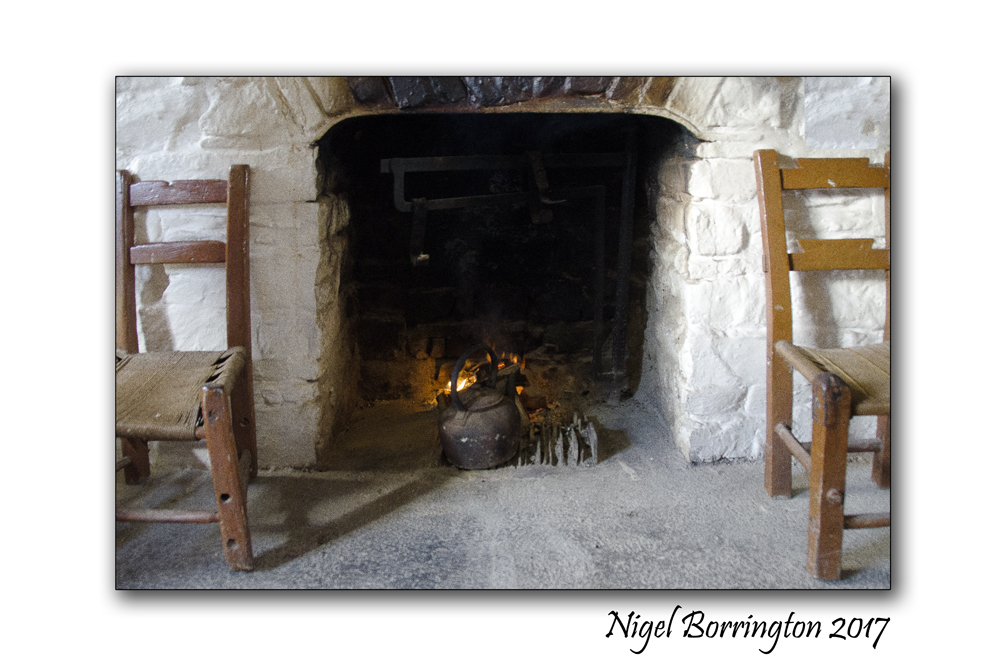
A big brick fireplace will give out heat
Outside the birds will sing all day
And on the beach the children play
So come my love to the cottage by the sea
And see how happy we will be.
Esme Shaw
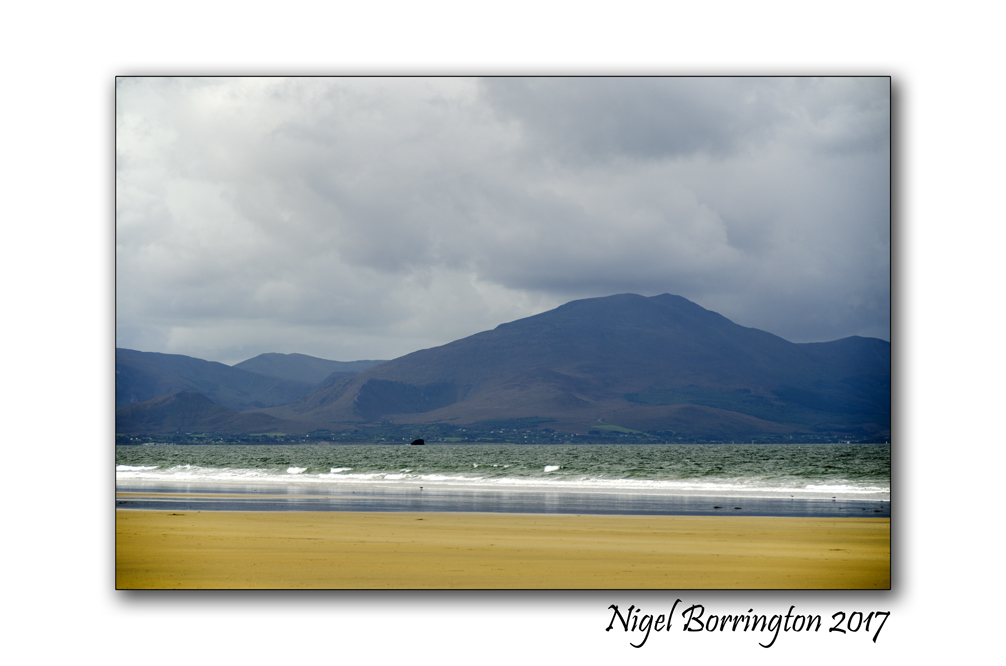
A Cottage by the Sea …




From the mountain to the sea, By Sophie Boswell

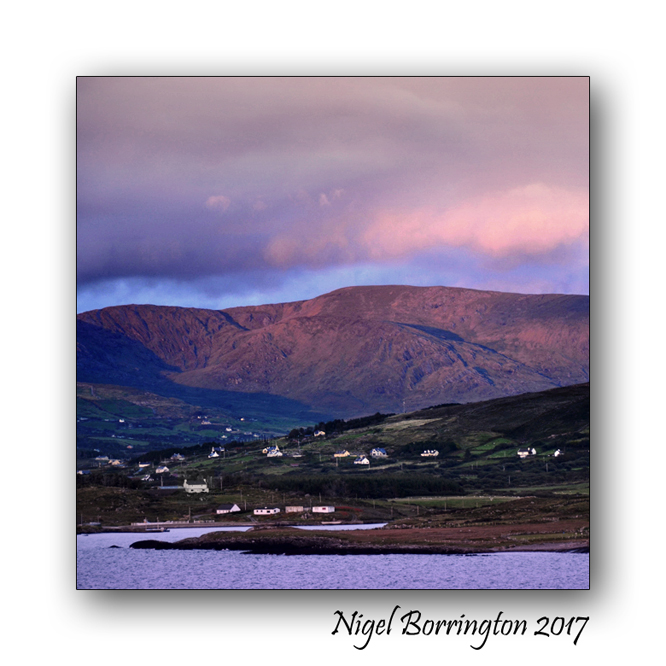
From The Mountain to the sea
Irish Landscapes
Nigel Borrington
Life is like a journey from the mountain to the sea
A struggle through many layers to finally feel free
Free to go out and see the wonders of the world
Where, in the process, one is often hurled
This way and that, through the good and the bad
Where emotions are flung lose to the point of driving you mad
Sometimes, when I’m down, and feel worn out
And everything around me seems to be in doubt
My vision is blurred; my judgment is haywire
And my demons rejoice in putting out my fire
I think about the journey from the mountain to the sea
By the light of the moon; a heavenly place to be
This place, in the mind, will always set me free
to be the happy wanderer I was meant to be
Gathering and searching in peaceful solitude
Where time and nature can alter my mood
And the Spirit of Life will breathe inside me
As I journey from the mountain to the sea.
Dear March – Come in – By Emily Dickinson(1830 – 1886)

Irish Landscape images
March 2017
Nigel Borrington
Dear March – Come in
Emily Dickinson, 1830 – 1886
Dear March – Come in –
How glad I am –
I hoped for you before –
Put down your Hat –
You must have walked –
How out of Breath you are –
Dear March, how are you, and the Rest –
Did you leave Nature well –
Oh March, Come right upstairs with me –
I have so much to tell –
I got your Letter, and the Birds –
The Maples never knew that you were coming –
I declare – how Red their Faces grew –
But March, forgive me –
And all those Hills you left for me to Hue –
There was no Purple suitable –
You took it all with you –

Who knocks? That April –
Lock the Door –
I will not be pursued –
He stayed away a Year to call
When I am occupied –
But trifles look so trivial
As soon as you have come
That blame is just as dear as Praise
And Praise as mere as Blame –

Looking at a Painting : Industrial City by Ls Lowry

Lowry, Laurence Stephen; Industrial City; British Council Collection; http://www.artuk.org/artworks/industrial-city-176858
I have posted a couple of times since the new year, relating to the Manchester Born artists Laurence Stephen Lowry (1887–1976) he was born in Old Trafford, Salford and studied in the evening at Manchester Municipal College of Art. He was a man who rarely left the North West, finding his inspiration in the landscape of North Wales and Lancashire, and in the streets of Manchester and around Salford.
Possible this painting “Industrial City” is one of my favorite cityscapes that Lowry produced, I say possibly because he was prolific in this area of his portfolio and I love so much of his inner city works.
I grow up in Altrincham, a town only a few miles away from city center Manchester and while I missed this core era that Lowry was working in, I have lots of memories of the city looking like it does in these paintings.
During my early years I can remember these streets and factories being slowly torn down and replaced with office blocks along with new more modern houses. Its hard to imagine these days what life was like for a lot of the people captures in Lowry’s drawings and painting, living and working within the same mile, most people hardly traveling very far outside their surroundings.
Industrial City
Lowry restricted his palette to black, vermillion, Prussian blue, yellow ochre and flake white. Whilst there is a naivety in his rendition, he deftly caught the hustle and bustle of men, women and dogs on the move against a background of terraced houses, mills and factories.
The things I love most about this painting , well firstly its angle of view, Lowry paints as if he was standing on top a hill overlooking the homes and industry below. I also like very much the distance in this painting, a distance that few of the people captured in it could experience themselves at street level. To me this distance captures the expanse of the city, each small area making up the whole, yet enclosing people within their own spaces of home and work and life.
City life itself is captured here, every element of the community (Home, work, shops, play, chat, church and industrial dirt – so much of it!).
In the distance through the city smog you can just make out the hills and moors, fresh air and spaces that so clearly is just out of reach.
I feel this painting is LS Lowry at his very best, some artists go in very close with life in order to capture and reflect on it , Lowry pulls back in his view and adds in so many elements that you have to spend time exploring his work, in order for you to see the full message and story he want you to see.
This was life in a Northern English town, lowry painted it and also lived it with the people he captured!!!!
Landscape drawing, Boolabrien lower, nier valley, county Waterford.

The view of
boolabrien lower
nier valley
ireland
nigel borrington
The Nire valley in county waterford offers some of the most amazing landscape views in the south east of Ireland, I used a Wacom MobileStudio Pro tablet to draw this sketch of one of my favorite positions, sitting on an old stone seat that looks across at the farm fields as they slowly make their way up into the hills above.
A New Wind farm, Ballybeigh, county Kilkenny

The Mountain of Slievenamon
County Tipperary
Ireland
Nigel Borrington
Wind Farms, Love them or hate them ?
They must be one of the most controversial additions to the modern landscape, many like them but more people dislike and protests against their construction.
Here in Ireland, over the last decade or so we have seen a massive growth in their development with our landscape increasingly covered with them !!

My personal feelings are more neutral than some, I feel it has to be remembered that Ireland has few natural energy resources and sourcing them from around the world is expensive.
There are also much more damaging methods of creating energy than these modern windmills.
The area of the hills above Kilmanagh, county kilkenny is currently having two news wind farms developed, these images below show one of them. The image at the top of this post shows the views of the area before the development started, clearly very stunning!, yet I still find the construction of these massive towers more interesting than not.
Wind farms, I guess – they are always going to be loved and hated at the same time !!!
New wind farm, county Kilkenny


2 hour painting, The town of Allihies west cork, Ireland

Allihies copper Mines and town
Irish landscape painting
Nigel Borrington
Allihies in west county cork is one of my favorite locations to visit in Ireland.
The town is located at the far end of the Béara Peninsula, west cork, the landscape scenery here is just stunning. The town itself is about as remote as it gets in this part of the world. There are many coastal walks along with paths that wind through the hills. The town is also well known for its copper mining history with many of the old mines still standing in the hills acting as a backdrop for the town.
There is a museum that you can visit details here : Allihies copper mine visitors center
My painting / sketch here was painted digitally using a combination of PC applications and taken from some sketches and photos I came home with on the return from my last visit.
Friday Art and Artists : LS Lowry

LS Lowry
Self portrait 1925
At the start of January while I was back in my home town of Manchester in The UK, I spent sometime with family members in visiting the Lowry Gallery in Salford, Manchester, UK.

The Lowry Gallery
Salford
Manchester, UK
Lowry is a much loved English artist, particularly in the North west of the UK, being born in Stretford, Manchester.
Here are some basic details about him,
Laurence Stephen Lowry was born 1 November 1887 in Barrett Street, Stretford. His father, Robert, worked as a clerk in an estate agent’s office. His mother, Elizabeth, was a talented pianist. By 1898 the family were living in Victoria Park, a leafy suburb in south Manchester, but in 1909 financial difficulties necessitated a move to Pendlebury, an industrial area between Manchester and Bolton. Lowry’s mother hated it, and so did Lowry, but, ‘After a year I got used to it. Within a few years I began to be interested and at length I became obsessed by it.’
After leaving school Lowry took a job as a clerk with a Manchester firm of chartered accountants, Thomas Aldred and Son. In 1910, after being made redundant from a second job, he became rent collector and clerk for the Pall Mall Property Company and stayed there until his retirement in 1952.
As a child he had enjoyed drawing, and he used part of his income to pay for private painting lessons with the artists William Fitz and Reginald Barber. In 1905 he began attending evening classes at Manchester Municipal College of Art. His tutor in the life drawing class there was the Frenchman Adolphe Valette, who brought first-hand knowledge of the Impressionists, such as Claude Monet and Camille Pissarro to his classes. ‘I cannot over-estimate the effect on me at that time of the coming into this drab city of Adolphe Valette… He had a freshness and a breadth of experience that exhilarated his students.’
By 1915 Lowry had begun attending evening classes at Salford School of Art, based in the Royal Technical College on the edges of Peel Park. One of his tutors there, Bernard Taylor (art critic for the Manchester Guardian) advised Lowry that his paintings were too dark. In response, Lowry tried painting on a pure white background, a technique he was to retain for the rest of his career.

Peel Park
LS Lowry
Peel Park, and the views across it from the Technical College windows, appear regularly in Lowry’s work. He had begun to see the possibilities of painting what he saw on his doorstep, rather than more conventional landscapes based on the countryside nearby. The best known story Lowry told of how he became interested in the industrial scene described how, after missing a train at Pendlebury station, he saw the Acme Spinning Company’s mill turning out, ‘I watched this scene – which I’d looked at many times without seeing – with rapture.’
A closer study of Lowry
Over the next few days and weeks I want to take a much closer look at the paintings and drawings that Laurence produced, looking at the subjects that he worked with and the technique’s he used to record his world.
As an artist he has been labeled and stereotyped as a naïve “Sunday painter”, based on the way he painted his landscapes and drew people along with animals.
During this visit to the Lowry Gallery however and with the help of the guided tour, it became very clear just what a complete artist Lowry was. Having a chance to see a collection of his work from his very early days at night school, until the final works of art he produce has helped to show me just how diverse and skilled an artist he was.
The areas of his work I want to study can be seen in his work I have selected below, including (Life drawing, pencil sketches, oil paints, landscape and city scape work), I will enjoy very much looking at his art work and I hope to learn a great deal from him, for my own efforts at drawing and painting.
Art works by LS Lowry

Life drawing
LS Lowry

City-scapes
A Northern Town 1969-70 L.S. Lowry 1887-1976

LS Lowry
Landscapes in Oil

LS Lowry
The Lake
Oil on canvas
Industrial Landscape of Manchester
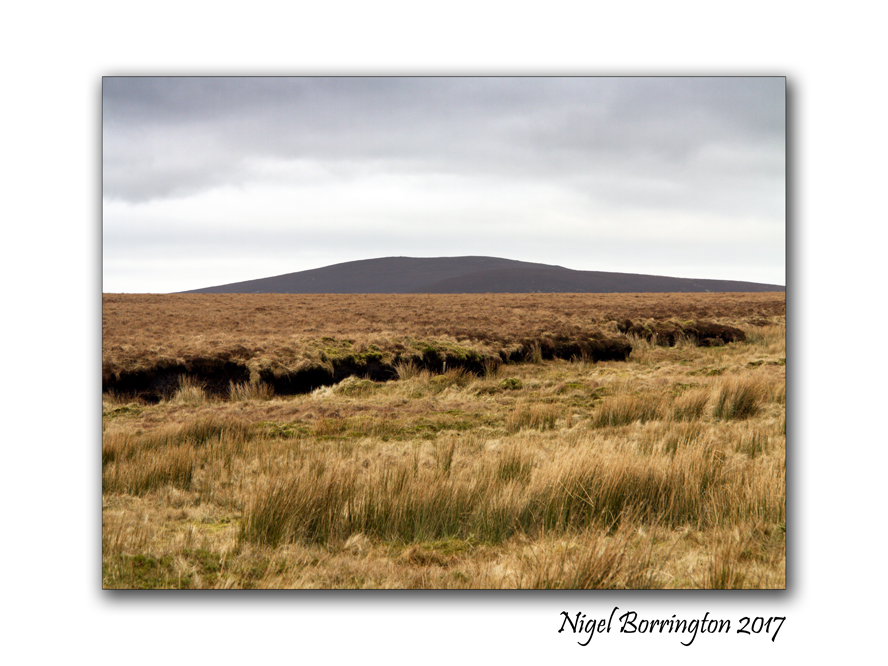
Bogland – Poem by Seamus Heaney
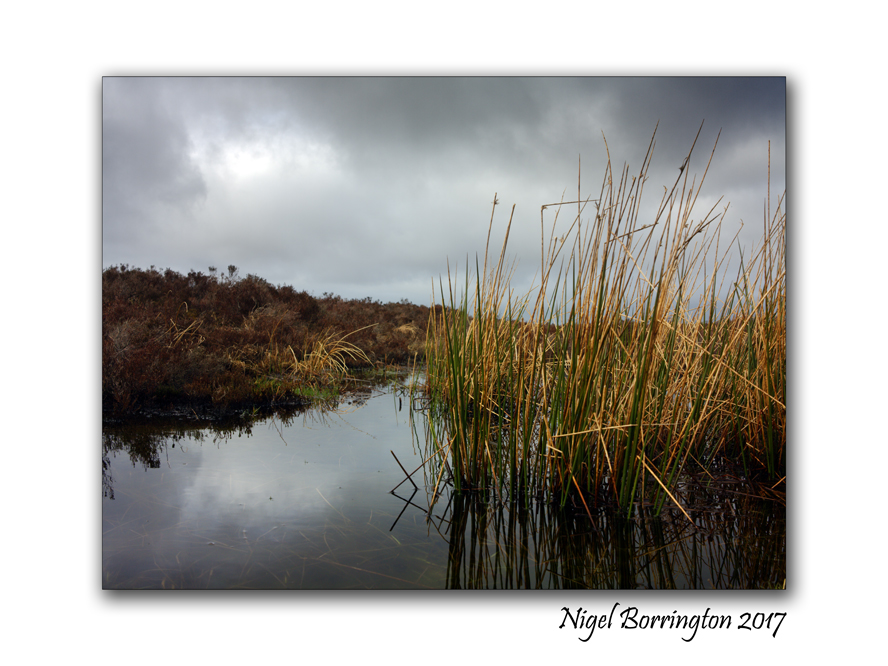
Bogland – Poem by Seamus Heaney
Image – Nigel Borrington
We have no prairies
To slice a big sun at evening–
Everywhere the eye concedes to
Encrouching horizon,
Is wooed into the cyclops’ eye
Of a tarn. Our un-fenced country
Is bog that keeps crusting
Between the sights of the sun.

They’ve taken the skeleton
Of the Great Irish Elk
Out of the peat, set it up
An astounding crate full of air.
Butter sunk under
More than a hundred years
Was recovered salty and white.
The ground itself is kind, black butter
Melting and opening underfoot,
Missing its last definition
By millions of years.
They’ll never dig coal here,
Only the waterlogged trunks
Of great firs, soft as pulp.
Our pioneers keep striking
Inwards and downwards,
Every layer they strip
Seems camped on before.
The bogholes might be Atlantic seepage.
The wet centre is bottomless.
Tamron SP 35-210mm f3.5-f4.2 – Classic lenses

Tarmon SP 35mm-210mm f3.5-4.2
Classic Lenses
Nigel Borrington
Using classic Camera lenses
In the world of Digital photography it feels like a new bit of equipment is released almost every month, new Camera bodies, lenses, flash guns etc….
In the last few years however the image quality of digital cameras has begun to reach such high standards that its hard to see as bigger need than every before to keep upgrading your SLR camera body. I remember so clearly the day I first purchased a digital SLR, it was a Nikon D100, a body that was very closely based on the Nikon F80. I also remember reading sometime later that for a digital Camera to match the print size of 35mm film you would need 24 million pixels, a target that was reached sometime back in the Nikon range and surpassed with the 36mp Nikon D800.
Looking back at Film cameras, most of the end print size and quality came from the type of film you selected to use. The camera bodies themselves offered different levels of capture capabilities, some bodies offered all you needed to take landscape images while other more advanced bodies allowed you to capture fast action activities such as sports.
Once you had the camera body that you needed, for the type of photography you worked with, there was little need to upgrade until you had almost worked your camera into the ground.
Today in 2017, it is a very legitimate question to ask if at last after many years of the megapixel race, have we not now reached the point that you can purchase a camera body and keep it for life or until you finish it off by using it so much ?
What about Lenses ?
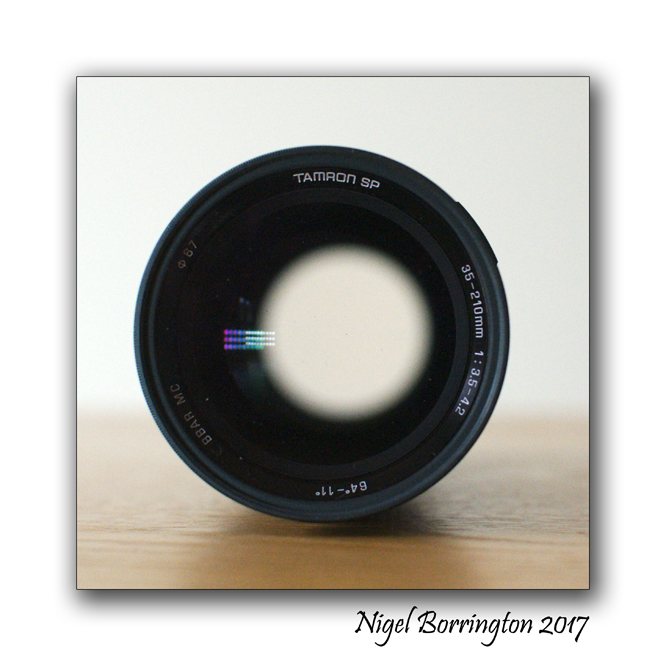
In the first years of digital SLR cameras it was not always possible to use all your old lenses with your new wonderful Digital body, Many Cameras would only for example allow you to use the latest Auto-focus lenses.
Over time the manufacturers started to launch bodies at the top end of their range that allowed you to use many older lenses including Manual focus lenses. Once this happened many photographers started to look backwards at the classic lens market, to workout what lenses from the past still offered great performance on modern cameras.
Personally I love using classic lenses and the Tarmon Sp 35mm-210mm F3.5-4.2, is one of the lenses I love using the most, produced by Tamron in Japan in the early 1980’s and only ended production in late 1987, it was available new well into the 1990’s.

This lens is one of the best made Zoom lenses of all time and even includes a Macro mode, offering a close focus of 11.8″ (0.3m), for a zoom lens this is very good. It is also very fast and falls into the professional level of F3.5 at 35mm to F4.2 at 210mm, on a current Digital slr with its low ISO noise this speed is excellent. It also has some amazing Lens flare that when used in video mode is amazing !
For times when I can use manual focus and want a zoom lens that has a great focus distant range and is fast, I am more than happy to have this lens with me. Its sharp at all F-stops, feels just amazing to use and can take any kind of usage in any type of conditions.

I will let the images below do the rest of the talking here, its fair to say however that not all old camera equipment is outdated and not worth using anymore. Great Lenses like these ones, if looked after last for ever.
When new this lens would have cost top money and for a reason!
Lens Gallery


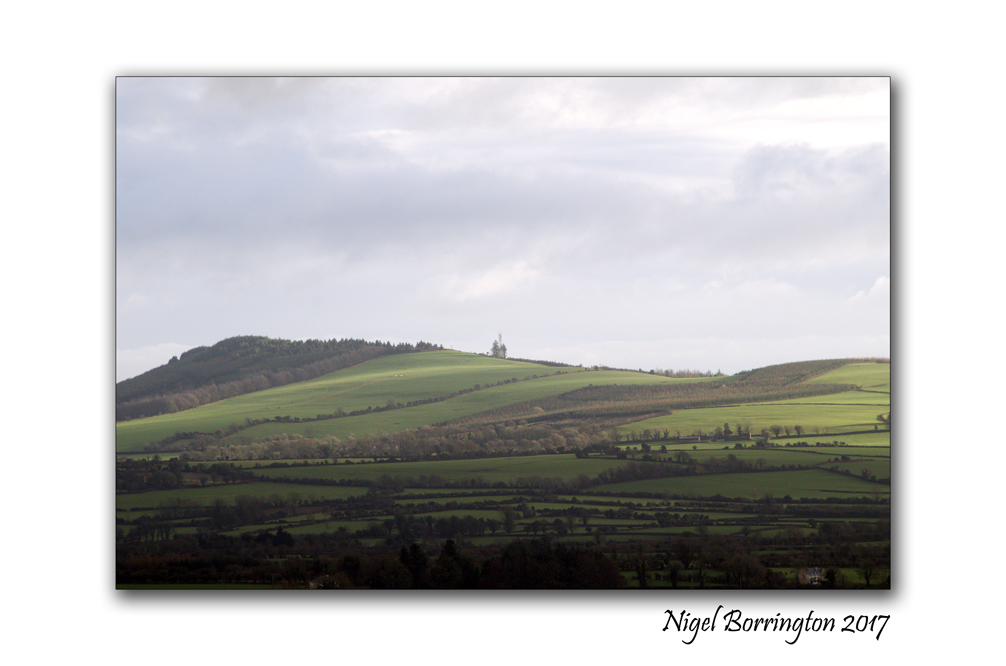


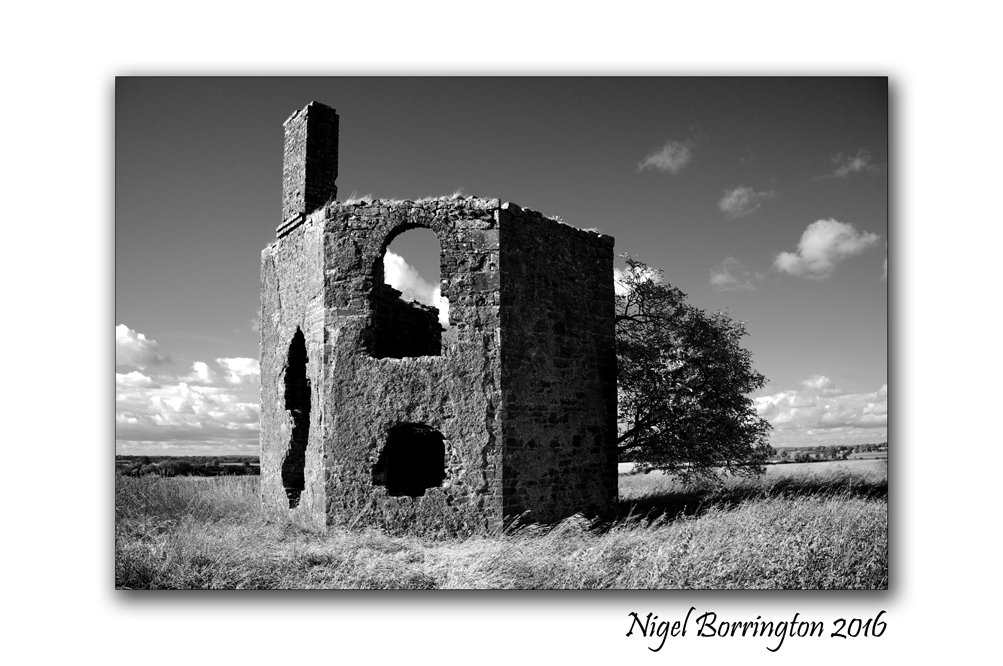
The House on the Hill, By : Edwin Arlington Robinson

The Old house on the hill
County Kilkenny
Ireland
Nigel Borrington
The House on the Hill
Edwin Arlington Robinson
They are all gone away,
The House is shut and still,
There is nothing more to say.
Through broken walls and gray
The winds blow bleak and shrill:
They are all gone away.
Nor is there one to-day
To speak them good or ill:
There is nothing more to say.
Why is it then we stray
Around the sunken sill?
They are all gone away,
And our poor fancy-play
For them is wasted skill:
There is nothing more to say.
There is ruin and decay
In the House on the Hill:
They are all gone away,
There is nothing more to say.
Happy Christmas and New year to everyone ! .. A 2016 Gallery
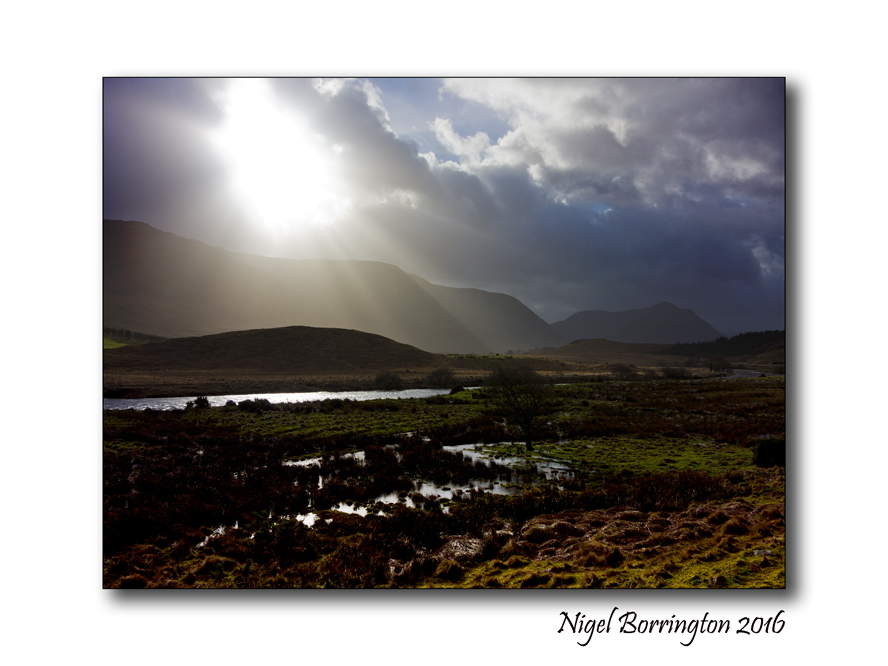
January 2016
Happy Christmas and a happy new year for 2017 to everyone 🙂
Todays post is my last for the year, I want to spend sometime off line with my family for the holidays.
I also want to say a very big thank you for such a great 2016 to everyone here in the word-press community, it has been great fun sharing posts with you all and reading your own posts!!!, its a great thrill to know so many great people and blogger’s here !!
Have a great Christmas time and a wonderful new year period, I look forward to sharing some on-line time with you all again in January 2017 – 🙂 🙂 🙂
A gallery of images from 2016
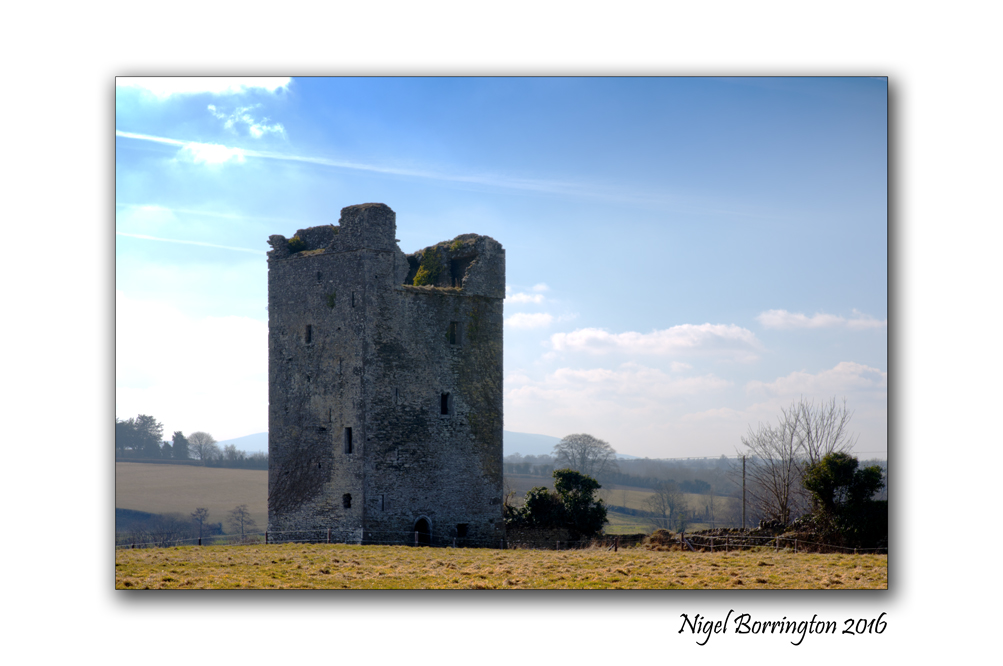
January 2016
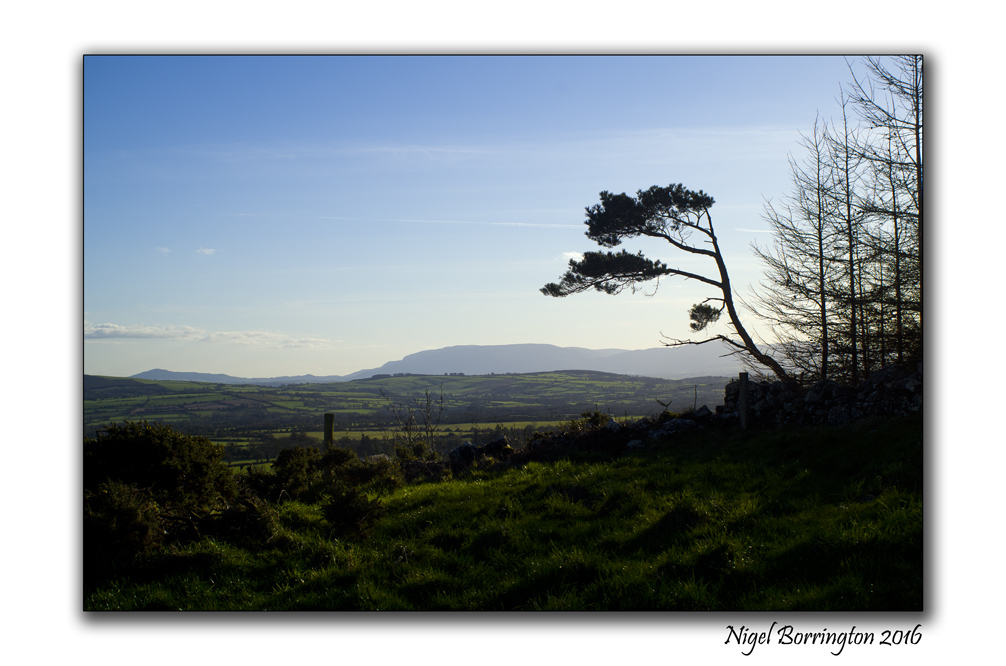
February 2016
March 2016
April 2016
May 2016
June 2016

July 2016
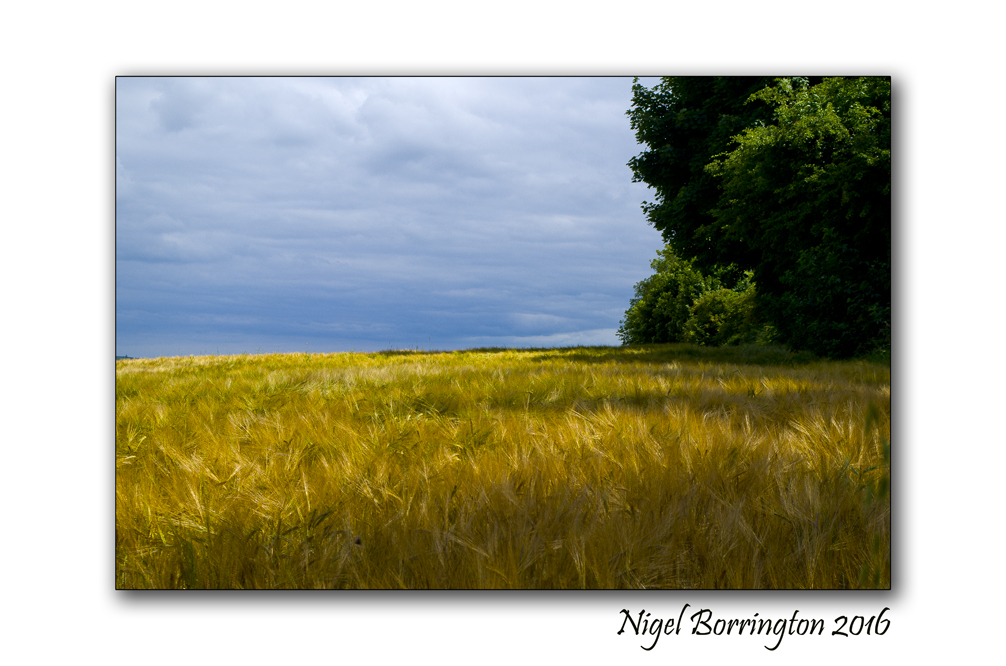
August 2016

September 2016
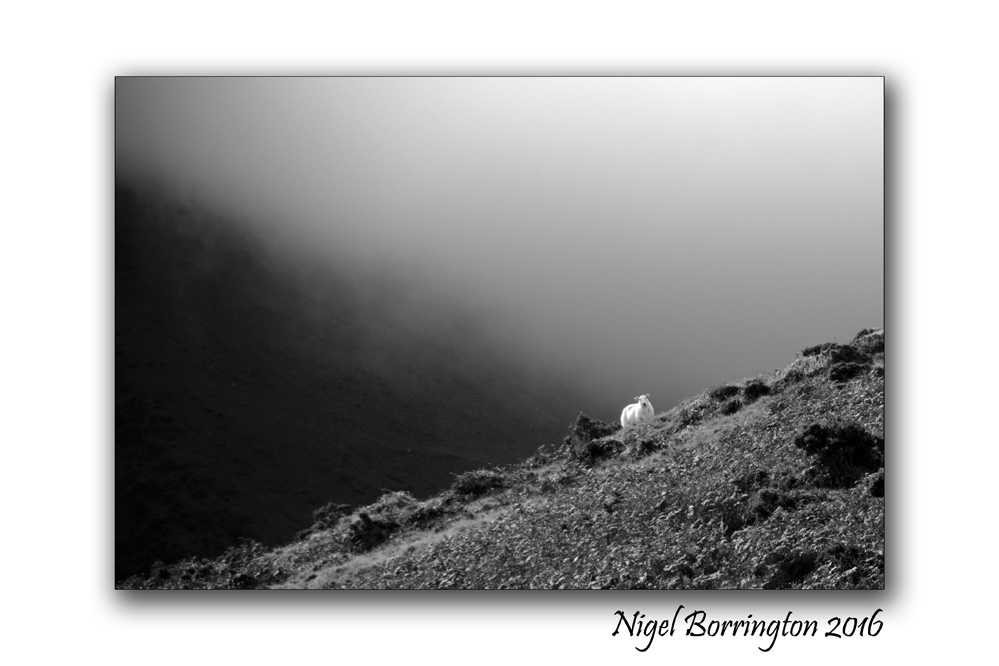
October 2016
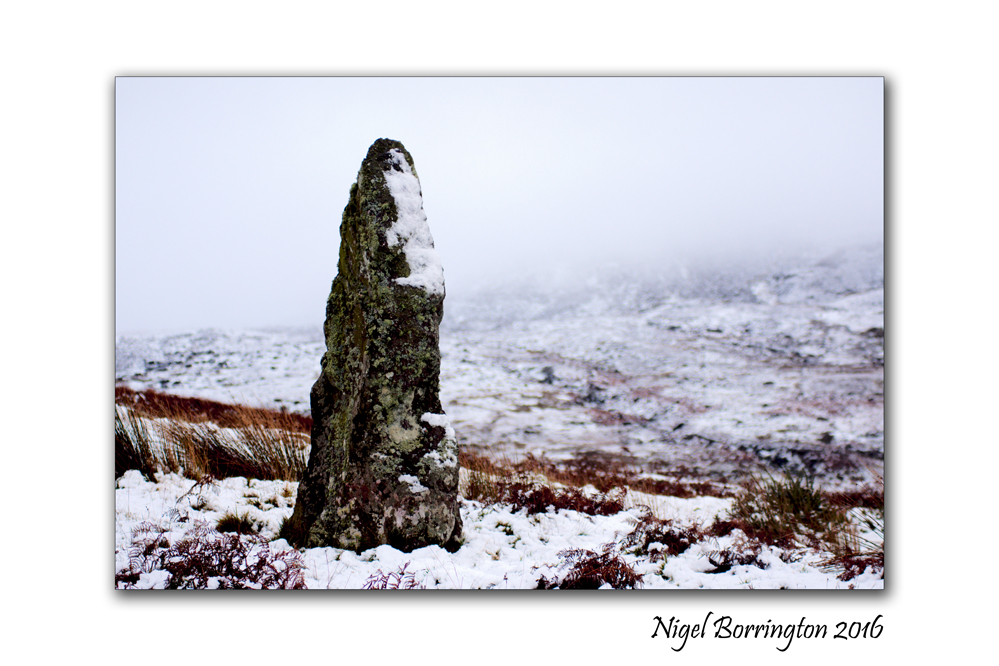
November 2016

December 2016
A November weekend – Gallery ……

Images of November
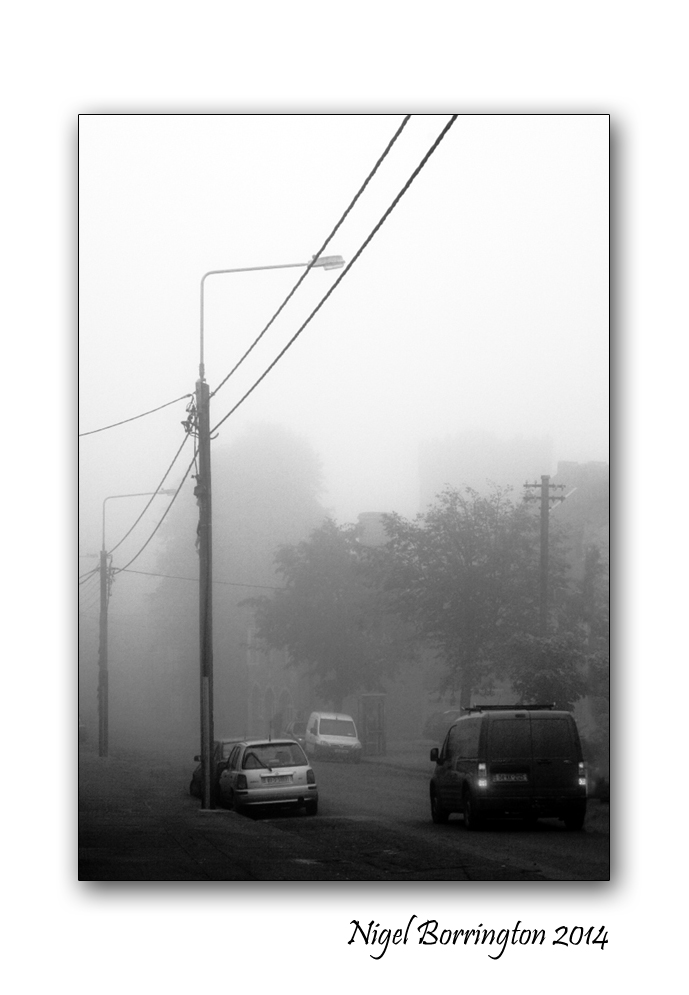
The following images are just some of the many I have posted here of my blog since 2011, in the month of November. It is one of my most loved months each year for photography as the sun is always low in the sky and the cold , moody and foggy weather is drawing in…….
As its Friday and the weekend is very close I hope you have a great one 🙂 , if you get time to capture some images I hope you Enjoy yourselves 🙂 have a great time what ever you do !!!!
November Gallery



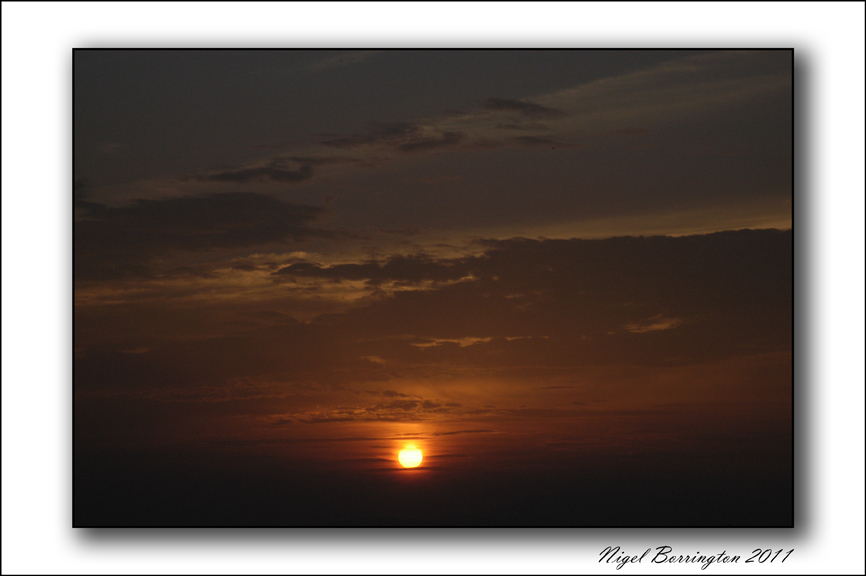


Kilkenny Landscape Photography, A Poem : Beyond the gate ……..
Kilkenny Landscape photography
Beyond the gate
Nigel Borrington
An open field gate, they always invite you in.
Just like anything in life when something is open it makes you want to explore !!!!
Beyond The Gate
Beyond the gate
Lies a whole new world
If you want to know
Go beyond the gate
We shall not know
Until we go beyond the gate
Video Landscapes : Mullins mill , County Kilkenny

Frosty Morning at Mullins Mill, Kells, Co.Kilkenny : Nigel Borrington
The two videos below are of the restored waterwheel at Mullins mill on the kings river county Kilkenny.
The photograph was taken back in 2011 but the video only last week.
The morning the videos was cold with a frost and you can see the mist created from the water as it is raised up by the water wheel. it was great fun making these, the motion and sounds created a picture of past times and technology and added a true reminder of the original usage of the mill.
Today the mill is a local heritage and craft center.
Callan, County Kilkenny, life in a small town a personal perspective ….

Callan
County Kilkenny
Nigel Borrington
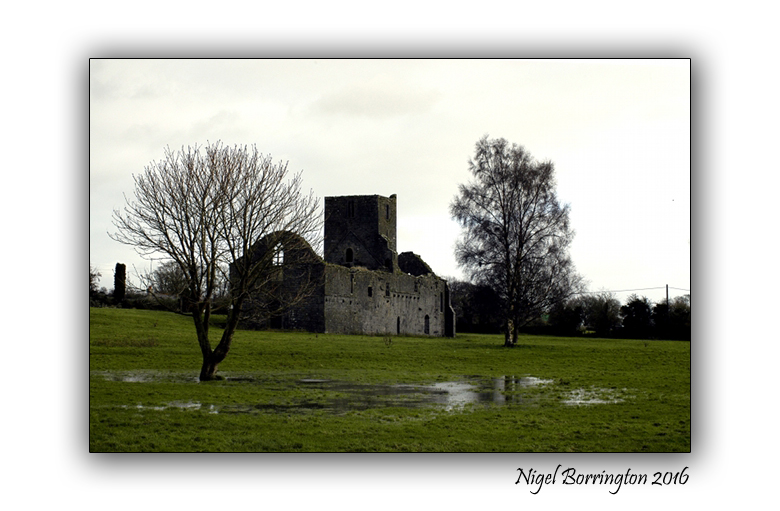
Callan, County Kilkenny – life in a small town from a personal point of view
Today I found myself without any transport other than my much loved bicycle, which has been used a great deal this year, on evening and weekend cycles just the two of us out doors.
By lunch time I was feeling a little trapped and went out again for a cycle, out of the town into county Tipperary, on the way back into Callan I stopped for five minutes to take a look at the moat field and the Kings river.
I have lived in this small town now for well over a decade, it’s amazing how fast time passes.
In my first few years living here, I found that there was some pressure to get involved with what was happening locally and did so, taking part in some local exhibitions with other local artists and photographers, however it almost eight years since these times. In the years that followed these exhibitions, I did wedding photography and portraits along with some commercial work. I also keep up with painting and my art.
Standing today looking across the view of the town it occurred to me that I am much happier now, as in these days that I feel a little less involved with such deep local happenings. I don’t know if anyone else has experience in their lives when moving from a bigger urban part of the world to smaller places?
In a city everything feels much more established and if you get involved with an event then you find that you are only one of many before you who have been involved. Your involvement is only a small part of a much bigger well established picture. You can help as much or as little as you want and it is mostly understood that your involvement is for your personal growth and expression as much as it is about the establishment your offering your valuable time !
To Myself however the biggest difference relates to the personal interests that people have by getting involved in local events in the first place, in the large context of a city most people get involved in order to be self expressive, to help themselves grow personally and to add new elements to their lives, this is all about the self and very little to do with the local town or even others. After all the local town should be about everyone living in it !
Personally!! I found this to be a massive difference when coming to live in a smaller setting, with massive respect to people, most people’s lives are slower here and general activities less available, this I feel increases the pressure on their involvement in almost anything. Personal Involvement becomes deeper and seems to almost take on an irrational level of importance!

As an example I was asked many times to attend some meetings, in the build up to a local festival in the town. I think this was due to the fact I have local family and had held some local exhibitions, one when the town was 800 years old. It was not until I realised that these festival meetings started almost the moment that the last festival had ended, to plan the next year’s festival, that I had some concerns. I wondered sometimes just who could benefit from such an exhausting process? In the end I decided that I personally would not benefit and would only end up exhausted!!
One thing you really notice in a smaller place is everything is about the town , here in my own example “Callan” and less about the bigger general activity you want to be involved in ! e.g. Art or Walking or Cycling. The emphasis is on “Callan” infront of all these things not just , the Cycling club or the Art club !
I can fully imagine that if any one local reads this they will wonder if I am having a go at them personally! , well I am not! All I am doing is pointing out my personal observations and experiences when doing my very best to make a transition from one place in the world to another!!
I don’t know why but It’s a small bit hard to say these things on my blog, however I feel that this is one reason for me having a blog in the first place, so that from time to time I can express personal feelings along with sharing images and the poems that I do share. It is also much easier to do so now as these days I am feeling that in my life I have found a more relaxed existence, a more laid back approach to local life.
I have managed to separate how I feel personally from how well this town is doing or even what the people of this town are doing. How I feel in myself is about me as a person, the things I do or chose not to do. To be content in myself is less about being over involved with activities, things that mostly only keep me active without having any true personal benefit, I have also become able to analyse if it is only others who want to completely benefit themselves from my personal energy and time.
Irish Landscape Photography : Slievenamon Bog, County Tipperary, The Bog Lands a Poem By : William A. Byrne
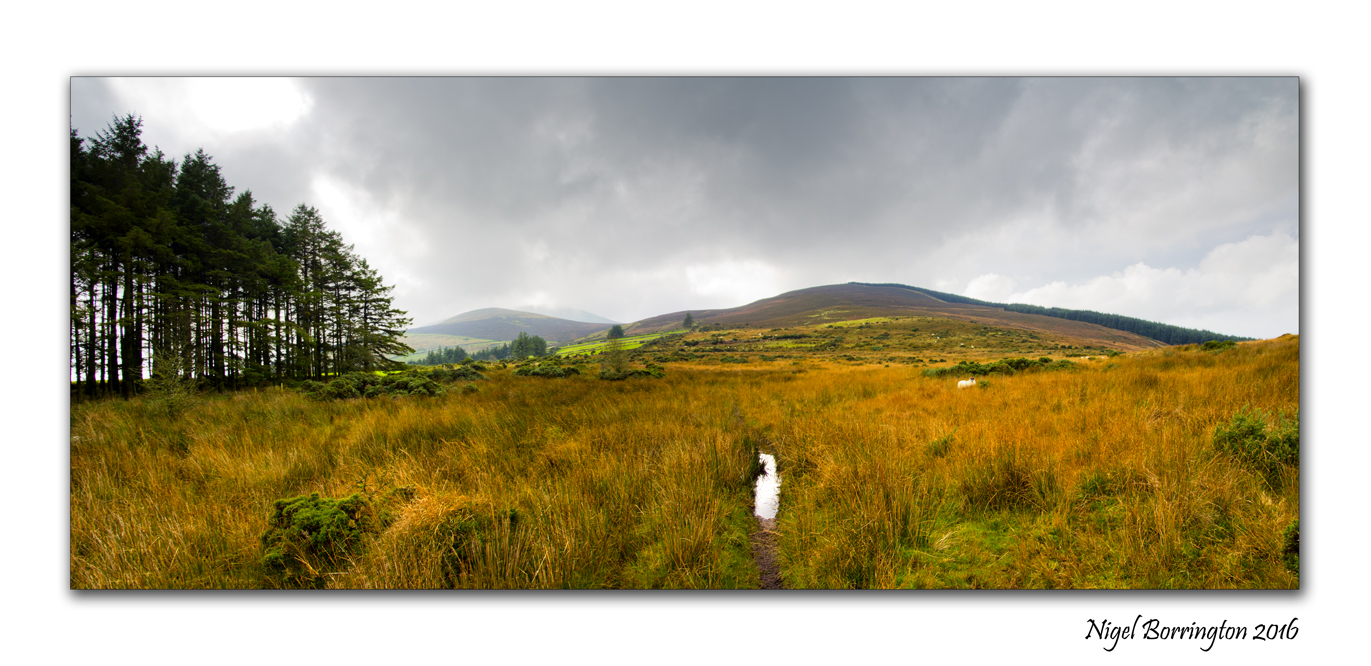
Irish Landscape Photography
Slievenamon Bog
Nigel Borrington
The Bog Lands
By William A. Byrne
THE purple heather is the cloak
God gave the bogland brown,
But man has made a pall o’ smoke
To hide the distant town.
Our lights are long and rich in change,
Unscreened by hill or spire,
From primrose dawn, a lovely range,
To sunset’s farewell fire.
No morning bells have we to wake
Us with their monotone,
But windy calls of quail and crake
Unto our beds are blown.
The lark’s wild flourish summons us
To work before the sun;
At eve the heart’s lone Angelus
Blesses our labour done.
We cleave the sodden, shelving bank
In sunshine and in rain,
That men by winter-fires may thank
The wielders of the slane.
Our lot is laid beyond the crime
That sullies idle hands;
So hear we through the silent time
God speaking sweet commands.
Brave joys we have and calm delight—
For which tired wealth may sigh—
The freedom of the fields of light,
The gladness of the sky.
And we have music, oh, so quaint!
The curlew and the plover,
To tease the mind with pipings faint
No memory can recover;
The reeds that pine about the pools
In wind and windless weather;
The bees that have no singing-rules
Except to buzz together.
And prayer is here to give us sight
To see the purest ends;
Each evening through the brown-turf light
The Rosary ascends.
And all night long the cricket sings
The drowsy minutes fall,—
The only pendulum that swings
Across the crannied wall.
Then we have rest, so sweet, so good,
The quiet rest you crave;
The long, deep bogland solitude
That fits a forest’s grave;
The long, strange stillness, wide and deep,
Beneath God’s loving hand,
Where, wondering at the grace of sleep,
The Guardian Angels stand.
 Nigel Borrington
Artist Introduction, Paul Walls – A painter of motion
Grey Day, Muckross Head, County Donegal, By Walls, Paul
I first came across the paintings of Artist Paul Walls at an exhibition called “Currents”, held in the old friary building in Callan, County Kilkenny 2004, and instantly fell in love with his painting style and the resulting art works he produces.
I think it would be fair to say that Paul uses paint in a very loose and direct way on the canvas, I like this style very much!. Paul is one of those artists who’s work you actual need to see face to face to get a true feeling for their paintings and with Paul the depth and movement that each brush stroke has.
I feel that this style of painting is perfect for the subjects Paul captures, (Irish coastlines and countryside) on wet and windy days, days that we do so often get here.
Even when its not raining in Ireland its often windy and the above painting captures this mood so very well, Paul’s use of paint in the trees above the boats I feel captures the movement in a typical Irish day.
There will always be people who like different types of painting styles, some loving very photo realistic landscapes , others love abstract work, personally what I love most about Paul’s work is the overwhelming sense that he has captures a very active landscape and worked with it in a very pro-active fashion.
When viewing Paul’s painting you feel like you have first hand experience of the rain and the cliffs and the stormy sea.
This is the link to Paul Walls web site : Artists Paul walls
Share this:
February 28, 2017 | Categories: artists, Comment, Gallery, Landscape, Nigel Borrington, painter, Paul Walls | Tags: art, art review, Artist, irish art, Irish landscape painting, Irish Landscapes, Landscape, Nigel Borrington, painter, Paul Walls, sea, weather | 1 Comment