Wildlife Friday , A study of the swans, oak park, county Carlow

Swans at Oak Park
County Carlow
Nigel Borrington
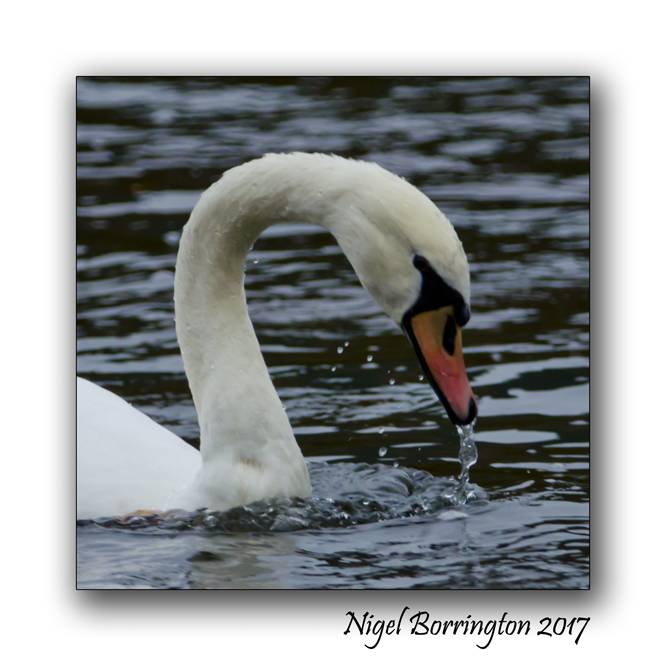
I have visited Oak park in county Carlow many times over the years. The park is known for its native woodlands and its surrounding lakes and rivers but also for its wildlife including its swans.
The swans are to be found in the park all year round and as you can see from the first picture above I was lucky enough a couple of years ago in capturing one couple with many of their cygnets.
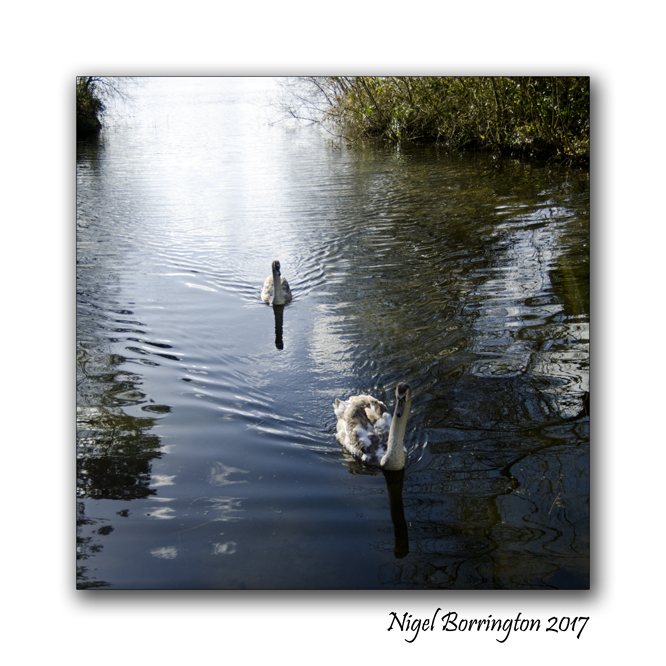
During one visit to the park last year, two very young swans approached me as I was standing on a bridge, there is a good chance that these two are from the same family group as in the top image, impossible to know but it would be a great thought !!!


Marking Midwinter’s day, Pagan beliefs – Gods the Goddess of the winter solstice
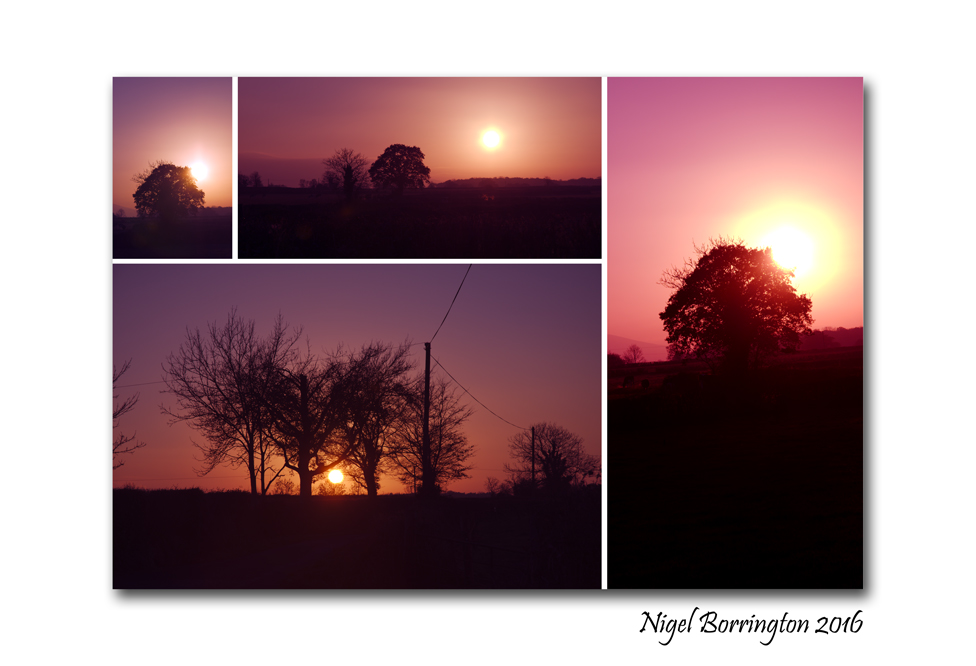
Midwinters day 2016
Nigel Borrington
Today is Mid winters day or the Winter Solstice.
History and cultural significance
The solstice itself may have been a special moment of the annual cycle of the year even during neolithic times. Astronomical events, which during ancient times controlled the mating of animals, sowing of crops and metering of winter reserves between harvests, show how various cultural mythologies and traditions have arisen. This is attested by physical remains in the layouts of late Neolithic and Bronze Age archaeological sites, such as Stonehenge in Britain and Newgrange in Ireland. The primary axes of both of these monuments seem to have been carefully aligned on a sight-line pointing to the winter solstice sunrise (Newgrange) and the winter solstice sunset (Stonehenge). Significant in respect of Stonehenge is the fact that the Great Trilithon was erected outwards from the centre of the monument, i.e., its smooth flat face was turned towards the midwinter Sun.

The winter solstice may have been immensely important because communities were not certain of living through the winter, and had to be prepared during the previous nine months. Starvation was common during the first months of the winter, January to April (northern hemisphere) or July to October (southern hemisphere), also known as “the famine months”. In temperate climates, the midwinter festival was the last feast celebration, before deep winter began. Most cattle were slaughtered so they would not have to be fed during the winter, so it was almost the only time of year when a supply of fresh meat was available. The majority of wine and beer made during the year was finally fermented and ready for drinking at this time. The concentration of the observances were not always on the day commencing at midnight or at dawn, but the beginning of the pre-Romanized day, which falls on the previous eve.

Since the event is seen as the reversal of the Sun’s ebbing presence in the sky, concepts of the birth or rebirth of sun gods have been common and, in cultures using winter solstice based cyclic calendars, the year as reborn has been celebrated with regard to life-death-rebirth deities or new beginnings such as Hogmanay’s redding, a New Year cleaning tradition. Also reversal is yet another usual theme as in Saturnalia’s slave and master reversals.

CAILLEACH BHEUR : The Celtic Goddess of winter
CAILLEACH BHEUR : Scottish, Irish, Manx, Great Goddess in her Destroyer aspect; called “Veiled One”. Another name is Scota, from which Scotland comes. In parts of Britain she is the Goddess of Winter. She was an ancient Goddess of the pre-Celtic peoples of Ireland. She controlled the seasons and the weather; and was the goddess of earth and sky, moon and sun.
Other Gods
Saturn (Roman): Every December, the Romans threw a week-long celebration of debauchery and fun, called Saturnalia in honor of their agricultural god, Saturn. Roles were reversed, and slaves became the masters, at least temporarily. This is where the tradition of the Lord of Misrule originated
Alcyone (Greek): Alcyone is the Kingfisher goddess. She nests every winter for two weeks, and while she does, the wild seas become calm and peaceful.
Ameratasu (Japan): In feudal Japan, worshipers celebrated the return of Ameratasu, the sun goddess, who slept in a cold, remote cave. When the other gods woke her with a loud celebration, she looked out of the cave and saw an image of herself in a mirror. The other gods convinced her to emerge from her seclusion and return sunlight to the universe.
Baldur (Norse): Baldur is associated with the legend of the mistletoe. His mother, Frigga, honored Baldur and asked all of nature to promise not to harm him. Unfortunately, in her haste, Frigga overlooked the mistletoe plant, so Loki – the resident trickster – took advantage of the opportunity and fooled Baldur’s blind twin, Hodr, into killing him with a spear made of mistletoe. Baldur was later restored to life.
Bona Dea (Roman): This fertility goddess was worshiped in a secret temple on the Aventine hill in Rome, and only women were permitted to attend her rites. Her annual festival was held early in December.
Demeter (Greek): Through her daughter, Persephone, Demeter is linked strongly to the changing of the seasons and is often connected to the image of the Dark Mother in winter. When Persephone was abducted by Hades, Demeter’s grief caused the earth to die for six months, until her daughter’s return.
Dionysus (Greek): A festival called Brumalia was held every December in honor of Dionysus and his fermented grape wine. The event proved so popular that the Romans adopted it as well in their celebrations of Bacchus.
Holly King (British/Celtic): The Holly King is a figure found in British tales and folklore. He is similar to the Green Man, the archetype of the forest. In modern Pagan religion, the Holly King battles the Oak King for supremacy throughout the year. At the winter solstice, the Holly King is defeated.
Horus (Egyptian): Horus was one of the solar deities of the ancient Egyptians. He rose and set every day, and is often associated with Nut, the sky god. Horus later became connected with another sun god, Ra.
La Befana (Italian): This character from Italian folklore is similar to St. Nicholas, in that she flies around delivering candy to well-behaved children in early January. She is depicted as an old woman on a broomstick, wearing a black shawl.
Lord of Misrule (British): The custom of appointing a Lord of Misrule to preside over winter holiday festivities actually has its roots in antiquity, during the Roman week of Saturnalia.
Mithras (Roman): Mithras was celebrated as part of a mystery religion in ancient Rome. He was a god of the sun, who was born around the time of the winter solstice and then experienced a resurrection around the spring equinox.
Odin (Norse): In some legends, Odin bestowed gifts at Yuletide upon his people, riding a magical flying horse across the sky. This legend may have combined with that of St. Nicholas to create the modern Santa Claus.
A weekend with wildlife, Otters of the river Suir

Wildlife weekend
Otters on the River Suir
County Tipperary
Nigel Borrington
My study of an Otter family on the river Suir, county Tipperary continued today Friday, Each time I visit this family I manage to get closer and closer, today being the most noticeable.
I managed to spend 40min with this one adult Otter as he or she hunted the river for fish, this process involved diving as deep as possible and spending about a minute below the water before coming back up for breath, during the 40 minutes I think two fish in total were retrieved.
I hope to keep returning many times of the winter months to monitor just how they are all doing, ist amazing to be able to get so close and exciting to study such wonderful wild animals.


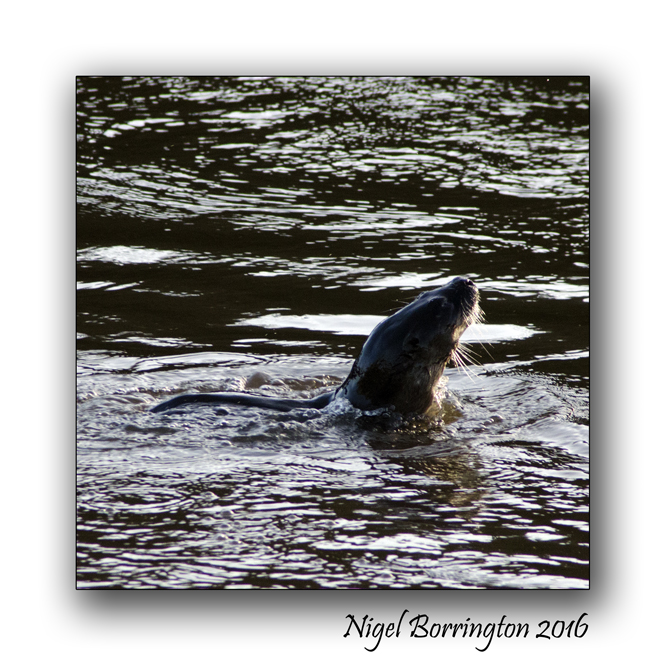

Otters of the River Suir , County Tipperary

Otters of the River Suir
County Tipperary
Nigel Borrington
Last weekend while on walk between Clonmel and Carrick-on-suir, both in county Tipperary, We came across a family of Otters, they had made one of the rivers contributor’s their home ( A Holt or Couch in otter terms ). We spent about an hour with them watching as two adults and four pups hunted and play in the waters. One of the Pups managed to catch a fish and then share this food with the other three pups on the river bank.
For a long time I have hopped to have an encounter with these otters, I knew they were around this location but had never been in luck when it came to seeing them, so this hour was a truly special time and one I will not forget 🙂 , it changes the way you feel about a river when you have the chance to view its wild life for such a long period of time.
Here are some basic facts about the otter in Ireland …..
Written by Dr Mathieu Lundy
The otter (Lutra lutra) is regarded as one of Ireland’s most charismatic native mammal species.
The otter is highly secretive and although widespread people tend to only get rare glimpses of the species in the wild. Otter populations declined throughout Europe after the 1960s and the species is now very rare or absent from many parts of its former range. The Irish otter population appears to have remained largely stable and is regarded as a European stronghold. In Ireland otters are found in a diverse array of aquatic habitats, from small streams to major rivers, upland lakes to coastal lagoons and sandy beaches. However, otters that live at the coast do need access to some freshwater habitat to bathe. Within these habitats otters feed on a range of both aquatic and terrestrial prey. Much of the information regarding distribution, habitat use and diet comes from spotting otter tracks and signs. Individual otters are highly territorial, using droppings called spraints to mark their home ranges. Favoured locations for leaving spraints are in-stream boulders, bridge footings and grass tussocks, these are called seats. These territorial signs are an ideal way to tell if otters are using an area. Within its territory an otter may have a number of resting sites, called couches and underground denning sites called holts, which can be a considerable distance (up to 1km) from a river, lake or the seashore.

Distribution
The species of otter that occurs in Ireland is called the Eurasian otter and is found in Europe and across Asia to China and Japan. In other regions the otter shares aquatic habitats with species specialised to different habitats such as sea otters, but in Ireland the otters that live at the coast and those that occupy our rivers are the same species.
In Ireland the otter population is geographically widely spread. In local areas its presence will depend on the provision of suitable aquatic habitats, sufficient food and cover for resting and breeding. During different seasons male otters and juvenile otters will disperse and otter signs may be observed in areas where they have not been present hitherto.
Home ranging behaviour
The territories of otters can stretch for several kilometres; the total length of the home range depends on the availability of food. The smallest territories are thought to occur at coastal sites, where territories may be as small as 2km. The longest territories occur in upland streams where an individual may have to range more than 20km to find sufficient food. The territories of males tend to be larger than females and indeed may overlap with a number of female otters. The availability of suitable territories along the coast and inland at lakes and rivers is thought to maintain the otter population of Ireland. The entire population is estimated to be in the region of 10,000 adults.
Within their territories an individual otter may utilise a number of holts. These tend to be natural crevices, associated with the roots of trees growing along river and lake banks. These natural recesses provide the otter with a holt that has multiple entrances from which the otter can escape if disturbed. Whilst individual otters rarely dig their own holts they will use burrows made by other animals such as rabbits and foxes. It is possible to build artificial holts to attract otters to use certain areas. Artificial holts are built to resemble natural holts, with a resting compartment and multiple entrances, these are particularly important where the natural bank side vegetation has been removed.
Other resting sites are also used, frequently in dense vegetation and may be associated with frequently used runs and slides into the water.

Reproduction
Although otters can breed at any time of year most seem do so in spring or early summer. Scent markings by the females signal to male otters that the females are ready to mate. The pregnancy lasts for around two months after which a litter of cubs is born, usually two or three, but as many as five have been seen. The cubs remain in the natal holt for up to two months before venturing out on their own, although the mother may move the cubs between holts within her territory periodically. Unlike other resting sites the natal holts do not tend to be marked with spraints. The juvenile otters remain as a family group for around six months or longer before the young otters disperse to establish their own territories.
Foraging
Otters that live in rivers and lakes tend to be completely nocturnal, described as being crepuscular – activity peaks at dusk and dawn. Foraging at night or in ‘muddy’ water is aided by their highly sensitive whiskers, which detect their prey items. Otters are principally piscivorous, relying predominantly on salmonids (salmon and trout), but also eel and small fish species such as stickleback. However, otters are not limited to fish and feed opportunistically on a range of prey when available: frogs are frequently eaten by otters, and the remains of invertebrates (crayfish), birds and small mammals have also been found in spraints. Otters that forage at the coast may have flexible foraging times linked to the tides. At low tide otters hunt in the exposed rock pools and seaweed covered rocks for fish and invertebrate prey.

Conservation Status
The Irish otter population remains one of the most stable in Europe. There is some evidence to suggest that since initial national surveys in the early 1980s there have been declines in the prevalence of the species. It is hoped that the reasons for these declines will be addressed by the designation of Special Areas of Conservation (SACs), ongoing national assessments and by targeted intensive surveys. The risks to the current otter population are the availability of sufficient food within their habitats and provision of resting and denning sites. This species is protected under the Wildlife Act (1976) and Wildlife (Amendment) Act 2000.
Otters have been found dead in illegal snares, which may not be intended for otters, but which still pose a threat to individual animals. A significant number of otters are also killed on our roads. There is some evidence that the incidence of these accidents increases during periods of flooding when fast flowing rivers at bridge crossing become impassable and otters must venture onto roads to find alternative routes. The occurrence of otters at any site relies on a complex interaction of the characteristics of the wider landscape and local site specific habitat factors. Broad-scale intensive agriculture and urbanisation of catchments reduces the likelihood that otters will occur, along with reduced diversity of river banks and lake shores. Maintaining prey populations and preserving the natural features of rivers, lakes and coasts will benefit the Irish otter population and ensure that the Irish population remains a European stronghold.
December , the Pagan Meaning of Evergreen & Holly

Evergreen Holly
Pagan Nature
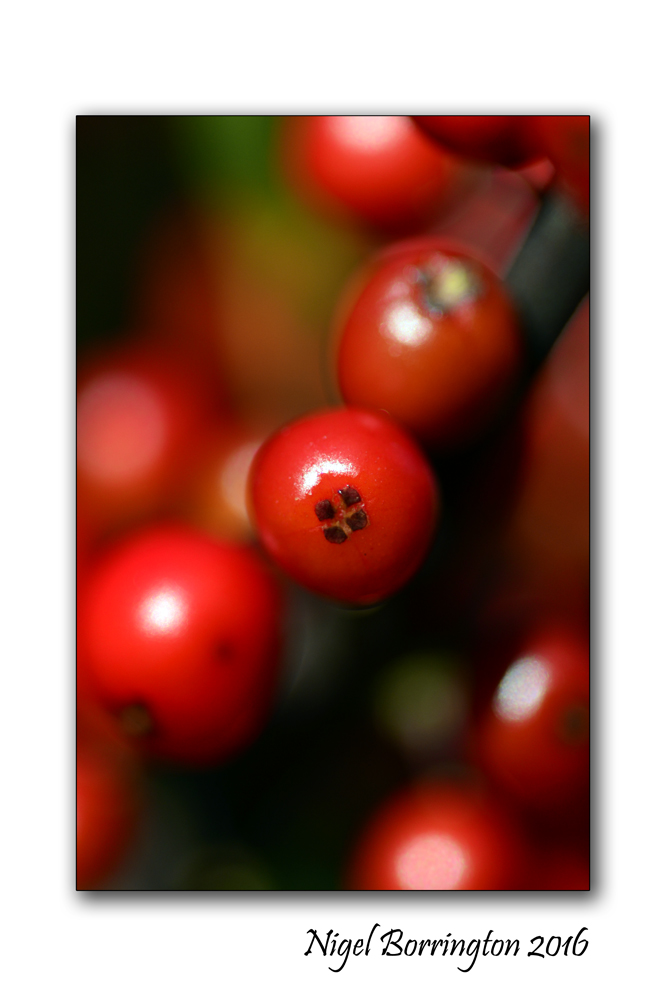
Evergreens and holly (genus Ilex) are traditionally used to decorate during the holidays. Although many simply enjoy the plants for their fragrance and holiday colors, the meaning of these plants goes deeper for others, including pagans. Historically, pagans had — and still have — specific beliefs about the power and symbolism of both evergreens and holly, and some still use the plants as decor in accordance with those beliefs.

Evergreen — Always Green
Evergreens are loosely defined as plants that retain their foliage and remain green year-round. Usually, the term refers to coniferous trees — trees that have needles or needle-like foliage, but it can refer to any plant that stays green all winter long, including holly. Today, evergreens are valued for their practical uses — as windbreaks, hedges and for use as Christmas trees. Pagans used them for more spiritual reasons.
Pagan Meaning of Evergreen
In some countries, it was believed that evergreens would keep evil out of the home — evil spirits and ghosts, and evil in the form of illnesses. For this reason, evergreen boughs were often cut down and hung over doorways and inside the home. Pagans also believed that the green branches represented everlasting life. Druids used evergreen branches to decorate their temples for this very reason, according to History.com. The green of the branches helped people to get through the long winter by having hope in the warmth and food that would come in the spring.
Holly — Pretty and Prickly
Holly plants
vary widely in leaf shape and appearance. Although there are over 400 species (Ilex opaca is the scientific name of American holly), the most popular for use during the holidays are those that produce bright red berries, which historically were seen by pagans as masculine plants even though it is the female plants that produce the fruit. Holly plants are generally hardy in U.S. Department of Agriculture plant hardiness zones 5 through 9, although this can vary by species. Most popular hollies are hardy in USDA zones 7 through 9.

Pagan Meaning of Holly
Holly has a more specific meaning for pagans. Historically, pagans believed that like evergreens, holly wards off evil spirits. They also believed that holly increased fertility. In addition to bringing in holly boughs to decorate the home and increase fertility, holly was also often planted outdoors around the house to keep out evil spirits.
Birds in Irish Folklore, The Robin
Birds of Irish Folklore
The Robin
Nigel Borrington
The end of November and you would think that all the wildlife has vanished from the landscape , however you only need to take an early morning walk to realize that there are lots of wild creatures still around.
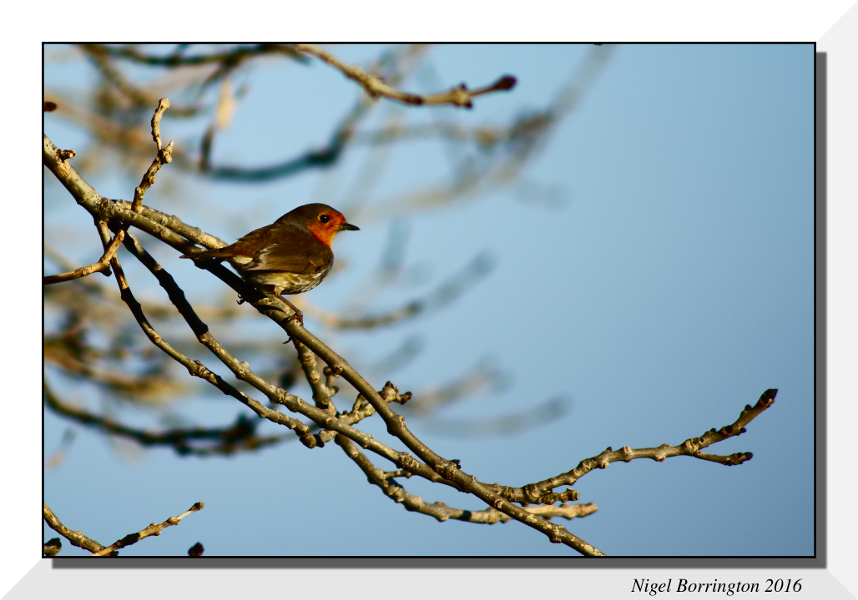
This morning on a walk through the hills near Kilmoganny, county Kilkenny, I was accompanied by this little Robin who hopped from tree to tree in front of me 🙂
Here is a little folklore about the Robin from an Irish point of view …….
The Robin
If the soul and symbol of the old sun and the Oak King was the Wren, the Robin represented the new sun. The wren was said to hide in the Ivy, the Robin in the Holly. The Pagan Neolithic Festival of the birth of the new sun, symbolized by the Robin, was at the Winter Solstice (21st December). The Robin (the new sun) killed his father the Wren (the old sun) and that is how he got his red breast, ie, from the blood of his father. A Robin coming into a house was supposed to be a sign that someone was going to die there in the near future. Despite this association with death, the Robin was praised for being the only bird capable of singing all the notes of the musical scale. And furthermore, the Robin can sing for half an hour without repeating the melody, unlike the other birds.
The Boat men of the river Suir

Fishing boat
river Suir
County Tipperary
Fishing on the River suir
The walk along the river Suir, County Tipperary is one of the best river walks in the south east of Ireland. It is currently undergoing an upgrade to a hard surface that will for the first time allow for both walkers and cyclists.
The river is used by many local people during the year but the fisher man are most probably it’s most common visitors, the River is renowned for its game angling, holding both salmon (Salmo salar) and brown trout (Salmo trutta).
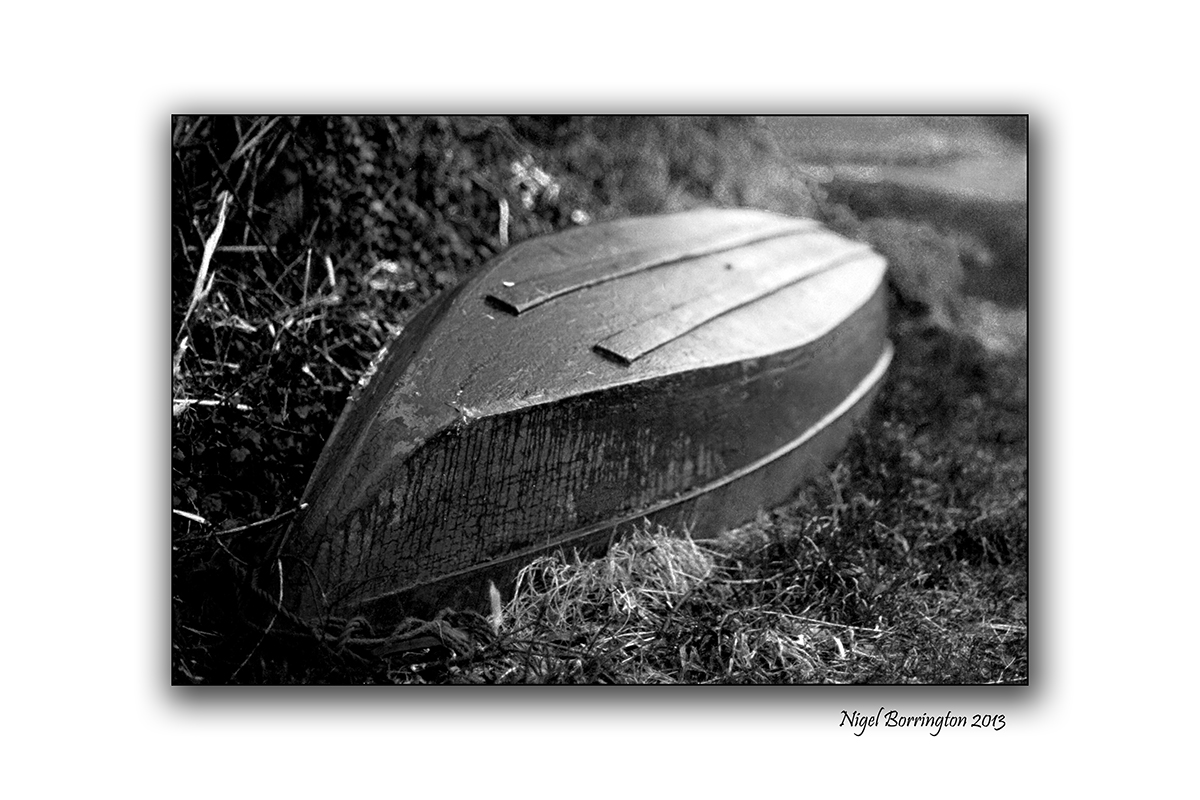
I have taken many photographs of the fishermen here over the years alone with the boats they use for their fishing, these boats ( all made locally ) are used more like punts as the have a completely flat bottom and are moved along the river with a pole.
Fishing in Ireland : CLOCULLY TO CARRICK-ON-SUIR
The River Suir from Clocully to Carrick-on-Suir is a combination of deep pools, fast glides and varying widths and depths.
From Clocully to Ballydonagh, a consortium of private landowners control the angling, these are all private fisheries. This stretch also includes parts of the River Tar and River Nire, which contain good stocks of trout of up to 30 cm.
Fishing on the river Suir : Gallery



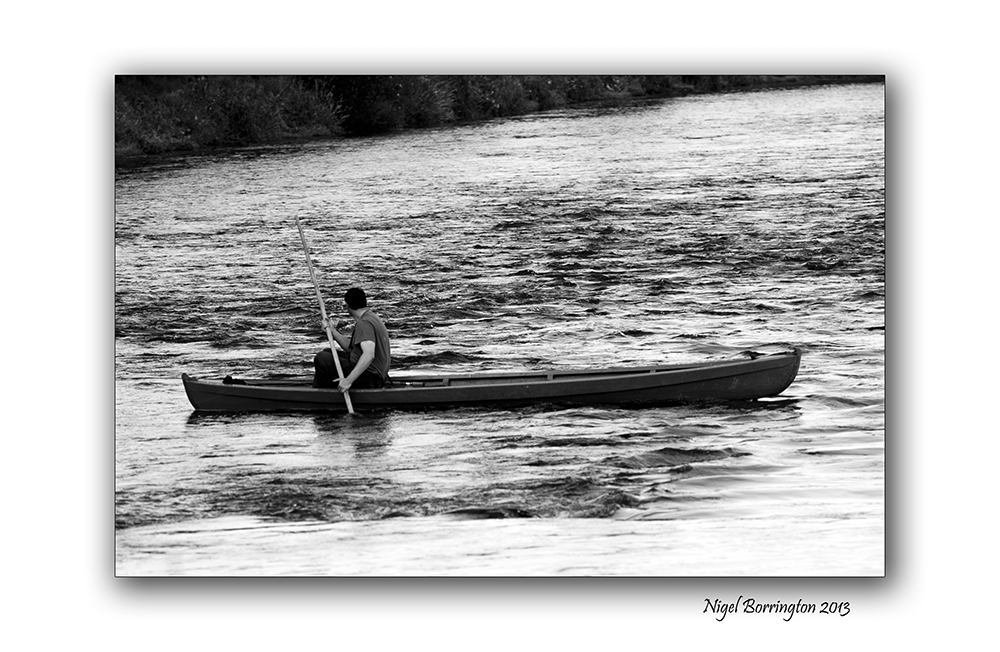
A November weekend – Gallery ……

Images of November
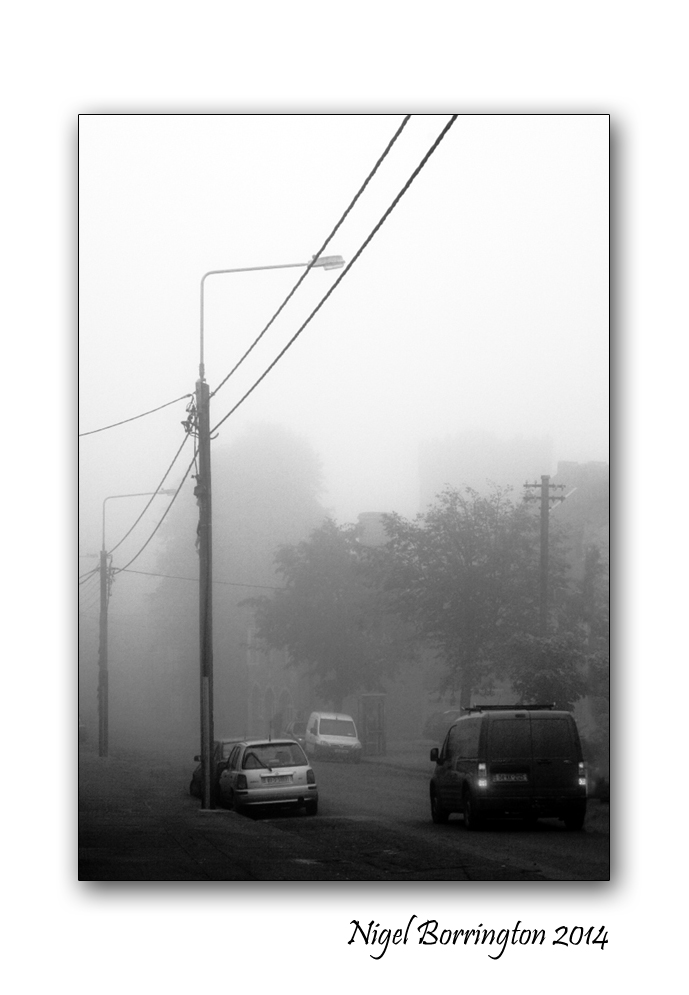
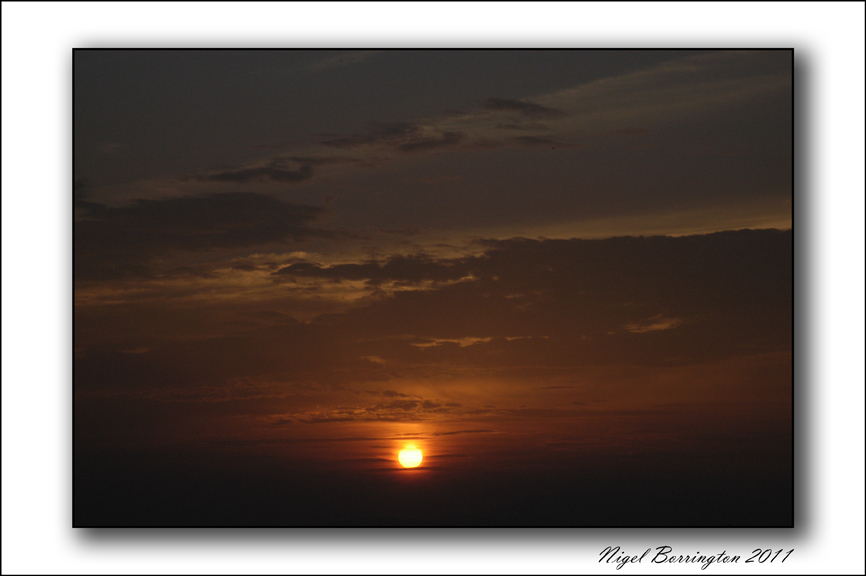
The following images are just some of the many I have posted here of my blog since 2011, in the month of November. It is one of my most loved months each year for photography as the sun is always low in the sky and the cold , moody and foggy weather is drawing in…….
As its Friday and the weekend is very close I hope you have a great one 🙂 , if you get time to capture some images I hope you Enjoy yourselves 🙂 have a great time what ever you do !!!!
November Gallery





Winter is coming once again, a poem
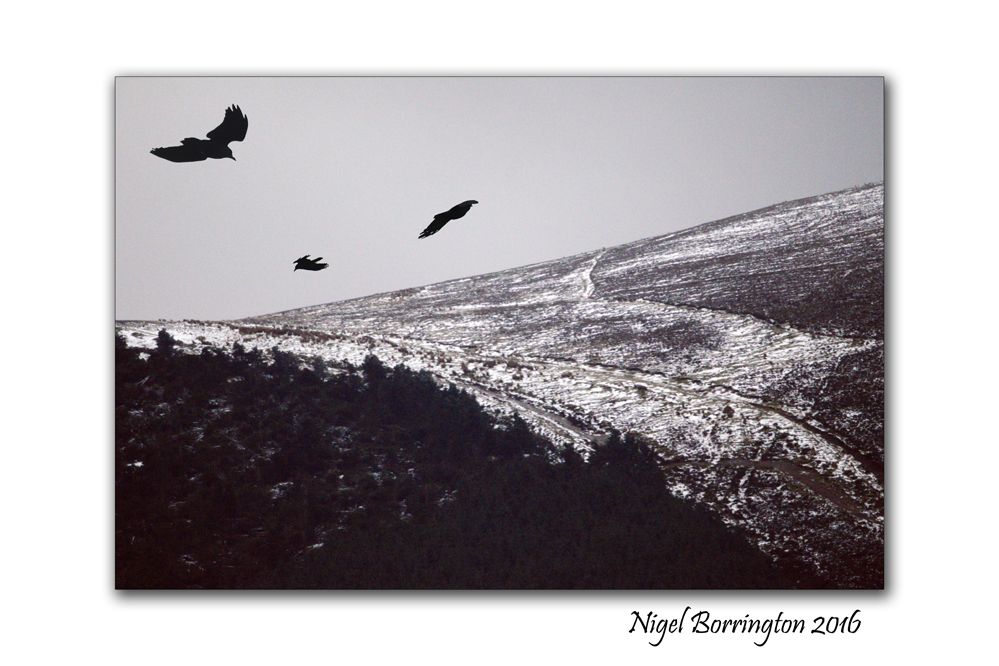
Winter and the Crows
Slievenamon
County Tipperary
Nigel Borrington
Winter Is Coming once Again
The sky is filled with broken light,
The Sun is hidden by deep snow filled clouds,
There’s a chillness to the air,
I feel it everywhere,
All through the days and nights;
Winter is coming.
The Crows fly above Slievenamon
hunting harder then before, and the ground below
Is hard beneath wing and claw,
The trees stand bare of leaves and fruits,
And all around
Is still, Silent;
Winter is coming.
The sun will soon be gone,
Obscured by cloud,
The rivers and lakes begin to freeze,
The wind will bend the trees
Until they’re bowed
In supplication.
Winter is coming, once again.
Only the dead will feed hungry crows:
Mice, rabbits, sparrows.
The light fades from the Sun
Now darker days have come,
for the high crow, cold bites to the marrow,
And Winter is here.
Again.
My November Guest, Robert Frost
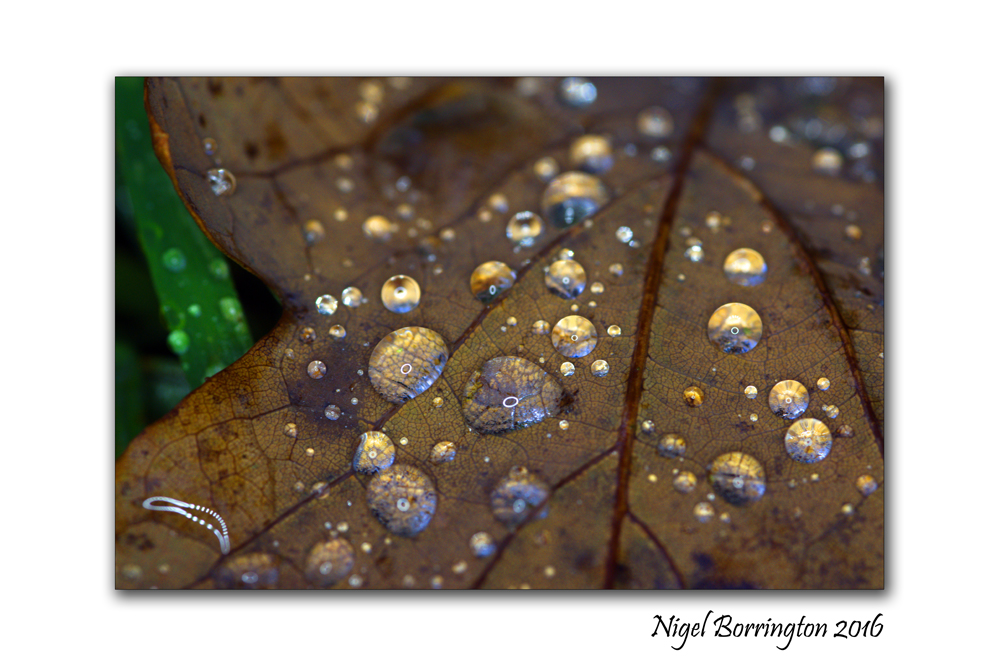
November rain
Nigel Borrington
My sorrow, when she’s here with me,
Thinks these dark days of autumn rain
Are beautiful as days can be;
She loves the bare, the withered tree;
She walks the sodden pasture lane.
Her pleasure will not let me stay.
She talks and I am fain to list:
She’s glad the birds are gone away,
She’s glad her simple worsted gray
Is silver now with clinging mist.
The desolate, deserted trees,
The faded earth, the heavy sky,
The beauties she so truly sees,
She thinks I have no eye for these,
And vexes me for reason why.
Not yesterday I learned to know
The love of bare November days
Before the coming of the snow,
But it were vain to tell her so,
And they are better for her praise.
Kilkenny Landscape Photography, A Poem : Beyond the gate ……..
Kilkenny Landscape photography
Beyond the gate
Nigel Borrington
An open field gate, they always invite you in.
Just like anything in life when something is open it makes you want to explore !!!!
Beyond The Gate
Beyond the gate
Lies a whole new world
If you want to know
Go beyond the gate
We shall not know
Until we go beyond the gate
Landscape Videos : A Misty morning on the kings river, kells, county kilkenny
This morning on the Kings river as it flows through Kells County Kilkenny.
I have just started creating some landscape Videos to go with the Landscape Photography that I take and share here on my blog
So I felt what better way to start than filming an early frosty November morning on the Kings River, Kells, in this video you can hear the birds starting to sing and watch the Leaves fall onto the water. The mist created my the cold and frost was drifting down river.
The Elements : Water, giver of life

The Elements Water
Nature Photography
Nigel Borrington
Water, giver of life
Water, is a great necessity, without it nothing can live. Only earth and water can bring forth a living soul. Such is the greatness of water that spiritual regeneration cannot be done without it.
Thales of Miletus concluded that water was the beginning of all things and the first of all elements and most potent because of its mastery over the rest. Pliny said “Water swallow up the earth, extinguishes the flame, ascends on high, and by stretching forth as clouds challenges the heavens for their own, and the same falling down, becomes the cause of all things that grow in the earth.
Water is a cleansing, healing, psychic, and loving element. It is the feeling of friendship and love that pours over us when we are with our family, friends and loved ones. When we swim it is water that supports us, when we are thirsty, it is water the quenches our thirst, another manifestation of this element is the rainstorms that drench us, or the dew formed on plants after the sun has set.
The power of the energy of Water, can be felt by tasting pure spring water, moving you hand through a stream, lake, pool, or bowl full of water. You can feel its cool liquidity; it’s soft and loving touch, this motion and fluidity is the quality of Air within Water. This Water energy is also contained within ourselves, our bodies being mostly composed of Water.
As well as being vital for life, within the energy of this element is contained the essence of love. Love is the underlying reason for all magic. Water is love.
Water is a feminine element, it also the element of emotion and subconscious, of purification, intuition, mysteries of the self, compassion and family. It is psychic ability; water can be used as a means of scrying or as an object for meditation. Water is important in spells and rituals of friendship, marriage, happiness, fertility, healing, pleasure, psychic abilities and spells involving mirrors.

The element of Water and the pagan Irish Goddess : Boann and the Irish God : Nechtan
eltic (Irish) Goddess of the River Boyne and mother of Angus Mac Og by the Dagda. She was the wife of Nechtan, a god of the water. Likewise, Boann was herself a water-goddess, and one of her myths concerns the water. According to legend, there was a sacred well (Sidhe Nechtan) that contained the source of knowledge. All were forbidden to approach this well, with the exception of the god Nechtan (as was noted, Boann’s husband) and his servants. Boann ignored the warnings, and strode up to the sacred well, thus violating the sanctity of the area. For this act, she was punished, and the waters of the defiled well swelled and were transformed into a raging river, a river that pursued her. In some versions, she was drowned; while in others, she managed to outrun the currents. In either case, this water became the river that was known henceforth as the Boyne, and Boann thereafter became the presiding deity.
Another aspect of the myth of Boann is that she bore Angus. She and the All father of the Tuatha De Danaan, the Dagda, engaged in an illicit affair that resulted in the birth of this god of love. However, since both Boann and the Dagdha wished to keep their rendezvous a secret, they used their divine powers to cause the nine month gestation period to last but a single day – or so it seemed, for the sun was frozen in the sky for those nine months, never setting and never rising. On this magical day, Angus emerged into the world. She held the powers of healing. Variants: Boannan, Boyne.
Ref : Pagan elements of Water
Monday Morning Nature Photography and a Poetry , “The Spiders web” by E.B. White
Wildlife and Nature images
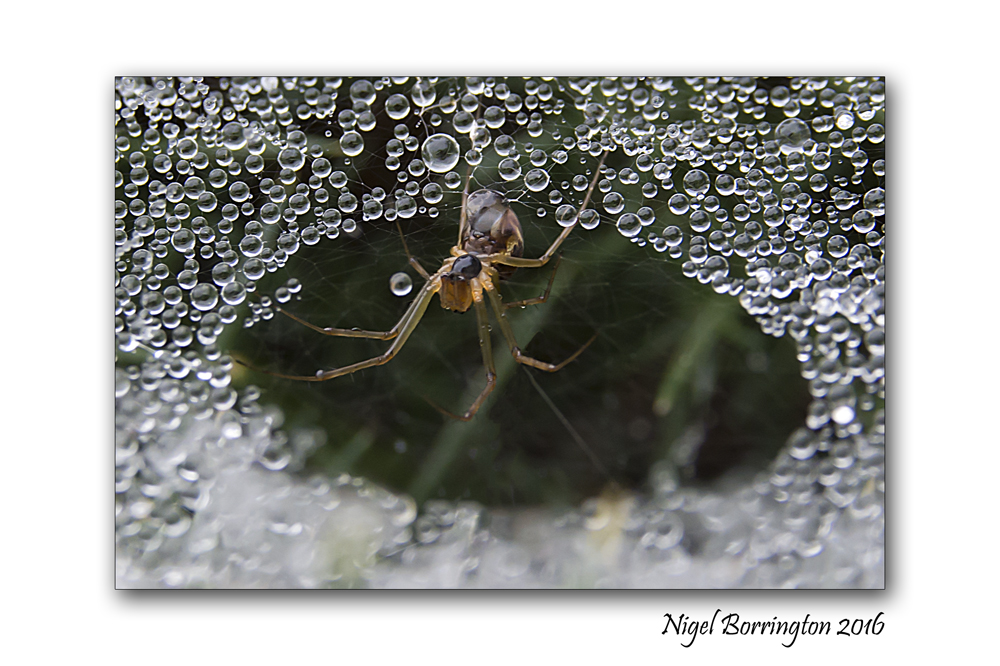
Spider in her web
Nigel Borrington
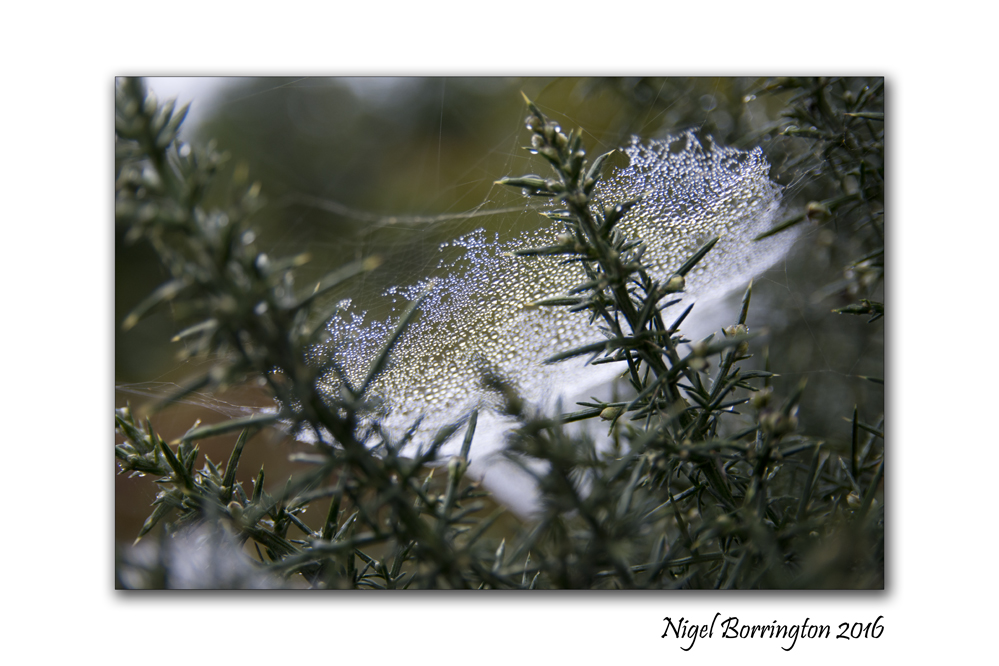
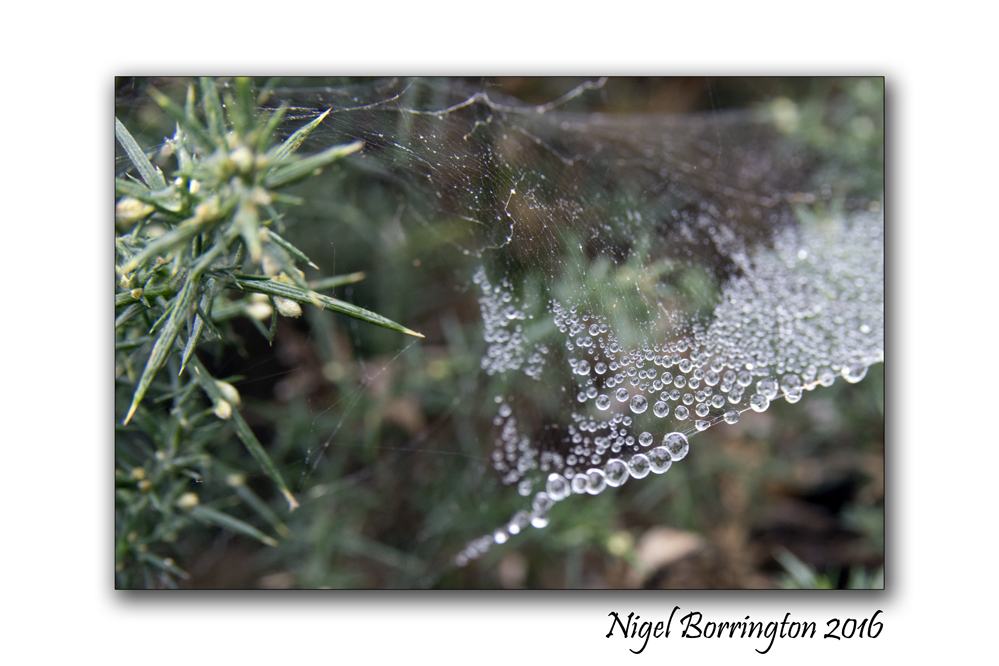
This Morning while walking through our local woods, I came across a Gorse bush and noticed that its was decorated with spiders webs. Each web was covered in early morning dew, so I started to take a few photographs, while doing so I noticed that the spider who had most likely spent most of the night creating these amazing structures was still at work.
It was a great moment! just to stop and watch her as she continued to work on finishing just another one of so many of her webs, I managed to captures some close up images , some of which I share here – 🙂 🙂
“The Spiders web” by E.B. White
The spider, dropping down from twig,
Unfolds a plan of her devising,
A thin premeditated rig
To use in rising.
And all that journey down through space,
In cool descent and loyal hearted,
She spins a ladder to the place
From where she started.
Thus I, gone forth as spiders do
In spider’s web a truth discerning,
Attach one silken thread to you
For my returning.
E.B. White
Spiders web Gallery



Irish Landscape Photography , the river Maine , Kilderry north, county Kerry : Nigel Borrington

Irish Landscapes
River Maine
Kilderry North
County Kerry
Nigel Borrington
A river Poem By : Manonton Dalan
TREE BY THE RIVER
Under the tree’s canopy, there I lay
Dreaming how the world could be
Beyond those clouds, the horizon
Would there be one like me, alone
Got up pick up the roundest stone
Cast to the river and glide by its own
Hits a ripple, goes airborne
For a kid like me, it is a phenom
By the grassy banks, frogs abound
Love to disturb them,
into the river they plunge
Never tried to catch them because they slime
So beautiful, shiny greenish yellow, brown
Water is crystal clear,
see fishes swimming
Stones unturned are coated with stringy green
Constantly dancing as the little shells cling
Reach down to touch the water
Felt something came to me, a power
Don’t know what it was but still here
Flow from the Mountain Spring : Poem “A Mountain Spring” – by Henry Kendall
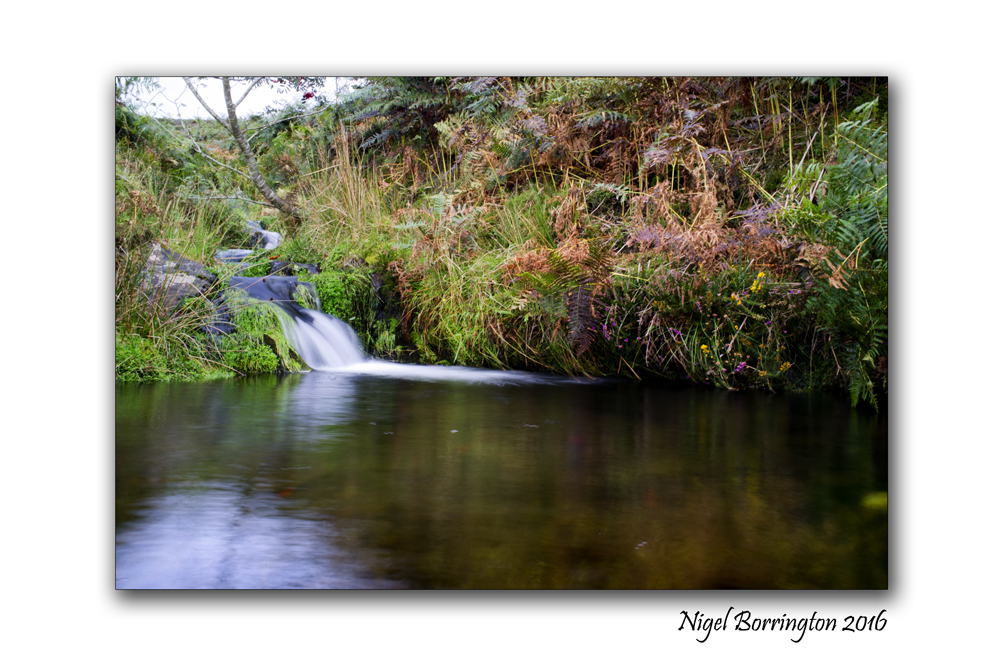
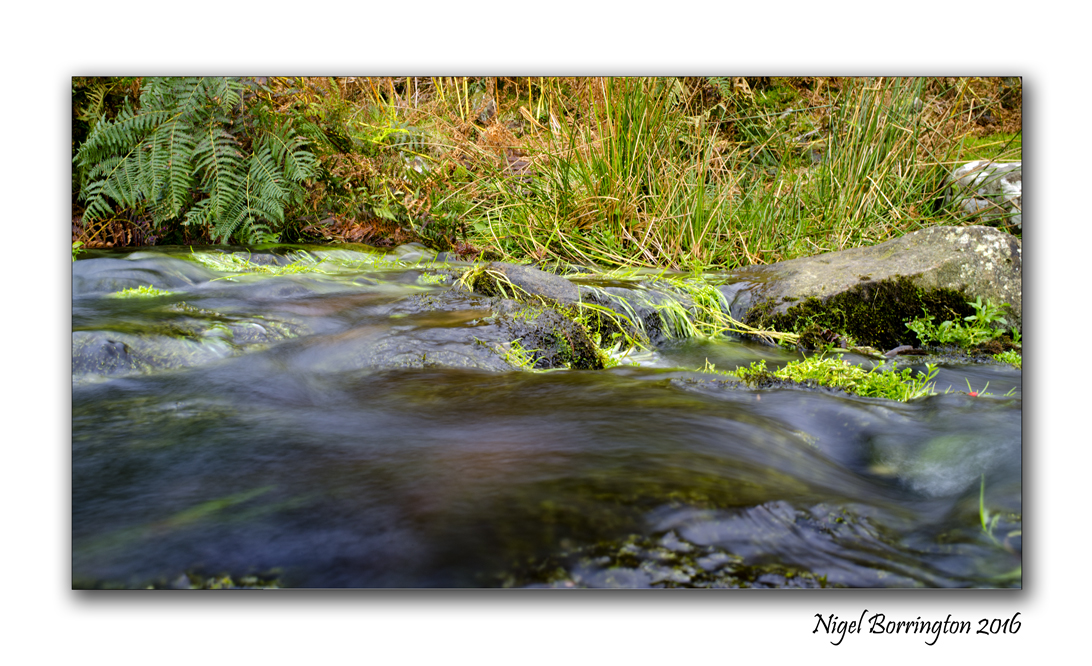
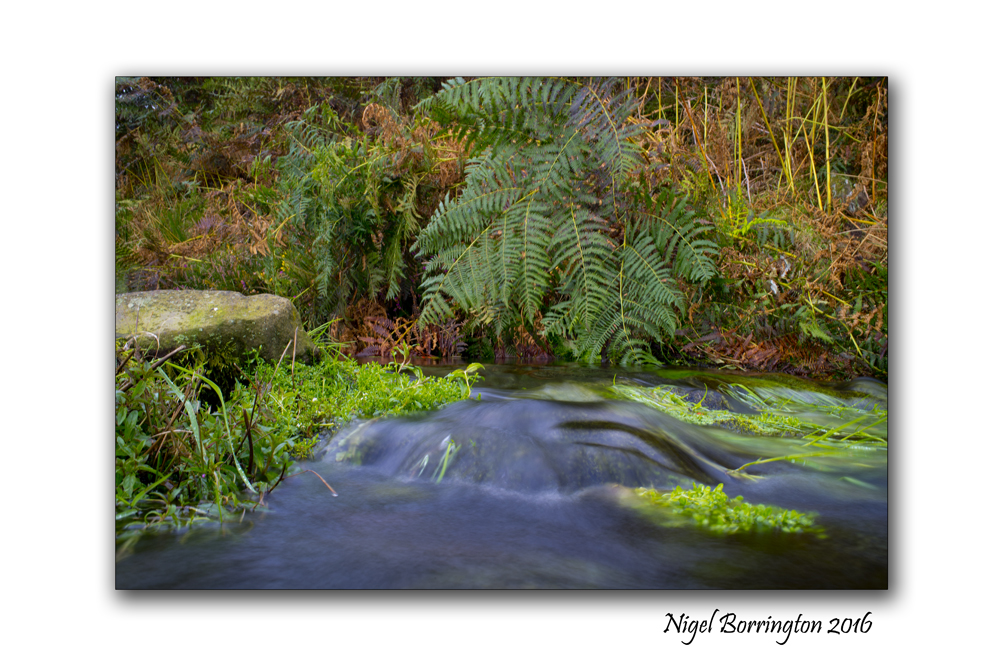
Waters flow from the mountain spring
Slievenamon
Tipperary
Nigel Borrington
Peace hath an altar there. The sounding feet
Of thunder and the wildering wings of rain
Against fire-rifted summits flash and beat,
And through grey upper gorges swoop and strain;
But round that hallowed mountain-spring remain,
Year after year, the days of tender heat,
And gracious nights whose lips with flowers are sweet,
And filtered lights, and lutes of soft refrain.
A still, bright pool. To men I may not tell
The secrets that its heart of water knows,
The story of a loved and lost repose;
Yet this I say to cliff and close-leaved dell:
A fitful spirit haunts yon limpid well,
Whose likeness is the faithless face of Rose.
Henry Kendall
Flow from the Mountain Spring : Gallery


Nature Photography : Hunting for Fungi , Kyleaduhir woods, Callan, Co Kilkenny

Lactarius blennius
Beech milkcap
Kyleaduhir woods Callan , Co. Kilkenny
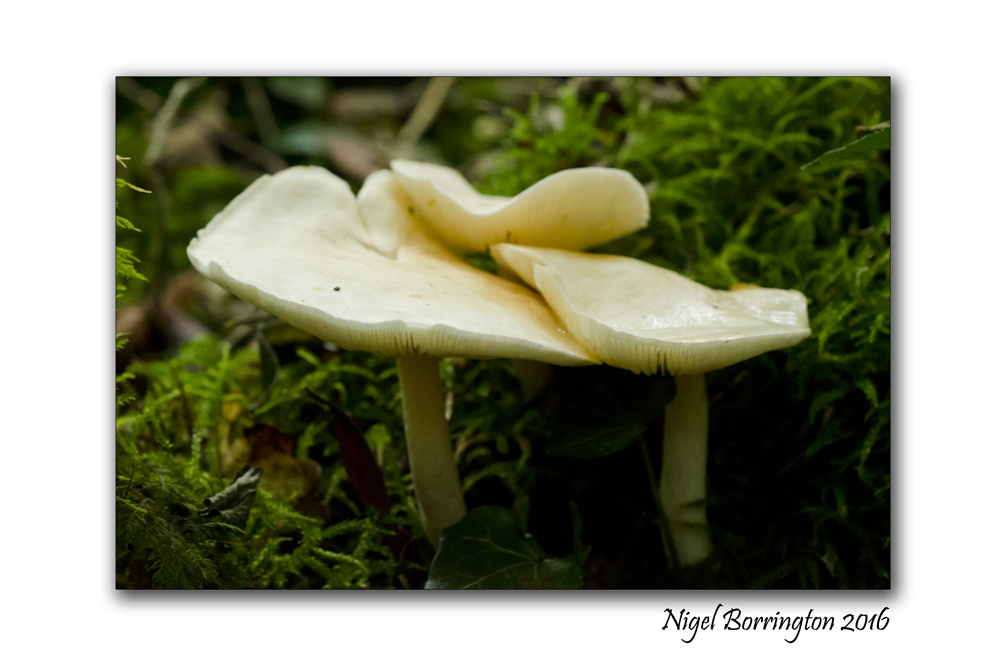
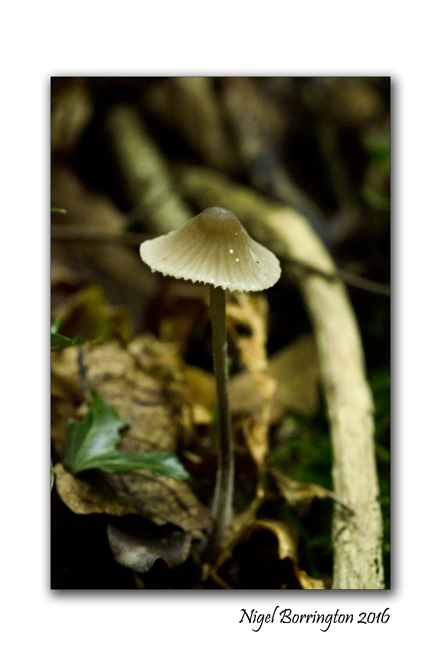
Our local woodlands in September begin to fill with many kinds of fungi, its an almost magical sight, they make great subjects for Macro photography. You need to be happy getting down into the damp and muddy forest floor but the results can be well worth the effort.
Here are some basic facts about Fungi …..
Mushroom Magic and Folklore
Go for a walk in the woods on any given summer day, and you’ll see fungi galore popping up, nestled in amongst the ferns and trees. After a rainstorm, peek out in your backyard and you may see tiny spores beginning to sprout in the grass, forming what’s known as a fairy ring. Mushrooms grow in all shapes and sizes and colors, and – depending on where you live – you might find some that are conducive to magical practice.
It is important to note that unless you are absolutely positive about the type of mushroom you have picked, you should never ingest it or take it internally. There are many toxic mushrooms which look similar to edible ones – if you’re unsure about what you have found, check with a naturalist or other mushroom expert.
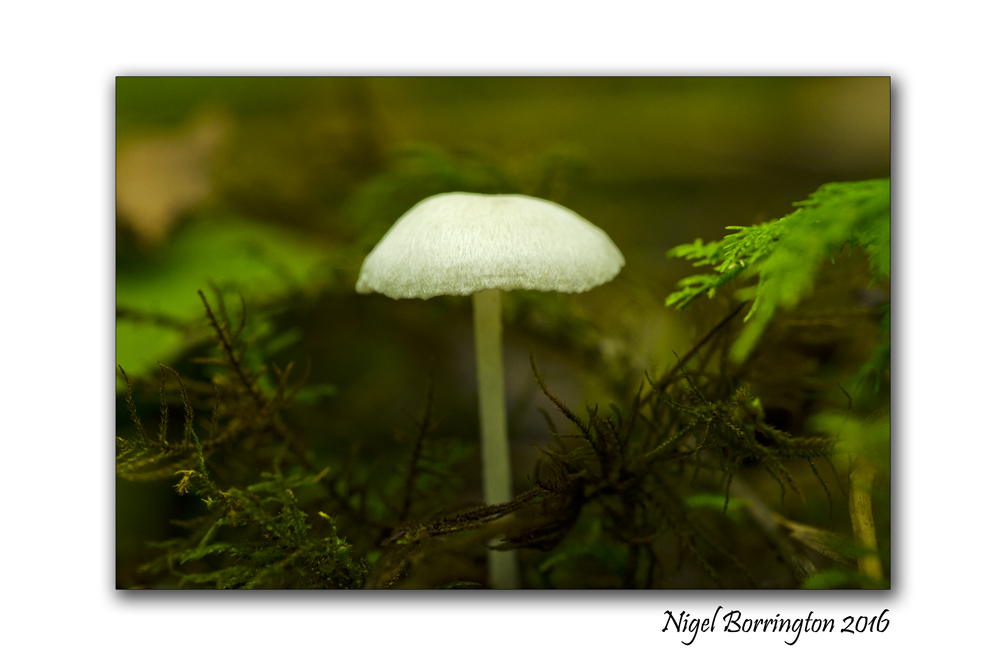
That having been said, there are a number of folk magic uses for mushrooms, and you can incorporate these at a symbolic level, rather than actually ingesting them. Let’s take a look at some of the legends and myths about mushrooms from around the world.
In many areas, the appearance of a ring of mushrooms on the ground is cause for either rejoicing or alarm. In Great Britain, these circles are known as fairy rings – and they are where the Fae come to dance and frolic after a rainstorm. However, like many other locations associated with faeries, humans who dare to enter such a ring may find themselves asleep for a hundred years, or worse yet, whisked off to the land of the wee folk, never to return.
In Holland, these rings are believed to be left when the Devil sets down his milk churn – once he picks it up, there’s a big circle left in the grass. In some countries, such as France and Austria, these rings are associated with sorcery and malevolent magic, and travelers are well-advised to steer clear of them.
Vance Randolph says in his book Ozark Magic and Folklore that in many parts of the Ozarks, it is believed that “mushrooms must be gathered when the moon is full – gather ’em at any other time and they will be unpalatable, or perhaps even poisonous.” He adds that it is said that mushrooms growing in an orchard where apple trees are in bloom are always edible.
One of the best known mushrooms, at least in European culture, is the red-and-white Fly Agaric. This mushroom appears often in illustrations of fairy tales – you might see a gnome or a fairy perched on top of one. Experts believe that the Fly Agaric was used as a hallucinogenic by northern European shamans and religious leaders. Interestingly, it contains two toxins that reduce the body’s response to fear stimulus, so it may have been ingested by warriors prior to battle. In central Europe, the Fly Agaric is associated with the Yule season, and there is a theory that Santa Claus’ red and white suit originated in the colors of this magical mushroom.
In ancient Egypt, mushrooms were a rare delicacy indeed. They were associated with immortality, and as such, only royalty could consume them – because, after all, royal persons were descended from the Egyptian gods themselves. Hieroglyphs found in Egypt indicate that mushrooms were being consumed with meals as long as 4,500 years ago.
In China and Japan, mushrooms were associated with longevity and strength – partly because some of the most popular mushrooms that grew there were known for stimulating the immune system. Shiitake and maitake mushrooms, in particular, have been used in herbal remedies for centuries.
Mushrooms have been used by many cultures throughout time as part of ritual and religion. The toxin psilocybin is found in certain mushrooms, and the use of hallucinogenic fungi has been documented in rituals dating back thousands of years. Entheogen researcher Giorgio Samorini describes the discovery of rock art representing mushroom cults in Libya and Algeria from 7,000 – 9,000 years ago in his article The oldest Representations of Hallucinogenic Mushrooms in the world (Sahara Desert, 9000 – 7000 B.P.).
Monday Poetry – The Eagle By Alfred, Lord Tennyson
The Eagle

The Eagle
Nigel Borrington
By Alfred, Lord Tennyson
He clasps the crag with crooked hands;
Close to the sun in lonely lands,
Ring’d with the azure world, he stands.
The wrinkled sea beneath him crawls;
He watches from his mountain walls,
And like a thunderbolt he falls.
County Kilkenny Landscapes and a Poem : Like Barley Bending, Sara Teasdale (1884 – 1933)
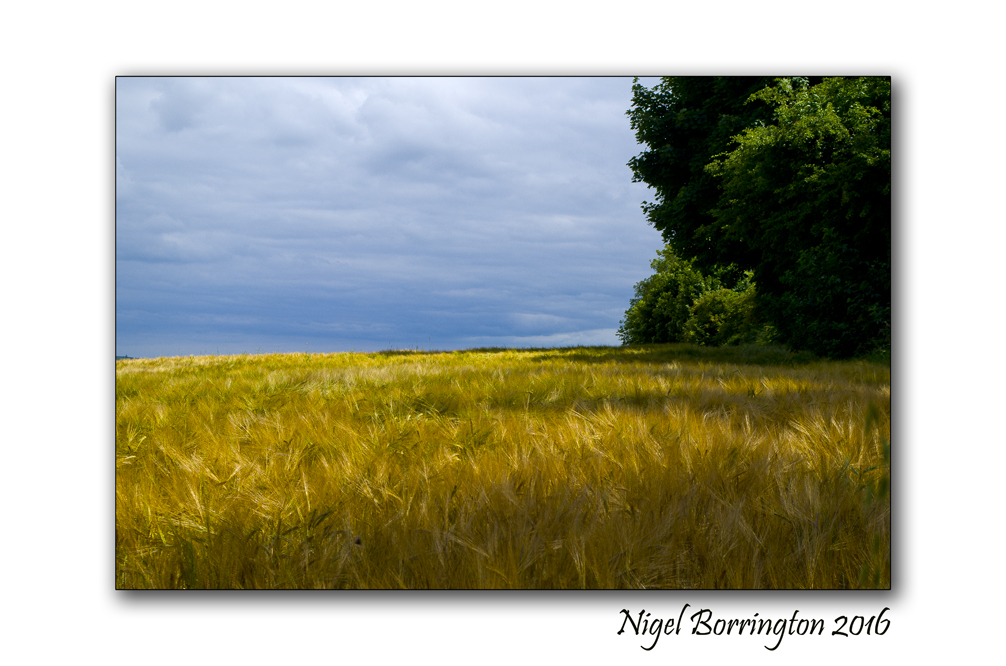
Barley Field
County Kilkenny
Nigel Borrington
Like Barley Bending
Like barley bending
In low fields by the sea,
Singing in hard wind
Ceaselessly;
Like barley bending
And rising again,
So would I, unbroken,
Rise from pain;

So would I softly,
Day long, night long,
Change my sorrow
Into song.
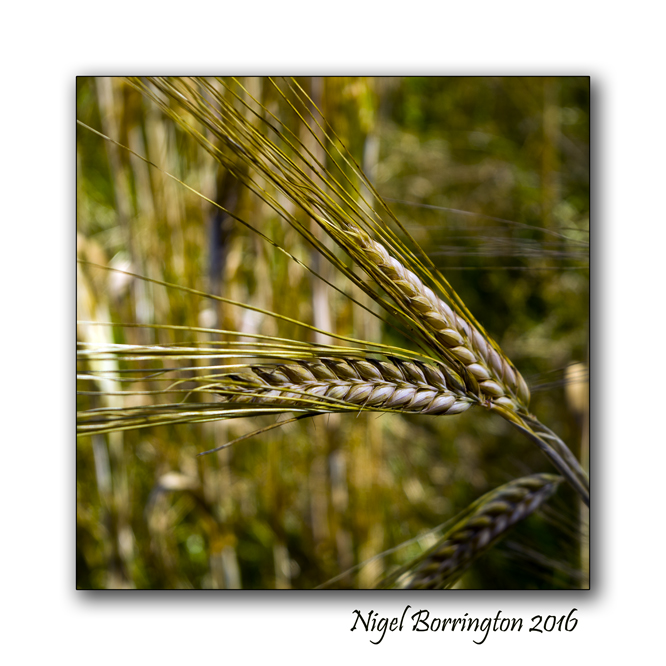
Friday Poem ,The Nightingales Nest by John Clare

The Nightingales Nest
Irish Landscape Photography
Nigel Borrington
The Nightingales Nest
John Clare
Up this green woodland-ride let’s softly rove,
And list the nightingale— she dwells just here.
Hush ! let the wood-gate softly clap, for fear
The noise might drive her from her home of love ;
For here I’ve heard her many a merry year—
At morn, at eve, nay, all the live-long day,
As though she lived on song.
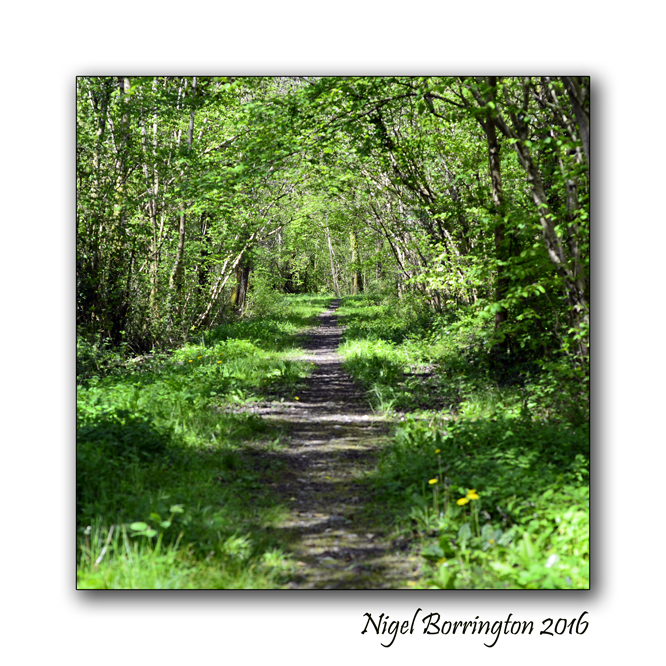
This very spot, Just where that old-man’s-beard all wildly trails
Rude arbours o’er the road, and stops the way—
And where that child its blue-bell flowers hath got,
Laughing and creeping through the mossy rails—
There have I hunted like a very boy,
Creeping on hands and knees through matted thorn
To find her nest, and see her feed her young.
And vainly did I many hours employ :
All seemed as hidden as a thought unborn.
And where those crimping fern-leaves ramp among
The hazel’s under boughs, I’ve nestled down,
And watched her while she sung ; and her renown
Hath made me marvel that so famed a bird
Should have no better dress than russet brown.
Her wings would tremble in her ecstasy,
And feathers stand on end, as ’twere with joy,
And mouth wide open to release her heart
Of its out-sobbing songs.
The happiest part
Of summer’s fame she shared, for so to me
Did happy fancies shapen her employ ;
But if I touched a bush, or scarcely stirred,
All in a moment stopt.
I watched in vain :
The timid bird had left the hazel bush,
And at a distance hid to sing again.
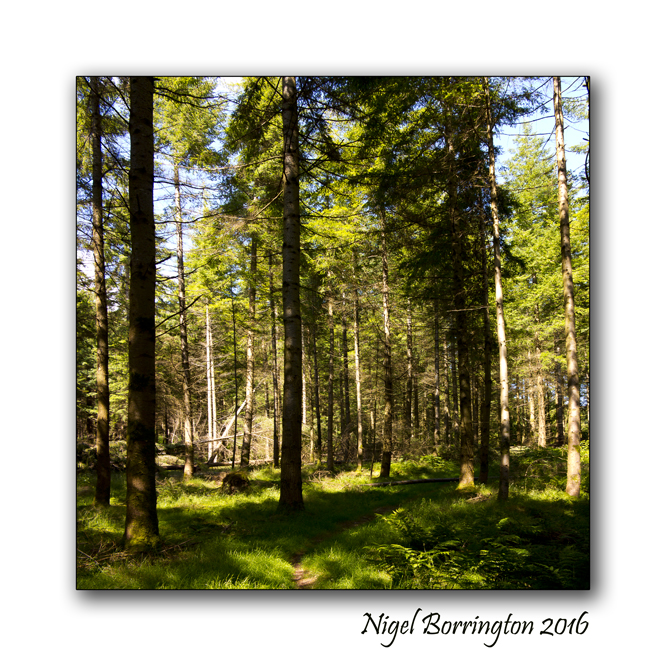
Lost in a wilderness of listening leaves,
Rich Ecstasy would pour its luscious strain,
Till envy spurred the emulating thrush
To start less wild and scarce inferior songs ;
For while of half the year Care him bereaves,
To damp the ardour of his speckled breast ;
The nightingale to summer’s life belongs,
And naked trees, and winter’s nipping wrongs,
Are strangers to her music and her rest.
Her joys are evergreen, her world is wide—
Hark! there she is as usual— let’s be hush—
For in this black-thorn clump, if rightly guest,
Her curious house is hidden.
Part aside
These hazel branches in a gentle way,
And stoop right cautious ‘neath the rustling boughs,
For we will have another search to day,
And hunt this fern-strewn thorn-clump round and round ;
And where this reeded wood-grass idly bows,
We’ll wade right through, it is a likely nook :
In such like spots, and often on the ground,
They’ll build, where rude boys never think to look—
Aye, as I live ! her secret nest is here,
Upon this white-thorn stump ! I’ve searched about
For hours in vain.
There! put that bramble by—
Nay, trample on its branches and get near.
How subtle is the bird ! she started out,
And raised a plaintive note of danger nigh,
Ere we were past the brambles ; and now, near
Her nest, she sudden stops— as choking fear,
That might betray her home.
So even now We’ll leave it as we found it : safety’s guard
Of pathless solitudes shall keep it still.
See there! she’s sitting on the old oak bough,
Mute in her fears ; our presence doth retard
Her joys, and doubt turns every rapture chill.
Sing on, sweet bird! may no worse hap befall
Thy visions, than the fear that now deceives.
We will not plunder music of its dower,
Nor turn this spot of happiness to thrall ;
For melody seems hid in every flower,
That blossoms near thy home.

These harebells all Seem bowing with the beautiful in song ;
And gaping cuckoo-flower, with spotted leaves,
Seems blushing of the singing it has heard.
How curious is the nest ; no other bird
Uses such loose materials, or weaves
Its dwelling in such spots : dead oaken leaves
Are placed without, and velvet moss within,
And little scraps of grass, and, scant and spare,
What scarcely seem materials, down and hair ;
For from men’s haunts she nothing seems to win.
Yet Nature is the builder, and contrives
Homes for her children’s comfort, even here ;
Where Solitude’s disciples spend their lives
Unseen, save when a wanderer passes near
That loves such pleasant places.
Deep adown, The nest is made a hermit’s mossy cell.
Snug lie her curious eggs in number five,
Of deadened green, or rather olive brown ;
And the old prickly thorn-bush guards them well.
So here we’ll leave them, still unknown to wrong,
As the old woodland’s legacy of song
In the Silence of it All ~ Lily Mae

In the Silence of it All, Nigel Borrington
In the silence of it All
Lily Mae
Flower, sometimes when I stare up into the clouds
I feel such a part of something divine
like there is an energy that passes through me
from all times and I feel so loved
Yet…here we are you and I
cupping our hearts in our hands
while sending unconditional love out
to the ones we love and I wonder..
Flower do they feel it?

Close your eyes Sweet Lily and you will know
Connect with the passion burning inside you
that he alone has brought luvingly to your soul
feel the vibration of the universe as thoughts intertwine
among the orange streaks across the sky
The blackened night brings favour for you and I
for in the silence is where our thoughts collide
when everything around them stops and is still
that’s when they truly feel us

That’s when they close their eyes…..and they know too

The Farrier, by : Robert L. Hinshaw
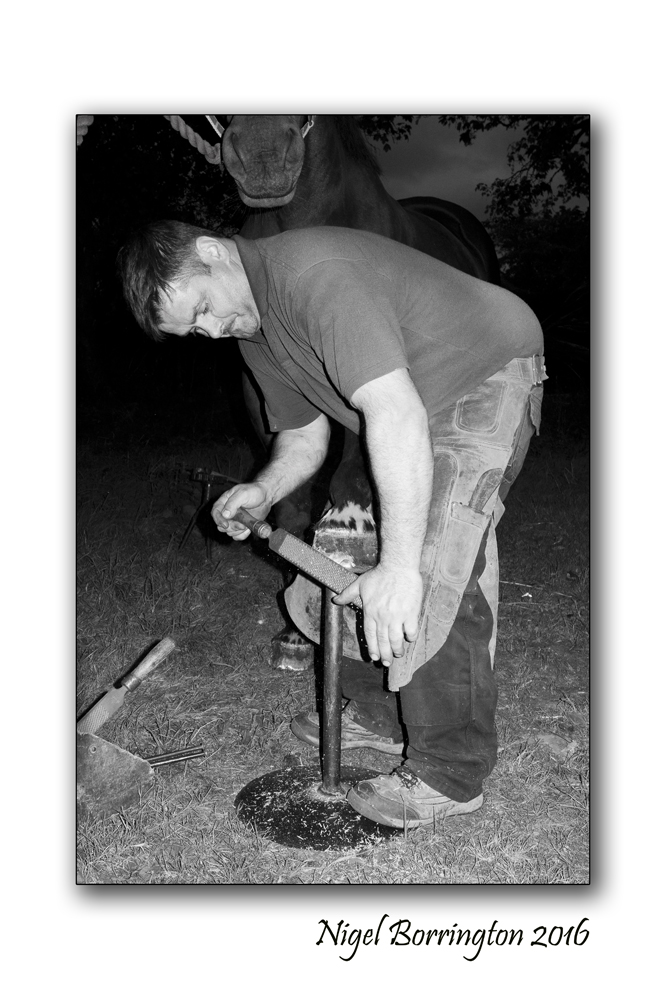
The Farrier
Kilkenny
Nigel Borrington
The Farrier
Robert L. Hinshaw
He billed himself as an expert in the field of “equine podiatry”,
Better known as a farrier for farmers and the cream of society!
Keeping horses shod and their hooves polished was his vocation.
With horseflesh he’d had many an interesting confrontation!
He always had a roll-yer-own dangling from his lips,
And a blackened leather apron wrapped about his hips.
His jaw was set and with biceps wrought of tempered steel,
He’d strike the anvil with his hammer – what a rhythmic peal!

In his jumbled shop he’d shod animals of many breeds.
Donkeys, mules, ponies and prized Arabian steeds.
He shoed critters pulling covered wagons to unknown frontiers,
And many a cowpokes cayuse for the round-up of his steers!
One detail they didn’t cover when he was in farrier school,
Was how to deal with the occasional cantankerous mule.
Many times he’d found himself sprawled upon the dirt,
With the outline of a hoof imprinted upon his shirt!
Tho’ his profession never guaranteed a life of glamour,
And knowing he’d not get rich wielding a tongs and hammer,
Yet, it was challenging working with ornery mule and horse,
Always hoisting their hindquarters very gingerly of course!
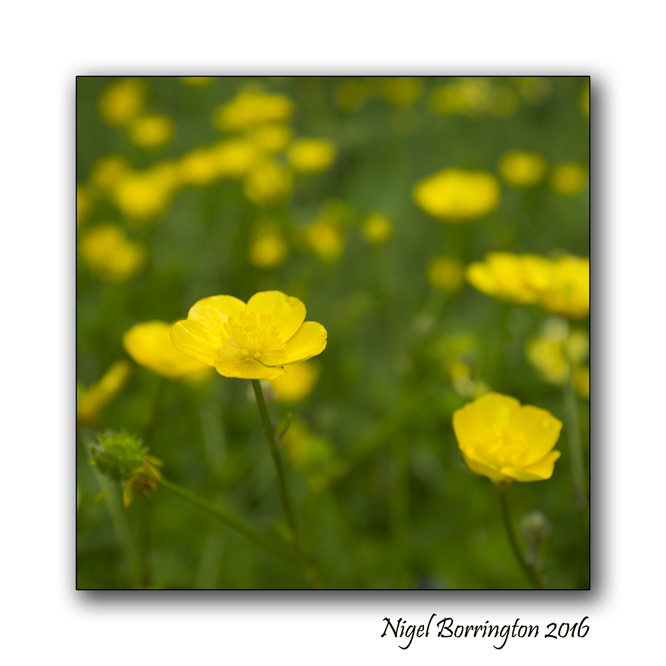
Monday Poetry , A Buttercup Tale – Poem by sylvia spencer
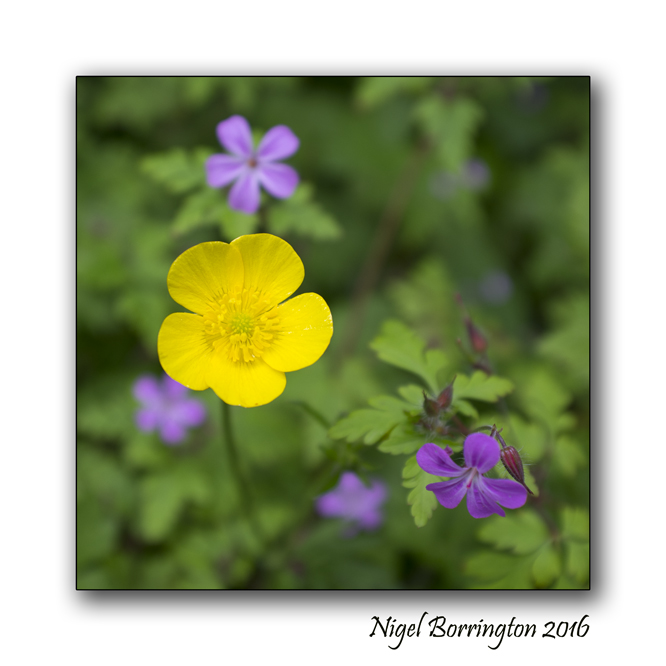
The Buttercup Poem Nigel Borrington Nature Photography
A Buttercup Tale –
Poem by sylvia spencer
I know of a buttercup with a story to tell
and I can honestly say there has never been a
story told so well. A pretty buttercup so wild and free
once made friends with an old oak tree but sadly the
tree was cut down and little Miss butercup wore a frown;
she still bows her head in the summer sun because she
feels sad about what was done.
She then lived next door to a tall fox glove and she thought
in her heart that he had fallen in love, because he sheltered her
from rain all summer long and in the wind and rain he is
so brave and strong.

Sadly the foxglove did not feel the same and the buttercups
heart was jilted again.
On into the meadows she moved once more hoping that life
would be better than before. It was here she met the Dandelion
a real good catch and now they live together on the farmers
cabbage patch.
sylvia spencer

 Nigel Borrington
Irish Landscape, “As above so below” Quotes by Isaac Newton from 1680.
As above so below
Irish landscapes in sunlight
Nigel Borrington
At this time of year the sky’s and the sunlight can be an amazing sight on the landscape. views like these always remind me of the words of Isaac Newton when he said “As above so below”. he was the scientist who when working with sunlight and a prism split pure white light into its colors of (red, orange, yellow, green, blue and violet).
The words “As above so below”
Quoted here is the version by Isaac Newton from circa 1680.
. Tis true without lying, certain & most true.
. That which is below is like that which is above & that which is above is like that which is below to do the miracles of one only thing.
. And as all things have been & arose from one by the meditation of one: so all things have their birth from this one thing by adaptation.
. The Sun is its father, the moon its mother,
. The wind hath carried it in its belly, the earth its nurse.
. The father of all perfection in the whole world is here.
. Its force or power is entire if it be converted into earth.
. Separate thou the earth from the fire, the subtle from the gross sweetly with great industry.
. It ascends from the earth to the heaven & again it descends to the earth and receives the force of things superior & inferior.
. By this means you shall have the glory of the whole world & thereby all obscurity shall fly from you.
. Its force is above all force, for it vanquishes every subtle thing & penetrates every solid thing.
. So was the world created.
. From this are & do come admirable adaptations where of the means (or process) is here in this.
. Hence I am called Hermes Trismegist, having the three parts of the philosophy of the whole world.
. That which I have said of the operation of the Sun is accomplished & ended.
As above so below, Gallery
Share this:
March 7, 2017 | Categories: Comment, Humanism, Irish coastline, Landscape, Nature, Nature and Wildlife, Poetry Gallery, Story telling gallery | Tags: As above so below Quotes, Creation, irish landscape, Isaac Newton, Landscape, Nigel Borrington, Quotes, verse | 5 Comments