Spring On The River – Poem by Archibald Lampman
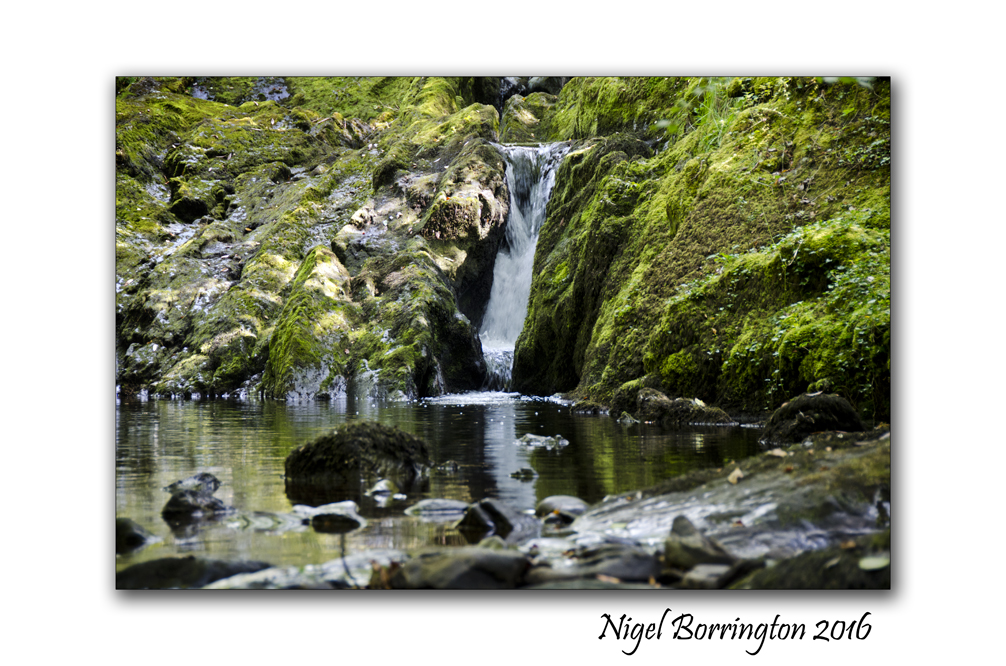
Springtime at the River
Irish landscapes
Nigel Borrington
This weekend i am planning to do some river walks, Springtime down near the rivers here in Kilkenny is a great experience with so much new life around.
What-ever you are doing I hope you have a great time 🙂
Spring On The River
By Archibald Lampman
O sun, shine hot on the river;
For the ice is turning an ashen hue,
And the still bright water is looking through,
And the myriad streams are greeting you
With a ballad of life to the giver,
From forest and field and sunny town,
Meeting and running and tripping down,
With laughter and song to the river.
Oh! the din on the boats by the river;
The barges are ringing while day avails,
With sound of hewing and hammering nails,
Planing and painting and swinging pails,
All day in their shrill endeavor;
For the waters brim over their wintry cup,
And the grinding ice is breaking up,
And we must away down the river.
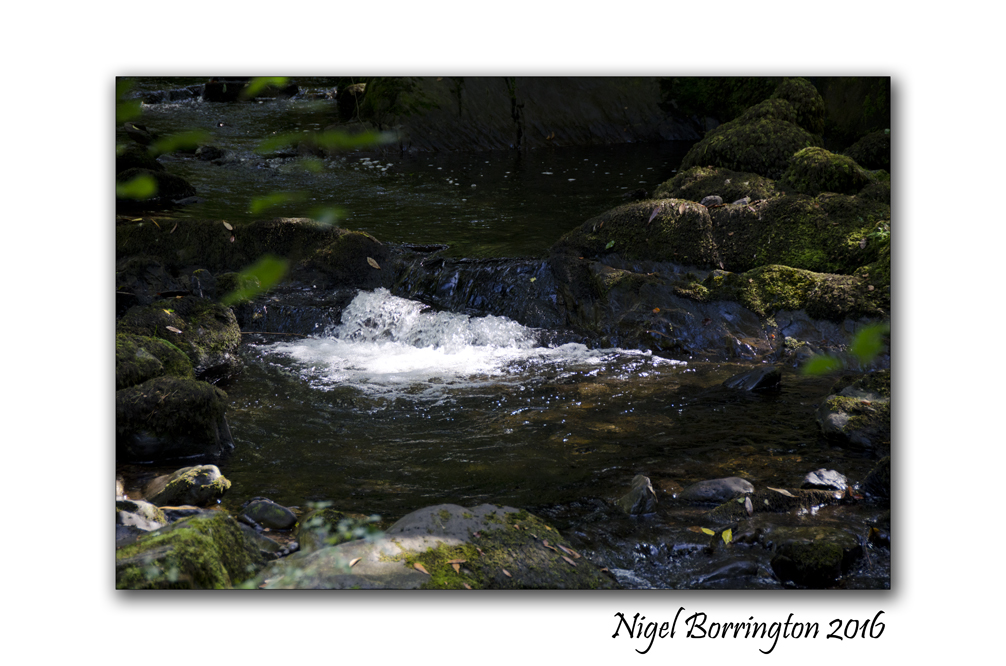
Oh! the hum and the toil of the river;
The ridge of the rapid sprays and skips:
Loud and low by the water’s lips,
Tearing the wet pines into strips,
The saw mill is moaning ever.
The little grey sparrow skips and calls
On the rocks in the rain of the water falls,
And the logs are adrift in the river.
Oh! restlessly whirls the river;
The rivulets run and the cataract drones:
The spiders are flitting over the stones:
Summer winds float and the cedar moans;
And the eddies gleam and quiver.
O sun; shine hot, shine long and abide
In the glory and power of the summer tide
On the swift longing face of the river.

The Red Ruffed Lemur from Madagascar, Fota Wildlife Park, County Cork

Red Ruffed Lemur
Fota Wildlife Park
County Cork
Nigel Borrington
There are so many different Species of Wildlife at Corks Fota Wildlife park that you would need many visits in order to get to know as much as you can about them all, along with getting enough time to observer their individual personalities.
During last weekends visit I found so much that I liked about them all but for me the Red Ruffed Lemurs were very special fun to spend some time with. They never stopped moving around their island and their climbing and balancing skills were just amazing to take in.
Here are some basic details about these wonderful Lemur’s
About the Red Ruffed Lemur
Named for the long thick fur that grows around its head and body, the Red Ruffed Lemur is an agile primate that has made the island of Madagascar its home. Males and females look the same – its body is close to its feet, the animal has piercing (sometimes reddish) eyes and it usually weighs between seven and 12 pounds.
Habitat
Ruffed Lemurs are found exclusively on the island of Madagascar off the continent of African, and are generally found in the upper canopy of the tropical rainforests on the eastern side of the island.

Wild Notes
The species is considered to be crepuscular, which simply means that they are most active at dawn and dusk. Their diet consists mainly of fruits, seeds, nectar and plant matter and the animal scent marks its territories and uses an elaborate system of alarm calls to alert other group members if predators are nearby.
Female Red Ruffed Lemurs don’t carry their offspring like most other primates; instead, mothers give birth and leave their young in nests that are generally found between ten and 20 metres above ground level. However, infant mortality is high with about 65% of newborns not reaching three months.
Conservation
The species is listed as being Critically Endangered after a significant decline in population in recent decades because of agriculture, logging and mining activities across its habitat. In fact, over 90% of Madagascar’s original rainforest is gone.
It is estimated that there could be as few as 1,000 to 10,000 left in the wild, while the Black & White Lemur is the most Endangered of the two Ruffed Lemurs.
Did you know?
The Ruffed Lemur feeds on nectar by sticking its long nose deep into the flower. The Lemur’s snout becomes coated with pollen in the process, which is then transported to other flowers – making the animal an important pollinator within its local habitat.
The Fota Connection
The Park is home to three of the 16 species of Lemur and two varieties of the Ruffed Lemur – the Red and Black and White species.
The Ruffed Lemurs are maintained on separate islands alongside each other in the lakes area as they are territorial animals, while Fota has been actively involved in a series of projects aimed at preserving what remains of their natural habitat in Madagascar.
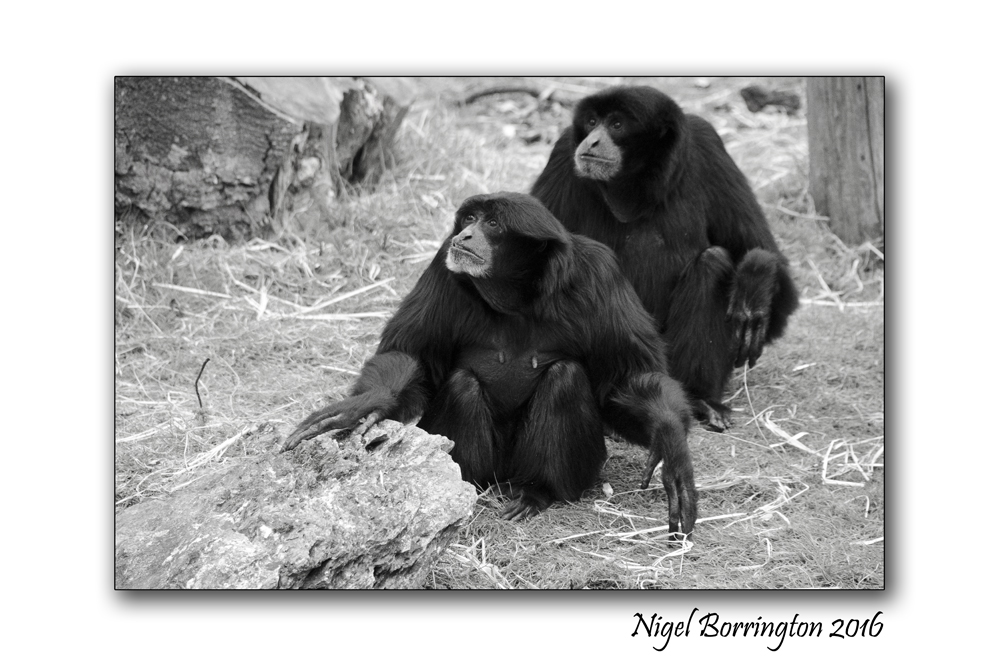
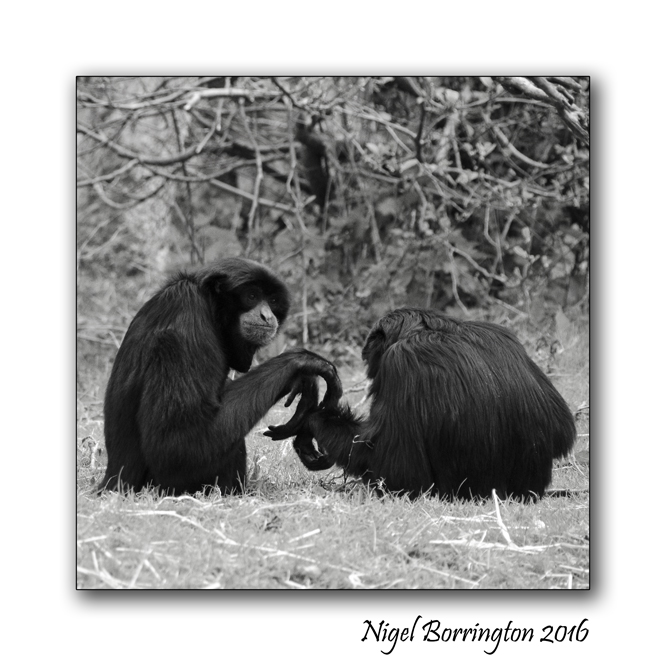
Portraits of Siamang Gibbon’s, Fota Island wildlife park , County Cork
Siamang Gibbon
Fota Wildlife Park
County Cork
Nigel Borrington
During last weekend we visited Fota wildlife park in county cork and spent many great hours getting to know many of the animals they have in their care.
The Siamang Gibbon at the park are all member of the same family 🙂
Here are some details and fact about them , just to help you get to know them a little better 🙂
About the Siamang Gibbon
With a Latin name that means ‘Dweller in the trees’, the Siamang Gibbon is a tailless, black-furred ape that can grow to be twice the size of other Gibbons. Like other apes, the Siamang Gibbon has quite an upright posture and well-developed brain. However, it can weigh up to 14kg and has a special throat sac to amplify its call, which can be heard up to two miles away in the forest canopy.
Habitat
Native to the forests of Sumatra, Malaysia and Thailand, its home range overlaps with both the Lar and Agile Gibbons 0 though because of its largely leaf-eating habits, it does not compete for what the forest has to offer the other species.

Wild Notes
Siamangs are very agile and acrobatic creatures and their extra-long arms help them swing up to 15 feet in one move. Its arms stretch out to help with balance while walking and because it uses its hands so frequently while traveling, the Gibbon tends to carry items with its feet.
Conservation
Siamang Gibbons are considered to be Endangered as 70-80% of their primary habitat has been lost to palm oil production in recent decades. The illegal pet trade has also taken a toll on wild populations, but there are a growing number in existence in captivity across the world.
Did you know?
The Siamang Gibbon mates for life with both parents playing a role in rearing offspring. Breeding males and females also sing duets in order to maintain their bond and establish territory boundaries.
As a fellow ape, the Siamang is also the closest related animal to Mankind in the Park.
The Fota Connection
One of the noisiest crews in the Park, the Siamang Gibbons are hard to ignore and have been at Fota right from the beginning.
They feed on fruit, vegetables, nuts and willow branches and can often engage in long bouts of calling out if the Park is busy and they feel their territory might be under threat. Situated on Monkey Island, their location allows visitors get right up close.
Taking a nap, Bennett’s wallaby (mother and babies) at Fota wildlife park, County Cork

Taking a Nap
Bennetts Wallaby and baby
Nigel Borrington
During the last weekend we visited Fota wildlife park in county cork and spent many great hours getting to know many of the animals they have in their care.
The weather was perfect during the time needed to walk around all the islands and planned routes around the park, with many of the animal on open display and very easy to view you get a very personal experience.
The image above is of a female Bennett’s Walley, with two of her babies resting Snuggly in her pouch, I felt very lucky to get a great view of the three of them as they all napped in the midday sun 🙂

About the Bennett’s Wallaby
Sometimes called the Red-necked Wallaby, the species has a mainly grey coat with reddish shoulders and a black nose and paws. The male’s body can measure up to 90cm in length and weigh up to 18kg; the female, in contrast, is smaller – though both have five clawed-tipped fingers that are used for feeding and grooming.
Habitat
A native of the east coast of Australia and Tasmania, the Bennett’s Wallaby is noctural – resting during the day and coming out to feed at night. Largely a solitary animal, it follows a herbivorous diet and gains most of the water it needs through the food sources it consumes. Breeding can occur at any time of the year with females giving birth to one offspring – known as a Joey – once every 12 months.
Wild Notes
The Wallaby’s ears are very sensitive and are its first line of defence in that it will bound away from a predator as soon as it hears one nearby. Each of its hind legs has an elastic tendon that allows the species catapult itself forward as its tail acts like a rudder, enabling the Wallaby to change direction quickly.

Conservation
Once hunted for their meat and fur and persecuted by ranchers and farmers, Wallabies are now a protected species. The move has seen their numbers in the wild increase in recent years and as the species is tolerant of alternative habitats, it is of Least Concern on the Endangered List.
Did you know?
Similar in size to a grape when born, Joeys grow to 2,000 times its birth weight during the first six months of its life. They begin to leave their mother’s pouch from about seven months and are fully independent at a year old.
The Fota park Connection
The Park’s Wallabies are free ranging and now number between 50 and 70 animals around the island. More easily spotted in the early morning or late evening when the Park is quieter, this species feeds on the grass of the African Savanah or Woodlands areas and tends to be timid and hard to get too close to
——————-
I will post lots more images of all these great creatures at Fota park and do my best to introduce them to you 🙂
The Presence of Trees – By Michael S. Glaser

The Presence of Trees
Nature Photography
Nigel Borrington
The Presence of Trees
by Michael S. Glaser
I have always felt the living presence
of trees
the forest that calls to me as deeply
as I breathe,
as though the woods were marrow of my bone
as though
I myself were a tree, a breathing, reaching
arc of the larger canopy
beside a brook bubbling to foam
like the one
deep in these woods,
that calls
that whispers home
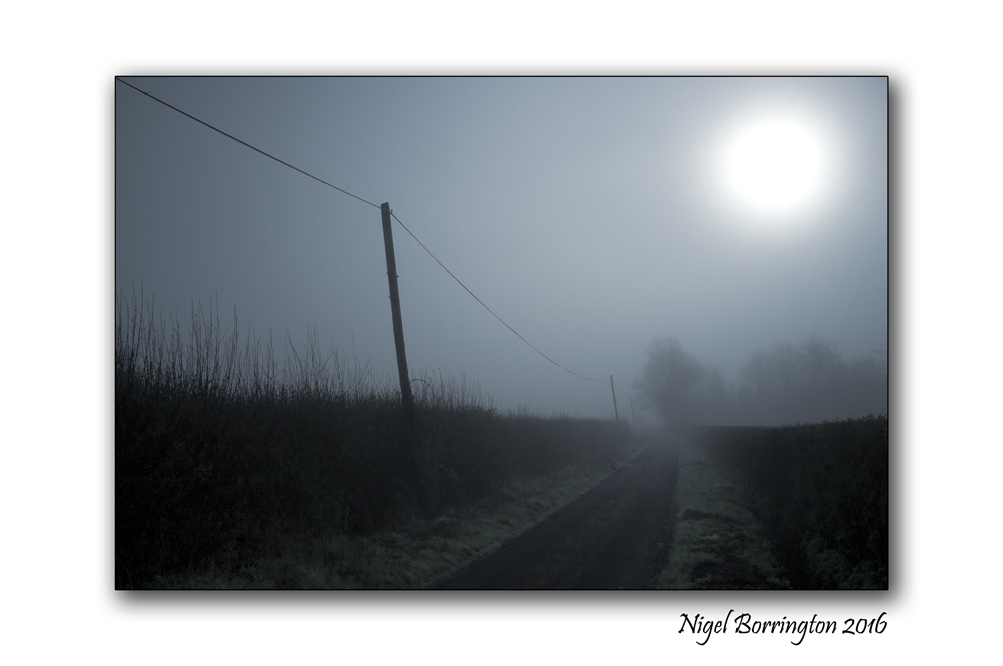
A foggy Morning Poem , 12 O’clock In the Morning
Foggy Midnight poems
Kilkenny
Nigel Borrington
12 O’clock In the Morning
Late nights are when my thoughts linger
I think too deep and begin to ponder
Why life has no purpose but to bring joy or pain
We have so much to lose but much more to gain
Many people give up too fast
Instead of living in the present, they focused on the past
These thoughts strike in the middle of the night
And they make me wonder with all of my might

I haven’t lost that much
The only thing I fear is to lose all trust
Half of that is already gone
It got swept away with old love songs
My thoughts are getting foggy an hard to see
The midnight hour is the key
Thank you !!!

Local Primroses
to say
Thank You !!
This Morning I changed the welcome text on my home page to ready as follows …..
“
Welcome
I started this blog in 2011 with the aim of sharing some of my images of many the locations here in Ireland where I live along with some great places visited on my travels. The images on this blog while I always hope are great to look at, are less about image perfection and more about sharing the moments and atmospheres in the locations I find myself in at the time I capture a scene, this is how I view my photography !. I very much hope you enjoy the posts you find here, since 2011 this blog has had well over 150,000 visits and 70,000 likes for it’s pages and I would like to say a big THANK YOU ! to everyone who has already visited this blog leaving a like or making a comment, both of which are very much appreciated. I look forward to many more posts and also reading all the great blog posts from so many great people in the WordPress community 🙂
”
Again thank you so much for visiting here and both clicking the like button and adding such great comments, I value them very much 🙂 🙂
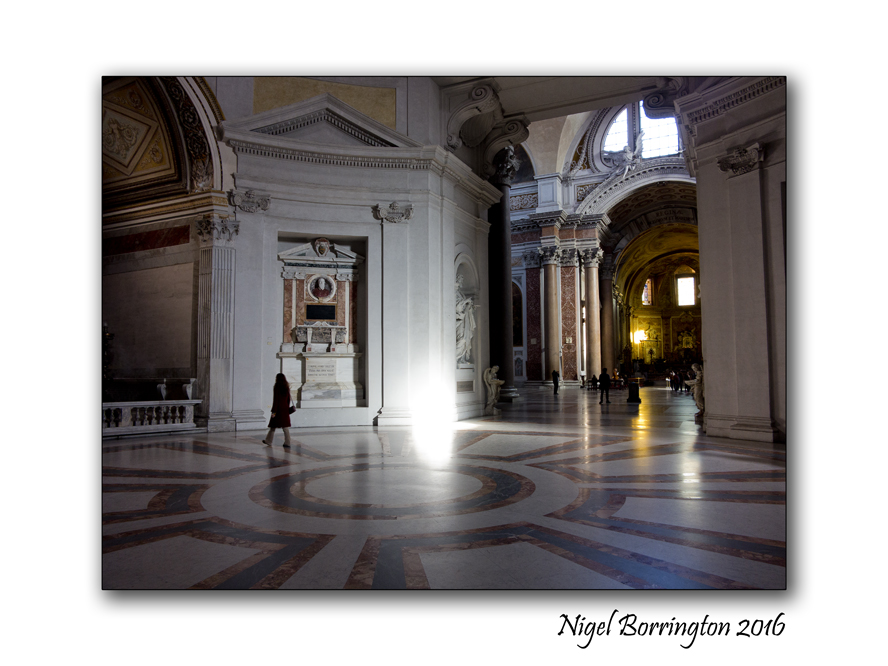
Monday in Rome , The Basilica of St. Mary of the Angels

Basilica S Maria Degli Angelie
Rome
Nigel Borrington
A Sense of Place –
The Basilica – Santa Maria degli Angeli e dei Martiri Piazza della Repubblica, in Roma just has to be one of the most beautiful Basilica’s in the city.
Located on the Piazza della Repubblica outside of the Vatican, it is only one of the cities many churches but it holds a level of peace and normality that you cannot find in the likes of St Peters.
Here is just a handful of the many images I enjoyed capturing on a recent visit ….
Gallery



Sunday, taking pictures in the Rain
Study of Rain drops
Nature Photography : Nigel Borrington
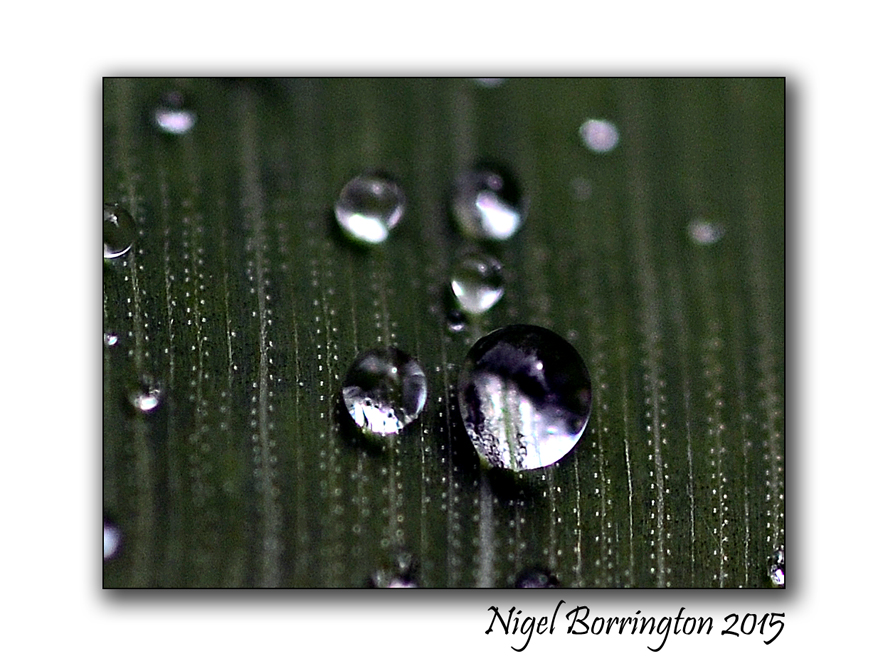
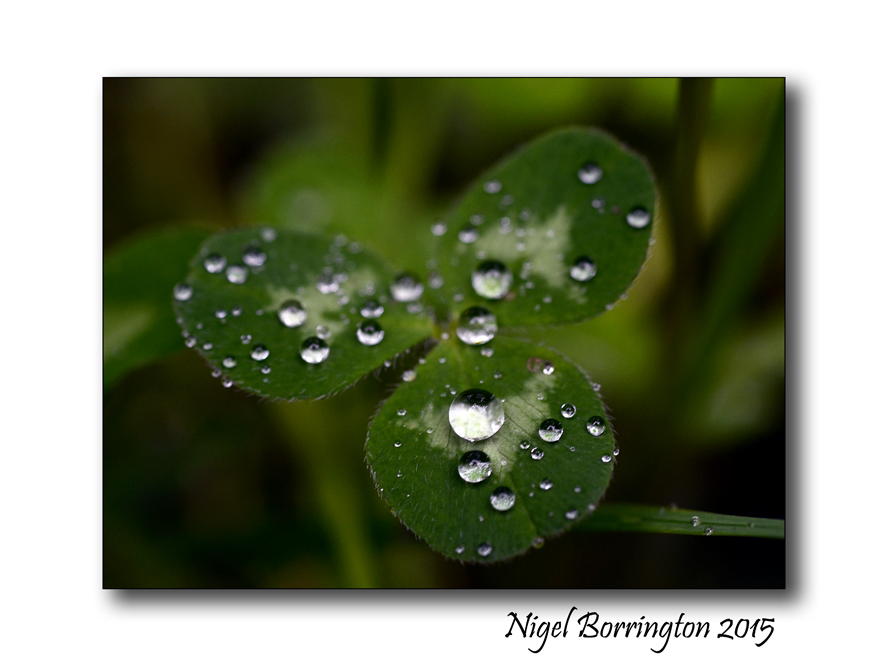
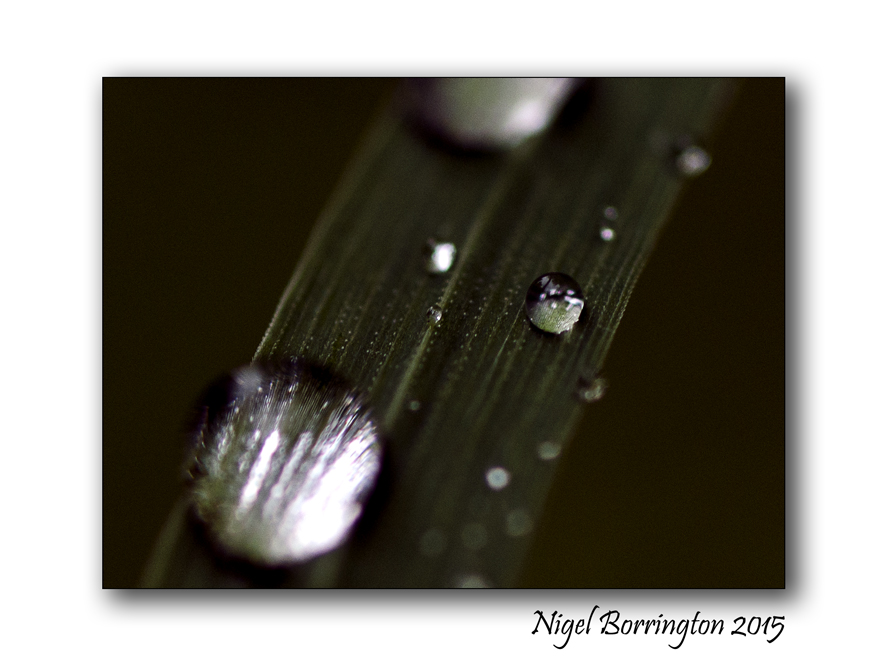
We have had all seasons in one weekend here in Ireland , with Sun Snow and today Rain :). I had intended to do lots of walking today but it is just to windy for mountain walks. So I have decided after looking out of the windows for a while to do a photo study of the rain when the winds dye a little.
These images are form a day just like this one last year and I will use them as some inspiration today, I used a macro lens for these shots and the above image also captured the amazing structure of the grass that the rain drops rested themselves on.

Never shot into the Sun ?

Never shot into the sun ?
Abstract photography
Nigel Borrington
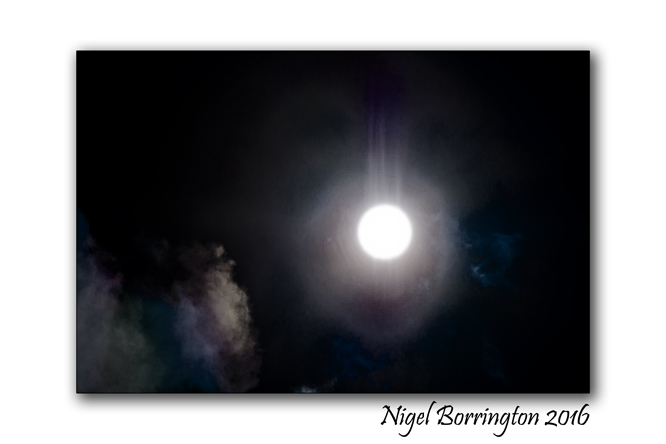
The idea of never pointing your camera into the sun always makes me smile, because you can create some amazing effects when you do ….
Just remember to use the LCD screen as a viewfinder !
Abstractions of the Sun , A Gallery


Friday poetry : The To-be-forgotten By Thomas Hardy

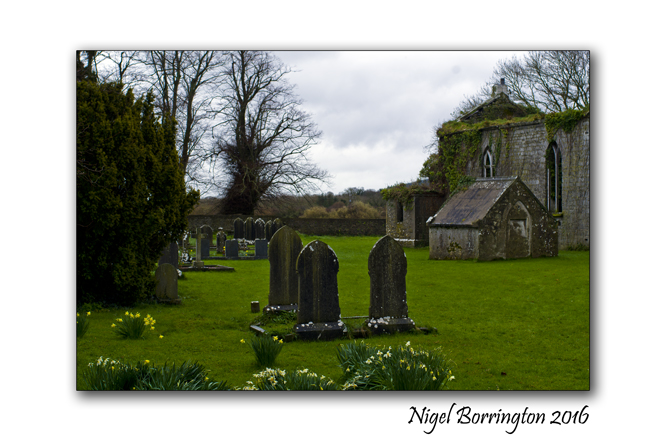
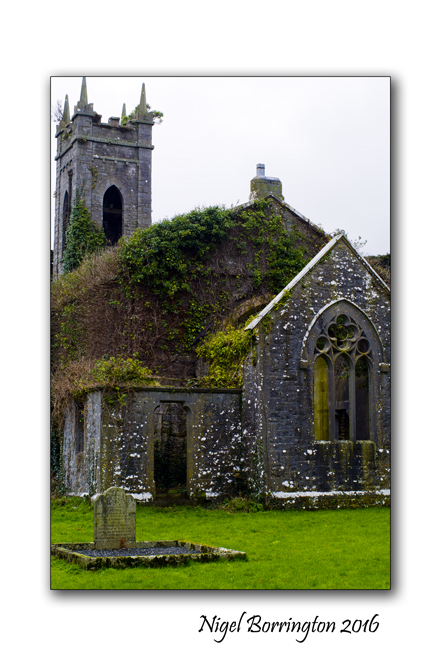
It does not take you very long while walking around the Irish Landscape to cross paths with an old abandoned church or two. These old churches are mainly connected to the remains of long evacuated family estates and would have been originally erected as community churches for both the occupants of the estate house and the larger community.
I find these places fascinating for many reasons, a reminder of the past and times of changes around both the 1916 Easter rising and then the Irish Civil War.
I have to be honest I avoid any area of conflict (Political and religious!) in life as much as I possible can, I feel society spends too much time as it is looking back on times of trouble, war and death and wonder sometimes if this is not the very reason why we end up with future conflicts?
For me Life is too short to spend any-time waving flags on behalf of past conflicts – NO ONE WINS IN WAR!
When I come across these old churches however I just have to stop and spend sometime because the names on these grave stones were real people and many of them would have lived full lives and been great family members, loved and been loved, real people!
The To-be-forgotten
By Thomas Hardy
.
I
I heard a small sad sound,
And stood awhile among the tombs around:
“Wherefore, old friends,” said I, “are you distrest,
Now, screened from life’s unrest?”
II
—”O not at being here;
But that our future second death is near;
When, with the living, memory of us numbs,
And blank oblivion comes!
III
“These, our sped ancestry,
Lie here embraced by deeper death than we;
Nor shape nor thought of theirs can you descry
With keenest backward eye.
IV
“They count as quite forgot;
They are as men who have existed not;
Theirs is a loss past loss of fitful breath;
It is the second death.
V
“We here, as yet, each day
Are blest with dear recall; as yet, can say
We hold in some soul loved continuance
Of shape and voice and glance.
VI
“But what has been will be —
First memory, then oblivion’s swallowing sea;
Like men foregone, shall we merge into those
Whose story no one knows.
VII
“For which of us could hope
To show in life that world-awakening scope
Granted the few whose memory none lets die,
But all men magnify?
VIII
“We were but Fortune’s sport;
Things true, things lovely, things of good report
We neither shunned nor sought … We see our bourne,
And seeing it we mourn.”
Ireland’s old churches



Culzean Castle, Maybole, Carrick, Ayrshire, Scotland

Culzean Castle, Ayrshire, Scotland
Nigel Borrington
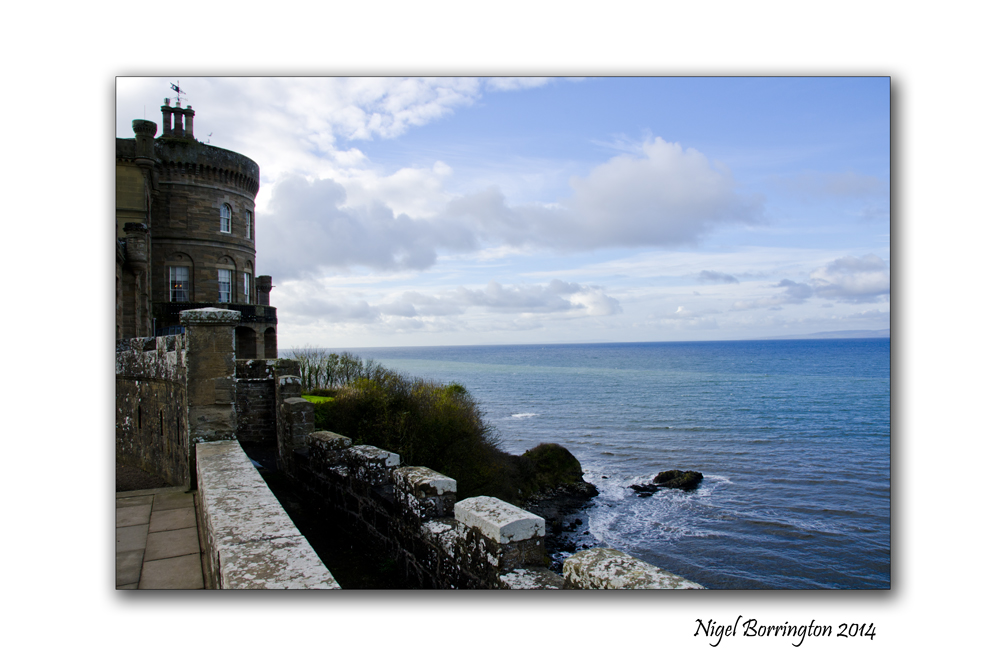
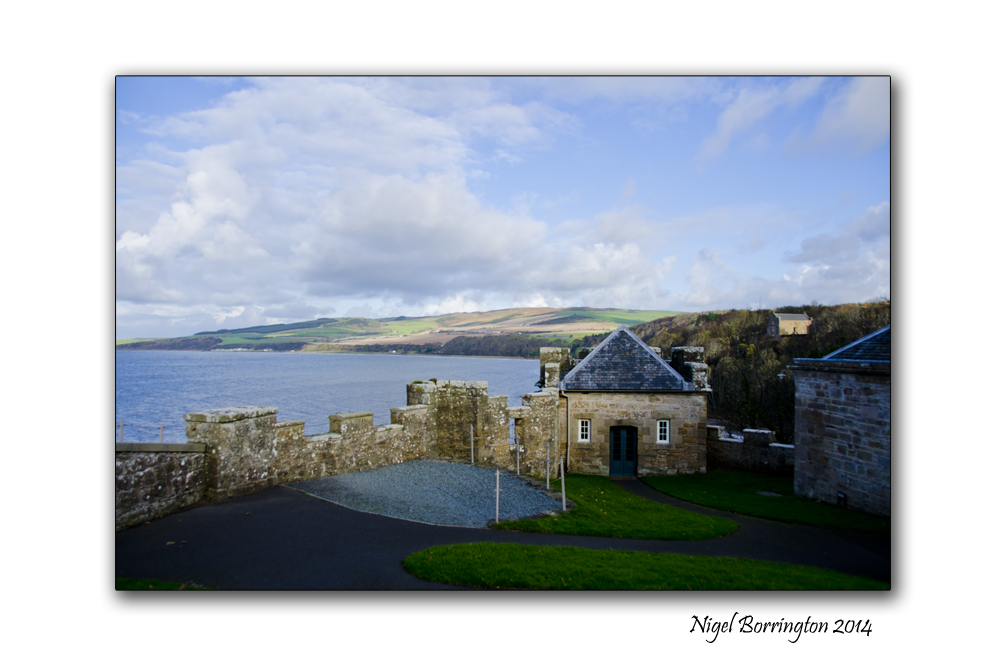
It was back in 2014 that I last visited Culzean Castle on the west coast of Scotland, so I am planning another visit as soon as I can, Culzean Castle is in Ayrshire and just has to be one of the most treasured and interesting castles in Scotland.
Robert Adam was the architect and he designed the castles structure on a basic L shaped design. The structure is a fine country house and when completed it was the seat of the 10th of Cassilis ( David Kennedy ) , earldom.
The castle was built in stages between 1777 and 1792. It incorporates a large drum shaped tower, circular inside (which overlooks the sea), a grand oval staircase and a suite of well-appointed apartments.
In 1945, the Kennedy family gave the castle and its grounds to the National Trust for Scotland (thus avoiding inheritance tax). In doing so, they stipulated that the apartment at the top of the castle be given to General of the Army Dwight D. Eisenhower in recognition of his role as Supreme Commander of the Allied Forces in Europe during the Second World War. The General first visited Culzean Castle in 1946 and stayed there four times, including once while President of the United States. An Eisenhower exhibition occupies one of the rooms, with mementoes of his lifetime.
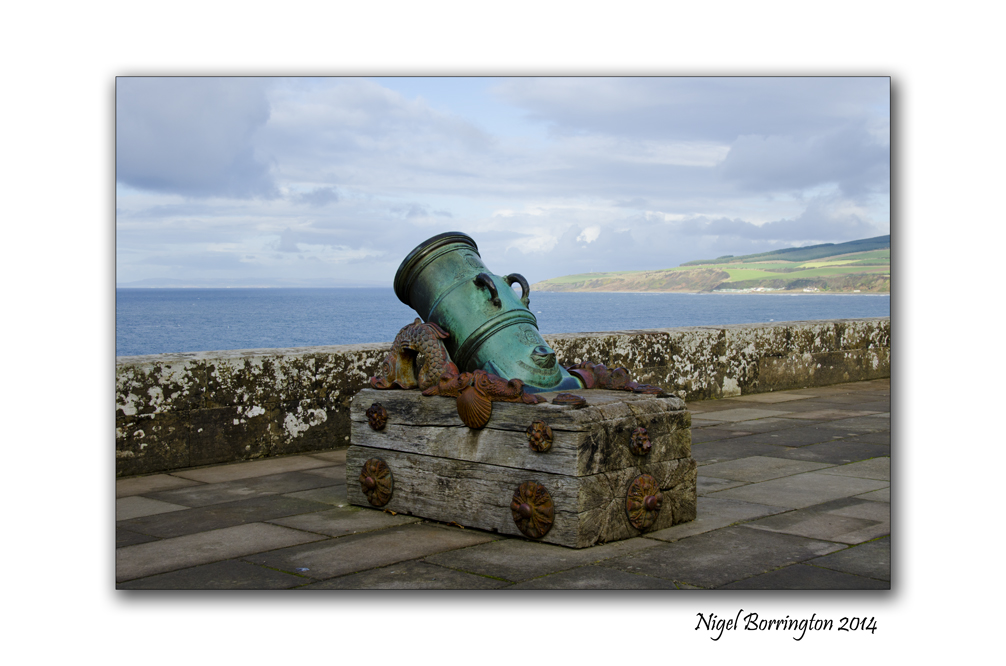
During my own days visit I took many images here as both the grounds and castle itself offer some wonderful photography, including a walked garden, cannon’s, walls, see cliffs and court yards.
If you are visiting Ayrshire , this castle has to be high on your list for a visit.
Culzean Castle , Gallery




Folktales and Fables : The North Wind and the Sun
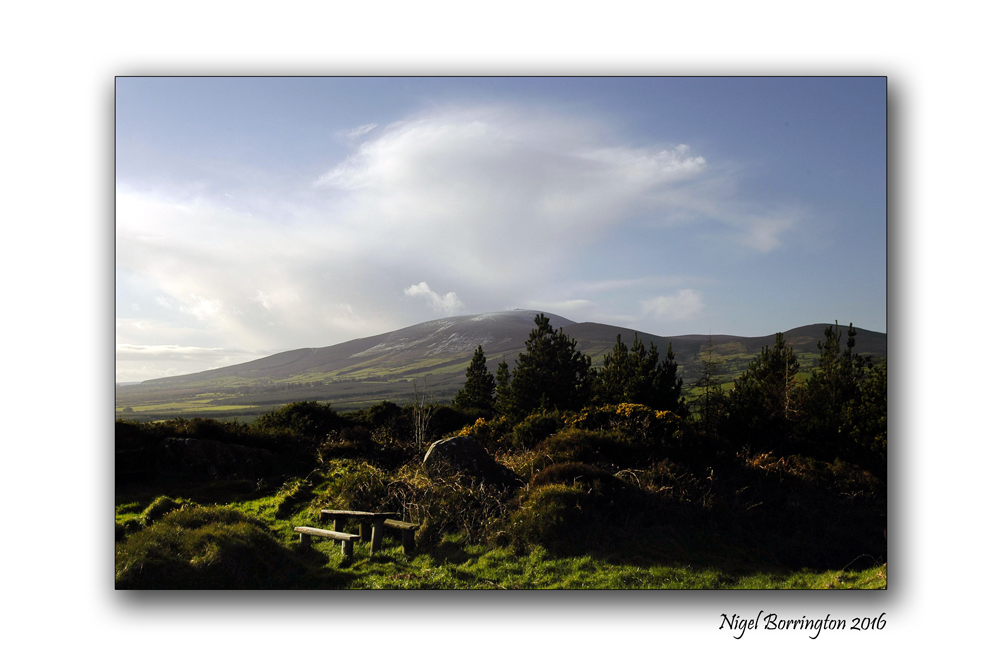
The North wind and the Sun
Irish Landscape photography : Nigel Borrington
A simple old story this one but filled with such a simple truth.
Folktales and Fables : The North Wind and the Sun
The North Wind and the Sun were disputing which was the stronger, when a traveler came along wrapped in a warm cloak. They agreed that the one who first succeeded in making the traveler take his cloak off should be considered stronger than the other.Then the North Wind blew as hard as he could, but the more he blew the more closely did the traveler fold his cloak around him; and at last the North Wind gave up the attempt. Then the Sun shined out warmly, and immediately the traveler took off his cloak.
And so the North Wind was obliged to confess that the Sun was the stronger of the two.
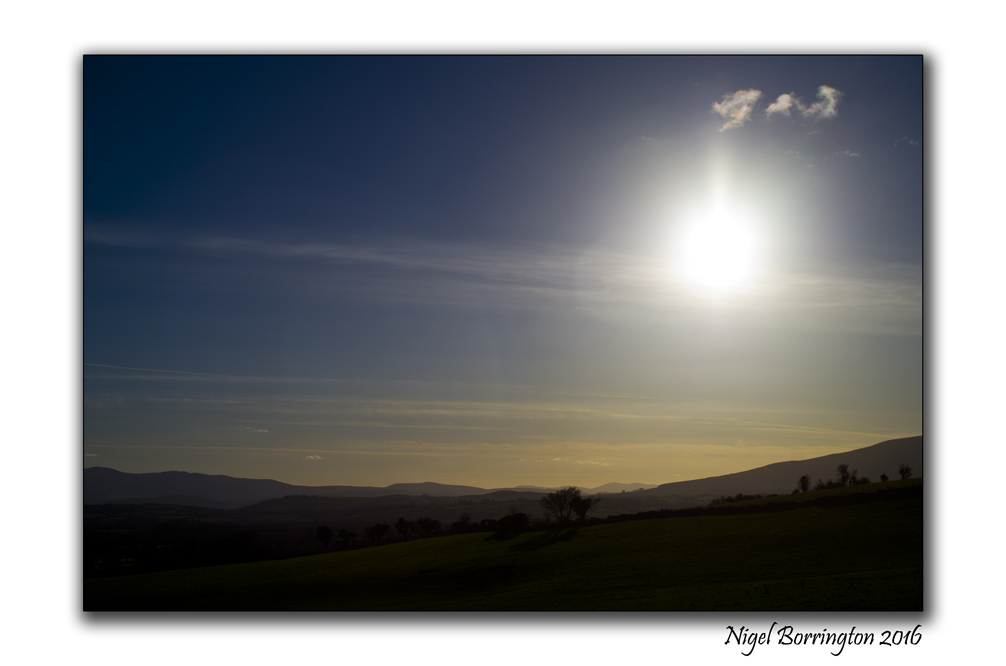
Irish Landscapes
Early Springtime
Kilkenny
Nigel Borrington
The story concerns a competition between the North wind and the Sun to decide which is the stronger of the two. The challenge was to make a passing traveler remove his cloak. However hard the North Wind blew, the traveler only wrapped his cloak tighter to keep warm, but when the Sun shone, the traveler was overcome with heat and soon took his cloak off.
The fable was well known in Ancient Greece; Athenaeus recorded that Hieronymus of Rhodes, in his Historical Notes, quotes an epigram of Sophocles against Euripides which parodies the story of Helios and Boreas. It relates how Sophocles had his cloak stolen by a boy to whom he had made love. Euripides joked that he had had that boy too and it did not cost him anything. Sophocles’ reply satirises the adulteries of Euripides: “It was the Sun, and not a boy, whose heat stripped me naked; as for you, Euripides, when you were kissing someone else’s wife the North Wind screwed you. You are unwise, you who sow in another’s field, to accuse Eros of being a snatch-thief.”
The Latin version of the fable first appears centuries later in Avianus as De Vento et Sole (Of the wind and the sun, Fable 4), early versions in English and Johann Gottfried Herder’s poetic version in German (Wind und Sonne) also give it as such. It is only in mid-Victorian times that the title “The North Wind and the Sun” begins to be used. In fact the Avianus poem refers to the characters as Boreas and Phoebus, the gods of the north wind and the sun, and it is under the title Phébus et Borée that it appears in La Fontaine’s Fables (VI.3).
Victorian versions give the moral as “Persuasion is better than force”, but it has been put in different ways at other times. In the Barlow edition of 1667, Aphra Behn teaches the Stoic lesson that there should be moderation in everything: “In every passion moderation choose,/For all extremes do bad effects produce”, while La Fontaine’s conclusion is that “Gentleness does more than violence” (Fables VI.3). In the 18th century, Herder comes to the theological conclusion that, while superior force leaves us cold, the warmth of Christ’s love dispels it, and Walter Crane’s limerick version of 1887 gives a psychological interpretation, “True strength is not bluster”. Most of these examples draw a moral lesson, but La Fontaine hints at the political application that is present also in Avianus’ conclusion: “They cannot win who start with threats”. There is evidence that this reading has had an explicit influence on the diplomacy of modern times: in South Korea’s Sunshine Policy, for instance, or Japanese relations with the military regime in Burma.
The Sound of the Sea, By : Henry Wadsworth Longfellow

The sound of the sea
Nigel Borrington
The Sound of the Sea
By : Henry Wadsworth Longfellow
The sea awoke at midnight from its sleep,
And round the pebbly beaches far and wide
I heard the first wave of the rising tide
Rush onward with uninterrupted sweep;
A voice out of the silence of the deep,
A sound mysteriously multiplied
As of a cataract from the mountain’s side,
Or roar of winds upon a wooded steep.
So comes to us at times, from the unknown
And inaccessible solitudes of being,
The rushing of the sea-tides of the soul;
And inspirations, that we deem our own,
Are some divine foreshadowing and foreseeing
Of things beyond our reason or control.
The First Morning Of April 2016

The first Morning of April 2016
River Suir
County Tipperary
Nigel Borrington
The first Morning of April 2016 has started here in Ireland with our usual spring rains
So time for a small poem to welcome it home once again ……
April rain
On your morning walk
let the rain kiss you on your face
let the rain beat upon your head with silver liquid drops,
Let the rain sing you a new song
just like the returning birds of springtime,
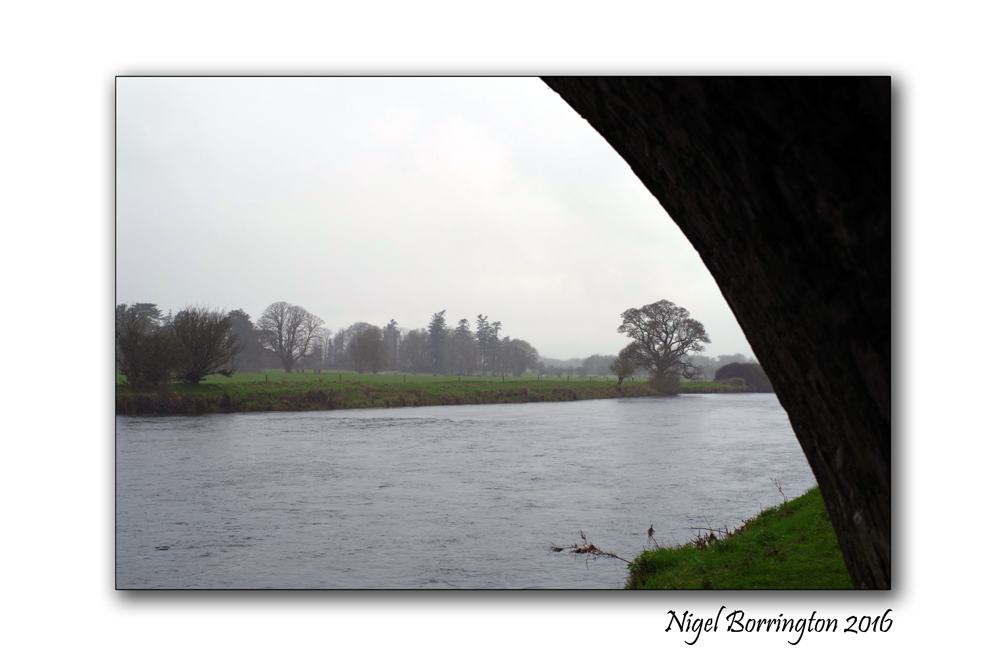
On this morning walk along the rivers bank
the rain makes waves upon the rivers flow
the rain dances on its surface,
If there are any Gods then they are in the rain
this rain that brings new life
a fresh start
this April rain.
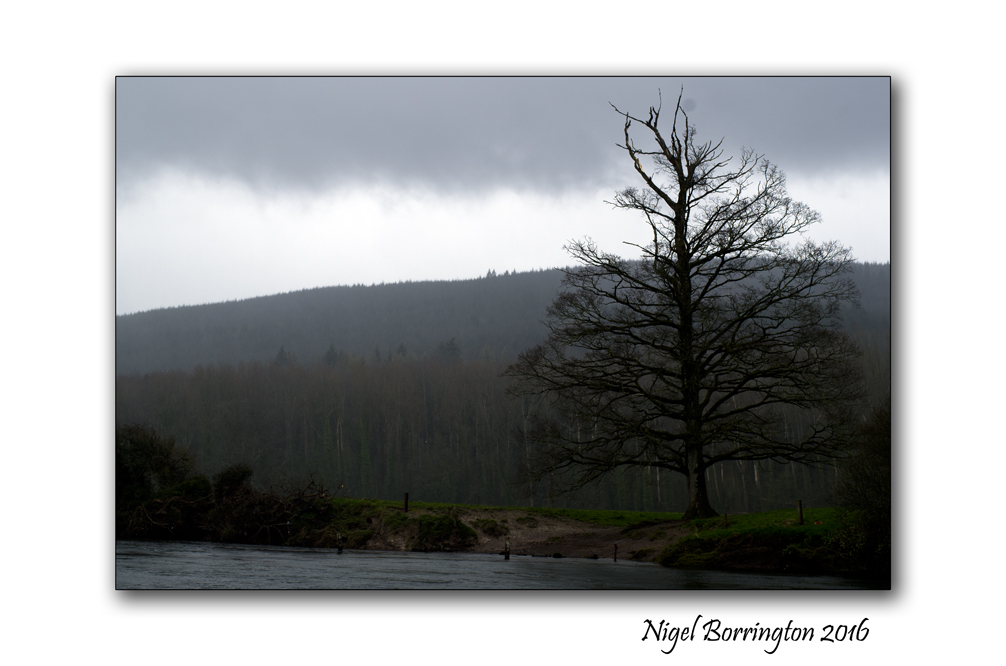
The Last Afternoon of March

That Last day of March
Irish Landscapes
Nigel Borrington
The Last afternoon of March 2016
This afternoon is bright and sunny
between the mountain clouds,
Springtime is in the air,
The weather is mild on this late March afternoon,
the breath of April is rising fast,
I am alone on the quiet mountain top
looking down on an old untried illusion
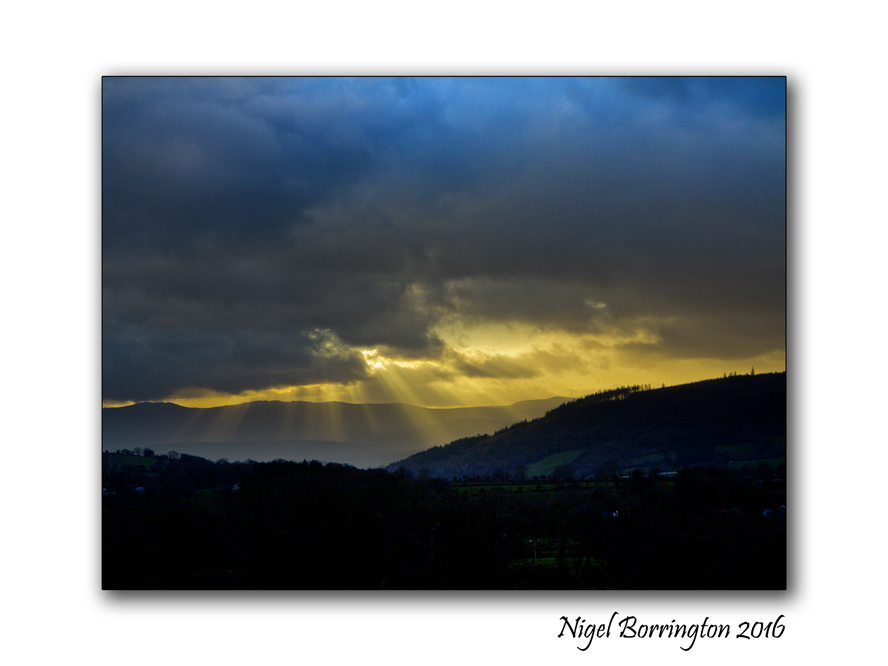
Some shadows sit on the green landscape below
memory’s rise from their sleep,
The crows fly above while others rest
on the stone walls of this mountain side,
In the air as hunting birds call
the fast hover of the kestrels wings.
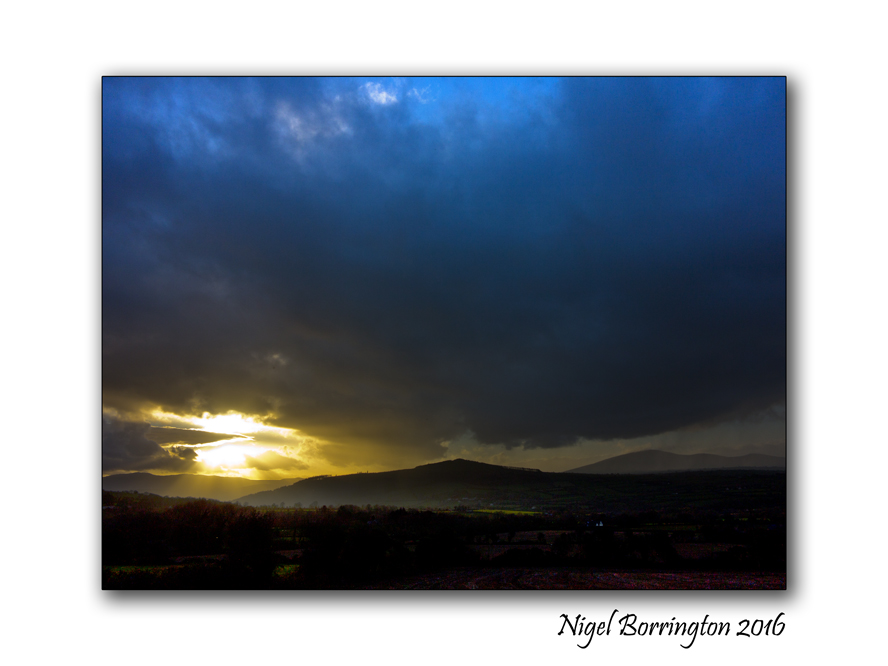
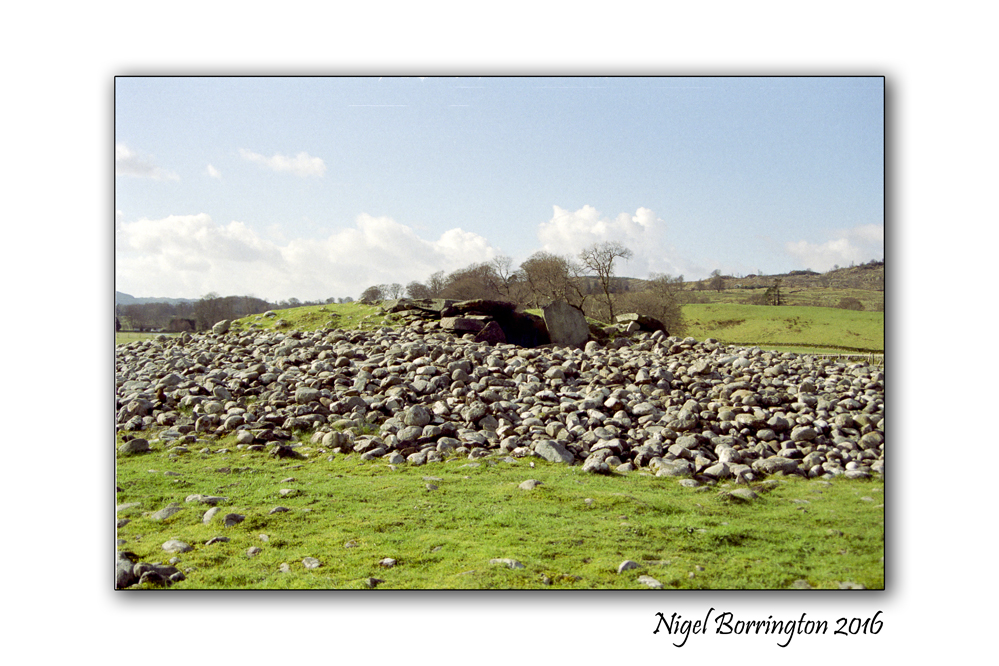
European passage tombs ( Knockroe, county Kilkenny and Kilmartin, Argyll, Scotland )
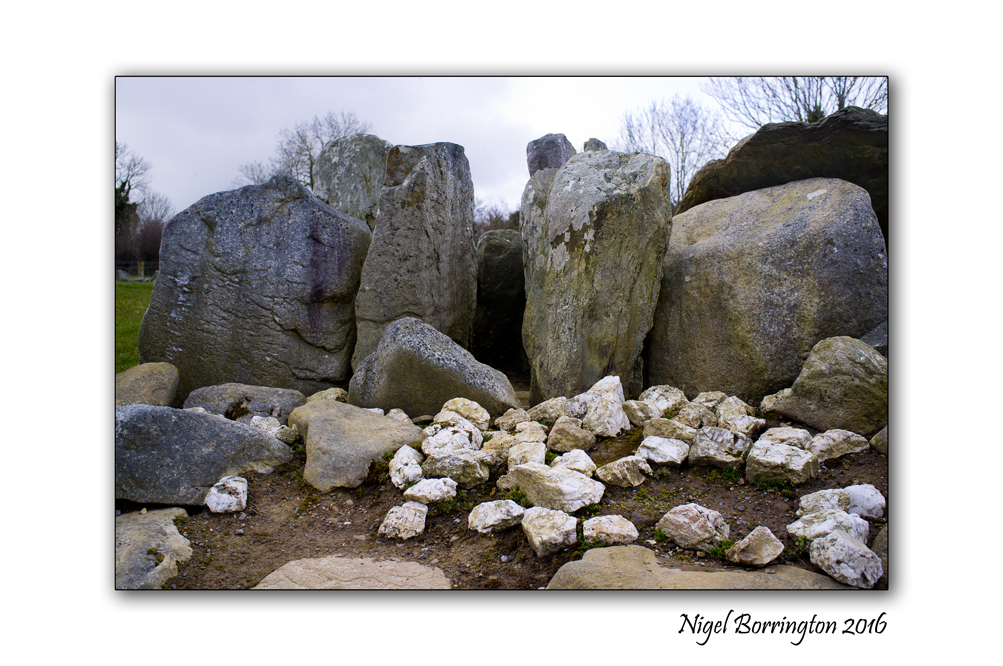
Knockroe, county Kilkenny
Knockroe http://www.megalithicireland.com/Knockroe%20Passage%20Tomb.html
Kilmartin, Argyll, Scotland
Kilmartin http://en.wikipedia.org/wiki/Kilmartin_Glen
A link through time
These two mystical European locations stand two hundred and fifteen miles apart, Knockroe is in county Kilkenny republic of Ireland and the other, Kilmartin is in Argyll, Scotland, about 15 miles south of Oban.

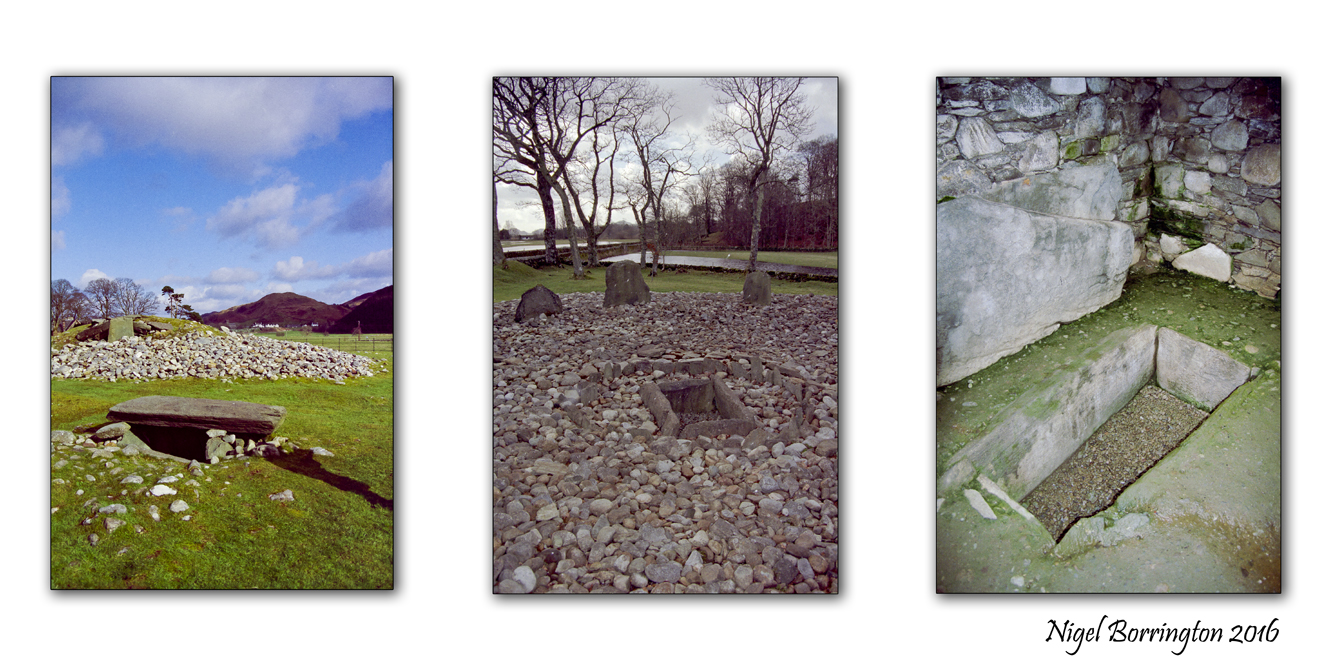
The reason I displaying these images in the same post is simply to highlight something that only occurred to me when one year I happened to visit them only weeks apart. The fact is you could view these two sites individually and study them by themselves all you like, however you would be missing something very important!
The people’s who created these sites shared the same time period and clearly the same beliefs and culture. They lived in Europe both in Ireland and Scotland located in the Geographical British Isles; however some 5500 years ago they knew nothing of recent nations and nationalism , of national borders or even the concept of a European nation.

Both monuments are passage tombs, placed for their dead to be remembered, they both also contain elements for marking the passing of the year and its seasons, by measuring the movement of the sun and the moon.
The structures in these places along with the cultural function they served is identical, to me this shows that these people traveled the seas and not only shared goods and beliefs they in fact where the same peoples. They did not just get on with each other through trade they were each other as brother and sister, mother and father, family and friends.
When they knew nothing of modern boundaries and divisions, what else could they be?
These same people who traveled from one place to another in order to expand their options and abilities did not in any shape or form see themselves as English or Scottish or Irish they were family to each other and nothing more or less!
Easter (Ēostre, Ostara ) time on the – Hill of Tara

Easter in Ireland is clearly these days viewed as a religious time in the sense of modern Christianity, however Easter or Ēostre, as a festival has been celebrated for many thousands of years before our current state accepted beliefs….
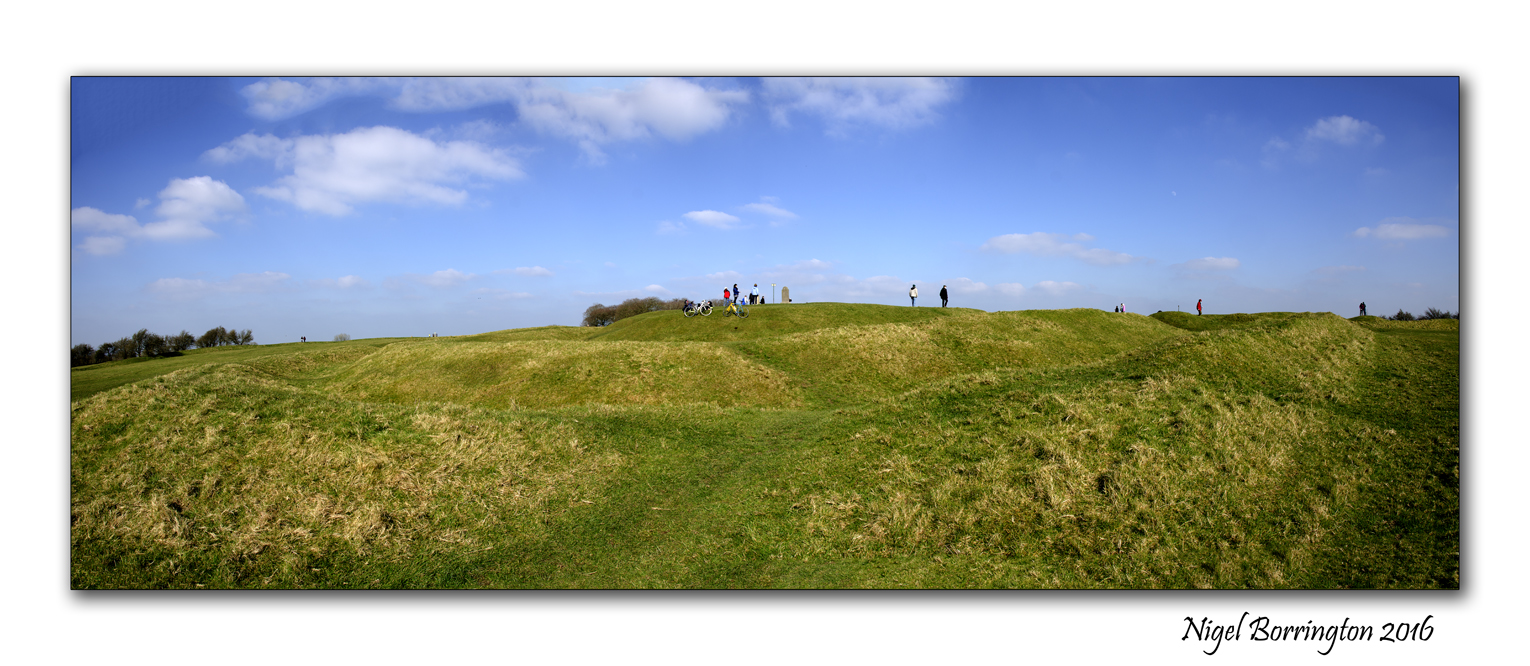
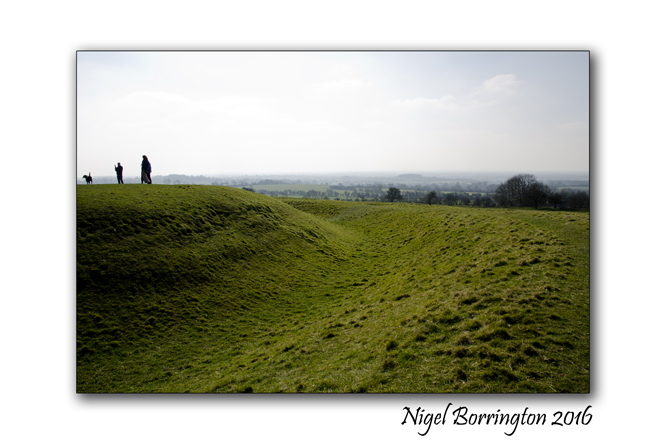
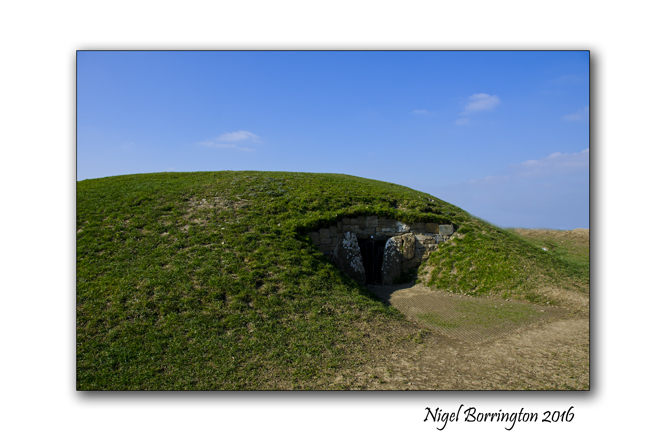
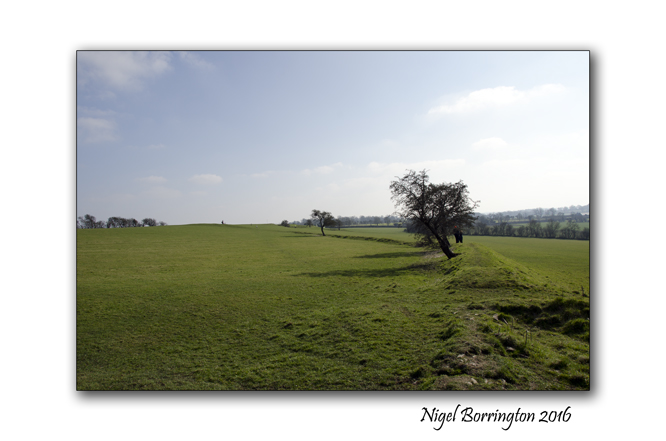
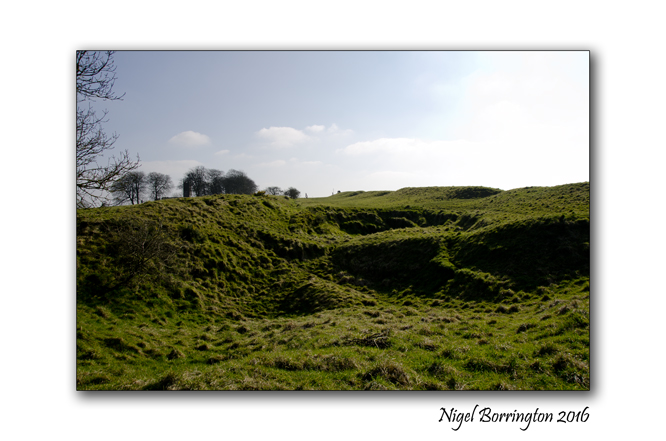
During last weekend we visited the hill of Tara one of Europe’s and Ireland’s oldest pagan monuments, It was a great time of the year to visit as the air was full of springtime with a feeling that summer was only just around the corner,warm days and long evenings. This is the exact feeling that surrounds the beliefs of the people who made this place so Sacred to their Pagan beliefs in the elements of nature and the seasons. I am never sure if these belief’s can fully be called a religion in modern terms, feeling that they were more a philosophy towards the world that they lived in and cared for very much!
here is a little about the long history of the hill of Tara:
Teamhair is the ancient name given the Hill of Tara. One of the most religious and revered sites in all of Ireland, it was from this hill that the Ard Rí, the High Kings of Ireland, ruled the land. The place was sometimes called Druim Caín (the beautiful ridge) or Druim na Descan (the ridge of the outlook). When walking the path that leads to the top of the hill today, one can easily appreciate why. The long gradual slope eventually flattens at the top for an amazing view of the broad plains in the Boyne and Blackwater valleys below. All that remains of the complex is a series of grass-covered mounds and earthworks that say little about the 5,000 years of habitation this hill has seen.
Most historians, including Biblical scholars, agree that Easter was originally a pagan festival. According to the New Unger’s Bible Dictionary says: “The word Easter is of Saxon origin, Eastra, the goddess of spring, in whose honour sacrifices were offered about Passover time each year. By the eighth century Anglo–Saxons had adopted the name to designate the celebration of Christ’s resurrection.” However, even among those who maintain that Easter has pagan roots, there is some disagreement over which pagan tradition the festival emerged from. Here we will explore some of those perspectives.
Resurrection as a symbol of rebirth
One theory that has been put forward is that the Easter story of crucifixion and resurrection is symbolic of rebirth and renewal and retells the cycle of the seasons, the death and return of the sun.
Hill of Tara Gallery



New-grange and the Triple spiral

Boyne Valley, County Meath, Ireland
Nigel Borrington
The Tri-Spiral
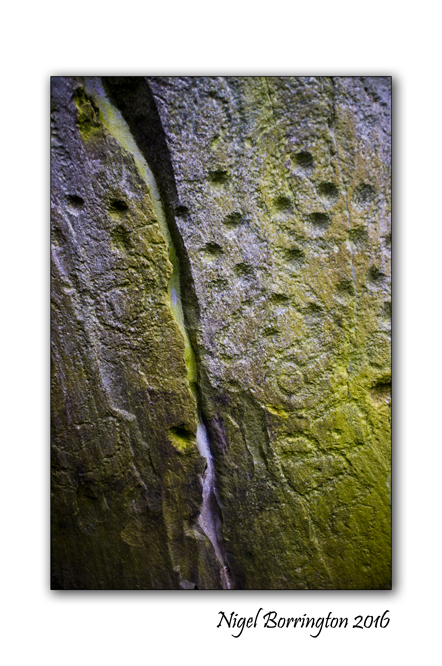
Is a design engraved on one of the stones inside the middle chamber of Newgrange is probably the most famous Irish Megalithic symbol.
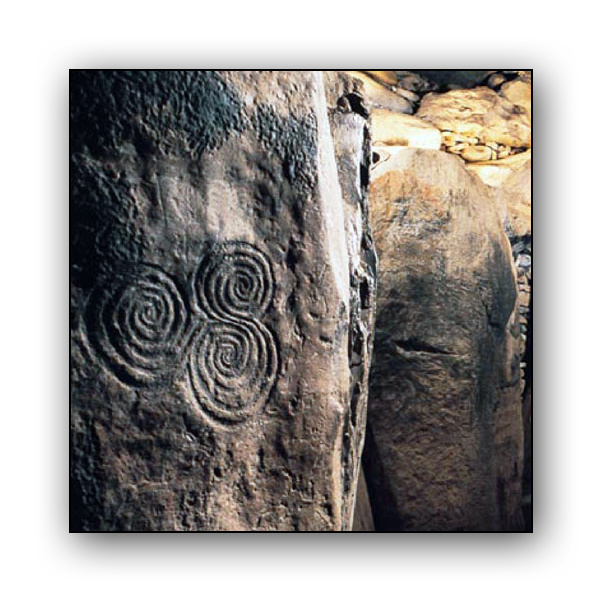
It is often referred to as a Celtic design, but it was carved at least 2500 years before the Celts reached Ireland. At 12 inches in diameter the tri-spiral design is relatively small in size, less than one-third the size of the tri-spiral design on the entrance stone.
Believed by many people to be an ancient symbol of pre-Celtic and Celtic beliefs, the triple spiral appears in various forms in pre-Celtic and Celtic art, with the earliest examples having been carved on pre-Celtic stone monuments, and later examples found in the Celtic Christian illuminated manuscripts of Insular art. The triple spiral was possibly the precursor to the later triskele design found in the manuscripts.
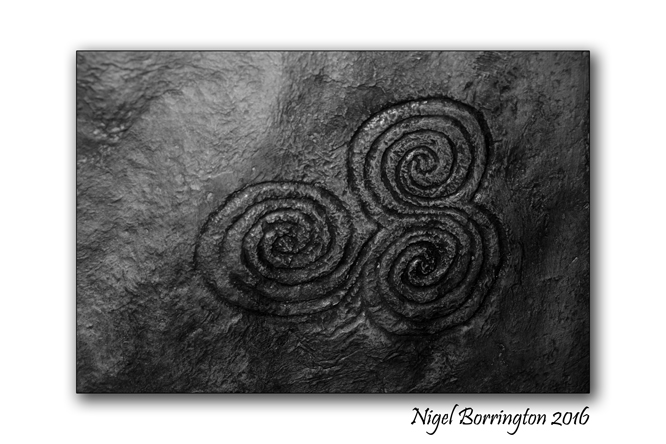
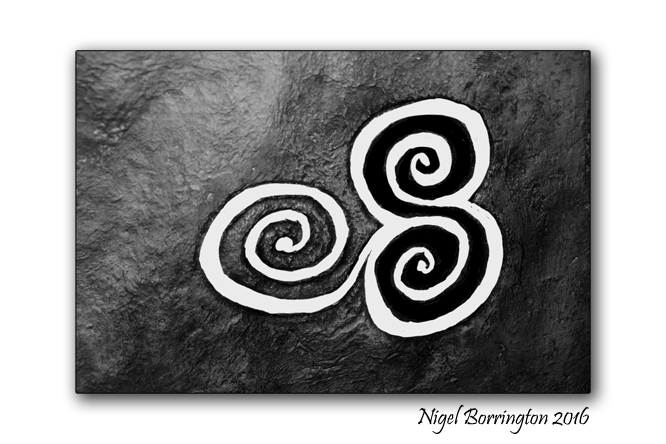
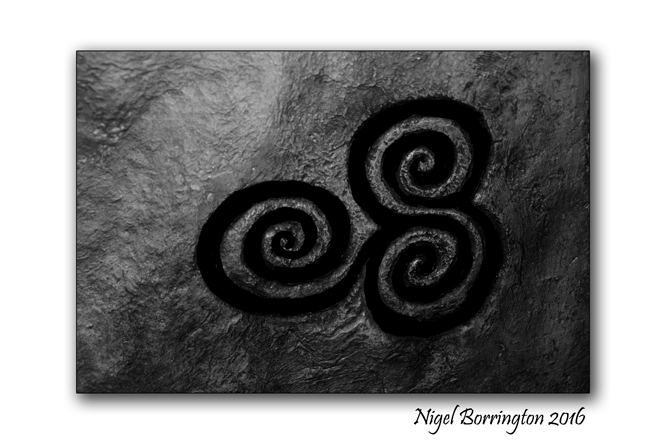
The megalithic tomb of Newgrange in Ireland features several examples of the triple spiral as petroglyphs. These particular examples do not feature three-fold symmetry of later renderings but feature two intertwined spirals with the third originating from the indentation between the other two. This particular feature is rendered with high fidelity in each instance at Newgrange and would suggest a non-tripartite interpretation. One possible interpretation could be the union of male and female (the two entwined spirals) to engender an offspring though how this relates to its setting in a tomb begs explanation.
Last night in order to highlight the uniqueness of the Newgrange spirals, I produced the following versions by tracing over a photograph I took of the original, thus producing different drawings using both the positive an negative spaces of the relief.
You can read into these your own interpretation of the original meaning ….

A weekend Celebrating the Spring Equinox 2016 at Newgrange, Boyne Valley, County Meath, Ireland.
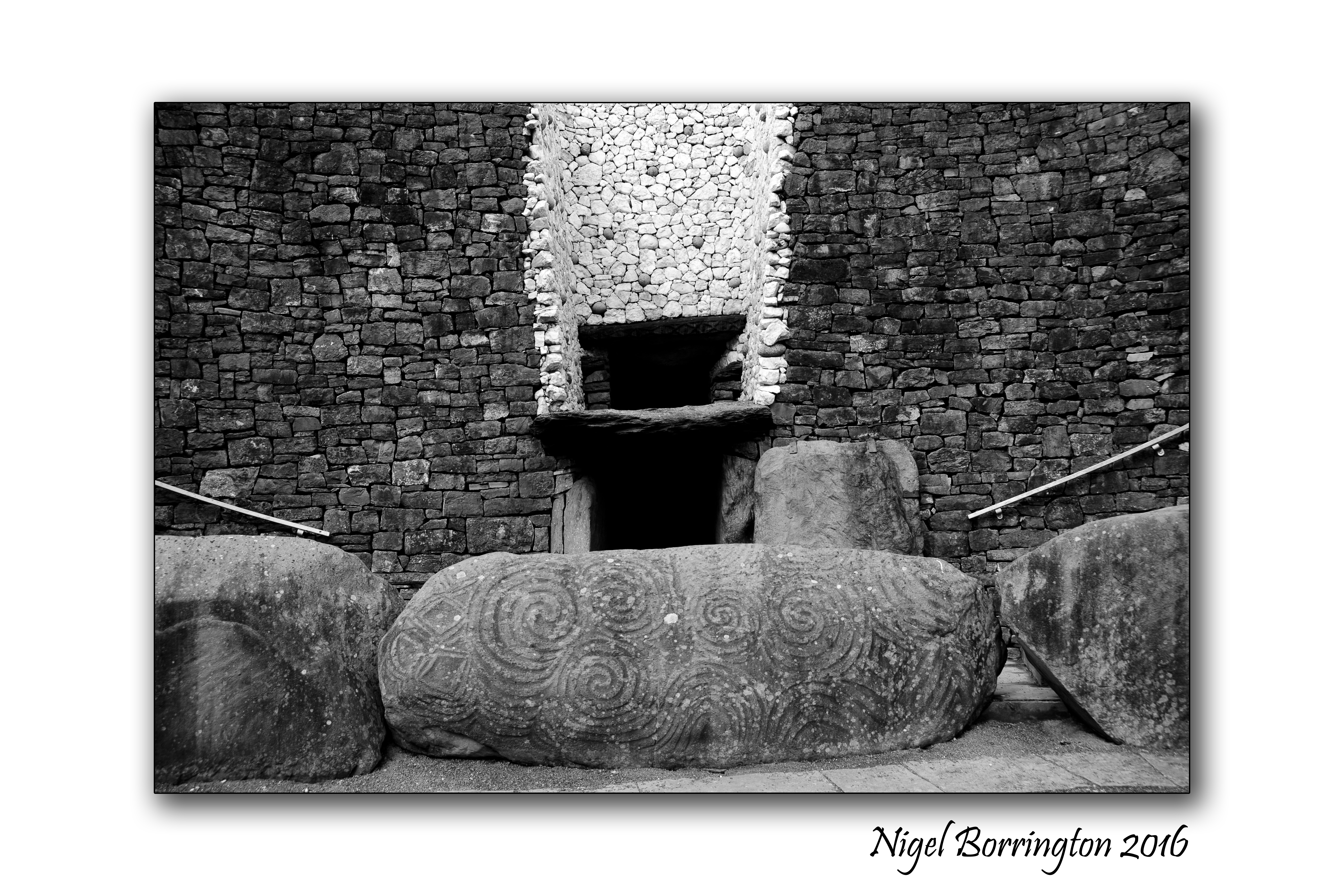
Happy Spring Equinox 2016 to everyone …..
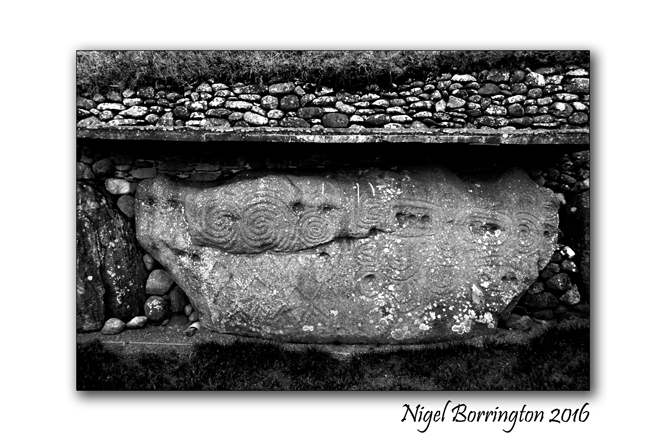
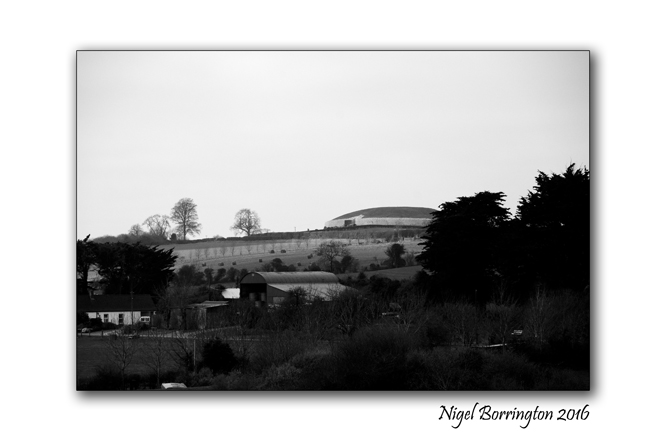
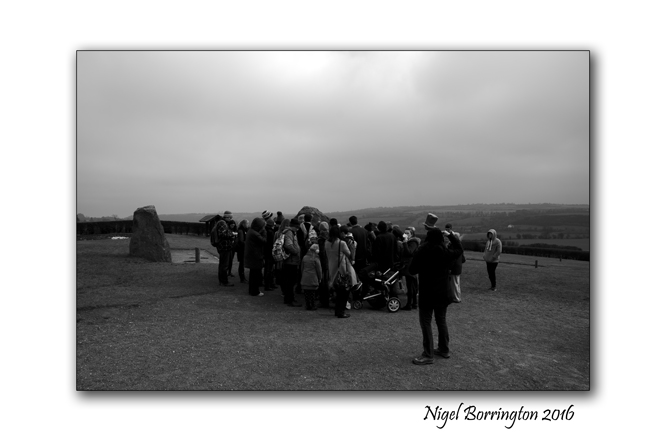
Yesterday Marked the start of spring time, so over the weekend I spent sometime visiting both Newgrange and the Hill of Tara. Both perfect locations to gain a little understanding as to how our European pagan ancestors both recorded and celebrated the movement of the sun and universe they lived in.
It was exactly, one quarter of a year that had passed since the shortest day of the year, the day when at Newgrange the rising sun can be seen to travel all the way into the passage tomb at the centre of the monument.
The Spring equinox 2016 celebrating
Yesterday marked the arrival of spring, the date of the vernal equinox, or spring equinox as it is known in the northern hemisphere. Spring equinox. During an equinox, the Earth’s North and South poles are not tilted toward or away from the sun. (Ref :Wikipedia)
This means the sun will rise exactly in the east and travel through the sky for 12 hours before setting in the exactly west.An equinox happens twice a year around March 20 and September 22 when the Earth’s equator passes through the centre of the sun.
For those in the southern hemisphere, this time is the autumnal equinox that is taking people into their winter.
Druids and Pagans like to gather at Stonehenge early in the morning to mark the Spring Equinox, to see the sunrise above the stones.
The Pagans consider this is the time of the ancient Saxon goddess, Eostre, who stands for new beginnings and fertility. This is why she is symbolized by eggs (new life) and rabbits/hares (fertility). Her name is also where we get the female hormone, oestrogen.
From Eostre also come the names “Easter” and “Esther” the Queen of the Jews, heroine of the annual celebration of Purim which was held on March 15. At Easter, Christians rejoice over the resurrection of Jesus after his death, mimicking the rebirth of nature in spring after the long death of winter.
It is also a time to cleanse your immune system with natural remedies. In Wiltshire and other parts of rural Britain it used to be tradition to drink dandelion and burdock cordials as the herbs help to cleanse the blood and are a good tonic for the body after a harsh winter.
Newgrange a Gallery


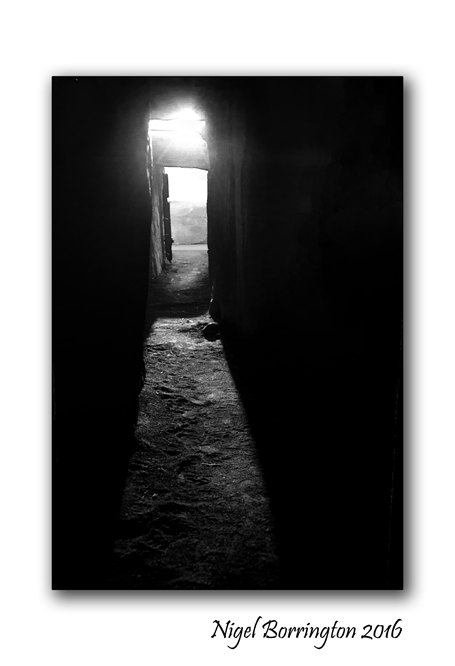
St Patrick’s day a Landscape Gallery 2016

The Mountain of Slievenamon
County Tipperary
Ireland
Nigel Borrington
Happy St Patrick’s day everyone !!!!!
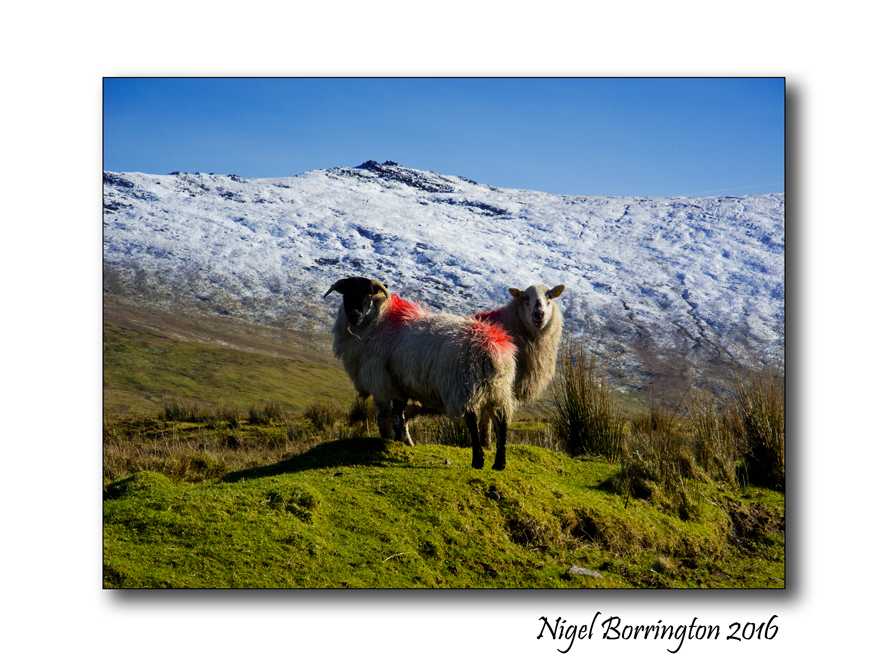
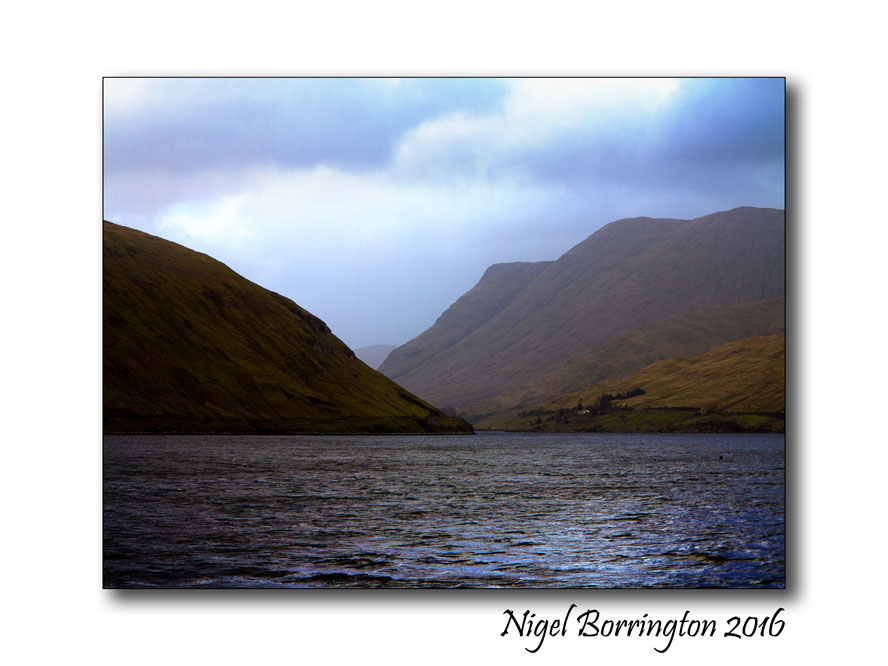
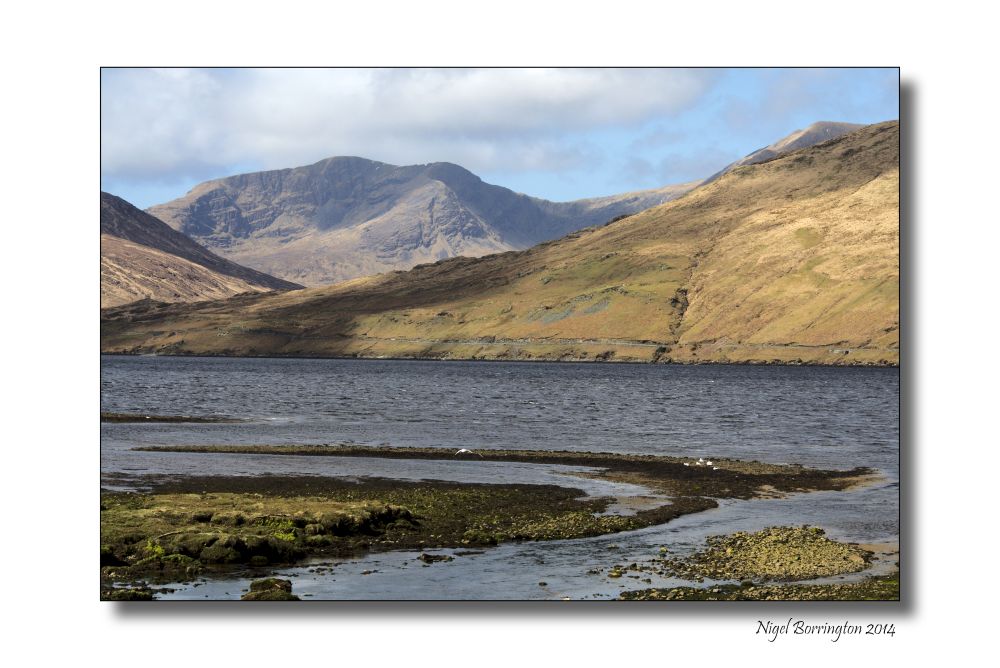
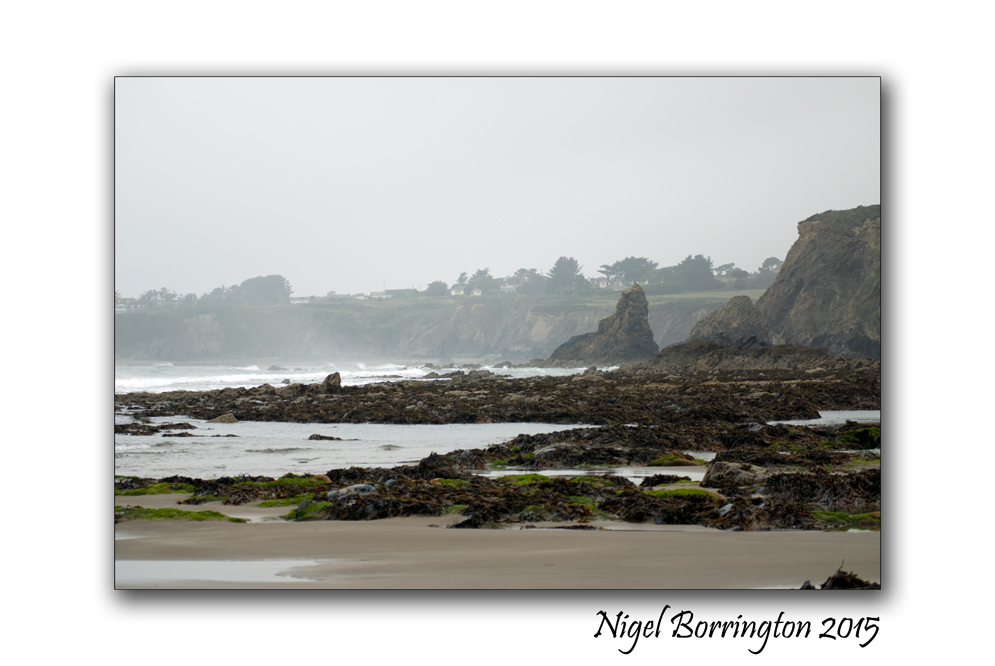
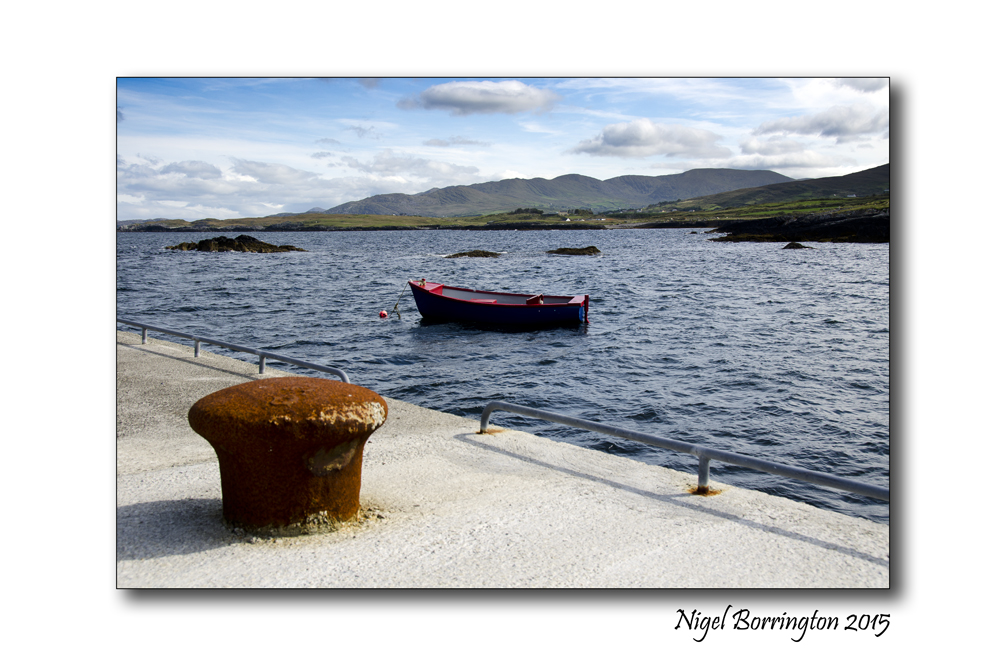
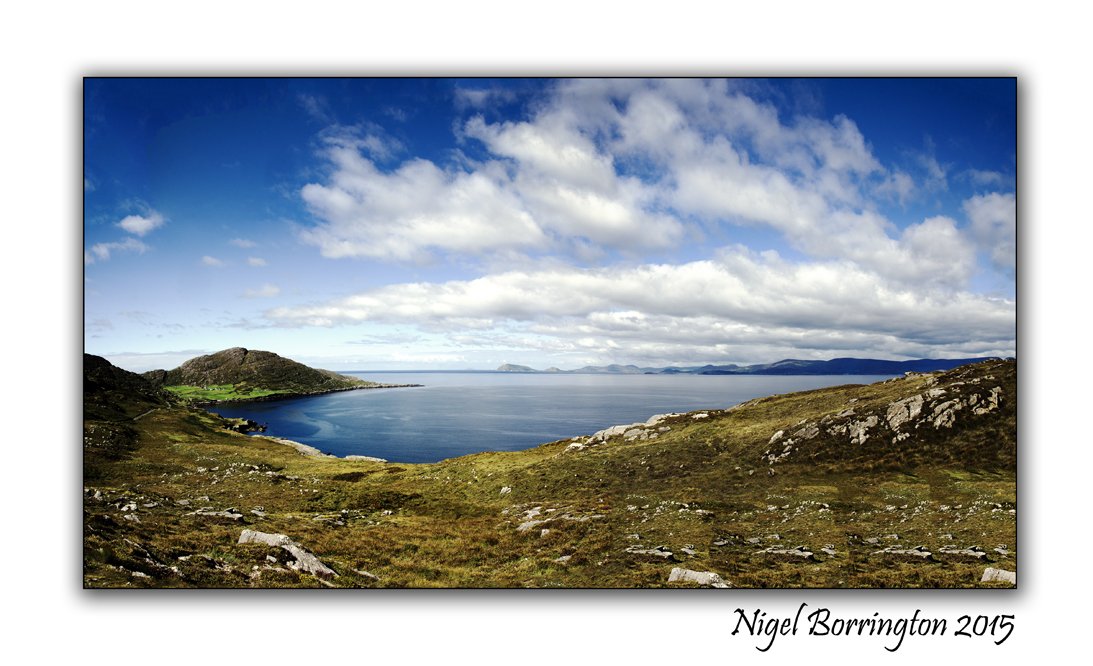
For the last few St Patrick’s day Holidays, I have posted some of my Landscape images from around Ireland , today I want to do the same as I feel that for me today is about celebrating the great landscape’s Ireland has to offer and getting outside to enjoy the real Ireland that surrounds the people who have made it their home.
Ireland: a St, Patrick’s Landscape Gallery










A sense of place, Wellington Tower Grange Crag, County Tipperary

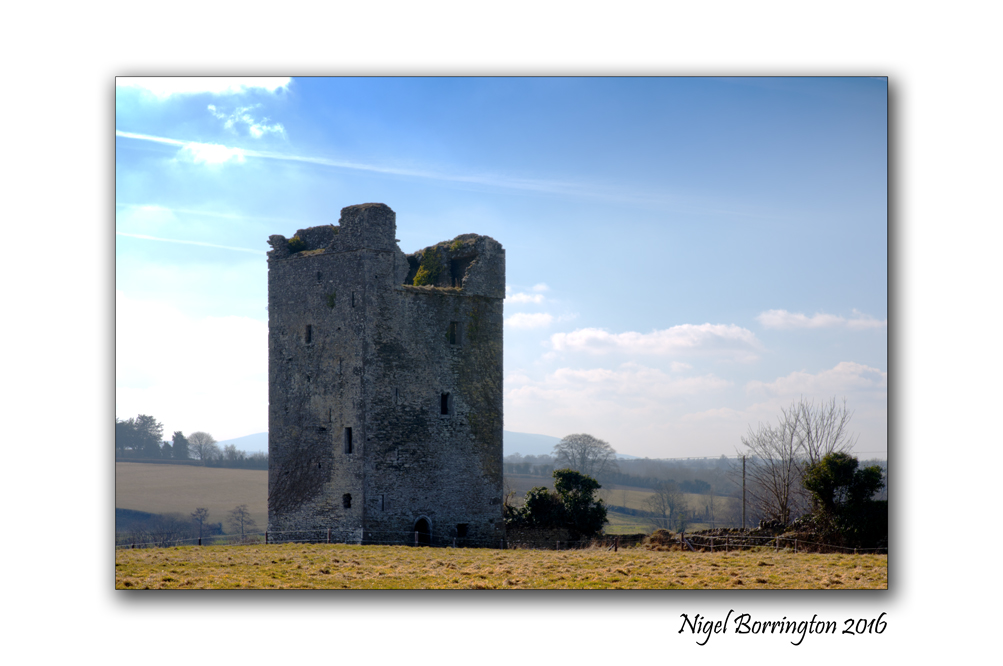
The Wellington Tower Grange Crag, County Tipperary
The Wellington Tower stands on the Crag above Grange, county Tipperary, it was built in 1817 by Sir William Barker Bar to celebrate the Duke of Wellington’s victory over the French at the battle of Waterloo. Today it is nearly two hundred years old and for a long time it has only formed a feature in the loop wall around the forest above the small village of Grange.
However over the last months it has been restored and transformed into a viewing platform as you can see from the images here, it has been amazing to see the work that has been performed to give the tower a new life and a new purpose in life.
The walk to the top of the tower is via a metal spiral staircase with a viewing platform at the top , if you are a little heady with heights its best not to look down through the steps and to just keep going until you get to the top.
Once you are on the platform above and walk to the chest-high wall in front of you the view of county Tipperary below is just amazing. There is a display of all the sights below on a board the looks out and to the distance you can see modern Ireland in it greatness form with its small towns and up to date Wind farms.
Wellington Tower , Grange Crag, Tipperary GALLEY …


My Name Is Gossip, A poem by : Oliya Charkhi

My Name Is Gossip
I am a mysterious phenomenon
I am a menace to the society and families
An element of devastation and destruction
People can’t fathom my destructive powers
I thrive on losing or questioning people’s sanity
I hurt without killing
I plant hatred and jealous in people’s heart
I break hearts and ruin lives
I am sly, cunning and malicious
And gather strength with age
The more I am quoted, the more I am believed
I flourish at every level of society
My victims are helpless
They cannot protect themselves against me,
For I have no name, no face

I sneak and sow the seed of doubt in the soil of innocent hearts
to extinguish their joy
I sometimes hide behind a smile,
Or simply behind an innocent tear
Most of the time, I creep and stab from behind
To track me down is impossible
The harder you try, the more elusive I become
I target the vulnerable or the hurt
I simply don’t let happiness chance
I am nobody’s friend
Once I tarnish a reputation it is never the same
The wound I inflict never heals
I overthrow governments and ruin marriages
I destroy careers and cause sleepless nights
I generate suspicion and grief
I make innocent people cry
My name hisses hate
Yes, my name is Gossip
 Nigel Borrington
Reflections in the mud , Kilkenny landscape images
Reflections in the mud
Landscape images from county Kilkenny
Nigel Borrington
I often find that when I am out walking, it is the most unexpected things That capture my attention and I just have to capture with my camera. I am never sure if anyone else would even find the same things the slightest bit interesting ?
This Morning there was a thick fog sitting on all our local fields, it had rained none stop for the three days before hand and the early morning sun was just about able to break through the mist. I was walking past the open gate of a field and noticed the sun reflecting into the muddy puddles created by the farmer tractor, I just had to capture its amazing light !!
ne
Share this:
April 12, 2016 | Categories: Comment, Gallery, Landscape, Solo images | Tags: county Kilkenny, Kilkenny, Landscape Photography, Nigel Borrington, Reflections in the mud, Reflections of the sun, weather photography | 2 Comments