The week of the winter solstice – Newgrange and the Winter Solstice
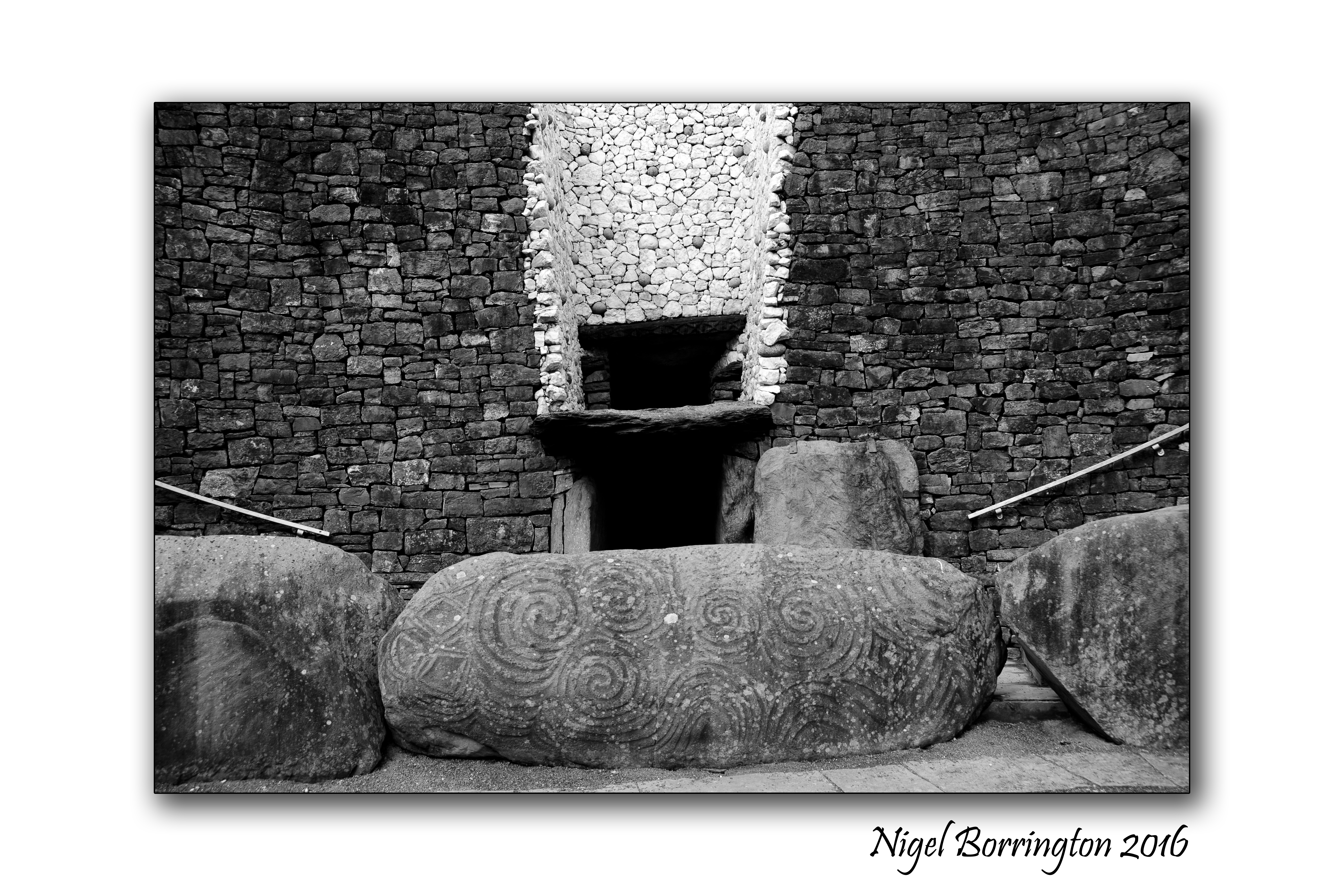
Today marks the Winter Solstice , nowhere here in Ireland will this moment be marks more than at Newgrange the perfect locations to gain a little understanding as to how our European ancestors both recorded and celebrated the movement of the sun and the objects of universe they lived in.
Today is the shortest day of the year, the day when at Newgrange the rising sun can be seen to travel all the way into the passage tomb at the center of the monument.
Newgrange – Winter Solstice
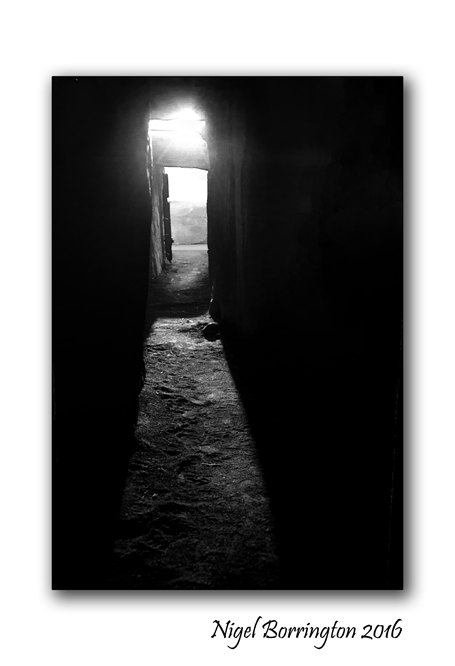
Sunrise at NewgrangeNewgrange is best known for the illumination of its passage and chamber by the Winter Solstice sun. Above the entrance to the passage of the mound there is a opening called a roof-box. On mornings around the winter solstice a beam of light penetrates the roof-box and travels up the 19 metre passage and into the chamber. As the sun rises higher, the beam widens so that the whole chamber is dramatically illuminated.
Access to the chamber on the Solstice mornings is decided by a lottery that takes place at the end of September each year. All are welcome to gather outside the entrance to the Newgrange mound on each of the mornings from December 18th to December 23rd inclusive, sunrise is at 8.58am. Access via the Brú na Bóinne Visitor Centre or directly to the actual Newgrange monument.
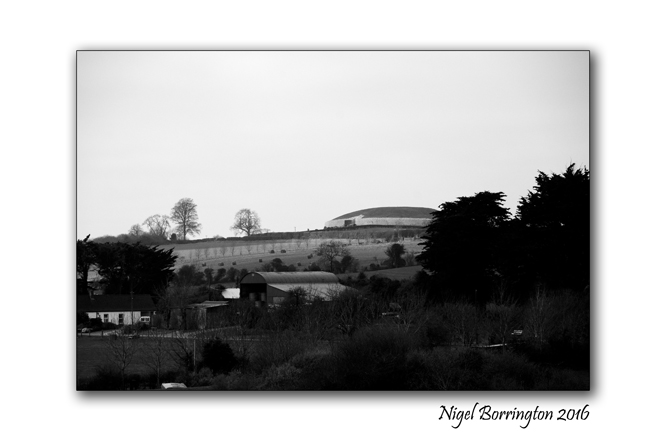
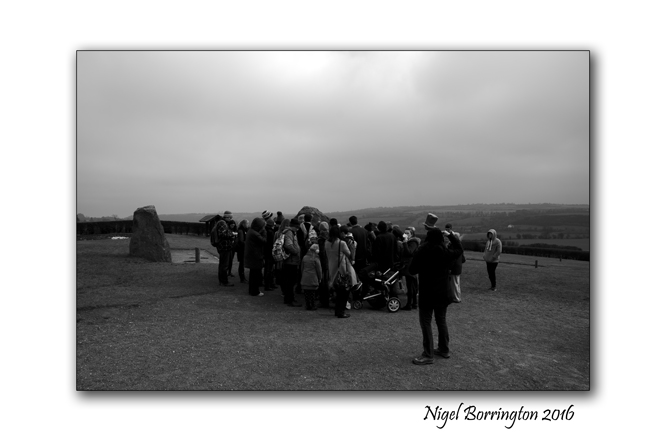
The images posted here were taken this time last year at New-grange ……
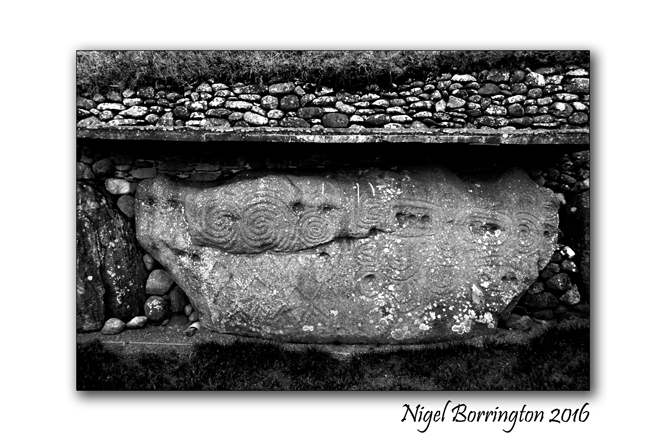
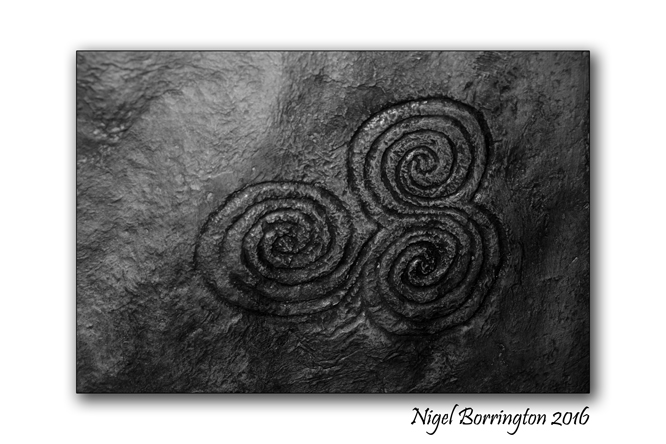
Newgrange a Gallery


The week of the winter solstice – Ardgroom Stone Circle, County Cork, Ireland
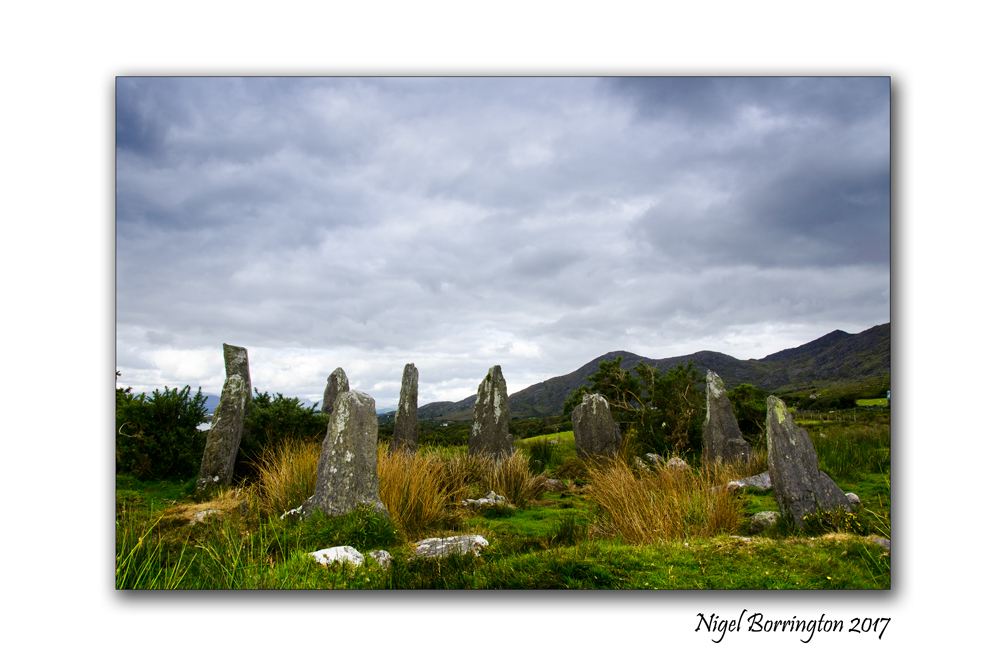
Ardgroom Stone Circle, County Cork,
Ireland
Nigel Borrington
Ardgroom Stone Circle, County Cork, Ireland
The Ardgroomon stone circle is located on the Beautiful Beara Peninsula, county cork. It has to be one of the most magical of all the Irish stone circle, it also has the best of locations and views, sitting about the Atlantic ocean. There is something so exciting and mysterious about visiting a stone circle. The Ardgroomon circle is located in an area were there is an abundance of these historic sites, as well as wedge tombs, ring forts, boulder burials and fulachta fiadhs.
As well as being used for the Solar Spring and summer Equinox’s along with the Summer and Winter Solstice, many of these stone circles would also log the Movement of the Moon, Planets and Stars as during the year they changed their positions along the horizon. The standing stones in a stone circle would have in combination with a feature on local hill sides, have been lined up with astronomical objects(Sun, moon, planets and Stars). This would have given an almost daily measurement for months of the year.
The reason that ancient peoples needed to log the movement of the heavens was mainly for practical reasons such as farming, they needed to know when to sow seeds, bring cattle down from the mountains and bring in the crops, also they needed to know how long their store of food had to last before the new growing season started, no imports in those days.
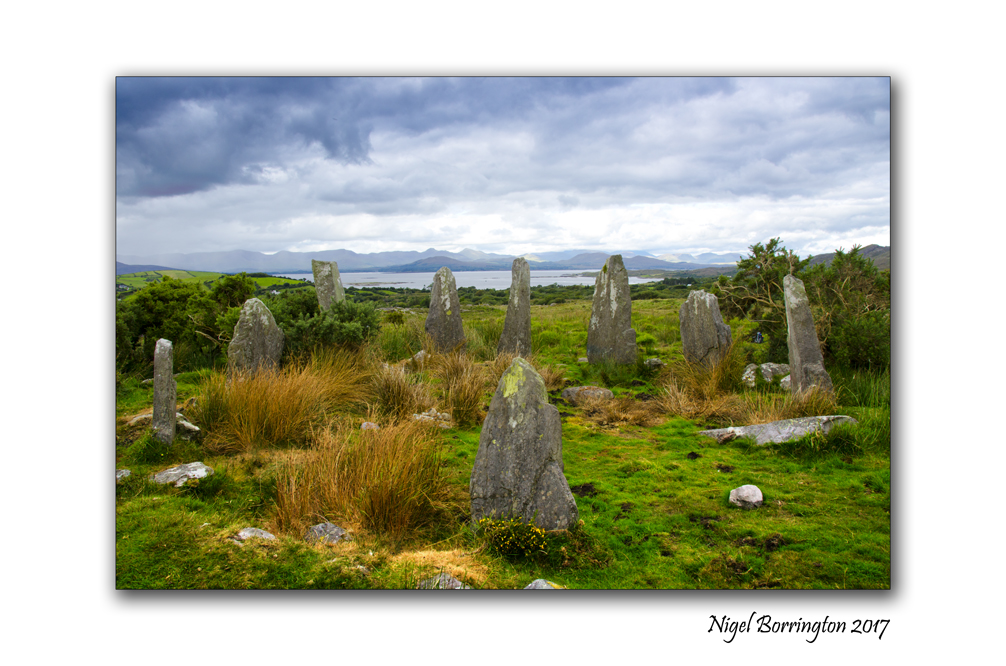


The week of the winter solstice – 2017, Castlerigg stone circle, Keswick in Cumbria, UK

Castlerigg stone circle
Keswick in Cumbria, North West England
Nigel Borrington
This week we will all experience the Winter Solstice, the moment that the amount of available Sun light has reached its lowest amount each day. From the 21st of December on the amount of day-light will start to slowly increase again, you could say that this moment marks the tree new year in the solar calendar !
The solstice may have been a special moment of the annual cycle for some cultures even during neolithic times. Astronomical events were often used to guide activities such as the mating of animals, the sowing of crops and the monitoring of winter reserves of food. Many cultural mythologies and traditions are derived from this. This is attested by physical remains in the layouts of late Neolithic and Bronze Age archaeological sites, such as Stonehenge in England and Newgrange in Ireland.
I want to mark this week by sharing some of the great Pagan monuments and sites I have visited both in the UK and here in Ireland, To the Pagan people of the past this week was a very special one, it marked the moment of new birth. It is for moments like these that Pagan people assembled their standing stones and stone circles.
Today I have posted and image of (Castlerigg stone circle,Keswick in Cumbria, North West England), this stone circle is one of the best preserved in Europe and located just north of the lake district, you can seen many of Cumbria’s great mountains in the background.
This stone circle would not only have been used to record the moments of the Winter Solstice but likely all the the events both in the (Sun’s the Moon’s and the stars) calendar of movements.
Here are some great facts about the Castlerigg stone circle :
Description
The stones are of a local metamorphic slate, set in a flattened circle, measuring 32.6 m (107 ft) at its widest and 29.5 m (97 ft) at its narrowest. The heaviest stone has been estimated to weigh around 16 tons and the tallest stone measures approximately 2.3m high. There is a 3.3m wide gap in its northern edge, which may have been an entrance. Within the circle, abutting its eastern quadrant, is a roughly rectangular setting of a further 10 stones. The circle was probably constructed around 3200 BC (Late Neolithic/Early Bronze-Age), making it one of the earliest stone circles in Britain and possibly in Europe. It is important to archaeoastronomers who have noted that the sunrise during the Autumn equinox appears over the top of Threlkeld Knott, a hill 3.5 km to the east. Some stones in the circle have been aligned with the midwinter sunrise and various lunar positions.
There is a tradition that it is impossible to count the number of stones within Castlerigg; every attempt will result in a different answer. This tradition, however, may not be far from the truth. Due to erosion of the soil around the stones, caused by the large number of visitors to the monument, several smaller stones have ‘appeared’ next to some of the larger stones. Because these stones are so small, they are likely to have been packing stones used to support the larger stones when the circle was constructed and would originally have been buried. Differences in opinion as to the exact number of stones within Castlerigg are usually down to whether the observer counts these small packing stones, or not; some count 38 and others, 42. The ‘official’ number of stones, as represented on the National Trust information board at the monument, is 40.
In the early 20th century, a single outlying stone was erected by a farmer approximately 90m to the south west of Castlerigg. This stone has many linear ‘scars’ along its side from being repeatedly struck by a plough, suggesting that it was once buried below the surface and also why the farmer dug it up. It is not possible to say whether this stone was originally part of the circle, or just a naturally deposited boulder.
The colour of winter, Red Holly Berries the colour of Christmas
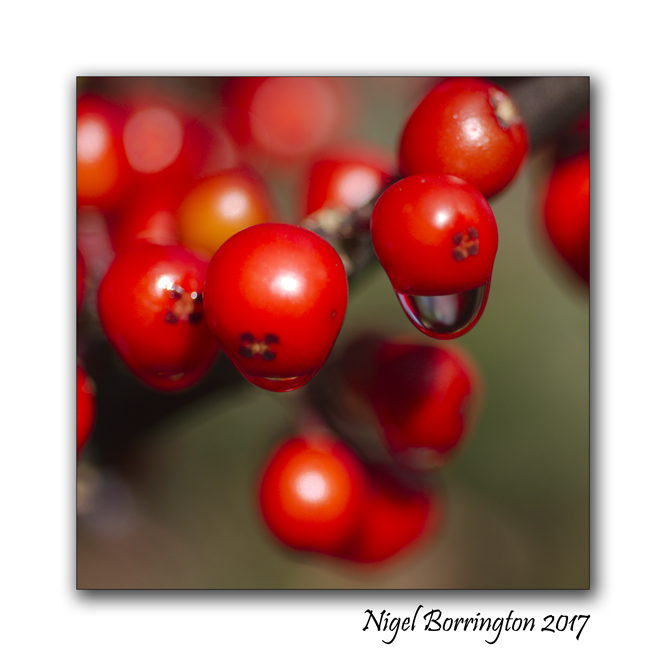
The colour of Winter
Holly Berries
Ballykeefe woods county kilkenny
Nigel Borrington
Some background Culture of Holly
Holly – more specifically the European holly, Ilex aquifolium – is commonly referenced at Christmas time, and is often referred to by the name Christ’s thorn. In many Western Christian cultures, holly is a traditional Christmas decoration, used especially in wreaths and illustrations, for instance on Christmas cards. Since medieval times the plant has carried a Christian symbolism, as expressed in the well-known Christian Christmas carol “The Holly and the Ivy”, in which the holly represents Jesus and the ivy represents the Virgin Mary. Angie Mostellar discusses the Christian use of holly at Christmas, stating that:
Christians have identified a wealth of symbolism in its form. The sharpness of the leaves help to recall the crown of thorns worn by Jesus; the red berries serve as a reminder of the drops of blood that were shed for salvation; and the shape of the leaves, which resemble flames, can serve to reveal God’s burning love for His people. Combined with the fact that holly maintains its bright colors during the Christmas season, it naturally came to be associated with the Christian holiday.
In heraldry, holly is used to symbolize truth. The Norwegian municipality of Stord has a yellow twig of holly in its Coat-of-arms.
The Druids held that “leaves of holly offered protection against evil spirits” and thus “wore holly in their hair”.
In the Harry Potter novels, holly is used as the wood in Harry’s wand.
In some Traditions of Wicca, the Holly King is one of the faces of the Sun God. He is born at Midsummer and rules from Mabon to Ostara
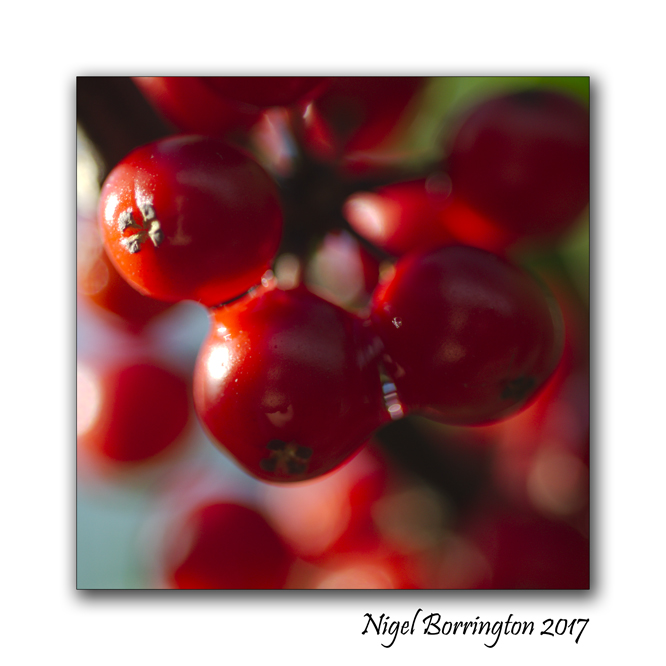
Tipperary Landscape images, Snow on Slievenamon, December 2017

Tipperary Landscape images, Snow on Slievenamon, December 2017
Nigel Borrington
A Panoramic image of the county Tipperary mountain slievenamon, We had a lot of Snow locally last Sunday and today Friday the only snow to be found was at the top of the mountain. Its a little Hard to present Panoramic images on a blog like this one, so I hope that you will click on the image to get the full size version.
This view is from the road at the bottom of the path used to walk to the top on the mountain, the path is up-hill all the way and as such while its not a long walk its a demanding one. When you get to the top however the views are well worth the energy and time spent 🙂


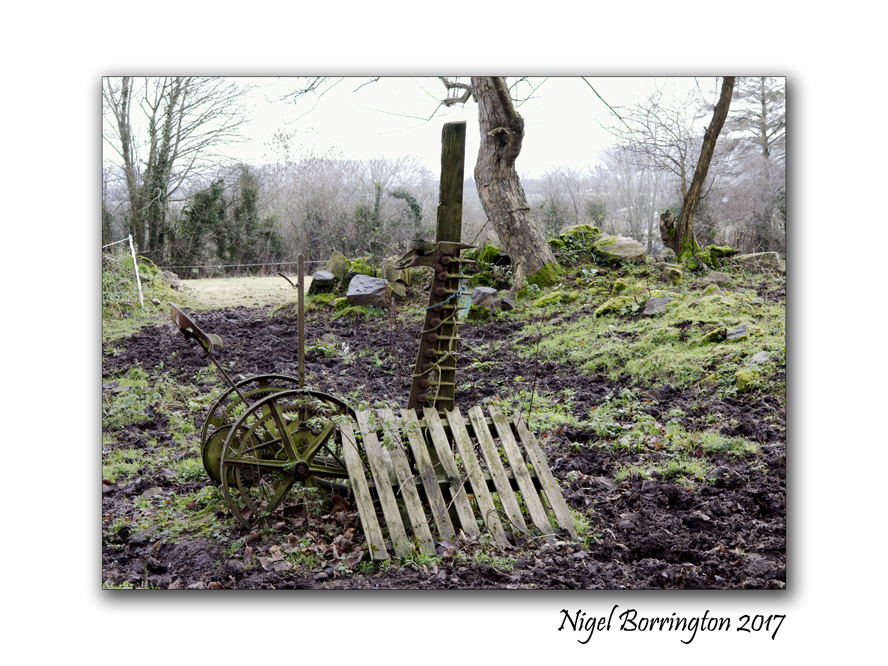



Images without words – Now the snow has gone, the river is high ………
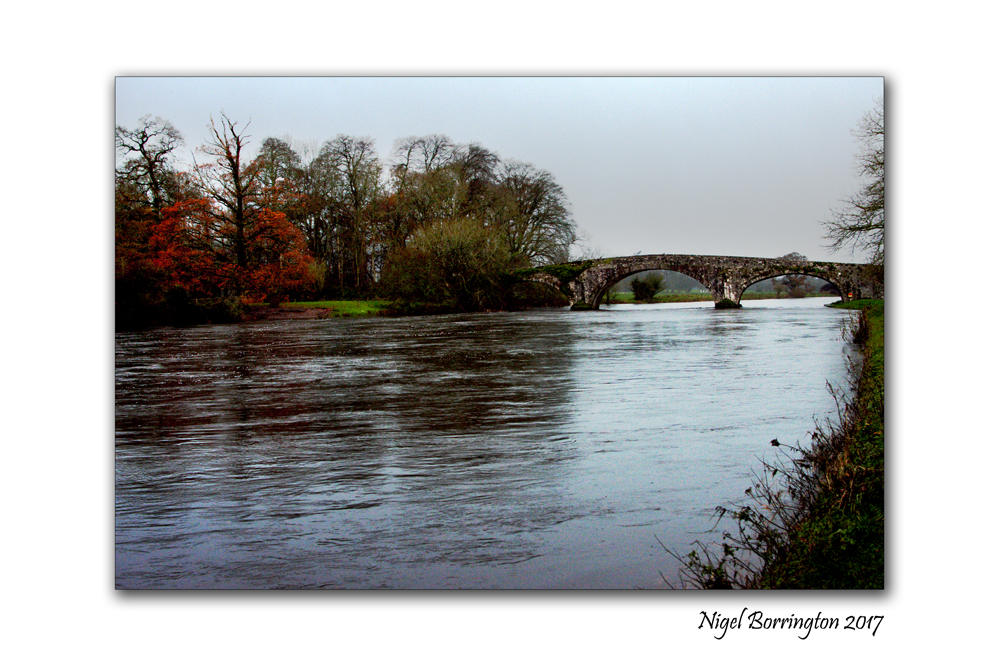
Now the Snow has gone
River Suir
County Tipperary
Nigel Borrington

Snow Clouds, A winters Poem

Snow clouds
Nigel Borrington
Snow Clouds
Flying above a layer of mountain tops
Blue snow clouds, deep blue, yellow and white
It looks like the snow-coated hills,
are covered in snowdrifts and gaps,
where the winter heather peeks through,
Walking with carefully so you Don’t fall
down into the drifts.
The Snow Man – Poem by Wallace Stevens

The Snow Man
Nigel Borrington
One must have a mind of winter
To regard the frost and the boughs
Of the pine-trees crusted with snow;
And have been cold a long time
To behold the junipers shagged with ice,
The spruces rough in the distant glitter
Of the January sun; and not to think
Of any misery in the sound of the wind,
In the sound of a few leaves,
Which is the sound of the land
Full of the same wind
That is blowing in the same bare place
For the listener, who listens in the snow,
And, nothing himself, beholds
Nothing that is not there and the nothing that is.
The Snow Man
Wallace Stevens
Snow Day – Poem by Billy Collins

Snow Day – Poem by Billy Collins
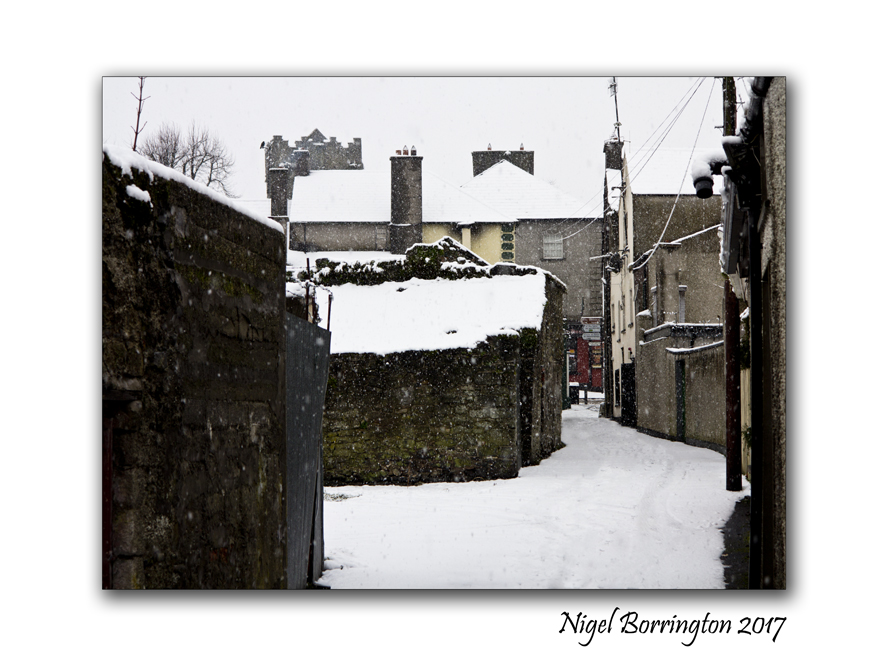
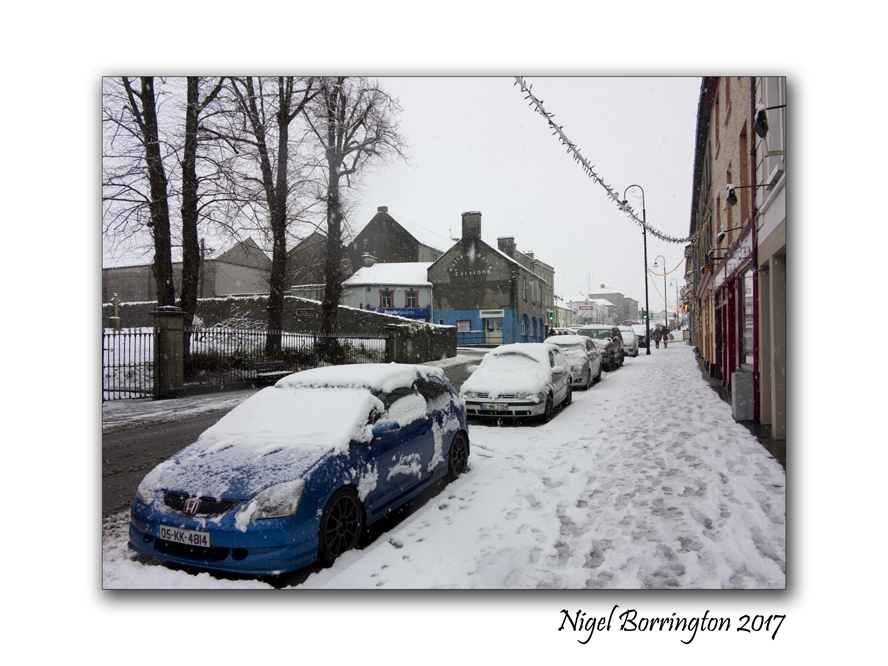
Today we woke up to a revolution of snow,
its white flag waving over everything,
the landscape vanished,
not a single mouse to punctuate the blankness,
and beyond these windows
the government buildings smothered,
schools and libraries buried, the post office lost
under the noiseless drift,
the paths of trains softly blocked,
the world fallen under this falling.
In a while I will put on some boots
and step out like someone walking in water,
and the dog will porpoise through the drifts,
and I will shake a laden branch,
sending a cold shower down on us both.
But for now I am a willing prisoner in this house,
a sympathizer with the anarchic cause of snow.
I will make a pot of tea
and listen to the plastic radio on the counter,
as glad as anyone to hear the news

that the Kiddie Corner School is closed,
the Ding-Dong School, closed,
the All Aboard Children’s School, closed,
the Hi-Ho Nursery School, closed,
along with – some will be delighted to hear –
the Toadstool School, the Little School,
Little Sparrows Nursery School,
Little Stars Pre-School, Peas-and-Carrots Day School,
the Tom Thumb Child Center, all closed,
and – clap your hands – the Peanuts Play School.

So this is where the children hide all day,
These are the nests where they letter and draw,
where they put on their bright miniature jackets,
all darting and climbing and sliding,
all but the few girls whispering by the fence.
And now I am listening hard
in the grandiose silence of the snow,
trying to hear what those three girls are plotting,
what riot is afoot,
which small queen is about to be brought down.
Snow Day
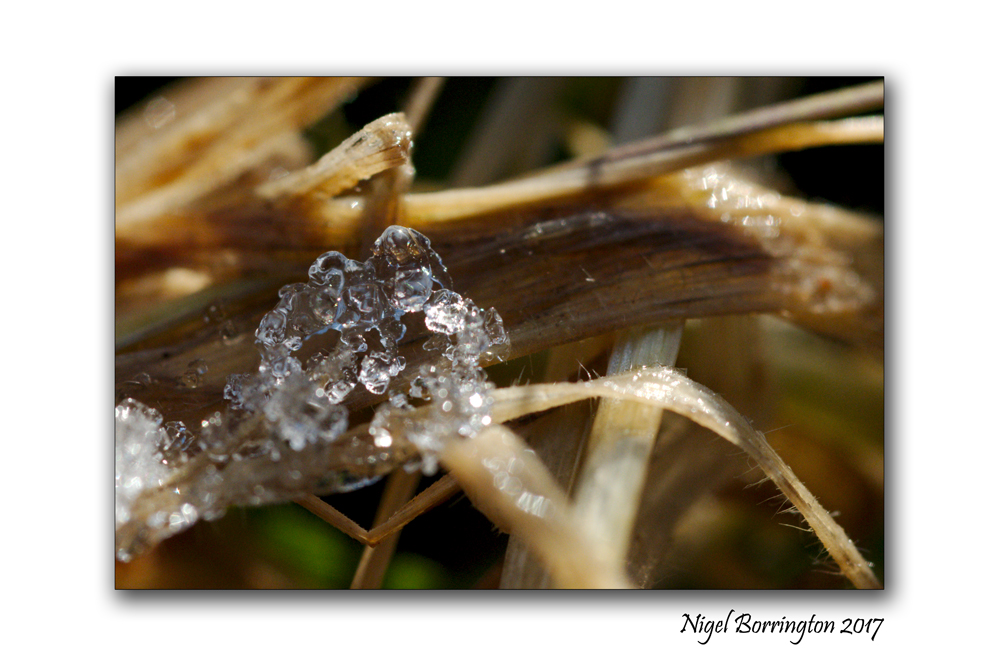
A Decembers Frost – A winters photo Gallery.
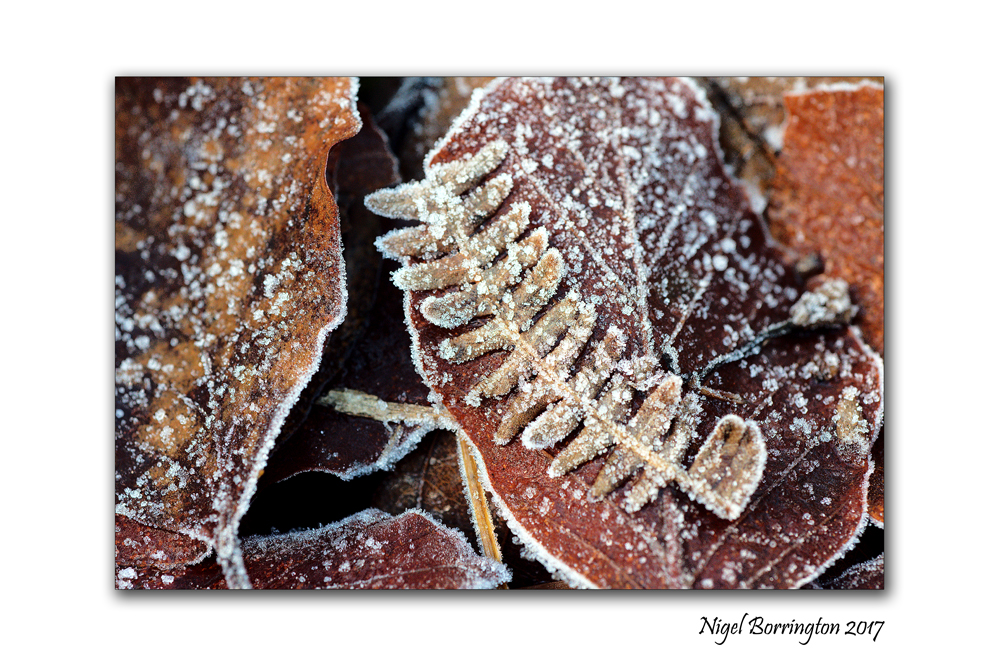
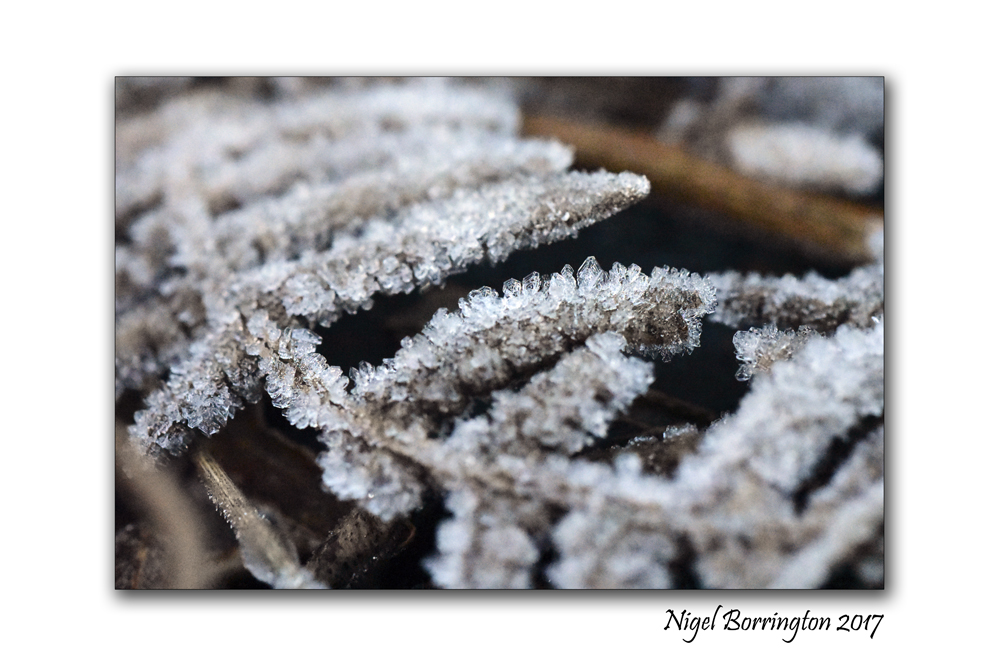
A Winters Frost
December 2017
County Kilkenny
Ireland
Nigel Borrington




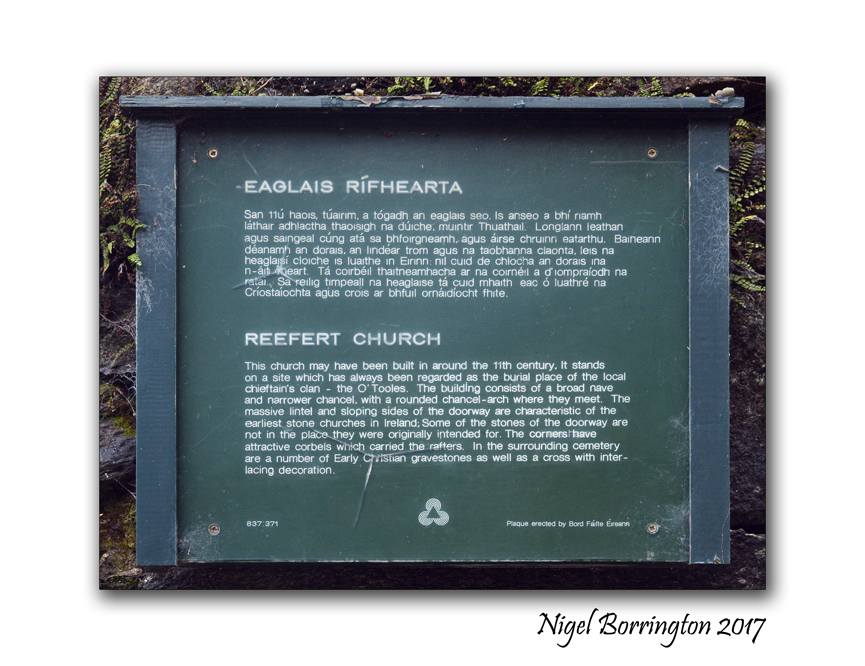
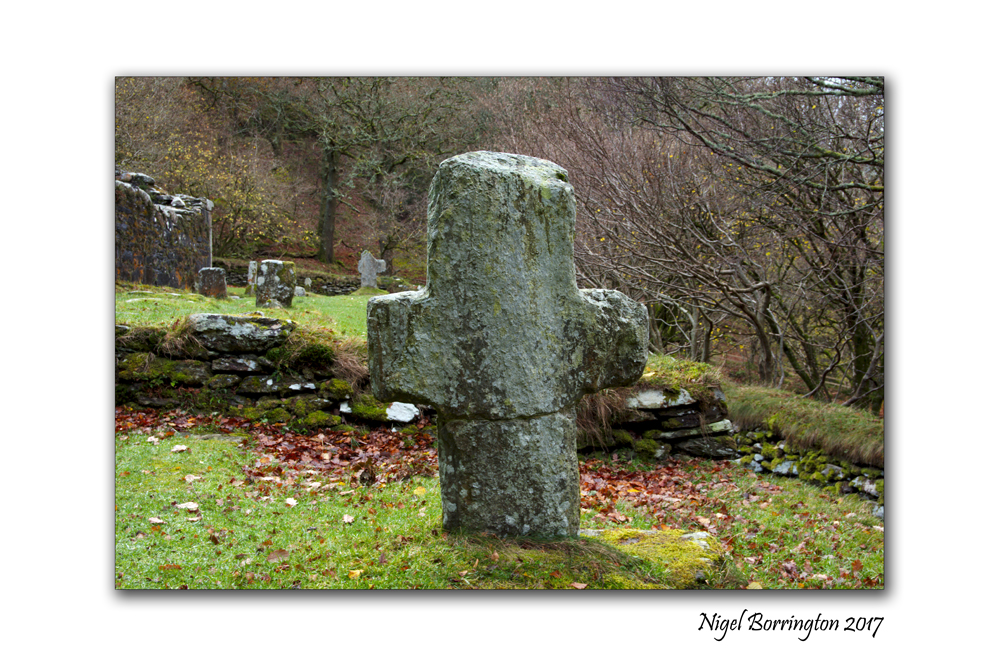
Reefert church, Glendalough, County Wicklow

Reefort, Glendalough Monastic City, Glendalough
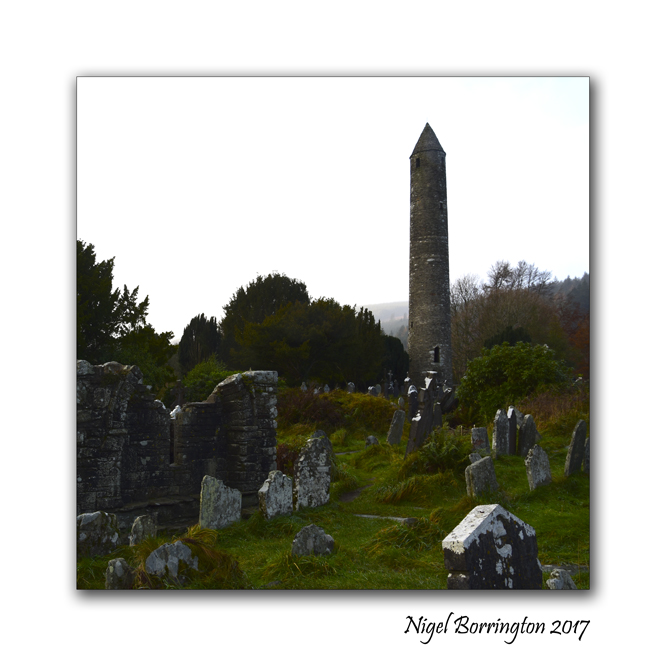
Glendalough has one of the biggest collections of Monastic remains in Europe, one of the most beautiful simply has to be Reefort church, located in the ancient woodlands above the lough this little chapel and is small grave yard are such a perfect reminder of an age that has long past us by.
The remains of Reefert Church are situated in a oak woodland setting, on the south-eastern shore of the Upper Lake close to an Information Office. Reefert derives its name from the Irish ‘Righ Fearta’ meaning burial place of the kings (referring to the local rulers – the O’Toole family). It dates from the eleventh century and is likely to have been built on the site of an earlier church. The church and graveyard were originally surrounded by a stone wall enclosure known in Gaelic as a ‘caiseal’. Most of the present surrounding walls however are modern. The upper parts of the church walls were re-built over 100 years ago using the original stones.
Gallery


Great Poems : A New Start. – by Bernard Shaw

A New Start. – Poem by Bernard Shaw
I have wiped the slate clean,
No more reminders from the past.
Memories of what I have been,
Have vanished at long last.

.
I look forward to my future new,
Where all is territory strange.
Soon I will be among the few,
That plans their life at long range.

.
I see my life laid out at my feet,
New friends shall rally at my call.
They will be the first I will greet,
At this my welcoming ball.
.
Soon all memories will depart,
Of a past left well behind.
I will get off to a new start,
With the best of mankind.
Bernard Shaw
The view from the Spink, Glendalough, County Wicklow

View from the Spink
glendalough
county Wicklow
ireland
Nigel Borrington
The Spink and the Wicklow Mountains National Park
Back in the 6th century, hermit monk Saint Kevin first sought solace and contemplation in the idyllic surroundings of Glendalough. His followers established a monastery here, which would become one of the most important monastic sites in Europe. The focal point was the 33m high round tower, where the monks could hide away, keen to keep their precious manuscripts from the hands of invading Vikings.
The Glendalough Valley is now part of the Wicklow Mountains National Park. Established in 1991, it now extends to more than 170sq km. Only an hour’s drive from Dublin city, there is a vast array of routes at all levels of difficulty. But Glendalough is best explored on the Spink and Glenealo Valley Route, a high quality loop walk with excellent waymarking and a well-maintained trail.

Back at the Visitor Centre there are refreshments available in the restaurant, or you might want to head for the nearby village of Laragh with its restaurants and pubs. Laragh also makes a great base for further exploration of the surrounding mountains. Experienced walkers might want to climb Lugnaquilla, the highest mountain in Wicklow, while those in pursuit of more leisurely walks can explore historic Glenmalure or the scenic area around Lough Dan.
Slightly further north is the village of Roundwood, with its thriving Sunday market. Further north still the beautiful formal gardens of the Powerscourt Estate lie in the shadow of Sugarloaf Mountain. Don’t miss Powerscourt Waterfall close by, at 130m the highest waterfall in Ireland or Britain. The cascade is impressive at any time of year, but especially dramatic after rain.
Delete
The Spink, Wicklow Mountains National Park, Gallery


The Landscape of Glendalough, county Wicklow , Crossing The Bar, A Poem by – Alfred Lord Tennyson
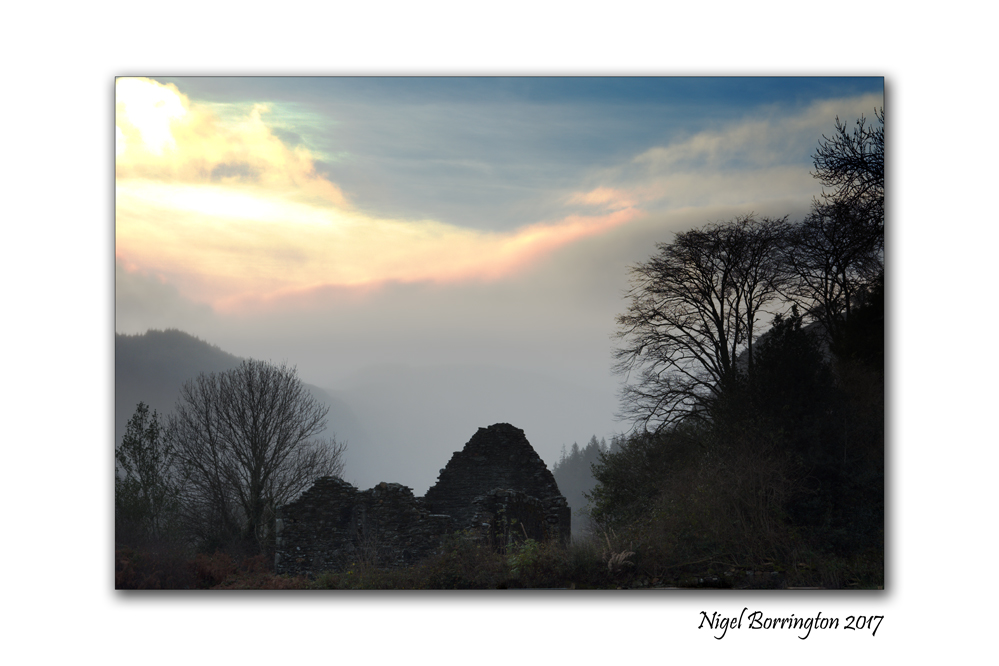
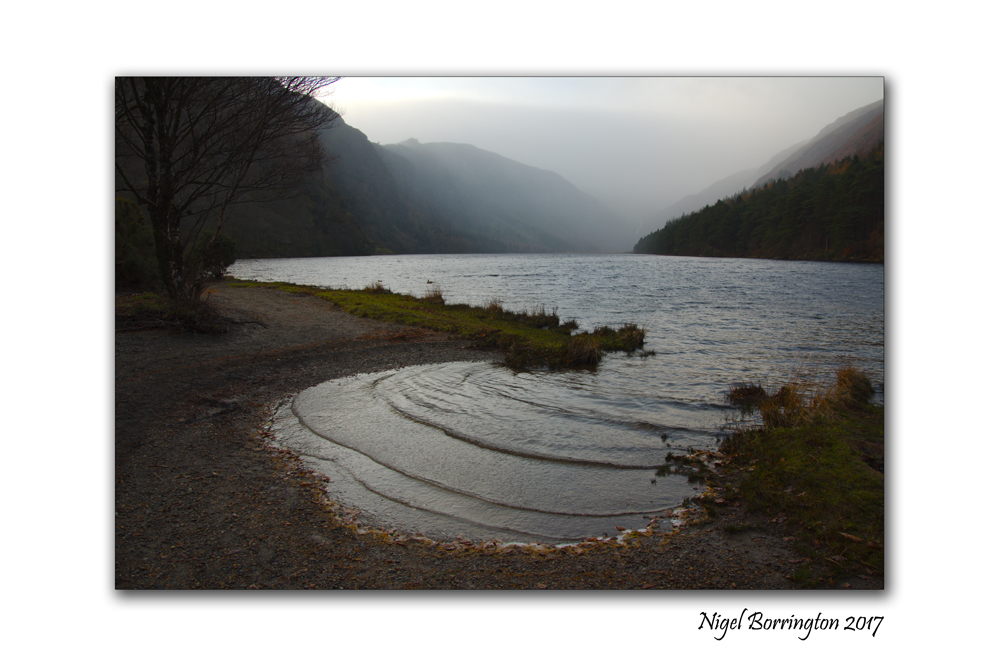
Glendalough
county
Wicklow Ireland
Nigel Borrington
Crossing The Bar – Poem by Alfred Lord Tennyson
Sunset and evening star,
And one clear call for me!
And may there be no moaning of the bar,
When I put out to sea,
But such a tide as moving seems asleep,
Too full for sound and foam,
When that which drew from out the boundless deep
Turns again home.
Twilight and evening bell,
And after that the dark!
And may there be no sadness of farewell,
When I embark;
For though from out our bourne of Time and Place
The flood may bear me far,
I hope to see my Pilot face to face
When I have cross the bar.

A week in glendalough, County Wicklow
glendalough
county wexford
ireland
Nigel Borrington
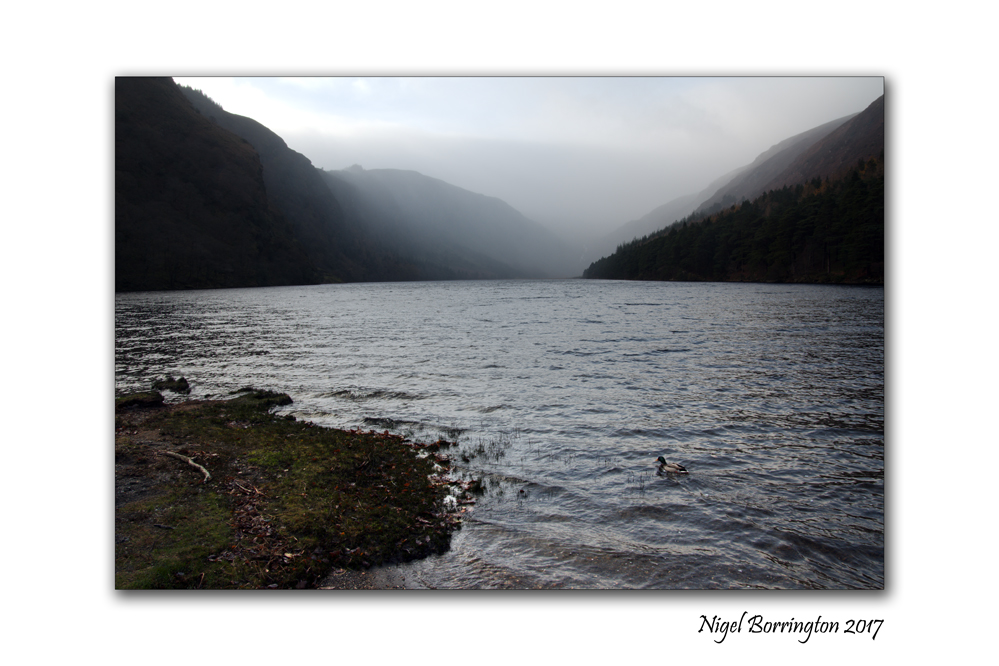
This week I am going to dedicate a lot of my posts to one of the most amazing landscape locations in Ireland, Glendaloughin, County Wicklow. Over the weekend we spent sometime there and loved it very much. Its a perfect location for walking relaxing and taking in the amazing views.
This is such a great location I feel I should take a little time to share its history and some of the pictures I captures from this weekend.
Winter colours in December , the month of great sunrises and sunset …….

Irish Landscapes
Kilkenny
Nigel Borrington
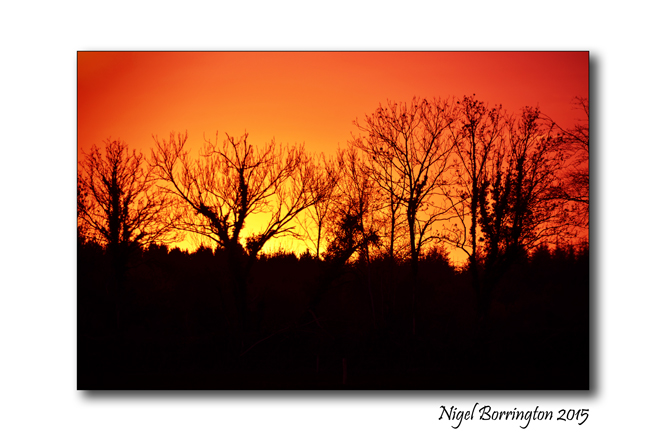
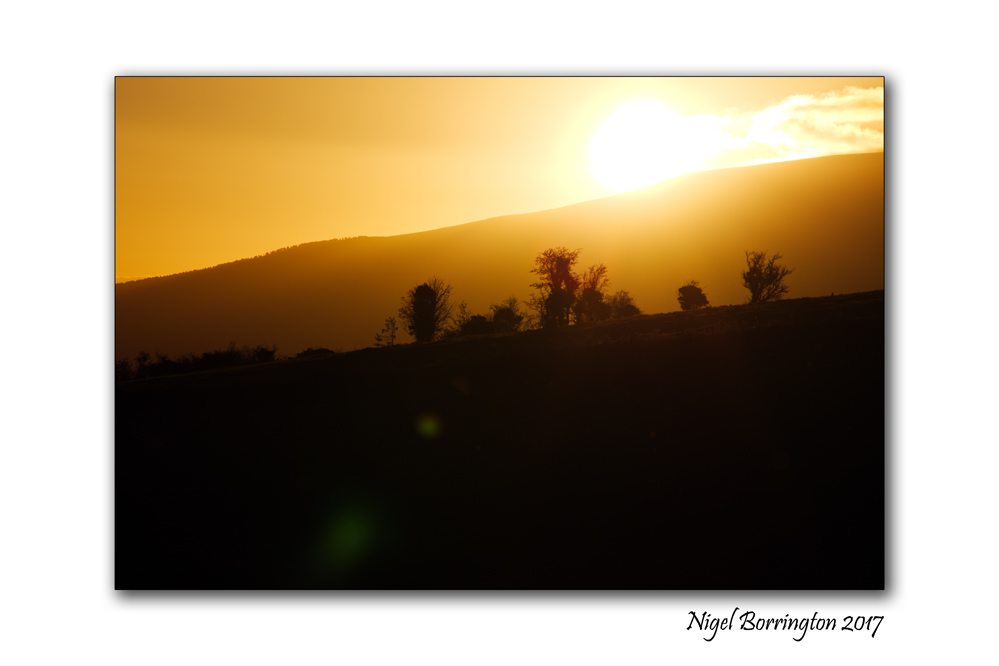
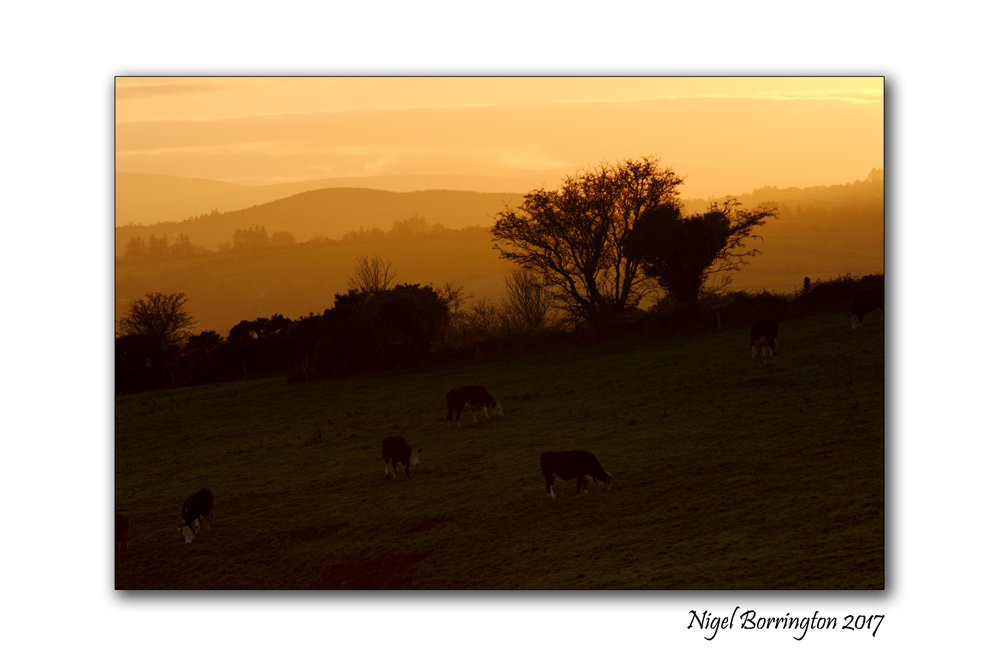
December , the month of great sunrises and sunset …….
To-night the west o’er-brims with warmest dyes;
Its chalice overflows
With pools of purple colouring the skies,
Aflood with gold and rose;
And some hot soul seems throbbing close to mine,
As sinks the sun within that world of wine.


Saying goodbye to November , Poem:November By, William Cullen Bryant, 1794 – 1878

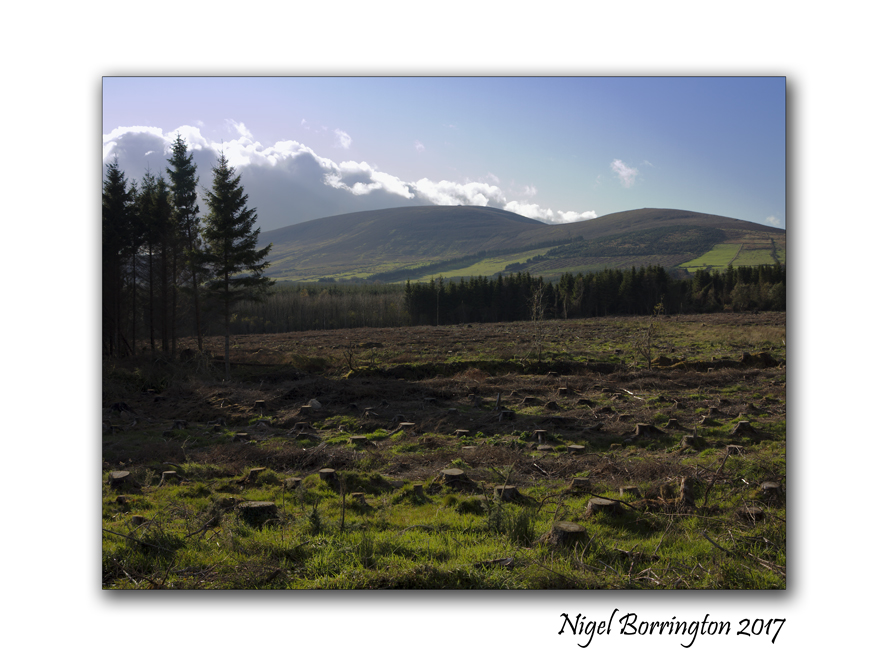
November
William Cullen Bryant, 1794 – 1878
Yet one smile more, departing, distant sun!
One mellow smile through the soft vapory air,
Ere, o’er the frozen earth, the loud winds run,
Or snows are sifted o’er the meadows bare.

One smile on the brown hills and naked trees,
And the dark rocks whose summer wreaths are cast,
And the blue gentian flower, that, in the breeze,
Nods lonely, of her beauteous race the last.
Yet a few sunny days, in which the bee
Shall murmur by the hedge that skirts the way,
The cricket chirp upon the russet lea,
And man delight to linger in thy ray.
Yet one rich smile, and we will try to bear
The piercing winter frost, and winds, and darkened air.

Images without words, Nature in a winter forest : shrubby fruticose lichens

Images without words
Nature in a winter forest
shrubby fruticose lichens
Nigel Borrington

The Natural colours of winter, The Purple of Herb Robert
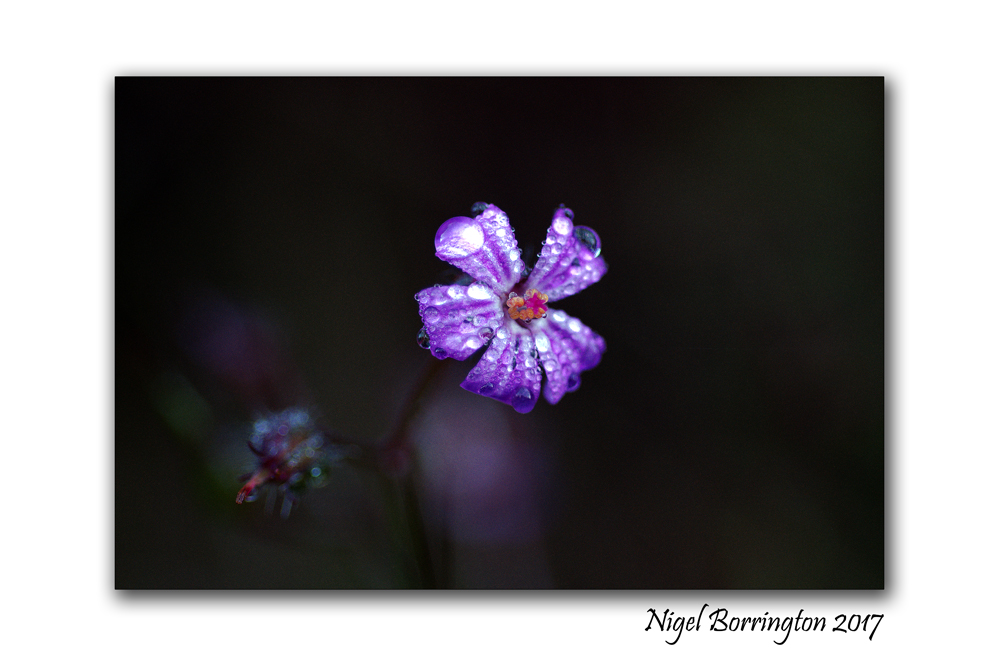
The natural colours of winter
Purple
Herb Robert
Nigel Borrington
Herb Robert
Geranium robertianum
NL: Robertskruid
F: Géranium Herbe à Robert
Geranium robertianum grows spontaneous and abundantly in many gardens. Some people keep wondering about its edibility, since there is not much to be found about it in books on edible wild plants. Its less than appealing taste seems to be at least partly responsible for its absence in culinary creations. In survival situations, where one would need to live on what’s available, this plant could be a real asset, since it is rich in essential nutrients such as calcium, iron, magnesium, potassium, vitamins A, C, etc. It is also rich in the element germanium, which has antioxidant activity, helps to strengthen the immune system and is essential to providing energy and oxygen to the cells.
The Natural colours of winter , Reds and greens

The natural colours of winter
On the Forest floor
Nature photography Nigel Borrington
Some two weeks ago I took a part here on my blog in a seven day Black and White photography challenge, I loved these seven days with my camera with only light to work with, very much. However ever since I just wanted to get out and find as much of natures winter colours as I could find. At first this task looked a little harder than I thought it would be, so much of nature has died back as we slip into the early winter weeks, yet the more you look the more you find.
Like these strong reds of slowly rotting berries I found just sitting on a fallen Oak leaf.
Red has to be on of the strongest colours of autumn and early winter, it feels like the colour of the last signs of life as much vegetation turn red just days before its finally returns to the ground, the very place it took its first energy of life from.

A Country Boy in Winter , A poem by : Sarah Orne Jewett

A Country Boy in Winter
The wind may blow the snow about,
For all I care, says Jack,
And I don’t mind how cold it grows,
For then the ice won’t crack.
Old folks may shiver all day long,
But I shall never freeze;
What cares a jolly boy like me
For winter days like these?
Far down the long snow-covered hills
It is such fun to coast,
So clear the road! the fastest sled
There is in school I boast.
The paint is pretty well worn off,
But then I take the lead;
A dandy sled’s a loiterer,
And I go in for speed.
When I go home at supper-time,
Ki! but my cheeks are red!
They burn and sting like anything;
I’m cross until I’m fed.
You ought to see the biscuit go,
I am so hungry then;
And old Aunt Polly says that boys
Eat twice as much as men.
There’s always something I can do
To pass the time away;
The dark comes quick in winter-time—
A short and stormy day
And when I give my mind to it,
It’s just as father says,
I almost do a man’s work now,
And help him many ways.
I shall be glad when I grow up
And get all through with school,
I’ll show them by-and-by that I
Was not meant for a fool.
I’ll take the crops off this old farm,
I’ll do the best I can.
A jolly boy like me won’t be
A dolt when he’s a man.
I like to hear the old horse neigh
Just as I come in sight,
The oxen poke me with their horns
To get their hay at night.
Somehow the creatures seem like friends,
And like to see me come.
Some fellows talk about New York,
But I shall stay at home.
 Nigel Borrington
The Winter Solstice Live Stream 2017 – Newgrange Ireland
Today I just want to share this You tube link !
For the first time tomorrow morning the website “Ireland ancient east” are sharing the great events that have been taking place at Newgrange for over 5000 year. This is usually a private by invention only event but now the world can share the moment that the sun light travels down the passage tomb opening and falls on the wall at the back of the tomb,
If you can please log on it would be great if as many people as possible can share this Ancient event …..
https://www.irelandsancienteast.com/wintersolstice
Every year, the Winter Solstice at Newgrange, Ireland, attracts crowds to witness the solstice sun illuminate the ancient tomb’s passage and chamber. At dawn, from December 19th to 23rd, a narrow beam of light penetrates the roof-box and reaches the floor of the chamber, gradually extending to the rear of the chamber. As the sun rises higher, the beam widens within the chamber so that the whole room becomes dramatically illuminated. This event lasts for 17 minutes, beginning around 9am.
Share this:
December 20, 2017 | Categories: Comment, Gallery, irish history, Nigel Borrington | Tags: Ireland, Ireland ancient east, irish history, Newgrange, winter solstice, Winter Solstice Live Stream 2017 | 2 Comments