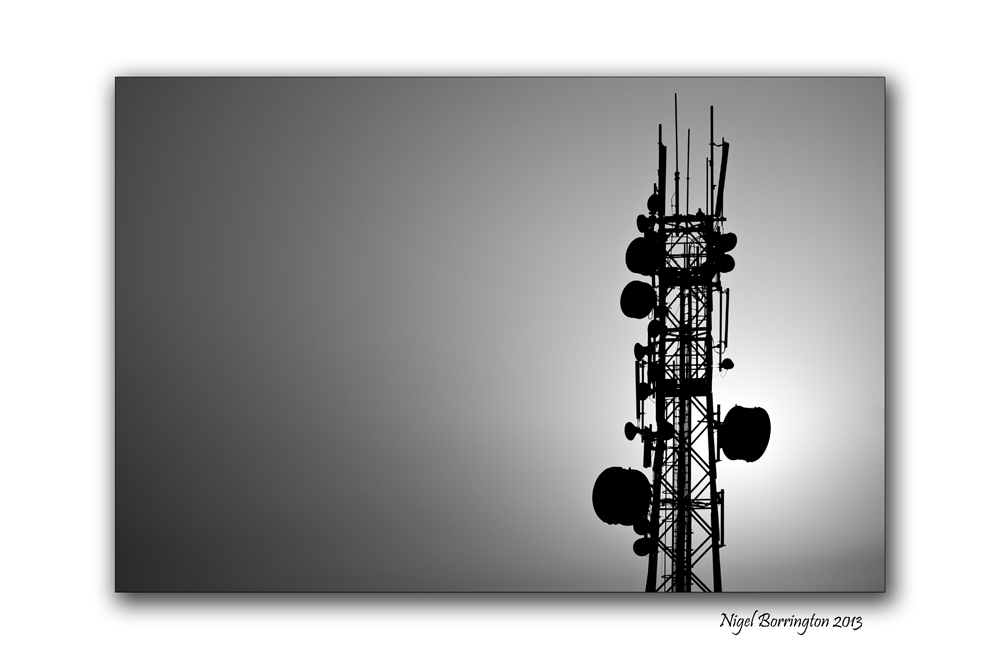
A connection from the hill tops.

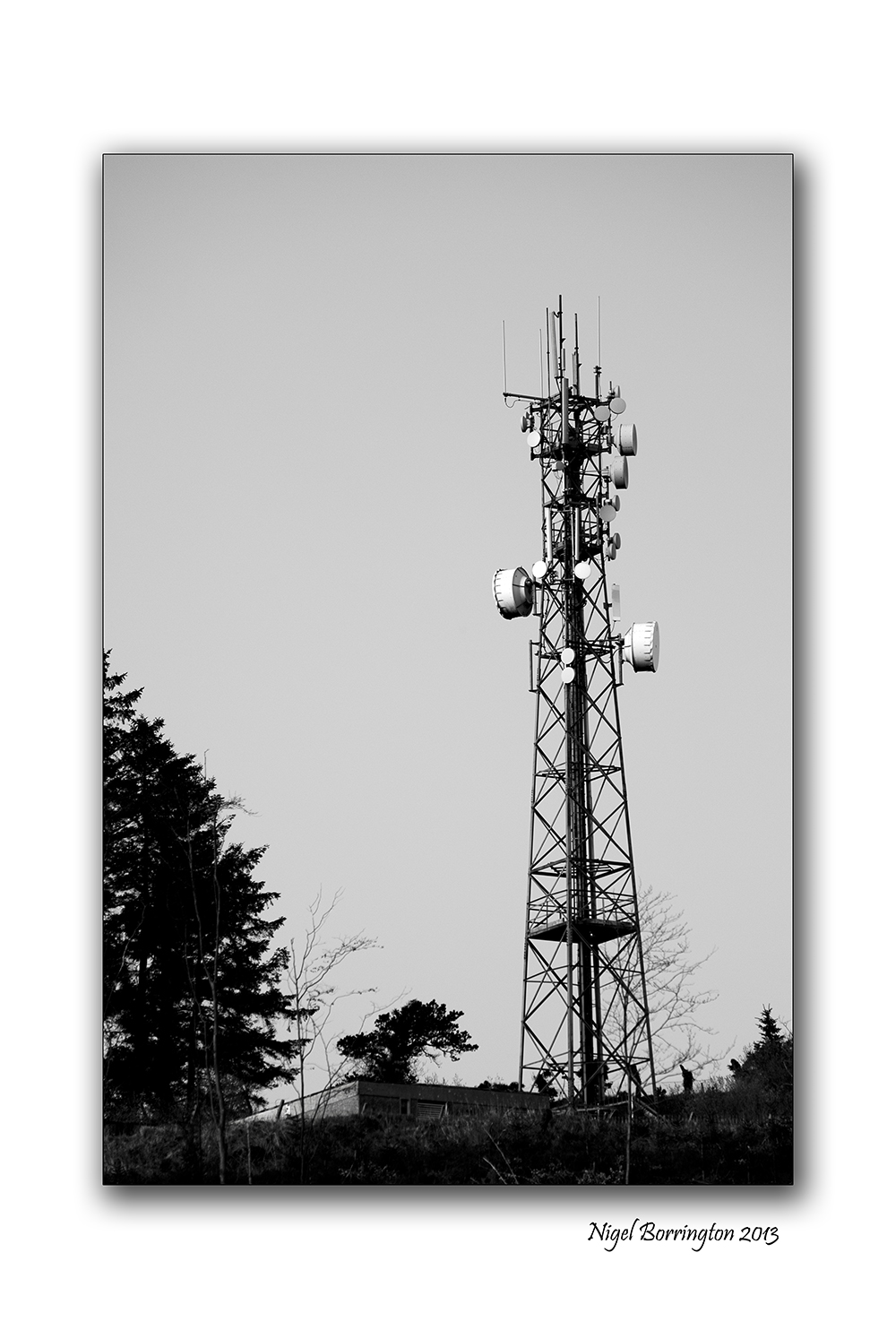
Communications tower, Windgap woods, country Kilkenny
Irish Landscape photography : Nigel Borrington
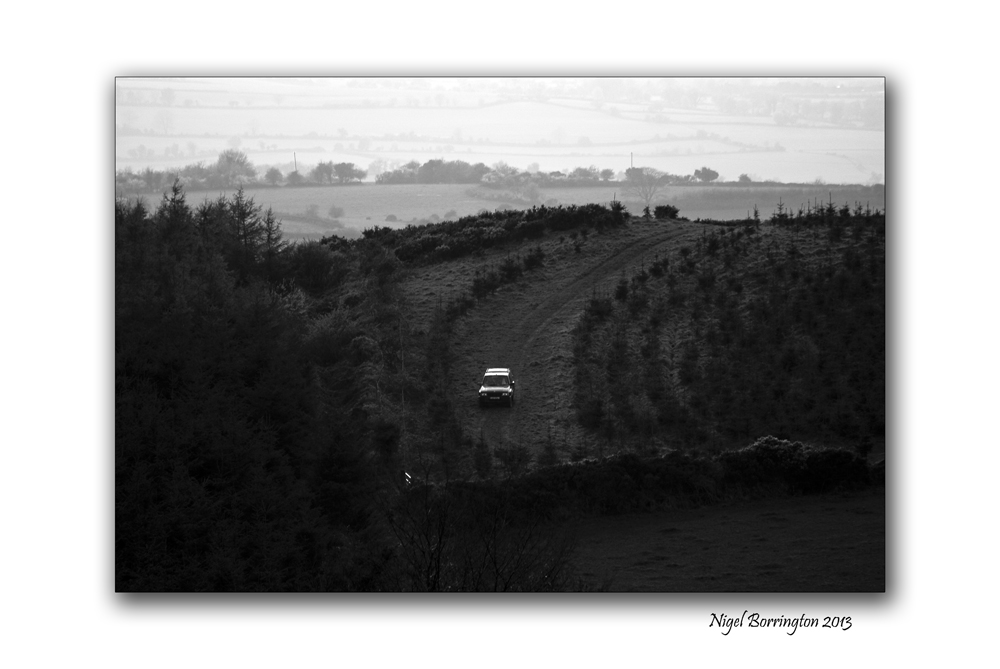
The woods at Windgap, County Kilkenny, sit above the valley we live in. A walk through the woods offers some wonderful views of the Landscape below.
The wood is also the home to the local communications tower, high in the woodlands it is hard to reach by car and one evening last week I noticed the service people driving through the fields to get to the building below the tower.
I feel that the contrast between the landscape and this tower is what I really hope to show here, but of course with out it I would not be able to show you these images?
Kilkenny landscape Gallery

Now that Autumn has begun (Two Autumn Poems)
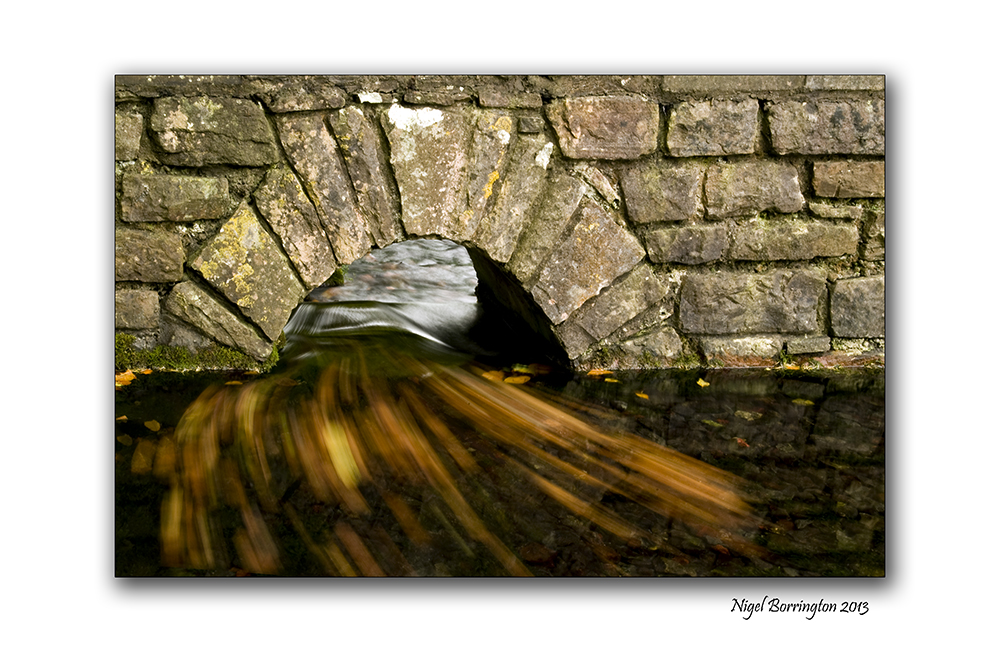
Autumn colours in the Landscape
Landscape Photography : Nigel Borrington
Autumn
By : Dorian Petersen Potter
Autumn comes singing in
Displaying her treasures’ galore.
So prettily dressed she grins
Spreading more beauty than before
She transforms the trees one by one,
She paints their leaves with new hues.
There’s a different kind of fun,
Now that Autumn has begun

.
There’s a magic in the air,
In the smells and all the colors.
Cool breeze plays with my hair,
While her beauty I just stare!
Autumn has come back at my door,
What a sight! It’s the season I adore

.
Amber Glow
By : Wesley Mincin
Red and yellow painted leaves
hang idly within the trees
They break and sail along the breeze
As fires of Autumn’s time
They dance and surf upon the ground
Overlap each other with ruffling sound
A setting I am glad I found
As fires of Autumn’s time

Like fires of the Autumn season
they leap and dance without a reason
A factor of Autumns many seasons
As fires of Autumn’s time’
The grey clouds break, the sun appears
The dancing leaves appear to sere
These flames its kept for many years
As fires of Autumn’s time
Wild Mushrooms in the Irish woodlands.

All images using a Fujifilm X100
Autumn Mushrooms at Woodstock, County Kilkenny
Irish Nature and landscape photography : Nigel Borrington
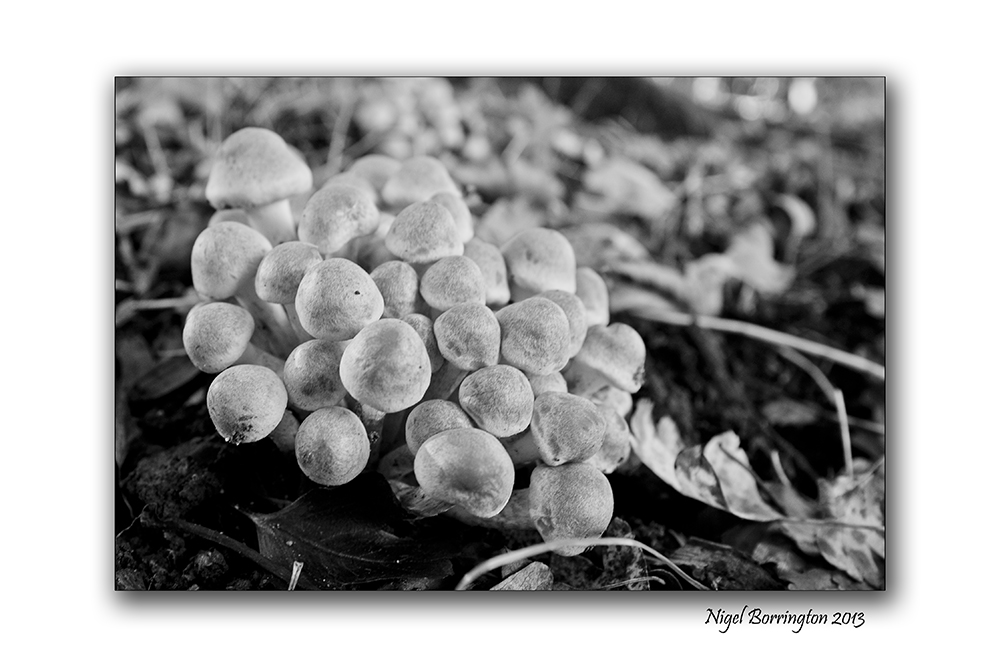
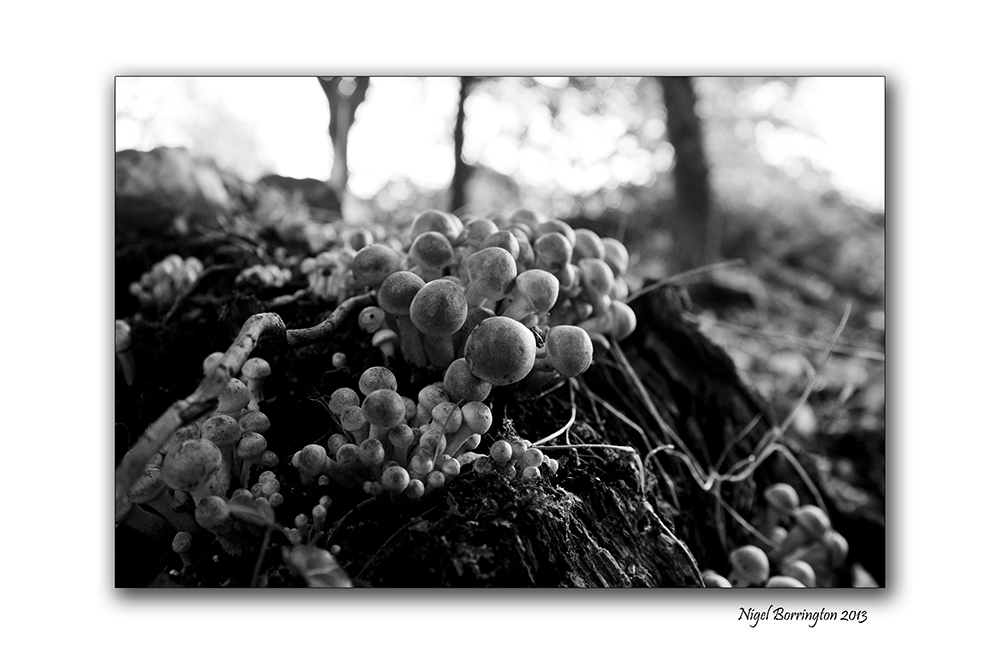
On Saturday while walking through the woodlands above the River Barrow, Woodstock, Inistioge in county Kilkenny. At the back of a farm yard I came across these Mushrooms growing in the ground of the woodland.
At this time of year just as the Autumn is taking a hold the local woodlands come to life with all kinds of Mushrooms, I managed to get the below pictures and intend to go hunting for more during the week and next weekend.
The Image above is of Shaggy ink cap (Coprinus comatus) Mushrooms and below are Sulphur Tuft (Hypholoma fasciculare) mushrooms .
Irish wild mushrooms, Gallery


What Molly found in the Kilkenny Woodlands.

What Molly found in the Kilkenny woodlands
Irish landscape and nature photography : Nigel Borrington
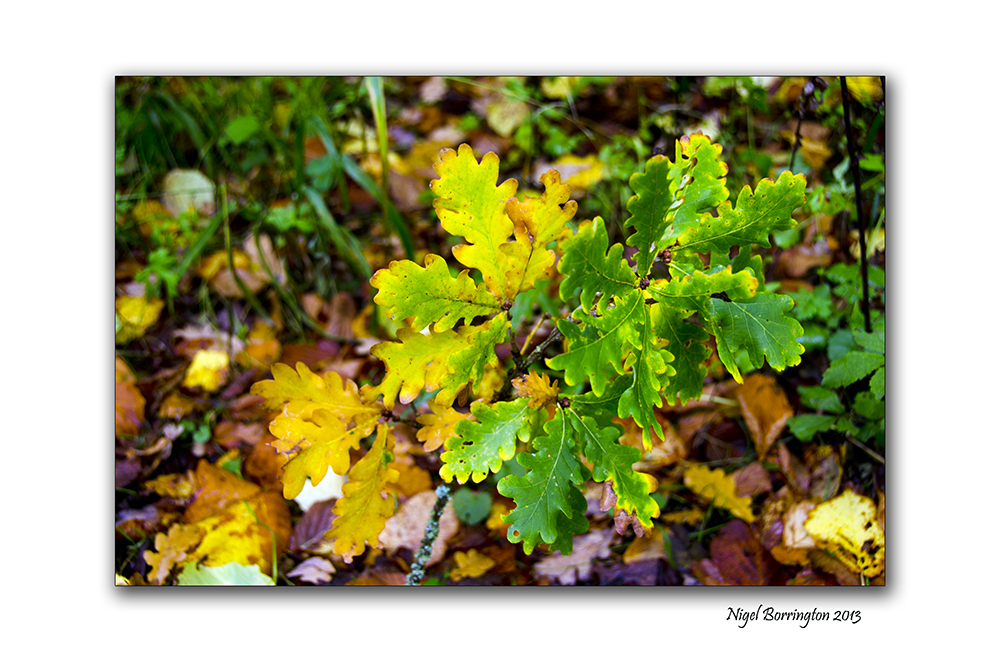
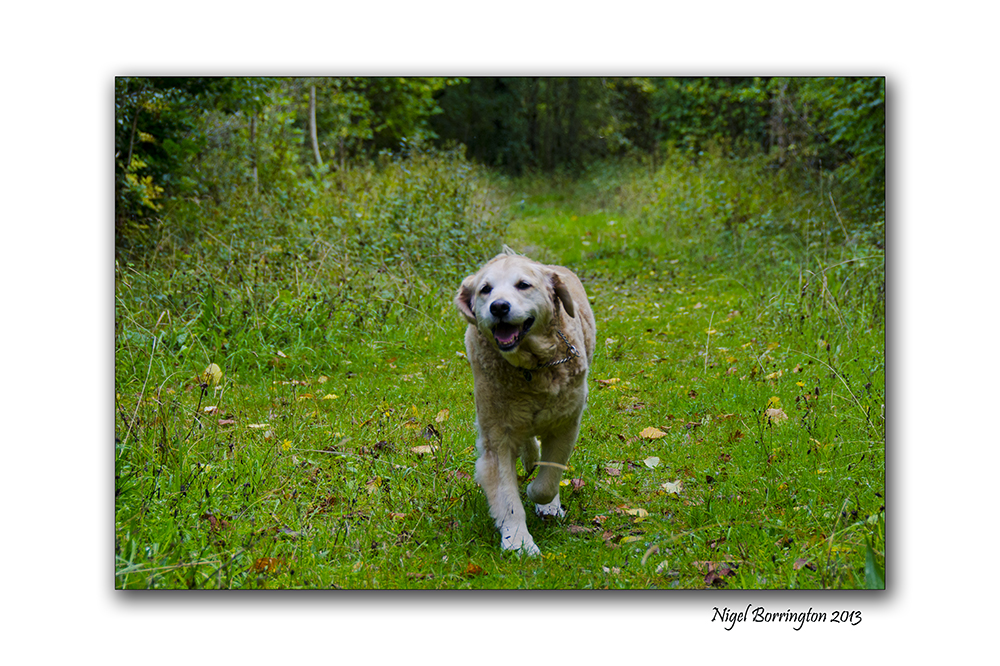
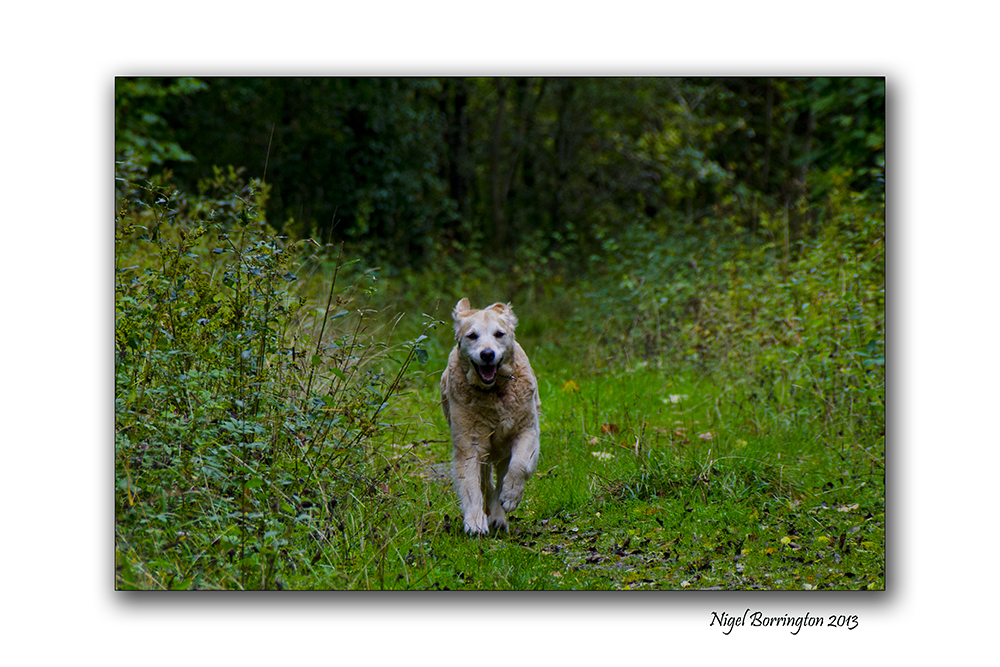
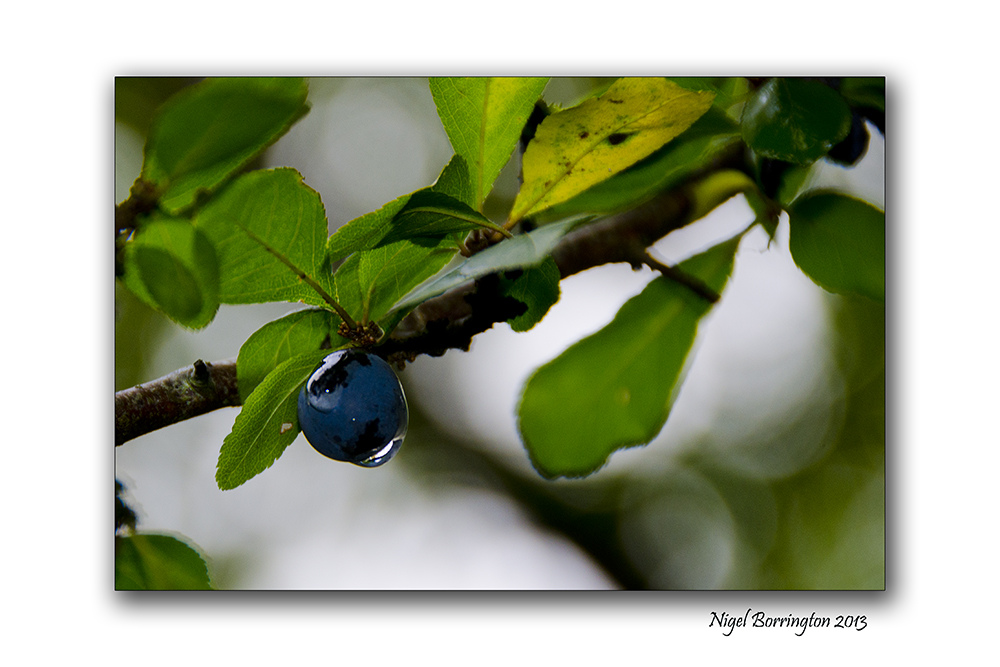
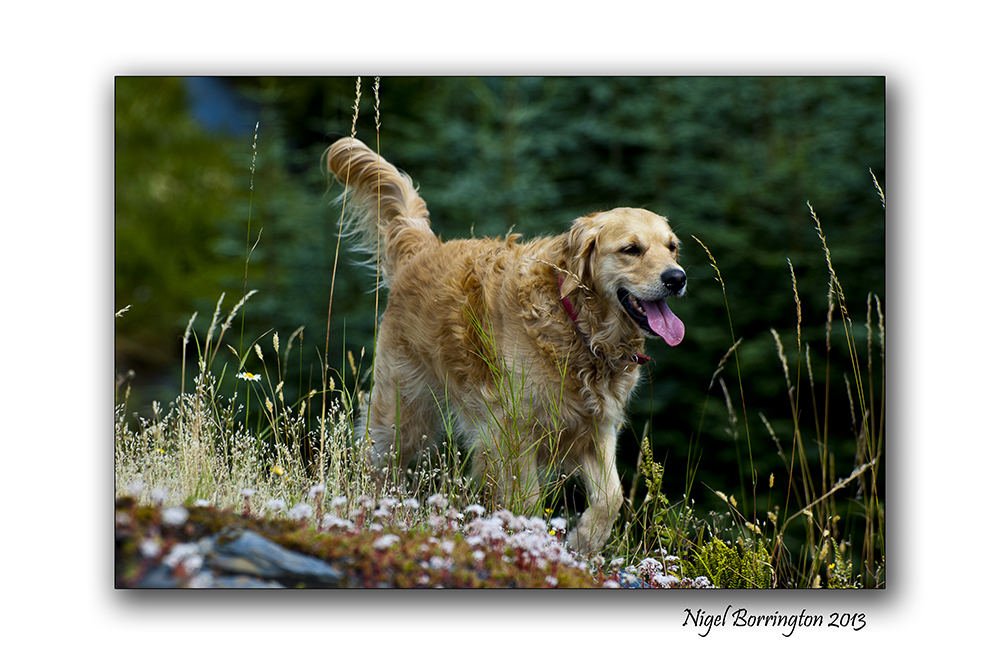
Molly is our ten year old Golden Retriever and she just love getting her daily walk in and around the woodlands and rivers of county Kilkenny.
This series of images are from just some of the things that she helps to find for me to capture with my Camera in a walk a couple of days back.
Fallen Oak Leafs and Acorns


—————
The smell of Hazel trees and nuts


—————
Over here I think there are some Blue berries

Molly and Me – A new photo series
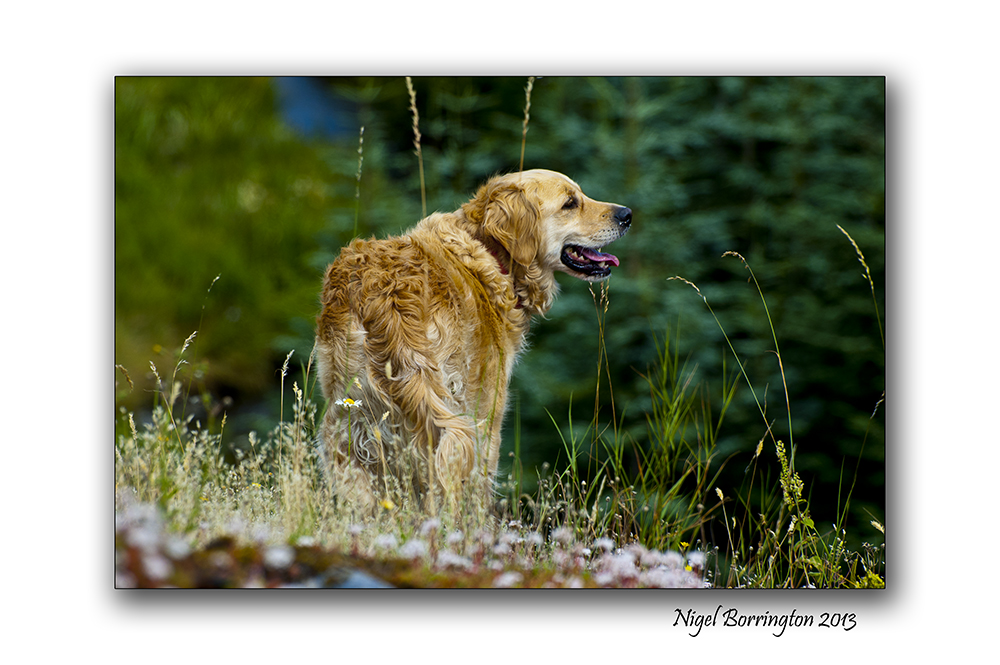
Molly our Golden Retriever
Irish photography by : Nigel Borrington
Molly and Me
While out walking Molly, Our 10 year old Golden Retriever yesterday, I noticed – not for the first time how good she is at finding great subjects to take Images of. I very often notice something she is very interested in and find that it’s a perfect subject for an image.
So I was thinking and then decided that from today and during the winter Months, into the future, I am going to create a new photo series call molly and me.
I want to capture just what plant life and locations interest her when she is out on a walk and capture these objects and moments
I have a good friend that I have got to know in Australia, Anne Casey and her dog Monty, please go and check out her blog she does this kind of story telling very well. Her Blog is just perfect and to myself is what blogging is all about.
Molly and Me : A Gallery


Kilkenny landscape photography

All images taken using a Nikon D700
In a Kilkenny woodland, September 2013, the start of the fall
Kilkenny Landscape and nature Photography, Nigel Borrington
In A September woodland, County Kilkenny
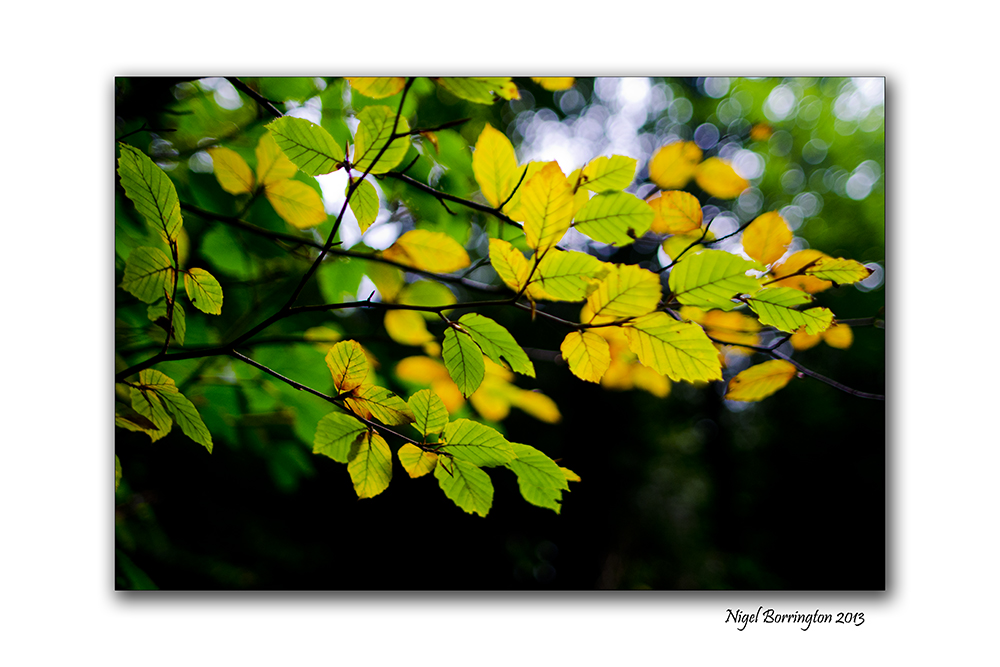
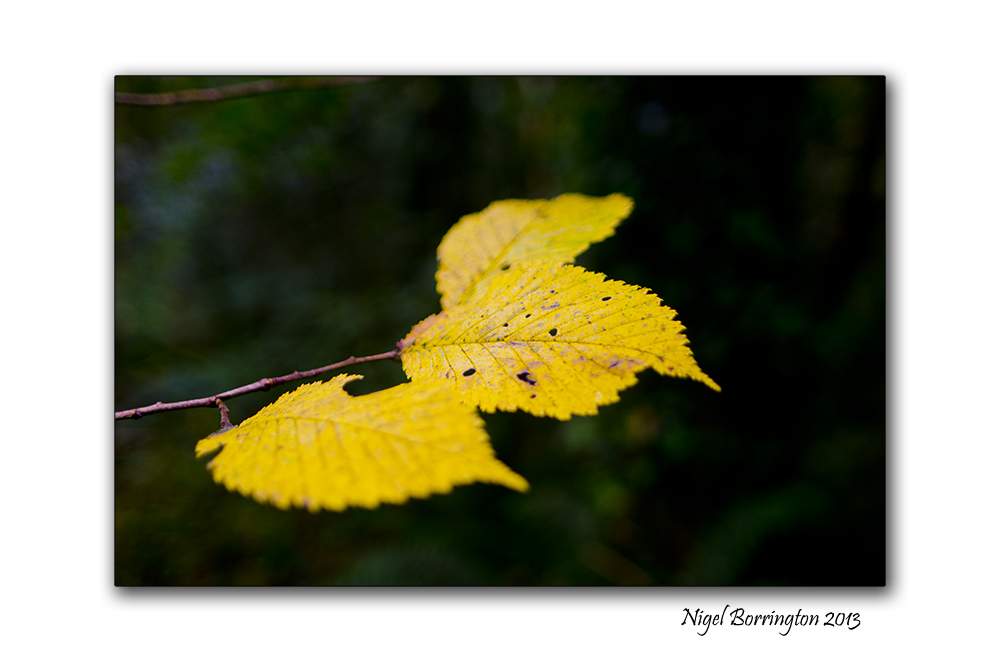
The local Kilkenny woodlands in September are full of colour, the Leafs are starting to turn yellow and fall, their yellow colours are just wonderful.
The start of the Autumn fall, Kilkenny woodland gallery



The crows will only grow louder, poem: Laura Breidenthal

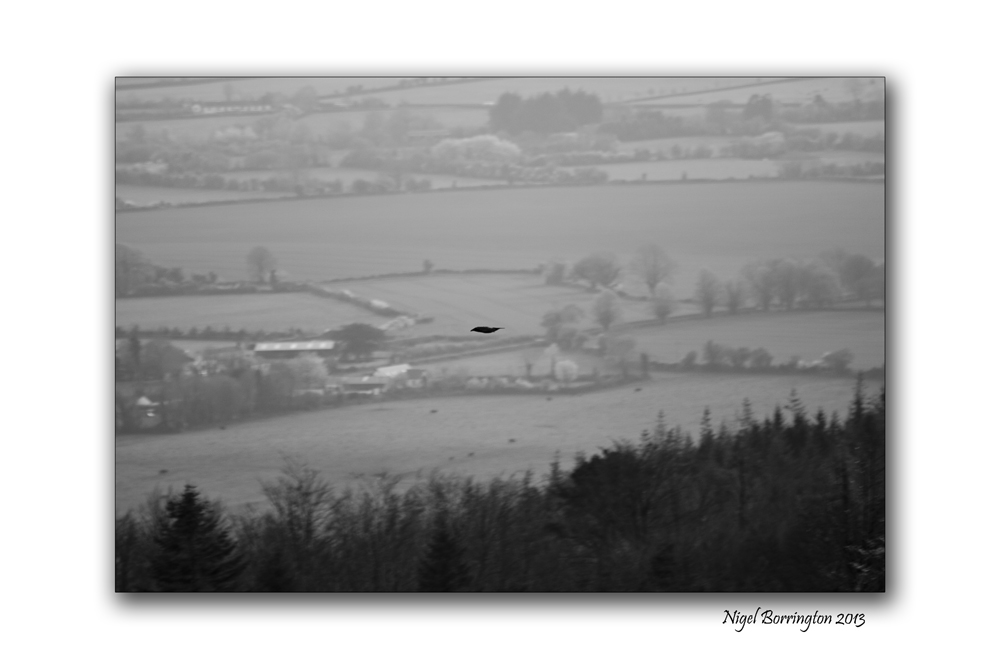
A crow flying in-front of Slievenamon, County Tipperary
Landscape and nature photography : Nigel Borrington
The crows will only grow louder
By : Laura Breidenthal
There is no celestial place for you to guide my thoughts
Can you not see that I am free from you?
I am a crow perched high in the treetops
You will hear my crowing and you may hate it
But, you cannot take away my voice!
Yet still, as fire oppresses forests of life,
You can abuse my freedom to find your glory
You may discard these words for your love of gods,
And in so doing you may simply ignore
All the cries that I so passionately utter
But my infectious species will guide your mind straight back
To that once so lonely treetop where you merely glanced
And there will be multitudinous, oppressing thoughts
That shall enslave you and bind you unwillingly
The crows will only grow louder when you turn away—
When you pretend to ignore with your remaining, strangling pride
For my voice is a production sent from above
Dispatched to judge you pitilessly for your swelling lies!
And the choirs of ferocious beaks shall open forever
Harmony and dissonance as one
Irish Wild-life – Mute swans

Images taken using a Nikin D700/D7000,
Fujifilm x100
Irish wild-life photography , Swans
Landscape and nature photograhy by : Nigel Borrington
The Mute Swan
Mute Swans
Our largest bird, the mute swan is also the most common swan species in Europe. Its widespread distribution is linked in part to its domestication at various periods in history. These elegant, graceful birds can be seen all year round on lakes, rivers and ponds around the country, even in the middle of our cities. Most of the swans we see today are wild birds, although some, particularly in urban areas, are likely descended from domestic lines and remain semi-dependent on human supplements to naturally available food sources.
The mute swan’s graceful appearance belies a somewhat belligerent demeanour. Adults regularly bully smaller species and in the breeding season the male stakes out a large area of water and defends it aggressively against all-comers. While not strictly mute, the mute swan is a much less vocal bird than the other species of swan found in Ireland, the Bewick’s swan and the whooper swan, both scarce winter visitors. Its repertoire consists mainly of soft grunts, snorts and hisses – with the occasionally feeble trumpet. In flight however the swan is anything but silent: it’s wings create a loud, rhythmic throbbing noise as they beat the air, the rhythm of which is said to have inspired Wagner when composing Ride of the Valkyrie.
Take off is a laboured affair with the swans running across the surface of the water to gain momentum while frantically beating their powerful wings in a struggle to get airborne. Once in the air, however, flight is fast and smooth with slow, powerful wing-beats and outstretched neck. Swans land on the water, skiing across the surface to slow their substantial bulk before settling.
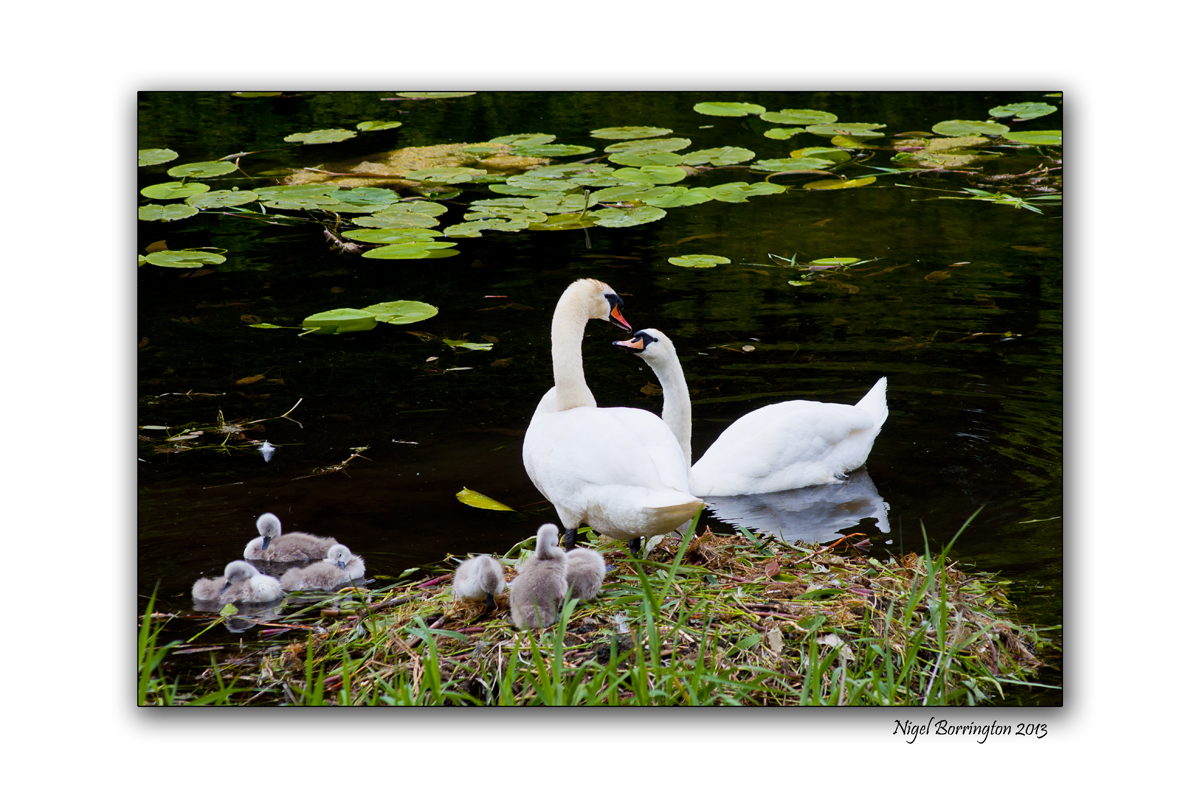
On the water mute swans cruise gracefully, their necks held in a characteristic curve not found in other swan species. The male, or cob, is slightly larger than the female, or pen, with a larger black knob at the base of the orange-red bill. Breeding usually takes place on still inland waterways from late April. The pair builds an enormous nest of water plants, sometimes up to 13 feet (4 metres) across, close to the water. Three to eight large blue-grey eggs are laid and the adults will defend the nest aggresively. The sight of an attacking adult is usually enough to keep most intruders away, including people. Reports of human injury from swan attack are greatly exaggerated, although a bird of this size and power is certainly capable of inflicting damage. As a rule of thumb swans on and around the nest site should be left well alone.
Cygnets hatch in 34-38 days, and the female often carries her downy grey offspring on her back, where they can be seen peeking out from beneath her arched wings. The family usually stay together until the following spring, when the aggressive parents will chase off the younger birds as they start to get their white adult plumage. The young birds will take three to four years to mature and can live for up to twenty years.
There are thought to be 20,000 or so mute swans in Ireland. Unlike the Bewick’s swan and whooper swan, which are migratory, the resident mute swan rarely moves far, although individuals have been recorded travelling over 200 miles. During the post-breeding moult and over the winter mute swans sometimes gather in large flocks on certain bodies of water, like lakes and estuaries, where their incessant foraging can seriously deplete limited stocks of aquatic plant life.
The oft-quoted statement that mute swans pair for life is in fact a myth, although it is not uncommon for the same pair to breed in consecutive years. It is, of course, also untrue that if one of a pair of swans dies that the other will soon die of a broken heart.
by Calvin Jones

The first Chestnuts of autumn
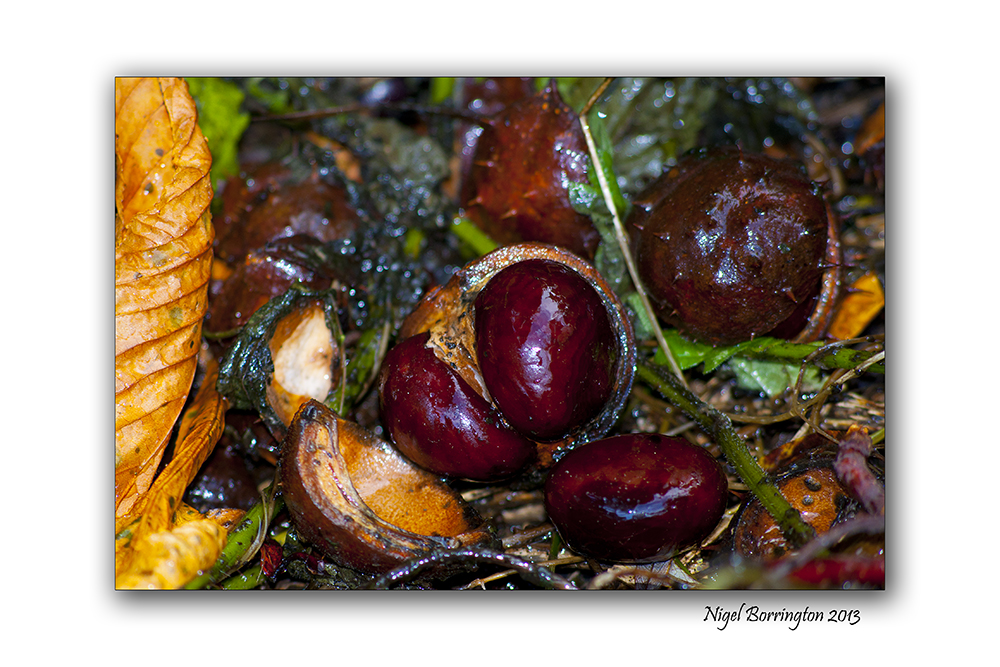
The First Chestnuts of autumn 2013
irish landscape and nature photography : Nigel Borrington
While out on a walk yesterday evening I came across the first Chestnut from the horse chestnut trees, I have seen this Autumn. It was a very wet afternoon but I managed to get these images while sitting underneath my Brolly.

Monday mornings, mist in the woods
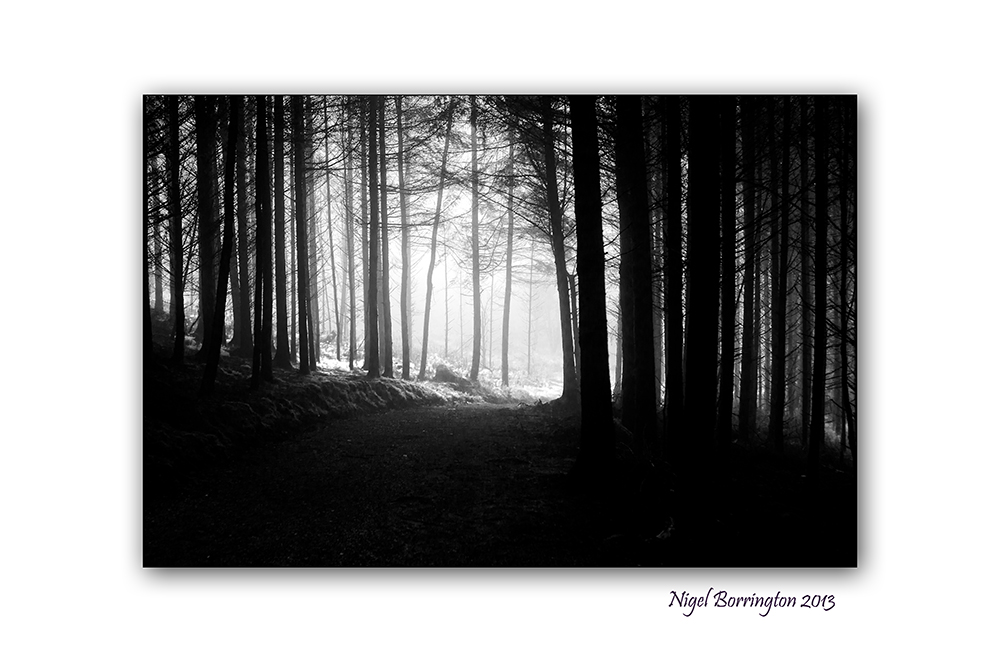
Monday morning mist in the woods
Kilkenny landscape photography : Nigel Borrington
Monday Mornings
Finally breaks the morning light,
ending a long, restful night.
From this place, the sun through the trees,
appears to reveal some misty scene.
Colorless branches contorting the rays of the sun,
light breaking through trees from some place of desolation.
Slowly to the world vision returns,
it becomes apparent that nothing has changed.
So an excuse not to begin the week,
fades into the glimmer of the soft sun rays.
Our tired bodies, hardly able to stir,
begin our long journey to the weeks return.
Going down to Littleton bog, County Tipperary

All images using a Canon G1x and a Fujifilm x100
Images of Littleton peat bog, County Tipperary
Irish landscape photography by : Nigel Borrington
Going down to Littleton Bog.
To myself I feel that very little depicts the landscape of Ireland as much as it’s peat bog areas, peat has been cut from this landscape for hundreds if not thousands of years.
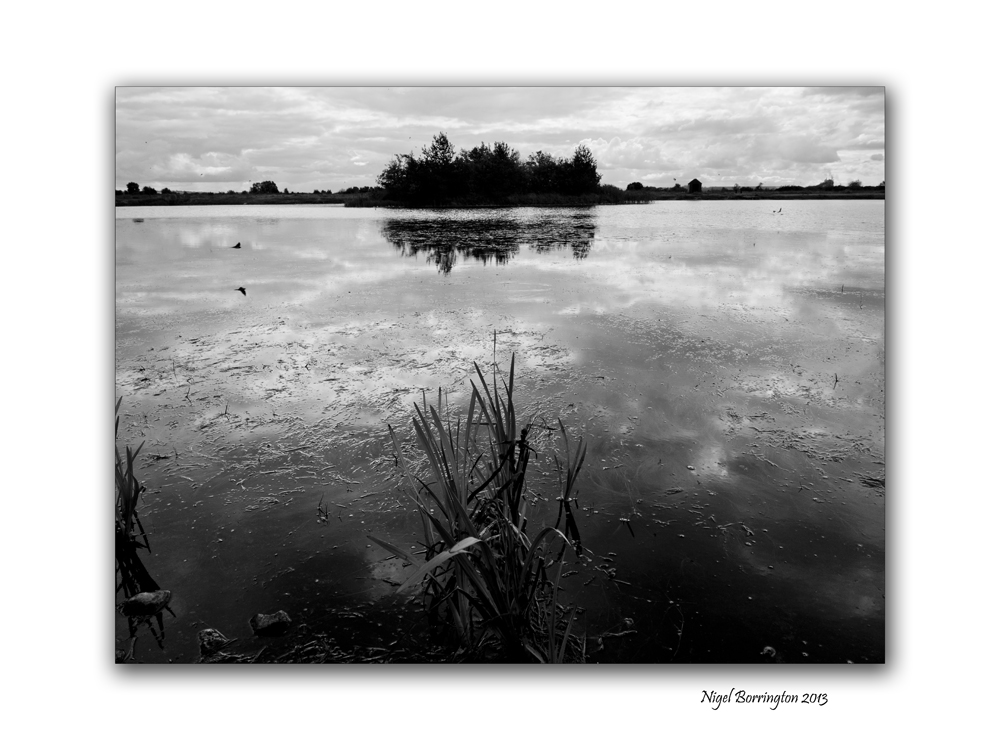
Littleton Bog is about 30km from my home and I visit this area many times during the year, too both walk our dog Molly and take sometime too take images and just be out in what can be a very wild place in the winter months along with a wonderful place in the summer.
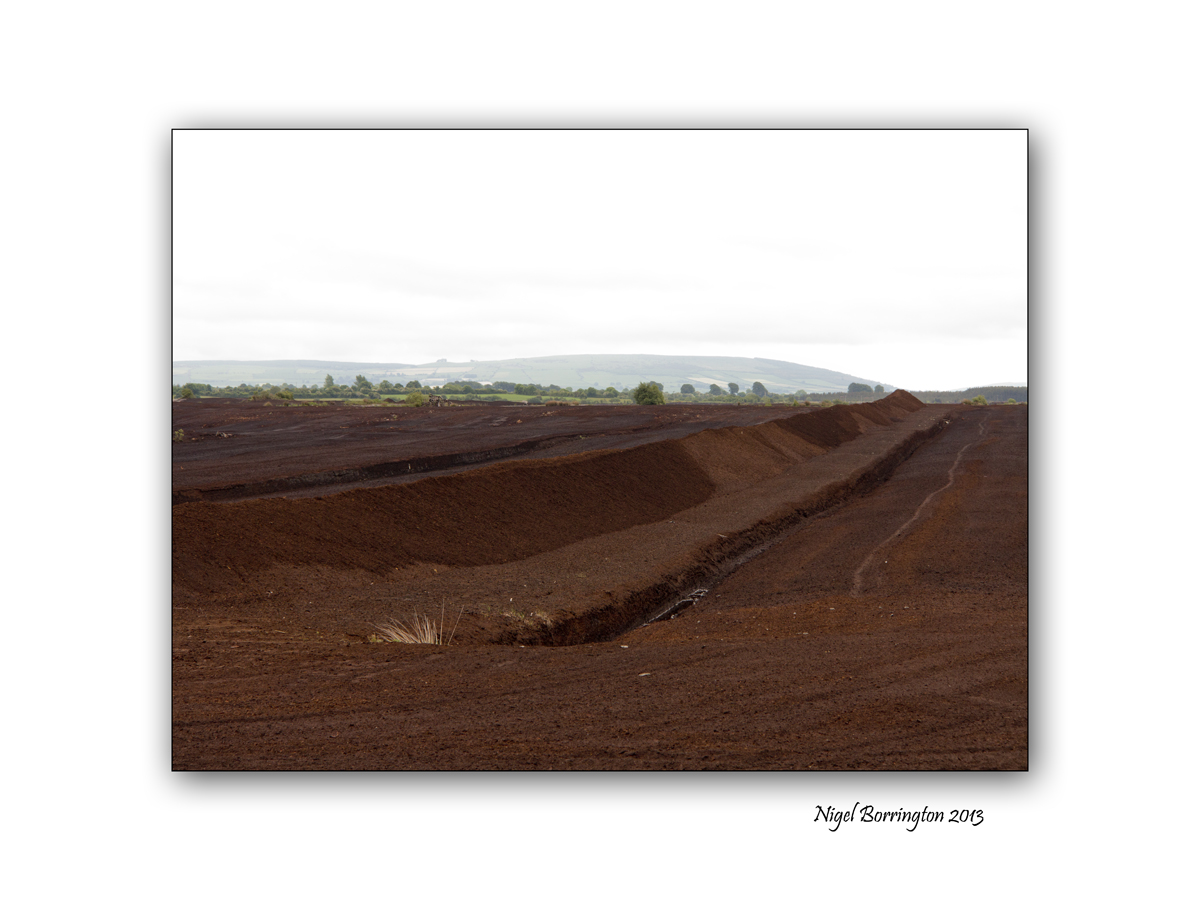
The mass production of peat from the Littleton area has left this landscape deeply affected as you can see from this photo and the photographs below. However I have also tried by best to show how the area around the bog can be reclaimed for both nature and wildlife.
Many Animals and Birds make the reclaimed lakes here their home during both the winter and summer months. Littleton bog is also home to many rare plants and insects with multiple entries in the Irish national biodiversity database.
Seamus Heaney
Last week the Irish Poet Seamus Heaney died and he wrote this Poem about the Irish bog lands.
Bogland
By Seamus Heaney
We have no prairies
To slice a big sun at evening–
Everywhere the eye concedes to
Encrouching horizon,
Is wooed into the cyclops’ eye
Of a tarn. Our unfenced country
Is bog that keeps crusting
Between the sights of the sun.
They’ve taken the skeleton
Of the Great Irish Elk
Out of the peat, set it up
An astounding crate full of air.
Butter sunk under
More than a hundred years
Was recovered salty and white.
The ground itself is kind, black butter
Melting and opening underfoot,
Missing its last definition
By millions of years.
They’ll never dig coal here,
Only the waterlogged trunks
Of great firs, soft as pulp.
Our pioneers keep striking
Inwards and downwards,
Every layer they strip
Seems camped on before.
The bogholes might be Atlantic seepage.
The wet centre is bottomless.
Images of the Bog – Gallery






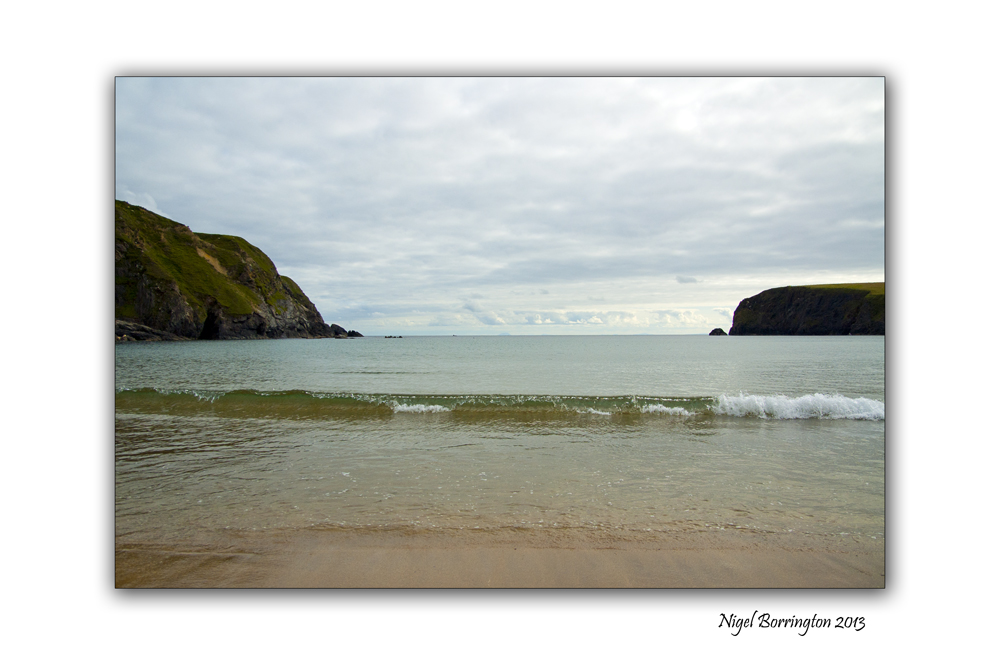
Our dog Molly at Malin Beg, County Donegal

Molly our Golden Retriever
Malin beg beach, county Donegal
Molly our ten year old Golden Retriever has been swimming in the sea all over Ireland, she has loved the water since she was about one year old.
We have been on holiday with her during this ten years to just about every coastal county in Ireland. The beaches being our favourite places to visit. One of the most memorable beaches was Malin beg, in county Donegal.
We stayed here for an afternoon about three years ago and we all went for a swim in the warm waters.
If you get to visit Donegal, I would highly recommend this beach as a must visit location.


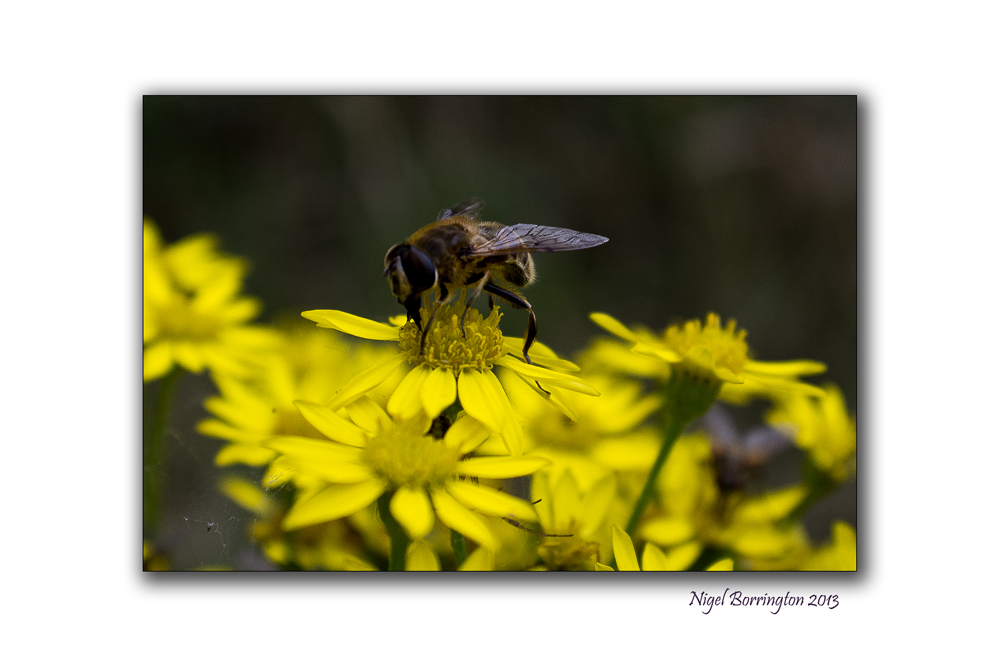
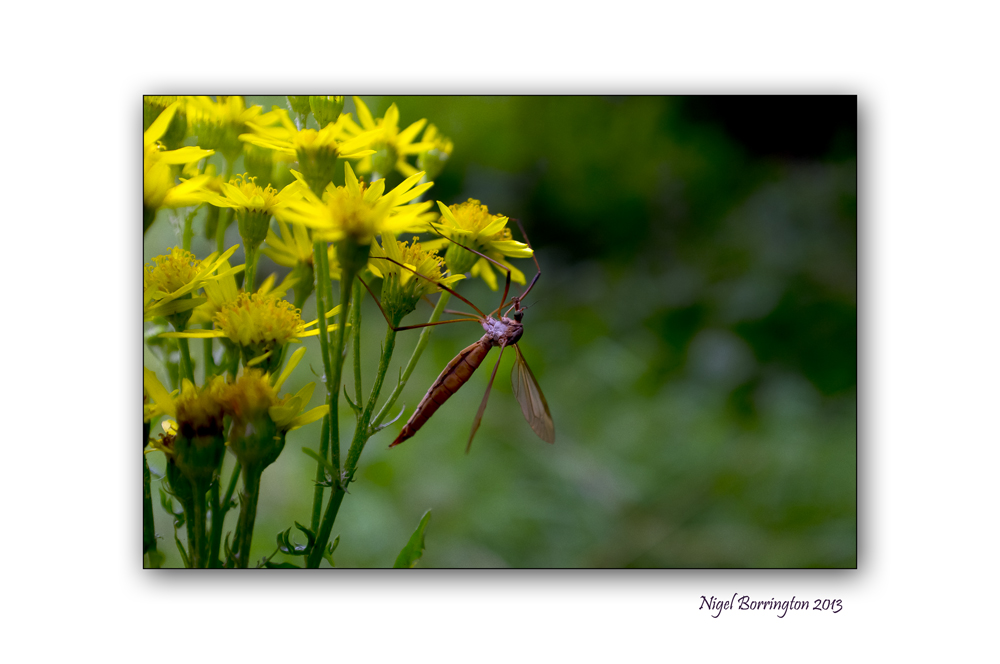
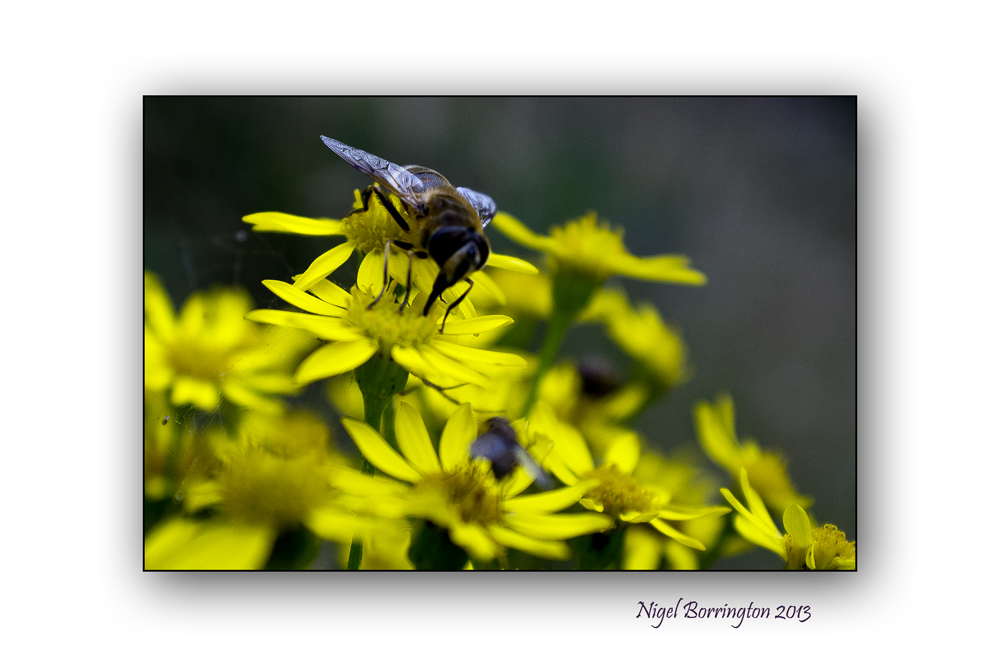
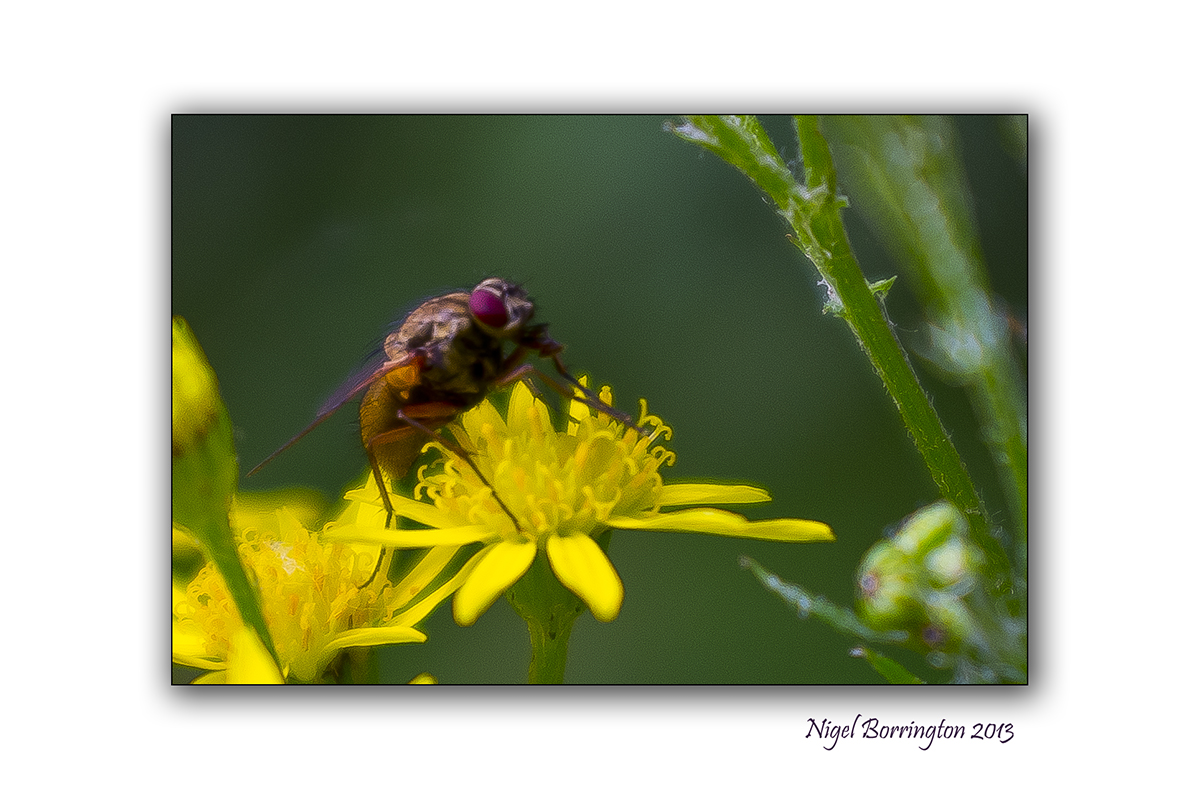
In a September hedgerow – Hover flys, Honey bees and Crane flys
All images taken using a Fujifilm x100
In a Kilkenny Hedgerow, September 2013 – Hover flys and Crane flys
Landscape and nature Photography, Nigel Borrington
In September all the insects in the hedgerow seem to come to life, they feed frantically on the remaining flowers and fruit before the Autumn takes hold.
In a September hedgrow – Blackberries

All images taken using a Fujifilm x100
In a Kilkenny Hedgerow, September 2013 – Blackberries
Landscape and nature Photography, Nigel Borrington
Collecting blackberries for the table is one of the gifts that September brings, on yesterday’s walk I collected enough for our house for a few weeks.
The taste of fresh blackberries is just one of those autumn pleasures.


In a September hedgerow – Bees

All images taken using a Fujifilm x100
In a Kilkenny Hedgerow, September 2013 – Bees
Landscape and nature Photography, Nigel Borrington
September is a wonderful month in Ireland, all the hedgerows come to life. Blackberries and insects, the red of autumn leaves and fading flowers.
My posts today will attempt to show just how wonderful the Hedgerows become at this time of the year.


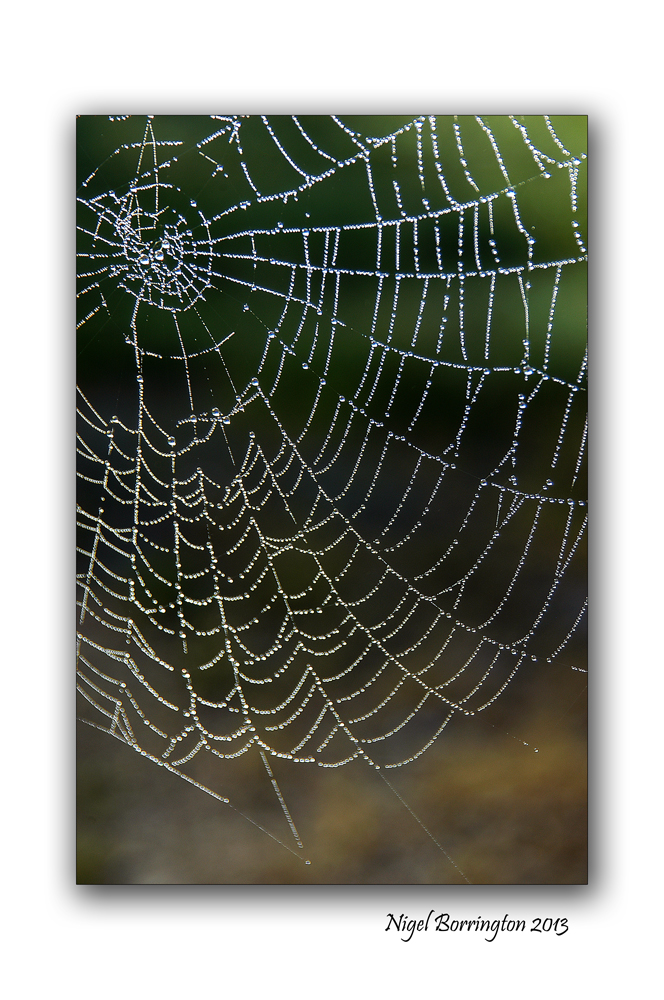
On An Apple-Ripe September Morning

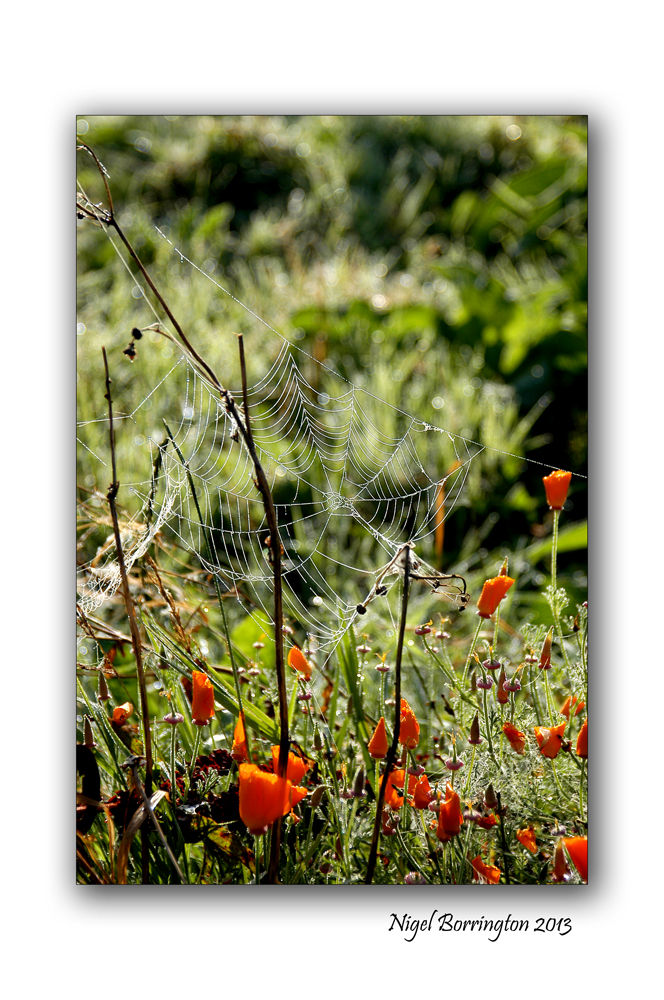
An Apple-ripe September morning.
Irish Landscape Photography,
Kilkenny based photographer : Nigel Borrington
On An Apple-Ripe September Morning
Patrick Kavanagh

On an apple-ripe September morning
Through the mist-chill fields I went
With a pitch-fork on my shoulder
Less for use than for devilment.
The threshing mill was set-up, I knew,
In Cassidy’s haggard last night,
And we owed them a day at the threshing
Since last year. O it was delight
To be paying bills of laughter
And chaffy gossip in kind
With work thrown in to ballast
The fantasy-soaring mind.
As I crossed the wooden bridge I wondered
As I looked into the drain
If ever a summer morning should find me
Shovelling up eels again.
And I thought of the wasps’ nest in the bank
And how I got chased one day
Leaving the drag and the scraw-knife behind,
How I covered my face with hay.
The wet leaves of the cocksfoot
Polished my boots as I
Went round by the glistening bog-holes
Lost in unthinking joy.
I’ll be carrying bags to-day, I mused,
The best job at the mill
With plenty of time to talk of our loves
As we wait for the bags to fill.
Maybe Mary might call round…
And then I came to the haggard gate,
And I knew as I entered that I had come
Through fields that were part of no earthly estate.
Boann, goddess of the River Boyne. A Gallery and Poem.

A Story told by: Deanne Quarrie
Boann, Deanne Quarrie
Boann is the Irish goddess of the river Boyne. Her name means “She of the white cattle.” She was the wife of Nechtain and the beloved of the Dagda, the Good God. It is possible she could be a later naming of Danu Herself. Aenghus mac Og, her son, was the product of the affair between Boann and Dagda. In order to keep the pregnancy secret, the Dagda halted the sun for the term of the goddess’s pregnancy, and so Aenghus was born out of time.
Boann is a Goddess of fertility and the stars. She connects the Way of the White Cow to the White Mound of the Boyne. She gives her name to the preeminent brugh in all of Ireland, Brugh na Boinne. She is honored mid-winter at Imbolc.

Many ancient peoples had stories of floods in which water was both honored as a life bringer and as a destroyer. Water was seen as something that “escaped” from the realms of the gods.
In many of the stories it seemed to be a female who was involved when water, would through some disaster, come to the land, bringing growth and abundance though turbulence.
Probably the most famous version of this myth in Celtic tradition is the Irish story of the Well of Segais.
Growing around this well were nine hazel trees of wisdom, whose nuts fell into the water and gave it the quality of divine illumination, much sought-after by those seeking this wisdom.
Boann was the wife of Nechtan, keeper of the sacred Well of Segais, which was a source of knowledge. Only Nechtan and his cupbearers were permitted to approach the well. The goddess Boann desired to drink from the well herself, to increase her power.

She attempted to challenge the Well of Segais, by going around the well chanting, circling widdershins (counterclockwise, or against the sun direction) . She circled the well three times, as she chanted “amrun.” The well rose against her incantations. Three waves rose up from the well which then flowed forth in five streams and drowned her. Because she was of the Sidhe, she did not die. She lost an arm, a leg and an eye in her battle with the well.
The five streams of wisdom that flowed from this well represent our five senses: taste, smell, feeling, sight and hearing. In her contest with the Well of Segais, Boann experienced “shamanic death” of drowning. In so doing, she gained the Wisdom of Segais as it swept her away.
Manannan said of this….

“I am Manannan, son of Ler, king of the Land of Promise; and to see the Land of Promise was the reason I brought [thee] hither. . . . The fountain which thou sawest, with the five streams out of it, is the Fountain of Knowledge, and the streams are the five senses through which knowledge is obtained. And no one will have knowledge who drinketh not a draught out of the fountain itself and out of the streams.”
From this, we learn that we must experience through all of who we are, through all of the five senses which must be open. This is our gift from Boann.
Boann can be a great ally for poetic composition and many other forms of artistic expression. Invoking or singing Boann’s name while sitting next to a river or stream can be a very powerful and inspiring experience. Clear the mind, open the soul, and listen to the music of Boann playing from the waters. You will always go away a new person.
Vigil at the Well
A rock ledge. A dark pool.
Pale dawn and cold rain.
And a woman alone
holding three coins.
She circles the well
three times in the rain.
She offers the coins
to a great ancient tree
then bends to the pool.
A glimmer of silver.
Dawn striking the pool?
A fish in its depths?
The pool stills again.
The sky blazes red.
The woman gets up.
Nothing seems changed.
But the next day a wind
blows warm from the sea.
Boann suite de reels
Peacock butterfly in the Irish woodlands

Peacock butterfly in the Irish woodlands
Irish wildlife and nature photography : Nigel Borrington

One sight I love to see in the summertime is the Peacock butterfly as I walk through the local county kilkenny woodlands, They add so much life and colour to the green of the hedgerows and paths.
Unlike some wildlife they are not hard to find or take pictures of, you do need to move very slowly in order not to disturbed them and you need a camera with a macro lens.
The butterfly conservation website has the following details.
Scientific name: Aglais io
Red wings with black markings and distinctive eyespots on tips of fore and hind wings.
The Peacock’s spectacular pattern of eyespots, evolved to startle or confuse predators, make it one of the most easily recognized and best known species. It is from these wing markings that the butterfly gained its common name. Undersides of the wings are very dark and look like dead leaves. A fairly large butterfly and a strong flyer.
Although a familiar visitor to garden buddleias in late summer, the Peacock’s strong flight and nomadic instincts lead it to range widely through the countryside, often finding its preferred habitats in the shelter of woodland clearings, rides, and edges.
The species is widespread and has continued to expand its range in northern parts of Britain and Ireland.
Size and Family
Family – Nymphalids
Medium/Large Sized
Wing Span Range (male to female) – 63-69mm
Conservation status
UK BAP status: Not listed
Butterfly Conservation priority: Low
European status: Not threatened
Caterpillar Foodplants
Common Nettle (Urtica dioica), although eggs and larvae are occasionally reported on Small Nettle (U. urens) and Hop (Humulus lupulus)
Distribution
Countries – England, Scotland, Ireland and Wales
Throughout Britain and Ireland
Distribution Trend Since 1970’s = +17%
Habitat
Common and found in a range of habitats.
On Contemplating a Sheep’s Skull ~ Poem by: John Kinsella

All images taken in the Nier valley, county waterford
Fujifilm X100
Irish Landscape Photography : Nigel Borrington
On Contemplating a Sheep’s Skull
Poem by John Kinsella
A sheep’s Skull aged so much in rain and heat,
broken jawbone and chipped teeth half-
gnaw soil; zippered fuse-mark tracks
back to front, runs through to base
of neck, widening faultline under
stress: final crack close at hand.
Skull I can’t bring myself to move.
White-out red soil unearthed
from hillside fox den and cat haven,
now hideaway for short-beaked echidna
toppling rocks and stones, disrupting
artfulness a spirit might impose,
frisson at seeing counterpoint.
Skull I can’t bring myself to move.
Sometimes avoid the spot to avoid
looking half-hearted into its sole
remaining eye socket; mentally to join
bones strewn downhill, come apart
or torn from mountings years before
arriving with good intentions.

Skull I can’t bring myself to move.
Not something you can ‘clean up’,
shape of skull is not a measure of all
it contained: weight of light and dark,
scales of sound, vast and varied taste
of all grass eaten from these hills;
slow and steady gnawing at soil.
Skull I can’t bring myself to move.
Neither herbivore nor carnivore,
earth and sky-eater, fire in its shout
or whisper, racing through to leave a bed
of ash on which the mind might rest,
drinking sun and light and smoke,
choked up with experience.
Skull I can’t bring myself to move.
Drawn to examine
despite aversion, consider
our head on its shoulders,
drawn expression
greeting loved ones
with arms outstretched.

John Kinsella is Founding editor of the journal Salt in Australia; he serves as international editor at the Kenyon Review. His most recent volume of poetry is Divine Comedy: Journeys through a Regional Geography (W. W. Norton) with a new volume, Disturbed Ground: Jam Tree Gully/Walden, due out with W.W. Norton in November 2011.
Wooden Teepee, Lough Boora, Offaly

Wooden Teepee over a spring, Boora Parklands, County Offaly
Landscape Photography : Nigel Borrington
Boora Parklands has many works of art and sculpture and this wooden Teepee is just one, I very much liked its design and the concept behind it from the moment I first came across it.
It is constructed from old oak wood, found in the peat of the bog, the wood is held together with metal ring’s inside. The entire structure feels naturally and locally aged and stands on top of a natural spring that flows with fresh water.
I very much loved the concept of placing a natural structure like this on top of a life giving spring. A standing stone inside the teepee marks the point were the spring water reaches the surface, it may have come from very deep in the ground. Other stones inside act as seat’s and you can go in and sit around the spring just to hear the water flow over stones and flags that have been used to great effect.
Personally, I feel this is a wonderful place, a modern temple to the old gods of the elements and a place to mark the history of man here. A history that goes back some eight thousand five hundred years and maybe beyond.
Gallery


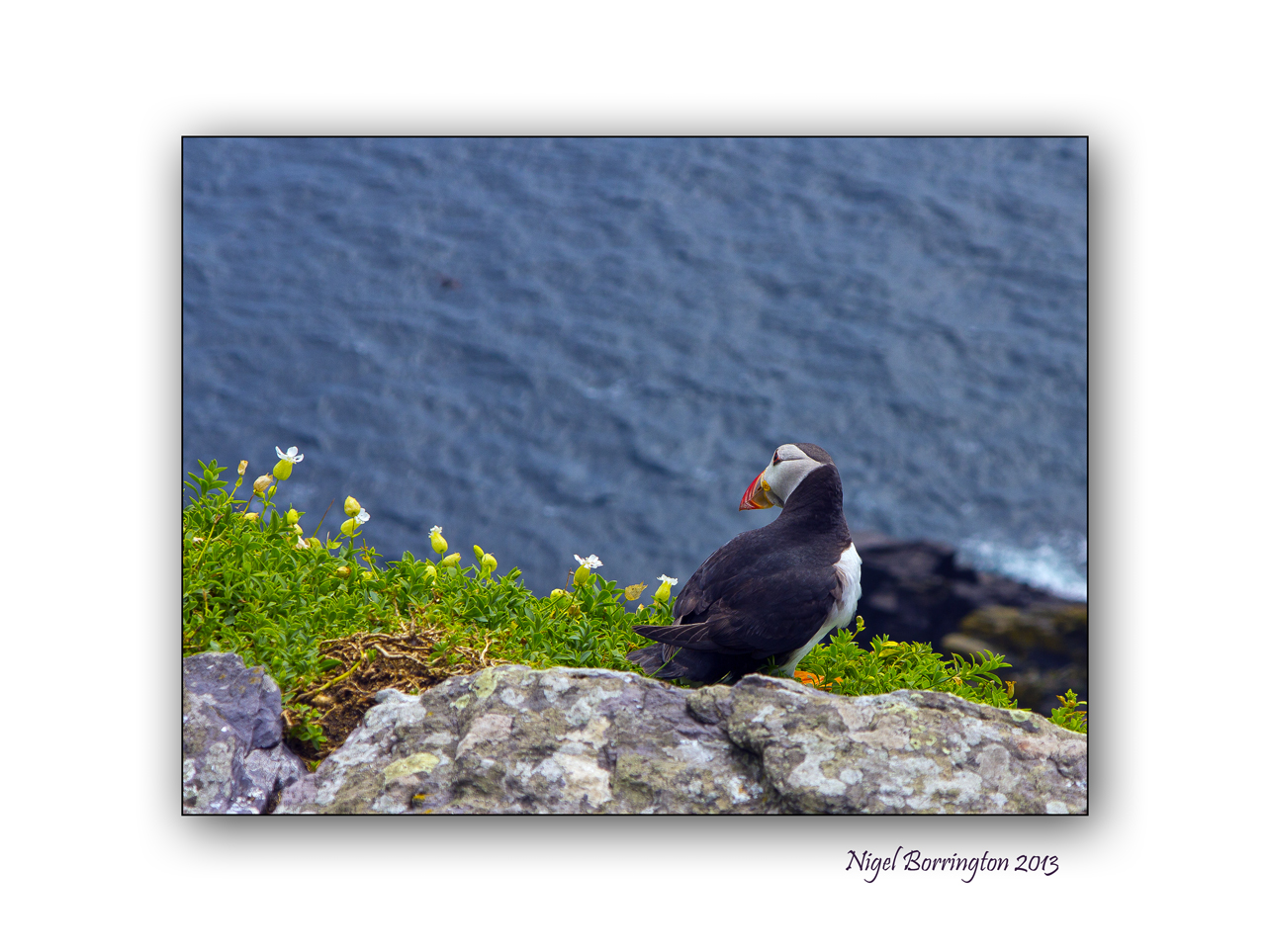
Puffins on Skellig Michael, County Kerry
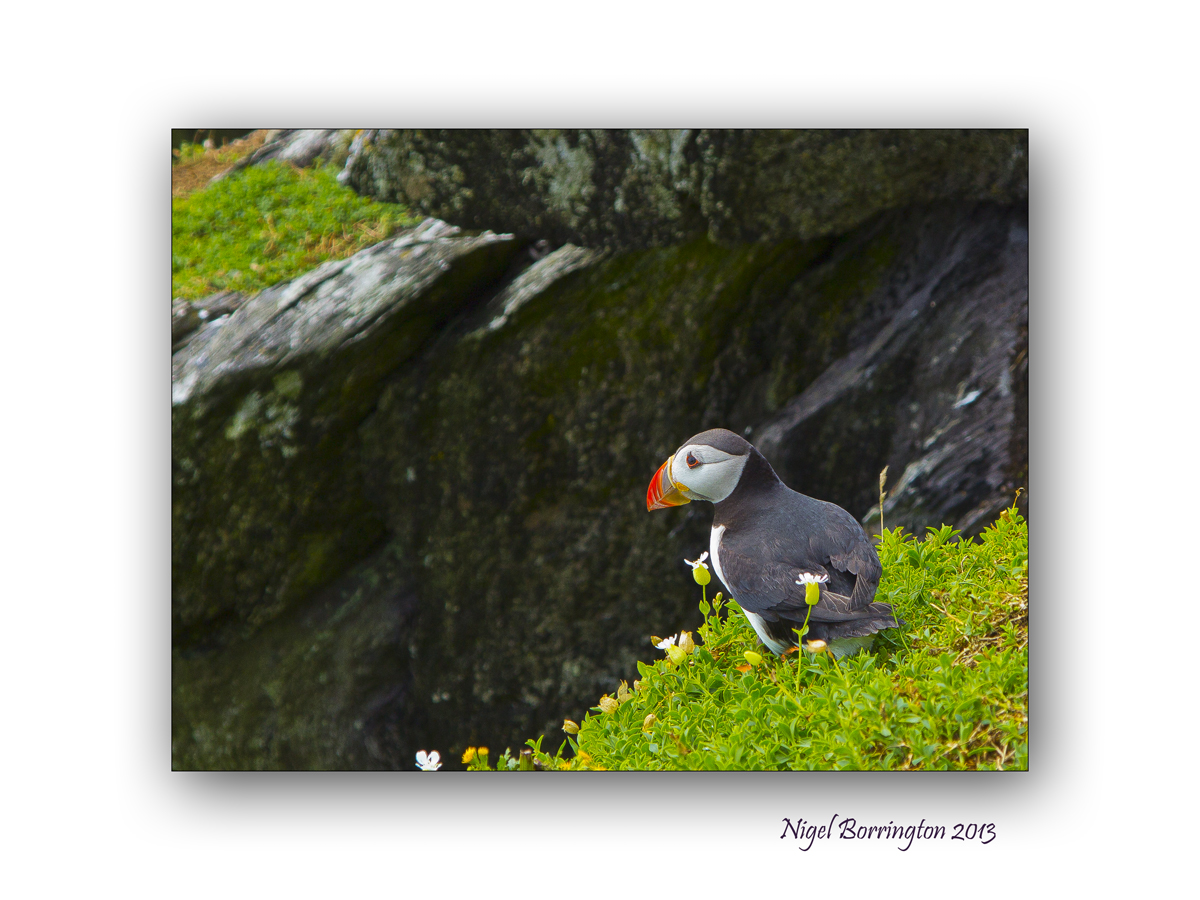
Images using a Canon G1x
Puffins on Skellig Michael, county Kerry
Irish Wildlife images by Kilkenny based photographer : Nigel Borrington
On a very recent trip to the Skellig islands I got lots of images of the puffins that nest here in large numbers each year, Ireland has two large populations of Puffins, one here and the other the Saltee islands of the Wexford coast line.
When you visit both these locations, it is very hard to be perfectly honest to miss getting great images of these birds. They are very trusting of humans and can get very close to you, so even with a camera like the Canon G1x you can get some very good images. These are just two and I got lots more.
They are a lot smaller than you may think if you have never seen them in the flesh, it’s when you see them in flight that they are at their most impressive.
Hay Bales – Black and white

Hay Bales, coolagh, County Kilkenny
Landscape Photography : Nigel Borrington
Make Hay while the sun shines
This time of year in county kilkenny brings many great subject to take photographs of, Freshly cut fields of hay are most definitely one of them. June and July have been wonderful warm months and the farmers have been very lucky at last. This Time last year we had weeks of heavy rain and even floods.
I captured these Hay bales before they were rapped, early morning when the mist still sat on the fields, it lifted soon after but I feel it made for some great images.


 Nigel Borrington
Kerry Sea-eagles project
Sea eagles over Derriana lake, county Kerry
Landscape and nature photography : Nigel Borrington
When we first arrived at the lodge house in Kerry, Zoe the very friendly and helpful women who looks after the house told us about the Kerry sea-eagles project. She also informed us that even though they had not been seen for a couple of weeks, we did stand a great chance of spotting them.
Well one morning while walking Molly our golden retriever down to the banks of the lake, there they were soaring above the water. We watched them for about 15 minutes before they headed back towards the coast at Waterville.
I will never forget the sight of these birds just soaring high above us, well done to the people in the Kerry eagle project for reintroducing these wonderful birds to the Irish landscape.
Kerry Eagles project
Not everyone has welcomed them back to Ireland local Farmers for one, but they need to look at just how much money they bring into Scotland’s Islands since they were re-introduced, almost three million per year just because tourists come to get a view of them, above the hill’s of Mull and Skye.
Eagle on the isle of skye
Share this:
August 14, 2013 | Categories: Comment, Gallery, Landscape, Nature and Wildlife, Nigel Borrington | Tags: derriana lake, fujifilm X100, irish eagles, Irish photography, irish wildlife, kerry, kerry eagles project, Landscape, Nigel Borrington | 9 Comments