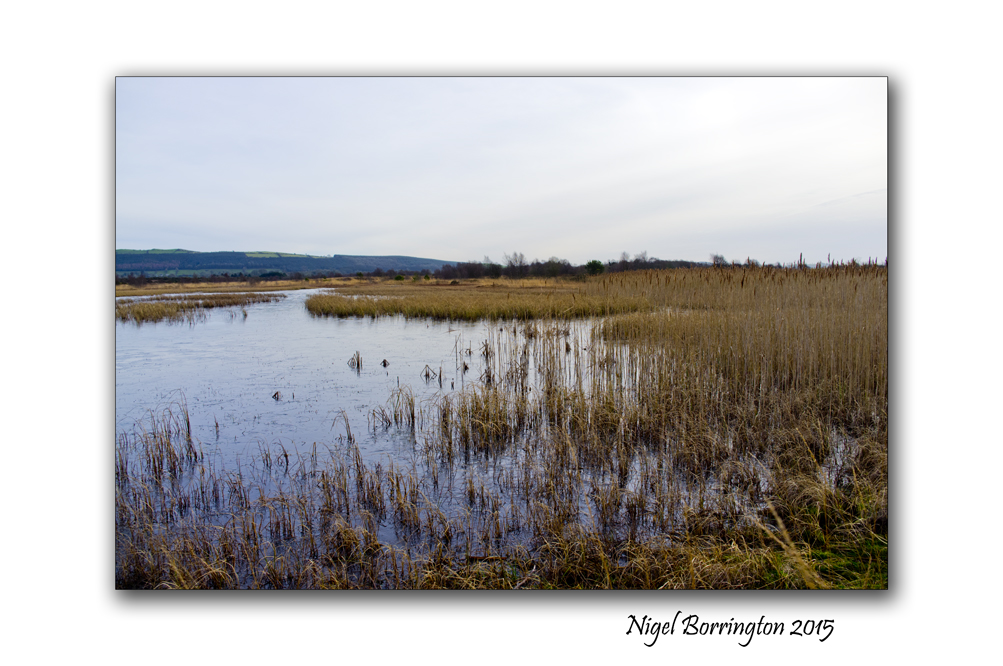
Derryvilla bog, Littleton, County Tipperary

Derryvilla lake
Littleton bogs
County Tipperary
Irish landscape Photography : Nigel Borrington
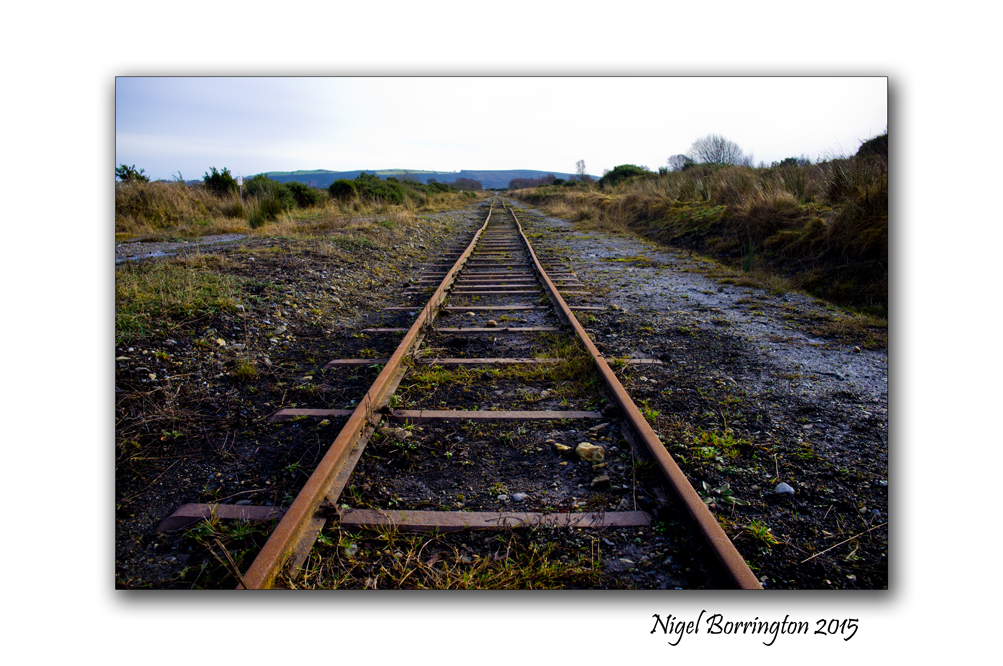
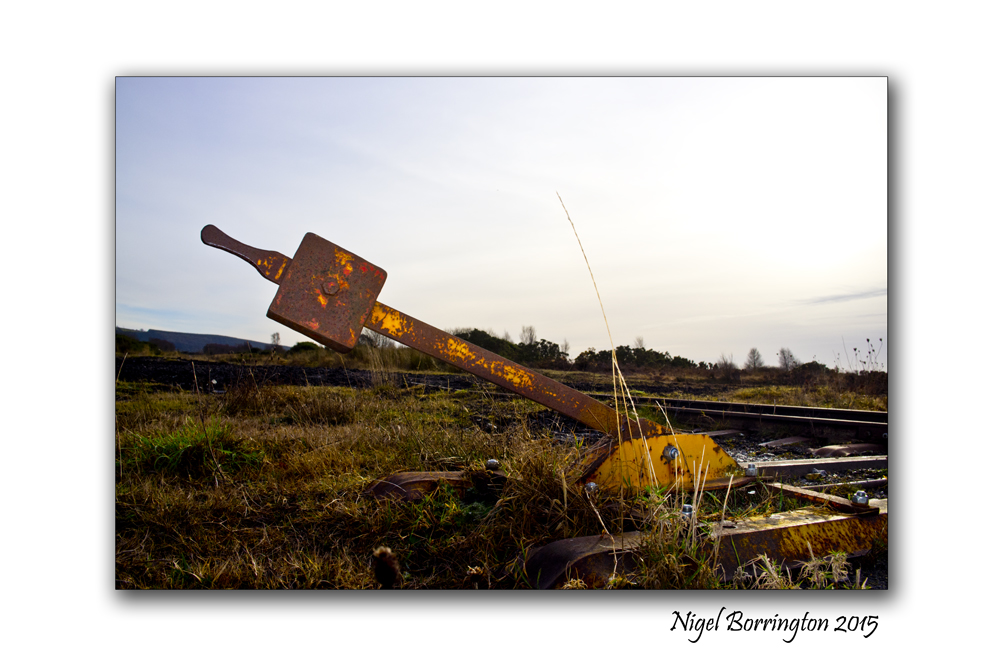
One of my favorite weekend places to visit is Littleton Bogs, near Thurles, County Tipperary, the bogs here are harvested for the fuel they provide in the form of Peat. The entire area is effected by this process as you can see in the pictures below. It is however an amazing location to take photographs as even though its scared by the peat production that takes place its one of the few truly remote and wilderness feeling locations that we have locally, when you walk through this landscape at the weekends the only sounds you can hear are the birds and the breeze in the few trees that survive along the foot-path sides.
Derryvilla lake is near Littleton (Irish: An Baile Dháith) county Tipperary. The village in County Tipperary is within the townlands of Ballybeg and Ballydavid, about 18 km (11 mi) northeast of Cashel and to the southeast of Thurles.
A basic description is as follows :
Littleton lies at a crossroads on the R639, its population was 463 at the 2006 census. As well as being a familiar name to travellers between Dublin and Cork, Littleton is closely associated with Bord na Móna, a semi-state company that harvests peat in the nearby complex of raised bogs. Littleton is also home to the long-established ‘Moycarkey Band’, the Seán Treacy Pipe Band.[3]
Gallery of Derryvilla bog and lake, Littleton, County Tipperary



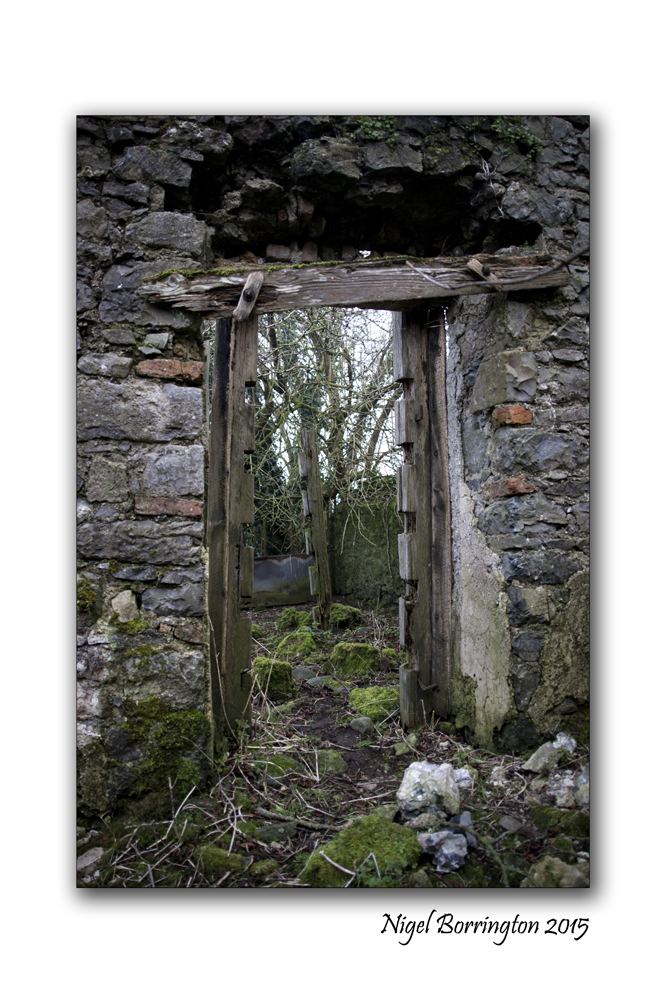
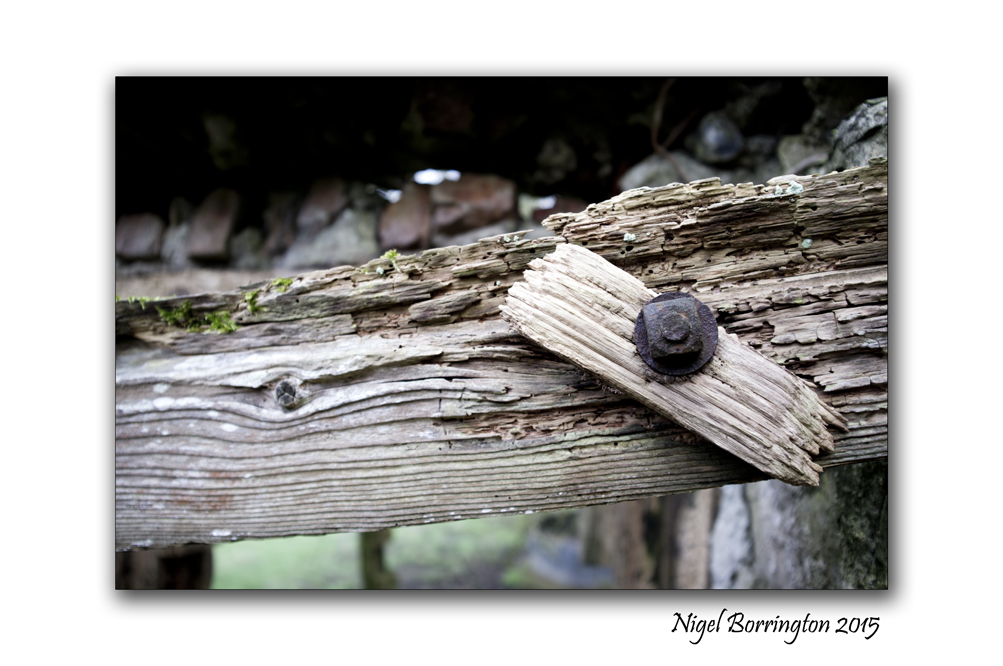
A closer look !!!: The old wood that frames the door.

A closer look,
The old wood that Frames the door.
Irish landscape Photography : Nigel Borrington
I just want to share a study of an old door way I found on a local farm, what I found interesting about this door was was the old wood that’s been bolted together a long time ago in order to help keep the surrounding stone in place. Its almost as old as the stone and I wonder which is keeping each other from falling down ?
Gallery



Kilkenny Landscape Photography : Kells Priory on a Foggy Sunday into Monday Morning.

Kells Priory
County Kilkenny
Irish Landscape Photography : Nigel Borrington
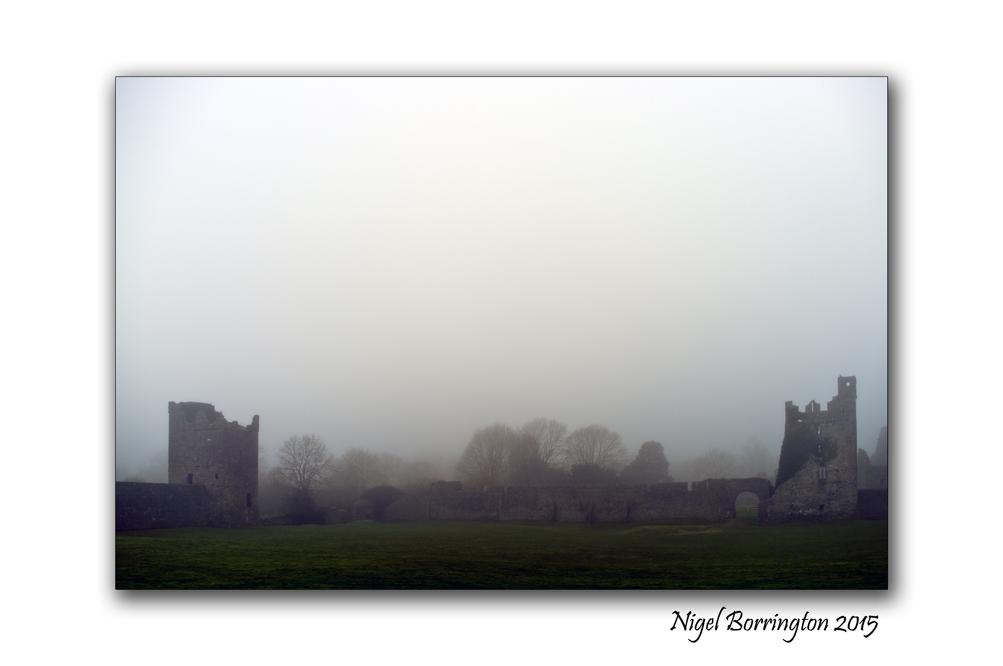
I took these images late yesterday afternoon at Kells Priory , County Kilkenny. Sunday was a foggy day here with the mist on the ground all day into this morning but the old remains of the priory looked so gray and haunted in the fog.
Last night I found this poem, it relates more to a castle in Scotland but fits so well how kells cal look on a foggy winters day.
A Castle Old And Grey
By : Alexander Anderson
I never see a castle
That is gaunt and grey and grim,
But my thoughts at once go backward
To the past so misty and dim.
To the time when tower and turret,
Kept watch far over the vale;
And along the sounding draw-bridge
Rode knights in their suits of mail.
I see the sunshine glancing
On helmet, pennon, and spear;
And hear from the depth of the forest,
A bugle calling clear.
I fill the hall with visions
Of ladies rich in their bloom;
And stately knights in armour,
And waving with feather and plume.
If I climb the broken stairway,
Where the stone is smooth and fine,
I hear a rustle and whisper,
And footsteps in front of mine.
Whisper of youth and maiden,
As they met in the long ago;
His deep and strong and manly,
Hers tender and sweet and low.
But maiden and youth have vanished,
Away from the scene and the light;
Gone, too, the high-born lady,
And the plumed and armoured knight.
Only the grey old castle,
Of crumbling stone and lime,
Still stands to speak of the ages,
And the iron footsteps of Time.
Kells Priory , county Kilkenny on a foggy day




Castle Walls a Poem by Celeste Nicole Cook

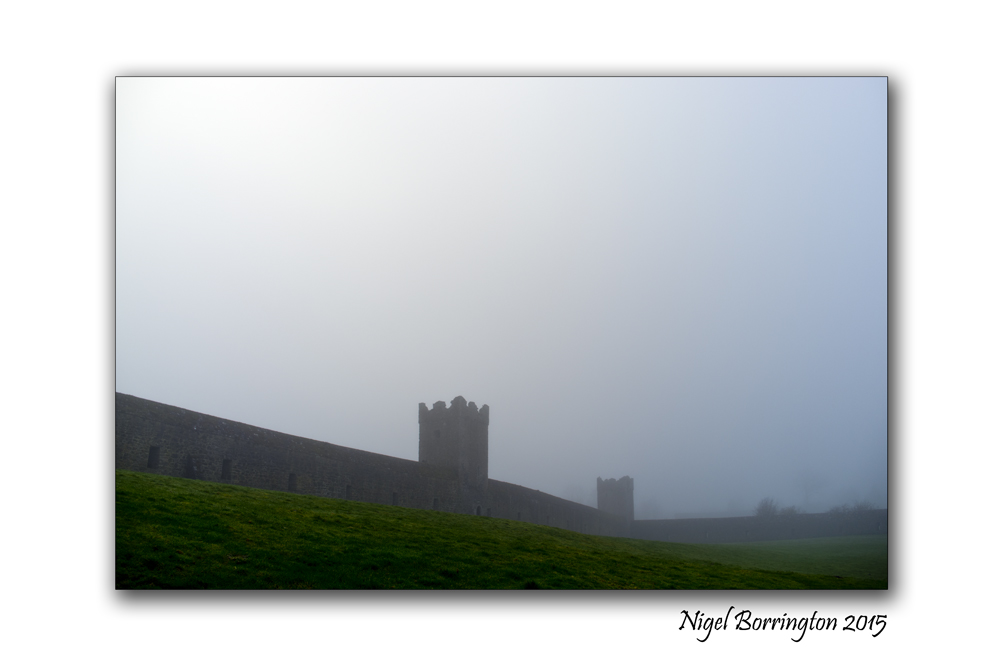
Cahir Castle, County Tipperary
Irish Landscape Photography : Nigel Borrington
Castle walls
By : Celeste Nicole Cook
Surrounded by tall walls,
so tall that it is insanity to dare climb them.
Before there used to be a gate that allowed visitors to come and go
as they please without disrupting the palace grounds
but over time the palace guard became bitter.
At first the gate was only opened for a few days,
but once those visitors left, leaving chaos and destruction behind
the palace guard became angry and was filled with rage.
With rage he destroyed the gate
and in turn built a thicker wall.
 .
.
Replacing the beautiful craftsmanship that stood tall and proud,
with a thick grey wall that blended into the hills.
Now the remaining occupants have been imprisoned within towering walls were debris and dust has collected,
time has past and slowly the rage has been quenched.
Now the guard is contemplating whether to burn the chaos around him
and rebuild a city that shines and brings glory to all those who enter.
To build walls that can be climbed,
were children can sit once again and look out at the fields of flowering hills in the Spring.
Frozen in Time – a Kilkenny standing stone.
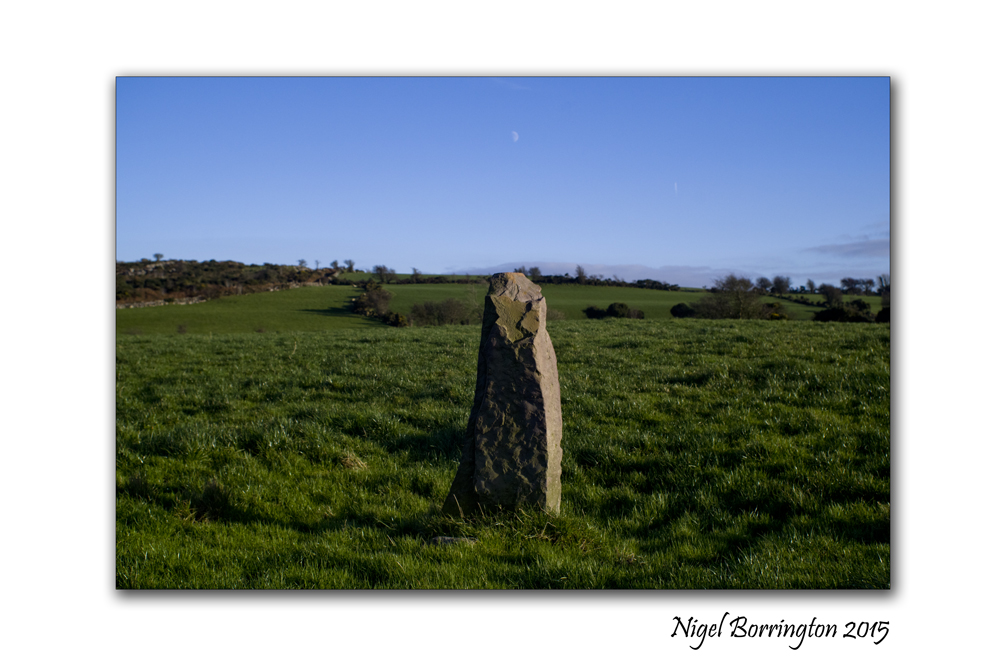
Landscape Photography from county kilkenny
Nigel Borrington
Frozen in Time – a Kilkenny standing stone
I came across this standing stone while out walking through some fields at the top of one of county kilkenny’s many hills, the Moon was sitting right above it and I felt it was a very appropriate moment.
Ireland has so many of these stones and few are protected, many thousands must have been removed over time and the ones left only survive because the land owners care enough to keep them. It is thought that most date back some four to six thousand years so can you imagine just how many times the moon has passed over this standing stone marking the passage of each day.
Standing looking at this view however time felt frozen !!!!
Black and white challenge, Allihies copper mines

Allihies copper mines
Irish Landscapes : Nigel Borrington
I have been Tagged by Sharon Walters Knight in , Macomb, Illinois on Facebook to take part in a Black and White photo challenge.
I took a good look at some some black and white Landscapes and wanted to post these two images of the Allihies copper mines on the Beara Peninsula in West Cork, Ireland.
Allihies is just about as remote a place as they come in Ireland !!
These two black and white images show just one of the pump houses, I think there are about 6 of them still standing around the small village. It was In 1812 when life in Allihies changed utterly as a rich copper deposit was discovered in the area and the biggest copper mining enterprise in Ireland was established by the Puxley family .
The steam engine and pump house took water out from the mine shafts and both lowered the miners into and out of the mines some 250 feet below the hill sides. Its hard to imagine now the life these miners had , many did not live that long doing this work.
The Landscape around the mines is just wonderful with mountains facing the coastline of west cork, again its hard to image how the noise and smell of these pump houses change this location and the site of hundreds of miners returning home after a days work must have been something to see, they shared small homes and mostly 20 of them shared the same small house.
Allihies copper mines in black and white .

Sunrise behind the Knockmeal downs standing stone.

Sunrise behind the standing stone.
Knockmealdown Mountains.
County Waterford.
Irish landscape Photography : Nigel Borrington
Standing at the top of a hill in the knockmealdown mountains, county Waterford is this amazing standing stone, it rises about 2 meters from the ground. It must have been here for some four thousand years.
I took this images one morning just after sunrise while walking through these mountains that look down over the Waterford coastline.
I placed the rising Sun behind the stone as I wanted to capture the idea of the function of these stones, the tracking of the sun as it moved position on the horizon during the year.
Happy Halloween from Ireland and from the Gothic Poet – Thomas Hardy.
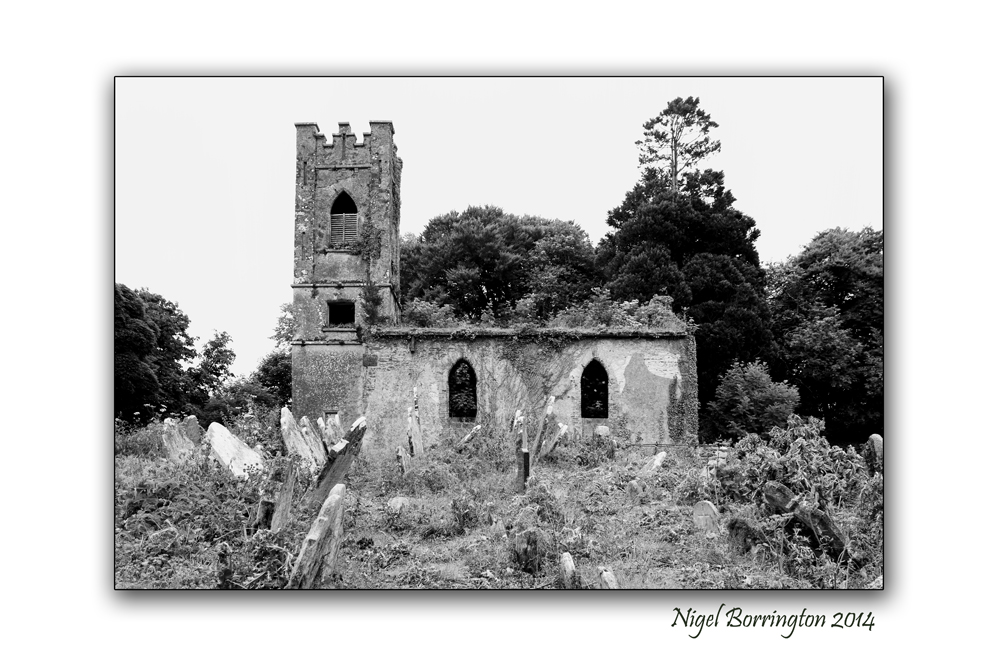
The To-be-forgotten
Photography : Nigel Borrington
Happy Halloween to you all !
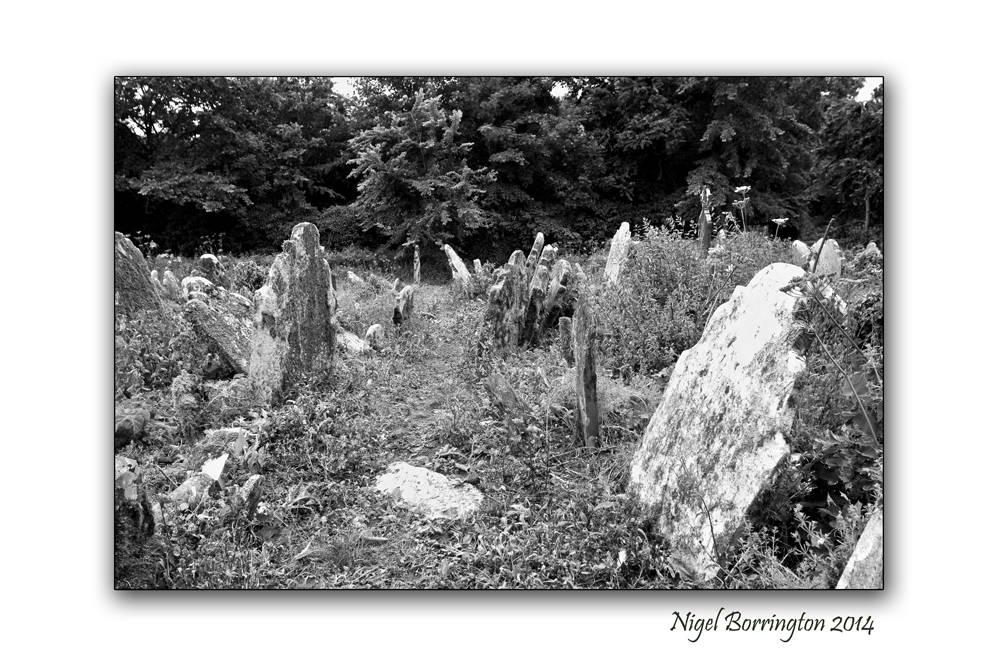
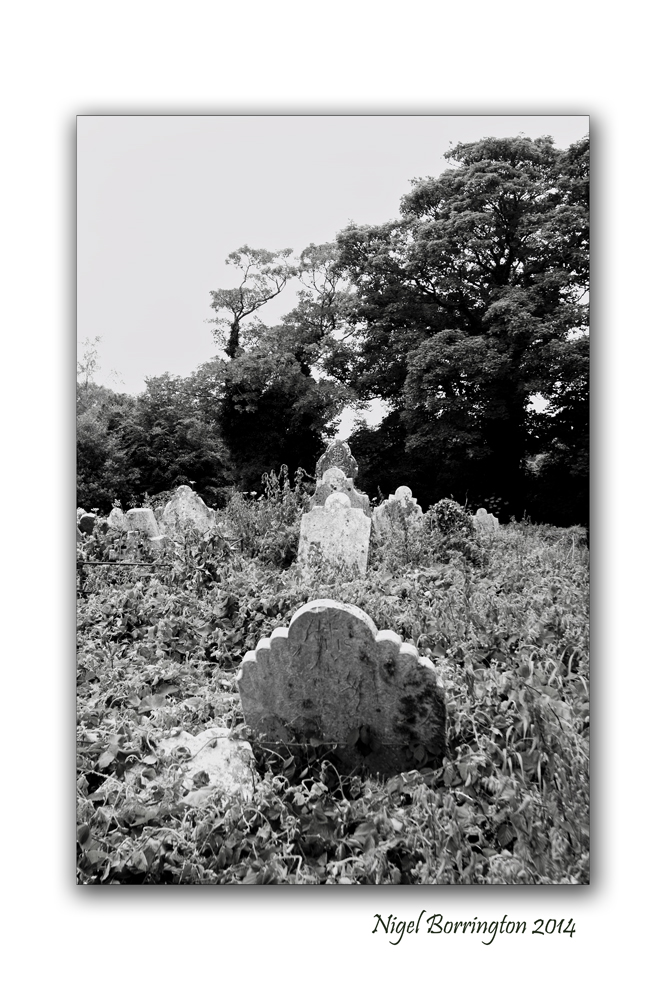
Today my post contains some images at the old estate church yard of Temple Michael, Ballynatray Estate, Cherrymount, county cork, and one of my most loved poems by Thomas Hardy, a true poet from the hight of the 1800’s Gothic period and a Victorian realist in the tradition of George Eliot.
So tonight when it goes dark if I were you I would light a fire, lock the doors and windows and stay inside as the time is tonight when The “soon to-be Forgotten” rise.
The To-be-forgotten
By Thomas Hardy
.
I
I heard a small sad sound,
And stood awhile among the tombs around:
“Wherefore, old friends,” said I, “are you distrest,
Now, screened from life’s unrest?”
II
—”O not at being here;
But that our future second death is near;
When, with the living, memory of us numbs,
And blank oblivion comes!
 .
.
III
“These, our sped ancestry,
Lie here embraced by deeper death than we;
Nor shape nor thought of theirs can you descry
With keenest backward eye.
IV
“They count as quite forgot;
They are as men who have existed not;
Theirs is a loss past loss of fitful breath;
It is the second death.
 .
.
V
“We here, as yet, each day
Are blest with dear recall; as yet, can say
We hold in some soul loved continuance
Of shape and voice and glance.
VI
“But what has been will be —
First memory, then oblivion’s swallowing sea;
Like men foregone, shall we merge into those
Whose story no one knows.
 .
.
VII
“For which of us could hope
To show in life that world-awakening scope
Granted the few whose memory none lets die,
But all men magnify?
VIII
“We were but Fortune’s sport;
Things true, things lovely, things of good report
We neither shunned nor sought … We see our bourne,
And seeing it we mourn.”
The Bonane stone circle and an Altar for the Moon – The Pagan Moon deity : Elatha.

Bonane Stone circle and Alter for the Moon.
Irish Landscape Photography : Nigel Borrington
Bonane stone circle and altar of the Moon
During the summer I was lucky enough to get to visit the Bonane stone circle and Alter located near Kenmare , county Kerry. This stone circle was cleared of trees and opened to the full view of the public in current times and it is a great example of a pagan stone circle.
For many centuries it has puzzled historians as to what function these circle served , some think they marks a place of worship others that they acted as a way of measuring the passage of the the year, using the shadows that they cast on the ground. The location and length of these shadows changing as the year passes.
Here at Bonane however it was discovered that the moon was being tracked over an 18.6 year period, it could be that the moon was being worshiped during its movement through the heavens.
They did this by placing an altar about a mile away on a hill side ridge and placed in-line with the center of the stone circle. The most amazing thing is than only every 18.6 years does the moon appear to rise behind the altar at its most southerly point on the horizon and only if you are standing in the center of the stone circle.
The last time this event took place was in 2006 and the next time will be during the Month of June in 2024.
The people who live here in Kerry some 5000 years ago must have been very skilled at astronomy as predicting the movement of the moon has been very difficult until in modern times with the invention of small machines called Orrery and then the use of computers have modern man been able to do so.
See : The Moon Cycles
The task they achieved here is truly amazing and takes a little time to digest, just how they moved three very large stones and placed them on a hill side ridge and then alined a stone circle a good mile away on another hill side and did so with this 18.6 years moon cycle in mind, even today some 5000 years later their achievement is still working.
The difference in thinking between a stone circle being used for the movement of the sun or the moon, or both – is very interesting. As opposed to being used to the help in planting of crops etc, this would appear to imply a function of worship but of what or of who, was it simply the moon or a moon God?
Well the main Pagan deity for this part of the world is thought to be : Elatha
Elatha
Overview
Elatha is quoted as being the “The beautiful Miltonic prince of darkness with golden hair”. He was the son of Dalbaech and a king of the Fomor, he was father of Bres by Eri, a woman of the Tuatha Dé Danann. He came to her over the sea in a vessel of silver, himself having the appearance of a young man with yellow hair, wearing clothes of gold and five gold torcs. He was one of the Fomor who took part in the Second Battle of Magh Tuireadh.
During the Second Battle of Magh Tuireadh, Elatha, son of Dalbaech, watched over Dagda’s magic harp, Uaithne, sometimes called Dur-da-Bla, “the Oak of Two Blossoms,” and sometimes Coir-cethar-chuin, “the Four-Angled Music.” He is said to have a sense of humor and a sense of nobility.
Though considered to be the Fomorian father of Eochu Bres, Elatha (Elada) was also the father of the Dagda, Ogma, a son named Delbaeth, and Elloth (the father of Manannan mac Lir) according to the Lebor Gabála Érenn. The mother of these Tuatha De Danann chiefs may have been Ethne, the mother of Lug, based on Ogma’ often cited matronymic “mac Ethliu.” Since Ethne was Fomorian, this means they are all Fomorians. This is rather confusing, but may betray the battle between the two groups as actually being about the new generation of gods displacing the older generation.
Bonane Stone circle and Altar to the Moon – Gallery


A visit two Derrynaflan island, the Derrynaflan hoard and the changes in the law.
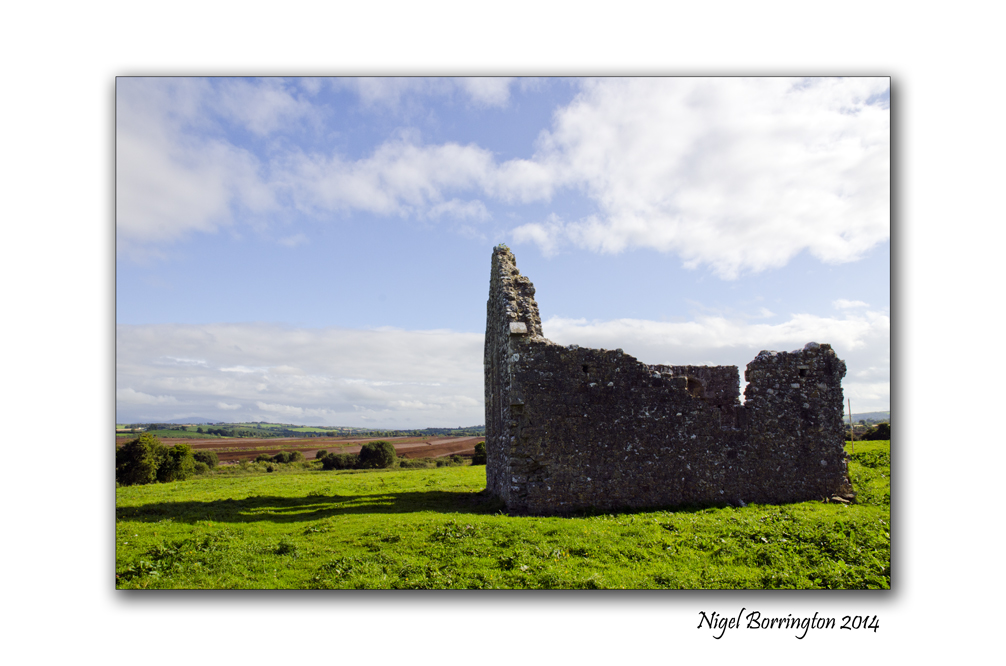
Derrynaflan Island, County Tipperary
Irish Landscape Photography : Nigel Borrington
During what was a great summer we took a family visit to Derrynaflan island, County Tipperary.
The weather was just great and the visit to this magical Island just fascinating. It is on this island that in 1980 a Father and his son found one of Europe’s and Ireland’s most important treasures and in the process changed the Irish laws forever, as below :
Derrynaflan Hoard
Discovering the Hoard

One of the most spectacular hoard discoveries in Ireland, which led first to an increase in enthusiasm for metal detecting as a hobby, but ultimately contributed to the prohibition of unlicensed searching for archaeological material.
On 17 February 1980, Michael Webb and his son, also called Michael, discovered a significant hoard of early church treasure in Derrynaflan, in the townland of Lurgoe, County Tipperary, using metal detectors (Kelly 1994: 213; O’Riordain 1983: 1). The hoard included a chalice, a bronze strainer ladle and a paten (a kind of small plate) (and see Ryan 1983 for a detailed description), and the discovery was described as ‘one of the most exciting events in the history of Irish art’ (Stalley 1990: 186). The large monastic enclosure in which the hoard was found was partially protected as a National Monument (Kelly 1993: 378). The finders reported their discovery to an archaeologist from University College Cork, Dr. Elizabeth Shee Twohig (Kelly, pers. comm., 2012), who advised them that they must take the finds to the National Museum of Ireland in Dublin (Houses of the Oireachtas 1986; O’Riordain 1983: 1). Under Irish law at that time, the finders were entitled to a reward for making the discovery, in this case decided at IR£10,000 (Houses of the Oireachtas 1986), although this was initially rejected by the finders as insufficient compared to the value of the find (Kelly 1994: 213).

Six years later, the High Court made a ruling that the find or its value (estimated at IR£5.5 million) should be returned to the finders (Kelly 1994: 113). The public mood turned against the Webbs, who were shown on the main evening television news drinking champagne to celebrate the ruling. Ireland was then in deep recession with massive public service cuts which led to resentment that the Webbs might benefit to the tune of IR£5.5 million from the public purse (Kelly, pers comm., 2012). A year later, in 1987, a further final judgement was delivered by the Supreme Court that the Derrynaflan Hoard in fact belonged to the state and not to the finders (Kelly 1995a). The finders finally received a reward of IR£50,000 (Kelly 1994: 214).
The impact of the case on Irish law concerning the protection of heritage was significant. Debates in the Seánad Éireann (upper house of the Irish Parliament) in 1986 indicate the split in opinions regarding the validity of the claim of the finders to the hoard (as had been decided in court the previous year), with one Senator suggesting that the state should have been trying to prove that the Webbs had no legal claim to the hoard, one Senator regarding such discoveries as no more than looting, and another claiming that the finders should instead be praised for the care with which they removed the hoard from the ground and for going to the National Museum to report the discovery (Houses of the Oireachtas 1986). In 1987 the National Monuments (Amendment) Bill, which included clauses on metal detecting and ancient shipwrecks (another area becoming vulnerable to looting), passed through its final stages in the Dáil Éireann (lower house of the Irish Parliament) (Gosling 1987: 23).
Ireland’s National Monuments Act 1930 had prohibited the excavation of archaeological objects other than under license (Kelly 1995a). However, the maximum fine for a successful prosecution at that time, at IR£10[1], proved not to be a strong deterrent (Kelly 1995b: 235). The discovery of the Derrynaflan Hoard had reputedly contributed to the growth of the metal detecting hobby in Ireland, which by the time of the discovery saw hobbyists searching not only ploughed land and other locations away from archaeological sites, but also on known archaeological sites (Kelly 1993: 378). A 2012 Irish news item, which described an athlete as having ‘more gold than they found in Derrynaflan’ (Keane 2012) indicates that the finding of the hoard is still recalled in Irish popular memory. However, with the National Monuments (Amendment) Act 1987, ‘it became illegal to search for archaeological objects with metal detectors or other electronic detecting devices without license’. A further National Monuments (Amendment) Act 1994 specified the state ownership of archaeological objects, and made it ‘an offence to trade in unreported antiquities, or withhold information about archaeological discoveries’ (Kelly 1995a). Under the 1994 legislation, the maximum penalty was also increased to a fine of IR£50,000 and five years imprisonment (National Monuments (Amendment) Act 1994, Section 13). The National Monuments (Amendment) Act 1987 had been in preparation for many years and so was not a direct reaction solely to the controversy surrounding the hoard (Kelly, pers. comm., 2012), although there were observations made that the upsurge in metal detecting as a result of the discovery led to changes in the law (Kelly 1994: 214).
Ref : http://traffickingculture.org/encyclopedia/case-studies/derrynaflan-hoard/
A visit two Derrynaflan island Gallery
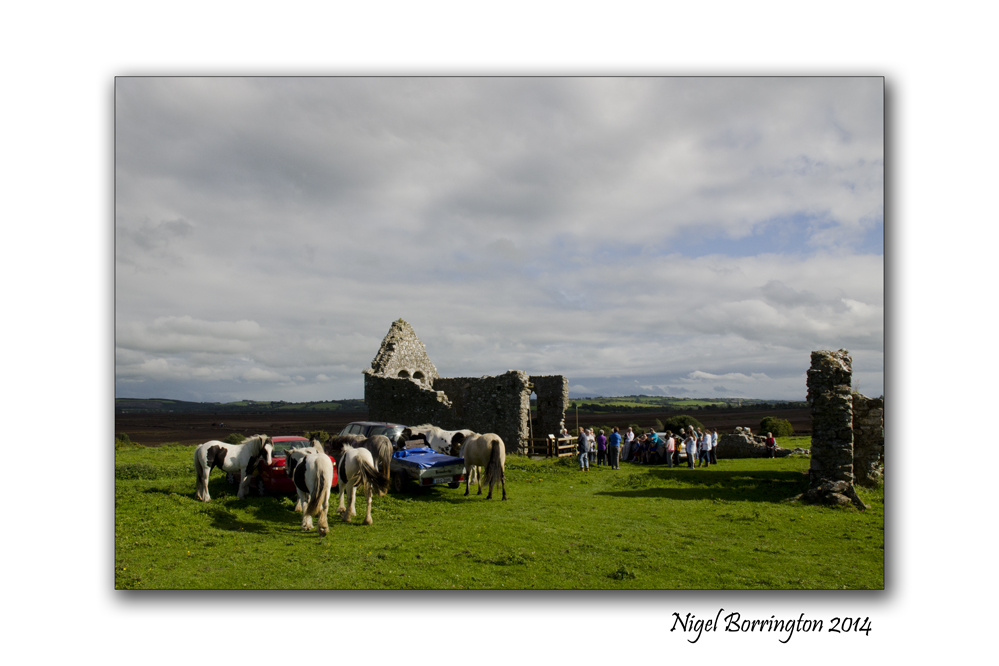


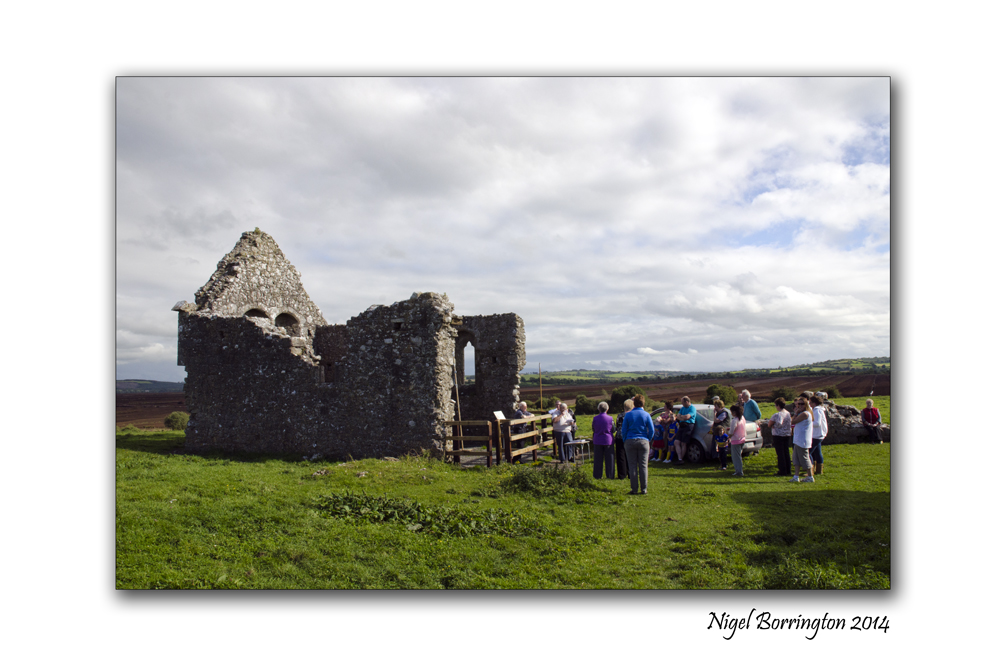
Monday morning from the mountain lane ( Images and a Poem by : Douglas Fraser – 1968 )

The mountain Lane,
GlenPatrick , County Waterford,
Irish Landscape Photography : Nigel Borrington
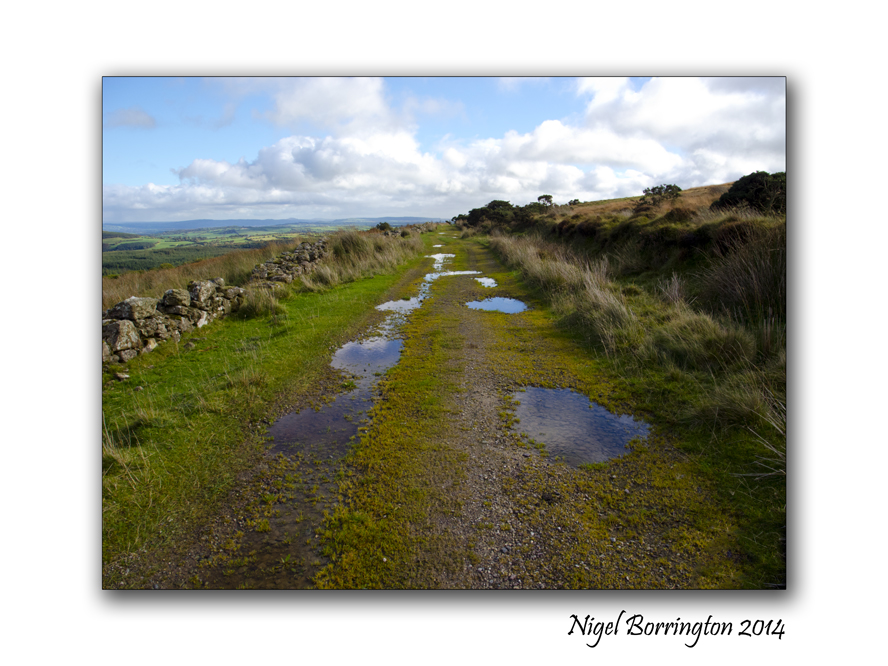
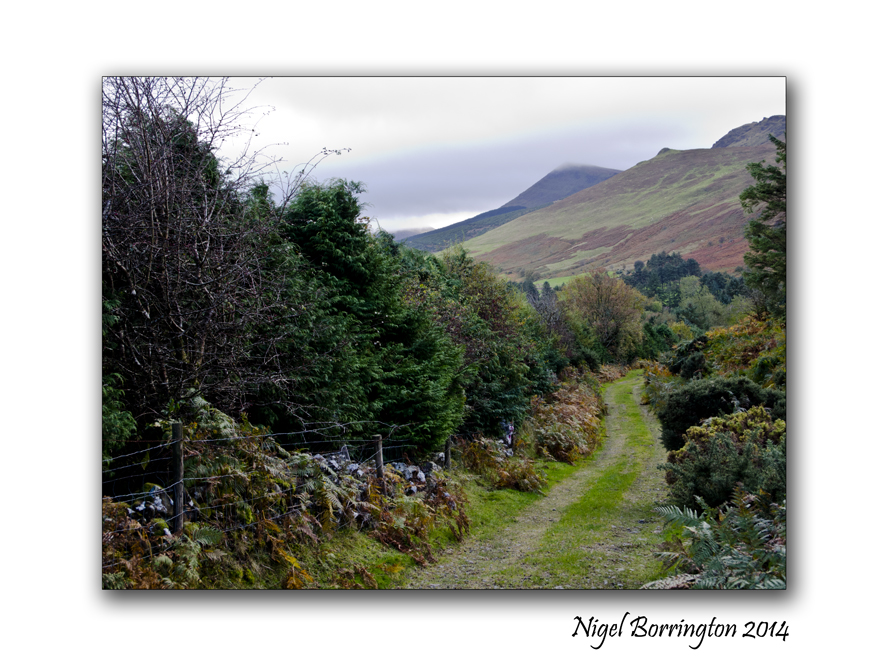
Monday morning and what better way to start a new week than a walk through the hills above the town of Clonmel , county Tipperary.
This old walk goes over the foot hills just below the Comeragh mountains and into county Waterford and offers some of the best views in the South of Ireland, I share some of it here with one of my most loved Mountain Poems by Douglas Fraser, written in 1968.
Freedom of the Hills
By: Douglas Fraser – 1968
Mine is the freedom of the tranquil hills
When vagrant breezes bend the sinewy grass,
While sunshine on the widespread landscape spills
And light as down the fleet cloud-shadowed pass.
Mine, still, that freedom when the storm-clouds race,
Cracking their whips against defiant crags
And mists swirl boiling up from inky space
To vanish on the instant, torn to rags.
Snow and mist in the Mountains.
When winter grips the mountains in a vice,
Silently stifling with its pall of snow,
Checking the streams, draping the rocks in ice,
Still to their mantled summits I would go.
Sun-drenched, I sense the message they impart;
Storm-lashed, I hear it sing through every vein;
Among the snows it whispers to my heart
“Here is your freedom. Taste – and come again.”
Gallery


Monday Poetry , “Ulysses” By : Alfred Tennyson

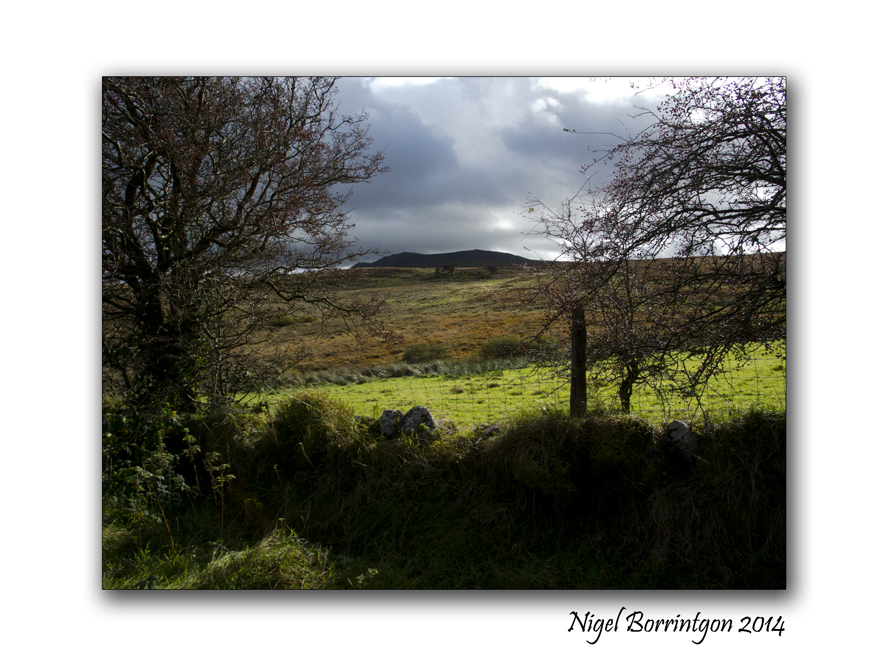
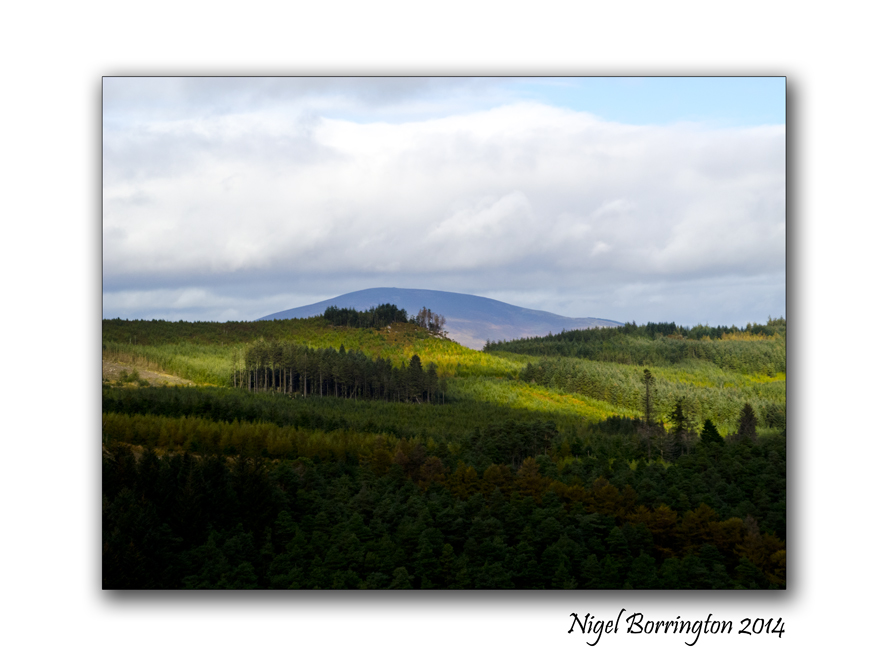
A distant view of Slievenamon, County Tipperary, Ireland.
Irish Landscape Photography : Nigel Borrington
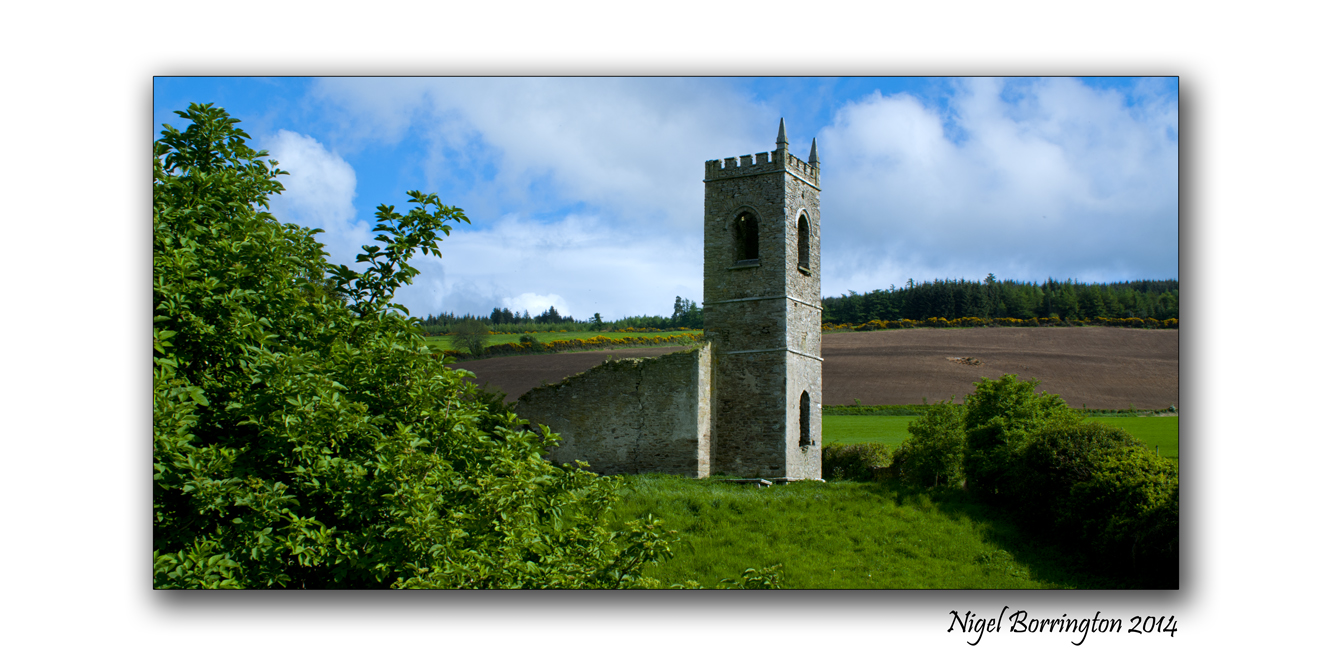
Sometimes walking around the counties of Kilkenny and Tipperary you get an overwhelming sense of history , old church yards with old graves, Monuments left by ancient peoples and their tribes.
Places left as a reminder of Leaders and Kings and people long past.
Places and people that could be contained in “Ulysses” a poem by Alfred Tennyson.
Ulysses
By : Alfred Tennyson
It little profits that an idle king,
By this still hearth, among these barren crags,
Matched with an agèd wife, I mete and dole
Unequal laws unto a savage race,
That hoard, and sleep, and feed, and know not me.
I cannot rest from travel: I will drink
Life to the lees: all times I have enjoyed
Greatly, have suffered greatly, both with those
That loved me, and alone; on shore, and when
Through scudding drifts the rainy Hyades
Vexed the dim sea: I am become a name;
For always roaming with a hungry heart
Much have I seen and known; cities of men
And manners, climates, councils, governments,
Myself not least, but honoured of them all;
And drunk delight of battle with my peers,
Far on the ringing plains of windy Troy.
 .
.
I am a part of all that I have met;
Yet all experience is an arch wherethrough
Gleams that untravelled world, whose margin fades
For ever and for ever when I move.
How dull it is to pause, to make an end,
To rust unburnished, not to shine in use!
As though to breathe were life. Life piled on life
Were all too little, and of one to me
Little remains: but every hour is saved
From that eternal silence, something more,
A bringer of new things; and vile it were
For some three suns to store and hoard myself,
And this grey spirit yearning in desire
To follow knowledge like a sinking star,
Beyond the utmost bound of human thought.
This my son, mine own Telemachus,
To whom I leave the sceptre and the isle—
Well-loved of me, discerning to fulfil
This labour, by slow prudence to make mild
A rugged people, and through soft degrees
Subdue them to the useful and the good.
Most blameless is he, centred in the sphere
Of common duties, decent not to fail
In offices of tenderness, and pay
Meet adoration to my household gods,
When I am gone. He works his work, I mine.
There lies the port; the vessel puffs her sail:
There gloom the dark broad seas. My mariners,
Souls that have toiled, and wrought, and thought
with me—
 .
.
That ever with a frolic welcome took
The thunder and the sunshine, and opposed
Free hearts, free foreheads—you and I are old;
Old age hath yet his honour and his toil;
Death closes all: but something ere the end,
Some work of noble note, may yet be done,
Not unbecoming men that strove with Gods.
The lights begin to twinkle from the rocks:
The long day wanes: the slow moon climbs: the deep
Moans round with many voices. Come, my friends,
‘Tis not too late to seek a newer world.
Push off, and sitting well in order smite
The sounding furrows; for my purpose holds
To sail beyond the sunset, and the baths
Of all the western stars, until I die.
 .
.
It may be that the gulfs will wash us down:
It may be we shall touch the Happy Isles,
And see the great Achilles, whom we knew
Though much is taken, much abides; and though
We are not now that strength which in old days
Moved earth and heaven; that which we are, we are;
One equal temper of heroic hearts,
Made weak by time and fate, but strong in will
To strive, to seek, to find, and not to yield.
The Standing Stones, Poem by : John Bliven Morin
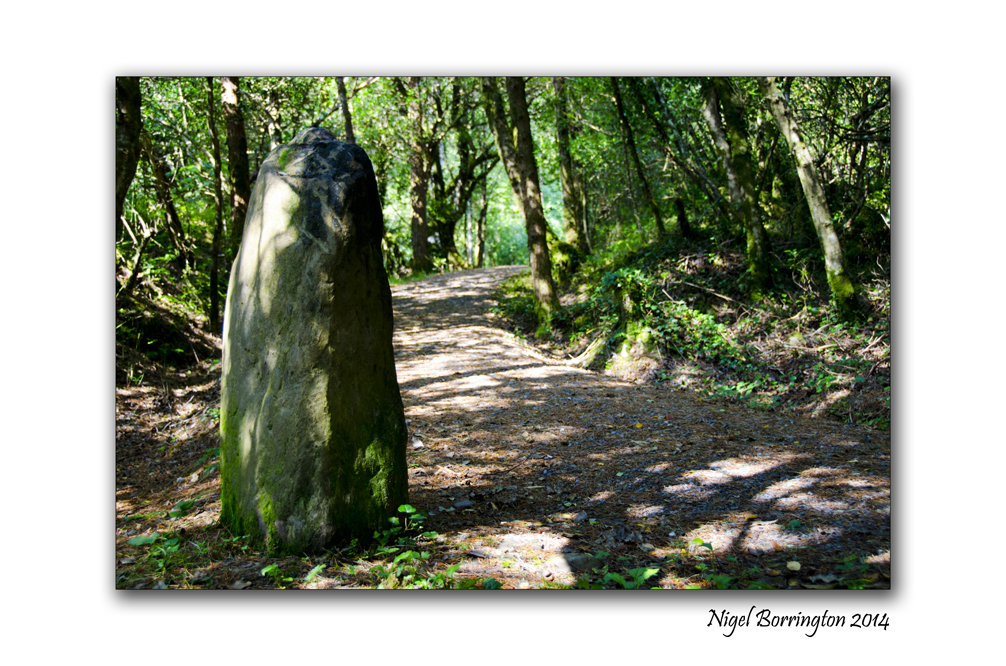
Standing stone at Glengarriff Nature Reserve.
Landscape Photography : Nigel Borrington
The Standing Stones
By : John Bliven Morin
Who will go where the standing stones stand,
when the fog rolls in and covers the land,
when the moon is hidden in a cloudy sky,
and the night is as dark as a raven’s eye,
and the wind is as cold as a winter’s chill,
What’s that? You say you’ll dare, you will?

We’re here. If you’ve courage in your mortal bones,
then go and walk through the standing stones;
yes, that way, go, though it’s hard to see
the ancient path in this obscurity;
your torch is useless for a light,
with the fog and the darkness of the night;
you go alone, for you claim the nerve;
I’ll stay right here, for I only serve.
Follow this footpath through the mist,
and keep to the path I must insist.
You step down the path and I’m lost to view,
as the fog and the mist are surrounding you;
several sounds – grinding – from all about,
startle you so that you almost shout,
but all that comes out is a muted croak,
as you wrap yourself in your winter cloak.
You feel things moving through the very ground,
huge things, horrid things sliding around,
which make your skin crawl with growing fear,
and you sense that something is drawing near;
something immense, for the earth so shakes
that a chill runs up your spine and makes
the hair on your head stand up in fright,
as the fog rolls past and hides from sight
that which you fear but cannot see;
perhaps in your nightmares previously.
Wasn’t that standing stone over there?
But now it’s so close, and that other pair
are much nearer too than they were before!
You remember tales of ancient lore,
as you fall back on some lower stones,
and the Old Ones come to crush your bones;
you scream in fear, you scream in pain,
but all your screaming is quite in vain,
for no one can hear you or see the blood
flow down the altar-stone in a flood;

Then all is quiet; you’ve paid the price,
for you were the Druid’s sacrifice.
and I, their servant. go from here
homeward, until another year.
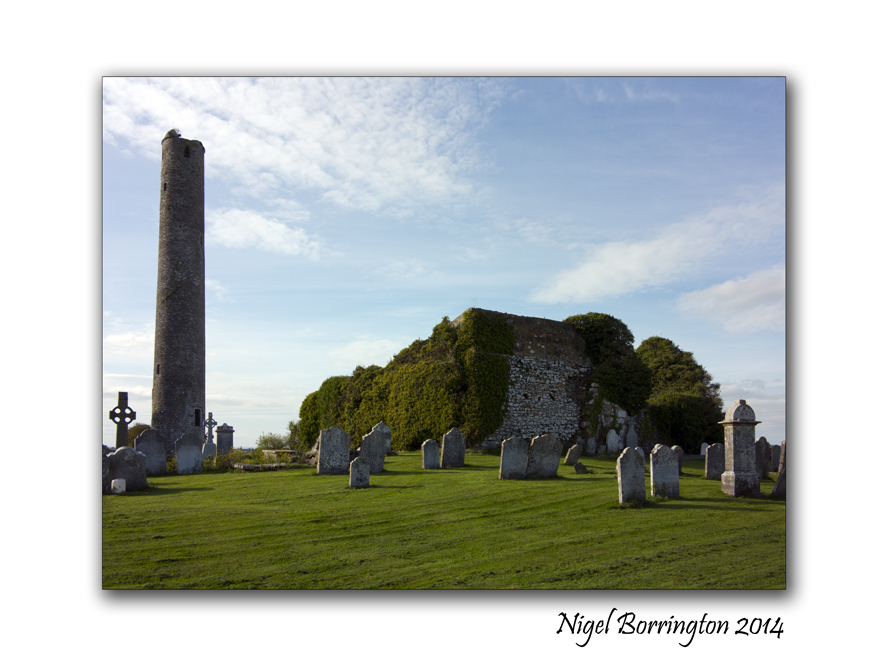
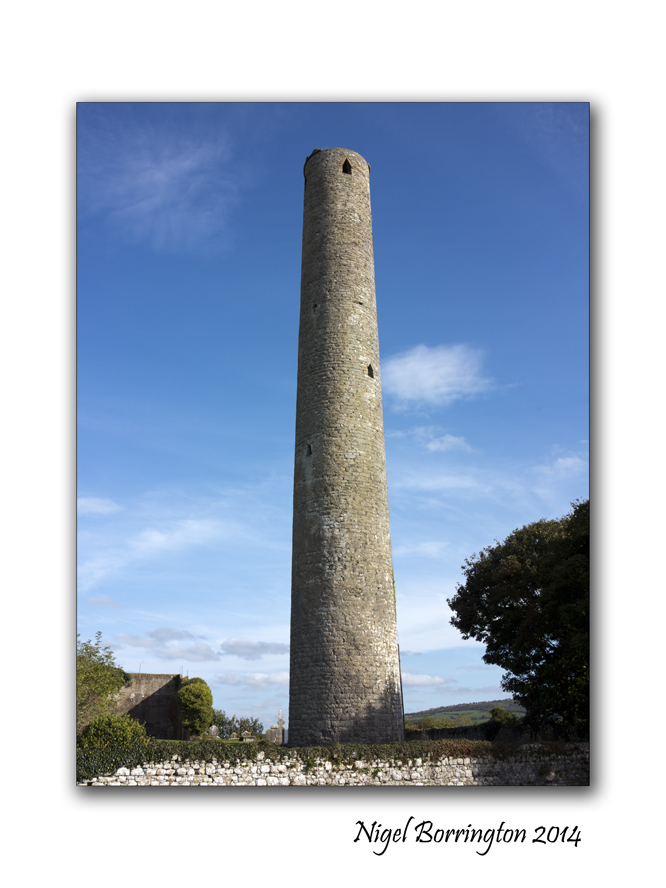
Kilkenny Landscape photography – Grangefertagh Round tower, Co. Kilkenny

Grangefertagh Roundtower, near Johnstown, Co. Kilkenny
Irish Landscape Photography : Nigel Borrington
Grangefertagh Round tower, Co. Kilkenny
I have passed the round tower at Grangefertagh many time but it is only in the last week that I had time to stop and get some images.
The Round tower at Grangefertagh, County Kilkenny stands some 31 metres tall and forms a striking image above the Kilkenny countryside.
The northeast facing doorway which is situated 3.3 metres above ground level has been badly damaged. A farmer removed the original stones and used them to form a fireplace, mistakenly believing they were fireproof. It contains nine windows in total , six angle headed and three lintel-led. Four of the angle headed windows are on the top storey facing the four cardinal points. The tower is complete to the cornice but only part of the cap remains.
A modern doorway has been inserted by the O.P.W. The round tower is the last remnant of the early monastery founded by St Ciaran of Seir in the 6th century. It was raided by vikings in 861 and in 1156 the high king Murtagh McNeale burned the tower with the lector inside. To the north of the tower is a church that belonged to the 13th century monastery founded by the Blanchevilles for the Canons Regular of St Augustine
Wikipedia : What are Irish Roundtowers
Gallery
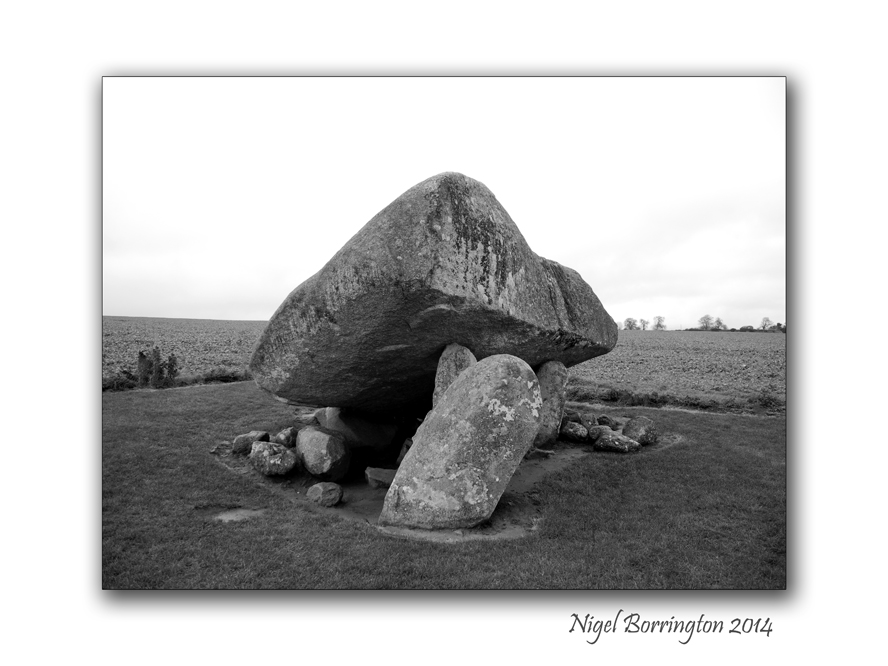
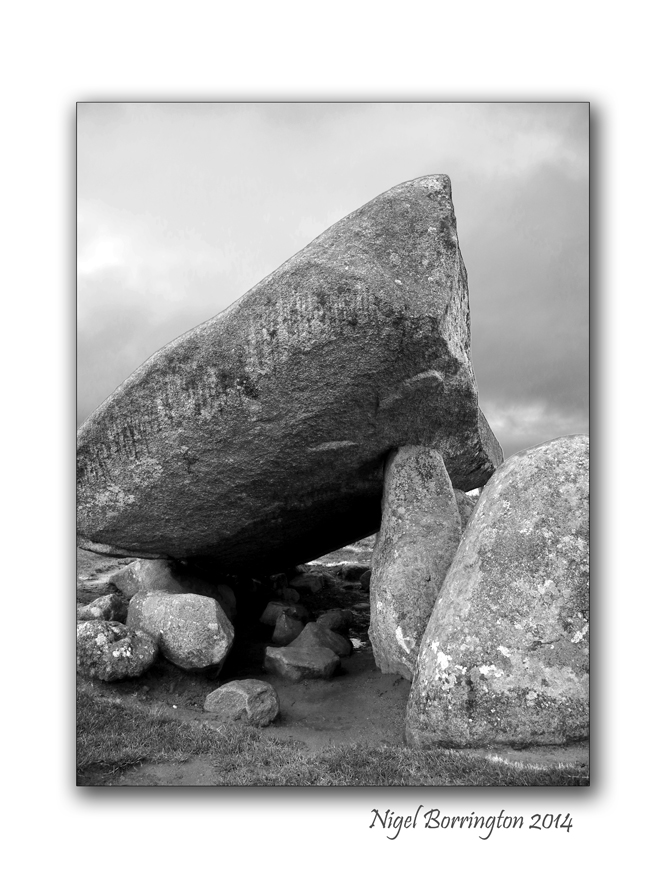
Brownshill Dolmen, county Carlow : Image Gallery

Brownshill Dolmen, county Carlow, Ireland.
Irish photography : Nigel Borrington
Brownshill Dolmen
Arriving at this great location of the Brownshill Dolmen, county Carlow on a typical overcast early autumn day in Ireland. I located the site of the largest Dolmen in this part of Europe very easily as there are plenty of road signs to help you.
There is a small walk through a field an up-to a preserved area containing the Dolmen itself, the information board is of great help and places this construction into it context.
It is the cap stone that is the most impressive part of this Dolmen.
Discover Ireland describes this monument as follows :
The Brownshill Dolmen is an unmistakable monument to the east of Carlow town dating back to pre-historic times.
Its date of construction has been estimated at between 4,900 and 5,500 years ago and it is thought that religious rites were performed here. Some authorities also suggest that it may have served as a form of border marker.
Whatever it’s original purpose, it represents a tangible link between the present and the past. The magnificent granite capstone, weighing about 103 tonnes, has excited the interest of many antiquarians and tourists for centuries.
Brownshill Dolmen, county Carlow : Gallery



Irish Photography : Galesquarter Church and Castle, Co. Laois – Gallery

Galesquarter Church, Co. Laois
Irish Landscape Photography : Nigel Borrington
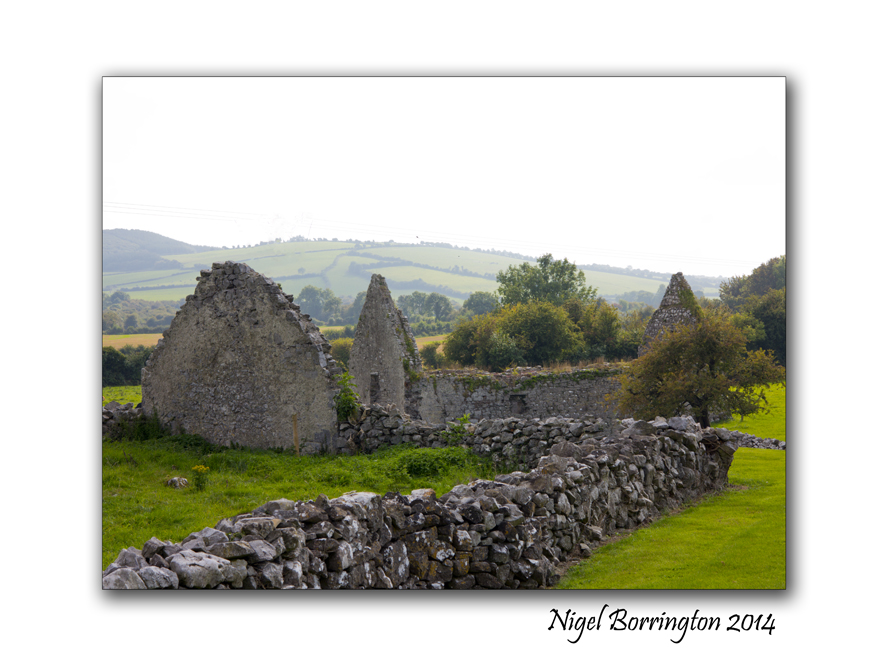
The Old Castle and church at Galesquarter, Co. Laois was home to the Lords of Upper Ossary the Gaelic Fitzpatrick family (Irish: Mac Gìolla Phádraig) .
The two buildings has stood empty since the 1700’s and today are very much in ruins yet go to make a wonderful site in the Local Landscape.
The Gallery below was taken last weekend on a walk through Galesquarter ending in the Bunlacken hills above.
Galesquarter Church and Castle, Co. Laois : Gallery



This old house at Glengarriff, count Cork (Image and Poem By : Sherri Ramirez )

Old house at Glengarriff, count Cork
Landscape Photography : Nigel Borrington
This house is very old
By: by Sherri Ramirez
This house is very old.
Yet, it stands so gracefully.
If the walls could only talk.
I bet they’d have a lot to say.
It holds a lot of memories,
buried deep inside.
It seems to stand with attitude,
as if it carries pride.
It stands upon the foundation,
seeming to claim the land.
Refusing to wither from age
with a little help from my man.
Not one room, is a favorite,
each displays a special touch.
It might be old but, we don’t mind.
We love it very much.
Sunday with Kilkenny’s ancient stones , Discovering nine megalithic Court Tombs

kilmogue portal Tomb , 6000 years old,
The Standing Stone and Tombs of County Kilkenny,
Landscape Photography : Nigel Borrington
Sunday with Kilkenny’s ancient stones and tombs
Earlier in the year I posted this article about the kilmogue portal Tomb , Located Near Harristown , County Kilkenny.
Sitting at the end of a short path near Harristown, county kilkenny, it is a 6000 year old tomb, know nationally at the Kilmogue Portal Tomb but locally as, “Leac an Scail” – stone of the warrior/hero in English.
This tomb however has become just the first of many ancient remains I feel I have found in this small area of County Kilkenny, since I posted the above post in April (2014).

The above is a map of a wooded area located above the Kilmogue Portal Tomb, Harristown, Kilkenny.
When back in April when I re-visited the portal tomb, I took a good look at its surroundings, its a dairy farming area with some very defined field patterns, I had a very strong feeling that this tomb could not be the only local ancient remains, there just had to be more.
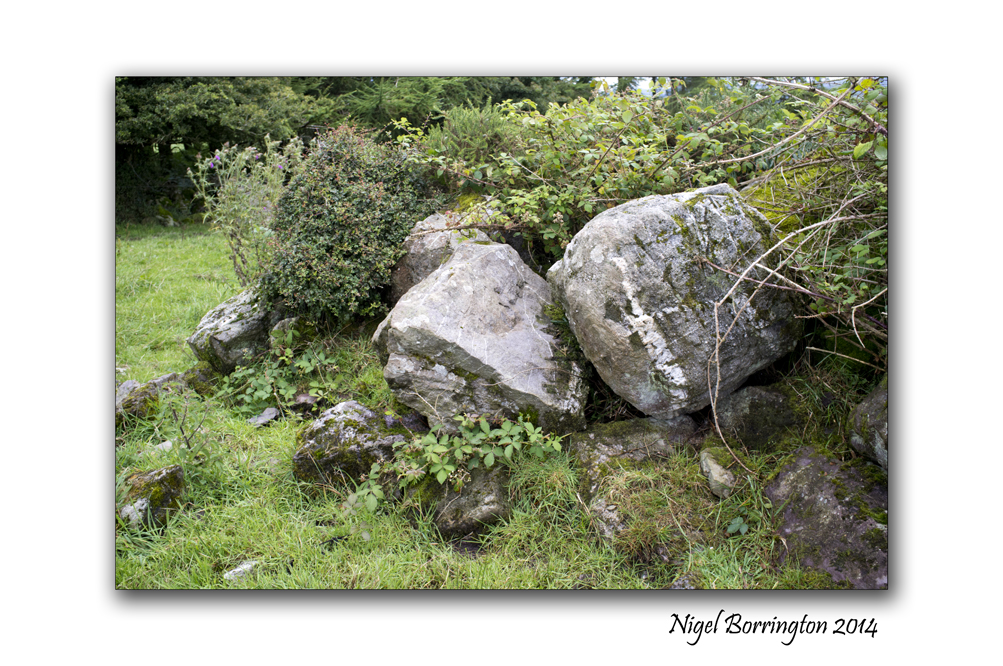
It took some weeks of walking the local roads and wood-lands to find what I was looking for and the above map shows clearly the amount of sites I feel I have now found (Ring forts, standing stones and Tombs), while walking through the above woods there are many different type of megalithic remains.
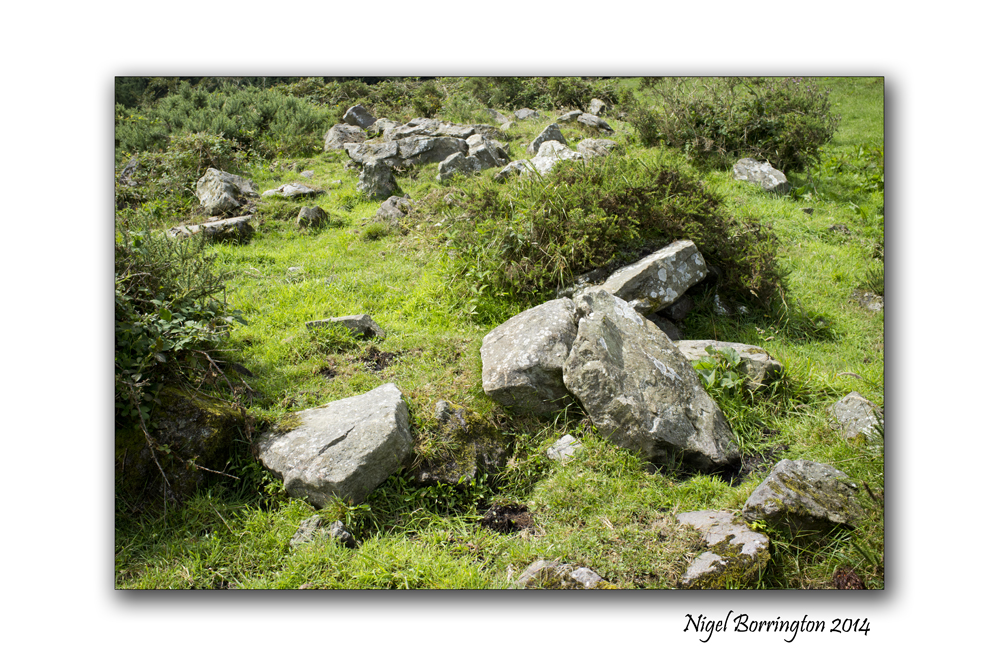
I visited the another of what I felt was a possible megalithic site last Sunday and this Sunday morning, a collection of Multiple tombs and wanted to share some of the pictures and feeling below.
To get to this location I had to navigate through the trees and get over a wall into the field but once in I was amazed at what I found. There are a total of nine tombs that could as important as the Kilmogue Portal Tomb, they are possible megalithic Court tombs or Portal tombs. I feel that to find so many Tombs in one field is very special and reflects on just how important an area this must have been to the people who lived here over a vast period of time.
I need to keep working on this location and study a lot more as to my possible findings but feel its very exciting to find such a large collection of Tombs in one place.
I did at first wonder if these tombs where just collections of rocks that a farmer in the past had cleared from his fields but on getting closer and spending sometime walking around them, as you can see in the pictures these rocks are very large and in the correct formation and organisation to be Tombs.
They have large rocks forming a boarder with a raised area in the centre, they have a single gap forming an entrance and what looks like smaller grave area inside the tombs themselves. These features fully match the definition of what are defined as court tombs.
You are welcome to have a good looks at the pictures below and form you own impression but for the moment I am very pleased to have found such an impressive ancient location.
The Tombs of Harristown, Kilkenny ; Gallery



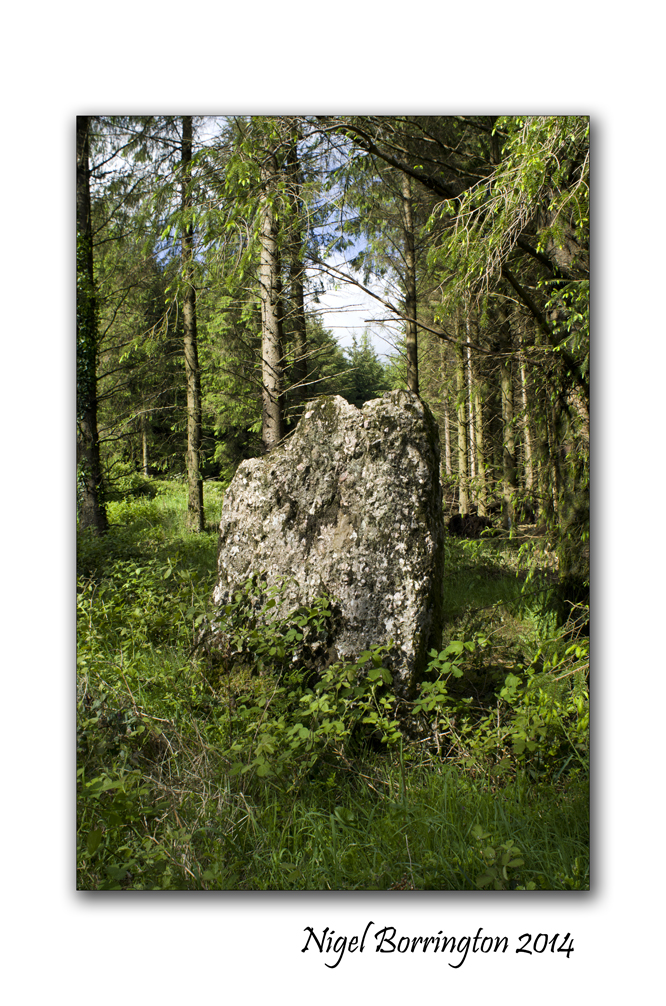
Local Standing Stones : Gallery

A 1920’s life in pictures, from Ireland to America

A 1920’s life in pictures, from Ireland to America
Copyright : Nigel Borrington
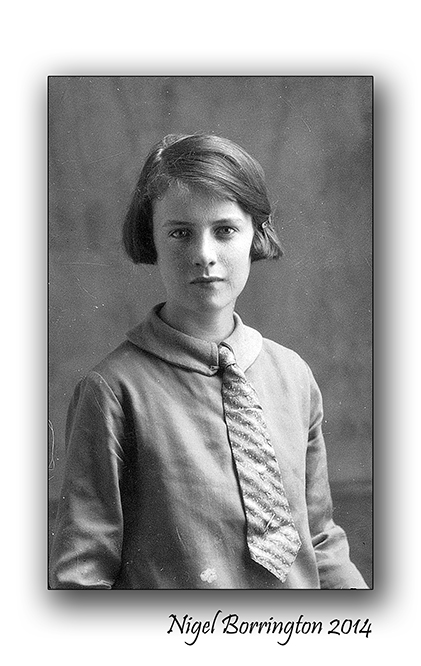
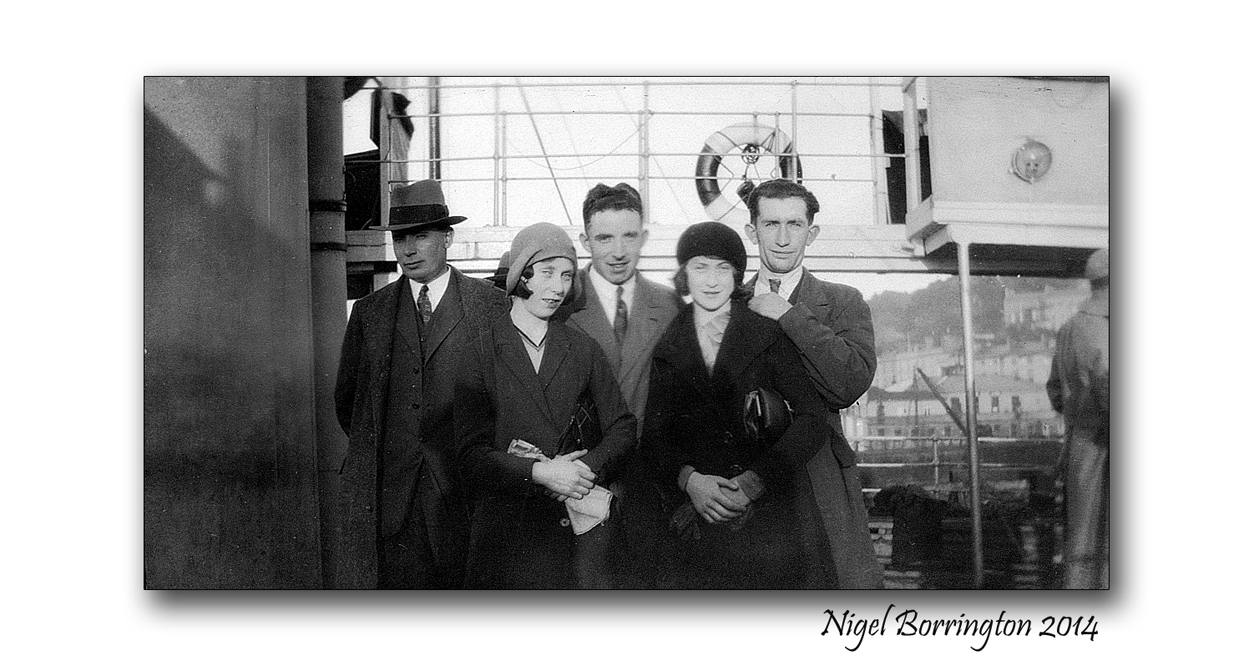
A couple of months ago an older family member asked If I would scan some old portrait images for a family tree that she was putting together. Over the next weeks I scanned many images and then took them back to her in order to get all the names and details that she could help with.
This was great fun and a truly interesting process. One set of images could not be identified however, yet they are among the most interesting.
I am Posting them here as I feel they show the life of a women (her family and her friends) from a small town in County Tipperary, Ireland, as she grow up going to school in a Farming community, eventually becoming independent enough to travel by boat from Cobh, in county cork and start a new life for herself in America.
If by any chance anyone knows who she or anyone in these pictures is, feel free to let me know as it would be great to put a name to these faces.
A life in pictures, Gallary





Altamont Gardens, County Carlow – Hidden places gallery.

Altamont Gardens, County Carlow
Landscape Photography : Nigel Borrington
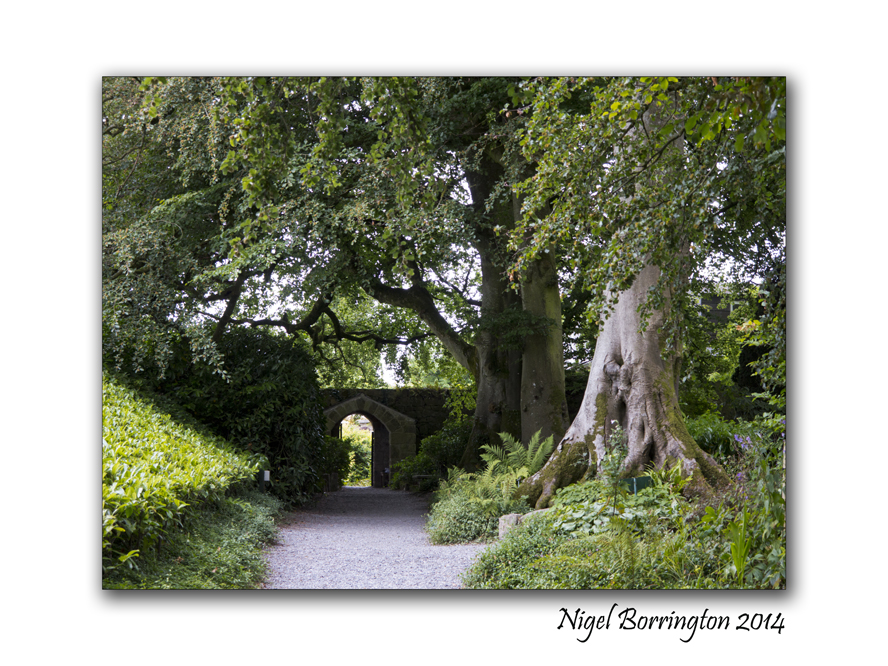
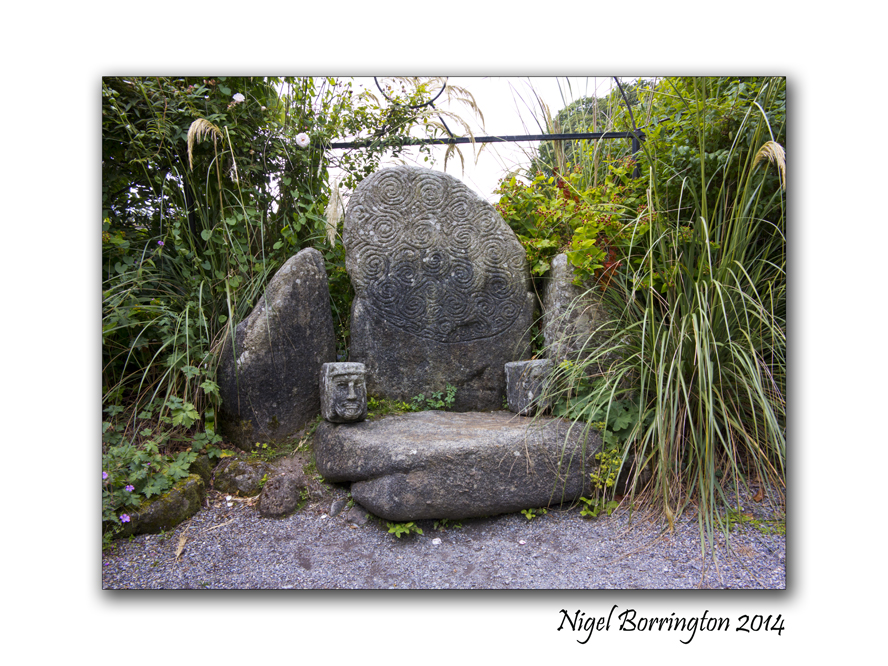
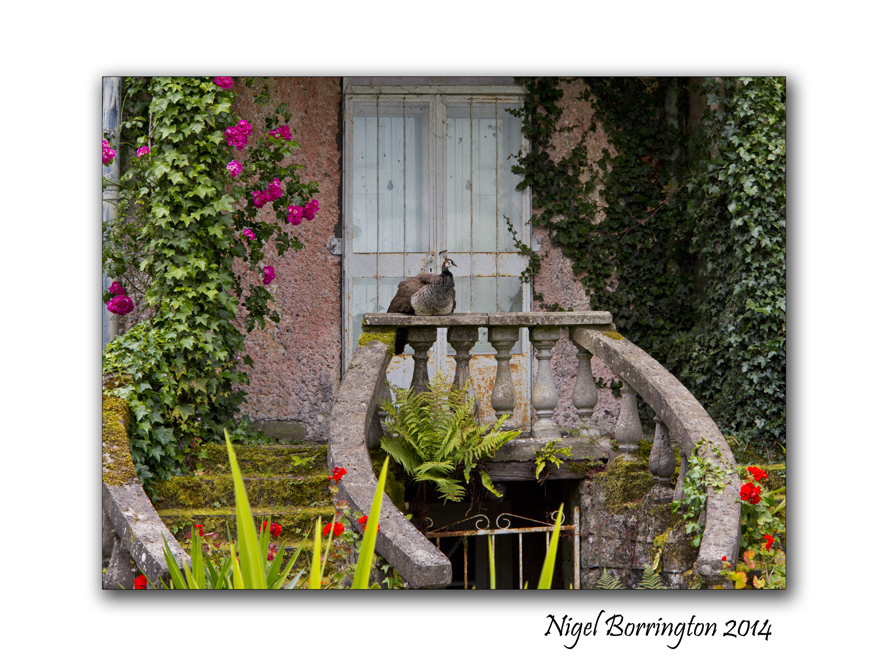
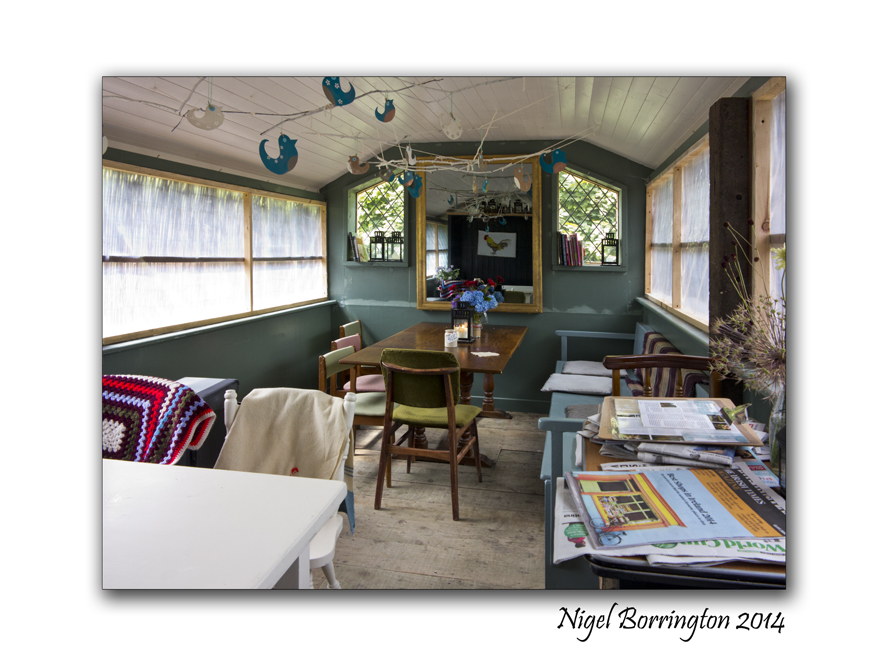
I have just spend the morning at Altamont Gardens, County Carlow, getting some images of the Gardens, flowers and the old house in the grounds.
Altamont is one of Ireland best kept old estates, known for the most romantic garden in Ireland, with some 100 acre’s in total.
Whilst still little known, it ranks in the top ten of Irish gardens and is often referred to as ‘the jewel in Ireland’s gardening crown’
Here I post some images of just some of the hidden locations that can be found while walking around the grounds.
Altamont Gardens, County Carlow – Hidden places gallery.



My secret Spot on Newtown beach.

My secret spot, somewhere near Newtown , County Waterford
Landscape photogrpahy : Nigel Borrington
My Secret spot
To a few I showed my secret Spot,
To many I reveal it is on The Beach,
In Waterford, still without my help,
none may find, because its called mine,
My hidden Newtown Beach Spot
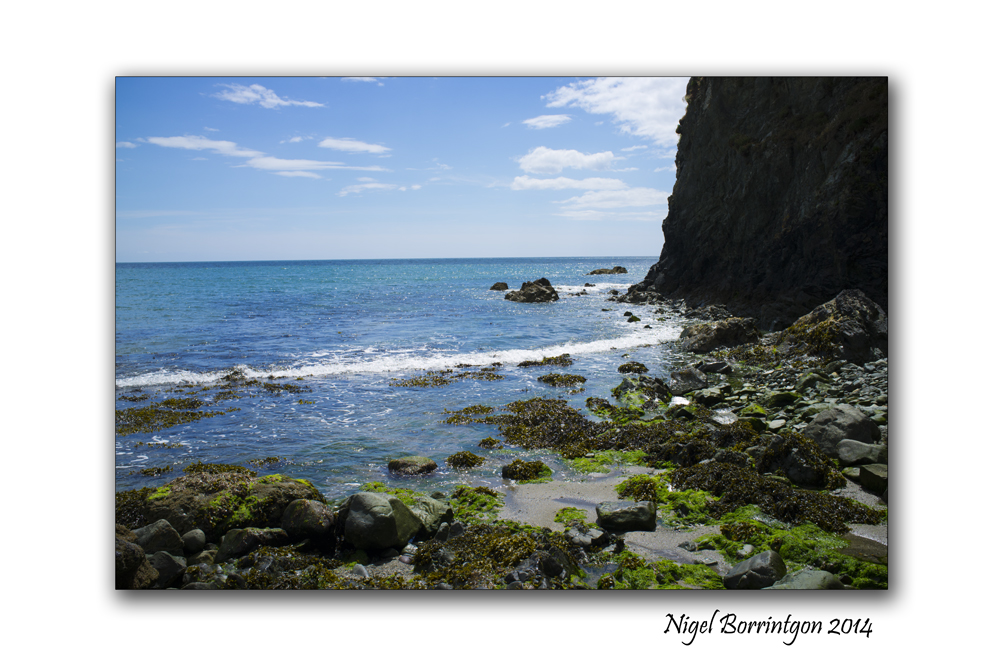
Its open, its free, its peaceful and protected
All can find, all can see, but beyond the vision,
belongs to me, My Secret Loved Spot,
On the Beach, in Newtown…
A friend I call to Show my Paradise,
and share the secret rooted
inside my heart, with all my soul,
My loved Newtown Beach
Blessed, and so dear to me!
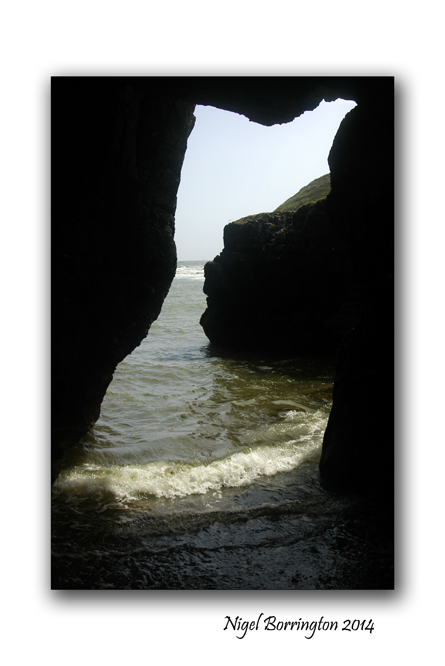
Saturday Morning walk on coolagh hill, county Kilkenny : Gallery

Coolagh old church on the hill, County Kilkenny
Landscape Photography : Nigel Borrington
It’s the weekend so why not get out and about and do some walking in your local area.
Often when you walk you will find places and views that you never knew existed just driving past in a car.
What ever you do I hope you have a great last weekend of June 2014.
Coolagh Kilkenny a Gallery


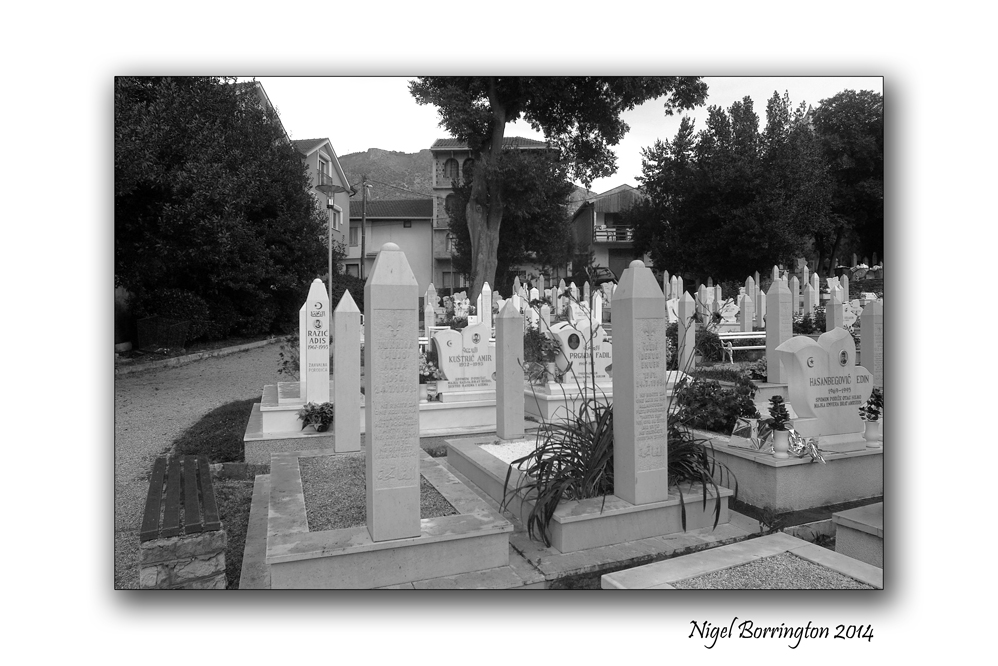
War Graves at Metkovic, lost lives of 1993

War Graves , Metkovic, Croatia
Photography : Nigel Borrington
On our way to Mostar we stopped off at the town of Metkovi/Metkovic, Croatia. The bus station is next to a cemetery in the centre of the town.
As Cemeteries go it was very open to the street , feeling more like a town park. I walked in and sat for a while to eat some lunch, afterwards I walked around and had a look at all the grave stones.
I often do this in Ireland or the UK as its a great way to learn local names and family history.
The main thing that I noticed in this Metkovi cemetery however was that all of these grave stones have one year of death on them (1993), all of them !!!
It was a while before the bus left to Mostar, so I just sat back on the seat and took sometime to take in what must have happened here in this small town some 21 years ago.
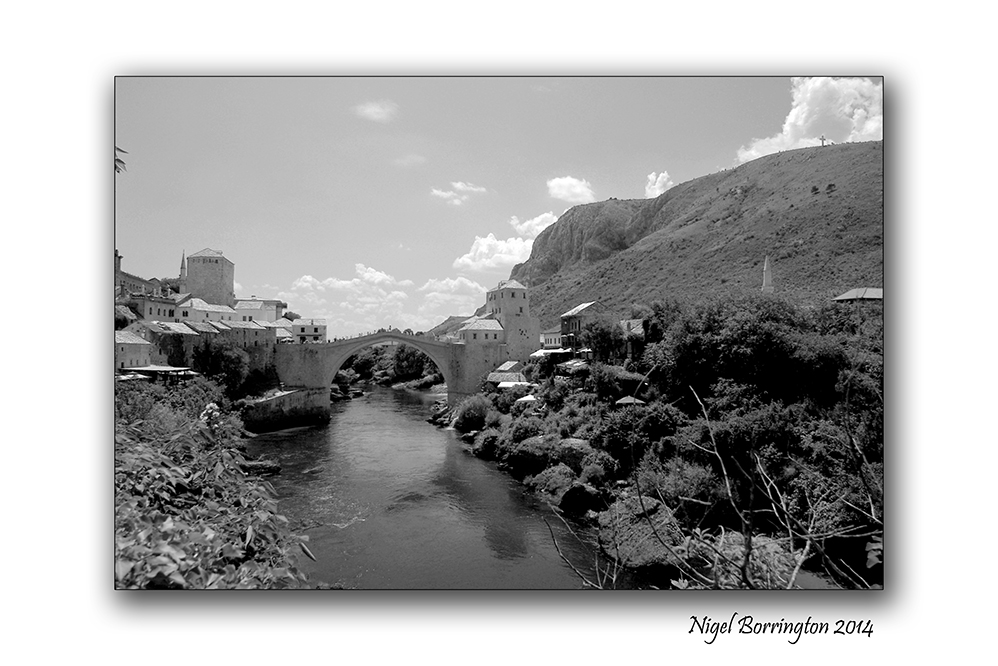
The Mostar bridge, Recovering from war.

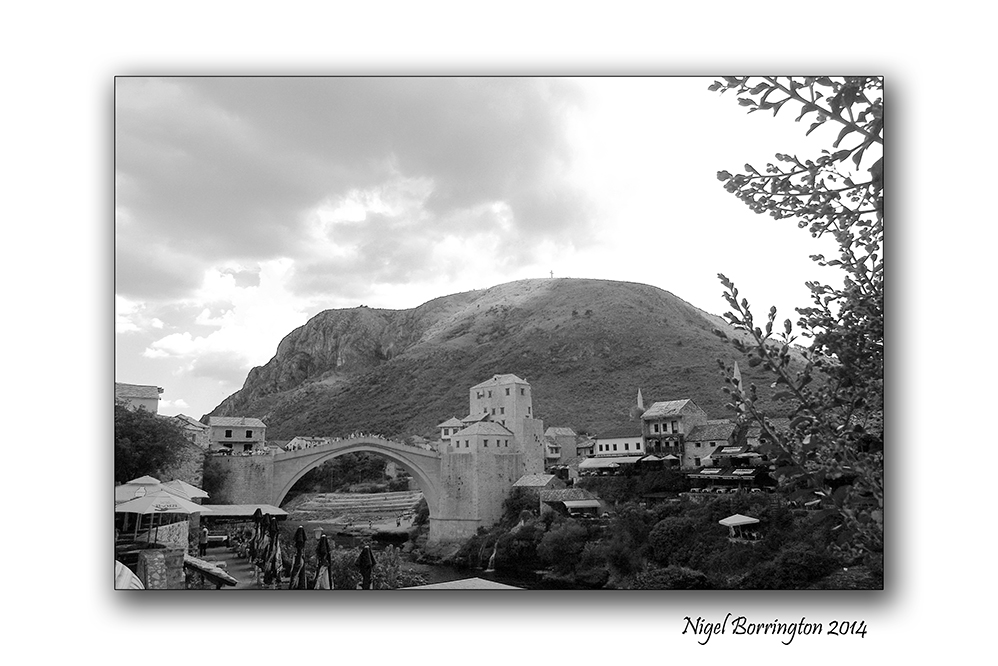
The New and Old Bridge of Mostar, Bosnia and Herzegovina
Landscape photography : Nigel Borrington
The Mostar bridge, Recovering from war
A little time back on a holiday to Bosnia and Herzegovina, I visited the town of Mostar and took the following images of the Famous Bridge here.
The History of this bridge and its story both during the savage war in Bosnia, then after it is one of the most amazing in the modern history of the country.
The new Bridge of Mostar is located in the centre of Old City of Mostar. It was built in 1566. This arch construction connects the left and the right side of the Neretva River. Arch is 28.7 wide and 21m high compared with summer level of the river. From the highest amplitude in July every year jumps are held.
Mostar was named after the wooden bridge (mostari – bridge keepers) which was on that place before it was rebuilt in 1520 into stone one. Bridge survived Ottoman period, Austro-Hungarian era, World War II, and in the war 1992 – 1995 Mostar was badly damaged and the Old Bridge of Mostar was entirely destroyed.
The Old Bridge was reconstructed and totally renovated in 2004. Materials used for renovation are stones from the original one pulled out from the river.
The Old Bridge of Mostar is inscribed on World Heritage List by UNESCO in 2005. Arrival on the Old Bridge will offer memorable view of river Neretva and surrounding antiquities.
Mostar and its Bridge are marked with a brutality of war and bad history, but it is a true testament to the courage and persistence of inhabitants of this city.According to UNESCO, “The Old Bridge area, with its pre-Ottoman, eastern Ottoman, Mediterranean and western European architectural features, is an outstanding example of a multicultural urban settlement. The reconstructed Old Bridge and Old City of Mostar is a symbol of reconciliation, international co-operation and of the coexistence of diverse cultural, ethnic and religious communities.” (http://whc.unesco.org/en/list/946)
Image Gallery


 Nigel Borrington
You must be logged in to post a comment.