The carpenter’s challenge, By : Joe Bergin

The Carpenters spokeshave
Photography by : Nigel Borrington
CARPENTER’S CHALLENGE
Joe Bergin
First heard of him from Uncle John
Something about a carpenter coming down
From back up in the mountains to work
In the town and on the camps down by the lake
Ate no meat, nothing from the deadly nightshade family
And didn’t drink but once a year
In a three day bacchanal on the summer solstice
I’d seen his work and it was damn good
He was something of a mystery to me
Came down to the lake and that’s where I met him
Working on the family camp
Alight in his eye and doing the work I should’ve done
He had but one good hand and the other
The right one, I believe, had a part of a thumb
And no fingers to speak of really
But Bert could frame an addition or
Build a deck as good and fast as anyone
Had his tricks, though, like the rubber band
Around his wrist to hold the nails his hand
Couldn’t grasp,and many more I’m sure
Tried to find his house once in the back country
To drop off an anti-war t-shirt I knew he’d love
Had the right address but got lost on the
Winding dirt roads and couldn’t find it
Told my brother James about it and he said
“Maybe you weren’t supposed to!”
What is a Horse ? , Poem by : Lily Whittaker

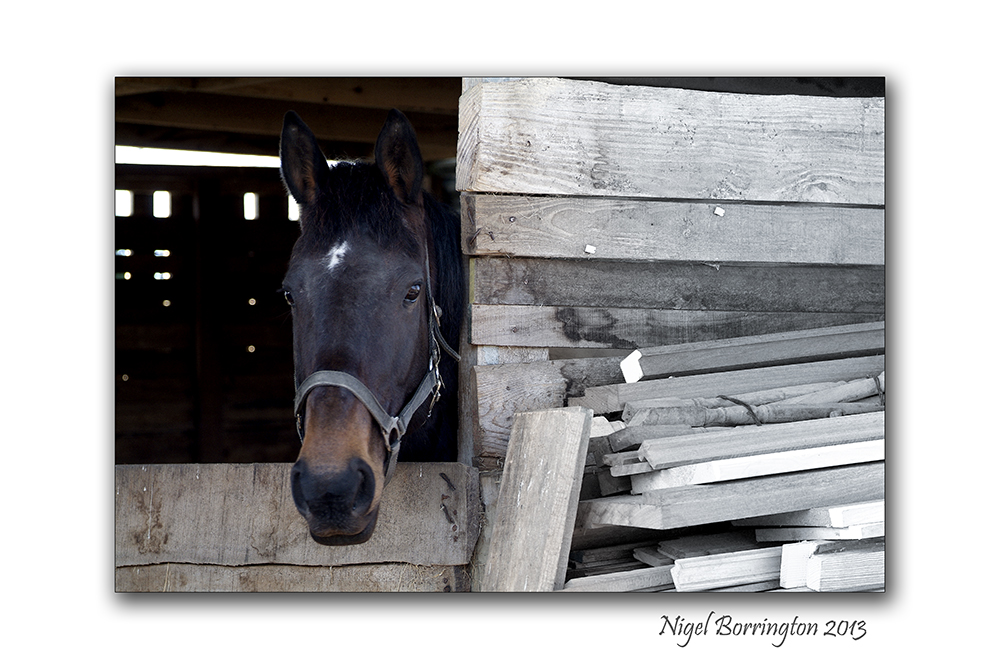
Uisge beatha, A county Kilkenny Horse
Photography : Nigel Borrington
What is a Horse ?
By: Lily Whittaker
What is a horse?
A horse has eyes as dainty as a mink.
The grace is interrupted merely by a blink.
A horse is beauty.
What is a horse?
A horse is a tree in a storm that never goes down.
A horse is a weathered rock that stays around.
A horse is ancient.
 .
.
What is a horse?
A horse waltzes like breeze over rivers.
She curvets and leaps like rain shivers.
A horse is a marionette.
What is a horse?
A horse is determination, that never stops flowing.
A horse is fondness, that never stops growing.
A horse is poetic power.
Slievenamon

Early morning view of Slievenamon, county Tipperary
Irish Landscape photography, Nigel Borrington
Li Po – Alone Looking at The Mountain
All the birds have flown up and gone;
lonely clouds float leisurely by.
We never tire of looking at each other –
Only the mountain and I.
Memories of a winters farm

Fujifilm X100
Memories of a Winters Farm
Landscape photography : Nigel Borrington
Memories of a winters farm
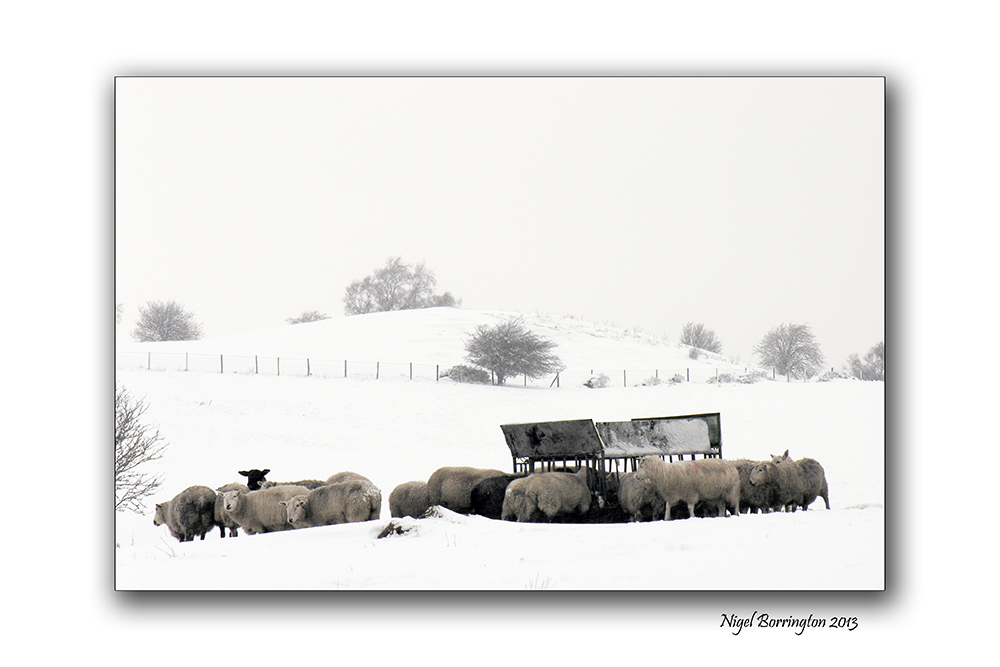
This weekend two years ago I was staying at a farm located near Eryrys, Denbighshire, North Wales.
On arrival the weather was cold with some snow in the air but by the next morning it had started snowing heavily and did not stop for the full two weeks of the visit.
Farming in this kind of weather is very difficult and feeding the animals very much so, the following images are just some taken during the stay and I feel they captured the north Wales landscape during one of its hardest winters for some forty years.
Gallery



Friday , A day in the Forests

Nikon D700
A day in the forests of Kilkenny
Irish Landscape photography : Nigel Borrington
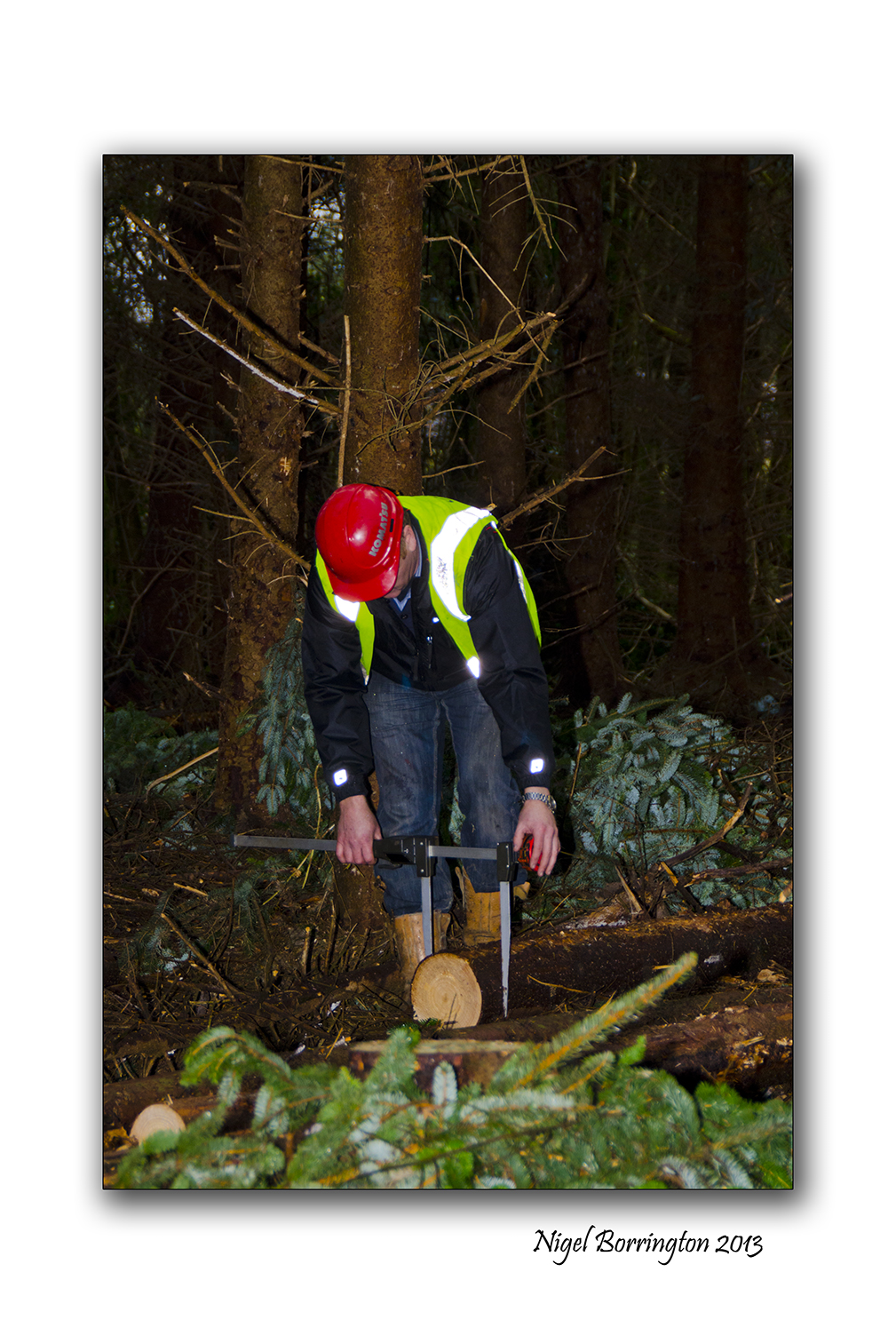
I just spent today working on some images for a local forestry team, these images are for a brochure that they are about to publish.
The weather was just wonderful and I just love being out in the woods watching the tree being thinned out and working with a camera along side these men. the sound of the machines and the speed at which they work in amazing.
Thank you to the men in this forestry team, who helped so much, to create some good and very interesting working images !


The Glassblower a Poem by : Rhonda Baker
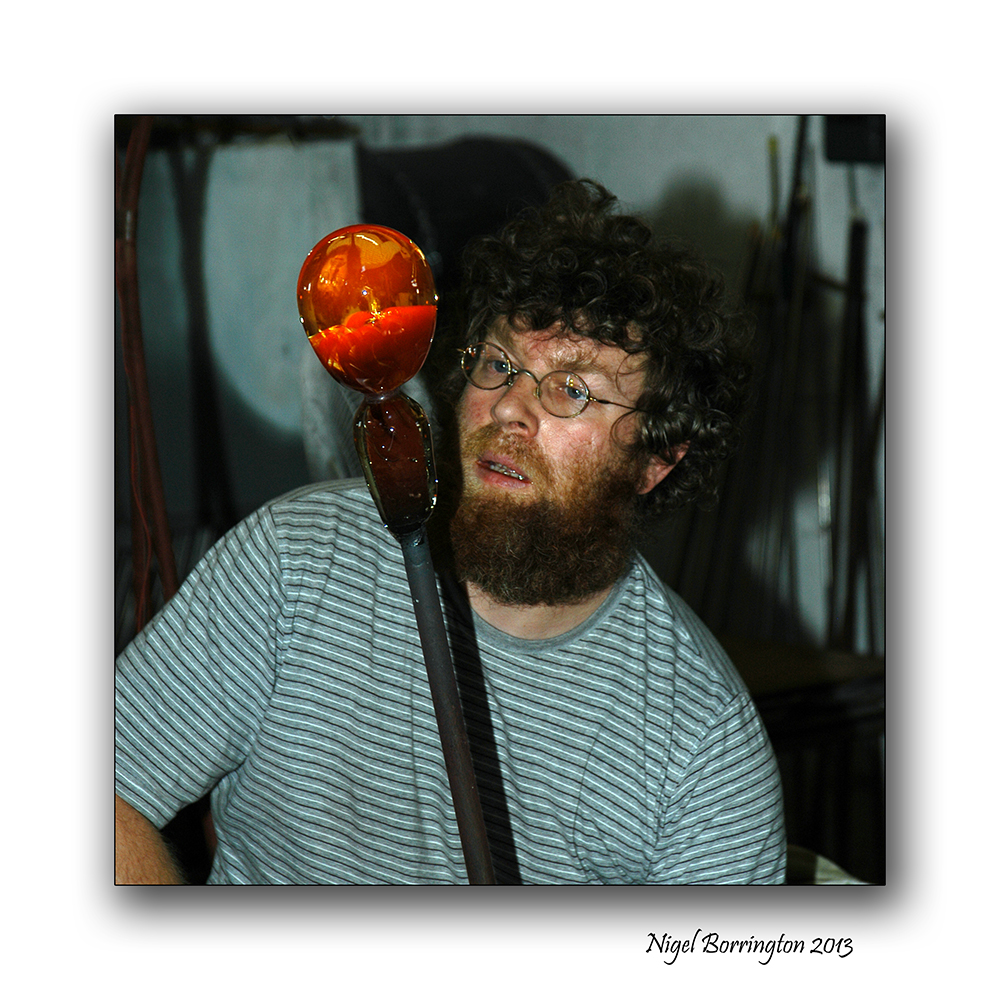
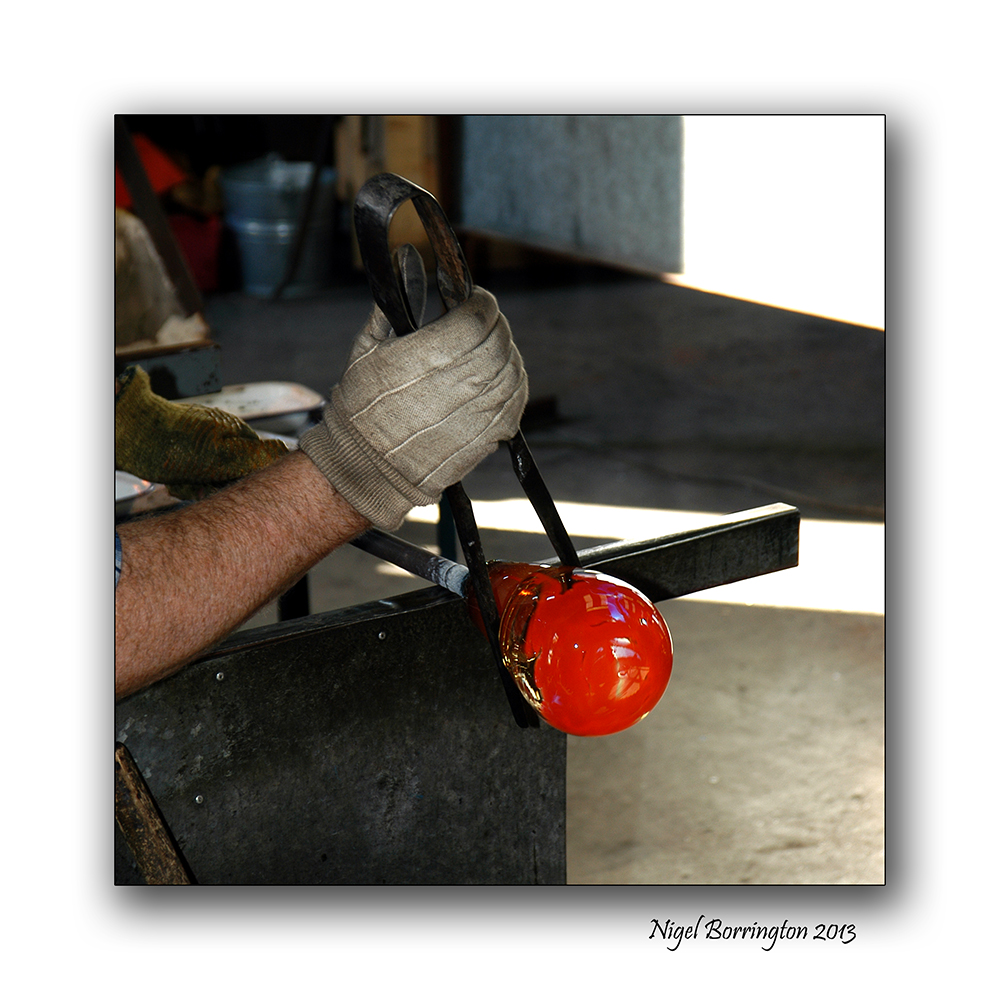
Jerpoint Glass studios, County Kilkenny
Irish Photography : Nigel Borrington
The Glassblower
by, Rhonda Baker
Inside a building near the center of town
A glassblower’s love of glass is quite profound
With sweat on his brow and jacks firmly in hand
Lost in a piece oblivious to the land
People are gathered to observe the dance
To watch this unexpected miracle; as if by chance
To watch someone struggle with every fiber of their soul
To make the biggest, most colorful and stunning…Bowl?
 .
.
It’s a madness for which no cure can be found
But one he’d gladly have, it’s that profound
For glass teaches a lesson that must be taught
Life; like glass must be wrought
And when illuminated, it shines so bright
Now seeing it’s beauty; what an awesome sight!
11/23/09
Rhonda Baker
Jerpoint Park

Jerpoint Park, County Kilkenny
Irish Landscape Photography : Nigel Borrington
Newtown Jerpoint the Lost Town
Jerpoint Park in County Kilkenny hosts a Monument of notable importance: The Lost Town of Newtown Jerpoint.

Map of the village
It was founded by either Earl Marshall or Griffin Fitzwilliam in 12th century, just west of the Cistercian Abbey, where the main crossing of the River Nore was formed by a tole paying bridge.
It was a vibrant town, with approx 27 dwelling houses, a court house, woollen mill, a tannery, a brewery and reputed to have had 14 taverns. It was powered by two water wheels working on the little Arrigle River and a tower house stood near the market place, where a wealthy merchant would have lived.

Traveling further up East-West Street, St. Nicholas’s Church and graveyard are situated over looking the town, where the earthly remains of St. Nicholas ( Bishop of Myra) lay a unique feature of this church is the rood-screen which dates from the 15th century; this is the gallery-like construction running across the church between the nave and the chancel. It was used to support a missive reconstruction of the crucifixion, while the floored area above could also have been used for religious plays and choirs. The final phase was the construction of a small tower over the rood-screen itself, which served as the priest’s residence.
The Heritage Council of Ireland has published a Heritage Conservation Plan about Newtown Jerpoint that you can download.
Saint Nicholas Bishop of Myra

Saint Nicholas was born in 260ad in Patara, a coastal town in what is now Turkey. The poor knew him throughout the land for his generosity, his love for children and being associated with ships, the sea and sailors. He was eventually consecrated Bishop of Myra, just miles from his hometown. The beloved Bishop died in 343ad.
Many Christian churches and many countries observe December 6th his feast day with great celebrations, processions, services and gift giving.
Images of St. Nicholas in paintings, icons, statues, collectibles, and stained glass often show him alongside three young men in a barrel that he brought back to life after an innkeeper murdered them. He is almost always seen with three bags or balls as well, symbolising the three bags of gold he tossed through the chimney of the home of a poor man in his village for the daughters dowry, so they would not be sold as slaves. Thus he is also seen as the “gift giver”. A ship and the sea are also common symbols of the saint. Western and Eastern depictions of blessed Nicholas differ in style and costume.

Saint Nicholas is a patron of many places and people. He is closely associated with Russia, Greece, Holland, Austria, Belgium, Aberdeen and New York. Pawnbrokers, travellers, unwed persons, children, sailors and many others claim a special relationship to the saintly figure. Many churches are dedicated to him as well. Saint Nicholas is third most popular subject of icons in the church, with only Jesus Christ and the blessed Virgin Mary having more representations.
Tradition in these parts tell that the earthly remains of St. Nicholas were secretly removed from Bari by returning crusader knights, who brought them back to Newtown Jerpoint for safe keeping. They buried those remains with all due reverence in the church that to this day bears the Saint’s name. The grave of St. Nicholas is marked by beautifully carved grave slab just outside the church, the tall figure of the Saint dominates the carving, and flanking him on both sides are the heads of the two crusader knights who brought his remains here.
Jerpoint Park, Black and white Gallery


Found things in the Irish woodlands : Image Gallery .

Nikon D700, 24-70mm f2.8 lens
Found objects in the Irish woodlands
Irish Landscape Photography : Nigel Borrington
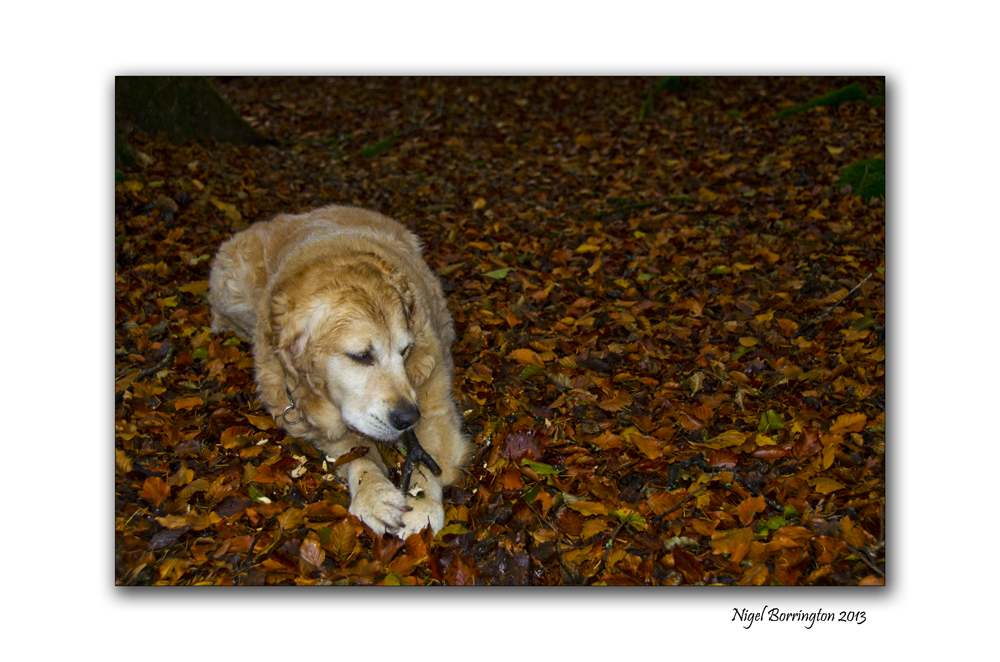
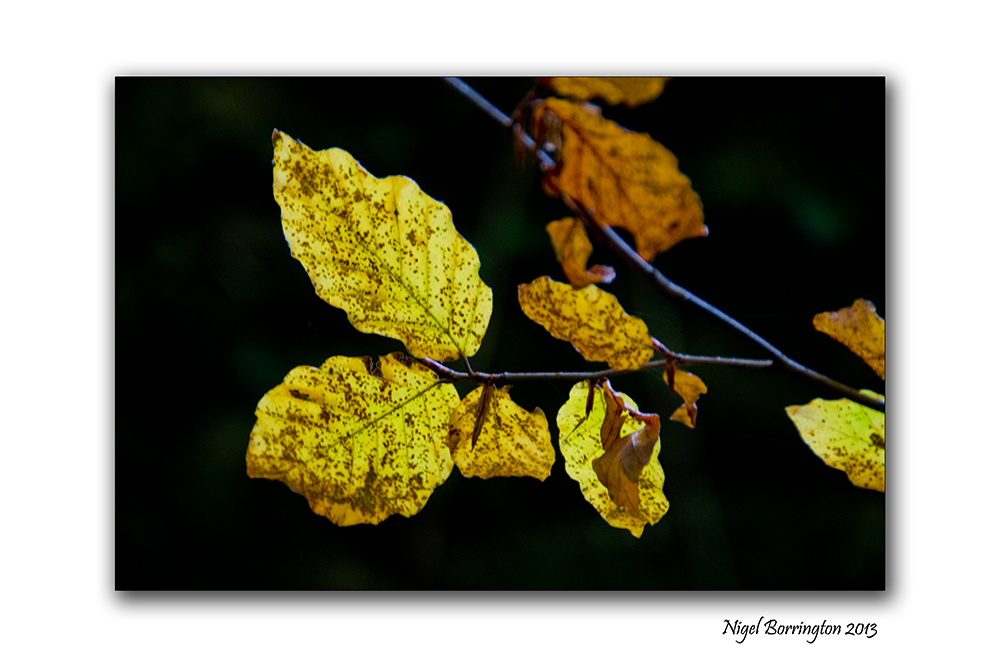
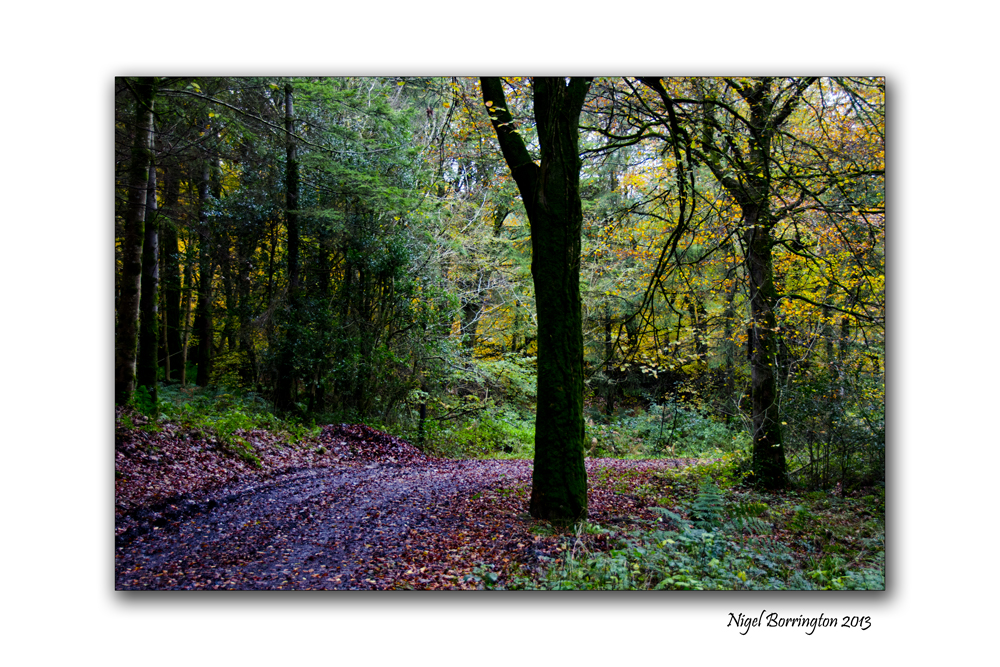
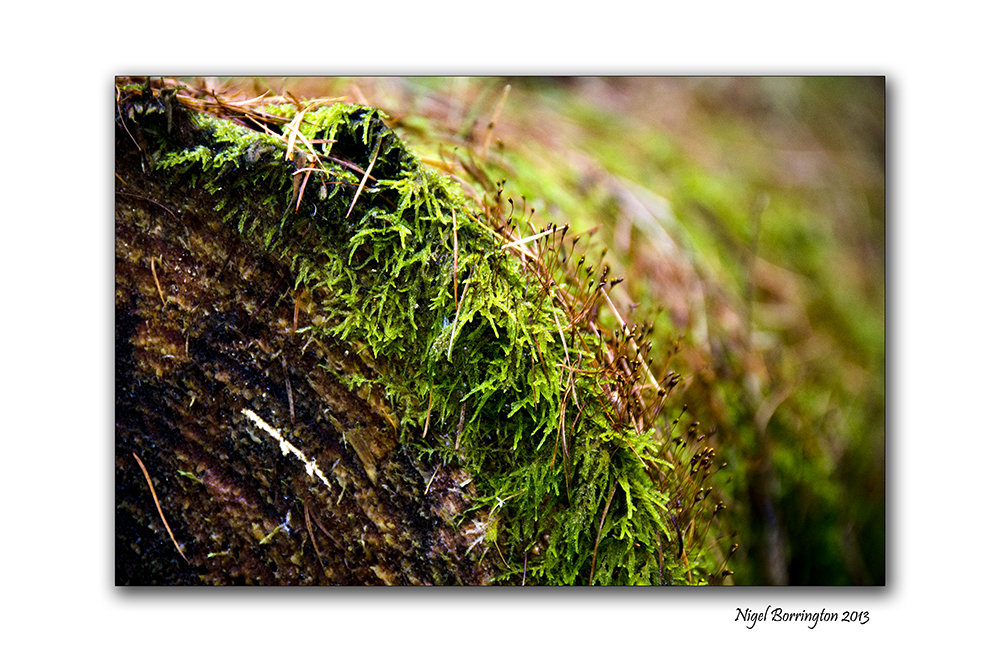
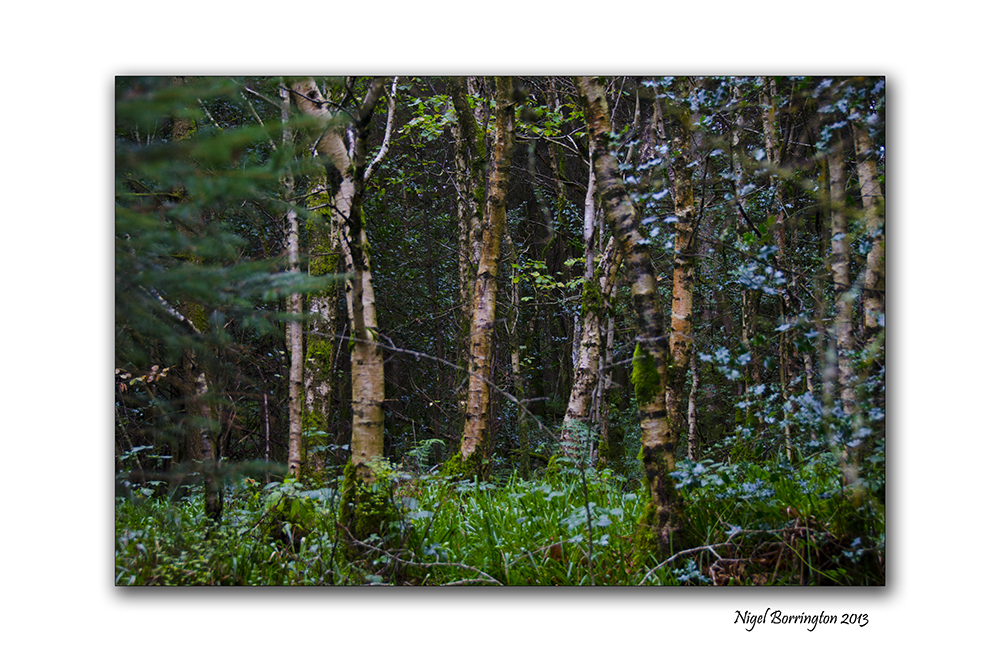
From a personal Stand point one of the things I love doing most photographically is to just explorer my Local surroundings, I walk our dog Molly a 10 1/2 year old Golden retriever everyday and carry a camera with me for most of these trips out. the Local Kilkenny woodlands in December are still surprisingly full of life and things to capture.
The following Gallery is from a trip to Castle Morris woodland, last week.
Found things in the Kilkenny woodlands




Images from the road , A west cork Sunrise

Nikon D7000, 35mm, f2.8 Nikon lens
The Sunrises over Reentrusk bay and the Atlantic ocean , West Cork, Ireland
Irish Landscape Photography
Nigel Borrington
One very early Morning on the first of November, I was out walking our dog Molly along the coast road that links Reentrusk and Allihies, west cork. The Sun was just starting to rise in the distance so I took this images along the Atlantic coastline looking to the North.
These early morning coastline walks in the Autumn are wonderful after a cold a fresh night.
Poem:When I look down toward the beach, Image Gallery from the Irish coast.

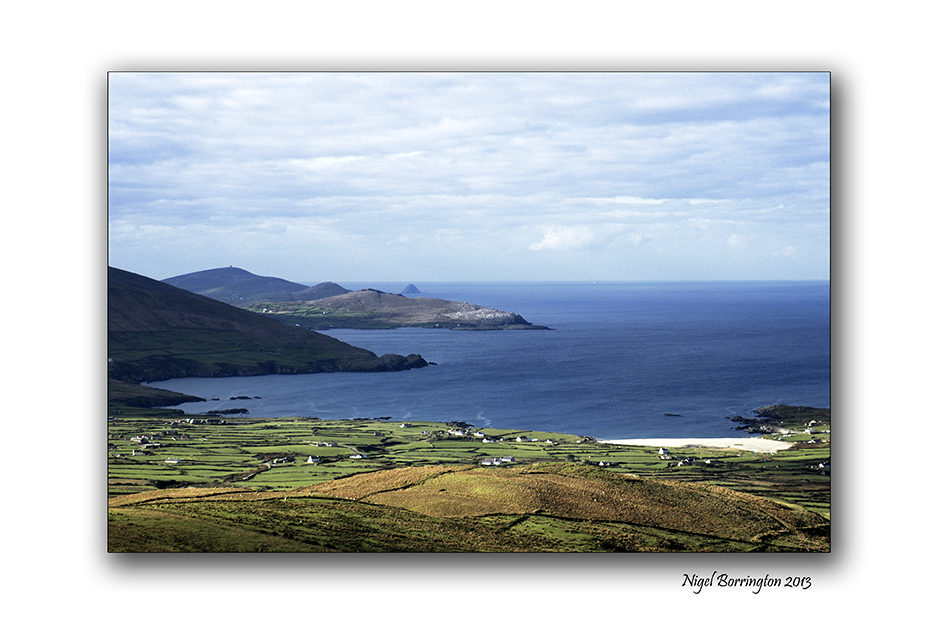
Images Of the Coast at Allihies, County Cork, Ireland
Irish Landscape photography : Nigel Borrington
Poem from the Irish coast line.
When I look down toward the beach,
the distant pier seems to stride
forward from the shining sea.
I like to look beyond,
to the bands of turquoise and blue,
an ocean painted in bold,
abandoned strokes.
 .
.
Why are we drawn to the waves?
Those elemental rhythms,
sounds and colours
of a primary world,
where sparse pointillist spots
busy themselves on
yellow-ochre sands.
 .
.
Some days the morning
unfolds through mists,
groynes spacing out
the distances along the strand,
until a final fade-out,
well before the sea
can meet the sky.
 .
.
Overhead, pterodactyl shapes
patrol against fresh patches
of blue. As I approach,
the blurred semblances
of buildings appear, rectangles
feathered violet or grey,
as if stepping off the cliff.
Images of Allihies : Nigel Borrington
A visit to Haywood house gardens
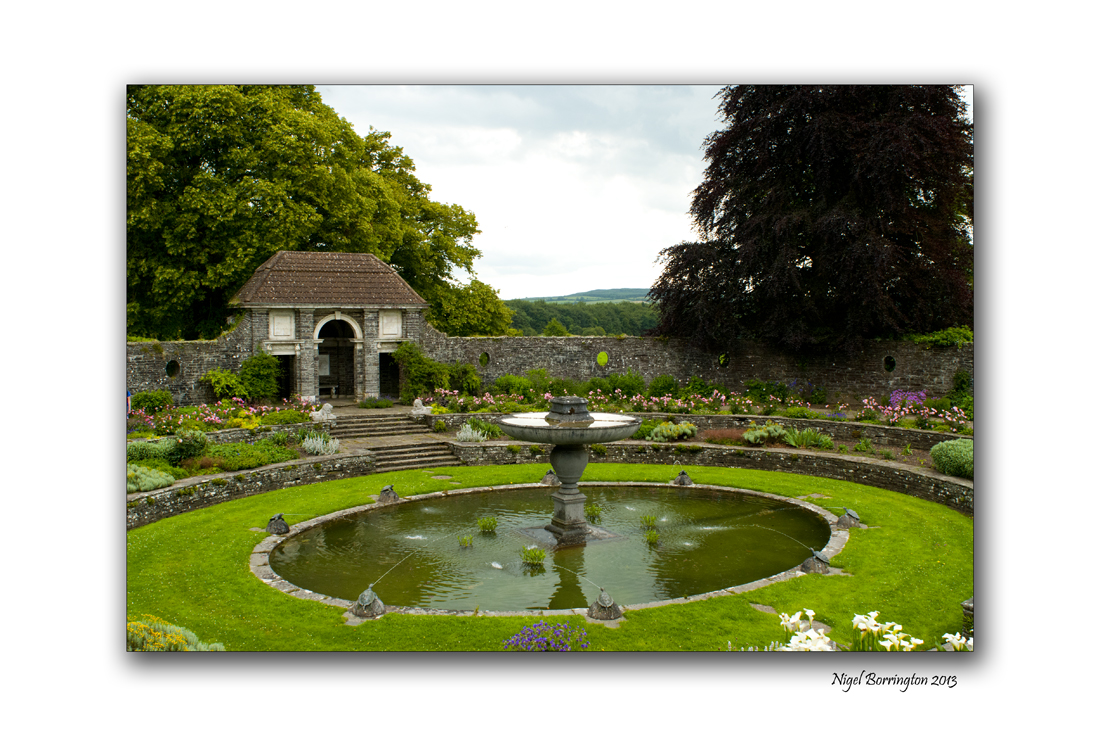
Haywood house and it Gardens
Irish Landscape Photography : Nigel Borrington
Heywood Gardens
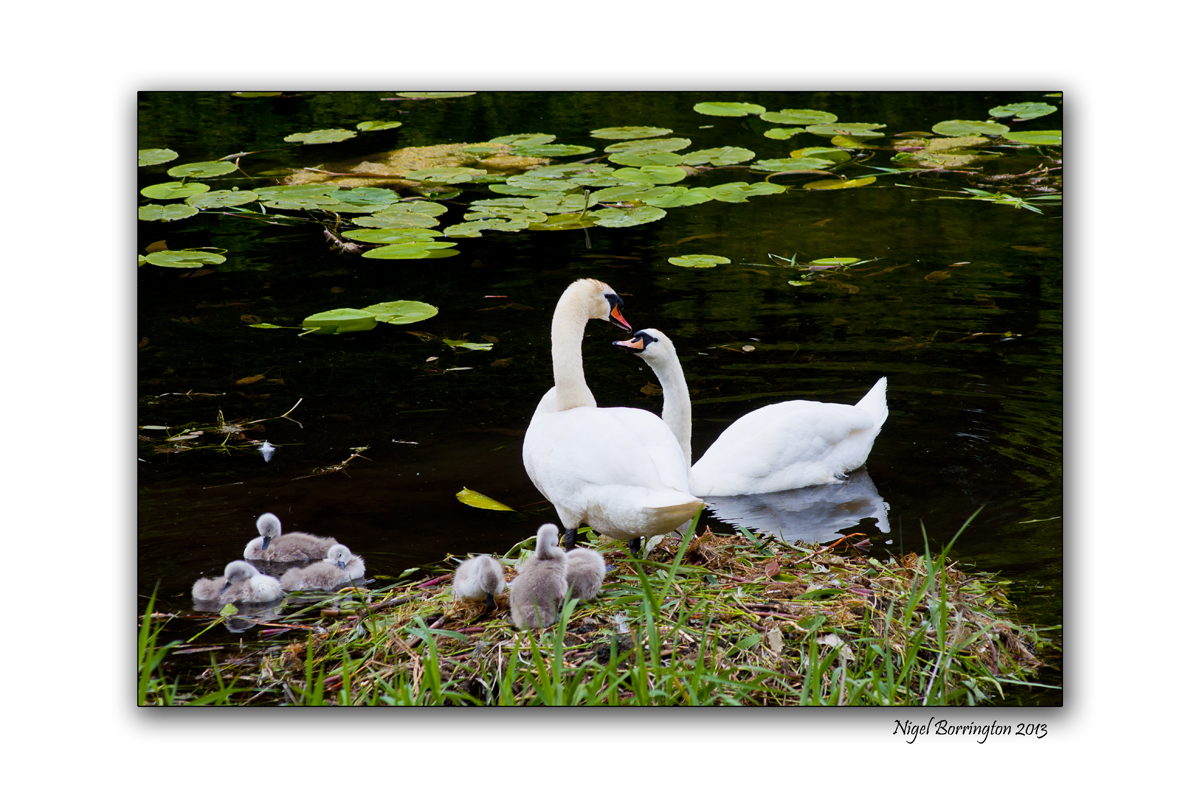
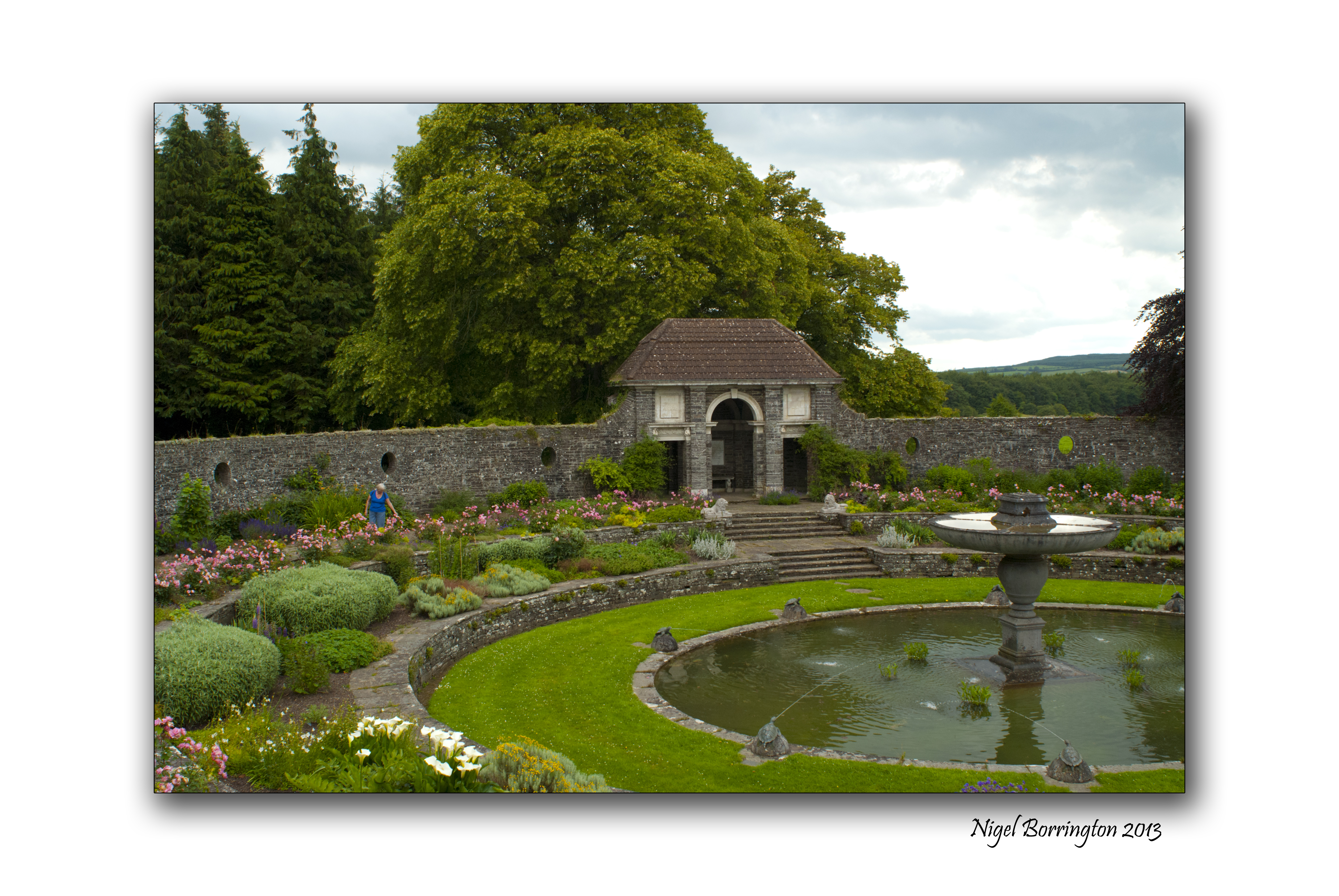
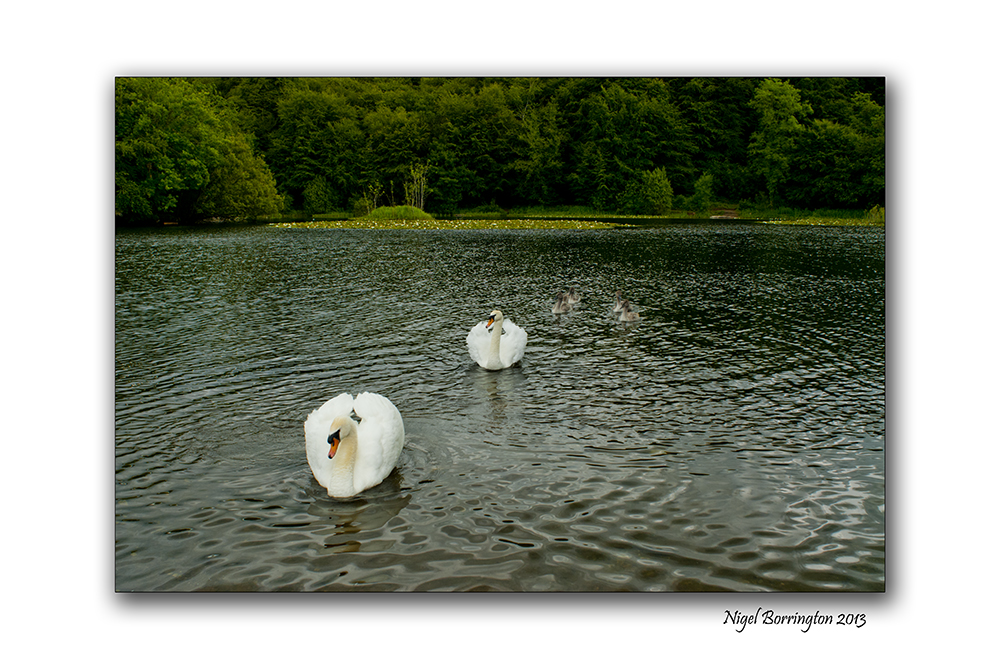
Haywood Gardens is one of Ireland best kept secret Gardens, it just a fantastic place to visit and wonderful all year around for some photography. There are two lakes in the grounds with swans nesting each year and some large woodlands. The oval walled garden is however the best feature in the grounds and has one of the most wonderful displays of flowers all summer.

Completed in 1912, the property consists of gardens, lakes, woodland and architectural features. It was transferred to State ownership in November 1993 from the Salesian Fathers who had taken care of it since 1941. The formal Gardens form the centre-piece of the property and were designed by the famous architect, Sir Edwin Lutyens (1869-1944) and probably landscaped by Gertrude Jekyll (1843-1932). It is one of four Gardens in this country designed by him, the others being in the War Memorial Park, Lambay Island and Howth Castle. The Gardens are composed of four elements linked by a terrace that ran along the front of the house which now no longer exists. An extensive re-planting programme is currently underway. There is also limited access for visitors with disabilities.
Heywood Gardens
Contact Details
Address: Heywood Gardens, Ballinakill, Co. Laois
Telephone Number: +353 5787 33563 and +353 87 6675291
Fax No: +353 5787 33563
Email: heywoodgardens@opw.ie


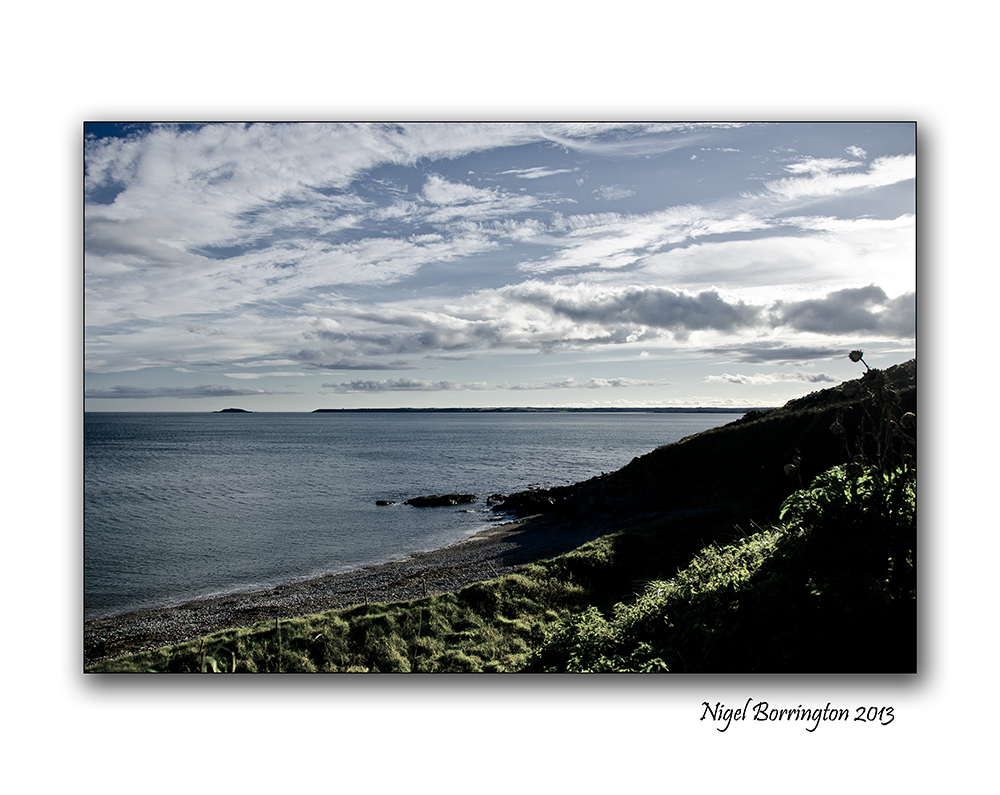
The old Mountains , Friday Phoetry.

Fujufilm X100
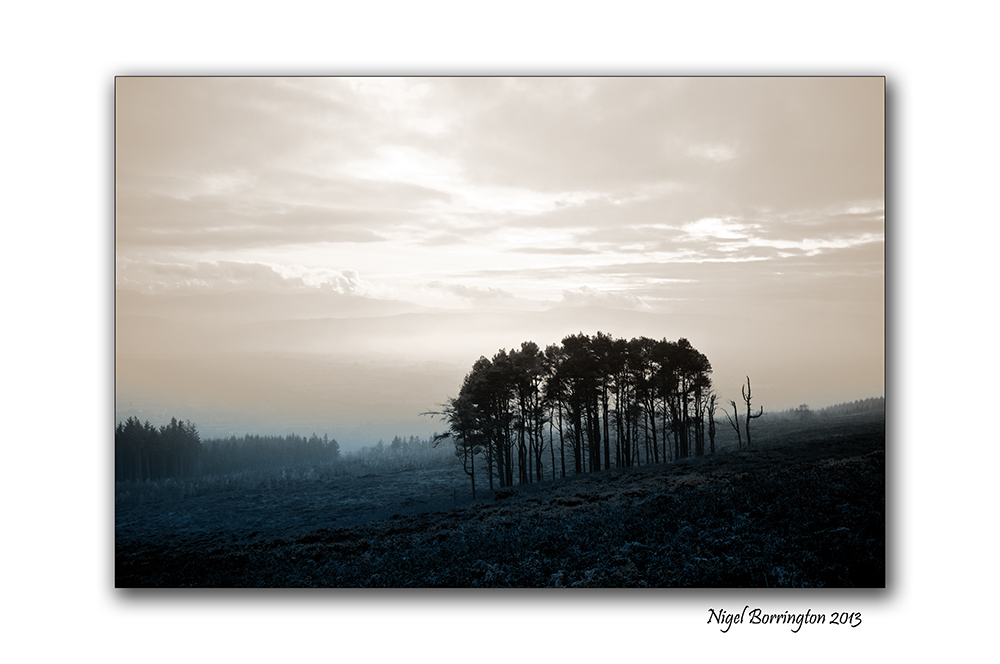
Images from Slievenamon, Tipperary
Irish Landscape Photograhy : Nigel Borrington
The Old Mountains
by: Edwin Curran
The old mountains are tall, silent men
Standing with folded arms, looking over the world,
Lonesome and lofty in their manner.
 .
.
They have seen empires come and go,
Civilizations rise and fall,
Stars break on their breasts.

.
They are full of history like great books,
And are merely the stone monuments that the kindly God
Built for the human race, to mark its grave tomorrow.
————————-
Thank you to Elen Grey !, for suggesting I use the word “Phoetry” in my Poetry and Photography posts 🙂 🙂
In Praise of Winter Trees, by : Bill Brown

Winter trees, Millennium Forests Project,
County Kilkenny.
Irish landscape photography : Nigel borrington
In Praise of Winter Trees
Excerpted from Late Winter by Bill Brown, published by Iris Press.
A closed heart can’t greet
a winter sky. Even a rain puddle
is filled by it, and a horse trough,
and the slow current of creeks.
Winter trees, sycamore and oak,
reach for the sky to offer praise –
stark, hard praise, born from all
those rooted years of bearing
the sky’s weight. Some nights
an open heart is filled with vast
spaces between stars the mind
can’t grasp. The thought of heaven
is not so much mammothed by
the sky’s grandeur, but mystified
beyond our silly notions. Winter
trees aren’t arrogant; they praise
no flags, no denominations,
they owe allegiance to the soil.
My sister, when she was younger,
awoke in winter to hold her arms
up to the sky, shiver in the wholeness
of it, let shadows of winter trees
dance sunlight across her face.
Oak, beech, sycamore, maple, and gum,
reenact creation, drop their seeds
from the sky, make their homes
in star dust, and reach back
toward heaven. Trees suffer
drought and freezing rain, accept
the annual tilt toward shorter days.
Some ancient hope, like winter light,
is allied with the gravity of stars.
Two cleats on the river bank.

A cleat on the River Barrow, County Kilkenny
Nikon D700, 35mm f2.8 lens
Irish Landscape photography : Nigel Borrington
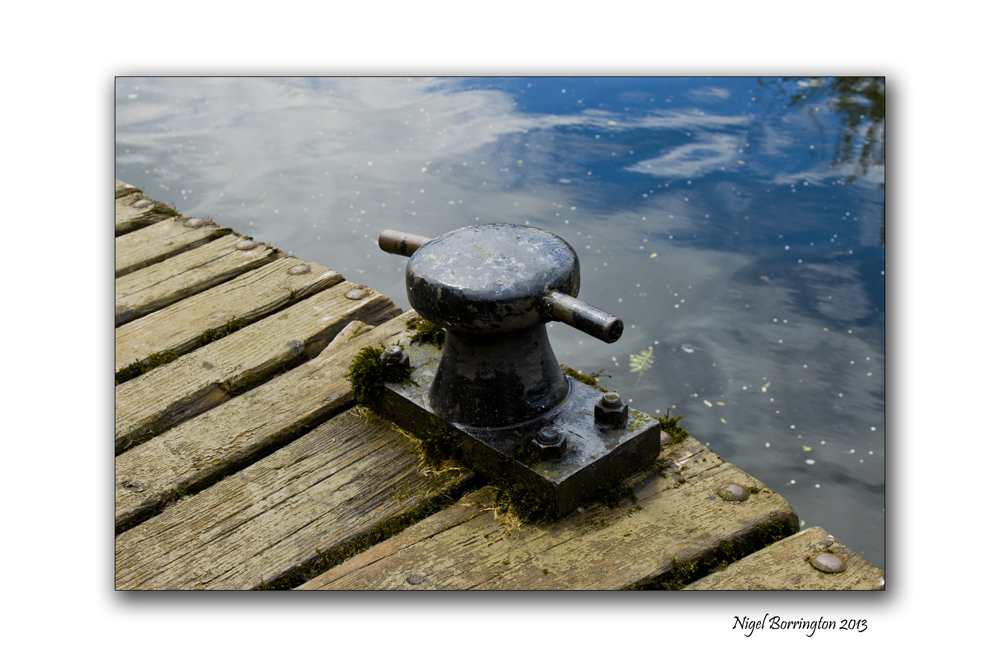
A cleat on the River Barrow, County Kilkenny
Nikon D700, 35mm f2.8 lens
Irish Landscape photography : Nigel Borrington
Sigma SD15

Sigma SD15 with 15-30mm f3.5 lens
Sigma’s SD15
If anyone has read my other camera reviews you will have noticed that I don’t review any of my Pro level slr cameras from Nikon or Canon , the reason I don’t do that here is simple.
Here is a good reason why, I was out walking our golden retriever, one Sunday about two weeks ago and passed two photographers with Canon SLR’s, Tripods, all top of the range equipment. On passing I overheard one talking to the other about the lens he had just purchased “It the best in the country , the only one so far”, I am mostly very good at passing on these types of comments and I didn’t know them . However on returning past them again about an hour later, they were still talking cameras, pointing in the same direction and taking pictures of very little if anything.
If this is what they enjoy doing then good luck to them, it did however remind me of just how some people can be, when it comes to camera equipment and the need to have the best. For what reason though, for image creation or talking to friends about.
So I don’t believe that the race to the top of the camera food chain has anything to do with good or great photography, photography is the skill of good and interesting image making, it goes back well over a hundred years and in all that time photographers have been making images that are both iconic and outstanding.
You don’t need the perception of owning the best and greatest equipment to create good images.
While being into image creation, you do need a camera that you both like to use and can trust. For me out in the field the choice of which camera I would take for any given function is selective. I don’t think I have a best camera body, they all do something differently good and bad, they can be used in different ways.
So down to this review
The Sigma SD15

Sigma Sd15 Slr.
Firstly I think this is one of the most interesting, challenging and creative cameras to be produced for a long time, it will never be seen as the king of the food chain nor will many photographers, with the need for the best to boost their self esteem, stop looking down on it and the even newer Sigma SD1.
Sigma cameras contain foveon, ccd imaging sensors

Foveon X3® direct image sensor
Foveon has combined the best of what both film and digital have to offer. This is accomplished by the innovative design of the three layer Foveon X3 direct image sensor. Similar to the layers of chemical emulsion used in color film, Foveon X3 image sensors have three layers of pixels. The layers of pixels are embedded in silicon to take advantage of the fact that red, green, and blue light penetrate silicon to different depths – forming the first and only image sensor that captures full color at every point in the captured image.

A Dramatically Different Design
The revolutionary design of Foveon X3 direct image sensors features three layers of pixels. The layers are embedded in silicon to take advantage of the fact that red, green, and blue light penetrate silicon to different depths — forming the world’s first direct image sensor.
From point-and-shoot digital cameras to high-end professional equipment, Foveon X3 technology offers multiple benefits to consumers and manufacturers alike. At the same time, it opens the door for other innovations, such as new kinds of cameras that record both video and still images without compromising the image quality of either.
Having read about this sensor technology and the camera for sometime, in May 2013, I exchanged an old Nikon D200 for a Sigma sd15 camera and a couple lenses, ( 15-30mm f3.5 and a 70-300mm f4-5.6).
I was no longer using the D200 so felt, why not take a chance and try the claims for the Foveon sensor and the SD15 out.

Sigma SD15
Something that is less important than you my think to the pro/semi-pro photographers alike is images size or pixel counts, a much more important aspect of a digital image is the amount of details captured at any defined pixel location and this is something that I have found the Sigma SD15 to be wonderful at.
There is little point in crushing huge amounts of pixels on to an image sensor if the detail capture is low or poor.
The simple facts with the Foveon x3 sensor is that all possible colours are captured at each pixel location, this fact alone increases the level of detail some three fold over a traditional sensor, that splits colour detection into groups of three pixels, each of which can only see one colour from (Red, Green or blue), the effect on an image using this method are the creation of unwanted artefacts in the final image. So the use of a filter over the sensor is needed to stop this effect. This filter blurs the detail level in the image by a factor of around a third at each pixel group locations.
In recent times traditional sensors have increased in pixel counts to a point where the effects of artefact creation are less than before, so some expensive camera models have removed the needed filter over the sensor. This is good and produces better image resolution, however you need a three times bigger image file size to produce the same level of true detail that you find from the Foveon sensor.
Large image sizes take up more disk space are slower to process and longer to upload or email.
My final question related to printed and end results, if you print an unprocessed file from the SD15 at the same size as one from say a Nikon D700, do you get the same detail in the final image, well I have found the answer to mostly be yes, in most cases, yes looking at large prints I can detect very little difference if any.
Don’t get me wrong, I still own and use other cameras , however I have been amazed at the results from this Camera and its Foveon sensor, the colour definition is also wonderful.
Sigma and Foveon claim that the SD15 has 14 million pixels, but this is in three layers and that the newer Sigma Sd1 has 48 million pixels again layered, this is a difficult and controversial claim as each image size is only the given amount divided by three.
However if you take into account that they are only saying this because the camera market has taken as a standard, mega-pixel counts, image detail and colour definition are a much harder subject to sell, to the general public. So what Sigma and Foveon are doing with this claim of high pixel count is to say our cameras produce the same detail yet better colour definition than other cameras with traditional sensors at the level of 14mp or 48mp.
Is this claim true, well side by side A3 or A2 prints appear to say yes. This along with the fact that I just love the colour and image brightness and the great exposure produced from these cameras.
Pixel Counting Definitions
Prior to the existence of the Foveon X3 direct image sensor, there has been a 1:1 relationship between the number of pixels (photodetectors) and the number of pixel locations for a traditional CCD and CMOS image sensor. Given this relationship, the generic term “pixel” has been commonly used to reference both the pixel (photodetector) and the pixel location. Foveon direct image sensors are a new type of image sensor that incorporates three pixels(photodetectors) at every pixel location on the image sensor. The definition of a pixel as indicated below is consistent with standard industry conventions as applied to CCD image sensors, CMOS image sensors, and the Foveon X3 direct image sensor.
Pixel
A pixel on the image sensor of a digital camera is a light absorbing element (photodetector) that converts light (photons) into electrons. A pixel is also referred to as a pixel sensor when there is a need to distinguish the pixel from its location.
Pixel Location
A pixel location is the X,Y coordinate on the two-dimensional grid of an image sensor at which the pixel is located.

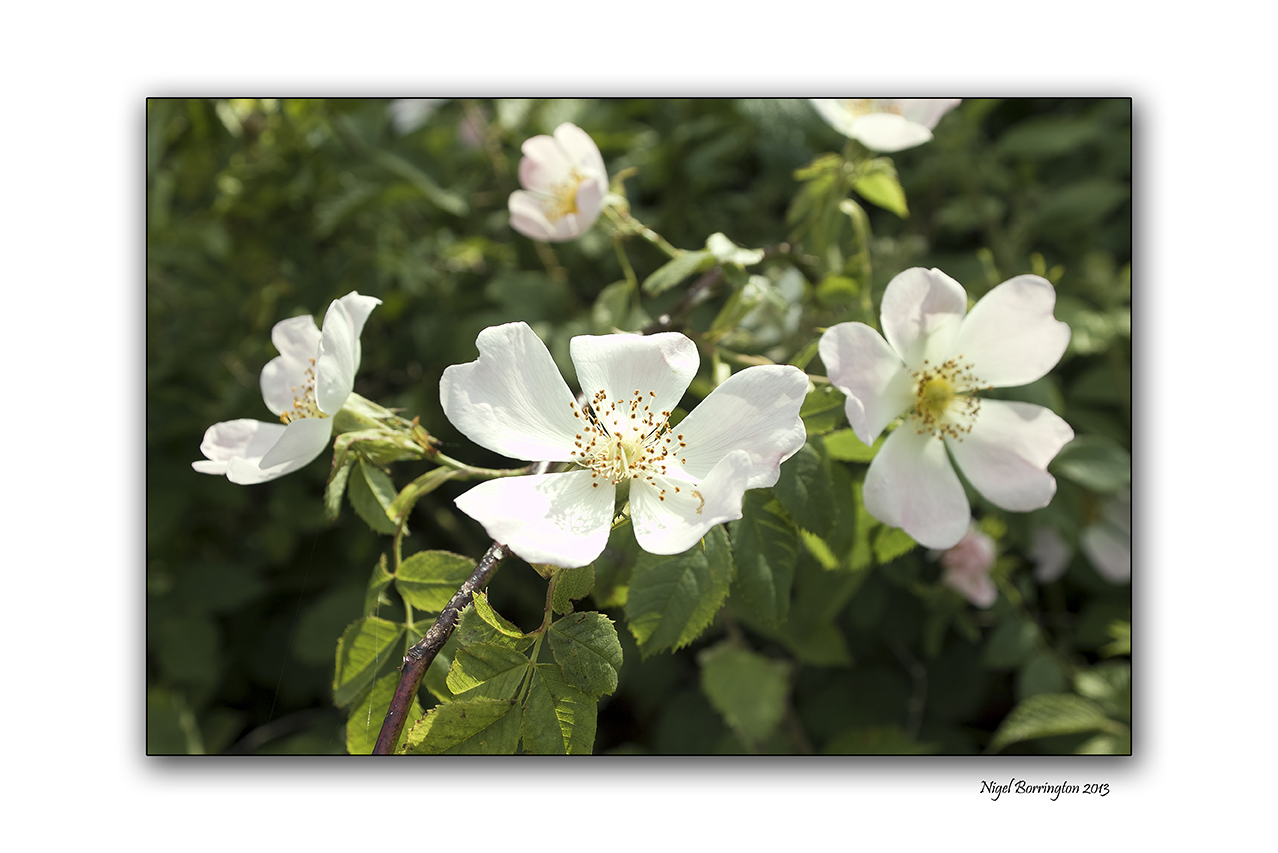
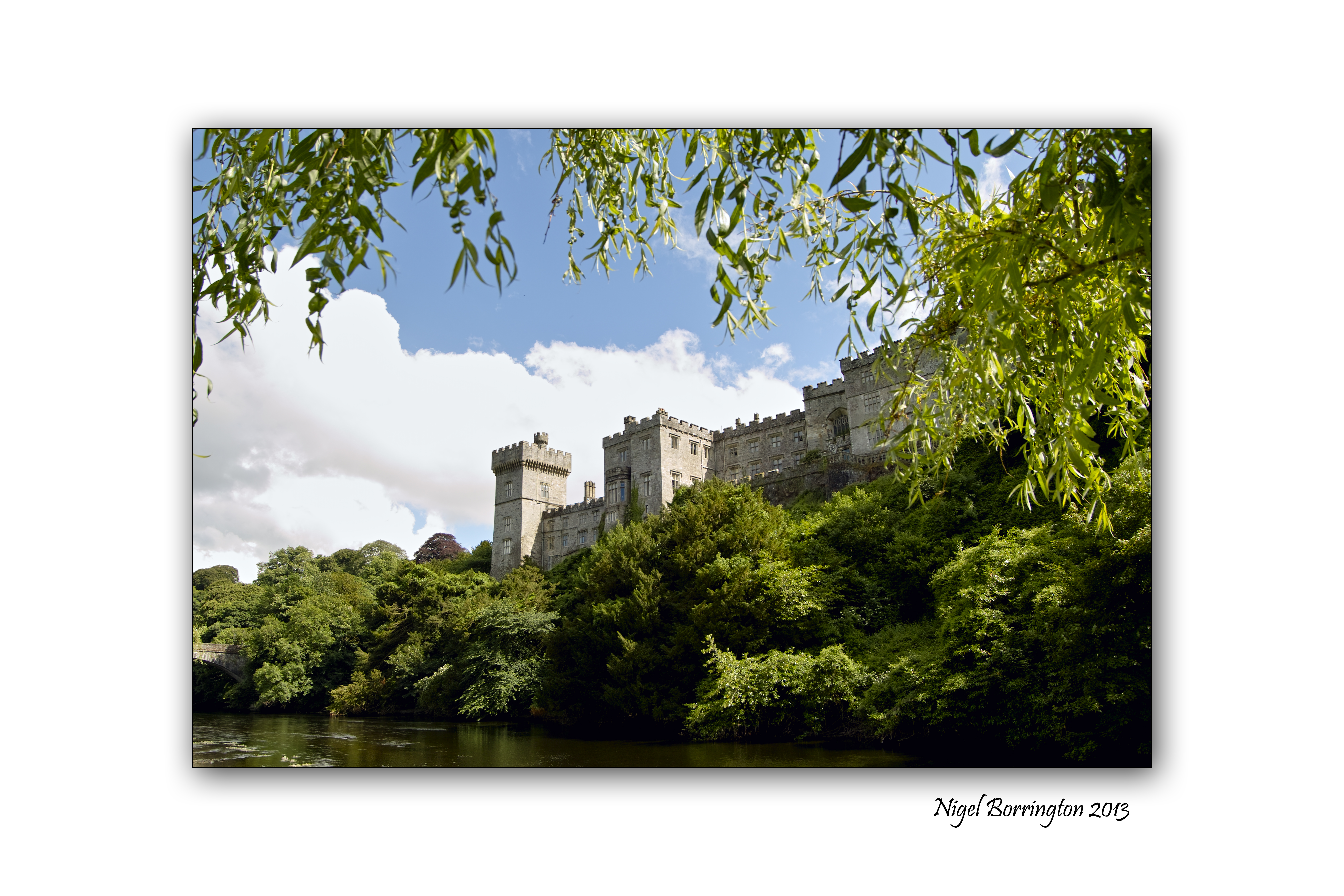
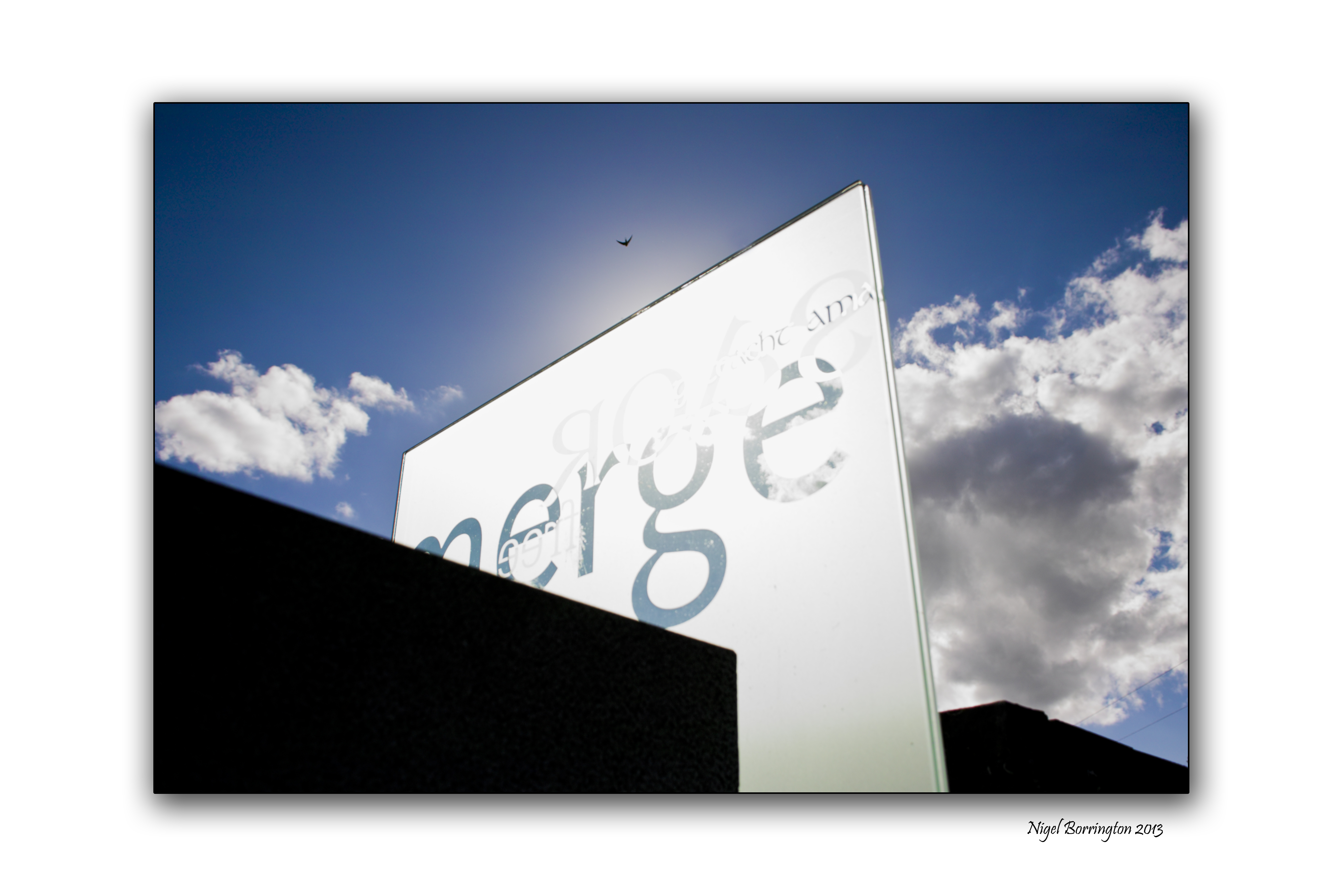
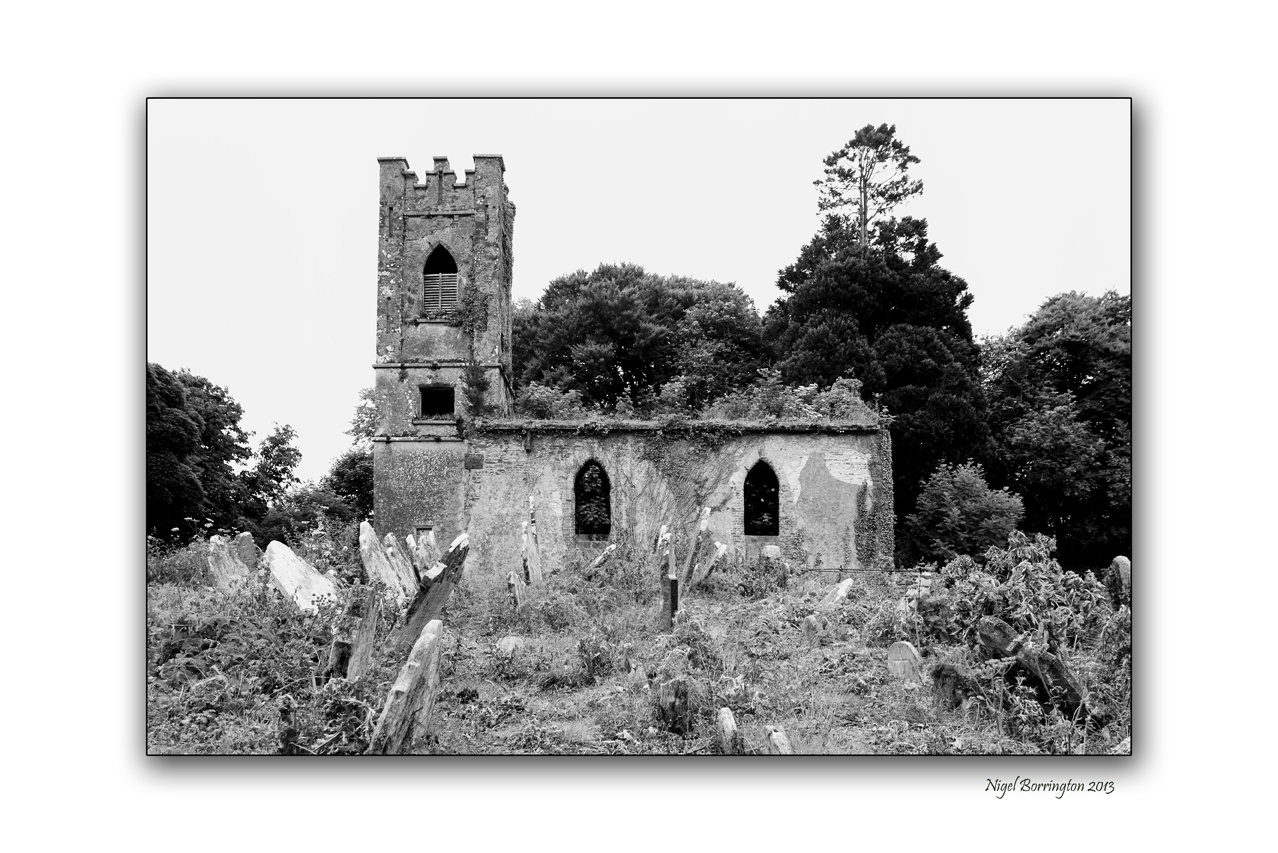
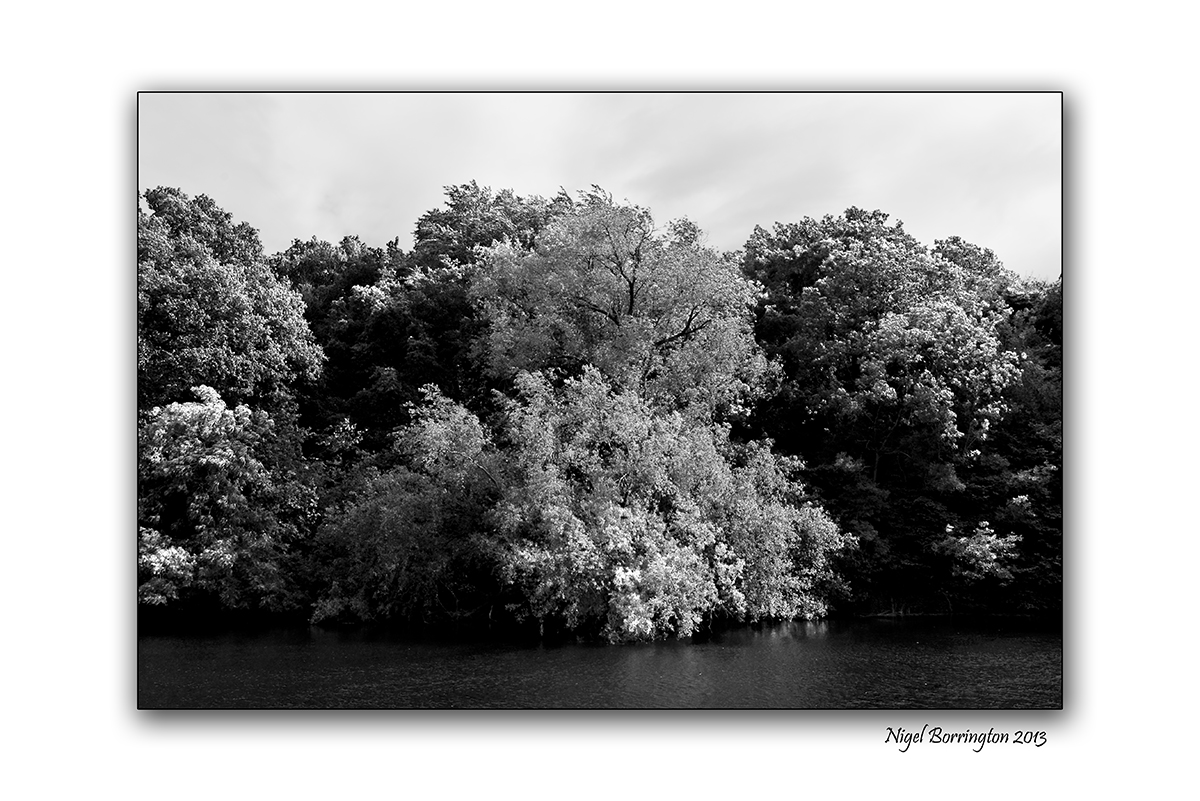
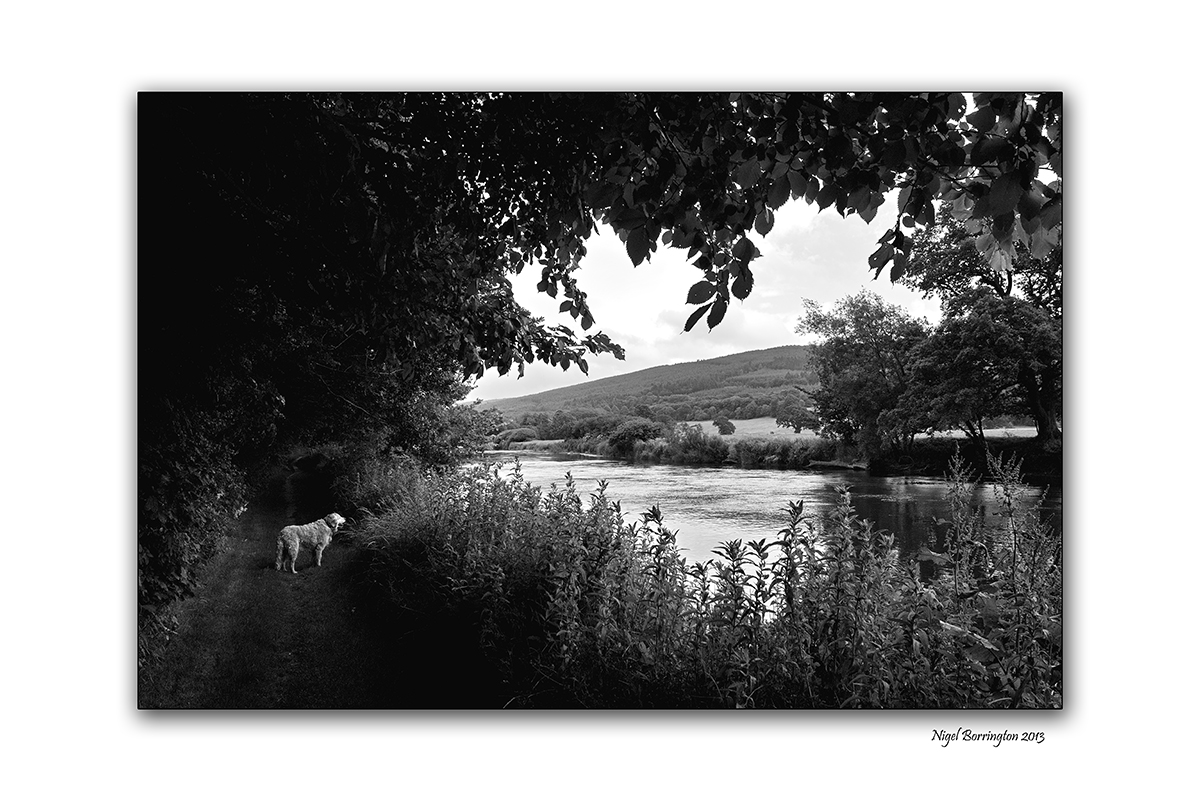
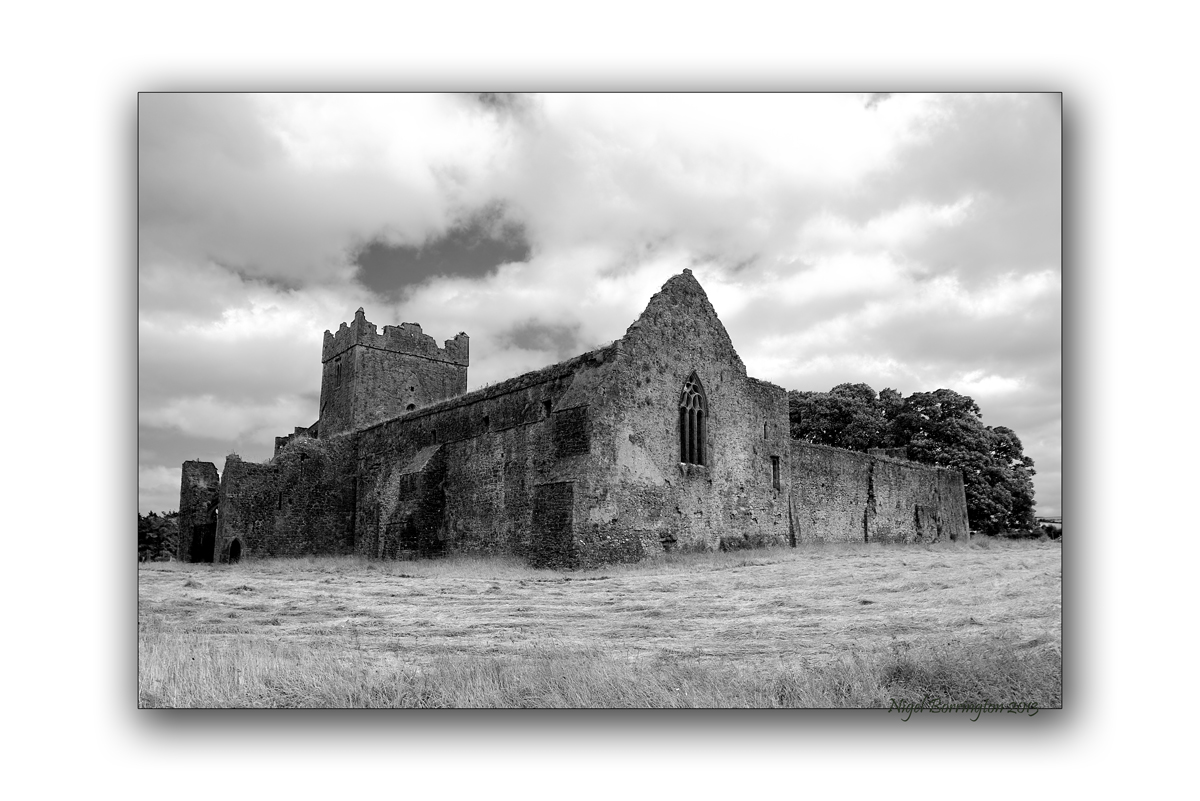
Below I have included some images from my first six months of personal photography while using this camera, I have grouped them into colour and black and white images.
I have also found the camera to be wonderful in the production of black and white photographs, the fact that it is naturally capturing colours in the way it is helps to produce a black and white result as a finish image.
One area that is possibly the only down side I have found is the fact that at higher than 800 iso, the images are noisy in low light, which is why you would need higher ISO, my reaction to finding this out is to say well so, every camera has its weak points. I guess what you could ask is , do the good sides of this camera out do the bad, in my own opinion yes they do, every single bit of camera equipment on the market today has good sides and bad sides.
This is what photography is about, learning what your camera is good at and bad at and working with these details in order to get the best results possible.
Can this sigma help you do that, yes it can and some !
Colour Gallery





Black and white Gallery



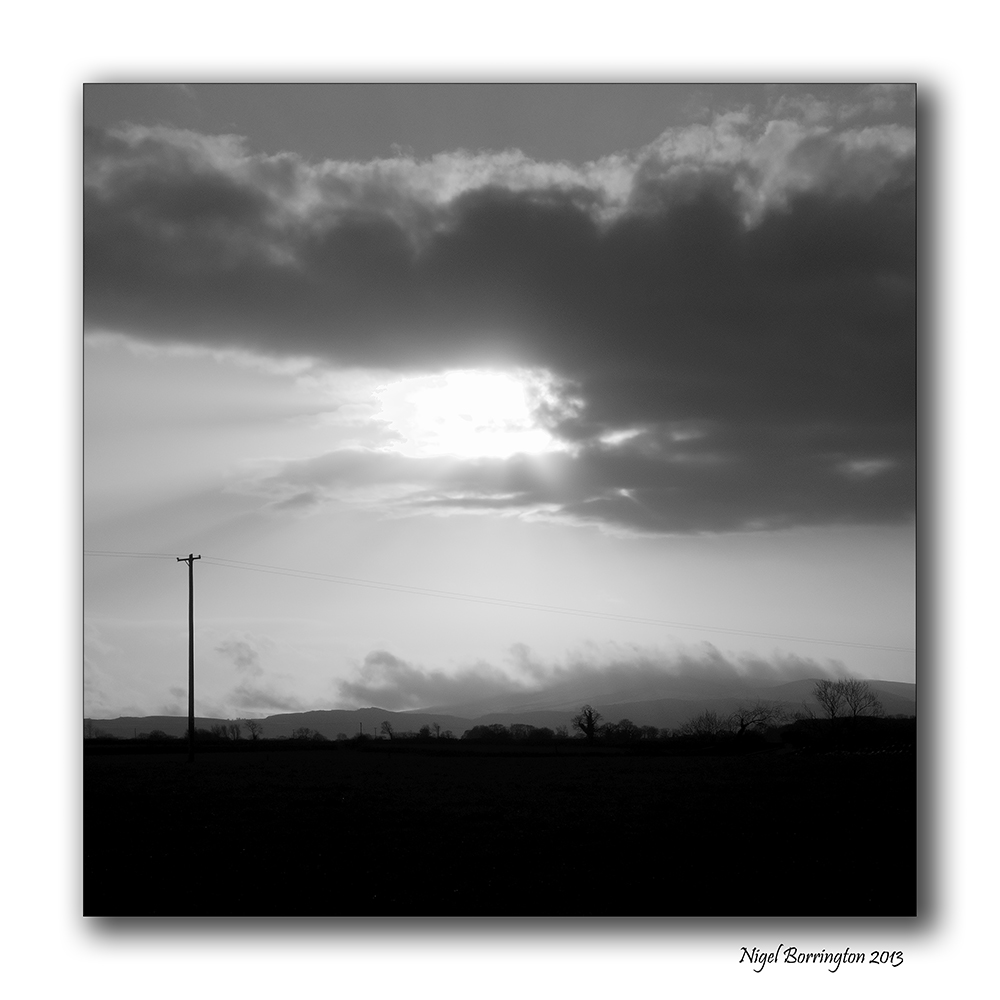
Winter Chills : Gallary and Poem by Ellen Ni Bheachain

Winter Chills
By : Ellen Ni Bheachain
Winter hills of white with silverish gleam,
Of winter season and colors that reflect,
The shades of Gray and silver,
From the suns reflection on natures winter,
Bleak and empty yet in a solitude way,
Resting or sleeping,
Hibernating and regenerated,
Till spring arrives,
Bringing back its florishing blooms,
 .
.
What is pretty to watch is cold to indure,
The chills of winter from watching it indoors,
For the nature trial of winter will,
Chill and freeze,
And numb you till,
Your lips turn color,
The freeze and chills of real winter,
And then as you warm up,
And your nose and finger tips tingle,
And looking around you on natures trails,
Will be the reminding of the hiding buds and roots,
Laying buried beneath the snows of winter,
 .
.
Reminding you,
That too in the spring,
Like the birds will return,
Bringing color and birth back into the light,
With the sounds of nature,
Becoming more musical than winter,
As the birds and the bees,
And all that return or hibernate,
All wake up to wake us up,
To the spring,
When winter chills and freezes thaw,
Taking away the winter chills,
By bringing in the springtime breeze.
The Cattle of Tullaghought hill

Nikon D700
The Cattle on Tullaghought hill
Irish Landscape photography : Nigel Borrington
One Sunday during the summer I walked to the top of the hill at Tullaghought, County Kilkenny, in order to get some photographs of the stone circle that sits on it.
Well on arriving at the circle some cattle who had followed me through the fields then decided to graze around the circle for some two hours before the headed off down the hill-side. In the end I did get some images that I was very happy with, including the last image in this set.
It was great fun sitting and waiting and looking at the great landscape of Kilkenny.


Tony O’Malley

Self-Portraits Tony O’Malley, Centenary Exhibition 2013
Over the last five years I have been working for Jane O’malley, a local artist and wife of the late Tony O’Malley , photographing all of Tony’s archive work along with some of Janes own paintings.
Tony is a very well know artist in Ireland and it has been a great pleasure to work with Jane and record and see most of Tony’s Career through his paintings and sketch books.
Some of these photographs of tony’s self portraits have just been used in a new book and exhibition being held in the Butler Gallery in Kilkenny.
The below images taken this weekend are from the exhibition.
The Exhibition, held in the Butler Gallery Kilkenny
“Tony O’Malley holds an important and distinguished position in the history of twentieth century Irish art. A highly respected and beloved artist, his works are represented in all major Irish museums and included in the most significant public and private collections of Irish art. Throughout O’Malley’s working life he made self-portraits. They became a way for the viewer to know him. O’Malley taught himself to draw and paint, and in the early days the self-portrait was a convenient immediate means in which to put marks to paper whenever a mirror was available. The mirror was a non-judgmental, reliable ally.
Through the diversity of his self-portraits, we see O’Malley’s practice evolve. The self-portraits stare back at us, mostly unexpressive and unsmiling, sometimes severe, sometimes with one eye closed. Always we see O’Malley’s distinctive strong nose, bearded face, and a bald head at times dressed with skull cap, in later years with sunhat, protection from the hot Bahamian rays. From time to time, we see O’Malley viewed from only the side of a mirror, with the studio or the garden taking prominence in the remainder of the frame. The monochromatic self-portraits are stark and economical and echo the words of the artist himself, ‘The more I paint the less of myself is there’. O’Malley has left us a great gift: a wealth of self-portraits by which to remember him.”


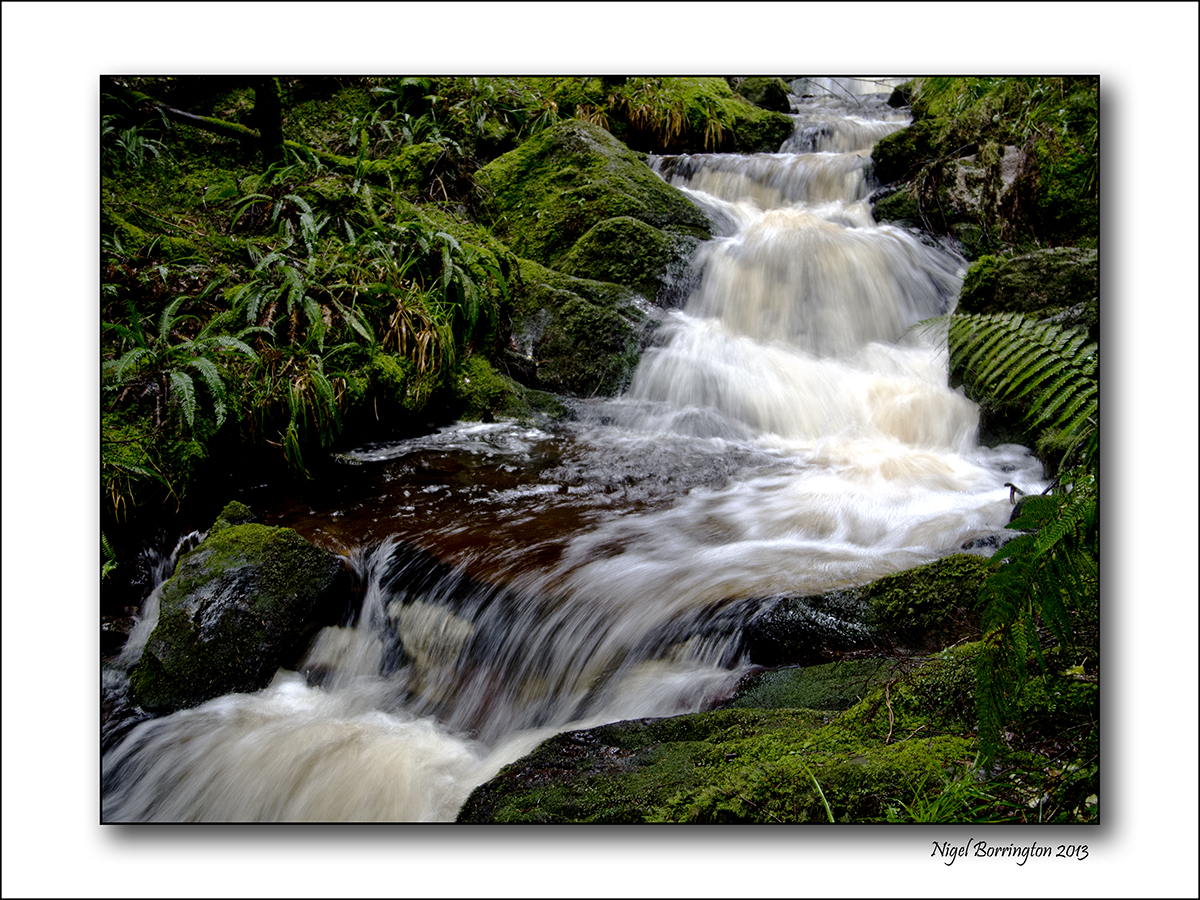
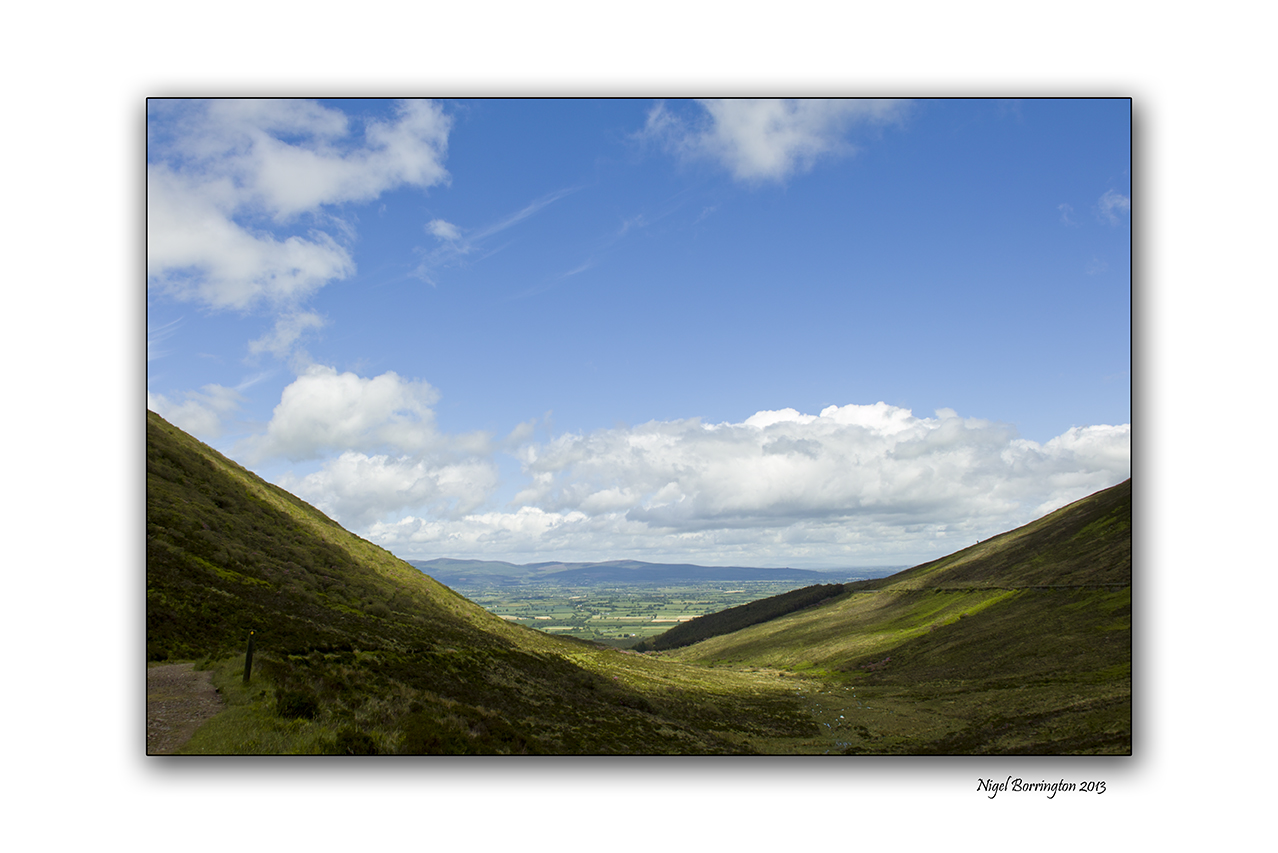
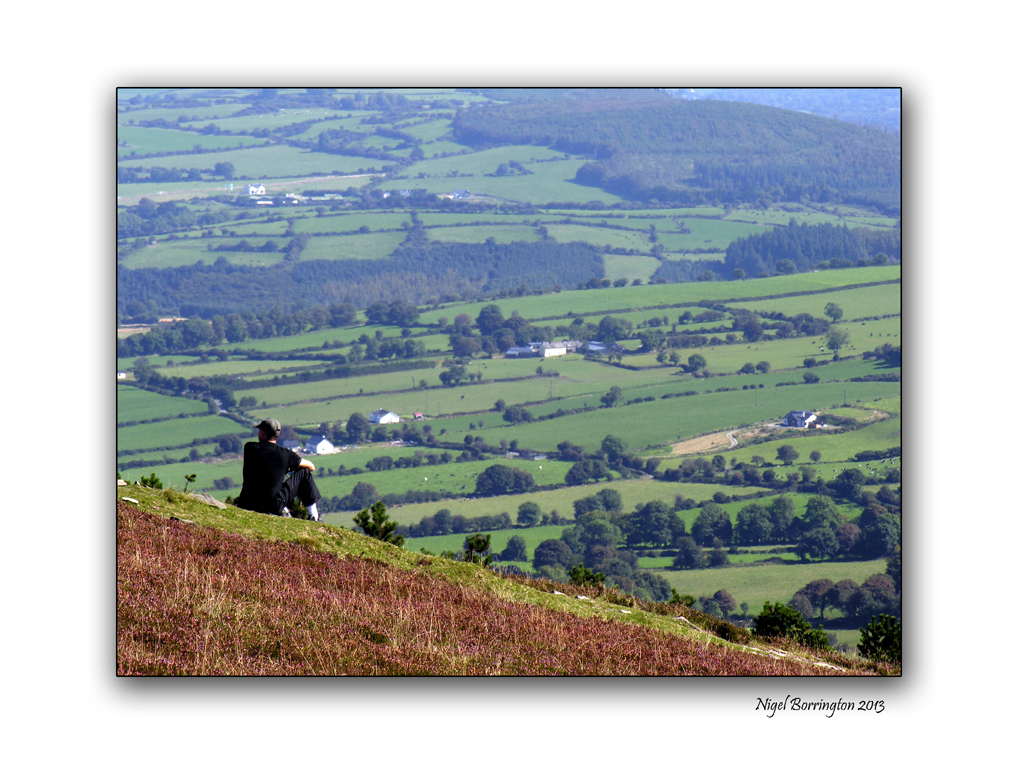
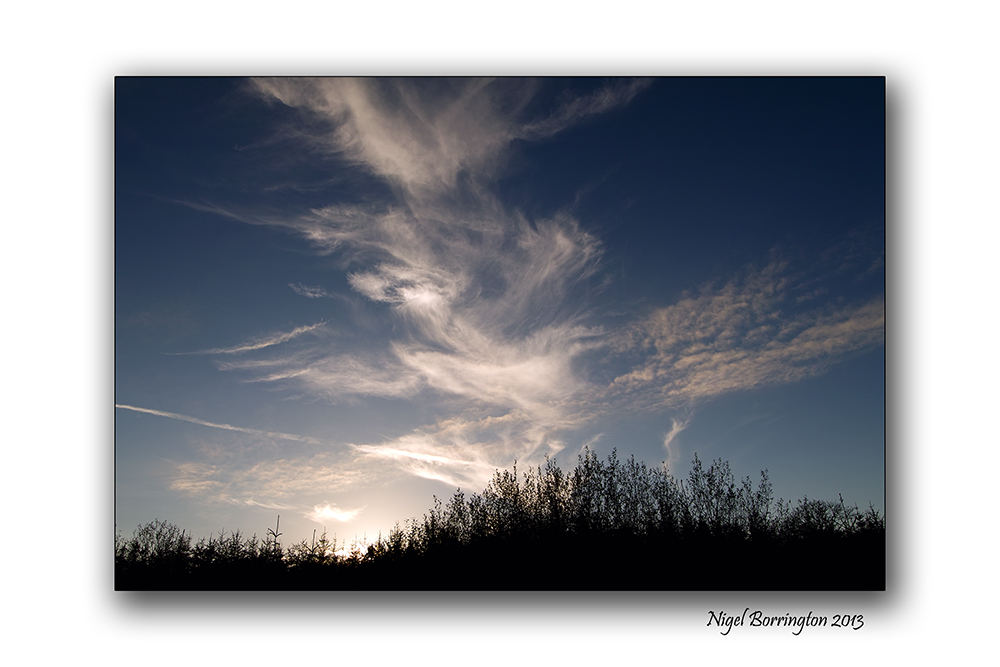
Its the weekend so… (20 images)
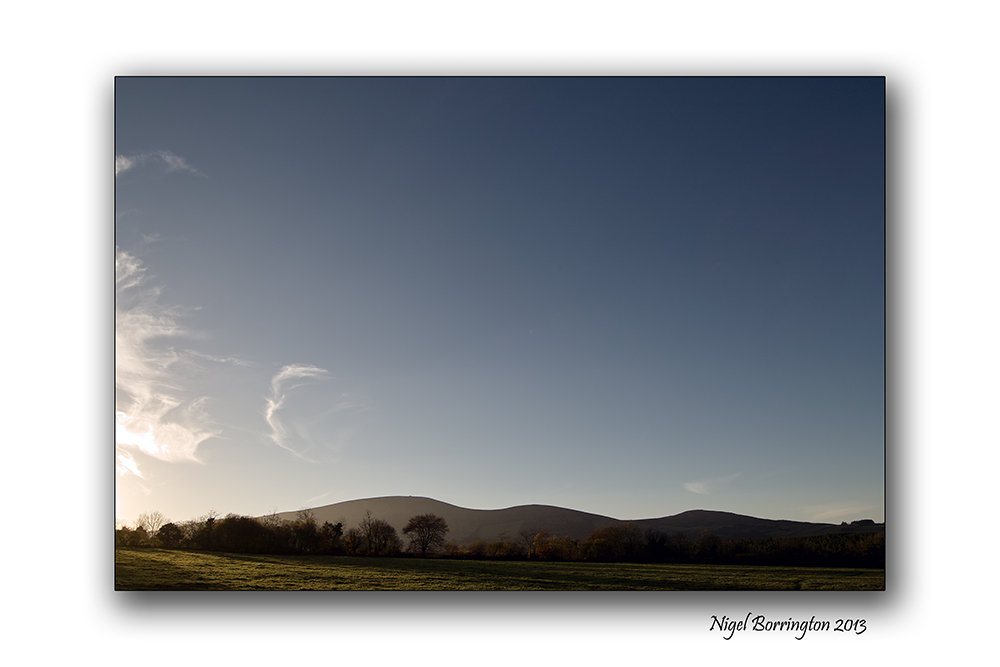
Images for the Weekend
Irish Landscape photography : Nigel Borrington
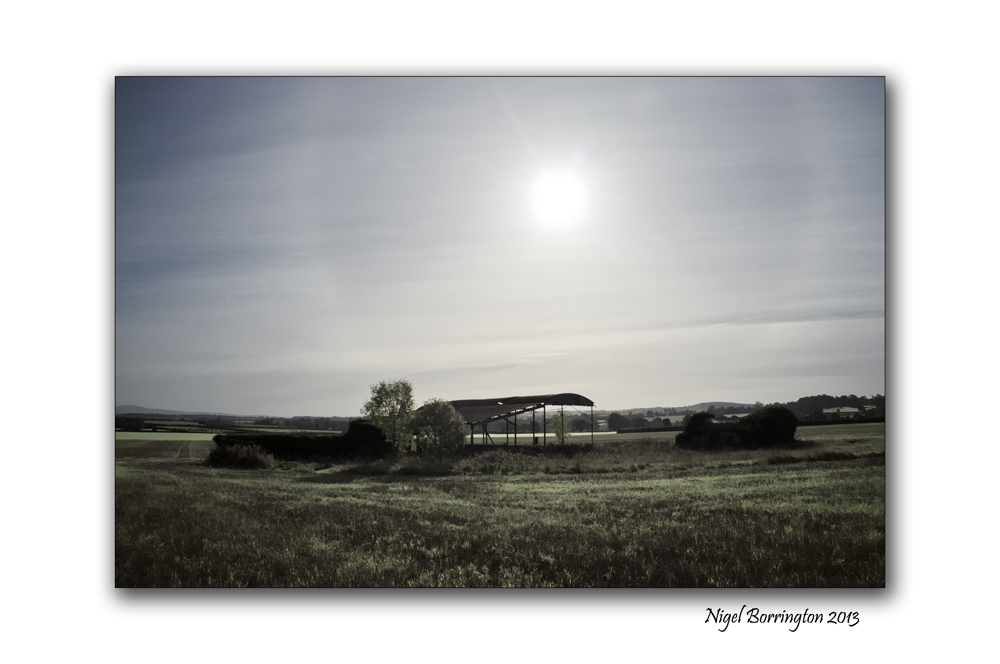
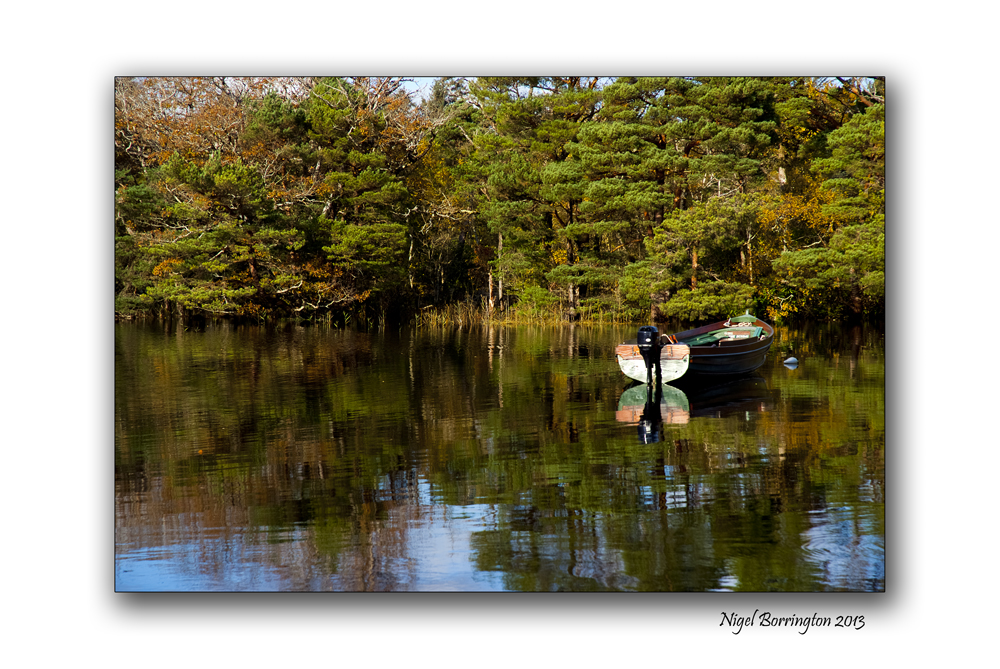
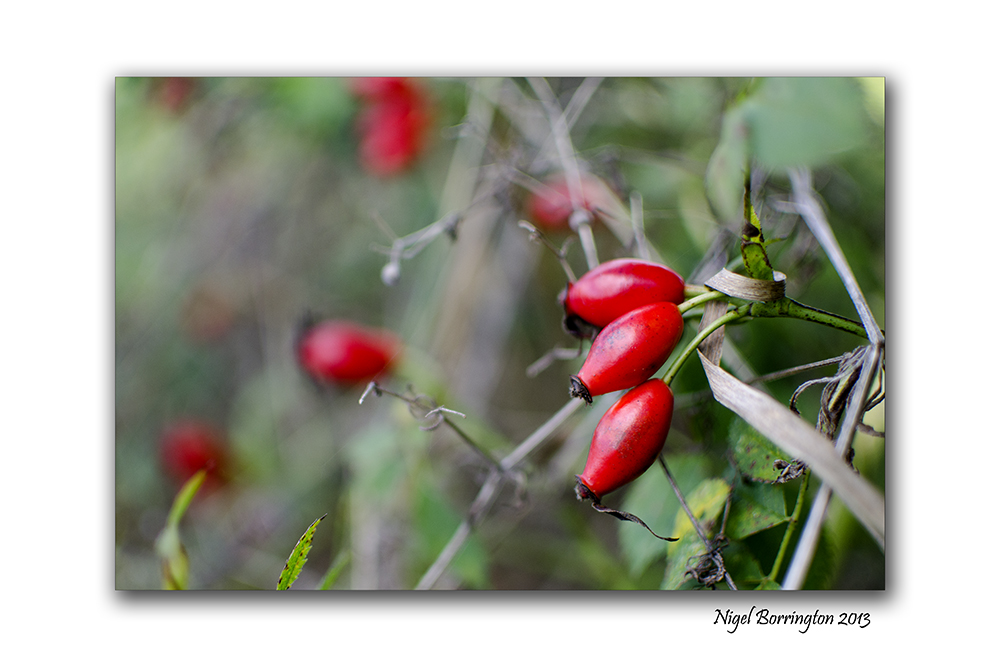
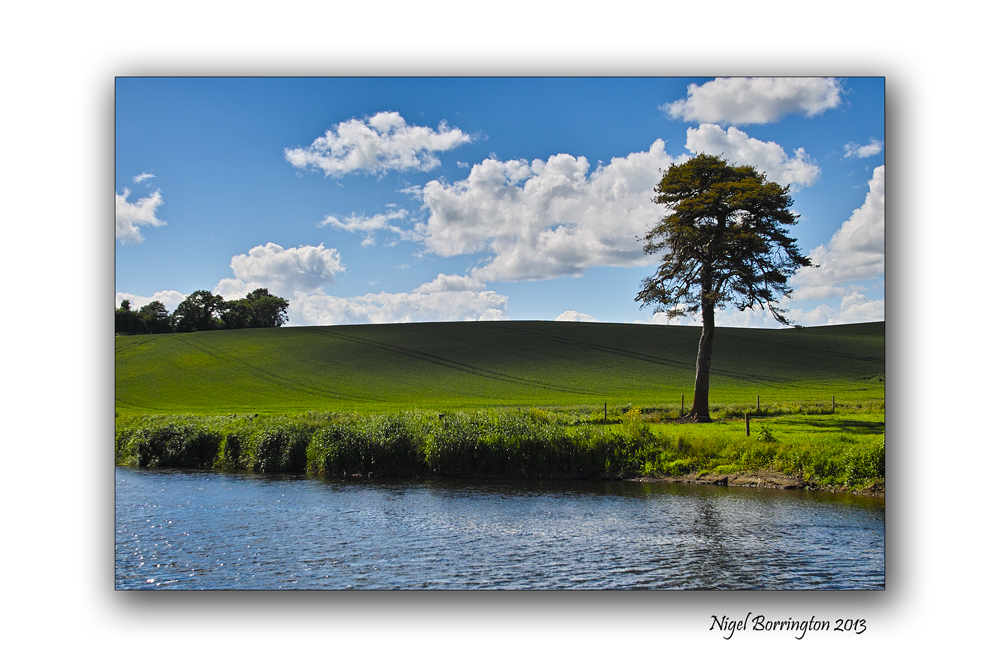
It’s the weekend so why not put on some walking shoes and get outside into the country, walk for as long as you like and lose yourself in the Landscape.
Images for the weekend a Gallery








As the Sky Touches the Earth, by Robert Stephen Herrick
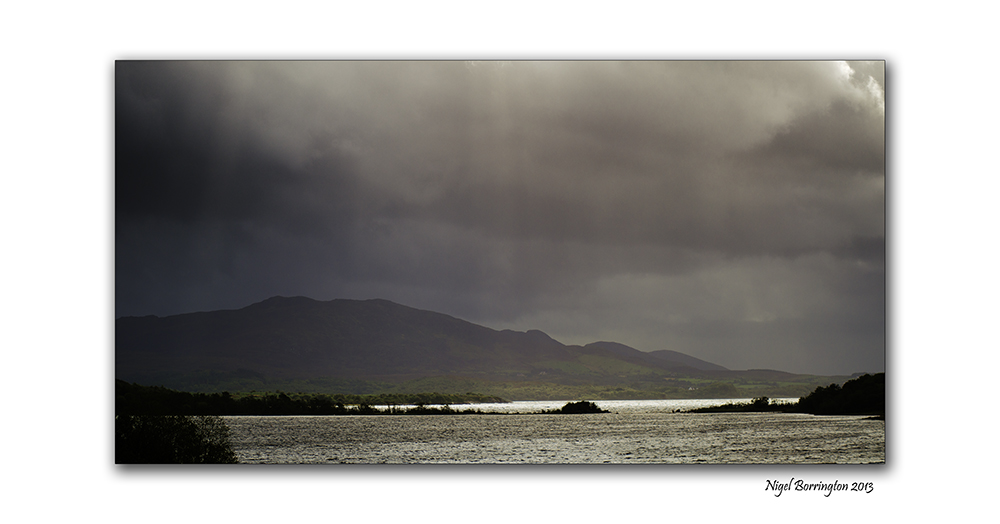
Nikon D7000, 24mm f2.8 lens
Lough Conn, County Mayo
Irish landscape Photography : Nigel Borrington
As the Sky Touches the Earth,
by Robert Stephen Herrick
Wild whisps of torn clouds swirl
rising in energy from wicked winds
and create a surge in the speed
of spinning in succession
slowly at first, yet the terror
turns into an ominous element
yearning and beginning
to take its path.
Forces of nature may often seem
to be manageable to the untrained eye,
though the might and horrifying height
sets its sight and it towers
from the heavens down to the low earth,
terror fills the most hardened heart
as the deadly dread devours
living souls with its suprelative speed.
Unconditional surrender to this fear
is a forced humbling indeed
as homes are flattened like sheet metal
from the turbulent courses
descending in an enormous twisting,
spiraling and ripping of the world
within pieces apart and yet
waiting for no reply.
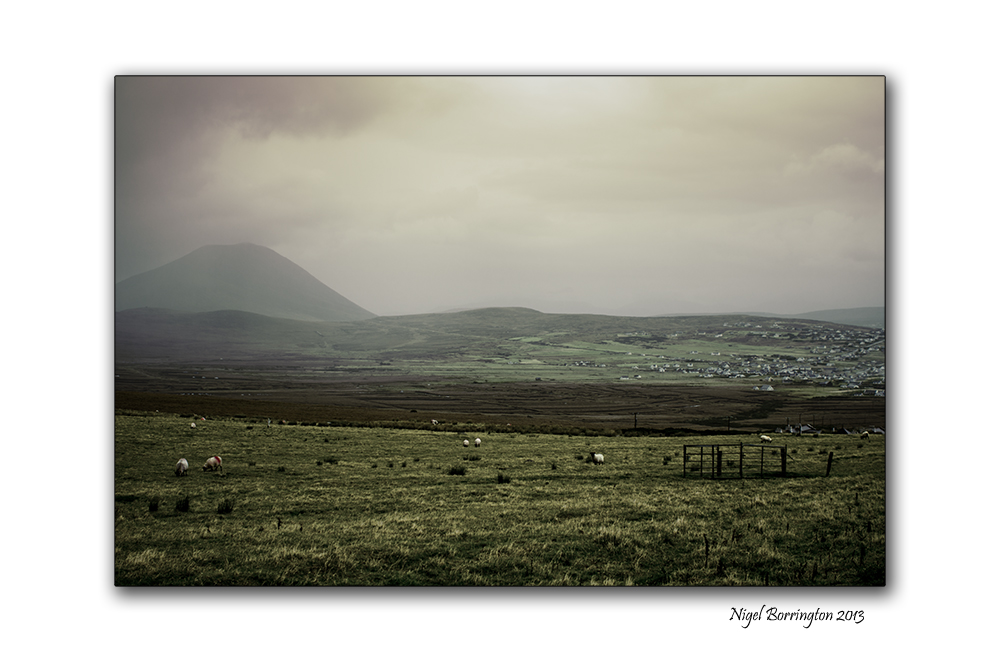
Croaghaul, Achill Island, Ireland
Irish landscape Photography : Nigel Borrington
As the sky touches the earth,
danger is eminent and to be found
in gigantic proportions
tearing apart homes and localities,
shreading living beings and lives
then showering down dirt and debris
across a wide landscape
like a wicked child at play.
Tumultuous and catastrophic with its
destruction, this titanic giant of air
collectively rushed together
breathed in its peril by inhaling
that which once covered
the surface of the earth then
exhaled all it had, but miles away,
staying solid on its path
with determinded disruption,
on its way with its
whirling winds.
A Fellow Man , A Humanist Poem : Tom White

Nikon D700, 35mm f2.8 lens
The doors of, Santa Maria Degli Angeli, Rome.
Photography by : Nigel Borrington
A Fellow Man
A Humanist Poem : Tom White
I have no prayers or charms of faith
If God there be, He’ll know my weight
If God be nought, I’ll still do good
And practice justice as I should
We should not seek reward to do
What decency expects us to
Should Heaven be a kingly court
I’ll go elsewhere to prove my worth
Don’t get me wrong – I’ve sought belief
But lust for faith brought no relief
Mere logic leaves me where I stand
I am not blest, nor am I damned
I seek to do what good I can
I am your friend, a fellow man.
A Slow Morning at the lake : three 30 second exposures
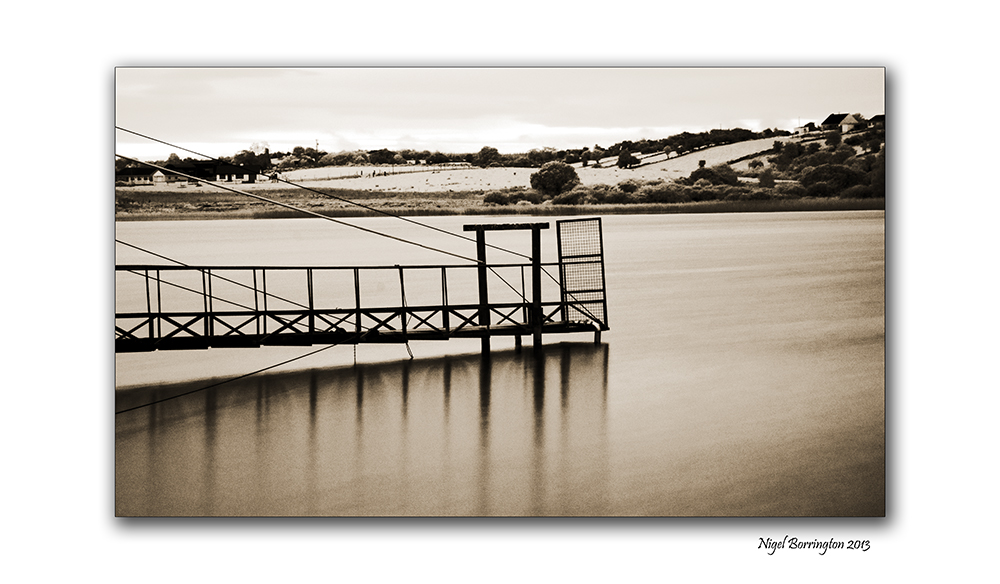
Nikon D700, 18-200mm lens
30 second exposures of Derryhick lake, County Mayo
Irish landscape Photography : Nigel Borrington
A Slow Afternoon at the lake
Last year I stayed at Derryhick lake, county Mayo for a weeks holiday.
One very slow morning while taking some pictures of the lake, the time was moving by very slowly and by the afternoon I decided that I wanted to attempt to capture the feeling of these moments. I placed the camera onto a tripod and put an ND filter on the lens and took some 30 second exposures of which these are just three.
I was very please with the effect of the slow shutter speed on the surface of the lake as it captured exactly the feeling of this very windy but wonderful day.


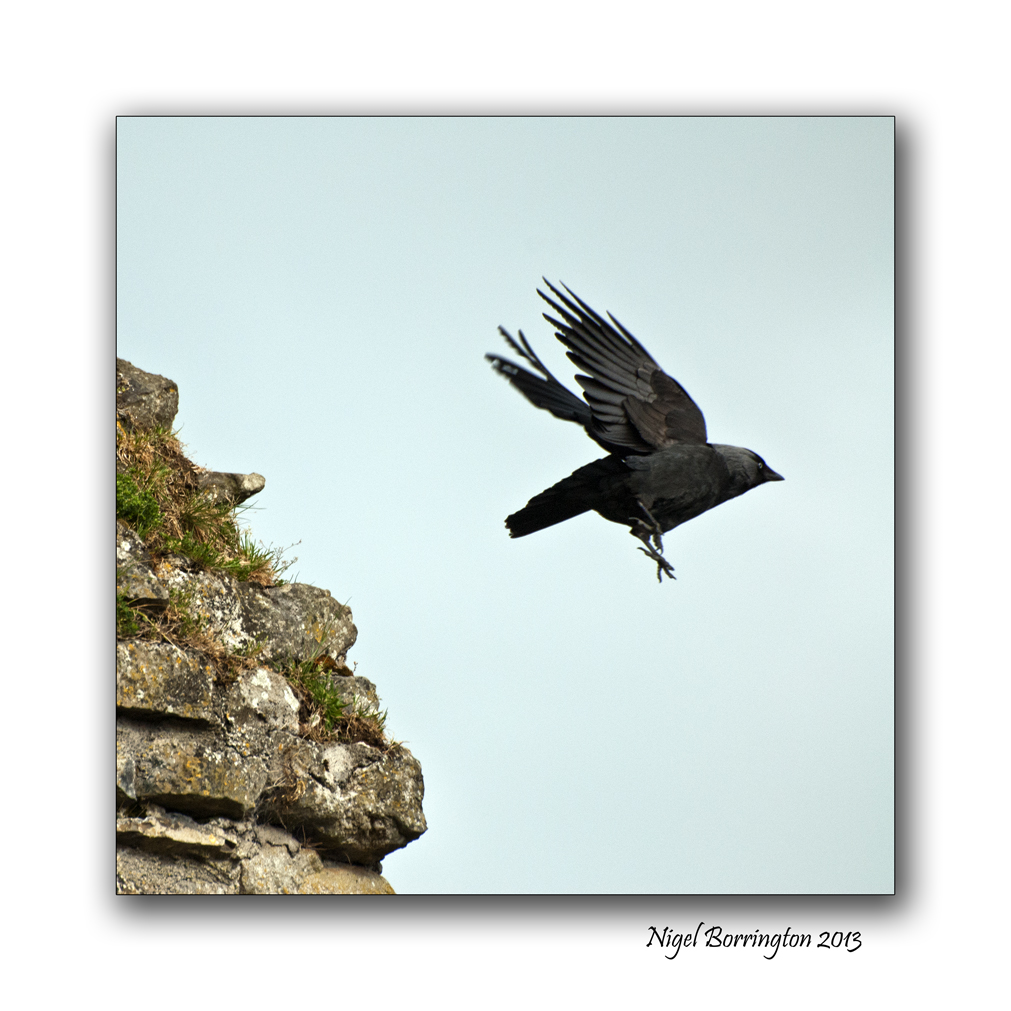
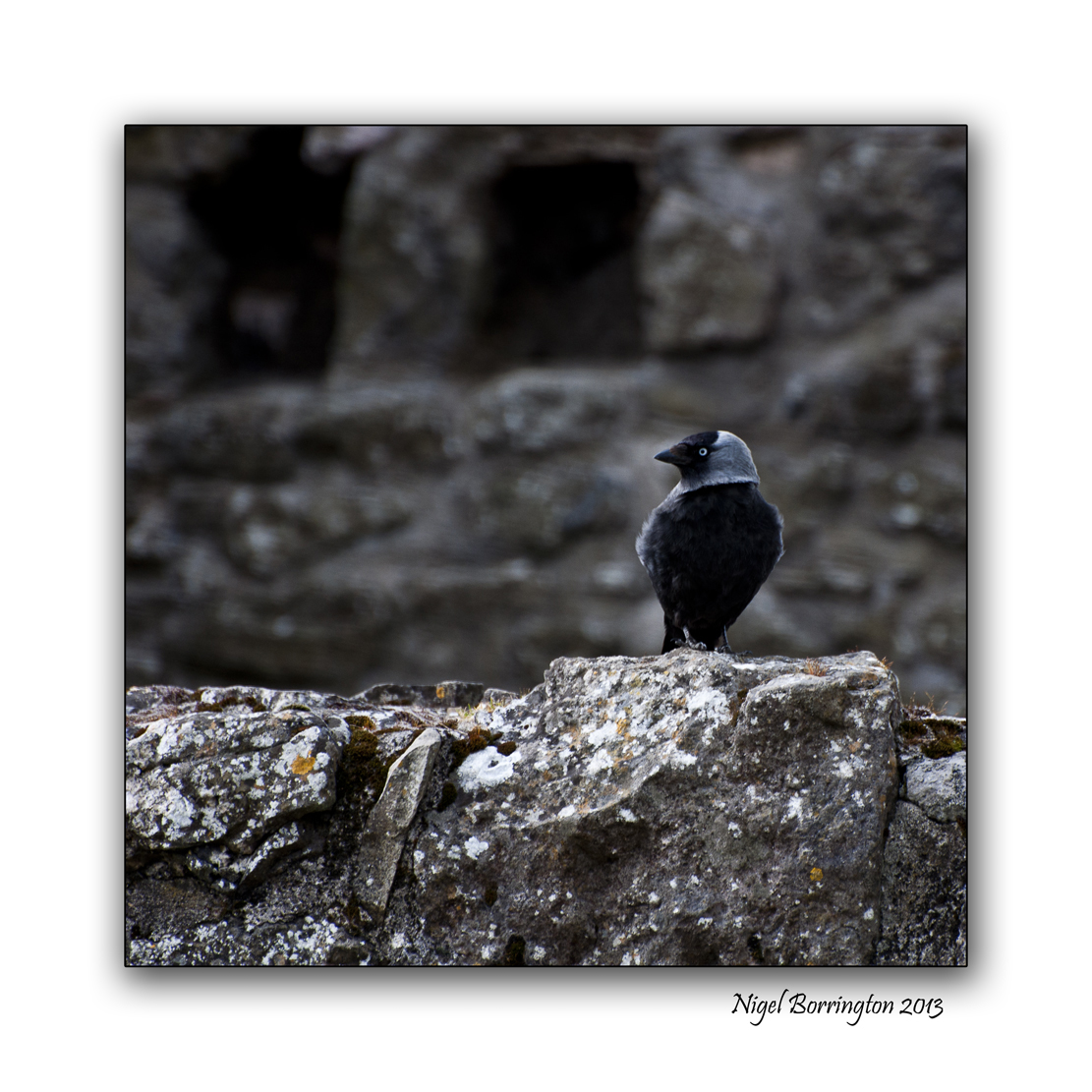
The Jackdaw, by : William Cowper
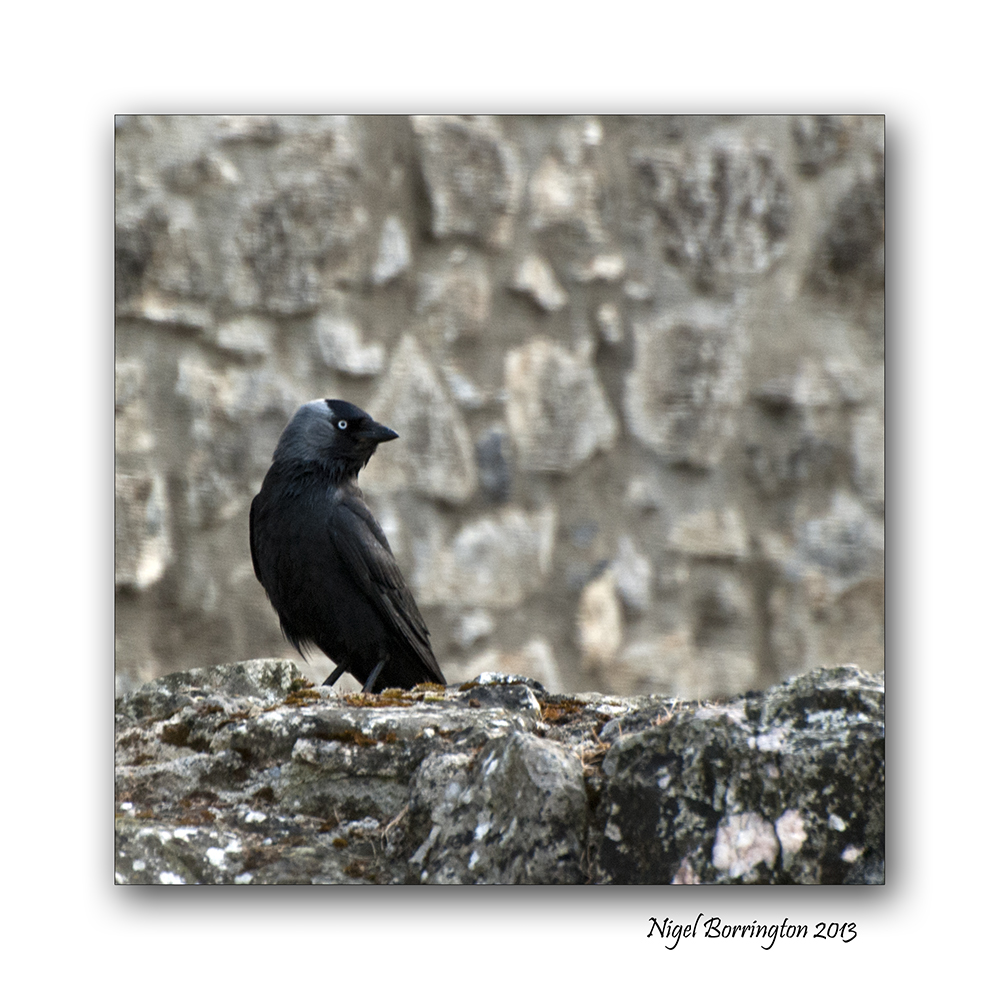
Jackdoors at Kells Priory, County Kilkenny
Irish Wildlife Photography : Nigel Borrington
The Jackdaw
by : William Cowper
There is a bird who, by his coat
And by the hoarseness of his note,
Might be supposed a crow;
A great frequenter of the church,
Where, bishop-like, he finds a perch,
And dormitory too.
Above the steeple shines a plate,
That turns and turns, to indicate
From what point blows the weather.
Look up — your brains begin to swim,
‘Tis in the clouds — that pleases him,
He chooses it the rather.
 .
.
Fond of the speculative height,
Thither he wings his airy flight,
And thence securely sees
The bustle and the rareeshow,
That occupy mankind below,
Secure and at his ease.
 .
.
You think, no doubt, he sits and muses
On future broken bones and bruises,
If he should chance to fall.
No; not a single thought like that
Employs his philosophic pate,
Or troubles it at all.
 .
.
He sees that this great roundabout,
The world, with all its motley rout,
Church, army, physic, law,
Its customs and its businesses,
Is no concern at all of his,
And says — what says he? — Caw.
 .
.
Thrice happy bird! I too have seen
Much of the vanities of men;
And, sick of having seen ’em,
Would cheerfully these limbs resign
For such a pair of wings as thine
And such a head between ’em.
 Nigel Borrington
You must be logged in to post a comment.