In The Stump of The Old Tree, Poem By : Hugh Sykes Davies
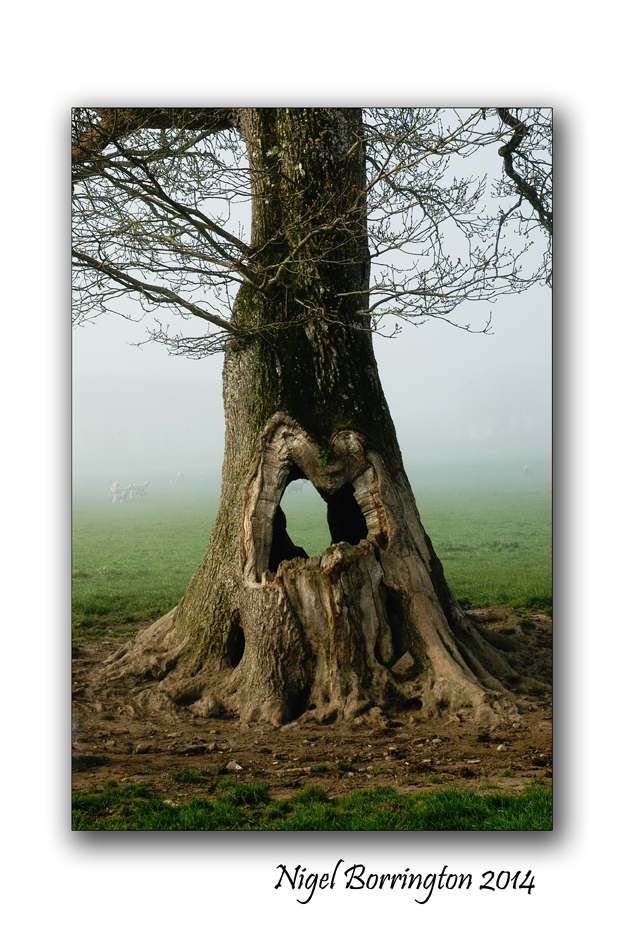
The old Tree at Coolagh, county Kilkenny
Landscape Photography : Nigel Borrington
In The Stump of The Old Tree
By Hugh Sykes Davies
In the stump of the old tree, where the heart has rotted out, there is a hole the length of a man’s arm, and a dank pool at the bottom of it where the rain gathers, and the old leaves turn into lacy skeletons. But do not put your hand down to see, because
in the stumps of old trees, where the hearts have rotted out, there are holes the length of a man’s arm, and dank pools at the bottom where the rain gathers and old leaves turn to lace, and the beak of a dead bird gapes like a trap. But do not put your hand down to see, because
in the stumps of old trees with rotten hearts, where the rain gathers and the laced leaves and the dead bird like a trap, there are holes the length of a man’s arm, and in every crevice of the rotten wood grow weasel’s eyes like molluscs, their lids open and shut with the tide. But do not put your hand down to see, because
in the stumps of old trees where the rain gathers and the trapped leaves and the beak and the laced weasel’s eyes, there are holes the length of a man’s arm, and at the bottom a sodden bible written in the language of rooks. But do not put your hand down to see, because
in the stumps of old trees where the hearts have rotted out there are holes the length of a man’s arm where the weasels are trapped and the letters of the rook language are laced on the sodden leaves, and at the bottom there is a man’s arm. But do not put your hand down to see, because
in the stumps of old trees where the hearts have rotted out there are deep holes and dank pools where the rain gathers, and if you ever put your hand down to see, you can wipe it in the sharp grass till it bleeds, but you’ll never want to eat with it again.
Last night I walked along the river, after the rain – Images and a Poem
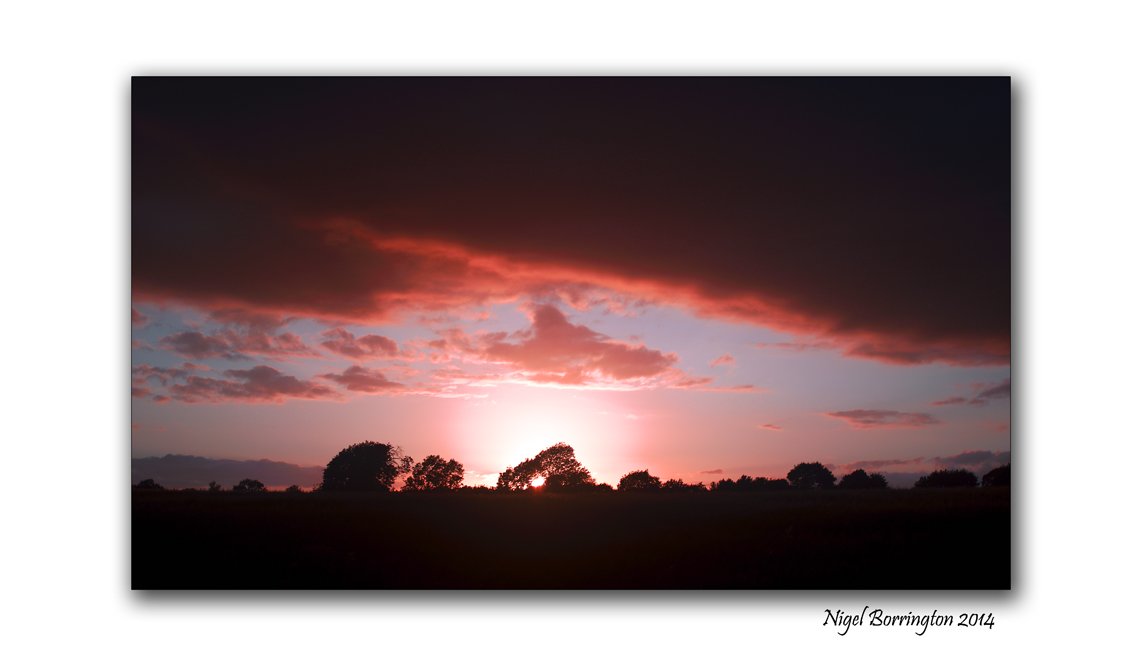
Sunset along the river Suir, County Tipperary
Landscape photography : Nigel Borrington
Sometimes when I am out walking and taking pictures, I also use my phone to jot down some words then later use these to write a Poem.
I feel that words and poems – along with images are connected with one another in a big way. I love to share both here on this blog and I often share poems from people who share their work on poetry web sites, matching them to what I feel are related images I have taken.
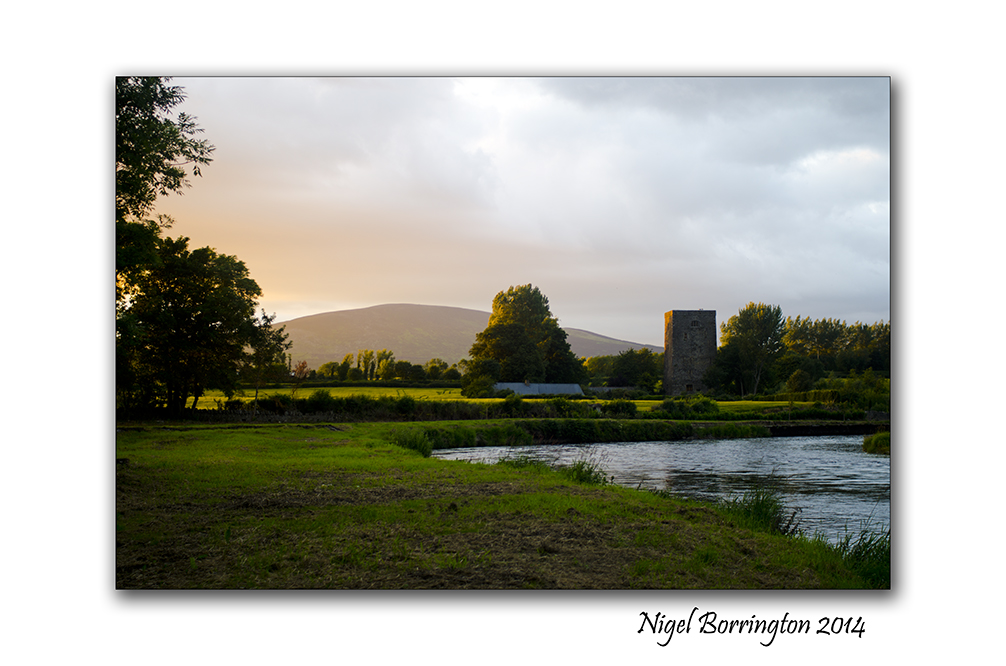
This time the post is mixing my own Poem and Images from an evening walk along the river Suir, after a rain storm at the start of June.
————————————
Last night I Walked along the river after the rain
Last night in my dreams along the river I walked,
it rained and rained, The floods of June.
There will always be sunshine after the rain
Perhaps I walked , perhaps even ran,
Towards the Setting evening Sun.
 .
.
It lights up the river, I see every rushing and flowing drop,
The warmth from its light can calm every dreaming fear.
After it sets below the trees,
my dreams much deeper,
still linger throughout the night,
But suddenly vanish at dawn’s early light.

Poem and images : Nigel Borrington
Teifi Marshes Nature Reserve, Cardigan, Pembrokeshire, South Wales
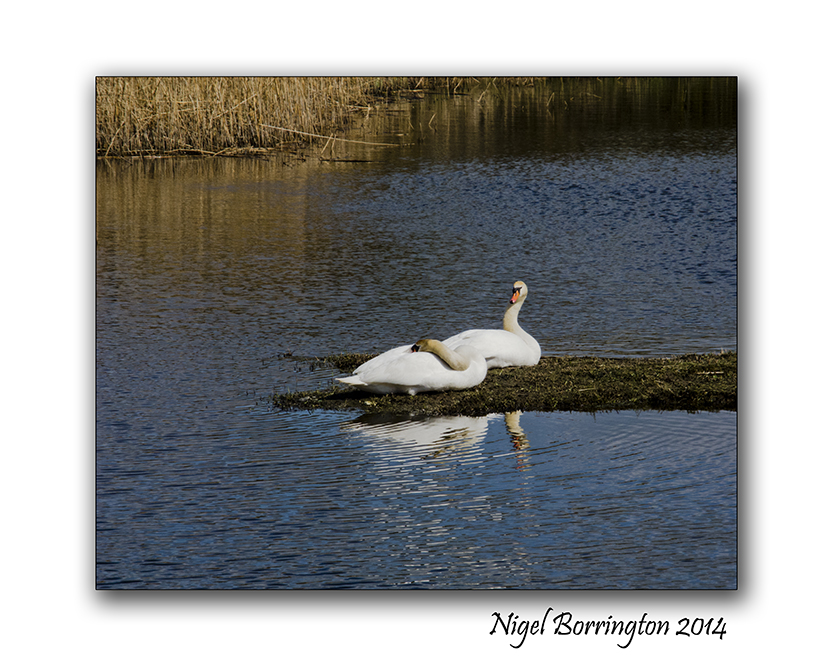
Teifi MarshesNature Reserve
Landscape and Nature Photography : Nigel Borrington
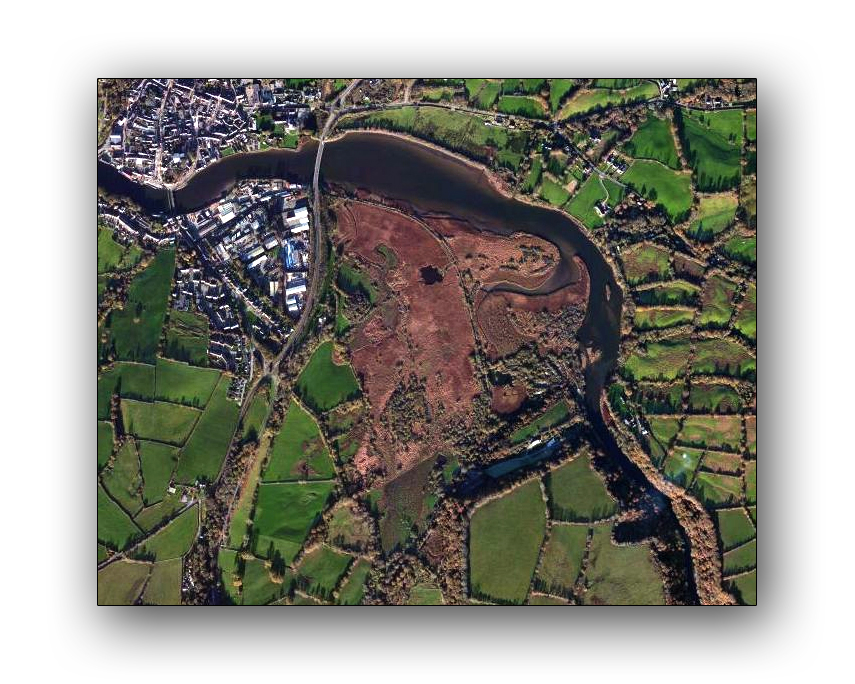
Teifi MarshesNature Reserve
I am getting out of Ireland for this Monday and posting about one of my favourite wildlife and nature reserves just across the water in south west Wales.
Last year I visited the reserve in the early summer time and it was just full of life, the observation huts located around the long paths offer some great views of the river and lake birds that nest here.
There is a wonderful visitors centre and restaurant so you can make a full days visit, stopping at lunch and then if the welsh weather will allow you can return to the outside afterwards. The hides around the reserve do however offer you shelter from the rain so it is possible to visit in the winter as well so you can view the wintering birds that arrive here from much colder countries.
The two very different seasonal ‘faces’ of Teifi Marshes Nature Reserve make this an excellent place to visit all year round. In winter the marsh is subject to extensive flooding and becomes a haven for numerous wildfowl, whilst in summer a visit to the reserve reveals an entirely different range of habitats and wildlife.
The site is owned by the Wildlife Trust of South and West Wales, and is also home to their Welsh Wildlife Centre. This magnificent building, constructed mainly of wood, won an award for its architecture when it was built in 1993.
Teifi Marches Gallery

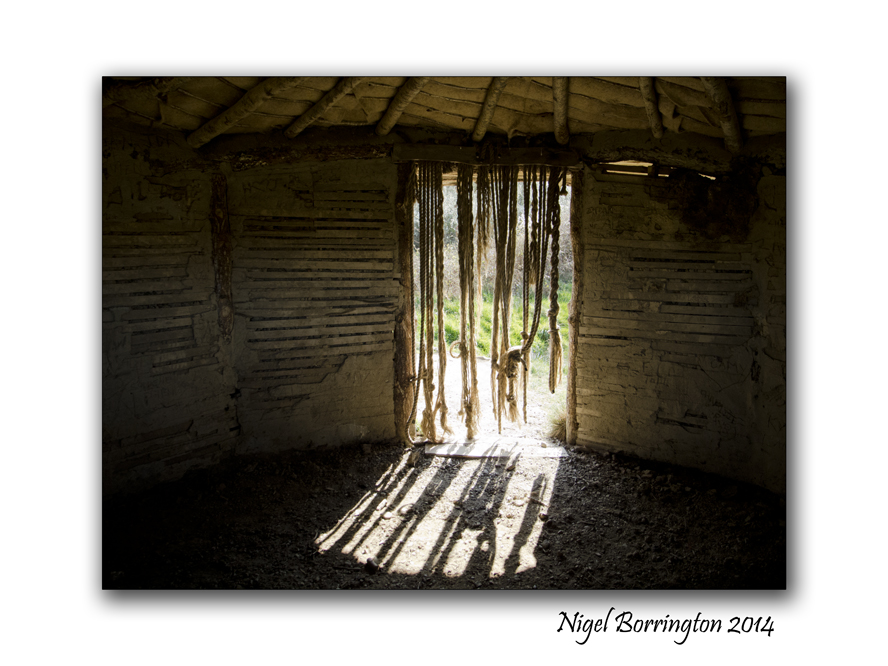


A Grain Of Sand, Poem by Robert William Service
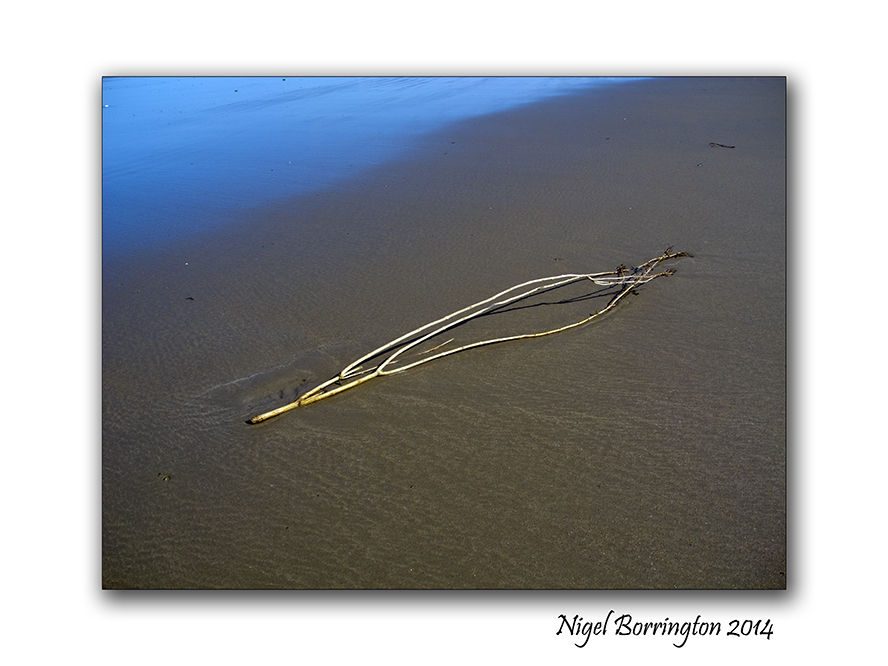
Landscape Photography : Nigel Borrington
A Grain Of Sand
Poem by Robert William Service
If starry space no limit knows
And sun succeeds to sun,
There is no reason to suppose
Our earth the only one.
‘Mid countless constellations cast
A million worlds may be,
With each a God to bless or blast
And steer to destiny.
Just think! A million gods or so
To guide each vital stream,
With over all to boss the show
A Deity supreme.
Such magnitudes oppress my mind;
From cosmic space it swings;
So ultimately glad to find
Relief in little things.
For look! Within my hollow hand,
While round the earth careens,
I hold a single grain of sand
And wonder what it means.
Ah! If I had the eyes to see,
And brain to understand,
I think Life’s mystery might be
Solved in this grain of sand.
A local walk through History, Megolithic – Ring forts, Tombs and Standing stones.

Ring fort on the Hill, County Kilkenny
Landscape photography : Nigel Borrington
A local walk through History, Megolithic – Ring forts, Tombs and standing stones.
Last Month I posted the following two articles talking about the history of some historic remains and geology around the area where I live, on the County Kilkenny and Tipperary Boarders.
Pagan ring forts and passage tombs , From Kerry to kilkenny
Landscape and Geology around Slievenamon, county Tipperary
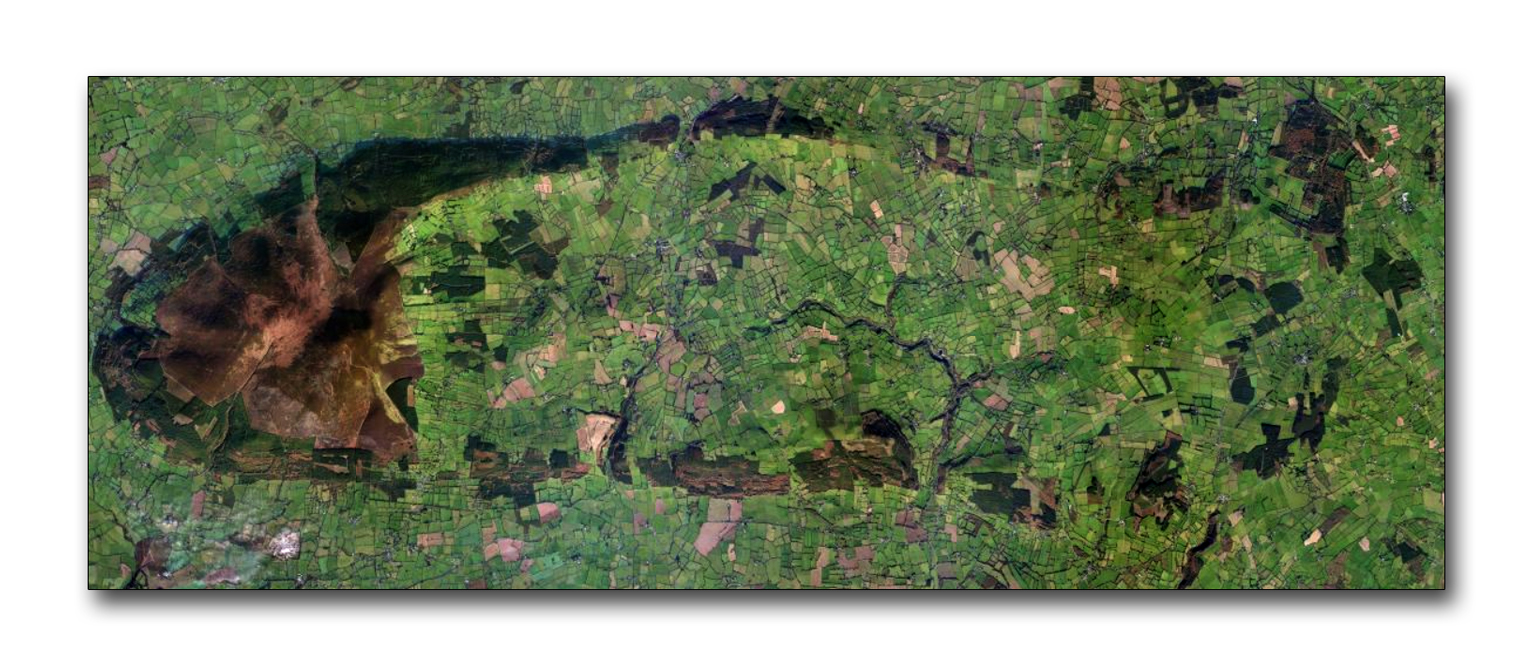
The image below shows the area around the mountain of Slievenamon, County Tipperary ( left ) and the foot hills that flow to the right and form the shape of an oval from the north and south of the mountain.
The Boarder between county kilkenny and Tipperary flows about half way through this image from north to south.
 .
.
Over the last few weeks and during the summer of 2014, I want to study and post about the Stone age – Iron age, pre Christian remains that can be found in almost every one of the woods that can be seen in the above image ( Mainly visible as dark green) along with the remains on the mountain of slievenamon itself.
I have lived here in county Kilkenny for about 11 years , moving from the UK in 2003, from the very first walks I took locally it was clear that this area is full a history in the form of old buildings, farms, churches and grave yards.
The remains that interested me the most have been those of pre-Christian times, Ireland became a Christian country between 300 to 400 Ad. These local pre-Christian remains then date from betweem 300Ad to 6000 or 8000 years ago.
The remains that can be found locally take the form of (Ring forts, Graves and tombs, Standing stones and stone circles) all can be found within the area covered in the pictures above.

South Kilkenny. Woodlands
During last weekend and this week, I have been visiting the above woodland to the south east of the larger area I am studying and have marked on the image below the types of remains I have found :

The remains that I have walk past on woodland paths and the ones that I have looked for by going deeper into the woods are by themselves amazing but by themselves do not tell you a story of who these people were and how they lived.
Over the next few weeks I want to uses four areas in total including the mountain of Slievenamon, to draw a picture of how I feel the people who built these structures lived.
How they worked this land, how they built their homes and how they buried and remembered their ancestors.
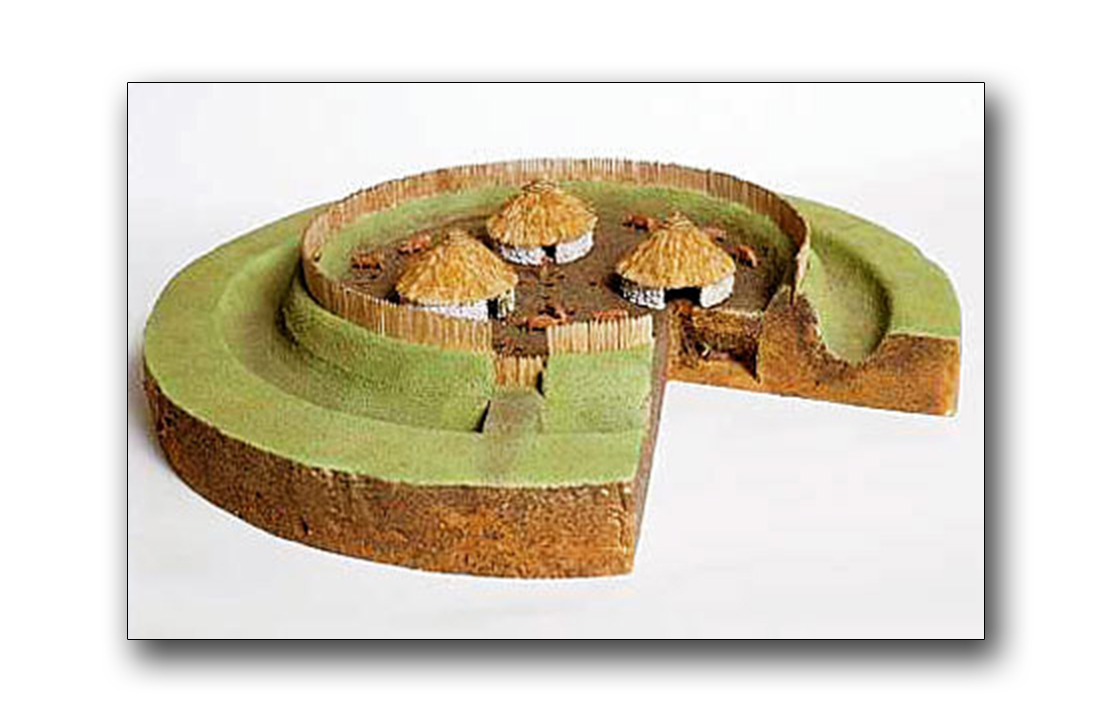
Structure of a ring fort
Image Gallerys
The Images below are all pictures of the structures and remains I have found in the woodland area shown and labelled in the images above, I have split them into groups as follows:
Ring forts, these were used for – homes and cattle pens.
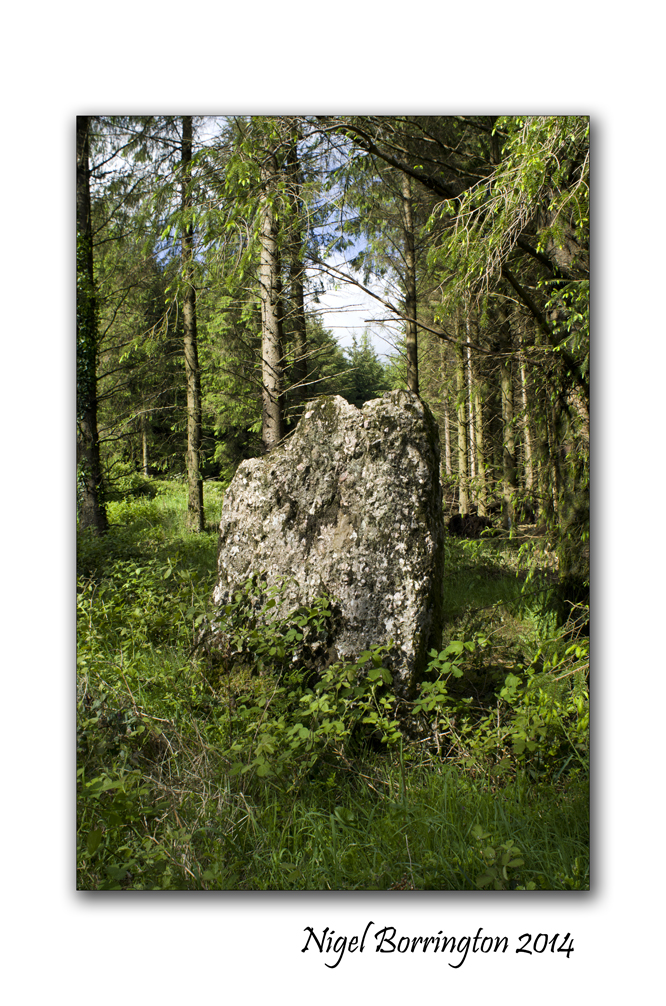
Standing stones, used to record time and mark areas.
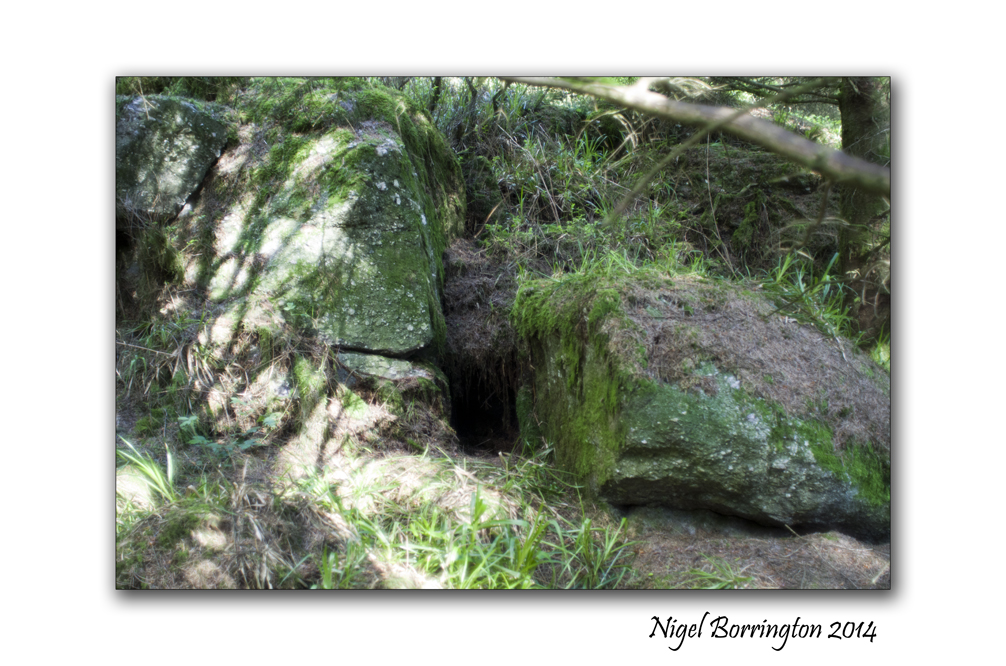
Graves and tombs, Hill top Burial grounds .
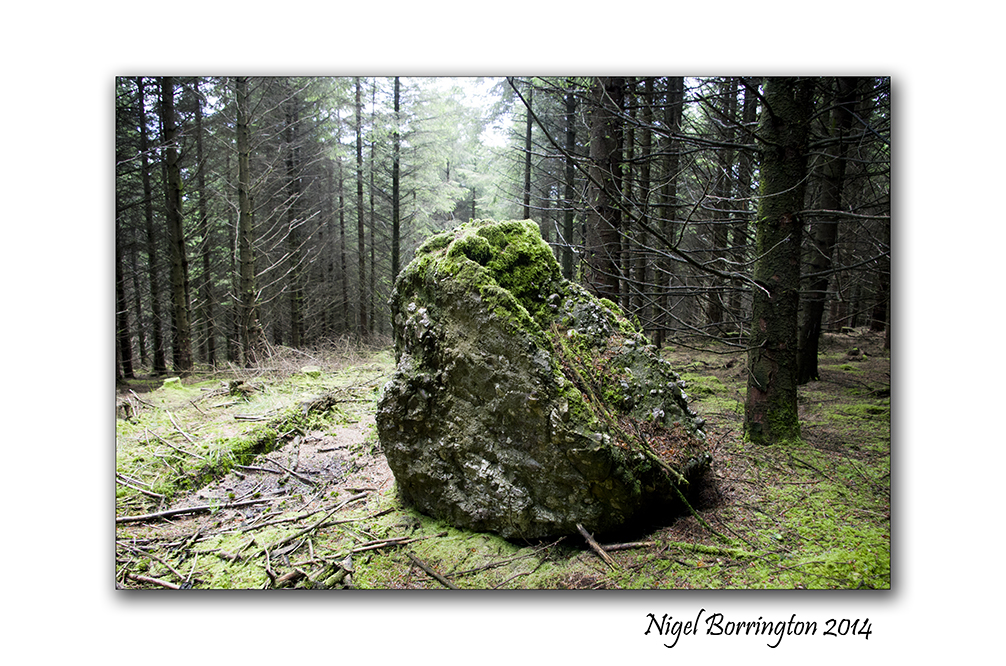
One last thing worth pointing out is that below in the Grave Gallery are two large tomb cap stones, shown in the first two images.
When I first found the stone in the first image, I wondered if it could be anything more than just a large stone left from ice sheets, during the ice age some 10,000 years ago. However I then found the stone in the second image a couple of days later, both these stones are almost the exact same dimensions. It is very unlikely then that these stones can be the result of the ice age and that they are cap stones to large tombs lying underneath.
This web sites show some examples of excavated tombs from this period : Mesolithic tombs
I also have a great example of a tomb like this here : The passage tomb of olioll olum king of munster
Image gallery of the ring fort
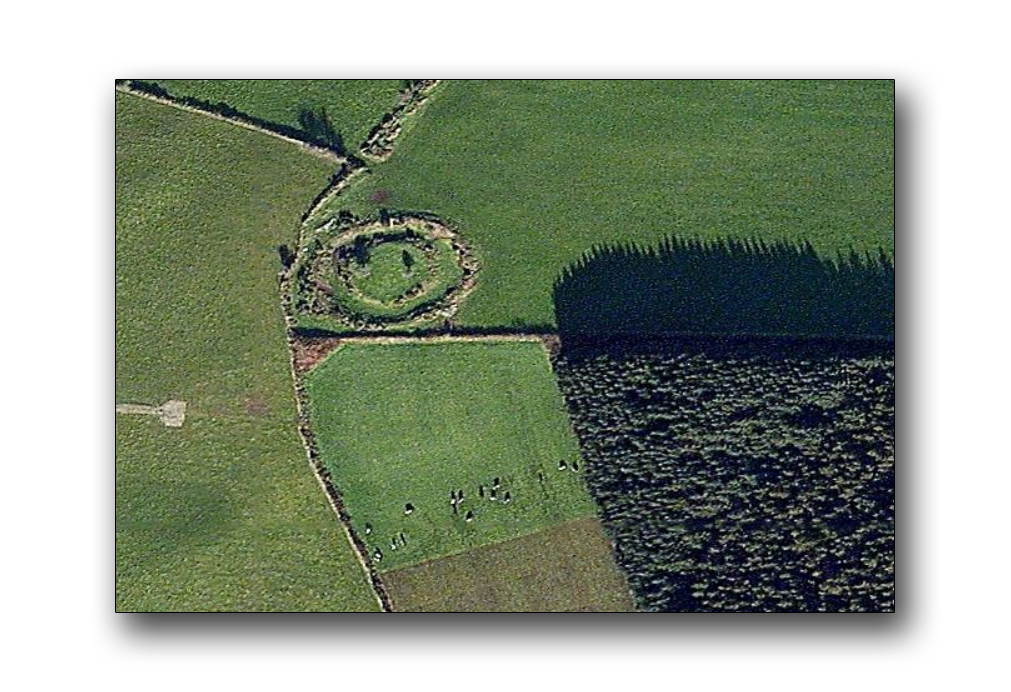
Ring fort, marked above the woods


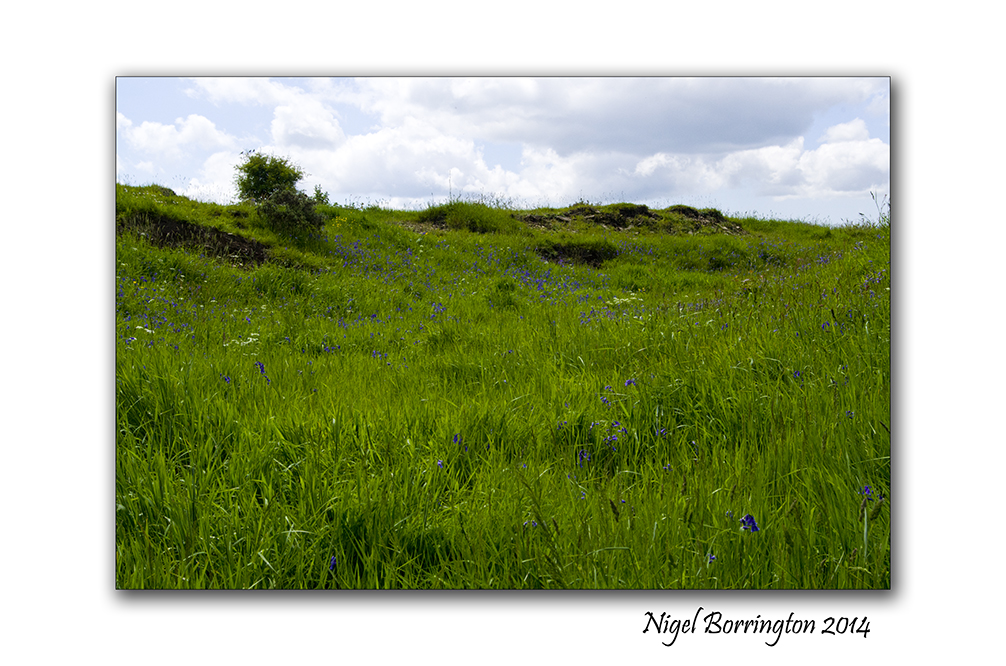
Gallery of Standing stones within the woods


Gallery of Graves and Cap stones within the woods


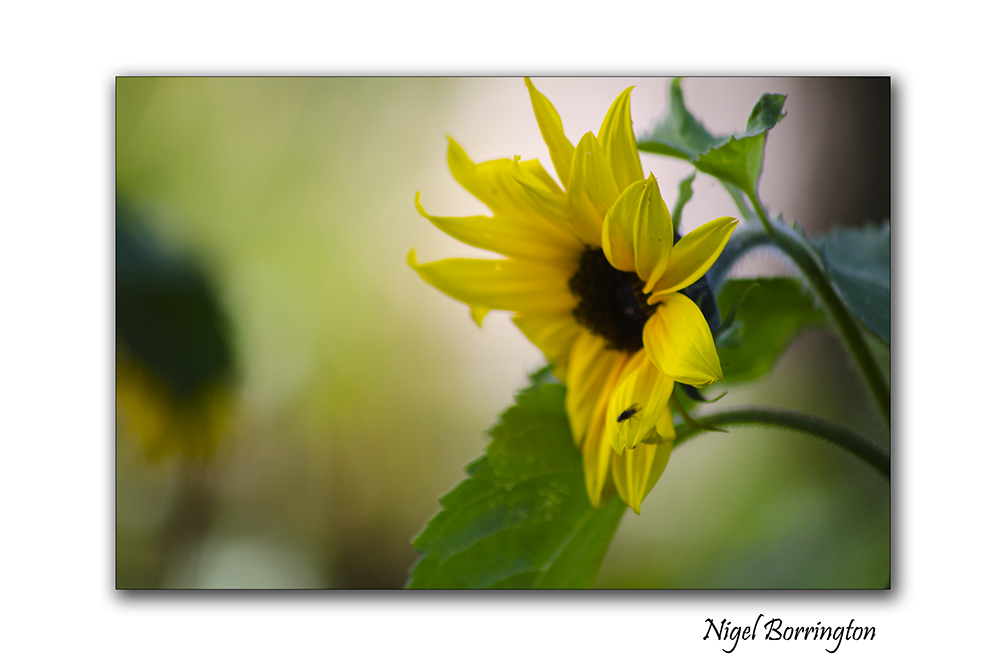
Between The Sunflowers , Poem by : Andrew Lea
Sunflowers from the Garden
Photography : Nigel Borrington
Between The Sunflowers
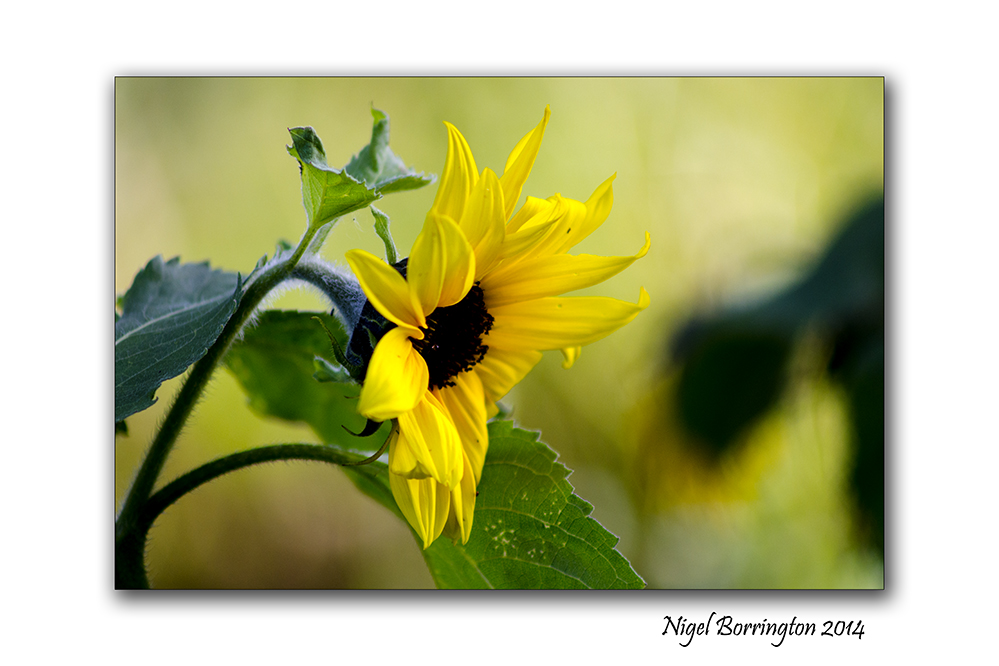
He sat between the sunflowers, counting the ants as they crawled across his toes. “27”…”28″—He paused, swearing that he’d seen this one before. “What the hell, 29.”
He sat beneath the oak tree in his back yard, sticky from sunflower sap. The sun, hot and high, rested in the sky strait above him. He would often stare at it, until his eyes stung and he could see the purple spots even after he looked away.
 .
.
He was running, through the halls in the decaying house. Running from the invisible phantoms with their malevolent smiles and sinister goals. Running from the silhouette at the end which was shaped much like his father, only far too tall. Running, with starving lungs and heavy feet as the floor screamed and walls shook, as the windows began to fracture and the entire foundation was torn from the earth under the weight of his fear.
Running, towards the sunflowers, which stood and beautiful under the afternoon sun.
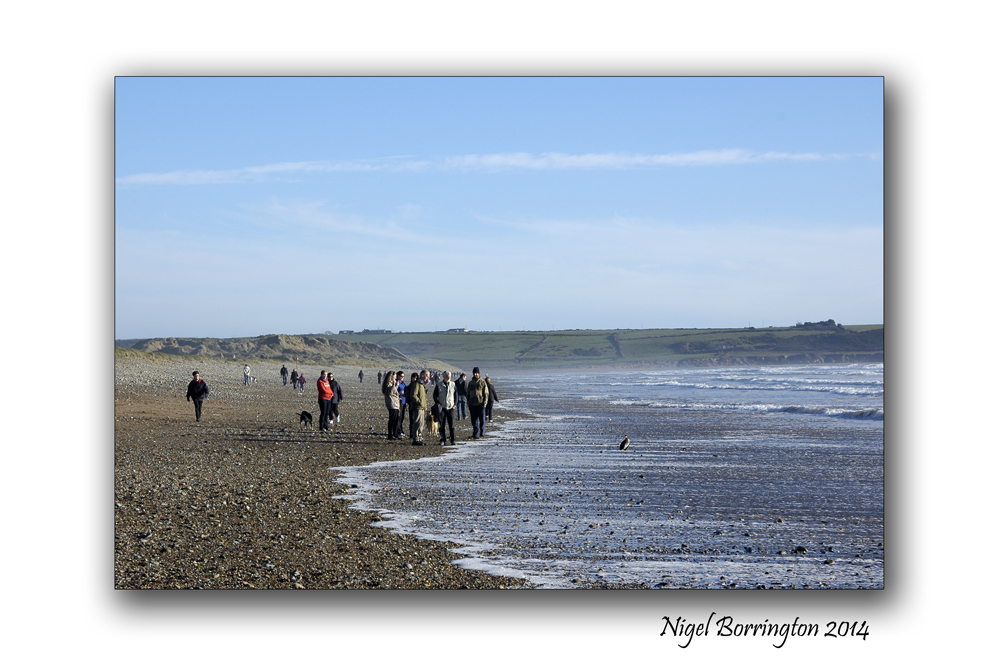
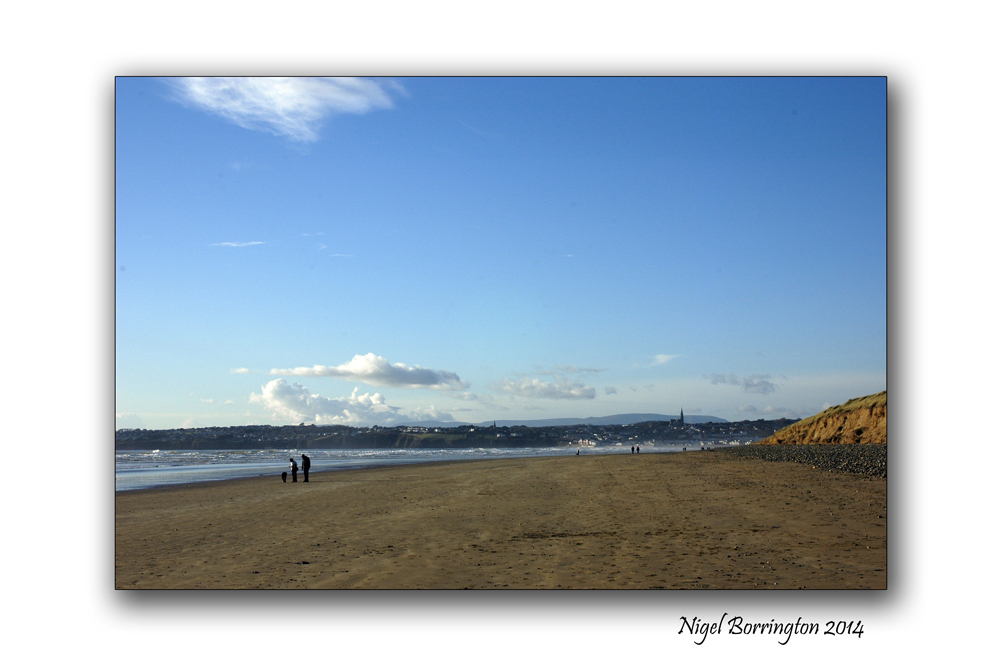
A walk along the beach , Images and a Poem

A walk along the beach at Tramore, County Waterford
Landscape photography : Nigel Borrington
A walk along the beach at Tramore
The sight of sunlight shining on the water just dazzling,
The sound of waves breaking delicately on the sand,
The feeling of the suns warming my skin,
The cool wetness of the sand between my toes.
Fellow dog walkers passing by,
Saying hello and talking for a while,
Their dogs swim and bring back sticks,
The marks they level in the sand,
Smoothed again by the waves.
 .
.
The fresh breeze moving through me,
Slipping across the water a sea bird gliding silently,
The salty sea air carrying her to deeper waters.
Above me seagulls friends swirl singing their daily song,
Before diving down into the sea to snatch a fish.
The breeze and warming sun feeding my soul,
The enchanting pleasures of sight and sounds,
I breathe in the wonderful scent of salt water that fills the air,
The intoxicating aroma of wildflowers thick along the dunes,
A feeling of contentment fills every corner of my being,
As I walk along the beach I realise… Life has true beauty…
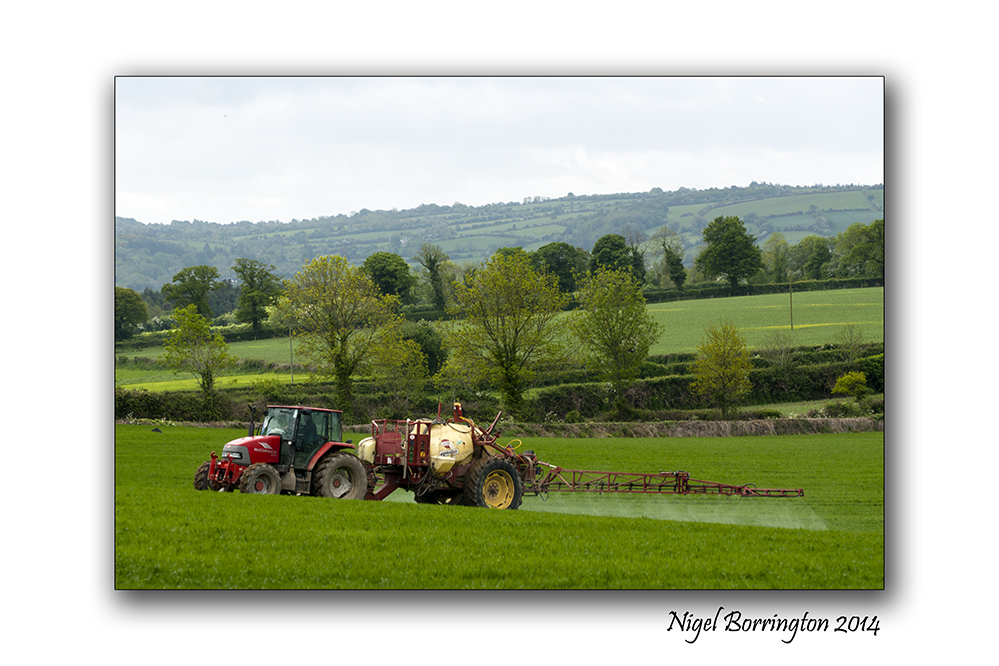
A Farmer by Trade, Poem By : Kevin Pace
 A Farmer by Trade
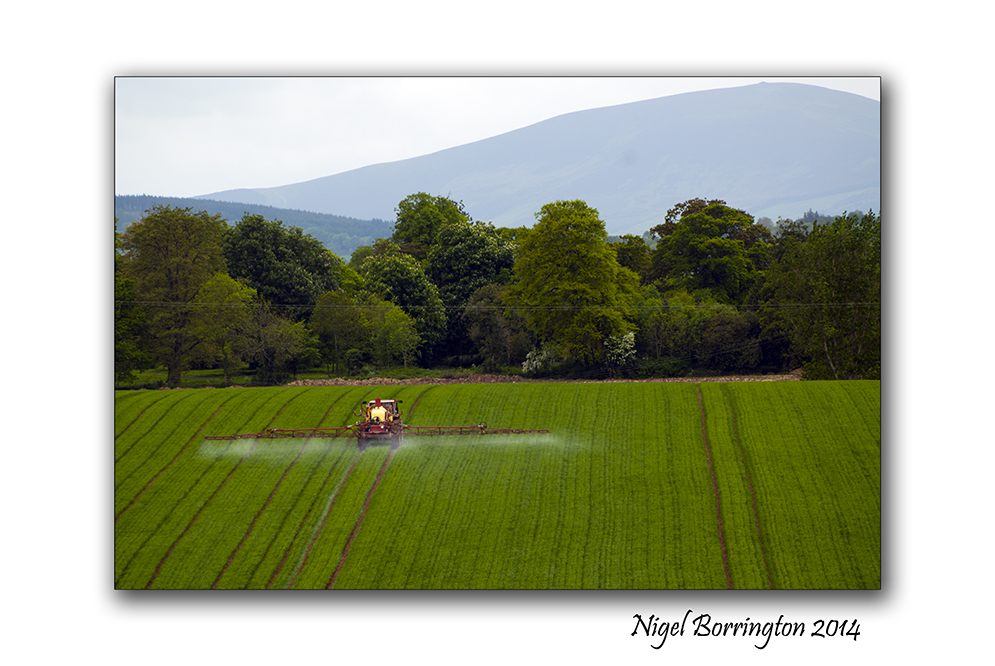
Ballytobin, County Kilkenny
Landscape Photography : Nigel Borrington
A Farmer by Trade
Poem By : Kevin Pace
He worked on the land, a farmer by trade.
He never will know the impact he made.
When plowing the fields, his mind would be filled
with lessons in life he taught and instilled.
“Life’s pretty simple” my grandpa would claim,
“The rules we should live by are always the same.”
He delivered his thoughts in a wry kind of style.
You’d think he was mad, but then he would smile.
 .
.
He was always profound, a man of his word.
He would always look forward despite what occurred.
“I’ve never reaped anything I didn’t first sow.
The seeds that you plant is the crop that will grow.
Fix your eyes on a spot, if you want to plow straight.
If you need to start over, it’s never too late.”
One thing I remember, he often would share,
“Don’t tear down a fence, ‘til you know why it’s there.
Some fences are built to keep danger away,
some fences are built so we’ll know where to stay.”
His philosophy in life was to, “Let people be.
I’m not here to judge, lest they should judge me.”
“Some things are better off left on the ground,
manure doesn’t stink ‘til you stir it around.”
The best thing he taught me was how I could find
the answer to anything crossing my mind.
Whatever I’d ask him, he’d get out the Book,
saying, “God wrote it down, if you take time to look.”
He understood things that few understand.
A farmer by trade, he worked on the land.
Butler House, Kilkenny

Butler House , County Kilkenny
Irish landscape Photography : Nigel Borrington
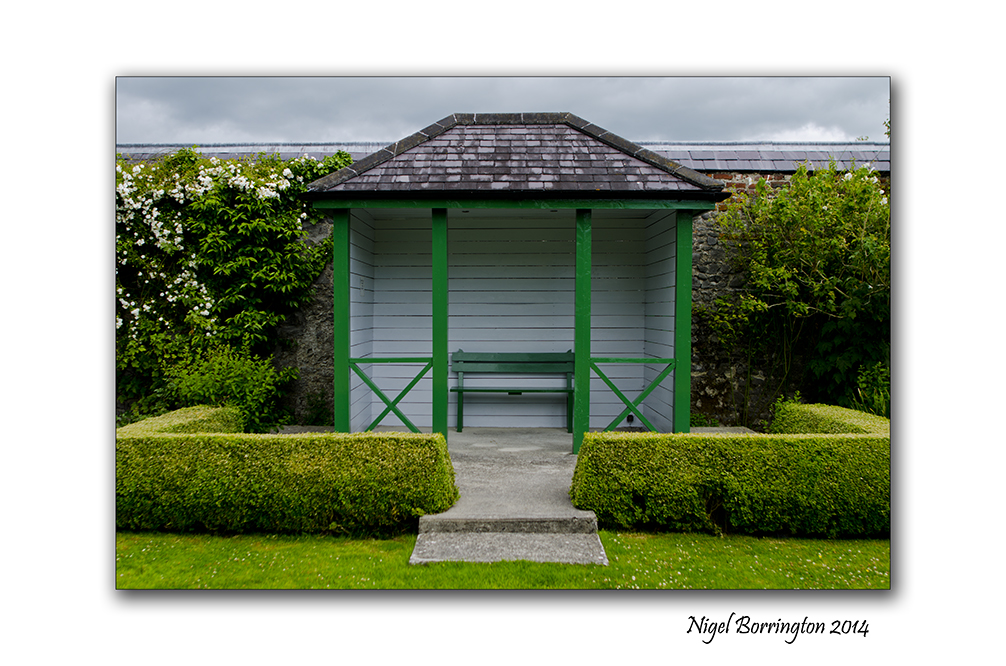
There can be few better places to visit on an early June weekend than the gardens at the Butler House in the Centre of KIlkenny city, the Roses are in Bloom and the pond in the middle of the garden offers a cool and relaxing place to visit.
I just love taking in a book or just walking around and taking time to view all the flowers and hidden wooded areas.
The history of Butler house is described below and flowed by some of the many images I have taken here.
The History of Butler House
Butler House is the Dower House of Kilkenny Castle and has always been associated with the Butler Family, Dukes & Earls of Ormonde who resided at Kilkenny Castle for 500 years.
18th Century
The house was home to Lady Eleanor Butler who lived here after the death of her husband Walter in 1783. Lady Eleanor Butler was the mother of John, the 17th Earl of Ormonde and her daughter, also Eleanor, was one of the famous “ladies of Langollen”.
19th Century
James, Earl of Ormonde resided in the house while the Castle was under reconstruction in 1831.
A soup kitchen was run from here during the cholera epidemic of 1832.
The Royal historical and Archaeological Association of Ireland held their meetings in Butler House in 1870.
20th Century
Kilkenny Design, the state design agency, restored Butler House in 1972.
The decor and furnishings reflect a certain 1970s Art Deco style, which because of the muted colours and natural fabrics used, proved sympathetic to the original features of the house. In 1989, the Kilkenny Civic Trust acquired both Butler House and the Castle Stables. The house was then opened to the public as a guesthouse and conference centre.
In 2000, The Kilkenny Civic Trust had the gardens at Butler House landscaped, in order to return them to their original splendour. The gardens have since become an attraction for the many visitors to Kilkenny.
Butler house Gallery




 Nigel Borrington
You must be logged in to post a comment.