Ormonde Castle

Ormonde Castle, County Tipperary
Irish Landscape Photography : Nigel Borrington
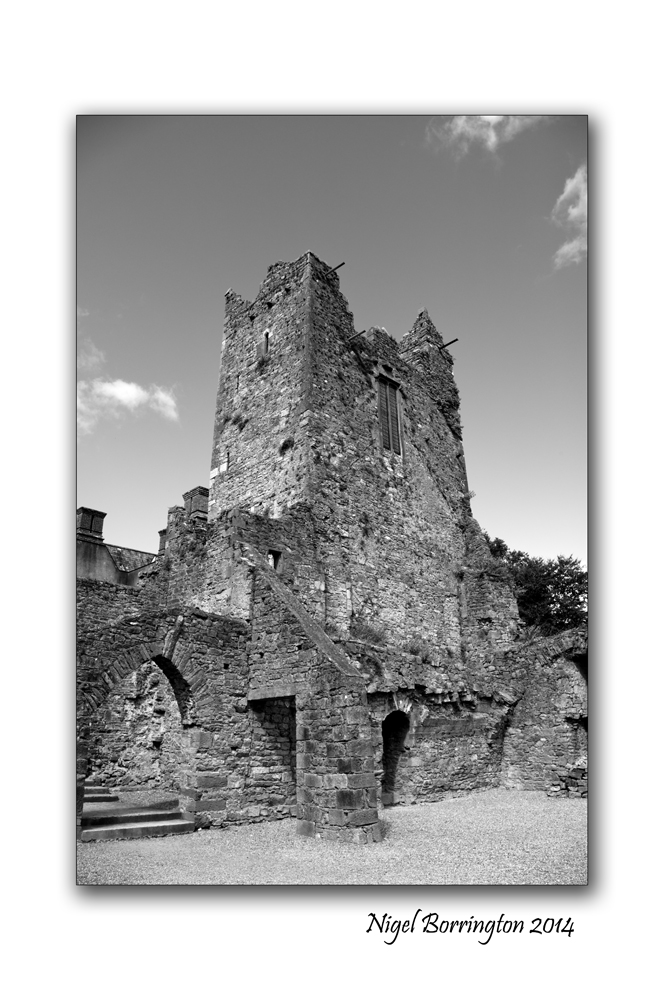
One of my favourite historic Location to visit in Ireland is Ormonde Castle in County Tipperary.
Ormonde Castle description on Wikipedia.
The castle is located on the bank of the river Suir, on the edge of the town of Carrick on Suir, when it was first built the castle would have been set in a large private estate with much land surrounding it.
Today its location is in one of the parks that the town contains.
A summers day visit here is perfect as you can visit the Castle them make use of the park if you bring some lunch with you.
Ireland has such great history that is stored in locations like this, historic buildings are a part of Irish history and offer great attractions to visitors here.
If you are visiting then Ormonde Castle is a great location to put on your list.
Ormonde Castle Gallery



Tetrapod Trackway – The Oldest footprints in the world

Valentia Island coast line, county Kerry
Irish landscape photography : Nigel Borrington
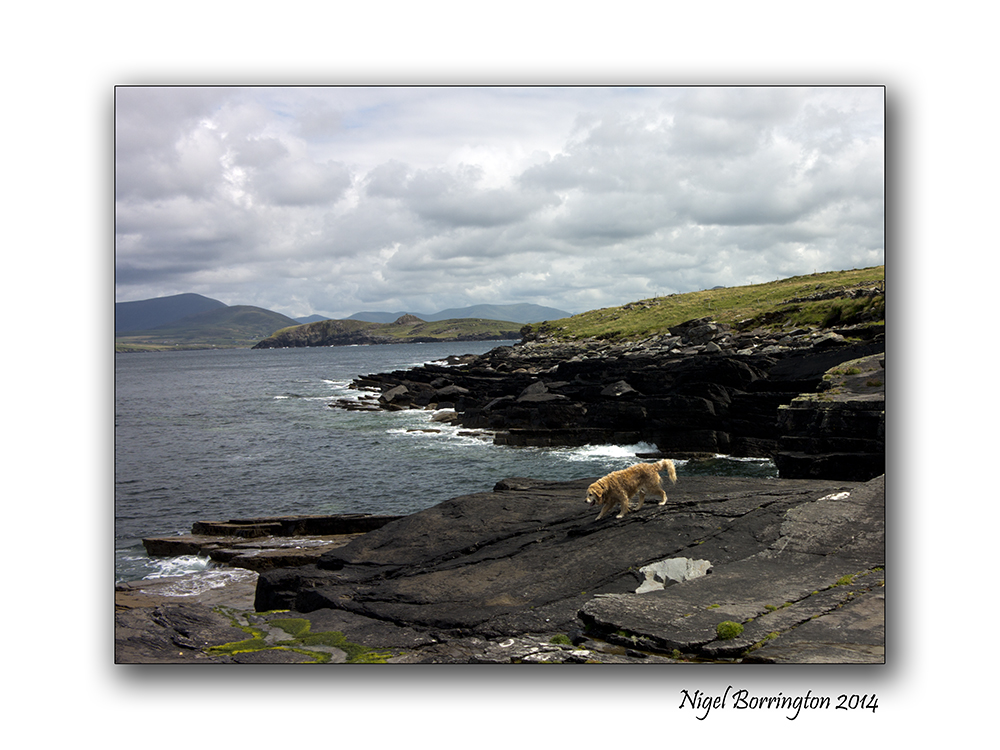
Last year while staying in county Kerry for a holiday and on a walk around the coast line of Valentia Island we came across a sign for a Tetrapod track way and just had to go and have a look. The Track-way is down a path to the rocky sea front and ends at a rope that you stand behind to view the footprints in the rock.
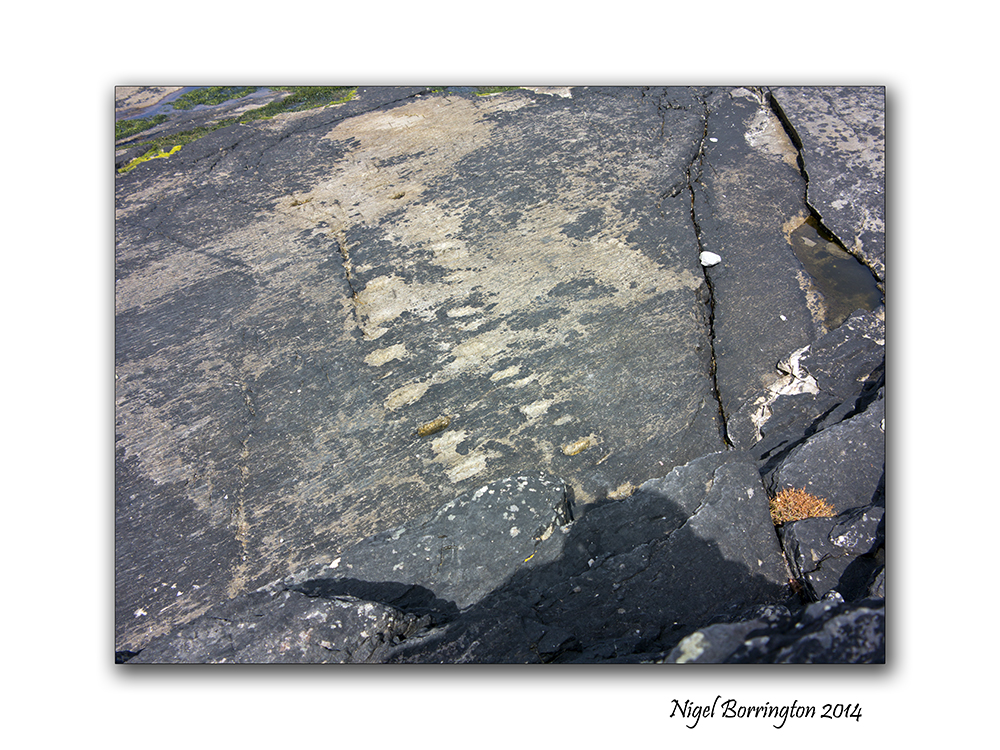
It is a little difficult at first to see the prints but if you wait for the right light you can see them very clearly. Its hard to imagine the significance of these prints, about 350 millions years ago a four legged Tetrapod took a walk along a beach and left its prints in the sand this sand then over millions of years turned into rock that now resides thousands of miles away from it original location, forming the west coast of Ireland.
The only four legged animal this day was our dog Molly who as you can see just had to go and have a look at the remains her ancestor’s left.
Tetrapod Track-way

The Tetrapod imprints are thought to date from Devonian times – somewhere between 350 and 370 million years ago. This site is of international significance as it represents the transition of life from water to land – a momentous turning point in evolution and provides the oldest reliably dated evidence of four legged vertebrates (amphibians) moving over land. The Valentia Island Tetrapod footprints are the most extensive of the four Devonian trackways in the world. (The others are in Tarbet Ness, Scotland; Genoa River, NSW Australia; Glen Isla, Victoria Australia). Access to the track way is by a pathway down to the rocks.
Tetrapod footprints, Gallery


What is Lens Bokeh ?

Led lights and Lens Bokeh
Nigel Borrington
What is Bokeh
Wiki have a great description here : Lens Bokeh
“In photography, bokeh is the aesthetic quality of the blur, in out-of-focus areas of an image. Bokeh has been defined as “the way the lens renders out-of-focus points of light”.
However, differences in lens aberrations and aperture shape cause some lens designs to blur the image in a way that is pleasing to the eye, while others produce blurring that is unpleasant or distracting.
Bokeh is often most visible around small background highlights, such as specular reflections and light sources, which is why it is often associated with such areas.
However, bokeh is not limited to highlights; blur occurs in all out-of-focus regions of the image.”
I have been looking for a way to test this feature of my lenses for a little time, then at Christmas we put up some little led lamps as below. So using two different lenses one a Nikon 50mm f1.8 lens and A Mamiya 45mm f2.8 lens I took some images of the lights, with the lens as out of focus as I could get them.
I think that the images below clearly show the effects that are described in the Wiki link, seeing clearly the effects of the number of aperture blades and their shape.
The Nikon lens as seven blade but they are not curved , the Mamiya lens blades are curved. You can clearly see that the shapes created are very different.
Lens Bokeh examples
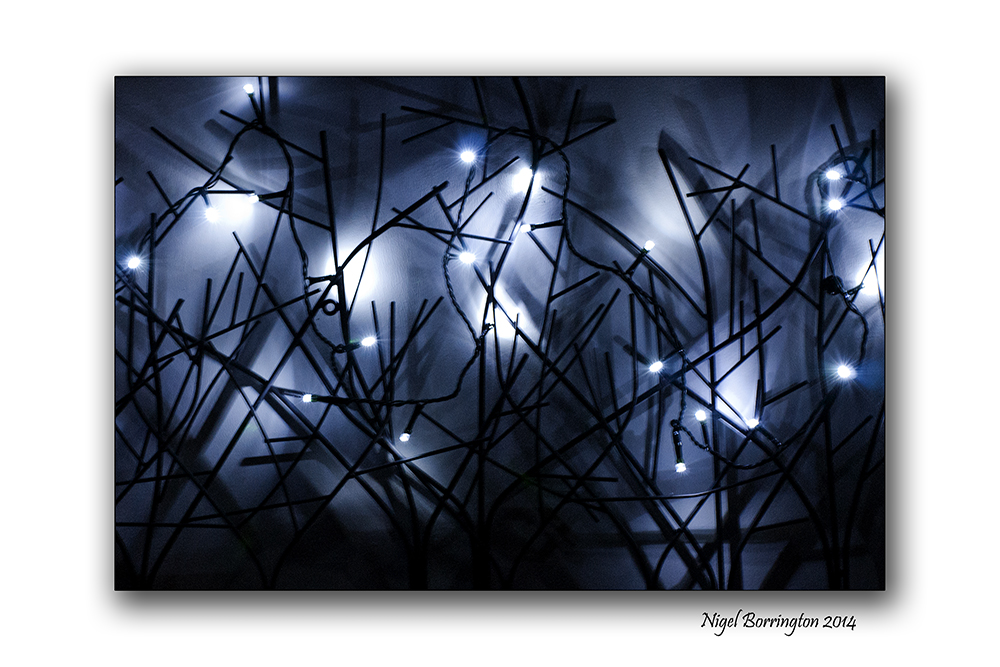
Led light used for examples below
.
Mamiya Sekor lens

 .
.
——————-
Nikom AIS Lens


Going Square format

The Grange viewing point , County Tipperary
Landscape Photography : Nigel Borrington
Square format in the landscape

The concept of Square format images in photography dates back to its beginnings.
The idea of using this format makes great sense when you think about it, a lens placed at the front of the camera produces a fully round image so the idea of drawing a square in the centre of this circle and using this square for image produced on an exposed sheet of film would appear to make the best use of the lens for the final image.
In film cameras a camera that produces a square image is usually referred to as a 6×6 or 12×12, these figures referring to the size of the exposed film area. I have used and owned different 6×6 film camera using one during my photography course and for sometime after.
These are the basics of square format film cameras , today most Digital cameras work in a 6×4 image format, meaning that one side of the final image is 1/3 bigger in its dimensions that the other. Some digital cameras however (Such as the Canon G1 x) offer format options, because a sensor unlike film uses pixels to measure its dimensions, square format is now called 1×1.
Working with a digital camera in Square format your most likely going to use the LCD screen on the back of the camera to frame your image, cameras with electronic viewfinders however will show you the same 1×1 view of your subject. A camera with an optical view finder most likely cannot show you the view you need.
If you camera cannot work in anything other that 6×4 format , one trick if you want to produce a square image is to get some scotch tape and use it to square off the live view image that you see on you LCD screen, this will at least let you frame you image for this format.
Square format in the landscape
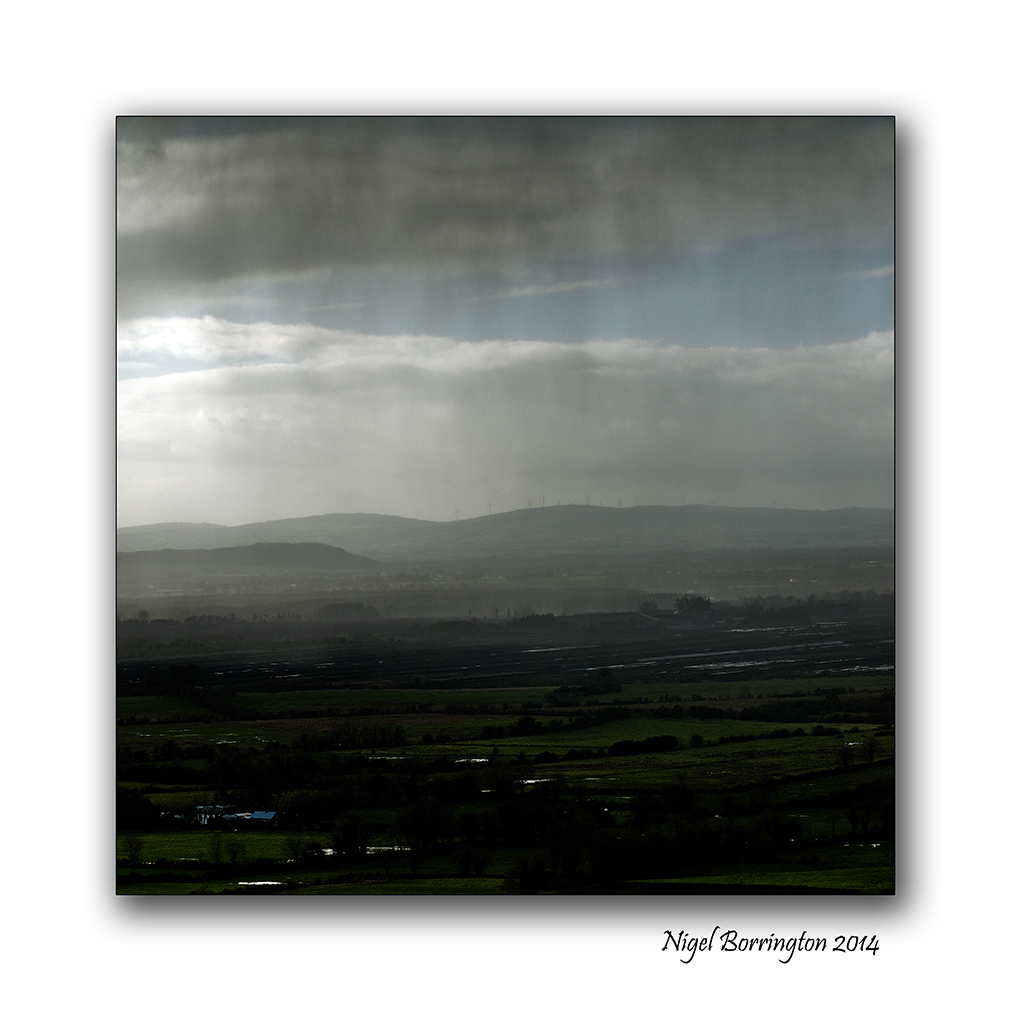
Ok, so that’s a little bit about the history of this image format and how to produce images using it today, so what about the landscape images produced in Square format.
Yesterday, I took my Canon G1x out on a walk and set it up for a 1×1 image size, Personally I really like using this format.
Many Landscape photographers don’t and I fully understand why, the main reason is that you do not get the same width to your images, this width would appear to be a basic feature of producing a Landscape photo. The idea of removing 1/3 of the image width would appear to be to limiting and it can be, but not always.
Personally I feel the very benefits that come with wide landscape images can also be a problem, some images need to be restrained in their content to reduce distraction, a square format is a great solution.
I feel that with a square image you gain the exact same hight to your image and this lets you include tall features like poles and trees or an old house , yet you can more easily confine your image to just these main subjects.
I have done my best in the images below to try and explore this and show what I feel is the benefits to going square format with your camera.
Square format Gallery



Mount Gabriel, County Cork
Mount Gabrial, county Cork
Irish Landscape Photography : Nigel Borrington
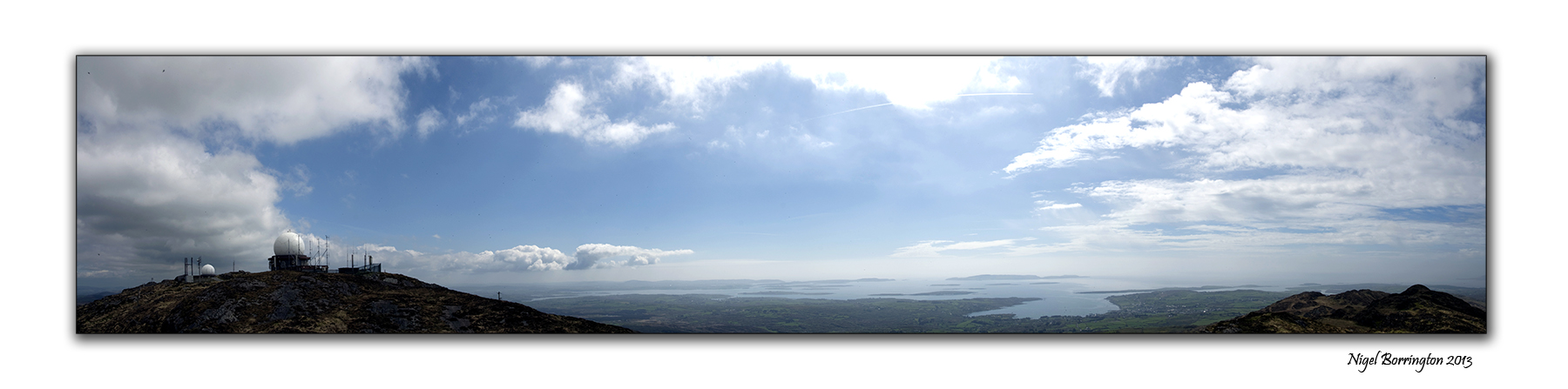
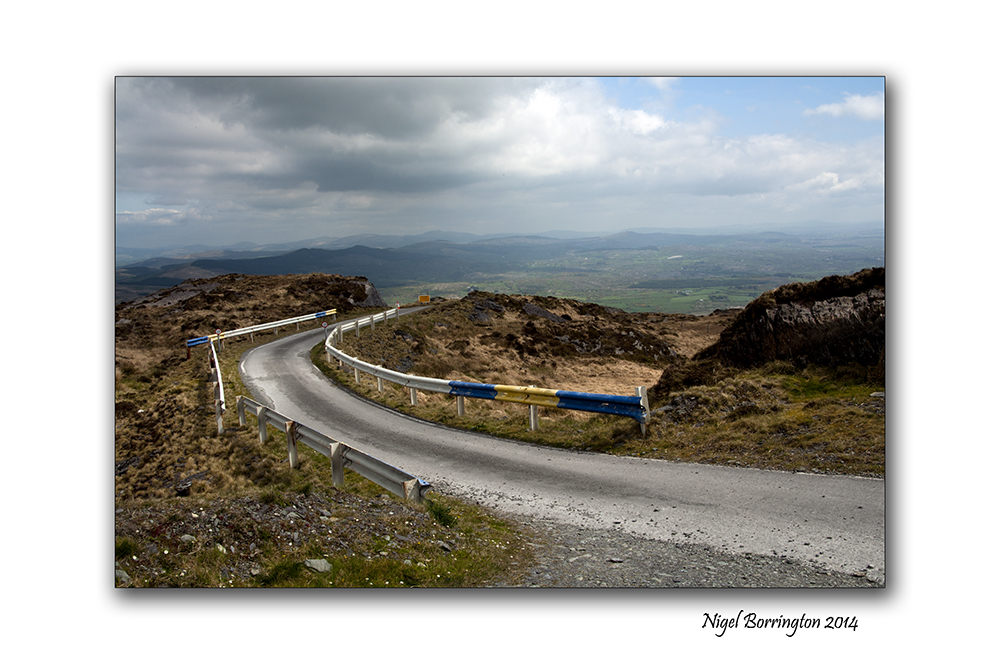
Mount Gabriel, (Cnoc Osta in Irish) is a mountain on the Mizen Peninsula to the north of the town of Schull, in West Cork, Ireland.
The Mountain is some 407m high and is the highest in the region of west cork, you can use a roadway that services a air traffic control radar to walk or drive to the top.
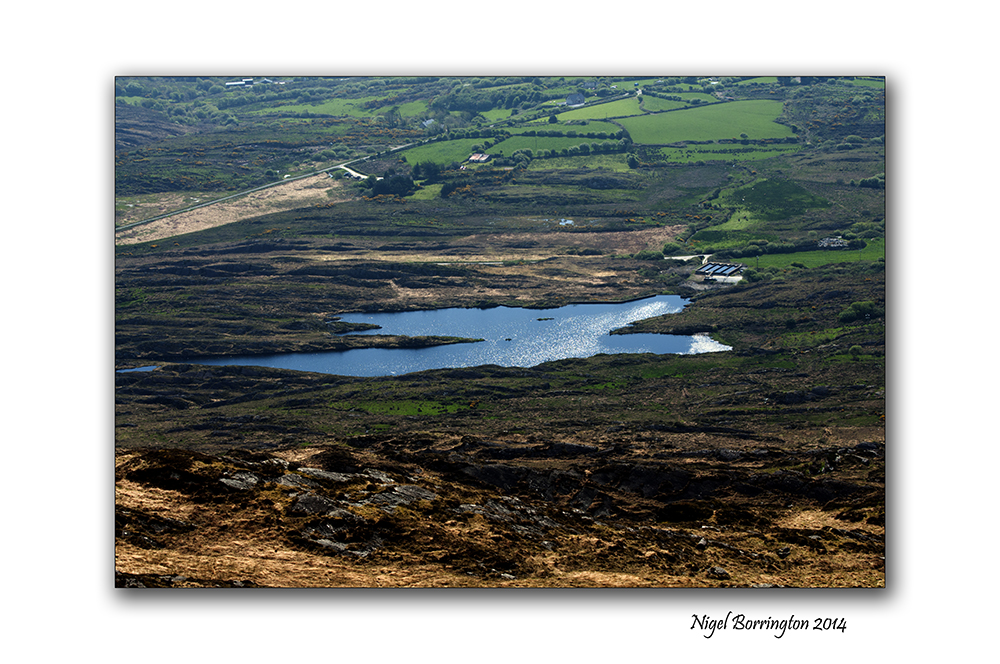
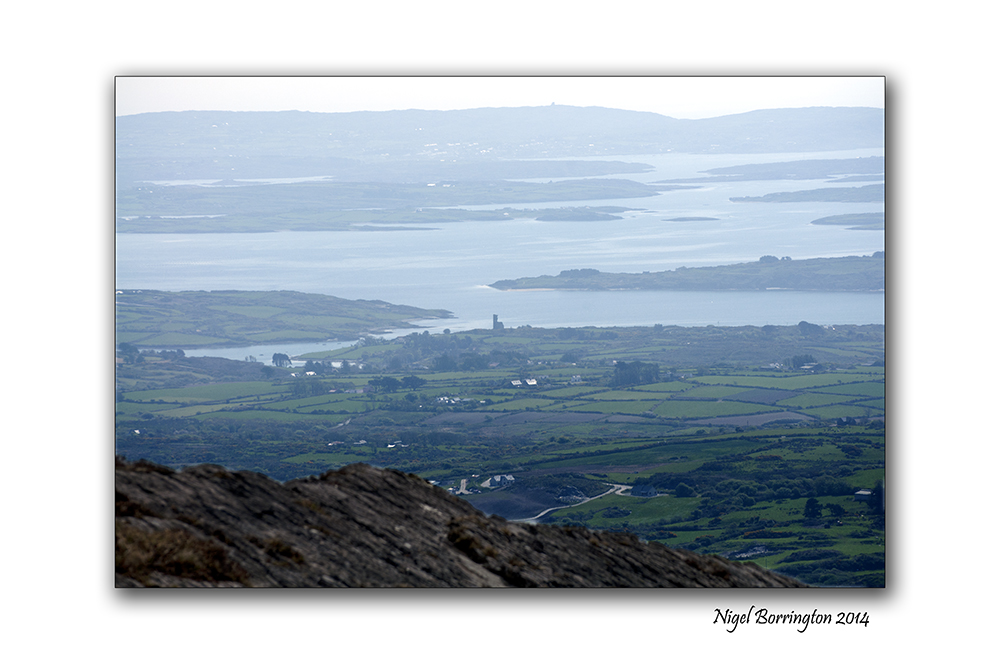
From the peak of Mt. Gabriel, there are spectacular views South over Schull Harbour and Long Island Bay. To the east and southeast, the views take in Roaring Water Bay and its many islands, popularly known as Carbery’s Hundred Isles. North and West is a panoramic view of the mountains of the Beara Peninsula and South Kerry.
The day we visited it weather was warm and very clear and we got some great views, this is a wonderful walk to do if you are in West cork and one that you will not forget, on a clear day you can see the entire county and all the Peninsulas of west Cork and Kerry to the north.
Mount Gabriel, County Cork, A Gallery





Stradbally cove and caves, County Waterford

Stradbally Cove and caves, County Waterford
Irish Landscape Photography : Nigel Borrington
The cove at Stradbally, County Waterford is on of my favourite places to visit along the coast line of souther Ireland, it a deep cove that contains some wonderful little caves that have a long history, Most likely used for smuggling goods in the past.
These days they more used to take shelter from bad weather or just sit in and enjoy for views of the blue sea here , they are a great feature well worth a visit.
Stradbally Cove and cave: Gallery


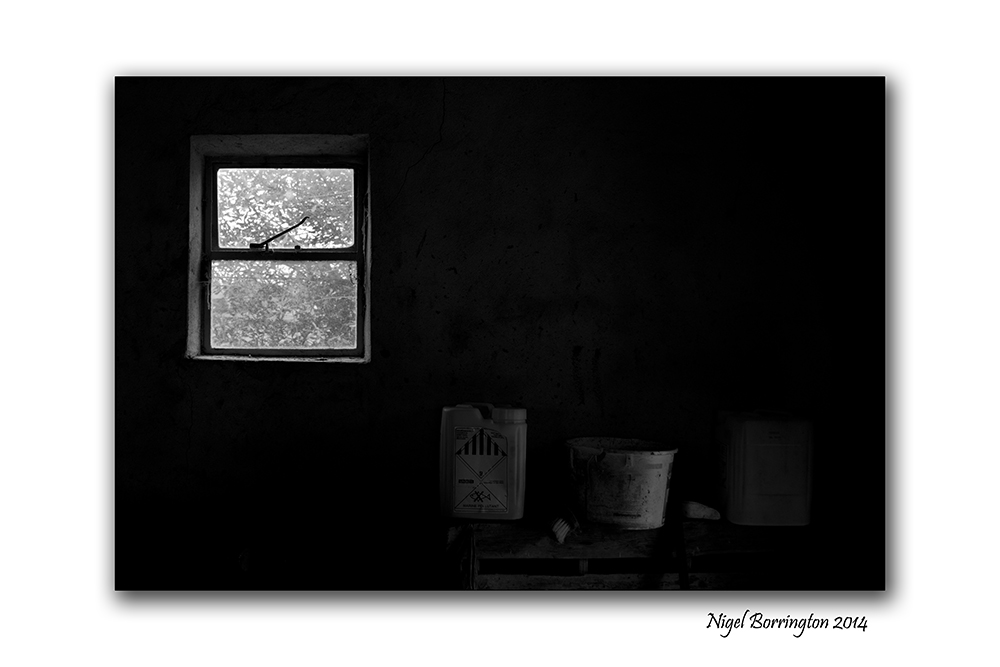
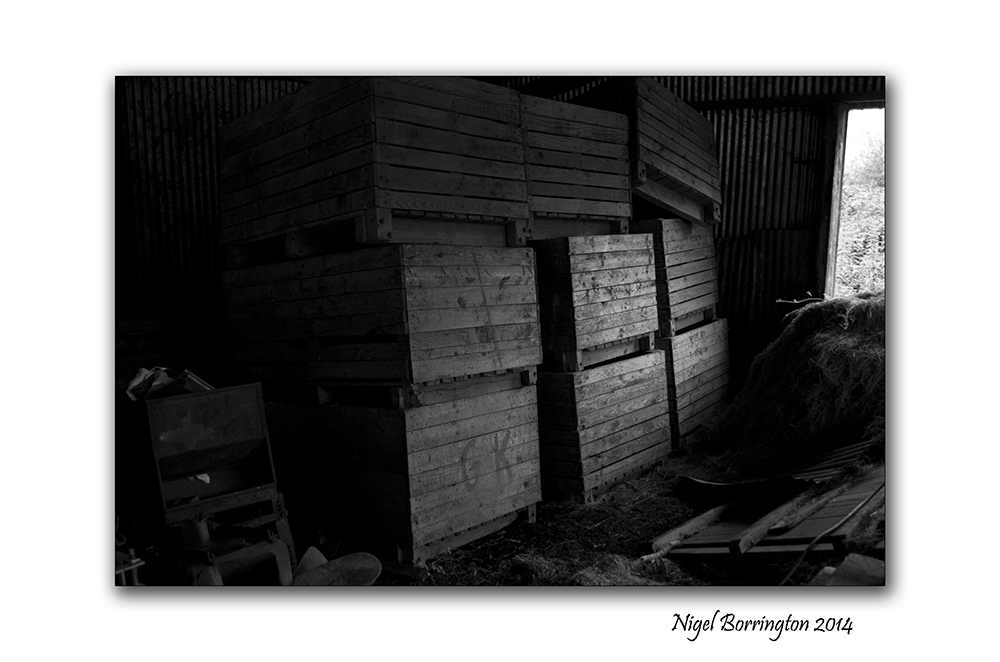
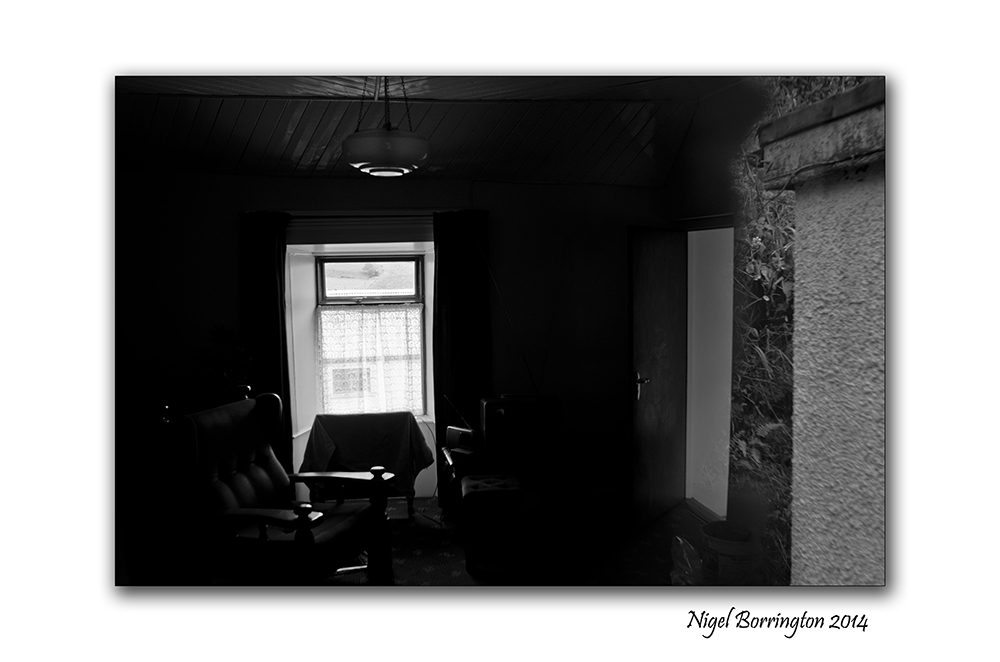
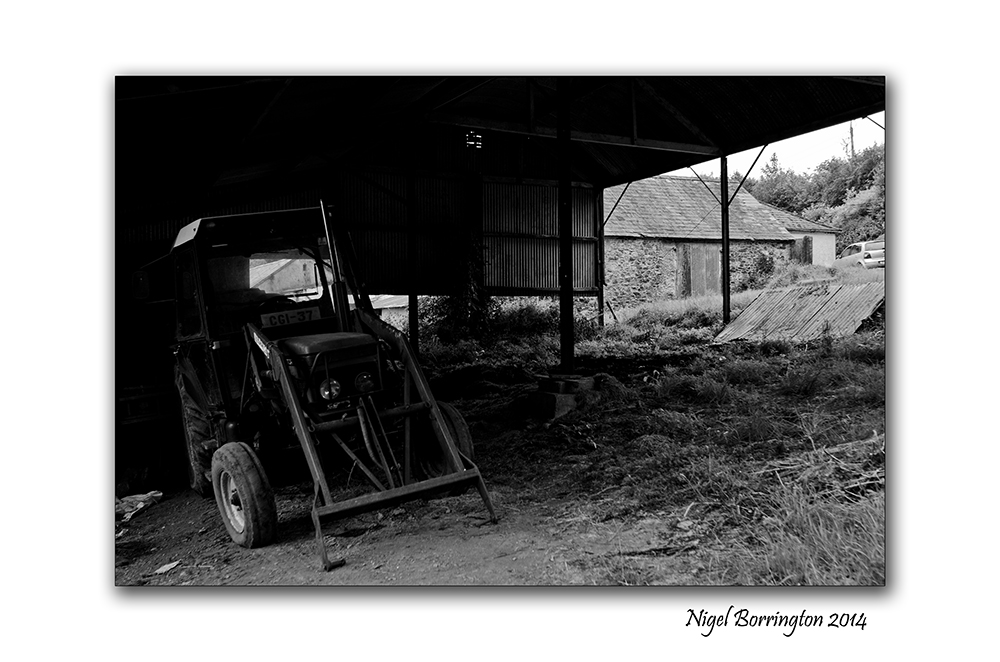
Finding light , around the farm.

Burnchurch Farm , County Tipperary
landscape Photography : Nigel Borrington
Light is just an amazing subject in photography, the searching for and finding of interesting lighting conditions can become an obsession for many visual artists.
I have found over the years that the best light can be found in places that need to be search for, looking for limited amounts of light is I feel my personal interest when getting an image I feel happy with.
Burnchurch is an old Family Farm in county Tipperary, the land here is still farmed but the house is no longer occupied, we visit and stay here a few times during the year, its a wonderful location to get away and relax for a week.
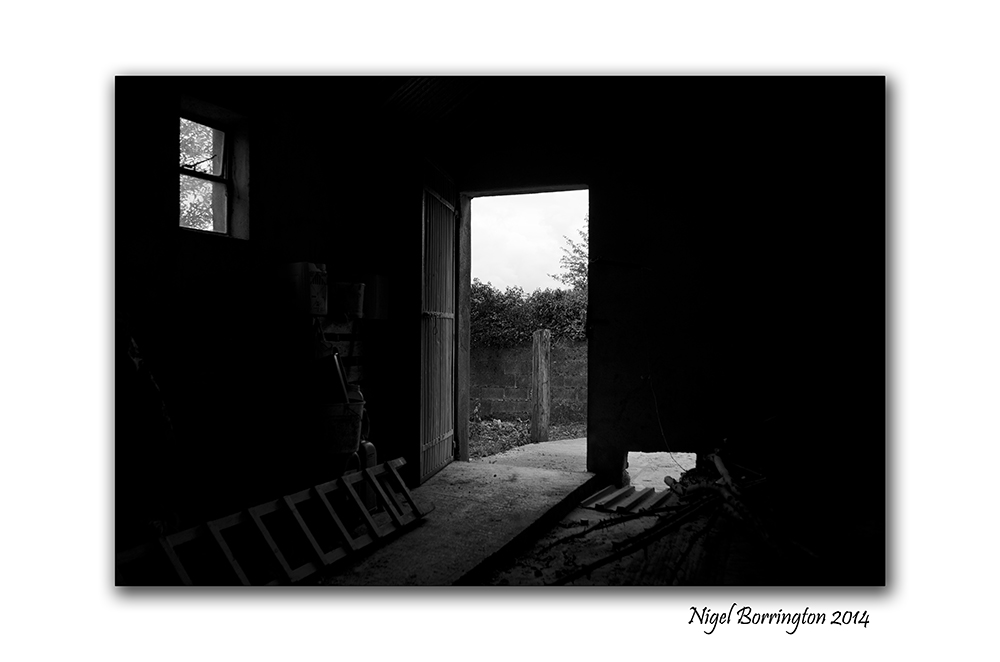
Some of the images taken here are an example of my attempt to explore and experiment with the use of limited light in photography.
The Images in the below Gallery are all taken inside some of the sheds around the farm yard and even on a wet day the light through the windows and doors here is just perfect. I love the way the light falls through the windows and into the rooms, falling onto objects that have been hanging here for many years.
I feel that photography and the images it captures is a great way to explore subjects like light, capturing in an instance the light in a room or how it is falling over a landscape.
Finding light on the Farm , Gallery



Loch Melfort, Argyll

Loch Melfort, Oban, Argyll
Landscape Photography : Nigel Borrington
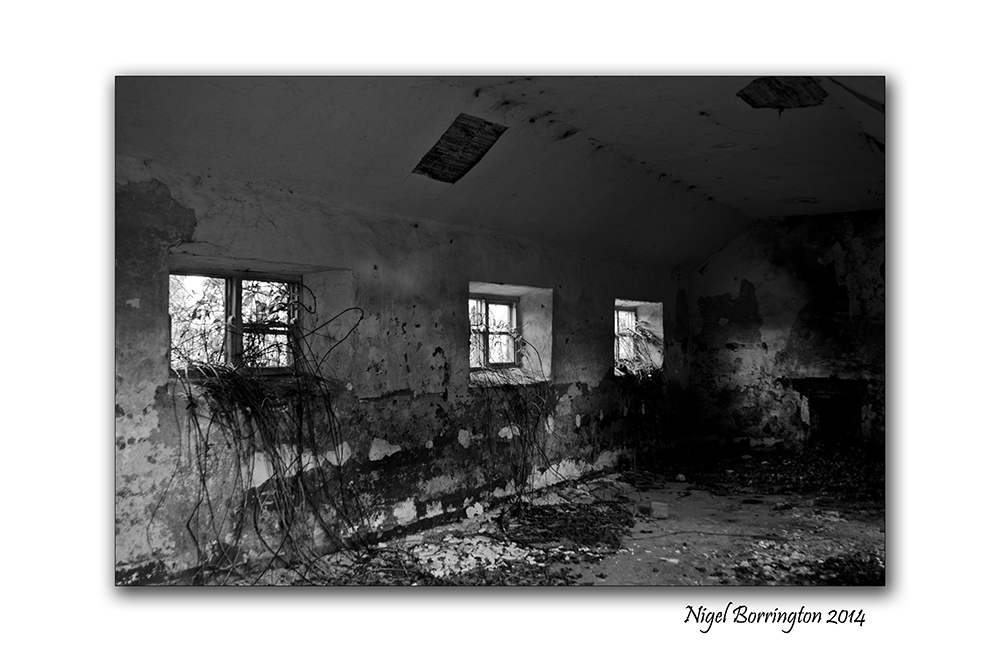
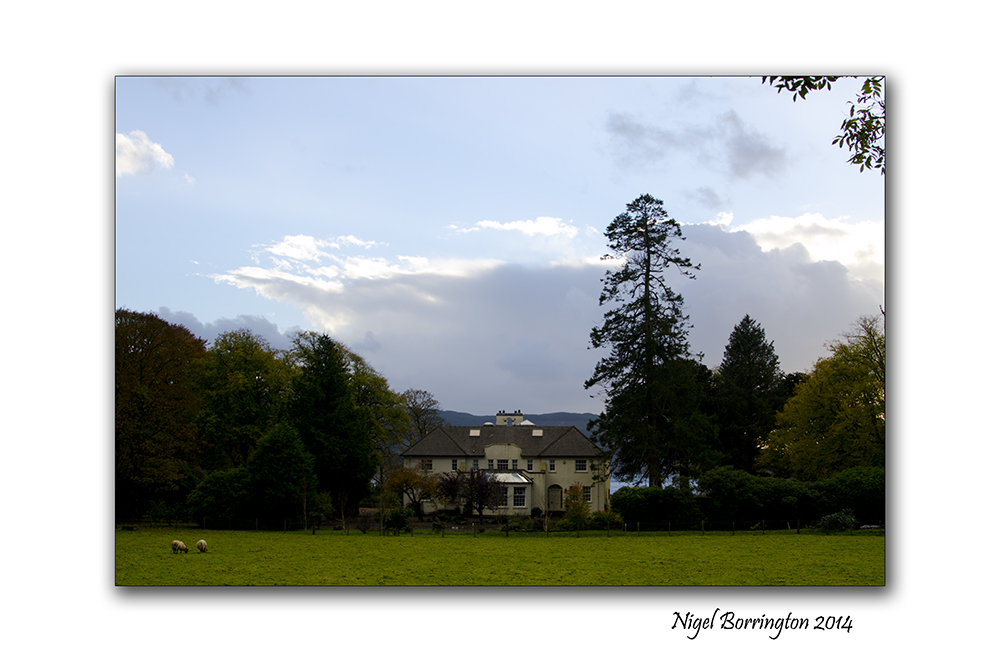
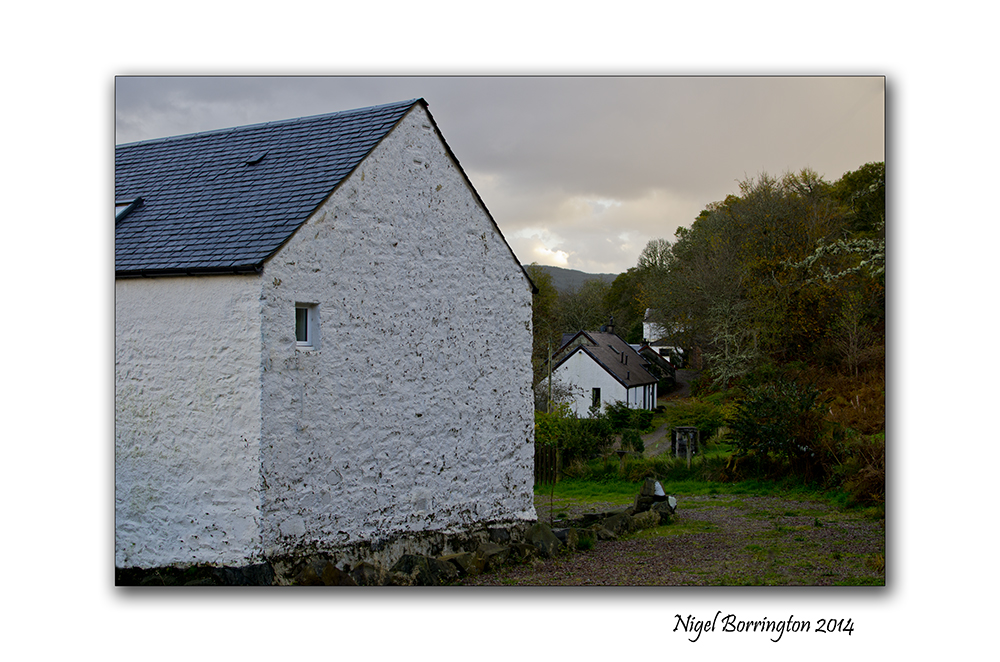
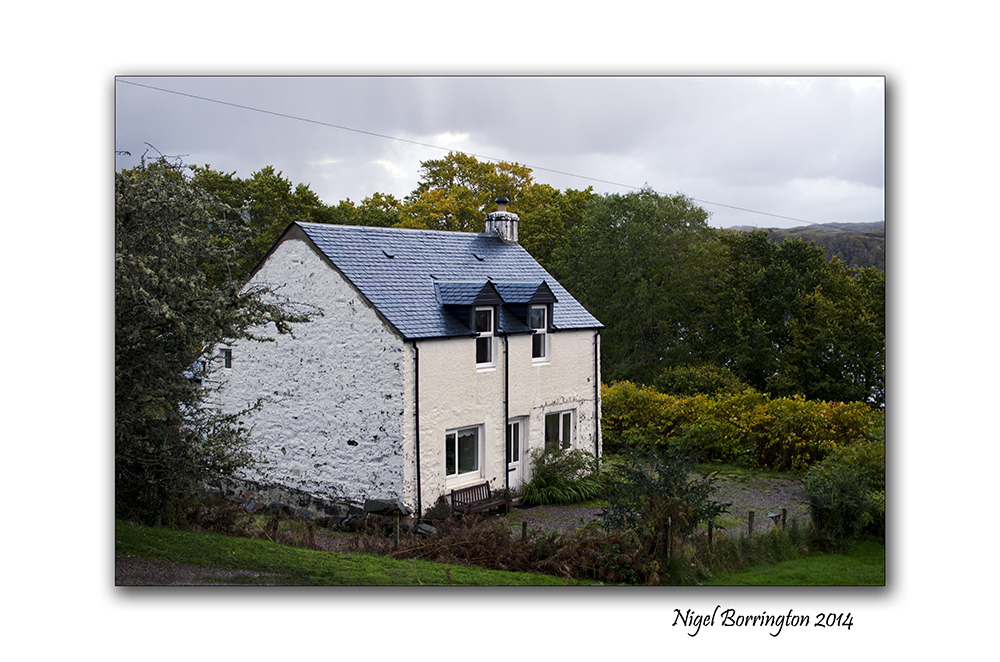
Melfort Village, is located about ten miles south of the fishing port of Oban , Argyll , Scotland, It sits on the banks of an open sea Loch that faces the western Islands of ( Luing, Shuna and Scarbe) all home to golden eagles and red dear.
This is a wonderful location for a holiday as the views from the holiday homes are just wonderful and walking along the coast line and loch side lanes here is just as relaxing and inspiring an experience as you can have. Even in the winter a stay is spectacular , sitting by an open fire in the evenings with the wind blowing in the trees and on the open Waters of the Loch is an experience I will never forget.
The Images below were taken last November on a weeks stay here…..
Gallery



What is an Altar ?

The Altar at Aghaville Church , Castlemorris,
County KIlkenny
What is an Altar ?
I have visited an old church yard at Castlemorris, county Kilkenny for many years, its a fascinating location. Its the Altar that sits within the old church and castle that’s just drawing me back everytime.
It sits below an old chapel window and the light from the doorway highlights it even on a very wet day, the old chapel is still roofed but the water gets through the stone and drips onto the floor of the chapel.
This Alter has started me wondering about the history of such constructions and what they have been used for over time.
 .
.
Today in Christian times we think of an Altar as a place that a priest stands and performs a service for anyone who is in attendance, this however has not always been the case.
An Altar in Pagan and pre-Christian times was a place of personal worship they could be in any location but a place of spiritual meaning was common, in the woods and at a river or spring a place that meant something to the community, A pagan believer could and did have Personal Alters in their own homes.
Personally I feel that the Altar is the key to Pagan beliefs, they are places of personal dedication and an indication as to where we find ourselves as Humans.
At an Altar you usually leave an item of dedication, food, something you have made, an item that means something too you personally and that you are willing to spiritually hand over too forces that you both respect and/or rely upon for your very existence.
I feel that this alone contains a truth about our spiritual beliefs, we worship the elements the seasons , Nature because we live in it , we rely upon it and we feel the need to in some form get closer to it by forming a spiritual connection. Then to worship the elements that give us our existence and lives.
 .
.
This is the function of an Altar, or at least the function of human spirituality relating to it for many thousands of years. Many feel that the Altar is the centre piece of this worship of the forces that we exist in.
Forces that for many thousands of years mankind has noted yet not understood, The season and the growth of food. In the winter its shortage, Storms, Other Animals that we live with and in many cases in the past and even today could pray on us.
Sometimes, simply leaving out food in the hope that they did not was a form of dedication.
Warmer days, down by the river.

The River Suir, May 2013
Irish Landscape Photography : Nigel Borrington
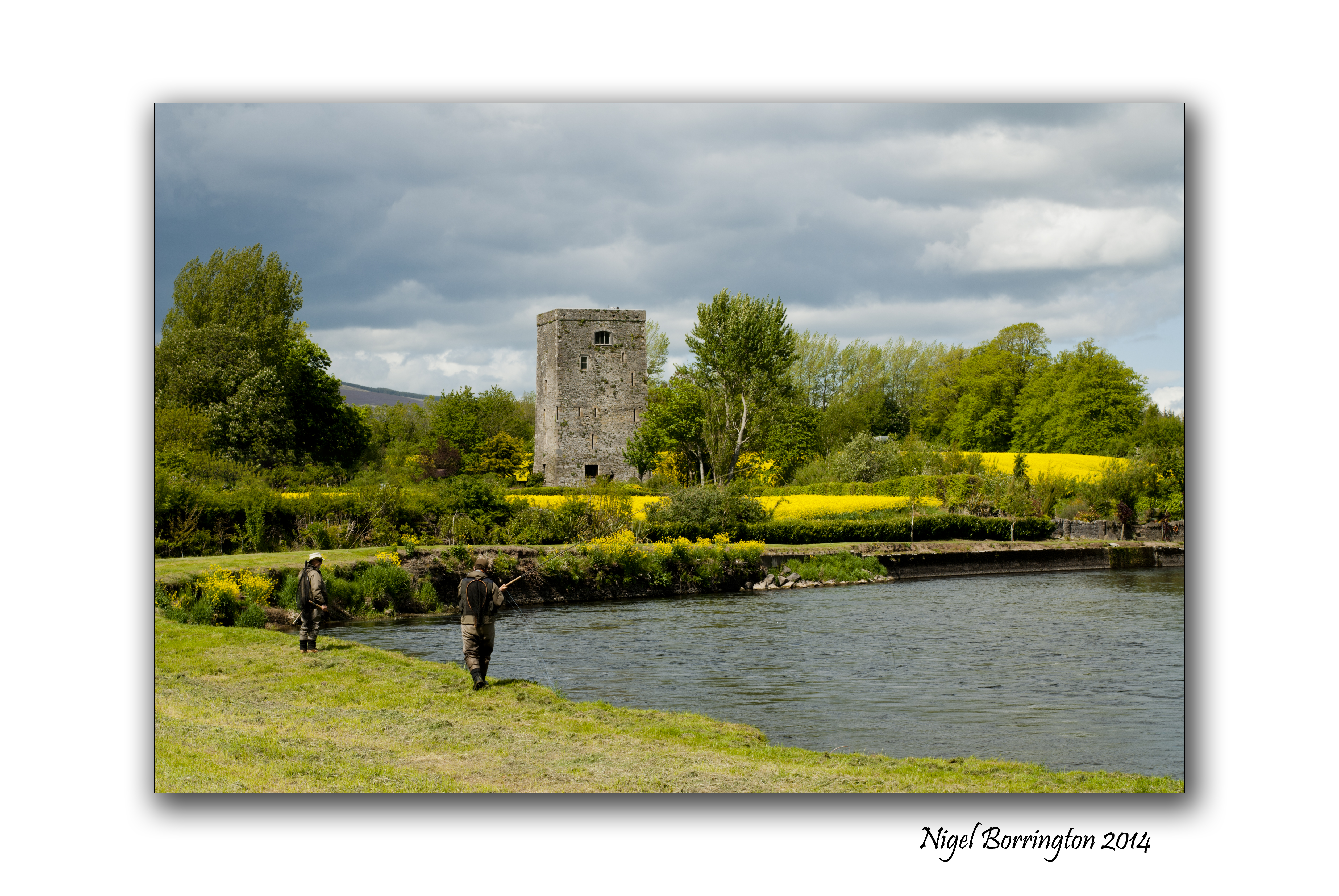
Today could the the first day for weeks that we get no rain, the forecast is for a completely dry day, so in a effort to get my mind away from the bad weather I want to post some images from one of my best loved walks in the south east of Ireland.
These images are from May 2013 and show the River Suir in county Tipperary as she winds her way slowly towards the coast at Waterford Harbour, Myself and our Dog Molly do this walk many times but May just has to be one of the best Months. Life has returned to the river Banks with many birds and flowers returning. Molly just loves this walk as it offers her the chance to swim and walk along the river path for some miles.
These images show the views that will soon exist here and the recent floods will be a long forgotten part of this rivers annual cycle.
May on the River Suir, Gallery :




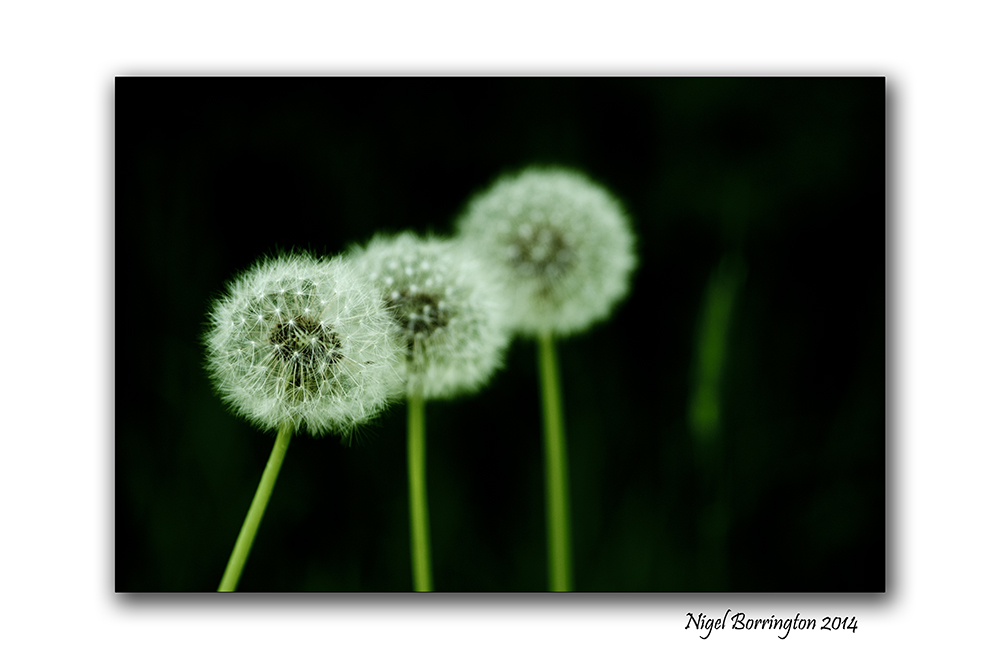

The woodlands of county Kilkenny after the storm
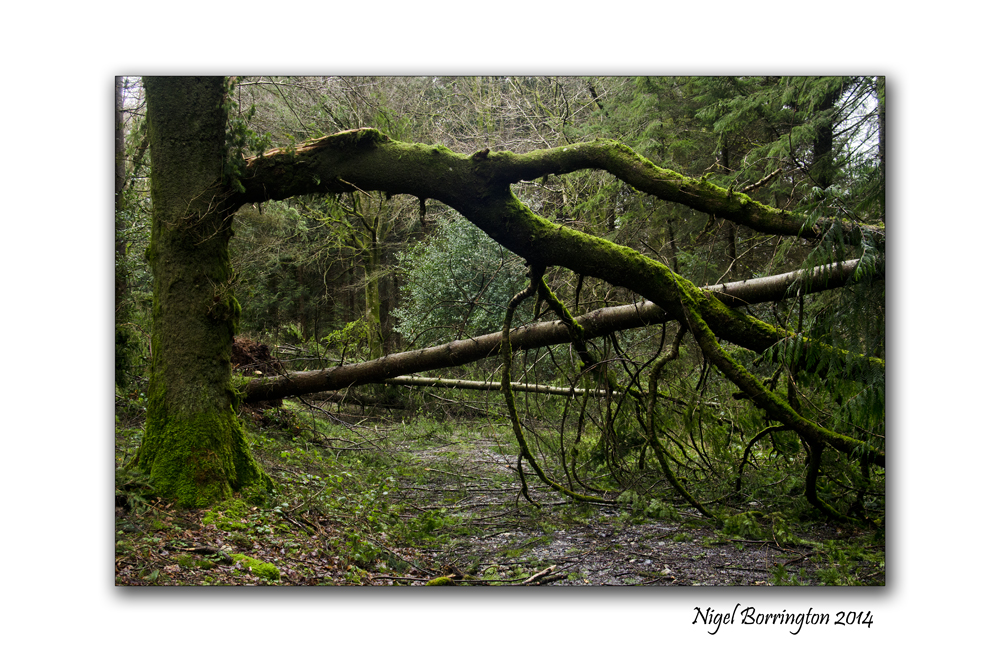
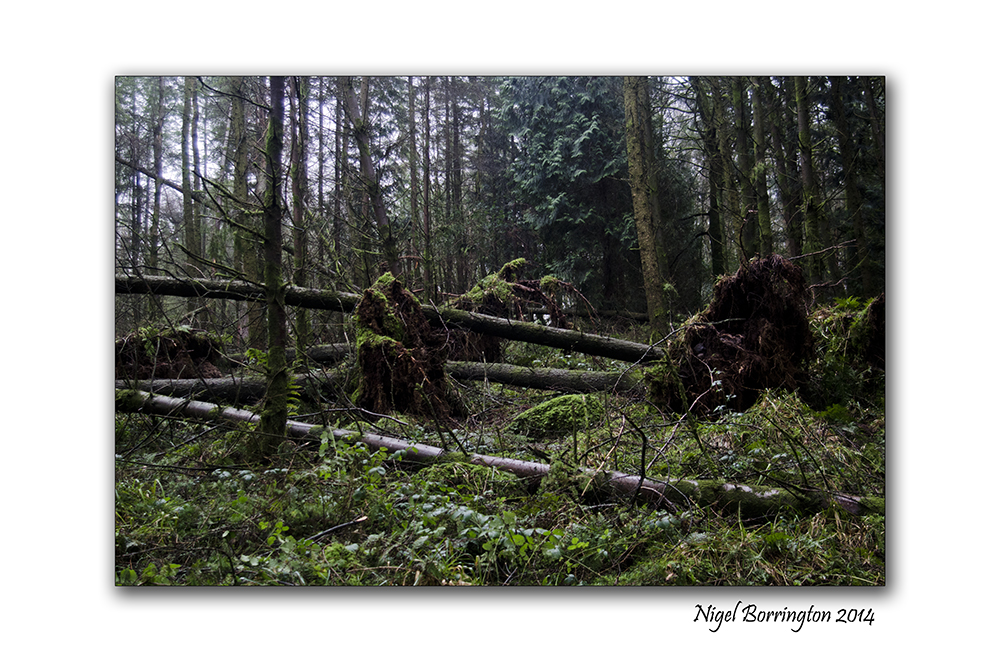
The woodlands of county Kilkenny after storm Darwin, February 2014
Irish Landscape Photography : Nigel Borrington
On Wednesday last week Ireland was hit by one of the biggest Storm’s for many years .
We have had a series of them over this winter and over 262mm of rain this year to date, I have posted over the last week or so about the flooded local rivers which I spend a lot of time walking along and the effects of all this rain is clear to see.
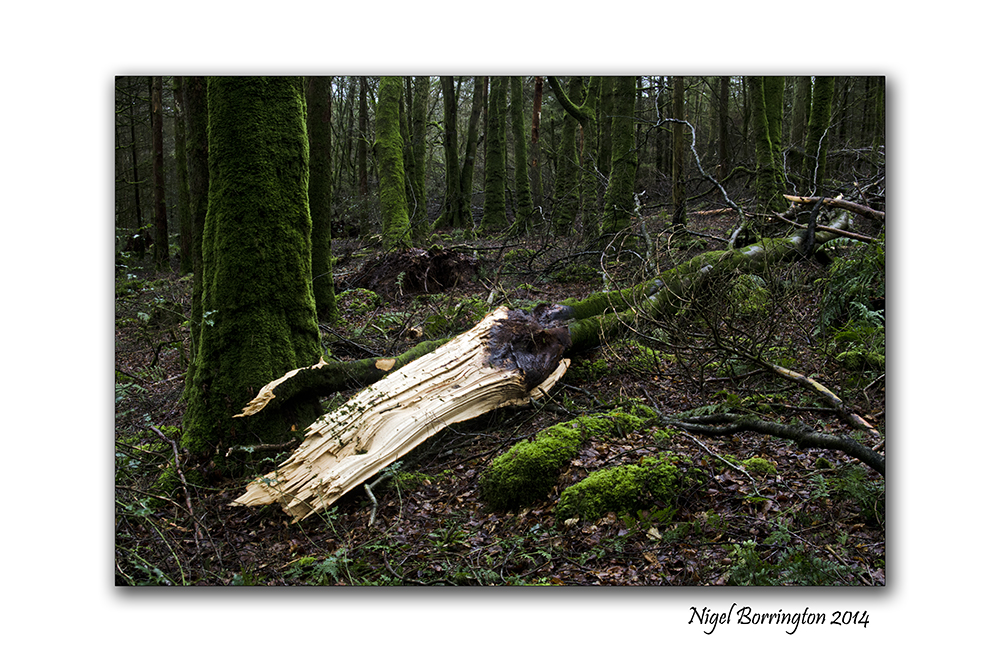
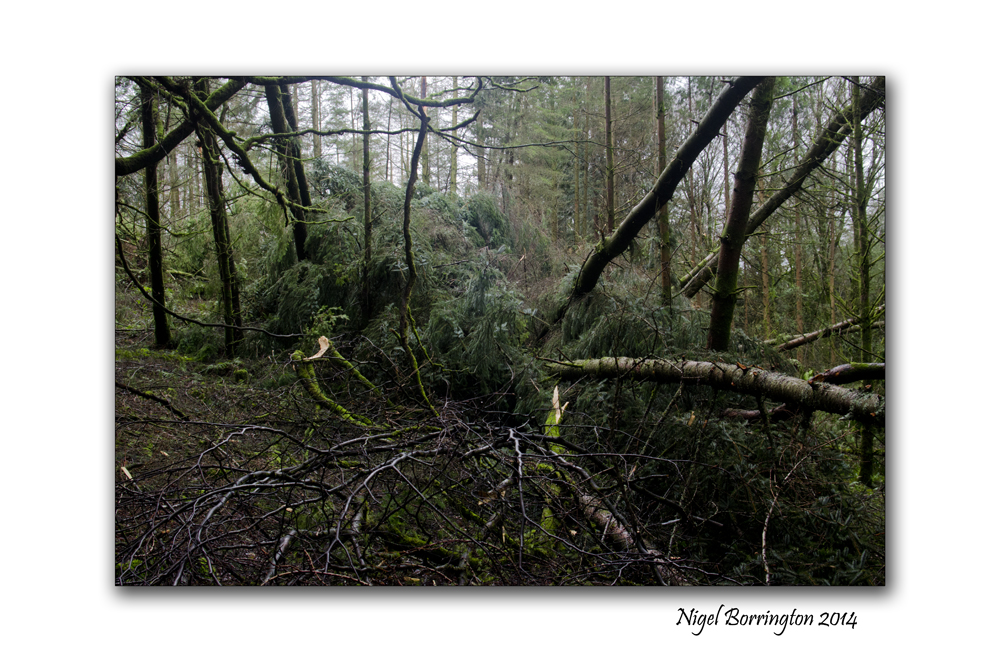
The other locations I do a lot of walking in however is county Kilkenny’s Forests and woodlands, the images below are taken in one of our local forests Castlemorris woodlands.
On this visit however I was in complete Awe of Nature and the power it holds, The forest has lost many of its great trees and I feel that the images can only get some of the sense across of just how bad this last storm was. I can only imagine the noise and the almost complete mayhem that these woods contained during the storm that powered its way through these trees.
Many of the trees have fallen and had their branches ripped from them, the visit was one of the most amazing I think I will ever have, it was silent apart from the sound of trees creaking in the wind , the sound of broken branches resting against other trees, survivors of the days storm. It was an amazing feeling, a real lesson in the power that nature holds.
You can see in the images that the path into the woods is completely blocked with fallen trees and it will take many days to clear these woodlands and return them to normal, many gaps with be visible and many trees missed.
I will let these images tell the rest of the story!!
Gallery





Kilkenny Photography , The river Barrow flooded
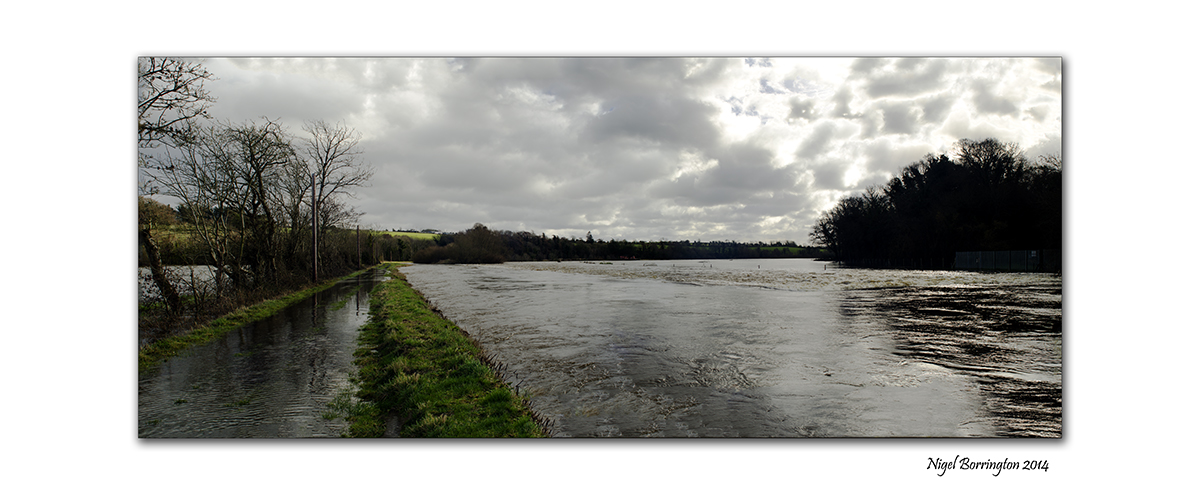
The flooded river Barrow , County Kilkenny
The aftermath of Storm Darwin
Irish Landscape photography : Nigel Borrington
Kilkenny’s river Barrow in flood
This weekend we lost our Broadband connect while our provider fixes some 18000 connection problems, mostly due to power supply problems.
I Wanted to record the after effects of storm Darwin, so spend a long time out and about getting images of the floods and the damage created in the counties forests.
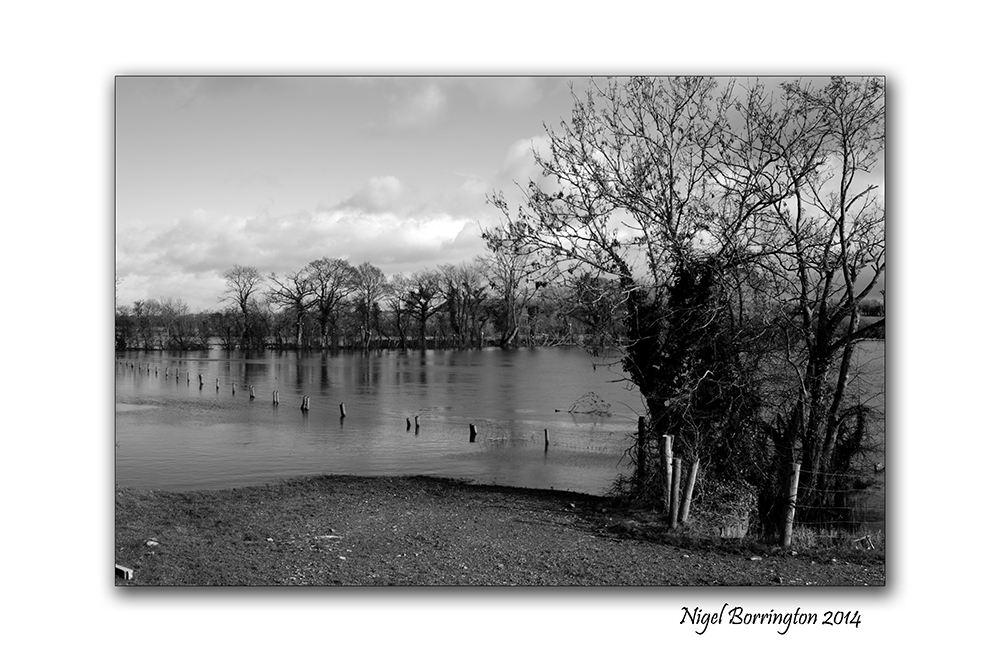
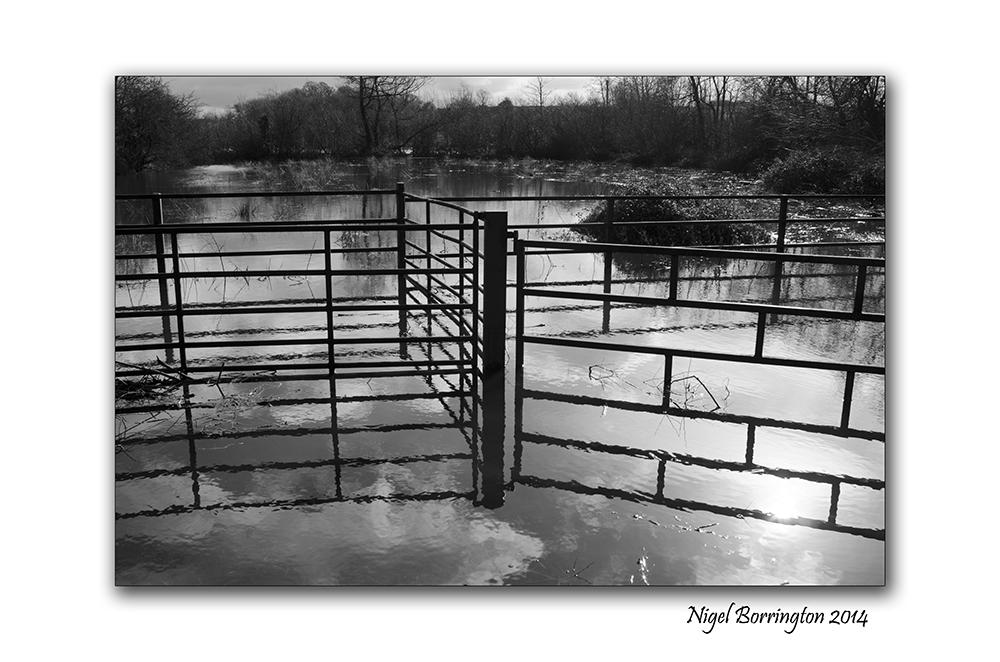
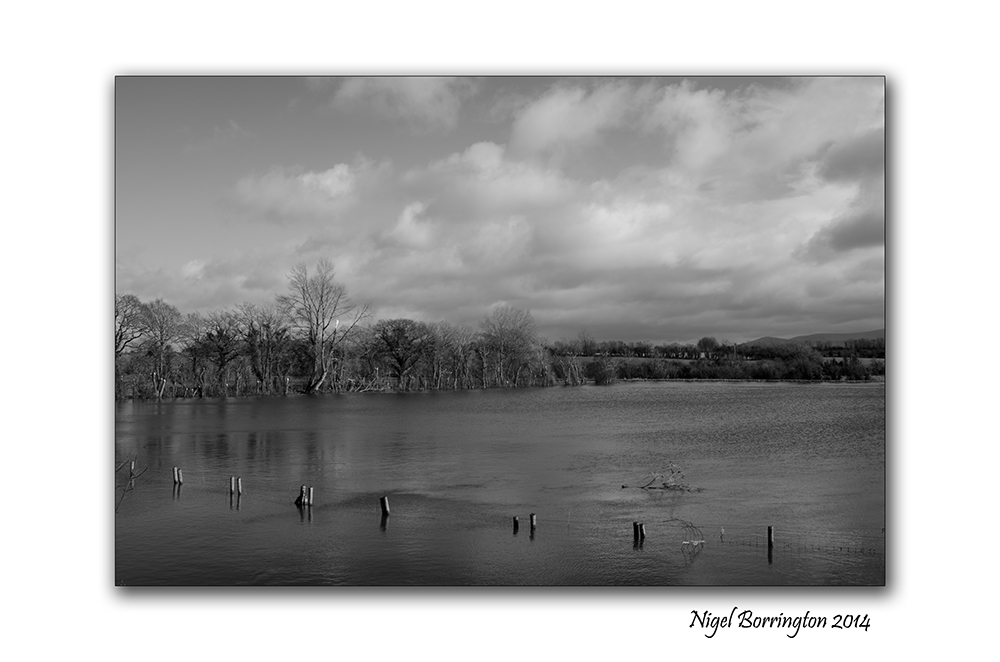
The images below are taken along the river Barrow , which is usually a very calm river that flows through the county. As you can see from these images however the entire valley and floodplain is many feet underwater and this water is flowing at full speed down through the county toward the county of Waterford.





Life between the Storms .
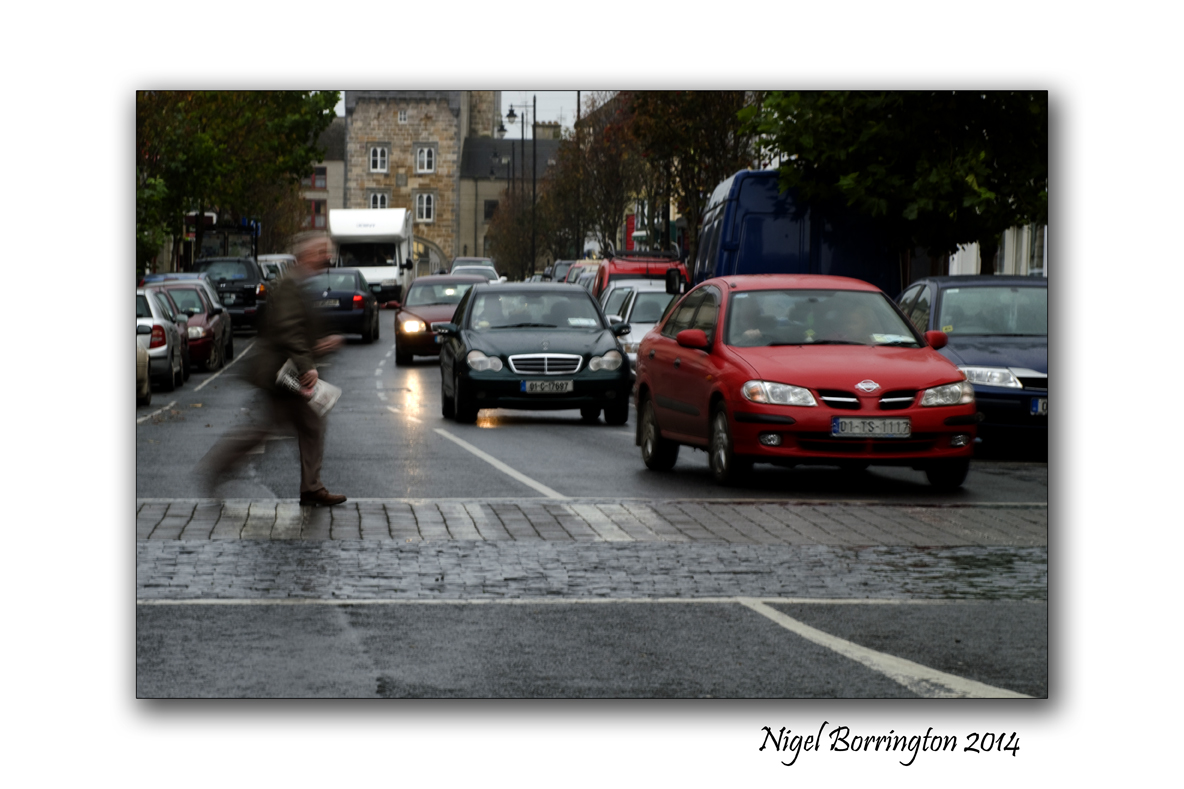
Life between the Storms
Today here in Ireland we are experiencing our eighth storm in eight weeks, with winds up to 160 kmph, the rivers are still flooded and we are are due two more storms before the weekend.
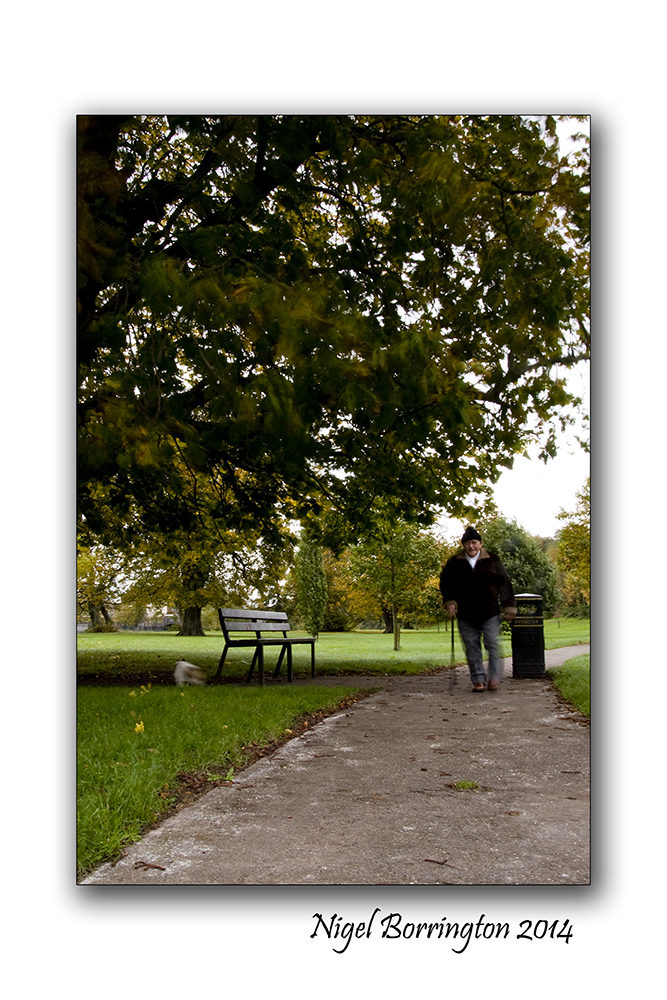
Yet life goes on, I took these two images of people going about their lives one getting his new paper and the other walking his dog.
As always life goes on but when its raining and the weather is very bad the doors get shut the fire is set, the newspaper is read and the dog is in his basket….
After the storms , Poem By : Boris Pasternak

Storm clouds over County Kilkenny
Landscape Photography : Nigel Borrington
After The Storm
By : Boris Pasternak
The air is full of after-thunder freshness,
And everything rejoices and revives.
With the whole outburst of its purple clusters
The lilac drinks the air of paradise.
The gutters overflow; the change of weather
Makes all you see appear alive and new.
Meanwhile the shades of sky are growing lighter,
Beyond the blackest cloud the height is blue.
An artist’s hand, with mastery still greater
Wipes dirt and dust off objects in his path.
Reality and life, the past and present,
Emerge transformed out of his colour-bath.
 .
.
The memory of over half a lifetime
Like swiftly passing thunder dies away.
The century is no more under wardship:
High time to let the future have its say.
It is not revolutions and upheavals
That clear the road to new and better days,
But revelations, lavishness and torments
Of someone’s soul, inspired and ablaze.
I have come down from the Mountain, Poem by : Donald J Bennett

Comeragh Mountains, County Waterford
Irish landscape Photography : Nigel Borrington
I have come down from the mountain
By : Donald J Bennett
I have come down from the mountain
The mountain of my youthful days
I have stumbled along the rock strewn path
The path of life that leads downward towards my final days
The long journey has rendered me bruised and battered
But I have found a trove of treasure along the way
The love of my family, and my friends are the treasures
These are the treasures that I hold so dear each and every day
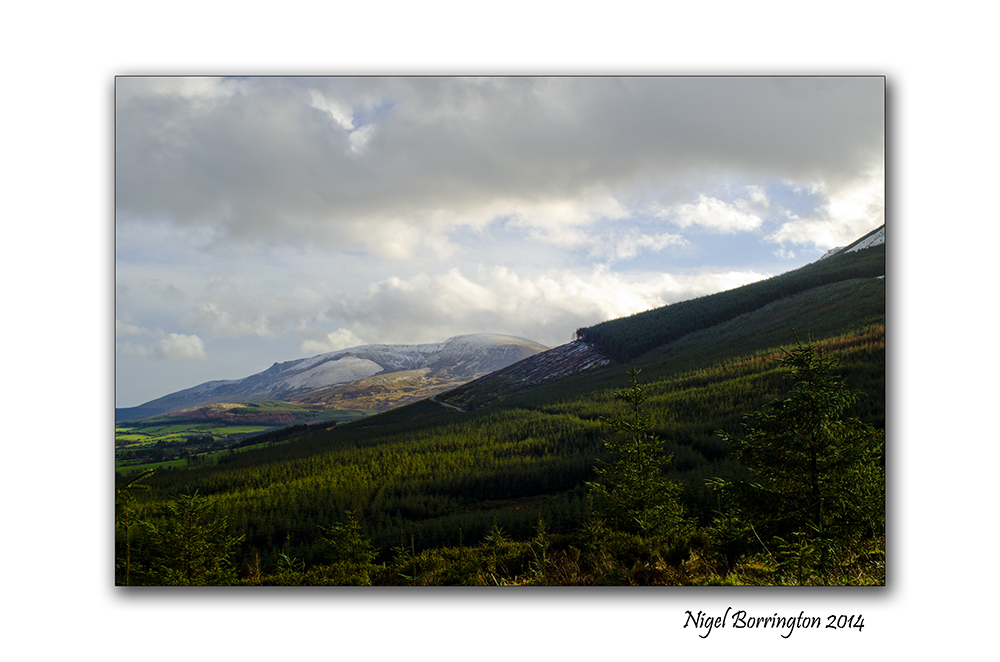
This Morning I shared a post talking about an old lens ( A Tamrom 24mm f2.5 lens) I have owned for many years, the images here are taken very recently using this lens.
Down from the Mountain a Gallery


Two canal locks and one old Tamron 24mm lens.

Tamron Adaptall 24mm f2.5 lens
Two Locks one lens many years of enjoyment
For some 40 years I have been taking Landscape photographs in both the UK and Ireland, one of the very first lenses I purchased when I first got a Nikon 35mm film SLR, was this 24mm F2.5 Tamron, wide angle Lens, purchased in 1987.
The images below are from a visit I made to Top side lock, near Berkhamsted, Hertfordshire in the south of England a wonderful old lock with a lock keepers house. The second image is from Ballyellin lower lock on the river Barrow, County Carlow , Ireland, taken in January this year.
Sometime keeping a hold onto equipment that you like using and that work very well, is far more important that searching for the new. Endlessly upgrading equipment has become the norm, we live in an age of none stop upgrades yet now and again it is still possible to keep a hold of the old and trusted things.
This lens works very well and in many cases even better now that its used with a digital camera body.
It is a manual focus lens yet because it contains all the focus and aperture details on the lens barrel it is very easy to use, you can set it up for what is known as Hyper-focus and shoot all day like this.
I just love using this lens and get a real kick from the fact it still works so well.
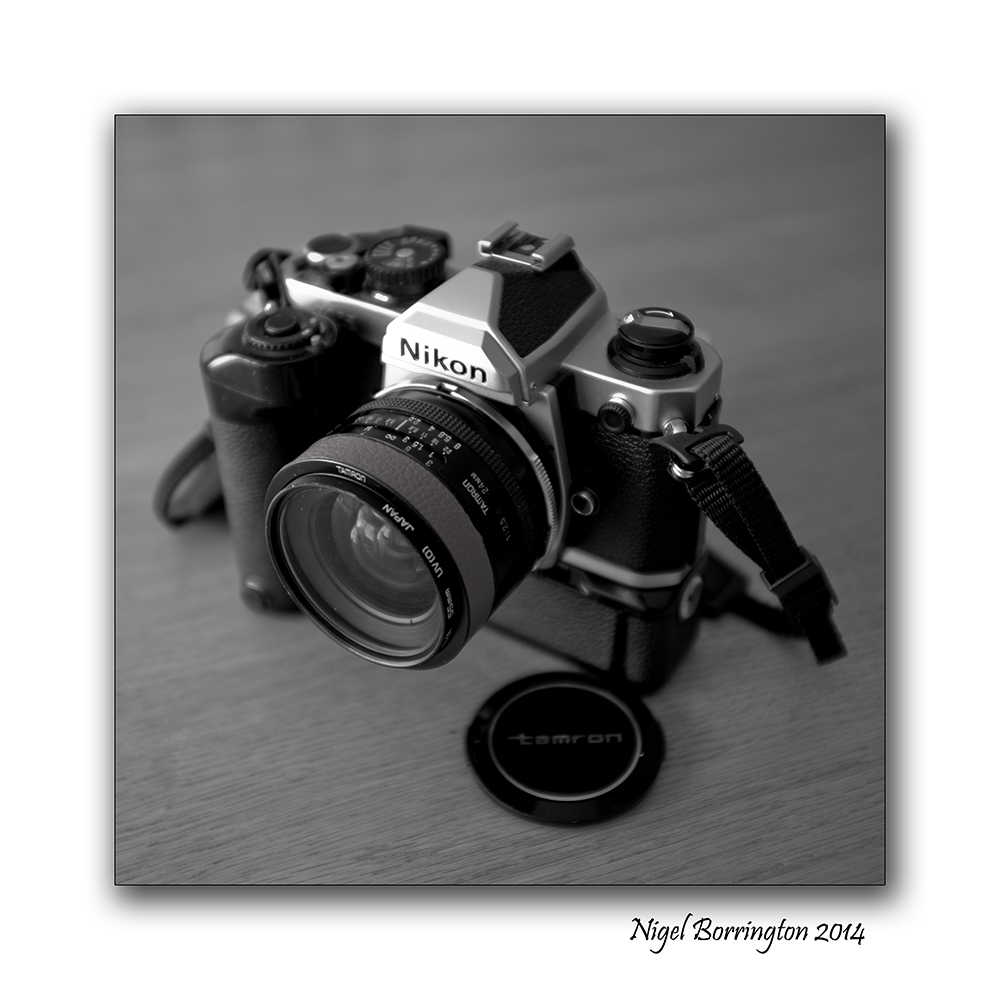
Tarmon 24mm f2.5, Nikon Manual exposure SLR film camera

Tarmon 24mm f2.5, Nikon Digital SLR camera
Top side lock , Grand union Canal, Hertfordshire, United Kingdom


 .
.
Ballyellin Lower lock, County Carlow, Ireland


Following the light .

Following the suns light through the trees
Castlemorris Woodlands , County KIlkenny
Irish Landscape Photography : Nigel Borrington
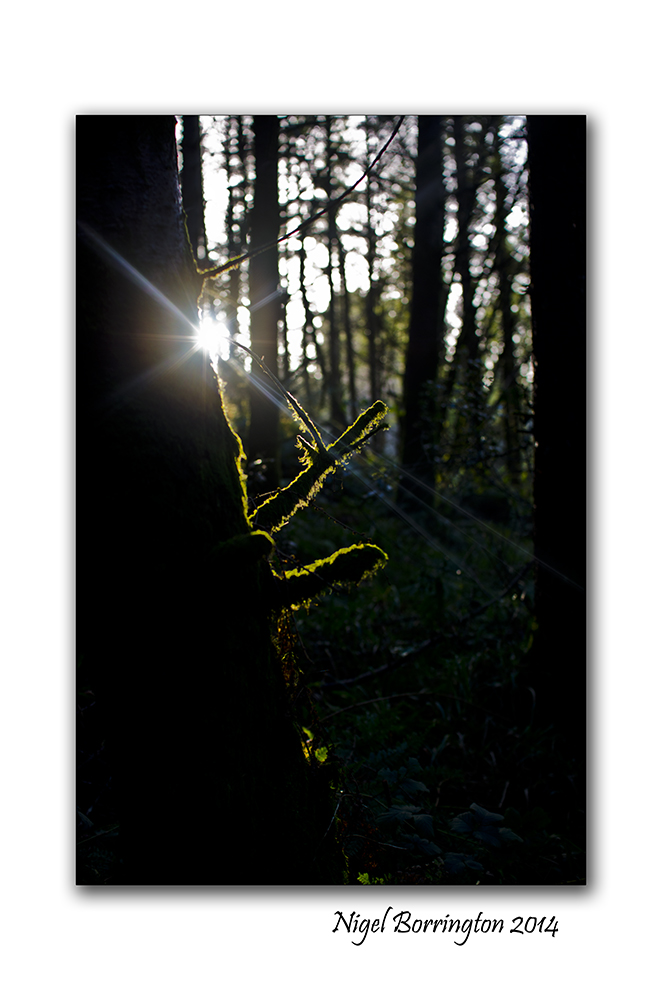
During the Winter months the Suns is sitting low in the sky for most of the day, this is a feature that I personally like a lot when taking images. Long shadows form on the landscape from woodlands and trees , hedge rows form deep and dark areas in your images during the morning and long into the afternoon.
What about the Sun in the deepness of the forests, its light finds it hard to penetrate far into the woodlands and onto forest floors.
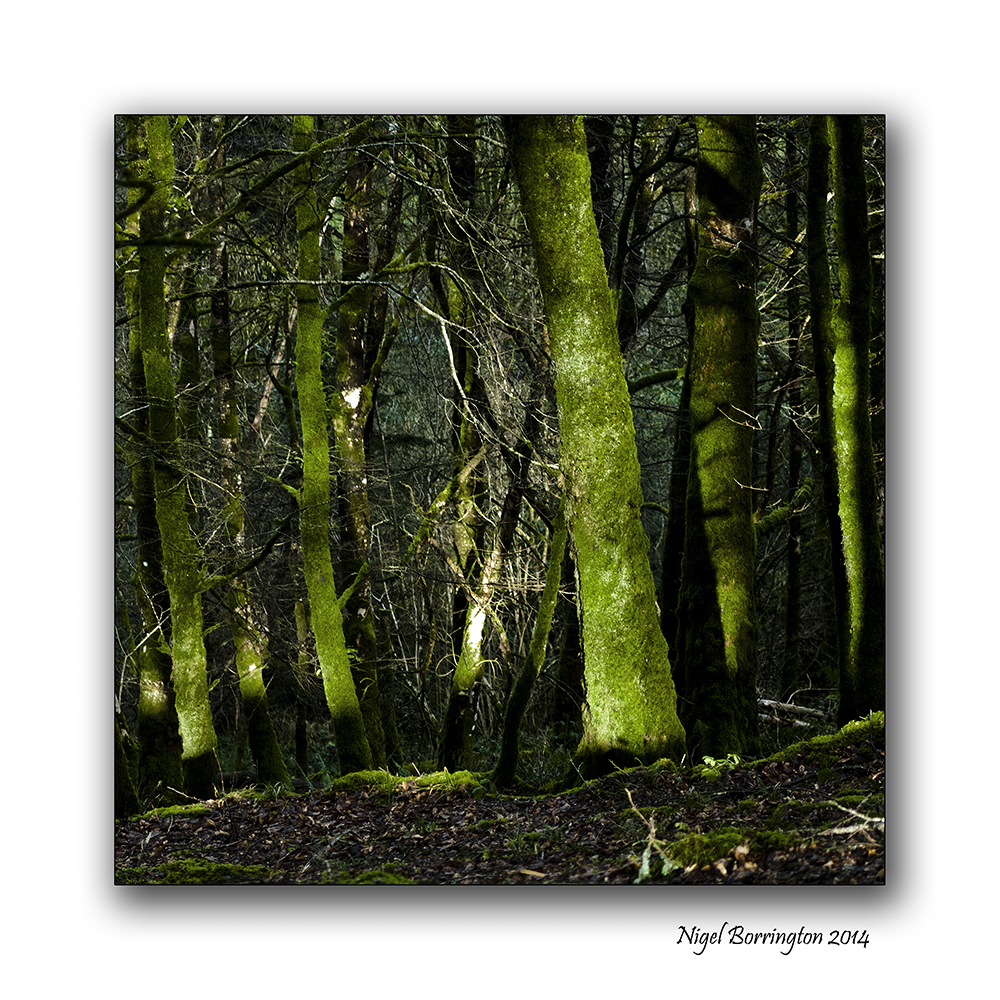
If you get as deep into the woods as you can and find an thinned area of old tall trees however the light that does get through can be used to wonderful effect, in the images below I did my best to capture the light that was getting through, making use of some moss covered rocked and the trunks of the trees themselves.
One thing I noticed was that if you position the sun right behind a tree , the light wraps its way around both sides of the trees in front of you, forming an outline of sun light.
I also very much like placing the sun on the very edge of the image or just outside it and using lens flare to bring a beam of light on to some of the rocks and plants.
Following the suns light through the trees: Gallery



Monday mornings in the Mist

Mist on a Monday Morning
Irish Landscape Photography : Nigel Borrington
Misty Monday Mornings.
Some Monday Mornings start full of purpose, the weekend has revived your spirits and you have a clear focus of what your aims are for the week. Other Monday mornings you just don’t know what your doing, you have aims but they just are not in focus sitting in a misty haze and you just cannot reach out to grab them.
This Monday morning, well ?
It was a wonderful Morning for a walk to clear my mind and try to find some direction, the mist was down on the local fields again and a blue and very peaceful haze just floated about the trees.
After Lunch time I hope the mist will lift ….. ?


Borris Viaduct, County Carlow

Borris Viaduct, Co Carlow, Ireland
Irish Landscape Photography : Nigel Borrington
In January I visited the Viaduct in Borris, County Carlow.
The Viaduct is Located just north of the town and was an amazing construction for its day, back in the 1800’s this construction help link north county Carlow to county Wexford for both passenger transport and goods – daily , until 1947.
History

On the 1st January 1855 the first ground was cut near Borris, County Carlow, for what was to be the Bagenalstown County Carlow to Wexford, Railway.
However with expensive construction costs and difficult terrain the company only ever made it half way to Ballywilliam in county Wexford, shortly after going bankrupt with debts of £100,000.
After a period of failed ownerships the railway was sold for £24,000 by the board of works to GS&WR in 1876. Passenger services ceased on the 2nd Febuary 1931, a goods service remaining until 27th January 1947, CIE finally closed the line on the 1st January 1963, 108 years to the day after the first ground was cut near Borris.
Visiting the Location
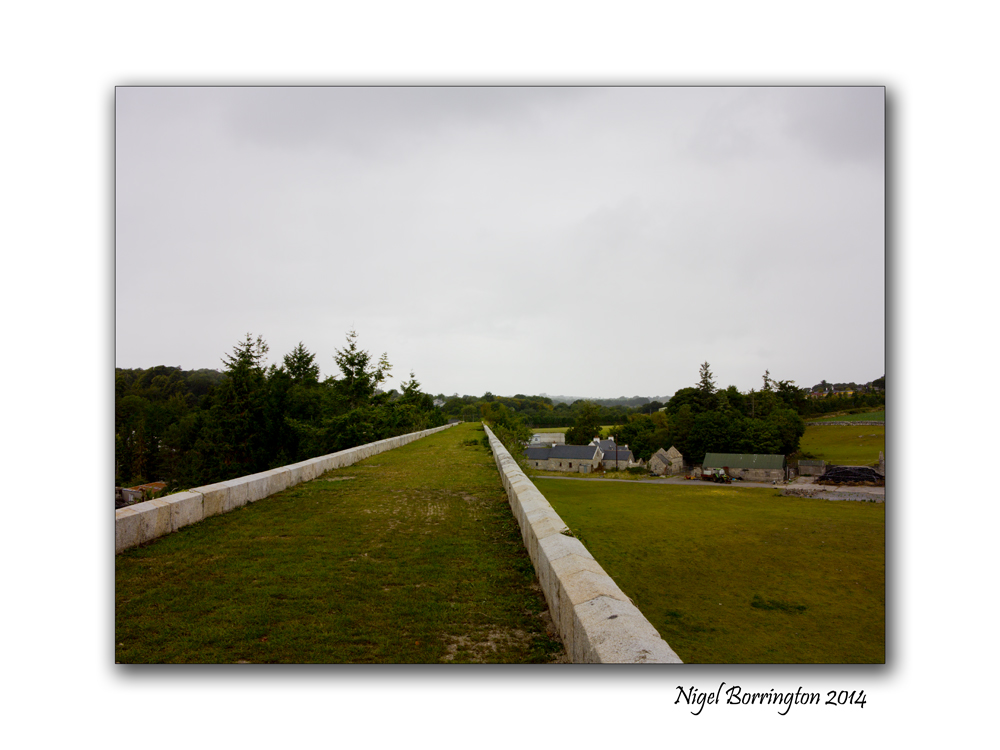
The day I visited here it was very damp and cold as you can see in the images.
The Viaduct is located on a farm and is used as a public foot-path, access is through the grounds of a local school. The path up to the level that the rail line would have been on is steep but easy to walk up.
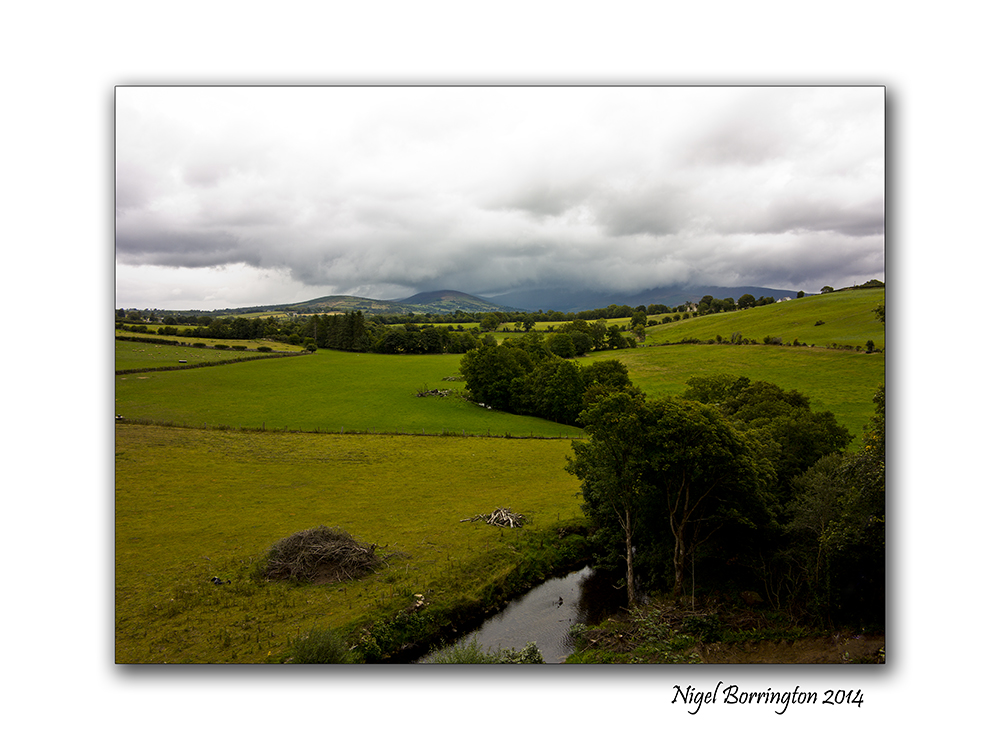
The first thing you notice is that the walls each side of the Viaduct and the path are very low and are not fenced, so you feel that you want to walk down the centre of the path. It is a good few hundred meters to the end of the Viaduct itself but the walk is well worth it as the views of County Carlow from here are spectacular !!
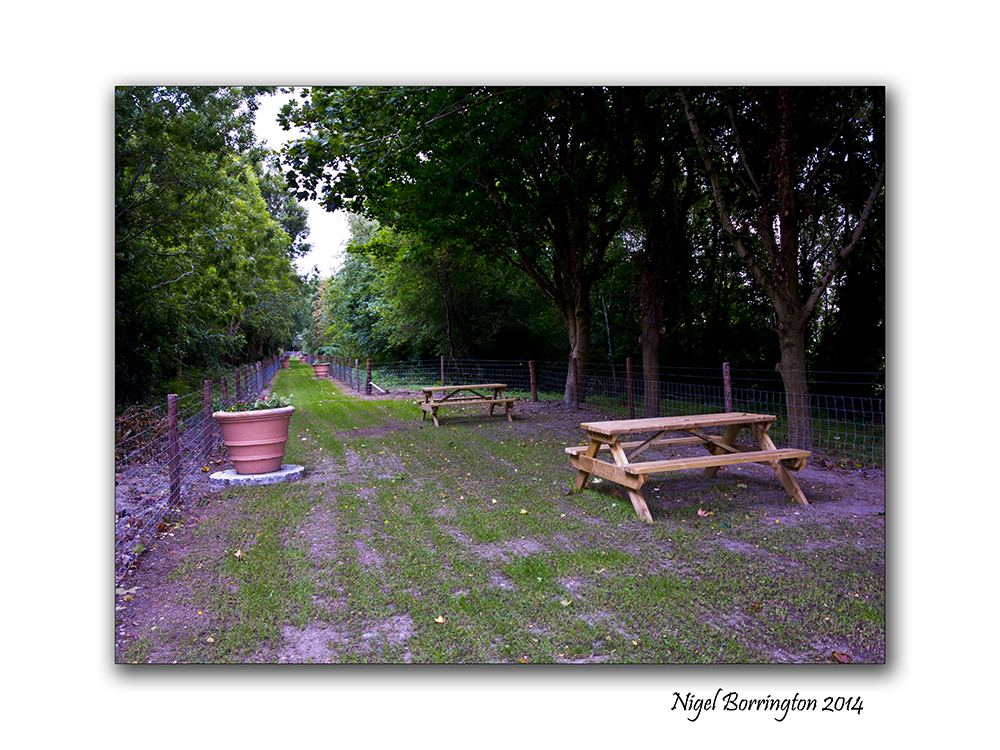
Once you reach the end of the path the old rail line cuts through some trees, there are picnic areas offering some great views of the county, at the end of this wooded part of the walk is a small bridge with a well kept garden and another picnic area.
You get the feeling that this is a much love and well kept area for the town and a pleasure to visit.
If you are in county Carlow you simply have to pay it a visit.
Location Gallery
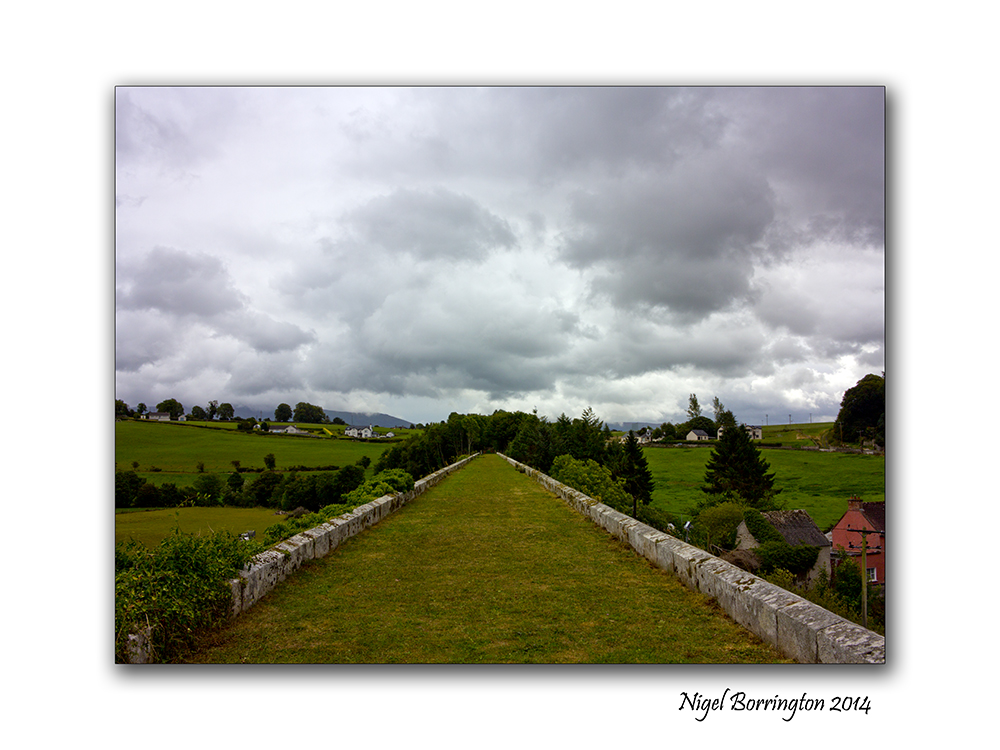


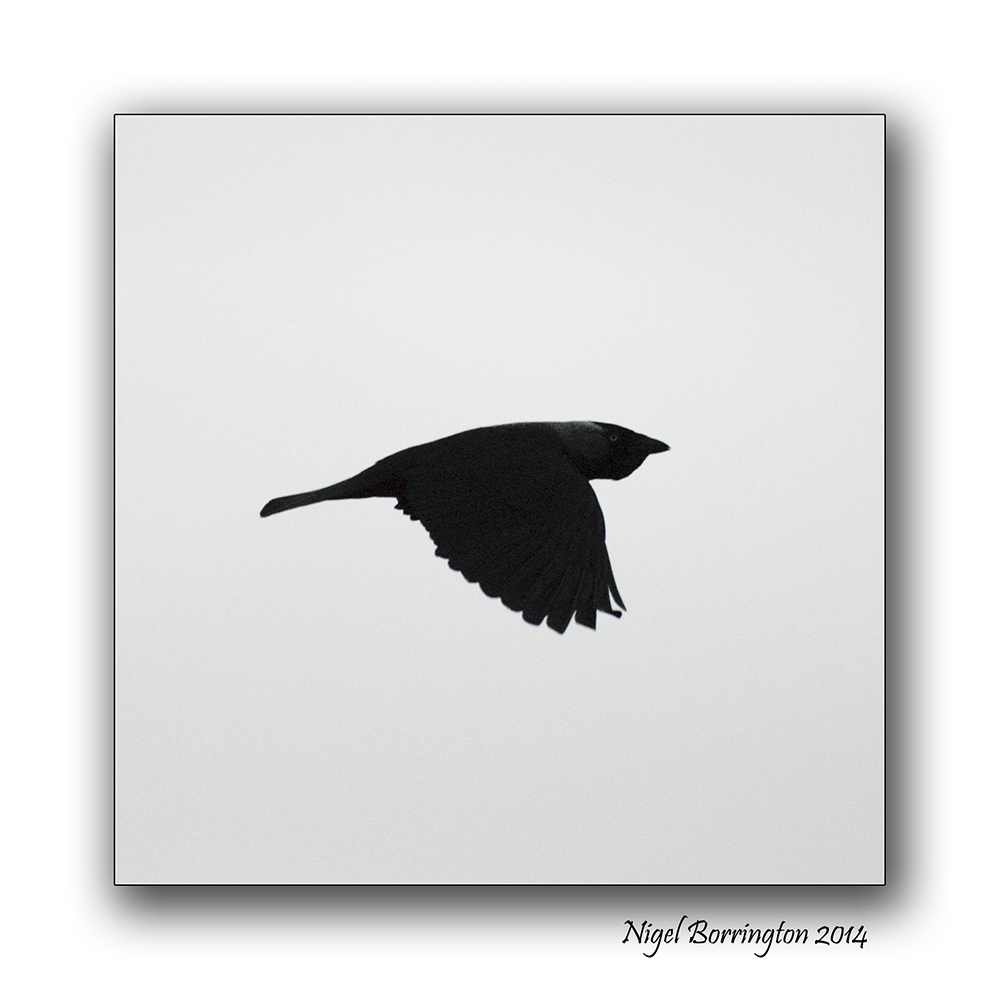
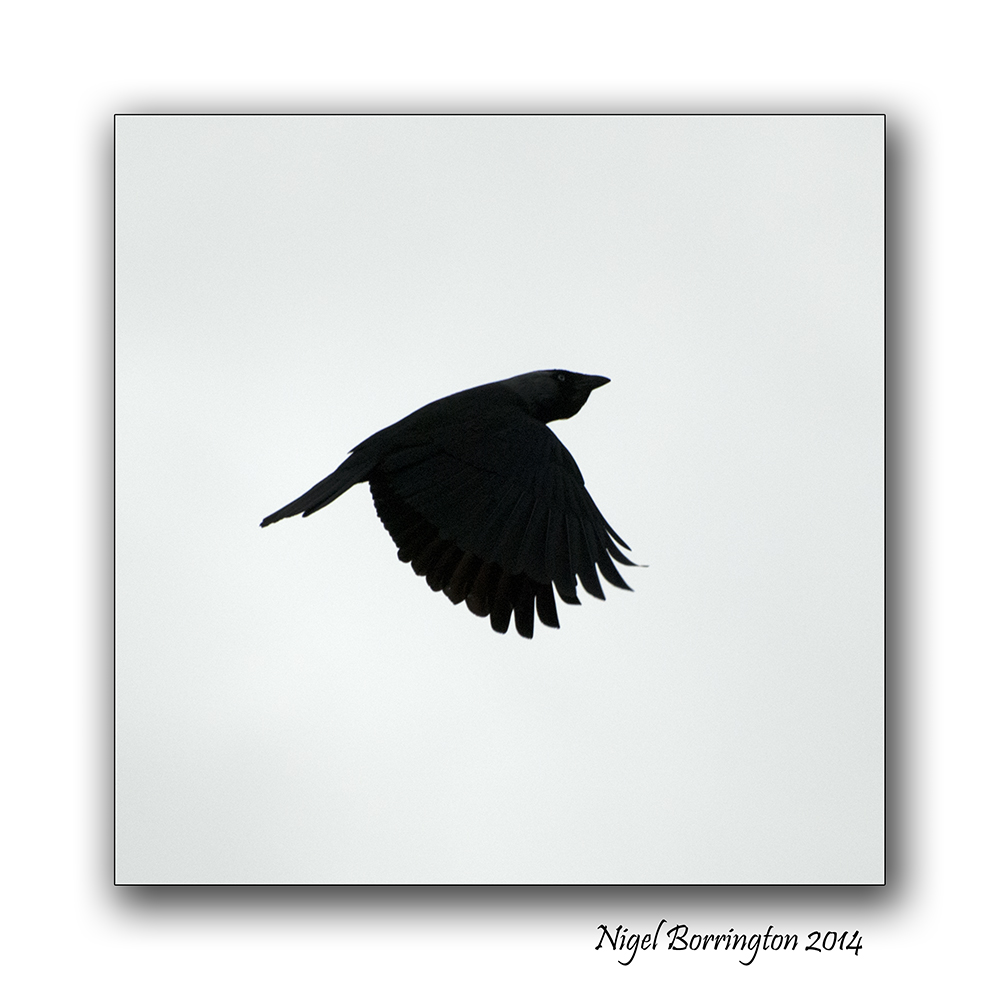
Fleeting bird, A poem – a moment in flight.

Capturing a birds flight.
Wildlife Photography : Nigel Borrington
Fleeting bird
Fleeting bird
With wingspan so large
Fleeting
Fleeting bird
I did not see you
until you got up to go
Fleeting bird
In the night
You flapped your wings
And went out of sight
I did not know you were there
Right in front of me
This whole time
Seeming to be watching
Waiting
But you withstood your time
And gave up
Before I could even
Glance up
Then flew away
with nothing
But the view
Of a great opportunity
Fleeting
Flying away


When the river floods

The River Suir, Kilsheelan, County Tipperary
Irish Landscape photography : Nigel Borrington
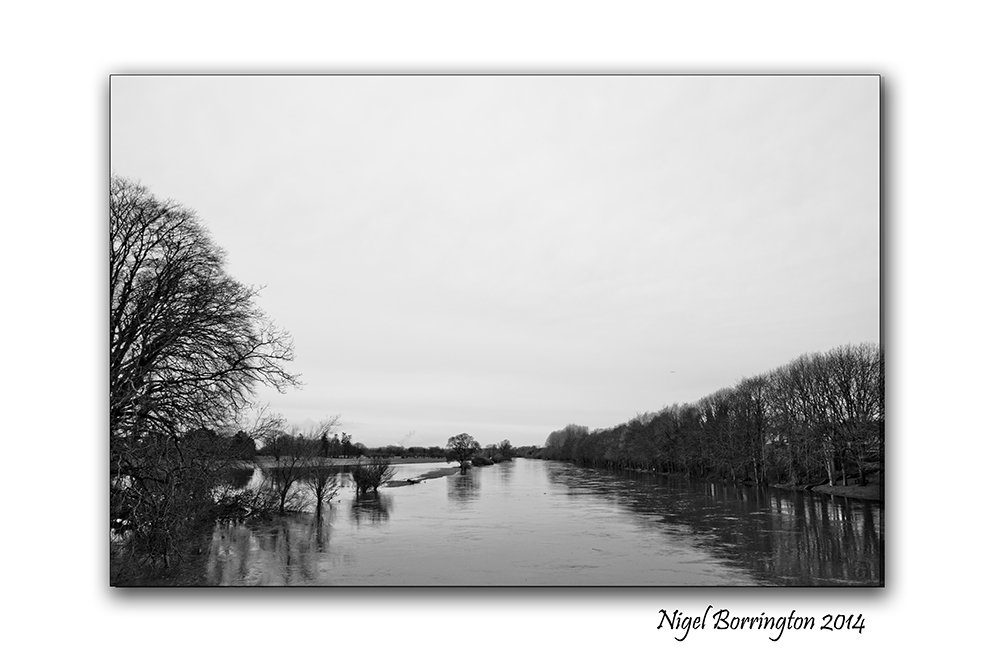
The power and energy of a flowing river has to be one of the wonders of nature, if you live anywhere near a river you will know very well the seasonal effects that wet and dry weather can bring to the environment of the river banks.
We have had about two months of very wet weather here In Ireland and it has created some of the worst floods for over a hundred years, in many towns along Ireland’s river banks.
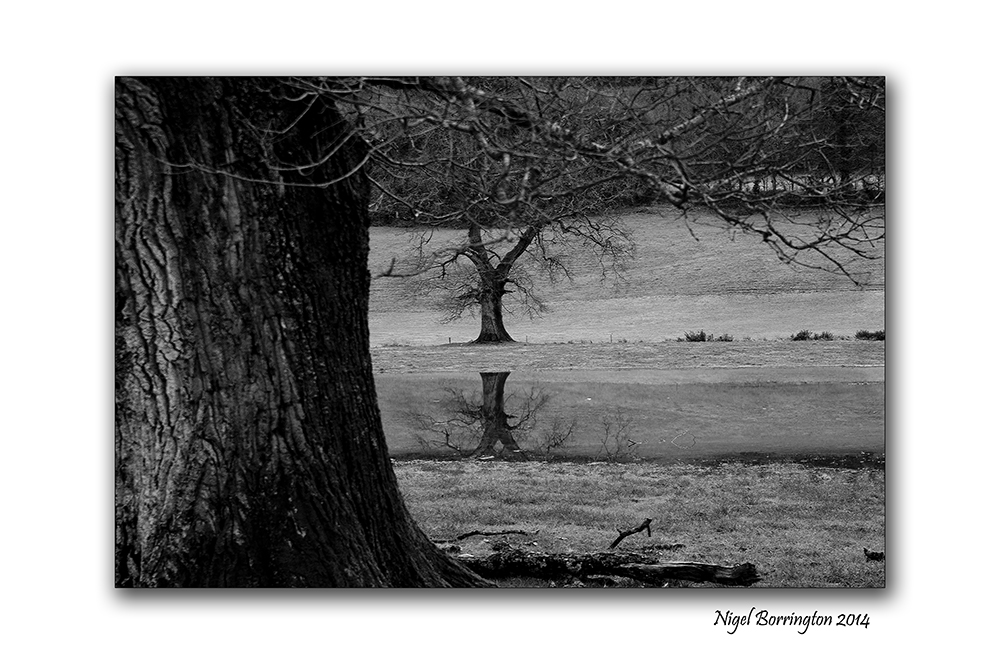
These images, I feel show the effects and power of the flooding river Suir, County Tipperary. The river level here is about eight foot higher than its normal level and none of the river banks can be walked along. Two the pictures show the posts of some steps that you walk through to get to the banks of the river, they are fully submerged under about 4 feet of water.
I took these images on Monday of this week, since then the water level is even higher.
The river Suir in flood : Gallery





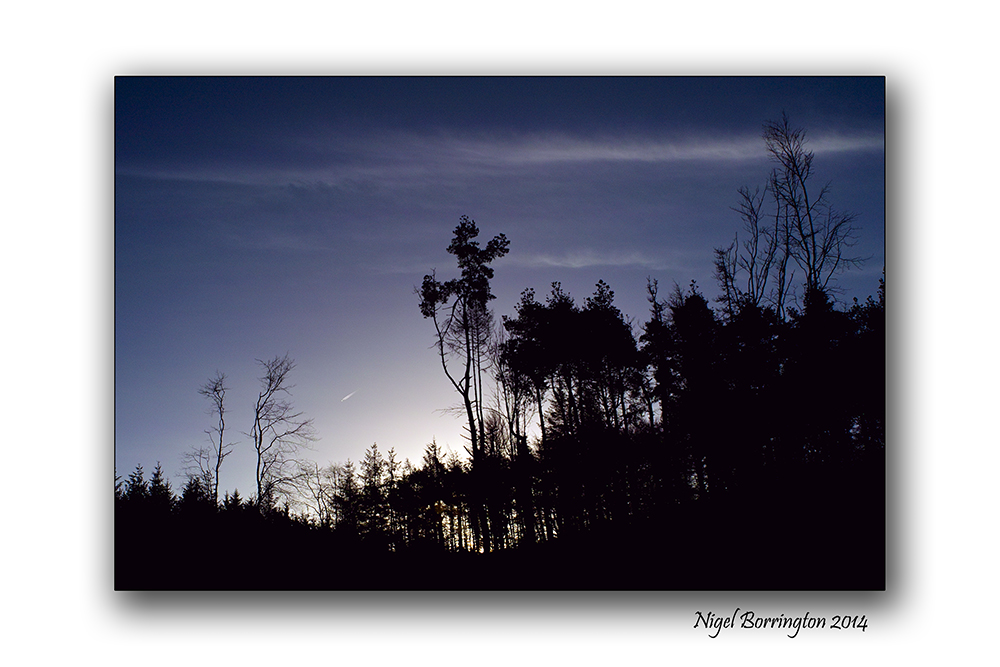
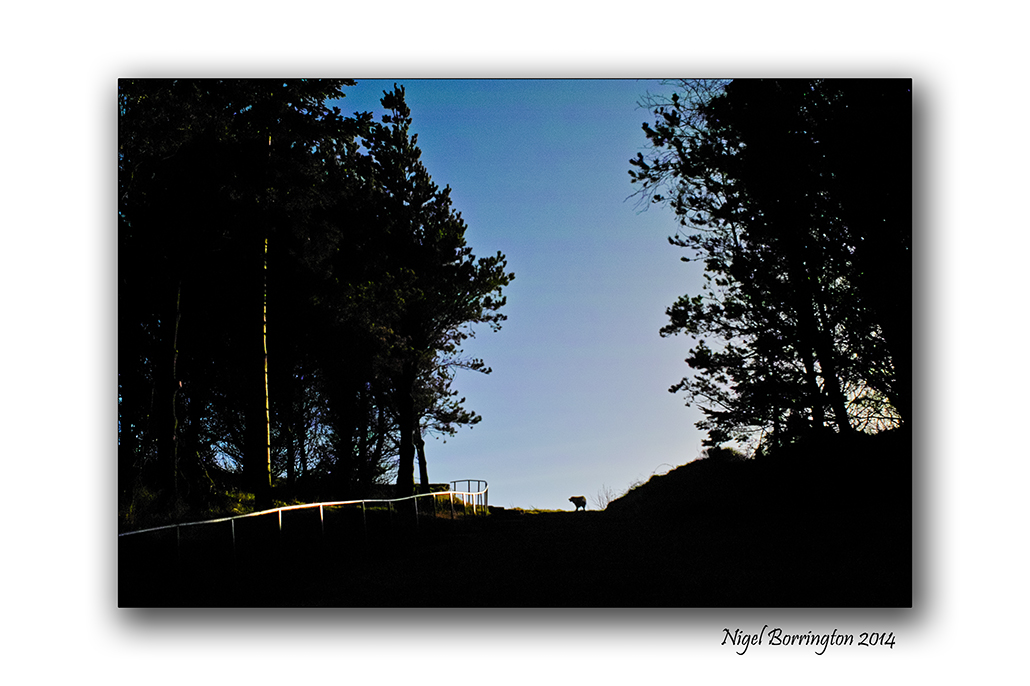
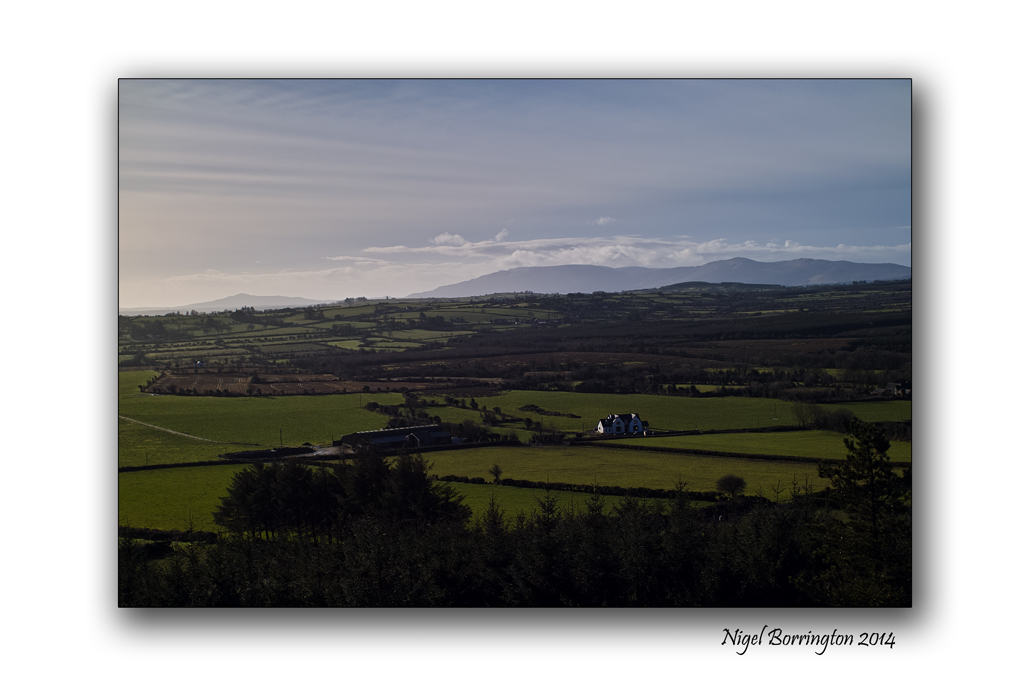
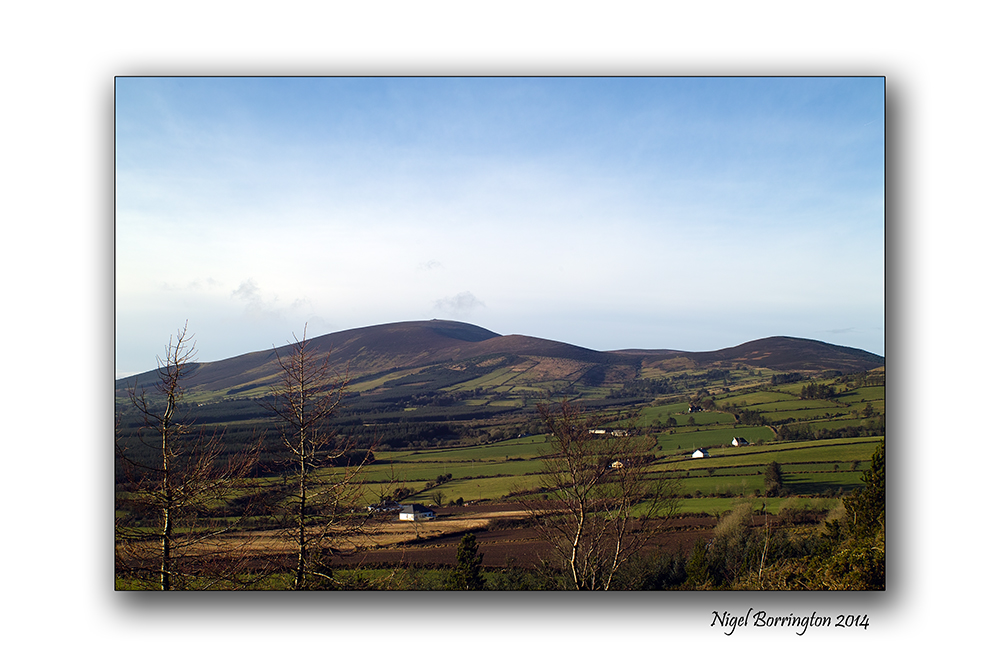
A morning walk on the hill

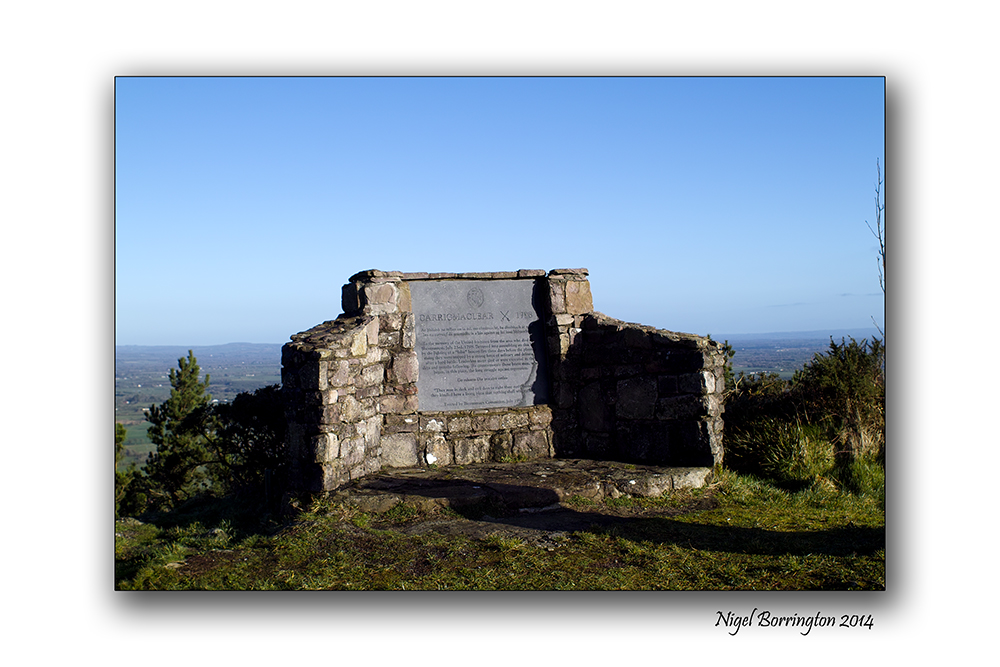
Carrigmaclear hill, County Tipperary
Irish Landscape Photography : Nigel Borrington
This Morning the weather here was a welcome break from the days of rain we have been having since Christmas. Parts of the south of Ireland has been getting the
worst floods for over a hundred years.
This Morning however we had clear blue sky’s and a frost, I just had to get out early and take a walk. Carrigmaclear is a local hill near the mountain of SLievenamon , County Tipperary, the following images are taken on this mornings walk in the first light of the day.
Gallery

 Nigel Borrington
The river is Rising
The River Lingaun, County Kilkenny
Irish Landscape Photography : Nigel Borrington
Yesterday we had the storm of the century here in County KIlkenny, winds over 160kmph and a months rain , We lost power in the house and still have no water supply. We are not alone, there are some 190,000 homes in the country without electric or a clean Water supply.
The county has suffered much damage to peoples Houses and land and the rivers are on the rise again.
It was the eighth Storm this winter and in as many weeks, The First I can remember to receive a name ( Storm Darwin ), he or she will be remembered for many years to come.
The rising river Lingaun : Gallery
Share this:
February 13, 2014 | Categories: Comment, events photography, Gallery, Irish rivers, Landscape, Nature and Wildlife | Tags: floods, Ireland, Irish photography, irish weather, Kilkenny, Nigel Borrington, Storm Darwin, winter 2014 | 25 Comments