Winter trees by the river bank
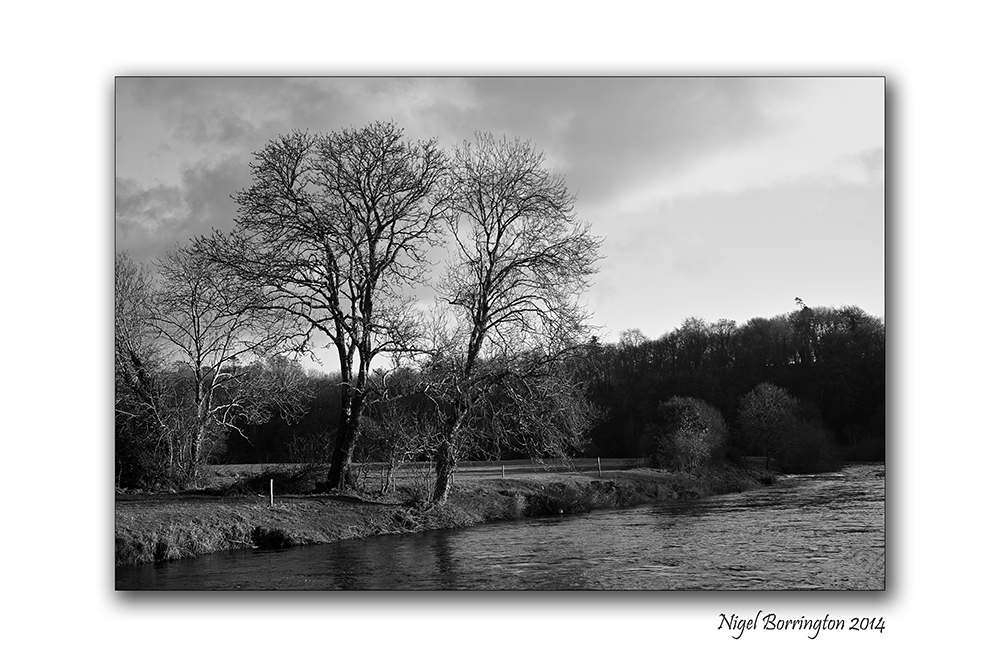
Winter trees along the river Nore, county KIlkenny
Irish Landscape Photography : Nigel Borrington
A river walk in January along side the river Nore, county kilkenny, offers some great views.
Amongst the best of these views are the great leafless trees, their hight and their shapes casting long shadows, their reflections in the water.
Gallery

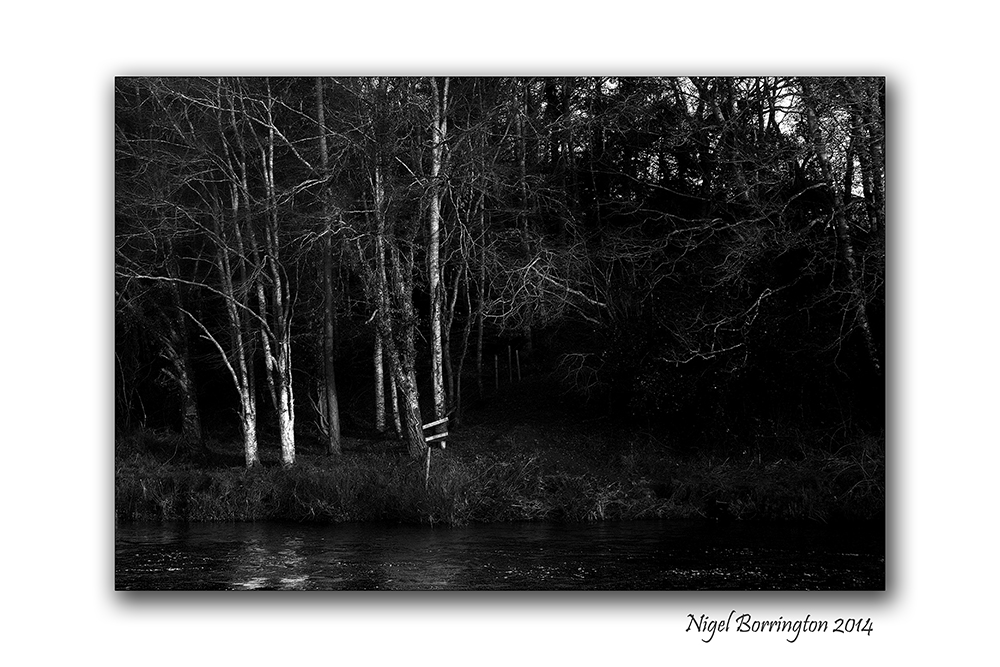

My Secret Spot on the Beach, a Poem and images.

Images of an Irish beach
Landscape Photography : Nigel Borrington
My Secret Spot on the Beach
To a few I showed my secret Spot,
To many I reveal it is on The Beach,
In Waterford, still without my help,
none may find, because is called mine,
My hidden Beach Spot
Its open, its free, yet guarded and protected
All can find, all can see, but beyond the vision,
belongs to me, My Secret Spot,
On the Beach, in Waterford…

A friend I call to Show my Paradise,
and share the secret rooted
inside my heart, with all my soul,
My loved Beach spot,
Loved , and so very special to me!

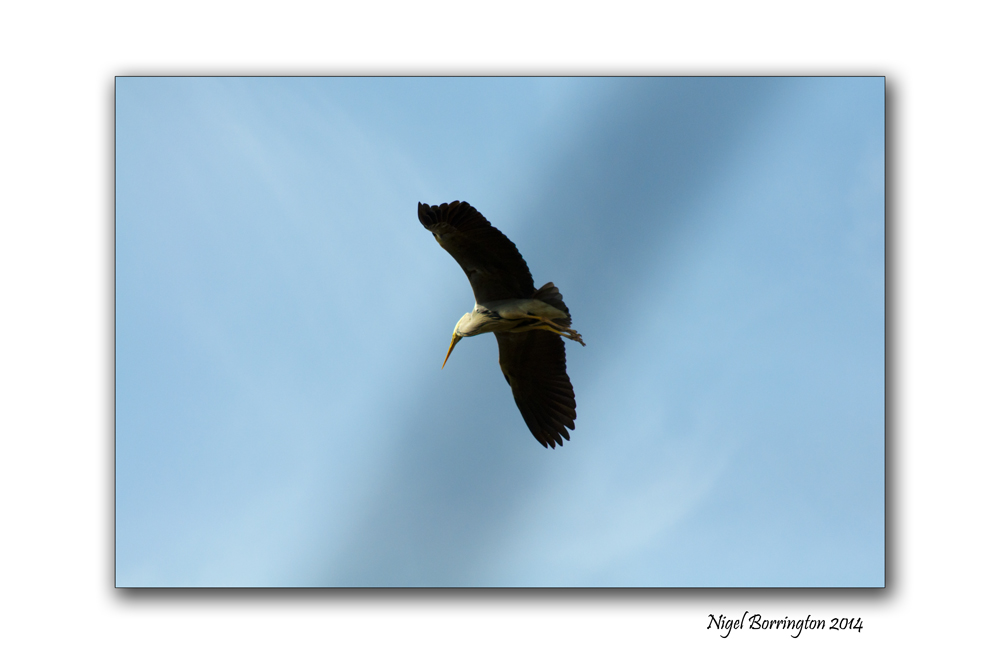
The Herons flight , Galway Bay.

Herons flying above Galway bay
Nature Photography Nigel Borrington
On a very enjoyable visit, I managed to Capture these Herons during a spring time visit to Galway Bay. At this time of year the Local Herons are hunting along the coast line for fish and getting ready to nest build in the spring.
To get these images I stood under some trees along side a beach and captured them as they flew above me.
The Herons flight : Gallery



Nature photography : Wood and Common Puffball Mushrooms.

Wood Mushrooms, Kilkenny woodlands
Irish Nature Photography : Nigel Borrington
Photographing and capturing Nature is something I love doing through out the year.
In January the woodlands are still full of life, it may be a little harder to find but it is still all around. Mushroom are enjoying a very mild winter here in Ireland and I managed to find and capture these (Wood Mushrooms and Common Puffball Mushrooms) yesterday in a local woodland nature reserve.
Gallery and details

Common Puff ball Mushrooms
Lycoperdon perlatum, popularly known as the common puffball, warted puffball, gem-studded puffball, or the devil’s snuff-box, is a species of puffball fungus in the family Agaricaceae. A widespread species with a cosmopolitan distribution, it is a medium-sized puffball with a round fruit body tapering to a wide stalk, and dimensions of 1.5 to 6 cm (0.6 to 2.4 in) wide by 3 to 7 cm (1.2 to 2.8 in) tall. It is off-white with a top covered in short spiny bumps or “jewels”, which are easily rubbed off to leave a netlike pattern on the surface. When mature it becomes brown, and a hole in the top opens to release spores in a burst when the body is compressed by touch or falling raindrops.
The puffball grows in fields, gardens, and along roadsides, as well as in grassy clearings in woods. It is edible when young and the internal flesh is completely white, although care must be taken to avoid confusion with immature fruit bodies of poisonous Amanita species. L. perlatum can usually be distinguished from other similar puffballs by differences in surface texture. Several chemical compounds have been isolated and identified from the fruit bodies of L. perlatum, including sterol derivatives, volatile compounds that give the puffball its flavor and odor, and the unusual amino acid lycoperdic acid. Laboratory tests indicate that extracts of the puffball have antimicrobial and antifungal activities.

Wood Mushrooms
This species was originally noted and named in 1753 by Carolus Linnaeus as Agaricus campestris. It was placed in the genus Psalliota by Lucien Quelet in 1872. Some variants have been isolated over the years, a few of which now have species status, for example, Agaricus bernardii Quel. (1878), Agaricus bisporus (J.E. Lange) Imbach (1946), Agaricus bitorquis (Quel.) Sacc. (1887), Agaricus cappellianus Hlavacek (1987), and Agaricus silvicola (Vittad.) Peck (1872).
Some were so similar they did not warrant even variant status, others have retained it e.g. Agaricus campestris var. equestris (F.H. Moller) Pilat (1951) is still valid, and presumably favors pasture where horses have been kept. Agaricus campestris var isabellinus (F.H. Moller) Pilat (1951), and Agaricus campestris var.radicatus, are possibly still valid too.
The specific epithet campestris is derived from the Latin campus “field”.
The cap is white, may have fine scales, and is 5 to 10 centimetres (2.0 to 3.9 in) in diameter; it is first hemispherical in shape before flattening out with maturity. The gills are initially pink, then red-brown and finally a dark brown, as is the spore print. The 3 to 10 centimetres (1.2 to 3.9 in) tall stipe is predominantly white and bears a single thin ring. The taste is mild. The white flesh bruises slightly reddish, as opposed to yellow in the inedible (and somewhat toxic) Agaricus xanthodermus and similar species.
The spores are 7–8 micrometres (0.00028–0.00031 in) by 4–5 micrometres (0.00016–0.00020 in), and ovate. Cheilocystidia are absent.
Following the river over the waterfall

River Pollanassa, Waterfall, Mullinavat, County Kilkenny
Irish landscape photography : Nigel Borrington
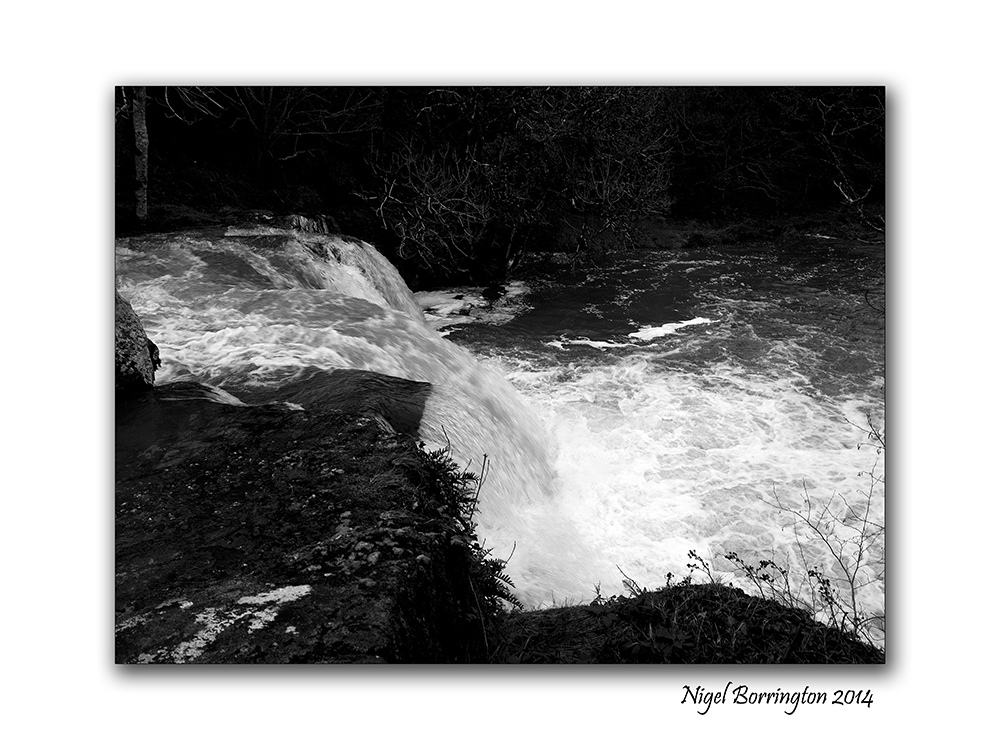
County Kilkenny has many rivers both small and large, flowing through its lands. The River Pollanassa, however would not be the best known or the most spectacular of them but for the waterfall it has created as the river flows towards the town of Mullinavat.
The following images show the river as it flows towards, over and past the Waterfall.
The Waterfall at Mullinavat




The first flowers of Spring
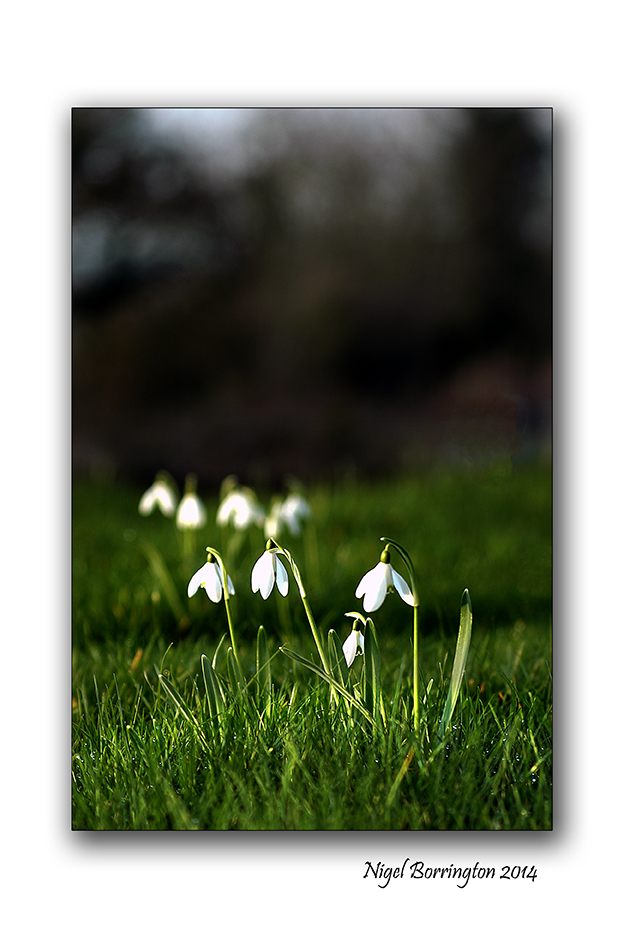
Snow drops, the first flowers of spring
Nature photography : Nigel Borrington
Each January The first flowers of spring are the snow drops, I love to see these flowers, the winter is not yet over, yet they bring into your mind the spring that will soon be here.
Snow drops…..
Early in the Spring

County Kilkenny, woodland landscape
Irish Landscape photography : Nigel Borrington
Early in the Spring
By : James Kent
Early in the spring
Not a leaf has struck the ground
The swallow has yet to sing
And the plowmen are no where to be found
Early in the spring
The forest stands still
And no creature dare come out
Before the sun rises o’er the hill
Early in the spring
The valley holds the morning dew
And its serenity may be captured
By only a certain few

.
Early in the spring
The trees turn, brown to green
Many changes occur
But few can be seen
Early in the spring
Or in the latter of fall
No matter the change of season
The evergreen stands tall
The Old Dead Tree, By David Harris

An old dead tree, Kilkenny woodlands
Irish Landscape Photography : Nigel Borrington
The Old Dead Tree
By : David Harris
The old dead tree stood
gnarled weather torn;
its limbs were now brittle.
What stories could it tell
of the centuries it had lived,
the passing lives it had seen,
and the storms it had weathered
when it was young and strong.
When its foliage was green
and gave shelter from the rain.
Now it stands bare and broken,
a sorry sight to be seen.
It must have been beautiful
when it was young
with its canopy of green,
and a nesting place for little birds
among its evergreen.
Now they only used it
as a resting place whenever they pass by.
The old dead tree,
which had seen so much life.
Rivers flow, Image Gallery
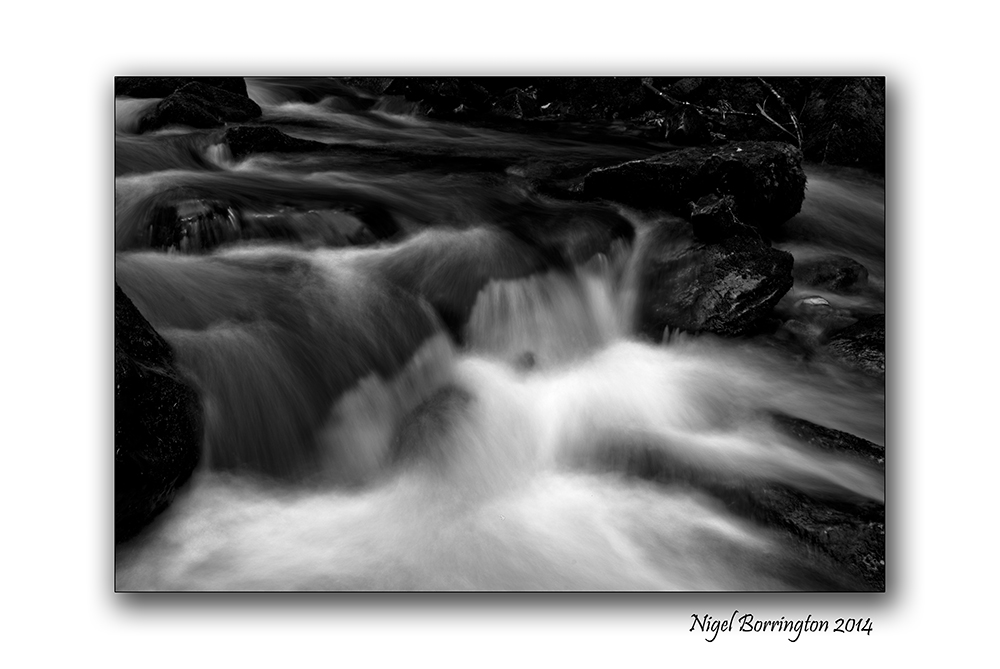
A Rivers flow
Irish Landscape Photography : Nigel Borrington
Just standing and watching the flow of a river when I am out walking I find an amazing thing to do , I love the challenge of capturing it even more. Placing a camera on a tripod and using a slow shutter speed about one second or so, it is not a technically difficult thing to do but getting a good composition is a little harder. I love the processing of searching out the best location in the river to place the camera and its usually well worth the time and effort.
I really enjoyed getting the images in this post and its a pleasure to share them.
Gallery


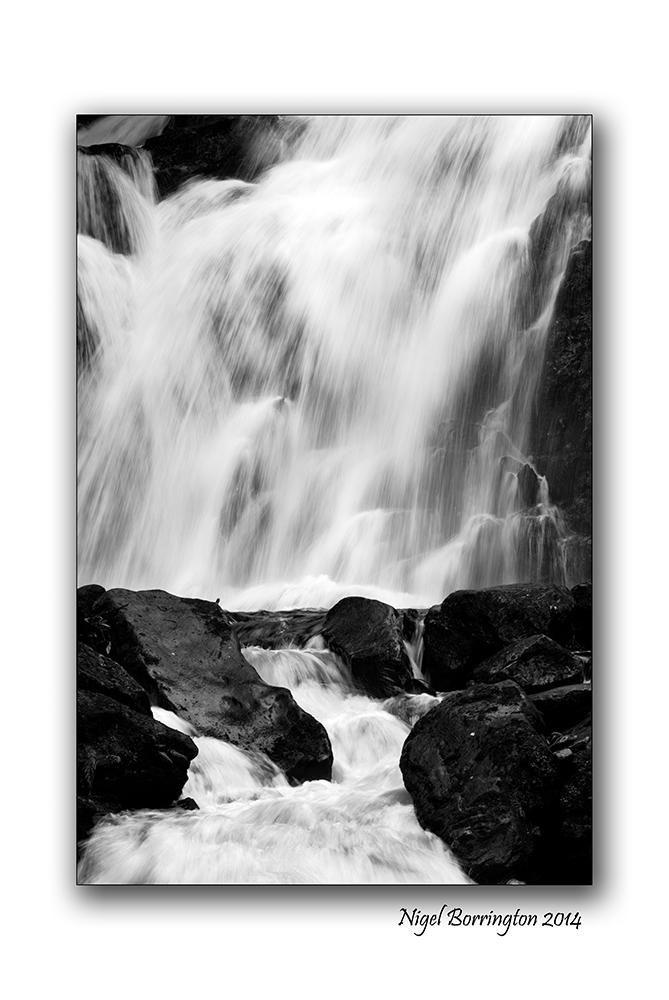


Images of a rivers flow, Flow a Poem by : Noel McGinnis
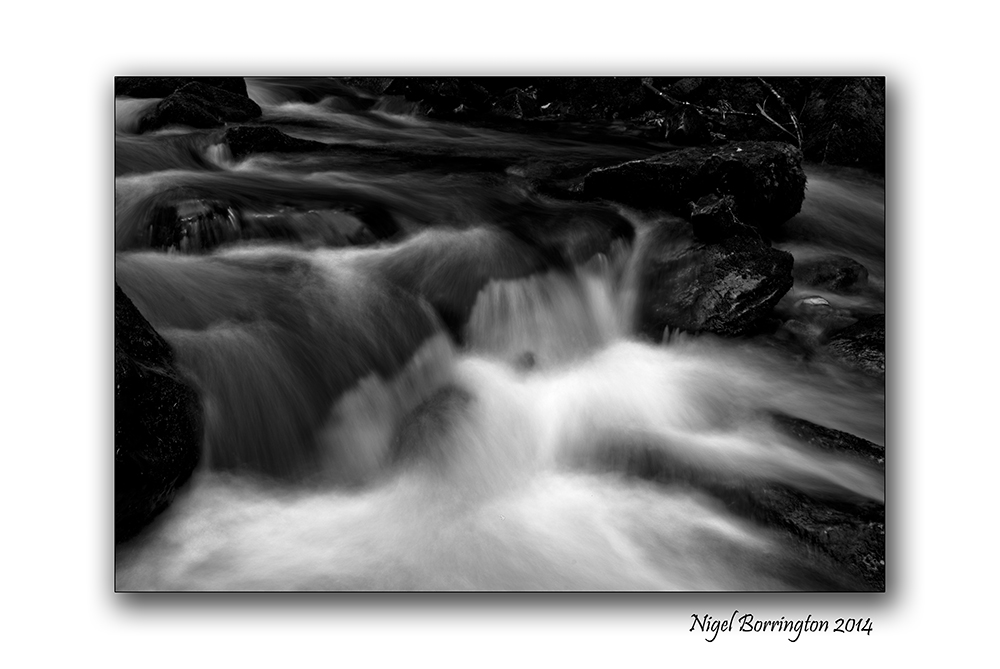
As Rivers flow
Irish Landscape Photography : Nigel Borrington
FLOW
By : Noel McGinnis
Be as water is without friction. Flow around the edges of those
within your path. Surround
within your ever-moving
depths those who come to rest
there – enfold them, while never
for a moment holding on. Accept whatever distance others
are moved, within your flow.
Be with them gently, as far as
they allow your strength to take them, and fill with your own being
the remaining space when they are left behind.
When dropping down life’s rapids, froth and bubble into
fragments if you must,
knowing the one of you-now many
will just as many times be one again. And when
you’ve gone as far as you can go,
quietly await your next beginning.
Images of Ireland from the Air.

Images of the south east of Ireland from the air.
Irish Landscape photography : Nigel Borrington
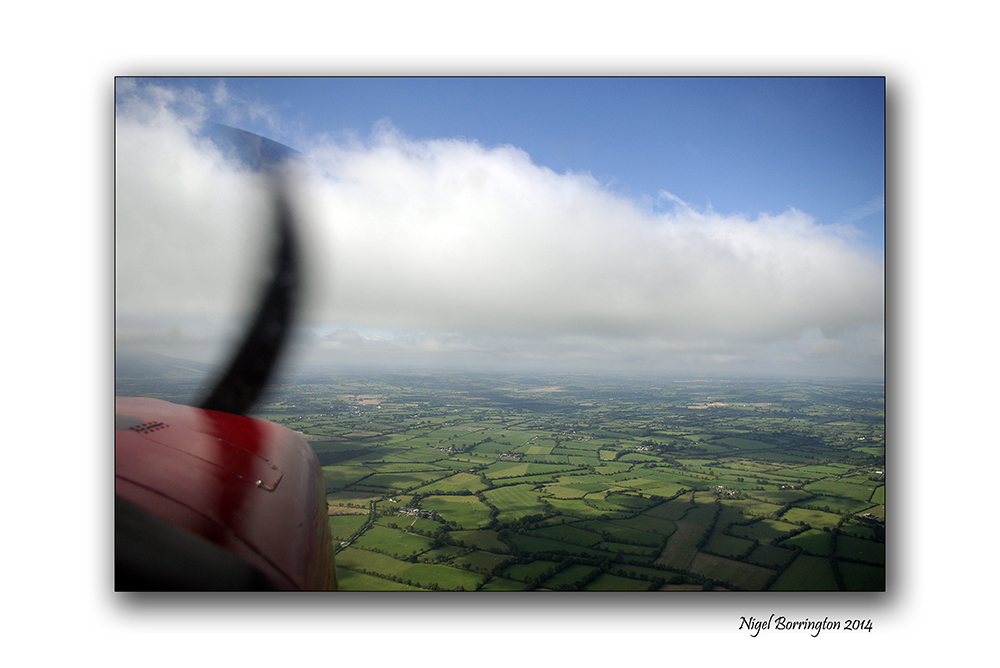
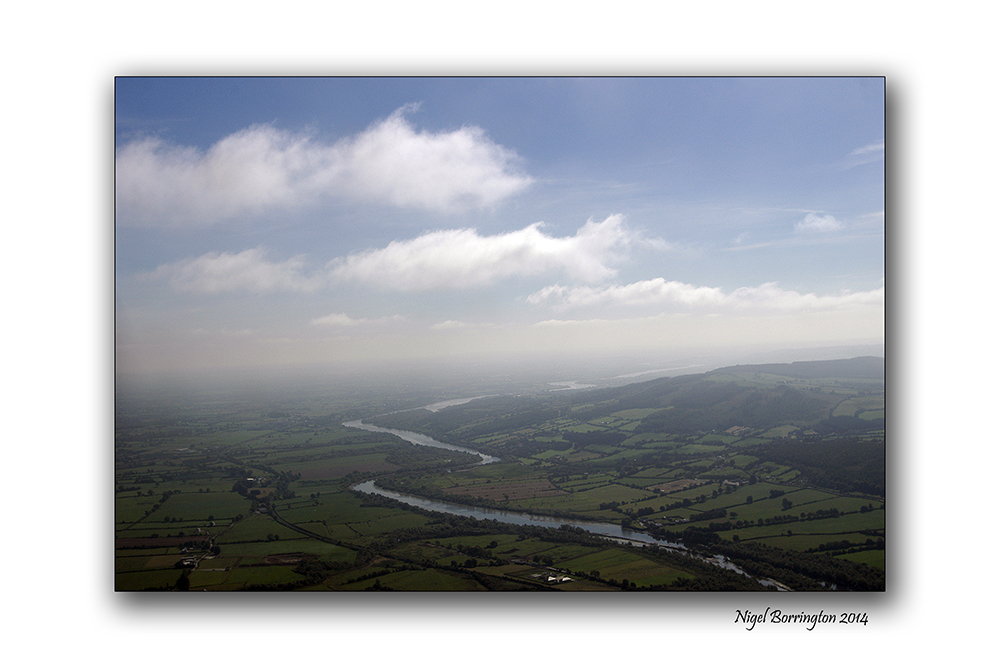
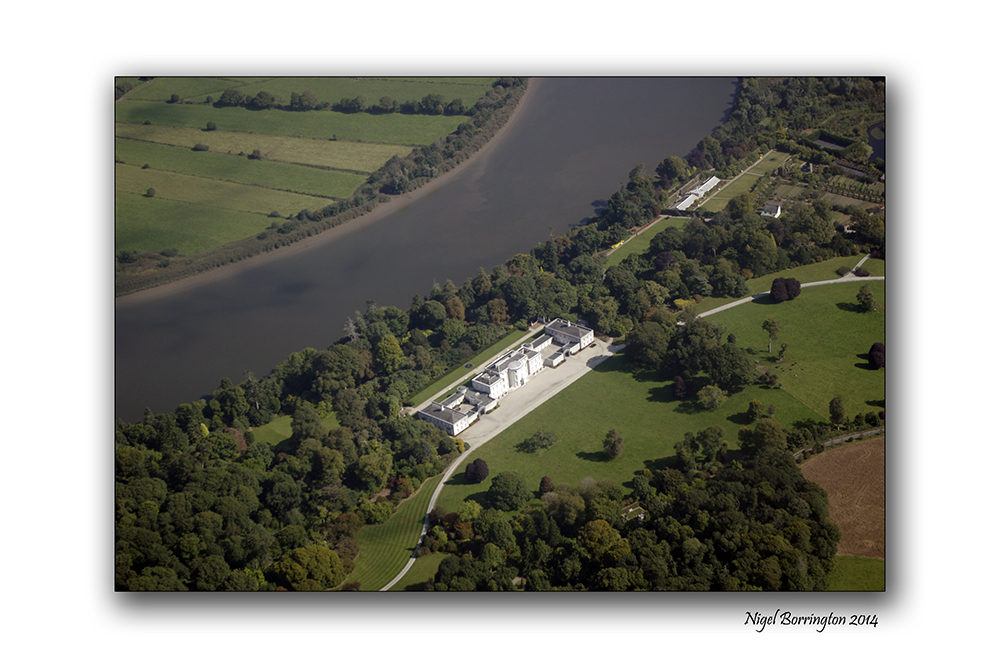
One of the most exciting ways you can see County Kilkenny and its surrounding counties is from the air, the images posted here are taken during a flight in a light aircraft.
You can fly from Kilkenny air field on a sight seeing visit to any location you would like, on this trip we travelled south of Kilkenny and followed the river Suir towards Waterford city, returning to the airfield about 2 hours later.
Its a great way to see Ireland and wonderful on a sunny clear day.
Gallery of the flight






Irish Landscape Photography

A sunset over the lower lakes of Killarney national park.
Irish Landscape photography : Nigel Borrington
One evening on a visit to Killarney, National park, I was just returning from a long walk after watching the Stag’s in the mountains above the lakes and getting some photographs. I then noticed that the Sun-set was just wonderful over the far hills in the west.
I had about 20 shots left on the card I had, so captured a few images from the grounds of the Hotel.
I have shared some of them before but still enjoy looking at them and remembering this wonderful moment, so here is another one that I wanted to share and post.
Yesterday’s Sun and wind, a poem for the January sun.

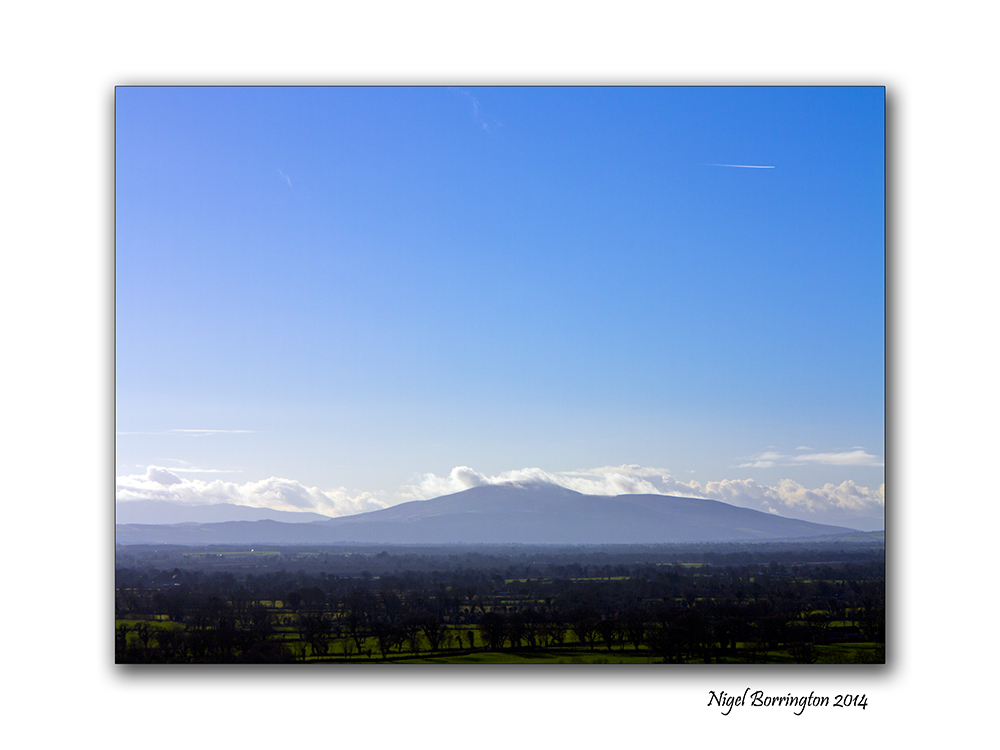
A view of Slievemamon, county Tipperary
Irish Landscape photography : Nigel Borrington
Yesterday’s Sun and wind
By : Ann Copland
She is the wind swift and pure
so rare to find her like this, still innocent
above a sunny afternoon far into tomorrow.
 .
.
The wind begins three Counties away
to cool the day, relieve us from the warming sun
Were you not sure she is real?
One day, you may see her, if you look
very close, spheres carry new molecules
Her breath is ice, you’ll feel it early maybe
just a brief gust before the temperatures drop
 .
.
Welcome on a January afternoon
by the time we see a branch sway
or a hat tumble, the freezing breath
has warmed to a gentle winter breeze
So much effort, the team who make nature
I’ll let the wind breathe

Forgotten Old Doors

The old red door.
Fujifilm x100
Irish landscape photography : Nigel Borrington
Poem : Forgotten Old Doors
Old building on the Street some think it’s beautiful, others, just drab.
Many tread these thresholds, worn like tattered lace.
old address update in a compelling space.
Green’s a fitting color for a door, so is white.
A wisp of green in the morning light.
Kernels of romance in dilapidation, hint at the intent of this creation.
How many souls passed through this door? Closed for good or will there be more?
Memories of work, hope and laughter, dreams and wishes that bathed the rafters.
Evocative of a simpler time.
Speedy technologies permeate mine.
A rusty spigot, red weathered board. How long has this old place been ignored?
Cooler dressed in rust, corrugated tin, small dab of spring vegetation sneaks in.
And at the end of yesterday, memories within.
Duiske Abbey

Duiske Abbey, County Kilkenny
Irish Photography : Nigel Borrington
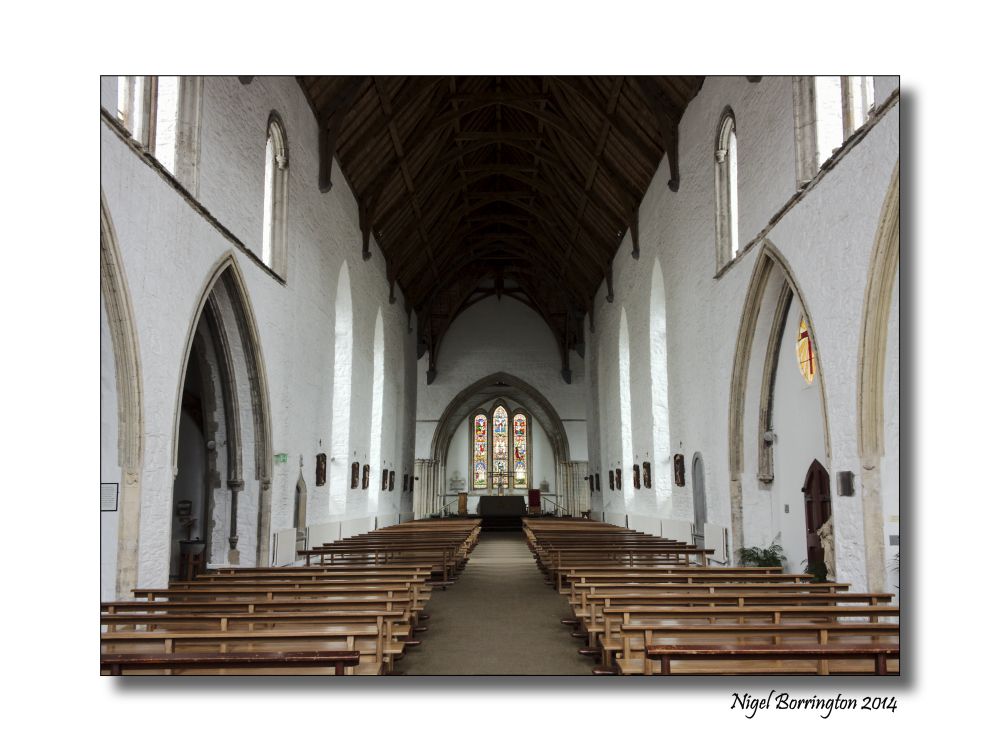
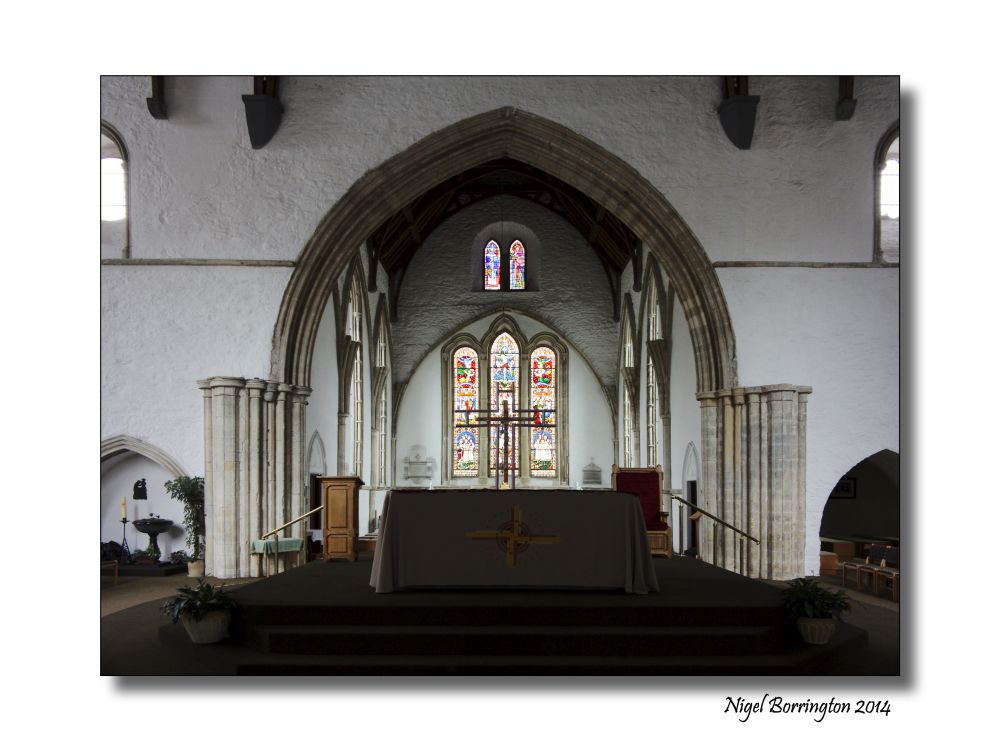
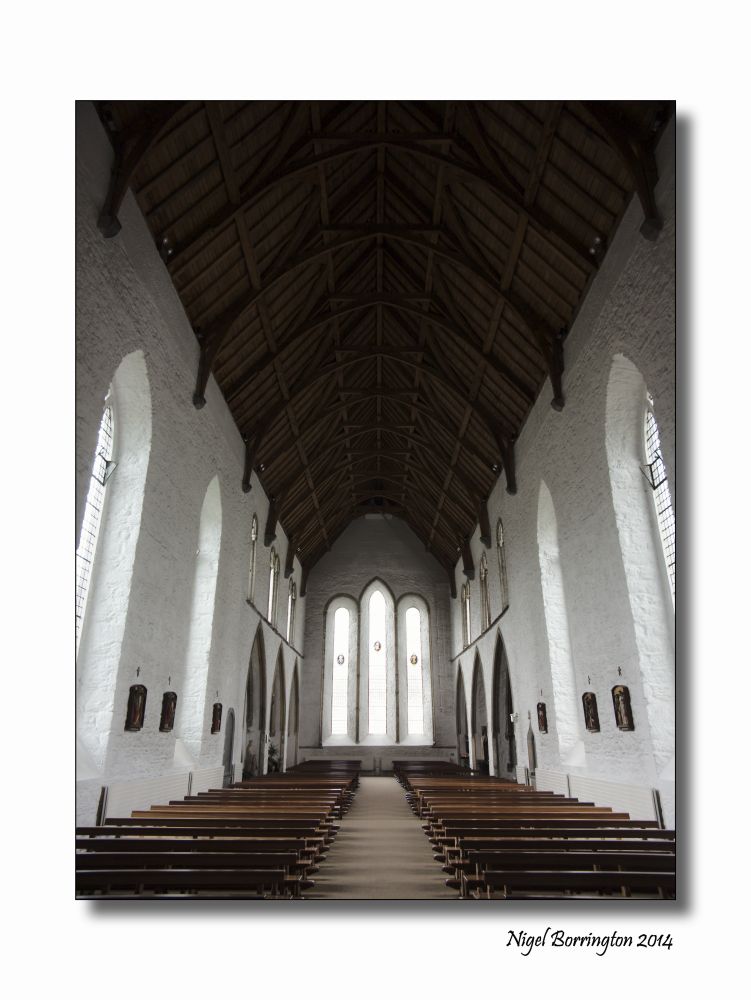
Duiske Abbey, County Kilkenny, is one of the best maintained Cistercian Abbey’s in Ireland also known as Graiguenamanagh Abbey, it is a 13th-century Cistercian monastery situated in Graiguenamanagh, County Kilkenny in Ireland.
Duiske Abbey was founded by William Marshall in 1204 and is one of the first, largest and perhaps the finest of the thirty-four medieval Cistercian monasteries in Ireland. The Abbey is the parish church of Graiguenamanagh town and beautifully dominates the town centre.
The Abbey is located in the valley of the river Barrow, on a site between the main river and the Duiske tributary. The abbey derives its name from the Douskey River Irish: An Dubhuisce, meaning “Black Water”.
Both the Abbey and the town of Graiguenamanagh are wonderful locations to visit with a camera, Park in the town and visit the Abbey first , then you can walk along the river Barrow, north towards kilkenny or south towards Waterford.
Gallery

Kells Priory

Kells priory, county Kilkenny
Canon G1 x
Irish Landscape Photography : Nigel Borrington
Kells Priory is located at Kells in county Kilkenny and is a great place to visit if you are in the county.
While most of America and Canada are dealing with snow storms and sub zero temperatures this winter , Ireland has been very mild with well over 40mm of rain during the Christmas period. I visited the Priory yesterday and most of the grounds are under water from flooding. The water however added a new feeling to the priory grounds and I took the following images to capture the atmosphere of an Irish winter here.
Kells Priory, Winters Gallary


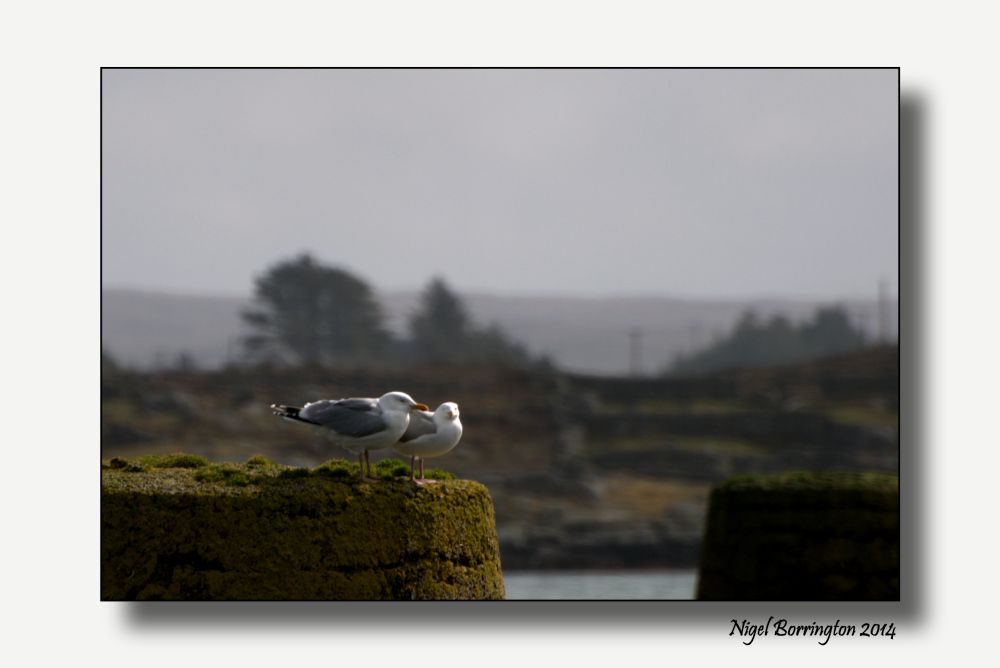
The Sea Gull’s of Galway bay, Poem: Edwin John Pratt

Sea gulls, on Galway bay
Irish nature Photography : Nigel Borrington
Sea Gulls
By : Edwin John Pratt
For one carved instant as they flew,
The language had no simile—
Silver, crystal, ivory
Were tarnished. Etched upon the horizon blue,
The frieze must go unchallenged, for the lift
And carriage of the wings would stain the drift
Of stars against a tropic indigo
Or dull the parable of snow.
 .
.
Now settling one by one
Within green hollows or where curled
Crests caught the spectrum from the sun,
A thousand wings are furled.
No clay-born lilies of the world
Could blow as free
As those wild orchids of the sea.
Irish photography – Irish rivers

River Nore, Thomastown, County Kilkenny
Digital Infra-red image
Irish landscape photography : Nigel Borrington
County KIlkenny’s rivers
The River Nore, one of the three sisters.
The River Nore, is a 140-kilometre (87 mi) long river located in south-east of Ireland. Along with the River Suir and River Barrow, it is one of the constituent rivers of the group known as the Three Sisters.
The river drains approximately 977 square kilometres (377 sq mi) of Leinster. The river rises in the Devil’s Bit Mountain, North Tipperary. Flowing generally southeast, and then south, before emptying into the Celtic Sea at Waterford Harbour, Waterford.
Kilkenny landscape photography : Nigel Borrington
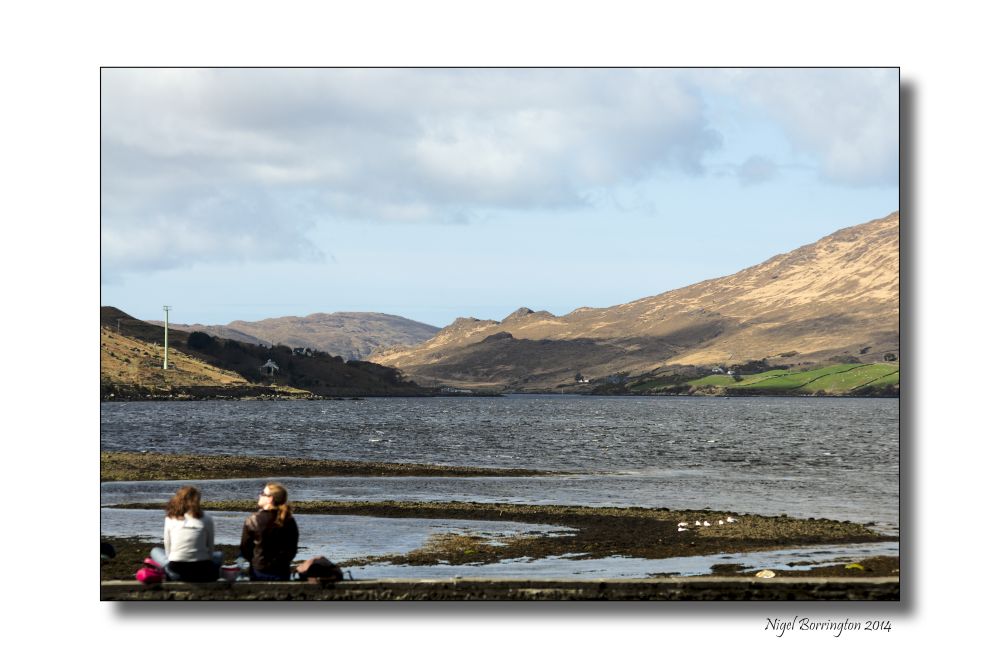
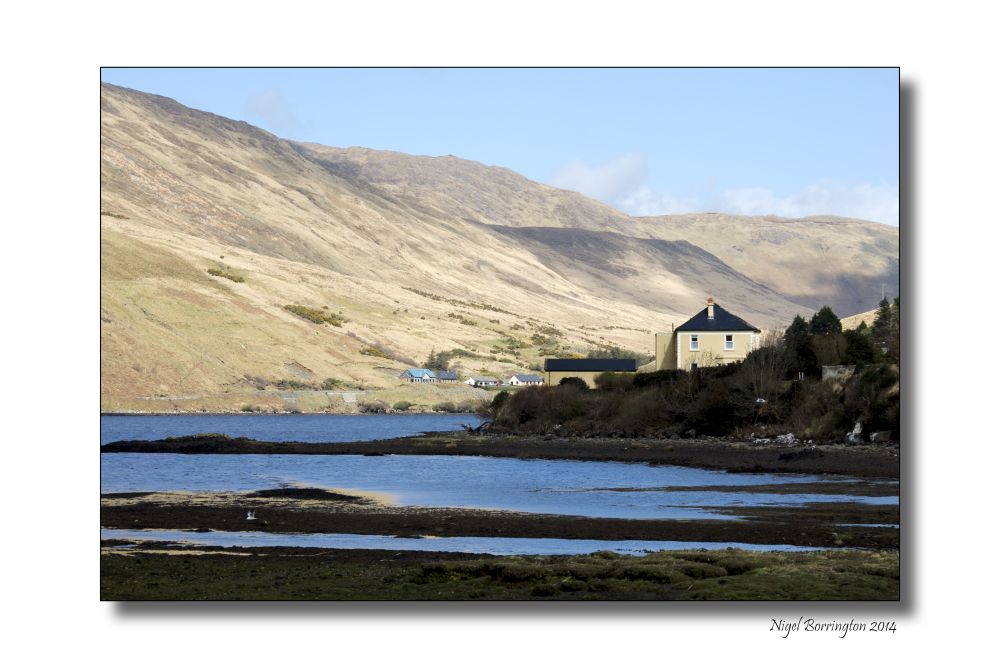
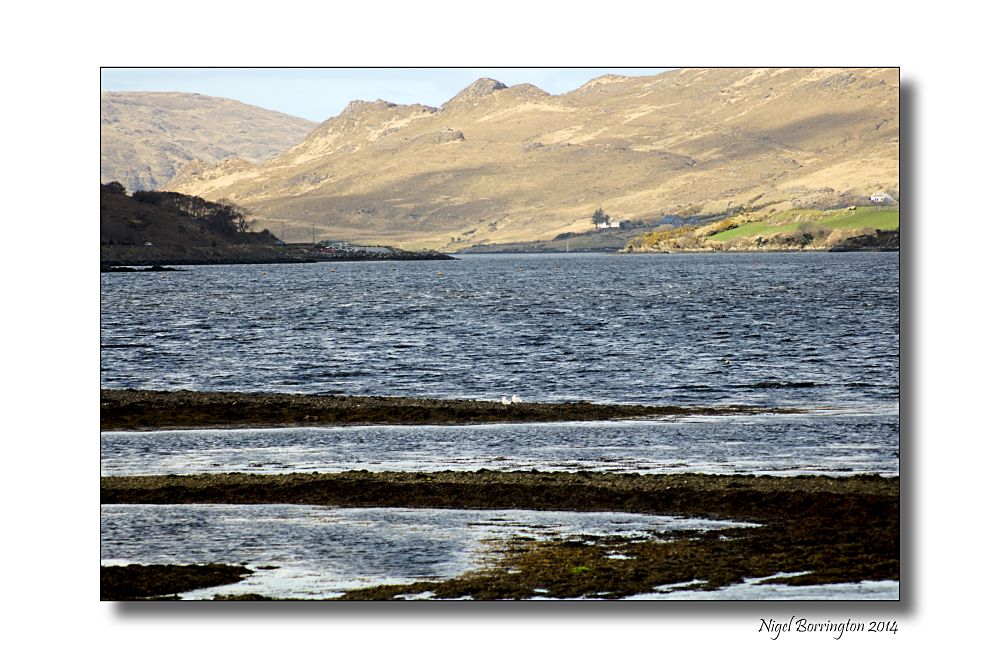
Leenane

Leenane, Connemara, County Galway, Ireland
Irish Landscape photography : Nigel Borrington
The town of Leenane, Connemara, County Galway
The beautiful village of Leenane, snugly situated at the head of Killary Harbour, is often aptly described as the ‘Gateway to Connemara’. The roads from Maam, Clifden, and Westport meet at this point. Killary Harbour extends ten miles inland and with the mountains rising steeply on either side provides what is probably the best scenery in Ireland. Walkers have access to Mweelrea, Sheefry, Paltry and Maumturk Mountains.
Leenane with its surrounds is a haven for geologists due to a great variety of sedimentary, volcanic and metamorphic rocks. There is good fishing in the local Erriff and Delphi rivers. Well known beauty spots include Aasleagh Falls and Doolough Valley, scene of the tragic famine walk. A film adaptation of John B. Keane’s famous play “The Field”, directed by Jim Sherdian, was made in Leenane in 1989. Well-known stars taking part included the late Richard Harris, John Hurt and Tom Berrenger. Visitors can visit many of the locations used as sets in the film.
Gallery




Allihies Copper Mines

Allihies copper mines
Irish Landscape Photography : Nigel Borrington
Copper mining at Allihies
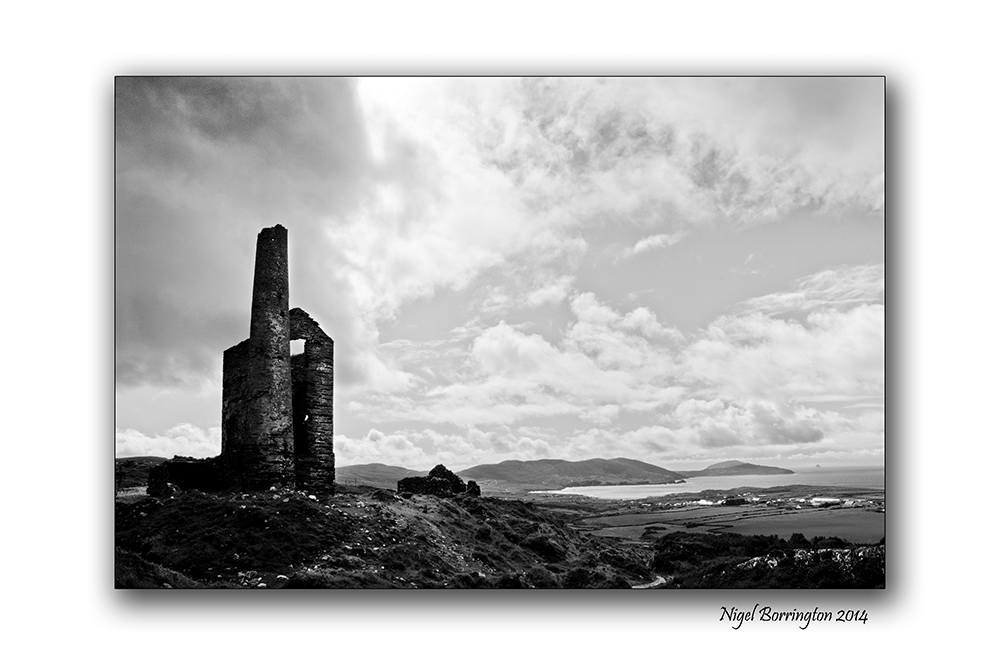
Mining at Allihies started here in 1812 by John Puxley, a local landlord, after the large quartz promontory to the left here was identified as copper bearing as can be seen by its bright Malachite staining. Dooneen
Initial mining began with a tunnel or adit driven into this quartz lode from the pebble beach below. In 1821 two shafts were sunk as can be seen either side of the road here. Flooding was a continuous problem and in 1823 the engine house was erected to house a steam engine brought over from Cornwall to pump water from the depths. The remains of this building with the base of the chimney can be seen across the road. There is also evidence of a steam powered stamp engine to the left of the chimney and dressing floors in front of the engine house. The high dam further inland is the remaining evidence of a water reservoir which stored the water that was pumped out from the bottom of the mine. It was used for the steam engines and needed to separate the copper from rock. All the rubble on the cliff at the sea side of the road is the crushed useless quartz rock left over after the copper ore was extracted.
This is one of six productive mines in the Allihies area and continued its operation until 1838 when it closed due to failing ore.
John Puxley died in 1860 and in 1868 his son Henry Puxley sold the mines to the new Berehaven Mining Company who reopened the mine and installed a new 22 inch steam engine in 1872. Little ore was produced though in this period and the mine was finally abandoned in 1878.
 .
.
Coom Mine Mianach Chúim
Coom Mine was the last mine to be opened in the Allihies area having been opened in 1870 by the new Berehaven Mining Company who had recently bought the mines from Henry Puxley in 1868.
Two shafts were sunk and the engine house erected to house a 28 inch cylinder steam engine. The site was known as Bewley’s after the Dublin family who were board members of the Berehaven Mining Company.
The working in the mines was dangerous. A Mine Captain reports:
“On the 13 inst. we had a man killed by falling out of the whim bucket in the whim shaft (winding shaft), he fell 72 feet and was killed immediately. … The whim bucket was coming up and he was rather late to get into it, when he laid hold of the edge of it with his fingers and was drawn up nearly to the top in that manner but was obliged to let go at last and fell to the bottom of the shaft. … He was a very able young man – this day we intended to carry him across the mountain to Castletown a distance of 7 miles to have him interred but the weather is so bad with a fall of sleet and snow that it was not possible. … We hope to do the last for him tomorrow.”
In 1917 a further attempt to extract ore was made by Allihies Copper Mines Ltd. which proved fruitless.
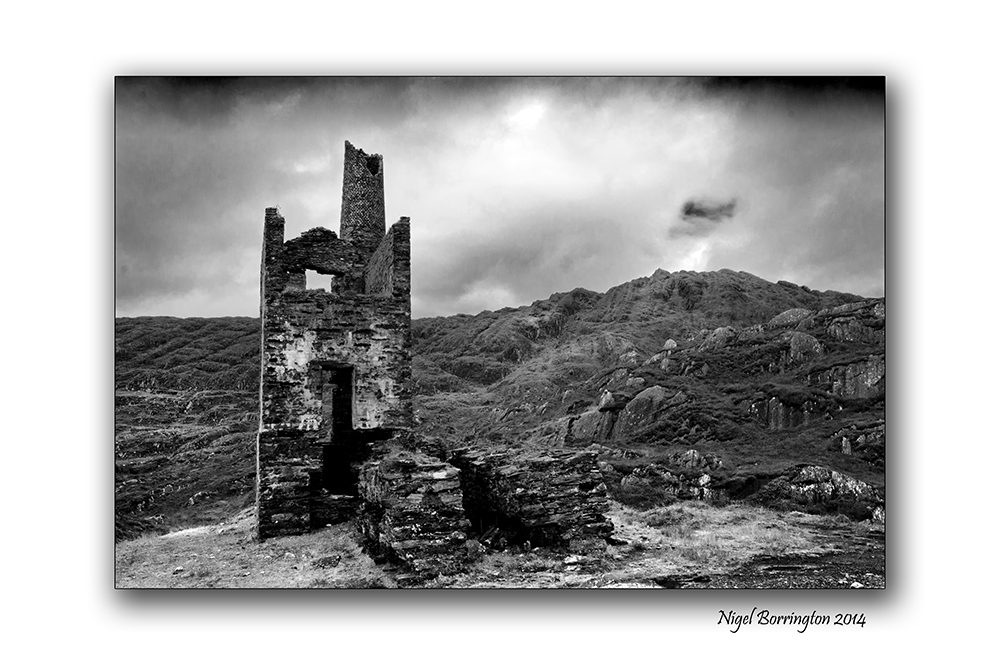
Coom Mine proved not to be a very productive mine. It had only produced 70 or 80 tons of ore when it closed in 1882.
Found things; Birch Polypore in the January woodlands

Birch Polypore Funji
Irish Nature Photography : Nigel Borrington
Your may think the during the still month on January the woodlands are died and that nothing is growing, yet a closer look will bring you some well deserved surprises.
January for the woodland fungi is a perfect month, the winter rain and relative warmth of the trees bring perfect growing conditions, these Birch Polypore were growing in a woodland at the foot of Brandon hill, County kilkenny.
Birch Polypore
Description
The fruiting bodies (basidiocarps) are pale, with a smooth greyish-brown top surface, with the underside a creamy white and with hundreds of pores that contain the spores. The fruiting body has a rubbery texture, becoming corky with age. Wood decayed by the fungus, and cultures of its mycelium, often smell distinctly of green apples. The spores are cylindrical to ellipsoid in shape, and measure 3–6 by 1.5–2 μm.
P. betulinus has a bipolar mating system where monokaryons or germinating spores can only mate and form a fertile dikaryon with an individual that possesses a different mating-type factor. There are at least 33 different mating-type factors within the British population of this fungus. These factors are all variants or alleles of a single gene, as opposed to the tetrapolar mating system of some other basidiomycete species, which involves two genes.
Range and ecology
The geographic distribution of Piptoporus betulinus appears to be restricted to the Northern Hemisphere. There is some doubt about the ability of isolates from the European continent, North America and the British Isles to interbreed.
It is a necrotrophic parasite on weakened birches, and will cause brown rot and eventually death, being one of the most common fungi visible on dead birches. It is likely that the birch bracket fungus becomes established in small wounds and broken branches and may lie dormant for years, compartmentalised into a small area by the tree’s own defence mechanisms, until something occurs to weaken the tree. Fire, drought and suppression by other trees are common causes of such stress.
In most infections there is only one fungal individual present, but occasionally several individuals may be isolated from a single tree, and in these cases it is possible that the birch bracket fungus entered after something else killed the tree. These fungal “individuals” can sometimes be seen if a slice of brown-rotted birch wood is incubated in a plastic bag for several days. This allows the white mycelium of the fungus to grow out of the surface of the wood. If more than one individual dikaryon is present, lines of intraspecific antagonism form as the two individual mycelia interact and repel each other.
The fungus can harbor a large number of species of insects that depend on it for food and as breeding sites. In a large-scale study of over 2600 fruit bodies collected in eastern Canada, 257 species of arthropods, including 172 insects and 59 mites, were found. The fungus is eaten by the caterpillars of the fungus moth Nemaxera betulinella.
Gallery


2013, a year on the Mountain .
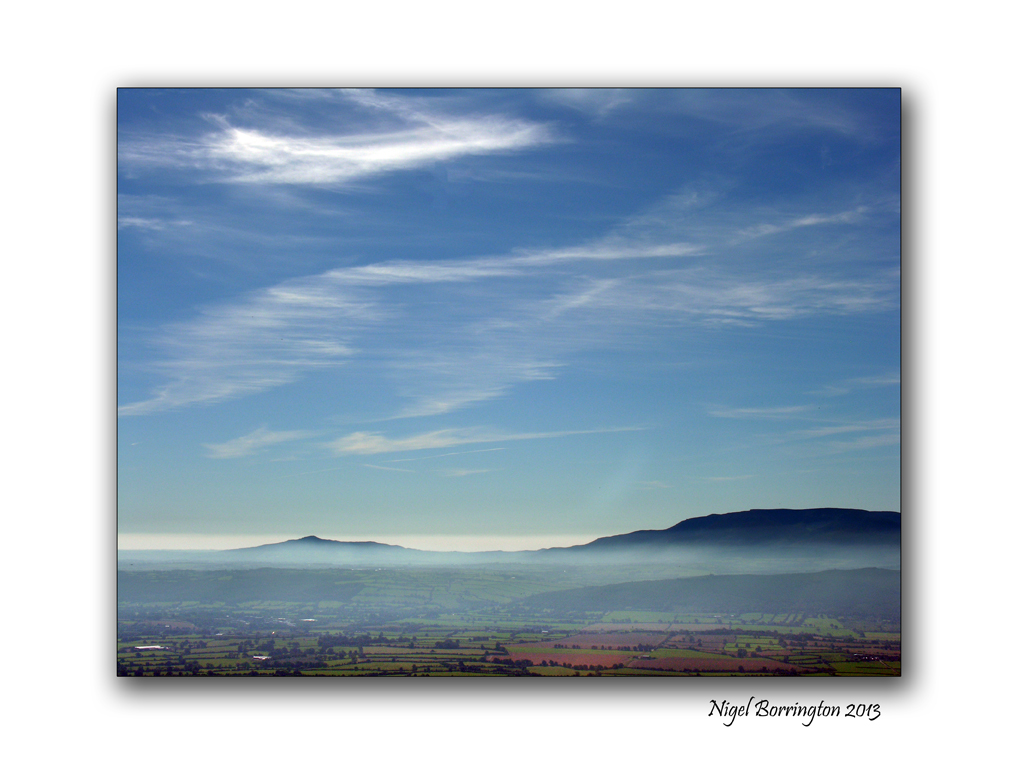
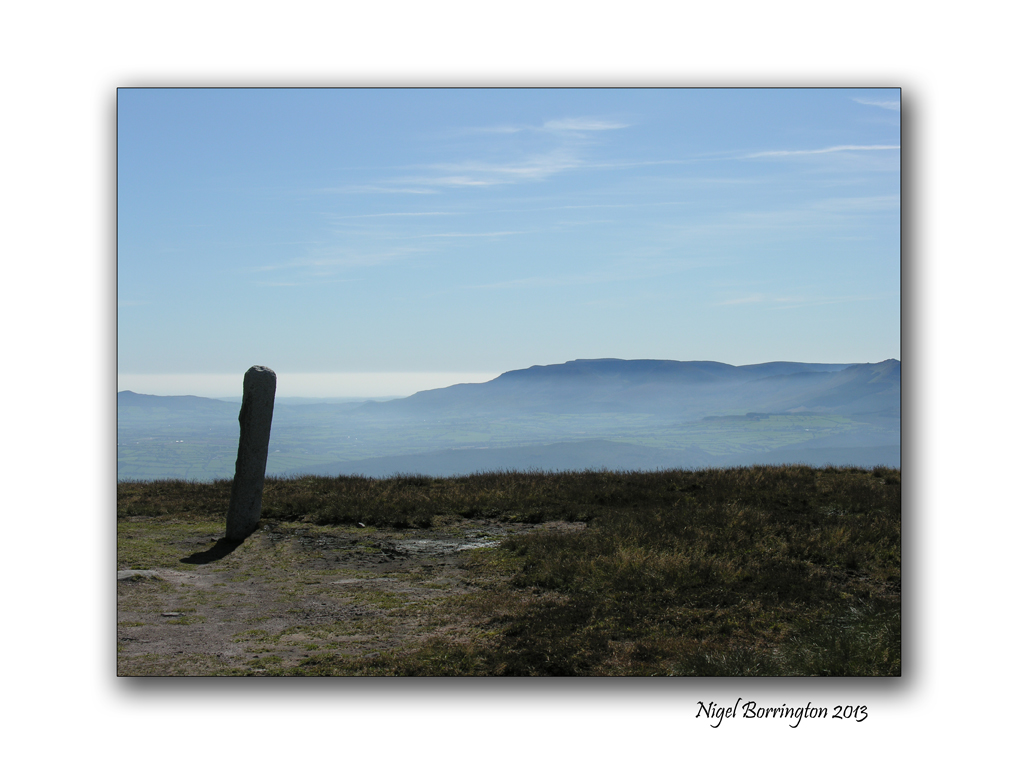
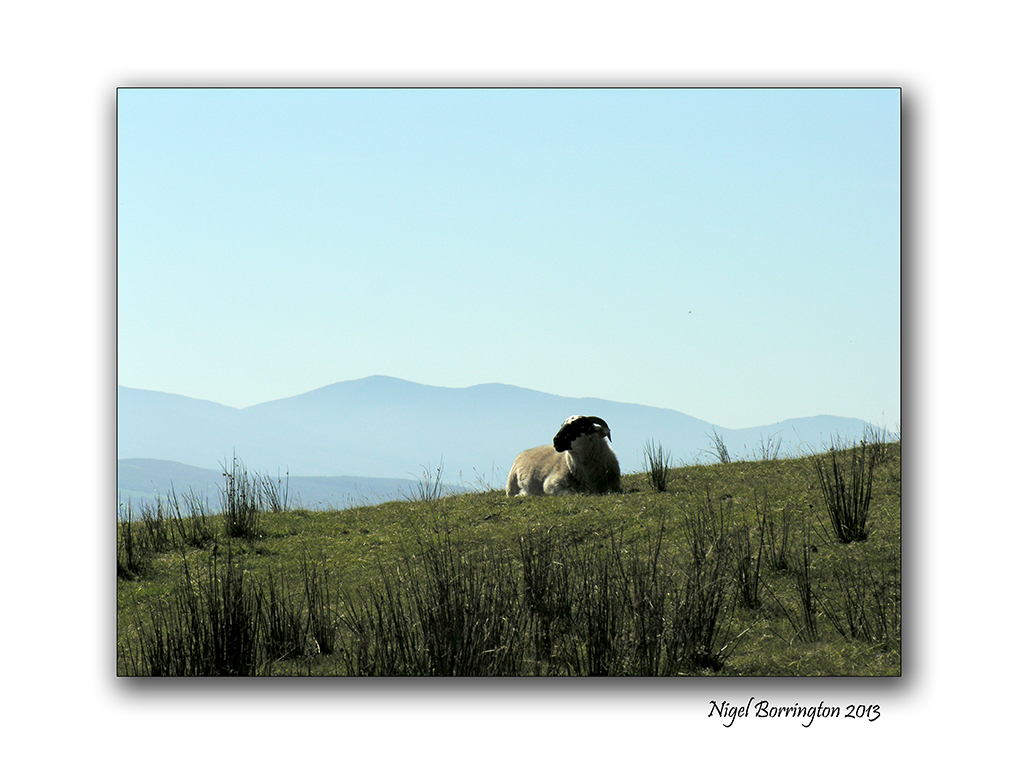
Images of slievenamon 2013
Irish Landscape Photography : Nigel Borrington
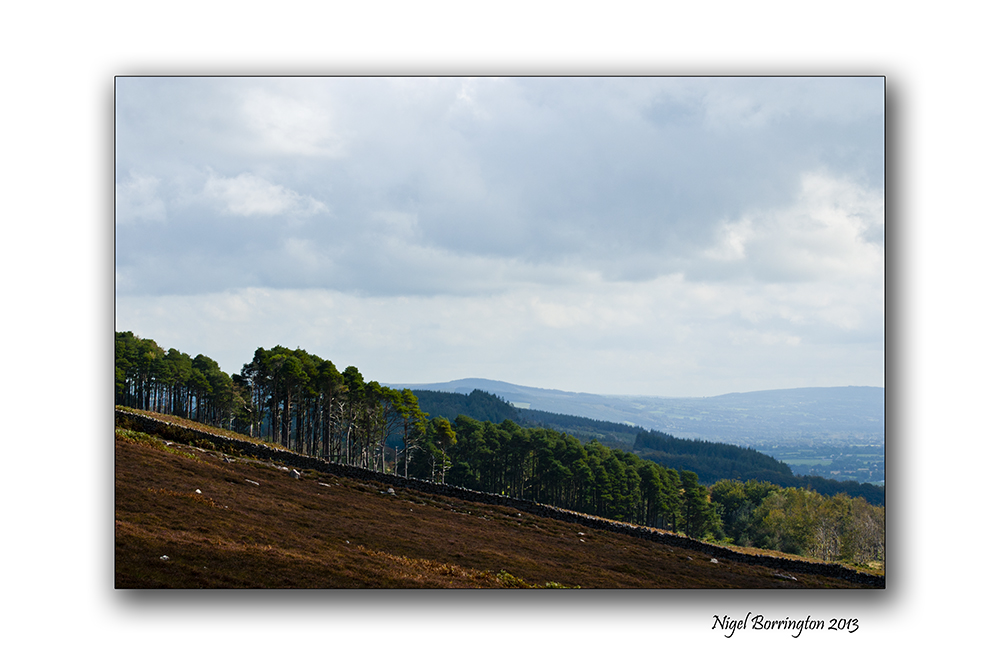
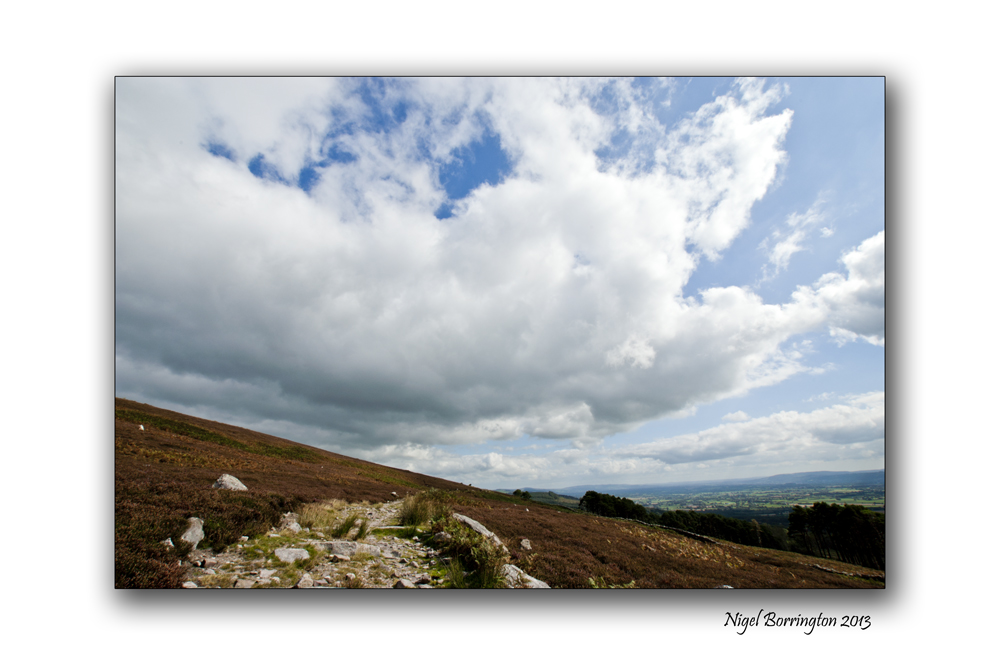
During 2013 my post have covered many different locations and landscapes around Ireland and Europe, yet selecting the location for one of my final post of the year was very simple for me.
The landscape around the mountain of Slievenamon, County Tipperary is one of the most scenic in the south east of Ireland, it is very local to myself and I have taken many images during 2013 here.
So for my final Gallery I want to share some images of this wonderful location and I look forward to sharing much more in 2014.
Happy new year to everyone !!!
Slievenamon 2013 – Gallery

Stable By Claudia Emerson
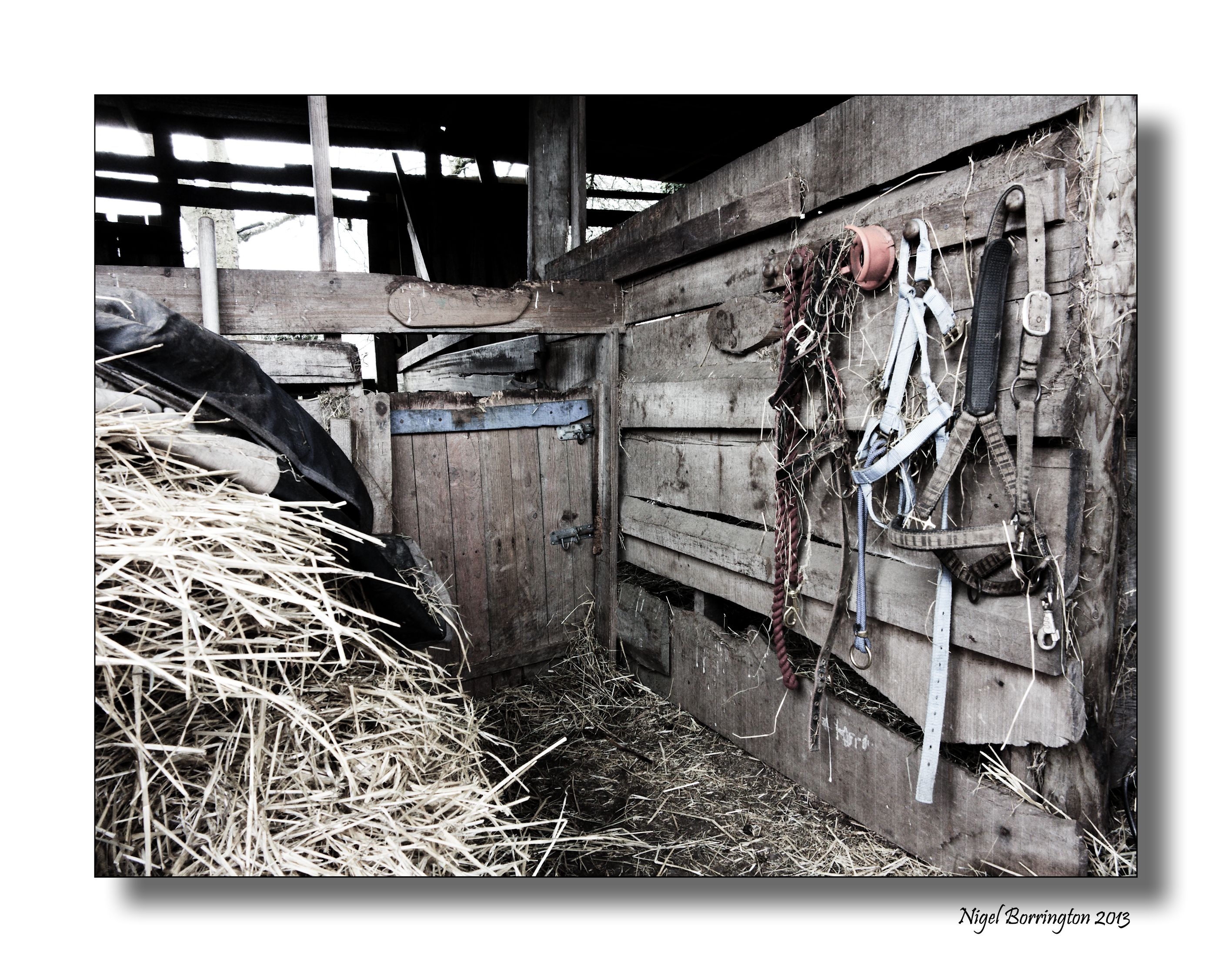
A Family Stable in county Kilkenny
Photography : Nigel Borrington
Stable
By Claudia Emerson
One rusty horseshoe hangs on a nail
above the door, still losing its luck,
and a work-collar swings, an empty
old noose. The silence waits, wild to be
broken by hoof beat and heavy
harness slap, will founder but remain;
while, outside, above the stable,
eight, nine, now ten buzzards swing low
in lazy loops, a loose black warp
of patience, bearing the blank sky
like a pall of wind on mourning
wings. But the bones of this place are
long picked clean. Only the hay-rake’s
ribs still rise from the rampant grasses.
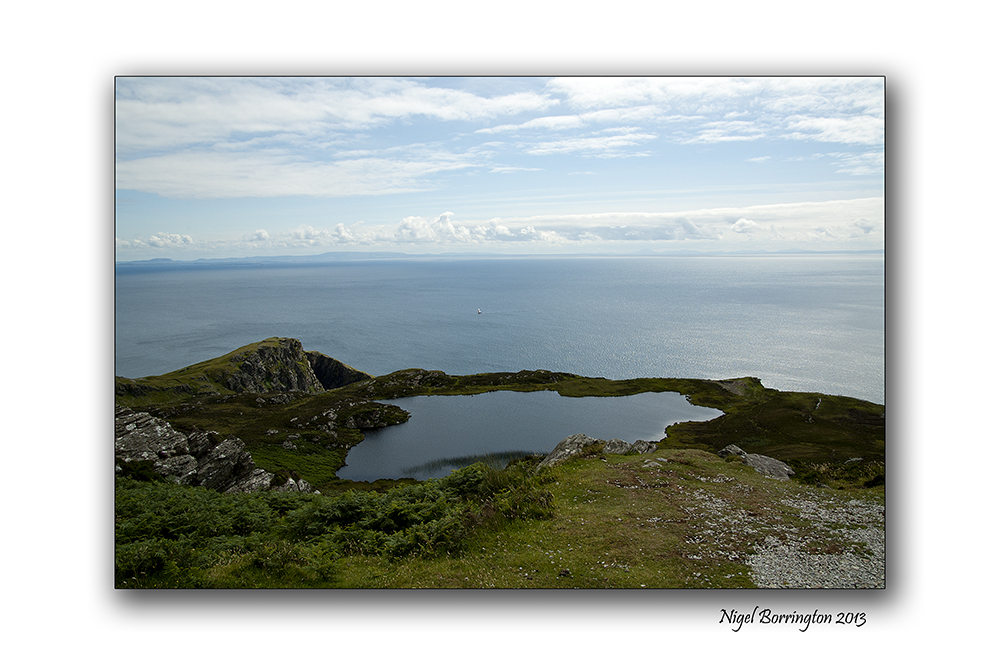
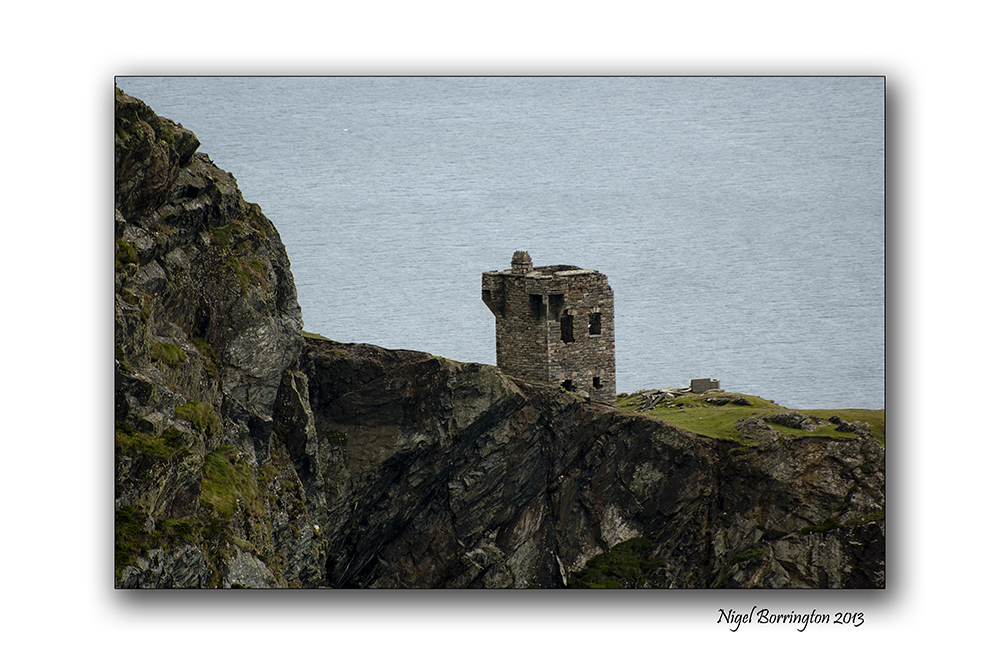
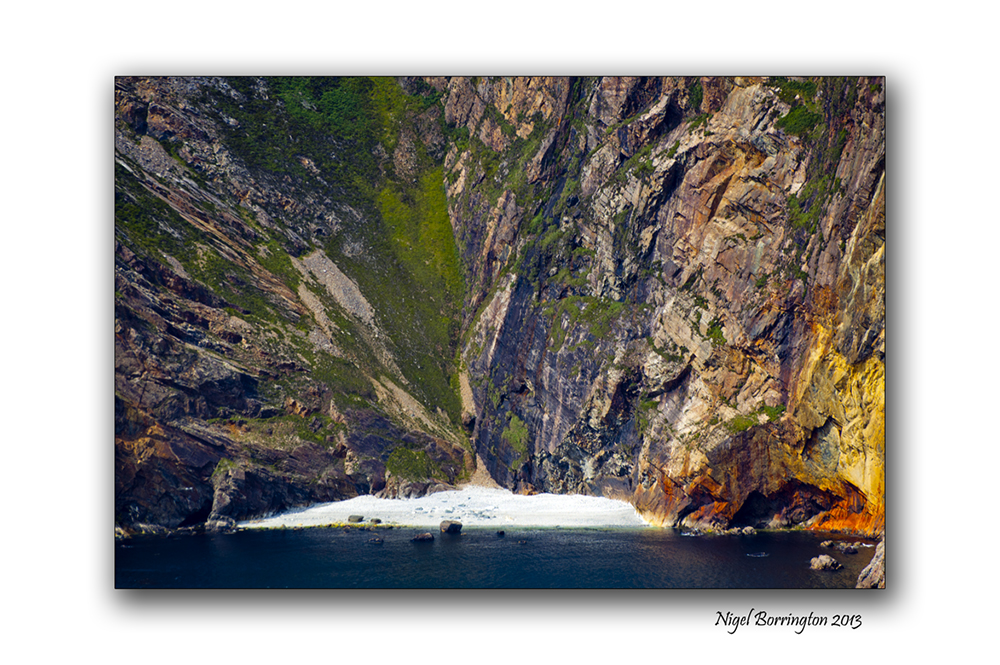
Images of Slieve league , County Donegal

Images from Slieve League coast line, county Donegal
Irish Landscape photography : Nigel Borrington
The coastline around county Donegal offers some of the best Landscape in Europe with its wonderful small coves and mountains like Slieve league , sitting above the Atlantic ocean.
These images were taken on an October visit and walk along the cliff tops.
 Nigel Borrington
You must be logged in to post a comment.