Monday Poetry : Three Poems about A Bicycle …

Jackie Wilson
MY BICYCLE, THE ARTIST
my bicycle
moves over
a clean slate
of white-snowed sidewalk,
its studded tires
sculpting a piece
of modern art
out of winter
for the city.
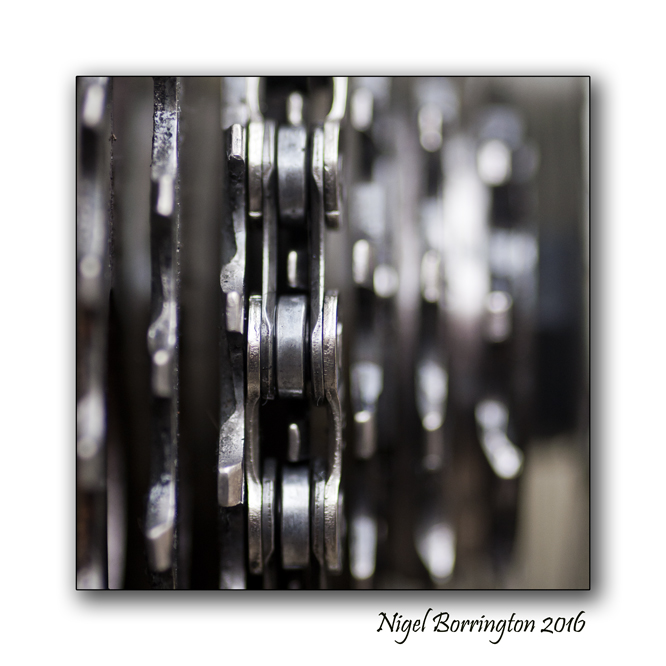
DJ Thomas
Bicycles and Poetry in Lisbon
Cycle chic fashion
Our slow bicycle movement
Poetry in bike lanes
Sartorialist’s on two wheels
reclaiming this cities
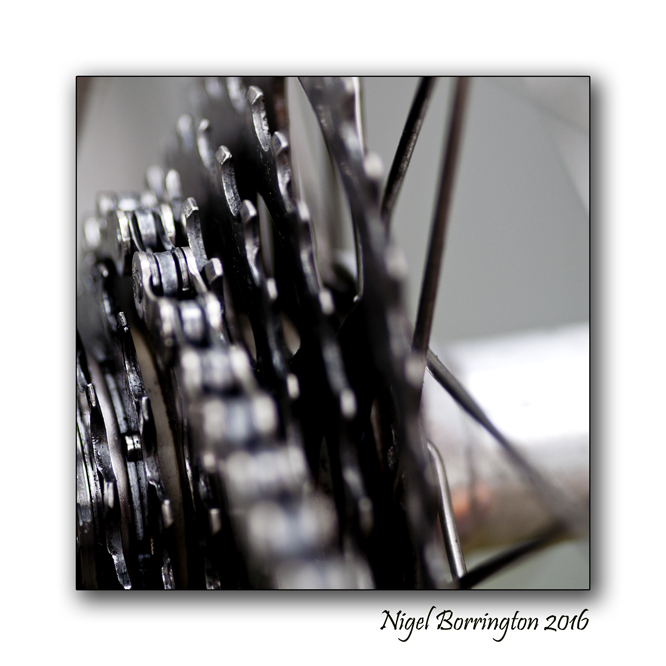
Bicycle
Nigel Borrington
Ellen Piper
Wilson Rd.
The bicycles were a forged parent-permission slip
But well-forged.
I lifted myself over the tear in the truck’s seat cover, not sliding
Not perforating further for today.
The road was short, short enough to have ridden the bicycles from first start to real start.
But that would not have been exotic
Connection is exotic, and channels must be followed through an antfarm
Proper etiquette must be observed with touch-me-nots
The bicycles were easier to lift from the bed with two
I gave him that, passing a front end, and jammed the wheelspokes with a jabbed finger
So that the damp spinning would not flick his face with groundwater
I expected it to hurt. My expectation tapped lightly.
That narrow pock-marked blacktop was my windtunnel
The air stroked its thumbs over my eyelids and I ached to push, breathe, push further
He held me back with his slow handlebars,
His slow kickstand clicking.
Pedaling slowly is more difficult than flying.
One finds gladness in choosing leaves to crunch with an inch-wide tire
And high-fiving low-hanging branches is socially satisfying.
He smiles behind the white mustache, and I don’t mind.
Thistles By : Ted Hughes (1930 – 1998)

Thistles
Nature photography
By : Nigel Borrington
Thistles
By : Ted Hughes
(1930 – 1998)
Against the rubber tongues of cows and the hoeing hands of men
Thistles spike the summer air
And crackle open under a blue-black pressure.
Every one a revengeful burst
Of resurrection, a grasphed fistful
Of splintered weapons and Icelandic frost thrust up

From the underground stain of a decayed Viking.
They are like pale hair and the gutturals of dialects.
Every one manages a plume of blood.
Then they grow grey like men.
Mown down, it is a feud. Their sons appear
Stiff with weapons, fighting back over the same ground.
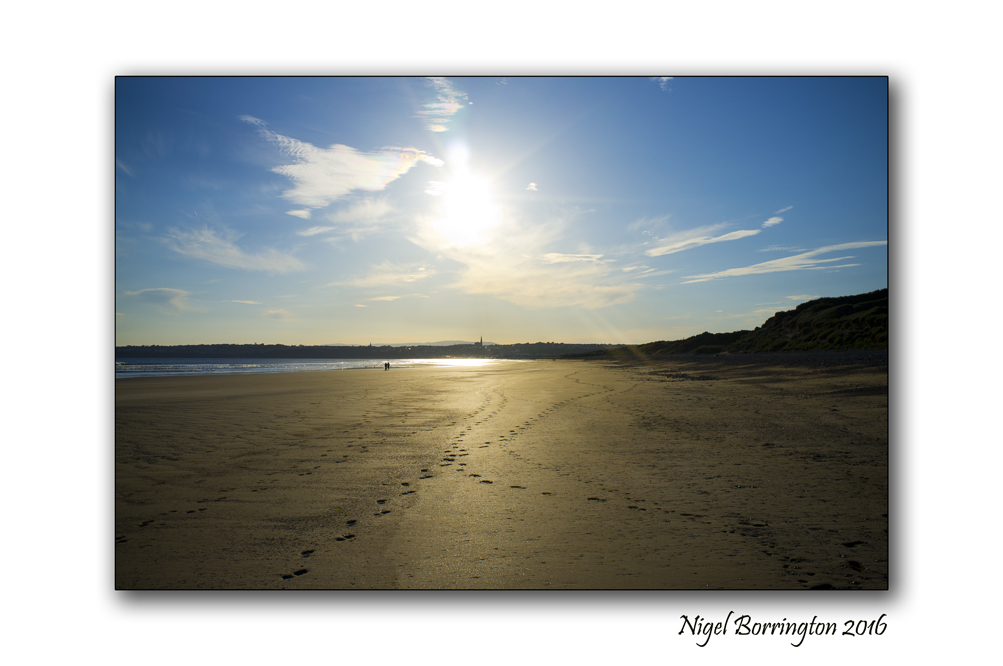
Tramore Beach in Time and the “Princess Of The Sea”, Anne-Lise Andresen and Liam Mc Daid
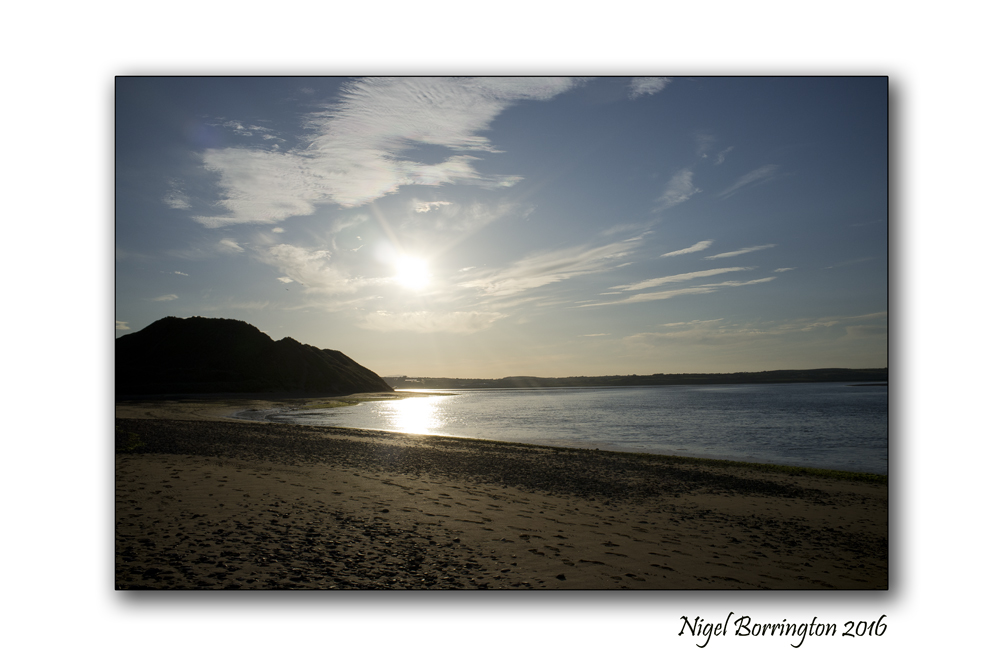
Tramore Beach
Far away in time
Irish Landscape
Nigel Borrington
– The Princess Of The Sea –
A Collaborated Poem
Anne-Lise Andresen and Liam Mc Daid
On the beach I found a seashell
luster of colors mixed with gold illuminate
Washed by the sea millions of times
tides turn as gentle footprints remain
I sit and ponder, how could it happen
salt breeze within an ocean’s breath inhales
A journey of unimaginable time
drifting murmurs echo against waves crashing
In the sunlight it shone with many shades
satin pearl treasure heart between two shells
Carefully I opened and found its soul
it was then as one on whitewashed wings we flew free

I found a beautiful princess of the sea
Upon a sigh or dream revealed its inner secret
A Collaborated Poem
Anne-Lise Andresen and Liam Mc Daid
Wild Rose Poetry – Poems by Margaret O Driscoll and Dennis gunsteen

The Wild Rose
Nigel Borrington
The Guelder Rose – Poem by Margaret O Driscoll
Fragrance drifts from the Guelder Rose
Lacey blossoms of Summer cream
I sit under it’s leafy shade
Drifting into a daydream
Embroidered bright red Kalina berries
Beloved emblem of Ukraine
The smiling market seller holds
Kalina berries in the Winter rain
————————————–
Dennis gunsteen – Wild rose flower
wild rose flower of the dawn.
a soft touch one heart bring tears
to my eyes.
wild rose
wild rose
how i wonder how you are.
the silkiness of lips of
wine.
in the meadow and in the grove
O’wild rose of loveliness
my spring flower of life you are
a song with in a song.
as pure as lily of spring water of life.
what is in a song but with in your heart
to love pure and warm.
Poem: When I look down toward the beach, Images of the Irish south coast
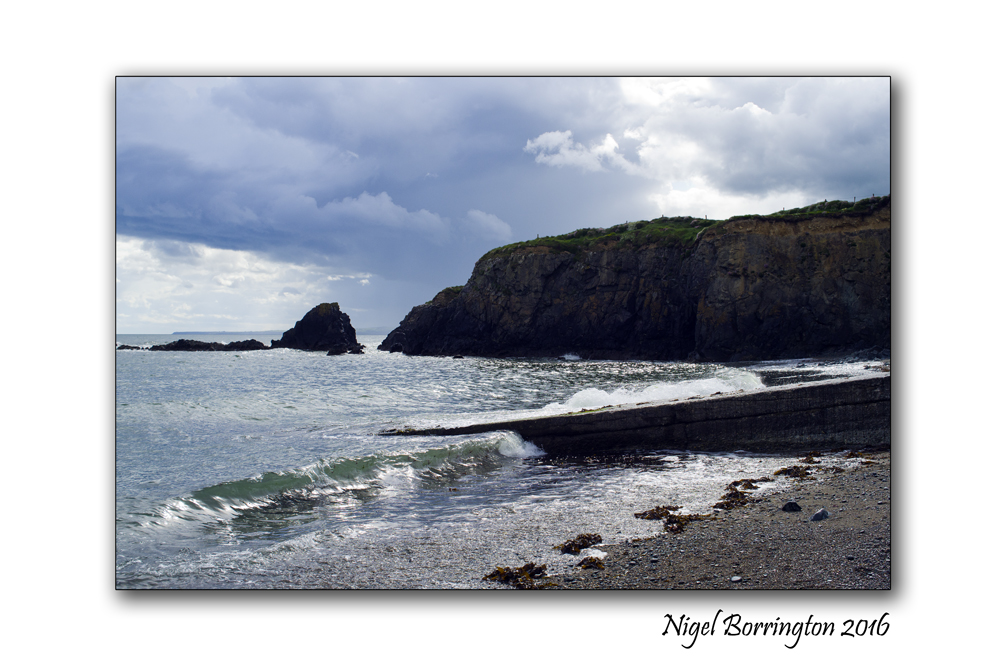
Image Of the Irish Coast , County Waterford, Ireland
Irish Landscape photography : Nigel Borrington
Images from the Irish coast.
Poem : When I look down toward the beach
When I look down toward the beach,
the distant pier seems to stride
forward from the shining sea.
I like to look beyond,
to the bands of turquoise and blue,
an ocean painted in bold,
abandoned strokes.
Why are we drawn to the waves?
Those elemental rhythms,
sounds and colours
of a primary world,
where sparse pointillist spots
busy themselves on
yellow-ochre sands.

Some days the morning
unfolds through mists,
groynes spacing out
the distances along the strand,
until a final fade-out,
well before the sea
can meet the sky.
Overhead, pterodactyl shapes
patrol against fresh patches
of blue. As I approach,
the blurred semblances
of buildings appear, rectangles
feathered violet or grey,
as if stepping off the cliff.
The Copper mine , Monday Poetry

The Copper Mine
A mine spread out its vast machinery.
Her engines with their huts and smoky stacks,
Cranks, wheels, and rods, boilers and hissing steam,
Pressed up the water from the depths below.
Here fire-whims ran till almost out of breath,
And chains cried sharply, strained with fiery force.
Here blacksmiths hammered by the sooty forge,
And there a crusher crashed the copper ore.
Here girls were cobbing under roofs of straw,
And there were giggers at the oaken hutch.
Here a man-engine glided up and down,
A blessing and a boon to mining men:
And near the spot, where many years before,
Turned round and round the rude old water wheel,
A huge fire-stamps was working evermore,
And slimy boys were swarming at the trunks.
The noisy lander by the trap-door bawled
With pincers in his hand; and troops of maids
With heavy hammers brake the mineral stones.
The cart-man cried, and shook his broken whip;
And on the steps of the account-house stood
The active agent, with his eye on all.
Below were caverns grim with greedy gloom,
And levels drunk with darkness; chambers huge
Where Fear sat silent, and the mineral-sprite
For ever chanted his bewitching song;
Shafts deep and dreadful, looking darkest things
And seeming almost running down to doom;
Rock under foot, rock standing on each side;
Rock cold and gloomy, frowning overhead;
Before; behind, at every angle, rock.
Here blazed a vein of precious copper ore,
Where lean men laboured with a zeal for fame,
With face and hands and vesture black as night,
And down their sides the perspiration ran
In steaming eddies, sickening to behold.
But they complained not, digging day and night,
And morn and eve, with lays upon their lips.
Here yawned a tin-cell like a cliff of crags,
Here Danger lurked among the groaning rocks,
And oftimes moaned in darkness. All the air
Was black with sulphur and burning up the blood.
A nameless mystery seemed to fill the void,
And wings all pitchy flapped among the flints,
And eyes that saw not sparkled min the spars.
Yet here men worked, on stages hung in ropes,
With drills and hammers blasting the rude earth,
Which fell with such a crash that he who heard
Cried, “Jesu, save the miner!” Here were the ends
Cut through hard marble by the miners’ skill,
And winzes, stopes and rizes: pitches here,
Where worked the heroic, princely tributer,
This month for nothing, next for fifty pounds.
Here lodes ran wide, and there so very small
That scarce a pick-point could be pressed between;
Here making walls as smooth as polished steel,
And there as craggy as a rended hill.
And out of sparry vagues the water oozed,
Staining the rock with mineral, so that oft
It led the labourer to a house of gems.
Across the mine a hollow cross-course ran
From north to south, an omen of much good;
And tin lay heaped on stulls and level-plots;
And in each nook a tallow taper flared,
Where pale men wasted with exhaustion huge.
Here holes exploded, and there mallets rang,
And rocks fell crashing, lifting the stiff hair
From time-worn brows, and noisy buckets roared
In echoing shafts; and through this gulf of gloom
A hollow murmur rushed for evermore.
Friday Poetry : The Road

The Road
West Cork, Ireland
Nigel Borrington
The Road
Rockie
Oct 19, 2014
If you were on the road to nowhere,
where would you go?
If you were on the road to somewhere,
would you stay where you are?
If there was no road,
what would you do?
If the road was there,
would you carry on walking?
If the road you walked upon,
was somebody else’s,
would you leave?
If the road you took,
leads to the end of yours,
would you bother turning back?
What would YOU do,
if the feet that led you,
took you onto a road,
that you didn’t know about?
The Fly – Poem by William Blake
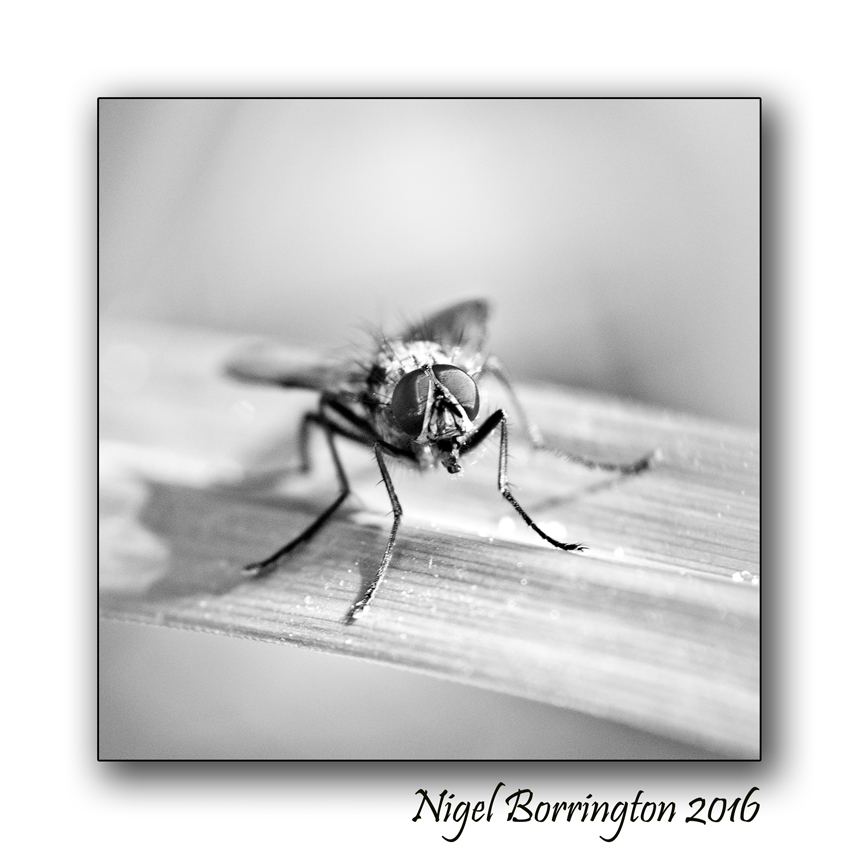
The Fly
Poem by William Blake
Little Fly,
Thy summer’s play
My thoughtless hand
Has brushed away.
Am not I
A fly like thee?
Or art not thou
A man like me?
For I dance
And drink, and sing,
Till some blind hand
Shall brush my wing.
If thought is life
And strength and breath
And the want
Of thought is death;
Then am I
A happy fly,
If I live,
Or if I die.
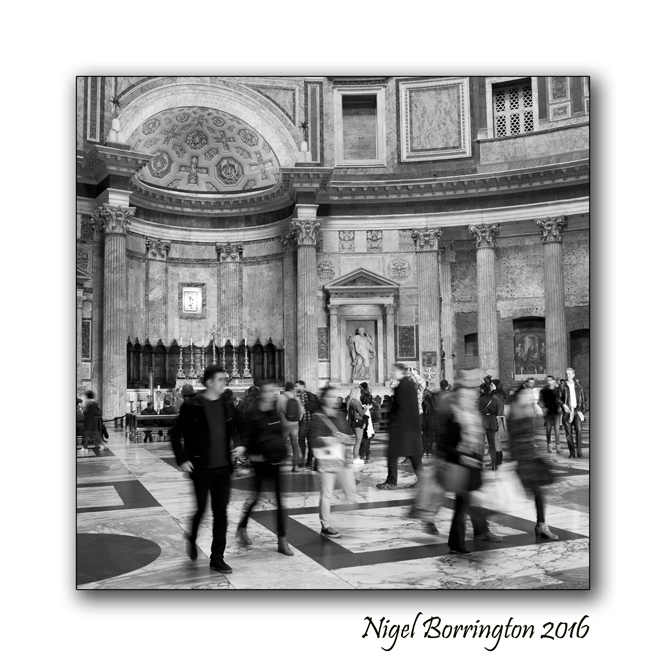
The Pantheon, Rome – in black and white and single words

The Pantheon,
Rome
Photos : Nigel Borrington
A few months back I visited Rome for a few days, I love this great city with its amazing history and people. My favourite place during this trip was the Pantheon, at some point very soon I want to post about this building in more detail, here however I want to strip this post down to the basic feelings I had on walking into this amazing space for the very first time in my life.
I am a big fan of word lists to describe personal experiences, so here goes !
The Pantheon in single words
Hight, awe, time, history, wonder, stone, granite, amazing, structure, art, architecture, human, achievement, skill, maths, space, understanding, power, time, mankind, Greek, Roman, temple, dome, circular, movement, light, time, space, years, moments, minutes, seconds, months, people, tourists, floor, roof, Walls, shapes, colour, openings, doors, markers, movement, sun, light, periods, soul, spirit, gods, existence,art, achievement, understanding, civilisation, Pantheon, Rome, Italy, life, death, memories, people, remembered, empires, lost, evolution, movement, time, love, life, people, seasons, legacy, alive, yesterday, today.
The Pantheon, Rome, a visit in space and time.


Hover Fly – Poem by Michael Shepherd

Hover fly
Nigel Borrington
Poem by Michael Shepherd
The hover fly
that’s just demonstrated
that it’s one of the Creation’s greatest
and smallest, most compact miracles of lawful
imagination (imagine flying, then stopping
quite still in the air, no slowing down,
just, zap, like that, dead steady,
and it’s smaller (!) than a helicopter, wow)
right here in front of me in silhouette, but
illuminated on one wing by the PC screen,
and pausing for a freeze-frame moment of eternity
as if to tell me something
(illumination, too?) –
all this, and yet it
doesn’t know I’m writing about it.
Presumably.
Friday Poetry (2): The old dead tree, by David Harris

The old dead tree stood
gnarled weather torn;
its limbs were now brittle.
What stories could it tell
of the centuries it had lived,
the passing lives it had seen,
and the storms it had weathered
when it was young and strong.
When its foliage was green
and gave shelter from the rain.
Now it stands bare and broken,
a sorry sight to be seen.
It must have been beautiful
when it was young
with its canopy of green,
and a nesting place for little birds
among its evergreen.
Now they only used it
as a resting place whenever they pass by.
The old dead tree,
which had seen so much life.
Friday Poetry (1) – Evening ghosts along the rivers bank

Ghosts along the river bank
Nigel Borrington
Evening ghosts along the river
I could tell you how the river looks
sketched in evening light;
I know the smell of dew so fresh over the river,
and evening air that parts like tired curtains,
with wet heat that sighs
and slaps the grass when you move on;
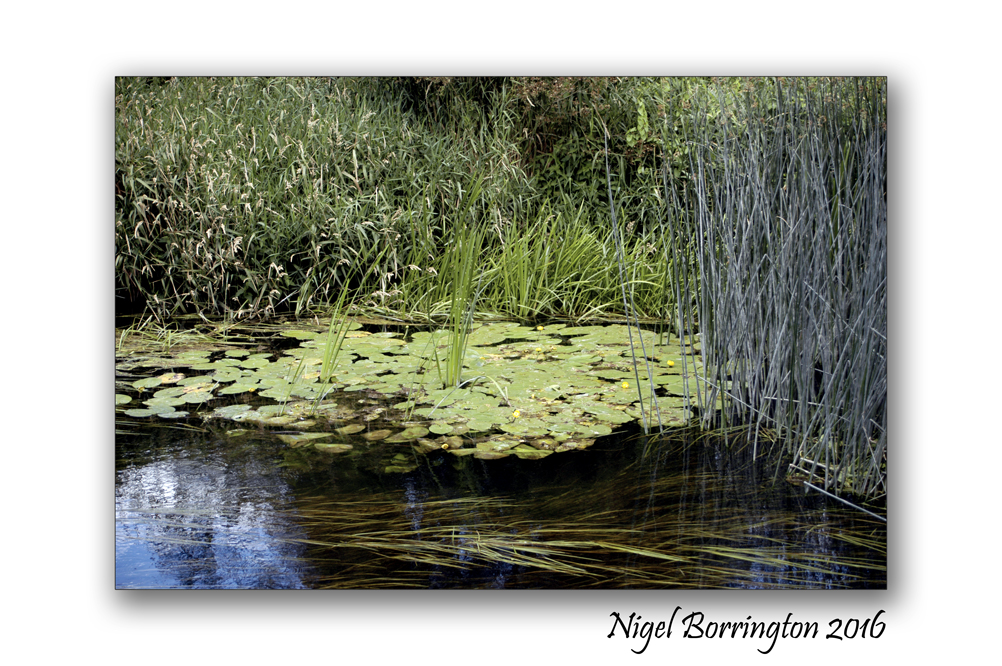
I’ve felt what a violin says
to the heart of the river ghosts
over waters edge,
and how an old man’s voice sounds best after smoking,
but a woman’s is best talking.

There are ghosts on these paths,
but they don’t hunger anymore;
hunger is for the living
not satisfied
with morning light.

Crossing The Bar – Poem by Alfred Lord Tennyson
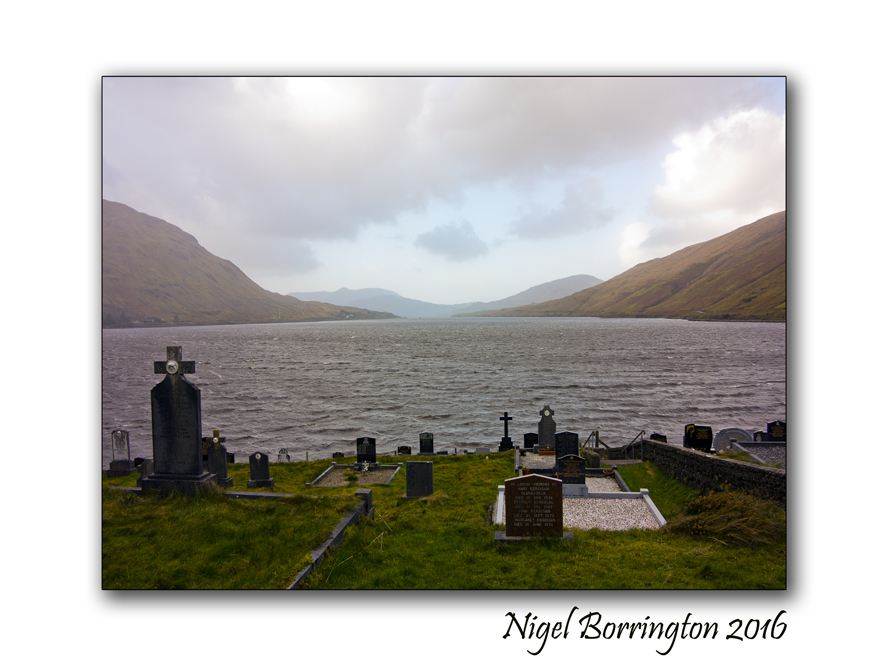
Crossing The Bar – Poem by Alfred Lord Tennyson
Irish Landscapes
Nigel Borrington
Crossing The Bar – Poem by Alfred Lord Tennyson
Sunset and evening star,
And one clear call for me!
And may there be no moaning of the bar,
When I put out to sea,
But such a tide as moving seems asleep,
Too full for sound and foam,
When that which drew from out the boundless deep
Turns again home.

Twilight and evening bell,
And after that the dark!
And may there be no sadness of farewell,
When I embark;
For though from out our bourne of Time and Place
The flood may bear me far,
I hope to see my Pilot face to face
When I have cross the bar.

Spring time Gorse flower in Irish mythology and culture

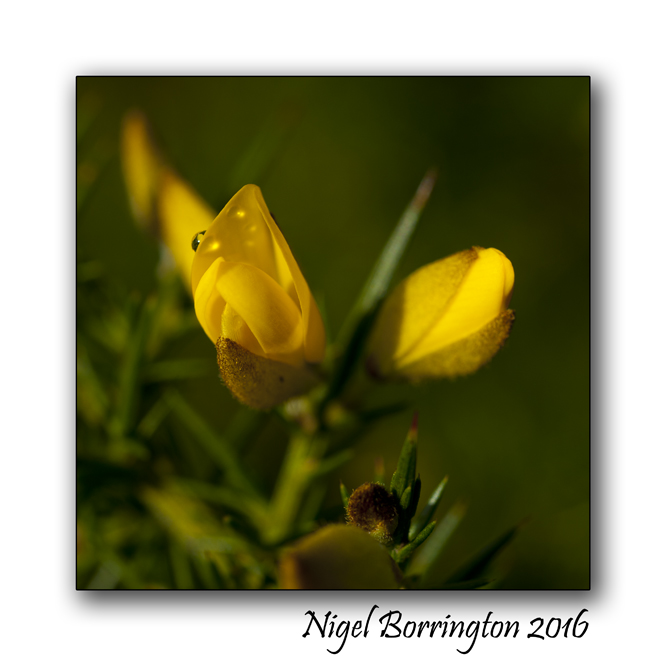
Gorse flowers
Nigel Borrington
Gorse flowers in the Irish Landscape
Gorse is very common here in county Kilkenny but this does not make it any less loved by many, as it flowers in springtime. Many of the hills sides and woodland areas come to life with their yellow flowers.
Gorse, also known as furze, is a sweet scented, yellow flowered, spiny evergreen shrub that flowers all year round.
In fact, there are several species of gorse that flower at different times of the year making it a much-loved plant for the bees and giving it the appearance of being in bloom all year long. There is an old saying that goes, “When the gorse is out of bloom, kissing is out of season.”
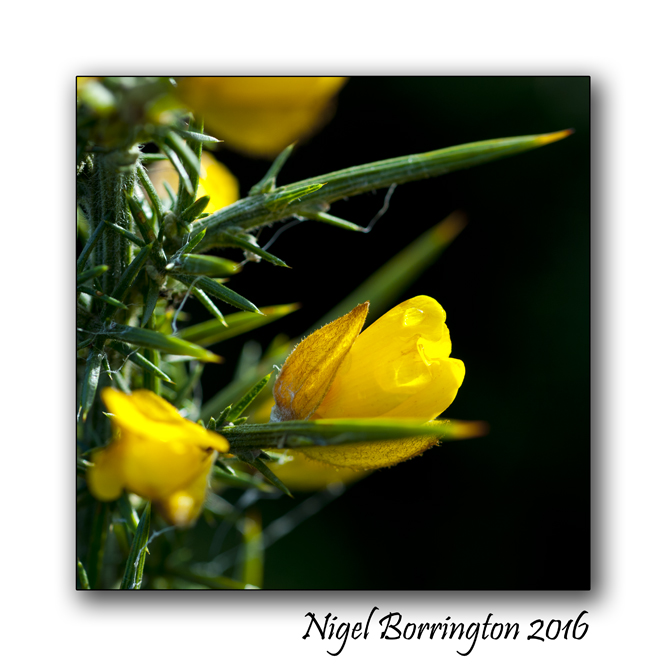
Gorse is often associated with love and fertility. It was for this reason that a sprig of gorse was traditionally added to a bride’s bouquet and gorse torches were ritually burned around livestock to protect against sterility. However, one should never give gorse flowers to another as a gift for it is unlucky for both the giver and receiver.

.
Beltane bonfires
Gorse wood was used as very effective tinder. It has a high oil content which means it burns at a similar high temperature to charcoal. The ashes of the burnt gorse were high in alkali and used to make soap when mixed with animal fat.
Onn, meaning gorse, is the 17th letter of the ogham alphabet. It equates to the English letter O.
In Celtic tradition, gorse was one of the sacred woods burned on the Beltane bonfires, probably the one that got them started. It was a shrub associated with the spring equinox and the Celtic god of light, Lugh, doubtlessly because of its ever blooming vibrant yellow flowers.
In Brittany, the Celtic summer festival of Lughnastdagh, named after the god, was known as the Festival of Golden Gorse.
Flowers used in wine and whiskey
The flowers have a distinct vanilla-coconut aroma and are edible with an almond-like taste. They can be eaten raw on salads or pickled like capers. They have also been used to make wine and to add colour and flavour to Irish whiskey. However, consuming the flowers in great numbers can cause an upset stomach due to the alkalis they contain.
The prickly nature of gorse gave it a protective reputation, specifically around livestock. As well as providing an effective hedgerow, gorse made an acceptable flea repellent and the plant was often milled to make animal fodder.
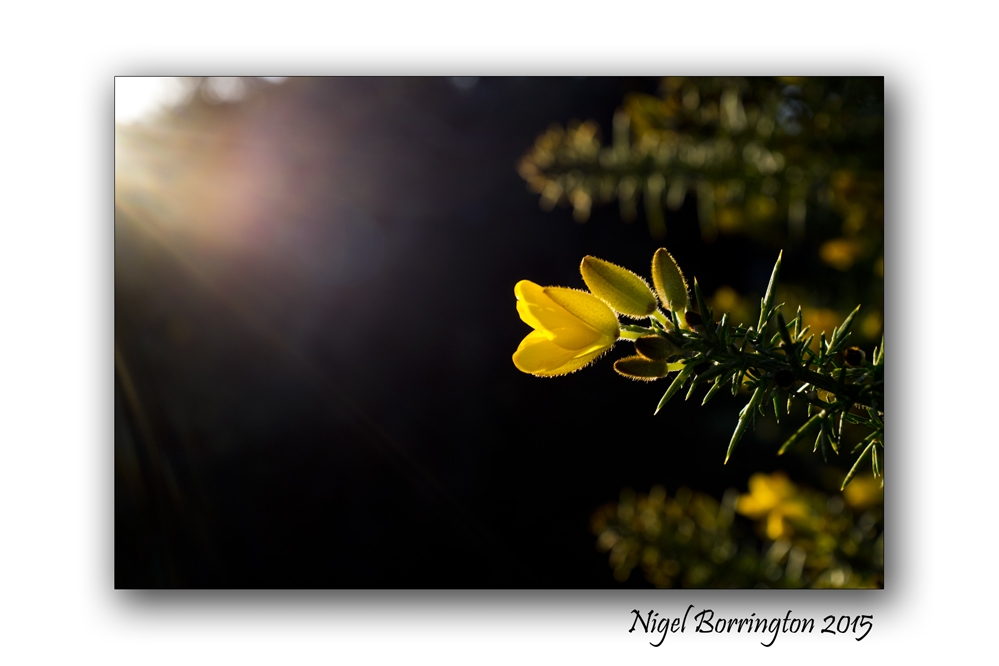
Irish Gorse flowers
Nigel Borrington
Gorse in Irish Culture
Gorse is the 15th letter of the Gaelic tree alphabet, representing O. Its old Gaelic name was Onn, and in modern Gaelic it is conasg. It’s a prickly shrub, which can almost always be found in flower somewhere, all twelve months of the year, and this means it has many positive connotations in folklore.
Snippets of lore
Here are the titbits of fact and folklore about pine tweeted by @cybercrofter on 15 December 2011.
Gorse is the 14th letter of the Gaelic tree alphabet, for O – in old Gaelic it was onn or oir (gold). In Modern Gaelic it’s conasg.
Conasg (Gaelic for gorse) means prickly or armed, appropriately enough as it’s the spiniest plant around.
As gorse’s branches, twigs and leaves are all spiny, which reduces water loss, it can survive extreme exposure to wind and salt.
Other regional names for gorse are whin or furze. In latin, it’s Ulex europaeus.
Here’s a lovely short Harry Rutherford poem about gorse. http://heracliteanfire.net/2009/01/26/poem/
Gorse bears yellow flowers all year round, and as they say, ‘When gorse is in bloom, kissing is in season.’
Gorse is a symbol of the sun god Lugh, as it carries a spark of sun all year.
Bees love gorse and it’s a good source of food for them on warm winter days and in early spring.
In late spring, gorse flowers smell of coconut and vanilla.
Here’s a poem from me, The Gorse is out behind Glencanisp. Audio too. http://www.pankmagazine.com/the-gorse-is-out-behind-glencanisp/
A decoction of gorse flowers counters jaundice.
Gorse seed pods explode in hot sun.
Gorse fixes nitrogen due to symbiosis with a bacterium in the roots.
Horses that eat gorse don’t catch colds (but presumably end up with perforated gums…)
The fierce fire of furze is ideal for baking.
Gorse boughs were used for creel-making. Ouch.
Gorse is a good windbreak and a gorse bush is the best place to dry washing – it naturally pins it in place.
A bundle of gorse is excellent for sweeping chimneys.
Here’s a recipe for gorse flower wine. http://www.celtnet.org.uk/recipes/brewing/fetch-recipe.php?rid=gorse-flower-wine
Gorse flowers give yellow and green dyes.
Gorse bark gives a dark green dye. Add a bucket of urine and wait 3 hours.
Yellowed gorse, a poem by Fay Slimm http://www.poemhunter.com/poem/yellowed-gorse/
A missing home gorse poem, by Francis Duggan http://www.poemhunter.com/poem/i-d-love-to-see-the-gorse-in-bloom/
Gorse lifts the spirits of the downhearted, and restores faith.
Festival of the Golden Gorse is celebrated on 1 August (Lughnasa).
Gorse protects against witches.
Gorse’s magic is good for bringing a piece of work, a project, a relationship or a troublesome thing to a complete and final end.
Gorse symbolises joy.
Remember the nitrogen-fixing? Grow gorse for 7 years and the ground will be excellent for corn.
In 1778 a gorse crushing mill was set up in Perth. One acre of crushed gorse bushes will keep 6 horses in fodder for 4 months.
Bring gorse into the house in May to ‘bring in the summer’.
Giving someone gorse flowers is unlucky, for both giver and receiver. Best keep them for yourself!
Spring On The River – Poem by Archibald Lampman
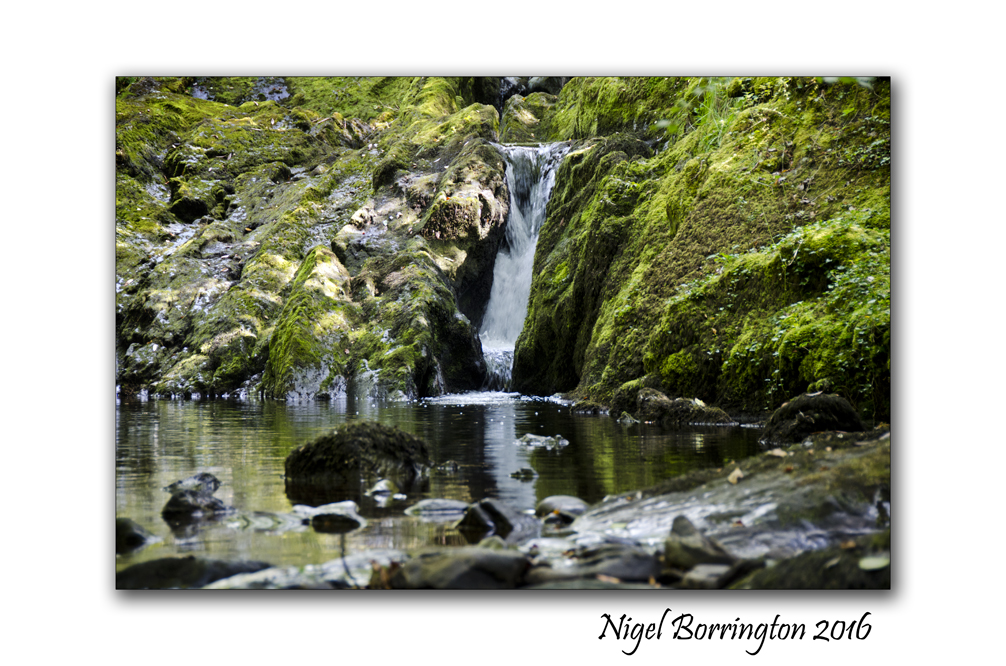
Springtime at the River
Irish landscapes
Nigel Borrington
This weekend i am planning to do some river walks, Springtime down near the rivers here in Kilkenny is a great experience with so much new life around.
What-ever you are doing I hope you have a great time 🙂
Spring On The River
By Archibald Lampman
O sun, shine hot on the river;
For the ice is turning an ashen hue,
And the still bright water is looking through,
And the myriad streams are greeting you
With a ballad of life to the giver,
From forest and field and sunny town,
Meeting and running and tripping down,
With laughter and song to the river.
Oh! the din on the boats by the river;
The barges are ringing while day avails,
With sound of hewing and hammering nails,
Planing and painting and swinging pails,
All day in their shrill endeavor;
For the waters brim over their wintry cup,
And the grinding ice is breaking up,
And we must away down the river.
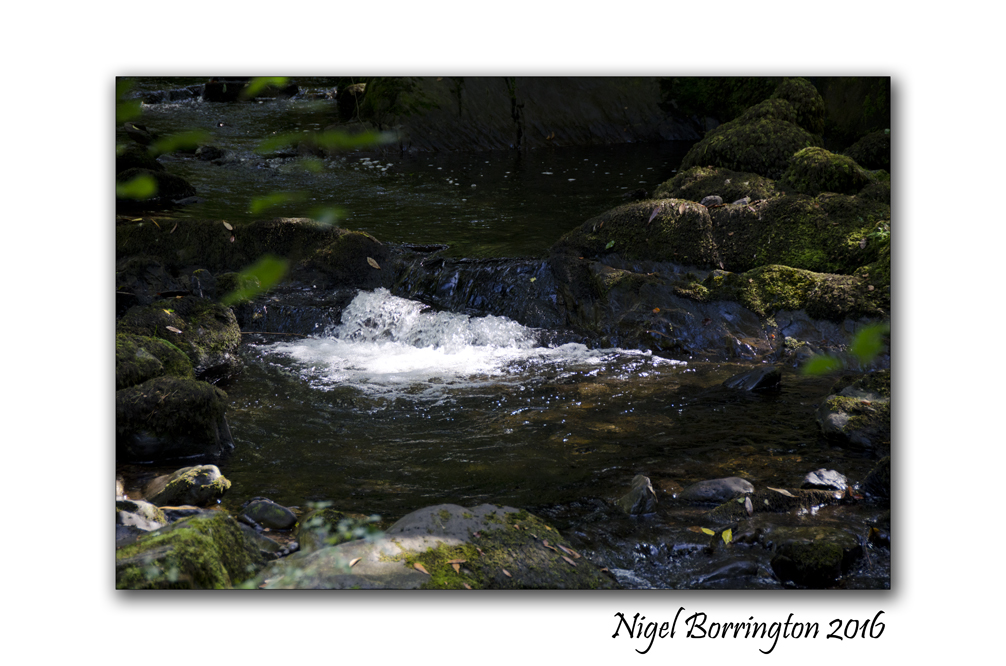
Oh! the hum and the toil of the river;
The ridge of the rapid sprays and skips:
Loud and low by the water’s lips,
Tearing the wet pines into strips,
The saw mill is moaning ever.
The little grey sparrow skips and calls
On the rocks in the rain of the water falls,
And the logs are adrift in the river.
Oh! restlessly whirls the river;
The rivulets run and the cataract drones:
The spiders are flitting over the stones:
Summer winds float and the cedar moans;
And the eddies gleam and quiver.
O sun; shine hot, shine long and abide
In the glory and power of the summer tide
On the swift longing face of the river.

The Presence of Trees – By Michael S. Glaser

The Presence of Trees
Nature Photography
Nigel Borrington
The Presence of Trees
by Michael S. Glaser
I have always felt the living presence
of trees
the forest that calls to me as deeply
as I breathe,
as though the woods were marrow of my bone
as though
I myself were a tree, a breathing, reaching
arc of the larger canopy
beside a brook bubbling to foam
like the one
deep in these woods,
that calls
that whispers home
A foggy Morning Poem , 12 O’clock In the Morning
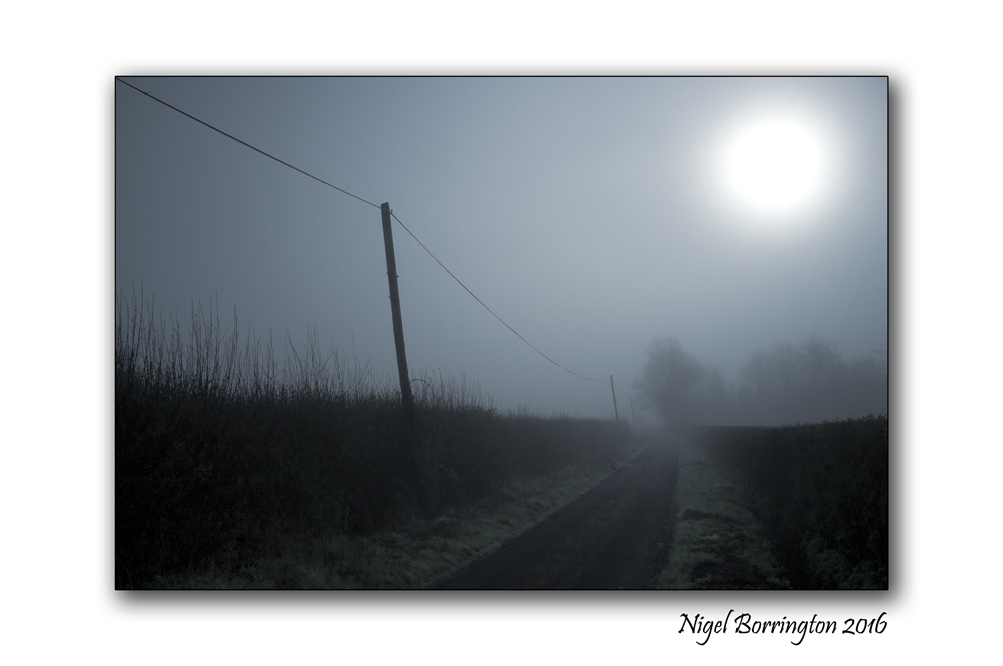
Foggy Midnight poems
Kilkenny
Nigel Borrington
12 O’clock In the Morning
Late nights are when my thoughts linger
I think too deep and begin to ponder
Why life has no purpose but to bring joy or pain
We have so much to lose but much more to gain
Many people give up too fast
Instead of living in the present, they focused on the past
These thoughts strike in the middle of the night
And they make me wonder with all of my might

I haven’t lost that much
The only thing I fear is to lose all trust
Half of that is already gone
It got swept away with old love songs
My thoughts are getting foggy an hard to see
The midnight hour is the key
The Sound of the Sea, By : Henry Wadsworth Longfellow

The sound of the sea
Nigel Borrington
The Sound of the Sea
By : Henry Wadsworth Longfellow
The sea awoke at midnight from its sleep,
And round the pebbly beaches far and wide
I heard the first wave of the rising tide
Rush onward with uninterrupted sweep;
A voice out of the silence of the deep,
A sound mysteriously multiplied
As of a cataract from the mountain’s side,
Or roar of winds upon a wooded steep.
So comes to us at times, from the unknown
And inaccessible solitudes of being,
The rushing of the sea-tides of the soul;
And inspirations, that we deem our own,
Are some divine foreshadowing and foreseeing
Of things beyond our reason or control.
The First Morning Of April 2016

The first Morning of April 2016
River Suir
County Tipperary
Nigel Borrington
The first Morning of April 2016 has started here in Ireland with our usual spring rains
So time for a small poem to welcome it home once again ……
April rain
On your morning walk
let the rain kiss you on your face
let the rain beat upon your head with silver liquid drops,
Let the rain sing you a new song
just like the returning birds of springtime,
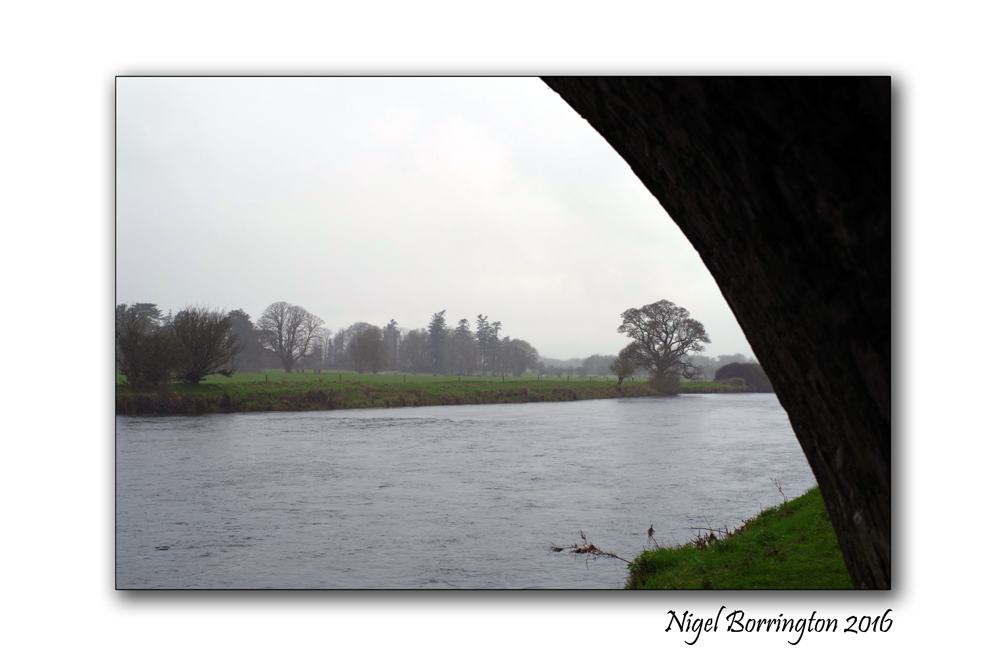
On this morning walk along the rivers bank
the rain makes waves upon the rivers flow
the rain dances on its surface,
If there are any Gods then they are in the rain
this rain that brings new life
a fresh start
this April rain.
The Last Afternoon of March

That Last day of March
Irish Landscapes
Nigel Borrington
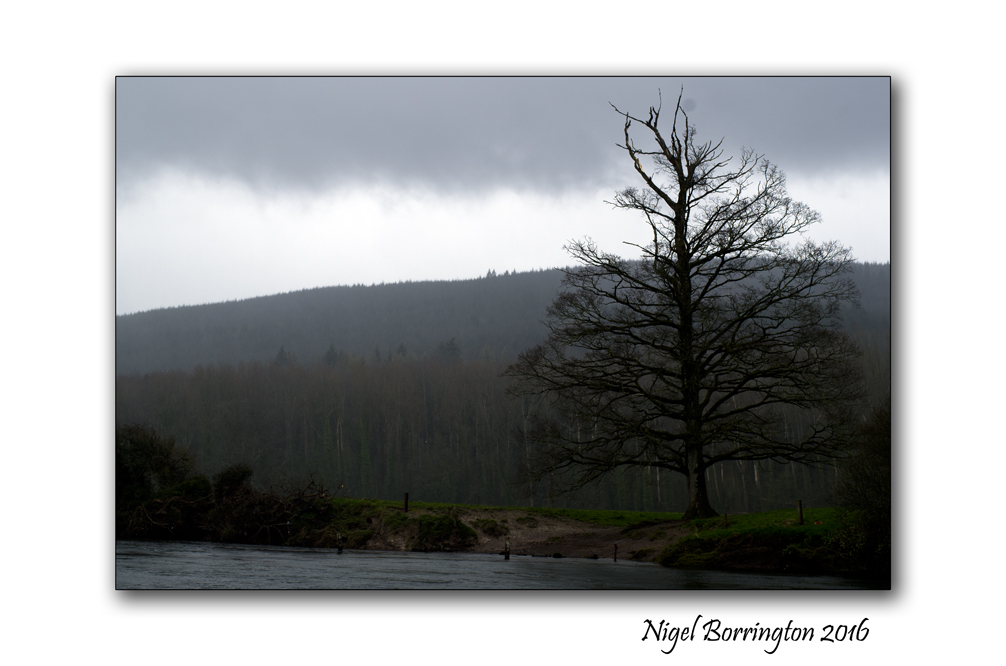
The Last afternoon of March 2016
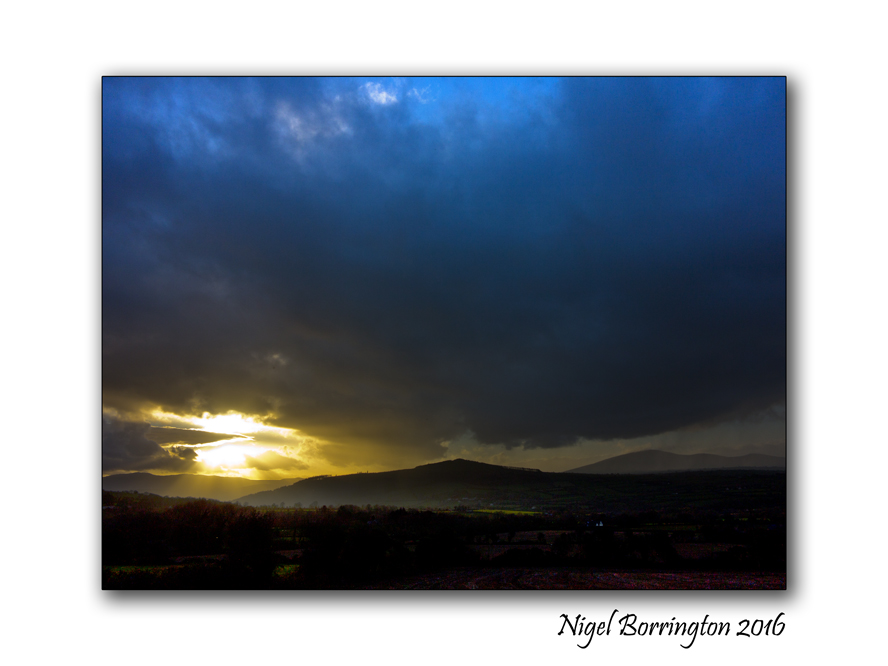
This afternoon is bright and sunny
between the mountain clouds,
Springtime is in the air,
The weather is mild on this late March afternoon,
the breath of April is rising fast,
I am alone on the quiet mountain top
looking down on an old untried illusion
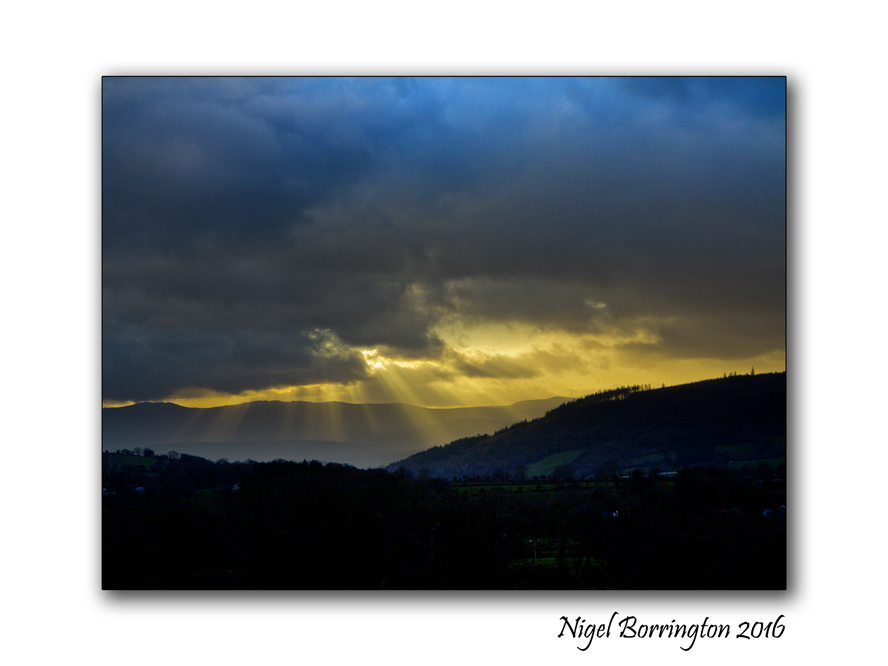
Some shadows sit on the green landscape below
memory’s rise from their sleep,
The crows fly above while others rest
on the stone walls of this mountain side,
In the air as hunting birds call
the fast hover of the kestrels wings.
My Name Is Gossip, A poem by : Oliya Charkhi

My Name Is Gossip
I am a mysterious phenomenon
I am a menace to the society and families
An element of devastation and destruction
People can’t fathom my destructive powers
I thrive on losing or questioning people’s sanity
I hurt without killing
I plant hatred and jealous in people’s heart
I break hearts and ruin lives
I am sly, cunning and malicious
And gather strength with age
The more I am quoted, the more I am believed
I flourish at every level of society
My victims are helpless
They cannot protect themselves against me,
For I have no name, no face

I sneak and sow the seed of doubt in the soil of innocent hearts
to extinguish their joy
I sometimes hide behind a smile,
Or simply behind an innocent tear
Most of the time, I creep and stab from behind
To track me down is impossible
The harder you try, the more elusive I become
I target the vulnerable or the hurt
I simply don’t let happiness chance
I am nobody’s friend
Once I tarnish a reputation it is never the same
The wound I inflict never heals
I overthrow governments and ruin marriages
I destroy careers and cause sleepless nights
I generate suspicion and grief
I make innocent people cry
My name hisses hate
Yes, my name is Gossip
Monday Poetry, Ancient Stones By Donna Jones
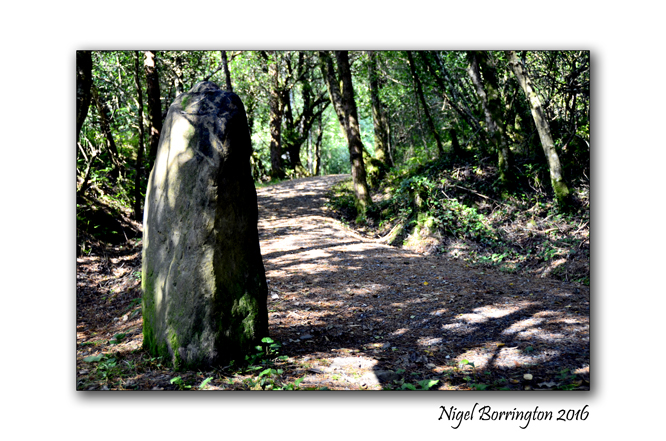
Ancient Ireland
Standing stones
Nigel Borrington
Ancient Stones
Charcoal black tip of arrowhead,
among these ancient, stones – stained red
Heartbeats share rhythms of ghostly drums..
Winds carry haunting, chanting hums
I feel your blood, flow here with mine,
outlasting, even decaying time
I’ve been told the stories, told to you,
I know we’re just spirits, passing through
When thunder, shakes awake the night,
I vision warriors by firelight
Their voices echo, around mountain’s soul,
while moon and stars watch us below
Respect the sky, and mother earth,
borrow the beauty, from time of birth
Then give in death peacefully
yourself, to rest eternally
Among these ancient, stones – stained red,
my mirror reflects traces, of those long………..
remembered…….
Donna Jones
Kilkenny landscapes in March – Two Poems on March

Kilkenny Landscapes
Nigel Borrington
“The sun is brilliant in the sky but its warmth does not reach my face.
The breeze stirs the trees but leaves my hair unmoved.
The cooling rain will feed the grass but will not slake my thirst.
It is all inches away but further from me than my dreams.”
– M. Romeo LaFlamme, The First of March

The word ‘March’ comes from the Roman ‘Martius’. This was originally the first month of the Roman calendar and was named after Mars, the god of war. March was the beginning of our calendar year. We changed to the ‘New Style’ or ‘Gregorian calendar in 1752, and it is only since then when we the year began on 1st January. The Anglo-Saxons called the month Hlyd monath which means Stormy month, or Hraed monath which means Rugged month.

“Equal dark, equal light
Flow in Circle, deep insight
Blessed Be, Blessed Be
The transformation of energy!
So it flows, out it goes
Three-fold back it shall be
Blessed Be, Blessed Be
The transformation of energy!”
– Night An’Fey, Transformation of Energy
 Nigel Borrington
Irish Lighthouses – St John’s Point Lighthouse, Donegal
I have been spending a little time each evening this week sorting through by Landscape images of Ireland, it’s been a great exercise to do and has reminded be of so many of the great locations I have visited here in this great country.
I have always keep a special place in my mind and memories for the many Lighthouses I have been to visit, from the south coast to the very north of the country, like The lighthouse below, which I posted about sometime back 🙂
St John’s Point Lighthouse, Donegal
Last week I changed my blog header to an image of St, Johns Point Lighthouse in county Donegal, so I though I would just share some details about this great place.
Its an amazing lighthouse at the mouth of Donegal bay and like many Lighthouses it was build through hard work and taking a risk with time and money, followed with many years of hard work and care in order to keep it running so that many lives could be saved.
Some History
From the Commissioners of Irish Lights
This is a harbour light used to guide from Donegal Bay, it marks the north side of the bay leading to Killybegs Harbour from the entrance up to Rotten Island.
The Corporation for Preserving and Improving the Port of Dublin (the Ballast Board) received a request on 24 February 1825 signed by merchants and traders of Killybegs requesting a light on St John’s Point. This was not approved until April 1829, and Trinity House gave their statutory sanction the following month.
The tower, built of cut granite, was designed by the Board’s Inspector of Works and Inspector of Lighthouses, George Halpin, and erected by the Board’s workmen under Halpin’s supervision.
The tower, painted white, had a first order catoptric fixed light 98 feet above high water with a visibility in clear weather of 14 miles. The light was first used on 4 November 1831 with the buildings in an uncompleted state. The final cost at the end of 1833 was £10,507.8.5.
Gallery
A Lighthouse Poem
By : Ashley Rose
The stone facade bound into the coarse rock,
Signaling, sending, and saving,
Streaks of light alluring threat to vessels.
Like flare of alert, warning of an ominous havoc.
Sending waves of whispering light into the mute air,
Advising all to depart back to the watchful sea.
The light reflects on the storm driven oceans,
tracing the surface with an inkling of caution,
a lighthouse, beacon of hope.
The tides swoosh against the jagged cliff,
where tattered remains of a ship remain.
The waves roar as a dull overcast envelopes the sky.
The lighthouse’s beams echo off a ship,
leading the wandering adrift to safer waters,
as a guide to shelter.
Share this:
April 28, 2016 | Categories: Comment, Gallery, Landscape, Nigel Borrington, Poetry Gallery, Travel Locations | Tags: Ashley Rose, County Donegal Irish Landscape, Donegal, Irish photography, Lighthouses, Nigel Borrington, poem, poetry, St johns point | 3 Comments