The Bay that never was, A Poem by : James K. Baxter (1926-1972)
The Bay
James K. Baxter (1926-1972)

SlieveLeague
Donegal
Ireland’s Most Beautiful Places
Nigel Borrington
On the road to the bay was a lake of rushes
Where we bathed at times and changed in the bamboos.
Now it is rather to stand and say
How many roads we take that lead to Nowhere,
The alley overgrown, no meaning now but loss:
Not that veritable garden where everything comes easy.
And by the bay itself were cliffs with carved names
And a hut on the shore by the open fires.

We raced boats from the banks of the river
Or swam in those autumnal shallows.
Growing cold in amber water, riding the logs
Upstream, and waiting for the Sea Monsters.
So now I remember the bay and the little spiders
On driftwood, so poisonous and quick.
The carved cliffs and the great out crying surf
With currents round the rocks and the birds rising.

A thousand times an hour is torn across
And burned for the sake of going on living.
But I remember the bay that never was
And stand like stone and cannot turn away.
When the Fishing Boats Go Out , By: Lucy Montgomery

When the Fishing Boats Go Out
Lucy Montgomery
When the lucent skies of morning flush with dawning rose once more,
And waves of golden glory break adown the sunrise shore,
And o’er the arch of heaven pied films of vapor float.
There’s joyance and there’s freedom when the fishing boats go out.
The wind is blowing freshly up from far, uncharted caves,
And sending sparkling kisses o’er the brows of virgin waves,
While routed dawn-mists shiveroh, far and fast they flee,
Pierced by the shafts of sunrise athwart the merry sea!
Behind us, fair, light-smitten hills in dappled splendor lie,
Before us the wide ocean runs to meet the limpid sky
Our hearts are full of poignant life, and care has fled afar
As sweeps the white-winged fishing fleet across the harbor bar.

The sea is calling to us in a blithesome voice and free,
There’s keenest rapture on its breast and boundless liberty!
Each man is master of his craft, its gleaming sails out-blown,
And far behind him on the shore a home he calls his own.
Salt is the breath of ocean slopes and fresher blows the breeze,
And swifter still each bounding keel cuts through the combing seas,
Athwart our masts the shadows of the dipping sea-gulls float,
And all the water-world’s alive when the fishing boats go out.

The Water Replies – Luke Kennard
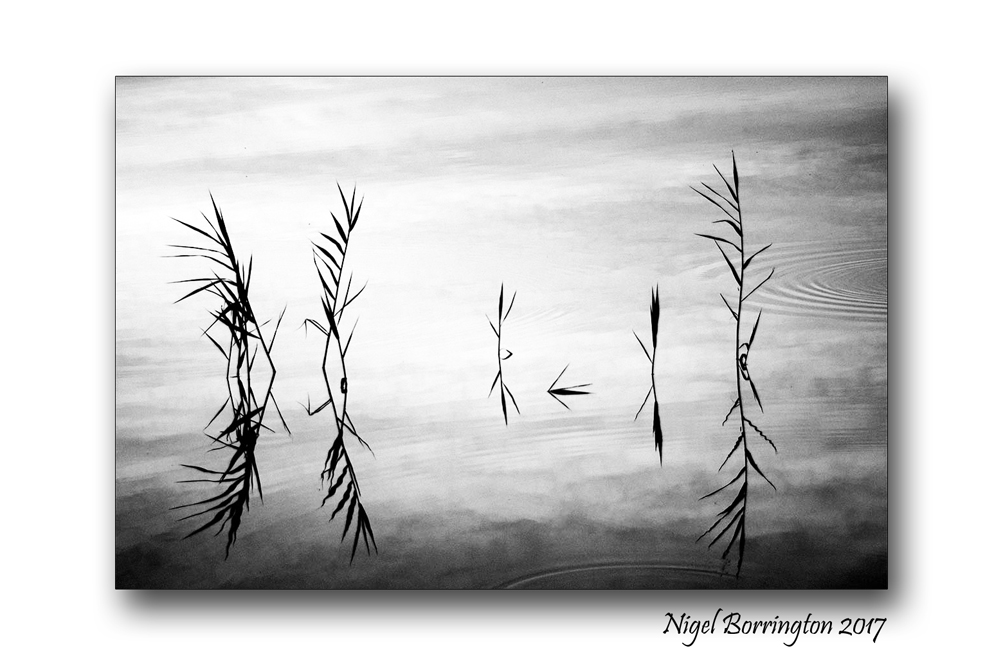
Luke Kennard
The Water Replies
Maybe we have washed our hands
and drunk deep and swam
and think we know her,
but water’s reputation goes before her like a flood:
she does not suffer fools or gadflies.
Therefore I have prepared some questions.
Where do you get your ideas & your tide from?
Don’t say the moon – that’s really pretentious.
But as I clamber down the coast
I lose my footing and spend our allotted time
tossed around in her backwash,
pummeled by tiny stones.
When I am baptised I ask the water
Where have the demons gone?
Were they hiding behind the H, the 2 or the O?
I emerge finally able to see that I have not changed,
that I can of myself do nothing, that water decides.
On the towpath behind the church
I wring out my jacket. I ask the water:
Will you convey these thoughts away?
These itching hatreds, toothache of jealousy,
These squalid appetites and dog thirsts?
Just as far as the next city will do.
The ripples of the moon’s tablature.
When was the last time you cried, and why?
I ask the water. I ask the water:
Do you have plans later?
The Sound of the Sea By : Henry Wadsworth Longfellow
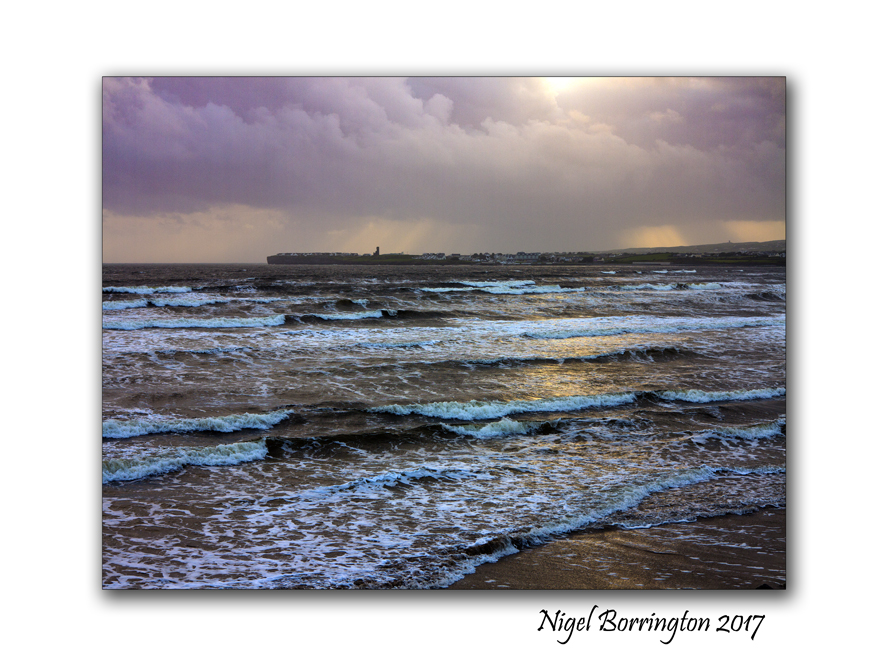
The Sound of the Sea
By : Henry Wadsworth Longfellow
The sea awoke at midnight from its sleep,
And round the pebbly beaches far and wide
I heard the first wave of the rising tide
Rush onward with uninterrupted sweep;
A voice out of the silence of the deep,
A sound mysteriously multiplied
As of a cataract from the mountain’s side,
Or roar of winds upon a wooded steep.
So comes to us at times, from the unknown
And inaccessible solitudes of being,
The rushing of the sea-tides of the soul;

And inspirations, that we deem our own,
Are some divine foreshadowing and foreseeing
Of things beyond our reason or control.
Sand Flesh and Sky, Poem By Clarence Major
Sand Flesh and Sky
By Clarence Major
Our ropes are the roots
of our life. We fish
low in the earth,
the river beneath runs through our veins,
blue and cold in a riverbed.
When the sun comes up,
the moon moves slowly to the left.
I tie the logs and limbs together,
holding them in place.

The ocean beats them
smooth like rock.
Here my sense of time is flat.
I find in a strip of damp sand
footprints and marks of hands,
and torn pieces of flesh.
Night is a beast.
The tide moves, gushing
back and forth.
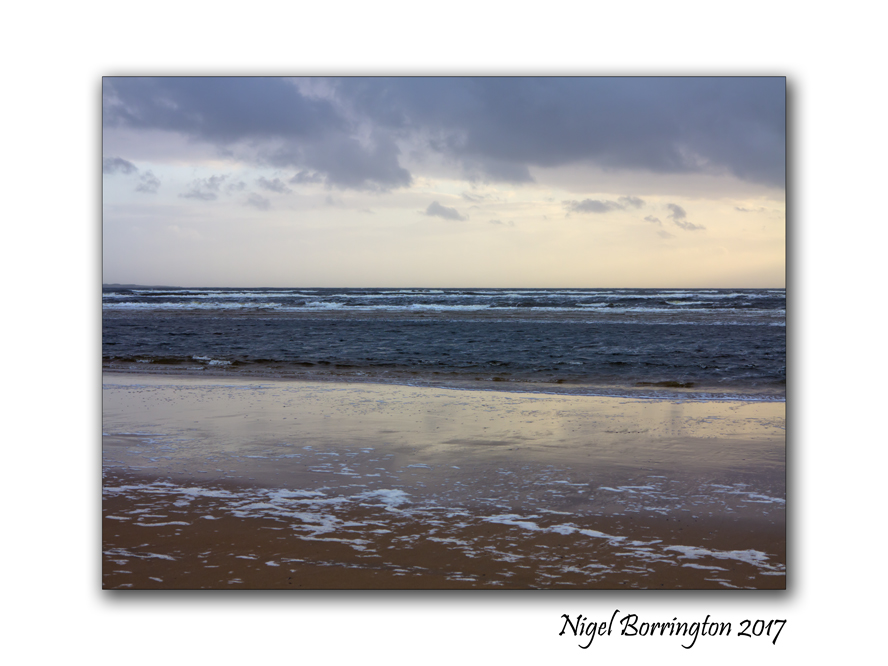
Sunlight touches our faces,
turning us, turning us, turning us
in our morning sleep.
1976
5 Images for the week, Wednesday, Wild Woodbine with a poem by – Joan McBreen

Wild flowers
wild woodbine
nigel borrington
Wild woodbine was beyond my reach
in the thick hedges round Lough Gill.
The heavy scent filled the house for days
when my father brought it in
and it stayed fresh far longer
then meadowsweet.
Because I loved the delicate
pink and white wild rose
he picked it too, cursing the thorns, muttering
“it dies too soon,
you’d be better leaving it alone”.
Yet once, when my mother
swept its petals from the floor
I saw him rescue one
and place it carefully
in the small wallet
where he kept her photograph.
Friday 1st September a Poem by : T. S. Eliot, Four Quartets, East Coker No. 2, 1, 1940

Black and white Landscapes, County Tipperary, fields, 2017 Nigel Borrington
In that open field
If you do not come too close, if you do not come too close,
On a summer midnight, you can hear the music
Of the weak pipe and the little drum
And see them dancing around the bonfire
The association of man and woman
In daunsinge, signifying matrimonie—
A dignified and commodiois sacrament.
Two and two, necessarye coniunction,
Holding eche other by the hand or the arm
Whiche betokeneth concorde. Round and round the fire
Leaping through the flames, or joined in circles,
Rustically solemn or in rustic laughter
Lifting heavy feet in clumsy shoes,

Earth feet, loam feet, lifted in country mirth
Mirth of those long since under earth
Nourishing the corn. Keeping time,
Keeping the rhythm in their dancing
As in their living in the living seasons
The time of the seasons and the constellations
The time of milking and the time of harvest
The time of the coupling of man and woman
And that of beasts. Feet rising and falling.
Eating and drinking. Dung and death.

Dawn points, and another day
Prepares for heat and silence. Out at sea the dawn wind
Wrinkles and slides. I am here
Or there, or elsewhere. In my beginning.”
– T. S. Eliot, Four Quartets, East Coker No. 2, 1, 1940
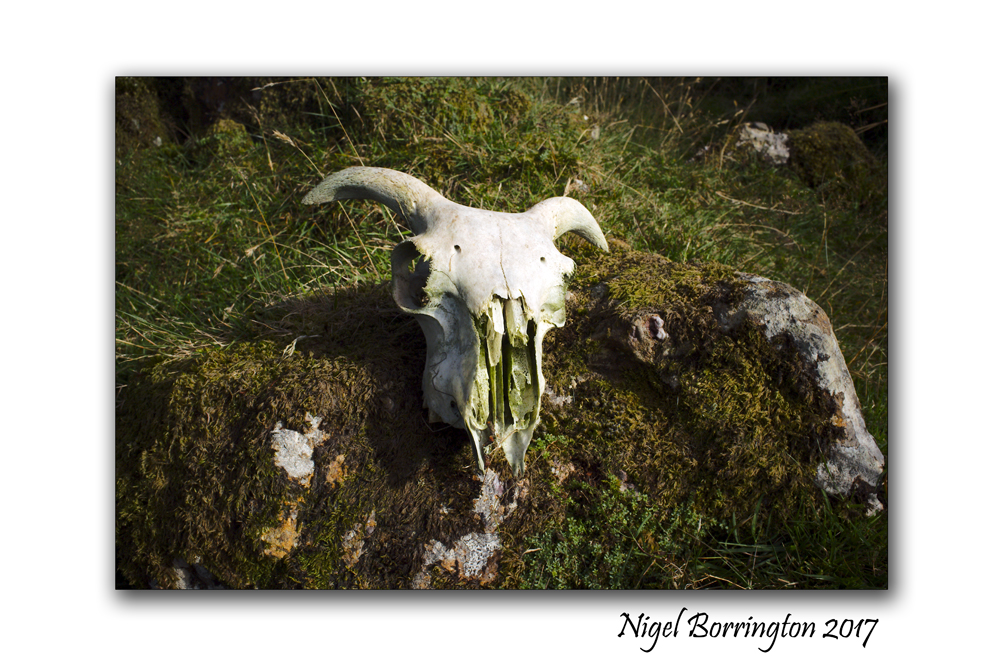
On Contemplating a Sheep’s Skull ~ Poem by: John Kinsella

Sheeps skull
Nigel Borrington
On Contemplating a Sheep’s Skull
Poem by John Kinsella
A sheep’s Skull aged so much in rain and heat,
broken jawbone and chipped teeth half-
gnaw soil; zippered fuse-mark tracks
back to front, runs through to base
of neck, widening faultline under
stress: final crack close at hand.
Skull I can’t bring myself to move.
White-out red soil unearthed
from hillside fox den and cat haven,
now hideaway for short-beaked echidna
toppling rocks and stones, disrupting
artfulness a spirit might impose,
frisson at seeing counterpoint.
Skull I can’t bring myself to move.
Sometimes avoid the spot to avoid
looking half-hearted into its sole
remaining eye socket; mentally to join
bones strewn downhill, come apart
or torn from mountings years before
arriving with good intentions.
Skull I can’t bring myself to move.
Not something you can ‘clean up’,
shape of skull is not a measure of all
it contained: weight of light and dark,
scales of sound, vast and varied taste
of all grass eaten from these hills;
slow and steady gnawing at soil.
Skull I can’t bring myself to move.

Neither herbivore nor carnivore,
earth and sky-eater, fire in its shout
or whisper, racing through to leave a bed
of ash on which the mind might rest,
drinking sun and light and smoke,
choked up with experience.
Skull I can’t bring myself to move.
Drawn to examine
despite aversion, consider
our head on its shoulders,
drawn expression
greeting loved ones
with arms outstretched.
John Kinsella is Founding editor of the journal Salt in Australia; he serves as international editor at the Kenyon Review. His most recent volume of poetry is Divine Comedy: Journeys through a Regional Geography (W. W. Norton) with a new volume, Disturbed Ground: Jam Tree Gully/Walden, due out with W.W. Norton in November 2011.
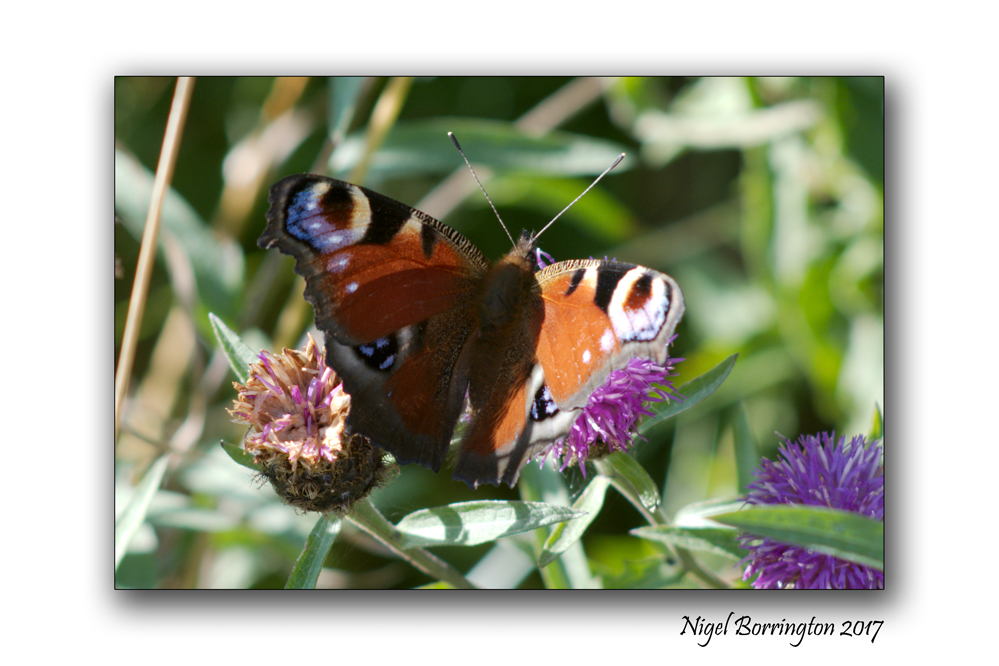
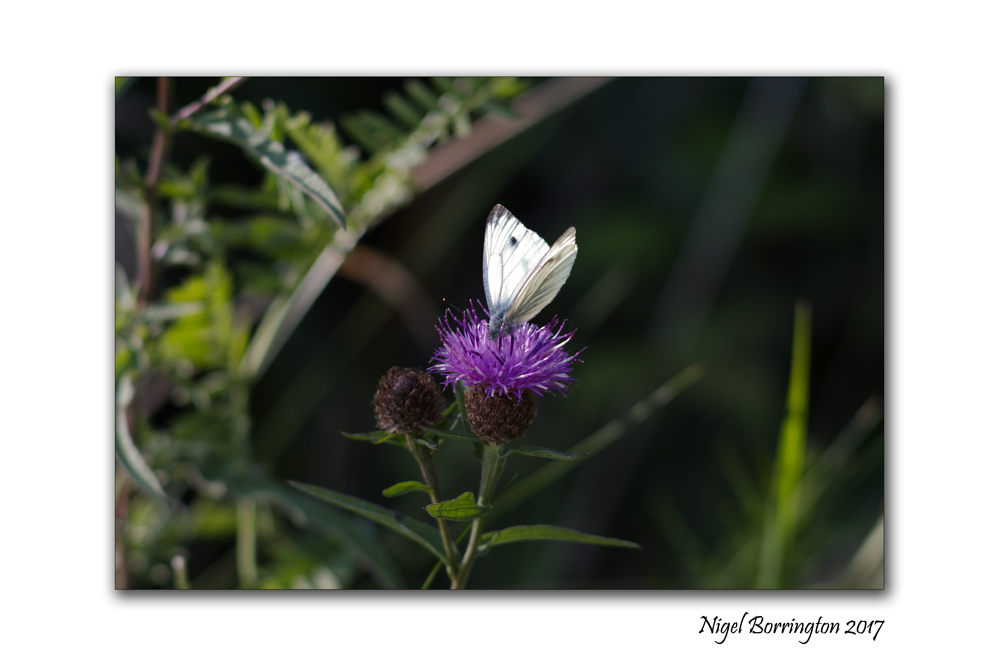
Friday Poetry : The Genesis of the Butterfly, by Victor Hugo
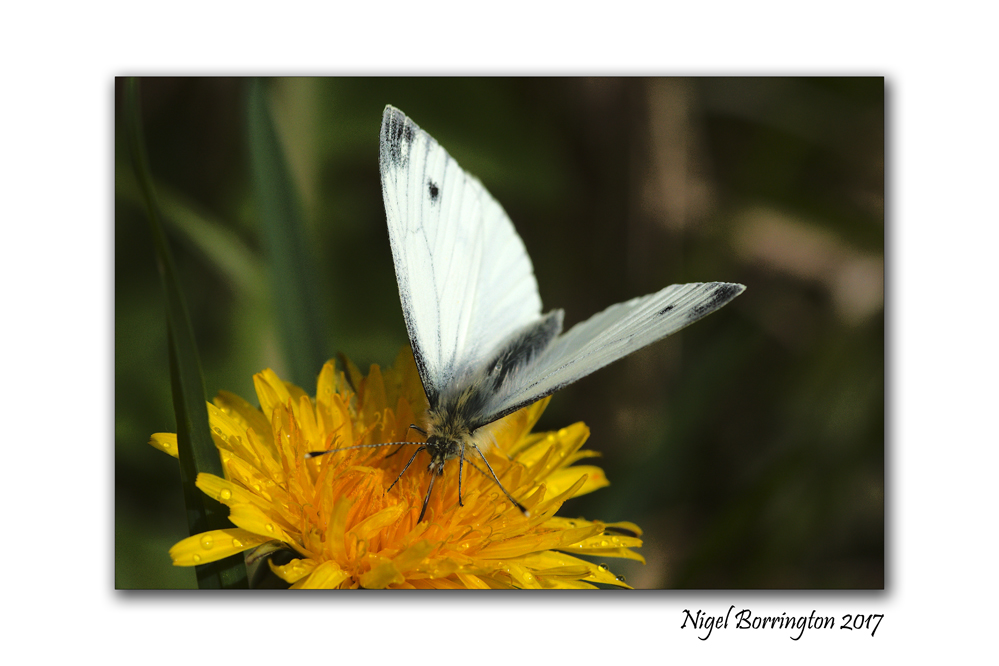
The Genesis of the Butterfly
Nature Photography
Nigel Borrington
The dawn is smiling on the dew that covers
The tearful roses; lo, the little lovers
That kiss the buds, and all the flutterings
In jasmine bloom, and privet, of white wings,
That go and come, and fly, and peep and hide,
With muffled music, murmured far and wide.
Ah, the Spring time, when we think of all the lays
That dreamy lovers send to dreamy mays,
Of the fond hearts within a billet bound,
Of all the soft silk paper that pens wound,
The messages of love that mortals write
Filled with intoxication of delight,
Written in April and before the May time
Shredded and flown, playthings for the wind’s playtime,
We dream that all white butterflies above,
Who seek through clouds or waters souls to love,
And leave their lady mistress in despair,
To flit to flowers, as kinder and more fair,
Are but torn love-letters, that through the skies
Flutter, and float, and change to butterflies
The River – Poem by Kathleen Jessie Raine

The rivers flow
Kings river
Kells
County Kilkenny
The River – Poem by Kathleen Jessie Raine
In my first sleep
I came to the river
And looked down
Through the clear water –
Only in dream
Water so pure,
Laced and undulant
Lines of flow
On its rocky bed
Water of life
Streaming for ever.
A house was there
Beside the river
And I, arrived,
An expected guest
About to explore
Old gardens and libraries –
But the car was waiting
To drive me away.
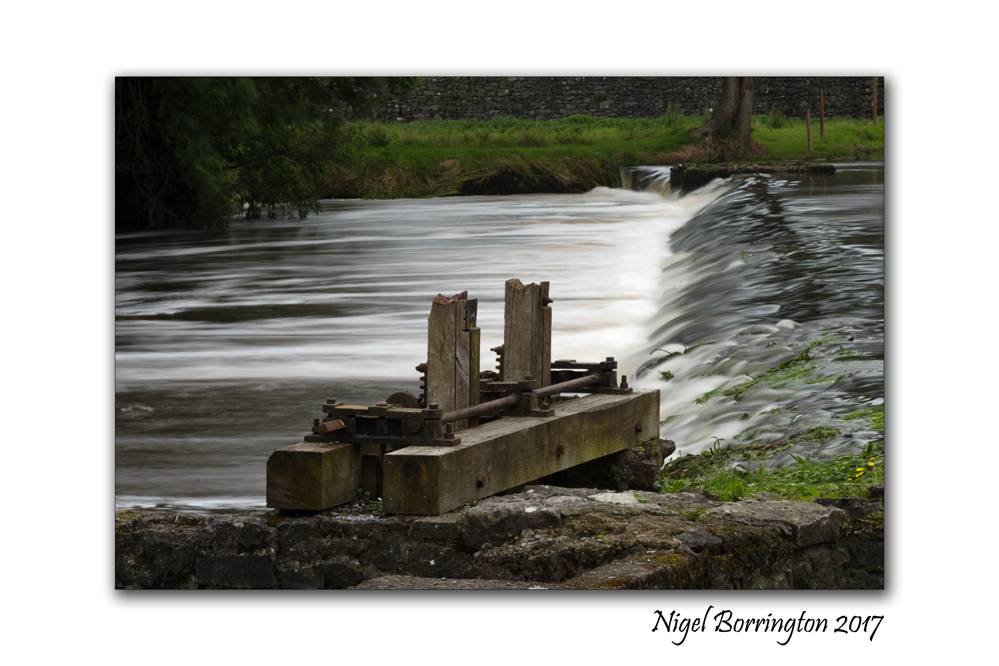
One last look
Into that bright stream –
Trout there were
And clear on the bottom
Monster form
Of the great crayfish
That crawls to the moon.
On its rocky bed
Living water
In whorls and ripples
Flowing unbended.
There was the car
To drive me away.
We crossed the river
Of living water –
I might not stay,
But must return
By the road too short
To the waiting day.
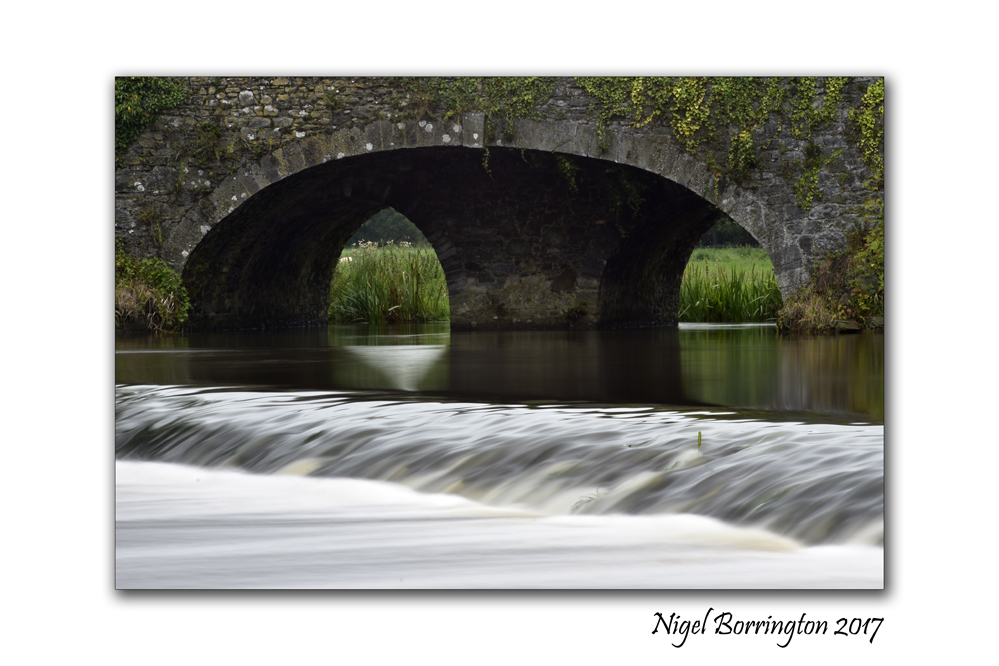
In my second dream
Pure I was and free
By the rapid stream,
My crystal house the sky,
The pure crystalline sky.
Into the stream I flung
A bottle of clear glass
That twirled and tossed and spun
In the water’s race
Flashing the morning sun.
Down that swift river
I saw it borne away,
My empty crystal form,
Exultant saw it caught
Into the current’s spin,
The flashing water’s run.
The River
Kathleen Jessie Raine
Friday Poetry : The fisherman and his boat, Raghu Menon
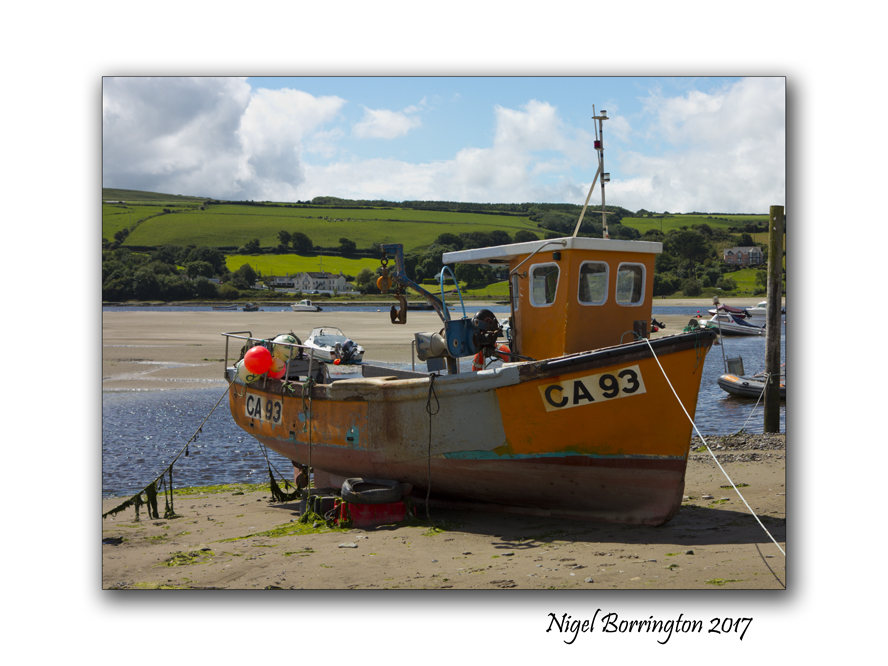
The fisherman and his boat
Patiently he untangles the net
Standing calmly
Brazing the breeze
On the dancing boat
With an oar on its side
Which is cooled by the
Waters of the river..

The sun will set in an hour or so
And he has to finish his catch
Before the dusk
And back to his hut
Where his wife will
Waiting eagerly
To make the dinner
With the fresh catch
Another day
Another catch
The river but
Remains the same
Greeting the fishermen
Who roam the river
With their boats
Raghu Menon
Sunset over Cardigan bay
Wales
August 2017 Nigel Borrington
A Dream sunset, Cardigan bay, Wales. A Poem : Ode By Arthur O’Shaughnessy
A Dream sunset Cardigan bay
Wales
August 2017 Nigel Borrington
We are like the Dreamer …….
Ode
By Arthur O’Shaughnessy
We are the music-makers,
And we are the dreamers of dreams,
Wandering by lone sea-breakers
And sitting by desolate streams;
World losers and world forsakers,
On whom the pale moon gleams:
Yet we are the movers and shakers
Of the world for ever, it seems.
With wonderful deathless ditties
We build up the world’s great cities.
And out of a fabulous story
We fashion an empire’s glory:
One man with a dream, at pleasure,
Shall go forth and conquer a crown;
And three with a new song’s measure
Can trample an empire down.
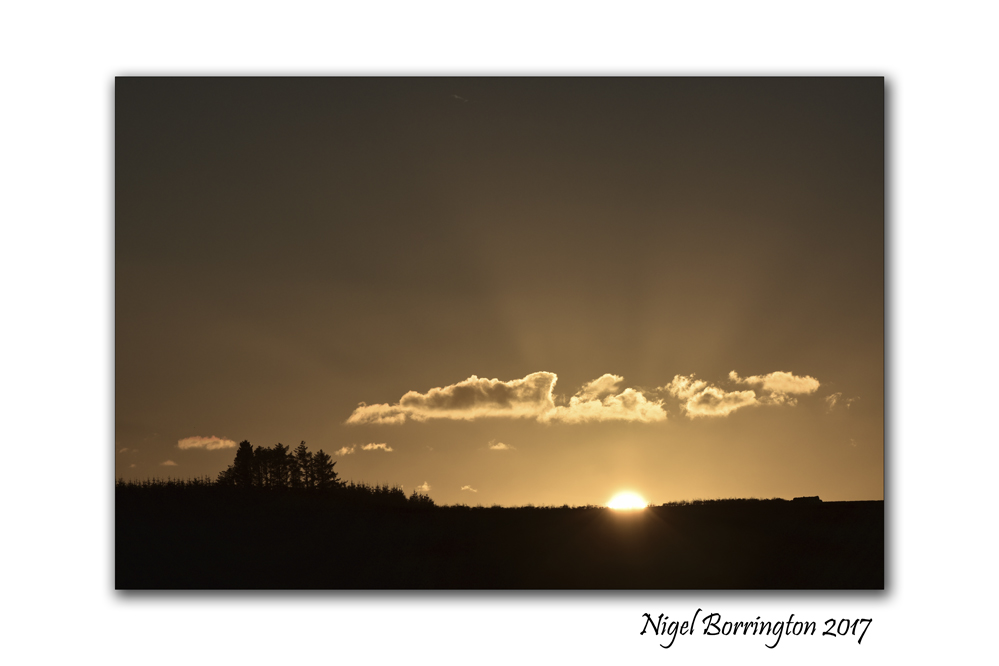
We, in the ages lying
In the buried past of the earth,
Built Nineveh with our sighing,
And Babel itself with our mirth;
And o’erthrew them with prophesying
To the old of the new world’s worth;
For each age is a dream that is dying,
Or one that is coming to birth.
Morning poetry : My fading dreams – an Island in the morning sea

Reality on an Island of dreams
Nigel Borrington
In those early moment as I awake
Visions of warm and gentle golden seas
a cool morning breeze.
Fading images of a island I do not know
Draining images of islands on which I want mind to stand.
An island that constantly haunts my dreams
particularly when reality falls apart at the seams.
An island in the spinning – turning sun.

An Island I long to understand
yet in the morning how far away its realty seems.
Can we only grasp life in our dreams
it slips through our fingers at the light of dawn.
you fade away and now are gone.
I walk along this beach
hot melted glass and cool flowing gasses meet.
Come tonight when I watch the setting of the sun
and wonder if on my Island of dreams, again a clear vision will come?
Nigel …..
Evening Poem : By Alice Oswald
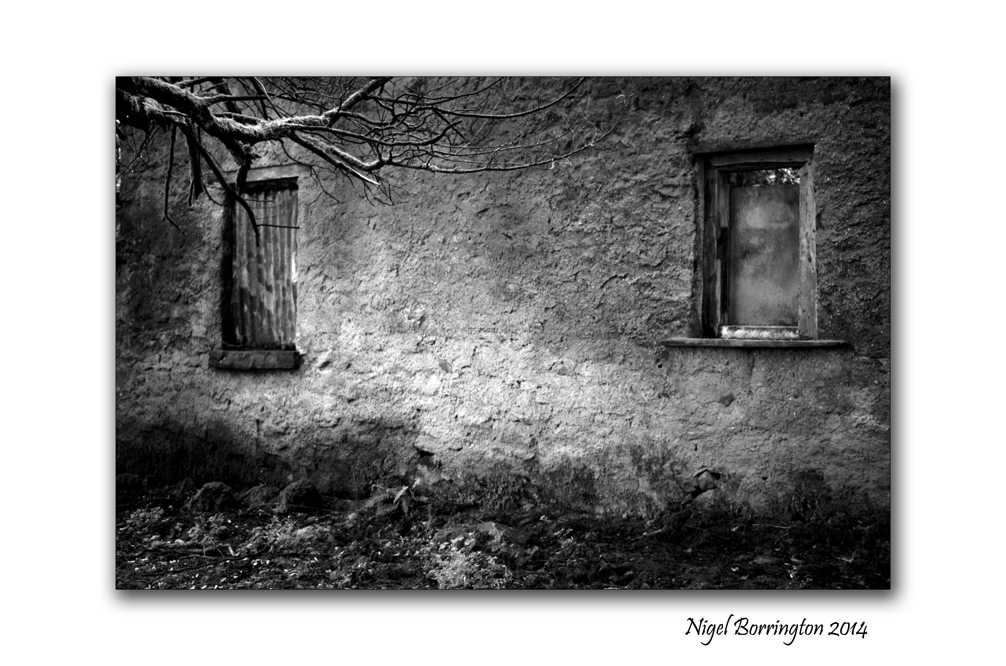
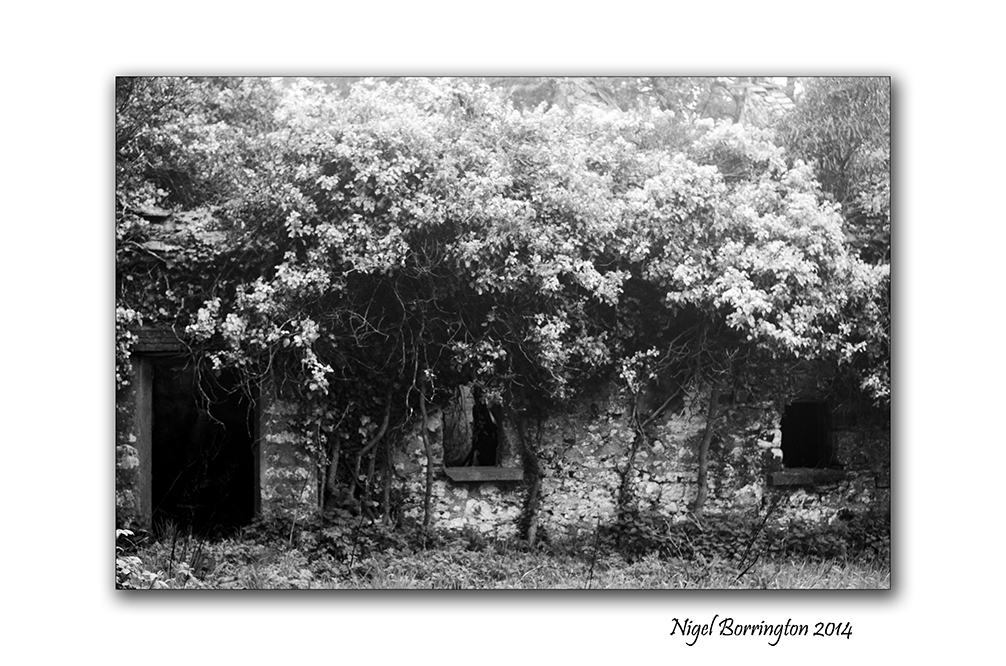
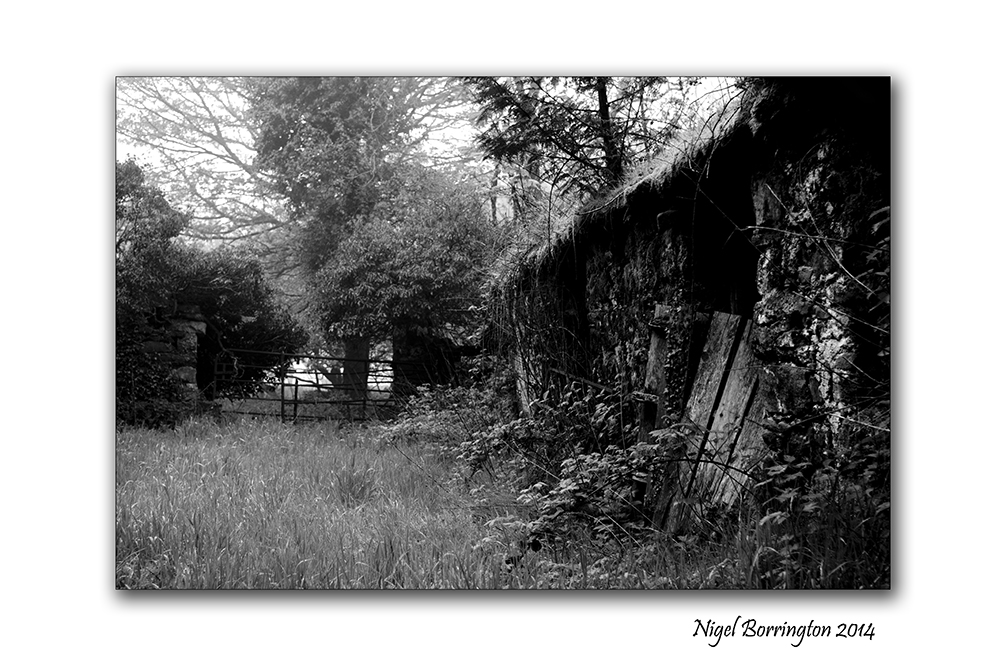
We have many old forgotten farms around county Kilkenny, its hard to know just how old they could be?
There are so many memories lost in these places, so many working days following by family evenings resting out in the fields and the yards ……
Evening Poem : By Alice Oswald
Old scrap-iron foxgloves
rusty rods of the broken woods
what a faded knocked-out stiffness
as if you’d sprung from the horsehair
of a whole Victorian sofa buried in the mud down there
or at any rate something dropped from a great height
straight through flesh and out the other side
has left your casing pale and loose and finally

just a heap of shoes
they say the gods being so uplifted
can’t really walk on feet but take tottering steps
and lean like this closer and closer to the ground
which gods?
it is the hours on bird-thin legs
the same old choirs of hours
returning their summer clothes to the earth
with the night now
as if dropped from a great height
falling
The Heron, A poem by : Linda Hogan
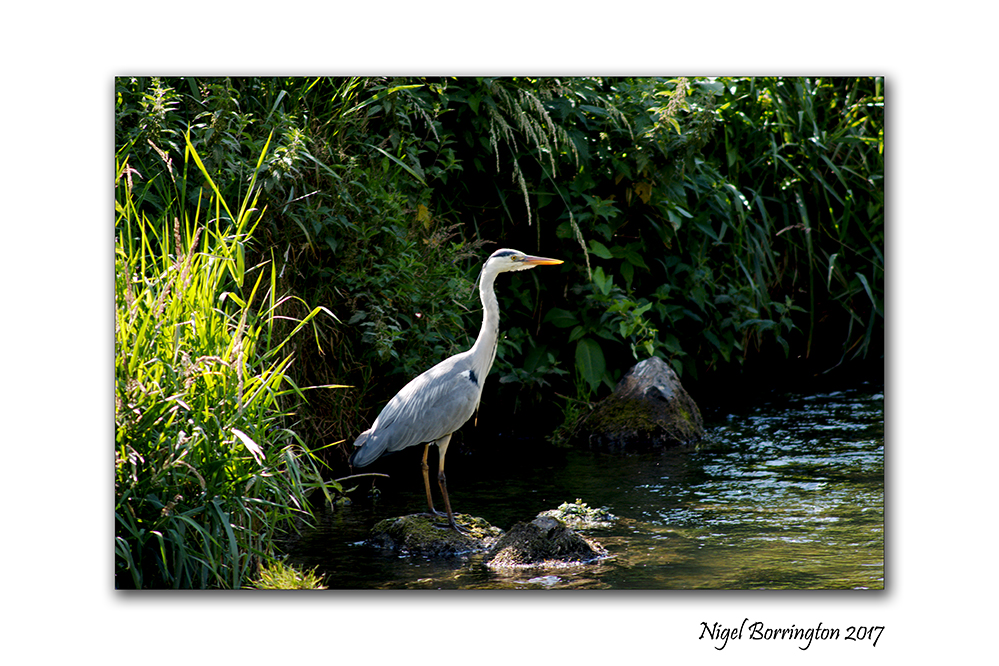
A Heron, hunting
Kings river
Kells
County Kilkenny
Nigel Borrington
The Heron
Linda Hogan
I am always watching
the single heron at its place
alone at water, its open eye,
one leg lifted
or wading without seeming to move.
It is a mystery seen
but never touched
until this morning
when I lift it from its side
where it lays breathing.
I know the beak that could attack,
that unwavering golden eye
seeing me, my own saying I am harmless,
but if I had that eye, nothing would be safe.
The claws hold tight my hand,
its dun-brown feathers, and the gray
so perfectly laid down.
The bird is more beautiful
than my hand, skin more graceful
than my foot, my own dark eye
so much more vulnerable,
the heart beating quickly,
its own language speaking,
You could kill me or help me.
I know you and I have no choice
but to give myself up
and in whatever supremacy of this moment,
hold your human hand
with my bent claws.
Beach Poetry : I Saw From the Beach by Thomas Moore
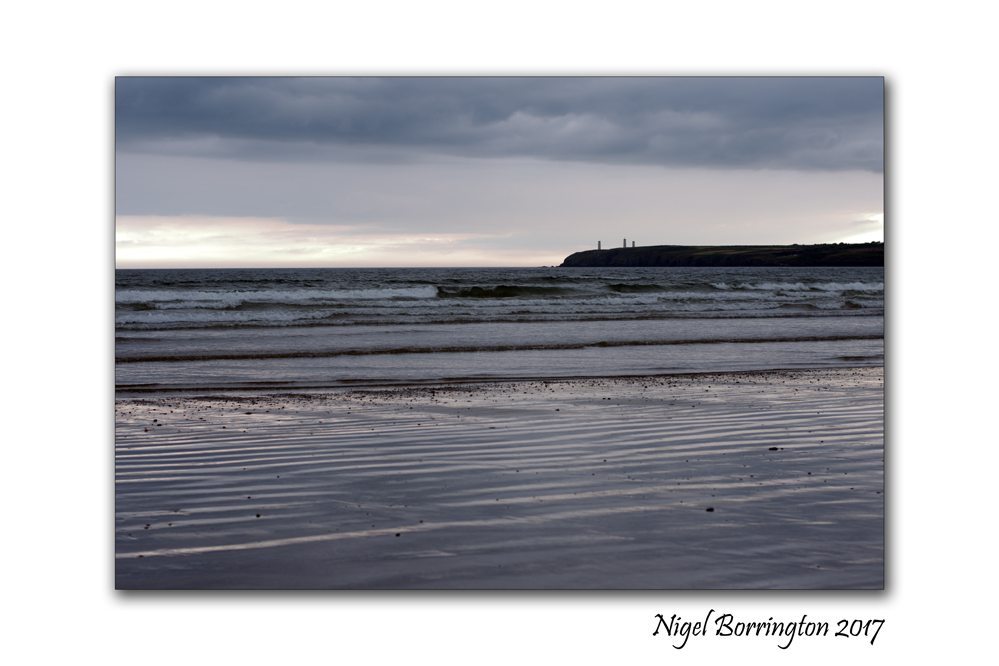
I Saw From the Beach
by Thomas Moore
I saw from the beach, when the morning was shining,
A bark o’er the waters move gloriously on;
I came when the sun o’er that beach was declining,
The bark was still there, but the waters were gone.
And such is the fate of our life’s early promise,
So passing the spring-tide of joy we have known;
Each wave that we danced on at morning ebbs from us,
And leaves us, at eve, on the bleak shore alone.

Oh, who would not welcome that moment’s returning
When passion first waked a new life through his frame,
And his soul, like the wood that grows precious in burning,
Gave out all its sweets to love’s exquisite flame.
Monday Poetry : These Farmers; These Fields, By: Don Bouchard Jul 2015
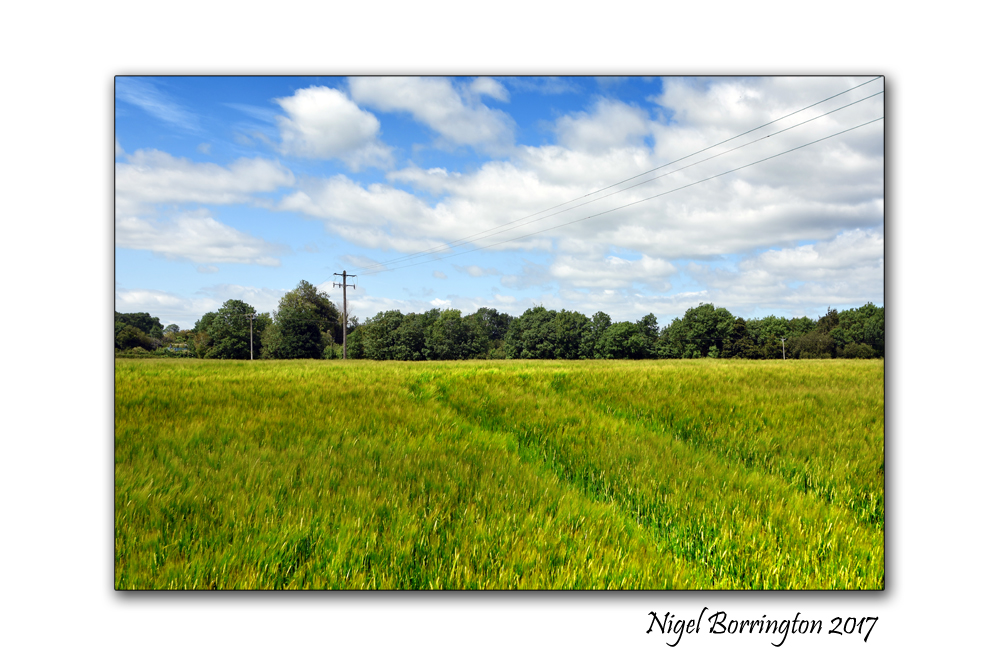
Monday Poetry : These Farmers; These Fields, By: Don Bouchard Jul 2015
Don Bouchard Jul 2015
These Farmers; These Fields
Who are these farmers,
And who, these fertile fields,
Verdant under native grass,
That stand un-plowed,
That shake beneath the plow,
That lie now fallow,
That bear the planted seed,
That wear the heavy grain,
That await the Harvest pain?
And who, these Harvesters,
And who, these close-shorn fields,
Desolate in short-cut stubble,
That stand, stiff in silence,
That wear the heavy tracks,
That have endured the harvest,
That yielded up their dead,
That bristle through the falling snow,
That whistle wind-song low?

And who, these merry Farmers,
And who these stubbled fields,
Glistening beneath the melting snow,
That warm beneath the glowing sun,
That host the migrants of the sky,
That tremble the biting plow,
That accept the falling seed,
That wait beneath the welcome rains,
That cycle through the seasons once again?

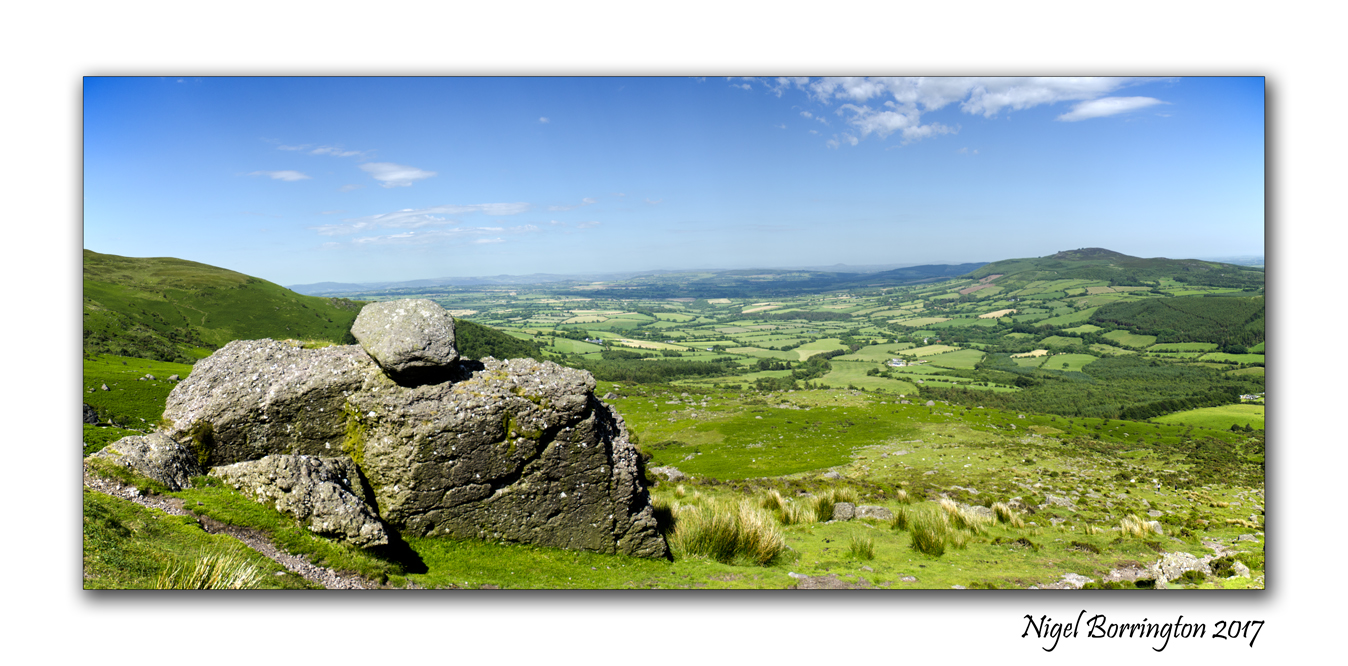
Irish Landscapes, Freedom of the Hills, Poem by : Douglas Fraser – 1968

Irish landscape images
County Waterford
Nigel Borrington
Freedom of the Hills
By: Douglas Fraser – 1968
Mine is the freedom of the tranquil hills
When vagrant breezes bend the sinewy grass,
While sunshine on the widespread landscape spills
And light as down the fleet cloud-shadowed pass.
Mine, still, that freedom when the storm-clouds race,
Cracking their whips against defiant crags
And mists swirl boiling up from inky space
To vanish on the instant, torn to rags.
When winter grips the mountains in a vice,
Silently stifling with its pall of snow,
Checking the streams, draping the rocks in ice,
Still to their mantled summits I would go.
Sun-drenched, I sense the message they impart;
Storm-lashed, I hear it sing through every vein;
Among the snows it whispers to my heart
“Here is your freedom. Taste – and come again.”
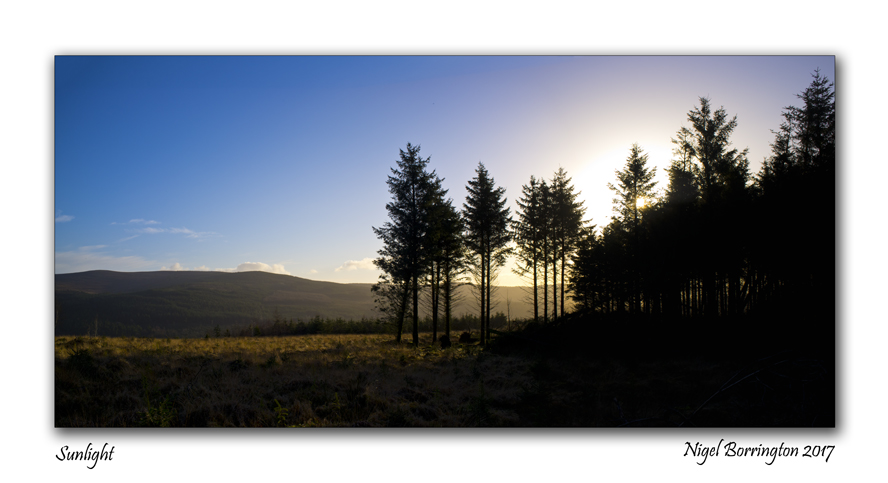
Landscape in Sunlight
Nigel Borrington
Friday Poetry – Light by : Margaret Tait

Lock Melfort
Oban – Scotland
Scottish Landscapes
Nigel Borrington
Light
A Poem By Margaret Tait
Did you say it’s made of waves?
Yes, that’s it.
I wonder what the waves are made of.
Oh, waves are made of waves.
Waves are what they are,
Shimmeringness,
Oscillation,
Rhythmical movement which is the inherent essence of all things.
Ultimately, there’s only movement,
Nothing else.
The movement that light is
Comes out of the sun
And it’s so gorgeous a thing
That nothing else is ever anything unless lit by it.
Great Poems : The Evening Light – By Alfred Austin
Sunrise to sunset
Nigel Borrington
The Evening Light
I
Angels their silvery trumpets blow,
At dawn, to greet the Morning Glow,
And mortals lift adoring eyes
To see the glorious sun arise.
Then, winged by Faith, and spurred by Hope
Youth scans the hill, youth scales the slope.
Its pulses bound, its thoughts exult,
It finds no danger difficult,
Quickens its pace, disdaining ease
Victor before it comes and sees,
Feeling the Universe its own,
The Sovereign of a Self—made Throne.
II
Each hope fulfilled, obtained each prayer,
We glory in the Noonday Glare.
Welcome the blinding heat of strife,
Deeming resistance part of life.
We deal the blow, return the stroke,
Fighting our way through dust and smoke,
Until, our battle—banner furled,
We tower above a conquered World;
Whether one leads mankind along
By gift of speech or grace of song,
Seizes by forceful hand the helm,
Or adds an Empire to the Realm,
Confronts the sun with forehead bare,
Exulting in the Noonday Glare.
III
But, as the lengthening shadows glide
Silent towards the eventide,
And dew baptizes leaf and flower
In twilight’s sanctuary hour,
A sacred Something haunts the air,
Tender as love, devout as prayer,
And in the lofty dome afar
Glimmers one bright outriding star,
Announcing to the watchful sight
Coming battalions of the Night.
Then Noonday Glare and Morning Glow
Fade into shadowy Long—ago.
One feels Earth’s vain ambitions fade
Into the vanished dust they made.
All that the glow of dawn foretold,
And all the glare of noon unrolled,
Seem nothing to the quiet joy
No clamour mars, no cares destroy,
‘Twixt restless day and restful night,
That cometh with the Evening Light.

The end of springtime – Fallen flower – a garden poem
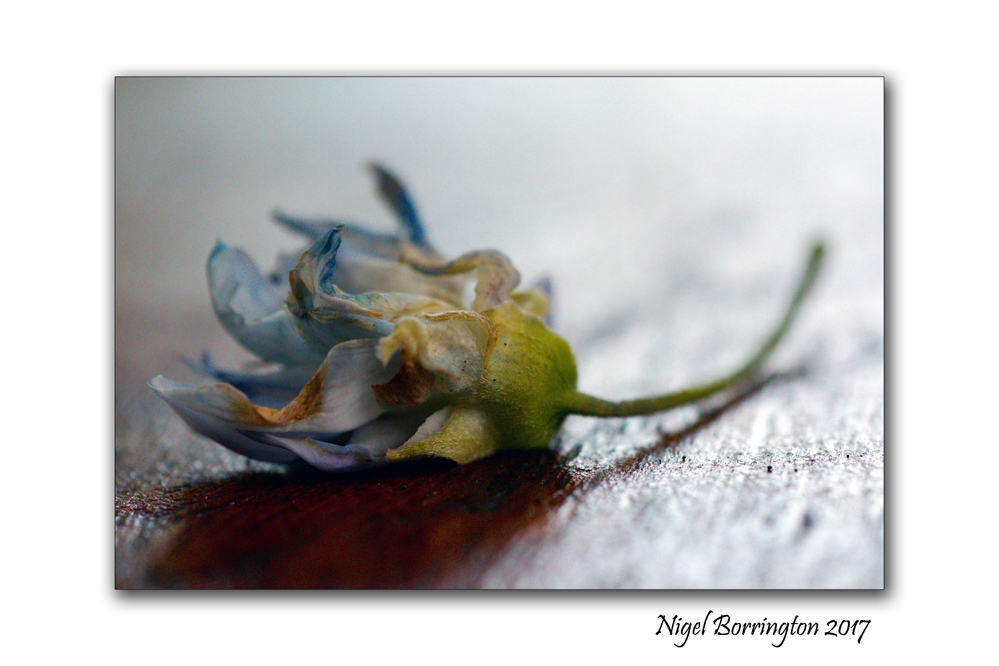
Fallen Garden flowers Nigel Borrington
In the Garden at eight am
I witness the end of Springtime
flowers of green, blue and purple
falling all over the table top
I place my cup of tea down
a moment frozen, soon moves on
as more of these blooms fall all around me
soon it will be summer time
clearly the flowers know, against all hope !
time moves on
never stopping
never frozen
never pausing for anyone ……

Monday Poetry : The Harbour, by: Winifred Mary Letts

The Harbour, Poem By Winifred Mary Letts Nigel Borrington
The Harbour, Poem
By : Winifred Mary Letts
I think if I lay dying in some land
Where Ireland is no more than just a name,
My soul would travel back to find that strand
From whence it came.
I’d see the harbour in the evening light,
The old men staring at some distant ship,
The fishing boats they fasten left and right
Beside the slip.

The fishing boat rests along the shore,
The grey thorn bushes growing in the sand,
Our Wexford coast from Arklow to Cahore –
My native land.
The little houses climbing up the hill
Sea daises growing in the sandy grass,
The tethered goats that wait large -eyed and still
To watch you pass.
The women at the well with dripping pails,
Their men colloguing by the harbour wall,
The coils of rope, the nets, the old brown sails,
I’d know them all.
And then the sun- I’d surely see
The disk against a golden sky.
Would let me be at my rest.


Monday Poetry : Bicycle Beats By Christian Reid Oct 2014

Christian Reid Oct 2014
Bicycle Beats
Axels and chains and
Feet and brains
It’s the bicycle beats
And the trees and the streets
Join the lines in the sidewalk
As I ride and I talk
To myself,
“Breathe in,” &
“Breathe out,” —
Burning and churning to the
Grooves and the cracks
Red light’s the only chance to relax
Racing the bus and flashing a grin
To the sorry folks trapping themselves therein
Ecstasy building with each revolution
Wiping my sweat away, tasting pollution
Grinding and winding a path on my bike
Where cars and pedestrians hate me alike
The Hand of Glory: The Nurse’s Story : Richard Harris Barham
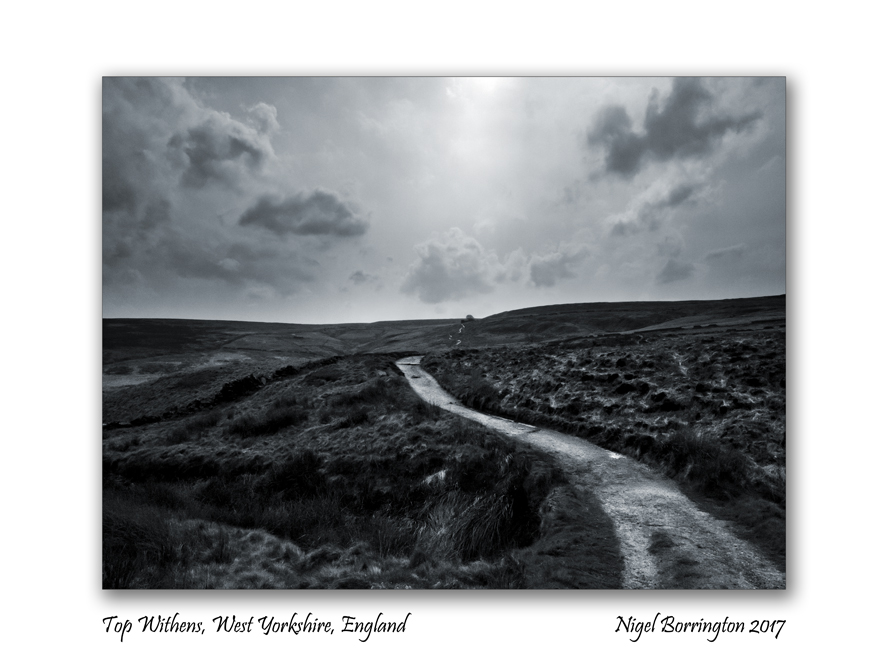
The path to Top Withens,Earnshaw family house Wuthering Heights, Emily Brontë.
Nigel Borrington
The Hand of Glory: The Nurse’s Story
Richard Harris Barham
On the lone bleak moor,
At the midnight hour,
Beneath the Gallows Tree,
Hand in hand
The Murderers stand
By one, by two, by three!
And the Moon that night
With a grey, cold light
Each baleful object tips;
One half of her form
Is seen through the storm,
The other half ‘s hid in Eclipse!
And the cold Wind howls,
And the Thunder growls,
And the Lightning is broad and bright;
And altogether
It ‘s very bad weather,
And an unpleasant sort of a night!
‘Now mount who list,
And close by the wrist
Sever me quickly the Dead Man’s fist!—
Now climb who dare
Where he swings in air,
And pluck me five locks of the Dead Man’s hair!’
There ‘s an old woman dwells upon Tappington Moor,
She hath years on her back at the least fourscore,
And some people fancy a great many more;
Her nose it is hook’d,
Her back it is crook’d,
Her eyes blear and red:
On the top of her head
Is a mutch, and on that
A shocking bad hat,
Extinguisher-shaped, the brim narrow and flat!
Then,— My Gracious!— her beard!— it would sadly perplex
A spectator at first to distinguish her sex;
Nor, I’ll venture to say, without scrutiny could be
Pronounce her, off-handed, a Punch or a Judy.
Did you see her, in short, that mud-hovel within,
With her knees to her nose, and her nose to her chin,
Leering up with that queer, indescribable grin,
You’d lift up your hands in amazement, and cry,
‘— Well!— I never did see such a regular Guy!’

And now before
That old Woman’s door,
Where nought that ‘s good may be,
Hand in hand
The Murderers stand
By one, by two, by three!
Oh! ‘tis a horrible sight to view,
In that horrible hovel, that horrible crew,
By the pale blue glare of that flickering flame,
Doing the deed that hath never a name!
‘Tis awful to hear
Those words of fear!
The prayer mutter’d backwards, and said with a sneer!
(Matthew Hopkins himself has assured us that when
A witch says her prayers, she begins with ‘Amen.’) —
—’ Tis awful to see
On that Old Woman’s knee
The dead, shrivell’d hand, as she clasps it with glee!—
And now, with care,
The five locks of hair
From the skull of the Gentleman dangling up there,
With the grease and the fat
Of a black Tom Cat
She hastens to mix,
And to twist into wicks,
And one on the thumb, and each finger to fix.—
(For another receipt the same charm to prepare,
Consult Mr Ainsworth and Petit Albert.)
‘Now open lock
To the Dead Man’s knock!
Fly bolt, and bar, and band!
— Nor move, nor swerve
Joint, muscle, or nerve,
At the spell of the Dead Man’s hand!
Sleep all who sleep!— Wake all who wake!—
But be as the Dead for the Dead Man’s sake!!’
All is silent! all is still,
Save the ceaseless moan of the bubbling rill
As it wells from the bosom of Tappington Hill.
And in Tappington Hall
Great and Small,
Gentle and Simple, Squire and Groom,
Each one hath sought his separate room,
And sleep her dark mantle hath o’er them cast,
For the midnight hour hath long been past!
All is darksome in earth and sky,
Save, from yon casement, narrow and high,
A quivering beam
On the tiny stream
Plays, like some taper’s fitful gleam
By one that is watching wearily.
Within that casement, narrow and high,
In his secret lair, where none may spy,
Sits one whose brow is wrinkled with care,
And the thin grey locks of his failing hair
Have left his little bald pate all bare;
For his full-bottom’d wig
Hangs, bushy and big,
On the top of his old-fashion’d, high-back’d chair.
Unbraced are his clothes,
Ungarter’d his hose,
His gown is bedizen’d with tulip and rose,
Flowers of remarkable size and hue,
Flowers such as Eden never knew;
— And there, by many a sparkling heap
Of the good red gold,
The tale is told
What powerful spell avails to keep
That careworn man from his needful sleep!
Haply, he deems no eye can see
As he gloats on his treasure greedily,—
The shining store
Of glittering ore,
The fair Rose-Noble, the bright Moidore,
And the broad Double-Joe from beyond the sea,—
But there’s one that watches as well as he;
For, wakeful and sly,
In a closet hard by
On his truckle bed lieth a little Foot-page,
A boy who ‘s uncommonly sharp of his age,
Like young Master Horner,
Who erst in a corner
Sat eating a Christmas pie:
And, while that Old Gentleman’s counting his hoards,
Little Hugh peeps through a crack in the boards!
There ‘s a voice in the air,
There ‘s a step on the stair,
The old man starts in his cane-back’d chair;
At the first faint sound
He gazes around,
And holds up his dip of sixteen to the pound.
Then half arose
From beside his toes
His little pug-dog with his little pug nose,
But, ere he can vent one inquisitive sniff,
That little pug-dog stands stark and stiff,
For low, yet clear,
Now fall on the ear,
— Where once pronounced for ever they dwell,—
The unholy words of the Dead Man’s spell!
‘Open lock
To the Dead Man’s knock!
Fly bolt, and bar, and band!—
Nor move, nor swerve,
Joint, muscle, or nerve,
At the spell of the Dead Man’s hand!
Sleep all who sleep!— Wake all who wake!—
But be as the Dead for the Dead Man’s sake!‘Now lock, nor bolt, nor bar avails,
Nor stout oak panel thick-studded with nails.
Heavy and harsh the hinges creak,
Though they had been oil’d in the course of the week,
The door opens wide as wide may be,
And there they stand,
That murderous band,
Lit by the light of the GLORIOUS HAND,
By one!— by two!— by three!
They have pass’d through the porch, they have pass’d through the hall,
Where the Porter sat snoring against the wall;
The very snore froze,
In his very snub nose,
You’d have verily deem’d he had snored his last
When the Glorious HAND by the side of him pass’d!
E’en the little wee mouse, as it ran o’er the mat
At the top of its speed to escape from the cat,
Though half dead with affright,
Paused in its flight;
And the cat that was chasing that little wee thing
Lay crouch’d as a statue in act to spring!
And now they are there,
On the head of the stair,
And the long crooked whittle is gleaming and bare,
— I really don’t think any money would bribe
Me the horrible scene that ensued to describe,
Or the wild, wild glare
Of that old man’s eye,
His dumb despair,
And deep agony.
The kid from the pen, and the lamb from the fold,
Unmoved may the blade of the butcher behold;
They dream not — ah, happier they!— that the knife,
Though uplifted, can menace their innocent life;
It falls;— the frail thread of their being is riven,
They dread not, suspect not, the blow till ‘tis given.—
But, oh! what a thing ‘tis to see and to know
That the bare knife is raised in the hand of the foe,
Without hope to repel, or to ward off the blow!—
— Enough!— let ‘s pass over as fast as we can
The fate of that grey, that unhappy old man!
But fancy poor Hugh,
Aghast at the view,
Powerless alike to speak or to do!
In vain doth be try
To open the eye
That is shut, or close that which is clapt to the chink,
Though he’d give all the world to be able to wink!—
No!— for all that this world can give or refuse,
I would not be now in that little boy’s shoes,
Or indeed any garment at all that is Hugh’s!
—’ Tis lucky for him that the chink in the wall
He has peep’d through so long, is so narrow and small.
Wailing voices, sounds of woe
Such as follow departing friends,
That fatal night round Tappington go,
Its long-drawn roofs and its gable ends:
Ethereal Spirits, gentle and good,
Aye weep and lament o’er a deed of blood.

‘Tis early dawn — the morn is grey,
And the clouds and the tempest have pass’d away,
And all things betoken a very fine day;
But, while the lark her carol is singing,
Shrieks and screams are through Tappington ringing!
Upstarting all,
Great and small
Each one who ‘s found within Tappington Hall,
Gentle and Simple, Squire or Groom,
All seek at once that old Gentleman’s room;
And there, on the floor,
Drench’d in its gore,
A ghastly corpse lies exposed to the view,
Carotid and jugular both cut through!
And there, by its side,
‘Mid the crimson tide,
Kneels a little Foot-page of tenderest years;
Adown his pale cheek the fast-falling tears
Are coursing each other round and big,
And he ‘s staunching the blood with a full-bottom’d wig!
Alas! and alack for his staunching!—‘tis plain,
As anatomists tell us, that never again
Shall life revisit the foully slain,
When once they’ve been cut through the jugular vein.
There’s a hue and a cry through the County of Kent,
And in chase of the cut-throats a Constable’s sent,
But no one can tell the man which way they went:
There’s a little Foot-page with that Constable goes,
And a little pug-dog with a little pug nose.
In Rochester town,
At the sign of the Crown,
Three shabby-genteel men are just sitting down
To a fat stubble-goose, with potatoes done brown;
When a little Foot-page
Rushes in, in a rage,
Upsetting the apple-sauce, onions, and sage.
That little Foot-page takes the first by the throat,
And a little pug-dog takes the next by the coat,
And a Constable seizes the one more remote;
And fair rose-nobles and broad moidores,
The Waiter pulls out of their pockets by scores,
And the Boots and the Chambermaids run in and stare;
And the Constable says, with a dignified air,
‘You’re wanted, Gen’lemen, one and all,
For that ‘ere precious lark at Tappington Hall!’
There ‘a a black gibbet frowns upon Tappington Moor,
Where a former black gibbet has frown’d before:
It is as black as black may be,
And murderers there
Are dangling in air,
By one!— by two!— by three!
There ‘s a horrid old hag in a steeple-crown’d hat,
Round her neck they have tied to a hempen cravat
A Dead Man’s hand, and a dead Tom Cat!
They have tied up her thumbs, they have tied up her toes,
They have tied up her eyes, they have tied up her limbs!
Into Tappington mill-dam souse she goes,
With a whoop and a halloo!—‘She swims!— She swims!’
They have dragg’d her to land,
And every one’s hand
Is grasping a faggot, a billet, or brand,
When a queer-looking horseman, drest all in black,
Snatches up that old harridan just like a sack
To the crupper behind him, puts spurs to his hack,
Makes a dash through the crowd, and is off in a crack!
No one can tell,
Though they guess pretty well,
Which way that grim rider and old woman go,
For all see he ‘s a sort of infernal Ducrow;
And she scream’d so, and cried,
We may fairly decide
That the old woman did not much relish her ride!
 Nigel Borrington
You must be logged in to post a comment.