Clyde puffer the Vital Spark at Inveraray – To Exiles, Neil Munro (1864 – 1930)

To Exile – Neil Munro (1864 – 1930)
The Vital Spark
Neil Munro (1864 – 1930) was born in Inveraray and worked as a journalist on various Scottish newspapers. He wrote a number of historical novels but is best known for his humorous stories about the fictional Clyde puffer the Vital Spark and her captain Para Handy, written under the pen name of Hugh Foulis.
Although Neil Munro didn’t emigrate any further than Glasgow, his background (his grandmother was from a Gaelic-speaking part of the Highlands) would have given him an insight into emigration and what it felt like to be an exile. This poem is written more from the perspective of someone who stayed behind.
To Exiles
Are you not weary in your distant places,
Far, far from Scotland of the mist and storm,
In drowsy airs, the sun-smite on your faces,
The days so long and warm?
When all around you lie the strange fields sleeping,
The dreary woods where no fond memories roam,
Do not your sad hearts over seas come leaping
To the highlands and the lowlands of your Home?
Wild cries the Winter, loud through all our valleys
The midnights roar, the grey noons echo back;
About the scalloped coasts the eager galleys
Beat for kind harbours from horizons black:
We tread the miry roads, the rain-drenched heather,
We are the men, we battle, we endure!
God’s pity for you people in your weather
Of swooning winds, calm seas, and skies demure!

Let torrents pour then, let the great winds rally,
Snow-silence fall, or lightning blast the pine;
That light of Home shines warmly in the valley,
And, exiled son of Scotland, it is thine.
Far have you wandered over seas of longing,
And now you drowse, and now you well may weep,
When all the recollections come a-thronging
Of this old country where your fathers sleep.
They sleep, but still the hearth is warmly glowing,
While the wild Winter blusters round their land:
That light of Home, the wind so bitter blowing
Look, look and listen, do you understand?
Love, strength, and tempest-oh, come back and share them!
Here is the cottage, here the open door;
Fond are our hearts although we do not bare them,
– They’re yours, and you are ours for evermore.
A Friday morning poem, “Friday Morning” – by: Ghada Shahbender

The Red Cottage door
Irish Landscape Photography : Nigel Borrington
Friday Morning – Poem by Ghada Shahbender
A blank wall the ugly color of dust
Two drain pipes covered in pigeon droppings and rust
I roll down the shutters to keep Friday morning out
The humid air, the children who swear and the parents that shout.

Newspapers, a cigarette and a huge coffee cup
Heart pouring to Kika, waiting for my children to wake up.
Remembering the years when they came to my bed at dawn
Droopy eyes and toothless mouths open wide in a sweet breathed yawn.
They have grown up and I have aged.
The boys actually drive and the girl is engaged.
I tell the parrot it’s been a wonderful trip.
I pick up my coffee and take another sip.

To Autumn – Poem by William Blake
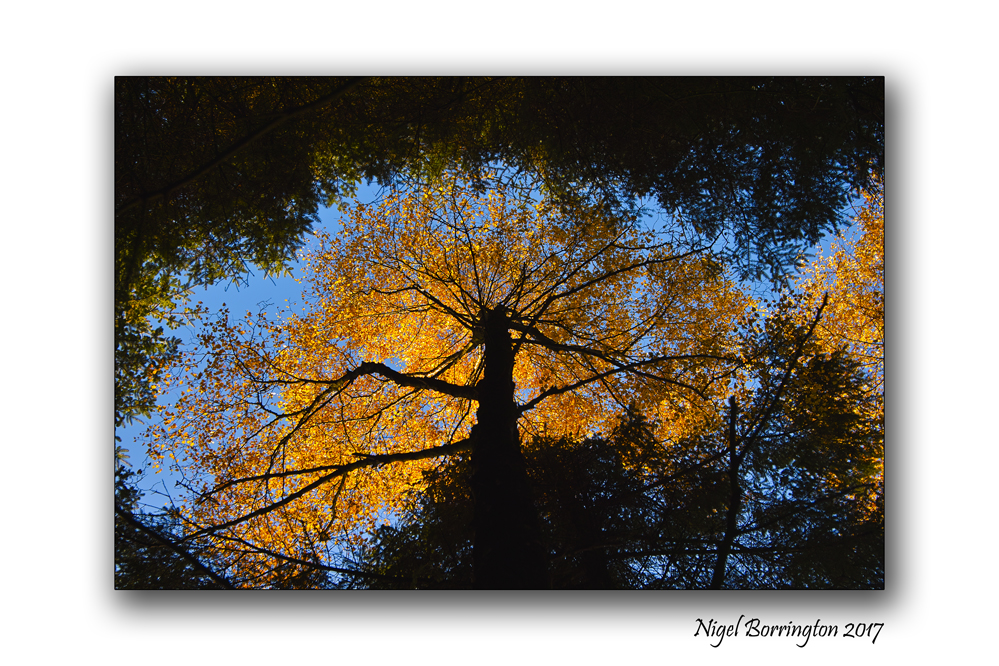
O Autumn, laden with fruit, and stainèd
With the blood of the grape, pass not, but sit
Beneath my shady roof; there thou may’st rest,
And tune thy jolly voice to my fresh pipe,
And all the daughters of the year shall dance!
Sing now the lusty song of fruits and flowers.
`The narrow bud opens her beauties to
The sun, and love runs in her thrilling veins;
Blossoms hang round the brows of Morning, and
Flourish down the bright cheek of modest Eve,
Till clust’ring Summer breaks forth into singing,
And feather’d clouds strew flowers round her head.
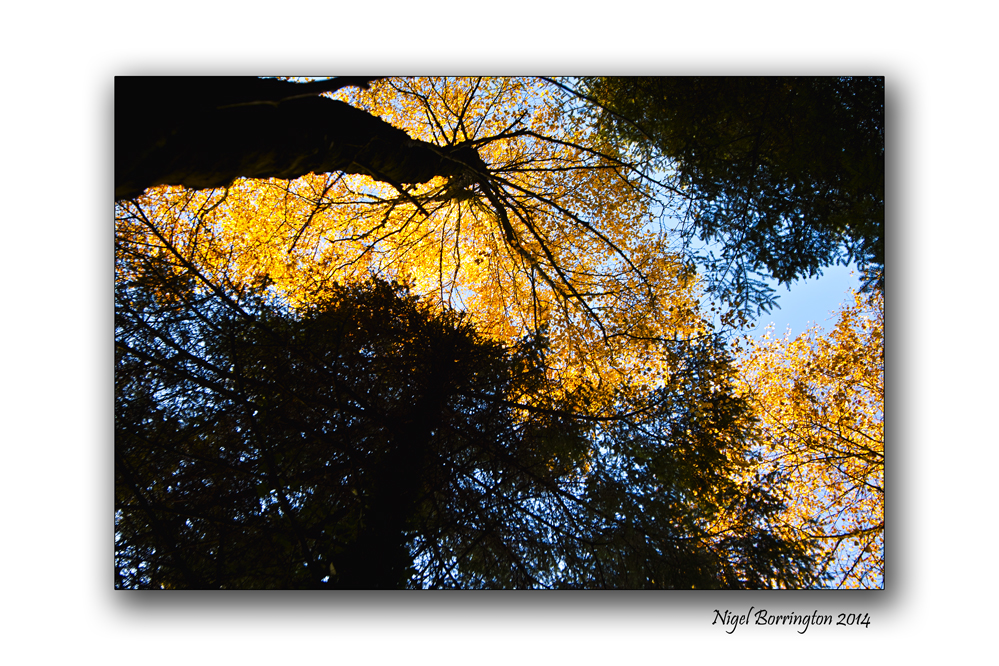
`The spirits of the air live on the smells
Of fruit; and Joy, with pinions light, roves round
The gardens, or sits singing in the trees.’
Thus sang the jolly Autumn as he sat;
Then rose, girded himself, and o’er the bleak
Hills fled from our sight; but left his golden load.
William Blake

Wind Turbine Poem, Our Wind Turbine

Ballybay Wind Farm, Tullaroan, county Kilkenny
Wind Turbine Poem
Our Wind Turbines

The propeller is always spinning,
Turning like the world.
With the wind it creates energy,
Makes a sound in motion.
It is environmentally friendly,
And the wind soars through the skies.
A source of power is at work,
And leaves a warm feeling inside.

Our turbine is very tall,
The wind blows in my face,
The sound the machine creates,
Will reach the furthest place.
It helps save parts of nature,
The sound rings loud and clear,
It keeps our land clean and neat,
Good energy is right here.
CERES Community in the Environment

Ballybay Wind Farm, Tullaroan, County Kilkenny
Nigel Borrington
Sonnet to Collecting Seashells

Sonnet to Collecting Seashells
During youth I was quite the collector
of ocean cretin’s annealed sandcastles
Though the hosts inside could not be cheaper,
their fleshy coats were worth all the hassles

Content I was amassing worn seashells;
daily did this fine collection accrue
Though furnished, barren felt those wooden shelves,
as even pearls are lesser than a jewel

Still, the sand was warm; the waves were soothful
and regardless of what hollowness struck,
the beach granted a chance to feel fruitful
so long as one had either skill or luck

Alone was I, but daresay not lonely,
but I was not happy until married.
The Angel – A poem by William Blake
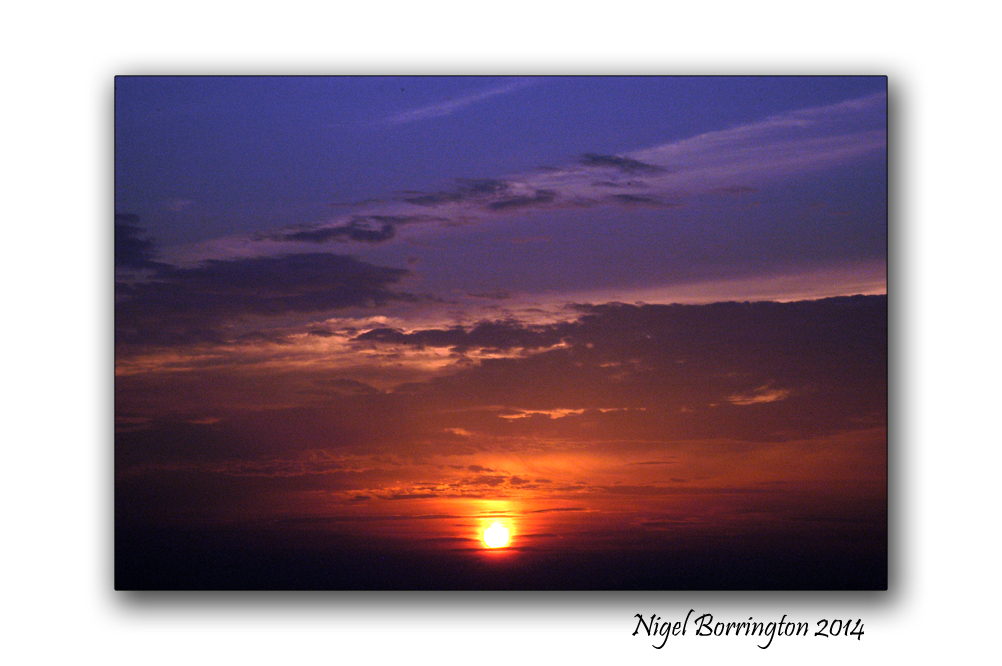
A September Sunrise, County Kilkenny
Landscape Photography : Nigel Borrington
poet William Blake
#11 on top 500 poets
The Angel – Poem by William Blake
I dreamt a dream! What can it mean?
And that I was a maiden Queen
Guarded by an Angel mild:
Witless woe was ne’er beguiled!
And I wept both night and day,
And he wiped my tears away;
And I wept both day and night,
And hid from him my heart’s delight.

So he took his wings, and fled;
Then the morn blushed rosy red.
I dried my tears, and armed my fears
With ten-thousand shields and spears.
Soon my Angel came again;
I was armed, he came in vain;
For the time of youth was fled,
And grey hairs were on my head.
William Blake

Monday Evening Poetry : A Night in the Field, Jay Parini, 1948
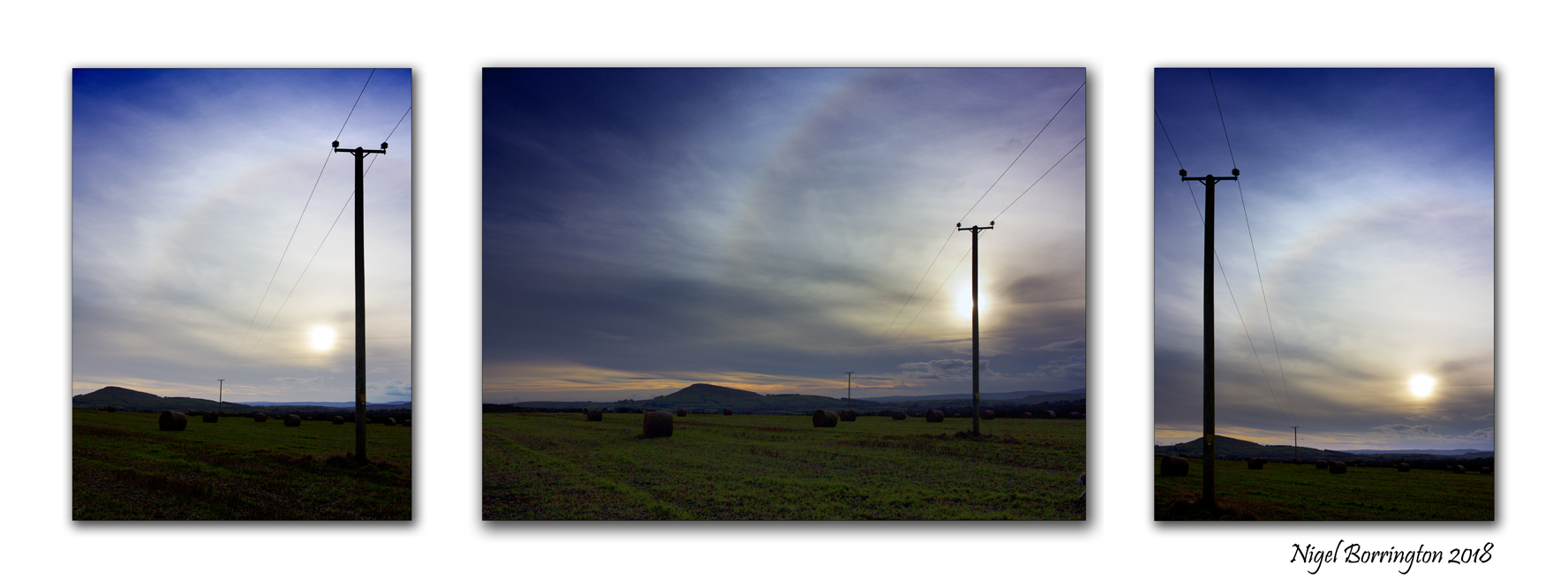
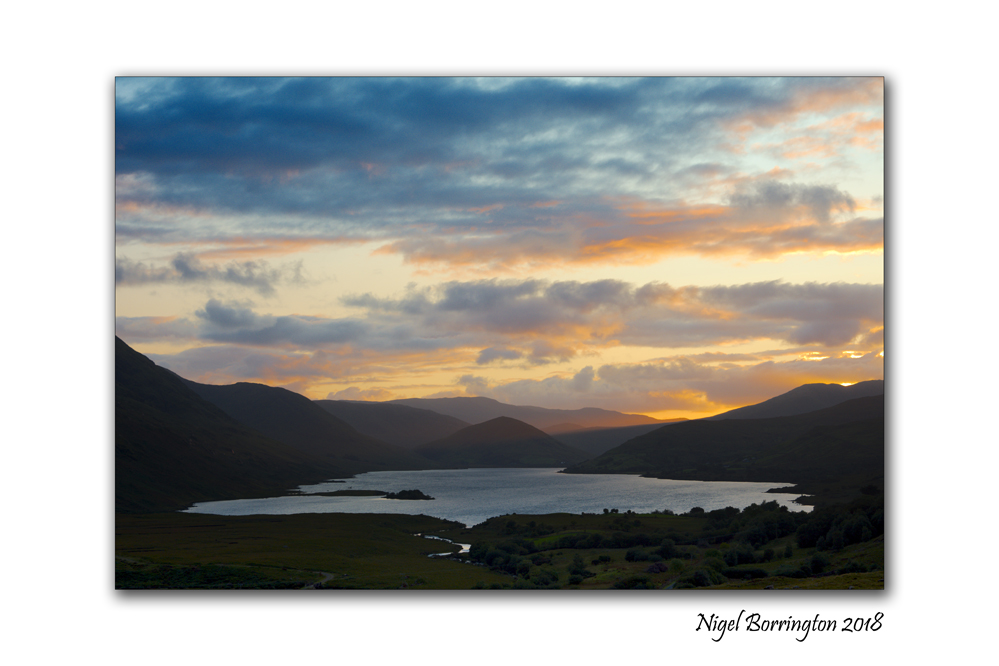
Suntsets over Country Kilkenny
Nigel Borrington 2018
A Night in the Field
Jay Parini, 1948
I didn’t mean to stay so late
or lie there in the grass
all summer afternoon and thoughtless
as the kite of sun caught in the tree-limbs
and the crimson field began to burn,
then tilt way.
I hung on
handily as night lit up the sky’s black skull
and star-flakes fell as if forever—
fat white petals of a far-off flower
like manna on the plains.

A ripe moon lifted in the east,
its eye so focused,
knowing what I knew but had forgotten
of the only death I’ll ever really need
to keep me going.
Did I sleep to wake or wake to sleep?
I slipped in seams through many layers,
soil and subsoil, rooting
in the loamy depths of my creation,
where at last I almost felt at home.
But rose at dawn in rosy light,
beginning in the dew-sop long-haired grass,
having been taken, tossed,
having gone down, a blackened tooth
in sugary old gums, that ground
Cows, a Poem by Paul Muldoon

Paul Muldoon (born 20 June 1951) is an Irish poet. He has published over thirty collections and won a Pulitzer Prize for Poetry and the T. S. Eliot Prize. He held the post of Oxford Professor of Poetry from 1999 to 2004.
At Princeton University he is both the Howard G. B. Clark ’21 Professor in the Humanities and Founding Chair of the Lewis Center for the Arts. He has also served as president of the Poetry Society (UK)[3] and Poetry Editor at The New Yorker. More ……
Cows by Paul Muldoon
Even as we speak, there’s a smoker’s cough
from behind the whitethorn hedge: we stop dead in our tracks;
a distant tingle of water into a trough.
In the past half-hour—since a cattle truck
all but sent us shuffling off this mortal coil—
we’ve consoled ourselves with the dregs
of a bottle of Redbreast. Had Hawthorne been a Gael,
I insist, the scarlet A on Hester Prynne
would have stood for “Alcohol.”
This must be the same truck whose taillights burn
so dimly, as if caked with dirt,
three or four hundred yards along the boreen
(a diminutive form of the Gaelic bóthar, “a road,”
from bó, “a cow,” and thar
meaning, in this case, something like “athwart,”
“boreen” has entered English “through the air”
despite the protestations of the O.E.D.):
why, though, should one taillight flash and flare
then flicker-fade
to an afterimage of tourmaline
set in a dark part-jet, part-jasper or -jade?
That smoker’s cough again: it triggers off from drumlin
to drumlin an emphysemantiphon
of cows. They hoist themselves onto their trampoline
and steady themselves and straight away divine
water in some far-flung spot
to which they then gravely incline. This is no Devon

cow-coterie, by the way, whey-faced, with Spode
hooves and horns: nor are they the metaphysicattle of Japan
that have merely to anticipate
scoring a bull’s-eye and, lo, it happens;
these are earth-flesh, earth-blood, salt of the earth,
whose talismans are their own jawbones
buried under threshold and hearth.
For though they trace themselves to the kith and kine
that presided over the birth
of Christ (so carry their calves a full nine
months and boast liquorice
cachous on their tongues), they belong more to the line
that’s tramped these cwms and corries
since Cuchulainn tramped Aoife.
Again the flash. Again the fade. However I might allegorize
some oscaraboscarabinary bevy
of cattle there’s no getting round this cattle truck,
one light on the blink, laden with what? Microwaves? Hi-fis?
Oscaraboscarabinary: a twin, entwined, a tree, a Tuareg;
a double dung-beetle; a plain
and simple hi-firing party; an off-the-back-of-a-lorry drogue?
Enough of Colette and Céline, Céline and Paul Celan:
enough of whether Nabokov
taught at Wellesley or Wesleyan.
Now let us talk of slaughter and the slain,
the helicopter gunship, the mighty Kalashnikov:
let’s rest for a while in a place where a cow has lain.
Irish Landscapes – Suir Valley, County Tipperary, call of the far away hills

Call of the far away hills
Suir Valley
county Tipperary
Nigel Borrington 2018
Shadows fall on the Valley
Day is done and the sun
Is slowly fading out of sight
I can hear, oh, so clear
A call that echoes in the night
Yes, I hear sweet and clear
The call of the faraway hills
There’s no rest on the Valley
There’s no rest for a restless soul
That just was born to roam
Who can say, maybe way out there
My heart may find a home
And I hear sweet and clear
The call of the faraway hills
There are trails I’ve never seen
And my dreams are getting old
And beyond the sunset
There are brand new paths
When a new dream or two
May just be one star away
I must obey the call of the faraway hills
William Butler Yeats country, Those Images A poem

Those Images – Poem by William Butler Yeats
What if I bade you leave
The cavern of the mind?
There’s better exercise
In the sunlight and wind.
I never bade you go
To Moscow or to Rome.
Renounce that drudgery,
Call the Muses home.
Seek those images
That constitute the wild,
The lion and the virgin,
The harlot and the child.
Find in middle air
An eagle on the wing,
Recognise the five
That make the Muses sing.
William Butler Yeats
The Land of Beyond, Robert Service

The Land of Beyond
Robert Service
Have you ever heard of the Land of Beyond,
That dream at the gates of the day?
Alluring it lies at the skirts of the skies,
And ever so far away;
Alluring it calls: O ye yoke of galls,
And ye of the trails overfond,
With saddle and pack, by paddle and track,
Let’s go to the Land of Beyond!

Have ever you stood where the silences brood,
And vast the horizons begin,
At the dawn of the day to behold far away
The goal you would strive for and win?
Yet ah! in the night when you gain to the height,
With the vast pool of heaven star-spawned,
Afar and agleam, like a valley of dream,
Still mocks you the Land of Beyond.

Thank God! there is always the Land of Beyond
For us who are true to the trail;
A vision to seek, a beckoning peak,
A fairness that never will fail;
A proud in our soul that mocks at a goal,
A manhood that irks at a bond,
And try how we will, unattainable still,
Behold it, our Land of Beyond!
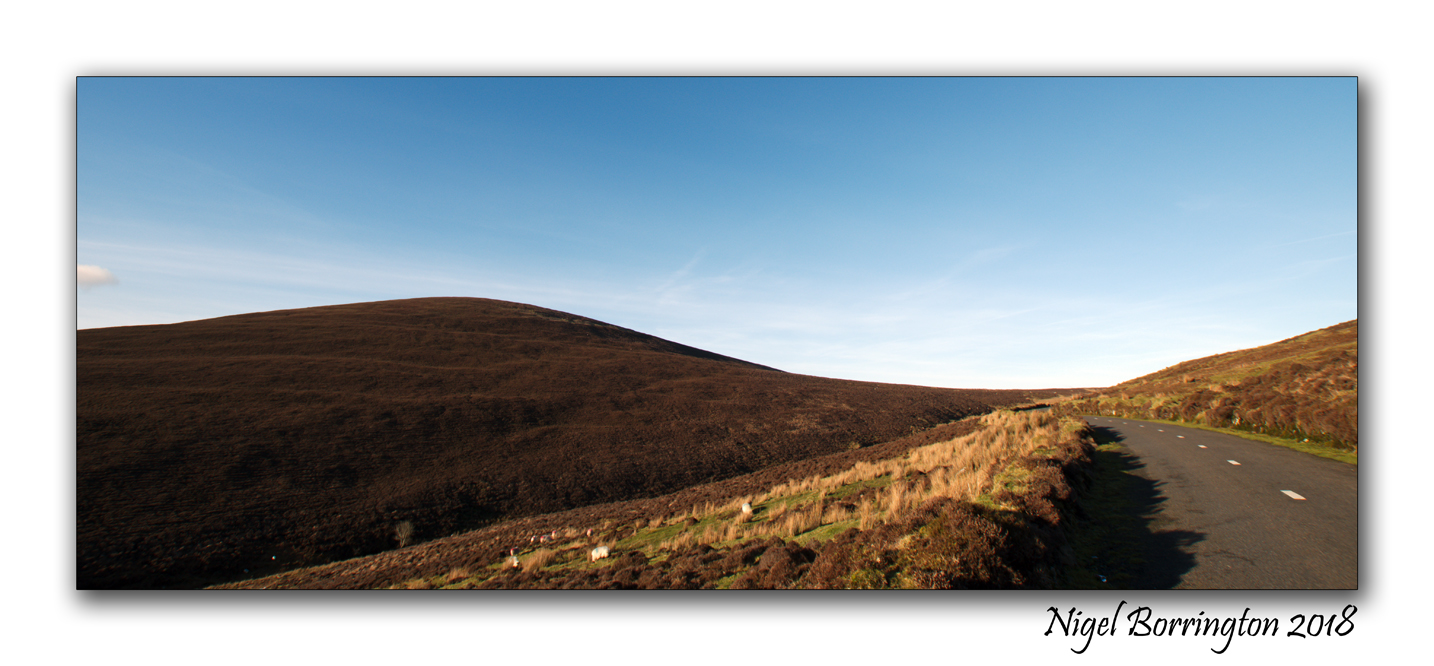
A Poem for August : In August – Poem by Paul Laurence Dunbar
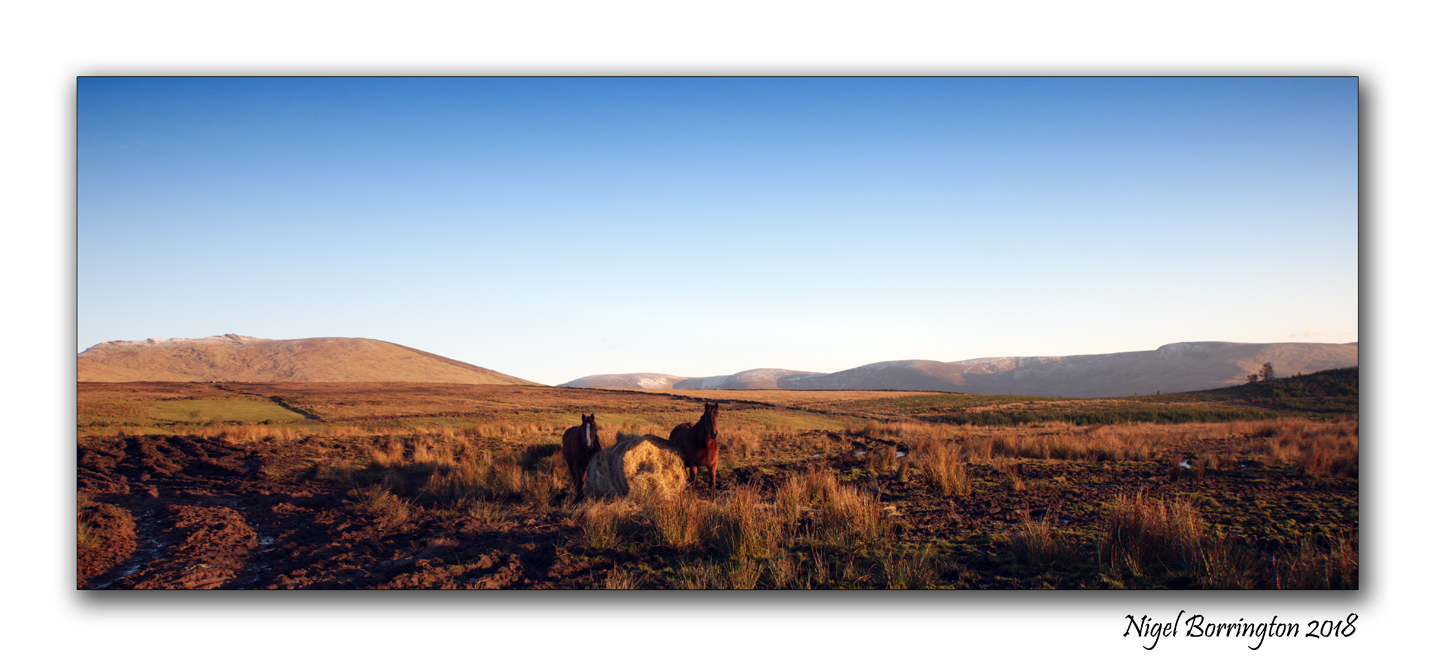
A Poem for those Augusts when it doesn’t rain …..
In August – Poem by Paul Laurence Dunbar
When August days are hot an’ dry,
When burning copper is the sky,
I ‘d rather fish than feast or fly
In airy realms serene and high.
I ‘d take a suit not made for looks,
Some easily digested books,
Some flies, some lines, some bait, some hooks,
Then would I seek the bays and brooks.
I would eschew mine every task,
In Nature’s smiles my soul should bask,
And I methinks no more could ask,
Except–perhaps–one little flask.
In case of accident, you know,
Or should the wind come on to blow,
Or I be chilled or capsized, so,
A flask would be the only go.
Then could I spend a happy time,–
A bit of sport, a bit of rhyme
(A bit of lemon, or of lime,
To make my bottle’s contents prime).
When August days are hot an’ dry,
I won’t sit by an’ sigh or die,
I ‘ll get my bottle (on the sly)
And go ahead, and fish, and lie!
In August
Paul Laurence Dunbar
A Poem for August : Dark August – Poem by Derek Walcott
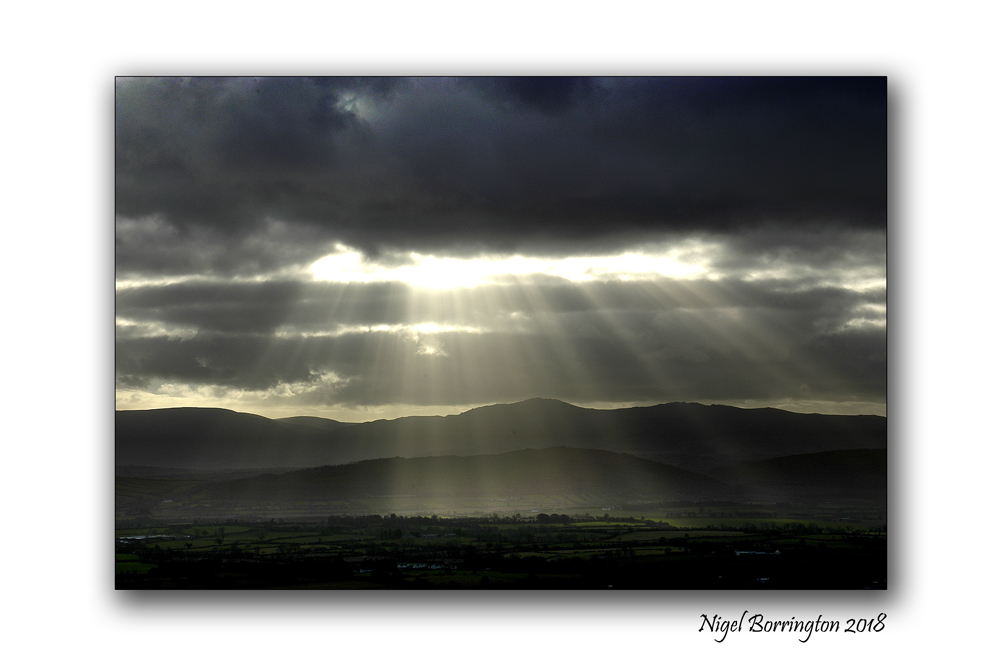
A poem for those Augusts when it does rain ! ……..
Dark August – Poem by Derek Walcott
So much rain, so much life like the swollen sky
of this black August. My sister, the sun,
broods in her yellow room and won’t come out.
Everything goes to hell; the mountains fume
like a kettle, rivers overrun; still,
she will not rise and turn off the rain.
She is in her room, fondling old things,
my poems, turning her album. Even if thunder falls
like a crash of plates from the sky,
she does not come out.
Don’t you know I love you but am hopeless
at fixing the rain ? But I am learning slowly

to love the dark days, the steaming hills,
the air with gossiping mosquitoes,
and to sip the medicine of bitterness,
so that when you emerge, my sister,
parting the beads of the rain,
with your forehead of flowers and eyes of forgiveness,
all with not be as it was, but it will be true
(you see they will not let me love
as I want), because, my sister, then
I would have learnt to love black days like bright ones,
The black rain, the white hills, when once
I loved only my happiness and you.
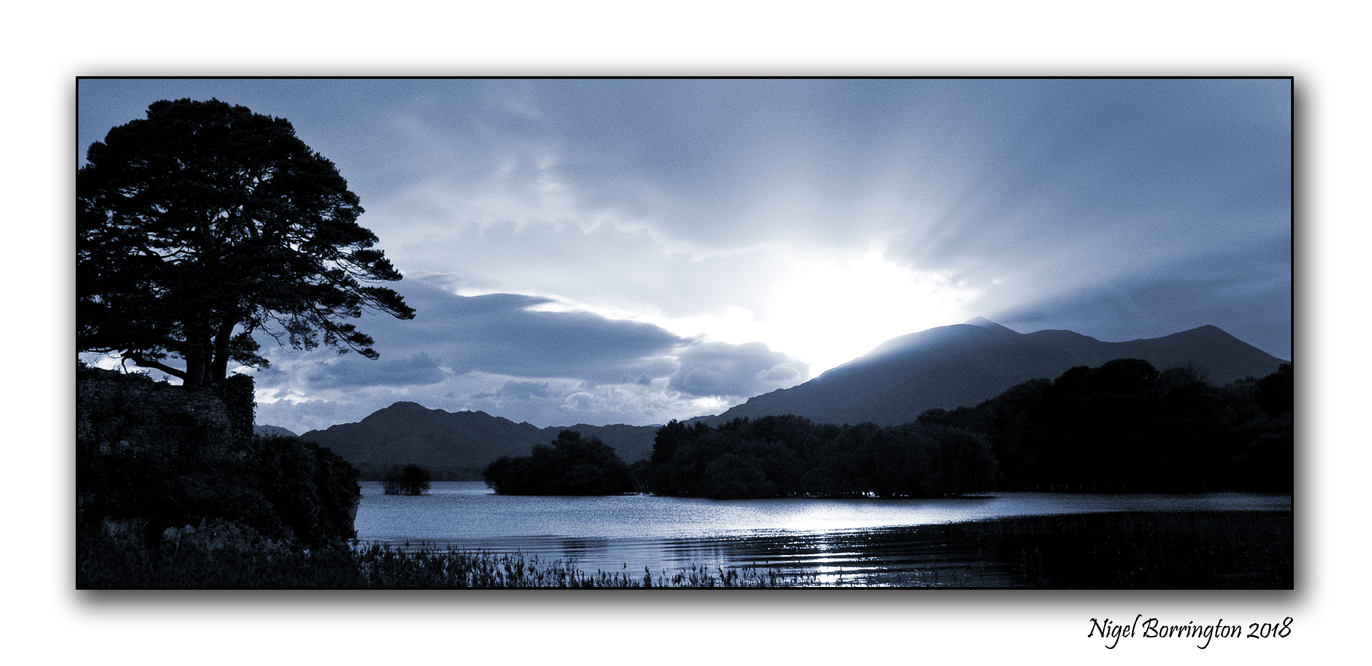
An August Midnight
Thomas Hardy
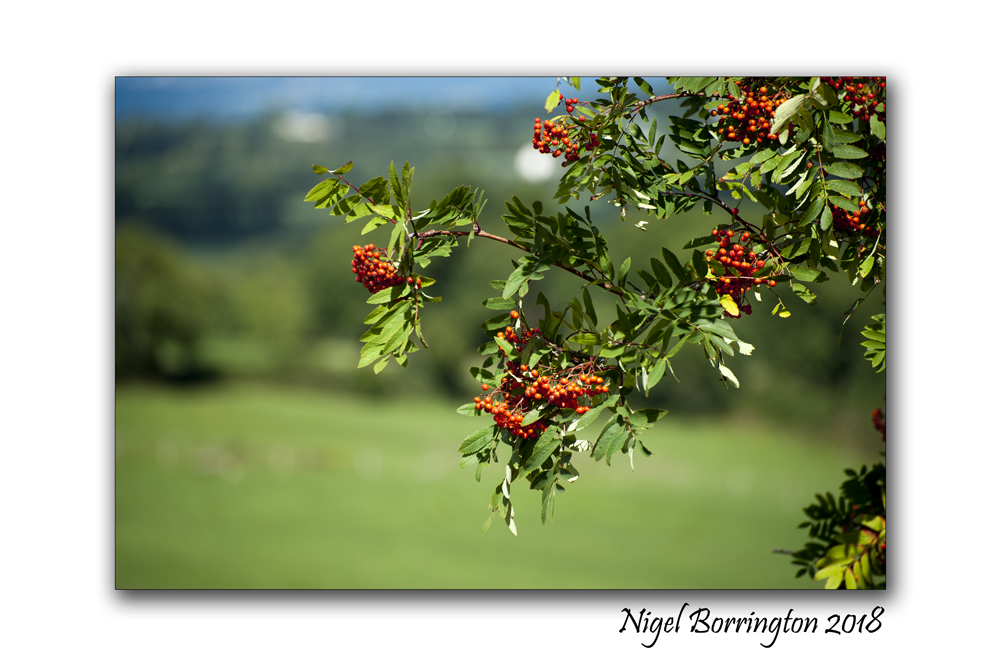
My Mountain Ash Tree, a poem ….

My Mountain Ash Tree
Season after season.
I’ve gazed upon you
through my window.
I’ve seen the snow hang low
upon your branches.
With white upon red berries.
I’ve watched the snow melt away
to reveal new buds,
opening,
ever so slowly,
to leaves so green.
In early Spring.
I’ve watched all the creatures
hop, climb, and fly among
your branches.
I’ve watched the birds taste
your blood-red berries.
I’ve seen songbirds…
Nuthatches,
finches, and chickadees.
Come to the feeders.
That hang from you.
I’ve seen the squirrels steal
seeds from the birds.
As their little paws unlatch
a little hook.
I’ve heard the birds sing among your
branches.

So sweetly.
I remember when the chickadees
built their nest in you,
and then watched their young fledge.
I remember the year the woodpecker
came knocking at your trunk’s door.
As he drilled his beak into you.
And made a hole.
After that.
You were never the same anymore…
I watched your life slowly end.
Another year.
Another season.
More dead branches to be severed.
Fewer buds.
Fewer leaves.
As your story slowly drew to a close.
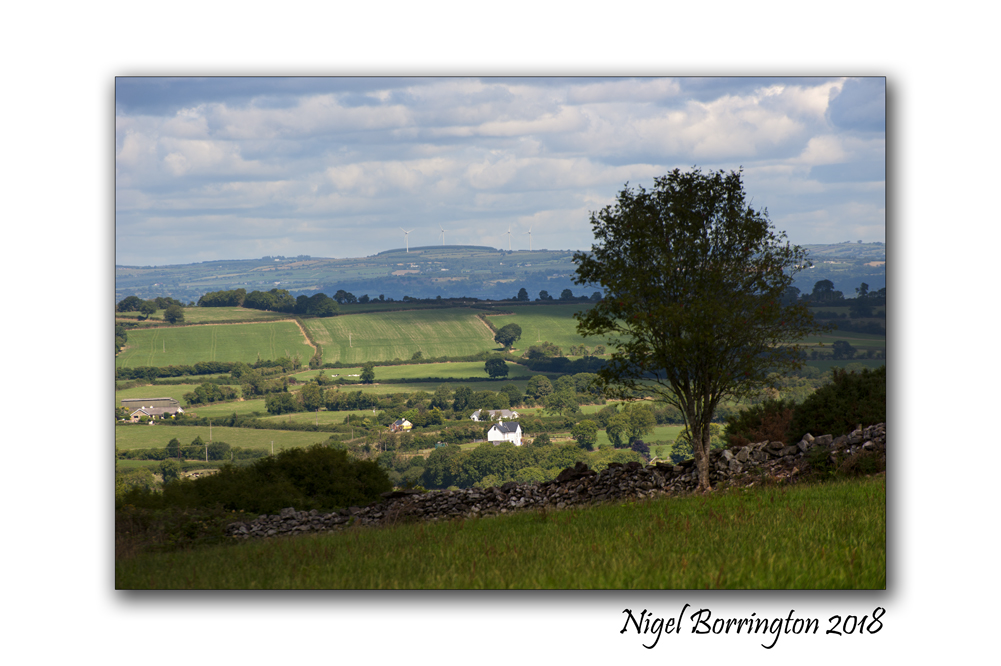
Yesterday,
they chopped down what was left of you.
But I will always remember you.
And I thank the Lord for the joy
of beholding your beauty.
Of watching your story.
You have blessed so many creatures.
Including me.
Farewell,
Beautiful Mountain Ash tree.
Irish Landscape Photography : The rain maker

The Rainmaker
Written by
Roger Turner
The weather plots his journey
Town to town in dead of night
Fields dead and on a gurney
He comes in to make it right
A rainmaker, people call him
A psuedo-scammer others say
He sells himself as godlike
He comes quick and does not stay
He tells people what they wish for
He beats the storm in to their town
He seeds their minds with his tall stories
He promises more green than brown
Like an evangelistic angel
He beats the weather to the ground
He’s a salesman like no other
He picks their pockets with no sound

A rainmaker, just a scammer
He works the towns where nothing lives
He is an alchemist non-gratta
He always takes and never gives
He sells snake oil and concoctions
He is a shaman in disguise
He promises rain where none has fallen
There is more moisture in the farmers eyes
He takes credit for a rainfall
He promises gold where once was straw
He’s a rumplestiltskin with their feelings
He sells them only what they wish they saw
He may believe in what he tells them
He always puts his name out on a stake
But, can he truly make the skies open
That is a choice the desperate make
Ghost House in the Irish landscape, Poem by Robert Frost, 1874 – 1963
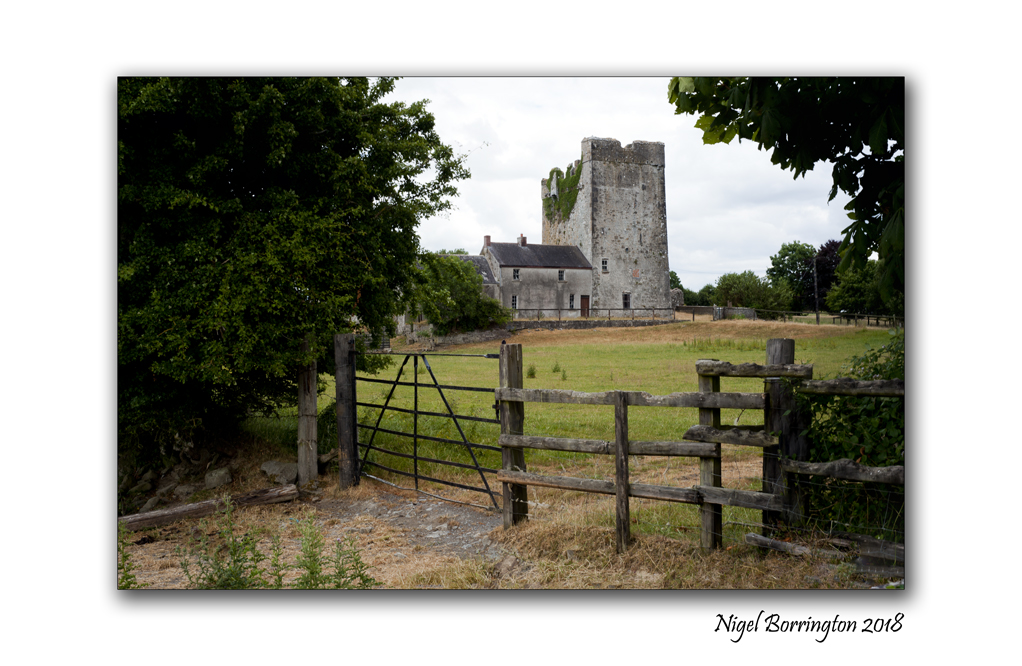
Ghost House
Robert Frost, 1874 – 1963
I dwell in a lonely house I know
That vanished many a summer ago,
And left no trace but the cellar walls,
And a cellar in which the daylight falls
And the purple-stemmed wild raspberries grow.
O’er ruined fences the grape-vines shield
The woods come back to the mowing field;
The orchard tree has grown one copse
Of new wood and old where the woodpecker chops;
The footpath down to the well is healed.
I dwell with a strangely aching heart
In that vanished abode there far apart
On that disused and forgotten road
That has no dust-bath now for the toad.
Night comes; the black bats tumble and dart;

The whippoorwill is coming to shout
And hush and cluck and flutter about:
I hear him begin far enough away
Full many a time to say his say
Before he arrives to say it out.
It is under the small, dim, summer star.
I know not who these mute folk are
Who share the unlit place with me—
Those stones out under the low-limbed tree
Doubtless bear names that the mosses mar.
They are tireless folk, but slow and sad—
Though two, close-keeping, are lass and lad,—
With none among them that ever sings,
And yet, in view of how many things,
As sweet companions as might be had
Time and Eternity By : Emily Dickenson, (1896)

Tintern Abbey
County Wexford
Irish Landscapes
Nigel Borrington 2018
One need not be a chamber to be haunted,
One need not be a house;
The brain has corridors surpassing
Material place.
Far safer, of a midnight meeting
External ghost,
Than an interior confronting
That whiter host.
Far safer through an Abbey gallop,
The stones achase,
Than, moonless, one’s own self encounter
In lonesome place.
Ourself, behind ourself concealed,
Should startle most;
Assassin, hid in our apartment,
Be horror’s least.
The prudent carries a revolver,
He bolts the door,
O’erlooking a superior spectre
More near.
Monday Poetry : The Ocean Shipwreck Lord Byron (1788–1824)

The Ocean Shipwreck
Lord Byron (1788–1824)
(From Don Juan)
’T WAS twilight, for the sunless day went down
Over the waste of waters; like a veil,
Which, if withdrawn, would but disclose the frown
Of one who hates us, so the night was shown,
And grimly darkled o’er their faces pale,
And hopeless eyes, which o’er the deep alone
Gazed dim and desolate; twelve days had Fear
Been their familiar, and now Death was here.
* * * * *
At half past eight o’clock, booms, hencoops, spars,
And all things, for a chance, had been cast loose,
That still could keep afloat the struggling tars,
For yet they strove, although of no great use:
There was no light in heaven but a few stars;
The boats put off o’ercrowded with their crews;
She gave a heel, and then a lurch to port,
And, going down head-foremost,—sunk, in short.

Then rose from sea to sky the wild farewell!
Then shrieked the timid, and stood still the brave;
Then some leaped overboard with dreadful yell,
As eager to anticipate their grave;
And the sea yawned around her like a hell,
And down she sucked with her the whirling wave,
Like one who grapples with his enemy,
And strives to strangle him before he die.
And first one universal shriek there rushed,
Louder than the loud ocean, like a crash
Of echoing thunder; and then all was hushed,
Save the wild wind and the remorseless dash
Of billows; but at intervals there gushed,
Accompanied with a convulsive splash,
A solitary shriek—the bubbling cry
Of some strong swimmer in his agony.
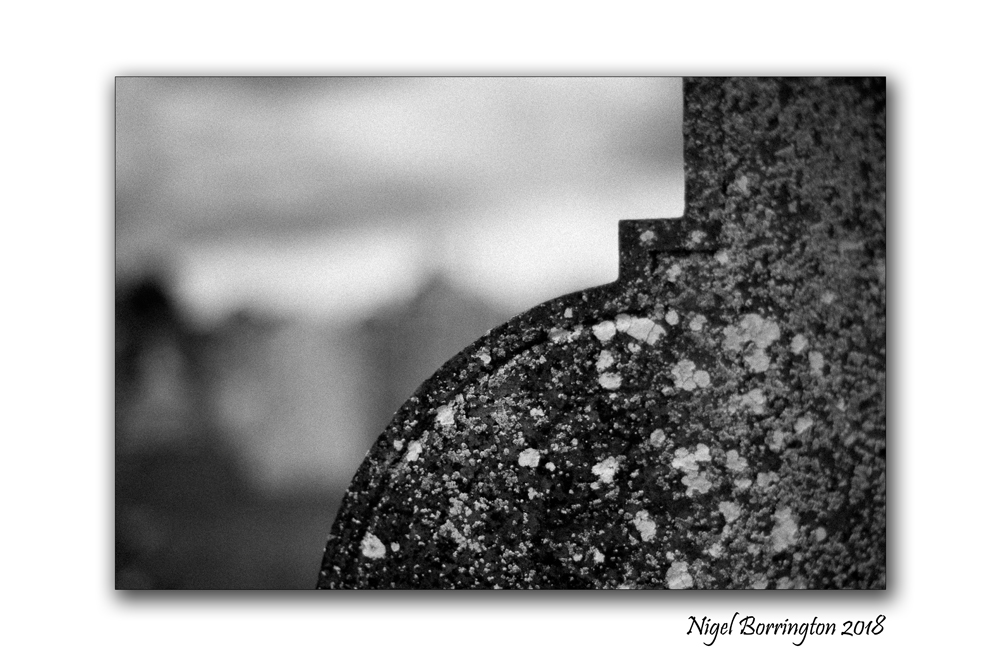
When I am gone, A poem of memory ……
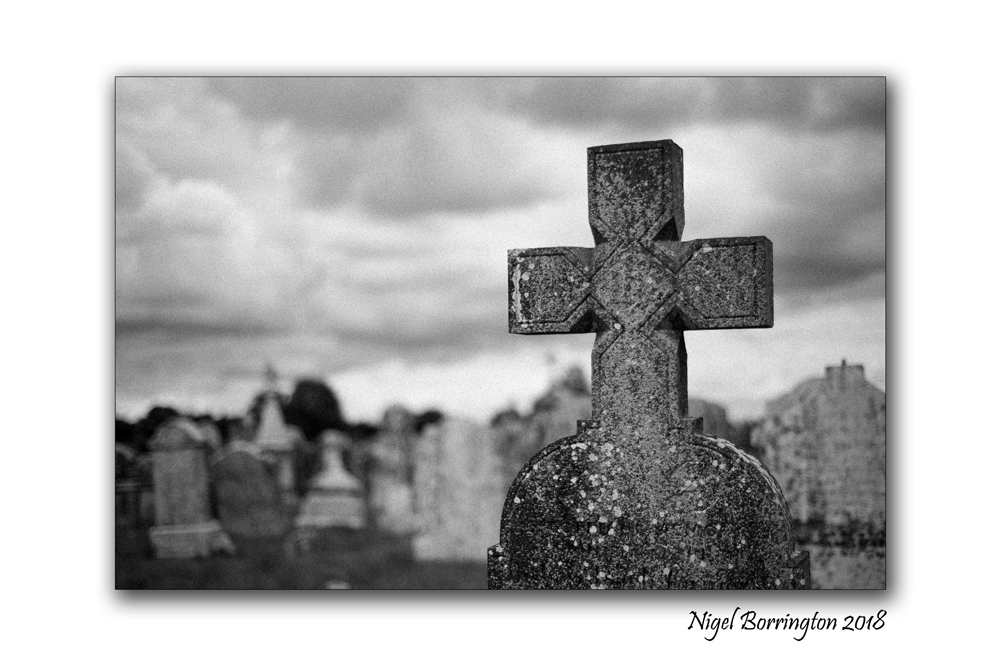
Eulogy
Nigel Borrington 2018
“When I am gone, release me. Let me go.
I have so many things to see and do.
You mustn’t tie yourself to me with tears.
Be happy that we had so many beautiful years.
I gave to you my love. You can only guess
How much you gave to me in happiness.
I thank you for the love you each have shown,
But now it’s time I traveled on alone.
So grieve a while for me, if grieve you must.
Then let your grief be comforted by trust.
It’s only for a while that we must part,
So bless the memories within your heart.
I won’t be far away, for life goes on.
So if you need me, call and I will come.
Though you can’t see or touch me, I’ll be near.
And if you listen with your heart,
You’ll hear all my love around you soft and clear.
And then, when you must come this way alone,
I’ll greet you with a smile and say welcome home…”
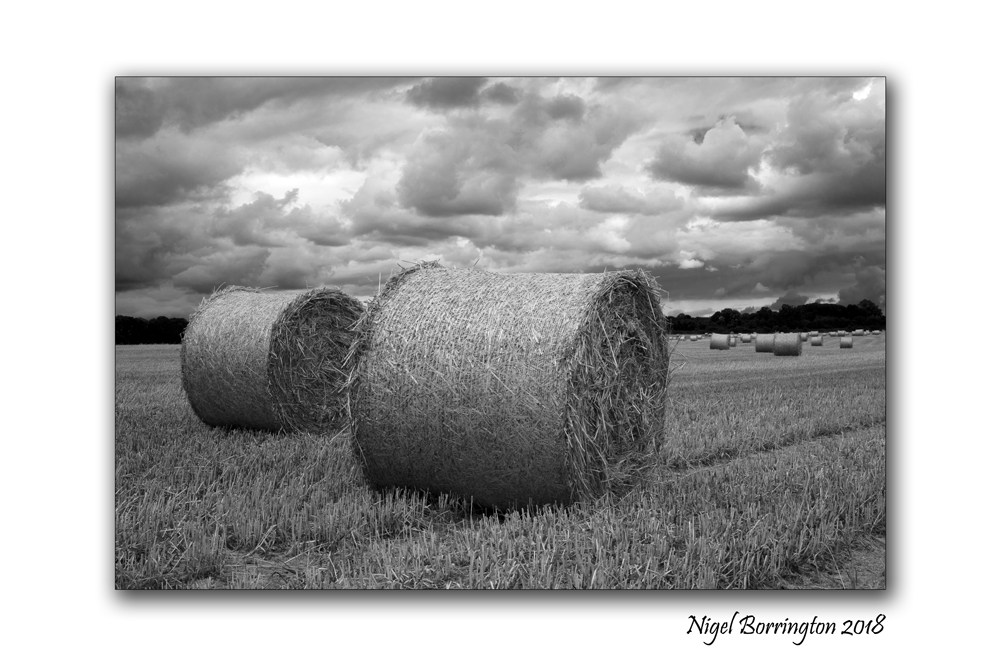
Kilkenny Landscape images : Rain clouds return , July 15th 2018

County Kilkenny Landscapes
Rain clouds return
Nikon D700
50mm AIS f1.8 lens
Return of Rain
The cloud drops on my lip
On the tip of my nose
I get hugged by the drip
Ah, rain is so close!
The heat is now a story
The balm seems so near
Regaining its lost glory
Surely the monsoon is here!
Tip-tap on my windowpane
Dark floaters are busy
Pouring on men and women
Life is once more easy!
I’m glad the rain is back
To awaken the soil’s green
Wipe out the summer’s crack
Dance on my parched roof tin!
Tip-tap on my windowpane
Dark floaters are busy
Pouring on men and women
Life is once more easy!
I’m glad the rain is back
To awaken the soil’s green
Wipe out the summer’s crack
Dance on my parched roof tin!

Irish landscape photography , On Summer Hill, Poem By: John K Trainer
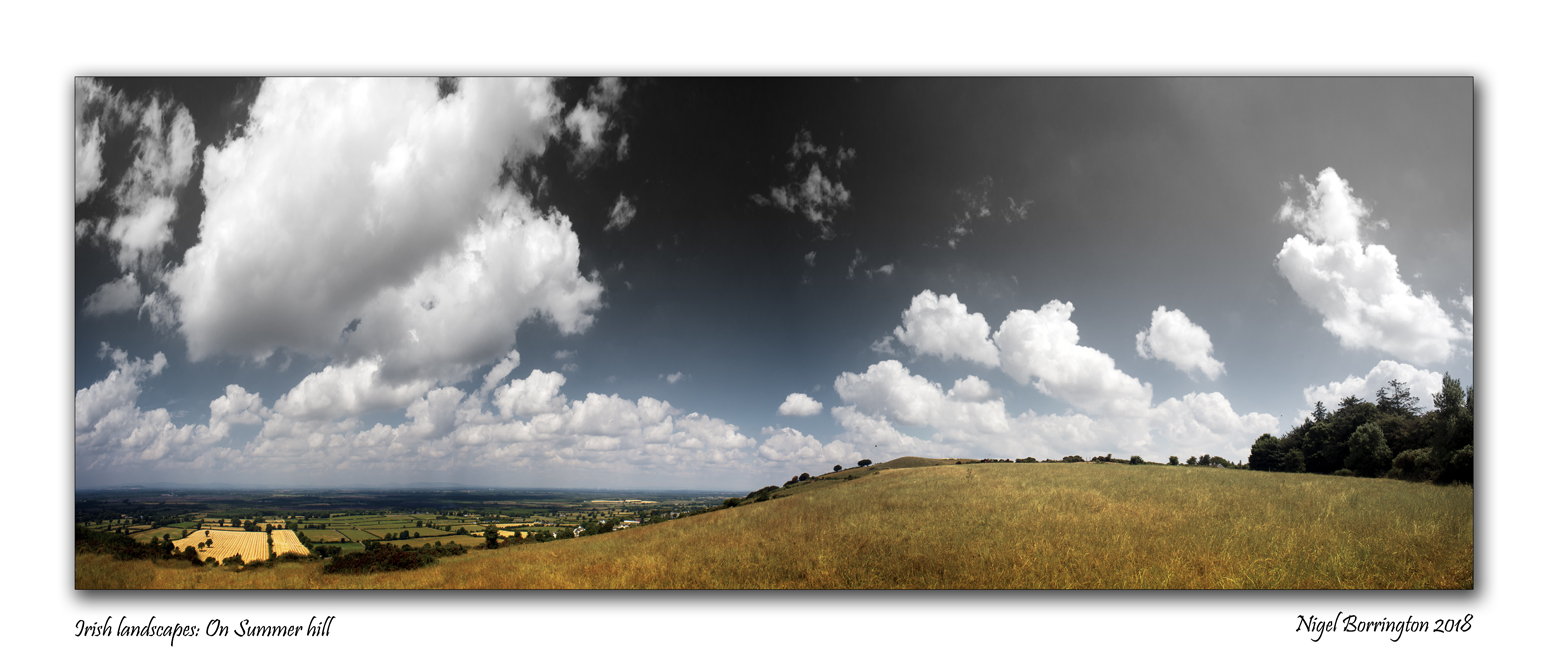
On summer hill
fading to black and white
Irish Landscape images
Nikon D700
Tamron 17mm lens
Nigel Borrington
On summer Hill
John K Trainer
The fragrance of a memory
From childhood long ago
I’m brought back
To a fenced in back yard
Crayola blue sky
Burnt umber ground
Islands of green and yellow grass
The scent of Summer Hill wafts
As the unseen is revealed
A dream remembered then forgotten
You say it didn’t happen
I recollect the aroma that says it did
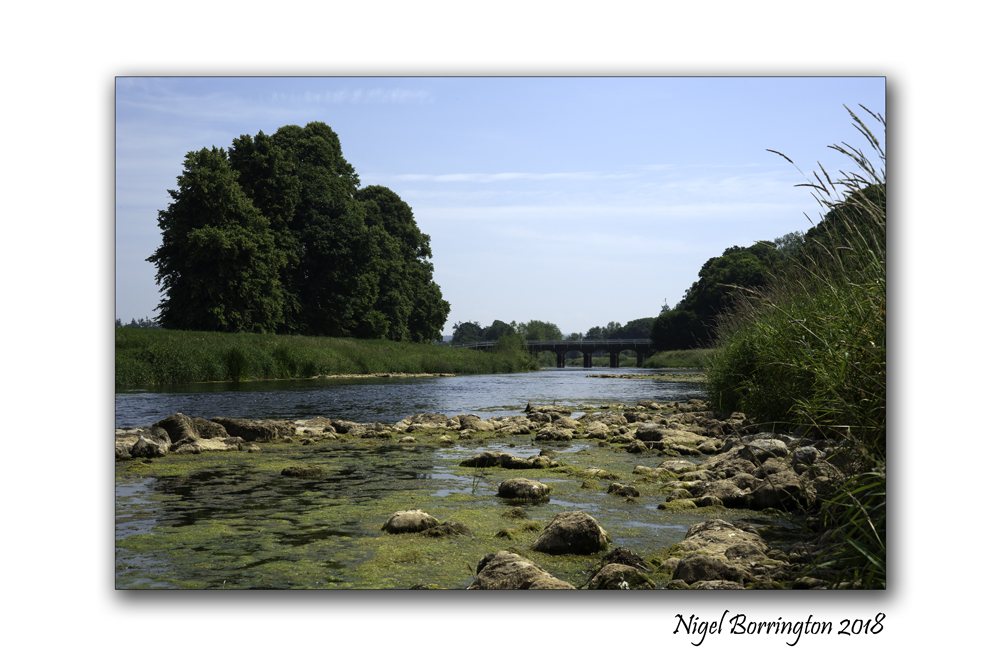
Capturing Ireland’s heatwave, July 10th 2018, The River Runs Dry, taken from a Poem by : Veronica Ellen
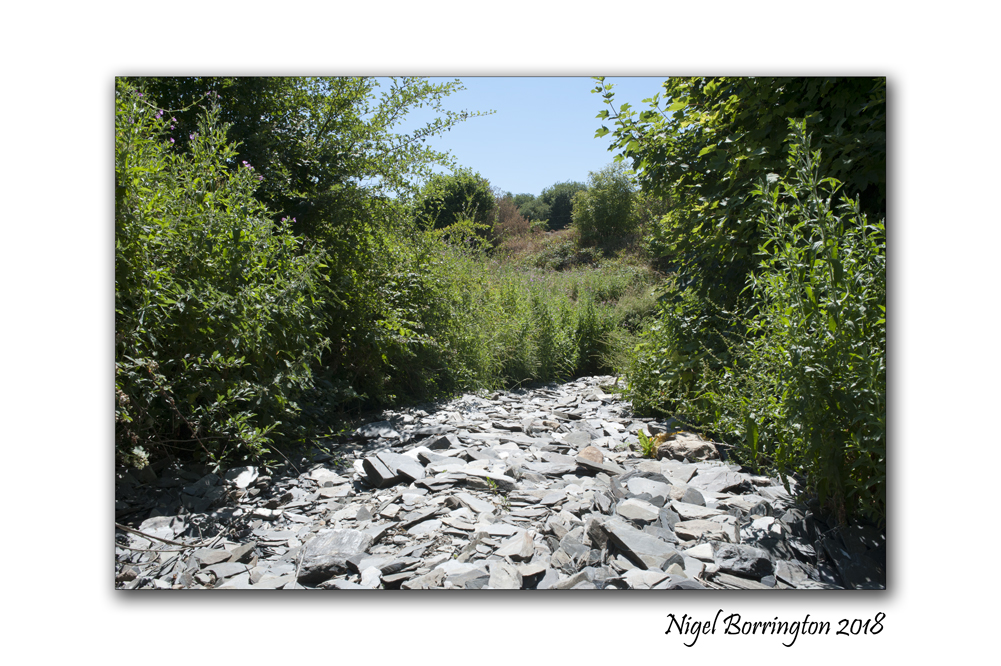
Irish summer 2018
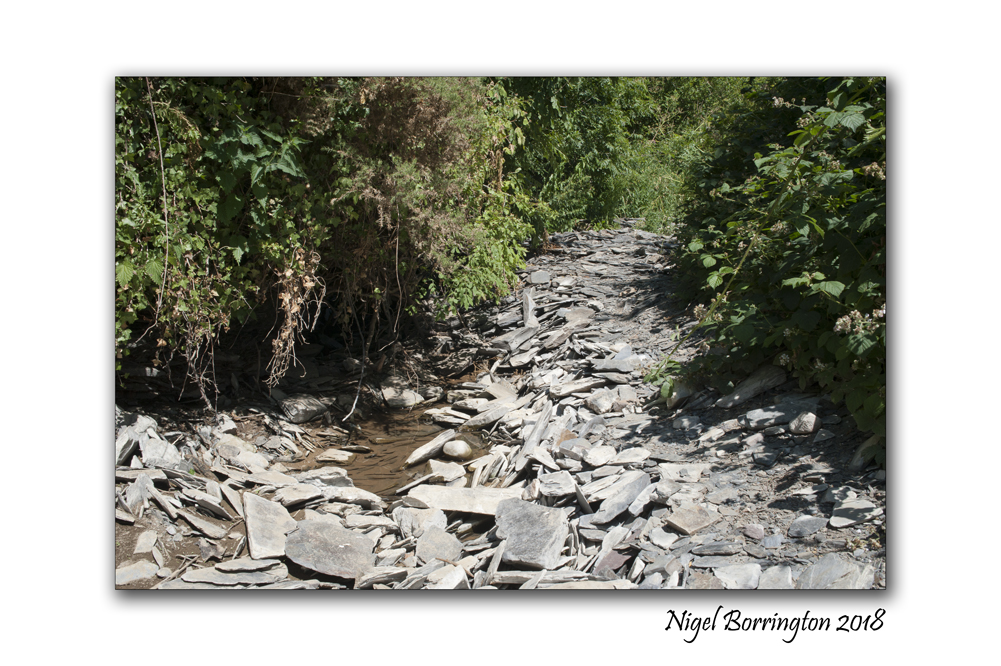
The heatwave, the river runs dry
River Lingaun
County Kilkenny
The River Runs Dry
The river runs dry from mouth to stream
No rain from the sky, and all the land screams-
For nourishment, to save the dying crop
But God has no mercy and all the crops rot.
The heat strikes the fury, arouses the flame, sets the fire
Burns down the struggling trees, wealth an unrealized by flame.
burning bushes, so often unseen.

Weakens our roots, and their spirit is broken
Will it never rain again? , so many are hoping.

The River Runs Low, Bruce Hornsby and the Range, Album The Way It Is
The River Runs Low
Bruce Hornsby and the Range
Album The Way It Is
The rain held back again
Haven’t felt a drop since you went away
Outside of town, the hills are brown
I guess way out there you’d call ’em golden
Lines outside the welfare store
The clock is stopped at the bank next door
They yelled like hell when the boys left home
Now just like you, they’re all gone
The river runs low tonight
And eyes are closed on the waterline
The river runs low tonight
And you’re always drifting through my mind
The river runs low tonight
And nobody waits for the tide to rise
I’m gonna wait till you make
The river run high
Whoa-oh…Whoa, oooh…
The old man’s gettin’ on
Keeps the morning paper in his overcoat
It keeps him warm in the cold storm
And he told me today I look a little lonely
Up in the air they’re heading south
The sky is light to the west of town
With a little cash I could get around
You know I’d come out there and find you

Whoa…
The river runs low tonight
And eyes are closed on the waterline
The river runs low tonight
And you’re always drifting through my mind
The river runs low tonight
And nobody waits for the tide to rise
But I’m gonna wait till you make
The river run high
Whoa-oh…Whoa, oooh…Whoa-oh….
Up in the air they’re heading south
The sky is light to the west of town
With a little cash I could get around
You know I’d come out there and find you
Whoa…
The river runs low tonight
And eyes are closed on the waterline
The river runs low tonight
And you’re always drifting through my mind
The river runs low tonight
And nobody waits for the tide to rise
I’m gonna wait till you make
The river run high
 Nigel Borrington
What is life, if We have no time to stand and stare ? A Poem by: William Henry Davies
What is life
By : William Henry Davies
What is this life if, full of care,
We have no time to stand and stare.
No time to stand beneath the boughs
And stare as long as sheep or cows.
No time to see, when woods we pass,
Where squirrels hide their nuts in grass.
.
No time to see, in broad daylight,
Streams full of stars, like skies at night.
No time to turn at Beauty’s glance,
And watch her feet, how they can dance.
No time to wait till her mouth can
Enrich that smile her eyes began.
A poor life this if, full of care,
We have no time to stand and stare.
Share this:
July 30, 2018 | Categories: Comment, Gallery, Irish Landscapes, Landscape, Nature, Nature and Wildlife, Poetry Gallery | Tags: Nigel Borrington, poem, poetry, Questions on life, What is life?, William Henry Davies | Leave a comment